EP4170965B1 - Anwendungssicherheit durch globale sperrung und erfassung - Google Patents
Anwendungssicherheit durch globale sperrung und erfassung Download PDFInfo
- Publication number
- EP4170965B1 EP4170965B1 EP22190742.1A EP22190742A EP4170965B1 EP 4170965 B1 EP4170965 B1 EP 4170965B1 EP 22190742 A EP22190742 A EP 22190742A EP 4170965 B1 EP4170965 B1 EP 4170965B1
- Authority
- EP
- European Patent Office
- Prior art keywords
- application
- cookie
- fingerprint
- request
- user
- Prior art date
- Legal status (The legal status is an assumption and is not a legal conclusion. Google has not performed a legal analysis and makes no representation as to the accuracy of the status listed.)
- Active
Links
Images








Classifications
-
- H—ELECTRICITY
- H04—ELECTRIC COMMUNICATION TECHNIQUE
- H04L—TRANSMISSION OF DIGITAL INFORMATION, e.g. TELEGRAPHIC COMMUNICATION
- H04L63/00—Network architectures or network communication protocols for network security
- H04L63/08—Network architectures or network communication protocols for network security for authentication of entities
- H04L63/0876—Network architectures or network communication protocols for network security for authentication of entities based on the identity of the terminal or configuration, e.g. MAC address, hardware or software configuration or device fingerprint
-
- H—ELECTRICITY
- H04—ELECTRIC COMMUNICATION TECHNIQUE
- H04L—TRANSMISSION OF DIGITAL INFORMATION, e.g. TELEGRAPHIC COMMUNICATION
- H04L63/00—Network architectures or network communication protocols for network security
- H04L63/08—Network architectures or network communication protocols for network security for authentication of entities
- H04L63/0884—Network architectures or network communication protocols for network security for authentication of entities by delegation of authentication, e.g. a proxy authenticates an entity to be authenticated on behalf of this entity vis-à-vis an authentication entity
-
- H—ELECTRICITY
- H04—ELECTRIC COMMUNICATION TECHNIQUE
- H04L—TRANSMISSION OF DIGITAL INFORMATION, e.g. TELEGRAPHIC COMMUNICATION
- H04L63/00—Network architectures or network communication protocols for network security
- H04L63/10—Network architectures or network communication protocols for network security for controlling access to devices or network resources
- H04L63/101—Access control lists [ACL]
-
- H—ELECTRICITY
- H04—ELECTRIC COMMUNICATION TECHNIQUE
- H04L—TRANSMISSION OF DIGITAL INFORMATION, e.g. TELEGRAPHIC COMMUNICATION
- H04L63/00—Network architectures or network communication protocols for network security
- H04L63/14—Network architectures or network communication protocols for network security for detecting or protecting against malicious traffic
- H04L63/1408—Network architectures or network communication protocols for network security for detecting or protecting against malicious traffic by monitoring network traffic
- H04L63/1416—Event detection, e.g. attack signature detection
-
- H—ELECTRICITY
- H04—ELECTRIC COMMUNICATION TECHNIQUE
- H04L—TRANSMISSION OF DIGITAL INFORMATION, e.g. TELEGRAPHIC COMMUNICATION
- H04L63/00—Network architectures or network communication protocols for network security
- H04L63/14—Network architectures or network communication protocols for network security for detecting or protecting against malicious traffic
- H04L63/1441—Countermeasures against malicious traffic
Definitions
- the multi-factor fingerprints allow attackers to be distinguished from authorized users and allow different types of attacks to be distinguished.
- the multi-factor fingerprint can include, for example, a session identifier component, a software information component, and a hardware information component.
- the different components can be separately compared to components of stored fingerprints to determine whether an application session request is malicious, and if so, what type of attack, such as session cookie theft or a spoofing attack, is occurring.
- Document US 2021/0067551 Al similarly discloses systems, methods, and computer media for securing software applications.
- an identifier such as a digital fingerprint
- application sessions or session requests that use the same credentials can be distinguished, and malicious users can be detected and managed.
- a request to establish a session with an application can be received. Based on a digital fingerprint associated with the request, it can be determined that although a credential included in the request is valid, the request is unauthorized by comparing the digital fingerprint to known malicious fingerprints.
- a cloned application session having at least partially fake data can be established instead of the requested application, thus limiting an attacker's access to real application data without revealing to the attacker that the attack has been detected.
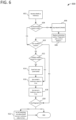
- process block 106 information is exchanged with the requesting computing device and an active fingerprint is generated based on the exchanged information and the passive fingerprint.
- the active fingerprint includes at least some (or all) of the information in the passive fingerprint and also includes information that the computing device provides upon request, such as language or display information for the device.
- the application directly, or via a reverse proxy, identity provider (IDP), etc.
- IDP identity provider
- An example active fingerprint is illustrated by reference numeral 904 in FIG. 9 .
- the additional request includes a cookie having a value that does not match any of the stored cookies, it can be determined that the additional request is malicious.
- the cookie, a passive fingerprint associated with the additional request, and an active fingerprint associated with the additional request can then be flagged as malicious, and access to the application can be denied for the additional request.
- valid credentials are provided in a request along with fingerprints or cookies that are not associated with those credentials, which can indicate the credentials have been compromised.
- the additional request can be determined to be malicious based on the unrecognized cookie.
- the cookie and corresponding passive and active fingerprints can be marked malicious, and the application account associated with the credentials can be locked.
- Other current application sessions associated with the locked user can then be terminated or redirected.
- An allow-list can be established where users specify one or more devices for which they do not want sessions to be terminated or redirected if their account is locked (e.g., a typical home or office computer).
- a passive or active fingerprint or cookie has been flagged as malicious and another request to access the application is received that includes the malicious fingerprint or cookie, access can be denied. For unauthenticated users, denial can simply be indicating that the credentials are invalid or that the user's account is locked. If the malicious fingerprint or cookie was previously associated with an authenticated session in which the attacker was transferred to a cloned session, another cloned session can be established instead.
- the account corresponding to the credentials can then be locked, and other current application sessions associated with the account can be terminated or redirected. In this way, if multiple attackers were using the compromised credentials at the same time, one attacker's interaction with a honeytoken can cause all of the attacker's current sessions to be terminated or sent to a cloned session.
- exhaustion honeypot 216 can include a copy of the login page, but because exhaustion honeypot 216 is pre-authentication, all login requests will be denied, and access will not be granted.
- the term "exhaustion” indicates that exhaustion honeypot 216 is a resource that essentially lets attackers waste time. Exhaustion honeypot 216 can be enriched with deceptive content that makes attackers believe there are vulnerabilities which can be exploited, leading them to waste even more time attacking a resource that is not real. Browser 204, however, is unaware that reverse proxy 210 has intercepted the request.
- IDP 218 handles authentication and compares submitted credentials to stored credentials.
- Device manager 220 can be implemented as a database service accessing stored passive fingerprints, active fingerprints, and cookies in data store 222.
- IDP 218 can check with device manager 220 (or have device manager 220 retrieve information from data store 222) to verify that the credentials are correct and determine what fingerprints and cookies are associated with the credentials.
- IDP exhaustion honeypot 224 can be used if IDP 218 detects an attack against itself, such as brute forcing the password reset mechanism. Similar to exhaustion honeypot 216, IDP exhaustion honeypot 224 includes resources to convince an attacker it is the real IDP, but the attacker will only waste time attempting to authenticate.
- reverse proxy 210 compares request fingerprints and cookies to stored fingerprints and cookies in combination with device manager 220, and IDP 218 verifies credentials.
- IDP 218 performs the comparison and device manager 220 provides instructions to reverse proxy 210 regarding establishing an application session or cloned session or sending the requester to exhaustion honeypot 216.
- exhaustion honeypot 216 and/or IDP exhaustion honeypot 224 are omitted.
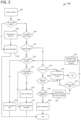
- FIG. 3 illustrates a method 300 of securing an application.
- a request to access an application is received from a computing device.
- the request is associated with an account of an application user.
- a passive fingerprint for the request is generated based on information associated with the computing device captured from the request.
- an active fingerprint for the request is generated based on the passive fingerprint and on additional information extracted from the computing device.
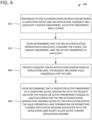
- FIG. 4 illustrates a method 400 of securing an application.
- a passive fingerprint responsive to pre-authentication interaction between a computing device and an application, a passive fingerprint, an active fingerprint, and a cookie are generated and associated together.
- the passive fingerprint includes information relating to the computing device automatically provided in the interaction with the application.
- the active fingerprint includes at least some of the information in the passive fingerprint as well as information requested by the application during the interaction.
- the cookie, the passive fingerprint, and the active fingerprint are flagged as malicious in process block 404.
- process block 406 a request for an application session is received from an application user. The request includes valid credentials for the application user.
- Pre-Authentication Attack If a request is detected as suspicious, for example, if it tries to access the folder /admin on an application which has no admin route, it will be marked as malicious. To clear this mark, the attacker will have to delete her cookie. When a request with no cookie is detected, as new cookie will be assigned. But if the fingerprint is known as malicious, the new cookie will also be marked as malicious. So, to really clear the mark, the attacker will need to also change their fingerprint (passive and/or active) manually or to use another device, which is difficult to scale. If a valid authentication request is received from a device marked as malicious, access can be denied (pretend that the password is incorrect) and the user account can be pro-actively locked before harm is done.
- IDP Self-Protection The forced cookie approach was created primarily protects the target application, but it can also be used to detect, and mark accordingly, attacks against the IDP itself. Such detection won't lead to user trapping (as this could otherwise lock-out users forever) but will help with extra management of pre-authentication attacks.
- Opt-in / Opt-out Mechanism Users who are uneasy about being sent to a honeypot (and not reassured despite the allow-listing mechanism) will have the possibility to opt-out of the honeypot trapping (this can also be given as a choice so that users opt-in instead of opt-out). For such users, attack detection can lead to session termination and user locking but no to redirection. This means that the adversary will realize she has been detected but the damage will still be prevented.
- a reverse-proxy is deployed in front of the application to protect and configured to add deceptive elements to the pages sent to the user. If a user interacts with a decoy (honeytoken), the proxy will alert, mark the user session as malicious, and route all subsequent traffic to a honeypot. This can work in complement with an IDP handling user authentication.
- the proxy and IDP can interact: the proxy can ask the IDP to lock a user, and the IDP can tell the proxy that a logged-in user is in fact an adversary.
- the user when a user tries to use an application, the user is forwarded to the IDP to authenticate. Once authenticated, he can interact with the application. If, while authenticated, he triggers a honeytoken sensor, he will be transparently re-routed to a honeypot clone and the real user account will be locked. The real user will then have the possibility to unlock the account through a reset link sent in an email. After resetting, the new password will give access to the application, and the old password will lead to the clone. Then, all non-authenticated requests will be sent to an exhaustion honeypot. This honeypot can absorb the bulk of automated or handcrafted attacks which do not rely on having a valid user session.
- this general approach is implemented through JWT session tokens, a cookie named "Verified,” and a device fingerprint (e.g., active fingerprint, which includes the information in the passive fingerprint).
- the JWT session tokens are delivered by the IDP and instruct the proxy to establish a session with the application (if all is fine) or with the honeypot clone (if a leaked password, changed since, was used, e.g.). All requests are forced to have an associated cookie (named "Verified”). If the cookie is deleted or tampered with, the user will be sent back to the login page where another cookie will be assigned. This cookie will be used to consistently send an attacker to the honeypot clone for the duration of his current session. This makes the transition in real time and as invisible as possible.
- the device fingerprint is composed of relatively stable elements such as the source IP address and the type of browser used, and this is used to mark devices observed acting in a malicious way. This works under the rationale that real users are unlikely to try to cheat with their fingerprint and is useful to consistently keep track of attackers even when they delete their cookies.
- honey-JWT token JWT token for a cloned application session
- adversaries could realize that the user's password was changed and thus try with another user account or start a new phishing attack to get the new password.
- Both the "Verified" cookie and the device fingerprint can both be marked as malicious. Their combination will have the following influence on the request routing, shown in Table 1, below. Table 1 - Routing based on malicious status. Malicious 'Verified' cookie? Malicious device fingerprint? Routing Comment No No Application This is the standard setup if no attack was detected ever. No Yes Application This can happen if an adversary with a similar device was detected. Yes Yes Honeypot This user was detected as an adversary or happened to be connected upon attack detection.
- the device manager is essentially a database service storing the device fingerprints as well as the Verified cookies. It is externalized as both the IDP and the proxy need to interact with these and ensure the information is always up to date.
- the cookie is not marked as malicious, because it won't be necessary as the IDP will also check its validity and it can be advantageous not to store user input in the database as this could lead to an exploit (the adversary may set a Verified cookie with a value containing SQL syntax, hoping to trigger an SQL injection).
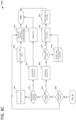
- GET /login is straightforward: if the user has a valid Verified cookie, he can reach the page which will display login and password fields for submission, displayed in process block 836.
Landscapes
- Engineering & Computer Science (AREA)
- Computer Security & Cryptography (AREA)
- General Engineering & Computer Science (AREA)
- Computer Hardware Design (AREA)
- Signal Processing (AREA)
- Computer Networks & Wireless Communication (AREA)
- Computing Systems (AREA)
- Power Engineering (AREA)
- Software Systems (AREA)
- Theoretical Computer Science (AREA)
- Physics & Mathematics (AREA)
- General Physics & Mathematics (AREA)
- Computer And Data Communications (AREA)
- Information Transfer Between Computers (AREA)
Claims (15)
- Verfahren zum Sichern einer Anwendung (208), wobei das Verfahren umfasst:Empfangen einer Mehrzahl von Anfragen zum Zugreifen auf eine Anwendung (208), wobei mindestens einige der Anfragen von verschiedenen anfragenden Rechenvorrichtungen (206) empfangen werden;für die jeweiligen Anfragen:Erfassen von Informationen, die mit der anfragenden Rechenvorrichtung (206) zusammenhängen, und Erzeugen eines passiven Fingerabdrucks auf der Basis der erfassten Informationen, wobei der passive Fingerabdruck Eigenschaften der Rechenvorrichtung des Anfragenden (206) repräsentiert, die mit der Anfrage bereitgestellt werden;Austauschen von Informationen mit der anfragenden Rechenvorrichtung (206) und Erzeugen eines aktiven Fingerabdrucks auf der Basis der ausgetauschten Informationen und des passiven Fingerabdrucks, wobei der aktive Fingerabdruck mindestens einige oder alle der Informationen in dem passiven Fingerabdruck umfasst und auch Informationen umfasst, welche die Rechenvorrichtung (206) auf Anfrage bereitstellt;Erzeugen eines Cookies; undmiteinander Verknüpfen und Speichern des passiven Fingerabdrucks, des aktiven Fingerabdrucks und des Cookies; undVerwalten des Zugriffs auf die Anwendung (208) auf der Basis von einem oder mehreren gespeicherten Cookie(s), wobei das Verwalten des Zugriffs auf die Anwendung (208) umfasst:nach dem Bestimmen, dass eine zusätzliche Anfrage ein Cookie mit einem Wert umfasst, der mit einem gespeicherten Cookie übereinstimmt, Erlauben des Zugriffs auf die Anwendung (208) für die zusätzliche Anfrage;nach dem Bestimmen, dass eine zusätzliche Anfrage ein Cookie mit einem Wert umfasst, der nicht mit irgendeinem der gespeicherten Cookies übereinstimmt, Bestimmen, dass die zusätzliche Anfrage böswillig ist;Kennzeichnen der Cookies, eines passiven Fingerabdrucks, der mit der zusätzlichen Anfrage zusammenhängt, und eines aktiven Fingerabdrucks, der mit der zusätzlichen Anfrage zusammenhängt, als böswillig; undVerweigern des Zugriffs auf die Anwendung (208) für die zusätzliche Anfrage, wobei das Verwalten des Zugriffs auf die Anwendung (208) fernernach dem Empfangen einer zweiten zusätzlichen Anfrage, die ein Cookie umfasst, das als böswillig gekennzeichnet worden ist, das Verweigern des Zugriffs auf die Anwendung (208) für die zweite zusätzliche Anfrage umfasst, und dadurch gekennzeichnet ist, dassnach dem Empfangen einer zweiten zusätzlichen Anfrage, die ein Cookie umfasst, das nicht als böswillig gekennzeichnet worden ist, und der aktive und der passive Fingerabdruck als böswillig gekennzeichnet worden sind, der Zugriff auf die Anwendung (208) für die zweite zusätzliche Anfrage erlaubt wird.
- Verfahren nach Anspruch 1, wobei der passive Fingerabdruck mindestens eines von einer Quelle-IP-Adresse, Endsystemteilinformationen, Betriebssysteminformationen oder Prozessorinformationen umfasst.
- Verfahren nach Anspruch 1 oder 2, wobei der aktive Fingerabdruck mindestens einige Informationen, die zum Erzeugen des passiven Fingerabdrucks verwendet werden, zusätzlich zu mindestens einer von Sprach- oder Anzeigeinformationen für die anfragende Rechenvorrichtung (206) umfasst.
- Verfahren nach einem der vorhergehenden Ansprüche, wobei das Verwalten des Zugriffs auf die Anwendung (208) das Verwalten des Zugriffs auf die Anwendung (208) auf der Basis von einem oder mehreren gespeicherten passiven Fingerabdrücken oder einem oder mehreren gespeicherten aktiven Fingerabdrücken umfasst.
- Verfahren nach einem der vorhergehenden Ansprüche, wobei das Verwalten des Zugriffs auf die Anwendung (208) umfasst:nach dem Bestimmen, dass die zusätzliche Anfrage gültige Zugangsdaten für einen Anwendungsnutzer umfasst, und nach dem Bestimmen, dass die zusätzliche Anfrage böswillig ist, Sperren des Kontos des Anwendungsnutzers,wobei das Verwalten des Zugriffs auf die Anwendung (208) gegebenenfalls ferner das Beenden oder Umleiten von gegenwärtigen Anwendungssitzungen, die mit dem gesperrten Anwendungsnutzer zusammenhängen, umfasst.
- Verfahren nach Anspruch 5, wobei das Verwalten des Zugriffs auf die Anwendung (208) ferner das nicht Beenden oder Umleiten einer als erlaubt verzeichneten gegenwärtigen Anwendungssitzung, die mit dem gesperrten Anwendungsnutzer zusammenhängt, umfasst; und/oder
wobei das Umleiten einer gegenwärtigen Anwendungssitzung das Übertragen der gegenwärtigen Anwendungssitzung auf eine nachgebildete Anwendungssitzung umfasst, die mindestens einige alternative Daten anstelle von Daten umfasst, die mit der Anwendungssitzung zusammenhängen. - Verfahren nach Anspruch 5 oder 6, wobei das Verweigern des Zugriffs das Erstellen einer nachgebildeten Anwendungssitzung umfasst, die mindestens einige alternative Daten anstelle von Daten umfasst, die mit einer tatsächlichen Anwendungssitzung zusammenhängen.
- Verfahren nach einem der vorhergehenden Ansprüche, wobei das Verwalten des Zugriffs auf die Anwendung (208) nach dem Bestimmen, dass eine gegenwärtige Anwendungssitzung, die mit einem Anwendungsnutzer zusammenhängt, böswillig ist, auf der Basis der Nutzeraktivität während der gegenwärtigen Sitzung das Kennzeichnen eines Cookies, eines passiven Fingerabdrucks und eines aktiven Fingerabdrucks, die mit der gegenwärtige Anwendungssitzung zusammenhängen, als böswillig umfasst,
wobei das Verwalten des Zugriffs auf die Anwendung (208) gegebenenfalls ferner das Sperren eines Kontos, das mit dem Anwendungsnutzer zusammenhängt, und das Umleiten oder Beenden von anderen gegenwärtigen Anwendungssitzungen, die mit dem Anwendungsnutzer zusammenhängen, umfasst. - Verfahren nach Anspruch 8, wobei das Verwalten des Zugriffs auf die Anwendung (208) ferner nach dem Empfangen einer zusätzlichen Anfrage zum Zugreifen auf die Anwendung (208) mit dem passiven Fingerabdruck, dem aktiven Fingerabdruck oder dem Cookie, die als böswillig gekennzeichnet sind, jedoch den Zugangsdaten eines anderen Anwendungsnutzers entsprechen, das Kennzeichnen der zusätzlichen Anfrage als böswillig und das Verweigern des Zugriffs auf die Anwendung (208) umfasst.
- System (200, 1200), umfassend:einen Prozessor (1210, 1215); undein oder mehrere computerlesbare(s) Speichermedium/medien (1220, 1225, 1240), das/die computerlesbare Anweisungen speichert/speichern, die, wenn sie durch den Prozessor (1210, 1215) ausgeführt werden, Vorgänge durchführen, umfassend:Empfangen einer Anfrage von einer Rechenvorrichtung (206) zum Zugreifen auf eine Anwendung (208), wobei die Anfrage mit einem Konto eines Anwendungsnutzers verknüpft ist;Erzeugen eines passiven Fingerabdrucks für die Anfrage auf der Basis von Informationen, die mit der Rechenvorrichtung (206) zusammenhängen und die von der Anfrage erfasst worden sind, wobei der passive Fingerabdruck Eigenschaften der Rechenvorrichtung des Anfragenden (206) repräsentiert, die mit der Anfrage bereitgestellt werden;Erzeugen eines aktiven Fingerabdrucks für die Anfrage auf der Basis des passiven Fingerabdrucks und von zusätzlichen Informationen, die von der Rechenvorrichtung (206) entnommen worden sind, wobei der aktive Fingerabdruck mindestens einige oder alle der Informationen in dem passiven Fingerabdruck umfasst und auch Informationen umfasst, welche die Rechenvorrichtung (206) auf Anfrage bereitstellt;Erzeugen eines Cookies; undmiteinander Verknüpfen und Speichern des passiven Fingerabdrucks, des aktiven Fingerabdrucks und des Cookies; undVerwalten des Zugriffs auf die Anwendung (208) auf der Basis von einem oder mehreren gespeicherten Cookie(s), wobei das Verwalten des Zugriffs auf die Anwendung (208) umfasst:nach dem Bestimmen, dass eine zusätzliche Anfrage ein Cookie mit einem Wert umfasst, der mit einem gespeicherten Cookie übereinstimmt, Erlauben des Zugriffs auf die Anwendung (208) für die zusätzliche Anfrage;nach dem Bestimmen, dass eine zusätzliche Anfrage ein Cookie mit einem Wert umfasst, der nicht mit irgendeinem der gespeicherten Cookies übereinstimmt, Bestimmen, dass die zusätzliche Anfrage böswillig ist;Kennzeichnen der Cookies, eines passiven Fingerabdrucks, der mit der zusätzlichen Anfrage zusammenhängt, und eines aktiven Fingerabdrucks, der mit der zusätzlichen Anfrage zusammenhängt, als böswillig; undVerweigern des Zugriffs auf die Anwendung (208) für die zusätzliche Anfrage, wobei das Verwalten des Zugriffs auf die Anwendung (208) fernernach dem Empfangen einer zweiten zusätzlichen Anfrage, die ein Cookie umfasst, das als böswillig gekennzeichnet worden ist, das Verweigern des Zugriffs auf die Anwendung (208) für die zweite zusätzliche Anfrage umfasst, und dadurch gekennzeichnet ist, dassnach dem Empfangen einer zweiten zusätzlichen Anfrage, die ein Cookie umfasst, das nicht als böswillig gekennzeichnet worden ist, und der aktive und der passive Fingerabdruck als böswillig gekennzeichnet worden sind, der Zugriff auf die Anwendung (208) für die zweite zusätzliche Anfrage erlaubt wird.
- System (200, 1200) nach Anspruch 10, wobei die Vorgänge fernerdas Vergleichen des passiven Fingerabdrucks und des aktiven Fingerabdrucks mit gespeicherten aktiven und passiven Fingerabdrücken für andere Anfragen, die dem Anwendungsnutzer und anderen Anwendungsnutzern entsprechen; unddas Beenden oder Umleiten von gegenwärtigen Anwendungssitzungen, die mit dem Anwendungsnutzer zusammenhängen, umfassen.
- System (200, 1200) nach Anspruch 10 oder 11, wobei das Bestimmen, dass die empfangene Anfrage böswillig ist, das Bestimmen umfasst, dass die passiven oder aktiven Fingerabdrücke für die Anfrage bereits mit einem anderen Anwendungsnutzer zusammenhängen.
- System (200, 1200) nach einem der Ansprüche 10 bis 12, wobei das Bestimmen, dass die empfangene Anfrage böswillig ist, das Bestimmen umfasst, dass die passiven oder aktiven Fingerabdrücke für die Anfrage bereits mit einem gespeicherten Cookie zusammenhängen und in der Anfrage ein anderes Cookie vorliegt.
- System (200, 1200) nach Anspruch 11 in einer Kombination mit einem der Ansprüche 12 oder 13, wobei das Umleiten einer gegenwärtigen Anwendungssitzung das Übertragen der gegenwärtigen Anwendungssitzung zu einer nachgebildeten Anwendungssitzung umfasst, die mindestens einige alternative Daten anstelle von Daten umfasst, die mit der Anwendungssitzung zusammenhängen.
- Ein oder mehrere computerlesbare(s) Speichermedium/medien (1220, 1225, 1240), das/die computerausführbare Anweisungen zum Sichern einer Anwendung (208) gemäß einem Verfahren nach einem der Ansprüche 1 bis 9 umfasst/umfassen.
Applications Claiming Priority (1)
| Application Number | Priority Date | Filing Date | Title |
|---|---|---|---|
| US17/508,513 US20230125567A1 (en) | 2021-10-22 | 2021-10-22 | Application security through global lockout and capture |
Publications (3)
| Publication Number | Publication Date |
|---|---|
| EP4170965A1 EP4170965A1 (de) | 2023-04-26 |
| EP4170965B1 true EP4170965B1 (de) | 2025-07-02 |
| EP4170965C0 EP4170965C0 (de) | 2025-07-02 |
Family
ID=83059315
Family Applications (1)
| Application Number | Title | Priority Date | Filing Date |
|---|---|---|---|
| EP22190742.1A Active EP4170965B1 (de) | 2021-10-22 | 2022-08-17 | Anwendungssicherheit durch globale sperrung und erfassung |
Country Status (2)
| Country | Link |
|---|---|
| US (1) | US20230125567A1 (de) |
| EP (1) | EP4170965B1 (de) |
Families Citing this family (2)
| Publication number | Priority date | Publication date | Assignee | Title |
|---|---|---|---|---|
| US12476958B2 (en) * | 2022-05-09 | 2025-11-18 | Bank Of America Corporation | System and method for providing data authentication for long range communications |
| US20240394103A1 (en) * | 2023-05-23 | 2024-11-28 | Bank Of America Corporation | Secure allocated resource tracking method for optimizing multiple operations |
Family Cites Families (15)
| Publication number | Priority date | Publication date | Assignee | Title |
|---|---|---|---|---|
| JP5104958B2 (ja) * | 2008-10-03 | 2012-12-19 | 富士通株式会社 | 仮想計算機システムのテスト方法、テストプログラム並びにその記録媒体、仮想計算機システム |
| US20150006384A1 (en) * | 2013-06-28 | 2015-01-01 | Zahid Nasiruddin Shaikh | Device fingerprinting |
| US10237072B2 (en) * | 2013-07-01 | 2019-03-19 | Assa Abloy Ab | Signatures for near field communications |
| US8973142B2 (en) * | 2013-07-02 | 2015-03-03 | Imperva, Inc. | Compromised insider honey pots using reverse honey tokens |
| US20150067472A1 (en) * | 2013-08-28 | 2015-03-05 | F5 Networks, Inc. | Web browser fingerprinting |
| US9756035B2 (en) * | 2014-02-18 | 2017-09-05 | Secureauth Corporation | Device fingerprint registration for single sign on authentication |
| US10320784B1 (en) * | 2014-11-12 | 2019-06-11 | F5 Networks, Inc. | Methods for utilizing fingerprinting to manage network security and devices thereof |
| US20200067861A1 (en) * | 2014-12-09 | 2020-02-27 | ZapFraud, Inc. | Scam evaluation system |
| US10063571B2 (en) * | 2016-01-04 | 2018-08-28 | Microsoft Technology Licensing, Llc | Systems and methods for the detection of advanced attackers using client side honeytokens |
| US10225243B2 (en) * | 2016-09-30 | 2019-03-05 | Palo Alto Networks, Inc. | Intercept-based multifactor authentication enrollment of clients as a network service |
| US20180295137A1 (en) * | 2017-04-06 | 2018-10-11 | Iconix, Inc. | Techniques for dynamic authentication in connection within applications and sessions |
| US10878218B2 (en) * | 2018-06-18 | 2020-12-29 | Salesforce.Com, Inc. | Device fingerprinting, tracking, and management |
| US11089036B2 (en) * | 2018-12-27 | 2021-08-10 | Sap Se | Identifying security risks and fraud attacks using authentication from a network of websites |
| US11425166B2 (en) * | 2019-08-27 | 2022-08-23 | Sap Se | Identifier-based application security |
| US11539742B2 (en) * | 2019-11-26 | 2022-12-27 | Sap Se | Application security through multi-factor fingerprinting |
-
2021
- 2021-10-22 US US17/508,513 patent/US20230125567A1/en active Pending
-
2022
- 2022-08-17 EP EP22190742.1A patent/EP4170965B1/de active Active
Also Published As
| Publication number | Publication date |
|---|---|
| US20230125567A1 (en) | 2023-04-27 |
| EP4170965A1 (de) | 2023-04-26 |
| EP4170965C0 (de) | 2025-07-02 |
Similar Documents
| Publication | Publication Date | Title |
|---|---|---|
| Shafiq et al. | The rise of “Internet of Things”: review and open research issues related to detection and prevention of IoT‐based security attacks | |
| AU2019265709B2 (en) | Detecting credential compromise in a cloud resource | |
| Diaz Lopez et al. | Shielding IoT against cyber‐attacks: an event‐based approach using SIEM | |
| CN109150805B (zh) | 应用程序编程接口的安全管理方法和系统 | |
| US11425166B2 (en) | Identifier-based application security | |
| CN103179106B (zh) | 对未授权的访问请求使用假肯定响应的网络安全 | |
| US8959650B1 (en) | Validating association of client devices with sessions | |
| US8826400B2 (en) | System for automated prevention of fraud | |
| US9769167B2 (en) | Authentication and authorization using device-based validation | |
| US20210014245A1 (en) | In-stream malware protection | |
| Rani et al. | Cyber security techniques, architectures, and design | |
| US20090247125A1 (en) | Method and system for controlling access of computer resources of mobile client facilities | |
| CN111510453A (zh) | 业务系统访问方法、装置、系统及介质 | |
| Latha et al. | A survey on network attacks and Intrusion detection systems | |
| EP4170965B1 (de) | Anwendungssicherheit durch globale sperrung und erfassung | |
| Singh et al. | Security attacks taxonomy on bring your own devices (BYOD) model | |
| Barron et al. | Click this, not that: extending web authentication with deception | |
| CN116471121A (zh) | 安全防御方法、网关代理设备及存储介质 | |
| EP3877877B1 (de) | Verfahren und systeme zur detektion von nichtautorisiertem zugriff | |
| Ellahi et al. | Analyzing 2FA phishing attacks and their prevention techniques | |
| Waqas et al. | Sharing of attacks information across clouds for improving security: A conceptual framework | |
| Thangamuthu et al. | Cybercrime | |
| Aich et al. | Study on cloud security risk and remedy | |
| US12464016B2 (en) | Discriminating defense against DDoS attacks | |
| Ghorbanzadeh et al. | A survey of mobile database security threats and solutions for it |
Legal Events
| Date | Code | Title | Description |
|---|---|---|---|
| PUAI | Public reference made under article 153(3) epc to a published international application that has entered the european phase |
Free format text: ORIGINAL CODE: 0009012 |
|
| STAA | Information on the status of an ep patent application or granted ep patent |
Free format text: STATUS: THE APPLICATION HAS BEEN PUBLISHED |
|
| AK | Designated contracting states |
Kind code of ref document: A1 Designated state(s): AL AT BE BG CH CY CZ DE DK EE ES FI FR GB GR HR HU IE IS IT LI LT LU LV MC MK MT NL NO PL PT RO RS SE SI SK SM TR |
|
| STAA | Information on the status of an ep patent application or granted ep patent |
Free format text: STATUS: REQUEST FOR EXAMINATION WAS MADE |
|
| 17P | Request for examination filed |
Effective date: 20230914 |
|
| RBV | Designated contracting states (corrected) |
Designated state(s): AL AT BE BG CH CY CZ DE DK EE ES FI FR GB GR HR HU IE IS IT LI LT LU LV MC MK MT NL NO PL PT RO RS SE SI SK SM TR |
|
| STAA | Information on the status of an ep patent application or granted ep patent |
Free format text: STATUS: EXAMINATION IS IN PROGRESS |
|
| 17Q | First examination report despatched |
Effective date: 20240429 |
|
| GRAP | Despatch of communication of intention to grant a patent |
Free format text: ORIGINAL CODE: EPIDOSNIGR1 |
|
| STAA | Information on the status of an ep patent application or granted ep patent |
Free format text: STATUS: GRANT OF PATENT IS INTENDED |
|
| INTG | Intention to grant announced |
Effective date: 20250204 |
|
| GRAS | Grant fee paid |
Free format text: ORIGINAL CODE: EPIDOSNIGR3 |
|
| GRAA | (expected) grant |
Free format text: ORIGINAL CODE: 0009210 |
|
| STAA | Information on the status of an ep patent application or granted ep patent |
Free format text: STATUS: THE PATENT HAS BEEN GRANTED |
|
| AK | Designated contracting states |
Kind code of ref document: B1 Designated state(s): AL AT BE BG CH CY CZ DE DK EE ES FI FR GB GR HR HU IE IS IT LI LT LU LV MC MK MT NL NO PL PT RO RS SE SI SK SM TR |
|
| REG | Reference to a national code |
Ref country code: GB Ref legal event code: FG4D |
|
| REG | Reference to a national code |
Ref country code: CH Ref legal event code: EP |
|
| REG | Reference to a national code |
Ref country code: DE Ref legal event code: R096 Ref document number: 602022016753 Country of ref document: DE |
|
| REG | Reference to a national code |
Ref country code: IE Ref legal event code: FG4D |
|
| U01 | Request for unitary effect filed |
Effective date: 20250707 |
|
| U07 | Unitary effect registered |
Designated state(s): AT BE BG DE DK EE FI FR IT LT LU LV MT NL PT RO SE SI Effective date: 20250711 |
|
| U20 | Renewal fee for the european patent with unitary effect paid |
Year of fee payment: 4 Effective date: 20250924 |
|
| PG25 | Lapsed in a contracting state [announced via postgrant information from national office to epo] |
Ref country code: IS Free format text: LAPSE BECAUSE OF FAILURE TO SUBMIT A TRANSLATION OF THE DESCRIPTION OR TO PAY THE FEE WITHIN THE PRESCRIBED TIME-LIMIT Effective date: 20251102 |
|
| PG25 | Lapsed in a contracting state [announced via postgrant information from national office to epo] |
Ref country code: NO Free format text: LAPSE BECAUSE OF FAILURE TO SUBMIT A TRANSLATION OF THE DESCRIPTION OR TO PAY THE FEE WITHIN THE PRESCRIBED TIME-LIMIT Effective date: 20251002 |
|
| PG25 | Lapsed in a contracting state [announced via postgrant information from national office to epo] |
Ref country code: HR Free format text: LAPSE BECAUSE OF FAILURE TO SUBMIT A TRANSLATION OF THE DESCRIPTION OR TO PAY THE FEE WITHIN THE PRESCRIBED TIME-LIMIT Effective date: 20250702 |
|
| PG25 | Lapsed in a contracting state [announced via postgrant information from national office to epo] |
Ref country code: GR Free format text: LAPSE BECAUSE OF FAILURE TO SUBMIT A TRANSLATION OF THE DESCRIPTION OR TO PAY THE FEE WITHIN THE PRESCRIBED TIME-LIMIT Effective date: 20251003 |
|
| PG25 | Lapsed in a contracting state [announced via postgrant information from national office to epo] |
Ref country code: CZ Free format text: LAPSE BECAUSE OF FAILURE TO SUBMIT A TRANSLATION OF THE DESCRIPTION OR TO PAY THE FEE WITHIN THE PRESCRIBED TIME-LIMIT Effective date: 20250702 |
|
| PG25 | Lapsed in a contracting state [announced via postgrant information from national office to epo] |
Ref country code: PL Free format text: LAPSE BECAUSE OF FAILURE TO SUBMIT A TRANSLATION OF THE DESCRIPTION OR TO PAY THE FEE WITHIN THE PRESCRIBED TIME-LIMIT Effective date: 20250702 |
|
| PG25 | Lapsed in a contracting state [announced via postgrant information from national office to epo] |
Ref country code: RS Free format text: LAPSE BECAUSE OF FAILURE TO SUBMIT A TRANSLATION OF THE DESCRIPTION OR TO PAY THE FEE WITHIN THE PRESCRIBED TIME-LIMIT Effective date: 20251002 |
|
| PG25 | Lapsed in a contracting state [announced via postgrant information from national office to epo] |
Ref country code: ES Free format text: LAPSE BECAUSE OF FAILURE TO SUBMIT A TRANSLATION OF THE DESCRIPTION OR TO PAY THE FEE WITHIN THE PRESCRIBED TIME-LIMIT Effective date: 20250702 |
|
| REG | Reference to a national code |
Ref country code: CH Ref legal event code: H13 Free format text: ST27 STATUS EVENT CODE: U-0-0-H10-H13 (AS PROVIDED BY THE NATIONAL OFFICE) Effective date: 20260324 |
|
| PG25 | Lapsed in a contracting state [announced via postgrant information from national office to epo] |
Ref country code: SM Free format text: LAPSE BECAUSE OF FAILURE TO SUBMIT A TRANSLATION OF THE DESCRIPTION OR TO PAY THE FEE WITHIN THE PRESCRIBED TIME-LIMIT Effective date: 20250702 |
|
| PG25 | Lapsed in a contracting state [announced via postgrant information from national office to epo] |
Ref country code: CH Free format text: LAPSE BECAUSE OF NON-PAYMENT OF DUE FEES Effective date: 20250831 |
|
| PG25 | Lapsed in a contracting state [announced via postgrant information from national office to epo] |
Ref country code: SK Free format text: LAPSE BECAUSE OF FAILURE TO SUBMIT A TRANSLATION OF THE DESCRIPTION OR TO PAY THE FEE WITHIN THE PRESCRIBED TIME-LIMIT Effective date: 20250702 |