EP4167359A1 - Array cell and assembly method therefor - Google Patents
Array cell and assembly method therefor Download PDFInfo
- Publication number
- EP4167359A1 EP4167359A1 EP20950040.4A EP20950040A EP4167359A1 EP 4167359 A1 EP4167359 A1 EP 4167359A1 EP 20950040 A EP20950040 A EP 20950040A EP 4167359 A1 EP4167359 A1 EP 4167359A1
- Authority
- EP
- European Patent Office
- Prior art keywords
- plate
- cover
- tab
- square
- cell
- Prior art date
- Legal status (The legal status is an assumption and is not a legal conclusion. Google has not performed a legal analysis and makes no representation as to the accuracy of the status listed.)
- Pending
Links
Images




Classifications
-
- H—ELECTRICITY
- H01—ELECTRIC ELEMENTS
- H01M—PROCESSES OR MEANS, e.g. BATTERIES, FOR THE DIRECT CONVERSION OF CHEMICAL ENERGY INTO ELECTRICAL ENERGY
- H01M50/00—Constructional details or processes of manufacture of the non-active parts of electrochemical cells other than fuel cells, e.g. hybrid cells
- H01M50/60—Arrangements or processes for filling or topping-up with liquids; Arrangements or processes for draining liquids from casings
- H01M50/609—Arrangements or processes for filling with liquid, e.g. electrolytes
- H01M50/627—Filling ports
- H01M50/636—Closing or sealing filling ports, e.g. using lids
-
- H—ELECTRICITY
- H01—ELECTRIC ELEMENTS
- H01M—PROCESSES OR MEANS, e.g. BATTERIES, FOR THE DIRECT CONVERSION OF CHEMICAL ENERGY INTO ELECTRICAL ENERGY
- H01M10/00—Secondary cells; Manufacture thereof
- H01M10/42—Methods or arrangements for servicing or maintenance of secondary cells or secondary half-cells
- H01M10/425—Structural combination with electronic components, e.g. electronic circuits integrated to the outside of the casing
-
- H—ELECTRICITY
- H01—ELECTRIC ELEMENTS
- H01M—PROCESSES OR MEANS, e.g. BATTERIES, FOR THE DIRECT CONVERSION OF CHEMICAL ENERGY INTO ELECTRICAL ENERGY
- H01M50/00—Constructional details or processes of manufacture of the non-active parts of electrochemical cells other than fuel cells, e.g. hybrid cells
- H01M50/50—Current conducting connections for cells or batteries
- H01M50/543—Terminals
- H01M50/547—Terminals characterised by the disposition of the terminals on the cells
- H01M50/548—Terminals characterised by the disposition of the terminals on the cells on opposite sides of the cell
-
- H—ELECTRICITY
- H01—ELECTRIC ELEMENTS
- H01M—PROCESSES OR MEANS, e.g. BATTERIES, FOR THE DIRECT CONVERSION OF CHEMICAL ENERGY INTO ELECTRICAL ENERGY
- H01M10/00—Secondary cells; Manufacture thereof
- H01M10/42—Methods or arrangements for servicing or maintenance of secondary cells or secondary half-cells
- H01M10/4285—Testing apparatus
-
- H—ELECTRICITY
- H01—ELECTRIC ELEMENTS
- H01M—PROCESSES OR MEANS, e.g. BATTERIES, FOR THE DIRECT CONVERSION OF CHEMICAL ENERGY INTO ELECTRICAL ENERGY
- H01M10/00—Secondary cells; Manufacture thereof
- H01M10/42—Methods or arrangements for servicing or maintenance of secondary cells or secondary half-cells
- H01M10/48—Accumulators combined with arrangements for measuring, testing or indicating the condition of cells, e.g. the level or density of the electrolyte
-
- H—ELECTRICITY
- H01—ELECTRIC ELEMENTS
- H01M—PROCESSES OR MEANS, e.g. BATTERIES, FOR THE DIRECT CONVERSION OF CHEMICAL ENERGY INTO ELECTRICAL ENERGY
- H01M10/00—Secondary cells; Manufacture thereof
- H01M10/42—Methods or arrangements for servicing or maintenance of secondary cells or secondary half-cells
- H01M10/48—Accumulators combined with arrangements for measuring, testing or indicating the condition of cells, e.g. the level or density of the electrolyte
- H01M10/486—Accumulators combined with arrangements for measuring, testing or indicating the condition of cells, e.g. the level or density of the electrolyte for measuring temperature
-
- H—ELECTRICITY
- H01—ELECTRIC ELEMENTS
- H01M—PROCESSES OR MEANS, e.g. BATTERIES, FOR THE DIRECT CONVERSION OF CHEMICAL ENERGY INTO ELECTRICAL ENERGY
- H01M50/00—Constructional details or processes of manufacture of the non-active parts of electrochemical cells other than fuel cells, e.g. hybrid cells
- H01M50/10—Primary casings; Jackets or wrappings
- H01M50/102—Primary casings; Jackets or wrappings characterised by their shape or physical structure
- H01M50/103—Primary casings; Jackets or wrappings characterised by their shape or physical structure prismatic or rectangular
-
- H—ELECTRICITY
- H01—ELECTRIC ELEMENTS
- H01M—PROCESSES OR MEANS, e.g. BATTERIES, FOR THE DIRECT CONVERSION OF CHEMICAL ENERGY INTO ELECTRICAL ENERGY
- H01M50/00—Constructional details or processes of manufacture of the non-active parts of electrochemical cells other than fuel cells, e.g. hybrid cells
- H01M50/10—Primary casings; Jackets or wrappings
- H01M50/116—Primary casings; Jackets or wrappings characterised by the material
- H01M50/117—Inorganic material
- H01M50/119—Metals
-
- H—ELECTRICITY
- H01—ELECTRIC ELEMENTS
- H01M—PROCESSES OR MEANS, e.g. BATTERIES, FOR THE DIRECT CONVERSION OF CHEMICAL ENERGY INTO ELECTRICAL ENERGY
- H01M50/00—Constructional details or processes of manufacture of the non-active parts of electrochemical cells other than fuel cells, e.g. hybrid cells
- H01M50/10—Primary casings; Jackets or wrappings
- H01M50/147—Lids or covers
- H01M50/148—Lids or covers characterised by their shape
- H01M50/15—Lids or covers characterised by their shape for prismatic or rectangular cells
-
- H—ELECTRICITY
- H01—ELECTRIC ELEMENTS
- H01M—PROCESSES OR MEANS, e.g. BATTERIES, FOR THE DIRECT CONVERSION OF CHEMICAL ENERGY INTO ELECTRICAL ENERGY
- H01M50/00—Constructional details or processes of manufacture of the non-active parts of electrochemical cells other than fuel cells, e.g. hybrid cells
- H01M50/30—Arrangements for facilitating escape of gases
-
- H—ELECTRICITY
- H01—ELECTRIC ELEMENTS
- H01M—PROCESSES OR MEANS, e.g. BATTERIES, FOR THE DIRECT CONVERSION OF CHEMICAL ENERGY INTO ELECTRICAL ENERGY
- H01M50/00—Constructional details or processes of manufacture of the non-active parts of electrochemical cells other than fuel cells, e.g. hybrid cells
- H01M50/50—Current conducting connections for cells or batteries
- H01M50/531—Electrode connections inside a battery casing
- H01M50/533—Electrode connections inside a battery casing characterised by the shape of the leads or tabs
-
- H—ELECTRICITY
- H01—ELECTRIC ELEMENTS
- H01M—PROCESSES OR MEANS, e.g. BATTERIES, FOR THE DIRECT CONVERSION OF CHEMICAL ENERGY INTO ELECTRICAL ENERGY
- H01M50/00—Constructional details or processes of manufacture of the non-active parts of electrochemical cells other than fuel cells, e.g. hybrid cells
- H01M50/50—Current conducting connections for cells or batteries
- H01M50/531—Electrode connections inside a battery casing
- H01M50/534—Electrode connections inside a battery casing characterised by the material of the leads or tabs
-
- H—ELECTRICITY
- H01—ELECTRIC ELEMENTS
- H01M—PROCESSES OR MEANS, e.g. BATTERIES, FOR THE DIRECT CONVERSION OF CHEMICAL ENERGY INTO ELECTRICAL ENERGY
- H01M50/00—Constructional details or processes of manufacture of the non-active parts of electrochemical cells other than fuel cells, e.g. hybrid cells
- H01M50/50—Current conducting connections for cells or batteries
- H01M50/531—Electrode connections inside a battery casing
- H01M50/536—Electrode connections inside a battery casing characterised by the method of fixing the leads to the electrodes, e.g. by welding
-
- H—ELECTRICITY
- H01—ELECTRIC ELEMENTS
- H01M—PROCESSES OR MEANS, e.g. BATTERIES, FOR THE DIRECT CONVERSION OF CHEMICAL ENERGY INTO ELECTRICAL ENERGY
- H01M50/00—Constructional details or processes of manufacture of the non-active parts of electrochemical cells other than fuel cells, e.g. hybrid cells
- H01M50/60—Arrangements or processes for filling or topping-up with liquids; Arrangements or processes for draining liquids from casings
- H01M50/609—Arrangements or processes for filling with liquid, e.g. electrolytes
- H01M50/627—Filling ports
- H01M50/636—Closing or sealing filling ports, e.g. using lids
- H01M50/645—Plugs
-
- Y—GENERAL TAGGING OF NEW TECHNOLOGICAL DEVELOPMENTS; GENERAL TAGGING OF CROSS-SECTIONAL TECHNOLOGIES SPANNING OVER SEVERAL SECTIONS OF THE IPC; TECHNICAL SUBJECTS COVERED BY FORMER USPC CROSS-REFERENCE ART COLLECTIONS [XRACs] AND DIGESTS
- Y02—TECHNOLOGIES OR APPLICATIONS FOR MITIGATION OR ADAPTATION AGAINST CLIMATE CHANGE
- Y02E—REDUCTION OF GREENHOUSE GAS [GHG] EMISSIONS, RELATED TO ENERGY GENERATION, TRANSMISSION OR DISTRIBUTION
- Y02E60/00—Enabling technologies; Technologies with a potential or indirect contribution to GHG emissions mitigation
- Y02E60/10—Energy storage using batteries
Definitions
- This application relates to batteries or cells, and more particularly to a cell and an assembly method thereof.
- An objective of this application is to provide a cell and an assembly method thereof to overcome the defects in the prior art.
- This application optimizes the cell design to reduce the accessories needed in the assembly of a battery pack from cells, thereby enhancing the energy density of the battery pack, and simplifying the assembly operation of the battery pack.
- this application provides a cell, comprising:
- cover plates and the first square-shaped frame are made of the same metal material; the cover plate of the first pole cover is weldedly covered at the first opening of the first square-shaped frame, and the cover plate of the second pole cover is weldedly covered at the second opening of the first square-shaped frame; the electrode column and the connecting strip plate are provided on the cover plate through an insulator; and the connecting strip plate of the first pole cover is weldedly connected to the positive tab; and the connecting strip plate of the second pole cover is weldedly connected to the aluminum plate, and the aluminum plate is weldedly connected to the negative tab.
- the four plates of the first square-shaped frame comprise a top plate; an end of the top plate close to the negative electrode end is provided with a liquid injection hole; the top frame plate is provided with an avoidance hole; the back frame plate is provided with a liquid permeation hole; and the liquid injection hole and the avoidance hole are coaxially arranged.
- the liquid injection hole is sealed by a sealing mechanism.
- the sealing mechanism comprises a recess and a steel ball; the recess is centered on the liquid injection hole and recesses toward the first accommodating cavity; the steel ball is arranged in the liquid injection hole; the recess is configured to be assembled in the avoidance hole, so as to allow the liquid injection hole to be correspondingly assembled in the avoidance hole; and the steel ball is in interference fit with the liquid injection hole.
- the recess is filled with a solidified structural adhesive.
- a single-cell collection board is provided on the second pole cover; the single-cell collection board comprises a back plate, a voltage detection terminal, a temperature detection terminal, a temperature sensor, a first connecting plate and a second connecting plate; the back plate clings to the cover plate; the voltage detection terminal, the temperature detection terminal, the temperature sensor, the first connecting plate and the second connecting plate are arranged on the back plate; one side of the first connecting plate clings to the electrode column of the second pole cover, and the other side of the first connecting plate is electrically connected to the voltage detection terminal; the first connecting plate is configured to realize voltage conduction; one side of the second connecting plate clings to the electrode column of the second pole cover, and the other side of the second connecting plate is connected to the temperature sensor through a heat-conducting plate; the second connecting plate is configured to realize thermal conduction; and the temperature sensor is electrically connected to the temperature detection terminal.
- the back plate is provided with two voltage terminal support columns and two temperature terminal support columns; the two voltage terminal support columns and the two temperature terminal support columns are vertically arranged; the voltage detection terminal is arranged at top ends of the two voltage terminal support columns; a bottom end of each of the two voltage terminal support columns is matched with the insulator and abuts against the insulator; a voltage wire groove is provided between the two voltage terminal support columns; the first connecting plate is connected to the voltage detection terminal through a voltage wire board, wherein the voltage wire board is provided in the voltage wire groove; the temperature detection terminal is provided on top ends of the two temperature terminal support columns; a bottom end of each of the two temperature terminal support columns is matched with the insulator and abuts against the insulator; one of the two temperature terminal support columns is separated from the other of the two temperature terminal support columns; a sensor groove is provided between the two temperature terminal support columns; the temperature sensor is provided in the sensor groove; a space between the two temperature terminal support columns is divided by the sensor groove into a temperature wire groove and
- an end of the top plate of the first square-shaped frame close to the positive electrode end is provided with an explosion-proof valve.
- the electrode column is provided with a buffer groove.
- this application provides a method of producing the cell mentioned above, comprising:
- the liquid injection hole is sealed through steps of: pressing the steel ball into the liquid injection hole to form the interference fit with the liquid injection hole, such that the steel ball is clamped in the liquid injection hole; and injecting a structural adhesive to the recess.
- the method further comprises:
- One cell can be directly connected in series to another cell by side seam welding between connecting surfaces after the connection of electrode columns.
- a positive electrode of a cell can be weldedly connected in series to a negative electrode of another cell, without needing the busbar, which not only reduces the use of accessories for the battery pack assembly, but also increases the energy density of the battery pack and simplifies the battery pack assembly.
- a cell includes a first square-shaped frame 1, a cell core set 2, two pole covers 3 and a tab protector 4.
- the cell refers to the battery.
- the cell generally has a length L of no less than 300-2500 mm, preferably 350-1300 mm; the cell generally has a height H of 50-250 mm, preferably 70-150 mm; the cell generally has a width D of 10-150 mm, preferably 12-10 mm.
- the first square-shaped frame 1 is an elongated frame enclosed by four plates, and is made of metal material, preferably aluminum.
- the first square-shaped frame 1 has a core cavity 18 inside.
- a first end of the core cavity 18 has a first opening, and a second end of the core cavity 18 has a second opening
- the four plates include a top plate 11, two side plates 14, and a bottom plate 15, where the top plate 11 and the bottom plate 15 are arranged horizontally, the two side plates are arranged vertically, and the top plate 11 is provided with a liquid injection hole 12 and an explosion-proof valve 13.
- the cell core set 2 has a long strip shape, and is arranged in the core cavity 18 of the first square-shaped frame 1. Two ends of the core cell are each provided with a tab 21. A first end of the cell core set 2 is provided with a positive tab, and a second end of the cell core set 2 is provided with a negative tab. The positive tab is located at the first opening, and the negative tab is located at the second opening. The first end of the cell core set 2 is configured as a positive electrode end 101, and the second end of the cell core set 2 is configured as a negative electrode end 102, namely the positive electrode end 101 and the negative electrode end 102 provided herein are respectively located at the two ends of the strip battery cell.
- the tab 21 is a plate made of multilayer copper foil or aluminum foil.
- the positive tab at the positive electrode end 101 is generally a plate made of multilayer aluminum foil
- the negative tab at the negative electrode end 102 is generally a plate made of multilayer copper foil.
- the negative tab at the negative electrode end 102 is weldedly connected to an aluminum plate 22.
- the aluminum plate 22 is a thin plate made of aluminum, which is soft and easy to be bent.
- the two pole covers 3 consists of a first pole cover and a second pole cover.
- the first pole cover is provided at the positive electrode end 101
- the second pole cover is provided at the negative electrode end 102.
- the first pole cover and the second pole cover each include an electrode column 31, and a connecting strip plate 32 and a cover plate 39.
- the electrode column 31 is a square column.
- the connecting strip plate 32 is a long strip plate.
- the electrode column 31 and the connecting strip plate 32 are preferably made of aluminum.
- An insulator 33 is made of insulating material, preferably polysulfone or modified polypropylene.
- the cover plate 39 and the first square-shaped frame 1 are made of the same material, preferably aluminum.
- the electrode column 31 is connected to the connecting strip plate, and provided on the cover plate 39 through the insulator 33.
- the insulator 33 includes an insulation sleeve 331, an insulation plate 332 and an electrode column hole 333.
- the electrode column hole 333 penetrates the insulation sleeve 331 and the insulation plate 332.
- the cover plate 39 is provided with an insulation sleeve hole 392.
- the electrode column 31 is sleeved in the electrode column hole 333 through an connecting portion 319, and the insulation sleeve 331 is sleeved in the insulation sleeve hole 392, such that the electrode column 31 is provided at an outer side of the cover plate 39, and the connecting strip plate 32 is connected to an inner side of the cover plate 39.
- the electrode column 31 insulates against the cover plate 39 through the insulation sleeve 331.
- the connecting strip plate 32 insulates against the cover plate 39 through the insulation plate 332.
- the positive tab is weldedly connected to a connecting strip plate of the first pole cover
- the negative tab is connected to a connecting strip plate of the second pole cover through the aluminum plate 22, namely the connecting strip plate of the second pole cover is weldedly connected to the aluminum plate 22.
- the connection between the connecting strip plate 32 of the first cover pole cover and the positive tab, the connection between the negative tab and the aluminum plate 22, and the connection between the connecting strip plate of the second pole cover and the aluminum plate 22 are generally realized by ultrasonic welding, electromagnetic pulse welding or friction stir welding, preferably the friction stir welding.
- the tab protector 4 is arranged in the first accommodating cavity 19.
- the tab protector 4 is made of insulating material, preferably polysulfone or modified polypropylene.
- the tab protector 4 includes a top frame plate 41, two side frame plates 42, a bottom frame plate 43 and a back frame plate 44.
- the top frame plate 41, the bottom frame plate 43 and the two side frame plates 42 form a second square-shaped frame, where two sides of the second square-shaped frame are each provided with an opening.
- the opening at a side of the second square-shaped frame is connected to the back frame plate 44 to form a second accommodating cavity 49.
- the top frame plate 41, the bottom frame plate 43 and the two side frame plates 42 respectively cling to an inner side of the four plates of the first square-shaped frame 1, and the back frame plate 44 clings to an end of the negative electrode end 102.
- the top frame plate 41 clings to an inner side of a top plate 11 of the first square-shaped frame 1;
- the bottom frame plate 43 clings to an inner side of a bottom plate 15 of the first square-shaped frame 1;
- one of the two side frame plates 42 clings to an inner side of one of the two side plates 14 of the first square-shaped frame 1, and the other of the two side frame plates 42 clings to an inner side of the other of the two side plates 14 of the first square-shaped frame 1.
- the back frame plate 44 is provided with a tab hole 441.
- the back frame plate 44 clings to an end of the negative electrode end 102.
- the negative tab at the second end of the cell core set 2 penetrates the tab hole 441 to enter the second accommodating cavity 49.
- the negative tab is connected to the connecting strip plate of the second pole cover inside the second accommodating cavity 49, namely at the negative electrode end 102, the soft aluminum plate 22 for connecting the connecting strip plate of the second pole cover and the negative tab is bent to be accommodated into the second accommodating cavity 49.
- the cover plate of the first pole cover and the cover plate of the second pole cover are respectively weldedly covered at the two openings of the first square-shaped frame 1.
- the cover plate of the first pole cover and the cover plate of the second pole cover each have a length matched with a height of the first square-shaped frame 1, a width matched with a width of the first square-shaped frame 1.
- inner edges of the cover plate 39 are welding edges 391.
- Four welding edges 491 at the inner side of the cover plate 39 are welded on the first square-shaped frame 1 to seal the core cavity 18.
- the negative tab at the negative electrode end 1-2 is a zigzag plate. Referring to 21S portion shown in Fig.
- the negative tab on the zigzag plate of the negative electrode end 102 is straightened. Then, referring to 21L portion shown in Fig. 8 , the negative tab at the negative electrode end 102 is welded on the connecting strip plate of the second pole cover, and the negative tab at the negative electrode end 102 is bent to be pressed into the second accommodating cavity 49, such that the negative tab at the negative electrode end 102 becomes the zigzag plate again, then the cover plate of the second pole cover at the negative electrode end is welded on the first square-shaped frame 1.
- a liquid injection hole 12 of the top plate 11 of the first square-shaped frame 1 is provided at the negative electrode end 102.
- An end of the top plate 11 of the first square-shaped frame 1 close to the positive electrode end 101 is provided with an explosion-proof valve 13.
- the top frame plate 41 is provided with an avoidance hole 411.
- the back frame plate 44 is provided with liquid permeation holes 442.
- the liquid permeation holes 442 on the back frame plate 44 are divided into two groups, where one group is located above the tab hole 441, and the other group is located below the tab hole 441.
- the liquid injection hole 12 and the avoidance hole 411 are coaxially arranged.
- the electrolyte is allowed to be injected into the core cavity 18 through the liquid injection hole 12, and flows into the second accommodating cavity 49 through the avoidance hole 411, and then fills the core cavity 18 through the liquid permeation hole 442 on the back frame plate 44.
- the cell is generally placed inclinedly. In this state, referring to Fig. 10 , the positive electrode end 101 is located at the lower end, and the negative electrode end 102 is located at the upper end, and the liquid injection hole 12 is located at the top, such that when the electrolyte 29 in the core cavity 18 overflows, the space margin in the core cavity 18 only exists at an triangle above the liquid injection hole 12.
- the core cavity 18 is generally evacuated via the liquid injection hole 12 before electrolyte injection.
- the liquid injection hole 12 is sealed via a sealing mechanism.
- the sealing mechanism 129 includes a recess 121 and a steel ball 123.
- the recess 121 is centered on the liquid injection hole 12 and recesses toward the first accommodating cavity 19.
- the steel ball 123 is weldedly arranged in the liquid injection hole 12.
- the recess 121 is configured such that the liquid injection hole 12 is allowed to move into the avoidance hole 41.
- the recess 121 is usually formed before liquid injection, especially after assembling the tab protector 4 into the first accommodating cavity 19.
- a recess bottom 122 of the recess 121 is sunk into the avoidance hole 411 of the top frame plate 44 of the tab protector 4, such that the liquid injection hole 12 at the recess bottom 122 is moved into the avoidance hole 411.
- a recess bottom 122 of the recess 121 that is sunk into the avoidance hole 411 clamps the tab protector 4.
- the steel ball 123 is in interference fit with the liquid injection hole 12, that is, the steel ball 123 is larger than the liquid injection hole 12 in diameter.
- the steel ball 12 When assembling the steel ball 123, the steel ball 12 is injected into the liquid injection hole 12, such that the steel ball 123 is clamped into the liquid injection hole 12; the steel ball is welded on an edge of the liquid injection hole 12; the recess 121 is injected with structural adhesive; after the structural adhesive is solidified, the recess 121 is filled with a solidified adhesive layer 124 that is formed by the solidified structural adhesive. A top of the solidified adhesive layer 124 is flush with a top surface of the top plate 11.
- the liquid injection hole 12 is sealed by double sealing. A first sealing is realized by the welded steel balls, and the second sealing is realized by the solidified adhesive layer 124 filled in the recess 121.
- the negative electrode end 102 is further provided with a single-cell collection board 5.
- the single-cell collection board 5 is arranged on the second pole cover at the negative electrode end 102.
- the single-cell collection board 5 includes a back plate 51, a voltage detection terminal 52, a temperature detection terminal 53, a temperature sensor 54, a first connecting plate 55 and a second connecting plate 56.
- the voltage detection terminal 52 and the temperature detection terminal 53 are electric interfaces.
- the temperature sensor 54 preferably adopts negative temperature coefficient sensor (NTC sensor).
- NTC sensor negative temperature coefficient sensor
- the voltage detection terminal 52, the temperature detection terminal 53, the temperature sensor 54, the first connecting plate 55 and the second connecting plate 56 are arranged on the back plate 51.
- the voltage detection terminal 52 and the temperature detection terminal 53 are located at a top of the back plate 51, and are located at the same height.
- the voltage pole bonding plate 55 and the second connecting plate 56 are located at a bottom of the back plate 51, and are located at the same height.
- the first connecting plate 55 is electrically connected to the voltage detection terminal 52.
- the second connecting plate 56 is connected to the temperature sensor 54 through a heat-conducting plate 542.
- the temperature sensor 54 is electrically connected to the temperature detection terminal 53.
- the first connecting plate 55 and the second connecting plate 56 are configured for connection with the electrode column of the second cover plate.
- the back plate 51 is provided with two voltage terminal support columns 521 and two temperature terminal support columns 531.
- the two voltage terminal support columns 521 and the two temperature terminal support columns 531 are vertically arranged.
- the voltage detection terminal 52 is arranged at top ends of the two voltage terminal support columns 521.
- the temperature detection terminal 53 is provided on top ends of the two temperature terminal support columns 531.
- a bottom end of each of the two voltage terminal support columns 521, and a bottom end of the two temperature terminal support columns 531 are matched with the insulator and abuts against the insulator 33.
- the bottom end of each of the two voltage terminal support columns 521 is provided with a first fitting portion 524.
- each of the two temperature terminal support columns 531 is provided with a second fitting portion 534.
- the bottom end of each of the two voltage terminal support columns 521 and the insulation sleeve 331 of the insulator 33 are in fit connection through the first fitting portion 524, and are glued through the structural adhesive.
- the bottom end of each of the two temperature terminal support columns 531 and the insulation sleeve 331 of the insulator 33 are in fit connection through the second fitting portion 534, and are glued through the structural adhesive.
- the first connecting plate 55 is electrically connected to the voltage detection terminal 52 through the voltage wire board 523.
- the first connecting plate 55 is connected to the electrode column 31.
- the first connecting plate 55 is arranged horizontally, which is usually a nickel sheet.
- the first connecting plate 55 is welded to a cylindrical surface of the electrode column 31.
- the first connecting plate 55 is connected to a voltage connecting plate 551, which is arranged vertically.
- the voltage connecting plate 551 is in welded connection with the voltage wire board 523 through a first welding portion 552.
- One of the two temperature terminal support columns 531 is separated from the other of the two temperature terminal support columns 531.
- a sensor groove 535 is provided between the two temperature terminal support columns 531.
- a space between the two temperature terminal support columns 531 is divided by the sensor groove 535 into a temperature wire groove 532 and a heat-conducting groove 541.
- the temperature wire groove 532 is located between the sensor groove 535 and the temperature detection terminal 53, and the heat-conducting groove 541 is located below the sensor groove 535.
- a temperature wire board 533 is provided in the temperature wire groove 532.
- the temperature sensor 54 is electrically connected to the temperature detection terminal 53 through the temperature wire board 533.
- a heat-conducting plate 542 is provided in the heat-conducting groove 541.
- the second connecting plate 56 is connected to the temperature sensor 54 through the heat-conducting plate 542.
- the second connecting plate 56 is connected to the electrode column 31 the second cover plate.
- the second connecting plate 56 is a plate arranged horizontally, which is usually a nickel sheet.
- the second connecting plate 56 is welded to the cylindrical surface of the electrode column 31 the second cover plate.
- the second connecting plate 56 is connected to a heat-conducting connecting plate 561, which is arranged vertically.
- the heat-conducting connecting plate 561 is welded to the heat-conducting plate 542 through a second welding portion 562.
- the electrode column 31 is further provided with a buffer groove 311.
- the buffer groove 311 is arranged vertically.
- Two protrusions 312 protruding from the electrode column 31 are formed and are vertically arranged.
- the first connecting plate 55 is welded to a top end surface of one of the two protrusions 312, and the second connecting plate 56 is welded to a top end surface of the other of the two protrusions 312.
- the buffer groove 311 is configured as a buffer position.
- a method of producing the cell mentioned above is performed through the following steps.
- S 1 The aluminum plate 22 is welded to the negative tab at the second end of the cell core set 2.
- the recess 121 is formed centered on the liquid injection hole 12 on the top plate of the first square-shaped frame 1.
- the recess 121 recesses toward the first accommodating cavity 19.
- the connecting strip plate of the first pole cover is welded to the positive tab simultaneously.
- the cell core set 2 is inserted into the first square-shaped frame 1.
- the term "simultaneously" used herein refers to that the welding of the aluminum plate 22 at the negative electrode end and the forming of the recess 121 can be performed before welding the connecting strip plate 32 of the first cover plate 3 and the positive tab, or performed before inserting the cell core set 2 into the first square-shaped frame 1, or performed after inserting the cell core set 2 into the first square-shaped frame 1.
- the sequence of the welding of the aluminum plate 22 at the negative electrode end and the forming of the recess 121 is not specifically limited herein, that is, the forming of the recess 121 can be performed before or after the welding of the aluminum plate 22, or the forming of the recess 121 and the welding of the aluminum plate 22 can be performed simultaneously.
- the aluminum plate 22 is generally pre-bent and then straightened before welding to the negative tab.
- the aluminum plate 22 after straightening has creases. Subsequently, the aluminum plate 22 can be bent along the creases. When being pre-bent, the aluminum plate 22 is generally bent into a zigzag structure.
- the liquid injection hole 12 When forming the recess 121 centered on the liquid injection hole 12, the liquid injection hole 12 may be opened first, then the recess 121 may be formed centered around the liquid injection hole 12, or the recess 121 may be formed first centered on a location of the liquid injection hole 12, then the liquid injection hole 12 is opened at a center of a recess bottom 122 of the recess 121.
- the size of the recess 121 and the size of the liquid injection hole 12 are set according to actual requirements.
- the tab protector 4 is placed in the first accommodating cavity 19, such that a bottom of the recess 121 is clamped into the avoidance hole 411, the aluminum plate passes through the tab hole 441 on the tab protector 4, and the back frame plate 44 clings to an end of the negative electrode end 102.
- the bottom of the recess 121 is clamped into the avoidance hole 411, that is, the recess bottom 122 is clamped into the avoidance hole 411, and the liquid injection hole 12 is moved into the avoidance hole 411. It should be noted that the tab protector 4 is in interference fit with the first accommodating cavity 19.
- the second pole cover is pressed toward the first square-shaped frame 1, such that the aluminum plate 22 is bent and pressed into the second accommodating cavity 49, and an edge of the cover plate of the first pole cover clings to an edge of the of the first opening of the first square-shaped frame 1, and an edge of the cover plate of the second pole cover clings to an edge of the second opening of the first square-shaped frame 1.
- the aluminum plate 22 since the aluminum plate 22 is pre-bent in step (S1), the aluminum plate 22 can be bent along the creases, when the second pole cover at the negative electrode end is pressed to the first square-shaped frame 1.
- the liquid injection hole 12 is sealed.
- the steel ball 123 is injected into the liquid injection hole 12, such that the steel ball 123 is clamped into the liquid injection hole 12.
- the steel ball 123 is in interference fit with the liquid injection hole 12.
- the recess 121 is injected with structural adhesive.
- the recess 121 is filled with a solidified adhesive layer 124 that is formed by the solidified structural adhesive.
- the solidified adhesive layer 124 is flush with the top plate 11, such that the solidified adhesive layer 124 is formed in the recess 121.
- a single-cell collection board 5 is mounted on the second pole cover.
- the structural adhesive is glued on the corresponding positions of the second cover plate 39 and the insulation sleeve 331, and then the back plate 51 is glued on the second cover plate 39; the bottom end of each of the two voltage terminal support columns 521 and the bottom end of each of the two temperature terminal support columns 531 are glued to the insulation sleeve 331, such that the first connecting plate 55 clings to a top end surface of one of the two protrusions 312, and the second connecting plate 56 clings to a top end surface of the other of the two protrusions 312; then, the first connecting plate 55 and the second connecting plate 56 are respectively welded on the electrode column 31 by laser welding.
Landscapes
- Chemical & Material Sciences (AREA)
- Chemical Kinetics & Catalysis (AREA)
- Electrochemistry (AREA)
- General Chemical & Material Sciences (AREA)
- Engineering & Computer Science (AREA)
- Manufacturing & Machinery (AREA)
- Microelectronics & Electronic Packaging (AREA)
- Inorganic Chemistry (AREA)
- Connection Of Batteries Or Terminals (AREA)
Abstract
Description
- This application relates to batteries or cells, and more particularly to a cell and an assembly method thereof.
- Regarding the existing square cells for forming a battery pack, their positive and negative electrodes are generally located on the top. During the assembly of the battery pack, it is necessary to use an additional connector to realize the connection between cells, which is accompanied by large space consumption, leading to decline in the energy density of the whole battery pack.
Chinese Patent Publications No. 102104167A and No.110518174A both disclose an internal series-connected battery, in which the battery cell voltage is increased, and the external connector is eliminated, thereby optimizing the overall energy density of the battery pack. Essentially, the internal series-connected battery is a combination of multiple cells that are connected in series, and regarding this design, it fails to monitor the single cell. In addition, the internal series connection will lead to complicated assembly operation, and the assembly process may cause the circulation of electrolyte between the cells, resulting in battery failure. - An objective of this application is to provide a cell and an assembly method thereof to overcome the defects in the prior art. This application optimizes the cell design to reduce the accessories needed in the assembly of a battery pack from cells, thereby enhancing the energy density of the battery pack, and simplifying the assembly operation of the battery pack.
- Technical solutions of this application are described as follows.
- In a first aspect, this application provides a cell, comprising:
- a first square-shaped frame;
- a cell core set;
- two pole covers; and
- a tab protector;
- wherein the first square-shaped frame is an elongated frame enclosed by four plates, and a core cavity is formed in the first square-shaped frame; and a first end of the core cavity has a first opening, and a second end of the core cavity has a second opening;
- the cell core set has an elongated structure, and is arranged in the core cavity; a first end of the cell core set is provided with a positive tab, and a second end of the cell core set is provided with a negative tab; the positive tab is located at the first opening, and the negative tab is located at the second opening; the first end of the cell core set is configured as a positive electrode end, and the second end of the cell core set is configured as a negative electrode end; and at the negative electrode end, a space is provided between the cell core set and the second end of the core cavity to form a first accommodating cavity;
- the tab protector is arranged in the first accommodating cavity; the tab protector comprises a top frame plate, two side frame plates, a bottom frame plate and a back frame plate; the top frame plate, the bottom frame plate and the two side frame plates form a second square-shaped frame; wherein two sides of the second square-shaped frame are each provided with an opening; the opening at a side of the second square-shaped frame is connected to the back frame plate to form a second accommodating cavity; the top frame plate, the bottom frame plate and the two side frame plates respectively cling to an inner side of the four plates of the first square-shaped frame; the back frame plate is provided with a tab hole; the back frame plate clings to an end of the negative electrode end; and the negative tab passes through the tab hole; and
- the two pole covers consists of a first pole cover and a second pole cover; the first pole cover and the second pole cover each comprise an electrode column, a connecting strip plate and a cover plate; the electrode column is provided on an outer side of the cover plate; the connecting strip plate is provided on an inner side of the cover plate; the electrode column is connected with the connecting strip plate; the cover plate of the first pole cover is covered at the first opening of the first square-shaped frame, and the cover plate of the second pole cover is covered at the second opening of the first square-shaped frame; the connecting strip plate of the first pole cover is connected to the positive tab, and the connecting strip plate of the second pole cover is connected to the negative tab through an aluminum plate; and the aluminum plate is bendable to be accommodated in the second accommodating cavity.
- In an embodiment, cover plates and the first square-shaped frame are made of the same metal material; the cover plate of the first pole cover is weldedly covered at the first opening of the first square-shaped frame, and the cover plate of the second pole cover is weldedly covered at the second opening of the first square-shaped frame; the electrode column and the connecting strip plate are provided on the cover plate through an insulator; and the connecting strip plate of the first pole cover is weldedly connected to the positive tab; and the connecting strip plate of the second pole cover is weldedly connected to the aluminum plate, and the aluminum plate is weldedly connected to the negative tab.
- In an embodiment, the four plates of the first square-shaped frame comprise a top plate; an end of the top plate close to the negative electrode end is provided with a liquid injection hole; the top frame plate is provided with an avoidance hole; the back frame plate is provided with a liquid permeation hole; and the liquid injection hole and the avoidance hole are coaxially arranged.
- In an embodiment, the liquid injection hole is sealed by a sealing mechanism.
- In an embodiment, the sealing mechanism comprises a recess and a steel ball; the recess is centered on the liquid injection hole and recesses toward the first accommodating cavity; the steel ball is arranged in the liquid injection hole; the recess is configured to be assembled in the avoidance hole, so as to allow the liquid injection hole to be correspondingly assembled in the avoidance hole; and the steel ball is in interference fit with the liquid injection hole.
- In an embodiment, the recess is filled with a solidified structural adhesive.
- In an embodiment, a single-cell collection board is provided on the second pole cover; the single-cell collection board comprises a back plate, a voltage detection terminal, a temperature detection terminal, a temperature sensor, a first connecting plate and a second connecting plate; the back plate clings to the cover plate; the voltage detection terminal, the temperature detection terminal, the temperature sensor, the first connecting plate and the second connecting plate are arranged on the back plate; one side of the first connecting plate clings to the electrode column of the second pole cover, and the other side of the first connecting plate is electrically connected to the voltage detection terminal; the first connecting plate is configured to realize voltage conduction; one side of the second connecting plate clings to the electrode column of the second pole cover, and the other side of the second connecting plate is connected to the temperature sensor through a heat-conducting plate; the second connecting plate is configured to realize thermal conduction; and the temperature sensor is electrically connected to the temperature detection terminal.
- In an embodiment, the back plate is provided with two voltage terminal support columns and two temperature terminal support columns; the two voltage terminal support columns and the two temperature terminal support columns are vertically arranged; the voltage detection terminal is arranged at top ends of the two voltage terminal support columns; a bottom end of each of the two voltage terminal support columns is matched with the insulator and abuts against the insulator; a voltage wire groove is provided between the two voltage terminal support columns; the first connecting plate is connected to the voltage detection terminal through a voltage wire board, wherein the voltage wire board is provided in the voltage wire groove; the temperature detection terminal is provided on top ends of the two temperature terminal support columns; a bottom end of each of the two temperature terminal support columns is matched with the insulator and abuts against the insulator; one of the two temperature terminal support columns is separated from the other of the two temperature terminal support columns; a sensor groove is provided between the two temperature terminal support columns; the temperature sensor is provided in the sensor groove; a space between the two temperature terminal support columns is divided by the sensor groove into a temperature wire groove and a heat-conducting groove; the temperature sensor is connected to the temperature detection terminal through a temperature wire board in the temperature wire groove, and connected to the second connecting plate through the heat-conducting plate in the heat-conducting groove.
- In an embodiment, an end of the top plate of the first square-shaped frame close to the positive electrode end is provided with an explosion-proof valve.
- In an embodiment, the electrode column is provided with a buffer groove.
- In a second aspect, this application provides a method of producing the cell mentioned above, comprising:
- (S 1) welding the aluminum plate to the negative tab; forming the recess centered on the liquid injection hole on the top plate of the first square-shaped frame wherein the recess recesses toward the first accommodating cavity; welding the connecting strip plate of the first pole cover to the positive tab; inserting the cell core set into the first square-shaped frame;
- (S2) placing the tab protector in the first accommodating cavity, such that a bottom of the recess is clamped into the avoidance hole, the aluminum plate passes through the tab hole on the tab protector, and the back frame plate clings to the second end of the cell core set;
- (S3) welding the connecting strip plate of the second pole cover to the aluminum plate;
- (S4) pressing the second pole cover toward the first square-shaped frame, such that the aluminum plate is bent and pressed into the second accommodating cavity, and an edge of the cover plate of the first pole cover clings to an edge of the first opening of the first square-shaped frame, and an edge of the cover plate of the second pole cover clings to an edge of the second opening of the first square-shaped frame;
- (S5) welding the cover plate of the first pole cover and the cover plate of the second pole cover to the first square-shaped frame;
- (S6) injecting an electrolyte into the core cavity through the liquid injection hole; and
- (S7) sealing the liquid injection hole.
- In an embodiment, the liquid injection hole is sealed through steps of:
pressing the steel ball into the liquid injection hole to form the interference fit with the liquid injection hole, such that the steel ball is clamped in the liquid injection hole; and injecting a structural adhesive to the recess. - In an embodiment, the method further comprises:
- (S8) mounting a single-cell collection board on the second pole cover;
- wherein the single-cell collection board comprises a back plate, a voltage detection terminal, a temperature detection terminal, a temperature sensor, a first connecting plate and a second connecting plate; the back plate clings to the cover plate of the second pole cover; the voltage detection terminal, the temperature detection terminal, the temperature sensor, the first connecting plate and the second connecting plate are arranged on the back plate; the first connecting plate and the second connecting plate are connected to the electrode column of the second pole cover; the first connecting plate is electrically connected to the voltage detection terminal; the second connecting plate is connected to the temperature sensor through a heat-conducting plate; and the temperature sensor is electrically connected to the temperature detection terminal.
- Compared with the prior art, this application has the following beneficial effects.
- One cell can be directly connected in series to another cell by side seam welding between connecting surfaces after the connection of electrode columns. Specifically, a positive electrode of a cell can be weldedly connected in series to a negative electrode of another cell, without needing the busbar, which not only reduces the use of accessories for the battery pack assembly, but also increases the energy density of the battery pack and simplifies the battery pack assembly.
-
-
Fig. 1 an exploded view of a cell according to an embodiment of this application; -
Fig. 2 is a perspective view of the cell according to an embodiment of this application; -
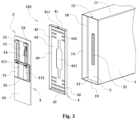
Fig. 3 is an exploded view of a negative electrode end of the cell according to an embodiment of this application; -
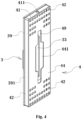
Fig. 4 schematically shows a back structure of a combination of a pole cover and a tab protector according to an embodiment of this application; -
Fig. 5 schematically shows a back structure of the pole cover according to an embodiment of this application; -
Fig. 6 is a cross-sectional view showing the exploded pole cover according to an embodiment of this application; -
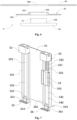
Fig. 7 is a structural diagram of a single-cell collection board according to an embodiment of this application; -
Fig. 8 schematically shows a zigzag-shaped negative tab according to an embodiment of this application; -
Fig. 9 schematically illustrates a sealing structure of a liquid injection hole according to an embodiment of this application; and -
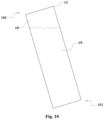
Fig. 10 schematically shows the liquid injection of the cell through the liquid injection hole according to an embodiment of this application. - In the drawings, 1, first square-shaped frame; 2, cell core set; 3, pole cover; 4, tab protector; 5, single-cell collection board;
- 101, positive electrode end; 102, negative electrode end;
- 11, top plate; 12, liquid injection hole; 13, explosion-proof valve; 14, side plate; 15, bottom plate; 18, core cavity; 19, first accommodating cavity;
- 121, recess; 122, recess bottom; 123, steel ball; 124, solidified adhesive layer; 129, sealing mechanism;
- 21, tab; 22, aluminum plate; 22S, bent aluminum plate; 22L, straightened aluminum plate; 29, electrolyte;
- 31, electrode column; 311, buffer groove; 312, protrusion; 319, connecting portion; 32, connecting strip plate; 33, insulator; 331, insulation sleeve; 332, insulation plate; 333, electrode column hole; 39, cover plate; 391, welding edges; 392, insulation sleeve hole;
- 41, top frame plate; 411, avoidance hole; 42, side frame plate; 43, bottom frame plate; 44, back frame plate; 441, tab hole; 442, liquid-permeation hole;
- 51, back plate; 52, voltage detection terminal; 53, temperature detection terminal; 54, temperature sensor; 55, first connecting plate; 56, second connecting plate;
- 521, voltage terminal support column; 522, voltage wire groove; 523; voltage wire board; 524, first fitting portion, 531, temperature terminal support column; 532, temperature wire groove; 533, temperature wire board; 534, second fitting portion; 535, sensor groove; 541, heat-conducting groove; 542, heat-conducting plate; 551, voltage connecting plate; 552, first welding portion; 561, heat-conducting connecting plate; 562, second welding portion; and
- L is a length of the cell; H is a height of the cell; and D is a width of the cell.
- This application will be described in detail with reference to the accompanying drawings and the following embodiments.
- Referring to
Figs. 1-3 , a cell includes a first square-shapedframe 1, a cell core set 2, two pole covers 3 and atab protector 4. The cell refers to the battery. The cell generally has a length L of no less than 300-2500 mm, preferably 350-1300 mm; the cell generally has a height H of 50-250 mm, preferably 70-150 mm; the cell generally has a width D of 10-150 mm, preferably 12-10 mm. The first square-shapedframe 1 is an elongated frame enclosed by four plates, and is made of metal material, preferably aluminum. The first square-shapedframe 1 has acore cavity 18 inside. A first end of thecore cavity 18 has a first opening, and a second end of thecore cavity 18 has a second opening The four plates include atop plate 11, twoside plates 14, and abottom plate 15, where thetop plate 11 and thebottom plate 15 are arranged horizontally, the two side plates are arranged vertically, and thetop plate 11 is provided with aliquid injection hole 12 and an explosion-proof valve 13. - The cell core set 2 has a long strip shape, and is arranged in the
core cavity 18 of the first square-shapedframe 1. Two ends of the core cell are each provided with atab 21. A first end of the cell core set 2 is provided with a positive tab, and a second end of the cell core set 2 is provided with a negative tab. The positive tab is located at the first opening, and the negative tab is located at the second opening. The first end of the cell core set 2 is configured as apositive electrode end 101, and the second end of the cell core set 2 is configured as anegative electrode end 102, namely thepositive electrode end 101 and thenegative electrode end 102 provided herein are respectively located at the two ends of the strip battery cell. Thetab 21 is a plate made of multilayer copper foil or aluminum foil. In this embodiment, the positive tab at thepositive electrode end 101 is generally a plate made of multilayer aluminum foil, and the negative tab at thenegative electrode end 102 is generally a plate made of multilayer copper foil. Referring toFig. 8 , the negative tab at thenegative electrode end 102 is weldedly connected to analuminum plate 22. Thealuminum plate 22 is a thin plate made of aluminum, which is soft and easy to be bent. - Referring to
Figs. 4-6 , the two pole covers 3 consists of a first pole cover and a second pole cover. The first pole cover is provided at thepositive electrode end 101, and the second pole cover is provided at thenegative electrode end 102. The first pole cover and the second pole cover each include anelectrode column 31, and a connectingstrip plate 32 and acover plate 39. Theelectrode column 31 is a square column. The connectingstrip plate 32 is a long strip plate. Theelectrode column 31 and the connectingstrip plate 32 are preferably made of aluminum. Aninsulator 33 is made of insulating material, preferably polysulfone or modified polypropylene. Thecover plate 39 and the first square-shapedframe 1 are made of the same material, preferably aluminum. Theelectrode column 31 is connected to the connecting strip plate, and provided on thecover plate 39 through theinsulator 33. Specifically, theinsulator 33 includes aninsulation sleeve 331, aninsulation plate 332 and anelectrode column hole 333. Theelectrode column hole 333 penetrates theinsulation sleeve 331 and theinsulation plate 332. Thecover plate 39 is provided with aninsulation sleeve hole 392. Theelectrode column 31 is sleeved in theelectrode column hole 333 through an connectingportion 319, and theinsulation sleeve 331 is sleeved in theinsulation sleeve hole 392, such that theelectrode column 31 is provided at an outer side of thecover plate 39, and the connectingstrip plate 32 is connected to an inner side of thecover plate 39. Theelectrode column 31 insulates against thecover plate 39 through theinsulation sleeve 331. The connectingstrip plate 32 insulates against thecover plate 39 through theinsulation plate 332. - The positive tab is weldedly connected to a connecting strip plate of the first pole cover, and the negative tab is connected to a connecting strip plate of the second pole cover through the
aluminum plate 22, namely the connecting strip plate of the second pole cover is weldedly connected to thealuminum plate 22. The connection between the connectingstrip plate 32 of the first cover pole cover and the positive tab, the connection between the negative tab and thealuminum plate 22, and the connection between the connecting strip plate of the second pole cover and thealuminum plate 22 are generally realized by ultrasonic welding, electromagnetic pulse welding or friction stir welding, preferably the friction stir welding. - At the
negative electrode end 102, a space is provided between the cell core set 2 and the second end of thecore cavity 18 to form a firstaccommodating cavity 19. Thetab protector 4 is arranged in the first accommodatingcavity 19. Thetab protector 4 is made of insulating material, preferably polysulfone or modified polypropylene. Thetab protector 4 includes atop frame plate 41, twoside frame plates 42, abottom frame plate 43 and aback frame plate 44. Thetop frame plate 41, thebottom frame plate 43 and the twoside frame plates 42 form a second square-shaped frame, where two sides of the second square-shaped frame are each provided with an opening. The opening at a side of the second square-shaped frame is connected to theback frame plate 44 to form a secondaccommodating cavity 49. Thetop frame plate 41, thebottom frame plate 43 and the twoside frame plates 42 respectively cling to an inner side of the four plates of the first square-shapedframe 1, and theback frame plate 44 clings to an end of thenegative electrode end 102. Specifically, thetop frame plate 41 clings to an inner side of atop plate 11 of the first square-shapedframe 1; thebottom frame plate 43 clings to an inner side of abottom plate 15 of the first square-shapedframe 1; one of the twoside frame plates 42 clings to an inner side of one of the twoside plates 14 of the first square-shapedframe 1, and the other of the twoside frame plates 42 clings to an inner side of the other of the twoside plates 14 of the first square-shapedframe 1. Theback frame plate 44 is provided with atab hole 441. Theback frame plate 44 clings to an end of thenegative electrode end 102. The negative tab at the second end of the cell core set 2 penetrates thetab hole 441 to enter the secondaccommodating cavity 49. The negative tab is connected to the connecting strip plate of the second pole cover inside the secondaccommodating cavity 49, namely at thenegative electrode end 102, thesoft aluminum plate 22 for connecting the connecting strip plate of the second pole cover and the negative tab is bent to be accommodated into the secondaccommodating cavity 49. - The cover plate of the first pole cover and the cover plate of the second pole cover are respectively weldedly covered at the two openings of the first square-shaped
frame 1. Specifically, the cover plate of the first pole cover and the cover plate of the second pole cover each have a length matched with a height of the first square-shapedframe 1, a width matched with a width of the first square-shapedframe 1. Referring toFig. 4 , inner edges of thecover plate 39 are weldingedges 391. Four welding edges 491 at the inner side of thecover plate 39 are welded on the first square-shapedframe 1 to seal thecore cavity 18. In order to facilitate the assembly, the negative tab at the negative electrode end 1-2 is a zigzag plate. Referring to 21S portion shown inFig. 8 , when assembling the negative electrode end, the negative tab on the zigzag plate of thenegative electrode end 102 is straightened. Then, referring to 21L portion shown inFig. 8 , the negative tab at thenegative electrode end 102 is welded on the connecting strip plate of the second pole cover, and the negative tab at thenegative electrode end 102 is bent to be pressed into the secondaccommodating cavity 49, such that the negative tab at thenegative electrode end 102 becomes the zigzag plate again, then the cover plate of the second pole cover at the negative electrode end is welded on the first square-shapedframe 1. - In this embodiment, a
liquid injection hole 12 of thetop plate 11 of the first square-shapedframe 1 is provided at thenegative electrode end 102. An end of thetop plate 11 of the first square-shapedframe 1 close to thepositive electrode end 101 is provided with an explosion-proof valve 13. Thetop frame plate 41 is provided with anavoidance hole 411. Theback frame plate 44 is provided with liquid permeation holes 442. The liquid permeation holes 442 on theback frame plate 44 are divided into two groups, where one group is located above thetab hole 441, and the other group is located below thetab hole 441. Theliquid injection hole 12 and theavoidance hole 411 are coaxially arranged. After covering the two ends of the first square-shapedframe 1 by the two pole covers 3, the electrolyte is allowed to be injected into thecore cavity 18 through theliquid injection hole 12, and flows into the secondaccommodating cavity 49 through theavoidance hole 411, and then fills thecore cavity 18 through theliquid permeation hole 442 on theback frame plate 44. During electrolyte injection, the cell is generally placed inclinedly. In this state, referring toFig. 10 , thepositive electrode end 101 is located at the lower end, and thenegative electrode end 102 is located at the upper end, and theliquid injection hole 12 is located at the top, such that when theelectrolyte 29 in thecore cavity 18 overflows, the space margin in thecore cavity 18 only exists at an triangle above theliquid injection hole 12. In addition, thecore cavity 18 is generally evacuated via theliquid injection hole 12 before electrolyte injection. - After electrolyte injection, the
liquid injection hole 12 is sealed via a sealing mechanism. As shown inFig. 9 , thesealing mechanism 129 includes arecess 121 and asteel ball 123. Therecess 121 is centered on theliquid injection hole 12 and recesses toward the first accommodatingcavity 19. Thesteel ball 123 is weldedly arranged in theliquid injection hole 12. Therecess 121 is configured such that theliquid injection hole 12 is allowed to move into theavoidance hole 41. During the actual assembly, therecess 121 is usually formed before liquid injection, especially after assembling thetab protector 4 into the first accommodatingcavity 19. Arecess bottom 122 of therecess 121 is sunk into theavoidance hole 411 of thetop frame plate 44 of thetab protector 4, such that theliquid injection hole 12 at therecess bottom 122 is moved into theavoidance hole 411. Arecess bottom 122 of therecess 121 that is sunk into theavoidance hole 411 clamps thetab protector 4. Thesteel ball 123 is in interference fit with theliquid injection hole 12, that is, thesteel ball 123 is larger than theliquid injection hole 12 in diameter. When assembling thesteel ball 123, thesteel ball 12 is injected into theliquid injection hole 12, such that thesteel ball 123 is clamped into theliquid injection hole 12; the steel ball is welded on an edge of theliquid injection hole 12; therecess 121 is injected with structural adhesive; after the structural adhesive is solidified, therecess 121 is filled with a solidifiedadhesive layer 124 that is formed by the solidified structural adhesive. A top of the solidifiedadhesive layer 124 is flush with a top surface of thetop plate 11. In this embodiment, theliquid injection hole 12 is sealed by double sealing. A first sealing is realized by the welded steel balls, and the second sealing is realized by the solidifiedadhesive layer 124 filled in therecess 121. - In this embodiment, the
negative electrode end 102 is further provided with a single-cell collection board 5. The single-cell collection board 5 is arranged on the second pole cover at thenegative electrode end 102. As shown inFig. 3 and7 , the single-cell collection board 5 includes aback plate 51, avoltage detection terminal 52, atemperature detection terminal 53, atemperature sensor 54, a first connectingplate 55 and a second connectingplate 56. Thevoltage detection terminal 52 and thetemperature detection terminal 53 are electric interfaces. Thetemperature sensor 54 preferably adopts negative temperature coefficient sensor (NTC sensor). Theback plate 51 clings to thecover plate 39, and is placed vertically. Thevoltage detection terminal 52, thetemperature detection terminal 53, thetemperature sensor 54, the first connectingplate 55 and the second connectingplate 56 are arranged on theback plate 51. Thevoltage detection terminal 52 and thetemperature detection terminal 53 are located at a top of theback plate 51, and are located at the same height. The voltagepole bonding plate 55 and the second connectingplate 56 are located at a bottom of theback plate 51, and are located at the same height. The first connectingplate 55 is electrically connected to thevoltage detection terminal 52. The second connectingplate 56 is connected to thetemperature sensor 54 through a heat-conductingplate 542. Thetemperature sensor 54 is electrically connected to thetemperature detection terminal 53. The first connectingplate 55 and the second connectingplate 56 are configured for connection with the electrode column of the second cover plate. - In this embodiment, the
back plate 51 is provided with two voltageterminal support columns 521 and two temperatureterminal support columns 531. The two voltageterminal support columns 521 and the two temperatureterminal support columns 531 are vertically arranged. Thevoltage detection terminal 52 is arranged at top ends of the two voltageterminal support columns 521. Thetemperature detection terminal 53 is provided on top ends of the two temperatureterminal support columns 531. A bottom end of each of the two voltageterminal support columns 521, and a bottom end of the two temperatureterminal support columns 531 are matched with the insulator and abuts against theinsulator 33. Specifically, the bottom end of each of the two voltageterminal support columns 521 is provided with a firstfitting portion 524. The bottom end of each of the two temperatureterminal support columns 531 is provided with a secondfitting portion 534. The bottom end of each of the two voltageterminal support columns 521 and theinsulation sleeve 331 of theinsulator 33 are in fit connection through the firstfitting portion 524, and are glued through the structural adhesive. The bottom end of each of the two temperatureterminal support columns 531 and theinsulation sleeve 331 of theinsulator 33 are in fit connection through the secondfitting portion 534, and are glued through the structural adhesive. - One of the two voltage
terminal support columns 521 is separated from the other of the two voltageterminal support columns 521, so that avoltage wire groove 522 is formed between the two voltageterminal support columns 521. Avoltage wire board 523 is provided in thevoltage wire groove 522. The first connectingplate 55 is electrically connected to thevoltage detection terminal 52 through thevoltage wire board 523. The first connectingplate 55 is connected to theelectrode column 31. Specifically, the first connectingplate 55 is arranged horizontally, which is usually a nickel sheet. The first connectingplate 55 is welded to a cylindrical surface of theelectrode column 31. The first connectingplate 55 is connected to avoltage connecting plate 551, which is arranged vertically. Thevoltage connecting plate 551 is in welded connection with thevoltage wire board 523 through afirst welding portion 552. - One of the two temperature
terminal support columns 531 is separated from the other of the two temperatureterminal support columns 531. Asensor groove 535 is provided between the two temperatureterminal support columns 531. A space between the two temperatureterminal support columns 531 is divided by thesensor groove 535 into atemperature wire groove 532 and a heat-conductinggroove 541. Thetemperature wire groove 532 is located between thesensor groove 535 and thetemperature detection terminal 53, and the heat-conductinggroove 541 is located below thesensor groove 535. Atemperature wire board 533 is provided in thetemperature wire groove 532. Thetemperature sensor 54 is electrically connected to thetemperature detection terminal 53 through thetemperature wire board 533. A heat-conductingplate 542 is provided in the heat-conductinggroove 541. The second connectingplate 56 is connected to thetemperature sensor 54 through the heat-conductingplate 542. The second connectingplate 56 is connected to theelectrode column 31 the second cover plate. Specifically, the second connectingplate 56 is a plate arranged horizontally, which is usually a nickel sheet. The second connectingplate 56 is welded to the cylindrical surface of theelectrode column 31 the second cover plate. The second connectingplate 56 is connected to a heat-conducting connectingplate 561, which is arranged vertically. The heat-conducting connectingplate 561 is welded to the heat-conductingplate 542 through asecond welding portion 562. - In an embodiment, the
electrode column 31 is further provided with abuffer groove 311. Thebuffer groove 311 is arranged vertically. Twoprotrusions 312 protruding from theelectrode column 31 are formed and are vertically arranged. The first connectingplate 55 is welded to a top end surface of one of the twoprotrusions 312, and the second connectingplate 56 is welded to a top end surface of the other of the twoprotrusions 312. When theelectrode column 31 is connected to the busbar, thebuffer groove 311 is configured as a buffer position. - A method of producing the cell mentioned above is performed through the following steps.
(S 1) Thealuminum plate 22 is welded to the negative tab at the second end of the cell core set 2. Therecess 121 is formed centered on theliquid injection hole 12 on the top plate of the first square-shapedframe 1. Therecess 121 recesses toward the first accommodatingcavity 19. The connecting strip plate of the first pole cover is welded to the positive tab simultaneously. The cell core set 2 is inserted into the first square-shapedframe 1. - It should be noted that the term "simultaneously" used herein refers to that the welding of the
aluminum plate 22 at the negative electrode end and the forming of therecess 121 can be performed before welding the connectingstrip plate 32 of thefirst cover plate 3 and the positive tab, or performed before inserting the cell core set 2 into the first square-shapedframe 1, or performed after inserting the cell core set 2 into the first square-shapedframe 1. The sequence of the welding of thealuminum plate 22 at the negative electrode end and the forming of therecess 121 is not specifically limited herein, that is, the forming of therecess 121 can be performed before or after the welding of thealuminum plate 22, or the forming of therecess 121 and the welding of thealuminum plate 22 can be performed simultaneously. - In order to facilitate bending of the
aluminum plate 22, thealuminum plate 22 is generally pre-bent and then straightened before welding to the negative tab. Thealuminum plate 22 after straightening has creases. Subsequently, thealuminum plate 22 can be bent along the creases. When being pre-bent, thealuminum plate 22 is generally bent into a zigzag structure. - When forming the
recess 121 centered on theliquid injection hole 12, theliquid injection hole 12 may be opened first, then therecess 121 may be formed centered around theliquid injection hole 12, or therecess 121 may be formed first centered on a location of theliquid injection hole 12, then theliquid injection hole 12 is opened at a center of arecess bottom 122 of therecess 121. The size of therecess 121 and the size of theliquid injection hole 12 are set according to actual requirements. - (S2) The
tab protector 4 is placed in the first accommodatingcavity 19, such that a bottom of therecess 121 is clamped into theavoidance hole 411, the aluminum plate passes through thetab hole 441 on thetab protector 4, and theback frame plate 44 clings to an end of thenegative electrode end 102. The bottom of therecess 121 is clamped into theavoidance hole 411, that is, therecess bottom 122 is clamped into theavoidance hole 411, and theliquid injection hole 12 is moved into theavoidance hole 411. It should be noted that thetab protector 4 is in interference fit with the first accommodatingcavity 19. - (S3) The connecting strip plate of the second pole cover is welded to the
aluminum plate 22. - (S4) The second pole cover is pressed toward the first square-shaped
frame 1, such that thealuminum plate 22 is bent and pressed into the secondaccommodating cavity 49, and an edge of the cover plate of the first pole cover clings to an edge of the of the first opening of the first square-shapedframe 1, and an edge of the cover plate of the second pole cover clings to an edge of the second opening of the first square-shapedframe 1. In this embodiment, since thealuminum plate 22 is pre-bent in step (S1), thealuminum plate 22 can be bent along the creases, when the second pole cover at the negative electrode end is pressed to the first square-shapedframe 1. - (S5) The cover plate of the first pole cover and the cover plate of the second pole cover are respectively welded to the first square-shaped
frame 1 by side seam welding. - (S6) An electrolyte is injected into the cell through the
liquid injection hole 12. During electrolyte injection, the cell is generally placed inclinedly. Referring toFig. 10 , thepositive electrode end 101 is located at the lower end of the cell, and thenegative electrode end 102 is located at the upper end of the cell. Thecore cavity 18 is generally vacuumized via theliquid injection hole 12 before the electrolyte injection. - (S7) The
liquid injection hole 12 is sealed. When theliquid injection hole 12 is sealed, thesteel ball 123 is injected into theliquid injection hole 12, such that thesteel ball 123 is clamped into theliquid injection hole 12. Thesteel ball 123 is in interference fit with theliquid injection hole 12. Then, therecess 121 is injected with structural adhesive. After the structural adhesive is solidified, therecess 121 is filled with a solidifiedadhesive layer 124 that is formed by the solidified structural adhesive. The solidifiedadhesive layer 124 is flush with thetop plate 11, such that the solidifiedadhesive layer 124 is formed in therecess 121. - (S8) A single-
cell collection board 5 is mounted on the second pole cover. During mounting, the structural adhesive is glued on the corresponding positions of thesecond cover plate 39 and theinsulation sleeve 331, and then theback plate 51 is glued on thesecond cover plate 39; the bottom end of each of the two voltageterminal support columns 521 and the bottom end of each of the two temperatureterminal support columns 531 are glued to theinsulation sleeve 331, such that the first connectingplate 55 clings to a top end surface of one of the twoprotrusions 312, and the second connectingplate 56 clings to a top end surface of the other of the twoprotrusions 312; then, the first connectingplate 55 and the second connectingplate 56 are respectively welded on theelectrode column 31 by laser welding.
Claims (13)
- A cell, comprising:a first square-shaped frame (1);a cell core set (2);two pole covers (3); anda tab protector (4);characterized in that the first square-shaped frame (1) is an elongated frame enclosed by four plates, and a core cavity (18) is formed in the first square-shaped frame (1); and a first end of the core cavity (18) has a first opening, and a second end of the core cavity (18) has a second opening;the cell core set (2) has an elongated structure, and is arranged in the core cavity (18); two ends of the core cell are each provided with a tab (21); a first end of the cell core set (2) is provided with a positive tab, and a second end of the cell core set (2) is provided with a negative tab; the positive tab is located at the first opening, and the negative tab is located at the second opening; the first end of the cell core set (2) is configured as a positive electrode end, and the second end of the cell core set (2) is configured as a negative electrode end; and at the negative electrode end, a space is provided between the cell core set (2) and the second end of the core cavity (18) to form a first accommodating cavity (19);the tab protector (4) is arranged in the first accommodating cavity (19); the tab protector (4) comprises a top frame plate (41), two side frame plates (42), a bottom frame plate (43) and a back frame plate (44); the top frame plate (41), the bottom frame plate (43) and the two side frame plates (42) form a second square-shaped frame; wherein two sides of the second square-shaped frame are each provided with an opening; the opening at a side of the second square-shaped frame is connected to the back frame plate (44) to form a second accommodating cavity (49); the top frame plate (41), the bottom frame plate (43) and the two side frame plates (42) respectively cling to an inner side of the four plates of the first square-shaped frame (1); the back frame plate (44) is provided with a tab hole (441); the back frame plate (44) clings to an end of the negative electrode end; and the negative tab passes through the tab hole (441); andthe two pole covers (3) consists of a first pole cover and a second pole cover; the first pole cover and the second pole cover each comprise an electrode column (31), a connecting strip plate (32) and a cover plate (39); the electrode column (31) is provided on an outer side of the cover plate (39); the connecting strip plate (32) is provided on an inner side of the cover plate (39); the electrode column (31) is connected with the connecting strip plate (32); the cover plate of the first pole cover is covered at the first opening of the first square-shaped frame (1), and the cover plate of the second pole cover is covered at the second opening of the first square-shaped frame (1); the connecting strip plate (32) of the first pole cover is connected to the positive tab, and the connecting strip plate (32) of the second pole cover is connected to the negative tab through an aluminum plate (22); and the aluminum plate (22) is bendable to be accommodated in the second accommodating cavity (49).
- The cell according to claim 1, characterized in that cover plates (39) and the first square-shaped frame (1) are made of the same metal material; the cover plate of the first pole cover is weldedly covered at the first opening of the first square-shaped frame (1), and the cover plate of the second pole cover is weldedly covered at the second opening of the first square-shaped frame (1); the electrode column (31) and the connecting strip plate (32) are provided on the cover plate (39) through an insulator (33); the connecting strip plate (32) of the first pole cover is weldedly connected to the positive tab; and the connecting strip plate (32) of the second pole cover is weldedly connected to the aluminum plate (22), and the aluminum plate (22) is weldedly connected to the negative tab.
- The cell according to claim 2, characterized in that the four plates of the first square-shaped frame (1) comprise a top plate (11); an end of the top plate (11) close to the negative electrode end is provided with a liquid injection hole (12); the top frame plate (41) is provided with an avoidance hole (411); the back frame plate (44) is provided with a liquid permeation hole (442); and the liquid injection hole (12) and the avoidance hole (411) are coaxially arranged.
- The cell according to claim 3, characterized in that the liquid injection hole (12) is sealed by a sealing mechanism.
- The cell according to claim 4, characterized in that the sealing mechanism comprises a recess (121) and a steel ball (123); the recess (121) is centered on the liquid injection hole (12) and recesses toward the first accommodating cavity (19); the steel ball (123) is arranged in the liquid injection hole (12); the recess (121) is configured such that the liquid injection hole (12) is allowed to move into the avoidance hole (411); and the steel ball (123) is in interference fit with the liquid injection hole (12).
- The cell according to claim 5, characterized in that the recess (121) is filled with a solidified structural adhesive.
- The cell according to any one of claims 1-6, characterized in that a single-cell collection board (5) is provided on the second pole cover; the single-cell collection board (5) comprises a back plate (51), a voltage detection terminal (52), a temperature detection terminal (53), a temperature sensor (54), a first connecting plate (55) and a second connecting plate (56); the back plate (51) clings to the cover plate; the voltage detection terminal (52), the temperature detection terminal (53), the temperature sensor (54), the first connecting plate (55) and the second connecting plate (56) are arranged on the back plate (51); one side of the first connecting plate (55) clings to the electrode column of the second pole cover, and the other side of the first connecting plate (55) is electrically connected to the voltage detection terminal (52); the first connecting plate (55) is configured to realize voltage conduction; one side of the second connecting plate (56) clings to the electrode column of the second pole cover, and the other side of the second connecting plate (56) is connected to the temperature sensor (54) through a heat-conducting plate (542); the second connecting plate (56) is configured to realize thermal conduction; and the temperature sensor (54) is electrically connected to the temperature detection terminal (53).
- The cell according to claim 7, characterized in that the back plate (51) is provided with two voltage terminal support columns (521) and two temperature terminal support columns (531); the two voltage terminal support columns (521) and the two temperature terminal support columns (531) are vertically arranged; the voltage detection terminal (52) is arranged at top ends of the two voltage terminal support columns (521); a bottom end of each of the two voltage terminal support columns (521) is matched with the insulator (33) and abuts against the insulator (33); a voltage wire groove (522) is provided between the two voltage terminal support columns (521); the first connecting plate (55) is connected to the voltage detection terminal (52) through a voltage wire board (523), wherein the voltage wire board (523) is provided in the voltage wire groove (522); the temperature detection terminal (53) is provided on top ends of the two temperature terminal support columns (531); a bottom end of each of the two temperature terminal support columns (531) is matched with the insulator (33) and abuts against the insulator (33); one of the two temperature terminal support columns (531) is separated from the other of the two temperature terminal support columns (531); a sensor groove (535) is provided between the two temperature terminal support columns (531); the temperature sensor (54) is provided in the sensor groove (535); a space between the two temperature terminal support columns (531) is divided by the sensor groove (535) into a temperature wire groove (532) and a heat-conducting groove (541); the temperature sensor (54) is connected to the temperature detection terminal (53) through a temperature wire board (533) in the temperature wire groove (532), and connected to the second connecting plate (56) through the heat-conducting plate (542) in the heat-conducting groove (541).
- The cell according to any one of claims 3-6, characterized in that an end of the top plate (11) of the first square-shaped frame (1) close to the positive electrode end is provided with an explosion-proof valve (13).
- The cell according to any one of claims 1-6, characterized in that the electrode column (31) is provided with a buffer groove (311).
- A method of producing the cell according to claim 6, comprising:(S1) welding the aluminum plate (22) to the negative tab; forming the recess (121) centered on the liquid injection hole (12) on the top plate (11) of the first square-shaped frame (1); welding the connecting strip plate (32) of the first pole cover to the positive tab; inserting the cell core set (2) into the first square-shaped frame (1);(S2) placing the tab protector (4) in the first accommodating cavity (19), such that a bottom of the recess (121) is clamped into the avoidance hole (411), the aluminum plate (22) passes through the tab hole (441) on the tab protector (4), and the back frame plate (44) clings to the second end of the cell core set (2);(S3) welding the connecting strip plate (32) of the second pole cover to the aluminum plate (22);(S4) pressing the second pole cover toward the first square-shaped frame (1), such that the aluminum plate (22) is bent and pressed into the second accommodating cavity (49), and an edge of the cover plate (39) of the first pole cover clings to an edge of the first opening of the first square-shaped frame (1), and an edge of the cover plate (39) of the second pole cover clings to an edge of the second opening of the first square-shaped frame (1);(S5) welding the cover plate (39) of the first pole cover and the cover plate (39) of the second pole cover to the first square-shaped frame (1);(S6) injecting an electrolyte into the core cavity (18) through the liquid injection hole (12); and(S7) sealing the liquid injection hole (12).
- The method according to claim 11, characterized in that the liquid injection hole (12) is sealed through steps of:
pressing the steel ball (123) into the liquid injection hole (12) to form the interference fit with the liquid injection hole (12), such that the steel ball (123) is clamped in the liquid injection hole (12); and injecting a structural adhesive to the recess (121). - The method according to claim 11, further comprising:(S8) mounting a single-cell collection board (5) on the second pole cover;wherein the single-cell collection board (5) comprises a back plate (51), a voltage detection terminal (52), a temperature detection terminal (53), a temperature sensor (54), a first connecting plate (55) and a second connecting plate (56); the back plate (51) clings to the cover plate (39) of the second pole cover; the voltage detection terminal (52), the temperature detection terminal (53), the temperature sensor (54), the first connecting plate (55) and the second connecting plate (56) are arranged on the back plate (51); the first connecting plate (55) and the second connecting plate (56) are connected to the electrode column (31) of the second pole cover; the first connecting plate (55) is electrically connected to the voltage detection terminal (52); the second connecting plate (56) is connected to the temperature sensor (54) through a heat-conducting plate (542); and the temperature sensor (54) is electrically connected to the temperature detection terminal (53).
Applications Claiming Priority (2)
| Application Number | Priority Date | Filing Date | Title |
|---|---|---|---|
| CN202010835418.XA CN111834578B (en) | 2020-08-19 | 2020-08-19 | A kind of array battery cell and assembly method thereof |
| PCT/CN2020/122736 WO2022036836A1 (en) | 2020-08-19 | 2020-10-22 | Array cell and assembly method therefor |
Publications (2)
| Publication Number | Publication Date |
|---|---|
| EP4167359A1 true EP4167359A1 (en) | 2023-04-19 |
| EP4167359A4 EP4167359A4 (en) | 2025-02-12 |
Family
ID=72919111
Family Applications (1)
| Application Number | Title | Priority Date | Filing Date |
|---|---|---|---|
| EP20950040.4A Pending EP4167359A4 (en) | 2020-08-19 | 2020-10-22 | Array cell and assembly method therefor |
Country Status (4)
| Country | Link |
|---|---|
| US (1) | US12542338B2 (en) |
| EP (1) | EP4167359A4 (en) |
| CN (1) | CN111834578B (en) |
| WO (2) | WO2022036836A1 (en) |
Cited By (6)
| Publication number | Priority date | Publication date | Assignee | Title |
|---|---|---|---|---|
| EP4152512A4 (en) * | 2021-07-30 | 2023-11-08 | Contemporary Amperex Technology Co., Limited | BATTERY, ELECTRICAL DEVICE AND BATTERY PREPARATION METHOD |
| EP4475287A1 (en) * | 2023-06-08 | 2024-12-11 | Prime Planet Energy & Solutions, Inc. | Secondary battery and method of manufacturing secondary battery |
| EP4475286A1 (en) * | 2023-06-08 | 2024-12-11 | Prime Planet Energy & Solutions, Inc. | Secondary battery and method of manufacturing same |
| EP4475288A1 (en) * | 2023-06-08 | 2024-12-11 | Prime Planet Energy & Solutions, Inc. | Method of manufacturing secondary battery |
| JP2024176299A (en) * | 2023-06-08 | 2024-12-19 | プライムプラネットエナジー&ソリューションズ株式会社 | Secondary battery and method for manufacturing the same |
| EP4553987A1 (en) * | 2023-11-07 | 2025-05-14 | Samsung SDI Co., Ltd. | Secondary battery |
Families Citing this family (15)
| Publication number | Priority date | Publication date | Assignee | Title |
|---|---|---|---|---|
| CN111834578B (en) * | 2020-08-19 | 2024-04-16 | 江苏正力新能电池技术有限公司 | A kind of array battery cell and assembly method thereof |
| KR102908431B1 (en) | 2021-10-06 | 2026-01-07 | 에스케이온 주식회사 | Rechargeable-battery battery |
| CN114665177A (en) * | 2022-04-02 | 2022-06-24 | 合肥国轩高科动力能源有限公司 | Non-module battery system |
| CN114824681B (en) * | 2022-06-27 | 2022-09-09 | 宁德新能源科技有限公司 | Electrochemical devices and electronic devices |
| WO2024016273A1 (en) * | 2022-07-21 | 2024-01-25 | 宁德时代新能源科技股份有限公司 | Battery cell, battery and electric device |
| EP4507083A4 (en) * | 2022-07-21 | 2025-07-09 | Contemporary Amperex Technology Co Ltd | Battery cell and manufacturing method therefor, as well as battery and electrical device |
| CN118696449A (en) * | 2022-08-30 | 2024-09-24 | 宁德时代新能源科技股份有限公司 | Battery cells, batteries and electrical devices |
| EP4475271A4 (en) * | 2022-09-29 | 2025-04-23 | Contemporary Amperex Technology (Hong Kong) Limited | BATTERY CELL END COVER ASSEMBLY, BATTERY CELL, BATTERY AND ELECTRICAL APPLIANCE |
| EP4478480A4 (en) * | 2022-09-29 | 2025-04-23 | Contemporary Amperex Technology (Hong Kong) Limited | BATTERY CELL END COVER ASSEMBLY, AND BATTERY CELL, BATTERY AND ELECTRICAL APPLIANCE |
| KR20240051431A (en) * | 2022-10-13 | 2024-04-22 | 삼성에스디아이 주식회사 | Secondary battery |
| EP4510375A4 (en) * | 2022-10-26 | 2025-08-20 | Contemporary Amperex Technology Co Ltd | BATTERY CELL, BATTERY AND ELECTRICAL DEVICE |
| JP7789719B2 (en) * | 2023-06-08 | 2025-12-22 | プライムプラネットエナジー&ソリューションズ株式会社 | Secondary battery and manufacturing method thereof |
| JP7775869B2 (en) * | 2023-06-22 | 2025-11-26 | トヨタ自動車株式会社 | secondary battery |
| WO2025091250A1 (en) * | 2023-10-31 | 2025-05-08 | 宁德时代新能源科技股份有限公司 | Battery cell, battery and electrical apparatus |
| CN118173853B (en) * | 2024-04-02 | 2025-06-27 | 蜂巢能源科技股份有限公司 | Battery module assembly method |
Family Cites Families (26)
| Publication number | Priority date | Publication date | Assignee | Title |
|---|---|---|---|---|
| JP5340676B2 (en) * | 2008-08-29 | 2013-11-13 | 三洋電機株式会社 | Battery system |
| US8518576B2 (en) * | 2009-08-11 | 2013-08-27 | Samsung Sdi Co., Ltd. | Secondary battery including a sensor to determine if battery is heated above a predetermined temperature |
| CN102104167A (en) * | 2010-12-13 | 2011-06-22 | 湖南科力远新能源股份有限公司 | Battery pack with internal serial structure and manufacture method thereof |
| CN202042559U (en) * | 2011-03-30 | 2011-11-16 | 比亚迪股份有限公司 | A lithium ion battery |
| CN103346355A (en) * | 2013-07-11 | 2013-10-09 | 上海空间电源研究所 | Lithium-ion flexible packaged battery pack structure |
| CN203706892U (en) * | 2014-01-08 | 2014-07-09 | 宁波南车新能源科技有限公司 | Circular full-tab super capacitor |
| CN205091360U (en) * | 2014-09-23 | 2016-03-16 | 北京科易动力科技有限公司 | Sampling terminal |
| KR20160051476A (en) * | 2014-11-03 | 2016-05-11 | 삼성에스디아이 주식회사 | Rechargeable battery and rechargeable battery pack including the same |
| CN205900334U (en) * | 2016-08-05 | 2017-01-18 | 南通绿业中试技术研究院有限公司 | Ultracapacitor system drainage terminal |
| CN106410104B (en) * | 2016-08-25 | 2023-03-24 | 合肥国轩高科动力能源有限公司 | Cylindrical multi-tab battery and manufacturing method thereof |
| WO2018049614A1 (en) * | 2016-09-14 | 2018-03-22 | 深圳市大疆创新科技有限公司 | Battery, assembly method thereof, and unmanned aerial vehicle employing same |
| KR20200053463A (en) * | 2017-06-15 | 2020-05-18 | 에이일이삼 시스템즈, 엘엘씨 | Stacked prismatic architecture for electrochemical cells |
| CN207441849U (en) * | 2017-10-26 | 2018-06-01 | 合肥国轩高科动力能源有限公司 | Lithium-ion battery liquid injection hole |
| CN207800665U (en) * | 2018-02-01 | 2018-08-31 | 宁德时代新能源科技股份有限公司 | The cap assembly and secondary cell of secondary cell |
| CN108461700B (en) * | 2018-02-02 | 2024-01-02 | 惠州拓邦电气技术有限公司 | A high-rate all-tab lithium battery and its preparation method |
| CN108428970A (en) * | 2018-04-18 | 2018-08-21 | 北京颐源新能源科技有限公司 | A kind of micro metal air cell |
| CN208284511U (en) * | 2018-05-22 | 2018-12-25 | 东莞塔菲尔新能源科技有限公司 | A kind of power battery top cover assembling structure |
| CN208385543U (en) * | 2018-07-02 | 2019-01-15 | 比亚迪股份有限公司 | Single battery, battery modules, power battery and electric car |
| CN110800129A (en) * | 2018-08-31 | 2020-02-14 | 深圳市大疆创新科技有限公司 | Battery and agricultural drone with the same |
| CN209515844U (en) * | 2019-01-07 | 2019-10-18 | 宁德时代新能源科技股份有限公司 | Secondary cell and battery modules |
| CN112787048B (en) * | 2019-10-23 | 2022-08-09 | 比亚迪股份有限公司 | Lithium ion battery, battery module, battery pack and automobile |
| CN110518174B (en) | 2019-10-23 | 2020-03-20 | 比亚迪股份有限公司 | Battery, battery module, battery pack and electric vehicle |
| CN111276732A (en) * | 2020-03-30 | 2020-06-12 | 湖北亿纬动力有限公司 | A single battery and battery module |
| CN111276663B (en) * | 2020-03-30 | 2023-04-07 | 湖北亿纬动力有限公司 | Single battery, battery module and energy storage device |
| CN111834578B (en) * | 2020-08-19 | 2024-04-16 | 江苏正力新能电池技术有限公司 | A kind of array battery cell and assembly method thereof |
| CN212517369U (en) * | 2020-08-19 | 2021-02-09 | 江苏塔菲尔动力系统有限公司 | Array electric core |
-
2020
- 2020-08-19 CN CN202010835418.XA patent/CN111834578B/en active Active
- 2020-10-22 WO PCT/CN2020/122736 patent/WO2022036836A1/en not_active Ceased
- 2020-10-22 EP EP20950040.4A patent/EP4167359A4/en active Pending
-
2021
- 2021-04-15 WO PCT/CN2021/087355 patent/WO2022037091A1/en not_active Ceased
-
2023
- 2023-01-06 US US18/151,216 patent/US12542338B2/en active Active
Cited By (6)
| Publication number | Priority date | Publication date | Assignee | Title |
|---|---|---|---|---|
| EP4152512A4 (en) * | 2021-07-30 | 2023-11-08 | Contemporary Amperex Technology Co., Limited | BATTERY, ELECTRICAL DEVICE AND BATTERY PREPARATION METHOD |
| EP4475287A1 (en) * | 2023-06-08 | 2024-12-11 | Prime Planet Energy & Solutions, Inc. | Secondary battery and method of manufacturing secondary battery |
| EP4475286A1 (en) * | 2023-06-08 | 2024-12-11 | Prime Planet Energy & Solutions, Inc. | Secondary battery and method of manufacturing same |
| EP4475288A1 (en) * | 2023-06-08 | 2024-12-11 | Prime Planet Energy & Solutions, Inc. | Method of manufacturing secondary battery |
| JP2024176299A (en) * | 2023-06-08 | 2024-12-19 | プライムプラネットエナジー&ソリューションズ株式会社 | Secondary battery and method for manufacturing the same |
| EP4553987A1 (en) * | 2023-11-07 | 2025-05-14 | Samsung SDI Co., Ltd. | Secondary battery |
Also Published As
| Publication number | Publication date |
|---|---|
| WO2022036836A1 (en) | 2022-02-24 |
| CN111834578A (en) | 2020-10-27 |
| EP4167359A4 (en) | 2025-02-12 |
| US12542338B2 (en) | 2026-02-03 |
| CN111834578B (en) | 2024-04-16 |
| WO2022037091A1 (en) | 2022-02-24 |
| US20230216163A1 (en) | 2023-07-06 |
Similar Documents
| Publication | Publication Date | Title |
|---|---|---|
| US12542338B2 (en) | Cell and assembly method thereof | |
| JP7764501B2 (en) | Batteries and electronic products | |
| US20250158253A1 (en) | Power battery cover and power battery | |
| KR20120006984A (en) | Galvanic cell with frame and manufacturing method of the galvanic cell | |
| CN102024988A (en) | Coiled lithium-ion power battery core and manufacturing method thereof | |
| CN214898729U (en) | Cell modules and battery packs | |
| CN212517369U (en) | Array electric core | |
| CN220233407U (en) | Top cap subassembly, battery cell, energy memory and consumer | |
| WO2022247177A1 (en) | Battery casing and lithium battery | |
| JP3686242B2 (en) | Battery stack electrode connection method and battery | |
| CN206742419U (en) | Secondary cell | |
| CN117374486A (en) | Cylindrical battery and method for assembling the same | |
| CN217035706U (en) | TWS utmost point ear sealed box hat electricity core | |
| CN219739266U (en) | Battery and battery device | |
| CN107591555A (en) | Secondary battery | |
| CN212648339U (en) | Lithium ion battery | |
| CN205828569U (en) | secondary battery | |
| CN212323091U (en) | An aluminum shell lithium battery cover plate and a lithium battery using the same | |
| CN223378399U (en) | Battery cell | |
| CN224020762U (en) | A secondary battery module | |
| CN223272472U (en) | Reference electrode and lithium ion battery | |
| CN111276647A (en) | Battery, battery module and preparation method of battery | |
| CN221080304U (en) | A lithium battery | |
| JP4658683B2 (en) | Electrochemical element | |
| CN222966297U (en) | A wide-tab energy storage device |
Legal Events
| Date | Code | Title | Description |
|---|---|---|---|
| STAA | Information on the status of an ep patent application or granted ep patent |
Free format text: STATUS: THE INTERNATIONAL PUBLICATION HAS BEEN MADE |
|
| PUAI | Public reference made under article 153(3) epc to a published international application that has entered the european phase |
Free format text: ORIGINAL CODE: 0009012 |
|
| STAA | Information on the status of an ep patent application or granted ep patent |
Free format text: STATUS: REQUEST FOR EXAMINATION WAS MADE |
|
| 17P | Request for examination filed |
Effective date: 20230111 |
|
| AK | Designated contracting states |
Kind code of ref document: A1 Designated state(s): AL AT BE BG CH CY CZ DE DK EE ES FI FR GB GR HR HU IE IS IT LI LT LU LV MC MK MT NL NO PL PT RO RS SE SI SK SM TR |
|
| DAV | Request for validation of the european patent (deleted) | ||
| DAX | Request for extension of the european patent (deleted) | ||
| REG | Reference to a national code |
Ref country code: DE Ref legal event code: R079 Free format text: PREVIOUS MAIN CLASS: H01M0050200000 Ipc: H01M0050548000 |
|
| RIC1 | Information provided on ipc code assigned before grant |
Ipc: H01M 50/15 20210101ALI20241002BHEP Ipc: H01M 10/42 20060101ALI20241002BHEP Ipc: H01M 10/48 20060101ALI20241002BHEP Ipc: H01M 50/645 20210101ALI20241002BHEP Ipc: H01M 50/536 20210101ALI20241002BHEP Ipc: H01M 50/534 20210101ALI20241002BHEP Ipc: H01M 50/533 20210101ALI20241002BHEP Ipc: H01M 50/30 20210101ALI20241002BHEP Ipc: H01M 50/119 20210101ALI20241002BHEP Ipc: H01M 50/103 20210101ALI20241002BHEP Ipc: H01M 50/548 20210101AFI20241002BHEP |
|
| A4 | Supplementary search report drawn up and despatched |
Effective date: 20250110 |
|
| RIC1 | Information provided on ipc code assigned before grant |
Ipc: H01M 50/15 20210101ALI20250103BHEP Ipc: H01M 10/42 20060101ALI20250103BHEP Ipc: H01M 10/48 20060101ALI20250103BHEP Ipc: H01M 50/645 20210101ALI20250103BHEP Ipc: H01M 50/536 20210101ALI20250103BHEP Ipc: H01M 50/534 20210101ALI20250103BHEP Ipc: H01M 50/533 20210101ALI20250103BHEP Ipc: H01M 50/30 20210101ALI20250103BHEP Ipc: H01M 50/119 20210101ALI20250103BHEP Ipc: H01M 50/103 20210101ALI20250103BHEP Ipc: H01M 50/548 20210101AFI20250103BHEP |