EP4166145B1 - Method for producing a nerve growth factor, water-saturated 1-butanol fraction prepared by the method, internal preparation and liquid external preparation - Google Patents
Method for producing a nerve growth factor, water-saturated 1-butanol fraction prepared by the method, internal preparation and liquid external preparation Download PDFInfo
- Publication number
- EP4166145B1 EP4166145B1 EP22210283.2A EP22210283A EP4166145B1 EP 4166145 B1 EP4166145 B1 EP 4166145B1 EP 22210283 A EP22210283 A EP 22210283A EP 4166145 B1 EP4166145 B1 EP 4166145B1
- Authority
- EP
- European Patent Office
- Prior art keywords
- nerve growth
- growth promoter
- water
- nerve
- hyaluronic acid
- Prior art date
- Legal status (The legal status is an assumption and is not a legal conclusion. Google has not performed a legal analysis and makes no representation as to the accuracy of the status listed.)
- Active
Links
Images

Classifications
-
- A—HUMAN NECESSITIES
- A23—FOODS OR FOODSTUFFS; TREATMENT THEREOF, NOT COVERED BY OTHER CLASSES
- A23B—PRESERVATION OF FOODS, FOODSTUFFS OR NON-ALCOHOLIC BEVERAGES; CHEMICAL RIPENING OF FRUIT OR VEGETABLES
- A23B2/00—Preservation of foods or foodstuffs, in general
- A23B2/70—Preservation of foods or foodstuffs, in general by treatment with chemicals
- A23B2/725—Preservation of foods or foodstuffs, in general by treatment with chemicals in the form of liquids or solids
- A23B2/729—Organic compounds; Microorganisms; Enzymes
- A23B2/762—Organic compounds containing nitrogen
-
- A—HUMAN NECESSITIES
- A23—FOODS OR FOODSTUFFS; TREATMENT THEREOF, NOT COVERED BY OTHER CLASSES
- A23B—PRESERVATION OF FOODS, FOODSTUFFS OR NON-ALCOHOLIC BEVERAGES; CHEMICAL RIPENING OF FRUIT OR VEGETABLES
- A23B2/00—Preservation of foods or foodstuffs, in general
- A23B2/70—Preservation of foods or foodstuffs, in general by treatment with chemicals
- A23B2/725—Preservation of foods or foodstuffs, in general by treatment with chemicals in the form of liquids or solids
- A23B2/729—Organic compounds; Microorganisms; Enzymes
- A23B2/779—Sugars; Derivatives thereof
-
- A—HUMAN NECESSITIES
- A61—MEDICAL OR VETERINARY SCIENCE; HYGIENE
- A61K—PREPARATIONS FOR MEDICAL, DENTAL OR TOILETRY PURPOSES
- A61K31/00—Medicinal preparations containing organic active ingredients
- A61K31/70—Carbohydrates; Sugars; Derivatives thereof
- A61K31/715—Polysaccharides, i.e. having more than five saccharide radicals attached to each other by glycosidic linkages; Derivatives thereof, e.g. ethers, esters
- A61K31/726—Glycosaminoglycans, i.e. mucopolysaccharides
- A61K31/728—Hyaluronic acid
-
- A—HUMAN NECESSITIES
- A61—MEDICAL OR VETERINARY SCIENCE; HYGIENE
- A61K—PREPARATIONS FOR MEDICAL, DENTAL OR TOILETRY PURPOSES
- A61K35/00—Medicinal preparations containing materials or reaction products thereof with undetermined constitution
- A61K35/56—Materials from animals other than mammals
- A61K35/57—Birds; Materials from birds, e.g. eggs, feathers, egg white, egg yolk or endothelium corneum gigeriae galli
-
- A—HUMAN NECESSITIES
- A61—MEDICAL OR VETERINARY SCIENCE; HYGIENE
- A61K—PREPARATIONS FOR MEDICAL, DENTAL OR TOILETRY PURPOSES
- A61K38/00—Medicinal preparations containing peptides
-
- A—HUMAN NECESSITIES
- A61—MEDICAL OR VETERINARY SCIENCE; HYGIENE
- A61K—PREPARATIONS FOR MEDICAL, DENTAL OR TOILETRY PURPOSES
- A61K8/00—Cosmetics or similar toiletry preparations
- A61K8/18—Cosmetics or similar toiletry preparations characterised by the composition
- A61K8/30—Cosmetics or similar toiletry preparations characterised by the composition containing organic compounds
- A61K8/64—Proteins; Peptides; Derivatives or degradation products thereof
-
- A—HUMAN NECESSITIES
- A61—MEDICAL OR VETERINARY SCIENCE; HYGIENE
- A61K—PREPARATIONS FOR MEDICAL, DENTAL OR TOILETRY PURPOSES
- A61K8/00—Cosmetics or similar toiletry preparations
- A61K8/18—Cosmetics or similar toiletry preparations characterised by the composition
- A61K8/72—Cosmetics or similar toiletry preparations characterised by the composition containing organic macromolecular compounds
- A61K8/73—Polysaccharides
-
- A—HUMAN NECESSITIES
- A61—MEDICAL OR VETERINARY SCIENCE; HYGIENE
- A61K—PREPARATIONS FOR MEDICAL, DENTAL OR TOILETRY PURPOSES
- A61K8/00—Cosmetics or similar toiletry preparations
- A61K8/18—Cosmetics or similar toiletry preparations characterised by the composition
- A61K8/72—Cosmetics or similar toiletry preparations characterised by the composition containing organic macromolecular compounds
- A61K8/73—Polysaccharides
- A61K8/735—Mucopolysaccharides, e.g. hyaluronic acid; Derivatives thereof
-
- A—HUMAN NECESSITIES
- A61—MEDICAL OR VETERINARY SCIENCE; HYGIENE
- A61K—PREPARATIONS FOR MEDICAL, DENTAL OR TOILETRY PURPOSES
- A61K8/00—Cosmetics or similar toiletry preparations
- A61K8/18—Cosmetics or similar toiletry preparations characterised by the composition
- A61K8/96—Cosmetics or similar toiletry preparations characterised by the composition containing materials, or derivatives thereof of undetermined constitution
- A61K8/98—Cosmetics or similar toiletry preparations characterised by the composition containing materials, or derivatives thereof of undetermined constitution of animal origin
-
- A—HUMAN NECESSITIES
- A61—MEDICAL OR VETERINARY SCIENCE; HYGIENE
- A61K—PREPARATIONS FOR MEDICAL, DENTAL OR TOILETRY PURPOSES
- A61K8/00—Cosmetics or similar toiletry preparations
- A61K8/18—Cosmetics or similar toiletry preparations characterised by the composition
- A61K8/96—Cosmetics or similar toiletry preparations characterised by the composition containing materials, or derivatives thereof of undetermined constitution
- A61K8/98—Cosmetics or similar toiletry preparations characterised by the composition containing materials, or derivatives thereof of undetermined constitution of animal origin
- A61K8/981—Cosmetics or similar toiletry preparations characterised by the composition containing materials, or derivatives thereof of undetermined constitution of animal origin of mammals or bird
-
- A—HUMAN NECESSITIES
- A61—MEDICAL OR VETERINARY SCIENCE; HYGIENE
- A61P—SPECIFIC THERAPEUTIC ACTIVITY OF CHEMICAL COMPOUNDS OR MEDICINAL PREPARATIONS
- A61P17/00—Drugs for dermatological disorders
- A61P17/02—Drugs for dermatological disorders for treating wounds, ulcers, burns, scars, keloids, or the like
-
- A—HUMAN NECESSITIES
- A61—MEDICAL OR VETERINARY SCIENCE; HYGIENE
- A61P—SPECIFIC THERAPEUTIC ACTIVITY OF CHEMICAL COMPOUNDS OR MEDICINAL PREPARATIONS
- A61P25/00—Drugs for disorders of the nervous system
-
- A—HUMAN NECESSITIES
- A61—MEDICAL OR VETERINARY SCIENCE; HYGIENE
- A61P—SPECIFIC THERAPEUTIC ACTIVITY OF CHEMICAL COMPOUNDS OR MEDICINAL PREPARATIONS
- A61P25/00—Drugs for disorders of the nervous system
- A61P25/28—Drugs for disorders of the nervous system for treating neurodegenerative disorders of the central nervous system, e.g. nootropic agents, cognition enhancers, drugs for treating Alzheimer's disease or other forms of dementia
-
- A—HUMAN NECESSITIES
- A61—MEDICAL OR VETERINARY SCIENCE; HYGIENE
- A61Q—SPECIFIC USE OF COSMETICS OR SIMILAR TOILETRY PREPARATIONS
- A61Q19/00—Preparations for care of the skin
- A61Q19/08—Anti-ageing preparations
-
- C—CHEMISTRY; METALLURGY
- C09—DYES; PAINTS; POLISHES; NATURAL RESINS; ADHESIVES; COMPOSITIONS NOT OTHERWISE PROVIDED FOR; APPLICATIONS OF MATERIALS NOT OTHERWISE PROVIDED FOR
- C09K—MATERIALS FOR MISCELLANEOUS APPLICATIONS, NOT PROVIDED FOR ELSEWHERE
- C09K15/00—Anti-oxidant compositions; Compositions inhibiting chemical change
- C09K15/34—Anti-oxidant compositions; Compositions inhibiting chemical change containing plant or animal materials of unknown composition
-
- A—HUMAN NECESSITIES
- A23—FOODS OR FOODSTUFFS; TREATMENT THEREOF, NOT COVERED BY OTHER CLASSES
- A23V—INDEXING SCHEME RELATING TO FOODS, FOODSTUFFS OR NON-ALCOHOLIC BEVERAGES AND LACTIC OR PROPIONIC ACID BACTERIA USED IN FOODSTUFFS OR FOOD PREPARATION
- A23V2002/00—Food compositions, function of food ingredients or processes for food or foodstuffs
Definitions
- the present invention relates to a method for producing a nerve growth promoter, a water-saturated 1-butanol fraction produced by the method, an internal preparation, and a liquid external preparation.
- Hyaluronic acid is known to have an action of enhancing a moisturizing effect and a water-retentive effect, and has heretofore been incorporated in various cosmetics and medicines.
- hyaluronic acid is generally used by directly applying it to a dry skin or a rough skin so as to enhance the moisture-retaining property thereof for skin conditioning, or for preventing moisture from being lost from the skin surface in a dry season, hyaluronic acid is preventively applied to the skin surface.
- hyaluronic acid is expected to express a function derived from the moisturizing effect thereof or any other useful characteristics than the moisturizing effect, and some studies are known relating to new use thereof.
- a degradation product produced by degrading a composition containing a hyaluronic acid and a protein with a protease is highly useful as a wound treatment agent.
- the degradation product has been merely confirmed to have a wound treatment effect but any other effect thereof is almost unknown, and the application range of the product is limited.
- the cognitive function and the motor function in animals such as human beings are enabled by the complicated nerve circuits that are formed by the cell bodies of neuron cells to elongate the neurites to mutually construct synapses, and it is known that in many nerve disorders, the neurites to form nerve circuits are denatured or dropped off in the early stage. Consequently, for restraining the progress of nerve disorders or for relieving the symptoms thereof, it is considered that suppression of neurite denaturation or administration of a substance capable of promoting formation or growth of neurites for the purpose of complementing the denatured or dropped neurites would be effective.
- the present inventors have promoted investigations for the purpose of providing a method for producing a nerve growth promoter that exhibits a high effect of promoting formation and growth of neurites and is suitable for internal use.
- the inventors have further promoted investigations for providing a method for producing a nerve growth promoter capable of producing such a nerve growth promoter at low cost.
- the present invention has been proposed based on these findings, and specifically has the following constitution.
- the nerve growth promoter obtained by the method of the present invention has an effect of effectively promoting formation and growth of neurites in nerve cells and provides a high nerve growth promoting effect. According to the production method of the present invention, the nerve growth promoter having the above-mentioned useful effects can be produced at low cost.
- the nerve growth promoter obtained by the method of the present invention is characterized by containing a degradation product obtained by degrading a composition obtained from a cock's comb containing a hyaluronic acid and a protein with a protease.
- the hyaluronic acid contained in the composition is obtained by degrading a cock's comb
- Hyaluronic acid is a complicated polysaccharide of amino acids and uronic acids, and the details of the structure are not specifically limited.
- a polysaccharide having a recurring unit of dioses of D-glucuronic acid and N-acetyl-D-glucosamine The molecular weight of the hyaluronic acid contained in the composition extracted from a cock's comb has a molecular weight of 6,000,000 to 10,000,000, but the hyaluronic acid extracted from a cock's comb has a mean molecular weight of hundreds of thousands to millions as it is degraded in the extraction process.
- the hyaluronic acid for use in the present invention may be an induced one or a thermally-denatured one so far as it does not too excessively lose a nerve growth promoting effect.
- the protein contained in the composition is a protein contained in a cock's comb.
- a cock's comb contains a hyaluronic acid and is therefore advantageous in that any additional hyaluronic acid does not need to be separately added thereto in providing the composition for use for producing the nerve growth promoter according to the method of the present invention. Consequently, since a cock's comb is used, the production process for the nerve growth promoter of the present invention can be simplified and the production cost can be thereby reduced.
- the composition for use in the method of the present invention may contain only a protein and a hyaluronic acid from a cock's comb, but may contain any other component, solvent or dispersion medium.
- the solvent and the dispersion medium may be any one capable of dissolving a protein and a hyaluronic acid, and water and an aqueous buffer are favorably used.
- the natural substance to be the composition includes a cock's comb which is rich in a hyaluronic acid.
- the degradation product obtained by the method of the present invention is one obtained by degrading the above-mentioned composition obtained from a cock's comb with a protease.
- the kind of the protease is not specifically limited. Any protease usable for ordinary proteolysis is usable here. Specifically, an endopeptidase or an exopeptidase is usable, and the active site may be any of serine, cystine, metal, aspartic acid, etc. Plural proteases may be mixed and used here. As a preferred protease, for example, a pronase may be used.
- the nerve growth promoter is considered to effectively act so as to noticeably promote formation and growth of neurites in nerve cells.
- total protein amount means a total protein content determined according to a Lowry method
- total free amino acid amount is a total amount of free amino acids determined according to a ninhydrin method.
- the hyaluronic acid contained in the degradation product may be the hyaluronic acid that has been naturally contained in the composition before protease addition and has remained therein as such (hereinafter referred to as "undegraded hyaluronic acid”), or a degradation product of a hyaluronic acid (hereinafter referred to as "low-molecular hyaluronic acid”), or a mixture of the undegraded hyaluronic acid and the low-molecular hyaluronic acid, and preferably, the degradation product contains a low-molecular hyaluronic acid.
- a low-molecular hyaluronic acid can readily penetrate into the depth of a living organism and can effectively act on a living organism.
- the low-molecular hyaluronic acid that the degradation product contains may be a low-molecular hyaluronic acid obtained by hydrolyzing the hyaluronic acid in the composition, or a low-molecular hyaluronic acid prepared by hydrolyzing a hyaluronic acid in a system different from the composition may be added to the degradation product.
- a low-molecular hyaluronic acid obtained by hydrolyzing the hyaluronic acid in the composition is contained in the degradation product.
- the hyaluronic acid maintains the structural unit thereof, that is, the hyaluronic acid is not degraded to glucuronic acid and N-acetyl glucosamine.
- the N-acetylglucosamine content in the nerve growth promoter is preferably 0.01% by mass or less relative to the total amount of the nerve growth promoter, and is most preferably 0% by mass.
- N-acetylglucosamine amount is an N-acetylglucosamine content determined according to a Morgan-Elson method.
- the molecular weight of the low-molecular hyaluronic acid that the degradation product contains is preferably 380 to 5000.
- the molecular weight of 380 to 5000 corresponds to about 1 to 14 recurring units of hyaluronic acid.
- the content of the low-molecular hyaluronic acid having a molecular weight of 380 to 5000 in the nerve growth promoter is preferably 5% by mass or more relative to the total amount of the nerve growth promoter, more preferably 7% by mass or more, even more preferably 10% by mass or more.
- the molecular weight and the mass ratio of the low-molecular hyaluronic acid can be determined through analysis of high-performance liquid chromatography using polyethylene glycol as a molecular weight marker.
- the properties of the degradation product vary depending on the components and the composition ratio of the composition and the kind of the protease to be used.
- the degradation product is liquid, precisely viscous liquid.
- the degradation product that may be used as the nerve growth promoter is suitably purified and combined with any other component to be the nerve growth promoter. By purifying the degradation product, a nerve growth promoter having a higher nerve growth promoting effect can be provided.
- a liquid nerve growth promoter can be used as an external preparation for external application, or as an internal preparation of a type of drink. In the case where a degradation product is dried by freeze drying or the like and then ground, a powdery nerve growth promoter can be provided.
- the method for producing the nerve growth promoter is characterized by including an enzyme treatment step of degrading a cock's comb containing a hyaluronic acid and a protein with a protease.
- any cock's comb can be used as the composition, i.e. any one is usable irrespective of age and sex.
- a cock's comb is processed for protease degradation shortly after its collection.
- a cock's comb is processed for protease degradation long after its collection, preferably, it is once freeze-dried and then thawed before use.
- the comb is processed in a chipping step of chipping it, and then the resultant comb pieces are brought into contact with a protease-containing solution.
- the comb is preferably chipped into pieces of 0.5 cm square or more, more preferably 0.7 cm square or more, even more preferably 0.9 cm square or more. If too much chipped or minced, water may excessively flow out of the resultant pieces, unfavorably.
- the composition is processed in an enzyme treatment step of degrading it with a protease.
- protease for use in the production method of the present invention, the description of protease in the column of [Nerve Growth Promoter] given hereinabove may be referred to.
- Enzyme treatment varies depending on the kind of the composition and the protease. For example, in the case where the composition is a solid or a powder of a comb, preferably, a solution such as an aqueous solution where a protease has been dissolved therein (enzyme solution) is added thereto and left as such for a predetermined period of time.
- a solid fraction of comb may be removed through filtration or the like, and the resultant liquid may be used as a liquid degradation product.
- the product may be further processed in a powdering step of drying it by freeze-drying or the like followed by further grinding it to give a powdery degradation product for use herein.
- the degradation product may be used as the nerve growth promoter after the purification step directly as it is, or may be used as the nerve growth promoter after being purified and combined with any other component such as a vehicle.
- a nerve growth promoter having a higher nerve growth promoting effect can be provided.
- the column of ⁇ Purification of Protease Degradation Product> in Example 1 to be given below is referred to.
- the degradation product is processed for liquid-liquid separation with water and water-saturated 1-butanol.
- the water-saturated 1-butanol fraction obtained through the liquid-liquid separation contains a component having a high nerve growth promoting effect, and by further purification treatment of column chromatography or the like, a nerve growth promoter having an extremely high nerve growth promoting effect can be obtained.
- the nerve growth promoter obtained by the method of the present invention has a nerve growth promoting effect and has an effect of promoting differentiation of stem cells such as pluripotent stem cells or neural precursors into nerve cells.
- the nerve growth promoter obtained by the method of the present invention may be added to a diluent for a medium or cells and can be favorably used as a differentiation promoter of promoting differentiation of such stem cells into nerve cells.
- the medium to which the nerve growth promoter is added may be any of liquid (bouillon) media, semi-fluid media, or solid (agar) media, and the composition thereof is not specifically limited.
- the diluent may be any one ordinary used in the art as a diluent for cells, such as a physiological saline solution, and the nerve growth promoter of the present invention is applicable to any of them.
- protease degradation product had a pH of 6.5, a Brix value of 6.20 and a solid concentration of 5.91% by weight.
- the protease degradation product was freeze-dried and ground to be a freeze-dried powder of protease degradation product (nerve growth promoter 1). Dextrin in an amount of 3 equivalent times (as a ratio by mass) was added to the freeze-dried powder of protease degradation product to give a dextrin-added freeze-dried powder (nerve growth promoter 1').
- One g of the nerve growth promoter was heated and dried at 105°C for 3 hours, and the constant weight thereof was measured with a precision balance to quantify the water content thereof.
- the total nitrogen was quantitatively determined according to a semimicro-Kjeldahl method based on an AOAC method.
- the total free amino acid amount was quantified according to a ninhydrin method.
- a calibration curve of leucine as a standard amino acid was formed and used.
- the composition of the free amino acid was analyzed using an amino acid automatic analyzer (manufactured by Hitachi Limited, L-8500 Model) equipped with a column for bioanalysis.
- 50 mg of the nerve growth promoter was dissolved in distilled water, dried into solid under reduced pressure using a rotary evaporator (60°C), then eluted with 5 mL of 0.02 N hydrochloric acid, and filtered through filter paper and then through a germ-free filter, and 50 ⁇ L of the resultant filtrate was used as an analysis sample.
- the total protein amount was determined according to a Lawry method.
- a bovine serum albumin was used for forming a standard calibration curve.
- the N-acetyl-D-glucosamine content was determined according to a Morgan-Elson method.
- the sample was analyzed through colorimetry according to a 2-nitrophenylhydrazine coupling method.
- comb-derived sodium hyaluronate manufactured by Wako Pure Chemical Corporation, HARC
- Streptococcus zooepidemicus-derived sodium hyaluronate manufactured by Wako Pure Chemical Corporation, HASZ
- the molecular weight of hyaluronic acid was estimated through high-performance liquid chromatography (by Shimadzu Corporation) equipped with a differential refractometer (manufactured by Shimadzu Corporation, RID-10A Model). Columns of TSKgel G-2, 500PW XL (7.8 mm ID ⁇ 30 cm) were used, and water was used as a mobile phase at a flow rate of 1 ml/min for analysis.
- As a molecular weight marker four types of polyethylene glycol having a molecular weight of 400, 1000, 2000 or 6000 (manufactured by Aldrich Corp.) were used.
- the main components of the low-molecular hyaluronic acids are two components of a 4-molecular component having a molecular weight of about 1520, and a 13 to 14-molecular component having a molecular weight of about 5000.
- the content of the low-molecular hyaluronic acids having a molecular weight of 380 to 5000 in the nerve growth promoter 1' was 13.4% by mass relative to the total amount of the nerve growth promoter 1'.
- the nerve growth promoter 1 (freeze-dried powder of protease degradation product) produced in Production Example was evaluated for the dibutyryl cAMP-induced neurite formation promoting effect thereof. Evaluation samples were solutions prepared by dissolving the nerve growth promoter 1 in the liquid medium mentioned below at different concentrations.
- the NGF-induced neurite formation rate has the same concentration dependency as that of the dibutyryl cAMP-induced neurite formation rate shown in Fig. 1 , and addition of the nerve growth promoter 1 brought about a significant neurite formation promoting effect in a low concentration range of 0.003 ⁇ g/mL or so.
- the water-saturated 1-butanol fraction obtained according to the present invention (solid content: 403.3 mg) and the aqueous fraction obtained not according to the present invention (solid content: 37.3 g) obtained in the liquid-liquid separation were purified through column chromatography in the manner mentioned below.
- the purification scheme is shown in Fig. 4 .
- the samples injected into the other columns than the columns 1 and 5 are, among the fractions each eluted from the column just before it, those recognized to have a relatively high activity in the dibutyryl cAMP-induced neurite formation promoting effect evaluation or a mixture of such fractions.
- the fraction 3 eluted from the column 1 was injected into the column 2 under the condition mentioned below, and eluted with 400 mL of a flow of 50% methanol introduced thereinto.
- a mixture of the fractions 9 to 12 eluted from the column 2 was injected into the column 3 under the condition mentioned below, and eluted with 330 mL of a flow of 40% methanol introduced thereinto.
- a mixture of the fractions 7 to 16 eluted from the column 3 was injected into the column 4 under the condition mentioned below, and eluted with 120 mL of a flow of 40% methanol introduced thereinto.
- a mixture of the fractions 12 to 15 (solid content: 12.1 mg) eluted from the column 4 was a nerve growth promoter 2.
- the aqueous fraction was injected into the column 5 under the condition mentioned below, and eluted with methanol and water in such a manner that 5.0 L of a flow of the two was introduced thereinto in a blending ratio (methanol/water) of 0/100, 5/95, 10/90, 20/80 and 40/60 varied in that order.
- the fractions 1 and 2 eluted from the column 5 were injected into the column 6 under the condition mentioned below, and eluted with methanol and water in such a manner that 2.0 L of a flow of the two was introduced thereinto in a blending ratio (methanol/water) of 0/100, 2.5/97.5 and 5/95 varied in that order.
- a mixture of the fractions 11 to 15 eluted from the column 7 was a nerve growth promoter 3.
- the nerve growth promoters 2 and 3 purified according to the above-mentioned process were evaluated for the dibutyryl cAMP-induced neurite formation promoting effect as mentioned above, and the nerve growth promoters 2 and 3 were confirmed to have a higher neurite formation promoting effect than that of the nerve growth promoter 1.
Landscapes
- Health & Medical Sciences (AREA)
- Life Sciences & Earth Sciences (AREA)
- General Health & Medical Sciences (AREA)
- Public Health (AREA)
- Animal Behavior & Ethology (AREA)
- Veterinary Medicine (AREA)
- Chemical & Material Sciences (AREA)
- Engineering & Computer Science (AREA)
- Epidemiology (AREA)
- Pharmacology & Pharmacy (AREA)
- Medicinal Chemistry (AREA)
- Birds (AREA)
- Bioinformatics & Cheminformatics (AREA)
- Zoology (AREA)
- Organic Chemistry (AREA)
- Dermatology (AREA)
- General Chemical & Material Sciences (AREA)
- Chemical Kinetics & Catalysis (AREA)
- Nuclear Medicine, Radiotherapy & Molecular Imaging (AREA)
- Neurosurgery (AREA)
- Biomedical Technology (AREA)
- Neurology (AREA)
- Wood Science & Technology (AREA)
- Food Science & Technology (AREA)
- Polymers & Plastics (AREA)
- Molecular Biology (AREA)
- Gerontology & Geriatric Medicine (AREA)
- Proteomics, Peptides & Aminoacids (AREA)
- Immunology (AREA)
- Botany (AREA)
- Materials Engineering (AREA)
- Hospice & Palliative Care (AREA)
- Psychiatry (AREA)
- Medicines That Contain Protein Lipid Enzymes And Other Medicines (AREA)
- Pharmaceuticals Containing Other Organic And Inorganic Compounds (AREA)
- Medicines Containing Material From Animals Or Micro-Organisms (AREA)
Description
- The present invention relates to a method for producing a nerve growth promoter, a water-saturated 1-butanol fraction produced by the method, an internal preparation, and a liquid external preparation.
- Hyaluronic acid is known to have an action of enhancing a moisturizing effect and a water-retentive effect, and has heretofore been incorporated in various cosmetics and medicines. For example, hyaluronic acid is generally used by directly applying it to a dry skin or a rough skin so as to enhance the moisture-retaining property thereof for skin conditioning, or for preventing moisture from being lost from the skin surface in a dry season, hyaluronic acid is preventively applied to the skin surface. In addition, hyaluronic acid is expected to express a function derived from the moisturizing effect thereof or any other useful characteristics than the moisturizing effect, and some studies are known relating to new use thereof.
- For example, PTL 1 proposes use of a degradation product produced by degrading a composition containing a hyaluronic acid and a protein with a protease, as a wound treatment agent. The wound treatment agent uses a hyaluronic acid and a protein that are biogenic substances, and a slow-reacting enzyme, and is therefore highly safe, and can quickly teat a wound, for example, through oral administration or direct administration to a region of wound.
EP 1 611 893 A1 - PTL 1:
JP-2002-145800A - As described above, a degradation product produced by degrading a composition containing a hyaluronic acid and a protein with a protease is highly useful as a wound treatment agent. However, the degradation product has been merely confirmed to have a wound treatment effect but any other effect thereof is almost unknown, and the application range of the product is limited.
- On the other hand, as human disorders that have extremely serious influences on daily life, there are known neurodegenerative diseases such as Parkinson's disease and Alzheimer's disease, and nerve damages caused by cerebral ischemia, cerebral contusion or spinal cord injury. By such nerve disorders, cognitive function for comprehension, memory and judgement as well as motor function may be damaged, and it would become difficult to continue normal life, drastically changing from life forever. Consequently, development of medicines and medical technologies for relieving such nerve system function disorders is strongly desired.
- Here, the cognitive function and the motor function in animals such as human beings are enabled by the complicated nerve circuits that are formed by the cell bodies of neuron cells to elongate the neurites to mutually construct synapses, and it is known that in many nerve disorders, the neurites to form nerve circuits are denatured or dropped off in the early stage. Consequently, for restraining the progress of nerve disorders or for relieving the symptoms thereof, it is considered that suppression of neurite denaturation or administration of a substance capable of promoting formation or growth of neurites for the purpose of complementing the denatured or dropped neurites would be effective. On the other hand, for recovering the cognitive function and the motor function damaged by nerve damage, it also is considered that administration of a substance capable of promoting the formation and growth of neurites to reconstruct nerve circuits would be effective. From these points, recently, development of a substance that forms and elongates neurites has become actively made and many reports have been made. However, the situation is such that the substance that has heretofore been reported to promote the formation and growth of neurites is hardly available or is unsuitable for internal use or the effect thereof is insufficient, and a nerve growth promoter that exhibits a high effect and is inexpensive and suitable for internal use is not as yet realized.
- For solving the problems in the existing technology, the present inventors have promoted investigations for the purpose of providing a method for producing a nerve growth promoter that exhibits a high effect of promoting formation and growth of neurites and is suitable for internal use. In addition, the inventors have further promoted investigations for providing a method for producing a nerve growth promoter capable of producing such a nerve growth promoter at low cost.
- The present inventors have made assiduous studies for the purpose of solving the above-mentioned problem and, as a result, have found for the first time that a degradation product produced by degrading the above-mentioned composition known to have a wound healing effect, that is, the composition containing a hyaluronic acid and a protein, with a protease has a strong nerve growth promoting effect. With that, the present inventors have further found that, utilizing the nerve growth promoting effect of the degradation product, a nerve growth promoter suitable for internal use and liquid external use can be provided at low cost.
- The present invention has been proposed based on these findings, and specifically has the following constitution.
- [1] A method for producing a nerve growth promotor, including an enzyme treatment step of degrading a cock's comb with a protease, whereby the method includes, after the enzyme treatment step, and a purification step of purifying the degradation product obtained by the enzyme treatment step, wherein the purification step includes a liquid-liquid separation step for liquid-liquid separation of the degradation product with water and water-saturated 1-butanol to give a water-saturated 1-butanol fraction.
- [2] The water-saturated 1-butanol fraction produced according to the method of [1] for use as a nerve growth promotor.
- [3] An internal preparation containing the water-saturated 1-butanol fraction obtained by the method of [1] for use as a nerve growth promotor.
- [4] A liquid external preparation containing the water-saturated 1-butanol fraction obtained by the method of [1] for use as a nerve growth promotor.
- The nerve growth promoter obtained by the method of the present invention has an effect of effectively promoting formation and growth of neurites in nerve cells and provides a high nerve growth promoting effect. According to the production method of the present invention, the nerve growth promoter having the above-mentioned useful effects can be produced at low cost.
-
- [
Fig. 1 ] This is a graph showing a neurite formation rate in a medium of PC-12 cells added with or not added with dibutyryl cAMP, to which a freeze-dried powder of a protease-degraded product (nerve growth promoter 1) was added at different concentrations. - [
Fig. 2 ] This is a graph showing a neurite formation rate in a medium of PC-12 cells added with NGF, to which a freeze-dried powder of a protease-degraded product (nerve growth promoter 1) was added at different concentrations. - [
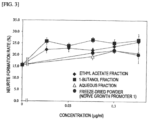
Fig. 3 ] This is a graph showing a neurite formation rate in a medium of PC-12 cells added with dibutyryl cAMP, to which a freeze-dried powder of a protease degraded product (nerve growth promoter 1), or a water-saturated 1-butanol (1-BuOH) fraction, an ethyl acetate (EtOAc) fraction or a water fraction thereof was added at different concentrations. - [
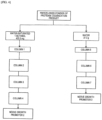
Fig. 4 ] This is a scheme drawing that shows a purification step for a protease-degraded product in Example 1. - The present invention is described in detail hereinunder. The description of the constitutive elements of the invention given hereinunder is for some typical embodiments or examples of the invention, to which, however, the invention should not be limited. In this description, the numerical range expressed by the wording "a number to another number" means the range that falls between the former number indicating the lower limit of the range and the latter number indicating the upper limit thereof.
- The nerve growth promoter obtained by the method of the present invention is characterized by containing a degradation product obtained by degrading a composition obtained from a cock's comb containing a hyaluronic acid and a protein with a protease.
- The hyaluronic acid contained in the composition is obtained by degrading a cock's comb
- Hyaluronic acid is a complicated polysaccharide of amino acids and uronic acids, and the details of the structure are not specifically limited. For example, there can be mentioned a polysaccharide having a recurring unit of dioses of D-glucuronic acid and N-acetyl-D-glucosamine. The molecular weight of the hyaluronic acid contained in the composition extracted from a cock's comb has a molecular weight of 6,000,000 to 10,000,000, but the hyaluronic acid extracted from a cock's comb has a mean molecular weight of hundreds of thousands to millions as it is degraded in the extraction process. The hyaluronic acid for use in the present invention may be an induced one or a thermally-denatured one so far as it does not too excessively lose a nerve growth promoting effect.
- The protein contained in the composition is a protein contained in a cock's comb. A cock's comb contains a hyaluronic acid and is therefore advantageous in that any additional hyaluronic acid does not need to be separately added thereto in providing the composition for use for producing the nerve growth promoter according to the method of the present invention. Consequently, since a cock's comb is used, the production process for the nerve growth promoter of the present invention can be simplified and the production cost can be thereby reduced.
- The composition for use in the method of the present invention may contain only a protein and a hyaluronic acid from a cock's comb, but may contain any other component, solvent or dispersion medium. The solvent and the dispersion medium may be any one capable of dissolving a protein and a hyaluronic acid, and water and an aqueous buffer are favorably used. The natural substance to be the composition includes a cock's comb which is rich in a hyaluronic acid.
- The degradation product obtained by the method of the present invention is one obtained by degrading the above-mentioned composition obtained from a cock's comb with a protease. The kind of the protease is not specifically limited. Any protease usable for ordinary proteolysis is usable here. Specifically, an endopeptidase or an exopeptidase is usable, and the active site may be any of serine, cystine, metal, aspartic acid, etc. Plural proteases may be mixed and used here. As a preferred protease, for example, a pronase may be used.
- The degradation product for use in the method of the present invention is one obtained by degrading the above-mentioned composition with a protease, and therefore contains at least a protein-degraded product that has been degraded with a protease, and a hyaluronic acid, and may contain an undegraded protein (a protein naturally contained in the composition before protease addition thereto) and any other component derived from the composition.
- The protein-degraded product contained in the degradation product includes a protein, a peptide and a free amino acid having a lower molecular weight than that of the undegraded protein, and these may exist in the degradation product as mixed therein.
- Preferably, the degradation product contains a free amino acid. The free amino acid that the degradation product contains may be a free amino acid as a protein-degraded product, or a free amino acid naturally contained in the composition before protease addition thereto. The kind of the free amino acid varies depending on the components of the composition. In the degradation product from a composition of a cock's comb, amino acids such as isoleucine, β-aminoisobutyric acid, alanine, taurine, phenylalanine, aspartic acid, cystine and tyrosine are contained in a relatively high content, and in addition to these, other various kinds of amino acids are contained therein.
- The total protein amount in the nerve growth promoter obtained by the method of the present invention is preferably 0.5 to 10% by mass as a ratio by mass to the total amount of the nerve growth promoter, more preferably 1 to 7% by mass, even more preferably 2 to 5% by mass. The total free amino acid amount in the nerve growth promoter obtained by the method of the present invention is preferably 0.5 to 12% by mass as a ratio by mass to the total amount of the nerve growth promoter, more preferably 1 to 8% by mass, even more preferably 2 to 6% by mass. When the total protein amount and the free amino acid amount in the nerve growth promoter obtained by the method of the present invention each fall within the above-mentioned range, the nerve growth promoter is considered to effectively act so as to noticeably promote formation and growth of neurites in nerve cells.
- In this description, the "total protein amount" means a total protein content determined according to a Lowry method; and the "total free amino acid amount" is a total amount of free amino acids determined according to a ninhydrin method.
- The hyaluronic acid contained in the degradation product may be the hyaluronic acid that has been naturally contained in the composition before protease addition and has remained therein as such (hereinafter referred to as "undegraded hyaluronic acid"), or a degradation product of a hyaluronic acid (hereinafter referred to as "low-molecular hyaluronic acid"), or a mixture of the undegraded hyaluronic acid and the low-molecular hyaluronic acid, and preferably, the degradation product contains a low-molecular hyaluronic acid. A low-molecular hyaluronic acid can readily penetrate into the depth of a living organism and can effectively act on a living organism. The low-molecular hyaluronic acid that the degradation product contains may be a low-molecular hyaluronic acid obtained by hydrolyzing the hyaluronic acid in the composition, or a low-molecular hyaluronic acid prepared by hydrolyzing a hyaluronic acid in a system different from the composition may be added to the degradation product. Preferably, a low-molecular hyaluronic acid obtained by hydrolyzing the hyaluronic acid in the composition is contained in the degradation product. For producing a low-molecular hyaluronic acid in the composition, a substance capable of hydrolyzing a hyaluronic acid, such as hydrochloric acid or hyaluronidase may be added to the composition in which the hyaluronic acid is to be hydrolyzed. In the case where the composition is a natural substance, a low-molecular hyaluronic acid may be produced through autolysis with a substance originally contained in the natural substance. However, from the viewpoint of effectively realizing the action of a hyaluronic acid on a living organism, preferably, the hyaluronic acid maintains the structural unit thereof, that is, the hyaluronic acid is not degraded to glucuronic acid and N-acetyl glucosamine. Specifically, the N-acetylglucosamine content in the nerve growth promoter is preferably 0.01% by mass or less relative to the total amount of the nerve growth promoter, and is most preferably 0% by mass.
- In this description, the "N-acetylglucosamine amount" is an N-acetylglucosamine content determined according to a Morgan-Elson method.
- The molecular weight of the low-molecular hyaluronic acid that the degradation product contains is preferably 380 to 5000. The molecular weight of 380 to 5000 corresponds to about 1 to 14 recurring units of hyaluronic acid. The content of the low-molecular hyaluronic acid having a molecular weight of 380 to 5000 in the nerve growth promoter is preferably 5% by mass or more relative to the total amount of the nerve growth promoter, more preferably 7% by mass or more, even more preferably 10% by mass or more. Preferably, the main component of the low-molecular hyaluronic acid is a low-molecular hyaluronic acid having a molecular weight of 1520 to 5000, more preferably the proportion of a low-molecular hyaluronic acid having a molecular weight of 1520 to 5000 is 60% by mass or more of the total amount of the low-molecular hyaluronic acid having a molecular weight of 380 to 5000, even more preferably 70% by mass or more, and further more preferably 75% by mass or more. With that, it is considered that the nerve growth promoter can effectively act to noticeably promote formation and growth of neurites in nerve cells.
- The molecular weight and the mass ratio of the low-molecular hyaluronic acid can be determined through analysis of high-performance liquid chromatography using polyethylene glycol as a molecular weight marker.
- The properties of the degradation product vary depending on the components and the composition ratio of the composition and the kind of the protease to be used. In general, the degradation product is liquid, precisely viscous liquid. The degradation product that may be used as the nerve growth promoter is suitably purified and combined with any other component to be the nerve growth promoter. By purifying the degradation product, a nerve growth promoter having a higher nerve growth promoting effect can be provided. A liquid nerve growth promoter can be used as an external preparation for external application, or as an internal preparation of a type of drink. In the case where a degradation product is dried by freeze drying or the like and then ground, a powdery nerve growth promoter can be provided. The powdery nerve growth promoter can be used as an internal preparation directly as it is, or after mixed with any other component, or may be processed into tablets or capsules, or a desired solvent or dispersion medium may be added thereto to form a liquid, and the resultant liquid may be used as an external preparation for external application or ocular instillation, or as an internal preparation of a type of drink.
- The nerve growth promoter obtained by the method of the present invention may contain any other various components than the above-mentioned degradation product. For example, in the case where a vehicle is added to the nerve growth promoter, the blend ratio of the degradation product and the vehicle may be controlled to thereby control the component amount such as the total protein amount, the total free amino acid amount and the low-molecular hyaluronic acid amount. An embodiment of the nerve growth promoter that is easy to store is a mixture powder produced by diluting a ground powder of a freeze-dried degradation product with a vehicle. The vehicle is not specifically limited, but is preferably dextrin. The dilution ratio with the vehicle is preferably 2 to 10 times as a ratio by mass, more preferably 2 to 7 times, even more preferably 3 to 5 times.
- The nerve growth promoter obtained by the method of the present invention has an effect of promoting formation and growth of neurites in nerve cells (nerve growth promoting effect), and in particular, can effectively promote formation and growth of neurites induced by a nerve growth factor (NGF).
- Accordingly, in the case where the nerve growth promoter obtained by the method of the present invention is taken orally and where the components thereof are absorbed by the intestinal tract, the promoter effectively promotes formation and growth of neurites in the nerve system where it has reached to thereby contribute toward reconstruction of the nerve circuit damaged by denaturation or damage of neurites. Accordingly, the nerve growth promoter can effectively relieve the disorders of cognitive function and motor function caused by nerve denaturation trouble or nerve damage. Here, the nerve growth promoter obtained by the method of the present invention is highly safe as using a hyaluronic acid and a protein that are biogenic substances and an enzyme that reacts mildly, and therefore has an advantage in that the nerve growth promoter can be used as an internal preparation to be taken orally with ease.
- The nerve growth promoter obtained by the method of the present invention has an effect of promoting differentiation of stem cells cultivated in a medium, into nerve cells. Accordingly, the nerve growth promoter obtained by the method of the present invention can be effectively used as a differentiation promoter of promoting differentiation of stem cells into nerve cells, in the regenerative medicine area utilizing pluripotent stem cells such as iPS cells or neural precursors. With that, production of nerve cells from stem cells can be attained efficiently, and the nerve growth promoter obtained by the method of the present invention can greatly contribute toward production efficiency increase and cost reduction in regenerative medicine-related various industries.
- The amount of the nerve growth promoter obtained by the method of the present invention to be used varies depending on the targeted failure and is, for example, the following dose is preferred.
- For example, in the case where the nerve growth promoter obtained by the method of the present invention is orally administered as an internal preparation, the dose thereof is preferably 80 to 2000 mg/adult standard body weight/day, and multiple dosage of two or three times a day is suitable.
- In the case where the nerve growth promoter obtained by the method of the present invention is added to a medium for cultivating pluripotent stem cells or neural precursors, the amount thereof to be added is preferably 0.1% by mass or more as a ratio by mass to the total amount, more preferably 0.2% by mass or more, and even more preferably 0.2 to 1.0% by mass. The amount to be added as a protease-degraded product is preferably 0.03% by mass or more in terms of the freeze-dried product thereof, more preferably 0.05% by mass or more, and even more preferably 0.05 to 0.25% by mass.
- Next, a method for producing the nerve growth promoter is described.
- The method for producing the nerve growth promoter is characterized by including an enzyme treatment step of degrading a cock's comb containing a hyaluronic acid and a protein with a protease.
- The production method for the nerve growth factor further comprises a purification step of purifying the degradation product obtained by the enzyme treatment step, wherein the purification step includes a liquid-liquid separation step for liquid-liquid separation of the degradation product with water and water-saturated 1-butanol to give a water-saturated 1-butanol fraction. The production method for the nerve growth promoter of the present invention may have, further if desired, any other step. The production method may have a chipping step of chipping a comb, prior to the enzyme treatment step. In addition, the production method may have, after the enzyme treatment step, a filtration step of filtrating the degradation product, and a powdering step of drying and grinding the filtrated degradation product.. In the following, the production method for the nerve growth promoter is described in detail.
- First, any cock's comb can be used as the composition, i.e. any one is usable irrespective of age and sex. Preferably, however, a cock's comb is processed for protease degradation shortly after its collection. In the case where a cock's comb is processed for protease degradation long after its collection, preferably, it is once freeze-dried and then thawed before use.
- In protease degradation of a comb, preferably, the comb is processed in a chipping step of chipping it, and then the resultant comb pieces are brought into contact with a protease-containing solution. The comb is preferably chipped into pieces of 0.5 cm square or more, more preferably 0.7 cm square or more, even more preferably 0.9 cm square or more. If too much chipped or minced, water may excessively flow out of the resultant pieces, unfavorably.
- Next, the composition is processed in an enzyme treatment step of degrading it with a protease. Regarding the protease for use in the production method of the present invention, the description of protease in the column of [Nerve Growth Promoter] given hereinabove may be referred to. Enzyme treatment varies depending on the kind of the composition and the protease. For example, in the case where the composition is a solid or a powder of a comb, preferably, a solution such as an aqueous solution where a protease has been dissolved therein (enzyme solution) is added thereto and left as such for a predetermined period of time. Here, the pH of the enzyme solution is preferably 5.0 to 10.0, the treatment temperature is preferably 40 to 60°C, and the treatment time is preferably 0.5 to 3.0 hours. Also preferably, the enzyme treatment is carried out while the composition to which the enzyme solution has been added is shaken.
- From the degradation product obtained in the manner as above, a solid fraction of comb may be removed through filtration or the like, and the resultant liquid may be used as a liquid degradation product. If desired, the product may be further processed in a powdering step of drying it by freeze-drying or the like followed by further grinding it to give a powdery degradation product for use herein. The degradation product may be used as the nerve growth promoter after the purification step directly as it is, or may be used as the nerve growth promoter after being purified and combined with any other component such as a vehicle.
- The nerve growth promoteris produced according to such an extremely simple process. Therefore, using the inventive production method for the nerve growth promoter, a high-useful nerve growth promoter can be provided at low cost.
- In addition, by purifying the filtered degradation product or the powdery degradation product, a nerve growth promoter having a higher nerve growth promoting effect can be provided. For the details of the purification method for the degradation product, the column of <Purification of Protease Degradation Product> in Example 1 to be given below is referred to. In purifying the degradation product, the degradation product is processed for liquid-liquid separation with water and water-saturated 1-butanol. The water-saturated 1-butanol fraction obtained through the liquid-liquid separation contains a component having a high nerve growth promoting effect, and by further purification treatment of column chromatography or the like, a nerve growth promoter having an extremely high nerve growth promoting effect can be obtained.
- As described above, the nerve growth promoter obtained by the method of the present invention has a nerve growth promoting effect and has an effect of promoting differentiation of stem cells such as pluripotent stem cells or neural precursors into nerve cells.
- Consequently, the nerve growth promoter obtained by the method of the present invention can be effectively used as an internal preparation which is administered to animals such as human beings to relieve functional disorders thereof caused by neurodegenerative disorders or nerve damages. The nerve growth promoter as an internal preparation may optionally contain any other various components than the above-mentioned degradation product and vehicle. For example, vitamins, vegetable powders, minerals, yeast extracts, colorants and tackifiers may be optionally added thereto. The kind of these components is not specifically limited, and the content thereof may be appropriately controlled within a range capable of sufficiently exhibiting the intended function.
- In the regenerative medicine area utilizing pluripotent stem cells such as iPS cells or neural precursors, the nerve growth promoter obtained by the method of the present invention may be added to a diluent for a medium or cells and can be favorably used as a differentiation promoter of promoting differentiation of such stem cells into nerve cells. The medium to which the nerve growth promoter is added may be any of liquid (bouillon) media, semi-fluid media, or solid (agar) media, and the composition thereof is not specifically limited. The diluent may be any one ordinary used in the art as a diluent for cells, such as a physiological saline solution, and the nerve growth promoter of the present invention is applicable to any of them.
- The present invention is described more specifically with reference to the Example given below. The materials, the ratio thereof and the operations in the following Example may be appropriately varied. Accordingly, the range of the present invention should not be interpreted limitatively by the specific example shown below.
- One kg of freshly collected cock's combs were cut into small pieces of about 1 cm square, and thermally sterilized by steaming at 100°C. Food-derived enzymes mainly containing a protease were added to the small pieces and reacted at 45°C for 1.5 hours, and then stirred and homogenized. Subsequently, rough solid fragments were removed by filtration to give a liquid degradation product (hereinafter referred to as "protease degradation product"). The protease degradation product had a pH of 6.5, a Brix value of 6.20 and a solid concentration of 5.91% by weight. The protease degradation product was freeze-dried and ground to be a freeze-dried powder of protease degradation product (nerve growth promoter 1). Dextrin in an amount of 3 equivalent times (as a ratio by mass) was added to the freeze-dried powder of protease degradation product to give a dextrin-added freeze-dried powder (nerve growth promoter 1').
- Component analysis of the nerve growth promoters produced in this Example was carried out according to the following methods.
- One g of the nerve growth promoter was heated and dried at 105°C for 3 hours, and the constant weight thereof was measured with a precision balance to quantify the water content thereof.
- The total nitrogen was quantitatively determined according to a semimicro-Kjeldahl method based on an AOAC method.
- The total free amino acid amount was quantified according to a ninhydrin method. For quantification, a calibration curve of leucine as a standard amino acid was formed and used. The composition of the free amino acid was analyzed using an amino acid automatic analyzer (manufactured by Hitachi Limited, L-8500 Model) equipped with a column for bioanalysis. In the analysis, 50 mg of the nerve growth promoter was dissolved in distilled water, dried into solid under reduced pressure using a rotary evaporator (60°C), then eluted with 5 mL of 0.02 N hydrochloric acid, and filtered through filter paper and then through a germ-free filter, and 50 µL of the resultant filtrate was used as an analysis sample.
- The total protein amount was determined according to a Lawry method. A bovine serum albumin was used for forming a standard calibration curve.
- The N-acetyl-D-glucosamine content was determined according to a Morgan-Elson method.
- The sample was analyzed through colorimetry according to a 2-nitrophenylhydrazine coupling method. For standard calibration curve formation, comb-derived sodium hyaluronate (manufactured by Wako Pure Chemical Corporation, HARC) and Streptococcus zooepidemicus-derived sodium hyaluronate (manufactured by Wako Pure Chemical Corporation, HASZ) were used.
- The molecular weight of hyaluronic acid was estimated through high-performance liquid chromatography (by Shimadzu Corporation) equipped with a differential refractometer (manufactured by Shimadzu Corporation, RID-10A Model). Columns of TSKgel G-2, 500PWXL (7.8 mm ID × 30 cm) were used, and water was used as a mobile phase at a flow rate of 1 ml/min for analysis. As a molecular weight marker, four types of polyethylene glycol having a molecular weight of 400, 1000, 2000 or 6000 (manufactured by Aldrich Corp.) were used. The constituent weight ratio of each low-molecular hyaluronic acid was analyzed through high-performance liquid chromatography using samples of the nerve growth promoter or dextrin alone, in which the peak area of dextrin was detracted from the peak area of the nerve growth promoter to determine the constituent weight ratio.
- The produced nerve growth promoter 1' was analyzed for the constituent components thereof according to the above-mentioned method. The content of general components analyzed is shown in Table 1, the composition of free amino acids is shown in Table 2, and the analysis results of low-molecular hyaluronic acids are shown in Table 3. In Tables 1 to 3, "%" is "% by mass".
Table 1 - General Components % Water 2.2 - 2.6 Nitrogen 3.84 Total Protein 3.04 Free Amino Acid 4.08 N-acetylglucosamine 0 Dextrin (for food additive) 75.0 Table 2 -Free Amino Acid Composition Amino Acid Content % Amino Acid Content % ρ-serine 1.71 Cystine* 2.78 Taurine 3.30 Leucine* 2.26 Aspartic Acid* 2.94 Isoleucine* 6.27 Threonine* 1.30 Tyrosine* 2.65 Serine* 2.20 Phenylalanine* 3.30 Glutamic Acid* 2.18 β-aminoisobutyric Acid 5.45 Glutamine 0.48 Ornithine 1.05 Sarcosine 1.81 Lysine* 1.17 Glycine* 2.26 1-Methylhystidine 0.78 Alanine* 3.52 Anserine 1.92 Citrulline 0.92 Arginine* 1.93 α-Aminobutyric Acid 2.18 Identified Total Amino Acids 57.36 Cystine* 1.03 Unknown Amino Acids 42.64 Methionine* 1.97 *proteinogenic amino acids Table 3 - Estimated Molecular Weight, Constituent Unit Number and Constituent Weight Ratio of Low-Molecular HA Peak No. 1 2 3 4 5 Estimated Molecular Weight 5,000 1,520 1,140 760 380 Constituent Unit Number 13 - 14 4 3 2 1 Constituent Weight Ratio (%) 33 47 10 6 4 - As shown in Table 2, among the free amino acids contained in the nerve growth promoter 1', the content of isoleucine and β-aminoisobutyric acid was high, and then, alanine, taurine, phenylalanine, aspartic acid, cystine and tyrosine were contained much.
- As shown in Table 3, the nerve growth promoter 1' contained five types of low-molecular hyaluronic acids each having an estimated molecular weight of 5000, 1520, 1140, 760 and 380. When the molecular weight of one recurring unit of hyaluronic acid is about 400, the recurring unit number of each low-molecular hyaluronic acid is 13 to 14, 4, 3, 2 and 1 in that order from the largest molecular weight, and the mass ratio was 33%, 47%, 10%, 6% and 4%. Accordingly, it is known that the main components of the low-molecular hyaluronic acids are two components of a 4-molecular component having a molecular weight of about 1520, and a 13 to 14-molecular component having a molecular weight of about 5000. The content of the low-molecular hyaluronic acids having a molecular weight of 380 to 5000 in the nerve growth promoter 1' was 13.4% by mass relative to the total amount of the nerve growth promoter 1'.
- The nerve growth promoter 1 (freeze-dried powder of protease degradation product) produced in Production Example was evaluated for the dibutyryl cAMP-induced neurite formation promoting effect thereof. Evaluation samples were solutions prepared by dissolving the
nerve growth promoter 1 in the liquid medium mentioned below at different concentrations. - The dibutyryl cAMP-induced neurite formation promoting effect was evaluated according to the method described in Biol. Pharm. Bull., 26, 341-346 (2003) using rat adrenal medullary pheochromocytoma-derived PC-12 cells.
- First, in an RPMI-1640 medium (liquid medium) containing 10% HS (horse serum) and 5% FBS (fetal bovine serum), PC-12 cells were suspended to be 4.4 × 10⁴ cells/mL to prepare a cell suspension. The cell suspension was sowed in a collagen-coated 96-well microplate at 90 µL/well, and then incubated in an air phase containing 5% CO2 at 37°C for 24 hours. After incubation, dibutyryl cAMP (dibutyryl cyclic adenosine monophosphate) was added to each well at a final concentration of 0.5 mM each, and 5 nL of the evaluation sample was added to each well. In 24 hours after the addition of dibutyryl cAMP and the evaluation sample, the medium was removed, and 100 µL of 1% glutaraldehyde was added to each well, and then statically kept as such for 20 minutes to fix the cells. Subsequently, glutaraldehyde was removed, and 100 µL of a Giemsa stain liquid was added to each well, and then statically kept as such for 20 minutes to stain each well. Subsequently, the Giemsa stain liquid was removed, and each well was washed twice with ultrapure water and then dried.
- As in the above, the cells were fixed and stained, and then the length of 250 to 400 cells/well was measured. The cells having longer neurites than the major axis of each cell body were judged to be positive cells. The results of the percentage of the number of the positive cells to the total number of the measured cells (neurite formation rate) are shown in
Fig. 1 . - On the other hand, the same test as above was carried out except that, in place of dibutyryl cAMP, 5 µL of the liquid medium was added to each well where PC-12 cells were cultivated. The results are also shown in
Fig. 1 . -
Fig. 1 is referred to. It is known that, in both systems added with or not added with dibutyryl cAMP, the neurite formation rate was increased by addition of thenerve growth promoter 1. This confirms that thenerve growth promoter 1 has an action of promoting formation and growth of neurites. However, in the system added with dibutyryl cAMP, the neurite formation rate increases depending on the concentration up to 0.3 µg/mL of thenerve growth promoter 1 in the medium, but when the concentration is more than 0.3 µg/mL, the neurite formation rate rather tends to lower. From this, it is known that the concentration of thenerve growth promoter 1 to be added to the medium is preferably 0.3 µg/mL or less. - In actual living organisms, a nerve growth factor (NGF) plays roles of a neurite growth and neurotransmitter synthesis promoting effect, a nerve cell maintaining effect, a damaged cell repairing effect, and a cerebral nerve function recovering effect. Accordingly, here, in order to confirm the fact that the nerve growth promotor of the present invention could effectively act under the condition similar to that in a living organism, the NGF-induced neurite formation promoting effect was evaluated and, in addition, the formed neurites were investigated as to whether or not they were normally differentiated and induced. The evaluation samples are solutions prepared by dissolving the
nerve growth promoter 1 in the above-mentioned liquid medium at different concentrations. - The evaluation of the NGF-induced neurite formation promoting effect was carried out in the same manner as that for the evaluation of the dibutyryl cAMP-induced neurite formation promoting effect mentioned above, except that the number of the PC-12 cells to be suspended in the medium was changed to 2.2 × 10⁴ cells/mL, the nerve growth factor was added to each well in place of dibutyryl cAMP to have a final concentration of 10 ng/mL, the medium was removed in 48 hours after addition of NGF and the evaluation sample, and the cells were fixed with glutaraldehyde. The neurite formation rate of the cell group in each well was determined and the results are shown in
Fig. 2 . - As in
Fig. 2 , it is known that the NGF-induced neurite formation rate has the same concentration dependency as that of the dibutyryl cAMP-induced neurite formation rate shown inFig. 1 , and addition of thenerve growth promoter 1 brought about a significant neurite formation promoting effect in a low concentration range of 0.003 µg/mL or so. - In addition, the PC-12 cells on which NGF and the
nerve growth promoter 1 had been acted were immunofluorescent-stained with a primary antibody (anti-neurofilament 200 IgG fraction of antiserum) and a secondary antibody (anti-rabbit IgG (whole molecule)-FITC antibody produced in goat), whereupon expression of neurofilaments of a differentiation marker was recognized. - This confirms that the
nerve growth promoter 1 has an action of promoting NGF-induced neurite formation and can effectively contribute toward formation and growth of neurites in a living organism. - A freeze-dried powder of the protease degradation product prepared in the above-mentioned Production Example was purified as follows.
- First, 32.0 g of a freeze-dried powder of the protease degradation product was filtered with ultrapure water added thereto, and the resulting filtrate was diluted with ultrapure water so as to have a total amount of 1.5 L. The diluted filtrate was processed twice for liquid-liquid separation with 1.5 L of ethyl acetate (EtOAc) (not according to the invention), and further the resultant aqueous fraction was processed twice for liquid-liquid separation with 750 ml of water-saturated 1-butanol (according to the present invention). The water-saturated 1-butanol fraction (according to the present invention), the ethyl acetate fraction (not according to the present invention) and the aqueous fraction (not according to the present invention) obtained in the liquid-liquid separation were evaluated for the dibutyryl cAMP-induced neurite formation promoting effect as mentioned above. The results are shown in
Fig. 3 . As inFig. 3 , the water-saturated 1-butanol fraction and the ethyl acetate fraction were recognized to have a high neurite formation promoting effect, and in particular, the water-saturated 1-butanol fraction obtained according to the present invention was recognized to have a strong neurite formation promoting effect. In addition, the water-saturated 1-butanol fraction obtained according to the present invention (solid content: 403.3 mg) and the aqueous fraction obtained not according to the present invention (solid content: 37.3 g) obtained in the liquid-liquid separation were purified through column chromatography in the manner mentioned below. The purification scheme is shown inFig. 4 . Of the columns inFig. 4 , the samples injected into the other columns than thecolumns - First, the water-saturated 1-butanol fraction was injected into the
column 1 under the condition mentioned below, and eluted with 1 L of a flow of 70% methanol introduced thereinto. -
- Column 1: TOYOPEARL HW-40C (diameter 4.0 cm × 39.0 cm, 489.8 cm3)
- Sample: water-saturated 1-butanol fraction (solid content: 393.3 mg)
- Fraction size:
fraction fractions 2 to 19, 50 mL - Eluent: 70% methanol (1 L)
- The
fraction 3 eluted from thecolumn 1 was injected into thecolumn 2 under the condition mentioned below, and eluted with 400 mL of a flow of 50% methanol introduced thereinto. -
- Column 2: TOYOPEARL HW-40F (diameter 2.5 cm × length 37.8 cm, 185.5 cm3)
- Sample:
fraction 3 from column 1 (solid content: 63.7 mg) - Flow rate: 1.2 mL/min
- Fraction size: 10 mL
- Eluent: 50% methanol (400 mL)
- A mixture of the fractions 9 to 12 eluted from the
column 2 was injected into thecolumn 3 under the condition mentioned below, and eluted with 330 mL of a flow of 40% methanol introduced thereinto. -
- Column 3: TOYOPEARL HW-40F (diameter 2.5 cm × length 34.2 cm, 167.8 cm3)
- Sample: mixture of fractions 9 to 12 from column 2 (solid content: 33.1 mg)
- Flow rate: 1.2 mL/min
- Fraction size: 10 mL
- Eluent: 40% methanol (330 mL)
- A mixture of the
fractions 7 to 16 eluted from thecolumn 3 was injected into thecolumn 4 under the condition mentioned below, and eluted with 120 mL of a flow of 40% methanol introduced thereinto. -
- Column 4: Sephadex LH-20 (diameter 1.5 cm × length 34.8 cm, 61.5 cm3)
- Sample: mixture of
fractions 7 to 16 from column 3 (solid content: 22.2 mg) - Flow rate: 0.5 mL/min
- Fraction size: 2.0 mL
- Eluent: 40% methanol (120 mL)
- A mixture of the fractions 12 to 15 (solid content: 12.1 mg) eluted from the
column 4 was anerve growth promoter 2. - The aqueous fraction was injected into the
column 5 under the condition mentioned below, and eluted with methanol and water in such a manner that 5.0 L of a flow of the two was introduced thereinto in a blending ratio (methanol/water) of 0/100, 5/95, 10/90, 20/80 and 40/60 varied in that order. -
- Column 5: DIAION HP20 (diameter 12.0 cm × length 40.5 cm, 4578 cm3)
- Sample: aqueous fraction (solid content: 37.3 g)
- Fraction size: 2.5 L
- Eluent: water, mixture of methanol and water
- The
fractions column 5 were injected into thecolumn 6 under the condition mentioned below, and eluted with methanol and water in such a manner that 2.0 L of a flow of the two was introduced thereinto in a blending ratio (methanol/water) of 0/100, 2.5/97.5 and 5/95 varied in that order. -
- Column 6: DIAION HP20 (diameter 7.0 cm × length 39.5 cm, 1519 cm3)
- Sample: mixture of
fractions - Fraction size: 400 mL
- Eluent: water, mixture of methanol and water
- A mixture of the
fractions 2 to 6 eluted from thecolumn 6 was injected into thecolumn 7 under the condition mentioned below, and eluted with 2.05 L of a water flow introduced thereinto -
- Column 7: TOYOPEARL HW-40C (diameter 4.0 cm × length 41.5 cm, 521.2 cm3)
- Sample: mixture of
fractions 2 to 6 from column 6 (solid content: 3.5 g) - Fraction size: 30 mL
- Eluent: water (2.05 L)
- A mixture of the
fractions 11 to 15 eluted from thecolumn 7 was anerve growth promoter 3. - The
nerve growth promoters nerve growth promoters nerve growth promoter 1. - According to the present invention, there can be produced a nerve growth promoter at low cost, which can effectively promote formation and growth of neurites in nerve cells. Accordingly, using the nerve growth promoter obtained by the method of the present invention, there can be provided an inexpensive internal preparation capable of relieving cognitive dysfunction and motor dysfunction caused by neurodegenerative disorders of nerve damages.
Claims (4)
- A method for producing a nerve growth promotor, including an enzyme treatment step of degrading a cock's comb with a protease, whereby the method includes, after the enzyme treatment step, and a purification step of purifying the degradation product obtained by the enzyme treatment step, wherein the purification step includes a liquid-liquid separation step for liquid-liquid separation of the degradation product with water and water-saturated 1-butanol to give a water-saturated 1-butanol fraction.
- The water-saturated 1-butanol fraction produced according to the method of claim 1 for use as a nerve growth promotor.
- An internal preparation containing the water-saturated 1-butanol fraction obtained by the method of claim 1 for use as a nerve growth promotor.
- A liquid external preparation containing the water-saturated 1-butanol fraction obtained by the method of claim 1 for use as a nerve growth promotor.
Applications Claiming Priority (5)
| Application Number | Priority Date | Filing Date | Title |
|---|---|---|---|
| JP2016024657A JP6230638B2 (en) | 2016-02-12 | 2016-02-12 | Nerve elongation promoter, internal medicine, medium additive, cell diluent additive, medium and cell diluent |
| JP2016024656A JP6198867B2 (en) | 2016-02-12 | 2016-02-12 | Wound treatment |
| JP2016024655A JP6622613B2 (en) | 2016-02-12 | 2016-02-12 | Antioxidant |
| EP17750347.1A EP3415586B1 (en) | 2016-02-12 | 2017-02-10 | Wound treatment agent and method for producing same |
| PCT/JP2017/004863 WO2017138626A1 (en) | 2016-02-12 | 2017-02-10 | Nerve growth promoter and method for producing same, internal medication, medium additive, cell dilution additive, medium, cell dilution, antioxidant and method for producing same, external medication, and wound treatment agent and method for producing same |
Related Parent Applications (1)
| Application Number | Title | Priority Date | Filing Date |
|---|---|---|---|
| EP17750347.1A Division EP3415586B1 (en) | 2016-02-12 | 2017-02-10 | Wound treatment agent and method for producing same |
Publications (2)
| Publication Number | Publication Date |
|---|---|
| EP4166145A1 EP4166145A1 (en) | 2023-04-19 |
| EP4166145B1 true EP4166145B1 (en) | 2025-07-09 |
Family
ID=59563868
Family Applications (2)
| Application Number | Title | Priority Date | Filing Date |
|---|---|---|---|
| EP17750347.1A Active EP3415586B1 (en) | 2016-02-12 | 2017-02-10 | Wound treatment agent and method for producing same |
| EP22210283.2A Active EP4166145B1 (en) | 2016-02-12 | 2017-02-10 | Method for producing a nerve growth factor, water-saturated 1-butanol fraction prepared by the method, internal preparation and liquid external preparation |
Family Applications Before (1)
| Application Number | Title | Priority Date | Filing Date |
|---|---|---|---|
| EP17750347.1A Active EP3415586B1 (en) | 2016-02-12 | 2017-02-10 | Wound treatment agent and method for producing same |
Country Status (5)
| Country | Link |
|---|---|
| US (2) | US10973858B2 (en) |
| EP (2) | EP3415586B1 (en) |
| CN (1) | CN108603115A (en) |
| HK (1) | HK1255853A1 (en) |
| WO (1) | WO2017138626A1 (en) |
Families Citing this family (2)
| Publication number | Priority date | Publication date | Assignee | Title |
|---|---|---|---|---|
| JP6307201B1 (en) * | 2017-11-17 | 2018-04-04 | 株式会社らいむ | Knee joint range of motion expander and method for producing the same |
| JP7140436B1 (en) | 2022-02-14 | 2022-09-21 | 株式会社らいむ | Eye condition improving agent and method for producing the same |
Family Cites Families (18)
| Publication number | Priority date | Publication date | Assignee | Title |
|---|---|---|---|---|
| IT1229075B (en) * | 1985-04-05 | 1991-07-17 | Fidia Farmaceutici | Topical compsn. contg. hyaluronic acid deriv. as vehicle |
| US4713448A (en) * | 1985-03-12 | 1987-12-15 | Biomatrix, Inc. | Chemically modified hyaluronic acid preparation and method of recovery thereof from animal tissues |
| JP3942205B2 (en) | 1995-07-24 | 2007-07-11 | 生化学工業株式会社 | Therapeutic agent for neurological diseases |
| JP2001178406A (en) * | 1999-12-28 | 2001-07-03 | Kosumerushii Japan:Kk | Hyaluronic acid-containing foods |
| JP2002145800A (en) * | 2000-11-13 | 2002-05-22 | Raimu:Kk | Wound healing agent |
| CA2325377A1 (en) * | 2000-11-14 | 2002-05-14 | Adrien R. Beaudoin | Process for the extraction of lipids from bird's skin and fat tissues |
| JP5024497B2 (en) | 2001-03-27 | 2012-09-12 | キユーピー株式会社 | Oral skin improving agent, skin improving method and food composition for skin improvement |
| US7511026B2 (en) * | 2003-03-25 | 2009-03-31 | Seikagaku Corporation | Therapeutic agent for nerve damage |
| US7601368B2 (en) | 2004-09-01 | 2009-10-13 | Lupin Limited | Purified Arabinogalactan-Protein (AGP) composition useful in the treatment psoriasis and other disorders |
| KR20080104600A (en) | 2007-05-28 | 2008-12-03 | (주)아모레퍼시픽 | Composition for the treatment of blood circulation, angiogenesis, and ischemic heart disease containing ginseng fruit extract |
| JP5736533B2 (en) | 2007-07-19 | 2015-06-17 | 学校法人北里研究所 | Peptide pet food material with anti-stress action and palatability improvement effect |
| JP5468757B2 (en) | 2007-09-04 | 2014-04-09 | ロート製薬株式会社 | Composition having fibroblast proliferation promoting ability |
| JP4227657B2 (en) * | 2007-10-15 | 2009-02-18 | 生化学工業株式会社 | Food additive for skin care |
| JP5326489B2 (en) | 2008-10-23 | 2013-10-30 | 学校法人北里研究所 | Food and pet food ingredients with improved health and functional properties using collagen as a raw material |
| JP5957096B2 (en) * | 2012-02-21 | 2016-07-27 | ブルームエイジ フリーダ バイオファーム カンパニー リミテッド | Bacillus, hyaluronic acid enzyme and use thereof |
| US20150018305A1 (en) * | 2012-02-22 | 2015-01-15 | Hyaluronan Research Institute, Inc. | Sirtuin inducer, tissue repairing agent, hepatocyte growth factor inducer, tissue homeostasis maintenance agent, and tlr4 agonist, having hyaluronic acid fragment as active ingredient |
| LT2986615T (en) * | 2013-04-18 | 2019-03-25 | Qbiotics Limited | Methods and compositions for wound healing |
| JP6637226B2 (en) * | 2013-08-20 | 2020-01-29 | 共栄化学工業株式会社 | External preparation for skin |
-
2017
- 2017-02-10 HK HK18114929.7A patent/HK1255853A1/en unknown
- 2017-02-10 CN CN201780010220.4A patent/CN108603115A/en active Pending
- 2017-02-10 WO PCT/JP2017/004863 patent/WO2017138626A1/en not_active Ceased
- 2017-02-10 EP EP17750347.1A patent/EP3415586B1/en active Active
- 2017-02-10 US US16/076,780 patent/US10973858B2/en active Active
- 2017-02-10 EP EP22210283.2A patent/EP4166145B1/en active Active
-
2021
- 2021-03-08 US US17/194,625 patent/US11911417B2/en active Active
Also Published As
| Publication number | Publication date |
|---|---|
| US20210187041A1 (en) | 2021-06-24 |
| EP4166145A1 (en) | 2023-04-19 |
| US10973858B2 (en) | 2021-04-13 |
| US11911417B2 (en) | 2024-02-27 |
| US20190046587A1 (en) | 2019-02-14 |
| EP3415586B1 (en) | 2022-11-30 |
| EP3415586A1 (en) | 2018-12-19 |
| WO2017138626A1 (en) | 2017-08-17 |
| CN108603115A (en) | 2018-09-28 |
| EP3415586A4 (en) | 2019-10-09 |
| HK1255853A1 (en) | 2019-08-30 |
Similar Documents
| Publication | Publication Date | Title |
|---|---|---|
| EP2330112B1 (en) | Collagen peptide, dipeptide, and agent for prevention of disease | |
| JP5588474B2 (en) | Composition for promoting collagen and / or hyaluronic acid production | |
| KR19990014205A (en) | Compositions Containing Flavonoids and Papia Workpieces | |
| WO2011152330A1 (en) | Soybean protein hydrolysate-containing antioxidant and use thereof | |
| JP6622613B2 (en) | Antioxidant | |
| US11911417B2 (en) | Nerve growth promoter and method for producing same, internal preparation, medium additive, cell dilution additive, medium, cell dilution, antioxidant and method for producing same, external preparation, and wound treatment agent and method for producing same | |
| CN112135619A (en) | Biologically active mussels extract and use thereof | |
| EP3685845B1 (en) | Composition for use in treating lower back pain. | |
| US11179414B2 (en) | Method for producing protease degradation composition | |
| JP6230638B2 (en) | Nerve elongation promoter, internal medicine, medium additive, cell diluent additive, medium and cell diluent | |
| HK40090952B (en) | Method for producing a nerve growth factor, water-saturated 1-butanol fraction prepared by the method, internal preparation and liquid external preparation | |
| HK40090952A (en) | Method for producing a nerve growth factor, water-saturated 1-butanol fraction prepared by the method, internal preparation and liquid external preparation | |
| KR102754564B1 (en) | Composition for skin improvement containing abalone viscera extract | |
| KR20130099104A (en) | Skin collagen production-promoting agent | |
| JP2013221017A (en) | Epidermal cell activator, cosmetic including the same, skin care external preparation and anti-wrinkle cosmetic | |
| JP2018177741A (en) | Composition for fatigue recovery and method for producing pressurized enzyme degradant for fatigue recovery | |
| JP6198867B2 (en) | Wound treatment | |
| JP2014208613A (en) | Agent for increasing ceramide and hyaluronic acid content of skin | |
| CN118791558A (en) | A bird's nest antioxidant peptide and its preparation method and use | |
| KR20120049047A (en) | Antiinflammatory composition comprising enzymatic hydrolysates of crassostrea gigas | |
| HK1260248A1 (en) | Wound treatment agent and method for producing same | |
| HK1260248B (en) | Wound treatment agent and method for producing same | |
| JP2019006708A (en) | Angiotensin converting enzyme inhibitory activator, method for producing the same, and oral preparation | |
| KR102887731B1 (en) | Composition for Anti- Inflammation Comprising Cocoon Hydrolysate Produced by Enzyme Treatment | |
| EP4520838A1 (en) | Proteoglycan production method and proteoglycan |
Legal Events
| Date | Code | Title | Description |
|---|---|---|---|
| PUAI | Public reference made under article 153(3) epc to a published international application that has entered the european phase |
Free format text: ORIGINAL CODE: 0009012 |
|
| STAA | Information on the status of an ep patent application or granted ep patent |
Free format text: STATUS: THE APPLICATION HAS BEEN PUBLISHED |
|
| AC | Divisional application: reference to earlier application |
Ref document number: 3415586 Country of ref document: EP Kind code of ref document: P |
|
| AK | Designated contracting states |
Kind code of ref document: A1 Designated state(s): AL AT BE BG CH CY CZ DE DK EE ES FI FR GB GR HR HU IE IS IT LI LT LU LV MC MK MT NL NO PL PT RO RS SE SI SK SM TR |
|
| STAA | Information on the status of an ep patent application or granted ep patent |
Free format text: STATUS: REQUEST FOR EXAMINATION WAS MADE |
|
| 17P | Request for examination filed |
Effective date: 20230711 |
|
| RBV | Designated contracting states (corrected) |
Designated state(s): AL AT BE BG CH CY CZ DE DK EE ES FI FR GB GR HR HU IE IS IT LI LT LU LV MC MK MT NL NO PL PT RO RS SE SI SK SM TR |
|
| REG | Reference to a national code |
Ref country code: HK Ref legal event code: DE Ref document number: 40090952 Country of ref document: HK |
|
| STAA | Information on the status of an ep patent application or granted ep patent |
Free format text: STATUS: EXAMINATION IS IN PROGRESS |
|
| 17Q | First examination report despatched |
Effective date: 20240708 |
|
| GRAP | Despatch of communication of intention to grant a patent |
Free format text: ORIGINAL CODE: EPIDOSNIGR1 |
|
| STAA | Information on the status of an ep patent application or granted ep patent |
Free format text: STATUS: GRANT OF PATENT IS INTENDED |
|
| RIC1 | Information provided on ipc code assigned before grant |
Ipc: A61K 8/98 20060101ALI20250407BHEP Ipc: A23B 2/779 20250101ALI20250407BHEP Ipc: A23B 2/762 20250101ALI20250407BHEP Ipc: A61P 25/28 20060101ALI20250407BHEP Ipc: A61P 25/00 20060101ALI20250407BHEP Ipc: C09K 15/34 20060101ALI20250407BHEP Ipc: A61Q 19/08 20060101ALI20250407BHEP Ipc: A61K 38/00 20060101ALI20250407BHEP Ipc: A61K 35/57 20150101ALI20250407BHEP Ipc: A61K 8/73 20060101ALI20250407BHEP Ipc: A61K 8/64 20060101ALI20250407BHEP Ipc: A61K 31/728 20060101AFI20250407BHEP |
|
| INTG | Intention to grant announced |
Effective date: 20250422 |
|
| RIN1 | Information on inventor provided before grant (corrected) |
Inventor name: TAI, AKIHIRO Inventor name: WAKAYAMA, SACHIO |
|
| GRAS | Grant fee paid |
Free format text: ORIGINAL CODE: EPIDOSNIGR3 |
|
| GRAA | (expected) grant |
Free format text: ORIGINAL CODE: 0009210 |
|
| STAA | Information on the status of an ep patent application or granted ep patent |
Free format text: STATUS: THE PATENT HAS BEEN GRANTED |
|
| P01 | Opt-out of the competence of the unified patent court (upc) registered |
Free format text: CASE NUMBER: APP_22378/2025 Effective date: 20250512 |
|
| AC | Divisional application: reference to earlier application |
Ref document number: 3415586 Country of ref document: EP Kind code of ref document: P |
|
| AK | Designated contracting states |
Kind code of ref document: B1 Designated state(s): AL AT BE BG CH CY CZ DE DK EE ES FI FR GB GR HR HU IE IS IT LI LT LU LV MC MK MT NL NO PL PT RO RS SE SI SK SM TR |
|
| REG | Reference to a national code |
Ref country code: GB Ref legal event code: FG4D |
|
| REG | Reference to a national code |
Ref country code: CH Ref legal event code: EP |
|
| REG | Reference to a national code |
Ref country code: IE Ref legal event code: FG4D |
|
| REG | Reference to a national code |
Ref country code: DE Ref legal event code: R096 Ref document number: 602017090553 Country of ref document: DE |
|
| REG | Reference to a national code |
Ref country code: NL Ref legal event code: MP Effective date: 20250709 |
|
| PG25 | Lapsed in a contracting state [announced via postgrant information from national office to epo] |
Ref country code: PT Free format text: LAPSE BECAUSE OF FAILURE TO SUBMIT A TRANSLATION OF THE DESCRIPTION OR TO PAY THE FEE WITHIN THE PRESCRIBED TIME-LIMIT Effective date: 20251110 |
|
| PG25 | Lapsed in a contracting state [announced via postgrant information from national office to epo] |
Ref country code: NL Free format text: LAPSE BECAUSE OF FAILURE TO SUBMIT A TRANSLATION OF THE DESCRIPTION OR TO PAY THE FEE WITHIN THE PRESCRIBED TIME-LIMIT Effective date: 20250709 |
|
| REG | Reference to a national code |
Ref country code: AT Ref legal event code: MK05 Ref document number: 1811215 Country of ref document: AT Kind code of ref document: T Effective date: 20250709 |
|
| PG25 | Lapsed in a contracting state [announced via postgrant information from national office to epo] |
Ref country code: IS Free format text: LAPSE BECAUSE OF FAILURE TO SUBMIT A TRANSLATION OF THE DESCRIPTION OR TO PAY THE FEE WITHIN THE PRESCRIBED TIME-LIMIT Effective date: 20251109 |
|
| PG25 | Lapsed in a contracting state [announced via postgrant information from national office to epo] |
Ref country code: NO Free format text: LAPSE BECAUSE OF FAILURE TO SUBMIT A TRANSLATION OF THE DESCRIPTION OR TO PAY THE FEE WITHIN THE PRESCRIBED TIME-LIMIT Effective date: 20251009 |
|
| REG | Reference to a national code |
Ref country code: LT Ref legal event code: MG9D |
|
| PG25 | Lapsed in a contracting state [announced via postgrant information from national office to epo] |
Ref country code: AT Free format text: LAPSE BECAUSE OF FAILURE TO SUBMIT A TRANSLATION OF THE DESCRIPTION OR TO PAY THE FEE WITHIN THE PRESCRIBED TIME-LIMIT Effective date: 20250709 |
|
| PG25 | Lapsed in a contracting state [announced via postgrant information from national office to epo] |
Ref country code: FI Free format text: LAPSE BECAUSE OF FAILURE TO SUBMIT A TRANSLATION OF THE DESCRIPTION OR TO PAY THE FEE WITHIN THE PRESCRIBED TIME-LIMIT Effective date: 20250709 |
|
| PG25 | Lapsed in a contracting state [announced via postgrant information from national office to epo] |
Ref country code: HR Free format text: LAPSE BECAUSE OF FAILURE TO SUBMIT A TRANSLATION OF THE DESCRIPTION OR TO PAY THE FEE WITHIN THE PRESCRIBED TIME-LIMIT Effective date: 20250709 |
|
| PGFP | Annual fee paid to national office [announced via postgrant information from national office to epo] |
Ref country code: FR Payment date: 20251231 Year of fee payment: 10 |
|
| PG25 | Lapsed in a contracting state [announced via postgrant information from national office to epo] |
Ref country code: GR Free format text: LAPSE BECAUSE OF FAILURE TO SUBMIT A TRANSLATION OF THE DESCRIPTION OR TO PAY THE FEE WITHIN THE PRESCRIBED TIME-LIMIT Effective date: 20251010 |
|
| PG25 | Lapsed in a contracting state [announced via postgrant information from national office to epo] |
Ref country code: SE Free format text: LAPSE BECAUSE OF FAILURE TO SUBMIT A TRANSLATION OF THE DESCRIPTION OR TO PAY THE FEE WITHIN THE PRESCRIBED TIME-LIMIT Effective date: 20250709 |
|
| PG25 | Lapsed in a contracting state [announced via postgrant information from national office to epo] |
Ref country code: LV Free format text: LAPSE BECAUSE OF FAILURE TO SUBMIT A TRANSLATION OF THE DESCRIPTION OR TO PAY THE FEE WITHIN THE PRESCRIBED TIME-LIMIT Effective date: 20250709 |
|
| PG25 | Lapsed in a contracting state [announced via postgrant information from national office to epo] |
Ref country code: BG Free format text: LAPSE BECAUSE OF FAILURE TO SUBMIT A TRANSLATION OF THE DESCRIPTION OR TO PAY THE FEE WITHIN THE PRESCRIBED TIME-LIMIT Effective date: 20250709 Ref country code: PL Free format text: LAPSE BECAUSE OF FAILURE TO SUBMIT A TRANSLATION OF THE DESCRIPTION OR TO PAY THE FEE WITHIN THE PRESCRIBED TIME-LIMIT Effective date: 20250709 |
|
| PG25 | Lapsed in a contracting state [announced via postgrant information from national office to epo] |
Ref country code: RS Free format text: LAPSE BECAUSE OF FAILURE TO SUBMIT A TRANSLATION OF THE DESCRIPTION OR TO PAY THE FEE WITHIN THE PRESCRIBED TIME-LIMIT Effective date: 20251009 |
|
| PG25 | Lapsed in a contracting state [announced via postgrant information from national office to epo] |
Ref country code: ES Free format text: LAPSE BECAUSE OF FAILURE TO SUBMIT A TRANSLATION OF THE DESCRIPTION OR TO PAY THE FEE WITHIN THE PRESCRIBED TIME-LIMIT Effective date: 20250709 |
|
| PG25 | Lapsed in a contracting state [announced via postgrant information from national office to epo] |
Ref country code: SM Free format text: LAPSE BECAUSE OF FAILURE TO SUBMIT A TRANSLATION OF THE DESCRIPTION OR TO PAY THE FEE WITHIN THE PRESCRIBED TIME-LIMIT Effective date: 20250709 |
|
| PGFP | Annual fee paid to national office [announced via postgrant information from national office to epo] |
Ref country code: GB Payment date: 20260109 Year of fee payment: 10 |
|
| PG25 | Lapsed in a contracting state [announced via postgrant information from national office to epo] |
Ref country code: DK Free format text: LAPSE BECAUSE OF FAILURE TO SUBMIT A TRANSLATION OF THE DESCRIPTION OR TO PAY THE FEE WITHIN THE PRESCRIBED TIME-LIMIT Effective date: 20250709 |
|
| PGFP | Annual fee paid to national office [announced via postgrant information from national office to epo] |
Ref country code: DE Payment date: 20251230 Year of fee payment: 10 |
|
| PG25 | Lapsed in a contracting state [announced via postgrant information from national office to epo] |
Ref country code: IT Free format text: LAPSE BECAUSE OF FAILURE TO SUBMIT A TRANSLATION OF THE DESCRIPTION OR TO PAY THE FEE WITHIN THE PRESCRIBED TIME-LIMIT Effective date: 20250709 |
|
| PG25 | Lapsed in a contracting state [announced via postgrant information from national office to epo] |
Ref country code: CZ Free format text: LAPSE BECAUSE OF FAILURE TO SUBMIT A TRANSLATION OF THE DESCRIPTION OR TO PAY THE FEE WITHIN THE PRESCRIBED TIME-LIMIT Effective date: 20250709 |
|
| PG25 | Lapsed in a contracting state [announced via postgrant information from national office to epo] |
Ref country code: EE Free format text: LAPSE BECAUSE OF FAILURE TO SUBMIT A TRANSLATION OF THE DESCRIPTION OR TO PAY THE FEE WITHIN THE PRESCRIBED TIME-LIMIT Effective date: 20250709 Ref country code: SK Free format text: LAPSE BECAUSE OF FAILURE TO SUBMIT A TRANSLATION OF THE DESCRIPTION OR TO PAY THE FEE WITHIN THE PRESCRIBED TIME-LIMIT Effective date: 20250709 |
|
| PLBE | No opposition filed within time limit |
Free format text: ORIGINAL CODE: 0009261 |
|
| STAA | Information on the status of an ep patent application or granted ep patent |
Free format text: STATUS: NO OPPOSITION FILED WITHIN TIME LIMIT |