EP4161131A1 - Ad hoc radio base station, method and computer program - Google Patents
Ad hoc radio base station, method and computer program Download PDFInfo
- Publication number
- EP4161131A1 EP4161131A1 EP22199323.1A EP22199323A EP4161131A1 EP 4161131 A1 EP4161131 A1 EP 4161131A1 EP 22199323 A EP22199323 A EP 22199323A EP 4161131 A1 EP4161131 A1 EP 4161131A1
- Authority
- EP
- European Patent Office
- Prior art keywords
- cell
- existing
- hoc
- cells
- ssb
- Prior art date
- Legal status (The legal status is an assumption and is not a legal conclusion. Google has not performed a legal analysis and makes no representation as to the accuracy of the status listed.)
- Granted
Links
Images




Classifications
-
- H—ELECTRICITY
- H04—ELECTRIC COMMUNICATION TECHNIQUE
- H04W—WIRELESS COMMUNICATION NETWORKS
- H04W24/00—Supervisory, monitoring or testing arrangements
- H04W24/02—Arrangements for optimising operational condition
-
- H—ELECTRICITY
- H04—ELECTRIC COMMUNICATION TECHNIQUE
- H04W—WIRELESS COMMUNICATION NETWORKS
- H04W56/00—Synchronisation arrangements
- H04W56/001—Synchronization between nodes
-
- H—ELECTRICITY
- H04—ELECTRIC COMMUNICATION TECHNIQUE
- H04W—WIRELESS COMMUNICATION NETWORKS
- H04W24/00—Supervisory, monitoring or testing arrangements
- H04W24/10—Scheduling measurement reports ; Arrangements for measurement reports
-
- H—ELECTRICITY
- H04—ELECTRIC COMMUNICATION TECHNIQUE
- H04W—WIRELESS COMMUNICATION NETWORKS
- H04W56/00—Synchronisation arrangements
- H04W56/0035—Synchronisation arrangements detecting errors in frequency or phase
Definitions
- Various embodiments relate to an ad hoc radio base station, a method for implementing an ad hoc cell, and a computer-readable medium comprising computer program code, which, when executed by one or more processors, causes performance of the method for implementing the ad hoc cell.
- An ad hoc radio base station implements an ad hoc (created for a particular purpose as necessary) cell to operate in parallel with existing (usually permanent) cells.
- the ad hoc radio base station may be used in a surveillance operation, or in an emergency situation, for example.
- pre-planning of the ad hoc cell may not be possible, and co-operation with existing cellular radio network infrastructure may be minimal, operation of the ad hoc radio base station needs to be sophisticated to enable flexible and easy operation.
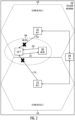
- FIG. 1 and FIG. 2 which illustrate embodiments of an ad hoc radio base station 100
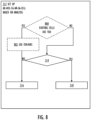
- FIG. 3 which illustrates embodiments of a method for implementing an ad hoc cell 200.
- the cellular radio network 150 comprises one or more radio base stations 122, 132. Each radio base station 122, 132 provides an access for terminals (or user apparatuses) 210 residing in a cell 120, 130 maintained by the radio base station 122, 132 to utilize communication resources of the cellular radio network 150.
- the cellular radio network 150 also comprises a core network 140 with numerous network elements.
- the radio base station (BS) 122, 132 may also be known as a base transceiver station (BTS), an access point (AP), or a gNodeB (or gNB), for example.
- the radio base station 122, 132 may comprise a radio unit (RU), a distributed unit (DU), and a centralized unit (CU), and the core network may comprise an access & mobility management function (AMF), a session management function (SMF), and a user plane function (UPF), and many other functions.
- RU radio unit
- DU distributed unit
- CU centralized unit
- AMF access & mobility management function
- SMF session management function
- UPF user plane function
- the radio base station 122, 132 operates according to a stand alone (SA) mode of a fifth generation (5G) new radio (NR) -technology.
- SA stand alone
- 5G fifth generation
- NR new radio
- the SA mode refers to a technology, wherein 5G NR cells are used for both control plane and user plane transfer, whereas a non stand alone (NSA) mode refers to a technology, wherein the control plane of an existing fourth generation (4G) Long-Term Evolution (LTE) network is used for control functions, and 5G NR cells are used for exclusively for the user plane.
- the cellular radio network 150 operating in the SA mode comprises a new 5G packet core architecture (instead of an evolved packet core architecture of the 4G LTE).
- the terminal 210 may also be known as a user equipment (UE), a radio terminal, a subscriber terminal, a smartphone, a mobile station, a mobile phone, a portable computer, a tablet computer, a smartwatch, smartglasses, a game terminal, a machine-type communication (MTC) apparatus, an loT (Internet of Things) apparatus, a sensor apparatus, or some other type of wireless mobile communication device operating with or without a subscriber identification module (SIM) or an eSIM (embedded SIM).
- SIM subscriber identification module
- eSIM embedded SIM
- the terminal 210 may present information to the user and allow the user to input information.
- the terminal 210 may be any user apparatus capable of wirelessly receiving information from and/or wirelessly transmitting information to the cellular radio network 150.
- the terminal 210 may include computer functionalities, functionalities of other data processing devices, and/or one or more sensors.
- the ad hoc radio base station 100 implements the ad hoc cell 200 to operate in parallel with the existing cells 120, 130.
- the ad hoc radio base station 100 may be used in a surveillance operation to gather information regarding the terminal 210, or in an emergency situation to establish a radio connection with the terminal 210 for communication and/or positioning, for example.
- the ad hoc radio base station 100 comprises one or more radio transceivers 102 configured to receive and transmit in the SA mode of the 5G NR cellular radio network 150, and one or more processors 104 configured to cause performance of the ad hoc radio base station 100.
- the one or more processors 104 comprise one or more memories 108 including computer program code 110, and one or more microprocessors 106 configured to execute the computer program code 110 to cause the performance of the ad hoc radio base station 100.
- the one or more processors 104 comprise a circuitry configured to cause the performance of the ad hoc radio base station 100.
- a non-exhaustive list of implementation techniques for the one or more microprocessors 106 and the one or more memories 108, or the circuitry includes, but is not limited to: logic components, standard integrated circuits, application-specific integrated circuits (ASIC), system-on-a-chip (SoC), application-specific standard products (ASSP), microprocessors, microcontrollers, digital signal processors, special-purpose computer chips, field-programmable gate arrays (FPGA), and other suitable electronics structures.
- ASIC application-specific integrated circuits
- SoC system-on-a-chip
- ASSP application-specific standard products
- microprocessors microcontrollers
- digital signal processors special-purpose computer chips
- FPGA field-programmable gate arrays
- the working memory and the non-volatile memory may be implemented by a random-access memory (RAM), dynamic RAM (DRAM), static RAM (SRAM), a flash memory, a solid state disk (SSD), PROM (programmable read-only memory), a suitable semiconductor, or any other means of implementing an electrical computer memory.
- the computer program code (or software) 110 may be written by a suitable programming language (such as C, C++, assembler, or machine language, for example), and the resulting executable code may be stored in the one or more memories 108 and run by the one or more microprocessors 106.
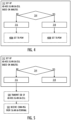
- the computer program code implements the method/algorithm illustrated in FIG. 3 , FIG. 4 , FIG. 5 , FIG. 6 , FIG. 7 , and FIG. 8 .
- the computer program code 110 may be stored in a source code form, object code form, executable form, or in some intermediate form, but for use in the one or more microprocessors 106 it is in the executable form.
- the operations may be divided into modules, sub-routines, methods, classes, objects, applets, macros, etc., depending on the software design methodology and the programming language used.
- software libraries i.e., compilations of ready-made functions, which may be utilized by the computer program code 110 for performing a wide variety of standard operations.
- an operating system such as a general-purpose operating system or a real-time operating system may provide the computer program code 110 with system services.
- An embodiment provides a computer-readable medium 112 storing the computer program code 110, which, when loaded into the one or more microprocessors 106 and executed by the one or more microprocessors 106, causes the performance of the computer-implemented method/algorithm for implementing the ad hoc cell 200.
- the computer-readable medium 112 may comprise at least the following: any entity or device capable of carrying the computer program code 110 to the one or more microprocessors 106, a record medium, a computer memory, a read-only memory, an electrical carrier signal, a telecommunications signal, and a software distribution medium. In some jurisdictions, depending on the legislation and the patent practice, the computer-readable medium 112 may not be the telecommunications signal.
- the computer-readable medium 112 is a computer-readable storage medium.
- the computer-readable medium 112 is a non-transitory computer-readable storage medium.
- the method starts in 300 and ends in 322.
- the operations are not strictly in chronological order and some of the operations may be performed simultaneously or in an order differing from the given ones. Other functions may also be executed between the operations or within the operations and other data exchanged between the operations. Some of the operations or part of the operations may also be left out or replaced by a corresponding operation or part of the operation. It should be noted that no special order of operations is required, except where necessary due to the logical requirements for the processing order.
- FIG. 1 illustrates a first operation phase, wherein the ad hoc (5G NR SA) radio base station 100 is preparing for the actual operation.
- 5G NR SA ad hoc
- the ad hoc radio base station 100 either comprises a radio scanner (possibly utilizing the one or more radio transceivers 102) to scan a predetermined radio spectrum to generate the information, or the ad hoc radio base station 100 receives the information from an external radio scanner.
- the information may at least partly be obtained by receiving 124, 134 system information from the existing 5G NR SA cells 120, 130.
- the information may include SIB1 (SystemInformationBlockType1).
- the ad hoc radio base station 100 retrieves 114 at least a part of the information from an internal or external data source 116, such as from an internal or external database.
- a frequency of a synchronization signal block (SSB) of each existing 5G NR SA cell 120, 130 is detected from the information (from primary and secondary synchronization signals, for example).
- a radio frequency (RF) bandwidth of each existing 5G NR SA cell 120, 130 is decoded from the information (from SIB1, for example).
- RSRP reference signal received power
- FIG. 2 illustrates a second operation phase, wherein the ad hoc radio base station 100 sets up the ad hoc 5G NR SA cell 200.
- the ad hoc 5G NR SA cell 200 is set up with several operations based on the analysis.
- a test is evaluated in 314. If the RSRPs of the existing 5G NR SA cells 120, 130 do not exceed a power threshold value (the test in 314 evaluates "NO"), a first frequency for a SSB of the ad hoc 5G NR SA cell 200 is selected in 316 so that it does not overlap with the frequencies of the SSBs of the existing 5G NR SA cells 120, 130 while taking into account also an RF bandwidth of the ad hoc 5G NR SA cell 200 and the RF bandwidths of the existing 5G NR SA cells 120, 130.
- a second frequency for the SSB of the ad hoc 5G NR SA cell 200 is selected in 318 so that it overlaps with the frequencies of the SSBs of the existing 5G NR SA cells 120, 130 while taking into account also the RF bandwidth of the ad hoc 5G NR SA cell 200 and the RF bandwidths of the existing 5G NR SA cells 120, 130.
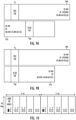
- FIG. 9A and FIG. 9B The two alternatives for the placement of the SSB of the ad hoc 5G NR SA cell 200 are illustrated in FIG. 9A and FIG. 9B .
- the SSB 902 is placed in frequency f E of the RF bandwidth 900 of the existing 5G NR SA cell 120, 130.
- the SSB 912A is placed in the first frequency f AH of the RF bandwidth 910 of the ad hoc 5G NR SA cell 200 so that f E ⁇ f AH .
- the synchronization channel is always in the middle of the RF range allocated to the operator.
- 3GPP added the flexible SSB frequency position and flexible SSB timing to the specifications of 5G NR SA base stations.
- the ad hoc 5G NR SA cell 200 needs to compete with the existing 5G NR SA cells 120, 130 of the operator(s).
- the described set up in 312 makes the ad hoc 5G NR SA cell 200 more attractive to 5G NR SA terminals 210, increases the range of the ad hoc (5G NR SA) base station 100, and minimizes the interference to the existing (5G NR SA) base stations 122, 132.
- the main reason to add the ad hoc radio base station 100 to an area is to get 5G NR SA terminals 210 to communicate through the ad hoc radio base station 100. Another reason may be to take load from the existing base stations 122, 132. Two main criteria may be used to select the frequency for the SSB.
- the ad hoc radio base station 100 selects the frequency for the SSB to be the same as in the strongest existing 5G NR SA cell 120, 130.
- the ad hoc 5G NR SA cell 200 causes interference to the existing 5G NR SA cell 120, 130.
- the interference pushes the 5G NR SA terminals 210 away from the existing 5G NR SA cells 120, 130 so that the 5G NR SA terminals 210 try to camp to the ad hoc 5G NR SA cell 200.
- the ad hoc radio base station 100 selects the frequency for the SSB that is different from the strongest existing 5G NR SA cell 120, 130 in the area so that the SSB of the ad hoc 5G NR SA cell 200 is not disturbed by the existing 5G NR SA cells 120, 130 and the 5G NR SA terminals 210 detect the ad hoc 5G NR SA cell 200 more attractive than the existing 5G NR SA cells 120, 130.
- the first frequency and the second frequency are defined using a global synchronization channel number (GSCN).
- GSCN global synchronization channel number
- Selecting in 316 the first frequency comprises setting in 320A a GSCN for the SSB of the ad hoc 5G NR SA cell 200 different than the GSCNs of the existing 5G NR SA cells 120, 130.
- Selecting in 318 the second frequency comprises setting in 320B a GSCN for the SSB of the ad hoc 5G NR SA cell 200 the same as the GSCNs of the existing 5G NR SA cells 120, 130.
- 3GPP specification 38.213 defines a SSB positioning parameter with a length of 4, 8 or 64 bits.
- the setting up in 312 comprises setting in 400A, 400B a transmission power of the ad hoc 5G NR SA cell 200 such that 5G NR SA terminals 210 in the ad hoc 5G NR SA cell 200 connect to the ad hoc 5G NR SA cell 200.
- the first frequency is used for the SSB of the ad hoc 5G NR SA cell 200, then f E ⁇ f AH , whereby the transmission power is kept at such a low level so that the 5G NR SA terminal 210 receives it at the same power level as the existing 5G NR SA cells 120, 130, because the idea is to minimize the interference caused to the existing 5G NR SA cells 120, 130.
- f E f AH , whereby the transmission power is kept at such a high power level so that the 5G NR SA terminal 210 receives it at the higher power level than the existing 5G NR SA cells 120, 130, because the idea is to dominate the existing 5G NR SA cells 120, 130.
- FIG. 2 also illustrates a third operation phase, wherein the ad hoc 5G NR SA cell 200 starts to serve the 5G NR SA terminals 210.
- the service may be full service with data and/or speech transmission, and/or the service may be a partial service such as the ad hoc radio base station 100 receiving a SUCI (Subscription Concealed Identifier) or a 5G-GUTI (5G Globally Unique Temporary Identifier) from the 5G NR SA terminal 210.
- SUCI Subscribescription Concealed Identifier
- 5G-GUTI 5G Globally Unique Temporary Identifier
- a 5G NR SA terminal 210 may receive transmissions 224, 226 from the existing 5G NR SA base stations 122, 132, but a transmission 220 from the ad hoc 5G NR SA base station 100 is received with a higher power and/or a better quality at the 5G NR SA terminal 210, which causes that the 5G NR SA terminal 210 connects 222 to the ad hoc 5G NR SA base station 100.
- the SSB of the ad hoc 5G NR SA cell 200 is transmitted in 500 on the first frequency, and a connect message is received in 502 from a 5G NR SA terminal 210 in the ad hoc 5G NR SA cell 200 as the SSB of the ad hoc 5G NR SA cell 200 is not disturbed by the SSBs of the existing 5G NR SA cells 120, 130.
- performing the analysis in 304 comprises decoding in 600 a timing for the SSB of the existing 5G NR SA cell 120, 130 from the information, and setting up in 312 comprises setting in 602 a set timing of the SSB of the ad hoc 5G NR SA cell 200 so that it overlaps with timings of the SSBs of the existing 5G NR SA cells 120, 130.
- FIG. 10 illustrates an embodiment of the timing of the SSB.
- a 40 MHz bandwidth is used for transmission of 5 ms frames.
- Each frame may transmit the SSB in various positions addressed by an SSB index 1000.
- the SSB of the ad hoc 5G NR SA cell 200 is transmitted with an SSB index 1 as shown in FIG. 10 .
- the timings of the SSBs of the existing 5G NR SA cells 120, 130 are then also transmitted with the SSB index 1 to overlap.
- setting the set timing in 602 comprises setting multiple SSBs with different timings for the ad hoc 5G NR SA cell 200. For example, if the existing 5G NR SA cells 120, 130 transmit with SSB indexes 1, 2, and 3, then the ad hoc 5G NR SA cell 200 transmits multiple SSBs with the overlapping SSB indexes 1, 2, and 3.
- setting the set timing in 602 comprises setting one additional SSB for the ad hoc 5G NR SA cell 200 so that its timing is non-overlapping with the timings of the SSBs of the existing 5G NR SA cells 120, 130.
- the non-overlapping SSB of the ad hoc 5G NR SA cell 200 may be transmitted with any one of the SSB indexes 4, 5, and 6.
- the example can developed further, where the ad hoc 5G SA cell 200 may transmit a single non-overlapping SSB index 2.
- the SSB of the ad hoc 5G NR SA cell 200 is transmitted in 604 on the second frequency using the set timing, and a connect message is received in 606 from a 5G NR SA terminal 210 in the ad hoc 5G NR SA cell 200 as the SSB of the ad hoc 5G NR SA cell 200 is disturbing the SSBs of the existing 5G NR SA cells 120, 130.
- a quality measure of the SSB may also be used.
- Performing the analysis in 304 comprises measuring in 700 a reference signal received quality (RSRQ) from the SSB of the existing 5G NR SA cell 120, 130.
- RSRQ reference signal received quality
- Setting up in 312 comprises, if the RSRPs of the existing 5G NR SA cells 120, 130 exceed the power threshold value (the test in 314 evaluates "YES"), and if the RSRQs of the existing 5G NR SA cells 120, 130 do not exceed a quality threshold value (a test in 702 evaluates "NO"), selecting in 316 the first frequency for the SSB of the ad hoc 5G NR SA cell 200, or else (the test in 702 evaluates "YES") selecting in 318 the second frequency for the SSB of the ad hoc 5G NR SA cell 200.
- setting up in 312 comprises, if the existing 5G NR SA cells 120, 130 use time division duplex, TDD, (a test in 800 evaluates "YES"), selecting in 316 the first frequency for the SSB of the ad hoc 5G NR SA cell 200.
- setting up in 312 comprises, if the existing 5G NR SA cells use TDD (the test in 800 evaluates "YES"), using in 802 an over the air / radio interface-based synchronization, OTA/RIBS, of the ad hoc 5G NR SA cell 200 to the existing 5G NR SA cells 120, 130.
Landscapes
- Engineering & Computer Science (AREA)
- Computer Networks & Wireless Communication (AREA)
- Signal Processing (AREA)
- Mobile Radio Communication Systems (AREA)
Abstract
Description
- Various embodiments relate to an ad hoc radio base station, a method for implementing an ad hoc cell, and a computer-readable medium comprising computer program code, which, when executed by one or more processors, causes performance of the method for implementing the ad hoc cell.
- An ad hoc radio base station implements an ad hoc (created for a particular purpose as necessary) cell to operate in parallel with existing (usually permanent) cells. The ad hoc radio base station may be used in a surveillance operation, or in an emergency situation, for example. As pre-planning of the ad hoc cell may not be possible, and co-operation with existing cellular radio network infrastructure may be minimal, operation of the ad hoc radio base station needs to be sophisticated to enable flexible and easy operation.
- According to an aspect, there is provided subject matter of independent claims. Dependent claims define some embodiments.
- One or more examples of implementations are set forth in more detail in the accompanying drawings and the description of embodiments.
- Some embodiments will now be described with reference to the accompanying drawings, in which
-
FIG. 1 andFIG. 2 illustrate embodiments of an ad hoc radio base station, its operating environment, and its operation; -
FIG. 3 ,FIG. 4 ,FIG. 5 ,FIG. 6 ,FIG. 7 , andFIG. 8 are flow charts illustrating embodiments of a method for implementing an ad hoc cell; -
FIG. 9A, FIG. 9B, and FIG. 10 illustrate embodiments of a synchronization signal block of the ad hoc cell. - The following embodiments are only examples. Although the specification may refer to "an" embodiment in several locations, this does not necessarily mean that each such reference is to the same embodiment(s), or that the feature only applies to a single embodiment. Single features of different embodiments may also be combined to provide other embodiments. Furthermore, words "comprising" and "including" should be understood as not limiting the described embodiments to consist of only those features that have been mentioned and such embodiments may contain also features/structures that have not been specifically mentioned.
- Reference numbers, both in the description of the embodiments and in the claims, serve to illustrate the embodiments with reference to the drawings, without limiting it to these examples only.
- The embodiments and features, if any, disclosed in the following description that do not fall under the scope of the independent claims are to be interpreted as examples useful for understanding various embodiments of the invention.
- Let us study
FIG. 1 andFIG. 2 , which illustrate embodiments of an ad hocradio base station 100, andFIG. 3 , which illustrates embodiments of a method for implementing an adhoc cell 200. - An existing
cellular radio network 150 is already in place and operating. Thecellular radio network 150 comprises one or moreradio base stations radio base station cell radio base station cellular radio network 150. Thecellular radio network 150 also comprises acore network 140 with numerous network elements. The radio base station (BS) 122, 132 may also be known as a base transceiver station (BTS), an access point (AP), or a gNodeB (or gNB), for example. In the 5G NR, theradio base station - The
radio base station - The SA mode refers to a technology, wherein 5G NR cells are used for both control plane and user plane transfer, whereas a non stand alone (NSA) mode refers to a technology, wherein the control plane of an existing fourth generation (4G) Long-Term Evolution (LTE) network is used for control functions, and 5G NR cells are used for exclusively for the user plane. The
cellular radio network 150 operating in the SA mode comprises a new 5G packet core architecture (instead of an evolved packet core architecture of the 4G LTE). - The
terminal 210 may also be known as a user equipment (UE), a radio terminal, a subscriber terminal, a smartphone, a mobile station, a mobile phone, a portable computer, a tablet computer, a smartwatch, smartglasses, a game terminal, a machine-type communication (MTC) apparatus, an loT (Internet of Things) apparatus, a sensor apparatus, or some other type of wireless mobile communication device operating with or without a subscriber identification module (SIM) or an eSIM (embedded SIM). Theterminal 210 may be a device that is configured to associate theterminal 210 and its user with a subscription and allows the user to interact with thecellular radio network 150, i.e., theterminal 210 is capable of requesting service from thecellular radio network 150. Theterminal 210 may present information to the user and allow the user to input information. In other words, theterminal 210 may be any user apparatus capable of wirelessly receiving information from and/or wirelessly transmitting information to thecellular radio network 150. Besides communication capabilities, theterminal 210 may include computer functionalities, functionalities of other data processing devices, and/or one or more sensors. - The ad hoc
radio base station 100 implements the adhoc cell 200 to operate in parallel with theexisting cells radio base station 100 may be used in a surveillance operation to gather information regarding theterminal 210, or in an emergency situation to establish a radio connection with theterminal 210 for communication and/or positioning, for example. - The ad hoc
radio base station 100 comprises one ormore radio transceivers 102 configured to receive and transmit in the SA mode of the 5G NRcellular radio network 150, and one ormore processors 104 configured to cause performance of the ad hocradio base station 100. - In an embodiment illustrated in
FIG. 1 , the one ormore processors 104 comprise one ormore memories 108 includingcomputer program code 110, and one ormore microprocessors 106 configured to execute thecomputer program code 110 to cause the performance of the ad hocradio base station 100. - In an alternative embodiment, the one or
more processors 104 comprise a circuitry configured to cause the performance of the ad hocradio base station 100. - A non-exhaustive list of implementation techniques for the one or
more microprocessors 106 and the one ormore memories 108, or the circuitry includes, but is not limited to: logic components, standard integrated circuits, application-specific integrated circuits (ASIC), system-on-a-chip (SoC), application-specific standard products (ASSP), microprocessors, microcontrollers, digital signal processors, special-purpose computer chips, field-programmable gate arrays (FPGA), and other suitable electronics structures. - The term 'memory' 108 refers to a device that is capable of storing data run-time (= working memory) or permanently (= non-volatile memory). The working memory and the non-volatile memory may be implemented by a random-access memory (RAM), dynamic RAM (DRAM), static RAM (SRAM), a flash memory, a solid state disk (SSD), PROM (programmable read-only memory), a suitable semiconductor, or any other means of implementing an electrical computer memory.
- The computer program code (or software) 110 may be written by a suitable programming language (such as C, C++, assembler, or machine language, for example), and the resulting executable code may be stored in the one or
more memories 108 and run by the one ormore microprocessors 106. The computer program code implements the method/algorithm illustrated inFIG. 3 ,FIG. 4 ,FIG. 5 ,FIG. 6 ,FIG. 7 , andFIG. 8 . Thecomputer program code 110 may be stored in a source code form, object code form, executable form, or in some intermediate form, but for use in the one ormore microprocessors 106 it is in the executable form. There are many ways to structure the computer program code 110: the operations may be divided into modules, sub-routines, methods, classes, objects, applets, macros, etc., depending on the software design methodology and the programming language used. In modern programming environments, there are software libraries, i.e., compilations of ready-made functions, which may be utilized by thecomputer program code 110 for performing a wide variety of standard operations. In addition, an operating system (such as a general-purpose operating system or a real-time operating system) may provide thecomputer program code 110 with system services. - An embodiment provides a computer-
readable medium 112 storing thecomputer program code 110, which, when loaded into the one ormore microprocessors 106 and executed by the one ormore microprocessors 106, causes the performance of the computer-implemented method/algorithm for implementing the adhoc cell 200. The computer-readable medium 112 may comprise at least the following: any entity or device capable of carrying thecomputer program code 110 to the one ormore microprocessors 106, a record medium, a computer memory, a read-only memory, an electrical carrier signal, a telecommunications signal, and a software distribution medium. In some jurisdictions, depending on the legislation and the patent practice, the computer-readable medium 112 may not be the telecommunications signal. In an embodiment, the computer-readable medium 112 is a computer-readable storage medium. In an embodiment, the computer-readable medium 112 is a non-transitory computer-readable storage medium. - Now that the structure of the ad hoc
radio base station 100 and its operating environment have been described, let us study the dynamics of the method/algorithm with reference toFIG. 3 for the main sequence, andFIG. 4, FIG. 5 ,FIG. 6 ,FIG. 7 , andFIG. 8 illustrating optional embodiments. The method starts in 300 and ends in 322. The operations are not strictly in chronological order and some of the operations may be performed simultaneously or in an order differing from the given ones. Other functions may also be executed between the operations or within the operations and other data exchanged between the operations. Some of the operations or part of the operations may also be left out or replaced by a corresponding operation or part of the operation. It should be noted that no special order of operations is required, except where necessary due to the logical requirements for the processing order. -
FIG. 1 illustrates a first operation phase, wherein the ad hoc (5G NR SA)radio base station 100 is preparing for the actual operation. - In 302, information regarding the existing 5G
NR SA cells radio base station 100 either comprises a radio scanner (possibly utilizing the one or more radio transceivers 102) to scan a predetermined radio spectrum to generate the information, or the ad hocradio base station 100 receives the information from an external radio scanner. The information may at least partly be obtained by receiving 124, 134 system information from the existing 5GNR SA cells radio base station 100 retrieves 114 at least a part of the information from an internal orexternal data source 116, such as from an internal or external database. - In 304, for each existing 5G
NR SA cell NR SA cell NR SA cell NR SA cell -
FIG. 2 illustrates a second operation phase, wherein the ad hocradio base station 100 sets up the ad hoc 5GNR SA cell 200. - In 312, the ad hoc 5G
NR SA cell 200 is set up with several operations based on the analysis. A test is evaluated in 314. If the RSRPs of the existing 5GNR SA cells NR SA cell 200 is selected in 316 so that it does not overlap with the frequencies of the SSBs of the existing 5GNR SA cells NR SA cell 200 and the RF bandwidths of the existing 5GNR SA cells NR SA cell 200 is selected in 318 so that it overlaps with the frequencies of the SSBs of the existing 5GNR SA cells NR SA cell 200 and the RF bandwidths of the existing 5GNR SA cells - The two alternatives for the placement of the SSB of the ad hoc 5G
NR SA cell 200 are illustrated inFIG. 9A and FIG. 9B . As shown, theSSB 902 is placed in frequency fE of theRF bandwidth 900 of the existing 5GNR SA cell FIG. 9A , theSSB 912A is placed in the first frequency fAH of theRF bandwidth 910 of the ad hoc 5GNR SA cell 200 so that fE ≠ fAH. InFIG. 9B , theSSB 912B is placed in the second frequency fAH of theRF bandwidth 910 of the ad hoc 5GNR SA cell 200 so that fE = fAH. - In the LTE, the synchronization channel is always in the middle of the RF range allocated to the operator. 3GPP added the flexible SSB frequency position and flexible SSB timing to the specifications of 5G NR SA base stations. The ad hoc 5G
NR SA cell 200 needs to compete with the existing 5GNR SA cells NR SA cell 200 more attractive to 5GNR SA terminals 210, increases the range of the ad hoc (5G NR SA)base station 100, and minimizes the interference to the existing (5G NR SA)base stations - The main reason to add the ad hoc
radio base station 100 to an area is to get 5GNR SA terminals 210 to communicate through the ad hocradio base station 100. Another reason may be to take load from the existingbase stations - If the ad hoc
radio base station 100 operates on the same frequency with the strong existingbase stations radio base station 100 selects the frequency for the SSB to be the same as in the strongest existing 5GNR SA cell NR SA cell 200 causes interference to the existing 5GNR SA cell NR SA terminals 210 away from the existing 5GNR SA cells NR SA terminals 210 try to camp to the ad hoc 5GNR SA cell 200. - If the ad hoc
radio base station 100 is put on the frequency with non-existing or onlyweak base stations radio base station 100 selects the frequency for the SSB that is different from the strongest existing 5GNR SA cell NR SA cell 200 is not disturbed by the existing 5GNR SA cells NR SA terminals 210 detect the ad hoc 5GNR SA cell 200 more attractive than the existing 5GNR SA cells - In an embodiment, the first frequency and the second frequency are defined using a global synchronization channel number (GSCN). Selecting in 316 the first frequency comprises setting in 320A a GSCN for the SSB of the ad hoc 5G
NR SA cell 200 different than the GSCNs of the existing 5GNR SA cells NR SA cell 200 the same as the GSCNs of the existing 5GNR SA cells Table 1 Band GSCN S_SCS PCI dBm RSRP SNR RSSI RSRQ ARFCN SCS f n 78 7818 30 12 -93.9 -107.6 17.1 -93.9 n 78 7874 30 501 -93.5 -113.5 12.0 -93.5 -2.9 636000 30 3540 n 78 7875 30 500 -92.0 -101.1 25.7 -92.0 - But if the GSCN-values were set the same, the scanner detected a PCI of one cell only. The stronger cell caused so much interference to the other cell that the scanner could not synchronize to the cell and detect its PCI. This is a clear indication of the utility of the described embodiments in practice.
- In an embodiment, the setting up in 312 comprises setting in 400A, 400B a transmission power of the ad hoc 5G
NR SA cell 200 such that 5GNR SA terminals 210 in the ad hoc 5GNR SA cell 200 connect to the ad hoc 5GNR SA cell 200. If the first frequency is used for the SSB of the ad hoc 5GNR SA cell 200, then fE ≠ fAH, whereby the transmission power is kept at such a low level so that the 5G NR SA terminal 210 receives it at the same power level as the existing 5GNR SA cells NR SA cells NR SA cell 200, then fE = fAH, whereby the transmission power is kept at such a high power level so that the 5G NR SA terminal 210 receives it at the higher power level than the existing 5GNR SA cells NR SA cells -
FIG. 2 also illustrates a third operation phase, wherein the ad hoc 5GNR SA cell 200 starts to serve the 5GNR SA terminals 210. The service may be full service with data and/or speech transmission, and/or the service may be a partial service such as the ad hocradio base station 100 receiving a SUCI (Subscription Concealed Identifier) or a 5G-GUTI (5G Globally Unique Temporary Identifier) from the 5GNR SA terminal 210. - As shown in
FIG. 2 , a 5G NR SA terminal 210 may receivetransmissions SA base stations transmission 220 from the ad hoc 5G NRSA base station 100 is received with a higher power and/or a better quality at the 5G NR SA terminal 210, which causes that the 5G NR SA terminal 210 connects 222 to the ad hoc 5G NRSA base station 100. - In an embodiment, the SSB of the ad hoc 5G
NR SA cell 200 is transmitted in 500 on the first frequency, and a connect message is received in 502 from a 5G NR SA terminal 210 in the ad hoc 5GNR SA cell 200 as the SSB of the ad hoc 5GNR SA cell 200 is not disturbed by the SSBs of the existing 5GNR SA cells - In an embodiment, performing the analysis in 304 comprises decoding in 600 a timing for the SSB of the existing 5G
NR SA cell NR SA cell 200 so that it overlaps with timings of the SSBs of the existing 5GNR SA cells -
FIG. 10 illustrates an embodiment of the timing of the SSB. A 40 MHz bandwidth is used for transmission of 5 ms frames. Each frame may transmit the SSB in various positions addressed by anSSB index 1000. For example, the SSB of the ad hoc 5GNR SA cell 200 is transmitted with anSSB index 1 as shown inFIG. 10 . As described in the previous paragraph, the timings of the SSBs of the existing 5GNR SA cells SSB index 1 to overlap. - In an embodiment, setting the set timing in 602 comprises setting multiple SSBs with different timings for the ad hoc 5G
NR SA cell 200. For example, if the existing 5GNR SA cells SSB indexes NR SA cell 200 transmits multiple SSBs with the overlappingSSB indexes NR SA cell 200 so that its timing is non-overlapping with the timings of the SSBs of the existing 5GNR SA cells NR SA cell 200 may be transmitted with any one of theSSB indexes 5G SA cell 200 may transmit a singlenon-overlapping SSB index 2. - In an embodiment, the SSB of the ad hoc 5G
NR SA cell 200 is transmitted in 604 on the second frequency using the set timing, and a connect message is received in 606 from a 5G NR SA terminal 210 in the ad hoc 5GNR SA cell 200 as the SSB of the ad hoc 5GNR SA cell 200 is disturbing the SSBs of the existing 5GNR SA cells - In an embodiment, besides using SSB-RSRP, a quality measure of the SSB may also be used. Performing the analysis in 304 comprises measuring in 700 a reference signal received quality (RSRQ) from the SSB of the existing 5G
NR SA cell NR SA cells NR SA cells NR SA cell 200, or else (the test in 702 evaluates "YES") selecting in 318 the second frequency for the SSB of the ad hoc 5GNR SA cell 200. - In an embodiment, setting up in 312 comprises, if the existing 5G
NR SA cells NR SA cell 200. In an additional embodiment, setting up in 312 comprises, if the existing 5G NR SA cells use TDD (the test in 800 evaluates "YES"), using in 802 an over the air / radio interface-based synchronization, OTA/RIBS, of the ad hoc 5GNR SA cell 200 to the existing 5GNR SA cells - Even though the invention has been described with reference to one or more embodiments according to the accompanying drawings, it is clear that the invention is not restricted thereto but can be modified in several ways within the scope of the appended claims. All words and expressions should be interpreted broadly, and they are intended to illustrate, not to restrict, the embodiments. It will be obvious to a person skilled in the art that, as technology advances, the inventive concept can be implemented in various ways.
Claims (15)
- An ad hoc radio base station (100), comprising:one or more radio transceivers (102) configured to receive and transmit in a stand-alone, SA, mode of a fifth generation new radio, 5G NR, cellular radio network (150); andone or more processors (104) configured to cause performance of at least the following:obtaining (302) information regarding existing 5G NR SA cells (120, 130);for each existing 5G NR SA cell (120, 130), performing (304) an analysis comprisingdetecting (306) a frequency of a synchronization signal block, SSB, of the existing 5G NR SA cell (120, 130) from the information,decoding (308) a radio frequency, RF, bandwidth of the existing 5G NR SA cell (120, 130) from the information, andmeasuring (310) a reference signal received power, RSRP, from the SSB of the existing 5G NR SA cell (120, 130); andsetting (312) up an ad hoc 5G NR SA cell (210) based on the analysis as follows:if the RSRPs of the existing 5G NR SA cells (120, 130) do not exceed a power threshold value (314-NO), selecting (316) a first frequency for a SSB of the ad hoc 5G NR SA cell (200) so that it does not overlap with the frequencies of the SSBs of the existing 5G NR SA cells (120, 130) while taking into account also an RF bandwidth of the ad hoc 5G NR SA cell (200) and the RF bandwidths of the existing 5G NR SA cells (120, 130),or else (314-YES) selecting (318) a second frequency for the SSB of the ad hoc 5G NR SA cell (200) so that it overlaps with the frequencies of the SSBs of the existing 5G NR SA cells (120, 130) while taking into account also the RF bandwidth of the ad hoc 5G NR SA cell (200) and the RF bandwidths of the existing 5G NR SA cells (120, 130).
- The base station of claim 1, wherein the one or more processors configured to cause performance of at least the following:select (316) the first frequency comprises setting (320A) a global synchronization channel number, GSCN, for the SSB of the ad hoc 5G NR SA cell (200) different than the GSCNs of the existing 5G NR SA cells (120, 130), andselect (318) the second frequency comprises setting (320B) the GSCN for the SSB of the ad hoc 5G NR SA cell (200) the same as the GSCNs of the existing 5G NR SA cells (120, 130).
- The base station of claim 1, wherein the setting (312) up comprises setting (400A, 400B) a transmission power of the ad hoc 5G NR SA cell (200) such that 5G NR SA terminals (210) in the ad hoc 5G NR SA cell (200) connect to the ad hoc 5G NR SA cell (200).
- The base station of claim 1, wherein the one or more processors (104) are configured to cause performance of at least the following:transmitting (500) the SSB of the ad hoc 5G NR SA cell (200) on the first frequency; andreceiving (502) a connect message from a 5G NR SA terminal (210) in the ad hoc 5G NR SA cell (210) as the SSB of the ad hoc 5G NR SA cell (200) is not disturbed by the SSBs of the existing 5G NR SA cells (120, 130).
- The base station of claim 1, whereinperforming (304) the analysis comprises decoding (600) a timing for the SSB of the existing 5G NR SA cell (120, 130) from the information, andsetting (312) up comprises setting (602) a set timing of the SSB of the ad hoc 5G NR SA cell (200) so that it overlaps with timings of the SSBs of the existing 5G NR SA cells (120, 130).
- The base station of claim 5, wherein setting (602) the set timing comprises setting multiple SSBs with different timings for the ad hoc 5G NR SA cell (200).
- The base station of claim 6, wherein setting (602) the set timing comprises setting one additional SSB for the ad hoc 5G NR SA cell (200) so that its timing is non-overlapping with the timings of the SSBs of the existing 5G NR SA cells (120, 130).
- The base station of claim 5, wherein the one or more processors (104) are configured to cause performance of at least the following:transmitting (604) the SSB of the ad hoc 5G NR SA cell (200) on the second frequency using the set timing; andreceiving (606) a connect message from a 5G NR SA terminal (210) in the ad hoc 5G NR SA cell (200) as the SSB of the ad hoc 5G NR SA cell (200) is disturbing the SSBs of the existing 5G NR SA cells (120, 130).
- The base station of claim 1, whereinperforming (304) the analysis comprises measuring (700) a reference signal received quality, RSRQ, from the SSB of the existing 5G NR SA cell (120, 130), andsetting (312) up comprises, if the RSRPs of the existing 5G NR SA cells (120, 130) exceed the power threshold value (314-YES), and if the RSRQs of the existing 5G NR SA cells (120, 130) do not exceed a quality threshold value (702-NO), selecting (316) the first frequency for the SSB of the ad hoc 5G NR SA cell (200), or else (702-YES) selecting (318) the second frequency for the SSB of the ad hoc 5G NR SA cell (200).
- The base station of claim 1, wherein setting (312) up comprises, if the existing 5G NR SA cells (120, 130) use time division duplex, TDD, (800-YES), selecting (316) the first frequency for the SSB of the ad hoc 5G NR SA cell (200).
- The base station of claim 10, wherein setting (312) up comprises, if the existing 5G NR SA cells use TDD (800-YES), using (802) an over the air / radio interface-based synchronization, OTA/RIBS, of the ad hoc 5G NR SA cell (200) to the existing 5G NR SA cells (120, 130).
- The base station of claim 1, wherein the one or more processors (104) comprise:one or more memories (108) including computer program code (110); andone or more microprocessors (106) configured to execute the computer program code (110) to cause performance of the ad hoc radio base station (100).
- The base station of claim 1, whereinperforming (304) the analysis comprises decoding (600) a timing for the SSB of the existing 5G NR SA cell (120, 130) from the information, andsetting (602) the set timing comprises setting a single SSB for the ad hoc 5G NR SA cell (200) so that it is non-overlapping with the timings of the SSBs of the existing 5G NR SA cells (120, 130).
- A method for implementing an ad hoc cell, comprising:obtaining (302) information regarding existing 5G NR SA cells;for each existing 5G NR SA cell, performing (304) an analysis comprisingdetecting (306) a frequency of a synchronization signal block, SSB, of the existing 5G NR SA cell from the information,decoding (308) a radio frequency, RF, bandwidth of the existing 5G NR SA cell from the information, andmeasuring (310) a reference signal received power, RSRP, from the SSB of the existing 5G NR SA cell; andsetting (312) up an ad hoc 5G NR SA cell based on the analysis as follows:if the RSRPs of the existing 5G NR SA cells do not exceed a power threshold value (314-NO), selecting (316) a first frequency for a SSB of the ad hoc 5G NR SA cell so that it does not overlap with the frequencies of the SSBs of the existing 5G NR SA cells while taking into account also an RF bandwidth of the ad hoc 5G NR SA cell and the RF bandwidths of the existing 5G NR SA cells,or else (314-YES) selecting (318) a second frequency for the SSB of the ad hoc 5G NR SA cell so that it overlaps with the frequencies of the SSBs of the existing 5G NR SA cells while taking into account also the RF bandwidth of the ad hoc 5G NR SA cell and the RF bandwidths of the existing 5G NR SA cells.
- A computer-readable medium (112) comprising computer program code (110), which, when executed by one or more microprocessors (106), causes performance of a method for implementing an ad hoc cell, comprising:obtaining (302) information regarding existing 5G NR SA cells;for each existing 5G NR SA cell, performing (304) an analysis comprisingdetecting (306) a frequency of a synchronization signal block, SSB, of the existing 5G NR SA cell from the information,decoding (308) a radio frequency, RF, bandwidth of the existing 5G NR SA cell from the information, andmeasuring (310) a reference signal received power, RSRP, from the SSB of the existing 5G NR SA cell; andsetting (312) up an ad hoc 5G NR SA cell based on the analysis as follows:if the RSRPs of the existing 5G NR SA cells do not exceed a power threshold value (314-NO), selecting (316) a first frequency for a SSB of the ad hoc 5G NR SA cell so that it does not overlap with the frequencies of the SSBs of the existing 5G NR SA cells while taking into account also an RF bandwidth of the ad hoc 5G NR SA cell and the RF bandwidths of the existing 5G NR SA cells,or else (314-YES) selecting (318) a second frequency for the SSB of the ad hoc 5G NR SA cell so that it overlaps with the frequencies of the SSBs of the existing 5G NR SA cells while taking into account also the RF bandwidth of the ad hoc 5G NR SA cell and the RF bandwidths of the existing 5G NR SA cells.
Applications Claiming Priority (2)
| Application Number | Priority Date | Filing Date | Title |
|---|---|---|---|
| US202163251857P | 2021-10-04 | 2021-10-04 | |
| US202263342776P | 2022-05-17 | 2022-05-17 |
Publications (2)
| Publication Number | Publication Date |
|---|---|
| EP4161131A1 true EP4161131A1 (en) | 2023-04-05 |
| EP4161131B1 EP4161131B1 (en) | 2024-07-10 |
Family
ID=83903208
Family Applications (1)
| Application Number | Title | Priority Date | Filing Date |
|---|---|---|---|
| EP22199323.1A Active EP4161131B1 (en) | 2021-10-04 | 2022-10-03 | Ad hoc radio base station, method and computer program |
Country Status (2)
| Country | Link |
|---|---|
| US (1) | US12520252B2 (en) |
| EP (1) | EP4161131B1 (en) |
Citations (2)
| Publication number | Priority date | Publication date | Assignee | Title |
|---|---|---|---|---|
| US20150289142A1 (en) * | 2012-11-12 | 2015-10-08 | Nippon Telegraph And Telephone Corporation | Wireless communication apparatus, wireless communication system, and wireless communication method |
| US20210306892A1 (en) * | 2018-09-25 | 2021-09-30 | Nokia Technologies Oy | Apparatus, method and computer program for self-organizing network measurement reporting |
Family Cites Families (33)
| Publication number | Priority date | Publication date | Assignee | Title |
|---|---|---|---|---|
| DE2542998C2 (en) | 1975-09-26 | 1983-05-26 | Rohde & Schwarz GmbH & Co KG, 8000 München | Method and arrangement for the receiver-side evaluation of single sideband high-frequency transmissions with reduced or suppressed carrier |
| CN103248440B (en) | 2013-04-18 | 2015-08-05 | 北京邮电大学 | Terminal test system and method |
| CN110476465B (en) | 2017-05-05 | 2022-12-09 | Lg电子株式会社 | Method and device for receiving synchronization signal |
| WO2018227506A1 (en) | 2017-06-15 | 2018-12-20 | Oppo广东移动通信有限公司 | Method and device for transmitting synchronous signal block |
| CN109150465B (en) | 2017-06-16 | 2020-10-09 | 电信科学技术研究院 | Synchronization signal block indication determining method, device, base station, terminal and storage medium |
| US10694480B2 (en) | 2017-08-11 | 2020-06-23 | Lenovo (Singapore) Pte. Ltd. | Determining synchronization signal block positions |
| WO2019040779A1 (en) | 2017-08-23 | 2019-02-28 | Lenovo (Singapore) Pte. Ltd. | Synchronization signal block selection |
| WO2019047192A1 (en) | 2017-09-08 | 2019-03-14 | Oppo广东移动通信有限公司 | Method, network apparatus, and terminal apparatus for indicating position of synchronization signal block |
| CN114245399A (en) | 2017-09-08 | 2022-03-25 | 维沃移动通信有限公司 | Synchronous signal block measuring method, terminal and network equipment |
| WO2019063020A1 (en) | 2017-09-30 | 2019-04-04 | 华为技术有限公司 | Communication method and communication device |
| JP6970821B2 (en) | 2017-10-02 | 2021-11-24 | ノキア テクノロジーズ オサケユイチア | Beam-specific and non-beam-specific sync signal block locations for wireless networks |
| CN109661031B (en) | 2017-11-17 | 2020-06-16 | 华为技术有限公司 | Method for transmitting paging message, terminal equipment and network equipment |
| AU2018379536B2 (en) * | 2017-12-04 | 2023-08-03 | Nokia Technologies Oy | Link monitoring with self-backhauling for wireless networks |
| US11070333B2 (en) * | 2017-12-21 | 2021-07-20 | Samsung Electronics Co., Ltd. | Method and apparatus for SS/PBCH block frequency location indication |
| WO2019137454A1 (en) * | 2018-01-11 | 2019-07-18 | Fg Innovation Ip Company Limited | Uplink carrier configuration and selection with supplementary uplink |
| WO2019136727A1 (en) | 2018-01-12 | 2019-07-18 | Oppo广东移动通信有限公司 | Method for determining frequency domain location of synchronization signal block, terminal device and network device |
| US11411704B2 (en) | 2018-05-11 | 2022-08-09 | Nokia Technologies Oy | Apparatuses and methods for prioritization between physical downlink shared channel and synchronization signal block reception |
| CN110312284B (en) | 2018-05-11 | 2020-07-14 | Oppo广东移动通信有限公司 | Rate matching method, terminal equipment and network equipment |
| CN110831143B (en) | 2018-08-08 | 2021-02-26 | 北京紫光展锐通信技术有限公司 | Method for indicating and acquiring position of synchronization signal block, base station, terminal and medium |
| US10470136B1 (en) * | 2018-08-10 | 2019-11-05 | At&T Intellectual Property I, L.P. | Downlink power control enhancements for multi-hop integrated access and backhaul |
| CN110958620B (en) * | 2018-09-26 | 2021-05-11 | 成都华为技术有限公司 | Method and device for configuring measurement signal |
| CN114828259B (en) | 2018-09-28 | 2025-11-28 | 展讯通信(上海)有限公司 | Method and device for determining resource information, storage medium and user equipment |
| WO2020129228A1 (en) * | 2018-12-20 | 2020-06-25 | 株式会社Nttドコモ | Wireless node and wireless communication method |
| WO2020146791A1 (en) * | 2019-01-11 | 2020-07-16 | Apple Inc. | Control resource set configuration enhancement for off-raster synchronization signal blocks in an integrated access and backhaul |
| WO2020145774A1 (en) * | 2019-01-11 | 2020-07-16 | 엘지전자 주식회사 | Method and apparatus for operating communication node in wireless communication system |
| CN111464954B (en) | 2019-01-18 | 2021-10-26 | 华为技术有限公司 | Communication method, device and equipment |
| CN111435904B (en) | 2019-03-27 | 2021-12-24 | 维沃移动通信有限公司 | Configuration method and device of search space and communication equipment |
| US12075377B2 (en) * | 2019-03-28 | 2024-08-27 | Apple Inc. | Synchronization signal blocks for inter-integrated backhaul access (IAB) discovery and measurements |
| US11451364B2 (en) * | 2019-03-28 | 2022-09-20 | Samsung Electronics Co., Ltd. | Method and apparatus for applying uplink 7.5 kHz frequency shifting when LTE cell and NR cell coexist in TDD band in next generation mobile communication system |
| US11122577B2 (en) * | 2019-03-29 | 2021-09-14 | Qualcomm Incorporated | Initial acquisition |
| CN112997547B (en) * | 2019-04-04 | 2023-04-07 | Oppo广东移动通信有限公司 | Signal transmission method and device and network equipment |
| WO2021033328A1 (en) | 2019-08-22 | 2021-02-25 | 株式会社Nttドコモ | Terminal |
| WO2021062716A1 (en) | 2019-09-30 | 2021-04-08 | 华为技术有限公司 | Communication method and apparatus |
-
2022
- 2022-10-03 EP EP22199323.1A patent/EP4161131B1/en active Active
- 2022-10-04 US US17/959,617 patent/US12520252B2/en active Active
Patent Citations (2)
| Publication number | Priority date | Publication date | Assignee | Title |
|---|---|---|---|---|
| US20150289142A1 (en) * | 2012-11-12 | 2015-10-08 | Nippon Telegraph And Telephone Corporation | Wireless communication apparatus, wireless communication system, and wireless communication method |
| US20210306892A1 (en) * | 2018-09-25 | 2021-09-30 | Nokia Technologies Oy | Apparatus, method and computer program for self-organizing network measurement reporting |
Non-Patent Citations (1)
| Title |
|---|
| BILJANA BOJOVIC ET AL: "Machine learning-based dynamic frequency and bandwidth allocation in self-organized LTE dense small cell deployments", EURASIP JOURNAL ON WIRELESS COMMUNICATIONS AND NETWORKING, BIOMED CENTRAL LTD, LONDON, UK, vol. 2016, no. 1, 8 August 2016 (2016-08-08), pages 1 - 16, XP021268260, DOI: 10.1186/S13638-016-0679-0 * |
Also Published As
| Publication number | Publication date |
|---|---|
| US20230105088A1 (en) | 2023-04-06 |
| EP4161131B1 (en) | 2024-07-10 |
| US12520252B2 (en) | 2026-01-06 |
Similar Documents
| Publication | Publication Date | Title |
|---|---|---|
| US12108270B2 (en) | Wireless communication method, terminal device and network device | |
| CN112889303B (en) | Electronic devices and methods, computer-readable storage media for wireless communications | |
| US11463194B2 (en) | Information determination method, terminal apparatus, and network apparatus | |
| CN112532283B (en) | Beam measurement methods and terminals | |
| US12114187B2 (en) | Wireless communication method, terminal device and network device | |
| US11553384B2 (en) | Wireless communication method and device | |
| US12004101B2 (en) | Method and device for receiving information and transmitting information | |
| US11523359B2 (en) | Method for monitoring radio link and terminal device | |
| US20240236750A1 (en) | Method and apparatus for measurement interval enhancement, terminal device, and network device | |
| US20230239097A1 (en) | Wireless communication method, terminal device and network device | |
| EP4207864A1 (en) | Ssb-based measurement apparatuses | |
| EP4068657A1 (en) | Sidelink relay pathloss estimation in wireless communication | |
| CN112369061A (en) | Method for configuring measurement information, terminal equipment and network equipment | |
| KR102899020B1 (en) | Signal transmission method and communication device | |
| US11202299B2 (en) | Method and device for radio resource management measurement | |
| EP4161131B1 (en) | Ad hoc radio base station, method and computer program | |
| CN111194072B (en) | Method and device for monitoring paging under multi-beam scene | |
| WO2024148539A1 (en) | Methods and apparatus for reducing layer 1 (l1) measurement delay using multi-receive-chain reception | |
| US11445452B1 (en) | Systems and methods for limiting device transmit power | |
| CN115428349B (en) | Signal measurement methods, terminal equipment, and network equipment | |
| US11997719B2 (en) | System and method for communications using supplementary uplink | |
| EP4626083A1 (en) | Communication method, apparatus and system | |
| US20240284265A1 (en) | Dynamic toggling of voice centricity and data centricity for roaming user equipments | |
| US11567160B1 (en) | Systems and methods to determine a location of a device | |
| EP4649630A1 (en) | Csi-rs for ai-based csi compression data collection |
Legal Events
| Date | Code | Title | Description |
|---|---|---|---|
| PUAI | Public reference made under article 153(3) epc to a published international application that has entered the european phase |
Free format text: ORIGINAL CODE: 0009012 |
|
| STAA | Information on the status of an ep patent application or granted ep patent |
Free format text: STATUS: THE APPLICATION HAS BEEN PUBLISHED |
|
| AK | Designated contracting states |
Kind code of ref document: A1 Designated state(s): AL AT BE BG CH CY CZ DE DK EE ES FI FR GB GR HR HU IE IS IT LI LT LU LV MC ME MK MT NL NO PL PT RO RS SE SI SK SM TR |
|
| P01 | Opt-out of the competence of the unified patent court (upc) registered |
Effective date: 20230509 |
|
| STAA | Information on the status of an ep patent application or granted ep patent |
Free format text: STATUS: REQUEST FOR EXAMINATION WAS MADE |
|
| 17P | Request for examination filed |
Effective date: 20230829 |
|
| RBV | Designated contracting states (corrected) |
Designated state(s): AL AT BE BG CH CY CZ DE DK EE ES FI FR GB GR HR HU IE IS IT LI LT LU LV MC ME MK MT NL NO PL PT RO RS SE SI SK SM TR |
|
| GRAJ | Information related to disapproval of communication of intention to grant by the applicant or resumption of examination proceedings by the epo deleted |
Free format text: ORIGINAL CODE: EPIDOSDIGR1 |
|
| STAA | Information on the status of an ep patent application or granted ep patent |
Free format text: STATUS: GRANT OF PATENT IS INTENDED |
|
| GRAP | Despatch of communication of intention to grant a patent |
Free format text: ORIGINAL CODE: EPIDOSNIGR1 |
|
| INTG | Intention to grant announced |
Effective date: 20240206 |
|
| GRAS | Grant fee paid |
Free format text: ORIGINAL CODE: EPIDOSNIGR3 |
|
| GRAA | (expected) grant |
Free format text: ORIGINAL CODE: 0009210 |
|
| STAA | Information on the status of an ep patent application or granted ep patent |
Free format text: STATUS: THE PATENT HAS BEEN GRANTED |
|
| AK | Designated contracting states |
Kind code of ref document: B1 Designated state(s): AL AT BE BG CH CY CZ DE DK EE ES FI FR GB GR HR HU IE IS IT LI LT LU LV MC ME MK MT NL NO PL PT RO RS SE SI SK SM TR |
|
| REG | Reference to a national code |
Ref country code: CH Ref legal event code: EP |
|
| REG | Reference to a national code |
Ref country code: DE Ref legal event code: R096 Ref document number: 602022004462 Country of ref document: DE |
|
| REG | Reference to a national code |
Ref country code: LT Ref legal event code: MG9D |
|
| REG | Reference to a national code |
Ref country code: NL Ref legal event code: MP Effective date: 20240710 |
|
| PG25 | Lapsed in a contracting state [announced via postgrant information from national office to epo] |
Ref country code: PT Free format text: LAPSE BECAUSE OF FAILURE TO SUBMIT A TRANSLATION OF THE DESCRIPTION OR TO PAY THE FEE WITHIN THE PRESCRIBED TIME-LIMIT Effective date: 20241111 |
|
| REG | Reference to a national code |
Ref country code: AT Ref legal event code: MK05 Ref document number: 1703110 Country of ref document: AT Kind code of ref document: T Effective date: 20240710 |
|
| PG25 | Lapsed in a contracting state [announced via postgrant information from national office to epo] |
Ref country code: NL Free format text: LAPSE BECAUSE OF FAILURE TO SUBMIT A TRANSLATION OF THE DESCRIPTION OR TO PAY THE FEE WITHIN THE PRESCRIBED TIME-LIMIT Effective date: 20240710 |
|
| PG25 | Lapsed in a contracting state [announced via postgrant information from national office to epo] |
Ref country code: PT Free format text: LAPSE BECAUSE OF FAILURE TO SUBMIT A TRANSLATION OF THE DESCRIPTION OR TO PAY THE FEE WITHIN THE PRESCRIBED TIME-LIMIT Effective date: 20241111 Ref country code: NL Free format text: LAPSE BECAUSE OF FAILURE TO SUBMIT A TRANSLATION OF THE DESCRIPTION OR TO PAY THE FEE WITHIN THE PRESCRIBED TIME-LIMIT Effective date: 20240710 |
|
| PG25 | Lapsed in a contracting state [announced via postgrant information from national office to epo] |
Ref country code: NO Free format text: LAPSE BECAUSE OF FAILURE TO SUBMIT A TRANSLATION OF THE DESCRIPTION OR TO PAY THE FEE WITHIN THE PRESCRIBED TIME-LIMIT Effective date: 20241010 |
|
| PG25 | Lapsed in a contracting state [announced via postgrant information from national office to epo] |
Ref country code: GR Free format text: LAPSE BECAUSE OF FAILURE TO SUBMIT A TRANSLATION OF THE DESCRIPTION OR TO PAY THE FEE WITHIN THE PRESCRIBED TIME-LIMIT Effective date: 20241011 Ref country code: PL Free format text: LAPSE BECAUSE OF FAILURE TO SUBMIT A TRANSLATION OF THE DESCRIPTION OR TO PAY THE FEE WITHIN THE PRESCRIBED TIME-LIMIT Effective date: 20240710 Ref country code: FI Free format text: LAPSE BECAUSE OF FAILURE TO SUBMIT A TRANSLATION OF THE DESCRIPTION OR TO PAY THE FEE WITHIN THE PRESCRIBED TIME-LIMIT Effective date: 20240710 |
|
| PG25 | Lapsed in a contracting state [announced via postgrant information from national office to epo] |
Ref country code: BG Free format text: LAPSE BECAUSE OF FAILURE TO SUBMIT A TRANSLATION OF THE DESCRIPTION OR TO PAY THE FEE WITHIN THE PRESCRIBED TIME-LIMIT Effective date: 20240710 |
|
| PG25 | Lapsed in a contracting state [announced via postgrant information from national office to epo] |
Ref country code: LV Free format text: LAPSE BECAUSE OF FAILURE TO SUBMIT A TRANSLATION OF THE DESCRIPTION OR TO PAY THE FEE WITHIN THE PRESCRIBED TIME-LIMIT Effective date: 20240710 |
|
| PG25 | Lapsed in a contracting state [announced via postgrant information from national office to epo] |
Ref country code: IS Free format text: LAPSE BECAUSE OF FAILURE TO SUBMIT A TRANSLATION OF THE DESCRIPTION OR TO PAY THE FEE WITHIN THE PRESCRIBED TIME-LIMIT Effective date: 20241110 Ref country code: AT Free format text: LAPSE BECAUSE OF FAILURE TO SUBMIT A TRANSLATION OF THE DESCRIPTION OR TO PAY THE FEE WITHIN THE PRESCRIBED TIME-LIMIT Effective date: 20240710 |
|
| PG25 | Lapsed in a contracting state [announced via postgrant information from national office to epo] |
Ref country code: HR Free format text: LAPSE BECAUSE OF FAILURE TO SUBMIT A TRANSLATION OF THE DESCRIPTION OR TO PAY THE FEE WITHIN THE PRESCRIBED TIME-LIMIT Effective date: 20240710 |
|
| PG25 | Lapsed in a contracting state [announced via postgrant information from national office to epo] |
Ref country code: ES Free format text: LAPSE BECAUSE OF FAILURE TO SUBMIT A TRANSLATION OF THE DESCRIPTION OR TO PAY THE FEE WITHIN THE PRESCRIBED TIME-LIMIT Effective date: 20240710 Ref country code: RS Free format text: LAPSE BECAUSE OF FAILURE TO SUBMIT A TRANSLATION OF THE DESCRIPTION OR TO PAY THE FEE WITHIN THE PRESCRIBED TIME-LIMIT Effective date: 20241010 |
|
| PG25 | Lapsed in a contracting state [announced via postgrant information from national office to epo] |
Ref country code: RS Free format text: LAPSE BECAUSE OF FAILURE TO SUBMIT A TRANSLATION OF THE DESCRIPTION OR TO PAY THE FEE WITHIN THE PRESCRIBED TIME-LIMIT Effective date: 20241010 Ref country code: PL Free format text: LAPSE BECAUSE OF FAILURE TO SUBMIT A TRANSLATION OF THE DESCRIPTION OR TO PAY THE FEE WITHIN THE PRESCRIBED TIME-LIMIT Effective date: 20240710 Ref country code: NO Free format text: LAPSE BECAUSE OF FAILURE TO SUBMIT A TRANSLATION OF THE DESCRIPTION OR TO PAY THE FEE WITHIN THE PRESCRIBED TIME-LIMIT Effective date: 20241010 Ref country code: LV Free format text: LAPSE BECAUSE OF FAILURE TO SUBMIT A TRANSLATION OF THE DESCRIPTION OR TO PAY THE FEE WITHIN THE PRESCRIBED TIME-LIMIT Effective date: 20240710 Ref country code: IS Free format text: LAPSE BECAUSE OF FAILURE TO SUBMIT A TRANSLATION OF THE DESCRIPTION OR TO PAY THE FEE WITHIN THE PRESCRIBED TIME-LIMIT Effective date: 20241110 Ref country code: HR Free format text: LAPSE BECAUSE OF FAILURE TO SUBMIT A TRANSLATION OF THE DESCRIPTION OR TO PAY THE FEE WITHIN THE PRESCRIBED TIME-LIMIT Effective date: 20240710 Ref country code: GR Free format text: LAPSE BECAUSE OF FAILURE TO SUBMIT A TRANSLATION OF THE DESCRIPTION OR TO PAY THE FEE WITHIN THE PRESCRIBED TIME-LIMIT Effective date: 20241011 Ref country code: FI Free format text: LAPSE BECAUSE OF FAILURE TO SUBMIT A TRANSLATION OF THE DESCRIPTION OR TO PAY THE FEE WITHIN THE PRESCRIBED TIME-LIMIT Effective date: 20240710 Ref country code: ES Free format text: LAPSE BECAUSE OF FAILURE TO SUBMIT A TRANSLATION OF THE DESCRIPTION OR TO PAY THE FEE WITHIN THE PRESCRIBED TIME-LIMIT Effective date: 20240710 Ref country code: BG Free format text: LAPSE BECAUSE OF FAILURE TO SUBMIT A TRANSLATION OF THE DESCRIPTION OR TO PAY THE FEE WITHIN THE PRESCRIBED TIME-LIMIT Effective date: 20240710 Ref country code: AT Free format text: LAPSE BECAUSE OF FAILURE TO SUBMIT A TRANSLATION OF THE DESCRIPTION OR TO PAY THE FEE WITHIN THE PRESCRIBED TIME-LIMIT Effective date: 20240710 |
|
| REG | Reference to a national code |
Ref country code: DE Ref legal event code: R097 Ref document number: 602022004462 Country of ref document: DE |
|
| PG25 | Lapsed in a contracting state [announced via postgrant information from national office to epo] |
Ref country code: SM Free format text: LAPSE BECAUSE OF FAILURE TO SUBMIT A TRANSLATION OF THE DESCRIPTION OR TO PAY THE FEE WITHIN THE PRESCRIBED TIME-LIMIT Effective date: 20240710 Ref country code: DK Free format text: LAPSE BECAUSE OF FAILURE TO SUBMIT A TRANSLATION OF THE DESCRIPTION OR TO PAY THE FEE WITHIN THE PRESCRIBED TIME-LIMIT Effective date: 20240710 Ref country code: RO Free format text: LAPSE BECAUSE OF FAILURE TO SUBMIT A TRANSLATION OF THE DESCRIPTION OR TO PAY THE FEE WITHIN THE PRESCRIBED TIME-LIMIT Effective date: 20240710 |
|
| PG25 | Lapsed in a contracting state [announced via postgrant information from national office to epo] |
Ref country code: EE Free format text: LAPSE BECAUSE OF FAILURE TO SUBMIT A TRANSLATION OF THE DESCRIPTION OR TO PAY THE FEE WITHIN THE PRESCRIBED TIME-LIMIT Effective date: 20240710 |
|
| PG25 | Lapsed in a contracting state [announced via postgrant information from national office to epo] |
Ref country code: CZ Free format text: LAPSE BECAUSE OF FAILURE TO SUBMIT A TRANSLATION OF THE DESCRIPTION OR TO PAY THE FEE WITHIN THE PRESCRIBED TIME-LIMIT Effective date: 20240710 |
|
| PG25 | Lapsed in a contracting state [announced via postgrant information from national office to epo] |
Ref country code: SK Free format text: LAPSE BECAUSE OF FAILURE TO SUBMIT A TRANSLATION OF THE DESCRIPTION OR TO PAY THE FEE WITHIN THE PRESCRIBED TIME-LIMIT Effective date: 20240710 Ref country code: IT Free format text: LAPSE BECAUSE OF FAILURE TO SUBMIT A TRANSLATION OF THE DESCRIPTION OR TO PAY THE FEE WITHIN THE PRESCRIBED TIME-LIMIT Effective date: 20240710 |
|
| PLBE | No opposition filed within time limit |
Free format text: ORIGINAL CODE: 0009261 |
|
| STAA | Information on the status of an ep patent application or granted ep patent |
Free format text: STATUS: NO OPPOSITION FILED WITHIN TIME LIMIT |
|
| 26N | No opposition filed |
Effective date: 20250411 |
|
| PG25 | Lapsed in a contracting state [announced via postgrant information from national office to epo] |
Ref country code: MC Free format text: LAPSE BECAUSE OF FAILURE TO SUBMIT A TRANSLATION OF THE DESCRIPTION OR TO PAY THE FEE WITHIN THE PRESCRIBED TIME-LIMIT Effective date: 20240710 |
|
| PG25 | Lapsed in a contracting state [announced via postgrant information from national office to epo] |
Ref country code: LU Free format text: LAPSE BECAUSE OF NON-PAYMENT OF DUE FEES Effective date: 20241003 Ref country code: BE Free format text: LAPSE BECAUSE OF NON-PAYMENT OF DUE FEES Effective date: 20241031 |
|
| REG | Reference to a national code |
Ref country code: BE Ref legal event code: MM Effective date: 20241031 |
|
| PG25 | Lapsed in a contracting state [announced via postgrant information from national office to epo] |
Ref country code: SE Free format text: LAPSE BECAUSE OF FAILURE TO SUBMIT A TRANSLATION OF THE DESCRIPTION OR TO PAY THE FEE WITHIN THE PRESCRIBED TIME-LIMIT Effective date: 20240710 |
|
| PGFP | Annual fee paid to national office [announced via postgrant information from national office to epo] |
Ref country code: FR Payment date: 20250912 Year of fee payment: 4 |
|
| PG25 | Lapsed in a contracting state [announced via postgrant information from national office to epo] |
Ref country code: IE Free format text: LAPSE BECAUSE OF NON-PAYMENT OF DUE FEES Effective date: 20241003 |
|
| PGFP | Annual fee paid to national office [announced via postgrant information from national office to epo] |
Ref country code: DE Payment date: 20250912 Year of fee payment: 4 |
|
| PG25 | Lapsed in a contracting state [announced via postgrant information from national office to epo] |
Ref country code: CY Free format text: LAPSE BECAUSE OF FAILURE TO SUBMIT A TRANSLATION OF THE DESCRIPTION OR TO PAY THE FEE WITHIN THE PRESCRIBED TIME-LIMIT; INVALID AB INITIO Effective date: 20221003 |
|
| PG25 | Lapsed in a contracting state [announced via postgrant information from national office to epo] |
Ref country code: HU Free format text: LAPSE BECAUSE OF FAILURE TO SUBMIT A TRANSLATION OF THE DESCRIPTION OR TO PAY THE FEE WITHIN THE PRESCRIBED TIME-LIMIT; INVALID AB INITIO Effective date: 20221003 |
|
| REG | Reference to a national code |
Ref country code: CH Ref legal event code: H13 Free format text: ST27 STATUS EVENT CODE: U-0-0-H10-H13 (AS PROVIDED BY THE NATIONAL OFFICE) Effective date: 20260527 |
|
| PG25 | Lapsed in a contracting state [announced via postgrant information from national office to epo] |
Ref country code: TR Free format text: LAPSE BECAUSE OF FAILURE TO SUBMIT A TRANSLATION OF THE DESCRIPTION OR TO PAY THE FEE WITHIN THE PRESCRIBED TIME-LIMIT Effective date: 20240710 |
|
| PG25 | Lapsed in a contracting state [announced via postgrant information from national office to epo] |
Ref country code: SI Free format text: LAPSE BECAUSE OF FAILURE TO SUBMIT A TRANSLATION OF THE DESCRIPTION OR TO PAY THE FEE WITHIN THE PRESCRIBED TIME-LIMIT Effective date: 20240710 |
|
| PG25 | Lapsed in a contracting state [announced via postgrant information from national office to epo] |
Ref country code: ME Free format text: LAPSE BECAUSE OF FAILURE TO SUBMIT A TRANSLATION OF THE DESCRIPTION OR TO PAY THE FEE WITHIN THE PRESCRIBED TIME-LIMIT Effective date: 20240710 |
|
| PG25 | Lapsed in a contracting state [announced via postgrant information from national office to epo] |
Ref country code: LT Free format text: LAPSE BECAUSE OF FAILURE TO SUBMIT A TRANSLATION OF THE DESCRIPTION OR TO PAY THE FEE WITHIN THE PRESCRIBED TIME-LIMIT Effective date: 20240710 |
|
| PG25 | Lapsed in a contracting state [announced via postgrant information from national office to epo] |
Ref country code: CH Free format text: LAPSE BECAUSE OF NON-PAYMENT OF DUE FEES Effective date: 20251031 |