EP4158877B1 - Dienstarbeiter mit konfiguration zur bereitstellung mehrerer einzelseitenanwendungen - Google Patents
Dienstarbeiter mit konfiguration zur bereitstellung mehrerer einzelseitenanwendungen Download PDFInfo
- Publication number
- EP4158877B1 EP4158877B1 EP21718997.6A EP21718997A EP4158877B1 EP 4158877 B1 EP4158877 B1 EP 4158877B1 EP 21718997 A EP21718997 A EP 21718997A EP 4158877 B1 EP4158877 B1 EP 4158877B1
- Authority
- EP
- European Patent Office
- Prior art keywords
- single page
- url
- route path
- request
- service worker
- Prior art date
- Legal status (The legal status is an assumption and is not a legal conclusion. Google has not performed a legal analysis and makes no representation as to the accuracy of the status listed.)
- Active
Links
Images




Classifications
-
- H—ELECTRICITY
- H04—ELECTRIC COMMUNICATION TECHNIQUE
- H04L—TRANSMISSION OF DIGITAL INFORMATION, e.g. TELEGRAPHIC COMMUNICATION
- H04L67/00—Network arrangements or protocols for supporting network services or applications
- H04L67/34—Network arrangements or protocols for supporting network services or applications involving the movement of software or configuration parameters
-
- G—PHYSICS
- G06—COMPUTING OR CALCULATING; COUNTING
- G06F—ELECTRIC DIGITAL DATA PROCESSING
- G06F16/00—Information retrieval; Database structures therefor; File system structures therefor
- G06F16/90—Details of database functions independent of the retrieved data types
- G06F16/903—Querying
- G06F16/90335—Query processing
- G06F16/90344—Query processing by using string matching techniques
-
- G—PHYSICS
- G06—COMPUTING OR CALCULATING; COUNTING
- G06F—ELECTRIC DIGITAL DATA PROCESSING
- G06F16/00—Information retrieval; Database structures therefor; File system structures therefor
- G06F16/90—Details of database functions independent of the retrieved data types
- G06F16/95—Retrieval from the web
- G06F16/955—Retrieval from the web using information identifiers, e.g. uniform resource locators [URL]
- G06F16/9566—URL specific, e.g. using aliases, detecting broken or misspelled links
-
- G—PHYSICS
- G06—COMPUTING OR CALCULATING; COUNTING
- G06F—ELECTRIC DIGITAL DATA PROCESSING
- G06F16/00—Information retrieval; Database structures therefor; File system structures therefor
- G06F16/90—Details of database functions independent of the retrieved data types
- G06F16/95—Retrieval from the web
- G06F16/957—Browsing optimisation, e.g. caching or content distillation
- G06F16/9574—Browsing optimisation, e.g. caching or content distillation of access to content, e.g. by caching
-
- G—PHYSICS
- G06—COMPUTING OR CALCULATING; COUNTING
- G06F—ELECTRIC DIGITAL DATA PROCESSING
- G06F9/00—Arrangements for program control, e.g. control units
- G06F9/06—Arrangements for program control, e.g. control units using stored programs, i.e. using an internal store of processing equipment to receive or retain programs
- G06F9/44—Arrangements for executing specific programs
- G06F9/445—Program loading or initiating
-
- H—ELECTRICITY
- H04—ELECTRIC COMMUNICATION TECHNIQUE
- H04L—TRANSMISSION OF DIGITAL INFORMATION, e.g. TELEGRAPHIC COMMUNICATION
- H04L45/00—Routing or path finding of packets in data switching networks
- H04L45/54—Organization of routing tables
-
- H—ELECTRICITY
- H04—ELECTRIC COMMUNICATION TECHNIQUE
- H04L—TRANSMISSION OF DIGITAL INFORMATION, e.g. TELEGRAPHIC COMMUNICATION
- H04L67/00—Network arrangements or protocols for supporting network services or applications
- H04L67/01—Protocols
- H04L67/02—Protocols based on web technology, e.g. hypertext transfer protocol [HTTP]
-
- H—ELECTRICITY
- H04—ELECTRIC COMMUNICATION TECHNIQUE
- H04L—TRANSMISSION OF DIGITAL INFORMATION, e.g. TELEGRAPHIC COMMUNICATION
- H04L67/00—Network arrangements or protocols for supporting network services or applications
- H04L67/01—Protocols
- H04L67/10—Protocols in which an application is distributed across nodes in the network
-
- H—ELECTRICITY
- H04—ELECTRIC COMMUNICATION TECHNIQUE
- H04L—TRANSMISSION OF DIGITAL INFORMATION, e.g. TELEGRAPHIC COMMUNICATION
- H04L67/00—Network arrangements or protocols for supporting network services or applications
- H04L67/50—Network services
- H04L67/60—Scheduling or organising the servicing of application requests, e.g. requests for application data transmissions using the analysis and optimisation of the required network resources
- H04L67/63—Routing a service request depending on the request content or context
-
- H—ELECTRICITY
- H04—ELECTRIC COMMUNICATION TECHNIQUE
- H04L—TRANSMISSION OF DIGITAL INFORMATION, e.g. TELEGRAPHIC COMMUNICATION
- H04L69/00—Network arrangements, protocols or services independent of the application payload and not provided for in the other groups of this subclass
- H04L69/22—Parsing or analysis of headers
Definitions
- a single page application is a web application that interacts with a browser to write data to a web page without requiring the loading of an entire web page.
- code e.g., Hyper-Text Markup Language (HTML), JavaScript, Cascading Style Sheets (CSS)
- HTML Hyper-Text Markup Language
- JavaScript JavaScript
- Cascading Style Sheets CSS
- a user device has the ability to initially download a single page application from a network server and subsequently execute the file(s) from local storage without having to depend on a network connection to a network server (e.g., client-side rendering).
- a service worker is a programmable network proxy configured between the browser and the network server.
- the service worker is capable of intercepting requests from the browser and enabling communications with a single page application stored locally on the device. More specifically, a service worker is a script that a browser executes in the background, separate from execution of a web page, which allows a single page application to independently control the handling of network requests for the web page without having a network dependency.
- Use of a service worker allows the browser, and therefore the user device, to reduce the runtime latency, improve end-user perceived latency, and reduce the network dependency.
- a service worker is bound to a specific single page application.
- a service worker is dedicated to a lone single page application resulting in a conventional one-to-one association between a service worker and a single page application.
- resources e.g., memory and compute units
- a user device needs to expend the resources (e.g., memory and compute units) to execute multiple service workers when a browser is rendering web pages for multiple single page applications.
- these multiple single page applications are hosted against the same root scope.
- a root scope may correspond to an online service domain (e.g., 'www.contoso.com') that hosts different single page applications (e.g., 'mail.contoso.com' and 'calendar.contoso.com').
- a traditional service worker is configured to make a deterministic association between a uniform resource locator (URL) of a web page being executed by the browser and a single page application.
- a traditional service worker is not configured to handle a dynamic URL where there is no deterministic association between a URL and a single page application.
- a dynamic URL is one that can refer to pages of different single page applications depending on settings defined by a tenant. For instance, one tenant of a cloud service provider may configure a search application to be served from 'www.contoso.com', while another tenant of the cloud service provider may configure a mail application to be served from the same URL - 'www.contoso.com'.
- US 2017/034306 A1 describes a software application architecture for creating a web application having multiple Single Page Applications (SPAs) within the application.
- SPAs Single Page Applications
- the disclosed techniques provide a service worker that is capable of serving multiple single page applications (SPAs) that are hosted in the same uniform resource locator (URL) space (e.g., a domain within which the multiple single page applications are hosted). Accordingly, the defined scope of the service worker is no longer bound by only one single page application, but rather the defined scope for the service worker is a root directory of a web site (e.g., 'www.contoso.com') that hosts multiple single page applications (e.g., a calendar single page application, a mail single page application, a search single page application, etc.).
- SPAs single page applications
- URL uniform resource locator
- the browser no longer needs to unregister and reregister separate service workers because a common service worker that serves both single page applications is already registered and executing.
- a browser of a user device is configured to download and/or install a service worker and multiple single page applications upon a first access to a web page (e.g., a home page or welcome page) included in the root directory that defines the scope for the service worker.
- the browser is configured to register the service worker.
- Each of the multiple single page applications comprises an application controller.
- a single page application has the capability to define its own offline experience (e.g., a boot sequence) without having to access or receive files and/or instructions from a network server. Rather, as part of a service worker package, an application controller downloads files and enables subsequent access to data stores pertinent to the single page application it serves.
- Providing developers of a single page application with the flexibility to control offline scenarios is important because different single page applications may handle the loading and/or syncing of content differently in order to optimize a user experience. Accordingly, while the service worker described herein is configured to serve multiple single page applications, the service worker enables different experiences to be executed via separate application controllers associated with the single page applications.
- An application controller is configured to manage the service worker life cycles and provide various operations based on the life cycles. For example, via the use of an application handler, an application controller can cause a navigation request, such as a fetch event, to be implemented for a single page application. In another example, via the use of an application handler, an application controller can cause dynamic Hyper Text Markup Language to be dynamically rendered using a streamed response. In yet another example, via the use of an application configuration, an application controller can provide access to runtime configuration data stored in local data stores. Further, life cycle operations can include an install operation, an activate operation, a request handling operation, a sync operation, a message operation, etc.
- the service worker described herein serves multiple single page applications, the service worker implements an approach to ensure that a correct application controller corresponding to the single page application that hosts a URL is invoked.
- the service worker is configured to leverage a router and a routing table to associate a URL included in a request from the browser with the correct application controller corresponding to the single page application that hosts the URL of the web page for which the request is sent.
- the URL is hosted within a root directory that defines the scope for the service worker.
- the URL can be a dynamic URL that can be associated with different ones of the single page applications served by the service worker, in accordance with user-driven settings defined in tenant accounts. Moreover, within a particular tenant organization, a dynamic URL can change the page to which it refers over time. In other examples described herein, the URL can be a static URL that is associated with that same single page application, regardless of any user-driven settings defined in tenant accounts.
- the router is configured to determine whether a match exists between part of a URL and an entry stored in the routing table.
- the match is based on a route path, which is a URL relative to a host name with the query string removed.
- the route path is the remaining portion of the URL after the host name and the query string are removed.
- the route path is normalized (e.g., includes only lower case letters) to ensure effective and efficient matching.
- a route path can be a dynamic route path or a static route path.
- the service worker is configured to use the entry to identify a single page application to which the route path refers and invoke a corresponding application controller for the single page application.
- static URLs e.g., static route paths
- the application controller for a single page application can include a property that defines static URLs that belong to the single page application. Since the pages to which static URLs refer are consistent across tenant accounts (i.e., they are not driven by user or tenant defined settings), entries based on these static URLs can be added to the routing table immediately, even if a user has not requested that a static URL of a corresponding single page application be loaded and executed in the browser. Consequently, an initial access to a static URL can be handled locally by the service worker and an application controller invoked by the service worker.
- dynamic URLs can be loaded into the routing table in association with an initial access to its corresponding page in the root directory. That is, when a request for a URL that is associated with a dynamic route path is received for the first time, the service worker allows the request go to a network server because there is no matching entry for the dynamic route path in the routing table (e.g., a cache miss).
- the network server stores user-driven settings defining a single page application to which the dynamic route path refers.
- the network server is configured to respond to the request and a header in the response maps a dynamic URL to an identification of a single page application.
- the service worker intercepts this response and adds an entry to the routing table so that subsequent requests for the dynamic URL can be handled locally by the service worker and the invoked application controller.
- the service worker disclosed herein is an orchestrator of multiple application controllers that each serve a customized application experience.
- the service worker proxies various life cycle events (e.g., install, activate, etc.) against the registered application controllers, and orchestrates the performance of the life cycle events by relying on entries in a routing table that identify the appropriate single page application.
- the disclosed service worker can simultaneously serve multiple single page applications (e.g., implement one-to-N associations). This alleviates the need to unregister a source service worker and register a target service worker which severely affects the performance of a computing system.
- the service worker disclosed herein can be persisted across application boundaries, yet within a defined root scope, thereby allowing resources to be shared by multiple single page applications and/or application controllers in an effective and efficient manner. This improves subsequent load times of web content and allows a seamless end-user experience.
- the following Detailed Description discloses techniques and technologies for implementing a service worker capable of serving multiple single page applications (SPAs) that are hosted in the same uniform resource locator (URL) space (e.g., a domain within which the SPAs are hosted). Accordingly, the defined scope of the service worker is no longer bound by only one SPA, but rather by a root directory of a web site that hosts multiple SPAs. Since the service worker described herein serves multiple SPAs, the service worker implements an approach to ensure that a correct application controller corresponding to the SPA that hosts a URL is invoked. To do this, the service worker is configured to leverage a router and a routing table to associate a URL included in a request from a browser with the correct application controller corresponding to the SPA that hosts the URL for which the request is sent.
- SPAs single page applications
- URL uniform resource locator
- the URL can be a dynamic URL that can be associated with different ones of the single page applications served by the service worker, in accordance with user-driven settings defined in tenant accounts. Moreover, within a particular tenant organization, a dynamic URL can change the page to which it refers over time. Accordingly, the URL space to which the multiple SPAs belong may be referred to herein as a dynamic URL space at least because it includes one or more dynamic URLs. In other examples described herein, the URL can be a static URL that is associated with that same single page application, regardless of any user-driven settings defined in tenant accounts.
- FIGS. 1-8 Various examples, scenarios, and aspects of the disclosed techniques are described below with reference to FIGS. 1-8 .
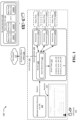
- FIG. 1 is a diagram illustrating an example environment 100 in which a service worker is configured to serve multiple single page applications (SPAs) that are hosted in the same uniform resource locator (URL) space (e.g., a domain within which the SPAs are hosted).
- a user device 102 is executing a browser 104 displaying a web page in a window and/or a tab.
- the browser 104 is configured to initiate a request for a URL that corresponds to the displayed web page, as referenced by 106.
- a user device 102 can include, but is not limited to, a desktop computer, a game console and/or a gaming device, a tablet computer, a personal data assistant (PDA), a mobile phone/tablet hybrid, a laptop computer, a telecommunication device, a wearable device, a work station, an augmented or virtual reality device, an Internet-of-Things (IoT) device, an embedded device, or any other sort of computing device configured to use a browsing component to display a web page.
- PDA personal data assistant
- IoT Internet-of-Things
- a service worker 108 that is configured on the user device 102, and that is positioned between the browser 104 and network server(s) 110 which can be accessed by the user device 102 via network(s) 112, intercepts this request.
- the service worker 108 is a script that the browser 104 executes in the background, separate from a thread that executes the displayed web page.
- the defined scope of the service worker 108 is a root directory 114 of a web site (e.g., 'www.contoso.com') that hosts multiple single page applications 116(1-N) (where N is a positive number such as 2, 3, 5, 10, etc.).
- a single page application can be a calendar application, a mail application, a search application, a lists application, and so forth.
- Each of the multiple single page applications 116(1-N) is associated with its own application controller 118(1-N) installed on the user device 102. Via the use of the application controllers 118(1-N), the single page applications 116(1-N) have the capability to define their own offline experience (e.g., a boot sequence) without having to access or receive files and/or instructions from the network server(s) 110 via an established connection over network(s) 112.
- the single page applications 116(1-N) have the capability to define their own offline experience (e.g., a boot sequence) without having to access or receive files and/or instructions from the network server(s) 110 via an established connection over network(s) 112.
- the router 120 is configured to identify a URL that provides a basis for a search of the routing table 122.
- the routing table 122 includes different entries that associate a URL, or a portion of a URL, with an identification of one of the single page applications 116(1-N). Accordingly, the router 120 is configured to determine whether a match exists between the URL associated with the request and a URL listed in an entry of the routing table 122. In various examples, the match is based on a route path, which is a URL relative to a host name with the query string removed. In other words, the route path is the remaining portion of the URL after the host name and the query string are removed. Thus, if the URL is 'www.contoso.com/site1/page2/querystring', then the route path would be 'site1/page2'.
- route paths rather than whole URLs, optimizes the process for determining matches and reduces the chance of error as the server worker 108 is able to compare shorter strings.
- the route path is normalized (e.g., includes only lower case letters) to ensure effective and efficient matching.
- the service worker 108 is configured to use the matching entry to identify one of the single page application 116(1-N) to which the route path refers.
- the URL associated with the request may be associated with single page application 116(1), and thus, the entry match reveals an identification of the single page application 116(1).
- the service worker 108 invokes a corresponding application controller 118(1) for the single page application 116(1). That is, the service worker 108 orchestrates or triggers performance of an event based on the request by calling on the application controller 118(1).
- no entry match 126 e.g., a cache miss
- the service worker 108 does not further interfere with the request and lets the request go to the network server(s) 110 for handling, as further described herein.
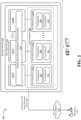
- FIG. 2 is a diagram illustrating an example environment 200 in which the service worker 108 and application controllers 118(1-N) corresponding to single page applications 116(1-N) served by the service worker 108 initially reside on the network server(s) 110 but are downloaded and installed on the user device 102 over network(s) 112.
- the browser of the user device 102 is configured to download and/or install the service worker 108, as well as the application controllers 118(1-N) and other data (e.g., files) for the single page applications 116(1-N) upon an initial network access 202 to a web page (e.g., a home page or welcome page) hosted within the root directory 114.
- the root directory 112 defines the scope for the service worker 108.
- FIG. 2 illustrates that each of the application controllers 118(1-N) defines its own offline experience 204, 206, 208.
- an offline experience 204, 206, 208 can include a boot sequence for a single page application, which can be implemented without having to access or receive files from the network server(s) 110 once the service worker 108 and the application controllers 118(1-N) are downloaded to the user device 102.
- Providing developers of a single page application with the flexibility to control offline scenarios is important because different single page applications may handle the loading and/or syncing of content differently in order to optimize a user experience.
- the service worker 108 is configured to serve multiple single page applications 116(1-N)
- the service worker 108 enables different experiences 204, 206, 208 to be executed via separate application controllers 118(1-N) associated with the single page applications 116(1-N).
- a URL can be a dynamic URL that can be associated with different ones of the single page applications 116(1-N) served by the service worker 108, in accordance with user-driven settings that define dynamic URLs and/or route paths in tenant accounts 210. That is, a setting associates a dynamic URL with one of the single page applications 116(1-N).
- a URL can alternatively be a static URL that is associated with that same single page application, regardless of any user-driven settings. In other words, the association between a static URL and a single page application is the same across the tenant accounts (e.g., there is no user control aspect with regard to which SPA a URL refers).
- static route paths 212, 214, 216 are part of the application controllers 118(1-N) and can be loaded into the routing table 122 when the application controllers 118(1-N) are downloaded to the user device 102 and/or installed on the user device 102.
- the application controllers 118(1-N) can include a property that defines the static route paths 212, 214, 216.
- entries based on these static URLs can be added to the routing table 122 immediately, even if a user has not requested that a static URL be loaded and executed in the browser. Consequently, an initial access to a static URL results in an entry match (e.g., a cache hit) and can be handled locally by the service worker 108 that has been downloaded to the user device 102.
- dynamic URLs e.g., dynamic route paths
- dynamic URLs are loaded into the routing table 122 in association with an initial access to its corresponding page in the root directory 114.
- the service worker 108 executes on the user device 102
- the service worker 108 allows the request go to the network server(s) 110 because there is no matching entry for the dynamic route path in the routing table 122 (e.g., a cache miss).
- the network server(s) 110 are able to determine the association between a dynamic route path and an identification of a single page application by checking the settings defined in a tenant account.
- the network server(s) 110 are configured to respond to the request and a header in the response maps a dynamic URL to the identification of the single page application.
- the service worker 108 executing on the user device 102 intercepts this response and adds an entry to the routing table 122 so that subsequent requests for the same dynamic URL being executed by the browser can be handled locally by the service worker 108.
- the service worker 108 executing on the user device 102 is an orchestrator of multiple application controllers that each serve a customized offline application experience.
- the service worker proxies various life cycle events (e.g., install, activate, etc.) against the registered application controllers, and orchestrates the performance of the life cycle events by relying on entries in a routing table that identify the appropriate single page application.
- the disclosed service worker can simultaneously serve multiple single page applications. Once loaded, the service worker can be persisted across application boundaries, yet within a defined root scope, thereby allowing resources to be shared by multiple single page applications in an effective and efficient manner. This improves subsequent load times of web content and allows a seamless end-user experience.
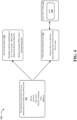
- FIG. 3 is a diagram 300 illustrating an example of how a service worker is configured to match a route path of a requested URL with a route path of an entry in a routing table, and to use the entry to determine a single page application to which the requested URL refers.
- FIG. 3 illustrates a main thread 302 being executed by a browser of a user device. The main thread is displaying four web pages in four different windows and/or tabs.
- a first web page includes 'www.contoso.com' 304
- a second web page includes 'www.contoso.com/site2/page3' 306
- a third web page includes 'www.acme.com/sitel/pagel' 308
- a fourth web page includes 'www.contoso.com/site3/page2' 310.
- FIG. 3 further illustrates a separate thread 312 in which the browser executes the service worker 108.
- the defined scope 314 of the service worker is all the single page applications hosted against a root directory for a web site, such as 'www.contoso.com' 316.
- these single page applications include "site 1", “site2', and "site3", and these single page applications can each include multiple different pages.
- the service worker 108 is configured to intercept requests for URLs 304, 306, 308, 310 displayed in the browser and determine if the request is within its scope. Accordingly, the service worker 108 is configured to handle requests for 'www.contoso.com' 304, 'www.contoso.com/site2/page3' 306, and 'www.contoso.com/site3/page2' 310, since they are within its scope. However, the service worker 108 is not configured to handle requests for 'www.acme.com/site1/page1' 308 since this web page is not within its scope.
- the router 120 checks the routing table 122 for a match.
- the routing table 122 includes a first entry which associates the root ( ⁇ /') route path for the URL 'www.contoso.com' 304 with an application identification for the SPA "site1".
- the routing table 122 includes a second entry which associates the route path "site2/page3" for the URL 'www.contoso.com/site2/page3' 306 with an application identification for the SPA "site2".
- the routing table 122 includes a third entry which associates the route path "site3/page2" for the URL 'www.contoso.com/site3/page2' 310 with an application identification for the SPA "site3".
- route paths in the entries can be dynamic route paths (e.g., the root 'I' may be configured to access SPAs for 'site I', 'site2', or 'site3') or static route paths (e.g., 'site2/page3' may only be configured to access the SPA for 'site2').
- the service worker 108 may be able to implement pattern matching within dynamic route paths to increase the match rate, or the cache hit rate, in case there is not an exact match for the whole route path.
- the pattern matching can use one or more segments as a predicate to increase the match rate. This ultimately conserves resources (e.g., networking resources) and reduces latency because a request does not need to be handled by the network servers.
- the service worker 108 can use pattern matching of one or more segments (e.g., 'site1') in the two route paths (e.g., 'site1/page1' and 'site1/page2') to determine that 'www.contoso.com/site1/page2' is also associated with the 'site1' single page application. This allows the application controller to be invoked locally without having to go to the network.
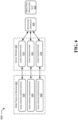
- FIG. 4 is a diagram 400 that illustrates components used by an application controller 402 to manage and perform life cycle operations for a single page application.
- Example life cycle operations can include an install operation, an activate operation, a deactivate operation, a request handling operation, a sync operation, a message operation, and so forth.
- the application controller 402 calls on an application handler 404 to respond to a navigation request, such as a fetch event, and/or other resource requests.
- the application controller 402 calls on an application handler 404 to render dynamic HTML using a streamed response.
- the application controller calls on an application configuration 406 to provide access to runtime configuration data stored in files 408 of local data stores 410.
- FIG. 5 represents an example process in accordance with various examples from the description of FIGS. 1-4 .
- the example operations shown in FIG. 5 can be implemented on or otherwise embodied in a user device 102, or other type of device, via a service worker.
- the operations in FIG. 5 can be implemented in hardware, software, and/or a combination thereof.
- the operations represent computer-executable instructions that, when executed by one or more processing units, cause one or more processing units to perform the recited operations.
- modules and components described herein can be stored in a computer-readable media and executed by at least one processing unit to perform the described operations.
- FIG. 5 is a flow diagram of an example method 500 for a service worker to serve multiple single page applications (SPAs) that are hosted in the same uniform resource locator (URL) space (e.g., a domain within which the SPAs are hosted).
- SPAs single page applications
- URL uniform resource locator
- a request from a browser executing on a user device is intercepted.
- the request is associated with a URL of a web page being displayed via a browser.
- at least a portion of the URL associated with the request is matched with a route path in an entry of a routing table.
- an identification of one of a plurality of single page applications is determined from the entry of the routing table.
- execution of an application controller associated with the one of the plurality of single page applications is invoked to handle the request associated with the URL.
- FIG. 6 is a diagram 600 that illustrates the use of client identifications to associate a single page application with different ones of multiple web pages, hosted by the single page applications, which are currently being displayed in different tabs or windows by the browser.
- client identifications can be used when multiple instances (e.g., different URLs) of the same single page application are being executed via the browser.
- a main thread of a browser 602 is displaying web pages for 'www.contoso.com/site1/page1' 604, 'www.contoso.com/site1/page2' 606, and 'www.contoso.com/site1/page3' 608.
- Each of these URLs are hosted by the same single page application 610 ('site1').
- the service worker 108 can assign client identifications 614, 616, 618 to the URLs 604, 606, 608, so that messages from each URL 604, 606, 608 executing in the browser can be mapped to the correct application controller 620, and so that resources can be appropriately provisioned to the different URLs 604, 606, 608 of the single page application 610.
- the routing table can be populated with these client identifications 614, 616, 618.
- FIG. 7 shows additional details of an example computer architecture 700 for a device capable of executing computer instructions (e.g., the service worker described herein).
- the computer architecture 700 illustrated in FIG. 7 includes processing unit(s) 702, a system memory 704, including a random access memory 706 ("RAM”) and a read-only memory (“ROM”) 708, and a system bus 710 that couples the memory 704 to the processing unit(s) 702.
- processing unit(s) 702 includes processing unit(s) 702, a system memory 704, including a random access memory 706 (“RAM”) and a read-only memory (“ROM”) 708, and a system bus 710 that couples the memory 704 to the processing unit(s) 702.
- RAM random access memory
- ROM read-only memory
- Processing unit(s) 702 can represent, for example, a CPU-type processing unit, a GPU-type processing unit, a field-programmable gate array (FPGA), another class of digital signal processor (DSP), or other hardware logic components that may, in some instances, be driven by a CPU.
- FPGA field-programmable gate array
- DSP digital signal processor
- illustrative types of hardware logic components that can be used include Application-Specific Integrated Circuits (ASICs), Application-Specific Standard Products (ASSPs), System-on-a-Chip Systems (SOCs), Complex Programmable Logic Devices (CPLDs), etc.
- ASICs Application-Specific Integrated Circuits
- ASSPs Application-Specific Standard Products
- SOCs System-on-a-Chip Systems
- CPLDs Complex Programmable Logic Devices
- the computer architecture 700 further includes a mass storage device 712 for storing an operating system 714, application(s) 716 (e.g., a browser), components 718 (e.g., a service worker, etc.), and other data described herein.
- application(s) 716 e.g., a browser
- components 718 e.g., a service worker, etc.
- the mass storage device 712 is connected to processing unit(s) 702 through a mass storage controller connected to the bus 710.
- the mass storage device 712 and its associated computer-readable media provide non-volatile storage for the computer architecture 700.
- computer-readable media can be any available computer-readable storage media or communication media that can be accessed by the computer architecture 700.
- Computer-readable media can include computer storage media and/or communication media.
- Computer storage media can include one or more of volatile memory, nonvolatile memory, and/or other persistent and/or auxiliary computer storage media, removable and non-removable computer storage media implemented in any method or technology for storage of information such as computer-readable instructions, data structures, program modules, or other data.
- computer storage media includes tangible and/or physical forms of media included in a device and/or hardware component that is part of a device or external to a device, including but not limited to random access memory (RAM), static random-access memory (SRAM), dynamic random-access memory (DRAM), phase change memory (PCM), read-only memory (ROM), erasable programmable read-only memory (EPROM), electrically erasable programmable read-only memory (EEPROM), flash memory, compact disc read-only memory (CD-ROM), digital versatile disks (DVDs), optical cards or other optical storage media, magnetic cassettes, magnetic tape, magnetic disk storage, magnetic cards or other magnetic storage devices or media, solid-state memory devices, storage arrays, network attached storage, storage area networks, hosted computer storage or any other storage memory, storage device, and/or storage medium that can be used to store and maintain information for access by a computing device.
- RAM random access memory
- SRAM static random-access memory
- DRAM dynamic random-access memory
- PCM phase change memory
- ROM read-only memory
- communication media can embody computer-readable instructions, data structures, program modules, or other data in a modulated data signal, such as a carrier wave, or other transmission mechanism.
- a modulated data signal such as a carrier wave, or other transmission mechanism.
- computer storage media does not include communication media. That is, computer storage media does not include communications media consisting solely of a modulated data signal, a carrier wave, or a propagated signal, per se.
- the computer architecture 700 may operate in a networked environment using logical connections to remote computers through the network 720.
- the computer architecture 700 may connect to the network(s) 720 through a network interface unit 722 connected to the bus 710.
- the computer architecture 700 also may include an input/output controller 724 for receiving and processing input from a number of other devices, including a keyboard, mouse, touch, or electronic stylus or pen. Similarly, the input/output controller 724 may provide output to a display screen, a printer, or other type of output device.
- Network(s) 720 can include, for example, public networks such as the Internet, private networks such as an institutional and/or personal intranet, or some combination of private and public networks.
- Network(s) 720 can also include any type of wired and/or wireless network, including but not limited to local area networks (LANs), wide area networks (WANs), satellite networks, cable networks, Wi-Fi networks, WiMax networks, mobile communications networks (e.g., 3G, 4G, and so forth) or any combination thereof.
- Network(s) 720 can utilize communications protocols, including packet-based and/or datagram-based protocols such as internet protocol (IP), transmission control protocol (TCP), user datagram protocol (UDP), or other types of protocols.
- IP internet protocol
- TCP transmission control protocol
- UDP user datagram protocol
- network(s) 720 can also include a number of devices that facilitate network communications and/or form a hardware basis for the networks, such as switches, routers, gateways, access points, firewalls, base stations, repeaters, backbone devices, and the
- the processing unit(s) 702 may be constructed from any number of transistors or other discrete circuit elements, which may individually or collectively assume any number of states. More specifically, the processing unit(s) 702 may operate as a finite-state machine, in response to executable instructions contained within the software modules disclosed herein. These computer-executable instructions may transform the processing unit(s) 702 by specifying how the processing unit(s) 702 transition between states, thereby transforming the transistors or other discrete hardware elements constituting the processing unit(s) 702.
- FIG. 8 depicts an illustrative distributed computing environment 800 within which the techniques described herein can be implemented.
- the distributed computing environment 800 can includes resources that can provide a service to user devices.
- the distributed computing environment 800 can include a computing environment 802 operating on, in communication with, or as part of the network 804.
- the network 804 can include various access networks.
- One or more client devices 806A-806N (hereinafter referred to collectively and/or generically as “clients 806" and also referred to herein as computing devices 806) can communicate with the computing environment 802 via the network 804.
- the clients 806 include a computing device 806A such as a laptop computer, a desktop computer, or other computing device; a slate or tablet computing device (“tablet computing device”) 806B; a mobile computing device 806C such as a mobile telephone, a smart phone, or other mobile computing device; a server computer 806D; and/or other devices 806N. It should be understood that any number of clients 806 can communicate with the computing environment 802.
- the computing environment 802 includes servers 808, data storage 810, and one or more network interfaces 812.
- the servers 808 can host various services, virtual machines, portals, and/or other resources.
- the servers 808 host virtual machines 814, Web portals 816, mailbox services 818, storage services 820, and/or social networking services 822.
- the servers 808 also can host other services, applications, portals, and/or other resources ("other resources") 824.
- Such services may include single page applications configured to render and display web pages via a browser.
- the computing environment 802 can include the data storage 810.
- the functionality of the data storage 810 is provided by one or more databases operating on, or in communication with, the network 804.
- the functionality of the data storage 810 also can be provided by one or more servers configured to host data for the computing environment 802.
- the data storage 810 can include, host, or provide one or more real or virtual datastores 826A-826N (hereinafter referred to collectively and/or generically as "datastores 826").
- the datastores 826 are configured to host data used or created by the servers 808 and/or other data.
- the datastores 826 also can host or store web page documents, word documents, presentation documents, data structures, algorithms for execution by a recommendation engine, and/or other data utilized by any application program. Aspects of the datastores 826 may be associated with a service for storing files.
- the computing environment 802 can communicate with, or be accessed by, the network interfaces 812.
- the network interfaces 812 can include various types of network hardware and software for supporting communications between two or more computing devices including, but not limited to, the computing devices and the servers. It should be appreciated that the network interfaces 812 also may be utilized to connect to other types of networks and/or computer systems.
- Encoding the software modules presented herein also may transform the physical structure of the computer-readable media presented herein.
- the specific transformation of physical structure may depend on various factors, in different implementations of this description. Examples of such factors may include, but are not limited to, the technology used to implement the computer-readable media, whether the computer-readable media is characterized as primary or secondary storage, and the like.
- the computer-readable media is implemented as semiconductor-based memory
- the software disclosed herein may be encoded on the computer-readable media by transforming the physical state of the semiconductor memory.
- the software may transform the state of transistors, capacitors, or other discrete circuit elements constituting the semiconductor memory.
- the software also may transform the physical state of such components in order to store data thereupon.
- any reference to “first,” “second,” etc. elements within the Summary and/or Detailed Description is not intended to and should not be construed to necessarily correspond to any reference of “first,” “second,” etc. elements of the claims. Rather, any use of “first” and “second” within the Summary, Detailed Description, and/or claims may be used to distinguish between two different instances of the same element (e.g., two different single page applications, two different operations, etc.).
Landscapes
- Engineering & Computer Science (AREA)
- Theoretical Computer Science (AREA)
- Computer Networks & Wireless Communication (AREA)
- Signal Processing (AREA)
- Databases & Information Systems (AREA)
- Physics & Mathematics (AREA)
- General Engineering & Computer Science (AREA)
- General Physics & Mathematics (AREA)
- Data Mining & Analysis (AREA)
- Software Systems (AREA)
- Computational Linguistics (AREA)
- Computer Security & Cryptography (AREA)
- Information Transfer Between Computers (AREA)
- Stored Programmes (AREA)
Claims (9)
- Computerimplementiertes Verfahren für einen Service Worker (108) zum Bedienen einer Vielzahl von Einzelseitenanwendungen (116), die in einem dynamischen Uniform-Resource-Locator-Raum, URL-Raum, gehostet wird, das umfasst:Abfangen (502), durch einen Service Worker (108), einer Anfrage (106) von einem Browser (104), der auf einer Benutzervorrichtung (102) ausgeführt wird, wobei die Anfrage (106) einer URL (304, 306, 308) einer Webseite zugeordnet ist, die über den Browser (104) angezeigt wird;Abgleichen (504) mindestens eines Teils der der Anfrage (106) zugeordneten URL (304, 306, 308) mit einem Routenpfad in einem Eintrag einer Routing-Tabelle (122);Ermitteln (506), aus dem Eintrag der Routing-Tabelle (122), einer Kennung einer der Vielzahl von Einzelseitenanwendungen (116), die durch den Service Worker (108) bedient wird; undAufrufen (508) der Ausführung einer Anwendungssteuereinheit (118), die einer der Vielzahl von Einzelseitenanwendungen (116) zugeordnet ist, um die der URL (304, 306, 308) zugeordnete Anfrage (106) zu verarbeiten, wobei das Verfahren dadurch gekennzeichnet ist, dassder Routenpfad einen statischen Routenpfad (212, 214, 216) umfasst, der Service Worker (108) und die Anwendungssteuereinheit (118) vor dem Abfangen der Anfrage (106) installiert werden und die Routing-Tabelle (122) mit dem Eintrag befüllt wird, der den statischen Routenpfad (212, 214, 216) gemäß einer in der Anwendungssteuereinheit (118) definierten Eigenschaft nach der Installation des Service Workers (108) und der Anwendungssteuereinheit (118) einschließt, oderder Routenpfad einen dynamischen Routenpfad (210) umfasst, der so konfigurierbar ist, dass er auf unterschiedliche der Vielzahl von Einzelseitenanwendungen (116) gemäß durch Mieter einer cloudbasierten Plattform, die die Vielzahl von Einzelseitenanwendungen (116) hostet, definierten Einstellungen zugreift, und die Routing-Tabelle (122) mit dem Eintrag befüllt wird, der den dynamischen Routenpfad (210) basierend auf einer abgefangenen Antwort von einem Netzwerkserver (110) einschließt, wenn anfänglich durch den Browser (104) auf die URL (304, 306, 308) zugegriffen wird, wobei ein Header der abgefangenen Antwort den dynamischen Routenpfad (210) zu der Kennung der einen der Vielzahl von Einzelseitenanwendungen (116) zuordnet.
- Computerimplementiertes Verfahren nach Anspruch 1, wobei:die Anwendungssteuereinheit (118) so konfiguriert ist, dass sie Lebenszyklusoperationen für die eine der Vielzahl von Einzelseitenanwendungen (116) verwaltet; unddie Lebenszyklusoperationen eines oder mehreres aus einer Installationsoperation, eine Aktivierungsoperation, einer Anfrageverarbeitungsoperation, einer Synchronisierungsoperation oder einer Nachrichtenoperation umfasst.
- Computerimplementiertes Verfahren nach Anspruch 1 oder Anspruch 2, wobei die Anwendungssteuereinheit (118) so konfiguriert ist, dass sie die Anfrage (106) gemäß einer Boot-Sequenz (204, 206, 208) verarbeitet, die durch die eine der Vielzahl von Einzelseitenanwendungen (116) definiert ist.
- Computerimplementiertes Verfahren nach einem der Ansprüche 1 bis 3, wobei die Anwendungssteuereinheit (118) getrennt von anderen Anwendungssteuereinheiten (118) ausgeführt wird, die anderen der Vielzahl von Einzelseitenanwendungen (116) zugeordnet sind.
- Computerimplementiertes Verfahren nach einem der Ansprüche 1 bis 4, wobei ein für den Service Worker (108) definierter Geltungsbereich (314) ein Stammverzeichnis (114) für eine Website umfasst, die den dynamischen URL-Raum einschließt.
- Computerimplementiertes Verfahren nach einem der Ansprüche 1 bis 5, wobei das Abgleichen mindestens des Teils der URL (304, 306, 308), der der Anfrage (106) zugeordnet ist, mit dem Routenpfad in dem Eintrag der Routing-Tabelle (122) ein Abgleichen von Mustern eines oder mehrerer Pfadsegmente umfasst.
- Computerimplementiertes Verfahren nach einem der Ansprüche 1 bis 6, das ferner umfasst:Zuweisen einer Vielzahl von Client-Kennungen (614, 616, 618) zu einer Vielzahl von Instanzen (604, 606, 608) der einen (610) der Vielzahl von Einzelseitenanwendungen (116), wobei die Vielzahl von Instanzen (604, 606, 608) in dem Browser (104) ausgeführt wird; undBefüllen der Routing-Tabelle (122) mit der Vielzahl von Client-Kennungen (614, 616, 618), um das Routing von Nachrichten durch den Service Worker (108) zwischen der Vielzahl von Instanzen (604, 606, 608) der einen (610) der Vielzahl von Einzelseitenanwendungen (116), die in dem Browser (104) ausgeführt werden, und der Anwendungssteuereinheit (118; 620) zu ermöglichen.
- Vorrichtung für einen Service Worker (108) zum Bedienen einer Vielzahl von Einzelseitenanwendungen (116), die in einem dynamischen Uniform-Resource-Locator-Raum, URL-Raum, gehostet wird, die umfasst:eine oder mehrere Verarbeitungseinheiten (702); undcomputerlesbare Speichermedien (712), auf den Anweisungen gespeichert sind, die, wenn sie durch die eine oder die mehreren Verarbeitungseinheiten (702) ausgeführt werden, die Vorrichtung veranlassen, Operationen durchzuführen, die umfassen:Abfangen (502) einer Anfrage (106) von einem Browser (104), der auf einer Benutzervorrichtung (102) ausgeführt wird, wobei die Anfrage (106) einer URL (304, 306, 308) einer Webseite zugeordnet ist, die über den Browser (104) angezeigt wird;
Abgleichen (504) mindestens eines Teils der der Anfrage (106) zugeordneten URL (304, 306, 308) mit einem Routenpfad in einem Eintrag einer Routing-Tabelle (122);Ermitteln (506), aus dem Eintrag der Routing-Tabelle (122), einer Kennung einer der Vielzahl von Einzelseitenanwendungen (116); undAufrufen (508) der Ausführung einer Anwendungssteuereinheit (118), die einer der Vielzahl von Einzelseitenanwendungen (116) zugeordnet ist, um die der URL (304, 306, 308) zugeordnete Anfrage (106) zu verarbeiten, wobei die Vorrichtung dadurch gekennzeichnet ist, dass die Operationen ferner umfassen:der Routenpfad einen statischen Routenpfad (212, 214, 216) umfasst, die Anwendungssteuereinheit (118) vor dem Abfangen der Anfrage (106) installiert wird und die Routing-Tabelle (122) mit dem Eintrag befüllt wird, der den statischen Routenpfad (212, 214, 216) gemäß einer in der Anwendungssteuereinheit (118) definierten Eigenschaft nach der Installation und der Anwendungssteuereinheit (118) einschließt, oderder Routenpfad einen dynamischen Routenpfad (210) umfasst, der so konfigurierbar ist, dass er auf unterschiedliche der Vielzahl von Einzelseitenanwendungen (116) gemäß durch Mieter einer cloudbasierten Plattform, die die Vielzahl von Einzelseitenanwendungen (116) hostet, definierten Einstellungen zugreift, und die Routing-Tabelle (122) mit dem Eintrag befüllt wird, der den dynamischen Routenpfad (210) basierend auf einer abgefangenen Antwort von einem Netzwerkserver (110) einschließt, wenn anfänglich durch den Browser (104) auf die URL (304, 306, 308) zugegriffen wird, wobei ein Header der abgefangenen Antwort den dynamischen Routenpfad (210) zu der Kennung der einen der Vielzahl von Einzelseitenanwendungen (116) zuordnet. - Computerlesbares Speichermedium (712), auf dem Anweisungen gespeichert sind, die, wenn sie durch eine oder mehrere Verarbeitungseinheiten (702) ausgeführt werden, eine Vorrichtung veranlassen, Operationen auszuführen, die umfassen:Abfangen (502) einer Anfrage (106) von einem Browser (104), der auf einer Benutzervorrichtung (102) ausgeführt wird, wobei die Anfrage (106) einer URL (304, 306, 308) einer Webseite zugeordnet ist, die über den Browser (104) angezeigt wird;Abgleichen (504) mindestens eines Teils der der Anfrage (106) zugeordneten URL (304, 306, 308) mit einem Routenpfad in einem Eintrag einer Routing-Tabelle (122);Ermitteln (506), aus dem Eintrag der Routing-Tabelle (122), einer Kennung einer der Vielzahl von Einzelseitenanwendungen (116); undAufrufen (508) der Ausführung einer Anwendungssteuereinheit (118), die einer der Vielzahl von Einzelseitenanwendungen (116) zugeordnet ist, um die der URL (304, 306, 308) zugeordnete Anfrage (106) zu verarbeiten, dadurch gekennzeichnet, dass die Operationen ferner umfassen:der Routenpfad einen statischen Routenpfad (212, 214, 216) umfasst, der Service Worker (108) und die Anwendungssteuereinheit (118) vor dem Abfangen der Anfrage (106) installiert werden und die Routing-Tabelle (122) mit dem Eintrag befüllt wird, der den statischen Routenpfad (212, 214, 216) gemäß einer in der Anwendungssteuereinheit (118) definierten Eigenschaft nach der Installation des Service Workers (108) und der Anwendungssteuereinheit (118) einschließt, oderder Routenpfad einen dynamischen Routenpfad (210) umfasst, der so konfigurierbar ist, dass er auf unterschiedliche der Vielzahl von Einzelseitenanwendungen (116) gemäß durch Mieter einer cloudbasierten Plattform, die die Vielzahl von Einzelseitenanwendungen (116) hostet, definierten Einstellungen zugreift, und die Routing-Tabelle (122) mit dem Eintrag befüllt wird, der den dynamischen Routenpfad (210) basierend auf einer abgefangenen Antwort von einem Netzwerkserver (110) einschließt, wenn anfänglich durch den Browser (104) auf die URL (304, 306, 308) zugegriffen wird, wobei ein Header der abgefangenen Antwort den dynamischen Routenpfad (210) zu der Kennung der einen der Vielzahl von Einzelseitenanwendungen (116) zuordnet.
Priority Applications (1)
| Application Number | Priority Date | Filing Date | Title |
|---|---|---|---|
| EP24197245.4A EP4447419B1 (de) | 2020-06-01 | 2021-03-23 | Dienstarbeiter mit konfiguration zur bereitstellung mehrerer einzelseitenanwendungen |
Applications Claiming Priority (3)
| Application Number | Priority Date | Filing Date | Title |
|---|---|---|---|
| US202063033147P | 2020-06-01 | 2020-06-01 | |
| US16/944,842 US11553030B2 (en) | 2020-06-01 | 2020-07-31 | Service worker configured to serve multiple single page applications |
| PCT/US2021/023551 WO2021247119A1 (en) | 2020-06-01 | 2021-03-23 | Service worker configured to serve multiple single page applications |
Related Child Applications (1)
| Application Number | Title | Priority Date | Filing Date |
|---|---|---|---|
| EP24197245.4A Division EP4447419B1 (de) | 2020-06-01 | 2021-03-23 | Dienstarbeiter mit konfiguration zur bereitstellung mehrerer einzelseitenanwendungen |
Publications (2)
| Publication Number | Publication Date |
|---|---|
| EP4158877A1 EP4158877A1 (de) | 2023-04-05 |
| EP4158877B1 true EP4158877B1 (de) | 2024-09-18 |
Family
ID=78704379
Family Applications (2)
| Application Number | Title | Priority Date | Filing Date |
|---|---|---|---|
| EP21718997.6A Active EP4158877B1 (de) | 2020-06-01 | 2021-03-23 | Dienstarbeiter mit konfiguration zur bereitstellung mehrerer einzelseitenanwendungen |
| EP24197245.4A Active EP4447419B1 (de) | 2020-06-01 | 2021-03-23 | Dienstarbeiter mit konfiguration zur bereitstellung mehrerer einzelseitenanwendungen |
Family Applications After (1)
| Application Number | Title | Priority Date | Filing Date |
|---|---|---|---|
| EP24197245.4A Active EP4447419B1 (de) | 2020-06-01 | 2021-03-23 | Dienstarbeiter mit konfiguration zur bereitstellung mehrerer einzelseitenanwendungen |
Country Status (4)
| Country | Link |
|---|---|
| US (1) | US11553030B2 (de) |
| EP (2) | EP4158877B1 (de) |
| CN (1) | CN115668894A (de) |
| WO (1) | WO2021247119A1 (de) |
Families Citing this family (9)
| Publication number | Priority date | Publication date | Assignee | Title |
|---|---|---|---|---|
| JP7568898B2 (ja) * | 2020-08-21 | 2024-10-17 | 富士通株式会社 | 通信プログラム、通信方法、及び通信装置 |
| US20220253320A1 (en) * | 2021-02-10 | 2022-08-11 | Yandex Europe Ag | Method and system for operating a web application on a device |
| US11868342B2 (en) * | 2021-06-29 | 2024-01-09 | Walmart Apollo, Llc | Systems and methods for generating dynamic instructions for database querying and data retrieval |
| US11411800B1 (en) * | 2021-07-28 | 2022-08-09 | Intuit Inc. | High resiliency content delivery network backup mechanism for micro frontend web applications |
| US11422829B1 (en) * | 2021-11-17 | 2022-08-23 | Morgan Stanley Services Group Inc. | Systems and methods for resilient service worker bridge |
| CN114911458B (zh) * | 2021-12-28 | 2024-06-21 | 天翼数字生活科技有限公司 | 一种可配置的集成场景自动化前端页面设计方案 |
| CN115421730A (zh) * | 2022-09-26 | 2022-12-02 | 江苏深瑞汇阳能源科技有限公司 | 一种页面内动态加载不限格式静态资源文件的方法 |
| CN115857923A (zh) * | 2022-11-25 | 2023-03-28 | 天翼数字生活科技有限公司 | 一种客户端多模块路由跳转方法、装置、终端及介质 |
| US12278881B1 (en) * | 2023-10-25 | 2025-04-15 | Microsoft Technology Licensing, Llc | Domain agnostic offline runtime for single page applications |
Family Cites Families (16)
| Publication number | Priority date | Publication date | Assignee | Title |
|---|---|---|---|---|
| US8250207B2 (en) * | 2009-01-28 | 2012-08-21 | Headwater Partners I, Llc | Network based ambient services |
| WO2010065796A1 (en) * | 2008-12-03 | 2010-06-10 | Mobophiles, Inc. | System and method for providing virtual web access |
| US8438289B1 (en) | 2010-06-07 | 2013-05-07 | Google Inc. | Cross-domain communications with a shared worker application |
| US9384101B2 (en) * | 2011-07-26 | 2016-07-05 | Apple Inc. | Web application architecture |
| US10652087B2 (en) * | 2012-12-13 | 2020-05-12 | Level 3 Communications, Llc | Content delivery framework having fill services |
| US9628344B2 (en) * | 2012-12-13 | 2017-04-18 | Level 3 Communications, Llc | Framework supporting content delivery with reducer services network |
| AU2015317790B2 (en) * | 2014-09-16 | 2019-06-13 | Palo Alto Networks, Inc. | Methods and systems for business intent driven policy based network traffic characterization, monitoring and control |
| US9967309B2 (en) | 2014-10-06 | 2018-05-08 | Microsoft Technology Licensing, Llc | Dynamic loading of routes in a single-page application |
| US9774572B2 (en) * | 2015-05-11 | 2017-09-26 | Salesforce.Com, Inc. | Obfuscation of references to network resources |
| US20170034306A1 (en) * | 2015-07-30 | 2017-02-02 | Nasdaq, Inc. | Software application architecture |
| CN107800562B (zh) | 2017-02-16 | 2019-03-01 | 平安科技(深圳)有限公司 | 一种视图文件的路由配置方法和装置 |
| US11106860B2 (en) * | 2017-07-24 | 2021-08-31 | Wix.Com Ltd. | Common database for live operation and testing of a website |
| US20190065217A1 (en) | 2017-08-24 | 2019-02-28 | Appy Pie Llc | System and method for creating, distributing & rendering progressive web applications |
| US10496381B2 (en) | 2017-11-27 | 2019-12-03 | Microsoft Technology Licensing, Llc | Progressive web app auto-ingestion |
| US10958662B1 (en) * | 2019-01-24 | 2021-03-23 | Fyde, Inc. | Access proxy platform |
| CN111143729B (zh) * | 2019-12-11 | 2023-09-15 | 中国平安财产保险股份有限公司 | 基于单页面应用的优化方法、装置、设备及存储介质 |
-
2020
- 2020-07-31 US US16/944,842 patent/US11553030B2/en active Active
-
2021
- 2021-03-23 EP EP21718997.6A patent/EP4158877B1/de active Active
- 2021-03-23 EP EP24197245.4A patent/EP4447419B1/de active Active
- 2021-03-23 WO PCT/US2021/023551 patent/WO2021247119A1/en not_active Ceased
- 2021-03-23 CN CN202180039422.8A patent/CN115668894A/zh active Pending
Also Published As
| Publication number | Publication date |
|---|---|
| EP4158877A1 (de) | 2023-04-05 |
| EP4447419A2 (de) | 2024-10-16 |
| CN115668894A (zh) | 2023-01-31 |
| EP4447419B1 (de) | 2026-05-13 |
| WO2021247119A1 (en) | 2021-12-09 |
| EP4447419A3 (de) | 2024-12-18 |
| US20210377332A1 (en) | 2021-12-02 |
| US11553030B2 (en) | 2023-01-10 |
Similar Documents
| Publication | Publication Date | Title |
|---|---|---|
| EP4447419B1 (de) | Dienstarbeiter mit konfiguration zur bereitstellung mehrerer einzelseitenanwendungen | |
| EP2724251B1 (de) | Verfahren zur lesezeichenfähigkeit und crawlfähigkeit von ajax-webanwendungen und vorrichtungen dafür | |
| US9197487B2 (en) | High performance DNS traffic management | |
| US10915637B2 (en) | Method, client, and system for testing application | |
| US8037127B2 (en) | In-line network device for storing application-layer data, processing instructions, and/or rule sets | |
| US20130019089A1 (en) | Applying settings in a cloud computing environment based on geographical region | |
| CN110830374B (zh) | 一种基于sdk的灰度发布的方法和装置 | |
| US11134117B1 (en) | Network request intercepting framework for compliance monitoring | |
| US20180343174A1 (en) | Rule based page processing and network request processing in browsers | |
| US20110231482A1 (en) | Automated Optimization Based On Determination Of Website Usage Scenario | |
| US11853806B2 (en) | Cloud computing platform that executes third-party code in a distributed cloud computing network and uses a distributed data store | |
| US10574724B2 (en) | Automatic discovery of management nodes and generation of CLI using HA module | |
| US20150222664A1 (en) | Conflict resolution in extension induced modifications to web requests and web page content | |
| CN107103233A (zh) | 用于基于动态域的隔离的技术 | |
| US20130198409A1 (en) | Efficient implementation of user-provided dns names | |
| AU2019446557A1 (en) | Secure web application delivery platform | |
| CA2640696C (en) | Storing and retrieving user context data | |
| WO2022090847A1 (en) | Handling deferrable network requests | |
| US11212351B2 (en) | Aggregated conversion measurement | |
| US11621995B2 (en) | Preloading on-demand code pieces in a distributed cloud computing network | |
| US20180052930A1 (en) | System, Method and Apparatus for Dynamically Identifying Pop-out Links in Networked Applications via Lookup | |
| US10958580B2 (en) | System and method of performing load balancing over an overlay network | |
| US20040221021A1 (en) | High performance managed runtime environment application manager equipped to manage natively targeted applications | |
| US10180985B2 (en) | Apparatus and method for automatically redirecting a search | |
| US10645174B2 (en) | Enabling multiple sessions in a single browser |
Legal Events
| Date | Code | Title | Description |
|---|---|---|---|
| STAA | Information on the status of an ep patent application or granted ep patent |
Free format text: STATUS: UNKNOWN |
|
| STAA | Information on the status of an ep patent application or granted ep patent |
Free format text: STATUS: THE INTERNATIONAL PUBLICATION HAS BEEN MADE |
|
| PUAI | Public reference made under article 153(3) epc to a published international application that has entered the european phase |
Free format text: ORIGINAL CODE: 0009012 |
|
| STAA | Information on the status of an ep patent application or granted ep patent |
Free format text: STATUS: REQUEST FOR EXAMINATION WAS MADE |
|
| 17P | Request for examination filed |
Effective date: 20221110 |
|
| AK | Designated contracting states |
Kind code of ref document: A1 Designated state(s): AL AT BE BG CH CY CZ DE DK EE ES FI FR GB GR HR HU IE IS IT LI LT LU LV MC MK MT NL NO PL PT RO RS SE SI SK SM TR |
|
| DAV | Request for validation of the european patent (deleted) | ||
| DAX | Request for extension of the european patent (deleted) | ||
| REG | Reference to a national code |
Ref country code: DE Free format text: PREVIOUS MAIN CLASS: H04L0029080000 Ref legal event code: R079 Ref document number: 602021018973 Country of ref document: DE Ipc: G06F0016957000 |
|
| RIC1 | Information provided on ipc code assigned before grant |
Ipc: H04L 45/00 20220101ALN20240411BHEP Ipc: H04L 67/63 20220101ALI20240411BHEP Ipc: H04L 67/10 20220101ALI20240411BHEP Ipc: H04L 67/02 20220101ALI20240411BHEP Ipc: H04L 67/00 20220101ALI20240411BHEP Ipc: G06F 9/445 20180101ALI20240411BHEP Ipc: G06F 16/957 20190101AFI20240411BHEP |
|
| GRAP | Despatch of communication of intention to grant a patent |
Free format text: ORIGINAL CODE: EPIDOSNIGR1 |
|
| STAA | Information on the status of an ep patent application or granted ep patent |
Free format text: STATUS: GRANT OF PATENT IS INTENDED |
|
| INTG | Intention to grant announced |
Effective date: 20240531 |
|
| GRAS | Grant fee paid |
Free format text: ORIGINAL CODE: EPIDOSNIGR3 |
|
| GRAA | (expected) grant |
Free format text: ORIGINAL CODE: 0009210 |
|
| STAA | Information on the status of an ep patent application or granted ep patent |
Free format text: STATUS: THE PATENT HAS BEEN GRANTED |
|
| AK | Designated contracting states |
Kind code of ref document: B1 Designated state(s): AL AT BE BG CH CY CZ DE DK EE ES FI FR GB GR HR HU IE IS IT LI LT LU LV MC MK MT NL NO PL PT RO RS SE SI SK SM TR |
|
| P01 | Opt-out of the competence of the unified patent court (upc) registered |
Free format text: CASE NUMBER: APP_46800/2024 Effective date: 20240813 |
|
| REG | Reference to a national code |
Ref country code: GB Ref legal event code: FG4D |
|
| REG | Reference to a national code |
Ref country code: CH Ref legal event code: EP |
|
| REG | Reference to a national code |
Ref country code: IE Ref legal event code: FG4D |
|
| REG | Reference to a national code |
Ref country code: DE Ref legal event code: R096 Ref document number: 602021018973 Country of ref document: DE |
|
| REG | Reference to a national code |
Ref country code: LT Ref legal event code: MG9D |
|
| PG25 | Lapsed in a contracting state [announced via postgrant information from national office to epo] |
Ref country code: NO Free format text: LAPSE BECAUSE OF FAILURE TO SUBMIT A TRANSLATION OF THE DESCRIPTION OR TO PAY THE FEE WITHIN THE PRESCRIBED TIME-LIMIT Effective date: 20241218 |
|
| PG25 | Lapsed in a contracting state [announced via postgrant information from national office to epo] |
Ref country code: GR Free format text: LAPSE BECAUSE OF FAILURE TO SUBMIT A TRANSLATION OF THE DESCRIPTION OR TO PAY THE FEE WITHIN THE PRESCRIBED TIME-LIMIT Effective date: 20241219 Ref country code: FI Free format text: LAPSE BECAUSE OF FAILURE TO SUBMIT A TRANSLATION OF THE DESCRIPTION OR TO PAY THE FEE WITHIN THE PRESCRIBED TIME-LIMIT Effective date: 20240918 |
|
| PG25 | Lapsed in a contracting state [announced via postgrant information from national office to epo] |
Ref country code: BG Free format text: LAPSE BECAUSE OF FAILURE TO SUBMIT A TRANSLATION OF THE DESCRIPTION OR TO PAY THE FEE WITHIN THE PRESCRIBED TIME-LIMIT Effective date: 20240918 |
|
| PG25 | Lapsed in a contracting state [announced via postgrant information from national office to epo] |
Ref country code: LV Free format text: LAPSE BECAUSE OF FAILURE TO SUBMIT A TRANSLATION OF THE DESCRIPTION OR TO PAY THE FEE WITHIN THE PRESCRIBED TIME-LIMIT Effective date: 20240918 |
|
| PG25 | Lapsed in a contracting state [announced via postgrant information from national office to epo] |
Ref country code: HR Free format text: LAPSE BECAUSE OF FAILURE TO SUBMIT A TRANSLATION OF THE DESCRIPTION OR TO PAY THE FEE WITHIN THE PRESCRIBED TIME-LIMIT Effective date: 20240918 |
|
| REG | Reference to a national code |
Ref country code: NL Ref legal event code: MP Effective date: 20240918 |
|
| PG25 | Lapsed in a contracting state [announced via postgrant information from national office to epo] |
Ref country code: RS Free format text: LAPSE BECAUSE OF FAILURE TO SUBMIT A TRANSLATION OF THE DESCRIPTION OR TO PAY THE FEE WITHIN THE PRESCRIBED TIME-LIMIT Effective date: 20241218 |
|
| PG25 | Lapsed in a contracting state [announced via postgrant information from national office to epo] |
Ref country code: RS Free format text: LAPSE BECAUSE OF FAILURE TO SUBMIT A TRANSLATION OF THE DESCRIPTION OR TO PAY THE FEE WITHIN THE PRESCRIBED TIME-LIMIT Effective date: 20241218 Ref country code: NO Free format text: LAPSE BECAUSE OF FAILURE TO SUBMIT A TRANSLATION OF THE DESCRIPTION OR TO PAY THE FEE WITHIN THE PRESCRIBED TIME-LIMIT Effective date: 20241218 Ref country code: LV Free format text: LAPSE BECAUSE OF FAILURE TO SUBMIT A TRANSLATION OF THE DESCRIPTION OR TO PAY THE FEE WITHIN THE PRESCRIBED TIME-LIMIT Effective date: 20240918 Ref country code: HR Free format text: LAPSE BECAUSE OF FAILURE TO SUBMIT A TRANSLATION OF THE DESCRIPTION OR TO PAY THE FEE WITHIN THE PRESCRIBED TIME-LIMIT Effective date: 20240918 Ref country code: GR Free format text: LAPSE BECAUSE OF FAILURE TO SUBMIT A TRANSLATION OF THE DESCRIPTION OR TO PAY THE FEE WITHIN THE PRESCRIBED TIME-LIMIT Effective date: 20241219 Ref country code: FI Free format text: LAPSE BECAUSE OF FAILURE TO SUBMIT A TRANSLATION OF THE DESCRIPTION OR TO PAY THE FEE WITHIN THE PRESCRIBED TIME-LIMIT Effective date: 20240918 Ref country code: BG Free format text: LAPSE BECAUSE OF FAILURE TO SUBMIT A TRANSLATION OF THE DESCRIPTION OR TO PAY THE FEE WITHIN THE PRESCRIBED TIME-LIMIT Effective date: 20240918 |
|
| REG | Reference to a national code |
Ref country code: AT Ref legal event code: MK05 Ref document number: 1725282 Country of ref document: AT Kind code of ref document: T Effective date: 20240918 |
|
| PG25 | Lapsed in a contracting state [announced via postgrant information from national office to epo] |
Ref country code: NL Free format text: LAPSE BECAUSE OF FAILURE TO SUBMIT A TRANSLATION OF THE DESCRIPTION OR TO PAY THE FEE WITHIN THE PRESCRIBED TIME-LIMIT Effective date: 20240918 |
|
| PG25 | Lapsed in a contracting state [announced via postgrant information from national office to epo] |
Ref country code: IS Free format text: LAPSE BECAUSE OF FAILURE TO SUBMIT A TRANSLATION OF THE DESCRIPTION OR TO PAY THE FEE WITHIN THE PRESCRIBED TIME-LIMIT Effective date: 20250118 Ref country code: PT Free format text: LAPSE BECAUSE OF FAILURE TO SUBMIT A TRANSLATION OF THE DESCRIPTION OR TO PAY THE FEE WITHIN THE PRESCRIBED TIME-LIMIT Effective date: 20250120 |
|
| PG25 | Lapsed in a contracting state [announced via postgrant information from national office to epo] |
Ref country code: RO Free format text: LAPSE BECAUSE OF FAILURE TO SUBMIT A TRANSLATION OF THE DESCRIPTION OR TO PAY THE FEE WITHIN THE PRESCRIBED TIME-LIMIT Effective date: 20240918 Ref country code: SM Free format text: LAPSE BECAUSE OF FAILURE TO SUBMIT A TRANSLATION OF THE DESCRIPTION OR TO PAY THE FEE WITHIN THE PRESCRIBED TIME-LIMIT Effective date: 20240918 |
|
| PG25 | Lapsed in a contracting state [announced via postgrant information from national office to epo] |
Ref country code: ES Free format text: LAPSE BECAUSE OF FAILURE TO SUBMIT A TRANSLATION OF THE DESCRIPTION OR TO PAY THE FEE WITHIN THE PRESCRIBED TIME-LIMIT Effective date: 20240918 |
|
| PG25 | Lapsed in a contracting state [announced via postgrant information from national office to epo] |
Ref country code: AT Free format text: LAPSE BECAUSE OF FAILURE TO SUBMIT A TRANSLATION OF THE DESCRIPTION OR TO PAY THE FEE WITHIN THE PRESCRIBED TIME-LIMIT Effective date: 20240918 Ref country code: EE Free format text: LAPSE BECAUSE OF FAILURE TO SUBMIT A TRANSLATION OF THE DESCRIPTION OR TO PAY THE FEE WITHIN THE PRESCRIBED TIME-LIMIT Effective date: 20240918 |
|
| PG25 | Lapsed in a contracting state [announced via postgrant information from national office to epo] |
Ref country code: CZ Free format text: LAPSE BECAUSE OF FAILURE TO SUBMIT A TRANSLATION OF THE DESCRIPTION OR TO PAY THE FEE WITHIN THE PRESCRIBED TIME-LIMIT Effective date: 20240918 Ref country code: PL Free format text: LAPSE BECAUSE OF FAILURE TO SUBMIT A TRANSLATION OF THE DESCRIPTION OR TO PAY THE FEE WITHIN THE PRESCRIBED TIME-LIMIT Effective date: 20240918 |
|
| PG25 | Lapsed in a contracting state [announced via postgrant information from national office to epo] |
Ref country code: IT Free format text: LAPSE BECAUSE OF FAILURE TO SUBMIT A TRANSLATION OF THE DESCRIPTION OR TO PAY THE FEE WITHIN THE PRESCRIBED TIME-LIMIT Effective date: 20240918 Ref country code: SK Free format text: LAPSE BECAUSE OF FAILURE TO SUBMIT A TRANSLATION OF THE DESCRIPTION OR TO PAY THE FEE WITHIN THE PRESCRIBED TIME-LIMIT Effective date: 20240918 |
|
| REG | Reference to a national code |
Ref country code: DE Ref legal event code: R097 Ref document number: 602021018973 Country of ref document: DE |
|
| PG25 | Lapsed in a contracting state [announced via postgrant information from national office to epo] |
Ref country code: DK Free format text: LAPSE BECAUSE OF FAILURE TO SUBMIT A TRANSLATION OF THE DESCRIPTION OR TO PAY THE FEE WITHIN THE PRESCRIBED TIME-LIMIT Effective date: 20240918 |
|
| PLBE | No opposition filed within time limit |
Free format text: ORIGINAL CODE: 0009261 |
|
| STAA | Information on the status of an ep patent application or granted ep patent |
Free format text: STATUS: NO OPPOSITION FILED WITHIN TIME LIMIT |
|
| 26N | No opposition filed |
Effective date: 20250619 |
|
| PG25 | Lapsed in a contracting state [announced via postgrant information from national office to epo] |
Ref country code: SE Free format text: LAPSE BECAUSE OF FAILURE TO SUBMIT A TRANSLATION OF THE DESCRIPTION OR TO PAY THE FEE WITHIN THE PRESCRIBED TIME-LIMIT Effective date: 20240918 |
|
| PG25 | Lapsed in a contracting state [announced via postgrant information from national office to epo] |
Ref country code: MC Free format text: LAPSE BECAUSE OF FAILURE TO SUBMIT A TRANSLATION OF THE DESCRIPTION OR TO PAY THE FEE WITHIN THE PRESCRIBED TIME-LIMIT Effective date: 20240918 |
|
| REG | Reference to a national code |
Ref country code: CH Ref legal event code: H13 Free format text: ST27 STATUS EVENT CODE: U-0-0-H10-H13 (AS PROVIDED BY THE NATIONAL OFFICE) Effective date: 20251023 |
|
| PG25 | Lapsed in a contracting state [announced via postgrant information from national office to epo] |
Ref country code: LU Free format text: LAPSE BECAUSE OF NON-PAYMENT OF DUE FEES Effective date: 20250323 |
|
| REG | Reference to a national code |
Ref country code: BE Ref legal event code: MM Effective date: 20250331 |
|
| PG25 | Lapsed in a contracting state [announced via postgrant information from national office to epo] |
Ref country code: FR Free format text: LAPSE BECAUSE OF NON-PAYMENT OF DUE FEES Effective date: 20250331 |
|
| PG25 | Lapsed in a contracting state [announced via postgrant information from national office to epo] |
Ref country code: BE Free format text: LAPSE BECAUSE OF NON-PAYMENT OF DUE FEES Effective date: 20250331 |
|
| PG25 | Lapsed in a contracting state [announced via postgrant information from national office to epo] |
Ref country code: CH Free format text: LAPSE BECAUSE OF NON-PAYMENT OF DUE FEES Effective date: 20250331 |
|
| PG25 | Lapsed in a contracting state [announced via postgrant information from national office to epo] |
Ref country code: IE Free format text: LAPSE BECAUSE OF NON-PAYMENT OF DUE FEES Effective date: 20250323 |
|
| PGFP | Annual fee paid to national office [announced via postgrant information from national office to epo] |
Ref country code: GB Payment date: 20260219 Year of fee payment: 6 |
|
| PGFP | Annual fee paid to national office [announced via postgrant information from national office to epo] |
Ref country code: DE Payment date: 20260219 Year of fee payment: 6 |