EP4155918B1 - Verfahren und vorrichtung zur isolierten ausführung eines computercodes mit einem nativen codeteil - Google Patents
Verfahren und vorrichtung zur isolierten ausführung eines computercodes mit einem nativen codeteil Download PDFInfo
- Publication number
- EP4155918B1 EP4155918B1 EP21198660.9A EP21198660A EP4155918B1 EP 4155918 B1 EP4155918 B1 EP 4155918B1 EP 21198660 A EP21198660 A EP 21198660A EP 4155918 B1 EP4155918 B1 EP 4155918B1
- Authority
- EP
- European Patent Office
- Prior art keywords
- tenant
- computer
- computer code
- code
- intra
- Prior art date
- Legal status (The legal status is an assumption and is not a legal conclusion. Google has not performed a legal analysis and makes no representation as to the accuracy of the status listed.)
- Active
Links
Images


Classifications
-
- G—PHYSICS
- G06—COMPUTING OR CALCULATING; COUNTING
- G06F—ELECTRIC DIGITAL DATA PROCESSING
- G06F21/00—Security arrangements for protecting computers, components thereof, programs or data against unauthorised activity
- G06F21/50—Monitoring users, programs or devices to maintain the integrity of platforms, e.g. of processors, firmware or operating systems
- G06F21/52—Monitoring users, programs or devices to maintain the integrity of platforms, e.g. of processors, firmware or operating systems during program execution, e.g. stack integrity ; Preventing unwanted data erasure; Buffer overflow
- G06F21/53—Monitoring users, programs or devices to maintain the integrity of platforms, e.g. of processors, firmware or operating systems during program execution, e.g. stack integrity ; Preventing unwanted data erasure; Buffer overflow by executing in a restricted environment, e.g. sandbox or secure virtual machine
-
- G—PHYSICS
- G06—COMPUTING OR CALCULATING; COUNTING
- G06F—ELECTRIC DIGITAL DATA PROCESSING
- G06F9/00—Arrangements for program control, e.g. control units
- G06F9/06—Arrangements for program control, e.g. control units using stored programs, i.e. using an internal store of processing equipment to receive or retain programs
- G06F9/44—Arrangements for executing specific programs
- G06F9/455—Emulation; Interpretation; Software simulation, e.g. virtualisation or emulation of application or operating system execution engines
- G06F9/45504—Abstract machines for programme code execution, e.g. Java virtual machine [JVM], interpreters, emulators
- G06F9/45516—Runtime code conversion or optimisation
-
- G—PHYSICS
- G06—COMPUTING OR CALCULATING; COUNTING
- G06F—ELECTRIC DIGITAL DATA PROCESSING
- G06F9/00—Arrangements for program control, e.g. control units
- G06F9/06—Arrangements for program control, e.g. control units using stored programs, i.e. using an internal store of processing equipment to receive or retain programs
- G06F9/44—Arrangements for executing specific programs
- G06F9/445—Program loading or initiating
- G06F9/44521—Dynamic linking or loading; Link editing at or after load time, e.g. Java class loading
-
- G—PHYSICS
- G06—COMPUTING OR CALCULATING; COUNTING
- G06F—ELECTRIC DIGITAL DATA PROCESSING
- G06F9/00—Arrangements for program control, e.g. control units
- G06F9/06—Arrangements for program control, e.g. control units using stored programs, i.e. using an internal store of processing equipment to receive or retain programs
- G06F9/44—Arrangements for executing specific programs
- G06F9/455—Emulation; Interpretation; Software simulation, e.g. virtualisation or emulation of application or operating system execution engines
- G06F9/45504—Abstract machines for programme code execution, e.g. Java virtual machine [JVM], interpreters, emulators
-
- G—PHYSICS
- G06—COMPUTING OR CALCULATING; COUNTING
- G06F—ELECTRIC DIGITAL DATA PROCESSING
- G06F9/00—Arrangements for program control, e.g. control units
- G06F9/06—Arrangements for program control, e.g. control units using stored programs, i.e. using an internal store of processing equipment to receive or retain programs
- G06F9/46—Multiprogramming arrangements
- G06F9/54—Interprogram communication
- G06F9/546—Message passing systems or structures, e.g. queues
Definitions
- Various example embodiments relate to a method for isolated execution of computer code with a native code portion.
- Some cloud computing providers provide services allowing secure execution of third-party code from various tenants on a shared compute infrastructure.
- a cloud computing platform then provides execution environments for execution of such third-party codes. Code from one tenant is prevented from accessing and/or modifying the code, data, and keys of other tenants. As such, the execution environments are isolated from one another.
- Such isolated execution environments may be provided by virtual machine based isolation where code of different tenants runs in different virtual machines, or by container based isolation where code of different tenants runs in different containers within an operating system.
- US 9471353 B1 discloses technologies for isolating tenants executing in a multi-tenant software container.
- Mechanisms for resource isolation allow tenants executing in a multi-tenant software container to be isolated in order to prevent resource starvation by one or more of the tenants.
- Mechanisms for dependency isolation may be utilized to prevent one tenant executing in a multi-tenant software container from using another tenant in the same container in a manner that requires co-tenancy.
- Mechanisms for security isolation may be utilized to prevent one tenant in a multi-tenant software container from accessing protected data or functionality of another tenant.
- a single process provides a plurality of isolated execution environments each executing a third-party code. Code in such an intra-process execution environment cannot interfere with other code despite being executed within the same process. This may for example be achieved by preventing the code from requesting access to arbitrary memory or by interpreting pointers within a private address space.
- the process is a runtime engine, e.g. a JavaScript engine, that interprets or executes different third-party codes, e.g. JavaScript code, in an isolated manner written for the runtime system.
- a runtime engine e.g. a JavaScript engine
- interprets or executes different third-party codes e.g. JavaScript code
- a computer code is executed for a tenant in an intra-process execution environment.
- the request may for example be triggered by an external event, e.g. an HTTP request, a database update, a remote procedure call, or an application-specific notification.
- the intra-process execution environment runs in a tenant-specific process or in a global process.
- a single global process and a single tenant-specific process can run one or more of such intra-process execution environments.
- the global process can securely execute computer code associated with different tenants when the code does not include a native code portion.
- a native code portion may for example be, amongst others, machine code or a code compiled from a low-level programming language such as C or C++.
- 'isolation' and 'secure execution' refer to preventing code executed on behalf of one tenant to access or modify the code or data of another tenant.
- Computer code executed in an isolated intra-process execution environment of the global process is thus prevented from accessing and/or modifying the code, data, and keys in other intra-process execution environments in the global process.
- computer codes associated with different tenants can be executed securely in a single global process, without starting a single process for every tenant. It is thus an advantage that for computer code without a native code portion the limited start-up latency, resource overhead, and cost per tenant to execute computer code in isolated intra-process execution environments can be maintained.
- Computer code comprising a native code portion is executed in a tenant-specific process.
- the tenant-specific process is associated with a single tenant, i.e. the tenant-specific process is configured to only execute computer code from one specific tenant.
- native code portions can be securely executed even if they break the isolation of the intra-process execution environment as the computer code remains sandboxed within the tenant-specific process.
- the tenant-specific process only includes information belonging to the same tenant and thus the executed computer code may not gain access to information belonging to other tenants.
- Computer code of a tenant without a native code portion can also be executed in the tenant-specific process associated with said tenant, in addition to the global process. In doing so, the running processes can be utilized more efficiently, thereby further reducing the runtime overhead. This has the advantage that it can further reduce the cost per tenant to execute computer code.
- the request may comprise a reference to the computer code.
- the computer code may for example be stored in a database when provided to a cloud computing provider or serverless computing provider by a tenant.
- the computer code may only be loaded into memory following a request to execute the computer code.
- the reference to the computer code may for allow to identify and retrieve the computer code from the database, e.g. from a database server or a control server.
- the request may further comprise input data for the computer code.
- the input data may be, amongst others, a parameter, a number, information, an identifier, and/or a key required to execute the computer code.
- the desired input data may depend on the computer code to be executed.
- the computer code may comprise a scripted code portion and the global process may be configured to execute scripted code portions in the different isolated intra-process execution environments.
- the scripted code portion may be a piece of code written in a scripting language, e.g. JavaScript, Python, PHP, Perl, or Ruby.
- the scripted code portion may be directly interpreted from source code and translated into machine language by an interpreter at runtime, without requiring a compilation step.
- the global process may be configured to interpret and execute said scripted code portions in the different isolated intra-process execution environments.
- the method may further comprise detecting the native code portion in the computer code. It may be unknown if the computer code comprises a native code portion. The computer code may thus be searched or checked for the presence of a native code portion. This detection may for example be performed when the computer code is provided to the cloud computing provider or serverless computing provider, when the computer code is loaded into memory, and/or when the computer code is executed.
- the method may further comprise detecting a loading mechanism of the native code portion during execution of the computer code in the global process, interrupting the execution of the computer code in the global process, and reallocating the computer code to the tenant-specific process for execution.
- execution of the computer code in the global process can be interrupted when the computer code attempts to load a native code portion.
- the native code portion may for example be detected by intercepting the loading mechanism of the native code portion. In doing so, breaking the isolation of the different isolated intra-process execution environments in the global process can be prevented.
- the computer code may then be reallocated to the tenant-specific process for secure execution.
- the method may further comprise detecting a loading mechanism of the native code portion during execution of the computer code in the global process, and converting the global process to the tenant-specific process, when the computer codes in the global process are associated with the same tenant.
- the global process may be converted to a tenant-specific process when the computer code attempts to load a native code portion and all the computer codes being executed in the global process belong to the same tenant.
- the native code portion may for example be detected by intercepting the loading mechanism of the native code portion.
- the computer code can thus securely be executed in the global process as long as all computer code in the global process belongs to the same tenant. In doing so, execution of the computer code with the native code portion does not have to be interrupted or delayed.
- a new global process may be initialized to execute computer codes associated to different tenants.
- the received computer code may comprise a tag indicative for the presence of the native code portion, and wherein the method further comprises allocating the computer code to the tenant-specific process based on the tag for further execution.
- the computer code with the native code portion may for example be tagged by the tenant before providing it to the cloud computing provider or serverless computing provider.
- the tag can thus indicate that a computer code comprises a native code portion, thereby allowing to allocate the tagged computer code directly to the tenant-specific process. It is a further advantage that this can reduce the load on the global process, as it can prevent that execution of a computer code with a native code portion is interrupted and reallocated from a global process to a tenant-specific process.
- the method may further comprise initialising the tenant-specific process.
- the tenant-specific process associated to a tenant may be unavailable, e.g. when detecting the native code portion or when receiving a tagged computer code with a known native code portion.
- a new tenant-specific process may be initialized.
- an additional tenant-specific process may be initialized for a tenant based on the utilization of the current tenant-specific process, e.g. when the computer codes with a native code portion to be executed for said tenant exceed the capacity of the current tenant-specific process.
- the method may further comprise allocating the computer code to a tenant-specific queue for execution in the tenant-specific process.
- the tenant-specific queue may be associated with a tenant and a tenant-specific process.
- the tenant-specific queue may comprise a collection of computer codes of a single tenant, to be executed in a certain order in the associated tenant-specific process. Therefore, the tenant-specific process can be configured to repeatedly fetch and execute computer code from the associated tenant-specific queue.
- allocating computer code to a tenant-specific queue can ensure that the computer code is executed in the associated tenant-specific process.
- the computer code may for example be allocated to the tenant-specific queue when receiving a request to execute a tagged computer code with a known native code portion, or when detecting a native code portion in the computer code.
- the method may further comprise allocating the computer code to a global queue for execution in the global process.
- the global queue may comprise a collection of computer codes of different tenants, to be executed in a certain order in the global process. Therefore, the global process can be configured to repeatedly fetch and execute computer code from the global queue.
- a plurality of global processes may, but need not fetch and execute computer code from a single global queue.
- the computer code may be allocated to the global queue after receiving a request to execute computer code for which the presence of a native code portion is unknown. Alternatively, the computer code may be allocated to the global queue when the presence of a native code portion is known in the computer code but the tenant-specific queue is unavailable, or when the computer code does not include a native code portion.
- a computer program product comprising computer-executable instructions for performing the following steps when the program is run on a computer:
- a computer readable storage medium comprising computer-executable instructions for performing the following steps when the program is run on a computer:
- an apparatus comprising means configured to perform:
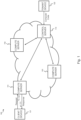
- Fig. 1 shows an example embodiment of a cloud computing platform 100 capable of isolated execution of computer code with a native code portion according to example embodiments of the disclosure.
- different tenants can for example register one or more computer codes to be executed in response to a request 130.
- the request 130 to execute a computer code may be triggered by an external event such as for example, amongst others, an HTTP request, a database update, a remote procedure call, or an application-specific notification.
- the cloud computing platform 100 may comprise a plurality of compute servers 101, 102, 103 configured to execute the computer code for the tenant following the request.
- the computer code is executed in an intra-process execution environment of a single process.
- a compute server 101, 102, 103 may run a plurality of such single processes.
- Each single process may further run a plurality of intra-process execution environments.
- the intra-process execution environments may further be isolated from one another, i.e. code executed in a first intra-process execution environment cannot access or modify the code or data in another intra-process execution environment.
- the intra-process execution environment may for example be a JavaScript execution runtime built on the V8 JavaScript engine, in particular on the isolates concept from the V8 JavaScript engine.
- the compute servers 101, 102, 103 may be physical servers that may, but need not be geographically distributed.
- the compute servers 101, 102, 103 may be part of a point of presence, PoP, that includes additional hardware such as for example, amongst others, other physical servers, data storage, database servers, computing devices, input/output devices, and network equipment (not shown in Fig. 1 ).
- the compute servers 101, 102, 103 may receive the request 130 to execute the computer code from a client device 121.
- the client device 121 may be a computing device such as for example, amongst others, a smartphone, a laptop, a desktop, a tablet, an Internet of Things, loT, device, or a wearable device.
- the compute server 101 may further be configured to communicate a response 131 to the client device 121 based on the output of the executed computer code.
- the cloud computing platform 100 may further include a control server 110.
- the control server 110 may be configured to offer control services to the cloud computing platform such as for example, amongst others, receive a computer code from a tenant, configure the computer code to be executed in the cloud computing platform, determine on which compute server 101, 102, 103 to execute the computer code, and provide the computer code to the determined compute server 101, 102, 103.
- the control services can be provided by the cloud computing platform without a dedicated control server 110.
- a tenant device 122 may further communicate with the control server 110 to provide, i.e. upload, a computer code to be executed by the cloud computing platform 100.
- the tenant device 122 may be a computing device such as for example, amongst others, a smartphone, a laptop, a desktop, or a tablet.
- the tenant may further specify the external event that triggers a request to execute the computer code such as for example, amongst others, an HTTP request, a database update, a remote procedure call, or an application-specific notification. Additionally, the tenant may indicate the presence of a native code portion in the provided computer code, thereby tagging the computer code.
- a native code portion may for example be, amongst others, machine code or a code compiled from a low-level programming language such as C or C++. It can be advantageous to execute such a native code portion when highly optimized operations are desired as the execution of native code may be relatively efficient and fast. It may further be advantageous to execute native code portions when legacy code is to be executed or an application programming interface, API, is written in a low-level programming language. This can have the advantage that the API or legacy code can be executed without converting it to a high-level programming language, e.g. a scripting language.
- code executed on behalf of one tenant may be prevented to access or modify the code or data of another tenant. In other words, it may be desirable that computer codes are executed in an isolated manner.
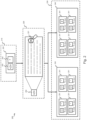
- Fig. 2 shows steps 200 of the computer-implemented method for isolated execution of computer code according to example embodiments of the present disclosure.
- a request 201 is received to execute a computer code 202 for a tenant 203.
- the request may be received by a gateway module included in the compute server that executes the computer code, e.g. an HTTP request received by an API gateway.
- the request 201 may comprise a reference to the computer code 202 to be executed, a reference to the tenant 203 on behalf of whom the computer code 202 is to be executed, and input data (not shown in Fig. 2 ) to execute the computer code 202.
- the reference to the computer code 202 may allow the compute server to retrieve the desired computer code 202 from data storage or request the desired computer code 202 from a control server.
- the input data may be, amongst others, a parameter, a number, information, an identifier, and/or a key required to execute the computer code.
- the desired input data may further depend on the computer code to be executed. Alternatively, a computer code may be executed without input data.
- the computer code 202 can for example be, amongst others, a piece of compiled code, machine code, scripted code, or a combination thereof.
- the computer code 202 can for example be a scripted code comprising a compiled code portion and/or machine code portion, i.e. a native code portion.
- the computer code 202 may for example respond to a request, e.g. an HTTP request.
- a scripted code or code portion may be a piece of code written in a scripting language such as for example, amongst others, JavaScript, Python, PHP, Perl, or Ruby.
- the scripted code portion may be directly interpreted from source code and translated into machine language by an interpreter at runtime, without requiring a compilation step.
- the presence of a native code portion 221 in the computer code 202 may be determined.
- the presence of a native code portion 221 may be detected for example, amongst others, when the computer code 202 is provided, i.e. uploaded, to the cloud computing provider, when the computer code 202 is loaded into memory, and/or when the computer code 202 is executed.
- the computer code 202 is executed in an intra-process execution environment 241, 251 running in a global process 240 or in a tenant-specific process 250, based on the presence of a native code portion 221 in the computer code 202.
- the computer code may for example be pushed or allocated to the global process 240 or the tenant-specific process 250 by means of a dispatcher.
- the global process 240 is configured to execute computer codes 242 without a native code portion associated with different tenants 243, 244, 245.
- the computer codes are executed in different isolated intra-process execution environments 241 of the global process 240.
- the computer codes 242 can be executed securely thanks to the isolation properties of the intra-process execution environments 241.
- the isolated intra-process execution environments 241 of the global process 240 prevent the computer code executed therein from accessing and/or modifying the code, data, and keys in other intra-process execution environments 241 running in the same global process 240.
- computer codes 242 associated with different tenants 243, 244, 245 can be executed in a single global process 240, i.e. without starting a single process for every different tenant 243, 244, 245. This can reduce start-up latency and resource overhead and has the advantage that it can reduce the cost per tenant to execute computer code 242.
- the tenant-specific process 250 is configured to execute computer codes 252 with a native code portion associated with the same tenant 253 in different intra-process execution environments 251.
- the tenant-specific process 250 is associated with a single tenant 253, i.e. the tenant-specific process 250 is configured to only execute computer code belonging to a single specific tenant 253.
- native code portions 221 can securely be executed even if the isolation of the intra-process execution environment 251 is broken, as the computer code 252 remains sandboxed in the tenant-specific process 250.
- the tenant-specific process 250 only includes information belonging to the same tenant 253, information of other tenants can remain secure.
- the executed computer code 252 for tenant 253 can thus not gain access to information belonging to other tenants.
- computer code 252 with a native code portion can securely be executed while maintaining the limited runtime overhead of intra-process execution environments 251. It is a further advantage that computer code with substantially optimized operations can be executed securely, as execution of native code portions 221 can be substantially efficient and fast. It is a further advantage that legacy code or computer code written in a low-level programming language can be executed securely in intra-process execution environments 251, without converting it to a high-level programming language that does not break the isolation of the intra-process execution environments 251.
- the tenant-specific process 250 is further configured to execute computer code 254 without a native code portion as long as the computer code 254 belongs to the tenant 253 associated to the tenant-specific process 250.
- the tenant-specific process 250 can execute computer code with 252 and without 254 a native code portion as long as they belong to the same tenant 253. This can offer more flexibility and efficiency when handling requests to execute computer code, as the running processes are utilized more efficiently.
- Fig. 3 shows steps for the isolated execution of computer code with a native code portion in intra-process execution environments according to example embodiments of the present disclosure.
- a dispatcher 310 may receive a request, e.g. from a gateway module, to execute a computer code for a tenant.
- the dispatcher may, in a second step 302, verify or check if the computer code to be executed comprises a known native code portion.
- a known native code portion refers to computer code for which the presence of a native code portion is known before execution. This may for example be the case when the computer code comprises a tag indicative for the presence of the native code portion.
- the computer code may for example be tagged by the tenant when providing it to the cloud computing provider, e.g.
- the computer code may be tagged when the native code portion is detected during execution or when the computer code is loaded into memory. Tagging a computer code when detecting a native code portion can thus prevent undesired repetition of the detection process when executing the same computer code at a later time. Such a tagged computer code can thus be allocated to a tenant-specific process more efficiently, i.e. without searching for a native code portion during consecutive evocations of the same computer code.
- dispatcher 310 may verify in a next step 303 if a tenant-specific queue is available.
- the tenant-specific queue may be associated with a tenant and a tenant-specific process 250.
- the tenant-specific queue may comprise a collection of computer codes of a single tenant, to be executed in a certain order in the associated tenant-specific process 250. Therefore, the tenant-specific process 250 may repeatedly fetch and load computer code from the associated tenant-specific queue. As such, allocating computer code to a tenant-specific queue can ensure that the computer code is executed in the associated tenant-specific process 250.
- the dispatcher may push or allocate the computer code to a global queue in step 304.
- the global queue may comprise a collection of computer codes of different tenants, to be executed in a certain order in the global process 240. Therefore, the global process 240 may repeatedly fetch and load computer code from the global queue in step 305.
- the next step 306 may include detecting the native code portion in the computer code.
- the computer code when fetching the computer code from the global queue and loading the code into memory, the computer code may be searched or scanned for the presence of a native code portion. This may for example be achieved by intercepting a loading mechanism, e.g. the 'require()' function in JavaScript, and replacing this loading mechanism with a proxy function, i.e. a proxy loading mechanism.
- the proxy loading mechanism may perform substantially the same functions of the intercepted loading mechanism, in addition to detecting the presence of a native code portion.
- existing scheduling strategies in particular for cloud computing platforms, can easily implement the method for isolated execution of computer code with a native code portion.
- step 308 may verify whether all the computer codes in the global process are associated with the same tenant. These codes include the computer code for which a native code portion is detected and all other computer codes currently being executed in the global process 240. If this is not the case, loading and execution of the computer code may be rejected or interrupted in step 309, as execution of the computer code with a native code portion can grant the code access to the other codes being executed in the global process 240 that belong to different tenants. In other words, executing the computer code with a native code portion in the global process 240 can break the isolation of the intra-process execution environments. As a next step 312, the rejected computer code may be returned to the global queue to be fetched again by a global process. This global process may, but need not be a different global process.
- steps 305, 306, 308, 312 are repeated until a suitable global process fetches the computer code with a native code portion, i.e. a global process that only comprises computer codes belonging to the same tenant.
- a suitable global process can be detected in step 308, whereafter the global process may be converted to a tenant-specific process in step 313.
- Converting the global process to a tenant-specific process may for example be performed by a dispatcher 310.
- the dispatcher may for example initialize a new global process to execute computer codes associated to different tenants, i.e. to replace the function of the converted process.
- a counter may further be used to ensure that the rejected computer code can be executed within an acceptable time-frame, i.e. to prevent an endless loop when no suitable global process can be identified.
- the counter may be incremented 310 each time execution of the computer code is rejected in step 309.
- the dispatcher 310 can initialize a new tenant-specific process for the rejected computer code in step 314.
- a tenant-specific queue may be created in step 315, following either the initialization of a new tenant-specific process 314 or the conversion of a suitable global process 313.
- Computer code comprising a native code portion may then be allocated to the created tenant-specific queue 316, to be fetched 317 and executed 318 by the associated tenant-specific process 250.
- Computer code may further be allocated 316 directly to the associated tenant-specific queue when said tenant-specific queue is available in step 303 for a computer code with a known native code portion.
- Fig. 4 shows steps for the isolated execution of computer code with a native code portion in intra-process execution environments according to example embodiments of the present disclosure.
- a computer code with a known native code portion determined in step 302 may trigger the dispatcher 310 to initialise a tenant-specific process 314 when the tenant-specific queue is unavailable 303.
- the load on the global queue can be reduced compared to the example embodiments illustrated in Fig. 3 as computer code with a known native code portion may not be allocated to the global queue.
- the cloud computing provider may easily switch between the example embodiments illustrated in Fig. 3 and Fig. 4 , depending on the scale and utilization of the cloud computing infrastructure.
- Fig. 5 shows a suitable computing system 500 enabling to implement embodiments of the method for isolated execution of computer code with a native code portion in an intra-process execution environment.
- Computing system 500 may in general be formed as a suitable general-purpose computer and comprise a bus 510, a processor 502, a local memory 504, one or more optional input interfaces 514, one or more optional output interfaces 516, a communication interface 512, a storage element interface 506, and one or more storage elements 508.
- Bus 510 may comprise one or more conductors that permit communication among the components of the computing system 500.
- Processor 502 may include any type of conventional processor or microprocessor that interprets and executes programming instructions.
- Local memory 504 may include a random-access memory (RAM) or another type of dynamic storage device that stores information and instructions for execution by processor 502 and/or a read only memory (ROM) or another type of static storage device that stores static information and instructions for use by processor 502.
- Input interface 514 may comprise one or more conventional mechanisms that permit an operator or user to input information to the computing device 500, such as a keyboard 520, a mouse 530, a pen, voice recognition and/or biometric mechanisms, a camera, etc.
- Output interface 516 may comprise one or more conventional mechanisms that output information to the operator or user, such as a display 540, etc.
- Communication interface 512 may comprise any transceiver-like mechanism such as for example one or more Ethernet interfaces that enables computing system 500 to communicate with other devices and/or systems, for example with other computing devices 101, 102, 103, 110, 121.
- the communication interface 512 of computing system 500 may be connected to such another computing system by means of a local area network (LAN) or a wide area network (WAN) such as for example the internet.
- Storage element interface 506 may comprise a storage interface such as for example a Serial Advanced Technology Attachment (SATA) interface or a Small Computer System Interface (SCSI) for connecting bus 510 to one or more storage elements 508, such as one or more local disks, for example SATA disk drives, and control the reading and writing of data to and/or from these storage elements 508.
- SATA Serial Advanced Technology Attachment
- SCSI Small Computer System Interface
- computing system 500 could thus correspond to the compute server 101, 102, or 103 according the embodiments illustrated by Fig. 1 .
- top, bottom, over, under, and the like are introduced for descriptive purposes and not necessarily to denote relative positions. It is to be understood that the terms so used are interchangeable under appropriate circumstances and embodiments of the invention are capable of operating according to the present invention in other sequences, or in orientations different from the one(s) described or illustrated above.
Landscapes
- Engineering & Computer Science (AREA)
- Software Systems (AREA)
- Theoretical Computer Science (AREA)
- Physics & Mathematics (AREA)
- General Engineering & Computer Science (AREA)
- General Physics & Mathematics (AREA)
- Computer Security & Cryptography (AREA)
- Computer Hardware Design (AREA)
- Stored Programmes (AREA)
Claims (14)
- Computerimplementiertes Verfahren, das Folgendes umfasst:- Empfangen einer Anforderung (201) zum Ausführen eines Computercodes (202) für einen Mandanten (203) in einer Intraprozessausführungsumgebung (241, 251), wobei der Mandant den Computercode einer gemeinsam verwendeten Recheninfrastruktur zur Ausführung auf Anforderung bereitstellt; und wobei eine oder mehrere Intraprozessausführungsumgebungen in einem Prozess laufen;- Ausführen des Computercodes in einem mandantenspezifischen Prozess (250), wenn der Computercode einen nativen Codeabschnitt (221) umfasst;- Ausführen eines Computercodes ohne einen nativen Codeabschnitt in einem laufenden mandantenspezifischen Prozess, wenn der Computercode ohne einen nativen Codeabschnitt zum Mandanten gehört, der mit dem laufenden mandantenspezifischen Prozess verknüpft ist;- andernfalls Ausführen des Computercodes in einem globalen Prozess (240); undwobei der mandantenspezifische Prozess dazu ausgelegt ist, nur Computercodes (252, 254), die mit demselben Mandanten (253) verknüpft sind, in verschiedenen Intraprozessausführungsumgebungen (251), die im mandantenspezifischen Prozess isoliert sind, auszuführen, und der globale Prozess dazu ausgelegt ist, Computercodes (242), die mit verschiedenen Mandanten (243, 244, 245) verknüpft sind, in verschiedenen isolierten Intraprozessausführungsumgebungen (241) auszuführen.
- Computerimplementiertes Verfahren nach Anspruch 1, wobei die Anforderung (201) eine Referenz zum Computercode umfasst.
- Computerimplementiertes Verfahren nach Anspruch 2, wobei die Anforderung (201) ferner Eingabedaten für den Computercode umfasst.
- Computerimplementiertes Verfahren nach Anspruch 1, wobei der Computercode (202) einen Skriptcodeabschnitt umfasst und wobei der globale Prozess (240) dazu ausgelegt ist, Skriptcodeabschnitte in den verschiedenen Intraprozessausführungsumgebungen (241) auszuführen.
- Computerimplementiertes Verfahren nach einem der vorhergehenden Ansprüche, das ferner das Detektieren (220) des nativen Codeabschnitts (221) im Computercode (202) umfasst.
- Computerimplementiertes Verfahren nach einem der vorhergehenden Ansprüche, das ferner das Detektieren (306) eines Lademechanismus des nativen Codeabschnitts während einer Ausführung des Computercodes im globalen Prozess (240), das Unterbrechen (309) der Ausführung des Computercodes im globalen Prozess und das erneute Zuteilen des Computercodes zum mandantenspezifischen Prozess für eine Ausführung umfasst.
- Computerimplementiertes Verfahren nach einem der vorhergehenden Ansprüche, das ferner das Detektieren (306) eines Lademechanismus des nativen Codeabschnitts während einer Ausführung des Computercodes im globalen Prozess (240) und das Umwandeln (313) des globalen Prozesses in den mandantenspezifischen Prozess umfasst, wenn die Computercodes im globalen Prozess mit demselben Mandanten (308) verknüpft sind.
- Computerimplementiertes Verfahren nach einem der vorhergehenden Ansprüche, wobei der empfangene Computercode einen Marker umfasst, der das Vorhandensein des nativen Codeabschnitts anzeigt, und wobei das Verfahren ferner das Zuteilen des Computercodes zum mandantenspezifischen Prozess (250) auf Basis des Markers für eine weitere Ausführung umfasst.
- Computerimplementiertes Verfahren nach einem der vorhergehenden Ansprüche, das ferner das Initialisieren (314) des mandantenspezifischen Prozesses (250) umfasst.
- Computerimplementiertes Verfahren nach einem der vorhergehenden Ansprüche, das ferner das Zuteilen (316) des Computercodes zu einer mandantenspezifischen Warteschlange für eine Ausführung im mandantenspezifischen Prozess (250) umfasst.
- Computerimplementiertes Verfahren nach einem der vorhergehenden Ansprüche, das ferner das Zuteilen (304) des Computercodes zu einer mandantenspezifischen Warteschlange für eine Ausführung im globalen Prozess (240) umfasst.
- Computerprogrammprodukt, das computerausführbare Anweisungen zum Durchführen der folgenden Schritte, wenn das Programm auf einem Computer ausgeführt wird, umfasst:- Empfangen einer Anforderung (201) zum Ausführen eines Computercodes (202) für einen Mandanten (203) in einer Intraprozessausführungsumgebung (241, 251), wobei der Mandant den Computercode einer gemeinsam verwendeten Recheninfrastruktur zur Ausführung auf Anforderung bereitstellt; und wobei eine oder mehrere Intraprozessausführungsumgebungen in einem Prozess laufen;- Ausführen des Computercodes in einem mandantenspezifischen Prozess (250), wenn der Computercode einen nativen Codeabschnitt (221) umfasst;- Ausführen eines Computercodes ohne einen nativen Codeabschnitt in einem laufenden mandantenspezifischen Prozess, wenn der Computercode ohne einen nativen Codeabschnitt zum Mandanten gehört, der mit dem laufenden mandantenspezifischen Prozess verknüpft ist;- andernfalls Ausführen des Computercodes in einem globalen Prozess (240); undwobei der mandantenspezifische Prozess dazu ausgelegt ist, nur Computercodes (252, 254), die mit demselben Mandanten (253) verknüpft sind, in verschiedenen Intraprozessausführungsumgebungen (251), die im mandantenspezifischen Prozess isoliert sind, auszuführen, und der globale Prozess dazu ausgelegt ist, Computercodes (242), die mit verschiedenen Mandanten (243, 244, 245) verknüpft sind, in verschiedenen isolierten Intraprozessausführungsumgebungen (241) auszuführen.
- Computerlesbares Speichermedium, das computerausführbare Anweisungen zum Durchführen der folgenden Schritte, wenn das Programm auf einem Computer ausgeführt wird, umfasst:- Empfangen einer Anforderung (201) zum Ausführen eines Computercodes (202) für einen Mandanten (203) in einer Intraprozessausführungsumgebung (241, 251), wobei der Mandant den Computercode einer gemeinsam verwendeten Recheninfrastruktur zur Ausführung auf Anforderung bereitstellt; und wobei eine oder mehrere Intraprozessausführungsumgebungen in einem Prozess laufen;- Ausführen des Computercodes in einem mandantenspezifischen Prozess (250), wenn der Computercode einen nativen Codeabschnitt (221) umfasst;- Ausführen eines Computercodes ohne einen nativen Codeabschnitt in einem laufenden mandantenspezifischen Prozess, wenn der Computercode ohne einen nativen Codeabschnitt zum Mandanten gehört, der mit dem laufenden mandantenspezifischen Prozess verknüpft ist;- andernfalls Ausführen des Computercodes in einem globalen Prozess (240); undwobei der mandantenspezifische Prozess dazu ausgelegt ist, nur Computercodes (252, 254), die mit demselben Mandanten (253) verknüpft sind, in verschiedenen Intraprozessausführungsumgebungen (251), die im mandantenspezifischen Prozess isoliert sind, auszuführen, und der globale Prozess dazu ausgelegt ist, Computercodes (242), die mit verschiedenen Mandanten (243, 244, 245) verknüpft sind, in verschiedenen isolierten Intraprozessausführungsumgebungen (241) auszuführen.
- Vorrichtung, die Mittel umfasst, die dazu ausgelegt sind, Folgendes durchzuführen:- Empfangen einer Anforderung (201) zum Ausführen eines Computercodes (202) für einen Mandanten (203) in einer Intraprozessausführungsumgebung (241, 251), wobei der Mandant den Computercode einer gemeinsam verwendeten Recheninfrastruktur zur Ausführung auf Anforderung bereitstellt; und wobei eine oder mehrere Intraprozessausführungsumgebungen in einem Prozess laufen;- Ausführen des Computercodes in einem mandantenspezifischen Prozess (250), wenn der Computercode einen nativen Codeabschnitt (221) umfasst;- Ausführen eines Computercodes ohne einen nativen Codeabschnitt in einem laufenden mandantenspezifischen Prozess, wenn der Computercode ohne einen nativen Codeabschnitt zum Mandanten gehört, der mit dem laufenden mandantenspezifischen Prozess verknüpft ist;- andernfalls Ausführen des Computercodes in einem globalen Prozess (240); undwobei der mandantenspezifische Prozess dazu ausgelegt ist, nur Computercodes (252, 254), die mit demselben Mandanten (253) verknüpft sind, in verschiedenen Intraprozessausführungsumgebungen (251), die im mandantenspezifischen Prozess isoliert sind, auszuführen, und der globale Prozess dazu ausgelegt ist, Computercodes (242), die mit verschiedenen Mandanten (243, 244, 245) verknüpft sind, in verschiedenen isolierten Intraprozessausführungsumgebungen (241) auszuführen.
Priority Applications (2)
| Application Number | Priority Date | Filing Date | Title |
|---|---|---|---|
| EP21198660.9A EP4155918B1 (de) | 2021-09-23 | 2021-09-23 | Verfahren und vorrichtung zur isolierten ausführung eines computercodes mit einem nativen codeteil |
| US17/882,653 US12530212B2 (en) | 2021-09-23 | 2022-08-08 | Method and apparatus for isolated execution of computer code with a native code portion |
Applications Claiming Priority (1)
| Application Number | Priority Date | Filing Date | Title |
|---|---|---|---|
| EP21198660.9A EP4155918B1 (de) | 2021-09-23 | 2021-09-23 | Verfahren und vorrichtung zur isolierten ausführung eines computercodes mit einem nativen codeteil |
Publications (2)
| Publication Number | Publication Date |
|---|---|
| EP4155918A1 EP4155918A1 (de) | 2023-03-29 |
| EP4155918B1 true EP4155918B1 (de) | 2025-02-26 |
Family
ID=77913029
Family Applications (1)
| Application Number | Title | Priority Date | Filing Date |
|---|---|---|---|
| EP21198660.9A Active EP4155918B1 (de) | 2021-09-23 | 2021-09-23 | Verfahren und vorrichtung zur isolierten ausführung eines computercodes mit einem nativen codeteil |
Country Status (2)
| Country | Link |
|---|---|
| US (1) | US12530212B2 (de) |
| EP (1) | EP4155918B1 (de) |
Families Citing this family (1)
| Publication number | Priority date | Publication date | Assignee | Title |
|---|---|---|---|---|
| US20250355652A1 (en) * | 2024-05-14 | 2025-11-20 | Microsoft Technology Licensing, Llc | Cross-platform mutual exclusion |
Family Cites Families (15)
| Publication number | Priority date | Publication date | Assignee | Title |
|---|---|---|---|---|
| CA2376327C (en) * | 2002-03-12 | 2009-04-28 | Ibm Canada Limited-Ibm Canada Limitee | Executing native code in place of non-native code |
| US7634578B2 (en) * | 2005-07-14 | 2009-12-15 | Microsoft Corporation | Node-to-node communication pipelines |
| US7673051B2 (en) * | 2005-07-26 | 2010-03-02 | Microsoft Corporation | Resource usage conflict identifier |
| US8424082B2 (en) | 2008-05-08 | 2013-04-16 | Google Inc. | Safely executing an untrusted native code module on a computing device |
| US8752057B1 (en) * | 2008-06-30 | 2014-06-10 | Emc Corporation | Techniques for synchronizing processing of at least two code threads |
| US9021435B2 (en) * | 2010-05-20 | 2015-04-28 | Salesforce.Com, Inc. | Methods and systems for providing a user interface in a multi-tenant database environment |
| CA2831369C (en) | 2011-03-31 | 2019-04-30 | Irdeto B.V. | Method of securing non-native code |
| US9471353B1 (en) * | 2014-03-21 | 2016-10-18 | Amazon Technologies, Inc. | Isolating tenants executing in multi-tenant software containers |
| US9703611B1 (en) * | 2014-03-21 | 2017-07-11 | Amazon Technologies, Inc. | Isolating resources for utilization by tenants executing in multi-tenant software containers |
| US12373545B2 (en) * | 2017-07-12 | 2025-07-29 | Open Text Corporation | Methods and systems for tenant aware behavior injection in content metadata service |
| AU2019252434B2 (en) * | 2018-04-11 | 2024-03-28 | Cornell University | Method and system for improving software container performance and isolation |
| US10860430B2 (en) | 2018-07-06 | 2020-12-08 | EMC IP Holding Company LLC | System and method for resilient backup generation |
| US10331462B1 (en) * | 2018-11-06 | 2019-06-25 | Cloudflare, Inc. | Cloud computing platform that executes third-party code in a distributed cloud computing network |
| US11385921B2 (en) * | 2019-07-31 | 2022-07-12 | Salesforce, Inc. | Collaboration across isolated virtual environments |
| US11829495B2 (en) * | 2021-08-05 | 2023-11-28 | International Business Machines Corporation | Confidential data provided to a secure guest via metadata |
-
2021
- 2021-09-23 EP EP21198660.9A patent/EP4155918B1/de active Active
-
2022
- 2022-08-08 US US17/882,653 patent/US12530212B2/en active Active
Also Published As
| Publication number | Publication date |
|---|---|
| EP4155918A1 (de) | 2023-03-29 |
| US20230086877A1 (en) | 2023-03-23 |
| US12530212B2 (en) | 2026-01-20 |
Similar Documents
| Publication | Publication Date | Title |
|---|---|---|
| CN110297689B (zh) | 智能合约执行方法、装置、设备及介质 | |
| CN113515271B (zh) | 服务代码生成方法、装置、电子设备及可读存储介质 | |
| US10833955B2 (en) | Dynamic delivery of software functions | |
| CN107885762A (zh) | 智能大数据系统、提供智能大数据服务的方法和设备 | |
| US20180210768A1 (en) | Api-based service command invocation | |
| US10423471B2 (en) | Virtualizing integrated calls to provide access to resources in a virtual namespace | |
| US9063760B2 (en) | Employing native routines instead of emulated routines in an application being emulated | |
| US11100233B2 (en) | Optimizing operating system vulnerability analysis | |
| US11321090B2 (en) | Serializing and/or deserializing programs with serializable state | |
| US10019293B2 (en) | Enhanced command selection in a networked computing environment | |
| US11775655B2 (en) | Risk assessment of a container build | |
| US11689630B2 (en) | Request processing method and apparatus, electronic device, and computer storage medium | |
| EP4071600B1 (de) | Verfahren und system zum erzeugen und ausführen einer software appliance | |
| US12388849B2 (en) | Online code similarity and maliciousness searching using a vector database | |
| US12530212B2 (en) | Method and apparatus for isolated execution of computer code with a native code portion | |
| US20240272893A1 (en) | Version compatibility metadata transformation | |
| US11960918B2 (en) | Creating product orchestration engines | |
| US11662927B2 (en) | Redirecting access requests between access engines of respective disk management devices | |
| CN111596962A (zh) | 一种基于高速协议通道的实时微内核系统及其初始化方法 | |
| Seybold et al. | The impact of the storage tier: A baseline performance analysis of containerized dbms | |
| CN110245027B (zh) | 一种进程间通信的方法和设备 | |
| CN115599572A (zh) | 一种数据获取方法、装置、电子设备及计算机可读介质 | |
| US10545802B2 (en) | Event loop optimization through event ordering | |
| US10845978B1 (en) | Scroll positioning using element association | |
| US20230409466A1 (en) | Partial program execution with attribute-based data conversion for dynamic program analysis |
Legal Events
| Date | Code | Title | Description |
|---|---|---|---|
| PUAI | Public reference made under article 153(3) epc to a published international application that has entered the european phase |
Free format text: ORIGINAL CODE: 0009012 |
|
| STAA | Information on the status of an ep patent application or granted ep patent |
Free format text: STATUS: THE APPLICATION HAS BEEN PUBLISHED |
|
| AK | Designated contracting states |
Kind code of ref document: A1 Designated state(s): AL AT BE BG CH CY CZ DE DK EE ES FI FR GB GR HR HU IE IS IT LI LT LU LV MC MK MT NL NO PL PT RO RS SE SI SK SM TR |
|
| STAA | Information on the status of an ep patent application or granted ep patent |
Free format text: STATUS: REQUEST FOR EXAMINATION WAS MADE |
|
| 17P | Request for examination filed |
Effective date: 20230929 |
|
| RBV | Designated contracting states (corrected) |
Designated state(s): AL AT BE BG CH CY CZ DE DK EE ES FI FR GB GR HR HU IE IS IT LI LT LU LV MC MK MT NL NO PL PT RO RS SE SI SK SM TR |
|
| STAA | Information on the status of an ep patent application or granted ep patent |
Free format text: STATUS: EXAMINATION IS IN PROGRESS |
|
| 17Q | First examination report despatched |
Effective date: 20240411 |
|
| GRAP | Despatch of communication of intention to grant a patent |
Free format text: ORIGINAL CODE: EPIDOSNIGR1 |
|
| STAA | Information on the status of an ep patent application or granted ep patent |
Free format text: STATUS: GRANT OF PATENT IS INTENDED |
|
| INTG | Intention to grant announced |
Effective date: 20241015 |
|
| GRAS | Grant fee paid |
Free format text: ORIGINAL CODE: EPIDOSNIGR3 |
|
| GRAA | (expected) grant |
Free format text: ORIGINAL CODE: 0009210 |
|
| STAA | Information on the status of an ep patent application or granted ep patent |
Free format text: STATUS: THE PATENT HAS BEEN GRANTED |
|
| AK | Designated contracting states |
Kind code of ref document: B1 Designated state(s): AL AT BE BG CH CY CZ DE DK EE ES FI FR GB GR HR HU IE IS IT LI LT LU LV MC MK MT NL NO PL PT RO RS SE SI SK SM TR |
|
| REG | Reference to a national code |
Ref country code: GB Ref legal event code: FG4D |
|
| REG | Reference to a national code |
Ref country code: CH Ref legal event code: EP |
|
| REG | Reference to a national code |
Ref country code: DE Ref legal event code: R096 Ref document number: 602021026692 Country of ref document: DE |
|
| REG | Reference to a national code |
Ref country code: IE Ref legal event code: FG4D |
|
| REG | Reference to a national code |
Ref country code: NL Ref legal event code: MP Effective date: 20250226 |
|
| PG25 | Lapsed in a contracting state [announced via postgrant information from national office to epo] |
Ref country code: RS Free format text: LAPSE BECAUSE OF FAILURE TO SUBMIT A TRANSLATION OF THE DESCRIPTION OR TO PAY THE FEE WITHIN THE PRESCRIBED TIME-LIMIT Effective date: 20250526 |
|
| PG25 | Lapsed in a contracting state [announced via postgrant information from national office to epo] |
Ref country code: FI Free format text: LAPSE BECAUSE OF FAILURE TO SUBMIT A TRANSLATION OF THE DESCRIPTION OR TO PAY THE FEE WITHIN THE PRESCRIBED TIME-LIMIT Effective date: 20250226 |
|
| PG25 | Lapsed in a contracting state [announced via postgrant information from national office to epo] |
Ref country code: PL Free format text: LAPSE BECAUSE OF FAILURE TO SUBMIT A TRANSLATION OF THE DESCRIPTION OR TO PAY THE FEE WITHIN THE PRESCRIBED TIME-LIMIT Effective date: 20250226 |
|
| PG25 | Lapsed in a contracting state [announced via postgrant information from national office to epo] |
Ref country code: ES Free format text: LAPSE BECAUSE OF FAILURE TO SUBMIT A TRANSLATION OF THE DESCRIPTION OR TO PAY THE FEE WITHIN THE PRESCRIBED TIME-LIMIT Effective date: 20250226 |
|
| REG | Reference to a national code |
Ref country code: LT Ref legal event code: MG9D |
|
| PG25 | Lapsed in a contracting state [announced via postgrant information from national office to epo] |
Ref country code: NO Free format text: LAPSE BECAUSE OF FAILURE TO SUBMIT A TRANSLATION OF THE DESCRIPTION OR TO PAY THE FEE WITHIN THE PRESCRIBED TIME-LIMIT Effective date: 20250526 Ref country code: IS Free format text: LAPSE BECAUSE OF FAILURE TO SUBMIT A TRANSLATION OF THE DESCRIPTION OR TO PAY THE FEE WITHIN THE PRESCRIBED TIME-LIMIT Effective date: 20250626 |
|
| PG25 | Lapsed in a contracting state [announced via postgrant information from national office to epo] |
Ref country code: NL Free format text: LAPSE BECAUSE OF FAILURE TO SUBMIT A TRANSLATION OF THE DESCRIPTION OR TO PAY THE FEE WITHIN THE PRESCRIBED TIME-LIMIT Effective date: 20250226 |
|
| PG25 | Lapsed in a contracting state [announced via postgrant information from national office to epo] |
Ref country code: HR Free format text: LAPSE BECAUSE OF FAILURE TO SUBMIT A TRANSLATION OF THE DESCRIPTION OR TO PAY THE FEE WITHIN THE PRESCRIBED TIME-LIMIT Effective date: 20250226 |
|
| PG25 | Lapsed in a contracting state [announced via postgrant information from national office to epo] |
Ref country code: LV Free format text: LAPSE BECAUSE OF FAILURE TO SUBMIT A TRANSLATION OF THE DESCRIPTION OR TO PAY THE FEE WITHIN THE PRESCRIBED TIME-LIMIT Effective date: 20250226 Ref country code: PT Free format text: LAPSE BECAUSE OF FAILURE TO SUBMIT A TRANSLATION OF THE DESCRIPTION OR TO PAY THE FEE WITHIN THE PRESCRIBED TIME-LIMIT Effective date: 20250626 |
|
| PG25 | Lapsed in a contracting state [announced via postgrant information from national office to epo] |
Ref country code: BG Free format text: LAPSE BECAUSE OF FAILURE TO SUBMIT A TRANSLATION OF THE DESCRIPTION OR TO PAY THE FEE WITHIN THE PRESCRIBED TIME-LIMIT Effective date: 20250226 Ref country code: GR Free format text: LAPSE BECAUSE OF FAILURE TO SUBMIT A TRANSLATION OF THE DESCRIPTION OR TO PAY THE FEE WITHIN THE PRESCRIBED TIME-LIMIT Effective date: 20250527 |
|
| REG | Reference to a national code |
Ref country code: AT Ref legal event code: MK05 Ref document number: 1771305 Country of ref document: AT Kind code of ref document: T Effective date: 20250226 |
|
| PG25 | Lapsed in a contracting state [announced via postgrant information from national office to epo] |
Ref country code: SE Free format text: LAPSE BECAUSE OF FAILURE TO SUBMIT A TRANSLATION OF THE DESCRIPTION OR TO PAY THE FEE WITHIN THE PRESCRIBED TIME-LIMIT Effective date: 20250226 |
|
| PG25 | Lapsed in a contracting state [announced via postgrant information from national office to epo] |
Ref country code: SM Free format text: LAPSE BECAUSE OF FAILURE TO SUBMIT A TRANSLATION OF THE DESCRIPTION OR TO PAY THE FEE WITHIN THE PRESCRIBED TIME-LIMIT Effective date: 20250226 |
|
| PG25 | Lapsed in a contracting state [announced via postgrant information from national office to epo] |
Ref country code: DK Free format text: LAPSE BECAUSE OF FAILURE TO SUBMIT A TRANSLATION OF THE DESCRIPTION OR TO PAY THE FEE WITHIN THE PRESCRIBED TIME-LIMIT Effective date: 20250226 |
|
| PGFP | Annual fee paid to national office [announced via postgrant information from national office to epo] |
Ref country code: DE Payment date: 20250730 Year of fee payment: 5 |
|
| PG25 | Lapsed in a contracting state [announced via postgrant information from national office to epo] |
Ref country code: IT Free format text: LAPSE BECAUSE OF FAILURE TO SUBMIT A TRANSLATION OF THE DESCRIPTION OR TO PAY THE FEE WITHIN THE PRESCRIBED TIME-LIMIT Effective date: 20250226 |
|
| PGFP | Annual fee paid to national office [announced via postgrant information from national office to epo] |
Ref country code: GB Payment date: 20250731 Year of fee payment: 5 |
|
| PG25 | Lapsed in a contracting state [announced via postgrant information from national office to epo] |
Ref country code: AT Free format text: LAPSE BECAUSE OF FAILURE TO SUBMIT A TRANSLATION OF THE DESCRIPTION OR TO PAY THE FEE WITHIN THE PRESCRIBED TIME-LIMIT Effective date: 20250226 |
|
| PG25 | Lapsed in a contracting state [announced via postgrant information from national office to epo] |
Ref country code: EE Free format text: LAPSE BECAUSE OF FAILURE TO SUBMIT A TRANSLATION OF THE DESCRIPTION OR TO PAY THE FEE WITHIN THE PRESCRIBED TIME-LIMIT Effective date: 20250226 Ref country code: CZ Free format text: LAPSE BECAUSE OF FAILURE TO SUBMIT A TRANSLATION OF THE DESCRIPTION OR TO PAY THE FEE WITHIN THE PRESCRIBED TIME-LIMIT Effective date: 20250226 |
|
| PG25 | Lapsed in a contracting state [announced via postgrant information from national office to epo] |
Ref country code: RO Free format text: LAPSE BECAUSE OF FAILURE TO SUBMIT A TRANSLATION OF THE DESCRIPTION OR TO PAY THE FEE WITHIN THE PRESCRIBED TIME-LIMIT Effective date: 20250226 |
|
| PG25 | Lapsed in a contracting state [announced via postgrant information from national office to epo] |
Ref country code: SK Free format text: LAPSE BECAUSE OF FAILURE TO SUBMIT A TRANSLATION OF THE DESCRIPTION OR TO PAY THE FEE WITHIN THE PRESCRIBED TIME-LIMIT Effective date: 20250226 |
|
| REG | Reference to a national code |
Ref country code: DE Ref legal event code: R097 Ref document number: 602021026692 Country of ref document: DE |
|
| PLBE | No opposition filed within time limit |
Free format text: ORIGINAL CODE: 0009261 |
|
| STAA | Information on the status of an ep patent application or granted ep patent |
Free format text: STATUS: NO OPPOSITION FILED WITHIN TIME LIMIT |
|
| REG | Reference to a national code |
Ref country code: CH Ref legal event code: L10 Free format text: ST27 STATUS EVENT CODE: U-0-0-L10-L00 (AS PROVIDED BY THE NATIONAL OFFICE) Effective date: 20260107 |
|
| 26N | No opposition filed |
Effective date: 20251127 |
|
| REG | Reference to a national code |
Ref country code: CH Ref legal event code: H13 Free format text: ST27 STATUS EVENT CODE: U-0-0-H10-H13 (AS PROVIDED BY THE NATIONAL OFFICE) Effective date: 20260425 |