EP4137936B1 - Verfahren und vorrichtung zur automatischen evolution einer code-empfehlungsmaschine - Google Patents
Verfahren und vorrichtung zur automatischen evolution einer code-empfehlungsmaschine Download PDFInfo
- Publication number
- EP4137936B1 EP4137936B1 EP22182966.6A EP22182966A EP4137936B1 EP 4137936 B1 EP4137936 B1 EP 4137936B1 EP 22182966 A EP22182966 A EP 22182966A EP 4137936 B1 EP4137936 B1 EP 4137936B1
- Authority
- EP
- European Patent Office
- Prior art keywords
- circuitry
- code snippet
- user
- code
- recommended
- Prior art date
- Legal status (The legal status is an assumption and is not a legal conclusion. Google has not performed a legal analysis and makes no representation as to the accuracy of the status listed.)
- Active
Links
Images







Classifications
-
- G—PHYSICS
- G06—COMPUTING OR CALCULATING; COUNTING
- G06F—ELECTRIC DIGITAL DATA PROCESSING
- G06F8/00—Arrangements for software engineering
- G06F8/30—Creation or generation of source code
- G06F8/33—Intelligent editors
-
- G—PHYSICS
- G06—COMPUTING OR CALCULATING; COUNTING
- G06F—ELECTRIC DIGITAL DATA PROCESSING
- G06F8/00—Arrangements for software engineering
- G06F8/30—Creation or generation of source code
- G06F8/36—Software reuse
-
- G—PHYSICS
- G06—COMPUTING OR CALCULATING; COUNTING
- G06N—COMPUTING ARRANGEMENTS BASED ON SPECIFIC COMPUTATIONAL MODELS
- G06N3/00—Computing arrangements based on biological models
- G06N3/02—Neural networks
- G06N3/08—Learning methods
- G06N3/09—Supervised learning
-
- G—PHYSICS
- G06—COMPUTING OR CALCULATING; COUNTING
- G06N—COMPUTING ARRANGEMENTS BASED ON SPECIFIC COMPUTATIONAL MODELS
- G06N3/00—Computing arrangements based on biological models
- G06N3/02—Neural networks
- G06N3/08—Learning methods
- G06N3/091—Active learning
-
- G—PHYSICS
- G06—COMPUTING OR CALCULATING; COUNTING
- G06N—COMPUTING ARRANGEMENTS BASED ON SPECIFIC COMPUTATIONAL MODELS
- G06N3/00—Computing arrangements based on biological models
- G06N3/02—Neural networks
- G06N3/08—Learning methods
- G06N3/096—Transfer learning
Definitions
- This disclosure relates generally to code recommendation and, more particularly, to automatically evolve a code recommendation engine.
- Machine programming is concerned with the automation of software.
- code semantics similarity is the process of determining whether two or more code snippets have some degree of semantic similarity (or equivalence).
- a particular topic of interest in code semantics similarity is code recommendation.
- Some of the benefits of an accurate code recommendation engine may include improved programmer productivity, boosted code performance on specific hardware, and education for novice coders.
- US 2019/391792 A1 relates to a system for facilitating reusability of a code snippet during development of a software application.
- a plurality of tokens is extracted, by using an Artificial Intelligence, Al, based syntactic analysis, from a sequence of lines of code entered by a developer. Further, each token of the plurality of tokens is converted into a vector by using a neural word embedding technique. Subsequently, a context of the plurality of tokens is determined by using a deep autoencoder neural network technique. Furthermore, at least one code snippet is recommended from a plurality of code snippets corresponding to the context.
- US 2020/ 104631 A1 relates to a method, system and computer program product for obtaining vector representations of code snippets capturing semantic similarity.
- a first and second training set of code snippets are collected, where the first training set of code snippets implements the same function representing semantic similarity and the second training set of code snippets implements a different function representing semantic dissimilarity.
- US 2021/08 1831 A1 relates to a system, program product, and method for automatically determining which activation data points in a neural model have been poisoned to erroneously indicate association with a particular label or labels.
- a neural network is trained using potentially poisoned training data.
- Each of the training data points is classified using the network to retain the activations of the last hidden layer, and segment those activations by the label of corresponding training data.
- Clustering is applied to the retained activations of each segment, and a cluster assessment is conducted for each cluster associated with each label to distinguish clusters with potentially poisoned activations from clusters populated with legitimate activations.
- connection references e.g., attached, coupled, connected, and joined
- connection references may include intermediate members between the elements referenced by the connection reference and/or relative movement between those elements unless otherwise indicated.
- connection references do not necessarily infer that two elements are directly connected and/or in fixed relation to each other.
- stating that any part is in "contact” with another part is defined to mean that there is no intermediate part between the two parts.
- descriptors such as “first,” “second,” “third,” etc. are used herein without imputing or otherwise indicating any meaning of priority, physical order, arrangement in a list, and/or ordering in any way, but are merely used as labels and/or arbitrary names to distinguish elements for ease of understanding the disclosed examples.
- the descriptor "first” may be used to refer to an element in the detailed description, while the same element may be referred to in a claim with a different descriptor such as "second” or “third.” In such instances, it should be understood that such descriptors are used merely for identifying those elements distinctly that might, for example, otherwise share a same name.
- substantially real time refers to occurrence in a near instantaneous manner recognizing there may be real world delays for computing time, transmission, etc. Thus, unless otherwise specified, “substantially real time” refers to real time +/- 1 second.
- the phrase "in communication,” including variations thereof, encompasses direct communication and/or indirect communication through one or more intermediary components, and does not require direct physical (e.g., wired) communication and/or constant communication, but rather additionally includes selective communication at periodic intervals, scheduled intervals, aperiodic intervals, and/or one-time events.
- processor circuitry is defined to include (i) one or more special purpose electrical circuits structured to perform specific operation(s) and including one or more semiconductor-based logic devices (e.g., electrical hardware implemented by one or more transistors), and/or (ii) one or more general purpose semiconductor-based electrical circuits programmed with instructions to perform specific operations and including one or more semiconductor-based logic devices (e.g., electrical hardware implemented by one or more transistors).
- processor circuitry examples include programmed microprocessors, Field Programmable Gate Arrays (FPGAs) that may instantiate instructions, Central Processor Units (CPUs), Graphics Processor Units (GPUs), Digital Signal Processors (DSPs), XPUs, or microcontrollers and integrated circuits such as Application Specific Integrated Circuits (ASICs).
- FPGAs Field Programmable Gate Arrays
- CPUs Central Processor Units
- GPUs Graphics Processor Units
- DSPs Digital Signal Processors
- XPUs XPUs
- microcontrollers microcontrollers and integrated circuits such as Application Specific Integrated Circuits (ASICs).
- ASICs Application Specific Integrated Circuits
- an XPU may be implemented by a heterogeneous computing system including multiple types of processor circuitry (e.g., one or more FPGAs, one or more CPUs, one or more GPUs, one or more DSPs, etc., and/or a combination thereof) and application programming interface(s) (API(s)) that may assign computing task(s) to whichever one(s) of the multiple types of the processing circuitry is/are best suited to execute the computing task(s).
- processor circuitry e.g., one or more FPGAs, one or more CPUs, one or more GPUs, one or more DSPs, etc., and/or a combination thereof
- API(s) application programming interface
- code-to-code search tools retrieve relevant code snippets from a corpus using a partial code snippet as a query. Such tools can be beneficial in areas like code transplantation recommendation and patch recommendation. These tools use manual rules to extract code features for retrieving recommendations. Manual rules may not adapt to changes in the recommended code corpus.
- supervised machine-learning based methods can make up such shortcomings. However, these supervised approaches may require millions of manually labeled training data to be effective and obtaining the training data can be expensive.
- FIG. 1 is a schematic illustration of example circuitry to implement an automatically evolving code recommendation engine.
- a user 100 interacts with a code recommendation circuitry 104 through an integrated development environment (IDE) circuitry 102.
- the code recommendation circuitry 104 is a plug-in for the IDE circuitry 102.
- the user writes code in a user interface in the IDE circuitry 102 and receives recommendations of suggested code snippets from the code recommendation circuitry 104.
- IDE can also be referred to as an "interface” or "interface circuitry.”
- snippet when referring to code, defines any arbitrary amount of code operated upon within the system shown in FIG. 1 (e.g., as little as one character, word, or command up to one or more pages of code).
- the apparatus includes means for collecting a user code snippet.
- the means for collecting is implemented by IDE circuitry 102.
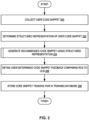
- the IDE circuitry 102 is implemented by machine executable instructions such as that implemented by at least block 200 of FIG. 2 executed by processor circuitry, which is implemented by the processor circuitry 1012 of FIG. 10 , the processor circuitry 1100 of FIG. 11 , and/or the Field Programmable Gate Array (FPGA) circuitry 1200 of FIG. 12 .
- the IDE circuitry 102 is implemented by other hardware logic circuitry, hardware implemented state machines, and/or any other combination of hardware, software, and/or firmware.
- the IDE circuitry 102 is implemented by at least one or more hardware circuits (e.g., processor circuitry, discrete and/or integrated analog and/or digital circuitry, an FPGA, an Application Specific Integrated Circuit (ASIC), a comparator, an operational-amplifier (op-amp), a logic circuit, etc.) structured to perform the corresponding operation without executing software or firmware, but other structures are likewise appropriate.
- hardware circuits e.g., processor circuitry, discrete and/or integrated analog and/or digital circuitry, an FPGA, an Application Specific Integrated Circuit (ASIC), a comparator, an operational-amplifier (op-amp), a logic circuit, etc.
- the code recommendation circuitry 104 learns over time how to better recommend code snippets to user 100 through the IDE circuitry 102. In some examples, the code recommendation circuitry 104 utilizes a neural network model to recommend code snippets that are similar to user input code.
- the example code recommendation circuitry 104 includes a code similarity engine circuitry 106.
- the code similarity engine circuitry 106 processes input code (e.g., C++, Python functions) and produces a machine understandable representation of the code.
- the machine understandable representation of the code is a real-valued vector that incorporates the code's syntactic and semantic information. In some examples, this representation is used by the code similarity engine circuitry 106 to retrieve similar code snippets from a database using distance metrics (e.g., L2-norm).
- the example code similarity engine circuitry 106 includes a recommended code snippet generator circuitry 108 to generate a recommended code snippet using the structured representation of the user code snippet.
- the recommended code snippet generator circuitry 108 receives a snippet of code from the user 100 through the IDE circuitry 102.
- the recommended code snippet generator circuitry 108 includes a code vector creator circuitry 110.
- the example code vector creator circuitry 110 includes a structured representation determiner circuitry 112.
- the structured representation determiner circuitry 112 takes a snippet of source code and translates into a structured representation.
- the structured representation can include an abstract syntax tree and context-aware semantics structure.
- the functionality of the recommended code snippet generator circuitry 108 is instantiated in instructions.
- the example recommended code snippet generator instructions e.g., instructions 1032 in FIG. 10
- a memory e.g., local memory 1013 in FIG. 10
- a processor circuitry e.g., 1012 in FIG. 10
- the functionality of the code vector creator circuitry 110 is instantiated in instructions.
- the example code vector creator instructions e.g., instructions 1032 in FIG. 10
- a memory e.g., local memory 1013 in FIG. 10
- a processor circuitry e.g., 1012 in FIG. 10
- the functionality of the structured representation determiner 112 is instantiated in instructions.
- the example structured representation determiner instructions e.g., instructions 1032 in FIG. 10
- a memory e.g., local memory 1013 in FIG. 10
- a processor circuitry e.g., 1012 in FIG. 10
- the code similarity engine circuitry 106 includes means for generating a recommended code snippet using the structured representation of the user code snippet.
- the means for generating is implemented by the recommended code snippet generator circuitry 108.
- the recommended code snippet generator circuitry 108 is implemented by machine executable instructions such as that implemented by at least block 204 of FIG. 2 executed by processor circuitry, which is implemented by the processor circuitry 1012 of FIG. 10 , the processor circuitry 1100 of FIG. 11 , and/or the Field Programmable Gate Array (FPGA) circuitry 1200 of FIG. 12 .
- the recommended code snippet generator circuitry 108 is implemented by other hardware logic circuitry, hardware implemented state machines, and/or any other combination of hardware, software, and/or firmware.
- the recommended code snippet generator circuitry 108 is implemented by at least one or more hardware circuits (e.g., processor circuitry, discrete and/or integrated analog and/or digital circuitry, an FPGA, an Application Specific Integrated Circuit (ASIC), a comparator, an operational-amplifier (op-amp), a logic circuit, etc.) structured to perform the corresponding operation without executing software or firmware, but other structures are likewise appropriate.
- hardware circuits e.g., processor circuitry, discrete and/or integrated analog and/or digital circuitry, an FPGA, an Application Specific Integrated Circuit (ASIC), a comparator, an operational-amplifier (op-amp), a logic circuit, etc.
- the code vector creator circuitry 110 includes means for determining a structured representation of a user code snippet.
- the means for determining is implemented by structured representation determiner circuitry 112.
- the structured representation determiner circuitry 112 is implemented by machine executable instructions such as that implemented by at least block 202 of FIG. 2 executed by processor circuitry, which is implemented by the processor circuitry 1012 of FIG. 10 , the processor circuitry 1100 of FIG. 11 , and/or the Field Programmable Gate Array (FPGA) circuitry 1200 of FIG. 12 .
- the structured representation determiner circuitry 112 is implemented by other hardware logic circuitry, hardware implemented state machines, and/or any other combination of hardware, software, and/or firmware.
- the code vector creator circuitry 110 includes a neural network pre-task model circuitry 114.
- the example neural network pre-task model circuitry 114 processes the structured representation. The completion of the structured representation processing by the example neural network pre-task model circuitry 114 produces a real-valued vector that represents the original input code snippet. A more detailed description of the processing performed by the code vector creator circuitry 110 is described below in the discussion related to FIG. 2 .
- a recommendation database 118 stores recommended code (e.g., recommended code snippets).
- developers may decide initially what code should be used for recommendation. For example, developers may identify an area of code that is being utilized (e.g., BLAS library code, Android developer code, etc.) and then work with a related group (e.g., a library team) to populate the code base at instantiation.
- the code recommendation circuitry 104 is not constrained to one specific area of code recommendation, but rather can work in general for all code databases with different characteristics.
- the list of code snippets is referred to as a list of "recommended" code snippets because the distances between the code vectors of the code snippets in the list to the created code vector are small (i.e., the code snippets are similar and therefore recommended).
- the code vector creator circuitry 110 may be implemented by at least one or more hardware circuits (e.g., processor circuitry, discrete and/or integrated analog and/or digital circuitry, an FPGA, an Application Specific Integrated Circuit (ASIC), a comparator, an operational-amplifier (op-amp), a logic circuit, etc.) structured to perform the corresponding operation without executing software or firmware, but other structures are likewise appropriate.
- hardware circuits e.g., processor circuitry, discrete and/or integrated analog and/or digital circuitry, an FPGA, an Application Specific Integrated Circuit (ASIC), a comparator, an operational-amplifier (op-amp), a logic circuit, etc.
- the recommended code snippet generator circuitry 108 sends the list of recommended code snippets to the user 100 through a user interface in the IDE circuitry 102.
- the visual format of the list of recommended code snippets presented to the user 100 can be any format that presents the list of recommended code snippets in an understandable way.
- the IDE circuitry 102 prompts the user for feedback.
- user feedback includes a user input comparing each recommended code snippet in the list to the user code snippet (e.g., the user code snippet received from the user 100 through the IDE circuitry 102 and represented by the code vector created by the code vector creator circuitry 110).
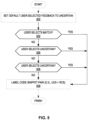
- the user input is one of the following:
- the functionality of the feedback obtainer circuitry 128 is instantiated in instructions.
- the example feedback obtainer instructions e.g., instructions 1032 in FIG. 10
- a memory e.g., local memory 1013 in FIG. 10
- processor circuitry e.g., 1012 in FIG. 10
- the functionality of the code snippet pair labeler circuitry 130 is instantiated in instructions.
- the example code snippet pair labeler instructions e.g., instructions 1032 in FIG. 10
- a memory e.g., local memory 1013 in FIG. 10
- processor circuitry e.g., 1012 in FIG. 10
- the code similarity engine circuitry 106 includes means for labeling a code snippet pair.
- the means for labeling may be implemented by code snippet pair labeler circuitry 130.
- the code snippet pair labeler circuitry 130 may be implemented by machine executable instructions such as that implemented by at least block 508 of FIG. 5 executed by processor circuitry, which may be implemented by the example processor circuitry 1012 of FIG. 10 , the example processor circuitry 1100 of FIG. 11 , and/or the example Field Programmable Gate Array (FPGA) circuitry 1200 of FIG. 12 .
- FPGA Field Programmable Gate Array
- the code snippet pair labeler circuitry 130 is implemented by other hardware logic circuitry, hardware implemented state machines, and/or any other combination of hardware, software, and/or firmware.
- the code snippet pair labeler circuitry 130 may be implemented by at least one or more hardware circuits (e.g., processor circuitry, discrete and/or integrated analog and/or digital circuitry, an FPGA, an Application Specific Integrated Circuit (ASIC), a comparator, an operational-amplifier (op-amp), a logic circuit, etc.) structured to perform the corresponding operation without executing software or firmware, but other structures are likewise appropriate.
- hardware circuits e.g., processor circuitry, discrete and/or integrated analog and/or digital circuitry, an FPGA, an Application Specific Integrated Circuit (ASIC), a comparator, an operational-amplifier (op-amp), a logic circuit, etc.
- the code similarity engine circuitry 106 includes means for obtaining a user-determined code snippet feedback.
- the means for obtaining is implemented by feedback obtainer circuitry 128.
- the feedback obtainer circuitry 128 is implemented by machine executable instructions such as that implemented by at least block 206 of FIG. 2 executed by processor circuitry, which is implemented by the processor circuitry 1012 of FIG. 10 , the processor circuitry 1100 of FIG. 11 , and/or the Field Programmable Gate Array (FPGA) circuitry 1200 of FIG. 12 .
- the feedback obtainer circuitry 128 is implemented by other hardware logic circuitry, hardware implemented state machines, and/or any other combination of hardware, software, and/or firmware.
- the feedback obtainer circuitry 128 is implemented by at least one or more hardware circuits (e.g., processor circuitry, discrete and/or integrated analog and/or digital circuitry, an FPGA, an Application Specific Integrated Circuit (ASIC), a comparator, an operational-amplifier (op-amp), a logic circuit, etc.) structured to perform the corresponding operation without executing software or firmware, but other structures are likewise appropriate.
- hardware circuits e.g., processor circuitry, discrete and/or integrated analog and/or digital circuitry, an FPGA, an Application Specific Integrated Circuit (ASIC), a comparator, an operational-amplifier (op-amp), a logic circuit, etc.
- the code recommendation circuitry 104 includes a downstream task model training circuitry 132.
- the example code snippet pair labeler circuitry 130 provides the code snippet pair (with the label) to the downstream task model training circuitry 132 to use for training the neural network downstream task-model circuitry 116.
- the downstream task model training circuitry 132 checks for malicious user input.
- the downstream task model training circuitry 132 includes a malicious user control circuitry 134 to provide a safety mechanism to prevent malicious user feedback on code snippet pairs from being used to train the neural network downstream task model circuitry 116.
- the functionality of the malicious user feedback detector circuitry 136 is instantiated in instructions.
- the example malicious user feedback detector instructions e.g., instructions 1032 in FIG. 10
- a memory e.g., local memory 1013 in FIG. 10
- processor circuitry e.g., 1012 in FIG. 10
- the apparatus includes malicious user control circuitry 134 for detecting malicious user-determined code snippet feedback from a user.
- the means for detecting may be implemented by malicious user feedback detector circuitry 136.
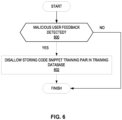
- the malicious user feedback detector circuitry 136 may be implemented by machine executable instructions such as that implemented by at least blocks 600 of FIG. 6 and 700 of FIG. 7 executed by processor circuitry, which may be implemented by the example processor circuitry 1012 of FIG. 10 , the example processor circuitry 1100 of FIG. 11 , and/or the example Field Programmable Gate Array (FPGA) circuitry 1200 of FIG. 12 .
- FPGA Field Programmable Gate Array
- the malicious user feedback detector circuitry 136 is implemented by other hardware logic circuitry, hardware implemented state machines, and/or any other combination of hardware, software, and/or firmware.
- the malicious user feedback detector circuitry 136 may be implemented by at least one or more hardware circuits (e.g., processor circuitry, discrete and/or integrated analog and/or digital circuitry, an FPGA, an Application Specific Integrated Circuit (ASIC), a comparator, an operational-amplifier (op-amp), a logic circuit, etc.) structured to perform the corresponding operation without executing software or firmware, but other structures are likewise appropriate.
- malicious data detection includes two phases: 1) a manual detection phase, and 2) a learned detection phase.
- a manual detection phase which happens for a limited time period, one or more users/developers inspect code snippet pairs and their corresponding user feedback labels to determine if user feedback was entered maliciously. If so, the code snippet pair, the label, and information regarding the user that entered the malicious feedback is stored. Once a sufficient malicious data set has been generated in phase one, then the example malicious user control circuitry 134 enters the learned detection phase.
- the malicious code snippet pair database 142 stores all known code snippet pairs that have been linked to malicious user feedback.
- the malicious user feedback detector circuitry 136 can search the malicious code snippet pair database 142 for known code snippet pairs with malicious user feedback.
- the malicious code snippet pair database 142 keeps a running tally of malicious feedback attempts by user ID. In some examples, if a given user ID has provided enough malicious user feedback to pass a threshold value, the malicious user feedback handler circuitry 138 will not allow any user feedback from that user ID.
- each user ID is tracked in the malicious code snippet pair database 142 with a user rating value. Each time a user provides valid feedback, that user's rating value increases. Conversely, each time the user 100 provides malicious feedback, that user's rating value decreases. In these examples, a user's rating value can be applied to his/her user feedback as a weight component, which can increase or decrease the importance of the user feedback.
- the functionality of the malicious user feedback handler circuitry 138 is instantiated in instructions.
- the example malicious user feedback handler instructions e.g., instructions 1032 in FIG. 10
- a memory e.g., local memory 1013 in FIG. 10
- processor circuitry e.g., 1012 in FIG. 10
- the functionality of the malicious user data storing circuitry 138 is instantiated in instructions.
- the example malicious user data storing instructions e.g., instructions 1032 in FIG. 10
- a memory e.g., local memory 1013 in FIG. 10
- processor circuitry e.g., 1012 in FIG. 10
- the malicious user control circuitry 134 includes means for disallowing the storing of the code snippet training pair in the training database in response to malicious user-determined code snippet feedback from a user being detected and means for ignoring user-determined code snippet feedback from the user in response to the count of malicious user-determined code snippet feedback attempts exceeding a threshold.
- the means for disallowing and the means for ignoring may be implemented by malicious user feedback handler circuitry 138.
- the malicious user feedback handler circuitry 138 may be implemented by machine executable instructions such as that implemented by at least blocks 602 of FIG. 6 and 802 of FIG. 8 executed by processor circuitry, which may be implemented by the example processor circuitry 1112 of FIG. 11 , the example processor circuitry 1200 of FIG.
- the malicious user feedback handler circuitry 138 is implemented by other hardware logic circuitry, hardware implemented state machines, and/or any other combination of hardware, software, and/or firmware.
- the malicious user feedback handler circuitry 138 may be implemented by at least one or more hardware circuits (e.g., processor circuitry, discrete and/or integrated analog and/or digital circuitry, an FPGA, an Application Specific Integrated Circuit (ASIC), a comparator, an operational-amplifier (op-amp), a logic circuit, etc.) structured to perform the corresponding operation without executing software or firmware, but other structures are likewise appropriate.
- the malicious user control circuitry 134 includes means for storing the code snippet training pair with the detected malicious user-determined code snippet feedback in a malicious code snippet pair database, means for storing identification information about the user, and means for storing a count of malicious user-determined code snippet feedback attempts by the user.
- the means for storing may be implemented by malicious user data storing circuitry 140.
- the malicious user data storing circuitry 140 may be implemented by machine executable instructions such as that implemented by at least blocks 802, 804, and 806 of FIG. 8 executed by processor circuitry, which may be implemented by the example processor circuitry 1112 of FIG. 11 , the example processor circuitry 1200 of FIG.
- the malicious user data storing circuitry 140 is implemented by other hardware logic circuitry, hardware implemented state machines, and/or any other combination of hardware, software, and/or firmware.
- the malicious user data storing circuitry 140 may be implemented by at least one or more hardware circuits (e.g., processor circuitry, discrete and/or integrated analog and/or digital circuitry, an FPGA, an Application Specific Integrated Circuit (ASIC), a comparator, an operational-amplifier (op-amp), a logic circuit, etc.) structured to perform the corresponding operation without executing software or firmware, but other structures are likewise appropriate.
- the downstream task model training circuitry 132 includes means for storing a code snippet training pair in a training database.
- the means for storing may be implemented by training dataset storing circuitry 144.
- the training dataset storing circuitry 144 may be implemented by machine executable instructions such as that implemented by at least block 308 of FIG. 3 executed by processor circuitry, which may be implemented by the example processor circuitry 1112 of FIG. 11 , the example processor circuitry 1200 of FIG. 12 , and/or the example Field Programmable Gate Array (FPGA) circuitry 1300 of FIG. 13 .
- FPGA Field Programmable Gate Array
- the training dataset storing circuitry 144 is implemented by other hardware logic circuitry, hardware implemented state machines, and/or any other combination of hardware, software, and/or firmware.
- the training dataset storing circuitry 144 may be implemented by at least one or more hardware circuits (e.g., processor circuitry, discrete and/or integrated analog and/or digital circuitry, an FPGA, an Application Specific Integrated Circuit (ASIC), a comparator, an operational-amplifier (op-amp), a logic circuit, etc.) structured to perform the corresponding operation without executing software or firmware, but other structures are likewise appropriate.
- the downstream task model training circuitry 132 includes a training data set sending circuitry 148.
- the training data set sending circuitry 148 sends the training data set from the training database 146 to the NN downstream task model circuitry 116 to train the downstream task model.
- the example training data set sending circuitry 148 includes a timer.
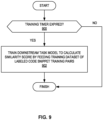
- the training data set is built up over a period of time (e.g., 6 months) and when the timer expires, the training data set sending circuitry 148 enters into training mode it sends the training data set to the neural network downstream task model circuitry 116.
- the training is dynamic and happens continuously as new code snippet pairs are received.
- the downstream task model can be trained as a binary classification problem (i.e., predict if a code pair is semantically equivalent) on the accumulated dataset collected from users.
- a continuous integration and continuous deployment pipeline may be implemented to automatically deploy and update the model to the framework.
- the NN downstream task model circuitry 116 is a part of the downstream task model training circuitry 132.
- the functionality of the training dataset sending circuitry 148 is instantiated in instructions.
- the example training dataset sending instructions e.g., instructions 1032 in FIG. 10
- the example training dataset sending instructions are loaded into a memory (e.g., local memory 1013 in FIG. 10 ) and executed by processor circuitry (e.g., 1012 in FIG. 10 ) to sends the training data set from the training database 146 to the NN downstream task model circuitry 116 to train the downstream task model.
- the downstream task training model circuitry 132 includes means for training a downstream task model to calculate the similarity score by feeding the downstream task model a training dataset and means for training the downstream task model when a timer expires.
- the means for training may be implemented by training dataset sending circuitry 148.
- the training dataset sending circuitry 148 may be implemented by machine executable instructions such as that implemented by at least block 1002 of FIG. 10 executed by processor circuitry, which may be implemented by the example processor circuitry 1112 of FIG. 11 , the example processor circuitry 1200 of FIG. 12 , and/or the example Field Programmable Gate Array (FPGA) circuitry 1300 of FIG. 13 .
- FPGA Field Programmable Gate Array
- the training dataset sending circuitry 148 is implemented by other hardware logic circuitry, hardware implemented state machines, and/or any other combination of hardware, software, and/or firmware.
- the training dataset sending circuitry 148 may be implemented by at least one or more hardware circuits (e.g., processor circuitry, discrete and/or integrated analog and/or digital circuitry, an FPGA, an Application Specific Integrated Circuit (ASIC), a comparator, an operational-amplifier (op-amp), a logic circuit, etc.) structured to perform the corresponding operation without executing software or firmware, but other structures are likewise appropriate.
- FIG. 1 While an example manner of implementing the code recommendation circuitry 104 is illustrated in FIG. 1 , one or more of the elements, processes, and/or devices illustrated in FIG. 1 may be combined, divided, re-arranged, omitted, eliminated, and/or implemented in any other way.
- the program may be embodied in software stored on one or more non-transitory computer readable storage media such as a CD, a floppy disk, a hard disk drive (HDD), a DVD, a Blu-ray disk, a volatile memory (e.g., Random Access Memory (RAM) of any type, etc.), or a non-volatile memory (e.g., FLASH memory, an HDD, etc.) associated with processor circuitry located in one or more hardware devices, but the entire program and/or parts thereof could alternatively be executed by one or more hardware devices other than the processor circuitry and/or embodied in firmware or dedicated hardware.
- non-transitory computer readable storage media such as a CD, a floppy disk, a hard disk drive (HDD), a DVD, a Blu-ray disk, a volatile memory (e.g., Random Access Memory (RAM) of any type, etc.), or a non-volatile memory (e.g., FLASH memory, an HDD, etc.) associated with processor
Landscapes
- Engineering & Computer Science (AREA)
- Theoretical Computer Science (AREA)
- Software Systems (AREA)
- General Engineering & Computer Science (AREA)
- Physics & Mathematics (AREA)
- General Physics & Mathematics (AREA)
- Artificial Intelligence (AREA)
- Life Sciences & Earth Sciences (AREA)
- Health & Medical Sciences (AREA)
- Biomedical Technology (AREA)
- Biophysics (AREA)
- Computational Linguistics (AREA)
- Data Mining & Analysis (AREA)
- Evolutionary Computation (AREA)
- General Health & Medical Sciences (AREA)
- Molecular Biology (AREA)
- Computing Systems (AREA)
- Mathematical Physics (AREA)
- Information Retrieval, Db Structures And Fs Structures Therefor (AREA)
Claims (14)
- Computerimplementiertes Verfahren, das Folgendes umfasst:Sammeln (200) eines Anwendercodefragments;Bestimmen (202) einer strukturierten Repräsentation des Anwendercodefragments;Erzeugen (204) eines empfohlenen Codefragments unter Verwendung der strukturierten Repräsentation des Anwendercodefragments;Erhalten (206) einer anwenderbestimmten Codefragmentrückmeldung, die das Anwendercodefragment mit dem empfohlenen Codefragment vergleicht, wobei die anwenderbestimmte Codefragmentrückmeldung eine Übereinstimmung, keine Übereinstimmung oder Unsicherheit angibt; undBewirken (208) des Speicherns eines Codefragmentschulungspaars in einer Schulungsdatenbank, wobei das Codefragmentschulungspaar das Anwendercodefragment und das empfohlene Codefragment enthält,dadurch gekennzeichnet, dass das Verfahren ferner Folgendes umfasst:Detektieren einer bösartigen anwenderbestimmten Codefragmentrückmeldung von einem Anwender; undVerbieten des Speicherns des Codefragmentschulungspaars in der Schulungsdatenbank als Reaktion auf das Detektieren einer bösartigen anwenderbestimmten Codefragmentrückmeldung.
- Computerimplementiertes Verfahren nach Anspruch 1, das ferner Folgendes enthält:
Darstellen des empfohlenen Codefragments für einen Anwender in einer integrierten Entwicklungsumgebung. - Computerimplementiertes Verfahren nach Anspruch 1 oder Anspruch 2, das ferner Folgendes enthält:Erzeugen eines reellwertigen Codevektors aus der strukturierten Repräsentation des Anwendercodefragments durch Verarbeiten der strukturierten Repräsentation des Anwendercodefragments durch ein neuronales Netz; undErfassen des empfohlenen Codefragments aus einer Empfehlungsdatenbank unter Verwendung des reellwertigen Codevektors.
- Computerimplementiertes Verfahren nach Anspruch 3, das ferner Folgendes enthält:Berechnen einer Ähnlichkeitsbewertung des reellwertigen Codevektors mit einem nächsten empfohlenen Codefragmentdatenbank-Cluster unter Verwendung einer Abstandsmetrik, wobei der nächste empfohlene Codefragmentdatenbank-Cluster das empfohlene Codefragment enthält; undAusfüllen einer Liste empfohlener Codefragmente, die die kleinsten berechneten Abstände zu dem reellwertigen Codevektor aufweisen.
- Computerimplementiertes Verfahren nach Anspruch 4, das ferner Folgendes enthält:für ein erstes durch einen Anwender ausgewähltes empfohlenes Codefragment in der Liste empfohlener Codefragmente Beschriften des Codefragmentschulungspaars, das das erste empfohlene Codefragment enthält, mit einer Etikettbewertung von Eins als Reaktion darauf, dass die anwenderbestimmte Codefragmentrückmeldung eine Übereinstimmung für das erste empfohlene Codefragment ist;Beschriften aller Codefragmentschulungspaare, die eines der empfohlenen Codefragmente in der Liste empfohlener Codefragmente mit einer näheren Ähnlichkeitsbewertung als das erste empfohlene Codefragment enthalten, mit einer Etikettbewertung von weniger als Eins; undnicht Beschriften jedes Codefragmentschulungspaars, das eines der empfohlenen Codefragmente in der Liste empfohlener Codefragmente enthält, als Reaktion darauf, dass die anwenderbestimmte Codefragmentrückmeldung keine Antwort für das erste empfohlene Codefragment ist.
- Computerimplementiertes Verfahren nach Anspruch 1 oder Anspruch 2 oder Anspruch 5, das ferner Folgendes enthält:
Beschriften des Codefragmentschulungspaars mit einer Bewertung von Eins als Reaktion darauf, dass die anwenderbestimmte Codefragmentrückmeldung eine Übereinstimmung ist, und Beschriften des Codefragmentschulungspaars mit einer Bewertung von Null als Reaktion darauf, dass die anwenderbestimmte Codefragmentrückmeldung keine Übereinstimmung ist. - Computerimplementiertes Verfahren nach Anspruch 1, das ferner Folgendes enthält:Bewirken des Speicherns des Codefragmentschulungspaars mit der detektierten bösartigen anwenderbestimmten Codefragmentrückmeldung in einer Datenbank bösartiger Codefragmentpaare;Bewirken des Speicherns von Identifikationsinformationen über den Anwender; undBewirken des Speicherns einer Zählung von bösartigen anwenderbestimmten Codefragmentrückmeldungsversuchen durch den Anwender.
- Computerimplementiertes Verfahren nach Anspruch 7, das ferner Folgendes enthält:
Ignorieren einer anwenderbestimmten Codefragmentrückmeldung von dem Anwender als Reaktion darauf, dass die Zählung von bösartigen anwenderbestimmten Codefragmentrückmeldungsversuchen einen Schwellenwert übersteigt. - Computerimplementiertes Verfahren nach Anspruch 4, das ferner Folgendes enthält:
Schulen eines nachgelagerten Aufgabenmodells, um die Ähnlichkeitsbewertung zu berechnen, durch Einspeisen in das nachgelagerte Aufgabenmodell einer Schulungsdatengruppe des Codefragmentschulungspaars in der Schulungsdatenbank. - Vorrichtung, die Mittel umfasst, um ein Verfahren nach einem der Ansprüche 1-9 auszuführen.
- Maschinenlesbarer Speicher, der maschinenlesbare Anweisungen enthält, die dazu dienen, dann, wenn sie ausgeführt werden, ein Verfahren nach einem der Ansprüche 1-9 zu implementieren oder eine Vorrichtung zu realisieren.
- System, das Folgendes umfasst:eine Schulungsdatenbank (146);eine Empfehlungsdatenbank (118); undeine Verarbeitungsschaltungsanordnung, die eines oder mehrere enthält von:einer Zentraleinheit und/oder einer Grafikprozessoreinheit und/oder einem digitalen Signalprozessor, wobei die mindestens eine der Zentraleinheit, der Grafikprozessoreinheit und des digitalen Signalprozessors eine Steuerschaltungsanordnung, um eine Datenbewegung innerhalb der Prozessorschaltungsanordnung zu steuern, eine Arithmetik- und Logikschaltungsanordnung, um einen oder mehrere erste Vorgänge auszuführen, die den Anweisungen entsprechen, und ein oder mehrere Register, um ein Ergebnis des einen oder der mehreren ersten Vorgänge zu speichern, die Anweisungen in dem System besitzt;eine feldprogrammierbare Gatteranordnung, FPGA, wobei die FPGA eine Logikgatter-Schaltungsanordnung, mehrere konfigurierbare Verbindungen und eine Speicherschaltungsanordnung enthält, wobei die Logikgatter-Schaltungsanordnung und die Verbindungen dazu dienen, einen oder mehrere zweite Vorgänge auszuführen, wobei die Speicherschaltungsanordnung dazu dient, ein Ergebnis des einen oder der mehreren zweiten Vorgänge zu speichern; odereine anwendungsspezifische integrierte Schaltungsanordnung, ASIC, die eine Logikgatter-Schaltungsanordnung enthält, um einen oder mehrere dritte Vorgänge auszuführen;wobei die Prozessorschaltungsanordnung dazu ausgelegt ist, die eine oder die mehreren ersten Operationen und/oder die eine oder die mehreren zweiten Operationen und/oder die eine oder die mehreren dritten Operationen durchzuführen, um Folgendes zu instanziieren:eine Schaltungsanordnung, um ein Anwendercodefragment zu sammeln;eine Schaltungsanordnung zum Bestimmen einer strukturierten Repräsentation (112), um eine strukturierte Repräsentation des Anwendercodefragments zu bestimmen;eine Schaltungsanordnung zur Erzeugung eines empfohlenen Codefragments (108), um ein empfohlenes Codefragment unter Verwendung der strukturierten Repräsentation des Anwendercodefragments zu erzeugen;eine Schaltungsanordnung zum Erhalten einer Rückmeldung (128), um eine anwenderbestimmte Codefragmentrückmeldung, die das Anwendercodefragment mit dem empfohlenen Codefragment vergleicht, zu erhalten, wobei die anwenderbestimmte Codefragmentrückmeldung eine Übereinstimmung, keine Übereinstimmung oder Unsicherheit angibt;eine Schaltungsanordnung zum Speichern einer Schulungsdatengruppe (144), um ein Codefragmentschulungspaar in der Schulungsdatenbank zu speichern, wobei das Codefragmentschulungspaar das Anwendercodefragment und das empfohlene Codefragment enthält;dadurch gekennzeichnet, dass das System ferner Folgendes umfasst:eine Schaltungsanordnung zum Detektieren einer bösartigen Anwenderrückmeldung (136), um eine bösartige anwenderbestimmte Codefragmentrückmeldung von einem Anwender zu detektieren; undeine Schaltungsanordnung zum Abfertigen einer bösartigen Anwenderrückmeldung (138), um das Speichern des Codefragmentschulungspaars in der Schulungsdatenbank als Reaktion auf das Detektieren der bösartigen anwenderbestimmten Codefragmentrückmeldung zu verbieten.
- System nach Anspruch 12, wobei die Prozessorschaltungsanordnung dazu dient, mindestens einen des einen oder der mehreren ersten Vorgänge, des einen oder der mehreren zweiten Vorgänge oder des einen oder der mehreren dritten Vorgänge auszuführen, um Folgendes zu instanziieren:eine Schaltungsanordnung zum Erzeugen eines Codevektors, um einen reellwertigen Codevektor aus der strukturierten Repräsentation des Anwendercodefragments durch Verarbeiten der strukturierten Repräsentation des Anwendercodefragments durch ein neuronales Netz zu erzeugen; undeine Schaltungsanordnung zum Erfassen eines empfohlenen Codefragments, um das empfohlene Codefragment von der Empfehlungsdatenbank unter Verwendung des reellwertigen Codevektors zu erfassen.
- System nach Anspruch 12 oder Anspruch 13, wobei die Prozessorschaltungsanordnung dazu dient, mindestens einen des einen oder der mehreren ersten Vorgänge, des einen oder der mehreren zweiten Vorgänge oder des einen oder der mehreren dritten Vorgänge auszuführen, um Folgendes zu instanziieren:eine Schaltungsanordnung zum Berechnen einer Ähnlichkeitsbewertung, um eine Ähnlichkeitsbewertung des reellwertigen Codevektors mit einem nächsten empfohlenen Codefragmentdatenbank-Cluster unter Verwendung einer Abstandsmetrik zu berechnen, wobei der nächste empfohlene Codefragmentdatenbank-Cluster das empfohlene Codefragment enthält; undeine Schaltungsanordnung zum Ausfüllen einer Liste, um eine Liste empfohlener Codefragmente, die die kleinsten berechneten Abstände zu dem reellwertigen Codevektor aufweisen, auszufüllen.
Applications Claiming Priority (2)
| Application Number | Priority Date | Filing Date | Title |
|---|---|---|---|
| US202163233641P | 2021-08-16 | 2021-08-16 | |
| US17/644,328 US11977605B2 (en) | 2021-08-16 | 2021-12-14 | Methods and apparatus to automatically evolve a code recommendation engine |
Publications (2)
| Publication Number | Publication Date |
|---|---|
| EP4137936A1 EP4137936A1 (de) | 2023-02-22 |
| EP4137936B1 true EP4137936B1 (de) | 2025-01-22 |
Family
ID=82546887
Family Applications (1)
| Application Number | Title | Priority Date | Filing Date |
|---|---|---|---|
| EP22182966.6A Active EP4137936B1 (de) | 2021-08-16 | 2022-07-05 | Verfahren und vorrichtung zur automatischen evolution einer code-empfehlungsmaschine |
Country Status (2)
| Country | Link |
|---|---|
| EP (1) | EP4137936B1 (de) |
| CN (1) | CN115905501A (de) |
Families Citing this family (1)
| Publication number | Priority date | Publication date | Assignee | Title |
|---|---|---|---|---|
| US12493452B2 (en) * | 2022-12-20 | 2025-12-09 | Kyndryl, Inc. | Code advisory system |
Family Cites Families (3)
| Publication number | Priority date | Publication date | Assignee | Title |
|---|---|---|---|---|
| US10545733B2 (en) * | 2018-06-25 | 2020-01-28 | Hcl Technologies Ltd. | Code reusability |
| US11238306B2 (en) * | 2018-09-27 | 2022-02-01 | International Business Machines Corporation | Generating vector representations of code capturing semantic similarity |
| US11645515B2 (en) * | 2019-09-16 | 2023-05-09 | International Business Machines Corporation | Automatically determining poisonous attacks on neural networks |
-
2022
- 2022-07-05 EP EP22182966.6A patent/EP4137936B1/de active Active
- 2022-07-11 CN CN202210815645.5A patent/CN115905501A/zh not_active Withdrawn
Also Published As
| Publication number | Publication date |
|---|---|
| EP4137936A1 (de) | 2023-02-22 |
| CN115905501A (zh) | 2023-04-04 |
Similar Documents
| Publication | Publication Date | Title |
|---|---|---|
| US11977605B2 (en) | Methods and apparatus to automatically evolve a code recommendation engine | |
| US12141282B2 (en) | Methods and apparatus to augment classification coverage for low prevalence samples through neighborhood labels proximity vectors | |
| US11681541B2 (en) | Methods, apparatus, and articles of manufacture to generate usage dependent code embeddings | |
| EP4206954A1 (de) | Verfahren, systeme, herstellungsartikel und vorrichtung zur verarbeitung eines bildes unter verwendung visueller und textueller informationen | |
| US12032541B2 (en) | Methods and apparatus to improve data quality for artificial intelligence | |
| US11704226B2 (en) | Methods, systems, articles of manufacture and apparatus to detect code defects | |
| US11782813B2 (en) | Methods and apparatus to determine refined context for software bug detection and correction | |
| US11954466B2 (en) | Methods and apparatus for machine learning-guided compiler optimizations for register-based hardware architectures | |
| US20250123819A1 (en) | Methods and apparatus to utilize large language artificial intelligence models to convert computer code | |
| US20250117593A1 (en) | Methods and apparatus to self-guardrail large language model responses | |
| US12619721B2 (en) | Methods and apparatus for malware classification through convolutional neural networks using raw bytes | |
| US20220108182A1 (en) | Methods and apparatus to train models for program synthesis | |
| US20250117476A1 (en) | Methods and apparatus to identify structural similarity between webpages | |
| US12367252B2 (en) | Methods and apparatus to classify web content | |
| US20230137905A1 (en) | Source-free active adaptation to distributional shifts for machine learning | |
| US20260119797A1 (en) | Sample classification using natural language processing models | |
| EP4137936A1 (de) | Verfahren und vorrichtung zur automatischen evolution einer code-empfehlungsmaschine | |
| US12081584B2 (en) | Methods and apparatus to determine mutex entropy for malware classification | |
| US20240070326A1 (en) | Methods and apparatus to translate hash-based signature signals for machine learning applications | |
| EP4703872A1 (de) | Verfahren und vorrichtung zur bereitstellung von empfehlungen zur vorrichtungsverwaltung | |
| US20240338563A1 (en) | Methods and apparatus for data-efficient continual adaptation to post-deployment novelties for autonomous systems | |
| EP4738281A1 (de) | Verfahren, systeme, herstellungsartikel und vorrichtung zur datenkennzeichnung | |
| US20230376844A1 (en) | Methods, systems, articles of manufacture and apparatus to build blocking-based batches for training machine learning models | |
| EP4641445A1 (de) | Verfahren, systeme, herstellungsartikel und vorrichtung zur objekt-zu-objekt-empfehlung unter verwendung von label-prototypen und selbstaufmerksamkeit | |
| US20260099759A1 (en) | Methods and apparatus to process training data for an ai-based model |
Legal Events
| Date | Code | Title | Description |
|---|---|---|---|
| PUAI | Public reference made under article 153(3) epc to a published international application that has entered the european phase |
Free format text: ORIGINAL CODE: 0009012 |
|
| STAA | Information on the status of an ep patent application or granted ep patent |
Free format text: STATUS: THE APPLICATION HAS BEEN PUBLISHED |
|
| AK | Designated contracting states |
Kind code of ref document: A1 Designated state(s): AL AT BE BG CH CY CZ DE DK EE ES FI FR GB GR HR HU IE IS IT LI LT LU LV MC MK MT NL NO PL PT RO RS SE SI SK SM TR |
|
| STAA | Information on the status of an ep patent application or granted ep patent |
Free format text: STATUS: REQUEST FOR EXAMINATION WAS MADE |
|
| STAA | Information on the status of an ep patent application or granted ep patent |
Free format text: STATUS: EXAMINATION IS IN PROGRESS |
|
| 17P | Request for examination filed |
Effective date: 20230725 |
|
| RBV | Designated contracting states (corrected) |
Designated state(s): AL AT BE BG CH CY CZ DE DK EE ES FI FR GB GR HR HU IE IS IT LI LT LU LV MC MK MT NL NO PL PT RO RS SE SI SK SM TR |
|
| 17Q | First examination report despatched |
Effective date: 20230828 |
|
| REG | Reference to a national code |
Ref legal event code: R079 Free format text: PREVIOUS MAIN CLASS: G06F0008330000 Ref country code: DE Ref legal event code: R079 Ref document number: 602022009739 Country of ref document: DE Free format text: PREVIOUS MAIN CLASS: G06F0008330000 Ipc: G06F0008360000 |
|
| GRAP | Despatch of communication of intention to grant a patent |
Free format text: ORIGINAL CODE: EPIDOSNIGR1 |
|
| STAA | Information on the status of an ep patent application or granted ep patent |
Free format text: STATUS: GRANT OF PATENT IS INTENDED |
|
| RIC1 | Information provided on ipc code assigned before grant |
Ipc: G06N 3/091 20230101ALI20240724BHEP Ipc: G06N 3/04 20230101ALI20240724BHEP Ipc: G06N 3/09 20230101ALI20240724BHEP Ipc: G06N 3/045 20230101ALI20240724BHEP Ipc: G06F 8/33 20180101ALI20240724BHEP Ipc: G06F 8/36 20180101AFI20240724BHEP |
|
| INTG | Intention to grant announced |
Effective date: 20240807 |
|
| GRAS | Grant fee paid |
Free format text: ORIGINAL CODE: EPIDOSNIGR3 |
|
| GRAA | (expected) grant |
Free format text: ORIGINAL CODE: 0009210 |
|
| STAA | Information on the status of an ep patent application or granted ep patent |
Free format text: STATUS: THE PATENT HAS BEEN GRANTED |
|
| AK | Designated contracting states |
Kind code of ref document: B1 Designated state(s): AL AT BE BG CH CY CZ DE DK EE ES FI FR GB GR HR HU IE IS IT LI LT LU LV MC MK MT NL NO PL PT RO RS SE SI SK SM TR |
|
| REG | Reference to a national code |
Ref country code: GB Ref legal event code: FG4D |
|
| REG | Reference to a national code |
Ref country code: CH Ref legal event code: EP |
|
| REG | Reference to a national code |
Ref country code: IE Ref legal event code: FG4D |
|
| REG | Reference to a national code |
Ref country code: DE Ref legal event code: R096 Ref document number: 602022009739 Country of ref document: DE |
|
| P01 | Opt-out of the competence of the unified patent court (upc) registered |
Free format text: CASE NUMBER: APP_6507/2025 Effective date: 20250207 |
|
| REG | Reference to a national code |
Ref country code: NL Ref legal event code: FP |
|
| PG25 | Lapsed in a contracting state [announced via postgrant information from national office to epo] |
Ref country code: RS Free format text: LAPSE BECAUSE OF FAILURE TO SUBMIT A TRANSLATION OF THE DESCRIPTION OR TO PAY THE FEE WITHIN THE PRESCRIBED TIME-LIMIT Effective date: 20250422 |
|
| PG25 | Lapsed in a contracting state [announced via postgrant information from national office to epo] |
Ref country code: FI Free format text: LAPSE BECAUSE OF FAILURE TO SUBMIT A TRANSLATION OF THE DESCRIPTION OR TO PAY THE FEE WITHIN THE PRESCRIBED TIME-LIMIT Effective date: 20250122 |
|
| PG25 | Lapsed in a contracting state [announced via postgrant information from national office to epo] |
Ref country code: PL Free format text: LAPSE BECAUSE OF FAILURE TO SUBMIT A TRANSLATION OF THE DESCRIPTION OR TO PAY THE FEE WITHIN THE PRESCRIBED TIME-LIMIT Effective date: 20250122 |
|
| PG25 | Lapsed in a contracting state [announced via postgrant information from national office to epo] |
Ref country code: ES Free format text: LAPSE BECAUSE OF FAILURE TO SUBMIT A TRANSLATION OF THE DESCRIPTION OR TO PAY THE FEE WITHIN THE PRESCRIBED TIME-LIMIT Effective date: 20250122 |
|
| REG | Reference to a national code |
Ref country code: LT Ref legal event code: MG9D |
|
| PG25 | Lapsed in a contracting state [announced via postgrant information from national office to epo] |
Ref country code: IS Free format text: LAPSE BECAUSE OF FAILURE TO SUBMIT A TRANSLATION OF THE DESCRIPTION OR TO PAY THE FEE WITHIN THE PRESCRIBED TIME-LIMIT Effective date: 20250522 Ref country code: NO Free format text: LAPSE BECAUSE OF FAILURE TO SUBMIT A TRANSLATION OF THE DESCRIPTION OR TO PAY THE FEE WITHIN THE PRESCRIBED TIME-LIMIT Effective date: 20250422 |
|
| PGFP | Annual fee paid to national office [announced via postgrant information from national office to epo] |
Ref country code: NL Payment date: 20250627 Year of fee payment: 4 |
|
| REG | Reference to a national code |
Ref country code: AT Ref legal event code: MK05 Ref document number: 1761954 Country of ref document: AT Kind code of ref document: T Effective date: 20250122 |
|
| PG25 | Lapsed in a contracting state [announced via postgrant information from national office to epo] |
Ref country code: HR Free format text: LAPSE BECAUSE OF FAILURE TO SUBMIT A TRANSLATION OF THE DESCRIPTION OR TO PAY THE FEE WITHIN THE PRESCRIBED TIME-LIMIT Effective date: 20250122 |
|
| PG25 | Lapsed in a contracting state [announced via postgrant information from national office to epo] |
Ref country code: LV Free format text: LAPSE BECAUSE OF FAILURE TO SUBMIT A TRANSLATION OF THE DESCRIPTION OR TO PAY THE FEE WITHIN THE PRESCRIBED TIME-LIMIT Effective date: 20250122 Ref country code: PT Free format text: LAPSE BECAUSE OF FAILURE TO SUBMIT A TRANSLATION OF THE DESCRIPTION OR TO PAY THE FEE WITHIN THE PRESCRIBED TIME-LIMIT Effective date: 20250522 |
|
| PGFP | Annual fee paid to national office [announced via postgrant information from national office to epo] |
Ref country code: FR Payment date: 20250623 Year of fee payment: 4 |
|
| PG25 | Lapsed in a contracting state [announced via postgrant information from national office to epo] |
Ref country code: BG Free format text: LAPSE BECAUSE OF FAILURE TO SUBMIT A TRANSLATION OF THE DESCRIPTION OR TO PAY THE FEE WITHIN THE PRESCRIBED TIME-LIMIT Effective date: 20250122 Ref country code: GR Free format text: LAPSE BECAUSE OF FAILURE TO SUBMIT A TRANSLATION OF THE DESCRIPTION OR TO PAY THE FEE WITHIN THE PRESCRIBED TIME-LIMIT Effective date: 20250423 |
|
| PG25 | Lapsed in a contracting state [announced via postgrant information from national office to epo] |
Ref country code: AT Free format text: LAPSE BECAUSE OF FAILURE TO SUBMIT A TRANSLATION OF THE DESCRIPTION OR TO PAY THE FEE WITHIN THE PRESCRIBED TIME-LIMIT Effective date: 20250122 |
|
| PG25 | Lapsed in a contracting state [announced via postgrant information from national office to epo] |
Ref country code: SE Free format text: LAPSE BECAUSE OF FAILURE TO SUBMIT A TRANSLATION OF THE DESCRIPTION OR TO PAY THE FEE WITHIN THE PRESCRIBED TIME-LIMIT Effective date: 20250122 |
|
| PG25 | Lapsed in a contracting state [announced via postgrant information from national office to epo] |
Ref country code: SM Free format text: LAPSE BECAUSE OF FAILURE TO SUBMIT A TRANSLATION OF THE DESCRIPTION OR TO PAY THE FEE WITHIN THE PRESCRIBED TIME-LIMIT Effective date: 20250122 |
|
| PG25 | Lapsed in a contracting state [announced via postgrant information from national office to epo] |
Ref country code: DK Free format text: LAPSE BECAUSE OF FAILURE TO SUBMIT A TRANSLATION OF THE DESCRIPTION OR TO PAY THE FEE WITHIN THE PRESCRIBED TIME-LIMIT Effective date: 20250122 |
|
| PGFP | Annual fee paid to national office [announced via postgrant information from national office to epo] |
Ref country code: DE Payment date: 20250618 Year of fee payment: 4 |
|
| PG25 | Lapsed in a contracting state [announced via postgrant information from national office to epo] |
Ref country code: IT Free format text: LAPSE BECAUSE OF FAILURE TO SUBMIT A TRANSLATION OF THE DESCRIPTION OR TO PAY THE FEE WITHIN THE PRESCRIBED TIME-LIMIT Effective date: 20250122 |
|
| PG25 | Lapsed in a contracting state [announced via postgrant information from national office to epo] |
Ref country code: EE Free format text: LAPSE BECAUSE OF FAILURE TO SUBMIT A TRANSLATION OF THE DESCRIPTION OR TO PAY THE FEE WITHIN THE PRESCRIBED TIME-LIMIT Effective date: 20250122 Ref country code: CZ Free format text: LAPSE BECAUSE OF FAILURE TO SUBMIT A TRANSLATION OF THE DESCRIPTION OR TO PAY THE FEE WITHIN THE PRESCRIBED TIME-LIMIT Effective date: 20250122 |
|
| REG | Reference to a national code |
Ref country code: DE Ref legal event code: R097 Ref document number: 602022009739 Country of ref document: DE |
|
| PG25 | Lapsed in a contracting state [announced via postgrant information from national office to epo] |
Ref country code: RO Free format text: LAPSE BECAUSE OF FAILURE TO SUBMIT A TRANSLATION OF THE DESCRIPTION OR TO PAY THE FEE WITHIN THE PRESCRIBED TIME-LIMIT Effective date: 20250122 |
|
| PG25 | Lapsed in a contracting state [announced via postgrant information from national office to epo] |
Ref country code: SK Free format text: LAPSE BECAUSE OF FAILURE TO SUBMIT A TRANSLATION OF THE DESCRIPTION OR TO PAY THE FEE WITHIN THE PRESCRIBED TIME-LIMIT Effective date: 20250122 |
|
| PLBE | No opposition filed within time limit |
Free format text: ORIGINAL CODE: 0009261 |
|
| STAA | Information on the status of an ep patent application or granted ep patent |
Free format text: STATUS: NO OPPOSITION FILED WITHIN TIME LIMIT |
|
| REG | Reference to a national code |
Ref country code: CH Ref legal event code: L10 Free format text: ST27 STATUS EVENT CODE: U-0-0-L10-L00 (AS PROVIDED BY THE NATIONAL OFFICE) Effective date: 20251203 |
|
| 26N | No opposition filed |
Effective date: 20251023 |
|
| REG | Reference to a national code |
Ref country code: CH Ref legal event code: H13 Free format text: ST27 STATUS EVENT CODE: U-0-0-H10-H13 (AS PROVIDED BY THE NATIONAL OFFICE) Effective date: 20260224 |
|
| PG25 | Lapsed in a contracting state [announced via postgrant information from national office to epo] |
Ref country code: LU Free format text: LAPSE BECAUSE OF NON-PAYMENT OF DUE FEES Effective date: 20250705 |
|
| REG | Reference to a national code |
Ref country code: BE Ref legal event code: MM Effective date: 20250731 |
|
| PG25 | Lapsed in a contracting state [announced via postgrant information from national office to epo] |
Ref country code: BE Free format text: LAPSE BECAUSE OF NON-PAYMENT OF DUE FEES Effective date: 20250731 |
|
| PG25 | Lapsed in a contracting state [announced via postgrant information from national office to epo] |
Ref country code: CH Free format text: LAPSE BECAUSE OF NON-PAYMENT OF DUE FEES Effective date: 20250731 |