EP4136822B1 - Auf benutzerebene basierende belichtung - Google Patents
Auf benutzerebene basierende belichtung Download PDFInfo
- Publication number
- EP4136822B1 EP4136822B1 EP20727301.2A EP20727301A EP4136822B1 EP 4136822 B1 EP4136822 B1 EP 4136822B1 EP 20727301 A EP20727301 A EP 20727301A EP 4136822 B1 EP4136822 B1 EP 4136822B1
- Authority
- EP
- European Patent Office
- Prior art keywords
- entity
- policy
- cellular network
- data packet
- request
- Prior art date
- Legal status (The legal status is an assumption and is not a legal conclusion. Google has not performed a legal analysis and makes no representation as to the accuracy of the status listed.)
- Active
Links
Images




Classifications
-
- H—ELECTRICITY
- H04—ELECTRIC COMMUNICATION TECHNIQUE
- H04L—TRANSMISSION OF DIGITAL INFORMATION, e.g. TELEGRAPHIC COMMUNICATION
- H04L61/00—Network arrangements, protocols or services for addressing or naming
- H04L61/45—Network directories; Name-to-address mapping
- H04L61/4505—Network directories; Name-to-address mapping using standardised directories; using standardised directory access protocols
- H04L61/4511—Network directories; Name-to-address mapping using standardised directories; using standardised directory access protocols using domain name system [DNS]
-
- H—ELECTRICITY
- H04—ELECTRIC COMMUNICATION TECHNIQUE
- H04L—TRANSMISSION OF DIGITAL INFORMATION, e.g. TELEGRAPHIC COMMUNICATION
- H04L41/00—Arrangements for maintenance, administration or management of data switching networks, e.g. of packet switching networks
- H04L41/08—Configuration management of networks or network elements
- H04L41/0894—Policy-based network configuration management
-
- H—ELECTRICITY
- H04—ELECTRIC COMMUNICATION TECHNIQUE
- H04L—TRANSMISSION OF DIGITAL INFORMATION, e.g. TELEGRAPHIC COMMUNICATION
- H04L67/00—Network arrangements or protocols for supporting network services or applications
- H04L67/50—Network services
- H04L67/60—Scheduling or organising the servicing of application requests, e.g. requests for application data transmissions using the analysis and optimisation of the required network resources
- H04L67/61—Scheduling or organising the servicing of application requests, e.g. requests for application data transmissions using the analysis and optimisation of the required network resources taking into account QoS or priority requirements
-
- H—ELECTRICITY
- H04—ELECTRIC COMMUNICATION TECHNIQUE
- H04W—WIRELESS COMMUNICATION NETWORKS
- H04W76/00—Connection management
- H04W76/10—Connection setup
- H04W76/12—Setup of transport tunnels
Definitions
- the present application relates to a method for operating a user equipment requesting a data packet flow from an application entity transmitted through a cellular network to the user equipment. Furthermore the corresponding user equipment is provided. Additionally a method for operating a user plane entity is provided configured to handle the data packet flow and the corresponding user plane entity itself. In addition a method for operating a policy control entity is provided and the corresponding policy control entity. Furthermore, a method for operating a translating entity is provided configured to translate a name of an application function providing the data packet flow through the cellular network to the user equipment. Additionally the corresponding translating entity is provided, a system comprising at least two of the entities mentioned above. Furthermore a computer program comprising program code and a carrier comprising the computer program is provided.
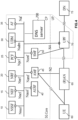
- Fig. 1 shows a 5G New Radio, NR, architecture with service based interfaces.
- Service Based Interfaces are represented in the format Nxyz, such as Nsmf, and point to point interfaces in the format Nx, such as N4.
- the 5G core network part comprises a Network Slice Selection Function, NSSF, 10, a Network Exposure Function, NEF, 15, a Network Repository Function, NRF, 20, a Policy Control Function, PCF, 25, a Unified Data Management, UDM, 30, an Application Function, AF, 35, an Authentication Server Function, AUSF, 40, an Access and Mobility Management Function, AMF, 45, and a Session Management Function, SMF, 50.
- NSSF Network Slice Selection Function
- NEF Network Exposure Function
- NRF Network Repository Function
- PCF Policy Control Function
- UDM User Data Management
- UDM User Data Management
- AF Application Function
- AF Authentication Server Function
- AUSF Access and Mobility Management Function
- SMF Session Management Function
- a User Equipment, UE, 60 is connected to the Radio Access Network, RAN, 65, wherein a User Plane Function, UPF, 70 is provided to connect the UE 60 to a Data Network, DN, 75.
- UPF User Plane Function
- NEF Network Exposure Function
- the Policy Control Function (PCF) 25 supports a unified policy framework to govern the network behaviour. Specifically, for this application, the PCF provides PCC (Policy and Charging Control) rules to the PCEF (Policy and Charging Enforcement Function), i.e. the SMF 50/UPF 70 that enforces policy and charging decisions according to provisioned PCC rules.
- PCC Policy and Charging Control
- PCEF Policy and Charging Enforcement Function
- the Session Management function (SMF) 50 supports different functionality, e.g. Session Establishment, modify and release, and policy related functionalities like termination of interfaces towards Policy control functions, Charging data collection, support of charging interfaces and control and coordination of charging data collection at UPF.
- SMF receives PCC rules from PCF and configures UPF accordingly through N4 reference point (PFCP protocol) as follows:
- the User Plane function (UPF) 70 supports handling of user plane traffic based on the rules received from SMF50 specifically, for this application, packet inspection (through PDRs) and different enforcement actions, e.g. traffic steering, QoS, Charging/Reporting (through FARs (Forwarding Action Rule), QERs, URRs).
- PDRs packet inspection
- FARs Forwarding Action Rule
- QERs User Plane Function
- 3GPP has defined a framework for Exposure. There is both an internal exposure and external exposure:
- the existing 3GPP Exposure framework is Control Plane based, where the network operator offers a Nnef Northbound interface which provides an out-of-band channel for content providers (OTT (Over the Top) through AF) to expose information with 3GPP-based network operators (where NEF is the entry point).
- the content provider application traffic goes through a separate channel on the user plane. This is shown in figure 2 where the control plane information is exchanged between the NEF 15 and the application function 35. Furthermore, the above discussed exposure occurs in the control plane 80.
- the user plane 85 exchange the data packet flow with the application server 90.
- QUIC is a UDP (User Datagram Protocol) based stream-multiplexed and secure transport protocol with integrity protected header and encrypted payload.
- TCP Transmission Control Protocol
- QUIC can easily be implemented in user space, i.e. in the application layer. As a consequence, this improves flexibility in terms of transport protocol evolution with implementation of new features, congestion control, deployability and adoption.
- QUIC is currently undergoing standardization in the IETF. QUIC standardization efforts started some 7 years ago, and as of now composes nearly 10% of the Internet traffic pushed by large Internet domains such as Google.
- QUIC is likely to become the main transport protocol in the Internet's user plane. It is expected that most applications running today over HTTP/HTTPS will migrate to QUIC, driven by latency improvements and stronger security. Notably, compared to HTTPS, encryption in QUIC covers both the transport protocol headers as well as the payload, as opposed to TLS over TCP, e.g. HTTPS, which protects only the payload.
- 3GPP supports an Exposure framework, specifically a Nnef Northbound interface which provides an out-of-band channel for content providers to exchange information with 3GPP-based network operators. As shown in Figure 2 , this out-of-band channel goes through the control plane and it is very difficult to correlate with the user plane channel (which carries content provider's application traffic), specifically with the recent increase in the adoption of traffic encryption by content providers (such as HTTP/3 or QUIC). Additionally, the NEF is a complex entity recently defined by 3GPP and consequently it is foreseen not to be supported by many network operators.
- EP 3 500 055 A1 discloses a method for performing user plane selection involving a control plane gateway and a DNS server.
- US 2018/192390 A1 discloses a user plane (re-selection) architecture relying on the mediation of control plane entities including the Session Management Function and the Network Exposure Function.
- a content provider such as an application function which operates the application function informs the cellular network about the policy to be applied to the data packet flow in the cellular network.
- a user plane based exposure mechanism which allows a content provider to exchange information in an efficient way with a network operator.
- the user plane entity or user plane function the user plane function could be used as entry point in the operator's network instead of the network exposure function as it is currently the case for a control plane based approach.
- exposure means an exposure operating mode in which a content provider operating the application entity informs the cellular network about the policy to be applied to the data packet flow in the cellular network.
- the application function can be considered as application entity, the policy control function as policy control entity or the user plane entity as user plane function.
- the situation is shown in Figure 3 .
- the network exposure function 15 is provided, wherein the control plane entity user plane is schematically shown in the operator-based area.
- the user plane could be implemented by the user plane entity 200.
- the content provider is located in the OTT, over the top, area and an application entity controlled by the content provider provides a data packet flow to a user equipment not shown in Figure 3 .
- the exposure mechanism, the management of the policies etc. is carried out in the user plane and not in the control plane.
- the application covers two main aspects: the first aspect is the discovery of the user plane entity.
- a mechanism is proposed for the application entity or the application client provided on the user equipment to discover the user plane entity which handles the data packet session such as the PDU session for the user equipment in the cellular network.
- it is proposed to extend the architecture with a service-based operator DNS, Domain Name Server, or translating entity, which offers an Ndns interface and with a service-based user plane entity which office an Nupf interface.
- the DNS server is also named as translating entity hereinafter as the translating entity is configured to translate the name of the application entity to the address of the application entity.
- a second aspect covered by the present application is the exposure itself meaning the mechanism proposed at application level.
- the exposure information is exchanged between the content provider and the network operator and does not have any impact on the UE itself, mainly the application provided on the UE may carry out the steps mentioned below in which the UE is involved.
- the content provider it is the application client or the application layer at the UE and/or the application server on the sending or receiving side to expose the information to the user plane entity or from the user plane entity.
- Figure 4 shows the new architecture with the entities involved.
- the user equipment 100, the user plane entity 200, the PCF 300 and the DNS server or translating entity 700 are amended by the present approach.
- the other functions are entity as shown in Figure 4 may correspond to the entities or functions discussed above in connection with Figure 1 or may also be amended in order to communicate with the entities mentioned above, namely, the UE 100, the user plane entity 200, the policy control entity 300, or the translating entity 700.
- One present assumption is that there is a service level agreement, SLA, between the content provider and the network operator. Accordingly, a user plane exposure mechanism is used for the content provider to exchange information with the network operator, especially for the content provider to request policies regarding the content provider's applications to be enforced by the network operator.
- SLA service level agreement
- the knowledge is pre-provisioned at the UDR database on a per subscriber basis as part of the subscriber policy.
- the above can be pre-provisioned on a per group of subscribers, on a per slice basis and/or on a per global basis.
- the application client at the UE is pre-provisioned with the network operator's DNS server information such as the I P address or the FQDN, Fully Qualified Domain Name, of the network operator's DNS server.
- Steps S1 and S2) At PFCP Association procedure between UPF and SMF entities, it is proposed to extend the existing mechanism to report UPF capabilities with a new capability ( EXPU , see table below in bold ). This would allow SMF to know which UPFs support this capability and thus can influence on UPF selection.
- a possible 5G implementation would be PFC Association Request, UPF capabilities: EXPU; PFCP Association Response) Feature Octet / Bit Feature Interface Description 5/1 BUCP Sxa, N4 Downlink Data Buffering in CP function is supported by the UP function. 5/2 DDND Sxa, N4 The buffering parameter 'Downlink Data Notification Delay' is supported by the UP function.
- 5/3 DLBD Sxa, N4 The buffering parameter 'DL Buffering Duration' is supported by the UP function.
- 5/4 TRST Sxb, Sxc, N4 Traffic Steering is supported by the UP function.
- 5/5 FTUP Sxa, Sxb, N4 F-TEID allocation / release in the UP function is supported by the UP function.
- 5/6 PFDM Sxb, Sxc, N4 The PFD Management procedure is supported by the UP function.
- 5/7 HEEU Sxb, Sxc, N4 Header Enrichment of Uplink traffic is supported by the UP function.
- 5/8 TREU Sxb, Sxc, N4 Traffic Redirection Enforcement in the UP function is supported by the UP function.
- 6/4 QUOAC Sxb, Sxc, N4 The UP function supports being provisioned with the Quota Action to apply when reaching quotas.
- 6/6 FRRT Sxb, N4 The UP function supports Framed Routing (see IETF RFC 2865 [37] and IETF RFC 3162 [38]). 6/7 PFDE Sxb, N4
- the UP function supports a PFD Contents including a property with multiple values. 6/8 EPFAR Sxa, Sxb, Sxc, N4
- the UP function supports the Enhanced PFCP Association Release feature (see clause 5.18).
- 7/1 DPDRA Sxb, Sxc, N4 The UP function supports Deferred PDR Activation or Deactivation.
- the UP function supports the Activation and Deactivation of Pre-defined PDRs (see clause 5.19).
- 7/3 UEIP N4 The UPF supports allocating UE IP addresses or prefixes (see clause 5.21). 7/4 SSET N4 UPF support of PFCP sessions successively controlled by different SMFs of a same SMF Set (see clause 5.22). 7/5 MNOP Sxa, Sxb, Sxc, N4 UPF supports measurement of number of packets which is instructed with the flag 'Measurement of Number of Packets' in a URR. See also 5.2.2.2.1. 7/6 MTE N4 UPF supports multiple instances of Traffic Endpoint IDs in a PDI. 7/7 BUNDL Sxa, Sxb, Sxc, N4 PFCP messages bunding (see clause 6.5) is supported by the UP function.
- Steps S3 and S4) UE triggers PDU session establishment, by means of sending a N1 PDU Session Establishment Request to AMF.
- AMF selects an SMF to manage the PDU session, wherein the SMF selection function in the AMF selects an SMF instance based on the available SMF instances obtained from NRF or on the configured SMF information in the AMF and triggers Nsmf PDU Session Create Request.
- the sequence diagram in Figure 5 does not include all the signaling messages involved in the PDU Session Establishment procedure. The relevant signaling messages are described in subsequent steps.
- Step S5) SMF triggers towards PCF a Npcf_SMPolicyControl_Create Request message to retrieve SM policies for the user PDU session. (Npct_SMPolicyControl_Create Request)
- Step S6 PCF triggers towards UDR a Nudr_Query Request message to retrieve the policy data for this user's PDU session.
- Step S7) UDR answers PCF with Nudr_Query Response message including the Subscriber Policy Data, which includes (as Subscriber Policy Data) an indication (e.g. flag) to activate the UP Exposure mechanism.
- Nudr Query Response ⁇ Subscriber Policy Data including UP Exposure ⁇
- Steps S8 and S9) Based on the above Subscriber Policy Data, PCF decides to activate the UP Exposure mechanism for this PDU session. In order to do that, PCF triggers Npcf_SMPolicyControl_Create Response message with an indication to activate the UP Exposure mechanism. (PCF requests activation of the UP Exposure mechanism for this PDU session; Npcf_SMPolicyControl_Create Response, ⁇ UP Exposure ⁇ )
- Step S10) Based on the above indication, SMF selects a UPF supporting the UP Exposure mechanism (EXPU) capability. (SMF selects a UPF supporting EXPU capability)
- EXPU UP Exposure mechanism
- PFCP Session Establishment Request ⁇ UP Exposure ⁇
- Step S12 UPF runs the following logic:
- Step S13 UPF stores in UDR the UPF instance (UPFId) handling the PDU session.
- UPF triggers a Nudr_Store request message including both the UEld and the UPFId. This assumes an SBA based UPF which is able to directly access UDR. (Nudr_Store Request, ⁇ UEId, UPFId ⁇ )
- Steps S14 and S15 UDR stores the association between the UEld and the UPFId and answers back UPF with a successful response (200 OK). (UDR Stores the association between the UEld and the UPFld; 200 OK)
- Step S16 UPF answers back to SMF with a successful PFCP Session Establishment Response message.
- PFCP Session Establishment Response PFCP Session Establishment Response
- Step S17 SMF answers the Nsmf PDU Session Create Request in Step 4 with a Nsmf PDU Session Create Response to AMF. (Nsmf PDU Session Create Response)
- Step S18 AMF answers the N1 PDU Session Establishment Request in Step S3 with a N1 PDU Session Establishment Response to UE.
- N1 PDU Session Establishment Response N1 PDU Session Establishment Response
- Steps S19 and S20 An application (e.g. example.com) with support of UP Exposure is started.
- the application client triggers UPF discovery by sending a DNS Query message towards Operator DNS Server (see preconditions on how UE application gets the identity of the Operator DNS Server).
- the DNS Query includes as parameters:
- Step S21 Operator DNS Server triggers a Nudr_Query request message towards UDR in order to find the UPF instance handling the PDU session for this UE (UEld).
- Nudr Query Request ⁇ UEId, UPF ⁇
- Steps S22 and S23 UDR looks for the UPF instance (UPFId) associated to UEld, and answers back to Operator DNS Server with a Nudr_Query response message including the UPF instance (UPFId).
- UDR looks for the UPF instance (UPFId) associated to UEId; Nudr_Query Response, ⁇ UPFId ⁇ )
- Step S24 Operator DNS Server answers UE application client with a DNS Answer message including the UPF instance identifier (UPFld).
- DNS Answer, ⁇ UPDFId ⁇ the UPF instance identifier
- Steps S25 and S26 UE application client stores the UPF instance identifier (UPFId) handling the PDU session (e.g. UPF IP address, that will be used as destination IP address for any UP Exposure message during this user's PDU session).
- UPF UPF instance identifier
- the UE application client sets up the exposure channel towards the discovered UPF (UPFld).
- UPFld UPF instance identifier
- UE application client triggers a Nupf_Policy request (HTTPS POST) including as parameters:
- Steps S29 and S30 PCF checks if the requested policy is allowed. If so, it answers back to UPF with a successful response (200 OK). (PCF checks if the requested policy is allowed; 200 OK)
- Step S31 UPF answers the message in Step 26 above with a successful response (200 OK). (200 OK)
- Steps S32, S33 and S34 UPF detects and classifies application (example.com) traffic by matching it against the flowlnformation and applies the corresponding policies indicated in policylnformation (e.g. Sponsored data and/or QoS handling).
- application example.com
- UPF detects and classifies application (example.com) traffic by matching it against the flowInformation and applies the corresponding policies indicated in policylnformation; example. com traffic)
- FIG. 7 summarizes some of the steps carried out by the user equipment 100 in the method discussed above in connection with Figure 5 and 6 .
- the user equipment transmits a request to the translating entity to identify the user plane entity. This request requests the translating entity to identify the user plane entity which can handle the data packet flow in the cellular network as discussed above in step S20. Furthermore, the user equipment receives a response from the translating entity comprising the identifier of the user plane entity as mentioned above in step S24.
- a policy request is transmitted to the identified user plane entity which informs the user plane entity of the policy to be applied to the data packet flow. This was discussed above in step S26.
- Figure 8 summarizes some of the steps carried out at the user plane entity in the method mentioned in Figures 5 to 6 .
- a policy request which comprises a flow identifier which helps to identify the data packet flow in the cellular network.
- This policy request also named first policy request, additionally comprises the policy information indicating the policy to be applied to the data packet flow in the network. This was discussed above in step S26.
- the user plane entity then transmits a policy request to the policy control entity 300 wherein this policy request, also comprises the flow identifier and the policy information. This was discussed above in connection with step S28.
- a confirmation is received from the policy control entity that the transmitted policy is allowed as discussed above in connection with step S30.
- Step S91 the policy control entity receives the policy request from the user plane entity. This step describes the receiving side from step S82 discussed in Figure 8 and step S28 of Figure 6 .
- step S92 the policy control entity checks if the requested policy is allowed as discussed in step S29 above.
- step S93 the policy control entity then transmits a response to the user plane entity that the policy as received from the user plane entity is allowed. This was discussed above in step S30.
- FIG 10 summarizes the steps carried out at the translating entity or DNS server.
- step S101 the translating entity receives the request from the UE which requests an identification of the user plane entity configured to handle the data packet flow in the present scenario. This was discussed above in Figure 6 in connection with step S20.
- step S102 the translating entity transmits a request to a subscriber database to identify the user plane entity which can handle the data packet flow. This was discussed above in connection with step S21.
- the translating entity receives a response in step S103, wherein this response comprises the user plane identifier identifying the user plane entity.
- step S104 the translating entity transmits the information about the user plane entity to the user equipment as mentioned in step S24 above.
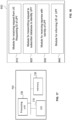
- FIG 11 shows a schematic architectural view of a user equipment 100 involved in the different method steps above.
- the user equipment 100 comprises an interface or input/output 110 which is provided for transmitted user data or control messages to other entities as mentioned above and which is provided for receiving user data such as the data packet flow or control messages from other entities.
- the interface or input/output is especially configured to exchange the messages discussed above in Figures 5 and 6 in which the user equipment is involved.
- the user equipment furthermore comprises a processing unit 120 which is responsible for the operation of the user equipment.
- the processing unit 120 can comprise one or more processors and can carry out instructions stored on a memory 130, wherein the memory may include a read-only memory, a random access memory, a mass storage, a hard disk, or the like.
- the memory can furthermore include suitable program code to be executed by the processing unit 120 so as to implement the above described functionalities in which the user equipment is involved.
- Figure 12 shows another example schematic architectural view of a user equipment 400 which comprises a first module configured to transmit the request to the translating entity wherein this request requests the identification of the user plane entity as mentioned above in step S20.
- the user equipment 400 comprises a second module 420 configured to receive a response to the first request wherein this response comprises an identifier of the user plane entity as mentioned above in step S24.
- Another module 430 is provided which is configured to transmit a policy request to the identified user plane entity wherein this policy request already indicates the policy to be applied to the data packet flow as discussed above in step S26.
- FIG 13 shows an example schematic architectural view of a user plane entity 200 which can handle the data packet flow and which can operate as mentioned above.
- the user plane entity 200 comprises an interface or input/output 210 provided for transmitting user data or control messages to other entities and configured to receive user data or control messages from other entities.
- the user plane entity especially handles data packet flow and also the control messages discussed above.
- the user plane entity comprises a processing unit 220 which is responsible for the operation of the user plane entity 200.
- the processing unit 220 comprises one or more processors and can carry out instructions stored on a memory 230, wherein the memory may include a read-only memory, a random access memory, a mass storage, a hard disk, or the like.
- the memory can furthermore include suitable program code to be executed by the processing unit 220 so as to implement the above described functionalities in which the user plane entity 200 is involved.
- FIG 14 shows another schematic architectural view of a user plane entity 500 which can operate as discussed above in connection with Figures 3 to 6 .
- the user plane entity comprises a first module 510 configured to receive a policy request which comprises a flow identifier and which comprises policy information indicating the policy to be applied to the data packet flow.
- Module 510 can be implemented in order to carry out step S26 discussed above.
- a second module 520 is provided which is configured to transmit a policy request to the policy control entity module 520 is configured to carry out especially step S28 mentioned above.
- a third module 530 is provided which is configured to receive the confirmation that the policy is allowed as mentioned above in step S13.
- FIG 15 shows an example schematic architectural view of the policy control entity 300 which can carry out the policy control as mentioned above in connection with Figures 3 to 6 .
- the policy control entity comprises an interface or input/output 310 configured to transmit user data or control messages and configured to receive user data and control messages.
- the policy control entity comprises a processing unit 320 which is responsible for the operation of the policy control entity 300.
- the processing unit 320 comprises one or more processors and can carry out instructions stored on a memory 330, wherein the memory may include a read-only memory, a random access memory, a mass storage, a hard disk or the like.
- the memory furthermore includes suitable program code to be executed by the processing unit 320 so as to implement the above described functionalities in which the policy control entity is involved.
- Figure 16 shows another example schematic architectural view of the policy control entity 600 which comprises a first module 610 configured to receive the policy request including the policy for the data packet flow wherein the policy request is received from the user plane entity and module 610 is especially configured to carry out step S28 discussed above.
- the policy control entity furthermore comprises a second module 620 which is configured to determine that the policy as received is accepted. This was discussed above in connection with step S29.
- the policy control entity 600 furthermore comprises a third module 630 configured to transmit an answer to the user plane entity that the policy is accepted as mentioned above in step S30.
- FIG 17 shows an example schematic architectural view of the translating entity 700 which can operate as discussed above in connection with Figures 3 to 6 .
- the translating entity comprises an interface or input output 710 configured to receive user data or control messages and configured to transmit user data or control messages.
- the interface 710 is especially configured to receive the query from the UE as mentioned in step S20 and is configured to transmit an answer to the UE as mentioned in step S24.
- the translating entity furthermore comprises a processing unit 720 which is responsible for the operation of the translating entity.
- the processing unit 720 can comprise one or more processors and can carry out instructions stored on a memory 730, wherein the memory may include a read-only memory, a random access memory, a mass storage, a hard disk or the like.
- the memory can furthermore include suitable program code to be executed by the processing unit 720 so as to implement the above-described functionalities in which the translating entity is involved.
- FIG 18 shows another example schematic architectural view of the translating entity which can operate as discussed above in connection with Figures 3 to 6 .
- the translating entity comprises a first module 810 configured to receive the request from the UE wherein the request requests an identification of the user plane entity.
- a second module 820 is provided configured to transmit the request to a subscriber database to identify the user plane entity as mentioned above in step S21.
- a module 830 is provided configured to receive the response with the identity of the user plane entity as mentioned in step S23.
- a module 840 is provided configured to inform the UE about the user plane entity as mentioned in step S24.
- the first request such as the request transmitted in step S20 comprises a user identifier identifying the user equipment and the name of the application entity.
- this policy request furthermore comprises the name of the application entity.
- the policy request as the request transmitted in step S26 can furthermore comprise a quality of service parameter to be applied to the data packet flow in the cellular network or an information whether a subscriber of the user equipment should be charged for the transmission of the data packet flow through the cellular network.
- the network operator and the content provider may have agreed upon the fact that the subscriber is not subscribed for traffic coming from the application of the content provider.
- the session management entity of the cellular network may be informed of the fact that the user plane entity is configured to operate in the exposure operating mode in which the content provider operating the application function informs the cellular network about the policy to be applied to the data packet flow in the network. This was discussed above in step S1.
- a session establishment request may be received from the session management entity of the network. This session establishment requests to activate the exposure operating mode in which the content provider operating the application entity informs the cellular network about the policy to be applied to the data packet flow. This was implemented above in step S11.
- the session establishment request may indicate to the user plane entity to detect messages related to the exposure operating mode.
- a subscriber database of the cellular network is informed of a user identifier which identifies the user equipment and of identifier of the user plane entity as mentioned in step S13 above.
- a query message may be received from a subscriber database including an indication to activate an exposure operating mode in which the content provider operating the application entity informs the cellular network about the policy to be applied to the data packet flow. This was discussed above in connection with step S7.
- the policy control entity can activate the exposure operating mode and a session management entity is requested to activate the exposure operating mode as mentioned above in steps S8 and S9.
- the present application provides an efficient mechanism to exchange information between the content provider and the network operator. It avoids the use of the network exposure function which is a complex network function not supported by all of the network operators.
- the exposure information exchanged between the content provider and the network operator does not have any impact on the UE modem.
- the service based user plane entity is aligned with the latest 3GPP implementations.
Landscapes
- Engineering & Computer Science (AREA)
- Computer Networks & Wireless Communication (AREA)
- Signal Processing (AREA)
- Mobile Radio Communication Systems (AREA)
- Data Exchanges In Wide-Area Networks (AREA)
- Telephonic Communication Services (AREA)
Claims (17)
- Verfahren zum Betreiben einer Benutzerausrüstung (100), das einen Datenpaketstrom von einer Anwendungseinheit anfordert, der durch ein Mobilfunknetz zur Benutzerausrüstung übertragen wird, umfassend:- Senden (S20, 571) einer ersten Anfrage an eine Übersetzungseinheit (700), die konfiguriert ist, um einen Namen der Anwendungseinheit, die den Datenpaketstrom bereitstellt, in eine Adresse der Anwendungseinheit zu übersetzen, über welche die Anwendungseinheit erreicht werden kann, wobei die erste Anfrage eine Identifikation einer Benutzerebeneneinheit (200) anfordert, die konfiguriert ist, um den Datenpaketstrom in dem Mobilfunknetz zu verarbeiten,- Empfangen (S24, S72) einer Antwort auf die erste Anfrage, wobei die Antwort eine Benutzerebenenkennung umfasst, welche die Benutzerebeneneinheit (200) identifiziert,- Senden (S26, S73) einer Richtlinienanfrage an die identifizierte Benutzerebeneneinheit (200), wobei die Richtlinienanfrage eine Stromkennung, die eine Identifikation des Datenpaketstroms in dem Mobilfunknetz ermöglicht, und Richtlinieninformationen umfasst, die eine Richtlinie anzeigen, die auf den Datenpaketstrom in dem Mobilfunknetz für eine Übertragung des Datenpaketstroms durch das Mobilfunknetz anzuwenden ist.
- Verfahren nach Anspruch 1, wobei die erste Anfrage eine Benutzerkennung, welche die Benutzerausrüstung identifiziert, und den Namen der Anwendungseinheit umfasst.
- Verfahren nach Anspruch 1 oder 2, wobei die Richtlinienanfrage weiter einen Namen der Anwendungseinheit umfasst.
- Verfahren nach einem der vorstehenden Ansprüche, wobei die Richtlinie mindestens eines der Folgenden umfasst:- einen Dienstgüteparameter, der auf den Datenpaketstrom im Mobilfunknetz anzuwenden ist- Informationen darüber, ob ein Abonnent der Benutzerausrüstung für die Übertragung des Datenpaketstroms durch das Mobilfunknetz Gebühren zu entrichten hat.
- Verfahren zum Betreiben einer Benutzerebeneneinheit (200), die konfiguriert ist, um einen Datenpaketstrom zu verarbeiten, der von einer Anwendungseinheit durch ein Mobilfunknetz an eine Benutzerausrüstung (100) übertragen wird, wobei das Verfahren Folgendes umfasst:- Empfangen (S26, S81), von der Benutzerausrüstung (100), einer ersten Richtlinienanfrage, wobei die erste Richtlinienanfrage eine Stromkennung, die eine Identifikation des Datenpaketstroms in dem Mobilfunknetz ermöglicht, und Richtlinieninformationen umfasst, die eine Richtlinie anzeigen, die auf den Datenpaketstrom in dem Mobilfunknetz für eine Übertragung des Datenpaketstroms durch das Mobilfunknetz anzuwenden ist- Senden (S28, S82) einer zweiten Richtlinienanfrage an eine Richtliniensteuerungseinheit (300) des Mobilfunknetzes, wobei die zweite Richtlinienanfrage die Richtlinieninformationen umfasst,- Empfangen (S83) einer Bestätigung von der Richtliniensteuerungseinheit (300), dass die in den Richtlinieninformationen enthaltene gesendete Richtlinie akzeptiert wird.
- Verfahren nach Anspruch 5, wobei vor dem Empfang der ersten Richtlinienanfrage eine Sitzungsverwaltungseinheit des Mobilfunknetzes darüber informiert wird, dass die Benutzerebeneneinheit konfiguriert ist, in einem Expositionsbetriebsmodus zu arbeiten, in dem ein Inhaltsanbieter, der die Anwendungseinheit betreibt, das Mobilfunknetz über die Richtlinie informiert, die auf den Datenpaketstrom im Mobilfunknetz anzuwenden ist.
- Verfahren nach Anspruch 5 oder 6, wobei vor dem Empfang der ersten Richtlinienanfrage eine Anfrage zum Sitzungsaufbau von einer Sitzungsverwaltungseinheit des Mobilfunknetzes empfangen wird, um einen Expositionsbetriebsmodus zu aktivieren, in dem ein Inhaltsanbieter, der die Anwendungseinheit betreibt, das Mobilfunknetz über die auf den Datenpaketstrom im Mobilfunknetz anzuwendende Richtlinie informiert, und bevorzugt wobei die Anfrage zum Sitzungsaufbau der Benutzerebeneneinheit anzeigt, dass jegliche Nachrichten in Bezug auf den Expositionsbetriebsmodus erkannt werden sollen.
- Verfahren nach einem der Ansprüche 5 bis 7, wobei vor dem Empfang der ersten Richtlinienanfrage eine Teilnehmerdatenbank des Mobilfunknetzes über eine Benutzererkennung, welche die Benutzerausrüstung identifiziert, und über eine Kennung der Benutzerebeneneinheit informiert wird.
- Verfahren zum Betreiben einer Richtliniensteuerungseinheit (300) eines Mobilfunknetzes, wobei ein Datenpaketstrom von einer Anwendungseinheit durch ein Mobilfunknetz zu einer Benutzerausrüstung gesendet wird, wobei das Verfahren Folgendes umfasst:- Empfangen (S91) einer Richtlinienanfrage (S28) von einer Benutzerebeneneinheit (200), die den Datenpaketstrom im Mobilfunknetz bearbeitet, wobei die Richtlinienanfrage eine Stromkennung, die eine Identifikation des Datenpaketstroms im Mobilfunknetz ermöglicht, und Richtlinieninformationen umfasst, die eine Richtlinie anzeigen, die auf den Datenpaketstrom im Mobilfunknetz für eine Übertragung des Datenpaketstroms durch das Mobilfunknetz angewendet werden soll,- Bestimmen (S92), dass die Richtlinie, wie in der Richtlinienanfrage empfangen, zulässig ist,- Senden (S93) einer Antwort auf die Richtlinienanfrage an die Benutzerebeneneinheit, die anzeigt, dass die Richtlinie zulässig ist.
- Verfahren nach Anspruch 9, wobei vor dem Empfang der Richtlinienanfrage eine Abfragenachricht von einer Teilnehmerdatenbank empfangen wird, die eine Anzeige zur Aktivierung eines Expositionsbetriebsmodus beinhaltet, in dem ein Inhaltsanbieter, der die Anwendungseinheit betreibt, das Mobilfunknetz über die auf den Datenpaketstrom im Mobilfunknetz anzuwendende Richtlinie informiert, und bevorzugt als Reaktion auf die Abfragenachricht der Expositionsbetriebsmodus aktiviert wird und eine Sitzungsverwaltungseinheit aufgefordert wird, den Expositionsbetriebsmodus zu aktivieren.
- Verfahren zum Betreiben einer Übersetzungseinheit, die konfiguriert ist, um einen Namen einer Anwendungseinheit, die einen Datenpaketstrom durch ein Mobilfunknetz an eine Benutzerausrüstung (700) bereitstellt, in eine Adresse der Anwendungseinheit zu übersetzen, durch welche die Anwendungseinheit erreicht werden kann, wobei das Verfahren Folgendes umfasst:- Empfangen (S101) einer ersten Anfrage von einer Benutzerausrüstung (100), die den Datenpaketstrom von der Anwendungseinheit anfordert, wobei die erste Anfrage eine Identifikation einer Benutzerebeneneinheit (200) anfordert, die konfiguriert ist, um den Datenpaketstrom in dem Mobilfunknetz zu bearbeiten,- Senden (S102) einer Benutzeranfragenachricht an eine Teilnehmerdatenbank des Mobilfunknetzes, welche die Identifikation einer Benutzerebeneneinheit (200) anfordert, die den Datenpaketstrom in dem Mobilfunknetz bearbeitet,- Empfangen (S103) einer Antwort auf die Benutzeranfragenachricht, wobei die Antwort eine Benutzerebenenkennung umfasst, welche die Benutzerebeneneinheit identifiziert,- Informieren (S104) der Benutzerausrüstung über die Benutzerebenenkennung.
- Benutzerausrüstung, die konfiguriert ist, um einen Datenpaketstrom von einer Anwendungseinheit anzufordern, der durch ein Mobilfunknetz an die Benutzerausrüstung gesendet wird, wobei die Benutzerausrüstung mindestens eine Verarbeitungseinheit und einen Speicher umfasst, wobei der Speicher Anweisungen enthält, die von der mindestens einen Verarbeitungseinheit ausführbar sind, wobei die Benutzerausrüstung betriebsfähig ist, um ein Verfahren nach einem der Ansprüche 1 bis 4 auszuführen.
- Benutzerebeneneinheit, die konfiguriert ist, um einen Datenpaketstrom zu bearbeiten, der von einer Anwendungseinheit durch ein Mobilfunknetz an eine Benutzerausrüstung (100) gesendet wird, wobei die Benutzerebeneneinheit mindestens eine Verarbeitungseinheit und einen Speicher umfasst, wobei der Speicher Anweisungen enthält, die von der mindestens einen Verarbeitungseinheit ausführbar sind, wobei die Benutzerebeneneinheit betriebsfähig ist, um ein Verfahren nach einem der Ansprüche 5 bis 8 auszuführen.
- Richtliniensteuerungseinheit, die konfiguriert ist, um eine Richtlinie für Datenpaketströme durch ein Mobilfunknetz zu steuern, wobei ein Datenpaketstrom von einer Anwendungseinheit durch das Mobilfunknetz an eine Benutzerausrüstung gesendet wird, wobei die Richtliniensteuerungseinheit mindestens eine Verarbeitungseinheit und einen Speicher umfasst, wobei der Speicher Anweisungen enthält, die von der mindestens einen Verarbeitungseinheit ausführbar sind, wobei die Richtliniensteuerungseinheit betriebsfähig ist, um ein Verfahren nach einem der Ansprüche 9 bis 10 auszuführen.
- Übersetzungseinheit, die konfiguriert ist, um einen Namen der Anwendungseinheit, die einen Datenpaketstrom durch ein Mobilfunknetz an eine Benutzerausrüstung (700) bereitstellt, in eine Adresse der Anwendungseinheit zu übersetzen, durch welche die Anwendungseinheit erreicht werden kann, wobei die Übersetzungseinheit mindestens eine Verarbeitungseinheit und einen Speicher umfasst, wobei der Speicher Anweisungen enthält, die durch die mindestens eine Verarbeitungseinheit ausführbar sind, wobei die Übersetzungseinheit betriebsfähig ist, um ein Verfahren nach Anspruch 11 auszuführen.
- System, das mindestens 2 aus einer Gruppe umfasst, die eine Benutzerausrüstung nach Anspruch 12, eine Benutzerebeneneinheit nach Anspruch 13, eine Richtliniensteuerungseinheit nach Anspruch 14 und eine Übersetzungseinheit nach Anspruch 15 umfasst.
- Computerprogramm, das einen Programmcode umfasst, der von mindestens einer Verarbeitungseinheit einer Benutzerausrüstung, einer Benutzerebeneneinheit, einer Richtliniensteuerungseinheit und einer Übersetzungseinheit ausgeführt werden soll, wobei die Ausführung des Programmcodes die mindestens eine Verarbeitungseinheit der Benutzerausrüstung veranlasst, ein Verfahren nach einem der Ansprüche 1 bis 4 auszuführen, die Verarbeitungseinheit der Benutzerebeneneinheit veranlasst, ein Verfahren nach einem der Ansprüche 5 bis 8 auszuführen, die Verarbeitungseinheit der Richtliniensteuerungseinheit veranlasst, ein Verfahren nach einem der Ansprüche 9 bis 10 auszuführen, und die Verarbeitungseinheit der Übersetzungseinheit veranlasst, ein Verfahren nach Anspruch 11 auszuführen.
Applications Claiming Priority (2)
| Application Number | Priority Date | Filing Date | Title |
|---|---|---|---|
| EP20382307 | 2020-04-16 | ||
| PCT/EP2020/064397 WO2021209160A1 (en) | 2020-04-16 | 2020-05-25 | User plane based exposure |
Publications (2)
| Publication Number | Publication Date |
|---|---|
| EP4136822A1 EP4136822A1 (de) | 2023-02-22 |
| EP4136822B1 true EP4136822B1 (de) | 2024-08-14 |
Family
ID=70391041
Family Applications (1)
| Application Number | Title | Priority Date | Filing Date |
|---|---|---|---|
| EP20727301.2A Active EP4136822B1 (de) | 2020-04-16 | 2020-05-25 | Auf benutzerebene basierende belichtung |
Country Status (6)
| Country | Link |
|---|---|
| US (1) | US12255780B2 (de) |
| EP (1) | EP4136822B1 (de) |
| CN (1) | CN115299020B (de) |
| BR (1) | BR112022017147A2 (de) |
| CO (1) | CO2022012166A2 (de) |
| WO (1) | WO2021209160A1 (de) |
Family Cites Families (5)
| Publication number | Priority date | Publication date | Assignee | Title |
|---|---|---|---|---|
| CN109661853B (zh) * | 2016-09-07 | 2020-12-08 | 华为技术有限公司 | 本地分组数据网络的动态创建方法、装置及系统 |
| WO2018120195A1 (zh) * | 2016-12-30 | 2018-07-05 | 华为技术有限公司 | 一种终端接入网络的方法、装置及系统 |
| US10531420B2 (en) * | 2017-01-05 | 2020-01-07 | Huawei Technologies Co., Ltd. | Systems and methods for application-friendly protocol data unit (PDU) session management |
| US11064457B2 (en) | 2017-05-05 | 2021-07-13 | Telefonaktiebolaget Lm Ericsson (Publ) | Paging policy differentiation in 5G system |
| CN109429370B (zh) | 2017-06-24 | 2021-03-02 | 华为技术有限公司 | 一种信息处理方法及装置 |
-
2020
- 2020-05-25 EP EP20727301.2A patent/EP4136822B1/de active Active
- 2020-05-25 CN CN202080098811.3A patent/CN115299020B/zh active Active
- 2020-05-25 WO PCT/EP2020/064397 patent/WO2021209160A1/en not_active Ceased
- 2020-05-25 US US17/908,278 patent/US12255780B2/en active Active
- 2020-05-25 BR BR112022017147A patent/BR112022017147A2/pt unknown
-
2022
- 2022-08-25 CO CONC2022/0012166A patent/CO2022012166A2/es unknown
Also Published As
| Publication number | Publication date |
|---|---|
| CO2022012166A2 (es) | 2022-09-09 |
| CN115299020B (zh) | 2024-07-30 |
| WO2021209160A1 (en) | 2021-10-21 |
| EP4136822A1 (de) | 2023-02-22 |
| CN115299020A (zh) | 2022-11-04 |
| BR112022017147A2 (pt) | 2022-11-08 |
| US20230155891A1 (en) | 2023-05-18 |
| US12255780B2 (en) | 2025-03-18 |
Similar Documents
| Publication | Publication Date | Title |
|---|---|---|
| EP4233335B1 (de) | Verfahren zur aktivierung der exposition von informationen im zusammenhang mit verschlüsselter kommunikation | |
| US12284311B2 (en) | Methods of and devices for implementing and executing policy rules on a per application basis in a telecommunications system | |
| US9106541B2 (en) | Token-based correlation of control sessions for policy and charging control of a data session through a NAT | |
| US12022327B2 (en) | User data traffic handling | |
| US11240199B2 (en) | Service provision in scenarios with network address translation | |
| CN114008980A (zh) | 用于非公共网络的收费控制 | |
| US20230362024A1 (en) | Method of and a session management function for provisioning a user plane function, a method of and a user plane function for processing user traffic and a method of and charging function for charging user traffic | |
| US12177752B2 (en) | Optimization of services applied to data packet sessions | |
| US20240147272A1 (en) | Technique for Collecting Analytics Data | |
| US20230327997A1 (en) | Methods and Apparatuses for Providing Quality of Service Handling of User Traffic Transmitted by a Content Provider | |
| EP4136822B1 (de) | Auf benutzerebene basierende belichtung | |
| EP4295516B1 (de) | Pfcp-erweiterung zur reaktion auf anfragen auf benutzerebene | |
| CN116530054B (zh) | 用于去激活电信网络中的服务器名称指示sni加密的方法和节点 | |
| EP4229899B1 (de) | Ereignisbehandlung in einem netzwerk |
Legal Events
| Date | Code | Title | Description |
|---|---|---|---|
| STAA | Information on the status of an ep patent application or granted ep patent |
Free format text: STATUS: UNKNOWN |
|
| STAA | Information on the status of an ep patent application or granted ep patent |
Free format text: STATUS: THE INTERNATIONAL PUBLICATION HAS BEEN MADE |
|
| PUAI | Public reference made under article 153(3) epc to a published international application that has entered the european phase |
Free format text: ORIGINAL CODE: 0009012 |
|
| STAA | Information on the status of an ep patent application or granted ep patent |
Free format text: STATUS: REQUEST FOR EXAMINATION WAS MADE |
|
| 17P | Request for examination filed |
Effective date: 20221011 |
|
| AK | Designated contracting states |
Kind code of ref document: A1 Designated state(s): AL AT BE BG CH CY CZ DE DK EE ES FI FR GB GR HR HU IE IS IT LI LT LU LV MC MK MT NL NO PL PT RO RS SE SI SK SM TR |
|
| DAV | Request for validation of the european patent (deleted) | ||
| DAX | Request for extension of the european patent (deleted) | ||
| REG | Reference to a national code |
Ref country code: DE Ref legal event code: R079 Free format text: PREVIOUS MAIN CLASS: H04L0029080000 Ref country code: DE Ref legal event code: R079 Ref document number: 602020035746 Country of ref document: DE Free format text: PREVIOUS MAIN CLASS: H04L0029080000 Ipc: H04L0067610000 |
|
| GRAP | Despatch of communication of intention to grant a patent |
Free format text: ORIGINAL CODE: EPIDOSNIGR1 |
|
| STAA | Information on the status of an ep patent application or granted ep patent |
Free format text: STATUS: GRANT OF PATENT IS INTENDED |
|
| RIC1 | Information provided on ipc code assigned before grant |
Ipc: H04W 76/12 20180101ALN20240419BHEP Ipc: H04L 61/4511 20220101ALI20240419BHEP Ipc: H04L 41/0894 20220101ALI20240419BHEP Ipc: H04L 67/61 20220101AFI20240419BHEP |
|
| INTG | Intention to grant announced |
Effective date: 20240514 |
|
| GRAS | Grant fee paid |
Free format text: ORIGINAL CODE: EPIDOSNIGR3 |
|
| GRAA | (expected) grant |
Free format text: ORIGINAL CODE: 0009210 |
|
| STAA | Information on the status of an ep patent application or granted ep patent |
Free format text: STATUS: THE PATENT HAS BEEN GRANTED |
|
| AK | Designated contracting states |
Kind code of ref document: B1 Designated state(s): AL AT BE BG CH CY CZ DE DK EE ES FI FR GB GR HR HU IE IS IT LI LT LU LV MC MK MT NL NO PL PT RO RS SE SI SK SM TR |
|
| REG | Reference to a national code |
Ref country code: GB Ref legal event code: FG4D |
|
| REG | Reference to a national code |
Ref country code: CH Ref legal event code: EP |
|
| REG | Reference to a national code |
Ref country code: DE Ref legal event code: R096 Ref document number: 602020035746 Country of ref document: DE |
|
| REG | Reference to a national code |
Ref country code: IE Ref legal event code: FG4D |
|
| REG | Reference to a national code |
Ref country code: LT Ref legal event code: MG9D |
|
| REG | Reference to a national code |
Ref country code: NL Ref legal event code: MP Effective date: 20240814 |
|
| PG25 | Lapsed in a contracting state [announced via postgrant information from national office to epo] |
Ref country code: NO Free format text: LAPSE BECAUSE OF FAILURE TO SUBMIT A TRANSLATION OF THE DESCRIPTION OR TO PAY THE FEE WITHIN THE PRESCRIBED TIME-LIMIT Effective date: 20241114 |
|
| REG | Reference to a national code |
Ref country code: AT Ref legal event code: MK05 Ref document number: 1714327 Country of ref document: AT Kind code of ref document: T Effective date: 20240814 |
|
| PG25 | Lapsed in a contracting state [announced via postgrant information from national office to epo] |
Ref country code: GR Free format text: LAPSE BECAUSE OF FAILURE TO SUBMIT A TRANSLATION OF THE DESCRIPTION OR TO PAY THE FEE WITHIN THE PRESCRIBED TIME-LIMIT Effective date: 20241115 Ref country code: NL Free format text: LAPSE BECAUSE OF FAILURE TO SUBMIT A TRANSLATION OF THE DESCRIPTION OR TO PAY THE FEE WITHIN THE PRESCRIBED TIME-LIMIT Effective date: 20240814 Ref country code: PL Free format text: LAPSE BECAUSE OF FAILURE TO SUBMIT A TRANSLATION OF THE DESCRIPTION OR TO PAY THE FEE WITHIN THE PRESCRIBED TIME-LIMIT Effective date: 20240814 Ref country code: FI Free format text: LAPSE BECAUSE OF FAILURE TO SUBMIT A TRANSLATION OF THE DESCRIPTION OR TO PAY THE FEE WITHIN THE PRESCRIBED TIME-LIMIT Effective date: 20240814 Ref country code: PT Free format text: LAPSE BECAUSE OF FAILURE TO SUBMIT A TRANSLATION OF THE DESCRIPTION OR TO PAY THE FEE WITHIN THE PRESCRIBED TIME-LIMIT Effective date: 20241216 |
|
| PG25 | Lapsed in a contracting state [announced via postgrant information from national office to epo] |
Ref country code: BG Free format text: LAPSE BECAUSE OF FAILURE TO SUBMIT A TRANSLATION OF THE DESCRIPTION OR TO PAY THE FEE WITHIN THE PRESCRIBED TIME-LIMIT Effective date: 20240814 |
|
| PG25 | Lapsed in a contracting state [announced via postgrant information from national office to epo] |
Ref country code: LV Free format text: LAPSE BECAUSE OF FAILURE TO SUBMIT A TRANSLATION OF THE DESCRIPTION OR TO PAY THE FEE WITHIN THE PRESCRIBED TIME-LIMIT Effective date: 20240814 |
|
| PG25 | Lapsed in a contracting state [announced via postgrant information from national office to epo] |
Ref country code: AT Free format text: LAPSE BECAUSE OF FAILURE TO SUBMIT A TRANSLATION OF THE DESCRIPTION OR TO PAY THE FEE WITHIN THE PRESCRIBED TIME-LIMIT Effective date: 20240814 Ref country code: IS Free format text: LAPSE BECAUSE OF FAILURE TO SUBMIT A TRANSLATION OF THE DESCRIPTION OR TO PAY THE FEE WITHIN THE PRESCRIBED TIME-LIMIT Effective date: 20241214 |
|
| PG25 | Lapsed in a contracting state [announced via postgrant information from national office to epo] |
Ref country code: HR Free format text: LAPSE BECAUSE OF FAILURE TO SUBMIT A TRANSLATION OF THE DESCRIPTION OR TO PAY THE FEE WITHIN THE PRESCRIBED TIME-LIMIT Effective date: 20240814 |
|
| PG25 | Lapsed in a contracting state [announced via postgrant information from national office to epo] |
Ref country code: RS Free format text: LAPSE BECAUSE OF FAILURE TO SUBMIT A TRANSLATION OF THE DESCRIPTION OR TO PAY THE FEE WITHIN THE PRESCRIBED TIME-LIMIT Effective date: 20241114 Ref country code: ES Free format text: LAPSE BECAUSE OF FAILURE TO SUBMIT A TRANSLATION OF THE DESCRIPTION OR TO PAY THE FEE WITHIN THE PRESCRIBED TIME-LIMIT Effective date: 20240814 |
|
| PG25 | Lapsed in a contracting state [announced via postgrant information from national office to epo] |
Ref country code: RS Free format text: LAPSE BECAUSE OF FAILURE TO SUBMIT A TRANSLATION OF THE DESCRIPTION OR TO PAY THE FEE WITHIN THE PRESCRIBED TIME-LIMIT Effective date: 20241114 Ref country code: PT Free format text: LAPSE BECAUSE OF FAILURE TO SUBMIT A TRANSLATION OF THE DESCRIPTION OR TO PAY THE FEE WITHIN THE PRESCRIBED TIME-LIMIT Effective date: 20241216 Ref country code: PL Free format text: LAPSE BECAUSE OF FAILURE TO SUBMIT A TRANSLATION OF THE DESCRIPTION OR TO PAY THE FEE WITHIN THE PRESCRIBED TIME-LIMIT Effective date: 20240814 Ref country code: NO Free format text: LAPSE BECAUSE OF FAILURE TO SUBMIT A TRANSLATION OF THE DESCRIPTION OR TO PAY THE FEE WITHIN THE PRESCRIBED TIME-LIMIT Effective date: 20241114 Ref country code: NL Free format text: LAPSE BECAUSE OF FAILURE TO SUBMIT A TRANSLATION OF THE DESCRIPTION OR TO PAY THE FEE WITHIN THE PRESCRIBED TIME-LIMIT Effective date: 20240814 Ref country code: LV Free format text: LAPSE BECAUSE OF FAILURE TO SUBMIT A TRANSLATION OF THE DESCRIPTION OR TO PAY THE FEE WITHIN THE PRESCRIBED TIME-LIMIT Effective date: 20240814 Ref country code: IS Free format text: LAPSE BECAUSE OF FAILURE TO SUBMIT A TRANSLATION OF THE DESCRIPTION OR TO PAY THE FEE WITHIN THE PRESCRIBED TIME-LIMIT Effective date: 20241214 Ref country code: HR Free format text: LAPSE BECAUSE OF FAILURE TO SUBMIT A TRANSLATION OF THE DESCRIPTION OR TO PAY THE FEE WITHIN THE PRESCRIBED TIME-LIMIT Effective date: 20240814 Ref country code: GR Free format text: LAPSE BECAUSE OF FAILURE TO SUBMIT A TRANSLATION OF THE DESCRIPTION OR TO PAY THE FEE WITHIN THE PRESCRIBED TIME-LIMIT Effective date: 20241115 Ref country code: FI Free format text: LAPSE BECAUSE OF FAILURE TO SUBMIT A TRANSLATION OF THE DESCRIPTION OR TO PAY THE FEE WITHIN THE PRESCRIBED TIME-LIMIT Effective date: 20240814 Ref country code: ES Free format text: LAPSE BECAUSE OF FAILURE TO SUBMIT A TRANSLATION OF THE DESCRIPTION OR TO PAY THE FEE WITHIN THE PRESCRIBED TIME-LIMIT Effective date: 20240814 Ref country code: BG Free format text: LAPSE BECAUSE OF FAILURE TO SUBMIT A TRANSLATION OF THE DESCRIPTION OR TO PAY THE FEE WITHIN THE PRESCRIBED TIME-LIMIT Effective date: 20240814 Ref country code: AT Free format text: LAPSE BECAUSE OF FAILURE TO SUBMIT A TRANSLATION OF THE DESCRIPTION OR TO PAY THE FEE WITHIN THE PRESCRIBED TIME-LIMIT Effective date: 20240814 |
|
| PG25 | Lapsed in a contracting state [announced via postgrant information from national office to epo] |
Ref country code: SM Free format text: LAPSE BECAUSE OF FAILURE TO SUBMIT A TRANSLATION OF THE DESCRIPTION OR TO PAY THE FEE WITHIN THE PRESCRIBED TIME-LIMIT Effective date: 20240814 Ref country code: DK Free format text: LAPSE BECAUSE OF FAILURE TO SUBMIT A TRANSLATION OF THE DESCRIPTION OR TO PAY THE FEE WITHIN THE PRESCRIBED TIME-LIMIT Effective date: 20240814 Ref country code: RO Free format text: LAPSE BECAUSE OF FAILURE TO SUBMIT A TRANSLATION OF THE DESCRIPTION OR TO PAY THE FEE WITHIN THE PRESCRIBED TIME-LIMIT Effective date: 20240814 |
|
| PG25 | Lapsed in a contracting state [announced via postgrant information from national office to epo] |
Ref country code: EE Free format text: LAPSE BECAUSE OF FAILURE TO SUBMIT A TRANSLATION OF THE DESCRIPTION OR TO PAY THE FEE WITHIN THE PRESCRIBED TIME-LIMIT Effective date: 20240814 |
|
| PG25 | Lapsed in a contracting state [announced via postgrant information from national office to epo] |
Ref country code: CZ Free format text: LAPSE BECAUSE OF FAILURE TO SUBMIT A TRANSLATION OF THE DESCRIPTION OR TO PAY THE FEE WITHIN THE PRESCRIBED TIME-LIMIT Effective date: 20240814 |
|
| PG25 | Lapsed in a contracting state [announced via postgrant information from national office to epo] |
Ref country code: IT Free format text: LAPSE BECAUSE OF FAILURE TO SUBMIT A TRANSLATION OF THE DESCRIPTION OR TO PAY THE FEE WITHIN THE PRESCRIBED TIME-LIMIT Effective date: 20240814 Ref country code: SK Free format text: LAPSE BECAUSE OF FAILURE TO SUBMIT A TRANSLATION OF THE DESCRIPTION OR TO PAY THE FEE WITHIN THE PRESCRIBED TIME-LIMIT Effective date: 20240814 |
|
| REG | Reference to a national code |
Ref country code: DE Ref legal event code: R097 Ref document number: 602020035746 Country of ref document: DE |
|
| PLBE | No opposition filed within time limit |
Free format text: ORIGINAL CODE: 0009261 |
|
| STAA | Information on the status of an ep patent application or granted ep patent |
Free format text: STATUS: NO OPPOSITION FILED WITHIN TIME LIMIT |
|
| PGFP | Annual fee paid to national office [announced via postgrant information from national office to epo] |
Ref country code: DE Payment date: 20250529 Year of fee payment: 6 |
|
| PGFP | Annual fee paid to national office [announced via postgrant information from national office to epo] |
Ref country code: GB Payment date: 20250527 Year of fee payment: 6 |
|
| 26N | No opposition filed |
Effective date: 20250515 |
|
| PG25 | Lapsed in a contracting state [announced via postgrant information from national office to epo] |
Ref country code: SE Free format text: LAPSE BECAUSE OF FAILURE TO SUBMIT A TRANSLATION OF THE DESCRIPTION OR TO PAY THE FEE WITHIN THE PRESCRIBED TIME-LIMIT Effective date: 20240814 |
|
| REG | Reference to a national code |
Ref country code: CH Ref legal event code: H13 Free format text: ST27 STATUS EVENT CODE: U-0-0-H10-H13 (AS PROVIDED BY THE NATIONAL OFFICE) Effective date: 20251223 |
|
| PG25 | Lapsed in a contracting state [announced via postgrant information from national office to epo] |
Ref country code: LU Free format text: LAPSE BECAUSE OF NON-PAYMENT OF DUE FEES Effective date: 20250525 |
|
| PG25 | Lapsed in a contracting state [announced via postgrant information from national office to epo] |
Ref country code: CH Free format text: LAPSE BECAUSE OF NON-PAYMENT OF DUE FEES Effective date: 20250531 |
|
| PG25 | Lapsed in a contracting state [announced via postgrant information from national office to epo] |
Ref country code: MC Free format text: LAPSE BECAUSE OF FAILURE TO SUBMIT A TRANSLATION OF THE DESCRIPTION OR TO PAY THE FEE WITHIN THE PRESCRIBED TIME-LIMIT Effective date: 20240814 |