EP4136540B1 - Shuffle-less-reclustering von gruppierten tabellen - Google Patents
Shuffle-less-reclustering von gruppierten tabellen Download PDFInfo
- Publication number
- EP4136540B1 EP4136540B1 EP21723513.4A EP21723513A EP4136540B1 EP 4136540 B1 EP4136540 B1 EP 4136540B1 EP 21723513 A EP21723513 A EP 21723513A EP 4136540 B1 EP4136540 B1 EP 4136540B1
- Authority
- EP
- European Patent Office
- Prior art keywords
- data blocks
- clustered data
- clustered
- group
- groups
- Prior art date
- Legal status (The legal status is an assumption and is not a legal conclusion. Google has not performed a legal analysis and makes no representation as to the accuracy of the status listed.)
- Active
Links
Images




Classifications
-
- G—PHYSICS
- G06—COMPUTING OR CALCULATING; COUNTING
- G06F—ELECTRIC DIGITAL DATA PROCESSING
- G06F16/00—Information retrieval; Database structures therefor; File system structures therefor
- G06F16/20—Information retrieval; Database structures therefor; File system structures therefor of structured data, e.g. relational data
- G06F16/23—Updating
- G06F16/2379—Updates performed during online database operations; commit processing
- G06F16/2386—Bulk updating operations
-
- G—PHYSICS
- G06—COMPUTING OR CALCULATING; COUNTING
- G06F—ELECTRIC DIGITAL DATA PROCESSING
- G06F16/00—Information retrieval; Database structures therefor; File system structures therefor
- G06F16/20—Information retrieval; Database structures therefor; File system structures therefor of structured data, e.g. relational data
- G06F16/22—Indexing; Data structures therefor; Storage structures
- G06F16/221—Column-oriented storage; Management thereof
-
- G—PHYSICS
- G06—COMPUTING OR CALCULATING; COUNTING
- G06F—ELECTRIC DIGITAL DATA PROCESSING
- G06F16/00—Information retrieval; Database structures therefor; File system structures therefor
- G06F16/20—Information retrieval; Database structures therefor; File system structures therefor of structured data, e.g. relational data
- G06F16/22—Indexing; Data structures therefor; Storage structures
- G06F16/2282—Tablespace storage structures; Management thereof
-
- G—PHYSICS
- G06—COMPUTING OR CALCULATING; COUNTING
- G06F—ELECTRIC DIGITAL DATA PROCESSING
- G06F16/00—Information retrieval; Database structures therefor; File system structures therefor
- G06F16/20—Information retrieval; Database structures therefor; File system structures therefor of structured data, e.g. relational data
- G06F16/23—Updating
- G06F16/2379—Updates performed during online database operations; commit processing
-
- G—PHYSICS
- G06—COMPUTING OR CALCULATING; COUNTING
- G06F—ELECTRIC DIGITAL DATA PROCESSING
- G06F16/00—Information retrieval; Database structures therefor; File system structures therefor
- G06F16/20—Information retrieval; Database structures therefor; File system structures therefor of structured data, e.g. relational data
- G06F16/27—Replication, distribution or synchronisation of data between databases or within a distributed database system; Distributed database system architectures therefor
- G06F16/278—Data partitioning, e.g. horizontal or vertical partitioning
-
- G—PHYSICS
- G06—COMPUTING OR CALCULATING; COUNTING
- G06F—ELECTRIC DIGITAL DATA PROCESSING
- G06F16/00—Information retrieval; Database structures therefor; File system structures therefor
- G06F16/20—Information retrieval; Database structures therefor; File system structures therefor of structured data, e.g. relational data
- G06F16/28—Databases characterised by their database models, e.g. relational or object models
- G06F16/284—Relational databases
- G06F16/285—Clustering or classification
-
- G—PHYSICS
- G06—COMPUTING OR CALCULATING; COUNTING
- G06F—ELECTRIC DIGITAL DATA PROCESSING
- G06F21/00—Security arrangements for protecting computers, components thereof, programs or data against unauthorised activity
- G06F21/60—Protecting data
- G06F21/64—Protecting data integrity, e.g. using checksums, certificates or signatures
Definitions
- This disclosure relates to shuffle-less reclustering of clustered tables.
- clustered data structures e.g., a column data store
- clusters of data blocks are typically sorted by a clustering key in order to co-locate related data.
- Each data block includes a range of clustering key values.
- the range of the clustering key values associated with each data block do not overlap any other data block within the clustered data blocks.
- US 2011/302226 A1 discloses a system, a method, and a computer program product for processing data.
- the system is configured to perform transfer of data from a file system to a database system. Such transfer is accomplished through receiving a request for loading data into a database system, wherein the data includes a plurality of attributes, determining at least one attribute of the data for loading into the database system, and loading the at least one attribute of the data into the database system while continuing to process remaining attributes of the data.
- CN 110 100 242 A discloses a method, which includes storing table data for a table in a plurality of partitions and which is for maintaining approximate or good-enough clustering.
- the method includes creating one or more new partitions based on changes to the table, wherein at least one of the one or more new partitions overlap with each other or previous partitions resulting in a decrease in a degree of clustering of the table.
- a database is partitioned into a plurality of sorted runs, wherein each sorted run includes a set of sorted segments of data records.
- One of the sorted runs preferably includes more than half of the records of the database, and the other sorted runs are progressively smaller.
- a query is processed by searching each of the sorted runs.
- writes are effected by appending a new sorted run to the database.
- Sorted merges are used to combine the smaller sorted runs. Deletions are effected by marking the deleted record in the sorted run. Modifications are effected by deleting the original record and writing the modified record to the database.
- the larger sorted runs are only re-sorted or merged when the sorted run includes a substantial number of deletions.
- Two merge queues are maintained to enable rapid merges of the smaller sorted runs while a merger of larger sorted runs are occurring.
- the basic idea is to piggyback on MapReduce jobs, leverage their parsing and tuple extraction operations to incrementally load and organize tuples into a database system, while simultaneously processing the file system data.
- the method includes receiving, at data processing hardware, a first group of clustered data blocks sorted by a clustering key value.
- the clustered data blocks in the first group of clustered data blocks may include a respective range of the clustering key values that do not overlap with any of the ranges of clustering key values of the other clustered data blocks in the first group of clustered data blocks.
- the method also includes receiving, at the data processing hardware, a second group of clustered data blocks sorted by the clustering key value.
- Each clustered data block in the second group of clustered data blocks may include a respective range of clustering key values that do not overlap with any of the ranges of clustering key values of the other clustered data blocks in the second group of clustered data blocks.
- the method also includes generating, by the data processing hardware, one or more split points for partitioning the first and second groups of clustered data blocks into a third group of clustered data blocks.
- the method also includes partitioning, by the data processing hardware, using the one or more generated split points, the first and second groups of clustered data blocks into the third group of clustered data blocks.
- Each clustered data block in the third group of clustered data blocks may include a respective range of clustering key values that do not overlap with any of the ranges of clustering key values of the other clustered data blocks in the third group of clustered data blocks.
- Each split point of the one or more generated split points defines an upper limit or a lower limit for the respective range of clustering key values of one of the clustered data blocks in the third group of clustered data blocks.
- the method further includes determining, by the data processing hardware, a first sum of data values associated with the first and second groups of clustered data blocks and determining, by the data processing hardware, a second sum of data values associated with the third group of clustered data blocks.
- the method also includes verifying, by the data processing hardware, that the first sum is equivalent to the second sum and determining that no data corruption occurred during the partitioning when the first sum is equivalent to the second sum.
- Implementations of the disclosure may include one or more of the following optional features.
- a columnar database table stores the first and second groups of clustered data blocks.
- a number of the one or more split points generated may be based on a number of data blocks in the first and second groups of clustered data blocks and a size of each of the data blocks.
- partitioning the first and second groups of clustered data blocks into the third group of clustered data blocks occurs without performing any shuffling operation on the data blocks in the first and second groups of clustered data blocks.
- the method further includes identifying which clustering key values in the first group of clustered data blocks and the second group of clustered data blocks fall between adjacent split points and for each clustered data block in the third group of clustered data blocks, merging the identified clustering key values that fall within the corresponding adjacent split points.
- At least one clustered data block in the third group of clustered data blocks may include a portion of the respective range from one of the data blocks of the first or second groups of clustered data blocks that does not overlap with any of the respective ranges of the other clustered data blocks of the other one of the first or second groups of clustered data blocks.
- one clustered data block in the third group of clustered data blocks may include a portion of the respective range from one of the data blocks of the first or second groups of clustered data blocks and one of the data blocks from the other one of the first or second groups of clustered data blocks.
- At least one clustered data block in the third group of clustered data blocks may include a portion of the respective range from two of the data blocks of the first or second groups of clustered data blocks and one of the data blocks from the other one of the first or second groups of clustered data blocks.
- generating the one or more split points includes determining a plurality of quantiles for the first and second groups of clustered data blocks and each split point of the one or more split points corresponds to a different quantile of the plurality of quantiles.
- the respective range of clustering key values of one or more the clustered data blocks in the second group of clustered data blocks overlaps with the respective range of clustering key values of at least one of the clustered data blocks in the first group of clustered data blocks.
- the system includes memory hardware in communication with the data processing hardware.
- the memory hardware stores instructions that when executed on the data processing hardware cause the data processing hardware to perform operations.
- the operations include receiving, at data processing hardware, a first group of clustered data blocks sorted by a clustering key value.
- the clustered data block in the first group of clustered data blocks includes a respective range of the clustering key values that do not overlap with any of the ranges of clustering key values of the other clustered data blocks in the first group of clustered data blocks.
- the operation also includes receiving a second group of clustered data blocks sorted by the clustering key value.
- Each clustered data block in the second group of clustered data blocks includes a respective range of clustering key values that do not overlap with any of the ranges of clustering key values of the other clustered data blocks in the second group of clustered data blocks.
- the operation also includes generating one or more split points for partitioning the first and second groups of clustered data blocks into a third group of clustered data blocks.
- the operations also include partitioning using the one or more generated split points, the first and second groups of clustered data blocks into the third group of clustered data blocks.
- Each clustered data block in the third group of clustered data blocks may include a respective range of clustering key values that do not overlap with any of the ranges of clustering key values of the other clustered data blocks in the third group of clustered data blocks and each split point of the one or more generated split points defines an upper limit or a lower limit for the respective range of clustering key values of one of the clustered data blocks in the third group of clustered data blocks.
- the operations include determining a first sum of data values associated with the first and second groups of clustered data blocks and determining a second sum of data values associated with the third group of clustered data blocks. The operations also include verifying that the first sum is equivalent to the second sum and determining that no data corruption occurred during the partitioning when the first sum is equivalent to the second sum.
- Implementations of the disclosure may include one or more of the following optional features.
- a columnar database table stores the first and second groups of clustered data blocks.
- a number of the one or more split points generated is based on a number of data blocks in the first and second groups of clustered data blocks and a size of each of the data blocks. Partitioning the first and second groups of clustered data blocks into the third group of clustered data blocks occurs without performing any shuffling operation on the data blocks in the first and second groups of clustered data blocks.
- the operations include identifying which clustering key values in the first group of clustered data blocks and the second group of clustered data blocks fall between adjacent split points and for each clustered data block in the third group of clustered data blocks and merging the identified clustering key values that fall within the corresponding adjacent split points.
- At least one clustered data block in the third group of clustered data blocks may include a portion of the respective range from one of the data blocks of the first or second groups of clustered data blocks that does not overlap with any of the respective ranges of the other clustered data blocks of the other one of the first or second groups of clustered data blocks.
- one clustered data block in the third group of clustered data blocks may include a portion of the respective range from one of the data blocks of the first or second groups of clustered data blocks and one of the data blocks from the other one of the first or second groups of clustered data blocks.
- At least one clustered data block in the third group of clustered data blocks may include a portion of the respective range from two of the data blocks of the first or second groups of clustered data blocks and one of the data blocks from the other one of the first or second groups of clustered data blocks.
- generating the one or more split points may include determining a plurality of quantiles for the first and second groups of clustered data blocks and each split point of the one or more split points corresponds to a different quantile of the plurality of quantiles.
- the respective range of clustering key values of one or more the clustered data blocks in the second group of clustered data blocks overlaps with the respective range of clustering key values of at least one of the clustered data blocks in the first group of clustered data blocks.
- Distributed storage i.e., cloud storage
- Clustered data structures e.g., a column data store
- data blocks are typically sorted by a clustering key, with each data block including a range of clustering key values.
- the range of the clustering key values associated with each data block do not overlap any other data block within the clustered data blocks.
- Implementations herein are directed toward a data block reclusterer that reclusters data without requiring shuffling.
- the data block reclusterer receives a first and second group of clustered data blocks sorted by a clustering key value.
- the data block reclusterer generates one or more split points for partitioning the first and second group of clustered data blocks into a third group of clustered data blocks.
- the data block reclusterer partitions, using the one or more split points, the first and second groups of clustered data blocks into the third group of clustered data blocks.
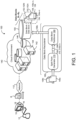
- an example system 100 includes a remote system 140.
- the remote system 140 may be a single computer, multiple computers, or a distributed system (e.g., a cloud environment) having scalable / elastic computing resources 144 (e.g., data processing hardware) and/or storage resources 142 (e.g., memory hardware).
- a data store 146 i.e., a remote storage device 146) may be overlain on the storage resources 142 to allow scalable use of the storage resources 142 by one or more of the client or computing resources 144.
- the data store 146 includes a data block data store 150 configured to store a plurality of data blocks 152, 152a-n within a group 158, 158a-n of clustered data blocks 152.
- the data store 150 may store any number of groups 158 of clustered data blocks 152 at any point in time.
- the clustered data blocks are stored within a columnar database table or clustered table 159.
- Each group of clustered data blocks is sorted by a clustering key value 154, 154an.
- the clustered table 159 i.e., one or more groups 158 of clustered data blocks 152
- one or more columns of the table 159 is selected to represent the clustering key with each row of the table 159 having a corresponding clustering key value 154.
- the data of the clustered table 159 is organized around the clustering key to, for example, co-locate related data, as large tables 159 are typically split into multiple data blocks 152 stored on multiple different servers.
- Each data block 152 in the group 158 of clustered data blocks 152 includes a range of clustering key values 154 that do not overlap with any of the ranges of clustering key values 154 of the other data blocks 152 in the same group 158.
- the remote system 140 is configured to receive tabled data 14.
- the remote system 140 receives the tabled data 14 from a user device 10 associated with a respective user 12 in communication with a remote system 140 via a network 112.
- the user device 10 may correspond to any computing device, such as a desktop workstation, a laptop workstation, or a mobile device (i.e., a smart phone).
- the user device 10 includes computing resources 18 (e.g., data processing hardware) and/or storage resources 16 (e.g., memory hardware).
- the remote system 140 receives the tabled data 14 from another a different table stored on the data store 150 or from another remote system 140.
- the remote system 140 generates a first group 158a of clustered data blocks 152 from the tabled data 14 to form a clustered table 159.
- the remote system 140 organizes the tabled data 14 based on a clustering key 15 and splits the tabled data 14 into a plurality of clustered data blocks 152 with each clustered data block 152 including a respective range of the clustering key values 154 that do not overlap with any of the ranges of clustering key values 154 of the other clustered data blocks 152 in the first group 158a of clustered data blocks 152. That is, each clustered data block 152 stores a portion of the tabled data 14 within the clustered table 159.
- the first group 158a is stored at the data block data store 150.
- the remote system 140 receives (e.g., from the user device 10) additional tabled data 14 to add to the clustered table 159.
- the remote system 140 generates a second group 158b of clustered data blocks 152 from the additional tabled data 14.
- Each clustered data block 152 in the second group 158b includes a respective range of clustering key values 154 that do not overlap with any of the ranges of clustering key values 154 of the other clustered data blocks 152 in the second group 158b.
- the respective range of clustering key values 154 of one or more of the clustered data blocks 152 in the second group 158b may overlap with the respective range of clustering key values 154 of at least one of the clustered data blocks 152 in the first group 158a of clustered data blocks 152. That is, at least one data block 152 of the second group 158b may have a range of clustering key values 154 that overlaps with a range of clustering key values 154 of a data block 152 of the first group 158a of the clustered table 159.
- the remote system 140 executes a data block reclusterer 160 to recluster the first group 158a and second group 158b of data blocks 152.
- a split point generator 170 of data block reclusterer 160 receives the first and second groups 158a, 158b and generates one or more split points 310, 310a-n ( FIG. 2B ) for partitioning the first and second groups 158a, 158b of clustered data blocks 152 into a third group 158c of clustered data blocks 152.
- Each split point 310 defines an upper limit or a lower limit for the respective range of clustering key values 154 of one of the clustered data blocks 152 in the third group 158c of clustered data blocks 152.
- the split point generator 170 passes the first and second groups 158a, 158b and the one or more split points 310 to a data block partitioner 180.
- the data block partitioner 180 partitions, using the one or more generated split points 310, the first and second groups 158a, 158b of clustered data blocks 152 into the third group 158c of clustered data blocks 152.
- Each clustered data block 152 in the third group 158c includes a respective range of clustering key values 154 that do not overlap with any of the ranges of clustering key values 154 of the other clustered data blocks 152 in the third group 158c. That is, the data block partitioner 180 reclusters the data blocks 152 of the first and second groups 158a, 158b (using the split points 310) such that there is no longer overlap in the ranges of clustering key values 154 among any of the data blocks 152.
- the data block partitioner 180 partitions the first and second groups 158a, 158b of clustered data blocks 152 into the third group 158c of clustered data blocks 152 without performing any shuffling operation on the data blocks 152 in the first and second groups 158a, 158b so that performance characteristics of clustered tables is maintained without the associated cost of shuffling data.
- the data block partitioner 180 stores the data blocks 152 of the third group 158c into the data store 150.
- a graph 200a shows an exemplary first group 158a and second group 158b of clustered data blocks 152 plotted along an x-axis of clustering key values 154.
- the first group 158a consists of data blocks 152a-d while the second group 158b consists of data blocks 152e-g.
- Each data block 152a-g includes a range 210, 210a-g of clustering key values 154. While none of the ranges 210 within each respective group 158a, 158b overlap, there is overlap between ranges 210 of data blocks 152 across the groups 158a, 158b.
- the range 210e of data block 152e overlaps the ranges 210a, 210b of data blocks 152a, 152b.
- simply including all of the data blocks 152a-g into a single group 158 would result in performance loss due to the overlap.
- a graph 200b illustrates the exemplary first group 158 and second group 158b of FIG. 2A graphed by clustering key values 154.
- the split points 310 generated by the split point generator 170 partition some of the data blocks 152a-g.
- a split point 310a partitions data block 152a while a split point 310b partitions data block 152a (in the first group 158a) and the data block 152e (in the second group 158b).
- a split point 310c partitions data block 152b
- a split point 310d partitions data block 152c
- a split point 310e partitions data block 152d and data block 152e.
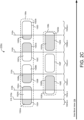
- the data block partitioner 180 identifies which clustering key values 154 in the first group 158b of clustered data blocks 152 and the second group 158b of clustered data blocks 152 that fall between adjacent split points 310. For each clustered data block 152 in the third group 158c of clustered data blocks 152, the data block partitioner 180 merges the identified clustering key values 154 that fall within the corresponding adjacent split points 310. For example, a graph 200c indicates the portions of the data blocks 152a-g that fall within adjacent split points 310a-e.
- the graph 200c illustrates that adjacent split points 310a, 310b partition data block 152a into portions 152aa, 152ab, 152ac and data block 152e into portions 152ea, 152eb ( FIG. 2C ).
- data block 152b is split into portions 152ba, 152bb;
- data block 152c is split into portions 152ca, 152cb;
- data block 152d is split into portions 152da, 152db;
- data block 152g is split into portions 152ga, 152gb.
- data block 152f is not split into any portions, as no split points 310 pass through the data block 152f.
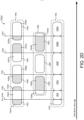
- Each pair of adjacent split points 310 and end split point 310a, 310e form a range 410, 410a-f of clustering key values 154.
- the data block partitioner 180 only reads the rows within each partition 410 and writes each data block 152 of the third group 158c (based on the read partition 410) to the data block data store 150.
- the data block partitioner 180 only reads the column(s) that include the clustering key value 154 instead of the entire clustered table 159 to greatly reduce the total amount of data read.
- only portions of data blocks 152 that overlap are read by data block partitioner 180.
- the data block partitioner 180 does not read data block 152f when generating the data blocks 152 of the third group 158c as no split points 310 intersect with the data block 152f.
- each data block 152h-n of the third group 158c is formed from the merged partitions of groups 158a, 158b within the same adjacent pair of split points 310.
- split point 310a is the left-most split point 310
- the split point 310a does not have an adjacent split point 310 to the left, and therefore portion 152aa of data block 152a forms data block 152h of group 158c alone.
- Adjacent split points 310a, 310b bracket portions 152ab and 152ea, which are merged to form data block 152i.
- adjacent split points 310b, 310c bound portions 152ac, 152ba, 152eb and merge to form 152j.
- adjacent split point 310c, 310d bound portions 152bb, 152ca and data block 152f and merge to form data block 152k.
- Adjacent split points 310d, 310e bound portions 152cb, 152da, 152ga and merge to form data block 152m. Because split point 310e is the right-most split point 310, data block portions 152db, 152gb merge to form data block 152n.
- At least one clustered data block 152 in the third group 158c of clustered data blocks 152 includes a portion (e.g., portion 152aa) of the respective range 210 from one of the data blocks 152 of the first or second groups 158a, 158b of clustered data blocks 152 that does not overlap with any of the respective ranges of the other clustered data blocks of the other one of the first or second groups 158a, 158b of clustered data blocks 152.
- At least one clustered data block 152 in the third group 158c of clustered data blocks 152 includes a portion (e.g., portion 152ab) of the respective range 210 from one of the data blocks 152 of the first or second groups 158a, 158b of clustered data blocks 152 and one of the data blocks 152 (e.g., portion 152ea) from the other one of the first or second groups 158a, 158 of clustered data blocks 152.
- At least one clustered data block 152 in the third group 158c of clustered data blocks 152 includes a portion (e.g., portions 152ac, 152ba) of the respective range 210 from two of the data blocks 152 of the first or second groups 158a, 158b of clustered data blocks 152 and one of the data blocks 152 (e.g., portion 152eb) from the other one of the first or second groups 158a, 158b of clustered data blocks 152.
- the split points 310 may partition the data blocks 152 into any number of portions and the data block partitioner 180 any merge any number of portions or data blocks 152 from the first group 158a or the second group 158b into data blocks 152 of the third group 158c.
- the split point generator 170 generates the one or more split points 310 by determining a plurality of quantiles 610, 610a-n for the first and second groups 158a, 158b of clustered data blocks 152.
- a quantile is a cut point that divides the range of a distribution into intervals with each interval having an equal or approximately equal distribution.
- a first, second, and third quantile 610a-c divides the range 620 of the clustering key values 158 into four sub-ranges 612a-d.
- the first range 612a represents 25 percent (i.e., one fourth) of the distribution of clustering key values 154
- each of the other ranges 612b-c also represent 25 percent of the distribution of clustering key values 154.
- Each quantile 610 may represent a location for a split point 310, and thus the number of quantiles 610 is equivalent to the number of split points 310. That is, each split point 310 of the one or more split points 310 corresponds to a different quantile 610 of the plurality of quantiles 610.
- the split point generator 170 may determine any number of quantiles 610 (and thus split points 310). The split point generator 170 may determine a number of the one or more split points 310 generated based on a number of data blocks 152 in the first and second groups 158a, 158b of clustered data blocks 152 and a size of each of the data blocks 152. In some examples, each data block 152 is a configurable size (e.g., 32MB to 256MB) and the split point generator 170 determines the number of quantiles 610 by determining a total size of the first group 158a and the second group 158b divided by the configured data block size.
- each data block 152 is a configurable size (e.g., 32MB to 256MB) and the split point generator 170 determines the number of quantiles 610 by determining a total size of the first group 158a and the second group 158b divided by the configured data block size.
- the split point generator 170 determines three quantiles 610a-610c (corresponding to three split points 310f-h) to divide the range 620 of clustering key values 154 into four sub-ranges 612a-d which each correspond to a data blocks 152h-k of the third group 158c of clustered data blocks 152.
- the split point generator determines one or more quantiles 610 of the data blocks 152 of the first and second groups 158a, 158b based on sampling the data of the data blocks 152. That is, due to the potentially enormous size of the clustered table 159, sampling the data allows the split point generator 170 to determine the quantiles 610 in a more efficient and scalable manner.
- the split point generator 170 uses weighted sampling to approximate one or more quantiles of the data blocks 152 of the first group 158a and the second group 158b of clustered data blocks 152.
- the split point generator 170 may generate the split points 310 using other means, such as ordered code.
- Ordered code provides a byte encoding of a sequence of typed items.
- the resulting bytes may be lexicographically compared to yield the same ordering as item-wise comparison on the original sequences. That is, ordered code has the property that comparing the ordered code yields the same result value as comparing values one by one.
- the data block partitioner 180 After partitioning the data blocks 152 into the third group 158c, the data block partitioner 180 determines a first sum of data values associated with the first and second groups 158a, 158b of clustered data blocks 152 and determines second sum of data values associated with the third group 158c of clustered data blocks 152. The data block partitioner verifies that the first sum is equivalent to the second sum. That is, to ensure that there was no data corruption during the partitioning process, the data block partitioner 180 verifies that values associated with the first and second groups 158a, 158b (e.g., summing a number of rows of the clustered table 159) is the same as the corresponding value of the third group 158c. These values will match when no data has been corrupted or misplaced. The total number of rows in the third group 158c should be equivalent to the total number of rows in the first group 158a summed with the total number of rows in the second group 158b.
- Examples herein illustrate the data block reclusterer 160 performing shuffle-less reclustering of two groups 158 of clustered data blocks 152.
- this is exemplary only and any number of groups may be reclustered simultaneously.
- the respective range of clustering key values 154 of the clustered data blocks 152 in the second group 158b do not overlap with the respective range of clustering key values 154 of the clustered data blocks 152 in the first group 158a of clustered data blocks 152.
- the data block reclusterer 160 may merge the data blocks without generating split points 310.
- FIG. 3 is a flowchart of an exemplary arrangement of operations for a method 300 of shuffle-less reclustering of clustered tables.
- the method 300 includes, at operation 302, receiving, at data processing hardware 144, a first group 158a of clustered data blocks 152 sorted by a clustering key value 154.
- Each clustered data block 152 in the first group 158a of clustered data blocks 152 includes a respective range 210 of the clustering key values 154 that do not overlap with any of the ranges 210 of clustering key values 154 of the other clustered data blocks 152 in the first group 158a of clustered data blocks 152.
- the method 300 includes receiving, at the data processing hardware 144, a second group 158b of clustered data blocks 152 sorted by the clustering key value 154.
- Each clustered data block 152 in the second group 158b of clustered data blocks 152 includes a respective range 210 of clustering key values 154 that do not overlap with any of the ranges 210 of clustering key values 154 of the other clustered data blocks 152 in the second group 158b of clustered data blocks 152.
- the respective range 210 of clustering key values 154 of one or more the clustered data blocks 152 in the second group 158b of clustered data blocks 152 overlaps with the respective range 210 of clustering key values 154 of at least one of the clustered data blocks 152 in the first group 158a of clustered data blocks 152.
- the method 300 includes generating, by the data processing hardware 144, one or more split points 310 for partitioning the first and second groups 158a, 158b of clustered data blocks 152 into a third group 158c of clustered data blocks.
- the method 300 includes partitioning, by the data processing hardware 144, using the one or more generated split points 310, the first and second groups 158a, 158b of clustered data blocks 152 into the third group 158c of clustered data blocks 152.
- Each clustered data block 152 in the third group 158c of clustered data blocks 152 includes a respective range 210 of clustering key values 154 that do not overlap with any of the ranges 210 of clustering key values 154 of the other clustered data blocks 152 in the third group 158c of clustered data blocks 152.
- Each split point 310 of the one or more generated split points 310 defines an upper limit or a lower limit for the respective range 210 of clustering key values 154 of one of the clustered data blocks 152 in the third group 158c of clustered data blocks 152.
- FIG. 4 is schematic view of an example computing device 400 that may be used to implement the systems and methods described in this document.
- the computing device 800 is intended to represent various forms of digital computers, such as laptops, desktops, workstations, personal digital assistants, servers, blade servers, mainframes, and other appropriate computers.
- the components shown here, their connections and relationships, and their functions, are meant to be exemplary only, and are not meant to limit implementations of the inventions described and/or claimed in this document.
- the computing device 400 includes a processor 410, memory 420, a storage device 430, a high-speed interface/controller 440 connecting to the memory 420 and high-speed expansion ports 450, and a low speed interface/controller 460 connecting to a low speed bus 470 and a storage device 430.
- Each of the components 410, 420, 430, 440, 450, and 460 are interconnected using various busses, and may be mounted on a common motherboard or in other manners as appropriate.
- the processor 410 can process instructions for execution within the computing device 400, including instructions stored in the memory 420 or on the storage device 430 to display graphical information for a graphical user interface (GUI) on an external input/output device, such as display 480 coupled to high speed interface 440.
- GUI graphical user interface
- multiple processors and/or multiple buses may be used, as appropriate, along with multiple memories and types of memory.
- multiple computing devices 400 may be connected, with each device providing portions of the necessary operations (e.g., as a server bank, a group of blade servers, or a multi-processor system).
- the memory 420 stores information non-transitorily within the computing device 400.
- the memory 420 may be a computer-readable medium, a volatile memory unit(s), or non-volatile memory unit(s).
- the non-transitory memory 420 may be physical devices used to store programs (e.g., sequences of instructions) or data (e.g., program state information) on a temporary or permanent basis for use by the computing device 400.
- non-volatile memory examples include, but are not limited to, flash memory and read-only memory (ROM) / programmable read-only memory (PROM) / erasable programmable read-only memory (EPROM) / electronically erasable programmable read-only memory (EEPROM) (e.g., typically used for firmware, such as boot programs).
- volatile memory examples include, but are not limited to, random access memory (RAM), dynamic random access memory (DRAM), static random access memory (SRAM), phase change memory (PCM) as well as disks or tapes.
- the storage device 430 is capable of providing mass storage for the computing device 400.
- the storage device 430 is a computer-readable medium.
- the storage device 430 may be a floppy disk device, a hard disk device, an optical disk device, or a tape device, a flash memory or other similar solid state memory device, or an array of devices, including devices in a storage area network or other configurations.
- a computer program product is tangibly embodied in an information carrier.
- the computer program product contains instructions that, when executed, perform one or more methods, such as those described above.
- the information carrier is a computer- or machine-readable medium, such as the memory 420, the storage device 430, or memory on processor 410.
- the high speed controller 440 manages bandwidth-intensive operations for the computing device 400, while the low speed controller 460 manages lower bandwidth-intensive operations. Such allocation of duties is exemplary only.
- the high-speed controller 440 is coupled to the memory 420, the display 480 (e.g., through a graphics processor or accelerator), and to the high-speed expansion ports 450, which may accept various expansion cards (not shown).
- the low-speed controller 460 is coupled to the storage device 430 and a low-speed expansion port 490.
- the low-speed expansion port 490 which may include various communication ports (e.g., USB, Bluetooth, Ethernet, wireless Ethernet), may be coupled to one or more input/output devices, such as a keyboard, a pointing device, a scanner, or a networking device such as a switch or router, e.g., through a network adapter.
- input/output devices such as a keyboard, a pointing device, a scanner, or a networking device such as a switch or router, e.g., through a network adapter.
- the computing device 400 may be implemented in a number of different forms, as shown in the figure. For example, it may be implemented as a standard server 400a or multiple times in a group of such servers 400a, as a laptop computer 400b, or as part of a rack server system 400c.
- implementations of the systems and techniques described herein can be realized in digital electronic and/or optical circuitry, integrated circuitry, specially designed ASICs (application specific integrated circuits), computer hardware, firmware, software, and/or combinations thereof.
- ASICs application specific integrated circuits
- These various implementations can include implementation in one or more computer programs that are executable and/or interpretable on a programmable system including at least one programmable processor, which may be special or general purpose, coupled to receive data and instructions from, and to transmit data and instructions to, a storage system, at least one input device, and at least one output device.
- a software application may refer to computer software that causes a computing device to perform a task.
- a software application may be referred to as an "application,” an "app,” or a "program.”
- Example applications include, but are not limited to, system diagnostic applications, system management applications, system maintenance applications, word processing applications, spreadsheet applications, messaging applications, media streaming applications, social networking applications, and gaming applications.
- the processes and logic flows described in this specification can be performed by one or more programmable processors, also referred to as data processing hardware, executing one or more computer programs to perform functions by operating on input data and generating output.
- the processes and logic flows can also be performed by special purpose logic circuitry, e.g., an FPGA (field programmable gate array) or an ASIC (application specific integrated circuit).
- processors suitable for the execution of a computer program include, by way of example, both general and special purpose microprocessors, and any one or more processors of any kind of digital computer.
- a processor will receive instructions and data from a read only memory or a random access memory or both.
- the essential elements of a computer are a processor for performing instructions and one or more memory devices for storing instructions and data.
- a computer will also include, or be operatively coupled to receive data from or transfer data to, or both, one or more mass storage devices for storing data, e.g., magnetic, magneto optical disks, or optical disks.
- mass storage devices for storing data
- a computer need not have such devices.
- Computer readable media suitable for storing computer program instructions and data include all forms of non-volatile memory, media and memory devices, including by way of example semiconductor memory devices, e.g., EPROM, EEPROM, and flash memory devices; magnetic disks, e.g., internal hard disks or removable disks; magneto optical disks; and CD ROM and DVD-ROM disks.
- the processor and the memory can be supplemented by, or incorporated in, special purpose logic circuitry.
- one or more aspects of the disclosure can be implemented on a computer having a display device, e.g., a CRT (cathode ray tube), LCD (liquid crystal display) monitor, or touch screen for displaying information to the user and optionally a keyboard and a pointing device, e.g., a mouse or a trackball, by which the user can provide input to the computer.
- a display device e.g., a CRT (cathode ray tube), LCD (liquid crystal display) monitor, or touch screen for displaying information to the user and optionally a keyboard and a pointing device, e.g., a mouse or a trackball, by which the user can provide input to the computer.
- Other kinds of devices can be used to provide interaction with a user as well; for example, feedback provided to the user can be any form of sensory feedback, e.g., visual feedback, auditory feedback, or tactile feedback; and input from the user can be received in any form, including acoustic, speech, or tactile input
Landscapes
- Engineering & Computer Science (AREA)
- Theoretical Computer Science (AREA)
- Databases & Information Systems (AREA)
- Physics & Mathematics (AREA)
- General Physics & Mathematics (AREA)
- General Engineering & Computer Science (AREA)
- Data Mining & Analysis (AREA)
- Software Systems (AREA)
- Computer Security & Cryptography (AREA)
- Computing Systems (AREA)
- Computer Hardware Design (AREA)
- General Health & Medical Sciences (AREA)
- Bioethics (AREA)
- Health & Medical Sciences (AREA)
- Information Retrieval, Db Structures And Fs Structures Therefor (AREA)
Claims (15)
- Verfahren (300) zum Reclustering gruppierter Datenblöcke, wobei das Verfahren Folgendes umfasst:Empfangen einer ersten Gruppe (158a) von gruppierten Datenblöcken (152), die durch einen Clustering-Schlüsselwert (154) sortiert sind, auf einer Datenverarbeitungshardware (144), wobei jeder gruppierte Datenblock (152) in der ersten Gruppe (158a) gruppierter Datenblöcke (152) einen jeweiligen Bereich (210) der Clustering-Schlüsselwerte (154) umfasst, die sich mit keinem der Bereiche (210) der Clustering-Schlüsselwerte (154) der anderen gruppierten Datenblöcke (152) in der ersten Gruppe (158a) gruppierter Datenblöcke (152) überschneiden;Empfangen einer zweiten Gruppe (158b) von gruppierten Datenblöcken (152), die durch den Clustering-Schlüsselwert (154) sortiert sind, auf der Datenverarbeitungshardware (144), wobei jeder gruppierte Datenblock (152) in der zweiten Gruppe (158b) gruppierter Datenblöcke (152) einen jeweiligen Bereich (210) von Clustering-Schlüsselwerten (154) umfasst, die sich mit keinem der Bereiche (210) der Clustering-Schlüsselwerte (154) der anderen gruppierten Datenblöcke (152) in der zweiten Gruppe (158b) gruppierter Datenblöcke (152) überschneiden;Erzeugen eines oder mehrerer Splitpunkte (310) durch die Datenverarbeitungshardware (144) zum Partitionieren der ersten und zweiten Gruppe (158a, 158b) gruppierter Datenblöcke (152) in eine dritte Gruppe (158c) gruppierter Datenblöcke (152);Partitionieren der ersten und zweiten Gruppe (158a, 158b) von gruppierten Datenblöcken (152) in die dritte Gruppe (158c) von gruppierten Datenblöcken (152) durch die Datenverarbeitungshardware (144) unter Verwendung eines oder mehrerer erzeugter Teilungspunkte (310), wobei jeder gruppierte Datenblock (152) in der dritten Gruppe (158c) von gruppierten Datenblöcken (152) einen jeweiligen Bereich (210) von Clustering-Schlüsselwerten (154) umfasst, die sich mit keinem der Bereiche (210) von Clustering-Schlüsselwerten (154) der anderen gruppierten Datenblöcke (152) in der dritten Gruppe (158c) von gruppierten Datenblöcken (152) überschneiden, wobei jeder Splitpunkt (310) des einen oder der mehreren erzeugten Splitpunkte (310) eine Obergrenze oder eine Untergrenze für den jeweiligen Bereich (210) von Clustering-Schlüsselwerten (154) eines der gruppierten Datenblöcke (152) in der dritten Gruppe (158c) von gruppierten Datenblöcken (152) definiert;Bestimmen einer ersten Summe von Datenwerten, die der ersten und zweiten Gruppe (158a, 158b) von gruppierten Datenblöcken (152) zugeordnet sind, durch die Datenverarbeitungshardware (144);Bestimmen einer zweiten Summe von Datenwerten, die der dritten Gruppe (158c) von gruppierten Datenblöcken (152) zugeordnet sind, durch die Datenverarbeitungshardware (144); undÜberprüfen, dass die erste Summe der zweiten Summe entspricht, und Bestimmen, dass während dem Partitionieren keine Datenbeschädigung aufgetreten ist, wenn die erste Summe der zweiten Summe entspricht, durch die Datenverarbeitungshardware (144).
- Verfahren nach Anspruch 1 (300), wobei eine säulenförmige Datenbanktabelle (159) die erste und zweite Gruppe (158a, 158b) von gruppierten Datenblöcken (152) speichert.
- Verfahren nach (300) Anspruch 1 oder 2, wobei das Partitionieren der ersten und zweiten Gruppe (158a, 158b) gruppierter Datenblöcke (152) in die dritte Gruppe (158c) gruppierter Datenblöcke (152) ohne Durchführen eines Shuffling-Vorgangs an den Datenblöcken (152) in der ersten und zweiten Gruppe (158a, 158b) von gruppierten Datenblöcken (152) erfolgt, wobei der Shuffling-Vorgang an den Datenblöcken (152) in der ersten und zweiten Gruppe (158a, 158b) von gruppierten Datenblöcken (152) Schreiben einiger oder aller der Datenblöcke (152) in der ersten und zweiten Gruppe (158a, 158b) von gruppierten Datenblöcken (152) an einen neuen Standort involviert.
- Verfahren nach (300) eines der Ansprüche nach 1-3, wobei das Partitionieren der ersten und zweiten Gruppe (158a, 158b) gruppierter Datenblöcke (152) in die dritte Gruppe (158c) gruppierter Datenblöcke (152) Folgendes umfasst:Identifizieren, welche Clustering-Schlüsselwerte (154) in der ersten Gruppe (158a) gruppierter Datenblöcke (152) und der zweiten Gruppe (158b) gruppierter Datenblöcke (152) zwischen benachbarten Splitpunkten (310) liegen; undfür jeden gruppierten Datenblock (152) in der dritten Gruppe (158c) von gruppierten Datenblöcken (152), Zusammenführen der identifizierten Clustering-Schlüsselwerte (154), die innerhalb der entsprechenden benachbarten Splitpunkte (310) liegen.
- Verfahren (300) nach einem der Ansprüche 1-4, wobei:mindestens ein gruppierter Datenblock (152) in der dritten Gruppe (158c) von gruppierten Datenblöcken (152) einen Abschnitt des jeweiligen Bereichs (210) von einem der Datenblöcke (152) der ersten oder zweiten Gruppe (158a, 158b) gruppierter Datenblöcke (152) umfasst, der sich mit keinem der jeweiligen Bereiche (210) der anderen gruppierten Datenblöcke (152) der anderen einen der ersten oder zweiten Gruppe (158a, 158b) gruppierter Datenblöcke (152) überschneidet;mindestens ein gruppierter Datenblock (152) in der dritten Gruppe (158c) von gruppierten Datenblöcken (152) einen Abschnitt des jeweiligen Bereichs (210) von einem der Datenblöcke (152) der ersten oder zweiten Gruppe (158a, 158b) gruppierter Datenblöcke (152) und einem der Datenblöcke (152) aus der anderen der ersten oder zweiten Gruppe (158a, 158b) gruppierter Datenblöcke (152) umfasst; und/odermindestens ein gruppierter Datenblock (152) in der dritten Gruppe (158c) von gruppierten Datenblöcken (152) einen Abschnitt des jeweiligen Bereichs (210) von zwei der Datenblöcke (152) der ersten oder zweiten Gruppe (158a, 158b) gruppierter Datenblöcke (152) und einem der Datenblöcke (152) aus der anderen einen der ersten oder zweiten Gruppe (158a, 158b) gruppierter Datenblöcke (152) umfasst;sich der jeweilige Bereich (210) der Clustering-Schlüsselwerte (154) eines oder mehrerer der gruppierten Datenblöcke (152) in der zweiten Gruppe (158b) der gruppierten Datenblöcke (152) mit dem jeweiligen Bereich (210) der Clustering-Schlüsselwerte (154) von mindestens einer der gruppierten Datenblöcke (152) in der ersten Gruppe (158a) der gruppierten Datenblöcke (152) überschneidet.
- Verfahren nach (300) eines der Ansprüche nach 1-5, wobei das Erzeugen des einen oder der mehreren Splitpunkte (310) das Bestimmen einer Vielzahl von Quantilen (610) für die erste und zweite Gruppe (158a, 158b) von gruppierten Datenblöcken (152) umfasst, wobei jedes Quantil (610) ein Trennpunkt ist, der einen Bereich einer Verteilung in Intervalle unterteilt, wobei jedes Intervall eine gleiche oder sich annähernd gleiche Verteilung aufweist.
- Verfahren nach Anspruch 6 (300), wobei jeder Splitpunkt (310) des einen oder der mehreren Splitpunkte (310) einem unterschiedlichen Quantil (610) der Vielzahl von Quantilen (610) entspricht.
- System (100), das dazu konfiguriert ist, gruppierte Datenblöcke zu reclustern, wobei das System Folgendes umfasst:
Datenverarbeitungshardware (144); und Speicherhardware (146), die mit der Datenverarbeitungshardware (144) kommuniziert, wobei die Speicherhardware (146) Anweisungen speichert, die bei Ausführung auf der Datenverarbeitungshardware (144) die Datenverarbeitungshardware (144) veranlassen, Vorgänge durchzuführen, die Folgendes umfassen:Empfangen einer ersten Gruppe (158a) von gruppierten Datenblöcken (152), die durch einen Clustering-Schlüsselwert (154) sortiert sind, wobei jeder gruppierte Datenblock (152) in der ersten Gruppe (158a) gruppierter Datenblöcke (152) einen jeweiligen Bereich (210) der Clustering-Schlüsselwerte (154) umfasst, die sich mit keinem der Bereiche (210) der Clustering-Schlüsselwerte (154) der anderen gruppierten Datenblöcke (152) in der ersten Gruppe (158a) gruppierter Datenblöcke (152) überschneiden;Empfangen einer zweiten Gruppe (158b) von gruppierten Datenblöcken (152), die durch den Clustering-Schlüsselwert (154) sortiert sind, wobei jeder gruppierte Datenblock (152) in der zweiten Gruppe (158b) gruppierter Datenblöcke (152) einen jeweiligen Bereich (210) von Clustering-Schlüsselwerten (154) umfasst, die sich mit keinem der Bereiche (210) der Clustering-Schlüsselwerte (154) der anderen gruppierten Datenblöcke (152) in der zweiten Gruppe (158b) gruppierter Datenblöcke (152) überschneiden; wobei sich der jeweilige Bereich (210) von Clustering-Schlüsselwerten (154) von einem oder mehreren der gruppierten Datenblöcke (152) in der zweiten Gruppe (158b) von gruppierten Datenblöcken (152) mit dem jeweiligen Bereich (210) von Clustering-Schlüsselwerten (154) von mindestens einem der gruppierten Datenblöcke (152) in der ersten Gruppe (158a) von gruppierten Datenblöcken ( 152) überschneidet;Erzeugen eines oder mehrerer Splitpunkte (310) zum Partitionieren der ersten und zweiten Gruppe (158a, 158b) gruppierter Datenblöcke (152) in eine dritte Gruppe (158c) gruppierter Datenblöcke (152);Partitionieren der ersten und zweiten Gruppe (158a, 158b) von gruppierten Datenblöcken (152) in die dritte Gruppe (158c) von gruppierten Datenblöcken (152) unter Verwendung eines oder mehrerer erzeugter Teilungspunkte (310), wobei jeder gruppierte Datenblock (152) in der dritten Gruppe (158c) von gruppierten Datenblöcken (152) einen jeweiligen Bereich (210) von Clustering-Schlüsselwerten (154) umfasst, die sich mit keinem der Bereiche (210) von Clustering-Schlüsselwerten (154) der anderen gruppierten Datenblöcke (152) in der dritten Gruppe (158c) von gruppierten Datenblöcken (152) überschneiden, wobei jeder Splitpunkt (310) des einen oder der mehreren erzeugten Splitpunkte (310) eine Obergrenze oder eine Untergrenze für den jeweiligen Bereich (210) von Clustering-Schlüsselwerten (154) eines der gruppierten Datenblöcke (152) in der dritten Gruppe (158c) von gruppierten Datenblöcken (152) definiert;Bestimmen einer ersten Summe von Datenwerten, die der ersten und zweiten Gruppe (158a, 158b) von gruppierten Datenblöcken (152) zugeordnet sind;Bestimmung einer zweiten Summe von Datenwerten, die der dritten Gruppe (158c) von gruppierten Datenblöcken (152) zugeordnet sind; undÜberprüfen, dass die erste Summe der zweiten Summe entspricht, und Bestimmen, dass während dem Partitionieren keine Datenbeschädigung aufgetreten ist, wenn die erste Summe der zweiten Summe entspricht. - System (100) nach Anspruch 8, wobei eine säulenförmige Datenbanktabelle (159) die erste und zweite Gruppe (158a, 158b) von gruppierten Datenblöcken (152) speichert.
- System (100) nach Anspruch 8 oder 9, wobei das Partitionieren der ersten und zweiten Gruppe (158a, 158b) gruppierter Datenblöcke (152) in die dritte Gruppe (158c) gruppierter Datenblöcke (152) ohne Durchführen eines Shuffling-Vorgangs an den Datenblöcken (152) in der ersten und zweiten Gruppe (158a, 158b) von gruppierten Datenblöcken (152) erfolgt, wobei der Shuffling-Vorgang an den Datenblöcken (152) in der ersten und zweiten Gruppe (158a, 158b) von gruppierten Datenblöcken (152) Schreiben einiger oder aller der Datenblöcke (152) in der ersten und zweiten Gruppe (158a, 158b) von gruppierten Datenblöcken (152) an einen neuen Standort involviert.
- System (100) nach einem der Ansprüche 8-10, wobei das Partitionieren der ersten und zweiten Gruppe (158a, 158b) gruppierter Datenblöcke (152) in die dritte Gruppe (158c) gruppierter Datenblöcke (152) Folgendes umfasst:Identifizieren, welche Clustering-Schlüsselwerte (154) in der ersten Gruppe (158a) gruppierter Datenblöcke (152) und der zweiten Gruppe (158b) gruppierter Datenblöcke (152) zwischen benachbarten Splitpunkten (310) liegen; undfür jeden gruppierten Datenblock (152) in der dritten Gruppe (158c) von gruppierten Datenblöcken (152), Zusammenführen der identifizierten Clustering-Schlüsselwerte (154), die innerhalb der entsprechenden benachbarten Splitpunkte (310) liegen.
- System (100) nach einem der Ansprüche 8-11, wobei:mindestens ein gruppierter Datenblock (152) in der dritten Gruppe (158c) von gruppierten Datenblöcken (152) einen Abschnitt des jeweiligen Bereichs (210) von einem der Datenblöcke (152) der ersten oder zweiten Gruppe (158a, 158b) gruppierter Datenblöcke (152) umfasst, der sich mit keinem der jeweiligen Bereiche (210) der anderen gruppierten Datenblöcke (152) der anderen einen der ersten oder zweiten Gruppe (158a, 158b) gruppierter Datenblöcke (152) überschneidet;mindestens ein gruppierter Datenblock (152) in der dritten Gruppe (158c) von gruppierten Datenblöcken (152) einen Abschnitt des jeweiligen Bereichs (210) von einem der Datenblöcke (152) der ersten oder zweiten Gruppe (158a, 158b) gruppierter Datenblöcke (152) und einem der Datenblöcke (152) aus der anderen einen der ersten oder zweiten Gruppe (158a, 158b) gruppierter Datenblöcke (152) umfasst; und/odermindestens ein gruppierter Datenblock (152) in der dritten Gruppe (158c) von gruppierten Datenblöcken (152) einen Abschnitt des jeweiligen Bereichs (210) von zwei der Datenblöcke (152) der ersten oder zweiten Gruppe (158a, 158b) gruppierter Datenblöcke (152) und einem der Datenblöcke (152) aus der anderen einen der ersten oder zweiten Gruppe (158a, 158b) gruppierter Datenblöcke (152) umfasst.
- System (100) nach einem der Ansprüche 8-12, wobei das Erzeugen eines oder mehrerer Splitpunkte (310) das Bestimmen einer Vielzahl von Quantilen (610) für die erste und zweite Gruppe (158a, 158b) von gruppierten Datenblöcken (152) umfasst, wobei jedes Quantil (610) ein Trennpunkt ist, der einen Bereich einer Verteilung in Intervalle unterteilt, wobei jedes Intervall eine gleiche oder sich annähernd gleiche Verteilung aufweist.
- System (100) nach Anspruch 13, wobei jeder Splitpunkt (310) des einen oder der mehreren Splitpunkte (310) einem unterschiedlichen Quantil (610) der Vielzahl von Quantilen (610) entspricht.
- System (100) nach einem der Ansprüche 8-14, wobei sich der jeweilige Bereich (210) der Clustering-Schlüsselwerte (154) eines oder mehrerer der gruppierten Datenblöcke (152) in der zweiten Gruppe (158b) der gruppierten Datenblöcke (152) mit dem jeweiligen Bereich (210) der Clustering-Schlüsselwerte (154) von mindestens einer der gruppierten Datenblöcke (152) in der ersten Gruppe (158a) der gruppierten Datenblöcke (152) überschneidet.
Applications Claiming Priority (2)
| Application Number | Priority Date | Filing Date | Title |
|---|---|---|---|
| US16/848,810 US11436261B2 (en) | 2020-04-14 | 2020-04-14 | Shuffle-less reclustering of clustered tables |
| PCT/US2021/026932 WO2021211474A1 (en) | 2020-04-14 | 2021-04-12 | Shuffle-less reclustering of clustered tables |
Publications (2)
| Publication Number | Publication Date |
|---|---|
| EP4136540A1 EP4136540A1 (de) | 2023-02-22 |
| EP4136540B1 true EP4136540B1 (de) | 2025-06-04 |
Family
ID=75787260
Family Applications (1)
| Application Number | Title | Priority Date | Filing Date |
|---|---|---|---|
| EP21723513.4A Active EP4136540B1 (de) | 2020-04-14 | 2021-04-12 | Shuffle-less-reclustering von gruppierten tabellen |
Country Status (5)
| Country | Link |
|---|---|
| US (2) | US11436261B2 (de) |
| EP (1) | EP4136540B1 (de) |
| KR (1) | KR102780543B1 (de) |
| CN (1) | CN115917524A (de) |
| WO (1) | WO2021211474A1 (de) |
Family Cites Families (8)
| Publication number | Priority date | Publication date | Assignee | Title |
|---|---|---|---|---|
| US9336263B2 (en) | 2010-06-04 | 2016-05-10 | Yale University | Data loading systems and methods |
| US8805784B2 (en) * | 2010-10-28 | 2014-08-12 | Microsoft Corporation | Partitioning online databases |
| US9607019B1 (en) * | 2013-01-17 | 2017-03-28 | Amazon Technologies, Inc. | Splitting database partitions |
| US9483509B2 (en) * | 2013-10-02 | 2016-11-01 | Google Inc. | Dynamic shuffle reconfiguration |
| KR101748912B1 (ko) * | 2014-08-28 | 2017-07-03 | 네이버 주식회사 | 분산 저장 환경에서 데이터 저장 시스템 및 데이터 저장 시스템이 포함하는 클러스터의 업그레이드, 확장 및 축소를 위한 클러스터 관리 방법 |
| US10963440B2 (en) | 2015-08-10 | 2021-03-30 | Singlestore, Inc. | Fast incremental column store data loading |
| US10817540B2 (en) | 2016-09-02 | 2020-10-27 | Snowflake Inc. | Incremental clustering maintenance of a table |
| US10860249B2 (en) * | 2017-12-25 | 2020-12-08 | Pliops Ltd. | Solid state disk (SSD) controller and database |
-
2020
- 2020-04-14 US US16/848,810 patent/US11436261B2/en active Active
-
2021
- 2021-04-12 CN CN202180027769.0A patent/CN115917524A/zh active Pending
- 2021-04-12 EP EP21723513.4A patent/EP4136540B1/de active Active
- 2021-04-12 KR KR1020227039446A patent/KR102780543B1/ko active Active
- 2021-04-12 WO PCT/US2021/026932 patent/WO2021211474A1/en not_active Ceased
-
2022
- 2022-08-03 US US17/817,147 patent/US11860907B2/en active Active
Non-Patent Citations (1)
| Title |
|---|
| STRATOS IDREOS ET AL: "Merging what's cracked, cracking what's merged : adaptive indexing in main-memory column-stores", PROCEEDINGS OF THE VLDB ENDOWMENT, vol. 4, 1 June 2011 (2011-06-01), New York, NY, pages 586 - 597, XP055734487, ISSN: 2150-8097, DOI: 10.14778/2002938.2002944 * |
Also Published As
| Publication number | Publication date |
|---|---|
| US20220374455A1 (en) | 2022-11-24 |
| WO2021211474A1 (en) | 2021-10-21 |
| CN115917524A (zh) | 2023-04-04 |
| US11436261B2 (en) | 2022-09-06 |
| KR102780543B1 (ko) | 2025-03-11 |
| EP4136540A1 (de) | 2023-02-22 |
| KR20220161484A (ko) | 2022-12-06 |
| US11860907B2 (en) | 2024-01-02 |
| US20210319044A1 (en) | 2021-10-14 |
Similar Documents
| Publication | Publication Date | Title |
|---|---|---|
| US9916313B2 (en) | Mapping of extensible datasets to relational database schemas | |
| US11249973B2 (en) | Querying partitioned tables in a distributed database | |
| TWI603211B (zh) | Construction of inverted index system based on Lucene, data processing method and device | |
| US20170116311A1 (en) | System and method for use of automatic slice merge in a multidimensional database environment | |
| JP2017512338A (ja) | 第一クラスデータベース要素としての半構造データの実装 | |
| WO2017151194A1 (en) | Atomic updating of graph database index structures | |
| US10776401B2 (en) | Efficient database query aggregation of variable length data | |
| US11520763B2 (en) | Automated optimization for in-memory data structures of column store databases | |
| US9430503B1 (en) | Coalescing transactional same-block writes for virtual block maps | |
| US10185743B2 (en) | Method and system for optimizing reduce-side join operation in a map-reduce framework | |
| KR20230096107A (ko) | 빅 메타데이터 관리를 위한 열 기반 기법들 | |
| US10860577B2 (en) | Search processing system and method for processing search requests involving data transfer amount unknown to host | |
| JP2021056921A (ja) | データベース管理システム、および、データベース処理方法 | |
| EP4441649B1 (de) | Leistungsoptimierungen für sicherheitsfilter auf reihenebene | |
| US9811571B2 (en) | Bitemporal timeline index | |
| EP4136540B1 (de) | Shuffle-less-reclustering von gruppierten tabellen | |
| US12619605B2 (en) | Zero copy optimization for select * queries | |
| US20230229657A1 (en) | Zero Copy Optimization for SELECT * Queries | |
| US12405920B2 (en) | Data file clustering with KD-classifier trees | |
| US11010101B1 (en) | Object storage subsystems | |
| CN118861011A (zh) | 数据湖中元数据的检测方法、装置以及计算设备 |
Legal Events
| Date | Code | Title | Description |
|---|---|---|---|
| STAA | Information on the status of an ep patent application or granted ep patent |
Free format text: STATUS: UNKNOWN |
|
| STAA | Information on the status of an ep patent application or granted ep patent |
Free format text: STATUS: THE INTERNATIONAL PUBLICATION HAS BEEN MADE |
|
| PUAI | Public reference made under article 153(3) epc to a published international application that has entered the european phase |
Free format text: ORIGINAL CODE: 0009012 |
|
| STAA | Information on the status of an ep patent application or granted ep patent |
Free format text: STATUS: REQUEST FOR EXAMINATION WAS MADE |
|
| 17P | Request for examination filed |
Effective date: 20221111 |
|
| AK | Designated contracting states |
Kind code of ref document: A1 Designated state(s): AL AT BE BG CH CY CZ DE DK EE ES FI FR GB GR HR HU IE IS IT LI LT LU LV MC MK MT NL NO PL PT RO RS SE SI SK SM TR |
|
| DAV | Request for validation of the european patent (deleted) | ||
| DAX | Request for extension of the european patent (deleted) | ||
| STAA | Information on the status of an ep patent application or granted ep patent |
Free format text: STATUS: EXAMINATION IS IN PROGRESS |
|
| 17Q | First examination report despatched |
Effective date: 20240725 |
|
| GRAP | Despatch of communication of intention to grant a patent |
Free format text: ORIGINAL CODE: EPIDOSNIGR1 |
|
| STAA | Information on the status of an ep patent application or granted ep patent |
Free format text: STATUS: GRANT OF PATENT IS INTENDED |
|
| INTG | Intention to grant announced |
Effective date: 20241204 |
|
| GRAS | Grant fee paid |
Free format text: ORIGINAL CODE: EPIDOSNIGR3 |
|
| GRAA | (expected) grant |
Free format text: ORIGINAL CODE: 0009210 |
|
| STAA | Information on the status of an ep patent application or granted ep patent |
Free format text: STATUS: THE PATENT HAS BEEN GRANTED |
|
| P01 | Opt-out of the competence of the unified patent court (upc) registered |
Free format text: CASE NUMBER: APP_16025/2025 Effective date: 20250402 |
|
| AK | Designated contracting states |
Kind code of ref document: B1 Designated state(s): AL AT BE BG CH CY CZ DE DK EE ES FI FR GB GR HR HU IE IS IT LI LT LU LV MC MK MT NL NO PL PT RO RS SE SI SK SM TR |
|
| REG | Reference to a national code |
Ref country code: GB Ref legal event code: FG4D |
|
| REG | Reference to a national code |
Ref country code: CH Ref legal event code: EP |
|
| REG | Reference to a national code |
Ref country code: DE Ref legal event code: R096 Ref document number: 602021031773 Country of ref document: DE |
|
| REG | Reference to a national code |
Ref country code: IE Ref legal event code: FG4D |
|
| REG | Reference to a national code |
Ref country code: NL Ref legal event code: MP Effective date: 20250604 |
|
| PG25 | Lapsed in a contracting state [announced via postgrant information from national office to epo] |
Ref country code: ES Free format text: LAPSE BECAUSE OF FAILURE TO SUBMIT A TRANSLATION OF THE DESCRIPTION OR TO PAY THE FEE WITHIN THE PRESCRIBED TIME-LIMIT Effective date: 20250604 Ref country code: FI Free format text: LAPSE BECAUSE OF FAILURE TO SUBMIT A TRANSLATION OF THE DESCRIPTION OR TO PAY THE FEE WITHIN THE PRESCRIBED TIME-LIMIT Effective date: 20250604 |
|
| REG | Reference to a national code |
Ref country code: LT Ref legal event code: MG9D |
|
| PG25 | Lapsed in a contracting state [announced via postgrant information from national office to epo] |
Ref country code: NO Free format text: LAPSE BECAUSE OF FAILURE TO SUBMIT A TRANSLATION OF THE DESCRIPTION OR TO PAY THE FEE WITHIN THE PRESCRIBED TIME-LIMIT Effective date: 20250904 Ref country code: GR Free format text: LAPSE BECAUSE OF FAILURE TO SUBMIT A TRANSLATION OF THE DESCRIPTION OR TO PAY THE FEE WITHIN THE PRESCRIBED TIME-LIMIT Effective date: 20250905 |
|
| PG25 | Lapsed in a contracting state [announced via postgrant information from national office to epo] |
Ref country code: PL Free format text: LAPSE BECAUSE OF FAILURE TO SUBMIT A TRANSLATION OF THE DESCRIPTION OR TO PAY THE FEE WITHIN THE PRESCRIBED TIME-LIMIT Effective date: 20250604 |
|
| PG25 | Lapsed in a contracting state [announced via postgrant information from national office to epo] |
Ref country code: BG Free format text: LAPSE BECAUSE OF FAILURE TO SUBMIT A TRANSLATION OF THE DESCRIPTION OR TO PAY THE FEE WITHIN THE PRESCRIBED TIME-LIMIT Effective date: 20250604 |
|
| PG25 | Lapsed in a contracting state [announced via postgrant information from national office to epo] |
Ref country code: HR Free format text: LAPSE BECAUSE OF FAILURE TO SUBMIT A TRANSLATION OF THE DESCRIPTION OR TO PAY THE FEE WITHIN THE PRESCRIBED TIME-LIMIT Effective date: 20250604 |
|
| PG25 | Lapsed in a contracting state [announced via postgrant information from national office to epo] |
Ref country code: RS Free format text: LAPSE BECAUSE OF FAILURE TO SUBMIT A TRANSLATION OF THE DESCRIPTION OR TO PAY THE FEE WITHIN THE PRESCRIBED TIME-LIMIT Effective date: 20250904 |
|
| PG25 | Lapsed in a contracting state [announced via postgrant information from national office to epo] |
Ref country code: LV Free format text: LAPSE BECAUSE OF FAILURE TO SUBMIT A TRANSLATION OF THE DESCRIPTION OR TO PAY THE FEE WITHIN THE PRESCRIBED TIME-LIMIT Effective date: 20250604 |
|
| PG25 | Lapsed in a contracting state [announced via postgrant information from national office to epo] |
Ref country code: NL Free format text: LAPSE BECAUSE OF FAILURE TO SUBMIT A TRANSLATION OF THE DESCRIPTION OR TO PAY THE FEE WITHIN THE PRESCRIBED TIME-LIMIT Effective date: 20250604 |
|
| PG25 | Lapsed in a contracting state [announced via postgrant information from national office to epo] |
Ref country code: PT Free format text: LAPSE BECAUSE OF FAILURE TO SUBMIT A TRANSLATION OF THE DESCRIPTION OR TO PAY THE FEE WITHIN THE PRESCRIBED TIME-LIMIT Effective date: 20251006 |
|
| REG | Reference to a national code |
Ref country code: AT Ref legal event code: MK05 Ref document number: 1801016 Country of ref document: AT Kind code of ref document: T Effective date: 20250604 |
|
| PG25 | Lapsed in a contracting state [announced via postgrant information from national office to epo] |
Ref country code: IS Free format text: LAPSE BECAUSE OF FAILURE TO SUBMIT A TRANSLATION OF THE DESCRIPTION OR TO PAY THE FEE WITHIN THE PRESCRIBED TIME-LIMIT Effective date: 20251004 |
|
| PG25 | Lapsed in a contracting state [announced via postgrant information from national office to epo] |
Ref country code: AT Free format text: LAPSE BECAUSE OF FAILURE TO SUBMIT A TRANSLATION OF THE DESCRIPTION OR TO PAY THE FEE WITHIN THE PRESCRIBED TIME-LIMIT Effective date: 20250604 Ref country code: SM Free format text: LAPSE BECAUSE OF FAILURE TO SUBMIT A TRANSLATION OF THE DESCRIPTION OR TO PAY THE FEE WITHIN THE PRESCRIBED TIME-LIMIT Effective date: 20250604 |
|
| PG25 | Lapsed in a contracting state [announced via postgrant information from national office to epo] |
Ref country code: CZ Free format text: LAPSE BECAUSE OF FAILURE TO SUBMIT A TRANSLATION OF THE DESCRIPTION OR TO PAY THE FEE WITHIN THE PRESCRIBED TIME-LIMIT Effective date: 20250604 |
|
| PG25 | Lapsed in a contracting state [announced via postgrant information from national office to epo] |
Ref country code: EE Free format text: LAPSE BECAUSE OF FAILURE TO SUBMIT A TRANSLATION OF THE DESCRIPTION OR TO PAY THE FEE WITHIN THE PRESCRIBED TIME-LIMIT Effective date: 20250604 |
|
| PG25 | Lapsed in a contracting state [announced via postgrant information from national office to epo] |
Ref country code: SK Free format text: LAPSE BECAUSE OF FAILURE TO SUBMIT A TRANSLATION OF THE DESCRIPTION OR TO PAY THE FEE WITHIN THE PRESCRIBED TIME-LIMIT Effective date: 20250604 |
|
| PG25 | Lapsed in a contracting state [announced via postgrant information from national office to epo] |
Ref country code: IT Free format text: LAPSE BECAUSE OF FAILURE TO SUBMIT A TRANSLATION OF THE DESCRIPTION OR TO PAY THE FEE WITHIN THE PRESCRIBED TIME-LIMIT Effective date: 20250604 |
|
| REG | Reference to a national code |
Ref country code: DE Ref legal event code: R097 Ref document number: 602021031773 Country of ref document: DE |
|
| PLBE | No opposition filed within time limit |
Free format text: ORIGINAL CODE: 0009261 |
|
| STAA | Information on the status of an ep patent application or granted ep patent |
Free format text: STATUS: NO OPPOSITION FILED WITHIN TIME LIMIT |
|
| PG25 | Lapsed in a contracting state [announced via postgrant information from national office to epo] |
Ref country code: DK Free format text: LAPSE BECAUSE OF FAILURE TO SUBMIT A TRANSLATION OF THE DESCRIPTION OR TO PAY THE FEE WITHIN THE PRESCRIBED TIME-LIMIT Effective date: 20250604 |
|
| REG | Reference to a national code |
Ref country code: CH Ref legal event code: L10 Free format text: ST27 STATUS EVENT CODE: U-0-0-L10-L00 (AS PROVIDED BY THE NATIONAL OFFICE) Effective date: 20260416 |