EP4135115A1 - Bus bar - Google Patents
Bus bar Download PDFInfo
- Publication number
- EP4135115A1 EP4135115A1 EP22188317.6A EP22188317A EP4135115A1 EP 4135115 A1 EP4135115 A1 EP 4135115A1 EP 22188317 A EP22188317 A EP 22188317A EP 4135115 A1 EP4135115 A1 EP 4135115A1
- Authority
- EP
- European Patent Office
- Prior art keywords
- connection
- members
- tolerance
- bus bar
- adjacent
- Prior art date
- Legal status (The legal status is an assumption and is not a legal conclusion. Google has not performed a legal analysis and makes no representation as to the accuracy of the status listed.)
- Granted
Links
Images


Classifications
-
- H—ELECTRICITY
- H01—ELECTRIC ELEMENTS
- H01M—PROCESSES OR MEANS, e.g. BATTERIES, FOR THE DIRECT CONVERSION OF CHEMICAL ENERGY INTO ELECTRICAL ENERGY
- H01M50/00—Constructional details or processes of manufacture of the non-active parts of electrochemical cells other than fuel cells, e.g. hybrid cells
- H01M50/50—Current conducting connections for cells or batteries
- H01M50/502—Interconnectors for connecting terminals of adjacent batteries; Interconnectors for connecting cells outside a battery casing
-
- H—ELECTRICITY
- H01—ELECTRIC ELEMENTS
- H01R—ELECTRICALLY-CONDUCTIVE CONNECTIONS; STRUCTURAL ASSOCIATIONS OF A PLURALITY OF MUTUALLY-INSULATED ELECTRICAL CONNECTING ELEMENTS; COUPLING DEVICES; CURRENT COLLECTORS
- H01R11/00—Individual connecting elements providing two or more spaced connecting locations for conductive members which are, or may be, thereby interconnected, e.g. end pieces for wires or cables supported by the wire or cable and having means for facilitating electrical connection to some other wire, terminal, or conductive member, blocks of binding posts
- H01R11/01—Individual connecting elements providing two or more spaced connecting locations for conductive members which are, or may be, thereby interconnected, e.g. end pieces for wires or cables supported by the wire or cable and having means for facilitating electrical connection to some other wire, terminal, or conductive member, blocks of binding posts characterised by the form or arrangement of the conductive interconnection between the connecting locations
-
- H—ELECTRICITY
- H01—ELECTRIC ELEMENTS
- H01B—CABLES; CONDUCTORS; INSULATORS; SELECTION OF MATERIALS FOR THEIR CONDUCTIVE, INSULATING OR DIELECTRIC PROPERTIES
- H01B5/00—Non-insulated conductors or conductive bodies characterised by their form
- H01B5/02—Single bars, rods, wires, or strips
-
- H—ELECTRICITY
- H01—ELECTRIC ELEMENTS
- H01R—ELECTRICALLY-CONDUCTIVE CONNECTIONS; STRUCTURAL ASSOCIATIONS OF A PLURALITY OF MUTUALLY-INSULATED ELECTRICAL CONNECTING ELEMENTS; COUPLING DEVICES; CURRENT COLLECTORS
- H01R11/00—Individual connecting elements providing two or more spaced connecting locations for conductive members which are, or may be, thereby interconnected, e.g. end pieces for wires or cables supported by the wire or cable and having means for facilitating electrical connection to some other wire, terminal, or conductive member, blocks of binding posts
- H01R11/03—Individual connecting elements providing two or more spaced connecting locations for conductive members which are, or may be, thereby interconnected, e.g. end pieces for wires or cables supported by the wire or cable and having means for facilitating electrical connection to some other wire, terminal, or conductive member, blocks of binding posts characterised by the relationship between the connecting locations
- H01R11/09—Individual connecting elements providing two or more spaced connecting locations for conductive members which are, or may be, thereby interconnected, e.g. end pieces for wires or cables supported by the wire or cable and having means for facilitating electrical connection to some other wire, terminal, or conductive member, blocks of binding posts characterised by the relationship between the connecting locations the connecting locations being identical
-
- Y—GENERAL TAGGING OF NEW TECHNOLOGICAL DEVELOPMENTS; GENERAL TAGGING OF CROSS-SECTIONAL TECHNOLOGIES SPANNING OVER SEVERAL SECTIONS OF THE IPC; TECHNICAL SUBJECTS COVERED BY FORMER USPC CROSS-REFERENCE ART COLLECTIONS [XRACs] AND DIGESTS
- Y02—TECHNOLOGIES OR APPLICATIONS FOR MITIGATION OR ADAPTATION AGAINST CLIMATE CHANGE
- Y02E—REDUCTION OF GREENHOUSE GAS [GHG] EMISSIONS, RELATED TO ENERGY GENERATION, TRANSMISSION OR DISTRIBUTION
- Y02E60/00—Enabling technologies; Technologies with a potential or indirect contribution to GHG emissions mitigation
- Y02E60/10—Energy storage using batteries
Definitions
- the present invention relates to a bus bar.
- JP 2001-286028 A proposes a bus bar in which a wiring pathway is formed of a single member made from a conductive material.
- the single member is formed in a shape along the wiring pathway by performing press working on a single flat plate shaped base material.
- the single member is formed in a shape along the wiring pathway by performing a forming process on a single linear base material.
- An object of the present invention is to provide a bus bar capable of improving the dimensional accuracy with respect to a wiring pathway.
- a bus bar in accordance with the present invention includes members made from a conductive material and consecutively arranged to form a plate shape defining a wiring pathway.
- the members adjacent to each other have connection surfaces at which the members adjacent to each other are connected to each other by laser joining.
- the members adjacent to each other include at least one tolerance buffer between the members adjacent to each other. In the at least one tolerance buffer, the connection surfaces of the members adjacent to each other have different widths.
- bus bar 1 A detailed description will be hereinbelow provided for a bus bar 1 according to an embodiment by referring to the drawings. Noted that the proportions of the dimensions of the drawings are exaggerated for illustration purposes and therefore the proportions may be different from actual ones.
- the bus bar 1 is made from a conductive material and electrically connects between different battery stacks 3 mounted on a vehicle, for example.
- the bus bar 1 includes a wiring pathway 7 having bent portions 5 to avoid interference with non-illustrated peripheral members arranged between the battery stacks 3.
- the wiring pathway 7 includes plate shaped members 9 consecutively arranged.
- the members 9 include connection members 11 and a conductive member 13.
- connection members 11 include a first connection member 15 and a second connection member 17 arranged at both ends of the wiring pathway 7.
- Connection portions 19 electrically connected to the battery stacks 3 are provided in the first connection member 15 and the second connection member 17, respectively.
- the connection portions 19 are fastening portions to which non-illustrated fastening members such as bolts are fastened, for example.
- the first connection member 15 and the second connection member 17 are made from copper which has excellent electrical connection to the battery stacks 3 and is suitable for fastening of the fastening members, for example.
- the first connection member 15 and the second connection member 17 may be made from copper alloy composed mainly of copper.
- the first connection member 15 and the second connection member 17 may be made from 6000 series aluminum alloy composed mainly of aluminum which has excellent electrical connection to the battery stacks 3 and is suitable for fastening of the fastening members, for example.
- the material for the connection members 11 may be any materials as long as it has excellent conductivity and excellent stiffness.
- the first connection member 15 and the second connection member 17 are respectively formed in a quadrangular plate shape by press working or a forming process.
- the first connection member 15 and the second connection member 17 are readily processable due to their simple quadrangular shape, thereby reducing the manufacturing cost.
- the first connection member 15 and the second connection member 17 have the same plate thickness, the same plate width, and the same plate length.
- the first connection member 15 and the second connection member 17 can be formed by the same processing method, thereby reducing the manufacturing cost even more.
- the first connection member 15 and the second connection member 17 may be made from different materials and have different plate thicknesses, different plate widths, and different plate lengths.
- the conductive member 13 is arranged between the first connection member 15 and the second connection member 17.
- the conductive member 13 is arranged between the first connection member 15 and the second connection member 17 in the wiring pathway 7.
- the conductive member 13 is made from copper as with the connection members 11.
- the conductive member 13 may be made from copper alloy composed mainly of copper.
- the connection members 11 are made from aluminum alloy composed mainly of aluminum, for example, the conductive member 13 may be made from the same aluminum alloy.
- the conductive member 13 is formed in a quadrangular plate shape by press working or a forming process.
- the conductive member 13 is readily processable due to its simple quadrangular shape, thereby reducing the manufacturing cost.
- the conductive member 13 and the connection members 11 have the same plate thickness, the same plate width, and the same plate length.
- the conductive member 13 and the connection members 11 can be formed by the same processing method, thereby reducing the manufacturing cost even more.
- the conductive member 13 and the connection members 11 may have different plate thicknesses, different plate widths, and different plate lengths.
- the plate width of the conductive member 13 may be larger than the plate width of the respective connection members 11 in order to improve heat dissipation of the conductive member 13 with the increased surface area.
- the conductive member 13 may be formed to have the bent portions 5 in the wiring pathway 7.
- the conductive member 13 may be made from 1000 series aluminum alloy composed mainly of aluminum which is softer than and superior in formability to the connection members 11, for example.
- the plate thickness of the conductive member 13 may be less than the plate thickness of the connection members 11 in order to reduce the stiffness of the conductive member 13 with increased formability. In this way, the increased formability of the conductive member 13 allows processing for forming the bent portions 5 in the conductive member 13 to be easily carried out, thereby reducing the manufacturing cost.
- the members 9 including the conductive member 13 and the connection members 11 described above are arranged along the wiring pathway 7 and the portions in contact with each other are connected to each other by laser joining.
- An example of the connection of the members 9 in the bus bar 1 is described below.
- the first connection member 15 and the second connection member 17 are arranged such that the positions of the connection portions 19 are fixed at prescribed positions. In this state, a connection surface 21 which is one end surface of the first connection member 15 in the width direction thereof and a connection surface 23 which is one end surface of the second connection member 17 in the length direction thereof are away from each other.
- the conductive member 13 is arranged such that a connection surface 25 which is one end surface of the conductive member 13 in the length direction thereof is in contact with the connection surface 21 of the first connection member 15, and a connection surface 27 which is one end surface of the conductive member 13 in the width direction thereof is in contact with the connection surface 23 of the second connection member 17. Then, the portions at which the connection surfaces 21, 25 are located are connected to each other by laser joining, and the portions at which the connection surfaces 23, 27 are located are connected to each other by laser joining.
- the connection of the first connection member 15, the conductive member 13, and the second connection member 17 forms the bent portions 5 in the wiring pathway 7.
- the wiring pathway 7 having the bent portions 5 can be formed by consecutively connecting the members 9 to each other by laser joining.
- the connection members 11 and the conductive member 13 are made from different types of metal such as copper and aluminum, an intermetallic compound may be generated at the connection portions thereof, causing the joint strength to decrease.
- a clad member including the same types of metal as the connection members 11 and the conductive member 13 may be interposed between the connection members 11 and the conductive member 13.
- the members 9 are arranged in the same plane.
- the present invention is not limited to this.
- the members 9 may be arranged three-dimensionally and consecutively connected to each other by laser joining in order to correspond with the three-dimensional wiring pathway 7.
- the bend angles at the bent portions 5 are not limited to 90 degrees.
- the bend angles at the bent portions 5 may be less than 90 degrees or more than 90 degrees in accordance with the bend shape of the wiring pathway 7.
- connection portions 19 need to be positioned to correspond to fixed points such as the different battery stacks 3.
- the positions of the connection portions 19 may be displaced due to manufacturing tolerances.
- tolerance buffers 29 are provided in the connection portions of the members 9 in the embodiment.
- connection surface 21 of the first connection member 15 is the end surface facing the conductive member 13 in the width direction of the first connection member 15, and includes the plate length of the first connection member 15.
- connection surface 25 of the conductive member 13 is the end surface facing the first connection member 15 in the length direction of the conductive member 13, and includes the plate width of the conductive member 13.
- the tolerance buffer 29 even when a tolerance is generated in the length direction of the first connection member 15, the tolerance can be absorbed by moving the conductive member 13 in the length direction of the first connection member 15 with respect to the connection surface 21 of the first connection member 15.
- the plate length of the first connection member 15 is equal to or longer than a prescribed length corresponding to the wiring pathway 7.
- connection surface 27 of the conductive member 13 is the end surface facing the second connection member 17 in the width direction of the conductive member 13, and includes the plate length of the conductive member 13.
- connection surface 23 of the second connection member 17 is the end surface facing the conductive member 13 in the length direction of the second connection member 17, and includes the plate width of the second connection member 17.
- the tolerance buffer 29 even when a tolerance is generated in the width direction of the second connection member 17, the tolerance can be absorbed by moving the conductive member 13 in the width direction of the second connection member 17 with respect to the connection surface 23 of the second connection member 17.
- the plate length of the conductive member 13 is equal to or longer than a prescribed length corresponding to the wiring pathway 7.
- the planar direction of the tolerance buffer 29 including the connection surfaces 21, 25 and the planar direction of the tolerance buffer 29 including the connection surfaces 23, 27 intersect one another.
- the planar direction of the tolerance buffer 29 including the connection surfaces 21, 25 and the planar direction of the tolerance buffer 29 including the connection surfaces 23, 27 are mutually perpendicular. Intersection of the planar directions in the tolerance buffers 29 enables absorption of tolerances in the directions which intersect one another.
- the tolerance buffer 29 can be applied to the connection surface 31 of the first connection member 15 and the connection surface 33 of the conductive member 13 at the connection portion of the first connection member 15 and the conductive member 13.
- the connection surface 31 of the first connection member 15 is the end surface facing the conductive member 13 in the plate thickness direction of the first connection member 15 (the lower surface in Fig. 4 ), and includes the plate length of the first connection member 15.
- connection surface 33 of the conductive member 13 is the end surface facing the first connection member 15 in the length direction of the conductive member 13, and includes the plate thickness of the conductive member 13.
- the tolerance buffer 29 including the connection surfaces 31, 33 in a case where the plate width of the conductive member 13 is larger than the plate width of the first connection member 15.
- the bus bar 1 described above includes the members 9 which are made from a conductive material and consecutively arranged to form a plate shape defining the wiring pathway 7.
- the members 9 adjacent to each other are connected to each other by laser joining.
- the tolerance buffers 29 are provided between the members 9 adjacent to each other, and in each of the tolerance buffers 29 the connection surfaces of the members 9 adjacent to each other have different widths.
- the members 9 include at least three members 9.
- the tolerance buffers 29 are provided in at least two sites between the members 9 adjacent to each other.
- the planar directions of the connection surfaces in the tolerance buffers 29 intersect one another. Thus, it is possible to absorb tolerances in the directions which intersect one another.
- planar directions of the connection surfaces in the tolerance buffers 29 are mutually perpendicular. Thus, it is possible to absorb tolerances in the directions which are mutually perpendicular.
- the members 9 located at both ends of the wiring pathway 7 are the connection members 11 having the connection portions 19 for electrical input-output.
- absorption of tolerances by the tolerance buffers 29 enables retention of the electrical connection reliability without displacement of the positions of the connection portions 19.
- connection portions 19 are the fastening portions to which the fastening members are fastened.
- absorption of tolerances by the tolerance buffers 29 enables stable fastening of the fastening members and thus retention of the electrical connection reliability without displacement of the positions of the connection portions 19 which correspond to the fixed points.
- the bus bar 1 electrically connects the different battery stacks 3 to each other.
- the present invention is not limited to this.
- the bus bar 1 may be arranged between any electric components, for example, between a power source and a device and between a device and a device.
Landscapes
- Chemical & Material Sciences (AREA)
- Chemical Kinetics & Catalysis (AREA)
- Electrochemistry (AREA)
- General Chemical & Material Sciences (AREA)
- Connection Of Batteries Or Terminals (AREA)
- Connections Effected By Soldering, Adhesion, Or Permanent Deformation (AREA)
Abstract
Description
- The present invention relates to a bus bar.
-
JP 2001-286028 A - In the bus bar above in which a single member is processed to form a wiring pathway, when the wiring pathway is designed to be complicated, for example, manufacturing tolerances may be generated and thus the dimensional accuracy with respect to the wiring pathway may be reduced.
- An object of the present invention is to provide a bus bar capable of improving the dimensional accuracy with respect to a wiring pathway.
- A bus bar in accordance with the present invention includes members made from a conductive material and consecutively arranged to form a plate shape defining a wiring pathway. The members adjacent to each other have connection surfaces at which the members adjacent to each other are connected to each other by laser joining. The members adjacent to each other include at least one tolerance buffer between the members adjacent to each other. In the at least one tolerance buffer, the connection surfaces of the members adjacent to each other have different widths.
- According to the aforementioned configuration, it is possible to improve the dimensional accuracy with respect to a wiring pathway.
-
-
Fig. 1 is a block diagram of a bus bar according to an embodiment applied between different battery stacks. -
Fig. 2 is a plan view of an example of the bus bar according to the embodiment. -
Fig. 3 is a plan view of arranged connection members of the bus bar according to the embodiment. -
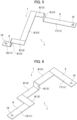
Fig. 4 is a perspective view of another example of the bus bar according to the embodiment. -
Fig. 5 is a perspective view of yet another example of the bus bar according to the embodiment. -
Fig. 6 is a perspective view of still yet another example of the bus bar according to the embodiment. - Various embodiments will be described hereinafter with reference to the accompanying drawings.
- A detailed description will be hereinbelow provided for a
bus bar 1 according to an embodiment by referring to the drawings. Noted that the proportions of the dimensions of the drawings are exaggerated for illustration purposes and therefore the proportions may be different from actual ones. - As illustrated in
Figs. 1 and 2 , thebus bar 1 according to the embodiment is made from a conductive material and electrically connects betweendifferent battery stacks 3 mounted on a vehicle, for example. Thebus bar 1 includes awiring pathway 7 havingbent portions 5 to avoid interference with non-illustrated peripheral members arranged between thebattery stacks 3. Thewiring pathway 7 includes plate shapedmembers 9 consecutively arranged. Themembers 9 includeconnection members 11 and aconductive member 13. - The
connection members 11 include afirst connection member 15 and asecond connection member 17 arranged at both ends of thewiring pathway 7.Connection portions 19 electrically connected to thebattery stacks 3 are provided in thefirst connection member 15 and thesecond connection member 17, respectively. Theconnection portions 19 are fastening portions to which non-illustrated fastening members such as bolts are fastened, for example. - The
first connection member 15 and thesecond connection member 17 are made from copper which has excellent electrical connection to thebattery stacks 3 and is suitable for fastening of the fastening members, for example. Thefirst connection member 15 and thesecond connection member 17 may be made from copper alloy composed mainly of copper. Thefirst connection member 15 and thesecond connection member 17 may be made from 6000 series aluminum alloy composed mainly of aluminum which has excellent electrical connection to thebattery stacks 3 and is suitable for fastening of the fastening members, for example. In this way, the material for theconnection members 11 may be any materials as long as it has excellent conductivity and excellent stiffness. - The
first connection member 15 and thesecond connection member 17 are respectively formed in a quadrangular plate shape by press working or a forming process. Thefirst connection member 15 and thesecond connection member 17 are readily processable due to their simple quadrangular shape, thereby reducing the manufacturing cost. In the embodiment, thefirst connection member 15 and thesecond connection member 17 have the same plate thickness, the same plate width, and the same plate length. Thus, thefirst connection member 15 and thesecond connection member 17 can be formed by the same processing method, thereby reducing the manufacturing cost even more. Thefirst connection member 15 and thesecond connection member 17 may be made from different materials and have different plate thicknesses, different plate widths, and different plate lengths. Theconductive member 13 is arranged between thefirst connection member 15 and thesecond connection member 17. - The
conductive member 13 is arranged between thefirst connection member 15 and thesecond connection member 17 in thewiring pathway 7. Theconductive member 13 is made from copper as with theconnection members 11. Theconductive member 13 may be made from copper alloy composed mainly of copper. When theconnection members 11 are made from aluminum alloy composed mainly of aluminum, for example, theconductive member 13 may be made from the same aluminum alloy. - The
conductive member 13 is formed in a quadrangular plate shape by press working or a forming process. Theconductive member 13 is readily processable due to its simple quadrangular shape, thereby reducing the manufacturing cost. In the embodiment, theconductive member 13 and theconnection members 11 have the same plate thickness, the same plate width, and the same plate length. Thus, theconductive member 13 and theconnection members 11 can be formed by the same processing method, thereby reducing the manufacturing cost even more. Theconductive member 13 and theconnection members 11 may have different plate thicknesses, different plate widths, and different plate lengths. For example, the plate width of theconductive member 13 may be larger than the plate width of therespective connection members 11 in order to improve heat dissipation of theconductive member 13 with the increased surface area. - The
conductive member 13 may be formed to have thebent portions 5 in thewiring pathway 7. When theconductive member 13 is provided with thebent portions 5, theconductive member 13 may be made from 1000 series aluminum alloy composed mainly of aluminum which is softer than and superior in formability to theconnection members 11, for example. The plate thickness of theconductive member 13 may be less than the plate thickness of theconnection members 11 in order to reduce the stiffness of theconductive member 13 with increased formability. In this way, the increased formability of theconductive member 13 allows processing for forming thebent portions 5 in theconductive member 13 to be easily carried out, thereby reducing the manufacturing cost. - The
members 9 including theconductive member 13 and theconnection members 11 described above are arranged along thewiring pathway 7 and the portions in contact with each other are connected to each other by laser joining. An example of the connection of themembers 9 in thebus bar 1 is described below. First, as illustrated inFig. 3 , thefirst connection member 15 and thesecond connection member 17 are arranged such that the positions of theconnection portions 19 are fixed at prescribed positions. In this state, aconnection surface 21 which is one end surface of thefirst connection member 15 in the width direction thereof and aconnection surface 23 which is one end surface of thesecond connection member 17 in the length direction thereof are away from each other. - Next, as illustrated in
Fig. 2 , theconductive member 13 is arranged such that aconnection surface 25 which is one end surface of theconductive member 13 in the length direction thereof is in contact with theconnection surface 21 of thefirst connection member 15, and aconnection surface 27 which is one end surface of theconductive member 13 in the width direction thereof is in contact with theconnection surface 23 of thesecond connection member 17. Then, the portions at which theconnection surfaces connection surfaces first connection member 15, theconductive member 13, and thesecond connection member 17 forms thebent portions 5 in thewiring pathway 7. - In this way, the
wiring pathway 7 having thebent portions 5 can be formed by consecutively connecting themembers 9 to each other by laser joining. Thus, there is no need to form a single member in a shape along thewiring pathway 7 by press working or a forming process and it is possible to easily correspond withwiring pathways 7 having various shapes. When theconnection members 11 and theconductive member 13 are made from different types of metal such as copper and aluminum, an intermetallic compound may be generated at the connection portions thereof, causing the joint strength to decrease. Thus, when theconnection members 11 and theconductive member 13 are made from different types of metal, a clad member including the same types of metal as theconnection members 11 and theconductive member 13 may be interposed between theconnection members 11 and theconductive member 13. - In the
bus bar 1 described above, themembers 9 are arranged in the same plane. However, the present invention is not limited to this. For example, as illustrated inFigs. 4 to 6 , themembers 9 may be arranged three-dimensionally and consecutively connected to each other by laser joining in order to correspond with the three-dimensional wiring pathway 7. The bend angles at thebent portions 5 are not limited to 90 degrees. The bend angles at thebent portions 5 may be less than 90 degrees or more than 90 degrees in accordance with the bend shape of thewiring pathway 7. - In the
first connection member 15 and thesecond connection member 17 which are arranged at both ends of thewiring pathway 7, theconnection portions 19 need to be positioned to correspond to fixed points such as the different battery stacks 3. However, when a single member is processed to form thewiring pathway 7 so as to be along thewiring pathway 7, the positions of theconnection portions 19 may be displaced due to manufacturing tolerances. For solving this problem, tolerance buffers 29 are provided in the connection portions of themembers 9 in the embodiment. - In the
tolerance buffer 29 at the connection portion of thefirst connection member 15 and theconductive member 13, the width of theconnection surface 21 of thefirst connection member 15 and the width of theconnection surface 25 of theconductive member 13 are different from each other. Theconnection surface 21 of thefirst connection member 15 is the end surface facing theconductive member 13 in the width direction of thefirst connection member 15, and includes the plate length of thefirst connection member 15. Theconnection surface 25 of theconductive member 13 is the end surface facing thefirst connection member 15 in the length direction of theconductive member 13, and includes the plate width of theconductive member 13. In thetolerance buffer 29, even when a tolerance is generated in the length direction of thefirst connection member 15, the tolerance can be absorbed by moving theconductive member 13 in the length direction of thefirst connection member 15 with respect to theconnection surface 21 of thefirst connection member 15. The plate length of thefirst connection member 15 is equal to or longer than a prescribed length corresponding to thewiring pathway 7. Thus, even if theconductive member 13 is arranged to the lower side inFig. 2 , for example, a lack of room for connection of theconnection surface 25 of theconductive member 13 to theconnection surface 21 of thefirst connection member 15 is not caused, thereby enabling retention of the connection strength. - In the
tolerance buffer 29 at the connection portion of theconductive member 13 and thesecond connection member 17, the width of theconnection surface 27 of theconductive member 13 and the width of theconnection surface 23 of thesecond connection member 17 are different from each other. Theconnection surface 27 of theconductive member 13 is the end surface facing thesecond connection member 17 in the width direction of theconductive member 13, and includes the plate length of theconductive member 13. Theconnection surface 23 of thesecond connection member 17 is the end surface facing theconductive member 13 in the length direction of thesecond connection member 17, and includes the plate width of thesecond connection member 17. In thetolerance buffer 29, even when a tolerance is generated in the width direction of thesecond connection member 17, the tolerance can be absorbed by moving theconductive member 13 in the width direction of thesecond connection member 17 with respect to theconnection surface 23 of thesecond connection member 17. The plate length of theconductive member 13 is equal to or longer than a prescribed length corresponding to thewiring pathway 7. Thus, even if theconductive member 13 is arranged to the left side inFig. 2 , for example, a lack of room for connection of theconnection surface 27 of theconductive member 13 to theconnection surface 23 of thesecond connection member 17 is not caused, thereby enabling retention of the connection strength. - In the tolerance buffers 29 described above, the planar direction of the
tolerance buffer 29 including the connection surfaces 21, 25 and the planar direction of thetolerance buffer 29 including the connection surfaces 23, 27 intersect one another. Specifically, the planar direction of thetolerance buffer 29 including the connection surfaces 21, 25 and the planar direction of thetolerance buffer 29 including the connection surfaces 23, 27 are mutually perpendicular. Intersection of the planar directions in the tolerance buffers 29 enables absorption of tolerances in the directions which intersect one another. - In this way, provision of the tolerance buffers 29 in the
bus bar 1 enables absorption of manufacturing tolerances in thewiring pathway 7. Thus, it is possible to correspond withwiring pathways 7 having various shapes without variation in the dimensional accuracy. Particularly, it is possible to retain the electrical connection reliability without displacement of the positions of theconnection portions 19 of theconnection members 11. - Absorption of tolerances by the tolerance buffers 29 is not limited to a case where the
members 9 are arranged in the same plane, and can be also applied to a case such as thebus bar 1 illustrated inFigs. 4 to 6 where themembers 9 are arranged three-dimensionally. For example, in thebus bar 1 illustrated inFig. 4 , thetolerance buffer 29 can be applied to theconnection surface 31 of thefirst connection member 15 and theconnection surface 33 of theconductive member 13 at the connection portion of thefirst connection member 15 and theconductive member 13. Theconnection surface 31 of thefirst connection member 15 is the end surface facing theconductive member 13 in the plate thickness direction of the first connection member 15 (the lower surface inFig. 4 ), and includes the plate length of thefirst connection member 15. Theconnection surface 33 of theconductive member 13 is the end surface facing thefirst connection member 15 in the length direction of theconductive member 13, and includes the plate thickness of theconductive member 13. In thetolerance buffer 29, even when a tolerance is generated in the length direction of thefirst connection member 15, the tolerance can be absorbed by moving theconductive member 13 in the length direction of thefirst connection member 15 with respect to theconnection surface 31 of thefirst connection member 15. Noted that a tolerance in the width direction of thefirst connection member 15 can be absorbed by thetolerance buffer 29 including the connection surfaces 31, 33 in a case where the plate width of theconductive member 13 is larger than the plate width of thefirst connection member 15. - The
bus bar 1 described above includes themembers 9 which are made from a conductive material and consecutively arranged to form a plate shape defining thewiring pathway 7. Themembers 9 adjacent to each other are connected to each other by laser joining. The tolerance buffers 29 are provided between themembers 9 adjacent to each other, and in each of the tolerance buffers 29 the connection surfaces of themembers 9 adjacent to each other have different widths. - Thus, manufacturing tolerances generated when the
wiring pathway 7 is formed with a single member can be absorbed by the tolerance buffers 29. Accordingly, it is possible to improve the dimensional accuracy with respect to thewiring pathway 7 in thebus bar 1 described above. - The
members 9 include at least threemembers 9. The tolerance buffers 29 are provided in at least two sites between themembers 9 adjacent to each other. The planar directions of the connection surfaces in the tolerance buffers 29 intersect one another. Thus, it is possible to absorb tolerances in the directions which intersect one another. - The planar directions of the connection surfaces in the tolerance buffers 29 are mutually perpendicular. Thus, it is possible to absorb tolerances in the directions which are mutually perpendicular.
- The
members 9 located at both ends of thewiring pathway 7 are theconnection members 11 having theconnection portions 19 for electrical input-output. Thus, absorption of tolerances by the tolerance buffers 29 enables retention of the electrical connection reliability without displacement of the positions of theconnection portions 19. - The
connection portions 19 are the fastening portions to which the fastening members are fastened. Thus, absorption of tolerances by the tolerance buffers 29 enables stable fastening of the fastening members and thus retention of the electrical connection reliability without displacement of the positions of theconnection portions 19 which correspond to the fixed points. - The
bus bar 1 according to the embodiment electrically connects thedifferent battery stacks 3 to each other. However, the present invention is not limited to this. For example, thebus bar 1 may be arranged between any electric components, for example, between a power source and a device and between a device and a device. - Although the present invention has been described above by reference to the embodiment, the present invention is not limited to thereto and the configuration of parts can be replaced with any configuration having a similar function, as long as they lie within the scope of the claims.
Claims (5)
- A bus bar (1) comprising:members (9) made from a conductive material and consecutively arranged to form a plate shape defining a wiring pathway (7), whereinthe members (9) adjacent to each other have connection surfaces (21, 23, 25, 27, 31, 33) at which the members (9) adjacent to each other are connected to each other by laser joining, andthe members (9) adjacent to each other include at least one tolerance buffer (29) between the members (9) adjacent to each other, the connection surfaces (21, 23, 25, 27, 31, 33) of the members (9) adjacent to each other having different widths in the at least one tolerance buffer (29).
- The bus bar (1) according to claim 1, whereinthe members (9) includes at least three of the members (9),the at least one tolerance buffer (29) includes at least two tolerance buffers (29),the members (9) adjacent to each other include the tolerance buffers (29) each between each of two pairs of the members (9) adjacent to each other, andplanar directions of the connection surfaces (21, 23, 25, 27, 31, 33) in the tolerance buffers (29) intersect one another.
- The bus bar (1) according to claim 2, wherein the planar directions of the connection surfaces (21, 23, 25, 27, 31, 33) in the tolerance buffers (29) are mutually perpendicular.
- The bus bar (1) according to any one of claims 1 to 3, wherein the members (9) located at both ends of the wiring pathway (7) are connection members (11) having connection portions (19) for electrical input-output.
- The bus bar (1) according to claim 4, wherein the connection portions (19) are fastening portions to which fastening members are fastened.
Applications Claiming Priority (1)
| Application Number | Priority Date | Filing Date | Title |
|---|---|---|---|
| JP2021129484A JP7393394B2 (en) | 2021-08-06 | 2021-08-06 | Bus bar |
Publications (2)
| Publication Number | Publication Date |
|---|---|
| EP4135115A1 true EP4135115A1 (en) | 2023-02-15 |
| EP4135115B1 EP4135115B1 (en) | 2025-01-22 |
Family
ID=82786396
Family Applications (1)
| Application Number | Title | Priority Date | Filing Date |
|---|---|---|---|
| EP22188317.6A Active EP4135115B1 (en) | 2021-08-06 | 2022-08-02 | Bus bar |
Country Status (4)
| Country | Link |
|---|---|
| US (1) | US11916320B2 (en) |
| EP (1) | EP4135115B1 (en) |
| JP (1) | JP7393394B2 (en) |
| CN (1) | CN115911762B (en) |
Families Citing this family (6)
| Publication number | Priority date | Publication date | Assignee | Title |
|---|---|---|---|---|
| JP2021079225A (en) * | 2021-03-01 | 2021-05-27 | 株式会社三洋物産 | Game machine |
| JP2021087836A (en) * | 2021-03-01 | 2021-06-10 | 株式会社三洋物産 | Game machine |
| JP7556432B2 (en) * | 2022-08-22 | 2024-09-26 | 株式会社三洋物産 | Gaming Machines |
| JP7556433B2 (en) * | 2022-08-22 | 2024-09-26 | 株式会社三洋物産 | Gaming Machines |
| JP7556434B2 (en) * | 2022-08-22 | 2024-09-26 | 株式会社三洋物産 | Gaming Machines |
| USD1100858S1 (en) * | 2024-02-26 | 2025-11-04 | Kyungshin Corp. | Busbar for power distribution controller |
Citations (8)
| Publication number | Priority date | Publication date | Assignee | Title |
|---|---|---|---|---|
| JP2001286028A (en) | 2000-03-30 | 2001-10-12 | Sumitomo Wiring Syst Ltd | Method of manufacturing large-sized bus bar |
| US20130292156A1 (en) * | 2011-02-28 | 2013-11-07 | Togo Seisakusyo Corporation | Bus bar and method of manufacturing the bus bar |
| EP3065198A1 (en) * | 2013-10-28 | 2016-09-07 | AutoNetworks Technologies, Ltd. | Wiring module |
| US20180151862A1 (en) * | 2015-07-30 | 2018-05-31 | Sanyo Electric Co., Ltd. | Power supply device and bus bar for battery cell |
| WO2020241412A1 (en) * | 2019-05-24 | 2020-12-03 | 株式会社オートネットワーク技術研究所 | Inter-terminal connection structure |
| EP3780150A1 (en) * | 2018-03-30 | 2021-02-17 | SANYO Electric Co., Ltd. | Battery module, vehicle provided with same, and bus bar |
| US20210203040A1 (en) * | 2016-01-29 | 2021-07-01 | Sanyo Electric Co., Ltd. | Power supply device, vehicle in which same is used, and bus bar |
| US20210210821A1 (en) * | 2016-01-29 | 2021-07-08 | Sanyo Electric Co., Ltd. | Power supply device, vehicle using same, bus bar, and electrical connection method for battery cell using same bus bar |
Family Cites Families (19)
| Publication number | Priority date | Publication date | Assignee | Title |
|---|---|---|---|---|
| US3476871A (en) * | 1967-05-29 | 1969-11-04 | Jack A Erdle | Laminated electrical bus bar |
| JP3384743B2 (en) * | 1998-04-13 | 2003-03-10 | 株式会社オートネットワーク技術研究所 | Laser welding structure of bus bar |
| JP4237553B2 (en) * | 2003-06-05 | 2009-03-11 | 矢崎総業株式会社 | Battery connection plate |
| JP2007311123A (en) * | 2006-05-17 | 2007-11-29 | Toyota Motor Corp | Connection structure between electric device and power supply terminal and vehicle |
| JP4867912B2 (en) * | 2007-12-27 | 2012-02-01 | 株式会社デンソー | Resin mold bus bar and power conversion device using the same |
| JP5469932B2 (en) * | 2009-06-30 | 2014-04-16 | 株式会社 日立パワーデバイス | Power module and vehicle inverter using the same |
| JP5727172B2 (en) * | 2010-08-24 | 2015-06-03 | 矢崎総業株式会社 | Wire harness |
| JP2012182047A (en) * | 2011-03-02 | 2012-09-20 | Auto Network Gijutsu Kenkyusho:Kk | Bus-bar set and method for manufacturing the same |
| JP5939706B2 (en) * | 2012-03-13 | 2016-06-22 | 矢崎総業株式会社 | Busba |
| JP6153789B2 (en) * | 2013-07-03 | 2017-06-28 | 日立オートモティブシステムズ株式会社 | Battery pack and prismatic secondary battery |
| JP6164489B2 (en) * | 2014-01-21 | 2017-07-19 | 株式会社オートネットワーク技術研究所 | Wiring module |
| JP6601904B2 (en) * | 2015-07-16 | 2019-11-06 | 古河電池株式会社 | Storage battery connector |
| JP6712425B2 (en) * | 2016-01-18 | 2020-06-24 | 矢崎総業株式会社 | Battery ground circuit |
| JP6594382B2 (en) * | 2017-08-17 | 2019-10-23 | 矢崎総業株式会社 | Bus bar module and battery pack |
| DE102018000258A1 (en) * | 2018-01-13 | 2019-07-18 | Diehl Metal Applications Gmbh | Cell connector for the electrical connection of cell terminals of an energy storage device |
| EP3595036B1 (en) * | 2018-07-10 | 2023-03-29 | Yazaki Corporation | Bus bar module |
| JP7022345B2 (en) * | 2018-11-22 | 2022-02-18 | 株式会社オートネットワーク技術研究所 | Connection module |
| JP7212504B2 (en) * | 2018-11-22 | 2023-01-25 | 株式会社オートネットワーク技術研究所 | connection module |
| KR20200029424A (en) * | 2020-03-10 | 2020-03-18 | 주식회사 경신 | Face-to-face bonded bus bar |
-
2021
- 2021-08-06 JP JP2021129484A patent/JP7393394B2/en active Active
-
2022
- 2022-08-02 CN CN202210922025.1A patent/CN115911762B/en active Active
- 2022-08-02 EP EP22188317.6A patent/EP4135115B1/en active Active
- 2022-08-03 US US17/880,242 patent/US11916320B2/en active Active
Patent Citations (8)
| Publication number | Priority date | Publication date | Assignee | Title |
|---|---|---|---|---|
| JP2001286028A (en) | 2000-03-30 | 2001-10-12 | Sumitomo Wiring Syst Ltd | Method of manufacturing large-sized bus bar |
| US20130292156A1 (en) * | 2011-02-28 | 2013-11-07 | Togo Seisakusyo Corporation | Bus bar and method of manufacturing the bus bar |
| EP3065198A1 (en) * | 2013-10-28 | 2016-09-07 | AutoNetworks Technologies, Ltd. | Wiring module |
| US20180151862A1 (en) * | 2015-07-30 | 2018-05-31 | Sanyo Electric Co., Ltd. | Power supply device and bus bar for battery cell |
| US20210203040A1 (en) * | 2016-01-29 | 2021-07-01 | Sanyo Electric Co., Ltd. | Power supply device, vehicle in which same is used, and bus bar |
| US20210210821A1 (en) * | 2016-01-29 | 2021-07-08 | Sanyo Electric Co., Ltd. | Power supply device, vehicle using same, bus bar, and electrical connection method for battery cell using same bus bar |
| EP3780150A1 (en) * | 2018-03-30 | 2021-02-17 | SANYO Electric Co., Ltd. | Battery module, vehicle provided with same, and bus bar |
| WO2020241412A1 (en) * | 2019-05-24 | 2020-12-03 | 株式会社オートネットワーク技術研究所 | Inter-terminal connection structure |
Also Published As
| Publication number | Publication date |
|---|---|
| JP7393394B2 (en) | 2023-12-06 |
| JP2023023709A (en) | 2023-02-16 |
| US20230038828A1 (en) | 2023-02-09 |
| CN115911762A (en) | 2023-04-04 |
| CN115911762B (en) | 2025-11-18 |
| EP4135115B1 (en) | 2025-01-22 |
| US11916320B2 (en) | 2024-02-27 |
Similar Documents
| Publication | Publication Date | Title |
|---|---|---|
| EP4135115A1 (en) | Bus bar | |
| EP3499655A1 (en) | Electrical bus bar | |
| CN103107430A (en) | Board terminal and printed circuit board provided with board terminal | |
| CN114883034A (en) | Electric wire conductor, coated electric wire, and wire harness | |
| US12074097B2 (en) | Power module | |
| JP2020166944A (en) | Busbar and busbar manufacturing method | |
| WO2017138318A1 (en) | Bus bar and method for producing bus bar | |
| CN105428580A (en) | Connector for power batteries, power battery module, power battery pack and automobile | |
| EP4138205B1 (en) | Bus bar | |
| EP4138204A1 (en) | Bus bar | |
| EP4135119B1 (en) | Bus bar | |
| CN105390651B (en) | For the adapter of electrokinetic cell, electrokinetic cell module, electrokinetic cell bag, automobile | |
| CN109873276B (en) | Connection structure of plate wiring material and electrical junction box | |
| US20250079039A1 (en) | Secondary battery and bus bar | |
| CN1264180C (en) | Terminal equipment of return circuit breaker | |
| JP2017204583A (en) | Bus bar | |
| JP2026044318A (en) | Conductive module | |
| JP2507323Y2 (en) | Large current wiring board | |
| JP2017216212A (en) | Busbar connection structure | |
| WO2024262452A1 (en) | Bus bar | |
| CN119627525A (en) | Electric power connector | |
| JP2020009671A (en) | Wire connection structure | |
| CN121922832A (en) | Bus bar | |
| JP2015107046A (en) | Bus bar |
Legal Events
| Date | Code | Title | Description |
|---|---|---|---|
| PUAI | Public reference made under article 153(3) epc to a published international application that has entered the european phase |
Free format text: ORIGINAL CODE: 0009012 |
|
| STAA | Information on the status of an ep patent application or granted ep patent |
Free format text: STATUS: REQUEST FOR EXAMINATION WAS MADE |
|
| 17P | Request for examination filed |
Effective date: 20220802 |
|
| AK | Designated contracting states |
Kind code of ref document: A1 Designated state(s): AL AT BE BG CH CY CZ DE DK EE ES FI FR GB GR HR HU IE IS IT LI LT LU LV MC MK MT NL NO PL PT RO RS SE SI SK SM TR |
|
| RBV | Designated contracting states (corrected) |
Designated state(s): AL AT BE BG CH CY CZ DE DK EE ES FI FR GB GR HR HU IE IS IT LI LT LU LV MC MK MT NL NO PL PT RO RS SE SI SK SM TR |
|
| RAP3 | Party data changed (applicant data changed or rights of an application transferred) |
Owner name: YAZAKI CORPORATION |
|
| STAA | Information on the status of an ep patent application or granted ep patent |
Free format text: STATUS: EXAMINATION IS IN PROGRESS |
|
| 17Q | First examination report despatched |
Effective date: 20230802 |
|
| GRAP | Despatch of communication of intention to grant a patent |
Free format text: ORIGINAL CODE: EPIDOSNIGR1 |
|
| STAA | Information on the status of an ep patent application or granted ep patent |
Free format text: STATUS: GRANT OF PATENT IS INTENDED |
|
| GRAS | Grant fee paid |
Free format text: ORIGINAL CODE: EPIDOSNIGR3 |
|
| GRAA | (expected) grant |
Free format text: ORIGINAL CODE: 0009210 |
|
| STAA | Information on the status of an ep patent application or granted ep patent |
Free format text: STATUS: THE PATENT HAS BEEN GRANTED |
|
| INTG | Intention to grant announced |
Effective date: 20241128 |
|
| AK | Designated contracting states |
Kind code of ref document: B1 Designated state(s): AL AT BE BG CH CY CZ DE DK EE ES FI FR GB GR HR HU IE IS IT LI LT LU LV MC MK MT NL NO PL PT RO RS SE SI SK SM TR |
|
| REG | Reference to a national code |
Ref country code: GB Ref legal event code: FG4D |
|
| REG | Reference to a national code |
Ref country code: CH Ref legal event code: EP |
|
| REG | Reference to a national code |
Ref country code: IE Ref legal event code: FG4D |
|
| REG | Reference to a national code |
Ref country code: DE Ref legal event code: R096 Ref document number: 602022009750 Country of ref document: DE |
|
| REG | Reference to a national code |
Ref country code: NL Ref legal event code: MP Effective date: 20250122 |
|
| PG25 | Lapsed in a contracting state [announced via postgrant information from national office to epo] |
Ref country code: NL Free format text: LAPSE BECAUSE OF FAILURE TO SUBMIT A TRANSLATION OF THE DESCRIPTION OR TO PAY THE FEE WITHIN THE PRESCRIBED TIME-LIMIT Effective date: 20250122 |
|
| PG25 | Lapsed in a contracting state [announced via postgrant information from national office to epo] |
Ref country code: RS Free format text: LAPSE BECAUSE OF FAILURE TO SUBMIT A TRANSLATION OF THE DESCRIPTION OR TO PAY THE FEE WITHIN THE PRESCRIBED TIME-LIMIT Effective date: 20250422 |
|
| PG25 | Lapsed in a contracting state [announced via postgrant information from national office to epo] |
Ref country code: FI Free format text: LAPSE BECAUSE OF FAILURE TO SUBMIT A TRANSLATION OF THE DESCRIPTION OR TO PAY THE FEE WITHIN THE PRESCRIBED TIME-LIMIT Effective date: 20250122 |
|
| PG25 | Lapsed in a contracting state [announced via postgrant information from national office to epo] |
Ref country code: PL Free format text: LAPSE BECAUSE OF FAILURE TO SUBMIT A TRANSLATION OF THE DESCRIPTION OR TO PAY THE FEE WITHIN THE PRESCRIBED TIME-LIMIT Effective date: 20250122 |
|
| PG25 | Lapsed in a contracting state [announced via postgrant information from national office to epo] |
Ref country code: ES Free format text: LAPSE BECAUSE OF FAILURE TO SUBMIT A TRANSLATION OF THE DESCRIPTION OR TO PAY THE FEE WITHIN THE PRESCRIBED TIME-LIMIT Effective date: 20250122 |
|
| REG | Reference to a national code |
Ref country code: LT Ref legal event code: MG9D |
|
| PG25 | Lapsed in a contracting state [announced via postgrant information from national office to epo] |
Ref country code: NO Free format text: LAPSE BECAUSE OF FAILURE TO SUBMIT A TRANSLATION OF THE DESCRIPTION OR TO PAY THE FEE WITHIN THE PRESCRIBED TIME-LIMIT Effective date: 20250422 Ref country code: IS Free format text: LAPSE BECAUSE OF FAILURE TO SUBMIT A TRANSLATION OF THE DESCRIPTION OR TO PAY THE FEE WITHIN THE PRESCRIBED TIME-LIMIT Effective date: 20250522 |
|
| REG | Reference to a national code |
Ref country code: AT Ref legal event code: MK05 Ref document number: 1762165 Country of ref document: AT Kind code of ref document: T Effective date: 20250122 |
|
| PG25 | Lapsed in a contracting state [announced via postgrant information from national office to epo] |
Ref country code: HR Free format text: LAPSE BECAUSE OF FAILURE TO SUBMIT A TRANSLATION OF THE DESCRIPTION OR TO PAY THE FEE WITHIN THE PRESCRIBED TIME-LIMIT Effective date: 20250122 |
|
| PG25 | Lapsed in a contracting state [announced via postgrant information from national office to epo] |
Ref country code: LV Free format text: LAPSE BECAUSE OF FAILURE TO SUBMIT A TRANSLATION OF THE DESCRIPTION OR TO PAY THE FEE WITHIN THE PRESCRIBED TIME-LIMIT Effective date: 20250122 Ref country code: PT Free format text: LAPSE BECAUSE OF FAILURE TO SUBMIT A TRANSLATION OF THE DESCRIPTION OR TO PAY THE FEE WITHIN THE PRESCRIBED TIME-LIMIT Effective date: 20250522 |
|
| PG25 | Lapsed in a contracting state [announced via postgrant information from national office to epo] |
Ref country code: BG Free format text: LAPSE BECAUSE OF FAILURE TO SUBMIT A TRANSLATION OF THE DESCRIPTION OR TO PAY THE FEE WITHIN THE PRESCRIBED TIME-LIMIT Effective date: 20250122 Ref country code: GR Free format text: LAPSE BECAUSE OF FAILURE TO SUBMIT A TRANSLATION OF THE DESCRIPTION OR TO PAY THE FEE WITHIN THE PRESCRIBED TIME-LIMIT Effective date: 20250423 |
|
| PG25 | Lapsed in a contracting state [announced via postgrant information from national office to epo] |
Ref country code: AT Free format text: LAPSE BECAUSE OF FAILURE TO SUBMIT A TRANSLATION OF THE DESCRIPTION OR TO PAY THE FEE WITHIN THE PRESCRIBED TIME-LIMIT Effective date: 20250122 |
|
| PG25 | Lapsed in a contracting state [announced via postgrant information from national office to epo] |
Ref country code: SE Free format text: LAPSE BECAUSE OF FAILURE TO SUBMIT A TRANSLATION OF THE DESCRIPTION OR TO PAY THE FEE WITHIN THE PRESCRIBED TIME-LIMIT Effective date: 20250122 |
|
| PG25 | Lapsed in a contracting state [announced via postgrant information from national office to epo] |
Ref country code: SM Free format text: LAPSE BECAUSE OF FAILURE TO SUBMIT A TRANSLATION OF THE DESCRIPTION OR TO PAY THE FEE WITHIN THE PRESCRIBED TIME-LIMIT Effective date: 20250122 |
|
| PG25 | Lapsed in a contracting state [announced via postgrant information from national office to epo] |
Ref country code: DK Free format text: LAPSE BECAUSE OF FAILURE TO SUBMIT A TRANSLATION OF THE DESCRIPTION OR TO PAY THE FEE WITHIN THE PRESCRIBED TIME-LIMIT Effective date: 20250122 |
|
| PGFP | Annual fee paid to national office [announced via postgrant information from national office to epo] |
Ref country code: DE Payment date: 20250702 Year of fee payment: 4 |
|
| PG25 | Lapsed in a contracting state [announced via postgrant information from national office to epo] |
Ref country code: IT Free format text: LAPSE BECAUSE OF FAILURE TO SUBMIT A TRANSLATION OF THE DESCRIPTION OR TO PAY THE FEE WITHIN THE PRESCRIBED TIME-LIMIT Effective date: 20250122 |
|
| PG25 | Lapsed in a contracting state [announced via postgrant information from national office to epo] |
Ref country code: EE Free format text: LAPSE BECAUSE OF FAILURE TO SUBMIT A TRANSLATION OF THE DESCRIPTION OR TO PAY THE FEE WITHIN THE PRESCRIBED TIME-LIMIT Effective date: 20250122 Ref country code: CZ Free format text: LAPSE BECAUSE OF FAILURE TO SUBMIT A TRANSLATION OF THE DESCRIPTION OR TO PAY THE FEE WITHIN THE PRESCRIBED TIME-LIMIT Effective date: 20250122 |
|
| REG | Reference to a national code |
Ref country code: DE Ref legal event code: R097 Ref document number: 602022009750 Country of ref document: DE |
|
| PG25 | Lapsed in a contracting state [announced via postgrant information from national office to epo] |
Ref country code: RO Free format text: LAPSE BECAUSE OF FAILURE TO SUBMIT A TRANSLATION OF THE DESCRIPTION OR TO PAY THE FEE WITHIN THE PRESCRIBED TIME-LIMIT Effective date: 20250122 |
|
| PG25 | Lapsed in a contracting state [announced via postgrant information from national office to epo] |
Ref country code: SK Free format text: LAPSE BECAUSE OF FAILURE TO SUBMIT A TRANSLATION OF THE DESCRIPTION OR TO PAY THE FEE WITHIN THE PRESCRIBED TIME-LIMIT Effective date: 20250122 |
|
| PLBE | No opposition filed within time limit |
Free format text: ORIGINAL CODE: 0009261 |
|
| STAA | Information on the status of an ep patent application or granted ep patent |
Free format text: STATUS: NO OPPOSITION FILED WITHIN TIME LIMIT |
|
| REG | Reference to a national code |
Ref country code: CH Ref legal event code: L10 Free format text: ST27 STATUS EVENT CODE: U-0-0-L10-L00 (AS PROVIDED BY THE NATIONAL OFFICE) Effective date: 20251203 |
|
| 26N | No opposition filed |
Effective date: 20251023 |
|
| REG | Reference to a national code |
Ref country code: CH Ref legal event code: H13 Free format text: ST27 STATUS EVENT CODE: U-0-0-H10-H13 (AS PROVIDED BY THE NATIONAL OFFICE) Effective date: 20260324 |
|
| PG25 | Lapsed in a contracting state [announced via postgrant information from national office to epo] |
Ref country code: MC Free format text: LAPSE BECAUSE OF FAILURE TO SUBMIT A TRANSLATION OF THE DESCRIPTION OR TO PAY THE FEE WITHIN THE PRESCRIBED TIME-LIMIT Effective date: 20250122 |
|
| PG25 | Lapsed in a contracting state [announced via postgrant information from national office to epo] |
Ref country code: LU Free format text: LAPSE BECAUSE OF NON-PAYMENT OF DUE FEES Effective date: 20250802 |
|
| PG25 | Lapsed in a contracting state [announced via postgrant information from national office to epo] |
Ref country code: CH Free format text: LAPSE BECAUSE OF NON-PAYMENT OF DUE FEES Effective date: 20250831 |