EP4134802B1 - Method and apparatus for data access of nand flash file, and storage medium - Google Patents
Method and apparatus for data access of nand flash file, and storage medium Download PDFInfo
- Publication number
- EP4134802B1 EP4134802B1 EP21785191.4A EP21785191A EP4134802B1 EP 4134802 B1 EP4134802 B1 EP 4134802B1 EP 21785191 A EP21785191 A EP 21785191A EP 4134802 B1 EP4134802 B1 EP 4134802B1
- Authority
- EP
- European Patent Office
- Prior art keywords
- storage space
- nand flash
- specified
- file
- data
- Prior art date
- Legal status (The legal status is an assumption and is not a legal conclusion. Google has not performed a legal analysis and makes no representation as to the accuracy of the status listed.)
- Active
Links
Images


Classifications
-
- G—PHYSICS
- G06—COMPUTING OR CALCULATING; COUNTING
- G06F—ELECTRIC DIGITAL DATA PROCESSING
- G06F3/00—Input arrangements for transferring data to be processed into a form capable of being handled by the computer; Output arrangements for transferring data from processing unit to output unit, e.g. interface arrangements
- G06F3/06—Digital input from, or digital output to, record carriers, e.g. RAID, emulated record carriers or networked record carriers
- G06F3/0601—Interfaces specially adapted for storage systems
- G06F3/0628—Interfaces specially adapted for storage systems making use of a particular technique
- G06F3/0638—Organizing or formatting or addressing of data
- G06F3/0644—Management of space entities, e.g. partitions, extents, pools
-
- G—PHYSICS
- G06—COMPUTING OR CALCULATING; COUNTING
- G06F—ELECTRIC DIGITAL DATA PROCESSING
- G06F12/00—Accessing, addressing or allocating within memory systems or architectures
- G06F12/02—Addressing or allocation; Relocation
- G06F12/0223—User address space allocation, e.g. contiguous or non contiguous base addressing
- G06F12/023—Free address space management
- G06F12/0238—Memory management in non-volatile memory, e.g. resistive RAM or ferroelectric memory
- G06F12/0246—Memory management in non-volatile memory, e.g. resistive RAM or ferroelectric memory in block erasable memory, e.g. flash memory
-
- G—PHYSICS
- G06—COMPUTING OR CALCULATING; COUNTING
- G06F—ELECTRIC DIGITAL DATA PROCESSING
- G06F3/00—Input arrangements for transferring data to be processed into a form capable of being handled by the computer; Output arrangements for transferring data from processing unit to output unit, e.g. interface arrangements
- G06F3/06—Digital input from, or digital output to, record carriers, e.g. RAID, emulated record carriers or networked record carriers
- G06F3/0601—Interfaces specially adapted for storage systems
- G06F3/0602—Interfaces specially adapted for storage systems specifically adapted to achieve a particular effect
- G06F3/0604—Improving or facilitating administration, e.g. storage management
-
- G—PHYSICS
- G06—COMPUTING OR CALCULATING; COUNTING
- G06F—ELECTRIC DIGITAL DATA PROCESSING
- G06F3/00—Input arrangements for transferring data to be processed into a form capable of being handled by the computer; Output arrangements for transferring data from processing unit to output unit, e.g. interface arrangements
- G06F3/06—Digital input from, or digital output to, record carriers, e.g. RAID, emulated record carriers or networked record carriers
- G06F3/0601—Interfaces specially adapted for storage systems
- G06F3/0602—Interfaces specially adapted for storage systems specifically adapted to achieve a particular effect
- G06F3/061—Improving I/O performance
- G06F3/0611—Improving I/O performance in relation to response time
-
- G—PHYSICS
- G06—COMPUTING OR CALCULATING; COUNTING
- G06F—ELECTRIC DIGITAL DATA PROCESSING
- G06F3/00—Input arrangements for transferring data to be processed into a form capable of being handled by the computer; Output arrangements for transferring data from processing unit to output unit, e.g. interface arrangements
- G06F3/06—Digital input from, or digital output to, record carriers, e.g. RAID, emulated record carriers or networked record carriers
- G06F3/0601—Interfaces specially adapted for storage systems
- G06F3/0628—Interfaces specially adapted for storage systems making use of a particular technique
- G06F3/0629—Configuration or reconfiguration of storage systems
- G06F3/0631—Configuration or reconfiguration of storage systems by allocating resources to storage systems
-
- G—PHYSICS
- G06—COMPUTING OR CALCULATING; COUNTING
- G06F—ELECTRIC DIGITAL DATA PROCESSING
- G06F3/00—Input arrangements for transferring data to be processed into a form capable of being handled by the computer; Output arrangements for transferring data from processing unit to output unit, e.g. interface arrangements
- G06F3/06—Digital input from, or digital output to, record carriers, e.g. RAID, emulated record carriers or networked record carriers
- G06F3/0601—Interfaces specially adapted for storage systems
- G06F3/0628—Interfaces specially adapted for storage systems making use of a particular technique
- G06F3/0638—Organizing or formatting or addressing of data
- G06F3/0643—Management of files
-
- G—PHYSICS
- G06—COMPUTING OR CALCULATING; COUNTING
- G06F—ELECTRIC DIGITAL DATA PROCESSING
- G06F3/00—Input arrangements for transferring data to be processed into a form capable of being handled by the computer; Output arrangements for transferring data from processing unit to output unit, e.g. interface arrangements
- G06F3/06—Digital input from, or digital output to, record carriers, e.g. RAID, emulated record carriers or networked record carriers
- G06F3/0601—Interfaces specially adapted for storage systems
- G06F3/0628—Interfaces specially adapted for storage systems making use of a particular technique
- G06F3/0662—Virtualisation aspects
- G06F3/0665—Virtualisation aspects at area level, e.g. provisioning of virtual or logical volumes
-
- G—PHYSICS
- G06—COMPUTING OR CALCULATING; COUNTING
- G06F—ELECTRIC DIGITAL DATA PROCESSING
- G06F3/00—Input arrangements for transferring data to be processed into a form capable of being handled by the computer; Output arrangements for transferring data from processing unit to output unit, e.g. interface arrangements
- G06F3/06—Digital input from, or digital output to, record carriers, e.g. RAID, emulated record carriers or networked record carriers
- G06F3/0601—Interfaces specially adapted for storage systems
- G06F3/0668—Interfaces specially adapted for storage systems adopting a particular infrastructure
- G06F3/0671—In-line storage system
- G06F3/0673—Single storage device
- G06F3/0679—Non-volatile semiconductor memory device, e.g. flash memory, one time programmable memory [OTP]
-
- Y—GENERAL TAGGING OF NEW TECHNOLOGICAL DEVELOPMENTS; GENERAL TAGGING OF CROSS-SECTIONAL TECHNOLOGIES SPANNING OVER SEVERAL SECTIONS OF THE IPC; TECHNICAL SUBJECTS COVERED BY FORMER USPC CROSS-REFERENCE ART COLLECTIONS [XRACs] AND DIGESTS
- Y02—TECHNOLOGIES OR APPLICATIONS FOR MITIGATION OR ADAPTATION AGAINST CLIMATE CHANGE
- Y02D—CLIMATE CHANGE MITIGATION TECHNOLOGIES IN INFORMATION AND COMMUNICATION TECHNOLOGIES [ICT], I.E. INFORMATION AND COMMUNICATION TECHNOLOGIES AIMING AT THE REDUCTION OF THEIR OWN ENERGY USE
- Y02D10/00—Energy efficient computing, e.g. low power processors, power management or thermal management
Definitions
- the present application relates to the field of storage technology, in particular to a method for accessing data of a NAND FLASH file, device and storage medium.
- NAND FLASH is a memory with power-down saving function, in which BLOCKs are used as erasing and writing units.
- BLOCKs are used as erasing and writing units.
- Each BLOCK contains 64 PAGEs, and the page numbers are from 0 to 63.
- the length of the storage space of each page is 2KB, which is the smallest reading and writing unit.
- Intelligent home devices usually use NAND FLASH to store device parameter information, such as image parameter files under different lighting conditions, encoding and decoding firmware files of the devices, etc., and read corresponding parameter files according to the current environment information (such as the lighting value of the current environment) when booting.
- device parameter information such as image parameter files under different lighting conditions, encoding and decoding firmware files of the devices, etc.
- current environment information such as the lighting value of the current environment
- the intelligent home devices read NAND FLASH data files by mounting Flash file system.
- the file data is divided into management data and valid data
- the management data of the file is divided into one or more copies according to the number of BLOCKs occupied by the valid data of the file, and stored in PAGEO (i.e. PAGE number 0) of each BLOCK that stores the valid data of the file.
- PAGEO i.e. PAGE number 0
- the management data of the file occupies a large space.
- PAGE0s of multiple BLOCKs it is necessary to read PAGE0s of multiple BLOCKs to search the management data of the file, and read the valid data of the file according to the management data of the file.
- the reading process is complex, time-consuming and inefficient, which can't meet the user's demand for fast booting of intelligent home equipment.
- the document US 2019/0087349 A1 discloses a data storage method, which includes selecting one of a plurality of blocks in a flash memory as an active block; dividing the active block into a plurality of virtual blocks; selecting and accessing one of the virtual blocks; and maintaining a mapping table corresponding to the selected virtual block.
- the mapping table records mapping information between a plurality of logical addresses and a plurality of physical addresses of the selected virtual block.
- the document US 2006/0085493 A1 discloses a dual journaling storing method and a storage medium thereof, in which data are stored toward a central portion of a storage space of the storage medium from start and end locations when a flash memory or the like is used as a storage medium for storing/managing/processing data.
- One data is stored from a start location of the storage medium based on the journaling method, and another data is stored from an end location of the storage medium toward the start location.
- the document US 2014/0229688 A1 discloses a storage control device including an area control unit, an attribute control unit, and an access control unit.
- the area control unit determines one or more valid areas for each type of areas included in respective storage areas stored in two or more storage devices to generate a virtual storage having the valid areas as a storage area.
- the attribute control unit selects, as speed information of the virtual storage, a lowest value of minimum guaranteed speeds in reading and writing which are included among respective pieces of attribute information stored in the two or more storage devices, with reference to the respective pieces of the attribute information.
- the access control unit transmits information regarding the storage area of the virtual storage and the speed information to a host device that reads and writes data from/to the virtual storage.
- the purpose of the present application is to provide a method for accessing data of a NAND FLASH file, a device and a storage medium, which can simplify the reading process of specified NAND FLASH file data, reduce the reading time and improve the reading efficiency.
- a non-transitory computer readable storage medium that stores instructions, which, when executed by a processor, cause the processor to perform the steps in the method for accessing data of a NAND FLASH file as described above.
- the specified storage space assigned for the specified NAND FLASH files is divided into a first storage space and a second storage space
- the management data and valid data of the specified NAND FLASH files are stored in the first storage space and the second storage space respectively
- the valid data of the specified NAND FLASH files is read from the second storage space according to the management data of respective specified NAND FLASH files in the first storage space.
- Step 101 dividing a specified storage space assigned for specified NAND FLASH files into a first storage space and a second storage space.
- the first storage space is a continuous storage space
- the second storage space may be a continuous storage space or a non-continuous storage space.
- the continuous storage space herein means that the storage addresses in the storage space are continuous in a certain order, wherein the storage addresses may refer to physical storage addresses or logical storage addresses, and the certain order may be different according to different application scenarios, exemplarily, may be continuous on value, exemplarily, storage address 1 is continuous with storage address 2, storage address 2 is continuous with storage address 3, and so on.
- the specified NAND FLASH may refer to all NAND FLASH files or some NAND FLASH files that satisfy the specified conditions.
- the specified conditions may be set according to the actual needs, exemplarily, some NAND FLASH files that need to be read quickly may be called specified NAND FLASH files, and a specified storage space may be assigned for these specified NAND FLASH files in advance to store the management data and valid data of these specified NAND FLASH files.
- Step 102 storing management data of the specified NAND FLASH files in the first storage space, and storing the valid data of the specified NAND FLASH files in the second storage space.
- the management data of the specified NAND FLASH files includes information used to indicate the storage location of the specified NAND FLASH files.
- the management data and valid data of the specified NAND FLASH files are stored in the first storage space and the second storage space respectively. Since the first storage space is a continuous storage space, when reading the specified NAND FLASH files, the management data of the files only needs to be read once in the first storage space, and then the valid data of the files may be read from the second storage space according to the management data of the files.
- the reading process in the present embodiment is simple, so the reading time may be effectively reduced and the reading efficiency may be improved.
- the length of the management data of respective specified NAND FLASH files is known.
- Said total length of the storage space occupied by the management data of the specified NAND FLASH files is the sum of the lengths of the management data of all the specified NAND FLASH files. For example, assuming that the management data of each specified NAND FLASH file has the same length of 20byte, if there are 100 specified NAND FLASH files, the total length of the storage space occupied by the management data of the specified NAND FLASH files is 2000byte.
- the specific method of selecting a continuous storage space of at least M pages from the specified storage space assigned for the specified NAND FLASH files may be as follows: selecting a continuous storage space of at least M pages at the beginning of the specified storage space; or, selecting a continuous storage space of at least M pages in a reverse direction at the end of the specified storage space.
- said assigning the valid data storage space in the second storage space for each specified NAND FLASH file, and generating the management data of this specified NAND FLASH file based on the valid data storage space may include the following steps:
- N L 2 / L
- L2 the valid data length of this specified NAND FLASH file
- L the length of the storage space of one PAGE (in the prior art, the length of the storage space of one page may be 2048 bytes).
- the unassigned continuous storage space of N pages may be selected from the second storage space and the continuous storage space may be determined as the valid data storage space of this specified NAND FLASH file, wherein the unassigned continuous storage space of N pages refer to N pages of continuous storage space that have not been specified as the valid data storage space of any NAND FLASH file.
- the specified storage spaces are BLOCKX to BLOCKX+99, and the first two PAGEs, PAGE0 and PAGE1 in BLOCKX have been selected as the first storage spaces, and PAGE2 to PAGE63 in BLOCKX and BLOCKX+1 to BLOCKX+99 have been selected as the second storage spaces, if no valid data storage space has been assigned to any files in the second storage space, the continuous storage space of PAGE2 to PAGE4 in BLOCKX can be assigned to this specified NAND FLASH file as the valid data storage space thereof, specifically refer to File1 shown in Fig. 5 .
- Step 4022 storing the management data of each specified NAND FLASH file in the first storage space, and storing valid data of this specified NAND FLASH file in the valid data storage space assigned for this specified NAND FLASH file.
- the storage location of the management data of each specified NAND FLASH file in the first storage space may be random, or it may be stored in the first storage space in a predetermined order, such as alphabetical order of file names, which is not limited in the present application.
- steps 4021 to 4022 are one possible implementation manner of the step 102 shown in Fig. 1 , and in other possible embodiments, the step 102 shown in Fig. 1 may also be implemented in different implementation manners, which is not limited in the present application.
- Step 403 reading the valid data of the specified NAND FLASH files stored in the second storage space according to the management data of the specified NAND FLASH files stored in the first storage space.
- steps 401 and 403 are the same as steps 101 and 103 shown in Fig. 1 in the implementation principles, respectively, and will not be repeated here.
- the present embodiment assigns the valid data storage space for the specified NAND FLASH file in the first, so that the start position of the management data of the specified NAND FLASH file and the storage position of the valid data of the specified NAND FLASH file are determined accordingly, and the subsequent orderly storage of the management data and valid data of the specified NAND FLASH file may be realized.
- FIG. 6 is a flowchart of the NAND FLASH file data access method in embodiment 4 of the present application. As shown in Fig. 6 , the method includes the following steps:
- steps 601 to 602 are the same as the steps 101 to 102 shown in Fig. 1 in the implementation principle, and will not be described again.
- Step 6031 receiving a file read request for any specified NAND FLASH file.
- the file read request carries the file name of the file to be read.
- Step 6032 reading the management data in the first storage space, searching management data with the same file name as a file name carried by the file read request from the read management data, and determining the found management data as management data of this specified NAND FLASH file.
- all the management data in the first storage space may be read out, and then the file name of the file to be read is searched in the read management data, and the found corresponding management data is the management data of the file to be read.
- Step 6033 determining an end position of this specified NAND FLASH file according to the start position in the management data of this specified NAND FLASH file and the file length.
- the start position in the management data comprises a start block position and a start page position.
- the end position comprises an end block position and an end page position. Since the start block position is used to indicate the block to which the start position belongs, and the start page position is used to indicate the page to which the start position belongs.
- the start block position is referred to as the start block and the start page position is referred to as the start page.
- the end block position is used to indicate the block to which the end position belongs and the end page position is used to indicate the page to which the end position belongs.
- the end block position is referred to as the end block and the end page position is referred to as the end page.
- the end position of the specified NAND FLASH file is determined according to the start position in the management data of this specified NAND FLASH file and file length, and the specific method is as follows:
- the number of pages occupied by the valid data of this specified NAND FLASH file may be determined to be 2.
- the start position of this specified NAND FLASH file is PAGE63 of BLOCKX (the start BLOCK, the start PAGE)
- the end position of this specified NAND FLASH file may be determined as BLOCKX+1 (end BLOCK) and PAGE1 (end PAGE) according to the number of pages occupied by the valid data of this specified NAND FLASH file is 2 and the start position of this specified NAND FLASH file.
- Step 6034 reading from the second storage space, data between the start position and the end position of the valid data of this specified NAND FLASH file.
- the start position of the valid data of this specified NAND FLASH file is the start position included in the management data of this specified NAND FLASH file.
- the data read during reading includes the data at the start position and at the end position.
- reading from the second storage space data between the start position and the end position of the valid data of this specified NAND FLASH file specifically includes:
- the start block of the start position is the same as the end block of the end position, which indicates that the start page and the end page of this specified NAND FLASH file are on the same block, and the data from the start page to the end page can be directly read once (continuous multi-page reading).
- the start block of the start position is different from the end block of the end position, indicating that the start page and the end page of the specified NAND FLASH file are not on the same BLOCK, and the valid data of the specified NAND FLASH file is stored across BLOCKs.
- the data needs to be read multiple times. Firstly, performing reading on the valid data on the first BLOCK (i.e., the start BLOCK). Secondly, performing reading on the valid data across several BLOCKs (i.e., respective BLOCKs between the start BLOCK and the end BLOCK, and excluding the start BLOCK and the end BLOCK), and finally performing reading on the valid data on the last block (i.e., the end block).
- the storage of the valid data of this specified NAND FLASH file is as follows: PAGE63 in BLOCKX, PAGE0-PAGE63 in BLOCKX+1 and PAGE0 in BLOCKX+2, that is, the start BLOCK is BLOCKX, the start PAGE is PAGE63, the end BLOCK is BLOCKX+2, and the end PAGE is PAGE0.
- the reading on the valid data of this specified NAND FLASH file may be performed in three times: the first time) reading PAGE63 in BLOCKX, the second time) reading BLOCKX+1 in whole block, and the third time) reading PAGE0 in BLOCKX+2.
- steps 6031 to 6034 are a possible implementation of the step 103 shown in Fig. 1 , and in other possible embodiments, the step 103 shown in Fig. 1 may also be implemented in other ways, which is not limited by the present embodiment.
- the present embodiment determines the end position of this specified NAND FLASH file according to the start position in the management data of this specified NAND FLASH file and file length, so as to quickly locate the storage position of the valid data of this specified NAND FLASH file and performing reading on the valid data block by block, which may further improve the reading speed and reading efficiency of the NAND FLASH file.
- Fig. 7 is a schematic structural diagram of a device for accessing data of a NAND FLASH file according to an embodiment of the present application.
- the device comprises a processor 701 and a non-transitory computer readable storage medium 702 connected to the processor 701 via a bus.
- the non-transitory computer readable storage medium 702 stores one or more computer programs that may be executed by the processor 701; when executing the one or more computer programs, the processor 701 performs the following steps:
- the processor 701 when selecting a continuous storage space of at least M pages from the specified storage space, is configured for: selecting a continuous storage space of at least M pages at the beginning of the specified storage space; or, selecting a continuous storage space of at least M pages in a reverse direction at the end of the specified storage space.
- the processor 701 stores the management data of the specified NAND FLASH files in the first storage space and stores the valid data of the specified NAND FLASH files in the second storage space, includes:
- the processor 701 reads the valid data of the specified NAND FLASH file stored in the second storage space according to the management data of the specified NAND FLASH file stored in the first storage space, includes:
- the start position includes a start block and a start page
- An embodiment of the present application also provides a non-transitory computer readable storage medium storing instructions that, when executed by a processor, cause the processor to perform the steps in the method for accessing data of a NAND FLASH file, as shown in the above-mentioned Fig. 1, Fig. 2 , Fig. 4 or Fig. 6 .
- a computer program product containing instructions, which, when run on a computer, causes the computer to perform the steps in the method for accessing data of a NAND FLASH file, as shown in the above-mentioned Fig. 1, Fig. 2 , Fig.4 or Fig.6 .
Landscapes
- Engineering & Computer Science (AREA)
- Theoretical Computer Science (AREA)
- Physics & Mathematics (AREA)
- General Engineering & Computer Science (AREA)
- General Physics & Mathematics (AREA)
- Human Computer Interaction (AREA)
- Information Retrieval, Db Structures And Fs Structures Therefor (AREA)
Description
- The present application claims the priority to a
Chinese patent application No.202010263561.6 filed with the China National Intellectual Property Administration on April 7, 2020 - The present application relates to the field of storage technology, in particular to a method for accessing data of a NAND FLASH file, device and storage medium.
- NAND FLASH is a memory with power-down saving function, in which BLOCKs are used as erasing and writing units. Each BLOCK contains 64 PAGEs, and the page numbers are from 0 to 63. The length of the storage space of each page is 2KB, which is the smallest reading and writing unit.
- Intelligent home devices usually use NAND FLASH to store device parameter information, such as image parameter files under different lighting conditions, encoding and decoding firmware files of the devices, etc., and read corresponding parameter files according to the current environment information (such as the lighting value of the current environment) when booting.
- At present, the intelligent home devices read NAND FLASH data files by mounting Flash file system. In the existing FLASH file system, the file data is divided into management data and valid data, and the management data of the file is divided into one or more copies according to the number of BLOCKs occupied by the valid data of the file, and stored in PAGEO (i.e. PAGE number 0) of each BLOCK that stores the valid data of the file. In the existing FLASH file system, the management data of the file occupies a large space. When reading the valid data of the file, it is necessary to read PAGE0s of multiple BLOCKs to search the management data of the file, and read the valid data of the file according to the management data of the file. The reading process is complex, time-consuming and inefficient, which can't meet the user's demand for fast booting of intelligent home equipment.
- The document
US 2019/0087349 A1 discloses a data storage method, which includes selecting one of a plurality of blocks in a flash memory as an active block; dividing the active block into a plurality of virtual blocks; selecting and accessing one of the virtual blocks; and maintaining a mapping table corresponding to the selected virtual block. The mapping table records mapping information between a plurality of logical addresses and a plurality of physical addresses of the selected virtual block. - The document
US 2006/0085493 A1 discloses a dual journaling storing method and a storage medium thereof, in which data are stored toward a central portion of a storage space of the storage medium from start and end locations when a flash memory or the like is used as a storage medium for storing/managing/processing data. One data is stored from a start location of the storage medium based on the journaling method, and another data is stored from an end location of the storage medium toward the start location. - The document
US 2014/0229688 A1 discloses a storage control device including an area control unit, an attribute control unit, and an access control unit. The area control unit determines one or more valid areas for each type of areas included in respective storage areas stored in two or more storage devices to generate a virtual storage having the valid areas as a storage area. The attribute control unit selects, as speed information of the virtual storage, a lowest value of minimum guaranteed speeds in reading and writing which are included among respective pieces of attribute information stored in the two or more storage devices, with reference to the respective pieces of the attribute information. The access control unit transmits information regarding the storage area of the virtual storage and the speed information to a host device that reads and writes data from/to the virtual storage. - In view of this, the purpose of the present application is to provide a method for accessing data of a NAND FLASH file, a device and a storage medium, which can simplify the reading process of specified NAND FLASH file data, reduce the reading time and improve the reading efficiency.
- In order to achieve the above purpose, the present application provides a method according to
claim 1. - A device according to claim 7.
- A non-transitory computer readable storage medium that stores instructions, which, when executed by a processor, cause the processor to perform the steps in the method for accessing data of a NAND FLASH file as described above.
- According to the above technical solution, in the embodiments of the present application, the specified storage space assigned for the specified NAND FLASH files is divided into a first storage space and a second storage space, the management data and valid data of the specified NAND FLASH files are stored in the first storage space and the second storage space respectively, and the valid data of the specified NAND FLASH files is read from the second storage space according to the management data of respective specified NAND FLASH files in the first storage space. This way of storing the management data and valid data of the specified NAND FLASH files separately can simplify the reading process of the specified NAND FLASH file data, reduce the reading time and improve the reading efficiency.
- In order to explain the embodiments of the present application and the technical solutions of the prior art more clearly, the following briefly introduces the embodiments and the drawings required in the prior art. Obviously, the drawings in the following description are only some embodiments of the present application, and those of ordinary skill in the art may also obtain other drawings according to these drawings.
-
Fig. 1 is a flowchart of a method for accessing data of a NAND FLASH file according toembodiment 1 of the present application; -
Fig. 2 is a flowchart of a method for accessing data of a NAND FLASH file according toembodiment 2 of the present application; -
Fig. 3 is a schematic diagram of specified storage space division according to the embodiments of the present application; -
Fig. 4 is a flowchart of a method for accessing data of a NAND FLASH file according to embodiment 3 of the present application; -
Fig. 5 is an example diagram of a specified NAND FLASH file storage provided by the embodiments of the present application; -
Fig. 6 is a flowchart of a method for accessing data of a NAND FLASH file according to embodiment 4 of the present application; -
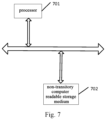
Fig. 7 is a structural diagram of a device for accessing data of a NAND FLASH file according to an embodiment of the present application. - In order to make the objectives, technical solutions and advantages of the present application more clearly, the present application will be further explained in detail with reference to the attached drawings and embodiments. Obviously, the described embodiments are only a part of the embodiments of the present application, but not all of them. All other embodiments obtained by those of ordinary skill in the art based on the embodiments in the present application fall within the protection scope of the present application.
- Referring to
Fig. 1 , which is a flowchart of a method for accessing data of a NAND FLASH file according toembodiment 1 of the present application, and as shown inFig. 1 , the method includes the following steps:
Step 101: dividing a specified storage space assigned for specified NAND FLASH files into a first storage space and a second storage space. - The first storage space is a continuous storage space, and the second storage space may be a continuous storage space or a non-continuous storage space. The continuous storage space herein means that the storage addresses in the storage space are continuous in a certain order, wherein the storage addresses may refer to physical storage addresses or logical storage addresses, and the certain order may be different according to different application scenarios, exemplarily, may be continuous on value, exemplarily,
storage address 1 is continuous withstorage address 2,storage address 2 is continuous with storage address 3, and so on. It may also refer to being continuous in a pre-established sequence, exemplarily, assuming that a sequence {storage address 1, storage address 3, storage address 4, storage address 2} is pre-established,storage address 1 is continuous with storage address 3, storage address 3 is continuous with storage address 4, and storage address 4 is continuous withstorage address 2. - In the present embodiment, the specified NAND FLASH may refer to all NAND FLASH files or some NAND FLASH files that satisfy the specified conditions. The specified conditions may be set according to the actual needs, exemplarily, some NAND FLASH files that need to be read quickly may be called specified NAND FLASH files, and a specified storage space may be assigned for these specified NAND FLASH files in advance to store the management data and valid data of these specified NAND FLASH files.
- Step 102: storing management data of the specified NAND FLASH files in the first storage space, and storing the valid data of the specified NAND FLASH files in the second storage space.
- In the present embodiment, the management data of the specified NAND FLASH files includes information used to indicate the storage location of the specified NAND FLASH files.
- Step 103: reading the valid data of the specified NAND FLASH files stored in the second storage space according to the management data of the specified NAND FLASH files stored in the first storage space.
- According to the embodiment shown in
Fig. 1 that in the present embodiment, the management data and valid data of the specified NAND FLASH files are stored in the first storage space and the second storage space respectively. Since the first storage space is a continuous storage space, when reading the specified NAND FLASH files, the management data of the files only needs to be read once in the first storage space, and then the valid data of the files may be read from the second storage space according to the management data of the files. Compared with the existing one BLOCK that stores management data and valid data at the same time, which causes that multiple times of reading of the management data and the valid data of the file are required in the file reading process, the reading process in the present embodiment is simple, so the reading time may be effectively reduced and the reading efficiency may be improved. - Referring to
Fig. 2 , which is a flowchart of a method for accessing data of a NAND FLASH file according toembodiment 2 of the present application, and as shown inFig. 2 , the method comprises the following steps:
Step 2011: determining a total length of the storage space occupied by the management data of the specified NAND FLASH files. - In the present embodiment, the length of the management data of respective specified NAND FLASH files is known. Said total length of the storage space occupied by the management data of the specified NAND FLASH files is the sum of the lengths of the management data of all the specified NAND FLASH files. For example, assuming that the management data of each specified NAND FLASH file has the same length of 20byte, if there are 100 specified NAND FLASH files, the total length of the storage space occupied by the management data of the specified NAND FLASH files is 2000byte.
- Step 2012: determining the number of pages M occupied by the management data of the specified NAND FLASH files according to the total length of the storage space.
- Where M is a positive integer.
- The number of pages M occupied by the management data of the specified NAND FLASH files is determined according to the total length of the storage space, the following formula


- Step 2013: selecting a continuous storage space of at least M pages from the specified storage space assigned for the specified NAND FLASH file, where M pages of continuous storage space refers to the storage space composed of M pages with continuous storage addresses, and taking the continuous storage space as the first storage space and the remaining storage space of the specified storage space as the second storage space, where the storage address may refer to a physical storage address or a logical storage address, and continuous can be continuous in value, or it can mean continuous in a pre-established order.
- The remaining storage space is other storage space in the specified storage space except the continuous storage space.
- In the present embodiment, the specific method of selecting a continuous storage space of at least M pages from the specified storage space assigned for the specified NAND FLASH files may be as follows: selecting a continuous storage space of at least M pages at the beginning of the specified storage space; or, selecting a continuous storage space of at least M pages in a reverse direction at the end of the specified storage space.
- The reverse direction refers to the direction from the end to the start, and selecting in a reverse direction refers to preferentially selecting the storage space closer to the end.
- For example, as shown in
Fig. 3 , assuming that the specified storage space is 100 blocks from BLOCKX to BLOCKX+99, where x is any natural number and M=2, the first two PAGEs, PAGE0 and PAGE1, in BLOCKX may be selected as the first storage space, and correspondingly, PAGE2 to PAGE63 and BLOCKX+1 to BLOCKX+99 in BLOCKX may be selected as the second storage space. In addition, in actual implementation, the last two PAGEs, PAGE62 and PAGE63, in BLOCK99 can also be selected as the first storage space, and correspondingly, BLOCKX to BLOCKX+98 and PAGE0 to PAGE61 in BLOCKX+99 may be selected as the second storage space. - In addition, in practical application, a continuous storage space of at least M pages in the middle of the specified storage space may be selected, and the continuous storage space may be used as the first storage space and the remaining storage space of the specified storage space may be used as the second storage space. Exemplarily, it is assumed that the specified storage space is 100 blocks from BLOCKX to BLOCKX+99, and M=2, PAGE4 and PAGE5 in BLOCKX+5 may be selected as the first storage space, and correspondingly, PAGE3 in BLOCKX to BLOCKX+5 and PAGE6 in BLOCKX+5 to BLOCKX+99 may be selected as the second storage space.
- The
above steps 2011 to 2013 may be a possible implementation of thestep 101 shown inFig. 1 , and in other possible embodiments, thestep 101 shown inFig. 1 may also be implemented in other ways. - Step 202: storing the management data of the specified NAND FLASH files in the first storage space, and storing the valid data of the specified NAND FLASH files in the second storage space;
- Step 203: reading the valid data of the specified NAND FLASH files stored in the second storage space according to the management data of the specified NAND FLASH files stored in the first storage space.
- The
above steps steps Fig. 1 in the implementation principle, and will not be described again. - According to the embodiment shown in
Fig. 2 , compared with the embodiment shown inFig. 1 , besides the advantages of the embodiment shown inFig. 1 , in the present embodiment, the number of pages M required to be occupied by the management data of the NAND FLASH files is determined by calculating the total length of the storage space occupied by the management data of the specified NAND FLASH files, and then, no less than M pages of continuous storage space in the specified storage space is selected as the first storage space to ensure that the first storage space can store the management data of all the specified NAND FLASH files. - Refer to
Fig. 4 , which is a flowchart of a method for accessing data of a NAND FLASH file according to embodiment 3 of the present application. As shown inFig. 4 , the method comprises the following steps: - Step 401: dividing a specified storage space assigned for the specified NAND FLASH files into a first storage space and a second storage space.
- Step 4021: assigning a valid data storage space in the second storage space for each specified NAND FLASH file, and generating the management data of this specified NAND FLASH file based on the valid data storage space.
- In the present embodiment, the management data may include information such as a file name, a start position and a file length.
- In the present embodiment, said assigning the valid data storage space in the second storage space for each specified NAND FLASH file, and generating the management data of this specified NAND FLASH file based on the valid data storage space may include the following steps:
- S11, determining the number of pages N required for the valid data of this specified NAND FLASH file, selecting an unassigned continuous storage space of N pages from the second storage space as the valid data storage space of this specified NAND FLASH file;
- S12, setting the file name, the start position and the file length of the management data of this specified NAND FLASH file as a file name of this specified NAND FLASH file, a start position of the valid data storage space of this specified NAND FLASH file and a valid data length of this specified NAND FLASH file, respectively.
- In the above step S11, to determine the number of pages N need to be occupied by the valid data of this specified NAND FLASH file, the following formula

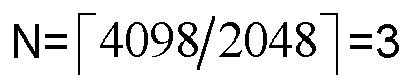
- After determining the number of pages N need to be occupied by the valid data of this specified NAND FLASH file, the unassigned continuous storage space of N pages may be selected from the second storage space and the continuous storage space may be determined as the valid data storage space of this specified NAND FLASH file, wherein the unassigned continuous storage space of N pages refer to N pages of continuous storage space that have not been specified as the valid data storage space of any NAND FLASH file. For example, assuming that the specified storage spaces are BLOCKX to BLOCKX+99, and the first two PAGEs, PAGE0 and PAGE1 in BLOCKX have been selected as the first storage spaces, and PAGE2 to PAGE63 in BLOCKX and BLOCKX+1 to BLOCKX+99 have been selected as the second storage spaces, if no valid data storage space has been assigned to any files in the second storage space, the continuous storage space of PAGE2 to PAGE4 in BLOCKX can be assigned to this specified NAND FLASH file as the valid data storage space thereof, specifically refer to File1 shown in
Fig. 5 . - Step 4022: storing the management data of each specified NAND FLASH file in the first storage space, and storing valid data of this specified NAND FLASH file in the valid data storage space assigned for this specified NAND FLASH file.
- In the present embodiment, the storage location of the management data of each specified NAND FLASH file in the first storage space may be random, or it may be stored in the first storage space in a predetermined order, such as alphabetical order of file names, which is not limited in the present application.
- The
above steps 4021 to 4022 are one possible implementation manner of thestep 102 shown inFig. 1 , and in other possible embodiments, thestep 102 shown inFig. 1 may also be implemented in different implementation manners, which is not limited in the present application. - Step 403: reading the valid data of the specified NAND FLASH files stored in the second storage space according to the management data of the specified NAND FLASH files stored in the first storage space.
- The
above steps steps Fig. 1 in the implementation principles, respectively, and will not be repeated here. - According to the embodiment shown in
Fig. 4 , compared with the embodiment shown inFig. 1 , besides the advantages of the embodiment shown inFig. 1 , the present embodiment assigns the valid data storage space for the specified NAND FLASH file in the first, so that the start position of the management data of the specified NAND FLASH file and the storage position of the valid data of the specified NAND FLASH file are determined accordingly, and the subsequent orderly storage of the management data and valid data of the specified NAND FLASH file may be realized. - Referring to
Fig. 6 , which is a flowchart of the NAND FLASH file data access method in embodiment 4 of the present application. As shown inFig. 6 , the method includes the following steps: - Step 601: dividing the specified storage space assigned for the specified NAND FLASH files into a first storage space and a second storage space.
- Step 602: storing the management data of the specified NAND FLASH files in the first storage space, and storing the valid data of the specified NAND FLASH files in the second storage space.
- The
above steps 601 to 602 are the same as thesteps 101 to 102 shown inFig. 1 in the implementation principle, and will not be described again. - Step 6031: receiving a file read request for any specified NAND FLASH file.
- In the present embodiment, the file read request carries the file name of the file to be read.
- Step 6032: reading the management data in the first storage space, searching management data with the same file name as a file name carried by the file read request from the read management data, and determining the found management data as management data of this specified NAND FLASH file.
- In the present embodiment, all the management data in the first storage space may be read out, and then the file name of the file to be read is searched in the read management data, and the found corresponding management data is the management data of the file to be read.
- Step 6033: determining an end position of this specified NAND FLASH file according to the start position in the management data of this specified NAND FLASH file and the file length.
- In the present embodiment, the start position in the management data comprises a start block position and a start page position. The end position comprises an end block position and an end page position. Since the start block position is used to indicate the block to which the start position belongs, and the start page position is used to indicate the page to which the start position belongs. Hereinafter, for convenience of description, the start block position is referred to as the start block and the start page position is referred to as the start page. Similarly, since the end block position is used to indicate the block to which the end position belongs and the end page position is used to indicate the page to which the end position belongs. Hereinafter, for convenience of description, the end block position is referred to as the end block and the end page position is referred to as the end page.
- The end position of the specified NAND FLASH file is determined according to the start position in the management data of this specified NAND FLASH file and file length, and the specific method is as follows:
- S21, determining the number of PAGEs occupied by the valid data of this specified NAND FLASH file according to the file length of the management data of this specified NAND FLASH file (i.e. the valid data length of this specified NAND FLASH file).
- S22, determining the end position of this specified NAND FLASH file according to the number of PAGEs and the start position in the management data of this specified NAND FLASH file.
- For example, assuming that the file length of the management data of this specified NAND FLASH file is 3000 bytes, and the length of the storage space of one PAGE is 2048 bytes, the number of pages occupied by the valid data of this specified NAND FLASH file may be determined to be 2. Assuming that the start position of this specified NAND FLASH file is PAGE63 of BLOCKX (the start BLOCK, the start PAGE), the end position of this specified NAND FLASH file may be determined as BLOCKX+1 (end BLOCK) and PAGE1 (end PAGE) according to the number of pages occupied by the valid data of this specified NAND FLASH file is 2 and the start position of this specified NAND FLASH file.
-
Step 6034, reading from the second storage space, data between the start position and the end position of the valid data of this specified NAND FLASH file. - Here, the start position of the valid data of this specified NAND FLASH file is the start position included in the management data of this specified NAND FLASH file. Wherein, the data read during reading includes the data at the start position and at the end position.
- In the present embodiment, reading from the second storage space, data between the start position and the end position of the valid data of this specified NAND FLASH file specifically includes:
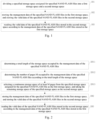
- S31, when the start block of the start position is the same as the end block of the end position, performing continuous multi-page reading on the data between the start page of the start position and the end page of the end position from the start block of the start position;
- S33, when the start block of the start position is different from the end block of the end position, performing continuous multi-page reading on data between the start page of the start position and the end page of the start block of the start position from the start block of the start position, then sequentially reading data between a next block of the start block of the start position and a previous block of the ending block of the end position block-by-block, and finally performing continuous multi-page reading on data between a first page of the end block of the end position and an end page of the end position from the end block of the end position.
- In the above step S31, the start block of the start position is the same as the end block of the end position, which indicates that the start page and the end page of this specified NAND FLASH file are on the same block, and the data from the start page to the end page can be directly read once (continuous multi-page reading).
- In the above step S32, the start block of the start position is different from the end block of the end position, indicating that the start page and the end page of the specified NAND FLASH file are not on the same BLOCK, and the valid data of the specified NAND FLASH file is stored across BLOCKs. In this case, the data needs to be read multiple times. Firstly, performing reading on the valid data on the first BLOCK (i.e., the start BLOCK). Secondly, performing reading on the valid data across several BLOCKs (i.e., respective BLOCKs between the start BLOCK and the end BLOCK, and excluding the start BLOCK and the end BLOCK), and finally performing reading on the valid data on the last block (i.e., the end block). For example, the storage of the valid data of this specified NAND FLASH file is as follows: PAGE63 in BLOCKX, PAGE0-PAGE63 in BLOCKX+1 and PAGE0 in
BLOCKX+ 2, that is, the start BLOCK is BLOCKX, the start PAGE is PAGE63, the end BLOCK is BLOCKX+2, and the end PAGE is PAGE0. The reading on the valid data of this specified NAND FLASH file may be performed in three times: the first time) reading PAGE63 in BLOCKX, the second time) reading BLOCKX+1 in whole block, and the third time) reading PAGE0 inBLOCKX+ 2. - The
above steps 6031 to 6034 are a possible implementation of thestep 103 shown inFig. 1 , and in other possible embodiments, thestep 103 shown inFig. 1 may also be implemented in other ways, which is not limited by the present embodiment. - According to the embodiment shown in
Fig. 6 , compared with the embodiment shown inFig. 1 , besides the advantages of the embodiment shown inFig. 1 , the present embodiment determines the end position of this specified NAND FLASH file according to the start position in the management data of this specified NAND FLASH file and file length, so as to quickly locate the storage position of the valid data of this specified NAND FLASH file and performing reading on the valid data block by block, which may further improve the reading speed and reading efficiency of the NAND FLASH file. - The method for accessing data of a NAND FLASH file in the embodiment of the present application is described in detail above, and the embodiment of the present application also provides a device for accessing data of a NAND FLASH file, which will be described in detail below with reference to
Fig. 7 . - Refer to
Fig. 7 , which is a schematic structural diagram of a device for accessing data of a NAND FLASH file according to an embodiment of the present application. As shown inFig. 7 , the device comprises aprocessor 701 and a non-transitory computerreadable storage medium 702 connected to theprocessor 701 via a bus. - The non-transitory computer
readable storage medium 702 stores one or more computer programs that may be executed by theprocessor 701; when executing the one or more computer programs, theprocessor 701 performs the following steps: - dividing a specified storage space assigned for specified NAND FLASH files into a first storage space and a second storage space, wherein the first storage space is a continuous storage space;
- storing management data of the specified NAND FLASH files in the first storage space, and storing valid data of the specified NAND FLASH files in the second storage space;
- dividing a specified storage space assigned for specified NAND FLASH files into a first storage space and a second storage space, wherein the first storage space is a continuous storage space;
- storing management data of the specified NAND FLASH files in the first storage space, and storing valid data of the specified NAND FLASH files in the second storage space;
- In the device shown in
Fig. 7 , theprocessor 701 divides the specified storage space assigned for the specified NAND FLASH files into the first storage space and the second storage space, includes:- determining a total length of storage space occupied by management data of the specified NAND FLASH files;
- determining the number of pages M occupied by the management data of the specified NAND FLASH files according to the total length of the storage space;
- selecting a continuous storage space of at least M pages from the specified storage space as the first storage space, and taking the remaining storage space of the specified storage space as the second storage space.
- In the device shown in
Fig. 7 , theprocessor 701, when selecting a continuous storage space of at least M pages from the specified storage space, is configured for:
selecting a continuous storage space of at least M pages at the beginning of the specified storage space; or, selecting a continuous storage space of at least M pages in a reverse direction at the end of the specified storage space. - In the device shown in
Fig. 7 , theprocessor 701 stores the management data of the specified NAND FLASH files in the first storage space and stores the valid data of the specified NAND FLASH files in the second storage space, includes: - assigning a valid data storage space in the second storage space for each specified NAND FLASH file, and generating management data of this specified NAND FLASH file based on the valid data storage space;
- storing the management data of each specified NAND FLASH file in the first storage space, and storing valid data of this specified NAND FLASH file in the valid data storage space assigned for this specified NAND FLASH file.
- In the device shown in
Fig. 7 , the management data includes a file name, a start position and a file length;
Theprocessor 701 assigns a valid data storage space in the second storage space for each specified NAND FLASH file, and generates the management data of this specified NAND FLASH file based on the valid data storage space, includes: - determining the number of pages N required for the valid data of this specified NAND FLASH file, selecting an unassigned continuous storage space of N pages from the second storage space as the valid data storage space of this specified NAND FLASH file;
- setting the file name, the start position and the file length of the management data of this specified NAND FLASH file as a file name of this specified NAND FLASH file, a start position of the valid data storage space of this specified NAND FLASH file and a valid data length of this specified NAND FLASH file, respectively.
- In the device shown in
Fig. 7 , theprocessor 701 reads the valid data of the specified NAND FLASH file stored in the second storage space according to the management data of the specified NAND FLASH file stored in the first storage space, includes: - receiving a file read request for any specified NAND FLASH file;
- reading the management data in the first storage space, searching management data with the same file name as a file name carried by the file read request from the read management data, and determining the found management data as management data of this specified NAND FLASH file;
- determining an end position of this specified NAND FLASH file according to the start position in the management data of this specified NAND FLASH file and the file length;
- reading from the second storage space, data between the start position and the end position of the valid data of this specified NAND FLASH file.
- In the device shown in
Fig. 7 , the start position includes a start block and a start page; - the end position includes an end block and an end page;
- the
processor 701 reads from the second storage space, data between the start position and the end position of the valid data of this specified NAND FLASH file, includes:- when the start block of the start position is the same as the end block of the end position, performing continuous multi-page reading on the data between the start page of the start position and the end page of the end position from the start block of the start position;
- when the start block of the start position is different from the end block of the end position, performing continuous multi-page reading on data between the start page of the start position and the end page of the start block of the start position from the start block of the start position, then sequentially reading data between a next block of the start block of the start position and a previous block of the ending block of the end position block-by-block, and finally performing continuous multi-page reading on data between a first page of the end block of the end position and an end page of the end position from the end block of the end position.
- An embodiment of the present application also provides a non-transitory computer readable storage medium storing instructions that, when executed by a processor, cause the processor to perform the steps in the method for accessing data of a NAND FLASH file, as shown in the above-mentioned
Fig. 1, Fig. 2 ,Fig. 4 orFig. 6 . - In yet another embodiment provided by the present application, there is also provided a computer program product containing instructions, which, when run on a computer, causes the computer to perform the steps in the method for accessing data of a NAND FLASH file, as shown in the above-mentioned
Fig. 1, Fig. 2 ,Fig.4 orFig.6 . - The above is only preferred embodiments of the present application, and are not intended to limit the present application.
Claims (13)
- A method for accessing data of a NAND FLASH file, wherein the method comprises:dividing (101) a specified storage space assigned for specified NAND FLASH files into a first storage space and a second storage space, wherein the first storage space is a continuous storage space;storing (102) management data of the specified NAND FLASH files in the first storage space, and storing valid data of the specified NAND FLASH files in the second storage space;reading (103) the valid data of the specified NAND FLASH files stored in the second storage space according to the management data of the specified NAND FLASH files stored in the first storage space,
characterized in thatdividing the specified storage space assigned for the specified NAND FLASH files into the first storage space and the second storage space, comprises:determining (2011) a total length of storage space occupied by management data of the specified NAND FLASH files, wherein the total length of the storage space occupied by the management data of the specified NAND FLASH files is the sum of the lengths of the management data of all the specified NAND FLASH files;determining (2012) the number of pages M occupied by the management data of the specified NAND FLASH files according to the total length of the storage space;selecting (2013) a continuous storage space of at least M pages from the specified storage space as the first storage space, and taking the remaining storage space of the specified storage space as the second storage space. - The method according to claim 1,
wherein
the continuous storage space of at least M pages is selected from the specified storage space in the following way:
selecting a continuous storage space of at least M pages at the beginning of the specified storage space; or, selecting a continuous storage space of at least M pages in a reverse direction at the end of the specified storage space. - The method according to claim 1,
wherein
storing the management data of the specified NAND FLASH files in the first storage space, and storing the valid data of the specified NAND FLASH files in the second storage space, comprises:assigning (4021) a valid data storage space in the second storage space for each specified NAND FLASH file, and generating management data of this specified NAND FLASH file based on the valid data storage space;storing (4022) the management data of each specified NAND FLASH file in the first storage space, and storing valid data of this specified NAND FLASH file in the valid data storage space assigned for this specified NAND FLASH file. - The method according to claim 3,
whereinthe management data comprises a file name, a start position and a file length;assigning the valid data storage space in the second storage space for each specified NAND FLASH file, and generating management data of this specified NAND FLASH file based on the valid data storage space, comprises:determining (S11) the number of pages N required for the valid data of this specified NAND FLASH file, selecting an unassigned continuous storage space of N pages from the second storage space as the valid data storage space of this specified NAND FLASH file;setting (S12) the file name, the start position and the file length of the management data of this specified NAND FLASH file as a file name of this specified NAND FLASH file, a start position of the valid data storage space of this specified NAND FLASH file and a valid data length of this specified NAND FLASH file, respectively. - The method according to claim 4,
wherein
reading the valid data of the specified NAND FLASH files stored in the second storage space according to the management data of the specified NAND FLASH files stored in the first storage space, comprises:receiving (6031) a file read request for any specified NAND FLASH file;reading (6032) the management data in the first storage space, searching management data with the same file name as a file name carried by the file read request from the read management data, and determining the found management data as management data of this specified NAND FLASH file;determining (6033) an end position of this specified NAND FLASH file according to the start position in the management data of this specified NAND FLASH file and the file length;reading (6034) from the second storage space, data between the start position and the end position of the valid data of this specified NAND FLASH file. - The method according to claim 5,
wherein:the start position comprises a start block and a start page;the end position comprises an end block and an end page;reading from the second storage space, data between the start position and the end position of the valid data of this specified NAND FLASH file, comprises:when the start block of the start position is the same as the end block of the end position, performing (S31) continuous multi-page reading on the data between the start page of the start position and the end page of the end position from the start block of the start position;when the start block of the start position is different from the end block of the end position, performing (S33) continuous multi-page reading on data between the start page of the start position and the end page of the start block of the start position from the start block of the start position, then sequentially reading data between a next block of the start block of the start position and a previous block of the ending block of the end position block-by-block, and finally performing continuous multi-page reading on data between a first page of the end block of the end position and an end page of the end position from the end block of the end position. - A device for accessing data of a NAND FLASH file, wherein the device comprises: a processor (701), and a non-transitory computer readable storage medium (702) connected with the processor (701) via a bus;
the non-transitory computer readable storage medium (702) storing one or more computer programs executable by the processor (701); when executing the one or more computer programs, the processor (701) performs the following steps:dividing a specified storage space assigned for specified NAND FLASH files into a first storage space and a second storage space, wherein the first storage space is a continuous storage space;storing management data of the specified NAND FLASH files in the first storage space, and storing valid data of the specified NAND FLASH files in the second storage space;reading the valid data of the specified NAND FLASH files stored in the second storage space according to the management data of the specified NAND FLASH files stored in the first storage space,
characterized in thatthe processor (701) dividing the specified storage space assigned for the specified NAND FLASH files into the first storage space and the second storage space, comprises:determining a total length of storage space occupied by management data of the specified NAND FLASH files, wherein the total length of the storage space occupied by the management data of the specified NAND FLASH files is the sum of the lengths of the management data of all the specified NAND FLASH files;determining the number of pages M occupied by the management data of the specified NAND FLASH files according to the total length of the storage space;selecting a continuous storage space of at least M pages from the specified storage space as the first storage space, and taking the remaining storage space of the specified storage space as the second storage space. - The device according to claim 7,
wherein
the processor (701), when selecting a continuous storage space of at least M pages from the specified storage space, is configured for:
selecting a continuous storage space of at least M pages at the beginning of the specified storage space; or, selecting a continuous storage space of at least M pages in a reverse direction at the end of the specified storage space. - The device according to claim 7,
wherein
the processor (701) stores the management data of the specified NAND FLASH files in the first storage space and stores the valid data of the specified NAND FLASH files in the second storage space, comprises:assigning a valid data storage space in the second storage space for each specified NAND FLASH file, and generating management data of this specified NAND FLASH file based on the valid data storage space;storing the management data of each specified NAND FLASH file in the first storage space, and storing valid data of this specified NAND FLASH file in the valid data storage space assigned for this specified NAND FLASH file. - The device according to claim 9,
whereinthe management data comprises a file name, a start position and a file length;the processor (701) assigns the valid data storage space in the second storage space for each specified NAND FLASH file, and generates the management data of this specified NAND FLASH file based on the valid data storage space, comprises:determining the number of pages N required for the valid data of this specified NAND FLASH file, selecting an unassigned continuous storage space of N pages from the second storage space as the valid data storage space of this specified NAND FLASH file;setting the file name, the start position and the file length of the management data of this specified NAND FLASH file as a file name of this specified NAND FLASH file, a start position of the valid data storage space of this specified NAND FLASH file and a valid data length of this specified NAND FLASH file, respectively. - The device according to claim 10,
wherein
the processor (701) reads the valid data of the specified NAND FLASH files stored in the second storage space according to the management data of the specified NAND FLASH files stored in the first storage space, comprises:receiving a file read request for any specified NAND FLASH file;reading the management data in the first storage space, searching management data with the same file name as a file name carried by the file read request from the read management data, and determining the found management data as management data of this specified NAND FLASH file;determining an end position of this specified NAND FLASH file according to the start position in the management data of this specified NAND FLASH file and the file length;reading from the second storage space, data between the start position and the end position of the valid data of this specified NAND FLASH file. - The device according to claim 11,
whereinthe start position comprises a start block and a start page;the end position comprises an end block and an end page;the processor (701) reads from the second storage space, data between the start position and the end position of the valid data of this specified NAND FLASH file, comprises:when the start block of the start position is the same as the end block of the end position, performing continuous multi-page reading on the data between the start page of the start position and the end page of the end position from the start block of the start position;when the start block of the start position is different from the end block of the end position, performing continuous multi-page reading on data between the start page of the start position and the end page of the start block of the start position from the start block of the start position, then sequentially reading data between a next block of the start block of the start position and a previous block of the ending block of the end position block-by-block, and finally performing continuous multi-page reading on data between a first page of the end block of the end position and an end page of the end position from the end block of the end position. - A non-transitory computer-readable storage medium storing instructions, which, when executed by a processor (701), cause the processor to perform the steps in the method for accessing data of a NAND FLASH file according to any one of claims 1 to 6.
Applications Claiming Priority (2)
| Application Number | Priority Date | Filing Date | Title |
|---|---|---|---|
| CN202010263561.6A CN113495681B (en) | 2020-04-07 | 2020-04-07 | A NAND FLASH file data access method, device and storage medium |
| PCT/CN2021/082457 WO2021203964A1 (en) | 2020-04-07 | 2021-03-23 | Method and apparatus for data access of nand flash file, and storage medium |
Publications (3)
| Publication Number | Publication Date |
|---|---|
| EP4134802A1 EP4134802A1 (en) | 2023-02-15 |
| EP4134802A4 EP4134802A4 (en) | 2023-08-30 |
| EP4134802B1 true EP4134802B1 (en) | 2025-06-25 |
Family
ID=77995200
Family Applications (1)
| Application Number | Title | Priority Date | Filing Date |
|---|---|---|---|
| EP21785191.4A Active EP4134802B1 (en) | 2020-04-07 | 2021-03-23 | Method and apparatus for data access of nand flash file, and storage medium |
Country Status (4)
| Country | Link |
|---|---|
| US (1) | US12182434B2 (en) |
| EP (1) | EP4134802B1 (en) |
| CN (1) | CN113495681B (en) |
| WO (1) | WO2021203964A1 (en) |
Families Citing this family (1)
| Publication number | Priority date | Publication date | Assignee | Title |
|---|---|---|---|---|
| CN114296637B (en) * | 2021-12-09 | 2024-05-17 | 广西东信数建信息科技有限公司 | Dynamic creation method and device for local storage volume |
Family Cites Families (30)
| Publication number | Priority date | Publication date | Assignee | Title |
|---|---|---|---|---|
| AU2003286967B2 (en) | 2002-12-24 | 2009-01-15 | Lg Electronics, Inc. | Dual journaling store method and storage medium thereof |
| US20060184718A1 (en) * | 2005-02-16 | 2006-08-17 | Sinclair Alan W | Direct file data programming and deletion in flash memories |
| US20070016721A1 (en) * | 2005-07-18 | 2007-01-18 | Wyse Technology Inc. | Flash file system power-up by using sequential sector allocation |
| US7409489B2 (en) * | 2005-08-03 | 2008-08-05 | Sandisk Corporation | Scheduling of reclaim operations in non-volatile memory |
| US20070143566A1 (en) * | 2005-12-21 | 2007-06-21 | Gorobets Sergey A | Non-volatile memories with data alignment in a directly mapped file storage system |
| US20070143560A1 (en) * | 2005-12-21 | 2007-06-21 | Gorobets Sergey A | Non-volatile memories with memory allocation for a directly mapped file storage system |
| US20070156998A1 (en) * | 2005-12-21 | 2007-07-05 | Gorobets Sergey A | Methods for memory allocation in non-volatile memories with a directly mapped file storage system |
| US20070143378A1 (en) * | 2005-12-21 | 2007-06-21 | Gorobets Sergey A | Non-volatile memories with adaptive file handling in a directly mapped file storage system |
| US20070143561A1 (en) * | 2005-12-21 | 2007-06-21 | Gorobets Sergey A | Methods for adaptive file data handling in non-volatile memories with a directly mapped file storage system |
| US20070143567A1 (en) * | 2005-12-21 | 2007-06-21 | Gorobets Sergey A | Methods for data alignment in non-volatile memories with a directly mapped file storage system |
| KR20090102789A (en) * | 2006-12-06 | 2009-09-30 | 퓨전 멀티시스템즈, 인크.(디비에이 퓨전-아이오) | Apparatus, system, and method for data storage using progressive raid |
| US8959280B2 (en) * | 2008-06-18 | 2015-02-17 | Super Talent Technology, Corp. | Super-endurance solid-state drive with endurance translation layer (ETL) and diversion of temp files for reduced flash wear |
| KR101515525B1 (en) | 2008-10-02 | 2015-04-28 | 삼성전자주식회사 | Memory device and operating method of memory device |
| CN101382876A (en) * | 2008-10-07 | 2009-03-11 | 北京创毅视讯科技有限公司 | Data storage method |
| WO2010103760A1 (en) | 2009-03-13 | 2010-09-16 | パナソニック株式会社 | Access module, information recording module, controller, and information recording system |
| US8930647B1 (en) * | 2011-04-06 | 2015-01-06 | P4tents1, LLC | Multiple class memory systems |
| CN102279805A (en) * | 2011-09-06 | 2011-12-14 | 四川九洲电器集团有限责任公司 | Memory data storing and reading method |
| US20130080481A1 (en) * | 2011-09-27 | 2013-03-28 | Sybase, Inc. | Extreme large space allocation |
| JP2014179066A (en) | 2013-02-14 | 2014-09-25 | Panasonic Corp | Storage control device, storage system, and storage control method |
| US9009565B1 (en) * | 2013-03-15 | 2015-04-14 | Pmc-Sierra, Inc. | Systems and methods for mapping for solid-state memory |
| CN105335095B (en) * | 2014-08-11 | 2019-04-05 | 北京兆易创新科技股份有限公司 | The processing method and processing device of flash memory file system |
| CN105468642A (en) * | 2014-09-09 | 2016-04-06 | 杭州海康威视数字技术股份有限公司 | Data storage method and apparatus |
| KR101758331B1 (en) * | 2015-12-22 | 2017-07-31 | 성균관대학교산학협력단 | Apparatus and method for file recoding based on non-volatile memory |
| JP6523193B2 (en) * | 2016-03-08 | 2019-05-29 | 東芝メモリ株式会社 | Storage system, information processing system and control method |
| CN106293532A (en) * | 2016-08-10 | 2017-01-04 | 广东佳禾声学科技有限公司 | A kind of Flash data storage method |
| TWI679534B (en) * | 2017-09-18 | 2019-12-11 | 慧榮科技股份有限公司 | Data storage device and data storage method |
| CN108089821A (en) * | 2017-12-20 | 2018-05-29 | 福建星海通信科技有限公司 | A kind of method of micro controller data storage management |
| CN109189772B (en) * | 2018-08-21 | 2021-09-28 | 华清瑞达(天津)科技有限公司 | File management method and system for storage medium without file system |
| CN109918234B (en) * | 2019-03-06 | 2020-07-07 | 苏州浪潮智能科技有限公司 | A kind of metadata recovery method, device, device and medium based on SSD |
| CN110147203B (en) * | 2019-05-16 | 2022-11-04 | 北京金山云网络技术有限公司 | File management method and device, electronic equipment and storage medium |
-
2020
- 2020-04-07 CN CN202010263561.6A patent/CN113495681B/en active Active
-
2021
- 2021-03-23 WO PCT/CN2021/082457 patent/WO2021203964A1/en not_active Ceased
- 2021-03-23 EP EP21785191.4A patent/EP4134802B1/en active Active
- 2021-03-23 US US17/995,459 patent/US12182434B2/en active Active
Also Published As
| Publication number | Publication date |
|---|---|
| US12182434B2 (en) | 2024-12-31 |
| EP4134802A1 (en) | 2023-02-15 |
| US20230168830A1 (en) | 2023-06-01 |
| WO2021203964A1 (en) | 2021-10-14 |
| CN113495681B (en) | 2024-09-24 |
| CN113495681A (en) | 2021-10-12 |
| EP4134802A4 (en) | 2023-08-30 |
Similar Documents
| Publication | Publication Date | Title |
|---|---|---|
| USRE49875E1 (en) | Memory system having high data transfer efficiency and host controller | |
| EP3260993A1 (en) | File operation method and device | |
| US10922276B2 (en) | Online file system check | |
| CN113568582A (en) | Data management method, apparatus and storage device | |
| CN107315533A (en) | A kind of date storage method and device | |
| US20070288711A1 (en) | Snapshot copy management method used for logic volume manager | |
| US20170364300A1 (en) | Controller, flash memory apparatus, method for identifying data block stability, and method for storing data in flash memory apparatus | |
| US8799572B2 (en) | Sliding-window multi-class striping | |
| US11327939B2 (en) | Method and device for indexing dirty data in storage system page | |
| CN110286859B (en) | Data storage method and device based on FAT file system | |
| WO2019174206A1 (en) | Data reading method and apparatus of storage device, terminal device, and storage medium | |
| CN106201778B (en) | Information processing method and storage equipment | |
| KR20170109391A (en) | Method for translating address of storage system and memory device controller for storage system | |
| CN107430546B (en) | A file update method and storage device | |
| CN115964002B (en) | Electric energy meter terminal archive management method, device, equipment and medium | |
| CN108304259A (en) | EMS memory management process and system | |
| CN108804571B (en) | Data storage method, device and equipment | |
| US12182434B2 (en) | Method and apparatus for data access of NAND FLASH file, and storage medium | |
| CN118689786A (en) | Mapping table management method of storage chip, electronic device and storage medium | |
| CN117577163A (en) | SSD bad block detection method, SSD bad block detection device, computer equipment and storage medium | |
| CN117707620A (en) | Control method for system-on-chip and system-on-chip | |
| CN114911410B (en) | Data storage method, device, equipment and storage medium | |
| CN115952177A (en) | Method and device for checking database consistency | |
| CN120067111B (en) | Data storage method, electronic device, storage medium and product | |
| CN118821245B (en) | Write protection mapping method, device, computer readable storage medium and electronic device |
Legal Events
| Date | Code | Title | Description |
|---|---|---|---|
| STAA | Information on the status of an ep patent application or granted ep patent |
Free format text: STATUS: THE INTERNATIONAL PUBLICATION HAS BEEN MADE |
|
| PUAI | Public reference made under article 153(3) epc to a published international application that has entered the european phase |
Free format text: ORIGINAL CODE: 0009012 |
|
| STAA | Information on the status of an ep patent application or granted ep patent |
Free format text: STATUS: REQUEST FOR EXAMINATION WAS MADE |
|
| 17P | Request for examination filed |
Effective date: 20221010 |
|
| AK | Designated contracting states |
Kind code of ref document: A1 Designated state(s): AL AT BE BG CH CY CZ DE DK EE ES FI FR GB GR HR HU IE IS IT LI LT LU LV MC MK MT NL NO PL PT RO RS SE SI SK SM TR |
|
| DAV | Request for validation of the european patent (deleted) | ||
| DAX | Request for extension of the european patent (deleted) | ||
| A4 | Supplementary search report drawn up and despatched |
Effective date: 20230727 |
|
| RIC1 | Information provided on ipc code assigned before grant |
Ipc: G06F 12/02 20060101ALI20230721BHEP Ipc: G06F 3/06 20060101AFI20230721BHEP |
|
| STAA | Information on the status of an ep patent application or granted ep patent |
Free format text: STATUS: EXAMINATION IS IN PROGRESS |
|
| 17Q | First examination report despatched |
Effective date: 20241119 |
|
| GRAP | Despatch of communication of intention to grant a patent |
Free format text: ORIGINAL CODE: EPIDOSNIGR1 |
|
| STAA | Information on the status of an ep patent application or granted ep patent |
Free format text: STATUS: GRANT OF PATENT IS INTENDED |
|
| INTG | Intention to grant announced |
Effective date: 20250228 |
|
| GRAS | Grant fee paid |
Free format text: ORIGINAL CODE: EPIDOSNIGR3 |
|
| GRAA | (expected) grant |
Free format text: ORIGINAL CODE: 0009210 |
|
| STAA | Information on the status of an ep patent application or granted ep patent |
Free format text: STATUS: THE PATENT HAS BEEN GRANTED |
|
| AK | Designated contracting states |
Kind code of ref document: B1 Designated state(s): AL AT BE BG CH CY CZ DE DK EE ES FI FR GB GR HR HU IE IS IT LI LT LU LV MC MK MT NL NO PL PT RO RS SE SI SK SM TR |
|
| REG | Reference to a national code |
Ref country code: GB Ref legal event code: FG4D |
|
| REG | Reference to a national code |
Ref country code: CH Ref legal event code: EP |
|
| REG | Reference to a national code |
Ref country code: DE Ref legal event code: R096 Ref document number: 602021032953 Country of ref document: DE |
|
| REG | Reference to a national code |
Ref country code: CH Ref legal event code: EP |
|
| REG | Reference to a national code |
Ref country code: IE Ref legal event code: FG4D |
|
| PG25 | Lapsed in a contracting state [announced via postgrant information from national office to epo] |
Ref country code: FI Free format text: LAPSE BECAUSE OF FAILURE TO SUBMIT A TRANSLATION OF THE DESCRIPTION OR TO PAY THE FEE WITHIN THE PRESCRIBED TIME-LIMIT Effective date: 20250625 |
|
| REG | Reference to a national code |
Ref country code: LT Ref legal event code: MG9D |
|
| PG25 | Lapsed in a contracting state [announced via postgrant information from national office to epo] |
Ref country code: NO Free format text: LAPSE BECAUSE OF FAILURE TO SUBMIT A TRANSLATION OF THE DESCRIPTION OR TO PAY THE FEE WITHIN THE PRESCRIBED TIME-LIMIT Effective date: 20250925 Ref country code: GR Free format text: LAPSE BECAUSE OF FAILURE TO SUBMIT A TRANSLATION OF THE DESCRIPTION OR TO PAY THE FEE WITHIN THE PRESCRIBED TIME-LIMIT Effective date: 20250926 |
|
| PG25 | Lapsed in a contracting state [announced via postgrant information from national office to epo] |
Ref country code: BG Free format text: LAPSE BECAUSE OF FAILURE TO SUBMIT A TRANSLATION OF THE DESCRIPTION OR TO PAY THE FEE WITHIN THE PRESCRIBED TIME-LIMIT Effective date: 20250625 |
|
| PG25 | Lapsed in a contracting state [announced via postgrant information from national office to epo] |
Ref country code: HR Free format text: LAPSE BECAUSE OF FAILURE TO SUBMIT A TRANSLATION OF THE DESCRIPTION OR TO PAY THE FEE WITHIN THE PRESCRIBED TIME-LIMIT Effective date: 20250625 |
|
| PG25 | Lapsed in a contracting state [announced via postgrant information from national office to epo] |
Ref country code: RS Free format text: LAPSE BECAUSE OF FAILURE TO SUBMIT A TRANSLATION OF THE DESCRIPTION OR TO PAY THE FEE WITHIN THE PRESCRIBED TIME-LIMIT Effective date: 20250925 |
|
| PG25 | Lapsed in a contracting state [announced via postgrant information from national office to epo] |
Ref country code: LV Free format text: LAPSE BECAUSE OF FAILURE TO SUBMIT A TRANSLATION OF THE DESCRIPTION OR TO PAY THE FEE WITHIN THE PRESCRIBED TIME-LIMIT Effective date: 20250625 |
|
| REG | Reference to a national code |
Ref country code: NL Ref legal event code: MP Effective date: 20250625 |
|
| P01 | Opt-out of the competence of the unified patent court (upc) registered |
Free format text: CASE NUMBER: UPC_APP_8204_4134802/2025 Effective date: 20250929 |
|
| PG25 | Lapsed in a contracting state [announced via postgrant information from national office to epo] |
Ref country code: NL Free format text: LAPSE BECAUSE OF FAILURE TO SUBMIT A TRANSLATION OF THE DESCRIPTION OR TO PAY THE FEE WITHIN THE PRESCRIBED TIME-LIMIT Effective date: 20250625 |
|
| PG25 | Lapsed in a contracting state [announced via postgrant information from national office to epo] |
Ref country code: PT Free format text: LAPSE BECAUSE OF FAILURE TO SUBMIT A TRANSLATION OF THE DESCRIPTION OR TO PAY THE FEE WITHIN THE PRESCRIBED TIME-LIMIT Effective date: 20251027 |
|
| REG | Reference to a national code |
Ref country code: AT Ref legal event code: MK05 Ref document number: 1807162 Country of ref document: AT Kind code of ref document: T Effective date: 20250625 |
|
| PG25 | Lapsed in a contracting state [announced via postgrant information from national office to epo] |
Ref country code: IS Free format text: LAPSE BECAUSE OF FAILURE TO SUBMIT A TRANSLATION OF THE DESCRIPTION OR TO PAY THE FEE WITHIN THE PRESCRIBED TIME-LIMIT Effective date: 20251025 |
|
| PG25 | Lapsed in a contracting state [announced via postgrant information from national office to epo] |
Ref country code: AT Free format text: LAPSE BECAUSE OF FAILURE TO SUBMIT A TRANSLATION OF THE DESCRIPTION OR TO PAY THE FEE WITHIN THE PRESCRIBED TIME-LIMIT Effective date: 20250625 Ref country code: SM Free format text: LAPSE BECAUSE OF FAILURE TO SUBMIT A TRANSLATION OF THE DESCRIPTION OR TO PAY THE FEE WITHIN THE PRESCRIBED TIME-LIMIT Effective date: 20250625 |
|
| PG25 | Lapsed in a contracting state [announced via postgrant information from national office to epo] |
Ref country code: CZ Free format text: LAPSE BECAUSE OF FAILURE TO SUBMIT A TRANSLATION OF THE DESCRIPTION OR TO PAY THE FEE WITHIN THE PRESCRIBED TIME-LIMIT Effective date: 20250625 |
|
| PG25 | Lapsed in a contracting state [announced via postgrant information from national office to epo] |
Ref country code: PL Free format text: LAPSE BECAUSE OF FAILURE TO SUBMIT A TRANSLATION OF THE DESCRIPTION OR TO PAY THE FEE WITHIN THE PRESCRIBED TIME-LIMIT Effective date: 20250625 |
|
| PG25 | Lapsed in a contracting state [announced via postgrant information from national office to epo] |
Ref country code: EE Free format text: LAPSE BECAUSE OF FAILURE TO SUBMIT A TRANSLATION OF THE DESCRIPTION OR TO PAY THE FEE WITHIN THE PRESCRIBED TIME-LIMIT Effective date: 20250625 |
|
| PG25 | Lapsed in a contracting state [announced via postgrant information from national office to epo] |
Ref country code: SK Free format text: LAPSE BECAUSE OF FAILURE TO SUBMIT A TRANSLATION OF THE DESCRIPTION OR TO PAY THE FEE WITHIN THE PRESCRIBED TIME-LIMIT Effective date: 20250625 |
|
| PG25 | Lapsed in a contracting state [announced via postgrant information from national office to epo] |
Ref country code: ES Free format text: LAPSE BECAUSE OF FAILURE TO SUBMIT A TRANSLATION OF THE DESCRIPTION OR TO PAY THE FEE WITHIN THE PRESCRIBED TIME-LIMIT Effective date: 20250625 |
|
| PGFP | Annual fee paid to national office [announced via postgrant information from national office to epo] |
Ref country code: GB Payment date: 20260323 Year of fee payment: 6 |
|
| PG25 | Lapsed in a contracting state [announced via postgrant information from national office to epo] |
Ref country code: DK Free format text: LAPSE BECAUSE OF FAILURE TO SUBMIT A TRANSLATION OF THE DESCRIPTION OR TO PAY THE FEE WITHIN THE PRESCRIBED TIME-LIMIT Effective date: 20250625 |
|
| PGFP | Annual fee paid to national office [announced via postgrant information from national office to epo] |
Ref country code: DE Payment date: 20260313 Year of fee payment: 6 |
|
| PG25 | Lapsed in a contracting state [announced via postgrant information from national office to epo] |
Ref country code: IT Free format text: LAPSE BECAUSE OF FAILURE TO SUBMIT A TRANSLATION OF THE DESCRIPTION OR TO PAY THE FEE WITHIN THE PRESCRIBED TIME-LIMIT Effective date: 20250625 |
|
| PGFP | Annual fee paid to national office [announced via postgrant information from national office to epo] |
Ref country code: FR Payment date: 20260330 Year of fee payment: 6 |
|
| PLBE | No opposition filed within time limit |
Free format text: ORIGINAL CODE: 0009261 |
|
| STAA | Information on the status of an ep patent application or granted ep patent |
Free format text: STATUS: NO OPPOSITION FILED WITHIN TIME LIMIT |
|
| REG | Reference to a national code |
Ref country code: CH Ref legal event code: L10 Free format text: ST27 STATUS EVENT CODE: U-0-0-L10-L00 (AS PROVIDED BY THE NATIONAL OFFICE) Effective date: 20260507 |