EP4133936A1 - Method for producing avenanthramide-rich oats using active elicitors - Google Patents
Method for producing avenanthramide-rich oats using active elicitors Download PDFInfo
- Publication number
- EP4133936A1 EP4133936A1 EP21784356.4A EP21784356A EP4133936A1 EP 4133936 A1 EP4133936 A1 EP 4133936A1 EP 21784356 A EP21784356 A EP 21784356A EP 4133936 A1 EP4133936 A1 EP 4133936A1
- Authority
- EP
- European Patent Office
- Prior art keywords
- oats
- avenanthramides
- elicitors
- methyl jasmonate
- abscisic acid
- Prior art date
- Legal status (The legal status is an assumption and is not a legal conclusion. Google has not performed a legal analysis and makes no representation as to the accuracy of the status listed.)
- Pending
Links
Images


Classifications
-
- A—HUMAN NECESSITIES
- A01—AGRICULTURE; FORESTRY; ANIMAL HUSBANDRY; HUNTING; TRAPPING; FISHING
- A01H—NEW PLANTS OR NON-TRANSGENIC PROCESSES FOR OBTAINING THEM; PLANT REPRODUCTION BY TISSUE CULTURE TECHNIQUES
- A01H1/00—Processes for modifying genotypes ; Plants characterised by associated natural traits
- A01H1/06—Processes for producing mutations, e.g. treatment with chemicals or with radiation
-
- A—HUMAN NECESSITIES
- A01—AGRICULTURE; FORESTRY; ANIMAL HUSBANDRY; HUNTING; TRAPPING; FISHING
- A01H—NEW PLANTS OR NON-TRANSGENIC PROCESSES FOR OBTAINING THEM; PLANT REPRODUCTION BY TISSUE CULTURE TECHNIQUES
- A01H3/00—Processes for modifying phenotypes, e.g. symbiosis with bacteria
-
- A—HUMAN NECESSITIES
- A01—AGRICULTURE; FORESTRY; ANIMAL HUSBANDRY; HUNTING; TRAPPING; FISHING
- A01H—NEW PLANTS OR NON-TRANSGENIC PROCESSES FOR OBTAINING THEM; PLANT REPRODUCTION BY TISSUE CULTURE TECHNIQUES
- A01H5/00—Angiosperms, i.e. flowering plants, characterised by their plant parts; Angiosperms characterised otherwise than by their botanic taxonomy
- A01H5/10—Seeds
-
- A—HUMAN NECESSITIES
- A01—AGRICULTURE; FORESTRY; ANIMAL HUSBANDRY; HUNTING; TRAPPING; FISHING
- A01H—NEW PLANTS OR NON-TRANSGENIC PROCESSES FOR OBTAINING THEM; PLANT REPRODUCTION BY TISSUE CULTURE TECHNIQUES
- A01H6/00—Angiosperms, i.e. flowering plants, characterised by their botanic taxonomy
- A01H6/46—Gramineae or Poaceae, e.g. ryegrass, rice, wheat or maize
Definitions
- the present invention relates to a method for producing oats having high-content avenanthramides using elicitors.
- oats are rich in proteins and lipids and contain a large amount of unsaturated fatty acids.
- the oats are rich in essential amino acids such as lysine, vitamin B group, vitamin E, and minerals, and contain a large amount of beta-glucan, a dietary fiber, and thus the oats are recognized as a crop with very high sitologic value.
- essential amino acids such as lysine, vitamin B group, vitamin E, and minerals
- beta-glucan a dietary fiber
- avenanthramides a specific antioxidant ingredient of oats
- avenanthramides a specific antioxidant ingredient of oats
- avenanthramides are known to be effective in inflammatory diseases
- the avenanthramides are known as powerful antioxidants and have been reported to be effective in regulating blood pressure.
- the avenanthramides may exhibit effects on skin irritation suppression and anti-arteriosclerosis, and the like, and recently, it has been found that the avenanthramides may be used in the treatment of hearing loss, neurodegenerative diseases, and the like.
- the present inventors confirmed that the content of avenanthramides in oats may be significantly increased when any one or more elicitors of methyl jasmonate and abscisic acid were treated, and then completed the present invention.
- An object of the present invention is to provide a method for producing oats having high-content avenanthramides, including treating any one or more elicitors of methyl jasmonate and abscisic acid; and a method of enhancing the expression of avenanthramide biosynthetic genes in oats.
- Another object of the present invention is to provide a method for increasing the production of avenanthramides including any one or more elicitors of methyl jasmonate and abscisic acid; and a composition for enhancing the expression of avenanthramide biosynthetic genes.
- avenanthramides which are useful ingredients of oats
- An aspect of the present invention provides a method for producing oats having high-content avenanthramides including treating oats with any one or more elicitors of methyl jasmonate and abscisic acid.
- avenanthramide is an alkaloid-based compound known to be mainly produced in oats.
- the avenanthramide may be any one or more selected form the group consisting of avenanthramide A, avenanthramide B, avenanthramide C, avenanthramide O and avenanthramide P.
- the avenanthramide may mean one or more ingredients selected from the group consisting of avenanthramide A, avenanthramide B, and avenanthramide C, but is not limited thereto.
- the avenanthramide may also be referred to as anthranilic acid amide and may be represented by the following Chemical Formula 1:
- the avenanthramides may exhibit effects on anti-inflammatory, antioxidant, itch suppression, skin irritation suppression, anti-arteriosclerosis, and the like, and recently, it has been found that the avenanthramides may be used in the treatment of hearing loss, neurodegenerative diseases, and the like. Therefore, the method for producing oats having high-content avenanthramides of the present invention may be usefully used in preparing, developing, and researching therapeutic agents for the diseases.
- the term "elicitor” generally refers to a substance having an activating action of a biological defense mechanism.
- the elicitors may increase the content of avenanthramides in oats, and may include methyl jasmonate and/or apsis acid.
- the elicitors may be any one or more of methyl jasmonate and abscisic acid.
- methyl jasmonate as used herein is also abbreviated as MeJA and may also be referred to as "MJ" in the present invention.
- the methyl jasmonate is a type of volatile organic compound and is known to be synthesized by a defense system in some plants.
- the methyl jasmonate may have a structure of the following Chemical Formula 2:
- abscisic acid is a kind of plant hormone also abbreviated as ABA, and is known to be produced when plants respond to environmental stress.
- the abscisic acid may have a structure of the following Chemical Formula 3:
- the methyl jasmonate and the abscisic acid have various roles in the plants, and are known that effects thereof vary depending on a type of plant.
- the methyl jasmonate and/or abscisic acid may be treated at an appropriate concentration within the range having the effect of increasing the content of avenanthramides in oats.
- the method for producing oats having high-content avenanthramides of the present invention may include treating the methyl jasmonate at a concentration of 5 uM to 200 uM.
- the methyl jasmonate may be treated at a concentration of 10 uM to 100 uM, 20 uM to 100 uM, 25 uM to 100 uM, or 50 uM to 100 uM, but is not limited thereto.
- the method for producing oats having high-content avenanthramides of the present invention may include treating the abscisic acid at a concentration of 5 uM to 400 uM.
- the abscisic acid may be treated at a concentration of 10 uM to 300 uM, but is not limited thereto.
- the method for producing oats having high-content avenanthramides of the present invention may include treating both the methyl jasmonate and the abscisic acid.
- the methyl jasmonate and the abscisic acid may be treated in an appropriate ratio within the range of increasing the content of avenanthramides.
- the methyl jasmonate and the abscisic acid may be treated in a concentration ratio (molar ratio) of 20 to 1:1, and for example, the methyl jasmonate to the abscisic acid may be treated in a concentration ratio of 4 to 1:1, but is not limited thereto.
- the oats may be germinated oats, but is not limited thereto.
- the germination is a phenomenon in which seeds, spores, pollen, and sprouts growing on branches or roots of plants start to develop or grow.
- the method for producing oats having high-content avenanthramides of the present invention may be treating the elicitors for 12 to 144 hours after inducing the germination of oats. Specifically, the elicitors may be treated for 24 hours to 120 hours, but is not limited thereto.
- the treating the oats with the elicitors may include culturing oats in the presence of elicitors.
- the oats may be cultured in the presence of elicitors by spraying the elicitors themselves or a solution containing the elicitors in oat seeds or germinated oats, or by treating the elicitors in the culture solution.
- the “culturing” may be used interchangeably with “cultivating”.
- the "oats having high-content avenanthramides” mean oats containing avenanthramides with a high content. This may mean that the content of avenanthramides is higher than that of oats not treated with elicitors. For example, this may mean that the content of avenanthramides is increased compared to oats not treated with methyl jasmonate and/or abscisic acid, but is not limited thereto.
- Another aspect of the present invention provides a method for producing an oat extract having high-content avenanthramides including culturing oats by treating any one or more elicitors of methyl jasmonate and abscisic acid; and obtaining an extract or fraction of the oats.
- the extract includes the extract itself and all formulated extracts formable using the extract, such as an extract obtained by extracting oats, a dilute or concentrate of the extract, a dried product obtained by drying the extract, a modified or purified product of the extract, or a mixture thereof.
- the extraction method of the extract is not particularly limited, and may be extracted according to a method commonly used in the art.
- Non-limiting examples of the extraction method may include a hydrothermal extraction method, an ultrasonic extraction method, a filtration method, a reflux extraction method, and the like, and these methods may be performed alone or in combination with two or more methods.
- the type of an extraction solvent is not particularly limited, and any solvent known in the art may be used.
- the fraction refers to a result obtained by performing fraction to separate a specific ingredient or a specific ingredient group from a mixture including various ingredients.
- the fraction method for obtaining the fraction of the present invention may be performed according to a method commonly used in the art, and examples of the fraction method include a method for obtaining a fraction from the extract by treating the extract of the present invention with a predetermined solvent, a method for immersing and recovering polysaccharides for the extract using a cold soaking method and a centrifugation method, and the like, but are not limited thereto.
- Another aspect of the present invention provides a method for producing avenanthramides including culturing oats by treating any one or more elicitors of methyl jasmonate and abscisic acid; obtaining an extract or fraction of the oats; and obtaining avenanthramides from the extract or fraction.
- the obtaining of the avenanthramides from the extract or fraction may include isolating and/or purifying the avenanthramides from the extract or fraction.
- isolating and/or purifying methods commonly used in the art of the present invention may be used, and as non-limiting examples, methods such as chromatography may be used.
- the purification may also be performed by only one method, or also by two or more methods together.
- Another aspect of the present invention provides a method for increasing the expression of avenanthramide biosynthetic genes in oats including culturing oats by treating any one or more elicitors of methyl jasmonate and abscisic acid.
- the "avenanthramide biosynthesis gene” refers to a gene encoding an enzyme involved in avenanthramide biosynthesis.
- the avenanthramide biosynthesis gene may be a gene encoding an enzyme for synthesizing avenanthramides from a precursor, and examples of the enzyme include hydroxycinnamoyl-CoA: hydroxyanthranilate N-hydroxycinnamoyl transferase (HHT), 4-coumarate:coenzyme A ligase (4CL), caffeoyl-CoA O-methyltransferase (CCoAOMT), phenylalanine ammonia lyase (PAL), and the like.
- HHT hydroxyanthranilate N-hydroxycinnamoyl transferase
- 4CL 4-coumarate:coenzyme A ligase
- CCoAOMT caffeoyl-CoA O-methyltransferase
- PAL phenylalanine ammonia lya
- Another aspect of the present invention provides a composition for increasing the production of avenanthramides including any one or more elicitors of methyl jasmonate and abscisic acid.
- the composition including the elicitors may be used as a composition for increasing the production of avenanthramides.
- Another aspect of the present invention provides a composition for enhancing the expression of avenanthramide biosynthetic genes including any one or more elicitors of methyl jasmonate and abscisic acid.
- the composition including the elicitors may be used as a composition for enhancing the expression of avenanthramide biosynthetic genes.
- Another aspect of the present invention provides a use of a composition including any one or more elicitors of methyl jasmonate and abscisic acid for increasing the production of avenanthramides.
- Another aspect of the present invention provides a use of a composition including any one or more elicitors of methyl jasmonate and abscisic acid for producing oats having high-content avenanthramides.
- the elicitors, the avenanthramides, and the production of the oats having high-content avenanthramides are the same as described above.
- Example 1 In vitro culture conditions of oats, extraction of avenanthramides, and HPLC analysis method
- a domestic cultivated breed, Choyang oats was used.
- the Choyang oat seeds were immersed for 12 hours, and then sterilized at 50°C for 10 minutes and used.
- Two sheets of sterile filter paper were laid on a plant culture dish, poured with 7 ml of water, and then the sterilized Choyang oat seeds were placed and cold-treated at 4°C for two days.
- the Choyang oat seeds were cultured under culture conditions of 25°C and a photoperiod of 16L:8D.
- Example of the present invention Analysis of avenanthramides of germinated oats recovered in Example of the present invention was performed as follows. First, the obtained germinated oats were powdered using liquid nitrogen. 0.1 g of the oat powder was extracted with 1 ml of 80% methanol, and then sonicated at 50°C for 20 minutes, extracted, and then centrifuged to obtain an oat extract from an upper layer. The extracted filtrate was dried by injecting air, and the dried product was dissolved in 200 ⁇ l of 80% methanol, and filtered using 0.2 ⁇ m PTFE (hydrophilic, ADVANTEC, Japan), and the sample was used for high-performance liquid chromatography (HPLC) analysis.
- HPLC high-performance liquid chromatography
- a pump system used 4 solvent pumps (quaternary pumps), and a column used ZORBAX SB-18 (5 mm, 4.6 X 150 mm) from Agilent, and a mobile phase was analyzed by using gradient elution using water (A, 5% acetonitrile, 0.1% formic acid) and acetonitrile. (B, 0.1% formic acid).
- Example 2 Analysis of production of avenanthramides by period during germination process of oats
- the extraction was performed after harvesting from 0 hour, which is the start of the culture, for 5 days at intervals of 24 hours.
- the harvested oats were pulverized using liquid nitrogen, and 0.1 g of the pulverized sample was added with 1 ml of 80% methanol, extracted by ultrasonication at 50°C for 20 minutes, and used.
- Example 3 Comparison of production of avenanthramides in oats when treated with various elicitors
- elicitors were treated on day 2 after germination induction in which the accumulation of avenanthramides was stably increased. After treatment with the elicitors for 3 days, the avenanthramides were harvested and HPLC was performed. The elicitors used at this time were methyl jasmonate (MJ), abscisic acid (ABA), salicylic acid (SA), ethephon (ET), methyl viologen (MV), and chitosan (CHI). DW was used as a solvent for MV, CHI, and SA, and EtOH was used as a solvent for ET, MJ, and ABA.
- MJ methyl jasmonate
- ABA abscisic acid
- SA salicylic acid
- ET methyl viologen
- CHI methyl viologen
- CHI chitosan
- Example 4 Analysis of expression of avenanthramide biosynthesis genes in oats when treated with various elicitors
- RNA was isolated from the recovered oats, and cDNA was synthesized from the isolated total RNA using a First-Strand cDNA Synthesis Kit (Fermantas, Canada).
- qRT-PCR was performed on avenanthramide biosynthesis-related genes.
- qRT-PCR amplification For the qRT-PCR amplification, a Quick Guide from BIOFACT was used, and a process of initial denaturation at 95°C for 15 minutes and denaturation at 95°C for 20 seconds, binding and elongation at 60 seconds for 40 seconds was repeated 40 times, and melting curve analysis was performed at 65°C to 95°C by 1°C for 0.5 second.
- Example 5 Confirmation of production of avenanthramides according to concentration when treated with selected elicitors MJ and ABA
- MJ or ABA may significantly increase the production of avenanthramides in oats, respectively.
- the production of avenanthramides in oats was significantly increased in MJ at concentrations of 10 uM to 100 uM and in ABA at concentrations of 20 to 300 uM.
- Example 6 Confirmation of production amount of avenanthramides when co-treated with selected elicitors MJ and ABA
- Example 5 oats on day 2 after germination were treated with the elicitors for 3 days while varying concentrations. At day 5 after germination, the oats were recovered, and the contents of avenanthramides were measured and shown in Table 4 and FIG. 6 below.
- EtOH a solvent of MJ and ABA, was treated at a concentration of 0.1%.
- Example 7 Analysis of expression of avenanthramide biosynthetic genes when co-treated with selected elicitors MJ and ABA
- Example 6 transcriptional expression analysis was performed. qRT-PCR was performed using the same primers as in Example 4, and as a result, it was confirmed that the expression of AsPAL and AsHHT4 increased the most when MJ and ABA were co-treated.
- HHT4 was a gene that specifically responded to MJ and ABA among genes encoding HHT.
Landscapes
- Life Sciences & Earth Sciences (AREA)
- Health & Medical Sciences (AREA)
- Botany (AREA)
- Developmental Biology & Embryology (AREA)
- Environmental Sciences (AREA)
- Genetics & Genomics (AREA)
- Physiology (AREA)
- Molecular Biology (AREA)
- General Health & Medical Sciences (AREA)
- Natural Medicines & Medicinal Plants (AREA)
- Agricultural Chemicals And Associated Chemicals (AREA)
- Coloring Foods And Improving Nutritive Qualities (AREA)
- Medicines Containing Plant Substances (AREA)
- Acyclic And Carbocyclic Compounds In Medicinal Compositions (AREA)
- Cultivation Of Plants (AREA)
- Breeding Of Plants And Reproduction By Means Of Culturing (AREA)
Abstract
Description
- The present invention relates to a method for producing oats having high-content avenanthramides using elicitors.
- Compared to other grains, oats are rich in proteins and lipids and contain a large amount of unsaturated fatty acids. In addition, the oats are rich in essential amino acids such as lysine, vitamin B group, vitamin E, and minerals, and contain a large amount of beta-glucan, a dietary fiber, and thus the oats are recognized as a crop with very high sitologic value. In this regard, a variety of oats have been developed in Korea, and research to increase the extraction efficiency of active ingredients contained in oats is also continuing.
- Various types of active ingredients exist in oats, and avenanthramides, a specific antioxidant ingredient of oats, are known to be effective in inflammatory diseases (Sur, Runa et al. (2008) Avenanthramides, polyphenols from oats, exhibit anti-inflammatory and anti-itch activity. Archives of dermatological research. 300. 569-74.). In addition, the avenanthramides are known as powerful antioxidants and have been reported to be effective in regulating blood pressure. In addition, it has been known that the avenanthramides may exhibit effects on skin irritation suppression and anti-arteriosclerosis, and the like, and recently, it has been found that the avenanthramides may be used in the treatment of hearing loss, neurodegenerative diseases, and the like. As such, studies on the use of avenanthramides have been actively conducted, and the avenanthramides are spotlighted as useful ingredients that can be used in the treatment of various diseases. Accordingly, the demand for a method capable of increasing the production of avenanthramides is increasing.
- The present inventors confirmed that the content of avenanthramides in oats may be significantly increased when any one or more elicitors of methyl jasmonate and abscisic acid were treated, and then completed the present invention.
- An object of the present invention is to provide a method for producing oats having high-content avenanthramides, including treating any one or more elicitors of methyl jasmonate and abscisic acid; and a method of enhancing the expression of avenanthramide biosynthetic genes in oats.
- Another object of the present invention is to provide a method for increasing the production of avenanthramides including any one or more elicitors of methyl jasmonate and abscisic acid; and a composition for enhancing the expression of avenanthramide biosynthetic genes.
- By using the production method of the present invention, it is possible to significantly increase the content of avenanthramides, which are useful ingredients of oats, and furthermore, it is possible to usefully used in the preparation of pharmaceuticals, health functional foods, and the like containing the avenanthramides.
-
-
FIG. 1 illustrates a result of confirming the content of avenanthramides in a process of growing oats through in vitro culture. -
FIG. 2 illustrates a comparison of the synthesis amounts of avenanthramides A, B, and C through the treatment with elicitors in oats.FIG. 2 illustrates a result of treating distilled water (DW), ethanol (EtOH), methyl viologen (MV), methyl jasmonate (MJ), abscisic acid (ABA), salicylic acid (SA), ethephon (ET), and chitosan (CHI) in the order of a horizontal axis. -
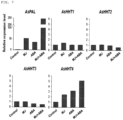
FIG. 3 illustrates a result of analyzing the transcriptional expression of avenanthramide biosynthetic genes PAL and HHT through the treatment with elicitors in oats. -
FIG. 4 illustrates a result of comparing material production efficiencies of avenanthramides according to a concentration by treating oats with MJ. -
FIG. 5 illustrates a result of comparing material production efficiencies of avenanthramides according to a concentration by treating oats with ABA. -
FIG. 6 illustrates a result of confirming the production of avenanthramides by HPLC analysis by treating two types of elicitors MJ and ABA together. -
FIG. 7 illustrates a result of analyzing the transcriptional expression of avenanthramide biosynthetic genes PAL and HHT when treating two elicitors MJ and ABA together. - Specifically, this will be described as follows. Meanwhile, each description and embodiment disclosed in the present invention can also be applied to each of other descriptions and embodiments. That is, all combinations of various components disclosed in the present invention belong to the scope of the present invention. In addition, the specific description described below may not limit the scope of the present invention.
- Further, those skilled in the art may recognize or determine a plurality of equivalents to specific embodiments of the present invention described in the present invention by using only a general experiment. In addition, such equivalents are intended to be included in the present invention.
- An aspect of the present invention provides a method for producing oats having high-content avenanthramides including treating oats with any one or more elicitors of methyl jasmonate and abscisic acid.
- As used herein, the term "avenanthramide" is an alkaloid-based compound known to be mainly produced in oats. The avenanthramide may be any one or more selected form the group consisting of avenanthramide A, avenanthramide B, avenanthramide C, avenanthramide O and avenanthramide P. Specifically, the avenanthramide may mean one or more ingredients selected from the group consisting of avenanthramide A, avenanthramide B, and avenanthramide C, but is not limited thereto.
- The avenanthramide may also be referred to as anthranilic acid amide and may be represented by the following Chemical Formula 1:

Chemical Formula 1, a compound, in which n = 1, R1 is H, R2 is OH, R3 is H, R4 is OH, and R5 is H, may be referred to as "avenanthramide A", - a compound, in which n = 1, R1 is H, R2 is OH, R3 is OCH3, R4 is OH, and R5 is H, may be referred to as "avenanthramide B", and
- a compound, in which n = 1, R1 is H, R2 is OH, R3 is OH, R4 is OH, and R5 is H, may be referred to as "avenanthramide C".
- In addition, it has been known that the avenanthramides may exhibit effects on anti-inflammatory, antioxidant, itch suppression, skin irritation suppression, anti-arteriosclerosis, and the like, and recently, it has been found that the avenanthramides may be used in the treatment of hearing loss, neurodegenerative diseases, and the like. Therefore, the method for producing oats having high-content avenanthramides of the present invention may be usefully used in preparing, developing, and researching therapeutic agents for the diseases.
- As used herein, the term "elicitor" generally refers to a substance having an activating action of a biological defense mechanism. For the purpose of the present invention, the elicitors may increase the content of avenanthramides in oats, and may include methyl jasmonate and/or apsis acid.
- Specifically, the elicitors may be any one or more of methyl jasmonate and abscisic acid.
- The term "methyl jasmonate" as used herein is also abbreviated as MeJA and may also be referred to as "MJ" in the present invention. The methyl jasmonate is a type of volatile organic compound and is known to be synthesized by a defense system in some plants. The methyl jasmonate may have a structure of the following Chemical Formula 2:

- As used herein, the term "abscisic acid" is a kind of plant hormone also abbreviated as ABA, and is known to be produced when plants respond to environmental stress. The abscisic acid may have a structure of the following Chemical Formula 3:

- The methyl jasmonate and the abscisic acid have various roles in the plants, and are known that effects thereof vary depending on a type of plant.
- In an embodiment of the present invention, as a result of confirming the content of avenanthramides by treating oats with various types of elicitors, it was confirmed that the content of avenanthramides in oats increased most when treated with methyl jasmonate or abscisic acid (
FIG. 2 ). In addition, it was confirmed that the content of avenanthramides in oats may greatly increase when treated with both methyl jasmonate and abscisic acid (FIG. 6 ). - The methyl jasmonate and/or abscisic acid may be treated at an appropriate concentration within the range having the effect of increasing the content of avenanthramides in oats.
- In an embodiment, the method for producing oats having high-content avenanthramides of the present invention may include treating the methyl jasmonate at a concentration of 5 uM to 200 uM. Specifically, the methyl jasmonate may be treated at a concentration of 10 uM to 100 uM, 20 uM to 100 uM, 25 uM to 100 uM, or 50 uM to 100 uM, but is not limited thereto.
- In an embodiment, the method for producing oats having high-content avenanthramides of the present invention may include treating the abscisic acid at a concentration of 5 uM to 400 uM. Specifically, the abscisic acid may be treated at a concentration of 10 uM to 300 uM, but is not limited thereto.
- In an embodiment, the method for producing oats having high-content avenanthramides of the present invention may include treating both the methyl jasmonate and the abscisic acid. In this case, the methyl jasmonate and the abscisic acid may be treated in an appropriate ratio within the range of increasing the content of avenanthramides. For example, the methyl jasmonate and the abscisic acid may be treated in a concentration ratio (molar ratio) of 20 to 1:1, and for example, the methyl jasmonate to the abscisic acid may be treated in a concentration ratio of 4 to 1:1, but is not limited thereto.
- In the method for producing oats having high-content avenanthramides of the present invention, the oats may be germinated oats, but is not limited thereto. The germination is a phenomenon in which seeds, spores, pollen, and sprouts growing on branches or roots of plants start to develop or grow.
- The method for producing oats having high-content avenanthramides of the present invention may be treating the elicitors for 12 to 144 hours after inducing the germination of oats. Specifically, the elicitors may be treated for 24 hours to 120 hours, but is not limited thereto.
- In the method for producing oats having high-content avenanthramides of the present invention, the treating the oats with the elicitors may include culturing oats in the presence of elicitors. For example, the oats may be cultured in the presence of elicitors by spraying the elicitors themselves or a solution containing the elicitors in oat seeds or germinated oats, or by treating the elicitors in the culture solution. The "culturing" may be used interchangeably with "cultivating".
- In the method for producing oats having high-content avenanthramides of the present invention, the "oats having high-content avenanthramides" mean oats containing avenanthramides with a high content. This may mean that the content of avenanthramides is higher than that of oats not treated with elicitors. For example, this may mean that the content of avenanthramides is increased compared to oats not treated with methyl jasmonate and/or abscisic acid, but is not limited thereto.
- Another aspect of the present invention provides a method for producing an oat extract having high-content avenanthramides including culturing oats by treating any one or more elicitors of methyl jasmonate and abscisic acid; and obtaining an extract or fraction of the oats.
- The extract includes the extract itself and all formulated extracts formable using the extract, such as an extract obtained by extracting oats, a dilute or concentrate of the extract, a dried product obtained by drying the extract, a modified or purified product of the extract, or a mixture thereof.
- The extraction method of the extract is not particularly limited, and may be extracted according to a method commonly used in the art. Non-limiting examples of the extraction method may include a hydrothermal extraction method, an ultrasonic extraction method, a filtration method, a reflux extraction method, and the like, and these methods may be performed alone or in combination with two or more methods. The type of an extraction solvent is not particularly limited, and any solvent known in the art may be used.
- The fraction refers to a result obtained by performing fraction to separate a specific ingredient or a specific ingredient group from a mixture including various ingredients. The fraction method for obtaining the fraction of the present invention may be performed according to a method commonly used in the art, and examples of the fraction method include a method for obtaining a fraction from the extract by treating the extract of the present invention with a predetermined solvent, a method for immersing and recovering polysaccharides for the extract using a cold soaking method and a centrifugation method, and the like, but are not limited thereto.
- Another aspect of the present invention provides a method for producing avenanthramides including culturing oats by treating any one or more elicitors of methyl jasmonate and abscisic acid; obtaining an extract or fraction of the oats; and obtaining avenanthramides from the extract or fraction.
- The obtaining of the avenanthramides from the extract or fraction may include isolating and/or purifying the avenanthramides from the extract or fraction. For the separation and/or purification, methods commonly used in the art of the present invention may be used, and as non-limiting examples, methods such as chromatography may be used. The purification may also be performed by only one method, or also by two or more methods together.
- Another aspect of the present invention provides a method for increasing the expression of avenanthramide biosynthetic genes in oats including culturing oats by treating any one or more elicitors of methyl jasmonate and abscisic acid.
- The "avenanthramide biosynthesis gene" refers to a gene encoding an enzyme involved in avenanthramide biosynthesis. Specifically, the avenanthramide biosynthesis gene may be a gene encoding an enzyme for synthesizing avenanthramides from a precursor, and examples of the enzyme include hydroxycinnamoyl-CoA: hydroxyanthranilate N-hydroxycinnamoyl transferase (HHT), 4-coumarate:coenzyme A ligase (4CL), caffeoyl-CoA O-methyltransferase (CCoAOMT), phenylalanine ammonia lyase (PAL), and the like. However, the present invention is not limited thereto.
- In an embodiment of the invention, it was confirmed that when the methyl jasmonate and/or abscisic acid was treated, the expression levels of a PAL gene encoding PAL and a HHT4 gene encoding HHT were increased, and it was confirmed that the expression of avenanthramides biosynthesis genes in oats was increased when the oats were cultured by treating the elicitors of the present invention.
- Another aspect of the present invention provides a composition for increasing the production of avenanthramides including any one or more elicitors of methyl jasmonate and abscisic acid.
- As described above, since any one or more elicitors of methyl jasmonate and abscisic acid increase the content of avenanthramides in the oats, the composition including the elicitors may be used as a composition for increasing the production of avenanthramides.
- Another aspect of the present invention provides a composition for enhancing the expression of avenanthramide biosynthetic genes including any one or more elicitors of methyl jasmonate and abscisic acid.
- As described above, since any one or more elicitors of methyl jasmonate and abscisic acid increase the expression of avenanthramide biosynthetic genes in the oats, the composition including the elicitors may be used as a composition for enhancing the expression of avenanthramide biosynthetic genes.
- Another aspect of the present invention provides a use of a composition including any one or more elicitors of methyl jasmonate and abscisic acid for increasing the production of avenanthramides.
- Another aspect of the present invention provides a use of a composition including any one or more elicitors of methyl jasmonate and abscisic acid for producing oats having high-content avenanthramides.
- The elicitors, the avenanthramides, and the production of the oats having high-content avenanthramides are the same as described above.
- Hereinafter, the present invention will be described in more detail with reference to Examples and Experimental Examples. However, these Examples and Experimental Examples are only illustrative the present invention, and the scope of the present invention is not limited to these Examples and Experimental Examples.
- In an embodiment of the present invention, a domestic cultivated breed, Choyang oats, was used. The Choyang oat seeds were immersed for 12 hours, and then sterilized at 50°C for 10 minutes and used. Two sheets of sterile filter paper were laid on a plant culture dish, poured with 7 ml of water, and then the sterilized Choyang oat seeds were placed and cold-treated at 4°C for two days. The Choyang oat seeds were cultured under culture conditions of 25°C and a photoperiod of 16L:8D.
- Analysis of avenanthramides of germinated oats recovered in Example of the present invention was performed as follows. First, the obtained germinated oats were powdered using liquid nitrogen. 0.1 g of the oat powder was extracted with 1 ml of 80% methanol, and then sonicated at 50°C for 20 minutes, extracted, and then centrifuged to obtain an oat extract from an upper layer. The extracted filtrate was dried by injecting air, and the dried product was dissolved in 200 µl of 80% methanol, and filtered using 0.2 µm PTFE (hydrophilic, ADVANTEC, Japan), and the sample was used for high-performance liquid chromatography (HPLC) analysis. A pump system used 4 solvent pumps (quaternary pumps), and a column used ZORBAX SB-18 (5 mm, 4.6 X 150 mm) from Agilent, and a mobile phase was analyzed by using gradient elution using water (A, 5% acetonitrile, 0.1% formic acid) and acetonitrile. (B, 0.1% formic acid).
- In order to confirm a change in production of avenanthramides during the germination process of oats, germination was induced under the culture conditions of Example 1, and the production of avenanthramides by germination period of oats was analyzed at intervals of 24 hours.
- After the cold treatment, the extraction was performed after harvesting from 0 hour, which is the start of the culture, for 5 days at intervals of 24 hours. For the extraction of avenanthramides, the harvested oats were pulverized using liquid nitrogen, and 0.1 g of the pulverized sample was added with 1 ml of 80% methanol, extracted by ultrasonication at 50°C for 20 minutes, and used.
- As a result, it was confirmed that the production of avenanthramides increased from
day 1 after germination today 3 after germination, and at most 470 mg/kg of avenanthramides were produced on theday 3 after germination (FIG. 1 ). - Experiments were conducted to discover elicitors capable of most increasing the production of avenanthramides.
- Based on the results confirmed in Example 1, elicitors were treated on
day 2 after germination induction in which the accumulation of avenanthramides was stably increased. After treatment with the elicitors for 3 days, the avenanthramides were harvested and HPLC was performed. The elicitors used at this time were methyl jasmonate (MJ), abscisic acid (ABA), salicylic acid (SA), ethephon (ET), methyl viologen (MV), and chitosan (CHI). DW was used as a solvent for MV, CHI, and SA, and EtOH was used as a solvent for ET, MJ, and ABA. A case of treating only DW and EtOH (0.1%), which are solvents of each elicitor, was set as a control. The experimental results were shown in Table 1 andFIG. 2 below.[Table 1] mg/kg, FW avnA avnB avnC total Compared to control DW (Control) 93.27 159.61 83.08 335.96 MV 95.37 169.01 84.14 348.52 3.74% CHI 97.87 145.67 92.11 335.65 - 0.09% SA 90.53 149.58 64.34 304.45 - 9.38% EtOH (Control) 71.07 103.2 58.3 232.57 ET 86 145.36 74.96 306.32 31.71% MJ 190.07 260.43 132.39 582.89 150.63% ABA 193.78 207.37 241.72 642.87 176.42% - As a result, it was confirmed that when treated with some elicitors such as CHI and SA, the effect was slightly decreased compared to a control group DW, whereas the production of avenanthramides was significantly increased compared to a control group EtOH when MJ and ABA were treated (
FIG. 2 ). In addition, it was confirmed that the production of avenanthramide C was specifically increased the most when ABA was treated. - It was confirmed how the expression of avenanthramides biosynthesis genes in oats was changed by the various elicitors treated in Example 3.
- Specifically, total RNA was isolated from the recovered oats, and cDNA was synthesized from the isolated total RNA using a First-Strand cDNA Synthesis Kit (Fermantas, Canada). By using the synthesized cDNA, qRT-PCR was performed on avenanthramide biosynthesis-related genes.
- For the qRT-PCR amplification, a Quick Guide from BIOFACT was used, and a process of initial denaturation at 95°C for 15 minutes and denaturation at 95°C for 20 seconds, binding and elongation at 60 seconds for 40 seconds was repeated 40 times, and melting curve analysis was performed at 65°C to 95°C by 1°C for 0.5 second.
- Primers for avenanthramides biosynthesis genes and actin qRT-PCR used for the experiment were as follows.
- AsPAL-F: 5'-cgatcatggagcacattctg-3' (SEQ ID NO: 1)
- AsPAL-R: 5'-tcgatgacggggttatcatt-3' (SEQ ID NO: 2)
- AsHHT1-F: 5'-ggagaagttccggaagatga-3' (SEQ ID NO: 3)
- AsHHT1-R: 5'-agaagggggaattttgcagt-3' (SEQ ID NO: 4)
- AsHHT2-F: 5'-ggagaagttccggaagatga-3' (SEQ ID NO: 5)
- AsHHT2-R: 5'-caaagtggcaggaaagaagg-3' (SEQ ID NO: 6)
- AsHHT3-F: 5'-ggagaagttccggaagatga-3' (SEQ ID NO: 7)
- AsHHT3-R: 5'-gaaagaagggggaattttgc-3' (SEQ ID NO: 8)
- AsHHT4-F: 5'-agcccaccaagctgtactgt-3' (SEQ ID NO: 9)
- AsHHT4-R: 5'-ggaccaatgctgacaaatcc-3' (SEQ ID NO: 10)
- AsActin-F: 5'-gctgtgctttccctctatgc-3' (SEQ ID NO: 11)
- AsActin-R: 5'-cgagcttctccttgatgtcc-3' (SEQ ID NO: 12)
- As a result, similarly to Example 3, it was confirmed that the expression of both AsPAL and AsHHT4 genes was increased when MJ and ABA were treated (
FIG. 3 ) . - From the results of Examples 3 and 4, it could be seen that MJ and ABA most increased the synthesis amount of avenanthramides in oats compared to other elicitors.
- An experiment was performed to find an optimal concentration for stably producing avenanthramides by treating the elicitors MJ and ABA selected in Examples 3 and 4 at various concentrations.
- Like in Example 3, 10 µM, 20 µM, 25 µM, 50 µM, 75 µM, and 100 µM of MJ and 10 µM, 20 µM, 25 µM, 50 µM, 75 µM, 100 µM, and 300 µM of ABA were treated by concentration on
day 2 after germination, recovered onday 5 after germination, then frozen using liquid nitrogen, and stored at -80°C until extraction and used. As a control, EtOH, a solvent of MJ and ABA, was treated at a concentration of 0.1%. The experimental results were shown in Tables 2 and 3 andFIGS. 4 and5 below.[Table 2] mg/kg, FW avnA avnB avnC total Compared to control Control (EtOH 0.1%) 68.48 128.41 46.57 243.46 10 µM MJ 93.22 163.98 77.35 334.55 37.41% 20 µM MJ 98.32 168.66 86.12 353.1 45.03% 25 µM MJ 105.54 200.86 78.2 384.6 57.97% 50 µM MJ 147.03 222.81 116.59 486.43 99.80% 75 µM MJ 179.81 268.73 130.08 578.62 137.67% 100 µM MJ 138.82 218.47 100.73 458.02 88.13% [Table 3] mg/kg, FW avnA avnB avnC total Compared to control Control (EtOH 0.1%) 68.48 128.41 46.57 243.46 10 µM ABA 177.8 299.1 197.11 674.01 176.85% 20 µM ABA 185.34 319.67 189.65 694.66 185.33% 25 µM ABA 202.56 363.51 226.14 792.21 225.40% 50 µM ABA 206.95 385.73 236.19 828.87 240.45% 75 µM ABA 211.62 328.63 232.94 773.19 217.58% 100 µM ABA 186.05 309.78 197.55 693.38 184.80% 300 µM ABA 193.65 328.02 184.32 705.99 189.98% - As a result, it was confirmed that the production of avenanthramides was increased at all concentrations treated with MJ, particularly, the production of avenanthramides was increased as the concentration was increased, and that the largest amount of avenanthramides of up to 578.6 mg/kg was produced at a concentration of 75 µM (
FIG. 4 ). - In addition, it was confirmed that the production of avenanthramides also increased at all concentrations during ABA treatment, and it was confirmed that the largest amount of avenanthramides of up to 828.8 mg/kg were produced at a 50 µM concentration (
FIG. 5 ). - Through this, it was confirmed that MJ or ABA may significantly increase the production of avenanthramides in oats, respectively. In addition, it was confirmed that the production of avenanthramides in oats was significantly increased in MJ at concentrations of 10 uM to 100 uM and in ABA at concentrations of 20 to 300 uM.
- The following experiments were performed to establish optimal conditions for enhancing the production of avenanthramides by simultaneously treating the elicitors MJ and ABA selected in Examples 3 and 4 above.
- Specifically, based on the optimal concentrations of 75 µM MJ and 50 µM ABA confirmed in Example 5, oats on
day 2 after germination were treated with the elicitors for 3 days while varying concentrations. Atday 5 after germination, the oats were recovered, and the contents of avenanthramides were measured and shown in Table 4 andFIG. 6 below. As a control, EtOH, a solvent of MJ and ABA, was treated at a concentration of 0.1%.[Table 4] mg/kg, FW avnA avnB avnC total Compared to control Control (EtOH 0.1%) 70.6 132.65 43.06 246.31 75 µM MJ + 10 µM ABA 348.55 359.44 326.23 1034.22 319.89% 75 µM MJ + 25 µM ABA 515.59 549.95 439.82 1505.36 51 1.16% 75 µM MJ + 50 µM ABA 452.63 486.1 324.94 1263.67 413.04% 75 µM MJ + 75 µM ABA 486.91 598.19 393.38 1478.48 500.25% 10 µM MJ + 50 µM ABA 412.84 55 1.15 382.51 1346.5 446.67% 25 µM MJ + 50 µM ABA 384.06 519.82 323.71 1227.59 398.39% 50 µM MJ + 50 µM ABA 391 425.87 359.49 1176.36 377.59% - As a result, it was confirmed that the production of avenanthramides was increased compared to an untreated group or a single treated group in all the co-treated conditions. In addition, it was confirmed that the largest amount of avenanthramides of up to 1505.3 mg/kg was produced when 75 µM MJ and 25 µM ABA were co-treated among various concentrations (
FIG. 6 ). Through this, it was confirmed that co-treating MJ and ABA very effectively increases the production of avenanthramides. - Based on the results performed in Example 6, transcriptional expression analysis was performed.
qRT-PCR was performed using the same primers as in Example 4, and as a result, it was confirmed that the expression of AsPAL and AsHHT4 increased the most when MJ and ABA were co-treated. - Through this, it was found that the expression of avenanthramide biosynthesis genes increased by co-treatment with MJ and ABA, and the biosynthesis amount of avenanthramides was significantly increased. In addition, it was confirmed that HHT4 was a gene that specifically responded to MJ and ABA among genes encoding HHT.
- It will be appreciated by those skilled in the art that the present invention as described above may be implemented into other specific forms without departing from the technical spirit or essential characteristics thereof. Thus, it is to be appreciated that embodiments described above are intended to be illustrative in every sense and not restrictive. The scope of the present invention is represented by claims to be described below rather than the detailed description, and it is to be interpreted that the meaning and scope of the claims and all changes or modified forms derived from the equivalents thereof come within the scope of the present invention.
Claims (11)
- A method for producing oats having high-content avenanthramides comprising treating oats with any one or more elicitors of methyl jasmonate and abscisic acid.
- The method for producing oats having high-content avenanthramides of claim 1, wherein the elicitors are treated for 12 to 144 hours after inducing germination of the oats.
- The method for producing oats having high-content avenanthramides of claim 1, wherein the method is treating methyl jasmonate and the abscisic acid.
- The method for producing oats having high-content avenanthramides of claim 1, wherein the methyl jasmonate is treated at concentrations of 10 uM to 100 uM.
- The method for producing oats having high-content avenanthramides of claim 1, wherein the abscisic acid is treated at concentrations of 10 uM to 300 uM.
- The method for producing oats having high-content avenanthramides of claim 3, wherein the methyl jasmonate to the abscisic acid is treated at a concentration ratio of 4 to 1:1.
- A method for producing oats having high-content avenanthramides comprising culturing oats in the presence of any one or more elicitors of methyl jasmonate and abscisic acid.
- A method for producing avenanthramides comprising: culturing oats by treating any one or more elicitors of methyl jasmonate and abscisic acid; obtaining an extract or fraction of the oats; and obtaining avenanthramides from the extract or fraction.
- A method for increasing the expression of avenanthramide biosynthetic genes in oats comprising culturing oats by treating any one or more elicitors of methyl jasmonate and abscisic acid.
- A composition for increasing the production of avenanthramides comprising any one or more elicitors of methyl jasmonate and abscisic acid.
- A composition for enhancing the expression of avenanthramide biosynthetic genes comprising any one or more elicitors of methyl jasmonate and abscisic acid.
Applications Claiming Priority (2)
| Application Number | Priority Date | Filing Date | Title |
|---|---|---|---|
| KR1020200042387A KR102417433B1 (en) | 2020-04-07 | 2020-04-07 | A method for producing oats having high-content avenanthramides using elicitors |
| PCT/KR2021/004318 WO2021206436A1 (en) | 2020-04-07 | 2021-04-07 | Method for producing avenanthramide-rich oats using active elicitors |
Publications (2)
| Publication Number | Publication Date |
|---|---|
| EP4133936A1 true EP4133936A1 (en) | 2023-02-15 |
| EP4133936A4 EP4133936A4 (en) | 2024-05-22 |
Family
ID=78024041
Family Applications (1)
| Application Number | Title | Priority Date | Filing Date |
|---|---|---|---|
| EP21784356.4A Pending EP4133936A4 (en) | 2020-04-07 | 2021-04-07 | PROCESS FOR PRODUCING AVENANTHRAMIDE-RICH OATS USING ACTIVE ELICITATORS |
Country Status (6)
| Country | Link |
|---|---|
| US (1) | US12408604B2 (en) |
| EP (1) | EP4133936A4 (en) |
| JP (1) | JP7522220B2 (en) |
| KR (1) | KR102417433B1 (en) |
| CN (1) | CN115768257B (en) |
| WO (1) | WO2021206436A1 (en) |
Family Cites Families (7)
| Publication number | Priority date | Publication date | Assignee | Title |
|---|---|---|---|---|
| JP2002291473A (en) * | 2001-04-02 | 2002-10-08 | New Industry Research Organization | Retrotransposon, DNA fragment having promoter activity, and use thereof |
| WO2010108277A1 (en) | 2009-03-27 | 2010-09-30 | Her Majesty The Queen In Right Of Canada As Represented By The Minister Of Agriculture And Agri-Food | Method for increasing concentration of avenanthramides in oats |
| JP2012010694A (en) * | 2010-06-01 | 2012-01-19 | Ajinomoto Co Inc | Agent for enhancing allelopathy effect and/or phytoalexin production of plant |
| KR101576787B1 (en) | 2013-10-25 | 2015-12-10 | 서울대학교산학협력단 | Method for producing aloe adventitious root with increased anthraquinone compound content and aloe adventitious root produced by the same method |
| KR101935500B1 (en) * | 2016-10-21 | 2019-01-04 | 대한민국(농촌진흥청장) | Composition for Preventing and Treating Neurodegenerative Diseases Comprising germinated oats extract having high-content avenanthramides |
| CN106962191B (en) * | 2017-03-24 | 2019-02-22 | 南京林业大学 | A kind of method utilizing methyl jasmonate to carry out somatic embryogenesis of hybrid Liriodendron |
| KR102083669B1 (en) * | 2018-03-02 | 2020-03-02 | 대한민국 | Method for manufacturing germinated oats extract having high-content avenanthramides |
-
2020
- 2020-04-07 KR KR1020200042387A patent/KR102417433B1/en active Active
-
2021
- 2021-04-07 CN CN202180037360.7A patent/CN115768257B/en active Active
- 2021-04-07 JP JP2022561157A patent/JP7522220B2/en active Active
- 2021-04-07 EP EP21784356.4A patent/EP4133936A4/en active Pending
- 2021-04-07 US US17/995,648 patent/US12408604B2/en active Active
- 2021-04-07 WO PCT/KR2021/004318 patent/WO2021206436A1/en not_active Ceased
Also Published As
| Publication number | Publication date |
|---|---|
| CN115768257A (en) | 2023-03-07 |
| EP4133936A4 (en) | 2024-05-22 |
| US12408604B2 (en) | 2025-09-09 |
| KR102417433B1 (en) | 2022-07-05 |
| CN115768257B (en) | 2024-06-04 |
| WO2021206436A1 (en) | 2021-10-14 |
| KR20210124834A (en) | 2021-10-15 |
| JP7522220B2 (en) | 2024-07-24 |
| JP2023528148A (en) | 2023-07-04 |
| US20230172131A1 (en) | 2023-06-08 |
Similar Documents
| Publication | Publication Date | Title |
|---|---|---|
| CN109414600B (en) | Extract of undifferentiated cell of mimosa and its application in skin beautifying | |
| Yang et al. | Exogenous Ca2+ alleviates waterlogging-caused damages to pepper | |
| Jasso-Robles et al. | Inhibition of polyamine oxidase activity affects tumor development during the maize-Ustilago maydis interaction | |
| Zhang et al. | Depicting the molecular responses of adventitious rooting to waterlogging in melon hypocotyls by transcriptome profiling | |
| JP2009500013A (en) | Method for producing corosolic acid by plant cell suspension culture | |
| KR20200120884A (en) | A Pharmaceutical Composition For Blocking AGEs Production And Promoting AGEs Decomposition Comprising Extracts Of Juglans Mandshurica Maxim., Its Fractions, Or A Physiologically Active Compound Derived Therefrom As Active Ingredient | |
| CN109689877B (en) | Method for producing large amount of grape essence from cell culture of grape vine tissue by using stevioside | |
| Malyukova et al. | Genetic mechanisms of the biosynthesis of catechins, caffeine and L-theanine in the tea plant Camellia sinensis (L.) Kuntze | |
| KR20130051181A (en) | Extract from barley sprout and metabolic disease prevention comprising policosanol compounds separated from the same and treatment pharmaceutical composition | |
| US12408604B2 (en) | Method for producing avenanthramide-rich oats using active elicitors | |
| JPH02242668A (en) | Maximum enhancement of production of metabolic product of plant caused by appropriate cause | |
| KR101076219B1 (en) | Composition for suppressing production of biogenic amines | |
| HK40088516B (en) | Method for producing avenanthramide-rich oats using active elicitors | |
| HK40088516A (en) | Method for producing avenanthramide-rich oats using active elicitors | |
| CN115583896A (en) | Vanilamide compound, preparation method and application | |
| Ziosi et al. | Folicist®, a biostimulant based on acetyl-thioproline, folic acid and plant extracts, improves seed germination and radicle extension | |
| CN100528178C (en) | Application of fatty-acid synthase inhibitor | |
| Mahdi et al. | Chitosan and amino acids-coated nanoparticles positively altered atropine accumulation, the gene expression of tropinone reductase 1 and the yield of Datura innoxia Mill | |
| Luo et al. | Autotoxic effects and underlying mechanisms of exogenous benzoic acid on Nicotiana tobacco. | |
| KR102763083B1 (en) | Composition comprising elicitors from Rhizoctonia cerealis and method for producing Oats with increased avenanthramides content using thereof | |
| CN115385900B (en) | Alkaloid compound and application thereof | |
| KR100901379B1 (en) | Extractive Purification Method for Obtaining High Purity Corosolic Acid from Corosolic Acid-Containing Material | |
| EP2351846B1 (en) | Use of cyclodextrins for the production and extraction of phytosterols in cell cultures | |
| KR20250174794A (en) | Broccoli sprout extract, method for producing the same, and composition containing the same | |
| KR20110111927A (en) | Method for producing anti-cancer drug packtaxax high yield by Himalayan yew cell suspension culture |
Legal Events
| Date | Code | Title | Description |
|---|---|---|---|
| STAA | Information on the status of an ep patent application or granted ep patent |
Free format text: STATUS: THE INTERNATIONAL PUBLICATION HAS BEEN MADE |
|
| PUAI | Public reference made under article 153(3) epc to a published international application that has entered the european phase |
Free format text: ORIGINAL CODE: 0009012 |
|
| STAA | Information on the status of an ep patent application or granted ep patent |
Free format text: STATUS: REQUEST FOR EXAMINATION WAS MADE |
|
| 17P | Request for examination filed |
Effective date: 20221107 |
|
| AK | Designated contracting states |
Kind code of ref document: A1 Designated state(s): AL AT BE BG CH CY CZ DE DK EE ES FI FR GB GR HR HU IE IS IT LI LT LU LV MC MK MT NL NO PL PT RO RS SE SI SK SM TR |
|
| DAV | Request for validation of the european patent (deleted) | ||
| DAX | Request for extension of the european patent (deleted) | ||
| A4 | Supplementary search report drawn up and despatched |
Effective date: 20240422 |
|
| RIC1 | Information provided on ipc code assigned before grant |
Ipc: A01H 5/10 20180101ALI20240416BHEP Ipc: A01H 1/06 20060101AFI20240416BHEP |