EP4133169B1 - A turbocharged engine system and a method of controlling boost pressure - Google Patents
A turbocharged engine system and a method of controlling boost pressure Download PDFInfo
- Publication number
- EP4133169B1 EP4133169B1 EP21713071.5A EP21713071A EP4133169B1 EP 4133169 B1 EP4133169 B1 EP 4133169B1 EP 21713071 A EP21713071 A EP 21713071A EP 4133169 B1 EP4133169 B1 EP 4133169B1
- Authority
- EP
- European Patent Office
- Prior art keywords
- compressed fluid
- exhaust
- electric compressor
- internal combustion
- combustion engine
- Prior art date
- Legal status (The legal status is an assumption and is not a legal conclusion. Google has not performed a legal analysis and makes no representation as to the accuracy of the status listed.)
- Active
Links
Images

Classifications
-
- F—MECHANICAL ENGINEERING; LIGHTING; HEATING; WEAPONS; BLASTING
- F02—COMBUSTION ENGINES; HOT-GAS OR COMBUSTION-PRODUCT ENGINE PLANTS
- F02D—CONTROLLING COMBUSTION ENGINES
- F02D41/00—Electrical control of supply of combustible mixture or its constituents
- F02D41/0002—Controlling intake air
- F02D41/0007—Controlling intake air for control of turbo-charged or super-charged engines
-
- F—MECHANICAL ENGINEERING; LIGHTING; HEATING; WEAPONS; BLASTING
- F02—COMBUSTION ENGINES; HOT-GAS OR COMBUSTION-PRODUCT ENGINE PLANTS
- F02B—INTERNAL-COMBUSTION PISTON ENGINES; COMBUSTION ENGINES IN GENERAL
- F02B37/00—Engines characterised by provision of pumps driven at least for part of the time by exhaust
- F02B37/013—Engines characterised by provision of pumps driven at least for part of the time by exhaust with exhaust-driven pumps arranged in series
-
- F—MECHANICAL ENGINEERING; LIGHTING; HEATING; WEAPONS; BLASTING
- F02—COMBUSTION ENGINES; HOT-GAS OR COMBUSTION-PRODUCT ENGINE PLANTS
- F02B—INTERNAL-COMBUSTION PISTON ENGINES; COMBUSTION ENGINES IN GENERAL
- F02B37/00—Engines characterised by provision of pumps driven at least for part of the time by exhaust
- F02B37/02—Gas passages between engine outlet and pump drive, e.g. reservoirs
-
- F—MECHANICAL ENGINEERING; LIGHTING; HEATING; WEAPONS; BLASTING
- F02—COMBUSTION ENGINES; HOT-GAS OR COMBUSTION-PRODUCT ENGINE PLANTS
- F02B—INTERNAL-COMBUSTION PISTON ENGINES; COMBUSTION ENGINES IN GENERAL
- F02B37/00—Engines characterised by provision of pumps driven at least for part of the time by exhaust
- F02B37/04—Engines with exhaust drive and other drive of pumps, e.g. with exhaust-driven pump and mechanically-driven second pump
- F02B37/10—Engines with exhaust drive and other drive of pumps, e.g. with exhaust-driven pump and mechanically-driven second pump at least one pump being alternatively or simultaneously driven by exhaust and other drive, e.g. by pressurised fluid from a reservoir or an engine-driven pump
-
- F—MECHANICAL ENGINEERING; LIGHTING; HEATING; WEAPONS; BLASTING
- F02—COMBUSTION ENGINES; HOT-GAS OR COMBUSTION-PRODUCT ENGINE PLANTS
- F02B—INTERNAL-COMBUSTION PISTON ENGINES; COMBUSTION ENGINES IN GENERAL
- F02B37/00—Engines characterised by provision of pumps driven at least for part of the time by exhaust
- F02B37/12—Control of the pumps
- F02B37/16—Control of the pumps by bypassing charging air
-
- F—MECHANICAL ENGINEERING; LIGHTING; HEATING; WEAPONS; BLASTING
- F02—COMBUSTION ENGINES; HOT-GAS OR COMBUSTION-PRODUCT ENGINE PLANTS
- F02B—INTERNAL-COMBUSTION PISTON ENGINES; COMBUSTION ENGINES IN GENERAL
- F02B37/00—Engines characterised by provision of pumps driven at least for part of the time by exhaust
- F02B37/12—Control of the pumps
- F02B37/20—Control of the pumps by increasing exhaust energy, e.g. using combustion chamber by after-burning
-
- F—MECHANICAL ENGINEERING; LIGHTING; HEATING; WEAPONS; BLASTING
- F02—COMBUSTION ENGINES; HOT-GAS OR COMBUSTION-PRODUCT ENGINE PLANTS
- F02B—INTERNAL-COMBUSTION PISTON ENGINES; COMBUSTION ENGINES IN GENERAL
- F02B39/00—Component parts, details, or accessories relating to, driven charging or scavenging pumps, not provided for in groups F02B33/00 - F02B37/00
- F02B39/02—Drives of pumps; Varying pump drive gear ratio
-
- F—MECHANICAL ENGINEERING; LIGHTING; HEATING; WEAPONS; BLASTING
- F02—COMBUSTION ENGINES; HOT-GAS OR COMBUSTION-PRODUCT ENGINE PLANTS
- F02B—INTERNAL-COMBUSTION PISTON ENGINES; COMBUSTION ENGINES IN GENERAL
- F02B39/00—Component parts, details, or accessories relating to, driven charging or scavenging pumps, not provided for in groups F02B33/00 - F02B37/00
- F02B39/02—Drives of pumps; Varying pump drive gear ratio
- F02B39/08—Non-mechanical drives, e.g. fluid drives having variable gear ratio
-
- F—MECHANICAL ENGINEERING; LIGHTING; HEATING; WEAPONS; BLASTING
- F02—COMBUSTION ENGINES; HOT-GAS OR COMBUSTION-PRODUCT ENGINE PLANTS
- F02B—INTERNAL-COMBUSTION PISTON ENGINES; COMBUSTION ENGINES IN GENERAL
- F02B39/00—Component parts, details, or accessories relating to, driven charging or scavenging pumps, not provided for in groups F02B33/00 - F02B37/00
- F02B39/02—Drives of pumps; Varying pump drive gear ratio
- F02B39/08—Non-mechanical drives, e.g. fluid drives having variable gear ratio
- F02B39/10—Non-mechanical drives, e.g. fluid drives having variable gear ratio electric
-
- F—MECHANICAL ENGINEERING; LIGHTING; HEATING; WEAPONS; BLASTING
- F02—COMBUSTION ENGINES; HOT-GAS OR COMBUSTION-PRODUCT ENGINE PLANTS
- F02D—CONTROLLING COMBUSTION ENGINES
- F02D23/00—Controlling engines characterised by their being supercharged
-
- Y—GENERAL TAGGING OF NEW TECHNOLOGICAL DEVELOPMENTS; GENERAL TAGGING OF CROSS-SECTIONAL TECHNOLOGIES SPANNING OVER SEVERAL SECTIONS OF THE IPC; TECHNICAL SUBJECTS COVERED BY FORMER USPC CROSS-REFERENCE ART COLLECTIONS [XRACs] AND DIGESTS
- Y02—TECHNOLOGIES OR APPLICATIONS FOR MITIGATION OR ADAPTATION AGAINST CLIMATE CHANGE
- Y02T—CLIMATE CHANGE MITIGATION TECHNOLOGIES RELATED TO TRANSPORTATION
- Y02T10/00—Road transport of goods or passengers
- Y02T10/10—Internal combustion engine [ICE] based vehicles
- Y02T10/12—Improving ICE efficiencies
Definitions
- the present invention relates to a turbocharged engine system comprising an electric compressor and, in particular, to a system where the electric compressor is arranged to inject a compressed fluid into the exhaust subsystem of the turbocharger. Further, the present invention relates to a method of increasing the boost pressure supplied to a turbocharged engine by injecting a stream of compressed fluid into an exhaust stream and accelerating a turbocharger.
- turbocharger increases the efficiency of an engine system by extracting work from hot exhaust gases emitted by the internal combustion engine and using this work to force air into the internal combustion engine; increasing the mass of air available for combustion. This increase in the pressure or mass of the air entering the internal combustion engine is commonly known as boost pressure or boost.
- boost pressure or boost This increase in the pressure or mass of the air entering the internal combustion engine is commonly known as boost pressure or boost.
- the use of a turbocharger can improve the power output and/or improve fuel efficiency of the internal combustion engine and reduce emissions of certain species such as particulate matter and nitrous oxides NO x .
- turbocharged internal combustion engines suffer from several drawbacks. For example, present systems are often unable to increase engine load rapidly in response to transient load events, due to a lag between the event and the turbocharger's ability to increase the boost pressure. This lag is commonly known as turbo lag.
- superchargers - which are also known as electric superchargers, E-compressors, electric compressors - inject air mass into a turbocharged internal combustion engine prior to combustion.
- E-compressors electric compressors - inject air mass into a turbocharged internal combustion engine prior to combustion.
- turbo lag the ability of superchargers to reduce turbo lag is limited by the turbocharger compressor surge line and, therefore, the rate at which the boost pressure and engine load can be increased is limited and turbo lag is still observed.
- E-turbochargers - also known as electrically assisted turbochargers or e-turbos - aim to solve turbo lag by electrically assisting the acceleration of the turbocharger and thereby improving responsiveness.
- electrically assisted turbochargers are often difficult to design, integrate and control such that their associated costs often significantly outweigh their benefits.
- variable geometry turbochargers In this type of turbocharger, the aspect ratio of turbocharger can be changed to suit the engine load and thereby reduce turbo lag.
- variable geometry turbochargers are costly and complex to design and are often unreliable due to the inherent incompatibility of high temperatures and the intricate moving parts required to adjust the aspect ratio. For these reasons, variable geometry turbochargers are typically not designed or used with larger, more powerful internal combustion engines or efficient high-temperature internal combustion engines.
- DE 10,2010,043027 relates to an internal combustion engine.
- WO 2019/185107 relates to a method for on-board diagnostics of a turbocharger system for a vehicle.
- US 2014/026538 relates to turbo chargers for forced induction in internal combustion engines.
- DE 10,2011,079036 relates to a watercraft and to a method for the operation of a watercraft power supply using an internal combustion engine.
- GB 2,121,474 relates to the turbocharging of internal combustion engines.
- WO 2010/039197 relates to a hydrogen powerplant and, more particularly, to a powerplant having a hydrogen combustion engine, a turbocharger and an afterburner.
- Objects and aspects of the present invention aim to alleviate the problems associated with the turbocharged internal combustion engines and the present technologies used to reduce turbo lag.
- a turbocharged engine system comprising: an internal combustion engine, the internal combustion engine in fluid communication with an intake subsystem and an exhaust subsystem; a turbocharger arranged to supply a boost pressure to the internal combustion engine via a turbine coupled to a compressor wheel, the turbine being located in the exhaust subsystem and the compressor wheel being located in the intake subsystem; and an electric compressor arranged to inject a compressed fluid into the exhaust subsystem upstream of the turbine such that, in use, the compressed fluid injected by the electric compressor into the exhaust subsystem maintains the speed of or accelerates the turbine and thereby maintains or increases the boost pressure supplied to the internal combustion engine by the turbocharger, wherein the turbocharged engine system comprises one or more control valves arranged to control the injection timing, pressures and quantity of the compressed fluid into the exhaust by the electric compressor; characterised in that the one or more control valves comprises a bypass valve arranged to bypass the electric compressor, wherein the bypass valve is configured to lower the pressure of the compressed fluid injected by the electric compressor
- the injection of the compressed fluid, typically compressed air, into the exhaust subsystem by the electric compressor can be used to maintain the speed of or accelerate the turbine as the mass flow through and the expansion ratio across the turbine has been maintained or increased. This in turn maintains the speed of or accelerates the compressor wheel of the turbocharger which maintains or increases the boost pressure supplied to the engine due to the power imbalance between the compressor wheel and the turbine of the turbocharger. Since the electric compressor can be controlled independently to and can respond more quickly than the turbocharger, the electric compressor can effectively assist in controlling the boost pressure supplied and make the turbocharger more responsive. In this way, the turbo lag and transient load acceptance response times can be reduced.
- the turbocharged engine system in accordance with the present invention is particularly beneficial for systems used in the high and medium power generation markets as it improves cold / pre-heated engine start times opening the potential for natural gas engines in the grid balancing, secondary frequency, emergency standby and datacentre markets. These markets are currently dominated by the less efficient and more polluting diesel engines.
- Another benefit of the turbocharged engine system is that the base design of the engine, efficiency or peak load of the engine do not need to be sacrificed in order to incorporate the electric compressor.
- the provision of such an electric compressor is beneficial as once the desired boost pressure has been achieved the amount of compressed fluid supplied by the electric compressor can be reduced to avoid increasing the boost pressure over a desired or optimal value.
- the electric compressor can prevent the boost pressure from negatively affecting the internal combustion engine or its performance by, for example, overloading.
- an electric compressor is also advantageous over other solutions to reducing turbo lag as it can be retrofitted to existing turbocharged engine systems relatively easily as only the exhaust subsystem needs to be altered to allow the injection of compressed fluid from the electric compressor.
- the turbocharged engine system comprises one or more control valves arranged to control the injection of the compressed fluid into the exhaust by the electric compressor. Control over the injection of the compressed fluid by the one or more control valves may comprise controlling the timing, pressures and quantity of the injection.
- the provision of one or more control valves is advantageous as it affords an additional way to control the amount, or mass flow, or timing, of compressed fluid injected into the exhaust subsystem.
- the one or more control valves comprises a bypass valve and may comprise one or more of an isolation valve, a blow-off valve, a check valve and a bypass valve alone or in any combination.
- the one or more control valves may comprise an isolator valve arranged to prevent or inhibit the stream of compressed fluid into the exhaust subsystem.
- actuation of the isolator valve controls the flow of the compressed fluid into the exhaust subsystem by partially or fully occluding the conduit along which the stream of compressed fluid is flowing.
- the isolator valve is located between the electric compressor and exhaust subsystem. Additionally, the isolator valve can be actuated to prevent the back flow, which when exhaust fluid in the exhaust subsystem flows towards the electric compressor,
- the one or more control valves may comprise a blow-off valve arranged to control the venting of the compressed fluid produced by the electric compressor into the external environment.
- Compressed fluid can be vented to limit the pressure of the pressure-boosted stream and therefore the boost pressure supplied to the internal combustion engine. This is particularly advantageous when the operating point of the electric compressor approaches the surge line.
- the blow-off valve can prevent compressor surge events on the electric compressor.
- compressed fluid can be vented to allow the electric compressor to accelerate to a desired speed at a lower pressure putting less load on the electric motor and speeding up the acceleration of the electric motor.
- the one or more control valves may comprise a check valve arranged to prevent fluid in the exhaust subsystem flowing towards the electric compressor.
- the check valve also known as a clack valve, non-return valve, reflux valve, retention valve or one-way valve - prevents the flow of exhaust fluid from exhaust subsystem towards the electric compressor. Additionally, the provision of a check valve controls the injection of compressed fluid as fluid will only be injected into the exhaust subsystem when the pressure of the compressed fluid is greater than the pressure of the fluid within the exhaust subsystem.
- a method of controlling the boost pressure supplied to an internal combustion engine by a turbocharger comprising the steps according to claim 5.
- turbo lag of the turbocharged internal combustion engine can be reduced as the turbocharger can be independently controlled by injection of the compressed fluid into the exhaust stream. This advantageously improves the response of the turbocharged engine to transient load events.
- the method controls the boost pressure supplied to the internal combustion engine by maintaining or increasing the boost pressure supplied to the internal combustion engine, such that the step of controlling the speed of the turbine comprises the step of maintaining the speed of or accelerating the turbine of the turbocharger using the pressure-boosted exhaust stream, thereby maintaining or increasing the boost pressure supplied to the internal combustion engine.
- the method comprises the additional step of reducing the amount, or mass flow, of compressed fluid injected into the exhaust stream when the load of the internal combustion engine, or engine load, or boost pressure achieves or exceeds a threshold or predetermined value.
- the step of reducing the amount of compressed fluid injected into the exhaust stream comprises a step of restricting the flow of compressed fluid into the exhaust stream.
- the method comprises an additional step of increasing the amount, or mass flow, of the compressed fluid injected into the exhaust stream when the load of the internal combustion engine or boost pressure is below or falls below a threshold or predetermined value .
- the step of increasing the amount, or mass flow, of the compressed fluid injected into the exhaust stream comprises a step of increasing the flow of compressed fluid into the exhaust stream.
- the step of increasing the amount, or mass flow, of the compressed fluid injected into the exhaust stream comprises a step of increasing the proportion of the compressed fluid stream that is injected into the exhaust stream.
- the step of reducing the amount, or mass flow, of compressed fluid injected into the exhaust stream or the step of increasing the amount of the compressed fluid injected into the exhaust stream comprises a step of venting at least some of the compressed fluid into the external environment or bypassing the electric compressor.
- the stream of compressed fluid is compressed air.
- compressed air is the readily availability of air such that a dedicated fluid supply or tank is not required.
- the turbocharged engine system 100 of Figure 1 When the turbocharged engine system 100 of Figure 1 is operational, a mixture of air and fuel is supplied to an internal combustion engine 10 via an intake subsystem 12.
- the internal combustion engine 100 is a spark-ignition engine.
- Other embodiments are envisaged for different types of internal combustion engine known in the art, such as compression-ignition engines.
- the intake subsystem 12 comprises an air inlet conduit 14 with an aperture through which air is drawn into the intake subsystem 12. This air is mixed with fuel from the gas supply 16 in the air inlet conduit 14. The flow of fuel from the gas supply 16 to the air inlet conduit 14 is controlled by a fuel control valve 18. The air and fuel mixture in the air inlet conduit 14 has a pressure P1 and a temperature T1 that can be measured by sensors (not shown) incorporated into the air inlet conduit 14.
- the air inlet conduit 14 supplies the air and fuel mixture to a compressor wheel 20 of a turbocharger 22, where the mixture is compressed.
- the increased mass and pressure of the air and fuel mixture by the action of the compressor wheel 20 of the turbocharger 22 is known as the boost pressure or the boost.
- This compression of the air and fuel mixture by the compressor wheel 20 of the turbocharger 22 results in additional air being drawn into the air inlet conduit 14 as is well known in the art.
- the intake subsystem 12 further comprises a radiator inlet conduit 24 that supplies the compressed air and fuel mixture exiting the compressor wheel 20 to a radiator 26.
- the compressed air and fuel mixture in the radiator inlet conduit 24 has a pressure P2 and temperature T2 that can be measured by sensors (not shown) incorporated into the radiator inlet conduit 24.
- the pressure P2 of the air and fuel mixture inside the radiator inlet conduit 24 is greater than the pressure P1 of the air and fuel mixture inside the air inlet conduit 14 due to the boost pressure imparted on the mixture by the compressor wheel 20 of the turbocharger 20.
- the radiator 26 cools the compressed air and fuel mixture to provide a cooled and compressed air and fuel mixture to an engine inlet conduit 28.
- the cooled and compressed air and fuel mixture in the engine inlet conduit 28 has a pressure P2' and temperature T2' that can be measured by sensors (not shown) incorporated into the engine inlet conduit 28.
- the radiator 26 and the engine inlet conduit 28 are part of the intake subsystem 12.
- the engine inlet conduit 28 channels the cooled compressed air and fuel mixture from the radiator 26 to the internal combustion engine 10. During operation, the flow of the cooled compressed air and fuel mixture along the inlet engine conduit 26 into the internal combustion engine 10 is controlled by a throttle 30 in a manner as in known in the art.
- the internal combustion engine 10 combusts the cooled and compressed air fuel mixture producing mechanical power.
- the greater mass of air entering the engine 10 because of the action of the compressor wheel 20 of the turbocharger 22 can be used to increase the power output and/or fuel efficiency of the engine as well as reducing the emissions of certain species such as nitrous oxides NO x .
- the combustion of the air and fuel mixture by the internal combustion engine 10 also produces waste or exhaust fluids that are expelled from the internal combustion engine 10 into the external environment via an exhaust subsystem 32.
- the exhaust subsystem 32 comprises an engine exhaust conduit 34 along which the exhaust fluids from the internal combustion engine 10 flow to a turbine 36 of the turbocharger 22.
- the pressure P3 and temperature T3 of the exhaust fluid egressing the engine 10 can be measured by sensors (not shown) incorporated into the engine exhaust conduit 34.
- the turbine 36 is rotationally connected or coupled to the compressor wheel 20 by a turbocharger shaft 37. Together the turbine 36, the turbocharger shaft 37 and the compressor wheel 20 make up the turbocharger 20.
- the flow of the hot pressurised exhaust fluids from the engine exhaust conduit 34 rotates the turbine 36 that in turn drives the rotation of the turbocharger shaft 37 and the compressor wheel 20.
- This power imbalance between the turbine 36 and the compressor wheel 20 causes it to compress the air and fluid mixture in intake subsystem 12, increasing the air mass entering the engine 10, as is known in the art for turbocharged engines.
- the exhaust conduit 38 After rotating the turbine 36, the exhaust fluid is egressed through an exhaust conduit 38.
- the exhaust conduit 38 forms part of the exhaust subsystem 32.
- the pressure P4 and temperature T4 of the exhaust fluid within the exhaust conduit 38 can be measured by sensors (not shown) incorporated into the exhaust conduit 38.
- the exhaust conduit 38 egress, or exhausts, the exhaust fluid into the environment via aftertreatment, heat recovery, noise attenuation or whatever equipment is installed downstream of the engine.
- the exhaust subsystem 32 is fluidly connected with an electric compressor 40.
- the electric compressor 40 comprises an electric motor 42 that rotationally drives a compressor shaft 44 that is coupled to a compressor 46.
- the electric motor 42 is electrically connected to an external power source (not shown) such as the electrical grid or battery.
- the rotation of the compressor 46 by the electric motor 42 draws in air through a compressor inlet conduit 48 and compresses it, boosting the pressure of the air. This pressure-boosted air is expelled from the compressor 46 into the compressor outlet conduit 50.
- the pressure P5 and temperature T5 of the pressure-boosted air from the electric compressor 40 can be measured by sensors (not shown) incorporated into the compressor outlet conduit 50.
- the compressor outlet conduit 50 is fluidly connected to the engine exhaust conduit 34.
- the pressure-boosted air from the electrical compressor 40 is injected into the exhaust conduit 34 and mixed with the exhaust fluid in the engine exhaust conduit 34 to form a mixture of exhaust fluid and air in the engine exhaust conduit 34.
- the pressure P3' and temperature T3' of the exhaust fluid and air mixture can be measured by sensors (not shown) incorporated into the engine exhaust conduit 34 downstream of the fluid connection with the compressor outlet conduit 50.
- the boost pressure supplied to the engine 10 is increased as the compressor wheel 20 will rotate more quickly.
- the amount of boost pressure, i.e. the mass of air, supplied to engine 10 can be controlled by the speed of the electric motor 42 of the electric compressor 40.
- Increasing the speed of the electric motor 42 increases the pressure of air mixed with the exhaust fluid, thereby increasing the rotation of the turbocharger 22 and increasing the boost pressure suppled to the engine 10. This can be used to accelerate the turbocharger 22 and raise the boost pressure to a desired or optimal value when the internal combustion engine 10 is starting up or experiencing a transient load event.
- FIG. 2 and Figure 3 of the drawings depict schematic drawings of a second embodiment of a turbocharged engine system 200 and a third embodiment of a turbocharged engine system 300 in accordance with present invention.
- the internal combustion engine 10 the intake subsystem 12; the air inlet conduit 14; the gas supply 16; the fuel control valve 18; the compressor wheel 20; the turbocharger 22; the radiator inlet conduit 24; the radiator 26; the engine inlet conduit 28; the throttle 30; the exhaust subsystem 32; the engine exhaust conduit 34; the turbine 36; the turbocharger shaft 37; the exhaust conduit 38; the electric compressor 40; the electric motor 42; the compressor shaft 44; the compressor 46; the compressor inlet conduit 48; and compressor outlet conduit 50.
- the second embodiment of the turbocharged engine system 200 in Figure 2 and the third embodiment of the turbocharged engine system 300 in Figure 3 differ from the first embodiment in that they comprise valves in series or parallel with the electrical compressor 40 to assist in controlling the flow of pressure-boosted air from the electrical compressor 40 into the engine exhaust conduit 34.
- the compressor outlet conduit 50 comprises a blow off valve 52 downstream of the electric compressor 40 and a check valve 54 downstream of the blow off valve 52 prior to the connection with the engine exhaust conduit 34.
- the blow off valve 52 is configured to vent the pressure-boosted air produced by the electric compressor 40 into the environment prior to its entry into the exhaust subsystem 32.
- the check valve 54 is configured to prevent the pressurized exhaust fluid in the engine exhaust conduit 34 from flowing through the compressor outlet conduit 50 towards and into the electric compressor 40.
- the check valve 54 can also be configured to open when the pressure P5 in the compressor outlet conduit 50; the pressure P3 in the engine exhaust conduit 34; or the pressure difference between the pressure P5 in the compressor outlet conduit 50 and the pressure P3' of the mixture of pressure-boosted air (P5-P3') exceeds or falls below a threshold or predetermined value.
- the blow off valve 52 can be used to control or limit the pressure difference between the pressure P5 and pressure P3' (P5 - P3') supplied to the turbocharger 22 as the blow off valve 52 can be opened to vent any excess or shortfall in pressure P5 generated by the electric compressor 40.
- Another example of when the blow off valve 52 may vent pressure-boosted air is when the pressure P3' of the air and exhaust fluid mixture prior to turbine 36 of the turbocharger 22 has reached an optimal or desired value the blow off valve 52 can open to prevent the pressure P3' exceeding the desired or optimal value.
- the blow off valve 52 can open to prevent the pressure P5 exceeding the desired or optimal value.
- the blow off valve 52 can be opened to allow the electric compressor 40 to ramp up to a desired speed.
- the load on the electric motor 42 is decreased as the pressure P5 within the compressor outlet conduit 50 is reduced due to the venting of the pressure-boosted air.
- the blow off valve 52 can then be shut and the pressure-boosted air supplied to the turbocharger 22 via the engine exhaust conduit 34 when the check value 54 is open or opened. This will provide even more aggressive turbocharger speed increases at the early part of the transient and thus further improve the engine 10 load acceptance capability.
- the compressor outlet conduit 50 comprises an isolator valve 56 downstream of the electric compressor 40 prior to the connection with the engine exhaust conduit 34.
- the turbocharged engine system 300 further comprises a bypass conduit 58 that is connected between the compressor inlet conduit 48 and compressor outlet conduit 50 in parallel with the electric compressor 40.
- the bypass conduit 58 comprises a compressor bypass valve 60.
- the isolator valve 56 is configured to control the flow of pressure-boosted air from the electric compressor 40 into the exhaust subsystem 32.
- the isolator valve 56 can do this by occluding the compressor outlet conduit 50 partially or completely, thereby limiting the injection of pressure-boosted air form the compressor 40.
- the pressure P3' of the air and fuel mixture prior to entry into the turbine 36 of turbocharger can be controlled. For example, this can be used to ramp up the electric motor 42 to a desired speed prior to opening.
- the occlusion of the compressor outlet conduit 50 by the isolator valve 56 can prevent flow of the exhaust fluid from the exhaust subsystem 32 into or towards the electric compressor 40.
- the bypass valve 60 is configured to vent the pressure-boosted air produced by the electric compressor 40 back to the inlet of the electric compressor 42 prior to its entry into the exhaust subsystem 32.
- the bypass valve 60 can open to prevent pressure building up within the compressor outlet conduit 50 when the isolator valve 56 partially or completely occludes the compressor outlet conduit 50, such as when the isolator valve 56 is shut and the electric motor 42 is ramping up to a desired speed.
- the bypass valve 60 can be actuated to relieve pressure or increase the flow through the electric compressor 40 as it approaches its surge line.
- the electric compressor 40 will approach its surge line when the isolator valve 56 (or the check valve 54in the second embodiment) is closed and the electric compressor 40 is still spinning, or when the pressure at P3' is equal to or close to being equal to P5 such that the flow of air through the electric compressor 40 will naturally decrease.
- An immediate injection of pressure-boosted air can be supplied by closing the isolator valve 56 and opening the bypass valve 60 while the electric compressor 40 is running. During this time, the electric compressor 40 can be ramped or spun up to a desired, or maximum, speed raising the pressure P5 of the pressure-boosted air to a desired, or maximum, value.
- the isolator valve 56 can then be opened and the bypass valve 60 closed. This causes an instantaneous injection of pressure-boosted air from the electric compressor 40 into the exhaust subsystem 32. The instantaneous injection rapidly accelerates the turbocharger 22 and rapidly increases the boost pressure, enabling rapid load acceptance by the internal combustion engine 10.
- a turbocharged engine system comprises alone or combination any of the blow-off valve of the second embodiment, the check valve of the second embodiment, the isolator valve of the third embodiment and the bypass valve of the third embodiment.
- Figure 4 of the drawings depicts a method of increasing the boost pressure supplied to the internal combustion engine 10 by a turbocharger 22 using the turbocharged engine systems 100, 200, 300 of Figure 1 , Figure 2 and Figure 3 .
- the method begins with the electric compressor 40 producing a stream of compressed fluid in step S1.
- the stream of compressed fluid typically air, is produced by the action of the compressor 46 being rotated by the electric motor 42.
- the pressure P5, mass and flow of the compressed fluid is therefore controlled by the speed of the electric motor 42.
- This stream of compressed fluid is then injected or added into the exhaust stream from the internal combustion engine in step S2.
- the stream of compressed fluid form the electric compressor 40 and exhaust stream mix within the engine exhaust conduit 34 to produce a pressure-boosted exhaust stream.
- This pressure-boosted exhaust stream can then accelerate the turbine 36 of the turbocharger 22 in step S3, which causes the turbocharger 22 to supply a great boost pressure to the internal combustion engine 10.
- step S4 the amount, or mass flow, of the pressure-boosted air being injected into the exhaust subsystem is increased, maintained or decreased.
- the change or maintenance of the production of the pressure-boosted air is typically made in reference to the boost pressure and the engine load by controlling the speed of the electric compressor 40 or by actuating the isolator valve 56, bypass valve 60, check valve 54 and/or blow-off valve 52 as is described above for the first, second and third embodiments.
Landscapes
- Engineering & Computer Science (AREA)
- Chemical & Material Sciences (AREA)
- Combustion & Propulsion (AREA)
- Mechanical Engineering (AREA)
- General Engineering & Computer Science (AREA)
- Supercharger (AREA)
Description
- The present invention relates to a turbocharged engine system comprising an electric compressor and, in particular, to a system where the electric compressor is arranged to inject a compressed fluid into the exhaust subsystem of the turbocharger. Further, the present invention relates to a method of increasing the boost pressure supplied to a turbocharged engine by injecting a stream of compressed fluid into an exhaust stream and accelerating a turbocharger.
- Internal combustion engines are often accompanied by a turbocharger within an engine system. The turbocharger increases the efficiency of an engine system by extracting work from hot exhaust gases emitted by the internal combustion engine and using this work to force air into the internal combustion engine; increasing the mass of air available for combustion. This increase in the pressure or mass of the air entering the internal combustion engine is commonly known as boost pressure or boost. The use of a turbocharger can improve the power output and/or improve fuel efficiency of the internal combustion engine and reduce emissions of certain species such as particulate matter and nitrous oxides NOx.
- Nevertheless, turbocharged internal combustion engines suffer from several drawbacks. For example, present systems are often unable to increase engine load rapidly in response to transient load events, due to a lag between the event and the turbocharger's ability to increase the boost pressure. This lag is commonly known as turbo lag.
- A number of technologies or solutions exist to reduce turbo lag. However, each of these technologies possesses significant drawbacks itself.
- For example, superchargers - which are also known as electric superchargers, E-compressors, electric compressors - inject air mass into a turbocharged internal combustion engine prior to combustion. However, the ability of superchargers to reduce turbo lag is limited by the turbocharger compressor surge line and, therefore, the rate at which the boost pressure and engine load can be increased is limited and turbo lag is still observed.
- E-turbochargers - also known as electrically assisted turbochargers or e-turbos - aim to solve turbo lag by electrically assisting the acceleration of the turbocharger and thereby improving responsiveness. However, electrically assisted turbochargers are often difficult to design, integrate and control such that their associated costs often significantly outweigh their benefits. Furthermore, it is typically not possible to convert an existing turbocharger into an e-turbocharger, limiting this the application of this technology.
- Another potential solution is the use of variable geometry turbochargers. In this type of turbocharger, the aspect ratio of turbocharger can be changed to suit the engine load and thereby reduce turbo lag. However, variable geometry turbochargers are costly and complex to design and are often unreliable due to the inherent incompatibility of high temperatures and the intricate moving parts required to adjust the aspect ratio. For these reasons, variable geometry turbochargers are typically not designed or used with larger, more powerful internal combustion engines or efficient high-temperature internal combustion engines.
-
DE 10,2010,043027 relates to an internal combustion engine. -
WO 2019/185107 relates to a method for on-board diagnostics of a turbocharger system for a vehicle. -
US 2014/026538 relates to turbo chargers for forced induction in internal combustion engines. -
DE 10,2011,079036 relates to a watercraft and to a method for the operation of a watercraft power supply using an internal combustion engine. -
GB 2,121,474 -
WO 2010/039197 relates to a hydrogen powerplant and, more particularly, to a powerplant having a hydrogen combustion engine, a turbocharger and an afterburner. - Objects and aspects of the present invention aim to alleviate the problems associated with the turbocharged internal combustion engines and the present technologies used to reduce turbo lag.
- According to a first aspect of the present invention, there is provided a turbocharged engine system comprising: an internal combustion engine, the internal combustion engine in fluid communication with an intake subsystem and an exhaust subsystem; a turbocharger arranged to supply a boost pressure to the internal combustion engine via a turbine coupled to a compressor wheel, the turbine being located in the exhaust subsystem and the compressor wheel being located in the intake subsystem; and an electric compressor arranged to inject a compressed fluid into the exhaust subsystem upstream of the turbine such that, in use, the compressed fluid injected by the electric compressor into the exhaust subsystem maintains the speed of or accelerates the turbine and thereby maintains or increases the boost pressure supplied to the internal combustion engine by the turbocharger, wherein the turbocharged engine system comprises one or more control valves arranged to control the injection timing, pressures and quantity of the compressed fluid into the exhaust by the electric compressor; characterised in that the one or more control valves comprises a bypass valve arranged to bypass the electric compressor, wherein the bypass valve is configured to lower the pressure of the compressed fluid injected by the electric compressor and increase the mass flow through the electric compressor to prevent compressor surge events on the electric compressor.
- The injection of the compressed fluid, typically compressed air, into the exhaust subsystem by the electric compressor can be used to maintain the speed of or accelerate the turbine as the mass flow through and the expansion ratio across the turbine has been maintained or increased. This in turn maintains the speed of or accelerates the compressor wheel of the turbocharger which maintains or increases the boost pressure supplied to the engine due to the power imbalance between the compressor wheel and the turbine of the turbocharger. Since the electric compressor can be controlled independently to and can respond more quickly than the turbocharger, the electric compressor can effectively assist in controlling the boost pressure supplied and make the turbocharger more responsive. In this way, the turbo lag and transient load acceptance response times can be reduced.
- The turbocharged engine system in accordance with the present invention is particularly beneficial for systems used in the high and medium power generation markets as it improves cold / pre-heated engine start times opening the potential for natural gas engines in the grid balancing, secondary frequency, emergency standby and datacentre markets. These markets are currently dominated by the less efficient and more polluting diesel engines. Another benefit of the turbocharged engine system is that the base design of the engine, efficiency or peak load of the engine do not need to be sacrificed in order to incorporate the electric compressor.
- Furthermore, the provision of such an electric compressor is beneficial as once the desired boost pressure has been achieved the amount of compressed fluid supplied by the electric compressor can be reduced to avoid increasing the boost pressure over a desired or optimal value. In this way, the electric compressor can prevent the boost pressure from negatively affecting the internal combustion engine or its performance by, for example, overloading.
- The provision of an electric compressor is also advantageous over other solutions to reducing turbo lag as it can be retrofitted to existing turbocharged engine systems relatively easily as only the exhaust subsystem needs to be altered to allow the injection of compressed fluid from the electric compressor.
- The turbocharged engine system comprises one or more control valves arranged to control the injection of the compressed fluid into the exhaust by the electric compressor. Control over the injection of the compressed fluid by the one or more control valves may comprise controlling the timing, pressures and quantity of the injection. The provision of one or more control valves is advantageous as it affords an additional way to control the amount, or mass flow, or timing, of compressed fluid injected into the exhaust subsystem.
- The one or more control valves comprises a bypass valve and may comprise one or more of an isolation valve, a blow-off valve, a check valve and a bypass valve alone or in any combination.
- The one or more control valves may comprise an isolator valve arranged to prevent or inhibit the stream of compressed fluid into the exhaust subsystem. Usually, actuation of the isolator valve controls the flow of the compressed fluid into the exhaust subsystem by partially or fully occluding the conduit along which the stream of compressed fluid is flowing. Typically, the isolator valve is located between the electric compressor and exhaust subsystem. Additionally, the isolator valve can be actuated to prevent the back flow, which when exhaust fluid in the exhaust subsystem flows towards the electric compressor,
- The one or more control valves may comprise a blow-off valve arranged to control the venting of the compressed fluid produced by the electric compressor into the external environment. Compressed fluid can be vented to limit the pressure of the pressure-boosted stream and therefore the boost pressure supplied to the internal combustion engine. This is particularly advantageous when the operating point of the electric compressor approaches the surge line. Thus, the blow-off valve can prevent compressor surge events on the electric compressor. Additionally, compressed fluid can be vented to allow the electric compressor to accelerate to a desired speed at a lower pressure putting less load on the electric motor and speeding up the acceleration of the electric motor.
- The one or more control valves may comprise a check valve arranged to prevent fluid in the exhaust subsystem flowing towards the electric compressor. The check valve - also known as a clack valve, non-return valve, reflux valve, retention valve or one-way valve - prevents the flow of exhaust fluid from exhaust subsystem towards the electric compressor. Additionally, the provision of a check valve controls the injection of compressed fluid as fluid will only be injected into the exhaust subsystem when the pressure of the compressed fluid is greater than the pressure of the fluid within the exhaust subsystem.
- According to a second aspect of the present invention there is provided a method of controlling the boost pressure supplied to an internal combustion engine by a turbocharger, said method comprising the steps according to claim 5.
- The production of a stream of compressed fluid and the injection of the stream of compressed fluid afford control over the speed of the turbine. In this way, method provides control over the amount, or mass flow, or timing, of the stream of compressed fluid injected into the exhaust stream. Thus, turbo lag of the turbocharged internal combustion engine can be reduced as the turbocharger can be independently controlled by injection of the compressed fluid into the exhaust stream. This advantageously improves the response of the turbocharged engine to transient load events.
- Preferably, the method controls the boost pressure supplied to the internal combustion engine by maintaining or increasing the boost pressure supplied to the internal combustion engine, such that the step of controlling the speed of the turbine comprises the step of maintaining the speed of or accelerating the turbine of the turbocharger using the pressure-boosted exhaust stream, thereby maintaining or increasing the boost pressure supplied to the internal combustion engine.
- Increasing the boost pressure by accelerating the turbine using the injected stream of compressed fluid can be advantageously used to reduce turbo lag. Maintaining the boost pressure by maintaining the speed of the turbine using the injected stream of compressed fluid can be advantageously used to respond to fault conditions. For example, if the internal combustion engines experiences a fault condition such as coming off load, the boost pressure can be maintained such that the internal combustion engine can spin up more quickly, which saves time during its acceleration and reduces the impact of the fault condition.
- Preferably, the method comprises the additional step of reducing the amount, or mass flow, of compressed fluid injected into the exhaust stream when the load of the internal combustion engine, or engine load, or boost pressure achieves or exceeds a threshold or predetermined value.
- Preferably, the step of reducing the amount of compressed fluid injected into the exhaust stream comprises a step of restricting the flow of compressed fluid into the exhaust stream.
- Preferably, the method comprises an additional step of increasing the amount, or mass flow, of the compressed fluid injected into the exhaust stream when the load of the internal combustion engine or boost pressure is below or falls below a threshold or predetermined value .
- Preferably, the step of increasing the amount, or mass flow, of the compressed fluid injected into the exhaust stream comprises a step of increasing the flow of compressed fluid into the exhaust stream.
- Preferably, the step of increasing the amount, or mass flow, of the compressed fluid injected into the exhaust stream comprises a step of increasing the proportion of the compressed fluid stream that is injected into the exhaust stream.
- Preferably, the step of reducing the amount, or mass flow, of compressed fluid injected into the exhaust stream or the step of increasing the amount of the compressed fluid injected into the exhaust stream comprises a step of venting at least some of the compressed fluid into the external environment or bypassing the electric compressor.
- Preferably, the stream of compressed fluid is compressed air. One advantage of using compressed air is the readily availability of air such that a dedicated fluid supply or tank is not required.
- Embodiments of the present invention will now be described by way of example only and with reference to the accompanying drawings, in which:
-
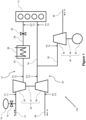
Figure 1 is a schematic drawing of a first embodiment of a turbocharged engine system in accordance with present invention, the system of this embodiment comprises an electric compressor that is arranged to inject a compressed fluid into the exhaust subsystem of the engine upstream of the turbine of the turbocharger; -
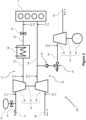
Figure 2 is a schematic drawing of a second embodiment of a turbocharged engine in accordance with the present invention; the system of this embodiment comprises a check valve and a blow off valve to assist in the control of the electric compressor of the first embodiment; -
Figure 3 is a schematic drawing of a third embodiment of a turbocharged engine in accordance with the present invention, the system of this embodiment comprises an isolator valve and a compressor bypass valve to assist in the control of the electric compressor of the first embodiment; and -
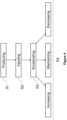
Figure 4 is a flowchart depicting a method of increasing the boost pressure supplied to an internal combustion engine by a turbocharger in accordance with the present invention. -
Figure 1 of the drawings depicts a schematic drawing of the first embodiment of aturbocharged engine system 100 in accordance with present invention. - When the
turbocharged engine system 100 ofFigure 1 is operational, a mixture of air and fuel is supplied to aninternal combustion engine 10 via anintake subsystem 12. In this embodiment, and the subsequent embodiments, theinternal combustion engine 100 is a spark-ignition engine. Other embodiments are envisaged for different types of internal combustion engine known in the art, such as compression-ignition engines. - The
intake subsystem 12 comprises anair inlet conduit 14 with an aperture through which air is drawn into theintake subsystem 12. This air is mixed with fuel from thegas supply 16 in theair inlet conduit 14. The flow of fuel from thegas supply 16 to theair inlet conduit 14 is controlled by afuel control valve 18. The air and fuel mixture in theair inlet conduit 14 has a pressure P1 and a temperature T1 that can be measured by sensors (not shown) incorporated into theair inlet conduit 14. - During operation, the
air inlet conduit 14 supplies the air and fuel mixture to acompressor wheel 20 of aturbocharger 22, where the mixture is compressed. The increased mass and pressure of the air and fuel mixture by the action of thecompressor wheel 20 of theturbocharger 22 is known as the boost pressure or the boost. This compression of the air and fuel mixture by thecompressor wheel 20 of theturbocharger 22 results in additional air being drawn into theair inlet conduit 14 as is well known in the art. - The
intake subsystem 12 further comprises aradiator inlet conduit 24 that supplies the compressed air and fuel mixture exiting thecompressor wheel 20 to aradiator 26. The compressed air and fuel mixture in theradiator inlet conduit 24 has a pressure P2 and temperature T2 that can be measured by sensors (not shown) incorporated into theradiator inlet conduit 24. The pressure P2 of the air and fuel mixture inside theradiator inlet conduit 24 is greater than the pressure P1 of the air and fuel mixture inside theair inlet conduit 14 due to the boost pressure imparted on the mixture by thecompressor wheel 20 of theturbocharger 20. - The
radiator 26 cools the compressed air and fuel mixture to provide a cooled and compressed air and fuel mixture to anengine inlet conduit 28. The cooled and compressed air and fuel mixture in theengine inlet conduit 28 has a pressure P2' and temperature T2' that can be measured by sensors (not shown) incorporated into theengine inlet conduit 28. Theradiator 26 and theengine inlet conduit 28 are part of theintake subsystem 12. - The
engine inlet conduit 28 channels the cooled compressed air and fuel mixture from theradiator 26 to theinternal combustion engine 10. During operation, the flow of the cooled compressed air and fuel mixture along theinlet engine conduit 26 into theinternal combustion engine 10 is controlled by athrottle 30 in a manner as in known in the art. - During operation of the
turbocharged engine system 100, theinternal combustion engine 10 combusts the cooled and compressed air fuel mixture producing mechanical power. The greater mass of air entering theengine 10 because of the action of thecompressor wheel 20 of theturbocharger 22 can be used to increase the power output and/or fuel efficiency of the engine as well as reducing the emissions of certain species such as nitrous oxides NOx. - The combustion of the air and fuel mixture by the
internal combustion engine 10 also produces waste or exhaust fluids that are expelled from theinternal combustion engine 10 into the external environment via anexhaust subsystem 32. - The
exhaust subsystem 32 comprises anengine exhaust conduit 34 along which the exhaust fluids from theinternal combustion engine 10 flow to aturbine 36 of theturbocharger 22. The pressure P3 and temperature T3 of the exhaust fluid egressing theengine 10 can be measured by sensors (not shown) incorporated into theengine exhaust conduit 34. - The
turbine 36 is rotationally connected or coupled to thecompressor wheel 20 by aturbocharger shaft 37. Together theturbine 36, theturbocharger shaft 37 and thecompressor wheel 20 make up theturbocharger 20. - The flow of the hot pressurised exhaust fluids from the
engine exhaust conduit 34 rotates theturbine 36 that in turn drives the rotation of theturbocharger shaft 37 and thecompressor wheel 20. This power imbalance between theturbine 36 and thecompressor wheel 20 causes it to compress the air and fluid mixture inintake subsystem 12, increasing the air mass entering theengine 10, as is known in the art for turbocharged engines. - After rotating the
turbine 36, the exhaust fluid is egressed through anexhaust conduit 38. Theexhaust conduit 38 forms part of theexhaust subsystem 32. The pressure P4 and temperature T4 of the exhaust fluid within theexhaust conduit 38 can be measured by sensors (not shown) incorporated into theexhaust conduit 38. Theexhaust conduit 38 egress, or exhausts, the exhaust fluid into the environment via aftertreatment, heat recovery, noise attenuation or whatever equipment is installed downstream of the engine. - In accordance with the present invention, the
exhaust subsystem 32 is fluidly connected with anelectric compressor 40. Theelectric compressor 40 comprises anelectric motor 42 that rotationally drives acompressor shaft 44 that is coupled to acompressor 46. Theelectric motor 42 is electrically connected to an external power source (not shown) such as the electrical grid or battery. - The rotation of the
compressor 46 by theelectric motor 42 draws in air through acompressor inlet conduit 48 and compresses it, boosting the pressure of the air. This pressure-boosted air is expelled from thecompressor 46 into thecompressor outlet conduit 50. The pressure P5 and temperature T5 of the pressure-boosted air from theelectric compressor 40 can be measured by sensors (not shown) incorporated into thecompressor outlet conduit 50. - The
compressor outlet conduit 50 is fluidly connected to theengine exhaust conduit 34. The pressure-boosted air from theelectrical compressor 40 is injected into theexhaust conduit 34 and mixed with the exhaust fluid in theengine exhaust conduit 34 to form a mixture of exhaust fluid and air in theengine exhaust conduit 34. The pressure P3' and temperature T3' of the exhaust fluid and air mixture can be measured by sensors (not shown) incorporated into theengine exhaust conduit 34 downstream of the fluid connection with thecompressor outlet conduit 50. When theelectric compressor 40 is running, the air and exhaust fluid mix within the exhaust conduit can have a pressure P3' that is greater than would be measured if theelectric compressor 40 were not installed or operational - By increasing the pressure P3' of the fluid entering the
turbine 36 of theturbocharger 22, the boost pressure supplied to theengine 10 is increased as thecompressor wheel 20 will rotate more quickly. In this way, the amount of boost pressure, i.e. the mass of air, supplied toengine 10 can be controlled by the speed of theelectric motor 42 of theelectric compressor 40. Increasing the speed of theelectric motor 42 increases the pressure of air mixed with the exhaust fluid, thereby increasing the rotation of theturbocharger 22 and increasing the boost pressure suppled to theengine 10. This can be used to accelerate theturbocharger 22 and raise the boost pressure to a desired or optimal value when theinternal combustion engine 10 is starting up or experiencing a transient load event. -
Figure 2 andFigure 3 of the drawings depict schematic drawings of a second embodiment of aturbocharged engine system 200 and a third embodiment of aturbocharged engine system 300 in accordance with present invention. - The following features of the second embodiment and third embodiment are substantially identical in structure and function to the equivalent features of the first embodiment in
Figure 1 and the reference numerals for these features are maintained across the embodiments and their respective figures: theinternal combustion engine 10; theintake subsystem 12; theair inlet conduit 14; thegas supply 16; thefuel control valve 18; thecompressor wheel 20; theturbocharger 22; theradiator inlet conduit 24; theradiator 26; theengine inlet conduit 28; thethrottle 30; theexhaust subsystem 32; theengine exhaust conduit 34; theturbine 36; theturbocharger shaft 37; theexhaust conduit 38; theelectric compressor 40; theelectric motor 42; thecompressor shaft 44; thecompressor 46; thecompressor inlet conduit 48; andcompressor outlet conduit 50. - The second embodiment of the
turbocharged engine system 200 inFigure 2 and the third embodiment of theturbocharged engine system 300 inFigure 3 differ from the first embodiment in that they comprise valves in series or parallel with theelectrical compressor 40 to assist in controlling the flow of pressure-boosted air from theelectrical compressor 40 into theengine exhaust conduit 34. - Referring to the second embodiment of the
turbocharged engine system 200 inFigure 2 , thecompressor outlet conduit 50 comprises a blow offvalve 52 downstream of theelectric compressor 40 and acheck valve 54 downstream of the blow offvalve 52 prior to the connection with theengine exhaust conduit 34. - The blow off
valve 52 is configured to vent the pressure-boosted air produced by theelectric compressor 40 into the environment prior to its entry into theexhaust subsystem 32. - The
check valve 54 is configured to prevent the pressurized exhaust fluid in theengine exhaust conduit 34 from flowing through thecompressor outlet conduit 50 towards and into theelectric compressor 40. Thecheck valve 54 can also be configured to open when the pressure P5 in thecompressor outlet conduit 50; the pressure P3 in theengine exhaust conduit 34; or the pressure difference between the pressure P5 in thecompressor outlet conduit 50 and the pressure P3' of the mixture of pressure-boosted air (P5-P3') exceeds or falls below a threshold or predetermined value. - In this way, the blow off
valve 52 can be used to control or limit the pressure difference between the pressure P5 and pressure P3' (P5 - P3') supplied to theturbocharger 22 as the blow offvalve 52 can be opened to vent any excess or shortfall in pressure P5 generated by theelectric compressor 40. Another example of when the blow offvalve 52 may vent pressure-boosted air is when the pressure P3' of the air and exhaust fluid mixture prior toturbine 36 of theturbocharger 22 has reached an optimal or desired value the blow offvalve 52 can open to prevent the pressure P3' exceeding the desired or optimal value. A further example is when the pressure P5 being produced by theelectric compressor 40 has reached a desired or optimal value, the blow offvalve 52 can open to prevent the pressure P5 exceeding the desired or optimal value. - Alternatively, the blow off
valve 52 can be opened to allow theelectric compressor 40 to ramp up to a desired speed. By opening the blow offvalve 52 while accelerating theelectric motor 42, the load on theelectric motor 42 is decreased as the pressure P5 within thecompressor outlet conduit 50 is reduced due to the venting of the pressure-boosted air. This means that theelectric motor 42 can accelerate to the desired or optimal speed more quickly and once the desiredcompressor 46 speed has been achieved, the blow offvalve 52 can then be shut and the pressure-boosted air supplied to theturbocharger 22 via theengine exhaust conduit 34 when thecheck value 54 is open or opened. This will provide even more aggressive turbocharger speed increases at the early part of the transient and thus further improve theengine 10 load acceptance capability. - Referring to the third embodiment of the
turbocharged engine system 300 inFigure 3 , thecompressor outlet conduit 50 comprises anisolator valve 56 downstream of theelectric compressor 40 prior to the connection with theengine exhaust conduit 34. Theturbocharged engine system 300 further comprises abypass conduit 58 that is connected between thecompressor inlet conduit 48 andcompressor outlet conduit 50 in parallel with theelectric compressor 40. Thebypass conduit 58 comprises acompressor bypass valve 60. - The
isolator valve 56 is configured to control the flow of pressure-boosted air from theelectric compressor 40 into theexhaust subsystem 32. Theisolator valve 56 can do this by occluding thecompressor outlet conduit 50 partially or completely, thereby limiting the injection of pressure-boosted air form thecompressor 40. In this way, the pressure P3' of the air and fuel mixture prior to entry into theturbine 36 of turbocharger can be controlled. For example, this can be used to ramp up theelectric motor 42 to a desired speed prior to opening. Further, the occlusion of thecompressor outlet conduit 50 by theisolator valve 56 can prevent flow of the exhaust fluid from theexhaust subsystem 32 into or towards theelectric compressor 40. - The
bypass valve 60 is configured to vent the pressure-boosted air produced by theelectric compressor 40 back to the inlet of theelectric compressor 42 prior to its entry into theexhaust subsystem 32. For example, thebypass valve 60 can open to prevent pressure building up within thecompressor outlet conduit 50 when theisolator valve 56 partially or completely occludes thecompressor outlet conduit 50, such as when theisolator valve 56 is shut and theelectric motor 42 is ramping up to a desired speed. Alternatively, thebypass valve 60 can be actuated to relieve pressure or increase the flow through theelectric compressor 40 as it approaches its surge line. Theelectric compressor 40 will approach its surge line when the isolator valve 56 (or the check valve 54in the second embodiment) is closed and theelectric compressor 40 is still spinning, or when the pressure at P3' is equal to or close to being equal to P5 such that the flow of air through theelectric compressor 40 will naturally decrease. - An immediate injection of pressure-boosted air can be supplied by closing the
isolator valve 56 and opening thebypass valve 60 while theelectric compressor 40 is running. During this time, theelectric compressor 40 can be ramped or spun up to a desired, or maximum, speed raising the pressure P5 of the pressure-boosted air to a desired, or maximum, value. When a load increase occurs on or is requested by theinternal combustion engine 10, theisolator valve 56 can then be opened and thebypass valve 60 closed. This causes an instantaneous injection of pressure-boosted air from theelectric compressor 40 into theexhaust subsystem 32. The instantaneous injection rapidly accelerates theturbocharger 22 and rapidly increases the boost pressure, enabling rapid load acceptance by theinternal combustion engine 10. - Other embodiments are envisaged where a turbocharged engine system comprises alone or combination any of the blow-off valve of the second embodiment, the check valve of the second embodiment, the isolator valve of the third embodiment and the bypass valve of the third embodiment.
-
Figure 4 of the drawings depicts a method of increasing the boost pressure supplied to theinternal combustion engine 10 by aturbocharger 22 using theturbocharged engine systems Figure 1 ,Figure 2 andFigure 3 . - The method begins with the
electric compressor 40 producing a stream of compressed fluid in step S1. The stream of compressed fluid, typically air, is produced by the action of thecompressor 46 being rotated by theelectric motor 42. The pressure P5, mass and flow of the compressed fluid is therefore controlled by the speed of theelectric motor 42. - This stream of compressed fluid is then injected or added into the exhaust stream from the internal combustion engine in step S2. The stream of compressed fluid form the
electric compressor 40 and exhaust stream mix within theengine exhaust conduit 34 to produce a pressure-boosted exhaust stream. - This pressure-boosted exhaust stream can then accelerate the
turbine 36 of theturbocharger 22 in step S3, which causes theturbocharger 22 to supply a great boost pressure to theinternal combustion engine 10. - Subsequently in step S4, the amount, or mass flow, of the pressure-boosted air being injected into the exhaust subsystem is increased, maintained or decreased. The change or maintenance of the production of the pressure-boosted air is typically made in reference to the boost pressure and the engine load by controlling the speed of the
electric compressor 40 or by actuating theisolator valve 56,bypass valve 60,check valve 54 and/or blow-offvalve 52 as is described above for the first, second and third embodiments.
Claims (13)
- A turbocharged engine system (100) comprising:an internal combustion engine (10), the internal combustion engine (10) in fluid communication with an intake subsystem (12) and an exhaust subsystem (32);a turbocharger (22) arranged to supply a boost pressure to the internal combustion engine (10) via a turbine (36) coupled to a compressor wheel (20), the turbine (36) being located in the exhaust subsystem (32) and the compressor wheel (20) being located in the intake subsystem (12); andan electric compressor (40) arranged to inject a compressed fluid into the exhaust subsystem (32) upstream of the turbine (36) such that, in use, the compressed fluid injected by the electric compressor (40) into the exhaust subsystem (32) maintains the speed of or accelerates the turbine (36) and thereby maintains or increases the boost pressure supplied to the internal combustion engine (10) by the turbocharger (22),wherein the turbocharged engine system comprises one or more control valves arranged to control the injection timing, pressures and quantity of the compressed fluid into the exhaust by the electric compressor (40);characterised in that the one or more control valves comprises a bypass valve (60) arranged to bypass the electric compressor (40), wherein the bypass valve (60) is configured to lower the pressure of the compressed fluid injected by the electric compressor (40) and increase the mass flow through the electric compressor (40) to prevent compressor surge events on the electric compressor (40).
- The turbocharged engine system (100) of claim 1, wherein the one or more control valves comprises an isolator valve (56) arranged to prevent or inhibit the stream of compressed fluid into the exhaust subsystem (32).
- The turbocharged engine system (100) of claim 1 or claim 2, wherein the one or more control valves comprises a blow-off valve (52) arranged to control the venting of the compressed fluid produced by the electric compressor (40) into the external environment.
- The turbocharged engine system (100) of any one of claims 1 to 3, wherein the one or more control valves comprises a check valve (54) arranged to prevent fluid in the exhaust subsystem (32) flowing towards the electric compressor (40).
- A method of controlling the boost pressure supplied to an internal combustion engine (10) by a turbocharger (22), said method comprising the steps of:producing a stream of compressed fluid;injecting the stream of compressed fluid into an exhaust stream of the internal combustion engine (10) to produce a pressure-boosted exhaust stream;controlling the speed of a turbine (36) of the turbocharger (22) using the pressure-boosted exhaust stream such that the boost pressure supplied to the internal combustion engine (10) is controlled; andusing one or more control valves to control the injection timing, pressures and quantity of the compressed fluid into the exhaust by an electric compressor (40);characterised in that the one or more control valves comprises a bypass valve (60) arranged to bypass the electric compressor (40), wherein the bypass valve (60) is configured to lower the pressure of the compressed fluid injected by the electric compressor (40) and increase the mass flow through the electric compressor (40) to prevent compressor surge events on the electric compressor
- The method of claim 5, wherein the method controls the boost pressure supplied to the internal combustion engine (10) by maintaining or increasing the boost pressure supplied to the internal combustion engine (10), such that the step of controlling the speed of the turbine (36) comprises the step of maintaining the speed of or accelerating the turbine (36) of the turbocharger (22) using the pressure-boosted exhaust stream, thereby maintaining or increasing the boost pressure supplied to the internal combustion engine (10).
- The method of claim 5 or claim 6, wherein the method comprises the additional step of reducing the amount of compressed fluid injected into the exhaust stream when the load of the internal combustion engine (10) or boost pressure approaches, achieves or exceeds a threshold or predetermined value.
- The method of claim 7, wherein the step of reducing the amount of compressed fluid injected into the exhaust stream comprises a step of restricting the flow of compressed fluid into the exhaust stream.
- The method of any one of claims 5 to 8, wherein the method comprises an additional step of increasing the amount of the compressed fluid injected into the exhaust stream when the load of the internal combustion engine (10) or the boost pressure approaches, is below or falls below a threshold or predetermined value.
- The method of claim 9, wherein the step of increasing the amount of the compressed fluid injected into the exhaust stream comprises a step of increasing the flow of compressed fluid into the exhaust stream.
- The method of claim 9 or claim 10, wherein the step of increasing the amount of the compressed fluid injected into the exhaust stream comprises a step of increasing the proportion of the compressed fluid stream that is injected into the exhaust stream.
- The method of any one of claims 7 to 11, wherein the step of reducing the amount of compressed fluid injected into the exhaust stream or the step of increasing the amount of the compressed fluid injected into the exhaust stream comprises a step of venting at least some of the compressed fluid into the external environment or bypassing the electric compressor (40).
- The method of any one of claims 5 to 11, wherein the compressed fluid is air.
Applications Claiming Priority (2)
| Application Number | Priority Date | Filing Date | Title |
|---|---|---|---|
| GB2005315.3A GB2594058B (en) | 2020-04-09 | 2020-04-09 | Turbocharged engine systems and a method of increasing boost pressure |
| PCT/GB2021/050591 WO2021205139A1 (en) | 2020-04-09 | 2021-03-10 | A turbocharged engine system and a method of controlling boost pressure |
Publications (4)
| Publication Number | Publication Date |
|---|---|
| EP4133169A1 EP4133169A1 (en) | 2023-02-15 |
| EP4133169C0 EP4133169C0 (en) | 2025-05-07 |
| EP4133169B1 true EP4133169B1 (en) | 2025-05-07 |
| EP4133169B8 EP4133169B8 (en) | 2025-06-18 |
Family
ID=70848120
Family Applications (1)
| Application Number | Title | Priority Date | Filing Date |
|---|---|---|---|
| EP21713071.5A Active EP4133169B8 (en) | 2020-04-09 | 2021-03-10 | A turbocharged engine system and a method of controlling boost pressure |
Country Status (5)
| Country | Link |
|---|---|
| US (1) | US12055090B2 (en) |
| EP (1) | EP4133169B8 (en) |
| AU (1) | AU2021253745B2 (en) |
| GB (1) | GB2594058B (en) |
| WO (1) | WO2021205139A1 (en) |
Citations (1)
| Publication number | Priority date | Publication date | Assignee | Title |
|---|---|---|---|---|
| DE102010043027B4 (en) * | 2010-10-27 | 2019-08-14 | Mtu Friedrichshafen Gmbh | Internal combustion engine |
Family Cites Families (12)
| Publication number | Priority date | Publication date | Assignee | Title |
|---|---|---|---|---|
| FR2478736A1 (en) * | 1980-03-21 | 1981-09-25 | Semt | METHOD AND SYSTEM FOR POWER GENERATION BY SUPERIOR INTERNAL COMBUSTION ENGINE |
| JPS58146036U (en) * | 1982-03-26 | 1983-10-01 | 株式会社小松製作所 | Two-stage engine supercharging device |
| US5400597A (en) * | 1993-06-18 | 1995-03-28 | Mirabile; Nicholas F. | Turbocharger system with electric blower |
| CN102224074A (en) | 2008-09-23 | 2011-10-19 | 威罗门飞行公司 | Powerplant and related control system and method |
| DE102011079036B4 (en) * | 2011-07-12 | 2018-12-20 | Mtu Friedrichshafen Gmbh | Internal combustion engine system, watercraft and method for operating a marine supply network with an internal combustion engine |
| US20140026538A1 (en) * | 2012-07-25 | 2014-01-30 | JATechnologies, LLC | Turbo charger pre-spooler |
| EP2960458A1 (en) * | 2014-06-27 | 2015-12-30 | Volvo Car Corporation | Turbocharged engine with compressed air tank for supplying additional air to the exhaust gas turbine when the requested engine load is high enough |
| US10316740B2 (en) * | 2017-02-15 | 2019-06-11 | Borgwarner Inc. | Systems including an electrically assisted turbocharger and methods of using the same |
| DE102017205044A1 (en) * | 2017-03-24 | 2018-09-27 | Ford Global Technologies, Llc | A method of operating a supercharged internal combustion engine comprising an exhaust gas turbocharger and an electrically driven compressor |
| EP3775523B1 (en) * | 2018-03-29 | 2024-12-11 | Volvo Truck Corporation | On-board diagnosis of a turbocharger system |
| DE102019203849A1 (en) * | 2019-03-21 | 2020-09-24 | Ford Global Technologies, Llc | Method for regenerating a particulate filter of an exhaust gas aftertreatment device |
| KR20220023113A (en) * | 2020-08-20 | 2022-03-02 | 엘지전자 주식회사 | Gas engine heat pump |
-
2020
- 2020-04-09 GB GB2005315.3A patent/GB2594058B/en active Active
-
2021
- 2021-03-10 US US17/995,047 patent/US12055090B2/en active Active
- 2021-03-10 EP EP21713071.5A patent/EP4133169B8/en active Active
- 2021-03-10 AU AU2021253745A patent/AU2021253745B2/en active Active
- 2021-03-10 WO PCT/GB2021/050591 patent/WO2021205139A1/en not_active Ceased
Patent Citations (1)
| Publication number | Priority date | Publication date | Assignee | Title |
|---|---|---|---|---|
| DE102010043027B4 (en) * | 2010-10-27 | 2019-08-14 | Mtu Friedrichshafen Gmbh | Internal combustion engine |
Also Published As
| Publication number | Publication date |
|---|---|
| US20230146605A1 (en) | 2023-05-11 |
| EP4133169B8 (en) | 2025-06-18 |
| EP4133169C0 (en) | 2025-05-07 |
| WO2021205139A1 (en) | 2021-10-14 |
| AU2021253745A1 (en) | 2022-10-27 |
| GB2594058A (en) | 2021-10-20 |
| AU2021253745B2 (en) | 2026-02-26 |
| GB202005315D0 (en) | 2020-05-27 |
| EP4133169A1 (en) | 2023-02-15 |
| GB2594058B (en) | 2023-10-25 |
| US12055090B2 (en) | 2024-08-06 |
Similar Documents
| Publication | Publication Date | Title |
|---|---|---|
| US6625986B2 (en) | IC engine-turbocharger unit for a motor vehicle, in particular an industrial vehicle, with turbine power control | |
| US6354084B1 (en) | Exhaust gas recirculation system for a turbocharged internal combustion engine | |
| US7587898B2 (en) | Internal combustion engine | |
| US9109546B2 (en) | System and method for operating a high pressure compressor bypass valve in a two stage turbocharger system | |
| US20150330282A1 (en) | Turbogenerator system and method | |
| US20190010881A1 (en) | Vehicle turbocharger systems and methods with improved aftertreatment activation | |
| EP4133169B1 (en) | A turbocharged engine system and a method of controlling boost pressure | |
| WO2014102236A1 (en) | Method and apparatus for controlling a twin scroll turbocharger with variable geometry depending on the exhaust gas recirculation | |
| KR20080000529A (en) | Method for increasing boost pressure generation in a turbocharged internal combustion engine | |
| KR101759045B1 (en) | Turbocharging system and method of operating same | |
| JPH01142214A (en) | Turbo supercharged engine | |
| CN202132232U (en) | Engine system and mechanical supercharger compressor for the same | |
| US20160348572A1 (en) | Assembly including a heat engine and an electrical compressor configured such as to scavenge residual burnt gases | |
| EP4206446B1 (en) | Air intake system for a vehicle's internal combustion engine | |
| JPS6022180B2 (en) | cylinder number control engine | |
| WO2015067845A1 (en) | A combustion engine having two turbochargers connected in series and a method for operating this engine | |
| JP2017044173A (en) | Control device for internal combustion engine | |
| JPH0625642Y2 (en) | Intake system structure of turbocharged engine | |
| CN120759660A (en) | A compound supercharging system and working method for improving transient response performance of internal combustion engine | |
| CN101776030A (en) | Supercharging combustion engine with exhaust recycling and method for operating this type of combustion engine | |
| JP2007255265A (en) | Engine supercharging system | |
| WO2002070875A1 (en) | Engine with controlled auto-ignition | |
| WO2009058056A1 (en) | Internal combustion engine with exhaust gas recirculation |
Legal Events
| Date | Code | Title | Description |
|---|---|---|---|
| STAA | Information on the status of an ep patent application or granted ep patent |
Free format text: STATUS: UNKNOWN |
|
| STAA | Information on the status of an ep patent application or granted ep patent |
Free format text: STATUS: THE INTERNATIONAL PUBLICATION HAS BEEN MADE |
|
| PUAI | Public reference made under article 153(3) epc to a published international application that has entered the european phase |
Free format text: ORIGINAL CODE: 0009012 |
|
| STAA | Information on the status of an ep patent application or granted ep patent |
Free format text: STATUS: REQUEST FOR EXAMINATION WAS MADE |
|
| 17P | Request for examination filed |
Effective date: 20220930 |
|
| AK | Designated contracting states |
Kind code of ref document: A1 Designated state(s): AL AT BE BG CH CY CZ DE DK EE ES FI FR GB GR HR HU IE IS IT LI LT LU LV MC MK MT NL NO PL PT RO RS SE SI SK SM TR |
|
| DAV | Request for validation of the european patent (deleted) | ||
| DAX | Request for extension of the european patent (deleted) | ||
| RAP3 | Party data changed (applicant data changed or rights of an application transferred) |
Owner name: BOWMAN POWER GROUP LIMITED |
|
| GRAP | Despatch of communication of intention to grant a patent |
Free format text: ORIGINAL CODE: EPIDOSNIGR1 |
|
| STAA | Information on the status of an ep patent application or granted ep patent |
Free format text: STATUS: GRANT OF PATENT IS INTENDED |
|
| INTG | Intention to grant announced |
Effective date: 20241114 |
|
| RAP3 | Party data changed (applicant data changed or rights of an application transferred) |
Owner name: BOWMAN POWER GROUP LIMITED |
|
| RAP3 | Party data changed (applicant data changed or rights of an application transferred) |
Owner name: BOWMAN POWER GROUP LIMITED |
|
| GRAS | Grant fee paid |
Free format text: ORIGINAL CODE: EPIDOSNIGR3 |
|
| GRAA | (expected) grant |
Free format text: ORIGINAL CODE: 0009210 |
|
| STAA | Information on the status of an ep patent application or granted ep patent |
Free format text: STATUS: THE PATENT HAS BEEN GRANTED |
|
| AK | Designated contracting states |
Kind code of ref document: B1 Designated state(s): AL AT BE BG CH CY CZ DE DK EE ES FI FR GB GR HR HU IE IS IT LI LT LU LV MC MK MT NL NO PL PT RO RS SE SI SK SM TR |
|
| REG | Reference to a national code |
Ref country code: GB Ref legal event code: FG4D |
|
| REG | Reference to a national code |
Ref country code: CH Ref legal event code: EP |
|
| REG | Reference to a national code |
Ref country code: DE Ref legal event code: R096 Ref document number: 602021030394 Country of ref document: DE |
|
| RBV | Designated contracting states (corrected) |
Designated state(s): AL AT BE BG CH CY CZ DE DK EE ES FI FR GR HR HU IE IS IT LI LT LU LV MC MK MT NL NO PL PT RO RS SE SI SK SM TR |
|
| REG | Reference to a national code |
Ref country code: CH Ref legal event code: PK Free format text: BERICHTIGUNG B8 |
|
| REG | Reference to a national code |
Ref country code: IE Ref legal event code: FG4D |
|
| U01 | Request for unitary effect filed |
Effective date: 20250519 |
|
| U07 | Unitary effect registered |
Designated state(s): AT BE BG DE DK EE FI FR IT LT LU LV MT NL PT RO SE SI Effective date: 20250523 |
|
| PG25 | Lapsed in a contracting state [announced via postgrant information from national office to epo] |
Ref country code: ES Free format text: LAPSE BECAUSE OF FAILURE TO SUBMIT A TRANSLATION OF THE DESCRIPTION OR TO PAY THE FEE WITHIN THE PRESCRIBED TIME-LIMIT Effective date: 20250507 |
|
| PG25 | Lapsed in a contracting state [announced via postgrant information from national office to epo] |
Ref country code: GR Free format text: LAPSE BECAUSE OF FAILURE TO SUBMIT A TRANSLATION OF THE DESCRIPTION OR TO PAY THE FEE WITHIN THE PRESCRIBED TIME-LIMIT Effective date: 20250808 Ref country code: NO Free format text: LAPSE BECAUSE OF FAILURE TO SUBMIT A TRANSLATION OF THE DESCRIPTION OR TO PAY THE FEE WITHIN THE PRESCRIBED TIME-LIMIT Effective date: 20250807 |
|
| PG25 | Lapsed in a contracting state [announced via postgrant information from national office to epo] |
Ref country code: PL Free format text: LAPSE BECAUSE OF FAILURE TO SUBMIT A TRANSLATION OF THE DESCRIPTION OR TO PAY THE FEE WITHIN THE PRESCRIBED TIME-LIMIT Effective date: 20250507 |
|
| PG25 | Lapsed in a contracting state [announced via postgrant information from national office to epo] |
Ref country code: HR Free format text: LAPSE BECAUSE OF FAILURE TO SUBMIT A TRANSLATION OF THE DESCRIPTION OR TO PAY THE FEE WITHIN THE PRESCRIBED TIME-LIMIT Effective date: 20250507 |
|
| PG25 | Lapsed in a contracting state [announced via postgrant information from national office to epo] |
Ref country code: RS Free format text: LAPSE BECAUSE OF FAILURE TO SUBMIT A TRANSLATION OF THE DESCRIPTION OR TO PAY THE FEE WITHIN THE PRESCRIBED TIME-LIMIT Effective date: 20250807 |
|
| PG25 | Lapsed in a contracting state [announced via postgrant information from national office to epo] |
Ref country code: IS Free format text: LAPSE BECAUSE OF FAILURE TO SUBMIT A TRANSLATION OF THE DESCRIPTION OR TO PAY THE FEE WITHIN THE PRESCRIBED TIME-LIMIT Effective date: 20250907 |
|
| PG25 | Lapsed in a contracting state [announced via postgrant information from national office to epo] |
Ref country code: SM Free format text: LAPSE BECAUSE OF FAILURE TO SUBMIT A TRANSLATION OF THE DESCRIPTION OR TO PAY THE FEE WITHIN THE PRESCRIBED TIME-LIMIT Effective date: 20250507 |
|
| PG25 | Lapsed in a contracting state [announced via postgrant information from national office to epo] |
Ref country code: CZ Free format text: LAPSE BECAUSE OF FAILURE TO SUBMIT A TRANSLATION OF THE DESCRIPTION OR TO PAY THE FEE WITHIN THE PRESCRIBED TIME-LIMIT Effective date: 20250507 |
|
| PG25 | Lapsed in a contracting state [announced via postgrant information from national office to epo] |
Ref country code: SK Free format text: LAPSE BECAUSE OF FAILURE TO SUBMIT A TRANSLATION OF THE DESCRIPTION OR TO PAY THE FEE WITHIN THE PRESCRIBED TIME-LIMIT Effective date: 20250507 |
|
| PLBE | No opposition filed within time limit |
Free format text: ORIGINAL CODE: 0009261 |
|
| STAA | Information on the status of an ep patent application or granted ep patent |
Free format text: STATUS: NO OPPOSITION FILED WITHIN TIME LIMIT |
|
| REG | Reference to a national code |
Ref country code: CH Ref legal event code: L10 Free format text: ST27 STATUS EVENT CODE: U-0-0-L10-L00 (AS PROVIDED BY THE NATIONAL OFFICE) Effective date: 20260318 |
|
| 26N | No opposition filed |
Effective date: 20260210 |