EP4129734A1 - System and method for preventing drunk driving of vehicle - Google Patents
System and method for preventing drunk driving of vehicle Download PDFInfo
- Publication number
- EP4129734A1 EP4129734A1 EP22185890.5A EP22185890A EP4129734A1 EP 4129734 A1 EP4129734 A1 EP 4129734A1 EP 22185890 A EP22185890 A EP 22185890A EP 4129734 A1 EP4129734 A1 EP 4129734A1
- Authority
- EP
- European Patent Office
- Prior art keywords
- driver
- vehicle
- current driver
- passenger
- transfer
- Prior art date
- Legal status (The legal status is an assumption and is not a legal conclusion. Google has not performed a legal analysis and makes no representation as to the accuracy of the status listed.)
- Granted
Links
Images

Classifications
-
- B—PERFORMING OPERATIONS; TRANSPORTING
- B60—VEHICLES IN GENERAL
- B60K—ARRANGEMENT OR MOUNTING OF PROPULSION UNITS OR OF TRANSMISSIONS IN VEHICLES; ARRANGEMENT OR MOUNTING OF PLURAL DIVERSE PRIME-MOVERS IN VEHICLES; AUXILIARY DRIVES FOR VEHICLES; INSTRUMENTATION OR DASHBOARDS FOR VEHICLES; ARRANGEMENTS IN CONNECTION WITH COOLING, AIR INTAKE, GAS EXHAUST OR FUEL SUPPLY OF PROPULSION UNITS IN VEHICLES
- B60K28/00—Safety devices for propulsion-unit control, specially adapted for, or arranged in, vehicles, e.g. preventing fuel supply or ignition in the event of potentially dangerous conditions
- B60K28/02—Safety devices for propulsion-unit control, specially adapted for, or arranged in, vehicles, e.g. preventing fuel supply or ignition in the event of potentially dangerous conditions responsive to conditions relating to the driver
- B60K28/06—Safety devices for propulsion-unit control, specially adapted for, or arranged in, vehicles, e.g. preventing fuel supply or ignition in the event of potentially dangerous conditions responsive to conditions relating to the driver responsive to incapacity of driver
- B60K28/063—Safety devices for propulsion-unit control, specially adapted for, or arranged in, vehicles, e.g. preventing fuel supply or ignition in the event of potentially dangerous conditions responsive to conditions relating to the driver responsive to incapacity of driver preventing starting of vehicles
-
- B—PERFORMING OPERATIONS; TRANSPORTING
- B60—VEHICLES IN GENERAL
- B60W—CONJOINT CONTROL OF VEHICLE SUB-UNITS OF DIFFERENT TYPE OR DIFFERENT FUNCTION; CONTROL SYSTEMS SPECIALLY ADAPTED FOR HYBRID VEHICLES; ROAD VEHICLE DRIVE CONTROL SYSTEMS FOR PURPOSES NOT RELATED TO THE CONTROL OF A PARTICULAR SUB-UNIT
- B60W40/00—Estimation or calculation of non-directly measurable driving parameters for road vehicle drive control systems not related to the control of a particular sub unit, e.g. by using mathematical models
- B60W40/08—Estimation or calculation of non-directly measurable driving parameters for road vehicle drive control systems not related to the control of a particular sub unit, e.g. by using mathematical models related to drivers or passengers
-
- B—PERFORMING OPERATIONS; TRANSPORTING
- B60—VEHICLES IN GENERAL
- B60W—CONJOINT CONTROL OF VEHICLE SUB-UNITS OF DIFFERENT TYPE OR DIFFERENT FUNCTION; CONTROL SYSTEMS SPECIALLY ADAPTED FOR HYBRID VEHICLES; ROAD VEHICLE DRIVE CONTROL SYSTEMS FOR PURPOSES NOT RELATED TO THE CONTROL OF A PARTICULAR SUB-UNIT
- B60W50/00—Details of control systems for road vehicle drive control not related to the control of a particular sub-unit, e.g. process diagnostic or vehicle driver interfaces
- B60W50/08—Interaction between the driver and the control system
- B60W50/082—Selecting or switching between different modes of propelling
-
- A—HUMAN NECESSITIES
- A61—MEDICAL OR VETERINARY SCIENCE; HYGIENE
- A61B—DIAGNOSIS; SURGERY; IDENTIFICATION
- A61B5/00—Measuring for diagnostic purposes; Identification of persons
- A61B5/08—Measuring devices for evaluating the respiratory organs
- A61B5/082—Evaluation by breath analysis, e.g. determination of the chemical composition of exhaled breath
-
- A—HUMAN NECESSITIES
- A61—MEDICAL OR VETERINARY SCIENCE; HYGIENE
- A61B—DIAGNOSIS; SURGERY; IDENTIFICATION
- A61B5/00—Measuring for diagnostic purposes; Identification of persons
- A61B5/117—Identification of persons
- A61B5/1171—Identification of persons based on the shapes or appearances of their bodies or parts thereof
- A61B5/1172—Identification of persons based on the shapes or appearances of their bodies or parts thereof using fingerprinting
-
- A—HUMAN NECESSITIES
- A61—MEDICAL OR VETERINARY SCIENCE; HYGIENE
- A61B—DIAGNOSIS; SURGERY; IDENTIFICATION
- A61B5/00—Measuring for diagnostic purposes; Identification of persons
- A61B5/48—Other medical applications
- A61B5/4845—Toxicology, e.g. by detection of alcohol, drug or toxic products
-
- B—PERFORMING OPERATIONS; TRANSPORTING
- B60—VEHICLES IN GENERAL
- B60K—ARRANGEMENT OR MOUNTING OF PROPULSION UNITS OR OF TRANSMISSIONS IN VEHICLES; ARRANGEMENT OR MOUNTING OF PLURAL DIVERSE PRIME-MOVERS IN VEHICLES; AUXILIARY DRIVES FOR VEHICLES; INSTRUMENTATION OR DASHBOARDS FOR VEHICLES; ARRANGEMENTS IN CONNECTION WITH COOLING, AIR INTAKE, GAS EXHAUST OR FUEL SUPPLY OF PROPULSION UNITS IN VEHICLES
- B60K28/00—Safety devices for propulsion-unit control, specially adapted for, or arranged in, vehicles, e.g. preventing fuel supply or ignition in the event of potentially dangerous conditions
- B60K28/02—Safety devices for propulsion-unit control, specially adapted for, or arranged in, vehicles, e.g. preventing fuel supply or ignition in the event of potentially dangerous conditions responsive to conditions relating to the driver
- B60K28/06—Safety devices for propulsion-unit control, specially adapted for, or arranged in, vehicles, e.g. preventing fuel supply or ignition in the event of potentially dangerous conditions responsive to conditions relating to the driver responsive to incapacity of driver
-
- B—PERFORMING OPERATIONS; TRANSPORTING
- B60—VEHICLES IN GENERAL
- B60W—CONJOINT CONTROL OF VEHICLE SUB-UNITS OF DIFFERENT TYPE OR DIFFERENT FUNCTION; CONTROL SYSTEMS SPECIALLY ADAPTED FOR HYBRID VEHICLES; ROAD VEHICLE DRIVE CONTROL SYSTEMS FOR PURPOSES NOT RELATED TO THE CONTROL OF A PARTICULAR SUB-UNIT
- B60W10/00—Conjoint control of vehicle sub-units of different type or different function
- B60W10/18—Conjoint control of vehicle sub-units of different type or different function including control of braking systems
-
- B—PERFORMING OPERATIONS; TRANSPORTING
- B60—VEHICLES IN GENERAL
- B60W—CONJOINT CONTROL OF VEHICLE SUB-UNITS OF DIFFERENT TYPE OR DIFFERENT FUNCTION; CONTROL SYSTEMS SPECIALLY ADAPTED FOR HYBRID VEHICLES; ROAD VEHICLE DRIVE CONTROL SYSTEMS FOR PURPOSES NOT RELATED TO THE CONTROL OF A PARTICULAR SUB-UNIT
- B60W50/00—Details of control systems for road vehicle drive control not related to the control of a particular sub-unit, e.g. process diagnostic or vehicle driver interfaces
- B60W50/0098—Details of control systems ensuring comfort, safety or stability not otherwise provided for
-
- G—PHYSICS
- G01—MEASURING; TESTING
- G01N—INVESTIGATING OR ANALYSING MATERIALS BY DETERMINING THEIR CHEMICAL OR PHYSICAL PROPERTIES
- G01N33/00—Investigating or analysing materials by specific methods not covered by groups G01N1/00 - G01N31/00
- G01N33/48—Biological material, e.g. blood, urine; Haemocytometers
- G01N33/483—Physical analysis of biological material
- G01N33/497—Physical analysis of biological material of gaseous biological material, e.g. breath
- G01N33/4972—Determining alcohol content
-
- G—PHYSICS
- G06—COMPUTING OR CALCULATING; COUNTING
- G06V—IMAGE OR VIDEO RECOGNITION OR UNDERSTANDING
- G06V20/00—Scenes; Scene-specific elements
- G06V20/50—Context or environment of the image
- G06V20/59—Context or environment of the image inside of a vehicle, e.g. relating to seat occupancy, driver state or inner lighting conditions
- G06V20/597—Recognising the driver's state or behaviour, e.g. attention or drowsiness
-
- G—PHYSICS
- G06—COMPUTING OR CALCULATING; COUNTING
- G06V—IMAGE OR VIDEO RECOGNITION OR UNDERSTANDING
- G06V40/00—Recognition of biometric, human-related or animal-related patterns in image or video data
- G06V40/10—Human or animal bodies, e.g. vehicle occupants or pedestrians; Body parts, e.g. hands
-
- A—HUMAN NECESSITIES
- A61—MEDICAL OR VETERINARY SCIENCE; HYGIENE
- A61B—DIAGNOSIS; SURGERY; IDENTIFICATION
- A61B2503/00—Evaluating a particular growth phase or type of persons or animals
- A61B2503/20—Workers
- A61B2503/22—Motor vehicles operators, e.g. drivers, pilots, captains
-
- B—PERFORMING OPERATIONS; TRANSPORTING
- B60—VEHICLES IN GENERAL
- B60W—CONJOINT CONTROL OF VEHICLE SUB-UNITS OF DIFFERENT TYPE OR DIFFERENT FUNCTION; CONTROL SYSTEMS SPECIALLY ADAPTED FOR HYBRID VEHICLES; ROAD VEHICLE DRIVE CONTROL SYSTEMS FOR PURPOSES NOT RELATED TO THE CONTROL OF A PARTICULAR SUB-UNIT
- B60W40/00—Estimation or calculation of non-directly measurable driving parameters for road vehicle drive control systems not related to the control of a particular sub unit, e.g. by using mathematical models
- B60W40/08—Estimation or calculation of non-directly measurable driving parameters for road vehicle drive control systems not related to the control of a particular sub unit, e.g. by using mathematical models related to drivers or passengers
- B60W2040/0818—Inactivity or incapacity of driver
- B60W2040/0836—Inactivity or incapacity of driver due to alcohol
-
- B—PERFORMING OPERATIONS; TRANSPORTING
- B60—VEHICLES IN GENERAL
- B60W—CONJOINT CONTROL OF VEHICLE SUB-UNITS OF DIFFERENT TYPE OR DIFFERENT FUNCTION; CONTROL SYSTEMS SPECIALLY ADAPTED FOR HYBRID VEHICLES; ROAD VEHICLE DRIVE CONTROL SYSTEMS FOR PURPOSES NOT RELATED TO THE CONTROL OF A PARTICULAR SUB-UNIT
- B60W40/00—Estimation or calculation of non-directly measurable driving parameters for road vehicle drive control systems not related to the control of a particular sub unit, e.g. by using mathematical models
- B60W40/08—Estimation or calculation of non-directly measurable driving parameters for road vehicle drive control systems not related to the control of a particular sub unit, e.g. by using mathematical models related to drivers or passengers
- B60W2040/0872—Driver physiology
-
- B—PERFORMING OPERATIONS; TRANSPORTING
- B60—VEHICLES IN GENERAL
- B60W—CONJOINT CONTROL OF VEHICLE SUB-UNITS OF DIFFERENT TYPE OR DIFFERENT FUNCTION; CONTROL SYSTEMS SPECIALLY ADAPTED FOR HYBRID VEHICLES; ROAD VEHICLE DRIVE CONTROL SYSTEMS FOR PURPOSES NOT RELATED TO THE CONTROL OF A PARTICULAR SUB-UNIT
- B60W40/00—Estimation or calculation of non-directly measurable driving parameters for road vehicle drive control systems not related to the control of a particular sub unit, e.g. by using mathematical models
- B60W40/08—Estimation or calculation of non-directly measurable driving parameters for road vehicle drive control systems not related to the control of a particular sub unit, e.g. by using mathematical models related to drivers or passengers
- B60W2040/0881—Seat occupation; Driver or passenger presence
-
- B—PERFORMING OPERATIONS; TRANSPORTING
- B60—VEHICLES IN GENERAL
- B60W—CONJOINT CONTROL OF VEHICLE SUB-UNITS OF DIFFERENT TYPE OR DIFFERENT FUNCTION; CONTROL SYSTEMS SPECIALLY ADAPTED FOR HYBRID VEHICLES; ROAD VEHICLE DRIVE CONTROL SYSTEMS FOR PURPOSES NOT RELATED TO THE CONTROL OF A PARTICULAR SUB-UNIT
- B60W2420/00—Indexing codes relating to the type of sensors based on the principle of their operation
- B60W2420/40—Photo, light or radio wave sensitive means, e.g. infrared sensors
- B60W2420/403—Image sensing, e.g. optical camera
-
- B—PERFORMING OPERATIONS; TRANSPORTING
- B60—VEHICLES IN GENERAL
- B60W—CONJOINT CONTROL OF VEHICLE SUB-UNITS OF DIFFERENT TYPE OR DIFFERENT FUNCTION; CONTROL SYSTEMS SPECIALLY ADAPTED FOR HYBRID VEHICLES; ROAD VEHICLE DRIVE CONTROL SYSTEMS FOR PURPOSES NOT RELATED TO THE CONTROL OF A PARTICULAR SUB-UNIT
- B60W2540/00—Input parameters relating to occupants
- B60W2540/01—Occupants other than the driver
-
- B—PERFORMING OPERATIONS; TRANSPORTING
- B60—VEHICLES IN GENERAL
- B60W—CONJOINT CONTROL OF VEHICLE SUB-UNITS OF DIFFERENT TYPE OR DIFFERENT FUNCTION; CONTROL SYSTEMS SPECIALLY ADAPTED FOR HYBRID VEHICLES; ROAD VEHICLE DRIVE CONTROL SYSTEMS FOR PURPOSES NOT RELATED TO THE CONTROL OF A PARTICULAR SUB-UNIT
- B60W2540/00—Input parameters relating to occupants
- B60W2540/043—Identity of occupants
-
- B—PERFORMING OPERATIONS; TRANSPORTING
- B60—VEHICLES IN GENERAL
- B60W—CONJOINT CONTROL OF VEHICLE SUB-UNITS OF DIFFERENT TYPE OR DIFFERENT FUNCTION; CONTROL SYSTEMS SPECIALLY ADAPTED FOR HYBRID VEHICLES; ROAD VEHICLE DRIVE CONTROL SYSTEMS FOR PURPOSES NOT RELATED TO THE CONTROL OF A PARTICULAR SUB-UNIT
- B60W2540/00—Input parameters relating to occupants
- B60W2540/045—Occupant permissions
-
- B—PERFORMING OPERATIONS; TRANSPORTING
- B60—VEHICLES IN GENERAL
- B60W—CONJOINT CONTROL OF VEHICLE SUB-UNITS OF DIFFERENT TYPE OR DIFFERENT FUNCTION; CONTROL SYSTEMS SPECIALLY ADAPTED FOR HYBRID VEHICLES; ROAD VEHICLE DRIVE CONTROL SYSTEMS FOR PURPOSES NOT RELATED TO THE CONTROL OF A PARTICULAR SUB-UNIT
- B60W2540/00—Input parameters relating to occupants
- B60W2540/225—Direction of gaze
-
- B—PERFORMING OPERATIONS; TRANSPORTING
- B60—VEHICLES IN GENERAL
- B60W—CONJOINT CONTROL OF VEHICLE SUB-UNITS OF DIFFERENT TYPE OR DIFFERENT FUNCTION; CONTROL SYSTEMS SPECIALLY ADAPTED FOR HYBRID VEHICLES; ROAD VEHICLE DRIVE CONTROL SYSTEMS FOR PURPOSES NOT RELATED TO THE CONTROL OF A PARTICULAR SUB-UNIT
- B60W2540/00—Input parameters relating to occupants
- B60W2540/227—Position in the vehicle
-
- B—PERFORMING OPERATIONS; TRANSPORTING
- B60—VEHICLES IN GENERAL
- B60W—CONJOINT CONTROL OF VEHICLE SUB-UNITS OF DIFFERENT TYPE OR DIFFERENT FUNCTION; CONTROL SYSTEMS SPECIALLY ADAPTED FOR HYBRID VEHICLES; ROAD VEHICLE DRIVE CONTROL SYSTEMS FOR PURPOSES NOT RELATED TO THE CONTROL OF A PARTICULAR SUB-UNIT
- B60W2540/00—Input parameters relating to occupants
- B60W2540/24—Drug level, e.g. alcohol
-
- B—PERFORMING OPERATIONS; TRANSPORTING
- B60—VEHICLES IN GENERAL
- B60W—CONJOINT CONTROL OF VEHICLE SUB-UNITS OF DIFFERENT TYPE OR DIFFERENT FUNCTION; CONTROL SYSTEMS SPECIALLY ADAPTED FOR HYBRID VEHICLES; ROAD VEHICLE DRIVE CONTROL SYSTEMS FOR PURPOSES NOT RELATED TO THE CONTROL OF A PARTICULAR SUB-UNIT
- B60W2710/00—Output or target parameters relating to a particular sub-units
- B60W2710/18—Braking system
Definitions
- the disclosure relates to a system and method for preventing drunk driving of a vehicle and, more particularly, to a technology for transferring the control right of a vehicle (i.e., vehicle control privilege) to a passenger and allowing the passenger to drive the vehicle in a case where a driver registered in the vehicle is inebriated.
- vehicle control privilege i.e., vehicle control privilege
- Drunk driving not only causes bodily injury and property damage, but also jeopardizes the lives of others, and thus requires special measures. As drunk driving has emerged as a serious social problem, the penalties for drunk driving are being strengthened.
- a breathalyzer tester for drivers has been recently released, a driver himself or herself can drive a vehicle while ignoring the measurement result of such a tester. In this case, the tester could only perform the role of a simple tester without fundamentally preventing drunk driving.
- a conventional car does not have a separate device that rejects the driver's attempt to drive the car while the driver is inebriated, so it was not possible to prevent drunk driving.
- Police checks of drivers for inebriation causes various inconveniences and inefficiencies.
- the disclosure has been made in order to solve the above-mentioned problems in the prior art and an aspect of the disclosure is to input the intention to transfer the control right of a vehicle or a vehicle control privilege by a registered driver, detect the inebriation state of a passenger, and to transfer the control right to the passenger by identifying that the passenger is a current driver.
- a system for preventing drunk driving of a vehicle may include: an input unit through which a transfer intention to transfer a control right of a vehicle from a registered driver to a passenger is input; a sobriety determination unit configured to determine a current driver's inebriation state through a breathalyzer provided in the vehicle when the transfer intention is input through the input unit; a driver verification unit configured to identify personal information of the current driver seated on a driver's seat; and a control unit configured to transfer the control right of the vehicle to the passenger when the passenger is measured as being able to drive by the sobriety determination unit and the passenger and the current driver are identified to be the same by the driver verification unit.
- the input unit allows inputting of the transfer intention to transfer the control right of the vehicle to the passenger when personal information of a vehicle's owner is identified by the driver verification unit.
- the driver verification unit may be connected to a personal identification sensor provided in the vehicle to identify the personal information, and the personal identification sensor may include a camera sensor or a fingerprint recognition sensor provided in the vehicle.
- the driver verification unit may identify the current driver at predetermined periods or continuously.
- the system for preventing drunk driving of the vehicle may further include a driver status monitoring unit configured to detect a current driver's grip on a steering wheel or a forward gaze state of the current driver, wherein the control unit may identify that the passenger is the current driver by the driver verification unit, and may transfer the control right of the vehicle to the passenger when it is identified that the current driver looks ahead while gripping the steering wheel by the driver status monitoring unit.
- a driver status monitoring unit configured to detect a current driver's grip on a steering wheel or a forward gaze state of the current driver
- the control unit may identify that the passenger is the current driver by the driver verification unit, and may transfer the control right of the vehicle to the passenger when it is identified that the current driver looks ahead while gripping the steering wheel by the driver status monitoring unit.
- the breathalyzer may measure a blood alcohol level through the driver's breath, and the sobriety determination unit may determine that the current driver is inebriated when the measured blood alcohol level is greater than or equal to a reference value.
- the control unit may control the vehicle to travel in a safety mode in which a preload is generated in a brake of the vehicle or sensitivity of an external detection sensor of the vehicle is improved.
- a method for preventing drunk driving of a vehicle may include: inputting a transfer intention to transfer a control right of a vehicle from a registered driver to a passenger; determining a current driver's inebriation state through a breathalyzer provided in the vehicle when the transfer intention is input in the inputting of the transfer intention; identifying personal information of the current driver seated on a driver's seat; and transferring the control right of the vehicle to the passenger when the passenger is determined to be able to drive in the determining of the inebriation state and when the passenger and the current driver are identified to be the same in the identifying of the personal information of the current driver.
- the method for preventing drunk driving of the vehicle may further include identifying personal information of a registered driver before the inputting of the transfer intention.
- the identifying of the personal information of the current driver may include identifying the personal information in conjunction with a personal identification sensor provided in the vehicle, and the personal identification sensor may include a camera sensor or fingerprint recognition sensor provided in the vehicle.
- the method for preventing drunk driving of the vehicle may further include detecting a current driver's grip on a steering wheel or a forward gaze state of the current driver after the identifying of the personal information of the current driver, wherein the transferring of the control right may include transferring the control right of the vehicle to the passenger when the current driver looks ahead while gripping the steering wheel in the detecting of the current driver's grip.
- the determining of the inebriation state may further include measuring a blood alcohol level of the current driver through a breathalyzer provided in the vehicle, and determining the inebriation state of the current driver by comparing the measured blood alcohol level with a reference value.
- the method for preventing drunk driving of the vehicle may further include, when the blood alcohol level less than the reference value is detected in the determining of the inebriation state, controlling the vehicle to travel in a safety mode in which a preload is generated in a brake of the vehicle or sensitivity of an external detection sensor of the vehicle is improved, after the transferring of the control right.
- the system monitors continuous seating of the passenger on the driver's seat, so as to prevent the passenger from taking a sobriety test in place of the inebriated driver and prevent the registered driver from driving while inebriated, and allows the passenger to receive the transferred control right and drive the vehicle, thereby preventing drunk driving.
- a first and/or “a second” may be used to describe various elements, but the elements should not be limited by these terms. These terms are intended merely to distinguish one element from other elements. For example, a first element may be named a second element and similarly a second element may be named a second element without departing from the scope of protection of the present disclosure.
- An input unit 10, a sobriety determination unit 20, a control unit 30, a driver verification unit 40, and a driver status monitoring unit 50 may be implemented through a processor (not shown) configured to perform operations described below by using a nonvolatile memory (not shown) configured to store an algorithm configured to control the operations of various components of a vehicle or data relating to software instructions for reproducing the algorithm and data stored in the memory.
- a processor not shown
- the memory and the processor may be implemented as a separate chip, respectively.
- the memory and processor may be implemented as a single chip integrated with each other.
- the processor may have a form of one or more processors.
- FIG. 1 is a configuration diagram illustrating a system for preventing drunk driving of a vehicle according to an embodiment of the disclosure.
- FIG. 1 A preferred embodiment of the system for preventing drunk driving of a vehicle according to the disclosure will be described with reference to FIG. 1 .
- the vehicle may be provided with a breathalyzer 21 to identify an inebriation state of a driver before the operation of the vehicle to prevent drunk driving of the driver.
- the breathalyzer 21 may be provided in the same form as the conventional breathalyzer 21 and may measure the driver's blood alcohol level through the driver's breath, and the measured information may be transmitted to the vehicle's system.
- the disclosure is designed to transfer the control right of a vehicle to a passenger who is not inebriated while a previously registered driver of the vehicle is inebriated.
- a system for preventing drunk driving of a vehicle may include an input unit 10 through which a transfer intention to transfer a control right of a vehicle from a registered driver to a passenger is input; a sobriety determination unit 20 configured to determine a current driver's inebriation state through a breathalyzer 21 provided in the vehicle when the transfer intention is input through the input unit 10; a driver verification unit 40 configured to identify personal information of the current driver seated on a driver's seat; and a control unit 30 configured to transfer the control right of the vehicle to the passenger when the passenger is measured as being able to drive by the sobriety determination unit 20 and the passenger and the current driver are identified to be the same by the driver verification unit 40.
- the driver may input an intention to transfer the control right through the input unit 10, and the input unit 10 is connected to a system operation device of the vehicle including a jog module or a touch screen provided in the vehicle so that the registered driver can transfer all control rights related to the operation of the vehicle to the passenger.
- the blood alcohol level of the current driver seated on the driver's seat may be measured by the breathalyzer 21 provided adjacent to the driver's seat of the vehicle, and the sobriety determination unit 20 may determine the driver's inebriation state based on the current driver's blood alcohol level measured by the breathalyzer 21.
- the driver verification unit 40 may verify an identity of a driver currently seated at the driver's seat. For example, the driver verification unit 40 may identify that the passenger seated on the driver's seat is not the registered driver but a passenger who is determined to be in a non-inebriation state by the sobriety determination unit 20 through a personal identification sensor 41 provided in the vehicle, so that the passenger may take a breathalyzer test instead of the registered driver who is inebriated, thereby preventing the registered driver from driving under the influence of alcohol.
- the control unit 30 may transfer the control right to the passenger so that the passenger can control the driving of the vehicle.
- the input unit 10 allows inputting of a transfer intention to transfer the control right of the vehicle to the passenger when personal information of a vehicle's owner is identified by the driver verification unit 40.
- the personal information of the registered driver may be identified by the driver verification unit 40, and then the transfer intention to transfer the control right may be input through the input unit 10.
- This configuration can prevent another person other than the driver registered in the input unit 10 from inputting the transfer intention to transfer the control right.
- the driver verification unit 40 may be connected to a personal identification sensor 41 provided in the vehicle to identify the personal information, and the personal identification sensor 41 may include a camera sensor 43 or a fingerprint recognition sensor 42 provided in the vehicle.
- the personal identification sensor 41 may include the camera sensor 43 or the fingerprint recognition sensor 42 provided adjacent to the driver's seat.
- the camera sensor 43 mounted adjacent to the driver's seat may recognize the personal information by capturing the current driver's face or iris or may recognize the current driver's fingerprint through the fingerprint recognition sensor 42 mounted adjacent to a steering wheel or the driver's seat.
- the driver verification unit 40 may periodically or continuously identify the current driver.
- the identification of the current driver may be performed in the same way as a breathalyzer sensor, and the current driver may be recognized continuously or at predetermined periods, thereby preventing others from taking breathalyzer tests on behalf of the current driver.
- the system for preventing drunk driving of the vehicle may further include the driver status monitoring unit 50 configured to detect a current driver's grip on a steering wheel or a forward gaze state of the current driver.
- the control unit 30 may identify that the passenger is the current driver by the driver verification unit 40, and the driver status monitoring unit 50 may transfer the control right of the vehicle to the passenger when the current driver looks ahead while gripping the steering wheel.
- the driver status monitoring unit 50 may identify that the current driver is gripping the steering wheel and continuously looking ahead.
- the driver status monitoring unit 50 may identify the forward gaze of the current driver through the camera sensor 43 provided in the vehicle or may identify the grip on the steering wheel through a pressure sensor provided on the steering wheel, and may identify the grip on the steering wheel and continuous forward gaze through various sensors.
- the breathalyzer 21 may measure the blood alcohol level through the driver's breath, and the sobriety determination unit 20 may determine that the current driver is inebriated when the measured blood alcohol level is greater than or equal to a reference value.
- the breathalyzer 21 may measure the blood alcohol level by suctioning the breath, and the sobriety determination unit 20 may determine that driving is possible when the measured blood alcohol level is less than the reference value and that driving is impossible when the measured blood alcohol level is greater than or equal to the reference value by comparing the measured blood alcohol level with the reference value.
- the control unit 30 may control the vehicle to travel in a safety mode in which a preload is generated in a brake of the vehicle or sensitivity of an external detection sensor of the vehicle is improved.
- the control unit 30 may control the vehicle in the safety mode.
- the safety mode has the effect of improving the sensitivity of an external collision detection sensor of the vehicle or generating a preload of the brake to prepare for a vehicle collision.
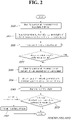
- FIG. 2 is a flowchart illustrating a method for preventing drunk driving of a vehicle according to an embodiment of the disclosure.
- FIG. 2 A preferred embodiment of a method for preventing drunk driving of a vehicle according to the disclosure will be described with reference to FIG. 2 .
- the method for preventing drunk driving of the vehicle may include inputting (S11) a transfer intention to transfer a control right of a vehicle from a registered driver to a passenger; determining (S20) a current driver's inebriation state through a breathalyzer 21 provided in the vehicle when the transfer intention is input in the inputting (S10) of the transfer intention; identifying (S30) personal information of the current driver seated on a driver's seat; and transferring (S40) the control right of the vehicle to the passenger when the passenger is determined to be able to drive in the determining (S20) of the inebriation state and when the passenger and the current driver are identified to be the same in the identifying (S30) of the personal information of the current driver.
- the method for preventing drunk driving of the vehicle according to the disclosure may further include identifying (S10) personal information of the registered driver before the inputting (S11) of the transfer intention.
- the identifying (S30) of the personal information of the current driver may include identifying the personal information in conjunction with a personal identification sensor 41 provided in the vehicle, and the personal identification sensor 41 may include a camera sensor 43 or fingerprint recognition sensor 42 provided in the vehicle.
- the method for preventing drunk driving of the vehicle according to the disclosure may further include detecting (S31) a current driver's grip on a steering wheel or a forward gaze state of the current driver after the identifying (S30) of the personal information of the current driver, and the transferring of the control right may include transferring the control right of the vehicle to the passenger when the current driver looks ahead while gripping the steering wheel in the detecting of the current driver's grip.
- the determining (S20) of the inebriation state may further include measuring (S21) a blood alcohol level of the current driver through a breathalyzer 21 provided in the vehicle, and determining (S21) whether the current driver is inebriated by comparing the measured blood alcohol level with a reference value.
- the method for preventing drunk driving of the vehicle according to the disclosure may further include, when the blood alcohol level less than the reference value is detected (S23) in the determining (S20) of the inebriation state, controlling (S50) the vehicle to travel in a safety mode in which a preload is generated in a brake of the vehicle or sensitivity of an external detection sensor of the vehicle is improved, after the transferring (S40) of the control right.
Landscapes
- Engineering & Computer Science (AREA)
- Health & Medical Sciences (AREA)
- Life Sciences & Earth Sciences (AREA)
- Physics & Mathematics (AREA)
- Transportation (AREA)
- Mechanical Engineering (AREA)
- Molecular Biology (AREA)
- Biomedical Technology (AREA)
- Automation & Control Theory (AREA)
- Chemical & Material Sciences (AREA)
- Pathology (AREA)
- Biophysics (AREA)
- General Health & Medical Sciences (AREA)
- Heart & Thoracic Surgery (AREA)
- Medical Informatics (AREA)
- Veterinary Medicine (AREA)
- Public Health (AREA)
- Animal Behavior & Ethology (AREA)
- Surgery (AREA)
- General Physics & Mathematics (AREA)
- Human Computer Interaction (AREA)
- Combustion & Propulsion (AREA)
- Theoretical Computer Science (AREA)
- Multimedia (AREA)
- Physiology (AREA)
- Bioinformatics & Cheminformatics (AREA)
- Pharmacology & Pharmacy (AREA)
- Toxicology (AREA)
- Pulmonology (AREA)
- Hematology (AREA)
- Analytical Chemistry (AREA)
- Medicinal Chemistry (AREA)
- Food Science & Technology (AREA)
- Biochemistry (AREA)
- Urology & Nephrology (AREA)
- Mathematical Physics (AREA)
- Immunology (AREA)
- Traffic Control Systems (AREA)
- Auxiliary Drives, Propulsion Controls, And Safety Devices (AREA)
Abstract
Description
- This application is based on and claims priority under 35 U.S.C. 119 to
Korean Patent Application No. 10-2021-0103017, filed on August 5, 2021 - The disclosure relates to a system and method for preventing drunk driving of a vehicle and, more particularly, to a technology for transferring the control right of a vehicle (i.e., vehicle control privilege) to a passenger and allowing the passenger to drive the vehicle in a case where a driver registered in the vehicle is inebriated.
- Recently, automobiles have been established as necessities of life, and the number of the automobiles is rapidly increasing. In order to drive a vehicle safely, the driver must be conscious of safety above all else, and an example of an accident caused by a lack of this safety awareness is a drunk driving accident.
- Drunk driving not only causes bodily injury and property damage, but also jeopardizes the lives of others, and thus requires special measures. As drunk driving has emerged as a serious social problem, the penalties for drunk driving are being strengthened.
- In order to prevent such drunk driving, strong legal sanctions are imposed on drivers, and recently a law that punishes the person in the passenger seat if an accident occurs due to the driver driving while inebriated has come into effect, but this was insufficient to prevent drunk driving accidents.
- Although a breathalyzer tester for drivers has been recently released, a driver himself or herself can drive a vehicle while ignoring the measurement result of such a tester. In this case, the tester could only perform the role of a simple tester without fundamentally preventing drunk driving.
- In addition, a conventional car does not have a separate device that rejects the driver's attempt to drive the car while the driver is inebriated, so it was not possible to prevent drunk driving. Police checks of drivers for inebriation causes various inconveniences and inefficiencies.
- Due to this, in the prior art, an invention in which a breathalyzer is provided in a vehicle has been proposed, but when a passenger attempts to drive a car instead of the registered driver because the driver is inebriated, there is a problem that the control privilege of the vehicle is not transferred to the passenger.
- It should be noted that the information disclosed in the above background section is only for enhancing the understanding of the background of the disclosure, and therefore may include information that does not constitute prior art known to those of ordinary skill in the art.
- The disclosure has been made in order to solve the above-mentioned problems in the prior art and an aspect of the disclosure is to input the intention to transfer the control right of a vehicle or a vehicle control privilege by a registered driver, detect the inebriation state of a passenger, and to transfer the control right to the passenger by identifying that the passenger is a current driver.
- In accordance with an aspect of the disclosure, a system for preventing drunk driving of a vehicle may include: an input unit through which a transfer intention to transfer a control right of a vehicle from a registered driver to a passenger is input; a sobriety determination unit configured to determine a current driver's inebriation state through a breathalyzer provided in the vehicle when the transfer intention is input through the input unit; a driver verification unit configured to identify personal information of the current driver seated on a driver's seat; and a control unit configured to transfer the control right of the vehicle to the passenger when the passenger is measured as being able to drive by the sobriety determination unit and the passenger and the current driver are identified to be the same by the driver verification unit.
- The input unit allows inputting of the transfer intention to transfer the control right of the vehicle to the passenger when personal information of a vehicle's owner is identified by the driver verification unit.
- The driver verification unit may be connected to a personal identification sensor provided in the vehicle to identify the personal information, and the personal identification sensor may include a camera sensor or a fingerprint recognition sensor provided in the vehicle.
- The driver verification unit may identify the current driver at predetermined periods or continuously.
- The system for preventing drunk driving of the vehicle may further include a driver status monitoring unit configured to detect a current driver's grip on a steering wheel or a forward gaze state of the current driver, wherein the control unit may identify that the passenger is the current driver by the driver verification unit, and may transfer the control right of the vehicle to the passenger when it is identified that the current driver looks ahead while gripping the steering wheel by the driver status monitoring unit.
- The breathalyzer may measure a blood alcohol level through the driver's breath, and the sobriety determination unit may determine that the current driver is inebriated when the measured blood alcohol level is greater than or equal to a reference value.
- When the blood alcohol level less than the reference value is detected by the sobriety determination unit upon transferring the control right, the control unit may control the vehicle to travel in a safety mode in which a preload is generated in a brake of the vehicle or sensitivity of an external detection sensor of the vehicle is improved.
- In accordance with another aspect of the disclosure, a method for preventing drunk driving of a vehicle may include: inputting a transfer intention to transfer a control right of a vehicle from a registered driver to a passenger; determining a current driver's inebriation state through a breathalyzer provided in the vehicle when the transfer intention is input in the inputting of the transfer intention; identifying personal information of the current driver seated on a driver's seat; and transferring the control right of the vehicle to the passenger when the passenger is determined to be able to drive in the determining of the inebriation state and when the passenger and the current driver are identified to be the same in the identifying of the personal information of the current driver.
- The method for preventing drunk driving of the vehicle may further include identifying personal information of a registered driver before the inputting of the transfer intention.
- The identifying of the personal information of the current driver may include identifying the personal information in conjunction with a personal identification sensor provided in the vehicle, and the personal identification sensor may include a camera sensor or fingerprint recognition sensor provided in the vehicle.
- The method for preventing drunk driving of the vehicle may further include detecting a current driver's grip on a steering wheel or a forward gaze state of the current driver after the identifying of the personal information of the current driver, wherein the transferring of the control right may include transferring the control right of the vehicle to the passenger when the current driver looks ahead while gripping the steering wheel in the detecting of the current driver's grip.
- The determining of the inebriation state may further include measuring a blood alcohol level of the current driver through a breathalyzer provided in the vehicle, and determining the inebriation state of the current driver by comparing the measured blood alcohol level with a reference value.
- The method for preventing drunk driving of the vehicle may further include, when the blood alcohol level less than the reference value is detected in the determining of the inebriation state, controlling the vehicle to travel in a safety mode in which a preload is generated in a brake of the vehicle or sensitivity of an external detection sensor of the vehicle is improved, after the transferring of the control right.
- In the system for preventing drunk driving of the vehicle according to the disclosure, when a registered driver is inebriated and transfers the control right of a vehicle to a passenger, the system monitors continuous seating of the passenger on the driver's seat, so as to prevent the passenger from taking a sobriety test in place of the inebriated driver and prevent the registered driver from driving while inebriated, and allows the passenger to receive the transferred control right and drive the vehicle, thereby preventing drunk driving.
- The above and other aspects, features, and advantages of the present disclosure will be more apparent from the following detailed description taken in conjunction with the accompanying drawings, in which:
-
FIG. 1 is a configuration diagram illustrating a system for preventing drunk driving of a vehicle according to an embodiment of the disclosure. -
FIG. 2 is a flowchart illustrating a method for preventing drunk driving of a vehicle according to an embodiment of the disclosure. - A specific structural or functional description of embodiments of the present disclosure set forth in the specification or application is given merely for the purpose of describing the embodiment according to the present disclosure. Therefore, the embodiments according to the present disclosure may be implemented in various forms, and the present disclosure should not be construed as being limited to the embodiments described in the specification or application.
- Various changes and modifications may be made to the embodiments according to the present disclosure, and therefore particular embodiments will be illustrated in the drawings and described in the specification or application. However, it should be understood that embodiments according to the concept of the present disclosure are not limited to the particular disclosed embodiments, but the present disclosure includes all modifications, equivalents, and alternatives falling within the spirit and scope of the present disclosure.
- Such terms as "a first" and/or "a second" may be used to describe various elements, but the elements should not be limited by these terms. These terms are intended merely to distinguish one element from other elements. For example, a first element may be named a second element and similarly a second element may be named a second element without departing from the scope of protection of the present disclosure.
- In the case where an element is referred to as being "connected" or "accessed" to other elements, it should be understood that not only the element is directly connected or accessed to the other elements, but also another element may exist between them. Contrarily, in the case where a component is referred to as being "directly connected" or "directly accessed" to any other component, it should be understood that there is no component therebetween. The other expressions of describing a relation between structural elements, i.e., "between" and "merely between" or "neighboring" and "directly neighboring", should be interpreted similarly to the above description.
- The terms used in the present disclosure are merely used to describe specific embodiments, and are not intended to limit the present disclosure. A singular expression may include a plural expression unless they are definitely different in a context. As used herein, the expression "include" or "have" are intended to specify the existence of mentioned features, numbers, steps, operations, elements, components, or combinations thereof, and should be construed as not precluding the possible existence or addition of one or more other features, numbers, steps, operations, elements, components, or combinations thereof.
- Unless defined otherwise, all terms used herein, including technical and scientific terms, have the same meaning as those commonly understood by a person skilled in the art to which the present disclosure pertains. Such terms as those defined in a generally used dictionary may be interpreted to have the meanings equal to the contextual meanings in the relevant field of art, and are not to be interpreted to have ideal or excessively formal meanings unless clearly defined in the present disclosure.
- Hereinafter, exemplary embodiments of the present disclosure will be described in detail with reference to the accompanying drawings. Similar or like reference signs presented in the respective drawings designate similar or like elements.
- An
input unit 10, asobriety determination unit 20, acontrol unit 30, adriver verification unit 40, and a driverstatus monitoring unit 50 according to an exemplary embodiment of the disclosure may be implemented through a processor (not shown) configured to perform operations described below by using a nonvolatile memory (not shown) configured to store an algorithm configured to control the operations of various components of a vehicle or data relating to software instructions for reproducing the algorithm and data stored in the memory. Here, the memory and the processor may be implemented as a separate chip, respectively. Alternatively, the memory and processor may be implemented as a single chip integrated with each other. The processor may have a form of one or more processors. -
FIG. 1 is a configuration diagram illustrating a system for preventing drunk driving of a vehicle according to an embodiment of the disclosure. - A preferred embodiment of the system for preventing drunk driving of a vehicle according to the disclosure will be described with reference to
FIG. 1 . - The vehicle may be provided with a
breathalyzer 21 to identify an inebriation state of a driver before the operation of the vehicle to prevent drunk driving of the driver. - The
breathalyzer 21 may be provided in the same form as theconventional breathalyzer 21 and may measure the driver's blood alcohol level through the driver's breath, and the measured information may be transmitted to the vehicle's system. - The disclosure is designed to transfer the control right of a vehicle to a passenger who is not inebriated while a previously registered driver of the vehicle is inebriated.
- A system for preventing drunk driving of a vehicle may include an
input unit 10 through which a transfer intention to transfer a control right of a vehicle from a registered driver to a passenger is input; asobriety determination unit 20 configured to determine a current driver's inebriation state through abreathalyzer 21 provided in the vehicle when the transfer intention is input through theinput unit 10; adriver verification unit 40 configured to identify personal information of the current driver seated on a driver's seat; and acontrol unit 30 configured to transfer the control right of the vehicle to the passenger when the passenger is measured as being able to drive by thesobriety determination unit 20 and the passenger and the current driver are identified to be the same by thedriver verification unit 40. - In order to transfer the control right of a vehicle to a passenger in a state where a driver registered in a control system of the vehicle cannot drive while being inebriated, the driver may input an intention to transfer the control right through the
input unit 10, and theinput unit 10 is connected to a system operation device of the vehicle including a jog module or a touch screen provided in the vehicle so that the registered driver can transfer all control rights related to the operation of the vehicle to the passenger. - The blood alcohol level of the current driver seated on the driver's seat may be measured by the
breathalyzer 21 provided adjacent to the driver's seat of the vehicle, and thesobriety determination unit 20 may determine the driver's inebriation state based on the current driver's blood alcohol level measured by thebreathalyzer 21. - The
driver verification unit 40 may verify an identity of a driver currently seated at the driver's seat. For example, thedriver verification unit 40 may identify that the passenger seated on the driver's seat is not the registered driver but a passenger who is determined to be in a non-inebriation state by thesobriety determination unit 20 through apersonal identification sensor 41 provided in the vehicle, so that the passenger may take a breathalyzer test instead of the registered driver who is inebriated, thereby preventing the registered driver from driving under the influence of alcohol. - When it is identified by the
driver verification unit 40 that the current driver is not the registered driver but the passenger who has taken the breathalyzer test, thecontrol unit 30 may transfer the control right to the passenger so that the passenger can control the driving of the vehicle. - Through this, there is an effect that can prevent drunk driving as the registered driver transfers the control right of the vehicle to the passenger when the passenger drives the vehicle due to inebriation of the driver.
- The
input unit 10 allows inputting of a transfer intention to transfer the control right of the vehicle to the passenger when personal information of a vehicle's owner is identified by thedriver verification unit 40. - In order to prevent theft of the vehicle, the personal information of the registered driver may be identified by the
driver verification unit 40, and then the transfer intention to transfer the control right may be input through theinput unit 10. - This configuration can prevent another person other than the driver registered in the
input unit 10 from inputting the transfer intention to transfer the control right. - The
driver verification unit 40 may be connected to apersonal identification sensor 41 provided in the vehicle to identify the personal information, and thepersonal identification sensor 41 may include acamera sensor 43 or afingerprint recognition sensor 42 provided in the vehicle. - The
personal identification sensor 41 may include thecamera sensor 43 or thefingerprint recognition sensor 42 provided adjacent to the driver's seat. Here, thecamera sensor 43 mounted adjacent to the driver's seat may recognize the personal information by capturing the current driver's face or iris or may recognize the current driver's fingerprint through thefingerprint recognition sensor 42 mounted adjacent to a steering wheel or the driver's seat. - The
driver verification unit 40 may periodically or continuously identify the current driver. - The identification of the current driver may be performed in the same way as a breathalyzer sensor, and the current driver may be recognized continuously or at predetermined periods, thereby preventing others from taking breathalyzer tests on behalf of the current driver.
- The system for preventing drunk driving of the vehicle may further include the driver
status monitoring unit 50 configured to detect a current driver's grip on a steering wheel or a forward gaze state of the current driver. Thecontrol unit 30 may identify that the passenger is the current driver by thedriver verification unit 40, and the driverstatus monitoring unit 50 may transfer the control right of the vehicle to the passenger when the current driver looks ahead while gripping the steering wheel. - In order to prevent the passenger from taking the breathalyzer test instead of the driver and to prevent drunk driving of the driver, the driver
status monitoring unit 50 may identify that the current driver is gripping the steering wheel and continuously looking ahead. - The driver
status monitoring unit 50 may identify the forward gaze of the current driver through thecamera sensor 43 provided in the vehicle or may identify the grip on the steering wheel through a pressure sensor provided on the steering wheel, and may identify the grip on the steering wheel and continuous forward gaze through various sensors. - The
breathalyzer 21 may measure the blood alcohol level through the driver's breath, and thesobriety determination unit 20 may determine that the current driver is inebriated when the measured blood alcohol level is greater than or equal to a reference value. - The
breathalyzer 21 may measure the blood alcohol level by suctioning the breath, and thesobriety determination unit 20 may determine that driving is possible when the measured blood alcohol level is less than the reference value and that driving is impossible when the measured blood alcohol level is greater than or equal to the reference value by comparing the measured blood alcohol level with the reference value. - When the blood alcohol level less than the reference value is detected by the
sobriety determination unit 20 upon transferring the control right, thecontrol unit 30 may control the vehicle to travel in a safety mode in which a preload is generated in a brake of the vehicle or sensitivity of an external detection sensor of the vehicle is improved. - Although it is determined by the
sobriety determination unit 20 that the passenger can drive the vehicle, when the blood alcohol level is lower than the reference value, but is detected even a little, driving may be dangerous, and thecontrol unit 30 may control the vehicle in the safety mode. - The safety mode has the effect of improving the sensitivity of an external collision detection sensor of the vehicle or generating a preload of the brake to prepare for a vehicle collision.
-
FIG. 2 is a flowchart illustrating a method for preventing drunk driving of a vehicle according to an embodiment of the disclosure. - A preferred embodiment of a method for preventing drunk driving of a vehicle according to the disclosure will be described with reference to
FIG. 2 . - The method for preventing drunk driving of the vehicle according to the disclosure may include inputting (S11) a transfer intention to transfer a control right of a vehicle from a registered driver to a passenger; determining (S20) a current driver's inebriation state through a
breathalyzer 21 provided in the vehicle when the transfer intention is input in the inputting (S10) of the transfer intention; identifying (S30) personal information of the current driver seated on a driver's seat; and transferring (S40) the control right of the vehicle to the passenger when the passenger is determined to be able to drive in the determining (S20) of the inebriation state and when the passenger and the current driver are identified to be the same in the identifying (S30) of the personal information of the current driver. - The method for preventing drunk driving of the vehicle according to the disclosure may further include identifying (S10) personal information of the registered driver before the inputting (S11) of the transfer intention.
- The identifying (S30) of the personal information of the current driver may include identifying the personal information in conjunction with a
personal identification sensor 41 provided in the vehicle, and thepersonal identification sensor 41 may include acamera sensor 43 orfingerprint recognition sensor 42 provided in the vehicle. - The method for preventing drunk driving of the vehicle according to the disclosure may further include detecting (S31) a current driver's grip on a steering wheel or a forward gaze state of the current driver after the identifying (S30) of the personal information of the current driver, and the transferring of the control right may include transferring the control right of the vehicle to the passenger when the current driver looks ahead while gripping the steering wheel in the detecting of the current driver's grip.
- The determining (S20) of the inebriation state may further include measuring (S21) a blood alcohol level of the current driver through a
breathalyzer 21 provided in the vehicle, and determining (S21) whether the current driver is inebriated by comparing the measured blood alcohol level with a reference value. - The method for preventing drunk driving of the vehicle according to the disclosure may further include, when the blood alcohol level less than the reference value is detected (S23) in the determining (S20) of the inebriation state, controlling (S50) the vehicle to travel in a safety mode in which a preload is generated in a brake of the vehicle or sensitivity of an external detection sensor of the vehicle is improved, after the transferring (S40) of the control right.
- Although the present disclosure has been described and illustrated in conjunction with particular embodiments thereof, it will be apparent to those skilled in the art that various improvements and modifications may be made to the present disclosure without departing from the technical idea of the present disclosure defined by the appended claims.
Claims (13)
- A system for preventing drunk driving of a vehicle including a breathalyzer, the system comprising:an input unit configured to receive an intention to transfer a vehicle control privilege from a registered driver of the vehicle to a passenger;a sobriety determination unit configured to determine, in response to the input unit receiving the intention to transfer, an inebriation of a current driver seated at a driver's seat of the vehicle, using the breathalyzer;a driver verification unit configured to verify an identity of the current driver; anda control unit configured to transfer the vehicle control privilege to the passenger in response to (1) the sobriety determination unit determining that the current driver is not inebriated, and (2) the driver verification unit verifying that the identity of the current driver corresponds to the passenger.
- The system of claim 1, wherein the driver verification unit is configured to verify an identity of the registered driver before the input unit receives the intention to transfer the vehicle control privilege.
- The system of claim 1, or 2, further comprising an identification sensor disposed at the vehicle and configured to detect identification information of the passenger, wherein:the driver verification unit is configured to receive, from the identification sensor, the identification information of the passenger, and verify the identity of the passenger based on the received identification information, andthe identification sensor comprises a camera or fingerprint sensor.
- The system of claim 1, 2, or 3, wherein the driver verification unit is configured to periodically or continuously verify the identity of the current driver.
- The system of any one of claims 1 to 4, further comprising a driver status monitoring unit configured to detect the current driver's grip on a steering wheel of the vehicle or the current driver's forward gazing status,
wherein the control unit is configured to:receive, from the driver status monitoring unit, driver status information indicating the current driver's grip on the steering wheel or the forward gazing status;determine, based on the received driver status information, a driver status of the current driver; andin response to the determined driver status indicating that the current driver is looking ahead or gripping the steering wheel, transfer the vehicle control privilege to the passenger. - The system of any one of claims 1 to 5, wherein:the breathalyzer is configured to measure a blood alcohol level from the current driver's breath, andfor determining the inebriation of the current driver, the sobriety determination unit is configured to determine whether the measured blood alcohol level of the current driver is equal to or greater than a reference value.
- The system of claim 6, wherein:in response to the sobriety determination unit determining that the measured blood alcohol level is less than the reference value, the control unit is configured to operate the vehicle to travel in a safety mode, andthe vehicle is configured to, when operated in the safety mode, generate a preload in a brake of the vehicle or increase a sensitivity of a collision detection sensor of the vehicle.
- A method for preventing drunk driving of a vehicle, comprising:receiving an intention to transfer a vehicle control privilege from a registered driver of the vehicle to a passenger;in response to receiving the intention to transfer, performing:determining, using a breathalyzer disposed at the vehicle, an inebriation of a current driver seated at a driver's seat of the vehicle; andverifying an identity of the current driver; andin response to (1) determining that that the verified identity of the current driver corresponds to the passenger and (2) determining, based on the determined inebriation of the current driver, that the passenger is not inebriated, transferring the vehicle control privilege to the passenger.
- The method of claim 8, further comprising verifying an identification of the registered driver before receiving the intention to transfer the vehicle control privilege.
- The method of claim 8, or 9, wherein:verifying the identity of the current driver comprises detecting, using a personal identification sensor disposed at the vehicle, identification information of the current driver, andthe personal identification sensor comprises a camera or fingerprint sensor.
- The method of claim 8, 9, or 10, further comprising, in response to verifying the identity of the current driver, detecting the current driver's grip on a steering wheel of the vehicle or the current driver's forward gazing status,
wherein transferring the vehicle control privilege to the passenger comprises transferring the vehicle control privilege to the passenger in response to detecting that the current driver is looking ahead or gripping the steering wheel. - The method of any one of claims 8 to 11, wherein determining the inebriation of the current driver comprises:measuring, using the breathalyzer, a blood alcohol level of the current driver; anddetermining whether the measured blood alcohol level is equal to or higher than a reference value.
- The method of claim 12, further comprising, in response to determining that the measured blood alcohol level is less than the reference value, controlling the vehicle to travel in a safety mode,
wherein the vehicle is configured to, when travelling in the safety mode, generate a preload in a brake of the vehicle or increase a sensitivity of a collision detection sensor of the vehicle.
Applications Claiming Priority (1)
| Application Number | Priority Date | Filing Date | Title |
|---|---|---|---|
| KR1020210103017A KR20230021304A (en) | 2021-08-05 | 2021-08-05 | Drunk driving prevention system and method for vehicle |
Publications (2)
| Publication Number | Publication Date |
|---|---|
| EP4129734A1 true EP4129734A1 (en) | 2023-02-08 |
| EP4129734B1 EP4129734B1 (en) | 2024-08-28 |
Family
ID=82943282
Family Applications (1)
| Application Number | Title | Priority Date | Filing Date |
|---|---|---|---|
| EP22185890.5A Active EP4129734B1 (en) | 2021-08-05 | 2022-07-20 | System and method for preventing drunk driving of vehicle |
Country Status (4)
| Country | Link |
|---|---|
| US (1) | US12263852B2 (en) |
| EP (1) | EP4129734B1 (en) |
| KR (1) | KR20230021304A (en) |
| CN (1) | CN115703354A (en) |
Families Citing this family (2)
| Publication number | Priority date | Publication date | Assignee | Title |
|---|---|---|---|---|
| EP4717492A1 (en) * | 2024-09-27 | 2026-04-01 | Novus Hi-Tech Robotic Systemz Private Ltd. | Vehicle controlling system and method thereof |
| US12472813B1 (en) * | 2024-12-09 | 2025-11-18 | Fca Us Llc | Systems and methods for machine-learning powered alcohol impairment detection and real-time monitoring in automotive systems |
Citations (5)
| Publication number | Priority date | Publication date | Assignee | Title |
|---|---|---|---|---|
| US6970075B2 (en) * | 2001-06-19 | 2005-11-29 | Peter Herbert Cherouny | Electronic programmable speed limiter |
| US20080228365A1 (en) * | 2006-04-05 | 2008-09-18 | White Steven C | Vehicle power inhibiter |
| US20120112879A1 (en) * | 2010-11-09 | 2012-05-10 | Ekchian Caroline M | Apparatus and method for improved vehicle safety |
| US20150360696A1 (en) * | 2014-06-14 | 2015-12-17 | Ge Yi | Vehicle Onboard Safety System |
| US20170096145A1 (en) * | 2015-10-06 | 2017-04-06 | Lg Electronics Inc. | Driver assistance apparatus |
Family Cites Families (28)
| Publication number | Priority date | Publication date | Assignee | Title |
|---|---|---|---|---|
| JPS5135005B2 (en) * | 1971-10-27 | 1976-09-30 | ||
| KR20040009435A (en) | 2002-07-23 | 2004-01-31 | 현대모비스 주식회사 | apparatus and method for drinking test of automobile |
| US20040065564A1 (en) * | 2002-10-03 | 2004-04-08 | Brendan Casey | Device for reminding an individual about the consequences of drunk driving |
| US7812712B2 (en) * | 2006-02-13 | 2010-10-12 | All Protect, Llc | Method and system for controlling a vehicle given to a third party |
| US7840427B2 (en) * | 2007-02-12 | 2010-11-23 | O'sullivan Sean | Shared transport system and service network |
| JP2008239071A (en) * | 2007-03-28 | 2008-10-09 | Toyota Motor Corp | Operation management device |
| JP4604073B2 (en) * | 2007-10-03 | 2010-12-22 | 本田技研工業株式会社 | Vehicle drunk driving prevention device |
| US8370027B2 (en) * | 2007-11-23 | 2013-02-05 | Autoliv Development Ab | Preventive and persuasive actions against drunk driving |
| JP4420108B2 (en) * | 2007-12-10 | 2010-02-24 | トヨタ自動車株式会社 | Drunk driving prevention device |
| KR101209994B1 (en) | 2010-11-10 | 2012-12-07 | 기아자동차주식회사 | System for mornitoring driving condition of vehicle in remote and thereof method |
| JP2012210931A (en) * | 2011-03-24 | 2012-11-01 | Toyota Motor Corp | Drunk driving prevention system and external server used for the same |
| CN102745080B (en) * | 2012-03-16 | 2015-04-08 | 浙江吉利汽车研究院有限公司 | Drunk driving control system and drunk driving control method |
| US8890654B2 (en) * | 2013-02-25 | 2014-11-18 | Ford Global Technologies, Llc | Methodology for emergency transfer of keys for vehicle equipped with biometric access and start |
| US9751534B2 (en) * | 2013-03-15 | 2017-09-05 | Honda Motor Co., Ltd. | System and method for responding to driver state |
| US20160318521A1 (en) * | 2014-01-22 | 2016-11-03 | KHN Solutions, Inc. | Method and system for drunk driving prevention |
| US9475387B2 (en) * | 2014-03-16 | 2016-10-25 | Roger Li-Chung Wu | Drunk driving prevention system and method with eye symptom detector |
| CN110871809A (en) * | 2014-06-23 | 2020-03-10 | 本田技研工业株式会社 | Method of controlling a vehicle system in a motor vehicle |
| CN104408878B (en) * | 2014-11-05 | 2017-01-25 | 唐郁文 | Vehicle fleet fatigue driving early warning monitoring system and method |
| CN109476320A (en) * | 2016-07-27 | 2019-03-15 | 三菱电机株式会社 | Vehicle-mounted device, control right management method, and control right management program |
| CN206049601U (en) * | 2016-09-22 | 2017-03-29 | 舟山市质量技术监督检测研究院 | Automobile initiating means based on vehicle-mounted alcohol detector |
| JP6501998B2 (en) * | 2017-01-31 | 2019-04-17 | 三菱電機株式会社 | Automatic operation control device |
| KR101989523B1 (en) * | 2017-07-07 | 2019-06-14 | 엘지전자 주식회사 | Vehicle control device mounted on vehicle and method for controlling the vehicle |
| KR101999541B1 (en) * | 2017-11-27 | 2019-10-01 | (주)에스더블유엠 | Method and apparatus for controlling override for autonomous vehicle |
| CN108238053A (en) * | 2017-12-15 | 2018-07-03 | 北京车和家信息技术有限公司 | A kind of vehicle drive monitoring method, device and vehicle |
| US20220234607A1 (en) * | 2019-05-15 | 2022-07-28 | Nissan Motor Co., Ltd. | Driving Assistance Method and Driving Assistance System |
| KR102601355B1 (en) * | 2019-11-21 | 2023-11-14 | 현대모비스 주식회사 | Apparatus for preventing driving under the influence of vehicle and operating method thereof |
| US11751784B2 (en) * | 2020-03-18 | 2023-09-12 | Ford Global Technologies, Llc | Systems and methods for detecting drowsiness in a driver of a vehicle |
| CN112895895A (en) * | 2021-02-07 | 2021-06-04 | 上汽大众汽车有限公司 | Drunk driving prevention device and method |
-
2021
- 2021-08-05 KR KR1020210103017A patent/KR20230021304A/en active Pending
-
2022
- 2022-07-20 EP EP22185890.5A patent/EP4129734B1/en active Active
- 2022-07-26 US US17/873,298 patent/US12263852B2/en active Active
- 2022-08-04 CN CN202210935454.2A patent/CN115703354A/en active Pending
Patent Citations (5)
| Publication number | Priority date | Publication date | Assignee | Title |
|---|---|---|---|---|
| US6970075B2 (en) * | 2001-06-19 | 2005-11-29 | Peter Herbert Cherouny | Electronic programmable speed limiter |
| US20080228365A1 (en) * | 2006-04-05 | 2008-09-18 | White Steven C | Vehicle power inhibiter |
| US20120112879A1 (en) * | 2010-11-09 | 2012-05-10 | Ekchian Caroline M | Apparatus and method for improved vehicle safety |
| US20150360696A1 (en) * | 2014-06-14 | 2015-12-17 | Ge Yi | Vehicle Onboard Safety System |
| US20170096145A1 (en) * | 2015-10-06 | 2017-04-06 | Lg Electronics Inc. | Driver assistance apparatus |
Also Published As
| Publication number | Publication date |
|---|---|
| US12263852B2 (en) | 2025-04-01 |
| KR20230021304A (en) | 2023-02-14 |
| US20230044733A1 (en) | 2023-02-09 |
| CN115703354A (en) | 2023-02-17 |
| EP4129734B1 (en) | 2024-08-28 |
Similar Documents
| Publication | Publication Date | Title |
|---|---|---|
| CN106965674B (en) | Method and system for operating a vehicle when an occupant experiences a potential disorder | |
| EP4129734A1 (en) | System and method for preventing drunk driving of vehicle | |
| JP6668814B2 (en) | Automatic traveling control device and automatic traveling control system | |
| CN108372785A (en) | A kind of non-security driving detection device of the automobile based on image recognition and detection method | |
| US20120112879A1 (en) | Apparatus and method for improved vehicle safety | |
| US20130113910A1 (en) | Driving assistant system and method having warning function for risk level | |
| TWI419801B (en) | Safety management system | |
| CN105313899A (en) | On-vehicle situation detection apparatus and method | |
| CN112298070A (en) | Pedal fault diagnosis method and device | |
| EP4205140B1 (en) | Method for a vehicle for determining an injury information and vehicle electronic control device for determining an injury information | |
| JP2019124975A (en) | Determination system of dementia risk | |
| CN112622617B (en) | Alcohol interlock control device and method | |
| JP2007186124A (en) | Drunk detection device, drunk driving prevention system, and driver change prevention device | |
| CN115352450A (en) | Vehicle driving assistance method and device, vehicle and storage medium | |
| JP2009255844A (en) | Drunken driving prevention device | |
| US20180148048A1 (en) | Apparatus and method for controlling stop of vehicle | |
| JP3963072B2 (en) | Driver physical condition monitor | |
| US20250319880A1 (en) | Horizontal gaze nystagmus transmission interlock system and method | |
| KR102601355B1 (en) | Apparatus for preventing driving under the influence of vehicle and operating method thereof | |
| CN114801731A (en) | Drunk driving state detection method and device, electronic equipment and storage medium | |
| EP1849644B1 (en) | System and method for selective engine start in a vehicle depending on driving ability | |
| CN117818631A (en) | Driver control weakening detection system and method | |
| EP4717492A1 (en) | Vehicle controlling system and method thereof | |
| CN114664013A (en) | Method and system for controlling gate to release vehicle | |
| KR20250141449A (en) | Apparatus for preventing drunk driving in vehicle and method thereof |
Legal Events
| Date | Code | Title | Description |
|---|---|---|---|
| PUAI | Public reference made under article 153(3) epc to a published international application that has entered the european phase |
Free format text: ORIGINAL CODE: 0009012 |
|
| STAA | Information on the status of an ep patent application or granted ep patent |
Free format text: STATUS: REQUEST FOR EXAMINATION WAS MADE |
|
| 17P | Request for examination filed |
Effective date: 20220820 |
|
| AK | Designated contracting states |
Kind code of ref document: A1 Designated state(s): AL AT BE BG CH CY CZ DE DK EE ES FI FR GB GR HR HU IE IS IT LI LT LU LV MC MK MT NL NO PL PT RO RS SE SI SK SM TR |
|
| RBV | Designated contracting states (corrected) |
Designated state(s): AL AT BE BG CH CY CZ DE DK EE ES FI FR GB GR HR HU IE IS IT LI LT LU LV MC MK MT NL NO PL PT RO RS SE SI SK SM TR |
|
| GRAP | Despatch of communication of intention to grant a patent |
Free format text: ORIGINAL CODE: EPIDOSNIGR1 |
|
| STAA | Information on the status of an ep patent application or granted ep patent |
Free format text: STATUS: GRANT OF PATENT IS INTENDED |
|
| RIC1 | Information provided on ipc code assigned before grant |
Ipc: B60R 25/00 20130101ALI20240228BHEP Ipc: B60K 28/06 20060101AFI20240228BHEP |
|
| INTG | Intention to grant announced |
Effective date: 20240328 |
|
| GRAS | Grant fee paid |
Free format text: ORIGINAL CODE: EPIDOSNIGR3 |
|
| GRAA | (expected) grant |
Free format text: ORIGINAL CODE: 0009210 |
|
| STAA | Information on the status of an ep patent application or granted ep patent |
Free format text: STATUS: THE PATENT HAS BEEN GRANTED |
|
| P01 | Opt-out of the competence of the unified patent court (upc) registered |
Free format text: CASE NUMBER: APP_42204/2024 Effective date: 20240717 |
|
| AK | Designated contracting states |
Kind code of ref document: B1 Designated state(s): AL AT BE BG CH CY CZ DE DK EE ES FI FR GB GR HR HU IE IS IT LI LT LU LV MC MK MT NL NO PL PT RO RS SE SI SK SM TR |
|
| REG | Reference to a national code |
Ref country code: CH Ref legal event code: EP |
|
| REG | Reference to a national code |
Ref country code: DE Ref legal event code: R096 Ref document number: 602022005632 Country of ref document: DE |
|
| REG | Reference to a national code |
Ref country code: IE Ref legal event code: FG4D |
|
| REG | Reference to a national code |
Ref country code: LT Ref legal event code: MG9D |
|
| PG25 | Lapsed in a contracting state [announced via postgrant information from national office to epo] |
Ref country code: NO Free format text: LAPSE BECAUSE OF FAILURE TO SUBMIT A TRANSLATION OF THE DESCRIPTION OR TO PAY THE FEE WITHIN THE PRESCRIBED TIME-LIMIT Effective date: 20241128 |
|
| REG | Reference to a national code |
Ref country code: AT Ref legal event code: MK05 Ref document number: 1717609 Country of ref document: AT Kind code of ref document: T Effective date: 20240828 |
|
| PG25 | Lapsed in a contracting state [announced via postgrant information from national office to epo] |
Ref country code: FI Free format text: LAPSE BECAUSE OF FAILURE TO SUBMIT A TRANSLATION OF THE DESCRIPTION OR TO PAY THE FEE WITHIN THE PRESCRIBED TIME-LIMIT Effective date: 20240828 Ref country code: NL Free format text: LAPSE BECAUSE OF FAILURE TO SUBMIT A TRANSLATION OF THE DESCRIPTION OR TO PAY THE FEE WITHIN THE PRESCRIBED TIME-LIMIT Effective date: 20240828 Ref country code: GR Free format text: LAPSE BECAUSE OF FAILURE TO SUBMIT A TRANSLATION OF THE DESCRIPTION OR TO PAY THE FEE WITHIN THE PRESCRIBED TIME-LIMIT Effective date: 20241129 Ref country code: PL Free format text: LAPSE BECAUSE OF FAILURE TO SUBMIT A TRANSLATION OF THE DESCRIPTION OR TO PAY THE FEE WITHIN THE PRESCRIBED TIME-LIMIT Effective date: 20240828 Ref country code: PT Free format text: LAPSE BECAUSE OF FAILURE TO SUBMIT A TRANSLATION OF THE DESCRIPTION OR TO PAY THE FEE WITHIN THE PRESCRIBED TIME-LIMIT Effective date: 20241230 |
|
| PG25 | Lapsed in a contracting state [announced via postgrant information from national office to epo] |
Ref country code: BG Free format text: LAPSE BECAUSE OF FAILURE TO SUBMIT A TRANSLATION OF THE DESCRIPTION OR TO PAY THE FEE WITHIN THE PRESCRIBED TIME-LIMIT Effective date: 20240828 |
|
| PG25 | Lapsed in a contracting state [announced via postgrant information from national office to epo] |
Ref country code: LV Free format text: LAPSE BECAUSE OF FAILURE TO SUBMIT A TRANSLATION OF THE DESCRIPTION OR TO PAY THE FEE WITHIN THE PRESCRIBED TIME-LIMIT Effective date: 20240828 |
|
| REG | Reference to a national code |
Ref country code: NL Ref legal event code: MP Effective date: 20240828 |
|
| PG25 | Lapsed in a contracting state [announced via postgrant information from national office to epo] |
Ref country code: IS Free format text: LAPSE BECAUSE OF FAILURE TO SUBMIT A TRANSLATION OF THE DESCRIPTION OR TO PAY THE FEE WITHIN THE PRESCRIBED TIME-LIMIT Effective date: 20241228 Ref country code: AT Free format text: LAPSE BECAUSE OF FAILURE TO SUBMIT A TRANSLATION OF THE DESCRIPTION OR TO PAY THE FEE WITHIN THE PRESCRIBED TIME-LIMIT Effective date: 20240828 |
|
| PG25 | Lapsed in a contracting state [announced via postgrant information from national office to epo] |
Ref country code: HR Free format text: LAPSE BECAUSE OF FAILURE TO SUBMIT A TRANSLATION OF THE DESCRIPTION OR TO PAY THE FEE WITHIN THE PRESCRIBED TIME-LIMIT Effective date: 20240828 |
|
| PG25 | Lapsed in a contracting state [announced via postgrant information from national office to epo] |
Ref country code: RS Free format text: LAPSE BECAUSE OF FAILURE TO SUBMIT A TRANSLATION OF THE DESCRIPTION OR TO PAY THE FEE WITHIN THE PRESCRIBED TIME-LIMIT Effective date: 20241128 Ref country code: ES Free format text: LAPSE BECAUSE OF FAILURE TO SUBMIT A TRANSLATION OF THE DESCRIPTION OR TO PAY THE FEE WITHIN THE PRESCRIBED TIME-LIMIT Effective date: 20240828 |
|
| PG25 | Lapsed in a contracting state [announced via postgrant information from national office to epo] |
Ref country code: RS Free format text: LAPSE BECAUSE OF FAILURE TO SUBMIT A TRANSLATION OF THE DESCRIPTION OR TO PAY THE FEE WITHIN THE PRESCRIBED TIME-LIMIT Effective date: 20241128 Ref country code: PT Free format text: LAPSE BECAUSE OF FAILURE TO SUBMIT A TRANSLATION OF THE DESCRIPTION OR TO PAY THE FEE WITHIN THE PRESCRIBED TIME-LIMIT Effective date: 20241230 Ref country code: PL Free format text: LAPSE BECAUSE OF FAILURE TO SUBMIT A TRANSLATION OF THE DESCRIPTION OR TO PAY THE FEE WITHIN THE PRESCRIBED TIME-LIMIT Effective date: 20240828 Ref country code: NO Free format text: LAPSE BECAUSE OF FAILURE TO SUBMIT A TRANSLATION OF THE DESCRIPTION OR TO PAY THE FEE WITHIN THE PRESCRIBED TIME-LIMIT Effective date: 20241128 Ref country code: NL Free format text: LAPSE BECAUSE OF FAILURE TO SUBMIT A TRANSLATION OF THE DESCRIPTION OR TO PAY THE FEE WITHIN THE PRESCRIBED TIME-LIMIT Effective date: 20240828 Ref country code: LV Free format text: LAPSE BECAUSE OF FAILURE TO SUBMIT A TRANSLATION OF THE DESCRIPTION OR TO PAY THE FEE WITHIN THE PRESCRIBED TIME-LIMIT Effective date: 20240828 Ref country code: IS Free format text: LAPSE BECAUSE OF FAILURE TO SUBMIT A TRANSLATION OF THE DESCRIPTION OR TO PAY THE FEE WITHIN THE PRESCRIBED TIME-LIMIT Effective date: 20241228 Ref country code: HR Free format text: LAPSE BECAUSE OF FAILURE TO SUBMIT A TRANSLATION OF THE DESCRIPTION OR TO PAY THE FEE WITHIN THE PRESCRIBED TIME-LIMIT Effective date: 20240828 Ref country code: GR Free format text: LAPSE BECAUSE OF FAILURE TO SUBMIT A TRANSLATION OF THE DESCRIPTION OR TO PAY THE FEE WITHIN THE PRESCRIBED TIME-LIMIT Effective date: 20241129 Ref country code: FI Free format text: LAPSE BECAUSE OF FAILURE TO SUBMIT A TRANSLATION OF THE DESCRIPTION OR TO PAY THE FEE WITHIN THE PRESCRIBED TIME-LIMIT Effective date: 20240828 Ref country code: ES Free format text: LAPSE BECAUSE OF FAILURE TO SUBMIT A TRANSLATION OF THE DESCRIPTION OR TO PAY THE FEE WITHIN THE PRESCRIBED TIME-LIMIT Effective date: 20240828 Ref country code: BG Free format text: LAPSE BECAUSE OF FAILURE TO SUBMIT A TRANSLATION OF THE DESCRIPTION OR TO PAY THE FEE WITHIN THE PRESCRIBED TIME-LIMIT Effective date: 20240828 Ref country code: AT Free format text: LAPSE BECAUSE OF FAILURE TO SUBMIT A TRANSLATION OF THE DESCRIPTION OR TO PAY THE FEE WITHIN THE PRESCRIBED TIME-LIMIT Effective date: 20240828 |
|
| PG25 | Lapsed in a contracting state [announced via postgrant information from national office to epo] |
Ref country code: RO Free format text: LAPSE BECAUSE OF FAILURE TO SUBMIT A TRANSLATION OF THE DESCRIPTION OR TO PAY THE FEE WITHIN THE PRESCRIBED TIME-LIMIT Effective date: 20240828 Ref country code: SM Free format text: LAPSE BECAUSE OF FAILURE TO SUBMIT A TRANSLATION OF THE DESCRIPTION OR TO PAY THE FEE WITHIN THE PRESCRIBED TIME-LIMIT Effective date: 20240828 Ref country code: DK Free format text: LAPSE BECAUSE OF FAILURE TO SUBMIT A TRANSLATION OF THE DESCRIPTION OR TO PAY THE FEE WITHIN THE PRESCRIBED TIME-LIMIT Effective date: 20240828 |
|
| PG25 | Lapsed in a contracting state [announced via postgrant information from national office to epo] |
Ref country code: EE Free format text: LAPSE BECAUSE OF FAILURE TO SUBMIT A TRANSLATION OF THE DESCRIPTION OR TO PAY THE FEE WITHIN THE PRESCRIBED TIME-LIMIT Effective date: 20240828 |
|
| PG25 | Lapsed in a contracting state [announced via postgrant information from national office to epo] |
Ref country code: CZ Free format text: LAPSE BECAUSE OF FAILURE TO SUBMIT A TRANSLATION OF THE DESCRIPTION OR TO PAY THE FEE WITHIN THE PRESCRIBED TIME-LIMIT Effective date: 20240828 |
|
| PG25 | Lapsed in a contracting state [announced via postgrant information from national office to epo] |
Ref country code: IT Free format text: LAPSE BECAUSE OF FAILURE TO SUBMIT A TRANSLATION OF THE DESCRIPTION OR TO PAY THE FEE WITHIN THE PRESCRIBED TIME-LIMIT Effective date: 20240828 Ref country code: SK Free format text: LAPSE BECAUSE OF FAILURE TO SUBMIT A TRANSLATION OF THE DESCRIPTION OR TO PAY THE FEE WITHIN THE PRESCRIBED TIME-LIMIT Effective date: 20240828 |
|
| REG | Reference to a national code |
Ref country code: DE Ref legal event code: R097 Ref document number: 602022005632 Country of ref document: DE |
|
| PLBE | No opposition filed within time limit |
Free format text: ORIGINAL CODE: 0009261 |
|
| STAA | Information on the status of an ep patent application or granted ep patent |
Free format text: STATUS: NO OPPOSITION FILED WITHIN TIME LIMIT |
|
| PGFP | Annual fee paid to national office [announced via postgrant information from national office to epo] |
Ref country code: FR Payment date: 20250611 Year of fee payment: 4 |
|
| 26N | No opposition filed |
Effective date: 20250530 |
|
| PG25 | Lapsed in a contracting state [announced via postgrant information from national office to epo] |
Ref country code: SE Free format text: LAPSE BECAUSE OF FAILURE TO SUBMIT A TRANSLATION OF THE DESCRIPTION OR TO PAY THE FEE WITHIN THE PRESCRIBED TIME-LIMIT Effective date: 20240828 |
|
| PGFP | Annual fee paid to national office [announced via postgrant information from national office to epo] |
Ref country code: DE Payment date: 20250609 Year of fee payment: 4 |
|
| REG | Reference to a national code |
Ref country code: CH Ref legal event code: H13 Free format text: ST27 STATUS EVENT CODE: U-0-0-H10-H13 (AS PROVIDED BY THE NATIONAL OFFICE) Effective date: 20260224 |
|
| PG25 | Lapsed in a contracting state [announced via postgrant information from national office to epo] |
Ref country code: LU Free format text: LAPSE BECAUSE OF NON-PAYMENT OF DUE FEES Effective date: 20250720 |
|
| REG | Reference to a national code |
Ref country code: BE Ref legal event code: MM Effective date: 20250731 |
|
| PG25 | Lapsed in a contracting state [announced via postgrant information from national office to epo] |
Ref country code: BE Free format text: LAPSE BECAUSE OF NON-PAYMENT OF DUE FEES Effective date: 20250731 |
|
| PG25 | Lapsed in a contracting state [announced via postgrant information from national office to epo] |
Ref country code: CH Free format text: LAPSE BECAUSE OF NON-PAYMENT OF DUE FEES Effective date: 20250731 |