EP4128423B1 - Charging station - Google Patents
Charging station Download PDFInfo
- Publication number
- EP4128423B1 EP4128423B1 EP21714237.1A EP21714237A EP4128423B1 EP 4128423 B1 EP4128423 B1 EP 4128423B1 EP 21714237 A EP21714237 A EP 21714237A EP 4128423 B1 EP4128423 B1 EP 4128423B1
- Authority
- EP
- European Patent Office
- Prior art keywords
- charging
- vehicle
- charging station
- medium
- battery
- Prior art date
- Legal status (The legal status is an assumption and is not a legal conclusion. Google has not performed a legal analysis and makes no representation as to the accuracy of the status listed.)
- Active
Links
Images

Classifications
-
- B—PERFORMING OPERATIONS; TRANSPORTING
- B60—VEHICLES IN GENERAL
- B60L—PROPULSION OF ELECTRICALLY-PROPELLED VEHICLES; SUPPLYING ELECTRIC POWER FOR AUXILIARY EQUIPMENT OF ELECTRICALLY-PROPELLED VEHICLES; ELECTRODYNAMIC BRAKE SYSTEMS FOR VEHICLES IN GENERAL; MAGNETIC SUSPENSION OR LEVITATION FOR VEHICLES; MONITORING OPERATING VARIABLES OF ELECTRICALLY-PROPELLED VEHICLES; ELECTRIC SAFETY DEVICES FOR ELECTRICALLY-PROPELLED VEHICLES
- B60L53/00—Methods of charging batteries, specially adapted for electric vehicles; Charging stations or on-board charging equipment therefor; Exchange of energy storage elements in electric vehicles
- B60L53/60—Monitoring or controlling charging stations
- B60L53/62—Monitoring or controlling charging stations in response to charging parameters, e.g. current, voltage or electrical charge
-
- B—PERFORMING OPERATIONS; TRANSPORTING
- B60—VEHICLES IN GENERAL
- B60L—PROPULSION OF ELECTRICALLY-PROPELLED VEHICLES; SUPPLYING ELECTRIC POWER FOR AUXILIARY EQUIPMENT OF ELECTRICALLY-PROPELLED VEHICLES; ELECTRODYNAMIC BRAKE SYSTEMS FOR VEHICLES IN GENERAL; MAGNETIC SUSPENSION OR LEVITATION FOR VEHICLES; MONITORING OPERATING VARIABLES OF ELECTRICALLY-PROPELLED VEHICLES; ELECTRIC SAFETY DEVICES FOR ELECTRICALLY-PROPELLED VEHICLES
- B60L53/00—Methods of charging batteries, specially adapted for electric vehicles; Charging stations or on-board charging equipment therefor; Exchange of energy storage elements in electric vehicles
- B60L53/10—Methods of charging batteries, specially adapted for electric vehicles; Charging stations or on-board charging equipment therefor; Exchange of energy storage elements in electric vehicles characterised by the energy transfer between the charging station and the vehicle
- B60L53/14—Conductive energy transfer
-
- B—PERFORMING OPERATIONS; TRANSPORTING
- B60—VEHICLES IN GENERAL
- B60L—PROPULSION OF ELECTRICALLY-PROPELLED VEHICLES; SUPPLYING ELECTRIC POWER FOR AUXILIARY EQUIPMENT OF ELECTRICALLY-PROPELLED VEHICLES; ELECTRODYNAMIC BRAKE SYSTEMS FOR VEHICLES IN GENERAL; MAGNETIC SUSPENSION OR LEVITATION FOR VEHICLES; MONITORING OPERATING VARIABLES OF ELECTRICALLY-PROPELLED VEHICLES; ELECTRIC SAFETY DEVICES FOR ELECTRICALLY-PROPELLED VEHICLES
- B60L53/00—Methods of charging batteries, specially adapted for electric vehicles; Charging stations or on-board charging equipment therefor; Exchange of energy storage elements in electric vehicles
- B60L53/10—Methods of charging batteries, specially adapted for electric vehicles; Charging stations or on-board charging equipment therefor; Exchange of energy storage elements in electric vehicles characterised by the energy transfer between the charging station and the vehicle
- B60L53/14—Conductive energy transfer
- B60L53/18—Cables specially adapted for charging electric vehicles
-
- B—PERFORMING OPERATIONS; TRANSPORTING
- B60—VEHICLES IN GENERAL
- B60L—PROPULSION OF ELECTRICALLY-PROPELLED VEHICLES; SUPPLYING ELECTRIC POWER FOR AUXILIARY EQUIPMENT OF ELECTRICALLY-PROPELLED VEHICLES; ELECTRODYNAMIC BRAKE SYSTEMS FOR VEHICLES IN GENERAL; MAGNETIC SUSPENSION OR LEVITATION FOR VEHICLES; MONITORING OPERATING VARIABLES OF ELECTRICALLY-PROPELLED VEHICLES; ELECTRIC SAFETY DEVICES FOR ELECTRICALLY-PROPELLED VEHICLES
- B60L53/00—Methods of charging batteries, specially adapted for electric vehicles; Charging stations or on-board charging equipment therefor; Exchange of energy storage elements in electric vehicles
- B60L53/30—Constructional details of charging stations
-
- B—PERFORMING OPERATIONS; TRANSPORTING
- B60—VEHICLES IN GENERAL
- B60L—PROPULSION OF ELECTRICALLY-PROPELLED VEHICLES; SUPPLYING ELECTRIC POWER FOR AUXILIARY EQUIPMENT OF ELECTRICALLY-PROPELLED VEHICLES; ELECTRODYNAMIC BRAKE SYSTEMS FOR VEHICLES IN GENERAL; MAGNETIC SUSPENSION OR LEVITATION FOR VEHICLES; MONITORING OPERATING VARIABLES OF ELECTRICALLY-PROPELLED VEHICLES; ELECTRIC SAFETY DEVICES FOR ELECTRICALLY-PROPELLED VEHICLES
- B60L53/00—Methods of charging batteries, specially adapted for electric vehicles; Charging stations or on-board charging equipment therefor; Exchange of energy storage elements in electric vehicles
- B60L53/50—Charging stations characterised by energy-storage or power-generation means
- B60L53/53—Batteries
-
- B—PERFORMING OPERATIONS; TRANSPORTING
- B60—VEHICLES IN GENERAL
- B60L—PROPULSION OF ELECTRICALLY-PROPELLED VEHICLES; SUPPLYING ELECTRIC POWER FOR AUXILIARY EQUIPMENT OF ELECTRICALLY-PROPELLED VEHICLES; ELECTRODYNAMIC BRAKE SYSTEMS FOR VEHICLES IN GENERAL; MAGNETIC SUSPENSION OR LEVITATION FOR VEHICLES; MONITORING OPERATING VARIABLES OF ELECTRICALLY-PROPELLED VEHICLES; ELECTRIC SAFETY DEVICES FOR ELECTRICALLY-PROPELLED VEHICLES
- B60L53/00—Methods of charging batteries, specially adapted for electric vehicles; Charging stations or on-board charging equipment therefor; Exchange of energy storage elements in electric vehicles
- B60L53/60—Monitoring or controlling charging stations
- B60L53/66—Data transfer between charging stations and vehicles
-
- B—PERFORMING OPERATIONS; TRANSPORTING
- B60—VEHICLES IN GENERAL
- B60L—PROPULSION OF ELECTRICALLY-PROPELLED VEHICLES; SUPPLYING ELECTRIC POWER FOR AUXILIARY EQUIPMENT OF ELECTRICALLY-PROPELLED VEHICLES; ELECTRODYNAMIC BRAKE SYSTEMS FOR VEHICLES IN GENERAL; MAGNETIC SUSPENSION OR LEVITATION FOR VEHICLES; MONITORING OPERATING VARIABLES OF ELECTRICALLY-PROPELLED VEHICLES; ELECTRIC SAFETY DEVICES FOR ELECTRICALLY-PROPELLED VEHICLES
- B60L58/00—Methods or circuit arrangements for monitoring or controlling batteries or fuel cells, specially adapted for electric vehicles
- B60L58/10—Methods or circuit arrangements for monitoring or controlling batteries or fuel cells, specially adapted for electric vehicles for monitoring or controlling batteries
- B60L58/24—Methods or circuit arrangements for monitoring or controlling batteries or fuel cells, specially adapted for electric vehicles for monitoring or controlling batteries for controlling the temperature of batteries
- B60L58/26—Methods or circuit arrangements for monitoring or controlling batteries or fuel cells, specially adapted for electric vehicles for monitoring or controlling batteries for controlling the temperature of batteries by cooling
-
- B—PERFORMING OPERATIONS; TRANSPORTING
- B60—VEHICLES IN GENERAL
- B60L—PROPULSION OF ELECTRICALLY-PROPELLED VEHICLES; SUPPLYING ELECTRIC POWER FOR AUXILIARY EQUIPMENT OF ELECTRICALLY-PROPELLED VEHICLES; ELECTRODYNAMIC BRAKE SYSTEMS FOR VEHICLES IN GENERAL; MAGNETIC SUSPENSION OR LEVITATION FOR VEHICLES; MONITORING OPERATING VARIABLES OF ELECTRICALLY-PROPELLED VEHICLES; ELECTRIC SAFETY DEVICES FOR ELECTRICALLY-PROPELLED VEHICLES
- B60L58/00—Methods or circuit arrangements for monitoring or controlling batteries or fuel cells, specially adapted for electric vehicles
- B60L58/10—Methods or circuit arrangements for monitoring or controlling batteries or fuel cells, specially adapted for electric vehicles for monitoring or controlling batteries
- B60L58/24—Methods or circuit arrangements for monitoring or controlling batteries or fuel cells, specially adapted for electric vehicles for monitoring or controlling batteries for controlling the temperature of batteries
- B60L58/27—Methods or circuit arrangements for monitoring or controlling batteries or fuel cells, specially adapted for electric vehicles for monitoring or controlling batteries for controlling the temperature of batteries by heating
-
- H—ELECTRICITY
- H01—ELECTRIC ELEMENTS
- H01M—PROCESSES OR MEANS, e.g. BATTERIES, FOR THE DIRECT CONVERSION OF CHEMICAL ENERGY INTO ELECTRICAL ENERGY
- H01M10/00—Secondary cells; Manufacture thereof
- H01M10/42—Methods or arrangements for servicing or maintenance of secondary cells or secondary half-cells
- H01M10/425—Structural combination with electronic components, e.g. electronic circuits integrated to the outside of the casing
-
- H—ELECTRICITY
- H01—ELECTRIC ELEMENTS
- H01M—PROCESSES OR MEANS, e.g. BATTERIES, FOR THE DIRECT CONVERSION OF CHEMICAL ENERGY INTO ELECTRICAL ENERGY
- H01M10/00—Secondary cells; Manufacture thereof
- H01M10/42—Methods or arrangements for servicing or maintenance of secondary cells or secondary half-cells
- H01M10/44—Methods for charging or discharging
- H01M10/443—Methods for charging or discharging in response to temperature
-
- H—ELECTRICITY
- H01—ELECTRIC ELEMENTS
- H01M—PROCESSES OR MEANS, e.g. BATTERIES, FOR THE DIRECT CONVERSION OF CHEMICAL ENERGY INTO ELECTRICAL ENERGY
- H01M10/00—Secondary cells; Manufacture thereof
- H01M10/60—Heating or cooling; Temperature control
- H01M10/61—Types of temperature control
- H01M10/613—Cooling or keeping cold
-
- H—ELECTRICITY
- H01—ELECTRIC ELEMENTS
- H01M—PROCESSES OR MEANS, e.g. BATTERIES, FOR THE DIRECT CONVERSION OF CHEMICAL ENERGY INTO ELECTRICAL ENERGY
- H01M10/00—Secondary cells; Manufacture thereof
- H01M10/60—Heating or cooling; Temperature control
- H01M10/62—Heating or cooling; Temperature control specially adapted for specific applications
- H01M10/625—Vehicles
-
- H—ELECTRICITY
- H01—ELECTRIC ELEMENTS
- H01M—PROCESSES OR MEANS, e.g. BATTERIES, FOR THE DIRECT CONVERSION OF CHEMICAL ENERGY INTO ELECTRICAL ENERGY
- H01M10/00—Secondary cells; Manufacture thereof
- H01M10/60—Heating or cooling; Temperature control
- H01M10/63—Control systems
-
- H—ELECTRICITY
- H01—ELECTRIC ELEMENTS
- H01M—PROCESSES OR MEANS, e.g. BATTERIES, FOR THE DIRECT CONVERSION OF CHEMICAL ENERGY INTO ELECTRICAL ENERGY
- H01M10/00—Secondary cells; Manufacture thereof
- H01M10/60—Heating or cooling; Temperature control
- H01M10/65—Means for temperature control structurally associated with the cells
- H01M10/656—Means for temperature control structurally associated with the cells characterised by the type of heat-exchange fluid
-
- H—ELECTRICITY
- H01—ELECTRIC ELEMENTS
- H01M—PROCESSES OR MEANS, e.g. BATTERIES, FOR THE DIRECT CONVERSION OF CHEMICAL ENERGY INTO ELECTRICAL ENERGY
- H01M10/00—Secondary cells; Manufacture thereof
- H01M10/60—Heating or cooling; Temperature control
- H01M10/66—Heat-exchange relationships between the cells and other systems, e.g. central heating systems or fuel cells
-
- B—PERFORMING OPERATIONS; TRANSPORTING
- B60—VEHICLES IN GENERAL
- B60L—PROPULSION OF ELECTRICALLY-PROPELLED VEHICLES; SUPPLYING ELECTRIC POWER FOR AUXILIARY EQUIPMENT OF ELECTRICALLY-PROPELLED VEHICLES; ELECTRODYNAMIC BRAKE SYSTEMS FOR VEHICLES IN GENERAL; MAGNETIC SUSPENSION OR LEVITATION FOR VEHICLES; MONITORING OPERATING VARIABLES OF ELECTRICALLY-PROPELLED VEHICLES; ELECTRIC SAFETY DEVICES FOR ELECTRICALLY-PROPELLED VEHICLES
- B60L2240/00—Control parameters of input or output; Target parameters
- B60L2240/40—Drive Train control parameters
- B60L2240/54—Drive Train control parameters related to batteries
- B60L2240/545—Temperature
-
- H—ELECTRICITY
- H01—ELECTRIC ELEMENTS
- H01M—PROCESSES OR MEANS, e.g. BATTERIES, FOR THE DIRECT CONVERSION OF CHEMICAL ENERGY INTO ELECTRICAL ENERGY
- H01M10/00—Secondary cells; Manufacture thereof
- H01M10/42—Methods or arrangements for servicing or maintenance of secondary cells or secondary half-cells
- H01M10/425—Structural combination with electronic components, e.g. electronic circuits integrated to the outside of the casing
- H01M2010/4271—Battery management systems including electronic circuits, e.g. control of current or voltage to keep battery in healthy state, cell balancing
-
- H—ELECTRICITY
- H01—ELECTRIC ELEMENTS
- H01M—PROCESSES OR MEANS, e.g. BATTERIES, FOR THE DIRECT CONVERSION OF CHEMICAL ENERGY INTO ELECTRICAL ENERGY
- H01M10/00—Secondary cells; Manufacture thereof
- H01M10/42—Methods or arrangements for servicing or maintenance of secondary cells or secondary half-cells
- H01M10/425—Structural combination with electronic components, e.g. electronic circuits integrated to the outside of the casing
- H01M2010/4278—Systems for data transfer from batteries, e.g. transfer of battery parameters to a controller, data transferred between battery controller and main controller
-
- H—ELECTRICITY
- H01—ELECTRIC ELEMENTS
- H01M—PROCESSES OR MEANS, e.g. BATTERIES, FOR THE DIRECT CONVERSION OF CHEMICAL ENERGY INTO ELECTRICAL ENERGY
- H01M2220/00—Batteries for particular applications
- H01M2220/20—Batteries in motive systems, e.g. vehicle, ship, plane
-
- Y—GENERAL TAGGING OF NEW TECHNOLOGICAL DEVELOPMENTS; GENERAL TAGGING OF CROSS-SECTIONAL TECHNOLOGIES SPANNING OVER SEVERAL SECTIONS OF THE IPC; TECHNICAL SUBJECTS COVERED BY FORMER USPC CROSS-REFERENCE ART COLLECTIONS [XRACs] AND DIGESTS
- Y02—TECHNOLOGIES OR APPLICATIONS FOR MITIGATION OR ADAPTATION AGAINST CLIMATE CHANGE
- Y02E—REDUCTION OF GREENHOUSE GAS [GHG] EMISSIONS, RELATED TO ENERGY GENERATION, TRANSMISSION OR DISTRIBUTION
- Y02E60/00—Enabling technologies; Technologies with a potential or indirect contribution to GHG emissions mitigation
- Y02E60/10—Energy storage using batteries
-
- Y—GENERAL TAGGING OF NEW TECHNOLOGICAL DEVELOPMENTS; GENERAL TAGGING OF CROSS-SECTIONAL TECHNOLOGIES SPANNING OVER SEVERAL SECTIONS OF THE IPC; TECHNICAL SUBJECTS COVERED BY FORMER USPC CROSS-REFERENCE ART COLLECTIONS [XRACs] AND DIGESTS
- Y02—TECHNOLOGIES OR APPLICATIONS FOR MITIGATION OR ADAPTATION AGAINST CLIMATE CHANGE
- Y02T—CLIMATE CHANGE MITIGATION TECHNOLOGIES RELATED TO TRANSPORTATION
- Y02T10/00—Road transport of goods or passengers
- Y02T10/60—Other road transportation technologies with climate change mitigation effect
- Y02T10/70—Energy storage systems for electromobility, e.g. batteries
-
- Y—GENERAL TAGGING OF NEW TECHNOLOGICAL DEVELOPMENTS; GENERAL TAGGING OF CROSS-SECTIONAL TECHNOLOGIES SPANNING OVER SEVERAL SECTIONS OF THE IPC; TECHNICAL SUBJECTS COVERED BY FORMER USPC CROSS-REFERENCE ART COLLECTIONS [XRACs] AND DIGESTS
- Y02—TECHNOLOGIES OR APPLICATIONS FOR MITIGATION OR ADAPTATION AGAINST CLIMATE CHANGE
- Y02T—CLIMATE CHANGE MITIGATION TECHNOLOGIES RELATED TO TRANSPORTATION
- Y02T10/00—Road transport of goods or passengers
- Y02T10/60—Other road transportation technologies with climate change mitigation effect
- Y02T10/7072—Electromobility specific charging systems or methods for batteries, ultracapacitors, supercapacitors or double-layer capacitors
-
- Y—GENERAL TAGGING OF NEW TECHNOLOGICAL DEVELOPMENTS; GENERAL TAGGING OF CROSS-SECTIONAL TECHNOLOGIES SPANNING OVER SEVERAL SECTIONS OF THE IPC; TECHNICAL SUBJECTS COVERED BY FORMER USPC CROSS-REFERENCE ART COLLECTIONS [XRACs] AND DIGESTS
- Y02—TECHNOLOGIES OR APPLICATIONS FOR MITIGATION OR ADAPTATION AGAINST CLIMATE CHANGE
- Y02T—CLIMATE CHANGE MITIGATION TECHNOLOGIES RELATED TO TRANSPORTATION
- Y02T90/00—Enabling technologies or technologies with a potential or indirect contribution to GHG emissions mitigation
- Y02T90/10—Technologies relating to charging of electric vehicles
- Y02T90/12—Electric charging stations
-
- Y—GENERAL TAGGING OF NEW TECHNOLOGICAL DEVELOPMENTS; GENERAL TAGGING OF CROSS-SECTIONAL TECHNOLOGIES SPANNING OVER SEVERAL SECTIONS OF THE IPC; TECHNICAL SUBJECTS COVERED BY FORMER USPC CROSS-REFERENCE ART COLLECTIONS [XRACs] AND DIGESTS
- Y02—TECHNOLOGIES OR APPLICATIONS FOR MITIGATION OR ADAPTATION AGAINST CLIMATE CHANGE
- Y02T—CLIMATE CHANGE MITIGATION TECHNOLOGIES RELATED TO TRANSPORTATION
- Y02T90/00—Enabling technologies or technologies with a potential or indirect contribution to GHG emissions mitigation
- Y02T90/10—Technologies relating to charging of electric vehicles
- Y02T90/14—Plug-in electric vehicles
-
- Y—GENERAL TAGGING OF NEW TECHNOLOGICAL DEVELOPMENTS; GENERAL TAGGING OF CROSS-SECTIONAL TECHNOLOGIES SPANNING OVER SEVERAL SECTIONS OF THE IPC; TECHNICAL SUBJECTS COVERED BY FORMER USPC CROSS-REFERENCE ART COLLECTIONS [XRACs] AND DIGESTS
- Y02—TECHNOLOGIES OR APPLICATIONS FOR MITIGATION OR ADAPTATION AGAINST CLIMATE CHANGE
- Y02T—CLIMATE CHANGE MITIGATION TECHNOLOGIES RELATED TO TRANSPORTATION
- Y02T90/00—Enabling technologies or technologies with a potential or indirect contribution to GHG emissions mitigation
- Y02T90/10—Technologies relating to charging of electric vehicles
- Y02T90/16—Information or communication technologies improving the operation of electric vehicles
Definitions
- the invention relates to a charging station for charging a vehicle battery of at least one electrically powered vehicle and to a method for charging a vehicle battery of at least one electrically powered vehicle connected to the charging station.
- US 2015/306974 A1 , US 2017/297431 A1 and US 2012/043943 A1 disclose vehicle charging stations which supply electric energy to the vehicle battery being charged as well as thermal medium to condition it.
- US 2018/339597 A1 discloses remotely reserving a charging station.
- a charging station comprising the features of claim 1, and a system of a charging station and at least one electrically powered vehicle, the system comprising the features of claim 13.
- the invention provides according to a first aspect a charging station for charging a vehicle battery of at least one electrically powered vehicle connected to the charging station by means of a pluggable charging connector adapted to transfer in a charging process electrical power from said charging station to the vehicle battery, wherein a valve of said charging station and/or of the vehicle is opened before, during and/or after said charging process to supply a medium with a suitable temperature into a battery conditioning unit of the vehicle to optimize the temperature of the vehicle battery for the charging process.
- the supplied medium comprises a fluid.
- the battery conditioning unit of the connected vehicle receiving the medium through the at least one opened valve from the charging station is adapted to optimize the temperature of the vehicle battery before, while and/or after the electrical charging process of the vehicle battery.
- the charging station comprises a transportable charging station with at least one integrated battery pack adapted to store electrical power transferred at least partially during the electrical charging process via a cable and the plugged-in charging connector into the vehicle battery of the least one electrically powered vehicle connected to said transportable charging station by means of said cable.
- the transportable charging station can for instance be transported in an urban environment by means of a transport truck having a crane adapted to lift the charging station for recharging at a central recharging facility.
- the charging station is not connected to a power supply network but is transported to another location for recharging by the central recharging facility.
- the charging station comprises a medium temperature adjustment unit adapted to adjust the medium temperature of the medium to the suitable temperature before supplying the medium via the opened valve of the charging station, and optionally via an opened valve of the vehicle, to the battery conditioning unit of the vehicle.
- the battery temperature of the vehicle battery is determined by a temperature determination unit of the vehicle and notified to the charging controller of the charging station provided to control the medium temperature adjustment unit of the charging station.
- the medium temperature adjustment unit of the charging station is connected to the battery conditioning unit of the vehicle by means of a medium feedline provided to feed the medium with the suitable temperature into the battery conditioning unit and by means of a medium feedback line provided to feedback the medium back to the medium temperature adjustment unit of the charging station.
- At least one controllable valve is provided in the medium feedline and/or in the medium feedback line.
- the at least one controllable valve is controlled by the charging controller of the charging station.
- the at least one controllable valve is integrated in the pluggable charging connector and can be opened or closed in response to a valve control signal received from the charging controller of the charging station.
- the medium supplied by the medium temperature adjustment unit of the charging station is further used to heat or cool a cabin of the vehicle during the charging process.
- a plug-in of the pluggable charging connector of the charging station into a corresponding socket of the vehicle is detected by a plug-in detection unit of the vehicle and/or a plug-in detection unit of the charging station and is notified to the charging controller of the charging station.
- the controllable valve of the charging station and/or the controllable valve of the vehicle is opened automatically if a plug-in of the pluggable charging connector into the socket of the vehicle is detected by the plug-in detection unit of the vehicle and/or by the plug-in detection unit of the charging station.
- the battery conditioning unit of the vehicle comprises a heat exchanging device adapted to exchange heat between the medium supplied by the charging station and a battery cooling circuit of the vehicle.
- the charging station comprises a first communication interface for providing communication between the charging controller of the charging station and a battery management unit of the vehicle via the plug-in charging connector of the charging station.
- the charging station comprises a second communication interface for providing communication between the charging controller of the charging station and the battery management unit of a remote vehicle approaching this charging station.
- the vehicle battery is charged during the charging process via the cable with a power of more than 100 kW.
- the invention further provides according to a further aspect a method for charging a vehicle battery of at least one electrically powered vehicle comprising the features of claim 18.
- the invention provides according to the second aspect a method for charging a vehicle battery of at least one electrically powered vehicle connected to the charging station by means of a pluggable charging connector which transfers in a charging process electrical power from the charging station to the vehicle battery, the method comprising the features of claim 13.
- a valve of the charging station, and optionally a valve of the vehicle are opened before, during and/or after said charging process to supply a medium with a suitable temperature into a battery conditioning unit of the vehicle to optimize the temperature of the vehicle battery for the charging process.
- a charging station 1 can be used for charging at least one vehicle battery 2A of an electrically powered vehicle 2 connected to the charging station 1.
- the charging station 1 can be used to load vehicle batteries 2A of several electrically powered vehicles 2 connected to the charging station 1 at the same time.
- the charging station 1 can be used to charge vehicle batteries 2A of different kinds of electrically powered vehicles 2 including electrically powered cars or trucks but also smaller devices such as electrically powered bicycles.
- the electrically powered vehicle 2 can be connected to the charging station 1 by means of a pluggable charging connector 3 plugged into a corresponding socket 7 of the vehicle 2.
- the charging connector 3 is adapted to transfer in a charging process electrical power from the charging station 1 into the vehicle battery 2A of the vehicle 2.
- a valve of the charging station 1 and/or a valve of the vehicle 2 is opened before, during and/or after the charging process to supply a medium M with a suitable temperature into a battery conditioning unit 2B of the vehicle 2 to optimize the temperature of the vehicle battery 2A for the respective charging process.
- the supplied medium M can comprise a fluid with a high heat capacity.
- the battery conditioning unit 2B of the vehicle 2 receives the medium M through the at least one opened valve from the charging station 1 and is adapted to optimize the temperature of the vehicle battery 2A before, while and/or after the electrical charging process of the vehicle battery 2A.
- the charging station 1 is a transportable charging station with at least one integrated battery pack 1A as shown in Fig. 1 .
- the integrated battery pack 1A is adapted to store electrical power which can be transferred at least partially during the electrical charging process via a power line 9 within a cable 4 and the plugged-in charging connector 3 to the vehicle battery 2A of the electrically powered vehicle 2 connected to the transportable charging station 1 by means of the cable 4.
- the charging station 1 is a transportable charging station which is not connected to a public power supply grid.
- the charging station 1 can be integrated in a housing which is liftable by a crane of a transport truck.
- the crane of the transport truck can lift the housing of the charging station 1 to a transport platform of a truck which transports the charging station 1 to a central recharging facility adapted to recharge the at least one battery pack 1A of the charging station 1 depleted by the charging processes performed to charge the vehicle batteries 2A.
- the transportable charging station 1 can be transported back by the transport truck to a desired location and deployed in the field by lifting the housing of the charging station 1 with the crane to the ground floor. Consequently, the transportable charging station 1 shown in Fig. 1 can be easily relocated to other locations to provide a local possibility for recharging vehicle batteries 2A.
- the charging station 1 comprises a medium temperature adjustment unit 1B which can adjust the medium temperature of the medium M such as a fluid to the suitable temperature before supplying the medium M via the at least one opened valve of the charging station 1 and/or of the vehicle 2 to the battery conditioning unit 2B of the vehicle 2.
- the medium temperature of the medium M can be adjusted by the medium temperature adjustment unit 1B depending on a battery temperature of the vehicle battery 2A of the vehicle 2. This adjustment can also take place before the vehicle battery 2A of the vehicle 2 is connected to the charging station 1 via the cable 4, e.g. for a vehicle 2 approaching the charging station 1.
- the current battery temperature of the vehicle battery 2A may be notified to a charging controller 1C of the charging station 1, for instance via a wireless communication link.
- the charging controller 1C can control the medium temperature adjustment unit 1B to adapt the temperature of the medium M in advance before the vehicle 2 arrives at the charging station 1 so that the medium M with the suitable temperature is already available when the vehicle 2 is connected to the charging station 1 via the cable 4. In this way, the required time for recharging the vehicle battery 2A can be reduced.
- the medium temperature adjustment unit 1B adapts the temperature of the medium M after the vehicle 2 has been connected to the charging station 1.
- the battery temperature of the vehicle battery 2A is determined by a temperature determination unit 2C of the vehicle 2 as illustrated in the block diagram of Fig. 1 .
- the determined battery temperature can be notified by the temperature determination unit 2C of the vehicle 2 to the charging controller 1C of the charging station 1 which uses the received information about the battery temperature to control the medium temperature adjustment unit 1B of the charging station 1.
- the charging controller 1C and the medium temperature adjustment unit 1B can be connected to each other by means of an integrated control and data bus.
- the temperature determination unit 2C can comprise at least one temperature sensor adapted to measure the current temperature of the vehicle battery 2A and notify the temperature of the vehicle battery 2A to an integrated battery management unit 2D of the vehicle 2 as also illustrated in Fig. 1 .
- the temperature determination unit 2C and the battery management unit 2D can also be connected by means of an integrated control and data bus allowing communication.
- the battery conditioning unit 2B is connected via the control and data bus to the battery management unit 2D of the vehicle 2.
- the temperature measured by the sensor of the temperature determination unit 2C notified to the battery management unit 2D of the vehicle 2 can be communicated to the charging controller 1C via a wireless communication link and/or via a communication line extending through the charging cable 4.
- the temperature data can also be supplied via a wireless network such as a mobile telephone network used to forward the temperature data from the battery management unit 2D to a transceiver integrated in the charging station 1 supplying the received information to the charging controller 1C. Accordingly, there can be a wireless communication link between the battery management unit 2D and the charging controller 1C adapted to provide bidirectional communication for exchanging data and/or information.
- the medium temperature adjustment unit 1B of the charging station 1 is connected to the battery conditioning unit 2B of the vehicle 2 by means of a medium feedline 5 provided to feed the medium M with the suitable temperature T into the battery conditioning unit 2B. Further, a medium feedback line 6 is provided to feedback the medium back to the medium temperature adjustment unit 1B of the charging station 1. Accordingly, in the illustrated embodiment, the medium temperature adjustment unit 1B and the battery conditioning unit 2B form a closed loop in which the medium M can circulate if the controllable valves are opened.
- the cable 4 comprises a power supply line 9 through which electrical power can be transferred from the battery pack 1A to the vehicle battery 2A connected to the charging station 1.
- the cable 4 also includes the feedline 5 as well as the feedback line 6 used for circulating the medium M.
- a controllable valve 8A is provided in the feedline 5 and another controllable valve 8B is provided in the feedback line 6. Both controllable valves 8A, 8B are controlled by the charging controller 1C of the charging station 1. If the valves 8A, 8B are opened, a medium M can be supplied with the suitable temperature T to the battery conditioning unit 2B of the vehicle 2 to optimize the temperature of the vehicle battery 2A for the charging process.
- the different valves 8A,8B can be opened and closed either simultaneously (i.e.in parallel) or in a predefined order. For instance it is possible to open first valve 8A and to pump the medium into the battery conditioning unit 2B of the vehicle 2 before closing the valve 8A after a predetermined waiting period. After having closed valve 8A the other valve 8B can be opened to pump the medium back to the medium adjustment unit 1B of the charging station 1. This serial process can be executed at a high rate.
- the charging station 1 can comprise integrated pumps providing sufficient pressure for transporting the medium M from the medium temperature adjustment unit 1B to the battery conditioning unit 2B via the feedline 5 and back via the feedback line 6.
- controllable valves 8A, 8B are integrated in the charging station 1.
- at least one controllable valve can be integrated in the pluggable charging connector 3 to open and close in response to a valve control signal CRTL received from the charging controller 1C of the charging station 1 via a control signal line.
- At least one controllable valve can also be integrated in the socket 7 of the vehicle 2.
- the medium M supplied by the medium temperature adjustment unit 1B of the charging station 1 can be used in a further possible implementation also to heat and/or cool a cabin of the vehicle 2 during the charging process.
- a plug-in of the pluggable charging connector 3 of the charging station 1 into the corresponding socket 7 of the vehicle 2 can be detected by a plug-in detection unit of the vehicle 2 and/or by a plug-in detection unit of the charging station 1.
- the detected plug-in can be notified to the charging controller 1C of the charging station 1 and/or to the battery management unit 2D of the vehicle 2.
- at least one controllable valve such as the controllable valves 8A, 8B shown in Fig. 1 are opened automatically if a plug-in of the pluggable charging connector 3 into the socket 7 of the vehicle 2 has been detected by the plug-in detection unit of the charging station 1 and/or by the plug-in detection unit of the vehicle 2.
- the battery conditioning unit 2B of the vehicle 2 comprises in a preferred embodiment a heat exchanging device adapted to exchange heat between the medium M supplied by the charging station 1 and a battery cooling circuit of the vehicle 2.
- the vehicle 2 comprises two separate cooling circuits connected by means of the heat exchanging device integrated in the chassis of the vehicle 2.
- the connected electrical vehicle 2 comprises only one cooling circuit to which the medium temperature adjustment unit 1B is connected via the feedline 5 and feedback line 6.
- the vehicle battery 2A can be cooled during the charging process and no separate cooling device is required for the vehicle 2.
- the charging station 1 comprises a first communication interface which allows communication between the charging controller 1C of the charging station 1 and the battery management unit 2D of the vehicle 2 via the plugged-in charging connector 3 of the charging station 1.
- the charging station 1 comprises a second communication interface for providing communication between the charging controller 1C of the charging station 1 and the battery management unit 2D of the vehicle 2.
- the second communication interface can comprise a wireless communication interface which allows communication between the charging controller 1C and the battery management unit 2D of a remote vehicle approaching the charging station 1 for an intended charging process of its vehicle battery 2A.
- the charging power provided by the charging station 1 can vary depending on the use case. In a possible embodiment, the vehicle battery 2A of the vehicle 2 is charged during the charging process via a powerline 9 of the charging cable 4 with a power of more than 100 kW.
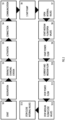
- Fig. 2 illustrates the operation of a charging station 1 according to the present invention.
- a driver or user of an electrically powered vehicle intends in step S0 to recharge the vehicle battery 2A of his vehicle 2 and initiates the process.
- the charging station 1 can be displayed by a navigation system of the vehicle 2 to the user of the vehicle 2.
- the driver or user of the vehicle 2 can make in step S1 a reservation for a future intended charging process at the charging station 1.
- a reservation message is transferred from the battery management unit 2D of the vehicle 2 via a wireless communication link to the charging controller 1C of the charging station 1.
- a time slot for the intended charging process can be reserved for the respective vehicle 2.
- the reservation message can include additional information about the vehicle battery 2A, i.e. its battery capacity.
- the current battery temperature as measured by the temperature determination unit 2C can be transmitted to the charging controller 1C. Other information can be transmitted as well e.g.
- the charging controller 1C of the charging station 1 processes the received message and reserves a corresponding time slot TS for the future charging process of the approaching vehicle 2.
- the required time period can be calculated on the basis of the received information and a time slot TS can be reserved by the controller 1C.
- the charging controller 1C controls the medium temperature adjustment unit 1B to warm or cool the medium M to a suitable temperature depending on the information received from the battery management unit 2D and/or other parameters such as the chemical composition of the medium M and/or the current ambient temperature.
- the medium temperature adjustment unit 1B can comprise in a possible implementation a reservoir or tank filled with a predefined volume of the medium M which can be heated and/or cooled in response to a control signal of the charging controller 1C so that a suitable medium temperature can be achieved, even before the vehicle 2 arrives at the charging station 1.
- step S2 the vehicle 2 is driven to the charging station 1 and a charging lid might be opened by the user.
- the charging station 1 is activated, for instance if a plug-in of the pluggable connector 3 into the socket 7 of the vehicle 2 has been detected by the plug-in detection unit. As soon as the charging station 1 has been activated, additional processes can be triggered such as an authentification of the user of the vehicle 2 and/or of the vehicle 2 itself. Further, a payment procedure can be initiated in response to the detected plug-in in step S3. In an alternative embodiment, the activation of the charging station 1 can be performed before the vehicle 2 reaches the location of the charging station 1.
- the navigation system of the vehicle 2 can determine the momentary location of the driving vehicle 2 and may signal the imminent arrival of the vehicle 2 to the charging controller 1C, for example if the vehicle 2 is within a predefined range of the charging station 1.
- step S4 the electrical connection between the battery pack 1A of the charging station 1 and the vehicle battery 2A via the powerline 9 integrated in the cable 4 is established.
- step S5 communication between the battery management unit 2D and the charging controller 1C is performed via the first and/or second communication interface or via a powerline communication PLC along the power signal line 9.
- the controller 1C may recognize the type of the vehicle 2, in particular whether it comprises a separate battery cooling circuit or not.
- the controller 1C can activate a pumping device adapted to pump the medium M from the medium temperature adjustment unit 1B via the feedline 5 to the battery conditioning unit 2B of the vehicle 2 and back via the feedback line 6 to the medium temperature adjustment unit 1B.
- the pumping rate of the pump can be adjusted depending on the electrical power rate used in the charging process.
- step S7 the medium M starts to flow from the charging station 1 via the feedline 5 of the cable 4 to the battery conditioning unit 2B of the vehicle 2.
- internal valves integrated in the charging station 1 may be opened in step S7.
- the battery conditioning unit 2B may comprise a heat exchanging device adapted to exchange heat between the received medium M and a separate battery cooling circuit of the vehicle 2.
- the charging controller 1C can further control in step S8 to open other controllable valves in the medium transport loop, in particular in connector 3 the socket 7 or integrated in the vehicle 2.
- the number of controllable valves may differ for different use cases.
- Valves are provided in the charging station 1 as illustrated in Fig. 1 . Further valves may be provided also in the vehicle 2.
- At least one controllable valve is provided in the pluggable charging connector 3 and/or in the socket 7. The valve is controlled by the charging controller 1C, for instance via a powerline communication through the powerline 9 of the cable 4 so that a control signal travels via the powerline 9 to the controllable valve integrated in the plug-in connector 3 of the cable 4.
- electrical power can start to flow from the battery pack 1A via the powerline 9 to the vehicle battery 2A in step S9.
- the charging controller 1C can control an electromechanical or electronic switch to connect the battery pack 1A with the vehicle battery 2A in step S9.
- a control signal can also travel in a possible implementation through the powerline 9 using a powerline communication PLC. Since the medium M flows in parallel to the powerline 9 through the cable it does also cool the powerline 9 during the charging process.
- step S10 the electrical current I used for charging the vehicle battery 2A and the medium M with the suitable temperature T are transported in parallel through the cable 4.
- the temperature of the medium M flowing through the feedline 5 and the medium M transported back via the feedback line 6 can be measured continuously and notified to the charging controller 1C and/or to the battery management unit 2D of the vehicle 2.
- Additional temperature sensors may be provided in the plug-in connector 3, the socket 7 and/or along the cable 4.
- step S11 the charging process is stopped.
- the stream of the medium M can be maintained for a predefined time period to provide the required cooling and/or heating of the vehicle battery 2A.
- step S12 the medium stream is stopped by closing the at least one controllable valve in response to a control signal provided by the charging controller 1C of the charging station 1.
- the user of the vehicle 2 may disconnect the charging connector 3 from the socket 7 of the vehicle 2 in step S13. This can trigger a closing of the internal valves integrated in the housing of the charging station 1.
- the charging process of the vehicle battery 2A can be optimized, since the charging performance is increased.
- the suitable temperature allows for faster loading of the vehicle battery 2A and also increases the operation lifetime of the vehicle battery.
- the supply of a medium M with a suitable temperature also increases the safety of the process since inadmissible temperature ranges of the vehicle battery 2A are avoided. Consequently, the charging process can be performed faster and in a more reliable manner.
- the adjustment of the medium temperature by the medium temperature adjustment unit 1B can be performed depending on the capacity of the vehicle battery 2A and the required amount of electrical energy to be transferred to the vehicle battery 2A. Further, the temperature of the supplied medium M can be adjusted depending on the required charging rate and/or available charging time.
- the charging controller 1C can be connected via a communication link to a remote central server providing cloud services to the charging station 1.
- a remote central server providing cloud services to the charging station 1.
- different kinds of media M can be used, for instance different kinds of fluids and/or gases.
- different kinds of controllable valves can be used depending on the application or use case.
- the fast charging method according to the present invention can be performed in the background so that a client or user may not even become aware of the fast charging method.
- the fast charging is notified to the user.
- the charging time saved by temperature adjustment can be calculated by a processor of the charging controller 1C and notified to the user.
Landscapes
- Engineering & Computer Science (AREA)
- Mechanical Engineering (AREA)
- Transportation (AREA)
- Power Engineering (AREA)
- Chemical Kinetics & Catalysis (AREA)
- Electrochemistry (AREA)
- General Chemical & Material Sciences (AREA)
- Chemical & Material Sciences (AREA)
- Manufacturing & Machinery (AREA)
- Life Sciences & Earth Sciences (AREA)
- Sustainable Development (AREA)
- Sustainable Energy (AREA)
- Microelectronics & Electronic Packaging (AREA)
- Automation & Control Theory (AREA)
- Charge And Discharge Circuits For Batteries Or The Like (AREA)
- Electric Propulsion And Braking For Vehicles (AREA)
Description
- The invention relates to a charging station for charging a vehicle battery of at least one electrically powered vehicle and to a method for charging a vehicle battery of at least one electrically powered vehicle connected to the charging station.
- Electromobility becomes increasingly important as more and more vehicles are electrically powered. As the number of electrically powered vehicles increases, there is an increasing need to charge vehicle batteries efficiently. Further, the electrical capacity of vehicle batteries becomes larger so that the vehicle batteries have to be charged with more electrical power to avoid long charging periods. However, if vehicle batteries of electrical vehicles have to be charged with higher electrical power, the temperature of the vehicle batteries increases during the charging process. Vehicle batteries may reach a temperature level which requires cooling of the vehicle batteries. In some use cases, the charging is performed with an electrical power of up to and more than 1,000 kW. This high power charging generates heat causing a temperature increase. The increase of the temperature during the charging process with high electrical power can be even higher depending on the ambient temperature. Accordingly, the ambient temperature may also have an impact on the temperature of the vehicle battery to be charged by the charging station. For instance, during the winter period, it may be required to warm up the vehicle battery so that the charging process can be performed more efficiently.
-
US 2015/306974 A1 ,US 2017/297431 A1 andUS 2012/043943 A1 disclose vehicle charging stations which supply electric energy to the vehicle battery being charged as well as thermal medium to condition it.US 2018/339597 A1 discloses remotely reserving a charging station. - Accordingly, it is the object of the present invention to provide a charging station and corresponding charging method which allows to charge an electrical battery of a vehicle efficiently for different charging powers and/or ambient temperatures.
- This object is achieved according to a first aspect of the present invention by a charging station comprising the features of claim 1, and a system of a charging station and at least one electrically powered vehicle, the system comprising the features of
claim 13. - The invention provides according to a first aspect a charging station for charging a vehicle battery of at least one electrically powered vehicle connected to the charging station by means of a pluggable charging connector adapted to transfer in a charging process electrical power from said charging station to the vehicle battery, wherein a valve of said charging station and/or of the vehicle is opened before, during and/or after said charging process to supply a medium with a suitable temperature into a battery conditioning unit of the vehicle to optimize the temperature of the vehicle battery for the charging process.
- In a possible embodiment, the supplied medium comprises a fluid.
- In a possible embodiment of the charging station according to the first aspect of the present invention, the battery conditioning unit of the connected vehicle receiving the medium through the at least one opened valve from the charging station is adapted to optimize the temperature of the vehicle battery before, while and/or after the electrical charging process of the vehicle battery.
- In a preferred embodiment, the charging station according to the first aspect of the present invention comprises a transportable charging station with at least one integrated battery pack adapted to store electrical power transferred at least partially during the electrical charging process via a cable and the plugged-in charging connector into the vehicle battery of the least one electrically powered vehicle connected to said transportable charging station by means of said cable.
- The transportable charging station can for instance be transported in an urban environment by means of a transport truck having a crane adapted to lift the charging station for recharging at a central recharging facility. In this embodiment, the charging station is not connected to a power supply network but is transported to another location for recharging by the central recharging facility.
- The charging station comprises a medium temperature adjustment unit adapted to adjust the medium temperature of the medium to the suitable temperature before supplying the medium via the opened valve of the charging station, and optionally via an opened valve of the vehicle, to the battery conditioning unit of the vehicle.
- In a possible embodiment, the battery temperature of the vehicle battery is determined by a temperature determination unit of the vehicle and notified to the charging controller of the charging station provided to control the medium temperature adjustment unit of the charging station.
- In a possible embodiment of the charging station according to the first aspect of the present invention, the medium temperature adjustment unit of the charging station is connected to the battery conditioning unit of the vehicle by means of a medium feedline provided to feed the medium with the suitable temperature into the battery conditioning unit and by means of a medium feedback line provided to feedback the medium back to the medium temperature adjustment unit of the charging station.
- In a further possible embodiment of the charging station according to the first aspect of the present invention, at least one controllable valve is provided in the medium feedline and/or in the medium feedback line.
- In a further possible embodiment of the charging station according to the first aspect of the present invention, the at least one controllable valve is controlled by the charging controller of the charging station.
- In a further possible embodiment of the charging station according to the first aspect of the present invention, the at least one controllable valve is integrated in the pluggable charging connector and can be opened or closed in response to a valve control signal received from the charging controller of the charging station.
- In a further possible embodiment of the charging station according to the first aspect of the present invention, the medium supplied by the medium temperature adjustment unit of the charging station is further used to heat or cool a cabin of the vehicle during the charging process.
- In a further possible embodiment of the charging station according to the first aspect of the present invention, a plug-in of the pluggable charging connector of the charging station into a corresponding socket of the vehicle is detected by a plug-in detection unit of the vehicle and/or a plug-in detection unit of the charging station and is notified to the charging controller of the charging station.
- In a possible embodiment of the charging station according to the first aspect of the present invention, the controllable valve of the charging station and/or the controllable valve of the vehicle is opened automatically if a plug-in of the pluggable charging connector into the socket of the vehicle is detected by the plug-in detection unit of the vehicle and/or by the plug-in detection unit of the charging station.
- In a further possible embodiment of the charging station according to the first aspect of the present invention, the battery conditioning unit of the vehicle comprises a heat exchanging device adapted to exchange heat between the medium supplied by the charging station and a battery cooling circuit of the vehicle.
- In a further possible embodiment of the charging station according to the first aspect of the present invention, the charging station comprises a first communication interface for providing communication between the charging controller of the charging station and a battery management unit of the vehicle via the plug-in charging connector of the charging station.
- In a further possible embodiment of the charging station according to the first aspect of the present invention, the charging station comprises a second communication interface for providing communication between the charging controller of the charging station and the battery management unit of a remote vehicle approaching this charging station.
- In a further possible embodiment of the charging station according to the first aspect of the present invention, the vehicle battery is charged during the charging process via the cable with a power of more than 100 kW.
- The invention further provides according to a further aspect a method for charging a vehicle battery of at least one electrically powered vehicle comprising the features of claim 18. The invention provides according to the second aspect a method for charging a vehicle battery of at least one electrically powered vehicle connected to the charging station by means of a pluggable charging connector which transfers in a charging process electrical power from the charging station to the vehicle battery, the method comprising the features of
claim 13. A valve of the charging station, and optionally a valve of the vehicle, are opened before, during and/or after said charging process to supply a medium with a suitable temperature into a battery conditioning unit of the vehicle to optimize the temperature of the vehicle battery for the charging process. - In the following, possible embodiments of the different aspects of the present invention are described in more detail with reference to the enclosed figures.
- Fig. 1
- shows a block diagram for illustrating a possible exemplary embodiment of a charging station according to the first aspect of the present invention;
- Fig. 2
- shows a flowchart of steps to be performed for loading a vehicle battery using a charging station according to the present invention.
- As can be seen in the block diagram of
Fig. 1 , a charging station 1 according to the first aspect of the present invention can be used for charging at least onevehicle battery 2A of an electrically poweredvehicle 2 connected to the charging station 1. The charging station 1 can be used to loadvehicle batteries 2A of several electrically poweredvehicles 2 connected to the charging station 1 at the same time. The charging station 1 can be used to chargevehicle batteries 2A of different kinds of electrically poweredvehicles 2 including electrically powered cars or trucks but also smaller devices such as electrically powered bicycles. In the illustrated embodiment ofFig. 1 , the electrically poweredvehicle 2 can be connected to the charging station 1 by means of apluggable charging connector 3 plugged into acorresponding socket 7 of thevehicle 2. Thecharging connector 3 is adapted to transfer in a charging process electrical power from the charging station 1 into thevehicle battery 2A of thevehicle 2. A valve of the charging station 1 and/or a valve of thevehicle 2 is opened before, during and/or after the charging process to supply a medium M with a suitable temperature into abattery conditioning unit 2B of thevehicle 2 to optimize the temperature of thevehicle battery 2A for the respective charging process. The supplied medium M can comprise a fluid with a high heat capacity. - The
battery conditioning unit 2B of thevehicle 2 receives the medium M through the at least one opened valve from the charging station 1 and is adapted to optimize the temperature of thevehicle battery 2A before, while and/or after the electrical charging process of thevehicle battery 2A. In a preferred embodiment, the charging station 1 is a transportable charging station with at least one integratedbattery pack 1A as shown inFig. 1 . The integratedbattery pack 1A is adapted to store electrical power which can be transferred at least partially during the electrical charging process via apower line 9 within acable 4 and the plugged-incharging connector 3 to thevehicle battery 2A of the electrically poweredvehicle 2 connected to the transportable charging station 1 by means of thecable 4. In the illustrated embodiment ofFig. 1 , the charging station 1 is a transportable charging station which is not connected to a public power supply grid. The charging station 1 can be integrated in a housing which is liftable by a crane of a transport truck. The crane of the transport truck can lift the housing of the charging station 1 to a transport platform of a truck which transports the charging station 1 to a central recharging facility adapted to recharge the at least onebattery pack 1A of the charging station 1 depleted by the charging processes performed to charge thevehicle batteries 2A. After recharging of thebattery pack 1A at the central recharging facility, the transportable charging station 1 can be transported back by the transport truck to a desired location and deployed in the field by lifting the housing of the charging station 1 with the crane to the ground floor. Consequently, the transportable charging station 1 shown inFig. 1 can be easily relocated to other locations to provide a local possibility for rechargingvehicle batteries 2A. - The charging station 1 comprises a medium
temperature adjustment unit 1B which can adjust the medium temperature of the medium M such as a fluid to the suitable temperature before supplying the medium M via the at least one opened valve of the charging station 1 and/or of thevehicle 2 to thebattery conditioning unit 2B of thevehicle 2. The medium temperature of the medium M can be adjusted by the mediumtemperature adjustment unit 1B depending on a battery temperature of thevehicle battery 2A of thevehicle 2. This adjustment can also take place before thevehicle battery 2A of thevehicle 2 is connected to the charging station 1 via thecable 4, e.g. for avehicle 2 approaching the charging station 1. In this scenario, the current battery temperature of thevehicle battery 2A may be notified to acharging controller 1C of the charging station 1, for instance via a wireless communication link. Thecharging controller 1C can control the mediumtemperature adjustment unit 1B to adapt the temperature of the medium M in advance before thevehicle 2 arrives at the charging station 1 so that the medium M with the suitable temperature is already available when thevehicle 2 is connected to the charging station 1 via thecable 4. In this way, the required time for recharging thevehicle battery 2A can be reduced. In an alternative embodiment, the mediumtemperature adjustment unit 1B adapts the temperature of the medium M after thevehicle 2 has been connected to the charging station 1. In a possible embodiment, the battery temperature of thevehicle battery 2A is determined by atemperature determination unit 2C of thevehicle 2 as illustrated in the block diagram ofFig. 1 . The determined battery temperature can be notified by thetemperature determination unit 2C of thevehicle 2 to the chargingcontroller 1C of the charging station 1 which uses the received information about the battery temperature to control the mediumtemperature adjustment unit 1B of the charging station 1. As illustrated inFig. 1 , the chargingcontroller 1C and the mediumtemperature adjustment unit 1B can be connected to each other by means of an integrated control and data bus. Thetemperature determination unit 2C can comprise at least one temperature sensor adapted to measure the current temperature of thevehicle battery 2A and notify the temperature of thevehicle battery 2A to an integratedbattery management unit 2D of thevehicle 2 as also illustrated inFig. 1 . Thetemperature determination unit 2C and thebattery management unit 2D can also be connected by means of an integrated control and data bus allowing communication. Thebattery conditioning unit 2B is connected via the control and data bus to thebattery management unit 2D of thevehicle 2. The temperature measured by the sensor of thetemperature determination unit 2C notified to thebattery management unit 2D of thevehicle 2 can be communicated to the chargingcontroller 1C via a wireless communication link and/or via a communication line extending through the chargingcable 4. The temperature data can also be supplied via a wireless network such as a mobile telephone network used to forward the temperature data from thebattery management unit 2D to a transceiver integrated in the charging station 1 supplying the received information to the chargingcontroller 1C. Accordingly, there can be a wireless communication link between thebattery management unit 2D and the chargingcontroller 1C adapted to provide bidirectional communication for exchanging data and/or information. - In the illustrated embodiment of
Fig. 1 , the mediumtemperature adjustment unit 1B of the charging station 1 is connected to thebattery conditioning unit 2B of thevehicle 2 by means of amedium feedline 5 provided to feed the medium M with the suitable temperature T into thebattery conditioning unit 2B. Further, amedium feedback line 6 is provided to feedback the medium back to the mediumtemperature adjustment unit 1B of the charging station 1. Accordingly, in the illustrated embodiment, the mediumtemperature adjustment unit 1B and thebattery conditioning unit 2B form a closed loop in which the medium M can circulate if the controllable valves are opened. - In the illustrated embodiment of
Fig. 1 , thecable 4 comprises apower supply line 9 through which electrical power can be transferred from thebattery pack 1A to thevehicle battery 2A connected to the charging station 1. Thecable 4 also includes thefeedline 5 as well as thefeedback line 6 used for circulating the medium M. In the illustrated embodiment ofFig. 1 , acontrollable valve 8A is provided in thefeedline 5 and anothercontrollable valve 8B is provided in thefeedback line 6. Bothcontrollable valves controller 1C of the charging station 1. If thevalves battery conditioning unit 2B of thevehicle 2 to optimize the temperature of thevehicle battery 2A for the charging process. Thedifferent valves first valve 8A and to pump the medium into thebattery conditioning unit 2B of thevehicle 2 before closing thevalve 8A after a predetermined waiting period. After having closedvalve 8A theother valve 8B can be opened to pump the medium back to themedium adjustment unit 1B of the charging station 1. This serial process can be executed at a high rate. The charging station 1 can comprise integrated pumps providing sufficient pressure for transporting the medium M from the mediumtemperature adjustment unit 1B to thebattery conditioning unit 2B via thefeedline 5 and back via thefeedback line 6. - In the illustrated embodiment of
Fig. 1 , thecontrollable valves pluggable charging connector 3 to open and close in response to a valve control signal CRTL received from the chargingcontroller 1C of the charging station 1 via a control signal line. At least one controllable valve can also be integrated in thesocket 7 of thevehicle 2. The medium M supplied by the mediumtemperature adjustment unit 1B of the charging station 1 can be used in a further possible implementation also to heat and/or cool a cabin of thevehicle 2 during the charging process. - In a possible embodiment, a plug-in of the
pluggable charging connector 3 of the charging station 1 into the correspondingsocket 7 of thevehicle 2 can be detected by a plug-in detection unit of thevehicle 2 and/or by a plug-in detection unit of the charging station 1. The detected plug-in can be notified to the chargingcontroller 1C of the charging station 1 and/or to thebattery management unit 2D of thevehicle 2. In a possible implementation, at least one controllable valve such as thecontrollable valves Fig. 1 are opened automatically if a plug-in of thepluggable charging connector 3 into thesocket 7 of thevehicle 2 has been detected by the plug-in detection unit of the charging station 1 and/or by the plug-in detection unit of thevehicle 2. - The
battery conditioning unit 2B of thevehicle 2 comprises in a preferred embodiment a heat exchanging device adapted to exchange heat between the medium M supplied by the charging station 1 and a battery cooling circuit of thevehicle 2. In this embodiment, thevehicle 2 comprises two separate cooling circuits connected by means of the heat exchanging device integrated in the chassis of thevehicle 2. In an alternative embodiment, the connectedelectrical vehicle 2 comprises only one cooling circuit to which the mediumtemperature adjustment unit 1B is connected via thefeedline 5 andfeedback line 6. In this embodiment, thevehicle battery 2A can be cooled during the charging process and no separate cooling device is required for thevehicle 2. - The charging station 1 comprises a first communication interface which allows communication between the charging
controller 1C of the charging station 1 and thebattery management unit 2D of thevehicle 2 via the plugged-incharging connector 3 of the charging station 1. The charging station 1 comprises a second communication interface for providing communication between the chargingcontroller 1C of the charging station 1 and thebattery management unit 2D of thevehicle 2. The second communication interface can comprise a wireless communication interface which allows communication between the chargingcontroller 1C and thebattery management unit 2D of a remote vehicle approaching the charging station 1 for an intended charging process of itsvehicle battery 2A. The charging power provided by the charging station 1 can vary depending on the use case. In a possible embodiment, thevehicle battery 2A of thevehicle 2 is charged during the charging process via apowerline 9 of the chargingcable 4 with a power of more than 100 kW. -
Fig. 2 illustrates the operation of a charging station 1 according to the present invention. In the illustrated exemplary flow, a driver or user of an electrically powered vehicle intends in step S0 to recharge thevehicle battery 2A of hisvehicle 2 and initiates the process. - In a possible implementation, the charging station 1 can be displayed by a navigation system of the
vehicle 2 to the user of thevehicle 2. The driver or user of thevehicle 2 can make in step S1 a reservation for a future intended charging process at the charging station 1. A reservation message is transferred from thebattery management unit 2D of thevehicle 2 via a wireless communication link to the chargingcontroller 1C of the charging station 1. In the reservation message, a time slot for the intended charging process can be reserved for therespective vehicle 2. In a possible embodiment, the reservation message can include additional information about thevehicle battery 2A, i.e. its battery capacity. Further, the current battery temperature as measured by thetemperature determination unit 2C can be transmitted to the chargingcontroller 1C. Other information can be transmitted as well e.g. an indication of a desired medium temperature for the intended charging process. The chargingcontroller 1C of the charging station 1 processes the received message and reserves a corresponding time slot TS for the future charging process of the approachingvehicle 2. The required time period can be calculated on the basis of the received information and a time slot TS can be reserved by thecontroller 1C. The chargingcontroller 1C controls the mediumtemperature adjustment unit 1B to warm or cool the medium M to a suitable temperature depending on the information received from thebattery management unit 2D and/or other parameters such as the chemical composition of the medium M and/or the current ambient temperature. The mediumtemperature adjustment unit 1B can comprise in a possible implementation a reservoir or tank filled with a predefined volume of the medium M which can be heated and/or cooled in response to a control signal of the chargingcontroller 1C so that a suitable medium temperature can be achieved, even before thevehicle 2 arrives at the charging station 1. - In step S2, the
vehicle 2 is driven to the charging station 1 and a charging lid might be opened by the user. - In a further step S3, the charging station 1 is activated, for instance if a plug-in of the
pluggable connector 3 into thesocket 7 of thevehicle 2 has been detected by the plug-in detection unit. As soon as the charging station 1 has been activated, additional processes can be triggered such as an authentification of the user of thevehicle 2 and/or of thevehicle 2 itself. Further, a payment procedure can be initiated in response to the detected plug-in in step S3. In an alternative embodiment, the activation of the charging station 1 can be performed before thevehicle 2 reaches the location of the charging station 1. The navigation system of thevehicle 2 can determine the momentary location of the drivingvehicle 2 and may signal the imminent arrival of thevehicle 2 to the chargingcontroller 1C, for example if thevehicle 2 is within a predefined range of the charging station 1. - In a further step S4, the electrical connection between the
battery pack 1A of the charging station 1 and thevehicle battery 2A via thepowerline 9 integrated in thecable 4 is established. - In a further step S5, communication between the
battery management unit 2D and the chargingcontroller 1C is performed via the first and/or second communication interface or via a powerline communication PLC along thepower signal line 9. For instance, thecontroller 1C may recognize the type of thevehicle 2, in particular whether it comprises a separate battery cooling circuit or not. - In a further step S6, the
controller 1C can activate a pumping device adapted to pump the medium M from the mediumtemperature adjustment unit 1B via thefeedline 5 to thebattery conditioning unit 2B of thevehicle 2 and back via thefeedback line 6 to the mediumtemperature adjustment unit 1B. In a possible embodiment, the pumping rate of the pump can be adjusted depending on the electrical power rate used in the charging process. - In step S7, the medium M starts to flow from the charging station 1 via the
feedline 5 of thecable 4 to thebattery conditioning unit 2B of thevehicle 2. To this end internal valves integrated in the charging station 1 may be opened in step S7. Thebattery conditioning unit 2B may comprise a heat exchanging device adapted to exchange heat between the received medium M and a separate battery cooling circuit of thevehicle 2. - When the fluid pump is started, the charging
controller 1C can further control in step S8 to open other controllable valves in the medium transport loop, in particular inconnector 3 thesocket 7 or integrated in thevehicle 2. The number of controllable valves may differ for different use cases. Valves are provided in the charging station 1 as illustrated inFig. 1 . Further valves may be provided also in thevehicle 2. At least one controllable valve is provided in thepluggable charging connector 3 and/or in thesocket 7. The valve is controlled by the chargingcontroller 1C, for instance via a powerline communication through thepowerline 9 of thecable 4 so that a control signal travels via thepowerline 9 to the controllable valve integrated in the plug-inconnector 3 of thecable 4. - At the same time, electrical power can start to flow from the
battery pack 1A via thepowerline 9 to thevehicle battery 2A in step S9. In a possible embodiment, the chargingcontroller 1C can control an electromechanical or electronic switch to connect thebattery pack 1A with thevehicle battery 2A in step S9. Depending on the location of the electronic switch or electromechanical relay, a control signal can also travel in a possible implementation through thepowerline 9 using a powerline communication PLC. Since the medium M flows in parallel to thepowerline 9 through the cable it does also cool thepowerline 9 during the charging process. - Accordingly, in a possible embodiment, in step S10, the electrical current I used for charging the
vehicle battery 2A and the medium M with the suitable temperature T are transported in parallel through thecable 4. The temperature of the medium M flowing through thefeedline 5 and the medium M transported back via thefeedback line 6 can be measured continuously and notified to the chargingcontroller 1C and/or to thebattery management unit 2D of thevehicle 2. Additional temperature sensors may be provided in the plug-inconnector 3, thesocket 7 and/or along thecable 4. - In a further step S11, the charging process is stopped. After the electrical charging process has been stopped, the stream of the medium M can be maintained for a predefined time period to provide the required cooling and/or heating of the
vehicle battery 2A. - In a further step S12, the medium stream is stopped by closing the at least one controllable valve in response to a control signal provided by the charging
controller 1C of the charging station 1. After the medium flow has been interrupted in step S12, the user of thevehicle 2 may disconnect the chargingconnector 3 from thesocket 7 of thevehicle 2 in step S13. This can trigger a closing of the internal valves integrated in the housing of the charging station 1. - By providing the medium M with a suitable temperature, the charging process of the
vehicle battery 2A can be optimized, since the charging performance is increased. The suitable temperature allows for faster loading of thevehicle battery 2A and also increases the operation lifetime of the vehicle battery. The supply of a medium M with a suitable temperature also increases the safety of the process since inadmissible temperature ranges of thevehicle battery 2A are avoided. Consequently, the charging process can be performed faster and in a more reliable manner. The adjustment of the medium temperature by the mediumtemperature adjustment unit 1B can be performed depending on the capacity of thevehicle battery 2A and the required amount of electrical energy to be transferred to thevehicle battery 2A. Further, the temperature of the supplied medium M can be adjusted depending on the required charging rate and/or available charging time. - In a possible embodiment, the charging
controller 1C can be connected via a communication link to a remote central server providing cloud services to the charging station 1. Depending on the use case, different kinds of media M can be used, for instance different kinds of fluids and/or gases. Also, different kinds of controllable valves can be used depending on the application or use case. - The fast charging method according to the present invention can be performed in the background so that a client or user may not even become aware of the fast charging method. In an alternative embodiment the fast charging is notified to the user. Also the charging time saved by temperature adjustment can be calculated by a processor of the charging
controller 1C and notified to the user.
Claims (15)
- A charging station (1) for charging a vehicle battery (2A) of at least one electrically powered vehicle (2) connected to said charging station (1) by means of a pluggable charging connector (3) adapted to transfer in a charging process electrical power from said charging station (1) to the vehicle battery (2A),
wherein the charging station (1) comprises:a charging controller (1C),a medium temperature adjustment unit (1B), anda pluggable charging connector (3) and a charging cable (4),wherein the charging cable (4) includes a medium feedline (5),and at least one controllable valve (8A), wherein the controllable valve (8A) is provided in the charging cable (4) or integrated in the pluggable charging connector (3),wherein the at least one controllable valve (8A) is controlled by the charging controller (1C),wherein the controllable valve (8A) of said charging station (1) is openable before, during and/or after said charging process to supply a medium with a suitable temperature into a battery conditioning unit (2B) of the vehicle (2) to optimize the temperature of the vehicle battery (2A) for the charging process,wherein the medium temperature adjustment unit (1B) is adapted to adjust the medium temperature of the medium to the suitable temperature before supplying the medium via the opened controllable valve (8A) of the charging station (1) to the battery conditioning unit (2B) of the vehicle (2),wherein the charging station (1) comprises a first communication interface for providing communication between the charging controller (1C) of the charging station (1) and a battery management unit (2D) of the vehicle (2) via the plugged-in charging connector (3) of the charging station (1) and a second wireless communication interface for providing communication between the charging controller (1C) of the charging station (1) and the battery management unit (2D) of a remote vehicle approaching the charging station (1), andwherein the charging controller (1C) is adapted to receive a wireless transferred reservation message from the battery management unit (2D) of the vehicle (2), for processing the received message and reserving a corresponding time slot (TS) for the future charging process of the approaching vehicle, wherein the charging controller (1C) controls the medium temperature adjustment unit (1B) to adapt the temperature of the medium (M) in advance before the vehicle (2) arrives at the charging station (1) so that the medium (M) with the suitable temperature is already available when the vehicle (2) is connected to the charging station (1) via the charging cable (4). - The charging station according to claim 1, wherein the battery conditioning unit (2B) of the vehicle (2) receiving the medium through the opened valve (8A) from the charging station (1) is adapted to optimize the temperature of the vehicle battery (2A) before, while and/or after the electrical charging process of the vehicle battery (2A).
- The charging station according to claim 1 or 2, comprising a transportable charging station (1) with at least one integrated battery pack (1A) adapted to store electrical power transferred at least partially during the electrical charging process via the cable (4) and the plugged-in charging connector (3) into the vehicle battery (2A) of the least one electrically powered vehicle (2) connected to said transportable charging station (1) by means of said cable (4).
- The charging station according to any of the preceding claims 1 to 3, wherein the medium temperature of the medium is adjusted by said medium temperature adjustment unit (1B) depending on a battery temperature of the vehicle battery (2A) of the vehicle (2) connected or to be connected to said charging station (1).
- The charging station according to claim 4, wherein the battery temperature of the vehicle battery (2A) is determined by a temperature determination unit (2C) of the vehicle (2) and notified to the charging controller (1C) of the charging station (1) provided to control the medium temperature adjustment unit (1B) of the charging station (1) .
- The charging station according to any of the preceding claims 1 to 5, wherein the medium temperature adjustment unit (1B) of the charging station (1) is connected to the battery conditioning unit (2B) of the vehicle (2) by means of the medium feedline (5) provided to feed the medium with the suitable temperature into the battery conditioning unit (2B) and by means of a medium feedback line (6) provided to feedback the medium back to the medium temperature adjustment unit (1B) of the charging station (1).
- The charging station according to claim 6, wherein at least one controllable valve (8A; 8B) is provided in the medium feedline (5) and/or in the medium feedback line (6) .
- The charging station according to any of the preceding claims, wherein the at least one controllable valve (8A; 8B) is integrated in the pluggable charging connector (3) and opened or closed in response to a valve control signal received from the charging controller (1C) of the charging station (1).
- The charging station according to any of the preceding claims 1 to 8, wherein the medium supplied by the medium temperature adjustment unit (1B) of the charging station (1) is further used to heat or cool a cabin of the vehicle (2) during the charging process.
- System of a charging station (1) as claimed in any of the preceding claims and at least one electrically powered vehicle (2) comprising a vehicle battery (2A) to be charged by the charging station (1), wherein the electrically powered vehicle (2) comprises a socket (7) into which the pluggable charging connector (3) of the charging station (1) is pluggable,wherein the electrically powered vehicle (2) further comprises a battery conditioning unit (2B),wherein the medium temperature adjustment unit (1B) of the charging station (1) is connectable to the battery conditioning unit (2B) of the vehicle (2) by means of a medium feedline (5) provided to feed the medium with a suitable temperature into the battery conditioning unit (2B) and by means of a medium feedback line (6) provided to feedback the medium back to the medium temperature adjustment unit (1B) of the charging station (1).
- The system according to claim 10, wherein the battery conditioning unit (2B) of the vehicle (2) comprises a heat exchanging device adapted to exchange heat between the medium supplied by the charging station (1) and a battery cooling circuit of the vehicle (2).
- The system according to claim 10 or 11, wherein the vehicle battery (2A) is chargeable during the charging process via the charging cable (4) with a power of more than 100 kW.
- A method for charging a vehicle battery (2A) of at least one electrically powered vehicle (2) connected to the charging station (1) as claimed in any of the preceding claims 1 to 12 by means of the pluggable charging connector (3) of the charging station (1),
wherein the method comprises the steps of:receiving a reservation message (S1) transferred from the battery management unit (2D) of a vehicle (2) via a wireless communication link to the charging controller (1C) of the charging station (1),activating of the charging station (1) (S3),communicating (S5) between the battery management unit (2D) and the charging controller (1C),wherein the charging controller (1C) processes the receivedmessage and reserves a corresponding time slot (TS) for the future charging process of an approaching vehicle,wherein the charging controller (1C) controls the medium temperature adjustment unit (1B) to adapt the temperature of the medium (M) in advance before said vehicle (2) arrives at the charging station (1) so that the medium (M) with the suitable temperature is already available when said vehicle (2) is connected to the charging station (1) via the charging cable (4)
andtransferring in a charging process electrical power from said charging station (1) to the vehicle battery (2A),wherein a valve of said charging station (1) is opened before, during and/or after said charging process to supply a medium with the suitable temperature into a battery conditioning unit (2B) of the vehicle (2) to optimize the temperature of the vehicle battery (2A) for the charging process. - The method according to claim 13, comprising:
detecting a plug-in of the pluggable charging connector (3) of the charging station (1) into a corresponding socket (7) of the vehicle (2) by a plug-in detection unit of the charging station (1) and notifying to the charging controller (1C) of the charging station (1). - The method according to claim 14, comprising:
detecting a plug-in of the pluggable charging connector (3) into the socket (7) of the vehicle (2) by the plug-in detection unit and opening the controllable valve (8A; 8B) of the charging station (1) automatically if a plug-in of the pluggable charging connector (3) into the socket (7) of the vehicle (2) is detected.
Priority Applications (1)
| Application Number | Priority Date | Filing Date | Title |
|---|---|---|---|
| EP24193738.2A EP4435928A3 (en) | 2020-03-31 | 2021-03-30 | Charging station |
Applications Claiming Priority (2)
| Application Number | Priority Date | Filing Date | Title |
|---|---|---|---|
| EP20166977.7A EP3890098A1 (en) | 2020-03-31 | 2020-03-31 | Charging station |
| PCT/EP2021/058349 WO2021198287A1 (en) | 2020-03-31 | 2021-03-30 | Charging station |
Related Child Applications (1)
| Application Number | Title | Priority Date | Filing Date |
|---|---|---|---|
| EP24193738.2A Division EP4435928A3 (en) | 2020-03-31 | 2021-03-30 | Charging station |
Publications (2)
| Publication Number | Publication Date |
|---|---|
| EP4128423A1 EP4128423A1 (en) | 2023-02-08 |
| EP4128423B1 true EP4128423B1 (en) | 2024-08-14 |
Family
ID=70110022
Family Applications (3)
| Application Number | Title | Priority Date | Filing Date |
|---|---|---|---|
| EP20166977.7A Pending EP3890098A1 (en) | 2020-03-31 | 2020-03-31 | Charging station |
| EP24193738.2A Pending EP4435928A3 (en) | 2020-03-31 | 2021-03-30 | Charging station |
| EP21714237.1A Active EP4128423B1 (en) | 2020-03-31 | 2021-03-30 | Charging station |
Family Applications Before (2)
| Application Number | Title | Priority Date | Filing Date |
|---|---|---|---|
| EP20166977.7A Pending EP3890098A1 (en) | 2020-03-31 | 2020-03-31 | Charging station |
| EP24193738.2A Pending EP4435928A3 (en) | 2020-03-31 | 2021-03-30 | Charging station |
Country Status (7)
| Country | Link |
|---|---|
| US (1) | US12434587B2 (en) |
| EP (3) | EP3890098A1 (en) |
| CN (1) | CN116018708A (en) |
| DK (1) | DK4128423T3 (en) |
| ES (1) | ES2994503T3 (en) |
| PT (1) | PT4128423T (en) |
| WO (1) | WO2021198287A1 (en) |
Families Citing this family (7)
| Publication number | Priority date | Publication date | Assignee | Title |
|---|---|---|---|---|
| DE102020204694A1 (en) * | 2020-02-21 | 2021-08-26 | Volkswagen Aktiengesellschaft | Method for controlling the charging process of an electrical energy store and charging device |
| KR20230072818A (en) * | 2021-11-18 | 2023-05-25 | 현대자동차주식회사 | Battery conditioning system and method |
| JP7683565B2 (en) * | 2022-08-05 | 2025-05-27 | トヨタ自動車株式会社 | Server, system, and management method |
| US20240239216A1 (en) * | 2023-01-13 | 2024-07-18 | Ford Global Technologies, Llc | Vehicle charger control system and method |
| CN116198371B (en) * | 2023-03-27 | 2023-10-31 | 深圳市南霸科技有限公司 | Electric automobile charge control system |
| WO2025119702A1 (en) * | 2023-12-06 | 2025-06-12 | Shell Internationale Research Maatschappij B.V. | Charging system for a vehicle energy storage system |
| CN121625762A (en) * | 2024-09-05 | 2026-03-10 | 华为数字能源技术有限公司 | Electric vehicle |
Citations (1)
| Publication number | Priority date | Publication date | Assignee | Title |
|---|---|---|---|---|
| US20180339597A1 (en) * | 2017-05-23 | 2018-11-29 | Martin Kruszelnicki | Charging connector |
Family Cites Families (19)
| Publication number | Priority date | Publication date | Assignee | Title |
|---|---|---|---|---|
| US8174235B2 (en) * | 2011-07-25 | 2012-05-08 | Lightening Energy | System and method for recharging electric vehicle batteries |
| US9786961B2 (en) * | 2011-07-25 | 2017-10-10 | Lightening Energy | Rapid charging electric vehicle and method and apparatus for rapid charging |
| US8350526B2 (en) * | 2011-07-25 | 2013-01-08 | Lightening Energy | Station for rapidly charging an electric vehicle battery |
| US9527403B2 (en) * | 2014-04-29 | 2016-12-27 | Tesla Motors, Inc. | Charging station providing thermal conditioning of electric vehicle during charging session |
| US9834114B2 (en) * | 2014-08-27 | 2017-12-05 | Quantumscape Corporation | Battery thermal management system and methods of use |
| DE112015004541T5 (en) * | 2014-10-03 | 2017-06-14 | Lightening Energy | System and method for thermal management of electric vehicle batteries |
| US9446682B2 (en) * | 2015-01-20 | 2016-09-20 | Atieva, Inc. | Method of operating a preemptive EV battery pack temperature control system |
| US20160207417A1 (en) * | 2015-01-20 | 2016-07-21 | Atieva, Inc. | Preemptive EV Battery Pack Temperature Control System |
| US9987944B2 (en) * | 2015-11-09 | 2018-06-05 | Ford Global Technologies, Llc | Electric vehicle opportunistic charging systems and methods |
| WO2018009448A1 (en) * | 2016-07-06 | 2018-01-11 | Crynamt Management Llc | Battery preconditioning for charging |
| US10300808B2 (en) * | 2017-04-20 | 2019-05-28 | Nio Usa, Inc. | Preconditioned charging using an autonomous vehicle |
| US11034253B2 (en) * | 2017-04-24 | 2021-06-15 | Chargepoint, Inc. | Liquid cooled charging cable for charging electric vehicles |
| US20180339601A1 (en) * | 2017-05-23 | 2018-11-29 | Martin Kruszelnicki | Charging station system and method |
| JP7059670B2 (en) | 2018-02-07 | 2022-04-26 | トヨタ自動車株式会社 | Charging system |
| CN110843572A (en) * | 2019-11-26 | 2020-02-28 | 上海理工大学 | Cooling control method of new energy vehicle charging pile |
| US11904717B2 (en) * | 2020-12-15 | 2024-02-20 | Bayerische Motoren Werke Aktiengesellschaft | Intelligent preconditioning for high voltage electric vehicle batteries |
| US20220250506A1 (en) * | 2021-02-05 | 2022-08-11 | GM Global Technology Operations LLC | Battery thermal preconditioning |
| US11904727B2 (en) * | 2021-03-03 | 2024-02-20 | Ford Global Technologies, Llc | Battery thermal management via current control |
| US12139041B2 (en) * | 2021-07-01 | 2024-11-12 | Bp Pulse Fleet North America Inc. | Route based battery preconditioning systems and methods |
-
2020
- 2020-03-31 EP EP20166977.7A patent/EP3890098A1/en active Pending
-
2021
- 2021-03-30 WO PCT/EP2021/058349 patent/WO2021198287A1/en not_active Ceased
- 2021-03-30 EP EP24193738.2A patent/EP4435928A3/en active Pending
- 2021-03-30 EP EP21714237.1A patent/EP4128423B1/en active Active
- 2021-03-30 PT PT217142371T patent/PT4128423T/en unknown
- 2021-03-30 ES ES21714237T patent/ES2994503T3/en active Active
- 2021-03-30 CN CN202180026194.0A patent/CN116018708A/en active Pending
- 2021-03-30 DK DK21714237.1T patent/DK4128423T3/en active
- 2021-03-30 US US17/907,298 patent/US12434587B2/en active Active
Patent Citations (1)
| Publication number | Priority date | Publication date | Assignee | Title |
|---|---|---|---|---|
| US20180339597A1 (en) * | 2017-05-23 | 2018-11-29 | Martin Kruszelnicki | Charging connector |
Also Published As
| Publication number | Publication date |
|---|---|
| EP4435928A2 (en) | 2024-09-25 |
| CN116018708A (en) | 2023-04-25 |
| EP3890098A1 (en) | 2021-10-06 |
| US20230110777A1 (en) | 2023-04-13 |
| ES2994503T3 (en) | 2025-01-24 |
| US12434587B2 (en) | 2025-10-07 |
| WO2021198287A1 (en) | 2021-10-07 |
| DK4128423T3 (en) | 2024-11-11 |
| EP4128423A1 (en) | 2023-02-08 |
| PT4128423T (en) | 2024-10-30 |
| EP4435928A3 (en) | 2025-04-23 |
Similar Documents
| Publication | Publication Date | Title |
|---|---|---|
| EP4128423B1 (en) | Charging station | |
| US12005796B2 (en) | Liquid cooled charging cable for charging electric vehicles | |
| US20230130832A1 (en) | Hot charging systems and methods | |
| CN104640734B (en) | Vehicle control system, information of vehicles provide device and vehicle information providing method | |
| EP3838654A1 (en) | A method and system for power supply of electrically powered vehicles | |
| US20230089802A1 (en) | Electric Vehicle Charging System | |
| JP6665192B2 (en) | User authentication outlet or user authentication connector, power mediation module and power demand device | |
| EP4166377B1 (en) | Vehicle charging stations and methods for use in charging an electrically powered vehicle | |
| CN108032750A (en) | Charging pile | |
| JP2016522537A (en) | Method for adjusting the temperature of a traction battery arranged in a vehicle during a charging process at a charging station, and a charging station for performing such a method | |
| US11872903B2 (en) | System and method for recalibrating a traction battery through bi-directional power transfer | |
| CN103963658A (en) | Method and device for monitoring at least one traction battery of motor vehicle | |
| US20200369113A1 (en) | Vehicle cabin thermal management systems and methods | |
| US20220080848A1 (en) | Portable all-weather electric vehicle charger and internal combustion engine starter and battery conditioner | |
| CN216268805U (en) | Charging system | |
| US20250026208A1 (en) | Vehicle-to-vehicle charging box and method for direct current fast-charging using the same | |
| EP3790154A1 (en) | Optimized power cord for transferring power to a transport climate control system | |
| US20240264573A1 (en) | Systems and methods for auxiliary load control | |
| US12024047B2 (en) | Method for controlling charging process of electrical energy storage device and matching transfer of electrical energy and thermal energy, and charging device | |
| US20260021734A1 (en) | Vehicle-to-vehicle charging unit and process | |
| KR20110021310A (en) | Emergency power supply method for electric vehicles |
Legal Events
| Date | Code | Title | Description |
|---|---|---|---|
| STAA | Information on the status of an ep patent application or granted ep patent |
Free format text: STATUS: UNKNOWN |
|
| STAA | Information on the status of an ep patent application or granted ep patent |
Free format text: STATUS: THE INTERNATIONAL PUBLICATION HAS BEEN MADE |
|
| PUAI | Public reference made under article 153(3) epc to a published international application that has entered the european phase |
Free format text: ORIGINAL CODE: 0009012 |
|
| STAA | Information on the status of an ep patent application or granted ep patent |
Free format text: STATUS: REQUEST FOR EXAMINATION WAS MADE |
|
| 17P | Request for examination filed |
Effective date: 20221013 |
|
| AK | Designated contracting states |
Kind code of ref document: A1 Designated state(s): AL AT BE BG CH CY CZ DE DK EE ES FI FR GB GR HR HU IE IS IT LI LT LU LV MC MK MT NL NO PL PT RO RS SE SI SK SM TR |
|
| RAP3 | Party data changed (applicant data changed or rights of an application transferred) |
Owner name: JOLT ENERGY GMBH |
|
| DAV | Request for validation of the european patent (deleted) | ||
| DAX | Request for extension of the european patent (deleted) | ||
| GRAP | Despatch of communication of intention to grant a patent |
Free format text: ORIGINAL CODE: EPIDOSNIGR1 |
|
| STAA | Information on the status of an ep patent application or granted ep patent |
Free format text: STATUS: GRANT OF PATENT IS INTENDED |
|
| INTG | Intention to grant announced |
Effective date: 20240312 |
|
| GRAS | Grant fee paid |
Free format text: ORIGINAL CODE: EPIDOSNIGR3 |
|
| GRAA | (expected) grant |
Free format text: ORIGINAL CODE: 0009210 |
|
| STAA | Information on the status of an ep patent application or granted ep patent |
Free format text: STATUS: THE PATENT HAS BEEN GRANTED |
|
| AK | Designated contracting states |
Kind code of ref document: B1 Designated state(s): AL AT BE BG CH CY CZ DE DK EE ES FI FR GB GR HR HU IE IS IT LI LT LU LV MC MK MT NL NO PL PT RO RS SE SI SK SM TR |
|
| REG | Reference to a national code |
Ref country code: GB Ref legal event code: FG4D |
|
| REG | Reference to a national code |
Ref country code: CH Ref legal event code: EP |
|
| REG | Reference to a national code |
Ref country code: DE Ref legal event code: R096 Ref document number: 602021017210 Country of ref document: DE |
|
| REG | Reference to a national code |
Ref country code: IE Ref legal event code: FG4D |
|
| REG | Reference to a national code |
Ref country code: NL Ref legal event code: FP |
|
| REG | Reference to a national code |
Ref country code: PT Ref legal event code: SC4A Ref document number: 4128423 Country of ref document: PT Date of ref document: 20241030 Kind code of ref document: T Free format text: AVAILABILITY OF NATIONAL TRANSLATION Effective date: 20241023 |
|
| REG | Reference to a national code |
Ref country code: DK Ref legal event code: T3 Effective date: 20241104 |
|
| REG | Reference to a national code |
Ref country code: SE Ref legal event code: TRGR |
|
| REG | Reference to a national code |
Ref country code: LT Ref legal event code: MG9D |
|
| PG25 | Lapsed in a contracting state [announced via postgrant information from national office to epo] |
Ref country code: NO Free format text: LAPSE BECAUSE OF FAILURE TO SUBMIT A TRANSLATION OF THE DESCRIPTION OR TO PAY THE FEE WITHIN THE PRESCRIBED TIME-LIMIT Effective date: 20241114 |
|
| PG25 | Lapsed in a contracting state [announced via postgrant information from national office to epo] |
Ref country code: FI Free format text: LAPSE BECAUSE OF FAILURE TO SUBMIT A TRANSLATION OF THE DESCRIPTION OR TO PAY THE FEE WITHIN THE PRESCRIBED TIME-LIMIT Effective date: 20240814 Ref country code: PL Free format text: LAPSE BECAUSE OF FAILURE TO SUBMIT A TRANSLATION OF THE DESCRIPTION OR TO PAY THE FEE WITHIN THE PRESCRIBED TIME-LIMIT Effective date: 20240814 Ref country code: GR Free format text: LAPSE BECAUSE OF FAILURE TO SUBMIT A TRANSLATION OF THE DESCRIPTION OR TO PAY THE FEE WITHIN THE PRESCRIBED TIME-LIMIT Effective date: 20241115 |
|
| PG25 | Lapsed in a contracting state [announced via postgrant information from national office to epo] |
Ref country code: BG Free format text: LAPSE BECAUSE OF FAILURE TO SUBMIT A TRANSLATION OF THE DESCRIPTION OR TO PAY THE FEE WITHIN THE PRESCRIBED TIME-LIMIT Effective date: 20240814 |
|
| PG25 | Lapsed in a contracting state [announced via postgrant information from national office to epo] |
Ref country code: LV Free format text: LAPSE BECAUSE OF FAILURE TO SUBMIT A TRANSLATION OF THE DESCRIPTION OR TO PAY THE FEE WITHIN THE PRESCRIBED TIME-LIMIT Effective date: 20240814 |
|
| PG25 | Lapsed in a contracting state [announced via postgrant information from national office to epo] |
Ref country code: IS Free format text: LAPSE BECAUSE OF FAILURE TO SUBMIT A TRANSLATION OF THE DESCRIPTION OR TO PAY THE FEE WITHIN THE PRESCRIBED TIME-LIMIT Effective date: 20241214 |
|
| PG25 | Lapsed in a contracting state [announced via postgrant information from national office to epo] |
Ref country code: HR Free format text: LAPSE BECAUSE OF FAILURE TO SUBMIT A TRANSLATION OF THE DESCRIPTION OR TO PAY THE FEE WITHIN THE PRESCRIBED TIME-LIMIT Effective date: 20240814 |
|
| REG | Reference to a national code |
Ref country code: ES Ref legal event code: FG2A Ref document number: 2994503 Country of ref document: ES Kind code of ref document: T3 Effective date: 20250124 |
|
| PG25 | Lapsed in a contracting state [announced via postgrant information from national office to epo] |
Ref country code: RS Free format text: LAPSE BECAUSE OF FAILURE TO SUBMIT A TRANSLATION OF THE DESCRIPTION OR TO PAY THE FEE WITHIN THE PRESCRIBED TIME-LIMIT Effective date: 20241114 |
|
| PG25 | Lapsed in a contracting state [announced via postgrant information from national office to epo] |
Ref country code: RS Free format text: LAPSE BECAUSE OF FAILURE TO SUBMIT A TRANSLATION OF THE DESCRIPTION OR TO PAY THE FEE WITHIN THE PRESCRIBED TIME-LIMIT Effective date: 20241114 Ref country code: PL Free format text: LAPSE BECAUSE OF FAILURE TO SUBMIT A TRANSLATION OF THE DESCRIPTION OR TO PAY THE FEE WITHIN THE PRESCRIBED TIME-LIMIT Effective date: 20240814 Ref country code: NO Free format text: LAPSE BECAUSE OF FAILURE TO SUBMIT A TRANSLATION OF THE DESCRIPTION OR TO PAY THE FEE WITHIN THE PRESCRIBED TIME-LIMIT Effective date: 20241114 Ref country code: LV Free format text: LAPSE BECAUSE OF FAILURE TO SUBMIT A TRANSLATION OF THE DESCRIPTION OR TO PAY THE FEE WITHIN THE PRESCRIBED TIME-LIMIT Effective date: 20240814 Ref country code: IS Free format text: LAPSE BECAUSE OF FAILURE TO SUBMIT A TRANSLATION OF THE DESCRIPTION OR TO PAY THE FEE WITHIN THE PRESCRIBED TIME-LIMIT Effective date: 20241214 Ref country code: HR Free format text: LAPSE BECAUSE OF FAILURE TO SUBMIT A TRANSLATION OF THE DESCRIPTION OR TO PAY THE FEE WITHIN THE PRESCRIBED TIME-LIMIT Effective date: 20240814 Ref country code: GR Free format text: LAPSE BECAUSE OF FAILURE TO SUBMIT A TRANSLATION OF THE DESCRIPTION OR TO PAY THE FEE WITHIN THE PRESCRIBED TIME-LIMIT Effective date: 20241115 Ref country code: FI Free format text: LAPSE BECAUSE OF FAILURE TO SUBMIT A TRANSLATION OF THE DESCRIPTION OR TO PAY THE FEE WITHIN THE PRESCRIBED TIME-LIMIT Effective date: 20240814 Ref country code: BG Free format text: LAPSE BECAUSE OF FAILURE TO SUBMIT A TRANSLATION OF THE DESCRIPTION OR TO PAY THE FEE WITHIN THE PRESCRIBED TIME-LIMIT Effective date: 20240814 |
|
| RAP4 | Party data changed (patent owner data changed or rights of a patent transferred) |
Owner name: JOLT ENERGY GMBH |
|
| PGFP | Annual fee paid to national office [announced via postgrant information from national office to epo] |
Ref country code: DE Payment date: 20250331 Year of fee payment: 5 |
|
| PG25 | Lapsed in a contracting state [announced via postgrant information from national office to epo] |
Ref country code: RO Free format text: LAPSE BECAUSE OF FAILURE TO SUBMIT A TRANSLATION OF THE DESCRIPTION OR TO PAY THE FEE WITHIN THE PRESCRIBED TIME-LIMIT Effective date: 20240814 Ref country code: SM Free format text: LAPSE BECAUSE OF FAILURE TO SUBMIT A TRANSLATION OF THE DESCRIPTION OR TO PAY THE FEE WITHIN THE PRESCRIBED TIME-LIMIT Effective date: 20240814 |
|
| PG25 | Lapsed in a contracting state [announced via postgrant information from national office to epo] |
Ref country code: EE Free format text: LAPSE BECAUSE OF FAILURE TO SUBMIT A TRANSLATION OF THE DESCRIPTION OR TO PAY THE FEE WITHIN THE PRESCRIBED TIME-LIMIT Effective date: 20240814 |
|
| PG25 | Lapsed in a contracting state [announced via postgrant information from national office to epo] |
Ref country code: CZ Free format text: LAPSE BECAUSE OF FAILURE TO SUBMIT A TRANSLATION OF THE DESCRIPTION OR TO PAY THE FEE WITHIN THE PRESCRIBED TIME-LIMIT Effective date: 20240814 |
|
| PG25 | Lapsed in a contracting state [announced via postgrant information from national office to epo] |
Ref country code: SK Free format text: LAPSE BECAUSE OF FAILURE TO SUBMIT A TRANSLATION OF THE DESCRIPTION OR TO PAY THE FEE WITHIN THE PRESCRIBED TIME-LIMIT Effective date: 20240814 |
|
| REG | Reference to a national code |
Ref country code: DE Ref legal event code: R097 Ref document number: 602021017210 Country of ref document: DE |
|
| PLBE | No opposition filed within time limit |
Free format text: ORIGINAL CODE: 0009261 |
|
| STAA | Information on the status of an ep patent application or granted ep patent |
Free format text: STATUS: NO OPPOSITION FILED WITHIN TIME LIMIT |
|
| PGFP | Annual fee paid to national office [announced via postgrant information from national office to epo] |
Ref country code: ES Payment date: 20250429 Year of fee payment: 5 |
|
| 26N | No opposition filed |
Effective date: 20250515 |
|
| PG25 | Lapsed in a contracting state [announced via postgrant information from national office to epo] |
Ref country code: MC Free format text: LAPSE BECAUSE OF FAILURE TO SUBMIT A TRANSLATION OF THE DESCRIPTION OR TO PAY THE FEE WITHIN THE PRESCRIBED TIME-LIMIT Effective date: 20240814 |
|
| REG | Reference to a national code |
Ref country code: CH Ref legal event code: H13 Free format text: ST27 STATUS EVENT CODE: U-0-0-H10-H13 (AS PROVIDED BY THE NATIONAL OFFICE) Effective date: 20251023 |
|
| PG25 | Lapsed in a contracting state [announced via postgrant information from national office to epo] |
Ref country code: LU Free format text: LAPSE BECAUSE OF NON-PAYMENT OF DUE FEES Effective date: 20250330 |
|
| PG25 | Lapsed in a contracting state [announced via postgrant information from national office to epo] |
Ref country code: CH Free format text: LAPSE BECAUSE OF NON-PAYMENT OF DUE FEES Effective date: 20250331 |
|
| REG | Reference to a national code |
Ref country code: AT Ref legal event code: UEP Ref document number: 1714145 Country of ref document: AT Kind code of ref document: T Effective date: 20240814 |
|
| PGFP | Annual fee paid to national office [announced via postgrant information from national office to epo] |
Ref country code: SE Payment date: 20260319 Year of fee payment: 6 |
|
| PGFP | Annual fee paid to national office [announced via postgrant information from national office to epo] |
Ref country code: GB Payment date: 20260324 Year of fee payment: 6 |
|
| PGFP | Annual fee paid to national office [announced via postgrant information from national office to epo] |
Ref country code: DK Payment date: 20260324 Year of fee payment: 6 Ref country code: IE Payment date: 20260319 Year of fee payment: 6 |
|
| PGFP | Annual fee paid to national office [announced via postgrant information from national office to epo] |
Ref country code: AT Payment date: 20260320 Year of fee payment: 6 |
|
| PGFP | Annual fee paid to national office [announced via postgrant information from national office to epo] |
Ref country code: BE Payment date: 20260319 Year of fee payment: 6 Ref country code: IT Payment date: 20260324 Year of fee payment: 6 |
|
| PGFP | Annual fee paid to national office [announced via postgrant information from national office to epo] |
Ref country code: NL Payment date: 20260319 Year of fee payment: 6 |
|
| PGFP | Annual fee paid to national office [announced via postgrant information from national office to epo] |
Ref country code: FR Payment date: 20260323 Year of fee payment: 6 |
|
| PGFP | Annual fee paid to national office [announced via postgrant information from national office to epo] |
Ref country code: PT Payment date: 20260319 Year of fee payment: 6 |