EP4117682B1 - Modifizierte nukleotide und verwendungen davon - Google Patents
Modifizierte nukleotide und verwendungen davon Download PDFInfo
- Publication number
- EP4117682B1 EP4117682B1 EP21793126.0A EP21793126A EP4117682B1 EP 4117682 B1 EP4117682 B1 EP 4117682B1 EP 21793126 A EP21793126 A EP 21793126A EP 4117682 B1 EP4117682 B1 EP 4117682B1
- Authority
- EP
- European Patent Office
- Prior art keywords
- unsubstituted
- substituted
- moiety
- alkyl
- independently
- Prior art date
- Legal status (The legal status is an assumption and is not a legal conclusion. Google has not performed a legal analysis and makes no representation as to the accuracy of the status listed.)
- Active
Links
Images

Classifications
-
- C—CHEMISTRY; METALLURGY
- C07—ORGANIC CHEMISTRY
- C07H—SUGARS; DERIVATIVES THEREOF; NUCLEOSIDES; NUCLEOTIDES; NUCLEIC ACIDS
- C07H19/00—Compounds containing a hetero ring sharing one ring hetero atom with a saccharide radical; Nucleosides; Mononucleotides; Anhydro-derivatives thereof
- C07H19/02—Compounds containing a hetero ring sharing one ring hetero atom with a saccharide radical; Nucleosides; Mononucleotides; Anhydro-derivatives thereof sharing nitrogen
- C07H19/04—Heterocyclic radicals containing only nitrogen atoms as ring hetero atom
- C07H19/06—Pyrimidine radicals
- C07H19/10—Pyrimidine radicals with the saccharide radical esterified by phosphoric or polyphosphoric acids
-
- C—CHEMISTRY; METALLURGY
- C07—ORGANIC CHEMISTRY
- C07H—SUGARS; DERIVATIVES THEREOF; NUCLEOSIDES; NUCLEOTIDES; NUCLEIC ACIDS
- C07H19/00—Compounds containing a hetero ring sharing one ring hetero atom with a saccharide radical; Nucleosides; Mononucleotides; Anhydro-derivatives thereof
- C07H19/02—Compounds containing a hetero ring sharing one ring hetero atom with a saccharide radical; Nucleosides; Mononucleotides; Anhydro-derivatives thereof sharing nitrogen
- C07H19/04—Heterocyclic radicals containing only nitrogen atoms as ring hetero atom
- C07H19/14—Pyrrolo-pyrimidine radicals
-
- C—CHEMISTRY; METALLURGY
- C12—BIOCHEMISTRY; BEER; SPIRITS; WINE; VINEGAR; MICROBIOLOGY; ENZYMOLOGY; MUTATION OR GENETIC ENGINEERING
- C12N—MICROORGANISMS OR ENZYMES; COMPOSITIONS THEREOF; PROPAGATING, PRESERVING, OR MAINTAINING MICROORGANISMS; MUTATION OR GENETIC ENGINEERING; CULTURE MEDIA
- C12N9/00—Enzymes; Proenzymes; Compositions thereof; Processes for preparing, activating, inhibiting, separating or purifying enzymes
- C12N9/10—Transferases (2.)
- C12N9/12—Transferases (2.) transferring phosphorus containing groups, e.g. kinases (2.7)
- C12N9/1241—Nucleotidyltransferases (2.7.7)
- C12N9/1252—DNA-directed DNA polymerase (2.7.7.7), i.e. DNA replicase
-
- C—CHEMISTRY; METALLURGY
- C12—BIOCHEMISTRY; BEER; SPIRITS; WINE; VINEGAR; MICROBIOLOGY; ENZYMOLOGY; MUTATION OR GENETIC ENGINEERING
- C12Q—MEASURING OR TESTING PROCESSES INVOLVING ENZYMES, NUCLEIC ACIDS OR MICROORGANISMS; COMPOSITIONS OR TEST PAPERS THEREFOR; PROCESSES OF PREPARING SUCH COMPOSITIONS; CONDITION-RESPONSIVE CONTROL IN MICROBIOLOGICAL OR ENZYMOLOGICAL PROCESSES
- C12Q1/00—Measuring or testing processes involving enzymes, nucleic acids or microorganisms; Compositions therefor; Processes of preparing such compositions
- C12Q1/68—Measuring or testing processes involving enzymes, nucleic acids or microorganisms; Compositions therefor; Processes of preparing such compositions involving nucleic acids
- C12Q1/6869—Methods for sequencing
-
- C—CHEMISTRY; METALLURGY
- C12—BIOCHEMISTRY; BEER; SPIRITS; WINE; VINEGAR; MICROBIOLOGY; ENZYMOLOGY; MUTATION OR GENETIC ENGINEERING
- C12Y—ENZYMES
- C12Y207/00—Transferases transferring phosphorus-containing groups (2.7)
- C12Y207/07—Nucleotidyltransferases (2.7.7)
- C12Y207/07007—DNA-directed DNA polymerase (2.7.7.7), i.e. DNA replicase
Definitions
- DNA sequencing is a fundamental tool in biological and medical research; it is an essential technology for the paradigm of personalized precision medicine.
- sequencing by synthesis SBS is the leading method for realizing the goal of the $1,000 genome. Accordingly, there is a need for modified nucleotides and nucleosides that are effectively recognized as substrates by DNA polymerases, that are efficiently and accurately incorporated into growing DNA chains during SBS. Disclosed herein, inter alia, are solutions to these and other problems in the art.
- WO 2017/058953 disclose compounds, compositions, and methods of use thereof in the sequencing a nucleic acid.
- the disclosed compounds are disulfide linker based nucleotides.
- a method for sequencing a nucleic acid including (i) incorporating in series with a nucleic acid polymerase, within a reaction vessel, one of four different compounds into a primer to create an extension strand, wherein the primer is hybridized to the nucleic acid and wherein each of the four different compounds comprises a unique fluorescent dye; (ii) detecting the unique flurorescent dye of each incorporated compound, so as to thereby identify each incorporated compound in the extension strand, thereby sequencing the nucleic acid; wherein each of the four different compounds is independently a compound of the first aspect, including embodiments.
- a method of incorporating a compound into a primer comprising combining a polymerase, a primer hybridized to nucleic acid template and the compound within a reaction vessel and allowing said polymerase to incorporate said compound into said primer thereby forming an extended primer, wherein said compound is a compound of the first aspect, including embodiments.
- nucleic acid polymerase complex including a nucleic acid polymerase, wherein the nucleic acid polymerase is bound (e.g., non-covalently bound) to a compound of the first aspect, including embodiments.
- substituent groups are specified by their conventional chemical formulae, written from left to right, they equally encompass the chemically identical substituents that would result from writing the structure from right to left, e.g., -CH 2 O- is equivalent to -OCH 2 -.
- alkyl by itself or as part of another substituent, means, unless otherwise stated, a straight ( i.e., unbranched) or branched carbon chain (or carbon), or combination thereof, which may be fully saturated, mono- or polyunsaturated and can include mono-, di- and multivalent radicals.
- the alkyl may include a designated number of carbons ( e . g ., C 1 -C 10 means one to ten carbons).
- the alkyl is fully saturated.
- the alkyl is monounsaturated.
- the alkyl is polyunsaturated.
- Alkyl is an uncyclized chain.
- saturated hydrocarbon radicals include, but are not limited to, groups such as methyl, ethyl, n-propyl, isopropyl, n-butyl, t-butyl, isobutyl, sec-butyl, methyl, homologs and isomers of, for example, n-pentyl, n-hexyl, n-heptyl, n-octyl, and the like.
- An unsaturated alkyl group is one having one or more double bonds or triple bonds.
- Examples of unsaturated alkyl groups include, but are not limited to, vinyl, 2-propenyl, crotyl, 2-isopentenyl, 2-(butadienyl), 2,4-pentadienyl, 3-(1,4-pentadienyl), ethynyl, 1- and 3-propynyl, 3-butynyl, and the higher homologs and isomers.
- An alkoxy is an alkyl attached to the remainder of the molecule via an oxygen linker (-O-).
- An alkyl moiety may be an alkenyl moiety.
- An alkyl moiety may be an alkynyl moiety.
- An alkyl moiety may be fully saturated.
- An alkenyl may include more than one double bond and/or one or more triple bonds in addition to the one or more double bonds.
- An alkynyl may include more than one triple bond and/or one or more double bonds in addition to the one or more triple bonds.
- An alkenyl includes one or more double bonds.
- An alkynyl includes one or more triple bonds.
- alkylene by itself or as part of another substituent, means, unless otherwise stated, a divalent radical derived from an alkyl, as exemplified, but not limited by, -CH 2 CH 2 CH 2 CH 2 -.
- an alkyl (or alkylene) group will have from 1 to 24 carbon atoms, with those groups having 10 or fewer carbon atoms being preferred herein.
- a “lower alkyl” or “lower alkylene” is a shorter chain alkyl or alkylene group, generally having eight or fewer carbon atoms.
- alkenylene by itself or as part of another substituent, means, unless otherwise stated, a divalent radical derived from an alkene.
- alkynylene by itself or as part of another substituent, means, unless otherwise stated, a divalent radical derived from an alkyne.
- alkynylene by itself or as part of another substituent, means, unless otherwise stated, a divalent radical derived from an alkyne.
- the alkylene is fully saturated.
- the alkylene is monounsaturated.
- the alkylene is polyunsaturated.
- An alkenylene includes one or more double bonds.
- An alkynylene includes one or more triple bonds.
- heteroalkyl by itself or in combination with another term, means, unless otherwise stated, a stable straight or branched chain, or combinations thereof, including at least one carbon atom and at least one heteroatom (e.g., O, N, P, Si, and S), and wherein the nitrogen and sulfur atoms may optionally be oxidized, and the nitrogen heteroatom may optionally be quaternized.
- the heteroatom(s) e.g., O, N, S, Si, or P
- Heteroalkyl is an uncyclized chain.
- a heteroalkyl moiety may include one heteroatom (e.g., O, N, S, Si, or P).
- a heteroalkyl moiety may include two optionally different heteroatoms (e.g., O, N, S, Si, or P).
- a heteroalkyl moiety may include three optionally different heteroatoms (e.g., O, N, S, Si, or P).
- a heteroalkyl moiety may include four optionally different heteroatoms (e.g., O, N, S, Si, or P).
- a heteroalkynyl may optionally include more than one triple bond and/or one or more double bonds in additional to the one or more triple bonds.
- the heteroalkyl is fully saturated.
- the heteroalkyl is monounsaturated.
- the heteroalkyl is polyunsaturated.
- heteroalkylene by itself or as part of another substituent, means, unless otherwise stated, a divalent radical derived from heteroalkyl, as exemplified, but not limited by, -CH 2 -CH 2 -S-CH 2 -CH 2 - and -CH 2 -S-CH 2 -CH 2 -NH-CH 2 -.
- heteroatoms can also occupy either or both of the chain termini (e.g., alkyleneoxy, alkylenedioxy, alkyleneamino, alkylenediamino, and the like).
- heteroalkyl groups include those groups that are attached to the remainder of the molecule through a heteroatom, such as -C(O)R', -C(O)NR', -NR'R", -OR', -SR', and/or -SO 2 R'.
- heteroalkynylene by itself or as part of another substituent, means, unless otherwise stated, a divalent radical derived from a heteroalkyne.
- the heteroalkylene is fully saturated.
- the heteroalkylene is monounsaturated.
- the heteroalkylene is polyunsaturated.
- a heteroalkenylene includes one or more double bonds.
- a heteroalkynylene includes one or more triple bonds.
- cycloalkyl and heterocycloalkyl by themselves or in combination with other terms, mean, unless otherwise stated, cyclic versions of “alkyl” and “heteroalkyl,” respectively. Cycloalkyl and heterocycloalkyl are not aromatic. Additionally, for heterocycloalkyl, a heteroatom can occupy the position at which the heterocycle is attached to the remainder of the molecule. Examples of cycloalkyl include, but are not limited to, cyclopropyl, cyclobutyl, cyclopentyl, cyclohexyl, 1-cyclohexenyl, 3-cyclohexenyl, cycloheptyl, and the like.
- heterocycloalkyl examples include, but are not limited to, 1-(1,2,5,6-tetrahydropyridyl), 1-piperidinyl, 2-piperidinyl, 3-piperidinyl, 4-morpholinyl, 3-morpholinyl, tetrahydrofuran-2-yl, tetrahydrofuran-3-yl, tetrahydrothien-2-yl, tetrahydrothien-3-yl, 1-piperazinyl, 2-piperazinyl, and the like.
- the cycloalkyl is fully saturated.
- the cycloalkyl is monounsaturated.
- the cycloalkyl is polyunsaturated.
- the heterocycloalkyl is fully saturated.
- the heterocycloalkyl is monounsaturated.
- the heterocycloalkyl is polyunsaturated.
- cycloalkyl means a monocyclic, bicyclic, or a multicyclic cycloalkyl ring system.
- monocyclic ring systems are cyclic hydrocarbon groups containing from 3 to 8 carbon atoms, where such groups can be saturated or unsaturated, but not aromatic.
- cycloalkyl groups are fully saturated.
- a bicyclic or multicyclic cycloalkyl ring system refers to multiple rings fused together or multiple spirocyclic rings wherein at least one of the fused or spirocyclic rings is a cycloalkyl ring and wherein the multiple rings are attached to the parent molecular moiety through any carbon atom contained within a cycloalkyl ring of the multiple rings.
- a cycloalkyl is a cycloalkenyl.
- the term "cycloalkenyl" is used in accordance with its plain ordinary meaning.
- a cycloalkenyl is a monocyclic, bicyclic, or a multicyclic cycloalkenyl ring system.
- a bicyclic or multicyclic cycloalkenyl ring system refers to multiple rings fused together or multiple spirocyclic rings wherein at least one of the fused or spirocyclic rings is a cycloalkenyl ring and wherein the multiple rings are attached to the parent molecular moiety through any carbon atom contained within a cycloalkenyl ring of the multiple rings.
- heterocycloalkyl means a monocyclic, bicyclic, or a multicyclic heterocycloalkyl ring system.
- heterocycloalkyl groups are fully saturated.
- a bicyclic or multicyclic heterocycloalkyl ring system refers to multiple rings fused together or multiple spirocyclic rings wherein at least one of the fused or spirocyclic rings is a heterocycloalkyl ring and wherein the multiple rings are attached to the parent molecular moiety through any atom contained within a heterocycloalkyl ring of the multiple rings.
- cycloalkyl means a monocyclic, bicyclic, or a multicyclic cycloalkyl ring system.
- monocyclic ring systems are cyclic hydrocarbon groups containing from 3 to 8 carbon atoms, where such groups can be saturated or unsaturated, but not aromatic.
- cycloalkyl groups are fully saturated. Examples of monocyclic cycloalkyls include cyclopropyl, cyclobutyl, cyclopentyl, cyclopentenyl, cyclohexyl, cyclohexenyl, cycloheptyl, and cyclooctyl.
- Bicyclic cycloalkyl ring systems are bridged monocyclic rings or fused bicyclic rings.
- bridged monocyclic rings contain a monocyclic cycloalkyl ring where two non adjacent carbon atoms of the monocyclic ring are linked by an alkylene bridge of between one and three additional carbon atoms (i.e., a bridging group of the form (CH 2 ) w , where w is 1, 2, or 3).
- bicyclic ring systems include, but are not limited to, bicyclo[3.1.1]heptane, bicyclo[2.2.1]heptane, bicyclo[2.2.2]octane, bicyclo[3.2.2]nonane, bicyclo[3.3.1]nonane, and bicyclo[4.2.1]nonane.
- fused bicyclic cycloalkyl ring systems contain a monocyclic cycloalkyl ring fused to either a monocyclic cycloalkyl, a monocyclic cycloalkenyl, or a monocyclic heterocyclyl.
- the bridged or fused bicyclic cycloalkyl is attached to the parent molecular moiety through any carbon atom contained within the monocyclic cycloalkyl ring.
- cycloalkyl groups are optionally substituted with one or two groups which are independently oxo or thia.
- the fused bicyclic cycloalkyl is a 5 or 6 membered monocyclic cycloalkyl ring fused to either a 5 or 6 membered monocyclic cycloalkyl, a 5 or 6 membered monocyclic cycloalkenyl, or a 5 or 6 membered monocyclic heterocyclyl, wherein the fused bicyclic cycloalkyl is optionally substituted by one or two groups which are independently oxo or thia.
- multicyclic cycloalkyl ring systems are a monocyclic cycloalkyl ring (base ring) fused to either (i) one ring system selected from the group consisting of a bicyclic cycloalkyl, a bicyclic cycloalkenyl, and a bicyclic heterocyclyl; or (ii) two other ring systems independently selected from the group consisting of a monocyclic or bicyclic cycloalkyl, a monocyclic or bicyclic cycloalkenyl, and a monocyclic or bicyclic heterocyclyl.
- the multicyclic cycloalkyl is attached to the parent molecular moiety through any carbon atom contained within the base ring.
- multicyclic cycloalkyl ring systems are a monocyclic cycloalkyl ring (base ring) fused to either (i) one ring system selected from the group consisting of a bicyclic cycloalkyl, a bicyclic cycloalkenyl, and a bicyclic heterocyclyl; or (ii) two other ring systems independently selected from the group consisting of a monocyclic cycloalkyl, a monocyclic cycloalkenyl, and a monocyclic heterocyclyl.
- a cycloalkyl is a cycloalkenyl.
- the term "cycloalkenyl" is used in accordance with its plain ordinary meaning.
- a cycloalkenyl is a monocyclic, bicyclic, or a multicyclic cycloalkenyl ring system.
- monocyclic cycloalkenyl ring systems are cyclic hydrocarbon groups containing from 3 to 8 carbon atoms, where such groups are unsaturated ( i.e., containing at least one annular carbon carbon double bond), but not aromatic. Examples of monocyclic cycloalkenyl ring systems include cyclopentenyl and cyclohexenyl.
- bicyclic cycloalkenyl rings are bridged monocyclic rings or a fused bicyclic rings.
- bridged monocyclic rings contain a monocyclic cycloalkenyl ring where two non adjacent carbon atoms of the monocyclic ring are linked by an alkylene bridge of between one and three additional carbon atoms (i.e., a bridging group of the form (CH 2 ) w , where w is 1, 2, or 3).
- alkylene bridge of between one and three additional carbon atoms i.e., a bridging group of the form (CH 2 ) w , where w is 1, 2, or 3.
- bicyclic cycloalkenyls include, but are not limited to, norbornenyl and bicyclo[2.2.2]oct 2 enyl.
- fused bicyclic cycloalkenyl ring systems contain a monocyclic cycloalkenyl ring fused to either a monocyclic cycloalkyl, a monocyclic cycloalkenyl, or a monocyclic heterocyclyl.
- the bridged or fused bicyclic cycloalkenyl is attached to the parent molecular moiety through any carbon atom contained within the monocyclic cycloalkenyl ring.
- cycloalkenyl groups are optionally substituted with one or two groups which are independently oxo or thia.
- multicyclic cycloalkenyl rings contain a monocyclic cycloalkenyl ring (base ring) fused to either (i) one ring system selected from the group consisting of a bicyclic cycloalkyl, a bicyclic cycloalkenyl, and a bicyclic heterocyclyl; or (ii) two ring systems independently selected from the group consisting of a monocyclic or bicyclic cycloalkyl, a monocyclic or bicyclic cycloalkenyl, and a monocyclic or bicyclic heterocyclyl.
- the multicyclic cycloalkenyl is attached to the parent molecular moiety through any carbon atom contained within the base ring.
- multicyclic cycloalkenyl rings contain a monocyclic cycloalkenyl ring (base ring) fused to either (i) one ring system selected from the group consisting of a bicyclic cycloalkyl, a bicyclic cycloalkenyl, and a bicyclic heterocyclyl; or (ii) two ring systems independently selected from the group consisting of a monocyclic cycloalkyl, a monocyclic cycloalkenyl, and a monocyclic heterocyclyl.
- a heterocycloalkyl is a heterocyclyl.
- heterocyclyl as used herein, means a monocyclic, bicyclic, or multicyclic heterocycle.
- the heterocyclyl monocyclic heterocycle is a 3, 4, 5, 6 or 7 membered ring containing at least one heteroatom independently selected from the group consisting of O, N, and S where the ring is saturated or unsaturated, but not aromatic.
- the 3 or 4 membered ring contains one heteroatom selected from the group consisting of O, N and S.
- the 5 membered ring can contain zero or one double bond and one, two or three heteroatoms selected from the group consisting of O, N and S.
- the 6 or 7 membered ring contains zero, one or two double bonds and one, two or three heteroatoms selected from the group consisting of O, N and S.
- the heterocyclyl monocyclic heterocycle is connected to the parent molecular moiety through any carbon atom or any nitrogen atom contained within the heterocyclyl monocyclic heterocycle.
- heterocyclyl monocyclic heterocycles include, but are not limited to, azetidinyl, azepanyl, aziridinyl, diazepanyl, 1,3-dioxanyl, 1,3-dioxolanyl, 1,3-dithiolanyl, 1,3-dithianyl, imidazolinyl, imidazolidinyl, isothiazolinyl, isothiazolidinyl, isoxazolinyl, isoxazolidinyl, morpholinyl, oxadiazolinyl, oxadiazolidinyl, oxazolinyl, oxazolidinyl, piperazinyl, piperidinyl, pyranyl, pyrazolinyl, pyrazolidinyl, pyrrolinyl, pyrrolidinyl, tetrahydrofuranyl, tetrahydrothienyl
- the heterocyclyl bicyclic heterocycle is a monocyclic heterocycle fused to either a monocyclic cycloalkyl, a monocyclic cycloalkenyl, or a monocyclic heterocycle.
- the heterocyclyl bicyclic heterocycle is connected to the parent molecular moiety through any carbon atom or any nitrogen atom contained within the monocyclic heterocycle portion of the bicyclic ring system.
- bicyclic heterocyclyls include, but are not limited to, 2,3-dihydrobenzofuran-2-yl, 2,3-dihydrobenzofuran-3-yl, indolin-1-yl, indolin-2-yl, indolin-3-yl, 2,3-dihydrobenzothien-2-yl, decahydroquinolinyl, decahydroisoquinolinyl, octahydro-1H-indolyl, and octahydrobenzofuranyl.
- heterocyclyl groups are optionally substituted with one or two groups which are independently oxo or thia.
- the bicyclic heterocyclyl is a 5 or 6 membered monocyclic heterocyclyl ring fused to a 5 or 6 membered monocyclic cycloalkyl, a 5 or 6 membered monocyclic cycloalkenyl, or a 5 or 6 membered monocyclic heterocyclyl, wherein the bicyclic heterocyclyl is optionally substituted by one or two groups which are independently oxo or thia.
- Multicyclic heterocyclyl ring systems are a monocyclic heterocyclyl ring (base ring) fused to either (i) one ring system selected from the group consisting of a bicyclic cycloalkyl, a bicyclic cycloalkenyl, and a bicyclic heterocyclyl; or (ii) two other ring systems independently selected from the group consisting of a monocyclic or bicyclic cycloalkyl, a monocyclic or bicyclic cycloalkenyl, and a monocyclic or bicyclic heterocyclyl.
- the multicyclic heterocyclyl is attached to the parent molecular moiety through any carbon atom or nitrogen atom contained within the base ring.
- multicyclic heterocyclyl ring systems are a monocyclic heterocyclyl ring (base ring) fused to either (i) one ring system selected from the group consisting of a bicyclic cycloalkyl, a bicyclic cycloalkenyl, and a bicyclic heterocyclyl; or (ii) two other ring systems independently selected from the group consisting of a monocyclic cycloalkyl, a monocyclic cycloalkenyl, and a monocyclic heterocyclyl.
- halo or halogen
- haloalkyl by themselves or as part of another substituent, mean, unless otherwise stated, a fluorine, chlorine, bromine, or iodine atom.
- terms such as “haloalkyl” are meant to include monohaloalkyl and polyhaloalkyl.
- halo(C 1 -C 4 )alkyl includes, but is not limited to, fluoromethyl, difluoromethyl, trifluoromethyl, 2,2,2-trifluoroethyl, 4-chlorobutyl, 3-bromopropyl, and the like.
- acyl means, unless otherwise stated, -C(O)R where R is a substituted or unsubstituted alkyl, substituted or unsubstituted cycloalkyl, substituted or unsubstituted heteroalkyl, substituted or unsubstituted heterocycloalkyl, substituted or unsubstituted aryl, or substituted or unsubstituted heteroaryl.
- aryl means, unless otherwise stated, a polyunsaturated, aromatic, hydrocarbon substituent, which can be a single ring or multiple rings (preferably from 1 to 3 rings) that are fused together ( i.e., a fused ring aryl) or linked covalently.
- a fused ring aryl refers to multiple rings fused together wherein at least one of the fused rings is an aryl ring.
- a fused ring aryl refers to multiple rings fused together wherein at least one of the fused rings is an aryl ring and wherein the multiple rings are attached to the parent molecular moiety through any carbon atom contained within an aryl ring of the multiple rings.
- heteroaryl refers to aryl groups (or rings) that contain at least one heteroatom such as N, O, or S, wherein the nitrogen and sulfur atoms are optionally oxidized, and the nitrogen atom(s) are optionally quaternized.
- heteroaryl includes fused ring heteroaryl groups ( i.e., multiple rings fused together wherein at least one of the fused rings is a heteroaromatic ring).
- heteroaryl includes fused ring heteroaryl groups (i.e., multiple rings fused together wherein at least one of the fused rings is a heteroaromatic ring and wherein the multiple rings are attached to the parent molecular moiety through any atom contained within a heteroaromatic ring of the multiple rings).
- a 5,6-fused ring heteroarylene refers to two rings fused together, wherein one ring has 5 members and the other ring has 6 members, and wherein at least one ring is a heteroaryl ring.
- a 6,6-fused ring heteroarylene refers to two rings fused together, wherein one ring has 6 members and the other ring has 6 members, and wherein at least one ring is a heteroaryl ring.
- a 6,5-fused ring heteroarylene refers to two rings fused together, wherein one ring has 6 members and the other ring has 5 members, and wherein at least one ring is a heteroaryl ring.
- a heteroaryl group can be attached to the remainder of the molecule through a carbon or heteroatom.
- Non-limiting examples of aryl and heteroaryl groups include phenyl, naphthyl, pyrrolyl, pyrazolyl, pyridazinyl, triazinyl, pyrimidinyl, imidazolyl, pyrazinyl, purinyl, oxazolyl, isoxazolyl, thiazolyl, furyl, thienyl, pyridyl, pyrimidyl, benzothiazolyl, benzoxazoyl benzimidazolyl, benzofuran, isobenzofuranyl, indolyl, isoindolyl, benzothiophenyl, isoquinolyl, quinoxalinyl, quinolyl, 1-naphthyl, 2-naphthyl, 4-biphenyl, 1-pyrrolyl, 2-pyrrolyl, 3-pyrrolyl, 3-pyrazolyl, 2-imidazolyl, 4-imidazo
- arylene and heteroarylene are selected from the group of acceptable substituents described below.
- a heteroaryl group substituent may be -O- bonded to a ring heteroatom nitrogen.
- Spirocyclic rings are two or more rings wherein adjacent rings are attached through a single atom.
- the individual rings within spirocyclic rings may be identical or different.
- Individual rings in spirocyclic rings may be substituted or unsubstituted and may have different substituents from other individual rings within a set of spirocyclic rings.
- Possible substituents for individual rings within spirocyclic rings are the possible substituents for the same ring when not part of spirocyclic rings ( e . g ., substituents for cycloalkyl or heterocycloalkyl rings).
- Spirocyclic rings may be substituted or unsubstituted cycloalkyl, substituted or unsubstituted cycloalkylene, substituted or unsubstituted heterocycloalkyl or substituted or unsubstituted heterocycloalkylene and individual rings within a spirocyclic ring group may be any of the immediately previous list, including having all rings of one type (e.g., all rings being substituted heterocycloalkylene wherein each ring may be the same or different substituted heterocycloalkylene).
- heterocyclic spirocyclic rings means a spirocyclic rings wherein at least one ring is a heterocyclic ring and wherein each ring may be a different ring.
- substituted spirocyclic rings means that at least one ring is substituted and each substituent may optionally be different.
- alkylarylene as an arylene moiety covalently bonded to an alkylene moiety (also referred to herein as an alkylene linker).
- alkylarylene group has the formula:
- An alkylarylene moiety may be substituted ( e . g ., with a substituent group) on the alkylene moiety or the arylene linker (e.g., at carbons 2, 3, 4, or 6) with halogen, oxo, -N 3 , -CF 3 , -CCl 3 , -CBr 3 , -CI 3 , -CN, -CHO, -OH, -NH 2 , -COOH, -CONH 2 , -NO 2 , -SH, -SO 2 CH 3 , -SO 3 H, -OSO 3 H, -SO 2 NH 2 , -NHNH 2 , -ONH 2 , -NHC(O)NHNH 2 , substituted or unsubstituted C 1 -C 5 alkyl or substituted or unsubstituted 2 to 5 membered heteroalkyl).
- the alkylarylene is unsubstituted.
- alkyl e . g ., "alkyl,” “heteroalkyl,” “cycloalkyl,” “heterocycloalkyl,” “aryl,” and “heteroaryl”
- alkyl e . g ., "alkyl,” “heteroalkyl,” “cycloalkyl,” “heterocycloalkyl,” “aryl,” and “heteroaryl”
- Preferred substituents for each type of radical are provided below.
- R, R', R", R"', and R ⁇ each preferably independently refer to hydrogen, substituted or unsubstituted heteroalkyl, substituted or unsubstituted cycloalkyl, substituted or unsubstituted heterocycloalkyl, substituted or unsubstituted aryl ( e.g., aryl substituted with 1-3 halogens), substituted or unsubstituted heteroaryl, substituted or unsubstituted alkyl, alkoxy, or thioalkoxy groups, or arylalkyl groups.
- aryl e.g., aryl substituted with 1-3 halogens
- substituted or unsubstituted heteroaryl substituted or unsubstituted alkyl, alkoxy, or thioalkoxy groups, or arylalkyl groups.
- each of the R groups is independently selected as are each R', R", R"', and R ⁇ group when more than one of these groups is present.
- R' and R" are attached to the same nitrogen atom, they can be combined with the nitrogen atom to form a 4-, 5-, 6-, or 7-membered ring.
- -NR'R includes, but is not limited to, 1-pyrrolidinyl and 4-morpholinyl.
- alkyl is meant to include groups including carbon atoms bound to groups other than hydrogen groups, such as haloalkyl (e.g., -CF 3 and -CH 2 CF 3 ) and acyl (e.g., -C(O)CH 3 , -C(O)CF 3 , -C(O)CH 2 OCH 3 , and the like).
- haloalkyl e.g., -CF 3 and -CH 2 CF 3
- acyl e.g., -C(O)CH 3 , -C(O)CF 3 , -C(O)CH 2 OCH 3 , and the like.
- association can mean that two or more species are identifiable as being co-located at a point in time.
- An association can mean that two or more species are or were within a similar container.
- An association can be an informatics association, where for example digital information regarding two or more species is stored and can be used to determine that one or more of the species were co-located at a point in time.
- An association can also be a physical association.
- Substituents for rings may be depicted as substituents on the ring rather than on a specific atom of a ring (commonly referred to as a floating substituent).
- the substituent may be attached to any of the ring atoms (obeying the rules of chemical valency) and in the case of fused rings or spirocyclic rings, a substituent depicted as associated with one member of the fused rings or spirocyclic rings (a floating substituent on a single ring), may be a substituent on any of the fused rings or spirocyclic rings (a floating substituent on multiple rings).
- the multiple substituents may be on the same atom, same ring, different atoms, different fused rings, different spirocyclic rings, and each substituent may optionally be different.
- a point of attachment of a ring to the remainder of a molecule is not limited to a single atom (a floating substituent)
- the attachment point may be any atom of the ring and in the case of a fused ring or spirocyclic ring, any atom of any of the fused rings or spirocyclic rings while obeying the rules of chemical valency.
- a ring, fused rings, or spirocyclic rings contain one or more ring heteroatoms and the ring, fused rings, or spirocyclic rings are shown with one more floating substituents (including, but not limited to, points of attachment to the remainder of the molecule), the floating substituents may be bonded to the heteroatoms.
- the ring heteroatoms are shown bound to one or more hydrogens (e.g., a ring nitrogen with two bonds to ring atoms and a third bond to a hydrogen) in the structure or formula with the floating substituent, when the heteroatom is bonded to the floating substituent, the substituent will be understood to replace the hydrogen, while obeying the rules of chemical valency.
- Two or more substituents may optionally be joined to form aryl, heteroaryl, cycloalkyl, or heterocycloalkyl groups.
- Such so-called ring-forming substituents are typically, though not necessarily, found attached to a cyclic base structure.
- the ring-forming substituents are attached to adjacent members of the base structure.
- two ring-forming substituents attached to adjacent members of a cyclic base structure create a fused ring structure.
- the ring-forming substituents are attached to a single member of the base structure.
- two ring-forming substituents attached to a single member of a cyclic base structure create a spirocyclic structure.
- the ring-forming substituents are attached to non-adjacent members of the base structure.
- Two of the substituents on adjacent atoms of the aryl or heteroaryl ring may optionally form a ring of the formula -T-C(O)-(CRR') q -U-, wherein T and U are independently -NR-, -O-, -CRR'-, or a single bond, and q is an integer from 0 to 3.
- two of the substituents on adjacent atoms of the aryl or heteroaryl ring may optionally be replaced with a substituent of the formula -A-(CH 2 ) r -B-, wherein A and B are independently -CRR'-, -O-, -NR-, -S-, -S(O)-, -S(O) 2 -, -S(O) 2 NR'-, or a single bond, and r is an integer from 1 to 4.
- One of the single bonds of the new ring so formed may optionally be replaced with a double bond.
- two of the substituents on adjacent atoms of the aryl or heteroaryl ring may optionally be replaced with a substituent of the formula -(CRR') s -X'- (C"R"R′′′) d -, where s and d are independently integers from 0 to 3, and X' is -O-, -NR'-, -S-, -S(O)-, -S(O) 2 -, or -S(O) 2 NR'-.
- R, R', R", and R"' are preferably independently selected from hydrogen, substituted or unsubstituted alkyl, substituted or unsubstituted heteroalkyl, substituted or unsubstituted cycloalkyl, substituted or unsubstituted heterocycloalkyl, substituted or unsubstituted aryl, and substituted or unsubstituted heteroaryl.
- heteroatom or “ring heteroatom” are meant to include oxygen (O), nitrogen (N), sulfur (S), phosphorus (P), and silicon (Si).
- a “substituent group,” as used herein, means a group selected from the following moieties:
- a “size-limited substituent” or “ size-limited substituent group,” as used herein, means a group selected from all of the substituents described above for a "substituent group,” wherein each substituted or unsubstituted alkyl is a substituted or unsubstituted C 1 -C 20 alkyl, each substituted or unsubstituted heteroalkyl is a substituted or unsubstituted 2 to 20 membered heteroalkyl, each substituted or unsubstituted cycloalkyl is a substituted or unsubstituted C 3 -C 8 cycloalkyl, each substituted or unsubstituted heterocycloalkyl is a substituted or unsubstituted 3 to 8 membered heterocycloalkyl, each substituted or unsubstituted aryl is a substituted or unsubstituted C 6 -C 10 aryl, and each substituted or unsubstituted heteroaryl is
- a “lower substituent” or “lower substituent group,” as used herein, means a group selected from all of the substituents described above for a “substituent group,” wherein each substituted or unsubstituted alkyl is a substituted or unsubstituted C 1 -C 8 alkyl, each substituted or unsubstituted heteroalkyl is a substituted or unsubstituted 2 to 8 membered heteroalkyl, each substituted or unsubstituted cycloalkyl is a substituted or unsubstituted C 3 -C 7 cycloalkyl, each substituted or unsubstituted heterocycloalkyl is a substituted or unsubstituted 3 to 7 membered heterocycloalkyl, each substituted or unsubstituted aryl is a substituted or unsubstituted phenyl, and each substituted or unsubstituted heteroaryl is a substituted or unsubsti
- each substituted group described in the compounds herein is substituted with at least one substituent group. More specifically, in some embodiments, each substituted alkyl, substituted heteroalkyl, substituted cycloalkyl, substituted heterocycloalkyl, substituted aryl, substituted heteroaryl, substituted alkylene, substituted heteroalkylene, substituted cycloalkylene, substituted heterocycloalkylene, substituted arylene, and/or substituted heteroarylene described in the compounds herein are substituted with at least one substituent group. In other embodiments, at least one or all of these groups are substituted with at least one size-limited substituent group. In other embodiments, at least one or all of these groups are substituted with at least one lower substituent group.
- each substituted or unsubstituted alkyl may be a substituted or unsubstituted C 1 -C 20 alkyl
- each substituted or unsubstituted heteroalkyl is a substituted or unsubstituted 2 to 20 membered heteroalkyl
- each substituted or unsubstituted cycloalkyl is a substituted or unsubstituted C 3 -C 8 cycloalkyl
- each substituted or unsubstituted heterocycloalkyl is a substituted or unsubstituted 3 to 8 membered heterocycloalkyl
- each substituted or unsubstituted aryl is a substituted or unsubstituted C 6 -C 10 aryl
- each substituted or unsubstituted heteroaryl is a substituted or unsubstituted 5 to 10 membered heteroaryl.
- each substituted or unsubstituted alkylene is a substituted or unsubstituted C 1 -C 20 alkylene
- each substituted or unsubstituted heteroalkylene is a substituted or unsubstituted 2 to 20 membered heteroalkylene
- each substituted or unsubstituted cycloalkylene is a substituted or unsubstituted C 3 -C 8 cycloalkylene
- each substituted or unsubstituted heterocycloalkylene is a substituted or unsubstituted 3 to 8 membered heterocycloalkylene
- each substituted or unsubstituted arylene is a substituted or unsubstituted C 6 -C 10 arylene
- each substituted or unsubstituted heteroarylene is a substituted or unsubstituted 5 to 10 membered heteroarylene.
- each substituted or unsubstituted alkyl is a substituted or unsubstituted C 1 -C 8 alkyl
- each substituted or unsubstituted heteroalkyl is a substituted or unsubstituted 2 to 8 membered heteroalkyl
- each substituted or unsubstituted cycloalkyl is a substituted or unsubstituted C 3 -C 7 cycloalkyl
- each substituted or unsubstituted heterocycloalkyl is a substituted or unsubstituted 3 to 7 membered heterocycloalkyl
- each substituted or unsubstituted aryl is a substituted or unsubstituted phenyl
- each substituted or unsubstituted heteroaryl is a substituted or unsubstituted 5 to 6 membered heteroaryl.
- each substituted or unsubstituted alkylene is a substituted or unsubstituted C 1 -C 8 alkylene
- each substituted or unsubstituted heteroalkylene is a substituted or unsubstituted 2 to 8 membered heteroalkylene
- each substituted or unsubstituted cycloalkylene is a substituted or unsubstituted C 3 -C 7 cycloalkylene
- each substituted or unsubstituted heterocycloalkylene is a substituted or unsubstituted 3 to 7 membered heterocycloalkylene
- each substituted or unsubstituted arylene is a substituted or unsubstituted phenylene
- each substituted or unsubstituted heteroarylene is a substituted or unsubstituted 5 to 6 membered heteroarylene.
- the compound e . g ., nucleotide analogue
- a substituted or unsubstituted moiety e . g ., substituted or unsubstituted alkyl, substituted or unsubstituted heteroalkyl, substituted or unsubstituted cycloalkyl, substituted or unsubstituted heterocycloalkyl, substituted or unsubstituted aryl, substituted or unsubstituted heteroaryl, substituted or unsubstituted alkylene, substituted or unsubstituted heteroalkylene, substituted or unsubstituted cycloalkylene, substituted or unsubstituted heterocycloalkylene, substituted or unsubstituted arylene, and/or substituted or unsubstituted heteroarylene) is unsubstituted ( e .
- g is an unsubstituted alkyl, unsubstituted heteroalkyl, unsubstituted cycloalkyl, unsubstituted heterocycloalkyl, unsubstituted aryl, unsubstituted heteroaryl, unsubstituted alkylene, unsubstituted heteroalkylene, unsubstituted cycloalkylene, unsubstituted heterocycloalkylene, unsubstituted arylene, and/or unsubstituted heteroarylene, respectively).
- a substituted or unsubstituted moiety e.
- g is a substituted alkyl, substituted heteroalkyl, substituted cycloalkyl, substituted heterocycloalkyl, substituted aryl, substituted heteroaryl, substituted alkylene, substituted heteroalkylene, substituted cycloalkylene, substituted heterocycloalkylene, substituted arylene, and/or substituted heteroarylene, respectively).
- a substituted moiety (e . g ., substituted alkyl, substituted heteroalkyl, substituted cycloalkyl, substituted heterocycloalkyl, substituted aryl, substituted heteroaryl, substituted alkylene, substituted heteroalkylene, substituted cycloalkylene, substituted heterocycloalkylene, substituted arylene, and/or substituted heteroarylene) is substituted with at least one substituent group, wherein if the substituted moiety is substituted with a plurality of substituent groups, each substituent group may optionally be different. In embodiments, if the substituted moiety is substituted with a plurality of substituent groups, each substituent group is different.
- a substituted moiety (e . g ., substituted alkyl, substituted heteroalkyl, substituted cycloalkyl, substituted heterocycloalkyl, substituted aryl, substituted heteroaryl, substituted alkylene, substituted heteroalkylene, substituted cycloalkylene, substituted heterocycloalkylene, substituted arylene, and/or substituted heteroarylene) is substituted with at least one size-limited substituent group, wherein if the substituted moiety is substituted with a plurality of size-limited substituent groups, each size-limited substituent group may optionally be different. In embodiments, if the substituted moiety is substituted with a plurality of size-limited substituent groups, each size-limited substituent group is different.
- a substituted moiety (e . g ., substituted alkyl, substituted heteroalkyl, substituted cycloalkyl, substituted heterocycloalkyl, substituted aryl, substituted heteroaryl, substituted alkylene, substituted heteroalkylene, substituted cycloalkylene, substituted heterocycloalkylene, substituted arylene, and/or substituted heteroarylene) is substituted with at least one lower substituent group, wherein if the substituted moiety is substituted with a plurality of lower substituent groups, each lower substituent group may optionally be different. In embodiments, if the substituted moiety is substituted with a plurality of lower substituent groups, each lower substituent group is different.
- a substituted moiety (e . g ., substituted alkyl, substituted heteroalkyl, substituted cycloalkyl, substituted heterocycloalkyl, substituted aryl, substituted heteroaryl, substituted alkylene, substituted heteroalkylene, substituted cycloalkylene, substituted heterocycloalkylene, substituted arylene, and/or substituted heteroarylene) is substituted with at least one substituent group, size-limited substituent group, or lower substituent group; wherein if the substituted moiety is substituted with a plurality of groups selected from substituent groups, size-limited substituent groups, and lower substituent groups; each substituent group, size-limited substituent group, and/or lower substituent group may optionally be different. In embodiments, if the substituted moiety is substituted with a plurality of groups selected from substituent groups, size-limited substituent groups, and lower substituent groups; each substituent group, size-limited substituent group, and/or lower substituent group
- Certain compounds of the present disclosure possess asymmetric carbon atoms (optical or chiral centers) or double bonds; the enantiomers, racemates, diastereomers, tautomers, geometric isomers, stereoisometric forms that may be defined, in terms of absolute stereochemistry, as (R)-or (S)- or, as (D)- or (L)- for amino acids, and individual isomers are encompassed within the scope of the present disclosure.
- the compounds of the present disclosure do not include those that are known in art to be too unstable to synthesize and/or isolate.
- the present disclosure is meant to include compounds in racemic and optically pure forms.
- Optically active (R)- and (S)-, or (D)- and (L)-isomers may be prepared using chiral synthons or chiral reagents, or resolved using conventional techniques.
- the compounds described herein contain olefinic bonds or other centers of geometric asymmetry, and unless specified otherwise, it is intended that the compounds include both E and Z geometric isomers.
- isomers refers to compounds having the same number and kind of atoms, and hence the same molecular weight, but differing in respect to the structural arrangement or configuration of the atoms.
- tautomer refers to one of two or more structural isomers which exist in equilibrium and which are readily converted from one isomeric form to another.
- structures depicted herein are also meant to include all stereochemical forms of the structure; i.e., the R and S configurations for each asymmetric center. Therefore, single stereochemical isomers as well as enantiomeric and diastereomeric mixtures of the present compounds are within the scope of the disclosure.
- structures depicted herein are also meant to include compounds which differ only in the presence of one or more isotopically enriched atoms.
- compounds having the present structures except for the replacement of a hydrogen by a deuterium or tritium, or the replacement of a carbon by 13 C- or 14 C-enriched carbon are within the scope of this disclosure.
- the compounds of the present disclosure may also contain unnatural proportions of atomic isotopes at one or more of the atoms that constitute such compounds.
- the compounds may be radiolabeled with radioactive isotopes, such as for example tritium ( 3 H), iodine-125 ( 125 I), or carbon-14 ( 14 C). All isotopic variations of the compounds of the present disclosure, whether radioactive or not, are encompassed within the scope of the present disclosure.
- each amino acid position that contains more than one possible amino acid. It is specifically contemplated that each member of the Markush group should be considered separately, thereby comprising another embodiment, and the Markush group is not to be read as a single unit.
- an analog is used in accordance with its plain ordinary meaning within Chemistry and Biology and refers to a chemical compound that is structurally similar to another compound (i.e., a so-called “reference” compound) but differs in composition, e . g ., in the replacement of one atom by an atom of a different element, or in the presence of a particular functional group, or the replacement of one functional group by another functional group, or the absolute stereochemistry of one or more chiral centers of the reference compound. Accordingly, an analog is a compound that is similar or comparable in function and appearance but not in structure or origin to a reference compound.
- a or “an,” as used in herein means one or more.
- substituted with a[n] means the specified group may be substituted with one or more of any or all of the named substituents.
- a group such as an alkyl or heteroaryl group
- the group may contain one or more unsubstituted C 1 -C 20 alkyls, and/or one or more unsubstituted 2 to 20 membered heteroalkyls.
- R-substituted where a moiety is substituted with an R substituent, the group may be referred to as "R-substituted.” Where a moiety is R-substituted, the moiety is substituted with at least one R substituent and each R substituent is optionally different. Where a particular R group is present in the description of a chemical genus (such as Formula (I)), a Roman alphabetic symbol may be used to distinguish each appearance of that particular R group. For example, where multiple R 13 substituents are present, each R 13 substituent may be distinguished as R 13A , R 13B , R 13C , R 13D , etc., wherein each of R 13A , R 13B , R 13C , R 13D , etc. is defined within the scope of the definition of R 13 and optionally differently.
- the term "about” means a range of values including the specified value, which a person of ordinary skill in the art would consider reasonably similar to the specified value. In embodiments, about means within a standard deviation using measurements generally acceptable in the art. In embodiments, about means a range extending to +/- 10% of the specified value. In embodiments, about includes the specified value.
- a “detectable agent,” “detectable compound,” “detectable label,” or “detectable moiety” is a substance (e.g., element), molecule, or composition detectable by spectroscopic, photochemical, biochemical, immunochemical, chemical, magnetic resonance imaging, or other physical means.
- detectable agents include 18 F, 32 P, 33 P, 4s Ti, 47 Sc, 52 Fe, 59 Fe, 62 Cu, 64 Cu, 67 Cu, 67 Ga, 68 Ga, 77 As, 86 Y, 90 Y, 89 Sr, 89 Zr, 94 Tc, 94 Tc, 99m Tc, 99 Mo, 105 Pd, 105 Rh, 111 Ag, 111 In, 123 I, 124 I, 125 I, 131 I, 142 Pr, 143 Pr, 149 Pm, 153 Sm, 154-1581 Gd, 161 Tb, 166 Dy, 166 Ho, 169 Er, 175 Lu, 177 Lu, 186 Re, 188 Re, 189 Re, 194 Ir, 198 Au, 199 Au, 211 At, 211 Pb, 212 Bi, 212 Pb, 213 Bi, 223 Ra, 225 Ac, Cr, V, Mn, Fe, Co, Ni, Cu, La, Ce, Pr, Nd, Pm,
- biotin as commonly used in an ELISA
- digoxigenin paramagnetic molecules
- paramagnetic nanoparticles ultrasmall superparamagnetic iron oxide (“USPIO”) nanoparticles
- USPIO nanoparticle aggregates superparamagnetic iron oxide (“SPIO”) nanoparticles
- SPIO nanoparticle aggregates monochrystalline iron oxide nanoparticles, monochrystalline iron oxide, nanoparticle contrast agents, liposomes or other delivery vehicles containing Gadolinium chelate (“Gd-chelate”) molecules, Gadolinium, radioisotopes, radionuclides ( e .
- Gadolinium chelate Gadolinium chelate
- microbubble shells including albumin, galactose, lipid, and/or polymers
- microbubble gas core including air, heavy gas(es), perfluorcarbon, nitrogen, octafluoropropane, perflexane lipid microsphere, perflutren, etc.), iodinated contrast agents ( e .
- a detectable moiety is a moiety (e.g., monovalent form) of a detectable agent.
- fluorophore or “fluorescent agent” or “fluorescent dye” are used interchangeably and refer to a substance, compound, agent (e.g., a detectable agent), or composition (e.g., compound) that can absorb light at one or more wavelenghs and re-emit light at one or more longer wavelengths, relative to the one or more wavelengths of absorbed light.
- agent e.g., a detectable agent
- composition e.g., compound
- fluorophores examples include fluorescent proteins, xanthene derivatives (e.g., fluorescein, rhodamine, Oregon green, eosin, or Texas red), cyanine and derivatives (e.g., cyanine, indocarbocyanine, oxacarbocyanine, thiacarbocyanine, or merocyanine), napththalene derivatives (e.g., dansyl or prodan derivatives), coumarin and derivatives, oxadiazole derivatives (e.g., pyridyloxazole, nitrobenzoxadiazole or benzoxadiazole), anthracene derivatives (e.g., anthraquinones, DRAQ5, DRAQ7, or CyTRAK Orange), pyrene derivatives (e.g., cascade blue and derivatives), oxazine derivatives (e.g., Nile red, Nile blue,
- a fluorescent moiety is a radical of a fluorescent agent.
- the emission from the fluorophores can be detected by any number of methods, including but not limited to, fluorescence spectroscopy, fluorescence microscopy, fluorimeters, fluorescent plate readers, infrared scanner analysis, laser scanning confocal microscopy, automated confocal nanoscanning, laser spectrophotometers, fluorescent-activated cell sorters (FACS), image-based analyzers and fluorescent scanners (e.g., gel/membrane scanners).
- the fluorophore is an aromatic (e.g., polyaromatic) moiety having a conjugated ⁇ -electron system.
- the fluorophore is a fluorescent dye moiety, that is, a monovalent fluorophore.
- Radioactive substances e . g ., radioisotopes
- Radioactive substances include, but are not limited to, 18 F , 32 P, 33 P, 45 Ti, 47 Sc, 52 Fe, 59 Fe, 62 Cu, 64 Cu, 67 Cu, 67 Ga, 68 Ga, 77 As, 86 Y, 90 Y, 89 Sr, 89 Zr, 94 Tc, 94 Tc, 99m Tc, 99 Mo, 105 Pd, 105 Rh, 111 Ag, 111 In, 123 I, 124 I, 125 I, 131 I, 142 Pr, 143 Pr, 149 Pm, 153 Sm, 154-1581 Gd, 161 Tb, 166 Dy, 166 Ho, 169 Er, 175 Lu, 177 Lu, 186 Re, 188 Re, 189 Re, 194 Ir, 198 Au, 199 Au, 211 At, 211 Pb, 212 Bi,
- Paramagnetic ions that may be used as additional imaging agents in accordance with the embodiments of the disclosure include, but are not limited to, ions of transition and lanthanide metals (e . g ., metals having atomic numbers of 21-29, 42, 43, 44, or 57-71). These metals include ions of Cr, V, Mn, Fe, Co, Ni, Cu, La, Ce, Pr, Nd, Pm, Sm, Eu, Gd, Tb, Dy, Ho, Er, Tm, Yb and Lu.
- transition and lanthanide metals e . g ., metals having atomic numbers of 21-29, 42, 43, 44, or 57-71.
- These metals include ions of Cr, V, Mn, Fe, Co, Ni, Cu, La, Ce, Pr, Nd, Pm, Sm, Eu, Gd, Tb, Dy, Ho, Er, Tm, Yb and Lu.
- detectable agents include imaging agents, including fluorescent and luminescent substances, molecules, or compositions, including, but not limited to, a variety of organic or inorganic small molecules commonly referred to as "dyes,” “labels,” or “indicators.” Examples include fluorescein, rhodamine, acridine dyes, Alexa dyes, and cyanine dyes.
- the detectable moiety is a fluorescent molecule ( e . g ., acridine dye, cyanine, dye, fluorine dye, oxazine dye, phenanthridine dye, or rhodamine dye).
- the detectable moiety is a fluorescent molecule ( e .
- the detectable moiety is a fluorescent moiety or fluorescent dye moiety.
- the detectable moiety is a fluorescein isothiocyanate moiety, tetramethylrhodamine-5-(and 6)-isothiocyanate moiety, Cy2 moiety, Cy3 moiety, Cy5 moiety, Cy7 moiety, 4',6-diamidino-2-phenylindole moiety, Hoechst 33258 moiety, Hoechst 33342 moiety, Hoechst 34580 moiety, propidium-iodide moiety, or acridine orange moiety.
- the detectable moiety is a Indo-1, Ca saturated moiety, Indo-1 Ca2+ moiety, Cascade Blue BSA pH 7.0 moiety, Cascade Blue moiety, LysoTracker Blue moiety, Alexa 405 moiety, LysoSensor Blue pH 5.0 moiety, LysoSensor Blue moiety, DyLight 405 moiety, DyLight 350 moiety, BFP (Blue Fluorescent Protein) moiety, Alexa 350 moiety, 7-Amino-4-methylcoumarin pH 7.0 moiety, Amino Coumarin moiety, AMCA conjugate moiety, Coumarin moiety, 7-Hydroxy-4-methylcoumarin moiety, 7-Hydroxy-4-methylcoumarin pH 9.0 moiety, 6,8-Difluoro-7-hydroxy-4-methylcoumarin pH 9.0 moiety, Hoechst 33342 moiety, Pacific Blue moiety, Hoechst 33258 moiety, Hoechst 33258-DNA moiety, Pacific Blue antibody conjugate pH
- the dectable moiety is a moiety of 1,1 -Diethyl-4,4 -carbocyanine iodide, 1,2-Diphenylacetylene, 1,4-Diphenylbutadiene, 1,4-Diphenylbutadiyne, 1,6-Diphenylhexatriene, 1,6-Diphenylhexatriene, 1-anilinonaphthalene-8-sulfonic acid, 2,7 -Dichlorofluorescein, 2,5-DIPHENYLOXAZOLE, 2-Di-1-ASP, 2-dodecylresorufin, 2-Methylbenzoxazole, 3,3-Diethylthiadicarbocyanine iodide, 4-Dimethylamino-4 -Nitrostilbene, 5(6)-Carboxyfluorescein, 5(6)-Carboxynaphtofluorescein, 5(6)-Carboxyte
- the detectable moiety is a moiety of a derivative of one of the detectable moieties described immediately above, wherein the derivative differs from one of the detectable moieties immediately above by a modification resulting from the conjugation of the detectable moiety to a compound described herein.
- the detectable label is a fluorescent dye.
- the detectable label is a fluorescent dye capable of exchanging energy with another fluorescent dye (e . g ., fluorescence resonance energy transfer (FRET) chromophores).
- FRET fluorescence resonance energy transfer
- cyanine or “cyanine moiety” as described herein refers to a detectable moiety containing two nitrogen groups separated by a polymethine chain.
- the cyanine moiety has 3 methine structures (i.e., cyanine 3 or Cy3).
- the cyanine moiety has 5 methine structures ( i.e., cyanine 5 or Cy5).
- the cyanine moiety has 7 methine structures ( i.e., cyanine 7 or Cy7).
- salts are meant to include salts of the active compounds that are prepared with relatively nontoxic acids or bases, depending on the particular substituents found on the compounds described herein.
- base addition salts can be obtained by contacting the neutral form of such compounds with a sufficient amount of the desired base, either neat or in a suitable inert solvent.
- pharmaceutically acceptable base addition salts include sodium, potassium, calcium, ammonium, organic amino, or magnesium salt, or a similar salt.
- acid addition salts can be obtained by contacting the neutral form of such compounds with a sufficient amount of the desired acid, either neat or in a suitable inert solvent.
- Examples of pharmaceutically acceptable acid addition salts include those derived from inorganic acids like hydrochloric, hydrobromic, nitric, carbonic, monohydrogencarbonic, phosphoric, monohydrogenphosphoric, dihydrogenphosphoric, sulfuric, monohydrogensulfuric, hydriodic, or phosphorous acids and the like, as well as the salts derived from relatively nontoxic organic acids like acetic, propionic, isobutyric, maleic, malonic, benzoic, succinic, suberic, fumaric, lactic, mandelic, phthalic, benzenesulfonic, p-tolylsulfonic, citric, tartaric, oxalic, methanesulfonic, and the like.
- inorganic acids like hydrochloric, hydrobromic, nitric, carbonic, monohydrogencarbonic, phosphoric, monohydrogenphosphoric, dihydrogenphosphoric, sulfuric, monohydrogensulfuric, hydriodic,
- salts of amino acids such as arginate and the like, and salts of organic acids like glucuronic or galactunoric acids and the like (see, for example, Berge et al., "Pharmaceutical Salts", Journal of Pharmaceutical Science, 1977, 66, 1-19 ).
- Certain specific compounds of the present invention contain both basic and acidic functionalities that allow the compounds to be converted into either base or acid addition salts.
- salt refers to acid or base salts of the compounds described herein.
- the compounds of the present invention may exist as salts, such as with pharmaceutically acceptable acids.
- the present invention includes such salts.
- Non-limiting examples of such salts include hydrochlorides, hydrobromides, phosphates, sulfates, methanesulfonates, nitrates, maleates, acetates, citrates, fumarates, proprionates, tartrates ( e .
- Illustrative examples of acceptable salts are mineral acid (hydrochloric acid, hydrobromic acid, phosphoric acid, and the like) salts, organic acid (acetic acid, propionic acid, glutamic acid, citric acid and the like) salts, quaternary ammonium (methyl iodide, ethyl iodide, and the like) salts.
- compounds may be presented with a positive charge, and it is understood an appropriate counter-ion (e.g., chloride ion, fluoride ion, or acetate ion) may also be present, though not explicitly shown.
- an appropriate counter-ion e.g., a proton, sodium ion, potassium ion, or ammonium ion
- the protonation state of the compound depends on the local environment (i.e., the pH of the environment), therefore, in embodiments, the compound may be described as having a moiety in a protonated state (e.g., ) or an ionic state (e.g., or ), and it is understood these are interchangeable.
- the counter-ion is represented by the symbol M (e.g., M + or M - ).
- the neutral forms of the compounds are preferably regenerated by contacting the salt with a base or acid and isolating the parent compound in the conventional manner.
- the parent form of the compound may differ from the various salt forms in certain physical properties, such as solubility in polar solvents.
- Certain compounds of the present invention can exist in unsolvated forms as well as solvated forms, including hydrated forms. In general, the solvated forms are equivalent to unsolvated forms and are encompassed within the scope of the present invention. Certain compounds of the present invention may exist in multiple crystalline or amorphous forms. In general, all physical forms are equivalent for the uses contemplated by the present invention and are intended to be within the scope of the present invention.
- polypeptide peptide
- protein protein
- amino acid polymers in which one or more amino acid residue is an artificial chemical mimetic of a corresponding naturally occurring amino acid, as well as to naturally occurring amino acid polymers and non-naturally occurring amino acid polymer.
- a polypeptide, or a cell is "recombinant" when it is artificial or engineered, or derived from or contains an artificial or engineered protein or nucleic acid (e . g ., non-natural or not wild type).
- a polynucleotide that is inserted into a vector or any other heterologous location, e.g., in a genome of a recombinant organism, such that it is not associated with nucleotide sequences that normally flank the polynucleotide as it is found in nature is a recombinant polynucleotide.
- a protein expressed in vitro or in vivo from a recombinant polynucleotide is an example of a recombinant polypeptide.
- a polynucleotide sequence that does not appear in nature for example a variant of a naturally occurring gene, is recombinant.
- Hybridize shall mean the annealing of one single-stranded nucleic acid (such as a primer) to another nucleic acid based on the well-understood principle of sequence complementarity.
- the other nucleic acid is a single-stranded nucleic acid.
- the propensity for hybridization between nucleic acids depends on the temperature and ionic strength of their milieu, the length of the nucleic acids and the degree of complementarity. The effect of these parameters on hybridization is described in, for example, Sambrook J., Fritsch E. F., Maniatis T., Molecular cloning: a laboratory manual, Cold Spring Harbor Laboratory Press, New York (1989 ).
- hybridization of a primer, or of a DNA extension product, respectively is extendable by creation of a phosphodiester bond with an available nucleotide or nucleotide analogue capable of forming a phosphodiester bond, therewith.
- stringency condition refers to condition(s) under which a polynucleotide probe or primer will hybridize preferentially to its target sequence, and to a lesser extent to, or not at all to, other sequences.
- nucleic acids, or portions thereof, that are configured to specifically hybridize are often about 80% or more, 81% or more, 82% or more, 83% or more, 84% or more, 85% or more, 86% or more, 87% or more, 88% or more, 89% or more, 90% or more, 91% or more, 92% or more, 93% or more, 94% or more, 95% or more, 96% or more, 97% or more, 98% or more, 99% or more or 100% complementary to each other over a contiguous portion of nucleic acid sequence.
- a specific hybridization discriminates over non-specific hybridization interactions (e.g., two nucleic acids that a not configured to specifically hybridize, e.g., two nucleic acids that are 80% or less, 70% or less, 60% or less or 50% or less complementary) by about 2-fold or more, often about 10-fold or more, and sometimes about 100-fold or more, 1000-fold or more, 10,000-fold or more, 100,000-fold or more, or 1,000,000-fold or more.
- Two nucleic acid strands that are hybridized to each other can form a duplex which comprises a double-stranded portion of nucleic acid.
- Contacting is used in accordance with its plain ordinary meaning and refers to the process of allowing at least two distinct species (e . g ., chemical compounds including biomolecules or cells) to become sufficiently proximal to react, interact or physically touch. It should be appreciated, however, that the resulting reaction product can be produced directly from a reaction between the added reagents or from an intermediate from one or more of the added reagents that can be produced in the reaction mixture.
- the term "contacting” may include allowing two species to react, interact, or physically touch, wherein the two species may be a compound as described herein and a protein or enzyme. In some embodiments contacting includes allowing a compound described herein to interact with a protein or enzyme that is involved in a signaling pathway.
- streptavidin refers to a tetrameric protein (including homologs, isoforms, and functional fragments thereof) capable of binding biotin.
- the term includes any recombinant or naturally-occurring form of streptavidin variants thereof that maintain streptavidin activity (e . g ., within at least 30%, 40%, 50%, 60%, 70%, 80%, 90%, 95%, or 100% activity compared to wildtype streptavidin).
- expression includes any step involved in the production of the polypeptide including, but not limited to, transcription, post-transcriptional modification, translation, post-translational modification, and secretion. Expression can be detected using conventional techniques for detecting protein (e . g ., ELISA, Western blotting, flow cytometry, immunofluorescence, immunohistochemistry, etc.).
- an “effective amount” is an amount sufficient for a compound to accomplish a stated purpose relative to the absence of the compound ( e . g ., achieve the effect for which it is administered, treat a disease, reduce enzyme activity, increase enzyme activity, reduce a signaling pathway, or reduce one or more symptoms of a disease or condition).
- An “activity decreasing amount,” as used herein, refers to an amount of antagonist required to decrease the activity of an enzyme relative to the absence of the antagonist.
- a “function disrupting amount,” as used herein, refers to the amount of antagonist required to disrupt the function of an enzyme or protein relative to the absence of the antagonist.
- Control or "control experiment” is used in accordance with its plain ordinary meaning and refers to an experiment in which the subjects or reagents of the experiment are treated as in a parallel experiment except for omission of a procedure, reagent, or variable of the experiment. In some instances, the control is used as a standard of comparison in evaluating experimental effects. In some embodiments, a control is the measurement of the activity of a protein in the absence of a compound as described herein (including embodiments and examples).
- modulate is used in accordance with its plain ordinary meaning and refers to the act of changing or varying one or more properties. “Modulation” refers to the process of changing or varying one or more properties. For example, as applied to the effects of a modulator on a target protein, to modulate means to change by increasing or decreasing a property or function of the target molecule or the amount of the target molecule.
- Nucleic acid refers to nucleotides (e . g ., deoxyribonucleotides or ribonucleotides) and polymers thereof in either single-, double- or multiple-stranded form, or complements thereof; or nucleosides ( e . g ., deoxyribonucleosides or ribonucleosides). In embodiments, “nucleic acid” does not include nucleosides.
- polynucleotide oligonucleotide
- oligo or the like refer, in the usual and customary sense, to a linear sequence of nucleotides.
- Oligonucleotides are typically from about 5, 6, 7, 8, 9, 10, 12, 15, 25, 30, 40, 50 or more nucleotides in length, up to about 100 nucleotides in length.
- Nucleic acids and polynucleotides are polymers of any length, including longer lengths, e.g., 200, 300, 500, 1000, 2000, 3000, 5000, 7000, 10,000, etc.
- the nucleic acids herein contain phosphodiester bonds.
- nucleic acid analogs are included that may have alternate backbones, comprising, e .
- phosphoramidate, phosphorothioate, phosphorodithioate, or O-methylphosphoroamidite linkages see, Eckstein, Oligonucleotides and Analogues: A Practical Approach, Oxford University Press ); and peptide nucleic acid backbones and linkages.
- Other analog nucleic acids include those with positive backbones; non-ionic backbones, and non-ribose backbones, including those described in U.S. Patent Nos. 5,235,033 and 5,034,506 , and Chapters 6 and 7, ASC Symposium Series 580, Carbohydrate Modifications in Antisense Research, Sanghui & Cook, eds .
- Nucleic acids containing one or more carbocyclic sugars are also included within one definition of nucleic acids. Modifications of the ribose-phosphate backbone may be done for a variety of reasons, e.g., to increase the stability and half-life of such molecules in physiological environments or as probes on a biochip. Mixtures of naturally occurring nucleic acids and analogs can be made; alternatively, mixtures of different nucleic acid analogs, and mixtures of naturally occurring nucleic acids and analogs may be made.
- a residue of a nucleic acid as referred to herein, is a monomer of the nucleic acid (e.g., a nucleotide).
- nucleoside refers, in the usual and customary sense, to a glycosylamine including a nucleobase and a five-carbon sugar (ribose or deoxyribose).
- nucleosides include cytidine, uridine, adenosine, guanosine, thymidine and inosine. Nucleosides may be modified at the base and/or the sugar.
- nucleotide refers, in the usual and customary sense, to a single unit of a polynucleotide, i.e., a monomer.
- Nucleotides can be ribonucleotides, deoxyribonucleotides, or modified versions thereof.
- Examples of polynucleotides contemplated herein include single and double stranded DNA, single and double stranded RNA, and hybrid molecules having mixtures of single and double stranded DNA and RNA.
- Examples of nucleic acid, e . g ., polynucleotides contemplated herein include any types of RNA, e . g ., mRNA, siRNA, miRNA, and guide RNA and any types of DNA, genomic DNA, plasmid DNA, and minicircle DNA, and any fragments thereof.
- nucleic acids can be linear or branched.
- nucleic acids can be a linear chain of nucleotides or the nucleic acids can be branched, e . g ., such that the nucleic acids comprise one or more arms or branches of nucleotides.
- the branched nucleic acids are repetitively branched to form higher ordered structures such as dendrimers and the like.
- a "nucleic acid moiety" as used herein is a monovalent form of a nucleic acid. In embodiments, the nucleic acid moiety is attached to the 3' or 5' position of a nucleotide or nucleoside.
- Nucleic acids can include one or more reactive moieties.
- the term reactive moiety includes any group capable of reacting with another molecule, e.g., a nucleic acid or polypeptide through covalent, non-covalent or other interactions.
- the nucleic acid can include an amino acid reactive moiety that reacts with an amino acid on a protein or polypeptide through a covalent, non-covalent or other interaction.
- template polynucleotide refers to any polynucleotide molecule that may be bound by a polymerase and utilized as a template for nucleic acid synthesis.
- a template polynucleotide may be a target polynucleotide.
- target polynucleotide refers to a nucleic acid molecule or polynucleotide in a starting population of nucleic acid molecules having a target sequence whose presence, amount, and/or nucleotide sequence, or changes in one or more of these, are desired to be determined.
- target sequence refers to a nucleic acid sequence on a single strand of nucleic acid.
- the target sequence may be a portion of a gene, a regulatory sequence, genomic DNA, cDNA, RNA including mRNA, miRNA, rRNA, or others.
- the target sequence may be a target sequence from a sample or a secondary target such as a product of an amplification reaction.
- a target polynucleotide is not necessarily any single molecule or sequence.
- a target polynucleotide may be any one of a plurality of target polynucleotides in a reaction, or all polynucleotides in a given reaction, depending on the reaction conditions. For example, in a nucleic acid amplification reaction with random primers, all polynucleotides in a reaction may be amplified.
- a collection of targets may be simultaneously assayed using polynucleotide primers directed to a plurality of targets in a single reaction.
- all or a subset of polynucleotides in a sample may be modified by the addition of a primer-binding sequence (such as by the ligation of adapters containing the primer binding sequence), rendering each modified polynucleotide a target polynucleotide in a reaction with the corresponding primer polynucleotide(s).
- target polynucleotide(s) refers to the subset of polynucleotide(s) to be sequenced from within a starting population of polynucleotides.
- Nucleotide refers to a nucleoside-5'-phosphate (e.g., polyphosphate) compound, or a structural analog thereof, which can be incorporated ( e . g ., partially incorporated as a nucleoside-5'-monophosphate or derivative thereof) by a nucleic acid polymerase to extend a growing nucleic acid chain (such as a primer).
- Nucleotides may comprise bases such as adenine (A), cytosine (C), guanine (G), thymine (T), uracil (U), or analogues thereof, and may comprise 1, 2, 3, 4, 5, 6, 7, 8, or more phosphates in the phosphate group.
- Nucleotides may be modified at one or more of the base, sugar, or phosphate group.
- a nucleotide may have a label or tag attached (a "labeled nucleotide” or "tagged nucleotide”).
- the nucleotide is a deoxyribonucleotide.
- the nucleotide is a ribonucleotide.
- nucleotides comprise 3 phosphate groups (e.g., a triphosphate group).
- nucleic acids containing known nucleotide analogs or modified backbone residues or linkages which are synthetic, naturally occurring, and non-naturally occurring, which have similar binding properties as the reference nucleic acid, and which are metabolized in a manner similar to the reference nucleotides.
- analogs include, without limitation, phosphodiester derivatives including, e .
- phosphoramidate, phosphorodiamidate also known as phosphorothioate having double bonded sulfur replacing oxygen in the phosphate
- phosphorodithioate also known as phosphorothioate having double bonded sulfur replacing oxygen in the phosphate
- phosphonocarboxylic acids also known as phosphorothioate having double bonded sulfur replacing oxygen in the phosphate
- phosphonocarboxylic acids also known as phosphorothioate having double bonded sulfur replacing oxygen in the phosphate
- phosphonocarboxylates phosphonoacetic acid, phosphonoformic acid, methyl phosphonate, boron phosphonate, or O-methylphosphoroamidite linkages
- nucleic acids include those with positive backbones; non-ionic backbones, modified sugars, and non-ribose backbones (e . g ., phosphorodiamidate morpholino oligos or locked nucleic acids (LNA) as known in the art), including those described in U.S. Patent Nos. 5,235,033 and 5,034,506 , and Chapters 6 and 7, ASC Symposium Series 580, Carbohydrate Modifications in Antisense Research, Sanghui & Cook, eds . Nucleic acids containing one or more carbocyclic sugars are also included within one definition of nucleic acids.
- Modifications of the ribose-phosphate backbone may be done for a variety of reasons, e.g., to increase the stability and half-life of such molecules in physiological environments or as probes on a biochip.
- Mixtures of naturally occurring nucleic acids and analogs can be made; alternatively, mixtures of different nucleic acid analogs, and mixtures of naturally occurring nucleic acids and analogs may be made.
- the internucleotide linkages in DNA are phosphodiester, phosphodiester derivatives, or a combination of both.
- nucleotide analogue shall mean an analogue of adenine (A), cytosine (C), guanine (G), thymine (T), or uracil (U) (that is, an analogue or derivative of a nucleotide comprising the base A, G, C, T or U), comprising a phosphate group, which may be recognized by DNA or RNA polymerase (whichever is applicable) and may be incorporated into a strand of DNA or RNA (whichever is appropriate).
- nucleotide analogues include, without limitation, 7-deaza-adenine, 7-deaza-guanine, the analogues of deoxynucleotides shown herein, analogues in which a label is attached through a cleavable linker to the 5-position of cytosine or thymine or to the 7-position of deaza-adenine or deaza-guanine, and analogues in which a small chemical moiety is used to cap the -OH group at the 3'-position of deoxyribose. Nucleotide analogues and DNA polymerase-based DNA sequencing are also described in U.S. Patent No. 6,664,079 .
- nucleoside is structurally similar to a nucleotide, but is missing the phosphate moieties.
- An example of a nucleoside analogue would be one in which the label is linked to the base and there is no phosphate group attached to the sugar molecule.
- Nucleoside refers to a glycosyl compound consisting of a nucleobase and a 5-membered ring sugar (e.g., either ribose or deoxyribose). Nucleosides may comprise bases such as adenine (A), cytosine (C), guanine (G), thymine (T), uracil (U), or analogues thereof. Nucleosides may be modified at the base and/or and the sugar. In an embodiment, the nucleoside is a deoxyribonucleoside. In another embodiment, the nucleoside is a ribonucleoside.
- a particular nucleic acid sequence also encompasses "splice variants.”
- a particular protein encoded by a nucleic acid encompasses any protein encoded by a splice variant of that nucleic acid.
- “Splice variants,” as the name suggests, are products of alternative splicing of a gene. After transcription, an initial nucleic acid transcript may be spliced such that different (alternate) nucleic acid splice products encode different polypeptides.
- Mechanisms for the production of splice variants vary, but include alternate splicing of exons. Alternate polypeptides derived from the same nucleic acid by read-through transcription are also encompassed by this definition.
- Nucleic acid is "operably linked" when it is placed into a functional relationship with another nucleic acid sequence.
- DNA for a presequence or secretory leader is operably linked to DNA for a polypeptide if it is expressed as a preprotein that participates in the secretion of the polypeptide;
- a promoter or enhancer is operably linked to a coding sequence if it affects the transcription of the sequence; or
- a ribosome binding site is operably linked to a coding sequence if it is positioned so as to facilitate translation.
- "operably linked” means that the DNA sequences being linked are near each other, and, in the case of a secretory leader, contiguous and in reading phase. However, enhancers do not have to be contiguous. Linking is accomplished by ligation at convenient restriction sites. If such sites do not exist, the synthetic oligonucleotide adaptors or linkers are used in accordance with conventional practice.
- bioconjugate group refers to a chemical moiety which participates in a reaction to form a bioconjugate linker (e.g., covalent linker).
- bioconjugate groups include -NH 2 , -COOH, -COOCH 3 , -N-hydroxysuccinimide, -maleimide,
- the bioconjugate reactive group may be protected (e.g., with a protecting group).
- the bioconjugate reactive moiety is or -NH 2 .
- Bioconjugate reactive group 1 e.g., electrophilic bioconjugate reactive moiety
- Bioconjugate reactive group 2 e.g., nucleophilic bioconjugate reactive moiety
- Resulting Bioconjugate reactive linker activated esters amines/anilines carboxamides acrylamides thiols thioethers acyl azides amines/anilines carboxamides acyl halides amines/anilines carboxamides acyl halides alcohols/phenols esters acyl nitriles alcohols/phenols esters acyl nitriles amines/anilines carboxamides aldehydes amines/anilines imines aldehydes or ketones hydrazines hydrazones aldehydes or ketones hydroxylamines oximes alkyl halides amines/anilines
- bioconjugate or “bioconjugate linker” refers to the resulting association between atoms or molecules of bioconjugate reactive groups.
- the association can be direct or indirect.
- a conjugate between a first bioconjugate reactive group e.g., -NH 2 , -COOH, -N-hydroxysuccinimide, or -maleimide
- a second bioconjugate reactive group e.g., sulfhydryl, sulfur-containing amino acid, amine, amine sidechain containing amino acid, or carboxylate
- covalent bond or linker e.g., a first linker of second linker
- indirect e.g., by non-covalent bond (e.g., electrostatic interactions ( e.g., ionic bond, hydrogen bond, halogen bond), van der Waals interactions ( e .
- bioconjugates or bioconjugate linkers are formed using bioconjugate chemistry (i.e., the association of two bioconjugate reactive groups) including, but are not limited to nucleophilic substitutions (e . g ., reactions of amines and alcohols with acyl halides, active esters), electrophilic substitutions ( e . g ., enamine reactions) and additions to carbon-carbon and carbon-heteroatom multiple bonds ( e . g ., Michael reaction, Diels-Alder addition).
- bioconjugate chemistry i.e., the association of two bioconjugate reactive groups
- nucleophilic substitutions e . g ., reactions of amines and alcohols with acyl halides, active esters
- electrophilic substitutions e . g ., enamine reactions
- additions to carbon-carbon and carbon-heteroatom multiple bonds e . g ., Michael reaction, Diels-Alder
- the first bioconjugate reactive group (e . g ., maleimide moiety) is covalently attached to the second bioconjugate reactive group (e.g., a sulfhydryl).
- the first bioconjugate reactive group ( e .
- the second bioconjugate reactive group e.g., a sulfhydryl
- the first bioconjugate reactive group e.g., pyridyl moiety
- the second bioconjugate reactive group e.g., a sulfhydryl
- the first bioconjugate reactive group e.g., -N-hydroxysuccinimide moiety
- the second bioconjugate reactive group e.g., an amine
- the first bioconjugate reactive group (e.g., maleimide moiety) is covalently attached to the second bioconjugate reactive group (e.g., a sulfhydryl).
- the first bioconjugate reactive group e.g., -sulfo-N-hydroxysuccinimide moiety
- the second bioconjugate reactive group e.g., an amine
- the first bioconjugate reactive group e.g., maleimide moiety
- the first bioconjugate reactive group (e.g., -sulfo-N-hydroxysuccinimide moiety) is covalently attached to the second bioconjugate reactive group (e.g., an amine).
- the first bioconjugate reactive group (e.g., -COOH) is covalently attached to the second bioconjugate reactive group (e.g., ), thereby forming a bioconjugate (e.g., ).
- the first bioconjugate reactive group (e.g., -NH 2 ) is covalently attached to the second bioconjugate reactive group (e.g., ), thereby forming a bioconjugate (e.g., ).
- the first bioconjugate reactive group e.g., a coupling reagent
- the second bioconjugate reactive group e.g., a coupling reagent
- bioconjugate reactive groups can be chosen such that they do not participate in, or interfere with, the chemical stability of the conjugate described herein.
- a reactive functional group can be protected from participating in the crosslinking reaction by the presence of a protecting group.
- the bioconjugate comprises a molecular entity derived from the reaction of an unsaturated bond, such as a maleimide, and a sulfhydryl group.
- bioconjugate reactive groups used for bioconjugate chemistries herein include, for example: (a) carboxyl groups and various derivatives thereof including, but not limited to, N-hydroxysuccinimide esters, N-hydroxybenztriazole esters, acid halides, acyl imidazoles, thioesters, p-nitrophenyl esters, alkyl, alkenyl, alkynyl and aromatic esters; (b) hydroxyl groups which can be converted to esters, ethers, aldehydes, etc.; (c) haloalkyl groups wherein the halide can be later displaced with a nucleophilic group such as, for example, an amine, a carboxylate anion, thiol anion, carbanion, or an alkoxide ion, thereby resulting in the covalent attachment of a new group at the site of the halogen atom; (d) dienophile groups which are capable of participating in Diels-Alder
- np is an integer of 1 or greater. In embodiments, np is an integer from 1 to 5. In embodiments, np is an integer from 1 to 2. In embodiments, np is 2.
- diphosphate is used in accordance with its ordinary meaning in the arts and refers to a moiety having the formula: or ionized forms thereof.
- triphosphate is used in accordance with its ordinary meaning in the arts and refers to a moiety having the formula: or ionized forms thereof.
- a polyphosphate is a diphosphate.
- a polyphosphate is a triphosphate.
- nucleobase refers to a purine or pyrimidine compound, or a derivative thereof, that may be a constituent of nucleic acid (i.e., DNA or RNA, or a derivative thereof).
- nucleobase is a divalent purine or pyrimidine, or derivative thereof.
- nucleobase is a monovalent purine or pyrimidine, or derivative thereof.
- the base is a derivative of a naturally occurring DNA or RNA base (e.g., a base analogue).
- the base is a hybridizing base. In embodiments the base hybridizes to a complementary base.
- the base is capable of forming at least one hydrogen bond with a complementary base (e . g ., adenine hydrogen bonds with thymine, adenine hydrogen bonds with uracil, guanine pairs with cytosine).
- a complementary base e . g ., adenine hydrogen bonds with thymine, adenine hydrogen bonds with uracil, guanine pairs with cytosine.
- a base includes cytosine or a derivative thereof (e.g., cytosine analogue), guanine or a derivative thereof ( e.g., guanine analogue), adenine or a derivative thereof ( e .
- adenine analogue thymine or a derivative thereof (e.g., thymine analogue), uracil or a derivative thereof ( e.g., uracil analogue), hypoxanthine or a derivative thereof ( e . g ., hypoxanthine analogue), xanthine or a derivative thereof ( e.g., xanthine analogue), 7-methylguanine or a derivative thereof ( e.g., 7-methylguanine analogue), deaza-adenine or a derivative thereof ( e . g ., deaza-adenine analogue), deaza-guanine or a derivative thereof ( e . g ., deaza-adenine analogue), deaza-guanine or a derivative thereof ( e .
- the base is adenine, guanine, uracil, cytosine, thymine, hypoxanthine, xanthine, theobromine, caffeine, uric acid, or isoguanine, which may be optionally substituted or modified.
- the base is adenine, guanine, hypoxanthine, xanthine, theobromine, caffeine, uric acid, or isoguanine, which may be optionally substituted or modified.
- complementarity exists between the two strands of a double-stranded DNA molecule or between an oligonucleotide primer and a primer binding site on a single-stranded nucleic acid when a nucleotide (e.g., RNA or DNA) or a sequence of nucleotides is capable of base pairing with a respective cognate nucleotide or cognate sequence of nucleotides.
- a nucleotide e.g., RNA or DNA
- sequence of nucleotides is capable of base pairing with a respective cognate nucleotide or cognate sequence of nucleotides.
- a complement may include a sequence of nucleotides that base pair with corresponding complementary nucleotides of a second nucleic acid sequence.
- the nucleotides of a complement may partially or completely match the nucleotides of the second nucleic acid sequence. Where the nucleotides of the complement completely match each nucleotide of the second nucleic acid sequence, the complement forms base pairs with each nucleotide of the second nucleic acid sequence.
- nucleotides of the complement partially match the nucleotides of the second nucleic acid sequence only some of the nucleotides of the complement form base pairs with nucleotides of the second nucleic acid sequence.
- complementary sequences include coding and non-coding sequences, wherein the non-coding sequence contains complementary nucleotides to the coding sequence and thus forms the complement of the coding sequence.
- sense and antisense sequences are sense and antisense sequences, wherein the sense sequence contains complementary nucleotides to the antisense sequence and thus forms the complement of the antisense sequence.
- Duplex means at least two oligonucleotides and/or polynucleotides that are fully or partially complementary undergo Watson-Crick type base pairing among all or most of their nucleotides so that a stable complex is formed.
- the complementarity of sequences may be partial, in which only some of the nucleic acids match according to base pairing, or complete, where all the nucleic acids match according to base pairing.
- two sequences that are complementary to each other may have a specified percentage of nucleotides that complement one another (e.g., about 60%, preferably 65%, 70%, 75%, 80%, 85%, 90%, 91%, 92%, 93%, 94%, 95%, 96%, 97%, 98%, 99%, or higher complementarity over a specified region).
- two sequences are complementary when they are completely complementary, having 100% complementarity.
- sequences in a pair of complementary sequences form portions of a single polynucleotide with non-base-pairing nucleotides (e.g., as in a hairpin or loop structure, with or without an overhang) or portions of separate polynucleotides.
- one or both sequences in a pair of complementary sequences form portions of longer polynucleotides, which may or may not include additional regions of complementarity.
- non-covalent linker is used in accordance with its ordinary meaning and refers to a divalent moiety which includes at least two molecules that are not covalently linked to each other but are capable of interacting with each other via a non-covalent bond (e.g., electrostatic interactions (e.g., ionic bond, hydrogen bond, halogen bond) or van der Waals interactions (e . g ., dipole-dipole, dipole-induced dipole, London dispersion).
- the non-covalent linker is the result of two molecules that are not covalently linked to each other that interact with each other via a non-covalent bond.
- anchor moiety refers to a chemical moiety capable of interacting (e . g ., covalently or non-covalently) with a second, optionally different, chemical moiety (e . g ., complementary anchor moiety binder).
- the anchor moiety is a bioconjugate reactive group capable of interacting ( e . g ., covalently) with a complementary bioconjugate reactive group ( e . g ., complementary anchor moiety reactive group, complementary anchor moiety binder).
- an anchor moiety is a click chemistry reactant moiety.
- the anchor moiety is capable of non-covalently interacting with a second chemical moiety (e . g ., complementary affinity anchor moiety binder).
- a second chemical moiety e . g ., complementary affinity anchor moiety binder.
- an anchor moiety include biotin, azide, trans-cyclooctene (TCO) ( Blackman, M. L., et al., J. Am. Chem. Soc., 2008, 130, 13518-13519 ; Debets, M. F., et al. Org. Biomol. Chem., 2013, 11, 6439-6455 ) and phenyl boric acid (PBA) ( Bergseid M., et al., BioTechniques, 2000, 29, 1126-1133 ).
- an affinity anchor moiety e . g ., biotin moiety
- a complementary affinity anchor moiety binder e . g ., streptavidin moiety
- an anchor moiety e . g ., azide moiety, trans-cyclooctene (TCO) moiety, phenyl boric acid (PBA) moiety
- TCO trans-cyclooctene
- PBA phenyl boric acid
- covalently binds a complementary anchor moiety binder e . g ., dibenzocyclooctyne (DBCO) moiety ( Jewett J. C. and Bertozzi C. R. J. Am. Chem. Soc., 2010, 132, 3688-3690 )
- TZ tetrazine
- cleavable linker or "cleavable moiety” as used herein refers to a divalent or monovalent, respectively, moiety which is capable of being separated ( e . g ., detached, split, disconnected, hydrolyzed, a stable bond within the moiety is broken) into distinct entities.
- a cleavable linker is cleavable ( e . g ., specifically cleavable) in response to external stimuli ( e . g ., enzymes, nucleophilic/basic reagents, reducing agents, photo-irradiation, electrophilic/acidic reagents, organometallic and metal reagents, or oxidizing reagents).
- a cleavable linker is a self-immolative linker, a trivalent linker, or a linker capable of dendritic amplication of signal, or a self-immolative dendrimer containing linker ( e.g., all as described in US 2007/0009980 , US 2006/0003383 , and US 2009/0047699 ).
- a chemically cleavable linker refers to a linker which is capable of being split in response to the presence of a chemical ( e .
- a chemically cleavable linker is non-enzymatically cleavable.
- the cleavable linker is cleaved by contacting the cleavable linker with a cleaving agent.
- the cleaving agent is sodium dithionite (Na 2 S 2 O 4 ), weak acid, hydrazine (N 2 H 4 ), Pd(0), or light-irradiation ( e . g ., ultraviolet radiation).
- cleaving includes removing.
- a "cleavable site” or “scissile linkage" in the context of a polynucleotide is a site which allows controlled cleavage of the polynucleotide strand (e.g., the linker, the primer, or the polynucleotide) by chemical, enzymatic, or photochemical means known in the art and described herein.
- a scissile site may refer to the linkage of a nucleotide between two other nucleotides in a nucleotide strand (i.e., an internucleosidic linkage).
- the scissile linkage can be located at any position within the one or more nucleic acid molecules, including at or near a terminal end (e.g., the 3' end of an oligonucleotide) or in an interior portion of the one or more nucleic acid molecules.
- conditions suitable for separating a scissile linkage include a modulating the pH and/or the temperature.
- a scissile site can include at least one acid-labile linkage.
- an acid-labile linkage may include a phosphoramidate linkage.
- a phosphoramidate linkage can be hydrolysable under acidic conditions, including mild acidic conditions such as trifluoroacetic acid and a suitable temperature (e.g., 30°C), or other conditions known in the art, for example Matthias Mag, et al Tetrahedron Letters, Volume 33, Issue 48, 1992, 7319-7322 .
- the scissile site can include at least one photolabile internucleosidic linkage (e.g., o-nitrobenzyl linkages, as described in Walker et al, J. Am. Chem. Soc.
- the scissile site includes at least one uracil nucleobase.
- a uracil nucleobase can be cleaved with a uracil DNA glycosylase (UDG) or Formamidopyrimidine DNA Glycosylase Fpg.
- the scissile linkage site includes a sequence-specific nicking site having a nucleotide sequence that is recognized and nicked by a nicking endonuclease enzyme or a uracil DNA glycosylase.
- self-immolative referring to a linker is used in accordance with its well understood meaning in Chemistry and Biology as used in US 2007/0009980 , US 2006/0003383 , and US 2009/0047699 .
- self-immolative referring to a linker refers to a linker that is capable of additional cleavage following initial cleavage by an external stimuli.
- dendrimer is used in accordance with its well understood meaning in Chemistry.
- self-immolative dendrimer is used as described in US 2007/0009980 , US 2006/0003383 , and US 2009/0047699 and in embodiments refers to a dendrimer that is capable of releasing all of its tail units through a self-immolative fragmentation following initial cleavage by an external stimulus.
- a "photocleavable linker” refers to a linker which is capable of being split in response to photo-irradiation (e.g., ultraviolet radiation).
- An acid-cleavable linker refers to a linker which is capable of being split in response to a change in the pH (e.g ., increased acidity).
- a base-cleavable linker refers to a linker which is capable of being split in response to a change in the pH (e.g., decreased acidity).
- An oxidant-cleavable linker refers to a linker which is capable of being split in response to the presence of an oxidizing agent.
- a reductant-cleavable linker refers to a linker which is capable of being split in response to the presence of a reducing agent (e.g., tris(3-hydroxypropyl)phosphine).
- the cleavable linker is a dialkylketal linker ( Binaulda S., et al., Chem. Commun., 2013, 49, 2082-2102 ; Shenoi R. A., et al., J. Am. Chem. Soc., 2012, 134, 14945-14957 ), an azo linker ( Rathod, K. M., et al., Chem. Sci.
- orthogonally cleavable linker or “orthogonal cleavable linker” as used herein refer to a cleavable linker that is cleaved by a first cleaving agent (e.g., enzyme, nucleophilic/basic reagent, reducing agent, photo-irradiation, electrophilic/acidic reagent, organometallic and metal reagent, oxidizing reagent) in a mixture of two or more different cleaving agents and is not cleaved by any other different cleaving agent in the mixture of two or more cleaving agents.
- a first cleaving agent e.g., enzyme, nucleophilic/basic reagent, reducing agent, photo-irradiation, electrophilic/acidic reagent, organometallic and metal reagent, oxidizing reagent
- two different cleavable linkers are both orthogonal cleavable linkers when a mixture of the two different cleavable linkers are reacted with two different cleaving agents and each cleavable linker is cleaved by only one of the cleaving agents and not the other cleaving agent and the agent that cleaves each cleavable linker is different.
- an orthogonally is a cleavable linker that following cleavage the two separated entities (e.g., fluorescent dye, bioconjugate reactive group) do not further react and form a new orthogonally cleavable linker.
- orthogonal detectable label refers to a detectable label (e.g., fluorescent dye or detectable dye) that is capable of being detected and identified ( e.g., by use of a detection means (e.g., emission wavelength, physical characteristic measurement)) in a mixture or a panel (collection of separate samples) of two or more different detectable labels.
- a detection means e.g., emission wavelength, physical characteristic measurement
- two different detectable labels that are fluorescent dyes are both orthogonal detectable labels when a panel of the two different fluorescent dyes is subjected to a wavelength of light that is absorbed by one fluorescent dye but not the other and results in emission of light from the fluorescent dye that absorbed the light but not the other fluorescent dye.
- Orthogonal detectable labels may be separately identified by different absorbance or emission intensities of the orthogonal detectable labels compared to each other and not only be the absolute presence of absence of a signal.
- An example of a set of four orthogonal detectable labels is the set of Rox-Labeled Tetrazine, Alexa488-Labeled SHA, Cy5-Labeled Streptavidin, and R6G-Labeled Dibenzocyclooctyne.
- polymerase-compatible cleavable moiety or "reversible terminator” as used herein refers to a cleavable moiety which does not interfere with a function of a polymerase (e.g., DNA polymerase, modified DNA polymerase, in incorporating the nucleotide, to which the polymerase-compatible cleavable moiety is attached, to the 3' end of the newly formed nucleotide strand).
- a polymerase e.g., DNA polymerase, modified DNA polymerase, in incorporating the nucleotide, to which the polymerase-compatible cleavable moiety is attached, to the 3' end of the newly formed nucleotide strand.
- the polymerase-compatible cleavable moiety does not decrease the function of a polymerase relative to the absence of the polymerase-compatible cleavable moiety. In embodiments, the polymerase-compatible cleavable moiety does not negatively affect DNA polymerase recognition. In embodiments, the polymerase-compatible cleavable moiety does not negatively affect ( e.g., limit) the read length of the DNA polymerase. Additional examples of a polymerase-compatible cleavable moiety may be found in U.S. Patent No. 6,664,079 , Ju J. et al.
- a polymerase-compatible cleavable moiety includes an azido moiety or a dithiol linking moiety.
- the polymerase-compatible cleavable moiety comprises a disulfide moiety.
- a polymerase-compatible cleavable moiety is a cleavable moiety on a nucleotide, nucleobase, nucleoside, or nucleic acid that does not interfere with a function of a polymerase (e.g., DNA polymerase, modified DNA polymerase).
- a polymerase e.g., DNA polymerase, modified DNA polymerase.
- An “allyl linker” refers to a divalent unsubstituted methylene attached to a vinyl group, having the formula
- polymer refers to a molecule including repeating subunits (e.g., polymerized monomers).
- polymeric molecules may be based upon polyethylene glycol (PEG), tetraethylene glycol (TEG), polyvinylpyrrolidone (PVP), poly(xylene), or poly(p-xylylene).
- PEG polyethylene glycol
- TEG tetraethylene glycol
- PVP polyvinylpyrrolidone
- poly(xylene) poly(xylene)
- poly(p-xylylene) poly(p-xylylene).
- polymerizable monomer is used in accordance with its meaning in the art of polymer chemistry and refers to a compound that may covalently bind chemically to other monomer molecules (such as other polymerizable monomers that are the same or different) to form a polymer.
- polymerase-compatible moiety refers a moiety which does not interfere with the function of a polymerase (e.g., DNA polymerase, modified DNA polymerase) in incorporating the nucleotide to which the polymerase-compatible moiety is attached to the 3' end of the newly formed nucleotide strand.
- the polymerase-compatible moiety does, however, interfere with the polymerase function by preventing the addition of another nucleotide to the 3' oxygen of the nucleotide to which the polymerase-compatible moiety is attached.
- the polymerase-compatible moiety does not decrease the function of a polymerase relative to the absence of the polymerase-compatible moiety. In embodiments, the polymerase-compatible moiety does not negatively affect DNA polymerase recognition. In embodiments, the polymerase-compatible moiety does not negatively affect (e.g., limit) the read length of the DNA polymerase. Additional examples of a polymerase-compatible moiety may be found in U.S. Patent No. 6,664,079 , Ju J. et al.
- a polymerase-compatible moiety includes hydrogen, -N 3 , -CN, or halogen.
- a polymerase-compatible moiety is a moiety on a nucleotide, nucleobase, nucleoside, or nucleic acid that does not interfere with the function of a polymerase (e.g., DNA polymerase, modified DNA polymerase).
- DNA polymerase and “nucleic acid polymerase” are used in accordance with their plain ordinary meanings and refer to enzymes capable of synthesizing nucleic acid molecules from nucleotides (e.g., deoxyribonucleotides).
- a DNA polymerase adds nucleotides to the 3'- end of a DNA strand, one nucleotide at a time.
- the DNA polymerase is a Pol I DNA polymerase, Pol II DNA polymerase, Pol III DNA polymerase, Pol IV DNA polymerase, Pol V DNA polymerase, Pol ⁇ DNA polymerase, Pol ⁇ DNA polymerase, Pol ⁇ DNA polymerase, Pol ⁇ DNA polymerase, Pol ⁇ DNA polymerase, Pol ⁇ DNA polymerase, Pol ⁇ DNA polymerase, Pol ⁇ DNA polymerase, Pol ⁇ DNA polymerase, Pol DNA polymerase, Pol ⁇ DNA polymerase, Pol DNA polymerase, Pol ⁇ DNA polymerase, Pol ⁇ DNA polymerase, Pol ⁇ DNA polymerase, Pol ⁇ DNA polymerase, Pol ⁇ DNA polymerase, Pol ⁇ DNA polymerase, Pol ⁇ DNA polymerase, Pol ⁇ DNA polymerase, Pol ⁇ DNA polymerase, Pol ⁇ DNA polymerase, Pol ⁇ DNA polymerase, Pol
- Therminator ⁇ 9°N polymerase (exo-), Therminator II, Therminator III, or Therminator IX).
- the DNA polymerase is a modified archaeal DNA polymerase.
- the polymerase is a reverse transcriptase.
- the polymerase is a mutant P. abyssi polymerase (e.g., such as a mutant P. abyssi polymerase described in WO 2018/148723 or WO 2020/056044 ).
- thermophilic nucleic acid polymerase refers to a family of DNA polymerases (e.g.,9°N TM ) and mutants thereof derived from the DNA polymerase originally isolated from the hyperthermophilic archaea, Thermococcus sp. 9 degrees N-7, found in hydrothermal vents at that latitude (East Pacific Rise) ( Southworth MW, et al. PNAS. 1996;93(11):5281-5285 ).
- a thermophilic nucleic acid polymerase is a member of the family B DNA polymerases.
- thermophilic nucleic acid polymerases may be found in ( Southworth MW, et al. PNAS. 1996;93(11):5281-5285 ; Bergen K, et al. ChemBioChem. 2013; 14(9):1058-1062 ; Kumar S, et al. Scientific Reports. 2012;2:684 ; Fuller CW, et al. 2016;113(19):5233-5238; Guo J, et al. Proceedings of the National Academy of Sciences of the United States of America. 2008;105(27):9145-9150 ).
- exonuclease activity is used in accordance with its ordinary meaning in the art, and refers to the removal of a nucleotide from a nucleic acid by a DNA polymerase.
- nucleotides are added to the 3' end of the primer strand.
- a DNA polymerase incorporates an incorrect nucleotide to the 3'-OH terminus of the primer strand, wherein the incorrect nucleotide cannot form a hydrogen bond to the corresponding base in the template strand.
- Such a nucleotide, added in error is removed from the primer as a result of the 3' to 5' exonuclease activity of the DNA polymerase.
- exonuclease activity may be referred to as "proofreading.”
- 3'-5' exonuclease activity it is understood that the DNA polymerase facilitates a hydrolyzing reaction that breaks phosphodiester bonds at the 3' end of a polynucleotide chain to excise the nucleotide.
- 3'-5' exonuclease activity refers to the successive removal of nucleotides in single-stranded DNA in a 3' ⁇ 5' direction, releasing deoxyribonucleoside 5'-monophosphates one after another. Methods for quantifying exonuclease activity are known in the art, see for example Southworth et al, PNAS Vol 93, 8281-8285 (1996 ).
- polynucleotide primer and “primer” refers to any polynucleotide molecule that may hybridize to a polynucleotide template, be bound by a polymerase, and be extended in a template-directed process for nucleic acid synthesis.
- the primer may be a separate polynucleotide from the polynucleotide template, or both may be portions of the same polynucleotide (e.g., as in a hairpin structure having a 3' end that is extended along another portion of the polynucleotide to extend a double-stranded portion of the hairpin).
- Primers e.g., forward or reverse primers
- a primer can be of any length depending on the particular technique it will be used for.
- PCR primers are generally between 10 and 40 nucleotides in length.
- the length and complexity of the nucleic acid fixed onto the nucleic acid template may vary.
- a primer has a length of 200 nucleotides or less.
- a primer has a length of 10 to 150 nucleotides, 15 to 150 nucleotides, 5 to 100 nucleotides, 5 to 50 nucleotides or 10 to 50 nucleotides.
- One of skill can adjust these factors to provide optimum hybridization and signal production for a given hybridization procedure.
- the primer permits the addition of a nucleotide residue thereto, or oligonucleotide or polynucleotide synthesis therefrom, under suitable conditions.
- the primer is a DNA primer, i.e., a primer consisting of, or largely consisting of, deoxyribonucleotide residues.
- the primers are designed to have a sequence that is the complement of a region of template/target DNA to which the primer hybridizes.
- the addition of a nucleotide residue to the 3' end of a primer by formation of a phosphodiester bond results in a DNA extension product.
- the primer is an RNA primer.
- a primer is hybridized to a target polynucleotide.
- a "primer” is complementary to a polynucleotide template, and complexes by hydrogen bonding or hybridization with the template to give a primer/template complex for initiation of synthesis by a polymerase, which is extended by the addition of covalently bonded bases linked at its 3' end complementary to the template in the process of DNA synthesis.
- Polymerase refers to any natural or non-naturally occurring enzyme or other catalyst that is capable of catalyzing a polymerization reaction, such as the polymerization of nucleotide monomers to form a nucleic acid polymer.
- exemplary types of polymerases that may be used in the compositions and methods of the present disclosure include the nucleic acid polymerases such as DNA polymerase, DNA- or RNA-dependent RNA polymerase, and reverse transcriptase.
- the DNA polymerase is 9°N polymerase or a variant thereof, E.
- Coli DNA polymerase I Bacteriophage T4 DNA polymerase, Sequenase, Taq DNA polymerase, DNA polymerase from Bacillus stearothermophilus, Bst 2.0 DNA polymerase, 9°N polymerase, 9°N polymerase (exo-)A485L/Y409V, Phi29 DNA Polymerase ( ⁇ 29 DNA Polymerase), T7 DNA polymerase, DNA polymerase II, DNA polymerase III holoenzyme, DNA polymerase IV, DNA polymerase V, VentR DNA polymerase, Therminator TM II DNA Polymerase, Therminator TM III DNA Polymerase, or or Therminator TM IX DNA Polymerase.
- the polymerase is a protein polymerase.
- stringent hybridization conditions refers to conditions under which a primer will hybridize to its target subsequence, typically in a complex mixture of nucleic acids, but to no other sequences. Stringent conditions are sequence-dependent and will be different in different circumstances. Longer sequences hybridize specifically at higher temperatures. An extensive guide to the hybridization of nucleic acids is found in Tijssen, Techniques in Biochemistry and Molecular Biology--Hybridization with Nucleic Probes, "Overview of principles of hybridization and the strategy of nucleic acid assays” (1993 ). Generally, stringent conditions are selected to be about 5-10 O C lower than the thermal melting point (T m ) for the specific sequence at a defined ionic strength pH.
- T m thermal melting point
- the T m is the temperature (under defined ionic strength, pH, and nucleic concentration) at which 50% of the probes complementary to the target hybridize to the target sequence at equilibrium (as the target sequences are present in excess, at T m , 50% of the probes are occupied at equilibrium).
- Stringent conditions may also be achieved with the addition of destabilizing agents such as formamide.
- a positive signal is at least two times background, preferably 10 times background hybridization.
- Exemplary stringent hybridization conditions can be as following: 50% formamide, 5x SSC, and 1% SDS, incubating at 42 O C, or, 5x SSC, 1% SDS, incubating at 65 O C, with wash in 0.2x SSC, and 0.1% SDS at 65 O C.
- Solid substrate shall mean any suitable medium present in the solid phase to which a nucleic acid or an agent may be affixed. Non-limiting examples include chips, beads and columns.
- the solid substrate can be non-porous or porous.
- Exemplary solid substrates include, but are not limited to, glass and modified or functionalized glass, plastics (including acrylics, polystyrene and copolymers of styrene and other materials, polypropylene, polyethylene, polybutylene, polyurethanes, Teflon TM , cyclic olefins, polyimides, etc.), nylon, ceramics, resins, Zeonor, silica or silica-based materials including silicon and modified silicon, carbon, metals, inorganic glasses, optical fiber bundles, and polymers.
- the solid substrate for have at least one surface located within a flow cell.
- the solid substrate, or regions thereof, can be substantially flat.
- the solid substrate can have surface features such as wells, pits, channels, ridges, raised regions, pegs, posts or the like.
- the term solid substrate is encompassing of a substrate (e.g., a flow cell) having a surface comprising a polymer coating covalently attached thereto.
- the solid substrate is a flow cell.
- flowcell or "flow cell” as used herein refers to a chamber including a solid surface across which one or more fluid reagents can be flowed. Examples of flowcells and related fluidic systems and detection platforms that can be readily used in the methods of the present disclosure are described, for example, in Bentley et al., Nature 456:53-59 (2008 ).
- Nucleic acids that do not hybridize to each other under stringent conditions are still substantially identical if the polypeptides which they encode are substantially identical. This occurs, for example, when a copy of a nucleic acid is created using the maximum codon degeneracy permitted by the genetic code. In such cases, the nucleic acids typically hybridize under moderately stringent hybridization conditions.
- Exemplary "moderately stringent hybridization conditions" include a hybridization in a buffer of 40% formamide, 1 M NaCl, 1% SDS at 37°C, and a wash in 1X SSC at 45°C. A positive hybridization is at least twice background.
- Those of ordinary skill will readily recognize that alternative hybridization and wash conditions can be utilized to provide conditions of similar stringency. Additional guidelines for determining hybridization parameters are provided in numerous references, e.g., Current Protocols in Molecular Biology, ed. Ausubel, et al., supra.
- thio-trigger moiety refers to a substituent having the formula wherein X is -O-, -NH-, or -S-; R 100 is -SO 3 H, -SR 102 or -CN; and R 102 and R 102a are independently hydrogen, halogen, -CCl 3 , -CBr 3 , -CF 3 , -CI 3 , -CHCl 2 , -CHBr 2 , -CHF 2 , -CHI 2 , -CH 2 Cl, -CH 2 Br, -CH 2 F, -CH 2 I, -CN, -OH, -NH 2 , -COOH, -CONH 2 , -NO 2 , -SH, -SO 3 H, -SO 4 H, -SO 2 NH 2 , -NHNH 2 , -ONH 2 , -NHC(O)NHNH 2 , -NHC(O)NH 2 , -NHNH 2
- the thio-trigger moiety has the formula: wherein X is -O-, -NH-, or -S-; R 100 is-SR 102 or -CN; and R 102 and R 102a are independently hydrogen, halogen, -CCl 3 , -CBr 3 , -CF 3 , -CI 3 , -CHCl 2 , -CHBr 2 , -CHF 2 , -CHI 2 , -CH 2 Cl, -CH 2 Br, -CH 2 F, -CH 2 I, -CN, -OH, -NH 2 , -COOH, -CONH 2 , -NO 2 , -SH, -SO 3 H, -SO 4 H, -SO 2 NH 2 , -NHNH 2 , -ONH 2 , -NHC(O)NHNH 2 , -NHC(O)NH 2 , -NHSO 2 H, -NHC(O)
- the thio-trigger moiety has the formula: wherein X is -O-, and R 100 and R 102a are as described herein. In embodiments, the thio-trigger moiety has the formula: wherein X is -NH-, and R 100 and R 102a are as described herein.
- a "thio-trigger containing linker” refers to a covalent linker that includes a thio-trigger moiety.
- a reducing agent e.g., dithiothreitol, THPP, or TCEP
- the heteroatom represented by the symbol X e.g., oxygen
- R 1 , R 2 , R 3 , R 4 , R 100 , R 102a , L 101 , L 103 , L 104 , and L 105 are as described herein, including in embodiments.
- each of the following terms shall be used in accordance with their plain and ordinary meaning, for example: A indicates the presence of Adenine; C indicates the presence of Cytosine; DNA is Deoxyribonucleic acid; G indicates the presence of Guanine; RNA is Ribonucleic acid; T indicates the presence of Thymine; and U indicates the presence of Uracil.
- each of the following terms shall have the definition set forth below A - Adenine; C - Cytosine; DNA - Deoxyribonucleic acid; G - Guanine; RNA- Ribonucleic acid; T - Thymine; and U - Uracil.
- Alkyldithiomethyl refers to a compound or moiety or portion thereof, comprising a dithio group, where one of the sulfurs is directly connected to a methyl group (i.e., a methylene linking group) and the other sulfur is directly connected to an alkyl group.
- a methyl group i.e., a methylene linking group
- R is an alkyl group (e.g., methyl or ethyl) and the wavy line (e.g., ) represents a point of connection to another portion of the compound.
- the alkyldithiomethyl is methyldithiomethyl, ethyldithiomethyl, propyldithiomethyl, isopropyldithiomethyl, butyldithiomethyl, t-butyldithiomethyl, or phenyldithiomethyl.
- protecting group is used in accordance with its ordinary meaning in organic chemistry and refers to a moiety covalently bound to a heteroatom, heterocycloalkyl, or heteroaryl to prevent reactivity of the heteroatom, heterocycloalkyl, or heteroaryl during one or more chemical reactions performed prior to removal of the protecting group.
- a protecting group is bound to a heteroatom (e.g., O) during a part of a multipart synthesis wherein it is not desired to have the heteroatom react (e.g., a chemical reduction) with the reagent. Following protection the protecting group may be removed (e.g., by modulating the pH).
- the protecting group is an alcohol protecting group.
- Non-limiting examples of alcohol protecting groups include acetyl, benzoyl, benzyl, methoxymethyl ether (MOM), tetrahydropyranyl (THP), and silyl ether (e.g., trimethylsilyl (TMS)).
- the protecting group is an amine protecting group.
- Non-limiting examples of amine protecting groups include carbobenzyloxy (Cbz), tert-butyloxycarbonyl (BOC), 9-Fluorenylmethyloxycarbonyl (FMOC), acetyl, benzoyl, benzyl, carbamate, p-methoxybenzyl ether (PMB), and tosyl (Ts).
- the protecting group is a nucleoside protecting group.
- the protecting group is a 5'-O-nucleoside protecting group.
- 5'-nucleoside protecting group refers to a moiety covalently bound to a heteroatom (e.g., O) on the 5' position of sugar to prevent reactivity of the heteroatom during one or more chemical reactions performed prior to removal of the protecting group.
- a protecting group is bound to a heteroatom (e.g., O) during a part of a multipart synthesis wherein it is not desired to have the heteroatom react (e.g., during a chemical reduction) with the reagent.
- the protecting group may be removed by any appropriate means (e.g., by modulating the pH).
- Non-limiting examples of 5'-O-nucleoside protecting groups include silyl ethers (e.g., tert-butyl-diphenylsilyl (TBDPS), or primary and secondary tert-butyldimethylsilyl (TBDMS)) or trityl (e.g., 4,4'-dimethoxytrityl (DMT)).
- R 1 includes a protecting group found in Green's Protective Groups in Organic Chemistry, Wiley, Fourth edition, 2007 , Peter G.M. Wuts and Theodora W. Greene, and Current Protocols in Nucleic Acid Chemistry (2000) 2.3.1-2.3.34, John Wiley & Sons, Inc .
- deprotect or “deprotecting” is used in accordance with its ordinary meaning in organic chemistry and refers a process or chemical reaction that remove a protecting group, which is covalently bound to a heteroatom, heterocycloalkyl, or heteroaryl, to recover reactivity of the heteroatom, heterocycloalkyl, or heteroaryl for subsequent chemical reactions or metabolic pathway.
- the "deprotecting agent” or “deprotecting reagent” is used in accordance with its ordinary meaning in organic chemistry and refers to a molecule used for deprotecting.
- the deprotecting agent is an acid or a base.
- the deprotecting agent includes alpha-hydroxy amines (amino alcohol), primary amines and secondary amines.
- the deprotecting agent is ammonium salt (e.g., ammonium hydroxide, ammonium hydrogen sulfate, ceric ammonium nitrate, or ammonium fluoride). In embodiments, the deprotecting agent is concentrated ammonium hydroxide.
- ammonium salt e.g., ammonium hydroxide, ammonium hydrogen sulfate, ceric ammonium nitrate, or ammonium fluoride.
- the deprotecting agent is concentrated ammonium hydroxide.
- reaction vessel is used in accordance with its ordinary meaning in chemistry or chemical engineering, and refers to a container having an inner volume in which a reaction takes place.
- the reaction vessel may be designed to provide suitable reaction conditions such as reaction volume, reaction temperature or pressure, and stirring or agitation, which may be adjusted to ensure that the reaction proceeds with a desired, sufficient or highest efficiency for producing a product from the chemical reaction.
- the reaction vessel is a container for liquid, gas or solid.
- the reaction vessel may include an inlet, an outlet, a reservoir and the like.
- the reaction vessel is connected to a pump (e.g., vacuum pump), a controller (e.g., CPU), or a monitoring device (e.g., UV detector or spectrophotometer).
- a pump e.g., vacuum pump
- a controller e.g., CPU
- a monitoring device e.g., UV detector or spectrophotometer
- the reaction vessel is a flow cell.
- the reaction vessel is within a sequencing device.
- variable e.g., moiety or linker
- a compound or of a compound genus e.g., a genus described herein
- the unfilled valence(s) of the variable will be dictated by the context in which the variable is used.
- variable of a compound as described herein when a variable of a compound as described herein is connected (e.g., bonded) to the remainder of the compound through a single bond, that variable is understood to represent a monovalent form (i.e., capable of forming a single bond due to an unfilled valence) of a standalone compound (e.g., if the variable is named "methane" in an embodiment but the variable is known to be attached by a single bond to the remainder of the compound, a person of ordinary skill in the art would understand that the variable is actually a monovalent form of methane, i.e., methyl or -CH 3 ).
- variable is the divalent form of a standalone compound (e.g., if the variable is assigned to "PEG" or "polyethylene glycol” in an embodiment but the variable is connected by two separate bonds to the remainder of the compound, a person of ordinary skill in the art would understand that the variable is a divalent (i.e., capable of forming two bonds through two unfilled valences) form of PEG instead of the standalone compound PEG).
- kits refers to any delivery system for delivering materials.
- delivery systems include systems that allow for the storage, transport, or delivery of reaction reagents (e.g., oligonucleotides, enzymes, etc. in the appropriate containers) and/or supporting materials (e.g., packaging, buffers, written instructions for performing a method, etc.) from one location to another.
- reaction reagents e.g., oligonucleotides, enzymes, etc. in the appropriate containers
- supporting materials e.g., packaging, buffers, written instructions for performing a method, etc.
- kits include one or more enclosures (e.g., boxes) containing the relevant reaction reagents and/or supporting materials.
- fragment kit refers to a delivery system comprising two or more separate containers that each contain a subportion of the total kit components.
- the containers may be delivered to the intended recipient together or separately.
- a first container may contain an enzyme for use in an assay, while a second container contains oligonucleotides.
- a “combined kit” refers to a delivery system containing all of the components of a reaction assay in a single container (e.g., in a single box housing each of the desired components).
- kit includes both fragmented and combined kits.
- sequence determination As used herein, the terms “sequencing”, “sequence determination”, “determining a nucleotide sequence”, and the like include determination of a partial or complete sequence information, including the identification, ordering, or locations of the nucleotides that comprise the polynucleotide being sequenced, and inclusive of the physical processes for generating such sequence information. That is, the term includes sequence comparisons, consensus sequence determination, contig assembly, fingerprinting, and like levels of information about a target polynucleotide, as well as the express identification and ordering of nucleotides in a target polynucleotide.
- a sequencing process described herein comprises contacting a template and an annealed primer with a suitable polymerase under conditions suitable for polymerase extension and/or sequencing.
- the sequencing methods are preferably carried out with the target polynucleotide arrayed on a solid substrate.
- Multiple target polynucleotides can be immobilized on the solid support through linker molecules, or can be attached to particles, e.g., microspheres, which can also be attached to a solid substrate.
- the solid substrate is in the form of a chip, a bead, a well, a capillary tube, a slide, a wafer, a filter, a fiber, a porous media, or a column.
- the solid substrate is gold, quartz, silica, plastic, glass, diamond, silver, metal, or polypropylene. In embodiments, the solid substrate is porous.
- extension or “elongation” is used in accordance with its plain and ordinary meanings and refer to synthesis by a polymerase of a new polynucleotide strand complementary to a template strand by adding free nucleotides (e.g., dNTPs) from a reaction mixture that are complementary to the template in the 5'-to-3' direction. Extension includes condensing the 5'-phosphate group of the dNTPs with the 3'-hydroxy group at the end of the nascent (elongating) polynucleotide strand.
- dNTPs free nucleotides
- sequencing read is used in accordance with its plain and ordinary meaning and refers to an inferred sequence of nucleotide bases (or nucleotide base probabilities) corresponding to all or part of a single polynucleotide fragment.
- a sequencing read may include 10, 20, 30, 40, 50, 60, 70, 80, 90, 100, 150, 200, 250, or more nucleotide bases.
- a sequencing read includes reading a barcode sequence and a template nucleotide sequence.
- a sequencing read includes reading a template nucleotide sequence.
- a sequencing read includes reading a barcode and not a template nucleotide sequence.
- barcode sequence (which may be referred to as a "tag,” a “molecular barcode,” a “molecular identifier,” an “identifier sequence,” or a “unique molecular identifier (UMI)”) refers to any material (e.g., a nucleotide sequence, a nucleic acid molecule feature) that is capable of distinguishing an individual molecule in a large heterogeneous population of molecules.
- a barcode sequence is unique in a pool of barcode sequences that differ from one another in sequence, or is uniquely associated with a particular sample polynucleotide in a pool of sample polynucleotides.
- barcode sequences are about or at least about 5, 6, 7, 8, 9, 10, 15, 20, 25, 30, 40, 50, 75 or more nucleotides in length. In embodiments, barcode sequences are shorter than 20, 15, 10, 9, 8, 7, 6, or 5 nucleotides in length. In embodiments, barcode sequences are about 10 to about 50 nucleotides in length, such as about 15 to about 40 or about 20 to about 30 nucleotides in length. In a pool of different barcode sequences, barcode sequences may have the same or different lengths. In general, barcode sequences are of sufficient length and include sequences that are sufficiently different to allow the identification of sequencing reads that originate from the same sample polynucleotide molecule.
- each barcode sequence in a plurality of barcode sequences differs from every other barcode sequence in the plurality by at least three nucleotide positions, such as at least 3, 4, 5, 6, 7, 8, 9, 10, or more nucleotide positions.
- substantially degenerate barcode sequences may be known as random.
- a barcode sequence may include a nucleic acid sequence from within a pool of known sequences.
- the barcode sequences may be pre-defined.
- B 1 is a nucleobase.
- R 7 is substituted or unsubstituted aryl, or substituted or unsubstituted heteroaryl.
- R 8 is unsubstituted C 1 -C 6 alkyl.
- R 1 is independently -OH, monophosphate moiety, polyphosphate moiety, or nucleic acid moiety.
- R 2 is independently hydrogen.
- a compound having the formula: is a nucleobase.
- R 1 is independently -OH, a monophosphate moiety, polyphosphate moiety, or nucleic acid moiety.
- R 2 is independently hydrogen.
- B 1 is a nucleobase.
- R 7 is substituted or unsubstituted cycloalkyl, substituted or unsubstituted heterocycloalkyl, substituted or unsubstituted aryl, or substituted or unsubstituted heteroaryl.
- R 1 is independently hydrogen, halogen, -CCl 3 , -CBr 3 , -CF 3 , -CI 3 , -CHCl 2 , -CHBr 2 , -CHF 2 , -CHI 2 , -CH 2 Cl, -CH 2 Br, -CH 2 F, -CH 2 I, -CN, -OH, -NH 2 , -COOH, -CONH 2 , -NO 2 , -SH, -SO 3 H, -SO 4 H, -SO 2 NH 2 , -NHNH 2 , -ONH 2 , -NHC(O)NHNH 2 , -NHC(O)NH 2 , -NHSO 2 H, -NHC(O)H, -NHC(O)OH, -NHOH, -OCCl 3 , -OCF 3 , -OCBr 3 , -OCI 3 , -OCHCl 2 , -
- R 2 is independently hydrogen, halogen, -CCl 3 , -CBr 3 , -CF 3 , -CI 3 , -CHCl 2 , -CHBr 2 , -CHF 2 , -CHI 2 , -CH 2 Cl, -CH 2 Br, -CH 2 F, -CH 2 I, -CN, -OH, -NH 2 , -COOH, -CONH 2 , -NO 2 , -SH, -SO 3 H, -SO 4 H, -SO 2 NH 2 , -NHNH 2 , -ONH 2 , -NHC(O)NHNH 2 , -NHC(O)NH 2 , -NHSO 2 H, -NHC(O)H, -NHC(O)OH, -NHOH, -OCCl 3 , -OCF 3 , -OCBr 3 , -OCI 3 , -OCHCl 2 , -
- the compounds of Formula I, Formula II, and Formula III are referred to as nucleotides.
- the compounds of Formula I, Formula II, and Formula III include a nucleotide portion and a 3'-O-reversible terminator.
- the nucleotide portion is and the 3'-O-reversible terminator portion is for Formula I, II, and III respectively.
- R 1 is -OH, monophosphate moiety, polyphosphate moiety, or nucleic acid moiety. In embodiments, R 1 is a triphosphate moiety. In embodiments, R 1 is -OH. In embodiments, R 1 is a nucleic acid moiety. In embodiments, R 1 is independently a monophosphate moiety, polyphosphate moiety, or nucleic acid moiety.
- R 1 is independently -OH, monophosphate moiety, polyphosphate moiety, or nucleic acid moiety.
- R 1 is independently a monophosphate moiety. In embodiments, R 1 is independently a polyphosphate moiety. In embodiments, R 1 is independently a nucleic acid moiety. In embodiments, R 1 has the formula: or ionized forms thereof. In embodiments, R 1 has the formula or ionized forms thereof. In embodiments, R 1 has the formula or ionized forms thereof. In embodiments, R 1 has the formula: or ionized forms thereof, wherein np is an integer of 1 or greater. In embodiments, np is an integer from 1 to 5. In embodiments, np is 1. In embodiments, np is 2.
- R 1 is independently a 5'-O-nucleoside protecting group, for example a 5'-O-nucleoside protecting group known in the art include those described in Seliger H. Curr. Protoc Nucleic Acid Chem. 2001;Chapter 2 or K. Seio et al, Nucleic Acids Research Supplement 2, 27-28 (2002 ).
- Non-limiting examples of 5'-O-nucleoside protecting groups include 2,2,2-Trichloroethyl carbonate (Troc), 2-Methoxyethoxymethyl ether (MEM), 2-Naphthylmethyl ether (Nap), 4-Methoxybenzyl ether (PMB), Acetate (Ac), Benzoate (Bz), Benzyl ether (Bn), Benzyloxymethyl acetal (BOM), Ethoxyethyl acetal (EE), Methoxymethyl acetal (MOM), Methoxypropyl acetal (MOP), Methyl ether, Tetrahydropyranyl acetal (THP), Triethylsilyl ether (TES), Triisopropylsilyl ether (TIPS), Trimethylsilyl ether (TMS), tert-Butyldimethylsilyl ether (TBS, TBDMS), or tert-Butyldiphenylsilyl ether (TB
- R 1 is a monophosphate moiety, polyphosphate moiety, or nucleic acid moiety. In embodiments, R 1 is a monophosphate moiety. In embodiments, R 1 is a polyphosphate moiety. In embodiments, R 1 is a nucleic acid moiety. In embodiments, R 1 is hydrogen. In embodiments, R 1 is a triphosphate moiety. In embodiments, R 1 is -OH.
- R 7 is substituted or unsubstituted aryl (e.g., C 6 -C 10 or phenyl), or substituted or unsubstituted heteroaryl (e.g., 5 to 10 membered, 5 to 9 membered, or 5 to 6 membered).
- aryl e.g., C 6 -C 10 or phenyl
- heteroaryl e.g., 5 to 10 membered, 5 to 9 membered, or 5 to 6 membered.
- R 7 is substituted or unsubstituted aryl (e.g., C 6 -C 10 , C 10 , or phenyl). In embodiments, R 7 is substituted aryl (e.g., C 6 -C 10 , C 10 , or phenyl). In embodiments, R 7 is unsubstituted aryl (e.g., C 6 -C 10 , C 10 , or phenyl). In embodiments, R 7 is unsubstituted phenyl. In embodiments, R 7 is substituted or unsubstituted heteroaryl (e.g., 5 to 10, 5 to 9, or 5 to 6 membered).
- R 7 is substituted heteroaryl (e.g., 5 to 10, 5 to 9, or 5 to 6 membered). In embodiments, R 7 is unsubstituted heteroaryl (e.g., 5 to 10, 5 to 9, or 5 to 6 membered). In embodiments, R 7 is a substituted or unsubstituted 5 membered heteroaryl. In embodiments, R 7 is a substituted or unsubstituted 6 membered heteroaryl. In embodiments, R 7 is a substituted or unsubstituted 7 membered heteroaryl. In embodiments, R 7 is an unsubstituted 5 membered heteroaryl. In embodiments, R 7 is an unsubstituted 6 membered heteroaryl. In embodiments, R 7 is an unsubstituted 7 membered heteroaryl.
- R 7 is R 7A -substituted or unsubstituted aryl (e.g., C 6 -C 10 , C 10 , or phenyl), or R 7A -substituted or unsubstituted heteroaryl (e.g., 5 to 10, 5 to 9, or 5 to 6 membered).
- aryl e.g., C 6 -C 10 , C 10 , or phenyl
- heteroaryl e.g., 5 to 10, 5 to 9, or 5 to 6 membered
- R 7A is independently oxo, halogen, -CCl 3 , -CBr 3 , -CF 3 , -CI 3 , -CHCl 2 , -CHBr 2 , -CHF 2 , -CHI 2 , -CH 2 Cl, -CH 2 Br, -CH 2 F, -CH 2 I, -CN, -OH, -NH 2 , -COOH, -CONH 2 , -NO 2 , -SH, -SO 3 H, -SO 4 H, -SO 2 NH 2 , -NHNH 2 , -ONH 2 , -NHC(O)NHNH 2 , -NHC(O)NH 2 , -NHSO 2 H, -NHC(O)H, -NHC(O)OH, -NHOH, -OCCl 3 , -OCF 3 , -OCBr 3 , -OCI 3 , -OCHCl 2
- R 7A is independently, halogen, -CCl 3 , -CBr 3 , -CF 3 , -CI 3 , -CHCl 2 , -CHBr 2 , -CHF 2 , -CHI 2 , -CH 2 Cl, -CH 2 Br, -CH 2 F, -CH 2 I, -CN, -OH, -NH 2 , -COOH, -CONH 2 , -NO 2 , -SH, -SO 3 H, -SO 4 H, -SO 2 NH 2 , -NHNH 2 , -ONH 2 , -NHC(O)NHNH 2 , -NHC(O)NH 2 , -NHSO 2 H, -NHC(O)H, -NHC(O)OH, -NHOH, -OCCl 3 , -OCF 3 , -OCBr 3 , -OCI 3 , -OCHCl 2
- R 7B is independently oxo, halogen, -CCl 3 , -CBr 3 , -CF 3 , -CI 3 , -CHCl 2 , -CHBr 2 , -CHF 2 , -CHI 2 , -CH 2 Cl, -CH 2 Br, -CH 2 F, -CH 2 I, -CN, -OH, -NH 2 , -COOH, -CONH 2 , -NO 2 , -SH, -SO 3 H, -SO 4 H, -SO 2 NH 2 , -NHNH 2 , -ONH 2 , -NHC(O)NHNH 2 , -NHC(O)NH 2 , -NHSO 2 H, -NHC(O)H, -NHC(O)OH, -NHOH, -OCCl 3 , -OCF 3 , -OCBr 3 , -OCI 3 , -OCHCl 2
- R 7C is independently oxo, halogen, -CCl 3 , -CBr 3 , -CF 3 , -CI 3 , -CHCl 2 , -CHBr 2 , -CHF 2 , -CHI 2 , -CH 2 Cl, -CH 2 Br, -CH 2 F, -CH 2 I, -CN, -OH, -NH 2 , -COOH, -CONH 2 , -NO 2 , -SH, -SO 3 H, -SO 4 H, -SO 2 NH 2 , -NHNH 2 , -ONH 2 , -NHC(O)NHNH 2 , -NHC(O)NH 2 , -NHSO 2 H, -NHC(O)H, -NHC(O)OH, -NHOH, -OCCl 3 , -OCF 3 , -OCBr 3 , -OCI 3 , -OCHCl 2
- Two adjacent R 7A substituents may optionally be joined to form a substituted or unsubstituted cycloalkyl, substituted or unsubstituted heterocycloalkyl, substituted or unsubstituted aryl, or substituted or unsubstituted heteroaryl.
- Two adjacent R 7A substituents may optionally be joined to form a R 7B -substituted or unsubstituted cycloalkyl, R 7B -substituted or unsubstituted heterocycloalkyl, R 7B -substituted or unsubstituted aryl, or R 7B -substituted or unsubstituted heteroaryl.
- R 7A substituents may optionally be joined to form a R 7B -substituted cycloalkyl, R 7B -substituted heterocycloalkyl, R 7B -substituted aryl, or R 7B -substituted heteroaryl.
- Two adjacent R 7A substituents may optionally be joined to form an unsubstituted cycloalkyl, unsubstituted heterocycloalkyl, unsubstituted aryl, or unsubstituted heteroaryl.
- R 7 is wherein R 7A is as described herein and z7 is an integer from 0 to 5. In embodiments, R 7 is In embodiments, R 7 is In embodiments, R 7 is In embodiments, R 7 is In embodiments, R 7A is -CN, -NO 2 , -CF 3 , -N 3 , -NH 2 , -OMe, -OH, -F, -Cl, or -CH 3 . In embodiments, R 7A is -N 3 , -NH 2 , -OMe, -OH, -F, -Cl, or -CH 3 . In embodiments, R 7 is
- R 7 is In embodiments, R 7 is In embodiments, R 7 is In embodiments, R 7 is In embodiments, R 7 is In embodiments, R 7 is In embodiments, R 7 is In embodiments, R 7 is In embodiments, R 7 is
- R 7 is In embodiments, R 7 is wherein z7 and R 7B is as described herein. In embodiments, z7 is 4. In embodiments, z7 is 3. In embodiments, z7 is 2. In embodiments, z7 is 1. In embodiments, R 7 is In embodiments, R 7 is In embodiments, R 7 is In embodiments, R 7 is In embodiments, R 7 is In embodiments, R 7 is wherein R 7B is as described herein.
- R 7 is In embodiments, R 7 is In embodiments, R 7 is In embodiments, R 7 is In embodiments, R 7 is In embodiments, R 7 is
- R 7 is In embodiments, R 7 is In embodiments, R 7 is a moiety depicted in Table 4.
- R 7 is In embodiments, R 7 is
- R 7 is In embodiments, R 7 is In embodiments, R 7 is In embodiments, R 7 is In embodiments, R 7 is In embodiments, R 7 is In embodiments, R 7 is In embodiments, R 7 is In embodiments, R 7 is In embodiments, R 7 is In embodiments, R 7 is in embodiments, R 7 is
- R 7 is In embodiments, R 7 is In embodiments, R 7 is In embodiments, R 7 is In embodiments, R 7 is In embodiments, R 7 is In embodiments, R 7 is In embodiments, R 7 is In embodiments, R 7 is In embodiments, R 7 is In embodiments, R 7 is In embodiments, z7 is an integer from 0 to 2. In embodiments, R 7 is In embodiments, R 7 is In embodiments, R 7 is In embodiments, R 7 is In embodiments, R 7 is In embodiments, R 7 is In embodiments, R 7 is In embodiments, R 7 is In embodiments, R 7 is In embodiments, R 7 is In embodiments, R 7 is In embodiments, R 7 is In embodiments, R 7 is In embodiments, R 7 is In embodiments, R 7 is In embodiments, R 7 is In embodiments, R 7 is In embodiments, R 7 is In embodiments, R 7 is In embodiments, R 7 is In embodiments, R 7 is In embodiments, R 7 is In embodiments, R 7 is In embodiments, R
- R 7 is In embodiments, R 7 is In embodiments, R 7 is In embodiments, R 7 is In embodiments, R 7 is In embodiments, R 7 is In embodiments, R 7 is In embodiments, R 7 is In embodiments, R 7 is In embodiments, R 7 is In embodiments, R 7 is In embodiments, R 7 is In embodiments, R 7 is In embodiments, R 7 is In embodiments, R 7 is In embodiments, R 7 is In embodiments, R 7 is In embodiments, R 7 is In embodiments, R 7 is In embodiments, R 7 is In embodiments, R 7 is In embodiments, R 7 is In embodiments, R 7 is In embodiments, R 7 is In embodiments, R 7 is In embodiments, R 7 is In embodiments, R 7 is In embodiments, R 7 is In embodiments, R 7 is In embodiments, R 7 is In embodiments, R 7 is In embodiments, R 7 is In embodiments, R 7 is In embodiments, R 7 is In embodiments, R 7 is In embodiments, R 7 is In embodiments, R 7
- R 7 is In embodiments, R 7 is In embodiments, R 7 is In embodiments, R 7 is In embodiments, R 7 is In embodiments, R 7 is In embodiments, R 7 is In embodiments, R 7 is In embodiments, R 7 is In embodiments, R 7 is In embodiments, R 7 is In embodiments, R 7 is In embodiments, R 7 is In embodiments, R 7 is In embodiments, R 7 is In embodiments, R 7 is In embodiments, R 7 is In embodiments, R 7 is In embodiments, R 7 is In embodiments, R 7 is In embodiments, R 7 is In embodiments, R 7 is In embodiments, R 7 is In embodiments, R 7 is In embodiments, R 7 is In embodiments, R 7 is In embodiments, R 7 is In embodiments, R 7 is In embodiments, R 7 is In embodiments, R 7 is In embodiments, R 7 is In embodiments, R 7 is In embodiments, R 7 is In embodiments, R 7 is In embodiments, R 7 is In embodiments, R 7 is In embodiments, R 7
- R 7 is In embodiments, R 7 is
- R 8 is unsubstituted C 1 -C 6 or C 1 -C 4 alkyl. In embodiments, R 8 is unsubstituted C 1 -C 4 alkyl. In embodiments, R 8 is unsubstituted C 1 -C 6 alkyl. In embodiments, R 8 is unsubstituted methyl. In embodiments, R 8 is unsubstituted C 2 alkyl. In embodiments, R 8 is unsubstituted C 3 alkyl. In embodiments, R 8 is unsubstituted C 4 alkyl. In embodiments, R 8 is unsubstituted C 5 alkyl. In embodiments, R 8 is unsubstituted C 6 alkyl.
- R 8 is unsubstituted C 1 -C 6 or C 1 -C 4 saturated alkyl. In embodiments, R 8 is unsubstituted C 1 -C 4 saturated alkyl. In embodiments, R 8 is unsubstituted C 1 -C 6 saturated alkyl. In embodiments, R 8 is unsubstituted methyl. In embodiments, R 8 is unsubstituted C 2 saturated alkyl. In embodiments, R 8 is unsubstituted C 3 saturated alkyl. In embodiments, R 8 is unsubstituted C 4 saturated alkyl. In embodiments, R 8 is unsubstituted C 5 saturated alkyl. In embodiments, R 8 is unsubstituted C 6 saturated alkyl.
- B 1 is a cytosine or a derivative thereof, guanine or a derivative thereof, adenine or a derivative thereof, thymine or a derivative thereof, uracil or a derivative thereof, hypoxanthine or a derivative thereof, xanthine or a derivative thereof, 7-methylguanine or a derivative thereof, 5,6-dihydrouracil or a derivative thereof, 5-methylcytosine or a derivative thereof, or 5-hydroxymethylcytosine or a derivative thereof.
- B 1 is a monovalent nucleobase, or a derivative thereof.
- B 1 is a monovalent cytosine or a derivative thereof, monovalent guanine or a derivative thereof, monovalent adenine or a derivative thereof, monovalent thymine or a derivative thereof, monovalent uracil or a derivative thereof, monovalent hypoxanthine or a derivative thereof, monovalent xanthine or a derivative thereof, monovalent 7-methylguanine or a derivative thereof, monovalent 5,6-dihydrouracil or a derivative thereof, monovalent 5-methylcytosine or a derivative thereof, or monovalent 5-hydroxymethylcytosine or a derivative thereof.
- B 1 is a monovalent cytosine or a derivative thereof. In embodiments, B 1 is a monovalent guanine or a derivative thereof. In embodiments, B 1 is a monovalent adenine or a derivative thereof. In embodiments, B 1 is a monovalent thymine or a derivative thereof. In embodiments, B 1 is a monovalent uracil or a derivative thereof. In embodiments, B 1 is a monovalent hypoxanthine or a derivative thereof. In embodiments, B 1 is a monovalent xanthine or a derivative thereof. In embodiments, B 1 is a monovalent 7-methylguanine or a derivative thereof.
- B 1 is a monovalent 5,6-dihydrouracil or a derivative thereof. In embodiments, B 1 is a monovalent 5-methylcytosine or a derivative thereof. In embodiments, B 1 is a monovalent 5-hydroxymethylcytosine or a derivative thereof. In embodiments, B 1 is a monovalent cytosine. In embodiments, B 1 is a monovalent guanine. In embodiments, B 1 is a monovalent adenine. In embodiments, B 1 is a monovalent thymine. In embodiments, B 1 is a monovalent uracil. In embodiments, B 1 is a monovalent hypoxanthine. In embodiments, B 1 is a monovalent xanthine.
- B 1 is a monovalent 7-methylguanine. In embodiments, B 1 is a monovalent 5,6-dihydrouracil. In embodiments, B 1 is a monovalent 5-methylcytosine. In embodiments, B 1 is a monovalent 5-hydroxymethylcytosine.
- B 1 is In embodiments, B 1 is In embodiments, B 1 is embodiments, B 1 is In embodiments, B 1 is embodiments, B 1 is In embodiments, B 1 is In embodiments, B 1 is In embodiments, B 1 is In embodiments, B 1 is In embodiments, B 1 is In embodiments, B 1 is In embodiments, B 1 is In embodiments, B 1 is In embodiments, B 1 is In embodiments, B 1 is In embodiments, B 1 is In embodiments, B 1 is In embodiments, B 1 is In embodiments, B 1 is In embodiments, B 1 is or In embodiments, B 1 is In embodiments, B 1 is In embodiments, B 1 is In embodiments, B 1 is In embodiments, B 1 is in embodiments, B 1 is in embodiments, B 1 is in embodiments, B 1 is in embodiments, B 1 is in embodiments, B 1 is in embodiments, B 1 is in embodiments, B 1 is in embodiments, B 1 is in embodiments, B 1 is or In embodiments, B 1 is In embodiments, B 1
- B 1 is In embodiments, B 1 is or In embodiments, B 1 includes a substituted or unsubstituted propargyl amine moiety, which may further include S-S linker, fluorophores or protecting group. In embodiments, the propargyl amine moiety may further include at least one or more fluorophores. In embodiments, the propargyl amine moiety may further be linked via a linker (e.g., an S-S linker) to at least one or more fluorophores. In embodiments, the propargyl amine moiety may further include at least one or more protecting groups. In embodiments, the propargyl amine moiety may further be linked to a S-S- linker, which may be connected to at least one or more protecting groups.
- a linker e.g., an S-S linker
- B 1 is a divalent nucleobase. In embodiments, B 1 is In embodiments, B 1 is
- B is a divalent nucleobase. In embodiments, B is In embodiments, B is
- B 1 is -B-L 100 -R 4 .
- B is a divalent cytosine, divalent guanine, divalent adenine, divalent thymine, divalent uracil, divalent hypoxanthine, divalent xanthine, divalent 7-methylguanine, divalent 5,6-dihydrouracil, divalent 5-methylcytosine, or divalent 5-hydroxymethylcytosine.
- L 100 is a divalent linker; and R 4 is a detectable moiety. In embodiments, L 100 includes a thio-trigger moiety.
- B is
- B is In embodiments, B is In embodiments, B is In embodiments, B is In embodiments, B is In embodiments, B is In embodiments, B is In embodiments, B is In embodiments, B is In embodiments, B is In embodiments, B is
- B is a divalent cytosine or a derivative thereof, divalent guanine or a derivative thereof, divalent adenine or a derivative thereof, divalent thymine or a derivative thereof, divalent uracil or a derivative thereof, divalent hypoxanthine or a derivative thereof, divalent xanthine or a derivative thereof, divalent 7-methylguanine or a derivative thereof, divalent 5,6-dihydrouracil or a derivative thereof, divalent 5-methylcytosine or a derivative thereof, or divalent 5-hydroxymethylcytosine or a derivative thereof.
- B is a divalent cytosine or a derivative thereof.
- B is a divalent guanine or a derivative thereof. In embodiments, B is a divalent adenine or a derivative thereof. In embodiments, B is a divalent thymine or a derivative thereof. In embodiments, B is a divalent uracil or a derivative thereof. In embodiments, B is a divalent hypoxanthine or a derivative thereof. In embodiments, B is a divalent xanthine or a derivative thereof. In embodiments, B is a divalent 7-methylguanine or a derivative thereof. In embodiments, B is a divalent 5,6-dihydrouracil or a derivative thereof. In embodiments, B is a divalent 5-methylcytosine or a derivative thereof.
- B is a divalent 5-hydroxymethylcytosine or a derivative thereof. In embodiments, B is a divalent cytosine. In embodiments, B is a divalent guanine. In embodiments, B is a divalent adenine. In embodiments, B is a divalent thymine. In embodiments, B is a divalent uracil. In embodiments, B is a divalent hypoxanthine. In embodiments, B is a divalent xanthine. In embodiments, B is a divalent 7-methylguanine. In embodiments, B is a divalent 5,6-dihydrouracil. In embodiments, B is a divalent 5-methylcytosine. In embodiments, B is a divalent 5-hydroxymethylcytosine.
- L 100 is -L 101 -L 102 -L 103 -L 104 -L 105 -.
- L 100 is independently a bioconjugate linker; a cleavable linker, a self-immolative linker, a linker capable of dendritic amplification of signal (e.g., capable of increasing fluorescence by releasing fluorophores from the remainder of the linker, optionally wherein the fluorescence is increased following release), a trivalent linker, or a self-immolative dendrimer linker (e.g., capable of increasing fluorescence by releasing fluorophores from the remainder of the linker).
- L 100 is independently a bioconjugate linker.
- L 100 is independently a cleavable linker. In embodiments, L 100 is independently a self-immolative linker. In embodiments, L 100 is independently a linker capable of dendritic amplification of signal (e.g., capable of increasing fluorescence by releasing fluorophores). In embodiments, L 100 is independently a trivalent linker. In embodiments, L 100 is independently a self-immolative dendrimer linker (e.g., capable of increasing fluorescence by releasing fluorophores).
- L 100 includes wherein R 9 is independently hydrogen, halogen, -CCl 3 , -CBr 3 , -CF 3 , -CI 3 , -CHCl 2 , -CHBr 2 , -CHF 2 , -CHI 2 , -CH 2 Cl, -CH 2 Br, -CH 2 F, -CH 2 I, -CN, -OH, -NH 2 , -COOH, -CONH 2 , -NO 2 , -SH, -SO 3 H, -SO 4 H, -SO 2 NH 2 , -NHNH 2 , -ONH 2 , -NHC(O)NHNH 2 , -NHC(O)NH 2 , -NHSO 2 H, -NHC(O)H, -NHC(O)OH, -NHOH, -OCCl 3 , -OCF 3 , -OCBr 3 , -OCI 3 , -
- R 9 is substituted or unsubstituted alkyl, substituted or unsubstituted heteroalkyl, substituted or unsubstituted cycloalkyl, substituted or unsubstituted heterocycloalkyl, substituted or unsubstituted aryl, or substituted or unsubstituted heteroaryl.
- R 9 is a moiety represented by R 7 .
- L 100 includes wherein R 9 is as described herein. In embodiments, L 100 includes or wherein R 9 is as described herein.
- L 100 includes a thio-trigger moiety. In embodiments, L 100 includes wherein R 102 is as described herein. In embodiments, L 100 includes wherein R 102 is as described herein. In embodiments, L 100 includes wherein R 102 is as described herein. In embodiments, L 100 includes wherein R 102 is as described herein. In embodiments, R 102 is unsubstituted C 1 -C 4 alkyl. In embodiments, R 102 is unsubstituted C 1 alkyl. In embodiments, R 102 is unsubstituted C 2 alkyl. In embodiments, R 102 is unsubstituted C 3 alkyl. In embodiments, R 102 is unsubstituted C 4 alkyl.
- L 100 includes wherein R 102 is as described herein. In embodiments, L 100 includes wherein R 102 is as described herein. In embodiments, L 100 includes wherein R 102 is as described herein. In embodiments, L 100 includes wherein R 102 is as described herein. In embodiments, R 102 is unsubstituted C 1 -C 4 alkyl. In embodiments, R 102 is unsubstituted C 1 alkyl. In embodiments, R 102 is unsubstituted C 2 alkyl. In embodiments, R 102 is unsubstituted C 3 alkyl. In embodiments, R 102 is unsubstituted C 4 alkyl.
- L 101 , L 102 , L 103 , L 104 , and L 105 independently includes PEG. In embodiments, L 101 , L 102 , L 103 , L 104 , and L 105 independently includes wherein z100 is independently 1 to 8. In embodiments, z100 is 1. In embodiments, z100 is 2. In embodiments, z100 is 3. In embodiments, z100 is 4. In embodiments, z100 is 5. In embodiments, z100 is 6. In embodiments, z100 is 7. In embodiments, z100 is 8. In embodiments, z100 is 2 to 8. In embodiments, z100 is 4 to 6.
- At least one of L 101 , L 102 , L 103 , L 104 , and L 105 independently includes wherein R 9 is as described herein. In embodiments, at least one of L 101 , L 102 , L 103 , L 104 , and L 105 independently includes wherein R 9 is as described herein. In embodiments, at least one of L 101 , L 102 , L 103 , L 104 , and L 105 independently includes wherein R 9 is as described herein. In embodiments, at least one of L 101 , L 102 , L 103 , L 104 , and L 105 independently includes wherein R 102 is as described herein.
- At least one of L 101 , L 102 , L 103 , L 104 , and L 105 independently includes wherein R 102 is as described herein. In embodiments, at least one of L 101 , L 102 , L 103 , L 104 , and L 105 independently includes wherein R 102 is as described herein. In embodiments, at least one of L 101 , L 102 , L 103 , L 104 , and L 105 independently includes embodiments, at least one of L 101 , L 102 , L 103 , L 104 , and L 105 independently includes wherein R 9 is as described herein.
- At least one of L 101 , L 102 , L 103 , L 104 , and L 105 independently includes wherein R 9 is as described herein. In embodiments, at least one of L 101 , L 102 , L 103 , L 104 , and L 105 independently includes wherein R 9 is as described herein. In embodiments, at least one of L 101 , L 102 , L 103 , L 104 , and L 105 independently includes wherein R 102 is as described herein. In embodiments, at least one of L 101 , L 102 , L 103 , L 104 , and L 105 independently includes wherein R 102 is as described herein.
- At least one of L 101 , L 102 , L 103 , L 104 , and L 105 independently includes wherein R 102 is as described herein. In embodiments, at least one of L 101 , L 102 , L 103 , L 104 , and L 105 independently includes
- L 100 is -L 101 -L 102 -L 103 -L 104 -L 105 -.
- L 101 , L 102 , L 103 , L 104 , and L 105 are independently a bond, -NH-, -O-, -C(O)-, -C(O)NH-, -NHC(O)-, -NHC(O)NH-, -C(O)O-, -OC(O)-, substituted or unsubstituted alkylene, substituted or unsubstituted heteroalkylene, substituted or unsubstituted cycloalkylene, substituted or unsubstituted heterocycloalkylene, substituted or unsubstituted arylene, or substituted or unsubstituted heteroarylene.
- L 100 is -L 101 -O-CH(-SR 100 )-L 103 -L 104 -L 105 -; -L 101 -O-C(CH 3 )(-SR 100 )-L 103 -L 104 -L 105 -; -L 101 -O-CH(N 3 )-L 103 -L 104 -L 105 -; or -L 101 -O-CH(N 3 )-CH 2 -O-L 104 -L 105 -; wherein L 101 , L 103 , L 104 , and L 105 are independently a bond, -NH-, -O-, -C(O)-, -C(O)NH-, -NHC(O)-, -NHC(O)NH-, -C(O)O-, -OC(O)-, substituted or unsubstituted alkylene, substituted or unsubstituted heteroalkylene
- L 100 is -L 101 -O-CH(-SR 100 )-L 103 -L 104 -L 105 - or -L 101 -O-C(CH 3 )(-SR 100 )-L 103 -L 104 -L 105 -; wherein L 101 is independently a substituted or unsubstituted C 1 -C 4 alkylene or substituted or unsubstituted 8 to 20 membered heteroalkylene; L 103 is independently a bond or substituted or unsubstituted 2 to 10 membered heteroalkylene; L 104 is independently a bond, substituted or unsubstituted 4 to 18 membered heteroalkylene, or substituted or unsubstituted phenylene; L 105 is independently bond or substituted or unsubstituted 4 to 18 membered heteroalkylene; R 100 is -SR 102 or -CN; and R 102 is R 102B -substituted or unsub
- L 100 is -L 101 -O-CH(-SR 100 )-L 103 -L 104 -L 105 - or -L 101 -O-C(CH 3 )(-SR 100 )-L 103 -L 104 -L 105 -; wherein L 101 , L 103 , and L 105 are independently a bond, -NH-, -O-, -C(O)-, -C(O)NH-, -NHC(O)-, -NHC(O)NH-, -C(O)O-, -OC(O)-, substituted or unsubstituted alkylene, substituted or unsubstituted heteroalkylene, substituted or unsubstituted cycloalkylene, substituted or unsubstituted heterocycloalkylene, substituted or unsubstituted arylene, or substituted or unsubstituted heteroarylene; L 104 is unsubstituted
- L 101 , L 102 , L 103 , L 104 , and L 105 are independently a bond, -NH-, -S-, -O-, -C(O)-, -C(O)O-, -OC(O)-, -NHC(O)-, -C(O)NH-, -NHC(O)NH-, -NHC(NH)NH-, -C(S)-, substituted or unsubstituted alkylene (e.g., -CH(OH)- or -C(CH 2 )-), substituted or unsubstituted heteroalkylene, substituted or unsubstituted cycloalkylene, substituted or unsubstituted heterocycloalkylene, substituted or unsubstituted arylene, or substituted or unsubstituted heteroarylene; a bioconjugate linker; or a cleavable linker.
- a bioconjugate linker
- L 101 , L 102 , L 103 , L 104 , and L 105 are independently a bond, -NH-, -S-, -O-, -C(O)-, -C(O)O-, -OC(O)-, -NHC(O)-, -C(O)NH-, -NHC(O)NH-, -NHC(NH)NH-, -C(S)-, substituted or unsubstituted alkylene (e.g., -CH(OH)- or -C(CH 2 )-), substituted or unsubstituted heteroalkylene, substituted or unsubstituted cycloalkylene, substituted or unsubstituted heterocycloalkylene, substituted or unsubstituted arylene, or substituted or unsubstituted heteroarylene.
- alkylene e.g., -CH(OH)- or -C(CH 2 )-
- L 101 , L 102 , L 103 , L 104 , or L 105 is independently a bioconjugate linker. In embodiments, L 101 , L 102 , L 103 , L 104 , or L 105 is independently a cleavable linker. In embodiments, L 101 , L 102 , L 103 , L 104 , or L 105 is independently a self-immolative linker. In embodiments, L 101 , L 102 , L 103 , L 104 , or L 105 is independently a linker capable of dendritic amplification of signal (e.g., capable of increasing fluorescence by releasing fluorophores).
- a linker capable of dendritic amplification of signal e.g., capable of increasing fluorescence by releasing fluorophores.
- L 101 , L 102 , L 103 , L 104 , or L 105 is independently a trivalent linker. In embodiments, L 101 , L 102 , L 103 , L 104 , or L 105 is independently a self-immolative dendrimer linker (e.g., capable of increasing fluorescence by releasing fluorophores).
- L 101 , L 102 , L 103 , L 104 , or L 105 is independently a self-immolative dendrimer linker (e.g., capable of increasing fluorescence by releasing fluorophores).
- L 101 , L 102 , L 103 , L 104 , and L 105 are independently a bond, -NH-, -O-, -C(O)-, -C(O)NH-, -NHC(O)-, -NHC(O)NH-, -C(O)O-, -OC(O)-, substituted or unsubstituted alkylene (e.g., -CH(OH)- or -C(CH 2 )-), substituted or unsubstituted heteroalkylene, substituted or unsubstituted cycloalkylene, substituted or unsubstituted heterocycloalkylene, substituted or unsubstituted arylene, or substituted or unsubstituted heteroarylene.
- alkylene e.g., -CH(OH)- or -C(CH 2 )-
- substituted or unsubstituted heteroalkylene substituted or unsubstituted
- L 101 , L 102 , L 103 , L 104 , and/or L 105 are independently a bond, -NH-, -S-, -O-, -C(O)-, -C(O)O-, -OC(O)-, -CH(OH)-, -NHC(O)-, -C(O)NH-, -NHC(O)NH-, -NHC(NH)NH-, -C(S)-, or -C(CH 2 )-.
- L 100 is -L 101 -O-CH(-SR 100 )-L 103 -L 104 -L 105 - or -L 101 -O-C(CH 3 )(-SR 100 )-L 103 -L 104 -L 105 -.
- R 100 is -SR 102 or -CN. In embodiments, R 100 is -SR 102 . In embodiments, R 100 is -CN.
- R 102 is independently hydrogen, halogen, -CCl 3 , -CBr 3 , -CF 3 , -CI 3 , -CHCl 2 , -CHBr 2 , -CHF 2 , -CHI 2 , -CH 2 Cl, -CH 2 Br, -CH 2 F, -CH 2 I, -CN, -OH, -NH 2 , -COOH, -CONH 2 , -NO 2 , -SH, -SO 3 H, -SO 4 H, -SO 2 NH 2 , -NHNH 2 , -ONH 2 , -NHC(O)NHNH 2 , -NHC(O)NH 2 , -NHSO 2 H, -NHC(O)H, -NHC(O)OH, -NHOH, -OCCl 3 , -OCF 3 , -OCBr 3 , -OCI 3 , -OCHCl 2 ,
- L 100 is or In embodiments, L 100 is or In embodiments, L 100 is or In embodiments, L 100 is wherein R 9 is substituted or unsubstituted alkyl, substituted or unsubstituted heteroalkyl, substituted or unsubstituted cycloalkyl, substituted or unsubstituted heterocycloalkyl, substituted or unsubstituted aryl, or substituted or unsubstituted heteroaryl. In embodiments, R 9 is substituted or unsubstituted alkyl. In embodiments, R 9 is substituted or unsubstituted aryl, or substituted or unsubstituted heteroaryl. In embodiments, L 100 is or In embodiments, L 100 is or In embodiments, L 100 is or In embodiments, L 100 is or
- L 100 is wherein R 102 is as described herein. In embodiments, L 100 is or
- L 100 is wherein R 102 is as described herein. In embodiments, L 100 is or
- L 100 is In embodiments, L 100 is Methods for cleaving the disulfide bond of -S-SO 3 H bonds are known in the art, see for example Meguro et al. Tetrahedron Letters 61 (2020) 152198 .
- the cleaving agent is aqueous sodium sulfide (Na 2 S).
- the cleaving agent is TCEP or THPP.
- -L 101 -L 102 -L 103 -L 104 -L 105 - has the formula: wherein L 101 , R 102 , and L 105 are as described herein.
- R 102 is unsubstituted C 1 -C 6 alkyl.
- R 102 is unsubstituted aryl.
- R 102 is unsubstituted heteroaryl.
- -L 101 -L 102 -L 103 -L 104 -L 105 - has the formula: wherein L 101 , R 102 , and L 105 are as described herein.
- R 102 is unsubstituted C 1 -C 6 alkyl.
- R 102 is unsubstituted aryl.
- R 102 is unsubstituted heteroaryl.
- L 100 is wherein L 101 , L 103 , L 104 , L 105 , and R 9 are as described herein. In embodiments, L 100 is wherein L 101 , L 102 , L 104 , L 105 , and R 9 are as described herein. In embodiments, L 100 is wherein L 101 , L 102 , L 103 , L 105 , and R 9 are as described herein. In embodiments, L 100 is wherein L 101 , L 103 , L 104 , L 105 , and R 9 are as described herein. In embodiments, L 100 is wherein L 101 , L 102 , L 104 , L 105 , and R 9 are as described herein. In embodiments, L 100 is wherein L 101 , L 102 , L 103 , L 105 , and R 9 are as described herein. In embodiments, L 100 is wherein L 101 , L 102 , L 103 , L 105 , and R 9 are as described herein
- L 102 is wherein R 9 is as described herein. In embodiments, L 103 is wherein R 9 is as described herein. In embodiments, L 104 is wherein R 9 is as described herein. In embodiments, L 102 is wherein R 9 is as described herein. In embodiments, L 103 is wherein R 9 is as described herein. In embodiments, L 104 is wherein R 9 is as described herein. In embodiments, L 102 is wherein R 9 is as described herein. In embodiments, L 103 is wherein R 9 is as described herein. In embodiments, L 104 is wherein R 9 is as described herein.
- L 102 is wherein R 102 is as described herein. In embodiments, L 103 is wherein R 102 is as described herein. In embodiments, L 104 is wherein R 102 is as described herein. In embodiments, L 102 is wherein R 102 is as described herein. In embodiments, L 103 is wherein R 102 is as described herein. In embodiments, L 104 is wherein R 102 is as described herein. In embodiments, L 102 is wherein R 102 is as described herein. In embodiments, L 103 is wherein R 102 is as described herein. In embodiments, L 104 is wherein R 102 is as described herein.
- R 9 is independently hydrogen, halogen, -CCl 3 , -CBr 3 , -CF 3 , -CI 3 , -CHCl 2 , -CHBr 2 , -CHF 2 , -CHI 2 , -CH 2 Cl, -CH 2 Br, -CH 2 F, -CH 2 I, -CN, -OH, -NH 2 , -COOH, -CONH 2 , -NO 2 , -SH, -SO 3 H, -SO 4 H, -SO 2 NH 2 , -NHNH 2 , -ONH 2 , -NHC(O)NHNH 2 , -NHC(O)NH 2 , -NHSO 2 H, -NHC(O)H, -NHC(O)OH, -NHOH, -OCCl 3 , -OCF 3 , -OCBr 3 , -OCI 3 , -OCHCl 2
- R 9 is independently hydrogen, halogen, -CCl 3 , -CBr 3 , -CF 3 , -CI 3 , -CHCl 2 , -CHBr 2 , -CHF 2 , -CHI 2 , -CH 2 Cl, -CH 2 Br, -CH 2 F, -CH 2 I, -CN, -OH, -NH 2 , -COOH, -CONH 2 , -NO 2 , -SH, -SO 3 H, -SO 4 H, -SO 2 NH 2 , -NHNH 2 , -ONH 2 , -NHC(O)NHNH 2 , -NHC(O)NH 2 , -NHSO 2 H, -NHC(O)H, -NHC(O)OH, -NHOH, -OCCl 3 , -OCF 3 , -OCBr 3 , -OCI 3 , -OCHCl 2
- R 9 is R 10 -substituted or unsubstituted alkyl (e.g., C 1 -C 20 , C 10 -C 20 , C 1 -C 8 , C 1 -C 6 , or C 1 -C 4 ), R 10 -substituted or unsubstituted heteroalkyl (e.g., 2 to 20, 8 to 20, 2 to 10, 2 to 8, 2 to 6, or 2 to 4 membered), R 10 -substituted or unsubstituted cycloalkyl (e.g., C 3 -C 8 , C 3 -C 6 , or C 5 -C 6 ), R 10 -substituted or unsubstituted heterocycloalkyl (e.g., 3 to 8, 3 to 6, or 5 to 6 membered), R 10 -substituted or unsubstituted aryl (e.g., C 6 -C 10 , C 10 , or C 1
- R 9 is unsubstituted alkyl (e.g., C 1 -C 20 , C 10 -C 20 , C 1 -C 8 , C 1 -C 6 , or C 1 -C 4 ), unsubstituted heteroalkyl (e.g., 2 to 20, 8 to 20, 2 to 10, 2 to 8, 2 to 6, or 2 to 4 membered), unsubstituted cycloalkyl (e.g., C 3 -C 8 , C 3 -C 6 , or C 5 -C 6 ), unsubstituted heterocycloalkyl (e.g., 3 to 8, 3 to 6, or 5 to 6 membered), unsubstituted aryl (e.g., C 6 -C 10 , C 10 , or phenyl), or unsubstituted heteroaryl (e.g., 5 to 10, 5 to 9, or 5 to 6 membered).
- unsubstituted alkyl e.g., C
- R 9 is independently unsubstituted alkyl (e.g., C 1 -C 20 , C 10 -C 20 , C 1 -C 8 , C 1 -C 6 , or C 1 -C 4 ). In embodiments, R 9 is independently unsubstituted C 1 -C 6 alkyl. In embodiments, R 9 is independently unsubstituted C 1 -C 4 alkyl. In embodiments, R 9 is independently unsubstituted methyl. In embodiments, R 9 is independently unsubstituted ethyl. In embodiments, R 9 is independently unsubstituted propyl. In embodiments, R 9 is independently unsubstituted tert-butyl.
- R 9 is independently unsubstituted C 3 -C 8 cycloalkyl. In embodiments, R 9 is independently unsubstituted C 3 -C 6 cycloalkyl. In embodiments, R 9 is independently unsubstituted C 5 -C 6 cycloalkyl. In embodiments, R 9 is independently unsubstituted 3 to 8 membered heterocycloalkyl. In embodiments, R 9 is independently unsubstituted 3 to 6 membered heterocycloalkyl. In embodiments, R 9 is independently unsubstituted 5 to 6 membered heterocycloalkyl. In embodiments, R 9 is independently unsubstituted phenyl.
- R 9 is independently unsubstituted 5 to 6 membered heteroaryl. In embodiments, R 9 is independently unsubstituted 5 membered heteroaryl. In embodiments, R 9 is independently unsubstituted 6 membered heteroaryl.
- R 9 is In embodiments, R 9 is In embodiments, R 9 is In embodiments, R 9 is In embodiments, R 9 is In embodiments, R 9 is In embodiments, R 9 is In embodiments, R 9 is In embodiments, R 9 is In embodiments, R 9 is In embodiments, R 9 is In embodiments, R 9 is In embodiments, R 9 is In embodiments, R 9 is In embodiments, R 9 is In embodiments, R 9 is In embodiments, R 9 is In embodiments, R 9 is In embodiments, R 9 is In embodiments, R 9 is In embodiments, R 9 is In embodiments, R 9 is In embodiments, R 9 is In embodiments, R 9 is In embodiments, R 9 is In embodiments, R 9 is In embodiments, R 9 is In embodiments, R 9 is In embodiments, R 9 is In embodiments, R 9 is In embodiments, R 9 is In embodiments, R 9 is In embodiments, R 9 is In embodiments, R 9 is In embodiments, R 9 is In embodiments, R 9 is In embodiments, R 9
- R 10 is independently oxo, halogen, -CCl 3 , -CBr 3 , -CF 3 , -CI 3 , -CN, -OH, -NH 2 , -COOH, -CONH 2 , -NO 2 , -SH, -SO 3 H, -SO 4 H, -SO 2 NH 2 , -NHNH 2 , -ONH 2 , -NHC(O)NHNH 2 , -NHC(O)NH 2 , -NHSO 2 H, -NHC(O)H, -NHC(O)OH, -NHOH, -OCCl 3 , -OCF 3 , -OCBr 3 , -OCI 3 , -OCHCl 2 , -OCHBr 2 , -OCHI 2 , -OCHF 2 , -N 3 , unsubstituted alkyl (e.g., C 1 -C 20 , C
- L 100 is -L 101 -O-CH(N 3 )-L 103 -L 104 -L 105 -; and L 101 , L 103 , L 104 , and L 105 are independently a bond, -NH-, -O-, -C(O)-, -C(O)NH-, -NHC(O)-, -NHC(O)NH-, -C(O)O-, -OC(O)-, substituted or unsubstituted alkylene, substituted or unsubstituted heteroalkylene, substituted or unsubstituted cycloalkylene, substituted or unsubstituted heterocycloalkylene, substituted or unsubstituted arylene, or substituted or unsubstituted heteroarylene.
- L 100 is -L 101 -O-CH(N 3 )-L 103 -L 104 -L 105 -; wherein L 101 is independently a substituted or unsubstituted C 1 -C 4 alkylene or substituted or unsubstituted 8 to 20 membered heteroalkylene; L 103 is independently a bond or substituted or unsubstituted 2 to 10 membered heteroalkylene; L 104 is independently a bond, substituted or unsubstituted 4 to 18 membered heteroalkylene, or substituted or unsubstituted phenylene; and L 105 is independently bond or substituted or unsubstituted 4 to 18 membered heteroalkylene.
- L 100 is -L 101 -O-CH(N 3 )-CH 2 -O-L 104 -L 105 -; wherein L 101 and L 105 are independently a bond, -NH-, -O-, -C(O)-, -C(O)NH-, -NHC(O)-, -NHC(O)NH-, -C(O)O-, -OC(O)-, substituted or unsubstituted alkylene, substituted or unsubstituted heteroalkylene, substituted or unsubstituted cycloalkylene, substituted or unsubstituted heterocycloalkylene, substituted or unsubstituted arylene, or substituted or unsubstituted heteroarylene; and L 104 is unsubstituted phenylene.
- L 100 is -L 101 -O-CH(-SSR 102 )-L 103 -L 104 -L 105 - or -L 101 -O-C(CH 3 )(-SSR 102 )-L 103 -L 104 -L 105 -.
- L 100 is -L 101 -O-CH(-SSR 102 )-L 103 -L 104 -L 105 -.
- L 100 is -L 101 -O-C(CH 3 )(-SSR 102 )-L 103 -L 104 -L 105 -.
- L 100 is -L 101 -O-CH(-SCN)-L 103 -L 104 -L 105 - or -L 101 -O-C(CH 3 )(-SCN)-L 103 -L 104 -L 105 -.
- L 100 is -L 101 -O-CH(-SCN)-L 103 -L 104 -L 105 -.
- L 100 is -L 101 -O-C(CH 3 )(-SCN)-L 103 -L 104 -L 105 -.
- L 101 , L 103 , L 104 , and L 105 are independently a bond, -NH-, -O-, -C(O)-, -C(O)NH-, -NHC(O)-, -NHC(O)NH-, -C(O)O-, -OC(O)-, substituted or unsubstituted alkylene, substituted or unsubstituted heteroalkylene, substituted or unsubstituted cycloalkylene, substituted or unsubstituted heterocycloalkylene, substituted or unsubstituted arylene, or substituted or unsubstituted heteroarylene; and R 102 is unsubstituted C 1 -C 4 alkyl.
- L 101 , L 103 , L 104 , and L 105 are independently a bond, -NH-, -O-, -C(O)-, -C(O)NH-, -NHC(O)-, -NHC(O)NH-, -C(O)O-, -OC(O)-, substituted or unsubstituted alkylene (e.g., -CH(OH)- or -C(CH 2 )-), substituted or unsubstituted heteroalkylene, substituted or unsubstituted cycloalkylene, substituted or unsubstituted heterocycloalkylene, substituted or unsubstituted arylene, or substituted or unsubstituted heteroarylene.
- alkylene e.g., -CH(OH)- or -C(CH 2 )-
- substituted or unsubstituted heteroalkylene substituted or unsubstituted cycloalkylene
- R 102 is unsubstituted C 1 -C 4 alkyl. In embodiments, R 102 is unsubstituted methyl. In embodiments, R 102 is unsubstituted ethyl. In embodiments, R 102 is unsubstituted propyl. In embodiments, R 102 is unsubstituted isopropyl. In embodiments, R 102 is unsubstituted butyl. In embodiments, R 102 is unsubstituted tert-butyl.
- L 100 is -L 101 -O-CH(-SR 100 )-L 103 -L 104 -L 105 - or -L 101 -O-C(CH 3 )(-SR 100 )-L 103 -L 104 -L 105 -.
- L 100 is -L 101 -O-CH(-SR 100 )-L 103 -L 104 -L 105 -.
- L 100 is -L 101 -O-C(CH 3 )(-SR 100 )-L 103 -L 104 -L 105 -.
- L 100 is -L 101 -O-CH(-SSR 102 )-L 103 -L 104 -L 105 - or -L 101 -O-C(CH 3 )(-SSR 102 )-L 103 -L 104 -L 105 -.
- L 100 is -L 101 -O-CH(-SSR 102 )-L 103 -L 104 -L 105 -.
- L 100 is -L 101 -O-C(CH 3 )(-SSR 102 )-L 103 -L 104 -L 105 -.
- L 100 is -L 101 -O-CH(-SCN)-L 103 -L 104 -L 105 - or -L 101 -O-C(CH 3 )(-SCN)-L 103 -L 104 -L 105 -.
- L 100 is -L 101 -O-CH(-SCN)-L 103 -L 104 -L 105 -.
- L 100 is -L 101 -O-C(CH 3 )(-SCN)-L 103 -L 104 -L 105 -.
- L 101 is independently a substituted or unsubstituted C 1 -C 4 alkylene or substituted or unsubstituted 8 to 20 membered heteroalkylene;
- L 103 is independently a bond or substituted or unsubstituted 2 to 10 membered heteroalkylene;
- L 104 is independently a bond, substituted or unsubstituted 4 to 18 membered heteroalkylene, or substituted or unsubstituted phenylene;
- L 105 is independently bond or substituted or unsubstituted 4 to 18 membered heteroalkylene; and
- R 102 is unsubstituted C 1 -C 4 alkyl.
- L 101 is independently a substituted or unsubstituted C 1 -C 4 alkylene or substituted or unsubstituted 8 to 20 membered heteroalkylene.
- L 103 is independently a bond or substituted or unsubstituted 2 to 10 membered heteroalkylene.
- L 104 is independently a bond, substituted or unsubstituted 4 to 18 membered heteroalkylene, or substituted or unsubstituted phenylene.
- L 105 is independently bond or substituted or unsubstituted 4 to 18 membered heteroalkylene.
- L 101 , L 103 , and L 105 are independently a bond, -NH-, -O-, -C(O)-, -C(O)NH-, -NHC(O)-, -NHC(O)NH-, -C(O)O-, -OC(O)-, substituted or unsubstituted alkylene (e.g., -CH(OH)- or -C(CH 2 )-), substituted or unsubstituted heteroalkylene, substituted or unsubstituted cycloalkylene, substituted or unsubstituted heterocycloalkylene, substituted or unsubstituted arylene, or substituted or unsubstituted heteroarylene; L 104 is unsubstituted phenylene; and R 102 is unsubstituted C 1 -C 4 alkyl.
- alkylene e.g., -CH(OH)- or -C(CH 2 )
- L 101 , L 103 , and L 105 are independently a bond, -NH-, -O-, -C(O)-, -C(O)NH-, -NHC(O)-, -NHC(O)NH-, -C(O)O-, -OC(O)-, substituted or unsubstituted alkylene (e.g., -CH(OH)- or -C(CH 2 )-), substituted or unsubstituted heteroalkylene, substituted or unsubstituted cycloalkylene, substituted or unsubstituted heterocycloalkylene, substituted or unsubstituted arylene, or substituted or unsubstituted heteroarylene.
- L 104 is unsubstituted phenylene.
- L 100 is -L 101 -O-CH(N 3 )-L 103 -L 104 -L 105 -.
- L 101 , L 103 , L 104 , and L 105 are independently a bond, -NH-, -O-, -C(O)-, -C(O)NH-, -NHC(O)-, -NHC(O)NH-, -C(O)O-, -OC(O)-, substituted or unsubstituted alkylene (e.g., -CH(OH)- or -C(CH 2 )-), substituted or unsubstituted heteroalkylene, substituted or unsubstituted cycloalkylene, substituted or unsubstituted heterocycloalkylene, substituted or unsubstituted arylene, or substituted or unsubstituted heteroarylene.
- alkylene e.g., -CH(OH)- or -C(CH 2 )-
- substituted or unsubstituted heteroalkylene substituted or unsubstituted cycloalkylene
- L 101 is independently a substituted or unsubstituted C 1 -C 4 alkylene or substituted or unsubstituted 8 to 20 membered heteroalkylene;
- L 103 is independently a bond or substituted or unsubstituted 2 to 10 membered heteroalkylene;
- L 104 is independently a bond, substituted or unsubstituted 4 to 18 membered heteroalkylene, or substituted or unsubstituted phenylene; and
- L 105 is independently bond or substituted or unsubstituted 4 to 18 membered heteroalkylene.
- L 101 is independently a substituted or unsubstituted C 1 -C 4 alkylene or substituted or unsubstituted 8 to 20 membered heteroalkylene. In embodiments, L 101 is independently an oxo-substituted C 1 -C 4 alkylene or an oxo-substituted 8 to 20 membered heteroalkylene. In embodiments, L 103 is independently a bond or substituted or unsubstituted 2 to 10 membered heteroalkylene. In embodiments, L 103 is independently a bond or an unsubstituted 2 to 10 membered heteroalkylene.
- L 104 is independently a bond, substituted or unsubstituted 4 to 18 membered heteroalkylene, or substituted or unsubstituted phenylene.
- L 105 is independently a bond or substituted or unsubstituted 4 to 18 membered heteroalkylene.
- L 105 is independently a bond or an oxo-substituted 4 to 18 membered heteroalkylene.
- L 105 is independently a bond or an unsubstituted 4 to 18 membered heteroalkylene.
- L 100 is -L 101 -O-CH(N 3 )-CH 2 -O-L 104 -L 105 -.
- L 101 and L 105 are independently a bond, -NH-, -O-, -C(O)-, -C(O)NH-, -NHC(O)-, -NHC(O)NH-, -C(O)O-, -OC(O)-, substituted or unsubstituted alkylene (e.g., -CH(OH)- or -C(CH 2 )-), substituted or unsubstituted heteroalkylene, substituted or unsubstituted cycloalkylene, substituted or unsubstituted heterocycloalkylene, substituted or unsubstituted arylene, or substituted or unsubstituted heteroarylene; and L 104 is unsubstituted phenylene.
- alkylene e.g., -CH(OH)- or -C(CH 2 )-
- substituted or unsubstituted heteroalkylene substituted or unsubstituted cycl
- L 101 and L 105 are independently a bond, -NH-, -O-, -C(O)-, -C(O)NH-, -NHC(O)-, -NHC(O)NH-, -C(O)O-, -OC(O)-, substituted or unsubstituted alkylene (e.g., -CH(OH)- or -C(CH 2 )-), substituted or unsubstituted heteroalkylene, substituted or unsubstituted cycloalkylene, substituted or unsubstituted heterocycloalkylene, substituted or unsubstituted arylene, or substituted or unsubstituted heteroarylene.
- alkylene e.g., -CH(OH)- or -C(CH 2 )-
- substituted or unsubstituted heteroalkylene substituted or unsubstituted cycloalkylene, substituted or unsubstituted heterocycl
- L 101 is oxo-substituted heteroalkylene.
- L 104 is unsubstituted phenylene.
- L 105 is oxo-substituted heteroalkylene.
- L 100 is -L 101 -SS-L 103 -L 104 -L 105 -.
- L 101 , L 104 , and L 105 are independently a bond, -NH-, -O-, -C(O)-, -C(O)NH-, -NHC(O)-, -NHC(O)NH-, -C(O)O-, -OC(O)-, substituted or unsubstituted alkylene (e.g., -CH(OH)- or -C(CH 2 )-), substituted or unsubstituted heteroalkylene, substituted or unsubstituted cycloalkylene, substituted or unsubstituted heterocycloalkylene, substituted or unsubstituted arylene, or substituted or unsubstituted heteroarylene; and L 103 is a bond or unsubstituted phenylene.
- alkylene e.g., -CH(OH)- or -C(CH 2 )-
- substituted or unsubstituted heteroalkylene
- L 101 is independently a substituted or unsubstituted 8 to 20 membered heteroalkylene;
- L 103 is independently a bond or substituted or unsubstituted phenylene;
- L 104 is independently a bond or substituted or unsubstituted 4 to 18 membered heteroalkylene;
- L 105 is independently a bond or substituted or unsubstituted 4 to 18 membered heteroalkylene.
- L 101 is independently a substituted or unsubstituted 8 to 20 membered heteroalkylene.
- L 101 is independently an oxo-substituted 8 to 20 membered heteroalkylene.
- L 103 is independently a bond.
- L 103 is independently a substituted phenylene. In embodiments, L 103 is independently an unsubstituted phenylene. In embodiments, L 103 is independently In embodiments, L 104 is independently a bond, or substituted or unsubstituted 4 to 18 membered heteroalkylene. In embodiments, L 104 is independently a bond or an oxo-substituted 4 to 18 membered heteroalkylene. In embodiments, L 105 is independently a bond or substituted or unsubstituted 4 to 18 membered heteroalkylene. In embodiments, L 105 is independently a bond or an unsubstituted 4 to 18 membered heteroalkylene.
- L 100 is -L 101 -SS-C(CH 3 ) 2 -L 104 -L 105 -.
- L 101 , L 104 , and L 105 are independently a bond, -NH-, -O-, -C(O)-, -C(O)NH-, -NHC(O)-, -NHC(O)NH-, -C(O)O-, -OC(O)-, substituted or unsubstituted alkylene (e.g., -CH(OH)- or -C(CH 2 )-), substituted or unsubstituted heteroalkylene, substituted or unsubstituted cycloalkylene, substituted or unsubstituted heterocycloalkylene, substituted or unsubstituted arylene, or substituted or unsubstituted heteroarylene.
- alkylene e.g., -CH(OH)- or -C(CH 2 )-
- substituted or unsubstituted heteroalkylene substituted or unsubstituted cycloalkylene, substituted or un
- L 101 is independently a substituted or unsubstituted 8 to 20 membered heteroalkylene; L 104 is independently a bond or substituted or unsubstituted 4 to 18 membered heteroalkylene; and L 105 is independently bond or substituted or unsubstituted 4 to 18 membered heteroalkylene.
- L 101 is independently a substituted or unsubstituted 8 to 20 membered heteroalkylene.
- L 101 is independently an oxo-substituted 8 to 20 membered heteroalkylene.
- L 104 is independently a bond, or substituted or unsubstituted 4 to 18 membered heteroalkylene.
- L 104 is independently a bond or an oxo-substituted 4 to 18 membered heteroalkylene.
- L 105 is independently a bond or substituted or unsubstituted 4 to 18 membered heteroalkylene.
- L 105 is independently a bond or an unsubstituted 4 to 18 membered heteroalkylene.
- L 100 is -(L 101 )-SS-(L 103 )-(L 104 )-(L 105 )-.
- L 101 , L 103 , L 104 , and L 105 are as described herein.
- L 100 is -(L 101 )-OCH(R 102 )-SS-(L 103 )-(L 104 )-(L 105 )-.
- L 101 , L 104 , and L 105 are as described herein.
- L 100 is -L 101 -CH(OH)-CH(OH)-L 104 -L 105 -.
- L 101 , L 104 , and L 105 are independently a bond, -NH-, -O-, -C(O)-, -C(O)NH-, -NHC(O)-, -NHC(O)NH-, -C(O)O-, -OC(O)-, substituted or unsubstituted alkylene (e.g., -CH(OH)- or -C(CH 2 )-), substituted or unsubstituted heteroalkylene, substituted or unsubstituted cycloalkylene, substituted or unsubstituted heterocycloalkylene, substituted or unsubstituted arylene, or substituted or unsubstituted heteroarylene.
- alkylene e.g., -CH(OH)- or -C(CH 2 )-
- substituted or unsubstituted heteroalkylene substituted or unsubstituted cycloalkylene, substituted or un
- L 101 is independently a substituted or unsubstituted 3 to 10 membered heteroalkylene; L 104 is independently a bond or substituted or unsubstituted 2 to 10 membered heteroalkylene; and L 105 is independently bond or substituted or unsubstituted 2 to 10 membered heteroalkylene.
- L 101 is independently a substituted or unsubstituted 3 to 10 membered heteroalkylene.
- L 101 is independently oxo-substituted 3 to 10 membered heteroalkylene.
- L 104 is independently a bond or substituted or unsubstituted 2 to 10 membered heteroalkylene.
- L 104 is independently a bond or oxo-substituted 2 to 10 membered heteroalkylene.
- L 105 is independently a bond or substituted or unsubstituted 2 to 10 membered heteroalkylene.
- L 105 is independently a bond or unsubstituted 2 to 10 membered heteroalkylene.
- L 100 is -L 101 -C(CH 2 )-L 103 -L 104 -L 105 -.
- L 101 , L 103 , L 104 , and L 105 are independently a bond, -NH-, -O-, -C(O)-, -C(O)NH-, -NHC(O)-, -NHC(O)NH-, -C(O)O-, -OC(O)-, substituted or unsubstituted alkylene (e.g., -CH(OH)- or -C(CH 2 )-), substituted or unsubstituted heteroalkylene, substituted or unsubstituted cycloalkylene, substituted or unsubstituted heterocycloalkylene, substituted or unsubstituted arylene, or substituted or unsubstituted heteroarylene.
- alkylene e.g., -CH(OH)- or -C(CH 2 )-
- substituted or unsubstituted heteroalkylene substituted or unsubstituted cycloalkylene
- L 101 is independently a substituted or unsubstituted 3 to 10 membered heteroalkylene;
- L 103 is independently a bond or substituted or unsubstituted 2 to 10 membered heteroalkylene;
- L 104 is independently a bond or substituted or unsubstituted 2 to 10 membered heteroalkylene;
- L 105 is independently bond or substituted or unsubstituted 2 to 10 membered heteroalkylene.
- L 101 is independently a substituted or unsubstituted 3 to 10 membered heteroalkylene.
- L 101 is independently oxo-substituted 3 to 10 membered heteroalkylene.
- L 103 is independently a bond or substituted or unsubstituted 2 to 10 membered heteroalkylene. In embodiments, L 103 is independently a bond or unsubstituted 2 to 10 membered heteroalkylene. In embodiments, L 104 is independently a bond or substituted or unsubstituted 2 to 10 membered heteroalkylene. In embodiments, L 104 is independently a bond or unsubstituted 2 to 10 membered heteroalkylene. In embodiments, L 105 is independently a bond or substituted or unsubstituted 2 to 10 membered heteroalkylene. In embodiments, L 105 is independently a bond or unsubstituted 2 to 10 membered heteroalkylene.
- L 100 is -L 101 -L 102 -L 103 -L 104 -L 105 -.
- alkylene e.g., -CH(OH)- or -C(CH 2 )-
- alkylene e.g., -CH(OH)- or -C(CH 2 )-
- substituted or unsubstituted heteroalkylene substituted or unsubstituted cycloal
- L 102 is independently a substituted phenylene. In embodiments, L 102 is independently an unsubstituted phenylene. In embodiments, L 102 is independently In embodiments, L 104 is independently a substituted phenylene. In embodiments, L 104 is independently an unsubstituted phenylene. In embodiments, L 104 is independently In embodiments, L 104 is independently
- L 101 is independently a substituted or unsubstituted 3 to 10 membered heteroalkylene;
- L 103 is independently a bond or substituted or unsubstituted 2 to 10 membered heteroalkylene;
- L 105 is independently bond or substituted or unsubstituted 5 to 16 membered heteroalkylene; and
- L 102 and L 104 are substituted or unsubstituted phenylene.
- L 101 is independently a substituted or unsubstituted 3 to 10 membered heteroalkylene.
- L 101 is independently oxo-substituted 3 to 10 membered heteroalkylene.
- L 100 is -L 101 -O-CH(R 102 )-L 103 -L 104 -L 105 -.
- L 101 , L 103 , L 104 , and L 105 are independently a bond, -NH-, -O-, -C(O)-, -C(O)NH-, -NHC(O)-, -NHC(O)NH-, -C(O)O-, -OC(O)-, substituted or unsubstituted alkylene (e.g., -CH(OH)- or -C(CH 2 )-), substituted or unsubstituted heteroalkylene, substituted or unsubstituted cycloalkylene, substituted or unsubstituted heterocycloalkylene, substituted or unsubstituted arylene, or substituted or unsubstituted heteroarylene; and R 102 is R 102B -substituted C 1 -C 4 alkyl.
- L 101 , L 104 , and L 105 are independently a bond, -NH-, -O-, -C(O)-, -C(O)NH-, -NHC(O)-, -NHC(O)NH-, -C(O)O-, -OC(O)-, substituted or unsubstituted alkylene (e.g., -CH(OH)- or -C(CH 2 )-), substituted or unsubstituted heteroalkylene, substituted or unsubstituted cycloalkylene, substituted or unsubstituted heterocycloalkylene, substituted or unsubstituted arylene, or substituted or unsubstituted heteroarylene.
- alkylene e.g., -CH(OH)- or -C(CH 2 )-
- substituted or unsubstituted heteroalkylene substituted or unsubstituted cycloalkylene, substituted or un
- R 102 is R 102B -substituted C 1 -C 4 alkyl.
- R 102B is independently oxo, halogen, -CCl 3 , -CBr 3 , -CF 3 , -CI 3 , -CN, -OH, -NH 2 , -COOH, -CONH 2 , -NO 2 , -SH, -SO 3 H, -SO 4 H, -SO 2 NH 2 , -NHNH 2 , -ONH 2 , -NHC(O)NHNH 2 , -NHC(O)NH 2 , -NHSO 2 H, -NHC(O)H, -NHC(O)OH, -NHOH, -OCCl 3 , -OCF 3 , -OCBr 3 , -OCI 3 , -OCHCl 2 , -OCHBr 2 , -OCHI 2 , -OCHF 2 ,
- L 101 , L 103 , L 104 , and L 105 are independently a bond, -NH-, -O-, -C(O)-, -C(O)NH-, -NHC(O)-, -NHC(O)NH-, -C(O)O-, -OC(O)-, substituted or unsubstituted alkylene (e.g., -CH(OH)- or -C(CH 2 )-), substituted or unsubstituted heteroalkylene, substituted or unsubstituted cycloalkylene, substituted or unsubstituted heterocycloalkylene, substituted or unsubstituted arylene, or substituted or unsubstituted heteroarylene; and R 102 is R 102B -substituted C 1 -C 4 alkyl.
- L 101 , L 104 , and L 105 are independently a bond, -NH-, -O-, -C(O)-, -C(O)NH-, -NHC(O)-, -NHC(O)NH-, -C(O)O-, -OC(O)-, substituted or unsubstituted alkylene (e.g., -CH(OH)- or -C(CH 2 )-), substituted or unsubstituted heteroalkylene, substituted or unsubstituted cycloalkylene, substituted or unsubstituted heterocycloalkylene, substituted or unsubstituted arylene, or substituted or unsubstituted heteroarylene.
- alkylene e.g., -CH(OH)- or -C(CH 2 )-
- substituted or unsubstituted heteroalkylene substituted or unsubstituted cycloalkylene, substituted or un
- R 102 is R 102B -substituted C 1 -C 4 alkyl.
- R 102B is independently oxo, halogen, -CCl 3 , -CBr 3 , -CF 3 , -CI 3 , -CN, -OH, -NH 2 , -COOH, -CONH 2 , -NO 2 , -SH, -SO 3 H, -SO 4 H, -SO 2 NH 2 , -NHNH 2 , -ONH 2 , -NHC(O)NHNH 2 , -NHC(O)NH 2 , -NHSO 2 H, -NHC(O)H, -NHC(O)OH, -NHOH, -OCCl 3 , -OCF 3 , -OCBr 3 , -OCI 3 , -OCHCl 2 , -OCHBr 2 , -OCHI 2 , -OC
- L 101 , L 103 , L 104 , and L 105 are independently a bond, -NH-, -O-, -C(O)-, -C(O)NH-, -NHC(O)-, -NHC(O)NH-, -C(O)O-, -OC(O)-, substituted or unsubstituted alkylene (e.g., -CH(OH)- or -C(CH 2 )-), substituted or unsubstituted heteroalkylene, substituted or unsubstituted cycloalkylene, substituted or unsubstituted heterocycloalkylene, substituted or unsubstituted arylene, or substituted or unsubstituted heteroarylene; and R 102 is R 102B -substituted C 1 -C 4 alkyl.
- L 101 , L 104 , and L 105 are independently a bond, -NH-, -O-, -C(O)-, -C(O)NH-, -NHC(O)-, -NHC(O)NH-, -C(O)O-, -OC(O)-, substituted or unsubstituted alkylene (e.g., -CH(OH)- or -C(CH 2 )-), substituted or unsubstituted heteroalkylene, substituted or unsubstituted cycloalkylene, substituted or unsubstituted heterocycloalkylene, substituted or unsubstituted arylene, or substituted or unsubstituted heteroarylene.
- alkylene e.g., -CH(OH)- or -C(CH 2 )-
- substituted or unsubstituted heteroalkylene substituted or unsubstituted cycloalkylene, substituted or un
- R 102 is R 102B -substituted C 1 -C 4 alkyl.
- R 102B is independently oxo, halogen, -CCl 3 , -CBr 3 , -CF 3 , -CI 3 , -CN, -OH, -NH 2 , -COOH, -CONH 2 , -NO 2 , -SH, -SO 3 H, -SO 4 H, -SO 2 NH 2 , -NHNH 2 , -ONH 2 , -NHC(O)NHNH 2 , -NHC(O)NH 2 , -NHSO 2 H, -NHC(O)H, -NHC(O)OH, -NHOH, -OCCl 3 , -OCF 3 , -OCBr 3 , -OCI 3 , -OCHCl 2 , -OCHBr 2 , -OCHI 2 , -OC
- L 100 is -L 101 -O-CH(CH 2 R 102 )-L 103 -L 104 -L 105 -
- L 101 , L 103 , L 104 , and L 105 are independently a bond, -NH-, -O-, -C(O)-, -C(O)NH-, -NHC(O)-, -NHC(O)NH-, -C(O)O-, -OC(O)-, substituted or unsubstituted alkylene (e.g., -CH(OH)- or -C(CH 2 )-), substituted or unsubstituted heteroalkylene, substituted or unsubstituted cycloalkylene, substituted or unsubstituted heterocycloalkylene, substituted or unsubstituted arylene, or substituted or unsubstituted heteroarylene; and R 102 is independently oxo, hydrogen, halogen, -CCl 3 , -CBr 3 , -CF 3 , -CI 3 , -CN, -OH, -NH
- L 101 , L 104 , and L 105 are independently a bond, -NH-, -O-, -C(O)-, -C(O)NH-, -NHC(O)-, -NHC(O)NH-, -C(O)O-, -OC(O)-, substituted or unsubstituted alkylene (e.g., -CH(OH)- or -C(CH 2 )-), substituted or unsubstituted heteroalkylene, substituted or unsubstituted cycloalkylene, substituted or unsubstituted heterocycloalkylene, substituted or unsubstituted arylene, or substituted or unsubstituted heteroarylene.
- alkylene e.g., -CH(OH)- or -C(CH 2 )-
- substituted or unsubstituted heteroalkylene substituted or unsubstituted cycloalkylene, substituted or un
- R 102 is independently oxo, hydrogen, halogen, -CCl 3 , -CBr 3 , -CF 3 , -CI 3 , -CN, -OH, -NH 2 , -COOH, -CONH 2 , -NO 2 , -SH, -SO 3 H, -SO 4 H, -SO 2 NH 2 , -NHNH 2 , -ONH 2 , -NHC(O)NHNH 2 , -NHC(O)NH 2 , -NHSO 2 H, -NHC(O)H, -NHC(O)OH, -NHOH, -OCCl 3 , -OCF 3 , -OCBr 3 , -OCI 3 , -OCHCl 2 , -OCHBr 2 , -OCHI 2 , -OCHF 2 , -N 3 , unsubstituted alkyl (e.g., C 1
- L 101 is independently a substituted or unsubstituted 3 to 10 membered heteroalkylene;
- L 103 is independently a bond or substituted or unsubstituted 5 to 16 membered heteroalkylene;
- L 104 is independently a bond or substituted or unsubstituted 5 to 16 membered heteroalkylene;
- L 105 is independently bond or substituted or unsubstituted 5 to 16 membered heteroalkylene; and
- R 102 is independently -CN.
- L 101 is independently a substituted or unsubstituted 3 to 10 membered heteroalkylene.
- L 101 is independently oxo-substituted 3 to 10 membered heteroalkylene.
- L 103 is independently a bond or substituted or unsubstituted 5 to 16 membered heteroalkylene. In embodiments, L 103 is independently a bond or unsubstituted 5 to 16 membered heteroalkylene. In embodiments, L 104 is independently a bond or substituted or unsubstituted 5 to 16 membered heteroalkylene. In embodiments, L 104 is independently a bond or unsubstituted 5 to 16 membered heteroalkylene. In embodiments, L 105 is independently a bond or substituted or unsubstituted 5 to 16 membered heteroalkylene. In embodiments, L 105 is independently a bond or unsubstituted 5 to 16 membered heteroalkylene. In embodiments, R 102 is independently -CN.
- L 100 is -L 101 -O-CH(CH 2 R 102 )-CH 2 -O-L 104 -L 105 -.
- L 101 , L 104 , and L 105 are independently a bond, -NH-, -O-, -C(O)-, -C(O)NH-, -NHC(O)-, -NHC(O)NH-, -C(O)O-, -OC(O)-, substituted or unsubstituted alkylene (e.g., -CH(OH)- or -C(CH 2 )-), substituted or unsubstituted heteroalkylene, substituted or unsubstituted cycloalkylene, substituted or unsubstituted heterocycloalkylene, substituted or unsubstituted arylene, or substituted or unsubstituted heteroarylene; and R 102 is independently oxo, hydrogen, halogen, -CCl 3 , -CBr 3 , -CF 3 , -CI 3 , -CN, -OH, -NH 2 , -
- L 101 , L 104 , and L 105 are independently a bond, -NH-, -O-, -C(O)-, -C(O)NH-, -NHC(O)-, -NHC(O)NH-, -C(O)O-, -OC(O)-, substituted or unsubstituted alkylene (e.g., -CH(OH)- or -C(CH 2 )-), substituted or unsubstituted heteroalkylene, substituted or unsubstituted cycloalkylene, substituted or unsubstituted heterocycloalkylene, substituted or unsubstituted arylene, or substituted or unsubstituted heteroarylene.
- alkylene e.g., -CH(OH)- or -C(CH 2 )-
- substituted or unsubstituted heteroalkylene substituted or unsubstituted cycloalkylene, substituted or un
- R 102 is independently oxo, hydrogen, halogen, -CCl 3 , -CBr 3 , -CF 3 , -CI 3 , -CN, -OH, -NH 2 , -COOH, -CONH 2 , -NO 2 , -SH, -SO 3 H, -SO 4 H, -SO 2 NH 2 , -NHNH 2 , -ONH 2 , -NHC(O)NHNH 2 , -NHC(O)NH 2 , -NHSO 2 H, -NHC(O)H, -NHC(O)OH, -NHOH, -OCCl 3 , -OCF 3 , -OCBr 3 , -OCI 3 , -OCHCl 2 , -OCHBr 2 , -OCHI 2 , -OCHF 2 , -N 3 , unsubstituted alkyl (e.g., C 1
- L 100 is -L 101 -O-CH(CH 2 CN)-CH 2 -O-L 104 -L 105 -.
- L 101 , L 104 , and L 105 are independently a bond, -NH-, -O-, -C(O)-, -C(O)NH-, -NHC(O)-, -NHC(O)NH-, -C(O)O-, -OC(O)-, substituted or unsubstituted alkylene (e.g., -CH(OH)- or -C(CH 2 )-), substituted or unsubstituted heteroalkylene, substituted or unsubstituted cycloalkylene, substituted or unsubstituted heterocycloalkylene, substituted or unsubstituted arylene, or substituted or unsubstituted heteroarylene.
- alkylene e.g., -CH(OH)- or -C(CH 2 )-
- substituted or unsubstituted heteroalkylene substituted or unsubstituted cycloalkylene, substituted or un
- L 101 is independently a bond, -NH-, -O-, -C(O)-, -C(O)NH-, -NHC(O)-, -NHC(O)NH-, -C(O)O-, -OC(O)-, substituted or unsubstituted alkylene, substituted or unsubstituted heteroalkylene, substituted or unsubstituted cycloalkylene, substituted or unsubstituted heterocycloalkylene, substituted or unsubstituted arylene, or substituted or unsubstituted heteroarylene.
- L 101 is a bond, -NH-, -S-, -O-, -C(O)-, -C(O)O-, -OC(O)-, -NHC(O)-, -C(O)NH-, -NHC(O)NH-, -NHC(NH)NH-, -C(S)-, substituted or unsubstituted alkylene (e.g., C 1 -C 20 , C 10 -C 20 , C 1 -C 8 , C 1 -C 6 , or C 1 -C 4 ), substituted or unsubstituted heteroalkylene (e.g., 2 to 20 membered, 8 to 20 membered, 2 to 10 membered, 3 to 10 membered, 2 to 8 membered, 2 to 6 membered, or 2 to 4 membered), substituted or unsubstituted cycloalkylene (e.g., C 3 -C 8 , C
- L 101 is a bond, -NH-, -NR 101 -, -S-, -O-, -C(O)-, -C(O)O-, -OC(O)-, -NHC(O)-, -C(O)NH-, -NHC(O)NH-, -NHC(NH)NH-, -C(S)-, R 101 -substituted or unsubstituted alkylene (e.g., C 1 -C 20 , C 10 -C 20 , C 1 -C 8 , C 1 -C 6 , or C 1 -C 4 ), R 101 -substituted or unsubstituted heteroalkylene (e.g., 2 to 20 membered, 8 to 20 membered, 2 to 10 membered, 3 to 10 membered, 2 to 8 membered, 2 to 6 membered, or 2 to 4 membered), R 101 -substituted
- L 101 is a bond. In embodiments, L 101 is -NH-. In embodiments, L 101 is -NR 101 -. In embodiments, L 101 is -S-. In embodiments, L 101 is -O-. In embodiments, L 101 is -C(O)-. In embodiments, L 101 is -C(O)O-. In embodiments, L 101 is -OC(O)-. In embodiments, L 101 is -NHC(O)-. In embodiments, L 101 is -C(O)NH-. In embodiments, L 101 is -NHC(O)NH-. In embodiments, L 101 is -NHC(O)NH-. In embodiments, L 101 is -NHC(NH)NH-. In embodiments, L 101 is -C(S)-.
- L 101 is R 101 -substituted or unsubstituted C 1 -C 20 alkylene. In embodiments, L 101 is R 101 -substituted or unsubstituted 2 to 20 membered heteroalkylene. In embodiments, L 101 is R 101 -substituted or unsubstituted 3 to 10 membered heteroalkylene. In embodiments, L 101 is R 101 -substituted or unsubstituted C 3 -C 8 cycloalkylene. In embodiments, L 101 is R 101 -substituted or unsubstituted 3 to 8 membered heterocycloalkylene.
- L 101 is R 101 -substituted or unsubstituted C 6 -C 10 arylene. In embodiments, L 101 is R 101 -substituted or unsubstituted 5 to 10 membered heteroarylene.
- L 101 is a bond, -NH-, -NR 101 -, -S-, -O-, -C(O)-, -C(O)O-, -OC(O)-, -NHC(O)-, -C(O)NH-, -NHC(O)NH-, -NHC(NH)NH-, -C(S)-, -CH(OH)-, or -C(CH 2 )-.
- L 101 is a bond.
- L 101 is -NH-.
- L 101 is -NR 101 -.
- L 101 is -S-.
- L 101 is -O-.
- L 101 is -C(O)-. In embodiments, L 101 is -C(O)O-. In embodiments, L 101 is -OC(O)-. In embodiments, L 101 is -NHC(O)-. In embodiments, L 101 is -C(O)NH-. In embodiments, L 101 is -NHC(O)NH-. In embodiments, L 101 is -NHC(NH)NH-. In embodiments, L 101 is -C(S)-. In embodiments, L 101 is -CH(OH)-. In embodiments, L 101 is -C(CH 2 )-.
- L 101 is -(CH 2 CH 2 O) b -. In embodiments, L 101 is -CCCH 2 (OCH 2 CH 2 ) a -NHC(O)-(CH 2 ) c (OCH 2 CH 2 ) b -. In embodiments, L 101 is -CHCHCH 2 -NHC(O)-(CH 2 ) c (OCH 2 CH 2 ) b -. In embodiments, L 101 is -CCCH 2 -NHC(O)-(CH 2 ) c (OCH 2 CH 2 ) b -. In embodiments, L 101 is -CCCH 2 -. The symbol a is an integer from 0 to 8. In embodiments, a is 1.
- a is 0.
- the symbol b is an integer from 0 to 8. In embodiments, b is 0. In embodiments, b is 1 or 2. In embodiments, b is an integer from 2 to 8. In embodiments, b is 1.
- the symbol c is an integer from 0 to 8. In embodiments, c is 0. In embodiments, c is 1. In embodiments, c is 2. In embodiments, c is 3.
- R 101 is independently oxo, halogen, -CCl 3 , -CBr 3 , -CF 3 , -CI 3 , -CN, -OH, -NH 2 , -COOH, -CONH 2 , -NO 2 , -SH, -SO 3 H, -SO 4 H, -SO 2 NH 2 , -NHNH 2 , -ONH 2 , -NHC(O)NHNH 2 , -NHC(O)NH 2 , -NHSO 2 H, -NHC(O)H, -NHC(O)OH, -NHOH, -OCCl 3 , -OCF 3 , -OCBr 3 , -OCI 3 , -OCHCl 2 , -OCHBr 2 , -OCHI 2 , -OCHF 2 , -N 3 , R 101A -substituted or unsubstituted alkyl (e.g
- R 101 is independently -NH 2 . In embodiments, R 101 is independently -OH. In embodiments, R 101 is independently halogen. In embodiments, R 101 is independently -CN. In embodiments, R 101 is independently oxo. In embodiments, R 101 is independently -CF 3 . In embodiments, R 101 is independently -COOH. In embodiments, R 101 is independently -CONH 2 . In embodiments, R 101 is independently -F. In embodiments, R 101 is independently -Cl. In embodiments, R 101 is independently -Br. In embodiments, R 101 is independently -I.
- R 101A is independently oxo, halogen, -CCl 3 , -CBr 3 , -CF 3 , -CI 3 , -CN, -OH, -NH 2 , -COOH, -CONH 2 , -NO 2 , -SH, -SO 3 H, -SO 4 H, -SO 2 NH 2 , -NHNH 2 , -ONH 2 , -NHC(O)NHNH 2 , -NHC(O)NH 2 , -NHSO 2 H, -NHC(O)H, -NHC(O)OH, -NHOH, -OCCl 3 , -OCF 3 , -OCBr 3 , -OCI 3 , -OCHCl 2 , -OCHBr 2 , -OCHI 2 , -OCHF 2 , -N 3 , R 101B -substituted or unsubstituted alkyl (e.
- R 101B is independently oxo, halogen, -CCl 3 , -CBr 3 , -CF 3 , -CI 3 , -CN, -OH, -NH 2 , -COOH, -CONH 2 , -NO 2 , -SH, -SO 3 H, -SO 4 H, -SO 2 NH 2 , -NHNH 2 , -ONH 2 , -NHC(O)NHNH 2 , -NHC(O)NH 2 , -NHSO 2 H, -NHC(O)H, -NHC(O)OH, -NHOH, -OCCl 3 , -OCF 3 , -OCBr 3 , -OCI 3 , -OCHCl 2 , -OCHBr 2 , -OCHI 2 , -OCHF 2 , -N 3 , unsubstituted alkyl (e.g., C 1 -C 20 ,
- L 102 is independently a bond, -NH-, -O-, -C(O)-, -C(O)NH-, -NHC(O)-, -NHC(O)NH-, -C(O)O-, -OC(O)-, substituted or unsubstituted alkylene, substituted or unsubstituted heteroalkylene, substituted or unsubstituted cycloalkylene, substituted or unsubstituted heterocycloalkylene, substituted or unsubstituted arylene, or substituted or unsubstituted heteroarylene.
- L 102 is a bond, -NH-, -S-, -O-, -C(O)-, -C(O)O-, -OC(O)-, -NHC(O)-, -C(O)NH-, -NHC(O)NH-, -NHC(NH)NH-, -C(S)-, -SS-, substituted or unsubstituted alkylene (e.g., C 1 -C 20 , C 10 -C 20 , C 1 -C 8 , C 1 -C 6 , or C 1 -C 4 ), substituted or unsubstituted heteroalkylene (e.g., 2 to 20, 8 to 20, 2 to 10, 2 to 8, 2 to 6, or 2 to 4 membered), substituted or unsubstituted cycloalkylene (e.g., C 3 -C 8 , C 3 -C 6 , or C 5 -C 6 ), substituted or unsubstitute
- L 102 is a bond, -NH-, -S-, -O-, -C(O)-, -C(O)O-, -OC(O)-, -NHC(O)-, -C(O)NH-, -NHC(O)NH-, -NHC(NH)NH-, -C(S)-, substituted or unsubstituted alkylene (e.g., C 1 -C 20 , C 10 -C 20 , C 1 -C 8 , C 1 -C 6 , or C 1 -C 4 ), substituted or unsubstituted heteroalkylene (e.g., 2 to 20, 8 to 20, 2 to 10, 2 to 8, 2 to 6, or 2 to 4 membered), substituted or unsubstituted cycloalkylene (e.g., C 3 -C 8 , C 3 -C 6 , or C 5 -C 6 ), substituted or unsubstituted heteroalkylene
- L 102 is a bond, -NH-, -OC(-SR 100 )(R 102a )-, -OC(-SSR 102 )(R 102a )-, -OC(-SCN)(R 102a )-, -OC(N 3 )(R 102a )-, -OCH(R 102 )-, -OCH(CH 2 R 102 )-, -OCH(CH 2 CN)-, -S-, -O-, -C(O)-, -C(O)O-, -OC(O)-, -NHC(O)-, -C(O)NH-, -NHC(O)NH-, -NHC(NH)NH-, -C(S)-, -SS-, R 102 -substituted or unsubstituted alkylene (e.g., C 1 -C 20 , C 10 -C 20 ,
- L 102 is a bond. In embodiments, L 102 is -NH-. In embodiments, L 102 is -OC(-SR 100 )(R 102a )-. In embodiments, L 102 is -OC(-SSR 102 )(R 102a )-. In embodiments, L 102 is -OC(-SCN)(R 102a )-. In embodiments, L 102 is -OC(N 3 )(R 102a )-. In embodiments, L 102 is -OC(-SR 100 )(CH 3 )-. In embodiments, L 102 is -OC(-SSR 102 )(CH 3 )-.
- L 102 is -OC(-SCN)(CH 3 )-. In embodiments, L 102 is -OC(N 3 )(CH 3 )-. In embodiments, L 102 is -OCH(-SR 100 )-. In embodiments, L 102 is -OCH(-SSR 102 )-. In embodiments, L 102 is -OCH(-SCN)-. In embodiments, L 102 is -OCH(N 3 )-. In embodiments, L 102 is -OCH(R 102 )-. In embodiments, L 102 is -OCH(CH 2 R 102 )-. In embodiments, L 102 is -OCH(CH 2 CN)-.
- L 102 is -S-. In embodiments, L 102 is -O-. In embodiments, L 102 is -C(O)-. In embodiments, L 102 is -C(O)O-. In embodiments, L 102 is -OC(O)-. In embodiments, L 102 is -NHC(O)-. In embodiments, L 102 is -C(O)NH-. In embodiments, L 102 is -NHC(O)NH-. In embodiments, L 102 is -NHC(NH)NH-. In embodiments, L 102 is -C(S)-. In embodiments, L 102 is -SS-.
- L 102 is R 102 -substituted or unsubstituted C 1 -C 20 alkylene. In embodiments, L 102 is R 102 -substituted or unsubstituted 2 to 20 membered heteroalkylene. In embodiments, L 102 is R 102 -substituted or unsubstituted C 3 -C 8 cycloalkylene. In embodiments, L 102 is R 102 -substituted or unsubstituted 3 to 8 membered heterocycloalkylene. In embodiments, L 102 is R 102 -substituted or unsubstituted C 6 -C 10 arylene.
- L 102 is R 102 -substituted or unsubstituted phenylene. In embodiments, L 102 is R 102 -substituted or unsubstituted 5 to 10 membered heteroarylene.
- L 102 is a bond, -NH-, -OC(-SR 100 )(R 102a )-, -OC(-SSR 102 )(R 102a )-, -OC(-SCN)(R 102a )-, -OC(N 3 )(R 102a )-, -OCH(R 102 )-, -OCH(CH 2 R 102 )-, -OCH(CH 2 CN)-, -S-, -O-, -C(O)-, -C(O)O-, -OC(O)-, -NHC(O)-, -C(O)NH-, -NHC(O)NH-, -NHC(NH)NH-, -C(S)-, -SS-, -CH(OH)-, or -C(CH 2 )-.
- L 102 is a bond. In embodiments, L 102 is -NH-. In embodiments, L 102 is -OC(-SR 100 )(R 102a )-. In embodiments, L 102 is -OC(-SSR 102 )(R 102a )-. In embodiments, L 102 is -OC(-SCN)(R 102a )-. In embodiments, L 102 is -OC(N 3 )(R 102a -. In embodiments, L 102 is -OC(-SR 100 )(CH 3 )-. In embodiments, L 102 is -OC(-SSR 102 )(CH 3 )-.
- L 102 is -OC(-SCN)(CH 3 )-. In embodiments, L 102 is -OC(N 3 )(CH 3 )-. In embodiments, L 102 is -OCH(-SR 100 )-. In embodiments, L 102 is -OCH(-SSR 102 )-. In embodiments, L 102 is -OCH(-SCN)-. In embodiments, L 102 is -OCH(N 3 )-. In embodiments, L 102 is -OCH(R 102 )-. In embodiments, L 102 is -OCH(CH 2 R 102 )-. In embodiments, L 102 is -OCH(CH 2 CN)-.
- L 102 is -S-. In embodiments, L 102 is -O-. In embodiments, L 102 is -C(O)- . In embodiments, L 102 is -C(O)O-. In embodiments, L 102 is -OC(O)-. In embodiments, L 102 is -NHC(O)-. In embodiments, L 102 is -C(O)NH-. In embodiments, L 102 is -NHC(O)NH-. In embodiments, L 102 is -NHC(NH)NH-. In embodiments, L 102 is -C(S)-. In embodiments, L 102 is -SS-. In embodiments, L 102 is -CH(OH)-. In embodiments, L 102 is -C(CH 2 )-.
- R 100 is -SO 3 H, -SR 102 , or -CN. In embodiments, R 100 is -SR 102 . In embodiments, R 100 is -CN. In embodiments, R 100 is In embodiments, R 100 is
- R 100 is -SR 102 or -CN. In embodiments, R 100 is -SR 102 . In embodiments, R 100 is -CN. In embodiments, R 100 is
- R 102 and R 102a are independently hydrogen, halogen, -CCl 3 , -CBr 3 , -CF 3 , -CI 3 , -CHCl 2 , -CHBr 2 , -CHF 2 , -CHI 2 , -CH 2 Cl, -CH 2 Br, -CH 2 F, -CH 2 I, -CN, -OH, -NH 2 , -COOH, -CONH 2 , -NO 2 , -SH, -SO 3 H, -SO 4 H, -SO 2 NH 2 , -NHNH 2 , -ONH 2 , -NHC(O)NHNH 2 , -NHC(O)NH 2 , -NHSO 2 H, -NHC(O)H, -NHC(O)OH, -NHOH, -OCCl 3 , -OCF 3 , -OCBr 3 , -OCI 3 , -OCHC
- R 102 is independently oxo, halogen, -CCl 3 , -CBr 3 , -CF 3 , -CI 3 ,-CN, -OH, -NH 2 , -COOH, -CONH 2 , -NO 2 , -SH, -SO 3 H, -SO 4 H, -SO 2 NH 2 , -NHNH 2 , -ONH 2 , -NHC(O)NHNH 2 , -NHC(O)NH 2 , -NHSO 2 H, -NHC(O)H, -NHC(O)OH, -NHOH, -OCCl 3 , -OCF 3 , -OCBr 3 , -OCI 3 ,-OCHCl 2 , -OCHBr 2 , -OCHI 2 , -OCHF 2 , -N 3 , R 102B -substituted or unsubstituted alkyl (
- R 102 is independently -NH 2 . In embodiments, R 102 is independently -OH. In embodiments, R 102 is independently halogen. In embodiments, R 102 is independently -CN. In embodiments, R 102 is independently oxo. In embodiments, R 102 is independently -CF 3 . In embodiments, R 102 is independently -COOH. In embodiments, R 102 is independently -CONH 2 . In embodiments, R 102 is independently -F. In embodiments, R 102 is independently -Cl. In embodiments, R 102 is independently -Br. In embodiments, R 102 is independently -I.
- R 102 is independently unsubstituted alkyl (e.g., C 1 -C 20 , C 10 -C 20 , C 1 -Cs, C 1 -C 6 , or C 1 -C 4 ). In embodiments, R 102 is independently unsubstituted C 1 -C 6 alkyl. In embodiments, R 102 is independently unsubstituted C 1 -C 4 alkyl. In embodiments, R 102 is independently unsubstituted methyl. In embodiments, R 102 is independently unsubstituted tert-butyl. In embodiments, R 102 is independently hydrogen.
- alkyl e.g., C 1 -C 20 , C 10 -C 20 , C 1 -Cs, C 1 -C 6 , or C 1 -C 4 . In embodiments, R 102 is independently unsubstituted C 1 -C 6 alkyl. In embodiments, R 102 is independently unsubstituted C
- R 102B is independently oxo, halogen, -CCl 3 , -CBr 3 , -CF 3 , -CI 3 , -CN, -OH, -NH 2 , -COOH, -CONH 2 , -NO 2 , -SH, -SO 3 H, -SO 4 H, -SO 2 NH 2 , -NHNH 2 , -ONH 2 , -NHC(O)NHNH 2 , -NHC(O)NH 2 , -NHSO 2 H, -NHC(O)H, -NHC(O)OH, -NHOH, -OCCl 3 , -OCF 3 , -OCBr 3 , -OCI 3 , -OCHCl 2 , -OCHBr 2 , -OCHI 2 , -OCHF 2 , -N 3 , substituted or unsubstituted alkyl (e.g., C
- R 102B is independently oxo, halogen, -CCl 3 , -CBr 3 , -CF 3 , -CI 3 , -CN, -OH, -NH 2 , -COOH, -CONH 2 , -NO 2 , -SH, -SO 3 H, -SO 4 H, -SO 2 NH 2 , -NHNH 2 , -ONH 2 , -NHC(O)NHNH 2 , -NHC(O)NH 2 , -NHSO 2 H, -NHC(O)H, -NHC(O)OH, -NHOH, -OCCl 3 , -OCF 3 , -OCBr 3 , -OCI 3 , -OCHCl 2 , -OCHBr 2 , -OCHI 2 , -OCHF 2 , -N 3 , R 102C -substituted or unsubstituted al
- R 102C is independently oxo, halogen, -CCl 3 , -CBr 3 , -CF 3 , -CI 3 , -CN, -OH, -NH 2 , -COOH, -CONH 2 , -NO 2 , -SH, -SO 3 H, -SO 4 H, -SO 2 NH 2 , -NHNH 2 , -ONH 2 , -NHC(O)NHNH 2 , -NHC(O)NH 2 , -NHSO 2 H, -NHC(O)H, -NHC(O)OH, -NHOH, -OCCl 3 , -OCF 3 , -OCBr 3 , -OCI 3 , -OCHCl 2 , -OCHBr 2 , -OCHI 2 , -OCHF 2 , -N 3 , unsubstituted alkyl (e.g., C 1 -C 20
- R 102a is independently hydrogen, halogen, -CCl 3 , -CBr 3 , -CF 3 , -CI 3 , -CHCl 2 , -CHBr 2 , -CHF 2 , -CHI 2 , -CH 2 Cl, -CH 2 Br, -CH 2 F, -CH 2 I, -CN, -OH, -NH 2 , -COOH, -CONH 2 , -NO 2 , -SH, -SO 3 H, -SO 4 H, -SO 2 NH 2 , -NHNH 2 , -ONH 2 , -NHC(O)NHNH 2 , -NHC(O)NH 2 , -NHSO 2 H, -NHC(O)H, -NHC(O)OH, -NHOH, -OCCl 3 , -OCF 3 , -OCBr 3 , -OCI 3 , -OCHCl
- a substituted R 102a (e.g., substituted alkyl, substituted heteroalkyl, substituted cycloalkyl, substituted heterocycloalkyl, substituted aryl, and/or substituted heteroaryl) is substituted with at least one substituent group, size-limited substituent group, or lower substituent group; wherein if the substituted R 102a is substituted with a plurality of groups selected from substituent groups, size-limited substituent groups, and lower substituent groups; each substituent group, size-limited substituent group, and/or lower substituent group may optionally be different. In embodiments, when R 102a is substituted, it is substituted with at least one substituent group.
- R 102a when R 102a is substituted, it is substituted with at least one size-limited substituent group. In embodiments, when R 102a is substituted, it is substituted with at least one lower substituent group. In embodiments, when R 102a is substituted, it is substituted with 1 to 10 substituent groups. In embodiments, when R 102a is substituted, it is substituted with 1 to 10 size-limited substituent groups. In embodiments, when R 102a is substituted, it is substituted with 1 to 10 lower substituent groups. In embodiments, when R 102a is substituted, it is substituted with 1 to 5 substituent groups. In embodiments, when R 102a is substituted, it is substituted with 1 to 5 size-limited substituent groups.
- R 102a when R 102a is substituted, it is substituted with 1 to 5 lower substituent groups. In embodiments, when R 102a is substituted, it is substituted with a substituent group. In embodiments, when R 102a is substituted, it is substituted with a size-limited substituent group. In embodiments, when R 102a is substituted, it is substituted with a lower substituent group.
- R 102a is independently hydrogen, halogen, -CCl 3 , -CBr 3 , -CF 3 , -CI 3 , -CN, -OH, -NH 2 , -COOH, -CONH 2 , -NO 2 , -SH, -SO 3 H, -SO 4 H, -SO 2 NH 2 , -NHNH 2 , -ONH 2 , -NHC(O)NHNH 2 , -NHC(O)NH 2 , -NHSO 2 H, -NHC(O)H, -NHC(O)OH, -NHOH, -OCCl 3 , -OCF 3 , -OCBr 3 , -OCI 3 ,-OCHCl 2 , -OCHBr 2 , -OCHI 2 , -OCHF 2 , -N 3 , unsubstituted alkyl (e.g., C 1 -C 20 ,
- R 102a is independently hydrogen or unsubstituted alkyl (e.g., C 1 -C 20 , C 10 -C 20 , C 1 -C 8 , C 1 -C 6 , or C 1 -C 4 ).
- R 102 and R 102a are independently hydrogen or unsubstituted alkyl. In embodiments, R 102 is unsubstituted C 1 -C 4 alkyl. In embodiments, R 102a is hydrogen or unsubstituted methyl.
- L 103 is independently a bond, -NH-, -O-, -C(O)-, -C(O)NH-, -NHC(O)-, -NHC(O)NH-, -C(O)O-, -OC(O)-, substituted or unsubstituted alkylene, substituted or unsubstituted heteroalkylene, substituted or unsubstituted cycloalkylene, substituted or unsubstituted heterocycloalkylene, substituted or unsubstituted arylene, or substituted or unsubstituted heteroarylene.
- L 103 is R 103 -substituted or unsubstituted C 3 -C 8 cycloalkylene. In embodiments, L 103 is R 103 -substituted or unsubstituted 3 to 8 membered heterocycloalkylene. In embodiments, L 103 is R 103 -substituted or unsubstituted C 6 -C 10 arylene. In embodiments, L 103 is R 103 -substituted or unsubstituted 5 to 10 membered heteroarylene.
- L 103 is -(CH 2 CH 2 O) d -. In embodiments, L 103 is -(CH 2 O) d -. In embodiments, L 103 is -(CH 2 ) d -. In embodiments, L 103 is -(CH 2 ) d -NH-. In embodiments, L 103 is -(unsubstituted phenylene)-. In embodiments, L 103 is In embodiments, L 103 is -(unsubstituted phenylene)-C(O)NH-. In embodiments, L 103 is In embodiments, L 103 is In embodiments, L 103 is -(unsubstituted phenylene)-NHC(O)-. In embodiments, L 103 is The symbol d is an integer from 0 to 8. In embodiments, d is 3. In embodiments, d is 1. In embodiments, d is 2. In embodiments, d is 0.
- R 103 is independently oxo, halogen, -CCl 3 , -CBr 3 , -CF 3 , -CI 3 , -CN, -OH, -NH 2 , -COOH, -CONH 2 , -NO 2 , -SH, -SO 3 H, -SO 4 H, -SO 2 NH 2 , -NHNH 2 , -ONH 2 , -NHC(O)NHNH 2 , -NHC(O)NH 2 , -NHSO 2 H, -NHC(O)H, -NHC(O)OH, -NHOH, -OCCl 3 , -OCF 3 , -OCBr 3 , -OCI 3 , -OCHCl 2 , -OCHBr 2 , -OCHI 2 , -OCHF 2 , -N 3 , R 103A -substituted or unsubstituted alkyl (e
- R 103 is independently -NH 2 . In embodiments, R 103 is independently -OH. In embodiments, R 103 is independently halogen. In embodiments, R 103 is independently -CN. In embodiments, R 103 is independently oxo. In embodiments, R 103 is independently -CF 3 . In embodiments, R 103 is independently -COOH. In embodiments, R 103 is independently -CONH 2 . In embodiments, R 103 is independently -F. In embodiments, R 103 is independently -Cl. In embodiments, R 103 is independently -Br. In embodiments, R 103 is independently -I.
- R 103A is independently oxo, halogen, -CCl 3 , -CBr 3 , -CF 3 , -CI 3 , -CN, -OH, -NH 2 , -COOH, -CONH 2 , -NO 2 , -SH, -SO 3 H, -SO 4 H, -SO 2 NH 2 , -NHNH 2 , -ONH 2 , -NHC(O)NHNH 2 , -NHC(O)NH 2 , -NHSO 2 H, -NHC(O)H, -NHC(O)OH, -NHOH, -OCCl 3 , -OCF 3 , -OCBr 3 , -OCI 3 , -OCHCl 2 , -OCHBr 2 , -OCHI 2 , -OCHF 2 , -N 3 , R 103B -substituted or unsubstituted alkyl (
- R 103B is independently oxo, halogen, -CCl 3 , -CBr 3 , -CF 3 , -CI 3 , -CN, -OH, -NH 2 , -COOH, -CONH 2 , -NO 2 , -SH, -SO 3 H, -SO 4 H, -SO 2 NH 2 , -NHNH 2 , -ONH 2 , -NHC(O)NHNH 2 , -NHC(O)NH 2 , -NHSO 2 H, -NHC(O)H, -NHC(O)OH, -NHOH, -OCCl 3 , -OCF 3 , -OCBr 3 , -OCI 3 , -OCHCl 2 , -OCHBr 2 , -OCHI 2 , -OCHF 2 , -N 3 , unsubstituted alkyl (e.g., C 1 -C 20
- L 104 is independently a bond, -NH-, -O-, -C(O)-, -C(O)NH-, -NHC(O)-, -NHC(O)NH-, -C(O)O-, -OC(O)-, substituted or unsubstituted alkylene, substituted or unsubstituted heteroalkylene, substituted or unsubstituted cycloalkylene, substituted or unsubstituted heterocycloalkylene, substituted or unsubstituted arylene, or substituted or unsubstituted heteroarylene.
- L 104 is a bond, -NH-, -NR 104 -, -S-, -O-, -C(O)-, -C(O)O-, -OC(O)-, -NHC(O)-, -C(O)NH-, -NHC(O)NH-, -NHC(NH)NH-, -C(S)-, R 104 -substituted or unsubstituted alkylene (e.g., C 1 -C 20 , C 10 -C 20 , C 1 -C 8 , C 1 -C 6 , or C 1 -C 4 ), R 104 -substituted or unsubstituted heteroalkylene (e.g., 2 to 20 membered, 8 to 20 membered, 5 to 16 membered, 2 to 10, 2 to 8, 2 to 6, or 2 to 4 membered), R 104 -substituted or unsubstituted or unsub
- L 104 is a bond. In embodiments, L 104 is -NH-. In embodiments, L 104 is -NR 104 -. In embodiments, L 104 is -S-. In embodiments, L 104 is -O-. In embodiments, L 104 is -C(O)-. In embodiments, L 104 is -C(O)O-. In embodiments, L 104 is -OC(O)-. In embodiments, L 104 is -NHC(O)-. In embodiments, L 104 is -C(O)NH-. In embodiments, L 104 is -NHC(O)NH-. In embodiments, L 104 is -NHC(O)NH-. In embodiments, L 104 is -NHC(O)NH-. In embodiments, L 104 is -NHC(NH)NH-. In embodiments, L 104 is -NHC(NH)NH-. In embodiments, L 104 is -NHC(NH)NH-.
- L 104 is -C(S)-. In embodiments, L 104 is R 104 -substituted or unsubstituted C 1 -C 20 alkylene. In embodiments, L 104 is R 104 -substituted or unsubstituted 2 to 20 membered heteroalkylene. In embodiments, L 104 is R 104 -substituted or unsubstituted 5 to 16 membered heteroalkylene. In embodiments, L 104 is R 104 -substituted or unsubstituted 2 to 10 membered heteroalkylene.
- L 104 is R 104 -substituted or unsubstituted C 3 -C 8 cycloalkylene. In embodiments, L 104 is R 104 -substituted or unsubstituted 3 to 8 membered heterocycloalkylene. In embodiments, L 104 is R 104 -substituted or unsubstituted C 6 -C 10 arylene. In embodiments, L 104 is R 104 -substituted or unsubstituted 5 to 10 membered heteroarylene. In embodiments, L 104 is R 104 -substituted or unsubstituted phenylene.
- L 104 is a bond, -NH-, -NR 104 -, -S-, -O-, -C(O)-, -C(O)O-, -OC(O)-, -NHC(O)-, -C(O)NH-, -NHC(O)NH-, -NHC(NH)NH-, -C(S)-, -CH(OH)-, or -C(CH 2 )-.
- L 104 is a bond.
- L 104 is -NH-.
- L 104 is -NR 104 -.
- L 104 is -S-.
- L 104 is -O-.
- L 104 is -C(O)-. In embodiments, L 104 is -C(O)O-. In embodiments, L 104 is -OC(O)-. In embodiments, L 104 is -NHC(O)-. In embodiments, L 104 is -C(O)NH-. In embodiments, L 104 is -NHC(O)NH-. In embodiments, L 104 is -NHC(NH)NH-. In embodiments, L 104 is -C(S)-. In embodiments, L 104 is -CH(OH)-. In embodiments, L 104 is -C(CH 2 )-.
- L 104 is -(CH 2 CH 2 O) e -. In embodiments, L 104 is -(CH 2 O) e -. In embodiments, L 104 is -(CH 2 ) e -. In embodiments, L 104 is -(CH 2 ) e -NH-. In embodiments, L 104 is -(unsubstituted phenylene)-. In embodiments, L 104 is In embodiments, L 104 is -(unsubstituted phenylene)-C(O)NH-. In embodiments, L 104 is In embodiments, L 104 is -(unsubstituted phenylene)-NHC(O)-. In embodiments, L 104 is The symbol e is an integer from 0 to 8. In embodiments, e is 3. In embodiments, e is 1. In embodiments, e is 2.
- R 104 is independently oxo, halogen, -CCl 3 , -CBr 3 , -CF 3 , -CI 3 , -CN, -OH, -NH 2 , -COOH, -CONH 2 , -NO 2 , -SH, -SO 3 H, -SO 4 H, -SO 2 NH 2 , -NHNH 2 , -ONH 2 , -NHC(O)NHNH 2 , -NHC(O)NH 2 , -NHSO 2 H, -NHC(O)H, -NHC(O)OH, -NHOH, -OCCl 3 , -OCF 3 , -OCBr 3 , -OCI 3 , -OCHCl 2 , -OCHBr 2 , -OCHI 2 , -OCHF 2 , -N 3 , R 104A -substituted or unsubstituted alkyl (e
- R 104 is independently -NH 2 . In embodiments, R 104 is independently -OH. In embodiments, R 104 is independently halogen. In embodiments, R 104 is independently -CN. In embodiments, R 104 is independently oxo. In embodiments, R 104 is independently -CF 3 . In embodiments, R 104 is independently -COOH. In embodiments, R 104 is independently -CONH 2 . In embodiments, R 104 is independently -F. In embodiments, R 104 is independently -Cl. In embodiments, R 104 is independently -Br. In embodiments, R 104 is independently -I.
- R 104A is independently oxo, halogen, -CCl 3 , -CBr 3 , -CF 3 , -CI 3 ,-CN, -OH, -NH 2 , -COOH, -CONH 2 , -NO 2 , -SH, -SO 3 H, -SO 4 H, -SO 2 NH 2 , -NHNH 2 , -ONH 2 , -NHC(O)NHNH 2 , -NHC(O)NH 2 , -NHSO 2 H, -NHC(O)H, -NHC(O)OH, -NHOH, -OCCl 3 , -OCF 3 , -OCBr 3 , -OCI 3 , -OCHCl 2 , -OCHBr 2 , -OCHI 2 , -OCHF 2 , -N 3 , R 104B -substituted or unsubstituted alkyl (e
- R 104B is independently oxo, halogen, -CCl 3 , -CBr 3 , -CF 3 , -CI 3 , -CN, -OH, -NH 2 , -COOH, -CONH 2 , -NO 2 , -SH, -SO 3 H, -SO 4 H, -SO 2 NH 2 , -NHNH 2 , -ONH 2 , -NHC(O)NHNH 2 , -NHC(O)NH 2 , -NHSO 2 H, -NHC(O)H, -NHC(O)OH, -NHOH, -OCCl 3 , -OCF 3 , -OCBr 3 , -OCI 3 , -OCHCl 2 , -OCHBr 2 , -OCHI 2 , -OCHF 2 , -N 3 , unsubstituted alkyl (e.g., C 1 -C 20
- L 105 is independently a bond, -NH-, -O-, -C(O)-, -C(O)NH-, -NHC(O)-, -NHC(O)NH-, -C(O)O-, -OC(O)-, substituted or unsubstituted alkylene, substituted or unsubstituted heteroalkylene, substituted or unsubstituted cycloalkylene, substituted or unsubstituted heterocycloalkylene, substituted or unsubstituted arylene, or substituted or unsubstituted heteroarylene.
- L 105 is a bond, -NH-, -S-, -O-, -C(O)-, -C(O)O-, -OC(O)-, -NHC(O)-, -C(O)NH-, -NHC(O)NH-, -NHC(NH)NH-, -C(S)-, substituted or unsubstituted alkylene (e.g., C 1 -C 20 , C 10 -C 20 , C 1 -C 8 , C 1 -C 6 , or C 1 -C 4 ), substituted or unsubstituted heteroalkylene (e.g., 2 to 20 membered, 8 to 20 membered, 5 to 16 membered, 2 to 10, 2 to 8, 2 to 6, or 2 to 4 membered), substituted or unsubstituted cycloalkylene (e.g., C 3 -C 8 , C 3 -C 6 , or C 5
- L 105 is a bond, -NH-, -NR 105 -, -S-, -O-, -C(O)-, -C(O)O-, -OC(O)-, -NHC(O)-, -C(O)NH-, -NHC(O)NH-, -NHC(NH)NH-, -C(S)-, R 105 -substituted or unsubstituted alkylene (e.g., C 1 -C 20 , C 10 -C 20 , C 1 -C 8 , C 1 -C 6 , or C 1 -C 4 ), R 105 -substituted or unsubstituted heteroalkylene (e.g., 2 to 20 membered, 8 to 20 membered, 5 to 16 membered, 2 to 10, 2 to 8, 2 to 6, or 2 to 4 membered), R 105 -substituted or unsubstituted or unsub
- L 105 is a bond. In embodiments, L 105 is -NH-. In embodiments, L 105 is -NR 105 -. In embodiments, L 105 is -S-. In embodiments, L 105 is -O-. In embodiments, L 105 is -C(O)-. In embodiments, L 105 is -C(O)O-. In embodiments, L 105 is -OC(O)-. In embodiments, L 105 is -NHC(O)-. In embodiments, L 105 is -C(O)NH-. In embodiments, L 105 is -NHC(O)NH-. In embodiments, L 105 is -NHC(O)NH-. In embodiments, L 105 is -NHC(O)NH-. In embodiments, L 105 is -NHC(NH)NH-. In embodiments, L 105 is -NHC(NH)NH-. In embodiments, L 105 is -NHC(NH)NH-.
- L 105 is -C(S)-. In embodiments, L 105 is R 105 -substituted or unsubstituted C 1 -C 20 alkylene. In embodiments, L 105 is R 105 -substituted or unsubstituted 2 to 20 membered heteroalkylene. In embodiments, L 105 is R 105 -substituted or unsubstituted 5 to 16 membered heteroalkylene. In embodiments, L 105 is R 105 -substituted or unsubstituted 2 to 10 membered heteroalkylene.
- L 105 is R 105 -substituted or unsubstituted C 3 -C 8 cycloalkylene. In embodiments, L 105 is R 105 -substituted or unsubstituted 3 to 8 membered heterocycloalkylene. In embodiments, L 105 is R 105 -substituted or unsubstituted C 6 -C 10 arylene. In embodiments, L 105 is R 105 -substituted or unsubstituted 5 to 10 membered heteroarylene.
- L 105 is a bond, -NH-, -NR 105 -, -S-, -O-, -C(O)-, -C(O)O-, -OC(O)-, -NHC(O)-, -C(O)NH-, -NHC(O)NH-, -NHC(NH)NH-, -C(S)-, -CH(OH)-, or -C(CH 2 )-.
- L 105 is a bond.
- L 105 is -NH-.
- L 105 is -N R105 -.
- L 105 is -S-.
- L 105 is -O-.
- L 105 is -C(O)-. In embodiments, L 105 is -C(O)O-. In embodiments, L 105 is -OC(O)-. In embodiments, L 105 is -NHC(O)-. In embodiments, L 105 is -C(O)NH-. In embodiments, L 105 is -NHC(O)NH-. In embodiments, L 105 is -NHC(NH)NH-. In embodiments, L 105 is -C(S)-. In embodiments, L 105 is -CH(OH)-. In embodiments, L 105 is -C(CH 2 )-.
- L 105 is -(CH 2 CH 2 O) f -. In embodiments, L 105 is -(CH 2 O) f -. In embodiments, L 105 is -(CH 2 ) f -. In embodiments, L 105 is -(CH 2 ) f -NH-. In embodiments, L 105 is -C(O)NH(CH 2 ) f -NH-. In embodiments, L 105 is -(CH 2 CH 2 O) f -(CH 2 ) g -NH-. In embodiments, L 105 is -(CH 2 ) g -. In embodiments, L 105 is -(CH 2 ) g -. In embodiments, L 105 is -(CH 2 ) g -NH-.
- L 105 is -NHC(O)-(CH 2 ) f -NH-. In embodiments, L 105 is -NHC(O)-(CH 2 ) f -NH-. In embodiments, L 105 is -NHC(O)-(CH 2 CH 2 O) f --(CH 2 ) g -NH-. In embodiments, L 105 is -NHC(O)-(CH 2 ) g -. In embodiments, L 105 is -NHC(O)-(CH 2 ) g -NH-. In embodiments, L 105 is -C(O)NH(CH 2 ) f -NH-.
- L 105 is -C(O)NH-(CH 2 CH 2 O) f --(CH 2 ) g -NH-. In embodiments, L 105 is -C(O)NH-(CH 2 ) g -. In embodiments, L 105 is -C(O)NH-(CH 2 ) g -NH-.
- the symbol f is an integer from 0 to 8. In embodiments, f is 3. In embodiments, f is 1. In embodiments, f is 2. In embodiments, f is 0.
- the symbol g is an integer from 0 to 8. In embodiments, g is 3. In embodiments, g is 1. In embodiments, g is 2. In embodiments, g is 0.
- R 105 is independently oxo, halogen, -CCl 3 , -CBr 3 , -CF 3 , -CI 3 , -CN, -OH, -NH 2 , -COOH, -CONH 2 , -NO 2 , -SH, -SO 3 H, -SO 4 H, -SO 2 NH 2 , -NHNH 2 , -ONH 2 , -NHC(O)NHNH 2 , -NHC(O)NH 2 , -NHSO 2 H, -NHC(O)H, -NHC(O)OH, -NHOH, -OCCl 3 , -OCF 3 , -OCBr 3 , -OCI 3 , -OCHCl 2 , -OCHBr 2 , -OCHI 2 , -OCHF 2 , -N 3 , R 105A -substituted or unsubstituted alkyl (e
- R 105 is independently -NH 2 . In embodiments, R 105 is independently -OH. In embodiments, R 105 is independently halogen. In embodiments, R 105 is independently -CN. In embodiments, R 105 is independently oxo. In embodiments, R 105 is independently -CF 3 . In embodiments, R 105 is independently -COOH. In embodiments, R 105 is independently -CONH 2 . In embodiments, R 105 is independently -F. In embodiments, R 105 is independently -Cl. In embodiments, R 105 is independently -Br. In embodiments, R 105 is independently -I.
- R 105A is independently oxo, halogen, -CCl 3 , -CBr 3 , -CF 3 , -CI 3 , -CN, -OH, -NH 2 , -COOH, -CONH 2 , -NO 2 , -SH, -SO 3 H, -SO 4 H, -SO 2 NH 2 , -NHNH 2 , -ONH 2 , -NHC(O)NHNH 2 , -NHC(O)NH 2 , -NHSO 2 H, -NHC(O)H, -NHC(O)OH, -NHOH, -OCCl 3 , -OCF 3 , -OCBr 3 , -OCI 3 , -OCHCl 2 , -OCHBr 2 , -OCHI 2 , -OCHF 2 , -N 3 , R 105B -substituted or unsubstituted alkyl (
- R 105B is independently oxo, halogen, -CCl 3 , -CBr 3 , -CF 3 , -CI 3 , -CN, -OH, -NH 2 , -COOH, -CONH 2 , -NO 2 , -SH, -SO 3 H, -SO 4 H, -SO 2 NH 2 , -NHNH 2 , -ONH 2 , -NHC(O)NHNH 2 , -NHC(O)NH 2 , -NHSO 2 H, -NHC(O)H, -NHC(O)OH, -NHOH, -OCCl 3 , -OCF 3 , -OCBr 3 , -OCI 3 , -OCHCl 2 , -OCHBr 2 , -OCHI 2 , -OCHF 2 , -N 3 , unsubstituted alkyl (e.g., C 1 -C 20
- L 101 , L 103 , L 104 , and L 105 are independently a bond, substituted or unsubstituted alkylene, substituted or unsubstituted heteroalkylene, substituted or unsubstituted cycloalkylene, substituted or unsubstituted heterocycloalkylene, substituted or unsubstituted arylene, or substituted or unsubstituted heteroarylene.
- L 101 is independently a substituted or unsubstituted C 1 -C 4 alkylene or substituted or unsubstituted 8 to 20 membered heteroalkylene;
- L 103 is independently a bond or substituted or unsubstituted 2 to 10 membered heteroalkylene;
- L 104 is independently a bond, substituted or unsubstituted 4 to 18 membered heteroalkylene, or substituted or unsubstituted phenylene;
- L 105 is independently bond or substituted or unsubstituted 4 to 18 membered heteroalkylene.
- L 101 , L 103 , and L 105 are independently a bond, -NH-, -O-, -C(O)-, -C(O)NH-, -NHC(O)-, -NHC(O)NH-, -C(O)O-, -OC(O)-, substituted or unsubstituted alkylene, substituted or unsubstituted heteroalkylene, substituted or unsubstituted cycloalkylene, substituted or unsubstituted heterocycloalkylene, substituted or unsubstituted arylene, or substituted or unsubstituted heteroarylene.
- L 104 is unsubstituted phenylene.
- L 101 is independently a substituted or unsubstituted C 1 -C 4 alkylene or substituted or unsubstituted 8 to 20 membered heteroalkylene.
- L 103 is independently a bond or substituted or unsubstituted 2 to 10 membered heteroalkylene.
- L 104 is independently an unsubstituted phenylene.
- L 105 is independently bond or substituted or unsubstituted 4 to 18 membered heteroalkylene.
- L 101 is independently a substituted or unsubstituted C 1 -C 4 alkylene or substituted or unsubstituted 8 to 20 membered heteroalkylene;
- L 103 is independently a bond or substituted or unsubstituted 2 to 10 membered heteroalkylene;
- L 104 is independently an unsubstituted phenylene;
- L 105 is independently bond or substituted or unsubstituted 4 to 18 membered heteroalkylene; and
- R 102 is unsubstituted C 1 -C 4 alkyl; and R 102a is hydrogen or unsubstituted methyl.
- -(L 101 )-OC(SSR 102 )(R 102a )-(L 103 )-(L 104 )-(L 105 )- is or R 102 is as described herein, including in embodiments.
- -(L 101 )-OC(SSR 102 )(R 102a )-(L 103 )-(L 104 )-(L 105 )- is or
- -(L 101 )-OC(SSR 102 )(R 102a )-(L 103 )-(L 104 )-(L 105 )- is or
- -(L 101 )-OC(SSR 102 )(R 102a )-(L 103 )-(L 104 )-(L 105 )- is In embodiments, -(L 101 )-OC(SSR 102 )(R 102a )-(L 103 )-(L 104 )-(L 105 )- is In embodiments, -(L 101 )-OC(SSR 102 )(R 102a )-(L 103 )-(L 104 )-(L 105 )- is In embodiments, -(L 101 )-OC(SSR 102 )(R 102a )-(L 103 )-(L 104 )-(L 105 )- is In embodiments, -(L 101 )-OC(SSR 102 )(R 102a )-(L 103 )-(L 104 )-(L 105 )- is In embodiments, -(L
- -(L 101 )-OC(SCN)(R 102a )-(L 103 )-(L 104 )-(L 105 )- is or
- -(L 101 )-OC(SCN)(R 102a )-(L 103 )-(L 104 )-(L 105 )- is In embodiments, -(L 101 )-OC(SCN)(R 102a )-(L 103 )-(L 104 )(L 105 )- is In embodiments, -(L 101 )-OC(SCN)(R 102a )-(L 103 )-(L 104 )(L 105 )- is In embodiments, -(L 101 )-OC(SCN)(R 102a )-(L 103 )-(L 104 )(L 105 )- is .
- -(L 101 )-OC(SCN)(R 102a )-(L 103 )-(L 104 )(L 105 )- is In embodiments, -(L 101 )-OC(SCN)(R 102a )-(L 103 )-(L 104 )(L 105 )- is, In embodiments, -(L 101 )-OC(SCN)(R 102a )-(L 103 )-(L 104 )(L 105 )- is In embodiments, -(L 101 )-OC(SCN)(R 102a )-(L 103 )-(L 104 )(L 105 )- is
- L 101 is -CCCH 2 -NHC(O)-O-(CH 2 ) c -. In embodiments, L 101 is -CCCH 2 -NHC(O)-NH-(CH 2 ) c -. In embodiments, L 101 is -CCCH 2 -NHC(O)-(CH 2 ) c -.
- the symbol c is an integer from 0 to 8. In embodiments, c is 0. In embodiments, c is 1. In embodiments, c is 2. In embodiments, c is 3. In embodiments, c is 4. In embodiments, L 101 is -CCCH 2 -NHC(O)-O-(CH 2 ) 4 -.
- L 101 is -CCCH 2 -NHC(O)-NH-(CH 2 ) 4 -. In embodiments, L 101 is -CCCH 2 -NHC(O)-(CH 2 ) 2 -. In embodiments, L 101 is -CCCH 2 -NHC(O)-O-(CH 2 ) c -OCH(R 102 )-. In embodiments, L 101 is -CCCH 2 -NHC(O)-NH-(CH 2 ) c -OCH(R 102 )-.
- L 102 is a bond. In embodiments, L 102 is -OCH(R 102 )-. In embodiments, L 102 is -OCH(CH 3 )-. In embodiments, L 102 is In embodiments, L 102 is
- L 103 is -SS-.
- R 102 is -CH 3 .
- L 104 is a bond. In embodiments, L 104 is -(CH 2 CH 2 O) e -. In embodiments, L 104 is -(C(CH 3 ) 2 )-(CH 2 CH 2 O) e -. In embodiments, L 104 is -(CH 2 ) e -. In embodiments, L 104 is -(CH 2 ) e -NH-. In embodiments, L 104 is -(C(CH 3 ) 2 )-(CH 2 CH 2 O)-. In embodiments, L 104 is -(CH 2 )-NH-. In embodiments, L 104 is -(CH 2 ) 2 -NH-.
- L 104 is -(unsubstituted phenylene)-. In embodiments, L 104 is The symbol e is an integer from 0 to 8. In embodiments, e is 3. In embodiments, e is 1. In embodiments, e is 2. In embodiments, e is 0. In embodiments, L 104 is -(unsubstituted phenylene)-CH 2 C(O)NH-. In embodiments, L 104 is -(C(CH 3 ) 2 )-(CH 2 CH 2 O)-C(O)NH-.
- L 105 is a bond. In embodiments, L 105 is -(CH 2 ) f -NH-. In embodiments, L 105 is -(CH 2 ) 2 -NH-. In embodiments, L 105 is -C(O)NH(CH 2 ) f -NH-. In embodiments, L 105 is -(CH 2 CH 2 O) f -(CH 2 ) g -NH-. In embodiments, L 105 is -CH 2 -C(O)NH-(CH 2 CH 2 O) f -(CH 2 ) g -NH-.
- L 105 is -CH 2 -C(O)NH-(CH 2 CH 2 O) 3 -(CH 2 ) 2 -NH-. In embodiments, L 105 is -C(O)NH-(CH 2 CH 2 O) f -(CH 2 ) g -NH-. In embodiments, L 105 is -C(O)NH-(CH 2 CH 2 O) 2 -(CH 2 ) 2 -NH-.
- the symbol f is an integer from 0 to 8. In embodiments, f is 3. In embodiments, f is 1. In embodiments, f is 2. In embodiments, f is 0.
- the symbol g is an integer from 0 to 8. In embodiments, g is 3. In embodiments, g is 1. In embodiments, g is 2. In embodiments, g is 0.
- L 100 is -(L 101 )-(L 102 )-SS-(L 104 )-(L 105 )-.
- L 101 , L 102 , L 104 , and L 105 are as described herein.
- L 100 is -(L 101 )-OCH(R 102 )-SS-(L 104 )-(L 105 )-.
- L 101 , L 104 , and L 105 are as described herein.
- -(L 101 )-(L 102 )-SS-(L 104 )-(L 105 )- is In embodiments, -(L 101 )-(L 102 )-SS-(L 104 )-(L 105 )- is iN embodiments, -(L 101 )-(L 102 )-SS-(L 104 )-(L 105 )- is In embodiments, -(L 101 )-(L 102 )-SS-(L 104 )-(L 105 )- is In embodiments, -(L 101 )-(L 102 )-SS-(L 104 )-(L 105 )- is In embodiments, -(L 101 )-(L 102 )-SS-(L 104 )-(L 105 )- is In embodiments, -(L 101 )-(L 102 )-SS-(L 104 )-(L 105 )- is In embodiments,
- -(L 101 )-(L 102 )-SS-(L 104 )-(L 105 )- is In embodiments, -(L 101 )-(L 102 )-SS-(L 104 )-(L 105 )- is In embodiments, -(L 101 )-(L 102 )-SS-(L 104 )-(L 105 )- is In embodiments, -(L 101 )-(L 102 )-SS-(L 104 )-(L 105 )- is In embodiments, -(L 101 )-(L 102 )-SS-(L 104 )-(L 105 )- is In embodiments, -(L 101 )-(L 102 )-SS-(L 104 )-(L 105 )- is In embodiments, -(L 101 )-(L 102 )-SS-(L 104 )-(L 105 )- is In embodiments, -
- -(L 101 )-(L 102 )-SS-(L 104 )-(L 105 )- is In embodiments, -(L 101 )-(L 102 )-SS-(L 104 )-(L 105 )- is In embodiments, -(L 101 )-(L 102 )-SS-(L 104 )-(L 105 )- is In embodiments, -(L 101 )-(L 102 )-SS-(L 104 )-(L 105 )- is In embodiments, -(L 101 )-(L 102 )-SS-(L 104 )-(L 105 )- is In embodiments, -(L 101 )-(L 102 )-SS-(L 104 )-(L 105 )- is In embodiments, -(L 101 )-(L 102 )-SS-(L 104 )-(L 105 )- is In embodiments, -
- L 101 is In embodiments, L 101 is In embodiments, L 101 is In embodiments, L 101 is -CCCH 2 -. In embodiments, L 101 is In embodiments, L 101 is In embodiments, L 101 is In embodiments, L 101 is In embodiments, L 101 is
- L 103 is In embodiments, L 103 is In embodiments, L 103 is In embodiments, L 103 is In embodiments, L 103 is In embodiments, L 103 is a bond.
- L 104 is In embodiments, L 104 is In embodiments, L 104 is In embodiments, L 104 is In embodiments, L 104 is In embodiments, L 104 is In embodiments, L 104 is a bond.
- L 105 is In embodiments, L 105 is In embodiments, L 105 is In embodiments, L 105 is In embodiments, L 105 is In embodiments, L 105 is a bond.
- L 103 -L 104 -L 105 - is In embodiments, L 103 -L 104 -L 105 - is In embodiments, L 103 -L 104 -L 105 - is In embodiments, L 103 -L 104 -L 105 - is In embodiments, L 103 -L 104 -L 105 - is In embodiments, L 103 -L 104 -L 105 - is In embodiments, L 103 -L 104 -L 105 - is
- L 100 is or R 100 is as described herein, including in embodiments.
- B is
- L 100 is or R 102 is as described herein, including in embodiments.
- B is
- L 100 is or In embodiments, B is
- L 100 is or In embodiments, B is
- L 100 is In embodiments, B is
- L 100 is or In embodiments, L 100 is In embodiments, In embodiments, L 100 is In embodiments, L 100 is . In embodiments, L 100 is In embodiments, L 100 is In embodiments, L 100 is In embodiments, L 100 is In embodiments, L 100 is . In embodiments, L 100 is In embodiments, L 100 is In embodiments, L 100 is In embodiments, L 100 is . In embodiments, L 100 is In embodiments, L 100 is In embodiments, L 100 is, L 100 is In embodiments, L 100 is, L 100 is .
- L 100 is or In embodiments, L 100 is In embodiments, L 100 is In embodiments, L 100 is In embodiments, L 100 is In embodiments, L 100 is
- L 100 is or
- L 100 is or
- L 100 is or
- L 100 is or In embodiments, L 100 is In embodiments, L 100 In embodiments, L 100 In embodiments, L 100 is In embodiments, L 100 is In embodiments, L 100 is In embodiments, L 100 is In embodiments, L 100 is In embodiments, L 100 is In embodiments, L 100 is In embodiments, L 100 is In embodiments, L 100 is In embodiments, L 100 is In embodiments, L 100 is in embodiments, L 100 is in embodiments, L 100 is
- L 100 is or In embodiments, L 100 is In embodiments, L 100 is In embodiments, L 100 is In embodiments, L 100 is In embodiments, L 100 is In embodiments, L 100 is In embodiments, L 100 is In embodiments, L 100 is In embodiments, L 100 is In embodiments, L 100 is R 100 is as described herein, including in embodiments.
- L 100 is or In embodiments, L 100 is In embodiments, L 100 is In embodiments, L 100 is In embodiments, L 100 is In embodiments, L 100 is In embodiments, L 100 is In embodiments, L 100 is In embodiments, L 100 is In embodiments, L 100 is In embodiments, L 100 is R 102 is as described herein, including in embodiments.
- L 100 is or In embodiments, L 100 is In embodiments, L 100 is In embodiments, L 100 is In embodiments, L 100 is In embodiments, L 100 is In embodiments, L 100 is In embodiments, L 100 is In embodiments, L 100 is In embodiments, L 100 is In embodiments, L 100 is In embodiments, L 100 is In embodiments, L 100 is In embodiments, L 100 is In embodiments, L 100 is in embodiments, L 100 is in embodiments, L 100 is or
- L 100 is or In embodiments, L 100 is In embodiments, L 100 is In embodiments, L 100 is In embodiments, L 100 is In embodiments, L 100 is In embodiments, L 100 is In embodiments, L 100 is In embodiments, L 100 is In embodiments, L 100 is In embodiments, L 100 is In embodiments, L 100 is In embodiments, L 100 is In embodiments, L 100 is In embodiments, L 100 is in embodiments, L 100 is in embodiments, L 100 is or
- L 100 is or In embodiments, L 100 is In embodiments, L 100 is In embodiments, L 100 is In embodiments, L 100 is In embodiments, L 100 is In embodiments, L 100 is In embodiments, L 100 is In embodiments, L 100 is In embodiments, L 100 is In embodiments, L 100 is In embodiments, L 100 is In embodiments, L 100 is In embodiments, L 100 is In embodiments, L 100 is in embodiments, L 100 is in embodiments, L 100 is or
- L 100 is or
- L 100 is or In embodiments, L 100 is or
- L 100 is wherein R 9 , L 104 , L 105 , and R 102 are as described herein. In embodiments, L 100 is wherein R 9 , L 104 , L 105 , and R 102 are as described herein.
- L 100 is wherein R 9 , L 104 , L 105 , and R 102 are as described herein. In embodiments, L 100 is wherein R 9 , L 104 , L 105 , and R 102 are as described herein.
- L 100 is or In embodiments, L 100 is or In embodiments, L 100 is or In embodiments, L 100 is or In embodiments, L 100 is or
- L 100 is In embodiments, L 100 is or
- R 4 is a detectable moiety, wherein the detectable moiety is a fluorescent dye moiety. In embodiments, R 4 is a detectable moiety described herein (e.g., Table 1). In embodiments, R 4 is a detectable moiety described in Table 1. Table 1: Detectable moieties to be used in selected embodiments.
- R 4 is
- the compound has the formula: wherein R 1 , R 7 , R 8 , B 1 , and R 2 are as described herein. In embodiments, the compound has the formula: wherein R 1 , R 7 , R 8 , B 1 , and R 2 are as described herein.
- the compound has the formula: wherein R 1 , B 1 , and R 2 are as described herein. In embodiments, the compound has the formula: wherein R 1 , B 1 , and R 2 are as described herein. In embodiments, the compound has the formula: wherein R 1 , B 1 , and R 2 are as described herein. In embodiments, the compound has the formula: wherein R 1 , B 1 , and R 2 are as described herein. In embodiments, the compound has the formula: wherein R 1 , B 1 , and R 2 are as described herein.
- the compound has the formula: wherein B 1 , R 7 , and R 8 are as described herein, including embodiments. In embodiments, the compound has the formula: wherein B 1 and R 7 are as described herein, including embodiments.
- R 7 may be a substituted or unsubstituted aryl or substituted or unsubstituted heteroaryl.
- R 7 may be a substituted or unsubstituted heteroaryl wherein the atom bonded to the thiocarbonyl carbon is not a heteroatom (e.g., nitrogen).
- the compound has the formula: wherein B, R 7 , L 100 , and R 4 are as described herein, including in embodiments.
- the compound has the formula: wherein B, L 100 , and R 4 are as described herein, including in embodiments. In embodiments, the compound has the formula: or wherein z7, B, L 100 , R 7A , and R 4 are as described herein, including in embodiments. In embodiments, the compound has the formula: wherein B, L 100 , R 7A , and R 4 are as described herein, including in embodiments. In embodiments, the compound has the formula: or wherein B, L 100 , R 7A , and R 4 are as described herein, including in embodiments. In embodiments, the compound has the formula: wherein B, L 100 , and R 4 are as described herein, including in embodiments.
- the compound has the formula: or wherein B, L 100 , and R 4 are as described herein, including in embodiments. In embodiments, the compound has the formula: wherein B, L 100 , and R 4 are as described herein, including in embodiments.
- the compound has the formula: R 7 , L 100 , and R 4 are as described herein, including in embodiments.
- L 100 is a cleavable linker.
- R 4 is a fluorescent dye moiety.
- R 7 is a substituted or unsubstituted aryl or substituted or unsubstituted heteroaryl.
- R 7 is .
- R 7 is a
- the compound has the formula: L 100 and R 4 are as described herein, including in embodiments.
- L 100 is a cleavable linker.
- R 4 is a fluorescent dye moiety.
- the compound has the formula: L 100 and R 4 are as described herein, including in embodiments.
- L 100 is a cleavable linker.
- R 4 is a fluorescent dye moiety.
- the compound has the formula: or L 100 and R 4 are as described herein, including in embodiments.
- L 100 is a cleavable linker.
- R 4 is a fluorescent dye moiety.
- the compound has the formula: R 1 , B, R 7 , R 8 , L 101 , L 102 , L 104 , L 105 , and R 4 are as described herein, including in embodiments.
- the compound has the formula: R 1 , B, L 101 , L 102 , L 104 , L 105 , and R 4 are as described herein, including in embodiments.
- the compound has the formula: R 1 , B, L 101 , L 102 , L 104 , L 105 , and R 4 are as described herein, including in embodiments.
- the compound has the formula: R 1 , B, L 101 , L 102 , L 104 , L 105 , and R 4 are as described herein, including in embodiments. In embodiments, the compound has the formula: R 1 , B, L 101 , L 102 , L 104 , L 105 , and R 4 are as described herein, including in embodiments.
- the compound has the formula: R 1 , B, R 7 , R 8 , L 101 , L 104 , L 105 , and R 4 are as described herein, including in embodiments.
- the compound has the formula: R 1 , B, R 7 , R 8 , L 101 , L 104 , L 105 , and R 4 are as described herein, including in embodiments.
- the compound has the formula: R 1 , B, R 7 , R 8 , R 102 , L 101 , L 103 , L 104 , L 105 , and R 4 are as described herein, including in embodiments.
- the compound has the formula: R 1 , B, R 7 , R 8 , R 102 , L 101 , L 104 , L 105 , and R 4 are as described herein, including in embodiments.
- the compound has the formula: R 1 , B, R 7 , R 8 , L 101 , L 104 , L 105 , and R 4 are as described herein, including in embodiments.
- the compound has the formula: R 1 , B, R 7 , R 8 , R 102 , L 101 , L 103 , L 104 , L 105 , and R 4 are as described herein, including in embodiments.
- the compound has the formula: R 1 , B, R 7 , R 8 , R 102 , L 101 , L 104 , L 105 , and R 4 are as described herein, including in embodiments.
- L 101 is In embodiments, R 8 is an unsubstituted C 1 -C 2 alkyl.
- the compound has the formula: wherein B, R 7 , R 8 , R 9 , L 104 , L 105 , and R 4 are as described herein, including in embodiments. In embodiments, the compound has the formula: wherein B, R 7 , R 8 , R 9 , L 104 , L 105 , and R 4 are as described herein, including in embodiments. In embodiments, the compound has the formula: wherein B, R 7 , R 8 , R 102 , L 103 , L 104 , L 105 , and R 4 are as described herein, including in embodiments.
- the compound has the formula: wherein B, R 7 , R 8 , R 102 , L 104 , L 105 , and R 4 are as described herein, including in embodiments.
- R 8 is an unsubstituted C 1 -C 2 alkyl.
- the compound has the formula: wherein L 100 is a cleavable linker. In embodiments, L 100 is or wherein R 9 , L 104 , L 105 , and R 102 are as described herein.
- the compound is not a compound described in WO 2017/079498 .
- nucleic acid polymerase complex wherein the nucleic acid polymerase is bound (e.g., non-covalently bound) to a compound of the first aspect, including embodiments.
- the nucleic acid polymerase is bound to a primer.
- the nucleic acid polymerase is a Taq polymerase, Therminator ⁇ , 9°N polymerase (exo-), Therminator II, Therminator III, or Therminator IX.
- the nucleic acid polymerase is Therminator ⁇ .
- the nucleic acid polymerase is 9°N polymerase (exo-).
- the nucleic acid polymerase is Therminator II.
- the nucleic acid polymerase is Therminator III.
- the nucleic acid polymerase is Therminator IX.
- the nucleic acid polymerase is a Taq polymerase.
- the nucleic acid polymerase is a nucleic acid polymerase. In embodiments, the nucleic acid polymerase is 9°N and mutants thereof. In embodiments, the nucleic acid polymerase is Phi29 and mutants thereof. In embodiments, the DNA polymerase is a modified archaeal DNA polymerase. In embodiments, the polymerase is a reverse transcriptase. In embodiments, the polymerase is a mutant P. abyssi polymerase (e.g., such as a mutant P. abyssi polymerase described in WO 2018/148723 or WO 2020/056044 ).
- the 3' moiety of a compound described herein is chemically cleaved faster than a control nucleotide. In embodiments, the 3' moiety of a compound described herein is chemically cleaved faster than a nucleotide with a 3' -OCH 2 SSCH 3 moiety under identical cleavage conditions (e.g., same reaction time, same reaction temperature, and/or the same reducing agent). In embodiments, the 3' moiety of a compound described herein is chemically cleaved faster than a nucleotide with a 3' -OCH 2 N 3 moiety under identical cleavage conditions (e.g., same reaction time, same reaction temperature, and/or the same reducing agent).
- a compound of formula I, II, or III (e.g., in an aspect or embodiment) is chemically cleaved faster than an identical compound wherein the 3'-O-reversible terminator portion is for Formula I, II, and III respectively is replaced with a 3' -OCH 2 SSCH 3 (e.g., under identical cleavage conditions).
- a compound of formula I (e.g., in an aspect or embodiment) is chemically cleaved faster than an identical compound wherein the 3' - OCH(phenyl)SSCH 3 is replaced with a 3' -OCH 2 SSCH 3 (e.g., under identical cleavage conditions).
- chemical cleavage of a compound described herein is at least 1.1-fold (e.g., 1.1, 1.2, 1.3, 1.4, 1.5, 1.6, 1.7, 1.8, 1.9, 2, 3, 4, 5, 6, 7, 8, 9, 10, 11, 12, 13, 14, 15, 16, 17, 18, 19, 20, 21, 22, 23, 24, 25, 26, 27, 28, 29, 30, 40, 50, 60, 70, 80, 90, 100, 200, 300, 400, 500, 600, 700, 800, 900, 1000, 10000, or 100000-fold) faster than chemical cleavage of an identical compound wherein the 3' -OCH(R 7 )SSCH 3 is replaced with a 3' -OCH 2 SSCH 3 or 3' -OCH 2 N 3 (e.g., under identical cleavage conditions).
- chemical cleavage of a compound described herein is about 1.1, 1.2, 1.3, 1.4, 1.5, 1.6, 1.7, 1.8, 1.9, 2, 3, 4, 5, 6, 7, 8, 9, 10, 11, 12, 13, 14, 15, 16, 17, 18, 19, 20, 21, 22, 23, 24, 25, 26, 27, 28, 29, 30, 40, 50, 60, 70, 80, 90, 100, 200, 300, 400, 500, 600, 700, 800, 900, 1000, 10000, or about 100000-fold faster than chemical cleavage of an identical compound wherein the 3' -OCH(R 7 )SSCH 3 is replaced with a 3' -OCH 2 SSCH 3 or 3' -OCH 2 N 3 (e.g., under identical cleavage conditions).
- chemical cleavage of a compound described herein is 1.1, 1.2, 1.3, 1.4, 1.5, 1.6, 1.7, 1.8, 1.9, 2, 3, 4, 5, 6, 7, 8, 9, 10, 11, 12, 13, 14, 15, 16, 17, 18, 19, 20, 21, 22, 23, 24, 25, 26, 27, 28, 29, 30, 40, 50, 60, 70, 80, 90, 100, 200, 300, 400, 500, 600, 700, 800, 900, 1000, 10000, or 100,000-fold faster than chemical cleavage of an identical compound wherein the 3' -OCH(phenyl)SSCH 3 is replaced with a 3' -OCH 2 SSCH 3 or 3' -OCH 2 N 3 (e.g., under identical cleavage conditions).
- chemical cleavage is cleavage of the SS bond (e.g., in a 3' moiety). In embodiments, chemical cleavage is release of a 3' moiety from a nucleotide, nucleoside, or residue (e.g., from being bound to the 3' carbon of the sugar) to leave a 3' -OH on the nucleotide, nucleoside, or residue (e.g., attached to 3' carbon of the sugar).
- chemical cleavage is cleavage of the SS bond in a 3' moiety and release of a 3' moiety from a nucleotide, nucleoside, or residue (e.g., from being bound to the 3' carbon of the sugar) to leave a 3' -OH on the nucleotide, nucleoside, or residue (e.g., attached to 3' carbon of the sugar).
- chemical cleavage of a compound includes contacting the compound with a reducing agent (e.g., tris(hydroxypropyl)phosphine (THPP), tris-(2-carboxyethyl)phosphine (TCEP), tris(hydroxymethyl)phosphine (THMP), or tris(hydroxyethyl)phosphine (THEP), DTT, dithiobutylamine (DTBA)).
- a reducing agent e.g., tris(hydroxypropyl)phosphine (THPP), tris-(2-carboxyethyl)phosphine (TCEP), tris(hydroxymethyl)phosphine (THMP), or tris(hydroxyethyl)phosphine (THEP), DTT, dithiobutylamine (DTBA)
- a reducing agent e.g., tris(hydroxypropyl)phosphine (THPP), tris-(2-carboxyethyl)phosphine (TC
- chemical cleavage of a compound includes contacting the compound with THPP (e.g., about 10 mM THPP, or at least 1 mM THPP).
- THPP e.g., about 10 mM THPP, or at least 1 mM THPP
- chemical cleavage of a compound e.g., cleavage of the 3' moiety of a compound described herein or cleavage of an SS bond in a 3' moiety of a compound described herein
- chemical cleavage of a compound e.g., cleavage of the 3' moiety of a compound described herein or cleavage of an SS bond in a 3' moiety of a compound described herein
- chemical cleavage of a compound e.g., cleavage of the 3' moiety of a compound described herein or cleavage of an SS bond in a 3' moiety of a compound described herein
- chemical cleavage of a compound e.g., cleavage of the 3' moiety of a compound described herein or cleavage of an SS bond in a 3' moiety of a compound described herein
- chemical cleavage of a compound is performed at 45°C, 46°C, 47°C, 48°C, 49°C, 50°C, 51°C, 52°C, 53°C, 54°C, 55°C, 56°C, 57°C, 58°C, 59°C, 60°C, 61°C, 62°C, 63°C, 64°C, or 65°C.
- chemical cleavage of a compound e.g., cleavage of the 3' moiety of a compound described herein or cleavage of an SS bond in a 3' moiety of a compound described herein
- chemical cleavage of a compound e.g., cleavage of the 3' moiety of a compound described herein or cleavage of an SS bond in a 3' moiety of a compound described herein
- chemical cleavage of a compound e.g., cleavage of the 3' moiety of a compound described herein or cleavage of an SS bond in a 3' moiety of a compound described herein
- chemical cleavage of a compound e.g., cleavage of the 3' moiety of a compound described herein or cleavage of an SS bond in a 3' moiety of a compound described herein
- chemical cleavage of a compound e.g., cleavage of the 3' moiety of a compound described herein or cleavage of an SS bond in a 3' moiety of a compound described herein
- chemical cleavage of a compound e.g., cleavage of the 3' moiety of a compound described herein or cleavage of an SS bond in a 3' moiety of a compound described herein
- pH 9.5 chemical cleavage of a compound described herein (e.g., in an aspect or embodiment) is performed at pH 9.5.
- chemical cleavage of a compound is performed using 0.1, 0.2, 0.3, 0.4, 0.5, 0.6, 0.7, 0.8, 0.9, or 1.0 mM of THPP.
- the chemical cleavage is performed using less than 1.0 mM THPP.
- the chemical cleavage is performed using about 1.0 mM THPP.
- the chemical cleavage is performed using about 0.05 to about 1.0 mM THPP.
- the chemical cleavage is performed using about 1.0 to about 5.0 mM THPP. In embodiments, the chemical cleavage is performed using about 10 mM THPP. In embodiments, the chemical cleavage is performed using 1.0 mM THPP. In embodiments, the chemical cleavage is performed using about 0.05 to 1.0 mM THPP. In embodiments, the chemical cleavage is performed using 1.0 to about 5.0 mM THPP. In embodiments, the chemical cleavage is performed using 10 mM THPP.
- the compounds described herein provide superior stability in solution during storage, or reagent handling during sequencing applications, compared to the same compounds that have 3'-OH reversible terminating groups disclosed in the prior art, such as for example the 3'-O-azidomethyl reversible terminator.
- kits may include a labeled nucleoside or nucleotide (e.g., a compound as described herein) including a linker between the fluorophore and the nucleoside or nucleotide, wherein the linker is a linker as described herein.
- the kit may include a compound described herein.
- the kit may include a plurality of compounds described herein.
- the kit may include labeled nucleotides including differently labeled nucleotides (e.g., compounds described herein).
- the kit may further include instructions for use thereof.
- Kits described herein may include a polymerase.
- the polymerase may be a DNA polymerase.
- the DNA polymerase may be a thermophilic nucleic acid polymerase.
- the DNA polymerase may be a modified archaeal DNA polymerase.
- the kit may include a sequencing solution.
- the sequencing solution may include labeled nucleotides including differently labeled nucleotides, wherein the label (or lack thereof) identifies the type of nucleotide. For example, each adenine nucleotide, or analog thereof; a thymine nucleotide; a cytosine nucleotide, or analog thereof; and a guanine nucleotide, or analog thereof may be labeled with a different fluorescent label.
- the sequencing solution may include a buffer solution.
- the buffered solutions contemplated herein are made from a weak acid and its conjugate base or a weak base and its conjugate acid.
- sodium acetate and acetic acid are buffer agents that can be used to form an acetate buffer.
- Other examples of buffer agents that can be used to make buffered solutions include, but are not limited to, Tris, Tricine, HEPES, TES, MOPS, MOPSO and PIPES. Additionally, other buffer agents that can be used in enzyme reactions, hybridization reactions, and detection reactions are well known in the art.
- the buffered solution can include Tris.
- the pH of the buffered solution can be modulated to permit any of the described reactions.
- the buffered solution can have a pH greater than pH 7.0, greater than pH 7.5, greater than pH 8.0, greater than pH 8.5, greater than pH 9.0, greater than pH 9.5, greater than pH 10, greater than pH 10.5, greater than pH 11.0, or greater than pH 11.5.
- the buffered solution can have a pH ranging, for example, from about pH 6 to about pH 9, from about pH 8 to about pH 10, or from about pH 7 to about pH 9.
- the buffered solution can comprise one or more divalent cations. Examples of divalent cations can include, but are not limited to, Mg 2+ , Mn 2+ , Zn 2+ , and Ca 2+ .
- the buffered solution can contain one or more divalent cations at a concentration sufficient to permit hybridization of a nucleic acid.
- a concentration can be more than about 1 ⁇ M, more than about 2 ⁇ M, more than about 5 ⁇ M, more than about 10 ⁇ M, more than about 25 ⁇ M, more than about 50 ⁇ M, more than about 75 ⁇ M, more than about 100 ⁇ M, more than about 200 ⁇ M, more than about 300 ⁇ M, more than about 400 ⁇ M, more than about 500 ⁇ M, more than about 750 ⁇ M, more than about 1 mM, more than about 2 mM, more than about 5 mM, more than about 10 mM, more than about 20 mM, more than about 30 mM, more than about 40 mM, more than about 50 mM, more than about 60 mM, more than about 70 mM, more than about 80 mM, more than about 90 mM, more than about 100 mM, more than about 150 mM
- a method for sequencing a nucleic acid including (i) incorporating in series with a nucleic acid polymerase, within a reaction vessel, one of four different compounds into a primer to create an extension strand, wherein the primer is hybridized to the nucleic acid and wherein each of the four different compounds includes a unique fluorescent dye; (ii) detecting the unique fluorescent dyeof each incorporated compound, so as to thereby identify each incorporated compound in the extension strand, thereby sequencing the nucleic acid; wherein each of the four different compounds is independently a compound according to the first aspect, including embodiments.
- the compound includes at least one of the following: cytosine, guanine, adenine, thymine, uracil, hypoxanthine, xanthine, 7-methylguanine, 5,6-dihydrouracil, 5-methylcytosine, and 5-hydroxymethylcytosine.
- the compound includes at least one of the following: cytosine, guanine, adenine, thymine, and uracil.
- the compound includes at least one of the following: cytosine, guanine, adenine, and thymine.
- the compound includes at least one of the following: cytosine, guanine, adenine, and uracil.
- the method further includes, after incorporating, contacting the compound with a cleaving agent.
- the method includes incorporating a first nucleotide including a 3'-O-reversible terminator (e.g., ) and a first fluorescent dye; detecting the first fluorescent dye; and removing the 3'-O-reversible terminator from the first nucleotide to generate a nucleotide including a 3'-OH.
- the method includes generating one or more sequencing reads.
- the nucleic acid to be sequenced is DNA or RNA, or a hybrid molecule comprised of deoxynucleotides and ribonucleotides.
- the nucleic acid to be sequenced is attached to a solid substrate via any suitable linkage method known in the art, e.g., using covalent linkage.
- the nucleic acid is attached directly to a solid substrate.
- the surface of the solid support includes a polymer that provides the attachment points for the nucleic acid.
- the nucleic acid is within a cluster.
- cluster and “colony” are used interchangeably throughout this application and refer to a discrete site on a solid support comprised of a plurality of immobilized nucleic acid strands.
- the term “clustered array” refers to an array formed from such clusters or colonies. In this context the term “array” is not to be understood as requiring an ordered arrangement of clusters.
- array is used in accordance with its ordinary meaning in the art, and refers to a population of different molecules that are attached to one or more solid-phase substrates such that the different molecules can be differentiated from each other according to their relative location.
- An array can include different molecules that are each located at different addressable features on a solid-phase substrate.
- the molecules of the array can be nucleic acid primers, nucleic acid probes, nucleic acid templates or nucleic acid enzymes such as polymerases or ligases.
- Arrays useful in the invention can have densities that ranges from about 2 different features to many millions, billions or higher. The density of an array can be from 2 to as many as a billion or more different features per square cm.
- an array can have at least about 100 features/cm 2 , at least about 1,000 features/cm 2 , at least about 10,000 features /cm 2 , at least about 100,000 features /cm 2 , at least about 10,000,000 features /cm 2 , at least about 100,000,000 features /cm 2 , at least about 1,000,000,000 features /cm 2 , at least about 2,000,000,000 features /cm 2 or higher.
- the arrays have features at any of a variety of densities including, for example, at least about 10 features/cm 2 , 100 features/cm 2 , 500 features/cm 2 , 1,000 features/cm 2 , 5,000 features/cm 2 , 10,000 features/cm 2 , 50,000 features/cm 2 , 100,000 features/cm 2 , 1,000,000 features/cm 2 , 5,000,000 features/cm 2 , or higher.
- a method of incorporating a compound into a primer including combining a polymerase, a primer hybridized to nucleic acid template and the compound within a reaction vessel and allowing the polymerase to incorporate the compound into the primer thereby forming an extended primer, wherein the compound is a compound according to the first aspect, including embodiments.
- incorporating a compound into a primer refers to the 5' phosphate joining in phosphodiester linkage to the 3'-OH group of a second (modified or unmodified) nucleotide, which may itself form part of a longer polynucleotide chain.
- the method further including, after each of the incorporating steps, adding to the reaction vessel four different unlabeled compounds (e.g., nucleotide analogues).
- the unlabeled compounds have the formula: wherein R 1 , R 2 , and B 1 are as described herein, and R 3 is a polymerase-compatible cleavable moiety or reversible terminator (e.g., ) as described herein.
- R 3 is a polymerase-compatible cleavable moiety or reversible terminator (e.g., ) as described herein.
- B 1 is a monovalent nucleobase (e.g., is ).
- each of the four different unlabeled compounds are of the structure as described herein, including embodiments, wherein in the first of the four different unlabeled compounds, B 1 is a thymidine or uridine hybridizing base; in the second of the four different unlabeled compounds, B 1 is an adenosine hybridizing base; in the third of the four different unlabeled compounds, B 1 is a guanosine hybridizing base; and in the fourth of the four different unlabeled compounds, B 1 is a cytosine hybridizing base.
- the nucleic acid polymerase is a Taq polymerase, Therminator ⁇ , 9°N polymerase (exo-), Therminator II, Therminator III, or Therminator IX.
- the nucleic acid polymerase is Therminator ⁇ .
- the nucleic acid polymerase is 9°N polymerase (exo-).
- the nucleic acid polymerase is Therminator II.
- the nucleic acid polymerase is Therminator III.
- the nucleic acid polymerase is Therminator IX.
- the nucleic acid polymerase is a Taq polymerase.
- the nucleic acid polymerase is a nucleic acid polymerase. In embodiments, the nucleic acid polymerase is 9°N and mutants thereof. In embodiments, the nucleic acid polymerase is Phi29 and mutants thereof. In embodiments, the DNA polymerase is a modified archaeal DNA polymerase. In embodiments, the polymerase is a reverse transcriptase. In embodiments, the polymerase is a mutant P. abyssi polymerase (e.g., such as a mutant P. abyssi polymerase described in WO 2018/148723 or WO 2020/056044 ).
- the polymerase is DNA polymerase, a terminal deoxynucleotidyl transferase, or a reverse transcriptase.
- the enzyme is a DNA polymerase, such as DNA polymerase 812 (Pol 812) or DNA polymerase 1901 (Pol 1901), e.g., a polymerase described in US 2020/0131484 , and US 2020/0181587 .
- the method includes simultaneously sequencing a plurality of different nucleic acids, including: a) extending a plurality of primer DNA strands hybridized to template DNAs, each of which includes one of the primer DNA strands, by incorporating a labeled nucleotide (i.e., a compound as described herein) in the presence of an enzyme; and b) identifying each labeled nucleotide, so as to simultaneously sequence the plurality of different nucleic acids.
- the labeled nucleotide is a compound described herein.
- the present disclosure also provides a method of determining the sequence of a target single-stranded polynucleotide.
- the method may include incorporating a compound as described herein, (e.g., a compound of Formula I, Formula II, or Formula III) into an oligonucleotide strand complementary to at least a portion of the target polynucleotide strand; and detecting the identity of the compound incorporated into the oligonucleotide strand.
- the compound may include a 3'-O-polymerase-compatible cleavable moiety as described herein and a detectable label.
- the method may further include chemically removing the detectable label and the 3'-O-polymerase-compatible cleavable moiety from the compound incorporated into the oligonucleotide strand.
- the 3'-O-polymerase-compatible cleavable moiety and the detectable label of the incorporated compound may be removed prior to introducing the next complementary compound.
- the 3'-O-polymerase-compatible cleavable moiety and the detectable label may be removed in a single step of chemical reaction.
- the sequential incorporation described herein may be performed at least 50 times, at least 100 times, at least 150 times, at least 200 times, at least 250 times, at least 300 times, at least 350 times, at least 400 times, at least 450 times, or at least 500 times.
- the sequential incorporation may be performed 80 to 200 times.
- the sequential incorporation may be performed 100 to 200 times.
- the sequential incorporation may be performed 120 to 250 times.
- the method may further include, after the incorporating, cleaving the linker (e.g., L 100 or -(L 101 )-OC(SR 100 )(R 102a )-(L 103 )-(L 104 )-(L 105 )-) with a cleaving reagent (e.g., tris(hydroxypropyl)phosphine (THPP), dithiobutylamine (DTBA), or DTT).
- a cleaving reagent e.g., tris(hydroxypropyl)phosphine (THPP), dithiobutylamine (DTBA), or DTT.
- a cleaving reagent e.g., tris(hydroxypropyl)phosphine (THPP), dithiobutylamine (DTBA), or DTT.
- a cleaving reagent e.g., tris(hydroxypropyl)phosphine (THPP), dithiobutylamine
- the buffer may include an acetate buffer, 3-(N-morpholino)propanesulfonic acid (MOPS) buffer, N-(2-Acetamido)-2-aminoethanesulfonic acid (ACES) buffer, phosphate-buffered saline (PBS) buffer, 4-(2-hydroxyethyl)-1-piperazineethanesulfonic acid (HEPES) buffer, N-(1,1-Dimethyl-2-hydroxyethyl)-3-amino-2-hydroxypropanesulfonic acid (AMPSO) buffer, borate buffer (e.g., borate buffered saline, sodium borate buffer, boric acid buffer), 2-Amino-2-methyl-1,3-propanediol (AMPD) buffer, N-cyclohexyl-2-hydroxyl-3-aminopropanesulfonic acid (CAPSO) buffer, 2-Amino-2-methyl-1-propanol (AMP) buffer, 4-(Cyclohexyla
- the method may further include, after the incorporating, cleaving the linker (e.g., L 100 or -(L 101 )-OC(SR 100 )(R 102a )-(L 103 )-(L 104 )-(L 105 )-) with a cleaving reagent (e.g., a watersoluble phosphine, such as tris(hydroxypropyl)phosphine (THPP)).
- a cleaving reagent may be a reducing agent.
- the cleaving agent may be a phosphine containing agent.
- the cleaving agent may be a thiol containing agent.
- the cleaving agent may be di-mercaptopropane sulfonate (DMPS).
- DMPS di-mercaptopropane sulfonate
- the cleaving agent may be aqueous sodium sulfide (Na 2 S).
- the cleaving reagent may be Tris-(2-carboxyethyl)phosphines trisodium salt (TCEP), tris(hydroxypropyl)phosphine (THPP), guanidine, urea, cysteine, 2-mercaptoethylamine, or dithiothreitol (DTT).
- TCEP Tris-(2-carboxyethyl)phosphines trisodium salt
- THPP tris(hydroxypropyl)phosphine
- DTT dithiothreitol
- the cleaving reagent may be an acid, base, oxidizing agent, reducing agent, Pd(0), tris-(2-carboxyethyl)phosphine, dilute nitrous acid, fluoride, tris(3-hydroxypropyl)phosphine), sodium dithionite (Na 2 S 2 O 4 ), or hydrazine (N 2 H 4 ).
- the method may include contacting the compound (e.g., a compound described herein) with a reducing agent.
- the method may further include, after the incorporating, cleaving the linker at about 55°C.
- the method may further include, after the incorporating, cleaving the linker at about 45°C to about 60°C.
- the method may further include, after the incorporating, cleaving the linker at about 55°C to about 80°C.
- the method may further include, after the incorporating, cleaving the linker at about 60°C to about 70°C.
- the method may further include, after the incorporating, cleaving the linker at about 50°C to about 60°C.
- the method may further include, after the incorporating, cleaving the linker at about 65°C to about 75°C.
- the method may further include, after the incorporating, cleaving the linker at about 65°C.
- the method may further include, after the incorporating, cleaving the linker at about 55°C.
- the method may further include, after the incorporating, cleaving the linker at about 55°C, 56°C, 57°C, 58°C, 59°C, 60°C, 61°C, 62°C, 63°C, 64°C, 65°C, 66°C, 67°C, 68°C, 69°C, 70°C, 71°C, 72°C, 73°C, 74°C, 75°C, 76°C, 77°C, 78°C, 79°C, or about 80°C.
- the method may further include, after the incorporating, cleaving the linker at a pH at about 8.0 to 11.0.
- the pH may be 9.0 to 11.0.
- the pH may be 9.5.
- the pH may be 10.0.
- the pH may be 8.0, 8.5, 9.0, 9.5, 10.0, 10.5, or 11.0.
- the pH may be from 9.0 to 11.0, and the temperature about 60°C to about 70°C.
- the pH may be from 9.0 to 11.0, and the temperature about 50°C to about 60°C.
- the cleaving reagent may cleave both the linker (e.g., L 100 ) and the polymerase-compatible cleavable moiety (e.g., the 3'-O-reversible terminator for Formula I, II, and III respectively) simultaneously.
- linker e.g., L 100
- polymerase-compatible cleavable moiety e.g., the 3'-O-reversible terminator for Formula I, II, and III respectively
- nucleotides bearing a 3' reversible terminator (also referred to herein as a polymerase-compatible cleavable moiety) allows successive nucleotides to be incorporated into a polynucleotide chain in a controlled manner.
- the DNA template for a sequencing reaction will typically comprise a double-stranded region having a free 3' hydroxyl group which serves as a primer or initiation point for the addition of further nucleotides in the sequencing reaction.
- the region of the DNA template to be sequenced will overhang this free 3' hydroxyl group on the complementary strand.
- the primer bearing the free 3' hydroxyl group may be added as a separate component (e.g., a short oligonucleotide) which hybridizes to a region of the template to be sequenced.
- a separate component e.g., a short oligonucleotide
- the presence of the 3' reversible terminator prevents incorporation of a further nucleotide into the polynucleotide chain. While the addition of subsequent nucleotides is prevented, the identity of the incorporated nucleotide is detected (e.g., exciting a unique detectable label that is linked to the incorporated nucleotide).
- the reversible terminator is then removed (and optionally the cleavable linker is removed simultaneously), leaving a free 3' hydroxyl group for addition of the next nucleotide.
- the sequencing cycle can then continue with the incorporation of the next blocked, labeled nucleotide.
- Sequencing by synthesis of nucleic acids ideally requires the controlled (i.e., one at a time), yet rapid, incorporation of the correct complementary nucleotide opposite the oligonucleotide being sequenced. This allows for accurate sequencing by adding nucleotides in multiple cycles as each nucleotide residue is sequenced one at a time, thus preventing an uncontrolled series of incorporations occurring. Nucleotides bearing a 3' RT have been described in the literature, see for example U.S. Patent No. 6,664,079 or Ju J. et al. (2006) Proc Natl Acad.
- reversible terminators there are many limitations on types of reversible terminators that can be added onto a nucleotide and still be suitable.
- the reversible terminator should prevent additional nucleotide molecules from being added to the polynucleotide while simultaneously being easily removable from the sugar moiety without causing damage to the polynucleotide or sequencing enzyme (e.g., DNA polymerase or reverse transcriptase).
- Ideal reversible terminators therefore possess long term stability, can be efficiently incorporated by the sequencing enzyme, can prevent secondary or further nucleotide incorporation, and have the ability to be removed under mild conditions that do not cause damage to any sequencing component (e.g., nucleotides, primers, enzymes, polymers, etc.) preferably under aqueous conditions.
- FIG. 1A describes a simplified schematic identifying a potential transition state.
- the stability of the resultant thioaldehyde influences the cleavage rate of the thioacetal.
- an RT having the structure referred to as a methylene disulfide, or RT#1
- RT#1 methylene disulfide
- thioformaldehyde a notoriously unstable molecule which rapidly oligomerizes to 1,3,5-trithiane.
- Thioformaldehydes are highly reactive and inherently unstable species due to the lack of steric and resonance stabilization afforded to the sp2 carbon by the hydrogens.
- the transition state is geometrically more similar to the thioaldehyde for this particular reaction (see for example March's Advanced Organic Chemistry, 6th Ed., Wiley, 2007, Michael B. Smith and Jerry March, Chapter 6 Methods of determining mechanisms, page 308 ).
- Conceptualizing the thioaldehyde with all available resonance geometries suggests a stable ylide structure that is geometrically similar to the resultant thioaldehyde will be more thermodynamically favored.
- a resonance-stabilizing moiety e.g., a cyclic moiety, such as an aromatic or heteroaromatic moiety
- a resonance-stabilizing moiety involves only a small reorganization of the molecular structures and thus permits faster cleavage.
- FIG. 1B illustrates an RT that includes a methyl substituent on the methylene carbon having the structure (RT #2) increases the cleavage rate approximately 10-fold relative to RT# 1.
- substituents incapable of forming a stabilized ylide are likely not stabilizing. Additionally, merely extending the alkyl chain (RT #2a) did not improve the cleavage rate relative to RT #2.
- aliphatic thioaldehydes e.g., such as the thioaldehyde produced when cleaving RT #2 or RT #2a
- Aromatic thioaldehydes are more stable (see Moldoveanu, S.
- Scheme 2 is a generalized overview for synthesizing a modified nucleotide as described herein.
- Introducing the resonance-stabilizing moiety e.g., cyclic moiety such as an aromatic or heteroaromatic moiety
- a functionalized acetal is achieved by introducing a functionalized acetal.
- the acetal may be formed via an aldehyde conversion reaction using mild conditions, as depicted in Scheme 5, and reported in Grabowski et al Org. Biomol. Chem., 2018, 16, 3114 .
- the starting nucleoside may include a protected propargyl amine off the base, as shown in Scheme 4.
- Nucleosides containing a protected propargyl amine off the base may be used as the input nucleoside in Scheme 4, following a similar protocol to produce a reversible terminator containing nucleotide with a protected propargyl amine off the base.
- the protecting group is then removed by exposing the nucleoside containing a protected propargyl amine off the base to concentrated ammonium hydroxide.
- Scheme 7 is a generalized overview for synthesizing a modified nucleotide of Formula III, wherein R 7 is as described herein.
- a modified nucleotide should be capable of being rapidly incorporated by a DNA polymerase.
- Naturally occurring DNA polymerases are typically not capable of incorporating nucleotides modified with reversible terminator at the 3' position on the ribose of the nucleotide.
- a number of thermophilic polymerases have been engineered to enable the incorporation of nucleotides modified with 3' terminators.
- the thermophilic polymerase is a mutant P. abyssi polymerase (e.g., such as a mutant P. abyssi polymerase described in WO 2018/148723 or WO 2020/056044 ).
- the data presented within Table 2 shows the half-time for incorporation of RT #2, RT #3, RT #45, RT #22, and RT #26, by a modified thermophilic polymerase.
- the reaction was carried out in a buffered solution at pH 8.5, with nucleotides at 200 nM concentration, 4 mM Mg, at a temperature of 55°C.
- the polymerase was pre-bound to the primed DNA template. All terminated nucleotides were efficiently incorporated by the modified DNA polymerase.
- the incorporation of RT #2, RT #3, RT#26, RT #22 are comparable, despite the latter compounds (i.e., RT #3, RT #22, and RT #26) bearing relatively bulkier substituents.
- RT #45 For the larger naphthalenyl substituent, RT #45, the polymerase takes nearly twice as long to incorporate the nucleotide.
- the average incorporation half time is reported in Table 2.
- the symbol R 8 is indicative of the R 8 substituent as provided in Formula II.
- ⁇ RT#3 is averaged over all four nucleotides (dA, dT, dC, and dG).
- FIGS. 2A-2B reports the cleavage halftime rates for three different reversible terminated nucleotides.
- RT #1 is wherein the oxygen is attached to the 3' position of the deoxyribose;
- RT #2 is the methyl-substituted methylene, e.g., having the formula wherein the oxygen is attached to the 3' position of the deoxyribose;
- RT #3 is wherein the oxygen is attached to the 3' position of the deoxyribose.
- a dTTP nucleotide with each 3' moiety was incorporated into a growing DNA strand immobilized on a solid support. Excess nucleotides were washed away.
- a cleavage solution containing 1mM THPP as a reducing agent was introduced for controlled periods of time. The cleavage reaction was carried out at 55 °C, in a buffered solution at 9.5 pH. The cleavage reaction for RT #1 was slow at 55°C, as shown in FIG. 2A , so to make a meaningful comparison to the other RT moieties, the temperature for only RT #1 was increased to 65°C , as shown in FIG. 2B . As observed in FIGS.
- the kinetics of the disulfide cleavage are not significantly affected by the terminal alkyl group. As indicated in Table 2, the incorporation kinetics are more sensitive to the terminal alkyl group (i.e., R 8 in Formula II). Data presented within Table 3 show that when R 7 is methyl and R 8 is methyl or ethyl, the kinetics are relatively invariant. Similarly, when R 7 is unsubstituted phenyl and R 8 is unsubstituted methyl, unsubstituted ethyl, or unsubstituted propyl, the cleavage kinetics are comparable.
- the cleavage kinetics for the compounds described herein are surprisingly 10x faster than control compounds (e.g., when R 7 and R 8 are methyl).
- Each sequencing cycle is directly correlated to the cleavage kinetics; faster cleavage results in a faster sequencing cycle.
- Sequencing a 150 bp template polynucleotide which typically takes about 18 hours of sequencing time, assuming a 7 minute sequencing cycle, can now be accomplished in about 5-8 hours using the nucleotides described herein.
- Table 3 Cleavage kinetics measurements varying R 7 and R 8 for dTTP nucleotides. Cleavage conditions include measurements of disulfide cleavage using 0.1 mM THPP at 55°C.
- R 7 R 8 Cleavage halftime (s) 21.2 ⁇ 3 20.3 ⁇ 3 21.1 ⁇ 3 1.6 ⁇ 3 2.8 ⁇ 3 2.9 ⁇ 3 0.9 ⁇ 3 2.7 ⁇ 3 2.0 ⁇ 3 3.5 ⁇ 3
- a modified nucleotide is of no use in sequencing if it is not chemical stable during storage and use. Any degradation that results in loss of the reversible terminator and/or premature cleavage of the linker is particularly problematic, as the unterminated nucleotides will be incorporated during the sequencing reaction, causing some of the growing DNA strands to be extended by two bases rather than one, in what is known as a dephasing or leading effect.
- the modified nucleotides as described herein e.g., a nucleotide of formulas I, II, or III, were found to be stable (i.e., did not degrade) at 4°C for at least 7 days.
- the compounds described herein may confer at least 5%, 10%, 20%, 30%, 40%, 50%, 60%, 70%, 80%, 90%, 100%, 200%, 300%, 400%, 500%, 600%, 700%, 800%, 900%, 1000%, 1500%, 2000%, 2500%, or 3000% improved stability compared to a nucleotide having a 3'-O-azidomethyl protecting group at the same condition for the same period of time.
- the stability is measured at ambient temperature or a temperature below ambient temperature (e.g., 4-10°C). In embodiments, the stability is measured at an elevated temperature, e.g., 40°C, 45°C, 50°C, 55°C, 60°C, or 65°C. In embodiments, the stability is measured in solution in a basic pH environment, e.g., at pH 9.0, 9.2, 9.4, 9.6, 9.8. or 10.0. In some such embodiments, the stability is measured with or without the presence of an enzyme, such as a polymerase (e.g., a DNA polymerase), a terminal deoxynucleotidyl transferase, or a reverse transcriptase.
- a polymerase e.g., a DNA polymerase
- a terminal deoxynucleotidyl transferase e.g., a reverse transcriptase.
- the stability is reflected in the out-of-phase metric (e.g., % lead), which directly correlates with the amount of 3' deblocking.
- % lead is less than 0.3 %. In embodiments, the % lead is less than 0.2 %. In embodiments, the % lead is less than 0.1 %.
- the term "out-of-phase” refers to phenomena in sequencing by synthesis that is caused by incomplete removal of the 3' reversible terminators and fluorophores, and/or failure to complete nucleotide incorporation of a portion of DNA strands within clusters for a given sequencing cycle. Sequencing by synthesis of nucleic acids ideally requires the controlled (i.e., one at a time), yet rapid, incorporation of the correct complementary nucleotide opposite the oligonucleotide being sequenced. Following detection, the removal of the reversible terminator leaves a free 3' hydroxyl group for addition of the next nucleotide.
- reversible terminator is removed prematurely, or the solution of reversibly terminated nucleotides contains impurities (e.g., nucleotides bearing a 3' hydroxyl group), these unterminated nucleotides may be incorporated into the polynucleotide. This leads to the clusters of monoclonal amplicons being out-of-phase, reducing sequencing accuracy and limiting sequencing read lengths.
- nucleotide analogues which decrease the incidence of phasing errors provides a great advantage in SBS applications over existing nucleotide analogues.
- nucleotide compounds described herein results in faster SBS cycle time, lower out-of-phase values, and permit longer sequencing read length.
- the process for using polymerase-compatible cleavable moiety containing molecules generally involves incorporation of a labeled nucleotide analog into the growing polynucleotide chain, followed by detection of the label, then cleavage of the nucleotide analog to remove the covalent modification blocking continued synthesis (e.g., polymerase-compatible cleavable moiety).
- the cleaving step may be accomplished using an enzyme or by chemical cleavage. Modifications of nucleotides may be made on the 5' terminal phosphate or the 3' hydroxyl group. Developing a truly reversible set of nucleotide terminators has been a goal for many years.
- the mixture was stirred at the same temperature until the disappearance of an acetal on TLC and formation of highly polar compound was observed, after which potassium thiotosylate (1.59 mmol, 2.0 equiv.) and 18-crown-6 (1.59 mmol, 2.0 equiv.) were added to the reaction mixture. Disappearance of the polar component was confirmed by TLC, after which tert- butyl thiol (1.59 mmol, 2.0 equiv.) was added.
- reaction mixture was loaded on to silica gel column upon completion of the reaction and the desired product, ethyl 3-(2-( tert- butyldisulfaneyl)-2-(2-hydroxyethoxy)ethoxy)benzoate was eluted with 20 % ethyl acetate and hexanes mixture as a colorless oil (235.6 mg, 63 % yield).
- the reaction was stirred at room temperature until the disappearance of the starting material as monitored by HPLC (100 mM TEAA/MeCN, 60 % to 100 % over 15 min, hold for 5 min at 100 %).
- HPLC 100 mM TEAA/MeCN, 60 % to 100 % over 15 min, hold for 5 min at 100 %).
- the reaction mixture was diluted with water and extracted with ethyl acetate (3 X 15 mL) and dried over sodium sulfate.
- reaction progress was monitored by HPLC (100 mM TEAA/MeCN, 60 % to 100 % over 15 min, hold for 5 min at 100 %) and upon completion, the reaction mixture was diluted with water and extracted with ethyl acetate (3 X 5 mL). The organic fractions were collected, dried over sodium sulfate and purified by HPLC to obtain N -(2-aminoethyl)-3-(2-( tert -butyldisulfaneyl)-2-(2-hydroxyethoxy)ethoxy)benzamide as colorless liquid.
- Typical modified nucleotides were designed based on the rationale that each of the nucleotides is modified by attaching a unique cleavable fluorophore to the specific location of the base and capping the 3'-OH group with a small reversible-terminating moiety so they are still recognized by DNA polymerase as substrates.
- a potential disadvantage of this approach is the production of a small molecular "scar” (e.g., a propargylamine or a modified propargylamino moiety) at the nucleotide base after cleavage of the fluorescent dye from the incorporated nucleotide in the polymerase reaction. The growing DNA chain accumulates these scars through each successive round of SBS.
- some compounds include a cyclic moiety (e.g., substituted or unsubstituted cycloalkyl, heterocycloalkyl, aryl, or heteroaryl) off the 3'-oxygen position (i.e., R 7 of Formula I, II, or III) permitting the compounds to be "scarless" nucleotide reversible terminators (NRT) for DNA sequencing by synthesis (SBS).
- the base of the scarless nucleotides is a monovalent base.
- the 3' attached reporter indicated by the symbol R 7 may be fluorescent (e.g., a coumarin or coumarin derivative; non-limiting examples of coumarin derivatives are provided in Matikonda et al.
- each NRT is 3'-O reversibly blocked and is labeled with a fluorescent dye that has a unique fluorescence emission corresponding to the type of base of each nucleotide (e.g., a separate emission for A, T, G, and C respectively), thereby installing dual functions (serving as both a reversible blocker and a cleavable fluorescence reporter) to the 3'-O-modified nucleotide analogues.
- a fluorescent dye that has a unique fluorescence emission corresponding to the type of base of each nucleotide (e.g., a separate emission for A, T, G, and C respectively)
- cleaving agents may include THPP or TCEP
- Many fluorescent dye species are suitable for polymerase incorporation when attached to the 3'-O of these nucleotide analogues.
- R 7 is a coumarin dye or a derivative thereof. In embodiments, R 7 is In embodiments, R 7 is wherein z7B is an integer from 0 to 5. In embodiments, R 7 is In embodiments, R 7 is In embodiments, R 7 is In embodiments, R 7 is In embodiments, R 7 is In embodiments, R 7 is In embodiments, R 7 is wherein R 7B is as described herein. In embodiments, R 7 is In embodiments, R 7 is In embodiments, R 7 is In embodiments, R 7 is In embodiments, R 7 is In embodiments, R 7 is, R 7 is a coumarin dye or a derivative thereof. In embodiments, R 7 is In embodiments, R 7 is wherein z7B is an integer from 0 to 5. In embodiments, R 7 is In embodiments, R 7 is In embodiments, R 7 is In embodiments, R 7 is In embodiments, R 7 is In embodiments, R 7 is wherein R 7B is as described herein. In embodiments, R 7 is In embodiments, R
- the kinetics of a reaction depend on the activation energy, i.e., the difference between the energy of the reactants and the transition state.
- activation energy i.e., the difference between the energy of the reactants and the transition state.
- transition states have only a transitory existence and are difficult, if not impossible, to observe, isolate, and quantify.
- a generalization to predicting reaction rates is provided in the Hammond Postulate, which suggests the activation energy of the rate determining step is inversely proportional to the stability of the transition state. In an endothermic reaction the transition state structure is closer to the structure of the products, and so it follows that a more stable product reflects a more stable transition state and has a lower activation energy.
- the compound has an enthalpy of about 5 to about 12 kcal/mol. Table 4. Calculated enthalpies for Scheme 6 reactions. R 7 (of Scheme 6) Internal Ref No.
- RT #1 18.0 RT #2 13.5 RT #3 5.6 RT #4 4.1 RT #5 3.6 RT #6 5.4 RT #7 6.6 RT #8 5.8 RT #9 7.9 RT #10 6.8 RT #11 5.7 RT #12 2.5 RT #13 6.3 RT #14 5.5 RT #15 4.9 RT #16 6.3 RT #17 3.8 RT #18 5.3 RT #19 7.2 RT #20 3.7 RT #21 2.2 RT #22 7.2 RT #23 3.0 RT #24 2.7 RT #25 0.7 RT #26 6.7 RT #27 6.3 RT #28 -1.2 RT #29 4.2 RT #30 0.1 RT #31 4.9 RT #32 2.4 RT #33 0.8 RT #34 -1.0 RT #35 2.6 RT #36 7.4 RT #37 4.8 RT #38 5.2 RT #39 3.2 RT #40 7.3 RT #41 5.5 RT #
- Embodiment P1 A compound having the formula: wherein B 1 is a nucleobase;
- Embodiment P2 The compound of embodiment P1, having the formula:
- Embodiment P3 The compound of embodiment P1, having the formula:
- Embodiment P6 The compound of any one of embodiments P1 to P4, wherein R 1 is a triphosphate moiety.
- Embodiment P7 The compound of any one of embodiments P1 to P6, wherein B 1 is a cytosine or a derivative thereof, guanine or a derivative thereof, adenine or a derivative thereof, thymine or a derivative thereof, uracil or a derivative thereof, hypoxanthine or a derivative thereof, xanthine or a derivative thereof, 7-methylguanine or a derivative thereof, 5,6-dihydrouracil or a derivative thereof, 5-methylcytosine or a derivative thereof, or 5-hydroxymethylcytosine or a derivative thereof.
- Embodiment P8 The compound of any one of embodiments P1 to P6, wherein B 1 is
- Embodiment P9 The compound of any one of embodiments P1 to P6, wherein B 1 is
- Embodiment P10 The compound of any one of embodiments P1 to P6, wherein B 1 is -B-L 100 -R 4 ; B is a divalent cytosine or a derivative thereof, divalent guanine or a derivative thereof, divalent adenine or a derivative thereof, divalent thymine or a derivative thereof, divalent uracil or a derivative thereof, divalent hypoxanthine or a derivative thereof, divalent xanthine or a derivative thereof, divalent 7-methylguanine or a derivative thereof, divalent 5,6-dihydrouracil or a derivative thereof, divalent 5-methylcytosine or a derivative thereof, or divalent 5-hydroxymethylcytosine or a derivative thereof; L 100 is a divalent linker; and R 4 is a detectable moiety.
- Embodiment P11 The compound of embodiment P10, wherein B is
- Embodiment P12 The compound of embodiment P10 or P11, wherein L 100 is -L 101 -L 102 -L 103 -L 104 -L 105 -; L 101 , L 102 , L 103 , L 104 , and L 105 are independently a bond, -NH-, -O-, -C(O)-, -C(O)NH-, -NHC(O)-, -NHC(O)NH-, -C(O)O-, -OC(O)-, substituted or unsubstituted alkylene, substituted or unsubstituted heteroalkylene, substituted or unsubstituted cycloalkylene, substituted or unsubstituted heterocycloalkylene, substituted or unsubstituted arylene, or substituted or unsubstituted heteroarylene.
- Embodiment P13 The compound of embodiment P10 or P11, wherein L 100 is -L 101 -O-CH(-SR 100 )-L 103 -L 104 -L 105 -, -L 101 -O-C(CH 3 )(-SR 100 )-L 103 -L 104 -L 105 -, -L 101 -O-CH(N 3 )-L 103 -L 104 -L 105 -, or -L 101 -O-CH(N 3 )-CH 2 -O-L 104 -L 105 -; L 101 , L 103 , L 104 , and L 105 are independently a bond, -NH-, -O-, -C(O)-, -C(O)NH-, -NHC(O)-, -NHC(O)NH-, -C(O)O-, -OC(O)-, substituted or unsubstituted alkylene,
- Embodiment P14 The compound of embodiment P10 or P11, wherein L 100 is or
- Embodiment P15 The compound of embodiment P10 or P11, wherein L 100 is or
- Embodiment P16 The compound of any one of embodiments P1 to P15, wherein R 4 is
- Embodiment P17 The compound of embodiment P10, having the formula: or wherein L 100 is a cleavable linker.
- Embodiment P18 A method for sequencing a nucleic acid, comprising: (i) incorporating in series with a nucleic acid polymerase, within a reaction vessel, one of four different compounds into a primer to create an extension strand, wherein said primer is hybridized to said nucleic acid and wherein each of the four different compounds comprises a unique fluorescent dye; (ii) detecting said unique fluorescent dye of each incorporated compound, so as to thereby identify each incorporated compound in said extension strand, thereby sequencing the nucleic acid; wherein each of said four different compounds is independently a compound of any one of embodiments P1 to P17.
- Embodiment P19 A method of incorporating a compound into a primer, the method comprising combining a polymerase, a primer hybridized to nucleic acid template and the compound within a reaction vessel and allowing said polymerase to incorporate said compound into said primer thereby forming an extended primer, wherein said compound is a compound of of any one of embodiments P1 to P17.
- Embodiment P20 A nucleic acid polymerase complex comprising a nucleic acid polymerase, wherein said nucleic acid polymerase is bound to a compound of of any one of embodiments P1 to P17.
- Embodiment P21 A compound having the formula: wherein B 1 is a nucleobase;
- Embodiment P22 The compound of embodiment P21, having the formula:
- Embodiment P23 The compound of embodiment P21, having the formula:
- Embodiment P26 The compound of any one of embodiments P21 to P24, wherein R 1 is a triphosphate moiety.
- Embodiment P27 The compound of any one of embodiments P21 to P26, wherein R 8 is unsubstituted C 1 -C 4 alkyl.
- Embodiment P28 The compound of any one of embodiments P21 to P26, wherein R 8 is unsubstituted methyl or unsubstituted ethyl.
- Embodiment P29 The compound of any one of embodiments P21 to P28, wherein B 1 is a cytosine or a derivative thereof, guanine or a derivative thereof, adenine or a derivative thereof, thymine or a derivative thereof, uracil or a derivative thereof, hypoxanthine or a derivative thereof, xanthine or a derivative thereof, 7-methylguanine or a derivative thereof, 5,6-dihydrouracil or a derivative thereof, 5-methylcytosine or a derivative thereof, or 5-hydroxymethylcytosine or a derivative thereof.
- Embodiment P30 The compound of any one of embodiments P21 to P28, wherein B 1 is
- Embodiment P31 The compound of any one of embodiments P21 to P28, wherein B 1 is
- Embodiment P32 The compound of any one of embodiments P21 to P28, wherein B 1 is -B-L 100 -R 4 ; B is a divalent cytosine or a derivative thereof, divalent guanine or a derivative thereof, divalent adenine or a derivative thereof, divalent thymine or a derivative thereof, divalent uracil or a derivative thereof, divalent hypoxanthine or a derivative thereof, divalent xanthine or a derivative thereof, divalent 7-methylguanine or a derivative thereof, divalent 5,6-dihydrouracil or a derivative thereof, divalent 5-methylcytosine or a derivative thereof, or divalent 5-hydroxymethylcytosine or a derivative thereof; L 100 is a divalent linker; and R 4 is a detectable moiety.
- Embodiment P33 The compound of embodiment P32, wherein B is
- Embodiment P34 The compound of embodiment P32 or P33, wherein L 100 is -L 101 -L 102 -L 103 -L 104 -L 105 -; L 101 , L 102 , L 103 , L 104 , and L 105 are independently a bond, -NH-, -O-, -C(O)-, -C(O)NH-, -NHC(O)-, -NHC(O)NH-, -C(O)O-, -OC(O)-, substituted or unsubstituted alkylene, substituted or unsubstituted heteroalkylene, substituted or unsubstituted cycloalkylene, substituted or unsubstituted heterocycloalkylene, substituted or unsubstituted arylene, or substituted or unsubstituted heteroarylene.
- Embodiment P35 The compound of embodiment P32 or P33, wherein L 100 is -L 101 -O-CH(-SR 100 )-L 103 -L 104 -L 105 -, -L 101 -O-C(CH 3 )(-SR 100 )-L 103 -L 104 -L 105 -, -L 101 -O-CH(N 3 )-L 103 -L 104 -L 105 -, or -L 101 -O-CH(N 3 )-CH 2 -O-L 104 -L 105 -; L 101 , L 103 , L 104 , and L 105 are independently a bond, -NH-, -O-, -C(O)-, -C(O)NH-, -NHC(O)-, -NHC(O)NH-, -C(O)O-, -OC(O)-, substituted or unsubstituted alkylene,
- Embodiment P36 The compound of embodiment P32 or P33, wherein L 100 is or
- Embodiment P37 The compound of embodiment P32 or P33, wherein L 100 is or
- Embodiment P38 The compound of any one of embodiments P21 to P37, wherein R 7 is substituted or unsubstituted aryl.
- Embodiment P39 The compound of any one of embodiments P21 to P37, wherein R 7 is unsubstituted aryl.
- Embodiment P40 The compound of any one of embodiments P21 to P37, wherein R 7 is unsubstituted phenyl.
- Embodiment P41 The compound of any one of embodiments P21 to P37, wherein R 7 is substituted or unsubstituted heteroaryl.
- Embodiment P42 The compound of any one of embodiments P21 to P37, wherein R 7 is substituted or unsubstituted 5 to 6 membered heteroaryl.
- Embodiment P43 The compound of embodiment P32, having the formula: wherein L 100 is a cleavable linker.
- Embodiment P44 The compound of embodiment P43, wherein R 7 is substituted or unsubstituted aryl.
- Embodiment P45 The compound of embodiment P43, wherein R 7 is substituted or unsubstituted heteroaryl.
- Embodiment P46 The compound of embodiment P32, having the formula: wherein L 100 is a cleavable linker.
- Embodiment P47 The compound of embodiment P32, having the formula: or wherein L 100 is a cleavable linker.
- Embodiment P48 A method for sequencing a nucleic acid, comprising: (i) incorporating in series with a nucleic acid polymerase, within a reaction vessel, one of four different compounds into a primer to create an extension strand, wherein said primer is hybridized to said nucleic acid and wherein each of the four different compounds comprises a unique fluorescent dye; (ii) detecting said unique fluorescent dyeof each incorporated compound, so as to thereby identify each incorporated compound in said extension strand, thereby sequencing the nucleic acid; wherein each of said four different compounds is independently a compound of any one of embodiments P21 to P47.
- Embodiment P49 A method of incorporating a compound into a primer, the method comprising combining a polymerase, a primer hybridized to nucleic acid template and the compound within a reaction vessel and allowing said polymerase to incorporate said compound into said primer thereby forming an extended primer, wherein said compound is a compound of any one of embodiments P21 to P47.
- Embodiment P50 A nucleic acid polymerase complex comprising a nucleic acid polymerase, wherein said nucleic acid polymerase is bound to a compound of any one of embodiments P21 to P47.
- Embodiment 1 A compound having the formula: wherein B 1 is a nucleobase; R 1 is independently a polyphosphate moiety, monophosphate moiety, nucleic acid moiety, or -OH; R 2 is independently hydrogen; R 7 is unsubstituted or substituted aryl, or substituted or unsubstituted heteroaryl; and R 8 is unsubstituted C 1 -C 6 alkyl.
- Embodiment 2 The compound of Embodiment 1, having the formula:
- Embodiment 3 The compound of Embodiment 1, having the formula:
- Embodiment 6 The compound of any one of Embodiments 1 to 4, wherein R 1 is a triphosphate moiety.
- Embodiment 7 The compound of any one of Embodiments 1 to 6, wherein R 8 is unsubstituted C 1 -C 4 alkyl.
- Embodiment 8 The compound of any one of Embodiments 1 to 6, wherein R 8 is unsubstituted methyl or unsubstituted ethyl.
- Embodiment 9 The compound of any one of Embodiments 1 to 8, wherein B 1 is a cytosine or a derivative thereof, guanine or a derivative thereof, adenine or a derivative thereof, thymine or a derivative thereof, uracil or a derivative thereof, hypoxanthine or a derivative thereof, xanthine or a derivative thereof, 7-methylguanine or a derivative thereof, 5,6-dihydrouracil or a derivative thereof, 5-methylcytosine or a derivative thereof, or 5-hydroxymethylcytosine or a derivative thereof.
- Embodiment 10 The compound of any one of Embodiments 1 to 8, wherein B 1 is or
- Embodiment 11 The compound of any one of Embodiments 1 to 8, wherein B 1 is
- Embodiment 12 The compound of any one of Embodiments 1 to 8, wherein B 1 is -B-L 100 -R 4 ; B is a divalent cytosine or a derivative thereof, divalent guanine or a derivative thereof, divalent adenine or a derivative thereof, divalent thymine or a derivative thereof, divalent uracil or a derivative thereof, divalent hypoxanthine or a derivative thereof, divalent xanthine or a derivative thereof, divalent 7-methylguanine or a derivative thereof, divalent 5,6-dihydrouracil or a derivative thereof, divalent 5-methylcytosine or a derivative thereof, or divalent 5-hydroxymethylcytosine or a derivative thereof; L 100 is a divalent linker; and R 4 is a detectable moiety.
- Embodiment 13 The compound of Embodiment 12, wherein B is
- Embodiment 14 The compound of Embodiment 12 or 13, wherein L 100 is a divalent linker comprising wherein, R 9 is independently substituted or unsubstituted alkyl, substituted or unsubstituted heteroalkyl, substituted or unsubstituted cycloalkyl, substituted or unsubstituted heterocycloalkyl, substituted or unsubstituted aryl, or substituted or unsubstituted heteroaryl.
- Embodiment 15 The compound of Embodiment 12 or 13, wherein L 100 is a divalent linker comprising wherein, R 102 is unsubstituted C 1 -C 4 alkyl.
- Embodiment 16 The compound of Embodiments 12 or 13, wherein L 100 is -L 101 -L 102 -L 103 -L 104 -L 105 -; L 101 , L 102 , L 103 , L 104 , and L 105 are independently a bond, -NH-, -O-, -C(O)-, -C(O)NH-, -NHC(O)-, -NHC(O)NH-, -C(O)O-, -OC(O)-, substituted or unsubstituted alkylene, substituted or unsubstituted heteroalkylene, substituted or unsubstituted cycloalkylene, substituted or unsubstituted heterocycloalkylene, substituted or unsubstituted arylene, or substituted or unsubstituted heteroarylene.
- Embodiment 17 The compound of Embodiments 12 or 13, wherein L 100 is -L 101 -O-CH(-SR 100 )-L 105 -L 101 -O-C(CH 3 )(-SR 100 )-L 103 -L 104 -L 105 -, -L 101 -O-CH(N 3 )-L 103 -L 104 -L 105 -, or -L 101 -O-CH(N 3 )-CH 2 -O-L 104 -L 105 -; L 101 , L 103 , L 104 , and L 105 are independently a bond, -NH-, -O-, -C(O)-, -C(O)NH-, -NHC(O)-, -NHC(O)NH-, -C(O)O-, -OC(O)-, substituted or unsubstituted alkylene, substituted or unsubstituted heteroalkylene,
- Embodiment 18 The compound of Embodiment 16, wherein L 100 is
- Embodiment 19 The compound of Embodiment 16, wherein L 100 is or
- Embodiment 20 The compound of Embodiment 12 or 13, wherein L 100 is or
- Embodiment 21 The compound of Embodiment 12 or 13, wherein L 100 is or
- Embodiment 22 The compound of any one of Embodiments 1 to 21, wherein R 7 is substituted or unsubstituted aryl.
- Embodiment 23 The compound of any one of Embodiments 1 to 21, wherein R 7 is unsubstituted aryl.
- Embodiment 24 The compound of any one of Embodiments 1 to 21, wherein R 7 is unsubstituted phenyl.
- Embodiment 25 The compound of any one of Embodiments 1 to 21, wherein R 7 is substituted or unsubstituted heteroaryl.
- Embodiment 26 The compound of any one of Embodiments 1 to 21, wherein R 7 is substituted or unsubstituted 5 to 6 membered heteroaryl.
- Embodiment 27 The compound of any one of Embodiments 1 to 21, wherein R 7 is substituted or unsubstituted 5 to 6 membered heteroaryl.
- Embodiment 28 The compound of any one of Embodiments 1 to 21, wherein R 7 is
- Embodiment 29 The compound of Embodiment 12, having the formula: wherein L 100 is a cleavable linker.
- Embodiment 30 The compound of Embodiment 29, wherein R 7 is substituted or unsubstituted aryl.
- Embodiment 31 The compound of Embodiment 29, wherein R 7 is substituted or unsubstituted heteroaryl.
- Embodiment 32 The compound of Embodiment 29, wherein R 7 is
- Embodiment 33 The compound of Embodiment 12, having the formula: wherein L 100 is a cleavable linker.
- Embodiment 34 The compound of Embodiment 33, wherein L 100 is or
- Embodiment 35 The compound of Embodiment 33, wherein L 100 is
- Embodiment 36 The compound of Embodiment 33, wherein L 100 is or
- Embodiment 37 The compound of Embodiment 12, having the formula: or wherein L 100 is a cleavable linker.
- Embodiment 38 The compound of Embodiment 37, wherein L 100 is or
- Embodiment 39 The compound of Embodiment 37, wherein L 100 is
- Embodiment 40 The compound of Embodiment 37, wherein L 100 is or
- Embodiment 41 A method for sequencing a nucleic acid, comprising: i) incorporating in series with a nucleic acid polymerase, within a reaction vessel, one of four different compounds into a primer to create an extension strand, wherein said primer is hybridized to said nucleic acid and wherein each of the four different compounds comprises a unique fluorescent dye; ii) detecting said unique fluorescent dyeof each incorporated compound, so as to thereby identify each incorporated compound in said extension strand, thereby sequencing the nucleic acid; wherein each of said four different compounds is independently a compound of any one of Embodiments 1 to 37.
- Embodiment 42 A method of incorporating a compound into a primer, the method comprising combining a polymerase, a primer hybridized to nucleic acid template and the compound within a reaction vessel and allowing said polymerase to incorporate said compound into said primer thereby forming an extended primer, wherein said compound is a compound of any one of Embodiments 1 to 37.
- Embodiment 43 A nucleic acid polymerase complex comprising a nucleic acid polymerase, wherein said nucleic acid polymerase is bound to a compound of any one of Embodiments 1 to 37.
Landscapes
- Chemical & Material Sciences (AREA)
- Organic Chemistry (AREA)
- Life Sciences & Earth Sciences (AREA)
- Health & Medical Sciences (AREA)
- Engineering & Computer Science (AREA)
- Molecular Biology (AREA)
- Genetics & Genomics (AREA)
- General Health & Medical Sciences (AREA)
- Biochemistry (AREA)
- Biotechnology (AREA)
- Zoology (AREA)
- Wood Science & Technology (AREA)
- Bioinformatics & Cheminformatics (AREA)
- Proteomics, Peptides & Aminoacids (AREA)
- General Engineering & Computer Science (AREA)
- Microbiology (AREA)
- Analytical Chemistry (AREA)
- Immunology (AREA)
- Physics & Mathematics (AREA)
- Biophysics (AREA)
- Medicinal Chemistry (AREA)
- Biomedical Technology (AREA)
- Plural Heterocyclic Compounds (AREA)
- Pharmaceuticals Containing Other Organic And Inorganic Compounds (AREA)
Claims (15)
- Verbindung mit der Formel:
 B1 eine Nukleobase ist;R1 -OH, eine Monophosphateinheit, Polyphosphateinheit oder Nukleinsäureeinheit ist;R2 Wasserstoff ist;R7 unsubstituiertes oder substituiertes Aryl oder substituiertes oder unsubstituiertes Heteroaryl ist; undR8 unsubstituiertes C1-C6-Alkyl ist.
 - Verbindung nach Anspruch 1, wobei R1 eine Triphosphateinheit ist.
- Verbindung nach Anspruch 1 oder Anspruch 2, wobei:(i) R8 unsubstituiertes C1-C4-Alkyl ist; oder(ii) R8 unsubstituiertes Methyl oder unsubstituiertes Ethyl ist.
- Verbindung nach einem der Ansprüche 1 bis 3, wobei B1 ein Cytosin, Guanin, Adenin, Thymin, Uracil, Hypoxanthin, Xanthin, 7-Methylguanin, 5,6-Dihydrouracil, 5-Methylcytosin oder 5-Hydroxymethylcytosin ist;
oder wobei B1 wie folgt ist

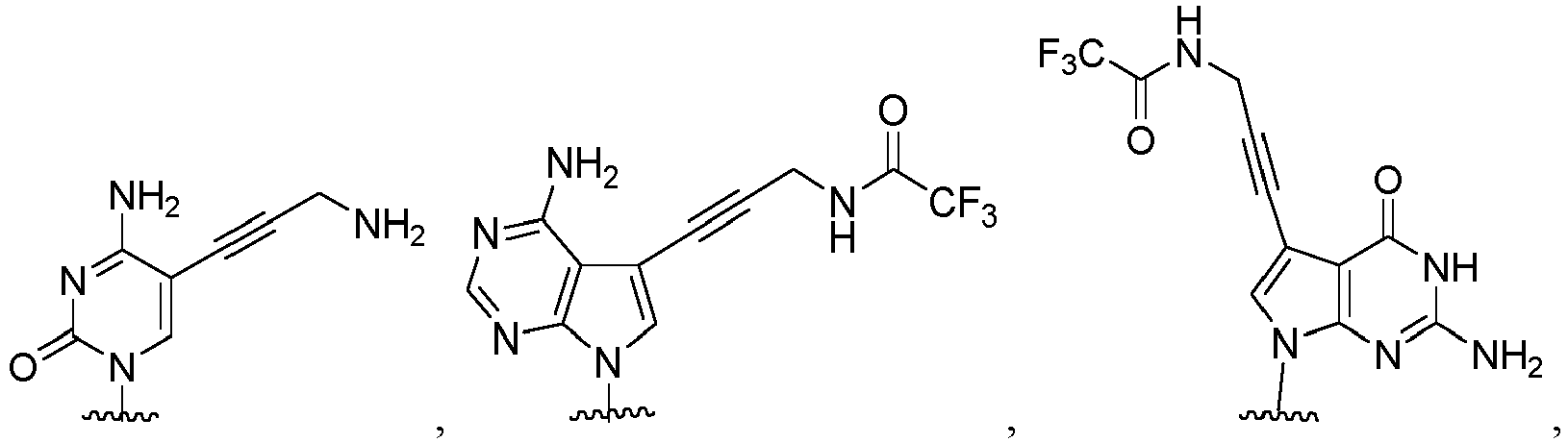

- Verbindung nach einem der Ansprüche 1 bis 4, wobeiB1 -B-L100-R4 ist;B ein zweiwertiges Cytosin, zweiwertiges Guanin, zweiwertiges Adenin, zweiwertiges Thymin, zweiwertiges Uracil, zweiwertiges Hypoxanthin, zweiwertiges Xanthin, zweiwertiges 7-Methylguanin, zweiwertiges 5,6-Dihydrouracil, zweiwertiges 5-Methylcytosin oder zweiwertiges 5-Hydroxymethylcytosin ist;L100 ein zweiwertiger Linker ist; undR4 eine nachweisbare Einheit ist, wobei die nachweisbare Einheit ein fluoreszierender Farbstoff ist.
- Verbindung nach Anspruch 5, wobei L100 Gruppe A oder Gruppe B ist:Gruppe A:L100 ist ein zweiwertiger Linker umfassend
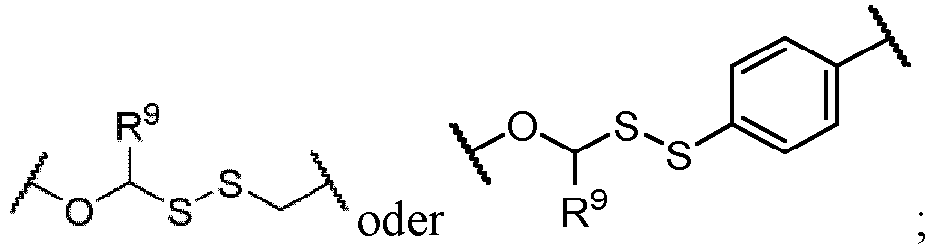 wobei R9 substituiertes oder unsubstituiertes Alkyl, substituiertes oder unsubstituiertes Heteroalkyl, substituiertes oder unsubstituiertes Cycloalkyl, substituiertes oder unsubstituiertes Heterocycloalkyl, substituiertes oder unsubstituiertes Aryl oder substituiertes oder unsubstituiertes Heteroaryl ist, wobei Alkyl, Cycloalkyl und Heterocycloalkyl gesättigt oder ungesättigt sein können;Gruppe B:L100 ist ein zweiwertiger Linker umfassend
 wobei R102 unsubstituiertes C1-C4-Alkyl ist.
 - Verbindung nach Anspruch 5, wobei L100 -L101-L102-L103-L104-L105- ist;
wobei L101, L102, L103, L104 und L105 unabhängig eine Bindung, -NH-, -O-, -C(O)-, - C(O)NH-, -NHC(O)-, -NHC(O)NH-, -C(O)O-, -OC(O)-, substituiertes oder unsubstituiertes Alkylen, substituiertes oder unsubstituiertes Heteroalkylen, substituiertes oder unsubstituiertes Cycloalkylen, substituiertes oder unsubstituiertes Heterocycloalkylen, substituiertes oder unsubstituiertes Arylen oder substituiertes oder unsubstituiertes Heteroarylen sind, wobei Alkylen, Cycloalkylen und Heterocycloalkylen gesättigt oder ungesättigt sein können. - Verbindung nach Anspruch 7, wobei L100 Gruppe C, Gruppe D, Gruppe E oder Gruppe F ist:Gruppe C:L100 ist

 R9 substituiertes oder unsubstituiertes Alkyl, substituiertes oder unsubstituiertes Heteroalkyl, substituiertes oder unsubstituiertes Cycloalkyl, substituiertes oder unsubstituiertes Heterocycloalkyl, substituiertes oder unsubstituiertes Aryl oder substituiertes oder unsubstituiertes Heteroaryl ist, wobei Alkyl, Cycloalkyl und Heterocycloalkyl gesättigt oder ungesättigt sein können; undR102 unsubstituiertes C1-C4-Alkyl ist;Gruppe D:L100 ist


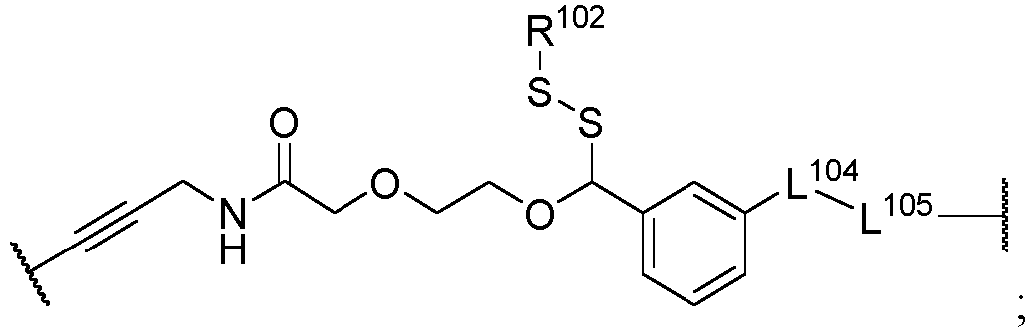 R9 substituiertes oder unsubstituiertes Alkyl, substituiertes oder unsubstituiertes Heteroalkyl, substituiertes oder unsubstituiertes Cycloalkyl, substituiertes oder unsubstituiertes Heterocycloalkyl, substituiertes oder unsubstituiertes Aryl oder substituiertes oder unsubstituiertes Heteroaryl ist, wobei Alkyl, Cycloalkyl und Heterocycloalkyl gesättigt oder ungesättigt sein können; undR102 unsubstituiertes C1-C4-Alkyl ist;Gruppe E:
L100 ist
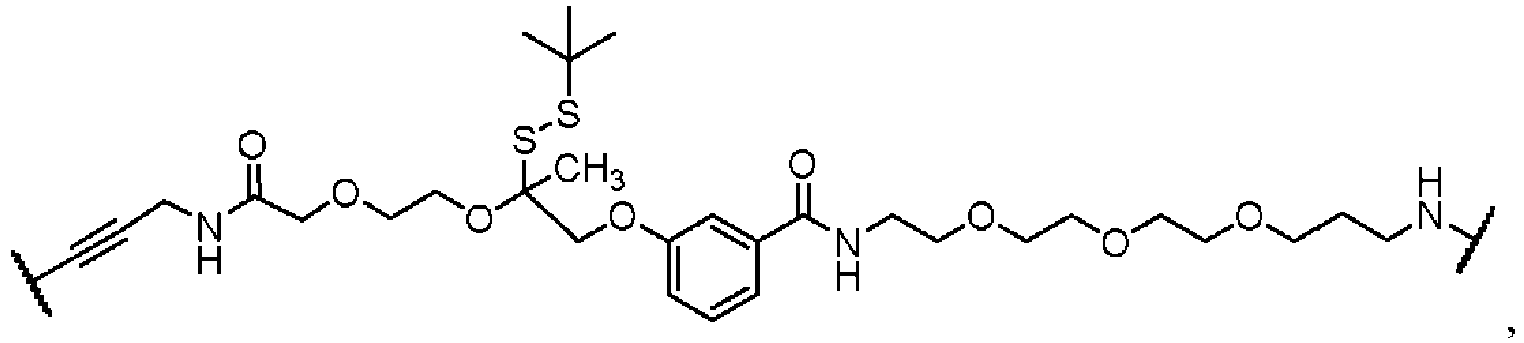

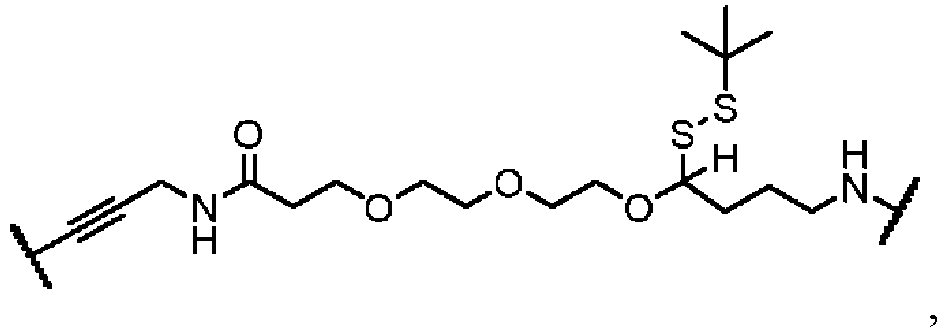


 Gruppe F:
L100 ist












- Verbindung nach einem der Ansprüche 1 bis 8, wobei:(i) R7 substituiertes oder unsubstituiertes Aryl ist;(ii) R7 unsubstituiertes Aryl ist;(iii) R7 unsubstituiertes Phenyl ist;(iv) R7 substituiertes oder unsubstituiertes Heteroaryl ist; oder(v) R7 wie folgt ist



- Verbindung nach Anspruch 5 mit der Formel:




 R9 substituiertes oder unsubstituiertes Alkyl, substituiertes oder unsubstituiertes Heteroalkyl, substituiertes oder unsubstituiertes Cycloalkyl, substituiertes oder unsubstituiertes Heterocycloalkyl, substituiertes oder unsubstituiertes Aryl oder substituiertes oder unsubstituiertes Heteroaryl ist, wobei Alkyl, Cycloalkyl und Heterocycloalkyl gesättigt oder ungesättigt sein können;R102 unsubstituiertes C1-C4-Alkyl ist; undL103, L104 und L105 unabhängig eine Bindung, -NH-, -O-, -C(O)-, -C(O)NH-, -NHC(O)-, - NHC(O)NH-, -C(O)O-, -OC(O)-, substituiertes oder unsubstituiertes Alkylen, substituiertes oder unsubstituiertes Heteroalkylen, substituiertes oder unsubstituiertes Cycloalkylen, substituiertes oder unsubstituiertes Heterocycloalkylen, substituiertes oder unsubstituiertes Arylen oder substituiertes oder unsubstituiertes Heteroarylen sind, wobei Alkylen, Cycloalkylen und Heterocycloalkylen gesättigt oder ungesättigt sein können;wobei optional:(i) R7 substituiertes oder unsubstituiertes Aryl ist; oder(ii) R7 substituiertes oder unsubstituiertes Heteroaryl ist.
 - Verbindung nach Anspruch 5 mit der Formel:
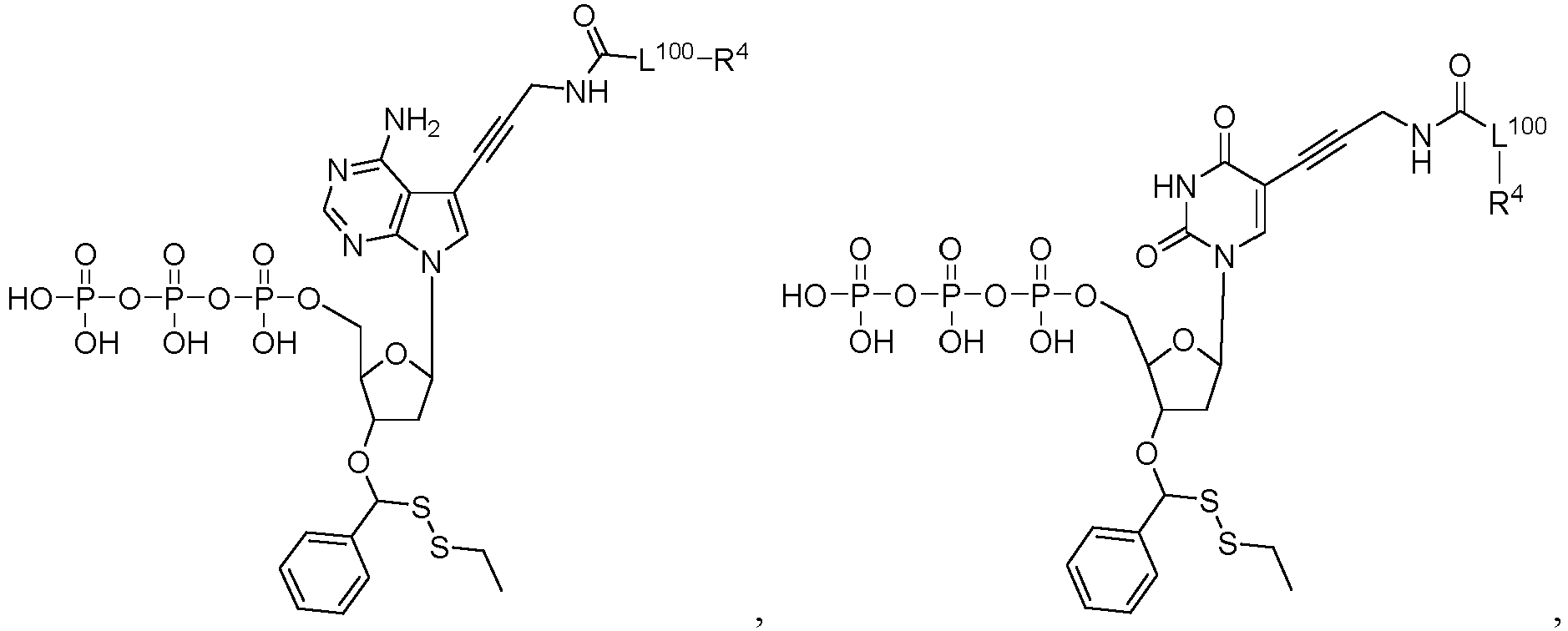


 R9 substituiertes oder unsubstituiertes Alkyl, substituiertes oder unsubstituiertes Heteroalkyl, substituiertes oder unsubstituiertes Cycloalkyl, substituiertes oder unsubstituiertes Heterocycloalkyl, substituiertes oder unsubstituiertes Aryl oder substituiertes oder unsubstituiertes Heteroaryl ist, wobei Alkyl, Cycloalkyl und Heterocycloalkyl gesättigt oder ungesättigt sein können;R102 unsubstituiertes C1-C4-Alkyl ist; undL103, L104 und L105 unabhängig eine Bindung, -NH-, -O-, -C(O)-, -C(O)NH-, -NHC(O)-, - NHC(O)NH-, -C(O)O-, -OC(O)-, substituiertes oder unsubstituiertes Alkylen, substituiertes oder unsubstituiertes Heteroalkylen, substituiertes oder unsubstituiertes Cycloalkylen, substituiertes oder unsubstituiertes Heterocycloalkylen, substituiertes oder unsubstituiertes Arylen oder substituiertes oder unsubstituiertes Heteroarylen sind, wobei Alkylen, Cycloalkylen und Heterocycloalkylen gesättigt oder ungesättigt sein können.
 - Verbindung nach Anspruch 5 mit der Formel:


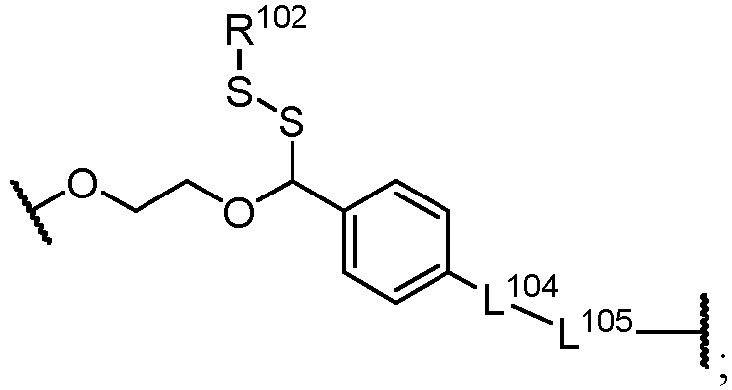 R9 substituiertes oder unsubstituiertes Alkyl, substituiertes oder unsubstituiertes Heteroalkyl, substituiertes oder unsubstituiertes Cycloalkyl, substituiertes oder unsubstituiertes Heterocycloalkyl, substituiertes oder unsubstituiertes Aryl oder substituiertes oder unsubstituiertes Heteroaryl ist, wobei Alkyl, Cycloalkyl und Heterocycloalkyl gesättigt oder ungesättigt sein können;R102 unsubstituiertes C1-C4-Alkyl ist; undL103, L104 und L105 unabhängig eine Bindung, -NH-, -O-, -C(O)-, -C(O)NH-, -NHC(O)-, - NHC(O)NH-, -C(O)O-, -OC(O)-, substituiertes oder unsubstituiertes Alkylen, substituiertes oder unsubstituiertes Heteroalkylen, substituiertes oder unsubstituiertes Cycloalkylen, substituiertes oder unsubstituiertes Heterocycloalkylen, substituiertes oder unsubstituiertes Arylen oder substituiertes oder unsubstituiertes Heteroarylen sind, wobei Alkylen, Cycloalkylen und Heterocycloalkylen gesättigt oder ungesättigt sein können.
 - Verfahren zum Sequenzieren einer Nukleinsäure, umfassend:(i) Einbringen, in Reihe mit einer Nukleinsäurepolymerase, innerhalb eines Reaktionsgefäßes, von einer von vier verschiedenen Verbindungen in einen Primer, um einen Verlängerungsstrang zu erzeugen, wobei der Primer an die Nukleinsäure hybridisiert ist und wobei jede von den vier verschiedenen Verbindungen einen einmaligen Fluoreszenzfarbstoff umfasst;(ii) Nachweisen des einmaligen Fluoreszenzfarbstoffes von jeder eingebrachten Verbindung, um dadurch jede eingebrachte Verbindung in dem Verlängerungsstrang zu identifizieren, wodurch die Nukleinsäure sequenziert wird;wobei jede von den vier verschiedenen Verbindungen unabhängig eine Verbindung nach einem der Ansprüche 1 bis 12 ist.
- Verfahren zum Einbringen einer Verbindung in einen Primer, wobei das Verfahren Kombinieren einer Polymerase, eines Primers, der an Nukleinsäurematrize hybridisiert ist, und der Verbindung innerhalb eines Reaktionsgefäßs und Ermöglichen der Polymerase, die Verbindung in den Primer einzubringen, umfasst, wodurch ein verlängerter Primer gebildet wird, wobei die Verbindung eine Verbindung nach einem der Ansprüche 1 bis 12 ist.
- Nukleinsäurepolymerasekomplex, umfassend eine Nukleinsäurepolymerase, wobei die Nukleinsäurepolymerase an eine Verbindung nach einem der Ansprüche 1 bis 12 gebunden ist.
Applications Claiming Priority (3)
| Application Number | Priority Date | Filing Date | Title |
|---|---|---|---|
| US202063014949P | 2020-04-24 | 2020-04-24 | |
| US202063107017P | 2020-10-29 | 2020-10-29 | |
| PCT/US2021/028839 WO2021216998A1 (en) | 2020-04-24 | 2021-04-23 | Modified nucleotides and uses thereof |
Publications (4)
| Publication Number | Publication Date |
|---|---|
| EP4117682A1 EP4117682A1 (de) | 2023-01-18 |
| EP4117682A4 EP4117682A4 (de) | 2023-09-13 |
| EP4117682C0 EP4117682C0 (de) | 2025-06-04 |
| EP4117682B1 true EP4117682B1 (de) | 2025-06-04 |
Family
ID=78270151
Family Applications (1)
| Application Number | Title | Priority Date | Filing Date |
|---|---|---|---|
| EP21793126.0A Active EP4117682B1 (de) | 2020-04-24 | 2021-04-23 | Modifizierte nukleotide und verwendungen davon |
Country Status (3)
| Country | Link |
|---|---|
| US (2) | US11174281B1 (de) |
| EP (1) | EP4117682B1 (de) |
| WO (1) | WO2021216998A1 (de) |
Families Citing this family (16)
| Publication number | Priority date | Publication date | Assignee | Title |
|---|---|---|---|---|
| US11597965B2 (en) | 2017-10-06 | 2023-03-07 | 10X Genomics, Inc. | RNA templated ligation |
| GB201919032D0 (en) | 2019-12-20 | 2020-02-05 | Cartana Ab | Method of detecting an analyte |
| EP4117682B1 (de) * | 2020-04-24 | 2025-06-04 | Singular Genomics Systems, Inc. | Modifizierte nukleotide und verwendungen davon |
| US12209273B2 (en) | 2020-06-12 | 2025-01-28 | 10X Genomics, Inc. | Nucleic acid assays using click chemistry bioconjugation |
| US12297499B2 (en) | 2020-08-17 | 2025-05-13 | 10X Genomics, Inc. | Multicomponent nucleic acid probes for sample analysis |
| US12275984B2 (en) | 2021-03-02 | 2025-04-15 | 10X Genomics, Inc. | Sequential hybridization and quenching |
| CN117730161B (zh) | 2021-07-30 | 2025-10-28 | 10X基因组学有限公司 | 用于原位同步反应的方法和组合物 |
| US12460251B2 (en) | 2021-08-03 | 2025-11-04 | 10X Genomics, Inc. | Stabilization and/or compaction of nucleic acid molecules |
| US12435369B2 (en) | 2021-08-13 | 2025-10-07 | Singular Genomcis Systems, Inc. | Nucleotide analogs and uses thereof |
| EP4326898B1 (de) | 2021-08-16 | 2024-07-31 | 10X Genomics, Inc. | Sonden mit einem geteilten strichcodebereich und verfahren zur verwendung |
| EP4444320A4 (de) | 2021-12-10 | 2025-12-10 | Singular Genomics Systems Inc | Spaltbare disulfidlinker und verwendungen davon |
| EP4490737A1 (de) | 2022-03-08 | 2025-01-15 | 10X Genomics, Inc. | In-situ-codedesignverfahren zur minimierung von optischem crowding |
| CN119546619A (zh) * | 2022-03-22 | 2025-02-28 | 得克斯奥梅有限公司 | 测序l-多核苷酸的方法 |
| WO2023220300A1 (en) | 2022-05-11 | 2023-11-16 | 10X Genomics, Inc. | Compositions and methods for in situ sequencing |
| US20240035071A1 (en) | 2022-06-17 | 2024-02-01 | 10X Genomics, Inc. | Catalytic de-crosslinking of samples for in situ analysis |
| WO2025029831A1 (en) | 2023-07-31 | 2025-02-06 | 10X Genomics, Inc. | Methods and systems for targeted rna cleavage and target rna-primed rolling circle amplification |
Family Cites Families (31)
| Publication number | Priority date | Publication date | Assignee | Title |
|---|---|---|---|---|
| US5235033A (en) | 1985-03-15 | 1993-08-10 | Anti-Gene Development Group | Alpha-morpholino ribonucleoside derivatives and polymers thereof |
| US5034506A (en) | 1985-03-15 | 1991-07-23 | Anti-Gene Development Group | Uncharged morpholino-based polymers having achiral intersubunit linkages |
| US6309836B1 (en) | 1999-10-05 | 2001-10-30 | Marek Kwiatkowski | Compounds for protecting hydroxyls and methods for their use |
| JP2001288197A (ja) * | 2000-04-10 | 2001-10-16 | Fuji Photo Film Co Ltd | 蛍光ヌクレオチド |
| DE60127162T2 (de) | 2000-10-06 | 2008-04-24 | The Trustees Of Columbia University In The City Of New York | Massives Parallelverfahren zur Dekodierung von DNA und RNA |
| US7057026B2 (en) | 2001-12-04 | 2006-06-06 | Solexa Limited | Labelled nucleotides |
| US7414116B2 (en) | 2002-08-23 | 2008-08-19 | Illumina Cambridge Limited | Labelled nucleotides |
| US20070009980A1 (en) | 2004-06-01 | 2007-01-11 | Applera Corporation | Continuous fluorogenic analyte assays with dendritic amplification of signal |
| US20060003383A1 (en) | 2004-06-07 | 2006-01-05 | Applera Corporation | Fluorogenic enzyme activity assay methods and compositions using fragmentable linkers |
| EP2940029B1 (de) | 2007-10-19 | 2023-11-29 | The Trustees of Columbia University in the City of New York | Design und synthese von spaltbaren fluoreszierenden nukleotiden als reversible terminatoren zur dna-sequenzierung durch synthese |
| US10443096B2 (en) | 2010-12-17 | 2019-10-15 | The Trustees Of Columbia University In The City Of New York | DNA sequencing by synthesis using modified nucleotides and nanopore detection |
| US9624539B2 (en) | 2011-05-23 | 2017-04-18 | The Trustees Of Columbia University In The City Of New York | DNA sequencing by synthesis using Raman and infrared spectroscopy detection |
| EP2970356B1 (de) | 2013-03-15 | 2018-05-30 | Illumina Cambridge Limited | Modifizierte nucleotide und nucleoside |
| EP2876166B1 (de) | 2013-11-20 | 2016-12-14 | Roche Diagnostics GmbH | Neue Verbindungen für Sequencing-by-Synthesis |
| US10059929B2 (en) | 2014-10-20 | 2018-08-28 | Molecular Assemblies, Inc. | Modified template-independent enzymes for polydeoxynucleotide synthesis |
| EP3091026B1 (de) | 2015-05-08 | 2019-02-20 | Centrillion Technology Holdings Corporation | Disulfidvernetzte reversible terminatoren |
| CN108779138B (zh) * | 2015-09-28 | 2022-06-17 | 哥伦比亚大学董事会 | 用作dna合成测序的可逆终止物的基于新的二硫键接头的核苷酸的设计与合成 |
| TWI664160B (zh) | 2015-11-06 | 2019-07-01 | 美商齊亞雋科學公司 | 核苷酸類似物 |
| EP3458082A4 (de) * | 2016-04-04 | 2020-07-29 | The Trustees of Columbia University in the City of New York | Dna-sequenzierung durch synthese mit nukleotid-analoga und raman-detektion |
| WO2018148723A1 (en) | 2017-02-13 | 2018-08-16 | Qiagen Waltham Inc. | Polymerase enzyme from pyrococcus abyssi |
| US20190077726A1 (en) * | 2017-09-13 | 2019-03-14 | Singular Genomics Systems, Inc. | Methods of synthesizing labeled nucleosides |
| US12215124B2 (en) | 2018-02-21 | 2025-02-04 | Singular Genomics Systems, Inc. | Fluorinated nucleotides and uses thereof |
| US11136565B2 (en) | 2018-09-11 | 2021-10-05 | Singular Genomics Systems, Inc. | Modified archaeal family B polymerases |
| US10738072B1 (en) * | 2018-10-25 | 2020-08-11 | Singular Genomics Systems, Inc. | Nucleotide analogues |
| MY203805A (en) | 2018-10-31 | 2024-07-19 | Illumina Inc | Polymerases, compositions, and methods of use |
| WO2020117968A2 (en) | 2018-12-05 | 2020-06-11 | Illumina, Inc. | Polymerases, compositions, and methods of use |
| US11970735B2 (en) * | 2019-01-08 | 2024-04-30 | Singular Genomics Systems, Inc. | Nucleotide cleavable linkers and uses thereof |
| EP4117682B1 (de) * | 2020-04-24 | 2025-06-04 | Singular Genomics Systems, Inc. | Modifizierte nukleotide und verwendungen davon |
| WO2021226327A1 (en) * | 2020-05-08 | 2021-11-11 | Singular Genomics Systems, Inc. | Nucleotide cleavable linkers with rigid spacers and uses thereof |
| EP4444320A4 (de) * | 2021-12-10 | 2025-12-10 | Singular Genomics Systems Inc | Spaltbare disulfidlinker und verwendungen davon |
| US20230242571A1 (en) * | 2022-02-02 | 2023-08-03 | Singular Genomics Systems, Inc. | Silicon containing modified nucleotide analogs |
-
2021
- 2021-04-23 EP EP21793126.0A patent/EP4117682B1/de active Active
- 2021-04-23 WO PCT/US2021/028839 patent/WO2021216998A1/en not_active Ceased
- 2021-04-23 US US17/238,922 patent/US11174281B1/en active Active
- 2021-07-01 US US17/365,361 patent/US20230002436A1/en active Pending
Also Published As
| Publication number | Publication date |
|---|---|
| EP4117682A4 (de) | 2023-09-13 |
| EP4117682A1 (de) | 2023-01-18 |
| US11174281B1 (en) | 2021-11-16 |
| US20230002436A1 (en) | 2023-01-05 |
| EP4117682C0 (de) | 2025-06-04 |
| WO2021216998A1 (en) | 2021-10-28 |
Similar Documents
| Publication | Publication Date | Title |
|---|---|---|
| EP4117682B1 (de) | Modifizierte nukleotide und verwendungen davon | |
| US12215122B2 (en) | Nucleotide analogues | |
| US20240271205A1 (en) | Nucleotide cleavable linkers and uses thereof | |
| US11959137B2 (en) | Synthesis of novel disulfide linker based nucleotides as reversible terminators for DNA sequencing by synthesis | |
| US12215124B2 (en) | Fluorinated nucleotides and uses thereof | |
| US20190077726A1 (en) | Methods of synthesizing labeled nucleosides | |
| US20240368202A1 (en) | Reducing agents and uses thereof | |
| US20230160001A1 (en) | Nucleotide cleavable linkers with rigid spacers and uses thereof | |
| US20240327907A1 (en) | Cleavable disulfide linkers and uses thereof | |
| US20230242571A1 (en) | Silicon containing modified nucleotide analogs | |
| US12435369B2 (en) | Nucleotide analogs and uses thereof | |
| US20250250629A1 (en) | Nucleotide cyclic cleavable moieties and uses thereof | |
| US20230193361A1 (en) | Methods and compositions useful for nucleic acid sequencing |
Legal Events
| Date | Code | Title | Description |
|---|---|---|---|
| STAA | Information on the status of an ep patent application or granted ep patent |
Free format text: STATUS: THE INTERNATIONAL PUBLICATION HAS BEEN MADE |
|
| PUAI | Public reference made under article 153(3) epc to a published international application that has entered the european phase |
Free format text: ORIGINAL CODE: 0009012 |
|
| STAA | Information on the status of an ep patent application or granted ep patent |
Free format text: STATUS: REQUEST FOR EXAMINATION WAS MADE |
|
| 17P | Request for examination filed |
Effective date: 20221014 |
|
| AK | Designated contracting states |
Kind code of ref document: A1 Designated state(s): AL AT BE BG CH CY CZ DE DK EE ES FI FR GB GR HR HU IE IS IT LI LT LU LV MC MK MT NL NO PL PT RO RS SE SI SK SM TR |
|
| DAV | Request for validation of the european patent (deleted) | ||
| DAX | Request for extension of the european patent (deleted) | ||
| REG | Reference to a national code |
Ipc: C07H0019100000 Ref country code: DE Ref legal event code: R079 Ref document number: 602021031868 Country of ref document: DE Free format text: PREVIOUS MAIN CLASS: A61K0031708400 Ipc: C07H0019100000 |
|
| STAA | Information on the status of an ep patent application or granted ep patent |
Free format text: STATUS: EXAMINATION IS IN PROGRESS |
|
| A4 | Supplementary search report drawn up and despatched |
Effective date: 20230817 |
|
| RIC1 | Information provided on ipc code assigned before grant |
Ipc: C12N 9/12 20060101ALI20230810BHEP Ipc: C07H 19/14 20060101ALI20230810BHEP Ipc: C07H 19/10 20060101AFI20230810BHEP |
|
| 17Q | First examination report despatched |
Effective date: 20230830 |
|
| RIC1 | Information provided on ipc code assigned before grant |
Ipc: C12Q 1/6869 20180101ALI20240109BHEP Ipc: C12N 9/12 20060101ALI20240109BHEP Ipc: C07H 19/14 20060101ALI20240109BHEP Ipc: C07H 19/10 20060101AFI20240109BHEP |
|
| GRAP | Despatch of communication of intention to grant a patent |
Free format text: ORIGINAL CODE: EPIDOSNIGR1 |
|
| STAA | Information on the status of an ep patent application or granted ep patent |
Free format text: STATUS: GRANT OF PATENT IS INTENDED |
|
| INTG | Intention to grant announced |
Effective date: 20240227 |
|
| GRAJ | Information related to disapproval of communication of intention to grant by the applicant or resumption of examination proceedings by the epo deleted |
Free format text: ORIGINAL CODE: EPIDOSDIGR1 |
|
| STAA | Information on the status of an ep patent application or granted ep patent |
Free format text: STATUS: EXAMINATION IS IN PROGRESS |
|
| INTC | Intention to grant announced (deleted) | ||
| GRAP | Despatch of communication of intention to grant a patent |
Free format text: ORIGINAL CODE: EPIDOSNIGR1 |
|
| STAA | Information on the status of an ep patent application or granted ep patent |
Free format text: STATUS: GRANT OF PATENT IS INTENDED |
|
| INTG | Intention to grant announced |
Effective date: 20240812 |
|
| GRAJ | Information related to disapproval of communication of intention to grant by the applicant or resumption of examination proceedings by the epo deleted |
Free format text: ORIGINAL CODE: EPIDOSDIGR1 |
|
| STAA | Information on the status of an ep patent application or granted ep patent |
Free format text: STATUS: EXAMINATION IS IN PROGRESS |
|
| INTC | Intention to grant announced (deleted) | ||
| GRAP | Despatch of communication of intention to grant a patent |
Free format text: ORIGINAL CODE: EPIDOSNIGR1 |
|
| STAA | Information on the status of an ep patent application or granted ep patent |
Free format text: STATUS: GRANT OF PATENT IS INTENDED |
|
| INTG | Intention to grant announced |
Effective date: 20250117 |
|
| GRAS | Grant fee paid |
Free format text: ORIGINAL CODE: EPIDOSNIGR3 |
|
| GRAA | (expected) grant |
Free format text: ORIGINAL CODE: 0009210 |
|
| STAA | Information on the status of an ep patent application or granted ep patent |
Free format text: STATUS: THE PATENT HAS BEEN GRANTED |
|
| AK | Designated contracting states |
Kind code of ref document: B1 Designated state(s): AL AT BE BG CH CY CZ DE DK EE ES FI FR GB GR HR HU IE IS IT LI LT LU LV MC MK MT NL NO PL PT RO RS SE SI SK SM TR |
|
| REG | Reference to a national code |
Ref country code: GB Ref legal event code: FG4D |
|
| REG | Reference to a national code |
Ref country code: CH Ref legal event code: EP |
|
| REG | Reference to a national code |
Ref country code: IE Ref legal event code: FG4D |
|
| U01 | Request for unitary effect filed |
Effective date: 20250609 |
|
| U07 | Unitary effect registered |
Designated state(s): AT BE BG DE DK EE FI FR IT LT LU LV MT NL PT RO SE SI Effective date: 20250616 |
|
| PG25 | Lapsed in a contracting state [announced via postgrant information from national office to epo] |
Ref country code: ES Free format text: LAPSE BECAUSE OF FAILURE TO SUBMIT A TRANSLATION OF THE DESCRIPTION OR TO PAY THE FEE WITHIN THE PRESCRIBED TIME-LIMIT Effective date: 20250604 |
|
| PG25 | Lapsed in a contracting state [announced via postgrant information from national office to epo] |
Ref country code: NO Free format text: LAPSE BECAUSE OF FAILURE TO SUBMIT A TRANSLATION OF THE DESCRIPTION OR TO PAY THE FEE WITHIN THE PRESCRIBED TIME-LIMIT Effective date: 20250904 Ref country code: GR Free format text: LAPSE BECAUSE OF FAILURE TO SUBMIT A TRANSLATION OF THE DESCRIPTION OR TO PAY THE FEE WITHIN THE PRESCRIBED TIME-LIMIT Effective date: 20250905 |
|
| PG25 | Lapsed in a contracting state [announced via postgrant information from national office to epo] |
Ref country code: PL Free format text: LAPSE BECAUSE OF FAILURE TO SUBMIT A TRANSLATION OF THE DESCRIPTION OR TO PAY THE FEE WITHIN THE PRESCRIBED TIME-LIMIT Effective date: 20250604 |
|
| PG25 | Lapsed in a contracting state [announced via postgrant information from national office to epo] |
Ref country code: HR Free format text: LAPSE BECAUSE OF FAILURE TO SUBMIT A TRANSLATION OF THE DESCRIPTION OR TO PAY THE FEE WITHIN THE PRESCRIBED TIME-LIMIT Effective date: 20250604 |
|
| PG25 | Lapsed in a contracting state [announced via postgrant information from national office to epo] |
Ref country code: RS Free format text: LAPSE BECAUSE OF FAILURE TO SUBMIT A TRANSLATION OF THE DESCRIPTION OR TO PAY THE FEE WITHIN THE PRESCRIBED TIME-LIMIT Effective date: 20250904 |