EP4113044A1 - Method for lining metallurgical units - Google Patents
Method for lining metallurgical units Download PDFInfo
- Publication number
- EP4113044A1 EP4113044A1 EP20921982.3A EP20921982A EP4113044A1 EP 4113044 A1 EP4113044 A1 EP 4113044A1 EP 20921982 A EP20921982 A EP 20921982A EP 4113044 A1 EP4113044 A1 EP 4113044A1
- Authority
- EP
- European Patent Office
- Prior art keywords
- lining
- concrete
- units according
- metallurgical units
- shotcrete
- Prior art date
- Legal status (The legal status is an assumption and is not a legal conclusion. Google has not performed a legal analysis and makes no representation as to the accuracy of the status listed.)
- Pending
Links
- 238000000034 method Methods 0.000 title claims abstract description 25
- 239000004567 concrete Substances 0.000 claims abstract description 95
- 239000000203 mixture Substances 0.000 claims abstract description 56
- 239000011378 shotcrete Substances 0.000 claims abstract description 24
- XLYOFNOQVPJJNP-UHFFFAOYSA-N water Substances O XLYOFNOQVPJJNP-UHFFFAOYSA-N 0.000 claims abstract description 21
- 238000002156 mixing Methods 0.000 claims abstract description 13
- 239000004848 polyfunctional curative Substances 0.000 claims abstract description 9
- 239000000463 material Substances 0.000 claims description 29
- 239000011449 brick Substances 0.000 claims description 12
- 239000004568 cement Substances 0.000 claims description 9
- 239000004115 Sodium Silicate Substances 0.000 claims description 7
- 230000009970 fire resistant effect Effects 0.000 claims description 7
- CPLXHLVBOLITMK-UHFFFAOYSA-N magnesium oxide Inorganic materials [Mg]=O CPLXHLVBOLITMK-UHFFFAOYSA-N 0.000 claims description 7
- 239000002893 slag Substances 0.000 claims description 7
- NTHWMYGWWRZVTN-UHFFFAOYSA-N sodium silicate Chemical group [Na+].[Na+].[O-][Si]([O-])=O NTHWMYGWWRZVTN-UHFFFAOYSA-N 0.000 claims description 7
- 229910052911 sodium silicate Inorganic materials 0.000 claims description 7
- 239000000395 magnesium oxide Substances 0.000 claims description 5
- 238000002360 preparation method Methods 0.000 claims description 5
- PNEYBMLMFCGWSK-UHFFFAOYSA-N aluminium oxide Inorganic materials [O-2].[O-2].[O-2].[Al+3].[Al+3] PNEYBMLMFCGWSK-UHFFFAOYSA-N 0.000 claims description 4
- 229910052593 corundum Inorganic materials 0.000 claims description 3
- 239000010431 corundum Substances 0.000 claims description 3
- 235000012245 magnesium oxide Nutrition 0.000 claims description 3
- 229910052596 spinel Inorganic materials 0.000 claims description 3
- 239000011029 spinel Substances 0.000 claims description 3
- WGLPBDUCMAPZCE-UHFFFAOYSA-N Trioxochromium Chemical compound O=[Cr](=O)=O WGLPBDUCMAPZCE-UHFFFAOYSA-N 0.000 claims description 2
- 229910000423 chromium oxide Inorganic materials 0.000 claims description 2
- 238000012545 processing Methods 0.000 claims description 2
- 238000005516 engineering process Methods 0.000 abstract description 14
- 238000004140 cleaning Methods 0.000 abstract description 7
- 238000005272 metallurgy Methods 0.000 abstract description 2
- 239000011819 refractory material Substances 0.000 abstract 1
- 229910000831 Steel Inorganic materials 0.000 description 17
- 239000010959 steel Substances 0.000 description 17
- 238000009434 installation Methods 0.000 description 11
- 238000001035 drying Methods 0.000 description 7
- 229910052751 metal Inorganic materials 0.000 description 6
- 239000002184 metal Substances 0.000 description 6
- 230000008439 repair process Effects 0.000 description 6
- 239000003063 flame retardant Substances 0.000 description 5
- 238000010438 heat treatment Methods 0.000 description 5
- 238000007664 blowing Methods 0.000 description 4
- 239000000314 lubricant Substances 0.000 description 4
- VYPSYNLAJGMNEJ-UHFFFAOYSA-N Silicium dioxide Chemical compound O=[Si]=O VYPSYNLAJGMNEJ-UHFFFAOYSA-N 0.000 description 3
- 230000032683 aging Effects 0.000 description 3
- 239000011230 binding agent Substances 0.000 description 3
- 230000000694 effects Effects 0.000 description 3
- 238000004519 manufacturing process Methods 0.000 description 3
- 238000005406 washing Methods 0.000 description 3
- 238000003723 Smelting Methods 0.000 description 2
- 239000000654 additive Substances 0.000 description 2
- 229910052799 carbon Inorganic materials 0.000 description 2
- 239000000356 contaminant Substances 0.000 description 2
- 238000013461 design Methods 0.000 description 2
- 230000007613 environmental effect Effects 0.000 description 2
- 239000007788 liquid Substances 0.000 description 2
- 235000019353 potassium silicate Nutrition 0.000 description 2
- 239000008213 purified water Substances 0.000 description 2
- OKTJSMMVPCPJKN-UHFFFAOYSA-N Carbon Chemical compound [C] OKTJSMMVPCPJKN-UHFFFAOYSA-N 0.000 description 1
- VYZAMTAEIAYCRO-UHFFFAOYSA-N Chromium Chemical compound [Cr] VYZAMTAEIAYCRO-UHFFFAOYSA-N 0.000 description 1
- DGAQECJNVWCQMB-PUAWFVPOSA-M Ilexoside XXIX Chemical compound C[C@@H]1CC[C@@]2(CC[C@@]3(C(=CC[C@H]4[C@]3(CC[C@@H]5[C@@]4(CC[C@@H](C5(C)C)OS(=O)(=O)[O-])C)C)[C@@H]2[C@]1(C)O)C)C(=O)O[C@H]6[C@@H]([C@H]([C@@H]([C@H](O6)CO)O)O)O.[Na+] DGAQECJNVWCQMB-PUAWFVPOSA-M 0.000 description 1
- 235000014676 Phragmites communis Nutrition 0.000 description 1
- 230000000996 additive effect Effects 0.000 description 1
- 239000000853 adhesive Substances 0.000 description 1
- 230000001070 adhesive effect Effects 0.000 description 1
- 239000004411 aluminium Substances 0.000 description 1
- 229910052782 aluminium Inorganic materials 0.000 description 1
- XAGFODPZIPBFFR-UHFFFAOYSA-N aluminium Chemical compound [Al] XAGFODPZIPBFFR-UHFFFAOYSA-N 0.000 description 1
- 238000004364 calculation method Methods 0.000 description 1
- 230000008859 change Effects 0.000 description 1
- 239000003153 chemical reaction reagent Substances 0.000 description 1
- 229910052804 chromium Inorganic materials 0.000 description 1
- 239000011651 chromium Substances 0.000 description 1
- 238000005253 cladding Methods 0.000 description 1
- 150000001875 compounds Chemical class 0.000 description 1
- 230000007812 deficiency Effects 0.000 description 1
- 238000009826 distribution Methods 0.000 description 1
- 239000000428 dust Substances 0.000 description 1
- 238000010410 dusting Methods 0.000 description 1
- 238000007688 edging Methods 0.000 description 1
- 238000004299 exfoliation Methods 0.000 description 1
- 238000009415 formwork Methods 0.000 description 1
- 239000013538 functional additive Substances 0.000 description 1
- 239000007789 gas Substances 0.000 description 1
- 239000003292 glue Substances 0.000 description 1
- 230000036541 health Effects 0.000 description 1
- 239000012774 insulation material Substances 0.000 description 1
- JEIPFZHSYJVQDO-UHFFFAOYSA-N iron(III) oxide Inorganic materials O=[Fe]O[Fe]=O JEIPFZHSYJVQDO-UHFFFAOYSA-N 0.000 description 1
- 238000002844 melting Methods 0.000 description 1
- 239000007769 metal material Substances 0.000 description 1
- 238000010310 metallurgical process Methods 0.000 description 1
- 238000012986 modification Methods 0.000 description 1
- 230000004048 modification Effects 0.000 description 1
- 239000004570 mortar (masonry) Substances 0.000 description 1
- 230000008569 process Effects 0.000 description 1
- 230000000750 progressive effect Effects 0.000 description 1
- 230000009467 reduction Effects 0.000 description 1
- 239000004576 sand Substances 0.000 description 1
- 238000009416 shuttering Methods 0.000 description 1
- 239000000377 silicon dioxide Substances 0.000 description 1
- 229910052708 sodium Inorganic materials 0.000 description 1
- 239000011734 sodium Substances 0.000 description 1
- 239000007787 solid Substances 0.000 description 1
- 229910052566 spinel group Inorganic materials 0.000 description 1
- 238000005507 spraying Methods 0.000 description 1
- 238000003860 storage Methods 0.000 description 1
- 238000012360 testing method Methods 0.000 description 1
- 230000007306 turnover Effects 0.000 description 1
- 238000004804 winding Methods 0.000 description 1
Images


Classifications
-
- B—PERFORMING OPERATIONS; TRANSPORTING
- B22—CASTING; POWDER METALLURGY
- B22D—CASTING OF METALS; CASTING OF OTHER SUBSTANCES BY THE SAME PROCESSES OR DEVICES
- B22D41/00—Casting melt-holding vessels, e.g. ladles, tundishes, cups or the like
- B22D41/02—Linings
- B22D41/023—Apparatus used for making or repairing linings
-
- B—PERFORMING OPERATIONS; TRANSPORTING
- B22—CASTING; POWDER METALLURGY
- B22D—CASTING OF METALS; CASTING OF OTHER SUBSTANCES BY THE SAME PROCESSES OR DEVICES
- B22D13/00—Centrifugal casting; Casting by using centrifugal force
- B22D13/10—Accessories for centrifugal casting apparatus, e.g. moulds, linings therefor, means for feeding molten metal, cleansing moulds, removing castings
-
- B—PERFORMING OPERATIONS; TRANSPORTING
- B22—CASTING; POWDER METALLURGY
- B22D—CASTING OF METALS; CASTING OF OTHER SUBSTANCES BY THE SAME PROCESSES OR DEVICES
- B22D41/00—Casting melt-holding vessels, e.g. ladles, tundishes, cups or the like
- B22D41/02—Linings
-
- C—CHEMISTRY; METALLURGY
- C21—METALLURGY OF IRON
- C21B—MANUFACTURE OF IRON OR STEEL
- C21B7/00—Blast furnaces
- C21B7/04—Blast furnaces with special refractories
- C21B7/06—Linings for furnaces
-
- C—CHEMISTRY; METALLURGY
- C21—METALLURGY OF IRON
- C21B—MANUFACTURE OF IRON OR STEEL
- C21B9/00—Stoves for heating the blast in blast furnaces
- C21B9/02—Brick hot-blast stoves
- C21B9/06—Linings
-
- C—CHEMISTRY; METALLURGY
- C21—METALLURGY OF IRON
- C21C—PROCESSING OF PIG-IRON, e.g. REFINING, MANUFACTURE OF WROUGHT-IRON OR STEEL; TREATMENT IN MOLTEN STATE OF FERROUS ALLOYS
- C21C5/00—Manufacture of carbon-steel, e.g. plain mild steel, medium carbon steel or cast steel or stainless steel
- C21C5/28—Manufacture of steel in the converter
- C21C5/42—Constructional features of converters
- C21C5/44—Refractory linings
-
- C—CHEMISTRY; METALLURGY
- C21—METALLURGY OF IRON
- C21C—PROCESSING OF PIG-IRON, e.g. REFINING, MANUFACTURE OF WROUGHT-IRON OR STEEL; TREATMENT IN MOLTEN STATE OF FERROUS ALLOYS
- C21C5/00—Manufacture of carbon-steel, e.g. plain mild steel, medium carbon steel or cast steel or stainless steel
- C21C5/28—Manufacture of steel in the converter
- C21C5/42—Constructional features of converters
- C21C5/44—Refractory linings
- C21C5/441—Equipment used for making or repairing linings
-
- F—MECHANICAL ENGINEERING; LIGHTING; HEATING; WEAPONS; BLASTING
- F23—COMBUSTION APPARATUS; COMBUSTION PROCESSES
- F23M—CASINGS, LININGS, WALLS OR DOORS SPECIALLY ADAPTED FOR COMBUSTION CHAMBERS, e.g. FIREBRIDGES; DEVICES FOR DEFLECTING AIR, FLAMES OR COMBUSTION PRODUCTS IN COMBUSTION CHAMBERS; SAFETY ARRANGEMENTS SPECIALLY ADAPTED FOR COMBUSTION APPARATUS; DETAILS OF COMBUSTION CHAMBERS, NOT OTHERWISE PROVIDED FOR
- F23M5/00—Casings; Linings; Walls
-
- F—MECHANICAL ENGINEERING; LIGHTING; HEATING; WEAPONS; BLASTING
- F27—FURNACES; KILNS; OVENS; RETORTS
- F27D—DETAILS OR ACCESSORIES OF FURNACES, KILNS, OVENS OR RETORTS, IN SO FAR AS THEY ARE OF KINDS OCCURRING IN MORE THAN ONE KIND OF FURNACE
- F27D1/00—Casings; Linings; Walls; Roofs
- F27D1/10—Monolithic linings; Supports therefor
-
- F—MECHANICAL ENGINEERING; LIGHTING; HEATING; WEAPONS; BLASTING
- F27—FURNACES; KILNS; OVENS; RETORTS
- F27D—DETAILS OR ACCESSORIES OF FURNACES, KILNS, OVENS OR RETORTS, IN SO FAR AS THEY ARE OF KINDS OCCURRING IN MORE THAN ONE KIND OF FURNACE
- F27D1/00—Casings; Linings; Walls; Roofs
- F27D1/16—Making or repairing linings ; Increasing the durability of linings; Breaking away linings
-
- F—MECHANICAL ENGINEERING; LIGHTING; HEATING; WEAPONS; BLASTING
- F27—FURNACES; KILNS; OVENS; RETORTS
- F27D—DETAILS OR ACCESSORIES OF FURNACES, KILNS, OVENS OR RETORTS, IN SO FAR AS THEY ARE OF KINDS OCCURRING IN MORE THAN ONE KIND OF FURNACE
- F27D1/00—Casings; Linings; Walls; Roofs
- F27D1/16—Making or repairing linings ; Increasing the durability of linings; Breaking away linings
- F27D1/1636—Repairing linings by projecting or spraying refractory materials on the lining
Definitions
- This technical solution generally refers to the field of metallurgy, namely the technologies of lining metallurgical and other thermal units by the method of shotcreting and its hardware design.
- shotcreting From the level of technology is known the way of lining the shotcreting of the surfaces of various units and the design of the device for its implementation are given in the reference literature. (Editorial Board: Yuri Stepanov, F.S. Demjanjuk, A.A. Znamensky, etc.) 1956, p. 954, the term "shotcreting.”
- the method involves the application of a special cement solution (for metallurgical units -fire-resistant mixture) under the influence of compressed air, carried out by means of cement-gun (device for lining).
- the dry mixture is loaded into a cement cannon, from which under air pressure enters the hose, ending with a tip-nozzle. Before entering the nozzle, the mixture is automatically wetted.
- the resulting shotcrete concrete (pneumobeton) has great strength, density, water and breathability.
- the lack of shotcrete technology is that the application speed of the material is 1.0-1.5 tons per hour (at a mass density of 3.0-3.20 tons/m3), while the photocreet technology allows 6-16 tons of material per hour at the same density.
- the lack of shotcrete technology is lower than the citation technology, the performance of the material, namely, its mechanical strength, porosity and density of padding, which ultimately affects the durability of metallurgical and other thermal units.
- the main technical task or technical problem solved in this technical solution is to change the basic model of operation of the metallurgical unit, such as the steel bucket.
- the technical result achieved in meeting the above technical problem is to reduce the consumption of fire-resistant materials used to lining the working layer of the steel mills.
- An additional technical result is an increase in the duration of the metallurgical unit's work campaign and a reduction in the total consumption of fire retardant.
- This technical result is achieved through the implementation of a method of lining metallurgical units, in which the surface intended for lining with a strip-concrete from polluting elements is cleaned; Mix shotcrete with water through concrete mixing equipment; Direct the concrete mixture received on the previous step in a concrete pump, and then along the highway to the place of work and applying the mixture on the lining, and at the end of the highway there is a nozzle for the application of concrete mixture; Apply the concrete mixture to the prepared surface for lining the shot-concrete by mixing the concrete mixture with the hardener on the nozzle.
- the shotcrete is a low-cement shotcrete or ultra-cement concrete based on tabular alumina and/or corundum with the addition of al2MgO4-spinel or shot-concrete on the basis of melted or baked periclase with the addition of melted Al2MgO4-spineli or 6-valent chromium oxide.
- the concrete mixing equipment is a pneumatic vessel with a built-in forced mixer and/or blade mixer, for the processing of fireproof masses and a pump for concrete supply.
- the water temperature ranges from 5 degrees Celsius to 30 degrees Celsius.
- the hardener is sodium silicate.
- water consumption is carried out in the range of 4-10% of the total concrete mixture.
- the time of mixing the concrete mixture after the water is added is 2 to 10 minutes.
- the shotcrete is wetter after shuttering than vibrable concrete.
- fireproof material is cleaned with jackhammers and/or chain cutters.
- the concrete mixture when applying the concrete mixture on the necessary surface, it is heated with a heat cannon or by placing a concrete mixture in a warm room.
- the concrete mixture is applied to the necessary surface of the lining continuously.
- the concrete mixture is applied to the necessary surface of the lining with one layer of 10-100 mm thick.
- the thickness of the application is determined by the wear and tear of the wall in the areas of steel holes and/or blowing plugs, and/or the side of the side and the condition of the rows of bricks adjacent to the slag belt.
- the concrete mixture is applied to the necessary surface of the lining, and the nozzle is held perpendicular to the surface of the lining.
- the concrete mixture is applied to the necessary surface of the lining, and the nozzle is kept at a distance of 0.5-1.2 meters.
- Shotcrete is a progressive way of applying one or more layers of cement, sand, functional additives, and water to the surface under compressed air pressure.
- Fireproof materials (more - fire retardants) - non-metallic material with fire resistance is not lower than the temperature of 1580 degrees Celsius, used in units and devices to protect against the effects of thermal energy and gas, liquid, solid aggressive reagents.
- the metallurgical unit is a set of structurally connected technological equipment and devices, providing a complex metallurgical process in the conditions of mass and flow production.
- the metallurgical unit has higher performance, energy intensity and product quality, and allows for more efficient solutions to production automation and environmental protection.
- Step 101 Clean the surface designed to be lining with a strip-concrete from the contaminant elements.
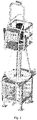
- Cleaning can be done with jackhammers or specialized equipment (such as a chain cutter), such as the GS800 cleaning unit, a rotary type, as shown in Fig. 2 .
- the rotating head is reinforced by chains that clean the surface of the brick lining when rotating.
- the preparation of a metal surface involves cleaning from loose rust, exfoliating scale and other contaminants.
- Preparation of the repaired lining includes removal of weak, peeling and destroyed areas on the entire thickness of the layer of shotcrete to a metal surface or to an insulating underlay with exposure of at least two anchors, blowing the surface with compressed air and, if necessary, installation of additional anchors and nets provided by the project. When blowing the surface to reduce dusting, it is recommended to enter a small amount of water.
- Step 102 Mix the shot-concrete with water through concrete mixing equipment.
- a shot-scratch-concrete can be used, for example, low-cement shotcrete or ultra-low-cement concrete based on tabular alumina and/or corundum with the addition of melted Al2MgO4-spinel (also possible use of shotcrete based on melted or baked periclase with the addition of melted Al2MgO4-spinels), on the hydraulic band of the brand 92
- chromium 6 valent oxide can be used as an additive.
- Sodium silicate is an additional but integral material for the process. The consumption of liquid glass (sodium silicate) can be in the range of 12-18 kg/ton of used concrete.
- the number of materials for a single steel bucket may be as follows: Seven Shot 92 NR 08 Z 6 TOHH Sodium Silicate 90/122
- the amount of Seven Shot 92 NR 08 material to repair the steel bucket walls in the metal area can be laid based on the thickness of the material applied from 10 to 100 mm (the thickness of the layer can be reduced, and the material can be distributed accordingly to other areas and/or the continuation of the campaign).
- Shotcrete masses are concrete on a cement bundle and are therefore sensitive to moisture, hence they should be stored in a dry enclosed area.
- the liquid binder should be stored at a temperature not lower than 5 degrees Celsius.
- the cleaning equipment can be used as a pneumatic vessel with a built-in forced mixer to handle fire-resistant masses, such as the ESTROMAT 850 and/or REED models, and a concrete pump, such as the SCHWING SP 500. Cleaning is carried out with a high-pressure water pump and a hand tool.
- the water used in the plant to shutter the concrete can be used to shut the concrete (the use of purified water is prohibited in chemically purified water, which negatively affect the durability of the fire, as they create light-melting compounds during the operation of the shotcrete layer).
- the recommended water temperature ranges from 5 degrees Celsius to 30 degrees Celsius, since at low water temperature the time of grasping concrete increases, and at high temperature is greatly reduced. Water consumption should be within the limits specified in the relevant technical sheet (for example, it can be specified in the range of 4-10%)., then there is not enough moisture of concrete and it turns dry.
- Step 103 send the concrete mixture received on the previous step into a concrete pump, and then along the highway to the place of work and application of the mixture on the lining, and at the end of the highway there is a nozzle for the application of concrete mixture.
- the fireproof concrete is produced in a concrete pump, and then on the hoses to the place of work and applying the material on the lining.
- the material is delivered to the transport system at the lowest possible speed until the mixture appears at the site of the hose connection with the nozzle.
- the supply of material on the transport system stops.
- Step 104 Apply the concrete mixture to the prepared surface for lining the shot-concrete by mixing the concrete mixture with the hardener on the nozzle.
- This diameter allows to create a higher density of fireproof lining, reduces the amount of rebound, as opposed to a diameter of 50 mm.
- the installation of the fire-resistant lining should be initiated at the end of all preparatory activities.
- the pipeline Before applying the mixture to the prepared surface, the pipeline is lubricated.
- a mixture is prepared to lubricate pipes and hoses.
- an adhesive or shambolic mortar (1 pack of glue per 10 litters of water) is used, and 20 litters of lubricant must be prepared.
- This lubricant reduces the friction factor of the concrete when moving it through pipes and hoses.
- the adapter is joined and under the influence of compressed air there is an even distribution of lubricant throughout the pipeline.
- compressed air mixes concrete with the SODIUM SILICATE hardener (in winter, the hardener is heated to 15-25 degrees Celsius, with a heat cannon) and applied to the desired surface.
- the main which is the supply of material to the place of work, and at the end of this highway installed a nozzle, which is served liquid glass (sodium silicate) and compressed air. Heating is carried out with heat cannons or in some implementation options by placing a concrete mixture in a warm room.
- the application of the shotcrete is carried out continuously in one layer of thickness of 10-100 mm.
- the level of wear is usually determined at the site of the lining, depending on the procedure used by the lining of the steel in the enterprise and the scheme of hot repairs.
- the thickness of the application is determined by the wear of the wall in areas of steel holes, blowing corks, the edging side, and the condition of the rows of bricks adjacent to the slag belt. Shot fixing should not be interrupted because the concrete can begin to grasp in the highways and the concrete pump, which will lead to the stop of equipment for washing and washing.
- the nozzle should always be kept perpendicular to the surface of the application at a distance of 0.5-1.2 meters. It is at this distance of application of the mixture there is a denser application of concrete, which allows to achieve the stated indicators of strength, porosity. This distance contributes to the denser structure of the fire-resistant material after application, which will allow longer to operate the metallurgical unit.”
- the perpendicular location of the nozzle relative to the surface on which the application occurs is due to the amount of bounce and the quality of the applied layer.
- the material is applied immediately necessary thickness from the bottom-up of the application site, which allows to control the thickness of the installed concrete and the quality of the installation. The rebound is never combined with the material and is not reused.
- the installation of a fireproof bucket lining can consist of two belts vertically.
- the first belt of the lining is applied from the bottom of the steel bucket to a height of about 1.5 meters.
- the second belt of the lining is applied from the table, which is lowered into the bucket after the installation of the lining of the first belt, as shown in Fig. 4 .
- the height of the second belt of the lining is limited by the height of the brick lining of the steel zone.
- the formwork is not used in the installation of the lining, with the aim of creating a monolithic lining.
- the application of the material is carried out in a circle, first there is a "spraying" about 10-15 mm thick, on the second application formed the necessary thickness of the lining.
- the work can be used a system of beacons, that is, at the height of the belt are made vertical strips of material width of 200-300 mm, with a step of 1.5-2 meters of the necessary thickness (thickness controls the second nozzle located also in the bucket), and then the material between the beacons is applied.
- the thickness of the lining depends on the residual thickness of the brick lining. In this technical solution developed technology that the application of lining more than 100 mm is not appropriate, there is exfoliation, when drying formed a lot of cracks.
- the average thickness of the applied lining should not be more than 30-60 mm. The exception is the place of slag draining and battle zone, here the thickness of the lining reaches up to 100 mm. Therefore, the nozzle and controlling technician visually determine the thickness of the applied lining.
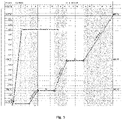
- drying and heating stands are based on the possibility. It is necessary to organize the aging of concrete at temperatures of 150 degrees Celsius and 450 degrees Celsius, in the future the speed of heating concrete is unlimited and is determined by the possibility of a warm-up stand. In practice, the schedule of aging, drying, and heating, roughly shown on Fig, is applied. 5.
Landscapes
- Engineering & Computer Science (AREA)
- Chemical & Material Sciences (AREA)
- Mechanical Engineering (AREA)
- General Engineering & Computer Science (AREA)
- Manufacturing & Machinery (AREA)
- Materials Engineering (AREA)
- Metallurgy (AREA)
- Organic Chemistry (AREA)
- Combustion & Propulsion (AREA)
- Furnace Housings, Linings, Walls, And Ceilings (AREA)
- On-Site Construction Work That Accompanies The Preparation And Application Of Concrete (AREA)
Abstract
Description
- This technical solution generally refers to the field of metallurgy, namely the technologies of lining metallurgical and other thermal units by the method of shotcreting and its hardware design.
- From the level of technology is known the way of lining the shotcreting of the surfaces of various units and the design of the device for its implementation are given in the reference literature. (Editorial Board: Yuri Stepanov, F.S. Demjanjuk, A.A. Znamensky, etc.) 1956, p. 954, the term "shotcreting." The method involves the application of a special cement solution (for metallurgical units -fire-resistant mixture) under the influence of compressed air, carried out by means of cement-gun (device for lining). The dry mixture is loaded into a cement cannon, from which under air pressure enters the hose, ending with a tip-nozzle. Before entering the nozzle, the mixture is automatically wetted. The resulting shotcrete concrete (pneumobeton) has great strength, density, water and breathability.
- The lack of shotcrete technology is that the application speed of the material is 1.0-1.5 tons per hour (at a mass density of 3.0-3.20 tons/m3), while the photocreet technology allows 6-16 tons of material per hour at the same density. In addition, the lack of shotcrete technology is lower than the citation technology, the performance of the material, namely, its mechanical strength, porosity and density of padding, which ultimately affects the durability of metallurgical and other thermal units.
- This technical solution is aimed at eliminating deficiencies known from the level of technology.
- The main technical task or technical problem solved in this technical solution is to change the basic model of operation of the metallurgical unit, such as the steel bucket.
- The technical result achieved in meeting the above technical problem is to reduce the consumption of fire-resistant materials used to lining the working layer of the steel mills.
- This technical result is achieved using shotcrete technology and related equipment, informal fire-resistant concretes based on tabular alumina and special additives.
- An additional technical result is an increase in the duration of the metallurgical unit's work campaign and a reduction in the total consumption of fire retardant.
- In addition, accidents with metal leakage through the lining are reduced, and the turnover time of metallurgical units in operation increases, which allows to increase the amount of steel smelted.
- This technical result is achieved through the implementation of a method of lining metallurgical units, in which the surface intended for lining with a strip-concrete from polluting elements is cleaned; Mix shotcrete with water through concrete mixing equipment; Direct the concrete mixture received on the previous step in a concrete pump, and then along the highway to the place of work and applying the mixture on the lining, and at the end of the highway there is a nozzle for the application of concrete mixture; Apply the concrete mixture to the prepared surface for lining the shot-concrete by mixing the concrete mixture with the hardener on the nozzle.
- In some variants of the technical solution when mixing fire-resistant components, the shotcrete is a low-cement shotcrete or ultra-cement concrete based on tabular alumina and/or corundum with the addition of al2MgO4-spinel or shot-concrete on the basis of melted or baked periclase with the addition of melted Al2MgO4-spineli or 6-valent chromium oxide.
- In some variants of the technical solution, the concrete mixing equipment is a pneumatic vessel with a built-in forced mixer and/or blade mixer, for the processing of fireproof masses and a pump for concrete supply.
- In some variants of the technical solution, the water temperature ranges from 5 degrees Celsius to 30 degrees Celsius.
- In some variants of the technical solution, the hardener is sodium silicate.
- In some variants of the technical solution, water consumption is carried out in the range of 4-10% of the total concrete mixture.
- In some variants of the technical solution, the time of mixing the concrete mixture after the water is added is 2 to 10 minutes.
- In some variants of the technical solution, the shotcrete is wetter after shuttering than vibrable concrete.
- In some variants of the technical solution, fireproof material is cleaned with jackhammers and/or chain cutters.
- In some variants of the technical solution, when applying the concrete mixture on the necessary surface, it is heated with a heat cannon or by placing a concrete mixture in a warm room.
- In some variants of the technical solution, the concrete mixture is applied to the necessary surface of the lining continuously.
- In some variants of the technical solution, the concrete mixture is applied to the necessary surface of the lining with one layer of 10-100 mm thick.
- In some variants of the technical solution, when applying the concrete mixture to the necessary surface of the lining, the thickness of the application is determined by the wear and tear of the wall in the areas of steel holes and/or blowing plugs, and/or the side of the side and the condition of the rows of bricks adjacent to the slag belt.
- In some variants of the technical solution, the concrete mixture is applied to the necessary surface of the lining, and the nozzle is held perpendicular to the surface of the lining.
- In some variants of the technical solution, the concrete mixture is applied to the necessary surface of the lining, and the nozzle is kept at a distance of 0.5-1.2 meters.
- The signs and benefits of this technical solution will be evident from the detailed description below and the accompanying drawings on which:
- On
Fig. 1 shows an example of the implementation of a metallurgical unit. - On
Fig. 2 shows an example of the implementation of the GS800 cleaning unit, a rotary type. - On
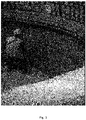
Fig. 3 shows an example of the dismantling of the remnants of slag and steel from the brick lining. - On
Fig. 4 shows an example of the implementation of the installation of fireproof lining from the table (second belt). - On
Fig. 5 shows the version of the implementation of the schedule of exposure, drying and heating of the steel bucket 380 tons. - The terms and definitions used in the description of this technical solution will be discussed in detail below.
- "0032" Futerovka - cladding fireproof, chemically resistant, as well as insulation materials, which covers the inner surface of metallurgical furnaces, boilers, boilers, and other equipment.
- Shotcrete is a progressive way of applying one or more layers of cement, sand, functional additives, and water to the surface under compressed air pressure.
- Fireproof materials (more - fire retardants) - non-metallic material with fire resistance is not lower than the temperature of 1580 degrees Celsius, used in units and devices to protect against the effects of thermal energy and gas, liquid, solid aggressive reagents.
- The metallurgical unit is a set of structurally connected technological equipment and devices, providing a complex metallurgical process in the conditions of mass and flow production. The metallurgical unit has higher performance, energy intensity and product quality, and allows for more efficient solutions to production automation and environmental protection.
- The method of lining the metallurgical units, performed in steps, will be revealed in detail below. As an example of the implementation of a metallurgical unit, this solution describes a steel bucket, but it is obvious to any specialist that the implementation is not limited to them.
- Step 101: Clean the surface designed to be lining with a strip-concrete from the contaminant elements.
- Surface preparation requires the use of correct methods of dismantling concrete and properly cleaned surfaces.
- Before applying a shot-concrete surface of a brick or a layer of concrete using a monolithic lining of metallurgical units, it is necessary to clean the dust, remnants of slag, steel, and a reborn fire-retarder, as shown by
Fig. 3 . - Cleaning can be done with jackhammers or specialized equipment (such as a chain cutter), such as the GS800 cleaning unit, a rotary type, as shown in
Fig. 2 . The rotating head is reinforced by chains that clean the surface of the brick lining when rotating. In some implementation options, the preparation of a metal surface involves cleaning from loose rust, exfoliating scale and other contaminants. Preparation of the repaired lining includes removal of weak, peeling and destroyed areas on the entire thickness of the layer of shotcrete to a metal surface or to an insulating underlay with exposure of at least two anchors, blowing the surface with compressed air and, if necessary, installation of additional anchors and nets provided by the project. When blowing the surface to reduce dusting, it is recommended to enter a small amount of water. - Step 102: Mix the shot-concrete with water through concrete mixing equipment.
- In this technical solution to ensure the durability of the walls of metallurgical units (without breaking the residual brick layer and accordingly without installing a new set of fire retarders for the working layer of the walls after 80 smelters) at the level (approximately A 40-40 (80) -40-120 smelting (the duration of the campaign for wall durability in the metal area) can be used as a hardener. In this technical solution, for example, periclase-carbon brick or aluminium operic carbon brick can be used as fire retardant. This technical solution can also be used for other fire retardant. As a shot-scratch-concrete can be used, for example, low-cement shotcrete or ultra-low-cement concrete based on tabular alumina and/or corundum with the addition of melted Al2MgO4-spinel (also possible use of shotcrete based on melted or baked periclase with the addition of melted Al2MgO4-spinels), on the hydraulic band of the
brand 92 In other implementation options, not limited to them, chromium 6 valent oxide can be used as an additive. Sodium silicate is an additional but integral material for the process. The consumption of liquid glass (sodium silicate) can be in the range of 12-18 kg/ton of used concrete. - In the approximate version of the implementation, the number of materials for a single steel bucket (to extend the campaign from 80 to 120 smelters) may be as follows:


Seven Shot 92 NR 08 Z6 TOHH Sodium Silicate 90/122 
- The amount of Seven Shot 92
NR 08 material to repair the steel bucket walls in the metal area can be laid based on the thickness of the material applied from 10 to 100 mm (the thickness of the layer can be reduced, and the material can be distributed accordingly to other areas and/or the continuation of the campaign). - As an example of the implementation, they receive an order for the implementation of the lining for 20 tons of shotcrete and it is added 400 kg of sodium silica (the calculation is in the proportion of 1:20 kg, as the plant in the production of work there are losses of material when setting equipment, equipment winding and other negative factors). Shotcrete masses are concrete on a cement bundle and are therefore sensitive to moisture, hence they should be stored in a dry enclosed area. The liquid binder should be stored at a temperature not lower than 5 degrees Celsius.
- All equipment and tools for making the concrete mixture must be cleaned of previous wet and dry materials. The cleaning equipment can be used as a pneumatic vessel with a built-in forced mixer to handle fire-resistant masses, such as the ESTROMAT 850 and/or REED models, and a concrete pump, such as the SCHWING SP 500. Cleaning is carried out with a high-pressure water pump and a hand tool.
- The water used in the plant to shutter the concrete can be used to shut the concrete (the use of purified water is prohibited in chemically purified water, which negatively affect the durability of the fire, as they create light-melting compounds during the operation of the shotcrete layer). The recommended water temperature ranges from 5 degrees Celsius to 30 degrees Celsius, since at low water temperature the time of grasping concrete increases, and at high temperature is greatly reduced. Water consumption should be within the limits specified in the relevant technical sheet (for example, it can be specified in the range of 4-10%)., then there is not enough moisture of concrete and it turns dry.
- Step 103: send the concrete mixture received on the previous step into a concrete pump, and then along the highway to the place of work and application of the mixture on the lining, and at the end of the highway there is a nozzle for the application of concrete mixture.
- After the mixture is prepared, ready to be applied, the fireproof concrete is produced in a concrete pump, and then on the hoses to the place of work and applying the material on the lining.
- After the finished mixture is inserted into the pump's receiving bin, the material is delivered to the transport system at the lowest possible speed until the mixture appears at the site of the hose connection with the nozzle. To connect the nozzle to the material hose, compressed air hoses and binder material, the supply of material on the transport system stops.
- Two nozzles directly carrying out the work are in the bucket. Take the collected nozzle and only on their command begins the presentation of material for the installation of fireproof lining. The technician on the concrete mixer continues to work on the preparation of the mixture.
- Step 104: Apply the concrete mixture to the prepared surface for lining the shot-concrete by mixing the concrete mixture with the hardener on the nozzle.
- All work on the installation of fireproof lining begins with preparatory activities:
- 1. Transporting equipment to the place of work.
- 2. Determining where the equipment and tool are installed.
- 3. Opening of the outfit - admission to carry out works.
- Identify energy hotspots.
- 5. Installation of basic and support equipment.
- 6. Checking the health of the equipment in idle mode.
- This diameter allows to create a higher density of fireproof lining, reduces the amount of rebound, as opposed to a diameter of 50 mm.
- The installation of the fire-resistant lining should be initiated at the end of all preparatory activities.
- Before applying the mixture to the prepared surface, the pipeline is lubricated.
- A mixture is prepared to lubricate pipes and hoses. For greasing, an adhesive or shambolic mortar (1 pack of glue per 10 litters of water) is used, and 20 litters of lubricant must be prepared. This lubricant reduces the friction factor of the concrete when moving it through pipes and hoses. You can also use technical lubricant, such as litol or solidol. This operation is used at each beginning of the work on the shotcrete (if the pipeline of concrete supply was flushed). Technicians, directly located on the work site, pour the mixture into the hose supply of concrete. The adapter is joined and under the influence of compressed air there is an even distribution of lubricant throughout the pipeline.
- On the nozzle, compressed air mixes concrete with the SODIUM SILICATE hardener (in winter, the hardener is heated to 15-25 degrees Celsius, with a heat cannon) and applied to the desired surface. From the concrete pump departs the main, which is the supply of material to the place of work, and at the end of this highway installed a nozzle, which is served liquid glass (sodium silicate) and compressed air. Heating is carried out with heat cannons or in some implementation options by placing a concrete mixture in a warm room.
- Depending on the degree of wear and tear of the work lining on the fireproof material, which can be a brick, the application of the shotcrete is carried out continuously in one layer of thickness of 10-100 mm. The level of wear is usually determined at the site of the lining, depending on the procedure used by the lining of the steel in the enterprise and the scheme of hot repairs. Usually, the thickness of the application is determined by the wear of the wall in areas of steel holes, blowing corks, the edging side, and the condition of the rows of bricks adjacent to the slag belt. Shot fixing should not be interrupted because the concrete can begin to grasp in the highways and the concrete pump, which will lead to the stop of equipment for washing and washing. The nozzle should always be kept perpendicular to the surface of the application at a distance of 0.5-1.2 meters. It is at this distance of application of the mixture there is a denser application of concrete, which allows to achieve the stated indicators of strength, porosity. This distance contributes to the denser structure of the fire-resistant material after application, which will allow longer to operate the metallurgical unit." The perpendicular location of the nozzle relative to the surface on which the application occurs is due to the amount of bounce and the quality of the applied layer. The material is applied immediately necessary thickness from the bottom-up of the application site, which allows to control the thickness of the installed concrete and the quality of the installation. The rebound is never combined with the material and is not reused. After applying the shot-concrete on the walls, from the working bottom of the steel bucket removed the rebound and repaired the lining of the bottom. The use of the indicated technical solution ensures the specific consumption of fire retardant on the working layer of the walls at the level of 131 smelting:
- 0 heats - cold repair
- 40 heats - hot repair (repair of slag belt), photocreating walls (2-4 tons);
- 80 heats - wall-fixing (2 t.);
- 120 heats - the end of the campaign.
- Technically, the installation of a fireproof bucket lining can consist of two belts vertically. The first belt of the lining is applied from the bottom of the steel bucket to a height of about 1.5 meters. The second belt of the lining is applied from the table, which is lowered into the bucket after the installation of the lining of the first belt, as shown in
Fig. 4 . The height of the second belt of the lining is limited by the height of the brick lining of the steel zone. - The formwork is not used in the installation of the lining, with the aim of creating a monolithic lining. The application of the material is carried out in a circle, first there is a "spraying" about 10-15 mm thick, on the second application formed the necessary thickness of the lining. Also, the work can be used a system of beacons, that is, at the height of the belt are made vertical strips of material width of 200-300 mm, with a step of 1.5-2 meters of the necessary thickness (thickness controls the second nozzle located also in the bucket), and then the material between the beacons is applied.
- The thickness of the lining depends on the residual thickness of the brick lining. In this technical solution developed technology that the application of lining more than 100 mm is not appropriate, there is exfoliation, when drying formed a lot of cracks.
- The average thickness of the applied lining should not be more than 30-60 mm. The exception is the place of slag draining and battle zone, here the thickness of the lining reaches up to 100 mm. Therefore, the nozzle and controlling technician visually determine the thickness of the applied lining.
- When installing a fireproof lining with negative environmental values, it is necessary to take early measures to store the material and binder in a room with a positive temperature, at least 5 days before the installation of the lining.
- At the end of the work, work is carried out on the washing of equipment and pipeline, disconnection from energy, is completed and transported to the storage site.
- An integral part of the fireproof lining is drying.
- Before drying, it is necessary to withstand the applied lining for 4 hours, during aging it is necessary to ensure the temperature of the air in the steel bucket and its metal structure at least 5 degrees Celsius.
- When designing drying schedules, the drying and heating stands are based on the possibility. It is necessary to organize the aging of concrete at temperatures of 150 degrees Celsius and 450 degrees Celsius, in the future the speed of heating concrete is unlimited and is determined by the possibility of a warm-up stand. In practice, the schedule of aging, drying, and heating, roughly shown on Fig, is applied. 5.
- Specific tests of the way the lining and repair of the steel bucket by Seven Refractory confirms the industrial applicability of the invention.
- The modifications and improvements of the above incarnations of this technology may be obvious to technicians in the field. The above description is given as an example, not for the establishment of limitations. The scope of this technology, therefore, can be limited only by the amount of the attached formula of invention.
Claims (15)
- A method for lining metallurgical units, including the following steps:• Clean the surface designed for lining with shotcrete from polluting elements;• Mix shotcrete with water through concrete mixing equipment;• Direct the concrete mixture received on the previous step in a concrete pump, and then along the highway to the place of work and applying the mixture on the lining, and at the end of the highway there is a nozzle for the application of concrete mixture;• Apply the concrete mixture to the prepared surface for lining the shot-concrete by mixing the concrete mixture with the hardener on the nozzle.
- The method of lining metallurgical units according to claim 1, characterized in that, when mixing fire-resistant components shotcrete is a low-cement shotcrete-concrete or ultra-low-concrete concrete based on tabular alumina and/or corundum with the addition of melted Al2MgO 4-spinals, or shotcrete-concrete based on melted or baked periclase with the addition of melted Al2MgO4 spinel's or 6-valent chromium oxide.
- The method of lining metallurgical units according to claim 1, characterized in that the equipment for the preparation of concrete mixture is a pneumatic vessel with a built-in forced mixer and/or blade mixer, for processing fireproof masses, and a pump for feeding concrete.
- The method of lining metallurgical units according to claim 4, characterized in that the water temperature is in the range of 5 degrees Celsius to 30 degrees Celsius.
- The method of lining metallurgical units according to claim 1, wherein the hardener is sodium silicate.
- The method of lining metallurgical units according to claim 4, characterized in that the water consumption is carried out in the range of 4-10% of the total concrete mixture.
- The method of lining metallurgical units according to claim 4, characterized in that the time of mixing the concrete mixture after the addition of water is from 2 to 7 minutes.
- The method of lining metallurgical units according to claim 1, characterized in that the shotcrete-concrete after shutter is more humid than vibrable concrete.
- The method of lining metallurgical units according to claim 1, characterized in that clean fireproof material jackhammers and/or chain cutter.
- The method for lining metallurgical units according to claim 1, characterized in that when applying the concrete mixture on the necessary surface it is heated with a heat cannon or by placing a concrete mixture in a warm room.
- The method for lining metallurgical units according to claim 1, characterized in that they apply the concrete mixture on the necessary surface of the lining continuously.
- The method for lining metallurgical units according to claim 1, characterized in that they apply a concrete mixture on the necessary surface of the lining with one layer of thickness 10-100 mm.
- The method for lining metallurgical units according to claim 1, characterized in that when applying a concrete mixture to the necessary surface of the lining, the thickness of the application is determined by the wear of the wall in areas of steely holes and/or blowout plugs, and/or the side of the cable and the condition of the rows of bricks adjacent to the slag belt.
- The method of lining metallurgical units according to claim 1, characterized in that they apply a concrete mixture on the necessary surface of the lining, and the nozzle is held perpendicular to the surface of the lining.
- The method for lining metallurgical units according to claim 1, characterized in that they apply a concrete mixture on the necessary surface of the lining, and the nozzle is kept at a distance of 0.5-1.2 meters.
Applications Claiming Priority (2)
| Application Number | Priority Date | Filing Date | Title |
|---|---|---|---|
| RU2020108280A RU2735014C9 (en) | 2020-02-26 | Method for lining metallurgical units | |
| PCT/RU2020/000546 WO2021173031A1 (en) | 2020-02-26 | 2020-10-16 | Method for lining metallurgical units |
Publications (2)
| Publication Number | Publication Date |
|---|---|
| EP4113044A1 true EP4113044A1 (en) | 2023-01-04 |
| EP4113044A4 EP4113044A4 (en) | 2024-03-27 |
Family
ID=72949148
Family Applications (1)
| Application Number | Title | Priority Date | Filing Date |
|---|---|---|---|
| EP20921982.3A Pending EP4113044A4 (en) | 2020-02-26 | 2020-10-16 | Method for lining metallurgical units |
Country Status (2)
| Country | Link |
|---|---|
| EP (1) | EP4113044A4 (en) |
| WO (1) | WO2021173031A1 (en) |
Families Citing this family (1)
| Publication number | Priority date | Publication date | Assignee | Title |
|---|---|---|---|---|
| CN115889746A (en) * | 2022-11-17 | 2023-04-04 | 山东国茂冶金材料有限公司 | A Construction Technology of Sleeve Casting for Permanent Layer of Tundish |
Family Cites Families (7)
| Publication number | Priority date | Publication date | Assignee | Title |
|---|---|---|---|---|
| US5628940A (en) * | 1994-07-11 | 1997-05-13 | Reno & Son, Inc. | Process for applying low-cement castable refractory material |
| US6004626A (en) * | 1998-07-10 | 1999-12-21 | North American Refractories Co. | High pressure/volume process for wet shotcreting a refractory castable |
| RU2433981C1 (en) * | 2010-04-21 | 2011-11-20 | Государственное образовательное учреждение высшего профессионального образования "Санкт-Петербургский государственный технологический институт (технический университет)" | Charge and alloyed spinel material produced from it |
| RU2437862C1 (en) * | 2011-01-13 | 2011-12-27 | Закрытое акционерное общество "Опытный завод огнеупоров" | Fireproof concrete mix (versions) |
| DE102013001927B4 (en) * | 2013-02-04 | 2019-01-17 | Refratechnik Holding Gmbh | Geopolymer binder system for Feuerbetone, dry Feuetonetonversatz containing the binder system and the use of the offset |
| RU2692390C1 (en) * | 2018-08-20 | 2019-06-24 | Общество с ограниченной ответственностью "Севен Рефракториз" | Method of metallurgical units lining and device for its implementation |
| RU2687211C1 (en) * | 2018-10-25 | 2019-05-07 | Общество с ограниченной ответственностью "Газпром проектирование" | Method of increasing dynamic rigidity of a foundation under a vibration load and a device for its implementation |
-
2020
- 2020-10-16 EP EP20921982.3A patent/EP4113044A4/en active Pending
- 2020-10-16 WO PCT/RU2020/000546 patent/WO2021173031A1/en not_active Ceased
Also Published As
| Publication number | Publication date |
|---|---|
| RU2735014C1 (en) | 2020-10-27 |
| WO2021173031A1 (en) | 2021-09-02 |
| EP4113044A4 (en) | 2024-03-27 |
Similar Documents
| Publication | Publication Date | Title |
|---|---|---|
| US4452749A (en) | Method of repairing hot refractory brick walls | |
| CN106435073B (en) | A kind of blast furnace lining monolithic casting construction method for substituting spray paint and refractory brick | |
| US4822679A (en) | Spray-applied ceramic fiber insulation | |
| CN111765768B (en) | Refractory material masonry construction method for ignition holding furnace of sintering machine in sintering plant | |
| CN110986591B (en) | Method for repairing and building refractory material on back of Maerz kiln suspension cylinder | |
| CN102636029A (en) | Heating furnace plastic construction method | |
| CN109020585B (en) | Wear-resistant castable and preparation and use methods thereof | |
| CN102311237B (en) | Method for repairing mechanical shaft kiln lining | |
| CN109341354B (en) | Construction method of rotary cement kiln mouth castable | |
| CN109735675B (en) | Method for quickly overhauling refractory lining of blast furnace hot air main pipe | |
| CN113604619A (en) | Remote control thermal state wet method jetting lining manufacturing method | |
| CN101921887B (en) | Maintenance method of blast furnace liner | |
| WO2021173031A1 (en) | Method for lining metallurgical units | |
| CN109000223A (en) | A kind of material return device for circulating fluidized bed boiler part thermal insulation layer lining restorative procedure | |
| RU2811006C1 (en) | Method of metallurgical aggregates lining | |
| RU2735014C9 (en) | Method for lining metallurgical units | |
| CN107299171B (en) | Method for repairing refractory lining on side wall of blast furnace hearth and refractory lining body | |
| RU2692390C1 (en) | Method of metallurgical units lining and device for its implementation | |
| CN208803104U (en) | Integrated poured blast furnace crucibe | |
| RU2348595C2 (en) | Method of fabrication of products from refractory mass (versions) | |
| RU2479812C1 (en) | Taphole brick | |
| KR20060002863A (en) | Refractory composition and method for repair of high temperature fireproof walls | |
| JP3584852B2 (en) | Hot repair method of blast furnace wall | |
| CN209759375U (en) | Coke discharging chute wear-resisting device of coking dry quenching furnace | |
| CN106052399A (en) | Sectional repair method for kiln lining of rotary kiln |
Legal Events
| Date | Code | Title | Description |
|---|---|---|---|
| STAA | Information on the status of an ep patent application or granted ep patent |
Free format text: STATUS: THE INTERNATIONAL PUBLICATION HAS BEEN MADE |
|
| PUAI | Public reference made under article 153(3) epc to a published international application that has entered the european phase |
Free format text: ORIGINAL CODE: 0009012 |
|
| STAA | Information on the status of an ep patent application or granted ep patent |
Free format text: STATUS: REQUEST FOR EXAMINATION WAS MADE |
|
| 17P | Request for examination filed |
Effective date: 20220926 |
|
| AK | Designated contracting states |
Kind code of ref document: A1 Designated state(s): AL AT BE BG CH CY CZ DE DK EE ES FI FR GB GR HR HU IE IS IT LI LT LU LV MC MK MT NL NO PL PT RO RS SE SI SK SM TR |
|
| DAV | Request for validation of the european patent (deleted) | ||
| DAX | Request for extension of the european patent (deleted) | ||
| RAP1 | Party data changed (applicant data changed or rights of an application transferred) |
Owner name: REFRACTORY INTELLECTUAL PROPERTY GMBH & CO. KG |
|
| A4 | Supplementary search report drawn up and despatched |
Effective date: 20240226 |
|
| RIC1 | Information provided on ipc code assigned before grant |
Ipc: F23M 5/00 20060101ALI20240220BHEP Ipc: C21C 5/44 20060101ALI20240220BHEP Ipc: C21B 9/06 20060101ALI20240220BHEP Ipc: B22D 13/10 20060101ALI20240220BHEP Ipc: B22D 41/02 20060101ALI20240220BHEP Ipc: C21B 7/06 20060101ALI20240220BHEP Ipc: F27D 1/10 20060101ALI20240220BHEP Ipc: F27D 1/16 20060101AFI20240220BHEP |