EP4107384B1 - Fuelling system for liquefied natural gas vehicles - Google Patents
Fuelling system for liquefied natural gas vehicles Download PDFInfo
- Publication number
- EP4107384B1 EP4107384B1 EP21710575.8A EP21710575A EP4107384B1 EP 4107384 B1 EP4107384 B1 EP 4107384B1 EP 21710575 A EP21710575 A EP 21710575A EP 4107384 B1 EP4107384 B1 EP 4107384B1
- Authority
- EP
- European Patent Office
- Prior art keywords
- natural gas
- fuelling
- tank
- gaseous natural
- line
- Prior art date
- Legal status (The legal status is an assumption and is not a legal conclusion. Google has not performed a legal analysis and makes no representation as to the accuracy of the status listed.)
- Active
Links
Images

Classifications
-
- F—MECHANICAL ENGINEERING; LIGHTING; HEATING; WEAPONS; BLASTING
- F02—COMBUSTION ENGINES; HOT-GAS OR COMBUSTION-PRODUCT ENGINE PLANTS
- F02M—SUPPLYING COMBUSTION ENGINES IN GENERAL WITH COMBUSTIBLE MIXTURES OR CONSTITUENTS THEREOF
- F02M21/00—Apparatus for supplying engines with non-liquid fuels, e.g. gaseous fuels stored in liquid form
- F02M21/02—Apparatus for supplying engines with non-liquid fuels, e.g. gaseous fuels stored in liquid form for gaseous fuels
- F02M21/0218—Details on the gaseous fuel supply system, e.g. tanks, valves, pipes, pumps, rails, injectors or mixers
- F02M21/0221—Fuel storage reservoirs, e.g. cryogenic tanks
- F02M21/0224—Secondary gaseous fuel storages
-
- F—MECHANICAL ENGINEERING; LIGHTING; HEATING; WEAPONS; BLASTING
- F02—COMBUSTION ENGINES; HOT-GAS OR COMBUSTION-PRODUCT ENGINE PLANTS
- F02M—SUPPLYING COMBUSTION ENGINES IN GENERAL WITH COMBUSTIBLE MIXTURES OR CONSTITUENTS THEREOF
- F02M21/00—Apparatus for supplying engines with non-liquid fuels, e.g. gaseous fuels stored in liquid form
- F02M21/02—Apparatus for supplying engines with non-liquid fuels, e.g. gaseous fuels stored in liquid form for gaseous fuels
- F02M21/0203—Apparatus for supplying engines with non-liquid fuels, e.g. gaseous fuels stored in liquid form for gaseous fuels characterised by the type of gaseous fuel
- F02M21/0215—Mixtures of gaseous fuels; Natural gas; Biogas; Mine gas; Landfill gas
-
- F—MECHANICAL ENGINEERING; LIGHTING; HEATING; WEAPONS; BLASTING
- F02—COMBUSTION ENGINES; HOT-GAS OR COMBUSTION-PRODUCT ENGINE PLANTS
- F02M—SUPPLYING COMBUSTION ENGINES IN GENERAL WITH COMBUSTIBLE MIXTURES OR CONSTITUENTS THEREOF
- F02M21/00—Apparatus for supplying engines with non-liquid fuels, e.g. gaseous fuels stored in liquid form
- F02M21/02—Apparatus for supplying engines with non-liquid fuels, e.g. gaseous fuels stored in liquid form for gaseous fuels
- F02M21/0218—Details on the gaseous fuel supply system, e.g. tanks, valves, pipes, pumps, rails, injectors or mixers
- F02M21/023—Valves; Pressure or flow regulators in the fuel supply or return system
- F02M21/0239—Pressure or flow regulators therefor
-
- F—MECHANICAL ENGINEERING; LIGHTING; HEATING; WEAPONS; BLASTING
- F02—COMBUSTION ENGINES; HOT-GAS OR COMBUSTION-PRODUCT ENGINE PLANTS
- F02M—SUPPLYING COMBUSTION ENGINES IN GENERAL WITH COMBUSTIBLE MIXTURES OR CONSTITUENTS THEREOF
- F02M21/00—Apparatus for supplying engines with non-liquid fuels, e.g. gaseous fuels stored in liquid form
- F02M21/02—Apparatus for supplying engines with non-liquid fuels, e.g. gaseous fuels stored in liquid form for gaseous fuels
- F02M21/0218—Details on the gaseous fuel supply system, e.g. tanks, valves, pipes, pumps, rails, injectors or mixers
- F02M21/023—Valves; Pressure or flow regulators in the fuel supply or return system
- F02M21/0242—Shut-off valves; Check valves; Safety valves; Pressure relief valves
-
- F—MECHANICAL ENGINEERING; LIGHTING; HEATING; WEAPONS; BLASTING
- F02—COMBUSTION ENGINES; HOT-GAS OR COMBUSTION-PRODUCT ENGINE PLANTS
- F02M—SUPPLYING COMBUSTION ENGINES IN GENERAL WITH COMBUSTIBLE MIXTURES OR CONSTITUENTS THEREOF
- F02M21/00—Apparatus for supplying engines with non-liquid fuels, e.g. gaseous fuels stored in liquid form
- F02M21/02—Apparatus for supplying engines with non-liquid fuels, e.g. gaseous fuels stored in liquid form for gaseous fuels
- F02M21/0218—Details on the gaseous fuel supply system, e.g. tanks, valves, pipes, pumps, rails, injectors or mixers
- F02M21/0287—Details on the gaseous fuel supply system, e.g. tanks, valves, pipes, pumps, rails, injectors or mixers characterised by the transition from liquid to gaseous phase ; Injection in liquid phase; Cooling and low temperature storage
-
- F—MECHANICAL ENGINEERING; LIGHTING; HEATING; WEAPONS; BLASTING
- F02—COMBUSTION ENGINES; HOT-GAS OR COMBUSTION-PRODUCT ENGINE PLANTS
- F02M—SUPPLYING COMBUSTION ENGINES IN GENERAL WITH COMBUSTIBLE MIXTURES OR CONSTITUENTS THEREOF
- F02M21/00—Apparatus for supplying engines with non-liquid fuels, e.g. gaseous fuels stored in liquid form
- F02M21/02—Apparatus for supplying engines with non-liquid fuels, e.g. gaseous fuels stored in liquid form for gaseous fuels
- F02M21/0218—Details on the gaseous fuel supply system, e.g. tanks, valves, pipes, pumps, rails, injectors or mixers
- F02M21/0293—Safety devices; Fail-safe measures
-
- F—MECHANICAL ENGINEERING; LIGHTING; HEATING; WEAPONS; BLASTING
- F02—COMBUSTION ENGINES; HOT-GAS OR COMBUSTION-PRODUCT ENGINE PLANTS
- F02M—SUPPLYING COMBUSTION ENGINES IN GENERAL WITH COMBUSTIBLE MIXTURES OR CONSTITUENTS THEREOF
- F02M21/00—Apparatus for supplying engines with non-liquid fuels, e.g. gaseous fuels stored in liquid form
- F02M21/02—Apparatus for supplying engines with non-liquid fuels, e.g. gaseous fuels stored in liquid form for gaseous fuels
- F02M21/06—Apparatus for de-liquefying, e.g. by heating
-
- F—MECHANICAL ENGINEERING; LIGHTING; HEATING; WEAPONS; BLASTING
- F02—COMBUSTION ENGINES; HOT-GAS OR COMBUSTION-PRODUCT ENGINE PLANTS
- F02B—INTERNAL-COMBUSTION PISTON ENGINES; COMBUSTION ENGINES IN GENERAL
- F02B43/00—Engines characterised by operating on gaseous fuels; Plants including such engines
- F02B43/10—Engines or plants characterised by use of other specific gases, e.g. acetylene, oxyhydrogen
- F02B2043/103—Natural gas, e.g. methane or LNG used as a fuel
-
- F—MECHANICAL ENGINEERING; LIGHTING; HEATING; WEAPONS; BLASTING
- F02—COMBUSTION ENGINES; HOT-GAS OR COMBUSTION-PRODUCT ENGINE PLANTS
- F02M—SUPPLYING COMBUSTION ENGINES IN GENERAL WITH COMBUSTIBLE MIXTURES OR CONSTITUENTS THEREOF
- F02M25/00—Engine-pertinent apparatus for adding non-fuel substances or small quantities of secondary fuel to combustion-air, main fuel or fuel-air mixture
- F02M25/08—Engine-pertinent apparatus for adding non-fuel substances or small quantities of secondary fuel to combustion-air, main fuel or fuel-air mixture adding fuel vapours drawn from engine fuel reservoir
-
- F—MECHANICAL ENGINEERING; LIGHTING; HEATING; WEAPONS; BLASTING
- F02—COMBUSTION ENGINES; HOT-GAS OR COMBUSTION-PRODUCT ENGINE PLANTS
- F02M—SUPPLYING COMBUSTION ENGINES IN GENERAL WITH COMBUSTIBLE MIXTURES OR CONSTITUENTS THEREOF
- F02M31/00—Apparatus for thermally treating combustion-air, fuel, or fuel-air mixture
- F02M31/02—Apparatus for thermally treating combustion-air, fuel, or fuel-air mixture for heating
- F02M31/16—Other apparatus for heating fuel
- F02M31/18—Other apparatus for heating fuel to vaporise fuel
-
- Y—GENERAL TAGGING OF NEW TECHNOLOGICAL DEVELOPMENTS; GENERAL TAGGING OF CROSS-SECTIONAL TECHNOLOGIES SPANNING OVER SEVERAL SECTIONS OF THE IPC; TECHNICAL SUBJECTS COVERED BY FORMER USPC CROSS-REFERENCE ART COLLECTIONS [XRACs] AND DIGESTS
- Y02—TECHNOLOGIES OR APPLICATIONS FOR MITIGATION OR ADAPTATION AGAINST CLIMATE CHANGE
- Y02T—CLIMATE CHANGE MITIGATION TECHNOLOGIES RELATED TO TRANSPORTATION
- Y02T10/00—Road transport of goods or passengers
- Y02T10/10—Internal combustion engine [ICE] based vehicles
- Y02T10/30—Use of alternative fuels, e.g. biofuels
Definitions
- the present invention relates to a fuelling system for liquefied natural gas vehicles.
- Natural gas is a mixture mainly composed of methane and smaller amounts of ethane, propane, butane and other gases.
- natural gas is reduced in volume by about 600 times and thus allows for the storage and transportation of higher quantities of fuel than the use of compressed natural gas.
- liquefied natural gas can be easily used to power small vehicles while ensuring a high range on a full tank.
- Liquefaction involves a series of cooling and condensation processes of the natural gas to obtain a liquid with a boiling temperature of about -160 °C at atmospheric pressure.
- the fuelling systems for liquefied natural gas vehicles of known type generally comprise a tank intended to contain the liquefied natural gas and a fuelling line, connected in a fluid-operated manner to the tank and adapted to convey the natural gas itself to the vehicle engine.
- the fuelling systems of known type require that the fuelling line be provided with a heating unit, such as e.g. a heat exchanger, intended to heat the liquefied natural gas so as to convert it into gaseous natural gas, which can be used by the engine during combustion.
- a heating unit such as e.g. a heat exchanger
- the liquefied natural gas has a remarkably low boiling point and evaporates rapidly into gaseous natural gas; this inevitably leads to an increase in pressure inside the tank with consequent safety risks.
- the tanks of liquefied natural gas vehicles are provided with a safety valve through which, after a predefined pressure value has been exceeded, the gaseous component escapes from the tank itself and releases into the environment.
- Fuelling systems of the known type for liquefied natural gas vehicles are also disclosed in US 2019/338713 A1 , DE 10 2018 203210 A1 , WO 2016/126025 A1 and KR 2011 0042911 A .
- the main aim of the present invention is to devise a fuelling system for liquefied natural gas vehicles that allows the exploitation of gaseous natural gas generated by the evaporation of liquefied natural gas.
- Another object of the present invention is to devise a fuelling system for liquefied natural gas vehicles that will reduce the environmental impact caused by the release of gaseous natural gas into the environment.
- Another object of the present invention is to devise a fuelling system for liquefied natural gas vehicles that allows overcoming the aforementioned drawbacks of the prior art within a simple, rational, easy, effective to use and low cost solution.
- the objects set out above are achieved by the present fuelling system for liquefied natural gas vehicles having the characteristics of claim 1.
- reference numeral 1 globally indicates a fuelling system for liquefied natural gas vehicles.
- natural gas is defined as a mixture composed of methane, ethane, propane, butane and other combustible gases. Through a series of cooling and condensation processes, natural gas is liquefied to obtain a liquid with a boiling temperature of approximately -160 °C at atmospheric pressure so that it can be easily stored in vehicles.
- the fuelling system 1 comprises at least one tank 2 adapted to contain liquefied natural gas L intended to fuel at least one engine 3 of a vehicle 4.
- the vehicle 4 is of the type of a land, water, or air vehicle intended to transport people and/or goods.
- the vehicle 4 is, e.g., of the type of a motor vehicle.
- the fuelling system 1 is, moreover, provided with at least one safety valve 5 associated with the tank 2 and adapted to allow the escape of gaseous natural gas G, generated by the evaporation of part of the liquefied natural gas L, after reaching a predefined pressure value inside the tank 2.
- the liquefied natural gas L in fact, has an extremely low boiling point and converts rapidly to the gaseous phase under normal storage conditions, if not used.
- the predefined pressure value can be set, e.g., to 16 bar.
- the predefined pressure value may be different depending on the structural characteristics of the tank 2 and of the fuelling system 1, the predefined pressure value may be different.
- the pressure inside the tank 2 inevitably increases; after the predefined pressure value has been reached, the safety valve 5 allows the gaseous natural gas G to escape from the tank 2.
- the safety valve 5 aims to ensure that a safe state of the vehicle 4 is maintained.
- the fuelling system 1 comprises at least one main fuelling line 6 configured to take the liquefied natural gas L from the tank 2 and convey it to the engine 3.
- the main fuelling line 6 comprises at least one main fluid-operated connecting circuit 7 positioned between the tank 2 and the engine 3.
- the main fuelling line 6 comprises at least one heating unit 8 adapted to heat the liquefied natural gas L coming out of the tank 2 to obtain gaseous natural gas G.
- the heating unit 8 is of the type of a heat exchanger operating by means of a hot fluid.
- the heating unit 8 comprises a coil duct partly wrapped around part of the main circuit 7, inside which the hot fluid flows.
- the coil duct may be connected to a heat source such as, e.g., a cooling circuit of the engine 3. This provides recovery of the thermal energy generated by the engine 3 that can be used to operate the heating unit 8.
- a heat source such as, e.g., a cooling circuit of the engine 3. This provides recovery of the thermal energy generated by the engine 3 that can be used to operate the heating unit 8.
- the temperature of the hot fluid at inlet of the coil duct has a temperature comprised between 50 and 130°C while at outlet of the coil duct it can also reach temperatures lower than -100°C.
- the hot fluid is fed into the coil circuit at a pressure higher than atmospheric pressure, such as e.g. at a pressure of 16 bar.
- the liquefied natural gas L reaches the heating unit at a temperature below -160°C and exits as gaseous natural gas G.
- the increase in temperature of the liquefied natural gas L causes, in fact, the evaporation of the same and a consequent increase in the pressure of the gaseous natural gas G that is conveyed to the engine 3.
- the fuelling system 1 comprises at least a first pressure regulating device 9 positioned downstream of the main fuelling line 6 and adapted to regulate the pressure of the gaseous natural gas G entering the engine 3.
- the first pressure regulating device 9 e.g. of the type of a pneumatic control valve, is configured to emit gaseous natural gas G at the operating pressure of the engine 3.
- the fuelling system 1 comprises at least one secondary fuelling line 10 configured to take the gaseous natural gas G from the tank 2 and to convey it to the engine 3.
- the secondary fuelling line 10 comprises:
- the secondary fuelling line 10 aims to take the gaseous natural gas G, generated by the evaporation of the liquefied natural gas L, before it escapes from the tank 2 through the safety valve 5.
- the gaseous natural gas G is taken from the tank 2 when reaching a minimum pressure value, which is lower than the predefined pressure value.
- the minimum pressure value is comprised, e.g., between 10.0 and 10.5 bar.
- the secondary fuelling line 10 comprises at least one secondary fluid-operated connecting circuit 13 positioned between the tank 2 and the engine 3 and along which the compressor assembly 12 and the storage vessel 11 are arranged.
- the storage vessel 11 of the type of, e.g., a cylinder, allows storing the generated gaseous natural gas G inside the tank 2 to a maximum pressure value.
- the maximum pressure value is comprised, e.g., between 50 and 100 bar.
- the fuelling system 1 comprises at least a second pressure regulating device 14 positioned downstream of the secondary fuelling line 10 and adapted to regulate the pressure of the gaseous natural gas G entering the engine 3.
- the second pressure regulating device 14 is positioned downstream of the storage vessel 11.
- the second pressure regulating device 14 is, e.g., of the type of a pneumatic control valve and is configured to emit gaseous natural gas G at the operating pressure of the engine 3.
- the compressor assembly 12 allows increasing the amount of gaseous natural gas G that can be stored in the storage vessel 11 for later use by the engine 3.
- the compressor assembly 12 is selected from the list comprising: centrifugal compressor, volumetric compressor, multi-stage compressor.
- the compressor assembly 12 is operated when the pressure inside the tank 2 reaches an activation pressure value above the minimum pressure value and below the predefined pressure value.
- the activation pressure value is comprised, e.g., between 15.0 and 15.9 bar.
- the secondary fuelling line 10 comprises at least one heating assembly 15 positioned upstream of the storage vessel 11 and adapted to heat the gaseous natural gas G flowing out of the tank 2.
- the gaseous natural gas G contained in the tank 2 is at a temperature comprised between about -100 °C and -160 °C; the heating assembly 15 aims to heat the gaseous natural gas G to prevent too low a temperature from damaging the compressor assembly 12.
- the heating assembly 15 is of the type of a heat exchanger operating, e.g., at room temperature.
- the heating assembly 15 comprises a coil tube wrapped around part of the secondary circuit 13, inside which a fluid at room temperature flows.
- the coil tube is connected with the exterior of the vehicle 4 and air flows therein.
- the secondary fuelling line 10 comprises at least one control device 16 positioned upstream of the storage vessel 11 and adapted to allow a unidirectional flow of gaseous natural gas G from the tank 2 to the storage vessel 11.
- the control device 16 is, e.g., of the type of a check valve and is intended to prevent the gaseous natural gas G from flowing from the storage vessel 11 to the tank 2.
- Such an embodiment ensures that there is no backflow of gaseous natural gas G into the tank 2 as a result of the pressure increase in the storage vessel 11.
- the secondary fuelling line 10 comprises at least one flow regulating device 17 positioned upstream of the control device 16 and adapted to regulate the flow of the gaseous natural gas G.
- the flow regulating device 17 is of the type of, e.g., a motorized valve and is operable to allow/block the flow of the gaseous natural gas G through the control device 16.
- the flow regulating device 17 is operated with the engine 3 turned off so as to allow the gaseous natural gas G to flow to the storage vessel 11 when the vehicle 4 is stationary.
- the flow regulating device 17 and the control device 16 are arranged in succession along a branch 18 of the secondary fuelling line 10, in parallel with the compressor assembly 12.
- the gaseous natural gas G may flow from the tank 2 to the storage vessel 11 along the secondary circuit 13, through the compressor assembly 12, or along the branch 18.
- the secondary fuelling line 10 comprises at least a first pressure sensor 19 positioned upstream of the compressor assembly 12 and adapted to detect at least a first pressure value of the gaseous natural gas G inside the tank 2.
- the first pressure sensor 19 is positioned between the heating assembly 15 and the compressor assembly 12. Embodiments cannot however be ruled out wherein the first pressure sensor 19 is arranged upstream of the heating assembly 15.
- the secondary fuelling line 10 further comprises at least a second pressure sensor 20 positioned downstream of the compressor assembly 12 and adapted to detect at least a second pressure value of the gaseous natural gas G inside the storage vessel 11.
- the pressure sensors 19, 20 are adapted to determine the activation/deactivation of at least one of either the compressor assembly 12 or the flow regulating device 17.
- the fuelling system 1 also comprises at least one electronic control unit 21.
- the electronic control unit 21 comprises at least one drive unit 22 operationally connected to the first pressure sensor 19 and to the second pressure sensor 20 and configured to activate/deactivate at least one of either the flow regulating device 17 or the compressor assembly 12.
- the electronic control unit 21 is operationally connected to an electronic station 23 of the vehicle 4.
- the drive unit 22 is configured to detect the operating status of the engine 3 by the electronic station 23, so as to activate/deactivate the flow regulating device 17 and/or the compressor assembly 12.
- the flow regulating device 17 and/or the compressor assembly 12 are activated only when the engine 3 is switched off.
- the operation of the fuelling system 1 according to the invention is as follows. During the use of the vehicle 4, the liquefied natural gas L is conveyed along the main fuelling line 6 to the heating unit 8, where it is converted into gaseous natural gas G.
- the gaseous natural gas G reaches the engine 3 where combustion occurs.
- the liquefied natural gas L in the tank 2 evaporates into gaseous natural gas G, causing a pressure increase inside the tank itself.
- the first pressure sensor 19 detects the pressure of the gaseous natural gas G inside the tank 2 and generates the first pressure value.
- the drive unit 22 activates the flow regulating device 17 in order to allow the gaseous natural gas G contained in the tank 2 to flow to the storage vessel 11, through the branch 18.
- the drive unit 22 deactivates the flow regulating device 17 and activates the compressor assembly 12 in order to compress the gaseous natural gas G to be stored into the storage vessel 11.
- the drive unit 22 deactivates the compressor assembly 12. Only at this point, if the pressure inside the tank 2 increases further and reaches the predefined pressure value, does the gaseous natural gas G escape from the tank through the safety valve 5.
- the gaseous natural gas G is conveyed to the engine 3 from the secondary fuelling line 10 and from the main fuelling line 6.
- the flow of the gaseous natural gas G at inlet to the engine 3 is regulated by the pressure regulating devices 9, 14 so that the engine itself is preferably fuelled from the secondary fuelling line 10.
- An additional aspect of the present invention relates to a liquefied natural gas vehicle 4.
- the vehicle 4 is of the type of a land, water or air vehicle intended for the transportation of persons and/or goods.
- the vehicle 4 is, e.g., of the type of a motor vehicle.
- the vehicle 4 comprises movement means 24 adapted to move the vehicle itself and at least one engine 3 adapted to operate the movement means 24.
- the movement means 24 are of the wheel type.
- the movement means 24 may be of a different type.
- the movement means 24 may be of the type of propellers or the like, in the case of water vehicles, or of the type of turbines or the like, in the case of air vehicles.
Landscapes
- Engineering & Computer Science (AREA)
- Chemical & Material Sciences (AREA)
- Chemical Kinetics & Catalysis (AREA)
- General Chemical & Material Sciences (AREA)
- Oil, Petroleum & Natural Gas (AREA)
- Combustion & Propulsion (AREA)
- Mechanical Engineering (AREA)
- General Engineering & Computer Science (AREA)
- Filling Or Discharging Of Gas Storage Vessels (AREA)
Description
- The present invention relates to a fuelling system for liquefied natural gas vehicles.
- It is well known that in recent years there is a considerable need to reduce environmental pollution caused by motor vehicle emissions.
- For this reason, natural gas powered vehicles are becoming more and more widespread. These vehicles provide excellent performance and considerably reduce emissions of pollutants and particulate matter, at the same time.
- Natural gas is a mixture mainly composed of methane and smaller amounts of ethane, propane, butane and other gases.
- In order to be stored inside vehicle tanks, natural gas undergoes compression or liquefaction processes.
- In particular, through the liquefaction process, natural gas is reduced in volume by about 600 times and thus allows for the storage and transportation of higher quantities of fuel than the use of compressed natural gas.
- As a result, liquefied natural gas can be easily used to power small vehicles while ensuring a high range on a full tank.
- Liquefaction involves a series of cooling and condensation processes of the natural gas to obtain a liquid with a boiling temperature of about -160 °C at atmospheric pressure.
- The fuelling systems for liquefied natural gas vehicles of known type generally comprise a tank intended to contain the liquefied natural gas and a fuelling line, connected in a fluid-operated manner to the tank and adapted to convey the natural gas itself to the vehicle engine.
- In particular, the fuelling systems of known type require that the fuelling line be provided with a heating unit, such as e.g. a heat exchanger, intended to heat the liquefied natural gas so as to convert it into gaseous natural gas, which can be used by the engine during combustion.
- There are, however, a few drawbacks to the known type of fuelling systems.
- In fact, the liquefied natural gas has a remarkably low boiling point and evaporates rapidly into gaseous natural gas; this inevitably leads to an increase in pressure inside the tank with consequent safety risks.
- For this reason, the tanks of liquefied natural gas vehicles are provided with a safety valve through which, after a predefined pressure value has been exceeded, the gaseous component escapes from the tank itself and releases into the environment.
- It is easy to ascertain how this results in a large loss of fuel, which affects the cost of maintaining and operating the vehicle.
- Not least, the release of natural gas into the environment results in increased environmental pollution.
- Fuelling systems of the known type for liquefied natural gas vehicles are also disclosed in
US 2019/338713 A1 ,DE 10 2018 203210 A1 ,WO 2016/126025 A1 andKR 2011 0042911 A - The main aim of the present invention is to devise a fuelling system for liquefied natural gas vehicles that allows the exploitation of gaseous natural gas generated by the evaporation of liquefied natural gas.
- Another object of the present invention is to devise a fuelling system for liquefied natural gas vehicles that will reduce the environmental impact caused by the release of gaseous natural gas into the environment.
- Another object of the present invention is to devise a fuelling system for liquefied natural gas vehicles that allows overcoming the aforementioned drawbacks of the prior art within a simple, rational, easy, effective to use and low cost solution. The objects set out above are achieved by the present fuelling system for liquefied natural gas vehicles having the characteristics of claim 1.
- Other characteristics and advantages of the present invention will become more evident from the description of a preferred, but not exclusive, embodiment of a fuelling system for liquefied natural gas vehicles, illustrated by way of an indicative, yet non-limiting example, in the accompanying tables of drawings wherein:
-
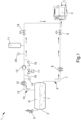
Figure 1 is a schematic representation of a fuelling system for liquefied natural gas vehicles according to the invention; -
Figure 2 represents a block diagram of the fuelling system according to the invention; -
Figure 3 is an axonometric view of a vehicle provided with the fuelling system according to the invention. - With special reference to these figures, reference numeral 1 globally indicates a fuelling system for liquefied natural gas vehicles.
- Within the present disclosure, natural gas is defined as a mixture composed of methane, ethane, propane, butane and other combustible gases. Through a series of cooling and condensation processes, natural gas is liquefied to obtain a liquid with a boiling temperature of approximately -160 °C at atmospheric pressure so that it can be easily stored in vehicles.
- The fuelling system 1 comprises at least one
tank 2 adapted to contain liquefied natural gas L intended to fuel at least oneengine 3 of avehicle 4. - Within of the present disclosure, the
vehicle 4 is of the type of a land, water, or air vehicle intended to transport people and/or goods. In the embodiment shown in the figures, thevehicle 4 is, e.g., of the type of a motor vehicle. - The fuelling system 1 is, moreover, provided with at least one safety valve 5 associated with the
tank 2 and adapted to allow the escape of gaseous natural gas G, generated by the evaporation of part of the liquefied natural gas L, after reaching a predefined pressure value inside thetank 2. - The liquefied natural gas L, in fact, has an extremely low boiling point and converts rapidly to the gaseous phase under normal storage conditions, if not used.
- For example, the predefined pressure value can be set, e.g., to 16 bar.
- It cannot, however, be ruled out that depending on the structural characteristics of the
tank 2 and of the fuelling system 1, the predefined pressure value may be different. - As the amount of generated gaseous natural gas G increases, the pressure inside the
tank 2 inevitably increases; after the predefined pressure value has been reached, the safety valve 5 allows the gaseous natural gas G to escape from thetank 2. - Thus, the safety valve 5 aims to ensure that a safe state of the
vehicle 4 is maintained. - The fuelling system 1 comprises at least one main fuelling line 6 configured to take the liquefied natural gas L from the
tank 2 and convey it to theengine 3. - The main fuelling line 6 comprises at least one main fluid-operated connecting
circuit 7 positioned between thetank 2 and theengine 3. - The main fuelling line 6 comprises at least one
heating unit 8 adapted to heat the liquefied natural gas L coming out of thetank 2 to obtain gaseous natural gas G. - The
heating unit 8 is of the type of a heat exchanger operating by means of a hot fluid. - In particular, the
heating unit 8 comprises a coil duct partly wrapped around part of themain circuit 7, inside which the hot fluid flows. - The coil duct may be connected to a heat source such as, e.g., a cooling circuit of the
engine 3. This provides recovery of the thermal energy generated by theengine 3 that can be used to operate theheating unit 8. - Therefore, it is easy to understand that the temperature of the hot fluid at inlet of the coil duct has a temperature comprised between 50 and 130°C while at outlet of the coil duct it can also reach temperatures lower than -100°C.
- In addition, the hot fluid is fed into the coil circuit at a pressure higher than atmospheric pressure, such as e.g. at a pressure of 16 bar.
- Similarly, the liquefied natural gas L reaches the heating unit at a temperature below -160°C and exits as gaseous natural gas G.
- The increase in temperature of the liquefied natural gas L causes, in fact, the evaporation of the same and a consequent increase in the pressure of the gaseous natural gas G that is conveyed to the
engine 3. - Conveniently, the fuelling system 1 comprises at least a first
pressure regulating device 9 positioned downstream of the main fuelling line 6 and adapted to regulate the pressure of the gaseous natural gas G entering theengine 3. - The first
pressure regulating device 9, e.g. of the type of a pneumatic control valve, is configured to emit gaseous natural gas G at the operating pressure of theengine 3. - According to the invention, the fuelling system 1 comprises at least one
secondary fuelling line 10 configured to take the gaseous natural gas G from thetank 2 and to convey it to theengine 3. - The
secondary fuelling line 10 comprises: - at least one
storage vessel 11 adapted to store the gaseous natural gas G; and - at least one
compressor assembly 12 positioned upstream of thestorage vessel 11 and adapted to compress the gaseous natural gas G. - The
secondary fuelling line 10 aims to take the gaseous natural gas G, generated by the evaporation of the liquefied natural gas L, before it escapes from thetank 2 through the safety valve 5. - Specifically, the gaseous natural gas G is taken from the
tank 2 when reaching a minimum pressure value, which is lower than the predefined pressure value. - The minimum pressure value is comprised, e.g., between 10.0 and 10.5 bar.
- As schematically shown in
Figure 1 , thesecondary fuelling line 10 comprises at least one secondary fluid-operated connectingcircuit 13 positioned between thetank 2 and theengine 3 and along which thecompressor assembly 12 and thestorage vessel 11 are arranged. - The
storage vessel 11, of the type of, e.g., a cylinder, allows storing the generated gaseous natural gas G inside thetank 2 to a maximum pressure value. The maximum pressure value is comprised, e.g., between 50 and 100 bar. - Conveniently, the fuelling system 1 comprises at least a second
pressure regulating device 14 positioned downstream of the secondary fuellingline 10 and adapted to regulate the pressure of the gaseous natural gas G entering theengine 3. - As shown in
Figure 1 , the secondpressure regulating device 14 is positioned downstream of thestorage vessel 11. - Similarly to the first
pressure regulating device 9, the secondpressure regulating device 14 is, e.g., of the type of a pneumatic control valve and is configured to emit gaseous natural gas G at the operating pressure of theengine 3. - The
compressor assembly 12 allows increasing the amount of gaseous natural gas G that can be stored in thestorage vessel 11 for later use by theengine 3. - The
compressor assembly 12 is selected from the list comprising: centrifugal compressor, volumetric compressor, multi-stage compressor. - The
compressor assembly 12 is operated when the pressure inside thetank 2 reaches an activation pressure value above the minimum pressure value and below the predefined pressure value. - The activation pressure value is comprised, e.g., between 15.0 and 15.9 bar.
- Advantageously, the secondary fuelling
line 10 comprises at least one heating assembly 15 positioned upstream of thestorage vessel 11 and adapted to heat the gaseous natural gas G flowing out of thetank 2. - The gaseous natural gas G contained in the
tank 2 is at a temperature comprised between about -100 °C and -160 °C; the heating assembly 15 aims to heat the gaseous natural gas G to prevent too low a temperature from damaging thecompressor assembly 12. - The heating assembly 15 is of the type of a heat exchanger operating, e.g., at room temperature.
- In particular, the heating assembly 15 comprises a coil tube wrapped around part of the
secondary circuit 13, inside which a fluid at room temperature flows. In more detail, the coil tube is connected with the exterior of thevehicle 4 and air flows therein. - The secondary fuelling
line 10 comprises at least onecontrol device 16 positioned upstream of thestorage vessel 11 and adapted to allow a unidirectional flow of gaseous natural gas G from thetank 2 to thestorage vessel 11. - The
control device 16 is, e.g., of the type of a check valve and is intended to prevent the gaseous natural gas G from flowing from thestorage vessel 11 to thetank 2. - Such an embodiment ensures that there is no backflow of gaseous natural gas G into the
tank 2 as a result of the pressure increase in thestorage vessel 11. - The secondary fuelling
line 10 comprises at least oneflow regulating device 17 positioned upstream of thecontrol device 16 and adapted to regulate the flow of the gaseous natural gas G. - The
flow regulating device 17 is of the type of, e.g., a motorized valve and is operable to allow/block the flow of the gaseous natural gas G through thecontrol device 16. - In particular, the
flow regulating device 17 is operated with theengine 3 turned off so as to allow the gaseous natural gas G to flow to thestorage vessel 11 when thevehicle 4 is stationary. - As shown in the figures, the
flow regulating device 17 and thecontrol device 16 are arranged in succession along abranch 18 of the secondary fuellingline 10, in parallel with thecompressor assembly 12. - In actual facts, as will be described in more detail later in this disclosure, the gaseous natural gas G may flow from the
tank 2 to thestorage vessel 11 along thesecondary circuit 13, through thecompressor assembly 12, or along thebranch 18. - Conveniently, the secondary fuelling
line 10 comprises at least afirst pressure sensor 19 positioned upstream of thecompressor assembly 12 and adapted to detect at least a first pressure value of the gaseous natural gas G inside thetank 2. - In the embodiment shown in the figures, the
first pressure sensor 19 is positioned between the heating assembly 15 and thecompressor assembly 12. Embodiments cannot however be ruled out wherein thefirst pressure sensor 19 is arranged upstream of the heating assembly 15. - The secondary fuelling
line 10 further comprises at least asecond pressure sensor 20 positioned downstream of thecompressor assembly 12 and adapted to detect at least a second pressure value of the gaseous natural gas G inside thestorage vessel 11. - The
pressure sensors compressor assembly 12 or theflow regulating device 17. - The fuelling system 1 also comprises at least one
electronic control unit 21. - The
electronic control unit 21 comprises at least onedrive unit 22 operationally connected to thefirst pressure sensor 19 and to thesecond pressure sensor 20 and configured to activate/deactivate at least one of either theflow regulating device 17 or thecompressor assembly 12. - Conveniently, the
electronic control unit 21 is operationally connected to anelectronic station 23 of thevehicle 4. - In more detail, the
drive unit 22 is configured to detect the operating status of theengine 3 by theelectronic station 23, so as to activate/deactivate theflow regulating device 17 and/or thecompressor assembly 12. - As previously described, in fact, the
flow regulating device 17 and/or thecompressor assembly 12 are activated only when theengine 3 is switched off. The operation of the fuelling system 1 according to the invention is as follows. During the use of thevehicle 4, the liquefied natural gas L is conveyed along the main fuelling line 6 to theheating unit 8, where it is converted into gaseous natural gas G. - Through the first
pressure regulating device 9, the gaseous natural gas G reaches theengine 3 where combustion occurs. - With the
engine 3 switched off, the liquefied natural gas L in thetank 2 evaporates into gaseous natural gas G, causing a pressure increase inside the tank itself. - The
first pressure sensor 19 detects the pressure of the gaseous natural gas G inside thetank 2 and generates the first pressure value. - When the first pressure value reaches the minimum pressure value, the
drive unit 22 activates theflow regulating device 17 in order to allow the gaseous natural gas G contained in thetank 2 to flow to thestorage vessel 11, through thebranch 18. - When the second pressure value reaches the activation pressure value, the
drive unit 22 deactivates theflow regulating device 17 and activates thecompressor assembly 12 in order to compress the gaseous natural gas G to be stored into thestorage vessel 11. - Finally, when the second pressure value reaches the maximum pressure value of the
storage vessel 11, thedrive unit 22 deactivates thecompressor assembly 12. Only at this point, if the pressure inside thetank 2 increases further and reaches the predefined pressure value, does the gaseous natural gas G escape from the tank through the safety valve 5. - At the time when the
engine 3 is started again, the gaseous natural gas G is conveyed to theengine 3 from the secondary fuellingline 10 and from the main fuelling line 6. - In particular, the flow of the gaseous natural gas G at inlet to the
engine 3 is regulated by thepressure regulating devices line 10. - This way, the gaseous natural gas G previously stored in the
storage vessel 11 is first used and, then, is used the gaseous natural gas G coming from the main fuelling line 6. - An additional aspect of the present invention relates to a liquefied
natural gas vehicle 4. - The
vehicle 4 is of the type of a land, water or air vehicle intended for the transportation of persons and/or goods. - By way of example, in the embodiment shown in
Figure 3 , thevehicle 4 is, e.g., of the type of a motor vehicle. - The
vehicle 4 comprises movement means 24 adapted to move the vehicle itself and at least oneengine 3 adapted to operate the movement means 24. - Again with reference to the embodiment shown in
Figure 3 , the movement means 24 are of the wheel type. - It is easy to appreciate, however, that depending on the type of
vehicle 4, the movement means 24 may be of a different type. - For example, the movement means 24 may be of the type of propellers or the like, in the case of water vehicles, or of the type of turbines or the like, in the case of air vehicles.
Claims (9)
- Fuelling system (1) for liquefied natural gas vehicles comprising:- at least one tank (2) adapted to contain liquefied natural gas (L) intended to fuel at least one engine (3) of a vehicle (4);- at least one safety valve (5) associated with said tank (2) and adapted to allow the escape of gaseous natural gas (G), generated by the evaporation of part of said liquefied natural gas (L), after reaching a predefined pressure value inside said tank (2);- at least one main fuelling line (6) configured to take said liquefied natural gas (L) from said tank (2) and convey it to said engine (3);- at least one secondary fuelling line (10) configured to take said gaseous natural gas (G) from said tank (2) and to convey it to said engine (3) and comprising:- at least one storage vessel (11) adapted to store said gaseous natural gas (G); and- at least one compressor assembly (12) positioned upstream of said storage vessel (11) and adapted to compress said gaseous natural gas (G);characterized by the fact that said secondary fuelling line (10) comprises at least one heating assembly (15) positioned upstream of said storage vessel (11) and adapted to heat said gaseous natural gas (G) coming out of said tank (2).
- Fuelling system (1) according to claim 1, characterized by the fact that said secondary fuelling line (10) comprises at least one control device (16) positioned upstream of said storage vessel (11) and adapted to allow a unidirectional flow of said gaseous natural gas (G) from said tank (2) to said storage vessel (11).
- Fuelling system (1) according to claim 2, characterized by the fact that said secondary fuelling line (10) comprises at least one flow regulating device (17) positioned upstream of said control device (16) and adapted to regulate the flow of said gaseous natural gas (G).
- Fuelling system (1) according to one or more of the preceding claims, characterized by the fact that said secondary fuelling line (10) comprises at least a first pressure sensor (19) positioned upstream of said compressor assembly (12) and adapted to detect at least a first pressure value of said gaseous natural gas (G) inside said tank (2).
- Fuelling system (1) according to one or more of the preceding claims, characterized by the fact that said secondary fuelling line (10) comprises at least a second pressure sensor (20) positioned downstream of said compressor assembly (12) and adapted to detect at least a second pressure value of said gaseous natural gas (G) inside said storage vessel (11).
- Fuelling system (1) according to one or more of the preceding claims, characterized by the fact that said main fuelling line (6) comprises at least one heating unit (8) adapted to heat said liquefied natural gas (L) coming out of said tank (2) to obtain gaseous natural gas (G).
- Fuelling system (1) according to one or more of the preceding claims, characterized by the fact that it comprises at least one pair of pressure regulating devices (9, 14) positioned downstream of said main fuelling line (6) and of said secondary fuelling line (10) and adapted to regulate the pressure of said gaseous natural gas (G) entering said engine (3).
- Fuelling system (1) according to claims 3, 4 and 5, characterized by the fact that it comprises at least one electronic control unit (21) comprising at least one drive unit (22) operationally connected to said first pressure sensor (19) and to said second pressure sensor (20) and configured to activate/deactivate at least one of either said flow regulating device (17) or said compressor assembly (12).
- Liquefied natural gas vehicle (4) comprising:- movement means (24) adapted to move said vehicle (4); and- at least one engine (3) adapted to operate said movement means (24);characterized by the fact that it comprises at least one fuelling system (1) according to one or more of the preceding claims.
Applications Claiming Priority (2)
| Application Number | Priority Date | Filing Date | Title |
|---|---|---|---|
| IT102020000003377A IT202000003377A1 (en) | 2020-02-19 | 2020-02-19 | FUEL SYSTEM FOR LIQUEFIED NATURAL GAS VEHICLES |
| PCT/IB2021/051389 WO2021165880A1 (en) | 2020-02-19 | 2021-02-18 | Fuelling system for liquefied natural gas vehicles |
Publications (3)
| Publication Number | Publication Date |
|---|---|
| EP4107384A1 EP4107384A1 (en) | 2022-12-28 |
| EP4107384B1 true EP4107384B1 (en) | 2024-12-04 |
| EP4107384B9 EP4107384B9 (en) | 2025-01-22 |
Family
ID=70480730
Family Applications (1)
| Application Number | Title | Priority Date | Filing Date |
|---|---|---|---|
| EP21710575.8A Active EP4107384B9 (en) | 2020-02-19 | 2021-02-18 | Fuelling system for liquefied natural gas vehicles |
Country Status (3)
| Country | Link |
|---|---|
| EP (1) | EP4107384B9 (en) |
| IT (1) | IT202000003377A1 (en) |
| WO (1) | WO2021165880A1 (en) |
Families Citing this family (2)
| Publication number | Priority date | Publication date | Assignee | Title |
|---|---|---|---|---|
| CN114837859B (en) * | 2022-05-20 | 2023-04-07 | 重庆润通科技有限公司 | Heating control method for engine gas delivery pipeline of gas generator set |
| JP2023181626A (en) * | 2022-06-13 | 2023-12-25 | カワサキモータース株式会社 | Internal combustion engine system, vehicle equipped with the same, and fuel gas supply method |
Family Cites Families (7)
| Publication number | Priority date | Publication date | Assignee | Title |
|---|---|---|---|---|
| KR100835090B1 (en) * | 2007-05-08 | 2008-06-03 | 대우조선해양 주식회사 | Fuel gas supply system and method of LG carrier |
| KR101551790B1 (en) * | 2009-10-20 | 2015-09-18 | 대우조선해양 주식회사 | Fuel gas supplying system |
| WO2016126025A1 (en) * | 2015-02-03 | 2016-08-11 | 삼성중공업 주식회사 | Fuel gas supply system for ship |
| KR101643085B1 (en) * | 2015-02-16 | 2016-07-27 | 현대중공업 주식회사 | A Treatment System Liquefied Gas |
| DE102016208166A1 (en) * | 2016-05-12 | 2017-11-16 | Robert Bosch Gmbh | A fuel supply system for a gas powered internal combustion engine and method for operating a fuel supply system |
| CN109863288B (en) * | 2016-10-21 | 2022-07-29 | 沃尔沃卡车集团 | Air box device |
| DE102018203210A1 (en) * | 2018-03-05 | 2019-09-05 | Robert Bosch Gmbh | Method and device for operating an internal combustion engine |
-
2020
- 2020-02-19 IT IT102020000003377A patent/IT202000003377A1/en unknown
-
2021
- 2021-02-18 WO PCT/IB2021/051389 patent/WO2021165880A1/en not_active Ceased
- 2021-02-18 EP EP21710575.8A patent/EP4107384B9/en active Active
Also Published As
| Publication number | Publication date |
|---|---|
| EP4107384B9 (en) | 2025-01-22 |
| WO2021165880A1 (en) | 2021-08-26 |
| EP4107384A1 (en) | 2022-12-28 |
| IT202000003377A1 (en) | 2021-08-19 |
Similar Documents
| Publication | Publication Date | Title |
|---|---|---|
| US11149693B2 (en) | Method for delivering a fluid stored in liquefied form to an end user in gaseous form | |
| KR101588663B1 (en) | Device for supplying fuel gas in ships | |
| CN104220739B (en) | System and method for processing liquefied gas | |
| EP4107384B1 (en) | Fuelling system for liquefied natural gas vehicles | |
| JP2016503150A (en) | System and method for recondensing boil-off gas | |
| JP6285715B2 (en) | Ship fuel supply system | |
| CN111765019A (en) | A LPG dual fuel supply pipeline system | |
| AU6752298A (en) | Method and device for storage and transport of liquefied natural gas | |
| US20160195116A1 (en) | Pressure management system for storage tank containing liquefied natural gas | |
| KR101505796B1 (en) | Venting apparatus for engine and fuel gas supply system in ships | |
| CN217950524U (en) | Fuel supply system for ship | |
| AU2022448510B2 (en) | Combustion system | |
| KR20190042262A (en) | Gas treatment system and ship having the same | |
| JP4315863B2 (en) | Fuel supply system | |
| US20130284123A1 (en) | Energy recovery system for a mobile machine | |
| RU2839887C1 (en) | Fuel system for vehicles running on liquefied natural gas | |
| KR20100047387A (en) | Boil off gas treatment apparatus and lng carrier using the same | |
| KR20180041927A (en) | Treatment system of gas and ship having the same | |
| KR101761981B1 (en) | A Treatment System Of Liquefied Gas | |
| KR20160075970A (en) | Fuel supply system | |
| KR20180041923A (en) | Treatment system of gas and ship having the same | |
| KR20160096564A (en) | Apparatus for retreating boil off gas | |
| KR101866574B1 (en) | a system for suppling fuel gas of ship and a method thereof | |
| KR102902426B1 (en) | Gas management system in ship | |
| KR101556250B1 (en) | System for supplying fuel gas in ships |
Legal Events
| Date | Code | Title | Description |
|---|---|---|---|
| STAA | Information on the status of an ep patent application or granted ep patent |
Free format text: STATUS: UNKNOWN |
|
| STAA | Information on the status of an ep patent application or granted ep patent |
Free format text: STATUS: THE INTERNATIONAL PUBLICATION HAS BEEN MADE |
|
| PUAI | Public reference made under article 153(3) epc to a published international application that has entered the european phase |
Free format text: ORIGINAL CODE: 0009012 |
|
| STAA | Information on the status of an ep patent application or granted ep patent |
Free format text: STATUS: REQUEST FOR EXAMINATION WAS MADE |
|
| 17P | Request for examination filed |
Effective date: 20220914 |
|
| AK | Designated contracting states |
Kind code of ref document: A1 Designated state(s): AL AT BE BG CH CY CZ DE DK EE ES FI FR GB GR HR HU IE IS IT LI LT LU LV MC MK MT NL NO PL PT RO RS SE SI SK SM TR |
|
| DAV | Request for validation of the european patent (deleted) | ||
| DAX | Request for extension of the european patent (deleted) | ||
| P01 | Opt-out of the competence of the unified patent court (upc) registered |
Effective date: 20230527 |
|
| GRAP | Despatch of communication of intention to grant a patent |
Free format text: ORIGINAL CODE: EPIDOSNIGR1 |
|
| STAA | Information on the status of an ep patent application or granted ep patent |
Free format text: STATUS: GRANT OF PATENT IS INTENDED |
|
| INTG | Intention to grant announced |
Effective date: 20240703 |
|
| GRAS | Grant fee paid |
Free format text: ORIGINAL CODE: EPIDOSNIGR3 |
|
| GRAA | (expected) grant |
Free format text: ORIGINAL CODE: 0009210 |
|
| STAA | Information on the status of an ep patent application or granted ep patent |
Free format text: STATUS: THE PATENT HAS BEEN GRANTED |
|
| AK | Designated contracting states |
Kind code of ref document: B1 Designated state(s): AL AT BE BG CH CY CZ DE DK EE ES FI FR GB GR HR HU IE IS IT LI LT LU LV MC MK MT NL NO PL PT RO RS SE SI SK SM TR |
|
| REG | Reference to a national code |
Ref country code: CH Ref legal event code: EP |
|
| REG | Reference to a national code |
Ref country code: DE Ref legal event code: R096 Ref document number: 602021022834 Country of ref document: DE |
|
| REG | Reference to a national code |
Ref country code: CH Ref legal event code: PK Free format text: BERICHTIGUNG B9 |
|
| REG | Reference to a national code |
Ref country code: IE Ref legal event code: FG4D |
|
| REG | Reference to a national code |
Ref country code: NL Ref legal event code: FP |
|
| REG | Reference to a national code |
Ref country code: SE Ref legal event code: TRGR |
|
| REG | Reference to a national code |
Ref country code: LT Ref legal event code: MG9D |
|
| PG25 | Lapsed in a contracting state [announced via postgrant information from national office to epo] |
Ref country code: HR Free format text: LAPSE BECAUSE OF FAILURE TO SUBMIT A TRANSLATION OF THE DESCRIPTION OR TO PAY THE FEE WITHIN THE PRESCRIBED TIME-LIMIT Effective date: 20241204 |
|
| PG25 | Lapsed in a contracting state [announced via postgrant information from national office to epo] |
Ref country code: FI Free format text: LAPSE BECAUSE OF FAILURE TO SUBMIT A TRANSLATION OF THE DESCRIPTION OR TO PAY THE FEE WITHIN THE PRESCRIBED TIME-LIMIT Effective date: 20241204 |
|
| PG25 | Lapsed in a contracting state [announced via postgrant information from national office to epo] |
Ref country code: BG Free format text: LAPSE BECAUSE OF FAILURE TO SUBMIT A TRANSLATION OF THE DESCRIPTION OR TO PAY THE FEE WITHIN THE PRESCRIBED TIME-LIMIT Effective date: 20241204 |
|
| PG25 | Lapsed in a contracting state [announced via postgrant information from national office to epo] |
Ref country code: ES Free format text: LAPSE BECAUSE OF FAILURE TO SUBMIT A TRANSLATION OF THE DESCRIPTION OR TO PAY THE FEE WITHIN THE PRESCRIBED TIME-LIMIT Effective date: 20241204 |
|
| PG25 | Lapsed in a contracting state [announced via postgrant information from national office to epo] |
Ref country code: NO Free format text: LAPSE BECAUSE OF FAILURE TO SUBMIT A TRANSLATION OF THE DESCRIPTION OR TO PAY THE FEE WITHIN THE PRESCRIBED TIME-LIMIT Effective date: 20250304 |
|
| PG25 | Lapsed in a contracting state [announced via postgrant information from national office to epo] |
Ref country code: LV Free format text: LAPSE BECAUSE OF FAILURE TO SUBMIT A TRANSLATION OF THE DESCRIPTION OR TO PAY THE FEE WITHIN THE PRESCRIBED TIME-LIMIT Effective date: 20241204 Ref country code: GR Free format text: LAPSE BECAUSE OF FAILURE TO SUBMIT A TRANSLATION OF THE DESCRIPTION OR TO PAY THE FEE WITHIN THE PRESCRIBED TIME-LIMIT Effective date: 20250305 |
|
| PG25 | Lapsed in a contracting state [announced via postgrant information from national office to epo] |
Ref country code: RS Free format text: LAPSE BECAUSE OF FAILURE TO SUBMIT A TRANSLATION OF THE DESCRIPTION OR TO PAY THE FEE WITHIN THE PRESCRIBED TIME-LIMIT Effective date: 20250304 |
|
| REG | Reference to a national code |
Ref country code: AT Ref legal event code: MK05 Ref document number: 1748396 Country of ref document: AT Kind code of ref document: T Effective date: 20241204 |
|
| PG25 | Lapsed in a contracting state [announced via postgrant information from national office to epo] |
Ref country code: SM Free format text: LAPSE BECAUSE OF FAILURE TO SUBMIT A TRANSLATION OF THE DESCRIPTION OR TO PAY THE FEE WITHIN THE PRESCRIBED TIME-LIMIT Effective date: 20241204 |
|
| PG25 | Lapsed in a contracting state [announced via postgrant information from national office to epo] |
Ref country code: PL Free format text: LAPSE BECAUSE OF FAILURE TO SUBMIT A TRANSLATION OF THE DESCRIPTION OR TO PAY THE FEE WITHIN THE PRESCRIBED TIME-LIMIT Effective date: 20241204 |
|
| PG25 | Lapsed in a contracting state [announced via postgrant information from national office to epo] |
Ref country code: IS Free format text: LAPSE BECAUSE OF FAILURE TO SUBMIT A TRANSLATION OF THE DESCRIPTION OR TO PAY THE FEE WITHIN THE PRESCRIBED TIME-LIMIT Effective date: 20250404 |
|
| PG25 | Lapsed in a contracting state [announced via postgrant information from national office to epo] |
Ref country code: PT Free format text: LAPSE BECAUSE OF FAILURE TO SUBMIT A TRANSLATION OF THE DESCRIPTION OR TO PAY THE FEE WITHIN THE PRESCRIBED TIME-LIMIT Effective date: 20250404 |
|
| PG25 | Lapsed in a contracting state [announced via postgrant information from national office to epo] |
Ref country code: RO Free format text: LAPSE BECAUSE OF FAILURE TO SUBMIT A TRANSLATION OF THE DESCRIPTION OR TO PAY THE FEE WITHIN THE PRESCRIBED TIME-LIMIT Effective date: 20241204 Ref country code: AT Free format text: LAPSE BECAUSE OF FAILURE TO SUBMIT A TRANSLATION OF THE DESCRIPTION OR TO PAY THE FEE WITHIN THE PRESCRIBED TIME-LIMIT Effective date: 20241204 |
|
| PG25 | Lapsed in a contracting state [announced via postgrant information from national office to epo] |
Ref country code: SK Free format text: LAPSE BECAUSE OF FAILURE TO SUBMIT A TRANSLATION OF THE DESCRIPTION OR TO PAY THE FEE WITHIN THE PRESCRIBED TIME-LIMIT Effective date: 20241204 |
|
| PG25 | Lapsed in a contracting state [announced via postgrant information from national office to epo] |
Ref country code: CZ Free format text: LAPSE BECAUSE OF FAILURE TO SUBMIT A TRANSLATION OF THE DESCRIPTION OR TO PAY THE FEE WITHIN THE PRESCRIBED TIME-LIMIT Effective date: 20241204 |
|
| REG | Reference to a national code |
Ref country code: DE Ref legal event code: R097 Ref document number: 602021022834 Country of ref document: DE |
|
| PG25 | Lapsed in a contracting state [announced via postgrant information from national office to epo] |
Ref country code: MC Free format text: LAPSE BECAUSE OF FAILURE TO SUBMIT A TRANSLATION OF THE DESCRIPTION OR TO PAY THE FEE WITHIN THE PRESCRIBED TIME-LIMIT Effective date: 20241204 |
|
| REG | Reference to a national code |
Ref country code: CH Ref legal event code: PL |
|
| PG25 | Lapsed in a contracting state [announced via postgrant information from national office to epo] |
Ref country code: DK Free format text: LAPSE BECAUSE OF FAILURE TO SUBMIT A TRANSLATION OF THE DESCRIPTION OR TO PAY THE FEE WITHIN THE PRESCRIBED TIME-LIMIT Effective date: 20241204 |
|
| PLBE | No opposition filed within time limit |
Free format text: ORIGINAL CODE: 0009261 |
|
| STAA | Information on the status of an ep patent application or granted ep patent |
Free format text: STATUS: NO OPPOSITION FILED WITHIN TIME LIMIT |
|
| PG25 | Lapsed in a contracting state [announced via postgrant information from national office to epo] |
Ref country code: LU Free format text: LAPSE BECAUSE OF NON-PAYMENT OF DUE FEES Effective date: 20250218 |
|
| PG25 | Lapsed in a contracting state [announced via postgrant information from national office to epo] |
Ref country code: CH Free format text: LAPSE BECAUSE OF NON-PAYMENT OF DUE FEES Effective date: 20250228 |
|
| 26N | No opposition filed |
Effective date: 20250905 |
|
| GBPC | Gb: european patent ceased through non-payment of renewal fee |
Effective date: 20250304 |
|
| REG | Reference to a national code |
Ref country code: BE Ref legal event code: MM Effective date: 20250228 |
|
| PG25 | Lapsed in a contracting state [announced via postgrant information from national office to epo] |
Ref country code: GB Free format text: LAPSE BECAUSE OF NON-PAYMENT OF DUE FEES Effective date: 20250304 |
|
| PG25 | Lapsed in a contracting state [announced via postgrant information from national office to epo] |
Ref country code: BE Free format text: LAPSE BECAUSE OF NON-PAYMENT OF DUE FEES Effective date: 20250228 |
|
| PG25 | Lapsed in a contracting state [announced via postgrant information from national office to epo] |
Ref country code: IE Free format text: LAPSE BECAUSE OF NON-PAYMENT OF DUE FEES Effective date: 20250218 |
|
| PGFP | Annual fee paid to national office [announced via postgrant information from national office to epo] |
Ref country code: NL Payment date: 20260226 Year of fee payment: 6 |
|
| PGFP | Annual fee paid to national office [announced via postgrant information from national office to epo] |
Ref country code: SE Payment date: 20260227 Year of fee payment: 6 |
|
| PGFP | Annual fee paid to national office [announced via postgrant information from national office to epo] |
Ref country code: DE Payment date: 20260227 Year of fee payment: 6 |
|
| PGFP | Annual fee paid to national office [announced via postgrant information from national office to epo] |
Ref country code: IT Payment date: 20260223 Year of fee payment: 6 |
|
| PGFP | Annual fee paid to national office [announced via postgrant information from national office to epo] |
Ref country code: FR Payment date: 20260225 Year of fee payment: 6 |