EP4099739B1 - Sim-toolkit-planung für mehrere aktivierte esim-profile - Google Patents
Sim-toolkit-planung für mehrere aktivierte esim-profile Download PDFInfo
- Publication number
- EP4099739B1 EP4099739B1 EP22176233.9A EP22176233A EP4099739B1 EP 4099739 B1 EP4099739 B1 EP 4099739B1 EP 22176233 A EP22176233 A EP 22176233A EP 4099739 B1 EP4099739 B1 EP 4099739B1
- Authority
- EP
- European Patent Office
- Prior art keywords
- esim
- euicc
- esim profile
- proactive
- stk
- Prior art date
- Legal status (The legal status is an assumption and is not a legal conclusion. Google has not performed a legal analysis and makes no representation as to the accuracy of the status listed.)
- Active
Links
Images







Classifications
-
- H—ELECTRICITY
- H04—ELECTRIC COMMUNICATION TECHNIQUE
- H04W—WIRELESS COMMUNICATION NETWORKS
- H04W8/00—Network data management
- H04W8/18—Processing of user or subscriber data, e.g. subscribed services, user preferences or user profiles; Transfer of user or subscriber data
- H04W8/183—Processing at user equipment or user record carrier
-
- H—ELECTRICITY
- H04—ELECTRIC COMMUNICATION TECHNIQUE
- H04L—TRANSMISSION OF DIGITAL INFORMATION, e.g. TELEGRAPHIC COMMUNICATION
- H04L65/00—Network arrangements, protocols or services for supporting real-time applications in data packet communication
- H04L65/1066—Session management
-
- H—ELECTRICITY
- H04—ELECTRIC COMMUNICATION TECHNIQUE
- H04L—TRANSMISSION OF DIGITAL INFORMATION, e.g. TELEGRAPHIC COMMUNICATION
- H04L67/00—Network arrangements or protocols for supporting network services or applications
- H04L67/14—Session management
- H04L67/141—Setup of application sessions
-
- H—ELECTRICITY
- H04—ELECTRIC COMMUNICATION TECHNIQUE
- H04L—TRANSMISSION OF DIGITAL INFORMATION, e.g. TELEGRAPHIC COMMUNICATION
- H04L67/00—Network arrangements or protocols for supporting network services or applications
- H04L67/2866—Architectures; Arrangements
- H04L67/30—Profiles
- H04L67/303—Terminal profiles
-
- H—ELECTRICITY
- H04—ELECTRIC COMMUNICATION TECHNIQUE
- H04W—WIRELESS COMMUNICATION NETWORKS
- H04W4/00—Services specially adapted for wireless communication networks; Facilities therefor
- H04W4/02—Services making use of location information
- H04W4/029—Location-based management or tracking services
-
- H—ELECTRICITY
- H04—ELECTRIC COMMUNICATION TECHNIQUE
- H04W—WIRELESS COMMUNICATION NETWORKS
- H04W8/00—Network data management
- H04W8/18—Processing of user or subscriber data, e.g. subscribed services, user preferences or user profiles; Transfer of user or subscriber data
-
- H—ELECTRICITY
- H04—ELECTRIC COMMUNICATION TECHNIQUE
- H04W—WIRELESS COMMUNICATION NETWORKS
- H04W8/00—Network data management
- H04W8/18—Processing of user or subscriber data, e.g. subscribed services, user preferences or user profiles; Transfer of user or subscriber data
- H04W8/20—Transfer of user or subscriber data
- H04W8/205—Transfer to or from user equipment or user record carrier
-
- H—ELECTRICITY
- H04—ELECTRIC COMMUNICATION TECHNIQUE
- H04W—WIRELESS COMMUNICATION NETWORKS
- H04W88/00—Devices specially adapted for wireless communication networks, e.g. terminals, base stations or access point devices
- H04W88/02—Terminal devices
- H04W88/06—Terminal devices adapted for operation in multiple networks or having at least two operational modes, e.g. multi-mode terminals
-
- H—ELECTRICITY
- H04—ELECTRIC COMMUNICATION TECHNIQUE
- H04W—WIRELESS COMMUNICATION NETWORKS
- H04W4/00—Services specially adapted for wireless communication networks; Facilities therefor
- H04W4/60—Subscription-based services using application servers or record carriers, e.g. SIM application toolkits
Definitions
- the described embodiments set forth techniques for managing subscriber identity module (SIM) toolkit (STK) scheduling for multiple enabled electronic SIM (eSIM) profiles on an embedded universal integrated circuit card (eUICC) of a wireless device, including managing multiple STK sessions at a baseband processor external to the eUICC of the wireless device.
- SIM subscriber identity module
- eSIM embedded universal integrated circuit card
- Communication between the eUICC of a wireless device and a baseband processor external to the eUICC for a new STK session, e.g., for a second eSIM, can interrupt processing of STK commands resulting in errors for an ongoing STK session, e.g., for a first eSIM.
- Patent application publication WO 2019/119544 A1 relates to eSIM chips configured with multiple profiles provided by a mobile operator, wherein a logic channel is added, and a logic channel management module (LCHMM) is added for managing the channel to associate the channel with the profile, so that it is ensured that no conflict will occur during access.
- LCHMM logic channel management module
- the present invention provides a baseband processor configured for operation in a wireless device, a method for subscriber identity toolkit scheduling for a wireless device, and a non-transitory computer-readable medium storing instructions that configure a baseband processor of a wireless device, as set out in the appended independent claims.
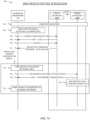
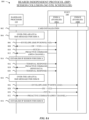
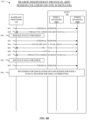
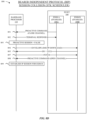
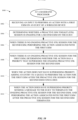
- the present invention is based on the embodiment disclosed below with reference to Figure 10 with the help of the embodiments disclosed below with reference to Figures 4B , 5B , 6B , 7B , 8C and 8D .
- Representative embodiments set forth techniques for managing subscriber identity module (SIM) toolkit (STK) scheduling for multiple enabled electronic subscriber identity module (eSIM) profiles on an embedded universal integrated circuit card (eUICC) of a wireless device, including managing multiple STK sessions at a baseband processor external to the eUICC of the wireless device.
- SIM subscriber identity module
- eUICC embedded universal integrated circuit card
- STK subscriber identity module
- eSIM electronic subscriber identity module
- eUICC embedded universal integrated circuit card
- An eUICC operation system (OS) of the eUICC may be unable to handle multiple, parallel STK sessions for communication with multiple eSIMs.
- OS operation system
- an external processor of the wireless device in particular a baseband processor, can schedule STK sessions to avoid overlap and reduce opportunities for errors in handling eSIM processes.
- the external processor can monitor for any ongoing proactive STK sessions associated with an eSIM of the eUICC, where the eUICC includes multiple eSIMs and supports multiple enabled eSIMs.
- User inputs that indicate one or more STK actions to be performed for a first eSIM of the eUICC can be reviewed by an STK scheduler process of the external processor before execution.
- the STK scheduler can allow one or more STK actions for the first eSIM to be performed.
- the STK scheduler can determine whether at least one of the one or more STK actions for the first eSIM has a priority that supersedes the ongoing proactive STK session for the second eSIM.
- the STK scheduler can add one or more entries to a queue to perform the one or more STK actions for the first eSIM after the proactive STK session for the second eSIM concludes.
- the STK scheduler can send a message to the eUICC to terminate the ongoing proactive STK session for the second eSIM and can subsequently perform the one or more STK actions for the first eSIM after the proactive STK session for the second eSIM terminates.
- user inputs include one or more of: enabling one or more eSIMs of the eUICC of the wireless device; enabling multiple eSIMs of the eUICC of the wireless device; initiating a mobile originated (MO) voice call by the wireless device; initiating an MO voice call with high priority, such as an emergency call, by the wireless device; performing an international mobile subscriber identity (IMSI) switch by the wireless device, e.g., while moving to a roaming network area; performing a bearer independent protocol (BIP) session for an eSIM on the eUICC, such as for an over-the-air update of the eSIM.
- IMSI international mobile subscriber identity
- An eUICC operation system (OS) of the eUICC may be unable to handle multiple, parallel STK sessions for communication with multiple eSIMs.
- OS operation system
- an external processor of the wireless device in particular a baseband processor, can schedule STK sessions to avoid overlap and reduce opportunities for errors in handling eSIM processes.
- the external processor can monitor for any ongoing proactive sessions associated with an eSIM of the eUICC, where the eUICC includes multiple eSIMs and supports multiple enabled eSIMs.
- User inputs that indicate one or more STK actions to be performed for a first eSIM of the eUICC can be reviewed by an STK scheduler process of the external processor before execution.
- the STK scheduler can allow the one or more STK actions for the first eSIM to be performed.
- the STK scheduler can determine whether the one or more STK actions for the first eSIM have a priority that supersedes the ongoing proactive STK session for the second eSIM.
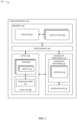
- the UE 102 can be configured to allow for multiple eSIMs to be enabled concurrently on the UE 102 to provide access to wireless services provided by the multiple eSIMs.
- Communication between the multiple eSIMs enabled on the eUICC 108 and processing circuitry external to the eUICC 108, e.g., to a processor 104 and/or to the baseband processor 110 can use logical channels.
- Communication with an eSIM can include a SIM toolkit (STK) session that uses a logical channel between the baseband processor 110 and the eSIM.
- STK scheduler operating on the baseband processor 110 can review inputs that can result in actions that impact an ongoing STK session for an eSIM.
- Multiple, parallel STK sessions can be avoided by delaying initiation of a new STK session for a second eSIM while an ongoing proactive STK session for a first eSIM continues.
- the proactive STK session for the first eSIM can be terminated prematurely to allow for establishing the new STK session for the second eSIM, when actions associated with the second eSIM have priority to supersede the STK session for the first eSIM.
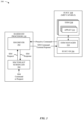
- one or more of the applets 212 when implemented by the baseband processor 110 and the eUICC 108, can be configured to enable the UE 102 to communicate with an MNO 114 and provide useful features (e.g., voice connections, messaging services, internet access and the like) to a user of the UE 102.
- useful features e.g., voice connections, messaging services, internet access and the like
- FIG. 3 illustrates a diagram 300 of communication between the baseband processor 110 of the UE 102 and the eUICC OS 206 of the eUICC 108 of the UE 102.
- the eUICC 108 of the UE 102 can be capable of simultaneously enabling multiple eSIM profiles, which can be referred to as a multiple enabled profile (MEP) capability.
- MEP multiple enabled profile
- an STK scheduler 304 can monitor user input, or other actions generated by the UE 102, to schedule STK session communication for the eSIMs 208 of the eUICC 108.
- the STK scheduler 304 can receive SIM commands or requests, which can be associated with user inputs, that require actions to be performed by elements of the eUICC 108.
- the STK scheduler 304 can interface with a SIM driver 302 software component that can interface with the eUICC OS 206 of the eUICC 108 to communicate with an eSIM manager 210 therein, which can communicate with one or more of the eSIMs 208.
- the STK scheduler 304 can interrupt an ongoing STK session associated with a first eSIM 208 to perform a prioritized action for a second eSIM 208. In some instances, the STK scheduler 304 can delay establishing a new STK session (or delaying communication to the eUICC 108) for a second eSIM 208 that could interfere with an ongoing STK session for a first eSIM 208.
- FIG. 4A illustrates a diagram 400 of communication between a baseband processor 110 of UE 102 and an eUICC 108 of UE 102, where the communication is intended for multiple eSIMs 208 and results in one or more errors.
- the baseband processor 110 sends an ENVELOPE message to the eUICC 108 in order to establish an STK session for a first eSIM 208, e.g., eSIM A.
- the eUICC 108 responds positively to the ENVELOPE message with an 91xx message to the baseband processor 110 establishing the STK session for eSIM A and indicating a pending proactive command.
- the baseband processor 110 subsequently sends a FETCH message to the eUICC 108 to retrieve the pending proactive command from the eUICC 108 for eSIM A.
- the eUICC 108 responds with the proactive command message for eSIM A that can indicate an action for the baseband processor 110 to take regarding eSIM A.
- the baseband processor 110 can send another ENVELOPE message to the eUICC 108, this ENVELOPE message directed to establishing a second STK session for a second eSIM 208, e.g., eSIM B.
- the eUICC 108 responds to the ENVELOPE message for the second eSIM 208 by sending a 9300 ERROR message to the baseband processor 110 indicating the eUICC 108 is busy and cannot respond to the second ENVELOPE message for establishing the second STK session for eSIM B.
- the software component handling the STK sessions on the eUICC 108 can return an STK BUSY error indication.
- the software component of the eUICC 108 cannot properly establish and maintain multiple, parallel STK sessions for multiple eSIMs 208 at the same time.
- the software component handling the STK session on the eUICC 108 can result in one or more errors for handling messages or actions by the eUICC 108 for the ongoing STK session for the eSIM A.
- the baseband processor 110 terminates the STK session for the SIM A in response to the 9300 ERROR message.
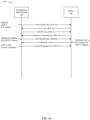
- FIG. 4B illustrates a diagram 450 of communication between a baseband processor 110 of UE 102 and an eUICC 108 of UE 102, where communication intended for multiple eSIMs 208 are managed by an STK scheduler 304 on the baseband processor 110 to delay establishment of a second STK session for a second eSIM 208 until a first STK session for a first eSIM 208 terminates.
- the baseband processor 110 sends an ENVELOPE message to the eUICC 108 in order to establish an STK session for a first eSIM 208, e.g., eSIM A.
- the eUICC 108 responds positively to the ENVELOPE message with an 91xx message to the baseband processor 110 establishing the STK session for eSIM A and indicating a pending proactive command.
- the baseband processor 110 subsequently sends a FETCH message to the eUICC 108 to retrieve the pending proactive command from the eUICC 108 for eSIM A.
- the eUICC 108 responds with the proactive command message for eSIM A that can indicate an action for the baseband processor 110 to take regarding eSIM A.
- the baseband processor 110 can send another ENVELOPE message to the eUICC 108, this ENVELOPE message directed to establishing an STK session for a second eSIM 208, e.g., eSIM B.
- the STK session for eSIM B can be established, and the eUICC 108 responds to the ENVELOPE message for the second eSIM 208 by sending a 9000 status response message for eSIM B to the baseband processor 110.
- the baseband processor 110 e.g., the STK scheduler therein
- the baseband processor 110 can reduce opportunities for errors caused by colliding messages for two different STK sessions for two different eSIMs 208 of the eUICC 108.
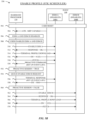
- FIG. 5A illustrates a diagram 500 of communication between a baseband processor 110 of UE 102 and an eUICC 108 of UE 102, where the communication is intended to enable multiple eSIMs 208 without STK scheduling.
- a reset of the eUICC 108 can occur, e.g., as a result of powering on the UE 102 in which the eUICC 108 is housed.
- the eUICC 108 can store multiple eSIMs 208, e.g., eSIM A 208A and eSIM B 208B. Initially, after power on reset, both eSIM A 208A and eSIM B 208B can be in a disabled state.
- the eUICC 108 can send a message to the baseband processor 110 indicating that the eUICC 108 is capable of supporting multiple, simultaneously enabled eSIMs 208, i.e., the eUICC 108 is multiple enabled profile (MEP) capable.
- the baseband processor 110 can determine that both eSIM A 208A and eSIM B 208B are in a disabled state. In some instances, a notification of the disabled state can be provided to a user of the UE 102.
- the baseband processor 110 can determine that both eSIM A 208A and eSIM B 208B are to be enabled, e.g., as a result of an input from a user of the UE 102 or from a setting indicating both eSIM A 208A and eSIM B 208B were previously enabled (e.g., before a power up of the UE 102 or other action that caused the reset at 502 to occur).
- the baseband processor 110 can seek to establish STK sessions to enable eSIM A 208A and eSIM B 208B in parallel, which can result in errors as discussed further herein.
- the eUICC 108 sends the proactive command to the baseband processor, where the proactive command indicates establishment of an event list for eSIM A. Without STK scheduling, at 522, the baseband processor 110 sends a second message to the eUICC 108 to enable eSIM B 208B. At 524, the eUICC 108 determines that eSIM B 208B cannot be enabled because one or more processes are busy handling events for eSIM A 208A. The eUICC 108 responds to the enable request for eSIM B from the baseband processor 110 with a 9300 TOOLKIT BUSY ERROR message.
- the eUICC 108 can send a message to the baseband processor 110 indicating that the eUICC 108 is capable of supporting multiple, simultaneously enabled eSIMs 208, i.e., the eUICC 108 is multiple enabled profile (MEP) capable.
- the baseband processor 110 can determine that both eSIM A 208A and eSIM B 208B are in a disabled state. In some instances, a notification of the disabled state can be provided to a user of the UE 102.
- the baseband processor 110 can determine that both eSIM A 208A and eSIM B 208B are to be enabled, e.g., as a result of an input from a user of the UE 102 or from a setting indicating both eSIM A 208A and eSIM B 208B were previously enabled (e.g., before a power up of the UE 102 or other action that caused the reset at 502 to occur).
- the baseband processor 110 sends a message to the eUICC 108 to enable eSIM A 208A.
- the eUICC 108 responds with an OK response message.
- the baseband processor 110 sends a TERMINAL PROFILE DOWNLOAD message to the eUICC 108 for eSIM A 208A.
- the eUICC 108 responds with a 91XX command indicating a pending proactive command for the eUICC 108.
- the eUICC 108 sends a FETCH COMMAND to the eUICC to retrieve the pending proactive command.
- the eUICC 108 sends the proactive command to the baseband processor, where the proactive command indicates establishment of an event list for eSIM A.
- the baseband processor 110 recognizes an ongoing proactive STK session for eSIM A 208A, and at 554, the baseband processor 110 queues the pending request to enable eSIM B 208B to not interfere with the ongoing proactive STK session for eSIM A 208A.
- the baseband processor 110 responds to the previous proactive command to establish the event list (received at 520) from the eUICC 108 with a terminal response sent to the eUICC 108 to establish the event list.
- the eUICC 108 responds with a 9000 status message.
- the proactive STK session for eSIM A 208A concludes, after which the baseband processor 110 can address the pending, queued request to enable eSIM B 208B.
- the baseband processor 110 sends a message to the eUICC 108 to enable eSIM B and receives, at 564, an OK response message from the eUICC 108.
- the baseband processor 110 sends a terminal profile download message for eSIM B 208B to the eUICC 108.
- the baseband processor receives from the eUICC 108 a 91XX message indicating a pending event for eSIM B 208B.
- FIG. 6A illustrates a diagram 600 of communication between a baseband processor 110 of UE 102 and an eUICC 108 of UE 102, where the baseband processor 110 attempts to establish a mobile originated (MO) voice call without STK scheduling.
- an initialization of the eUICC 108 occurs.
- the baseband processor 110 sends an ENVELOPE message to the eUICC 108 with location status information, e.g., indicating normal service.
- the eUICC 108 sends to the baseband processor 110 a 91XX message indicating a pending event, e.g., a pending proactive command, for eSIM A 208A.
- the baseband processor 110 sends to the eUICC 108 a FETCH command to retrieve the pending proactive command for eSIM A 208A.
- the eUICC 108 responds with the proactive command for eSIM A, e.g., a REFRESH command.
- a user of the UE 102 can trigger a mobile originated (MO) voice call to be established using eSIM B 208B.
- the baseband processor 110 can send, at 616, an ENVELOPE message including CALL CONTROL information to the eUICC 108 for eSIM B 208B.
- the eUICC 108 can respond to the baseband processor 110, at 618, with a 9300 ERROR message including TOOLKIT BUSY. As a result, the eUICC 108 cannot service the request for the MO voice call, and at 620, the MO voice call establishment fails.
- the eUICC 108 sends to the baseband processor 110 a 91XX message indicating a pending event, e.g., a pending proactive command, for eSIM A 208A.
- the baseband processor 110 sends to the eUICC 108 a FETCH command to retrieve the pending proactive command for eSIM A 208A.
- the eUICC 108 responds with the proactive command for eSIM A, e.g., a REFRESH command.
- the baseband processor 110 recognizes an ongoing proactive STK session for eSIM A 208A.
- the baseband processor 110 recognizes that the proactive STK session for eSIM A 208A has concluded. By prematurely terminating the proactive STK session for eSIM A 208A, at 656, the STK scheduler allows for setting up the prioritized MO voice call and then subsequently handling (after re-establishing) the proactive STK session for eSIM A 208A.
- FIG. 7A illustrates a diagram 700 of communication between a baseband processor 110 of UE 102 and an eUICC 108 of UE 102, where the communication is associated with an attempt to perform an IMSI switch for roaming without STK scheduling.
- initialization of the eUICC 108 occurs.
- a user of the UE 102 updates a fixed dial number (FDN) for eSIM A 208A.
- the baseband processor 110 sends a WRITE command message to the eUICC 108 with updated elementary file (EF) information for the FDN for eSIM A 208A.
- FDN fixed dial number
- EF elementary file
- the eUICC 108 responds to the baseband processor 110 with a 91XX message indicating a pending event for eSIM A 208A.
- the baseband processor 110 sends a FETCH command to the eUICC 108 to retrieve the pending event for eSIM A 208A.
- the eUICC 108 responds to the baseband processor 110 with the pending event, e.g., a proactive REFRESH - FILE CHANGE command for eSIM A 208A.
- FIG. 7B illustrates a diagram 750 of communication between a baseband processor 110 of UE 102 and an eUICC 108 of UE 102, where the communication is associated with an IMSI switch for roaming with STK scheduling.
- initialization of the eUICC 108 occurs.
- a user of the UE 102 updates a fixed dial number (FDN) for eSIM A 208A.
- the baseband processor 110 sends a WRITE command message to the eUICC 108 with updated elementary file (EF) information for the FDN for eSIM A 208A.
- FDN fixed dial number
- EF elementary file
- the baseband processor 110 recognizes that the proactive STK session for eSIM A 208A has concluded.
- the baseband processor 110 can send the delayed ENVELOPE with LOCATION STATUS EVENT message for eSIM B 208B to the eUICC 108.
- the eUICC 108 can respond with a 91XX message indicating a pending event for eSIM B 208B.
- an IMSI switch for eSIM B 208B associated with the location change of the UE 102 can succeed.
- FIGS. 8A and 8B illustrate diagrams 800, 835 of communication between a baseband processor 110 of UE 102 and an eUICC 108 of UE 102, where the communication is associated with bearer independent protocol (BIP) sessions for multiple eSIMs 208 without STK scheduling, resulting in errors.
- BIP bearer independent protocol
- initialization of the eUICC 108 occurs.
- the baseband processor 110 receives a short message service (SMS) message for eSIM A 208A indicating an over-the-air (OTA) update for eSIM A 208A.
- SMS short message service
- OTA over-the-air
- the baseband processor 110 sends an ENVELOPE message including an SMS PP DOWNLOAD indication to the eUICC 108 for eSIM A 208A.
- the eUICC 108 responds with a 91XX message indicating a pending event for eSIM A 208A.
- the baseband processor 110 sends a FETCH command to the eUICC 108 to retrieve the pending event for eSIM A 208A.
- the eUICC 108 responds to the baseband processor 110 with the pending event, e.g., a proactive OPEN CHANNEL command for eSIM A 208A.
- the baseband processor 110 establishes an Internet Protocol (IP) data session for the OTA update for eSIM A 208A, e.g., using a BIP protocol for the IP session.
- IP Internet Protocol
- the baseband processor 110 provides a terminal response message to the eUICC 108 for eSIM A 208A indicating readiness for the OTA update of eSIM A 208A.
- the eUICC 108 sends a proactive command message to the baseband processor 110 to send data for the OTA update for eSIM A 208A.
- the baseband processor 110 responds to the eUICC 108 with a terminal response.
- the baseband processor 110 receives an SMS message for eSIM B 208A indicating an over-the-air (OTA) update for eSIM B 208B.
- OTA over-the-air
- the baseband processor 110 sends an ENVELOPE message including an SMS PP DOWNLOAD indication to the eUICC 108 for eSIM B 208B.
- the eUICC 108 responds with a 91XX message indicating a pending event for eSIM B 208B.
- the baseband processor 110 sends a FETCH command to the eUICC 108 to retrieve the pending event for eSIM B 208B.
- the eUICC 108 responds to the baseband processor 110 with the pending event, e.g., a proactive OPEN CHANNEL command for eSIM B 208B.
- the baseband processor 110 establishes an Internet Protocol (IP) data session for the OTA update for eSIM B 208B, e.g., using a BIP protocol for the IP session.
- IP Internet Protocol
- two parallel BIP sessions are established, a first BIP session for eSIM A 208A and a second BIP session for eSIM B 208B.
- the baseband processor 110 provides a terminal response message to the eUICC 108 for eSIM B 208B indicating readiness for the OTA update of eSIM B 208B.
- the eUICC 108 sends a proactive command message to the baseband processor 110 to send data for the OTA update for eSIM B 208B.
- the baseband processor 110 requests IP data for eSIM B 208B, e.g., via the established BIP session for eSIM B 208B.
- the baseband processor 110 responds to the eUICC 108 with a terminal response.
- the baseband processor 110 sends an ENVELOPE message indicating DATA AVAILABLE for eSIM B 208B to the eUICC 108 and receives a 91XX message in response, at 846, indicating a pending event for eSIM B 208B.
- the baseband processor retrieves the pending event for eSIM B 208B by sending a FETCH command to the eUICC 108, and receives in response a proactive command for eSIM B 208B indicating readiness to receive data for eSIM B 208B by the eUICC 108.
- the baseband processor 110 can receive incoming data via the established BIP session for eSIM B 208B and at 854 provide a terminal response message to the eSIM B 208B.
- the BIP session for eSIM B 208B intercepts the BIP session for eSIM A 208A, and IP data transfer for the OTA update for eSIM A 208A is interrupted by the IP data transfer for the OTA update for eSIM B 208B.
- interruption of data transfer can cause the OTA update (or other data transfer for the BIP session) of one eSIM to fail because of servicing the OTA update (or other data transfer for the BIP session) for the other eSIM.
- Parallel processing of two BIP sessions for two different eSIMs 208 can be problematic, in some cases resulting in data transfer errors.
- FIGS. 8C and 8D illustrate diagrams 860, 890 of communication between a baseband processor 110 of UE 102 and an eUICC 108 of UE 102, where the communication is associated with bearer independent protocol (BIP) sessions for multiple eSIMs 208 with STK scheduling to reduce errors.
- BIP bearer independent protocol
- initialization of the eUICC 108 occurs.
- the baseband processor 110 receives a short message service (SMS) message for eSIM A 208A indicating an over-the-air (OTA) update for eSIM A 208A.
- the baseband processor 110 sends an ENVELOPE message including an SMS PP DOWNLOAD indication to the eUICC 108 for eSIM A 208A.
- SMS short message service
- OTA over-the-air
- the eUICC 108 responds with a 91XX message indicating a pending event for eSIM A 208A.
- the baseband processor 110 sends a FETCH command to the eUICC 108 to retrieve the pending event for eSIM A 208A.
- the baseband processor 110 recognizes that a proactive STK session for eSIM A 208A is ongoing.
- the eUICC 108 responds to the baseband processor 110 with the pending event, e.g., a proactive OPEN CHANNEL command for eSIM A 208A.
- the baseband processor 110 establishes an Internet Protocol (IP) data session for the OTA update for eSIM A 208A, e.g., using a BIP protocol for the IP session.
- IP Internet Protocol
- the baseband processor 110 provides a terminal response message to the eUICC 108 for eSIM A 208A indicating readiness for the OTA update of eSIM A 208A.
- the eUICC 108 sends a proactive command message to the baseband processor 110 to send data for the OTA update for eSIM A 208A.
- the baseband processor 110 responds to the eUICC 108 with a terminal response.
- the baseband processor 110 receives an SMS message for eSIM B 208A indicating an over-the-air (OTA) update for eSIM B 208B.
- OTA over-the-air
- the baseband processor 110 queues the OTA update SMS message for eSIM B 208B for processing later.
- the baseband processor 110 continues with the proactive STK session for eSIM A 208A by sending an ENVELOPE message including a DATA AVAILABLE indication to the eUICC 108 for eSIM A 208A.
- the eUICC 108 responds with a 91XX message indicating a pending event for eSIM A 208A.
- the baseband processor 110 sends a FETCH command to the eUICC 108 to retrieve the pending event for eSIM A 208BA.
- the eUICC 108 sends a proactive RECEIVE DATA command to the baseband processor 110 for eSIM A 208A.
- the baseband processor 110 responds to the eUICC 108 with a terminal response.
- the eUICC 108 sends a proactive CLOSE CHANNEL command to the baseband processor 110 to end the proactive STK session for eSIM A 208A.
- the baseband processor 110 responds to the eUICC 108 with a terminal response message.
- the baseband processor 110 recognizes that the proactive STK session for eSIM A 208A has completed.
- the baseband processor 110 retrieves the previously queued OTA update SMS message for eSIM B 208B and initiates the OTA update for eSIM B 208B by sending an ENVELOPE message includes an SMS PP DOWNLOAD to the eUICC 108 for eSIM B 208B.
- the eUICC 108 responds with a 91XX message indicating a pending event for eSIM B 208B.
- the baseband processor 110 sends a FETCH command to retrieve the pending event for eSIM B 208B.
- the eUICC 108 responds at 898 with a proactive OPEN CHANNEL command message for eSIM B 208B.
- the baseband processor 110 establishes an IP session for the OTA update for eSIM B 208B, e.g., using a BIP protocol for the IP session. Subsequently the OTA update for eSIM B 208B can proceed (not shown).
- the baseband processor 110 avoids collision of communication of data for the two IP sessions.
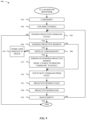
- FIG. 9 illustrates a flowchart 900 of an exemplary set of actions taken by a baseband processor 110 of a UE 102 to schedule STK communication for multiple eSIMs 208 of an eUICC 108 of the UE 102.
- a rest of the eUICC 108 occurs.
- the eUICC 108 sends an ATR message indicating that the eUICC 108 is capable of multiple enabled eSIM 208 profiles (MEP capable).
- the baseband processor 110 determines wither there is a pending proactive 91XX command from the eUICC 108 for an eSIM 208, the 91XX command indicating a pending event for the eSIM 208.
- the baseband processor 110 After intervening processing (not shown), at 918, the baseband processor 110 recognizes that the proactive STK session for the eSIM 208 has completed. At 920, the baseband processor 110 determines whether a queue of pending actions (or messages or other indications) is empty. When the queue is empty, the process can end. When the queue is not empty the baseband processor 110 can continue by returning to 905 to determine whether a proactive 91XX command is pending. When there is an ongoing proactive STK session for the eSIM 208, as determined at 906, the baseband processor 110 can determine whether there is a critical user request to be serviced that can supersede the ongoing proactive STK session for the eSIM 208.
- wireless communication device wireless device
- mobile device mobile station
- user equipment UE
- any one of these consumer electronic devices may relate to: a cellular phone or a smart phone, a tablet computer, a laptop computer or a netbook computer, a media player device, an electronic book device, a MiFi ® device, a wearable computing device, as well as any other type of electronic computing device having fourth generation (4G) Long Term Evolution (LTE) and LTE Advanced (LTE-A), fifth generation (5G) new radio (NR), or similar "later generation" cellular wireless access communication capabilities.
- 4G Long Term Evolution
- LTE-A LTE Advanced
- 5G new radio
- Multi-mode UEs can also support communication using wireless local area networking protocols, e.g., the Institute of Electrical and Electronics Engineers (IEEE) 802.11 (Wi-Fi), IEEE 802.16 (WiMAX), and wireless personal area networking protocols, e.g., Bluetooth ® .
- IEEE Institute of Electrical and Electronics Engineers
- Wi-Fi Wi-Fi
- WiMAX IEEE 802.16
- WiMAX wireless personal area networking protocols
- Bluetooth ® wireless personal area networking protocols
- Multiple wireless communication protocols can provide complementary functions and/or different services for a multi-mode UE.
Landscapes
- Engineering & Computer Science (AREA)
- Computer Networks & Wireless Communication (AREA)
- Signal Processing (AREA)
- Databases & Information Systems (AREA)
- Business, Economics & Management (AREA)
- General Business, Economics & Management (AREA)
- Multimedia (AREA)
- Mobile Radio Communication Systems (AREA)
- Telephone Function (AREA)
Claims (15)
- Basisbandprozessor, der für den Betrieb in einer drahtlosen Vorrichtung konfiguriert ist, wobei sich der Basisbandprozessor außerhalb einer eingebetteten universellen integrierten Schaltungskarte, eUICC, der drahtlosen Vorrichtung befindet, wobei der Basisbandprozessor mindestens einen Prozessor umfasst, der kommunikativ mit einem Speicher gekoppelt ist, der Anweisungen speichert, die, wenn sie durch den Basisbandprozessor ausgeführt werden, den Basisbandprozessor zu Folgendem veranlassen: Empfangen einer Eingabe, um eine Aktion durchzuführen, die mit einem ersten elektronischen Teilnehmeridentitätsmodul-, eSIM-, Profil auf der eUICC der drahtlosen Vorrichtung assoziiert ist; Bestimmen, ob eine proaktive SIM-Toolkit-, STK- , Sitzung für ein zweites eSIM-Profil auf der eUICC läuft, basierend auf dem Empfang eines proaktiven Befehls von der eUICC für das zweite eSIM-Profil, auf das eine Antwort von dem Basisbandprozessor an die eUICC nicht abgeschlossen wurde; wenn es keine laufende proaktive STK-Sitzung für das zweite eSIM-Profil gibt, Durchführen der Aktion, die mit dem ersten eSIM-Profil assoziiert ist; und wenn es eine laufende proaktive STK-Sitzung für das zweite eSIM-Profil gibt: Bestimmen, ob die Aktion eine Priorität aufweist, die die laufende proaktive STK-Sitzung für das zweite eSIM-Profil ersetzt; wenn die Aktion keine überlagernde Priorität aufweist, Hinzufügen eines Eintrags zu einer Warteschlange, um die Aktion für das erste eSIM-Profil durchzuführen, nachdem die proaktive STK-Sitzung für das zweite eSIM-Profil abgeschlossen wurde; und wenn die Aktion überlagernde Priorität aufweist: Senden einer Nachricht an die eUICC, um die laufende proaktive STK-Sitzung für das zweite eSIM-Profil zu beenden; und Durchführen der Aktion, die mit dem ersten eSIM-Profil assoziiert ist, nachdem die proaktive STK-Sitzung für das zweite eSIM-Profil beendet wurde.
- Basisbandprozessor nach Anspruch 1, wobei: die Aktion das Aktivieren des ersten eSIM-Profils umfasst; die proaktive STK-Sitzung mit dem Aktivieren des zweiten eSIM-Profils assoziiert ist; und die Aktion zum Aktivieren des ersten eSIM-Profils keine überlagernde Priorität gegenüber dem Aktivieren des zweiten eSIM-Profils aufweist.
- Basisbandprozessor nach Anspruch 1, wobei die Ausführung der Anweisungen den Basisbandprozessor ferner zu Folgendem veranlasst: Bestimmen, dass die laufende proaktive STK-Sitzung beendet wurde; und Durchführen einer Aktion für das erste eSIM-Profil oder das zweite eSIM-Profil basierend auf einem nächsten anhängigen Element in der Warteschlange.
- Basisbandprozessor nach Anspruch 1, wobei: die Aktion das Herstellen eines von einem Mobiltelefon stammenden Anrufs über das erste eSIM-Profil umfasst; die proaktive STK-Sitzung mit dem Antworten auf einen Auffrischungsbefehl assoziiert ist; und die Aktion zum Herstellen des von einem Mobiltelefon stammenden Anrufs über das erste eSIM-Profil überlagernde Priorität gegenüber dem Antworten auf den Auffrischungsbefehl aufweist.
- Basisbandprozessor nach Anspruch 4, wobei die Nachricht an die eUICC zum Beenden der laufenden proaktiven STK-Sitzung für das zweite eSIM-Profil eine Endgeräteantwortnachricht umfasst, die der eUICC anzeigt, dass die drahtlose Vorrichtung mit dem von einem Mobiltelefon stammenden Anruf beschäftigt ist.
- Basisbandprozessor nach Anspruch 1, wobei: die Aktion das Aktualisieren eines Standortbereichs für das erste eSIM-Profil basierend auf Mobilität der drahtlosen Vorrichtung umfasst; die proaktive STK-Sitzung mit dem Aktualisieren eines internationalen Mobilfunkteilnehmeridentitätswerts, IMSI-Werts, assoziiert ist, der mit dem zweiten eSIM-Profil assoziiert ist; und die Aktion zum Aktualisieren des Standortbereichs für das erste eSIM-Profil keine überlagernde Priorität gegenüber dem Aktualisieren des IMSI-Werts für das zweite eSIM-Profil aufweist.
- Basisbandprozessor nach Anspruch 1, wobei: die Aktion das Herstellen einer Internetprotokoll-Datensitzung, IP-Datensitzung, für das erste eSIM-Profil umfasst; die proaktive STK-Sitzung eine IP-Datensitzung für das zweite eSIM-Profil umfasst; und die Aktion zum Herstellen der IP-Datensitzung für das erste eSIM-Profil keine überlagernde Priorität gegenüber der IP-Datensitzung für das zweite eSIM-Profil aufweist.
- Verfahren zur Teilnehmeridentitätstoolkit-, STK-, Planung für eine drahtlose Vorrichtung (102), die mit mehreren elektronischen Teilnehmeridentitätsmodul-, eSIM-, Profilen in einer eingebetteten universellen integrierten Schaltungskarte, eUICC (108), der drahtlosen Vorrichtung konfiguriert ist, wobei das Verfahren durch einen Basisbandprozessor (110) der drahtlosen Vorrichtung durchgeführt wird, der sich außerhalb der eUICC befindet, wobei das Verfahren Folgendes umfasst: Empfangen (1002) einer Eingabe, um eine Aktion durchzuführen, die mit einem ersten eSIM-Profil (208B) auf der eUICC der drahtlosen Vorrichtung assoziiert ist; Bestimmen (1004), ob eine proaktive STK-Sitzung für ein zweites eSIM-Profil (208A) auf der eUICC läuft, basierend auf dem Empfang eines proaktiven Befehls von der eUICC für das zweite eSIM-Profil, auf das eine Antwort von dem Basisbandprozessor an die eUICC nicht abgeschlossen wurde; wenn es keine laufende proaktive STK-Sitzung für das zweite eSIM-Profil gibt, Durchführen (1006) der Aktion, die mit dem ersten eSIM-Profil assoziiert ist; und wenn es eine laufende proaktive STK-Sitzung für das zweite eSIM-Profil gibt: Bestimmen (1008), ob die Aktion eine Priorität aufweist, die die laufende proaktive STK-Sitzung für das zweite eSIM-Profil ersetzt; wenn die Aktion keine überlagernde Priorität aufweist, Hinzufügen (1010) eines Eintrags des Basisbandprozessors zu einer Warteschlange, um die Aktion für das erste eSIM-Profil durchzuführen, nachdem die proaktive STK-Sitzung für das zweite eSIM-Profil beendet wurde; und wenn die Aktion überlagernde Priorität aufweist: Senden (1012) einer Nachricht an die eUICC, um die laufende proaktive STK-Sitzung für das zweite eSIM-Profil zu beenden; und Durchführen (1012) der Aktion, die mit dem ersten eSIM-Profil assoziiert ist, nachdem die proaktive STK-Sitzung für das zweite eSIM-Profil beendet wurde.
- Verfahren nach Anspruch 8, wobei: die Aktion das Aktivieren des ersten eSIM-Profils umfasst; die proaktive STK-Sitzung mit dem Aktivieren des zweiten eSIM-Profils assoziiert ist; und die Aktion zum Aktivieren des ersten eSIM-Profils keine überlagernde Priorität gegenüber dem Aktivieren des zweiten eSIM-Profils aufweist.
- Verfahren nach Anspruch 8, ferner umfassend: Bestimmen, dass die laufende proaktive STK-Sitzung beendet wurde; und Durchführen einer Aktion für das erste eSIM-Profil oder das zweite eSIM-Profil basierend auf einem nächsten anhängigen Element in der Warteschlange.
- Verfahren nach Anspruch 8, wobei: die Aktion das Herstellen eines von einem Mobiltelefon stammenden Anrufs über das erste eSIM-Profil umfasst; die proaktive STK-Sitzung mit dem Antworten auf einen Auffrischungsbefehl assoziiert ist; die Aktion zum Herstellen des von einem Mobiltelefon stammenden Anrufs über das erste eSIM-Profil überlagernde Priorität gegenüber dem Antworten auf den Auffrischungsbefehl aufweist; und die Nachricht an die eUICC zum Beenden der laufenden proaktiven STK-Sitzung für das zweite eSIM-Profil eine Endgeräteantwortnachricht umfasst, die der eUICC anzeigt, dass die drahtlose Vorrichtung mit dem von einem Mobiltelefon stammenden Anruf beschäftigt ist.
- Nichtflüchtiges computerlesbares Medium, das Anweisungen speichert, die, wenn sie durch einen Basisbandprozessor einer drahtlosen Vorrichtung ausgeführt werden, wobei sich der Basisbandprozessor außerhalb einer eingebetteten universellen integrierten Schaltungskarte, eUICC, der drahtlosen Vorrichtung befindet, den Basisbandprozessor zu Folgendem veranlassen: Empfangen einer Eingabe, um eine Aktion durchzuführen, die mit einem ersten elektronischen Teilnehmeridentitätsmodul-, eSIM-, Profil auf der eingebetteten universellen integrierten Schaltungskarte, eUICC, der drahtlosen Vorrichtung assoziiert ist; Bestimmen, ob eine proaktive SIM-Toolkit-, STK-, Sitzung für ein zweites eSIM-Profil auf der eUICC läuft, basierend auf dem Empfang eines proaktiven Befehls von der eUICC für das zweite eSIM-Profil, auf das eine Antwort von dem Basisbandprozessor an die eUICC nicht abgeschlossen wurde; wenn es keine laufende proaktive STK-Sitzung für das zweite eSIM-Profil gibt, Durchführen der Aktion, die mit dem ersten eSIM-Profil assoziiert ist; und wenn es eine laufende proaktive STK-Sitzung für das zweite eSIM-Profil gibt: Bestimmen, ob die Aktion eine Priorität aufweist, die die laufende proaktive STK-Sitzung für das zweite eSIM-Profil ersetzt; wenn die Aktion keine überlagernde Priorität aufweist, Hinzufügen eines Eintrags zu einer Warteschlange, um die Aktion für das erste eSIM-Profil durchzuführen, nachdem die proaktive STK-Sitzung für das zweite eSIM-Profil beendet wurde; und wenn die Aktion überlagernde Priorität aufweist: Senden einer Nachricht an die eUICC, um die laufende proaktive STK-Sitzung für das zweite eSIM-Profil zu beenden; und Durchführen der Aktion, die mit dem ersten eSIM-Profil assoziiert ist, nachdem die proaktive STK-Sitzung für das zweite eSIM-Profil beendet wurde.
- Nichtflüchtiges computerlesbares Medium nach Anspruch 12, wobei: die Aktion das Aktivieren des ersten eSIM-Profils umfasst; die proaktive STK-Sitzung mit dem Aktivieren des zweiten eSIM-Profils assoziiert ist; und die Aktion zum Aktivieren des ersten eSIM-Profils keine überlagernde Priorität gegenüber dem Aktivieren des zweiten eSIM-Profils aufweist.
- Nichtflüchtiges computerlesbares Medium nach Anspruch 12, wobei: die Aktion das Herstellen eines von einem Mobiltelefon stammenden Anrufs über das erste eSIM-Profil umfasst; die proaktive STK-Sitzung mit dem Antworten auf einen Auffrischungsbefehl assoziiert ist; und die Aktion zum Herstellen des von einem Mobiltelefon stammenden Anrufs über das erste eSIM-Profil überlagernde Priorität gegenüber dem Antworten auf den Auffrischungsbefehl aufweist.
- Nichtflüchtiges computerlesbares Medium nach Anspruch 12, wobei: die Aktion das Einrichten einer Internetprotokoll-, IP-, Datensitzung für das erste eSIM-Profil umfasst; die proaktive STK-Sitzung eine IP-Datensitzung für das zweite eSIM-Profil umfasst; und die Aktion zum Einrichten der IP-Datensitzung für das erste eSIM-Profil keine überlagernde Priorität gegenüber der IP-Datensitzung für das zweite eSIM-Profil hat.
Priority Applications (1)
| Application Number | Priority Date | Filing Date | Title |
|---|---|---|---|
| EP25170639.6A EP4561126A3 (de) | 2021-06-06 | 2022-05-30 | Sim-toolkit-planung für mehrere aktivierte esim-profile |
Applications Claiming Priority (2)
| Application Number | Priority Date | Filing Date | Title |
|---|---|---|---|
| US202163197470P | 2021-06-06 | 2021-06-06 | |
| US17/804,291 US12096325B2 (en) | 2021-06-06 | 2022-05-26 | SIM toolkit scheduling for multiple enabled eSIM profiles |
Related Child Applications (2)
| Application Number | Title | Priority Date | Filing Date |
|---|---|---|---|
| EP25170639.6A Division EP4561126A3 (de) | 2021-06-06 | 2022-05-30 | Sim-toolkit-planung für mehrere aktivierte esim-profile |
| EP25170639.6A Division-Into EP4561126A3 (de) | 2021-06-06 | 2022-05-30 | Sim-toolkit-planung für mehrere aktivierte esim-profile |
Publications (2)
| Publication Number | Publication Date |
|---|---|
| EP4099739A1 EP4099739A1 (de) | 2022-12-07 |
| EP4099739B1 true EP4099739B1 (de) | 2025-07-02 |
Family
ID=81851614
Family Applications (2)
| Application Number | Title | Priority Date | Filing Date |
|---|---|---|---|
| EP22176233.9A Active EP4099739B1 (de) | 2021-06-06 | 2022-05-30 | Sim-toolkit-planung für mehrere aktivierte esim-profile |
| EP25170639.6A Pending EP4561126A3 (de) | 2021-06-06 | 2022-05-30 | Sim-toolkit-planung für mehrere aktivierte esim-profile |
Family Applications After (1)
| Application Number | Title | Priority Date | Filing Date |
|---|---|---|---|
| EP25170639.6A Pending EP4561126A3 (de) | 2021-06-06 | 2022-05-30 | Sim-toolkit-planung für mehrere aktivierte esim-profile |
Country Status (4)
| Country | Link |
|---|---|
| US (2) | US12096325B2 (de) |
| EP (2) | EP4099739B1 (de) |
| KR (2) | KR102701050B1 (de) |
| CN (2) | CN115442794B (de) |
Families Citing this family (4)
| Publication number | Priority date | Publication date | Assignee | Title |
|---|---|---|---|---|
| US11877349B2 (en) * | 2021-06-29 | 2024-01-16 | T-Mobile Innovations Llc | Slices for applications based on multiple active sim profiles |
| WO2024205590A1 (en) * | 2023-03-30 | 2024-10-03 | Google Llc | Managing subscriber identity module memory reset during user activity |
| US20240388916A1 (en) * | 2023-05-15 | 2024-11-21 | Qualcomm Incorporated | System and method for automatic selection of carrier profiles in a mobile phone |
| WO2025196241A1 (en) * | 2024-03-20 | 2025-09-25 | DE PLASSE, Chun Hie | Use of two or more esim profiles for storing and executing algorithms, cryptographic keys, and data |
Family Cites Families (12)
| Publication number | Priority date | Publication date | Assignee | Title |
|---|---|---|---|---|
| US20110217969A1 (en) * | 2010-03-05 | 2011-09-08 | Qualcomm, Incorporated | Devices with multiple subscriptions that utilize a single baseband-radio frequency resource chain |
| US9100810B2 (en) * | 2010-10-28 | 2015-08-04 | Apple Inc. | Management systems for multiple access control entities |
| CN103167610B (zh) * | 2011-12-12 | 2017-10-13 | 安华高科技通用Ip(新加坡)公司 | 用于多sim用户设备的智能资源控制 |
| US9451445B2 (en) * | 2014-05-30 | 2016-09-20 | Apple Inc. | Electronic subscriber identity module selection |
| KR102254849B1 (ko) | 2014-07-19 | 2021-05-25 | 삼성전자주식회사 | 프로비져닝 프로파일 처리 방법 및 이를 지원하는 전자 장치 |
| KR102318877B1 (ko) * | 2014-10-02 | 2021-10-29 | 삼성전자주식회사 | 전자 기기의 사용자 인터페이스 표시 방법 및 장치 |
| KR102484365B1 (ko) | 2017-02-28 | 2023-01-04 | 삼성전자주식회사 | 보안 엘리먼트를 이용하여 서비스를 제공하는 전자 장치 및 이를 위한 방법 |
| KR102371986B1 (ko) * | 2017-08-25 | 2022-03-08 | 삼성전자주식회사 | 전자 장치 및 전자 장치에 프로파일을 원격으로 제공하는 방법 |
| US10433131B2 (en) | 2017-09-26 | 2019-10-01 | Apple Inc. | Embedded universal integrated circuit card (eUICC) command processing |
| CN111480350B (zh) | 2017-12-18 | 2022-02-01 | 华为技术有限公司 | 嵌入式sim卡的数据访问的方法和设备 |
| US10708761B1 (en) | 2019-09-05 | 2020-07-07 | Google Llc | Supporting multiple enabled profiles on single embedded subscriber identity module (eSIM) chip |
| US11399273B2 (en) * | 2019-10-04 | 2022-07-26 | Apple Inc. | Multiple SIM card operation of an electronic device |
-
2022
- 2022-05-26 US US17/804,291 patent/US12096325B2/en active Active
- 2022-05-30 EP EP22176233.9A patent/EP4099739B1/de active Active
- 2022-05-30 EP EP25170639.6A patent/EP4561126A3/de active Pending
- 2022-06-03 KR KR1020220067989A patent/KR102701050B1/ko active Active
- 2022-06-06 CN CN202210626957.1A patent/CN115442794B/zh active Active
- 2022-06-06 CN CN202411303213.1A patent/CN118921650A/zh active Pending
-
2024
- 2024-08-16 US US18/807,564 patent/US20240406696A1/en active Pending
- 2024-08-27 KR KR1020240114923A patent/KR20240134093A/ko active Pending
Also Published As
| Publication number | Publication date |
|---|---|
| CN115442794B (zh) | 2025-09-16 |
| CN118921650A (zh) | 2024-11-08 |
| CN115442794A (zh) | 2022-12-06 |
| EP4561126A2 (de) | 2025-05-28 |
| KR20220164823A (ko) | 2022-12-13 |
| EP4099739A1 (de) | 2022-12-07 |
| EP4561126A3 (de) | 2025-08-27 |
| US12096325B2 (en) | 2024-09-17 |
| KR20240134093A (ko) | 2024-09-06 |
| US20240406696A1 (en) | 2024-12-05 |
| US20220394443A1 (en) | 2022-12-08 |
| KR102701050B1 (ko) | 2024-09-02 |
Similar Documents
| Publication | Publication Date | Title |
|---|---|---|
| EP4099739B1 (de) | Sim-toolkit-planung für mehrere aktivierte esim-profile | |
| US10334427B2 (en) | In-advance eSIM management notification | |
| KR102031037B1 (ko) | 이차 무선 디바이스에 대한 프로파일 업데이트 | |
| US9940141B2 (en) | Method and apparatus for selecting bootstrap ESIMs | |
| US12003969B2 (en) | Postponed eSIM delivery to secondary mobile wireless device for cellular wireless service subscription | |
| US11012852B2 (en) | Cellular service account transfer error recovery mechanisms | |
| US20240007848A1 (en) | eSIM PROFILE MANAGEMENT FOR WIRELESS DEVICES | |
| US12213212B2 (en) | Flexible electronic subscriber identity module deployment | |
| KR101761505B1 (ko) | 상이한 인증 알고리즘들을 동적으로 지원하기 위한 기법들 | |
| US12047775B2 (en) | Cellular service management for secondary mobile wireless devices | |
| US20180183655A1 (en) | Radio frequency sharing in multi-subscription wireless communication device | |
| US20240007847A1 (en) | eSIM PROFILE MANAGEMENT FOR WIRELESS DEVICES | |
| US20250193668A1 (en) | Multi-factor authentication based cellular wireless service transfer with account owner consent |
Legal Events
| Date | Code | Title | Description |
|---|---|---|---|
| PUAI | Public reference made under article 153(3) epc to a published international application that has entered the european phase |
Free format text: ORIGINAL CODE: 0009012 |
|
| STAA | Information on the status of an ep patent application or granted ep patent |
Free format text: STATUS: REQUEST FOR EXAMINATION WAS MADE |
|
| 17P | Request for examination filed |
Effective date: 20220530 |
|
| AK | Designated contracting states |
Kind code of ref document: A1 Designated state(s): AL AT BE BG CH CY CZ DE DK EE ES FI FR GB GR HR HU IE IS IT LI LT LU LV MC MK MT NL NO PL PT RO RS SE SI SK SM TR |
|
| RIC1 | Information provided on ipc code assigned before grant |
Ipc: H04W 4/60 20180101ALN20241216BHEP Ipc: H04W 8/20 20090101ALI20241216BHEP Ipc: H04W 8/18 20090101AFI20241216BHEP |
|
| GRAP | Despatch of communication of intention to grant a patent |
Free format text: ORIGINAL CODE: EPIDOSNIGR1 |
|
| STAA | Information on the status of an ep patent application or granted ep patent |
Free format text: STATUS: GRANT OF PATENT IS INTENDED |
|
| INTG | Intention to grant announced |
Effective date: 20250127 |
|
| GRAS | Grant fee paid |
Free format text: ORIGINAL CODE: EPIDOSNIGR3 |
|
| GRAA | (expected) grant |
Free format text: ORIGINAL CODE: 0009210 |
|
| STAA | Information on the status of an ep patent application or granted ep patent |
Free format text: STATUS: THE PATENT HAS BEEN GRANTED |
|
| AK | Designated contracting states |
Kind code of ref document: B1 Designated state(s): AL AT BE BG CH CY CZ DE DK EE ES FI FR GB GR HR HU IE IS IT LI LT LU LV MC MK MT NL NO PL PT RO RS SE SI SK SM TR |
|
| REG | Reference to a national code |
Ref country code: GB Ref legal event code: FG4D |
|
| REG | Reference to a national code |
Ref country code: CH Ref legal event code: EP |
|
| REG | Reference to a national code |
Ref country code: DE Ref legal event code: R096 Ref document number: 602022016725 Country of ref document: DE |
|
| REG | Reference to a national code |
Ref country code: IE Ref legal event code: FG4D |
|
| REG | Reference to a national code |
Ref country code: NL Ref legal event code: MP Effective date: 20250702 |
|
| PG25 | Lapsed in a contracting state [announced via postgrant information from national office to epo] |
Ref country code: PT Free format text: LAPSE BECAUSE OF FAILURE TO SUBMIT A TRANSLATION OF THE DESCRIPTION OR TO PAY THE FEE WITHIN THE PRESCRIBED TIME-LIMIT Effective date: 20251103 |
|
| PG25 | Lapsed in a contracting state [announced via postgrant information from national office to epo] |
Ref country code: NL Free format text: LAPSE BECAUSE OF FAILURE TO SUBMIT A TRANSLATION OF THE DESCRIPTION OR TO PAY THE FEE WITHIN THE PRESCRIBED TIME-LIMIT Effective date: 20250702 |
|
| REG | Reference to a national code |
Ref country code: AT Ref legal event code: MK05 Ref document number: 1810696 Country of ref document: AT Kind code of ref document: T Effective date: 20250702 |
|
| PG25 | Lapsed in a contracting state [announced via postgrant information from national office to epo] |
Ref country code: IS Free format text: LAPSE BECAUSE OF FAILURE TO SUBMIT A TRANSLATION OF THE DESCRIPTION OR TO PAY THE FEE WITHIN THE PRESCRIBED TIME-LIMIT Effective date: 20251102 |
|
| PG25 | Lapsed in a contracting state [announced via postgrant information from national office to epo] |
Ref country code: NO Free format text: LAPSE BECAUSE OF FAILURE TO SUBMIT A TRANSLATION OF THE DESCRIPTION OR TO PAY THE FEE WITHIN THE PRESCRIBED TIME-LIMIT Effective date: 20251002 |
|
| REG | Reference to a national code |
Ref country code: LT Ref legal event code: MG9D |
|
| PG25 | Lapsed in a contracting state [announced via postgrant information from national office to epo] |
Ref country code: AT Free format text: LAPSE BECAUSE OF FAILURE TO SUBMIT A TRANSLATION OF THE DESCRIPTION OR TO PAY THE FEE WITHIN THE PRESCRIBED TIME-LIMIT Effective date: 20250702 |
|
| PG25 | Lapsed in a contracting state [announced via postgrant information from national office to epo] |
Ref country code: FI Free format text: LAPSE BECAUSE OF FAILURE TO SUBMIT A TRANSLATION OF THE DESCRIPTION OR TO PAY THE FEE WITHIN THE PRESCRIBED TIME-LIMIT Effective date: 20250702 |
|
| PG25 | Lapsed in a contracting state [announced via postgrant information from national office to epo] |
Ref country code: HR Free format text: LAPSE BECAUSE OF FAILURE TO SUBMIT A TRANSLATION OF THE DESCRIPTION OR TO PAY THE FEE WITHIN THE PRESCRIBED TIME-LIMIT Effective date: 20250702 |