EP4097614B1 - Steuerungsflussintegritätssystem und -verfahren - Google Patents
Steuerungsflussintegritätssystem und -verfahren Download PDFInfo
- Publication number
- EP4097614B1 EP4097614B1 EP21705627.4A EP21705627A EP4097614B1 EP 4097614 B1 EP4097614 B1 EP 4097614B1 EP 21705627 A EP21705627 A EP 21705627A EP 4097614 B1 EP4097614 B1 EP 4097614B1
- Authority
- EP
- European Patent Office
- Prior art keywords
- protection
- manager
- responsive
- protection module
- predetermined
- Prior art date
- Legal status (The legal status is an assumption and is not a legal conclusion. Google has not performed a legal analysis and makes no representation as to the accuracy of the status listed.)
- Active
Links
Images



Classifications
-
- G—PHYSICS
- G06—COMPUTING OR CALCULATING; COUNTING
- G06F—ELECTRIC DIGITAL DATA PROCESSING
- G06F21/00—Security arrangements for protecting computers, components thereof, programs or data against unauthorised activity
- G06F21/50—Monitoring users, programs or devices to maintain the integrity of platforms, e.g. of processors, firmware or operating systems
- G06F21/52—Monitoring users, programs or devices to maintain the integrity of platforms, e.g. of processors, firmware or operating systems during program execution, e.g. stack integrity ; Preventing unwanted data erasure; Buffer overflow
- G06F21/54—Monitoring users, programs or devices to maintain the integrity of platforms, e.g. of processors, firmware or operating systems during program execution, e.g. stack integrity ; Preventing unwanted data erasure; Buffer overflow by adding security routines or objects to programs
-
- G—PHYSICS
- G06—COMPUTING OR CALCULATING; COUNTING
- G06F—ELECTRIC DIGITAL DATA PROCESSING
- G06F21/00—Security arrangements for protecting computers, components thereof, programs or data against unauthorised activity
- G06F21/50—Monitoring users, programs or devices to maintain the integrity of platforms, e.g. of processors, firmware or operating systems
- G06F21/52—Monitoring users, programs or devices to maintain the integrity of platforms, e.g. of processors, firmware or operating systems during program execution, e.g. stack integrity ; Preventing unwanted data erasure; Buffer overflow
-
- G—PHYSICS
- G06—COMPUTING OR CALCULATING; COUNTING
- G06F—ELECTRIC DIGITAL DATA PROCESSING
- G06F21/00—Security arrangements for protecting computers, components thereof, programs or data against unauthorised activity
- G06F21/30—Authentication, i.e. establishing the identity or authorisation of security principals
- G06F21/44—Program or device authentication
-
- G—PHYSICS
- G06—COMPUTING OR CALCULATING; COUNTING
- G06F—ELECTRIC DIGITAL DATA PROCESSING
- G06F9/00—Arrangements for program control, e.g. control units
- G06F9/06—Arrangements for program control, e.g. control units using stored programs, i.e. using an internal store of processing equipment to receive or retain programs
- G06F9/44—Arrangements for executing specific programs
- G06F9/445—Program loading or initiating
- G06F9/44521—Dynamic linking or loading; Link editing at or after load time, e.g. Java class loading
-
- G—PHYSICS
- G06—COMPUTING OR CALCULATING; COUNTING
- G06F—ELECTRIC DIGITAL DATA PROCESSING
- G06F2221/00—Indexing scheme relating to security arrangements for protecting computers, components thereof, programs or data against unauthorised activity
- G06F2221/03—Indexing scheme relating to G06F21/50, monitoring users, programs or devices to maintain the integrity of platforms
- G06F2221/034—Test or assess a computer or a system
Definitions
- the invention relates generally to the field of control flow integrity security devices, and more specifically to a control flow integrity system and method for control flow integrity in one or more processes.
- a linker or link editor is a computer utility program that takes one or more object files generated by a compiler or an assembler and combines them into a single executable file, library file, or another 'object' file.
- Common linking methods are static and dynamic linking. Static linking is the result of the linker copying all library routines used in the program into the executable file. This may require more disk space and memory than dynamic linking, but is more portable, since it does not require the presence of the library on the system where it runs.
- Executable Linkable Format (ELF) files are files which consist of a symbol look-up and relocatable table, i.e. it can be loaded at any memory address by the kernel and automatically all symbols used are adjusted to the offset from that memory address where it was loaded into.
- ELF Executable Linkable Format
- CFI is a general term for computer security techniques which prevent a wide variety of malware attacks from redirecting the flow of execution of a program. There are different methods to add CFI checks to a binary file.
- ECUs electrical control units
- DCUs domain controller units
- TCUs telematics control units
- MCFI Modular Control-Flow Integrity
- US patent application publication US 2018/0101565 titled " Software security via control flow integrity checking”, provides various technologies related to control flow integrity checking.
- a canonical control flow graph can be built. Execution of a program can be interrupted at runtime, and the call stack can be observed to verify control flow integrity of the program using the canonical control flow graph. Attacks using stack tampering can be avoided, regardless of how the stack tampering is achieved. Non-invasive techniques can be used, making the technologies applicable in situations where source code is not available. Real-time operating system protection can be supported.
- a CFI system comprising: at least one protection module, each of the at least one protection module comprising a respective allowable flow model associated with at least one of a plurality of portions of a process; and at least one process protection manager, a respective one of the at least one process protection manager arranged, responsive to a control flow instruction in one of the plurality of portions of the process, to: compare one or more parameters of the control flow instruction to the allowable flow model of the associated protection module; and responsive to an outcome of the comparison indicating that the compared one or more parameters does not meet a respective parameter of the respective allowable flow model, generate a predetermined signal, wherein each of the at least one protection module is implemented as a shared object, wherein each of the at least one process protection manager is implemented as a shared object, and wherein the at least one protection module and the process protection manager are loaded into the process.
- the parameter comparison and signal generation of the respective process protection manager is responsive to a control flow instruction associated with the respective protection module.
- the control flow instruction associated with the respective protection module comprises a predetermined branch instruction to the process protection manager.
- the parameter comparison and signal generation of the at least one process protection manager is further responsive to information sent to the respective process protection manager responsive to the control flow instruction associated with the respective protection module.
- a control flow instruction in a first of the plurality of portions of the process comprises a branch or call to an address associated with a second of the plurality of portions of the process, the comparison being with the allowable flow model of the protection module associated with the second portion of the process.
- the at least one protection module comprises a plurality of protection modules, wherein, responsive to the associated flow model not containing the respective parameter, the respective process protection manager is further arranged to: compare one or more parameters of the control flow instruction to an allowable flow model of another of the plurality of protection modules; and responsive to an outcome of the comparison indicating that the compared one or more parameters does not meet a respective parameter of the respective allowable flow model, generate a predetermined signal.
- each of the plurality portions of the process is associated with a respective one of a plurality of files, wherein responsive to a first of the plurality of files exhibiting a predetermined indication, the respective process protection manager loads the respective protection model shared object associated with the first file, and wherein responsive to a second of the plurality of files not exhibiting the predetermined indication, the respective process protection manager does not load the respective protection model shared object associated with the second file.
- the at least one process protection manager comprises a plurality of process protection managers, each exhibiting a respective predetermined rule, the comparison responsive to the respective predetermined rule of the respective process protection manager, and wherein the respective one of the plurality of process protection managers is selected responsive to a predetermined feature of the process.
- the at least one process protection manager comprises a plurality of process protection managers, wherein the generated signal of a first of the plurality of process protection managers is arranged to prevent the operation of the respective control flow instruction and the generated signal of a second of the plurality of process protection managers is not arranged to prevent the operation of the respective control flow instruction, and wherein the respective one of the plurality of process protection managers is selected responsive to a predetermined feature of the process.
- a first of the plurality of portions of the process is associated with an executable file and a second of the plurality of portions of the process is associated with a shared object file.
- the respective process protection manager is loaded into a plurality of processes.
- each of the at least protection module exhibits an indication of which of the parameters are used in the respective comparison.
- a control flow integrity system comprising a processor and a memory, the processor arranged, responsive to instructions stored in the memory, to load into a process: at least one protection module; and a process protection manager, wherein the loaded process protection manager is arranged to: compare one or more parameters of the control flow instruction to the allowable flow model of the associated protection module; and responsive to an outcome of the comparison indicating that the compared one or more parameters does not meet a respective parameter of the respective allowable flow model, generate a predetermined signal, wherein each of the at least one protection module is implemented as a shared object, and wherein each of the at least one process protection manager is implemented as a shared object.
- the parameter comparison and signal generation of the loaded process protection manager is responsive to a control flow instruction associated with the respective protection module.
- the control flow instruction associated with the respective protection module comprises a predetermined branch instruction to the process protection manager.
- the parameter comparison and signal generation of the loaded process protection manager is further responsive to information sent to the loaded process protection manager responsive to the control flow instruction associated with the respective protection module.
- a control flow instruction in a first of the plurality of portions of the process comprises a branch or call to an address associated with a second of the plurality of portions of the process, the comparison being with the allowable flow model of the protection module associated with the second portion of the process.
- the at least one protection module comprises a plurality of protection modules, wherein, responsive to the associated flow model not containing the respective parameter, the process protection manager is further arranged to: compare one or more parameters of the control flow instruction to an allowable flow model of another of the plurality of protection modules; and responsive to an outcome of the comparison indicating that the compared one or more parameters does not meet a respective parameter of the respective allowable flow model, generate a predetermined signal.
- each of the plurality portions of the process is associated with a respective one of a plurality of files, wherein responsive to a first of the plurality of files exhibiting a predetermined indication, the process protection manager loads the respective protection model shared object associated with the first file, and wherein responsive to a second of the plurality of files not exhibiting the predetermined indication, the process protection manager does not load the respective protection model shared object associated with the second file.
- the process protection manager is one of a plurality of process protection managers, each exhibiting a respective predetermined rule, the comparison responsive to the respective predetermined rule of the respective process protection manager, and wherein the respective one of the plurality of process protection managers is selected responsive to a predetermined feature of the process.
- the process protection manager is one of a plurality of process protection managers, wherein the generated signal of a first of the plurality of process protection managers is arranged to prevent the operation of the respective control flow instruction and the generated signal of a second of the plurality of process protection managers is not arranged to prevent the operation of the respective control flow instruction, and wherein the respective one of the plurality of process protection managers is selected responsive to a predetermined feature of the process.
- a first of the plurality of portions of the process is associated with an executable file and a second of the plurality of portions of the process is associated with a shared object file.
- the process protection manager is loaded into a plurality of processes.
- each of the at least protection module exhibits an indication of which of the parameters are used in the respective comparison.
- a control flow integrity method comprising: loading at least one protection module into a process; and loading a process protection manager into the process, wherein the loaded process protection manager is arranged to: compare one or more parameters of the control flow instruction to the allowable flow model of the associated protection module; and responsive to an outcome of the comparison indicating that the compared one or more parameters does not meet a respective parameter of the respective allowable flow model, generate a predetermined signal, wherein each of the at least one protection module is implemented as a shared object, and wherein each of the at least one process protection manager is implemented as a shared object.
- the parameter comparison and signal generation of the loaded process protection manager is responsive to a control flow instruction associated with the respective protection module.
- the control flow instruction associated with the respective protection module comprises a predetermined branch instruction to the process protection manager.
- the parameter comparison and signal generation of the loaded process protection manager is further responsive to information sent to the loaded process protection manager responsive to the control flow instruction associated with the respective protection module.
- a control flow instruction in a first of the plurality of portions of the process comprises a branch or call to an address associated with a second of the plurality of portions of the process, the comparison being with the allowable flow model of the protection module associated with the second portion of the process.
- the at least one protection module comprises a plurality of protection modules, and wherein, responsive to the associated flow model not containing the respective parameter, the process protection manager is further arranged to: compare one or more parameters of the control flow instruction to an allowable flow model of another of the plurality of protection modules; and responsive to an outcome of the comparison indicating that the compared one or more parameters does not meet a respective parameter of the respective allowable flow model, generate a predetermined signal
- each of the plurality portions of the process is associated with a respective one of a plurality of files, wherein responsive to a first of the plurality of files exhibiting a predetermined indication, the process protection manager loads the respective protection model shared object associated with the first file, and wherein responsive to a second of the plurality of files not exhibiting the predetermined indication, the process protection manager does not load the respective protection model shared object associated with the second file.
- the process protection manager is one of a plurality of process protection managers, each exhibiting a respective predetermined rule, the comparison responsive to the respective predetermined rule of the respective process protection manager, and wherein the respective one of the plurality of process protection managers is selected responsive to a predetermined feature of the process.
- the process protection manager is one of a plurality of process protection managers, wherein the generated signal of a first of the plurality of process protection managers is arranged to prevent the operation of the respective control flow instruction and the generated signal of a second of the plurality of process protection managers is not arranged to prevent the operation of the respective control flow instruction, and wherein the respective one of the plurality of process protection managers is selected responsive to a predetermined feature of the process.
- a first of the plurality of portions of the process is associated with an executable file and a second of the plurality of portions of the process is associated with a shared object file.
- the method further comprises loading the process protection manager into a plurality of processes.
- each of the at least protection module exhibits an indication of which of the parameters are used in the respective comparison.
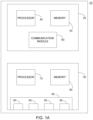
- FIG. 1A illustrates a high level block diagram of a CFI protection shared object generation system 10.
- CFI protection shared object generation system 10 comprises: a server 20; and a run time unit 30.
- Run time unit 30 is any system which runs using a call stack, such as, but not limited to, an electronic control unit of a vehicle.
- Server 20 comprises: a processor 40; a memory 50; and a communication node 60.
- communication node 60 comprises an internet input/output port, as known to those skilled in the art.
- Run time unit 30 comprises: a processor 70; a memory 80; and a communication node 90 comprising one or more entry point and input handler pairs 95.
- Each entry point 95 is a hardware module which can be connected to an external device, such as an Ethernet interface, a controller area network (CAN) controller/transceiver or a bluetooth device, without limitation.
- an input handler is provided, i.e. a software module which handles communication for the respective hardware entry point, such as a CAN driver or an Ethernet driver, without limitation.
- one or more files are transmitted to server 20 from a user terminal 100.
- user terminal 100 comprises run time unit 30.
- user terminal 100 is in communication with run time unit 30.
- user terminal 100 is in communication with a separate server (not shown) that is in communication with a plurality of run time units 30, the communication with the plurality of run time units 30 optionally being temporary connections for purposes of updating software.
- an ELF file is transmitted to server 20.
- a shared object file is transmitted to server 20.
- both an ELF file and a shared object file are transmitted to server 20.
- each of the received ELF files is a binary program image.
- processor 40 of server 20 generates, responsive to instructions stored on memory 50, a protection module for each of the received files.
- Each protection module is implemented as a shared object, i.e. a library that is compiled such that it can be shared by a plurality of applications, as known to those skilled in the art.
- the source code of each protection module is compiled using a GNU Compiler Collection (GCC) compiler with the -share flag.
- GCC GNU Compiler Collection
- each protection module is loaded into a process in run time.
- a respective protection module is generated for each received ELF file.
- a respective protection module is generated for a plurality of received ELF files.
- a respective protection module is generated for each received shared object file.
- a respective protection module is generated for a plurality of received shared object files.
- Each generated protection module comprises an allowable flow model for the respective associated ELF or shared object file.
- the allowable flow model is a model of deterministic allowed flows.
- deterministic allowed flow is meant as a flow with 100% certainty of allowed parameters in the flow. For example, if there isn't 100% certainty of an allowed return address from a particular function, the function is marked as non-deterministic.
- the allowable flow models are generated as described in PCT patent application publication WO 2020/012,474, published January 16, 2020 , the entire contents of which are incorporated herein by reference.
- the respective allowable flow model comprises one or more parameters for verifying the flow of the process.
- the flow of a process can be jumping to a procedure and returning from a procedure.
- the respective allowable flow model comprises information regarding: legitimate call stacks allowed to jump to each of a plurality of addresses; legitimate return addresses; and legitimate registers to be used in association with respective opcodes in the associated received file.
- the respective allowable flow model further comprises information regarding legitimate buffer sizes for respective calls in the associated received file.
- the respective allowable flow model further comprises legitimate flows for calling each of a plurality of functions. Specifically, a legitimate flow for calling a function is an allowable sequential chain of functions, where each function is allowed to call the next function in the chain.
- each allowable flow model is generated by a first preparation script that scans the code of the respective file to determine: legitimate call stacks which are allowed to jump to each address; legitimate return addresses; and legitimate registers to be used.
- the first preparation script further scans the code of the respective file to determine the allowed buffer sizes for each function call.
- the first preparation script further scans the code of the respective file to determine legitimate flows for calling each of a plurality of functions.
- the respective allowable flow protection model thus indicates legitimate values of the respective parameters.
- the scanned code used for generating the allowable flow model is only code that is associated with system entry points of one or more input handlers 95 of communication module 90 of run time unit 30.
- processor 40 replaces at least one opcode of the respective received file with a predetermined instruction which will enter the respective generated protection module.
- the first preparation script described above determines a call tree for the one or more input handlers 95 and each opcode within the respective determined call tree is replaced with a respective predetermined instruction.
- the predetermined instruction can be a call to the protection functionality, a branch to the protection functionality, or a jump to the protection functionality, in accordance with the relevant architecture.
- opcode POP is replaced with BL xxxxx, where xxxxx is the relative offset from the current frame pointer to the address of the protection functionality.
- each respective predetermined instruction comprises a respective trampoline to the associated protection module.
- Information regarding the replaced opcodes is stored in the associated protection module. Particularly, the position of the replaced opcode within the code is saved, thereby allowing the protection module to know which opcode to perform if the call stack is valid, as will be described below. Additionally, saving the position of the replaced opcode will allow the protection module to know which parameters should be analyzed. Furthermore, in one embodiment, the replaced opcode is copied into the protection module, such that once authorized, the respective opcode can be executed, as will be described below.
- processor 40 further inserts an indication within the header of the adjusted file indicating that the file was adjusted.
- processor 40 of server 20 further generates at least one process protection manager, each generated process protection manager associated with a respective one of the received files of stage 1000.
- Each generated process protection manager is implemented as a shared object, as described above in relation to the generated protection modules of stage 1010.
- a respective process protection manager is generated for a set of received files that are to be loaded into the same process.
- a plurality of process protection managers are generated, each associated with a respective set of files that are to be loaded into a respective process.
- a generated process protection manager is associated with files that are to be loaded into a plurality of processes, as will be described below.
- each generated protection module of stage 1010 comprises one or more instructions to branch to a process protection manager within the respective process, as will be described below.
- each generated process protection manager is arranged to compare flows originating from associated ELF files and shared objects to the allowable flow models in the respective protection modules.
- processor 40 adds to each adjusted ELF file a dependency for the respective process protection manager.
- communication module 60 of server 20 outputs to user terminal 100: the adjusted file, or files; and the generated one or more protection modules and process protection managers.
- a single ELF file denoted TEST.ELF
- server 20 replaces certain opcodes within TEST.ELF, as described above, the adjusted file denoted TEST_PATCHED.ELF.
- server 20 generates a respective protection module associated with TEST_PATCHED.ELF, implemented as a shared object, the generated protection module denoted TEST_PROTECTOR.SO.
- server 20 generates a respective process protection manager, implemented as a shared object, the generated process protection manager denoted PROTECTOR_PW.SO.
- Server 20 transmits TEST_PATCHED.ELF, TEST_PROTECTOR.SO and PROTECTOR_PW.SO to user terminal 100.
- a single shared object file is received by server 20.
- Server 20 replaces certain opcodes within HELPER.SO, as described above, the adjusted file denoted HELPER_PATCHED.SO.
- server 20 generates a respective protection module associated with HELPER_PATCHED.ELF, implemented as a shared object, the generated protection module denoted HELPER_PROTECTOR.SO.
- server 20 generates a respective process protection manager, implemented as a shared object, the generated process protection manager denoted PROTECTOR_PW.SO.
- Server 20 transmits HELPER_PATCHED.ELF, HELPER_PROTECTOR.SO and PROTECTOR_PW.SO to user terminal 100.
- server 20 receives both TEST.ELF and HELPER.SO.
- Server 20 then generates and outputs: TEST_PATCHED.ELF; TEST_PROTECTOR.SO; HELPER_PATCHED.ELF; HELPER_PROTECTOR.SO; and PROTECTOR_PW.SO.
- a single process protection manager is generated for use in a respective process where TEST_PATCHED.ELF, HELPER_PATCHED.ELF, TEST_PROTECTOR.SO and HELPER_PROTECTOR.SO are loaded therein.
- the user can decide which files are to be protected and it is not necessary to generate a process protection manager which protects all the files in a process.
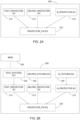
- FIG. 2A illustrates a high level block diagram of a CFI system 200, in accordance with certain embodiments.
- CFI system 200 comprises: a plurality of protection modules 210; and a process protection manager 220.
- Each of the plurality of protection modules 210 and process protection manager 220 is implemented as a shared object, as described above. Additionally, each of the plurality of protection modules 210 and process protection manager 220 is loaded into a process.
- Each protection module 210 comprises a respective allowable flow model associated with at least one of a plurality of portions of the process.
- the allowable flow model of each protection module 210 is stored as read only data, and can therefore not be modified by an attacker.
- the entirety of the code of each protection module 210 is stored as read only data.
- FIG. 2B illustrates a high level block diagram of the originating files for the code of the process, including: a dynamically linked ELF file 230; a plurality of shared objects 240; protection modules 210 and process protection manager 220.
- Figs. 2A - 2B are described together.
- ELF file 230 is executed and shared objects 240, protection modules 210 and process protection manager 220 are loaded into the process.
- each protection module 210 is associated with a respective portion of the process which originated from ELF file 230 or a shared object 240, as described above.
- ELF file 230, shared objects 240, protection modules 210 and process protection manager 220 are each stored in a respective area of a memory 250.
- the process is run by a processor 260, processor 260 associated with memory 250, i.e. CFI system 200 is run by processor 260.
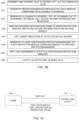
- FIG. 2C illustrates a high level flow chart of a method of operation of CFI system 200, in accordance with certain embodiments.
- process protection manager 220 is loaded into the process.
- process protection manager 220 is loaded into the process before any other shared objects, such as protection modules 210.
- ELF file 230 contains a dependency for process protection manager 220
- process protection manager 220 is loaded automatically.
- ELF file 230 does not contain a dependency for process protection manager 220
- process protection manager 220 will not be loaded automatically.
- the LD_PRELOAD command is set with the path of process protection manager 220 as part of a dynamic-link library (DLL) injection.
- DLL dynamic-link library
- a plurality of process protection managers 220 are provided, each process protection manager 220 exhibiting a respective predetermined comparison rule.
- process protection manager 220 compares respective parameters of certain control flow instructions with respective allowable flow models.
- the comparison is performed in accordance with the respective predetermined comparison rule.
- each predetermined comparison rule can in one embodiment indicate the level of determinism of the comparison.
- certain allowable flow models are not 100% deterministic, and there may be cases where parameters of the control flow instruction does not meet the respective parameters of the allowable flow model, however it is not necessarily an anomaly, because the allowable flow model is true for most cases, but not all.
- certain allowable flow models are 100% deterministic and any control flow instruction that does not meet the respective parameters of the allowable flow model is considered an anomaly.
- a plurality of types of allowable flow models each with a different level of determinism.
- the predetermined comparison rule of the respective process protection manager 220 is indicative of what level of determinism is used for the current process, i.e. which allowable flow models are used.
- the respective process protection manager 220 is loaded responsive to a predetermined feature of the process.
- the predetermined feature of the process is the criticality of the process. For example, for a critical process, such as a braking system in an automobile, the process protection manager 220 loaded is one that exhibits a predetermined comparison rule that utilizes only 100% deterministic allowable flow models, because false positive anomaly detection is not acceptable in such a critical process. For a less critical process, the process protection manager 200 loaded is one that exhibits a predetermined comparison rule that utilizes less than 100% deterministic allowable flow models, thereby allowing false positives but reducing the number of false negatives.
- ISO 26262 "Road vehicles - Functional safety” is an international standard for functional safety of electrical and/or electronic systems in production automobiles defined by the International Organization for Standardization (ISO) in 2011. According to this standard there are different safety levels:
- a plurality of process protection managers 220 are provided, each process protection manager 220 generating a different predetermined signal.
- the respective process protection manager 220 responsive to the detection of an anomaly, i.e. when the respective parameters of a control flow instruction does not meet the respective parameters of the associated allowable flow model, the respective process protection manager 220 loaded into the process generates a predetermined signal.
- the generated predetermined signal comprises an anomaly notification.
- the generated predetermined signal comprises, alternatively or additionally, an indication whether the respective control flow instruction can be performed.
- the respective process protection manager 220 is loaded responsive to a predetermined feature of the process, optionally the criticality of the process.
- the process protection manager 220 loaded is one that the generated signal does not exhibit an indication whether the control flow instruction can be performed. Since it is a critical process, anomaly reports are generated, but not acted upon by CFI system 200, so as not to inadvertently cause a failure in the critical process. For a less critical process, the process protection manager 200 loaded is one that the generated signal does exhibit and indication whether the control flow instruction can be performed.
- protection modules 210 are loaded into the process.
- process protection manager 220 determines which protection modules 210 need to be loaded into the process.
- each protection module 210 is a shared object. Therefore, it isn't necessary to provide each file with a unique protection module 210, and a single protection module 210 can be associated with a plurality of ELF files 230 or shared object files 240.
- Protection module 210 analyzes the executed ELF file 230 and shared object files 240 that are loaded into the process to identify whether the respective file exhibits a predetermined indication. As described above, in one embodiment, any file which is patched, i.e. where opcodes are replaced, exhibits an indication of such in the header of the respective file.
- process protection manager 220 For each file that exhibits a respective predetermined indication, process protection manager 220 loads the respective protection module 210 associated with the respective file. In one embodiment, the respective protection modules 210 are loaded using the DLOPEN command. For each file that doesn't exhibit a respective predetermined indication, process protection manager 220 does not load the respective protection module 210 associated with the respective file.
- process protection manager 220 compares one or more parameters of the control flow instruction to the allowable flow model of the respective protection module 210 associated with the respective portion of the process.
- the control flow instruction is an instruction that enters the respective protection module 210, as described above.
- the respective protection module 210 contains an instruction to enter process protection manager 220.
- the comparison is performed responsive to a respective control flow instruction in each of the process portion and the respective protection module 210.
- the respective protection module 210 sends predetermined information to process protection manager 220.
- the predetermined information comprises a pointer that points to the memory location comprising the respective allowable flow model.
- the predetermined information comprises the respective parameters of the allowable flow model for the comparison.
- the one or more parameters comprises: a call stack being used; a return address; a register being used; a buffer size; and/or a function flow.
- the respective protection module 210 exhibits a predetermined indication of which parameters process protection manager 220 is to analyze. In one further embodiment, the respective protection module 210 communicates the predetermined indication to process protection manager 220. In another further embodiment, process protection manager 220 identifies the predetermined indication within the respective protection module 210. For example, if for a particular shared object file 240 it is preferred to speed up the CFI analysis, the respective protection module 210 exhibits an indication of a reduced number of parameters to be analyzed, in comparison with other protection modules 210. Thus, the control flow in different shared object files 240, and/or ELF file 230, can be protected by different degrees, depending on the preferred level of security and the amount of time that can be spent on providing that level of security, while using a single process protection manager.
- process protection manager 220 compares the respective parameters of the control flow instruction to the respective parameters of the allowable flow model associated with the second portion of the process. For example, if ELF file 230 comprises an instruction that branches to a function of a respective shared object file 240, process protection manager 220 compares the respective parameters of the branch instruction to the respective parameter of the allowable flow model of the respective protection module 210 associated with the respective shared object file 240, as described above.
- process protection manager 220 is accessed via the respective protection module 210.
- the allowable flow model being used is not in the protection module 210 that connects the control flow instruction to process protection manager 220.
- process protection manager 220 won't know where to find the appropriate allowable flow model. Therefore, in one embodiment, in the event that process protection manager 220 does not find in the allowable flow model of the protection module 210 that branched thereto the respective parameters associated with the respective control flow instruction originating from the first file, process protection manager 220 searches the other protection modules 210 that are loaded into the process to find the appropriate allowable flow model.
- the pointer in the case of a pointer to a function, can be verified with expected values from other shared objects.
- process protection manager 220 checks if the pointer points to a known function not only in ELF file 230 but also in all protected shared objects 240.
- process protection manager 220 In stage 2040, responsive to an outcome of the comparison of stage 2020 indicating that the compared one or more parameters does not meet a respective parameter of the respective allowable flow model, process protection manager 220 generates a predetermined signal.
- the term "does not meet a respective parameter" is meant herein that the respective parameter of the control flow instruction is not one of the allowed options in the allowable flow model.
- the predetermined signal is a report indicative of the instruction that doesn't meet the allowable flow model.
- the predetermined signal prevents the operation of the respective flow instruction in the respective portion of the process.
- process protection manager 220 further terminates the process. Preferably, a watchdog process will then restart the terminated process, as known to those skilled in the art.
- the operation in the event that the comparison is indicative that the compared one or more parameters meet the respective parameter of the respective allowable flow model, the operation is performed by process protection manager 220. In another embodiment, in the event that the comparison is indicative that the compared one or more parameters meet the respective parameter of the respective allowable flow model, the operation is performed by the respective protection module 210, after receiving approval from process protection manager 220. In one embodiment, as described above, the type of generated predetermined signal is dependent on a predetermined feature of the process.
- protection modules 210 are shared objects, therefore they can be used by a plurality of shared object files. As a result, in a case where a shared object is used by more than one executable, only a single protection module 210 is necessary to protect the shared object. In contrast, if each executable needed to contain information regarding an allowable flow model of the shared object, this allowable flow model, and any other information and functions stored in protection module 210, will be duplicated for each executable, thus consuming more disk space.
- process protection managers 220 can be selected in accordance with the type of process. Furthermore, since the protection modules 210 and process protection managers 220 are shared objects, they can be updated without having to update the entire executable. This is very advantageous in the automotive industry where performing updates is very complex.
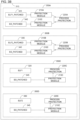
- FIGs. 3A - 3B illustrates an example of the use of CFI system 200.
- FIG. 3A illustrates a memory 300
- FIG. 3B illustrates a processor 310 associated with memory 300.
- Memory 300 comprises: a first ELF file 320; a patched version 325 of ELF file 320, as described above; a protection module 210A associated with patched ELF file 325; a second ELF file 330; a patched version 335 of ELF file 330, as described above; a protection module 210B associated with patched ELF file 335; a shared object file 340; a patched version 345 of shared object file 340, as described above; a protection module 210C associated with patched shared object file 345; a first process protection manager 220A; a second process protection manager 220B; and a third process protection manager 220C.
- Processor 310 runs 4 different processes: 350A; 350B; 350C; and 350D.
- Each process 350 is illustrated with the originating files of each portion of the respective process 350. Specifically, a first portion of process 350A originates from patched ELF file 325, a second portion of process 350A originates from patched shared object file 345, a third portion of process 350A originates from protection module 210A, a fourth portion of process 350A originates from protection module 210C and a fifth portion of process 350A originates from process protection manager 220A.
- a first portion of process 350B originates from patched ELF file 335, a second portion of process 350B originates from patched shared object file 345, a third portion of process 350B originates from protection module 210B, a fourth portion of process 350B originates from protection module 210B and a fifth portion of process 350B originates from process protection manager 220B.
- a first portion of process 350C originates from ELF file 320, a second portion of process 350C originates from patched shared object file 345, a third portion of process 350C originates from protection module 210C and a fourth portion of process 350C originates from process protection manager 220C.
- a first portion of process 350D originates from ELF file 330, a second portion of process 350D originates from patched shared object file 345, a third portion of process 350D originates from protection module 210C and a fourth portion of process 350D originates from process protection manager 220C.
- process 350A the user wants to apply only deterministic protection with zero level of false positive detection. Therefore, the user configures process protection manager 220A to have only deterministic security checks such as verifying that jumping in the flow is to the beginning of a function. In addition, in the case of anomaly detection, process protection manager 220A performs only reporting of the anomaly. In contrast, process 350B has a risky functionality, e.g. receives packets from a socket and parses it. In this case, the user wants to apply all security features to prevent any false negatives. Therefore, the user configures process protection manager 220B to have a plurality of security checks such as heap protection, process isolation, etc.
- process protection manager 220B performs reporting and mitigation, i.e. prevents the performance of the operation and/or terminates the process. In an embodiment where the process is terminated, a watchdog process will then restart the terminated process, as known to those skilled in the art.
- process protection manager 320C which is a shared object is loaded into both processes. For each process, process protection manager 320C is loaded as LD_PRELAOD, therefore it will see that a patched shared object file 345 is loaded and it will add security by loading protection module 210C.
- CFI system 200 shows the flexibility of CFI system 200 in relation to: controlling what to protect; controlling how to protect; controlling what to do in case of anomaly detection.
Landscapes
- Engineering & Computer Science (AREA)
- Software Systems (AREA)
- Computer Security & Cryptography (AREA)
- Theoretical Computer Science (AREA)
- Physics & Mathematics (AREA)
- General Engineering & Computer Science (AREA)
- General Physics & Mathematics (AREA)
- Computer Hardware Design (AREA)
- Storage Device Security (AREA)
Claims (15)
- System (10, 200) zur Steuerung der Integrität des Flusses (CFI), umfassend:mindestens ein Schutzmodul (210), wobei jedes der mindestens einen Schutzmodule zugeordnet ist undumfassend ein zulässiges Flussmodell für eine entsprechende ELF-Datei oder gemeinsam genutzte Objektdatei, die das mindestens eine Schutzmodul aufruft,
undmindestens einen Prozessschutzmanager (220),das System konfiguriert ist, um, wenn das jeweilige ELF- oder gemeinsam genutzte Objekt in mindestens einen einer Vielzahl von Abschnitten eines Prozesses geladen wird und eine vorbestimmte Anzeige aufweist, das mindestens eine Schutzmodul und einen Prozessschutzmanager des mindestens einen Prozessschutzmanagers, der dem Schutzmodul entspricht, in den Prozess zu laden (2000, 2010),wobei der mindestens eine der Vielzahl von Abschnitten des Prozesses eine Flusssteuerungsanweisung zum Eintritt in das zugeordnete Schutzmodul umfasst, wobei das zugeordnete Schutzmodul eine Anweisung zum Eintritt in den jeweiligen der mindestens einen Prozessschutzmanager umfasst,wobei das zugeordnete Schutzmodul konfiguriert ist, um als Reaktion auf die Flusssteuerungsanweisung vorbestimmte Informationen an den jeweiligen der mindestens einen Prozessschutzmanager zu senden, wobei die vorbestimmten Informationen Parameter des zulässigen Flussmodells umfassen, die in dem zugeordneten Schutzmodul enthalten sind,wobei der jeweilige der mindestens einen Prozessschutzmanager eingerichtet ist, als Reaktion auf die gesendete vorbestimmte Information, zum:Vergleichen (2020) eines oder mehrerer Parameter der Flusssteuerungsanweisung mit den Parametern des zulässigen Flussmodells, das in dem zugeordneten Schutzmodul umfasst ist; undals Reaktion auf ein Ergebnis des Vergleichs, das anzeigt, dass der verglichene eine oder die verglichenen mehreren Parameter einen jeweiligen Parameter des jeweiligen zulässigen Flussmodells nicht erfüllen, Erzeugen (2040) eines vorgegebenen Signals,wobei jedes der mindestens einen Schutzmodule als gemeinsames Objekt implementiert ist,wobei jeder der mindestens einen Prozessschutzmanager als gemeinsames Objekt implementiert ist. - System nach Anspruch 1, wobei die Anweisung, in einen entsprechenden des mindestens einen Prozessschutzmanagers einzutreten, eine vorbestimmte Verzweigungsanweisung zu dem entsprechenden des mindestens einen Prozessschutzmanagers umfasst.
- System nach Anspruch 1, wobei (2030) eine Flusssteuerungsanweisung in einem ersten der Vielzahl von Abschnitten des Prozesses eine Verzweigung oder einen Aufruf zu einer Adresse umfasst, die einem zweiten der Vielzahl von Abschnitten des Prozesses zugeordnet ist, wobei der Vergleich mit dem zulässigen Flussmodell des Schutzmoduls erfolgt, das dem zweiten Abschnitt des Prozesses zugeordnet ist.
- System nach Anspruch 1, wobei das mindestens eine Schutzmodul eine Vielzahl von Schutzmodulen umfasst, und
wobei als Reaktion auf das zugeordnete Flussmodell, das den jeweiligen Parameter nicht enthält, der jeweilige Prozessschutzmanager ferner eingerichtet ist zum:Vergleichen (2030) eines oder mehrerer Parameter der Flusssteuerungsanweisung mit einem zulässigen Flussmodell eines anderen der Vielzahl von Schutzmodulen; undals Reaktion auf ein Ergebnis des Vergleichs, das anzeigt, dass der verglichene eine oder die verglichenen mehreren Parameter einen jeweiligen Parameter des jeweiligen zulässigen Flussmodells nicht erfüllen, Erzeugen (2040) des vorgegebenen Signals. - System nach Anspruch 1, wobei jeder der Vielzahl von Abschnitten des Prozesses einer entsprechenden Datei aus einer Vielzahl von Dateien zugeordnet ist,wobei als Reaktion darauf, dass eine erste der Vielzahl von Dateien eine vorbestimmte Anzeige aufweist, der jeweilige Prozessschutzmanager das jeweilige der ersten Datei zugeordnete gemeinsame Schutzmodellobjekt lädt, undwobei als Reaktion darauf, dass eine zweite der Vielzahl von Dateien die vorbestimmte Anzeige nicht aufweist, der jeweilige Prozessschutzmanager das der zweiten Datei zugeordnete jeweilige gemeinsame Schutzmodellobjekt nicht lädt.
- System nach Anspruch 1, wobei der mindestens eine Prozessschutzmanager eine Vielzahl von Prozessschutzmanagern umfasst, von denen jeder eine jeweilige vorbestimmte Regel aufweist, wobei der Vergleich auf die jeweilige vorbestimmte Regel des jeweiligen Prozessschutzmanagers anspricht, und
wobei der jeweilige aus der Vielzahl von Prozessschutzmanagern in Abhängigkeit von einem vorbestimmten Merkmal des Prozesses ausgewählt wird. - System nach Anspruch 1, wobei der mindestens eine Prozessschutzmanager eine Vielzahl von Prozessschutzmanagern umfasst,wobei das erzeugte Signal eines ersten der Vielzahl von Prozessschutzmanagern angeordnet ist, um den Betrieb der jeweiligen Flusssteuerungsanweisung zu verhindern, und das erzeugte Signal eines zweiten der Vielzahl von Prozessschutzmanagern nicht angeordnet ist, um den Betrieb der jeweiligen Flusssteuerungsanweisung zu verhindern, undwobei der jeweilige aus der Vielzahl von Prozessschutzmanagern in Abhängigkeit von einem vorbestimmten Merkmal des Prozesses ausgewählt wird.
- System nach Anspruch 1, wobei ein erster der Vielzahl von Abschnitten des Prozesses einer ausführbaren Datei (325, 335) zugeordnet ist und ein zweiter der Vielzahl von Abschnitten des Prozesses einer gemeinsamen Objektdatei (345) zugeordnet ist.
- System nach Anspruch 1, wobei der jeweilige Prozessschutzmanager in eine Vielzahl von Prozessen geladen wird.
- System nach Anspruch 1, wobei jedes der mindestens einen Schutzmodule eine Anzeige darüber aufweist, welche der Parameter bei dem jeweiligen Vergleich verwendet werden.
- Verfahren zur Steuerung der Integrität des Flusses (CFI), das Verfahren umfassend:Laden (2010), wenn ein ELF- oder gemeinsam genutztes Objekt in mindestens einen einer Vielzahl von Abschnitten eines Prozesses geladen wird und eine vorbestimmte Anzeige aufweist, mindestens ein zugeordnetes Schutzmodul (210), das ein zulässiges Flussmodell für die ELF- oder gemeinsam genutzte Objektdatei umfasst, das das mindestens eine Schutzmodul aufruft, und einen jeweiligen von mindestens einem Prozessschutzmanager (220) in den Prozess,Ausführen einer Flusssteuerungsanweisung in einem der Vielzahl von Abschnitten des Prozesses, um in das zugeordnete Schutzmodul einzutreten, Ausführen einer Anweisung, die in dem zugeordneten Schutzmodul enthalten ist, um vorbestimmte Informationen an den Prozessschutzmanager zu senden, wobei die vorbestimmten Informationen Parameter des zulässigen Flussmodells umfassen, die in dem Schutzmodul enthalten sind, und um in den Prozessschutzmanager einzutreten,Vergleichen (2020) eines oder mehrerer Parameter der Flusssteuerungsanweisung mit den Parametern des zulässigen Flussmodells, das in dem zugeordneten Schutzmodul umfasst, durch den jeweiligen Prozessschutzmanager in Reaktion auf die gesendeten vorbestimmten Informationen; undErzeugen (2040) eines vorbestimmten Signals durch den jeweiligen Prozessschutzmanager als Reaktion auf ein Ergebnis des Vergleichs, das anzeigt, dass der verglichene eine oder mehrere Parameter einen jeweiligen Parameter des jeweiligen zulässigen Flussmodells nicht erfüllt,wobei jedes der mindestens einen Schutzmodule als gemeinsames Objekt implementiert ist undwobei jeder der mindestens einen Prozessschutzmanager als gemeinsames Objekt implementiert ist.
- Verfahren nach Anspruch 11, wobei (2030) eine Flusssteuerungsanweisung in einem ersten der Vielzahl von Abschnitten des Prozesses eine Verzweigung oder einen Aufruf zu einer Adresse umfasst, die einem zweiten der Vielzahl von Abschnitten des Prozesses zugeordnet ist, wobei der Vergleich mit dem zulässigen Flussmodell des Schutzmoduls erfolgt, das dem zweiten Abschnitt des Prozesses zugeordnet ist.
- Verfahren nach Anspruch 11, wobei das mindestens eine Schutzmodul eine Vielzahl von Schutzmodulen umfasst, und
wobei als Reaktion auf das zugeordnete Flussmodell, das den jeweiligen Parameter nicht enthält, der Prozessschutzmanager ferner eingerichtet ist zum:Vergleichen (2030) eines oder mehrerer Parameter der Flusssteuerungsanweisung mit einem zulässigen Flussmodell eines anderen der Vielzahl von Schutzmodulen; undals Reaktion auf ein Ergebnis des Vergleichs, das anzeigt, dass der verglichene eine oder die verglichenen mehreren Parameter einen jeweiligen Parameter des jeweiligen zulässigen Flussmodells nicht erfüllen, Erzeugen (2040) des vorgegebenen Signals. - Verfahren nach Anspruch 11, wobei jeder der Vielzahl von Abschnitten des Prozesses einer entsprechenden Datei aus einer Vielzahl von Dateien zugeordnet ist,wobei als Reaktion darauf, dass eine erste der Vielzahl von Dateien eine vorbestimmte Anzeige aufweist, der Prozessschutzmanager das jeweilige der ersten Datei zugeordnete gemeinsame Schutzmodellobjekt lädt, undwobei als Reaktion darauf, dass eine zweite der Vielzahl von Dateien die vorbestimmte Anzeige nicht aufweist, der Prozessschutzmanager das der zweiten Datei zugeordnete jeweilige gemeinsame Schutzmodellobjekt nicht lädt.
- Verfahren nach Anspruch 11, wobei der Prozessschutzmanager einer aus einer Vielzahl von Prozessschutzmanagern ist, von denen jeder eine entsprechende vorbestimmte Regel aufweist, um den Vergleich durchzuführen, wobei der entsprechende aus der Vielzahl von Prozessschutzmanagern in Abhängigkeit von einem vorbestimmten Merkmal des Prozesses ausgewählt wird,
wobei otionall das erzeugte Signal eines ersten der Vielzahl von Prozessschutzmanagern angeordnet ist, um den Betrieb der jeweiligen Flusssteuerungsanweisung zu verhindern, und das erzeugte Signal eines zweiten der Vielzahl von Prozessschutzmanagern nicht angeordnet ist, um den Betrieb der jeweiligen Flusssteuerungsanweisung zu verhindern.
Applications Claiming Priority (2)
| Application Number | Priority Date | Filing Date | Title |
|---|---|---|---|
| US202062966573P | 2020-01-28 | 2020-01-28 | |
| PCT/IL2021/050090 WO2021152583A1 (en) | 2020-01-28 | 2021-01-27 | Control flow integrity system and method |
Publications (2)
| Publication Number | Publication Date |
|---|---|
| EP4097614A1 EP4097614A1 (de) | 2022-12-07 |
| EP4097614B1 true EP4097614B1 (de) | 2025-06-04 |
Family
ID=74626046
Family Applications (1)
| Application Number | Title | Priority Date | Filing Date |
|---|---|---|---|
| EP21705627.4A Active EP4097614B1 (de) | 2020-01-28 | 2021-01-27 | Steuerungsflussintegritätssystem und -verfahren |
Country Status (4)
| Country | Link |
|---|---|
| US (1) | US12229245B2 (de) |
| EP (1) | EP4097614B1 (de) |
| CN (1) | CN115104097B (de) |
| WO (1) | WO2021152583A1 (de) |
Families Citing this family (2)
| Publication number | Priority date | Publication date | Assignee | Title |
|---|---|---|---|---|
| EP4002165A1 (de) * | 2020-11-18 | 2022-05-25 | Thales DIS France SA | Codeflussschutz mit fehlerfortpflanzung |
| US12427936B2 (en) * | 2023-05-22 | 2025-09-30 | Steering Solutions Ip Holding Corporation | QM actuators with an ASIL-D domain controller |
Family Cites Families (24)
| Publication number | Priority date | Publication date | Assignee | Title |
|---|---|---|---|---|
| US7430670B1 (en) * | 1999-07-29 | 2008-09-30 | Intertrust Technologies Corp. | Software self-defense systems and methods |
| US8925101B2 (en) * | 2010-07-28 | 2014-12-30 | Mcafee, Inc. | System and method for local protection against malicious software |
| US8984478B2 (en) * | 2011-10-03 | 2015-03-17 | Cisco Technology, Inc. | Reorganization of virtualized computer programs |
| US8959577B2 (en) * | 2012-04-13 | 2015-02-17 | Cisco Technology, Inc. | Automatic curation and modification of virtualized computer programs |
| US11003464B2 (en) * | 2012-04-19 | 2021-05-11 | Microsoft Technology Licensing, Llc | Control flow integrity enforcement at scale |
| US9846717B2 (en) | 2012-10-23 | 2017-12-19 | Galois, Inc. | Software security via control flow integrity checking |
| WO2015073450A1 (en) * | 2013-11-12 | 2015-05-21 | Wesie Andrew Michael | Improved control flow integrity system and method |
| GB201405706D0 (en) * | 2014-03-31 | 2014-05-14 | Irdeto Bv | Software protection |
| EP3195177A1 (de) * | 2014-09-17 | 2017-07-26 | Irdeto B.V. | Erzeugung und ausführung von gesicherten softwareelementen |
| US20160357958A1 (en) | 2015-06-08 | 2016-12-08 | Michael Guidry | Computer System Security |
| EP3121749B1 (de) * | 2015-07-22 | 2019-06-26 | Nxp B.V. | Verfahren und vorrichtung zur sicherstellung der steuerflussintegrität |
| CA3297972A1 (en) * | 2016-06-16 | 2026-03-02 | Virsec Systems, Inc. | Systems and methods for remediating memory corruption in a computer application |
| EP3330859A1 (de) * | 2016-12-05 | 2018-06-06 | Universiteit Gent | Fehlerselbstbehebung |
| US10896253B2 (en) * | 2017-02-06 | 2021-01-19 | Huawei Technologies Co., Ltd. | Processor trace-based enforcement of control flow integrity of a computer system |
| CN117171743A (zh) * | 2017-05-30 | 2023-12-05 | 赛姆普蒂夫技术公司 | 在内核模式下对隐写术的实时检测和防护 |
| US10706164B2 (en) * | 2017-09-29 | 2020-07-07 | Intel Corporation | Crypto-enforced capabilities for isolation |
| US10656885B2 (en) * | 2017-10-30 | 2020-05-19 | Board Of Regents, The University Of Texas System | Using object flow integrity to improve software security |
| WO2019213061A1 (en) * | 2018-04-30 | 2019-11-07 | Dover Microsystems, Inc. | Systems and methods for checking safety properties |
| CN108733455B (zh) * | 2018-05-31 | 2020-08-18 | 上海交通大学 | 基于ARM TrustZone的容器隔离性增强系统 |
| WO2020012474A1 (en) | 2018-07-09 | 2020-01-16 | C2A-Sec, Ltd. | Return-oriented programming attack protection system and method |
| EP3608805A1 (de) * | 2018-08-06 | 2020-02-12 | Argus Cyber Security Ltd | Vorrichtung und verfahren für eingebetteten schutz eines ausführbaren codes |
| US11366895B2 (en) * | 2018-09-28 | 2022-06-21 | Intel Corporation | Mitigating side-channel attacks using executable only memory (XOM) |
| US11416603B2 (en) * | 2018-11-16 | 2022-08-16 | Intel Corporation | Methods, systems, articles of manufacture and apparatus to detect process hijacking |
| US11841956B2 (en) * | 2018-12-18 | 2023-12-12 | Dover Microsystems, Inc. | Systems and methods for data lifecycle protection |
-
2021
- 2021-01-27 EP EP21705627.4A patent/EP4097614B1/de active Active
- 2021-01-27 WO PCT/IL2021/050090 patent/WO2021152583A1/en not_active Ceased
- 2021-01-27 US US17/795,535 patent/US12229245B2/en active Active
- 2021-01-27 CN CN202180011474.4A patent/CN115104097B/zh active Active
Also Published As
| Publication number | Publication date |
|---|---|
| CN115104097B (zh) | 2026-02-13 |
| US20230049233A1 (en) | 2023-02-16 |
| CN115104097A (zh) | 2022-09-23 |
| EP4097614A1 (de) | 2022-12-07 |
| US12229245B2 (en) | 2025-02-18 |
| WO2021152583A1 (en) | 2021-08-05 |
Similar Documents
| Publication | Publication Date | Title |
|---|---|---|
| JP5108789B2 (ja) | オブジェクトへの制御されたアクセスを有するソフトウェアシステム | |
| US8356351B2 (en) | Method and device for verification of code module in virtual machine | |
| US9405515B1 (en) | Computing systems utilizing controlled dynamic libraries and isolated execution spaces | |
| US10310992B1 (en) | Mitigation of cyber attacks by pointer obfuscation | |
| AU2014348812B2 (en) | Improved control flow integrity system and method | |
| JP6984710B2 (ja) | コンピュータ装置およびメモリ管理方法 | |
| US10650147B2 (en) | Method and apparatus for ensuring control flow integrity | |
| US20080244114A1 (en) | Runtime integrity chain verification | |
| US11429511B2 (en) | Device and method for reinforcing control flow integrity of software application | |
| Lee et al. | Design and implementation of the secure compiler and virtual machine for developing secure IoT services | |
| US12229245B2 (en) | Control flow integrity system and method | |
| US12475214B2 (en) | Code flow protection with error propagation | |
| CN101599113A (zh) | 驱动型恶意软件防御方法和装置 | |
| Hamadouche et al. | Virus in a smart card: Myth or reality? | |
| US8875115B2 (en) | Type merging technique to reduce class loading during Java verification | |
| JP4754635B2 (ja) | 制御フロー保護機構 | |
| KR20210145738A (ko) | 반환 지향형 프로그래밍 보호 | |
| Bouffard et al. | The ultimate control flow transfer in a Java based smart card | |
| US12619401B2 (en) | Protecting and attesting program executions through shadow programs | |
| WO2019149630A1 (en) | Method for protecting an executable code | |
| CN115982672A (zh) | 越狱检测应用程序生成方法、检测方法、设备及存储介质 | |
| WO2020012474A1 (en) | Return-oriented programming attack protection system and method | |
| Harel et al. | Mitigating Unknown Cybersecurity Threats in Performance Constrained Electronic Control Units | |
| Kashani et al. | Zero-day attack defenses and test framework for connected mobility ECUs | |
| US9654498B2 (en) | Detecting deviation from a data packet send-protocol in a computer system |
Legal Events
| Date | Code | Title | Description |
|---|---|---|---|
| STAA | Information on the status of an ep patent application or granted ep patent |
Free format text: STATUS: UNKNOWN |
|
| STAA | Information on the status of an ep patent application or granted ep patent |
Free format text: STATUS: THE INTERNATIONAL PUBLICATION HAS BEEN MADE |
|
| PUAI | Public reference made under article 153(3) epc to a published international application that has entered the european phase |
Free format text: ORIGINAL CODE: 0009012 |
|
| STAA | Information on the status of an ep patent application or granted ep patent |
Free format text: STATUS: REQUEST FOR EXAMINATION WAS MADE |
|
| 17P | Request for examination filed |
Effective date: 20220729 |
|
| AK | Designated contracting states |
Kind code of ref document: A1 Designated state(s): AL AT BE BG CH CY CZ DE DK EE ES FI FR GB GR HR HU IE IS IT LI LT LU LV MC MK MT NL NO PL PT RO RS SE SI SK SM TR |
|
| DAV | Request for validation of the european patent (deleted) | ||
| DAX | Request for extension of the european patent (deleted) | ||
| GRAP | Despatch of communication of intention to grant a patent |
Free format text: ORIGINAL CODE: EPIDOSNIGR1 |
|
| STAA | Information on the status of an ep patent application or granted ep patent |
Free format text: STATUS: GRANT OF PATENT IS INTENDED |
|
| RIC1 | Information provided on ipc code assigned before grant |
Ipc: G06F 21/44 20130101ALI20241217BHEP Ipc: G06F 9/445 20180101ALI20241217BHEP Ipc: G06F 9/30 20180101ALI20241217BHEP Ipc: G06F 21/54 20130101AFI20241217BHEP |
|
| INTG | Intention to grant announced |
Effective date: 20250116 |
|
| GRAS | Grant fee paid |
Free format text: ORIGINAL CODE: EPIDOSNIGR3 |
|
| GRAA | (expected) grant |
Free format text: ORIGINAL CODE: 0009210 |
|
| STAA | Information on the status of an ep patent application or granted ep patent |
Free format text: STATUS: THE PATENT HAS BEEN GRANTED |
|
| AK | Designated contracting states |
Kind code of ref document: B1 Designated state(s): AL AT BE BG CH CY CZ DE DK EE ES FI FR GB GR HR HU IE IS IT LI LT LU LV MC MK MT NL NO PL PT RO RS SE SI SK SM TR |
|
| REG | Reference to a national code |
Ref country code: GB Ref legal event code: FG4D |
|
| REG | Reference to a national code |
Ref country code: CH Ref legal event code: EP |
|
| REG | Reference to a national code |
Ref country code: DE Ref legal event code: R096 Ref document number: 602021031726 Country of ref document: DE |
|
| REG | Reference to a national code |
Ref country code: IE Ref legal event code: FG4D |
|
| REG | Reference to a national code |
Ref country code: NL Ref legal event code: MP Effective date: 20250604 |
|
| PG25 | Lapsed in a contracting state [announced via postgrant information from national office to epo] |
Ref country code: FI Free format text: LAPSE BECAUSE OF FAILURE TO SUBMIT A TRANSLATION OF THE DESCRIPTION OR TO PAY THE FEE WITHIN THE PRESCRIBED TIME-LIMIT Effective date: 20250604 Ref country code: ES Free format text: LAPSE BECAUSE OF FAILURE TO SUBMIT A TRANSLATION OF THE DESCRIPTION OR TO PAY THE FEE WITHIN THE PRESCRIBED TIME-LIMIT Effective date: 20250604 |
|
| REG | Reference to a national code |
Ref country code: LT Ref legal event code: MG9D |
|
| PG25 | Lapsed in a contracting state [announced via postgrant information from national office to epo] |
Ref country code: GR Free format text: LAPSE BECAUSE OF FAILURE TO SUBMIT A TRANSLATION OF THE DESCRIPTION OR TO PAY THE FEE WITHIN THE PRESCRIBED TIME-LIMIT Effective date: 20250905 Ref country code: NO Free format text: LAPSE BECAUSE OF FAILURE TO SUBMIT A TRANSLATION OF THE DESCRIPTION OR TO PAY THE FEE WITHIN THE PRESCRIBED TIME-LIMIT Effective date: 20250904 |
|
| PG25 | Lapsed in a contracting state [announced via postgrant information from national office to epo] |
Ref country code: PL Free format text: LAPSE BECAUSE OF FAILURE TO SUBMIT A TRANSLATION OF THE DESCRIPTION OR TO PAY THE FEE WITHIN THE PRESCRIBED TIME-LIMIT Effective date: 20250604 |
|
| PG25 | Lapsed in a contracting state [announced via postgrant information from national office to epo] |
Ref country code: BG Free format text: LAPSE BECAUSE OF FAILURE TO SUBMIT A TRANSLATION OF THE DESCRIPTION OR TO PAY THE FEE WITHIN THE PRESCRIBED TIME-LIMIT Effective date: 20250604 |
|
| PG25 | Lapsed in a contracting state [announced via postgrant information from national office to epo] |
Ref country code: HR Free format text: LAPSE BECAUSE OF FAILURE TO SUBMIT A TRANSLATION OF THE DESCRIPTION OR TO PAY THE FEE WITHIN THE PRESCRIBED TIME-LIMIT Effective date: 20250604 |
|
| PG25 | Lapsed in a contracting state [announced via postgrant information from national office to epo] |
Ref country code: RS Free format text: LAPSE BECAUSE OF FAILURE TO SUBMIT A TRANSLATION OF THE DESCRIPTION OR TO PAY THE FEE WITHIN THE PRESCRIBED TIME-LIMIT Effective date: 20250904 |
|
| PG25 | Lapsed in a contracting state [announced via postgrant information from national office to epo] |
Ref country code: LV Free format text: LAPSE BECAUSE OF FAILURE TO SUBMIT A TRANSLATION OF THE DESCRIPTION OR TO PAY THE FEE WITHIN THE PRESCRIBED TIME-LIMIT Effective date: 20250604 |
|
| PG25 | Lapsed in a contracting state [announced via postgrant information from national office to epo] |
Ref country code: NL Free format text: LAPSE BECAUSE OF FAILURE TO SUBMIT A TRANSLATION OF THE DESCRIPTION OR TO PAY THE FEE WITHIN THE PRESCRIBED TIME-LIMIT Effective date: 20250604 |
|
| PG25 | Lapsed in a contracting state [announced via postgrant information from national office to epo] |
Ref country code: PT Free format text: LAPSE BECAUSE OF FAILURE TO SUBMIT A TRANSLATION OF THE DESCRIPTION OR TO PAY THE FEE WITHIN THE PRESCRIBED TIME-LIMIT Effective date: 20251006 |
|
| REG | Reference to a national code |
Ref country code: AT Ref legal event code: MK05 Ref document number: 1801033 Country of ref document: AT Kind code of ref document: T Effective date: 20250604 |
|
| PG25 | Lapsed in a contracting state [announced via postgrant information from national office to epo] |
Ref country code: IS Free format text: LAPSE BECAUSE OF FAILURE TO SUBMIT A TRANSLATION OF THE DESCRIPTION OR TO PAY THE FEE WITHIN THE PRESCRIBED TIME-LIMIT Effective date: 20251004 |
|
| PG25 | Lapsed in a contracting state [announced via postgrant information from national office to epo] |
Ref country code: AT Free format text: LAPSE BECAUSE OF FAILURE TO SUBMIT A TRANSLATION OF THE DESCRIPTION OR TO PAY THE FEE WITHIN THE PRESCRIBED TIME-LIMIT Effective date: 20250604 Ref country code: SM Free format text: LAPSE BECAUSE OF FAILURE TO SUBMIT A TRANSLATION OF THE DESCRIPTION OR TO PAY THE FEE WITHIN THE PRESCRIBED TIME-LIMIT Effective date: 20250604 |
|
| PG25 | Lapsed in a contracting state [announced via postgrant information from national office to epo] |
Ref country code: CZ Free format text: LAPSE BECAUSE OF FAILURE TO SUBMIT A TRANSLATION OF THE DESCRIPTION OR TO PAY THE FEE WITHIN THE PRESCRIBED TIME-LIMIT Effective date: 20250604 |
|
| PG25 | Lapsed in a contracting state [announced via postgrant information from national office to epo] |
Ref country code: EE Free format text: LAPSE BECAUSE OF FAILURE TO SUBMIT A TRANSLATION OF THE DESCRIPTION OR TO PAY THE FEE WITHIN THE PRESCRIBED TIME-LIMIT Effective date: 20250604 |
|
| PG25 | Lapsed in a contracting state [announced via postgrant information from national office to epo] |
Ref country code: SK Free format text: LAPSE BECAUSE OF FAILURE TO SUBMIT A TRANSLATION OF THE DESCRIPTION OR TO PAY THE FEE WITHIN THE PRESCRIBED TIME-LIMIT Effective date: 20250604 |
|
| PG25 | Lapsed in a contracting state [announced via postgrant information from national office to epo] |
Ref country code: IT Free format text: LAPSE BECAUSE OF FAILURE TO SUBMIT A TRANSLATION OF THE DESCRIPTION OR TO PAY THE FEE WITHIN THE PRESCRIBED TIME-LIMIT Effective date: 20250604 |
|
| REG | Reference to a national code |
Ref country code: DE Ref legal event code: R097 Ref document number: 602021031726 Country of ref document: DE |
|
| PGFP | Annual fee paid to national office [announced via postgrant information from national office to epo] |
Ref country code: GB Payment date: 20260123 Year of fee payment: 6 |
|
| PLBE | No opposition filed within time limit |
Free format text: ORIGINAL CODE: 0009261 |
|
| STAA | Information on the status of an ep patent application or granted ep patent |
Free format text: STATUS: NO OPPOSITION FILED WITHIN TIME LIMIT |
|
| PG25 | Lapsed in a contracting state [announced via postgrant information from national office to epo] |
Ref country code: DK Free format text: LAPSE BECAUSE OF FAILURE TO SUBMIT A TRANSLATION OF THE DESCRIPTION OR TO PAY THE FEE WITHIN THE PRESCRIBED TIME-LIMIT Effective date: 20250604 |
|
| PGFP | Annual fee paid to national office [announced via postgrant information from national office to epo] |
Ref country code: DE Payment date: 20260121 Year of fee payment: 6 |
|
| REG | Reference to a national code |
Ref country code: CH Ref legal event code: L10 Free format text: ST27 STATUS EVENT CODE: U-0-0-L10-L00 (AS PROVIDED BY THE NATIONAL OFFICE) Effective date: 20260416 |
|
| PGFP | Annual fee paid to national office [announced via postgrant information from national office to epo] |
Ref country code: FR Payment date: 20260123 Year of fee payment: 6 |
|
| 26N | No opposition filed |
Effective date: 20260305 |
|
| PG25 | Lapsed in a contracting state [announced via postgrant information from national office to epo] |
Ref country code: LT Free format text: LAPSE BECAUSE OF FAILURE TO SUBMIT A TRANSLATION OF THE DESCRIPTION OR TO PAY THE FEE WITHIN THE PRESCRIBED TIME-LIMIT Effective date: 20250604 |
|
| PG25 | Lapsed in a contracting state [announced via postgrant information from national office to epo] |
Ref country code: SE Free format text: LAPSE BECAUSE OF FAILURE TO SUBMIT A TRANSLATION OF THE DESCRIPTION OR TO PAY THE FEE WITHIN THE PRESCRIBED TIME-LIMIT Effective date: 20250604 |