EP4089163A1 - Polymeric compound of glucuronic acid with phenolic groups, gel-forming composition comprising such a compound and method for producing the same - Google Patents
Polymeric compound of glucuronic acid with phenolic groups, gel-forming composition comprising such a compound and method for producing the same Download PDFInfo
- Publication number
- EP4089163A1 EP4089163A1 EP21305612.0A EP21305612A EP4089163A1 EP 4089163 A1 EP4089163 A1 EP 4089163A1 EP 21305612 A EP21305612 A EP 21305612A EP 4089163 A1 EP4089163 A1 EP 4089163A1
- Authority
- EP
- European Patent Office
- Prior art keywords
- gel
- forming composition
- glucuronic acid
- pgu
- polymeric compound
- Prior art date
- Legal status (The legal status is an assumption and is not a legal conclusion. Google has not performed a legal analysis and makes no representation as to the accuracy of the status listed.)
- Pending
Links
Images


Classifications
-
- A—HUMAN NECESSITIES
- A61—MEDICAL OR VETERINARY SCIENCE; HYGIENE
- A61K—PREPARATIONS FOR MEDICAL, DENTAL OR TOILETRY PURPOSES
- A61K9/00—Medicinal preparations characterised by special physical form
- A61K9/06—Ointments; Bases therefor; Other semi-solid forms, e.g. creams, sticks, gels
-
- C—CHEMISTRY; METALLURGY
- C08—ORGANIC MACROMOLECULAR COMPOUNDS; THEIR PREPARATION OR CHEMICAL WORKING-UP; COMPOSITIONS BASED THEREON
- C08L—COMPOSITIONS OF MACROMOLECULAR COMPOUNDS
- C08L5/00—Compositions of polysaccharides or of their derivatives not provided for in groups C08L1/00 or C08L3/00
-
- A—HUMAN NECESSITIES
- A61—MEDICAL OR VETERINARY SCIENCE; HYGIENE
- A61K—PREPARATIONS FOR MEDICAL, DENTAL OR TOILETRY PURPOSES
- A61K47/00—Medicinal preparations characterised by the non-active ingredients used, e.g. carriers or inert additives; Targeting or modifying agents chemically bound to the active ingredient
- A61K47/30—Macromolecular organic or inorganic compounds, e.g. inorganic polyphosphates
- A61K47/36—Polysaccharides; Derivatives thereof, e.g. gums, starch, alginate, dextrin, hyaluronic acid, chitosan, inulin, agar or pectin
-
- A—HUMAN NECESSITIES
- A61—MEDICAL OR VETERINARY SCIENCE; HYGIENE
- A61L—METHODS OR APPARATUS FOR STERILISING MATERIALS OR OBJECTS IN GENERAL; DISINFECTION, STERILISATION OR DEODORISATION OF AIR; CHEMICAL ASPECTS OF BANDAGES, DRESSINGS, ABSORBENT PADS OR SURGICAL ARTICLES; MATERIALS FOR BANDAGES, DRESSINGS, ABSORBENT PADS OR SURGICAL ARTICLES
- A61L27/00—Materials for grafts or prostheses or for coating grafts or prostheses
- A61L27/14—Macromolecular materials
- A61L27/20—Polysaccharides
-
- A—HUMAN NECESSITIES
- A61—MEDICAL OR VETERINARY SCIENCE; HYGIENE
- A61L—METHODS OR APPARATUS FOR STERILISING MATERIALS OR OBJECTS IN GENERAL; DISINFECTION, STERILISATION OR DEODORISATION OF AIR; CHEMICAL ASPECTS OF BANDAGES, DRESSINGS, ABSORBENT PADS OR SURGICAL ARTICLES; MATERIALS FOR BANDAGES, DRESSINGS, ABSORBENT PADS OR SURGICAL ARTICLES
- A61L27/00—Materials for grafts or prostheses or for coating grafts or prostheses
- A61L27/36—Materials for grafts or prostheses or for coating grafts or prostheses containing ingredients of undetermined constitution or reaction products thereof, e.g. transplant tissue, natural bone, extracellular matrix
- A61L27/38—Materials for grafts or prostheses or for coating grafts or prostheses containing ingredients of undetermined constitution or reaction products thereof, e.g. transplant tissue, natural bone, extracellular matrix containing added animal cells
-
- A—HUMAN NECESSITIES
- A61—MEDICAL OR VETERINARY SCIENCE; HYGIENE
- A61L—METHODS OR APPARATUS FOR STERILISING MATERIALS OR OBJECTS IN GENERAL; DISINFECTION, STERILISATION OR DEODORISATION OF AIR; CHEMICAL ASPECTS OF BANDAGES, DRESSINGS, ABSORBENT PADS OR SURGICAL ARTICLES; MATERIALS FOR BANDAGES, DRESSINGS, ABSORBENT PADS OR SURGICAL ARTICLES
- A61L27/00—Materials for grafts or prostheses or for coating grafts or prostheses
- A61L27/50—Materials characterised by their function or physical properties, e.g. injectable or lubricating compositions, shape-memory materials, surface modified materials
- A61L27/52—Hydrogels or hydrocolloids
-
- B—PERFORMING OPERATIONS; TRANSPORTING
- B33—ADDITIVE MANUFACTURING TECHNOLOGY
- B33Y—ADDITIVE MANUFACTURING, i.e. MANUFACTURING OF THREE-DIMENSIONAL [3D] OBJECTS BY ADDITIVE DEPOSITION, ADDITIVE AGGLOMERATION OR ADDITIVE LAYERING, e.g. BY 3D PRINTING, STEREOLITHOGRAPHY OR SELECTIVE LASER SINTERING
- B33Y70/00—Materials specially adapted for additive manufacturing
-
- C—CHEMISTRY; METALLURGY
- C08—ORGANIC MACROMOLECULAR COMPOUNDS; THEIR PREPARATION OR CHEMICAL WORKING-UP; COMPOSITIONS BASED THEREON
- C08B—POLYSACCHARIDES; DERIVATIVES THEREOF
- C08B37/00—Preparation of polysaccharides not provided for in groups C08B1/00 - C08B35/00; Derivatives thereof
- C08B37/006—Heteroglycans, i.e. polysaccharides having more than one sugar residue in the main chain in either alternating or less regular sequence; Gellans; Succinoglycans; Arabinogalactans; Tragacanth or gum tragacanth or traganth from Astragalus; Gum Karaya from Sterculia urens; Gum Ghatti from Anogeissus latifolia; Derivatives thereof
- C08B37/0063—Glycosaminoglycans or mucopolysaccharides, e.g. keratan sulfate; Derivatives thereof, e.g. fucoidan
-
- C—CHEMISTRY; METALLURGY
- C08—ORGANIC MACROMOLECULAR COMPOUNDS; THEIR PREPARATION OR CHEMICAL WORKING-UP; COMPOSITIONS BASED THEREON
- C08B—POLYSACCHARIDES; DERIVATIVES THEREOF
- C08B37/00—Preparation of polysaccharides not provided for in groups C08B1/00 - C08B35/00; Derivatives thereof
- C08B37/006—Heteroglycans, i.e. polysaccharides having more than one sugar residue in the main chain in either alternating or less regular sequence; Gellans; Succinoglycans; Arabinogalactans; Tragacanth or gum tragacanth or traganth from Astragalus; Gum Karaya from Sterculia urens; Gum Ghatti from Anogeissus latifolia; Derivatives thereof
- C08B37/0063—Glycosaminoglycans or mucopolysaccharides, e.g. keratan sulfate; Derivatives thereof, e.g. fucoidan
- C08B37/0072—Hyaluronic acid, i.e. HA or hyaluronan; Derivatives thereof, e.g. crosslinked hyaluronic acid (hylan) or hyaluronates
-
- C—CHEMISTRY; METALLURGY
- C08—ORGANIC MACROMOLECULAR COMPOUNDS; THEIR PREPARATION OR CHEMICAL WORKING-UP; COMPOSITIONS BASED THEREON
- C08L—COMPOSITIONS OF MACROMOLECULAR COMPOUNDS
- C08L5/00—Compositions of polysaccharides or of their derivatives not provided for in groups C08L1/00 or C08L3/00
- C08L5/08—Chitin; Chondroitin sulfate; Hyaluronic acid; Derivatives thereof
-
- C—CHEMISTRY; METALLURGY
- C08—ORGANIC MACROMOLECULAR COMPOUNDS; THEIR PREPARATION OR CHEMICAL WORKING-UP; COMPOSITIONS BASED THEREON
- C08L—COMPOSITIONS OF MACROMOLECULAR COMPOUNDS
- C08L2201/00—Properties
- C08L2201/06—Biodegradable
-
- C—CHEMISTRY; METALLURGY
- C08—ORGANIC MACROMOLECULAR COMPOUNDS; THEIR PREPARATION OR CHEMICAL WORKING-UP; COMPOSITIONS BASED THEREON
- C08L—COMPOSITIONS OF MACROMOLECULAR COMPOUNDS
- C08L2203/00—Applications
- C08L2203/02—Applications for biomedical use
Definitions
- the present invention relates generally to polymeric compounds of glucuronic acid and a method of hydrogelation of such compounds.
- the present invention also relates to the use of the hydrogel structures (particles, films or 3D-strucutres) obtained by this method, notably as three-dimensional cell culture material to support biological molecules used as active ingredients, cell colonisation or for tissue regeneration.
- Polyglucuronic acids also called glucuronan is a homopolymer of glucuronic acid composed of [ ⁇ 4)- ⁇ -D-GlcpA-(1 ⁇ ] residues partially acetylated at the C-3 and/or the C-2 position produced by the strain Sinorhizobium meliloti M5N1CS [1] .
- PGU Polyglucuronic acids
- these polyuronides have since been isolated from other sources such as in the cell walls of green algae [3] .
- the most described polysaccharide was obtained by the Rhizobia strains.
- HS Heparan Sulfates
- the Applicant has recently discovered the hydrogelation property of PGU or PGU derivatives having phenolic hydroxyl moieties (herein after designated by PGU-Ph) and their potential as components of bioinks for bioprinting.
- PGU-Ph phenolic hydroxyl moieties
- the Applicant has further developed a method for hydrogelating these PGU-Ph compounds in which the phenolic hydroxyl moieties allow a rapid formation of stable hydrogels through horseradish peroxidase (HRP)-catalyzed crosslinking.
- HRP horseradish peroxidase
- HRP-assisted hydrogelation is already known by the man of the art as an effective method for obtaining cell-laden hydrogels from a variety of derivatives of natural and synthetic polymers such as alginate [12] , hyaluronic acid [13] , gelatin [14] , dextran [15] , and poly (vinyl alcohol) [16] .
- HRP-assisted hydrogelation was applied to 3D bioprinting [17],[18] , in which rapid curation of inks ejected from needles are required for fabricating 3D constructs with higher fidelity to blueprints.
- 3D bioprinting is a known technique of fabrication of cell-laden constructs based on digital blueprints. The resultant cell-laden constructs are fabricated for the sake of wound dressing and tissue engineering for drug screening and regenerative medicine [19],[20] .
- Ph clusters to PGU or its derivatives allows the use of a particular (enzymatic) cross-linking pathway which dispenses with using inorganic crosslinkers which are slower and blur the structure formed.
- the hydrogel structures thus obtained form a transparent network and with such a good retention of the printed forms.
- the phenolic group may be a phenolic hydroxyl group X-(Y-amino-Z-hydroxyalkyl)-n-hydroxyl-phenol of formula (I) with:
- the phenolic group of the polymeric compound of glucuronic acid according to the first embodiment of the invention may be selected from the group constituted by tyramine, dopamine and octopamine, and even more preferably tyramine.
- the phenolic hydroxyl group of formula (I) may be grafted on a ⁇ or ⁇ -D-glucuronic unit of formula (B) or its monovalent ion carboxylate salt of formula (A) being bound either:
- first method for producing a PGU-Ph which comprises the following steps:
- the last step of stirring may be followed by a step of precipitating said resultant polymer in acetone and then washing it with an 90% ethanol + 10% water until the absorbance at 275 nm attributed to the existence of tyramine became undetectable in the washing solution, as shown in example 1.
- the X-(Y-amino-Z-hydroxyalkyl)-n-hydroxyl-phenol may be selected from the group constituted by tyramine, dopamine and octopamine, and even more preferably tyramine.
- the Applicant has also developed another method for producing a polymeric compound of glucuronic acid PGU-Ph according to a second embodiment of the invention (hereinafter designated by second method for producing a PGU-Ph), which comprises the following steps:
- the phenolic compound of formula (D) may be selected from the group constituted by tyramine, dopamine and octopamine, and preferably tyramine. But it is possible to use any phenolic compound.
- Another object of the invention is an aqueous solution comprising a polymeric compound of glucuronic acid of the invention (atypically in an amount of 0.5 to 8 w/v%) obtainable by any of the methods for producing such a polymeric compound according the first and second embodiments.
- the drying of such a solution once coated on a flat surface leads to a water soluble ungelled films of PGU-Ph (which are just dried, but not cross-linked).
- a cross-link process could be produce on dried film using classical cross-linker solution composed of divalent ion (M 2+ such as preferentially Ca 2+ or Mg 2+ ).
- M 2+ divalent ion
- Mg 2+ divalent ion
- the reticulation of PGU-Ph solutions could be performed using:
- Still another object of the invention is a gel-forming composition
- a gel-forming composition comprising:
- the cross-linking catalyst may further contain glucose oxidase (or fructose oxidase, or galactose oxidase respectfully), H 2 O 2 is generated more rapidly.
- the polymeric compound of glucuronic acid PGU-Ph may be associated to an oxidase as cross-linking catalyst, said oxidase being chosen from the group consisting of oxido-reductase, peroxidase, catalase, tyrosinase and/or monosaccharide oxidase, and the mixtures thereof.
- the oxidase may be a horseradish peroxidase (hereinafter designated by the acronym HRP) containing enzyme in an amount of at least 0.1 U/mL, preferably comprised between 0.1 U/mL and 20 U/mL in the composition for an efficient and fast cross-linking, and even better in the order of 5 U/mL. Below 0.1 U/mL, the gelling is very slow and above 200 U/mL, the gelling is too fast and difficult to be controlled.
- HRP horseradish peroxidase
- the enzyme unit (U) is defined as follows: one pyrogallol unit will form 1.0 mg purpurogallin from pyrogallol in 20 sec at pH 6.0 at 20 C.
- the polymeric compound of glucuronic acid PGU-Ph may be associated to a compound containing H 2 O 2 in an amount comprised between 0.05 mmol/L and 1 mmol/L, which leads, in presence of HRP to a well-controlled gelling for a gelling time of 2s to 5 s. Outside this range, notably from 0.01-0.05 mmol/L and higher than 1 mmol/L, the gelling is much more slower (gelling time 15 s order of magnitude); but such an amount of a compound containing H 2 O 2 could be interesting for applications requiring handling time e.g. hydrogel film making.
- the amount of polymeric compound of glucuronic acid PGU-Ph may be comprised between 0.01 w/v % to 8 w/v %, and preferably 0.1 w/v % to 2 w/v %. If the amount of polymeric compound of glucuronic acid PGU-Ph is 0.01 w/v %, the gelling is feasible but very slow. Above 8 w/v % of polymeric compound of glucuronic acid, the gel-forming composition of the invention is very viscous and difficult to use. Furthermore, it is difficult for a crosslinker to penetrate the composition.
- the gel-forming composition of the invention may further comprise another active biodegradable polymers.
- the biodegradable polymers may be a polysaccharide such as glycosaminoglycan, or a protein selected from the group consisting of collagen, adhesin, gelatin, and the mixtures thereof.
- the biodegradable polymer may be a gelatin derivative comprising phenolic hydroxyl moieties (Gelatin-Ph) .
- the gel-forming composition of the invention may further comprise suspended cells of animal, bacterial or plant origin. These may be 10T1/2 cells or HepG2 cells, present in said composition at a concentration in the range of 3.10 5 cells/mL.
- Another object of the invention is a method for manufacturing a hydrogel structure (hereinafter designated by first method for manufacturing a hydrogel structure), comprising the following steps:
- Still another object of the invention is another method for manufacturing a hydrogel structure (hereinafter designated by second method for manufacturing a hydrogel structure), comprising the following steps:
- Both methods may consist in a bioprinting process, for manufacturing:
- Another object of the invention is a hydrogel obtainable by the first method for manufacturing a hydrogel structure, regardless of the bioprinting process used.
- the t obtained hydrogel structure may be used as cell culture material to support cell colonisation (3D application) or as a patch or a plaster (2D application).
- Still another object of the invention is a hydrogel structure obtainable by the second method for manufacturing a hydrogel structure, regardless of the bioprinting process used.
- the thus obtained hydrogel structure may be used for tissue regeneration.
- Shear rate-viscosity profiles of solutions were measured using a rheometer (HAAKE MARS III, Thermo Fisher Scientific, Waltham, MA) equipped with a parallel plate of a 25-mm radius with a 0.5-mm gap at 20°C.
- HAAKE MARS III Thermo Fisher Scientific, Waltham, MA
- EXAMPLE 1 PGU-PH SYNTHESIS REALIZED ACCORDING TO THE FIRST METHOD FOR PRODUCING A PGU-PH
- Fig. 1 shows the UV-vis spectrum of a 0.1 w/w% PGU-Ph solution as described above (PGU-Ph solution), which is compared to that of 0.1 w/w% PGU (PGU solution).
- FIG.2 notably shows that the PGU solution does not have a peak around 275 nm, whereas PGU-Ph solution had a peak around 275 nm attributed to Ph moieties.
- the contents of Ph moieties calculated on the basis of a calibration curve obtained from a known percentage of tyramine solution is 3.7 ⁇ 10 -4 mol-Ph/g.
- Fig. 2 shows the shear rate-viscosity profiles of 1 and 2 w/v% PGU-Ph solutions, which are compared to the shear rate-viscosity profiles of 1 and 2 w/v% PGU solutions.
- Fig.2 notably shows that the viscosities of the PGU-Ph solutions are higher than those of the PGU solutions, and the viscosity of the 2 w/v% PGU-Ph solution is higher than that of the 1 w/v% PGU-Ph solution.
- Hydrogels were produced in accordance with the first method for manufacturing a hydrogel structure according to the invention, using the PGU-Ph solutions obtained in Example 1 by HRP-catalysed reaction in the presence of H 2 O 2 .
- Fig. 3a shows the effect of PGU-Ph concentration on hydrogelation time at 5 U/mL HRP and 0.1 mM H 2 O 2 .
- the gelation time of a PGU-Ph solution at 0.5 w/v% is 6.0 s.
- Fig. 3b and 3c show the effects of HRP and H 2 O 2 concentrations on gelation time measured for 1.0 w/v% PGU-Ph solutions.
- Gelation time decreases as HRP concentration increases from 71 s at 0.1 U/mL to 2 s at 20 U/mL ( Fig. 3b ).
- Gelation time decreases as H 2 O 2 concentration increases from 0.05 mM to 1 mM, but increases as H 2 O 2 concentration further increases. Note to mention that higher concentration of H 2 O 2 will lead to depolymerisation of PGU-Ph and then reduce considerably the gelification.
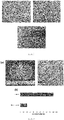
- Fig. 4a, b, c show the morphologies and mitochondrial activities of cells at 20 h of culture in the mixture solutions of medium (50 vol%) and PBS (50 vol%) containing either the PGU-Ph of example at 0.5 w/v% or tis corresponding PGU.
- the mitochondrial activities of the cells incubated in the solutions containing PGU and PGU-Ph were about 20% higher than those incubated in the solutions containing Alg and Alg-Ph (p ⁇ 0.03).
- Hydrogels containing PGU-Ph alone (as obtained in example 1) and Hydrogels containing both PGU-Ph (as obtained in example 1) and Gelatin-Ph were used for evaluating cytocompatibility and cell adhesiveness of hydrogels containing PGU-Ph.
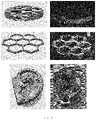
- the day after seeding majority of 10T1/2 cells and HepG2 cells were floating on PGU-Ph hydrogels, and HepG2 cells formed aggregates ( Fig. 5a, 5b ) .
- the HepG2 cells grew on the PGU-Ph + Gelatin-Ph hydrogels without forming obvious aggregates, far from the aggregates formed on cell culture dish.
- EXAMPLE 5 3D printing of hydrogel as cell culture materials to support cell colonisation.
- 10T1/2 cells kept round shape during 8 days of study without a formation of cell aggregates ( Fig. 6a ).
- HepG2 cells formed aggregates in the hydrogel constructs and the size of the aggregates increased with increasing culture period ( Fig. 6b ). There was no obvious increase in dead cells in both the cells.
- EXAMPLE 6 3D printing of hydrogel.
- PGU-Ph film For evaluating the feasibility of antioxidant PGU-Ph film synthesis, 1 w/v% PGU-Ph solution was pouring in plastic Petri dishes and dried at 50 °C during 24 h. PGU film without Ph moieties was used as control.
- the free radical scavenging activity was measured using 1,1-diphenyl-2-picrylhydrazyl (DPPH). Briefly, PGU-Ph film (100 mg) were added into 5.0 ml of DPPH solution (0.1 mM DPPH in ethanol 96°). The solution was left for 24 h under stirring at room temperature in the dark. Then, the absorbance was measured at 517 nm using the Shimadzu UV-1700 spectrophotometer.
Landscapes
- Health & Medical Sciences (AREA)
- Chemical & Material Sciences (AREA)
- Life Sciences & Earth Sciences (AREA)
- Medicinal Chemistry (AREA)
- General Health & Medical Sciences (AREA)
- Chemical Kinetics & Catalysis (AREA)
- Organic Chemistry (AREA)
- Polymers & Plastics (AREA)
- Engineering & Computer Science (AREA)
- Public Health (AREA)
- Epidemiology (AREA)
- Animal Behavior & Ethology (AREA)
- Veterinary Medicine (AREA)
- Materials Engineering (AREA)
- Molecular Biology (AREA)
- Biochemistry (AREA)
- Oral & Maxillofacial Surgery (AREA)
- Transplantation (AREA)
- Dermatology (AREA)
- Pharmacology & Pharmacy (AREA)
- Biomedical Technology (AREA)
- Inorganic Chemistry (AREA)
- Botany (AREA)
- Dispersion Chemistry (AREA)
- Cell Biology (AREA)
- Manufacturing & Machinery (AREA)
- Zoology (AREA)
- Micro-Organisms Or Cultivation Processes Thereof (AREA)
- Medicinal Preparation (AREA)
- Materials For Medical Uses (AREA)
- Polysaccharides And Polysaccharide Derivatives (AREA)
- Peptides Or Proteins (AREA)
- Apparatus Associated With Microorganisms And Enzymes (AREA)
Abstract
Description
- The present invention relates generally to polymeric compounds of glucuronic acid and a method of hydrogelation of such compounds. The present invention also relates to the use of the hydrogel structures (particles, films or 3D-strucutres) obtained by this method, notably as three-dimensional cell culture material to support biological molecules used as active ingredients, cell colonisation or for tissue regeneration.
- Polyglucuronic acids (PGU) also called glucuronan is a homopolymer of glucuronic acid composed of [→4)-β-D-GlcpA-(1→] residues partially acetylated at the C-3 and/or the C-2 position produced by the strain Sinorhizobium meliloti M5N1CS[1]. First described in cell walls of Mucor rouxii [2] , these polyuronides have since been isolated from other sources such as in the cell walls of green algae[3]. However the most described polysaccharide was obtained by the Rhizobia strains. However recent progresses in the oxidation of primary hydroxyls groups by 2,2,6,6-tetramethylpiperidine-1- oxyl radical (TEMPO) reagents permits to obtained PGU mimick derivatives from cellulose, xanthan, curdlan, scleroglucan, chitosan, starch, fungal α-(1,3)-glucan, etc. on a large scale-up and concomitantly new polysaccharide lyase family able to degrade these polyglucuronic acids have been identified[4],[5].
- In the field of poly-and oligo-glucuronic acids, different applications of these compounds, and in particular the French patent
FR2781673 WO 1993/18174 WO2010/067327 [10] for oligo-PGU stimulating of elasticity of the dermis and epidermis. Biological activities of these low molecular weight glucuronans modified by sulphonation were also investigated on a model of injured extensor digitorum longus (EDL) muscles on rats and demonstrated that the regeneration activity is not induced only by the presence of sulfate groups, but also by acetyl groups. The renewal process of cells is regulated by specific signals (or communication peptides such as growth factors) of the extracellular matrix. These signals are stored, protected, and positioned on a family of large polysaccharides called Heparan Sulfates (HS). In cases of injury, specific enzymes destroy HS, that no longer protect the specific signals. Other enzymes called proteases then destroy specific signals along with other structural proteins of the extracellular matrix. Due to their resistance against natural enzymes from the extracellular matrix, the biological effect of these modified bacterial polysaccharides could be explained[11]. - In that context, the Applicant has recently discovered the hydrogelation property of PGU or PGU derivatives having phenolic hydroxyl moieties (herein after designated by PGU-Ph) and their potential as components of bioinks for bioprinting. Thus the Applicant has further developed a method for hydrogelating these PGU-Ph compounds in which the phenolic hydroxyl moieties allow a rapid formation of stable hydrogels through horseradish peroxidase (HRP)-catalyzed crosslinking.
- HRP-assisted hydrogelation is already known by the man of the art as an effective method for obtaining cell-laden hydrogels from a variety of derivatives of natural and synthetic polymers such as alginate[12], hyaluronic acid[13], gelatin[14], dextran[15], and poly (vinyl alcohol)[16]. Recently, HRP-assisted hydrogelation was applied to 3D bioprinting[17],[18], in which rapid curation of inks ejected from needles are required for fabricating 3D constructs with higher fidelity to blueprints. 3D bioprinting is a known technique of fabrication of cell-laden constructs based on digital blueprints. The resultant cell-laden constructs are fabricated for the sake of wound dressing and tissue engineering for drug screening and regenerative medicine[19],[20].
- The applicant has discovered that the addition of Ph clusters to PGU or its derivatives allows the use of a particular (enzymatic) cross-linking pathway which dispenses with using inorganic crosslinkers which are slower and blur the structure formed. The hydrogel structures thus obtained form a transparent network and with such a good retention of the printed forms.
- Consequently, the Applicant has developed a polymeric compound of glucuronic acid comprising at least one phenolic group (hereinafter designated by the acronym PGU-Ph).
- According to a first embodiment of the invention, the phenolic group may be a phenolic hydroxyl group X-(Y-amino-Z-hydroxyalkyl)-n-hydroxyl-phenol of formula (I)

- R1, R2, R4 and R5 designating a possible hydroxyl group and/or a hydrogen, and/or carboxyl and/or carbonyle and/or alkylphenol and/or aminoalkyl and/or C1 to C20 aminohydroxyalkyl and/or C1 to C20 aminoalkylphenol
- n designating the number of possible hydroxyl groups and being an integer varying from 0 to 4,
- R3 designating a C1 to C20 aminohydroxyalkyl group or a C1 to C20 aminoalkyl.
- Preferably, the phenolic group of the polymeric compound of glucuronic acid according to the first embodiment of the invention may be selected from the group constituted by tyramine, dopamine and octopamine, and even more preferably tyramine.
- Preferably, according to the first embodiment of the invention, the phenolic hydroxyl group of formula (I) may be grafted on a α or β-D-glucuronic unit of formula (B)


- (1) in β-(1,4), such as the oxidised forms of cellulose and its derivatives (for instance xanthan) ; and/or
- (2) in α-(1,4), such as the oxidised forms of starch and its derivatives; and/or
- (3) in β-(1,3) such as the oxidised forms of curdlan and its derivatives (for instance scleroglucan); and/or
- (4) in α-(1,3) such as the oxidised forms of fungal alpha-glucans; and/or
- (5) in α-(1,2); and/or
- (4) in β-(1,4) such as bacterial glucuronans synthesised by Sinorhizobium meliloti M5N1CS;
- X= designating monovalent ion M+ of a metal belonging to the group of alkali metals, such as such as Na+ or K+,and
- R= designating H and/or sulfate and/or an acyl group including COCH3, and
- n being an integer chosen so that the molar mass of the polymeric compound is comprised between 10 and 1000 kilodaltons.
- The Applicant has thus developed a method for producing a polymeric compound of glucuronic acid PGU-Ph according to the first embodiment of the invention (hereinafter designated by first method for producing a PGU-Ph), which comprises the following steps:
- providing a polymeric compound of glucuronic acid (herein after designated by the acronym PGU) of formula (A) or (B) as defined above;
- dissolving the PGU in an acid buffered solution for forming a solution of PGU, preferably in a 2-(N-morpholino)ethanesulfonic acid (MES) buffered solution (pH6.0, 100 mM) at 1 w/v%;
- sequentially adding, in said solution of PGU, a X-(Y-amino-Z-hydroxyalkyl)-n-hydroxyl-phenol or a salt derivative thereof (such as hydrochlorides), N-Hydroxysuccinimide (NHS) and ethyl-3-(3-dimethylaminopropyl)carbodiimide (WSCD), for forming the final composition of the reaction medium;
- stirring said final composition (preferably for at least 4 hours (and preferably 20 hours) at room temperature (i.e. between 20°C and 25°C) until obtaining a resultant polymer consisting in a polymeric compound of glucuronic acid comprising at least one phenolic hydroxyl moieties.
- The last step of stirring may be followed by a step of precipitating said resultant polymer in acetone and then washing it with an 90% ethanol + 10% water until the absorbance at 275 nm attributed to the existence of tyramine became undetectable in the washing solution, as shown in example 1.
- Preferably, in the method for producing a polymeric compound of glucuronic acid PGU-Ph according the first embodiment of the invention, the X-(Y-amino-Z-hydroxyalkyl)-n-hydroxyl-phenol may be selected from the group constituted by tyramine, dopamine and octopamine, and even more preferably tyramine.
- The Applicant has also developed another method for producing a polymeric compound of glucuronic acid PGU-Ph according to a second embodiment of the invention (hereinafter designated by second method for producing a PGU-Ph), which comprises the following steps:
- providing a radical of a polymeric compound of glucuronic acid of formula (C)

- reaction of said radical of formula (C) with a phenolic compound of formula (I) (see above) or (D)


- Preferably, in the method for producing a polymeric compound of glucuronic acid PGU-Ph according to the second embodiment of the invention, the phenolic compound of formula (D) may be selected from the group constituted by tyramine, dopamine and octopamine, and preferably tyramine. But it is possible to use any phenolic compound.
- Another object of the invention is an aqueous solution comprising a polymeric compound of glucuronic acid of the invention (atypically in an amount of 0.5 to 8 w/v%) obtainable by any of the methods for producing such a polymeric compound according the first and second embodiments. The drying of such a solution once coated on a flat surface leads to a water soluble ungelled films of PGU-Ph (which are just dried, but not cross-linked). A cross-link process could be produce on dried film using classical cross-linker solution composed of divalent ion (M2+ such as preferentially Ca2+ or Mg2+). The reticulation of PGU-Ph solutions could be performed using:
- (1) a cross-link catalyst consisting in divalent cation (M2+) such as Ca2+, Mg2+ etc., or
- (2) a photo-gelification process under visible and/or UV light using photoinitiator such as riboflavin, ruthenium II trisbipyridyl chloride ([Ru(bpy)3]2+), or their derivatives.
- Still another object of the invention is a gel-forming composition comprising:
- a polymeric compound of glucuronic acid according to the invention or obtainable by the methods according to the first and second embodiments of the invention, and
- a cross-linking catalyst consisting in an oxidase or a compound (in liquid or gaseous form) containing H2O2 or capable of generating H2O2 in situ (for instance reducing molecules such as glucose, fructose or galactose (monosaccharide), or lactose and maltose (disaccharides)).
- In this gel-forming composition, if the compound containing H2O2 or capable of generating H2O2 is glucose (or fructose, or galactose) the cross-linking catalyst may further contain glucose oxidase (or fructose oxidase, or galactose oxidase respectfully), H2O2 is generated more rapidly.
- According to a first embodiment of the gel-forming composition of the invention, the polymeric compound of glucuronic acid PGU-Ph may be associated to an oxidase as cross-linking catalyst, said oxidase being chosen from the group consisting of oxido-reductase, peroxidase, catalase, tyrosinase and/or monosaccharide oxidase, and the mixtures thereof.
- Preferably, the oxidase may be a horseradish peroxidase (hereinafter designated by the acronym HRP) containing enzyme in an amount of at least 0.1 U/mL, preferably comprised between 0.1 U/mL and 20 U/mL in the composition for an efficient and fast cross-linking, and even better in the order of 5 U/mL. Below 0.1 U/mL, the gelling is very slow and above 200 U/mL, the gelling is too fast and difficult to be controlled. The enzyme unit (U) is defined as follows: one pyrogallol unit will form 1.0 mg purpurogallin from pyrogallol in 20 sec at pH 6.0 at 20 C.
- According to a second embodiment of the gel-forming composition of the invention, the polymeric compound of glucuronic acid PGU-Ph may be associated to a compound containing H2O2 in an amount comprised between 0.05 mmol/L and 1 mmol/L, which leads, in presence of HRP to a well-controlled gelling for a gelling time of 2s to 5 s. Outside this range, notably from 0.01-0.05 mmol/L and higher than 1 mmol/L, the gelling is much more slower (gelling time 15 s order of magnitude); but such an amount of a compound containing H2O2 could be interesting for applications requiring handling time e.g. hydrogel film making.
- For either the first or the second embodiment of the gel-forming composition of the invention, the amount of polymeric compound of glucuronic acid PGU-Ph may be comprised between 0.01 w/v % to 8 w/v %, and preferably 0.1 w/v % to 2 w/v %. If the amount of polymeric compound of glucuronic acid PGU-Ph is 0.01 w/v %, the gelling is feasible but very slow. Above 8 w/v % of polymeric compound of glucuronic acid, the gel-forming composition of the invention is very viscous and difficult to use. Furthermore, it is difficult for a crosslinker to penetrate the composition.
- According to a first variant of the gel-forming composition of the invention which is applicable to both embodiments, the gel-forming composition of the invention, may further comprise another active biodegradable polymers. Advantageously, the biodegradable polymers may be a polysaccharide such as glycosaminoglycan, or a protein selected from the group consisting of collagen, adhesin, gelatin, and the mixtures thereof.Preferably, the biodegradable polymer may be a gelatin derivative comprising phenolic hydroxyl moieties (Gelatin-Ph) .
- According to a second variant of the gel-forming composition of the invention which is also applicable to both embodiments, the gel-forming composition of the invention, may further comprise suspended cells of animal, bacterial or plant origin. These may be 10T1/2 cells or HepG2 cells, present in said composition at a concentration in the range of 3.105 cells/mL.
- Another object of the invention is a method for manufacturing a hydrogel structure (hereinafter designated by first method for manufacturing a hydrogel structure), comprising the following steps:
- providing a gel-forming composition according to the first variant,
- hydrogelating said gel-forming composition:
- ∘ either by contact with a fluid or gaseous medium containing H2O2 if the gel-forming composition comprises an oxidase;
- ∘ or by contact with an oxidase if the gel-forming composition comprises a compound containing H2O2 or capable of generating H2O2 in situ.
- Still another object of the invention is another method for manufacturing a hydrogel structure (hereinafter designated by second method for manufacturing a hydrogel structure), comprising the following steps:
- providing a gel-forming composition according to the second variant,
- hydrogelating said gel-forming composition:
- ∘ either by contact with a fluid or gaseous medium containing H2O2 if the gel-forming composition comprises an oxidase;
- ∘ or by contact with an oxidase if the gel-forming composition comprises a compound containing H2O2 or capable of generating H2O2 in situ.
- Both methods may consist in a bioprinting process, for manufacturing:
- one dimensional hydrogel structures such as particles (micro- and nanoparticles): for instance by using various processes (micellar solutions, drop by drop in a cross-linking solution; or
- two-dimensional hydrogel structures such as lattices/films: for instance by using classic shaping processes (spin coating, tape casting, etc.; or
- three-dimensional hydrogel structures for instance by using three-dimensional bioprinting, preferably a process selected from the group consisting of inkjet bioprinting, extrusion bioprinting, stereolithography bioprinting, and laser-assisted bioprinting.
- These examples are by no means exhaustive and are given by way of example only.
- Another object of the invention is a hydrogel obtainable by the first method for manufacturing a hydrogel structure, regardless of the bioprinting process used. The t obtained hydrogel structure may be used as cell culture material to support cell colonisation (3D application) or as a patch or a plaster (2D application).
- Still another object of the invention is a hydrogel structure obtainable by the second method for manufacturing a hydrogel structure, regardless of the bioprinting process used. The thus obtained hydrogel structure may be used for tissue regeneration.
- Other innovative features and advantages of the invention will emerge from a reading of the following description followed by way of indication and in no way imitatively, with reference to the examples and corresponding figures. The figures are presented below:
-
FIG.1 shows the UV-Vis absorbance spectra of PGU and PGU-Ph at 0.1 w/w% (see example 1); -
FIG.2 shows the shear rate-viscose profiles of PGU and PGU-HPh at 1 and 2 w/v% (see example 1); -
FIG.3 shows the effect on gelation of a) PGU-Ph at 5 U/mL HRP and 0.1 mM H2O2, and the effect of b) HRP at 1 w/v% PGU-HPh and 0.1 mM H2O2, as well as the effect of c) H2O2 at 1 w/v% PGU-HPh and 5 U/mL HRP (see example 2); -
FIG. 4 shows the morphologies of cells and mitochondrial activity of 10T1/2 cells at 20 hours of culture in the mixture solutions of medium (50 vol%) and PBS (50 vol%) containing PGU or PGU-Ph after 0.5 w/v% (see example 3); -
FIG.5 are microphotographies of a) 10T1/2 cells at 1, and 4 days, and b) HepG2 cells at 1, and 3 days of seeding on cell culture dish (Dish), PGU-Ph hydrogel, and PGU-Ph + Gelatin-Ph hydrogel (Bars: 100 pm) (see example 4); -
FIG.6 are merged microphotographies of a) 10T1/2 cells and b) HepG2 cells enclosed in PGU-Ph hydrogels through bioprinting at 1, 4 and 8 days of printing. The cells were stained using calcein-AM (Green) and PI (red) (Bars: 200 pm) (see example 5); -
FIG.7 are examples of 3D-constructions of PGU-Ph hydrogel using blue print 3D CAD-Model (see example 6); -
FIG.8 are PGU-Ph beads obtained by dropping PGU-Ph+HRP solution in H2O2 (0.5 M) (see example 7); -
FIG. 9 . is antioxidant PGU-Ph film obtained by drying a solution of PGU-Ph (1 w/v %)(see example 8). -
Figures 1 to 9 are described in more detail in the examples which follows, given by way of indication, and which illustrates the invention, but without limiting the scope thereof. -
- Tyramine hydrochloride purchased from Combi-Blocks (San Diego, CA);
- water-soluble carbodiimide (WSCD) purchased from Peptide Institute (Osaka, Japan);
- N-Hydroxysuccinimide (NHS), HRP (210 units/mg), and H2O2 aqueous solution (31 w/w%) purchased from Fujifilm Wako Pure Chemical Industries (Osaka, Japan);
- Mouse fibroblast 10T1/2 cells and human hepatoma HepG2 cells obtained from the Riken Cell Bank (Ibaraki Japan), which were grown in Dulbecco's modified Eagle's medium (DMEM, Nissui, Tokyo, Japan) supplemented with 10 v/v% feal bovine serum in a 5 % CO2 incubator:
- Sinorhizobium meliloti M5N1CS (or S. meliloti M5N1CS strain).
-
- The S. meliloti M5N1CS strain was grown at 30°C in a 20 L bioreactor (SGI) with 15 L of Rhizobium complete medium, supplemented with
sucrose 1% (w/v) (RCS medium); - The inoculum was a 1.5 L of RCS medium inoculated with S. meliloti M5N1CS, and was incubated during 20 hours at 30°C on a rotary shaker (120 rpm);
- After 72 h of incubation, the obtained broth was centrifuged at 33,900 x g during 40 min at 20°C. The supernatant was purified by tangential ultrafiltration on a 100,000 normal-molecular-weight cutoff (NMWCO) polyethersulfone membrane from Sartorius (Goettingen, Germany) against distilled water;
- Finally, the retentate solution was freeze-dried to obtain a PGU of formula (B) having a β-(1,4)-D-polyglucuronic acid chainwith O-acetylation at
carbon 2 and carbon 3 of β-D-glucuronic acid units. - Shear rate-viscosity profiles of solutions were measured using a rheometer (HAAKE MARS III, Thermo Fisher Scientific, Waltham, MA) equipped with a parallel plate of a 25-mm radius with a 0.5-mm gap at 20°C.
-
- The gelation time was measured for a phosphate-buffered saline solution (50-100 mM, pH 7.4) containing PGU-Ph at room temperature;
- This PGU-Ph solution was poured into a 24-well plate at 0.2 mL/well;
- Then, 0.1 mL of HRP and 0.1 mL H2O2 solutions were sequentially added into well and stirred using a magnetic stirrer bar (10 mm long);
- The gelation was confirmed when magnetic stirring was hindered and the surface of the solution swelled.
-
- 10T1/2 cells were seeded in the wells of 96-well cell culture plate at 4 × 10³ cells/well and incubated in medium for 20 hours in a humidified 5% CO2 incubator at 37°C;
- Subsequently, the medium was changed to the medium (0.2 mL) containing PGU or PGU-Ph at 0.5 w/v % and incubated for an additional 24 hours;
- Then, the medium containing the polymers were changed to the medium (0.2 mL) containing 1/20 vol of the reagent from a colorimetric mitochondrial activity assay kit (purchased under the commercial name Cell Counting Kit-8, by the Japanese firm Dojindo, Kumamoto, Japan);
- After 2 hours of incubation, the absorbance at 450 nm was measured using a spectrophotometer;
- Sodium alginate (Alg) and alginate possessing Ph moieties (Alg-Ph) were used as controls.
-
- A solution containing 1 w/v% PGU-Ph, or 1 w/v% PGU-Ph + 1 w/v% Gelatin-Ph, and 5 U/mL HRP was poured into the wells of 12-well cell culture dish at 0.5 mL/well;
- Subsequently, the dish was put in a plastic container;
- Air containing 8 ppm H2O2, obtained by bubbling air in a 0.5 M aqueous H2O2 solution, flows into a plastic container at 10 L/min ;
- After 15 min of the exposure to the air containing H2O2, the wells coated with hydrogels were rinsed sequentially with PBS and medium ;
- 10T1/2 cells and HepG2 cells were suspended in medium containing 0.3 mg/mL of catalase, and poured into each well at 6 × 10⁴ cells/well.
-
- An extrusion 3D printing system that has been developed by modifying a commercial 3D printing system (purchased under the commercial name Anycubic i3 Mega by the firm Anycubic, Guangdong, China) is used for 3D bioprinting.
- This extrusion 3D printing system consisted of a syringe pump for flowing ink, a 27-gauge stainless steel needle for extruding the ink, a bubbling system for supplying air containing 8 ppm H2O2, and a stage for layering the extruded ink. The flow rates of inks in the needle and the moving speed of the stage were fixed at 22 mm/s.
- The printing of cell-laden 3D hydrogel constructs was performed in a biological safety cabinet.
- Inks containing 1 w/v% PGU-Ph, or 1 w/v% PGU-Ph and 1 w/v% Gelatin-Ph, and 5 U/mL HRP were used.
- The effect of the extrusion with the inks on cells was determined by measuring the viabilities of 10T1/2 cells and HepG2 cells suspended in the inks at 3× 10⁵ cells/mL.
- The inks containing cells were collected at the tip of the needle and the cells were stained with trypan blue dye for the measurement using a hemocytometer.
- The viabilities of the cells enclosed in the hydrogels obtained through the printing process were determined by staining the cells with fluorescence dyes, calcein-AM and propidium iodide (PI).
- This synthesis is realized according to the first method for producing a PGU-Ph, as follows:
- This resulting was dissolved in 2-(N-morpholino)ethanesulfonic acid (MES) buffered solution (pH6.0) at 1 w/v%.
- Tyramine hydrochloride, NHS, and WSCD were sequentially added at 45 mM, 10 mM, and 20 mM, respectively, and stirred for 20 h at room temperature;
- The resultant polymer was precipitated in acetone and then washed with 90% ethanol and 10% water until the absorbance at 275 nm attributed to the existence of tyramine became undetectable in washing solution;
- The resulting phenolized PGU is a PGU-Ph according the first embodiment of the invention.
-
Fig. 1 shows the UV-vis spectrum of a 0.1 w/w% PGU-Ph solution as described above (PGU-Ph solution), which is compared to that of 0.1 w/w% PGU (PGU solution).FIG.2 notably shows that the PGU solution does not have a peak around 275 nm, whereas PGU-Ph solution had a peak around 275 nm attributed to Ph moieties. The contents of Ph moieties calculated on the basis of a calibration curve obtained from a known percentage of tyramine solution is 3.7× 10⁻⁴ mol-Ph/g. -
Fig. 2 shows the shear rate-viscosity profiles of 1 and 2 w/v% PGU-Ph solutions, which are compared to the shear rate-viscosity profiles of 1 and 2 w/v% PGU solutions.Fig.2 notably shows that the viscosities of the PGU-Ph solutions are higher than those of the PGU solutions, and the viscosity of the 2 w/v% PGU-Ph solution is higher than that of the 1 w/v% PGU-Ph solution. - Hydrogels were produced in accordance with the first method for manufacturing a hydrogel structure according to the invention, using the PGU-Ph solutions obtained in Example 1 by HRP-catalysed reaction in the presence of H2O2.
-
Fig. 3a shows the effect of PGU-Ph concentration on hydrogelation time at 5 U/mL HRP and 0.1 mM H2O2. The gelation time of a PGU-Ph solution at 0.5 w/v% is 6.0 s. -
Fig. 3b and 3c show the effects of HRP and H2O2 concentrations on gelation time measured for 1.0 w/v% PGU-Ph solutions. Gelation time decreases as HRP concentration increases from 71 s at 0.1 U/mL to 2 s at 20 U/mL (Fig. 3b ). Gelation time decreases as H2O2 concentration increases from 0.05 mM to 1 mM, but increases as H2O2 concentration further increases. Note to mention that higher concentration of H2O2 will lead to depolymerisation of PGU-Ph and then reduce considerably the gelification. - For evaluating the cytocompatibility of the PGU-Ph obtained at example 1, 10T1/2 cells were incubated in a solution containing PGU-Ph. Solutions containing PGU, Alg, or Alg-Ph were used as controls.
-
Fig. 4a, b, c show the morphologies and mitochondrial activities of cells at 20 h of culture in the mixture solutions of medium (50 vol%) and PBS (50 vol%) containing either the PGU-Ph of example at 0.5 w/v% or tis corresponding PGU. - There are no remarkable differences in cell morphology specific to the exposure to PGU-Ph. In addition, there was no significant decrease in the mitochondrial activity of cells incubated in the mixture solutions caused by Ph moieties introduced in PGU (p = 0.45), as the same with the cells incubated in the mixture solutions containing 0.5 w/v% Alg and Alg- Ph (p = 0.28,
Fig. 4c ). - The mitochondrial activities of the cells incubated in the solutions containing PGU and PGU-Ph were about 20% higher than those incubated in the solutions containing Alg and Alg-Ph (p < 0.03).
- Hydrogels containing PGU-Ph alone (as obtained in example 1) and Hydrogels containing both PGU-Ph (as obtained in example 1) and Gelatin-Ph were used for evaluating cytocompatibility and cell adhesiveness of hydrogels containing PGU-Ph. The day after seeding, majority of 10T1/2 cells and HepG2 cells were floating on PGU-Ph hydrogels, and HepG2 cells formed aggregates (
Fig. 5a, 5b ) . - During the subsequent incubation period, the cells continued to float on PGU-Ph hydrogels. A small number of cells adhered to the hydrogels, but did not elongated. In contrast, the 10T1/2 cells seeded on PUG-Ph + Gelatin-Ph hydrogels adhered, elongated and proliferated as the same with those on cell culture dish (
Fig. 5a ). - No remarkable morphological difference was found between the 10T1/2 cells on the PUG-Ph + Gelatin-Ph hydrogels and cell culture dish. The HepG2 cells seeded on PGU-Ph + Gelatin-Ph hydrogels also adhered, elongated and proliferated (
Fig. 5b ). However, their morphologies were obviously different from those on cell culture dish. The HepG2 cells on cell culture dish formed small aggregates with adhering to the substrate the day after seeding. Then, the cells grew as monolayers with increasing the size of aggregates. The HepG2 cells on PGU-Ph + Gelatin-Ph hydrogels did not form obvious aggregates the day after seeding. - In the subsequent incubation period, the HepG2 cells grew on the PGU-Ph + Gelatin-Ph hydrogels without forming obvious aggregates, far from the aggregates formed on cell culture dish.
- The effects of the 3D printing process and the PGU-Ph hydrogels on cells were evaluated by printing hydrogel constructs enclosing 10T1/2 cells and HepG2 cells. The viabilities of 10T1/2 cells and HepG2 cells the day after bioprinting determined through the staining with calcein-AM and PI were 92.3% and 91.6%, respectively. This result demonstrate the printing process using PGU-Ph solution as ink was not harmful for these cells.
- Regarding the morphologies of the enclosed cells, 10T1/2 cells kept round shape during 8 days of study without a formation of cell aggregates (
Fig. 6a ). In contrast, HepG2 cells formed aggregates in the hydrogel constructs and the size of the aggregates increased with increasing culture period (Fig. 6b ). There was no obvious increase in dead cells in both the cells. - For evaluating the feasibility of PGU-Ph solution as inks of bioprinting, 1 w/v% PGU-Ph solution containing 5 U/mL HRP was extruded on substrates. As shown in
Fig. 7 , transparent 3D-hydrogel constructs with good fidelity to blue prints (3D CAD models) were obtained when the solution was extruded in air containing 8 ppm H2O2. These results demonstrate the feasibility of PGU-Ph solution gellable through HRP-mediated hydrogelation as inks of 3D printing. - For evaluating the feasibility of PGU-Ph particles synthesis such as microbeads, 1 w/v% PGU-Ph solution containing 5 U/mL HRP was dropped in H2O2 (0.5 M) and stirred for 1 minute. Then, the microbeads were washing with water, and was preserved in ethanol/water solution (70/30). As shown in
Fig. 8 , transparent PGU-Ph beads with good spheric shapes were obtained. - For evaluating the feasibility of antioxidant PGU-Ph film synthesis, 1 w/v% PGU-Ph solution was pouring in plastic Petri dishes and dried at 50 °C during 24 h. PGU film without Ph moieties was used as control. To estimate the antioxidant effect of PGU-Ph film, the free radical scavenging activity was measured using 1,1-diphenyl-2-picrylhydrazyl (DPPH). Briefly, PGU-Ph film (100 mg) were added into 5.0 ml of DPPH solution (0.1 mM DPPH in ethanol 96°). The solution was left for 24 h under stirring at room temperature in the dark. Then, the absorbance was measured at 517 nm using the Shimadzu UV-1700 spectrophotometer.
DPPH radical scavenging activity was calculated as an inhibition percentage based on the following equation (1):

- As shown in
Fig. 9a , transparent PGU-Ph film was obtained. As observed inFig. 9b , these results demonstrate the feasibility of PGU-Ph solution as antioxidant film for food packaging and biomaterial. -
- 1- Heyraud, A., Courtois, J., Dantas, L., Colin-Morel, P., & Courtois, B. (1993). "Structural characterization and rheological properties of an extracellular glucuronan produced by a Rhizobium meliloti M5N1 mutant strain". Carbohydrate Research, 240(24), 71-78.
- 2- De Ruiter, G.A., Josso, S.L., Colquhoun, I.J., Voragen, A.G.J., & Rombouts, F.M. (1992). "Isolation and characterization of β-(1-4)-D-glucuronans from extracellular polysaccharides of moulds belonging to Mucorales". Carbohydrate Polymers, 18(1), 1-7.
- 3- Elboutachfaiti, R., Delattre, C., Petit, E., El Gadda, M., Courtois, B., Michaud, P., El Modafar, C., & Courtois, J. (2009). "Improved isolation of glucuronan from algae and the production of glucuronic acid oligosaccharides using a glucuronan lyase". Carbohydrate Research, 344, 1670-1675.
- 4- Delattre, C., Pierre, G., Gardarin, C., Traikia, M., Elboutachfaiti, R., Isogai, A., & Michaud, P. (2015). "Antioxidant activities of a polyglucuronic acid sodium salt obtained from TEMPO-mediated oxidation of xanthan". Carbohydrate Polymers, 116, 34-41.
- 5- Elboutachfaiti, R., Delattre, C., Petit, E., & Michaud, P. (2011). "Polyglucuronic acids: Structures, functions and degrading enzymes". Carbohydrate Polymers, 84, 1-13. 6- Courtois-Sambourg, J., & Courtois, B. (2000). "Use of glucuronan as an immunostimulating agent and process for its preparation".
FR2781673 - 7- Courtois-Sambourg, J., Courtois, B., Heyraud, A., Colin-Morel, P., & Rinaudo-Duhem, M. (1993). "Polymer compounds of the glycuronic acid, method of preparation and utilization particularly as gelifying, thickenning, hydrating, stabilizing, chelating or floculating means".
WO1993/18174 - 8- Courtois, J. and Courtois,B. (1998). "Use of glucuronan oligo- or polysaccharides, especially produced by Rhizobium meliloti, as cytokine production stimulants for preparing immunostimulant agents".
FR2781673 - 9- Lintner, K. (1999). "Composition for cosmetic or dermopharmaceutical use containing a combination of algae extract and exoplysaccharides".
WO9913855 - 10- Fournial, A., Grizaud, C.M., LeMoigne, C., & Mondon, P. (2008). "Cosmetic composition containing acetylated oligoglucuronans".
WO2010/067327 . - 11- Petit, E., Papy-Garcia, D., Muller, G., Courtois, B., Caruelle, J.P., & Courtois, J. (2004). "Controlled sulfatation of natural anionic bacterial polysaccharides can yield agents with specific regenerating activity in vivo". Biomacromolecules, 5, 445-452.
- 12- Sakai, S., & Kawakami, K. (2007). "Synthesis and characterization of both ionically and enzymatically cross-linkable alginate". Acta Biomaterialia, 3(4), 495-501.
- 13- Kurisawa, M., Chung, J. E., Yang, Y. Y., Gao, S. J., & Uyama, H. (2005). "Injectable biodegradable hydrogels composed of hyaluronic acid-tyramine conjugates for drug delivery and tissue engineering". Chemical Communications (Cambridge), 34(34), 4312-4314.
- 14- Sakai, S., Hirose, K., Taguchi, K., Ogushi, Y., & Kawakami, K. (2009). "An injectable, in situ enzymatically gellable, gelatin derivative for drug delivery and tissue engineering". Biomaterials, 30(20), 3371-3377.
- 15- Jin, R., Hiemstra, C., Zhong, Z., & Feijen, J. (2007). "Enzyme-mediated fast in situ formation of hydrogels from dextran-tyramine conjugates". Biomaterials, 28(18), 2791-2800.
- 16- Sakai, S., Tsumura, M., Inoue, M., Koga, Y., Fukano, K., & Taya, M. (2013). "Polyvinyl alcohol -based hydrogel dressing gellable on-wound via a co-enzymatic reaction triggered by glucose in the wound exudate". Journal of Materials Chemistry B, 1(38), 5067-5075.
- 17- Sakai, S., Mochizuki, K., Qu, Y., Mail, M., Nakahata, M., & Taya, M. (2018). "Peroxidase-catalyzed microextrusion bioprinting of cell-laden hydrogel constructs in vaporized ppm-level hydrogen peroxide". Biofabrication, 10(4), 045007.
- 18- Sakai, S., Ueda, K., Gantumur, E., Taya, M., & Nakamura, M. (2018). "Drop-On-Drop multimaterial 3D bioprinting realized by peroxidase-mediated cross-linking". Macromolecular Rapid Communications, 39(3), 1700534.
- 19- Tai, C., Bouissil, S., Gantumur, E., Carranza, M.S., Yoshii, A., Sakai, S., Pierre, G., Michaud, P., & Delattre, C. (2019). "Use of natural polysaccharides in the development of 3D bioprinting technology". Applied Sciences, 9(13), 2596.
- 20- Gungor-Ozkerim, P. S., Inci, I., Zhang, Y. S., Khademhosseini, A., & Dokmeci, M. R. (2018). "Bioinks for 3D bioprinting: an overview". Biomaterials Science, 6(5), 915-946.
- 21- Murphy, S. V., & Atala, A. (2014). "3D bioprinting of tissues and organs". Nature Biotechnology, 32(8), 773-785.

Claims (25)
- Polymeric compound of glucuronic acid comprising at least one phenolic group.
- Polymeric compound of glucuronic acid according to claim 1, wherein the said phenolic group is a phenolic hydroxyl group X-(Y-amino-Z-hydroxyalkyl)-n-hydroxyl-phenol of formula (I)
 - R1, R2, R4 and R5 designating a possible hydroxyl group and/or a hydrogen, and/or carboxyl and/or carbonyle and/or alkylphenol and/or aminoalkyl and/or C1 to C20 aminohydroxyalkyl and/or C1 to C20 aminoalkylphenol- n designating the number of possible hydroxyl groups and being an integer varying from 0 to 4,- R3 designating a C1 to C20 aminohydroxyalkyl group or a C1 to C20 aminoalkyl.
 - Polymeric compound of glucuronic acid according to claim 2, wherein the said phenolic group is selected from the group constituted by tyramine, dopamine and octopamine, and preferably tyramine.
- Polymeric compound of glucuronic acid according to anyone of claims 2 or 3, wherein said phenolic hydroxyl group of formula (I) is grafted on a α or β-D-glucuronic unit of formula (B)

 - (1) in β-(1,4); and/or- (2) in α-(1,4); and/or- (3) in β-(1,3); and/or- (4) in α-(1,3); and/or- (5) in α-(1,2) and/or- (6) in β-(1,4)with:X= designating amonovalent ion M+ of a metal belonging to the group of alkali metals, andR= designating H and/or sulfate group and/or an acyl group including COCH3, andn being an integer chosen so that the molar mass of the polymeric compound is comprised between 10 to 1000 kilodaltons.
 - Method for producing a polymeric compound of glucuronic acid according to anyone of claims 1 to 4, said method comprising the steps of:- providing a radical of a polymeric compound of glucuronic acid of formula (C)
 - reaction of said radical of formula (C) with a phenolic compound of formula (I)or(D)


- Method for producing a polymeric compound of glucuronic acid according to claim 4, said method comprising the steps of:- providing a polymeric compound of glucuronic acid (PGU) of formula (A) or (B) as defined in claim 5 ;- dissolving said polymeric compound of glucuronic acid in an acid buffered solution for forming a solution of PGU;- sequentially adding, in said solution of PGU, a X-(Y-amino-Z-hydroxyalkyl)-n-hydroxyl-phenol or a salt derivative thereof, NHS and WSCD, for forming the final composition of the reaction medium;- stirring said final composition for at least 4 hours at room temperature until obtaining a resultant polymer consisting in a polymeric compound of glucuronic acid comprising phenolic hydroxyl moieties.
- Method according to anyone of claims 4 and 5, wherein said X-(Y-amino-Z-hydroxyalkyl)-n-hydroxyl-phenol or a salt derivative thereof or said phenolic compound of formula (D) is selected from the group constituted by tyramine, dopamine and octopamine, and preferably tyramine.
- Solution comprising water and a polymeric compound of glucuronic acid as defined in anyone of claims 1 to 4 or obtainable by the method according to anyone of claims 5 to
- Gel-forming composition comprising:- a polymeric compound of glucuronic acid as defined in anyone of claims 1 to 4 or obtainable by the method according to anyone of claims 5 to 7, and- a cross-linking catalyst consisting in an oxidase or a compound containing H2O2 or capable of generating H2O2 in situ.
- Gel-forming composition according to claim 9, wherein said polymeric compound of glucuronic acid is associated to an oxidase as cross-linking catalyst is chosen from the group consisting of oxydo-reductase, peroxidase, catalase, tyrosinase and monosaccharide oxidase, and the mixtures thereof, and is preferably horseradish peroxidase (HRP).
- Gel-forming composition according to claim 10, wherein said oxidase is a horseradish peroxidase (HRP) present in an amount of at least 0.01 U/mL, preferably comprised between 0.1 U/mL and 20 U/mL in the composition, and even better in the order of 5 U/mL.
- Gel-forming composition according to claim 9, wherein said polymeric compound of glucuronic acid is associated to a compound containing H2O2 in an amount comprised between 0,05 mmol/L and 1 mmol/L.
- Gel-forming composition according to anyone of claims 9 to 12, wherein said polymeric compound of glucuronic acid is present in amount comprised between 0.01 w/v % to 8 w/v %, and preferably 0. 1 w/v % to 2 w/v %.
- Gel-forming composition according to anyone of claims 9 to 13, further comprising another biodegradable polymer.
- Gel-forming composition according to claim 14, wherein said biodegradable polymer is a polysaccharide or a protein selected from the group consisting of collagen, adhesin, gelatin, and the mixtures thereof.
- Gel-forming composition according to claim 15, wherein said biodegradable polymer is a gelatin derivative comprising phenolic hydroxyl moieties (Gelatin-Ph).
- Gel-forming composition according to anyone of claims 9 to 13, further comprising suspended cells of animal, bacterial or plant origin.
- Method for manufacturing an hydrogel structure, comprising- providing a gel-forming composition as defined in anyone of claims 9 to 16,- hydrogelating said gel-forming composition:∘ either by contact with a fluid or gaseous medium containing H2O2 if the gel-forming composition comprises an oxidase;∘ or by contact with an oxidase if the gel-forming composition comprises a compound containing H2O2 or capable of generating H2O2 in situ.
- Method for manufacturing an hydrogel structure, comprising- providing a gel-forming composition as defined in claim 17,- hydrogelating said gel-forming composition:∘ either by contact with a fluid or gaseous medium containing H2O2 if the gel-forming composition comprises an oxidase;∘ or by contact with an oxidase if the gel-forming composition comprises a compound containing H2O2 or capable of generating H2O2 in situ.
- Method according to anyone of claims 18 or 19, consisting in a bioprinting process, for manufacturing one dimensional hydrogel structures, or two-dimensional hydrogel structures, or three-dimensional hydrogel structures.
- Hydrogel structure obtainable by the method according to claims 18 and 20 in combination.
- Cell-containing hydrogel structure obtainable by the method according to claims 19 and 20 in combination.
- Use of the hydrogel structure according to claim 21 as three-dimensional cell culture material to support cell colonisation.
- Use of the hydrogel structure according to claim 21 as a patch or a plaster.
- Use of the cell-containing hydrogel structure according to claim 23 for tissue regeneration and/or tissue engineering.
Priority Applications (6)
| Application Number | Priority Date | Filing Date | Title |
|---|---|---|---|
| EP21305612.0A EP4089163A1 (en) | 2021-05-11 | 2021-05-11 | Polymeric compound of glucuronic acid with phenolic groups, gel-forming composition comprising such a compound and method for producing the same |
| US18/560,067 US20240245604A1 (en) | 2021-05-11 | 2022-05-10 | Polymeric compound of glucuronic acid with phenolic groups, gel-forming composition comprising such a compound and method for producing the same |
| JP2023570302A JP7854158B2 (en) | 2021-05-11 | 2022-05-10 | Polymer compounds of glucuronic acid having phenol groups, gel-forming compositions containing such compounds, and methods for producing the same. |
| PCT/EP2022/062702 WO2022238441A1 (en) | 2021-05-11 | 2022-05-10 | Polymeric compound of glucuronic acid with phenolic groups, gel-forming composition comprising such a compound and method for producing the same |
| CN202280034247.8A CN117716019A (en) | 2021-05-11 | 2022-05-10 | Glucuronic acid polymeric compounds having phenolic groups, gel-forming compositions comprising such compounds, and methods of producing the same |
| EP22728560.8A EP4337760A1 (en) | 2021-05-11 | 2022-05-10 | Polymeric compound of glucuronic acid with phenolic groups, gel-forming composition comprising such a compound and method for producing the same |
Applications Claiming Priority (1)
| Application Number | Priority Date | Filing Date | Title |
|---|---|---|---|
| EP21305612.0A EP4089163A1 (en) | 2021-05-11 | 2021-05-11 | Polymeric compound of glucuronic acid with phenolic groups, gel-forming composition comprising such a compound and method for producing the same |
Publications (1)
| Publication Number | Publication Date |
|---|---|
| EP4089163A1 true EP4089163A1 (en) | 2022-11-16 |
Family
ID=76181053
Family Applications (2)
| Application Number | Title | Priority Date | Filing Date |
|---|---|---|---|
| EP21305612.0A Pending EP4089163A1 (en) | 2021-05-11 | 2021-05-11 | Polymeric compound of glucuronic acid with phenolic groups, gel-forming composition comprising such a compound and method for producing the same |
| EP22728560.8A Pending EP4337760A1 (en) | 2021-05-11 | 2022-05-10 | Polymeric compound of glucuronic acid with phenolic groups, gel-forming composition comprising such a compound and method for producing the same |
Family Applications After (1)
| Application Number | Title | Priority Date | Filing Date |
|---|---|---|---|
| EP22728560.8A Pending EP4337760A1 (en) | 2021-05-11 | 2022-05-10 | Polymeric compound of glucuronic acid with phenolic groups, gel-forming composition comprising such a compound and method for producing the same |
Country Status (5)
| Country | Link |
|---|---|
| US (1) | US20240245604A1 (en) |
| EP (2) | EP4089163A1 (en) |
| JP (1) | JP7854158B2 (en) |
| CN (1) | CN117716019A (en) |
| WO (1) | WO2022238441A1 (en) |
Families Citing this family (2)
| Publication number | Priority date | Publication date | Assignee | Title |
|---|---|---|---|---|
| CN116459385B (en) * | 2023-03-27 | 2024-08-16 | 天津大学 | Living hydrogel based on microalgae and preparation method and application thereof |
| JPWO2025134771A1 (en) * | 2023-12-21 | 2025-06-26 |
Citations (5)
| Publication number | Priority date | Publication date | Assignee | Title |
|---|---|---|---|---|
| WO1993018174A1 (en) | 1992-03-03 | 1993-09-16 | Universite De Picardie | Polymer compounds of the glycuronic acid, method of preparation and utilization particularly as gelifying, thickenning, hydrating, stabilizing, chelating or floculating means |
| WO1999013855A1 (en) | 1997-09-12 | 1999-03-25 | Sederma S.A. | Composition for cosmetic or dermopharmaceutical use containing a combination of algae extract and exopolysaccharides |
| FR2781673A1 (en) | 1998-07-28 | 2000-02-04 | Univ Picardie | Use of glucuronan oligo- or polysaccharides, especially produced by Rhizobium meliloti, as cytokine production stimulants for preparing immunostimulant agents |
| WO2004063388A2 (en) * | 2003-01-10 | 2004-07-29 | The Cleveland Clinic Foundation | Hydroxyphenyl cross-linked macromolecular network and applications thereof |
| WO2010067327A1 (en) | 2008-12-11 | 2010-06-17 | Sederma | Cosmetic composition containing acetylated oligoglucuronans |
Family Cites Families (2)
| Publication number | Priority date | Publication date | Assignee | Title |
|---|---|---|---|---|
| EP2254610A4 (en) * | 2008-02-22 | 2013-07-31 | Dermal Technologies Llc | Compositions for tissue augmentation |
| WO2020067014A1 (en) | 2018-09-28 | 2020-04-02 | Jsr株式会社 | Composition for bone regeneration, kit of composition for bone regeneration, member for bone regeneration and bone regeneration method |
-
2021
- 2021-05-11 EP EP21305612.0A patent/EP4089163A1/en active Pending
-
2022
- 2022-05-10 JP JP2023570302A patent/JP7854158B2/en active Active
- 2022-05-10 US US18/560,067 patent/US20240245604A1/en active Pending
- 2022-05-10 CN CN202280034247.8A patent/CN117716019A/en active Pending
- 2022-05-10 EP EP22728560.8A patent/EP4337760A1/en active Pending
- 2022-05-10 WO PCT/EP2022/062702 patent/WO2022238441A1/en not_active Ceased
Patent Citations (5)
| Publication number | Priority date | Publication date | Assignee | Title |
|---|---|---|---|---|
| WO1993018174A1 (en) | 1992-03-03 | 1993-09-16 | Universite De Picardie | Polymer compounds of the glycuronic acid, method of preparation and utilization particularly as gelifying, thickenning, hydrating, stabilizing, chelating or floculating means |
| WO1999013855A1 (en) | 1997-09-12 | 1999-03-25 | Sederma S.A. | Composition for cosmetic or dermopharmaceutical use containing a combination of algae extract and exopolysaccharides |
| FR2781673A1 (en) | 1998-07-28 | 2000-02-04 | Univ Picardie | Use of glucuronan oligo- or polysaccharides, especially produced by Rhizobium meliloti, as cytokine production stimulants for preparing immunostimulant agents |
| WO2004063388A2 (en) * | 2003-01-10 | 2004-07-29 | The Cleveland Clinic Foundation | Hydroxyphenyl cross-linked macromolecular network and applications thereof |
| WO2010067327A1 (en) | 2008-12-11 | 2010-06-17 | Sederma | Cosmetic composition containing acetylated oligoglucuronans |
Non-Patent Citations (17)
| Title |
|---|
| DE RUITER, G.A.JOSSO, S.L.COLQUHOUN, I.J.VORAGEN, A.G.J.ROMBOUTS, F.M.: "Isolation and characterization of 0- (1-4) -D-glucuronans from extracellular polysaccharides of moulds belonging to Mucorales", CARBOHYDRATE POLYMERS, vol. 18, no. 1, 1992, pages 1 - 7, XP024147795, DOI: 10.1016/0144-8617(92)90181-O |
| DELATTRE, C.PIERRE, G.GARDARIN, C.TRAIKIA, M.ELBOUTACHFAITI, R.ISOGAI, A.MICHAUD, P.: "Antioxidant activities of a polyglucuronic acid sodium salt obtained from TEMPO-mediated oxidation of xanthan", CARBOHYDRATE POLYMERS, vol. 116, 2015, pages 34 - 41 |
| ELBOUTACHFAITI, R.DELATTRE, C.PETIT, E.EL GADDA, M.COURTOIS, B.MICHAUD, P.EL MODAFAR, C.COURTOIS, J.: "Improved isolation of glucuronan from algae and the production of glucuronic acid oligosaccharides using a glucuronan lyase", CARBOHYDRATE RESEARCH, vol. 344, 2009, pages 1670 - 1675, XP026502122, DOI: 10.1016/j.carres.2009.05.031 |
| ELBOUTACHFAITI, R.DELATTRE, C.PETIT, E.MICHAUD, P.: "Polyglucuronic acids: Structures, functions and degrading enzymes", CARBOHYDRATE POLYMERS, vol. 84, 2011, pages 1 - 13, XP028151862, DOI: 10.1016/j.carbpol.2010.10.063 |
| GUNGOR-OZKERIM, P. S.INCI, I.ZHANG, Y. S.KHADEMHOSSEINI, A.DOKMECI, M. R.: "Bioinks for 3D bioprinting: an overview", BIOMATERIALS SCIENCE, vol. 6, no. 5, 2018, pages 915 - 946, XP055708634, DOI: 10.1039/C7BM00765E |
| HEYRAUD, A.COURTOIS, J.DANTAS, L.COLIN-MOREL, P.COURTOIS, B.: "Structural characterization and rheological properties of an extracellular glucuronan produced by a Rhizobium meliloti M5N1 mutant strain", CARBOHYDRATE RESEARCH, vol. 240, no. 24, 1993, pages 71 - 78, XP026634792, DOI: 10.1016/0008-6215(93)84172-3 |
| JIN, R.HIEMSTRA, C.ZHONG, Z.FEIJEN, J.: "Enzyme-mediated fast in situ formation of hydrogels from dextran-tyramine conjugates", BIOMATERIALS, vol. 28, no. 18, 2007, pages 2791 - 2800, XP022004000, DOI: 10.1016/j.biomaterials.2007.02.032 |
| KURISAWA, M.CHUNG, J. E.YANG, Y. Y.GAO, S. J.UYAMA, H.: "Injectable biodegradable hydrogels composed of hyaluronic acid-tyramine conjugates for drug delivery and tissue engineering", CHEMICAL COMMUNICATIONS (CAMBRIDGE, vol. 34, no. 34, 2005, pages 4312 - 4314 |
| MURPHY, S. V.ATALA, A.: "3D bioprinting of tissues and organs", NATURE BIOTECHNOLOGY, vol. 32, no. 8, 2014, pages 773 - 785, XP055244641, DOI: 10.1038/nbt.2958 |
| PETIT, E.PAPY-GARCIA, D.MULLER, G.COURTOIS, B.CARUELLE, J.P.COURTOIS, J.: "Controlled sulfatation of natural anionic bacterial polysaccharides can yield agents with specific regenerating activity in vivo", BIOMACROMOLECULES, vol. 5, 2004, pages 445 - 452, XP002502613, DOI: 10.1021/BM034257B |
| SAKAI, S.HIROSE, K.TAGUCHI, K.OGUSHI, Y.KAWAKAMI, K.: "An injectable, in situ enzymatically gellable, gelatin derivative for drug delivery and tissue engineering", BIOMATERIALS, vol. 30, no. 20, 2009, pages 3371 - 3377, XP055373041, DOI: 10.1016/j.biomaterials.2009.03.030 |
| SAKAI, S.KAWAKAMI, K.: "Synthesis and characterization of both ionically and enzymatically cross- linkable alginate", ACTA BIOMATERIALIA, vol. 3, no. 4, 2007, pages 495 - 501, XP022110561 |
| SAKAI, S.MOCHIZUKI, K.QU, Y.MAIL, M.NAKAHATA, M.TAYA, M.: "Peroxidase-catalyzed microextrusion bioprinting of cell-laden hydrogel constructs in vaporized ppm-level hydrogen peroxide", BIOFABRICATION, vol. 10, no. 4, 2018, pages 045007 |
| SAKAI, S.TSUMURA, M.INOUE, M.KOGA, Y.FUKANO, K.TAYA, M.: "Polyvinyl alcohol -based hydrogel dressing gellable on-wound via a co-enzymatic reaction triggered by glucose in the wound exudate", JOURNAL OF MATERIALS CHEMISTRY B, vol. 1, no. 38, 2013, pages 5067 - 5075 |
| SAKAI, S.UEDA, K.GANTUMUR, E.TAYA, M.NAKAMURA, M.: "Drop-On-Drop multimaterial 3D bioprinting realized by peroxidase-mediated cross-linking", MACROMOLECULAR RAPID COMMUNICATIONS, vol. 39, no. 3, 2018, pages 1700534 |
| TAI, C.BOUISSIL, S.GANTUMUR, E.CARRANZA, M.S.YOSHII, A.SAKAI, S.PIERRE, G.MICHAUD, P.DELATTRE, C.: "Use of natural polysaccharides in the development of 3D bioprinting technology", APPLIED SCIENCES, vol. 9, no. 13, 2019, pages 2596 |
| ZIADLOU REIHANE ET AL: "Optimization of hyaluronic acid-tyramine/silk-fibroin composite hydrogels for cartilage tissue engineering and delivery of anti-inflammatory and anabolic drugs", MATERIALS SCIENCE AND ENGINEERING C, ELSEVIER SCIENCE S.A, CH, vol. 120, 5 November 2020 (2020-11-05), XP086478793, ISSN: 0928-4931, [retrieved on 20201105], DOI: 10.1016/J.MSEC.2020.111701 * |
Also Published As
| Publication number | Publication date |
|---|---|
| JP7854158B2 (en) | 2026-05-01 |
| WO2022238441A1 (en) | 2022-11-17 |
| EP4337760A1 (en) | 2024-03-20 |
| US20240245604A1 (en) | 2024-07-25 |
| CN117716019A (en) | 2024-03-15 |
| JP2024517964A (en) | 2024-04-23 |
Similar Documents
| Publication | Publication Date | Title |
|---|---|---|
| Khamrai et al. | Curcumin entrapped gelatin/ionically modified bacterial cellulose based self-healable hydrogel film: An eco-friendly sustainable synthesis method of wound healing patch | |
| Dhiman et al. | Characterization and evaluation of chitosan matrix for in vitro growth of MCF-7 breast cancer cell lines | |
| Liu et al. | Rapid gelling, self-healing, and fluorescence-responsive chitosan hydrogels formed by dynamic covalent crosslinking | |
| Dutta et al. | Functional cellulose-based hydrogels as extracellular matrices for tissue engineering | |
| Sakai et al. | Development of phenol-grafted polyglucuronic acid and its application to extrusion-based bioprinting inks | |
| da Silva et al. | Alginate and sericin: environmental and pharmaceutical applications | |
| Saekhor et al. | Preparation of an injectable modified chitosan-based hydrogel approaching for bone tissue engineering | |
| Fan et al. | Covalent and injectable chitosan-chondroitin sulfate hydrogels embedded with chitosan microspheres for drug delivery and tissue engineering | |
| Liang et al. | An in situ formed biodegradable hydrogel for reconstruction of the corneal endothelium | |
| Zhao et al. | Preparation and physical/chemical modification of galactomannan film for food packaging | |
| Draget et al. | Alginate based new materials | |
| Fu et al. | Present status and applications of bacterial cellulose-based materials for skin tissue repair | |
| Fan et al. | Preparation and characterization of sodium alginate modified with collagen peptides | |
| Fiamingo et al. | Structure, morphology and properties of genipin-crosslinked carboxymethylchitosan porous membranes | |
| Cai et al. | In situ wound sprayable double-network hydrogel: Preparation and characterization | |
| Ashraf et al. | Fabrication and characterization of biaxially electrospun collagen/alginate nanofibers, improved with Rhodotorula mucilaginosa sp. GUMS16 produced exopolysaccharides for wound healing applications | |
| Li et al. | HLC/pullulan and pullulan hydrogels: their microstructure, engineering process and biocompatibility | |
| US20240245604A1 (en) | Polymeric compound of glucuronic acid with phenolic groups, gel-forming composition comprising such a compound and method for producing the same | |
| CN114507364B (en) | Preparation method of photo-curing casein hydrogel and application of photo-curing casein hydrogel in hemostasis and skin repair | |
| Weng et al. | Self‐crosslinkable hydrogels composed of partially oxidized hyaluronan and gelatin: In vitro and in vivo responses | |
| Li et al. | Structure of a fucose-rich polysaccharide derived from EPS produced by Kosakonia sp. CCTCC M2018092 and its application in antibacterial film | |
| Lin et al. | Preparation and evaluation of chitosan biocompatible electronic skin | |
| Sakai et al. | Enzymatically gellable chitosan inks with enhanced printability by chitosan nanofibers for 3D printing of wound dressings | |
| Mhatre et al. | Chitosan/gelatin/PVA membranes for mammalian cell culture | |
| Donati et al. | Galactose-substituted alginate: preliminary characterization and study of gelling properties |
Legal Events
| Date | Code | Title | Description |
|---|---|---|---|
| PUAI | Public reference made under article 153(3) epc to a published international application that has entered the european phase |
Free format text: ORIGINAL CODE: 0009012 |
|
| STAA | Information on the status of an ep patent application or granted ep patent |
Free format text: STATUS: THE APPLICATION HAS BEEN PUBLISHED |
|
| AK | Designated contracting states |
Kind code of ref document: A1 Designated state(s): AL AT BE BG CH CY CZ DE DK EE ES FI FR GB GR HR HU IE IS IT LI LT LU LV MC MK MT NL NO PL PT RO RS SE SI SK SM TR |
|
| STAA | Information on the status of an ep patent application or granted ep patent |
Free format text: STATUS: REQUEST FOR EXAMINATION WAS MADE |
|
| 17P | Request for examination filed |
Effective date: 20230421 |
|
| RBV | Designated contracting states (corrected) |
Designated state(s): AL AT BE BG CH CY CZ DE DK EE ES FI FR GB GR HR HU IE IS IT LI LT LU LV MC MK MT NL NO PL PT RO RS SE SI SK SM TR |
|
| STAA | Information on the status of an ep patent application or granted ep patent |
Free format text: STATUS: EXAMINATION IS IN PROGRESS |
|
| 17Q | First examination report despatched |
Effective date: 20250401 |