EP4088721A1 - Composition for treating fragile x syndrome or related developmental disorders, comprising lisuride compound as active ingredient - Google Patents
Composition for treating fragile x syndrome or related developmental disorders, comprising lisuride compound as active ingredient Download PDFInfo
- Publication number
- EP4088721A1 EP4088721A1 EP21738899.0A EP21738899A EP4088721A1 EP 4088721 A1 EP4088721 A1 EP 4088721A1 EP 21738899 A EP21738899 A EP 21738899A EP 4088721 A1 EP4088721 A1 EP 4088721A1
- Authority
- EP
- European Patent Office
- Prior art keywords
- lisuride
- syndrome
- fragile
- disorder
- symptoms
- Prior art date
- Legal status (The legal status is an assumption and is not a legal conclusion. Google has not performed a legal analysis and makes no representation as to the accuracy of the status listed.)
- Granted
Links
Images




Classifications
-
- A—HUMAN NECESSITIES
- A61—MEDICAL OR VETERINARY SCIENCE; HYGIENE
- A61K—PREPARATIONS FOR MEDICAL, DENTAL OR TOILETRY PURPOSES
- A61K31/00—Medicinal preparations containing organic active ingredients
- A61K31/33—Heterocyclic compounds
- A61K31/395—Heterocyclic compounds having nitrogen as a ring hetero atom, e.g. guanethidine or rifamycins
- A61K31/435—Heterocyclic compounds having nitrogen as a ring hetero atom, e.g. guanethidine or rifamycins having six-membered rings with one nitrogen as the only ring hetero atom
- A61K31/47—Quinolines; Isoquinolines
- A61K31/4738—Quinolines; Isoquinolines ortho- or peri-condensed with heterocyclic ring systems
-
- A—HUMAN NECESSITIES
- A61—MEDICAL OR VETERINARY SCIENCE; HYGIENE
- A61K—PREPARATIONS FOR MEDICAL, DENTAL OR TOILETRY PURPOSES
- A61K31/00—Medicinal preparations containing organic active ingredients
- A61K31/33—Heterocyclic compounds
- A61K31/395—Heterocyclic compounds having nitrogen as a ring hetero atom, e.g. guanethidine or rifamycins
- A61K31/435—Heterocyclic compounds having nitrogen as a ring hetero atom, e.g. guanethidine or rifamycins having six-membered rings with one nitrogen as the only ring hetero atom
- A61K31/47—Quinolines; Isoquinolines
- A61K31/475—Quinolines; Isoquinolines having an indole ring, e.g. yohimbine, reserpine, strychnine, vinblastine
-
- A—HUMAN NECESSITIES
- A23—FOODS OR FOODSTUFFS; TREATMENT THEREOF, NOT COVERED BY OTHER CLASSES
- A23L—FOODS, FOODSTUFFS OR NON-ALCOHOLIC BEVERAGES, NOT OTHERWISE PROVIDED FOR; PREPARATION OR TREATMENT THEREOF
- A23L33/00—Modifying nutritive qualities of foods; Dietetic products; Preparation or treatment thereof
- A23L33/10—Modifying nutritive qualities of foods; Dietetic products; Preparation or treatment thereof using additives
-
- A—HUMAN NECESSITIES
- A61—MEDICAL OR VETERINARY SCIENCE; HYGIENE
- A61K—PREPARATIONS FOR MEDICAL, DENTAL OR TOILETRY PURPOSES
- A61K31/00—Medicinal preparations containing organic active ingredients
- A61K31/33—Heterocyclic compounds
- A61K31/395—Heterocyclic compounds having nitrogen as a ring hetero atom, e.g. guanethidine or rifamycins
- A61K31/435—Heterocyclic compounds having nitrogen as a ring hetero atom, e.g. guanethidine or rifamycins having six-membered rings with one nitrogen as the only ring hetero atom
- A61K31/47—Quinolines; Isoquinolines
- A61K31/48—Ergoline derivatives, e.g. lysergic acid, ergotamine
-
- A—HUMAN NECESSITIES
- A61—MEDICAL OR VETERINARY SCIENCE; HYGIENE
- A61P—SPECIFIC THERAPEUTIC ACTIVITY OF CHEMICAL COMPOUNDS OR MEDICINAL PREPARATIONS
- A61P25/00—Drugs for disorders of the nervous system
-
- A—HUMAN NECESSITIES
- A61—MEDICAL OR VETERINARY SCIENCE; HYGIENE
- A61P—SPECIFIC THERAPEUTIC ACTIVITY OF CHEMICAL COMPOUNDS OR MEDICINAL PREPARATIONS
- A61P25/00—Drugs for disorders of the nervous system
- A61P25/20—Hypnotics; Sedatives
-
- A—HUMAN NECESSITIES
- A23—FOODS OR FOODSTUFFS; TREATMENT THEREOF, NOT COVERED BY OTHER CLASSES
- A23V—INDEXING SCHEME RELATING TO FOODS, FOODSTUFFS OR NON-ALCOHOLIC BEVERAGES AND LACTIC OR PROPIONIC ACID BACTERIA USED IN FOODSTUFFS OR FOOD PREPARATION
- A23V2002/00—Food compositions, function of food ingredients or processes for food or foodstuffs
-
- A—HUMAN NECESSITIES
- A23—FOODS OR FOODSTUFFS; TREATMENT THEREOF, NOT COVERED BY OTHER CLASSES
- A23V—INDEXING SCHEME RELATING TO FOODS, FOODSTUFFS OR NON-ALCOHOLIC BEVERAGES AND LACTIC OR PROPIONIC ACID BACTERIA USED IN FOODSTUFFS OR FOOD PREPARATION
- A23V2200/00—Function of food ingredients
- A23V2200/30—Foods, ingredients or supplements having a functional effect on health
- A23V2200/322—Foods, ingredients or supplements having a functional effect on health having an effect on the health of the nervous system or on mental function
-
- A—HUMAN NECESSITIES
- A23—FOODS OR FOODSTUFFS; TREATMENT THEREOF, NOT COVERED BY OTHER CLASSES
- A23V—INDEXING SCHEME RELATING TO FOODS, FOODSTUFFS OR NON-ALCOHOLIC BEVERAGES AND LACTIC OR PROPIONIC ACID BACTERIA USED IN FOODSTUFFS OR FOOD PREPARATION
- A23V2250/00—Food ingredients
- A23V2250/30—Other Organic compounds
Definitions
- the present invention relates to a composition for preventing, improving, or treating fragile X syndrome or related developmental disorders, comprising lisuride, a lisuride metabolite, or a pharmaceutically acceptable salt thereof.
- Fragile X syndrome is caused by a decrease in the Fmrl (fragile x mental retardation 1) gene functioning due to the amplification of the number of repeats of the CGG triple base at the 27.3 chromosomal location of the X gene. It also causes a lack of FMRP (Fragile X mental retardation protein), a protein produced through encoding the above gene. Considering that it is a disease caused by mutations in the X chromosome, the prevalence is about 1.5 times higher in men than in women. Fragile X syndrome has various comorbidities, and these diseases are mainly related to cranial nerve diseases. About 50% of patients have Attention Deficit Hyperactivity Disorder (ADHD) or autism, and there are also many patients with mental retardation, impulsivity, or language and cognitive disorders.
- ADHD Attention Deficit Hyperactivity Disorder
- mice lacking the Fmrl gene, a causative gene were invented in 1994 and are still widely used.
- This animal model has phenotypes in several behavioral aspects, such as hyperactivity, lack of sociability, repetitive behavior, anxiety disorder, and cognitive decline depending on the strain of the mouse being used.
- Most of the drugs used for the treatment of fragile X syndrome target group 1 metabolic-oriented glutamate receptors or inducible amino acid receptors to correct the imbalance of glutamate and glutamate receptors. In addition, they also target several proteins such as MMP9, MAP1B, PSD95, CaMKII, Arc, and STEP, which are involved in the FMRP protein production. However, difficulties in showing a therapeutic effect for just one symptom or failing in clinical trials have been reported.
- Autism Spectrum Disorder refers to a developmental disorder whose main symptoms include limitation of the range of behavioral interests, impairment of verbal and non-verbal communication, or decreased ability to understand social interaction. Previously, it was called autism, but recently, the diagnosis was revised to autism spectrum disorder, emphasizing that the degree and prognosis of autism are very diverse.
- ASD includes autism and pervasive developmental disorders (PDD), Asperger's Syndrome, Rett's Disorder, Childhood Disintegrative Disorder, and Pervasive Developmental Disorder (PDD NOS), not elsewhere classified.
- PDD pervasive developmental disorders
- Asperger's Syndrome Asperger's Syndrome
- Rett's Disorder Childhood Disintegrative Disorder
- PPDN Pervasive Developmental Disorder
- ASD is characterized by developmental delay or abnormal functioning before 3 years of age in at least one of the following areas: quality defects in social interaction and communication, hyperactivity, and restrictive/repetitive behaviors.
- the present invention was completed by confirming that the Fmrl-deficient fragile X syndrome animal model and the Cntnap2 deficient autistic animal model were symptomatically alleviated in terms of sociability and pre-pulse inhibition by the administration of lisuride.
- the present invention while efforts were being made to develop a therapeutic agent that can obtain a direct therapeutic effect for various symptoms of autism spectrum disorder and fragile X syndrome, the present invention was completed by confirming that an improvement effect on symptoms of lack of sociability and an improvement effect on pre-pulse suppression was proved in an Fmrl deficient fragile X syndrome animal model and Cntnap2 deficient autistic animal by administration of lisuride.
- one of the objectives of the present invention is to provide a composition containing lisuride, a lisuride metabolite, or a pharmaceutically acceptable salt thereof, which is capable of preventing or treating one or more symptoms present in autism spectrum disorder, fragile X syndrome (FXS), or any related disorders.
- FXS fragile X syndrome
- the present invention provides a composition containing lisuride, a lisuride metabolite, or a pharmaceutically acceptable salt thereof as an active ingredient, for preventing, improving, or treating the symptoms of autism spectrum disorder, fragile X syndrome (FXS), or any related developmental disorders.
- a composition containing lisuride, a lisuride metabolite, or a pharmaceutically acceptable salt thereof as an active ingredient for preventing, improving, or treating the symptoms of autism spectrum disorder, fragile X syndrome (FXS), or any related developmental disorders.
- FXS fragile X syndrome
- Lisuride may be a compound represented by the following formula (1):
- Autism spectrum disorder may be accompanied by one or more symptoms ranging from hyperactivity, repetitive behaviors, or lack of social skills.
- Fragile X syndrome may be accompanied by one or more symptoms consisting of repetitive behavior, hyperactivity, reduced learning ability, lack of social skills, impulsivity, and anxiety symptoms.
- the fragile X syndrome-related developmental disorders may include any one or more disorders from the group consisting of attention deficit hyperactivity disorder (ADHD), autism spectrum disorder (ASD), intellectual disability, cognitive impairment, impulse control disorders, and anxiety disorders.
- ADHD attention deficit hyperactivity disorder
- ASD autism spectrum disorder
- intellectual disability cognitive impairment
- impulse control disorders and anxiety disorders.
- the composition of the present invention has an effect of improving social behaviors and pre-pulse suppression in Fmr1-deficient mice, an animal model of fragile X syndrome, and in Cntnap2-deficient mice, an animal model of autism.
- the present composition can be effectively used as a preventive or therapeutic agent for autistic spectrum disorder or fragile X syndrome (FXS), or fragility X syndrome-related developmental disorders.
- the present invention can provide beneficial effects in a single drug compared to administering various drugs to alleviate several symptoms.
- the side effects caused by the administration of many drugs can be avoided and the economic burden can be reduced.
- autism spectrum disorder or fragile X syndrome has homology with various mental developmental diseases such as cognitive impairment, attention deficit hyperactivity disorder, and impulsivity
- the present composition can be used in the treatment of various neurodevelopmental disorders.
- fragile X syndrome is characterized by cognitive deficits in learning and memory, lack of social skills, communication difficulties, and hyperactivity; and can be accompanied by autism and attention deficit hyperactivity disorder, which are also developmental disorders. Autism spectrum disorder is accompanied by symptoms such as hyperactivity, repetitive behaviors, or lack of social skills.
- drugs that can effectively and simultaneously treat one or more symptoms of autism spectrum disorder, fragile X syndrome, and any related developmental disorders have not yet been reported.
- Lisuride has therapeutic effects on direct or indirect symptoms of autism spectrum disorder, fragile X syndrome, or related developmental disorders (lack of sociability, prior wave suppression, etc.).
- a metabolite or a pharmaceutically acceptable salt thereof may be used as an active ingredient in a pharmaceutical composition for preventing and treating autism spectrum disorder, fragile X syndrome, and/or related developmental disorders.
- the present invention provides a composition containing lisuride, a lisuride metabolite, or a pharmaceutically acceptable salt thereof as an active ingredient, for preventing, improving, or treating symptoms of autism spectrum disorder, fragile X syndrome (FXS), or related developmental disorders.
- a composition containing lisuride, a lisuride metabolite, or a pharmaceutically acceptable salt thereof as an active ingredient for preventing, improving, or treating symptoms of autism spectrum disorder, fragile X syndrome (FXS), or related developmental disorders.
- FXS fragile X syndrome
- Lisuride an active ingredient of the composition for treating autism spectrum disorder, fragile X syndrome, or related developmental disorders of the present invention, is a compound represented by the following chemical formula 1.
- the molecular formula is C 20 H 26 N 4 O and the molecular weight is 338.447 g/ mol.
- the IUPAC name of lisuride is 1,1-Diethyl-3-(7-methyl-4,6,6a,7,8,9 -hexahydro-indolo[4,3-fg]quinolin-9-yl)-urea:
- Lisuride of the present invention can include lisuride hydrate, lisuride derivatives, lisuride metabolites, etc. with the range of having the same efficacy as lisuride, and may also include solvates or stereoisomers thereof.
- the method for obtaining lisuride, lisuride hydrate, lisuride derivatives, lisuride metabolites, etc. is not particularly limited, and chemically synthesized or commercially available ones can be used using known methods.
- the term " pharmaceutically acceptable salt” or “salt thereof” may be an acid addition salt formed with a free acid.
- Acid addition salts can be prepared by conventional methods, for example, by dissolving the compound in an aqueous solution of excess acid and precipitating the salt with a water-miscible organic solvent such as methanol, ethanol, acetone, or acetonitrile.
- a water-miscible organic solvent such as methanol, ethanol, acetone, or acetonitrile.
- equimolar amounts of the compound and acid or alcohol in water e.g., glycol monomethyl ether
- An inorganic acid or an organic acid may be used as the free acid.
- Non-limiting examples of the inorganic acid include hydrochloric acid, phosphoric acid, sulfuric acid, nitric acid, tartaric acid, and the like, and these may be used alone or in a combination of two or more.
- the "pharmaceutically acceptable salt” or “salt thereof” may be an acid addition salt formed with a free acid.
- Acid addition salts can be prepared by conventional methods, for example, by dissolving the compound in an aqueous solution of an excess of acid and precipitating the salt with a water-miscible organic solvent such as methanol, ethanol, acetone, or acetonitrile.
- equimolar amounts of the compound and acid or alcohol in water e.g., glycol monomethyl ether
- water e.g., glycol monomethyl ether
- the salts of lisuride may include all salts of acidic or basic groups that may be present in the compounds of lisuride unless otherwise indicated.
- the salt of lisuride may include sodium, calcium, and potassium salts of a hydroxyl group
- other cosmetically acceptable salts of an amino group include hydrobromide, sulfuric acid, hydrogen sulfate, phosphate, and hydrogen phosphate., dihydrogen phosphate, acetate, succinate, citrate, tartrate, lactate, mandelate, methanesulfonate (mesylate) and p- toluenesulfonate (tosylate) salts, and it can be prepared through a salt preparation method known in the art.
- lisuride metabolite or “metabolite thereof” refers to a product that is metabolized in the body of a subject to which lisuride has been administered.
- prevention means any action that suppresses the onset or delays the onset by administration of the composition.
- improvement or “treatment” refers to any action in which the symptoms of the disease are improved or beneficially changed by the administration of the composition. preferably includes any one or more symptoms selected from the group consisting of hyperactivity symptoms and social deficit symptoms, but is not limited thereto, and the symptoms reported as symptoms of autism spectrum disorder It can contain any.
- autism spectrum disorder preferably includes any one or more symptoms selected from the group consisting of hyperactivity, repetitive behaviors, and social deficit symptoms, but is not limited thereto, and can contain any symptoms reported as symptoms of autism spectrum disorder.
- fragmentile X syndrome preferably includes any one or more symptoms selected from the group consisting of repetitive behavior, hyperactivity, reduced learning ability, lack of sociability, impulsivity, and anxiety symptoms, but is not limited thereto, and may include any symptoms reported as symptoms of fragile X syndrome.
- fragmentile X syndrome-related developmental disorder preferably includes any one or more developmental disorders selected from the group consisting of attention deficit hyperactivity disorder (ADHD), autism spectrum disorder (ASD), intellectual disability, cognitive impairment, impulse control disorder, and anxiety disorder, but not limited thereto, and may include anything that has been reported as a concomitant disorder or disease of fragile X syndrome.
- ADHD attention deficit hyperactivity disorder
- ASD autism spectrum disorder
- intellectual disability cognitive impairment
- impulse control disorder impulse control disorder
- anxiety disorder but not limited thereto, and may include anything that has been reported as a concomitant disorder or disease of fragile X syndrome.
- the autism spectrum disorder may include autistic disorder, Rett's disorder, Asperger's syndrome, and Pervasive developmental disorder-not otherwise specified (PDD-NOS).
- fragmentile X syndrome-related developmental disorder preferably includes any one or more symptoms selected from the group consisting of repetitive behavior, hyperactivity, reduced learning ability, lack of social skills, impulsivity, and anxiety symptoms, but not limited to, and may include any symptoms reported as symptoms of "disorders associated with fragility X".
- the present inventors confirmed the degree of social improvement according to the presence or absence of administration of lisuride in the fragile X syndrome animal model (Fmrl-deficient animal model) and autistic animal model (Cntnap2-deficient animal model), In an animal model deficient in Fmrl, sociability was decreased, but in mice treated with lisuride, sociability was improved. In addition, it was confirmed that the pre-pulse suppression was reduced in the Fmrl-deficient animal model, but recovered again by the lisuride treatment ( Figs. 1 to 4 ).
- composition of the present invention is used as a pharmaceutical preparation containing lisuride or a pharmaceutically acceptable salt thereof as an active ingredient may be formulated and administered in various oral or parenteral dosage forms at the time of clinical administration but is not limited thereto.
- the oral administration may include, for example, tablets, pills, hard/soft capsules, solutions, suspensions, emulsifiers, syrups, granules, elixirs, and the like. rose, sucrose, mannitol, sorbitol, cellulose, and/or glycine), lubricants (e.g., silica, talc, stearic acid, and its magnesium or calcium salts and/or polyethylene glycol). Tablets may also contain binders such as magnesium aluminum silicate, starch paste, gelatin, methylcellulose, sodium carboxymethylcellulose, and/or polyvinylpyrrolidone, optionally starch, agar, alginic acid, or its sodium salt. It may contain disintegrants or effervescent mixtures and/or absorbents, colorants, flavoring agents, and sweetening agents.
- lubricants e.g., silica, talc, stearic acid, and its magnesium or calcium salts and/or poly
- the present pharmaceutical composition containing lisuride, a lisuride metabolite, or a pharmaceutically acceptable salt thereof as an active ingredient can be administered parenterally, and parenteral administration is by subcutaneous injection, intravenous injection, intramuscular injection, or intrathoracic injection.
- parenteral administration is by subcutaneous injection, intravenous injection, intramuscular injection, or intrathoracic injection.
- a pharmaceutical composition containing lisuride or a pharmaceutically acceptable salt thereof as an active ingredient is mixed with water together with a stabilizer or buffer to prepare a solution or suspension, and it can be manufactured as an ampoule or vial unit dosage form.
- the composition may be sterilized and/or contain adjuvants such as preservatives, stabilizers, wetting agents or emulsification accelerators, salts and/or buffers for regulating osmotic pressure, and other therapeutically useful substances. It can be formulated according to the method of formulation or coating conventionally.
- the dose of lisuride, a lisuride metabolite, or a salt thereof to the human body may vary depending on the patient's age, weight, sex, dosage form, health status, and disease level. Based on an adult patient weighing 60 kg, generally, 0.001 to 1,000 mg/day, preferably 0.01 to 500 mg/day, may be administered in divided doses once or several times a day at regular time intervals according to the judgment of a doctor or pharmacist.
- composition of the present invention may contain the active ingredient in an amount of 0.1 to 90% by weight based on the total weight of the composition.
- the content is not necessarily limited thereto and may vary depending on the patient's condition, the type of disease, and the degree of progression.
- the present invention provides a health functional food composition for preventing or improving symptoms of autism spectrum disorder, fragile X syndrome (FXS), or related disorders containing lisuride, a lisuride metabolite, or a salt thereof as an active ingredient.
- FXS fragile X syndrome
- the detailed contents of lisuride are the same as described above.
- the term "health functional food” refers to food manufactured and processed in the form of tablets, capsules, powders, granules, liquids, pills, etc. using raw materials or ingredients useful for the human body.
- 'functionality' refers to obtaining useful effects for health purposes, such as regulating nutrients or physiological effects on the structure and function of the human body.
- the health functional food of the present invention can be prepared by a method commonly used in the art, and during the manufacture, it can be prepared by adding raw materials and components commonly added in the art.
- the dosage form of the health functional food may be manufactured without limitation as long as it is a dosage form recognized as a health functional food.
- the health functional food composition of the present invention has the advantage that there are no side effects that may occur during long-term administration using food as raw material, unlike general drugs, and has excellent portability, thereby it can be taken as a supplement to enhance the effect of alleviating the symptoms of fragile X syndrome or its related developmental disorders.
- the present health functional food for the prevention or improvement of autism spectrum disorder, fragile X syndrome, or related developmental disorders
- lisuride when used as an additive to a health functional food, it is added as it is or mixed with other food or food ingredients. They can be used together and can be used appropriately according to a conventional method.
- the mixing amount of the active ingredient may be appropriately determined according to each purpose of use, such as prevention, health, or treatment.
- the formulation of health functional food may be in the form of powder, granules, pills, tablets, and capsules, as well as in the form of general food or beverages.
- the type of food is not particularly limited, and examples of food to which the substance can be added include meat, sausage, bread, chocolate, candy, snacks, confectionery, pizza, ramen, other noodles, gum, and dairy products including ice cream, various soups, beverages, teas, drinks, alcoholic beverages, vitamin complexes, etc., and may include all foods in a conventional sense.
- the mixing amount of the active ingredient may be appropriately determined depending on the purpose of its use (for prevention or improvement).
- the amount of the compound (active ingredient) in the health food may be added in an amount of 0.1 to 90% by weight based on the total weight of the food.
- the amount may be less than the above range, and since there is no problem in terms of safety, the active ingredient may be used in an amount above the above range.
- Beverages among functional foods according to the present invention may contain various flavoring agents or natural carbohydrates as additional ingredients like conventional beverages.
- the above-mentioned natural carbohydrates may be monosaccharides such as glucose and fructose, disaccharides such as maltose and sucrose, polysaccharides such as dextrin and cyclodextrin, and sugar alcohols such as xylitol, sorbitol, and erythritol.
- natural sweeteners such as taumatine and stevia extract, and synthetic sweeteners such as saccharin and aspartame may be used.
- the ratio of the natural carbohydrate may be about 0.01 to 0.04 g, preferably about 0.02 to 0.03 g per 100 mL of the beverage according to the present invention.
- the health functional food for the prevention or improvement of fragile X syndrome or related developmental disorders may include various nutrients, vitamins, electrolytes, flavoring agents, coloring agents, pectic acid and its salts, alginic acid, and its salts, organic acids, and protective properties. It may contain colloidal thickeners, pH adjusters, stabilizers, preservatives, glycerin, alcohols, and carbonating agents used in carbonated beverages.
- the health functional food composition for preventing or improving fragile X syndrome or related developmental disorders of the present invention may contain fruit for the production of natural fruit juice, fruit juice beverage, and vegetable beverage. These components may be used independently or in combination. The ratio of these additives is not limited but is generally selected in the range of 0.01 to 0.1 parts by weight relative to 100 parts by weight of the functional food of the present invention.
- mice deficient in Fmrl spent more time with the familiar mouse than the novel mouse, indicating impaired sociability.
- Fmrl-deficient mice were treated with lisuride, more time was spent with the novel mouse than with the familiar mouse, indicating that sociability was improved through the treatment with lisuride ( Fig. 1 ).
- a home-cage test evaluates sociability in the breeding cage removing the possible confounders of stress due to abrupt changes in the environment. After raising the group of animals to be tested together, a wire cage was placed inside the home cage and allowed the animals to acclimatize for 30 minutes. A stimulus mouse was placed in a wire cage and the duration of sniffing by the subject mice to the wire cage was measured for 15 minutes. Lisuride was administered once daily for 5 days. The sniffing time was reduced in Fmrl-deficient mice, but it was confirmed that the sniffing time increased again when lisuride was administered, suggesting that sociability was improved by lisuride treatment ( Fig. 2 ).
- lisuride Sigma Aldrich
- 0.25 (v/v) % DMSO 0.25 (v/v) % DMSO in Cntnap2 expression-deficient knock-out mice or wild-type mice.
- lisuride was dissolved in 0.25% DMSO and then administered intraperitoneally at a dose of 50 ug /kg. Meanwhile, 0.25 (v/v) % DMSO was intraperitoneally administered to the control group.
- Cntnap2 deficient mice spent more time or sniffed more with the familiar mice than novel mice.
- the KO group's social interaction index was decreased compared to wild-type mice.
- Cntnap2-deficient mice were treated with lisuride, they spent more time and sniffed more with the novel mouse than the familiar mouse ( FIG. 4 ).
- the preparation of a pharmaceutical or food containing lisuride as an active ingredient according to the present invention will be described, not intended to limit the invention but merely to describe it in detail.
- the pharmaceutical or food composition of Preparation Example 1 or 2 was prepared according to a conventional method according to the following compositional components and composition ratios.
- the above ingredients were dissolved by adding each ingredient to purified water according to a conventional manufacturing method. After adding an appropriate amount of lemon flavor, purified water was added to adjust the total volume to 100 mL, sterilized, and filled in a brown bottle to prepare a solution.
- composition ratio of the vitamin and mineral mixture is relatively suitable for health food in a preferred embodiment, but the mixing ratio may be arbitrarily modified to prepare granules and can be used for preparing health food compositions according to a conventional method.
- composition ratio is prepared by mixing ingredients suitable for relatively favorite beverages in a preferred embodiment, the mixing ratio may be arbitrarily modified according to regional and national preferences such as demand class, demanding country, and use.
Landscapes
- Health & Medical Sciences (AREA)
- Life Sciences & Earth Sciences (AREA)
- Chemical & Material Sciences (AREA)
- Medicinal Chemistry (AREA)
- Veterinary Medicine (AREA)
- Public Health (AREA)
- General Health & Medical Sciences (AREA)
- Animal Behavior & Ethology (AREA)
- Pharmacology & Pharmacy (AREA)
- Engineering & Computer Science (AREA)
- Neurosurgery (AREA)
- Nuclear Medicine, Radiotherapy & Molecular Imaging (AREA)
- Organic Chemistry (AREA)
- General Chemical & Material Sciences (AREA)
- Chemical Kinetics & Catalysis (AREA)
- Neurology (AREA)
- Biomedical Technology (AREA)
- Bioinformatics & Cheminformatics (AREA)
- Epidemiology (AREA)
- Mycology (AREA)
- Nutrition Science (AREA)
- Food Science & Technology (AREA)
- Polymers & Plastics (AREA)
- Anesthesiology (AREA)
- Pharmaceuticals Containing Other Organic And Inorganic Compounds (AREA)
- Coloring Foods And Improving Nutritive Qualities (AREA)
- Non-Alcoholic Beverages (AREA)
Abstract
Description
- The present invention relates to a composition for preventing, improving, or treating fragile X syndrome or related developmental disorders, comprising lisuride, a lisuride metabolite, or a pharmaceutically acceptable salt thereof.
- Fragile X syndrome (FXS) is caused by a decrease in the Fmrl (fragile x mental retardation 1) gene functioning due to the amplification of the number of repeats of the CGG triple base at the 27.3 chromosomal location of the X gene. It also causes a lack of FMRP (Fragile X mental retardation protein), a protein produced through encoding the above gene. Considering that it is a disease caused by mutations in the X chromosome, the prevalence is about 1.5 times higher in men than in women. Fragile X syndrome has various comorbidities, and these diseases are mainly related to cranial nerve diseases. About 50% of patients have Attention Deficit Hyperactivity Disorder (ADHD) or autism, and there are also many patients with mental retardation, impulsivity, or language and cognitive disorders.
- For research on the treatment of fragile X syndrome, mice lacking the Fmrl gene, a causative gene, were invented in 1994 and are still widely used. This animal model has phenotypes in several behavioral aspects, such as hyperactivity, lack of sociability, repetitive behavior, anxiety disorder, and cognitive decline depending on the strain of the mouse being used.
- Most of the drugs used for the treatment of fragile X
syndrome target group 1 metabolic-oriented glutamate receptors or inducible amino acid receptors to correct the imbalance of glutamate and glutamate receptors. In addition, they also target several proteins such as MMP9, MAP1B, PSD95, CaMKII, Arc, and STEP, which are involved in the FMRP protein production. However, difficulties in showing a therapeutic effect for just one symptom or failing in clinical trials have been reported. - On the other hand, Autism Spectrum Disorder (ASD) refers to a developmental disorder whose main symptoms include limitation of the range of behavioral interests, impairment of verbal and non-verbal communication, or decreased ability to understand social interaction. Previously, it was called autism, but recently, the diagnosis was revised to autism spectrum disorder, emphasizing that the degree and prognosis of autism are very diverse. ASD includes autism and pervasive developmental disorders (PDD), Asperger's Syndrome, Rett's Disorder, Childhood Disintegrative Disorder, and Pervasive Developmental Disorder (PDD NOS), not elsewhere classified. ASD is characterized by developmental delay or abnormal functioning before 3 years of age in at least one of the following areas: quality defects in social interaction and communication, hyperactivity, and restrictive/repetitive behaviors. In addition to the main symptoms, it is accompanied by symptoms of intellectual disability, sleep disturbances, gastrointestinal problems, epilepsy, or impulsive behaviors. However, the physiological cause and mechanism of the pathology of autism are not yet known, and the method for diagnosing ASD through molecular biological or pathological indicators has not yet been established. Thus, no drug is yet available to treat the cause of ASD, and only symptomatic drug treatment is given for accompanying symptoms such as epilepsy, self-harm, aggressive behavior, anxiety, or emotional disorder. Moreover, no drug is currently available that treats the core symptoms of ASD which are social deficits, and repetitive behaviors. Currently, research on the treatment response to existing psychiatric drugs such as fluoxetine and clozapine is being conducted at a rudimentary level. Experimental drugs such as D-cycloserine, oxytocin, Methallothionein I/II, and Gold are also utilized, but systematic efficacy studies have not been reported.
- Efforts were being made to develop a therapeutic agent that can obtain a direct therapeutic effect for various symptoms of autism spectrum disorder and fragile X syndrome. Accordingly, the present invention was completed by confirming that the Fmrl-deficient fragile X syndrome animal model and the Cntnap2 deficient autistic animal model were symptomatically alleviated in terms of sociability and pre-pulse inhibition by the administration of lisuride.
- In the present invention, while efforts were being made to develop a therapeutic agent that can obtain a direct therapeutic effect for various symptoms of autism spectrum disorder and fragile X syndrome, the present invention was completed by confirming that an improvement effect on symptoms of lack of sociability and an improvement effect on pre-pulse suppression was proved in an Fmrl deficient fragile X syndrome animal model and Cntnap2 deficient autistic animal by administration of lisuride.
- Accordingly, one of the objectives of the present invention is to provide a composition containing lisuride, a lisuride metabolite, or a pharmaceutically acceptable salt thereof, which is capable of preventing or treating one or more symptoms present in autism spectrum disorder, fragile X syndrome (FXS), or any related disorders.
- However, the technical problem to be achieved by the present invention is not limited to the above-mentioned problems, and it will be clearly understood by those skilled in the art that other problems not mentioned are from the description below.
- To achieve the above-mentioned objective, the present invention provides a composition containing lisuride, a lisuride metabolite, or a pharmaceutically acceptable salt thereof as an active ingredient, for preventing, improving, or treating the symptoms of autism spectrum disorder, fragile X syndrome (FXS), or any related developmental disorders.
- Lisuride may be a compound represented by the following formula (1):

- Autism spectrum disorder may be accompanied by one or more symptoms ranging from hyperactivity, repetitive behaviors, or lack of social skills.
- Fragile X syndrome may be accompanied by one or more symptoms consisting of repetitive behavior, hyperactivity, reduced learning ability, lack of social skills, impulsivity, and anxiety symptoms.
- The fragile X syndrome-related developmental disorders may include any one or more disorders from the group consisting of attention deficit hyperactivity disorder (ADHD), autism spectrum disorder (ASD), intellectual disability, cognitive impairment, impulse control disorders, and anxiety disorders.
- The composition of the present invention has an effect of improving social behaviors and pre-pulse suppression in Fmr1-deficient mice, an animal model of fragile X syndrome, and in Cntnap2-deficient mice, an animal model of autism. Thus, the present composition can be effectively used as a preventive or therapeutic agent for autistic spectrum disorder or fragile X syndrome (FXS), or fragility X syndrome-related developmental disorders. In addition, the present invention can provide beneficial effects in a single drug compared to administering various drugs to alleviate several symptoms. In addition, the side effects caused by the administration of many drugs can be avoided and the economic burden can be reduced. Furthermore, since autism spectrum disorder or fragile X syndrome has homology with various mental developmental diseases such as cognitive impairment, attention deficit hyperactivity disorder, and impulsivity, the present composition can be used in the treatment of various neurodevelopmental disorders.
-
-
Fig. 1 is an analysis of the social improvement effect of lisuride in an animal model of fragile X syndrome (an animal model lacking Fmrl). It is judged to be social when spending more time with a stranger mouse over an empty compartment. (WT: wild-type mice (normal control), Fmrl KO: knock-out mice deficient in FMRP expression, KO-LM: Fmrl-knockout mice administered with lisuride; ∗ is p<0.05 vs WT controls). -
Fig. 2 shows the results of analyzing the social improvement effect of lisuride by performing a home-cage test in a fragile X syndrome animal model (Fmrl-knockout animal model). (WT+veh: wild-type mouse (normal control), WT+A02: wild-type mice administered with lisuride, KO+veh: Fmrl-knock-out mice, KO+A02: Fmr-1-knockout mice administered with lisuride; # is p<0.05 vs WT controls ; ∗ is p<0.05 vs knock-out mice). -
Fig. 3 shows the results of performing a pre-wave suppression test in a fragile X syndrome animal model (Fmrl-deficient animal model). (WT: wild-type mice (normal control), Fmrl KO: knock-out mice deficient in FMRP expression, Fmrl KO+LM: Fmrl-knockout mice group administered with lisuride, Fmrl KO+Aripiprazol: Fmrl-knockout mice group administered with aripiprazole; ∗ is p<0.05 vs WT controls; # is p<0.05 vs knock-out mice. -
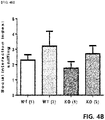
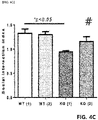
Fig. 4 is an analysis of the social improvement effect of lisuride in an autism animal model (Cntnap2-deficient animal model).Fig. 4A and4B show the results of a single (1 treatment for 1 day) lisuride treatment, andFig. 4C and4D show the results of 5 days of treatment with lisuride (1 treatment per day). (WT(1): wild-type mice, WT(2): wild-type mice administered with lisuride, KO(1): knock-out mice deficient in FMRP expression, KO(2): Fmrl-knockout mice group administered with lisuride; ∗ is p<0.05 vs WT controls; # is p<0.05 vs knock-out mice. -
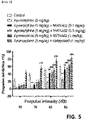
Fig. 5 is an analysis of the improvement effect of pre-wave suppression of lisuride (NV01A02) in an animal model treated with apomorphine in wild-type mice. ∗∗∗ is p<0.001 vs WT controls; # is p<0.05, ## is p<0.01, and ### is p<0.001 vs apomorphine-treated group. -
Fig. 6 is an analysis of the improvement effect of pre-pulse suppression of lisuride (NV01A02) in an animal model treated with MK-801 in wild-type mice. ∗∗ is p<0.01 and ∗∗∗ is p<0.001 vs WT controls; # is p<0.05, ## is p<0.01, and ### is p<0.001 vs MK801 treated group. -
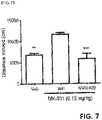
Fig. 7 is the results of analyzing the hyperactivity improvement effect of lisuride in an animal model treated with MK-801. (veh: Wild type mouse, NV01A02: lisuride treatment group; ∗∗ is p<0.001, ∗∗∗ is p<0.0001). - Hereinafter, the present invention will be described in more detail.
- As described above, fragile X syndrome is characterized by cognitive deficits in learning and memory, lack of social skills, communication difficulties, and hyperactivity; and can be accompanied by autism and attention deficit hyperactivity disorder, which are also developmental disorders. Autism spectrum disorder is accompanied by symptoms such as hyperactivity, repetitive behaviors, or lack of social skills. However, drugs that can effectively and simultaneously treat one or more symptoms of autism spectrum disorder, fragile X syndrome, and any related developmental disorders, have not yet been reported.
- Lisuride has therapeutic effects on direct or indirect symptoms of autism spectrum disorder, fragile X syndrome, or related developmental disorders (lack of sociability, prior wave suppression, etc.). A metabolite or a pharmaceutically acceptable salt thereof may be used as an active ingredient in a pharmaceutical composition for preventing and treating autism spectrum disorder, fragile X syndrome, and/or related developmental disorders.
- Thus, the present invention provides a composition containing lisuride, a lisuride metabolite, or a pharmaceutically acceptable salt thereof as an active ingredient, for preventing, improving, or treating symptoms of autism spectrum disorder, fragile X syndrome (FXS), or related developmental disorders.
- Lisuride, an active ingredient of the composition for treating autism spectrum disorder, fragile X syndrome, or related developmental disorders of the present invention, is a compound represented by the following
chemical formula 1. The molecular formula is C20H26N4O and the molecular weight is 338.447 g/ mol. The IUPAC name of lisuride is 1,1-Diethyl-3-(7-methyl-4,6,6a,7,8,9 -hexahydro-indolo[4,3-fg]quinolin-9-yl)-urea: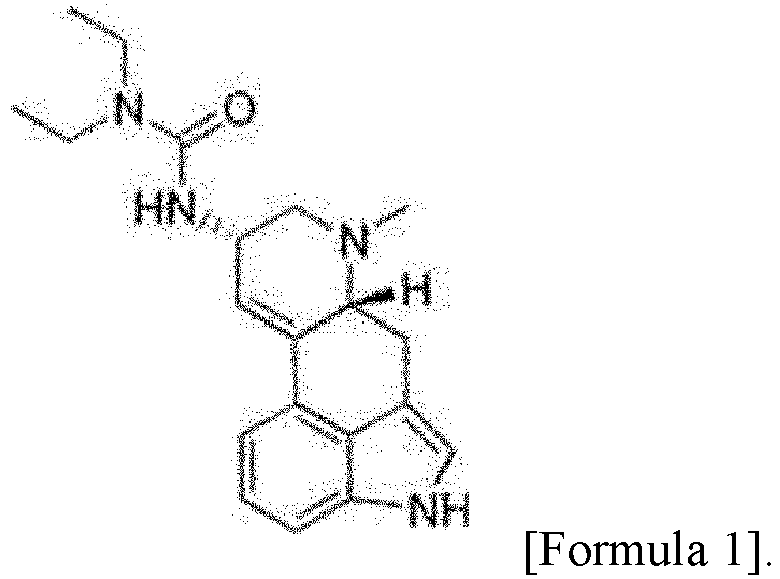
- Lisuride of the present invention can include lisuride hydrate, lisuride derivatives, lisuride metabolites, etc. with the range of having the same efficacy as lisuride, and may also include solvates or stereoisomers thereof. The method for obtaining lisuride, lisuride hydrate, lisuride derivatives, lisuride metabolites, etc. is not particularly limited, and chemically synthesized or commercially available ones can be used using known methods.
- In the present invention, the term " pharmaceutically acceptable salt" or "salt thereof" may be an acid addition salt formed with a free acid. Acid addition salts can be prepared by conventional methods, for example, by dissolving the compound in an aqueous solution of excess acid and precipitating the salt with a water-miscible organic solvent such as methanol, ethanol, acetone, or acetonitrile. In addition, equimolar amounts of the compound and acid or alcohol in water (e.g., glycol monomethyl ether) may be heated and then the mixture may be evaporated to dryness, or the precipitated salt may be filtered off with suction. An inorganic acid or an organic acid may be used as the free acid. Non-limiting examples of the inorganic acid include hydrochloric acid, phosphoric acid, sulfuric acid, nitric acid, tartaric acid, and the like, and these may be used alone or in a combination of two or more. The "pharmaceutically acceptable salt" or "salt thereof" may be an acid addition salt formed with a free acid. Acid addition salts can be prepared by conventional methods, for example, by dissolving the compound in an aqueous solution of an excess of acid and precipitating the salt with a water-miscible organic solvent such as methanol, ethanol, acetone, or acetonitrile. In addition, equimolar amounts of the compound and acid or alcohol in water (e.g., glycol monomethyl ether) may be heated and then the mixture may be evaporated to dryness, or the precipitated salt may be filtered off with suction.
- The salts of lisuride may include all salts of acidic or basic groups that may be present in the compounds of lisuride unless otherwise indicated. For example, the salt of lisuride may include sodium, calcium, and potassium salts of a hydroxyl group, and other cosmetically acceptable salts of an amino group include hydrobromide, sulfuric acid, hydrogen sulfate, phosphate, and hydrogen phosphate., dihydrogen phosphate, acetate, succinate, citrate, tartrate, lactate, mandelate, methanesulfonate (mesylate) and p- toluenesulfonate (tosylate) salts, and it can be prepared through a salt preparation method known in the art.
- In the present invention, "lisuride metabolite" or "metabolite thereof" refers to a product that is metabolized in the body of a subject to which lisuride has been administered.
- In the present invention, "prevention" means any action that suppresses the onset or delays the onset by administration of the composition. In the present invention, "improvement" or "treatment" refers to any action in which the symptoms of the disease are improved or beneficially changed by the administration of the composition.
preferably includes any one or more symptoms selected from the group consisting of hyperactivity symptoms and social deficit symptoms, but is not limited thereto, and the symptoms reported as symptoms of autism spectrum disorder It can contain any. - In the present invention, "autism spectrum disorder" preferably includes any one or more symptoms selected from the group consisting of hyperactivity, repetitive behaviors, and social deficit symptoms, but is not limited thereto, and can contain any symptoms reported as symptoms of autism spectrum disorder.
- In the present invention, "fragile X syndrome" preferably includes any one or more symptoms selected from the group consisting of repetitive behavior, hyperactivity, reduced learning ability, lack of sociability, impulsivity, and anxiety symptoms, but is not limited thereto, and may include any symptoms reported as symptoms of fragile X syndrome.
- In the present invention, "fragile X syndrome-related developmental disorder" preferably includes any one or more developmental disorders selected from the group consisting of attention deficit hyperactivity disorder (ADHD), autism spectrum disorder (ASD), intellectual disability, cognitive impairment, impulse control disorder, and anxiety disorder, but not limited thereto, and may include anything that has been reported as a concomitant disorder or disease of fragile X syndrome.
- In the present invention, the autism spectrum disorder may include autistic disorder, Rett's disorder, Asperger's syndrome, and Pervasive developmental disorder-not otherwise specified (PDD-NOS).
- In the present invention, "fragile X syndrome-related developmental disorder" preferably includes any one or more symptoms selected from the group consisting of repetitive behavior, hyperactivity, reduced learning ability, lack of social skills, impulsivity, and anxiety symptoms, but not limited to, and may include any symptoms reported as symptoms of "disorders associated with fragility X".
- In the specific embodiment of the present invention, the present inventors confirmed the degree of social improvement according to the presence or absence of administration of lisuride in the fragile X syndrome animal model (Fmrl-deficient animal model) and autistic animal model (Cntnap2-deficient animal model), In an animal model deficient in Fmrl, sociability was decreased, but in mice treated with lisuride, sociability was improved. In addition, it was confirmed that the pre-pulse suppression was reduced in the Fmrl-deficient animal model, but recovered again by the lisuride treatment (
Figs. 1 to 4 ). - The composition of the present invention is used as a pharmaceutical preparation containing lisuride or a pharmaceutically acceptable salt thereof as an active ingredient may be formulated and administered in various oral or parenteral dosage forms at the time of clinical administration but is not limited thereto.
- The oral administration may include, for example, tablets, pills, hard/soft capsules, solutions, suspensions, emulsifiers, syrups, granules, elixirs, and the like. rose, sucrose, mannitol, sorbitol, cellulose, and/or glycine), lubricants (e.g., silica, talc, stearic acid, and its magnesium or calcium salts and/or polyethylene glycol). Tablets may also contain binders such as magnesium aluminum silicate, starch paste, gelatin, methylcellulose, sodium carboxymethylcellulose, and/or polyvinylpyrrolidone, optionally starch, agar, alginic acid, or its sodium salt. It may contain disintegrants or effervescent mixtures and/or absorbents, colorants, flavoring agents, and sweetening agents.
- The present pharmaceutical composition containing lisuride, a lisuride metabolite, or a pharmaceutically acceptable salt thereof as an active ingredient, can be administered parenterally, and parenteral administration is by subcutaneous injection, intravenous injection, intramuscular injection, or intrathoracic injection. At this time, to formulate a dosage form for parenteral administration, a pharmaceutical composition containing lisuride or a pharmaceutically acceptable salt thereof as an active ingredient is mixed with water together with a stabilizer or buffer to prepare a solution or suspension, and it can be manufactured as an ampoule or vial unit dosage form. The composition may be sterilized and/or contain adjuvants such as preservatives, stabilizers, wetting agents or emulsification accelerators, salts and/or buffers for regulating osmotic pressure, and other therapeutically useful substances. It can be formulated according to the method of formulation or coating conventionally.
- In the present composition, the dose of lisuride, a lisuride metabolite, or a salt thereof to the human body may vary depending on the patient's age, weight, sex, dosage form, health status, and disease level. Based on an adult patient weighing 60 kg, generally, 0.001 to 1,000 mg/day, preferably 0.01 to 500 mg/day, may be administered in divided doses once or several times a day at regular time intervals according to the judgment of a doctor or pharmacist.
- The composition of the present invention may contain the active ingredient in an amount of 0.1 to 90% by weight based on the total weight of the composition. However, the content is not necessarily limited thereto and may vary depending on the patient's condition, the type of disease, and the degree of progression.
- In another aspect, the present invention provides a health functional food composition for preventing or improving symptoms of autism spectrum disorder, fragile X syndrome (FXS), or related disorders containing lisuride, a lisuride metabolite, or a salt thereof as an active ingredient. The detailed contents of lisuride are the same as described above.
- In the present invention, the term "health functional food" refers to food manufactured and processed in the form of tablets, capsules, powders, granules, liquids, pills, etc. using raw materials or ingredients useful for the human body. Here, 'functionality' refers to obtaining useful effects for health purposes, such as regulating nutrients or physiological effects on the structure and function of the human body. The health functional food of the present invention can be prepared by a method commonly used in the art, and during the manufacture, it can be prepared by adding raw materials and components commonly added in the art. In addition, the dosage form of the health functional food may be manufactured without limitation as long as it is a dosage form recognized as a health functional food. The health functional food composition of the present invention has the advantage that there are no side effects that may occur during long-term administration using food as raw material, unlike general drugs, and has excellent portability, thereby it can be taken as a supplement to enhance the effect of alleviating the symptoms of fragile X syndrome or its related developmental disorders.
- In the present health functional food for the prevention or improvement of autism spectrum disorder, fragile X syndrome, or related developmental disorders, when lisuride is used as an additive to a health functional food, it is added as it is or mixed with other food or food ingredients. They can be used together and can be used appropriately according to a conventional method. The mixing amount of the active ingredient may be appropriately determined according to each purpose of use, such as prevention, health, or treatment.
- The formulation of health functional food may be in the form of powder, granules, pills, tablets, and capsules, as well as in the form of general food or beverages.
- The type of food is not particularly limited, and examples of food to which the substance can be added include meat, sausage, bread, chocolate, candy, snacks, confectionery, pizza, ramen, other noodles, gum, and dairy products including ice cream, various soups, beverages, teas, drinks, alcoholic beverages, vitamin complexes, etc., and may include all foods in a conventional sense.
- The mixing amount of the active ingredient may be appropriately determined depending on the purpose of its use (for prevention or improvement). In general, the amount of the compound (active ingredient) in the health food may be added in an amount of 0.1 to 90% by weight based on the total weight of the food. However, in the case of long-term intake for health and hygiene or health control, the amount may be less than the above range, and since there is no problem in terms of safety, the active ingredient may be used in an amount above the above range.
- Beverages among functional foods according to the present invention may contain various flavoring agents or natural carbohydrates as additional ingredients like conventional beverages. The above-mentioned natural carbohydrates may be monosaccharides such as glucose and fructose, disaccharides such as maltose and sucrose, polysaccharides such as dextrin and cyclodextrin, and sugar alcohols such as xylitol, sorbitol, and erythritol. As for the sweetener, natural sweeteners such as taumatine and stevia extract, and synthetic sweeteners such as saccharin and aspartame may be used. The ratio of the natural carbohydrate may be about 0.01 to 0.04 g, preferably about 0.02 to 0.03 g per 100 mL of the beverage according to the present invention.
- In addition to the above, the health functional food for the prevention or improvement of fragile X syndrome or related developmental disorders according to the present invention may include various nutrients, vitamins, electrolytes, flavoring agents, coloring agents, pectic acid and its salts, alginic acid, and its salts, organic acids, and protective properties. It may contain colloidal thickeners, pH adjusters, stabilizers, preservatives, glycerin, alcohols, and carbonating agents used in carbonated beverages. In addition, the health functional food composition for preventing or improving fragile X syndrome or related developmental disorders of the present invention may contain fruit for the production of natural fruit juice, fruit juice beverage, and vegetable beverage. These components may be used independently or in combination. The ratio of these additives is not limited but is generally selected in the range of 0.01 to 0.1 parts by weight relative to 100 parts by weight of the functional food of the present invention.
- Hereinafter, the present invention will be described in more detail through examples. These examples are only for illustrating the present invention, and it will be apparent to those of ordinary skill in the art that the scope of the present invention is not to be construed as being limited by these examples.
- Purchased a 5-week-old Fmrl knockout mouse (Jackson Laboratory, USA) weighing about 22 g to 24 g, and acclimatized to an environment with a temperature of 23±2°C and humidity of 55±10% and a light-dark cycle of 12 hours while allowing them to freely consume water and feed (Experimental Animal Center, Konkuk University). As experimental animals, wild-type (WT) with normal FMRP expression and male KO mice lacking FMRP (fragile X mental retardation protein) expression (fragile X syndrome; FXS) were used. Dosing and experiments were performed according to the age of the week. Dosing was performed at the same time. Behavioral experiments were conducted 30 minutes after administration. It was divided into groups administered with 1 mg/kg each of lisuride (Sigma Aldrich) in FMRP expression-deficient knock-out (Knock-Out) mice, wild-type (Wild Type) mice, and 0.25 (v/v) % DMSO in FMRP expression-deficient knock-out mice (6 mice per group). For the drug administration group, lisuride was dissolved in 0.25 (v/v) % DMSO and then administered intraperitoneally at a dose of 50 ug/kg. Meanwhile, 0.25 (v/v) % DMSO was intraperitoneally administered to the control group.
- To confirm the therapeutic effect of lisuride on social deficits, one of the phenotypes of fragile X syndrome and related developmental disorders, a three-chamber test was performed in the Fmrl-deficient animal model. If the animal model spent more time with a novel mouse rather than a familiar mouse, it is judged to be social. The test animal was exposed to the stimulus mouse for 10 minutes, and to a new stimulus mouse (novel) for another 10 minutes. In this case, the old mouse is called familiar and the new mouse is called a novel mouse. The time the test mouse explored each stimulus mouse was measured and expressed as %. As a result of the experiment, it was confirmed that the wild type spent more time with the novel mouse than the familiar mouse, indicating normal sociability. On the other hand, the mice deficient in Fmrl spent more time with the familiar mouse than the novel mouse, indicating impaired sociability. When Fmrl-deficient mice were treated with lisuride, more time was spent with the novel mouse than with the familiar mouse, indicating that sociability was improved through the treatment with lisuride (
Fig. 1 ). - To confirm the therapeutic effect of lisuride on social deficits, one of the phenotypes of developmental disorders, a home-cage test was performed using an Fmrl-deficient animal model. A home-cage test evaluates sociability in the breeding cage removing the possible confounders of stress due to abrupt changes in the environment. After raising the group of animals to be tested together, a wire cage was placed inside the home cage and allowed the animals to acclimatize for 30 minutes. A stimulus mouse was placed in a wire cage and the duration of sniffing by the subject mice to the wire cage was measured for 15 minutes. Lisuride was administered once daily for 5 days. The sniffing time was reduced in Fmrl-deficient mice, but it was confirmed that the sniffing time increased again when lisuride was administered, suggesting that sociability was improved by lisuride treatment (
Fig. 2 ). - The startle response was confirmed using an Fmrl-deficient animal model. Mice were divided into groups, and 0.9% physiological saline (saline solution) or lisuride was intraperitoneally administered to wild-type or knock-out mice. Thereafter, sensorimotor gating was evaluated through a pre-wave suppression test (converted using
Equation 1 below). As a result of the experiment, it was confirmed that the pre-pulse suppression was reduced in Fmrl-deficient mice, but the pre-pulse suppression was restored when lisuride was treated (Fig. 3 ).
- Purchased a 5-week-old Cntnap2 knockout mouse (Jackson Laboratory, USA) weighing about 22 g to 24 g and acclimatize to an environment with a temperature of 23 ± 2°C, humidity of 55 ± 10%, and a light-dark cycle of 12 hours while allowing them to freely consume water and feed. After breeding (Konkuk University Laboratory Animal Center), they were used for experiments. Wild-type (WT) mice showing normal expression of Cntnap2 and KO mice lacking Cntnap2 expression were used. The dosing and testing were performed according to the age of the week. Dosing was performed at the same time. Behavioral experiments were conducted 30 minutes after administration. It was divided into groups administered with 1 mg/kg each of lisuride (Sigma Aldrich) or 0.25 (v/v) % DMSO in Cntnap2 expression-deficient knock-out mice or wild-type mice. For the drug administration group, lisuride was dissolved in 0.25% DMSO and then administered intraperitoneally at a dose of 50 ug /kg. Meanwhile, 0.25 (v/v) % DMSO was intraperitoneally administered to the control group.
- To confirm the therapeutic effect of Iisuride on the lack of sociability, one of the phenotypes of developmental disorders, a three-chamber test was performed using an animal model lacking Cntnap2. Experimental results were expressed as a social interaction index by measuring the time the test mouse approaches or sniffs each stimulus mouse. The higher the social interaction index means more time spent or sniffing in the novel over the familiar mouse.
- Cntnap2 deficient mice spent more time or sniffed more with the familiar mice than novel mice. The KO group's social interaction index was decreased compared to wild-type mice. On the other hand, when Cntnap2-deficient mice were treated with lisuride, they spent more time and sniffed more with the novel mouse than the familiar mouse (
FIG. 4 ). - Startle response was confirmed in an animal model treated with apomorphine or MK-801 in wild-type mice. Mice were divided into groups, and 0.9 (w/v)% of physiological saline (saline solution) or lisuride was administered intraperitoneally to each group. Thereafter, sensorimotor gating was evaluated through a pre-wave suppression test (converted using
Equation 1 above). As a result of the experiment, it was confirmed that, when wild-type mice were treated with apomorphine or MK-801, the pre-pulse suppression was reduced, but when lisuride was treated after apomorphine or MK-801, it was confirmed that the pre-pulse suppression was restored (Fig. 5 ,Fig. 6 ). - To confirm the hyperactivity improvement effect of lisuride, an open-field test was performed using an animal model in which MK-801 was administered to wild-type mice, and the results are shown in
Fig. 7 . As a result of the experiment, hyperactivity was observed when MK-801 was administered but was significantly reduced when treated with lisuride. - Hereinafter, an example of the preparation of a pharmaceutical or food containing lisuride as an active ingredient according to the present invention will be described, not intended to limit the invention but merely to describe it in detail. Using the active ingredient, the pharmaceutical or food composition of Preparation Example 1 or 2 was prepared according to a conventional method according to the following compositional components and composition ratios.
-
-
Lisuride 20 mg -
Lactose hydrate 100 mg - Talc 10 mg
- The above ingredients were mixed and filled in an airtight bag to prepare a powder.
-
- Lisuride 10 mg
-
Corn Starch 100 mg -
Lactose hydrate 100 mg -
Magnesium stearate 2 mg - After mixing the above ingredients, tablets were prepared by tableting according to a conventional manufacturing method of tablets.
-
- Lisuride 10 mg
- Microcrystalline Cellulose 3 mg
- Lactose hydrate 14.8 mg
- Magnesium stearate 0.2 mg
- After mixing the above ingredients, the capsules were prepared by filling in gelatin capsules according to a conventional manufacturing method of capsules.
-
- Lisuride 10 mg
- Mannitol 180 mg
- Sterile distilled water for injection 2974 mg
- Sodium monohydrogen phosphate 26 mg
- After mixing the above ingredients, the content of the above components per 1 ampoule (2 mL) was prepared according to a conventional method for preparing injections.
-
Lisuride 10 mg Isomerized sugar 10 mg Mannitol 5 mg Purified water appropriate amount Lemon flavor appropriate amount - The above ingredients were dissolved by adding each ingredient to purified water according to a conventional manufacturing method. After adding an appropriate amount of lemon flavor, purified water was added to adjust the total volume to 100 mL, sterilized, and filled in a brown bottle to prepare a solution.
-
- Lisuride 10 mg
- Vitamin A acetate 70 µg
- Vitamin E 1.0 mg
- Vitamin B1 0.13 mg
- Vitamin B2 0.15 mg
- Vitamin B6 0.5 mg
- Vitamin B12 0.2 µg
- Vitamin C 10 mg
- Biotin 10 µg
- Nicotinamide 1.7 mg
- Folic acid 50 µg
- Calcium pantothenate 0.5 mg
- Mineral mixture appropriate amount
- Ferrous sulfate 1.75 mg
- Zinc oxide 0.82 mg
- Magnesium carbonate 25.3 mg
- Potassium monophosphate 15 mg
- Dibasic calcium phosphate 55 mg
- Potassium citrate 30 mg
-
Calcium carbonate 100 mg - Magnesium chloride 24.8 mg
- The composition ratio of the vitamin and mineral mixture is relatively suitable for health food in a preferred embodiment, but the mixing ratio may be arbitrarily modified to prepare granules and can be used for preparing health food compositions according to a conventional method.
-
- Lisuride 10 mg
- Vitamin C 15 g
- Vitamin E (powder) 100 g
- Iron lactate 19.75 g
- Zinc oxide 3.5 g
- Nicotinic acid amide 3.5 g
- Vitamin A 0.2 g
- Vitamin B1 0.25 g
- Vitamin B2 0.3 g
- Purified water appropriate amount
- After mixing the above ingredients according to a conventional health drink manufacturing method, stirring and heating at 85°C. for about 1 hour, the resulting solution was filtered and obtained in a sterilized 2L container, sealed, sterilized, refrigerated, and then used in the manufacture of health beverage compositions.
- Although the composition ratio is prepared by mixing ingredients suitable for relatively favorite beverages in a preferred embodiment, the mixing ratio may be arbitrarily modified according to regional and national preferences such as demand class, demanding country, and use.
- The description of the present invention described above is for illustration, and those of ordinary skill in the art to which the present invention pertains can understand that it can be modified into other specific forms without changing the technical spirit or essential features of the present invention. Therefore, it should be understood that the embodiments described above are illustrative in all respects and not restrictive.
Claims (6)
- A pharmaceutical composition for preventing or treating autism spectrum disorder, fragile X syndrome (FXS) or a fragile X syndrome-related developmental disorder, comprising lisuride, a metabolite thereof or a pharmaceutically acceptable salt thereof.
- The pharmaceutical composition according to claim 1, wherein the lisuride is represented by the following formula (1):

- The pharmaceutical composition according to claim 1, wherein the autism spectrum disorder is accompanied by one or more symptoms selected from hyperactivity or social deficit.
- The pharmaceutical composition according to claim 1, wherein the fragile X syndrome is accompanied by one or more symptoms selected from the group consisting of repetitive behavior, hyperactivity, reduced learning ability, lack of social skills, impulsivity, and anxiety symptoms.
- The pharmaceutical composition according to claim 1, wherein the fragile X syndrome-related developmental disorder includes one or more symptoms selected from the group consisting of attention deficit hyperactivity disorder (ADHD), autism spectrum disorder (ASD), intellectual disability, cognitive impairment, and impulse control disorder and anxiety disorder.
- A health functional food composition for preventing or improving autism spectrum disorder, fragile X syndrome (FXS), or a fragile X syndrome-related developmental disorder, comprising lisuride, a metabolite thereof, or a pharmaceutically acceptable salt thereof.
Applications Claiming Priority (2)
| Application Number | Priority Date | Filing Date | Title |
|---|---|---|---|
| KR20200002576 | 2020-01-08 | ||
| PCT/KR2021/000227 WO2021141426A1 (en) | 2020-01-08 | 2021-01-08 | Composition for treating fragile x syndrome or related developmental disorders, comprising lisuride compound as active ingredient |
Publications (3)
| Publication Number | Publication Date |
|---|---|
| EP4088721A1 true EP4088721A1 (en) | 2022-11-16 |
| EP4088721A4 EP4088721A4 (en) | 2024-01-10 |
| EP4088721B1 EP4088721B1 (en) | 2025-09-17 |
Family
ID=76788829
Family Applications (1)
| Application Number | Title | Priority Date | Filing Date |
|---|---|---|---|
| EP21738899.0A Active EP4088721B1 (en) | 2020-01-08 | 2021-01-08 | Composition for treating fragile x syndrome or related developmental disorders, comprising lisuride compound as active ingredient |
Country Status (6)
| Country | Link |
|---|---|
| US (1) | US20230024384A1 (en) |
| EP (1) | EP4088721B1 (en) |
| JP (1) | JP7490064B2 (en) |
| KR (2) | KR102528677B1 (en) |
| CN (1) | CN115335053B (en) |
| WO (1) | WO2021141426A1 (en) |
Families Citing this family (1)
| Publication number | Priority date | Publication date | Assignee | Title |
|---|---|---|---|---|
| WO2022079302A1 (en) * | 2020-10-16 | 2022-04-21 | Purposeful Ike | Compositions and uses thereof |
Family Cites Families (11)
| Publication number | Priority date | Publication date | Assignee | Title |
|---|---|---|---|---|
| DE2359128A1 (en) * | 1973-11-24 | 1975-06-12 | Schering Ag | MEDICINAL PRODUCTS BASED ON LISURIDE AND ITS PHYSIOLOGICALLY COMPATIBLE SALT |
| KR101446813B1 (en) * | 2006-04-06 | 2014-10-01 | 뉴파쎄 인크. | Implants for the treatment of dopamine associated states |
| WO2008134123A1 (en) * | 2007-04-30 | 2008-11-06 | The Uab Research Foundation | Ul97 for treatment of protein aggregate disorders |
| WO2010015037A1 (en) * | 2008-08-08 | 2010-02-11 | Howard Florey Institute | Therapeutic methods and compositions |
| BR112013001422A2 (en) * | 2010-07-20 | 2019-09-24 | Phytopharm Plc | method for treating or preventing l-dopa, dopamine agonist and / or dopamine enhancer-induced disorders in an individual in need thereof, agent, composition, use of one or more agents and method for treating parkinson's disease |
| US20140058108A1 (en) * | 2010-11-11 | 2014-02-27 | Sinoxa Pharma Ug | Lisuride, Terguride and Derivatives Thereof for Use in the Prophylaxis and/or Treatment of Fibrotic Changes |
| TW201606304A (en) * | 2013-09-09 | 2016-02-16 | 亞克柏拉有限公司 | Methods of determining response to therapy |
| TW201613864A (en) * | 2014-02-20 | 2016-04-16 | Takeda Pharmaceutical | Novel compounds |
| GB2550110A (en) * | 2016-04-28 | 2017-11-15 | Univ Oxford Innovation Ltd | Treatment of impulsivity-related disorders |
| ES2972205T3 (en) * | 2017-01-20 | 2024-06-11 | Prilenia Neurotherapeutics Ltd | Pridopidine for the treatment of fragile x syndrome |
| WO2022079302A1 (en) * | 2020-10-16 | 2022-04-21 | Purposeful Ike | Compositions and uses thereof |
-
2021
- 2021-01-08 WO PCT/KR2021/000227 patent/WO2021141426A1/en not_active Ceased
- 2021-01-08 JP JP2022542266A patent/JP7490064B2/en active Active
- 2021-01-08 KR KR1020210002313A patent/KR102528677B1/en active Active
- 2021-01-08 EP EP21738899.0A patent/EP4088721B1/en active Active
- 2021-01-08 US US17/790,891 patent/US20230024384A1/en active Pending
- 2021-01-08 CN CN202180008420.2A patent/CN115335053B/en active Active
-
2023
- 2023-02-06 KR KR1020230015296A patent/KR102600350B1/en active Active
Also Published As
| Publication number | Publication date |
|---|---|
| KR102528677B1 (en) | 2023-05-04 |
| JP7490064B2 (en) | 2024-05-24 |
| JP2023523119A (en) | 2023-06-02 |
| EP4088721B1 (en) | 2025-09-17 |
| EP4088721A4 (en) | 2024-01-10 |
| CN115335053B (en) | 2024-08-09 |
| KR20230023692A (en) | 2023-02-17 |
| WO2021141426A1 (en) | 2021-07-15 |
| KR20210089595A (en) | 2021-07-16 |
| CN115335053A (en) | 2022-11-11 |
| US20230024384A1 (en) | 2023-01-26 |
| KR102600350B1 (en) | 2023-11-09 |
Similar Documents
| Publication | Publication Date | Title |
|---|---|---|
| US20140050805A1 (en) | Composition, glucose metabolism-improving agent, and method for improving glucose metabolism | |
| US8097635B2 (en) | Insulin resistance improving agent | |
| EP4463157B1 (en) | Treatment of gm2 gangliosidosis | |
| KR20220149718A (en) | Composition containing L-ergothioneine | |
| JP2025535179A (en) | Composition for preventing or treating periodontitis containing cannabidiol and taurine | |
| EP4088721B1 (en) | Composition for treating fragile x syndrome or related developmental disorders, comprising lisuride compound as active ingredient | |
| EP4101448B1 (en) | Composition comprising rilmenidine compound as active ingredient for treatment of fragile x syndrome or related developmental disability | |
| AU2017221673B2 (en) | Novel indole derivative and anti-cancer composition containing same | |
| KR102521988B1 (en) | Pharmaceutical composition for treating or preventing cancer comprising gamma-glutamyltyrosine | |
| JP2014009214A (en) | Amyloid precursor protein expression inhibitor | |
| CN110691592A (en) | Composition for improving brain function | |
| EP3922252A1 (en) | Composition for enhancing vascular endothelial function | |
| CN105101974B (en) | Internal composition | |
| EP4324336B1 (en) | L-ergothioneine-containing composition | |
| JP7727671B2 (en) | Homocysteine derivative, its production method, composition, and anti-inflammatory agent | |
| US10364216B2 (en) | Alkenyl sulfate ester or salt thereof | |
| KR102374917B1 (en) | Composition comprising pirenperone compound for treating fragile x syndrome and related developmental disorders | |
| EP4260850A1 (en) | Pharmaceutical composition comprising pterosin compound and derivative thereof as active ingredient for prevention or treatment of pka-related disease | |
| KR20240139350A (en) | Composition for preventing, improving or treating post-traumatic stress disorder containing protocatechuic acid | |
| JP2025075697A (en) | Osteoclast differentiation inhibitor and method for inhibiting in vitro differentiation of osteoclast precursor cells into osteoclasts | |
| KR20240054685A (en) | Composition for preventing or treating MELAS syndrome, comprising isoquinoline derivatives as an active ingredient | |
| KR20200046525A (en) | Composition comprising pirenperone compound for treating fragile x syndrome and related developmental disorders | |
| US20190202796A1 (en) | Pharmaceutical composition for preventing and treating autism spectrum disorders, containing piperazine-1-carboxamidine or pharmaceutically acceptable salt thereof as active ingredient | |
| BR122023019667B1 (en) | METHOD OF PRODUCING A COMPOSITION CONTAINING L-ERGOTHIONEINE AND N,N-DIMETHYL-L-2-THIOHISTIDINE AND METHOD OF SUPPRESSING COLORATION OF THE COMPOSITION | |
| CN118632693A (en) | Treatment of GM2 gangliosidosis |
Legal Events
| Date | Code | Title | Description |
|---|---|---|---|
| STAA | Information on the status of an ep patent application or granted ep patent |
Free format text: STATUS: THE INTERNATIONAL PUBLICATION HAS BEEN MADE |
|
| PUAI | Public reference made under article 153(3) epc to a published international application that has entered the european phase |
Free format text: ORIGINAL CODE: 0009012 |
|
| STAA | Information on the status of an ep patent application or granted ep patent |
Free format text: STATUS: REQUEST FOR EXAMINATION WAS MADE |
|
| 17P | Request for examination filed |
Effective date: 20220706 |
|
| AK | Designated contracting states |
Kind code of ref document: A1 Designated state(s): AL AT BE BG CH CY CZ DE DK EE ES FI FR GB GR HR HU IE IS IT LI LT LU LV MC MK MT NL NO PL PT RO RS SE SI SK SM TR |
|
| DAV | Request for validation of the european patent (deleted) | ||
| DAX | Request for extension of the european patent (deleted) | ||
| REG | Reference to a national code |
Ref country code: DE Ref legal event code: R079 Ipc: A61K0031480000 Ref country code: DE Ref legal event code: R079 Ref document number: 602021038766 Country of ref document: DE Free format text: PREVIOUS MAIN CLASS: A61K0031473800 Ipc: A61K0031480000 |
|
| A4 | Supplementary search report drawn up and despatched |
Effective date: 20231208 |
|
| RIC1 | Information provided on ipc code assigned before grant |
Ipc: A23L 33/10 20160101ALI20231204BHEP Ipc: A61P 25/00 20060101ALI20231204BHEP Ipc: A61K 31/48 20060101AFI20231204BHEP |
|
| GRAP | Despatch of communication of intention to grant a patent |
Free format text: ORIGINAL CODE: EPIDOSNIGR1 |
|
| STAA | Information on the status of an ep patent application or granted ep patent |
Free format text: STATUS: GRANT OF PATENT IS INTENDED |
|
| INTG | Intention to grant announced |
Effective date: 20250408 |
|
| GRAS | Grant fee paid |
Free format text: ORIGINAL CODE: EPIDOSNIGR3 |
|
| GRAA | (expected) grant |
Free format text: ORIGINAL CODE: 0009210 |
|
| STAA | Information on the status of an ep patent application or granted ep patent |
Free format text: STATUS: THE PATENT HAS BEEN GRANTED |
|
| AK | Designated contracting states |
Kind code of ref document: B1 Designated state(s): AL AT BE BG CH CY CZ DE DK EE ES FI FR GB GR HR HU IE IS IT LI LT LU LV MC MK MT NL NO PL PT RO RS SE SI SK SM TR |
|
| REG | Reference to a national code |
Ref country code: GB Ref legal event code: FG4D |
|
| REG | Reference to a national code |
Ref country code: CH Ref legal event code: EP |
|
| REG | Reference to a national code |
Ref country code: DE Ref legal event code: R096 Ref document number: 602021038766 Country of ref document: DE |
|
| P01 | Opt-out of the competence of the unified patent court (upc) registered |
Free format text: CASE NUMBER: UPC_APP_5095_4088721/2025 Effective date: 20250828 |
|
| REG | Reference to a national code |
Ref country code: IE Ref legal event code: FG4D |
|
| PG25 | Lapsed in a contracting state [announced via postgrant information from national office to epo] |
Ref country code: NO Free format text: LAPSE BECAUSE OF FAILURE TO SUBMIT A TRANSLATION OF THE DESCRIPTION OR TO PAY THE FEE WITHIN THE PRESCRIBED TIME-LIMIT Effective date: 20251217 |
|
| REG | Reference to a national code |
Ref country code: LT Ref legal event code: MG9D |
|
| PG25 | Lapsed in a contracting state [announced via postgrant information from national office to epo] |
Ref country code: FI Free format text: LAPSE BECAUSE OF FAILURE TO SUBMIT A TRANSLATION OF THE DESCRIPTION OR TO PAY THE FEE WITHIN THE PRESCRIBED TIME-LIMIT Effective date: 20250917 |
|
| PG25 | Lapsed in a contracting state [announced via postgrant information from national office to epo] |
Ref country code: HR Free format text: LAPSE BECAUSE OF FAILURE TO SUBMIT A TRANSLATION OF THE DESCRIPTION OR TO PAY THE FEE WITHIN THE PRESCRIBED TIME-LIMIT Effective date: 20250917 |
|
| PGFP | Annual fee paid to national office [announced via postgrant information from national office to epo] |
Ref country code: FR Payment date: 20251231 Year of fee payment: 6 |
|
| PG25 | Lapsed in a contracting state [announced via postgrant information from national office to epo] |
Ref country code: GR Free format text: LAPSE BECAUSE OF FAILURE TO SUBMIT A TRANSLATION OF THE DESCRIPTION OR TO PAY THE FEE WITHIN THE PRESCRIBED TIME-LIMIT Effective date: 20251218 |
|
| PG25 | Lapsed in a contracting state [announced via postgrant information from national office to epo] |
Ref country code: SE Free format text: LAPSE BECAUSE OF FAILURE TO SUBMIT A TRANSLATION OF THE DESCRIPTION OR TO PAY THE FEE WITHIN THE PRESCRIBED TIME-LIMIT Effective date: 20250917 |
|
| REG | Reference to a national code |
Ref country code: NL Ref legal event code: MP Effective date: 20250917 |
|
| PG25 | Lapsed in a contracting state [announced via postgrant information from national office to epo] |
Ref country code: LV Free format text: LAPSE BECAUSE OF FAILURE TO SUBMIT A TRANSLATION OF THE DESCRIPTION OR TO PAY THE FEE WITHIN THE PRESCRIBED TIME-LIMIT Effective date: 20250917 |
|
| PG25 | Lapsed in a contracting state [announced via postgrant information from national office to epo] |
Ref country code: BG Free format text: LAPSE BECAUSE OF FAILURE TO SUBMIT A TRANSLATION OF THE DESCRIPTION OR TO PAY THE FEE WITHIN THE PRESCRIBED TIME-LIMIT Effective date: 20250917 |
|
| PG25 | Lapsed in a contracting state [announced via postgrant information from national office to epo] |
Ref country code: RS Free format text: LAPSE BECAUSE OF FAILURE TO SUBMIT A TRANSLATION OF THE DESCRIPTION OR TO PAY THE FEE WITHIN THE PRESCRIBED TIME-LIMIT Effective date: 20251217 |
|
| PG25 | Lapsed in a contracting state [announced via postgrant information from national office to epo] |
Ref country code: NL Free format text: LAPSE BECAUSE OF FAILURE TO SUBMIT A TRANSLATION OF THE DESCRIPTION OR TO PAY THE FEE WITHIN THE PRESCRIBED TIME-LIMIT Effective date: 20250917 |
|
| REG | Reference to a national code |
Ref country code: AT Ref legal event code: MK05 Ref document number: 1837714 Country of ref document: AT Kind code of ref document: T Effective date: 20250917 |
|
| PG25 | Lapsed in a contracting state [announced via postgrant information from national office to epo] |
Ref country code: SM Free format text: LAPSE BECAUSE OF FAILURE TO SUBMIT A TRANSLATION OF THE DESCRIPTION OR TO PAY THE FEE WITHIN THE PRESCRIBED TIME-LIMIT Effective date: 20250917 |
|
| PGFP | Annual fee paid to national office [announced via postgrant information from national office to epo] |
Ref country code: GB Payment date: 20260106 Year of fee payment: 6 |
|
| PG25 | Lapsed in a contracting state [announced via postgrant information from national office to epo] |
Ref country code: ES Free format text: LAPSE BECAUSE OF FAILURE TO SUBMIT A TRANSLATION OF THE DESCRIPTION OR TO PAY THE FEE WITHIN THE PRESCRIBED TIME-LIMIT Effective date: 20250917 |
|
| PGFP | Annual fee paid to national office [announced via postgrant information from national office to epo] |
Ref country code: DE Payment date: 20251230 Year of fee payment: 6 |
|
| PG25 | Lapsed in a contracting state [announced via postgrant information from national office to epo] |
Ref country code: AT Free format text: LAPSE BECAUSE OF FAILURE TO SUBMIT A TRANSLATION OF THE DESCRIPTION OR TO PAY THE FEE WITHIN THE PRESCRIBED TIME-LIMIT Effective date: 20250917 |
|
| PG25 | Lapsed in a contracting state [announced via postgrant information from national office to epo] |
Ref country code: IT Free format text: LAPSE BECAUSE OF FAILURE TO SUBMIT A TRANSLATION OF THE DESCRIPTION OR TO PAY THE FEE WITHIN THE PRESCRIBED TIME-LIMIT Effective date: 20250917 |
|
| PG25 | Lapsed in a contracting state [announced via postgrant information from national office to epo] |
Ref country code: IS Free format text: LAPSE BECAUSE OF FAILURE TO SUBMIT A TRANSLATION OF THE DESCRIPTION OR TO PAY THE FEE WITHIN THE PRESCRIBED TIME-LIMIT Effective date: 20260117 |
|
| PG25 | Lapsed in a contracting state [announced via postgrant information from national office to epo] |
Ref country code: CZ Free format text: LAPSE BECAUSE OF FAILURE TO SUBMIT A TRANSLATION OF THE DESCRIPTION OR TO PAY THE FEE WITHIN THE PRESCRIBED TIME-LIMIT Effective date: 20250917 Ref country code: PT Free format text: LAPSE BECAUSE OF FAILURE TO SUBMIT A TRANSLATION OF THE DESCRIPTION OR TO PAY THE FEE WITHIN THE PRESCRIBED TIME-LIMIT Effective date: 20260119 |
|
| PG25 | Lapsed in a contracting state [announced via postgrant information from national office to epo] |
Ref country code: PL Free format text: LAPSE BECAUSE OF FAILURE TO SUBMIT A TRANSLATION OF THE DESCRIPTION OR TO PAY THE FEE WITHIN THE PRESCRIBED TIME-LIMIT Effective date: 20250917 |
|
| PG25 | Lapsed in a contracting state [announced via postgrant information from national office to epo] |
Ref country code: SK Free format text: LAPSE BECAUSE OF FAILURE TO SUBMIT A TRANSLATION OF THE DESCRIPTION OR TO PAY THE FEE WITHIN THE PRESCRIBED TIME-LIMIT Effective date: 20250917 Ref country code: EE Free format text: LAPSE BECAUSE OF FAILURE TO SUBMIT A TRANSLATION OF THE DESCRIPTION OR TO PAY THE FEE WITHIN THE PRESCRIBED TIME-LIMIT Effective date: 20250917 |
|
| REG | Reference to a national code |
Ref country code: DE Ref legal event code: R097 Ref document number: 602021038766 Country of ref document: DE |
|
| PG25 | Lapsed in a contracting state [announced via postgrant information from national office to epo] |
Ref country code: LT Free format text: LAPSE BECAUSE OF FAILURE TO SUBMIT A TRANSLATION OF THE DESCRIPTION OR TO PAY THE FEE WITHIN THE PRESCRIBED TIME-LIMIT Effective date: 20250917 |
|
| PG25 | Lapsed in a contracting state [announced via postgrant information from national office to epo] |
Ref country code: DK Free format text: LAPSE BECAUSE OF FAILURE TO SUBMIT A TRANSLATION OF THE DESCRIPTION OR TO PAY THE FEE WITHIN THE PRESCRIBED TIME-LIMIT Effective date: 20250917 |
|
| PLBE | No opposition filed within time limit |
Free format text: ORIGINAL CODE: 0009261 |
|
| STAA | Information on the status of an ep patent application or granted ep patent |
Free format text: STATUS: NO OPPOSITION FILED WITHIN TIME LIMIT |
|
| REG | Reference to a national code |
Ref country code: CH Ref legal event code: L10 Free format text: ST27 STATUS EVENT CODE: U-0-0-L10-L00 (AS PROVIDED BY THE NATIONAL OFFICE) Effective date: 20260729 |