EP4083830B1 - Verfahren und vorrichtung zur identitätsauthentifizierung und zugehörige vorrichtung - Google Patents
Verfahren und vorrichtung zur identitätsauthentifizierung und zugehörige vorrichtung Download PDFInfo
- Publication number
- EP4083830B1 EP4083830B1 EP20910373.8A EP20910373A EP4083830B1 EP 4083830 B1 EP4083830 B1 EP 4083830B1 EP 20910373 A EP20910373 A EP 20910373A EP 4083830 B1 EP4083830 B1 EP 4083830B1
- Authority
- EP
- European Patent Office
- Prior art keywords
- user
- server
- verification
- service provider
- identity
- Prior art date
- Legal status (The legal status is an assumption and is not a legal conclusion. Google has not performed a legal analysis and makes no representation as to the accuracy of the status listed.)
- Active
Links
Images




Classifications
-
- G—PHYSICS
- G06—COMPUTING OR CALCULATING; COUNTING
- G06F—ELECTRIC DIGITAL DATA PROCESSING
- G06F21/00—Security arrangements for protecting computers, components thereof, programs or data against unauthorised activity
- G06F21/30—Authentication, i.e. establishing the identity or authorisation of security principals
- G06F21/31—User authentication
-
- G—PHYSICS
- G06—COMPUTING OR CALCULATING; COUNTING
- G06F—ELECTRIC DIGITAL DATA PROCESSING
- G06F21/00—Security arrangements for protecting computers, components thereof, programs or data against unauthorised activity
- G06F21/30—Authentication, i.e. establishing the identity or authorisation of security principals
- G06F21/31—User authentication
- G06F21/33—User authentication using certificates
-
- H—ELECTRICITY
- H04—ELECTRIC COMMUNICATION TECHNIQUE
- H04L—TRANSMISSION OF DIGITAL INFORMATION, e.g. TELEGRAPHIC COMMUNICATION
- H04L63/00—Network architectures or network communication protocols for network security
- H04L63/08—Network architectures or network communication protocols for network security for authentication of entities
- H04L63/0807—Network architectures or network communication protocols for network security for authentication of entities using tickets, e.g. Kerberos
-
- H—ELECTRICITY
- H04—ELECTRIC COMMUNICATION TECHNIQUE
- H04L—TRANSMISSION OF DIGITAL INFORMATION, e.g. TELEGRAPHIC COMMUNICATION
- H04L63/00—Network architectures or network communication protocols for network security
- H04L63/08—Network architectures or network communication protocols for network security for authentication of entities
- H04L63/0815—Network architectures or network communication protocols for network security for authentication of entities providing single-sign-on or federations
-
- H—ELECTRICITY
- H04—ELECTRIC COMMUNICATION TECHNIQUE
- H04L—TRANSMISSION OF DIGITAL INFORMATION, e.g. TELEGRAPHIC COMMUNICATION
- H04L63/00—Network architectures or network communication protocols for network security
- H04L63/08—Network architectures or network communication protocols for network security for authentication of entities
- H04L63/083—Network architectures or network communication protocols for network security for authentication of entities using passwords
-
- H—ELECTRICITY
- H04—ELECTRIC COMMUNICATION TECHNIQUE
- H04L—TRANSMISSION OF DIGITAL INFORMATION, e.g. TELEGRAPHIC COMMUNICATION
- H04L63/00—Network architectures or network communication protocols for network security
- H04L63/10—Network architectures or network communication protocols for network security for controlling access to devices or network resources
- H04L63/105—Multiple levels of security
-
- H—ELECTRICITY
- H04—ELECTRIC COMMUNICATION TECHNIQUE
- H04L—TRANSMISSION OF DIGITAL INFORMATION, e.g. TELEGRAPHIC COMMUNICATION
- H04L9/00—Cryptographic mechanisms or cryptographic arrangements for secret or secure communications; Network security protocols
- H04L9/08—Key distribution or management, e.g. generation, sharing or updating, of cryptographic keys or passwords
- H04L9/0861—Generation of secret information including derivation or calculation of cryptographic keys or passwords
- H04L9/0863—Generation of secret information including derivation or calculation of cryptographic keys or passwords involving passwords or one-time passwords
-
- H—ELECTRICITY
- H04—ELECTRIC COMMUNICATION TECHNIQUE
- H04L—TRANSMISSION OF DIGITAL INFORMATION, e.g. TELEGRAPHIC COMMUNICATION
- H04L9/00—Cryptographic mechanisms or cryptographic arrangements for secret or secure communications; Network security protocols
- H04L9/32—Cryptographic mechanisms or cryptographic arrangements for secret or secure communications; Network security protocols including means for verifying the identity or authority of a user of the system or for message authentication, e.g. authorization, entity authentication, data integrity or data verification, non-repudiation, key authentication or verification of credentials
- H04L9/321—Cryptographic mechanisms or cryptographic arrangements for secret or secure communications; Network security protocols including means for verifying the identity or authority of a user of the system or for message authentication, e.g. authorization, entity authentication, data integrity or data verification, non-repudiation, key authentication or verification of credentials involving a third party or a trusted authority
-
- H—ELECTRICITY
- H04—ELECTRIC COMMUNICATION TECHNIQUE
- H04L—TRANSMISSION OF DIGITAL INFORMATION, e.g. TELEGRAPHIC COMMUNICATION
- H04L9/00—Cryptographic mechanisms or cryptographic arrangements for secret or secure communications; Network security protocols
- H04L9/32—Cryptographic mechanisms or cryptographic arrangements for secret or secure communications; Network security protocols including means for verifying the identity or authority of a user of the system or for message authentication, e.g. authorization, entity authentication, data integrity or data verification, non-repudiation, key authentication or verification of credentials
- H04L9/3236—Cryptographic mechanisms or cryptographic arrangements for secret or secure communications; Network security protocols including means for verifying the identity or authority of a user of the system or for message authentication, e.g. authorization, entity authentication, data integrity or data verification, non-repudiation, key authentication or verification of credentials using cryptographic hash functions
- H04L9/3242—Cryptographic mechanisms or cryptographic arrangements for secret or secure communications; Network security protocols including means for verifying the identity or authority of a user of the system or for message authentication, e.g. authorization, entity authentication, data integrity or data verification, non-repudiation, key authentication or verification of credentials using cryptographic hash functions involving keyed hash functions, e.g. message authentication codes [MACs], CBC-MAC or HMAC
-
- G—PHYSICS
- G06—COMPUTING OR CALCULATING; COUNTING
- G06F—ELECTRIC DIGITAL DATA PROCESSING
- G06F2221/00—Indexing scheme relating to security arrangements for protecting computers, components thereof, programs or data against unauthorised activity
- G06F2221/21—Indexing scheme relating to G06F21/00 and subgroups addressing additional information or applications relating to security arrangements for protecting computers, components thereof, programs or data against unauthorised activity
- G06F2221/2115—Third party
-
- H—ELECTRICITY
- H04—ELECTRIC COMMUNICATION TECHNIQUE
- H04L—TRANSMISSION OF DIGITAL INFORMATION, e.g. TELEGRAPHIC COMMUNICATION
- H04L2463/00—Additional details relating to network architectures or network communication protocols for network security covered by H04L63/00
- H04L2463/082—Additional details relating to network architectures or network communication protocols for network security covered by H04L63/00 applying multi-factor authentication
Definitions
- This application relates to the field of computer technologies, and in particular, to an identity authentication method, a server of a cloud service provider, and a computer-readable storage medium
- each SP usually has an independent identity authentication system.
- the user needs to be authenticated by the identity authentication system of each SP before using the services.
- identity authentication systems of different SPs may be federated.
- a single sign-on (single sign on, SSO) technology is used to implement authentication in a single identity authentication system, so that services provided by SPs corresponding to a plurality of federated identity authentication systems can be used.
- SSO single sign on
- the plurality of identity authentication systems are federated, authentication can succeed by using only a single authentication credential. If the single authentication credential is leaked, an attacker may use services of a plurality of SPs by using an identity credential of a single system, and user information security is seriously threatened.
- US 2018/026796 A1 relates to a method for distributed trust authentication of one or more users attempting to access one or more service providers operating on a network, including performing primary authentication of a user using a first authentication factor, generating a first partial digital signature for a first authentication response to the primary authentication, performing secondary authentication of the user using a second authentication factor, generating a second partial digital signature for the second authentication response to the secondary authentication, combining the first and second partial digital signatures to form a composite digital signature, and validating the composite digital signature.
- that the server of the service provider sends a verification request to a user terminal based on the information about the verification method includes: The server of the service provider determines, based on the information about the verification method, a method in which the user receives the verification code, where the method in which the user receives the verification code includes receiving the verification code via an email or receiving the verification code via an SMS message.
- an identity authentication apparatus including:
- embodiments of this application provide a computer-readable storage medium
- the computer-readable storage medium stores a computer program, and when the computer program is executed by a processor, the processor performs the method according to any one of the first aspect or the specific embodiments of the first aspect.
- Multi-factor authentication is a computer access control method. A user can be authorized to use computer resources only after succeeding in two or more types of authentication.
- the system server After receiving the to-be-confirmed verification code sent by the user terminal, the system server generates a verification code based on a key corresponding to the user and current time. When determining that the to-be-confirmed verification code is the same as the verification code generated by the server, the system server determines that the user is an authorized user.
- An identity provider (identity provider, IDP) is a service provider that is responsible for collecting and storing user identity information and provides an identity management system for an enterprise.
- a server of the IDP stores identity information of a user of an enterprise system, and the identity information of the user includes a user name, a password, an email address, a mobile number, and the like of the user.
- the server of the IDP performs identity authentication on the user.
- the identity management system provided by the IDP is an identity management system of the enterprise.
- a service provider (service provider, SP) is a provider that provides different services for a user, for example, a cloud service provider.
- SP service provider
- the user needs to be registered with the SP.
- identity information of the user is stored in a server of the SP.
- an identity authentication system of the SP performs identity authentication on the user.
- the user When the user needs to use services provided by different systems, the user needs to be authenticated by different identity authentication systems when logging in to the different systems. For example, when the user needs to use an enterprise system, the user needs to log in to the enterprise system, and the identity management system of the IDP performs identity authentication on the user during login. When the user needs to use a service of the SP, the user needs to log in to the SP system, and the identity management system of the SP performs identity authentication on the user during login. In this manner, when the user uses a service of a system, the user needs to log in to the system by using an identity credential, and the user needs to record identity credentials such as accounts and passwords of different application systems, resulting in low work efficiency.
- identity credentials such as accounts and passwords of different application systems
- an enterprise is a user of a cloud service provider, the enterprise applies for cloud service resources from the cloud service provider, and the enterprise has an enterprise account and a password of a corresponding cloud service.
- an administrator of the enterprise account can create user groups and sub-accounts for the users of the enterprise system under the enterprise account, and allocate each sub-account to a user group.
- Each user group has different permission, and each sub-account can be added to one or more user groups.
- a user of the enterprise system When using the enterprise system, a user of the enterprise system needs to use an account and a password registered in the enterprise system to log in to the enterprise system When logging in to the enterprise system, the user needs to be authenticated by the identity management system of the IDP.
- the user of the enterprise system When the user of the enterprise system needs to use cloud service resources of the enterprise, the user needs to use the enterprise account and the sub-account allocated by the enterprise to log in to the cloud service system The user needs to be authenticated by an identity authentication system of the cloud service system during login.
- Federated identity authentication is a process in which an IDP and an SP establish a trust relationship and complete an interaction process, to implement user single sign-on.
- the single sign-on means that after logging in to an identity management system of the IDP, a user of an enterprise system can access, through a redirection link, an SP system with which a trust relationship has been established.
- a user of the enterprise system may log in to the identity management system of the IDP by using an account and a password of the enterprise system through a login entry provided by the cloud service provider, to access a system of the cloud service provider and use the cloud service resources applied by the enterprise from the cloud service provider.
- Metadata of the IDP includes an IDP identifier of the IDP, an address of a server of the IDP, a public key of the IDP, a protocol supported by the IDP, and the like
- metadata of the SP includes an SP identifier of the SP, an address of a server of the SP, a public key of the SP, and a protocol supported by the SP, and the like.
- the protocol supported by the IDP and the protocol supported by the SP are a security assertion markup language (security assertion markup language, SAML) protocol is used for description.
- SAML security assertion markup language
- Embodiments of this application provide a federated identity authentication method.
- a multi-factor identity authentication mechanism is introduced into a federated identity authentication process, to improve user data security.
- the user When a user needs to access resources of the SP, the user enters a login link of the SP in a browser of the user terminal. After receiving the login link entered by the user, the user terminal initiates the access request to the server of the SP through the browser.
- the access request includes an IDP identifier of an IDP.
- the server of the SP After receiving the access request, the server of the SP generates an authentication request, and determines an address of a server of the IDP based on the IDP identifier.
- the server of the SP After receiving the access request, the server of the SP determines, based on the IDP identifier in the access request, that federated identity authentication is required. Because metadata of the IDP is stored in the server of the SP, the server of the SP determines, based on the IDP identifier and the metadata of the IDP, the address of the server of the IDP corresponding to the IDP identifier. In addition, the server of the SP generates the authentication request in a SAML format. The authentication request includes an SP identifier, and the authentication request indicates the server of the IDP to perform identity authenticate on the user.
- the server of the SP sends the address of the server of the IDP and the authentication request to the user terminal. After generating the authentication request and determining the address of the server of the IDP, the server of the SP sends the address of the server of the IDP and the authentication request to the user terminal, so that the user terminal forwards the authentication request to the server of the IDP based on the address of the server of the IDP.
- S204 The user terminal receives the authentication request and the address of the server of the IDP, and sends the authentication request to the server of the IDP based on the address of the server of the IDP.
- S205 The server of the IDP receives the authentication request, and sends a first verification request to the user terminal based on the authentication request.
- the server of the IDP After receiving the authentication request sent by the user terminal, the server of the IDP sends the first verification request to the user terminal.
- the first verification request includes an IDP login page that is used to indicate the user to enter an authentication credential.
- the authentication credential includes a user name and a user password.
- the IDP login page includes a user name input box and a user password input box, which are used by the user to enter the user name and the user password.
- S206 The user terminal sends the authentication credential to the server of the IDP.
- the user terminal displays the IDP login interface on a browser page, receives the authentication credential entered by the user, and sends the authentication credential to the server of the IDP.
- the server of the IDP receives the authentication credential sent by the user terminal, performs authentication on the authentication credential, generates a response message based on the authentication credential when the authentication on the authentication credential succeeds, and sends the response message to the user terminal.
- the server of the IDP After receiving the authentication credential, the server of the IDP matches the user name and the user password that are in the authentication credential with a user name and a user password that are of a registered user and that are stored by the IDP. If the user name and the user password that are in the authentication credential are found in the server of the IDP, the server of the IDP determines that the verification on the authentication credential succeeds, and determines that the user is an authorized user.
- the server of the IDP determines user information of the user based on the user name.
- the user information includes the user name of the user, a user group to which the user belongs, and an MFA verification method bound to the user.
- the MFA verification method indicates a method of receiving a verification code when the user performs verification by using the verification code.
- the server of the IDP generates, based on the user information of the user, a response message for the authentication request sent by the server of the SP.
- the response message includes the IDP identifier, the user name of the user, the user group to which the user name belongs, and the MFA verification method bound to the user.
- the MFA verification method includes authentication via an email, authentication via a mobile number, or authentication via a dynamic verification code generated by an MFA device.
- the user may be bound to one or more MFA verification methods. If the user is bound to a plurality of MFA verification methods, the response message includes the plurality of MFA verification methods bound to the user.
- the MFA device may be a virtual MFA device, or may be a hardware MFA device. This is not specifically limited in this embodiment of this application.
- the server of the IDP stores metadata of the SP. After generating the authentication request, the server of the IDP determines a public key corresponding to the SP and an address of the server of the SP based on the SP identifier in the authentication request.
- the server of the IDP may first sign the response message by using a private key of the IDP, then encrypt the signed response message by using the public key of the SP, and finally send the signed and encrypted response message and the address of the server of the SP to the user terminal.
- the server of the IDP may alternatively first encrypt the response message by using the public key of the SP, sign the encrypted response message by using the private key of the IDP, and then send the encrypted and signed response message and the address of the server of the SP to the user terminal.
- an example in which the response message is first signed and then encrypted is used for description.
- S208 The user terminal forwards the response message to the server of the SP.
- the user terminal After receiving the address of the server of the SP and the encrypted and signed response message that are sent by the server of the IDP, the user terminal forwards the encrypted response message to the server of the SP based on the address of the server of the SP.
- S209 The server of the SP receives the response message sent by the user terminal, generates a second verification request based on the response message, and sends the second verification request to the user terminal.
- the server of the SP After receiving the signed and encrypted response message forwarded by the user terminal, the server of the SP decrypts the encrypted response message by using a private key of the SP. If the decryption succeeds, the server of the SP finds IDP metadata corresponding to the IDP identifier in the metadata of the server of the SP based on the IDP identifier in the response message, finds a public key of the IDP in the IDP metadata, and performs verification on a signature of the response message by using the public key of the IDP. If the server of the SP can successfully decrypt the encrypted response message and the verification on the signature succeeds, the server of the SP determines that the response message is the unmodified response message sent by the server of the IDP.
- the server of the SP After determining that the response message is not modified, the server of the SP sends the second verification request to the user terminal in the MFA verification method corresponding to the user in the response message.
- the second verification request includes an MFA page used to indicate the user to perform multi-factor authentication.
- the MFA page includes a verification method and a verification code input box.
- the verification method may be a verification method configured by the user, or may be selected by using a verification method option on the MFA page. For example, if only one MFA verification method is bound to the user and the bound MFA verification method is verification via an email or verification via a mobile number, the verification method on the MFA page cannot be selected.
- the server of the SP generates a verification code based on the bound MFA verification method and sends the verification code to an email address or a mobile number bound to the user.
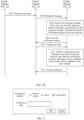
- FIG. 3 is a schematic diagram of an MFA page according to an embodiment of this application.
- the user sets three authentication methods: verification via an email, verification via a mobile number, and verification via a dynamic verification code generated by an MFA device.
- the user needs to select a method on the MFA page.
- the user terminal sends a selection result of the user to the server of the SP, to indicate the server of the SP to perform verification in the MFAverification method indicated by the selection result. For example, if the user selects email verification, the server of the SP generates a verification code and sends the verification code to an email address of the user.
- S210 The user terminal sends the verification code to the server of the SP.
- the verification code is generated by the server of the SP and sent to the email address or the mobile number bound to the user. If authentication via a dynamic verification code generated by the MFA device is bound to the user, the verification code is generated by the MFA device owned by the user.
- the user terminal receives the verification code entered by the user in the verification code input box on the MFA page, and sends the verification code to the server of the SP.
- S211 The server of the SP performs verification on the verification code sent by the user terminal, and when the verification succeeds, generates an access credential and sends the access credential to the user terminal.
- the server of the SP After receiving the verification code sent by the user terminal, the server of the SP performs verification on the verification code. For example, if the user selects the verification via an email, and the server of the SP determines that the verification code received from the user terminal is the same as the verification code that is generated by the server of the SP and sent to the email address of the user, it indicates that the verification succeeds.
- the server of the SP determines identity information such as a user name, a user group, and access permission of the user in a system of the SP based on the user name and the user group to which the user name belongs in the response message, and an identity conversion rule between an IDP user and an SP user, generates the access credential based on the identity information of the user in the system of the SP, and sends the access credential to the user terminal.
- the user terminal needs to carry the access credential each time accessing the server of the SP.
- the user credential includes the user name of the user in the system of the SP.
Landscapes
- Engineering & Computer Science (AREA)
- Computer Security & Cryptography (AREA)
- Computer Networks & Wireless Communication (AREA)
- Signal Processing (AREA)
- Computer Hardware Design (AREA)
- General Engineering & Computer Science (AREA)
- Computing Systems (AREA)
- Theoretical Computer Science (AREA)
- Software Systems (AREA)
- Physics & Mathematics (AREA)
- General Physics & Mathematics (AREA)
- Power Engineering (AREA)
- Storage Device Security (AREA)
- Management, Administration, Business Operations System, And Electronic Commerce (AREA)
- Financial Or Insurance-Related Operations Such As Payment And Settlement (AREA)
- Computer And Data Communications (AREA)
Claims (15)
- Verfahren zur Identitätsauthentifizierung, umfassend:Empfangen, durch einen Cloud-Dienstanbieter, einer Nachricht, die angibt, dass eine Benutzeridentität eines Benutzers durch einen Server eines Identitätsanbieters authentifiziert wurde, wobei die Nachricht Informationen über ein an den Benutzer gebundenes Verifizierungsverfahren umfasst;Durchführen, durch den Cloud-Dienstanbieter, einer zweiten Authentifizierung bezüglich der Benutzeridentität des Benutzers nach dem Empfangen der Nachricht, die angibt, dass die Benutzeridentität des Benutzers durch den Server des Identitätsanbieters authentifiziert wurde, Folgendes umfassend: Senden (S209) einer Verifizierungsanforderung an ein Benutzerendgerät basierend auf den Informationen über das Verifizierungsverfahren, Empfangen (S210) eines Verifizierungscodes, der durch das Benutzerendgerät gesendet wird, und Durchführen (S211) einer Verifizierung bezüglich des Verifizierungscodes; undErmöglichen, durch den Cloud-Dienstanbieter, dass der Benutzer auf Ressourcen des Cloud-Dienstanbieters zugreifen kann, nachdem die Benutzeridentität des Benutzers durch den Cloud-Dienstanbieter authentifiziert wurde.
- Verfahren nach Anspruch 1, wobei die Ressourcen des Cloud-Dienstanbieters Cloud-Dienstressourcen sind.
- Verfahren nach Anspruch 1 oder 2, wobei der Benutzer ein Benutzer eines Unternehmenssystems ist und der Identitätsanbieter zu dem Unternehmenssystem gehört.
- Verfahren nach Anspruch 3, wobei die Ressourcen, auf die der Benutzer zugreift, eine Ressource sind, die durch das Unternehmenssystem von dem Cloud-Dienstanbieter angewendet wird.
- Verfahren nach einem der Ansprüche 1 bis 4, wobei eine Vertrauensbeziehung zwischen dem Identitätsanbieter und dem Cloud-Dienstanbieter hergestellt wird.
- Verfahren nach einem der Ansprüche 1 bis 5, wobei, wenn das an den Benutzer gebundene Verifizierungsverfahren eine Verifizierung über eine E-Mail oder eine Verifizierung über eine Mobiltelefonnummer ist, der Schritt des Durchführens einer zweiten Authentifizierung bezüglich der Benutzeridentität des Benutzers ferner Folgendes umfasst:Generieren, durch den Cloud-Dienstanbieter, eines Verifizierungscodes;Senden, durch den Cloud-Dienstanbieter, des generierten Verifizierungscodes an eine E-Mail-Adresse oder eine Mobiltelefonnummer, die durch den Benutzer verwendet wird, und Bestimmen, durch den Cloud-Dienstanbieter, ob der Verifizierungscode, der von dem Benutzerendgerät empfangen wird, mit dem Verifizierungscode übereinstimmt, der durch den Cloud-Dienstanbieter generiert und gesendet wird.
- Verfahren nach einem der Ansprüche 1 bis 5, wobei, wenn das an den Benutzer gebundene Verifizierungsverfahren eine Verifizierung über einen dynamischen Verifizierungscode ist, der durch eine Multifaktor-Authentifizierungsvorrichtung, MFA-Vorrichtung, die an den Benutzer gebunden ist, generiert wird, der Schritt des Durchführens einer zweiten Authentifizierung bezüglich der Benutzeridentität des Benutzers Folgendes umfasst:Generieren, durch den Cloud-Dienstanbieter, eines Verifizierungscodes basierend auf einem MFA-Schlüssel, der in der Nachricht umfasst ist; undBestimmen, durch den Cloud-Dienstanbieter, ob der Verifizierungscode, der von dem Benutzerendgerät empfangen wird, mit dem Verifizierungscode übereinstimmt, der durch den Cloud-Dienstanbieter basierend auf dem MFA-Schlüssel generiert wird.
- Server (600) eines Cloud-Dienstanbieters, umfassend einen Prozessor (610) und einen Speicher (630);wobei der Speicher (630) dazu konfiguriert ist, Anweisungen zu speichern; undwobei der Prozessor (610) dazu konfiguriert ist, die Anweisungen auszuführen, sodass der Server (600) zu Folgendem konfiguriert ist:Empfangen einer Nachricht, die angibt, dass eine Benutzeridentität eines Benutzers durch einen Server eines Identitätsanbieters authentifiziert wurde, wobei die Nachricht Informationen über ein an den Benutzer gebundenes Verifizierungsverfahren umfasst;Durchführen einer zweiten Authentifizierung bezüglich der Benutzeridentität des Benutzers nach dem Empfangen der Nachricht, die angibt, dass die Benutzeridentität des Benutzers durch den Server des Identitätsanbieters authentifiziert wurde, Folgendes umfassend: Senden (S209) einer Verifizierungsanforderung an ein Benutzerendgerät basierend auf den Informationen über das Verifizierungsverfahren, Empfangen (S210) eines Verifizierungscodes, der durch das Benutzerendgerät gesendet wurde, und Durchführen (S211) einer Verifizierung bezüglich des Verifizierungscodes; undErmöglichen, dass der Benutzer auf Ressourcen des Cloud-Dienstanbieters zugreifen kann, nachdem die Benutzeridentität des Benutzers durch den Cloud-Dienstanbieter authentifiziert wurde.
- Server (600) nach Anspruch 8, wobei die Ressourcen des Cloud-Dienstanbieters Cloud-Dienstressourcen sind.
- Server (600) nach Anspruch 8 oder 9, wobei der Benutzer ein Benutzer eines Unternehmenssystems ist und der Identitätsanbieter zu dem Unternehmenssystem gehört.
- Server (600) nach Anspruch 10, wobei die Ressourcen, auf die der Benutzer zugreift, eine Ressource sind, die durch das Unternehmenssystem von dem Cloud-Dienstanbieter angewendet wird.
- Server (600) nach einem der Ansprüche 8 bis 11, wobei eine Vertrauensbeziehung zwischen dem Identitätsanbieter und dem Cloud-Dienstanbieter hergestellt wird.
- Server (600) nach einem der Ansprüche 8 bis 12, wobei der Server (600) dazu konfiguriert ist, die folgenden weiteren Schritte während des Durchführens einer zweiten Authentifizierung bezüglich der Benutzeridentität des Benutzers durchzuführen, wenn das an den Benutzer gebundene Verifizierungsverfahren eine Verifizierung über eine E-Mail oder eine Verifizierung über eine Mobiltelefonnummer ist:Generieren eines Verifizierungscodes;Senden des generierten Verifizierungscodes an eine E-Mail-Adresse oder eine Mobiltelefonnummer, die durch den Benutzer verwendet wird; undBestimmen, ob der Verifizierungscode, der von dem Benutzerendgerät empfangen wird, mit dem Verifizierungscode übereinstimmt, der durch den Cloud-Dienstanbieter generiert und gesendet wird.
- Server (600) nach einem der Ansprüche 8 bis 12, wobei der Server (600) dazu konfiguriert ist, die folgenden weiteren Schritte während des Durchführens einer zweiten Authentifizierung bezüglich der Benutzeridentität des Benutzers durchzuführen, wenn das an den Benutzer gebundene Verifizierungsverfahren eine Verifizierung über einen dynamischen Verifizierungscode ist, der durch eine Multifaktor-Authentifizierungsvorrichtung, MFA-Vorrichtung, die an den Benutzer gebunden ist, generiert wird:Generieren, durch den Cloud-Dienstanbieter, eines Verifizierungscodes basierend auf einem MFA-Schlüssel, der in der Nachricht umfasst ist; undBestimmen, durch den Cloud-Dienstanbieter, ob der Verifizierungscode, der von dem Benutzerendgerät empfangen wird, mit dem Verifizierungscode übereinstimmt, der durch den Cloud-Dienstanbieter basierend auf dem MFA-Schlüssel generiert wird.
- Computerlesbares Speichermedium, wobei das computerlesbare Speichermedium ein Computerprogramm speichert und, wenn das Computerprogramm durch einen Prozessor eines Servers eines Dienstanbieters ausgeführt wird, der Server das Verfahren nach einem der Ansprüche 1 bis 7 durchführt.
Applications Claiming Priority (2)
| Application Number | Priority Date | Filing Date | Title |
|---|---|---|---|
| CN201911417640.1A CN111177686B (zh) | 2019-12-31 | 2019-12-31 | 一种身份认证方法、装置及相关设备 |
| PCT/CN2020/141007 WO2021136290A1 (zh) | 2019-12-31 | 2020-12-29 | 一种身份认证方法、装置及相关设备 |
Publications (4)
| Publication Number | Publication Date |
|---|---|
| EP4083830A1 EP4083830A1 (de) | 2022-11-02 |
| EP4083830A4 EP4083830A4 (de) | 2023-01-25 |
| EP4083830B1 true EP4083830B1 (de) | 2025-02-26 |
| EP4083830B9 EP4083830B9 (de) | 2025-04-30 |
Family
ID=70646440
Family Applications (1)
| Application Number | Title | Priority Date | Filing Date |
|---|---|---|---|
| EP20910373.8A Active EP4083830B9 (de) | 2019-12-31 | 2020-12-29 | Verfahren und vorrichtung zur identitätsauthentifizierung und zugehörige vorrichtung |
Country Status (4)
| Country | Link |
|---|---|
| EP (1) | EP4083830B9 (de) |
| KR (1) | KR102776019B1 (de) |
| CN (2) | CN111177686B (de) |
| WO (1) | WO2021136290A1 (de) |
Families Citing this family (29)
| Publication number | Priority date | Publication date | Assignee | Title |
|---|---|---|---|---|
| CN111177686B (zh) * | 2019-12-31 | 2022-07-29 | 华为云计算技术有限公司 | 一种身份认证方法、装置及相关设备 |
| CN113922975B (zh) * | 2020-06-22 | 2024-05-24 | 中移(苏州)软件技术有限公司 | 一种安全控制方法、服务器、终端、系统和存储介质 |
| CN112035810A (zh) * | 2020-08-19 | 2020-12-04 | 绿盟科技集团股份有限公司 | 一种访问控制方法、装置、介质和设备 |
| CN114091002A (zh) * | 2020-08-24 | 2022-02-25 | 中兴通讯股份有限公司 | 云桌面访问认证方法、电子设备和计算机可读存储介质 |
| CN114258006B (zh) * | 2020-09-23 | 2023-07-18 | 华为技术有限公司 | 获取凭据的方法、装置及系统 |
| CN112836202A (zh) * | 2021-02-01 | 2021-05-25 | 长沙市到家悠享网络科技有限公司 | 信息处理方法及装置、服务器 |
| CN115701181A (zh) * | 2021-07-31 | 2023-02-07 | 贵州白山云科技股份有限公司 | 节点调度方法、装置、介质及设备 |
| CN113722690B (zh) * | 2021-09-08 | 2023-11-10 | 北京华鼎博视数据信息技术有限公司 | 数据发送、接收以及凭证记录方法、设备 |
| CN113852681B (zh) * | 2021-09-22 | 2024-07-12 | 深信服科技股份有限公司 | 一种网关认证方法、装置及安全网关设备 |
| CN114189558A (zh) * | 2021-11-01 | 2022-03-15 | 鸬鹚科技(深圳)有限公司 | 信息系统通信方法、装置、计算机设备及介质 |
| CN114389851B (zh) * | 2021-12-17 | 2023-07-18 | 苏州浪潮智能科技有限公司 | 交换机维护服务身份验证方法、系统、终端及存储介质 |
| CN116415223A (zh) * | 2021-12-31 | 2023-07-11 | 上海云盾信息技术有限公司 | 第三方应用的单点登录的方法、系统及设备 |
| CN114844661B (zh) * | 2022-02-18 | 2023-07-14 | 国政通科技有限公司 | 一种实现远程权限验证管理系统、方法、设备和存储介质 |
| CN115473662A (zh) * | 2022-03-04 | 2022-12-13 | 太原科技大学 | 基于IDaaS的云计算多域用户身份一致性供应管理方法 |
| CN114863506B (zh) * | 2022-03-18 | 2023-05-26 | 珠海优特电力科技股份有限公司 | 准入权限的验证方法、装置、系统和身份认证终端 |
| CN114553592B (zh) * | 2022-03-23 | 2024-03-22 | 深圳市美科星通信技术有限公司 | 一种设备身份验证的方法、设备及存储介质 |
| CN114726595B (zh) * | 2022-03-24 | 2023-09-29 | 中科吉芯(昆山)信息科技有限公司 | 一种利用时空信息认证人机身份的方法 |
| CN114745662B (zh) * | 2022-04-21 | 2025-08-05 | 中国工商银行股份有限公司 | 业务信息处理方法、装置、计算机设备和存储介质 |
| CN114760349B (zh) * | 2022-04-28 | 2024-12-06 | 西门子(中国)有限公司 | 服务访问方法和装置、系统、设备、介质 |
| CN115277168B (zh) * | 2022-07-25 | 2023-05-26 | 绿盟科技集团股份有限公司 | 一种访问服务器的方法以及装置、系统 |
| CN115514547A (zh) * | 2022-09-16 | 2022-12-23 | 北京天融信网络安全技术有限公司 | 一种身份认证方法及装置、计算机程序产品、电子设备 |
| KR102526267B1 (ko) * | 2022-11-16 | 2023-05-16 | 주식회사 컴투버스 | 메타버스 통합 인증 방법 및 시스템 |
| CN116455594A (zh) * | 2023-01-14 | 2023-07-18 | 海洋王照明科技股份有限公司 | 一种分布式智慧照明系统、访问方法及相关装置 |
| CN117909994A (zh) * | 2023-03-25 | 2024-04-19 | 深圳市进汇科技有限公司 | 一种数据安全保护方法、系统、设备及存储介质 |
| CN116502200A (zh) * | 2023-05-15 | 2023-07-28 | 小米汽车科技有限公司 | 身份验证方法、装置、通信设备、系统以及存储介质 |
| CN116321156B (zh) * | 2023-05-18 | 2023-08-04 | 合肥工业大学 | 一种轻量化车云身份认证方法和通信方法 |
| CN116800544B (zh) * | 2023-08-21 | 2023-11-24 | 成都数智创新精益科技有限公司 | 一种用户认证方法及系统及装置及介质 |
| TWI894679B (zh) * | 2023-11-13 | 2025-08-21 | 中華電信股份有限公司 | 跨企業的身分驗證系統及方法 |
| CN117540405B (zh) * | 2023-12-04 | 2025-05-23 | 沧州信安保销毁设备有限公司 | 一种数据安全访问方法、系统、设备及存储介质 |
Family Cites Families (26)
| Publication number | Priority date | Publication date | Assignee | Title |
|---|---|---|---|---|
| US7797434B2 (en) * | 2002-12-31 | 2010-09-14 | International Business Machines Corporation | Method and system for user-determind attribute storage in a federated environment |
| AU2003212261A1 (en) * | 2003-02-21 | 2004-09-09 | Telefonaktiebolaget Lm Ericsson (Publ) | Service provider anonymization in a single sign-on system |
| US20050021975A1 (en) * | 2003-06-16 | 2005-01-27 | Gouping Liu | Proxy based adaptive two factor authentication having automated enrollment |
| FR2891677A1 (fr) * | 2005-10-05 | 2007-04-06 | France Telecom | Procede d'authentification d'un client, fournisseurs d'identites et de services, signaux de requete d'authentification et d'assertion d'authentification, et programmes d'ordinateur correspondants |
| CN102739664B (zh) * | 2008-04-26 | 2016-03-30 | 华为技术有限公司 | 提高网络身份认证安全性的方法和装置 |
| TWI364202B (en) * | 2008-12-17 | 2012-05-11 | Ind Tech Res Inst | Single sign-on method and system for web browser |
| CN101867589B (zh) * | 2010-07-21 | 2012-11-28 | 深圳大学 | 一种网络身份认证服务器及其认证方法与系统 |
| CN102457555A (zh) * | 2010-10-28 | 2012-05-16 | 中兴通讯股份有限公司 | 一种分布式存储的安全系统及方法 |
| CN102404392A (zh) * | 2011-11-10 | 2012-04-04 | 山东浪潮齐鲁软件产业股份有限公司 | 一种Web应用或网站集成登录的方法 |
| CN102624720B (zh) * | 2012-03-02 | 2017-04-12 | 华为技术有限公司 | 一种身份认证的方法、装置和系统 |
| US8769651B2 (en) * | 2012-09-19 | 2014-07-01 | Secureauth Corporation | Mobile multifactor single-sign-on authentication |
| US8813206B2 (en) * | 2012-11-27 | 2014-08-19 | Hong Kong Applied Science and Technology Research Institute Company Limited | Anonymous personal content access with content bridge |
| US9412283B2 (en) * | 2012-12-31 | 2016-08-09 | Piyush Bhatnagar | System, design and process for easy to use credentials management for online accounts using out-of-band authentication |
| US9009806B2 (en) * | 2013-04-12 | 2015-04-14 | Globoforce Limited | System and method for mobile single sign-on integration |
| CN106134155B (zh) * | 2014-03-29 | 2020-01-24 | 阿卡麦科技公司 | 与覆盖网络相关的方法 |
| CN104301110A (zh) * | 2014-10-10 | 2015-01-21 | 刘文清 | 应用于智能终端的身份验证方法、身份验证设备和系统 |
| US9641341B2 (en) * | 2015-03-31 | 2017-05-02 | Duo Security, Inc. | Method for distributed trust authentication |
| CN106470190A (zh) * | 2015-08-19 | 2017-03-01 | 中兴通讯股份有限公司 | 一种Web实时通信平台鉴权接入方法及装置 |
| US10187374B2 (en) * | 2015-10-29 | 2019-01-22 | Airwatch Llc | Multi-factor authentication for managed applications using single sign-on technology |
| US10305882B2 (en) * | 2015-11-24 | 2019-05-28 | International Business Machines Corporation | Using a service-provider password to simulate F-SSO functionality |
| CN106341428A (zh) * | 2016-11-21 | 2017-01-18 | 航天信息股份有限公司 | 一种跨域访问控制方法和系统 |
| TWI652594B (zh) * | 2017-05-10 | 2019-03-01 | 周宏建 | 用於登入的認證方法 |
| US11082212B2 (en) * | 2017-12-26 | 2021-08-03 | Industrial Technology Research Institute | System and method for communication service verification, and verification server thereof |
| CN108900561A (zh) * | 2018-09-28 | 2018-11-27 | 北京芯盾时代科技有限公司 | 单点登录的方法、装置及系统 |
| CN110572388B (zh) * | 2019-09-05 | 2022-01-04 | 北京宝兰德软件股份有限公司 | 对接统一认证服务器的方法及统一认证适配器 |
| CN111177686B (zh) * | 2019-12-31 | 2022-07-29 | 华为云计算技术有限公司 | 一种身份认证方法、装置及相关设备 |
-
2019
- 2019-12-31 CN CN201911417640.1A patent/CN111177686B/zh active Active
- 2019-12-31 CN CN202210863291.1A patent/CN115333792B/zh active Active
-
2020
- 2020-12-29 EP EP20910373.8A patent/EP4083830B9/de active Active
- 2020-12-29 KR KR1020227026477A patent/KR102776019B1/ko active Active
- 2020-12-29 WO PCT/CN2020/141007 patent/WO2021136290A1/zh not_active Ceased
Also Published As
| Publication number | Publication date |
|---|---|
| WO2021136290A1 (zh) | 2021-07-08 |
| CN115333792A (zh) | 2022-11-11 |
| EP4083830B9 (de) | 2025-04-30 |
| KR102776019B1 (ko) | 2025-03-04 |
| CN111177686B (zh) | 2022-07-29 |
| CN111177686A (zh) | 2020-05-19 |
| KR20220133206A (ko) | 2022-10-04 |
| EP4083830A1 (de) | 2022-11-02 |
| EP4083830A4 (de) | 2023-01-25 |
| CN115333792B (zh) | 2025-09-26 |
Similar Documents
| Publication | Publication Date | Title |
|---|---|---|
| EP4083830B9 (de) | Verfahren und vorrichtung zur identitätsauthentifizierung und zugehörige vorrichtung | |
| US11956371B2 (en) | Recursive token binding for cascaded service calls | |
| KR102678262B1 (ko) | 분산형 컴퓨터 애플리케이션들을 구축하기 위한 비-보관 툴 | |
| US11522711B2 (en) | Systems and methods for block chain authentication | |
| US9813400B2 (en) | Computer-implemented systems and methods of device based, internet-centric, authentication | |
| US8510811B2 (en) | Network transaction verification and authentication | |
| US20120297187A1 (en) | Trusted Mobile Device Based Security | |
| JP2017535877A (ja) | 条件付きログインプロモーション | |
| US10645077B2 (en) | System and method for securing offline usage of a certificate by OTP system | |
| CN105191208B (zh) | 用于激活用户装置上的应用程序的方法 | |
| US9503442B1 (en) | Credential-based application programming interface keys | |
| US20230229752A1 (en) | Attestation of application identity for inter-app communications | |
| US12388646B2 (en) | Security registration and authentication systems and methods for extending OpenID security standards for registration of OpenID client devices for passkey authentication | |
| EP3133791B1 (de) | Doppelauthentifizierungssystem für elektronisch unterzeichnete dokumente | |
| US8875244B1 (en) | Method and apparatus for authenticating a user using dynamic client-side storage values | |
| US20200053059A1 (en) | Secure Method to Replicate On-Premise Secrets in a Cloud Environment | |
| HK40074983A (en) | Identity authentication method and apparatus, and related device | |
| US12362936B2 (en) | Methods and systems for authenticating a candidate user of a first and as second electronic service | |
| US20260113206A1 (en) | Systems and methods to establish device identity and trust using passkeys | |
| Pokherl | Secure Web System in a Cloud Environment | |
| HK1215815B (en) | Methods for activation of an application on a user device |
Legal Events
| Date | Code | Title | Description |
|---|---|---|---|
| STAA | Information on the status of an ep patent application or granted ep patent |
Free format text: STATUS: THE INTERNATIONAL PUBLICATION HAS BEEN MADE |
|
| PUAI | Public reference made under article 153(3) epc to a published international application that has entered the european phase |
Free format text: ORIGINAL CODE: 0009012 |
|
| STAA | Information on the status of an ep patent application or granted ep patent |
Free format text: STATUS: REQUEST FOR EXAMINATION WAS MADE |
|
| 17P | Request for examination filed |
Effective date: 20220729 |
|
| AK | Designated contracting states |
Kind code of ref document: A1 Designated state(s): AL AT BE BG CH CY CZ DE DK EE ES FI FR GB GR HR HU IE IS IT LI LT LU LV MC MK MT NL NO PL PT RO RS SE SI SK SM TR |
|
| REG | Reference to a national code |
Ref country code: DE Free format text: PREVIOUS MAIN CLASS: G06F0021330000 Ref country code: DE Ref legal event code: R079 Ref document number: 602020047009 Country of ref document: DE Free format text: PREVIOUS MAIN CLASS: G06F0021330000 Ipc: G06F0021310000 |
|
| A4 | Supplementary search report drawn up and despatched |
Effective date: 20230103 |
|
| RIC1 | Information provided on ipc code assigned before grant |
Ipc: H04L 9/40 20220101ALI20221221BHEP Ipc: G06F 21/31 20130101AFI20221221BHEP |
|
| DAV | Request for validation of the european patent (deleted) | ||
| DAX | Request for extension of the european patent (deleted) | ||
| STAA | Information on the status of an ep patent application or granted ep patent |
Free format text: STATUS: EXAMINATION IS IN PROGRESS |
|
| 17Q | First examination report despatched |
Effective date: 20240717 |
|
| GRAP | Despatch of communication of intention to grant a patent |
Free format text: ORIGINAL CODE: EPIDOSNIGR1 |
|
| STAA | Information on the status of an ep patent application or granted ep patent |
Free format text: STATUS: GRANT OF PATENT IS INTENDED |
|
| INTG | Intention to grant announced |
Effective date: 20241024 |
|
| GRAS | Grant fee paid |
Free format text: ORIGINAL CODE: EPIDOSNIGR3 |
|
| GRAA | (expected) grant |
Free format text: ORIGINAL CODE: 0009210 |
|
| STAA | Information on the status of an ep patent application or granted ep patent |
Free format text: STATUS: THE PATENT HAS BEEN GRANTED |
|
| P01 | Opt-out of the competence of the unified patent court (upc) registered |
Free format text: CASE NUMBER: APP_730/2025 Effective date: 20250108 |
|
| AK | Designated contracting states |
Kind code of ref document: B1 Designated state(s): AL AT BE BG CH CY CZ DE DK EE ES FI FR GB GR HR HU IE IS IT LI LT LU LV MC MK MT NL NO PL PT RO RS SE SI SK SM TR |
|
| REG | Reference to a national code |
Ref country code: GB Ref legal event code: FG4D |
|
| REG | Reference to a national code |
Ref country code: CH Ref legal event code: EP |
|
| REG | Reference to a national code |
Ref country code: DE Ref legal event code: R096 Ref document number: 602020047009 Country of ref document: DE |
|
| REG | Reference to a national code |
Ref country code: IE Ref legal event code: FG4D |
|
| REG | Reference to a national code |
Ref country code: CH Ref legal event code: PK Free format text: BERICHTIGUNG B9 |
|
| REG | Reference to a national code |
Ref country code: NL Ref legal event code: MP Effective date: 20250226 |
|
| PG25 | Lapsed in a contracting state [announced via postgrant information from national office to epo] |
Ref country code: RS Free format text: LAPSE BECAUSE OF FAILURE TO SUBMIT A TRANSLATION OF THE DESCRIPTION OR TO PAY THE FEE WITHIN THE PRESCRIBED TIME-LIMIT Effective date: 20250526 |
|
| PG25 | Lapsed in a contracting state [announced via postgrant information from national office to epo] |
Ref country code: FI Free format text: LAPSE BECAUSE OF FAILURE TO SUBMIT A TRANSLATION OF THE DESCRIPTION OR TO PAY THE FEE WITHIN THE PRESCRIBED TIME-LIMIT Effective date: 20250226 |
|
| PG25 | Lapsed in a contracting state [announced via postgrant information from national office to epo] |
Ref country code: PL Free format text: LAPSE BECAUSE OF FAILURE TO SUBMIT A TRANSLATION OF THE DESCRIPTION OR TO PAY THE FEE WITHIN THE PRESCRIBED TIME-LIMIT Effective date: 20250226 |
|
| PG25 | Lapsed in a contracting state [announced via postgrant information from national office to epo] |
Ref country code: ES Free format text: LAPSE BECAUSE OF FAILURE TO SUBMIT A TRANSLATION OF THE DESCRIPTION OR TO PAY THE FEE WITHIN THE PRESCRIBED TIME-LIMIT Effective date: 20250226 |
|
| REG | Reference to a national code |
Ref country code: LT Ref legal event code: MG9D |
|
| PG25 | Lapsed in a contracting state [announced via postgrant information from national office to epo] |
Ref country code: NO Free format text: LAPSE BECAUSE OF FAILURE TO SUBMIT A TRANSLATION OF THE DESCRIPTION OR TO PAY THE FEE WITHIN THE PRESCRIBED TIME-LIMIT Effective date: 20250526 Ref country code: IS Free format text: LAPSE BECAUSE OF FAILURE TO SUBMIT A TRANSLATION OF THE DESCRIPTION OR TO PAY THE FEE WITHIN THE PRESCRIBED TIME-LIMIT Effective date: 20250626 |
|
| PG25 | Lapsed in a contracting state [announced via postgrant information from national office to epo] |
Ref country code: NL Free format text: LAPSE BECAUSE OF FAILURE TO SUBMIT A TRANSLATION OF THE DESCRIPTION OR TO PAY THE FEE WITHIN THE PRESCRIBED TIME-LIMIT Effective date: 20250226 |
|
| PG25 | Lapsed in a contracting state [announced via postgrant information from national office to epo] |
Ref country code: HR Free format text: LAPSE BECAUSE OF FAILURE TO SUBMIT A TRANSLATION OF THE DESCRIPTION OR TO PAY THE FEE WITHIN THE PRESCRIBED TIME-LIMIT Effective date: 20250226 |
|
| PG25 | Lapsed in a contracting state [announced via postgrant information from national office to epo] |
Ref country code: LV Free format text: LAPSE BECAUSE OF FAILURE TO SUBMIT A TRANSLATION OF THE DESCRIPTION OR TO PAY THE FEE WITHIN THE PRESCRIBED TIME-LIMIT Effective date: 20250226 Ref country code: PT Free format text: LAPSE BECAUSE OF FAILURE TO SUBMIT A TRANSLATION OF THE DESCRIPTION OR TO PAY THE FEE WITHIN THE PRESCRIBED TIME-LIMIT Effective date: 20250626 |
|
| PG25 | Lapsed in a contracting state [announced via postgrant information from national office to epo] |
Ref country code: GR Free format text: LAPSE BECAUSE OF FAILURE TO SUBMIT A TRANSLATION OF THE DESCRIPTION OR TO PAY THE FEE WITHIN THE PRESCRIBED TIME-LIMIT Effective date: 20250527 Ref country code: BG Free format text: LAPSE BECAUSE OF FAILURE TO SUBMIT A TRANSLATION OF THE DESCRIPTION OR TO PAY THE FEE WITHIN THE PRESCRIBED TIME-LIMIT Effective date: 20250226 |
|
| REG | Reference to a national code |
Ref country code: AT Ref legal event code: MK05 Ref document number: 1771352 Country of ref document: AT Kind code of ref document: T Effective date: 20250226 |
|
| PG25 | Lapsed in a contracting state [announced via postgrant information from national office to epo] |
Ref country code: SE Free format text: LAPSE BECAUSE OF FAILURE TO SUBMIT A TRANSLATION OF THE DESCRIPTION OR TO PAY THE FEE WITHIN THE PRESCRIBED TIME-LIMIT Effective date: 20250226 |
|
| PG25 | Lapsed in a contracting state [announced via postgrant information from national office to epo] |
Ref country code: SM Free format text: LAPSE BECAUSE OF FAILURE TO SUBMIT A TRANSLATION OF THE DESCRIPTION OR TO PAY THE FEE WITHIN THE PRESCRIBED TIME-LIMIT Effective date: 20250226 |
|
| PG25 | Lapsed in a contracting state [announced via postgrant information from national office to epo] |
Ref country code: DK Free format text: LAPSE BECAUSE OF FAILURE TO SUBMIT A TRANSLATION OF THE DESCRIPTION OR TO PAY THE FEE WITHIN THE PRESCRIBED TIME-LIMIT Effective date: 20250226 |
|
| PG25 | Lapsed in a contracting state [announced via postgrant information from national office to epo] |
Ref country code: IT Free format text: LAPSE BECAUSE OF FAILURE TO SUBMIT A TRANSLATION OF THE DESCRIPTION OR TO PAY THE FEE WITHIN THE PRESCRIBED TIME-LIMIT Effective date: 20250226 |
|
| PG25 | Lapsed in a contracting state [announced via postgrant information from national office to epo] |
Ref country code: AT Free format text: LAPSE BECAUSE OF FAILURE TO SUBMIT A TRANSLATION OF THE DESCRIPTION OR TO PAY THE FEE WITHIN THE PRESCRIBED TIME-LIMIT Effective date: 20250226 |
|
| PG25 | Lapsed in a contracting state [announced via postgrant information from national office to epo] |
Ref country code: CZ Free format text: LAPSE BECAUSE OF FAILURE TO SUBMIT A TRANSLATION OF THE DESCRIPTION OR TO PAY THE FEE WITHIN THE PRESCRIBED TIME-LIMIT Effective date: 20250226 |
|
| PG25 | Lapsed in a contracting state [announced via postgrant information from national office to epo] |
Ref country code: RO Free format text: LAPSE BECAUSE OF FAILURE TO SUBMIT A TRANSLATION OF THE DESCRIPTION OR TO PAY THE FEE WITHIN THE PRESCRIBED TIME-LIMIT Effective date: 20250226 |
|
| PG25 | Lapsed in a contracting state [announced via postgrant information from national office to epo] |
Ref country code: SK Free format text: LAPSE BECAUSE OF FAILURE TO SUBMIT A TRANSLATION OF THE DESCRIPTION OR TO PAY THE FEE WITHIN THE PRESCRIBED TIME-LIMIT Effective date: 20250226 |
|
| REG | Reference to a national code |
Ref country code: DE Ref legal event code: R097 Ref document number: 602020047009 Country of ref document: DE |
|
| PLBE | No opposition filed within time limit |
Free format text: ORIGINAL CODE: 0009261 |
|
| STAA | Information on the status of an ep patent application or granted ep patent |
Free format text: STATUS: NO OPPOSITION FILED WITHIN TIME LIMIT |
|
| PGFP | Annual fee paid to national office [announced via postgrant information from national office to epo] |
Ref country code: DE Payment date: 20251104 Year of fee payment: 6 |
|
| PGFP | Annual fee paid to national office [announced via postgrant information from national office to epo] |
Ref country code: FR Payment date: 20251110 Year of fee payment: 6 |
|
| PGFP | Annual fee paid to national office [announced via postgrant information from national office to epo] |
Ref country code: IE Payment date: 20251111 Year of fee payment: 6 |
|
| 26N | No opposition filed |
Effective date: 20251127 |