EP4082576A1 - Body fat reducing agent and method for screening substance having body fat reducing effect - Google Patents
Body fat reducing agent and method for screening substance having body fat reducing effect Download PDFInfo
- Publication number
- EP4082576A1 EP4082576A1 EP20907501.9A EP20907501A EP4082576A1 EP 4082576 A1 EP4082576 A1 EP 4082576A1 EP 20907501 A EP20907501 A EP 20907501A EP 4082576 A1 EP4082576 A1 EP 4082576A1
- Authority
- EP
- European Patent Office
- Prior art keywords
- regnase
- mice
- body fat
- reducing agent
- fat reducing
- Prior art date
- Legal status (The legal status is an assumption and is not a legal conclusion. Google has not performed a legal analysis and makes no representation as to the accuracy of the status listed.)
- Granted
Links
Images



Classifications
-
- C—CHEMISTRY; METALLURGY
- C12—BIOCHEMISTRY; BEER; SPIRITS; WINE; VINEGAR; MICROBIOLOGY; ENZYMOLOGY; MUTATION OR GENETIC ENGINEERING
- C12Q—MEASURING OR TESTING PROCESSES INVOLVING ENZYMES, NUCLEIC ACIDS OR MICROORGANISMS; COMPOSITIONS OR TEST PAPERS THEREFOR; PROCESSES OF PREPARING SUCH COMPOSITIONS; CONDITION-RESPONSIVE CONTROL IN MICROBIOLOGICAL OR ENZYMOLOGICAL PROCESSES
- C12Q1/00—Measuring or testing processes involving enzymes, nucleic acids or microorganisms; Compositions therefor; Processes of preparing such compositions
- C12Q1/02—Measuring or testing processes involving enzymes, nucleic acids or microorganisms; Compositions therefor; Processes of preparing such compositions involving viable microorganisms
- C12Q1/025—Measuring or testing processes involving enzymes, nucleic acids or microorganisms; Compositions therefor; Processes of preparing such compositions involving viable microorganisms for testing or evaluating the effect of chemical or biological compounds, e.g. drugs, cosmetics
-
- A—HUMAN NECESSITIES
- A61—MEDICAL OR VETERINARY SCIENCE; HYGIENE
- A61P—SPECIFIC THERAPEUTIC ACTIVITY OF CHEMICAL COMPOUNDS OR MEDICINAL PREPARATIONS
- A61P1/00—Drugs for disorders of the alimentary tract or the digestive system
- A61P1/16—Drugs for disorders of the alimentary tract or the digestive system for liver or gallbladder disorders, e.g. hepatoprotective agents, cholagogues, litholytics
-
- A—HUMAN NECESSITIES
- A61—MEDICAL OR VETERINARY SCIENCE; HYGIENE
- A61K—PREPARATIONS FOR MEDICAL, DENTAL OR TOILETRY PURPOSES
- A61K31/00—Medicinal preparations containing organic active ingredients
- A61K31/70—Carbohydrates; Sugars; Derivatives thereof
- A61K31/7088—Compounds having three or more nucleosides or nucleotides
- A61K31/712—Nucleic acids or oligonucleotides having modified sugars, i.e. other than ribose or 2'-deoxyribose
-
- A—HUMAN NECESSITIES
- A61—MEDICAL OR VETERINARY SCIENCE; HYGIENE
- A61P—SPECIFIC THERAPEUTIC ACTIVITY OF CHEMICAL COMPOUNDS OR MEDICINAL PREPARATIONS
- A61P3/00—Drugs for disorders of the metabolism
-
- C—CHEMISTRY; METALLURGY
- C07—ORGANIC CHEMISTRY
- C07K—PEPTIDES
- C07K16/00—Immunoglobulins [IG], e.g. monoclonal or polyclonal antibodies
- C07K16/40—Immunoglobulins [IG], e.g. monoclonal or polyclonal antibodies against enzymes
-
- C—CHEMISTRY; METALLURGY
- C12—BIOCHEMISTRY; BEER; SPIRITS; WINE; VINEGAR; MICROBIOLOGY; ENZYMOLOGY; MUTATION OR GENETIC ENGINEERING
- C12N—MICROORGANISMS OR ENZYMES; COMPOSITIONS THEREOF; PROPAGATING, PRESERVING, OR MAINTAINING MICROORGANISMS; MUTATION OR GENETIC ENGINEERING; CULTURE MEDIA
- C12N15/00—Mutation or genetic engineering; DNA or RNA concerning genetic engineering, vectors, e.g. plasmids, or their isolation, preparation or purification; Use of hosts therefor
- C12N15/09—Recombinant DNA-technology
- C12N15/11—DNA or RNA fragments; Modified forms thereof; Non-coding nucleic acids having a biological activity
- C12N15/113—Non-coding nucleic acids modulating the expression of genes, e.g. antisense oligonucleotides; Antisense DNA or RNA; Triplex- forming oligonucleotides; Catalytic nucleic acids, e.g. ribozymes; Nucleic acids used in co-suppression or gene silencing
-
- C—CHEMISTRY; METALLURGY
- C12—BIOCHEMISTRY; BEER; SPIRITS; WINE; VINEGAR; MICROBIOLOGY; ENZYMOLOGY; MUTATION OR GENETIC ENGINEERING
- C12Q—MEASURING OR TESTING PROCESSES INVOLVING ENZYMES, NUCLEIC ACIDS OR MICROORGANISMS; COMPOSITIONS OR TEST PAPERS THEREFOR; PROCESSES OF PREPARING SUCH COMPOSITIONS; CONDITION-RESPONSIVE CONTROL IN MICROBIOLOGICAL OR ENZYMOLOGICAL PROCESSES
- C12Q1/00—Measuring or testing processes involving enzymes, nucleic acids or microorganisms; Compositions therefor; Processes of preparing such compositions
- C12Q1/34—Measuring or testing processes involving enzymes, nucleic acids or microorganisms; Compositions therefor; Processes of preparing such compositions involving hydrolase
Definitions
- the present invention relates to a body fat reducing agent and a method for screening for a substance capable of reducing body fat.
- Metabolic syndrome which is a cluster of conditions including obesity and diabetes mellitus, is increasing with changes in diet. Metabolic syndrome is manifested in the liver as nonalcoholic fatty liver disease (NAFLD), which is also increasing.
- Fatty liver disease including NAFLD is a condition caused by triglyceride accumulation in the liver, and NAFLD is fatty liver disease that is not secondary to heavy alcohol consumption.
- NAFLD includes simple steatosis and nonalcoholic steatohepatitis (NASH).
- Simple steatosis is a benign condition that does not advance to a more severe form, whereas NASH may advance to liver cirrhosis or liver cancer.
- Common causes of NAFLD include obesity (visceral fat accumulation), diabetes mellitus, dyslipidemia, hypertension, rapid weight loss and acute fasting.
- Regnase-1 also known as ZC3H12A and MCPIP1
- Regnase-1 is a CCCH-type zinc finger protein.
- Regnase-1 harbors a ribonuclease domain in its central region and negatively regulates the immune response through Toll-like receptors (TLRs) and IL-1 receptors by degradation of target mRNAs, such as IL-6 and the p40 subunit of IL-12 (non-patent literatures 1 to 4).
- TLRs Toll-like receptors
- IL-6 IL-6
- p40 subunit of IL-12 non-patent literatures 1 to 4
- Regnase-1 deficiency in mice causes severe autoimmune disease, leading to hyperactivation of T cells.
- Regnase-1 maintains iron homeostasis in the duodenal epithelium (non-patent literature 5) .
- Mice deficient in Regnase-1 specifically in the intestinal epithelium cells are resistant to experimental colitis
- An object of the invention is to examine the role of Regnase-1 in the liver and to provide a novel application of a Regnase-1 inhibitor.
- the present invention was made to solve the above problems and includes the following.
- the present invention provides a body fat reducing agent comprising a Regnase-1 inhibitor as an active ingredient.
- the body fat reducing agent of the present invention is useful for improving metabolic syndrome, and for preventing and/or treating fatty liver disease.
- the present invention also provides a method for screening for a substance capable of reducing body fat.
- the screening method of the present invention can be used to identify a useful substance capable of reducing body fat.
- the present invention provides a body fat reducing agent comprising a Regnase-1 inhibitor as an active ingredient.
- the body fat reducing agent of the present invention is suitable for improving metabolic syndrome.
- the body fat reducing agent of the present invention is also suitable for preventing and/or treating fatty liver disease.
- Fatty liver disease is a condition caused by triglyceride accumulation in the liver, and is also called fatty liver.
- the fatty liver disease as described herein may be alcoholic fatty liver disease or nonalcoholic fatty liver disease (NAFLD).
- NAFLD nonalcoholic steatohepatitis
- the body fat reducing agent of the present invention can be used to prevent and/or treat NASH and is thus very useful.
- the body fat reducing agent of the present invention can be formulated as a medicament.
- the body fat reducing agent can be formulated into a pharmaceutical formulation comprising a Regnase-1 inhibitor as an active ingredient by a conventional method.
- the body fat reducing agent may be formulated into a pharmaceutical formulation for oral administration in the form of, for example, solid and liquid dosage forms, and specific examples thereof include tablets (including sugar-coated tablets and film-coated tablets), pills, granules, powders, capsules (including soft capsules), syrups, emulsions, and suspensions.
- Such pharmaceutical formulations are prepared by a known method, and may contain a carrier, a diluent, or an excipient commonly used in the pharmaceutical field.
- the body fat reducing agent may also be formulated into a pharmaceutical formulation for parenteral administration in the form of, for example, injections and suppositories.
- the injections may include injectable dosage forms, such as intravenous injections, subcutaneous injections, intradermal injections, intramuscular injections, intravenous drips, and intraarticular injections.
- injectable dosage forms such as intravenous injections, subcutaneous injections, intradermal injections, intramuscular injections, intravenous drips, and intraarticular injections.
- Such injections are prepared by, for example, dissolving, suspending or emulsifying the active ingredient in a commonly used aseptic aqueous or oily solution for injection by a known method.
- the aqueous solution for injection may be, for example, physiological saline or an isotonic solution containing glucose or other auxiliary agents.
- the aqueous solution for injection may also contain an appropriate solubilizing agent, including, for example, alcohols (e.g., ethanol etc.), polyalcohols (e.g., propylene glycol, polyethylene glycol, etc.), and nonionic surfactants (e.g., polysorbate 80, HCO-50, etc.).
- the oily solution for injection may be, for example, sesame oil, soybean oil, or the like, and may also contain a solubilizing agent such as benzyl benzoate and benzyl alcohol.
- the body fat reducing agent may also be formulated into a suppository for rectal administration.
- the suppository is prepared by mixing the active ingredient with a commonly used base for suppositories.
- the pharmaceutical formulations prepared in these manners are safe and low toxic, and are safely administered orally or parenterally to humans or other mammals (e.g., rats, mice, rabbits, sheep, pigs, cows, cats, dogs, monkeys, etc.).
- the body fat reducing agent of the present invention can be formulated as a food or drink.
- a food or drink includes health foods, foods with function claims, foods for special health use, foods for sick people, fortified foods, and dietary supplements.
- the form of the food or drink is not particularly limited.
- the food or drink include tablets, granules, powders, or energy drinks; drinks such as tea drinks, refreshing drinks, carbonated drinks, nutritional drinks, fruit juice, and lactic drinks; sweets and bakery products, such as drops, candies, chewing gum, chocolate, snacks, biscuits, jellies, jam, cream, pastries, and bread; fishery and livestock products, such as fish sausages, ham, and sausages; dairy products such as processed milk and fermented milk; fats, oils and processed foods thereof, such as vegetable oil, oil for deep frying, margarine, mayonnaise, shortening, whipped cream, and dressing; seasonings such as sauce and dipping sauce; retort pouch foods such as curry, stew, rice-bowl cuisine, porridge, and rice soup; and frozen desserts such as ice cream, sherbet, and shaved ice.
- drinks such as tea drinks, refreshing drinks, carbonated drinks, nutritional drinks, fruit juice, and lactic drinks
- sweets and bakery products such as drops, candies, chewing gum
- the active ingredient of the body fat reducing agent of the present invention may be a substance capable of inhibiting the expression of Regnase-1 or a substance capable of inhibiting the function of Regnase-1.
- the substance capable of inhibiting the expression of Regnase-1 may be a nucleic acid capable of inhibiting the expression of Regnase-1.
- the nucleic acid capable of inhibiting the expression of Regnase-1 may be a short interfering RNA (siRNA) against the Regnase-1 gene, a short hairpin RNA (shRNA) against the Regnase-1 gene, or an antisense oligonucleotide against the Regnase-1 gene.
- the nucleotide sequence of the Regnase-1 gene of an animal subjected to administration of the body fat reducing agent is easily available from known databases (e.g., DDBJ, GenBank, EMBL, etc.).
- the nucleic acid capable of inhibiting the expression of Regnase-1 can be designed using a known method.
- accession Nos. of the nucleotide and amino acid sequences of the Regnase-1 gene of humans, mice and rats are, for example, as follows.
- siRNA is a double-stranded RNA of about 20 base pairs or less (e.g., about 21 to 23 base pairs) in length. When expressed in cells, siRNA inhibits the expression of a target gene (the Regnase-1 gene in the present invention).
- shRNA is a single-stranded RNA molecule of about 20 base pairs or more containing palindromic nucleotide sequences folded in an intramolecular double-stranded short hairpin structure with a 3' overhang.
- shRNA When introduced into cells, shRNA is degraded into a molecule of about 20 nucleotides in length (typically, e.g., 21, 22 or 23 nucleotides in length) and inhibits the expression of a target gene (the Regnase-1 gene in the present invention) in the same manner as in siRNA.
- the siRNA and shRNA of the present invention may be in any form that allows them to inhibit the expression of Regnase-1.
- the siRNA and shRNA can be designed by a known method based on the nucleotide sequence of a target gene.
- the siRNA and shRNA may be an artificial molecule that is chemically synthesized.
- Antisense or sense RNA can be synthesized in vitro from a template DNA using, for example, T7 RNA polymerase and T7 promoter.
- the antisense oligonucleotide of the present invention may be a nucleotide sequence that is complementary to or hybridizes to 5 to 100 contiguous nucleotides in the DNA sequence of the Regnase-1 gene, and may be a DNA or RNA.
- the antisense oligonucleotide may be modified to the extent that such a modification has no influence on the function of the antisense oligonucleotide.
- the antisense oligonucleotide can be synthesized by a conventional method. For example, the antisense oligonucleotide can be easily synthesized on a commercially available DNA synthesizer.
- the nucleic acid capable of inhibiting the expression of Regnase-1 serving as an active ingredient of the body fat reducing agent of the present invention can be administered in the form of a non-viral vector or a viral vector.
- the nucleic acid molecule can be administered into cells by liposomes (liposomes, HVJ-liposomes, cationic liposomes, lipofection, or lipofectamine), microinjection, injection with a carrier (metal particles) using a gene gun, or other methods.
- the nucleic acid may be administered in the form of siRNA or shRNA to a living body using a viral vector, such as a recombinant adenovirus or retrovirus.
- a DNA that expresses the siRNA or shRNA is introduced into a DNA or RNA virus, such as attenuated retrovirus, adenovirus, adeno-associated virus, herpesvirus, vaccinia virus, poxvirus, poliovirus, Sindbis virus, Sendai virus or SV40, and the recombinant virus is used to infect cells or tissue to introduce the gene into the cells or tissue.
- a DNA or RNA virus such as attenuated retrovirus, adenovirus, adeno-associated virus, herpesvirus, vaccinia virus, poxvirus, poliovirus, Sindbis virus, Sendai virus or SV40, and the recombinant virus is used to infect cells or tissue to introduce the gene into the cells or tissue.
- the sense strand of the siRNA is preferably identical to the target sequence, but is not necessarily completely identical to the target sequence as long as it can induce RNA interference.
- the sense strand of the siRNA may contain one or several (e.g., 2, 3 or 4) mismatches as long as its antisense strand hybridizes to the target sequence.
- the siRNA may have a sense strand containing one or several nucleotide substitutions, additions or deletions as compared to the target sequence and is capable of inducing RNA interference.
- the siRNA may have a sense strand that has 85% or more, 90% or more, 95% or more, or 98% or more sequence identity to the target sequence and is capable of inducing RNA interference.
- the siRNA may be a hybrid siRNA in which all the nucleotides of the sense or antisense strand are replaced with DNA nucleotides, or a chimeric siRNA in which some of the nucleotides of the sense and/or antisense strand are replaced with DNA nucleotides as long as the siRNA is capable of inducing RNA interference.
- the hybrid siRNA may have a sense strand whose nucleotides are replaced with DNA nucleotides.
- the chimeric siRNA may be an siRNA in which some of the nucleotides in the downstream region (the 3' region of the sense strand or the 5' region of the antisense strand) are replaced with DNA nucleotides.
- nucleotides in the 3' region of the sense strand and the 5' region of the antisense strand may be replaced with DNA nucleotides, or some of the nucleotides in the 3' region of the sense strand or the 5' region of the antisense strand may be replaced with DNA nucleotides.
- the number of nucleotides replaced may be up to the number corresponding to half the length of the RNA molecule.
- the siRNA may be a nucleotide analog having a chemically modified sugar, base and/or phosphate moiety in its nucleotides (ribonucleotides or deoxyribonucleotides).
- nucleotide analog with a modified base include nucleotides having a 5-modified uridine or cytidine (e.g., 5-propynyluridine, 5-propynylcytidine, 5-methylcytidine, 5-methyluridine, 5-(2-amino)propyluridine, 5-halocytidine, 5-halouridine, 5-methyloxyuridine, etc.); nucleotides having a 8-modified adenosine or guanosine (e.g., 8-bromoguanosine etc.); deazanucleotides (e.g., 7-deaza-adenosine etc.); and O-alkylated and N-alkylated nucleotides (e.g.
- nucleotide analog with a modified sugar moiety examples include nucleotides having a 2'-modified sugar moiety in which 2'-OH of the ribonucleotide is substituted with H, OR, R, a halogen atom, SH, SR, NH 2 , NHR, NR 2 or CN (wherein R represents an alkyl, alkenyl or alkynyl group of 1 to 6 carbon atoms), and 5'-phosphorylated nucleotides in which the 5' end is monophosphorylated.
- nucleotide analog with a modified phosphate moiety examples include nucleotides in which the phosphodiester groups that form a linkage between the adjacent ribonucleotides are substituted with phosphorothioate groups.
- the substance capable of inhibiting the expression of Regnase-1 may be a gene therapy drug targeting the Regnase-1 gene.
- a gene therapy drug may be, for example, a viral vector containing genome editing means targeting the Regnase-1 gene.
- the viral vector may be, for example, lentiviral vectors, adenoviral vectors, or adeno-associated viral vectors.
- the genome editing means may be CRISPER/Cas9.
- CRISPER/Cas9 is composed of Cas9 protein and guide RNA, and the guide RNA may contain a nucleotide region complementary to the Regnase-1 gene and a region interacting with the Cas9 protein.
- the gene therapy drug is preferably an adeno-associated viral vector containing a polynucleotide that expresses CRISPER/Cas9 targeting the Regnase-1 gene operably linked to a liver-specific promoter.
- a viral vector containing genome editing means targeting the Regnase-1 gene is used to infect cells or tissue to disrupt or replace the Regnase-1 gene and inhibit the expression of Regnase-1.
- the active ingredient of the body fat reducing agent of the present invention may be an antibody or peptide capable of specifically binding to Regnase-1.
- the antibody or peptide binds to Regnase-1 to inhibit the binding of Regnase-1 to an RNA substrate.
- the antibody capable of specifically binding to Regnase-1 may be a polyclonal antibody or a monoclonal antibody.
- the antibody may be a full-length antibody molecule, or an antibody fragment capable of specifically binding to Regnase-1 (e.g., Fab, F(Ab') 2 , Fab', Fv, scFv, etc.).
- the antibody may be a human chimeric antibody or a humanized antibody.
- the antibody and peptide may be produced by a known method.
- Such a peptide or antibody serving as the active ingredient of the medicament of the present invention is preferably combined with a pharmaceutically acceptable carrier and formulated into an injection or an infusion, and administered via a parenteral route, for example, an intravenous, intramuscular, intradermal, intraperitoneal, subcutaneous or local route of administration.
- the active ingredient of the body fat reducing agent of the present invention may be a low-molecular-weight compound capable of inhibiting the expression or function of Regnase-1.
- the amount of the active ingredient contained in the body fat reducing agent of the present invention may be 0.001 to 50% by mass, and is preferably 0.01 to 10% by mass, more preferably 0.1 to 1% by mass.
- the dosage of the medicament of the present invention is determined as appropriate depending on the purpose of use, the type of disease, the severity of the disease, the age, body weight and sex of the patient, the past medical history, the type of active ingredient, or other factors.
- the dosage is preferably about 0.02 mg to 4000 mg, more preferably about 0.1 mg to 200 mg, per day for an average human with a body weight of about 65 to 70 kg.
- the total daily dosage may be administered in a single dose or several divided doses.
- the present invention provides a method for screening for a substance capable of reducing body fat.
- the screening method of the present invention uses Regnase-1.
- Regnase-1 used in the screening method of the present invention may be Regnase-1 protein or the Regnase-1 gene.
- Regnase-1 protein may be a full-length protein or an active fragment thereof containing a ribonuclease domain.
- Regnase-1 used in the screening method of the present invention may be from any organism.
- Regnase-1 used in the screening method of the present invention may be from a mammal.
- the mammal may be, for example, a human, a chimpanzee, a monkey, a dog, a cow, a mouse, a rat, or a guinea pig, and is preferably a human.
- Information on the nucleotide and amino acid sequences of the gene encoding Regnase-1 of various animals is available from known databases (DDBJ, GenBank, EMBL, etc.).
- the accession Nos. of the nucleotide and amino acid sequences of the Regnase-1 gene of humans, mice and rats are, for example, as follows.
- test substance to be subjected to the screening method of the present invention may be, for example, but is not limited to, a nucleic acid, a peptide, a protein, a non-peptidic compound, a synthetic compound, a fermentation product, a cell extract, a cell culture supernatant, a plant extract, a mammalian tissue extract, a plasma, or the like.
- the test substance may be a novel substance or a known substance.
- the test substance may be in the form of a salt.
- the salt of the test substance may be a salt with a physiologically acceptable acid or base.
- the screening method of the present invention may be used to select a substance capable of inhibiting the expression of Regnase-1.
- the screening method of the present invention used to select a substance capable of inhibiting the expression of Regnase-1 may comprise, for example, contacting a test substance with cells expressing Regnase-1, measuring the expression level of Regnase-1 in the cells, and comparing the expression level of Regnase-1 in the cells in contact with the test substance to that in the absence of the test substance to identify a substance capable of reducing the expression level of Regnase-1.
- the cells expressing Regnase-1 may be cells in a living body or cultured cells.
- the cultured cells may be primary cultured cells or an established cell line.
- the cells expressing Regnase-1 may be cells expressing endogenous Regnase-1, or cells expressing exogenous Regnase-1.
- the cells expressing endogenous Regnase-1 may be, for example, HeLa cells, HEK293 cells, Jurkat cells, Caco-2 cells, mouse fetal fibroblasts (MEF), or EL-4 cells.
- the cells expressing exogenous Regnase-1 can be produced by introducing a recombinant expression vector carrying DNA encoding Regnase-1 (Regnase-1 expression vector) into appropriate host cells.
- the host cells may be, for example, MEF cells or primary cultured cells from Regnase-1 deficient mice; or HeLa cells, HEK293 cells, Jurkat cells, Caco-2 cells, or EL-4 cells.
- the test substance may be brought into contact with cells in any appropriate manner.
- the test substance may be allowed to contact with the cells by adding the test substance to the culture medium.
- the test substance when the test substance is brought into contact with cells in a living body of a non-human animal, the test substance may be systemically administered to the non-human animal via oral, intravenous or intraperitoneal route, or locally administered to the target organ or tissue.
- a control group in the absence of contact with the test substance is provided.
- the expression level of Regnase-1 can be measured as the protein level of Regnase-1 or as the mRNA level of Regnase-1.
- the protein level of Regnase-1 can be measured by extracting the protein from cells by a known method and quantifying the protein by a known protein measurement method. Examples of the known protein measurement method include Western blotting, EIA, ELISA, RIA, and a method using a protein measurement reagent.
- the mRNA level of Regnase-1 can be measured by extracting RNA from cells by a known method and quantifying the mRNA by a known mRNA measurement method. Examples of the known mRNA measurement method include Northern blotting, RT-PCR, quantitative RT-PCR, and RNase protection assay.
- the test substance can be identified as a substance of interest when the protein or mRNA level of Regnase-1 in cells made in contact with the test substance is reduced as compared to that in a control group in the absence of contact with the test substance.
- the degree of reduction in the protein or mRNA level of Regnase-1 by the test substance is not particularly limited, but, for example, the test substance may be identified as a substance of interest when it reduces the protein or mRNA level of Regnase-1 to 50% or less, 40% or less, 30% or less, 20% or less, or 10% or less of that in cells in the absence of contact with the test substance.
- the screening method of the present invention may be used to select a substance capable of inhibiting the function of Regnase-1.
- the function of Regnase-1 may be endoribonuclease activity.
- the screening method of the present invention used to select a substance capable of inhibiting the endoribonuclease activity of Regnase-1 may comprise, for example, contacting a test substance with Regnase-1 and an RNA substrate, measuring the degradation level of the RNA substrate, and comparing the degradation level of the RNA substrate in contact with Regnase-1 in the presence of the test substance to that in the absence of the test substance to identify a substance capable of reducing the degradation level of the RNA substrate.
- the method for screening for a substance capable of inhibiting the endoribonuclease activity of Regnase-1 may be performed in a system containing cells expressing Regnase-1 or in a system not containing cells expressing Regnase-1.
- Regnase-1 and a RNA substrate and a test substance are added to an appropriate reaction buffer (e.g., Tris buffer solution containing magnesium, e.g., 20 mM Tris-HCl (pH 7.5), 150 mM NaCl, 5 mM MgCl 2 and 1 mM DTT), then reacted at 30 to 37°C for 30 to 120 minutes, and the degradation (cleavage) level of the RNA substrate is measured.
- an appropriate reaction buffer e.g., Tris buffer solution containing magnesium, e.g., 20 mM Tris-HCl (pH 7.5), 150 mM NaCl, 5 mM MgCl 2 and 1 mM DTT
- Recombinant Regnase-1 protein is suitable for use in the system not containing cells expressing Regnase-1.
- the recombinant Regnase-1 protein may be a full-length protein or an active fragment thereof containing a ribonuclease domain.
- the RNA substrate may be a RNA containing a sequence known to be cleaved by Regnase-1.
- the RNA substrate may be a synthetic RNA.
- the degradation level of the RNA substrate may be measured by any method including, for example, but not limited to, PCR or electrophoresis.
- a chimeric oligo containing DNA sequences at both 5' and 3' ends of the RNA substrate may be synthesized and used as the RNA substrate.
- primers complementary to the DNA sequences at the 5' and 3' ends of the chimeric oligo substrate are used to perform quantitative PCR. Cleavage of the chimeric oligo substrate results in reduction in the PCR amplification efficiency, whereas non-cleavage of the chimeric oligo substrate results in increase in the PCR amplification efficiency.
- test substance is a substance capable of inhibiting the endoribonuclease activity of Regnase-1
- the PCR amplification efficiency is higher than that in the absence of the test substance (Regnase-1 cleaves the chimeric oligo substrate).
- a test substance can be identified as a substance capable of reducing the degradation level of the RNA substrate.
- the test substance may be identified as a substance of interest when it increases the PCR amplification level to 1.5-fold or more, 1.6-fold or more, 1.7-fold or more, 1.8-fold or more, 1.9-fold or more, or 2-fold or more that in the absence of the test substance.
- the above chimeric oligo substrate may be labeled at one or both ends and used as the RNA substrate.
- the labeling substance may be any substance that can be used to quantify the intensity of the bands of electrophoresis, and may be, for example, a fluorescent label, a RI label, or a biotin label.
- the chimeric oligo substrate labeled with a fluorescence at both ends is used for reaction and collected and subjected to electrophoresis, the chimeric oligo substrate not cleaved by Regnase-1 appears as a single full-length band labeled with the fluorescence at both ends.
- the chimeric oligo substrate cleaved by Regnase-1 appears as at least two shorter bands or further degraded fragments.
- the test substance is a substance capable of inhibiting the endoribonuclease activity of Regnase-1, a single full-length band is predominantly observed as compared to electrophoresis of the reaction in the absence of the test substance (Regnase-1 cleaves the chimeric oligo substrate).
- Such a test substance can be identified as a substance capable of reducing the degradation level of the RNA substrate.
- the cells expressing Regnase-1 may be cells expressing endogenous Regnase-1, or cells expressing exogenous Regnase-1.
- the cells expressing exogenous Regnase-1 may be Regnase-1 expressing cells produced by introducing a Regnase-1 expression vector into host cells.
- the RNA substrate may be a RNA containing a sequence known to be cleaved by Regnase-1.
- the RNA substrate may be a transcript product of the 3'-UTR of the IL-6 gene.
- the cells expressing Regnase-1 may be produced by introducing a Regnase-1 expression vector and a vector containing DNA encoding the 3'-UTR of the IL-6 gene linked downstream of a luciferase gene into appropriate host cells. After a test substance is added to the culture medium, the cells are cultured for about one to three days (preferably for two days). The cultured cells are then lysed, and the luciferase activity in the cell lysate is measured by a known method. When these cells are used, the 3'-UTR region of mRNA of the luciferase gene is cleaved by Regnase-1, resulting in reduction in the luciferase activity.
- the test substance is a substance capable of inhibiting the endoribonuclease activity of Regnase-1, the luminescence intensity is higher than that in the reaction in the absence of the test substance (Regnase-1 cleaves the chimeric oligo substrate).
- a test substance can be identified as a substance capable of reducing the degradation level of the RNA substrate.
- the test substance may be identified as a substance of interest when it increases the luminescence intensity to 1.5-fold or more, 1.6-fold or more, 1.7-fold or more, 1.8-fold or more, 1.9-fold or more, or 2-fold or more that in the absence of the test substance.
- the present invention further includes the following.
- mice with a C57/B16 background mice carrying exons 4 to 6 of the Regnase-1 gene flanked by loxP sequences (Reg-1 flox/flox) were generated (Regnase-1 fl/fl mice) as described in Uehata et al. ( Uehata T, et al. (2013) Malt1-induced cleavage of regnase-1 in CD4(+) helper T cells regulates immune activation. Cell 153(5):1036-1049 .).
- Regnase-1 fl/fl mice at 5 weeks old were received AAV.TBG.Cre (AddGene, #107787) at 0.625 ⁇ 10 12 vp/100 ⁇ L PBS via the tail vein to generate liver-specific Regnase-1-deficient mice (Reg-1 LKO mice).
- Control mice received AAV8 viral particles via the tail vein (Reg-1 WT mice).
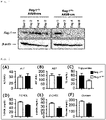
- the Regnase-1 gene was completely deleted from Reg-1 LKO mice within two days ( Fig. 1 ).
- ALT and AST levels in Reg-1 LKO mice were comparable to those of Reg-1 WT mice, indicating that no hepatic injury was induced by the deletion of Regnase-1.
- Triglyceride (Triglycerides), total cholesterol (T-CHOL), and esterified cholesterol (E-CHOL) levels in the serum of Reg-1 LKO mice were reduced as compared to those of Reg-1 WT mice, suggesting that Regnase-1 is involved in regulation of fat metabolism in the liver.
- the serum glucose level (Glucose) of Reg-1 LKO mice was also reduced as compared to that of Reg-1 WT mice, suggesting that Regnase-1 is also involved in sugar metabolism in the liver.
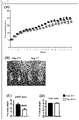
- Fig. 3(A) Body weight of Reg-1 LKO mice and Reg-1 WT mice was measured at the age of 3 to 43 weeks, and changes in the body weight are shown in Fig. 3(A) .
- the body weight gain was lower in Reg-1 LKO mice than that in Reg-1 WT mice after week 9.
- the major cause of lower body weight gain was presumed reduction of body fat.
- Fig. 3(B) shows a representative image of the epididymal white adipose tissue of Reg-1 LKO mice and Reg-1 WT mice at the age of 16 to 18 weeks. Reg-1 LKO mice apparently had a small amount of adipose tissue.
- Fig. 3(B) shows a representative image of the epididymal white adipose tissue of Reg-1 LKO mice and Reg-1 WT mice at the age of 16 to 18 weeks. Reg-1 LKO mice apparently had a small amount of adipose tissue.
- FIG. 3(C) shows the epididymal white adipose tissue/body weight ratio (eWAT index) of Reg-1 LKO mice and Reg-1 WT mice at the age of 16 to 18 weeks.
- Fig. 3(D) shows the liver to body weight ratio (Liver index) of Reg-1 LKO mice and Reg-1 WT mice at the age of 16 to 18 weeks.
- the eWAT index of Reg-1 LKO mice was significantly lower than that of Reg-1 WT mice, whereas the Liver index was comparable between Reg-1 LKO mice and Reg-1 WT mice, as shown in Figs. 3(C) and 3(D) .
- liver-specific Regnase-1 deficiency reduces body fat and the blood sugar levels without causing severe pathology, suggesting that inhibition of Regnase-1 in the liver may lead to improvement of metabolic syndrome.
- Reg-1 LKO mice and Reg-1 WT mice were fed a NASH diet (Oriental Yeast Co., Ltd.; NASH-1) or a control diet from week 2 after virus administration. After feeding the NASH diet or the control diet for six weeks, samples were collected from the mice.
- NASH diet Oriental Yeast Co., Ltd.; NASH-1
- control diet a control diet from week 2 after virus administration. After feeding the NASH diet or the control diet for six weeks, samples were collected from the mice.
- the body weight was measured every other week from the start of feeding the NASH diet. The results are shown in Fig. 4 .
- Body weight gain was observed for the control diet group and the NASH diet group of Reg-1 WT mice, but the body weight gain of the NASH diet group was lower than that of the control diet group.
- the NASH diet group of Reg-1 LKO mice displayed body weight gain comparable to that of the control diet group of Reg-1 WT mice.
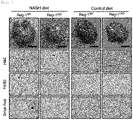
- the liver/body weight ratio was higher in the NASH diet group of Reg-1 WT mice than that in the other groups (including the control diet group of Reg-1 WT mice and the NASH diet group and the control diet group of Reg-1 LKO mice). This results demonstrate that liver inflammation was induced by ingestion of the NASH diet in mice without liver-specific Regnase-1 deficiency (Reg-1 WT mice), whereas no liver inflammation was induced by ingestion of the NASH diet in Reg-1 LKO mice.
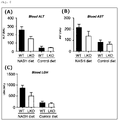
- ALT alanine transaminase
- AST aspartate aminotransferase
- LDH lactate dehydrogenase
- liver-specific Regnase-1 deficiency in diet-induced NASH model mice induces reduction in hepatic inflammation and injury, suggesting that inhibition of Regnase-1 in the liver may prevent the onset of NASH.
- Example 3 Study of liver-specific Regnase-1 deficiency-mediated improvement of pathological conditions of NASH after manifestation of the pathological conditions of NASH
- Regnase-1 fl/fl male mice at the age of 6 to 7 weeks were fed a NASH diet (Oriental Yeast Co., Ltd.; NASH-1) for five weeks.
- AAV.TBG.Cre was administered to the mice via the tail vein in the same manner as in Example 1.
- Regnase-1 fl/fl mice at the age of 6 to 7 weeks were fed the NASH diet or a control diet for weeks, and AAV8 viral particles were administered in place of AAV.TBG.Cre. (the NASH diet group of Reg-1 WT mice and the control diet group of Reg-1 WT mice) (see Fig. 8 ).
- Liver was harvested from the mice in the different groups for histological analysis before the start of feeding the NASH diet, and at week 5 after the start of feeding the NASH diet, and at week 3 after the administration of AAV.TBG.Cre.
- Tissue specimens were prepared and stained with hematoxylin and eosin (H&E) staining, immunostaining with anti-F4/80 antibody, and Sirius red staining. The results are shown in Fig. 8 .
- mice fed the NASH diet for five weeks manifested the pathological conditions of NASH, including micro- and macrovesicular steatosis (H&E staining), inflammation (F4/80 positive cells), and fibrosis (Sirius red staining).
- H&E staining micro- and macrovesicular steatosis
- inflammation F4/80 positive cells
- fibrosis Sirius red staining
- the NASH diet group of Reg-1 WT mice was continuously fed the NASH diet for another three weeks, and showed exacerbation of micro- and macrovesicular steatosis.
- the mice received AAV.TBG.Cre to induce liver-specific Regnase-1 deficiency showed significant reduction of micro- and macrovesicular steatosis, inflammation and fibrosis.
- the blood was collected from the mice at week 3 after the administration of AAV.TBG.Cre or AAV8 viral particles, and the serum was separated and used for biochemical tests.
- the results are shown in Fig. 9 .
- Example 4 Study of improvement of pathological conditions of NASH by administration of adeno-associated virus (AAV) that liver-specifically expresses siRNA against Regnase-1 gene in NASH model mice
- AAV adeno-associated virus
- Adeno-associated virus (AAV) expressing an siRNA against the Regnase-1 gene was prepared using thyroxine-binding globulin (TBG) promoter, which is a liver specific promoter.
- TBG thyroxine-binding globulin
- the siRNA against the Regnase-1 gene had an identical nucleotide sequence to that of a commercially available siRNA targeting the mouse Regnase-1 gene (Thermo Fisher Scientific, siRNA ID: 170484, Catalog#: AM16708).
- siRNA against the Regnase-1 gene was prepared using thyroxine-binding globulin (TBG) promoter, which is a liver specific promoter.
- TBG thyroxine-binding globulin
- the siRNA against the Regnase-1 gene had an identical nucleotide sequence to that of a commercially available siRNA targeting the mouse Regnase-1 gene (Thermo Fisher Scientific, siRNA ID: 170484, Catalog#: AM
- C57/Bl6J mice at the age of 5 weeks were fed the NASH diet or a control diet for six weeks, and received the AAV expressing the siRNA against the Regnase-1 gene or the control virus (1.8 ⁇ 10 12 vp) via the tail vein for establishment of viral infection.
- liver was harvested from the mice in the different groups three weeks after virus administration for gross observation and weight measurement.
- Fig. 10 shows the gross morphology of the liver
- Fig. 11 shows the liver to body weight ratio (a measure of liver inflammation).
- the NASH diet group mice infected with the control virus had characteristic yellowish fatty liver that was larger in size than that of the control diet group mice.
- the liver of the NASH diet group mice infected with the AAV expressing the siRNA against the Regnase-1 gene was comparable in size and color to those of the control diet group mice.
- liver tissue specimens were prepared and stained with hematoxylin and eosin (H&E) staining, Sirius red staining, and immunostaining with anti-F4/80 antibody.
- H&E hematoxylin and eosin
- Sirius red staining Sirius red staining
- immunostaining with anti-F4/80 antibody.
- Fig. 12 shows image analysis quantification of the positive area (fibrosis) in the Sirius red stained specimens.
- Fig. 14 shows image analysis quantification of the positive area (inflammation) in the anti-F4/80 antibody immunostaining.
- the NASH diet group mice infected with the AAV expressing the siRNA against the Regnase-1 gene showed significant reduction of micro- and macrovesicular steatosis, which is a pathological condition of NASH, as compared to the NASH diet group mice infected with the control virus.
- the Sirius red staining and its quantification as shown in Fig. 13 showed that fibrosis was reduced in the NASH diet group mice infected with the AAV expressing the siRNA against the Regnase-1 gene.
- the quantification of the anti-F4/80 antibody immunostaining as shown in Fig. 14 showed that accumulation of macrophages (inflammation) was reduced.
Landscapes
- Health & Medical Sciences (AREA)
- Chemical & Material Sciences (AREA)
- Life Sciences & Earth Sciences (AREA)
- Organic Chemistry (AREA)
- Engineering & Computer Science (AREA)
- Bioinformatics & Cheminformatics (AREA)
- General Health & Medical Sciences (AREA)
- Genetics & Genomics (AREA)
- Molecular Biology (AREA)
- Zoology (AREA)
- Wood Science & Technology (AREA)
- Medicinal Chemistry (AREA)
- Proteomics, Peptides & Aminoacids (AREA)
- Biochemistry (AREA)
- General Engineering & Computer Science (AREA)
- Biotechnology (AREA)
- Biophysics (AREA)
- Public Health (AREA)
- Veterinary Medicine (AREA)
- Pharmacology & Pharmacy (AREA)
- Animal Behavior & Ethology (AREA)
- Biomedical Technology (AREA)
- Physics & Mathematics (AREA)
- Immunology (AREA)
- Microbiology (AREA)
- Chemical Kinetics & Catalysis (AREA)
- General Chemical & Material Sciences (AREA)
- Nuclear Medicine, Radiotherapy & Molecular Imaging (AREA)
- Gastroenterology & Hepatology (AREA)
- Analytical Chemistry (AREA)
- Plant Pathology (AREA)
- Toxicology (AREA)
- Epidemiology (AREA)
- Obesity (AREA)
- Hematology (AREA)
- Diabetes (AREA)
- Medicines That Contain Protein Lipid Enzymes And Other Medicines (AREA)
- Pharmaceuticals Containing Other Organic And Inorganic Compounds (AREA)
- Medicines Containing Antibodies Or Antigens For Use As Internal Diagnostic Agents (AREA)
- Peptides Or Proteins (AREA)
Abstract
Description
- The present invention relates to a body fat reducing agent and a method for screening for a substance capable of reducing body fat.
- Metabolic syndrome, which is a cluster of conditions including obesity and diabetes mellitus, is increasing with changes in diet. Metabolic syndrome is manifested in the liver as nonalcoholic fatty liver disease (NAFLD), which is also increasing. Fatty liver disease including NAFLD is a condition caused by triglyceride accumulation in the liver, and NAFLD is fatty liver disease that is not secondary to heavy alcohol consumption. NAFLD includes simple steatosis and nonalcoholic steatohepatitis (NASH). Simple steatosis is a benign condition that does not advance to a more severe form, whereas NASH may advance to liver cirrhosis or liver cancer. Common causes of NAFLD include obesity (visceral fat accumulation), diabetes mellitus, dyslipidemia, hypertension, rapid weight loss and acute fasting.
- Effective therapy for viral hepatitis has recently been developed, but NAFLD and NASH have no effective therapy. Due to rapid increase in the number of patients, the development of curative therapy is desired.
- Regnase-1, also known as ZC3H12A and MCPIP1, is a CCCH-type zinc finger protein. Regnase-1 harbors a ribonuclease domain in its central region and negatively regulates the immune response through Toll-like receptors (TLRs) and IL-1 receptors by degradation of target mRNAs, such as IL-6 and the p40 subunit of IL-12 (
non-patent literatures 1 to 4). Regnase-1 deficiency in mice causes severe autoimmune disease, leading to hyperactivation of T cells. In nonimmune cells, Regnase-1 maintains iron homeostasis in the duodenal epithelium (non-patent literature 5) . Mice deficient in Regnase-1 specifically in the intestinal epithelium cells are resistant to experimental colitis (non-patent literature 6). The role of Regnase-1 in the liver, however, has not been characterized. -
- Non-patent literature 1: Matsushita K, et al. (2009) Zc3h12a is an RNase essential for controlling immune responses by regulating mRNA decay. Nature 458(7242):1185-1190.
- Non-patent literature 2: Iwasaki H, et al. (2011) The IkappaB kinase complex regulates the stability of cytokine-encoding mRNA induced by TLR-IL-1R by controlling degradation of regnase-1. Nat Immunol 12(12):1167-1175.
- Non-patent literature 3: Uehata T, et al. (2013) Malt1-induced cleavage of regnase-1 in CD4(+) helper T cells regulates immune activation. Cell 153(5):1036-1049.
- Non-patent literature 4: Mino T, et al. (2015) Regnase-1 and Roquin Regulate a Common Element in Inflammatory mRNAs by Spatiotemporally Distinct Mechanisms. Cell 161(5):1058-1073.
- Non-patent literature 5: Yoshinaga M, et al. (2017) Regnase-1 Maintains Iron Homeostasis via the Degradation of .
- Non-patent literature 6: Nagayama Y, et al. (2018) Regnase-1 controls colon epithelial regeneration via regulation of mTOR and purine metabolism. Proc Natl Acad Sci USA. 115(43):11036-11041.
- An object of the invention is to examine the role of Regnase-1 in the liver and to provide a novel application of a Regnase-1 inhibitor.
- The present invention was made to solve the above problems and includes the following.
- (1) A body fat reducing agent comprising a Regnase-1 inhibitor as an active ingredient.
- (2) The body fat reducing agent according to the above (1), wherein the agent is for improving metabolic syndrome.
- (3) The body fat reducing agent according to the above (1), wherein the agent is for preventing and/or treating fatty liver disease.
- (4) The body fat reducing agent according to the above (3), wherein the fatty liver disease is nonalcoholic fatty liver disease or nonalcoholic steatohepatitis.
- (5) The body fat reducing agent according to any one of the above (1) to (4), wherein the Regnase-1 inhibitor is a nucleic acid capable of inhibiting the expression of Regnase-1.
- (6) The body fat reducing agent according to any one of the above (1) to (4), wherein the Regnase-1 inhibitor is a gene therapy drug targeting a Regnase-1 gene.
- (7) The body fat reducing agent according to any one of the above (1) to (4), wherein the Regnase-1 inhibitor is an antibody or peptide capable of specifically binding to Regnase-1.
- (8) A method for screening for a substance capable of reducing body fat, the method comprising selecting a substance capable of inhibiting the expression of Regnase-1 or a substance capable of inhibiting the function of Regnase-1.
- (9) The method according to the above (8), wherein the method comprises
- contacting a test substance with cells expressing Regnase-1,
- measuring the expression level of Regnase-1 in the cells, and
- comparing the expression level of Regnase-1 in the cells in contact with the test substance to that in the absence of the test substance to identify a substance capable of reducing the expression level of Regnase-1.
- (10) The method according to the above (8), wherein the method comprises
- contacting a test substance with Regnase-1 and an RNA substrate,
- measuring the degradation level of the RNA substrate, and
- comparing the degradation level of the RNA substrate in contact with Regnase-1 in the presence of the test substance to that in the absence of the test substance to identify a substance capable of reducing the degradation level of the RNA substrate.
- The present invention provides a body fat reducing agent comprising a Regnase-1 inhibitor as an active ingredient. The body fat reducing agent of the present invention is useful for improving metabolic syndrome, and for preventing and/or treating fatty liver disease. The present invention also provides a method for screening for a substance capable of reducing body fat. The screening method of the present invention can be used to identify a useful substance capable of reducing body fat.
-
-
Fig. 1 shows Western blotting analysis of Regnase-1 in the liver of wild-type mice and Regnase-1fl/flmice carrying exons 4 to 6 of the Regnase-1 gene flanked by loxP sequences (Reg-1 flox/flox) ondays -
Fig. 2 shows charts showing the measurement results of (A) alanine transaminase (ALT), (B) aspartate aminotransferase (AST), (C) triglyceride, (D) total cholesterol, (E) esterified cholesterol and (F) glucose levels in the serum of liver-specific Regnase-1-deficient mice (Reg-1 LKO mice) and control mice (Reg-1 WT mice) three weeks after virus administration (at 8 weeks old). -
Fig. 3(A) shows a chart showing changes in the body weight of liver-specific Regnase-1 deficient mice (Reg-1 LKO mice) and control mice (Reg-1 WT mice) at the age of 3 to 43 weeks. -
Fig. 3(B) shows a representative image of the epididymal white adipose tissue of Reg-1 LKO mice and Reg-1 WT mice at the age of 16 to 18 weeks. -
Fig. 3(C) shows the epididymal white adipose tissue/body weight ratio (eWAT index) of Reg-1 LKO mice and Reg-1 WT mice at the age of 16 to 18 weeks. -
Fig. 3(D) shows the liver to body weight ratio (Liver index) of Reg-1 LKO mice and Reg-1 WT mice at the age of 16 to 18 weeks. -
Fig. 4 shows a chart showing changes in the body weight of liver-specific Regnase-1 deficient mice (Reg-1 LKO mice) and control mice (Reg-1 WT mice) fed a NASH diet or a control diet for six weeks fromweek 2 after virus administration. -
Fig. 5 shows a chart showing the liver to body weight ratio of mice in different groups six weeks after the start of feeding a NASH diet. -
Fig. 6 shows charts showing (A) alanine transaminase (ALT), (B) aspartate aminotransferase (AST), and (C) lactate dehydrogenase (LDH) levels in the serum of mice in different groups six weeks after the start of feeding a NASH diet. -
Fig. 7 shows images of histological analysis of the liver harvested from mice in different groups six weeks after the start of feeding a NASH diet. The images of the first row show the gross morphology of the liver. The images of the second row show hematoxylin and eosin staining. The images of the third row show immunostaining with anti-F4/80 antibody. The images of the fourth row show Sirius red staining. -
Fig. 8 shows images of histological analysis of the liver harvested from mice in different groups at different time points in experiments in which Regnase-1fl/fl mice without liver-specific Regnase-1 deficiency were fed a NASH diet, and after manifestation of the pathological conditions of NASH, the mice received AAV.TBG.Cre to induce liver-specific Regnase-1 deficiency. The images of the first row show hematoxylin and eosin staining. The images of the second row show immunostaining with anti-F4/80 antibody. The images of the third row show Sirius red staining. -
Fig. 9 shows charts showing (A) alanine transaminase (ALT), (B) lactate dehydrogenase (LDH), (C) leucine aminopeptidase (LAP), and (D) triglyceride levels in the serum of mice in different groups atweek 3 after the administration of AAV.TBG.Cre in experiments in which Regnase-lfl/fl mice without liver-specific Regnase-1 deficiency were fed a NASH diet, and after manifestation of the pathological conditions of NASH, the mice received AAV.TBG.Cre to induce liver-specific Regnase-1 deficiency. -
Fig. 10 shows images showing the gross morphology of the liver harvested from mice in different groups atweek 3 after viral infection in experiments in which C57/Bl6J mice were fed a NASH diet or a control diet for six weeks, and infected with AAV expressing an siRNA against the Regnase-1 gene or a control virus. -
Fig. 11 shows a chart showing the liver to body weight ratio of mice in different groups calculated from the weight of the liver harvested from the mice atweek 3 after viral infection in experiments in which C57/Bl6J mice were fed a NASH diet or a control diet for six weeks, and infected with AAV expressing an siRNA against the Regnase-1 gene or a control virus. -
Fig. 12 shows images of histological analysis of the liver harvested from mice in different groups atweek 3 after viral infection in experiments in which C57/Bl6J mice were fed a NASH diet or a control diet for six weeks, and infected with AAV expressing an siRNA against the Regnase-1 gene or a control virus. The images of the first row show hematoxylin and eosin staining. The images of the second row show Sirius red staining. The images of the third row show immunostaining with anti-F4/80 antibody. -
Fig. 13 shows a chart showing image analysis quantification of the positive area in the Sirius red stained specimens prepared from the liver harvested from mice in different groups atweek 3 after viral infection in experiments in which C57/Bl6J mice were fed a NASH diet or a control diet for six weeks, and infected with AAV expressing an siRNA against the Regnase-1 gene or a control virus. -
Fig. 14 shows a chart showing image analysis quantification of the anti-F4/80 antibody-positive area in the anti-F4/80 antibody immunostained specimens prepared from the liver harvested from mice in different groups atweek 3 after viral infection in experiments in which C57/Bl6J mice were fed a NASH diet or a control diet for six weeks, and infected with AAV expressing an siRNA against the Regnase-1 gene or a control virus. - The present invention provides a body fat reducing agent comprising a Regnase-1 inhibitor as an active ingredient. The body fat reducing agent of the present invention is suitable for improving metabolic syndrome. The body fat reducing agent of the present invention is also suitable for preventing and/or treating fatty liver disease. Fatty liver disease is a condition caused by triglyceride accumulation in the liver, and is also called fatty liver. The fatty liver disease as described herein may be alcoholic fatty liver disease or nonalcoholic fatty liver disease (NAFLD). Ten to twenty percent of NAFLD cases may develop nonalcoholic steatohepatitis (NASH), which may lead to liver cirrhosis or liver cancer. The body fat reducing agent of the present invention can be used to prevent and/or treat NASH and is thus very useful.
- The body fat reducing agent of the present invention can be formulated as a medicament. When formulated as a medicament, the body fat reducing agent can be formulated into a pharmaceutical formulation comprising a Regnase-1 inhibitor as an active ingredient by a conventional method. The body fat reducing agent may be formulated into a pharmaceutical formulation for oral administration in the form of, for example, solid and liquid dosage forms, and specific examples thereof include tablets (including sugar-coated tablets and film-coated tablets), pills, granules, powders, capsules (including soft capsules), syrups, emulsions, and suspensions. Such pharmaceutical formulations are prepared by a known method, and may contain a carrier, a diluent, or an excipient commonly used in the pharmaceutical field. For example, lactose, starch, sucrose, magnesium stearate, and the like are used as a carrier or an excipient for tablets. The body fat reducing agent may also be formulated into a pharmaceutical formulation for parenteral administration in the form of, for example, injections and suppositories. Examples of the injections may include injectable dosage forms, such as intravenous injections, subcutaneous injections, intradermal injections, intramuscular injections, intravenous drips, and intraarticular injections. Such injections are prepared by, for example, dissolving, suspending or emulsifying the active ingredient in a commonly used aseptic aqueous or oily solution for injection by a known method. The aqueous solution for injection may be, for example, physiological saline or an isotonic solution containing glucose or other auxiliary agents. The aqueous solution for injection may also contain an appropriate solubilizing agent, including, for example, alcohols (e.g., ethanol etc.), polyalcohols (e.g., propylene glycol, polyethylene glycol, etc.), and nonionic surfactants (e.g.,
polysorbate 80, HCO-50, etc.). The oily solution for injection may be, for example, sesame oil, soybean oil, or the like, and may also contain a solubilizing agent such as benzyl benzoate and benzyl alcohol. The body fat reducing agent may also be formulated into a suppository for rectal administration. The suppository is prepared by mixing the active ingredient with a commonly used base for suppositories. The pharmaceutical formulations prepared in these manners are safe and low toxic, and are safely administered orally or parenterally to humans or other mammals (e.g., rats, mice, rabbits, sheep, pigs, cows, cats, dogs, monkeys, etc.). - The body fat reducing agent of the present invention can be formulated as a food or drink. Such a food or drink includes health foods, foods with function claims, foods for special health use, foods for sick people, fortified foods, and dietary supplements. The form of the food or drink is not particularly limited. Specific examples of the food or drink include tablets, granules, powders, or energy drinks; drinks such as tea drinks, refreshing drinks, carbonated drinks, nutritional drinks, fruit juice, and lactic drinks; sweets and bakery products, such as drops, candies, chewing gum, chocolate, snacks, biscuits, jellies, jam, cream, pastries, and bread; fishery and livestock products, such as fish sausages, ham, and sausages; dairy products such as processed milk and fermented milk; fats, oils and processed foods thereof, such as vegetable oil, oil for deep frying, margarine, mayonnaise, shortening, whipped cream, and dressing; seasonings such as sauce and dipping sauce; retort pouch foods such as curry, stew, rice-bowl cuisine, porridge, and rice soup; and frozen desserts such as ice cream, sherbet, and shaved ice.
- The active ingredient of the body fat reducing agent of the present invention may be a substance capable of inhibiting the expression of Regnase-1 or a substance capable of inhibiting the function of Regnase-1. The substance capable of inhibiting the expression of Regnase-1 may be a nucleic acid capable of inhibiting the expression of Regnase-1. The nucleic acid capable of inhibiting the expression of Regnase-1 may be a short interfering RNA (siRNA) against the Regnase-1 gene, a short hairpin RNA (shRNA) against the Regnase-1 gene, or an antisense oligonucleotide against the Regnase-1 gene. The nucleotide sequence of the Regnase-1 gene of an animal subjected to administration of the body fat reducing agent is easily available from known databases (e.g., DDBJ, GenBank, EMBL, etc.). The nucleic acid capable of inhibiting the expression of Regnase-1 can be designed using a known method. The accession Nos. of the nucleotide and amino acid sequences of the Regnase-1 gene of humans, mice and rats are, for example, as follows.
- Human: NM_001323550 (nucleotide sequence), NP_001310479 (amino acid sequence)
NM_001323551 (nucleotide sequence), NP_001310480 (amino acid sequence) - Mouse: NM_153159 (nucleotide sequence), NP_694799 (amino acid sequence)
- Rat: NM_001077671 (nucleotide sequence), NP_001071139 (amino acid sequence)
- siRNA is a double-stranded RNA of about 20 base pairs or less (e.g., about 21 to 23 base pairs) in length. When expressed in cells, siRNA inhibits the expression of a target gene (the Regnase-1 gene in the present invention). shRNA is a single-stranded RNA molecule of about 20 base pairs or more containing palindromic nucleotide sequences folded in an intramolecular double-stranded short hairpin structure with a 3' overhang. When introduced into cells, shRNA is degraded into a molecule of about 20 nucleotides in length (typically, e.g., 21, 22 or 23 nucleotides in length) and inhibits the expression of a target gene (the Regnase-1 gene in the present invention) in the same manner as in siRNA. The siRNA and shRNA of the present invention may be in any form that allows them to inhibit the expression of Regnase-1. The siRNA and shRNA can be designed by a known method based on the nucleotide sequence of a target gene. The siRNA and shRNA may be an artificial molecule that is chemically synthesized. Antisense or sense RNA can be synthesized in vitro from a template DNA using, for example, T7 RNA polymerase and T7 promoter. The antisense oligonucleotide of the present invention may be a nucleotide sequence that is complementary to or hybridizes to 5 to 100 contiguous nucleotides in the DNA sequence of the Regnase-1 gene, and may be a DNA or RNA. The antisense oligonucleotide may be modified to the extent that such a modification has no influence on the function of the antisense oligonucleotide. The antisense oligonucleotide can be synthesized by a conventional method. For example, the antisense oligonucleotide can be easily synthesized on a commercially available DNA synthesizer.
- The nucleic acid capable of inhibiting the expression of Regnase-1 serving as an active ingredient of the body fat reducing agent of the present invention can be administered in the form of a non-viral vector or a viral vector. When administered in the form of a non-viral vector, the nucleic acid molecule can be administered into cells by liposomes (liposomes, HVJ-liposomes, cationic liposomes, lipofection, or lipofectamine), microinjection, injection with a carrier (metal particles) using a gene gun, or other methods. The nucleic acid may be administered in the form of siRNA or shRNA to a living body using a viral vector, such as a recombinant adenovirus or retrovirus. Specifically, a DNA that expresses the siRNA or shRNA is introduced into a DNA or RNA virus, such as attenuated retrovirus, adenovirus, adeno-associated virus, herpesvirus, vaccinia virus, poxvirus, poliovirus, Sindbis virus, Sendai virus or SV40, and the recombinant virus is used to infect cells or tissue to introduce the gene into the cells or tissue.
- The sense strand of the siRNA is preferably identical to the target sequence, but is not necessarily completely identical to the target sequence as long as it can induce RNA interference. In particular, the sense strand of the siRNA may contain one or several (e.g., 2, 3 or 4) mismatches as long as its antisense strand hybridizes to the target sequence. In other words, the siRNA may have a sense strand containing one or several nucleotide substitutions, additions or deletions as compared to the target sequence and is capable of inducing RNA interference. The siRNA may have a sense strand that has 85% or more, 90% or more, 95% or more, or 98% or more sequence identity to the target sequence and is capable of inducing RNA interference.
- The siRNA may be a hybrid siRNA in which all the nucleotides of the sense or antisense strand are replaced with DNA nucleotides, or a chimeric siRNA in which some of the nucleotides of the sense and/or antisense strand are replaced with DNA nucleotides as long as the siRNA is capable of inducing RNA interference. The hybrid siRNA may have a sense strand whose nucleotides are replaced with DNA nucleotides. The chimeric siRNA may be an siRNA in which some of the nucleotides in the downstream region (the 3' region of the sense strand or the 5' region of the antisense strand) are replaced with DNA nucleotides. Specifically, the nucleotides in the 3' region of the sense strand and the 5' region of the antisense strand may be replaced with DNA nucleotides, or some of the nucleotides in the 3' region of the sense strand or the 5' region of the antisense strand may be replaced with DNA nucleotides. The number of nucleotides replaced may be up to the number corresponding to half the length of the RNA molecule.
- The siRNA may be a nucleotide analog having a chemically modified sugar, base and/or phosphate moiety in its nucleotides (ribonucleotides or deoxyribonucleotides). Examples of the nucleotide analog with a modified base include nucleotides having a 5-modified uridine or cytidine (e.g., 5-propynyluridine, 5-propynylcytidine, 5-methylcytidine, 5-methyluridine, 5-(2-amino)propyluridine, 5-halocytidine, 5-halouridine, 5-methyloxyuridine, etc.); nucleotides having a 8-modified adenosine or guanosine (e.g., 8-bromoguanosine etc.); deazanucleotides (e.g., 7-deaza-adenosine etc.); and O-alkylated and N-alkylated nucleotides (e.g., N6-methyladenosine etc.). Examples of the nucleotide analog with a modified sugar moiety include nucleotides having a 2'-modified sugar moiety in which 2'-OH of the ribonucleotide is substituted with H, OR, R, a halogen atom, SH, SR, NH2, NHR, NR2 or CN (wherein R represents an alkyl, alkenyl or alkynyl group of 1 to 6 carbon atoms), and 5'-phosphorylated nucleotides in which the 5' end is monophosphorylated. Examples of the nucleotide analog with a modified phosphate moiety include nucleotides in which the phosphodiester groups that form a linkage between the adjacent ribonucleotides are substituted with phosphorothioate groups.
- The substance capable of inhibiting the expression of Regnase-1 may be a gene therapy drug targeting the Regnase-1 gene. Such a gene therapy drug may be, for example, a viral vector containing genome editing means targeting the Regnase-1 gene. The viral vector may be, for example, lentiviral vectors, adenoviral vectors, or adeno-associated viral vectors. The genome editing means may be CRISPER/Cas9. CRISPER/Cas9 is composed of Cas9 protein and guide RNA, and the guide RNA may contain a nucleotide region complementary to the Regnase-1 gene and a region interacting with the Cas9 protein. The gene therapy drug is preferably an adeno-associated viral vector containing a polynucleotide that expresses CRISPER/Cas9 targeting the Regnase-1 gene operably linked to a liver-specific promoter. Such a viral vector containing genome editing means targeting the Regnase-1 gene is used to infect cells or tissue to disrupt or replace the Regnase-1 gene and inhibit the expression of Regnase-1.
- The active ingredient of the body fat reducing agent of the present invention may be an antibody or peptide capable of specifically binding to Regnase-1. The antibody or peptide binds to Regnase-1 to inhibit the binding of Regnase-1 to an RNA substrate. The antibody capable of specifically binding to Regnase-1 may be a polyclonal antibody or a monoclonal antibody. The antibody may be a full-length antibody molecule, or an antibody fragment capable of specifically binding to Regnase-1 (e.g., Fab, F(Ab')2, Fab', Fv, scFv, etc.). The antibody may be a human chimeric antibody or a humanized antibody. The antibody and peptide may be produced by a known method. Such a peptide or antibody serving as the active ingredient of the medicament of the present invention is preferably combined with a pharmaceutically acceptable carrier and formulated into an injection or an infusion, and administered via a parenteral route, for example, an intravenous, intramuscular, intradermal, intraperitoneal, subcutaneous or local route of administration.
- The active ingredient of the body fat reducing agent of the present invention may be a low-molecular-weight compound capable of inhibiting the expression or function of Regnase-1.
- The amount of the active ingredient contained in the body fat reducing agent of the present invention may be 0.001 to 50% by mass, and is preferably 0.01 to 10% by mass, more preferably 0.1 to 1% by mass. The dosage of the medicament of the present invention is determined as appropriate depending on the purpose of use, the type of disease, the severity of the disease, the age, body weight and sex of the patient, the past medical history, the type of active ingredient, or other factors. The dosage is preferably about 0.02 mg to 4000 mg, more preferably about 0.1 mg to 200 mg, per day for an average human with a body weight of about 65 to 70 kg. The total daily dosage may be administered in a single dose or several divided doses.
- The present invention provides a method for screening for a substance capable of reducing body fat. The screening method of the present invention uses Regnase-1. Regnase-1 used in the screening method of the present invention may be Regnase-1 protein or the Regnase-1 gene. Regnase-1 protein may be a full-length protein or an active fragment thereof containing a ribonuclease domain.
- Regnase-1 used in the screening method of the present invention may be from any organism. Regnase-1 used in the screening method of the present invention may be from a mammal. The mammal may be, for example, a human, a chimpanzee, a monkey, a dog, a cow, a mouse, a rat, or a guinea pig, and is preferably a human. Information on the nucleotide and amino acid sequences of the gene encoding Regnase-1 of various animals is available from known databases (DDBJ, GenBank, EMBL, etc.). The accession Nos. of the nucleotide and amino acid sequences of the Regnase-1 gene of humans, mice and rats are, for example, as follows.
- Human: NM_001323550 (nucleotide sequence), NP_001310479 (amino acid sequence)
NM_001323551 (nucleotide sequence), NP_001310480 (amino acid sequence) - Mouse: NM_153159 (nucleotide sequence), NP_694799 (amino acid sequence)
- Rat: NM_001077671 (nucleotide sequence), NP_001071139 (amino acid sequence)
- A test substance to be subjected to the screening method of the present invention may be, for example, but is not limited to, a nucleic acid, a peptide, a protein, a non-peptidic compound, a synthetic compound, a fermentation product, a cell extract, a cell culture supernatant, a plant extract, a mammalian tissue extract, a plasma, or the like. The test substance may be a novel substance or a known substance. The test substance may be in the form of a salt. The salt of the test substance may be a salt with a physiologically acceptable acid or base.
- The screening method of the present invention may be used to select a substance capable of inhibiting the expression of Regnase-1. The screening method of the present invention used to select a substance capable of inhibiting the expression of Regnase-1 may comprise, for example, contacting a test substance with cells expressing Regnase-1, measuring the expression level of Regnase-1 in the cells, and comparing the expression level of Regnase-1 in the cells in contact with the test substance to that in the absence of the test substance to identify a substance capable of reducing the expression level of Regnase-1.
- The cells expressing Regnase-1 may be cells in a living body or cultured cells. The cultured cells may be primary cultured cells or an established cell line. The cells expressing Regnase-1 may be cells expressing endogenous Regnase-1, or cells expressing exogenous Regnase-1. The cells expressing endogenous Regnase-1 may be, for example, HeLa cells, HEK293 cells, Jurkat cells, Caco-2 cells, mouse fetal fibroblasts (MEF), or EL-4 cells. The cells expressing exogenous Regnase-1 can be produced by introducing a recombinant expression vector carrying DNA encoding Regnase-1 (Regnase-1 expression vector) into appropriate host cells. The host cells may be, for example, MEF cells or primary cultured cells from Regnase-1 deficient mice; or HeLa cells, HEK293 cells, Jurkat cells, Caco-2 cells, or EL-4 cells.
- The test substance may be brought into contact with cells in any appropriate manner. For example, when cultured cells are used, the test substance may be allowed to contact with the cells by adding the test substance to the culture medium. For example, when the test substance is brought into contact with cells in a living body of a non-human animal, the test substance may be systemically administered to the non-human animal via oral, intravenous or intraperitoneal route, or locally administered to the target organ or tissue. Preferably, a control group in the absence of contact with the test substance is provided.
- The expression level of Regnase-1 can be measured as the protein level of Regnase-1 or as the mRNA level of Regnase-1. The protein level of Regnase-1 can be measured by extracting the protein from cells by a known method and quantifying the protein by a known protein measurement method. Examples of the known protein measurement method include Western blotting, EIA, ELISA, RIA, and a method using a protein measurement reagent. The mRNA level of Regnase-1 can be measured by extracting RNA from cells by a known method and quantifying the mRNA by a known mRNA measurement method. Examples of the known mRNA measurement method include Northern blotting, RT-PCR, quantitative RT-PCR, and RNase protection assay.
- The test substance can be identified as a substance of interest when the protein or mRNA level of Regnase-1 in cells made in contact with the test substance is reduced as compared to that in a control group in the absence of contact with the test substance. The degree of reduction in the protein or mRNA level of Regnase-1 by the test substance is not particularly limited, but, for example, the test substance may be identified as a substance of interest when it reduces the protein or mRNA level of Regnase-1 to 50% or less, 40% or less, 30% or less, 20% or less, or 10% or less of that in cells in the absence of contact with the test substance.
- The screening method of the present invention may be used to select a substance capable of inhibiting the function of Regnase-1. The function of Regnase-1 may be endoribonuclease activity. The screening method of the present invention used to select a substance capable of inhibiting the endoribonuclease activity of Regnase-1 may comprise, for example, contacting a test substance with Regnase-1 and an RNA substrate, measuring the degradation level of the RNA substrate, and comparing the degradation level of the RNA substrate in contact with Regnase-1 in the presence of the test substance to that in the absence of the test substance to identify a substance capable of reducing the degradation level of the RNA substrate.
- The method for screening for a substance capable of inhibiting the endoribonuclease activity of Regnase-1 may be performed in a system containing cells expressing Regnase-1 or in a system not containing cells expressing Regnase-1. When the screening method is performed in a system not containing cells expressing Regnase-1, Regnase-1 and a RNA substrate and a test substance are added to an appropriate reaction buffer (e.g., Tris buffer solution containing magnesium, e.g., 20 mM Tris-HCl (pH 7.5), 150 mM NaCl, 5 mM MgCl2 and 1 mM DTT), then reacted at 30 to 37°C for 30 to 120 minutes, and the degradation (cleavage) level of the RNA substrate is measured. When the test substance inhibits the endoribonuclease activity of Regnase-1, the cleavage of the RNA substrate is inhibited and the degradation level is reduced.
- Recombinant Regnase-1 protein is suitable for use in the system not containing cells expressing Regnase-1. The recombinant Regnase-1 protein may be a full-length protein or an active fragment thereof containing a ribonuclease domain. The RNA substrate may be a RNA containing a sequence known to be cleaved by Regnase-1. The RNA substrate may be a synthetic RNA.
- The degradation level of the RNA substrate may be measured by any method including, for example, but not limited to, PCR or electrophoresis. For example, when the degradation level is measured by PCR, a chimeric oligo containing DNA sequences at both 5' and 3' ends of the RNA substrate may be synthesized and used as the RNA substrate. In this reaction system, primers complementary to the DNA sequences at the 5' and 3' ends of the chimeric oligo substrate are used to perform quantitative PCR. Cleavage of the chimeric oligo substrate results in reduction in the PCR amplification efficiency, whereas non-cleavage of the chimeric oligo substrate results in increase in the PCR amplification efficiency. In other words, if the test substance is a substance capable of inhibiting the endoribonuclease activity of Regnase-1, the PCR amplification efficiency is higher than that in the absence of the test substance (Regnase-1 cleaves the chimeric oligo substrate). Such a test substance can be identified as a substance capable of reducing the degradation level of the RNA substrate. In this reaction system, the test substance may be identified as a substance of interest when it increases the PCR amplification level to 1.5-fold or more, 1.6-fold or more, 1.7-fold or more, 1.8-fold or more, 1.9-fold or more, or 2-fold or more that in the absence of the test substance.
- For example, when the degradation level is measured by electrophoresis, the above chimeric oligo substrate may be labeled at one or both ends and used as the RNA substrate. The labeling substance may be any substance that can be used to quantify the intensity of the bands of electrophoresis, and may be, for example, a fluorescent label, a RI label, or a biotin label. When the chimeric oligo substrate labeled with a fluorescence at both ends is used for reaction and collected and subjected to electrophoresis, the chimeric oligo substrate not cleaved by Regnase-1 appears as a single full-length band labeled with the fluorescence at both ends. The chimeric oligo substrate cleaved by Regnase-1 appears as at least two shorter bands or further degraded fragments. In other words, if the test substance is a substance capable of inhibiting the endoribonuclease activity of Regnase-1, a single full-length band is predominantly observed as compared to electrophoresis of the reaction in the absence of the test substance (Regnase-1 cleaves the chimeric oligo substrate). Such a test substance can be identified as a substance capable of reducing the degradation level of the RNA substrate.
- When the method for screening for a substance capable of inhibiting the endoribonuclease activity of Regnase-1 is performed in a system containing cells expressing Regnase-1, the cells expressing Regnase-1 may be cells expressing endogenous Regnase-1, or cells expressing exogenous Regnase-1. The cells expressing exogenous Regnase-1 may be Regnase-1 expressing cells produced by introducing a Regnase-1 expression vector into host cells. The RNA substrate may be a RNA containing a sequence known to be cleaved by Regnase-1. For example, the RNA substrate may be a transcript product of the 3'-UTR of the IL-6 gene.
- In this reaction system, the cells expressing Regnase-1 may be produced by introducing a Regnase-1 expression vector and a vector containing DNA encoding the 3'-UTR of the IL-6 gene linked downstream of a luciferase gene into appropriate host cells. After a test substance is added to the culture medium, the cells are cultured for about one to three days (preferably for two days). The cultured cells are then lysed, and the luciferase activity in the cell lysate is measured by a known method. When these cells are used, the 3'-UTR region of mRNA of the luciferase gene is cleaved by Regnase-1, resulting in reduction in the luciferase activity. If the endoribonuclease activity of Regnase-1 is inhibited, the 3'-UTR region of mRNA of the luciferase gene is not cleaved, resulting in maintenance of the luciferase activity.
- In other words, if the test substance is a substance capable of inhibiting the endoribonuclease activity of Regnase-1, the luminescence intensity is higher than that in the reaction in the absence of the test substance (Regnase-1 cleaves the chimeric oligo substrate). Such a test substance can be identified as a substance capable of reducing the degradation level of the RNA substrate. In this reaction system, the test substance may be identified as a substance of interest when it increases the luminescence intensity to 1.5-fold or more, 1.6-fold or more, 1.7-fold or more, 1.8-fold or more, 1.9-fold or more, or 2-fold or more that in the absence of the test substance.
- The present invention further includes the following.
- (A1) A method for reducing body fat, the method comprising administering an effective amount of a substance capable of inhibiting the expression of Regnase-1 or a substance capable of inhibiting the function of Regnase-1.
- (A2) A method for improving metabolic syndrome, the method comprising administering an effective amount of a substance capable of inhibiting the expression of Regnase-1 or a substance capable of inhibiting the function of Regnase-1.
- (A3) A method for preventing and/or treating fatty liver disease, the method comprising administering an effective amount of a substance capable of inhibiting the expression of Regnase-1 or a substance capable of inhibiting the function of Regnase-1.
- (B1) Use of a substance capable of inhibiting the expression of Regnase-1 or a substance capable of inhibiting the function of Regnase-1 for the reduction of body fat.
- (B2) A substance capable of inhibiting the expression of Regnase-1 or a substance capable of inhibiting the function of Regnase-1 for use in the improvement of metabolic syndrome.
- (B3) A substance capable of inhibiting the expression of Regnase-1 or a substance capable of inhibiting the function of Regnase-1 for use in the prevention and/or treatment of fatty liver disease.
- (C1) Use of a substance capable of inhibiting the expression of Regnase-1 or a substance capable of inhibiting the function of Regnase-1 for the production of a body fat reducing agent.
- (C2) Use of a substance capable of inhibiting the expression of Regnase-1 or a substance capable of inhibiting the function of Regnase-1 for the production of a metabolic syndrome improving agent.
- (C3) Use of a substance capable of inhibiting the expression of Regnase-1 or a substance capable of inhibiting the function of Regnase-1 for the production of a medicament for preventing and/or treating fatty liver disease.
- The present invention will be described in more detail below with reference to Examples, but the present invention is not limited thereto.
- All the following experiments were performed using mice with a C57/B16 background.
Mice carrying exons 4 to 6 of the Regnase-1 gene flanked by loxP sequences (Reg-1 flox/flox) were generated (Regnase-1fl/fl mice) as described in Uehata et al. (Uehata T, et al. (2013) Malt1-induced cleavage of regnase-1 in CD4(+) helper T cells regulates immune activation. Cell 153(5):1036-1049.). - Regnase-1fl/fl mice at 5 weeks old were received AAV.TBG.Cre (AddGene, #107787) at 0.625 × 10¹² vp/100 µL PBS via the tail vein to generate liver-specific Regnase-1-deficient mice (Reg-1 LKO mice). Control mice received AAV8 viral particles via the tail vein (Reg-1 WT mice). The Regnase-1 gene was completely deleted from Reg-1 LKO mice within two days (
Fig. 1 ). - The blood was collected from Reg-1 LKO mice and Reg-1 WT mice three weeks after virus administration (at 8 weeks old), and the serum was separated and analyzed by biochemical tests to examine the effects of the deletion of Regnase-1 in the liver. The results are shown in
Fig. 2 . Alanine transaminase (ALT) and aspartate aminotransferase (AST) levels in Reg-1 LKO mice were comparable to those of Reg-1 WT mice, indicating that no hepatic injury was induced by the deletion of Regnase-1. Triglyceride (Triglycerides), total cholesterol (T-CHOL), and esterified cholesterol (E-CHOL) levels in the serum of Reg-1 LKO mice were reduced as compared to those of Reg-1 WT mice, suggesting that Regnase-1 is involved in regulation of fat metabolism in the liver. The serum glucose level (Glucose) of Reg-1 LKO mice was also reduced as compared to that of Reg-1 WT mice, suggesting that Regnase-1 is also involved in sugar metabolism in the liver. - Body weight of Reg-1 LKO mice and Reg-1 WT mice was measured at the age of 3 to 43 weeks, and changes in the body weight are shown in
Fig. 3(A) . The body weight gain was lower in Reg-1 LKO mice than that in Reg-1 WT mice afterweek 9. The major cause of lower body weight gain was presumed reduction of body fat.Fig. 3(B) shows a representative image of the epididymal white adipose tissue of Reg-1 LKO mice and Reg-1 WT mice at the age of 16 to 18 weeks. Reg-1 LKO mice apparently had a small amount of adipose tissue.Fig. 3(C) shows the epididymal white adipose tissue/body weight ratio (eWAT index) of Reg-1 LKO mice and Reg-1 WT mice at the age of 16 to 18 weeks.Fig. 3(D) shows the liver to body weight ratio (Liver index) of Reg-1 LKO mice and Reg-1 WT mice at the age of 16 to 18 weeks. The eWAT index of Reg-1 LKO mice was significantly lower than that of Reg-1 WT mice, whereas the Liver index was comparable between Reg-1 LKO mice and Reg-1 WT mice, as shown inFigs. 3(C) and 3(D) . - The results demonstrate that liver-specific Regnase-1 deficiency reduces body fat and the blood sugar levels without causing severe pathology, suggesting that inhibition of Regnase-1 in the liver may lead to improvement of metabolic syndrome.
- Reg-1 LKO mice and Reg-1 WT mice were fed a NASH diet (Oriental Yeast Co., Ltd.; NASH-1) or a control diet from
week 2 after virus administration. After feeding the NASH diet or the control diet for six weeks, samples were collected from the mice. - The body weight was measured every other week from the start of feeding the NASH diet. The results are shown in
Fig. 4 . Body weight gain was observed for the control diet group and the NASH diet group of Reg-1 WT mice, but the body weight gain of the NASH diet group was lower than that of the control diet group. The NASH diet group of Reg-1 LKO mice displayed body weight gain comparable to that of the control diet group of Reg-1 WT mice. - Liver was harvested from the mice six weeks after the start of feeding the NASH diet to measure the weight, and the liver to body weight ratio (a measure of liver inflammation) was calculated. The results are shown in
Fig. 5 . The liver/body weight ratio was higher in the NASH diet group of Reg-1 WT mice than that in the other groups (including the control diet group of Reg-1 WT mice and the NASH diet group and the control diet group of Reg-1 LKO mice). This results demonstrate that liver inflammation was induced by ingestion of the NASH diet in mice without liver-specific Regnase-1 deficiency (Reg-1 WT mice), whereas no liver inflammation was induced by ingestion of the NASH diet in Reg-1 LKO mice. - The serum was collected from the mice in the different groups to measure alanine transaminase (ALT), aspartate aminotransferase (AST) and lactate dehydrogenase (LDH) levels. The results are shown in
Fig. 6 . The ALT, AST and LDH levels were high in the NASH diet group of Reg-1 WT mice, but were significantly reduced in the NASH diet group of Reg-1 LKO mice. - Liver was harvested from the mice in the different groups for gross observation and histological analysis. Tissue specimens were prepared and stained with hematoxylin and eosin (H&E) staining, immunostaining with anti-F4/80 antibody, and Sirius red staining. The results are shown in
Fig. 7 . Steatosis around the portal vein (pv) (H&E staining), accumulation of macrophages (F4/80 positive cells) and fibrosis (Sirius red staining) were more severe in the NASH diet group of Reg-1 WT mice. The NASH diet group of Reg-1 LKO mice, however, showed significant reduction in steatosis around the portal vein, accumulation of macrophages and fibrosis. - The results demonstrate that liver-specific Regnase-1 deficiency in diet-induced NASH model mice induces reduction in hepatic inflammation and injury, suggesting that inhibition of Regnase-1 in the liver may prevent the onset of NASH.
- Regnase-1fl/fl male mice at the age of 6 to 7 weeks were fed a NASH diet (Oriental Yeast Co., Ltd.; NASH-1) for five weeks. AAV.TBG.Cre was administered to the mice via the tail vein in the same manner as in Example 1. As positive and negative controls, Regnase-1fl/fl mice at the age of 6 to 7 weeks were fed the NASH diet or a control diet for weeks, and AAV8 viral particles were administered in place of AAV.TBG.Cre. (the NASH diet group of Reg-1 WT mice and the control diet group of Reg-1 WT mice) (see
Fig. 8 ). - Liver was harvested from the mice in the different groups for histological analysis before the start of feeding the NASH diet, and at
week 5 after the start of feeding the NASH diet, and atweek 3 after the administration of AAV.TBG.Cre. Tissue specimens were prepared and stained with hematoxylin and eosin (H&E) staining, immunostaining with anti-F4/80 antibody, and Sirius red staining. The results are shown inFig. 8 . Mice fed the NASH diet for five weeks (the NASH diet groups of Reg-1 WT mice and Regnase-1fl/fl mice) manifested the pathological conditions of NASH, including micro- and macrovesicular steatosis (H&E staining), inflammation (F4/80 positive cells), and fibrosis (Sirius red staining). After administration of AAV8 viral particles, the NASH diet group of Reg-1 WT mice was continuously fed the NASH diet for another three weeks, and showed exacerbation of micro- and macrovesicular steatosis. In contrast, the mice received AAV.TBG.Cre to induce liver-specific Regnase-1 deficiency showed significant reduction of micro- and macrovesicular steatosis, inflammation and fibrosis. - The blood was collected from the mice at
week 3 after the administration of AAV.TBG.Cre or AAV8 viral particles, and the serum was separated and used for biochemical tests. The results are shown inFig. 9 . The mice received AAV.TBG.Cre to induce liver-specific Regnase-1 deficiency (LKO inFig. 9 ) showed significant reduction in the hepatic injury markers, ALT, LDH and LAP. The mice had almost no increase in the serum triglyceride level. - The results demonstrate that inhibition of Regnase-1 in the liver may improve inflammation, fibrosis and fat metabolism disorders, which serve as indicators of the pathological conditions of NASH. This indicates that Regnase-1 in the liver can be a promising target for treatment of fatty liver disease.
- Adeno-associated virus (AAV) expressing an siRNA against the Regnase-1 gene was prepared using thyroxine-binding globulin (TBG) promoter, which is a liver specific promoter. The siRNA against the Regnase-1 gene had an identical nucleotide sequence to that of a commercially available siRNA targeting the mouse Regnase-1 gene (Thermo Fisher Scientific, siRNA ID: 170484, Catalog#: AM16708). As a control virus, AAV expressing GFP gene in place of the siRNA against the Regnase-1 gene was used.
- C57/Bl6J mice at the age of 5 weeks were fed the NASH diet or a control diet for six weeks, and received the AAV expressing the siRNA against the Regnase-1 gene or the control virus (1.8 × 10¹² vp) via the tail vein for establishment of viral infection.
- Liver was harvested from the mice in the different groups three weeks after virus administration for gross observation and weight measurement.
Fig. 10 shows the gross morphology of the liver, andFig. 11 shows the liver to body weight ratio (a measure of liver inflammation). The NASH diet group mice infected with the control virus had characteristic yellowish fatty liver that was larger in size than that of the control diet group mice. In contrast, the liver of the NASH diet group mice infected with the AAV expressing the siRNA against the Regnase-1 gene was comparable in size and color to those of the control diet group mice. - After the liver weight was measured, liver tissue specimens were prepared and stained with hematoxylin and eosin (H&E) staining, Sirius red staining, and immunostaining with anti-F4/80 antibody. The results are shown in
Fig. 12 .Fig. 13 shows image analysis quantification of the positive area (fibrosis) in the Sirius red stained specimens.Fig. 14 shows image analysis quantification of the positive area (inflammation) in the anti-F4/80 antibody immunostaining. The NASH diet group mice infected with the AAV expressing the siRNA against the Regnase-1 gene showed significant reduction of micro- and macrovesicular steatosis, which is a pathological condition of NASH, as compared to the NASH diet group mice infected with the control virus. The Sirius red staining and its quantification as shown inFig. 13 showed that fibrosis was reduced in the NASH diet group mice infected with the AAV expressing the siRNA against the Regnase-1 gene. The quantification of the anti-F4/80 antibody immunostaining as shown inFig. 14 showed that accumulation of macrophages (inflammation) was reduced. - The results suggest that gene therapy using an siRNA against the Regnase-1 gene may be a promising therapy for NASH.
- The present invention is not limited to each of the embodiments and Examples as described above, and various modifications are possible within the scope of the claims. Embodiments obtainable by appropriately combining the technical means disclosed in the different embodiments of the present invention are also included in the technical scope of the present invention. The contents of the scientific literature and the patent literature cited herein are hereby incorporated by reference in their entirety.
Claims (10)
- A body fat reducing agent comprising a Regnase-1 inhibitor as an active ingredient.
- The body fat reducing agent according to claim 1, wherein the agent is for improving metabolic syndrome.
- The body fat reducing agent according to claim 1, wherein the agent is for preventing and/or treating fatty liver disease.
- The body fat reducing agent according to claim 3, wherein the fatty liver disease is nonalcoholic fatty liver disease or nonalcoholic steatohepatitis.
- The body fat reducing agent according to any one of claims 1 to 4, wherein the Regnase-1 inhibitor is a nucleic acid capable of inhibiting the expression of Regnase-1.
- The body fat reducing agent according to any one of claims 1 to 4, wherein the Regnase-1 inhibitor is a gene therapy drug targeting a Regnase-1 gene.
- The body fat reducing agent according to any one of claims 1 to 4, wherein the Regnase-1 inhibitor is an antibody or peptide capable of specifically binding to Regnase-1.
- A method for screening for a substance capable of reducing body fat, the method comprising selecting a substance capable of inhibiting the expression of Regnase-1 or a substance capable of inhibiting the function of Regnase-1.
- The method according to claim 8, wherein the method comprisescontacting a test substance with cells expressing Regnase-1,measuring the expression level of Regnase-1 in the cells, andcomparing the expression level of Regnase-1 in the cells in contact with the test substance to that in the absence of the test substance to identify a substance capable of reducing the expression level of Regnase-1.
- The method according to claim 8, wherein the method comprisescontacting a test substance with Regnase-1 and an RNA substrate,measuring the degradation level of the RNA substrate, andcomparing the degradation level of the RNA substrate in contact with Regnase-1 in the presence of the test substance to that in the absence of the test substance to identify a substance capable of reducing the degradation level of the RNA substrate.
Applications Claiming Priority (3)
| Application Number | Priority Date | Filing Date | Title |
|---|---|---|---|
| JP2019232338 | 2019-12-24 | ||
| JP2020087250 | 2020-05-19 | ||
| PCT/JP2020/048154 WO2021132329A1 (en) | 2019-12-24 | 2020-12-23 | Body fat reducing agent and method for screening substance having body fat reducing effect |
Publications (3)
| Publication Number | Publication Date |
|---|---|
| EP4082576A1 true EP4082576A1 (en) | 2022-11-02 |
| EP4082576A4 EP4082576A4 (en) | 2023-12-06 |
| EP4082576B1 EP4082576B1 (en) | 2025-08-20 |
Family
ID=76574204
Family Applications (1)
| Application Number | Title | Priority Date | Filing Date |
|---|---|---|---|
| EP20907501.9A Active EP4082576B1 (en) | 2019-12-24 | 2020-12-23 | Body fat reducing agent and method for screening substance having body fat reducing effect |
Country Status (6)
| Country | Link |
|---|---|
| US (1) | US20230029594A1 (en) |
| EP (1) | EP4082576B1 (en) |
| JP (1) | JP7544332B2 (en) |
| CN (1) | CN115087462A (en) |
| CA (1) | CA3165457A1 (en) |
| WO (1) | WO2021132329A1 (en) |
Family Cites Families (3)
| Publication number | Priority date | Publication date | Assignee | Title |
|---|---|---|---|---|
| EP1978999A4 (en) * | 2005-12-20 | 2009-08-19 | Univ Central Florida Res Found | ISOLATED MCPIP PROTEIN AND METHODS OF USE |
| JP7258362B2 (en) * | 2018-03-22 | 2023-04-17 | 国立大学法人京都大学 | Composition for anti-inflammatory |
| WO2019235581A1 (en) * | 2018-06-06 | 2019-12-12 | 国立大学法人大阪大学 | METHOD FOR TREATING AND/OR PREVENTING Regnase-1-RELATED DISEASE |
-
2020
- 2020-12-23 CA CA3165457A patent/CA3165457A1/en active Pending
- 2020-12-23 EP EP20907501.9A patent/EP4082576B1/en active Active
- 2020-12-23 JP JP2021567532A patent/JP7544332B2/en active Active
- 2020-12-23 US US17/788,524 patent/US20230029594A1/en active Pending
- 2020-12-23 CN CN202080090364.7A patent/CN115087462A/en active Pending
- 2020-12-23 WO PCT/JP2020/048154 patent/WO2021132329A1/en not_active Ceased
Also Published As
| Publication number | Publication date |
|---|---|
| EP4082576A4 (en) | 2023-12-06 |
| JPWO2021132329A1 (en) | 2021-07-01 |
| CN115087462A (en) | 2022-09-20 |
| JP7544332B2 (en) | 2024-09-03 |
| EP4082576B1 (en) | 2025-08-20 |
| CA3165457A1 (en) | 2021-07-01 |
| US20230029594A1 (en) | 2023-02-02 |
| WO2021132329A1 (en) | 2021-07-01 |
Similar Documents
| Publication | Publication Date | Title |
|---|---|---|
| Francis et al. | Regulation of the extrinsic apoptotic pathway by microRNA-21 in alcoholic liver injury | |
| Li et al. | MicroRNA-328 as a regulator of cardiac hypertrophy | |
| Regué et al. | Liver-specific deletion of IGF2 mRNA binding protein-2/IMP2 reduces hepatic fatty acid oxidation and increases hepatic triglyceride accumulation | |
| JP5032129B2 (en) | Modulation of LINE-1 reverse transcriptase | |
| US12397011B2 (en) | Method for preventing or treating cancer using SYT11 inhibitor | |
| Lao-On et al. | c-Myc directly targets an over-expression of pyruvate carboxylase in highly invasive breast cancer | |
| Bisping et al. | Transcription factor GATA4 is activated but not required for insulin-like growth factor 1 (IGF1)-induced cardiac hypertrophy | |
| CN111793686A (en) | Diagnostic and prognostic markers for luminal and HER2 breast cancer, and PPARγ inhibitors for therapy | |
| EP4082576B1 (en) | Body fat reducing agent and method for screening substance having body fat reducing effect | |
| Zhu et al. | Maternal undernutrition modulates hepatic MicroRNAs expression in the early life of offspring | |
| CN120550124A (en) | Application of TRIM44 as a target in the preparation of drugs for the treatment of non-alcoholic fatty liver disease | |
| CN114895042A (en) | Application of S100A11 gene or protein as biomarker in preparation of products for diagnosing, preventing or treating hepatic fibrosis | |
| CA2558160A1 (en) | Antisense oligonucleotide targeting myostatin or fox01 for treatment of muscle wasting | |
| KR102331240B1 (en) | Diagnosis and therapy of brain neurological disease using SGK3 gene | |
| WO2020032160A1 (en) | Inflammatory bowel disease therapeutic agent and screening method therefor | |
| KR101892686B1 (en) | A composition for treating cancer comprising an inhibitor of PLRG1 | |
| CN112007157B (en) | Application of MRG15 protein or gene as target point in treatment and prevention of metabolic diseases | |
| KR101736025B1 (en) | Reverse-aging induced method using a circulating aging marker | |
| Ronkainen | Towards powerful old age: association between hormone replacement therapy and skeletal muscle | |
| EP4566627A1 (en) | Neurotrimin function inhibitor | |
| JP2015020969A (en) | Prevention/improvement agent for fatty liver | |
| JPWO2007000884A1 (en) | Bone and joint disease prophylactic / therapeutic agent and screening method thereof | |
| Qu et al. | Arid1a protects against hepatic steatosis and insulin resistance via PPARα-mediated fatty acid oxidation | |
| CA2608120A1 (en) | Pharmaceutical composition for the inhibition of lipogenesis comprising a regulator of prp19 expression | |
| Muso | Functional study of waist-hip ratio associated loci and the WARS2 gene as modulators of fat distribution. |
Legal Events
| Date | Code | Title | Description |
|---|---|---|---|
| STAA | Information on the status of an ep patent application or granted ep patent |
Free format text: STATUS: THE INTERNATIONAL PUBLICATION HAS BEEN MADE |
|
| PUAI | Public reference made under article 153(3) epc to a published international application that has entered the european phase |
Free format text: ORIGINAL CODE: 0009012 |
|
| STAA | Information on the status of an ep patent application or granted ep patent |
Free format text: STATUS: REQUEST FOR EXAMINATION WAS MADE |
|
| 17P | Request for examination filed |
Effective date: 20220712 |
|
| AK | Designated contracting states |
Kind code of ref document: A1 Designated state(s): AL AT BE BG CH CY CZ DE DK EE ES FI FR GB GR HR HU IE IS IT LI LT LU LV MC MK MT NL NO PL PT RO RS SE SI SK SM TR |
|
| DAV | Request for validation of the european patent (deleted) | ||
| DAX | Request for extension of the european patent (deleted) | ||
| REG | Reference to a national code |
Ref country code: DE Ref legal event code: R079 Free format text: PREVIOUS MAIN CLASS: A61K0045000000 Ipc: A61K0031708800 Ref country code: DE Ref legal event code: R079 Ref document number: 602020057187 Country of ref document: DE Free format text: PREVIOUS MAIN CLASS: A61K0045000000 Ipc: A61K0031708800 |
|
| A4 | Supplementary search report drawn up and despatched |
Effective date: 20231107 |
|
| RIC1 | Information provided on ipc code assigned before grant |
Ipc: A61K 31/712 20060101ALI20231031BHEP Ipc: C12Q 1/34 20060101ALI20231031BHEP Ipc: C12Q 1/02 20060101ALI20231031BHEP Ipc: A61P 3/00 20060101ALI20231031BHEP Ipc: A61P 1/16 20060101ALI20231031BHEP Ipc: A61K 39/395 20060101ALI20231031BHEP Ipc: A61K 45/00 20060101ALI20231031BHEP Ipc: A61K 31/7088 20060101AFI20231031BHEP |
|
| GRAP | Despatch of communication of intention to grant a patent |
Free format text: ORIGINAL CODE: EPIDOSNIGR1 |
|
| STAA | Information on the status of an ep patent application or granted ep patent |
Free format text: STATUS: GRANT OF PATENT IS INTENDED |
|
| INTG | Intention to grant announced |
Effective date: 20250317 |
|
| GRAS | Grant fee paid |
Free format text: ORIGINAL CODE: EPIDOSNIGR3 |
|
| GRAA | (expected) grant |
Free format text: ORIGINAL CODE: 0009210 |
|
| STAA | Information on the status of an ep patent application or granted ep patent |
Free format text: STATUS: THE PATENT HAS BEEN GRANTED |
|
| AK | Designated contracting states |
Kind code of ref document: B1 Designated state(s): AL AT BE BG CH CY CZ DE DK EE ES FI FR GB GR HR HU IE IS IT LI LT LU LV MC MK MT NL NO PL PT RO RS SE SI SK SM TR |
|
| REG | Reference to a national code |
Ref country code: GB Ref legal event code: FG4D |
|
| REG | Reference to a national code |
Ref country code: CH Ref legal event code: EP |
|
| REG | Reference to a national code |
Ref country code: IE Ref legal event code: FG4D |
|
| REG | Reference to a national code |
Ref country code: DE Ref legal event code: R096 Ref document number: 602020057187 Country of ref document: DE |
|
| REG | Reference to a national code |
Ref country code: NL Ref legal event code: MP Effective date: 20250820 |
|
| PG25 | Lapsed in a contracting state [announced via postgrant information from national office to epo] |
Ref country code: IS Free format text: LAPSE BECAUSE OF FAILURE TO SUBMIT A TRANSLATION OF THE DESCRIPTION OR TO PAY THE FEE WITHIN THE PRESCRIBED TIME-LIMIT Effective date: 20251220 |
|
| PGFP | Annual fee paid to national office [announced via postgrant information from national office to epo] |
Ref country code: GB Payment date: 20251230 Year of fee payment: 6 |
|
| PG25 | Lapsed in a contracting state [announced via postgrant information from national office to epo] |
Ref country code: NO Free format text: LAPSE BECAUSE OF FAILURE TO SUBMIT A TRANSLATION OF THE DESCRIPTION OR TO PAY THE FEE WITHIN THE PRESCRIBED TIME-LIMIT Effective date: 20251120 |
|
| REG | Reference to a national code |
Ref country code: LT Ref legal event code: MG9D |
|
| PG25 | Lapsed in a contracting state [announced via postgrant information from national office to epo] |
Ref country code: PT Free format text: LAPSE BECAUSE OF FAILURE TO SUBMIT A TRANSLATION OF THE DESCRIPTION OR TO PAY THE FEE WITHIN THE PRESCRIBED TIME-LIMIT Effective date: 20251222 |
|
| PG25 | Lapsed in a contracting state [announced via postgrant information from national office to epo] |
Ref country code: FI Free format text: LAPSE BECAUSE OF FAILURE TO SUBMIT A TRANSLATION OF THE DESCRIPTION OR TO PAY THE FEE WITHIN THE PRESCRIBED TIME-LIMIT Effective date: 20250820 |
|
| PG25 | Lapsed in a contracting state [announced via postgrant information from national office to epo] |
Ref country code: HR Free format text: LAPSE BECAUSE OF FAILURE TO SUBMIT A TRANSLATION OF THE DESCRIPTION OR TO PAY THE FEE WITHIN THE PRESCRIBED TIME-LIMIT Effective date: 20250820 Ref country code: NL Free format text: LAPSE BECAUSE OF FAILURE TO SUBMIT A TRANSLATION OF THE DESCRIPTION OR TO PAY THE FEE WITHIN THE PRESCRIBED TIME-LIMIT Effective date: 20250820 |
|
| PGFP | Annual fee paid to national office [announced via postgrant information from national office to epo] |
Ref country code: FR Payment date: 20251230 Year of fee payment: 6 |
|
| PG25 | Lapsed in a contracting state [announced via postgrant information from national office to epo] |
Ref country code: GR Free format text: LAPSE BECAUSE OF FAILURE TO SUBMIT A TRANSLATION OF THE DESCRIPTION OR TO PAY THE FEE WITHIN THE PRESCRIBED TIME-LIMIT Effective date: 20251121 |
|
| PG25 | Lapsed in a contracting state [announced via postgrant information from national office to epo] |
Ref country code: SE Free format text: LAPSE BECAUSE OF FAILURE TO SUBMIT A TRANSLATION OF THE DESCRIPTION OR TO PAY THE FEE WITHIN THE PRESCRIBED TIME-LIMIT Effective date: 20250820 |
|
| PG25 | Lapsed in a contracting state [announced via postgrant information from national office to epo] |
Ref country code: LV Free format text: LAPSE BECAUSE OF FAILURE TO SUBMIT A TRANSLATION OF THE DESCRIPTION OR TO PAY THE FEE WITHIN THE PRESCRIBED TIME-LIMIT Effective date: 20250820 |
|
| PG25 | Lapsed in a contracting state [announced via postgrant information from national office to epo] |
Ref country code: PL Free format text: LAPSE BECAUSE OF FAILURE TO SUBMIT A TRANSLATION OF THE DESCRIPTION OR TO PAY THE FEE WITHIN THE PRESCRIBED TIME-LIMIT Effective date: 20250820 Ref country code: BG Free format text: LAPSE BECAUSE OF FAILURE TO SUBMIT A TRANSLATION OF THE DESCRIPTION OR TO PAY THE FEE WITHIN THE PRESCRIBED TIME-LIMIT Effective date: 20250820 |
|
| PG25 | Lapsed in a contracting state [announced via postgrant information from national office to epo] |
Ref country code: RS Free format text: LAPSE BECAUSE OF FAILURE TO SUBMIT A TRANSLATION OF THE DESCRIPTION OR TO PAY THE FEE WITHIN THE PRESCRIBED TIME-LIMIT Effective date: 20251120 |
|
| PG25 | Lapsed in a contracting state [announced via postgrant information from national office to epo] |
Ref country code: ES Free format text: LAPSE BECAUSE OF FAILURE TO SUBMIT A TRANSLATION OF THE DESCRIPTION OR TO PAY THE FEE WITHIN THE PRESCRIBED TIME-LIMIT Effective date: 20250820 |
|
| REG | Reference to a national code |
Ref country code: AT Ref legal event code: MK05 Ref document number: 1826597 Country of ref document: AT Kind code of ref document: T Effective date: 20250820 |
|
| PG25 | Lapsed in a contracting state [announced via postgrant information from national office to epo] |
Ref country code: RO Free format text: LAPSE BECAUSE OF FAILURE TO SUBMIT A TRANSLATION OF THE DESCRIPTION OR TO PAY THE FEE WITHIN THE PRESCRIBED TIME-LIMIT Effective date: 20250820 |
|
| PG25 | Lapsed in a contracting state [announced via postgrant information from national office to epo] |
Ref country code: SM Free format text: LAPSE BECAUSE OF FAILURE TO SUBMIT A TRANSLATION OF THE DESCRIPTION OR TO PAY THE FEE WITHIN THE PRESCRIBED TIME-LIMIT Effective date: 20250820 |
|
| PG25 | Lapsed in a contracting state [announced via postgrant information from national office to epo] |
Ref country code: DK Free format text: LAPSE BECAUSE OF FAILURE TO SUBMIT A TRANSLATION OF THE DESCRIPTION OR TO PAY THE FEE WITHIN THE PRESCRIBED TIME-LIMIT Effective date: 20250820 |
|
| PGFP | Annual fee paid to national office [announced via postgrant information from national office to epo] |
Ref country code: DE Payment date: 20251218 Year of fee payment: 6 |
|
| PG25 | Lapsed in a contracting state [announced via postgrant information from national office to epo] |
Ref country code: AT Free format text: LAPSE BECAUSE OF FAILURE TO SUBMIT A TRANSLATION OF THE DESCRIPTION OR TO PAY THE FEE WITHIN THE PRESCRIBED TIME-LIMIT Effective date: 20250820 |
|
| PG25 | Lapsed in a contracting state [announced via postgrant information from national office to epo] |
Ref country code: IT Free format text: LAPSE BECAUSE OF FAILURE TO SUBMIT A TRANSLATION OF THE DESCRIPTION OR TO PAY THE FEE WITHIN THE PRESCRIBED TIME-LIMIT Effective date: 20250820 |
|
| PG25 | Lapsed in a contracting state [announced via postgrant information from national office to epo] |
Ref country code: CZ Free format text: LAPSE BECAUSE OF FAILURE TO SUBMIT A TRANSLATION OF THE DESCRIPTION OR TO PAY THE FEE WITHIN THE PRESCRIBED TIME-LIMIT Effective date: 20250820 |
|
| PG25 | Lapsed in a contracting state [announced via postgrant information from national office to epo] |
Ref country code: EE Free format text: LAPSE BECAUSE OF FAILURE TO SUBMIT A TRANSLATION OF THE DESCRIPTION OR TO PAY THE FEE WITHIN THE PRESCRIBED TIME-LIMIT Effective date: 20250820 Ref country code: SK Free format text: LAPSE BECAUSE OF FAILURE TO SUBMIT A TRANSLATION OF THE DESCRIPTION OR TO PAY THE FEE WITHIN THE PRESCRIBED TIME-LIMIT Effective date: 20250820 |
|
| REG | Reference to a national code |
Ref country code: DE Ref legal event code: R097 Ref document number: 602020057187 Country of ref document: DE |
|
| PLBE | No opposition filed within time limit |
Free format text: ORIGINAL CODE: 0009261 |
|
| STAA | Information on the status of an ep patent application or granted ep patent |
Free format text: STATUS: NO OPPOSITION FILED WITHIN TIME LIMIT |
|
| PG25 | Lapsed in a contracting state [announced via postgrant information from national office to epo] |
Ref country code: LT Free format text: LAPSE BECAUSE OF FAILURE TO SUBMIT A TRANSLATION OF THE DESCRIPTION OR TO PAY THE FEE WITHIN THE PRESCRIBED TIME-LIMIT Effective date: 20250820 |
|
| REG | Reference to a national code |
Ref country code: CH Ref legal event code: L10 Free format text: ST27 STATUS EVENT CODE: U-0-0-L10-L00 (AS PROVIDED BY THE NATIONAL OFFICE) Effective date: 20260701 |
|
| PG25 | Lapsed in a contracting state [announced via postgrant information from national office to epo] |
Ref country code: MC Free format text: LAPSE BECAUSE OF FAILURE TO SUBMIT A TRANSLATION OF THE DESCRIPTION OR TO PAY THE FEE WITHIN THE PRESCRIBED TIME-LIMIT Effective date: 20250820 |
|
| REG | Reference to a national code |
Ref country code: CH Ref legal event code: H13 Free format text: ST27 STATUS EVENT CODE: U-0-0-H10-H13 (AS PROVIDED BY THE NATIONAL OFFICE) Effective date: 20260723 |
|
| 26N | No opposition filed |
Effective date: 20260521 |