EP4076164B1 - Vorrichtung zur behandlung von herzdekompensation, lungenüberlastung und dyspnoe - Google Patents
Vorrichtung zur behandlung von herzdekompensation, lungenüberlastung und dyspnoe Download PDFInfo
- Publication number
- EP4076164B1 EP4076164B1 EP21748236.3A EP21748236A EP4076164B1 EP 4076164 B1 EP4076164 B1 EP 4076164B1 EP 21748236 A EP21748236 A EP 21748236A EP 4076164 B1 EP4076164 B1 EP 4076164B1
- Authority
- EP
- European Patent Office
- Prior art keywords
- pacing
- pressure
- respiratory
- heart
- control unit
- Prior art date
- Legal status (The legal status is an assumption and is not a legal conclusion. Google has not performed a legal analysis and makes no representation as to the accuracy of the status listed.)
- Active
Links
Images

Classifications
-
- A—HUMAN NECESSITIES
- A61—MEDICAL OR VETERINARY SCIENCE; HYGIENE
- A61B—DIAGNOSIS; SURGERY; IDENTIFICATION
- A61B5/00—Measuring for diagnostic purposes; Identification of persons
- A61B5/103—Measuring devices for testing the shape, pattern, colour, size or movement of the body or parts thereof, for diagnostic purposes
- A61B5/11—Measuring movement of the entire body or parts thereof, e.g. head or hand tremor or mobility of a limb
- A61B5/113—Measuring movement of the entire body or parts thereof, e.g. head or hand tremor or mobility of a limb occurring during breathing
- A61B5/1135—Measuring movement of the entire body or parts thereof, e.g. head or hand tremor or mobility of a limb occurring during breathing by monitoring thoracic expansion
-
- A—HUMAN NECESSITIES
- A61—MEDICAL OR VETERINARY SCIENCE; HYGIENE
- A61N—ELECTROTHERAPY; MAGNETOTHERAPY; RADIATION THERAPY; ULTRASOUND THERAPY
- A61N1/00—Electrotherapy; Circuits therefor
- A61N1/18—Applying electric currents by contact electrodes
- A61N1/32—Applying electric currents by contact electrodes alternating or intermittent currents
- A61N1/36—Applying electric currents by contact electrodes alternating or intermittent currents for stimulation
- A61N1/372—Arrangements in connection with the implantation of stimulators
- A61N1/375—Constructional arrangements, e.g. casings
- A61N1/37512—Pacemakers
-
- A—HUMAN NECESSITIES
- A61—MEDICAL OR VETERINARY SCIENCE; HYGIENE
- A61B—DIAGNOSIS; SURGERY; IDENTIFICATION
- A61B5/00—Measuring for diagnostic purposes; Identification of persons
- A61B5/02—Detecting, measuring or recording for evaluating the cardiovascular system, e.g. pulse, heart rate, blood pressure or blood flow
- A61B5/0205—Simultaneously evaluating both cardiovascular conditions and different types of body conditions, e.g. heart and respiratory condition
-
- A—HUMAN NECESSITIES
- A61—MEDICAL OR VETERINARY SCIENCE; HYGIENE
- A61B—DIAGNOSIS; SURGERY; IDENTIFICATION
- A61B5/00—Measuring for diagnostic purposes; Identification of persons
- A61B5/02—Detecting, measuring or recording for evaluating the cardiovascular system, e.g. pulse, heart rate, blood pressure or blood flow
- A61B5/024—Measuring pulse rate or heart rate
-
- A—HUMAN NECESSITIES
- A61—MEDICAL OR VETERINARY SCIENCE; HYGIENE
- A61B—DIAGNOSIS; SURGERY; IDENTIFICATION
- A61B5/00—Measuring for diagnostic purposes; Identification of persons
- A61B5/03—Measuring fluid pressure within the body other than blood pressure, e.g. cerebral pressure ; Measuring pressure in body tissues or organs
-
- A—HUMAN NECESSITIES
- A61—MEDICAL OR VETERINARY SCIENCE; HYGIENE
- A61B—DIAGNOSIS; SURGERY; IDENTIFICATION
- A61B5/00—Measuring for diagnostic purposes; Identification of persons
- A61B5/08—Measuring devices for evaluating the respiratory organs
-
- A—HUMAN NECESSITIES
- A61—MEDICAL OR VETERINARY SCIENCE; HYGIENE
- A61B—DIAGNOSIS; SURGERY; IDENTIFICATION
- A61B5/00—Measuring for diagnostic purposes; Identification of persons
- A61B5/08—Measuring devices for evaluating the respiratory organs
- A61B5/0816—Measuring devices for examining respiratory frequency
-
- A—HUMAN NECESSITIES
- A61—MEDICAL OR VETERINARY SCIENCE; HYGIENE
- A61B—DIAGNOSIS; SURGERY; IDENTIFICATION
- A61B5/00—Measuring for diagnostic purposes; Identification of persons
- A61B5/24—Detecting, measuring or recording bioelectric or biomagnetic signals of the body or parts thereof
- A61B5/316—Modalities, i.e. specific diagnostic methods
- A61B5/318—Heart-related electrical modalities, e.g. electrocardiography [ECG]
- A61B5/33—Heart-related electrical modalities, e.g. electrocardiography [ECG] specially adapted for cooperation with other devices
-
- A—HUMAN NECESSITIES
- A61—MEDICAL OR VETERINARY SCIENCE; HYGIENE
- A61B—DIAGNOSIS; SURGERY; IDENTIFICATION
- A61B5/00—Measuring for diagnostic purposes; Identification of persons
- A61B5/24—Detecting, measuring or recording bioelectric or biomagnetic signals of the body or parts thereof
- A61B5/316—Modalities, i.e. specific diagnostic methods
- A61B5/318—Heart-related electrical modalities, e.g. electrocardiography [ECG]
- A61B5/346—Analysis of electrocardiograms
-
- A—HUMAN NECESSITIES
- A61—MEDICAL OR VETERINARY SCIENCE; HYGIENE
- A61B—DIAGNOSIS; SURGERY; IDENTIFICATION
- A61B5/00—Measuring for diagnostic purposes; Identification of persons
- A61B5/72—Signal processing specially adapted for physiological signals or for diagnostic purposes
- A61B5/7271—Specific aspects of physiological measurement analysis
- A61B5/7275—Determining trends in physiological measurement data; Predicting development of a medical condition based on physiological measurements, e.g. determining a risk factor
-
- A—HUMAN NECESSITIES
- A61—MEDICAL OR VETERINARY SCIENCE; HYGIENE
- A61N—ELECTROTHERAPY; MAGNETOTHERAPY; RADIATION THERAPY; ULTRASOUND THERAPY
- A61N1/00—Electrotherapy; Circuits therefor
- A61N1/18—Applying electric currents by contact electrodes
- A61N1/32—Applying electric currents by contact electrodes alternating or intermittent currents
- A61N1/36—Applying electric currents by contact electrodes alternating or intermittent currents for stimulation
- A61N1/362—Heart stimulators
- A61N1/3627—Heart stimulators for treating a mechanical deficiency of the heart, e.g. congestive heart failure or cardiomyopathy
-
- A—HUMAN NECESSITIES
- A61—MEDICAL OR VETERINARY SCIENCE; HYGIENE
- A61N—ELECTROTHERAPY; MAGNETOTHERAPY; RADIATION THERAPY; ULTRASOUND THERAPY
- A61N1/00—Electrotherapy; Circuits therefor
- A61N1/18—Applying electric currents by contact electrodes
- A61N1/32—Applying electric currents by contact electrodes alternating or intermittent currents
- A61N1/36—Applying electric currents by contact electrodes alternating or intermittent currents for stimulation
- A61N1/362—Heart stimulators
- A61N1/365—Heart stimulators controlled by a physiological parameter, e.g. heart potential
- A61N1/36514—Heart stimulators controlled by a physiological parameter, e.g. heart potential controlled by a physiological quantity other than heart potential, e.g. blood pressure
- A61N1/36521—Heart stimulators controlled by a physiological parameter, e.g. heart potential controlled by a physiological quantity other than heart potential, e.g. blood pressure the parameter being derived from measurement of an electrical impedance
-
- A—HUMAN NECESSITIES
- A61—MEDICAL OR VETERINARY SCIENCE; HYGIENE
- A61N—ELECTROTHERAPY; MAGNETOTHERAPY; RADIATION THERAPY; ULTRASOUND THERAPY
- A61N1/00—Electrotherapy; Circuits therefor
- A61N1/18—Applying electric currents by contact electrodes
- A61N1/32—Applying electric currents by contact electrodes alternating or intermittent currents
- A61N1/36—Applying electric currents by contact electrodes alternating or intermittent currents for stimulation
- A61N1/362—Heart stimulators
- A61N1/365—Heart stimulators controlled by a physiological parameter, e.g. heart potential
- A61N1/36514—Heart stimulators controlled by a physiological parameter, e.g. heart potential controlled by a physiological quantity other than heart potential, e.g. blood pressure
- A61N1/36564—Heart stimulators controlled by a physiological parameter, e.g. heart potential controlled by a physiological quantity other than heart potential, e.g. blood pressure controlled by blood pressure
-
- A—HUMAN NECESSITIES
- A61—MEDICAL OR VETERINARY SCIENCE; HYGIENE
- A61N—ELECTROTHERAPY; MAGNETOTHERAPY; RADIATION THERAPY; ULTRASOUND THERAPY
- A61N1/00—Electrotherapy; Circuits therefor
- A61N1/18—Applying electric currents by contact electrodes
- A61N1/32—Applying electric currents by contact electrodes alternating or intermittent currents
- A61N1/36—Applying electric currents by contact electrodes alternating or intermittent currents for stimulation
- A61N1/362—Heart stimulators
- A61N1/365—Heart stimulators controlled by a physiological parameter, e.g. heart potential
- A61N1/36514—Heart stimulators controlled by a physiological parameter, e.g. heart potential controlled by a physiological quantity other than heart potential, e.g. blood pressure
- A61N1/36578—Heart stimulators controlled by a physiological parameter, e.g. heart potential controlled by a physiological quantity other than heart potential, e.g. blood pressure controlled by mechanical motion of the heart wall, e.g. measured by an accelerometer or microphone
-
- A—HUMAN NECESSITIES
- A61—MEDICAL OR VETERINARY SCIENCE; HYGIENE
- A61N—ELECTROTHERAPY; MAGNETOTHERAPY; RADIATION THERAPY; ULTRASOUND THERAPY
- A61N1/00—Electrotherapy; Circuits therefor
- A61N1/18—Applying electric currents by contact electrodes
- A61N1/32—Applying electric currents by contact electrodes alternating or intermittent currents
- A61N1/36—Applying electric currents by contact electrodes alternating or intermittent currents for stimulation
- A61N1/362—Heart stimulators
- A61N1/365—Heart stimulators controlled by a physiological parameter, e.g. heart potential
- A61N1/36585—Heart stimulators controlled by a physiological parameter, e.g. heart potential controlled by two or more physical parameters
-
- A—HUMAN NECESSITIES
- A61—MEDICAL OR VETERINARY SCIENCE; HYGIENE
- A61N—ELECTROTHERAPY; MAGNETOTHERAPY; RADIATION THERAPY; ULTRASOUND THERAPY
- A61N1/00—Electrotherapy; Circuits therefor
- A61N1/18—Applying electric currents by contact electrodes
- A61N1/32—Applying electric currents by contact electrodes alternating or intermittent currents
- A61N1/36—Applying electric currents by contact electrodes alternating or intermittent currents for stimulation
- A61N1/362—Heart stimulators
- A61N1/365—Heart stimulators controlled by a physiological parameter, e.g. heart potential
- A61N1/36592—Heart stimulators controlled by a physiological parameter, e.g. heart potential controlled by the heart rate variability
-
- A—HUMAN NECESSITIES
- A61—MEDICAL OR VETERINARY SCIENCE; HYGIENE
- A61N—ELECTROTHERAPY; MAGNETOTHERAPY; RADIATION THERAPY; ULTRASOUND THERAPY
- A61N1/00—Electrotherapy; Circuits therefor
- A61N1/18—Applying electric currents by contact electrodes
- A61N1/32—Applying electric currents by contact electrodes alternating or intermittent currents
- A61N1/36—Applying electric currents by contact electrodes alternating or intermittent currents for stimulation
- A61N1/372—Arrangements in connection with the implantation of stimulators
- A61N1/37211—Means for communicating with stimulators
- A61N1/37235—Aspects of the external programmer
- A61N1/37247—User interfaces, e.g. input or presentation means
-
- A—HUMAN NECESSITIES
- A61—MEDICAL OR VETERINARY SCIENCE; HYGIENE
- A61N—ELECTROTHERAPY; MAGNETOTHERAPY; RADIATION THERAPY; ULTRASOUND THERAPY
- A61N1/00—Electrotherapy; Circuits therefor
- A61N1/18—Applying electric currents by contact electrodes
- A61N1/32—Applying electric currents by contact electrodes alternating or intermittent currents
- A61N1/38—Applying electric currents by contact electrodes alternating or intermittent currents for producing shock effects
- A61N1/39—Heart defibrillators
- A61N1/395—Heart defibrillators for treating atrial fibrillation
Definitions
- the invention relates to a novel device for treatment of heart-failure and pulmonary congestion and also for prevention of atrial fibrillation; without limitation, the invention may be used for treatment of cardiac decompensation, amelioration of dyspnea and prevention of deterioration to pulmonary congestion and pulmonary edema. It applies to patients with acute or chronic heart failure from any etiology.
- Heart failure is a leading pandemic that is associated with poor quality of life, high morbidity and mortality.
- various treatments for heart failure various drugs, resynchronization of the myocardial contraction by pacing the heart at different sites (CRT, cardiac resynchronization therapy), cardiac contractility modulation, neurohumoral stimulation, mechanical assist devices, attempts to use stem-cell therapy for myocardial regeneration and utilization of various materials for tissue rejuvenation.
- CRT cardiac resynchronization therapy
- cardiac contractility modulation cardiac contractility modulation
- neurohumoral stimulation pacing the heart at different sites
- mechanical assist devices attempts to use stem-cell therapy for myocardial regeneration and utilization of various materials for tissue rejuvenation.
- stem-cell therapy for myocardial regeneration
- utilization of various materials for tissue rejuvenation Despite the significant advances in all the suggested technologies and therapies the mortality and morbidity are still high and quality of life is very poor.
- the prevalence of heart failure is expected to grow in the near future with the aging of the population.
- Cardiac Resynchronization Therapy is another advanced technology, but it is effective in only a small fraction of the patients with severe systolic heart failure (patients with ejection fraction below 35% and markedly prolonged QRS).
- CTR Cardiac Resynchronization Therapy
- more than half of the heart failure patients suffer from diastolic heart-failure, a problem in the filling of the left ventricle.
- the mechanisms underlying this type of heart failure are not well-understood and there is no effective remedy to this type of heart failure.
- This group of diastolic heart failure (or heart failure with preserved ejection fraction) is steadily growing with the aging of the population. Therefore, there is a crucial unmet need to develop novel technologies for the treatment of heart failure.
- the present invention provides an apparatus for treatment of cardiac problems according to claim 1. Further aspects and preferred embodiments are defined in the dependent claims.
- the present disclosure provides novel methods and devices for treatment of heart-failure and pulmonary congestion and also for prevention of atrial fibrillation; without limitation, the invention may be used for treatment of cardiac decompensation, amelioration of dyspnea and prevention of deterioration to pulmonary congestion and pulmonary edema.
- the invention can be used to treat the deterioration of heart failure, denoted as the "cardiopulmonary vicious cycle".
- the most cardinal complaint of severe heart failure and the main cause for rehospitalization is severe dyspnea.
- the inventor has found that the respiratory effort and the associated sensation of dyspnea are not only hallmarks of cardiac decompensation but the respiratory effort plays a pivotal role in the 'cardiopulmonary vicious cycle" that can lead to progressive deterioration.
- the novel treatment is a breakthrough in the management of heart failure for the following main reasons:
- the present disclosure provides a non-claimed method for treatment of cardiac problems, including performing modulation of a cardiac rhythm of a patient by increasing a number of heart beats during time segments with high pleural pressure relative to a number of heart beats in other time segments with relatively lower pleural pressure, wherein an amplitude of the modulation of the cardiac rhythm is determined by severity of a respiratory effort and lung congestion of the patient.
- the high pleural pressure is closer to zero than the relatively lower pleural pressure.
- the method may further use the modulation of the cardiac pacing to remove fluids from a lung of the patient, to reduce pressures within pulmonary vessels of the patient and thereby reducing the respiratory effort and the sensation of dyspnea.
- the method may further use the modulation of the cardiac pacing to reduce resistance to blood flow within pulmonary circulation of the patient and reducing the respiratory effort and thereby alleviating both right and left ventricle workloads.
- the modulation of the cardiac pacing may further include sensors within a pleural space or/and intrathoracic vessels and/or heart chamber or/and a surface of a thorax and an epigastrium of the patient, that record and measure respiratory waves, and wherein severity of the respiratory effort is defined as peak to peak amplitude of the respiratory wave.
- the modulation of the cardiac pacing may further include using a long-term central control system, with memory and communication units, that records past history of heart rate, respiratory dynamics and hemodynamic indices.
- the modulation of the cardiac pacing may further include using a long-term central control system, with a central processing unit that analyzes the changes in hemodynamic congestion or hemodynamic pressure, respiratory effort and/or heart rates.
- the modulation of the cardiac pacing may further include using a long-term central control system that sets a threshold level for segmentation of the respiratory cycles into intervals with relatively high pleural pressure and relatively low pleural pressure.
- the modulation of the cardiac pacing may further include suppressing normal sinus node pacing.
- the modulation of the cardiac pacing may further include an intentional increase in the number of heart beats during time intervals with high pleural pressure that suppresses sinus node pacing during the relatively low pressure time intervals by an autonomic nerve system of the patient, in response to a transient increase in cardiac output during the time interval with high pleural pressure.
- the modulation of the cardiac pacing may further include an algorithm of adaptive control of the modulation, within a long-term control system, using feedback from sensors that assess respiratory effort level, to control the modulation of the cardiac pacing, wherein the control of the moculation includes determining a number of pacing beats that should be added per minutes (NpM), that are added during the high pleural pressure intervals, and wherein a depth of the modulation (NpM) increases with severity of the monitored respiratory effort.
- NpM number of pacing beats that should be added per minutes
- NpM a depth of the modulation
- the method may further include using a long-term central control system that determines a respiratory rate (RR) interval of elicited pacing, based on past history of electrocardiogram (ECG) recordings.
- RR respiratory rate
- ECG electrocardiogram
- the method may further include using a real time control unit that accepts a threshold for segmentation of the respiratory wave, the required number of additional pacing (NpM) and the RR interval of the elicited pacing, and identifies in real time the beginning of each high pleural pressure interval and computes the pacing time based on identifying the last heartbeat, the number of pacing provided recently and the required NpM.
- a real time control unit that accepts a threshold for segmentation of the respiratory wave, the required number of additional pacing (NpM) and the RR interval of the elicited pacing, and identifies in real time the beginning of each high pleural pressure interval and computes the pacing time based on identifying the last heartbeat, the number of pacing provided recently and the required NpM.
- the method may further include using a real time control unit and an output power unit that executes the real time additional pacing.
- the modulation of the cardiac pacing may be carried out by pacing electrodes placed within at least one of the cardiac chambers.
- the invention provides a novel apparatus for providing cardiopulmonary reverse cycling therapy for treating what is called herein the "cardiopulmonary vicious cycle", described herein.
- cardiac decompensation No prior art has related to the crucial role of the respiratory effort in the development of cardiac decompensation.
- the novel "cardiopulmonary reverse cycling” aims to: 1. break all the cardiopulmonary vicious feedback loops that lead to cardiac decompensation, 2. prevent the development of hemodynamic and pulmonary congestions by utilizing the large changes in the intrathoracic pressure (the work of the respiratory pump/machine) to pull blood and fluid out of the lung back into the peripheral circulation, 3. decrease the transmural pressure across the pulmonary capillaries and the left atrium, and thereby to improve lung compliance. 4. ameliorate the problem of dyspnea, and 5. Decrease the workloads of both the right and left ventricles.
- the "cardiopulmonary vicious cycle” leads to progressive increase in the pulmonary capillary pressure and lung congestion and increase the workloads of the two heart ventricles.
- the device provides cardiopulmonary reverse cycling by reversing these ominous effects of the vicious cycle.
- the device utilizes the works that are generated by the respiratory system (the "respiratory pump") and cardiac contractions in order to remove fluids from the lung, to reduce the pressures within the pulmonary vessels and to reduce the resistance to blood flow within the pulmonary circulation. These effects alleviate the hemodynamic and lung congestions.
- the pressures in the pulmonary circulation (hemodynamic congestion) and the amount of blood and fluids with the lung (lung congestion) are mainly determined by the inflow of blood into the lung through the right ventricle and the outflow of blood out from the lung back into the peripheral circulation through the left ventricle. However, these inflow and outflow, through the right and left ventricle, are modulated by the intrathoracic pressure.
- the inflow into the lung is larger than the outflow from the lung.
- the opposite occurs in the presence of close to zero and positive intrathoracic pressure. Therefore, the inflow and outflow are modulated by the respiratory pump.
- the device utilized the pressures that are generated by the respiratory pump to shift blood out of the lung and to reduce the pressures in the pulmonary circulation. It is done by pacing the heart and increasing the number of heart beats when the intrathoracic pressure is close to zero relative to the number during deep negative intrathoracic pressure.
- the anticipated pacing rate is very low, about a single paced beat every 100 normal heart beats.
- the mean cardiac stroke volume of an adult is about 70 ml.
- each pacing during the appropriate time interval close to zero intrathoracic pressure
- shift only 0.2 ml of blood out of the lung (0.3% of the stroke volume), i.e. the stroke volumes of the right and left ventricles are 69.9 ml and 70.1 ml, respectively.
- the stroke volumes of the right and left ventricles are 69.9 ml and 70.1 ml, respectively.
- to shift a relative large amount of 200 ml of blood out of the lung we have to add 1000 heat beats at the appropriate time window.
- in a single day we have on average about 20,000 breath cycle and 100,000 heart beats.
- the device has insignificant effect on the heart rate (less than 1%), in contrast to other patents that aim to change the heart rate according the breathing rate or phases.
- the device does not directly change the breathing rate, as was suggested by various other patents ( US 8509902 , US 8483833 , US 9149642 ), on the contrary, it utilizes the respiratory pump to shift blood out of the lung. Moreover, in contract to these patents that suggest to pace the heart only when the patient is asleep, this device aims to work around the clock and also to alleviate the respiratory effort during physical activities.
- the pacing is not aligned to a simple segmentation of breathing cycle to inspiration and expiration phase, but based on the intrathoracic pressure levels, as depicted in Fig. 4 .
- Inspiration is defined the time interval of inhalation, when the intrathoracic pressure drop from a pressure close to zero to the lowest negative intrathoracic pressure.
- pacing during the inspiratory phase as suggested by other patents US 8509902 , US 8483833 ) will not provide the anticipated cardiopulmonary reverse cycling, since pacing at low negative intrathoracic pressure only accentuates the vicious cycle and lung congestion.
- pacing during the expiratory phase is ineffective, since the intrathoracic pressure is very low at the beginning of the expiration phase.
- the appropriate pacing window cross the inspiration and expiration phases, and start before the end expiration and end after the beginning of inspiration. This segmentation of the respiratory cycle is unique to this embodiment, in comparison the all the other suggested pacing of the heart ( US 8509902 , US 8483833 ).
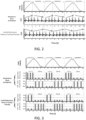
- the invention surprisingly achieves this by using a counterintuitive mode of pacing the heart, which is opposite to the physiological autonomic modulation of the cardiac pacing by the respiration, which is denoted as "respiratory sinus arrhythmia". While in the physiological respiratory sinus arrhythmia the heart rate increases during inspiration, when the intrathoracic pressure drop down to the deepest negative pressure, the CPRC performs the opposite mode of pacing and increases the heart rate when the intrathoracic pressure is close to zero, as depicted in Fig. 2 and 4 .
- the amplitude of the modulation of the cardiac pacing is determined by the severity of the respiratory effort and lung congestion.
- the novel CPRC may include the following elements:
- the chest cage protects the heart and the main vessels from external trust and the "respiratory pump” increases the cardiac output by increasing the venous return.
- the normal physiological control of the heart rate aims to increase the cardiac output during exercises, and it is done efficiently in healthy subjects.
- An increase in the respiratory work by the "respiratory pump” (the diaphragm and all the respiratory and accessory muscles), decreases the intrathoracic pressure during inspiration and facilitates venous return to the right atrium.
- the cardiac output of the left ventricle is equal to the venous return, at steady state, and is limited by the venous return.
- intrathoracic (pleural) pressure has significant effects on the pulmonary hemodynamics and lung congestion. Negative pleural pressure increases the lung blood pool and increases in the pulmonary bed pressure since it:
- the cardiac stroke volume is about 70 ml on average and about 70 ml of blood enters into the lung through the right-ventricle and the same amount of 70 ml is propelled out through the left ventricle, as schematically described in Fig. 4 .
- the pleural pressure dropped down the inflow though the right-ventricle increases, from 70 to 70.5 in the example in Fig. 3 .
- the outflow from the lung through the left ventricle decreases from 70.0 ml to 69.5 ml.
- the pleural pressure is close to zero the picture is reversed, as shown the Fig. 4 , and the amount of blood in the lung reaches a steady state.
- the main strategy behind the present innovation is to utilize the "respiratory pump” (part of the inspiratory and expiratory works) and cardiac contractions in order to pump blood out of the lung and to alleviate the hemodynamic congestion. It is done by modulating cardiac pacing according to the changes in the pleural pressure, but counterintuitively, it works against the normal physiology and increases the heart rate during end expiration and early inspiration.
- end inspiration and early expiration when the pleural pressure is negative and the "respiratory pump” increases the right-ventricle preload and the left-ventricle afterload, the novel device decreases the pacing rate to reduce the net inflow into the lung.
- the "respiratory pump” decreases the right-ventricle preload and increases the left-ventricle preload
- the device increases the pacing rate to facilitate the removal of blood from the lung.
- the mean heart rate is 72 bpm during normal condition with respiratory sinus arrhythmia and cardiopulmonary reverse cycling therapy (CPRC).
- CPRC cardiopulmonary reverse cycling therapy
- the device imposes higher pacing rate during late expiration and early inspiration phases, in contrast to the normal pacing. Consequently, during the two seconds of inspiration there are only two beats, while during the 3 seconds of expiration there are 4 beats. If there is an increase of 0.5 ml (+0.7% of the stroke volume) in the inflow to the lung and a decrease of 0.5 ml (-0.7%) in the outflow through the left-ventricle, for each heart beat during the negative pleural pressure intervals, each beat during this interval increases the lung blood volume by 1 ml of blood.
- the decrease in the heart rate to two beats during the negative pressure interval decreases the shift of blood to only 2 ml (instead of 3) during this time interval.
- the picture is reversed, as described in Fig. 3 .
- the CPRC increases the heart rate to four beats during the high pleural pressure interval (instead of three) and increases the shift of blood out of the lung to 4 ml (instead of 3 ml).
- the CPRC produces a net shift of 2 ml out of the lung during a single breathing-cycle (within 5 sec). Although the effect within a single breathing-cycle is small, it is accumulative, and within one minute it produces a net outflow of 24 ml out of the lung, when the respiratory rate is 12 bpm as in Fig. 3 , or 120 ml within only 10 minutes. It is important to note that under normal condition there are only about 500 ml of blood within the lung, and accumulated effect within 10 ml is huge (theoretically can decrease the lung blood volume by 24%). The effect of CPRC may diminish with time as the lung blood pool may decrease.
- lung congestion an increase in the respiratory effort and a deeper modulation of the CPRC (larger difference between the inspiratory and expiratory heart rate) intensify the effects of the CPRC in a cooperative mode, and cooperatively assist in alleviating the hemodynamic and lung congestions.
- Applications of the invention include, without limitation, treatment of heart failure patients, including all heart failure types.
- the invention aims to decrease the probability of gradual development of hemodynamic or lung congestion.
- the invention may provide precise diagnosis of the severity of the decompensation, based on the assessment of the severity of respiratory effort and the hemodynamic congestion. Moreover, it provides the immediate and the proportional appropriate treatment for the prevention of further deterioration and the return toward normal condition. Dyspnea is the most cardinal symptom of heart failure, and the technology directly targets this symptom.
Landscapes
- Health & Medical Sciences (AREA)
- Life Sciences & Earth Sciences (AREA)
- Cardiology (AREA)
- Heart & Thoracic Surgery (AREA)
- Engineering & Computer Science (AREA)
- Public Health (AREA)
- Biomedical Technology (AREA)
- Veterinary Medicine (AREA)
- Animal Behavior & Ethology (AREA)
- General Health & Medical Sciences (AREA)
- Biophysics (AREA)
- Physiology (AREA)
- Nuclear Medicine, Radiotherapy & Molecular Imaging (AREA)
- Radiology & Medical Imaging (AREA)
- Physics & Mathematics (AREA)
- Surgery (AREA)
- Molecular Biology (AREA)
- Medical Informatics (AREA)
- Pathology (AREA)
- Pulmonology (AREA)
- Hematology (AREA)
- Hospice & Palliative Care (AREA)
- Dentistry (AREA)
- Oral & Maxillofacial Surgery (AREA)
- Signal Processing (AREA)
- Psychiatry (AREA)
- Computer Vision & Pattern Recognition (AREA)
- Artificial Intelligence (AREA)
- Human Computer Interaction (AREA)
- Electrotherapy Devices (AREA)
- Medicines Containing Material From Animals Or Micro-Organisms (AREA)
Claims (12)
- Vorrichtung zur Behandlung von Herzproblemen, umfassend:ein kardiopulmonales Reverse-Cycling-Therapie (CPRC) Gerät zur Herzphasensteuerung (500);einen Herzfrequenzsensor;einen intrathorakalen Drucksensor (201); undeine Steuereinheit, die mit dem CPRC-Gerät, dem Herzfrequenzsensor und dem intrathorakalen Drucksensor in Verbindung steht, wobei die Steuereinheit konfiguriert ist, um einen Herzrhythmus eines Patienten zu modulieren, durch Veranlassen des CPRC-Geräts, eine Anzahl der Herzschläge während Zeitabschnitten mit hohem Pleuradruck relativ zu einer Anzahl von Herzschlägen in anderen Zeitabschnitten mit relativ niedrigerem Pleuradruck zu erhöhen, wobei der hohe und der niedrige Pleuradruck durch den intrathorakalen Drucksensor erfasst werden, wobei eine Amplitude der Modulation des Herzrhythmus durch den Schweregrad einer Atemanstrengung und einer Lungenstauung des Patienten bestimmt wird.
- Vorrichtung gemäß Anspruch 1, wobei Stimulation des CPRC-Geräts durch die Steuereinheit gesteuert wird, um vor dem Ende der Exspiration des Patienten zu beginnen und nach dem Beginn der Inspiration des Patienten zu enden.
- Vorrichtung gemäß Anspruch 1, wobei der intrathorakale Drucksensor konfiguriert ist, um einen intrathorakalen Druck zu erfassen und wobei Stimulation des CPRC-Geräts durch die Steuereinheit gesteuert wird, um die Anzahl der Herzschläge zu erhöhen, wenn der intrathorakale Druck relativ zu der Anzahl der Herzschläge während eines tiefen negativen intrathorakalen Drucks nahe Null ist.
- Vorrichtung gemäß Anspruch 1, wobei Stimulation des CPRC-Geräts durch die Steuereinheit gesteuert wird, um Fluide aus einer Lunge des Patienten zu entfernen, um Drücke innerhalb Lungengefäßen des Patienten zu reduzieren und dadurch die Atemanstrengung und das Gefühl von Atemnot zu reduzieren.
- Vorrichtung gemäß Anspruch 1, wobei Stimulation des CPRC-Geräts durch die Steuereinheit gesteuert wird, um den Widerstand gegen den Blutfluss innerhalb des Lungenkreislaufs des Patienten zu reduzieren und die Atemanstrengung zu reduzieren und dadurch sowohl die Arbeitsbelastung des rechten als auch des linken Ventrikels zu verringern.
- Vorrichtung gemäß Anspruch 1, wobei der intrathorakale Drucksensor einen Sensor in einem Pleuraraum, einem intrathorakalen Gefäß, einer Herzkammer, einer Oberfläche eines Brustkorbs oder einem Epigastrium des Patienten umfasst, der konfiguriert ist, um Atmungswellen aufzuzeichnen und zu messen, und wobei der Schweregrad der Atemanstrengung als Spitze-zu-Spitze-Amplitude der Atmungswellen definiert ist.
- Vorrichtung gemäß Anspruch 1, wobei die Steuereinheit ein zentrales Langzeit-Steuersystem (600) mit Speicher- und Kommunikationseinheiten umfasst, das konfiguriert ist, um die Vorgeschichte der Herzfrequenz, der Atmungsdynamik und der hämodynamischen Indizes aufzuzeichnen und Änderungen der hämodynamischen Stauung oder des hämodynamischen Drucks, der Atemanstrengung und/oder der Herzfrequenzen zu analysieren und einen Schwellenwert für die Segmentierung von Atmungszyklen in Intervalle mit relativ hohem Pleuradruck und relativ niedrigem Pleuradruck einzustellen.
- Vorrichtung gemäß Anspruch 1, wobei Stimulation des CPRC-Geräts durch die Steuereinheit gesteuert wird, um eine normale Sinusknotenstimulation zu unterdrücken.
- Vorrichtung gemäß Anspruch 1, wobei Stimulation des CPRC-Geräts durch die Steuereinheit gesteuert wird, um die Anzahl der Herzschläge während Zeitintervallen mit hohem Pleuradruck zu erhöhen, wodurch die Stimulation des Sinusknotens während der Zeitintervalle mit relativ niedrigem Druck durch ein autonomes Nervensystem des Patienten unterdrückt wird, als Antwort auf einen vorübergehenden Anstieg des Herzzeitvolumens während des Zeitintervalls mit hohem Pleuradruck.
- Vorrichtung gemäß Anspruch 1, die ferner einen Elektrokardiogramm (EKG)-Sensor umfasst, und wobei die Steuereinheit ein zentrales Langzeit-Steuersystem umfasst, das konfiguriert ist, um ein Atemfrequenz (AF)-Intervall der ausgelösten Stimulation basierend auf der Vorgeschichte von EKG-Aufzeichnungen zu bestimmen.
- Vorrichtung gemäß Anspruch 1, wobei die Steuereinheit eine Echtzeit-Steuereinheit umfasst, die konfiguriert ist, um einen Schwellenwert für Segmentierung der Atmungswelle, eine erforderliche Anzahl zusätzlicher Stimulation (NpM) und ein AF-Intervall der ausgelösten Stimulation zu akzeptieren und in Echtzeit einen Beginn jedes Intervalls mit hohem Pleuradruck zu identifizieren und eine Stimulationszeit basierend auf der Identifizierung eines letzten Herzschlags, einer Anzahl kürzlich erfolgter Stimulationen und der erforderlichen NpM zu berechnen.
- Vorrichtung gemäß Anspruch 1, wobei der hohe Pleuradruck näher bei Null liegt als der relativ niedrigere Pleuradruck.
Applications Claiming Priority (2)
| Application Number | Priority Date | Filing Date | Title |
|---|---|---|---|
| US202062967155P | 2020-01-29 | 2020-01-29 | |
| PCT/IB2021/050680 WO2021152506A1 (en) | 2020-01-29 | 2021-01-28 | Treatment of cardiac decompensation, pulmonary congestion and dyspnea |
Publications (3)
| Publication Number | Publication Date |
|---|---|
| EP4076164A1 EP4076164A1 (de) | 2022-10-26 |
| EP4076164A4 EP4076164A4 (de) | 2024-01-24 |
| EP4076164B1 true EP4076164B1 (de) | 2024-11-20 |
Family
ID=77079521
Family Applications (1)
| Application Number | Title | Priority Date | Filing Date |
|---|---|---|---|
| EP21748236.3A Active EP4076164B1 (de) | 2020-01-29 | 2021-01-28 | Vorrichtung zur behandlung von herzdekompensation, lungenüberlastung und dyspnoe |
Country Status (9)
| Country | Link |
|---|---|
| US (2) | US12350498B2 (de) |
| EP (1) | EP4076164B1 (de) |
| JP (2) | JP7723669B2 (de) |
| CN (2) | CN115460977B (de) |
| AU (1) | AU2021214967A1 (de) |
| CA (1) | CA3166157A1 (de) |
| ES (1) | ES3010610T3 (de) |
| IL (1) | IL295049A (de) |
| WO (1) | WO2021152506A1 (de) |
Cited By (1)
| Publication number | Priority date | Publication date | Assignee | Title |
|---|---|---|---|---|
| WO2026109913A1 (en) * | 2024-11-25 | 2026-05-28 | Ceryx Medical Limited | Blood flow assistance device and associated control system |
Families Citing this family (3)
| Publication number | Priority date | Publication date | Assignee | Title |
|---|---|---|---|---|
| EP4626308A1 (de) | 2022-12-04 | 2025-10-08 | Levron Cardiovascular Ltd. | Intravaskulärer katheter zur adaptiven steuerung der herzstimulation auf der basis von atem- und hämodynamischen indizes |
| CN121013681A (zh) * | 2023-04-28 | 2025-11-25 | 美敦力公司 | 被配置为基于由植入式光学传感器检测到的血压变化来确定健康状况状态的医疗系统 |
| EP4783960A1 (de) * | 2023-09-29 | 2026-08-05 | BIOTRONIK SE & Co. KG | Implantierbare medizinische vorrichtung und verfahren zum betrieb einer implantierbaren medizinischen vorrichtung |
Family Cites Families (15)
| Publication number | Priority date | Publication date | Assignee | Title |
|---|---|---|---|---|
| GB1585091A (en) * | 1976-02-10 | 1981-02-25 | Venegas J G | Remedial apparatus for use in assisting the breathing of living creatures |
| CN2030488U (zh) * | 1987-06-03 | 1989-01-11 | 中山医科大学附属第一医院 | 体外膈肌起搏器及其使用方法 |
| SE9502534D0 (sv) * | 1995-07-10 | 1995-07-10 | Pacesetter Ab | Electrophysiological Stimulator with variable stimulation pulse |
| US6141590A (en) * | 1997-09-25 | 2000-10-31 | Medtronic, Inc. | System and method for respiration-modulated pacing |
| US5964788A (en) * | 1997-10-28 | 1999-10-12 | Pacesetter, Inc. | Method and apparatus for controlling a pacemaker using respiration |
| US7096064B2 (en) * | 2001-08-28 | 2006-08-22 | Medtronic, Inc. | Implantable medical device for treating cardiac mechanical dysfunction by electrical stimulation |
| US6949075B2 (en) | 2002-12-27 | 2005-09-27 | Cardiac Pacemakers, Inc. | Apparatus and method for detecting lung sounds using an implanted device |
| US7967756B2 (en) * | 2003-09-18 | 2011-06-28 | Cardiac Pacemakers, Inc. | Respiratory therapy control based on cardiac cycle |
| US8103343B2 (en) * | 2007-05-03 | 2012-01-24 | Cardiac Pacemakers, Inc. | Automatic modulation of pacing timing intervals using beat to beat measures |
| US20110098583A1 (en) * | 2009-09-15 | 2011-04-28 | Texas Instruments Incorporated | Heart monitors and processes with accelerometer motion artifact cancellation, and other electronic systems |
| US8271072B2 (en) * | 2009-10-30 | 2012-09-18 | Medtronic, Inc. | Detecting worsening heart failure |
| EP2540342A1 (de) * | 2011-06-28 | 2013-01-02 | BIOTRONIK SE & Co. KG | Herzstimulator zur Abgabe einer kardialen Kontraktilitätsmodulationstherapie |
| US9861817B2 (en) * | 2011-07-28 | 2018-01-09 | Medtronic, Inc. | Medical device to provide breathing therapy |
| US8509902B2 (en) | 2011-07-28 | 2013-08-13 | Medtronic, Inc. | Medical device to provide breathing therapy |
| US20170076045A1 (en) * | 2014-02-27 | 2017-03-16 | Technion Research & Development Foundation Ltd. | Method device and system for monitoring sub-clinical progression and regression of heart failure |
-
2021
- 2021-01-28 EP EP21748236.3A patent/EP4076164B1/de active Active
- 2021-01-28 US US17/794,970 patent/US12350498B2/en active Active
- 2021-01-28 JP JP2022546030A patent/JP7723669B2/ja active Active
- 2021-01-28 AU AU2021214967A patent/AU2021214967A1/en not_active Abandoned
- 2021-01-28 IL IL295049A patent/IL295049A/en unknown
- 2021-01-28 ES ES21748236T patent/ES3010610T3/es active Active
- 2021-01-28 CN CN202180011341.7A patent/CN115460977B/zh active Active
- 2021-01-28 CA CA3166157A patent/CA3166157A1/en active Pending
- 2021-01-28 WO PCT/IB2021/050680 patent/WO2021152506A1/en not_active Ceased
- 2021-01-28 CN CN202511077751.8A patent/CN120919534A/zh active Pending
-
2025
- 2025-06-27 US US19/251,843 patent/US20250325819A1/en active Pending
- 2025-08-01 JP JP2025129072A patent/JP2025169286A/ja active Pending
Cited By (2)
| Publication number | Priority date | Publication date | Assignee | Title |
|---|---|---|---|---|
| WO2026109913A1 (en) * | 2024-11-25 | 2026-05-28 | Ceryx Medical Limited | Blood flow assistance device and associated control system |
| GB2702496A (en) * | 2024-11-25 | 2026-06-17 | Ceryx Medical Ltd | Blood flow assistance device and associated control system |
Also Published As
| Publication number | Publication date |
|---|---|
| ES3010610T3 (en) | 2025-04-03 |
| IL295049A (en) | 2022-09-01 |
| EP4076164A1 (de) | 2022-10-26 |
| CN115460977A (zh) | 2022-12-09 |
| CN115460977B (zh) | 2025-08-19 |
| EP4076164A4 (de) | 2024-01-24 |
| JP7723669B2 (ja) | 2025-08-14 |
| WO2021152506A1 (en) | 2021-08-05 |
| CN120919534A (zh) | 2025-11-11 |
| US20250325819A1 (en) | 2025-10-23 |
| AU2021214967A1 (en) | 2022-08-18 |
| JP2025169286A (ja) | 2025-11-12 |
| CA3166157A1 (en) | 2021-08-05 |
| US12350498B2 (en) | 2025-07-08 |
| JP2023511722A (ja) | 2023-03-22 |
| US20230077507A1 (en) | 2023-03-16 |
Similar Documents
| Publication | Publication Date | Title |
|---|---|---|
| US20250325819A1 (en) | Treatment of cardiac decompensation, pulmonary congestion and dyspnea | |
| EP1624929B1 (de) | Gerät zur überwachung von lungenödem | |
| US8014863B2 (en) | Heart attack or ischemia detector | |
| US6144880A (en) | Cardiac pacing using adjustable atrio-ventricular delays | |
| US7184835B2 (en) | Method and apparatus for adjustable AVD programming using a table | |
| EP1079893B1 (de) | Herzreizung unter verwendung von einstellbaren atrio-ventrikulären verzögerungsintervallen | |
| US8812108B2 (en) | Autonomic balance monitoring to control intermittent therapy | |
| US20090018596A1 (en) | Baroreflex activation therapy device with pacing cardiac electrical signal detection capability | |
| US8152730B2 (en) | Method for continuous baroreflex sensitivity measurement | |
| US9522271B2 (en) | Method and apparatus for controlling blood pressure using respiration-mediated heart rate variation | |
| JP2007524462A (ja) | 生理学的心臓パラメータをトレンド把握するための方法及び装置 | |
| CA2459408A1 (en) | Medical device for treating cardiac mechanical dysfunction by electrical stimulation | |
| US20230103473A1 (en) | Ambulatory monitoring of physiologic response to valsalva maneuver | |
| CN106456023A (zh) | 用于使用心音来检测房性快速性心律失常的方法和装置 | |
| WO2019113569A1 (en) | Devices and methods for non-invasive cardio-adaptive positive pressure ventilation therapy | |
| WO2024121726A1 (en) | Intravascular catheter for adaptive control of cardiac pacing based on respiratory and hemodynamic indices | |
| EP1940511B1 (de) | Herzüberwachungsgerät |
Legal Events
| Date | Code | Title | Description |
|---|---|---|---|
| STAA | Information on the status of an ep patent application or granted ep patent |
Free format text: STATUS: THE INTERNATIONAL PUBLICATION HAS BEEN MADE |
|
| PUAI | Public reference made under article 153(3) epc to a published international application that has entered the european phase |
Free format text: ORIGINAL CODE: 0009012 |
|
| STAA | Information on the status of an ep patent application or granted ep patent |
Free format text: STATUS: REQUEST FOR EXAMINATION WAS MADE |
|
| 17P | Request for examination filed |
Effective date: 20220720 |
|
| AK | Designated contracting states |
Kind code of ref document: A1 Designated state(s): AL AT BE BG CH CY CZ DE DK EE ES FI FR GB GR HR HU IE IS IT LI LT LU LV MC MK MT NL NO PL PT RO RS SE SI SK SM TR |
|
| DAV | Request for validation of the european patent (deleted) | ||
| DAX | Request for extension of the european patent (deleted) | ||
| RAP1 | Party data changed (applicant data changed or rights of an application transferred) |
Owner name: LEVRON CARDIOVASCULAR LTD. |
|
| RIN1 | Information on inventor provided before grant (corrected) |
Inventor name: LANDSBERG, AMIR |
|
| A4 | Supplementary search report drawn up and despatched |
Effective date: 20240102 |
|
| RIC1 | Information provided on ipc code assigned before grant |
Ipc: A61B 5/113 20060101ALI20231219BHEP Ipc: A61B 5/08 20060101ALI20231219BHEP Ipc: A61B 5/024 20060101ALI20231219BHEP Ipc: A61B 5/02 20060101ALI20231219BHEP Ipc: A61B 5/00 20060101ALI20231219BHEP Ipc: A61B 5/0205 20060101AFI20231219BHEP |
|
| GRAP | Despatch of communication of intention to grant a patent |
Free format text: ORIGINAL CODE: EPIDOSNIGR1 |
|
| STAA | Information on the status of an ep patent application or granted ep patent |
Free format text: STATUS: GRANT OF PATENT IS INTENDED |
|
| RIC1 | Information provided on ipc code assigned before grant |
Ipc: A61B 5/113 20060101ALI20240517BHEP Ipc: A61B 5/08 20060101ALI20240517BHEP Ipc: A61B 5/024 20060101ALI20240517BHEP Ipc: A61B 5/02 20060101ALI20240517BHEP Ipc: A61B 5/00 20060101ALI20240517BHEP Ipc: A61B 5/0205 20060101AFI20240517BHEP |
|
| INTG | Intention to grant announced |
Effective date: 20240618 |
|
| GRAS | Grant fee paid |
Free format text: ORIGINAL CODE: EPIDOSNIGR3 |
|
| GRAA | (expected) grant |
Free format text: ORIGINAL CODE: 0009210 |
|
| STAA | Information on the status of an ep patent application or granted ep patent |
Free format text: STATUS: THE PATENT HAS BEEN GRANTED |
|
| AK | Designated contracting states |
Kind code of ref document: B1 Designated state(s): AL AT BE BG CH CY CZ DE DK EE ES FI FR GB GR HR HU IE IS IT LI LT LU LV MC MK MT NL NO PL PT RO RS SE SI SK SM TR |
|
| REG | Reference to a national code |
Ref country code: GB Ref legal event code: FG4D |
|
| REG | Reference to a national code |
Ref country code: CH Ref legal event code: EP |
|
| REG | Reference to a national code |
Ref country code: DE Ref legal event code: R096 Ref document number: 602021022122 Country of ref document: DE |
|
| REG | Reference to a national code |
Ref country code: IE Ref legal event code: FG4D |
|
| REG | Reference to a national code |
Ref country code: LT Ref legal event code: MG9D |
|
| REG | Reference to a national code |
Ref country code: NL Ref legal event code: MP Effective date: 20241120 |
|
| PG25 | Lapsed in a contracting state [announced via postgrant information from national office to epo] |
Ref country code: HR Free format text: LAPSE BECAUSE OF FAILURE TO SUBMIT A TRANSLATION OF THE DESCRIPTION OR TO PAY THE FEE WITHIN THE PRESCRIBED TIME-LIMIT Effective date: 20241120 Ref country code: IS Free format text: LAPSE BECAUSE OF FAILURE TO SUBMIT A TRANSLATION OF THE DESCRIPTION OR TO PAY THE FEE WITHIN THE PRESCRIBED TIME-LIMIT Effective date: 20250320 Ref country code: PT Free format text: LAPSE BECAUSE OF FAILURE TO SUBMIT A TRANSLATION OF THE DESCRIPTION OR TO PAY THE FEE WITHIN THE PRESCRIBED TIME-LIMIT Effective date: 20250320 |
|
| PG25 | Lapsed in a contracting state [announced via postgrant information from national office to epo] |
Ref country code: FI Free format text: LAPSE BECAUSE OF FAILURE TO SUBMIT A TRANSLATION OF THE DESCRIPTION OR TO PAY THE FEE WITHIN THE PRESCRIBED TIME-LIMIT Effective date: 20241120 Ref country code: NL Free format text: LAPSE BECAUSE OF FAILURE TO SUBMIT A TRANSLATION OF THE DESCRIPTION OR TO PAY THE FEE WITHIN THE PRESCRIBED TIME-LIMIT Effective date: 20241120 |
|
| REG | Reference to a national code |
Ref country code: AT Ref legal event code: MK05 Ref document number: 1742792 Country of ref document: AT Kind code of ref document: T Effective date: 20241120 |
|
| PG25 | Lapsed in a contracting state [announced via postgrant information from national office to epo] |
Ref country code: BG Free format text: LAPSE BECAUSE OF FAILURE TO SUBMIT A TRANSLATION OF THE DESCRIPTION OR TO PAY THE FEE WITHIN THE PRESCRIBED TIME-LIMIT Effective date: 20241120 |
|
| PG25 | Lapsed in a contracting state [announced via postgrant information from national office to epo] |
Ref country code: NO Free format text: LAPSE BECAUSE OF FAILURE TO SUBMIT A TRANSLATION OF THE DESCRIPTION OR TO PAY THE FEE WITHIN THE PRESCRIBED TIME-LIMIT Effective date: 20250220 |
|
| PG25 | Lapsed in a contracting state [announced via postgrant information from national office to epo] |
Ref country code: AT Free format text: LAPSE BECAUSE OF FAILURE TO SUBMIT A TRANSLATION OF THE DESCRIPTION OR TO PAY THE FEE WITHIN THE PRESCRIBED TIME-LIMIT Effective date: 20241120 Ref country code: LV Free format text: LAPSE BECAUSE OF FAILURE TO SUBMIT A TRANSLATION OF THE DESCRIPTION OR TO PAY THE FEE WITHIN THE PRESCRIBED TIME-LIMIT Effective date: 20241120 Ref country code: GR Free format text: LAPSE BECAUSE OF FAILURE TO SUBMIT A TRANSLATION OF THE DESCRIPTION OR TO PAY THE FEE WITHIN THE PRESCRIBED TIME-LIMIT Effective date: 20250221 |
|
| PG25 | Lapsed in a contracting state [announced via postgrant information from national office to epo] |
Ref country code: PL Free format text: LAPSE BECAUSE OF FAILURE TO SUBMIT A TRANSLATION OF THE DESCRIPTION OR TO PAY THE FEE WITHIN THE PRESCRIBED TIME-LIMIT Effective date: 20241120 |
|
| PG25 | Lapsed in a contracting state [announced via postgrant information from national office to epo] |
Ref country code: RS Free format text: LAPSE BECAUSE OF FAILURE TO SUBMIT A TRANSLATION OF THE DESCRIPTION OR TO PAY THE FEE WITHIN THE PRESCRIBED TIME-LIMIT Effective date: 20250220 |
|
| PG25 | Lapsed in a contracting state [announced via postgrant information from national office to epo] |
Ref country code: SM Free format text: LAPSE BECAUSE OF FAILURE TO SUBMIT A TRANSLATION OF THE DESCRIPTION OR TO PAY THE FEE WITHIN THE PRESCRIBED TIME-LIMIT Effective date: 20241120 |
|
| PG25 | Lapsed in a contracting state [announced via postgrant information from national office to epo] |
Ref country code: DK Free format text: LAPSE BECAUSE OF FAILURE TO SUBMIT A TRANSLATION OF THE DESCRIPTION OR TO PAY THE FEE WITHIN THE PRESCRIBED TIME-LIMIT Effective date: 20241120 |
|
| PG25 | Lapsed in a contracting state [announced via postgrant information from national office to epo] |
Ref country code: EE Free format text: LAPSE BECAUSE OF FAILURE TO SUBMIT A TRANSLATION OF THE DESCRIPTION OR TO PAY THE FEE WITHIN THE PRESCRIBED TIME-LIMIT Effective date: 20241120 |
|
| PG25 | Lapsed in a contracting state [announced via postgrant information from national office to epo] |
Ref country code: RO Free format text: LAPSE BECAUSE OF FAILURE TO SUBMIT A TRANSLATION OF THE DESCRIPTION OR TO PAY THE FEE WITHIN THE PRESCRIBED TIME-LIMIT Effective date: 20241120 |
|
| PG25 | Lapsed in a contracting state [announced via postgrant information from national office to epo] |
Ref country code: SK Free format text: LAPSE BECAUSE OF FAILURE TO SUBMIT A TRANSLATION OF THE DESCRIPTION OR TO PAY THE FEE WITHIN THE PRESCRIBED TIME-LIMIT Effective date: 20241120 |
|
| PG25 | Lapsed in a contracting state [announced via postgrant information from national office to epo] |
Ref country code: CZ Free format text: LAPSE BECAUSE OF FAILURE TO SUBMIT A TRANSLATION OF THE DESCRIPTION OR TO PAY THE FEE WITHIN THE PRESCRIBED TIME-LIMIT Effective date: 20241120 |
|
| REG | Reference to a national code |
Ref country code: DE Ref legal event code: R097 Ref document number: 602021022122 Country of ref document: DE |
|
| REG | Reference to a national code |
Ref country code: CH Ref legal event code: PL |
|
| PG25 | Lapsed in a contracting state [announced via postgrant information from national office to epo] |
Ref country code: SE Free format text: LAPSE BECAUSE OF FAILURE TO SUBMIT A TRANSLATION OF THE DESCRIPTION OR TO PAY THE FEE WITHIN THE PRESCRIBED TIME-LIMIT Effective date: 20241120 |
|
| PG25 | Lapsed in a contracting state [announced via postgrant information from national office to epo] |
Ref country code: MC Free format text: LAPSE BECAUSE OF FAILURE TO SUBMIT A TRANSLATION OF THE DESCRIPTION OR TO PAY THE FEE WITHIN THE PRESCRIBED TIME-LIMIT Effective date: 20241120 Ref country code: LU Free format text: LAPSE BECAUSE OF NON-PAYMENT OF DUE FEES Effective date: 20250128 |
|
| PLBE | No opposition filed within time limit |
Free format text: ORIGINAL CODE: 0009261 |
|
| STAA | Information on the status of an ep patent application or granted ep patent |
Free format text: STATUS: NO OPPOSITION FILED WITHIN TIME LIMIT |
|
| PG25 | Lapsed in a contracting state [announced via postgrant information from national office to epo] |
Ref country code: BE Free format text: LAPSE BECAUSE OF NON-PAYMENT OF DUE FEES Effective date: 20250131 |
|
| PG25 | Lapsed in a contracting state [announced via postgrant information from national office to epo] |
Ref country code: CH Free format text: LAPSE BECAUSE OF NON-PAYMENT OF DUE FEES Effective date: 20250131 |
|
| 26N | No opposition filed |
Effective date: 20250821 |
|
| REG | Reference to a national code |
Ref country code: BE Ref legal event code: MM Effective date: 20250131 |
|
| PG25 | Lapsed in a contracting state [announced via postgrant information from national office to epo] |
Ref country code: IE Free format text: LAPSE BECAUSE OF NON-PAYMENT OF DUE FEES Effective date: 20250128 |
|
| PGFP | Annual fee paid to national office [announced via postgrant information from national office to epo] |
Ref country code: GB Payment date: 20260130 Year of fee payment: 6 |
|
| PGFP | Annual fee paid to national office [announced via postgrant information from national office to epo] |
Ref country code: ES Payment date: 20260227 Year of fee payment: 6 |
|
| PGFP | Annual fee paid to national office [announced via postgrant information from national office to epo] |
Ref country code: DE Payment date: 20260130 Year of fee payment: 6 |
|
| PGFP | Annual fee paid to national office [announced via postgrant information from national office to epo] |
Ref country code: IT Payment date: 20260130 Year of fee payment: 6 |
|
| PGFP | Annual fee paid to national office [announced via postgrant information from national office to epo] |
Ref country code: FR Payment date: 20260130 Year of fee payment: 6 |
|
| PG25 | Lapsed in a contracting state [announced via postgrant information from national office to epo] |
Ref country code: CY Free format text: LAPSE BECAUSE OF FAILURE TO SUBMIT A TRANSLATION OF THE DESCRIPTION OR TO PAY THE FEE WITHIN THE PRESCRIBED TIME-LIMIT Effective date: 20241120 |
|
| PG25 | Lapsed in a contracting state [announced via postgrant information from national office to epo] |
Ref country code: TR Free format text: LAPSE BECAUSE OF FAILURE TO SUBMIT A TRANSLATION OF THE DESCRIPTION OR TO PAY THE FEE WITHIN THE PRESCRIBED TIME-LIMIT Effective date: 20241120 |
|
| PG25 | Lapsed in a contracting state [announced via postgrant information from national office to epo] |
Ref country code: LT Free format text: LAPSE BECAUSE OF FAILURE TO SUBMIT A TRANSLATION OF THE DESCRIPTION OR TO PAY THE FEE WITHIN THE PRESCRIBED TIME-LIMIT Effective date: 20241120 |