EP4074842A1 - Long non-coding rna letn serving as tumor marker and therapeutic target point - Google Patents
Long non-coding rna letn serving as tumor marker and therapeutic target point Download PDFInfo
- Publication number
- EP4074842A1 EP4074842A1 EP19955708.3A EP19955708A EP4074842A1 EP 4074842 A1 EP4074842 A1 EP 4074842A1 EP 19955708 A EP19955708 A EP 19955708A EP 4074842 A1 EP4074842 A1 EP 4074842A1
- Authority
- EP
- European Patent Office
- Prior art keywords
- cancer
- letn
- incrna
- expression
- agent
- Prior art date
- Legal status (The legal status is an assumption and is not a legal conclusion. Google has not performed a legal analysis and makes no representation as to the accuracy of the status listed.)
- Pending
Links
Images




Classifications
-
- A—HUMAN NECESSITIES
- A61—MEDICAL OR VETERINARY SCIENCE; HYGIENE
- A61P—SPECIFIC THERAPEUTIC ACTIVITY OF CHEMICAL COMPOUNDS OR MEDICINAL PREPARATIONS
- A61P35/00—Antineoplastic agents
-
- A—HUMAN NECESSITIES
- A61—MEDICAL OR VETERINARY SCIENCE; HYGIENE
- A61K—PREPARATIONS FOR MEDICAL, DENTAL OR TOILETRY PURPOSES
- A61K31/00—Medicinal preparations containing organic active ingredients
- A61K31/70—Carbohydrates; Sugars; Derivatives thereof
- A61K31/7088—Compounds having three or more nucleosides or nucleotides
-
- A—HUMAN NECESSITIES
- A61—MEDICAL OR VETERINARY SCIENCE; HYGIENE
- A61K—PREPARATIONS FOR MEDICAL, DENTAL OR TOILETRY PURPOSES
- A61K31/00—Medicinal preparations containing organic active ingredients
- A61K31/70—Carbohydrates; Sugars; Derivatives thereof
- A61K31/7088—Compounds having three or more nucleosides or nucleotides
- A61K31/7105—Natural ribonucleic acids, i.e. containing only riboses attached to adenine, guanine, cytosine or uracil and having 3'-5' phosphodiester links
-
- A—HUMAN NECESSITIES
- A61—MEDICAL OR VETERINARY SCIENCE; HYGIENE
- A61K—PREPARATIONS FOR MEDICAL, DENTAL OR TOILETRY PURPOSES
- A61K31/00—Medicinal preparations containing organic active ingredients
- A61K31/70—Carbohydrates; Sugars; Derivatives thereof
- A61K31/7088—Compounds having three or more nucleosides or nucleotides
- A61K31/713—Double-stranded nucleic acids or oligonucleotides
-
- A—HUMAN NECESSITIES
- A61—MEDICAL OR VETERINARY SCIENCE; HYGIENE
- A61K—PREPARATIONS FOR MEDICAL, DENTAL OR TOILETRY PURPOSES
- A61K45/00—Medicinal preparations containing active ingredients not provided for in groups A61K31/00 - A61K41/00
- A61K45/06—Mixtures of active ingredients without chemical characterisation, e.g. antiphlogistics and cardiaca
-
- C—CHEMISTRY; METALLURGY
- C12—BIOCHEMISTRY; BEER; SPIRITS; WINE; VINEGAR; MICROBIOLOGY; ENZYMOLOGY; MUTATION OR GENETIC ENGINEERING
- C12N—MICROORGANISMS OR ENZYMES; COMPOSITIONS THEREOF; PROPAGATING, PRESERVING, OR MAINTAINING MICROORGANISMS; MUTATION OR GENETIC ENGINEERING; CULTURE MEDIA
- C12N15/00—Mutation or genetic engineering; DNA or RNA concerning genetic engineering, vectors, e.g. plasmids, or their isolation, preparation or purification; Use of hosts therefor
- C12N15/09—Recombinant DNA-technology
- C12N15/11—DNA or RNA fragments; Modified forms thereof; Non-coding nucleic acids having a biological activity
- C12N15/113—Non-coding nucleic acids modulating the expression of genes, e.g. antisense oligonucleotides; Antisense DNA or RNA; Triplex- forming oligonucleotides; Catalytic nucleic acids, e.g. ribozymes; Nucleic acids used in co-suppression or gene silencing
- C12N15/1135—Non-coding nucleic acids modulating the expression of genes, e.g. antisense oligonucleotides; Antisense DNA or RNA; Triplex- forming oligonucleotides; Catalytic nucleic acids, e.g. ribozymes; Nucleic acids used in co-suppression or gene silencing against oncogenes or tumor suppressor genes
-
- C—CHEMISTRY; METALLURGY
- C12—BIOCHEMISTRY; BEER; SPIRITS; WINE; VINEGAR; MICROBIOLOGY; ENZYMOLOGY; MUTATION OR GENETIC ENGINEERING
- C12Q—MEASURING OR TESTING PROCESSES INVOLVING ENZYMES, NUCLEIC ACIDS OR MICROORGANISMS; COMPOSITIONS OR TEST PAPERS THEREFOR; PROCESSES OF PREPARING SUCH COMPOSITIONS; CONDITION-RESPONSIVE CONTROL IN MICROBIOLOGICAL OR ENZYMOLOGICAL PROCESSES
- C12Q1/00—Measuring or testing processes involving enzymes, nucleic acids or microorganisms; Compositions therefor; Processes of preparing such compositions
- C12Q1/68—Measuring or testing processes involving enzymes, nucleic acids or microorganisms; Compositions therefor; Processes of preparing such compositions involving nucleic acids
- C12Q1/6876—Nucleic acid products used in the analysis of nucleic acids, e.g. primers or probes
- C12Q1/6883—Nucleic acid products used in the analysis of nucleic acids, e.g. primers or probes for diseases caused by alterations of genetic material
- C12Q1/6886—Nucleic acid products used in the analysis of nucleic acids, e.g. primers or probes for diseases caused by alterations of genetic material for cancer
-
- G—PHYSICS
- G01—MEASURING; TESTING
- G01N—INVESTIGATING OR ANALYSING MATERIALS BY DETERMINING THEIR CHEMICAL OR PHYSICAL PROPERTIES
- G01N33/00—Investigating or analysing materials by specific methods not covered by groups G01N1/00 - G01N31/00
- G01N33/48—Biological material, e.g. blood, urine; Haemocytometers
- G01N33/50—Chemical analysis of biological material, e.g. blood, urine; Testing involving biospecific ligand binding methods; Immunological testing
- G01N33/5005—Chemical analysis of biological material, e.g. blood, urine; Testing involving biospecific ligand binding methods; Immunological testing involving human or animal cells
- G01N33/5008—Chemical analysis of biological material, e.g. blood, urine; Testing involving biospecific ligand binding methods; Immunological testing involving human or animal cells for testing or evaluating the effect of chemical or biological compounds, e.g. drugs, cosmetics
- G01N33/5011—Chemical analysis of biological material, e.g. blood, urine; Testing involving biospecific ligand binding methods; Immunological testing involving human or animal cells for testing or evaluating the effect of chemical or biological compounds, e.g. drugs, cosmetics for testing antineoplastic activity
-
- G—PHYSICS
- G01—MEASURING; TESTING
- G01N—INVESTIGATING OR ANALYSING MATERIALS BY DETERMINING THEIR CHEMICAL OR PHYSICAL PROPERTIES
- G01N33/00—Investigating or analysing materials by specific methods not covered by groups G01N1/00 - G01N31/00
- G01N33/48—Biological material, e.g. blood, urine; Haemocytometers
- G01N33/50—Chemical analysis of biological material, e.g. blood, urine; Testing involving biospecific ligand binding methods; Immunological testing
- G01N33/5005—Chemical analysis of biological material, e.g. blood, urine; Testing involving biospecific ligand binding methods; Immunological testing involving human or animal cells
- G01N33/5008—Chemical analysis of biological material, e.g. blood, urine; Testing involving biospecific ligand binding methods; Immunological testing involving human or animal cells for testing or evaluating the effect of chemical or biological compounds, e.g. drugs, cosmetics
- G01N33/5014—Chemical analysis of biological material, e.g. blood, urine; Testing involving biospecific ligand binding methods; Immunological testing involving human or animal cells for testing or evaluating the effect of chemical or biological compounds, e.g. drugs, cosmetics for testing toxicity
- G01N33/5017—Chemical analysis of biological material, e.g. blood, urine; Testing involving biospecific ligand binding methods; Immunological testing involving human or animal cells for testing or evaluating the effect of chemical or biological compounds, e.g. drugs, cosmetics for testing toxicity for testing neoplastic activity
-
- G—PHYSICS
- G01—MEASURING; TESTING
- G01N—INVESTIGATING OR ANALYSING MATERIALS BY DETERMINING THEIR CHEMICAL OR PHYSICAL PROPERTIES
- G01N33/00—Investigating or analysing materials by specific methods not covered by groups G01N1/00 - G01N31/00
- G01N33/48—Biological material, e.g. blood, urine; Haemocytometers
- G01N33/50—Chemical analysis of biological material, e.g. blood, urine; Testing involving biospecific ligand binding methods; Immunological testing
- G01N33/5005—Chemical analysis of biological material, e.g. blood, urine; Testing involving biospecific ligand binding methods; Immunological testing involving human or animal cells
- G01N33/5008—Chemical analysis of biological material, e.g. blood, urine; Testing involving biospecific ligand binding methods; Immunological testing involving human or animal cells for testing or evaluating the effect of chemical or biological compounds, e.g. drugs, cosmetics
- G01N33/502—Chemical analysis of biological material, e.g. blood, urine; Testing involving biospecific ligand binding methods; Immunological testing involving human or animal cells for testing or evaluating the effect of chemical or biological compounds, e.g. drugs, cosmetics for testing non-proliferative effects
- G01N33/5023—Chemical analysis of biological material, e.g. blood, urine; Testing involving biospecific ligand binding methods; Immunological testing involving human or animal cells for testing or evaluating the effect of chemical or biological compounds, e.g. drugs, cosmetics for testing non-proliferative effects on expression patterns
-
- C—CHEMISTRY; METALLURGY
- C12—BIOCHEMISTRY; BEER; SPIRITS; WINE; VINEGAR; MICROBIOLOGY; ENZYMOLOGY; MUTATION OR GENETIC ENGINEERING
- C12N—MICROORGANISMS OR ENZYMES; COMPOSITIONS THEREOF; PROPAGATING, PRESERVING, OR MAINTAINING MICROORGANISMS; MUTATION OR GENETIC ENGINEERING; CULTURE MEDIA
- C12N2310/00—Structure or type of the nucleic acid
- C12N2310/10—Type of nucleic acid
- C12N2310/14—Type of nucleic acid interfering nucleic acids [NA]
-
- C—CHEMISTRY; METALLURGY
- C12—BIOCHEMISTRY; BEER; SPIRITS; WINE; VINEGAR; MICROBIOLOGY; ENZYMOLOGY; MUTATION OR GENETIC ENGINEERING
- C12Q—MEASURING OR TESTING PROCESSES INVOLVING ENZYMES, NUCLEIC ACIDS OR MICROORGANISMS; COMPOSITIONS OR TEST PAPERS THEREFOR; PROCESSES OF PREPARING SUCH COMPOSITIONS; CONDITION-RESPONSIVE CONTROL IN MICROBIOLOGICAL OR ENZYMOLOGICAL PROCESSES
- C12Q2600/00—Oligonucleotides characterized by their use
- C12Q2600/136—Screening for pharmacological compounds
-
- C—CHEMISTRY; METALLURGY
- C12—BIOCHEMISTRY; BEER; SPIRITS; WINE; VINEGAR; MICROBIOLOGY; ENZYMOLOGY; MUTATION OR GENETIC ENGINEERING
- C12Q—MEASURING OR TESTING PROCESSES INVOLVING ENZYMES, NUCLEIC ACIDS OR MICROORGANISMS; COMPOSITIONS OR TEST PAPERS THEREFOR; PROCESSES OF PREPARING SUCH COMPOSITIONS; CONDITION-RESPONSIVE CONTROL IN MICROBIOLOGICAL OR ENZYMOLOGICAL PROCESSES
- C12Q2600/00—Oligonucleotides characterized by their use
- C12Q2600/158—Expression markers
-
- C—CHEMISTRY; METALLURGY
- C12—BIOCHEMISTRY; BEER; SPIRITS; WINE; VINEGAR; MICROBIOLOGY; ENZYMOLOGY; MUTATION OR GENETIC ENGINEERING
- C12Q—MEASURING OR TESTING PROCESSES INVOLVING ENZYMES, NUCLEIC ACIDS OR MICROORGANISMS; COMPOSITIONS OR TEST PAPERS THEREFOR; PROCESSES OF PREPARING SUCH COMPOSITIONS; CONDITION-RESPONSIVE CONTROL IN MICROBIOLOGICAL OR ENZYMOLOGICAL PROCESSES
- C12Q2600/00—Oligonucleotides characterized by their use
- C12Q2600/178—Oligonucleotides characterized by their use miRNA, siRNA or ncRNA
Definitions
- the invention relates to the field of cancer. More specifically, the invention relates to the use of long non-coding RNA LETN as a tumor marker and a therapeutic target.
- IncRNAs non-coding RNAs
- Liver hepatocellular carcinoma is the sixth most common cancer in the world and ranks fifth in the cancer incidence worldwide, with approximately 841,000 new cases and 782,000 deaths each year[2], wherein the morbidity and mortality are 2 to 3 times higher in men, ranking second among the deaths in men.
- China is a high-risk country for liver hepatocellular carcinoma, which is mainly caused by chronic HBV infection and aflatoxin exposure.
- liver hepatocellular carcinoma it is surprising that few treatments are available.
- sorafenib Apart from physical therapies such as radiation, transplantation, and surgery, there is only one approved drug for advanced hepatocellular carcinoma, namely sorafenib, while it is very expensive and only prolongs life by an average of 2.8 months, and causes various side effects such as diarrhea and nausea[3].
- the nucleolus is a non-membrane subnuclear compartment located in the nucleus, which is a crucial organelle for fundamental processes such as rDNA transcription and ribosome biogenesis.
- NPM1 also known as B23
- B23 is an abundantly expressed protein in the nucleolus, and its protein sequence contains three distinct domains, wherein the N-terminal domain can affect its biological functions by regulating NPM1 oligomerization and the interaction with other proteins. Numerous studies have shown that NPM1 exerts the corresponding functions by forming pentamers.
- the middle region of NPM1 is an intrinsically disordered region marked by the presence of highly acidic regions and is involved in the binding to histones.
- NPM1 as an important cellular protein, has been shown to be involved in a series of biological processes such as ribosome biogenesis, chromatin remodeling and centriole duplication. Its abnormal expression or mutation will cause abnormal embryonic development and tumorigenesis.
- the inventors have conducted a comprehensive analysis and exploration of IncRNAs that may have potential functions in the context of cancer, through multi-omics data mining tools.
- LHC liver hepatocellular carcinoma
- the inventors have investigated IncRNA functions using the data of the Cancer Genome Atlas (TCGA) through an algorithm designed in the laboratory, and found previously unstudied IncRNA RP11-196G18.22 (designated as LETN). It is predicted to regulate 191 pairs of transcription factors and target genes, and may have extensive and powerful regulatory potentials in the carcinogenesis and progress of liver hepatocellular carcinoma, which is verified by experiments.
- the invention relates to a long non-coding RNA (IncRNA RP11-196G18.22, designated herein as LETN) useful as a diagnostic and therapeutic target for cancer.
- This RNA is overexpressed in cancer cells, and such overexpression can promote the proliferation of cancer cells and are associated with short prognostic survival time in cancer patients, thus serving as a tumor marker and a diagnostic marker. Reducing the expression of this IncRNA results in the inhibition of cancer cell growth, and thus the inhibition of the expression of this IncRNA represents a new strategy for cancer therapy.
- LETN functions by binding to NPM1, and affects the production of rRNA and the assembly function of nucleosome by binding to NPM1 so as to promote the carcinogenesis and progress of cancers (such as liver hepatocellular carcinoma).
- an agent for detecting the expression level of IncRNA RP11-196G18.22 in the manufacture of a diagnostic agent or a diagnostic kit for cancer. Detecting the expression level of RP11-196G18.22 (LETN) may refer to the detection of DNA or RNA level thereof.
- the invention provides a method of diagnosing cancer, comprising detecting the expression level of IncRNA RP11-196G18.22 (LETN) in a sample from a subject, wherein relative to a control (healthy or normal sample), the overexpression of LETN in the subject's sample is indicative of the subject suffering from a (high) risk of cancer or suffering from cancer.
- a control health or normal sample
- the invention provides an agent for detecting the expression level of IncRNA RP11-196G18.22 (LETN), for use in diagnosing cancer.
- TNN IncRNA RP11-196G18.22
- the agent is a specific probe, gene chip, or PCR primer for IncRNA RP11-196G18.22.
- the cancer is a solid tumor, preferably selected from the group consisting of liver hepatocellular carcinoma, lung cancer, prostate cancer, breast cancer, prostate cancer, pancreatic cancer, kidney cancer, gastric cancer, soft tissue cancer, biliary cancer, bladder cancer, rectal cancer, endometrial cancer, head and neck cancer, colon cancer, esophageal cancer, and thyroid cancer.
- the IncRNA RP11-196G18.22 has a nucleotide sequence as shown in SEQ ID NO: 1 (Ensembl accession number: ENST00000564237.1).
- an agent for reducing or inhibiting the expression of IncRNA RP11-196G18.22 in the manufacture of a medicament for treating cancer.
- the invention provides an agent for reducing or inhibiting the expression of IncRNA RP11-196G18.22 (LETN), for use as a medicament, particularly as a medicament for treating cancer.
- TERT IncRNA RP11-196G18.22
- the invention provides a method of treating cancer comprising administrating to a subject in need thereof an effective amount of an agent for reducing or inhibiting the expression of IncRNA RP11-196G18.22 (LETN).
- the nature of the agent for reducing or inhibiting the expression of IncRNA RP11-196G18.22 is not critical to the invention, as long as it reduces or inhibits the expression of IncRNA RP11-196G18.22 (LETN).
- the agent for reducing or inhibiting the expression of IncRNA RP11-196G18.22 is selected from the group consisting of gapmer, antisense RNA, siRNA, esiRNA, shRNA, miRNA, RNA aptamer, TALEN, CRISPR, and zinc finger nuclease.
- the specific sequences for antisense RNA, siRNA, shRNA, and CRISPR are those used in Examples in the Description of the subject application.
- the cancer is a solid tumor, preferably selected from the group consisting of liver hepatocellular carcinoma, lung cancer, prostate cancer, breast cancer, prostate cancer, pancreatic cancer, kidney cancer, gastric cancer, soft tissue cancer, biliary cancer, bladder cancer, rectal cancer, endometrial cancer, head and neck cancer, colon cancer, esophageal cancer, and thyroid cancer.
- the IncRNA RP11-196G18.22 has a nucleotide sequence as shown in SEQ ID NO: 1 (Ensembl accession number: ENST00000564237.1).
- the medicament further comprises an additional anticancer agent such as chemotherapeutic agent, for example, an agent for reducing or inhibiting the expression or mutation of NPM1 or an agent for inhibiting the binding of LETN to NPM1.
- an additional anticancer agent such as chemotherapeutic agent
- the medicament is used in combination with a method for reducing or inhibiting the expression or mutation of NPM1, or a method for inhibiting the binding of LETN to NPM1.
- the inhibition of IncRNA RP11-196G18.22 (LETN) is sufficient for achieving the effect of cancer treatment, it is expected that when combined with other anticancer drugs such as chemotherapeutic agents, the agent for reducing or inhibiting the expression of IncRNA RP11-196G18.22 (LETN) can achieve stronger and even synergistic anticancer effects.
- a method of identifying whether a tumor is susceptible to treatment with an inhibitor of LETN expression comprising the following steps:
- the cancer is a solid tumor, preferably selected from the group consisting of liver hepatocellular carcinoma, lung cancer, prostate cancer, breast cancer, prostate cancer, pancreatic cancer, kidney cancer, gastric cancer, soft tissue cancer, biliary cancer, bladder cancer, rectal cancer, endometrial cancer, head and neck cancer, colon cancer, esophageal cancer, and thyroid cancer.
- LETN has a nucleotide sequence as shown in SEQ ID NO: 1 (Ensembl accession number: ENST00000564237.1).
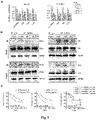
- A shows the expression status of LETN in various cancers and related paracancerous tissues in the TCGA database (CHOL: biliary cancer; LIHC: liver hepatocellular carcinoma; LUAD: lung adenocarcinoma; KIRC: renal clear cell carcinoma; BLCA: bladder cancer; BRCA: breast cancer; PRAD: prostate cancer; READ: rectal cancer; LUSC: lung squamous cell carcinoma; UCEC: endometrial cancer; PAAD: pancreatic cancer; HNSC: head and neck squamous cancer; KIRP: papillary renal cell carcinoma; COAD: colon cancer; STAD: gastric cancer; SARC: soft tissue cancer; ESCA: esophageal cancer; THCA: thyroid cancer; THYM thymic cancer; KICH: renal chromophobe cell carcinoma; PCPG: adrenal carcinoma; CESC: cervical squamous cell carcinoma), and it is observed that the expression of LETN in most cancer tissues (solid tumors) in humans is higher than
- A shows that it is found in the in situ hybridization experiment that LETN is mainly located in the nucleus and appears in clusters; B shows that it is demonstrated in the nucleocytoplasmic separation experiment that most of LETN is located in the nucleus, and GAPDH and LaminA/C are markers for cytoplasm and nucleus, respectively; C shows that through the mass spectrometry analysis of proteins interacted with LETN, it is found that NPM1 is the protein with the strongest binding ability in both experiments; D shows that it is further confirmed by the cellular fluorescence co-localization experiment that LETN binds to NPM1 and is localized in the nucleolus; E shows the pull down of RNA by NPM1 in the formaldehyde crosslinked or uncrosslinked state, and it is also found that NPM1 can indeed pull down the IncRNA LETN (MALAT1 in the figure represents the negative control).
- results shown in A to C in Fig. 3 demonstrate that LETN promotes the carcinogenesis and progress of liver hepatocellular carcinoma by affecting the production of rRNA and the assembly function of nucleosome via binding to NPM1 (antibodies for detection: mouse anti-human NPM1 antibody (ab10530, abcam), Histone H2A (EPR17470, ab177308, abcam), Histone H2B (EP957Y, ab52599, abcam), Histone H3 (17168-1-AP, proteintech), Histone H4 (16047-1-AP, proteintech)).
- NPM1 antibodies for detection: mouse anti-human NPM1 antibody (ab10530, abcam), Histone H2A (EPR17470, ab177308, abcam), Histone H2B (EP957Y, ab52599, abcam), Histone H3 (17168-1-AP, proteintech), Histone H4 (16047-1-AP, proteintech)).
- A shows that the respective knockdown of LETN or NPM1 in HUH7 and HCC827 cell lines can significantly reduce the expressions of various rRNAs, and the functions of LETN and NPM1 are consistent;
- B shows that the knockdown of LETN can attenuate the binding ability of NPM1 to histones, thereby affecting the assembly of nucleosome;
- C shows the survival time analysis of the clinical data of liver hepatocellular carcinoma patients in the TCGA database, wherein the prognostic survival time of patients individually divided in LETN or NPM1 high expression group is shorter than that of patients in low expression group; and when further subdivided into four groups: NPM1-low+LETN-low, NPM1-low+LETN-high, NPM1-high+LETN-low, and NPM1-high+LETN-high, it is found that the survival time of patients with high expressions of both NPM1 and LETN is much shorter than that of patients with low expressions of both NPM1 and LETN.
- A shows the knockdown of LETN by siRNA in five cell lines, wherein the knockdown efficiency is detected by RT-qPCR
- B shows the knockdown of LETN by lentiviral shRNA in two cell lines, wherein the knockdown efficiency is detected by RT-qPCR
- C shows the knockout of LETN by CRISPR-Cas9 technology, wherein the knockdown efficiency is detected by RT-qPCR
- D shows the overexpression of LETN by the lentiviral overexpression system in two cell lines, wherein the overexpression efficiency is detected by RT-qPCR.
- Fig. 5 shows the effect of knockdown of the corresponding IncRNA on the proliferation of liver hepatocellular carcinoma cell line HUH7.
- long non-coding RNA refers to the transcripts longer than 200 nucleotides that do not encode proteins.
- the term "lncRNA RP11-196G18.22” or “LETN” refers to the gene with Ensembl accession number: ENST00000564237.1 and mRNAs transcribed from this gene. Since it is a non-protein-coding gene, there is no protein product. In present invention, its sequence can be represented by SEQ ID NO: 1 (shown below). The invention also contemplates variations in the non-coding exons that may exist in the above-mentioned gene, which variations are considered to belong to the corresponding transcripts; that is, unless otherwise specified, the term “lncRNA RP11-196G18.22” or “LETN” encompasses different isotypes.
- lncRNA RP11-196G18.22 (LETN) it means expressions at two levels: one involves the expression at the DNA level; and the other involves the expression at the RNA level.
- overexpression refers to when the strict control of gene expression (transcription) is disrupted, a gene may be inappropriately “turned off', or be transcribed at a high rate. The transcription at a high rate results in the production of a large amount of mRNA.
- overexpression of "lncRNA RP11-196G18.22” or “LETN” of the invention it means that its DNA or RNA expression level is higher than that of the control (normal or healthy tissue/cell) by at least 30%, 40%, 50%, 60%, 70%, 80%, 90%, 100%, 110%, 120%, 130%, 140%, 150%, 200%, or 300%, or even 4, 5, 6, 7, 8, 9, 10 times or more higher than the expression level of LETN in the control.
- the reagent is preferably selected from a specific probe (preferably a nucleic acid probe with a detection label, usually complementary to the target gene), gene chip, or PCR primer used in the PCR specific amplification reaction for IncRNA RP11-196G18.22.
- reducing or inhibiting the expression of lncRNA RP11-196G18.22 refers to reducing the expression level of lncRNA RP11-196G18.22 (LETN) to 80% or less, 70% or less, 60% or less, 50% or less, 40% or less, 30% or less, 20% or less, 15% or less, or 10% or less, e.g., 5% or less, 2% or less, 1% or less, or even 0% of the original expression level.
- the expression of lncRNA RP11-196G18.22 (LETN) can be reduced or inhibited by gene knockout or knockdown.
- knock out refers to a genetic engineering technique in which an exogenous mutated gene is used to replace an endogenous normal homologous gene through homologous recombination, thereby inactivating the endogenous gene and exhibiting the performances of mutant.
- knock down refers to the effect of preventing the gene expression by degrading the mRNA of a target gene with a homologous sequence. It efficiently and specifically degrades the homologous mRNA in cells using a double-stranded small RNA, thereby blocking the expression of the target gene in vivo and presenting the cell phenotype with target gene deletion. It prevents the gene expression by degrading the mRNA of the target gene with homologous sequence, different from the gene knockout which permanently silences the expression of the target gene.
- the techniques for gene knockout or knockdown are well known in the art, and include but are not limited to the gene transfer by retrovirus and the generation of mutation, such as point mutation, insertion, deletion, frame shift, or missense mutation.
- Another means for gene knockout is by the use of zinc finger nuclease.
- the zinc finger nuclease (ZFN) is an artificial restriction enzyme produced by fusing the zinc finger DNA binding domain with the DNA cleavage domain.
- the zinc finger domain can be engineered to target the DNA sequence of interest, allowing the zinc finger nuclease to target the unique sequence in the complex genome.
- Other genome customization techniques useful for the gene knockout include TAL effector nucleases (TALENs).
- TALENs TAL effector nucleases
- Another technique involves CRISPR/Cas system for genome editing, which can be used to achieve the RNA-guided genome engineering.
- the techniques to achieve "reducing or inhibiting the expression of IncRNA RP11-196G18.22 (LETN)" may also include the use of gapmer, antisense RNA, siRNA, esiRNA, shRNA, miRNA, or RNA aptamer.
- Antisense RNA refers to an RNA molecule complementary to mRNA, and also includes RNA molecules complementary to other RNAs. Since the double-stranded RNA cannot be translated in the ribosome, the specific complementary binding of antisense RNA to mRNA inhibits the translation of the mRNA.
- An antisense construct can be delivered, for example, as an expression plasmid that, when expressed in a cell, produces RNA complementary to at least a unique portion of cellular IncRNA RP11-196G18.22 (LETN).
- the gapmer is a chimeric antisense oligonucleotide containing a central block of deoxynucleotide monomer with a sufficient length to induce the cleavage by RNase H.
- the design and synthesis of gapmer are well known to those skilled in the art and can be accomplished by commercial companies (e.g., Exiqon, Isis pharmaceuticals).
- siRNA Short interfering RNA
- silencing RNA is a class of double-stranded RNA molecules, with approximately 20-25 base pairs in length, that function by the way of RNA interference (RNAi). It interferes with the expression of mRNA post-transcriptionally degraded for the specific gene with complementary nucleotide sequence, thereby preventing translation.
- RNAi RNA interference
- the siRNA of the invention can target any segment of about 19 to 25 continuous nucleotides in the IncRNA RP11-196G18.22 (LETN) target sequence, examples of which are provided in this application.
- the techniques for selecting the target sequence for siRNAs are well known in the art.
- shRNA Short hairpin RNA
- RNAi RNA interference
- siRNA The full English name of "esiRNA” is endoribonuclease-prepared siRNA. It is a mixture of siRNAs generated by cleaving long double-stranded RNAs (dsRNAs) by RNase III (ribonuclease) of E. coli, with a length of 18-25 bp, and can be used to efficiently knock down the expression level of the target gene.
- dsRNAs long double-stranded RNAs
- RNase III ribonuclease
- the invention is based on the unexpected finding that IncRNA RP11-196G18.22 (LETN) can be used as a tumor marker and a therapeutic target.
- the invention provides the use of an agent for detecting the expression level of IncRNA RP11-196G18.22 (LETN) in the manufacture of a diagnostic agent or a diagnostic kit for cancer.
- the invention also provides the use of an agent for reducing or inhibiting the expression of IncRNA RP11-196G18.22 (LETN) in the manufacture of a medicament for treating cancer.
- the invention also provides a method for screening anticancer drugs, comprising the step of determining whether the candidate compound can reduce or inhibit the expression of IncRNA RP11-196G18.22 (LETN).
- the unpaired student's t-test is used for statistical analysis in the invention. Statistical calculations are performed using Microsoft Excel. When P ⁇ 0.05, P value is significant.
- IncRNA functions were investigated using the data of the Cancer Genome Atlas (TCGA) ( https://www.cancer.gov/about-nci/organization/ccg/research/structural-genomics/tcga ), to predict lncRNAs with the functions of regulating transcription factors and their target genes through an algorithm designed in the laboratory.
- TCGA Cancer Genome Atlas
- 22 lncRNAs were finally selected (UBE2SP2, BMS1P8, RP11-443P15.2, LINC01296/DUXAP10, LL22NC03-N14H11.1, RP11-284F21.10, DUXAP8, CRNDE, CTD-2227E11.1, LINC00853, LINC00665, RP11-196G18.22, GOLGA2P7, RP11-14N7.2, PVT1, LINC00511, RP11-396C23.2, MIR4435-2HG, AL450992.2, HCG25, PCAT6, LINC00152).
- siRNAs specific for its transcript were designed (see Table 1 below), and the liver hepatocellular carcinoma cell line HUH7 (Shanghai Cell Bank, Chinese Academy of Sciences) was transfected by liposome Lipofectamine 2000 (Thermo Fisher, 11668019), to detect the effect of the knockdown of corresponding IncRNA on the cell proliferation. It was found that (see Fig.
- the expression levels of LETN were analyzed in liver hepatocellular carcinoma and paracancerous tissues in the TCGA database, and it was found that the expression level of LETN in the liver hepatocellular carcinoma tissue was much higher than those in paracancerous tissues; and it was further found in extended analyses on other cancer tissues that, the expression levels of LETN in most cancers were all higher than those in paracancerous tissues ( Fig. 1, A ).
- HUH7 (Shanghai Cell Bank, Chinese Academy of Sciences) and SMMC-7721 (Shanghai Cell Bank, Chinese Academy of Sciences), and LETN was knocked down by siRNA (siRNA primers are shown below).
- the cells were seeded in a 35 mm dish for transfection after cell adherence. 2 ⁇ l of liposome Lipofectamine 2000 (Thermo Fisher, 11668019) and 20 nM of siRNA were diluted with 250 ml of medium, respectively.
- Fig. 4A It is found that LETN knockdown can significantly reduce the proliferation of cells ( Fig. 1, C ) (siNC and siLMNA are two different negative controls; to prevent off-target effects, two siRNAs are designed for LETN knockdown: siLETN-1 and siLETN-2).
- a stably screened cell line with LETN knockdown was constructed (see Example 3 for details).
- the knockdown level was detected by RT-qPCR (see Table 3 below for the sequence of primer pairs).
- the knockdown efficiency was shown in Fig. 4B . It was found that the knockdown of LETN could significantly reduce the colony formation of cells ( Fig. 1 , D, E).
- the shNC was the negative control group.
- LETN was knocked out by CRISPR-Cas9.
- the cells were seeded in a 35 mm dish for transfection after cell adherence.
- 2 ⁇ l of liposome Lipofectamine 2000 (Thermo Fisher, 11668019) and 2 ⁇ g of px458-sgRNA plasmid (sgLETN sequence was added on the basis of px458 (Addgene, catalog no. 48138), and the specific method is shown in the reference [5]) were diluted with 250 ml of medium, respectively. After mixing well, the mixture was incubated for 20 min on standing, then slowly dropped into the dish containing the cells, and the knockdown level was detected by RT-qPCR after 48 hours. The knockdown efficiency is shown in Fig. 4C . It was found that the proliferation of cells was significantly inhibited ( Fig. 1, B ).
- LETN overexpression was performed.
- the cells were seeded in a 35 mm dish for transfection after cell adherence.
- 2 ⁇ l of liposome Lipofectamine 2000 (Thermo Fisher, 11668019) and 2 ⁇ g of LETN overexpression plasmid plv-LETN (constructed by Wuxi Qinglan Biotechnology Co., Ltd., the expression plasmid: plv-mCherry, catalog no. 36084) were diluted with 250 ml of medium, respectively. After mixing well, the mixture was incubated for 20 min on standing, then slowly dropped into the dish containing the cells, and the overexpression efficiency was detected by RT-qPCR after 48 hours (see Fig. 4, D ). It was found that the proliferation and colony formation of cells could be promoted ( Fig. 1 , F, G).
- the lung cancer cell line HCC827 (ATCCRCRL-2868) as well as the prostate cancer cell lines DU145 (ATCCRHTB-81) and PC3 (ATCCRCRL-1435) were selected, and similar effects were found.
- LETN was knocked down by siRNA (the method is identical to that previously manipulated in the liver hepatocellular carcinoma cell line HUH7, and the knockdown efficiency is shown in Fig. 4A ), the proliferation rate of cells was significantly reduced, and the colony formation ability was also destroyed ( Fig. 1, C ).
- a stably screened cell line with LETN knockdown was constructed using the virus packaging shRNA (shRNA sequences are shown in Table 3).
- virus packaging 293T cells (Shanghai Cell Bank, Chinese Academy of Sciences) were seeded in a 100 mm plate, and transfected on the next day.
- the stably screened cell line with LETN knockdown first, the cells were seeded in a 35 mm dish, 500 ⁇ l of virus solution was added on the next day, and the medium was supplemented to 2 ml. After 48 hours, puromycin was added once every three days to remove cells without viral expression, to obtain the stably screened cell line as desired).
- the HUH7 cell line with LETN knockdown (the knockdown efficiency was detected by RT-qPCR, and shown in Fig.
- HUH7 was selected to construct a stably screened cell line with LETN overexpression, which was subcutaneously injected into athymic nude mice. After inoculation for 5 weeks, the same operations were performed.
- IncRNA LETN has a significant function of inhibiting the carcinogenesis and progress of liver hepatocellular carcinoma and is a potential therapeutic target.
- RNA in situ hybrization[6] and nucleocytoplasmic separation (Nuclear/Cytosol Fractionation Kit (Biovision, K266-25)) that LETN was mainly localized in the nucleus and distributed in clusters. This indicated that LETN was likely to function through binding to proteins.
- the proteins pulled down through RNA pull down were analyzed by mass spectrometry to find the proteins that interact with LETN, and finally NPM1 was found to be the functional protein that binds thereto.
- NPM1 antibody Anti-NPMl (Abcam, ab10530) was used for pulling down through RNA pull down technology[7], and it was also found that NPM1 could indeed pull down IncRNA LETN. It was further confirmed by the cellular fluorescence co-localization experiment that LETN was localized in the nucleolus.
- NPM1 is a very crucial functional protein in the nucleolus, which can bind to rDNA promoter to promote rDNA transcription; participate in rRNA splicing and maturation; bind to histones and participate in nucleosome assembly; and the like. It was found that LETN was indeed involved in these functions. It was found that the knockdown of LETN could significantly reduce the expressions of various rRNAs, and the overexpression of LETN could promote the expression of rRNA. In addition, the knockdown of LETN could also attenuate the binding ability of NPM1 to histones, thereby affecting the nucleosome assembly.
- the nucleolus is composed of three basic structural components, namely fibrillar center, dense fibrillar component, and granular component (from the inside to the outside).
- NPM1 is mainly located in the outermost layer and is the most important constituent of the granular component. Studies have shown that the knockdown of NPM1 can destroy the morphology of the nucleolus.
Landscapes
- Health & Medical Sciences (AREA)
- Life Sciences & Earth Sciences (AREA)
- Chemical & Material Sciences (AREA)
- Engineering & Computer Science (AREA)
- Immunology (AREA)
- Molecular Biology (AREA)
- Organic Chemistry (AREA)
- General Health & Medical Sciences (AREA)
- Biomedical Technology (AREA)
- Genetics & Genomics (AREA)
- Proteomics, Peptides & Aminoacids (AREA)
- Pathology (AREA)
- Analytical Chemistry (AREA)
- Biochemistry (AREA)
- Medicinal Chemistry (AREA)
- Zoology (AREA)
- Wood Science & Technology (AREA)
- Biotechnology (AREA)
- Bioinformatics & Cheminformatics (AREA)
- Physics & Mathematics (AREA)
- Microbiology (AREA)
- Hematology (AREA)
- Urology & Nephrology (AREA)
- Public Health (AREA)
- Veterinary Medicine (AREA)
- Animal Behavior & Ethology (AREA)
- Pharmacology & Pharmacy (AREA)
- General Engineering & Computer Science (AREA)
- Oncology (AREA)
- Biophysics (AREA)
- Toxicology (AREA)
- Epidemiology (AREA)
- Hospice & Palliative Care (AREA)
- General Physics & Mathematics (AREA)
- Tropical Medicine & Parasitology (AREA)
- Cell Biology (AREA)
- Food Science & Technology (AREA)
- General Chemical & Material Sciences (AREA)
- Chemical Kinetics & Catalysis (AREA)
- Nuclear Medicine, Radiotherapy & Molecular Imaging (AREA)
Abstract
Description
- The invention relates to the field of cancer. More specifically, the invention relates to the use of long non-coding RNA LETN as a tumor marker and a therapeutic target.
- In recent years, with the rapid development of sequencing technology, studies have found that long non-coding RNAs (IncRNAs) without translation activity will be transcribed in a large number of non-coding regions in the human genome, far more than proteins in number. Hundreds of IncRNAs related to various diseases or physiological functions in humans have been discovered. Especially in cancers, there is increasing evidence that IncRNAs play a synergistic role in tumor suppression or tumorigenesis[1]. However, for the vast majority of IncRNAs, we know little about their molecular and biological functions.
- Liver hepatocellular carcinoma is the sixth most common cancer in the world and ranks fifth in the cancer incidence worldwide, with approximately 841,000 new cases and 782,000 deaths each year[2], wherein the morbidity and mortality are 2 to 3 times higher in men, ranking second among the deaths in men. China is a high-risk country for liver hepatocellular carcinoma, which is mainly caused by chronic HBV infection and aflatoxin exposure. However, despite the increasing incidence of liver hepatocellular carcinoma, it is surprising that few treatments are available. Apart from physical therapies such as radiation, transplantation, and surgery, there is only one approved drug for advanced hepatocellular carcinoma, namely sorafenib, while it is very expensive and only prolongs life by an average of 2.8 months, and causes various side effects such as diarrhea and nausea[3].
- The nucleolus is a non-membrane subnuclear compartment located in the nucleus, which is a crucial organelle for fundamental processes such as rDNA transcription and ribosome biogenesis. NPM1 (also known as B23) is an abundantly expressed protein in the nucleolus, and its protein sequence contains three distinct domains, wherein the N-terminal domain can affect its biological functions by regulating NPM1 oligomerization and the interaction with other proteins. Numerous studies have shown that NPM1 exerts the corresponding functions by forming pentamers. The middle region of NPM1 is an intrinsically disordered region marked by the presence of highly acidic regions and is involved in the binding to histones. The C-terminal region provides a sufficient platform to enable binding to nucleic acids[4]. NPM1, as an important cellular protein, has been shown to be involved in a series of biological processes such as ribosome biogenesis, chromatin remodeling and centriole duplication. Its abnormal expression or mutation will cause abnormal embryonic development and tumorigenesis.
- By combining theoretical research and experimental means, the inventors have conducted a comprehensive analysis and exploration of IncRNAs that may have potential functions in the context of cancer, through multi-omics data mining tools. For the liver hepatocellular carcinoma (LIHC), the inventors have investigated IncRNA functions using the data of the Cancer Genome Atlas (TCGA) through an algorithm designed in the laboratory, and found previously unstudied IncRNA RP11-196G18.22 (designated as LETN). It is predicted to regulate 191 pairs of transcription factors and target genes, and may have extensive and powerful regulatory potentials in the carcinogenesis and progress of liver hepatocellular carcinoma, which is verified by experiments.
- Accordingly, the invention relates to a long non-coding RNA (IncRNA RP11-196G18.22, designated herein as LETN) useful as a diagnostic and therapeutic target for cancer. This RNA is overexpressed in cancer cells, and such overexpression can promote the proliferation of cancer cells and are associated with short prognostic survival time in cancer patients, thus serving as a tumor marker and a diagnostic marker. Reducing the expression of this IncRNA results in the inhibition of cancer cell growth, and thus the inhibition of the expression of this IncRNA represents a new strategy for cancer therapy. In present invention, the mechanism of action of LETN is also studied, and it is found that LETN functions by binding to NPM1, and affects the production of rRNA and the assembly function of nucleosome by binding to NPM1 so as to promote the carcinogenesis and progress of cancers (such as liver hepatocellular carcinoma).
- According to one aspect of the invention, there is provided the use of an agent for detecting the expression level of IncRNA RP11-196G18.22 (LETN) in the manufacture of a diagnostic agent or a diagnostic kit for cancer. Detecting the expression level of RP11-196G18.22 (LETN) may refer to the detection of DNA or RNA level thereof.
- In one embodiment, the invention provides a method of diagnosing cancer, comprising detecting the expression level of IncRNA RP11-196G18.22 (LETN) in a sample from a subject, wherein relative to a control (healthy or normal sample), the overexpression of LETN in the subject's sample is indicative of the subject suffering from a (high) risk of cancer or suffering from cancer.
- In one embodiment, the invention provides an agent for detecting the expression level of IncRNA RP11-196G18.22 (LETN), for use in diagnosing cancer.
- In one embodiment, the agent is a specific probe, gene chip, or PCR primer for IncRNA RP11-196G18.22.
- In another embodiment, the cancer is a solid tumor, preferably selected from the group consisting of liver hepatocellular carcinoma, lung cancer, prostate cancer, breast cancer, prostate cancer, pancreatic cancer, kidney cancer, gastric cancer, soft tissue cancer, biliary cancer, bladder cancer, rectal cancer, endometrial cancer, head and neck cancer, colon cancer, esophageal cancer, and thyroid cancer.
- In another preferred embodiment, the IncRNA RP11-196G18.22 has a nucleotide sequence as shown in SEQ ID NO: 1 (Ensembl accession number: ENST00000564237.1).
- According to another aspect of the invention, there is provided the use of an agent for reducing or inhibiting the expression of IncRNA RP11-196G18.22 (LETN) in the manufacture of a medicament for treating cancer.
- In one embodiment, the invention provides an agent for reducing or inhibiting the expression of IncRNA RP11-196G18.22 (LETN), for use as a medicament, particularly as a medicament for treating cancer.
- In another embodiment, the invention provides a method of treating cancer comprising administrating to a subject in need thereof an effective amount of an agent for reducing or inhibiting the expression of IncRNA RP11-196G18.22 (LETN).
- The nature of the agent for reducing or inhibiting the expression of IncRNA RP11-196G18.22 (LETN) is not critical to the invention, as long as it reduces or inhibits the expression of IncRNA RP11-196G18.22 (LETN).
- According to a preferred embodiment, the agent for reducing or inhibiting the expression of IncRNA RP11-196G18.22 (LETN) is selected from the group consisting of gapmer, antisense RNA, siRNA, esiRNA, shRNA, miRNA, RNA aptamer, TALEN, CRISPR, and zinc finger nuclease. In particularly preferred embodiments, the specific sequences for antisense RNA, siRNA, shRNA, and CRISPR are those used in Examples in the Description of the subject application.
- In another embodiment, the cancer is a solid tumor, preferably selected from the group consisting of liver hepatocellular carcinoma, lung cancer, prostate cancer, breast cancer, prostate cancer, pancreatic cancer, kidney cancer, gastric cancer, soft tissue cancer, biliary cancer, bladder cancer, rectal cancer, endometrial cancer, head and neck cancer, colon cancer, esophageal cancer, and thyroid cancer.
- According to a preferred embodiment, the IncRNA RP11-196G18.22 has a nucleotide sequence as shown in SEQ ID NO: 1 (Ensembl accession number: ENST00000564237.1).
- In another embodiment, the medicament further comprises an additional anticancer agent such as chemotherapeutic agent, for example, an agent for reducing or inhibiting the expression or mutation of NPM1 or an agent for inhibiting the binding of LETN to NPM1. Alternatively, the medicament is used in combination with a method for reducing or inhibiting the expression or mutation of NPM1, or a method for inhibiting the binding of LETN to NPM1. Even though the inhibition of IncRNA RP11-196G18.22 (LETN) is sufficient for achieving the effect of cancer treatment, it is expected that when combined with other anticancer drugs such as chemotherapeutic agents, the agent for reducing or inhibiting the expression of IncRNA RP11-196G18.22 (LETN) can achieve stronger and even synergistic anticancer effects. Since the invention has found that LETN functions by binding to NPM1 and affects the production of rRNA and the assembly function of nucleosome by binding to NPM1 so as to promote the carcinogenesis and progress of cancer (such as liver hepatocellular carcinoma), this is especially true for the anticancer drug or chemotherapeutic agent for reducing or inhibiting the expression or mutation of NPM1.
- According to another aspect of the invention, there is provided a method for screening anticancer drugs, comprising the following steps:
- 1) determining the expression level of IncRNA RP11-196G18.22 (LETN) in cells overexpressing IncRNA RP11-196G18.22 (LETN);
- 2) contacting a candidate compound with the cells of step 1);
- 3) determining the expression level of IncRNA RP11-196G18.22 (LETN) in cells after step 2); and
- 4) comparing the expression levels of IncRNA RP11-196G18.22 (LETN) determined in step 1) and step 3), wherein a reduced expression level of IncRNA RP11-196G18.22 (LETN) is indicative of the candidate compound having anticancer potential. Preferably, the cells are cancer cells.
- According to another aspect of the invention, there is provided a method of identifying whether a tumor is susceptible to treatment with an inhibitor of LETN expression, comprising the following steps:
- 1) determining whether the expression of LETN in a tumor or tumor cell sample is increased relative to a control (normal or healthy tissue/cell);
- 2) determining whether the tumor is susceptible to treatment, wherein the increased expression is indicative of being susceptible to treatment with an inhibitor of LETN expression.
- According to another aspect of the invention, there is provided a method of evaluating the effect of an agent in the treatment and/or prevention of cancer, wherein the method includes testing whether the agent can reduce the expression of LETN in a tumor or tumor cell sample, and if so, the agent is suitable for the treatment and/or prevention of cancer. In a preferred embodiment, the cancer is a solid tumor, preferably selected from the group consisting of liver hepatocellular carcinoma, lung cancer, prostate cancer, breast cancer, prostate cancer, pancreatic cancer, kidney cancer, gastric cancer, soft tissue cancer, biliary cancer, bladder cancer, rectal cancer, endometrial cancer, head and neck cancer, colon cancer, esophageal cancer, and thyroid cancer. According to a preferred embodiment, LETN has a nucleotide sequence as shown in SEQ ID NO: 1 (Ensembl accession number: ENST00000564237.1).
- The above-mentioned features and advantages of the invention will become more apparent from the detailed descriptions below in conjunction with the accompanying drawings, wherein:
The results shown in A to J inFig. 1 show that LETN can promote the carcinogenesis and progress of liver hepatocellular carcinoma. - A shows the expression status of LETN in various cancers and related paracancerous tissues in the TCGA database (CHOL: biliary cancer; LIHC: liver hepatocellular carcinoma; LUAD: lung adenocarcinoma; KIRC: renal clear cell carcinoma; BLCA: bladder cancer; BRCA: breast cancer; PRAD: prostate cancer; READ: rectal cancer; LUSC: lung squamous cell carcinoma; UCEC: endometrial cancer; PAAD: pancreatic cancer; HNSC: head and neck squamous cancer; KIRP: papillary renal cell carcinoma; COAD: colon cancer; STAD: gastric cancer; SARC: soft tissue cancer; ESCA: esophageal cancer; THCA: thyroid cancer; THYM thymic cancer; KICH: renal chromophobe cell carcinoma; PCPG: adrenal carcinoma; CESC: cervical squamous cell carcinoma), and it is observed that the expression of LETN in most cancer tissues (solid tumors) in humans is higher than that in the corresponding paracancerous tissues; B shows the CRISPR-Cas9 knockout of LETN in the HUH7 cell line, and it is observed that the proliferation rate of cells in the LETN knockout group (sgLETN) is much lower than the control (sgEV); C shows the knockdown of LETN in liver hepatocellular carcinoma cell lines HUH7 and SMMC-7721, lung cancer cell line HCC827, and prostate cancer cell lines PC3 and DU145, respectively; and it is detected that the proliferation rate of cells in the LETN knockdown group is much lower than that of cells in the control group (siNC and siLMNA are two different negative controls; to prevent off-target effects, two siRNAs are designed for LETN knockdown: siLETN-1 and siLETN-2); D and E show that after the stable knockdown/knockout of LETN in HUH7 and HCC827 cells, the colony formation ability of cells is significantly destroyed; F shows the overexpression of LETN in liver hepatocellular carcinoma cell lines HUH7 and SMMC-7721, and it is detected that the proliferation rate of cells in the LETN overexpression group is much higher than that of cells in the control group; G shows that after the stable overexpression of LETN in HUH7 and SMMC-7721 cells, the colony formation ability of cells is significantly enhanced; H shows that after the stable knockdown of LETN in the liver hepatocellular carcinoma cell line HUH7, it is observed that the subcutaneous tumorigenic ability of the LETN knockdown group is significantly reduced; I showed that after the stable overexpression of LETN in the liver hepatocellular carcinoma cell line HUH7, it is observed that the subcutaneous tumorigenic ability of the LETN overexpression group is significantly enhanced (LETN-OE group is the LETN overexpression group, and EV group is the control group).
- The results shown in A to E in
Fig. 2 demonstrate that LETN functions by binding to NPM1. - Specifically, A shows that it is found in the in situ hybridization experiment that LETN is mainly located in the nucleus and appears in clusters; B shows that it is demonstrated in the nucleocytoplasmic separation experiment that most of LETN is located in the nucleus, and GAPDH and LaminA/C are markers for cytoplasm and nucleus, respectively; C shows that through the mass spectrometry analysis of proteins interacted with LETN, it is found that NPM1 is the protein with the strongest binding ability in both experiments; D shows that it is further confirmed by the cellular fluorescence co-localization experiment that LETN binds to NPM1 and is localized in the nucleolus; E shows the pull down of RNA by NPM1 in the formaldehyde crosslinked or uncrosslinked state, and it is also found that NPM1 can indeed pull down the IncRNA LETN (MALAT1 in the figure represents the negative control).
- The results shown in A to C in
Fig. 3 demonstrate that LETN promotes the carcinogenesis and progress of liver hepatocellular carcinoma by affecting the production of rRNA and the assembly function of nucleosome via binding to NPM1 (antibodies for detection: mouse anti-human NPM1 antibody (ab10530, abcam), Histone H2A (EPR17470, ab177308, abcam), Histone H2B (EP957Y, ab52599, abcam), Histone H3 (17168-1-AP, proteintech), Histone H4 (16047-1-AP, proteintech)). - Specifically, A shows that the respective knockdown of LETN or NPM1 in HUH7 and HCC827 cell lines can significantly reduce the expressions of various rRNAs, and the functions of LETN and NPM1 are consistent; B shows that the knockdown of LETN can attenuate the binding ability of NPM1 to histones, thereby affecting the assembly of nucleosome; C shows the survival time analysis of the clinical data of liver hepatocellular carcinoma patients in the TCGA database, wherein the prognostic survival time of patients individually divided in LETN or NPM1 high expression group is shorter than that of patients in low expression group; and when further subdivided into four groups: NPM1-low+LETN-low, NPM1-low+LETN-high, NPM1-high+LETN-low, and NPM1-high+LETN-high, it is found that the survival time of patients with high expressions of both NPM1 and LETN is much shorter than that of patients with low expressions of both NPM1 and LETN.
- The results shown in A to D in
Fig. 4 demonstrate various knockdown and overexpression efficiencies of LETN. - A shows the knockdown of LETN by siRNA in five cell lines, wherein the knockdown efficiency is detected by RT-qPCR; B shows the knockdown of LETN by lentiviral shRNA in two cell lines, wherein the knockdown efficiency is detected by RT-qPCR; C shows the knockout of LETN by CRISPR-Cas9 technology, wherein the knockdown efficiency is detected by RT-qPCR; D shows the overexpression of LETN by the lentiviral overexpression system in two cell lines, wherein the overexpression efficiency is detected by RT-qPCR.
-
Fig. 5 shows the effect of knockdown of the corresponding IncRNA on the proliferation of liver hepatocellular carcinoma cell line HUH7. - Unless otherwise indicated, the terms used herein have ordinary technical meanings as understood by those skilled in the art. For definitions and terms in the art, the skilled artisan is specifically referred to Sambrook et al., Molecular Cloning: A Laboratory Manual, 2nd Edition, Cold Spring Harbor Press, Plainsview, New York (1989); and Ausubel et al., Current Protocols in Molecular Biology (Supplement 47), John Wiley & Sons, New York (1999).
- The term "long non-coding RNA" (abbreviated as lncRNA) refers to the transcripts longer than 200 nucleotides that do not encode proteins.
- The term "lncRNA RP11-196G18.22" or "LETN" refers to the gene with Ensembl accession number: ENST00000564237.1 and mRNAs transcribed from this gene. Since it is a non-protein-coding gene, there is no protein product. In present invention, its sequence can be represented by SEQ ID NO: 1 (shown below). The invention also contemplates variations in the non-coding exons that may exist in the above-mentioned gene, which variations are considered to belong to the corresponding transcripts; that is, unless otherwise specified, the term "lncRNA RP11-196G18.22" or "LETN" encompasses different isotypes.


- Regarding the expression of lncRNA RP11-196G18.22 (LETN), it means expressions at two levels: one involves the expression at the DNA level; and the other involves the expression at the RNA level.
- The term "overexpression" refers to when the strict control of gene expression (transcription) is disrupted, a gene may be inappropriately "turned off', or be transcribed at a high rate. The transcription at a high rate results in the production of a large amount of mRNA. For the overexpression of "lncRNA RP11-196G18.22" or "LETN" of the invention, it means that its DNA or RNA expression level is higher than that of the control (normal or healthy tissue/cell) by at least 30%, 40%, 50%, 60%, 70%, 80%, 90%, 100%, 110%, 120%, 130%, 140%, 150%, 200%, or 300%, or even 4, 5, 6, 7, 8, 9, 10 times or more higher than the expression level of LETN in the control.
- The techniques and reagents for detecting the gene expression level are well known to those skilled in the art. In the invention, the reagent is preferably selected from a specific probe (preferably a nucleic acid probe with a detection label, usually complementary to the target gene), gene chip, or PCR primer used in the PCR specific amplification reaction for IncRNA RP11-196G18.22.
- The term "reducing or inhibiting the expression of lncRNA RP11-196G18.22 (LETN)" refers to reducing the expression level of lncRNA RP11-196G18.22 (LETN) to 80% or less, 70% or less, 60% or less, 50% or less, 40% or less, 30% or less, 20% or less, 15% or less, or 10% or less, e.g., 5% or less, 2% or less, 1% or less, or even 0% of the original expression level. In one embodiment, the expression of lncRNA RP11-196G18.22 (LETN) can be reduced or inhibited by gene knockout or knockdown.
- The term "knock out" refers to a genetic engineering technique in which an exogenous mutated gene is used to replace an endogenous normal homologous gene through homologous recombination, thereby inactivating the endogenous gene and exhibiting the performances of mutant.
- The term "knock down" refers to the effect of preventing the gene expression by degrading the mRNA of a target gene with a homologous sequence. It efficiently and specifically degrades the homologous mRNA in cells using a double-stranded small RNA, thereby blocking the expression of the target gene in vivo and presenting the cell phenotype with target gene deletion. It prevents the gene expression by degrading the mRNA of the target gene with homologous sequence, different from the gene knockout which permanently silences the expression of the target gene.
- The techniques for gene knockout or knockdown are well known in the art, and include but are not limited to the gene transfer by retrovirus and the generation of mutation, such as point mutation, insertion, deletion, frame shift, or missense mutation. Another means for gene knockout is by the use of zinc finger nuclease. The zinc finger nuclease (ZFN) is an artificial restriction enzyme produced by fusing the zinc finger DNA binding domain with the DNA cleavage domain. The zinc finger domain can be engineered to target the DNA sequence of interest, allowing the zinc finger nuclease to target the unique sequence in the complex genome. Other genome customization techniques useful for the gene knockout include TAL effector nucleases (TALENs). Another technique involves CRISPR/Cas system for genome editing, which can be used to achieve the RNA-guided genome engineering.
- The techniques to achieve "reducing or inhibiting the expression of IncRNA RP11-196G18.22 (LETN)" may also include the use of gapmer, antisense RNA, siRNA, esiRNA, shRNA, miRNA, or RNA aptamer.
- "Antisense RNA" refers to an RNA molecule complementary to mRNA, and also includes RNA molecules complementary to other RNAs. Since the double-stranded RNA cannot be translated in the ribosome, the specific complementary binding of antisense RNA to mRNA inhibits the translation of the mRNA. An antisense construct can be delivered, for example, as an expression plasmid that, when expressed in a cell, produces RNA complementary to at least a unique portion of cellular IncRNA RP11-196G18.22 (LETN).
- Another specific form in the antisense RNA strategy is the gapmer. The gapmer is a chimeric antisense oligonucleotide containing a central block of deoxynucleotide monomer with a sufficient length to induce the cleavage by RNase H. The design and synthesis of gapmer are well known to those skilled in the art and can be accomplished by commercial companies (e.g., Exiqon, Isis pharmaceuticals).
- "Small interfering RNA (siRNA)," sometimes referred to as short interfering RNA or silencing RNA, is a class of double-stranded RNA molecules, with approximately 20-25 base pairs in length, that function by the way of RNA interference (RNAi). It interferes with the expression of mRNA post-transcriptionally degraded for the specific gene with complementary nucleotide sequence, thereby preventing translation. The siRNA of the invention can target any segment of about 19 to 25 continuous nucleotides in the IncRNA RP11-196G18.22 (LETN) target sequence, examples of which are provided in this application. The techniques for selecting the target sequence for siRNAs are well known in the art.
- "Short hairpin RNA" (abbreviated as shRNA) is an RNA sequence comprising two short inverted repeat sequences that can silence the gene expression via RNA interference (RNAi).
- The full English name of "esiRNA" is endoribonuclease-prepared siRNA. It is a mixture of siRNAs generated by cleaving long double-stranded RNAs (dsRNAs) by RNase III (ribonuclease) of E. coli, with a length of 18-25 bp, and can be used to efficiently knock down the expression level of the target gene.
- The invention is based on the unexpected finding that IncRNA RP11-196G18.22 (LETN) can be used as a tumor marker and a therapeutic target. Thus, the invention provides the use of an agent for detecting the expression level of IncRNA RP11-196G18.22 (LETN) in the manufacture of a diagnostic agent or a diagnostic kit for cancer. The invention also provides the use of an agent for reducing or inhibiting the expression of IncRNA RP11-196G18.22 (LETN) in the manufacture of a medicament for treating cancer. In addition, the invention also provides a method for screening anticancer drugs, comprising the step of determining whether the candidate compound can reduce or inhibit the expression of IncRNA RP11-196G18.22 (LETN).
- The invention is further illustrated in Examples below. These Examples are for illustrative purposes only and are not intended to limit the scope of the invention. The chemicals used in the reactions below are all commercially available products, unless otherwise indicated.
- The unpaired student's t-test is used for statistical analysis in the invention. Statistical calculations are performed using Microsoft Excel. When P < 0.05, P value is significant.
- For the liver hepatocellular carcinoma (LIHC), IncRNA functions were investigated using the data of the Cancer Genome Atlas (TCGA) (https://www.cancer.gov/about-nci/organization/ccg/research/structural-genomics/tcga), to predict lncRNAs with the functions of regulating transcription factors and their target genes through an algorithm designed in the laboratory. Through the comprehensive screening based on three factors: the regulation logarithm, the presence or absence of a difference in expression between cancer and paracancerous tissue, and the variation in genome copy number, 22 lncRNAs were finally selected (UBE2SP2, BMS1P8, RP11-443P15.2, LINC01296/DUXAP10, LL22NC03-N14H11.1, RP11-284F21.10, DUXAP8, CRNDE, CTD-2227E11.1, LINC00853, LINC00665, RP11-196G18.22, GOLGA2P7, RP11-14N7.2, PVT1, LINC00511, RP11-396C23.2, MIR4435-2HG, AL450992.2, HCG25, PCAT6, LINC00152). After removing several lncRNAs with nonspecific sequences (the sequences are completely located in the exon of a gene, and specific siRNAs cannot be designed for functional verification), there remained 16 IncRNAs, and then the phenotypes of these lncRNAs were verified through experiments. Specifically, siRNAs specific for its transcript were designed (see Table 1 below), and the liver hepatocellular carcinoma cell line HUH7 (Shanghai Cell Bank, Chinese Academy of Sciences) was transfected by liposome Lipofectamine 2000 (Thermo Fisher, 11668019), to detect the effect of the knockdown of corresponding IncRNA on the cell proliferation. It was found that (see
Fig. 5 ), only seven lncRNAs (DUXAP8, PCAT6, LINC00511, LINC00152, RP11-198G18.22, PVT1, and CRNDE, 7 lncRNAs on the right inFig. 5 ) could inhibit the proliferation of HUH7 cells, while only one of these seven lncRNAs, namely IncRNA RP11-196G18.22 (designated as LETN), had not been reported so far. It was also a IncRNA having the largest numbers of regulated transcription factors and target genes as previously found in the algorithm prediction, suggesting that it may have extensive and powerful regulatory potentials in the carcinogenesis and progress of liver hepatocellular carcinoma. Based on the above findings, the expression levels of LETN were analyzed in liver hepatocellular carcinoma and paracancerous tissues in the TCGA database, and it was found that the expression level of LETN in the liver hepatocellular carcinoma tissue was much higher than those in paracancerous tissues; and it was further found in extended analyses on other cancer tissues that, the expression levels of LETN in most cancers were all higher than those in paracancerous tissues (Fig. 1, A ).

- Two liver hepatocellular carcinoma cell lines were selected, namely HUH7 (Shanghai Cell Bank, Chinese Academy of Sciences) and SMMC-7721 (Shanghai Cell Bank, Chinese Academy of Sciences), and LETN was knocked down by siRNA (siRNA primers are shown below). The cells were seeded in a 35 mm dish for transfection after cell adherence. 2 µl of liposome Lipofectamine 2000 (Thermo Fisher, 11668019) and 20 nM of siRNA were diluted with 250 ml of medium, respectively. After mixing well, the mixture was incubated for 20 min on standing, then slowly dropped into the dish containing the cells, and the knockdown level was detected by RT-qPCR after 48 hours (see Table 2 below for the sequence of primer pairs). The knockdown efficiency is shown in
Fig. 4A . It is found that LETN knockdown can significantly reduce the proliferation of cells (Fig. 1, C ) (siNC and siLMNA are two different negative controls; to prevent off-target effects, two siRNAs are designed for LETN knockdown: siLETN-1 and siLETN-2). - siLETN-1 Sense 5'-3' GCUGUCUCCAUGUCUUCUU (SEQ ID NO:34)
- Antisense 5'-3' AAGAAGACAUGGAGACAGC (SEQ ID NO:35)
- siLETN-2 Sense 5'-3' GCUCUCUGCUCAAGUAUUA (SEQ ID NO:36)
- Antisense 5'-3' UAAUACUUGAGCAGAGAGC (SEQ ID NO:37)
- siNC(negative control) Sense 5'-3' ACGUGACACGUUCGGAGAA (SEQ ID NO:38)
- Antisense 5'-3' UUCUCCGAACGUGUCACGU (SEQ ID NO:39)
- siLMNA Sense 5'-3' AUCUCAUCCUGAAGUUGCUUC (SEQ ID NO:40)
- Antisense 5'-3' GAAGCAACUUCAGGAUGAGAU (SEQ ID NO:41)
- Since two weeks of continuous knockdown was required to detect the colony formation, a stably screened cell line with LETN knockdown was constructed (see Example 3 for details). The knockdown level was detected by RT-qPCR (see Table 3 below for the sequence of primer pairs). The knockdown efficiency was shown in
Fig. 4B . It was found that the knockdown of LETN could significantly reduce the colony formation of cells (Fig. 1 , D, E). The shNC was the negative control group.
- In addition, LETN was knocked out by CRISPR-Cas9. The cells were seeded in a 35 mm dish for transfection after cell adherence. 2 µl of liposome Lipofectamine 2000 (Thermo Fisher, 11668019) and 2 µg of px458-sgRNA plasmid (sgLETN sequence was added on the basis of px458 (Addgene, catalog no. 48138), and the specific method is shown in the reference [5]) were diluted with 250 ml of medium, respectively. After mixing well, the mixture was incubated for 20 min on standing, then slowly dropped into the dish containing the cells, and the knockdown level was detected by RT-qPCR after 48 hours. The knockdown efficiency is shown in
Fig. 4C . It was found that the proliferation of cells was significantly inhibited (Fig. 1, B ). - sgLETN-1 Sense 5'-3' TCAAATTTCAGTCGGAACTC (SEQ ID NO:70)
- sgLETN-2 Sense 5'-3' GAGACGATATGCTACGGGTG (SEQ ID NO:71)
- sgEV-1 Sense 5'-3' GAACGTTGGCACTACTTCAC (SEQ ID NO:72)
- sgEV-2 Sense 5'-3' GCGCCTTAAGAGTACTCATC (SEQ ID NO:73)
- On the other hand, LETN overexpression was performed. The cells were seeded in a 35 mm dish for transfection after cell adherence. 2 µl of liposome Lipofectamine 2000 (Thermo Fisher, 11668019) and 2 µg of LETN overexpression plasmid plv-LETN (constructed by Wuxi Qinglan Biotechnology Co., Ltd., the expression plasmid: plv-mCherry, catalog no. 36084) were diluted with 250 ml of medium, respectively. After mixing well, the mixture was incubated for 20 min on standing, then slowly dropped into the dish containing the cells, and the overexpression efficiency was detected by RT-qPCR after 48 hours (see
Fig. 4, D ). It was found that the proliferation and colony formation of cells could be promoted (Fig. 1 , F, G). - Subsequently, the lung cancer cell line HCC827 (ATCCRCRL-2868) as well as the prostate cancer cell lines DU145 (ATCCRHTB-81) and PC3 (ATCCRCRL-1435) were selected, and similar effects were found. When LETN was knocked down by siRNA (the method is identical to that previously manipulated in the liver hepatocellular carcinoma cell line HUH7, and the knockdown efficiency is shown in
Fig. 4A ), the proliferation rate of cells was significantly reduced, and the colony formation ability was also destroyed (Fig. 1, C ). - The effect of LETN on the tumorigenic ability of tumor cells was further investigated. Firstly, a stably screened cell line with LETN knockdown was constructed using the virus packaging shRNA (shRNA sequences are shown in Table 3). First, for virus packaging, 293T cells (Shanghai Cell Bank, Chinese Academy of Sciences) were seeded in a 100 mm plate, and transfected on the next day. 12 µl of liposome Lipofectamine 2000 (Thermo Fisher, 11668019) was diluted with 1 ml of medium, and the packaging vector 7.1 µl Δ8.9 (Tsinghua University library platform), 3.55 µg VSVG (Tsinghua University library platform), and the
expression vector 3 µg plv-LETN were diluted with 1 ml of medium. After mixing well, the mixture was incubated for 20 min on standing, then slowly dropped into the dish containing the cells, and the medium was supplemented to 10 ml. After 48 hours, the supernatant was collected and centrifuged at 3000 rpm for 10 min. This supernatant as the virus solution was aliquoted, and stored at -80 °C until use. For the construction of the stably screened cell line with LETN knockdown, first, the cells were seeded in a 35 mm dish, 500 µl of virus solution was added on the next day, and the medium was supplemented to 2 ml. After 48 hours, puromycin was added once every three days to remove cells without viral expression, to obtain the stably screened cell line as desired). The HUH7 cell line with LETN knockdown (the knockdown efficiency was detected by RT-qPCR, and shown inFig. 4B ) was subcutaneously injected into athymic nude mice (BALB/c nude mice, male, from the Animal Center of Tsinghua University). After inoculation for 5 weeks, the size of tumor mass was measured weekly with vernier caliper. The tumor was removed to measure its weight and volume. It was found that the tumor mass formed by the cells with LETN knockdown was significantly smaller than the control group, and the tumor volume and weight were much smaller than those of the control group (Fig. 1, H ). Accordingly, HUH7 was selected to construct a stably screened cell line with LETN overexpression, which was subcutaneously injected into athymic nude mice. After inoculation for 5 weeks, the same operations were performed. It was found that the tumor mass formed by the cells with LETN overexpression was significantly larger than the control group, and the tumor volume and weight were much larger than those of the control group (Fig. 1, I ). In sum, by detailed experimental verifications on basis of tumor indicators such as cell proliferation, colony formation, and subcutaneous tumorigenesis, it was believed that IncRNA LETN has a significant function of inhibiting the carcinogenesis and progress of liver hepatocellular carcinoma and is a potential therapeutic target. - First, it was identified by RNA in situ hybrization[6] and nucleocytoplasmic separation (Nuclear/Cytosol Fractionation Kit (Biovision, K266-25)) that LETN was mainly localized in the nucleus and distributed in clusters. This indicated that LETN was likely to function through binding to proteins. The proteins pulled down through RNA pull down were analyzed by mass spectrometry to find the proteins that interact with LETN, and finally NPM1 was found to be the functional protein that binds thereto. Then NPM1 antibody Anti-NPMl (Abcam, ab10530) was used for pulling down through RNA pull down technology[7], and it was also found that NPM1 could indeed pull down IncRNA LETN. It was further confirmed by the cellular fluorescence co-localization experiment that LETN was localized in the nucleolus.
- NPM1 is a very crucial functional protein in the nucleolus, which can bind to rDNA promoter to promote rDNA transcription; participate in rRNA splicing and maturation; bind to histones and participate in nucleosome assembly; and the like. It was found that LETN was indeed involved in these functions. It was found that the knockdown of LETN could significantly reduce the expressions of various rRNAs, and the overexpression of LETN could promote the expression of rRNA. In addition, the knockdown of LETN could also attenuate the binding ability of NPM1 to histones, thereby affecting the nucleosome assembly. The nucleolus is composed of three basic structural components, namely fibrillar center, dense fibrillar component, and granular component (from the inside to the outside). NPM1 is mainly located in the outermost layer and is the most important constituent of the granular component. Studies have shown that the knockdown of NPM1 can destroy the morphology of the nucleolus.
- Our study found that when LETN was knocked down, the nucleolus became irregular and scattered from the regular and dense spherical shape, indicating that LETN also affected the structure of the nucleolus. Through our algorithm, the survival time was analyzed based on the clinical data of liver hepatocellular carcinoma patients in the TCGA database, wherein these groups were individually divided: LETN high expression group and low expression group, or NPM1 high expression group and low expression group. It was found that the prognostic survival time of patients in NPM1 or LETN high expression group was shorter than that of patients in low expression group; and when further subdivided into four groups: NPM1-low+LETN-low, NPM1-low+LETN-high, NPM1-high+LETN-low, and NPM1-high+LETN-high, it was found that the survival time of patients with high expressions of both NPM1 and LETN was much shorter than that of patients with low expressions of both NPM1 and LETN.
- Those skilled in the art should understand that, although the invention is described in details with reference to the above Examples, the invention is not limited to these specific Examples. Based on the methods and technical solutions taught by the invention, those skilled in the art can make appropriate modifications or improvements without departing from the spirit of the invention, and the equivalent embodiments thus obtained are all within the scope of the invention.
-
- 1. Schmitt AM, Chang HY: Long Noncoding RNAs in Cancer Pathways. Cancer Cell 2016, 29(4):452-463.
- 2. Bray F, Ferlay J, Soerjomataram I, Siegel RL, Torre LA, Jemal A: Global cancer statistics 2018: GLOBOCAN estimates of incidence and mortality worldwide for 36 cancers in 185 countries. CA: A Cancer Journal for Clinicians 2018, 68(6):394-424.
- 3. Scudellari M: Drug development: Try and try again. Nature 2014, 516:S4.
- 4. Box JK, Paquet N, Adams MN, Boucher D, Bolderson E, O'Byrne KJ, Richard DJ: Nucleophosmin: from structure and function to disease development. BMC Mol Biol 2016, 17(1):19.
- 5. Ran FA, Hsu PD, Wright J, Agarwala V, Scott DA, Zhang F: Genome engineering using the CRISPR-Cas9 system. Nat Protoc 2013, 8(11):2281-2308.
- 6. Kawaguchi T, Tanigawa A, Naganuma T, Ohkawa Y, Souquere S, Pierron G, Hirose T: SWI/SNF chromatin-remodeling complexes function in noncoding RNA-dependent assembly of nuclear bodies. Proceedings of the National Academy of Sciences of the United States of America 2015, 112(14):4304-4309.
- 7. Li X, Wang X, Song W, Xu H, Huang R, Wang Y, Zhao W, Xiao Z, Yang X: Oncogenic Properties of NEAT1 in Prostate Cancer Cells Depend on the CDC5L-AGRN Transcriptional Regulation Circuit. Cancer Res 2018, 78(15):4138-4149.


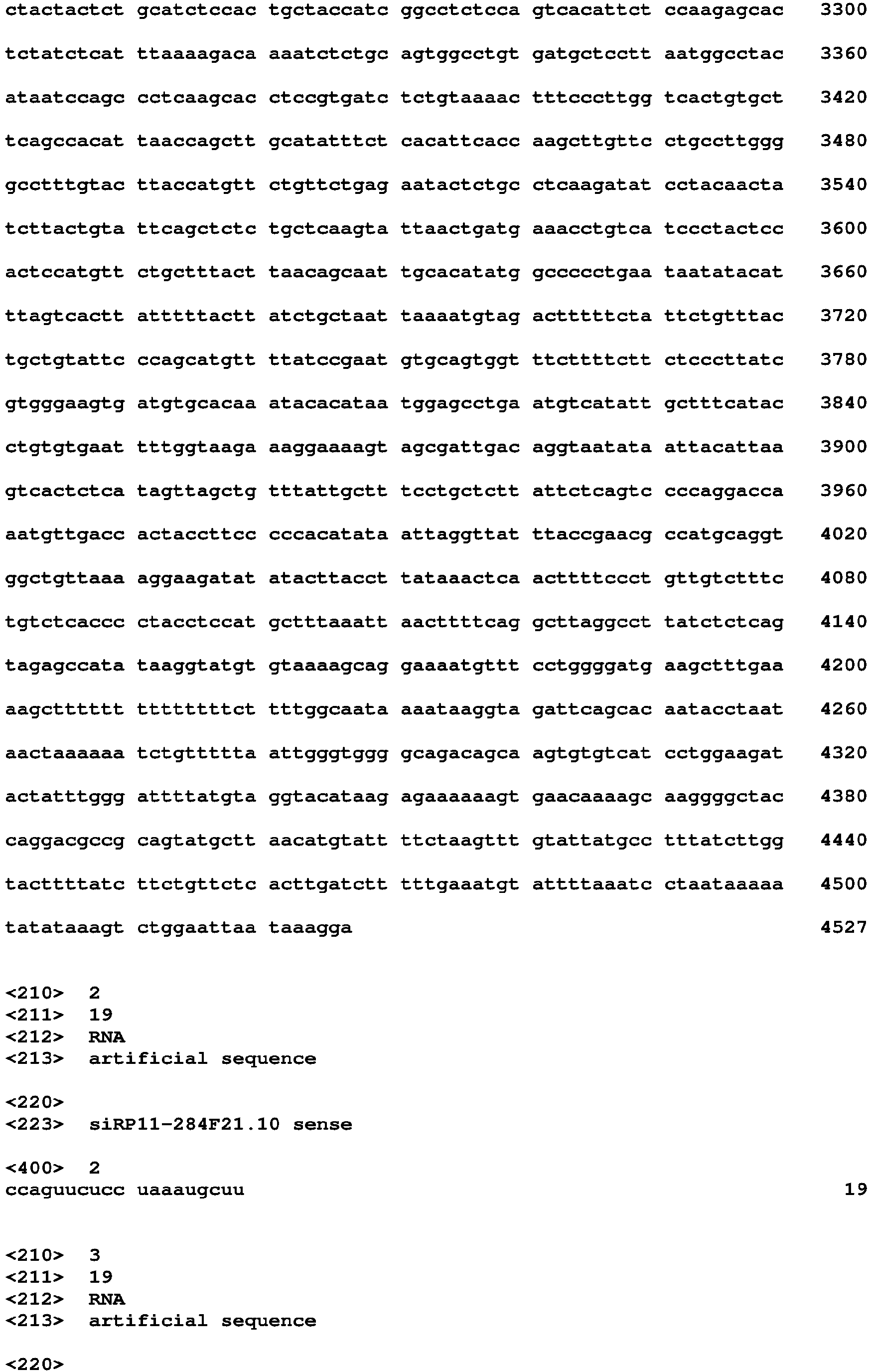


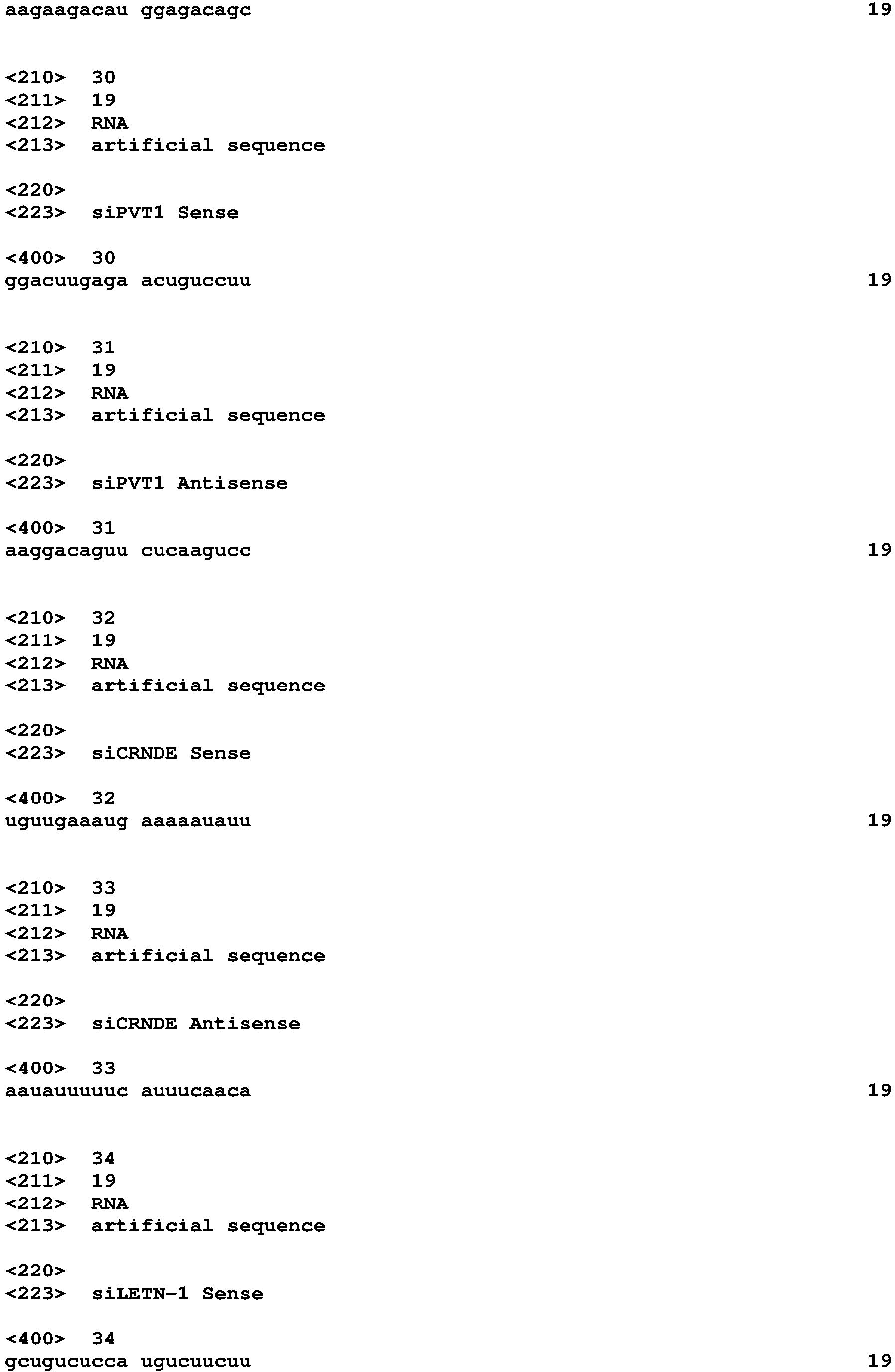


Claims (10)
- Use of an agent for detecting the expression level of lncRNA RP11-196G18.22 (LETN) in the manufacture of a diagnostic agent or a diagnostic kit for cancer.
- The use according to claim 1, wherein the agent is a specific probe, gene chip, or PCR primer for IncRNA RP11-196G18.22.
- The use according to claim 1, wherein the cancer is a solid tumor, preferably selected from the group consisting of liver hepatocellular carcinoma, lung cancer, prostate cancer, breast cancer, prostate cancer, pancreatic cancer, kidney cancer, gastric cancer, soft tissue cancer, biliary cancer, bladder cancer, rectal cancer, endometrial cancer, head and neck cancer, colon cancer, esophageal cancer, and thyroid cancer.
- The use according to any of claims 1 to 3, wherein the IncRNA RP11-196G18.22 has a nucleotide sequence as shown in SEQ ID NO: 1 (Ensembl accession number: ENST00000564237.1).
- Use of an agent for reducing or inhibiting the expression of IncRNA RP11-196G18.22 (LETN) in the manufacture of a medicament for treating cancer.
- The use according to claim 5, wherein the agent for reducing or inhibiting the expression of IncRNA RP11-196G18.22 (LETN) is selected from the group consisting of gapmer, antisense RNA, siRNA, esiRNA, shRNA, miRNA, RNA aptamer, TALEN, CRISPR, and zinc finger nuclease.
- The use according to claim 5, wherein the cancer is a solid tumor, preferably selected from the group consisting of liver hepatocellular carcinoma, lung cancer, prostate cancer, breast cancer, prostate cancer, pancreatic cancer, kidney cancer, gastric cancer, soft tissue cancer, biliary cancer, bladder cancer, rectal cancer, endometrial cancer, head and neck cancer, colon cancer, esophageal cancer, and thyroid cancer.
- The use according to claim 5, wherein the IncRNA RP11-196G18.22 has a nucleotide sequence as shown in SEQ ID NO: 1 (Ensembl accession number: ENST00000564237.1).
- The use according to any of claims 5 to 8, wherein the medicament further comprises an additional anticancer agent such as chemotherapeutic agent, for example, an agent for reducing or inhibiting the expression or mutation of NPM1 or an agent for inhibiting the binding of LETN to NPM1.
- A method for screening anticancer drugs, comprising the following steps:1) determining the expression level of IncRNA RP11-196G18.22 (LETN) in cells overexpressing IncRNA RP11-196G18.22 (LETN);2) contacting a candidate compound with the cells of step 1);3) determining the expression level of IncRNA RP11-196G18.22 (LETN) in the cells after step 2); and4) comparing the expression levels of IncRNA RP11-196G18.22 (LETN) determined in step 1) and step 3), wherein a reduced expression level of IncRNA RP11-196G18.22 (LETN) is indicative of the candidate compound having anticancer potential,
preferably the cells are cancer cells.
Applications Claiming Priority (1)
| Application Number | Priority Date | Filing Date | Title |
|---|---|---|---|
| PCT/CN2019/124579 WO2021114137A1 (en) | 2019-12-11 | 2019-12-11 | Long non-coding rna letn serving as tumor marker and therapeutic target point |
Publications (2)
| Publication Number | Publication Date |
|---|---|
| EP4074842A1 true EP4074842A1 (en) | 2022-10-19 |
| EP4074842A4 EP4074842A4 (en) | 2023-09-06 |
Family
ID=76329233
Family Applications (1)
| Application Number | Title | Priority Date | Filing Date |
|---|---|---|---|
| EP19955708.3A Pending EP4074842A4 (en) | 2019-12-11 | 2019-12-11 | LONG NON-CODING RNA LETN AS A TUMOR MARKER AND THERAPEUTIC TARGET POINT |
Country Status (5)
| Country | Link |
|---|---|
| US (1) | US12612665B2 (en) |
| EP (1) | EP4074842A4 (en) |
| JP (1) | JP7406278B2 (en) |
| KR (1) | KR20220113999A (en) |
| WO (1) | WO2021114137A1 (en) |
Families Citing this family (9)
| Publication number | Priority date | Publication date | Assignee | Title |
|---|---|---|---|---|
| CN115725729B (en) * | 2021-09-01 | 2025-12-09 | 中国人民解放军军事科学院军事医学研究院 | Use of knockdown or knockout of long non-coding RNA CCTT in inhibiting tumor growth |
| CN114107495B (en) * | 2021-10-21 | 2023-06-16 | 安徽同科生物科技有限公司 | Use of DUXAP8 in diagnosis, treatment and prevention of endometrial cancer |
| CN114441772B (en) * | 2022-01-29 | 2023-03-21 | 北京大学 | Methods and reagents for detecting target molecules capable of binding to RNA in cells |
| CN116004616A (en) * | 2022-07-27 | 2023-04-25 | 常州市第一人民医院 | LncRNA SP100-AS1 and its application |
| CN118360406B (en) * | 2024-05-23 | 2024-10-18 | 青岛市中心医院 | A tumor detection kit and its application |
| CN118581223B (en) * | 2024-06-27 | 2025-04-22 | 重庆大学 | Application of long-chain non-coding RNA and coded polypeptide thereof in liver cancer risk/progress assessment and treatment |
| KR20260003552A (en) | 2024-06-28 | 2026-01-07 | 아주대학교산학협력단 | Use for predicting or treating metastasis of liver cancer using non-coding RNA RP11-252E2.2 |
| CN118755723B (en) * | 2024-07-12 | 2025-07-18 | 福建省肿瘤医院(福建省肿瘤研究所、福建省癌症防治中心) | A lncRNA ENST00000510619 for treating prostate cancer and its application |
| WO2026021549A1 (en) * | 2024-07-24 | 2026-01-29 | 成都凌泰氪生物技术有限公司 | Tumor-targeting long non-coding rna molecule and use thereof |
Family Cites Families (20)
| Publication number | Priority date | Publication date | Assignee | Title |
|---|---|---|---|---|
| US9410206B2 (en) * | 2011-11-30 | 2016-08-09 | John Wayne Cancer Institute | Long noncoding RNA (lncRNA) as a biomarker and therapeutic marker in cancer |
| WO2014052855A1 (en) | 2012-09-27 | 2014-04-03 | Population Diagnostics, Inc. | Methods and compositions for screening and treating developmental disorders |
| US20150329858A1 (en) | 2012-11-16 | 2015-11-19 | The University Of Tokyo | Long non-coding rna used for anticancer therapy |
| KR20160037201A (en) * | 2013-08-06 | 2016-04-05 | 온코에틱스 게엠베하 | Method of treating diffuse large b-cell lymphoma (dlbcl) using a bet-bromodomain inhibitor |
| CN104726570B (en) | 2015-03-06 | 2017-03-08 | 中国人民解放军第二军医大学 | The kit of lncRNA NEAT1 and its application in liver cancer serum diagnosis in a kind of detection serum |
| CN105316402A (en) | 2015-04-02 | 2016-02-10 | 复旦大学附属肿瘤医院 | MRNA [messenger RNA (ribonucleic acid)] and lncRNA (long non-coding RNA) combination model for predicting prognosis and chemotherapy sensitivity of patients suffering from triple-negative breast cancer and application of mRNA and lncRNA combination model |
| CN105274111B (en) * | 2015-11-18 | 2017-11-28 | 南京医科大学 | A kind of long-chain non-coding RNA lncRNA CRNN and its application |
| CN105950628A (en) * | 2016-07-12 | 2016-09-21 | 江阴市人民医院 | Long non-coding RNA (Ribose Nucleic Acid) and application thereof to diagnosis/treatment of non-small-cell lung cancer |
| CN106434868A (en) * | 2016-07-29 | 2017-02-22 | 南京医科大学第二附属医院 | Long non-coding RNA and application thereof in diagnosis and treatment on non-small cell lung cancer |
| WO2018204777A2 (en) * | 2017-05-05 | 2018-11-08 | The Broad Institute, Inc. | Methods for identification and modification of lncrna associated with target genotypes and phenotypes |
| CN107022625B (en) | 2017-05-09 | 2020-06-19 | 中南大学 | A kind of long-chain non-coding RNA, amplification detection method and application related to the occurrence and development of human hepatocellular carcinoma |
| CN107213161B (en) | 2017-05-27 | 2021-01-15 | 西南交通大学 | Use of long-chain non-coding RNA RP11-224O19.2 inhibitor |
| CN106967719B (en) * | 2017-06-01 | 2021-04-13 | 上海长海医院 | Application of a long non-coding RNA as a molecular marker for prostate cancer |
| US11667974B2 (en) | 2017-06-12 | 2023-06-06 | Firalis Sa | Diagnostic, prognostic and therapeutic uses of long noncoding RNAs for pathologies and toxicities inducing heart disorders |
| CN107236817B (en) * | 2017-07-19 | 2020-12-25 | 广州医科大学附属第五医院 | LncRNA ENST00000424523.1 and application of LncRNA ENST00000424523.1 gene in diagnostic and therapeutic drugs |
| CN109722479B (en) | 2017-10-27 | 2020-12-11 | 清华大学 | Kits for Cancer Screening, Treatment and Prognosis Using Noncoding RNAs |
| WO2019095541A1 (en) * | 2017-11-17 | 2019-05-23 | 李宜健 | Composition and method for diagnosing and predicting breast cancer bone metastases |
| CN108384855A (en) * | 2018-03-09 | 2018-08-10 | 北京泱深生物信息技术有限公司 | Non-coding RNA and its application in bone and flesh tumor metastasis detection |
| CN108531596B (en) * | 2018-04-25 | 2022-03-25 | 成都望路医药技术有限公司 | Application of a lncRNA as a biomarker in the diagnosis and treatment of gastric cancer |
| CN109593848B (en) | 2018-11-08 | 2020-07-10 | 浙江大学 | A tumor-related sequence, long-chain non-coding RNA and application thereof |
-
2019
- 2019-12-11 KR KR1020227023330A patent/KR20220113999A/en active Pending
- 2019-12-11 EP EP19955708.3A patent/EP4074842A4/en active Pending
- 2019-12-11 JP JP2022535254A patent/JP7406278B2/en active Active
- 2019-12-11 US US17/757,289 patent/US12612665B2/en active Active
- 2019-12-11 WO PCT/CN2019/124579 patent/WO2021114137A1/en not_active Ceased
Also Published As
| Publication number | Publication date |
|---|---|
| US12612665B2 (en) | 2026-04-28 |
| WO2021114137A1 (en) | 2021-06-17 |
| JP7406278B2 (en) | 2023-12-27 |
| KR20220113999A (en) | 2022-08-17 |
| JP2023505849A (en) | 2023-02-13 |
| US20230129013A1 (en) | 2023-04-27 |
| EP4074842A4 (en) | 2023-09-06 |
Similar Documents
| Publication | Publication Date | Title |
|---|---|---|
| US12612665B2 (en) | Long non-coding RNA LETN serving as tumor marker and therapeutic target point | |
| CN111575372B (en) | Long noncoding RNA LETN as tumor marker and therapeutic target | |
| Ma et al. | Long non‐coding RNA LOC 554202 modulates chordoma cell proliferation and invasion by recruiting EZH 2 and regulating miR‐31 expression | |
| Taulli et al. | The muscle-specific microRNA miR-206 blocks human rhabdomyosarcoma growth in xenotransplanted mice by promoting myogenic differentiation | |
| Lee et al. | MicroRNA-296-5p (miR-296-5p) functions as a tumor suppressor in prostate cancer by directly targeting Pin1 | |
| Chen et al. | Long noncoding RNA MHENCR promotes melanoma progression via regulating miR-425/489-mediated PI3K-Akt pathway | |
| Yungang et al. | miR-370 targeted FoxM1 functions as a tumor suppressor in laryngeal squamous cell carcinoma (LSCC) | |
| Liu et al. | Interplay between long noncoding RNA ZEB1‐AS1 and miR‐200s regulates osteosarcoma cell proliferation and migration | |
| Xu et al. | MicroRNA-31 functions as a tumor suppressor and increases sensitivity to mitomycin-C in urothelial bladder cancer by targeting integrin α5 | |
| CN105705640A (en) | Chain-type tool magazine | |
| US12152241B2 (en) | Targeting human satellite II (HSATII) | |
| Blumental-Perry et al. | Retrograde signaling by a mtDNA-encoded non-coding RNA preserves mitochondrial bioenergetics | |
| WO2012175958A1 (en) | Albumin production and cell proliferation | |
| Arman et al. | Crosstalk between MYC and lncRNAs in hematological malignancies | |
| Xie et al. | Single‐nucleotide polymorphism rs4142441 and MYC co‐modulated long non‐coding RNA OSER1‐AS1 suppresses non‐small cell lung cancer by sequestering ELAVL1 | |
| US20120225076A1 (en) | Fra-1 target genes as drug targets for treating cancer | |
| Wong et al. | In vivo genome-wide CRISPR activation screening identifies functionally important long noncoding RNAs in hepatocellular carcinoma | |
| Wang et al. | Inhibition of miR‐24 suppresses malignancy of human non‐small cell lung cancer cells by targeting WWOX in vitro and in vivo | |
| Naidoo et al. | MicroRNA-1205 regulation of FRYL in prostate cancer | |
| Li et al. | METTL3-mediated m6A modification of circ_0000620 regulates cisplatin sensitivity and apoptosis in lung adenocarcinoma via the MiR-216b-5p/KRAS axis | |
| WO2019199733A1 (en) | Compositions and methods for treating cancer | |
| CN110938698A (en) | Application of Sox9 in predicting sensitivity of triple-negative breast cancer to CDK7 inhibitor THZ1 | |
| US20200157537A1 (en) | Modulating RNA Interactions with Polycomb Repressive Complex 1 (PRC1) | |
| Cao et al. | p42. 3: an abductor of cell cycle | |
| KR101445921B1 (en) | A Use of micro RNA 185 for Treating Cancers |
Legal Events
| Date | Code | Title | Description |
|---|---|---|---|
| STAA | Information on the status of an ep patent application or granted ep patent |
Free format text: STATUS: THE INTERNATIONAL PUBLICATION HAS BEEN MADE |
|
| PUAI | Public reference made under article 153(3) epc to a published international application that has entered the european phase |
Free format text: ORIGINAL CODE: 0009012 |
|
| STAA | Information on the status of an ep patent application or granted ep patent |
Free format text: STATUS: REQUEST FOR EXAMINATION WAS MADE |
|
| 17P | Request for examination filed |
Effective date: 20220707 |
|
| AK | Designated contracting states |
Kind code of ref document: A1 Designated state(s): AL AT BE BG CH CY CZ DE DK EE ES FI FR GB GR HR HU IE IS IT LI LT LU LV MC MK MT NL NO PL PT RO RS SE SI SK SM TR |
|
| DAV | Request for validation of the european patent (deleted) | ||
| DAX | Request for extension of the european patent (deleted) | ||
| A4 | Supplementary search report drawn up and despatched |
Effective date: 20230803 |
|
| RIC1 | Information provided on ipc code assigned before grant |
Ipc: A61P 35/00 20060101ALI20230731BHEP Ipc: A61K 45/00 20060101ALI20230731BHEP Ipc: C12Q 1/6886 20180101AFI20230731BHEP |
|
| STAA | Information on the status of an ep patent application or granted ep patent |
Free format text: STATUS: EXAMINATION IS IN PROGRESS |
|
| 17Q | First examination report despatched |
Effective date: 20241008 |