EP4074316A1 - Pharmaceutical composition for preventing or treating cancer - Google Patents
Pharmaceutical composition for preventing or treating cancer Download PDFInfo
- Publication number
- EP4074316A1 EP4074316A1 EP20899362.6A EP20899362A EP4074316A1 EP 4074316 A1 EP4074316 A1 EP 4074316A1 EP 20899362 A EP20899362 A EP 20899362A EP 4074316 A1 EP4074316 A1 EP 4074316A1
- Authority
- EP
- European Patent Office
- Prior art keywords
- cancer
- pharmaceutical composition
- composition according
- udca
- benzimidazole
- Prior art date
- Legal status (The legal status is an assumption and is not a legal conclusion. Google has not performed a legal analysis and makes no representation as to the accuracy of the status listed.)
- Withdrawn
Links
Images



Classifications
-
- A—HUMAN NECESSITIES
- A61—MEDICAL OR VETERINARY SCIENCE; HYGIENE
- A61K—PREPARATIONS FOR MEDICAL, DENTAL OR TOILETRY PURPOSES
- A61K31/00—Medicinal preparations containing organic active ingredients
- A61K31/56—Compounds containing cyclopenta[a]hydrophenanthrene ring systems; Derivatives thereof, e.g. steroids
- A61K31/575—Compounds containing cyclopenta[a]hydrophenanthrene ring systems; Derivatives thereof, e.g. steroids substituted in position 17 beta by a chain of three or more carbon atoms, e.g. cholane, cholestane, ergosterol, sitosterol
-
- A—HUMAN NECESSITIES
- A61—MEDICAL OR VETERINARY SCIENCE; HYGIENE
- A61P—SPECIFIC THERAPEUTIC ACTIVITY OF CHEMICAL COMPOUNDS OR MEDICINAL PREPARATIONS
- A61P35/00—Antineoplastic agents
-
- A—HUMAN NECESSITIES
- A23—FOODS OR FOODSTUFFS; TREATMENT THEREOF, NOT COVERED BY OTHER CLASSES
- A23L—FOODS, FOODSTUFFS OR NON-ALCOHOLIC BEVERAGES, NOT OTHERWISE PROVIDED FOR; PREPARATION OR TREATMENT THEREOF
- A23L33/00—Modifying nutritive qualities of foods; Dietetic products; Preparation or treatment thereof
- A23L33/10—Modifying nutritive qualities of foods; Dietetic products; Preparation or treatment thereof using additives
-
- A—HUMAN NECESSITIES
- A61—MEDICAL OR VETERINARY SCIENCE; HYGIENE
- A61K—PREPARATIONS FOR MEDICAL, DENTAL OR TOILETRY PURPOSES
- A61K31/00—Medicinal preparations containing organic active ingredients
- A61K31/185—Acids; Anhydrides, halides or salts thereof, e.g. sulfur acids, imidic, hydrazonic or hydroximic acids
- A61K31/19—Carboxylic acids, e.g. valproic acid
- A61K31/20—Carboxylic acids, e.g. valproic acid having a carboxyl group bound to a chain of seven or more carbon atoms, e.g. stearic, palmitic, arachidic acids
- A61K31/202—Carboxylic acids, e.g. valproic acid having a carboxyl group bound to a chain of seven or more carbon atoms, e.g. stearic, palmitic, arachidic acids having three or more double bonds, e.g. linolenic
-
- A—HUMAN NECESSITIES
- A61—MEDICAL OR VETERINARY SCIENCE; HYGIENE
- A61K—PREPARATIONS FOR MEDICAL, DENTAL OR TOILETRY PURPOSES
- A61K31/00—Medicinal preparations containing organic active ingredients
- A61K31/33—Heterocyclic compounds
- A61K31/335—Heterocyclic compounds having oxygen as the only ring hetero atom, e.g. fungichromin
- A61K31/35—Heterocyclic compounds having oxygen as the only ring hetero atom, e.g. fungichromin having six-membered rings with one oxygen as the only ring hetero atom
- A61K31/352—Heterocyclic compounds having oxygen as the only ring hetero atom, e.g. fungichromin having six-membered rings with one oxygen as the only ring hetero atom condensed with carbocyclic rings, e.g. methantheline
- A61K31/353—3,4-Dihydrobenzopyrans, e.g. chroman, catechin
- A61K31/355—Tocopherols, e.g. vitamin E
-
- A—HUMAN NECESSITIES
- A61—MEDICAL OR VETERINARY SCIENCE; HYGIENE
- A61K—PREPARATIONS FOR MEDICAL, DENTAL OR TOILETRY PURPOSES
- A61K31/00—Medicinal preparations containing organic active ingredients
- A61K31/33—Heterocyclic compounds
- A61K31/395—Heterocyclic compounds having nitrogen as a ring hetero atom, e.g. guanethidine or rifamycins
- A61K31/41—Heterocyclic compounds having nitrogen as a ring hetero atom, e.g. guanethidine or rifamycins having five-membered rings with two or more ring hetero atoms, at least one of which being nitrogen, e.g. tetrazole
- A61K31/4164—1,3-Diazoles
- A61K31/4184—1,3-Diazoles condensed with carbocyclic rings, e.g. benzimidazoles
-
- A—HUMAN NECESSITIES
- A61—MEDICAL OR VETERINARY SCIENCE; HYGIENE
- A61K—PREPARATIONS FOR MEDICAL, DENTAL OR TOILETRY PURPOSES
- A61K31/00—Medicinal preparations containing organic active ingredients
- A61K31/33—Heterocyclic compounds
- A61K31/395—Heterocyclic compounds having nitrogen as a ring hetero atom, e.g. guanethidine or rifamycins
- A61K31/495—Heterocyclic compounds having nitrogen as a ring hetero atom, e.g. guanethidine or rifamycins having six-membered rings with two or more nitrogen atoms as the only ring heteroatoms, e.g. piperazine or tetrazines
- A61K31/4985—Pyrazines or piperazines ortho- or peri-condensed with heterocyclic ring systems
-
- A—HUMAN NECESSITIES
- A23—FOODS OR FOODSTUFFS; TREATMENT THEREOF, NOT COVERED BY OTHER CLASSES
- A23V—INDEXING SCHEME RELATING TO FOODS, FOODSTUFFS OR NON-ALCOHOLIC BEVERAGES AND LACTIC OR PROPIONIC ACID BACTERIA USED IN FOODSTUFFS OR FOOD PREPARATION
- A23V2002/00—Food compositions, function of food ingredients or processes for food or foodstuffs
-
- A—HUMAN NECESSITIES
- A23—FOODS OR FOODSTUFFS; TREATMENT THEREOF, NOT COVERED BY OTHER CLASSES
- A23V—INDEXING SCHEME RELATING TO FOODS, FOODSTUFFS OR NON-ALCOHOLIC BEVERAGES AND LACTIC OR PROPIONIC ACID BACTERIA USED IN FOODSTUFFS OR FOOD PREPARATION
- A23V2200/00—Function of food ingredients
- A23V2200/30—Foods, ingredients or supplements having a functional effect on health
- A23V2200/308—Foods, ingredients or supplements having a functional effect on health having an effect on cancer prevention
-
- A—HUMAN NECESSITIES
- A23—FOODS OR FOODSTUFFS; TREATMENT THEREOF, NOT COVERED BY OTHER CLASSES
- A23V—INDEXING SCHEME RELATING TO FOODS, FOODSTUFFS OR NON-ALCOHOLIC BEVERAGES AND LACTIC OR PROPIONIC ACID BACTERIA USED IN FOODSTUFFS OR FOOD PREPARATION
- A23V2250/00—Food ingredients
- A23V2250/30—Other Organic compounds
Definitions
- the present invention relates to a pharmaceutical composition for preventing or treating cancer.
- Chemotherapy is one of the major methods in cancer treatment therapy, and generally refers to treatment of cancer using one or more anticancer drugs (chemotherapeutic agents).
- anticancer drugs are characterized by suppressing mitosis, and inhibit cell proliferation by targeting rapidly dividable cancer cells. Some anticancer drugs stop cell division, and some anticancer drugs trigger apoptosis to kill cells. Apart from such traditional chemotherapy, many efforts are being made to provide a more targeted therapy.
- UDCA ursodeoxycholic acid
- benzimidazole-based compound a pharmaceutical composition for preventing or treating cancer, which includes ursodeoxycholic acid (UDCA) and a benzimidazole-based compound.
- the present invention provides a pharmaceutical composition for preventing or treating cancer, including ursodeoxycholic acid (UDCA) and a benzimidazole-based compound.
- UDCA ursodeoxycholic acid
- benzimidazole-based compound a pharmaceutical composition for preventing or treating cancer, including ursodeoxycholic acid (UDCA) and a benzimidazole-based compound.
- UDCA ursodeoxycholic acid
- benzimidazole-based compound a pharmaceutical composition for preventing or treating cancer
- UDCA ursodeoxycholic acid
- benzimidazole-based compound a benzimidazole-based compound.
- the present invention relates to a pharmaceutical composition for preventing or treating cancer, which includes ursodeoxycholic acid (UDCA) and a benzimidazole-based compound.
- UDCA ursodeoxycholic acid
- benzimidazole-based compound a pharmaceutical composition for preventing or treating cancer, which includes ursodeoxycholic acid (UDCA) and a benzimidazole-based compound.
- UDCA is an abbreviation of ursodeoxycholic acid
- UDCA according to the present invention includes all of UDCA, tauroursodeoxycholic acid (TUDCA) in which UDCA is conjugated with taurine, and glycoursodeoxycholic acid (GUDCA) in which UDCA is conjugated with glycine.
- TDCA tauroursodeoxycholic acid
- GUIA glycoursodeoxycholic acid
- the UDCA, TUDCA or GUDCA may be a synthetic product or may be isolated and identified from the nutria gallbladder, and may include a component recombined after extraction of a water-soluble component, but it is not limited thereto.
- extraction from the nutria gallbladder specifically, it may be extracted from nutria bile, and the extraction method may use any extraction method known in the art without limitation thereof.
- the extraction method may use any extraction method known in the art without limitation thereof.
- freeze-dried extraction hot water extraction, extraction using lower alcohols having 1 to 4 carbon atoms, in the case of resin Z-802: CDCA, 99% extraction, HPLC extraction, ultrafiltration extraction, supercritical fluid chromatography extraction, capillary electrophoresis extraction method, or the like, may be used, but it is not limited thereto.
- the benzimidazole-based compound may be, for example, fenbendazole, albendazole, mebendazole or flubendazole, and any benzimidazole-based compound used as an anthelmintic may be possible, but it is not limited thereto.
- the combination of UDCA and the benzimidazole-based compound may be variously selected, for example, all possible combinations of UDCA, GUDCA, TUDCA, and fenbendazole, albendazole, mebendazole and flubendazole exemplified above may be available.
- TUDCA may be used as UDCA
- fenbendazole may be used as a benzimidazole-based compound.
- a content ratio of UDCA and the benzimidazole-based compound is not particularly limited, and for example, UDCA and benzimidazole may be included in a molar ratio of 1: 0.5 to 5.
- the molar ratio may be 1: 0.5 to 5, 1: 0.5 to 4, 1: 0.5 to 3, 1: 1 to 5, 1: 1 to 4, 1: 1 to 3, 1: 1 to 2.5, 1: 1.5 to 5, 1: 2 to 2.5, but it is not limited thereto.
- the above ratio may be appropriately adjusted depending on patients subjected to administration or results of clinical trial.
- the pharmaceutical composition of the present invention may further include vitamin E tocopherol, vitamin E succinate or omega 3.
- a size of tumor may be reduced to further improve anticancer efficacy.
- the pharmaceutical composition of the present invention may further include at least one from the group consisting of vitamin E tocopherol, vitamin E succinate and omega 3, and for example, may further include vitamin E tocopherol, vitamin E succinate and omega 3, may further include vitamin E tocopherol and omega 3, and may further include vitamin E succinate and omega 3.
- a mixing ratio of the above ingredients is not particularly limited, and for example, in a case of further including vitamin E succinate and omega, the molar ratio of UDCA, a benzimidazole-based compound, vitamin E succinate and omega 3 may be, for example, 1: 0.5 to 5 : 0.5 to 3: 0.1 to 2, 1: 0.5 to 3: 0.5 to 1.5: 0.2 to 1.5, 1: 0.8 to 2.8: 0.8 to 1.2: 0.4 to 1.2, but it is not limited thereto.
- any cancer may be applied without limitation thereof, and the cancer may include, for example, at least one selected from the group consisting of liver cancer, testicular cancer, glioblastoma, oral cancer, basal cell cancer, brain tumor, gallbladder cancer, biliary tract cancer, colorectal cancer, laryngeal cancer, retinocytoma, ampulla of Vater cancer, bladder cancer, peritoneal cancer, adrenal cancer, non-small cell lung cancer, tongue cancer, small cell lung cancer, small intestine cancer, meningioma, esophageal cancer, renal pelvic ureter cancer, renal cancer, malignant bone tumor, malignant soft tissue tumor, malignant pimple tumor, malignant melanoma, eye tumor, urethral cancer, gastric cancer, breast cancer, sarcoma, pharyngeal cancer, cervical cancer, endometrial cancer, uterine sarcoma, prostate cancer, metastatic brain tumor, rectal cancer, vagina
- the UDCA and the benzimidazole-based compound may be used by appropriately selecting a compound, a water-soluble extract, a recombinant thereof, etc. according to the desired formulation.
- the pharmaceutical composition may further include a pharmaceutically acceptable carrier in addition to the above ingredients.
- the pharmaceutically acceptable carrier may include those commonly used, such as lactose, dextrose, sucrose, sorbitol, mannitol, xylitol, erythritol, maltitol, starch, acacia gum, alginate, gelatin, calcium phosphate, calcium silicate, cellulose, methyl cellulose, microcrystalline cellulose, polyvinyl pyrrolidone, water, methyl hydroxybenzoate, propyl hydroxybenzoate, talc, magnesium stearate and mineral oil, but it is not limited thereto.
- the pharmaceutical composition of the present invention may include diluents or excipients such as fillers, extenders, binders, wetting agents, disintegrants, surfactants, and other pharmaceutically acceptable additives.
- the pharmaceutically acceptable additives may be included in an amount of 0.1 to 99.9 parts by weight (“wt. parts”) based on the composition, but the amount thereof may be adjusted by clinical trials, and it is not limited thereto.
- the pharmaceutical composition of the present invention may be administered orally or parenterally (e.g., application or intravenous, subcutaneous, or intraperitoneal injection), and for example, may be applied through oral administration or administration via injection, but it is not limited thereto.
- parenterally e.g., application or intravenous, subcutaneous, or intraperitoneal injection
- UDCA benzimidazole-based anthelmintics, etc.
- the pharmaceutical composition of the present invention may be orally administered. Therefore, it is possible to administer and take the composition in a more convenient method compared to the conventional anticancer drugs that require an administration method such as intratumoral administration and vascular administration.
- the pharmaceutical composition of the present invention has effects of protecting the liver because of including the UDCA-based compound, such that liver damage caused by taking the drug can be reduced while having less side effects thereof. Further, due to anticancer synergistic effects of the UDCA-based compound, the composition may exhibit superior effects than those of a pharmaceutical composition containing only the benzimidazole-based compound, and can be easily taken as an oral drug. Therefore, it is expected that the medication compliance may also be excellent.
- Solid preparations for oral administration may include powders, granules, tablets, capsules, soft capsules, pills, and the like, but they are not limited thereto.
- Liquid formulations for oral use may include suspensions, solutions, emulsions, syrups, aerosols, etc.
- various excipients such as wetting agents, sweeteners, fragrances, and preservatives, etc. may be included, but they are not limited thereto.
- Preparations for parenteral administration may be formulated and used in the form of external preparations and sterile injection preparations such as sterilized aqueous solutions, solutions, non-aqueous solutions, suspensions, emulsions, eye drops, eye ointments, syrups, suppositories, aerosols, etc. according to the conventional methods.
- the pharmaceutical composition may be produced and used in the form of creams, gels, patches, sprays, ointments, plasters, lotions, liniment agents, eye ointments, eye drops, pasta agents or cataplasma, but it is not limited thereto.
- a composition for topical administration may be anhydrous or aqueous depending on clinical prescription, and non-aqueous solvents and suspensions may include propylene glycol, polyethylene glycol, vegetable oils such as olive oil, and injectable esters such as ethyl oleate, but it is not limited thereto.
- non-aqueous solvents and suspensions may include propylene glycol, polyethylene glycol, vegetable oils such as olive oil, and injectable esters such as ethyl oleate, but it is not limited thereto.
- injectable esters such as ethyl oleate
- As a base of the suppository witepsol, macrogol, tween 61, cacao butter, laurin butter, glycerogelatin, etc. may be used, but it is not limited thereto.
- a preferred dosage of the pharmaceutical composition of the present invention may vary depending on the absorption of the active ingredient in the body, the age, gender, and degree of obesity of the patient, but can be appropriately selected by those skilled in the art.
- the composition of the present invention may be generally administered to an adult in an amount of 0.0001 to 500 mg/kg, and preferably, 0.001 to 500 mg/kg per kilogram of body weight per day.
- the composition may be administered once a day or in several divided doses.
- the above dosage and administration method do not limit the scope of the present invention in any way.
- the cells were resuspended in a fresh medium. After obtaining 200 ⁇ L of the cell suspension, 10 ⁇ L of trypsin blue with a dilution factor of 2 ⁇ was added thereto.
- a hemocytometer equipped with a coverslip was prepared, and each chamber was filled with the suspension, followed by counting the number of cells.
- a cell growth medium (DMEM, FBS, Glutamine, Penicillin/Streptomycin) was prepared. Cells were identified and cultured under the above conditions.
- the degree of cytotoxicity was evaluated through MTT assay.
- Total protein was obtained from the cells with a radioimmunoprecipitation assay buffer.
- the protein was digested in an 8 to 12% polyacrylamide gel and transferred to a nitrocellulose membrane.
- As a blocking buffer 5% nonfat dry milk (1% Tween-20, in 20 mM TBS, pH 7.6) was used, and incubated with a primary antibody in the blocking buffer.
- the primary antibody is an antibody obtained from Cell Signaling Technology in the USA or other countries, and a secondary antibody is anti-mouse or anti-rabbit IgG bound to HRP, and was obtained from GE Healthcare, Little Chalfont, UK.
- FIG. 4 illustrates the collected results of FIG. 3 as a dotted line graph, and the results are the same as shown in FIG. 3 .
- FIG. 8 shows the collected results of FIG. 7 as a single straight line graph
- Table 2 below shows data of FIGS. 6 and 7 as numerical values
- FIGS. 6 and 7 show the average of the three experimental values as a graph.
Landscapes
- Health & Medical Sciences (AREA)
- Life Sciences & Earth Sciences (AREA)
- Chemical & Material Sciences (AREA)
- Medicinal Chemistry (AREA)
- Pharmacology & Pharmacy (AREA)
- Animal Behavior & Ethology (AREA)
- General Health & Medical Sciences (AREA)
- Public Health (AREA)
- Veterinary Medicine (AREA)
- Epidemiology (AREA)
- Mycology (AREA)
- Nutrition Science (AREA)
- Engineering & Computer Science (AREA)
- Food Science & Technology (AREA)
- Polymers & Plastics (AREA)
- Chemical Kinetics & Catalysis (AREA)
- General Chemical & Material Sciences (AREA)
- Nuclear Medicine, Radiotherapy & Molecular Imaging (AREA)
- Organic Chemistry (AREA)
- Pharmaceuticals Containing Other Organic And Inorganic Compounds (AREA)
Abstract
Description
- The present invention relates to a pharmaceutical composition for preventing or treating cancer.
- Despite numerous studies being conducted, cancer is a significant problem worldwide and its conquest still remains as a major challenge in medical science. Chemotherapy is one of the major methods in cancer treatment therapy, and generally refers to treatment of cancer using one or more anticancer drugs (chemotherapeutic agents).
- Many anticancer drugs are characterized by suppressing mitosis, and inhibit cell proliferation by targeting rapidly dividable cancer cells. Some anticancer drugs stop cell division, and some anticancer drugs trigger apoptosis to kill cells. Apart from such traditional chemotherapy, many efforts are being made to provide a more targeted therapy.
- Most of various anticancer drugs currently used for the treatment of cancer have a problem of high toxicity. Specifically, chemotherapy has lots of side effects such as renal toxicity, liver toxicity, severe nausea and vomiting, bone marrow suppression, hair loss, cytopenia and the like. Therefore, it is urgently necessary to develop a new anticancer drug with high anticancer effects and without being harmful to the human body.
- It is an object of the present invention to provide a pharmaceutical composition for preventing or treating cancer, which includes ursodeoxycholic acid (UDCA) and a benzimidazole-based compound.
-
- 1. A pharmaceutical composition for preventing or treating cancer, the pharmaceutical composition including ursodeoxycholic acid (UDCA) and a benzimidazole-based compound.
- 2. The pharmaceutical composition according to the above 1, wherein the UDCA is at least one selected from the group consisting of UDCA, TUDCA and GUDCA.
- 3. The pharmaceutical composition according to the above 1, wherein the benzimidazole-based compound is at least one selected from the group consisting of fenbendazole, albendazole, mebendazole and flubendazole.
- 4. The pharmaceutical composition according to the above 1, wherein the UDCA and the benzimidazole-based compound are included in a molar ratio of 1: 0.5 to 5.
- 5. The pharmaceutical composition according to the above 1, wherein the UDCA is TUDCA, and the benzimidazole-based compound is fenbendazole.
- 6. The pharmaceutical composition according to the 1 above, further comprising at least one selected from the group consisting of vitamin E tocopherol, vitamin E succinate and omega 3.
- 7. The pharmaceutical composition according to the above 1, further comprising vitamin E succinate and omega 3.
- 8. The pharmaceutical composition according to the above 7, wherein the UDCA, benzimidazole-based compound, vitamin E succinate and omega 3 are included in a molar ratio of 1: 0.5 to 5: 0.5 to 3: 0.1 to 2.
- 9. The pharmaceutical composition according to the above 1, wherein the cancer is at least one selected from the group consisting of liver cancer, testicular cancer, glioblastoma, oral cancer, basal cell cancer, brain tumor, gallbladder cancer, biliary tract cancer, colorectal cancer, laryngeal cancer, retinocytoma, ampulla of Vater cancer, bladder cancer, peritoneal cancer, adrenal cancer, non-small cell lung cancer, tongue cancer, small cell lung cancer, small intestine cancer, meningioma, esophageal cancer, renal pelvic ureter cancer, renal cancer, malignant bone tumor, malignant soft tissue tumor, malignant pimple tumor, malignant melanoma, eye tumor, urethral cancer, gastric cancer, breast cancer, sarcoma, pharyngeal cancer, cervical cancer, endometrial cancer, uterine sarcoma, prostate cancer, metastatic brain tumor, rectal cancer, vaginal cancer, spinal cord tumor, salivary gland cancer, tonsil cancer, squamous cell cancer, lung cancer and anal cancer.
- 10. The pharmaceutical composition according to the above 1, wherein the cancer is liver cancer or cervical cancer.
- The present invention provides a pharmaceutical composition for preventing or treating cancer, including ursodeoxycholic acid (UDCA) and a benzimidazole-based compound. Compared to therapeutics used as the existing anticancer drugs, the composition of the present invention has advantages of more excellent anticancer effects and less side effects.
-
-
FIG. 1 is a flowchart schematically illustrating MTT assay process. -
FIG. 2 illustrates confirmation of anticancer effects on cervical cancer by comparing the cell viability of HeLa cells in each treatment group. -
FIG. 3 illustrates confirmation of anticancer effects on liver cancer by comparing the cell viability of Hepa cells and expressing the same as a percentage in each treatment group. -
FIG. 4 illustrates the collected results ofFIG. 3 as a single straight line graph. -
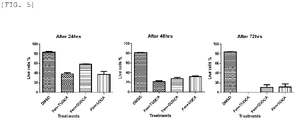
FIG. 5 illustrates confirmation of anticancer effects on liver cancer by comparing the cell viability of Hepa cells and expressing the same as a percentage in each treatment group. -
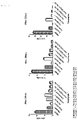
FIG. 6 illustrates confirmation of anticancer effects on liver cancer by comparing the cell viability of Hepa cells and expressing the same as a percentage in each treatment group. -
FIG. 7 illustrates confirmation of anticancer effects on liver cancer by counting the number of living cells among Hepa cells in each treatment group. -
FIG. 8 illustrates the collected results ofFIG. 7 as a single straight line graph. -
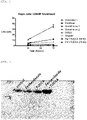
FIG. 9 illustrates confirmation of pH3 protein through Western blot analysis. - Hereinafter, the present invention will be described in detail.
- The present invention relates to a pharmaceutical composition for preventing or treating cancer, which includes ursodeoxycholic acid (UDCA) and a benzimidazole-based compound.
- UDCA is an abbreviation of ursodeoxycholic acid, and UDCA according to the present invention includes all of UDCA, tauroursodeoxycholic acid (TUDCA) in which UDCA is conjugated with taurine, and glycoursodeoxycholic acid (GUDCA) in which UDCA is conjugated with glycine.
- In the present invention, the UDCA, TUDCA or GUDCA may be a synthetic product or may be isolated and identified from the nutria gallbladder, and may include a component recombined after extraction of a water-soluble component, but it is not limited thereto.
- With regard to extraction from the nutria gallbladder, specifically, it may be extracted from nutria bile, and the extraction method may use any extraction method known in the art without limitation thereof. For example, freeze-dried extraction, hot water extraction, extraction using lower alcohols having 1 to 4 carbon atoms, in the case of resin Z-802: CDCA, 99% extraction, HPLC extraction, ultrafiltration extraction, supercritical fluid chromatography extraction, capillary electrophoresis extraction method, or the like, may be used, but it is not limited thereto.
- In the present invention, the benzimidazole-based compound may be, for example, fenbendazole, albendazole, mebendazole or flubendazole, and any benzimidazole-based compound used as an anthelmintic may be possible, but it is not limited thereto. The combination of UDCA and the benzimidazole-based compound may be variously selected, for example, all possible combinations of UDCA, GUDCA, TUDCA, and fenbendazole, albendazole, mebendazole and flubendazole exemplified above may be available. For example, TUDCA may be used as UDCA, and fenbendazole may be used as a benzimidazole-based compound.
- A content ratio of UDCA and the benzimidazole-based compound is not particularly limited, and for example, UDCA and benzimidazole may be included in a molar ratio of 1: 0.5 to 5. For example, the molar ratio may be 1: 0.5 to 5, 1: 0.5 to 4, 1: 0.5 to 3, 1: 1 to 5, 1: 1 to 4, 1: 1 to 3, 1: 1 to 2.5, 1: 1.5 to 5, 1: 2 to 2.5, but it is not limited thereto. The above ratio may be appropriately adjusted depending on patients subjected to administration or results of clinical trial.
- The pharmaceutical composition of the present invention may further include vitamin E tocopherol, vitamin E succinate or omega 3. In such a case, a size of tumor may be reduced to further improve anticancer efficacy.
- The pharmaceutical composition of the present invention may further include at least one from the group consisting of vitamin E tocopherol, vitamin E succinate and omega 3, and for example, may further include vitamin E tocopherol, vitamin E succinate and omega 3, may further include vitamin E tocopherol and omega 3, and may further include vitamin E succinate and omega 3.
- A mixing ratio of the above ingredients is not particularly limited, and for example, in a case of further including vitamin E succinate and omega, the molar ratio of UDCA, a benzimidazole-based compound, vitamin E succinate and omega 3 may be, for example, 1: 0.5 to 5 : 0.5 to 3: 0.1 to 2, 1: 0.5 to 3: 0.5 to 1.5: 0.2 to 1.5, 1: 0.8 to 2.8: 0.8 to 1.2: 0.4 to 1.2, but it is not limited thereto.
- As the cancer to be prevented or treated in the present invention, any cancer may be applied without limitation thereof, and the cancer may include, for example, at least one selected from the group consisting of liver cancer, testicular cancer, glioblastoma, oral cancer, basal cell cancer, brain tumor, gallbladder cancer, biliary tract cancer, colorectal cancer, laryngeal cancer, retinocytoma, ampulla of Vater cancer, bladder cancer, peritoneal cancer, adrenal cancer, non-small cell lung cancer, tongue cancer, small cell lung cancer, small intestine cancer, meningioma, esophageal cancer, renal pelvic ureter cancer, renal cancer, malignant bone tumor, malignant soft tissue tumor, malignant pimple tumor, malignant melanoma, eye tumor, urethral cancer, gastric cancer, breast cancer, sarcoma, pharyngeal cancer, cervical cancer, endometrial cancer, uterine sarcoma, prostate cancer, metastatic brain tumor, rectal cancer, vaginal cancer, spinal cord tumor, salivary gland cancer, tonsil cancer, squamous cell cancer, lung cancer and anal cancer, and specifically liver cancer or cervical cancer, but it is not limited thereto.
- In the present invention, the UDCA and the benzimidazole-based compound may be used by appropriately selecting a compound, a water-soluble extract, a recombinant thereof, etc. according to the desired formulation.
- In the present invention, the pharmaceutical composition may further include a pharmaceutically acceptable carrier in addition to the above ingredients. The pharmaceutically acceptable carrier may include those commonly used, such as lactose, dextrose, sucrose, sorbitol, mannitol, xylitol, erythritol, maltitol, starch, acacia gum, alginate, gelatin, calcium phosphate, calcium silicate, cellulose, methyl cellulose, microcrystalline cellulose, polyvinyl pyrrolidone, water, methyl hydroxybenzoate, propyl hydroxybenzoate, talc, magnesium stearate and mineral oil, but it is not limited thereto. Further, the pharmaceutical composition of the present invention may include diluents or excipients such as fillers, extenders, binders, wetting agents, disintegrants, surfactants, and other pharmaceutically acceptable additives. The pharmaceutically acceptable additives may be included in an amount of 0.1 to 99.9 parts by weight ("wt. parts") based on the composition, but the amount thereof may be adjusted by clinical trials, and it is not limited thereto.
- The pharmaceutical composition of the present invention may be administered orally or parenterally (e.g., application or intravenous, subcutaneous, or intraperitoneal injection), and for example, may be applied through oral administration or administration via injection, but it is not limited thereto.
- UDCA, benzimidazole-based anthelmintics, etc. are used as oral agents, and the pharmaceutical composition of the present invention may be orally administered. Therefore, it is possible to administer and take the composition in a more convenient method compared to the conventional anticancer drugs that require an administration method such as intratumoral administration and vascular administration.
- The pharmaceutical composition of the present invention has effects of protecting the liver because of including the UDCA-based compound, such that liver damage caused by taking the drug can be reduced while having less side effects thereof. Further, due to anticancer synergistic effects of the UDCA-based compound, the composition may exhibit superior effects than those of a pharmaceutical composition containing only the benzimidazole-based compound, and can be easily taken as an oral drug. Therefore, it is expected that the medication compliance may also be excellent.
- Solid preparations for oral administration may include powders, granules, tablets, capsules, soft capsules, pills, and the like, but they are not limited thereto. Liquid formulations for oral use may include suspensions, solutions, emulsions, syrups, aerosols, etc. Other than water and liquid paraffin, which are commonly used as simple diluents, various excipients such as wetting agents, sweeteners, fragrances, and preservatives, etc. may be included, but they are not limited thereto. Preparations for parenteral administration may be formulated and used in the form of external preparations and sterile injection preparations such as sterilized aqueous solutions, solutions, non-aqueous solutions, suspensions, emulsions, eye drops, eye ointments, syrups, suppositories, aerosols, etc. according to the conventional methods. For example, the pharmaceutical composition may be produced and used in the form of creams, gels, patches, sprays, ointments, plasters, lotions, liniment agents, eye ointments, eye drops, pasta agents or cataplasma, but it is not limited thereto. A composition for topical administration may be anhydrous or aqueous depending on clinical prescription, and non-aqueous solvents and suspensions may include propylene glycol, polyethylene glycol, vegetable oils such as olive oil, and injectable esters such as ethyl oleate, but it is not limited thereto. As a base of the suppository, witepsol, macrogol,
tween 61, cacao butter, laurin butter, glycerogelatin, etc. may be used, but it is not limited thereto. - A preferred dosage of the pharmaceutical composition of the present invention may vary depending on the absorption of the active ingredient in the body, the age, gender, and degree of obesity of the patient, but can be appropriately selected by those skilled in the art. However, to achieve the desired effects, in the case of oral administration, the composition of the present invention may be generally administered to an adult in an amount of 0.0001 to 500 mg/kg, and preferably, 0.001 to 500 mg/kg per kilogram of body weight per day. The composition may be administered once a day or in several divided doses. The above dosage and administration method do not limit the scope of the present invention in any way.
- Hereinafter, examples will be described in detail to more concretely understand the present invention.
- After culturing cells, the cells were resuspended in a fresh medium. After obtaining 200 µL of the cell suspension, 10 µL of trypsin blue with a dilution factor of 2× was added thereto.
- A hemocytometer equipped with a coverslip was prepared, and each chamber was filled with the suspension, followed by counting the number of cells. A specific counting method is as follows.


- After establishing a sterile environment (clean bench, autoclave, 70% Ethanol, etc.), a cell growth medium (DMEM, FBS, Glutamine, Penicillin/Streptomycin) was prepared. Cells were identified and cultured under the above conditions.
- As illustrated in the flow chart shown in
FIG. 1 , the degree of cytotoxicity was evaluated through MTT assay. - Western blot assessment was performed to confirm a degree of production of pH3 protein in Hepa cells or HeLa cells treated with TUDCA or the like.
- Total protein was obtained from the cells with a radioimmunoprecipitation assay buffer. The protein was digested in an 8 to 12% polyacrylamide gel and transferred to a nitrocellulose membrane. As a blocking buffer, 5% nonfat dry milk (1% Tween-20, in 20 mM TBS, pH 7.6) was used, and incubated with a primary antibody in the blocking buffer.
- The primary antibody is an antibody obtained from Cell Signaling Technology in the USA or other countries, and a secondary antibody is anti-mouse or anti-rabbit IgG bound to HRP, and was obtained from GE Healthcare, Little Chalfont, UK.
- Thereafter, the density of the band was measured by Western blot analysis.
-
- (1) HeLa cells are cervical cancer cell lines. In this experiment, experimental groups were divided as follows: specifically, a group in which HeLa cells are not treated, that is, no treatment group (NT); a doxorubicin-treated group (Doxo); a fenbendazole-treated group (Fen); a TUDCA treated group (TUDCA); and a group treated with a mixture of fenbendazole and TUDCA (Fen+TUDCA), and cell viability was compared over time (24h, 48h) after treatment. Treatment was implemented using TUDCA at a concentration of 1000 µM, fenbendazole at a concentration of 1.2 µM, and doxorubicin at a concentration of 10 µM, respectively. Further, the mixture of fenbendazole and TUDCA was prepared by mixing both compounds with the above concentrations at the same dose. Further, all treatment groups were treated with the corresponding compounds at the same dose.
- (2) As shown in
FIG. 2 , when compared to the effect of doxorubicin which is generally used as an anticancer drug, it could be seen that all of fenbendazole, TUDCA, the mixture of fenbendazole and TUDCA have more excellent apoptotic effects at 24h and 48h after treatment than doxorubicin, thereby expecting better anticancer effects. Further, in the case of the fenbendazole and TUDCA mixture treatment group, the effect was the most excellent over all times. -
- (1) In the present invention, all liver cancer cell lines were Murin hepatoma cell lines (Hepalclc7), hereinafter, referred to as Hepa cells. In this experiment, the following definitions were applied: no treatment group (NT); a fenbendazole treatment group (Fen); a
TUDCA 200 µmol treatment group (TUDCA 200); aTUDCA 500 µmol treatment group (TUDCA 500); a TUDCA 1000 µmol treatment group (TUDCA 1000); a mixture of 1.2 µmol fenbendazole and 200 µmol TUDCA (1.2+200); a mixture of 1.2 µmol fenbendazole and 500 µmol TUDCA (1.2+500); a mixture of 1.2 µmol fenbendazole and 1000 µmol TUDCA (1.2+1000), respectively. Each treatment group was treated with the corresponding compound at the concentration set to 100 nM. A mixing ratio in the mixture was 1:1 unless otherwise specified. - (2) As shown in
FIG. 3 , in the liver cancer cell lines, all treatment groups exhibited apoptosis effects compared to the NT group, and specifically, the group treated with a mixture of fenbendazole and TUDCA had the best effects. It could be seen that the higher the concentration of TUDCA, the better the apoptosis effect at 48 h, that is, the anticancer effects. -
FIG. 4 illustrates the collected results ofFIG. 3 as a dotted line graph, and the results are the same as shown inFIG. 3 . -
- (1) This experiment was performed to compare cell viability by treating liver cancer cell lines with each of the mixtures of fenbendazole and UDCA, fenbendazole and TUDCA, fenbendazole and GUDCA, respectively, while the control was treated with DMSO.
- (2) As shown in
FIG. 5 , the apoptosis effect was excellent in all groups treated with the mixtures, and it was confirmed that the effect was the most excellent in the mixture of fenbendazole and TUDCA. Specifically, the cell viability was close to 0% at 72 h after treatment with the fenbendazole and TUDCA mixture. Table 1 below shows the results of this experiment as numerical values, andFIG. 5 shows the average values of the tables below.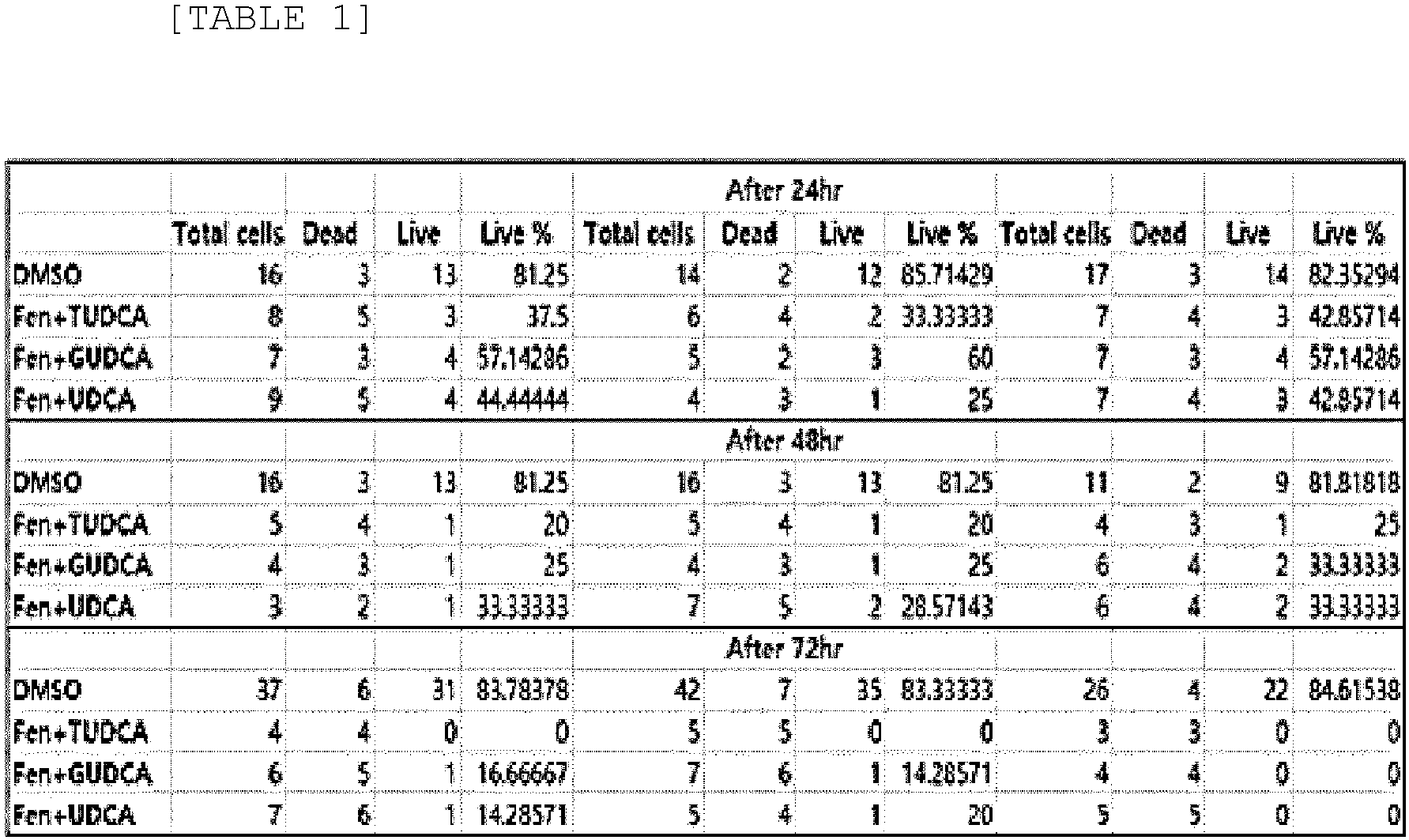
-
- (1) This experiment was performed to confirm cell viability by treating liver cancer cell lines with various mixtures including cisplatin, doxorubicin, paclitaxel, and fenbendazole, which are used as conventional anticancer drugs.
- (2) As shown in
FIGS. 6 and7 , it could be confirmed from the results at 24h and 48h after treatment that the apoptosis effect in the group treated with the mixture containing fenbendazole was similar or superior to or than the conventional anticancer drug treatment group. This means that anticancer effects of the mixture containing fenbendazole are excellent. Further, in the case of 72h after treatment, it could be seen that the cell viability is close to 0% in the group treated with a 70:30 mixture of fenbendazole and TUDCA. - Further, it could be seen that the higher the mixing ratio of fenbendazole in the mixture of fenbendazole and TUDCA, the more excellent the anticancer effects.
FIG. 8 shows the collected results ofFIG. 7 as a single straight line graph, Table 2 below shows data ofFIGS. 6 and7 as numerical values, andFIGS. 6 and7 show the average of the three experimental values as a graph.

-
- (1) The pH3 protein confirmed in this experiment is a protein increasing when the cell cycle is interrupted, and appearance of a distinct band due to an increase in the pH3 protein means that the cell cycle is effectively stopped.
- (2) In the group treated with fenbendazole and TUDCA together, it could be seen that the pH3 protein was remarkably increased through the distinctly darkened band as a result of Weston blot, and this result means that the cell cycle of the cancer cell line was interrupted, thus indicating expression of anticancer effects. As shown in
FIG. 9 , it could be seen that the band was most intense and distinct in the fenbendazole and TUDCA mixture treatment group. Through this, it could be considered that the cell cycle of cancer cell lines is better interrupted when treated with the mixture of fenbendazole and TUDCA than the group treated with fenbendazole and TUDCA alone, thereby indicating better anticancer effects.
Claims (10)
- A pharmaceutical composition for preventing or treating cancer, the pharmaceutical composition comprising ursodeoxycholic acid (UDCA) and a benzimidazole-based compound.
- The pharmaceutical composition according to claim 1, wherein the UDCA is at least one selected from the group consisting of UDCA, TUDCA and GUDCA.
- The pharmaceutical composition according to claim 1, wherein the benzimidazole-based compound is at least one selected from the group consisting of fenbendazole, albendazole, mebendazole and flubendazole.
- The pharmaceutical composition according to claim 1, wherein the UDCA and the benzimidazole-based compound are included in a molar ratio of 1: 0.5 to 5.
- The pharmaceutical composition according to claim 1, wherein the UDCA is TUDCA, and the benzimidazole-based compound is fenbendazole.
- The pharmaceutical composition according to claim 1, further comprising at least one selected from the group consisting of vitamin E tocopherol, vitamin E succinate and omega 3.
- The pharmaceutical composition according claim 1, further comprising vitamin E succinate and omega 3.
- The pharmaceutical composition according to claim 7, wherein the UDCA, benzimidazole-based compound, vitamin E succinate and omega 3 are included in a molar ratio of 1: 0.5 to 5: 0.5 to 3: 0.1 to 2.
- The pharmaceutical composition according to claim 1, wherein the cancer is at least one selected from the group consisting of liver cancer, testicular cancer, glioblastoma, oral cancer, basal cell cancer, brain tumor, gallbladder cancer, biliary tract cancer, colorectal cancer, laryngeal cancer, retinocytoma, ampulla of Vater cancer, bladder cancer, peritoneal cancer, adrenal cancer, non-small cell lung cancer, tongue cancer, small cell lung cancer, small intestine cancer, meningioma, esophageal cancer, renal pelvic ureter cancer, renal cancer, malignant bone tumor, malignant soft tissue tumor, malignant pimple tumor, malignant melanoma, eye tumor, urethral cancer, gastric cancer, breast cancer, sarcoma, pharyngeal cancer, cervical cancer, endometrial cancer, uterine sarcoma, prostate cancer, metastatic brain tumor, rectal cancer, vaginal cancer, spinal cord tumor, salivary gland cancer, tonsil cancer, squamous cell cancer, lung cancer and anal cancer.
- The pharmaceutical composition according to claim 1, wherein the cancer is liver cancer or cervical cancer.
Applications Claiming Priority (2)
| Application Number | Priority Date | Filing Date | Title |
|---|---|---|---|
| KR20190166966 | 2019-12-13 | ||
| PCT/KR2020/018271 WO2021118324A1 (en) | 2019-12-13 | 2020-12-14 | Pharmaceutical composition for preventing or treating cancer |
Publications (2)
| Publication Number | Publication Date |
|---|---|
| EP4074316A1 true EP4074316A1 (en) | 2022-10-19 |
| EP4074316A4 EP4074316A4 (en) | 2023-12-27 |
Family
ID=76599379
Family Applications (1)
| Application Number | Title | Priority Date | Filing Date |
|---|---|---|---|
| EP20899362.6A Withdrawn EP4074316A4 (en) | 2019-12-13 | 2020-12-14 | Pharmaceutical composition for preventing or treating cancer |
Country Status (3)
| Country | Link |
|---|---|
| EP (1) | EP4074316A4 (en) |
| KR (1) | KR102496456B1 (en) |
| CN (1) | CN114867482B (en) |
Families Citing this family (3)
| Publication number | Priority date | Publication date | Assignee | Title |
|---|---|---|---|---|
| KR102342313B1 (en) | 2021-08-27 | 2021-12-24 | (주)바이오메트릭스 테크놀로지 | Micelle comprising benzimidazole-carbohydrate conjugate compound, preparation thereof and use thereof as anti-cancer agent or anti-virus agent comprising the same |
| KR102684499B1 (en) | 2022-01-12 | 2024-07-11 | 충남대학교산학협력단 | Mebendazole-containing solid dispersion, pharmaceutical composition comprising the solid dispersion and preparation method of the solid dispersion |
| CN116808026A (en) * | 2023-08-15 | 2023-09-29 | 吉林大学 | Application of fenbendazole in preparing medicine for targeting cervical cancer stem cells |
Family Cites Families (5)
| Publication number | Priority date | Publication date | Assignee | Title |
|---|---|---|---|---|
| WO2010135534A2 (en) * | 2009-05-20 | 2010-11-25 | Children's Medical Center Corporation | Compositions for the treatment of metastatic cancer and methods of use thereof |
| KR101131675B1 (en) * | 2010-01-28 | 2012-03-28 | 조선대학교산학협력단 | Composition comprising ursodeoxycholic acid for preventing or treating gastric cancer |
| CN103919787A (en) * | 2014-04-17 | 2014-07-16 | 厦门大学 | Pharmaceutical application of tauroursodeoxycholic acid and acceptable salts thereof |
| KR101748127B1 (en) * | 2015-03-31 | 2017-06-16 | 충남대학교산학협력단 | Novel albendazole nanoparticles and composition comprising the same for preventing or treating cancer |
| CN108815172A (en) * | 2018-08-16 | 2018-11-16 | 上海长海医院 | Application of the ursodesoxycholic acid in the drug of preparation prevention or treatment liver cancer |
-
2020
- 2020-12-14 EP EP20899362.6A patent/EP4074316A4/en not_active Withdrawn
- 2020-12-14 CN CN202080085117.8A patent/CN114867482B/en active Active
- 2020-12-14 KR KR1020200174443A patent/KR102496456B1/en active Active
Also Published As
| Publication number | Publication date |
|---|---|
| CN114867482A (en) | 2022-08-05 |
| KR102496456B1 (en) | 2023-02-06 |
| KR20210075895A (en) | 2021-06-23 |
| EP4074316A4 (en) | 2023-12-27 |
| CN114867482B (en) | 2024-12-31 |
Similar Documents
| Publication | Publication Date | Title |
|---|---|---|
| US20220296611A1 (en) | Pharmaceutical composition for preventing or treating cancer | |
| CN105473137B (en) | Composition comprising coumestrol-containing soybean extract as an active ingredient for preventing or treating menopausal symptoms | |
| CN114867482B (en) | Pharmaceutical composition for preventing or treating cancer | |
| WO2013075607A1 (en) | Novel use of chlorogenic acid against cancer | |
| US20110033376A1 (en) | Treatment of Melanoma | |
| CN110063953A (en) | A kind of pharmaceutical composition for treating carcinoma of endometrium | |
| CN103179967A (en) | Antitumor Pharmaceutical Composition | |
| CN102579528B (en) | Medicine composition for preventing and curing prostatic diseases | |
| CN101485665B (en) | Novel medical use of cucurbitacin | |
| CN111803488A (en) | Application of atractylenolide II in preparation of anti-renal fibrosis drug and anti-renal fibrosis drug | |
| CN102335180B (en) | Application of ursane compounds in preparing antitumor drugs | |
| CN102370645A (en) | Anticancer drug composition | |
| RS58784B1 (en) | Diterpene compounds with antineoplastic activities and pharmaceutical compositions comprising same | |
| CN111773388B (en) | Combined application of A-carbo-5α-androstane compounds and anticancer drugs | |
| CN1287841C (en) | Method for preparing anti-cancer traditional Chinese medicine containing Mingri leaf | |
| CN103118688A (en) | New use of Cynomorium chemical constituents as phytoestrogens | |
| CN107441076B (en) | Combined medicine for treating cancer | |
| CN110403924A (en) | A kind of pharmaceutical composition and preparation method thereof for treating cutaneous melanoma | |
| CN109470788A (en) | A kind of method of quality control of FUKE QIANJIN PIAN | |
| WO2020135474A1 (en) | Traditional chinese medicine composition for treating chronic inflammation and preparation method and application thereof | |
| US9198922B2 (en) | Therapeutic composition for treating cancers | |
| KR20130025336A (en) | Composition for treatment of pancreatic cancer and beauty expenses composition comprising extract of rubiae radix | |
| CN102526033B (en) | Composition prepared from epigallocatechin gallate and mitomycin C and used for suppressing tumor cell proliferation | |
| KR20040036092A (en) | Anticarcinogenic constituents of ginsenoside Rh2 and Rg3 | |
| CN100525814C (en) | A kind of traditional Chinese medicine suppository for treating colitis and preparation method thereof |
Legal Events
| Date | Code | Title | Description |
|---|---|---|---|
| STAA | Information on the status of an ep patent application or granted ep patent |
Free format text: STATUS: THE INTERNATIONAL PUBLICATION HAS BEEN MADE |
|
| PUAI | Public reference made under article 153(3) epc to a published international application that has entered the european phase |
Free format text: ORIGINAL CODE: 0009012 |
|
| STAA | Information on the status of an ep patent application or granted ep patent |
Free format text: STATUS: REQUEST FOR EXAMINATION WAS MADE |
|
| 17P | Request for examination filed |
Effective date: 20220603 |
|
| AK | Designated contracting states |
Kind code of ref document: A1 Designated state(s): AL AT BE BG CH CY CZ DE DK EE ES FI FR GB GR HR HU IE IS IT LI LT LU LV MC MK MT NL NO PL PT RO RS SE SI SK SM TR |
|
| RAP1 | Party data changed (applicant data changed or rights of an application transferred) |
Owner name: VERITASBIOTHERAPEUTICS CO., LTD |
|
| DAV | Request for validation of the european patent (deleted) | ||
| DAX | Request for extension of the european patent (deleted) | ||
| REG | Reference to a national code |
Ref country code: DE Ref legal event code: R079 Free format text: PREVIOUS MAIN CLASS: A61K0031575000 Ipc: A61K0031418400 |
|
| A4 | Supplementary search report drawn up and despatched |
Effective date: 20231127 |
|
| RIC1 | Information provided on ipc code assigned before grant |
Ipc: A23L 33/10 20160101ALI20231121BHEP Ipc: A61P 35/00 20060101ALI20231121BHEP Ipc: A61K 31/4985 20060101ALI20231121BHEP Ipc: A61K 31/202 20060101ALI20231121BHEP Ipc: A61K 31/355 20060101ALI20231121BHEP Ipc: A61K 31/575 20060101ALI20231121BHEP Ipc: A61K 31/4184 20060101AFI20231121BHEP |
|
| STAA | Information on the status of an ep patent application or granted ep patent |
Free format text: STATUS: THE APPLICATION IS DEEMED TO BE WITHDRAWN |
|
| 18D | Application deemed to be withdrawn |
Effective date: 20250701 |