EP4074249A1 - Method and detecting device for determining tiredness of user - Google Patents
Method and detecting device for determining tiredness of user Download PDFInfo
- Publication number
- EP4074249A1 EP4074249A1 EP22168551.4A EP22168551A EP4074249A1 EP 4074249 A1 EP4074249 A1 EP 4074249A1 EP 22168551 A EP22168551 A EP 22168551A EP 4074249 A1 EP4074249 A1 EP 4074249A1
- Authority
- EP
- European Patent Office
- Prior art keywords
- heart rate
- measurements
- user
- ratio
- predetermined
- Prior art date
- Legal status (The legal status is an assumption and is not a legal conclusion. Google has not performed a legal analysis and makes no representation as to the accuracy of the status listed.)
- Granted
Links
Images


Classifications
-
- A—HUMAN NECESSITIES
- A61—MEDICAL OR VETERINARY SCIENCE; HYGIENE
- A61B—DIAGNOSIS; SURGERY; IDENTIFICATION
- A61B5/00—Measuring for diagnostic purposes; Identification of persons
- A61B5/72—Signal processing specially adapted for physiological signals or for diagnostic purposes
- A61B5/7271—Specific aspects of physiological measurement analysis
- A61B5/7275—Determining trends in physiological measurement data; Predicting development of a medical condition based on physiological measurements, e.g. determining a risk factor
-
- A—HUMAN NECESSITIES
- A61—MEDICAL OR VETERINARY SCIENCE; HYGIENE
- A61B—DIAGNOSIS; SURGERY; IDENTIFICATION
- A61B5/00—Measuring for diagnostic purposes; Identification of persons
- A61B5/103—Measuring devices for testing the shape, pattern, colour, size or movement of the body or parts thereof, for diagnostic purposes
- A61B5/11—Measuring movement of the entire body or parts thereof, e.g. head or hand tremor or mobility of a limb
- A61B5/1118—Determining activity level
-
- A—HUMAN NECESSITIES
- A61—MEDICAL OR VETERINARY SCIENCE; HYGIENE
- A61B—DIAGNOSIS; SURGERY; IDENTIFICATION
- A61B5/00—Measuring for diagnostic purposes; Identification of persons
- A61B5/02—Detecting, measuring or recording for evaluating the cardiovascular system, e.g. pulse, heart rate, blood pressure or blood flow
- A61B5/0205—Simultaneously evaluating both cardiovascular conditions and different types of body conditions, e.g. heart and respiratory condition
-
- A—HUMAN NECESSITIES
- A61—MEDICAL OR VETERINARY SCIENCE; HYGIENE
- A61B—DIAGNOSIS; SURGERY; IDENTIFICATION
- A61B5/00—Measuring for diagnostic purposes; Identification of persons
- A61B5/02—Detecting, measuring or recording for evaluating the cardiovascular system, e.g. pulse, heart rate, blood pressure or blood flow
- A61B5/024—Measuring pulse rate or heart rate
- A61B5/02438—Measuring pulse rate or heart rate with portable devices, e.g. worn by the patient
-
- A—HUMAN NECESSITIES
- A61—MEDICAL OR VETERINARY SCIENCE; HYGIENE
- A61B—DIAGNOSIS; SURGERY; IDENTIFICATION
- A61B5/00—Measuring for diagnostic purposes; Identification of persons
- A61B5/103—Measuring devices for testing the shape, pattern, colour, size or movement of the body or parts thereof, for diagnostic purposes
- A61B5/11—Measuring movement of the entire body or parts thereof, e.g. head or hand tremor or mobility of a limb
- A61B5/1123—Discriminating type of movement, e.g. walking or running
-
- A—HUMAN NECESSITIES
- A61—MEDICAL OR VETERINARY SCIENCE; HYGIENE
- A61B—DIAGNOSIS; SURGERY; IDENTIFICATION
- A61B5/00—Measuring for diagnostic purposes; Identification of persons
- A61B5/22—Ergometry; Measuring muscular strength or the force of a muscular blow
- A61B5/221—Ergometry, e.g. by using bicycle type apparatus
- A61B5/222—Ergometry, e.g. by using bicycle type apparatus combined with detection or measurement of physiological parameters, e.g. heart rate
-
- A—HUMAN NECESSITIES
- A61—MEDICAL OR VETERINARY SCIENCE; HYGIENE
- A61B—DIAGNOSIS; SURGERY; IDENTIFICATION
- A61B5/00—Measuring for diagnostic purposes; Identification of persons
- A61B5/68—Arrangements of detecting, measuring or recording means, e.g. sensors, in relation to patient
- A61B5/6801—Arrangements of detecting, measuring or recording means, e.g. sensors, in relation to patient specially adapted to be attached to or worn on the body surface
- A61B5/6802—Sensor mounted on worn items
- A61B5/681—Wristwatch-type devices
-
- A—HUMAN NECESSITIES
- A61—MEDICAL OR VETERINARY SCIENCE; HYGIENE
- A61B—DIAGNOSIS; SURGERY; IDENTIFICATION
- A61B5/00—Measuring for diagnostic purposes; Identification of persons
- A61B5/74—Details of notification to user or communication with user or patient; User input means
- A61B5/742—Details of notification to user or communication with user or patient; User input means using visual displays
-
- A—HUMAN NECESSITIES
- A61—MEDICAL OR VETERINARY SCIENCE; HYGIENE
- A61B—DIAGNOSIS; SURGERY; IDENTIFICATION
- A61B5/00—Measuring for diagnostic purposes; Identification of persons
- A61B5/74—Details of notification to user or communication with user or patient; User input means
- A61B5/742—Details of notification to user or communication with user or patient; User input means using visual displays
- A61B5/7435—Displaying user selection data, e.g. icons in a graphical user interface
-
- A—HUMAN NECESSITIES
- A61—MEDICAL OR VETERINARY SCIENCE; HYGIENE
- A61B—DIAGNOSIS; SURGERY; IDENTIFICATION
- A61B5/00—Measuring for diagnostic purposes; Identification of persons
- A61B5/74—Details of notification to user or communication with user or patient; User input means
- A61B5/746—Alarms related to a physiological condition, e.g. details of setting alarm thresholds or avoiding false alarms
-
- A—HUMAN NECESSITIES
- A61—MEDICAL OR VETERINARY SCIENCE; HYGIENE
- A61B—DIAGNOSIS; SURGERY; IDENTIFICATION
- A61B5/00—Measuring for diagnostic purposes; Identification of persons
- A61B5/74—Details of notification to user or communication with user or patient; User input means
- A61B5/7475—User input or interface means, e.g. keyboard, pointing device, joystick
-
- A—HUMAN NECESSITIES
- A61—MEDICAL OR VETERINARY SCIENCE; HYGIENE
- A61B—DIAGNOSIS; SURGERY; IDENTIFICATION
- A61B2503/00—Evaluating a particular growth phase or type of persons or animals
- A61B2503/10—Athletes
-
- A—HUMAN NECESSITIES
- A61—MEDICAL OR VETERINARY SCIENCE; HYGIENE
- A61B—DIAGNOSIS; SURGERY; IDENTIFICATION
- A61B2560/00—Constructional details of operational features of apparatus; Accessories for medical measuring apparatus
- A61B2560/02—Operational features
-
- A—HUMAN NECESSITIES
- A61—MEDICAL OR VETERINARY SCIENCE; HYGIENE
- A61B—DIAGNOSIS; SURGERY; IDENTIFICATION
- A61B2562/00—Details of sensors; Constructional details of sensor housings or probes; Accessories for sensors
- A61B2562/02—Details of sensors specially adapted for in-vivo measurements
- A61B2562/0219—Inertial sensors, e.g. accelerometers, gyroscopes, tilt switches
Definitions
- the disclosure relates to a method for determining tiredness of a user according to human physiological information.
- smart watches and smart bracelets are now accessories that many people wear on a daily basis, and a lot of these people also use the physiological data recorded by the smart watches or bracelets as a reference for personal health management.
- a conventional smart watch usually records heart rate as the basis for subsequent analysis of exercise time and calorie consumption.
- the conventional smart watch is unable to provide feedback (e.g., excessive tiredness) in real time to the user, and thus the user cannot suitably adjust or stop the exercise in time.
- the user can only know his/her physical state when checking the conventional smart watch later.
- a conventional assisting system for mobile vehicles includes a driver condition detecting device and a warning device.
- the driver condition detecting device includes a heart rate detecting module, a storage module and a computing module.
- the heart rate detecting module is used for detecting heart rate of a driver or change in heart rate of the driver, and can be disposed on a wearable device to be worn by the driver.
- the conventional assisting device can issue a notification when the heart rate of the user is outside of a predetermined range, it is prone to making inappropriate notifications when the user is exercising.
- an object of the disclosure is to provide a method for determining tiredness of a user that can alleviate at least one of the drawbacks of the prior art.
- the method is implemented by a detecting device that stores a plurality of exercise modes respectively defined by a plurality of first ranges of heart-rate-related ratios, and each of the exercise modes has a variation threshold and a predetermined exercise time period.
- the method includes steps of:
- Another object of the disclosure is to provide a detecting device for monitoring heart rate of a user.
- the monitoring device includes a heart rate measuring unit, a positioning unit, a display unit and a processing unit.
- the heart rate measuring unit is configured to measure heart rate of the user at successive time instances so as to result in a plurality of heart rate measurements.
- the positioning unit is configured to detect where the user is located at successive time instances so as to obtain a plurality of positions, and is further configured to calculate a plurality of speed measurements of the user based on the positions.
- the processing unit is electrically connected to the heart rate measuring unit, the positioning unit and the display unit, and stores a plurality of exercise modes respectively defined by a plurality of ranges of heart-rate-related ratios. Each of the exercise modes has a variation threshold and a predetermined exercise time period.
- the processing unit is configured to implement a tiredness-determining procedure including steps of:
- the detecting device includes a heart rate measuring unit 1, an acceleration measuring unit 2, a positioning unit 3, a display unit 4 and a processing unit 5.
- the detecting device may be, but not limited to, a wearable device worn by the user.
- the heart rate measuring unit 1 is configured to measure heart rate of the user at successive time instances so as to result in a plurality of heart rate measurements.
- the heart rate measuring unit 1 is an optical heart rate sensor.
- the acceleration measuring unit 2 is configured to successively measure a plurality of acceleration measurements of the user.
- the acceleration measuring unit 2 may be, but not limited to, an accelerometer.
- the positioning unit 3 is configured to detect where the user is located at successive time instances so as to obtain a plurality of positions, and is further configured to calculate a plurality of speed measurements of the user based on the positions.
- the positioning unit 3 includes a global positioning system (GPS) sensor for obtaining the position of the user, and a computing device (e.g., a processor, a mobile processor, a microprocessor, a microcontroller, etc.) for calculating the speed measurements.
- GPS global positioning system
- the display unit 4 is configured to output a notification.
- the display unit 4 is, but not limited to, a display screen.
- the processing unit 5 is electrically connected to the heart rate measuring unit 1, the acceleration measuring unit 2, the positioning unit 3 and the display unit 4.
- the processing unit 5 stores a plurality of exercise modes and a plurality of tiredness levels.
- the exercise modes are respectively defined by a plurality of first ranges of heart-rate-related ratios.
- the tiredness levels are respectively defined by a plurality of second ranges of heart-rate-related ratios.
- Each of the exercise modes has a variation threshold and a predetermined exercise time period.
- the processing unit 5 stores five exercise modes, and details thereof are shown in Table 1 below.
- Table 1 Exercise Mode Definition Predetermined Exercise Time Period Variation Threshold Exercise Mode 1 reference ratio ⁇ 30% 120 minutes 10% Exercise Mode 2 30% ⁇ reference ratio ⁇ 50% 90 minutes 10% Exercise Mode 3 50% ⁇ reference ratio ⁇ 70% 30 minutes 10% Exercise Mode 4 70% ⁇ reference ratio ⁇ 90% 10 minutes 10% Exercise Mode 5 90% ⁇ reference ratio 5 minutes 10%
- the processing unit 5 stores five tiredness levels, and details thereof are shown in Table 2 below.
- the processing unit 5 is configured to implement a tiredness-determining procedure for determining tiredness of the user based on heart rate measurements, the acceleration measurements and the speed measurements of the user.
- the processing unit 5 may be embodied using a central processing unit (CPU), a microprocessor, a microcontroller, a single core processor, a multi-core processor, a dual-core mobile processor, a microprocessor, a microcontroller, a digital signal processor (DSP), a field-programmable gate array (FPGA), an application specific integrated circuit (ASIC), a radio-frequency integrated circuit (RFIC), a system on chip (SoC), etc.
- CPU central processing unit
- DSP digital signal processor
- FPGA field-programmable gate array
- ASIC application specific integrated circuit
- RFIC radio-frequency integrated circuit
- SoC system on chip
- the method for determining tiredness of the user includes the following steps.
- step S1 the processing unit 5 obtains a plurality of heart rate measurements of the user that were successively measured by the heart rate measuring unit 1.
- step S2 for each of the heart rate measurements, the processing unit 5 calculates a ratio of a resulting value of the heart rate measurement minus a resting heart rate of the user to a resulting value of a maximum heart rate of the user minus the resting heart rate to serve as a reference ratio.
- the maximum heart rate is an upper limit of what a person's cardiovascular system can typically handle during exercise (i.e., the fastest rate that the heart is capable of beating), and generally decreases with age.
- the maximum heart rate may be estimated by subtracting age from 220.
- the resting heart rate is a normal heart rate when a person is at rest.
- the resting heart rates of children over 10 years old and adults including seniors range from 60 to 100 beats per minute.
- the resting heart rates of well-trained adult athletes range from 40 to 60 beats per minute.
- the maximum heart rate and the resting heart rate may be input by the user.
- the processing unit 5 may pre-store a plurality of reference maximum heart rates and a plurality of reference resting heart rates that correspond respectively to the reference maximum heart rates, and each pair of one of the reference maximum heart rates and the corresponding one of the reference resting heart rates corresponds respectively to different ages; the processing unit 5 selects one of the reference maximum heart rates and the corresponding one of the reference resting heart rates according to an age inputted by the user and uses the reference maximum heart rate and reference resting heart rate thus selected as the maximum heart rate and the resting heart rate of the user.
- the resting heart rate may be obtained by taking an average of heart rate measurements measured by the heart rate measuring unit 1 when the acceleration of the user continues to be smaller than a predetermined value (e.g., 20 cm/s 2 ) for a predetermined time period (e.g., 20 minutes).
- a predetermined value e.g. 20 cm/s 2
- a predetermined time period e.g. 20 minutes
- step S3 the processing unit 5 obtains, from the acceleration measuring unit 2, a plurality of acceleration measurements of the user measured in a predefined time period.
- the predefined time period is 20 minutes.
- step S4 the processing unit 5 determines whether all the acceleration measurements in the predefined time period are smaller than a predetermined acceleration threshold. When it is determined that all the acceleration measurements are smaller than the predetermined acceleration threshold, the flow goes to step S6; otherwise, the flow goes to step S5.
- the predetermined acceleration threshold is 20 cm/s 2 .
- step S4 is used to determine whether the user is exercising or resting. The user is determined to be resting when it is determined that all the acceleration measurements are smaller than the predetermined acceleration threshold.
- step S5 the processing unit 5 determines tiredness of the user during exercise. Specifically, step S5 includes sub-steps S51 to S57.
- the processing unit 5 selects one of the exercise modes based on the reference ratio that was calculated in step S2 based on a last one of the heart rate measurements (hereinafter referred to as "the last reference ratio"). Specifically, the processing unit 5 first determines which one of the first ranges of heart-rate-related ratios the last reference ratio falls into, and then selects one of the exercise modes that corresponds to one of the first ranges of heart-rate-related ratios, into which the last reference ratio falls.
- sub-step S52 the processing unit 5 obtains a plurality of speed measurements of the user that were successively measured by the positioning unit 3 in a past time period that has a length equal to the predetermined exercise time period of said one of the exercise modes.
- the processing unit 5 calculates an average of the speed measurements obtained in sub-step S52 to serve as an average speed.
- the processing unit 5 divides a number of those of the speed measurements that are greater or smaller than the average speed at least by a variation ratio by a total number of the speed measurements, so as to obtain an abnormal speed ratio.
- the variation ratio is, but not limited to, 20%.
- sub-step S55 the processing unit 5 determines whether the average speed is greater than a predetermined speed and whether the abnormal speed ratio is smaller than a predetermined ratio.
- the flow goes to sub-step S56; otherwise, the method is terminated.
- the predetermined speed is 10 km/h
- the predetermined ratio is 1/6, but not limited thereto.
- sub-step S55 determining whether the average speed is greater than the predetermined speed is to determine whether the user is moving places (e.g., doing an exercise such as jogging or cycling), and determining whether the abnormal speed ratio is smaller than the predetermined ratio is to avoid determining tiredness of the user when the speed measurements reveal an excessive change in speed. That is to say, sub-step S55 can avoid determining tiredness of the user when the user is in the midst of speeding up or slowing down, so as to reduce probability of making an incorrect determination on tiredness of the user.
- the processing unit 5 determines whether the last reference ratio is greater than a previous one of the reference ratios (hereinafter referred to as "previous reference ratio") at least by the variation threshold of said one of the exercise modes, wherein the previous reference ratio is calculated based on one of the heart rate measurements that was measured earlier than said last one of the heart rate measurements by the predetermined exercise time period of said one of the exercise modes.
- sub-step S57 the processing unit 5 controls the display unit 4 to output a first notification indicating that the user is tired.
- step S6 the processing unit 5 determines tiredness of the user when resting. Specifically, step S6 includes sub-steps of S61 to S63.
- sub-step S61 the processing unit 5 determines which one of the second ranges of heart-rate-related ratios the last reference ratio falls into.
- sub-step S62 the processing unit 5 determines that the user is at one of the tiredness levels that corresponds to one of the second ranges of heart-rate-related ratios, into which the last reference ratio falls.
- sub-step S63 the processing unit 5 controls the display unit 4 to output a second notification that corresponds to said one of the tiredness levels.
- the method of the disclosure may be repeated to continuously determine tiredness of the user. It should be noted that steps/sub-steps of the method are not necessarily implemented in the order given above, and some of the steps/sub-steps may be implemented simultaneously.
- step S4 When it is determined in step S4 that at least one of the acceleration measurements of the user in the predefined time period (20 minutes) is greater than the predetermined acceleration threshold (20 cm/s 2 ), and it is determined in sub-step S55 that the average speed is greater than the predetermined speed (10 km/h) and the abnormal speed ratio is smaller than the predetermined ratio (1/6), the flow goes to sub-step S56 to determine whether the last reference ratio is greater than the previous reference ratio. For example, five heart rate measurements of 133, 152, 175, 188 and 168 are obtained in step S1 in sequence, and the maximum heart rate is 220 and the resting heart rate is 60.
- the reference ratios for the five heart rate measurements are 46%, 58%, 72%, 80% and 68% (step S2), respectively, and the exercise modes corresponding to the five heart rate measurements are Exercise Mode 2, Exercise Mode 3, Exercise Mode 4, Exercise Mode 4 and Exercise Mode 5 (see Table 1) , respectively. It should be noted that there may be one or more heart rate measurements that were measured between any two of the first to fifth heart rate measurements and that are not shown in this example.
- sub-step S56 is to determine whether the reference ratio of the second heart rate measurement (58%) is greater than the previous reference ratio, which corresponds to a heart rate measurement that was measured 30 minutes (i.e., the predetermined exercise time period of Exercise Mode 3) earlier, at least by 10%. It is assumed that the first heart rate measurement of 133 was measured earlier than the second heart rate measurement of 152 by the predetermined exercise time period (i.e., 30 minutes), so the previous reference ratio is 46%.
- the reference ratio of the second heart rate measurement (58%) has an increase of 12%, which is more than 10% (the variation threshold of Exercise mode 3) . Accordingly, the display unit 4 of the detecting device outputs the first notification indicating that the user is tired (sub-step S57).
- step S6 determine tiredness of the user when resting. For example, five heart rate measurements of 80, 76, 74, 70 and 71 are obtained in step S1 in sequence, and the maximum heart rate is 220 and the resting heart rate is 60.
- the reference ratios for the five heart rate measurements are 13%, 10%, 9%, 6%, and 7%, respectively (step S2), and the tiredness levels corresponding to the five heart rate measurements are "extremely tired", “very tired”, “very tired”, “tired” and “tired”, respectively.
- the reference ratio of 10% falls into the second range of heart-rate-related ratio "8% ⁇ reference ratio ⁇ 11%” (see Table 2), and thus the tiredness level of the second heart rate measurement is determined as "very tired”.
- Table 4 First Second Third Forth Fifth Heart Rate 80 76 74 70 71 Reference Ratio 13% 10% 9% 6% 7% Tiredness Level extremely tired very tired very tired tired tired tired
- the embodiment of the disclosure provides a method and a detecting device for determining tiredness of a user.
- the advantages of the method and the detecting device are as follows.
- An exercise mode is first selected based on a reference ratio of a heart rate measurement, and thresholds for the subsequent determinations are dynamically determined according to the exercise mode, so that the likelihood of making incorrect determinations is reduced as compared to the case if uniform thresholds were used.
- tiredness determination is made only under the condition that an average speed is greater than a predetermined speed and an abnormal speed ratio is smaller than a predetermined ratio, so as to avoid incorrectly determining tiredness of the user when the user is speeding up or slowing down.
- the method first determines whether the user is exercising or resting based on acceleration measurements, and then adopts difference logical flows in determining whether the user is tired respectively during exercise and when resting, such that tiredness of the user thus determined is more in line with actual situation.
Landscapes
- Health & Medical Sciences (AREA)
- Life Sciences & Earth Sciences (AREA)
- Engineering & Computer Science (AREA)
- Public Health (AREA)
- Molecular Biology (AREA)
- Pathology (AREA)
- Physics & Mathematics (AREA)
- Biomedical Technology (AREA)
- Heart & Thoracic Surgery (AREA)
- Medical Informatics (AREA)
- Biophysics (AREA)
- Surgery (AREA)
- Animal Behavior & Ethology (AREA)
- General Health & Medical Sciences (AREA)
- Veterinary Medicine (AREA)
- Physiology (AREA)
- Cardiology (AREA)
- Dentistry (AREA)
- Oral & Maxillofacial Surgery (AREA)
- Artificial Intelligence (AREA)
- Computer Vision & Pattern Recognition (AREA)
- Psychiatry (AREA)
- Signal Processing (AREA)
- Human Computer Interaction (AREA)
- Physical Education & Sports Medicine (AREA)
- Pulmonology (AREA)
- Measuring Pulse, Heart Rate, Blood Pressure Or Blood Flow (AREA)
- Measurement Of The Respiration, Hearing Ability, Form, And Blood Characteristics Of Living Organisms (AREA)
- Investigating Strength Of Materials By Application Of Mechanical Stress (AREA)
Abstract
Description
- The disclosure relates to a method for determining tiredness of a user according to human physiological information.
- As smart wearable devices become more and more popular, smart watches and smart bracelets are now accessories that many people wear on a daily basis, and a lot of these people also use the physiological data recorded by the smart watches or bracelets as a reference for personal health management.
- A conventional smart watch usually records heart rate as the basis for subsequent analysis of exercise time and calorie consumption. However, as the heart rate is being measured and recorded, the conventional smart watch is unable to provide feedback (e.g., excessive tiredness) in real time to the user, and thus the user cannot suitably adjust or stop the exercise in time. The user can only know his/her physical state when checking the conventional smart watch later.
- A conventional assisting system for mobile vehicles, as disclosed in
Taiwanese Utility Model Patent No. M585412 - Although the conventional assisting device can issue a notification when the heart rate of the user is outside of a predetermined range, it is prone to making inappropriate notifications when the user is exercising.
- Therefore, an object of the disclosure is to provide a method for determining tiredness of a user that can alleviate at least one of the drawbacks of the prior art.
- According to one embodiment of the disclosure, the method is implemented by a detecting device that stores a plurality of exercise modes respectively defined by a plurality of first ranges of heart-rate-related ratios, and each of the exercise modes has a variation threshold and a predetermined exercise time period. The method includes steps of:
- measuring heart rate of the user at successive time instances so as to result in a plurality of heart rate measurements;
- for each of the heart rate measurements, calculating a reference ratio as a ratio of a resulting value of the heart rate measurement minus a resting heart rate of the user to a resulting value of a maximum heart rate of the user minus the resting heart rate;
- selecting one of the exercise modes based on the reference ratio calculated based on a last one of the heart rate measurements;
- obtaining a plurality of speed measurements of the user that were successively measured in a past time period having a length equal to the predetermined exercise time period of said one of the exercise modes;
- calculating an average of the speed measurements to serve as an average speed;
- dividing a number of those of the speed measurements that are greater or smaller than the average speed at least by a variation ratio by a total number of the speed measurements to obtain an abnormal speed ratio;
- determining whether the average speed is greater than a predetermined speed and whether the abnormal speed ratio is smaller than a predetermined ratio;
- when the determination on whether the average speed is greater than the predetermined speed and the determination on whether the abnormal speed ratio is smaller than the predetermined ratio are both affirmative, determining whether the reference ratio that was calculated based on the last one of the heart rate measurements is greater than the reference ratio that was calculated based on a previous one of the heart rate measurements at least by the variation threshold of said one of the exercise modes, wherein the previous one of the heart rate measurements was measured earlier than the last one of the heart rate measurements by the predetermined exercise time period of said one of the exercise modes; and
- outputting a notification indicating that the user is tired when it is determined that the reference ratio that was calculated based on the last one of the heart rate measurements is greater than the reference ratio that was calculated based on the previous one of the heart rate measurements at least by the variation threshold of said one of the exercise modes.
- Another object of the disclosure is to provide a detecting device for monitoring heart rate of a user.
- According to one embodiment of the disclosure, the monitoring device includes a heart rate measuring unit, a positioning unit, a display unit and a processing unit.
- The heart rate measuring unit is configured to measure heart rate of the user at successive time instances so as to result in a plurality of heart rate measurements.
- The positioning unit is configured to detect where the user is located at successive time instances so as to obtain a plurality of positions, and is further configured to calculate a plurality of speed measurements of the user based on the positions.
- The processing unit is electrically connected to the heart rate measuring unit, the positioning unit and the display unit, and stores a plurality of exercise modes respectively defined by a plurality of ranges of heart-rate-related ratios. Each of the exercise modes has a variation threshold and a predetermined exercise time period. The processing unit is configured to implement a tiredness-determining procedure including steps of:
- obtaining the heart rate measurements of the user from the heart rate measuring unit;
- for each of the heart rate measurements, calculating a reference ratio as a ratio of a resulting value of the heart rate measurement minus a resting heart rate of the user to a resulting value of a maximum heart rate of the user minus the resting heart rate;
- selecting one of the exercise modes based on the reference ratio that was calculated based on a last one of the heart rate measurements;
- obtaining, from the positioning unit, a plurality of speed measurements that were successively measured by the positioning unit in a past time period having a length equal to the predetermined exercise time period of said one of the exercise modes;
- calculating an average of the speed measurements to serve as an average speed;
- dividing a number of those of the speed measurements that are greater or smaller than the average speed at least by a variation ratio by a total number of the speed measurements to obtain an abnormal speed ratio;
- determining whether the average speed is greater than a predetermined speed and whether the abnormal speed ratio is smaller than a predetermined ratio;
- when the determination on whether the average speed is greater than the predetermined speed and the determination on whether the abnormal speed ratio is smaller than the predetermined ratio are both affirmative, determining whether the reference ratio that was calculated based on the last one of the heart rate measurements is greater than the reference ratio that was calculated based on a previous one of the heart rate measurements at least by the variation threshold of said one of the exercise modes, wherein the previous one of the heart rate measurements was measured earlier than the last one of the heart rate measurements by the predetermined exercise time period of said one of the exercise modes; and
- controlling the display unit to output a notification indicating that the user is tired when it is determined that the reference ratio that was calculated based on the last one of the heart rate measurements is greater than the reference ratio that was calculated based on the previous one of the heart rate measurements at least by the variation threshold of said one of the exercise modes.
- Other features and advantages of the disclosure will become apparent in the following detailed description of the embodiments with reference to the accompanying drawings, of which:
-
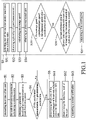
Figure 1 is a flow chart illustrating steps of a method for determining tiredness of a user according to an embodiment of the disclosure; -
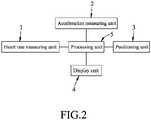
Figure 2 is a block diagram of a detecting device for determining tiredness of the user according to an embodiment of the disclosure; -
Figure 3 is a chart of heart rate measurements, for illustrating an example of determining exercise modes according to an embodiment of the disclosure; and -
Figure 4 is a chart of heart rate measurements, for illustrating an example of determining tiredness levels when the user is resting according to an embodiment of the disclosure. -
Figure 1 is a flow chart illustrating steps of a method for determining tiredness of a user according to one embodiment of the disclosure. The method is implemented by a detecting device shown inFigure 2 . - Referring to
Figure 2 , the detecting device includes a heartrate measuring unit 1, anacceleration measuring unit 2, apositioning unit 3, adisplay unit 4 and aprocessing unit 5. The detecting device may be, but not limited to, a wearable device worn by the user. The heartrate measuring unit 1 is configured to measure heart rate of the user at successive time instances so as to result in a plurality of heart rate measurements. In this embodiment, the heartrate measuring unit 1 is an optical heart rate sensor. - The
acceleration measuring unit 2 is configured to successively measure a plurality of acceleration measurements of the user. Theacceleration measuring unit 2 may be, but not limited to, an accelerometer. - The
positioning unit 3 is configured to detect where the user is located at successive time instances so as to obtain a plurality of positions, and is further configured to calculate a plurality of speed measurements of the user based on the positions. For example, thepositioning unit 3 includes a global positioning system (GPS) sensor for obtaining the position of the user, and a computing device (e.g., a processor, a mobile processor, a microprocessor, a microcontroller, etc.) for calculating the speed measurements. - The
display unit 4 is configured to output a notification. In this embodiment, thedisplay unit 4 is, but not limited to, a display screen. - The
processing unit 5 is electrically connected to the heartrate measuring unit 1, theacceleration measuring unit 2, thepositioning unit 3 and thedisplay unit 4. Theprocessing unit 5 stores a plurality of exercise modes and a plurality of tiredness levels. The exercise modes are respectively defined by a plurality of first ranges of heart-rate-related ratios. The tiredness levels are respectively defined by a plurality of second ranges of heart-rate-related ratios. Each of the exercise modes has a variation threshold and a predetermined exercise time period. - In this embodiment, the
processing unit 5 stores five exercise modes, and details thereof are shown in Table 1 below.Table 1 Exercise Mode Definition Predetermined Exercise Time Period Variation Threshold Exercise Mode 1 reference ratio ≤ 30% 120 minutes 10% Exercise Mode 230% < reference ratio ≤ 50% 90 minutes 10% Exercise Mode 350% < reference ratio ≤ 70% 30 minutes 10% Exercise Mode 470% < reference ratio ≤ 90% 10 minutes 10% Exercise Mode 590% < reference ratio 5 minutes 10% - In this embodiment, the
processing unit 5 stores five tiredness levels, and details thereof are shown in Table 2 below.Table 2 Tiredness Level Definition not tired reference ratio ≤ 2% slightly tired 2% < reference ratio ≤ 5% tired 5% < reference ratio ≤ 8% very tired 8% < reference ratio ≤ 11% extremely tired 11% < reference ratio - The
processing unit 5 is configured to implement a tiredness-determining procedure for determining tiredness of the user based on heart rate measurements, the acceleration measurements and the speed measurements of the user. - The
processing unit 5 may be embodied using a central processing unit (CPU), a microprocessor, a microcontroller, a single core processor, a multi-core processor, a dual-core mobile processor, a microprocessor, a microcontroller, a digital signal processor (DSP), a field-programmable gate array (FPGA), an application specific integrated circuit (ASIC), a radio-frequency integrated circuit (RFIC), a system on chip (SoC), etc. - The method for determining tiredness of the user (i.e., the tiredness-determining procedure implemented by the processing unit 5) according to one embodiment includes the following steps.
- In step S1, the
processing unit 5 obtains a plurality of heart rate measurements of the user that were successively measured by the heartrate measuring unit 1. - In step S2, for each of the heart rate measurements, the
processing unit 5 calculates a ratio of a resulting value of the heart rate measurement minus a resting heart rate of the user to a resulting value of a maximum heart rate of the user minus the resting heart rate to serve as a reference ratio. - The maximum heart rate is an upper limit of what a person's cardiovascular system can typically handle during exercise (i.e., the fastest rate that the heart is capable of beating), and generally decreases with age. The maximum heart rate may be estimated by subtracting age from 220. The resting heart rate is a normal heart rate when a person is at rest. The resting heart rates of children over 10 years old and adults including seniors range from 60 to 100 beats per minute. The resting heart rates of well-trained adult athletes range from 40 to 60 beats per minute. In this embodiment, the maximum heart rate and the resting heart rate may be input by the user. In some embodiments, the
processing unit 5 may pre-store a plurality of reference maximum heart rates and a plurality of reference resting heart rates that correspond respectively to the reference maximum heart rates, and each pair of one of the reference maximum heart rates and the corresponding one of the reference resting heart rates corresponds respectively to different ages; theprocessing unit 5 selects one of the reference maximum heart rates and the corresponding one of the reference resting heart rates according to an age inputted by the user and uses the reference maximum heart rate and reference resting heart rate thus selected as the maximum heart rate and the resting heart rate of the user. In some embodiments, the resting heart rate may be obtained by taking an average of heart rate measurements measured by the heartrate measuring unit 1 when the acceleration of the user continues to be smaller than a predetermined value (e.g., 20 cm/s2) for a predetermined time period (e.g., 20 minutes). - In step S3, the
processing unit 5 obtains, from theacceleration measuring unit 2, a plurality of acceleration measurements of the user measured in a predefined time period. In this embodiment, the predefined time period is 20 minutes. - In step S4, the
processing unit 5 determines whether all the acceleration measurements in the predefined time period are smaller than a predetermined acceleration threshold. When it is determined that all the acceleration measurements are smaller than the predetermined acceleration threshold, the flow goes to step S6; otherwise, the flow goes to step S5. In this embodiment, the predetermined acceleration threshold is 20 cm/s2. - It should be noted that step S4 is used to determine whether the user is exercising or resting. The user is determined to be resting when it is determined that all the acceleration measurements are smaller than the predetermined acceleration threshold.
- When it is determined that not all the acceleration measurements in the predefined time period are smaller than the predetermined acceleration threshold, in step S5, the
processing unit 5 determines tiredness of the user during exercise. Specifically, step S5 includes sub-steps S51 to S57. - In sub-step S51, the
processing unit 5 selects one of the exercise modes based on the reference ratio that was calculated in step S2 based on a last one of the heart rate measurements (hereinafter referred to as "the last reference ratio"). Specifically, theprocessing unit 5 first determines which one of the first ranges of heart-rate-related ratios the last reference ratio falls into, and then selects one of the exercise modes that corresponds to one of the first ranges of heart-rate-related ratios, into which the last reference ratio falls. - In sub-step S52, the
processing unit 5 obtains a plurality of speed measurements of the user that were successively measured by thepositioning unit 3 in a past time period that has a length equal to the predetermined exercise time period of said one of the exercise modes. - In sub-step S53, the
processing unit 5 calculates an average of the speed measurements obtained in sub-step S52 to serve as an average speed. - In sub-step S54, the
processing unit 5 divides a number of those of the speed measurements that are greater or smaller than the average speed at least by a variation ratio by a total number of the speed measurements, so as to obtain an abnormal speed ratio. In this embodiment, the variation ratio is, but not limited to, 20%. - In sub-step S55, the
processing unit 5 determines whether the average speed is greater than a predetermined speed and whether the abnormal speed ratio is smaller than a predetermined ratio. When the determination on whether the average speed is greater than the predetermined speed and the determination on whether the abnormal speed ratio is smaller than the predetermined ratio are both affirmative, the flow goes to sub-step S56; otherwise, the method is terminated. In this embodiment, the predetermined speed is 10 km/h, and the predetermined ratio is 1/6, but not limited thereto. - It should be noted that, in sub-step S55, determining whether the average speed is greater than the predetermined speed is to determine whether the user is moving places (e.g., doing an exercise such as jogging or cycling), and determining whether the abnormal speed ratio is smaller than the predetermined ratio is to avoid determining tiredness of the user when the speed measurements reveal an excessive change in speed. That is to say, sub-step S55 can avoid determining tiredness of the user when the user is in the midst of speeding up or slowing down, so as to reduce probability of making an incorrect determination on tiredness of the user.
- When the average speed is greater than the predetermined speed and the abnormal speed ratio is smaller than the predetermined ratio, in sub-step S56, the
processing unit 5 determines whether the last reference ratio is greater than a previous one of the reference ratios (hereinafter referred to as "previous reference ratio") at least by the variation threshold of said one of the exercise modes, wherein the previous reference ratio is calculated based on one of the heart rate measurements that was measured earlier than said last one of the heart rate measurements by the predetermined exercise time period of said one of the exercise modes. When it is determined that the last reference ratio is greater than the previous reference ratio at least by the variation threshold of said one of the exercise modes, the flow goes to sub-step S57; otherwise, the method is terminated. - In sub-step S57, the
processing unit 5 controls thedisplay unit 4 to output a first notification indicating that the user is tired. - When it is determined in step S4 that all the acceleration measurements are smaller than the predetermined acceleration threshold, in step S6, the
processing unit 5 determines tiredness of the user when resting. Specifically, step S6 includes sub-steps of S61 to S63. - In sub-step S61, the
processing unit 5 determines which one of the second ranges of heart-rate-related ratios the last reference ratio falls into. - In sub-step S62, the
processing unit 5 determines that the user is at one of the tiredness levels that corresponds to one of the second ranges of heart-rate-related ratios, into which the last reference ratio falls. - In sub-step S63, the
processing unit 5 controls thedisplay unit 4 to output a second notification that corresponds to said one of the tiredness levels. - The method of the disclosure may be repeated to continuously determine tiredness of the user. It should be noted that steps/sub-steps of the method are not necessarily implemented in the order given above, and some of the steps/sub-steps may be implemented simultaneously.
- Referring to
Figures 1 and3 and Table 3 below, an exemplary flow for determining one of the exercise modes is described in the following. When it is determined in step S4 that at least one of the acceleration measurements of the user in the predefined time period (20 minutes) is greater than the predetermined acceleration threshold (20 cm/s2), and it is determined in sub-step S55 that the average speed is greater than the predetermined speed (10 km/h) and the abnormal speed ratio is smaller than the predetermined ratio (1/6), the flow goes to sub-step S56 to determine whether the last reference ratio is greater than the previous reference ratio. For example, five heart rate measurements of 133, 152, 175, 188 and 168 are obtained in step S1 in sequence, and the maximum heart rate is 220 and the resting heart rate is 60. Accordingly, the reference ratios for the five heart rate measurements are 46%, 58%, 72%, 80% and 68% (step S2), respectively, and the exercise modes corresponding to the five heart rate measurements areExercise Mode 2,Exercise Mode 3,Exercise Mode 4,Exercise Mode 4 and Exercise Mode 5 (see Table 1) , respectively. It should be noted that there may be one or more heart rate measurements that were measured between any two of the first to fifth heart rate measurements and that are not shown in this example.Table 3 First Second Third Forth Fifth Heart Rate 133 152 175 188 168 Ref. Ratio 46% 58% 72% 80% 68% Exercise Mode Mode 2 Mode 3Mode 4Mode 4Mode 3 - Taking the second heart rate measurement as an example, the exercise mode that corresponds to the second heart rate measurement is Exercise Mode 3 (with reference to Table 1), so sub-step S56 is to determine whether the reference ratio of the second heart rate measurement (58%) is greater than the previous reference ratio, which corresponds to a heart rate measurement that was measured 30 minutes (i.e., the predetermined exercise time period of Exercise Mode 3) earlier, at least by 10%. It is assumed that the first heart rate measurement of 133 was measured earlier than the second heart rate measurement of 152 by the predetermined exercise time period (i.e., 30 minutes), so the previous reference ratio is 46%. Compared with the previous reference ratio (46%), the reference ratio of the second heart rate measurement (58%) has an increase of 12%, which is more than 10% (the variation threshold of Exercise mode 3) . Accordingly, the
display unit 4 of the detecting device outputs the first notification indicating that the user is tired (sub-step S57). - Referring to
Figures 1 and4 and Table 4, an exemplary flow for determining one of the tiredness levels of the user is described in the following. When all the acceleration measurements of the user in the predefined time period (20 minutes) are smaller than the predetermined acceleration threshold (20 cm/s2), the flow goes to step S6 to determine tiredness of the user when resting. For example, five heart rate measurements of 80, 76, 74, 70 and 71 are obtained in step S1 in sequence, and the maximum heart rate is 220 and the resting heart rate is 60. Accordingly, the reference ratios for the five heart rate measurements are 13%, 10%, 9%, 6%, and 7%, respectively (step S2), and the tiredness levels corresponding to the five heart rate measurements are "extremely tired", "very tired", "very tired", "tired" and "tired", respectively. Specifically, for the second heart rate measurement of 76, the reference ratio of 10% falls into the second range of heart-rate-related ratio "8% < reference ratio ≤ 11%" (see Table 2), and thus the tiredness level of the second heart rate measurement is determined as "very tired". It should be noted that there may be one or more heart rate measurements that were measured between any two of the first to fifth heart rate measurements and that are not shown in this example.Table 4 First Second Third Forth Fifth Heart Rate 80 76 74 70 71 Reference Ratio 13% 10% 9% 6% 7% Tiredness Level extremely tired very tired very tired tired tired - It should be noted that, unless otherwise specified, the use of the ordinal adjectives "first," "second," and "third," etc., to describe a common object, merely indicates that different instances of like objects are being referred to and does not intend to imply that the objects so described must be in a given sequence, either temporally, spatially, in ranking or in any other manner.
- According to the above description, the embodiment of the disclosure provides a method and a detecting device for determining tiredness of a user. The advantages of the method and the detecting device are as follows. An exercise mode is first selected based on a reference ratio of a heart rate measurement, and thresholds for the subsequent determinations are dynamically determined according to the exercise mode, so that the likelihood of making incorrect determinations is reduced as compared to the case if uniform thresholds were used. Further, tiredness determination is made only under the condition that an average speed is greater than a predetermined speed and an abnormal speed ratio is smaller than a predetermined ratio, so as to avoid incorrectly determining tiredness of the user when the user is speeding up or slowing down. Moreover, the method first determines whether the user is exercising or resting based on acceleration measurements, and then adopts difference logical flows in determining whether the user is tired respectively during exercise and when resting, such that tiredness of the user thus determined is more in line with actual situation.
- In the description above, for the purposes of explanation, numerous specific details have been set forth in order to provide a thorough understanding of the embodiments. It will be apparent, however, to one skilled in the art, that one or more other embodiments may be practiced without some of these specific details. It should also be appreciated that reference throughout this specification to "one embodiment," "an embodiment," an embodiment with an indication of an ordinal number and so forth means that a particular feature, structure, or characteristic may be included in the practice of the disclosure. It should be further appreciated that in the description, various features are sometimes grouped together in a single embodiment, figure, or description thereof for the purpose of streamlining the disclosure and aiding in the understanding of various inventive aspects, and that one or more features or specific details from one embodiment may be practiced together with one or more features or specific details from another embodiment, where appropriate, in the practice of the disclosure.
Claims (16)
- A method of determining tiredness of a user, to be implemented by a detecting device that stores a plurality of exercise modes respectively defined by a plurality of first ranges of heart-rate-related ratios, each of the exercise modes having a variation threshold and a predetermined exercise time period, the method characterized by steps of:A) measuring heart rate of the user at successive time instances so as to result in a plurality of heart rate measurements;B) for each of the heart rate measurements, calculating a ratio of a resulting value of the heart rate measurement minus a resting heart rate of the user to a resulting value of a maximum heart rate of the user minus the resting heart rate to serve as a reference ratio;C) selecting one of the exercise modes based on the reference ratio that was calculated based on a last one of the heart rate measurements;D) obtaining a plurality of speed measurements of the user that were successively measured in a past time period having a length equal to the predetermined exercise time period of said one of the exercise modes;E) calculating an average of the speed measurements to serve as an average speed;F) dividing a number of those of the speed measurements that are greater or smaller than the average speed at least by a variation ratio by a total number of the speed measurements to obtain an abnormal speed ratio;G) determining whether the average speed is greater than a predetermined speed and whether the abnormal speed ratio is smaller than a predetermined ratio;H) when the determination on whether the average speed is greater than the predetermined speed and the determination on whether the abnormal speed ratio is smaller than the predetermined ratio are both affirmative, determining whether the reference ratio that was calculated based on the last one of the heart rate measurements is greater than the reference ratio that was calculated based on a previous one of the heart rate measurements at least by the variation threshold of said one of the exercise modes, wherein the previous one of the heart rate measurements was measured earlier than the last one of the heart rate measurements by the predetermined exercise time period of said one of the exercise modes; andI) outputting a first notification indicating that the user is tired when the determination made in step H) is affirmative.
- The method of Claim 1, further characterized by, before step C), steps of:J) obtaining a plurality of acceleration measurements of the user in a predefined time period;K) determining whether all the acceleration measurements in the predefined time period are smaller than a predetermined acceleration threshold;L) when it is determined that all the acceleration measurements in the predefined time period are smaller than the predetermined acceleration threshold, determining tiredness of the user and outputting a second notification related to the tiredness of the user based on the reference ratio that was calculated based on the last one of the heart rate measurements; andM) when it is determined that not all the acceleration measurements in the predefined time period are smaller than the predetermined acceleration threshold, executing steps C) to I).
- The method of Claim 2, the detecting device further storing a plurality of tiredness levels respectively defined by a plurality of second ranges of heart-rate-related ratios, the method characterized in that step L) includes:determining which one of the second ranges of heart-rate-related ratios the reference ratio that was calculated based on the last one of the heart rate measurements falls into; anddetermining that the user is at one of the tiredness levels that corresponds to one of the second ranges of heart-rate-related ratios, into which the reference ratio that was calculated based on the last one of the heart rate measurements falls.
- The method of any one of Claim 2 to 3, characterized in that the predefined time period is 20 minutes.
- The method of any one of Claim 2 to 4, characterized in that the predetermined acceleration threshold is 20 cm/s2.
- The method of any one of Claim 1 to 5, characterized in that the variation ratio is 20%.
- The method of any one of Claim 1 to 6, characterized in that the predetermined speed is 10 km/h, and the predetermined ratio is 1/6.
- The method of any one of Claim 1 to 7, characterized in that the variation threshold of each of the exercise modes is 10%.
- A detecting device for determining tiredness of a user, characterized by:a heart rate measuring unit (1) configured to measure heart rate of the user at successive time instances so as to result in a plurality of heart rate measurements;a positioning unit (3) configured to detect where the user is located at successive time instances so as to obtain a plurality of positions, and further configured to calculate a plurality of speed measurements of the user based on the positions;a display unit (4); anda processing unit (5) electrically connected to said heart rate measuring unit (1), said positioning unit (3), and said display unit (4), and storing a plurality of exercise modes respectively defined by a plurality of first ranges of heart-rate-related ratios, each of the exercise modes having a variation threshold and a predetermined exercise time period, said processing unit (5) being configured to implement a tiredness-determining procedure that includes steps ofa) obtaining the heart rate measurements of the user from said heart rate measuring unit (1),b) for each of the heart rate measurements, calculating a ratio of a resulting value of the heart rate measurement minus a resting heart rate of the user to a resulting value of a maximum heart rate of the user minus the resting heart rate to serve as a reference ratio,c) selecting one of the exercise modes based on the reference ratio that was calculated based on a last one of the heart rate measurements,d) obtaining, from said positioning unit (3), a plurality of speed measurements that were successively measured by said positioning unit (3) in a past time period having a length equal to the predetermined exercise time period of said one of the exercise modes,e) calculating an average of the speed measurements to serve as an average speed,f) dividing a number of those of the speed measurements that are greater or smaller than the average speed at least by a variation ratio by a total number of the speed measurements to obtain an abnormal speed ratio,g) determining whether the average speed is greater than a predetermined speed and whether the abnormal speed ratio is smaller than a predetermined ratio,h) when the determination on whether the average speed is greater than the predetermined speed and the determination on whether the abnormal speed ratio is smaller than the predetermined ratio are both affirmative, determining whether the reference ratio that was calculated based on the last one of heart rate measurements is greater than the reference ratio that was calculated based on a previous one of heart rate measurements at least by the variation threshold of said one of the exercise modes, wherein the previous one of the heart rate measurements was measured earlier than the last one of the heart rate measurements, by the predetermined exercise time period of said one of the exercise modes, andi) controlling said display unit (4) to output a first notification indicating that the user is tired when the determination made in step h) is affirmative.
- The detecting device of Claim 9, further characterized by an acceleration measuring unit (2) electrically connected to said processing unit (5) and configured to successively measure acceleration measurements of the user, the tiredness-determining procedure implemented by said processing unit (5) further includes steps, before step c), of:obtaining, from said acceleration measuring unit (2), a plurality of acceleration measurements of the user measured in a predefined time period;determining whether all the acceleration measurements in the predefined time period are smaller than a predetermined acceleration threshold;when it is determined that all the acceleration measurements in the predefined time period are smaller than the predetermined acceleration threshold, determining tiredness of the user and controlling said display unit (4) to output a second notification based on the reference ratio that was calculated based on the last one of the heart rate measurements; andwhen it is determined that not all the acceleration measurements in the predefined time period are smaller than the predetermined acceleration threshold, executing steps c) to i) of the tiredness-determining procedure.
- The detecting device of Claim 10, characterized in that said processing unit (5) further stores a plurality of tiredness levels respectively defined by a plurality of second ranges of heart-rate-related ratios, and is configured to determine tiredness of the user by:determining which one of the second ranges of heart-rate-related ratios the last one of the reference ratios falls into; anddetermining that the user is at one of the tiredness levels that corresponds to one of the second ranges of heart-rate-related ratios, into which the reference ratio that was calculated based on the last one of the heart rate measurements falls, and outputting the second notification that corresponds to said one of the tiredness levels.
- The detecting device of any one of Claim 10 to 11, characterized in that the predefined time period is 20 minutes.
- The detecting device of any one of Claim 10 to 12, characterized in that the predetermined acceleration threshold is 20 cm/s2.
- The detecting device of any one of Claim 9 to 13, characterized in that the variation ratio is 20%.
- The detecting device of any one of Claim 9 to 14, characterized in that the predetermined speed is 10 km/h, and the predetermined ratio is 1/6.
- The detecting device of any one of Claim 9 to 15, characterized in that the variation threshold of each of the exercise modes is 10%.
Applications Claiming Priority (1)
| Application Number | Priority Date | Filing Date | Title |
|---|---|---|---|
| TW110113689A TWI769786B (en) | 2021-04-16 | 2021-04-16 | Fatigue detection device and fatigue detection method |
Publications (3)
| Publication Number | Publication Date |
|---|---|
| EP4074249A1 true EP4074249A1 (en) | 2022-10-19 |
| EP4074249B1 EP4074249B1 (en) | 2025-11-12 |
| EP4074249C0 EP4074249C0 (en) | 2025-11-12 |
Family
ID=81585317
Family Applications (1)
| Application Number | Title | Priority Date | Filing Date |
|---|---|---|---|
| EP22168551.4A Active EP4074249B1 (en) | 2021-04-16 | 2022-04-14 | Method and detecting device for determining tiredness of user |
Country Status (5)
| Country | Link |
|---|---|
| US (1) | US20220330901A1 (en) |
| EP (1) | EP4074249B1 (en) |
| JP (1) | JP7340214B2 (en) |
| KR (1) | KR102821419B1 (en) |
| TW (1) | TWI769786B (en) |
Citations (5)
| Publication number | Priority date | Publication date | Assignee | Title |
|---|---|---|---|---|
| WO2015140338A1 (en) * | 2014-03-20 | 2015-09-24 | Norwegian University Of Science And Technology | Health risk indicator determination |
| US20160374569A1 (en) * | 2012-09-04 | 2016-12-29 | Whoop, Inc. | Heart rate variability with sleep detection |
| JP2018033565A (en) * | 2016-08-30 | 2018-03-08 | セイコーエプソン株式会社 | Exercise support system, exercise support method, and exercise support device |
| TWM585412U (en) | 2019-04-30 | 2019-10-21 | 先進光電科技股份有限公司 | Assisting system for mobile vehicles |
| EP3001864B1 (en) * | 2013-03-15 | 2020-05-06 | Vital Connect, Inc. | Contextual heart rate monitoring |
Family Cites Families (51)
| Publication number | Priority date | Publication date | Assignee | Title |
|---|---|---|---|---|
| JPS60106462A (en) * | 1983-11-14 | 1985-06-11 | アイシン精機株式会社 | Drive apparatus of medical machinery |
| FR2555522A1 (en) * | 1983-11-30 | 1985-05-31 | Aisin Seiki | APPARATUS FOR MONITORING THE STATUS OF A PERSON AND CONTROLLING THE SAFETY OF A MOTOR VEHICLE |
| JP5174348B2 (en) * | 2003-09-12 | 2013-04-03 | ボディーメディア インコーポレイテッド | Method and apparatus for monitoring heart related condition parameters |
| US7171271B2 (en) * | 2004-05-11 | 2007-01-30 | Pacesetter, Inc. | System and method for evaluating heart failure using an implantable medical device based on heart rate during patient activity |
| KR100624424B1 (en) * | 2004-06-10 | 2006-09-19 | 삼성전자주식회사 | Health training / monitoring device and method using electric stimulation |
| US8926531B2 (en) * | 2006-05-29 | 2015-01-06 | Sharp Kabushiki Kaisha | Fatigue estimation device and electronic apparatus having the fatigue estimation device mounted thereon |
| US9370691B2 (en) * | 2008-03-27 | 2016-06-21 | Polar Electro Oy | Apparatus for metabolic training load, mechanical stimulus, and recovery time calculation |
| JP2009240404A (en) | 2008-03-28 | 2009-10-22 | Citizen Holdings Co Ltd | Physical activity level meter |
| FI20085993A0 (en) * | 2008-10-21 | 2008-10-21 | Polar Electro Oy | Display mode selection |
| WO2010065067A1 (en) * | 2008-11-20 | 2010-06-10 | Bodymedia, Inc. | Method and apparatus for determining critical care parameters |
| US20120123232A1 (en) * | 2008-12-16 | 2012-05-17 | Kayvan Najarian | Method and apparatus for determining heart rate variability using wavelet transformation |
| US20110257542A1 (en) * | 2010-04-15 | 2011-10-20 | Brian Russell | System Method and Device for Performing Heat Stress Tests |
| US10004406B2 (en) * | 2010-09-30 | 2018-06-26 | Fitbit, Inc. | Portable monitoring devices for processing applications and processing analysis of physiological conditions of a user associated with the portable monitoring device |
| EP2524647A1 (en) * | 2011-05-18 | 2012-11-21 | Alain Gilles Muzet | System and method for determining sleep stages of a person |
| TWI436305B (en) | 2011-07-26 | 2014-05-01 | 長天科技股份有限公司 | Fatigue detection method and device thereof |
| TW201328660A (en) * | 2012-01-06 | 2013-07-16 | Advanced Mediwatch Co Ltd | A real-time exercise coaching system |
| US20140109390A1 (en) * | 2012-10-24 | 2014-04-24 | Robert Leslie Manning | Oximeter integrated with wireless devices, that can be worn comfortably on the ear and can be connected to computing devices to provide the wearer information on their heart rate, oxygen saturation, breathing and calories expended whilst the device is worn. Data captured whilst wearing the device can be use at a future time to show, on a computing device, historic readings of the users heart rate, oxygen saturation levels, breathing rate, breathing volume and calories burned. |
| US9728059B2 (en) * | 2013-01-15 | 2017-08-08 | Fitbit, Inc. | Sedentary period detection utilizing a wearable electronic device |
| US20150182163A1 (en) | 2013-12-31 | 2015-07-02 | Aliphcom | Wearable device to detect inflamation |
| JP6271553B2 (en) * | 2013-07-30 | 2018-01-31 | 株式会社アシックス | Electronics |
| US20150250417A1 (en) * | 2013-08-19 | 2015-09-10 | bOMDIC Inc. | Stamina monitoring method and device |
| CN105530858B (en) * | 2013-09-16 | 2022-06-07 | 皇家飞利浦有限公司 | System and method for estimating cardiovascular health of a person |
| NZ630770A (en) * | 2013-10-09 | 2016-03-31 | Resmed Sensor Technologies Ltd | Fatigue monitoring and management system |
| US9028407B1 (en) * | 2013-12-13 | 2015-05-12 | Safer Care LLC | Methods and apparatus for monitoring patient conditions |
| US10285626B1 (en) * | 2014-02-14 | 2019-05-14 | Apple Inc. | Activity identification using an optical heart rate monitor |
| US9374477B2 (en) * | 2014-03-05 | 2016-06-21 | Polar Electro Oy | Wrist computer wireless communication and event detection |
| US20150374240A1 (en) * | 2014-06-26 | 2015-12-31 | Salutron, Inc. | Heart Rate Inference Based On Accelerometer And Cardiac Model |
| US20160058372A1 (en) * | 2014-09-02 | 2016-03-03 | Apple Inc. | Terrain type inference from wearable with motion sensing |
| US10055964B2 (en) | 2014-09-09 | 2018-08-21 | Torvec, Inc. | Methods and apparatus for monitoring alertness of an individual utilizing a wearable device and providing notification |
| EP3037993A1 (en) * | 2014-12-23 | 2016-06-29 | Nokia Technologies OY | Method and apparatus for processing user lactate level information |
| US20170020431A1 (en) * | 2015-07-24 | 2017-01-26 | Johnson & Johnson Vision Care, Inc. | Biomedical devices for biometric based information communication related to fatigue sensing |
| JP2017086195A (en) | 2015-11-04 | 2017-05-25 | セイコーエプソン株式会社 | Physical strength index display system, physical strength index output device, and physical strength index display method |
| KR20170054650A (en) * | 2015-11-10 | 2017-05-18 | 삼성전자주식회사 | Method and apparatus of estimating heart rate based on moving information |
| US10159444B2 (en) * | 2015-12-21 | 2018-12-25 | Industrial Technology Research Institute | Method and system for anaerobic threshold heart rate detection |
| US10490051B2 (en) * | 2016-02-05 | 2019-11-26 | Logitech Europe S.A. | Method and system for detecting fatigue in an athlete |
| US20180001181A1 (en) * | 2016-05-19 | 2018-01-04 | Leonardo von Prellwitz | Method and system of optimizing and personalizing resistance force in an exercise |
| US20180358119A1 (en) * | 2016-06-03 | 2018-12-13 | FOURTH FRONTIER TECHNOLOGIES, Pvt. Ltd. | Method and system for continuous monitoring of health parameters during exercise |
| WO2018013580A1 (en) | 2016-07-11 | 2018-01-18 | Strive Tech Inc. | Analytics system for detecting athletic fatigue, and associated methods |
| US20190183412A1 (en) * | 2016-08-08 | 2019-06-20 | Koninklijke Philips N.V. | System and method for assisting exercising of a subject |
| JP6676499B2 (en) * | 2016-08-12 | 2020-04-08 | オムロンヘルスケア株式会社 | Fatigue degree determination device, fatigue degree determination method, fatigue degree determination program, and biological information measurement device |
| JP6796772B2 (en) * | 2016-08-23 | 2020-12-09 | パナソニックIpマネジメント株式会社 | Exercise test evaluation system, exercise test evaluation device, exercise test evaluation method and computer program |
| US10687752B2 (en) * | 2016-08-29 | 2020-06-23 | Apple Inc. | Detecting unmeasurable loads using heart rate and work rate |
| WO2018083275A1 (en) | 2016-11-07 | 2018-05-11 | Koninklijke Philips N.V. | System, method and computer program for quantifying physical fatigue of a subject |
| KR102287315B1 (en) * | 2017-04-14 | 2021-08-09 | 현대자동차주식회사 | Apparatus and method for controlling vehicle based on degree of fatigue |
| EP3678114A4 (en) * | 2017-08-31 | 2020-08-12 | Fujitsu Limited | DETECTION PROGRAM, DETECTION METHOD AND DETECTION SYSTEM |
| US11363992B2 (en) * | 2017-12-04 | 2022-06-21 | Advancing Technologies, Llc | Wearable device utilizing flexible electronics |
| JP2019136114A (en) | 2018-02-06 | 2019-08-22 | 株式会社安藤・間 | Worker's fatigue status evaluation method and apparatus |
| EP3616605B1 (en) * | 2018-08-30 | 2025-12-03 | Tata Consultancy Services Limited | Non-invasive detection of coronary heart disease from short single-lead ecg |
| US12109453B2 (en) * | 2019-09-27 | 2024-10-08 | Apple Inc. | Detecting outdoor walking workouts on a wearable device |
| US20210186399A1 (en) * | 2019-12-19 | 2021-06-24 | Medtronic, Inc. | Urinary tract infection determination |
| US20220117498A1 (en) * | 2020-10-19 | 2022-04-21 | Palpito Inc. | System for assisting training and method thereof |
-
2021
- 2021-04-16 TW TW110113689A patent/TWI769786B/en active
-
2022
- 2022-04-14 EP EP22168551.4A patent/EP4074249B1/en active Active
- 2022-04-14 US US17/659,257 patent/US20220330901A1/en active Pending
- 2022-04-15 KR KR1020220046919A patent/KR102821419B1/en active Active
- 2022-04-15 JP JP2022067579A patent/JP7340214B2/en active Active
Patent Citations (5)
| Publication number | Priority date | Publication date | Assignee | Title |
|---|---|---|---|---|
| US20160374569A1 (en) * | 2012-09-04 | 2016-12-29 | Whoop, Inc. | Heart rate variability with sleep detection |
| EP3001864B1 (en) * | 2013-03-15 | 2020-05-06 | Vital Connect, Inc. | Contextual heart rate monitoring |
| WO2015140338A1 (en) * | 2014-03-20 | 2015-09-24 | Norwegian University Of Science And Technology | Health risk indicator determination |
| JP2018033565A (en) * | 2016-08-30 | 2018-03-08 | セイコーエプソン株式会社 | Exercise support system, exercise support method, and exercise support device |
| TWM585412U (en) | 2019-04-30 | 2019-10-21 | 先進光電科技股份有限公司 | Assisting system for mobile vehicles |
Also Published As
| Publication number | Publication date |
|---|---|
| JP7340214B2 (en) | 2023-09-07 |
| US20220330901A1 (en) | 2022-10-20 |
| KR102821419B1 (en) | 2025-06-16 |
| TW202241352A (en) | 2022-11-01 |
| EP4074249B1 (en) | 2025-11-12 |
| JP2022164636A (en) | 2022-10-27 |
| KR20220143599A (en) | 2022-10-25 |
| EP4074249C0 (en) | 2025-11-12 |
| TWI769786B (en) | 2022-07-01 |
Similar Documents
| Publication | Publication Date | Title |
|---|---|---|
| US7998079B2 (en) | Biosensor, sleep information processing method and apparatus, computer program thereof and computer readable storage medium thereof | |
| RU2616764C2 (en) | Device and method for evaluation of heart rate while moving | |
| TWI535414B (en) | Signal measurement method and related wearable electronic device | |
| US20060063980A1 (en) | Mobile phone apparatus for performing sports physiological measurements and generating workout information | |
| US10900992B2 (en) | Calculating pace and energy expenditure from athletic movement attributes | |
| EP1402817B1 (en) | Evaluation of exercise stress level dependent parameter | |
| US7357776B2 (en) | Activity-induced energy expenditure estimating instrument | |
| US20230310935A1 (en) | Method for determining exercise parameter based on reliable exercise data | |
| EP0688533B1 (en) | Device for measuring physiological data during exercise | |
| EP3079568B1 (en) | Device, method and system for counting the number of cycles of a periodic movement of a subject | |
| CA2738623A1 (en) | Personalized activity monitor and weight management system | |
| JP2017158999A (en) | Monitoring method to monitor maximum oxygen consumption in real time | |
| JPH0956705A (en) | Calorie consumption | |
| CN107145722A (en) | Reminding method applied to wearable device and wearable device | |
| CN114073502B (en) | Method, device and computer readable medium for determining the risk of injury to a user during exercise | |
| EP4074249B1 (en) | Method and detecting device for determining tiredness of user | |
| JP2004089317A (en) | Biological data estimating device during walking activity | |
| JP2006204446A (en) | Momentum measuring device and activity meter using the same | |
| CN116474311A (en) | Rope skipping action recognition method, rope skipping recognition system, exercise mat and exercise equipment | |
| JPH0880287A (en) | Small portable electronic device | |
| CN111110247B (en) | Method and device for monitoring motion data index | |
| JP2018019879A (en) | Sleep detection device, sleep detection method and program | |
| JPH04105667A (en) | Motion detector | |
| WO2024216496A1 (en) | System and method for monitoring waist circumference change | |
| CN114052685B (en) | Electronic equipment and computer-readable storage media |
Legal Events
| Date | Code | Title | Description |
|---|---|---|---|
| PUAI | Public reference made under article 153(3) epc to a published international application that has entered the european phase |
Free format text: ORIGINAL CODE: 0009012 |
|
| STAA | Information on the status of an ep patent application or granted ep patent |
Free format text: STATUS: THE APPLICATION HAS BEEN PUBLISHED |
|
| AK | Designated contracting states |
Kind code of ref document: A1 Designated state(s): AL AT BE BG CH CY CZ DE DK EE ES FI FR GB GR HR HU IE IS IT LI LT LU LV MC MK MT NL NO PL PT RO RS SE SI SK SM TR |
|
| STAA | Information on the status of an ep patent application or granted ep patent |
Free format text: STATUS: REQUEST FOR EXAMINATION WAS MADE |
|
| 17P | Request for examination filed |
Effective date: 20230328 |
|
| RBV | Designated contracting states (corrected) |
Designated state(s): AL AT BE BG CH CY CZ DE DK EE ES FI FR GB GR HR HU IE IS IT LI LT LU LV MC MK MT NL NO PL PT RO RS SE SI SK SM TR |
|
| STAA | Information on the status of an ep patent application or granted ep patent |
Free format text: STATUS: EXAMINATION IS IN PROGRESS |
|
| 17Q | First examination report despatched |
Effective date: 20240919 |
|
| GRAP | Despatch of communication of intention to grant a patent |
Free format text: ORIGINAL CODE: EPIDOSNIGR1 |
|
| STAA | Information on the status of an ep patent application or granted ep patent |
Free format text: STATUS: GRANT OF PATENT IS INTENDED |
|
| INTG | Intention to grant announced |
Effective date: 20250425 |
|
| GRAS | Grant fee paid |
Free format text: ORIGINAL CODE: EPIDOSNIGR3 |
|
| GRAA | (expected) grant |
Free format text: ORIGINAL CODE: 0009210 |
|
| STAA | Information on the status of an ep patent application or granted ep patent |
Free format text: STATUS: THE PATENT HAS BEEN GRANTED |
|
| AK | Designated contracting states |
Kind code of ref document: B1 Designated state(s): AL AT BE BG CH CY CZ DE DK EE ES FI FR GB GR HR HU IE IS IT LI LT LU LV MC MK MT NL NO PL PT RO RS SE SI SK SM TR |
|
| REG | Reference to a national code |
Ref country code: CH Ref legal event code: F10 Free format text: ST27 STATUS EVENT CODE: U-0-0-F10-F00 (AS PROVIDED BY THE NATIONAL OFFICE) Effective date: 20251112 Ref country code: GB Ref legal event code: FG4D |
|
| REG | Reference to a national code |
Ref country code: DE Ref legal event code: R096 Ref document number: 602022024745 Country of ref document: DE |
|
| REG | Reference to a national code |
Ref country code: IE Ref legal event code: FG4D |
|
| U01 | Request for unitary effect filed |
Effective date: 20251112 |
|
| U07 | Unitary effect registered |
Designated state(s): AT BE BG DE DK EE FI FR IT LT LU LV MT NL PT RO SE SI Effective date: 20251119 |
|
| PG25 | Lapsed in a contracting state [announced via postgrant information from national office to epo] |
Ref country code: ES Free format text: LAPSE BECAUSE OF FAILURE TO SUBMIT A TRANSLATION OF THE DESCRIPTION OR TO PAY THE FEE WITHIN THE PRESCRIBED TIME-LIMIT Effective date: 20251112 |
|
| PG25 | Lapsed in a contracting state [announced via postgrant information from national office to epo] |
Ref country code: NO Free format text: LAPSE BECAUSE OF FAILURE TO SUBMIT A TRANSLATION OF THE DESCRIPTION OR TO PAY THE FEE WITHIN THE PRESCRIBED TIME-LIMIT Effective date: 20260212 |
|
| PG25 | Lapsed in a contracting state [announced via postgrant information from national office to epo] |
Ref country code: HR Free format text: LAPSE BECAUSE OF FAILURE TO SUBMIT A TRANSLATION OF THE DESCRIPTION OR TO PAY THE FEE WITHIN THE PRESCRIBED TIME-LIMIT Effective date: 20251112 |
|
| PG25 | Lapsed in a contracting state [announced via postgrant information from national office to epo] |
Ref country code: RS Free format text: LAPSE BECAUSE OF FAILURE TO SUBMIT A TRANSLATION OF THE DESCRIPTION OR TO PAY THE FEE WITHIN THE PRESCRIBED TIME-LIMIT Effective date: 20260212 |
|
| PG25 | Lapsed in a contracting state [announced via postgrant information from national office to epo] |
Ref country code: IS Free format text: LAPSE BECAUSE OF FAILURE TO SUBMIT A TRANSLATION OF THE DESCRIPTION OR TO PAY THE FEE WITHIN THE PRESCRIBED TIME-LIMIT Effective date: 20260312 |
|
| PG25 | Lapsed in a contracting state [announced via postgrant information from national office to epo] |
Ref country code: PL Free format text: LAPSE BECAUSE OF FAILURE TO SUBMIT A TRANSLATION OF THE DESCRIPTION OR TO PAY THE FEE WITHIN THE PRESCRIBED TIME-LIMIT Effective date: 20251112 |
|
| PG25 | Lapsed in a contracting state [announced via postgrant information from national office to epo] |
Ref country code: SM Free format text: LAPSE BECAUSE OF FAILURE TO SUBMIT A TRANSLATION OF THE DESCRIPTION OR TO PAY THE FEE WITHIN THE PRESCRIBED TIME-LIMIT Effective date: 20251112 |
|
| PG25 | Lapsed in a contracting state [announced via postgrant information from national office to epo] |
Ref country code: CZ Free format text: LAPSE BECAUSE OF FAILURE TO SUBMIT A TRANSLATION OF THE DESCRIPTION OR TO PAY THE FEE WITHIN THE PRESCRIBED TIME-LIMIT Effective date: 20251112 |
|
| PG25 | Lapsed in a contracting state [announced via postgrant information from national office to epo] |
Ref country code: SK Free format text: LAPSE BECAUSE OF FAILURE TO SUBMIT A TRANSLATION OF THE DESCRIPTION OR TO PAY THE FEE WITHIN THE PRESCRIBED TIME-LIMIT Effective date: 20251112 |