EP4071377B1 - Disc brake for railway vehicles - Google Patents
Disc brake for railway vehicles Download PDFInfo
- Publication number
- EP4071377B1 EP4071377B1 EP22166478.2A EP22166478A EP4071377B1 EP 4071377 B1 EP4071377 B1 EP 4071377B1 EP 22166478 A EP22166478 A EP 22166478A EP 4071377 B1 EP4071377 B1 EP 4071377B1
- Authority
- EP
- European Patent Office
- Prior art keywords
- pad
- spacers
- disc brakes
- base plate
- braking
- Prior art date
- Legal status (The legal status is an assumption and is not a legal conclusion. Google has not performed a legal analysis and makes no representation as to the accuracy of the status listed.)
- Active
Links
Images



Classifications
-
- F—MECHANICAL ENGINEERING; LIGHTING; HEATING; WEAPONS; BLASTING
- F16—ENGINEERING ELEMENTS AND UNITS; GENERAL MEASURES FOR PRODUCING AND MAINTAINING EFFECTIVE FUNCTIONING OF MACHINES OR INSTALLATIONS; THERMAL INSULATION IN GENERAL
- F16D—COUPLINGS FOR TRANSMITTING ROTATION; CLUTCHES; BRAKES
- F16D65/00—Parts or details
- F16D65/02—Braking members; Mounting thereof
- F16D65/12—Discs; Drums for disc brakes
- F16D65/123—Discs; Drums for disc brakes comprising an annular disc secured to a hub member; Discs characterised by means for mounting
- F16D65/124—Discs; Drums for disc brakes comprising an annular disc secured to a hub member; Discs characterised by means for mounting adapted for mounting on the wheel of a railway vehicle
-
- F—MECHANICAL ENGINEERING; LIGHTING; HEATING; WEAPONS; BLASTING
- F16—ENGINEERING ELEMENTS AND UNITS; GENERAL MEASURES FOR PRODUCING AND MAINTAINING EFFECTIVE FUNCTIONING OF MACHINES OR INSTALLATIONS; THERMAL INSULATION IN GENERAL
- F16D—COUPLINGS FOR TRANSMITTING ROTATION; CLUTCHES; BRAKES
- F16D65/00—Parts or details
- F16D65/02—Braking members; Mounting thereof
- F16D65/04—Bands, shoes or pads; Pivots or supporting members therefor
- F16D65/092—Bands, shoes or pads; Pivots or supporting members therefor for axially-engaging brakes, e.g. disc brakes
-
- F—MECHANICAL ENGINEERING; LIGHTING; HEATING; WEAPONS; BLASTING
- F16—ENGINEERING ELEMENTS AND UNITS; GENERAL MEASURES FOR PRODUCING AND MAINTAINING EFFECTIVE FUNCTIONING OF MACHINES OR INSTALLATIONS; THERMAL INSULATION IN GENERAL
- F16D—COUPLINGS FOR TRANSMITTING ROTATION; CLUTCHES; BRAKES
- F16D69/00—Friction linings; Attachment thereof; Selection of coacting friction substances or surfaces
- F16D69/04—Attachment of linings
- F16D69/0408—Attachment of linings specially adapted for plane linings
-
- B—PERFORMING OPERATIONS; TRANSPORTING
- B60—VEHICLES IN GENERAL
- B60T—VEHICLE BRAKE CONTROL SYSTEMS OR PARTS THEREOF; BRAKE CONTROL SYSTEMS OR PARTS THEREOF, IN GENERAL; ARRANGEMENT OF BRAKING ELEMENTS ON VEHICLES IN GENERAL; PORTABLE DEVICES FOR PREVENTING UNWANTED MOVEMENT OF VEHICLES; VEHICLE MODIFICATIONS TO FACILITATE COOLING OF BRAKES
- B60T1/00—Arrangements of braking elements, i.e. of those parts where braking effect occurs specially for vehicles
- B60T1/02—Arrangements of braking elements, i.e. of those parts where braking effect occurs specially for vehicles acting by retarding wheels
- B60T1/06—Arrangements of braking elements, i.e. of those parts where braking effect occurs specially for vehicles acting by retarding wheels acting otherwise than on tread, e.g. employing rim, drum, disc, or transmission or on double wheels
- B60T1/065—Arrangements of braking elements, i.e. of those parts where braking effect occurs specially for vehicles acting by retarding wheels acting otherwise than on tread, e.g. employing rim, drum, disc, or transmission or on double wheels employing disc
-
- B—PERFORMING OPERATIONS; TRANSPORTING
- B60—VEHICLES IN GENERAL
- B60T—VEHICLE BRAKE CONTROL SYSTEMS OR PARTS THEREOF; BRAKE CONTROL SYSTEMS OR PARTS THEREOF, IN GENERAL; ARRANGEMENT OF BRAKING ELEMENTS ON VEHICLES IN GENERAL; PORTABLE DEVICES FOR PREVENTING UNWANTED MOVEMENT OF VEHICLES; VEHICLE MODIFICATIONS TO FACILITATE COOLING OF BRAKES
- B60T5/00—Vehicle modifications to facilitate cooling of brakes
-
- B—PERFORMING OPERATIONS; TRANSPORTING
- B61—RAILWAYS
- B61H—BRAKES OR OTHER RETARDING DEVICES SPECIALLY ADAPTED FOR RAIL VEHICLES; ARRANGEMENT OR DISPOSITION THEREOF IN RAIL VEHICLES
- B61H5/00—Applications or arrangements of brakes with substantially radial braking surfaces pressed together in axial direction, e.g. disc brakes
-
- F—MECHANICAL ENGINEERING; LIGHTING; HEATING; WEAPONS; BLASTING
- F16—ENGINEERING ELEMENTS AND UNITS; GENERAL MEASURES FOR PRODUCING AND MAINTAINING EFFECTIVE FUNCTIONING OF MACHINES OR INSTALLATIONS; THERMAL INSULATION IN GENERAL
- F16D—COUPLINGS FOR TRANSMITTING ROTATION; CLUTCHES; BRAKES
- F16D65/00—Parts or details
- F16D65/0006—Noise or vibration control
-
- F—MECHANICAL ENGINEERING; LIGHTING; HEATING; WEAPONS; BLASTING
- F16—ENGINEERING ELEMENTS AND UNITS; GENERAL MEASURES FOR PRODUCING AND MAINTAINING EFFECTIVE FUNCTIONING OF MACHINES OR INSTALLATIONS; THERMAL INSULATION IN GENERAL
- F16D—COUPLINGS FOR TRANSMITTING ROTATION; CLUTCHES; BRAKES
- F16D65/00—Parts or details
- F16D65/02—Braking members; Mounting thereof
- F16D65/04—Bands, shoes or pads; Pivots or supporting members therefor
- F16D65/08—Bands, shoes or pads; Pivots or supporting members therefor for internally-engaging brakes
-
- F—MECHANICAL ENGINEERING; LIGHTING; HEATING; WEAPONS; BLASTING
- F16—ENGINEERING ELEMENTS AND UNITS; GENERAL MEASURES FOR PRODUCING AND MAINTAINING EFFECTIVE FUNCTIONING OF MACHINES OR INSTALLATIONS; THERMAL INSULATION IN GENERAL
- F16D—COUPLINGS FOR TRANSMITTING ROTATION; CLUTCHES; BRAKES
- F16D65/00—Parts or details
- F16D65/02—Braking members; Mounting thereof
- F16D65/04—Bands, shoes or pads; Pivots or supporting members therefor
- F16D65/092—Bands, shoes or pads; Pivots or supporting members therefor for axially-engaging brakes, e.g. disc brakes
- F16D65/095—Pivots or supporting members therefor
- F16D65/097—Resilient means interposed between pads and supporting members or other brake parts
- F16D65/0971—Resilient means interposed between pads and supporting members or other brake parts transmitting brake actuation force, e.g. elements interposed between brake piston and pad
-
- F—MECHANICAL ENGINEERING; LIGHTING; HEATING; WEAPONS; BLASTING
- F16—ENGINEERING ELEMENTS AND UNITS; GENERAL MEASURES FOR PRODUCING AND MAINTAINING EFFECTIVE FUNCTIONING OF MACHINES OR INSTALLATIONS; THERMAL INSULATION IN GENERAL
- F16D—COUPLINGS FOR TRANSMITTING ROTATION; CLUTCHES; BRAKES
- F16D69/00—Friction linings; Attachment thereof; Selection of coacting friction substances or surfaces
- F16D69/04—Attachment of linings
-
- F—MECHANICAL ENGINEERING; LIGHTING; HEATING; WEAPONS; BLASTING
- F16—ENGINEERING ELEMENTS AND UNITS; GENERAL MEASURES FOR PRODUCING AND MAINTAINING EFFECTIVE FUNCTIONING OF MACHINES OR INSTALLATIONS; THERMAL INSULATION IN GENERAL
- F16D—COUPLINGS FOR TRANSMITTING ROTATION; CLUTCHES; BRAKES
- F16D65/00—Parts or details
- F16D65/02—Braking members; Mounting thereof
- F16D2065/13—Parts or details of discs or drums
- F16D2065/1304—Structure
- F16D2065/1324—Structure carrying friction elements
-
- F—MECHANICAL ENGINEERING; LIGHTING; HEATING; WEAPONS; BLASTING
- F16—ENGINEERING ELEMENTS AND UNITS; GENERAL MEASURES FOR PRODUCING AND MAINTAINING EFFECTIVE FUNCTIONING OF MACHINES OR INSTALLATIONS; THERMAL INSULATION IN GENERAL
- F16D—COUPLINGS FOR TRANSMITTING ROTATION; CLUTCHES; BRAKES
- F16D65/00—Parts or details
- F16D65/02—Braking members; Mounting thereof
- F16D2065/13—Parts or details of discs or drums
- F16D2065/134—Connection
- F16D2065/1392—Connection elements
-
- F—MECHANICAL ENGINEERING; LIGHTING; HEATING; WEAPONS; BLASTING
- F16—ENGINEERING ELEMENTS AND UNITS; GENERAL MEASURES FOR PRODUCING AND MAINTAINING EFFECTIVE FUNCTIONING OF MACHINES OR INSTALLATIONS; THERMAL INSULATION IN GENERAL
- F16D—COUPLINGS FOR TRANSMITTING ROTATION; CLUTCHES; BRAKES
- F16D69/00—Friction linings; Attachment thereof; Selection of coacting friction substances or surfaces
- F16D69/04—Attachment of linings
- F16D2069/0425—Attachment methods or devices
- F16D2069/0433—Connecting elements not integral with the braking member, e.g. bolts, rivets
-
- F—MECHANICAL ENGINEERING; LIGHTING; HEATING; WEAPONS; BLASTING
- F16—ENGINEERING ELEMENTS AND UNITS; GENERAL MEASURES FOR PRODUCING AND MAINTAINING EFFECTIVE FUNCTIONING OF MACHINES OR INSTALLATIONS; THERMAL INSULATION IN GENERAL
- F16D—COUPLINGS FOR TRANSMITTING ROTATION; CLUTCHES; BRAKES
- F16D69/00—Friction linings; Attachment thereof; Selection of coacting friction substances or surfaces
- F16D69/04—Attachment of linings
- F16D2069/0425—Attachment methods or devices
- F16D2069/0483—Lining or lining carrier material shaped in situ
-
- F—MECHANICAL ENGINEERING; LIGHTING; HEATING; WEAPONS; BLASTING
- F16—ENGINEERING ELEMENTS AND UNITS; GENERAL MEASURES FOR PRODUCING AND MAINTAINING EFFECTIVE FUNCTIONING OF MACHINES OR INSTALLATIONS; THERMAL INSULATION IN GENERAL
- F16D—COUPLINGS FOR TRANSMITTING ROTATION; CLUTCHES; BRAKES
- F16D2250/00—Manufacturing; Assembly
- F16D2250/0061—Joining
Definitions
- This invention relates to a pad for disc brakes for railway vehicles.
- this invention finds advantageous, but not exclusive, application with medium/low-speed railway vehicles.
- disc brakes are subject to great stress and, in order to obtain optimal braking action, it is necessary to have a good transmission of braking force from pad to disk.
- each pad mainly consists of a main base plate and multiple friction elements fixed to the base plate.
- each of the friction elements consists of one metal support and a friction insert permanently fixed to the metal support.
- Each of the spacers has at least one hole that, in the assembled pad, is engaged by a rivet that is also designed to lock the metal support to the base plate.
- the need to reduce noise during braking is most important for those medium/low-speed trains making a large number of stops, such as metros, regional trains, or intercity trains.
- the braking of medium/low-speed trains causes a noise in the frequency range (1000 - 4000 Hz) to which the human ear is most sensitive.
- intermediate/low-speed trains means those trains whose maximum speed is 220 km/h.
- the inventors of this invention have, surprisingly, found that by adjusting the structure of the spacers, it is possible to meet the requirements detailed above.
- the subject of this invention is a pad for disc brakes for railway vehicles, comprising a base plate, multiple friction elements fixed to the base plate, and multiple spacers, each of which is mounted between said base plate and a respective friction element; in each of said spacers, there is at least one fixing hole engaged by a respective rivet that is designed to lock the friction element to the base plate; said pad being characterised in that each of said spacers consists of multiple metal plaques, in each of which there is a fixing hole; said metal plaques are stacked on top of each other, making the respective fixing holes coincide; each of the metal plaques being between 0.1 and 1 mm thick.
- each of the friction elements consists of one metal support and a friction insert permanently fixed to the metal support.
- Each of said spacers preferably consists of a number of metal plaques ranging between 2 and 7. In this way, it is possible to balance the effects of its noisiness with the production requirements.
- Said metal plaques are preferably made of one of the following materials: iron, copper, or an alloy thereof. More preferably, said metal plaques are made of brass or bronze.
- the pad that is the object of this invention is preferably for disc brakes for medium/low-speed railway vehicles.
- the reference number 1 indicates, as a whole, a pad for disc brakes according to this invention.
- the pad 1 comprises a base plate 2, a dovetail attachment 3 attached to a rear surface of the base plate 2 and designed to attach the pad 1 itself to a structure of the disc brake and multiple friction elements 4 attached to the base plate 2 and arranged so as to exert pressure on the brake disc to perform the braking action.
- friction elements 4 may be attached to the plate 2 temporarily or permanently.
- each of the friction elements 4 comprises a metal support 5 and a friction insert 6 permanently fixed to the metal support 5.
- Each of the friction elements 4 is fixed to the base plate 2 via the action of two rivets 7, each of which passes through a respective fixing hole 5a formed in the metal support 5 and a respective fixing hole 2a made in the base plate 2.
- the pad 1 comprises multiple spacers 8, each of which is positioned between a respective metal support 5 and the base plate 2 ( Figure 2 ).
- each of the spacers 8 is basically trapezoidal in shape and has two fixing holes 8a, each of which is apt to be engaged by a respective rivet 7. From Figure 2 , it is clear how a single friction element is paired with a single spacer 8.
- each of the spacers 8 consists of four metal plaques 9 of brass stacked on top of each other.
- Each of the metal plaques 9 has the shape displayed in Figure 3 and is 0.5 mm thick, thus meaning that the spacer as a whole is 2 mm thick.
- the pad described above was subjected to a noise test, according to a chassis dynamometer simulation procedure of a typical trip for a metropolitan vehicle, with no load.
- the no-load condition mentioned is the most critical in terms of noise.
- the test was carried out by applying two different braking conditions, in order to verify whether the advantages could be reproduced by applying different forces.
- Figures 7-10 display the noise values expressed in decibels produced by the pads as a function of the braking action time.
- the noises were selected as a function of the frequencies, respectively, of 1000Hz, 1250Hz, 1600Hz, 2000Hz, 2500Hz, 3150Hz, and 4000Hz. In this way, the frequencies to which the human ear is most sensitive were measured.
- the graph in Figures 7 and 8 relate to braking noise measurements made by applying a force of 15KN; while the graphs in Figures 9 and 10 relate to braking noise measurements made by applying a force of 36KN.
- the graph in Figure 7 shows that the noise relating to the frequencies considered is practically kept below 80 decibels for the first 40 seconds from the start of the braking action before rising, but only for certain frequencies, up to 100 decibels in the subsequent 10 seconds.
- the graph in Figure 8 shows how the noise relating to some of the frequencies considered reaches values around 100 decibels already after just 10 seconds, before increasing further in the remaining 40 seconds.
- the graph in Figure 9 shows that the noise relating to the frequencies considered is basically kept constant and around 80-70 decibels up to 15 seconds after the start of the braking action, before increasing in the subsequent 5 seconds without reaching 100 decibels.
- the graph in Figure 10 shows how the noise relating to some of the frequencies considered reaches values around 90 decibels immediately after the start of the braking action, before increasing in the last 5 seconds up to values above 100 decibels.
- the reference number 11 indicates, as a whole, a pad for disc brakes according to an additional embodiment of this invention.
- the second pad 11 only differs from the first pad 1 in relation to the spacers used.
- each of the spacers 12 there is a single fixing hole 12a, which is designed to be engaged by a respective rivet 7.
- Each of the spacers 12 comprises a central, circular portion 13, in which the fixing hole 12a is formed, four arms 14 extending in a cross from the central portion 13.
- each of the spacers 12 consists of four metal plaques 15 of brass that have the same shape and are stacked on top of each other.
- Each of the metal plaques 15 is 0.5 mm thick, thus meaning that the spacer as a whole is 2 mm thick.
- the second pad 11 was subject to the same noise tests described above. The results obtained were compared with the same tests carried out using a comparison pad, which only differs from the second pad 11 due to the fact that it uses spacers of the same shape as the spacers 12 but made of a single piece, which is 2 mm thick. The results obtained were basically the same as those presented in Figures 7-10 , thus confirming that the replacement of a spacer made of a single piece with a spacer made with multiple stacked plaques entails a significant decrease in the noise produced during braking.
- this invention consists of pads for disc brakes comprising spacers consisting of multiple metal plaques stacked on top of each other.
Landscapes
- Engineering & Computer Science (AREA)
- General Engineering & Computer Science (AREA)
- Mechanical Engineering (AREA)
- Transportation (AREA)
- Braking Arrangements (AREA)
Description
- This patent application claims priority from
Italian patent application no. 102021000008963 filed on April 9, 2021 - This invention relates to a pad for disc brakes for railway vehicles. In particular, this invention finds advantageous, but not exclusive, application with medium/low-speed railway vehicles.
- As is known, disc brakes are subject to great stress and, in order to obtain optimal braking action, it is necessary to have a good transmission of braking force from pad to disk.
- For some time now, the sector has been oriented towards the use of pads comprising multiple friction elements of a smaller size, instead of a single friction element of a larger size.
- One of the solutions adopted in this regard, requires that each pad mainly consists of a main base plate and multiple friction elements fixed to the base plate. Generally, each of the friction elements consists of one metal support and a friction insert permanently fixed to the metal support.
- One solution, to ensure the correct cooling of the friction elements, is to insert spacers between the metal sheets and the base plate. The presence of the spacers creates a gap between the metal sheets and the base plate so as to favour cooling ventilation on the lower surface of the friction elements.
EP 3 569 887 B - Each of the spacers has at least one hole that, in the assembled pad, is engaged by a rivet that is also designed to lock the metal support to the base plate.
- The solution relating to the use of multiple friction elements of a smaller size is advantageous both in terms of efficacy of pressure on the disk and, thus, of braking, and in terms of low noise. In this regard, it should be highlighted how low noise became an increasingly important discriminating factor in choosing which disc brake to use.
- As can be easily imagined, the need to reduce noise during braking is most important for those medium/low-speed trains making a large number of stops, such as metros, regional trains, or intercity trains. In this respect, it should be considered that the braking of medium/low-speed trains causes a noise in the frequency range (1000 - 4000 Hz) to which the human ear is most sensitive.
- Here and below, the term "medium/low-speed trains" means those trains whose maximum speed is 220 km/h.
- Many solutions that lead to a reduction in braking noise suffer from the disadvantage of entailing a lower transmission of braking force from the pad to the disk and, therefore, a reduction in the efficiency of the braking itself. In fact, as is obvious, trains that make many stops (medium/low-speed trains), even if they do not reach very high speeds, must, in any case, be able to have a high degree of braking efficiency.
- Another particularly crucial requirement relating to brakes adopted on trains that make many stops, concerns the reduction in pollution in terms of fine dust produced during braking. In fact, the trains considered above repeatedly transit through and stop in areas with high population density, such as residential areas. Generally speaking, the solutions leading to a reduction in braking noise suffer from the disadvantage of entailing a high release of fine powders.
- Thus, the need was felt to provide a type of disc brake for medium/low-speed trains, the technical features of which were such as to ensure low noise during braking, without, as a result, entailing disadvantages in terms of efficiency of braking and in terms of fine powders produced.
- The inventors of this invention have, surprisingly, found that by adjusting the structure of the spacers, it is possible to meet the requirements detailed above.
- The subject of this invention is a pad for disc brakes for railway vehicles, comprising a base plate, multiple friction elements fixed to the base plate, and multiple spacers, each of which is mounted between said base plate and a respective friction element; in each of said spacers, there is at least one fixing hole engaged by a respective rivet that is designed to lock the friction element to the base plate; said pad being characterised in that each of said spacers consists of multiple metal plaques, in each of which there is a fixing hole; said metal plaques are stacked on top of each other, making the respective fixing holes coincide; each of the metal plaques being between 0.1 and 1 mm thick.
- Generally speaking, each of the friction elements consists of one metal support and a friction insert permanently fixed to the metal support.
- Each of said spacers preferably consists of a number of metal plaques ranging between 2 and 7. In this way, it is possible to balance the effects of its noisiness with the production requirements.
- Said metal plaques are preferably made of one of the following materials: iron, copper, or an alloy thereof. More preferably, said metal plaques are made of brass or bronze.
- The pad that is the object of this invention is preferably for disc brakes for medium/low-speed railway vehicles.
- For a better understanding of the invention, two embodiments are included below, merely by way of non-limiting example, with the aid of the attached drawings, wherein:
-
Figure 1 is a view from above, with transparent parts for clarity, of a first embodiment of the pad that is the object of this invention; -
Figure 2 is a cross-section along the line A-A ofFigure 1 ; -
Figure 3 is a plan view of the spacer of the pad inFigure 1 ; -
Figure 4 is a view from above, with transparent parts for clarity, of a second embodiment of the pad that is the object of this invention; -
Figure 5 is a lateral cross-section along the line A-A ofFigure 4 ; -
Figure 6 is a plan view of the spacer of the pad inFigure 4 ; -
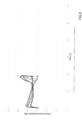
Figure 7 is a graph of the noise measurement of the pad inFigure 1 in a first braking condition; -
Figure 8 is a graph of the noise measurement of a comparison pad according to the operating conditions inFigure 7 ; -
Figure 9 is a graph of the noise measurement of the pad inFigure 1 in a second braking condition; -
Figure 10 is a graph of the noise measurement of a comparison pad according to the operating conditions inFigure 9 . - In
Figure 1 , the reference number 1 indicates, as a whole, a pad for disc brakes according to this invention. - The pad 1 comprises a
base plate 2, adovetail attachment 3 attached to a rear surface of thebase plate 2 and designed to attach the pad 1 itself to a structure of the disc brake andmultiple friction elements 4 attached to thebase plate 2 and arranged so as to exert pressure on the brake disc to perform the braking action. - For the purposes of this invention, it is irrelevant whether the
friction elements 4 may be attached to theplate 2 temporarily or permanently. - As is more clearly visible in
Figure 2 , each of thefriction elements 4 comprises ametal support 5 and a friction insert 6 permanently fixed to themetal support 5. - Each of the
friction elements 4 is fixed to thebase plate 2 via the action of tworivets 7, each of which passes through arespective fixing hole 5a formed in themetal support 5 and arespective fixing hole 2a made in thebase plate 2. - The pad 1 comprises
multiple spacers 8, each of which is positioned between arespective metal support 5 and the base plate 2 (Figure 2 ). As is clearly visible inFigure 3 , each of thespacers 8 is basically trapezoidal in shape and has twofixing holes 8a, each of which is apt to be engaged by arespective rivet 7. FromFigure 2 , it is clear how a single friction element is paired with asingle spacer 8. - As illustrated in
Figure 2 , each of thespacers 8, consists of fourmetal plaques 9 of brass stacked on top of each other. Each of themetal plaques 9 has the shape displayed inFigure 3 and is 0.5 mm thick, thus meaning that the spacer as a whole is 2 mm thick. - The pad described above was subjected to a noise test, according to a chassis dynamometer simulation procedure of a typical trip for a metropolitan vehicle, with no load. The no-load condition mentioned is the most critical in terms of noise.
- The test was carried out by applying two different braking conditions, in order to verify whether the advantages could be reproduced by applying different forces.
- The two tests were repeated in the same conditions with a comparison pad, which only differed from the invention pad due to the fact that the spacers in
Figure 3 are made of a single piece with a thickness of 2 mm. -
Figures 7-10 display the noise values expressed in decibels produced by the pads as a function of the braking action time. In particular, the noises were selected as a function of the frequencies, respectively, of 1000Hz, 1250Hz, 1600Hz, 2000Hz, 2500Hz, 3150Hz, and 4000Hz. In this way, the frequencies to which the human ear is most sensitive were measured. - The graph in
Figures 7 and8 relate to braking noise measurements made by applying a force of 15KN; while the graphs inFigures 9 and10 relate to braking noise measurements made by applying a force of 36KN. - The graph in
Figure 7 (measurements with the invention pad - application force of 15KN) shows that the noise relating to the frequencies considered is practically kept below 80 decibels for the first 40 seconds from the start of the braking action before rising, but only for certain frequencies, up to 100 decibels in the subsequent 10 seconds. On the other hand, the graph inFigure 8 (measurements with the comparison pad - application force of 15KN) shows how the noise relating to some of the frequencies considered reaches values around 100 decibels already after just 10 seconds, before increasing further in the remaining 40 seconds. - The graph in
Figure 9 (measurements with the invention pad - application force of 36KN) shows that the noise relating to the frequencies considered is basically kept constant and around 80-70 decibels up to 15 seconds after the start of the braking action, before increasing in the subsequent 5 seconds without reaching 100 decibels. On the other hand, the graph inFigure 10 (comparison pad - application force of 36KN) shows how the noise relating to some of the frequencies considered reaches values around 90 decibels immediately after the start of the braking action, before increasing in the last 5 seconds up to values above 100 decibels. - To summarise, from a comparison of the graphs in
Figures 7 and8 and the graphs inFigures 9 and10 , it is clearly seen how the pad of this invention produces less noise than the comparison pads. - In
Figure 4 , thereference number 11 indicates, as a whole, a pad for disc brakes according to an additional embodiment of this invention. - The parts of the
second pad 11, which are the same as those of the first pad 1, will be designated with the same numbering and will not be described again. - The
second pad 11 only differs from the first pad 1 in relation to the spacers used. - In fact, while in the first pad 1 a
single spacer 8 is paired with eachfriction element 4, in thesecond pad 11, a pair of spacers 12 (Figures 4 and 5 ) is paired with eachfriction element 4. - As is clearly shown in
Figure 6 , in each of thespacers 12, there is asingle fixing hole 12a, which is designed to be engaged by arespective rivet 7. Each of thespacers 12 comprises a central,circular portion 13, in which thefixing hole 12a is formed, fourarms 14 extending in a cross from thecentral portion 13. - As illustrated in
Figure 5 , each of thespacers 12 consists of fourmetal plaques 15 of brass that have the same shape and are stacked on top of each other. Each of themetal plaques 15 is 0.5 mm thick, thus meaning that the spacer as a whole is 2 mm thick. - The
second pad 11 was subject to the same noise tests described above. The results obtained were compared with the same tests carried out using a comparison pad, which only differs from thesecond pad 11 due to the fact that it uses spacers of the same shape as thespacers 12 but made of a single piece, which is 2 mm thick. The results obtained were basically the same as those presented inFigures 7-10 , thus confirming that the replacement of a spacer made of a single piece with a spacer made with multiple stacked plaques entails a significant decrease in the noise produced during braking. - As may seem clear to a person skilled in the art, the solution relating to this invention cannot technically entail a decrease neither in terms of braking efficacy nor in terms of fine dust produced.
- To summarise, this invention consists of pads for disc brakes comprising spacers consisting of multiple metal plaques stacked on top of each other. In this way, it was, surprisingly, found that there was a reduction in noise produced during braking, without, for this reason, reducing the efficacy of the braking or increasing the production of fine dust.
Claims (7)
- A pad (1; 11) for disc brakes for railway vehicles comprising a base plate (2), a plurality of friction elements (4), which are fixed to the base plate, and a plurality of spacers (8; 12), each mounted between said base plate (2) and a respective friction element (4); in each one of said spacers (8; 12) there being obtained at least one fixing hole (8a; 12a), which is engaged by a respective rivet (7) suited to lock the friction element (4) to the base plate (12); said pad being characterized in that each one of said spacers (8; 12) consists of a plurality of metal plaques (9; 15), each having a fixing hole (8a; 12a) obtained in it; said metal plaques (9; 15) being stacked on top of one another so that the respective fixing holes (8a; 12a) coincide; each of the metal plaques (9; 15) being between 0.1 and 1 mm thick.
- The pad for disc brakes according to claim 1, characterized in that each one of said spacers (8; 12) consists of a number of metal plaques (9; 15) ranging from 2 to 7.
- The pad for disc brakes according to claim 1 or 2, characterized in that said metal plaques (9; 15) are made of one of the following materials: iron, copper, or an alloy thereof.
- The pad for disc brakes according to one of the preceding claims, characterized in that said metal plaques (9; 15) are made of brass or bronze.
- The pad for disc brakes according to one of the preceding claims, characterized in that each friction element (4) is associated with one single spacer (8).
- The pad for disc brakes according to one of the claims from 1 to 4, characterized in that each friction element (4) is associated with a pair of spacers (12).
- The pad for disc brakes according to one of the preceding claims, characterized in that it is designed for disc brakes for medium/low speed railway vehicles.
Applications Claiming Priority (1)
| Application Number | Priority Date | Filing Date | Title |
|---|---|---|---|
| IT102021000008963A IT202100008963A1 (en) | 2021-04-09 | 2021-04-09 | DISC BRAKE FOR RAILWAY VEHICLES |
Publications (2)
| Publication Number | Publication Date |
|---|---|
| EP4071377A1 EP4071377A1 (en) | 2022-10-12 |
| EP4071377B1 true EP4071377B1 (en) | 2025-06-18 |
Family
ID=76921117
Family Applications (1)
| Application Number | Title | Priority Date | Filing Date |
|---|---|---|---|
| EP22166478.2A Active EP4071377B1 (en) | 2021-04-09 | 2022-04-04 | Disc brake for railway vehicles |
Country Status (6)
| Country | Link |
|---|---|
| US (1) | US12253130B2 (en) |
| EP (1) | EP4071377B1 (en) |
| CN (1) | CN115199685A (en) |
| ES (1) | ES3035257T3 (en) |
| IT (1) | IT202100008963A1 (en) |
| PT (1) | PT4071377T (en) |
Family Cites Families (12)
| Publication number | Priority date | Publication date | Assignee | Title |
|---|---|---|---|---|
| FR2288247A2 (en) * | 1974-10-17 | 1976-05-14 | Ferodo Sa | IMPROVEMENTS TO BRAKE COMPONENTS SUCH AS SHOES AND SKATES |
| IT1023898B (en) * | 1973-10-29 | 1978-05-30 | Ferodo Sa | NOISE SUPPORT OF A CLUTCH GASKET OF A BRAKE ORGAN |
| FR2323920A2 (en) * | 1975-09-12 | 1977-04-08 | Ferodo Sa | IMPROVEMENTS TO BRAKE COMPONENTS |
| FR2347572A2 (en) * | 1976-04-08 | 1977-11-04 | Ferodo Sa | IMPROVEMENTS TO BRAKE COMPONENTS |
| JPS5397281U (en) * | 1977-01-10 | 1978-08-07 | ||
| US5099962A (en) * | 1990-09-17 | 1992-03-31 | Kabushiki Kaisha Toyota Chuo Kenkyusho | Backing plate for disc brake with different damping layers for brake squeal |
| US5762166A (en) * | 1996-03-29 | 1998-06-09 | Nichias Corporation | Shim for preventing brake squeal in a disk brake |
| US5842546A (en) * | 1996-07-03 | 1998-12-01 | Prattville Manufacturing, Inc. | Split backplate for noise suppression in brake pad assemblies |
| PT1766258E (en) * | 2004-07-01 | 2009-04-03 | Knorr Bremse Systeme | Brake lining for a disk brake of a rail vehicle |
| ITRM20050005A1 (en) * | 2005-01-10 | 2006-07-11 | Rutgers Rail S P A | IMPROVED DISC BRAKE SHOE, WITH FRICTION ELEMENTS, IN PARTICULAR FOR RAILWAY USE. |
| DE102015109034A1 (en) * | 2015-06-09 | 2016-12-15 | Federal-Mogul Bremsbelag Gmbh | Flexible storage of friction lining elements in brake linings |
| IT201800005328A1 (en) * | 2018-05-14 | 2019-11-14 | PAD FOR DISC BRAKES FOR RAILWAY VEHICLES |
-
2021
- 2021-04-09 IT IT102021000008963A patent/IT202100008963A1/en unknown
-
2022
- 2022-04-04 ES ES22166478T patent/ES3035257T3/en active Active
- 2022-04-04 PT PT221664782T patent/PT4071377T/en unknown
- 2022-04-04 EP EP22166478.2A patent/EP4071377B1/en active Active
- 2022-04-07 US US17/715,685 patent/US12253130B2/en active Active
- 2022-04-07 CN CN202210362359.8A patent/CN115199685A/en active Pending
Also Published As
| Publication number | Publication date |
|---|---|
| US12253130B2 (en) | 2025-03-18 |
| PT4071377T (en) | 2025-06-26 |
| US20220325763A1 (en) | 2022-10-13 |
| CN115199685A (en) | 2022-10-18 |
| ES3035257T3 (en) | 2025-09-01 |
| IT202100008963A1 (en) | 2022-10-09 |
| EP4071377A1 (en) | 2022-10-12 |
Similar Documents
| Publication | Publication Date | Title |
|---|---|---|
| EP2320106B1 (en) | Railroad and industrial vehicle disk brake | |
| KR101427501B1 (en) | Rail car brake lining | |
| US9394953B2 (en) | Brake lining for railway vehicles and disc brake equipped with the same | |
| CA1238870A (en) | Disc brake | |
| PL197755B1 (en) | Guide spring for friction elements and disc brake comprising same | |
| KR102045433B1 (en) | Brake lining for rolling stock and disc brakes for rolling stock using the same | |
| JP6567084B2 (en) | Railway vehicle brake lining and disc brake equipped with the same | |
| JP4981238B2 (en) | Brake pad for disc brake | |
| EP4071377B1 (en) | Disc brake for railway vehicles | |
| US5261508A (en) | Visual wear indicator for a disc brake | |
| JP6773670B2 (en) | Brake linings for rail vehicles and disc brakes with them | |
| KR20170069772A (en) | ATTACHABLE HIGH-Mn STEEL BRAKE DISK | |
| KR20180120762A (en) | Brake linings for railway vehicles and disc brakes for rolling stock | |
| JP6640246B2 (en) | Brake lining for railway vehicle and disk brake provided with the same | |
| EP0455299B1 (en) | Vibration-damping support bracket for floating calipers | |
| JP7664159B2 (en) | Disc brake disc assembly | |
| EP4006373B1 (en) | Disc brake for railway vehicles | |
| CN107939870B (en) | Friction plate with supporting spring steel wire | |
| JP2004502111A (en) | Brake member, disc brake, drum brake, and method of manufacturing brake member | |
| JP2000170805A (en) | Brake disc for rolling stock | |
| EP1600651A1 (en) | A friction pad for a spot-type disk brake | |
| JP2001227571A (en) | Disc rotor for disc brake | |
| JP2000506247A (en) | Fixed caliper brake with attached brake pads | |
| JP4100297B2 (en) | Brake disc for railway vehicles | |
| US20090166137A1 (en) | Retracted vane rotor |
Legal Events
| Date | Code | Title | Description |
|---|---|---|---|
| PUAI | Public reference made under article 153(3) epc to a published international application that has entered the european phase |
Free format text: ORIGINAL CODE: 0009012 |
|
| STAA | Information on the status of an ep patent application or granted ep patent |
Free format text: STATUS: THE APPLICATION HAS BEEN PUBLISHED |
|
| AK | Designated contracting states |
Kind code of ref document: A1 Designated state(s): AL AT BE BG CH CY CZ DE DK EE ES FI FR GB GR HR HU IE IS IT LI LT LU LV MC MK MT NL NO PL PT RO RS SE SI SK SM TR |
|
| STAA | Information on the status of an ep patent application or granted ep patent |
Free format text: STATUS: REQUEST FOR EXAMINATION WAS MADE |
|
| 17P | Request for examination filed |
Effective date: 20221012 |
|
| RBV | Designated contracting states (corrected) |
Designated state(s): AL AT BE BG CH CY CZ DE DK EE ES FI FR GB GR HR HU IE IS IT LI LT LU LV MC MK MT NL NO PL PT RO RS SE SI SK SM TR |
|
| P01 | Opt-out of the competence of the unified patent court (upc) registered |
Effective date: 20230530 |
|
| STAA | Information on the status of an ep patent application or granted ep patent |
Free format text: STATUS: EXAMINATION IS IN PROGRESS |
|
| 17Q | First examination report despatched |
Effective date: 20230720 |
|
| GRAP | Despatch of communication of intention to grant a patent |
Free format text: ORIGINAL CODE: EPIDOSNIGR1 |
|
| STAA | Information on the status of an ep patent application or granted ep patent |
Free format text: STATUS: GRANT OF PATENT IS INTENDED |
|
| GRAJ | Information related to disapproval of communication of intention to grant by the applicant or resumption of examination proceedings by the epo deleted |
Free format text: ORIGINAL CODE: EPIDOSDIGR1 |
|
| STAA | Information on the status of an ep patent application or granted ep patent |
Free format text: STATUS: EXAMINATION IS IN PROGRESS |
|
| INTG | Intention to grant announced |
Effective date: 20241125 |
|
| INTC | Intention to grant announced (deleted) | ||
| GRAP | Despatch of communication of intention to grant a patent |
Free format text: ORIGINAL CODE: EPIDOSNIGR1 |
|
| STAA | Information on the status of an ep patent application or granted ep patent |
Free format text: STATUS: GRANT OF PATENT IS INTENDED |
|
| INTG | Intention to grant announced |
Effective date: 20250124 |
|
| GRAS | Grant fee paid |
Free format text: ORIGINAL CODE: EPIDOSNIGR3 |
|
| GRAA | (expected) grant |
Free format text: ORIGINAL CODE: 0009210 |
|
| STAA | Information on the status of an ep patent application or granted ep patent |
Free format text: STATUS: THE PATENT HAS BEEN GRANTED |
|
| AK | Designated contracting states |
Kind code of ref document: B1 Designated state(s): AL AT BE BG CH CY CZ DE DK EE ES FI FR GB GR HR HU IE IS IT LI LT LU LV MC MK MT NL NO PL PT RO RS SE SI SK SM TR |
|
| REG | Reference to a national code |
Ref country code: GB Ref legal event code: FG4D |
|
| REG | Reference to a national code |
Ref country code: PT Ref legal event code: SC4A Ref document number: 4071377 Country of ref document: PT Date of ref document: 20250626 Kind code of ref document: T Free format text: AVAILABILITY OF NATIONAL TRANSLATION Effective date: 20250623 |
|
| REG | Reference to a national code |
Ref country code: CH Ref legal event code: EP |
|
| REG | Reference to a national code |
Ref country code: DE Ref legal event code: R096 Ref document number: 602022015974 Country of ref document: DE |
|
| REG | Reference to a national code |
Ref country code: CH Ref legal event code: EP |
|
| REG | Reference to a national code |
Ref country code: IE Ref legal event code: FG4D |
|
| REG | Reference to a national code |
Ref country code: SE Ref legal event code: TRGR |
|
| REG | Reference to a national code |
Ref country code: ES Ref legal event code: FG2A Ref document number: 3035257 Country of ref document: ES Kind code of ref document: T3 Effective date: 20250901 |
|
| PG25 | Lapsed in a contracting state [announced via postgrant information from national office to epo] |
Ref country code: FI Free format text: LAPSE BECAUSE OF FAILURE TO SUBMIT A TRANSLATION OF THE DESCRIPTION OR TO PAY THE FEE WITHIN THE PRESCRIBED TIME-LIMIT Effective date: 20250618 |
|
| REG | Reference to a national code |
Ref country code: LT Ref legal event code: MG9D |
|
| PG25 | Lapsed in a contracting state [announced via postgrant information from national office to epo] |
Ref country code: NO Free format text: LAPSE BECAUSE OF FAILURE TO SUBMIT A TRANSLATION OF THE DESCRIPTION OR TO PAY THE FEE WITHIN THE PRESCRIBED TIME-LIMIT Effective date: 20250918 Ref country code: GR Free format text: LAPSE BECAUSE OF FAILURE TO SUBMIT A TRANSLATION OF THE DESCRIPTION OR TO PAY THE FEE WITHIN THE PRESCRIBED TIME-LIMIT Effective date: 20250919 |
|
| PG25 | Lapsed in a contracting state [announced via postgrant information from national office to epo] |
Ref country code: BG Free format text: LAPSE BECAUSE OF FAILURE TO SUBMIT A TRANSLATION OF THE DESCRIPTION OR TO PAY THE FEE WITHIN THE PRESCRIBED TIME-LIMIT Effective date: 20250618 |
|
| PG25 | Lapsed in a contracting state [announced via postgrant information from national office to epo] |
Ref country code: HR Free format text: LAPSE BECAUSE OF FAILURE TO SUBMIT A TRANSLATION OF THE DESCRIPTION OR TO PAY THE FEE WITHIN THE PRESCRIBED TIME-LIMIT Effective date: 20250618 |
|
| PG25 | Lapsed in a contracting state [announced via postgrant information from national office to epo] |
Ref country code: RS Free format text: LAPSE BECAUSE OF FAILURE TO SUBMIT A TRANSLATION OF THE DESCRIPTION OR TO PAY THE FEE WITHIN THE PRESCRIBED TIME-LIMIT Effective date: 20250918 |
|
| REG | Reference to a national code |
Ref country code: NL Ref legal event code: MP Effective date: 20250618 |
|
| PG25 | Lapsed in a contracting state [announced via postgrant information from national office to epo] |
Ref country code: LV Free format text: LAPSE BECAUSE OF FAILURE TO SUBMIT A TRANSLATION OF THE DESCRIPTION OR TO PAY THE FEE WITHIN THE PRESCRIBED TIME-LIMIT Effective date: 20250618 |
|
| PG25 | Lapsed in a contracting state [announced via postgrant information from national office to epo] |
Ref country code: NL Free format text: LAPSE BECAUSE OF FAILURE TO SUBMIT A TRANSLATION OF THE DESCRIPTION OR TO PAY THE FEE WITHIN THE PRESCRIBED TIME-LIMIT Effective date: 20250618 |
|
| PG25 | Lapsed in a contracting state [announced via postgrant information from national office to epo] |
Ref country code: IS Free format text: LAPSE BECAUSE OF FAILURE TO SUBMIT A TRANSLATION OF THE DESCRIPTION OR TO PAY THE FEE WITHIN THE PRESCRIBED TIME-LIMIT Effective date: 20251018 |
|
| PG25 | Lapsed in a contracting state [announced via postgrant information from national office to epo] |
Ref country code: SM Free format text: LAPSE BECAUSE OF FAILURE TO SUBMIT A TRANSLATION OF THE DESCRIPTION OR TO PAY THE FEE WITHIN THE PRESCRIBED TIME-LIMIT Effective date: 20250618 |
|
| PG25 | Lapsed in a contracting state [announced via postgrant information from national office to epo] |
Ref country code: CZ Free format text: LAPSE BECAUSE OF FAILURE TO SUBMIT A TRANSLATION OF THE DESCRIPTION OR TO PAY THE FEE WITHIN THE PRESCRIBED TIME-LIMIT Effective date: 20250618 |
|
| PG25 | Lapsed in a contracting state [announced via postgrant information from national office to epo] |
Ref country code: PL Free format text: LAPSE BECAUSE OF FAILURE TO SUBMIT A TRANSLATION OF THE DESCRIPTION OR TO PAY THE FEE WITHIN THE PRESCRIBED TIME-LIMIT Effective date: 20250618 |
|
| PG25 | Lapsed in a contracting state [announced via postgrant information from national office to epo] |
Ref country code: EE Free format text: LAPSE BECAUSE OF FAILURE TO SUBMIT A TRANSLATION OF THE DESCRIPTION OR TO PAY THE FEE WITHIN THE PRESCRIBED TIME-LIMIT Effective date: 20250618 |
|
| PG25 | Lapsed in a contracting state [announced via postgrant information from national office to epo] |
Ref country code: SK Free format text: LAPSE BECAUSE OF FAILURE TO SUBMIT A TRANSLATION OF THE DESCRIPTION OR TO PAY THE FEE WITHIN THE PRESCRIBED TIME-LIMIT Effective date: 20250618 |
|
| REG | Reference to a national code |
Ref country code: DE Ref legal event code: R097 Ref document number: 602022015974 Country of ref document: DE |
|
| PGFP | Annual fee paid to national office [announced via postgrant information from national office to epo] |
Ref country code: SE Payment date: 20260317 Year of fee payment: 5 |
|
| PGFP | Annual fee paid to national office [announced via postgrant information from national office to epo] |
Ref country code: GB Payment date: 20260316 Year of fee payment: 5 |
|
| PG25 | Lapsed in a contracting state [announced via postgrant information from national office to epo] |
Ref country code: DK Free format text: LAPSE BECAUSE OF FAILURE TO SUBMIT A TRANSLATION OF THE DESCRIPTION OR TO PAY THE FEE WITHIN THE PRESCRIBED TIME-LIMIT Effective date: 20250618 |
|
| PGFP | Annual fee paid to national office [announced via postgrant information from national office to epo] |
Ref country code: BE Payment date: 20260316 Year of fee payment: 5 |
|
| PGFP | Annual fee paid to national office [announced via postgrant information from national office to epo] |
Ref country code: FR Payment date: 20260312 Year of fee payment: 5 |
|
| PGFP | Annual fee paid to national office [announced via postgrant information from national office to epo] |
Ref country code: PT Payment date: 20260331 Year of fee payment: 5 |
|
| PLBE | No opposition filed within time limit |
Free format text: ORIGINAL CODE: 0009261 |
|
| STAA | Information on the status of an ep patent application or granted ep patent |
Free format text: STATUS: NO OPPOSITION FILED WITHIN TIME LIMIT |
|
| REG | Reference to a national code |
Ref country code: CH Ref legal event code: L10 Free format text: ST27 STATUS EVENT CODE: U-0-0-L10-L00 (AS PROVIDED BY THE NATIONAL OFFICE) Effective date: 20260430 |