EP4071237A1 - Low-serum medium composition for culturing vero cells and use thereof - Google Patents
Low-serum medium composition for culturing vero cells and use thereof Download PDFInfo
- Publication number
- EP4071237A1 EP4071237A1 EP20907923.5A EP20907923A EP4071237A1 EP 4071237 A1 EP4071237 A1 EP 4071237A1 EP 20907923 A EP20907923 A EP 20907923A EP 4071237 A1 EP4071237 A1 EP 4071237A1
- Authority
- EP
- European Patent Office
- Prior art keywords
- vero cells
- hydrolysate
- virus
- fbs
- medium
- Prior art date
- Legal status (The legal status is an assumption and is not a legal conclusion. Google has not performed a legal analysis and makes no representation as to the accuracy of the status listed.)
- Pending
Links
- 210000003501 vero cell Anatomy 0.000 title claims abstract description 88
- 238000012258 culturing Methods 0.000 title claims abstract description 31
- 239000013028 medium composition Substances 0.000 title claims abstract description 29
- 241000700605 Viruses Species 0.000 claims abstract description 50
- 238000000034 method Methods 0.000 claims abstract description 19
- 238000004519 manufacturing process Methods 0.000 claims abstract description 8
- NOESYZHRGYRDHS-UHFFFAOYSA-N insulin Chemical compound N1C(=O)C(NC(=O)C(CCC(N)=O)NC(=O)C(CCC(O)=O)NC(=O)C(C(C)C)NC(=O)C(NC(=O)CN)C(C)CC)CSSCC(C(NC(CO)C(=O)NC(CC(C)C)C(=O)NC(CC=2C=CC(O)=CC=2)C(=O)NC(CCC(N)=O)C(=O)NC(CC(C)C)C(=O)NC(CCC(O)=O)C(=O)NC(CC(N)=O)C(=O)NC(CC=2C=CC(O)=CC=2)C(=O)NC(CSSCC(NC(=O)C(C(C)C)NC(=O)C(CC(C)C)NC(=O)C(CC=2C=CC(O)=CC=2)NC(=O)C(CC(C)C)NC(=O)C(C)NC(=O)C(CCC(O)=O)NC(=O)C(C(C)C)NC(=O)C(CC(C)C)NC(=O)C(CC=2NC=NC=2)NC(=O)C(CO)NC(=O)CNC2=O)C(=O)NCC(=O)NC(CCC(O)=O)C(=O)NC(CCCNC(N)=N)C(=O)NCC(=O)NC(CC=3C=CC=CC=3)C(=O)NC(CC=3C=CC=CC=3)C(=O)NC(CC=3C=CC(O)=CC=3)C(=O)NC(C(C)O)C(=O)N3C(CCC3)C(=O)NC(CCCCN)C(=O)NC(C)C(O)=O)C(=O)NC(CC(N)=O)C(O)=O)=O)NC(=O)C(C(C)CC)NC(=O)C(CO)NC(=O)C(C(C)O)NC(=O)C1CSSCC2NC(=O)C(CC(C)C)NC(=O)C(NC(=O)C(CCC(N)=O)NC(=O)C(CC(N)=O)NC(=O)C(NC(=O)C(N)CC=1C=CC=CC=1)C(C)C)CC1=CN=CN1 NOESYZHRGYRDHS-UHFFFAOYSA-N 0.000 claims description 97
- 108091003079 Bovine Serum Albumin Proteins 0.000 claims description 74
- 239000012091 fetal bovine serum Substances 0.000 claims description 74
- 239000000413 hydrolysate Substances 0.000 claims description 50
- 102000004877 Insulin Human genes 0.000 claims description 48
- 108090001061 Insulin Proteins 0.000 claims description 48
- 229940125396 insulin Drugs 0.000 claims description 48
- 210000002966 serum Anatomy 0.000 claims description 22
- 244000309466 calf Species 0.000 claims description 15
- 241001465754 Metazoa Species 0.000 claims description 7
- 239000002609 medium Substances 0.000 description 47
- 238000002474 experimental method Methods 0.000 description 24
- 230000010261 cell growth Effects 0.000 description 23
- 108010009736 Protein Hydrolysates Proteins 0.000 description 22
- 210000004027 cell Anatomy 0.000 description 18
- 239000007758 minimum essential medium Substances 0.000 description 18
- 238000004113 cell culture Methods 0.000 description 14
- 208000015181 infectious disease Diseases 0.000 description 10
- 239000000203 mixture Substances 0.000 description 7
- 230000012010 growth Effects 0.000 description 6
- 230000003247 decreasing effect Effects 0.000 description 5
- 238000011218 seed culture Methods 0.000 description 5
- 239000000126 substance Substances 0.000 description 5
- 239000013630 prepared media Substances 0.000 description 4
- 101710186643 Insulin-2 Proteins 0.000 description 3
- 150000001413 amino acids Chemical class 0.000 description 3
- 238000012136 culture method Methods 0.000 description 3
- 230000000694 effects Effects 0.000 description 3
- 239000000463 material Substances 0.000 description 3
- 230000009467 reduction Effects 0.000 description 3
- -1 serum Substances 0.000 description 3
- 229960004854 viral vaccine Drugs 0.000 description 3
- 235000013343 vitamin Nutrition 0.000 description 3
- 239000011782 vitamin Substances 0.000 description 3
- 229940088594 vitamin Drugs 0.000 description 3
- 229930003231 vitamin Natural products 0.000 description 3
- 108010088751 Albumins Proteins 0.000 description 2
- 102000009027 Albumins Human genes 0.000 description 2
- 102000008186 Collagen Human genes 0.000 description 2
- 108010035532 Collagen Proteins 0.000 description 2
- 239000006144 Dulbecco’s modified Eagle's medium Substances 0.000 description 2
- WQZGKKKJIJFFOK-GASJEMHNSA-N Glucose Natural products OC[C@H]1OC(O)[C@H](O)[C@@H](O)[C@@H]1O WQZGKKKJIJFFOK-GASJEMHNSA-N 0.000 description 2
- 241000702626 Infectious bursal disease virus Species 0.000 description 2
- 241000829100 Macaca mulatta polyomavirus 1 Species 0.000 description 2
- 241000725643 Respiratory syncytial virus Species 0.000 description 2
- VYPSYNLAJGMNEJ-UHFFFAOYSA-N Silicium dioxide Chemical compound O=[Si]=O VYPSYNLAJGMNEJ-UHFFFAOYSA-N 0.000 description 2
- 230000001464 adherent effect Effects 0.000 description 2
- 239000007640 basal medium Substances 0.000 description 2
- 238000010923 batch production Methods 0.000 description 2
- 230000021164 cell adhesion Effects 0.000 description 2
- 229920001436 collagen Polymers 0.000 description 2
- 238000011143 downstream manufacturing Methods 0.000 description 2
- 239000012530 fluid Substances 0.000 description 2
- 239000008103 glucose Substances 0.000 description 2
- 239000001963 growth medium Substances 0.000 description 2
- 230000036541 health Effects 0.000 description 2
- 229940029583 inactivated polio vaccine Drugs 0.000 description 2
- 238000011534 incubation Methods 0.000 description 2
- 229910052500 inorganic mineral Inorganic materials 0.000 description 2
- 239000011707 mineral Substances 0.000 description 2
- 235000018102 proteins Nutrition 0.000 description 2
- 102000004169 proteins and genes Human genes 0.000 description 2
- 108090000623 proteins and genes Proteins 0.000 description 2
- 239000000758 substrate Substances 0.000 description 2
- 238000002560 therapeutic procedure Methods 0.000 description 2
- 229960005486 vaccine Drugs 0.000 description 2
- 239000013603 viral vector Substances 0.000 description 2
- HRPVXLWXLXDGHG-UHFFFAOYSA-N Acrylamide Chemical compound NC(=O)C=C HRPVXLWXLXDGHG-UHFFFAOYSA-N 0.000 description 1
- 241000711404 Avian avulavirus 1 Species 0.000 description 1
- 208000005623 Carcinogenesis Diseases 0.000 description 1
- 241001502567 Chikungunya virus Species 0.000 description 1
- 241000282552 Chlorocebus aethiops Species 0.000 description 1
- 101001012217 Conus geographus Con-Ins G3 Proteins 0.000 description 1
- 101001012221 Conus tulipa Con-Ins T3 Proteins 0.000 description 1
- 108090000695 Cytokines Proteins 0.000 description 1
- 102000004127 Cytokines Human genes 0.000 description 1
- 241000725619 Dengue virus Species 0.000 description 1
- 229920002307 Dextran Polymers 0.000 description 1
- 241000196324 Embryophyta Species 0.000 description 1
- 241000709661 Enterovirus Species 0.000 description 1
- 241000991587 Enterovirus C Species 0.000 description 1
- 108010010803 Gelatin Proteins 0.000 description 1
- 229920002683 Glycosaminoglycan Polymers 0.000 description 1
- 101000976075 Homo sapiens Insulin Proteins 0.000 description 1
- 101710186630 Insulin-1 Proteins 0.000 description 1
- 241000710842 Japanese encephalitis virus Species 0.000 description 1
- 241000712079 Measles morbillivirus Species 0.000 description 1
- 241000711408 Murine respirovirus Species 0.000 description 1
- 240000007594 Oryza sativa Species 0.000 description 1
- 235000007164 Oryza sativa Nutrition 0.000 description 1
- 229940124867 Poliovirus vaccine Drugs 0.000 description 1
- 229930182556 Polyacetal Natural products 0.000 description 1
- 239000004952 Polyamide Substances 0.000 description 1
- 239000004698 Polyethylene Substances 0.000 description 1
- 108010039918 Polylysine Proteins 0.000 description 1
- 239000004743 Polypropylene Substances 0.000 description 1
- 239000004793 Polystyrene Substances 0.000 description 1
- 241000711798 Rabies lyssavirus Species 0.000 description 1
- 239000006146 Roswell Park Memorial Institute medium Substances 0.000 description 1
- 241000702670 Rotavirus Species 0.000 description 1
- 244000061456 Solanum tuberosum Species 0.000 description 1
- 235000002595 Solanum tuberosum Nutrition 0.000 description 1
- 241000209140 Triticum Species 0.000 description 1
- 235000021307 Triticum Nutrition 0.000 description 1
- 108090000631 Trypsin Proteins 0.000 description 1
- 102000004142 Trypsin Human genes 0.000 description 1
- 241000700647 Variola virus Species 0.000 description 1
- 108010046377 Whey Proteins Proteins 0.000 description 1
- 102000007544 Whey Proteins Human genes 0.000 description 1
- 240000008042 Zea mays Species 0.000 description 1
- 235000005824 Zea mays ssp. parviglumis Nutrition 0.000 description 1
- 235000002017 Zea mays subsp mays Nutrition 0.000 description 1
- 238000005273 aeration Methods 0.000 description 1
- 238000013019 agitation Methods 0.000 description 1
- 210000004102 animal cell Anatomy 0.000 description 1
- QVGXLLKOCUKJST-UHFFFAOYSA-N atomic oxygen Chemical compound [O] QVGXLLKOCUKJST-UHFFFAOYSA-N 0.000 description 1
- 230000002238 attenuated effect Effects 0.000 description 1
- 239000011324 bead Substances 0.000 description 1
- 230000008901 benefit Effects 0.000 description 1
- 230000036952 cancer formation Effects 0.000 description 1
- 150000001720 carbohydrates Chemical class 0.000 description 1
- 231100000504 carcinogenesis Toxicity 0.000 description 1
- 239000005018 casein Substances 0.000 description 1
- BECPQYXYKAMYBN-UHFFFAOYSA-N casein, tech. Chemical compound NCCCCC(C(O)=O)N=C(O)C(CC(O)=O)N=C(O)C(CCC(O)=N)N=C(O)C(CC(C)C)N=C(O)C(CCC(O)=O)N=C(O)C(CC(O)=O)N=C(O)C(CCC(O)=O)N=C(O)C(C(C)O)N=C(O)C(CCC(O)=N)N=C(O)C(CCC(O)=N)N=C(O)C(CCC(O)=N)N=C(O)C(CCC(O)=O)N=C(O)C(CCC(O)=O)N=C(O)C(COP(O)(O)=O)N=C(O)C(CCC(O)=N)N=C(O)C(N)CC1=CC=CC=C1 BECPQYXYKAMYBN-UHFFFAOYSA-N 0.000 description 1
- 235000021240 caseins Nutrition 0.000 description 1
- 229940030156 cell vaccine Drugs 0.000 description 1
- 239000001913 cellulose Substances 0.000 description 1
- 229920002678 cellulose Polymers 0.000 description 1
- 239000000919 ceramic Substances 0.000 description 1
- 238000006243 chemical reaction Methods 0.000 description 1
- 239000003795 chemical substances by application Substances 0.000 description 1
- 238000012790 confirmation Methods 0.000 description 1
- 229940028617 conventional vaccine Drugs 0.000 description 1
- 229920001577 copolymer Polymers 0.000 description 1
- 235000005822 corn Nutrition 0.000 description 1
- 235000012343 cottonseed oil Nutrition 0.000 description 1
- 238000000502 dialysis Methods 0.000 description 1
- 230000029087 digestion Effects 0.000 description 1
- 230000002900 effect on cell Effects 0.000 description 1
- 230000002349 favourable effect Effects 0.000 description 1
- 239000000835 fiber Substances 0.000 description 1
- 229920000159 gelatin Polymers 0.000 description 1
- 239000008273 gelatin Substances 0.000 description 1
- 235000019322 gelatine Nutrition 0.000 description 1
- 235000011852 gelatine desserts Nutrition 0.000 description 1
- 239000011521 glass Substances 0.000 description 1
- 239000003102 growth factor Substances 0.000 description 1
- 229940088597 hormone Drugs 0.000 description 1
- 239000005556 hormone Substances 0.000 description 1
- 230000007062 hydrolysis Effects 0.000 description 1
- 238000006460 hydrolysis reaction Methods 0.000 description 1
- 238000001727 in vivo Methods 0.000 description 1
- 230000002779 inactivation Effects 0.000 description 1
- PBGKTOXHQIOBKM-FHFVDXKLSA-N insulin (human) Chemical compound C([C@@H](C(=O)N[C@@H](CC(C)C)C(=O)N[C@H]1CSSC[C@H]2C(=O)N[C@H](C(=O)N[C@@H](CO)C(=O)N[C@H](C(=O)N[C@H](C(N[C@@H](CO)C(=O)N[C@@H](CC(C)C)C(=O)N[C@@H](CC=3C=CC(O)=CC=3)C(=O)N[C@@H](CCC(N)=O)C(=O)N[C@@H](CC(C)C)C(=O)N[C@@H](CCC(O)=O)C(=O)N[C@@H](CC(N)=O)C(=O)N[C@@H](CC=3C=CC(O)=CC=3)C(=O)N[C@@H](CSSC[C@H](NC(=O)[C@H](C(C)C)NC(=O)[C@H](CC(C)C)NC(=O)[C@H](CC=3C=CC(O)=CC=3)NC(=O)[C@H](CC(C)C)NC(=O)[C@H](C)NC(=O)[C@H](CCC(O)=O)NC(=O)[C@H](C(C)C)NC(=O)[C@H](CC(C)C)NC(=O)[C@H](CC=3NC=NC=3)NC(=O)[C@H](CO)NC(=O)CNC1=O)C(=O)NCC(=O)N[C@@H](CCC(O)=O)C(=O)N[C@@H](CCCNC(N)=N)C(=O)NCC(=O)N[C@@H](CC=1C=CC=CC=1)C(=O)N[C@@H](CC=1C=CC=CC=1)C(=O)N[C@@H](CC=1C=CC(O)=CC=1)C(=O)N[C@@H]([C@@H](C)O)C(=O)N1[C@@H](CCC1)C(=O)N[C@@H](CCCCN)C(=O)N[C@@H]([C@@H](C)O)C(O)=O)C(=O)N[C@@H](CC(N)=O)C(O)=O)=O)CSSC[C@@H](C(N2)=O)NC(=O)[C@H](CCC(N)=O)NC(=O)[C@H](CCC(O)=O)NC(=O)[C@H](C(C)C)NC(=O)[C@@H](NC(=O)CN)[C@@H](C)CC)[C@@H](C)CC)[C@@H](C)O)NC(=O)[C@H](CCC(N)=O)NC(=O)[C@H](CC(N)=O)NC(=O)[C@@H](NC(=O)[C@@H](N)CC=1C=CC=CC=1)C(C)C)C1=CN=CN1 PBGKTOXHQIOBKM-FHFVDXKLSA-N 0.000 description 1
- 210000003292 kidney cell Anatomy 0.000 description 1
- 239000007788 liquid Substances 0.000 description 1
- 239000011159 matrix material Substances 0.000 description 1
- 235000013372 meat Nutrition 0.000 description 1
- 239000012528 membrane Substances 0.000 description 1
- 239000002184 metal Substances 0.000 description 1
- 235000013336 milk Nutrition 0.000 description 1
- 239000008267 milk Substances 0.000 description 1
- 210000004080 milk Anatomy 0.000 description 1
- 238000012986 modification Methods 0.000 description 1
- 230000004048 modification Effects 0.000 description 1
- 238000010899 nucleation Methods 0.000 description 1
- 235000015097 nutrients Nutrition 0.000 description 1
- 244000309459 oncolytic virus Species 0.000 description 1
- 230000008520 organization Effects 0.000 description 1
- 229910052760 oxygen Inorganic materials 0.000 description 1
- 239000001301 oxygen Substances 0.000 description 1
- 230000001717 pathogenic effect Effects 0.000 description 1
- 239000004033 plastic Substances 0.000 description 1
- 229920003023 plastic Polymers 0.000 description 1
- 229920002647 polyamide Polymers 0.000 description 1
- 229920000515 polycarbonate Polymers 0.000 description 1
- 239000004417 polycarbonate Substances 0.000 description 1
- 229920000728 polyester Polymers 0.000 description 1
- 229920000573 polyethylene Polymers 0.000 description 1
- 229920000656 polylysine Polymers 0.000 description 1
- 229920006324 polyoxymethylene Polymers 0.000 description 1
- 229920001155 polypropylene Polymers 0.000 description 1
- 229920002223 polystyrene Polymers 0.000 description 1
- 229920002635 polyurethane Polymers 0.000 description 1
- 239000004814 polyurethane Substances 0.000 description 1
- 230000008569 process Effects 0.000 description 1
- 238000012545 processing Methods 0.000 description 1
- 239000000047 product Substances 0.000 description 1
- 230000002062 proliferating effect Effects 0.000 description 1
- 230000035755 proliferation Effects 0.000 description 1
- 230000001737 promoting effect Effects 0.000 description 1
- 230000001902 propagating effect Effects 0.000 description 1
- 238000000746 purification Methods 0.000 description 1
- 229960003127 rabies vaccine Drugs 0.000 description 1
- 235000009566 rice Nutrition 0.000 description 1
- 150000003839 salts Chemical class 0.000 description 1
- 238000004062 sedimentation Methods 0.000 description 1
- 239000012679 serum free medium Substances 0.000 description 1
- 239000000377 silicon dioxide Substances 0.000 description 1
- 229920002379 silicone rubber Polymers 0.000 description 1
- 239000004945 silicone rubber Substances 0.000 description 1
- 239000007787 solid Substances 0.000 description 1
- 238000002336 sorption--desorption measurement Methods 0.000 description 1
- 239000013589 supplement Substances 0.000 description 1
- 230000004083 survival effect Effects 0.000 description 1
- 239000000725 suspension Substances 0.000 description 1
- 239000012588 trypsin Substances 0.000 description 1
- 238000000108 ultra-filtration Methods 0.000 description 1
- 238000005199 ultracentrifugation Methods 0.000 description 1
- 241000712461 unidentified influenza virus Species 0.000 description 1
- 235000013311 vegetables Nutrition 0.000 description 1
- 235000021119 whey protein Nutrition 0.000 description 1
Images


Classifications
-
- C—CHEMISTRY; METALLURGY
- C12—BIOCHEMISTRY; BEER; SPIRITS; WINE; VINEGAR; MICROBIOLOGY; ENZYMOLOGY; MUTATION OR GENETIC ENGINEERING
- C12N—MICROORGANISMS OR ENZYMES; COMPOSITIONS THEREOF; PROPAGATING, PRESERVING, OR MAINTAINING MICROORGANISMS; MUTATION OR GENETIC ENGINEERING; CULTURE MEDIA
- C12N5/00—Undifferentiated human, animal or plant cells, e.g. cell lines; Tissues; Cultivation or maintenance thereof; Culture media therefor
- C12N5/06—Animal cells or tissues; Human cells or tissues
- C12N5/0602—Vertebrate cells
- C12N5/0684—Cells of the urinary tract or kidneys
- C12N5/0686—Kidney cells
-
- C—CHEMISTRY; METALLURGY
- C12—BIOCHEMISTRY; BEER; SPIRITS; WINE; VINEGAR; MICROBIOLOGY; ENZYMOLOGY; MUTATION OR GENETIC ENGINEERING
- C12N—MICROORGANISMS OR ENZYMES; COMPOSITIONS THEREOF; PROPAGATING, PRESERVING, OR MAINTAINING MICROORGANISMS; MUTATION OR GENETIC ENGINEERING; CULTURE MEDIA
- C12N7/00—Viruses; Bacteriophages; Compositions thereof; Preparation or purification thereof
-
- C—CHEMISTRY; METALLURGY
- C12—BIOCHEMISTRY; BEER; SPIRITS; WINE; VINEGAR; MICROBIOLOGY; ENZYMOLOGY; MUTATION OR GENETIC ENGINEERING
- C12N—MICROORGANISMS OR ENZYMES; COMPOSITIONS THEREOF; PROPAGATING, PRESERVING, OR MAINTAINING MICROORGANISMS; MUTATION OR GENETIC ENGINEERING; CULTURE MEDIA
- C12N15/00—Mutation or genetic engineering; DNA or RNA concerning genetic engineering, vectors, e.g. plasmids, or their isolation, preparation or purification; Use of hosts therefor
- C12N15/09—Recombinant DNA-technology
-
- C—CHEMISTRY; METALLURGY
- C12—BIOCHEMISTRY; BEER; SPIRITS; WINE; VINEGAR; MICROBIOLOGY; ENZYMOLOGY; MUTATION OR GENETIC ENGINEERING
- C12N—MICROORGANISMS OR ENZYMES; COMPOSITIONS THEREOF; PROPAGATING, PRESERVING, OR MAINTAINING MICROORGANISMS; MUTATION OR GENETIC ENGINEERING; CULTURE MEDIA
- C12N5/00—Undifferentiated human, animal or plant cells, e.g. cell lines; Tissues; Cultivation or maintenance thereof; Culture media therefor
- C12N5/0068—General culture methods using substrates
- C12N5/0075—General culture methods using substrates using microcarriers
-
- C—CHEMISTRY; METALLURGY
- C12—BIOCHEMISTRY; BEER; SPIRITS; WINE; VINEGAR; MICROBIOLOGY; ENZYMOLOGY; MUTATION OR GENETIC ENGINEERING
- C12N—MICROORGANISMS OR ENZYMES; COMPOSITIONS THEREOF; PROPAGATING, PRESERVING, OR MAINTAINING MICROORGANISMS; MUTATION OR GENETIC ENGINEERING; CULTURE MEDIA
- C12N2500/00—Specific components of cell culture medium
- C12N2500/90—Serum-free medium, which may still contain naturally-sourced components
- C12N2500/95—Protein-free medium and culture conditions
-
- C—CHEMISTRY; METALLURGY
- C12—BIOCHEMISTRY; BEER; SPIRITS; WINE; VINEGAR; MICROBIOLOGY; ENZYMOLOGY; MUTATION OR GENETIC ENGINEERING
- C12N—MICROORGANISMS OR ENZYMES; COMPOSITIONS THEREOF; PROPAGATING, PRESERVING, OR MAINTAINING MICROORGANISMS; MUTATION OR GENETIC ENGINEERING; CULTURE MEDIA
- C12N2501/00—Active agents used in cell culture processes, e.g. differentation
- C12N2501/30—Hormones
- C12N2501/33—Insulin
-
- C—CHEMISTRY; METALLURGY
- C12—BIOCHEMISTRY; BEER; SPIRITS; WINE; VINEGAR; MICROBIOLOGY; ENZYMOLOGY; MUTATION OR GENETIC ENGINEERING
- C12N—MICROORGANISMS OR ENZYMES; COMPOSITIONS THEREOF; PROPAGATING, PRESERVING, OR MAINTAINING MICROORGANISMS; MUTATION OR GENETIC ENGINEERING; CULTURE MEDIA
- C12N2760/00—MICROORGANISMS OR ENZYMES; COMPOSITIONS THEREOF; PROPAGATING, PRESERVING, OR MAINTAINING MICROORGANISMS; MUTATION OR GENETIC ENGINEERING; CULTURE MEDIA ssRNA viruses negative-sense
- C12N2760/00011—Details
- C12N2760/00051—Methods of production or purification of viral material
-
- C—CHEMISTRY; METALLURGY
- C12—BIOCHEMISTRY; BEER; SPIRITS; WINE; VINEGAR; MICROBIOLOGY; ENZYMOLOGY; MUTATION OR GENETIC ENGINEERING
- C12N—MICROORGANISMS OR ENZYMES; COMPOSITIONS THEREOF; PROPAGATING, PRESERVING, OR MAINTAINING MICROORGANISMS; MUTATION OR GENETIC ENGINEERING; CULTURE MEDIA
- C12N2770/00—MICROORGANISMS OR ENZYMES; COMPOSITIONS THEREOF; PROPAGATING, PRESERVING, OR MAINTAINING MICROORGANISMS; MUTATION OR GENETIC ENGINEERING; CULTURE MEDIA ssRNA viruses positive-sense
- C12N2770/00011—Details
- C12N2770/00051—Methods of production or purification of viral material
-
- Y—GENERAL TAGGING OF NEW TECHNOLOGICAL DEVELOPMENTS; GENERAL TAGGING OF CROSS-SECTIONAL TECHNOLOGIES SPANNING OVER SEVERAL SECTIONS OF THE IPC; TECHNICAL SUBJECTS COVERED BY FORMER USPC CROSS-REFERENCE ART COLLECTIONS [XRACs] AND DIGESTS
- Y02—TECHNOLOGIES OR APPLICATIONS FOR MITIGATION OR ADAPTATION AGAINST CLIMATE CHANGE
- Y02A—TECHNOLOGIES FOR ADAPTATION TO CLIMATE CHANGE
- Y02A50/00—TECHNOLOGIES FOR ADAPTATION TO CLIMATE CHANGE in human health protection, e.g. against extreme weather
- Y02A50/30—Against vector-borne diseases, e.g. mosquito-borne, fly-borne, tick-borne or waterborne diseases whose impact is exacerbated by climate change
Definitions
- the present invention relates to low-serum medium composition for culturing Vero cells, and a method for culturing Vero cells and a method for producing a virus, both using the same.
- Vero cells are continuous cell lines that have been widely approved and used for the manufacture of viral vaccines. Vero cells were originally isolated from kidney cells extracted from an African green monkey and have been used to produce inactivated poliovirus vaccine (IPV), live oral poliovirus vaccine, rabies vaccine, etc. Vero cells have a broad range of susceptibility to various viruses, are reported to be safe against carcinogenesis, and do not pose a threat to human health according to the World Health Organization, and thus, Vero cell-based vaccines are now available worldwide.
- IPV inactivated poliovirus vaccine
- rabies vaccine etc. Vero cells have a broad range of susceptibility to various viruses, are reported to be safe against carcinogenesis, and do not pose a threat to human health according to the World Health Organization, and thus, Vero cell-based vaccines are now available worldwide.
- an animal-derived material e.g., serum, trypsin, albumin, etc.
- serum contains substances that promote the survival and proliferation of cells, such as nutrients, hormones, growth factors, and cytokines, plays an essential function in cell growth, protects cells from physical damage or shear forces, and facilitates adherent cells to adhere and spread on a vessel, and thus, it has the advantage of mimicking the culture medium similarly to the in vivo environment.
- serum due to the complexity of the chemical composition of serum, serum has disadvantages such as difficulty in producing a uniform product and thus providing various variables for cell growth, high unit price, a risk of infection with exogenous pathogenic agents for a vaccine produced using serum, and requiring a complicated downstream process.
- Vero cells are adherent cells, which are generally cultured while attached to a microcarrier in a normal medium containing 10 % fetal bovine serum (FBS).
- FBS fetal bovine serum
- the major component contained in FBS is albumin, which is known to be a protein that plays an important role in cell adhesion.
- albumin which is known to be a protein that plays an important role in cell adhesion.
- An embodiment described herein provides a medium composition for culturing Vero cells, including 1-7 % (v/v) of newborn calf serum (NCS), 1-6 g/L of hydrolysate, and 1-6 mg/L of insulin.
- Another embodiment described herein provides a method for culturing Vero cells, the method including culturing Vero cells in a medium composition including 1-7 % (v/v) of newborn calf serum (NCS), 1-6 g/L of hydrolysate, and 1-6 mg/L of insulin.
- NCS newborn calf serum
- 1-6 g/L of hydrolysate 1-6 mg/L of insulin.
- Another embodiment described herein provides a method for producing a virus, the method including culturing Vero cells in a medium composition including 1-7 % (v/v) of newborn calf serum (NCS), 1-6 g/L of hydrolysate, and 1-6 mg/L of insulin.
- NCS newborn calf serum
- 1-6 g/L of hydrolysate 1-6 mg/L of insulin.
- a medium composition for culturing Vero cells including 1-7 % (v/v) of newborn calf serum (NCS), 1-6 g/L of hydrolysate, and 1-6 mg/L of insulin.
- the medium composition may not contain fetal bovine serum (FBS).
- FBS fetal bovine serum
- the hydrolysate may be an animal component-free and protein-free hydrolysate.
- Vero cells may be cultured while attached to a microcarrier in the medium composition.
- the medium composition may include culturing Vero cells attached to a microcarrier.
- the medium may include MEM medium.
- a method for culturing Vero cells including culturing Vero cells in the above-described medium composition.
- the culture may be implemented in a scale of 10 mL to 1000 L.
- a method for producing a virus including infecting Vero cells cultured in above described medium composition with a virus, and culturing the Vero cells infected with the virus.
- the culture of the Vero cells infected with the virus may be implemented in a scale of 10 mL to 2000 L.
- Vero cells refers to any Vero cell line or cell line cultured or passaged therefrom, and includes, but is not limited to, genetically modified Vero cells.
- Non-limiting examples of known Vero cells may include VERO (ATCC Number CCL-81), VERO C1008 (ATCC Number CRL-1586), VERO 76 (ATCC Number CRL-1587), Vero-SF-ACF (ATCC Number CCL-81.5), etc.
- Vero cell culture encompasses any procedure wherein Vero cells are grown or maintained in a viable state.
- Vero cell culture includes not only procedures wherein the cells grow or proliferate but also procedures wherein the number of cells is not substantially increased but a viable state is maintained.
- the Vero cells described herein may be used as a substrate for a viral vaccine or virus- or viral vector-based therapy.
- Vero cells may be infected with a virus to produce a virus.
- the virus that can be produced by the Vero cells may be an attenuated virus, a recombinant virus, or an oncolytic virus.
- the virus that can be produced by the Vero cells may be exemplified by, but is not limited to, poliovirus, enterovirus, infectious bursal disease virus (IBDV), rotavirus, measles virus, smallpox virus, influenza virus, Japanese encephalitis virus, rabies virus, Newcastle disease virus, respiratory syncytial virus (RSV), Sendai virus, simian virus 40 (SV40), chikungunya virus, and dengue virus.
- IBDV infectious bursal disease virus
- rotavirus measles virus
- smallpox virus smallpox virus
- influenza virus Japanese encephalitis virus
- rabies virus Japanese encephalitis virus
- Newcastle disease virus Newcastle disease virus
- RSV respiratory syncytial virus
- Sendai virus simian virus 40 (SV40)
- chikungunya virus and dengue virus.
- the term "medium for culturing” refers to a composition that is used for culturing Vero cells and contains components necessary for growth.
- the medium for Vero cells described herein may be based on any medium generally known in the art such as MEM, DMEM, DMEM/F12, MDSS2, CCM5, Medium 199, MEM, or RPMI.
- Such culture medium may include a number of components including amino acids, vitamins, organic and inorganic salts, and sources of carbohydrate, that support the cultivation of Vero cells.
- composition comprising (the specified components)” may mean that it may include additional components other than the listed components ("comprising"), or it may essentially include the listed components ("consisting essentially of').
- a medium for culturing Vero cells described herein refers to a medium in which a basal medium is supplemented with 1-7 % (v/v) of newborn calf serum (NCS), 1-6 g/L of hydrolysate, and 1-6 mg/L of insulin.
- NCS newborn calf serum
- 1-6 g/L of hydrolysate 1-6 mg/L of insulin.
- a medium for culturing Vero cells described herein refers to a medium in which a basal medium is supplemented with 1-7 % (v/v), for example, 1-7 % (v/v), 1-6 % (v/v), 1-5 % (v/v), 1-4 % (v/v), 1-3 % (v/v), 1 % (v/v), 2 % (v/v), 3 % (v/v), 4 % (v/v), 5 % (v/v), 6 % (v/v), or 7 % (v/v) of newborn calf serum (NCS); 1-6 g/L, for example, 1-6 g/L, 1-5 g/L, 1-4 g/L, 1-3 g/L, 1-2 g/L, 2-4 g/L, 2-3 g/L, or 2 g/L of hydrolysate; and 1-6 mg/L, for example, 1-6 mg/L, 1-5 mg/L, 1-4 mg
- Newborn calf serum refers to serum from newborn calves, which is collected from calves typically of about 20 days old or younger, for example, about 14 days old or younger, about 10 days old or younger, or about 3 to 10 days old, and is sold at 1/10 the price of fetal bovine serum (FBS).
- FBS fetal bovine serum
- NCS newborn calf serum
- FBS fetal bovine serum
- NCS newborn calf serum
- NCS newborn calf serum
- cell growth is promoted under 1-7 % (v/v) NCS conditions, and virus productivity shows similar results within the above range.
- 1-7 % (v/v), 1-6 % (v/v), 1-5 % (v/v), 1-4 % (v/v), or 1-3 % (v/v), more specifically 1-3 % (v/v) or 2 % (v/v), etc. may be suggested as preferred concentrations.
- the concentration range may be suitably increased or decreased within the ordinary skill of a person skilled in the art when other culture conditions affecting virus productivity are changed.
- a “hydrolysate” described herein refers to a substance obtained by the hydrolysis of a peptide bond of a protein, which may be derived from milk (e.g., casein, whey protein), animal (e.g., meat, collagen), or plant.
- the vegetable hydrolysate may be, but is not limited to, soy hydrolysate, wheat hydrolysate, potato hydrolysate, cottonseed hydrolysate, rice hydrolysate, pea hydrolysate, corn hydrolysate, and the like.
- animal component-free and protein-free hydrolysate which is produced by modifying methods of digestion, processing, etc.
- animal component-free and protein-free hydrolysate which is produced by modifying methods of digestion, processing, etc.
- animal component-free and protein-free hydrolysate include, but are not limited to, Hypep TM 1510, Hypep TM 1511, Hypep TM 5603, Sheff-CHO PF ACF, Sheff-CHO Plus PF ACF, Sheff-VAX PF ACF SheffVax Plus PF ACF, SheffVax Plus PF ACF V, etc.
- the medium composition described herein may contain 1-10 g/L of hydrolysate, as the cell growth could be negatively affected by a high concentration condition, the examples described herein limited the concentration up to 6 g/L to carry out experiments. Therefore, in one preferred example, considering the concentration that positively affects the cell growth, 1-6 g/L, for example, 1-6 g/L, 1-5 g/L, 1-4 g/L, 1-3 g/L, 1-2 g/L, 2-4 g/L, 2-3 g/L, or 2 g/L of hydrolysate, may be suggested as preferred concentrations. However, the concentration range may be suitably increased or decreased within the ordinary skill of a person skilled in the art when other culture conditions affecting virus productivity are changed.
- the medium composition described herein also contains insulin.
- the insulin may be natural insulin or recombinant insulin, and more specifically, human recombinant insulin, but is not limited thereto.
- 1-6 mg/L, 1-5 mg/L, 1-4 mg/L, 1-3 mg/L, 2-6 mg/L, 2-5 mg/L, 2-4 mg/L, 2-3 mg/L, or 3 mg/L of insulin may be contained.
- the concentration range may be suitably increased or decreased within the ordinary skill of a person skilled in the art when other culture conditions affecting virus productivity are changed.
- Vero cells may be cultured while attached to a carrier such as a microcarrier.
- a microcarrier refers to any solid support matrix having a micro-level diameter and to which Vero cells can be attached.
- cells can be attached to the surface thereof and cultured in a suspended state in a liquid medium.
- the material of the microcarrier include, but are not limited to, plastics such as polystyrene, polyethylene, polypropylene, polyester, polycarbonate, polyamide, polyacetal, and polyurethane, and copolymers thereof; glass; ceramic; metal; acrylamide; silica; silicone rubber; polylysine; cellulose; dextran; collagen (gelatin); and glycosaminoglycans, etc.
- a microcarrier may have a diameter of at least about 100 ⁇ m, at least about 200 ⁇ m, at least about 300 ⁇ m, at least about 400 ⁇ m, at least about 500 ⁇ m, at least about 600 ⁇ m, at least about 700 ⁇ m, at least about 800 ⁇ m, at least about 900 ⁇ m, or at least about 1 mm, and may have any shape such as bead (spherical), disk, strip, sheet, fiber, filament, rod, disk, cube, tube, but is not limited thereto.
- a microcarrier may be porous.
- the culture of Vero cells may be implemented in a scale of 10 mL to 1000 L or more, for example, 10 mL to 2000 L or more, and Vero cells can be produced on a scale of 10 mL or more in a bioreactor.
- a "bioreactor” refers to any vessel that can be used for culturing Vero cells, and includes a fixed-bed bioreactor that is a bioreactor having a fixed bed including microcarriers. Vero cells herein may be cultured on a microcarrier in a bioreactor, or in another example, may be cultured in suspension in a bioreactor either in a batch process or in a fed-batch process.
- the medium may be exchanged as needed during the culture period.
- the pH of the medium is preferably about 6 to 8, or may be about 6.5 to 7.5, or about 7.
- Cultivation may be carried out for about 5 to 9 days at about 35 °C to 40 °C, and aeration or agitation may be added as necessary, but is not limited thereto.
- the dissolved oxygen (DO) during cell culture may be about 60 to 90 %, about 70 to 80 %, etc., but is not limited thereto.
- the Vero cells cultured according to the present invention may be used to produce a virus as a substrate for a viral vaccine or virus- or viral vector-based therapy.
- the present invention also provides a method for producing a virus, including infecting Vero cells cultured in the medium composition as described above with a virus, and culturing the Vero cells infected with the virus.
- Virus-infected Vero cells may be cultured under optimized conditions for propagating viruses.
- the Vero cells may be cultured at a first temperature before infection with the virus and at a second temperature after infection with the virus, wherein the second temperature is lower than the first temperature.
- the Vero cells may be cultured at about 37 °C before infection with the virus, i.e., pre-infection, and from about 29 °C to about 37 °C after infection with the virus, i.e., post-infection.
- the Vero cells may be cultured at about 33 °C after infection with the virus.
- the Vero cells may be cultured at about 30 °C after infection with the virus.
- the point of infection may be 1 day, 2 days, or 3 or 4 days after cell-seeding.
- the microcarrier may be removed and the virus fluid containing the virus may be recovered.
- the resulting virus fluid may be filtered using a filter membrane or the like to remove cell debris, or may be concentrated and/or purified before or after inactivation.
- concentration may include ultrafiltration, ultracentrifugation, dialysis, etc.
- methods of purification include, but are not limited to, methods which utilize physical characteristics of the substance being purified, such as size, density, and sedimentation coefficient, and methods which utilize chemical or physicochemical reactions (e.g., adsorption-desorption).
- Vero cells were derived from ATCC Number CCL-81.
- a MEM medium containing amino acids, vitamins, minerals, glucose, etc., supplemented with 5 % FBS was used, and as an experimental group, MEM media each supplemented with 2 % FBS + 2.5 g/L hydrolysate, or 1 % FBS + 2.5 g/L hydrolysate, were used.
- Vero cells were derived from ATCC Number CCL-81.
- a MEM medium containing amino acids, vitamins, minerals, glucose, etc., supplemented with 5 % FBS was used, and as an experimental group, MEM media each supplemented with 2 % FBS, 1 % FBS, 0 % FBS, 2 % FBS + 2.5 g/L hydrolysate + 3 mg/L insulin, 1 % FBS + 2.5 g/L hydrolysate + 3 mg/L insulin, or 0 % FBS + 2.5 g/L hydrolysate + 3 mg/L insulin were used.
- the cell growth profile was higher in the medium supplemented with 2 % FBS + 2.5 g/L hydrolysate + 3 mg/L insulin than in the control group.
- the cell growth was decreased compared to the control group, but the growth profile was higher than in the medium supplemented with 2 % FBS group, and thus, the distinct growth promoting effect due to the hydrolysate and insulin was confirmed.
- the medium without FBS the cells were not grown even after adding hydrolysate and insulin, and thus, the culture was stopped at the 1st passage ( FIG. 2 ).
- Vero cells were derived from ATCC Number CCL-81. As shown in the following table, as a control group, a MEM medium supplemented with 5 % FBS was used, and as an experimental group, MEM media each supplemented with 0-6 g/L hydrolysate + 0-6 mg/L insulin were used.
- Vero cells were derived from ATCC Number CCL-81.
- a MEM medium supplemented with 5 % FBS was used, and as an experimental group, MEM media each supplemented with 2 % FBS, 1 %, 2 %, or 5 % NCS were used.
- MEM media each supplemented with 2 % FBS, 1 %, 2 %, or 5 % NCS were used.
- FIG. 4 Similar cell growth profiles were observed when FBS and NCS were present at the same concentration, respectively ( FIG. 4 ), suggesting that FBS can be replaced with NCS.
- the experiment was conducted by expanding the conditions selected in Experiment No. 3 to the scale of a 2 L incubator, and it was determined whether FBS can be replaced with NCS by adding the condition of 2 % NCS + 2 g/L hydrolysate + 3 mg/L insulin. Vero cells were derived from ATCC Number CCL-81.
- MEM medium supplemented with 5 % FBS (#R02) was used to perform seed culture and main culture
- results of comparing cell growth under the conditions of the medium containing FBS and the medium containing NCS, hydrolysate, and insulin in the 1000 L scale are shown in FIG. 8 , wherein the equal or higher cell growth results were confirmed even at the 1000 L scale.
- results of comparing the virus productivity before and after changing to a medium composition of NCS, hydrolysate, and insulin for each culture scale are shown in FIG. 8 .
- the virus productivity was further increased after changing to the medium, and the equal or higher virus productivity was confirmed even when expanded to a 2000 L culture scale.
Landscapes
- Health & Medical Sciences (AREA)
- Life Sciences & Earth Sciences (AREA)
- Engineering & Computer Science (AREA)
- Chemical & Material Sciences (AREA)
- Genetics & Genomics (AREA)
- Biomedical Technology (AREA)
- Bioinformatics & Cheminformatics (AREA)
- Wood Science & Technology (AREA)
- Zoology (AREA)
- Organic Chemistry (AREA)
- Biotechnology (AREA)
- General Engineering & Computer Science (AREA)
- Microbiology (AREA)
- Biochemistry (AREA)
- General Health & Medical Sciences (AREA)
- Urology & Nephrology (AREA)
- Cell Biology (AREA)
- Immunology (AREA)
- Medicinal Chemistry (AREA)
- Virology (AREA)
- Physics & Mathematics (AREA)
- Biophysics (AREA)
- Molecular Biology (AREA)
- Plant Pathology (AREA)
- Micro-Organisms Or Cultivation Processes Thereof (AREA)
- Immobilizing And Processing Of Enzymes And Microorganisms (AREA)
Abstract
Description
- The present application is based on, and claims priority from,
Korean Patent Application No. 10-2019-0174356, filed on December 24, 2019 - The present invention relates to low-serum medium composition for culturing Vero cells, and a method for culturing Vero cells and a method for producing a virus, both using the same.
- Vero cells are continuous cell lines that have been widely approved and used for the manufacture of viral vaccines. Vero cells were originally isolated from kidney cells extracted from an African green monkey and have been used to produce inactivated poliovirus vaccine (IPV), live oral poliovirus vaccine, rabies vaccine, etc. Vero cells have a broad range of susceptibility to various viruses, are reported to be safe against carcinogenesis, and do not pose a threat to human health according to the World Health Organization, and thus, Vero cell-based vaccines are now available worldwide.
- In the conventional vaccine production using animal cells, it was common to use a medium to which an animal-derived material (e.g., serum, trypsin, albumin, etc.) is added in the step of proliferating the cells or infecting the cells with a virus to proliferate the virus. In particular, serum contains substances that promote the survival and proliferation of cells, such as nutrients, hormones, growth factors, and cytokines, plays an essential function in cell growth, protects cells from physical damage or shear forces, and facilitates adherent cells to adhere and spread on a vessel, and thus, it has the advantage of mimicking the culture medium similarly to the in vivo environment. However, due to the complexity of the chemical composition of serum, serum has disadvantages such as difficulty in producing a uniform product and thus providing various variables for cell growth, high unit price, a risk of infection with exogenous pathogenic agents for a vaccine produced using serum, and requiring a complicated downstream process.
- Vero cells are adherent cells, which are generally cultured while attached to a microcarrier in a normal medium containing 10 % fetal bovine serum (FBS). The major component contained in FBS is albumin, which is known to be a protein that plays an important role in cell adhesion. However, due to the disadvantages of the serum medium as described above, the need for a serum-reduced or serum-free medium is emerging.
- Therefore, there is a demand for developing a medium having a composition containing supplements that can help cell adhesion and promote cell growth, instead of reducing the amount of serum in a medium.
- An embodiment described herein provides a medium composition for culturing Vero cells, including 1-7 % (v/v) of newborn calf serum (NCS), 1-6 g/L of hydrolysate, and 1-6 mg/L of insulin.
- Another embodiment described herein provides a method for culturing Vero cells, the method including culturing Vero cells in a medium composition including 1-7 % (v/v) of newborn calf serum (NCS), 1-6 g/L of hydrolysate, and 1-6 mg/L of insulin.
- Another embodiment described herein provides a method for producing a virus, the method including culturing Vero cells in a medium composition including 1-7 % (v/v) of newborn calf serum (NCS), 1-6 g/L of hydrolysate, and 1-6 mg/L of insulin.
-
-
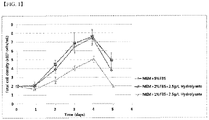
FIG. 1 shows a result of Vero cell culture under the medium condition according to one embodiment described herein (Experiment No. 1). -
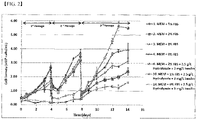
FIG. 2 shows a result of Vero cell culture under the medium condition according to one embodiment described herein (Experiment No. 2). -
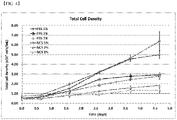
FIG. 3 shows a result of Vero cell culture under the medium condition according to one embodiment described herein (Experiment No. 3). -
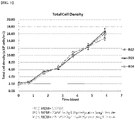
FIG. 4 shows a result of Vero cell culture under the medium condition according to one embodiment described herein (Experiment No. 4). -
FIG. 5 shows a result of Vero cell culture under the medium condition according to one embodiment described herein (Experiment No. 5). -
FIG. 6 shows a result of Vero cell culture under the medium condition according to one embodiment described herein (Experiment No. 6). -
FIG. 7 shows a result of Vero cell culture under the medium condition according to one embodiment described herein (Experiment No. 7). -
FIG. 8 shows a result of Vero cell culture under the medium condition according to one embodiment described herein (Experiment No. 7). - According to one aspect of the present invention, there is provided a medium composition for culturing Vero cells, including 1-7 % (v/v) of newborn calf serum (NCS), 1-6 g/L of hydrolysate, and 1-6 mg/L of insulin.
- In one embodiment, the medium composition may not contain fetal bovine serum (FBS).
- In one embodiment, the hydrolysate may be an animal component-free and protein-free hydrolysate.
- In one embodiment, Vero cells may be cultured while attached to a microcarrier in the medium composition.
- In one embodiment, the medium composition may include culturing Vero cells attached to a microcarrier.
- In one embodiment, the medium may include MEM medium.
- According to another aspect of the present invention, there is provided a method for culturing Vero cells, including culturing Vero cells in the above-described medium composition.
- In one embodiment, the culture may be implemented in a scale of 10 mL to 1000 L.
- According to another aspect of the present invention, there is provided a method for producing a virus, the method including infecting Vero cells cultured in above described medium composition with a virus, and culturing the Vero cells infected with the virus.
- In one embodiment, the culture of the Vero cells infected with the virus may be implemented in a scale of 10 mL to 2000 L.
- Hereinafter, the present invention will be described in more detail.
- The term "Vero cells" refers to any Vero cell line or cell line cultured or passaged therefrom, and includes, but is not limited to, genetically modified Vero cells. Non-limiting examples of known Vero cells may include VERO (ATCC Number CCL-81), VERO C1008 (ATCC Number CRL-1586), VERO 76 (ATCC Number CRL-1587), Vero-SF-ACF (ATCC Number CCL-81.5), etc.
- The term "Vero cell culture" encompasses any procedure wherein Vero cells are grown or maintained in a viable state. For example, Vero cell culture includes not only procedures wherein the cells grow or proliferate but also procedures wherein the number of cells is not substantially increased but a viable state is maintained.
- In a preferred example, the Vero cells described herein may be used as a substrate for a viral vaccine or virus- or viral vector-based therapy. In an embodiment, Vero cells may be infected with a virus to produce a virus. The virus that can be produced by the Vero cells may be an attenuated virus, a recombinant virus, or an oncolytic virus. The virus that can be produced by the Vero cells may be exemplified by, but is not limited to, poliovirus, enterovirus, infectious bursal disease virus (IBDV), rotavirus, measles virus, smallpox virus, influenza virus, Japanese encephalitis virus, rabies virus, Newcastle disease virus, respiratory syncytial virus (RSV), Sendai virus, simian virus 40 (SV40), chikungunya virus, and dengue virus.
- The term "medium for culturing" refers to a composition that is used for culturing Vero cells and contains components necessary for growth. The medium for Vero cells described herein may be based on any medium generally known in the art such as MEM, DMEM, DMEM/F12, MDSS2, CCM5, Medium 199, MEM, or RPMI. Such culture medium may include a number of components including amino acids, vitamins, organic and inorganic salts, and sources of carbohydrate, that support the cultivation of Vero cells.
- As described herein, "comprising (the specified components)" may mean that it may include additional components other than the listed components ("comprising"), or it may essentially include the listed components ("consisting essentially of').
- In a preferred example, a medium for culturing Vero cells described herein refers to a medium in which a basal medium is supplemented with 1-7 % (v/v) of newborn calf serum (NCS), 1-6 g/L of hydrolysate, and 1-6 mg/L of insulin.
- In another example, a medium for culturing Vero cells described herein refers to a medium in which a basal medium is supplemented with 1-7 % (v/v), for example, 1-7 % (v/v), 1-6 % (v/v), 1-5 % (v/v), 1-4 % (v/v), 1-3 % (v/v), 1 % (v/v), 2 % (v/v), 3 % (v/v), 4 % (v/v), 5 % (v/v), 6 % (v/v), or 7 % (v/v) of newborn calf serum (NCS); 1-6 g/L, for example, 1-6 g/L, 1-5 g/L, 1-4 g/L, 1-3 g/L, 1-2 g/L, 2-4 g/L, 2-3 g/L, or 2 g/L of hydrolysate; and 1-6 mg/L, for example, 1-6 mg/L, 1-5 mg/L, 1-4 mg/L, 1-3 mg/L, 2-6 mg/L, 2-5 mg/L, 2-4 mg/L, 2-3 mg/L, or 3 mg/L of insulin.
- Newborn calf serum (NCS) refers to serum from newborn calves, which is collected from calves typically of about 20 days old or younger, for example, about 14 days old or younger, about 10 days old or younger, or about 3 to 10 days old, and is sold at 1/10 the price of fetal bovine serum (FBS). As it is essential to secure the price competitiveness for a newly developed vaccine to enter the bidding market, the use of newborn calf serum (NCS) instead of fetal bovine serum (FBS) has a clear cost reduction effect. In addition, newborn calf serum (NCS) has a more stable supply and less lot-to-lot variation than fetal bovine serum (FBS), which makes it possible to obtain consistent experimental results, as well as is advantageous from an animal ethics point of view.
- In the medium composition described herein, 1-7 % (v/v) of newborn calf serum (NCS) is available, which is a lower concentration than FBS concentration condition commonly used for Vero cell culture, 10 % FBS.
- As the medium composition described herein contains 1-7 % (v/v) of newborn calf serum (NCS), NCS is available at a lower concentration than FBS concentration condition commonly used for Vero cell culture, 10 % FBS.
- According to the examples described herein, cell growth is promoted under 1-7 % (v/v) NCS conditions, and virus productivity shows similar results within the above range. Thus, for example, 1-7 % (v/v), 1-6 % (v/v), 1-5 % (v/v), 1-4 % (v/v), or 1-3 % (v/v), more specifically 1-3 % (v/v) or 2 % (v/v), etc., may be suggested as preferred concentrations. However, the concentration range may be suitably increased or decreased within the ordinary skill of a person skilled in the art when other culture conditions affecting virus productivity are changed.
- A "hydrolysate" described herein refers to a substance obtained by the hydrolysis of a peptide bond of a protein, which may be derived from milk (e.g., casein, whey protein), animal (e.g., meat, collagen), or plant. For example, the vegetable hydrolysate may be, but is not limited to, soy hydrolysate, wheat hydrolysate, potato hydrolysate, cottonseed hydrolysate, rice hydrolysate, pea hydrolysate, corn hydrolysate, and the like.
- In one preferred example, in order to reduce lot-to-lot variation of hydrolysate and to efficiently carry out the downstream process, animal component-free and protein-free hydrolysate, which is produced by modifying methods of digestion, processing, etc., may be used herein. Examples of commercially available animal component-free and protein-free hydrolysate include, but are not limited to, Hypep™ 1510, Hypep™ 1511, Hypep™ 5603, Sheff-CHO PF ACF, Sheff-CHO Plus PF ACF, Sheff-VAX PF ACF SheffVax Plus PF ACF, SheffVax Plus PF ACF V, etc.
- Although the medium composition described herein may contain 1-10 g/L of hydrolysate, as the cell growth could be negatively affected by a high concentration condition, the examples described herein limited the concentration up to 6 g/L to carry out experiments. Therefore, in one preferred example, considering the concentration that positively affects the cell growth, 1-6 g/L, for example, 1-6 g/L, 1-5 g/L, 1-4 g/L, 1-3 g/L, 1-2 g/L, 2-4 g/L, 2-3 g/L, or 2 g/L of hydrolysate, may be suggested as preferred concentrations. However, the concentration range may be suitably increased or decreased within the ordinary skill of a person skilled in the art when other culture conditions affecting virus productivity are changed.
- The medium composition described herein also contains insulin. For example, the insulin may be natural insulin or recombinant insulin, and more specifically, human recombinant insulin, but is not limited thereto.
- In the medium composition described herein, 1-6 mg/L, 1-5 mg/L, 1-4 mg/L, 1-3 mg/L, 2-6 mg/L, 2-5 mg/L, 2-4 mg/L, 2-3 mg/L, or 3 mg/L of insulin may be contained. However, the concentration range may be suitably increased or decreased within the ordinary skill of a person skilled in the art when other culture conditions affecting virus productivity are changed.
- In one preferred example, Vero cells may be cultured while attached to a carrier such as a microcarrier. A microcarrier refers to any solid support matrix having a micro-level diameter and to which Vero cells can be attached. For example, cells can be attached to the surface thereof and cultured in a suspended state in a liquid medium. Examples of the material of the microcarrier include, but are not limited to, plastics such as polystyrene, polyethylene, polypropylene, polyester, polycarbonate, polyamide, polyacetal, and polyurethane, and copolymers thereof; glass; ceramic; metal; acrylamide; silica; silicone rubber; polylysine; cellulose; dextran; collagen (gelatin); and glycosaminoglycans, etc. A microcarrier may have a diameter of at least about 100 µm, at least about 200 µm, at least about 300 µm, at least about 400 µm, at least about 500 µm, at least about 600 µm, at least about 700 µm, at least about 800 µm, at least about 900 µm, or at least about 1 mm, and may have any shape such as bead (spherical), disk, strip, sheet, fiber, filament, rod, disk, cube, tube, but is not limited thereto. In one embodiment, a microcarrier may be porous.
- In one preferred example, the culture of Vero cells may be implemented in a scale of 10 mL to 1000 L or more, for example, 10 mL to 2000 L or more, and Vero cells can be produced on a scale of 10 mL or more in a bioreactor. A "bioreactor" refers to any vessel that can be used for culturing Vero cells, and includes a fixed-bed bioreactor that is a bioreactor having a fixed bed including microcarriers. Vero cells herein may be cultured on a microcarrier in a bioreactor, or in another example, may be cultured in suspension in a bioreactor either in a batch process or in a fed-batch process.
- During the culturing process of Vero cells, the medium may be exchanged as needed during the culture period. The pH of the medium is preferably about 6 to 8, or may be about 6.5 to 7.5, or about 7. Cultivation may be carried out for about 5 to 9 days at about 35 °C to 40 °C, and aeration or agitation may be added as necessary, but is not limited thereto. The dissolved oxygen (DO) during cell culture may be about 60 to 90 %, about 70 to 80 %, etc., but is not limited thereto.
- The Vero cells cultured according to the present invention may be used to produce a virus as a substrate for a viral vaccine or virus- or viral vector-based therapy. In this regard, the present invention also provides a method for producing a virus, including infecting Vero cells cultured in the medium composition as described above with a virus, and culturing the Vero cells infected with the virus.
- Virus-infected Vero cells may be cultured under optimized conditions for propagating viruses. For example, the Vero cells may be cultured at a first temperature before infection with the virus and at a second temperature after infection with the virus, wherein the second temperature is lower than the first temperature. For example, the Vero cells may be cultured at about 37 °C before infection with the virus, i.e., pre-infection, and from about 29 °C to about 37 °C after infection with the virus, i.e., post-infection. In another example, the Vero cells may be cultured at about 33 °C after infection with the virus. In another example, the Vero cells may be cultured at about 30 °C after infection with the virus. The point of infection may be 1 day, 2 days, or 3 or 4 days after cell-seeding.
- Following the completion of virus cultivation, the microcarrier may be removed and the virus fluid containing the virus may be recovered. The resulting virus fluid may be filtered using a filter membrane or the like to remove cell debris, or may be concentrated and/or purified before or after inactivation. Examples of methods of concentration may include ultrafiltration, ultracentrifugation, dialysis, etc., and examples of the methods of purification include, but are not limited to, methods which utilize physical characteristics of the substance being purified, such as size, density, and sedimentation coefficient, and methods which utilize chemical or physicochemical reactions (e.g., adsorption-desorption).
- Hereinafter, the present invention will be described in more detail with reference to the following examples. However, these examples are only for illustrating the present invention, and the scope of the present invention is not limited by these examples.
- The following experiment was designed to find the optimal medium composition for Vero cells. Vero cells were attached to microcarriers and cultured in shake flasks or bioreactors.
[Table 1] Experiment No. Control Group Experimental Group Experiment Scale 1 5 % FBS - 2 % FBS + 2.5 g/L hydrolysate 40 mL (shake flasks) - 1 % FBS + 2.5 g/L hydrolysate 2 5 % FBS - 2 % FBS 30 mL (shake flasks) - 1 %FBS - 0 % FBS - 2 % FBS + 2.5 g/L hydrolysate + 3 mg/L insulin - 1 % FBS + 2.5 g/L hydrolysate + 3 mg/L insulin - 0 % FBS + 2.5 g/L hydrolysate + 3 mg/L insulin 3 5 % FBS - 1-2 % FBS + 0-6 g/L hydrolysate + 0-6 mg/L insulin 30 mL (shake flasks) 4 5 % FBS - 1 %, 2 % FBS 30 mL (shake flasks) - 1 %,2 %,5 % NCS 5 5 % FBS - 2 % FBS + 2 g/L hydrolysate + 3 mg/L insulin 2 L (BRX) - 2 % NCS + 2 g/L hydrolysate + 3 mg/L insulin 6 2 % FBS + 2 g/L hydrolysate + 3 mg/L insulin - 2 % NCS + 2 g/L hydrolysate + 3 mg/L insulin 2 L (BRX) - 7 % NCS + 2 g/L hydrolysate + 3 mg/L insulin 7 2 L - 40 L 40 L - 1000 L 1000 L -
- Hydrolysate (Kerry, Ireland)
- Insulin: Recombinant Human Insulin (Gibco, USA)
- FBS: Fetal Bovine Serum (Hyclone, USA)
- NCS: Newborn Calf Serum (Hyclone, USA)
- BRX: Bioreactor (Model: Biostat B, Sartorius, Germany)
- The effect of FBS concentration reduction and hydrolysate addition on Vero cell growth was evaluated. Vero cells were derived from ATCC Number CCL-81. As a control group, a MEM medium containing amino acids, vitamins, minerals, glucose, etc., supplemented with 5 % FBS was used, and as an experimental group, MEM media each supplemented with 2 % FBS + 2.5 g/L hydrolysate, or 1 % FBS + 2.5 g/L hydrolysate, were used. As a result of culturing the prepared Vero cells in 40 mL of the prepared medium for 5 days (incubated at 37 °C, 5 % CO2, 80 ± 5 % humidity), while the cell growth profile was similar in the medium supplemented with 2 % FBS + 2.5 g/L hydrolysate, and in the control group, the cell growth was decreased in the medium supplemented with 1 % FBS + 2.5 g/L hydrolysate compared to the control group (
FIG. 1 ). - The effect of reduction of FBS concentration and addition of hydrolysate and insulin on Vero cell growth was evaluated. Vero cells were derived from ATCC Number CCL-81. As a control group, a MEM medium containing amino acids, vitamins, minerals, glucose, etc., supplemented with 5 % FBS was used, and as an experimental group, MEM media each supplemented with 2 % FBS, 1 % FBS, 0 % FBS, 2 % FBS + 2.5 g/L hydrolysate + 3 mg/L insulin, 1 % FBS + 2.5 g/L hydrolysate + 3 mg/L insulin, or 0 % FBS + 2.5 g/L hydrolysate + 3 mg/L insulin were used. As a result of passaging the
prepared Vero cells 3 times in 30 mL of the prepared medium for 14 days (incubated at 37 °C, 5 % CO2, 80 ± 5 % humidity), the cell growth profile was higher in the medium supplemented with 2 % FBS + 2.5 g/L hydrolysate + 3 mg/L insulin than in the control group. In the medium supplemented with 1 % FBS + 2.5 g/L hydrolysate + 3 mg/L insulin, the cell growth was decreased compared to the control group, but the growth profile was higher than in the medium supplemented with 2 % FBS group, and thus, the distinct growth promoting effect due to the hydrolysate and insulin was confirmed. In the medium without FBS, the cells were not grown even after adding hydrolysate and insulin, and thus, the culture was stopped at the 1st passage (FIG. 2 ). - The optimal concentrations of hydrolysate and insulin were evaluated. Vero cells were derived from ATCC Number CCL-81. As shown in the following table, as a control group, a MEM medium supplemented with 5 % FBS was used, and as an experimental group, MEM media each supplemented with 0-6 g/L hydrolysate + 0-6 mg/L insulin were used.
[Table 2] Sample ID FBS (%) Hydrolysate (g/L) Insulin (mg/L) M5 5 0 0 S1 1 0 0 S2 1 0 6 S3 1 6 0 S4 1 6 6 S5 1.5 3 3 S6 1.5 3 3 S7 1.5 3 3 S8 2 0 0 S9 2 0 6 S10 2 6 0 S11 2 6 6 S12 2 2 0 S13 2 2 3 S14 2 2 6 S15 2 4 0 S16 2 4 3 S17 2 4 6 - As a result of culturing the prepared Vero cells in 30 mL of the prepared medium for 6 days (incubated at 37 °C, 5 % CO2, 80 ± 5 % humidity), although the final cell number was the highest under the condition of 6 g/L hydrolysate (S10), the condition of 2 g/L hydrolysate, supplemented with 3 mg/L insulin (S13) was selected as the condition for culturing in the bioreactor. As the results showed that the cell growth rate was fast in the early stage of culture, fed-batch culture in a bioreactor was considered a more favorable condition for cell growth (
FIG. 3 ). - It was determined whether FBS can be replaced with NCS at different concentrations. Vero cells were derived from ATCC Number CCL-81. As a control group, a MEM medium supplemented with 5 % FBS was used, and as an experimental group, MEM media each supplemented with 2 % FBS, 1 %, 2 %, or 5 % NCS were used. As a result of culturing the prepared Vero cells in 30 mL of the prepared medium for 5 days (incubated at 37 °C, 5 % CO2, 80 ± 5 % humidity), similar cell growth profiles were observed when FBS and NCS were present at the same concentration, respectively (
FIG. 4 ), suggesting that FBS can be replaced with NCS. - The experiment was conducted by expanding the conditions selected in Experiment No. 3 to the scale of a 2 L incubator, and it was determined whether FBS can be replaced with NCS by adding the condition of 2 % NCS + 2 g/L hydrolysate + 3 mg/L insulin. Vero cells were derived from ATCC Number CCL-81. As a control group, a MEM medium supplemented with 5 % FBS (#R02) was used to perform seed culture and main culture, and as an experimental group, MEM media each supplemented with 2 % NCS + 2 g/L hydrolysate + 3 mg/L insulin (#R03) or 2 % FBS + 2 g/L hydrolysate + 3 mg/L insulin (#R04) were used to perform seed culture and main culture (Temperature 37 °C, pH 7.2 ± 0.05, DO 50 %, Culture method: Fed-batch, Culture days: Seed culture and main culture for 18 days).
- As a result, similar cell growth profiles were shown when conditions of the MEM medium supplemented with 5 % FBS, the medium supplemented with 2 % FBS + 2 g/L hydrolysate + 3 mg/L insulin, and the medium supplemented with 2 % NCS + 2 g/L hydrolysate + 3 mg/L insulin were used (
FIG. 5 ), suggesting that a composition of 5 % FBS can be replaced with a composition supplemented with 2 % FBS or NCS, hydrolysate, and insulin, and FBS can be replaced with NCS. - In the Experiment No. 6, it was intended to confirm the effect on cell growth and virus productivity depending on the concentration of NCS in the composition including hydrolysate and insulin. Vero cells were derived from ATCC Number CCL-81. As a control group, a MEM medium supplemented with 2 % FBS + 2 g/L hydrolysate + 3 mg/L insulin was used (#R02), and as an experimental group, a MEM medium supplemented with 2 % NCS + 2 g/L hydrolysate + 3 mg/L insulin (#R04) or a MEM medium supplemented with 7 % NCS + 2 g/L hydrolysate + 3 mg/L insulin (#R03) were used. As a result of culturing the prepared Vero cells in a 2 L bioreactor for 19 days (Temperature 37 °C, pH 7.2 ± 0.05, DO 50 %, Culture method: Fed-batch, Culture days: Seed culture and main culture for 19 days), the cell growth profile in the MEM medium supplemented with 2 % NCS + 2 g/L hydrolysate + 3 mg/L insulin was found to be similar to that of the control group, suggesting that FBS can be replaced with NCS. Further, it was found that the cell growth was increased in the condition of 7 % NCS concentration compared to the condition of 2 % NCS (
FIG. 6 ). Cells cultured under each condition were infected with the virus, recovered after 4 days of incubation (at temperature of 32.5 °C, pH 7.4±0.1, DO 25 %, Culture days: 4 days), and the virus concentration was quantified to compare productivity. Although the condition of 7 % NCS + 2 g/L hydrolysate + 3 mg/L insulin (#R03) showed the highest final cell number, it showed similar virus productivity when compared to thecondition 2 % NCS + 2 g/L hydrolysate + 3 mg/L insulin (#R04). Therefore, it was confirmed that FBS can be replaced with NCS based on the Vero cell culture growth, and the virus productivity using virus culture. Thus, a composition of 2 % NCS + 2 g/L hydrolysate + 3 mg/L insulin was selected to conduct the experiment for expanding the culture scale (FIG.6 ). - It was determined whether cell growth is maintained by expanding the culture scale to 2 L, 40 L, and 1000 L with a medium composition including NCS, hydrolysate, and insulin (2 % NCS + 2 g/L hydrolysate + 3 mg/L insulin), which were selected to replace FBS through the previous experiments culture (Temperature 37 °C, pH 7.2 ± 0.05, DO 50 %, Culture method: Fed-batch, Culture days: Seed culture and main culture for 18 days). Vero cells cultured under each condition were infected with the virus, and recovered after 3-4 days of incubation to compare virus productivity. The results of comparing cell growth in the 2 L and 40 L culture scales are shown in the table below and
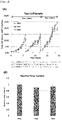
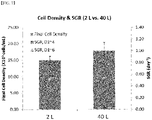
FIG. 7 , wherein the equal or higher cell growth results were confirmed even at the 40 L scale.[Table 3] Culture Scale 2 L (n=6) 40 L (n=3) final cell density (X105 cells/mL) 15.03 17.95 SGR, D1-4 (day-1) 0.68 0.71 SGR, D1-6 (day-1) 0.53 0.56 ∗ SGR: specific growth rate - In addition, the results of comparing cell growth under the conditions of the medium containing FBS and the medium containing NCS, hydrolysate, and insulin in the 1000 L scale are shown in
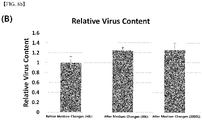
FIG. 8 , wherein the equal or higher cell growth results were confirmed even at the 1000 L scale. The results of comparing the virus productivity before and after changing to a medium composition of NCS, hydrolysate, and insulin for each culture scale are shown inFIG. 8 . The virus productivity was further increased after changing to the medium, and the equal or higher virus productivity was confirmed even when expanded to a 2000 L culture scale. - Based on the above description, it will be understood by those skilled in the art that the present disclosure may be implemented in a different specific form without changing the technical spirit or essential characteristics thereof. In this regard, it should be understood that the above embodiment is not limitative, but illustrative in all aspects. The scope of the disclosure is defined by the appended claims rather than by the description preceding them, and therefore all changes and modifications that fall within metes and bounds of the claims, or equivalents of such metes and bounds, are intended to be embraced by the claims.
Claims (9)
- A medium composition for culturing Vero cells, comprising:1-7 % (v/v) of newborn calf serum (NCS);1-6 g/L of hydrolysate; and1-6 mg/L of insulin.
- The medium composition of claim 1, characterized in that it does not contain fetal bovine serum (FBS).
- The medium composition of claim 1, wherein the hydrolysate is an animal component-free and protein-free hydrolysate.
- The medium composition of claim 1, wherein the Vero cells are cultured while attached to a microcarrier.
- The medium composition of claim 1, wherein the medium comprises a MEM medium.
- A method for culturing Vero cells, comprising culturing the Vero cells in the medium composition of any of claims 1 to 5.
- The method of claim 6, wherein the culture is implemented in a scale of 10 mL to 1000 L.
- A method for producing a virus, comprising:infecting Vero cells cultured in the medium composition of any of claims 1 to 5 with a virus; andculturing the Vero cells infected with the virus.
- The method of claim 8, wherein the culturing of the Vero cells infected with the virus is implemented in a scale of 10 mL to 2000 L.
Applications Claiming Priority (2)
| Application Number | Priority Date | Filing Date | Title |
|---|---|---|---|
| KR20190174356 | 2019-12-24 | ||
| PCT/KR2020/019066 WO2021133084A1 (en) | 2019-12-24 | 2020-12-24 | Low-serum medium composition for culturing vero cells and use thereof |
Publications (2)
| Publication Number | Publication Date |
|---|---|
| EP4071237A1 true EP4071237A1 (en) | 2022-10-12 |
| EP4071237A4 EP4071237A4 (en) | 2023-03-08 |
Family
ID=76575999
Family Applications (1)
| Application Number | Title | Priority Date | Filing Date |
|---|---|---|---|
| EP20907923.5A Pending EP4071237A4 (en) | 2019-12-24 | 2020-12-24 | Low-serum medium composition for culturing vero cells and use thereof |
Country Status (6)
| Country | Link |
|---|---|
| US (1) | US12559728B2 (en) |
| EP (1) | EP4071237A4 (en) |
| JP (2) | JP7508072B2 (en) |
| KR (1) | KR102817858B1 (en) |
| CN (1) | CN114929855A (en) |
| WO (1) | WO2021133084A1 (en) |
Families Citing this family (1)
| Publication number | Priority date | Publication date | Assignee | Title |
|---|---|---|---|---|
| CN113480652B (en) * | 2021-07-30 | 2023-04-07 | 成都景泽生物制药有限公司 | Method for producing recombinant EGFR antibody active molecules by fermentation culture of recombinant CHO cells |
Family Cites Families (15)
| Publication number | Priority date | Publication date | Assignee | Title |
|---|---|---|---|---|
| JP4543402B2 (en) * | 1996-10-10 | 2010-09-15 | ライフ テクノロジーズ コーポレーション | Animal cell culture medium containing plant-derived nutrients |
| CA2491992A1 (en) | 2002-07-09 | 2004-01-15 | Baxter International, Inc. | Animal protein free media for cultivation of cells |
| US20120077268A1 (en) * | 2003-03-03 | 2012-03-29 | Glaxosmithkline Biologicals, S.A. | Animal-free cell culture method |
| PL1694828T3 (en) | 2003-12-19 | 2011-11-30 | Wyeth Llc | Serum-free vero cell banking process |
| US20060094104A1 (en) | 2004-10-29 | 2006-05-04 | Leopold Grillberger | Animal protein-free media for cultivation of cells |
| MX353340B (en) | 2006-09-13 | 2018-01-09 | Abbvie Inc | Cell culture improvements. |
| CN101306199A (en) | 2007-05-18 | 2008-11-19 | 江苏延申生物科技股份有限公司 | Method for producing and purifying hepatitis a inactivated vaccine |
| CN101474208B (en) | 2008-12-15 | 2011-09-28 | 山东省医学科学院基础医学研究所 | Classification and production technique of newborn calf serum |
| CN101864393B (en) * | 2009-05-06 | 2012-04-04 | 中国人民解放军军事医学科学院生物工程研究所 | Serum-free culture medium without animal origin components for culturing Vero cell micro-carrier |
| CN103160458A (en) * | 2011-12-15 | 2013-06-19 | 西南民族大学 | Low-serum medium suitable for growth of Vero cells |
| CN102805862B (en) * | 2012-04-24 | 2015-01-07 | 万里明 | Preparation method for SFTS bunyavirus purification and inactivation vaccines through VERO cell culture |
| CN102827804B (en) * | 2012-08-30 | 2019-02-12 | 苏州市沃美生物技术有限公司 | Culture medium and method suitable for the amplification culture of Vero cell microcarrier suspension |
| CN108103007A (en) * | 2018-03-06 | 2018-06-01 | 宁波高新区绿元汇生物科技有限公司 | A kind of low blood serum medium of suitable Vero cell growths |
| CN108853489B (en) * | 2018-06-29 | 2019-07-02 | 陕西诺威利华生物科技有限公司 | A method of PEDV attenuated vaccine is produced using serum free medium |
| CN110564672A (en) * | 2019-09-23 | 2019-12-13 | 山东甲骨文生物科技有限公司 | A medium for low serum culture of Vero cells |
-
2020
- 2020-12-24 EP EP20907923.5A patent/EP4071237A4/en active Pending
- 2020-12-24 JP JP2022539023A patent/JP7508072B2/en active Active
- 2020-12-24 US US17/788,774 patent/US12559728B2/en active Active
- 2020-12-24 WO PCT/KR2020/019066 patent/WO2021133084A1/en not_active Ceased
- 2020-12-24 CN CN202080088683.4A patent/CN114929855A/en active Pending
- 2020-12-24 KR KR1020200183103A patent/KR102817858B1/en active Active
-
2024
- 2024-03-06 JP JP2024033942A patent/JP2024071406A/en not_active Withdrawn
Also Published As
| Publication number | Publication date |
|---|---|
| US20230036987A1 (en) | 2023-02-02 |
| US12559728B2 (en) | 2026-02-24 |
| WO2021133084A1 (en) | 2021-07-01 |
| JP7508072B2 (en) | 2024-07-01 |
| JP2024071406A (en) | 2024-05-24 |
| KR20210082119A (en) | 2021-07-02 |
| CN114929855A (en) | 2022-08-19 |
| EP4071237A4 (en) | 2023-03-08 |
| KR102817858B1 (en) | 2025-06-10 |
| JP2023508970A (en) | 2023-03-06 |
Similar Documents
| Publication | Publication Date | Title |
|---|---|---|
| Tapia et al. | Production of high-titer human influenza A virus with adherent and suspension MDCK cells cultured in a single-use hollow fiber bioreactor | |
| RU2266325C2 (en) | Cell cultivation medium without proteins and serum | |
| US6936441B2 (en) | Recombinant cell clones having increased stability and methods of making and using the same | |
| CN102827804B (en) | Culture medium and method suitable for the amplification culture of Vero cell microcarrier suspension | |
| US7666654B2 (en) | Method for preparing viral material | |
| US12559728B2 (en) | Low-serum medium composition for culturing Vero cells and use thereof | |
| CN112094814B (en) | Method for preparing adenovirus vector vaccine by perfusion culture process | |
| TWI781915B (en) | Mdck suspension cell lines in serum-free, chemically-defined media for vaccine production | |
| JP2859679B2 (en) | New cell line | |
| HK40071753A (en) | Low-serum medium composition for culturing vero cells and use thereof | |
| EP2307538B1 (en) | Scalable process for culturing per.c6 cells and producing products therefrom | |
| Chen et al. | Investigation and application progress of Vero cell serum-free culture | |
| CN105441376A (en) | Serum-free medium used for culturing virus, and preparation method thereof | |
| WO2015086598A2 (en) | Method of culturing vero cells | |
| JPH0866184A (en) | Serumless medium for float culture of adhesive animal cell and float culture using the same | |
| HK1102608B (en) | Method for preparing viral material | |
| HK1108713B (en) | Animal protein free media for cultivation of cells | |
| HK1083635B (en) | Animal protein free media for cultivation of cells | |
| HK1083635A1 (en) | Animal protein free media for cultivation of cells | |
| JP2010099093A (en) | Recombinant stable cell clone, and production and use thereof | |
| JPH01296985A (en) | Culture of adherent animal cell |
Legal Events
| Date | Code | Title | Description |
|---|---|---|---|
| STAA | Information on the status of an ep patent application or granted ep patent |
Free format text: STATUS: THE INTERNATIONAL PUBLICATION HAS BEEN MADE |
|
| PUAI | Public reference made under article 153(3) epc to a published international application that has entered the european phase |
Free format text: ORIGINAL CODE: 0009012 |
|
| STAA | Information on the status of an ep patent application or granted ep patent |
Free format text: STATUS: REQUEST FOR EXAMINATION WAS MADE |
|
| 17P | Request for examination filed |
Effective date: 20220704 |
|
| AK | Designated contracting states |
Kind code of ref document: A1 Designated state(s): AL AT BE BG CH CY CZ DE DK EE ES FI FR GB GR HR HU IE IS IT LI LT LU LV MC MK MT NL NO PL PT RO RS SE SI SK SM TR |
|
| A4 | Supplementary search report drawn up and despatched |
Effective date: 20230208 |
|
| RIC1 | Information provided on ipc code assigned before grant |
Ipc: C12N 5/07 20100101ALI20230202BHEP Ipc: C12N 7/00 20060101ALI20230202BHEP Ipc: C12N 5/071 20100101AFI20230202BHEP |
|
| DAV | Request for validation of the european patent (deleted) | ||
| DAX | Request for extension of the european patent (deleted) |