EP4070987B1 - Electric vehicle thermal management system, battery thermal management method and electric vehicle - Google Patents
Electric vehicle thermal management system, battery thermal management method and electric vehicle Download PDFInfo
- Publication number
- EP4070987B1 EP4070987B1 EP19954919.7A EP19954919A EP4070987B1 EP 4070987 B1 EP4070987 B1 EP 4070987B1 EP 19954919 A EP19954919 A EP 19954919A EP 4070987 B1 EP4070987 B1 EP 4070987B1
- Authority
- EP
- European Patent Office
- Prior art keywords
- loop
- conducting agent
- heat exchange
- heat conducting
- electric vehicle
- Prior art date
- Legal status (The legal status is an assumption and is not a legal conclusion. Google has not performed a legal analysis and makes no representation as to the accuracy of the status listed.)
- Active
Links
Images

Classifications
-
- B—PERFORMING OPERATIONS; TRANSPORTING
- B60—VEHICLES IN GENERAL
- B60L—PROPULSION OF ELECTRICALLY-PROPELLED VEHICLES; SUPPLYING ELECTRIC POWER FOR AUXILIARY EQUIPMENT OF ELECTRICALLY-PROPELLED VEHICLES; ELECTRODYNAMIC BRAKE SYSTEMS FOR VEHICLES IN GENERAL; MAGNETIC SUSPENSION OR LEVITATION FOR VEHICLES; MONITORING OPERATING VARIABLES OF ELECTRICALLY-PROPELLED VEHICLES; ELECTRIC SAFETY DEVICES FOR ELECTRICALLY-PROPELLED VEHICLES
- B60L58/00—Methods or circuit arrangements for monitoring or controlling batteries or fuel cells, specially adapted for electric vehicles
- B60L58/10—Methods or circuit arrangements for monitoring or controlling batteries or fuel cells, specially adapted for electric vehicles for monitoring or controlling batteries
- B60L58/24—Methods or circuit arrangements for monitoring or controlling batteries or fuel cells, specially adapted for electric vehicles for monitoring or controlling batteries for controlling the temperature of batteries
-
- B—PERFORMING OPERATIONS; TRANSPORTING
- B60—VEHICLES IN GENERAL
- B60K—ARRANGEMENT OR MOUNTING OF PROPULSION UNITS OR OF TRANSMISSIONS IN VEHICLES; ARRANGEMENT OR MOUNTING OF PLURAL DIVERSE PRIME-MOVERS IN VEHICLES; AUXILIARY DRIVES FOR VEHICLES; INSTRUMENTATION OR DASHBOARDS FOR VEHICLES; ARRANGEMENTS IN CONNECTION WITH COOLING, AIR INTAKE, GAS EXHAUST OR FUEL SUPPLY OF PROPULSION UNITS IN VEHICLES
- B60K11/00—Arrangement in connection with cooling of propulsion units
- B60K11/02—Arrangement in connection with cooling of propulsion units with liquid cooling
-
- B—PERFORMING OPERATIONS; TRANSPORTING
- B60—VEHICLES IN GENERAL
- B60L—PROPULSION OF ELECTRICALLY-PROPELLED VEHICLES; SUPPLYING ELECTRIC POWER FOR AUXILIARY EQUIPMENT OF ELECTRICALLY-PROPELLED VEHICLES; ELECTRODYNAMIC BRAKE SYSTEMS FOR VEHICLES IN GENERAL; MAGNETIC SUSPENSION OR LEVITATION FOR VEHICLES; MONITORING OPERATING VARIABLES OF ELECTRICALLY-PROPELLED VEHICLES; ELECTRIC SAFETY DEVICES FOR ELECTRICALLY-PROPELLED VEHICLES
- B60L3/00—Electric devices on electrically-propelled vehicles for safety purposes; Monitoring operating variables, e.g. speed, deceleration or energy consumption
- B60L3/0023—Detecting, eliminating, remedying or compensating for drive train abnormalities, e.g. failures within the drive train
- B60L3/0046—Detecting, eliminating, remedying or compensating for drive train abnormalities, e.g. failures within the drive train relating to electric energy storage systems, e.g. batteries or capacitors
-
- B—PERFORMING OPERATIONS; TRANSPORTING
- B60—VEHICLES IN GENERAL
- B60L—PROPULSION OF ELECTRICALLY-PROPELLED VEHICLES; SUPPLYING ELECTRIC POWER FOR AUXILIARY EQUIPMENT OF ELECTRICALLY-PROPELLED VEHICLES; ELECTRODYNAMIC BRAKE SYSTEMS FOR VEHICLES IN GENERAL; MAGNETIC SUSPENSION OR LEVITATION FOR VEHICLES; MONITORING OPERATING VARIABLES OF ELECTRICALLY-PROPELLED VEHICLES; ELECTRIC SAFETY DEVICES FOR ELECTRICALLY-PROPELLED VEHICLES
- B60L58/00—Methods or circuit arrangements for monitoring or controlling batteries or fuel cells, specially adapted for electric vehicles
- B60L58/10—Methods or circuit arrangements for monitoring or controlling batteries or fuel cells, specially adapted for electric vehicles for monitoring or controlling batteries
- B60L58/24—Methods or circuit arrangements for monitoring or controlling batteries or fuel cells, specially adapted for electric vehicles for monitoring or controlling batteries for controlling the temperature of batteries
- B60L58/26—Methods or circuit arrangements for monitoring or controlling batteries or fuel cells, specially adapted for electric vehicles for monitoring or controlling batteries for controlling the temperature of batteries by cooling
-
- B—PERFORMING OPERATIONS; TRANSPORTING
- B60—VEHICLES IN GENERAL
- B60L—PROPULSION OF ELECTRICALLY-PROPELLED VEHICLES; SUPPLYING ELECTRIC POWER FOR AUXILIARY EQUIPMENT OF ELECTRICALLY-PROPELLED VEHICLES; ELECTRODYNAMIC BRAKE SYSTEMS FOR VEHICLES IN GENERAL; MAGNETIC SUSPENSION OR LEVITATION FOR VEHICLES; MONITORING OPERATING VARIABLES OF ELECTRICALLY-PROPELLED VEHICLES; ELECTRIC SAFETY DEVICES FOR ELECTRICALLY-PROPELLED VEHICLES
- B60L58/00—Methods or circuit arrangements for monitoring or controlling batteries or fuel cells, specially adapted for electric vehicles
- B60L58/10—Methods or circuit arrangements for monitoring or controlling batteries or fuel cells, specially adapted for electric vehicles for monitoring or controlling batteries
- B60L58/24—Methods or circuit arrangements for monitoring or controlling batteries or fuel cells, specially adapted for electric vehicles for monitoring or controlling batteries for controlling the temperature of batteries
- B60L58/27—Methods or circuit arrangements for monitoring or controlling batteries or fuel cells, specially adapted for electric vehicles for monitoring or controlling batteries for controlling the temperature of batteries by heating
-
- H—ELECTRICITY
- H01—ELECTRIC ELEMENTS
- H01M—PROCESSES OR MEANS, e.g. BATTERIES, FOR THE DIRECT CONVERSION OF CHEMICAL ENERGY INTO ELECTRICAL ENERGY
- H01M10/00—Secondary cells; Manufacture thereof
- H01M10/60—Heating or cooling; Temperature control
- H01M10/61—Types of temperature control
- H01M10/613—Cooling or keeping cold
-
- H—ELECTRICITY
- H01—ELECTRIC ELEMENTS
- H01M—PROCESSES OR MEANS, e.g. BATTERIES, FOR THE DIRECT CONVERSION OF CHEMICAL ENERGY INTO ELECTRICAL ENERGY
- H01M10/00—Secondary cells; Manufacture thereof
- H01M10/60—Heating or cooling; Temperature control
- H01M10/61—Types of temperature control
- H01M10/615—Heating or keeping warm
-
- H—ELECTRICITY
- H01—ELECTRIC ELEMENTS
- H01M—PROCESSES OR MEANS, e.g. BATTERIES, FOR THE DIRECT CONVERSION OF CHEMICAL ENERGY INTO ELECTRICAL ENERGY
- H01M10/00—Secondary cells; Manufacture thereof
- H01M10/60—Heating or cooling; Temperature control
- H01M10/62—Heating or cooling; Temperature control specially adapted for specific applications
- H01M10/625—Vehicles
-
- H—ELECTRICITY
- H01—ELECTRIC ELEMENTS
- H01M—PROCESSES OR MEANS, e.g. BATTERIES, FOR THE DIRECT CONVERSION OF CHEMICAL ENERGY INTO ELECTRICAL ENERGY
- H01M10/00—Secondary cells; Manufacture thereof
- H01M10/60—Heating or cooling; Temperature control
- H01M10/63—Control systems
-
- H—ELECTRICITY
- H01—ELECTRIC ELEMENTS
- H01M—PROCESSES OR MEANS, e.g. BATTERIES, FOR THE DIRECT CONVERSION OF CHEMICAL ENERGY INTO ELECTRICAL ENERGY
- H01M10/00—Secondary cells; Manufacture thereof
- H01M10/60—Heating or cooling; Temperature control
- H01M10/65—Means for temperature control structurally associated with the cells
- H01M10/655—Solid structures for heat exchange or heat conduction
- H01M10/6556—Solid parts with flow channel passages or pipes for heat exchange
-
- H—ELECTRICITY
- H01—ELECTRIC ELEMENTS
- H01M—PROCESSES OR MEANS, e.g. BATTERIES, FOR THE DIRECT CONVERSION OF CHEMICAL ENERGY INTO ELECTRICAL ENERGY
- H01M10/00—Secondary cells; Manufacture thereof
- H01M10/60—Heating or cooling; Temperature control
- H01M10/65—Means for temperature control structurally associated with the cells
- H01M10/656—Means for temperature control structurally associated with the cells characterised by the type of heat-exchange fluid
- H01M10/6567—Liquids
- H01M10/6568—Liquids characterised by flow circuits, e.g. loops, located externally to the cells or cell casings
-
- B—PERFORMING OPERATIONS; TRANSPORTING
- B60—VEHICLES IN GENERAL
- B60K—ARRANGEMENT OR MOUNTING OF PROPULSION UNITS OR OF TRANSMISSIONS IN VEHICLES; ARRANGEMENT OR MOUNTING OF PLURAL DIVERSE PRIME-MOVERS IN VEHICLES; AUXILIARY DRIVES FOR VEHICLES; INSTRUMENTATION OR DASHBOARDS FOR VEHICLES; ARRANGEMENTS IN CONNECTION WITH COOLING, AIR INTAKE, GAS EXHAUST OR FUEL SUPPLY OF PROPULSION UNITS IN VEHICLES
- B60K1/00—Arrangement or mounting of electrical propulsion units
-
- B—PERFORMING OPERATIONS; TRANSPORTING
- B60—VEHICLES IN GENERAL
- B60K—ARRANGEMENT OR MOUNTING OF PROPULSION UNITS OR OF TRANSMISSIONS IN VEHICLES; ARRANGEMENT OR MOUNTING OF PLURAL DIVERSE PRIME-MOVERS IN VEHICLES; AUXILIARY DRIVES FOR VEHICLES; INSTRUMENTATION OR DASHBOARDS FOR VEHICLES; ARRANGEMENTS IN CONNECTION WITH COOLING, AIR INTAKE, GAS EXHAUST OR FUEL SUPPLY OF PROPULSION UNITS IN VEHICLES
- B60K1/00—Arrangement or mounting of electrical propulsion units
- B60K2001/003—Arrangement or mounting of electrical propulsion units with means for cooling the electrical propulsion units
- B60K2001/005—Arrangement or mounting of electrical propulsion units with means for cooling the electrical propulsion units the electric storage means
-
- B—PERFORMING OPERATIONS; TRANSPORTING
- B60—VEHICLES IN GENERAL
- B60K—ARRANGEMENT OR MOUNTING OF PROPULSION UNITS OR OF TRANSMISSIONS IN VEHICLES; ARRANGEMENT OR MOUNTING OF PLURAL DIVERSE PRIME-MOVERS IN VEHICLES; AUXILIARY DRIVES FOR VEHICLES; INSTRUMENTATION OR DASHBOARDS FOR VEHICLES; ARRANGEMENTS IN CONNECTION WITH COOLING, AIR INTAKE, GAS EXHAUST OR FUEL SUPPLY OF PROPULSION UNITS IN VEHICLES
- B60K1/00—Arrangement or mounting of electrical propulsion units
- B60K2001/003—Arrangement or mounting of electrical propulsion units with means for cooling the electrical propulsion units
- B60K2001/006—Arrangement or mounting of electrical propulsion units with means for cooling the electrical propulsion units the electric motors
-
- B—PERFORMING OPERATIONS; TRANSPORTING
- B60—VEHICLES IN GENERAL
- B60K—ARRANGEMENT OR MOUNTING OF PROPULSION UNITS OR OF TRANSMISSIONS IN VEHICLES; ARRANGEMENT OR MOUNTING OF PLURAL DIVERSE PRIME-MOVERS IN VEHICLES; AUXILIARY DRIVES FOR VEHICLES; INSTRUMENTATION OR DASHBOARDS FOR VEHICLES; ARRANGEMENTS IN CONNECTION WITH COOLING, AIR INTAKE, GAS EXHAUST OR FUEL SUPPLY OF PROPULSION UNITS IN VEHICLES
- B60K1/00—Arrangement or mounting of electrical propulsion units
- B60K2001/008—Arrangement or mounting of electrical propulsion units with means for heating the electrical propulsion units
-
- B—PERFORMING OPERATIONS; TRANSPORTING
- B60—VEHICLES IN GENERAL
- B60L—PROPULSION OF ELECTRICALLY-PROPELLED VEHICLES; SUPPLYING ELECTRIC POWER FOR AUXILIARY EQUIPMENT OF ELECTRICALLY-PROPELLED VEHICLES; ELECTRODYNAMIC BRAKE SYSTEMS FOR VEHICLES IN GENERAL; MAGNETIC SUSPENSION OR LEVITATION FOR VEHICLES; MONITORING OPERATING VARIABLES OF ELECTRICALLY-PROPELLED VEHICLES; ELECTRIC SAFETY DEVICES FOR ELECTRICALLY-PROPELLED VEHICLES
- B60L2240/00—Control parameters of input or output; Target parameters
- B60L2240/40—Drive Train control parameters
- B60L2240/54—Drive Train control parameters related to batteries
- B60L2240/545—Temperature
-
- B—PERFORMING OPERATIONS; TRANSPORTING
- B60—VEHICLES IN GENERAL
- B60Y—INDEXING SCHEME RELATING TO ASPECTS CROSS-CUTTING VEHICLE TECHNOLOGY
- B60Y2200/00—Type of vehicle
- B60Y2200/90—Vehicles comprising electric prime movers
- B60Y2200/91—Electric vehicles
-
- B—PERFORMING OPERATIONS; TRANSPORTING
- B60—VEHICLES IN GENERAL
- B60Y—INDEXING SCHEME RELATING TO ASPECTS CROSS-CUTTING VEHICLE TECHNOLOGY
- B60Y2306/00—Other features of vehicle sub-units
- B60Y2306/05—Cooling
-
- B—PERFORMING OPERATIONS; TRANSPORTING
- B60—VEHICLES IN GENERAL
- B60Y—INDEXING SCHEME RELATING TO ASPECTS CROSS-CUTTING VEHICLE TECHNOLOGY
- B60Y2400/00—Special features of vehicle units
- B60Y2400/11—Electric energy storages
- B60Y2400/112—Batteries
-
- H—ELECTRICITY
- H01—ELECTRIC ELEMENTS
- H01M—PROCESSES OR MEANS, e.g. BATTERIES, FOR THE DIRECT CONVERSION OF CHEMICAL ENERGY INTO ELECTRICAL ENERGY
- H01M2220/00—Batteries for particular applications
- H01M2220/20—Batteries in motive systems, e.g. vehicle, ship, plane
-
- Y—GENERAL TAGGING OF NEW TECHNOLOGICAL DEVELOPMENTS; GENERAL TAGGING OF CROSS-SECTIONAL TECHNOLOGIES SPANNING OVER SEVERAL SECTIONS OF THE IPC; TECHNICAL SUBJECTS COVERED BY FORMER USPC CROSS-REFERENCE ART COLLECTIONS [XRACs] AND DIGESTS
- Y02—TECHNOLOGIES OR APPLICATIONS FOR MITIGATION OR ADAPTATION AGAINST CLIMATE CHANGE
- Y02E—REDUCTION OF GREENHOUSE GAS [GHG] EMISSIONS, RELATED TO ENERGY GENERATION, TRANSMISSION OR DISTRIBUTION
- Y02E60/00—Enabling technologies; Technologies with a potential or indirect contribution to GHG emissions mitigation
- Y02E60/10—Energy storage using batteries
-
- Y—GENERAL TAGGING OF NEW TECHNOLOGICAL DEVELOPMENTS; GENERAL TAGGING OF CROSS-SECTIONAL TECHNOLOGIES SPANNING OVER SEVERAL SECTIONS OF THE IPC; TECHNICAL SUBJECTS COVERED BY FORMER USPC CROSS-REFERENCE ART COLLECTIONS [XRACs] AND DIGESTS
- Y02—TECHNOLOGIES OR APPLICATIONS FOR MITIGATION OR ADAPTATION AGAINST CLIMATE CHANGE
- Y02T—CLIMATE CHANGE MITIGATION TECHNOLOGIES RELATED TO TRANSPORTATION
- Y02T10/00—Road transport of goods or passengers
- Y02T10/60—Other road transportation technologies with climate change mitigation effect
- Y02T10/70—Energy storage systems for electromobility, e.g. batteries
Definitions
- the present application relates to the technical field of battery thermal management, and in particular, to an electric vehicle thermal management system, a battery thermal management method and an electric vehicle.
- An electric vehicle is a transportation tool that is powered by on-board power supply to drive the wheels using driving motor. Due to having less impact on the environment compared with the traditional vehicles, the electric vehicle is actively promoted and applied in various fields.
- the driving device of pure electric vehicles the driving motor generates a large amount of heat during operation, and the continuous accumulation of the heat will seriously affect the stability of the driving motor.
- the battery will generate heat during charging and discharging. When the battery temperature is too high, it will affect its performance and service life. Especially when the battery is out of control, if it is not effectively controlled, it is easy to cause fire and seriously affect personal safety.
- the traditional solution is to equip the driving motor and the battery with an independent liquid cooling system.
- the coolant in the battery liquid cooling system is sprayed onto the battery pack.
- the coolant capacity in the battery liquid cooling system is very limited, and it is often unable to achieve the purpose of fire extinguishing and cooling when the coolant is exhausted. If an additional fire extinguishing system is added, it will occupy a large space of the vehicle and increase the energy consumption of the vehicle, which is not conducive to the lightweight design and cost reduction of the whole vehicle.
- Electric vehicle thermal management systems are e.g. known from US 2017/214008 A9 and CN 107 323 285 A .
- the present invention provides an electric vehicle thermal management system as defined in claim 1, a battery thermal management method as defined in claim 15 and an electric vehicle as defined in claim 17, which can effectively perform thermal management to the battery and the driving motor.
- Preferred embodiments of the invention are laid down in the dependent claims.
- the present invention provides an electric vehicle thermal management system according to claim 1, including a first loop, a second loop, a first temperature control mechanism, a second temperature control mechanism, a conveying mechanism and a release mechanism.
- the first loop transmits a first heat conducting agent, and a battery and the first temperature control mechanism are respectively connected to the first loop.
- the second loop transmits a second heat conducting agent, and a driving motor and the second temperature control mechanism are respectively connected to the second loop.
- the conveying mechanism is respectively connected to the first loop and the second loop.
- the release mechanism is connected to the first loop.
- the first loop transmits the first heat conducting agent to the first temperature control mechanism for cooling or heating, and then transmits it to the battery for heat exchange with the battery, and this cycle continues.
- the second loop transmits the second heat conducting agent to the second temperature control mechanism for cooling or heating, and then transmits it to the driving motor for heat exchange with the driving motor, and this cycle continues.
- the conveying mechanism transmits the second heat conducting agent to the first loop, and the release mechanism releases the first heat conducting agent and the second heat conducting agent to the battery through a release port.
- the first heat conducting agent and the second heat conducting agent include a liquid heat conducting agent.
- the first loop may include a first circulating line and a first control device.
- the first control device is arranged on the first circulating line to control the flow of the first heat conducting agent in the first circulating line.
- the first control device may include a first switch and a first driving member.
- the first loop further may include a first expansion tank.
- the first expansion tank is connected to the first circulating line.
- the first expansion tank is stored with the first heat conducting agent.
- the first heat conducting agent in the first expansion tank enters the first circulating line for compensation.
- the volume of the first heat conducting agent in the first circulating line enters the first expansion tank to avoid overflow.
- the first temperature control mechanism may include a refrigerator.
- the second loop may include a second circulating line and a second control device.
- the second control device is arranged on the second circulating line to control the flow of the second heat conducting agent in the second circulating line.
- the second control device may include a second driving member and a second switch.
- the second loop further may include a second expansion tank.
- the second expansion tank is connected to the second circulating line.
- the second expansion tank is stored with the second heat conducting agent.
- the second heat conducting agent in the second expansion tank enters the second circulating line for compensation.
- the second heat conducting agent in the second circulating line enters the second expansion tank to avoid overflow.
- the second temperature control mechanism may include a radiator.
- the conveying mechanism may include a conveying line and a conveying control device arranged on the conveying line.
- the outlet end of the conveying line is connected to the first loop, and the inlet end of the conveying line is connected to the second loop.
- the conveying control device controls the flow of the second heat conducting agent in the conveying line.
- the conveying control device is opened, and the second heat conducting agent enters the first loop through the conveying line to converge with the first heat conducting agent.
- the conveying control device includes a third driving member and a third switch.
- the first temperature control mechanism may include a heat exchange apparatus.
- the heat exchange apparatus is respectively connected to the first loop and the second loop, such that the first heat conducting agent and the second heat conducting agent separately enter the heat exchange apparatus for heat exchange.
- the battery temperature is too low, the heat generated by the driving motor can be effectively used to heat the battery, which is efficient and energy-saving.
- the heat exchange apparatus may include a heat exchange line, a heat exchanger and a heat exchange control device arranged on the heat exchange line.
- the heat exchanger includes a first flow passage and a second flow passage, and the first flow passage and the second flow passage are isolated from each other by a heat exchange plate.
- the first flow passage is connected in series to the first loop, and two ends of the second flow passage are connected to the second loop through the heat exchange line.
- the heat exchange control device controls the flow of the second heat conducting agent in the heat exchange line. When the battery is in normal state or needs to be cooled down, the heat exchange control device is closed.
- the first heat conducting agent flows into the first flow passage, and the heat exchange control device is opened, such that the heat exchange line is conducted, and the second heat conducting agent flows through the second flow passage after entering the heat exchange line for heat exchange with the first heat conducting agent in the first flow passage.
- the second heat conducting agent transfers the heat generated by the driving motor to the first heat conducting agent, and the first heat conducting agent after completing the heat exchange is then transmitted to the first loop to heat the battery.
- the heat exchange apparatus may include a heat exchange line, a heat exchanger and a heat exchange control device arranged on the heat exchange line.
- the heat exchanger includes a first flow passage and a second flow passage, and the first flow passage and the second flow passage are isolated from each other by a heat exchange plate.
- the second flow passage is connected in series to the second loop, and two ends of the first flow passage are connected to the first loop through the heat exchange line.
- the heat exchange control device controls the flow of the first heat conducting agent in the heat exchange line. When the battery is in normal state or needs to be cooled down, the heat exchange control device is closed.
- the second heat conducting agent flows into the second flow passage, and the heat exchange control device is opened, such that the heat exchange line is conducted, and the first heat conducting agent flows through the first flow passage after entering the heat exchange line for heat exchange with the second heat conducting agent in the second flow passage.
- the second heat conducting agent transfers the heat generated by the driving motor to the first heat conducting agent, and the first heat conducting agent after completing the heat exchange is then transmitted to the first loop to heat the battery.
- the heat exchange control device may include a fourth driving member and a fourth switch.
- the release mechanism may include a nozzle and a release switch.
- the release switch is arranged on the nozzle.
- the inlet end of the nozzle is connected to the first loop, and the outlet end of the nozzle is provided with the release port.
- the release switch is opened, and the first heat conducting agent and the second heat conducting agent are released to the battery through the release port.
- a spraying device is set on the release port to effectively expand the spraying area.
- the present invention further provides a battery thermal management method according to claim 15, using the above electric vehicle thermal management system.
- the first loop transmits the first heat conducting agent to the first temperature control mechanism
- the first temperature control mechanism cools down the first heat conducting agent
- the first loop transmits the cooled first heat conducting agent to the battery for heat exchange.
- the conveying mechanism transmits the second heat conducting agent to the first loop, such that the second heat conducting agent converges with the first heat conducting agent, and the release mechanism releases the first heat conducting agent and the second heat conducting agent that are converged to the battery.
- the first loop transmits the first heat conducting agent to the first temperature control mechanism, the first temperature control mechanism heats the first heat conducting agent, and the first loop transmits the heated first heat conducting agent to the battery for heat exchange.
- the present invention further provides an electric vehicle according to claim 17, including the above electric vehicle thermal management system.
- the present invention provides an electric vehicle thermal management system, a battery thermal management method and an electric vehicle.
- the first heat conducting agent for driving motor thermal management and the second heat conducting agent for battery thermal management are released to the battery to prevent the occurrence of fire without adding a fire extinguishing system, so as to save space for the electric vehicle and improve the safety of the electric vehicle.
- the first heat conducting agent is heated by using the heat generated by the driving motor in operation, and then the first heat conducting agent transfers the heat to the battery to improve the heating efficiency and save energy.
- the first loop 100 includes a first circulating line 110, a first control device 120 and a first expansion tank 130.
- the first control device 120 and the first expansion tank 130 are respectively connected to the first circulating line 110.
- the first control device 120 is used to control the flow of a first heat conducting agent in the first circulating line 110.
- the first temperature control mechanism 300 includes a refrigerator 310 and a heat exchange apparatus 320.
- the refrigerator 310, the heat exchange apparatus 320 and a battery 600 are respectively connected to the first circulating line.
- the first control device 120 includes a first driving member 121 and a first switch 122.
- the first driving member 121 drives the flow of the first heat conducting agent.
- the first switch 122 is opened, the first heat conducting agent circulates in the first circulating line 110.
- the first switch 122 is closed, the flow of the first heat conducting agent is interrupted.
- the heat exchange apparatus 320 includes a heat exchange line 321, a heat exchanger 322, and a heat exchange control device 323 arranged on the heat exchange line 321.
- the heat exchanger 322 includes a first flow passage 3221 and a second flow passage 3222.
- the first flow passage 3221 and the second flow passage 3222 are isolated from each other by a heat exchange plate.
- the second flow passage 3222 is connected in series to the second loop 200.
- the inlet end and the outlet end of the heat exchange line 321 are respectively connected to the first circulating line 110, and the first flow passage 3221 is connected in series to the heat exchange line 321.
- the heat exchange control device 323 controls the flow of the second heat conducting agent in the heat exchange line 321.
- the heat exchange control device 323 includes a fourth driving member 3231 and a fourth switch 3232.
- the fourth driving member 3231 and the fourth switch 3232 are arranged between the inlet end of the heat exchange line 321 and the first flow passage 3221.
- the first heat conducting agent can enter the heat exchange line 321.
- the fourth switch 3232 is opened, the first heat conducting agent enters the first flow passage 3221 and then flows back to the first circulating line 110 from the outlet end of the heat exchange line 321.
- the second switch 222 is closed, the first heat conducting agent cannot enter the first flow passage 3221 through the heat exchange line 321.
- the second loop 200 includes a second circulating line 210, a second control device 220 and a second expansion tank 230.
- the second control device 220 is arranged on the second circulating line 210 to control the flow of a second heat conducting agent in the second circulating line 210.
- the second temperature control mechanism 400 uses a radiator.
- a driving motor 800 and the second temperature control mechanism 400 are respectively connected to the second circulating line 210.
- the second control device 220 includes a second driving member 221 and a second switch 222.
- the second driving member 221 drives the flow of the second heat conducting agent.
- the second switch 222 is opened, the second heat conducting agent circulates in the second circulating line 210.
- the second switch 222 is closed, the flow of the second heat conducting agent is interrupted.
- the first heat conducting agent and the second heat conducting agent in this embodiment both use water.
- the use of the expansion tank is a common general knowledge in the art. Therefore, the installations of the first expansion tank 130 and the second expansion tank 230 are not further
- the conveying mechanism 500 includes a conveying line 510 and a conveying control device 520 arranged on the conveying line 510.
- the outlet end of the conveying line 510 is connected to the first circulating line 110, and the inlet end of the conveying line 510 is connected to the second circulating line 210.
- the second heat conducting agent can enter the first circulating line 110 through the conveying line 510, and the conveying control device 520 controls the flow of the second heat conducting agent in the conveying line 510.
- the conveying control device 520 includes a third driving member 521 and a third switch 522. When the third switch 522 is opened, the second heat conducting agent is driven by the third driving member 521 to enter the conveying line 510 and flows into the first circulating line 110 from the outlet end of the conveying line 510.
- the first driving member 121, the second driving member 221, the third driving member 521 and the fourth driving member 3231 all use water pumps
- the first switch 122, the second switch 222, the third switch 522 and the fourth switch 3232 all use solenoid valves.
- the second driving member 221 and the third driving member 521 can also be combined into the same water pump, that is, one water pump is used to control the second circulating line 210 and the conveying line 510 at the same time, so as to make the structure of the whole system more compact and save space.
- the release mechanism 600 includes a nozzle 610 and a release switch 620, the release switch 620 is arranged on the nozzle 610, the inlet end of the nozzle 610 is connected to the first circulating line 110, and the outlet end of the nozzle 610 is provided with a release port.
- a spraying device can be arranged on the release port to increase the spraying area.
- the working principle of the electric vehicle thermal management system is as follows:
- the first switch 122 When the battery 700 needs to be cooled, the first switch 122 is opened, the third switch 522 and the fourth switch 3232 are closed, and the first heat conducting agent is driven by the first driving member 121 to flow through the first circulating line 110.
- the first heat conducting agent is firstly cooled down through the refrigerator 310, and then passes through a liquid cooling plate 710 of the battery 700 for heat exchange with the battery 700, the heat of the battery 700 is transferred to the first heat conducting agent, and the first heat conducting agent that completes the heat exchange enters the refrigerator 310 for cooling again. This cycle continues until the battery 700 returns to normal.
- the second switch 222 is opened, and the second heat conducting agent is driven by the second driving member 221 to flow through the second circulating line 210.
- the second heat conducting agent is firstly cooled down through the radiator, and then passes through the driving motor 800 and exchanges heat with the driving motor 800, whereby the driving motor 800 transfers heat to the second heat conducting agent. This cycle continues until the driving motor 800 returns to normal.
- the first switch 122 and the third switch 522 are opened, the fourth switch 3232 and the second switch 222 are closed, the second heat conducting agent in the second circulating line 210 is driven by the third driving member 521 to enter the conveying line 510, and then enters the first circulating line 110 from the outlet end of the conveying line 510, such that the first heat conducting agent and the second heat conducting agent converge, the release switch 620 is opened, and the first heat conducting agent and the second heat conducting agent are sprayed on the battery 700 through the spraying device so as to effectively prevent the occurrence of fire.
- the refrigerator 310 and the second temperature control mechanism 300 are turned off, the first switch 122 and the third switch 522 are closed, the second switch 222 and the fourth switch 3232 are opened, and the first heat conducting agent is driven by the fourth driving member 3231 to enter the heat exchange line 321 and flows through the first flow passage 3221. Meanwhile, the second heat conducting agent flows through the second flow passage 3222, the first heat conducting agent transfers the heat of the driving motor 800 to the first heat conducting agent, and the first heat conducting agent that completes the heat exchange enters the first circulating line 100 to heat the battery 700. This cycle continues until the battery 700 returns to normal.
- the difference from the first embodiment is that the first flow passage 3221 in this embodiment is connected in series to the first loop 100, the inlet end and the outlet end of the heat exchange line 321 are respectively connected to the second circulating line 210, the second flow passage 3222 is connected in series to the heat exchange line 321, and the fourth driving member 3231 and the fourth switch 3232 are arranged between the inlet end of the heat exchange line 321 and the second flow passage 3222.
- the fourth driving member 3231 can enter the heat exchange line 321.
- the fourth switch 3232 is opened, the second heat conducting agent enters the second flow passage 3222 and flows back to the second circulating line 210 from the outlet end of the heat exchange line 321.
- the second switch 222 is closed, the second heat conducting agent cannot enter the second flow passage 3222 through the heat exchange line 321.
Landscapes
- Engineering & Computer Science (AREA)
- Chemical & Material Sciences (AREA)
- Chemical Kinetics & Catalysis (AREA)
- General Chemical & Material Sciences (AREA)
- Electrochemistry (AREA)
- Manufacturing & Machinery (AREA)
- Transportation (AREA)
- Mechanical Engineering (AREA)
- Power Engineering (AREA)
- Life Sciences & Earth Sciences (AREA)
- Sustainable Development (AREA)
- Sustainable Energy (AREA)
- Combustion & Propulsion (AREA)
- Automation & Control Theory (AREA)
- Electric Propulsion And Braking For Vehicles (AREA)
Description
- The present application relates to the technical field of battery thermal management, and in particular, to an electric vehicle thermal management system, a battery thermal management method and an electric vehicle.
- An electric vehicle is a transportation tool that is powered by on-board power supply to drive the wheels using driving motor. Due to having less impact on the environment compared with the traditional vehicles, the electric vehicle is actively promoted and applied in various fields. As the driving device of pure electric vehicles, the driving motor generates a large amount of heat during operation, and the continuous accumulation of the heat will seriously affect the stability of the driving motor. As the power source of the electric vehicles, the battery will generate heat during charging and discharging. When the battery temperature is too high, it will affect its performance and service life. Especially when the battery is out of control, if it is not effectively controlled, it is easy to cause fire and seriously affect personal safety.
- In order to solve the above problems, the traditional solution is to equip the driving motor and the battery with an independent liquid cooling system. In the prior art, when the heat of the battery is out of control, the coolant in the battery liquid cooling system is sprayed onto the battery pack. However, the coolant capacity in the battery liquid cooling system is very limited, and it is often unable to achieve the purpose of fire extinguishing and cooling when the coolant is exhausted. If an additional fire extinguishing system is added, it will occupy a large space of the vehicle and increase the energy consumption of the vehicle, which is not conducive to the lightweight design and cost reduction of the whole vehicle.
- In addition, when the electric vehicle operates in winter or severe cold areas, the vehicle charging time becomes longer due to the low battery temperature, while the traditional PTC heating solution has low heating efficiency, high energy consumption and high failure rate.
- Electric vehicle thermal management systems are e.g. known from
US 2017/214008 A9 andCN 107 323 285 A . - The present invention provides an electric vehicle thermal management system as defined in claim 1, a battery thermal management method as defined in claim 15 and an electric vehicle as defined in claim 17, which can effectively perform thermal management to the battery and the driving motor. Preferred embodiments of the invention are laid down in the dependent claims. When a thermal runaway occurs in the battery, the first heat conducting agent and the second heat conducting agent are released to the battery to cool or extinguish the battery system, so as to improve the safety of the electric vehicle without adding an additional fire extinguishing system and save space for the vehicle.
- In order to achieve the above purpose, the present invention provides an electric vehicle thermal management system according to claim 1, including a first loop, a second loop, a first temperature control mechanism, a second temperature control mechanism, a conveying mechanism and a release mechanism.
- The first loop transmits a first heat conducting agent, and a battery and the first temperature control mechanism are respectively connected to the first loop. The second loop transmits a second heat conducting agent, and a driving motor and the second temperature control mechanism are respectively connected to the second loop. The conveying mechanism is respectively connected to the first loop and the second loop. The release mechanism is connected to the first loop. The first loop transmits the first heat conducting agent to the first temperature control mechanism for cooling or heating, and then transmits it to the battery for heat exchange with the battery, and this cycle continues. The second loop transmits the second heat conducting agent to the second temperature control mechanism for cooling or heating, and then transmits it to the driving motor for heat exchange with the driving motor, and this cycle continues. When a thermal runaway occurs in the battery, the conveying mechanism transmits the second heat conducting agent to the first loop, and the release mechanism releases the first heat conducting agent and the second heat conducting agent to the battery through a release port. The first heat conducting agent and the second heat conducting agent include a liquid heat conducting agent.
- The first loop may include a first circulating line and a first control device. The first control device is arranged on the first circulating line to control the flow of the first heat conducting agent in the first circulating line. The first control device may include a first switch and a first driving member.
- The first loop further may include a first expansion tank. The first expansion tank is connected to the first circulating line. The first expansion tank is stored with the first heat conducting agent. When the volume of the first heat conducting agent becomes smaller due to evaporation or other reasons, the first heat conducting agent in the first expansion tank enters the first circulating line for compensation. When the volume of the first heat conducting agent becomes larger due to temperature increase, the first heat conducting agent in the first circulating line enters the first expansion tank to avoid overflow.
- The first temperature control mechanism may include a refrigerator.
- The second loop may include a second circulating line and a second control device. The second control device is arranged on the second circulating line to control the flow of the second heat conducting agent in the second circulating line. The second control device may include a second driving member and a second switch.
- The second loop further may include a second expansion tank. The second expansion tank is connected to the second circulating line. The second expansion tank is stored with the second heat conducting agent. When the volume of the second heat conducting agent becomes smaller due to evaporation or other reasons, the second heat conducting agent in the second expansion tank enters the second circulating line for compensation. When the volume of the second heat conducting agent becomes larger due to temperature increase, the second heat conducting agent in the second circulating line enters the second expansion tank to avoid overflow.
- The second temperature control mechanism may include a radiator.
- The conveying mechanism may include a conveying line and a conveying control device arranged on the conveying line. The outlet end of the conveying line is connected to the first loop, and the inlet end of the conveying line is connected to the second loop. The conveying control device controls the flow of the second heat conducting agent in the conveying line. When a thermal runaway occurs in the battery, the conveying control device is opened, and the second heat conducting agent enters the first loop through the conveying line to converge with the first heat conducting agent. The conveying control device includes a third driving member and a third switch.
- The first temperature control mechanism may include a heat exchange apparatus. The heat exchange apparatus is respectively connected to the first loop and the second loop, such that the first heat conducting agent and the second heat conducting agent separately enter the heat exchange apparatus for heat exchange. When the battery temperature is too low, the heat generated by the driving motor can be effectively used to heat the battery, which is efficient and energy-saving.
- The heat exchange apparatus may include a heat exchange line, a heat exchanger and a heat exchange control device arranged on the heat exchange line. The heat exchanger includes a first flow passage and a second flow passage, and the first flow passage and the second flow passage are isolated from each other by a heat exchange plate. The first flow passage is connected in series to the first loop, and two ends of the second flow passage are connected to the second loop through the heat exchange line. The heat exchange control device controls the flow of the second heat conducting agent in the heat exchange line. When the battery is in normal state or needs to be cooled down, the heat exchange control device is closed. When the battery needs to be heated, the first heat conducting agent flows into the first flow passage, and the heat exchange control device is opened, such that the heat exchange line is conducted, and the second heat conducting agent flows through the second flow passage after entering the heat exchange line for heat exchange with the first heat conducting agent in the first flow passage. The second heat conducting agent transfers the heat generated by the driving motor to the first heat conducting agent, and the first heat conducting agent after completing the heat exchange is then transmitted to the first loop to heat the battery.
- The heat exchange apparatus may include a heat exchange line, a heat exchanger and a heat exchange control device arranged on the heat exchange line. The heat exchanger includes a first flow passage and a second flow passage, and the first flow passage and the second flow passage are isolated from each other by a heat exchange plate. The second flow passage is connected in series to the second loop, and two ends of the first flow passage are connected to the first loop through the heat exchange line. The heat exchange control device controls the flow of the first heat conducting agent in the heat exchange line. When the battery is in normal state or needs to be cooled down, the heat exchange control device is closed. When the battery needs to be heated, the second heat conducting agent flows into the second flow passage, and the heat exchange control device is opened, such that the heat exchange line is conducted, and the first heat conducting agent flows through the first flow passage after entering the heat exchange line for heat exchange with the second heat conducting agent in the second flow passage. The second heat conducting agent transfers the heat generated by the driving motor to the first heat conducting agent, and the first heat conducting agent after completing the heat exchange is then transmitted to the first loop to heat the battery.
- The heat exchange control device may include a fourth driving member and a fourth switch.
- The release mechanism may include a nozzle and a release switch. The release switch is arranged on the nozzle. The inlet end of the nozzle is connected to the first loop, and the outlet end of the nozzle is provided with the release port. When a thermal runaway occurs in the battery, the release switch is opened, and the first heat conducting agent and the second heat conducting agent are released to the battery through the release port. A spraying device is set on the release port to effectively expand the spraying area.
- The present invention further provides a battery thermal management method according to claim 15, using the above electric vehicle thermal management system. When the battery needs to be cooled, the first loop transmits the first heat conducting agent to the first temperature control mechanism, the first temperature control mechanism cools down the first heat conducting agent, and the first loop transmits the cooled first heat conducting agent to the battery for heat exchange. When a thermal runaway occurs in the battery, the conveying mechanism transmits the second heat conducting agent to the first loop, such that the second heat conducting agent converges with the first heat conducting agent, and the release mechanism releases the first heat conducting agent and the second heat conducting agent that are converged to the battery.
- When the battery needs to be heated, the first loop transmits the first heat conducting agent to the first temperature control mechanism, the first temperature control mechanism heats the first heat conducting agent, and the first loop transmits the heated first heat conducting agent to the battery for heat exchange.
- The present invention further provides an electric vehicle according to claim 17, including the above electric vehicle thermal management system.
- The present invention provides an electric vehicle thermal management system, a battery thermal management method and an electric vehicle. Compared with the prior art, when a thermal runaway occurs in the battery, the first heat conducting agent for driving motor thermal management and the second heat conducting agent for battery thermal management are released to the battery to prevent the occurrence of fire without adding a fire extinguishing system, so as to save space for the electric vehicle and improve the safety of the electric vehicle. When the temperature of the battery is low, the first heat conducting agent is heated by using the heat generated by the driving motor in operation, and then the first heat conducting agent transfers the heat to the battery to improve the heating efficiency and save energy.
-
-
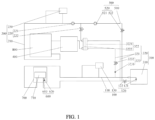
FIG. 1 is a structural diagram of an electric vehicle thermal management system provided by a first embodiment of the present invention; -
FIG. 2 is a structural diagram of an electric vehicle thermal management system provided by a second embodiment of the present invention. - As shown in
FIGS. 1-2 : 100-first loop, 110-first circulating line, 120-first control device, 121-first driving member, 122-first switch, 130-first expansion tank, 200-second loop, 210-second circulating line, 220-second control device, 221-second driving member, 222-second switch, 230-second expansion tank, 300-first temperature control mechanism, 310-refrigerator, 320-heat exchange apparatus, 321-heat exchange line, 322-heat exchanger, 3221-first flow passage, 3222-second flow passage, 323-heat exchange control device, 3231-fourth driving member, 3232-fourth switch, 400-second temperature control mechanism, 500-conveying mechanism, 510-conveying line, 520-conveying control device, 521-third driving member, 522-third switch, 600-release mechanism, 610-nozzle, 620-release switch, 700-battery, 710-liquid cooling plate, 800-driving motor. - In order to make the above objects, features and advantages of the present application clear and easy to understand, specific embodiments of the present invention are described in detail below.
- This embodiment provides an electric vehicle thermal management system, as shown in
FIG. 1 , including afirst loop 100, a second loop 200, a firsttemperature control mechanism 300, a secondtemperature control mechanism 400, a conveyingmechanism 500 and arelease mechanism 600. - Further, the
first loop 100 includes a first circulatingline 110, afirst control device 120 and afirst expansion tank 130. Thefirst control device 120 and thefirst expansion tank 130 are respectively connected to the first circulatingline 110. Thefirst control device 120 is used to control the flow of a first heat conducting agent in the first circulatingline 110. The firsttemperature control mechanism 300 includes arefrigerator 310 and aheat exchange apparatus 320. Therefrigerator 310, theheat exchange apparatus 320 and abattery 600 are respectively connected to the first circulating line. Thefirst control device 120 includes afirst driving member 121 and afirst switch 122. Thefirst driving member 121 drives the flow of the first heat conducting agent. When thefirst switch 122 is opened, the first heat conducting agent circulates in the first circulatingline 110. When thefirst switch 122 is closed, the flow of the first heat conducting agent is interrupted. - Further, the
heat exchange apparatus 320 includes aheat exchange line 321, aheat exchanger 322, and a heatexchange control device 323 arranged on theheat exchange line 321. Theheat exchanger 322 includes afirst flow passage 3221 and asecond flow passage 3222. Thefirst flow passage 3221 and thesecond flow passage 3222 are isolated from each other by a heat exchange plate. Thesecond flow passage 3222 is connected in series to the second loop 200. The inlet end and the outlet end of theheat exchange line 321 are respectively connected to the first circulatingline 110, and thefirst flow passage 3221 is connected in series to theheat exchange line 321. The heatexchange control device 323 controls the flow of the second heat conducting agent in theheat exchange line 321. The heatexchange control device 323 includes afourth driving member 3231 and afourth switch 3232. Thefourth driving member 3231 and thefourth switch 3232 are arranged between the inlet end of theheat exchange line 321 and thefirst flow passage 3221. Driven by thefourth driving member 3231, the first heat conducting agent can enter theheat exchange line 321. When thefourth switch 3232 is opened, the first heat conducting agent enters thefirst flow passage 3221 and then flows back to the first circulatingline 110 from the outlet end of theheat exchange line 321. When thesecond switch 222 is closed, the first heat conducting agent cannot enter thefirst flow passage 3221 through theheat exchange line 321. - The second loop 200 includes a second circulating
line 210, a second control device 220 and asecond expansion tank 230. The second control device 220 is arranged on the second circulatingline 210 to control the flow of a second heat conducting agent in the second circulatingline 210. The secondtemperature control mechanism 400 uses a radiator. A drivingmotor 800 and the secondtemperature control mechanism 400 are respectively connected to the second circulatingline 210. The second control device 220 includes asecond driving member 221 and asecond switch 222. Thesecond driving member 221 drives the flow of the second heat conducting agent. When thesecond switch 222 is opened, the second heat conducting agent circulates in the second circulatingline 210. When thesecond switch 222 is closed, the flow of the second heat conducting agent is interrupted. The first heat conducting agent and the second heat conducting agent in this embodiment both use water. The use of the expansion tank is a common general knowledge in the art. Therefore, the installations of thefirst expansion tank 130 and thesecond expansion tank 230 are not further described in this embodiment. - The conveying
mechanism 500 includes a conveyingline 510 and a conveyingcontrol device 520 arranged on the conveyingline 510. The outlet end of the conveyingline 510 is connected to the first circulatingline 110, and the inlet end of the conveyingline 510 is connected to the second circulatingline 210. The second heat conducting agent can enter the first circulatingline 110 through the conveyingline 510, and the conveyingcontrol device 520 controls the flow of the second heat conducting agent in the conveyingline 510. The conveyingcontrol device 520 includes athird driving member 521 and athird switch 522. When thethird switch 522 is opened, the second heat conducting agent is driven by thethird driving member 521 to enter the conveyingline 510 and flows into the first circulatingline 110 from the outlet end of the conveyingline 510. - In this embodiment, the first driving
member 121, thesecond driving member 221, thethird driving member 521 and thefourth driving member 3231 all use water pumps, and thefirst switch 122, thesecond switch 222, thethird switch 522 and thefourth switch 3232 all use solenoid valves. During the specific installation, thesecond driving member 221 and thethird driving member 521 can also be combined into the same water pump, that is, one water pump is used to control the second circulatingline 210 and the conveyingline 510 at the same time, so as to make the structure of the whole system more compact and save space. - The
release mechanism 600 includes anozzle 610 and arelease switch 620, therelease switch 620 is arranged on thenozzle 610, the inlet end of thenozzle 610 is connected to the first circulatingline 110, and the outlet end of thenozzle 610 is provided with a release port. In this embodiment, a spraying device can be arranged on the release port to increase the spraying area. When a thermal runaway occurs in the battery, therelease switch 620 is opened, and the first heat conducting agent and the second heat conducting agent are released to thebattery 700 through the spraying device. - As shown in
FIG. 1 , the working principle of the electric vehicle thermal management system provided by the present invention is as follows: - When the
battery 700 needs to be cooled, thefirst switch 122 is opened, thethird switch 522 and thefourth switch 3232 are closed, and the first heat conducting agent is driven by the first drivingmember 121 to flow through the first circulatingline 110. The first heat conducting agent is firstly cooled down through therefrigerator 310, and then passes through aliquid cooling plate 710 of thebattery 700 for heat exchange with thebattery 700, the heat of thebattery 700 is transferred to the first heat conducting agent, and the first heat conducting agent that completes the heat exchange enters therefrigerator 310 for cooling again. This cycle continues until thebattery 700 returns to normal. - When the driving
motor 800 needs to be cooled, thesecond switch 222 is opened, and the second heat conducting agent is driven by thesecond driving member 221 to flow through the second circulatingline 210. The second heat conducting agent is firstly cooled down through the radiator, and then passes through the drivingmotor 800 and exchanges heat with the drivingmotor 800, whereby the drivingmotor 800 transfers heat to the second heat conducting agent. This cycle continues until the drivingmotor 800 returns to normal. - When a thermal runaway occurs in the
battery 700, thefirst switch 122 and thethird switch 522 are opened, thefourth switch 3232 and thesecond switch 222 are closed, the second heat conducting agent in the second circulatingline 210 is driven by thethird driving member 521 to enter the conveyingline 510, and then enters the first circulatingline 110 from the outlet end of the conveyingline 510, such that the first heat conducting agent and the second heat conducting agent converge, therelease switch 620 is opened, and the first heat conducting agent and the second heat conducting agent are sprayed on thebattery 700 through the spraying device so as to effectively prevent the occurrence of fire. - When the
battery 700 needs to be heated up, therefrigerator 310 and the secondtemperature control mechanism 300 are turned off, thefirst switch 122 and thethird switch 522 are closed, thesecond switch 222 and thefourth switch 3232 are opened, and the first heat conducting agent is driven by thefourth driving member 3231 to enter theheat exchange line 321 and flows through thefirst flow passage 3221. Meanwhile, the second heat conducting agent flows through thesecond flow passage 3222, the first heat conducting agent transfers the heat of the drivingmotor 800 to the first heat conducting agent, and the first heat conducting agent that completes the heat exchange enters the first circulatingline 100 to heat thebattery 700. This cycle continues until thebattery 700 returns to normal. - As shown in
FIG. 2 , the difference from the first embodiment is that thefirst flow passage 3221 in this embodiment is connected in series to thefirst loop 100, the inlet end and the outlet end of theheat exchange line 321 are respectively connected to the second circulatingline 210, thesecond flow passage 3222 is connected in series to theheat exchange line 321, and thefourth driving member 3231 and thefourth switch 3232 are arranged between the inlet end of theheat exchange line 321 and thesecond flow passage 3222. Driven by thefourth driving member 3231, the second heat conducting agent can enter theheat exchange line 321. When thefourth switch 3232 is opened, the second heat conducting agent enters thesecond flow passage 3222 and flows back to the second circulatingline 210 from the outlet end of theheat exchange line 321. When thesecond switch 222 is closed, the second heat conducting agent cannot enter thesecond flow passage 3222 through theheat exchange line 321.
Claims (17)
- An electric vehicle thermal management system, comprising:a first loop (100), a second loop (200), a first temperature control mechanism (300) and, a second temperature control mechanism (400);wherein the first loop (100) is configured for transmitting a first heat conducting agent, a battery (700) and the first temperature control mechanism (300) are respectively connected to the first loop (100), and the first loop (100) transmits the first heat conducting agent to circulate between the first temperature control mechanism (300) and the battery (700);the second loop (200) is configured for transmitting a second heat conducting agent, a driving motor (800) and the second temperature control mechanism (400) are respectively connected to the second loop (200), and the second loop (200) transmits the second heat conducting agent to circulate between the second temperature control mechanism (400) and the driving motor (800); characterised in that the electric vehicle thermal management system further comprises:a conveying mechanism (500) which is respectively connected to the first loop (100) and the second loop (200); anda release mechanism (600) which is connected to the first loop (100), and a release port of the release mechanism (600) faces the battery (700).
- The electric vehicle thermal management system according to claim 1, wherein the first loop (100) comprises a first circulating line (110) and a first control device (120), and the first control device (120) is arranged on the first circulating line (110).
- The electric vehicle thermal management system according to claim 2, wherein the first loop (100) further comprises a first expansion tank (130), and the first expansion tank (130) is connected to the first circulating line (110).
- The electric vehicle thermal management system according to claim 2, wherein the first control device (120) comprises a first switch (122) and a first driving member (121).
- The electric vehicle thermal management system according to claim 1, wherein the first temperature control mechanism (300) comprises a refrigerator (310).
- The electric vehicle thermal management system according to claim 1, wherein the second loop (200) comprises a second circulating line (210) and a second control device (220), and the second control device (220) is arranged on the second circulating line (210).
- The electric vehicle thermal management system according to claim 6, wherein the second control device (220) comprises a second switch (222) and a second driving member (221).
- The electric vehicle thermal management system according to claim 6, wherein the second loop (200) further comprises a second expansion tank (230), and the second expansion tank (230) is connected to the second circulating line (210).
- The electric vehicle thermal management system according to claim 1, wherein the second temperature control mechanism (400) comprises a radiator.
- The electric vehicle thermal management system according to claim 1, wherein the conveying mechanism (500) comprises a conveying line (510) and a conveying control device (520) arranged on the conveying line (510), an outlet end of the conveying line (510) is connected to the first loop (100), and an inlet end of the conveying line (510) is connected to the second loop (200).
- The electric vehicle thermal management system according to claim 1, wherein the first temperature control mechanism (300) comprises a heat exchange apparatus (320), the heat exchange apparatus (320) is respectively connected to the first loop (100) and the second loop (200), such that the first heat conducting agent and the second heat conducting agent enter the heat exchange apparatus (320) for heat exchange.
- The electric vehicle thermal management system according to claim 11, wherein the heat exchange apparatus (320) comprises a heat exchange line (321), a heat exchanger (322) and a heat exchange control device (323) arranged on the heat exchange line (321), the heat exchanger (322) comprises a first flow passage (3221) and a second flow passage (3222), and the first flow passage (3221) and the second flow passage (3222) are isolated from each other by a heat exchange plate; the first flow passage (3221) is connected in series to the first loop (100); two ends of the second flow passage (3222) are connected to the second loop (200) through the heat exchange line (321), and the heat exchange control device (323) controls the flow of the second heat conducting agent in the heat exchange line (321).
- The electric vehicle thermal management system according to claim 11, wherein the heat exchange apparatus (320) comprises a heat exchange line (321), a heat exchanger (322) and a heat exchange control device (323) arranged on the heat exchange line (321), the heat exchanger (322) comprises a first flow passage (3221) and a second flow passage (3222), and the first flow passage (3221) and the second flow passage (3222) are isolated by a heat exchange plate; the second flow passage (3222) is connected in series to the second loop (200); two ends of the first flow passage (3221) are connected to the first loop (100) through the heat exchange line (321), and the heat exchange control device (323) controls the flow of the first heat conducting agent in the heat exchange line (321).
- The electric vehicle thermal management system according to claim 1, wherein the release mechanism (600) comprises a nozzle (610) and a release switch (620), the release switch (620) is arranged on the nozzle (610), an inlet end of the nozzle (610) is connected to the first loop (100), and an outlet end is provided with the release port.
- A battery thermal management method using the electric vehicle thermal management system according to any one of claims 1 to 14, comprising:when the battery (700) needs to be cooled, the first loop (100) transmits the first heat conducting agent to the first temperature control mechanism (300), and the first temperature control mechanism (300) cools down the first heat conducting agent, the first loop (100) transmits the cooled first heat conducting agent to the battery (700) for heat exchange;when a thermal runaway occurs in the battery (700), the conveying mechanism (500) transmits the second heat conducting agent to the first loop (100), such that the second heat conducting agent converges with the first heat conducting agent, and the release mechanism (600) releases the first heat conducting agent and the second heat conducting agent that are converged to the battery (700).
- The battery thermal management method according to claim 15, further comprising:
when the battery (700) needs to be heated, the first loop (100) transmits the first heat conducting agent to the first temperature control mechanism (300), the first temperature control mechanism (300) heats the first heat conducting agent, and the first loop (100) transmits the heated first heat conducting agent to the battery (700) for heat exchange. - An electric vehicle comprising the electric vehicle thermal management system according to any one of claims 1 to 14.
Applications Claiming Priority (1)
| Application Number | Priority Date | Filing Date | Title |
|---|---|---|---|
| PCT/CN2019/122551 WO2021108973A1 (en) | 2019-12-03 | 2019-12-03 | Electric vehicle thermal management system, battery thermal management method and electric vehicle |
Publications (3)
| Publication Number | Publication Date |
|---|---|
| EP4070987A1 EP4070987A1 (en) | 2022-10-12 |
| EP4070987A4 EP4070987A4 (en) | 2023-11-01 |
| EP4070987B1 true EP4070987B1 (en) | 2024-08-07 |
Family
ID=76221294
Family Applications (1)
| Application Number | Title | Priority Date | Filing Date |
|---|---|---|---|
| EP19954919.7A Active EP4070987B1 (en) | 2019-12-03 | 2019-12-03 | Electric vehicle thermal management system, battery thermal management method and electric vehicle |
Country Status (5)
| Country | Link |
|---|---|
| US (1) | US12304352B2 (en) |
| EP (1) | EP4070987B1 (en) |
| KR (1) | KR102669104B1 (en) |
| CN (1) | CN114746302B (en) |
| WO (1) | WO2021108973A1 (en) |
Families Citing this family (2)
| Publication number | Priority date | Publication date | Assignee | Title |
|---|---|---|---|---|
| KR20240058238A (en) | 2022-10-25 | 2024-05-03 | 국립공주대학교 산학협력단 | Emergency escape system for electric vehicles |
| KR102814448B1 (en) | 2024-09-20 | 2025-05-29 | 케이지모빌리티 주식회사 | Electric vehicle fire prevention system and method using high voltage battery health check |
Family Cites Families (27)
| Publication number | Priority date | Publication date | Assignee | Title |
|---|---|---|---|---|
| US7743614B2 (en) * | 2005-04-08 | 2010-06-29 | Bsst Llc | Thermoelectric-based heating and cooling system |
| US10476051B2 (en) * | 2009-04-22 | 2019-11-12 | Tesla, Inc. | Battery pack base plate heat exchanger |
| FR2982935B1 (en) | 2011-11-22 | 2014-01-10 | Peugeot Citroen Automobiles Sa | DEVICE FOR THE THERMAL MANAGEMENT OF A TRACTION CHAIN OF A HYBRID OR ELECTRIC VEHICLE |
| US20140070013A1 (en) * | 2012-09-12 | 2014-03-13 | Ford Global Technologies, Llc | Thermal system and method for a vehicle having traction battery |
| US10046617B2 (en) * | 2013-02-01 | 2018-08-14 | Ford Global Technologies, Llc | Electric vehicle multi-loop thermal management system |
| CN203134927U (en) * | 2013-02-19 | 2013-08-14 | 微宏动力系统(湖州)有限公司 | Vehicle-mounted battery pack heat management system |
| JP6310142B2 (en) * | 2014-03-21 | 2018-04-11 | アリース エコ アーク(ケイマン) シーオー.エルティーディー. | Electric vehicle temperature control system |
| CN105720318B (en) | 2014-12-03 | 2019-06-21 | 广州汽车集团股份有限公司 | A liquid-cooled battery system for a new energy vehicle and its temperature control method |
| US9844995B2 (en) * | 2015-04-28 | 2017-12-19 | Atieva, Inc. | EV muti-mode thermal control system |
| US9950638B2 (en) * | 2015-07-10 | 2018-04-24 | Ford Global Technologies, Llc | Preconditioning an electric vehicle |
| KR102361190B1 (en) * | 2015-07-14 | 2022-02-11 | 한온시스템 주식회사 | device for control temperature of battery for a vehicle |
| KR102364987B1 (en) * | 2015-07-27 | 2022-02-21 | 한온시스템 주식회사 | Battery cooling system for vehicle |
| US10543734B2 (en) * | 2015-10-20 | 2020-01-28 | Ford Global Technologies, Llc | Electrified vehicle cabin heating |
| US10124793B2 (en) * | 2016-03-02 | 2018-11-13 | Gentherm Incorporated | Systems and methods for supplying power in a hybrid vehicle using capacitors, a battery and one or more DC/DC converters |
| KR20170108447A (en) * | 2016-03-17 | 2017-09-27 | 현대자동차주식회사 | Betterly cooling system for vehicle |
| KR102522330B1 (en) * | 2016-07-14 | 2023-04-18 | 한온시스템 주식회사 | Thermal management system of battery for vehicle |
| KR102437707B1 (en) | 2017-04-07 | 2022-08-29 | 현대자동차주식회사 | System and controlling method extinguising a fire for battery of vehicle |
| KR102399618B1 (en) * | 2017-05-30 | 2022-05-18 | 현대자동차주식회사 | Hvac system of vehicle |
| CN107323285B (en) | 2017-06-28 | 2021-06-29 | 奇瑞新能源汽车股份有限公司 | Electric vehicle thermal management system |
| KR102468383B1 (en) | 2017-09-28 | 2022-11-21 | 현대자동차주식회사 | Battery cooling system for vehicle |
| CN110015195B (en) * | 2017-09-28 | 2020-12-18 | 郑州宇通客车股份有限公司 | An electric vehicle thermal management system |
| JP2019089524A (en) * | 2017-11-17 | 2019-06-13 | アイシン精機株式会社 | Vehicular heat exchange device |
| JP7024413B2 (en) * | 2018-01-09 | 2022-02-24 | 株式会社デンソー | Thermal management system |
| KR20190127219A (en) * | 2018-05-04 | 2019-11-13 | 한온시스템 주식회사 | Vehicle thermal management system |
| CN109411847B (en) * | 2018-10-31 | 2021-02-05 | 西安科技大学 | Battery pack heat management device and heat dissipation and heating method thereof |
| CN110053518A (en) | 2019-04-30 | 2019-07-26 | 威马智慧出行科技(上海)有限公司 | Electric car and its heat management device |
| CN110481271B (en) * | 2019-08-28 | 2023-04-07 | 重庆长安汽车股份有限公司 | Pure electric vehicle type thermal management system |
-
2019
- 2019-12-03 EP EP19954919.7A patent/EP4070987B1/en active Active
- 2019-12-03 KR KR1020227022408A patent/KR102669104B1/en active Active
- 2019-12-03 WO PCT/CN2019/122551 patent/WO2021108973A1/en not_active Ceased
- 2019-12-03 CN CN201980102549.2A patent/CN114746302B/en active Active
- 2019-12-03 US US17/780,023 patent/US12304352B2/en active Active
Also Published As
| Publication number | Publication date |
|---|---|
| US12304352B2 (en) | 2025-05-20 |
| CN114746302A (en) | 2022-07-12 |
| CN114746302B (en) | 2023-07-11 |
| EP4070987A4 (en) | 2023-11-01 |
| KR102669104B1 (en) | 2024-05-24 |
| WO2021108973A1 (en) | 2021-06-10 |
| EP4070987A1 (en) | 2022-10-12 |
| KR20220107269A (en) | 2022-08-02 |
| US20220410763A1 (en) | 2022-12-29 |
Similar Documents
| Publication | Publication Date | Title |
|---|---|---|
| US20220097567A1 (en) | Vehicle thermal management system and control method thereof, and vehicle using same | |
| CN116039325B (en) | Multi-way valve thermal management system and automobile | |
| KR102320361B1 (en) | Heat pump arrangement for vehicles with a vehicle cabin heating circuit and a battery heating circuit | |
| CN115465089B (en) | Thermal management system control method for hybrid vehicle and hybrid vehicle | |
| CN111251800A (en) | Vehicle thermal management system and vehicle | |
| US20250183409A1 (en) | Battery heat exchange module, thermal management system, and vehicle | |
| CN108284725A (en) | Distributed drive intelligent thermal management system for new energy vehicles | |
| CN110444831A (en) | A kind of electric automobile power battery heat management system, method and electric car | |
| CN107719136A (en) | Pure electric vehicles cooling system and car | |
| EP4070987B1 (en) | Electric vehicle thermal management system, battery thermal management method and electric vehicle | |
| CN106099256A (en) | A kind of electric motor car energy storage type heat management system | |
| WO2025050548A1 (en) | Thermal management system for vehicle and vehicle | |
| CN116278633B (en) | Multi-way valve thermal management system and vehicle | |
| WO2026031499A1 (en) | Vehicle thermal management system and vehicle | |
| CN116039328B (en) | Multi-way valve thermal management system and vehicle | |
| CN116039326B (en) | Multi-port valve thermal management system and vehicles | |
| CN116198278A (en) | Thermal management assembly, thermal management method and vehicle | |
| CN210454390U (en) | A pure electric truck heating and cooling system | |
| CN211000992U (en) | Heat exchange system and vehicle | |
| CN211809177U (en) | Battery Thermal Management Systems and Hydrogen Vehicles | |
| CN223803411U (en) | A liquid-cooled temperature control system for electric trucks | |
| CN112644337A (en) | Pure electric vehicle battery thermal management system and pure electric vehicle | |
| CN116278583B (en) | Multi-way valve heat management system, heat management method and vehicle | |
| CN223407756U (en) | Electric engineering vehicles and their thermal management systems | |
| CN218182310U (en) | Heat management system |
Legal Events
| Date | Code | Title | Description |
|---|---|---|---|
| STAA | Information on the status of an ep patent application or granted ep patent |
Free format text: STATUS: THE INTERNATIONAL PUBLICATION HAS BEEN MADE |
|
| PUAI | Public reference made under article 153(3) epc to a published international application that has entered the european phase |
Free format text: ORIGINAL CODE: 0009012 |
|
| STAA | Information on the status of an ep patent application or granted ep patent |
Free format text: STATUS: REQUEST FOR EXAMINATION WAS MADE |
|
| 17P | Request for examination filed |
Effective date: 20220607 |
|
| AK | Designated contracting states |
Kind code of ref document: A1 Designated state(s): AL AT BE BG CH CY CZ DE DK EE ES FI FR GB GR HR HU IE IS IT LI LT LU LV MC MK MT NL NO PL PT RO RS SE SI SK SM TR |
|
| DAV | Request for validation of the european patent (deleted) | ||
| DAX | Request for extension of the european patent (deleted) | ||
| REG | Reference to a national code |
Free format text: PREVIOUS MAIN CLASS: B60L0058270000 Ipc: B60K0011020000 Ref country code: DE Ref legal event code: R079 Ref document number: 602019056847 Country of ref document: DE Free format text: PREVIOUS MAIN CLASS: B60L0058270000 Ipc: B60K0011020000 |
|
| A4 | Supplementary search report drawn up and despatched |
Effective date: 20230928 |
|
| RIC1 | Information provided on ipc code assigned before grant |
Ipc: H01M 10/63 20140101ALI20230922BHEP Ipc: H01M 10/625 20140101ALI20230922BHEP Ipc: B60L 3/00 20190101ALI20230922BHEP Ipc: B60L 58/26 20190101ALI20230922BHEP Ipc: B60L 58/27 20190101ALI20230922BHEP Ipc: B60K 1/00 20060101ALI20230922BHEP Ipc: B60K 11/02 20060101AFI20230922BHEP |
|
| GRAP | Despatch of communication of intention to grant a patent |
Free format text: ORIGINAL CODE: EPIDOSNIGR1 |
|
| STAA | Information on the status of an ep patent application or granted ep patent |
Free format text: STATUS: GRANT OF PATENT IS INTENDED |
|
| RIC1 | Information provided on ipc code assigned before grant |
Ipc: H01M 10/63 20140101ALI20240328BHEP Ipc: H01M 10/625 20140101ALI20240328BHEP Ipc: B60L 3/00 20190101ALI20240328BHEP Ipc: B60L 58/26 20190101ALI20240328BHEP Ipc: B60L 58/27 20190101ALI20240328BHEP Ipc: B60K 1/00 20060101ALI20240328BHEP Ipc: B60K 11/02 20060101AFI20240328BHEP |
|
| INTG | Intention to grant announced |
Effective date: 20240422 |
|
| GRAS | Grant fee paid |
Free format text: ORIGINAL CODE: EPIDOSNIGR3 |
|
| GRAA | (expected) grant |
Free format text: ORIGINAL CODE: 0009210 |
|
| STAA | Information on the status of an ep patent application or granted ep patent |
Free format text: STATUS: THE PATENT HAS BEEN GRANTED |
|
| P01 | Opt-out of the competence of the unified patent court (upc) registered |
Free format text: CASE NUMBER: APP_33468/2024 Effective date: 20240605 |
|
| AK | Designated contracting states |
Kind code of ref document: B1 Designated state(s): AL AT BE BG CH CY CZ DE DK EE ES FI FR GB GR HR HU IE IS IT LI LT LU LV MC MK MT NL NO PL PT RO RS SE SI SK SM TR |
|
| REG | Reference to a national code |
Ref country code: GB Ref legal event code: FG4D |
|
| REG | Reference to a national code |
Ref country code: CH Ref legal event code: EP |
|
| REG | Reference to a national code |
Ref country code: IE Ref legal event code: FG4D |
|
| REG | Reference to a national code |
Ref country code: DE Ref legal event code: R096 Ref document number: 602019056847 Country of ref document: DE |
|
| REG | Reference to a national code |
Ref country code: LT Ref legal event code: MG9D |
|
| REG | Reference to a national code |
Ref country code: NL Ref legal event code: MP Effective date: 20240807 |
|
| PG25 | Lapsed in a contracting state [announced via postgrant information from national office to epo] |
Ref country code: NO Free format text: LAPSE BECAUSE OF FAILURE TO SUBMIT A TRANSLATION OF THE DESCRIPTION OR TO PAY THE FEE WITHIN THE PRESCRIBED TIME-LIMIT Effective date: 20241107 |
|
| REG | Reference to a national code |
Ref country code: AT Ref legal event code: MK05 Ref document number: 1710567 Country of ref document: AT Kind code of ref document: T Effective date: 20240807 |
|
| PG25 | Lapsed in a contracting state [announced via postgrant information from national office to epo] |
Ref country code: NL Free format text: LAPSE BECAUSE OF FAILURE TO SUBMIT A TRANSLATION OF THE DESCRIPTION OR TO PAY THE FEE WITHIN THE PRESCRIBED TIME-LIMIT Effective date: 20240807 Ref country code: FI Free format text: LAPSE BECAUSE OF FAILURE TO SUBMIT A TRANSLATION OF THE DESCRIPTION OR TO PAY THE FEE WITHIN THE PRESCRIBED TIME-LIMIT Effective date: 20240807 Ref country code: PT Free format text: LAPSE BECAUSE OF FAILURE TO SUBMIT A TRANSLATION OF THE DESCRIPTION OR TO PAY THE FEE WITHIN THE PRESCRIBED TIME-LIMIT Effective date: 20241209 Ref country code: PL Free format text: LAPSE BECAUSE OF FAILURE TO SUBMIT A TRANSLATION OF THE DESCRIPTION OR TO PAY THE FEE WITHIN THE PRESCRIBED TIME-LIMIT Effective date: 20240807 Ref country code: GR Free format text: LAPSE BECAUSE OF FAILURE TO SUBMIT A TRANSLATION OF THE DESCRIPTION OR TO PAY THE FEE WITHIN THE PRESCRIBED TIME-LIMIT Effective date: 20241108 |
|
| PG25 | Lapsed in a contracting state [announced via postgrant information from national office to epo] |
Ref country code: BG Free format text: LAPSE BECAUSE OF FAILURE TO SUBMIT A TRANSLATION OF THE DESCRIPTION OR TO PAY THE FEE WITHIN THE PRESCRIBED TIME-LIMIT Effective date: 20240807 |
|
| PG25 | Lapsed in a contracting state [announced via postgrant information from national office to epo] |
Ref country code: LV Free format text: LAPSE BECAUSE OF FAILURE TO SUBMIT A TRANSLATION OF THE DESCRIPTION OR TO PAY THE FEE WITHIN THE PRESCRIBED TIME-LIMIT Effective date: 20240807 |
|
| PG25 | Lapsed in a contracting state [announced via postgrant information from national office to epo] |
Ref country code: AT Free format text: LAPSE BECAUSE OF FAILURE TO SUBMIT A TRANSLATION OF THE DESCRIPTION OR TO PAY THE FEE WITHIN THE PRESCRIBED TIME-LIMIT Effective date: 20240807 Ref country code: IS Free format text: LAPSE BECAUSE OF FAILURE TO SUBMIT A TRANSLATION OF THE DESCRIPTION OR TO PAY THE FEE WITHIN THE PRESCRIBED TIME-LIMIT Effective date: 20241207 |
|
| PG25 | Lapsed in a contracting state [announced via postgrant information from national office to epo] |
Ref country code: HR Free format text: LAPSE BECAUSE OF FAILURE TO SUBMIT A TRANSLATION OF THE DESCRIPTION OR TO PAY THE FEE WITHIN THE PRESCRIBED TIME-LIMIT Effective date: 20240807 |
|
| PG25 | Lapsed in a contracting state [announced via postgrant information from national office to epo] |
Ref country code: ES Free format text: LAPSE BECAUSE OF FAILURE TO SUBMIT A TRANSLATION OF THE DESCRIPTION OR TO PAY THE FEE WITHIN THE PRESCRIBED TIME-LIMIT Effective date: 20240807 Ref country code: RS Free format text: LAPSE BECAUSE OF FAILURE TO SUBMIT A TRANSLATION OF THE DESCRIPTION OR TO PAY THE FEE WITHIN THE PRESCRIBED TIME-LIMIT Effective date: 20241107 |
|
| PG25 | Lapsed in a contracting state [announced via postgrant information from national office to epo] |
Ref country code: RS Free format text: LAPSE BECAUSE OF FAILURE TO SUBMIT A TRANSLATION OF THE DESCRIPTION OR TO PAY THE FEE WITHIN THE PRESCRIBED TIME-LIMIT Effective date: 20241107 Ref country code: PT Free format text: LAPSE BECAUSE OF FAILURE TO SUBMIT A TRANSLATION OF THE DESCRIPTION OR TO PAY THE FEE WITHIN THE PRESCRIBED TIME-LIMIT Effective date: 20241209 Ref country code: PL Free format text: LAPSE BECAUSE OF FAILURE TO SUBMIT A TRANSLATION OF THE DESCRIPTION OR TO PAY THE FEE WITHIN THE PRESCRIBED TIME-LIMIT Effective date: 20240807 Ref country code: NO Free format text: LAPSE BECAUSE OF FAILURE TO SUBMIT A TRANSLATION OF THE DESCRIPTION OR TO PAY THE FEE WITHIN THE PRESCRIBED TIME-LIMIT Effective date: 20241107 Ref country code: NL Free format text: LAPSE BECAUSE OF FAILURE TO SUBMIT A TRANSLATION OF THE DESCRIPTION OR TO PAY THE FEE WITHIN THE PRESCRIBED TIME-LIMIT Effective date: 20240807 Ref country code: LV Free format text: LAPSE BECAUSE OF FAILURE TO SUBMIT A TRANSLATION OF THE DESCRIPTION OR TO PAY THE FEE WITHIN THE PRESCRIBED TIME-LIMIT Effective date: 20240807 Ref country code: IS Free format text: LAPSE BECAUSE OF FAILURE TO SUBMIT A TRANSLATION OF THE DESCRIPTION OR TO PAY THE FEE WITHIN THE PRESCRIBED TIME-LIMIT Effective date: 20241207 Ref country code: HR Free format text: LAPSE BECAUSE OF FAILURE TO SUBMIT A TRANSLATION OF THE DESCRIPTION OR TO PAY THE FEE WITHIN THE PRESCRIBED TIME-LIMIT Effective date: 20240807 Ref country code: GR Free format text: LAPSE BECAUSE OF FAILURE TO SUBMIT A TRANSLATION OF THE DESCRIPTION OR TO PAY THE FEE WITHIN THE PRESCRIBED TIME-LIMIT Effective date: 20241108 Ref country code: FI Free format text: LAPSE BECAUSE OF FAILURE TO SUBMIT A TRANSLATION OF THE DESCRIPTION OR TO PAY THE FEE WITHIN THE PRESCRIBED TIME-LIMIT Effective date: 20240807 Ref country code: ES Free format text: LAPSE BECAUSE OF FAILURE TO SUBMIT A TRANSLATION OF THE DESCRIPTION OR TO PAY THE FEE WITHIN THE PRESCRIBED TIME-LIMIT Effective date: 20240807 Ref country code: BG Free format text: LAPSE BECAUSE OF FAILURE TO SUBMIT A TRANSLATION OF THE DESCRIPTION OR TO PAY THE FEE WITHIN THE PRESCRIBED TIME-LIMIT Effective date: 20240807 Ref country code: AT Free format text: LAPSE BECAUSE OF FAILURE TO SUBMIT A TRANSLATION OF THE DESCRIPTION OR TO PAY THE FEE WITHIN THE PRESCRIBED TIME-LIMIT Effective date: 20240807 |
|
| PG25 | Lapsed in a contracting state [announced via postgrant information from national office to epo] |
Ref country code: DK Free format text: LAPSE BECAUSE OF FAILURE TO SUBMIT A TRANSLATION OF THE DESCRIPTION OR TO PAY THE FEE WITHIN THE PRESCRIBED TIME-LIMIT Effective date: 20240807 Ref country code: SM Free format text: LAPSE BECAUSE OF FAILURE TO SUBMIT A TRANSLATION OF THE DESCRIPTION OR TO PAY THE FEE WITHIN THE PRESCRIBED TIME-LIMIT Effective date: 20240807 |
|
| PG25 | Lapsed in a contracting state [announced via postgrant information from national office to epo] |
Ref country code: EE Free format text: LAPSE BECAUSE OF FAILURE TO SUBMIT A TRANSLATION OF THE DESCRIPTION OR TO PAY THE FEE WITHIN THE PRESCRIBED TIME-LIMIT Effective date: 20240807 |
|
| PG25 | Lapsed in a contracting state [announced via postgrant information from national office to epo] |
Ref country code: CZ Free format text: LAPSE BECAUSE OF FAILURE TO SUBMIT A TRANSLATION OF THE DESCRIPTION OR TO PAY THE FEE WITHIN THE PRESCRIBED TIME-LIMIT Effective date: 20240807 |
|
| PG25 | Lapsed in a contracting state [announced via postgrant information from national office to epo] |
Ref country code: SK Free format text: LAPSE BECAUSE OF FAILURE TO SUBMIT A TRANSLATION OF THE DESCRIPTION OR TO PAY THE FEE WITHIN THE PRESCRIBED TIME-LIMIT Effective date: 20240807 |
|
| REG | Reference to a national code |
Ref country code: DE Ref legal event code: R097 Ref document number: 602019056847 Country of ref document: DE |
|
| PLBE | No opposition filed within time limit |
Free format text: ORIGINAL CODE: 0009261 |
|
| STAA | Information on the status of an ep patent application or granted ep patent |
Free format text: STATUS: NO OPPOSITION FILED WITHIN TIME LIMIT |
|
| PG25 | Lapsed in a contracting state [announced via postgrant information from national office to epo] |
Ref country code: MC Free format text: LAPSE BECAUSE OF FAILURE TO SUBMIT A TRANSLATION OF THE DESCRIPTION OR TO PAY THE FEE WITHIN THE PRESCRIBED TIME-LIMIT Effective date: 20240807 |
|
| 26N | No opposition filed |
Effective date: 20250508 |
|
| REG | Reference to a national code |
Ref country code: CH Ref legal event code: PL |
|
| PG25 | Lapsed in a contracting state [announced via postgrant information from national office to epo] |
Ref country code: LU Free format text: LAPSE BECAUSE OF NON-PAYMENT OF DUE FEES Effective date: 20241203 |
|
| PG25 | Lapsed in a contracting state [announced via postgrant information from national office to epo] |
Ref country code: SE Free format text: LAPSE BECAUSE OF FAILURE TO SUBMIT A TRANSLATION OF THE DESCRIPTION OR TO PAY THE FEE WITHIN THE PRESCRIBED TIME-LIMIT Effective date: 20240807 |
|
| REG | Reference to a national code |
Ref country code: BE Ref legal event code: MM Effective date: 20241231 |
|
| PG25 | Lapsed in a contracting state [announced via postgrant information from national office to epo] |
Ref country code: BE Free format text: LAPSE BECAUSE OF NON-PAYMENT OF DUE FEES Effective date: 20241231 |
|
| PG25 | Lapsed in a contracting state [announced via postgrant information from national office to epo] |
Ref country code: CH Free format text: LAPSE BECAUSE OF NON-PAYMENT OF DUE FEES Effective date: 20241231 |
|
| PG25 | Lapsed in a contracting state [announced via postgrant information from national office to epo] |
Ref country code: IE Free format text: LAPSE BECAUSE OF NON-PAYMENT OF DUE FEES Effective date: 20241203 |
|
| PG25 | Lapsed in a contracting state [announced via postgrant information from national office to epo] |
Ref country code: RO Free format text: LAPSE BECAUSE OF FAILURE TO SUBMIT A TRANSLATION OF THE DESCRIPTION OR TO PAY THE FEE WITHIN THE PRESCRIBED TIME-LIMIT Effective date: 20240807 |
|
| PGFP | Annual fee paid to national office [announced via postgrant information from national office to epo] |
Ref country code: DE Payment date: 20251111 Year of fee payment: 7 |
|
| PGFP | Annual fee paid to national office [announced via postgrant information from national office to epo] |
Ref country code: GB Payment date: 20251229 Year of fee payment: 7 |
|
| PG25 | Lapsed in a contracting state [announced via postgrant information from national office to epo] |
Ref country code: IT Free format text: LAPSE BECAUSE OF NON-PAYMENT OF DUE FEES Effective date: 20241203 |
|
| PGFP | Annual fee paid to national office [announced via postgrant information from national office to epo] |
Ref country code: FR Payment date: 20251117 Year of fee payment: 7 |
|
| PG25 | Lapsed in a contracting state [announced via postgrant information from national office to epo] |
Ref country code: CY Free format text: LAPSE BECAUSE OF FAILURE TO SUBMIT A TRANSLATION OF THE DESCRIPTION OR TO PAY THE FEE WITHIN THE PRESCRIBED TIME-LIMIT; INVALID AB INITIO Effective date: 20191203 |
|
| PG25 | Lapsed in a contracting state [announced via postgrant information from national office to epo] |
Ref country code: IT Free format text: LAPSE BECAUSE OF NON-PAYMENT OF DUE FEES Effective date: 20241203 |
|
| PGFP | Annual fee paid to national office [announced via postgrant information from national office to epo] |
Ref country code: IT Payment date: 20251210 Year of fee payment: 7 |
|
| PGRI | Patent reinstated in contracting state [announced from national office to epo] |
Ref country code: IT Effective date: 20250430 |