EP4068810A1 - Methods for transmitting and receiving sidelink positioning reference signal, and terminal - Google Patents
Methods for transmitting and receiving sidelink positioning reference signal, and terminal Download PDFInfo
- Publication number
- EP4068810A1 EP4068810A1 EP20901648.4A EP20901648A EP4068810A1 EP 4068810 A1 EP4068810 A1 EP 4068810A1 EP 20901648 A EP20901648 A EP 20901648A EP 4068810 A1 EP4068810 A1 EP 4068810A1
- Authority
- EP
- European Patent Office
- Prior art keywords
- prs
- resource
- information
- sidelink
- occupied
- Prior art date
- Legal status (The legal status is an assumption and is not a legal conclusion. Google has not performed a legal analysis and makes no representation as to the accuracy of the status listed.)
- Granted
Links
Images




Classifications
-
- H—ELECTRICITY
- H04—ELECTRIC COMMUNICATION TECHNIQUE
- H04L—TRANSMISSION OF DIGITAL INFORMATION, e.g. TELEGRAPHIC COMMUNICATION
- H04L5/00—Arrangements affording multiple use of the transmission path
- H04L5/003—Arrangements for allocating sub-channels of the transmission path
- H04L5/0048—Allocation of pilot signals, i.e. of signals known to the receiver
- H04L5/0051—Allocation of pilot signals, i.e. of signals known to the receiver of dedicated pilots, i.e. pilots destined for a single user or terminal
-
- H—ELECTRICITY
- H04—ELECTRIC COMMUNICATION TECHNIQUE
- H04L—TRANSMISSION OF DIGITAL INFORMATION, e.g. TELEGRAPHIC COMMUNICATION
- H04L5/00—Arrangements affording multiple use of the transmission path
- H04L5/003—Arrangements for allocating sub-channels of the transmission path
- H04L5/0053—Allocation of signalling, i.e. of overhead other than pilot signals
-
- H—ELECTRICITY
- H04—ELECTRIC COMMUNICATION TECHNIQUE
- H04L—TRANSMISSION OF DIGITAL INFORMATION, e.g. TELEGRAPHIC COMMUNICATION
- H04L5/00—Arrangements affording multiple use of the transmission path
- H04L5/0001—Arrangements for dividing the transmission path
- H04L5/0003—Two-dimensional division
- H04L5/0005—Time-frequency
- H04L5/0007—Time-frequency the frequencies being orthogonal, e.g. OFDM(A) or DMT
-
- H—ELECTRICITY
- H04—ELECTRIC COMMUNICATION TECHNIQUE
- H04L—TRANSMISSION OF DIGITAL INFORMATION, e.g. TELEGRAPHIC COMMUNICATION
- H04L5/00—Arrangements affording multiple use of the transmission path
- H04L5/003—Arrangements for allocating sub-channels of the transmission path
- H04L5/0048—Allocation of pilot signals, i.e. of signals known to the receiver
-
- H—ELECTRICITY
- H04—ELECTRIC COMMUNICATION TECHNIQUE
- H04L—TRANSMISSION OF DIGITAL INFORMATION, e.g. TELEGRAPHIC COMMUNICATION
- H04L5/00—Arrangements affording multiple use of the transmission path
- H04L5/003—Arrangements for allocating sub-channels of the transmission path
- H04L5/0053—Allocation of signalling, i.e. of overhead other than pilot signals
- H04L5/0055—Physical resource allocation for ACK/NACK
-
- H—ELECTRICITY
- H04—ELECTRIC COMMUNICATION TECHNIQUE
- H04W—WIRELESS COMMUNICATION NETWORKS
- H04W4/00—Services specially adapted for wireless communication networks; Facilities therefor
- H04W4/30—Services specially adapted for particular environments, situations or purposes
- H04W4/40—Services specially adapted for particular environments, situations or purposes for vehicles, e.g. vehicle-to-pedestrians [V2P]
- H04W4/44—Services specially adapted for particular environments, situations or purposes for vehicles, e.g. vehicle-to-pedestrians [V2P] for communication between vehicles and infrastructures, e.g. vehicle-to-cloud [V2C] or vehicle-to-home [V2H]
-
- H—ELECTRICITY
- H04—ELECTRIC COMMUNICATION TECHNIQUE
- H04W—WIRELESS COMMUNICATION NETWORKS
- H04W72/00—Local resource management
- H04W72/50—Allocation or scheduling criteria for wireless resources
- H04W72/54—Allocation or scheduling criteria for wireless resources based on quality criteria
- H04W72/542—Allocation or scheduling criteria for wireless resources based on quality criteria using measured or perceived quality
-
- H—ELECTRICITY
- H04—ELECTRIC COMMUNICATION TECHNIQUE
- H04W—WIRELESS COMMUNICATION NETWORKS
- H04W4/00—Services specially adapted for wireless communication networks; Facilities therefor
- H04W4/30—Services specially adapted for particular environments, situations or purposes
- H04W4/40—Services specially adapted for particular environments, situations or purposes for vehicles, e.g. vehicle-to-pedestrians [V2P]
- H04W4/46—Services specially adapted for particular environments, situations or purposes for vehicles, e.g. vehicle-to-pedestrians [V2P] for vehicle-to-vehicle communication [V2V]
-
- H—ELECTRICITY
- H04—ELECTRIC COMMUNICATION TECHNIQUE
- H04W—WIRELESS COMMUNICATION NETWORKS
- H04W64/00—Locating users or terminals or network equipment for network management purposes, e.g. mobility management
- H04W64/006—Locating users or terminals or network equipment for network management purposes, e.g. mobility management with additional information processing, e.g. for direction or speed determination
-
- H—ELECTRICITY
- H04—ELECTRIC COMMUNICATION TECHNIQUE
- H04W—WIRELESS COMMUNICATION NETWORKS
- H04W92/00—Interfaces specially adapted for wireless communication networks
- H04W92/16—Interfaces between hierarchically similar devices
- H04W92/18—Interfaces between hierarchically similar devices between terminal devices
Definitions
- the present disclosure relates to the field of communications technology, in particular to a method for transmitting and receiving a sidelink positioning reference signal and a terminal.
- the New Radio (NR) vehicle-to-everything (V2X) system also needs to be positioned to obtain the relative position between the two vehicles.
- NR New Radio
- V2X vehicle-to-everything
- the terminal vehicle In order to complete the relative positioning between vehicles, it is necessary for the terminal vehicle to transmit a Sidelink Positioning Reference Signal (S-PRS) on a Sidelink port, and then other terminal vehicles nearby can implement the measurement and calculation based on the S-PRS to get the relative position between the vehicles.
- S-PRS Sidelink Positioning Reference Signal
- terminal 1 transmits multiple S-PRSs, and other terminals around terminal 1, such as terminal 2 to terminal 5, can obtain the relative position with terminal 1 according to the S-PRSs transmitted by terminal 1.
- terminal 1 When transmitting the S-PRS for positioning, terminal 1 also needs to transmit other channels or signals to complete the communication function of the sidlink. Then, these other channels and signals and the S-PRS may located on the same resource element (RE), the same symbol or the same resource block (RB), the S-PRS will cause interference with other channels or signals. When such interference or collision is very severe, the positioning performance or communication efficiency will be severely degraded.
- RE resource element
- RB resource block
- Embodiments of the present disclosure provide a method and a terminal for transmitting and receiving a sidelink positioning reference signal. It can enable the terminal transmit the S-PRS to complete the positioning function, while reducing the mutual interference between the S-PRS and other sidelink physical channels, sidelink reference signals, sidelink synchronization signals, AGC or GP, and improving the positioning accuracy and spectral efficiency of the sidelink.
- a method for transmitting a sidelink positioning reference signal is applied to a terminal, and includes: when a resource occupied by the sidelink positioning reference signal (S-PRS) collides with a resource occupied by at least one type of information in a first information set, not transmitting the S-PRS on the collided resource, wherein the first information set includes: at least one of a sidelink physical channel, a sidelink reference signal, a sidelink synchronization signal, a sidelink synchronization signal block (S-SSB), automatic gain control (AGC) information or guard period (GP) information.
- S-PRS sidelink positioning reference signal
- AGC automatic gain control
- the resource occupied by the S-PRS colliding with the resource occupied by at least one type of information in the first information set includes: the S-PRS and the at least one type of information in the first information set occupying at least one same resource element; or, the S-PRS and the at least one type of information in the first information set occupying at least one same Orthogonal Frequency Division Multiplexing (OFDM) symbol.
- OFDM Orthogonal Frequency Division Multiplexing
- the same resource element refers to that two occupied resource elements are located in the same OFDM symbol and a same subcarrier.
- the resource includes: at least one of a resource element (RE), an OFDM symbol, a slot, or a resource block (RB).
- RE resource element
- RB resource block
- not transmitting the S-PRS on the collided resource includes at least one of the following: not transmitting the S-PRS on the RE occupied by the at least one type of information in the first information set; not transmitting the S-PRS on the OFDM symbol or the slot occupied by the at least one type of information in the first information set; not transmitting the S-PRS on the RB occupied by the at least one type of information in the first information set.
- not transmitting the S-PRS on the collided resource includes: determining whether to transmit the S-PRS on the collided resource in a pre-configured mode or through a configuration signaling, and determining not to transmit the S-PRS on at least one of collided REs, symbols, slots, or RBs.
- not transmitting the S-PRS on the symbol or the slot occupied by at least one type of information in the first information set incudes: for a neighboring transmission reception point (TRP) or a neighboring cell, after determining a first time-frequency location on which the at least one type of information in the first information set of the neighboring TPR or neighboring cell is transmitted, not transmitting the S-PRS on a symbol or slot occupied by the first time-frequency location.
- TRP transmission reception point
- the sidelink physical channel includes: at least one of a physical sidelink control channel (PSCCH), a physical sidelink feedback channel (PSFCH), or a physical sidelink broadcast channel (PSBCH); when the resource occupied by the S-PRS collides with a resource occupied by at least one physical channel of the PSCCH, the PSFCH and the PSBCH, the S-PRS is not transmitted on the collided resource.
- PSCCH physical sidelink control channel
- PSFCH physical sidelink feedback channel
- PSBCH physical sidelink broadcast channel
- the sidelink reference signal includes: at least one of a sidelink modulation and demodulation reference signal (SL DMRS), a sidelink channel state information reference signal (SL CSI-RS), or a sidelink phase tracking reference signal (SL PT-RS); when the resource occupied by the S-PRS collides with a resource occupied by at least one of the SL DMRS, the SL CSI-RS and the SL PT-RS, the S-PRS is not transmitted on the collided resource.
- SL DMRS sidelink modulation and demodulation reference signal
- SL CSI-RS sidelink channel state information reference signal
- SL PT-RS sidelink phase tracking reference signal
- the sidelink synchronization signal includes: at least one of S-PSS or S-SSS; when the resource occupied by the S-PRS collides with a resource occupied by at least one of the S-PSS or the S-SSS, the S-PRS is not transmitted on the resource that collide with the resource occupied by at least one of the S-PSS or the S-SSS among resources for transmitting the S-PRS.
- the method further includes: transmitting the S-PRS on remaining resources other than the collided resource among the resources occupied by the S-PRS.
- the method when transmitting the S-PRS on remaining resources other than the collided resource among the resources occupied by the S-PRS, the method further includes: when the transmitted S-PRS is located in a first symbol, the S-PRS occupying at least part of frequency domain resources in the first symbol for transmission; or, S-PRSs transmitted by different terminals being multiplexed on AGC symbols in a comb-like mapping manner, and the S-PRSs transmitted by different terminals occupying different comb teeth, and the comb teeth referring to staggered frequency domain subcarriers; or, an S-PRS pattern on the first symbol in one slot being exactly the same as a PRS pattern on a second symbol, the first symbol being used as automatic gain control.
- a method for receiving a sidelink positioning reference signal is applied to a terminal and includes: when a resource occupied by the sidelink positioning reference signal (S-PRS) collides with a resource occupied by at least one type of information in a first information set, not receiving the S-PRS on the collided resource, wherein the first information set includes: at least one of a sidelink physical channel, a sidelink reference signal, a sidelink synchronization signal, a sidelink synchronization signal block (S-SSB), automatic gain control (AGC) information or guard period (GP) information.
- S-PRS sidelink positioning reference signal
- S-SSB sidelink synchronization signal block
- AGC automatic gain control
- GP guard period
- the resource occupied by the S-PRS colliding with the resource occupied by at least one type of information in the first information set includes: the S-PRS and the at least one type of information in the first information set occupying at least one same resource element; or, the S-PRS and the at least one type of information in the first information set occupying at least one same Orthogonal Frequency Division Multiplexing (OFDM) symbol.
- OFDM Orthogonal Frequency Division Multiplexing
- the same resource element refers to that two occupied resource elements are located in the same OFDM symbol and a same subcarrier.
- the resource includes: at least one of a resource element (RE), an OFDM symbol, a slot, or a resource block (RB).
- RE resource element
- RB resource block
- not receiving the S-PRS on the collided resource includes at least one of the following: not transmitting the S-PRS on the RE occupied by the at least one type of information in the first information set; not transmitting the S-PRS on the OFDM symbol or the slot occupied by the at least one type of information in the first information set; not transmitting the S-PRS on the RB occupied by the at least one type of information in the first information set.
- not receiving the S-PRS on the collided resource includes: determining whether to receive the S-PRS on the collided resource in a pre-configured mode or through a configuration signaling, and determining not to receive the S-PRS on at least one of collided REs, symbols, slots, or RBs.
- not transmitting the S-PRS on the symbol or the slot occupied by at least one type of information in the first information set incudes: for a neighboring transmission reception point (TRP) or a neighboring cell, after determining a first time-frequency location on which the at least one type of information in the first information set of the neighboring TPR or neighboring cell is transmitted, not transmitting the S-PRS on a symbol or slot occupied by the first time-frequency location.
- TRP transmission reception point
- the sidelink physical channel includes: at least one of a physical sidelink control channel (PSCCH), a physical sidelink feedback channel (PSFCH), or a physical sidelink broadcast channel (PSBCH); when the resource occupied by the S-PRS collides with a resource occupied by at least one physical channel of the PSCCH, the PSFCH and the PSBCH, the S-PRS is not received on the collided resource.
- PSCCH physical sidelink control channel
- PSFCH physical sidelink feedback channel
- PSBCH physical sidelink broadcast channel
- the sidelink reference signal includes: at least one of a sidelink modulation and demodulation reference signal (SL DMRS), a sidelink channel state information reference signal (SL CSI-RS), or a sidelink phase tracking reference signal (SL PT-RS); when the resource occupied by the S-PRS collides with a resource occupied by at least one of the SL DMRS, the SL CSI-RS and the SL PT-RS, the S-PRS is not received on the collided resource.
- SL DMRS sidelink modulation and demodulation reference signal
- SL CSI-RS sidelink channel state information reference signal
- SL PT-RS sidelink phase tracking reference signal
- the sidelink synchronization signal includes: at least one of S-PSS or S-SSS; when the resource occupied by the S-PRS collides with a resource occupied by at least one of the S-PSS or the S-SSS, the S-PRS is not received on the resource that collide with the resource occupied by at least one of the S-PSS or the S-SSS among resources for transmitting the S-PRS.
- the method further includes: receiving the S-PRS on remaining resources other than the collided resource among the resources occupied by the S-PRS.
- the method when receiving the S-PRS on remaining resources other than the collided resource among the resources occupied by the S-PRS, the method further includes: when the received S-PRS is located in a first symbol, the S-PRS occupying at least part of frequency domain resources in the first symbol for transmission; or, S-PRSs transmitted by different terminals being multiplexed on AGC symbols in a comb-like mapping manner, and the S-PRSs transmitted by different terminals occupying different comb teeth, and the comb teeth referring to staggered frequency domain subcarriers; or, an S-PRS pattern on the first symbol in one slot being exactly the same as a PRS pattern on a second symbol, the first symbol being used as automatic gain control.
- a terminal includes: a transceiver, a processor, and a memory, wherein the memory stores a program executable by the processor to implement the step of: when a resource occupied by the sidelink positioning reference signal (S-PRS) collides with a resource occupied by at least one type of information in a first information set, not transmitting the S-PRS on the collided resource, wherein the first information set includes: at least one of a sidelink physical channel, a sidelink reference signal, a sidelink synchronization signal, a sidelink synchronization signal block (S-SSB), automatic gain control (AGC) information or guard period (GP) information.
- S-PRS sidelink positioning reference signal
- S-SSB sidelink synchronization signal block
- AGC automatic gain control
- GP guard period
- the resource occupied by the S-PRS colliding with the resource occupied by at least one type of information in the first information set includes: the S-PRS and the at least one type of information in the first information set occupying at least one same resource element; or, the S-PRS and the at least one type of information in the first information set occupying at least one same Orthogonal Frequency Division Multiplexing (OFDM) symbol.
- OFDM Orthogonal Frequency Division Multiplexing
- the resource includes: at least one of a resource element (RE), an OFDM symbol, a slot, or a resource block (RB).
- RE resource element
- RB resource block
- not transmitting the S-PRS on the collided resource includes at least one of the following: not transmitting the S-PRS on the RE occupied by the at least one type of information in the first information set; not transmitting the S-PRS on the OFDM symbol or the slot occupied by the at least one type of information in the first information set; not transmitting the S-PRS on the RB occupied by the at least one type of information in the first information set.
- not transmitting the S-PRS on the collided resource includes: determining whether to transmit the S-PRS on the collided resource in a pre-configured mode or through a configuration signaling, and determining not to transmit the S-PRS on at least one of collided REs, symbols, slots, or RBs.
- a device for transmitting a sidelink positioning reference signal includes: a transceiver module, configured to, when a resource occupied by the sidelink positioning reference signal (S-PRS) collides with a resource occupied by at least one type of information in a first information set, not transmit the S-PRS on the collided resource, wherein the first information set includes: at least one of a sidelink physical channel, a sidelink reference signal, a sidelink synchronization signal, a sidelink synchronization signal block (S-SSB), automatic gain control (AGC) information or guard period (GP) information.
- S-PRS sidelink positioning reference signal
- S-SSB sidelink synchronization signal block
- AGC automatic gain control
- GP guard period
- a terminal includes: a transceiver, a processor, and a memory, wherein the memory stores a program executable by the processor to implement the step of: when a resource occupied by the sidelink positioning reference signal (S-PRS) collides with a resource occupied by at least one type of information in a first information set, not receiving the S-PRS on the collided resource, wherein the first information set includes: at least one of a sidelink physical channel, a sidelink reference signal, a sidelink synchronization signal, a sidelink synchronization signal block (S-SSB), automatic gain control (AGC) information or guard period (GP) information.
- S-PRS sidelink positioning reference signal
- S-SSB sidelink synchronization signal block
- AGC automatic gain control
- GP guard period
- the resource occupied by the S-PRS colliding with the resource occupied by at least one type of information in the first information set includes: the S-PRS and the at least one type of information in the first information set occupying at least one same resource element; or, the S-PRS and the at least one type of information in the first information set occupying at least one same Orthogonal Frequency Division Multiplexing (OFDM) symbol.
- OFDM Orthogonal Frequency Division Multiplexing
- the resource includes: at least one of a resource element (RE), an OFDM symbol, a slot, or a resource block (RB).
- RE resource element
- RB resource block
- not receiving the S-PRS on the collided resource includes at least one of the following: not transmitting the S-PRS on the RE occupied by the at least one type of information in the first information set; not transmitting the S-PRS on the OFDM symbol or the slot occupied by the at least one type of information in the first information set; not transmitting the S-PRS on the RB occupied by the at least one type of information in the first information set.
- not transmitting the S-PRS on the symbol or the slot occupied by at least one type of information in the first information set incudes: for a neighboring transmission reception point (TRP) or a neighboring cell, after determining a first time-frequency location on which the at least one type of information in the first information set of the neighboring TPR or neighboring cell is transmitted, not transmitting the S-PRS on a symbol or slot occupied by the first time-frequency location.
- TRP transmission reception point
- a device for receiving a sidelink positioning reference signal includes: a transceiver module, configured to, when a resource occupied by the sidelink positioning reference signal (S-PRS) collides with a resource occupied by at least one type of information in a first information set, not receive the S-PRS on the collided resource, wherein the first information set includes: at least one of a sidelink physical channel, a sidelink reference signal, a sidelink synchronization signal, a sidelink synchronization signal block (S-SSB), automatic gain control (AGC) information or guard period (GP) information.
- S-PRS sidelink positioning reference signal
- S-SSB sidelink synchronization signal block
- AGC automatic gain control
- GP guard period
- a processor-readable storage medium for storing instructions executable by a processor, so as to execute the method.
- the embodiments of the present disclosure has the following effect.
- the S-PRS when a resource occupied by the sidelink positioning reference signal (S-PRS) collides with a resource occupied by at least one type of information in a first information set, the S-PRS is not transmitted on the collided resource, wherein the first information set includes: at least one of a sidelink physical channel, a sidelink reference signal, a sidelink synchronization signal, a sidelink synchronization signal block (S-SSB), automatic gain control (AGC) information or guard period (GP) information.
- S-SSB sidelink synchronization signal block
- AGC automatic gain control
- GP guard period
- the terminal transmit the S-PRS to complete the positioning function, while reducing the mutual interference between the S-PRS and other sidelink physical channels, sidelink reference signals, sidelink synchronization signals, AGC or GP, and improving the positioning accuracy and spectral efficiency of the sidelink.
- the PC5 port (Sidelink) is used for direct communication between terminals.
- the synchronization between the two terminals that need to communicate is established on the PC5 port (Sidelink).
- the synchronization signal of the NR V2X system is carried by the Sidelink Synchronization Signal Block (S-SSB).
- S-SSB Sidelink Synchronization Signal Block
- Each slot carries one S-SSB block, and the S-SSB is composed of the Sidelink Primary Synchronization Signal (S-PSS), the Sidelink Secondary Synchronization Signal (S-SSS) and the Physical Sidelink Broadcast Channel (PSBCH).
- S-PSS Sidelink Primary Synchronization Signal
- S-SSS Sidelink Secondary Synchronization Signal
- PSBCH Physical Sidelink Broadcast Channel
- the method of establishing synchronization is that one terminal A transmits the S-SSB, and the other terminal B receives the S-SSB transmitted by terminal A. Once terminal B receives and demodulates successfully, the two terminals can establish synchronization to prepare for the next direct communication.
- the terminal in the NR V2X system will transmit a variety of service channels and signals to complete the direct communication process between vehicles, such as Physical Sidelink Control Channel (PSCCH), Physical Sidelink Control Channel (PSCCH), Physical Sidelink Shared Channel (PSSCH), Physical Sidelink Feedback Channel (PSFCH), and various through-link reference signals "Sidelink Demodulation Reference Signal (SL DMRS) ), Sidelink Channel State Information Reference Signal (SL CSI-RS), Sidelink Phase-Tracking Reference Signal (SL PT-RS)", etc.
- PSCCH Physical Sidelink Control Channel
- PSCCH Physical Sidelink Control Channel
- PSSCH Physical Sidelink Shared Channel
- PSFCH Physical Sidelink Feedback Channel
- SL DMRS Sidelink Demodulation Reference Signal
- SL CSI-RS Sidelink Channel State Information Reference Signal
- SL PT-RS Sidelink Phase-Tracking Reference Signal
- the first symbol of each slot is used for automatic gain control (AGC) to adjust the power amplifier and adapt to the rapid changes in the received signal strength.
- AGC automatic gain control
- the last symbol of the slot is used as a Guard Period (GP), which is used to reserve time for transitions between transmitting and receiving or to overcome inter-symbol interference caused by timing deviations.
- GP Guard Period
- an embodiment of the present disclosure provides a method for transmitting a sidelink positioning reference signal, which is applied to a terminal, and the method includes:
- Step 21 When a resource occupied by the sidelink positioning reference signal (S-PRS) collides with a resource occupied by at least one type of information in a first information set, not transmitting the S-PRS on the collided resource, wherein the first information set includes: at least one of a sidelink physical channel, a sidelink reference signal, a sidelink synchronization signal, a sidelink synchronization signal block (S-SSB), an automatic gain control information (AGC) and a guard period information (GP).
- S-PRS sidelink positioning reference signal
- S-SSB sidelink synchronization signal block
- AGC automatic gain control information
- GP guard period information
- This embodiment can enable the terminal to transmit the positioning reference signal S-PRS to complete the positioning function, and reduce the mutual interference between the S-PRS and other information such as the sidelink physical channel, the sidelink reference signal, the sidelink synchronization signal, the AGC or GP, so as to improve the positioning accuracy and spectral efficiency of the sidelink.
- the sidelink physical channel includes: at least one of a physical sidelink control channel (PSCCH), a physical sidelink feedback channel (PSFCH), or a physical sidelink broadcast channel (PSBCH); when the resources occupied by the S-PRS collide with the resource occupied by at least one physical channel of the PSCCH, the PSFCH and the PSBCH, the S-PRS is not transmitted on the collided resource.
- PSCCH physical sidelink control channel
- PSFCH physical sidelink feedback channel
- PSBCH physical sidelink broadcast channel
- the sidelink reference signal includes: at least one of a sidelink modulation and demodulation reference signal (SL DMRS), a sidelink channel state information reference signal (SL CSI-RS), or a sidelink phase tracking reference signal (SL PT-RS); when the resource occupied by the S-PRS collides with the resource occupied by at least one of the SL DMRS, the SL CSI-RS and the SL PT-RS, the S-PRS is not transmitted on the collided resource.
- SL DMRS sidelink modulation and demodulation reference signal
- SL CSI-RS sidelink channel state information reference signal
- SL PT-RS sidelink phase tracking reference signal
- the sidelink synchronization signal includes: at least one of S-PSS or S-SSS; when the resource occupied by the S-PRS collides with the resource occupied by at least one of the S-PSS or the S-SSS, the S-PRS is not transmitted on a resource that collide with the resources occupied by at least one of the S-PSS or the S-SSS among resources for transmitting the S-PRS.
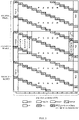
- a specific example is as follows: when at least one resource element occupied by the sidelink positioning reference signal S-PRS is located on the symbol occupied by the automatic gain control signal AGC, no signal is transmitted on the S-PRS resource element located in the symbol occupied by the automatic gain control signal AGC.
- the sidelink positioning reference signal S-PRS When at least one resource element occupied by the sidelink positioning reference signal S-PRS is located on a symbol occupied by at least one of the three physical channels, such as PSCCH, PSFCH, and PSBCH, no signal is transmitted on the S-PRS resource element located on the symbol occupied by the PSCCH, PSFCH, PSBCH, etc.
- the sidelink positioning reference signal S-PRS When at least one resource element occupied by the sidelink positioning reference signal S-PRS is located on a symbol occupied by at least one of the five signals, such as S-PSS, S-SSS, SL DMRS, SL CSI-RS, SL PT-RS, etc., no signal is transmitted on the S-PRS resource element located on the symbol occupied by the S-PSS, S-SSS, SL DMRS, SL CSI-RS, SL PT-RS.
- the five signals such as S-PSS, S-SSS, SL DMRS, SL CSI-RS, SL PT-RS, etc.
- a transmission pattern of S-PRS on one resource block is Staggered interleaved transmission, that is, the positions of the transmission subcarriers on each symbol are different, which becomes a pattern of interleaved transmission.
- the RE occupied by the S-PRS is located on the AGC symbol, PSCCH symbol or GP symbol, it will collide with the AGC signal, PSCCH channel or GP originally transmitted on these symbols. Since the transmission priority of the AGC signal, the PSCCH channel or GP is relatively high, so when a collision occurs, the S-PRS will not be transmitted, the AGC signal, PSCCH channel or GP will be transmitted preferentially.
- the S-PRS occupies more REs, and no transmission on S-PRS REs in a few positions will not cause a significant decrease in the performance of the S-PRS.
- the sidelink positioning reference signal S-PRS and at least one type of information in the first information set occupy at least one resource element (RE) at the same time, no signal is transmitted on the resource element or the OFDM symbol or the resource block commonly occupied by the sidelink positioning reference signal S-PRS and the first information set. Therefore, the power adjustment effect of the AGC can be improved; the decoding success rate of the PSCCH/PSFCH can be improved; the protection effect of the GP can be improved.
- the staggering of the S-PRS resource set and the S-SSB resource means that during configuration, the time-frequency resources occupied by the S-PRS resource set and the time-frequency resources occupied by the S-SSB do not overlap, that is the resource locations occupied by both parties are mutually exclusive. Or, during configuration, the time-frequency resources occupied by the S-PRS resource set and the time-frequency resources occupied by the S-SSB may overlap. When the time-frequency resources occupied by the S-PRS resource set and the time-frequency resources occupied by the S-SSB partially overlap, the S-PRS is not transmitted on the part of the time-frequency resources where the S-PRS resource set and the S-SSB resource overlap, that is, the S-PRS is punctured.
- the UE assumes that S-PRS will not be mapped on any symbol or slot containing S-SSB, and S-PRS and S-SSB are not transmitted in the same symbol or slot, that is: if one symbol or slot is used for transmission of the S-SSB, then this symbol or slot does not map S-PRS.
- the terminal assumes that the slot used for transmitting S-SSB by the neighboring TPRs or neighboring cells will not map S-PRS.
- the S-PRS resource set and the S-SSB resource are staggered, which can avoid the interference of the S-PRS on the S-SSB detection, and improve the detection success rate of the S-SSB.
- the resource occupied by the S-PRS colliding with the resource occupied by at least one type of information in the first information set includes:
- the S-PRS and at least one type of information in the first information set occupying at least one same OFDM symbol.
- the same resource element refer to that the two occupied resource elements are located in the same OFDM symbol and the same subcarrier.
- the resource includes: at least one of a resource element RE, an OFDM symbol, a slot, or a resource block RB.
- not transmitting the S-PRS on the collided resource including at least one of the following:
- not transmitting the S-PRS on the OFDM symbol or the slot occupied by at least one type of information in the first information set includes:
- a neighboring TRP or a neighboring cell After determining a first time-frequency location on which at least one type of information in the first information set of the neighboring TPR or neighboring cell is transmitted, not transmitting the S-PRS on the OFDM symbol or slot occupied by the first time-frequency location.
- the not transmitting a signal on the resource element RE occupied by other channels or signals refers to: during the resource mapping between the S-PRS and at least one type of information in the first information set, when the S-PRS and the at least one type of information in the first information set occupies at least the same resource element (RE), not transmitting the S-PRS on the resource element RE configured with at least one type of information in the first information set;
- S-PRS since S-PRS has shared REs with AGC, PSCCH, PSFCH, GP, etc. in resource block 2, S-PRS does not transmit signals on these shared REs in resource block 2, the S-PRS is normally transmitted on REs that are not shared by other S-PRS and AGC, PSCCH, PSFCH, and GP.
- the S-PRS will not be transmitted on the resource element RE configured with a certain SL physical channel or signal. Therefore, the power adjustment effect of the AGC can be improved; the decoding success rate of the PSCCH/PSFCH can be improved; the protection effect of the GP can be improved. At the same time, it will not puncture too much S-PRS REs, and will not affect the positioning performance of S-PRS.
- the disadvantage is that the S-PRS REs transmitted in other locations may interfere with the transmission of PSCCH/PSFCH/PSSCH transmitted by other users.
- the not transmitting a signal on the resource element RE occupied by other channels or signals refers to: during the resource mapping between the S-PRS and at least one type of information in the first information set, when the S-PRS and the at least one type of information in the first information set are mapped on the same OFDM symbol, not transmitting the S-PRS on the symbol configured with at least one type of information in the first information set;
- S-PRS since S-PRS shares REs with AGC, PSCCH, PSFCH, GP, etc., S-PRS does not transmit signals on the symbols occupied by these shared REs (i.e.: OFDM symbols #0, #1, #2, #3, #12 and #13), the S-PRS is transmitted normally on symbols occupied by other S-PRS and REs not shared by AGC, PSCCH, PSFCH, GP (i.e.: OFDM symbols #4, #5, # 6, #7, #8, #9, #10 and #11),.
- the S-PRS will not be transmitted on OFDM symbols configured with the some type of SL physical channel or signal. Therefore, the power adjustment effect of the AGC can be improved; the decoding success rate of the PSCCH/PSFCH can be improved; the protection effect of the GP can be improved.
- the S-PRS on the whole symbol will not be transmitted, the interference of the S-PRS RE to the transmission of PSCCH/PSFCH/PSSCH transmitted by other users can be reduced.
- the disadvantage is that since the S-PRS on the entire symbol does not transmit data, the positioning performance of the S-PRS will be degraded to a certain extent.
- the not transmitting a signal on the resource element RE occupied by other channels or signals refers to: during the resource mapping between the S-PRS and at least one type of information in the first information set, when the S-PRS and the at least one type of information in the first information set are mapped on the same resource block RB, the S-PRS will not be transmitted on the RB configured with at least one type of information in the first information set.
- S-PRS since S-PRS shares REs with PSCCH and PSFCH on resource block 2, S-PRS does not transmit signals on the resource blocks occupied by these shared REs (i.e.: resource block 2)., S-PRS is normally transmitted on the resource blocks (i.e.: resource block 1 and resource block 2) occupied by other S-PRS and REs that are not shared by PSCCH and PSFCH.
- the S-PRS will not be transmitted on the RB configured with a certain SL physical channel or signal. Therefore, the power adjustment effect of the AGC can be improved; the decoding success rate of the PSCCH/PSFCH can be improved; the protection effect of the GP can be improved.
- the S-PRS on the entire RB will not be transmitted, the interference of the S-PRS RE to the transmission of PSCCH/PSFCH/PSSCH transmitted by other users can be reduced.
- the disadvantage is that since the S-PRS on the entire RB does not transmit data, the positioning performance of the S-PRS will be degraded to a certain extent.
- not transmitting the S-PRS on the collided resource includes: determining whether to transmit the S-PRS on the collided resource in a pre-configured mode, or through a configuration signaling, and determining not to transmit the S-PRS on at least one of collided REs, symbols, slots, or RBs.
- the terminal receives configuration signaling transmitted by another terminal or a base stations, and determines whether to transmit signals on the resource element RE commonly occupied by at least one type of information in the first information set; and determining not to transmit data with the following three schemes:
- different schemes of not transmitting signals may be selected according to different types of information in the first information set which commonly occupies the resource element RE with the S-PRS.
- This embodiment adopts a configurable way to determine whether to not transmit signals on the shared resource element and the specific scheme of not transmitting signals, which improves the flexibility of the configuration of not transmitting signals, different schemes are adopted based on different channels, different signals, AGCs or GPs.
- the method for transmitting a sidelink positioning reference signal may further include: Step 22: transmitting the S-PRS on remaining resources other than the collided resource among the resources occupied by the S-PRS.
- the method when transmitting the S-PRS on remaining resources other than the collided resource among the resources occupied by the S-PRS, the method further includes:
- the S-PRS is used for AGC, that is, the S-PRS occupies at least all or part of the frequency domain resources in the first symbol of the Sidelink for transmission.
- the S-PRSs transmitted by different users are multiplexed on the AGC symbols in a comb-like mapping manner, and the S-PRSs transmitted by different users occupy different comb teeth, and the comb teeth refer to the staggered frequency domain subcarriers.
- the PRS pattern on the first symbol on one slot is exactly the same as the PRS pattern on the second symbol, the first symbol is used for AGC.
- the S-PRS is used as the AGC, which can not only complete the AGC function, but also obtain an extra PRS signal of the one symbol, thereby improving the positioning accuracy.
- the terminal can transmit the positioning reference signal S-PRS to complete the positioning function, while reducing the mutual interference between the S-PRS and other information such as the sidelink physical channel, the sidelink reference signal, the sidelink synchronization signal, AGC or GP, and improving the positioning accuracy and spectral efficiency of the sidelink.
- an embodiment of the present disclosure further provides a method for receiving a sidelink positioning reference signal, which is applied to a terminal, and the method includes: Step 71: When a resource occupied by the sidelink positioning reference signal (S-PRS) collides with a resource occupied by at least one type of information in a first information set, not receiving the S-PRS on the collided resource, wherein the first information set includes: at least one of a sidelink physical channel, a sidelink reference signal, a sidelink synchronization signal, a sidelink synchronization signal block (S-SSB), an automatic gain control information (AGC) and a guard period information (GP).
- S-PRS sidelink positioning reference signal
- AGC automatic gain control information
- GP guard period information
- the resource occupied by the S-PRS colliding with the resource occupied by at least one type of information in the first information set includes:
- the same resource element refer to that the two occupied resource elements are located in the same OFDM symbol and the same subcarrier.
- the resource includes: at least one of a resource element RE, an OFDM symbol, a slot, or a resource block RB.
- not receiving the S-PRS on the collided resource including at least one of the following:
- not receiving the S-PRS on the collided resource includes: determining whether to receive the S-PRS on the collided resource in a pre-configured mode, or through a configuration signaling, and determining not to receive the S-PRS on at least one of collided REs, symbols, slots, or RBs.
- a neighboring TRP or a neighboring cell After determining a first time-frequency location on which at least one type of information in the first information set of the neighboring TPR or neighboring cell is transmitted, not transmitting the S-PRS on the symbol or slot occupied by the first time-frequency location.
- the sidelink physical channel includes: at least one of a physical sidelink control channel (PSCCH), a physical sidelink feedback channel (PSFCH), or a physical sidelink broadcast channel (PSBCH); when the resources occupied by the S-PRS collide with the resource occupied by at least one physical channel of the PSCCH, the PSFCH and the PSBCH, the S-PRS is not received on the collided resource.
- PSCCH physical sidelink control channel
- PSFCH physical sidelink feedback channel
- PSBCH physical sidelink broadcast channel
- the sidelink reference signal includes: at least one of a sidelink modulation and demodulation reference signal (SL DMRS), a sidelink channel state information reference signal (SL CSI-RS), or a sidelink phase tracking reference signal (SL PT-RS); when the resource occupied by the S-PRS collides with the resource occupied by at least one of the SL DMRS, the SL CSI-RS and the SL PT-RS, the S-PRS is not received on the collided resource.
- SL DMRS sidelink modulation and demodulation reference signal
- SL CSI-RS sidelink channel state information reference signal
- SL PT-RS sidelink phase tracking reference signal
- the sidelink synchronization signal includes: at least one of S-PSS or S-SSS; when the resource occupied by the S-PRS collides with the resource occupied by at least one of the S-PSS or the S-SSS, the S-PRS is not received on a resource that collide with the resources occupied by at least one of the S-PSS or the S-SSS among resources for transmitting the S-PRS.
- the method for receiving the sidelink positioning reference signal further includes: receiving the S-PRS on remaining resources other than the collided resource among the resources occupied by the S-PRS.
- the method when receiving the S-PRS on remaining resources other than the collided resource among the resources occupied by the S-PRS, the method further includes:
- this method embodiment corresponds to the embodiment of the receiving-side terminal shown in FIG. 2 . All implementations in the embodiment shown in FIG. 2 are applicable to the method embodiment, and can also achieve the same technical effect.
- an embodiment of the present disclosure further provides a terminal 80, including: a transceiver 81, a processor 82, and a memory 83, wherein the memory 83 stores a program executable by the processor 82 to implement the step of: when a resource occupied by the sidelink positioning reference signal (S-PRS) collides with a resource occupied by at least one type of information in a first information set, not transmitting the S-PRS on the collided resource, wherein the first information set includes: at least one of a sidelink physical channel, a sidelink reference signal, a sidelink synchronization signal, a sidelink synchronization signal block (S-SSB), an automatic gain control information (AGC) and a guard period information (GP).
- S-PRS sidelink positioning reference signal
- AGC automatic gain control information
- GP guard period information
- the resource occupied by the S-PRS colliding with the resource occupied by at least one type of information in the first information set includes:
- the same resource element refer to that the two occupied resource elements are located in the same OFDM symbol and the same subcarrier.
- the resource includes: at least one of a resource element RE, an OFDM symbol, a slot, or a resource block RB.
- not transmitting the S-PRS on the collided resource including at least one of the following:
- not transmitting the S-PRS on the collided resource includes: determining whether to transmit the S-PRS on the collided resource in a pre-configured mode, or through a configuration signaling, and determining not to transmit the S-PRS on at least one of collided REs, symbols, slots, or RBs.
- not transmitting the S-PRS on the symbol or the slot occupied by at least one type of information in the first information set incudes: For a neighboring TRP or a neighboring cell, after determining a first time-frequency location on which at least one type of information in the first information set of the neighboring TPR or neighboring cell is transmitted, not transmitting the S-PRS on the symbol or slot occupied by the first time-frequency location.
- the sidelink physical channel includes: at least one of a physical sidelink control channel (PSCCH), a physical sidelink feedback channel (PSFCH), or a physical sidelink broadcast channel (PSBCH); when the resources occupied by the S-PRS collide with the resource occupied by at least one physical channel of the PSCCH, the PSFCH and the PSBCH, the S-PRS is not transmitted on the collided resource.
- PSCCH physical sidelink control channel
- PSFCH physical sidelink feedback channel
- PSBCH physical sidelink broadcast channel
- the sidelink reference signal includes: at least one of a sidelink modulation and demodulation reference signal (SL DMRS), a sidelink channel state information reference signal (SL CSI-RS), or a sidelink phase tracking reference signal (SL PT-RS); when the resource occupied by the S-PRS collides with the resource occupied by at least one of the SL DMRS, the SL CSI-RS and the SL PT-RS, the S-PRS is not transmitted on the collided resource.
- SL DMRS sidelink modulation and demodulation reference signal
- SL CSI-RS sidelink channel state information reference signal
- SL PT-RS sidelink phase tracking reference signal
- the sidelink synchronization signal includes: at least one of S-PSS or S-SSS; when the resource occupied by the S-PRS collides with the resource occupied by at least one of the S-PSS or the S-SSS, the S-PRS is not transmitted on a resource that collide with the resources occupied by at least one of the S-PSS or the S-SSS among resources for transmitting the S-PRS.
- the method for transmitting the sidelink positioning reference signal further includes: transmitting the S-PRS on remaining resources other than the collided resource among the resources occupied by the S-PRS.
- the method when transmitting the S-PRS on remaining resources other than the collided resource among the resources occupied by the S-PRS, the method further includes:
- the terminal in this embodiment corresponds to the embodiment shown in FIG. 2 . All implementations in the embodiment shown in FIG. 2 are applicable to the embodiment, and can also achieve the same technical effect.
- the transceiver 81 can be communicated and connected with the memory 83 and the processor 82 through a bus interface, the function of the processor 82 can also be realized by the transceiver 81, and the function of the transceiver 81 can also be realized by the processor 82.
- the above-mentioned terminal provided by the embodiments of the present disclosure can implement all the method steps implemented by the above-mentioned method embodiments, and can achieve the same technical effect, which will be described in detail.
- an embodiment of the present disclosure further provides a device 90 for transmitting a sidelink positioning reference signal, including: a transceiver module 91, configured to, when a resource occupied by the sidelink positioning reference signal (S-PRS) collides with a resource occupied by at least one type of information in a first information set, not transmit the S-PRS on the collided resource, wherein the first information set includes: at least one of a sidelink physical channel, a sidelink reference signal, a sidelink synchronization signal, a sidelink synchronization signal block (S-SSB), an automatic gain control information (AGC) and a guard period information (GP).
- S-PRS sidelink positioning reference signal
- S-SSB sidelink synchronization signal block
- AGC automatic gain control information
- GP guard period information
- the resource occupied by the S-PRS colliding with the resource occupied by at least one type of information in the first information set includes:
- the same resource element refer to that the two occupied resource elements are located in the same OFDM symbol and the same subcarrier.
- the resource includes: at least one of a resource element RE, an OFDM symbol, a slot, or a resource block RB.
- not transmitting the S-PRS on the collided resource including at least one of the following:
- not transmitting the S-PRS on the collided resource includes: determining whether to transmit the S-PRS on the collided resource in a pre-configured mode, or through a configuration signaling, and determining not to transmit the S-PRS on at least one of collided REs, symbols, slots, or RBs.
- not transmitting the S-PRS on the symbol or the slot occupied by at least one type of information in the first information set incudes: For a neighboring TRP or a neighboring cell, after determining a first time-frequency location on which at least one type of information in the first information set of the neighboring TPR or neighboring cell is transmitted, not transmitting the S-PRS on the symbol or slot occupied by the first time-frequency location.
- the sidelink physical channel includes: at least one of a physical sidelink control channel (PSCCH), a physical sidelink feedback channel (PSFCH), or a physical sidelink broadcast channel (PSBCH); when the resources occupied by the S-PRS collide with the resource occupied by at least one physical channel of the PSCCH, the PSFCH and the PSBCH, the S-PRS is not transmitted on the collided resource.
- PSCCH physical sidelink control channel
- PSFCH physical sidelink feedback channel
- PSBCH physical sidelink broadcast channel
- the sidelink reference signal includes: at least one of a sidelink modulation and demodulation reference signal (SL DMRS), a sidelink channel state information reference signal (SL CSI-RS), or a sidelink phase tracking reference signal (SL PT-RS); when the resource occupied by the S-PRS collides with the resource occupied by at least one of the SL DMRS, the SL CSI-RS and the SL PT-RS, the S-PRS is not transmitted on the collided resource.
- SL DMRS sidelink modulation and demodulation reference signal
- SL CSI-RS sidelink channel state information reference signal
- SL PT-RS sidelink phase tracking reference signal
- the sidelink synchronization signal includes: at least one of S-PSS or S-SSS; when the resource occupied by the S-PRS collides with the resource occupied by at least one of the S-PSS or the S-SSS, the S-PRS is not transmitted on a resource that collide with the resources occupied by at least one of the S-PSS or the S-SSS among resources for transmitting the S-PRS.
- the method for transmitting the sidelink positioning reference signal further includes: transmitting the S-PRS on remaining resources other than the collided resource among the resources occupied by the S-PRS.
- the method when transmitting the S-PRS on remaining resources other than the collided resource among the resources occupied by the S-PRS, the method further includes:
- the device in this embodiment corresponds to the embodiment shown in FIG. 2 . All implementations in the embodiment shown in FIG. 2 are applicable to the embodiment, and can also achieve the same technical effect.
- the device may further include a processing module 92, and the processing module 92 is configured to process the information transmitted by the transceiver module 91, and the like. It should be noted that the above-mentioned device provided by the embodiments of the present disclosure can implement all the method steps implemented by the above-mentioned method embodiments, and can achieve the same technical effect, which will be described in detail.
- an embodiment of the present disclosure further provides a terminal 100, including: a transceiver 101, a processor 102, and a memory 103, wherein the memory 103 stores a program executable by the processor 102 to implement the step of: when a resource occupied by the sidelink positioning reference signal (S-PRS) collides with a resource occupied by at least one type of information in a first information set, not receiving the S-PRS on the collided resource, wherein the first information set includes: at least one of a sidelink physical channel, a sidelink reference signal, a sidelink synchronization signal, a sidelink synchronization signal block (S-SSB), an automatic gain control information (AGC) and a guard period information (GP).
- S-PRS sidelink positioning reference signal
- AGC automatic gain control information
- GP guard period information
- the resource occupied by the S-PRS colliding with the resource occupied by at least one type of information in the first information set includes:
- the same resource element refer to that the two occupied resource elements are located in the same OFDM symbol and the same subcarrier.
- the resource includes: at least one of a resource element RE, an OFDM symbol, a slot, or a resource block RB.
- not receiving the S-PRS on the collided resource including at least one of the following:
- not receiving the S-PRS on the collided resource includes: determining whether to receive the S-PRS on the collided resource in a pre-configured mode, or through a configuration signaling, and determining not to receive the S-PRS on at least one of collided REs, symbols, slots, or RBs.
- a neighboring TRP or a neighboring cell After determining a first time-frequency location on which at least one type of information in the first information set of the neighboring TPR or neighboring cell is transmitted, not transmitting the S-PRS on the symbol or slot occupied by the first time-frequency location.
- the sidelink physical channel includes: at least one of a physical sidelink control channel (PSCCH), a physical sidelink feedback channel (PSFCH), or a physical sidelink broadcast channel (PSBCH); when the resources occupied by the S-PRS collide with the resource occupied by at least one physical channel of the PSCCH, the PSFCH and the PSBCH, the S-PRS is not received on the collided resource.
- PSCCH physical sidelink control channel
- PSFCH physical sidelink feedback channel
- PSBCH physical sidelink broadcast channel
- the sidelink reference signal includes: at least one of a sidelink modulation and demodulation reference signal (SL DMRS), a sidelink channel state information reference signal (SL CSI-RS), or a sidelink phase tracking reference signal (SL PT-RS); when the resource occupied by the S-PRS collides with the resource occupied by at least one of the SL DMRS, the SL CSI-RS and the SL PT-RS, the S-PRS is not received on the collided resource.
- SL DMRS sidelink modulation and demodulation reference signal
- SL CSI-RS sidelink channel state information reference signal
- SL PT-RS sidelink phase tracking reference signal
- the sidelink synchronization signal includes: at least one of S-PSS or S-SSS; when the resource occupied by the S-PRS collides with the resource occupied by at least one of the S-PSS or the S-SSS, the S-PRS is not received on a resource that collide with the resources occupied by at least one of the S-PSS or the S-SSS among resources for transmitting the S-PRS.
- the method for receiving the sidelink positioning reference signal further includes: receiving the S-PRS on remaining resources other than the collided resource among the resources occupied by the S-PRS.
- the method when receiving the S-PRS on remaining resources other than the collided resource among the resources occupied by the S-PRS, the method further includes:
- the terminal in this embodiment corresponds to the embodiment shown in FIG. 7 . All implementations in the embodiment shown in FIG. 7 are applicable to the embodiment, and can also achieve the same technical effect.
- the transceiver 101 can be communicated and connected with the memory 103 and the processor 102 through a bus interface, the function of the processor 102 can also be realized by the transceiver 101, and the function of the transceiver 101 can also be realized by the processor 102.
- the above-mentioned terminal provided by the embodiments of the present disclosure can implement all the method steps implemented by the above-mentioned method embodiments, and can achieve the same technical effect, which will be described in detail.
- an embodiment of the present disclosure further provides a signal receiving device 110, including: a transceiver module 111, configured to, when a resource occupied by the sidelink positioning reference signal (S-PRS) collides with a resource occupied by at least one type of information in a first information set, not receive the S-PRS on the collided resource, wherein the first information set includes: at least one of a sidelink physical channel, a sidelink reference signal, a sidelink synchronization signal, a sidelink synchronization signal block (S-SSB), an automatic gain control information (AGC) and a guard period information (GP).
- S-PRS sidelink positioning reference signal
- S-SSB sidelink synchronization signal block
- AGC automatic gain control information
- GP guard period information
- the resource occupied by the S-PRS colliding with the resource occupied by at least one type of information in the first information set includes:
- the same resource element refer to that the two occupied resource elements are located in the same OFDM symbol and the same subcarrier.
- the resource includes: at least one of a resource element RE, an OFDM symbol, a slot, or a resource block RB.
- not receiving the S-PRS on the collided resource including at least one of the following:
- not receiving the S-PRS on the collided resource includes: determining whether to receive the S-PRS on the collided resource in a pre-configured mode, or through a configuration signaling, and determining not to receive the S-PRS on at least one of collided REs, symbols, slots, or RBs.
- a neighboring TRP or a neighboring cell After determining a first time-frequency location on which at least one type of information in the first information set of the neighboring TPR or neighboring cell is transmitted, not transmitting the S-PRS on the symbol or slot occupied by the first time-frequency location.
- the sidelink physical channel includes: at least one of a physical sidelink control channel (PSCCH), a physical sidelink feedback channel (PSFCH), or a physical sidelink broadcast channel (PSBCH); when the resources occupied by the S-PRS collide with the resource occupied by at least one physical channel of the PSCCH, the PSFCH and the PSBCH, the S-PRS is not received on the collided resource.
- PSCCH physical sidelink control channel
- PSFCH physical sidelink feedback channel
- PSBCH physical sidelink broadcast channel
- the sidelink reference signal includes: at least one of a sidelink modulation and demodulation reference signal (SL DMRS), a sidelink channel state information reference signal (SL CSI-RS), or a sidelink phase tracking reference signal (SL PT-RS); when the resource occupied by the S-PRS collides with the resource occupied by at least one of the SL DMRS, the SL CSI-RS and the SL PT-RS, the S-PRS is not received on the collided resource.
- SL DMRS sidelink modulation and demodulation reference signal
- SL CSI-RS sidelink channel state information reference signal
- SL PT-RS sidelink phase tracking reference signal
- the sidelink synchronization signal includes: at least one of S-PSS or S-SSS; when the resource occupied by the S-PRS collides with the resource occupied by at least one of the S-PSS or the S-SSS, the S-PRS is not received on a resource that collide with the resources occupied by at least one of the S-PSS or the S-SSS among resources for transmitting the S-PRS.
- the method for receiving the sidelink positioning reference signal further includes: receiving the S-PRS on remaining resources other than the collided resource among the resources occupied by the S-PRS.
- the method when receiving the S-PRS on remaining resources other than the collided resource among the resources occupied by the S-PRS, the method further includes:
- the device in this embodiment corresponds to the embodiment shown in FIG. 7 . All implementations in the embodiment shown in FIG. 7 are applicable to the embodiment, and can also achieve the same technical effect.
- the device may further include a processing module 112, and the processing module 112 is configured to process the information transmitted by the transceiver module 111, and the like. It should be noted that the above-mentioned device provided by the embodiments of the present disclosure can implement all the method steps implemented by the above-mentioned method embodiments, and can achieve the same technical effect, which will be described in detail.
- Embodiments of the present disclosure further provide a processor-readable storage medium, where the processor-readable storage medium stores processor-executable instructions, and the processor-executable instructions are used to enable the processor to execute the methods as shown in FIG. 2 and FIG. 7 , and the same technical effect can also be achieved.
- the terminal can transmit the positioning reference signal S-PRS to complete the positioning function, while reducing the mutual interference between the S-PRS and other sidelink physical channels, the sidelink reference signal, the sidelink synchronization signal, AGC or GP, and improving the positioning accuracy and spectral efficiency of the sidelink.
- the disclosed device and method may be implemented in other manners.
- the device embodiments described above are only illustrative.
- the division of the units is only a logical function division. In actual implementation, there may be other division methods.
- multiple units or components may be combined or integrated into another system, or some features can be ignored, or not implemented.
- the coupling or direct coupling or communication connection may be through some interfaces
- indirect coupling or communication connection of devices or units may be in electrical, mechanical or other forms.
- the units described as separate components may or may not be physically separated, and components displayed as units may or may not be physical units, that is, may be located in one place, or may be distributed to multiple network units. Some or all of the units may be selected according to actual needs to achieve the purpose of the solution in this embodiment.
- each functional unit in each embodiment of the present disclosure may be integrated into one processing unit, or each unit may exist physically alone, or two or more units may be integrated into one unit.
- the functions, if implemented in the form of software functional units and sold or used as independent products, may be stored in a computer-readable storage medium. Based on this understanding, the technical solutions of the present disclosure may be embodied in the form of software products in essence, or the parts that make contributions to related art.
- the computer software products are stored in a storage medium and include several instructions for a computer device (which may be a personal computer, a server, or a network device, etc.) to execute all or part of the steps of the methods described in the various embodiments of the present disclosure.
- the storage medium includes: a U disk, a removable hard disk, a ROM, a RAM, a magnetic disk, or an optical disk and other mediums that can store program codes.
- the storage medium may be a magnetic disk, an optical disk, a read-only memory (ROM), or a random access memory (RAM) or the like.
- modules, units and sub-units can be implemented in one or more Application Specific Integrated Circuits (ASIC), Digital Signal Processor (DSP), Digital Signal Processing Device (DSPD), Programmable Logic Device (PLD), Field-Programmable Gate Array (FPGA), general-purpose processor, controller, microcontroller, microprocessor, in other electronic units or combinations thereof.
- ASIC Application Specific Integrated Circuits
- DSP Digital Signal Processor
- DSPD Digital Signal Processing Device
- PLD Programmable Logic Device
- FPGA Field-Programmable Gate Array
- controller microcontroller
- microprocessor in other electronic units or combinations thereof.
- the techniques described in the embodiments of the present disclosure may be implemented through modules (e.g., procedures, functions, etc.) that perform the functions described in the embodiments of the present disclosure.
- Software codes may be stored in memory and executed by a processor.
- the memory can be implemented inside the processor or external to the processor.
- each component or each step can be decomposed and/or recombined.
- decomposing and/or recombining should be considered equivalents of the present disclosure.
- steps of performing the above-mentioned series of processes can naturally be performed in described order, but need not necessarily be performed in chronological order, and some steps can be performed in parallel or independently of each other.
- the object of the present disclosure can also be achieved by running a program or set of programs on any computing device.
- the computing device may be a known general purpose device. Therefore, the object of the present disclosure can also be achieved merely by providing a program product containing program code for implementing the method or device. That is, such a program product also constitutes the present disclosure, and a storage medium in which such a program product is stored also constitutes the present disclosure.
- the storage medium can be any known storage medium or any storage medium developed in the future.
- each component or each step can be decomposed and/or recombined. These decomposing and/or recombining should be considered equivalents of the present disclosure.
- the steps of executing the above-described series of processes can naturally be executed in the described order, but need not necessarily be executed in chronological order. Certain steps may be performed in parallel or independently of each other.
Landscapes
- Engineering & Computer Science (AREA)
- Signal Processing (AREA)
- Computer Networks & Wireless Communication (AREA)
- Quality & Reliability (AREA)
- Mobile Radio Communication Systems (AREA)
Abstract
Description
- This application claims priorities of the
Chinese patent application No. 201911302240.6 filed on December 17, 2019 - The present disclosure relates to the field of communications technology, in particular to a method for transmitting and receiving a sidelink positioning reference signal and a terminal.
- In order to be able to support the driverless function, the New Radio (NR) vehicle-to-everything (V2X) system also needs to be positioned to obtain the relative position between the two vehicles. In order to complete the relative positioning between vehicles, it is necessary for the terminal vehicle to transmit a Sidelink Positioning Reference Signal (S-PRS) on a Sidelink port, and then other terminal vehicles nearby can implement the measurement and calculation based on the S-PRS to get the relative position between the vehicles. As shown in
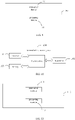
FIG. 1 ,terminal 1 transmits multiple S-PRSs, and other terminals aroundterminal 1, such asterminal 2 toterminal 5, can obtain the relative position withterminal 1 according to the S-PRSs transmitted byterminal 1. When transmitting the S-PRS for positioning,terminal 1 also needs to transmit other channels or signals to complete the communication function of the sidlink. Then, these other channels and signals and the S-PRS may located on the same resource element (RE), the same symbol or the same resource block (RB), the S-PRS will cause interference with other channels or signals. When such interference or collision is very severe, the positioning performance or communication efficiency will be severely degraded. - Embodiments of the present disclosure provide a method and a terminal for transmitting and receiving a sidelink positioning reference signal. It can enable the terminal transmit the S-PRS to complete the positioning function, while reducing the mutual interference between the S-PRS and other sidelink physical channels, sidelink reference signals, sidelink synchronization signals, AGC or GP, and improving the positioning accuracy and spectral efficiency of the sidelink.
- In order to solve the above-mentioned technical problems, the embodiments of the present disclosure provide the following technical solutions.
a method for transmitting a sidelink positioning reference signal is applied to a terminal, and includes: when a resource occupied by the sidelink positioning reference signal (S-PRS) collides with a resource occupied by at least one type of information in a first information set, not transmitting the S-PRS on the collided resource, wherein the first information set includes: at least one of a sidelink physical channel, a sidelink reference signal, a sidelink synchronization signal, a sidelink synchronization signal block (S-SSB), automatic gain control (AGC) information or guard period (GP) information. - Optionally, the resource occupied by the S-PRS colliding with the resource occupied by at least one type of information in the first information set includes: the S-PRS and the at least one type of information in the first information set occupying at least one same resource element; or, the S-PRS and the at least one type of information in the first information set occupying at least one same Orthogonal Frequency Division Multiplexing (OFDM) symbol.
- Optionally, the same resource element refers to that two occupied resource elements are located in the same OFDM symbol and a same subcarrier.
- Optionally, the resource includes: at least one of a resource element (RE), an OFDM symbol, a slot, or a resource block (RB).
- Optionally, not transmitting the S-PRS on the collided resource includes at least one of the following: not transmitting the S-PRS on the RE occupied by the at least one type of information in the first information set; not transmitting the S-PRS on the OFDM symbol or the slot occupied by the at least one type of information in the first information set; not transmitting the S-PRS on the RB occupied by the at least one type of information in the first information set.
- Optionally, not transmitting the S-PRS on the collided resource includes: determining whether to transmit the S-PRS on the collided resource in a pre-configured mode or through a configuration signaling, and determining not to transmit the S-PRS on at least one of collided REs, symbols, slots, or RBs.
- Optionally, not transmitting the S-PRS on the symbol or the slot occupied by at least one type of information in the first information set, incudes: for a neighboring transmission reception point (TRP) or a neighboring cell, after determining a first time-frequency location on which the at least one type of information in the first information set of the neighboring TPR or neighboring cell is transmitted, not transmitting the S-PRS on a symbol or slot occupied by the first time-frequency location.
- Optionally, the sidelink physical channel includes: at least one of a physical sidelink control channel (PSCCH), a physical sidelink feedback channel (PSFCH), or a physical sidelink broadcast channel (PSBCH); when the resource occupied by the S-PRS collides with a resource occupied by at least one physical channel of the PSCCH, the PSFCH and the PSBCH, the S-PRS is not transmitted on the collided resource.
- Optionally, the sidelink reference signal includes: at least one of a sidelink modulation and demodulation reference signal (SL DMRS), a sidelink channel state information reference signal (SL CSI-RS), or a sidelink phase tracking reference signal (SL PT-RS); when the resource occupied by the S-PRS collides with a resource occupied by at least one of the SL DMRS, the SL CSI-RS and the SL PT-RS, the S-PRS is not transmitted on the collided resource.
- Optionally, the sidelink synchronization signal includes: at least one of S-PSS or S-SSS; when the resource occupied by the S-PRS collides with a resource occupied by at least one of the S-PSS or the S-SSS, the S-PRS is not transmitted on the resource that collide with the resource occupied by at least one of the S-PSS or the S-SSS among resources for transmitting the S-PRS.
- Optionally, the method further includes: transmitting the S-PRS on remaining resources other than the collided resource among the resources occupied by the S-PRS.
- Optionally, when transmitting the S-PRS on remaining resources other than the collided resource among the resources occupied by the S-PRS, the method further includes: when the transmitted S-PRS is located in a first symbol, the S-PRS occupying at least part of frequency domain resources in the first symbol for transmission; or, S-PRSs transmitted by different terminals being multiplexed on AGC symbols in a comb-like mapping manner, and the S-PRSs transmitted by different terminals occupying different comb teeth, and the comb teeth referring to staggered frequency domain subcarriers; or, an S-PRS pattern on the first symbol in one slot being exactly the same as a PRS pattern on a second symbol, the first symbol being used as automatic gain control.
- A method for receiving a sidelink positioning reference signal is applied to a terminal and includes: when a resource occupied by the sidelink positioning reference signal (S-PRS) collides with a resource occupied by at least one type of information in a first information set, not receiving the S-PRS on the collided resource, wherein the first information set includes: at least one of a sidelink physical channel, a sidelink reference signal, a sidelink synchronization signal, a sidelink synchronization signal block (S-SSB), automatic gain control (AGC) information or guard period (GP) information.
- Optionally, the resource occupied by the S-PRS colliding with the resource occupied by at least one type of information in the first information set includes: the S-PRS and the at least one type of information in the first information set occupying at least one same resource element; or, the S-PRS and the at least one type of information in the first information set occupying at least one same Orthogonal Frequency Division Multiplexing (OFDM) symbol.
- Optionally, the same resource element refers to that two occupied resource elements are located in the same OFDM symbol and a same subcarrier.
- Optionally, the resource includes: at least one of a resource element (RE), an OFDM symbol, a slot, or a resource block (RB).
- Optionally, not receiving the S-PRS on the collided resource includes at least one of the following: not transmitting the S-PRS on the RE occupied by the at least one type of information in the first information set; not transmitting the S-PRS on the OFDM symbol or the slot occupied by the at least one type of information in the first information set; not transmitting the S-PRS on the RB occupied by the at least one type of information in the first information set.
- Optionally, not receiving the S-PRS on the collided resource includes: determining whether to receive the S-PRS on the collided resource in a pre-configured mode or through a configuration signaling, and determining not to receive the S-PRS on at least one of collided REs, symbols, slots, or RBs.
- Optionally, not transmitting the S-PRS on the symbol or the slot occupied by at least one type of information in the first information set, incudes: for a neighboring transmission reception point (TRP) or a neighboring cell, after determining a first time-frequency location on which the at least one type of information in the first information set of the neighboring TPR or neighboring cell is transmitted, not transmitting the S-PRS on a symbol or slot occupied by the first time-frequency location.
- Optionally, the sidelink physical channel includes: at least one of a physical sidelink control channel (PSCCH), a physical sidelink feedback channel (PSFCH), or a physical sidelink broadcast channel (PSBCH); when the resource occupied by the S-PRS collides with a resource occupied by at least one physical channel of the PSCCH, the PSFCH and the PSBCH, the S-PRS is not received on the collided resource.
- Optionally, the sidelink reference signal includes: at least one of a sidelink modulation and demodulation reference signal (SL DMRS), a sidelink channel state information reference signal (SL CSI-RS), or a sidelink phase tracking reference signal (SL PT-RS); when the resource occupied by the S-PRS collides with a resource occupied by at least one of the SL DMRS, the SL CSI-RS and the SL PT-RS, the S-PRS is not received on the collided resource.
- Optionally, the sidelink synchronization signal includes: at least one of S-PSS or S-SSS; when the resource occupied by the S-PRS collides with a resource occupied by at least one of the S-PSS or the S-SSS, the S-PRS is not received on the resource that collide with the resource occupied by at least one of the S-PSS or the S-SSS among resources for transmitting the S-PRS.
- Optionally, the method further includes: receiving the S-PRS on remaining resources other than the collided resource among the resources occupied by the S-PRS.
- Optionally, when receiving the S-PRS on remaining resources other than the collided resource among the resources occupied by the S-PRS, the method further includes: when the received S-PRS is located in a first symbol, the S-PRS occupying at least part of frequency domain resources in the first symbol for transmission; or, S-PRSs transmitted by different terminals being multiplexed on AGC symbols in a comb-like mapping manner, and the S-PRSs transmitted by different terminals occupying different comb teeth, and the comb teeth referring to staggered frequency domain subcarriers; or, an S-PRS pattern on the first symbol in one slot being exactly the same as a PRS pattern on a second symbol, the first symbol being used as automatic gain control.
- A terminal, includes: a transceiver, a processor, and a memory, wherein the memory stores a program executable by the processor to implement the step of: when a resource occupied by the sidelink positioning reference signal (S-PRS) collides with a resource occupied by at least one type of information in a first information set, not transmitting the S-PRS on the collided resource, wherein the first information set includes: at least one of a sidelink physical channel, a sidelink reference signal, a sidelink synchronization signal, a sidelink synchronization signal block (S-SSB), automatic gain control (AGC) information or guard period (GP) information.
- Optionally, the resource occupied by the S-PRS colliding with the resource occupied by at least one type of information in the first information set includes: the S-PRS and the at least one type of information in the first information set occupying at least one same resource element; or, the S-PRS and the at least one type of information in the first information set occupying at least one same Orthogonal Frequency Division Multiplexing (OFDM) symbol.
- Optionally, the resource includes: at least one of a resource element (RE), an OFDM symbol, a slot, or a resource block (RB).
- Optionally, not transmitting the S-PRS on the collided resource includes at least one of the following: not transmitting the S-PRS on the RE occupied by the at least one type of information in the first information set; not transmitting the S-PRS on the OFDM symbol or the slot occupied by the at least one type of information in the first information set; not transmitting the S-PRS on the RB occupied by the at least one type of information in the first information set.
- Optionally, not transmitting the S-PRS on the collided resource includes: determining whether to transmit the S-PRS on the collided resource in a pre-configured mode or through a configuration signaling, and determining not to transmit the S-PRS on at least one of collided REs, symbols, slots, or RBs.
- A device for transmitting a sidelink positioning reference signal includes: a transceiver module, configured to, when a resource occupied by the sidelink positioning reference signal (S-PRS) collides with a resource occupied by at least one type of information in a first information set, not transmit the S-PRS on the collided resource, wherein the first information set includes: at least one of a sidelink physical channel, a sidelink reference signal, a sidelink synchronization signal, a sidelink synchronization signal block (S-SSB), automatic gain control (AGC) information or guard period (GP) information.
- A terminal includes: a transceiver, a processor, and a memory, wherein the memory stores a program executable by the processor to implement the step of: when a resource occupied by the sidelink positioning reference signal (S-PRS) collides with a resource occupied by at least one type of information in a first information set, not receiving the S-PRS on the collided resource, wherein the first information set includes: at least one of a sidelink physical channel, a sidelink reference signal, a sidelink synchronization signal, a sidelink synchronization signal block (S-SSB), automatic gain control (AGC) information or guard period (GP) information.
- Optionally, the resource occupied by the S-PRS colliding with the resource occupied by at least one type of information in the first information set includes: the S-PRS and the at least one type of information in the first information set occupying at least one same resource element; or, the S-PRS and the at least one type of information in the first information set occupying at least one same Orthogonal Frequency Division Multiplexing (OFDM) symbol.
- Optionally, the resource includes: at least one of a resource element (RE), an OFDM symbol, a slot, or a resource block (RB).
- Optionally, not receiving the S-PRS on the collided resource includes at least one of the following: not transmitting the S-PRS on the RE occupied by the at least one type of information in the first information set; not transmitting the S-PRS on the OFDM symbol or the slot occupied by the at least one type of information in the first information set; not transmitting the S-PRS on the RB occupied by the at least one type of information in the first information set.
- Optionally, not transmitting the S-PRS on the symbol or the slot occupied by at least one type of information in the first information set, incudes: for a neighboring transmission reception point (TRP) or a neighboring cell, after determining a first time-frequency location on which the at least one type of information in the first information set of the neighboring TPR or neighboring cell is transmitted, not transmitting the S-PRS on a symbol or slot occupied by the first time-frequency location.
- A device for receiving a sidelink positioning reference signal includes: a transceiver module, configured to, when a resource occupied by the sidelink positioning reference signal (S-PRS) collides with a resource occupied by at least one type of information in a first information set, not receive the S-PRS on the collided resource, wherein the first information set includes: at least one of a sidelink physical channel, a sidelink reference signal, a sidelink synchronization signal, a sidelink synchronization signal block (S-SSB), automatic gain control (AGC) information or guard period (GP) information.
- A processor-readable storage medium for storing instructions executable by a processor, so as to execute the method.
- The embodiments of the present disclosure has the following effect.
- In the embodiments of the present disclosure, when a resource occupied by the sidelink positioning reference signal (S-PRS) collides with a resource occupied by at least one type of information in a first information set, the S-PRS is not transmitted on the collided resource, wherein the first information set includes: at least one of a sidelink physical channel, a sidelink reference signal, a sidelink synchronization signal, a sidelink synchronization signal block (S-SSB), automatic gain control (AGC) information or guard period (GP) information. It can enable the terminal transmit the S-PRS to complete the positioning function, while reducing the mutual interference between the S-PRS and other sidelink physical channels, sidelink reference signals, sidelink synchronization signals, AGC or GP, and improving the positioning accuracy and spectral efficiency of the sidelink.
-
-
FIG. 1 is a schematic diagram of a terminal vehicle transmitting S-PRS on the sidelink port; -
FIG. 2 is a schematic flowchart of a method for transmitting a sidelink positioning reference signal according to an embodiment of the present disclosure; -
FIG. 3 is a schematic diagram of not transmitting S-PRS (puncturing) in a resource element on an AGC/PSCCH/PSFCH/GP symbol according to an embodiment of the present disclosure; -
FIG. 4 is a schematic diagram of not transmitting S-PRS (puncturing) on a shared resource element (RE) according to an embodiment of the present disclosure; -
FIG. 5 is a schematic diagram of not transmitting S-PRS (puncturing) on a shared OFDM symbol according to an embodiment of the present disclosure; -
FIG. 6 is a schematic diagram of not transmitting S-PRS (puncturing) on a shared resource block (RB) according to an embodiment of the present disclosure; -
FIG. 7 is a schematic flowchart of a method for receiving a sidelink positioning reference signal according to an embodiment of the present disclosure; -
FIG. 8 is a schematic structural diagram of a terminal on the transmitting side according to an embodiment of the present disclosure; -
FIG. 9 is a block diagram of modules of a device for transmitting a sidelink positioning reference signal of a terminal on the transmitting side according to an embodiment of the present disclosure; -
FIG. 10 is a schematic structural diagram of a terminal on the receiving side according to an embodiment of the present disclosure; -
FIG. 11 is a block diagram of modules of a device for receiving a sidelink positioning reference signal of a terminal on the receiving side according to an embodiment of the present disclosure. - The technical solutions in the embodiments of the present disclosure will be clearly and completely described below with reference to the accompanying drawings in the embodiments of the present disclosure. Obviously, the described embodiments are part of the embodiments of the present disclosure, but not all of the embodiments. Based on the embodiments in the present disclosure, all other embodiments obtained by those of ordinary skill in the art without creative work shall fall within the protection scope of the present disclosure.
- Exemplary embodiments of the present disclosure will be described in more detail below with reference to the accompanying drawings. While exemplary embodiments of the present disclosure are shown in the drawings, it should be understood that the present disclosure may be embodied in various forms and should not be limited by these embodiments. Rather, these embodiments are provided so that the present disclosure will be more thoroughly understood, and will fully convey the scope of the present disclosure to those skilled in the art.
- In the fifth generation (5th generation, 5G) NR V2X system, the PC5 port (Sidelink) is used for direct communication between terminals. Before the service data is transmitted, the synchronization between the two terminals that need to communicate is established on the PC5 port (Sidelink). The synchronization signal of the NR V2X system is carried by the Sidelink Synchronization Signal Block (S-SSB). Each slot carries one S-SSB block, and the S-SSB is composed of the Sidelink Primary Synchronization Signal (S-PSS), the Sidelink Secondary Synchronization Signal (S-SSS) and the Physical Sidelink Broadcast Channel (PSBCH). The method of establishing synchronization is that one terminal A transmits the S-SSB, and the other terminal B receives the S-SSB transmitted by terminal A. Once terminal B receives and demodulates successfully, the two terminals can establish synchronization to prepare for the next direct communication.
- During the communication process, the terminal in the NR V2X system will transmit a variety of service channels and signals to complete the direct communication process between vehicles, such as Physical Sidelink Control Channel (PSCCH), Physical Sidelink Control Channel (PSCCH), Physical Sidelink Shared Channel (PSSCH), Physical Sidelink Feedback Channel (PSFCH), and various through-link reference signals "Sidelink Demodulation Reference Signal (SL DMRS) ), Sidelink Channel State Information Reference Signal (SL CSI-RS), Sidelink Phase-Tracking Reference Signal (SL PT-RS)", etc.
- In addition, in the slots of sidelink, the first symbol of each slot is used for automatic gain control (AGC) to adjust the power amplifier and adapt to the rapid changes in the received signal strength. The last symbol of the slot is used as a Guard Period (GP), which is used to reserve time for transitions between transmitting and receiving or to overcome inter-symbol interference caused by timing deviations.
- As shown in
FIG. 2 , an embodiment of the present disclosure provides a method for transmitting a sidelink positioning reference signal, which is applied to a terminal, and the method includes: - Step 21: When a resource occupied by the sidelink positioning reference signal (S-PRS) collides with a resource occupied by at least one type of information in a first information set, not transmitting the S-PRS on the collided resource, wherein the first information set includes: at least one of a sidelink physical channel, a sidelink reference signal, a sidelink synchronization signal, a sidelink synchronization signal block (S-SSB), an automatic gain control information (AGC) and a guard period information (GP).
- This embodiment can enable the terminal to transmit the positioning reference signal S-PRS to complete the positioning function, and reduce the mutual interference between the S-PRS and other information such as the sidelink physical channel, the sidelink reference signal, the sidelink synchronization signal, the AGC or GP, so as to improve the positioning accuracy and spectral efficiency of the sidelink.
- In an optional embodiment of the present disclosure, the sidelink physical channel includes: at least one of a physical sidelink control channel (PSCCH), a physical sidelink feedback channel (PSFCH), or a physical sidelink broadcast channel (PSBCH); when the resources occupied by the S-PRS collide with the resource occupied by at least one physical channel of the PSCCH, the PSFCH and the PSBCH, the S-PRS is not transmitted on the collided resource.
- In an optional embodiment of the present disclosure, the sidelink reference signal includes: at least one of a sidelink modulation and demodulation reference signal (SL DMRS), a sidelink channel state information reference signal (SL CSI-RS), or a sidelink phase tracking reference signal (SL PT-RS); when the resource occupied by the S-PRS collides with the resource occupied by at least one of the SL DMRS, the SL CSI-RS and the SL PT-RS, the S-PRS is not transmitted on the collided resource.
- In an optional embodiment of the present disclosure, the sidelink synchronization signal includes: at least one of S-PSS or S-SSS; when the resource occupied by the S-PRS collides with the resource occupied by at least one of the S-PSS or the S-SSS, the S-PRS is not transmitted on a resource that collide with the resources occupied by at least one of the S-PSS or the S-SSS among resources for transmitting the S-PRS.
- A specific example is as follows: when at least one resource element occupied by the sidelink positioning reference signal S-PRS is located on the symbol occupied by the automatic gain control signal AGC, no signal is transmitted on the S-PRS resource element located in the symbol occupied by the automatic gain control signal AGC.
- When at least one resource element occupied by the sidelink positioning reference signal S-PRS is located on the symbol occupied by the guard period GP, no signal is transmitted on the S-PRS resource element located on the symbol occupied by the guard period GP.
- When at least one resource element occupied by the sidelink positioning reference signal S-PRS is located on a symbol occupied by at least one of the three physical channels, such as PSCCH, PSFCH, and PSBCH, no signal is transmitted on the S-PRS resource element located on the symbol occupied by the PSCCH, PSFCH, PSBCH, etc.
- When at least one resource element occupied by the sidelink positioning reference signal S-PRS is located on a symbol occupied by at least one of the five signals, such as S-PSS, S-SSS, SL DMRS, SL CSI-RS, SL PT-RS, etc., no signal is transmitted on the S-PRS resource element located on the symbol occupied by the S-PSS, S-SSS, SL DMRS, SL CSI-RS, SL PT-RS.
- As shown in
FIG. 3 , a transmission pattern of S-PRS on one resource block is Staggered interleaved transmission, that is, the positions of the transmission subcarriers on each symbol are different, which becomes a pattern of interleaved transmission. However, when the RE occupied by the S-PRS is located on the AGC symbol, PSCCH symbol or GP symbol, it will collide with the AGC signal, PSCCH channel or GP originally transmitted on these symbols. Since the transmission priority of the AGC signal, the PSCCH channel or GP is relatively high, so when a collision occurs, the S-PRS will not be transmitted, the AGC signal, PSCCH channel or GP will be transmitted preferentially. In this way, reliable transmission of the AGC signal, PSCCH channel or GP can be guaranteed. However, the S-PRS occupies more REs, and no transmission on S-PRS REs in a few positions will not cause a significant decrease in the performance of the S-PRS. - In this embodiment, when the sidelink positioning reference signal S-PRS and at least one type of information in the first information set occupy at least one resource element (RE) at the same time, no signal is transmitted on the resource element or the OFDM symbol or the resource block commonly occupied by the sidelink positioning reference signal S-PRS and the first information set. Therefore, the power adjustment effect of the AGC can be improved; the decoding success rate of the PSCCH/PSFCH can be improved; the protection effect of the GP can be improved.
- In this embodiment, the staggering of the S-PRS resource set and the S-SSB resource means that during configuration, the time-frequency resources occupied by the S-PRS resource set and the time-frequency resources occupied by the S-SSB do not overlap, that is the resource locations occupied by both parties are mutually exclusive. Or, during configuration, the time-frequency resources occupied by the S-PRS resource set and the time-frequency resources occupied by the S-SSB may overlap. When the time-frequency resources occupied by the S-PRS resource set and the time-frequency resources occupied by the S-SSB partially overlap, the S-PRS is not transmitted on the part of the time-frequency resources where the S-PRS resource set and the S-SSB resource overlap, that is, the S-PRS is punctured.
- In particular, the UE assumes that S-PRS will not be mapped on any symbol or slot containing S-SSB, and S-PRS and S-SSB are not transmitted in the same symbol or slot, that is: if one symbol or slot is used for transmission of the S-SSB, then this symbol or slot does not map S-PRS.
- For neighboring TRPs or neighboring cells, after the time-frequency position of the S-SSB transmission of the neighboring TPRs or neighboring cells is determined, the terminal assumes that the slot used for transmitting S-SSB by the neighboring TPRs or neighboring cells will not map S-PRS.
- In this embodiment, the S-PRS resource set and the S-SSB resource are staggered, which can avoid the interference of the S-PRS on the S-SSB detection, and improve the detection success rate of the S-SSB.
- In an optional embodiment of the present disclosure, the resource occupied by the S-PRS colliding with the resource occupied by at least one type of information in the first information set includes:
- The S-PRS and at least one type of information in the first information set occupying at least one same resource element; or,
- The S-PRS and at least one type of information in the first information set occupying at least one same OFDM symbol.
- The same resource element refer to that the two occupied resource elements are located in the same OFDM symbol and the same subcarrier.
- In an optional embodiment of the present disclosure, the resource includes: at least one of a resource element RE, an OFDM symbol, a slot, or a resource block RB.
- Optionally, not transmitting the S-PRS on the collided resource, including at least one of the following:
- not transmitting the S-PRS on the RE occupied by at least one type of information in the first information set;
- not transmitting the S-PRS on the OFDM symbol or slot occupied by at least one type of information in the first information set;
- not transmitting the S-PRS on the RB occupied by at least one type of information in the first information set.
- In an optional embodiment of the present disclosure, not transmitting the S-PRS on the OFDM symbol or the slot occupied by at least one type of information in the first information set, includes:
- For a neighboring TRP or a neighboring cell, after determining a first time-frequency location on which at least one type of information in the first information set of the neighboring TPR or neighboring cell is transmitted, not transmitting the S-PRS on the OFDM symbol or slot occupied by the first time-frequency location.
- In this embodiment, the not transmitting a signal on the resource element RE occupied by other channels or signals refers to: during the resource mapping between the S-PRS and at least one type of information in the first information set, when the S-PRS and the at least one type of information in the first information set occupies at least the same resource element (RE), not transmitting the S-PRS on the resource element RE configured with at least one type of information in the first information set;
- As shown in
FIG. 4 , since S-PRS has shared REs with AGC, PSCCH, PSFCH, GP, etc. inresource block 2, S-PRS does not transmit signals on these shared REs inresource block 2, the S-PRS is normally transmitted on REs that are not shared by other S-PRS and AGC, PSCCH, PSFCH, and GP. - During the resource mapping between the S-PRS and a certain SL physical channel or signal, when the S-PRS and other channels or signals occupy at least the same resource element (RE), the S-PRS will not be transmitted on the resource element RE configured with a certain SL physical channel or signal. Therefore, the power adjustment effect of the AGC can be improved; the decoding success rate of the PSCCH/PSFCH can be improved; the protection effect of the GP can be improved. At the same time, it will not puncture too much S-PRS REs, and will not affect the positioning performance of S-PRS. The disadvantage is that the S-PRS REs transmitted in other locations may interfere with the transmission of PSCCH/PSFCH/PSSCH transmitted by other users.
- In this embodiment, the not transmitting a signal on the resource element RE occupied by other channels or signals refers to: during the resource mapping between the S-PRS and at least one type of information in the first information set, when the S-PRS and the at least one type of information in the first information set are mapped on the same OFDM symbol, not transmitting the S-PRS on the symbol configured with at least one type of information in the first information set;
- As shown in
FIG. 5 , since S-PRS shares REs with AGC, PSCCH, PSFCH, GP, etc., S-PRS does not transmit signals on the symbols occupied by these shared REs (i.e.:OFDM symbols # 0, #1, #2, #3, #12 and #13), the S-PRS is transmitted normally on symbols occupied by other S-PRS and REs not shared by AGC, PSCCH, PSFCH, GP (i.e.:OFDM symbols # 4, #5, # 6, #7, #8, #9, #10 and #11),. - In this embodiment, during the resource mapping between the S-PRS and a certain SL physical channel or signal, when the S-PRS and other channels or signals occupy at least the same resource element (RE), the S-PRS will not be transmitted on OFDM symbols configured with the some type of SL physical channel or signal. Therefore, the power adjustment effect of the AGC can be improved; the decoding success rate of the PSCCH/PSFCH can be improved; the protection effect of the GP can be improved. At the same time, since the S-PRS on the whole symbol will not be transmitted, the interference of the S-PRS RE to the transmission of PSCCH/PSFCH/PSSCH transmitted by other users can be reduced. The disadvantage is that since the S-PRS on the entire symbol does not transmit data, the positioning performance of the S-PRS will be degraded to a certain extent.
- In this embodiment, the not transmitting a signal on the resource element RE occupied by other channels or signals refers to: during the resource mapping between the S-PRS and at least one type of information in the first information set, when the S-PRS and the at least one type of information in the first information set are mapped on the same resource block RB, the S-PRS will not be transmitted on the RB configured with at least one type of information in the first information set.
- As shown in
FIG. 6 , since S-PRS shares REs with PSCCH and PSFCH onresource block 2, S-PRS does not transmit signals on the resource blocks occupied by these shared REs (i.e.:resource block 2)., S-PRS is normally transmitted on the resource blocks (i.e.:resource block 1 and resource block 2) occupied by other S-PRS and REs that are not shared by PSCCH and PSFCH. - In this embodiment, during the resource mapping between the S-PRS and a certain SL physical channel or signal, when the S-PRS and other channels or signals occupy at least the same resource element (RE), the S-PRS will not be transmitted on the RB configured with a certain SL physical channel or signal. Therefore, the power adjustment effect of the AGC can be improved; the decoding success rate of the PSCCH/PSFCH can be improved; the protection effect of the GP can be improved. At the same time, since the S-PRS on the entire RB will not be transmitted, the interference of the S-PRS RE to the transmission of PSCCH/PSFCH/PSSCH transmitted by other users can be reduced. The disadvantage is that since the S-PRS on the entire RB does not transmit data, the positioning performance of the S-PRS will be degraded to a certain extent.
- In an optional embodiment of the present disclosure, not transmitting the S-PRS on the collided resource includes: determining whether to transmit the S-PRS on the collided resource in a pre-configured mode, or through a configuration signaling, and determining not to transmit the S-PRS on at least one of collided REs, symbols, slots, or RBs.
- It is configurable not to transmit signals on the resource element RE occupied by at least one type of information in the first information set, that is, the terminal receives configuration signaling transmitted by another terminal or a base stations, and determines whether to transmit signals on the resource element RE commonly occupied by at least one type of information in the first information set; and determining not to transmit data with the following three schemes:
- Not transmitting the S-PRS on the RE configured with at least one type of information in the first information set;
- Not transmitting the S-PRS on the symbol configured with at least one type of information in the first set of information;
- Not transmitting the S-PRS on the RB configured with at least one type of information in the first set of information.
- In addition, different schemes of not transmitting signals may be selected according to different types of information in the first information set which commonly occupies the resource element RE with the S-PRS.
- This embodiment adopts a configurable way to determine whether to not transmit signals on the shared resource element and the specific scheme of not transmitting signals, which improves the flexibility of the configuration of not transmitting signals, different schemes are adopted based on different channels, different signals, AGCs or GPs.
- In an optional embodiment of the present disclosure, the method for transmitting a sidelink positioning reference signal may further include: Step 22: transmitting the S-PRS on remaining resources other than the collided resource among the resources occupied by the S-PRS.
- Optionally, when transmitting the S-PRS on remaining resources other than the collided resource among the resources occupied by the S-PRS, the method further includes:
- when the transmitted S-PRS is located in a first symbol, the S-PRS occupying at least part of frequency domain resources in the first symbol for transmission; or,
- S-PRSs transmitted by different terminals being multiplexed on AGC symbols in a comb-like mapping manner, and the S-PRSs transmitted by different terminals occupying different comb teeth, and the comb teeth referring to staggered frequency domain subcarriers; or,
- an S-PRS pattern on the first symbol in one slot being exactly the same as a PRS pattern on a second symbol, the first symbol is used as automatic gain control AGC.
- In this embodiment, the S-PRS is used for AGC, that is, the S-PRS occupies at least all or part of the frequency domain resources in the first symbol of the Sidelink for transmission. The S-PRSs transmitted by different users are multiplexed on the AGC symbols in a comb-like mapping manner, and the S-PRSs transmitted by different users occupy different comb teeth, and the comb teeth refer to the staggered frequency domain subcarriers. The PRS pattern on the first symbol on one slot is exactly the same as the PRS pattern on the second symbol, the first symbol is used for AGC.
- In this embodiment, the S-PRS is used as the AGC, which can not only complete the AGC function, but also obtain an extra PRS signal of the one symbol, thereby improving the positioning accuracy.
- In the above embodiments of the present disclosure, when the sidelink positioning reference signal S-PRS and at least one type of information in the first information set occupy at least one resource element (RE) at the same time, no signal is transmitted on the resource elements or OFDM symbols or resource blocks commonly occupied by the sidelink positioning reference signal S-PRS and the first information set. By using this method, the terminal can transmit the positioning reference signal S-PRS to complete the positioning function, while reducing the mutual interference between the S-PRS and other information such as the sidelink physical channel, the sidelink reference signal, the sidelink synchronization signal, AGC or GP, and improving the positioning accuracy and spectral efficiency of the sidelink.
- As shown in
FIG. 7 , an embodiment of the present disclosure further provides a method for receiving a sidelink positioning reference signal, which is applied to a terminal, and the method includes:
Step 71: When a resource occupied by the sidelink positioning reference signal (S-PRS) collides with a resource occupied by at least one type of information in a first information set, not receiving the S-PRS on the collided resource, wherein the first information set includes: at least one of a sidelink physical channel, a sidelink reference signal, a sidelink synchronization signal, a sidelink synchronization signal block (S-SSB), an automatic gain control information (AGC) and a guard period information (GP). - Optionally, the resource occupied by the S-PRS colliding with the resource occupied by at least one type of information in the first information set includes:
- The S-PRS and at least one type of information in the first information set occupying at least one same resource element; or,
- The S-PRS and at least one type of information in the first information set occupying at least one same OFDM symbol.
- The same resource element refer to that the two occupied resource elements are located in the same OFDM symbol and the same subcarrier.
- Optionally, the resource includes: at least one of a resource element RE, an OFDM symbol, a slot, or a resource block RB.
- Optionally, not receiving the S-PRS on the collided resource, including at least one of the following:
- not transmitting the S-PRS on the RE occupied by at least one type of information in the first information set;
- not transmitting the S-PRS on the OFDM symbol or slot occupied by at least one type of information in the first information set;
- not transmitting the S-PRS on the RB occupied by at least one type of information in the first information set.
- Optionally, not receiving the S-PRS on the collided resource includes: determining whether to receive the S-PRS on the collided resource in a pre-configured mode, or through a configuration signaling, and determining not to receive the S-PRS on at least one of collided REs, symbols, slots, or RBs.
- Optionally, not receiving the S-PRS on the symbol or the slot occupied by at least one type of information in the first information set, incudes:
- For a neighboring TRP or a neighboring cell, after determining a first time-frequency location on which at least one type of information in the first information set of the neighboring TPR or neighboring cell is transmitted, not transmitting the S-PRS on the symbol or slot occupied by the first time-frequency location.
- Optionally, the sidelink physical channel includes: at least one of a physical sidelink control channel (PSCCH), a physical sidelink feedback channel (PSFCH), or a physical sidelink broadcast channel (PSBCH); when the resources occupied by the S-PRS collide with the resource occupied by at least one physical channel of the PSCCH, the PSFCH and the PSBCH, the S-PRS is not received on the collided resource.
- Optionally, the sidelink reference signal includes: at least one of a sidelink modulation and demodulation reference signal (SL DMRS), a sidelink channel state information reference signal (SL CSI-RS), or a sidelink phase tracking reference signal (SL PT-RS); when the resource occupied by the S-PRS collides with the resource occupied by at least one of the SL DMRS, the SL CSI-RS and the SL PT-RS, the S-PRS is not received on the collided resource.
- Optionally, the sidelink synchronization signal includes: at least one of S-PSS or S-SSS; when the resource occupied by the S-PRS collides with the resource occupied by at least one of the S-PSS or the S-SSS, the S-PRS is not received on a resource that collide with the resources occupied by at least one of the S-PSS or the S-SSS among resources for transmitting the S-PRS.
- Optionally, the method for receiving the sidelink positioning reference signal further includes: receiving the S-PRS on remaining resources other than the collided resource among the resources occupied by the S-PRS.
- Optionally, when receiving the S-PRS on remaining resources other than the collided resource among the resources occupied by the S-PRS, the method further includes:
- when the received S-PRS is located in a first symbol, the S-PRS occupying at least part of frequency domain resources in the first symbol for transmission; or,
- S-PRSs transmitted by different terminals being multiplexed on AGC symbols in a comb-like mapping manner, and the S-PRSs transmitted by different terminals occupying different comb teeth, and the comb teeth referring to staggered frequency domain subcarriers; or,
- an S-PRS pattern on the first symbol in one slot being exactly the same as a PRS pattern on a second symbol, the first symbol is used as automatic gain control AGC.
- It should be noted that this method embodiment corresponds to the embodiment of the receiving-side terminal shown in
FIG. 2 . All implementations in the embodiment shown inFIG. 2 are applicable to the method embodiment, and can also achieve the same technical effect. - As shown in
FIG. 8 , an embodiment of the present disclosure further provides a terminal 80, including: atransceiver 81, aprocessor 82, and amemory 83, wherein thememory 83 stores a program executable by theprocessor 82 to implement the step of: when a resource occupied by the sidelink positioning reference signal (S-PRS) collides with a resource occupied by at least one type of information in a first information set, not transmitting the S-PRS on the collided resource, wherein the first information set includes: at least one of a sidelink physical channel, a sidelink reference signal, a sidelink synchronization signal, a sidelink synchronization signal block (S-SSB), an automatic gain control information (AGC) and a guard period information (GP). - Optionally, the resource occupied by the S-PRS colliding with the resource occupied by at least one type of information in the first information set includes:
- The S-PRS and at least one type of information in the first information set occupying at least one same resource element; or,
- The S-PRS and at least one type of information in the first information set occupying at least one same OFDM symbol.
- Optionally, the same resource element refer to that the two occupied resource elements are located in the same OFDM symbol and the same subcarrier.
- Optionally, the resource includes: at least one of a resource element RE, an OFDM symbol, a slot, or a resource block RB.
- Optionally, not transmitting the S-PRS on the collided resource, including at least one of the following:
- not transmitting the S-PRS on the RE occupied by at least one type of information in the first information set;
- not transmitting the S-PRS on the OFDM symbol or slot occupied by at least one type of information in the first information set;
- not transmitting the S-PRS on the RB occupied by at least one type of information in the first information set.
- Optionally, not transmitting the S-PRS on the collided resource includes: determining whether to transmit the S-PRS on the collided resource in a pre-configured mode, or through a configuration signaling, and determining not to transmit the S-PRS on at least one of collided REs, symbols, slots, or RBs.
- Optionally, not transmitting the S-PRS on the symbol or the slot occupied by at least one type of information in the first information set, incudes:
For a neighboring TRP or a neighboring cell, after determining a first time-frequency location on which at least one type of information in the first information set of the neighboring TPR or neighboring cell is transmitted, not transmitting the S-PRS on the symbol or slot occupied by the first time-frequency location. - Optionally, the sidelink physical channel includes: at least one of a physical sidelink control channel (PSCCH), a physical sidelink feedback channel (PSFCH), or a physical sidelink broadcast channel (PSBCH); when the resources occupied by the S-PRS collide with the resource occupied by at least one physical channel of the PSCCH, the PSFCH and the PSBCH, the S-PRS is not transmitted on the collided resource.
- Optionally, the sidelink reference signal includes: at least one of a sidelink modulation and demodulation reference signal (SL DMRS), a sidelink channel state information reference signal (SL CSI-RS), or a sidelink phase tracking reference signal (SL PT-RS); when the resource occupied by the S-PRS collides with the resource occupied by at least one of the SL DMRS, the SL CSI-RS and the SL PT-RS, the S-PRS is not transmitted on the collided resource.
- Optionally, the sidelink synchronization signal includes: at least one of S-PSS or S-SSS; when the resource occupied by the S-PRS collides with the resource occupied by at least one of the S-PSS or the S-SSS, the S-PRS is not transmitted on a resource that collide with the resources occupied by at least one of the S-PSS or the S-SSS among resources for transmitting the S-PRS.
- Optionally, the method for transmitting the sidelink positioning reference signal further includes: transmitting the S-PRS on remaining resources other than the collided resource among the resources occupied by the S-PRS.
- Optionally, when transmitting the S-PRS on remaining resources other than the collided resource among the resources occupied by the S-PRS, the method further includes:
- when the transmitted S-PRS is located in a first symbol, the S-PRS occupying at least part of frequency domain resources in the first symbol for transmission; or,
- S-PRSs transmitted by different terminals being multiplexed on AGC symbols in a comb-like mapping manner, and the S-PRSs transmitted by different terminals occupying different comb teeth, and the comb teeth referring to staggered frequency domain subcarriers; or,
- an S-PRS pattern on the first symbol in one slot being exactly the same as a PRS pattern on a second symbol, the first symbol is used as automatic gain control AGC.
- It should be noted that the terminal in this embodiment corresponds to the embodiment shown in
FIG. 2 . All implementations in the embodiment shown inFIG. 2 are applicable to the embodiment, and can also achieve the same technical effect. In the terminal, thetransceiver 81 can be communicated and connected with thememory 83 and theprocessor 82 through a bus interface, the function of theprocessor 82 can also be realized by thetransceiver 81, and the function of thetransceiver 81 can also be realized by theprocessor 82. It should be noted that the above-mentioned terminal provided by the embodiments of the present disclosure can implement all the method steps implemented by the above-mentioned method embodiments, and can achieve the same technical effect, which will be described in detail. - As shown in
FIG. 9 , an embodiment of the present disclosure further provides adevice 90 for transmitting a sidelink positioning reference signal, including:
atransceiver module 91, configured to, when a resource occupied by the sidelink positioning reference signal (S-PRS) collides with a resource occupied by at least one type of information in a first information set, not transmit the S-PRS on the collided resource, wherein the first information set includes: at least one of a sidelink physical channel, a sidelink reference signal, a sidelink synchronization signal, a sidelink synchronization signal block (S-SSB), an automatic gain control information (AGC) and a guard period information (GP). - Optionally, the resource occupied by the S-PRS colliding with the resource occupied by at least one type of information in the first information set includes:
- The S-PRS and at least one type of information in the first information set occupying at least one same resource element; or,
- The S-PRS and at least one type of information in the first information set occupying at least one same OFDM symbol.
- Optionally, the same resource element refer to that the two occupied resource elements are located in the same OFDM symbol and the same subcarrier.
- Optionally, the resource includes: at least one of a resource element RE, an OFDM symbol, a slot, or a resource block RB.
- Optionally, not transmitting the S-PRS on the collided resource, including at least one of the following:
- not transmitting the S-PRS on the RE occupied by at least one type of information in the first information set;
- not transmitting the S-PRS on the OFDM symbol or slot occupied by at least one type of information in the first information set;
- not transmitting the S-PRS on the RB occupied by at least one type of information in the first information set.
- Optionally, not transmitting the S-PRS on the collided resource includes: determining whether to transmit the S-PRS on the collided resource in a pre-configured mode, or through a configuration signaling, and determining not to transmit the S-PRS on at least one of collided REs, symbols, slots, or RBs.
- Optionally, not transmitting the S-PRS on the symbol or the slot occupied by at least one type of information in the first information set, incudes:
For a neighboring TRP or a neighboring cell, after determining a first time-frequency location on which at least one type of information in the first information set of the neighboring TPR or neighboring cell is transmitted, not transmitting the S-PRS on the symbol or slot occupied by the first time-frequency location. - Optionally, the sidelink physical channel includes: at least one of a physical sidelink control channel (PSCCH), a physical sidelink feedback channel (PSFCH), or a physical sidelink broadcast channel (PSBCH); when the resources occupied by the S-PRS collide with the resource occupied by at least one physical channel of the PSCCH, the PSFCH and the PSBCH, the S-PRS is not transmitted on the collided resource.
- Optionally, the sidelink reference signal includes: at least one of a sidelink modulation and demodulation reference signal (SL DMRS), a sidelink channel state information reference signal (SL CSI-RS), or a sidelink phase tracking reference signal (SL PT-RS); when the resource occupied by the S-PRS collides with the resource occupied by at least one of the SL DMRS, the SL CSI-RS and the SL PT-RS, the S-PRS is not transmitted on the collided resource.
- Optionally, the sidelink synchronization signal includes: at least one of S-PSS or S-SSS; when the resource occupied by the S-PRS collides with the resource occupied by at least one of the S-PSS or the S-SSS, the S-PRS is not transmitted on a resource that collide with the resources occupied by at least one of the S-PSS or the S-SSS among resources for transmitting the S-PRS.
- Optionally, the method for transmitting the sidelink positioning reference signal further includes: transmitting the S-PRS on remaining resources other than the collided resource among the resources occupied by the S-PRS.
- Optionally, when transmitting the S-PRS on remaining resources other than the collided resource among the resources occupied by the S-PRS, the method further includes:
- when the transmitted S-PRS is located in a first symbol, the S-PRS occupying at least part of frequency domain resources in the first symbol for transmission; or,
- S-PRSs transmitted by different terminals being multiplexed on AGC symbols in a comb-like mapping manner, and the S-PRSs transmitted by different terminals occupying different comb teeth, and the comb teeth referring to staggered frequency domain subcarriers; or,
- an S-PRS pattern on the first symbol in one slot being exactly the same as a PRS pattern on a second symbol, the first symbol is used as automatic gain control AGC.
- It should be noted that the device in this embodiment corresponds to the embodiment shown in
FIG. 2 . All implementations in the embodiment shown inFIG. 2 are applicable to the embodiment, and can also achieve the same technical effect. The device may further include aprocessing module 92, and theprocessing module 92 is configured to process the information transmitted by thetransceiver module 91, and the like. It should be noted that the above-mentioned device provided by the embodiments of the present disclosure can implement all the method steps implemented by the above-mentioned method embodiments, and can achieve the same technical effect, which will be described in detail. - As shown in
FIG. 10 , an embodiment of the present disclosure further provides a terminal 100, including: atransceiver 101, aprocessor 102, and amemory 103, wherein thememory 103 stores a program executable by theprocessor 102 to implement the step of: when a resource occupied by the sidelink positioning reference signal (S-PRS) collides with a resource occupied by at least one type of information in a first information set, not receiving the S-PRS on the collided resource, wherein the first information set includes: at least one of a sidelink physical channel, a sidelink reference signal, a sidelink synchronization signal, a sidelink synchronization signal block (S-SSB), an automatic gain control information (AGC) and a guard period information (GP). - Optionally, the resource occupied by the S-PRS colliding with the resource occupied by at least one type of information in the first information set includes:
- The S-PRS and at least one type of information in the first information set occupying at least one same resource element; or,
- The S-PRS and at least one type of information in the first information set occupying at least one same OFDM symbol.
- The same resource element refer to that the two occupied resource elements are located in the same OFDM symbol and the same subcarrier.
- Optionally, the resource includes: at least one of a resource element RE, an OFDM symbol, a slot, or a resource block RB.
- Optionally, not receiving the S-PRS on the collided resource, including at least one of the following:
- not transmitting the S-PRS on the RE occupied by at least one type of information in the first information set;
- not transmitting the S-PRS on the OFDM symbol or slot occupied by at least one type of information in the first information set;
- not transmitting the S-PRS on the RB occupied by at least one type of information in the first information set.
- Optionally, not receiving the S-PRS on the collided resource includes: determining whether to receive the S-PRS on the collided resource in a pre-configured mode, or through a configuration signaling, and determining not to receive the S-PRS on at least one of collided REs, symbols, slots, or RBs.
- Optionally, not transmitting the S-PRS on the symbol or the slot occupied by at least one type of information in the first information set, incudes:
- For a neighboring TRP or a neighboring cell, after determining a first time-frequency location on which at least one type of information in the first information set of the neighboring TPR or neighboring cell is transmitted, not transmitting the S-PRS on the symbol or slot occupied by the first time-frequency location.
- Optionally, the sidelink physical channel includes: at least one of a physical sidelink control channel (PSCCH), a physical sidelink feedback channel (PSFCH), or a physical sidelink broadcast channel (PSBCH); when the resources occupied by the S-PRS collide with the resource occupied by at least one physical channel of the PSCCH, the PSFCH and the PSBCH, the S-PRS is not received on the collided resource.
- Optionally, the sidelink reference signal includes: at least one of a sidelink modulation and demodulation reference signal (SL DMRS), a sidelink channel state information reference signal (SL CSI-RS), or a sidelink phase tracking reference signal (SL PT-RS); when the resource occupied by the S-PRS collides with the resource occupied by at least one of the SL DMRS, the SL CSI-RS and the SL PT-RS, the S-PRS is not received on the collided resource.
- Optionally, the sidelink synchronization signal includes: at least one of S-PSS or S-SSS; when the resource occupied by the S-PRS collides with the resource occupied by at least one of the S-PSS or the S-SSS, the S-PRS is not received on a resource that collide with the resources occupied by at least one of the S-PSS or the S-SSS among resources for transmitting the S-PRS.
- Optionally, the method for receiving the sidelink positioning reference signal further includes: receiving the S-PRS on remaining resources other than the collided resource among the resources occupied by the S-PRS.
- Optionally, when receiving the S-PRS on remaining resources other than the collided resource among the resources occupied by the S-PRS, the method further includes:
- when the received S-PRS is located in a first symbol, the S-PRS occupying at least part of frequency domain resources in the first symbol for transmission; or,
- S-PRSs transmitted by different terminals being multiplexed on AGC symbols in a comb-like mapping manner, and the S-PRSs transmitted by different terminals occupying different comb teeth, and the comb teeth referring to staggered frequency domain subcarriers; or,
- an S-PRS pattern on the first symbol in one slot being exactly the same as a PRS pattern on a second symbol, the first symbol is used as automatic gain control AGC.
- It should be noted that the terminal in this embodiment corresponds to the embodiment shown in
FIG. 7 . All implementations in the embodiment shown inFIG. 7 are applicable to the embodiment, and can also achieve the same technical effect. In the terminal, thetransceiver 101 can be communicated and connected with thememory 103 and theprocessor 102 through a bus interface, the function of theprocessor 102 can also be realized by thetransceiver 101, and the function of thetransceiver 101 can also be realized by theprocessor 102. It should be noted that the above-mentioned terminal provided by the embodiments of the present disclosure can implement all the method steps implemented by the above-mentioned method embodiments, and can achieve the same technical effect, which will be described in detail. - As shown in
FIG. 11 , an embodiment of the present disclosure further provides asignal receiving device 110, including:
atransceiver module 111, configured to, when a resource occupied by the sidelink positioning reference signal (S-PRS) collides with a resource occupied by at least one type of information in a first information set, not receive the S-PRS on the collided resource, wherein the first information set includes: at least one of a sidelink physical channel, a sidelink reference signal, a sidelink synchronization signal, a sidelink synchronization signal block (S-SSB), an automatic gain control information (AGC) and a guard period information (GP). - Optionally, the resource occupied by the S-PRS colliding with the resource occupied by at least one type of information in the first information set includes:
- The S-PRS and at least one type of information in the first information set occupying at least one same resource element; or,
- The S-PRS and at least one type of information in the first information set occupying at least one same OFDM symbol.
- The same resource element refer to that the two occupied resource elements are located in the same OFDM symbol and the same subcarrier.
- Optionally, the resource includes: at least one of a resource element RE, an OFDM symbol, a slot, or a resource block RB.
- Optionally, not receiving the S-PRS on the collided resource, including at least one of the following:
- not transmitting the S-PRS on the RE occupied by at least one type of information in the first information set;
- not transmitting the S-PRS on the OFDM symbol or slot occupied by at least one type of information in the first information set;
- not transmitting the S-PRS on the RB occupied by at least one type of information in the first information set.
- Optionally, not receiving the S-PRS on the collided resource includes: determining whether to receive the S-PRS on the collided resource in a pre-configured mode, or through a configuration signaling, and determining not to receive the S-PRS on at least one of collided REs, symbols, slots, or RBs.
- Optionally, not receiving the S-PRS on the symbol or the slot occupied by at least one type of information in the first information set, incudes:
- For a neighboring TRP or a neighboring cell, after determining a first time-frequency location on which at least one type of information in the first information set of the neighboring TPR or neighboring cell is transmitted, not transmitting the S-PRS on the symbol or slot occupied by the first time-frequency location.
- Optionally, the sidelink physical channel includes: at least one of a physical sidelink control channel (PSCCH), a physical sidelink feedback channel (PSFCH), or a physical sidelink broadcast channel (PSBCH); when the resources occupied by the S-PRS collide with the resource occupied by at least one physical channel of the PSCCH, the PSFCH and the PSBCH, the S-PRS is not received on the collided resource.
- Optionally, the sidelink reference signal includes: at least one of a sidelink modulation and demodulation reference signal (SL DMRS), a sidelink channel state information reference signal (SL CSI-RS), or a sidelink phase tracking reference signal (SL PT-RS); when the resource occupied by the S-PRS collides with the resource occupied by at least one of the SL DMRS, the SL CSI-RS and the SL PT-RS, the S-PRS is not received on the collided resource.
- Optionally, the sidelink synchronization signal includes: at least one of S-PSS or S-SSS; when the resource occupied by the S-PRS collides with the resource occupied by at least one of the S-PSS or the S-SSS, the S-PRS is not received on a resource that collide with the resources occupied by at least one of the S-PSS or the S-SSS among resources for transmitting the S-PRS.
- Optionally, the method for receiving the sidelink positioning reference signal further includes: receiving the S-PRS on remaining resources other than the collided resource among the resources occupied by the S-PRS.
- Optionally, when receiving the S-PRS on remaining resources other than the collided resource among the resources occupied by the S-PRS, the method further includes:
- when the received S-PRS is located in a first symbol, the S-PRS occupying at least part of frequency domain resources in the first symbol for transmission; or,
- S-PRSs transmitted by different terminals being multiplexed on AGC symbols in a comb-like mapping manner, and the S-PRSs transmitted by different terminals occupying different comb teeth, and the comb teeth referring to staggered frequency domain subcarriers; or,
- an S-PRS pattern on the first symbol in one slot being exactly the same as a PRS pattern on a second symbol, the first symbol is used as automatic gain control AGC.
- It should be noted that the device in this embodiment corresponds to the embodiment shown in
FIG. 7 . All implementations in the embodiment shown inFIG. 7 are applicable to the embodiment, and can also achieve the same technical effect. The device may further include aprocessing module 112, and theprocessing module 112 is configured to process the information transmitted by thetransceiver module 111, and the like. It should be noted that the above-mentioned device provided by the embodiments of the present disclosure can implement all the method steps implemented by the above-mentioned method embodiments, and can achieve the same technical effect, which will be described in detail. - Embodiments of the present disclosure further provide a processor-readable storage medium, where the processor-readable storage medium stores processor-executable instructions, and the processor-executable instructions are used to enable the processor to execute the methods as shown in
FIG. 2 andFIG. 7 , and the same technical effect can also be achieved. - In the above embodiments of the present disclosure, when the sidelink positioning reference signal S-PRS and at least one type of information in the first information set occupy at least one resource element (RE) at the same time, no signal is transmitted on the resource element or OFDM symbol commonly occupied by the sidelink positioning reference signal S-PRS and the first information set. By adopting this method, the terminal can transmit the positioning reference signal S-PRS to complete the positioning function, while reducing the mutual interference between the S-PRS and other sidelink physical channels, the sidelink reference signal, the sidelink synchronization signal, AGC or GP, and improving the positioning accuracy and spectral efficiency of the sidelink.
- Those of ordinary skill in the art can realize that the units and algorithm steps of each example described in conjunction with the embodiments disclosed herein can be implemented in electronic hardware, or a combination of computer software and electronic hardware. Whether these functions are performed in hardware or software depends on the specific application and design constraints of the technical solution. Those of ordinary skill in the art may implement the described functionality using different methods for each particular application, but such implementations should not be considered beyond the scope of the present disclosure.
- Those skilled in the art can clearly understand that, for the convenience and brevity of description, the specific working process of the above-described systems, devices and units may refer to the corresponding processes in the method embodiments, which will not be repeated here.
- In the embodiments provided in this application, it should be understood that the disclosed device and method may be implemented in other manners. For example, the device embodiments described above are only illustrative. For example, the division of the units is only a logical function division. In actual implementation, there may be other division methods. For example, multiple units or components may be combined or integrated into another system, or some features can be ignored, or not implemented. On the other hand, the coupling or direct coupling or communication connection may be through some interfaces, indirect coupling or communication connection of devices or units may be in electrical, mechanical or other forms.
- The units described as separate components may or may not be physically separated, and components displayed as units may or may not be physical units, that is, may be located in one place, or may be distributed to multiple network units. Some or all of the units may be selected according to actual needs to achieve the purpose of the solution in this embodiment.
- In addition, each functional unit in each embodiment of the present disclosure may be integrated into one processing unit, or each unit may exist physically alone, or two or more units may be integrated into one unit.
- The functions, if implemented in the form of software functional units and sold or used as independent products, may be stored in a computer-readable storage medium. Based on this understanding, the technical solutions of the present disclosure may be embodied in the form of software products in essence, or the parts that make contributions to related art. The computer software products are stored in a storage medium and include several instructions for a computer device (which may be a personal computer, a server, or a network device, etc.) to execute all or part of the steps of the methods described in the various embodiments of the present disclosure. The storage medium includes: a U disk, a removable hard disk, a ROM, a RAM, a magnetic disk, or an optical disk and other mediums that can store program codes.
- Those of ordinary skill in the art can understand that all or part of the processes in the methods of the above embodiments can be accomplished by controlling the relevant hardware through a computer program, and the program can be stored in a computer-readable storage medium, and when the program is executed, it may include the processes of the embodiments of the above-mentioned methods. The storage medium may be a magnetic disk, an optical disk, a read-only memory (ROM), or a random access memory (RAM) or the like.
- It can be understood that the embodiments described in the embodiments of the present disclosure may be implemented by hardware, software, firmware, middleware, microcode, or a combination thereof. For hardware implementation, modules, units and sub-units can be implemented in one or more Application Specific Integrated Circuits (ASIC), Digital Signal Processor (DSP), Digital Signal Processing Device (DSPD), Programmable Logic Device (PLD), Field-Programmable Gate Array (FPGA), general-purpose processor, controller, microcontroller, microprocessor, in other electronic units or combinations thereof.
- For software implementation, the techniques described in the embodiments of the present disclosure may be implemented through modules (e.g., procedures, functions, etc.) that perform the functions described in the embodiments of the present disclosure. Software codes may be stored in memory and executed by a processor. The memory can be implemented inside the processor or external to the processor.
- In addition, it should be pointed out that, in the device and method of the present disclosure, obviously, each component or each step can be decomposed and/or recombined. These decomposing and/or recombining should be considered equivalents of the present disclosure. Also, the steps of performing the above-mentioned series of processes can naturally be performed in described order, but need not necessarily be performed in chronological order, and some steps can be performed in parallel or independently of each other. Those of ordinary skill in the art can understand that all or any steps or components of the method and device of the present disclosure can be implemented in any computing device (including a processor, storage medium, etc.) or a network of computing devices in hardware, firmware, etc., software, or a combination thereof, which can be implemented by those of ordinary skill in the art using their basic programming skills after reading the description of the present disclosure.
- Accordingly, the object of the present disclosure can also be achieved by running a program or set of programs on any computing device. The computing device may be a known general purpose device. Therefore, the object of the present disclosure can also be achieved merely by providing a program product containing program code for implementing the method or device. That is, such a program product also constitutes the present disclosure, and a storage medium in which such a program product is stored also constitutes the present disclosure. Obviously, the storage medium can be any known storage medium or any storage medium developed in the future. It should also be pointed out that, in the device and method of the present disclosure, obviously, each component or each step can be decomposed and/or recombined. These decomposing and/or recombining should be considered equivalents of the present disclosure. Also, the steps of executing the above-described series of processes can naturally be executed in the described order, but need not necessarily be executed in chronological order. Certain steps may be performed in parallel or independently of each other.
- The above are optional embodiments of the present disclosure, and it should be pointed out that for those skilled in the art, several improvements and modifications can be made without departing from the principles described in the present disclosure, and these improvements and modifications are also within the scope of this disclosure.
Claims (37)
- A method for transmitting a sidelink positioning reference signal, applied to a terminal, comprising:
when a resource occupied by the sidelink positioning reference signal (S-PRS) collides with a resource occupied by at least one type of information in a first information set, not transmitting the S-PRS on the collided resource, wherein the first information set includes: at least one of a sidelink physical channel, a sidelink reference signal, a sidelink synchronization signal, a sidelink synchronization signal block (S-SSB), automatic gain control (AGC) information or guard period (GP) information. - The method according to claim 1, wherein the resource occupied by the S-PRS colliding with the resource occupied by at least one type of information in the first information set includes:the S-PRS and the at least one type of information in the first information set occupying at least one same resource element; or,the S-PRS and the at least one type of information in the first information set occupying at least one same Orthogonal Frequency Division Multiplexing (OFDM) symbol.
- The method according to claim 2, wherein the same resource element refers to that two occupied resource elements are located in the same OFDM symbol and a same subcarrier.
- The method according to claim 1, wherein the resource includes: at least one of a resource element (RE), an OFDM symbol, a slot, or a resource block (RB).
- The method according to claim 4, wherein not transmitting the S-PRS on the collided resource includes at least one of the following:not transmitting the S-PRS on the RE occupied by the at least one type of information in the first information set;not transmitting the S-PRS on the OFDM symbol or the slot occupied by the at least one type of information in the first information set;not transmitting the S-PRS on the RB occupied by the at least one type of information in the first information set.
- The method according to claim 4, wherein not transmitting the S-PRS on the collided resource includes:
determining whether to transmit the S-PRS on the collided resource in a pre-configured mode or through a configuration signaling, and determining not to transmit the S-PRS on at least one of collided REs, symbols, slots, or RBs. - The method according to claim 5, wherein not transmitting the S-PRS on the symbol or the slot occupied by at least one type of information in the first information set, incudes:
for a neighboring transmission reception point (TRP) or a neighboring cell, after determining a first time-frequency location on which the at least one type of information in the first information set of the neighboring TPR or neighboring cell is transmitted, not transmitting the S-PRS on a symbol or slot occupied by the first time-frequency location. - The method according to claim 1, wherein the sidelink physical channel includes: at least one of a physical sidelink control channel (PSCCH), a physical sidelink feedback channel (PSFCH), or a physical sidelink broadcast channel (PSBCH);
when the resource occupied by the S-PRS collides with a resource occupied by at least one physical channel of the PSCCH, the PSFCH and the PSBCH, the S-PRS is not transmitted on the collided resource. - The method according to claim 1, wherein the sidelink reference signal includes: at least one of a sidelink modulation and demodulation reference signal (SL DMRS), a sidelink channel state information reference signal (SL CSI-RS), or a sidelink phase tracking reference signal (SL PT-RS);
when the resource occupied by the S-PRS collides with a resource occupied by at least one of the SL DMRS, the SL CSI-RS and the SL PT-RS, the S-PRS is not transmitted on the collided resource. - The method according to claim 1, wherein the sidelink synchronization signal includes: at least one of S-PSS or S-SSS;
when the resource occupied by the S-PRS collides with a resource occupied by at least one of the S-PSS or the S-SSS, the S-PRS is not transmitted on the resource that collide with the resource occupied by at least one of the S-PSS or the S-SSS among resources for transmitting the S-PRS. - The method according to claim 1, further comprising:
transmitting the S-PRS on remaining resources other than the collided resource among the resources occupied by the S-PRS. - The method according to claim 11, wherein when transmitting the S-PRS on remaining resources other than the collided resource among the resources occupied by the S-PRS, the method further includes:when the transmitted S-PRS is located in a first symbol, the S-PRS occupying at least part of frequency domain resources in the first symbol for transmission; or,S-PRSs transmitted by different terminals being multiplexed on AGC symbols in a comb-like mapping manner, and the S-PRSs transmitted by different terminals occupying different comb teeth, and the comb teeth referring to staggered frequency domain subcarriers; or,an S-PRS pattern on the first symbol in one slot being exactly the same as a PRS pattern on a second symbol, the first symbol being used as automatic gain control.
- A method for receiving a sidelink positioning reference signal, applied to a terminal, comprising:
when a resource occupied by the sidelink positioning reference signal (S-PRS) collides with a resource occupied by at least one type of information in a first information set, not receiving the S-PRS on the collided resource, wherein the first information set includes: at least one of a sidelink physical channel, a sidelink reference signal, a sidelink synchronization signal, a sidelink synchronization signal block (S-SSB), automatic gain control (AGC) information or guard period (GP) information. - The method according to claim 13, wherein the resource occupied by the S-PRS colliding with the resource occupied by at least one type of information in the first information set includes:the S-PRS and the at least one type of information in the first information set occupying at least one same resource element; or,the S-PRS and the at least one type of information in the first information set occupying at least one same Orthogonal Frequency Division Multiplexing (OFDM) symbol.
- The method according to claim 14, wherein the same resource element refers to that two occupied resource elements are located in the same OFDM symbol and a same subcarrier.
- The method according to claim 13, wherein the resource includes: at least one of a resource element (RE), an OFDM symbol, a slot, or a resource block (RB).
- The method according to claim 16, wherein not receiving the S-PRS on the collided resource includes at least one of the following:not transmitting the S-PRS on the RE occupied by the at least one type of information in the first information set;not transmitting the S-PRS on the OFDM symbol or the slot occupied by the at least one type of information in the first information set;not transmitting the S-PRS on the RB occupied by the at least one type of information in the first information set.
- The method according to claim 16, wherein not receiving the S-PRS on the collided resource includes:
determining whether to receive the S-PRS on the collided resource in a pre-configured mode or through a configuration signaling, and determining not to receive the S-PRS on at least one of collided REs, symbols, slots, or RBs. - The method according to claim 17, wherein not transmitting the S-PRS on the symbol or the slot occupied by at least one type of information in the first information set, incudes:
for a neighboring transmission reception point (TRP) or a neighboring cell, after determining a first time-frequency location on which the at least one type of information in the first information set of the neighboring TPR or neighboring cell is transmitted, not transmitting the S-PRS on a symbol or slot occupied by the first time-frequency location. - The method according to claim 13, wherein the sidelink physical channel includes: at least one of a physical sidelink control channel (PSCCH), a physical sidelink feedback channel (PSFCH), or a physical sidelink broadcast channel (PSBCH);
when the resource occupied by the S-PRS collides with a resource occupied by at least one physical channel of the PSCCH, the PSFCH and the PSBCH, the S-PRS is not received on the collided resource. - The method according to claim 13, wherein the sidelink reference signal includes: at least one of a sidelink modulation and demodulation reference signal (SL DMRS), a sidelink channel state information reference signal (SL CSI-RS), or a sidelink phase tracking reference signal (SL PT-RS);
when the resource occupied by the S-PRS collides with a resource occupied by at least one of the SL DMRS, the SL CSI-RS and the SL PT-RS, the S-PRS is not received on the collided resource. - The method according to claim 13, wherein the sidelink synchronization signal includes: at least one of S-PSS or S-SSS;
when the resource occupied by the S-PRS collides with a resource occupied by at least one of the S-PSS or the S-SSS, the S-PRS is not received on the resource that collide with the resource occupied by at least one of the S-PSS or the S-SSS among resources for transmitting the S-PRS. - The method according to claim 13, further comprising:
receiving the S-PRS on remaining resources other than the collided resource among the resources occupied by the S-PRS. - The method according to claim 23, wherein when receiving the S-PRS on remaining resources other than the collided resource among the resources occupied by the S-PRS, the method further includes:when the received S-PRS is located in a first symbol, the S-PRS occupying at least part of frequency domain resources in the first symbol for transmission; or,S-PRSs transmitted by different terminals being multiplexed on AGC symbols in a comb-like mapping manner, and the S-PRSs transmitted by different terminals occupying different comb teeth, and the comb teeth referring to staggered frequency domain subcarriers; or,an S-PRS pattern on the first symbol in one slot being exactly the same as a PRS pattern on a second symbol, the first symbol being used as automatic gain control.
- A terminal, comprising: a transceiver, a processor, and a memory, wherein the memory stores a program executable by the processor to implement the step of: when a resource occupied by the sidelink positioning reference signal (S-PRS) collides with a resource occupied by at least one type of information in a first information set, not transmitting the S-PRS on the collided resource, wherein the first information set includes: at least one of a sidelink physical channel, a sidelink reference signal, a sidelink synchronization signal, a sidelink synchronization signal block (S-SSB), automatic gain control (AGC) information or guard period (GP) information.
- The terminal according to claim 25, wherein the resource occupied by the S-PRS colliding with the resource occupied by at least one type of information in the first information set includes:the S-PRS and the at least one type of information in the first information set occupying at least one same resource element; or,the S-PRS and the at least one type of information in the first information set occupying at least one same Orthogonal Frequency Division Multiplexing (OFDM) symbol.
- The terminal according to claim 25, wherein the resource includes: at least one of a resource element (RE), an OFDM symbol, a slot, or a resource block (RB).
- The terminal according to claim 27, wherein not transmitting the S-PRS on the collided resource includes at least one of the following:not transmitting the S-PRS on the RE occupied by the at least one type of information in the first information set;not transmitting the S-PRS on the OFDM symbol or the slot occupied by the at least one type of information in the first information set;not transmitting the S-PRS on the RB occupied by the at least one type of information in the first information set.
- The terminal according to claim 27, wherein not transmitting the S-PRS on the collided resource includes:
determining whether to transmit the S-PRS on the collided resource in a pre-configured mode or through a configuration signaling, and determining not to transmit the S-PRS on at least one of collided REs, symbols, slots, or RBs. - A device for transmitting a sidelink positioning reference signal, comprising:
a transceiver module, configured to, when a resource occupied by the sidelink positioning reference signal (S-PRS) collides with a resource occupied by at least one type of information in a first information set, not transmit the S-PRS on the collided resource, wherein the first information set includes: at least one of a sidelink physical channel, a sidelink reference signal, a sidelink synchronization signal, a sidelink synchronization signal block (S-SSB), automatic gain control (AGC) information or guard period (GP) information. - A terminal, comprising: a transceiver, a processor, and a memory, wherein the memory stores a program executable by the processor to implement the step of: when a resource occupied by the sidelink positioning reference signal (S-PRS) collides with a resource occupied by at least one type of information in a first information set, not receiving the S-PRS on the collided resource, wherein the first information set includes: at least one of a sidelink physical channel, a sidelink reference signal, a sidelink synchronization signal, a sidelink synchronization signal block (S-SSB), automatic gain control (AGC) information or guard period (GP) information.
- The terminal according to claim 31, wherein the resource occupied by the S-PRS colliding with the resource occupied by at least one type of information in the first information set includes:the S-PRS and the at least one type of information in the first information set occupying at least one same resource element; or,the S-PRS and the at least one type of information in the first information set occupying at least one same Orthogonal Frequency Division Multiplexing (OFDM) symbol.
- The terminal according to claim 32, wherein the resource includes: at least one of a resource element (RE), an OFDM symbol, a slot, or a resource block (RB).
- The terminal according to claim 33, wherein not receiving the S-PRS on the collided resource includes at least one of the following:not transmitting the S-PRS on the RE occupied by the at least one type of information in the first information set;not transmitting the S-PRS on the OFDM symbol or the slot occupied by the at least one type of information in the first information set;not transmitting the S-PRS on the RB occupied by the at least one type of information in the first information set.
- The terminal according to claim 33, wherein not transmitting the S-PRS on the symbol or the slot occupied by at least one type of information in the first information set, incudes:
for a neighboring transmission reception point (TRP) or a neighboring cell, after determining a first time-frequency location on which the at least one type of information in the first information set of the neighboring TPR or neighboring cell is transmitted, not transmitting the S-PRS on a symbol or slot occupied by the first time-frequency location. - A device for receiving a sidelink positioning reference signal, comprising:
a transceiver module, configured to, when a resource occupied by the sidelink positioning reference signal (S-PRS) collides with a resource occupied by at least one type of information in a first information set, not receive the S-PRS on the collided resource, wherein the first information set includes: at least one of a sidelink physical channel, a sidelink reference signal, a sidelink synchronization signal, a sidelink synchronization signal block (S-SSB), automatic gain control (AGC) information or guard period (GP) information. - A processor-readable storage medium for storing instructions executable by a processor, so as to execute the method according to any one of claims 1 to 12 or the method according to any one of claims 13 to 24.
Applications Claiming Priority (2)
| Application Number | Priority Date | Filing Date | Title |
|---|---|---|---|
| CN201911302240.6A CN112994858B (en) | 2019-12-17 | 2019-12-17 | Method and terminal for sending and receiving direct link positioning reference signal |
| PCT/CN2020/134192 WO2021121058A1 (en) | 2019-12-17 | 2020-12-07 | Methods for transmitting and receiving sidelink positioning reference signal, and terminal |
Publications (4)
| Publication Number | Publication Date |
|---|---|
| EP4068810A1 true EP4068810A1 (en) | 2022-10-05 |
| EP4068810A4 EP4068810A4 (en) | 2023-01-11 |
| EP4068810C0 EP4068810C0 (en) | 2025-09-17 |
| EP4068810B1 EP4068810B1 (en) | 2025-09-17 |
Family
ID=76342267
Family Applications (1)
| Application Number | Title | Priority Date | Filing Date |
|---|---|---|---|
| EP20901648.4A Active EP4068810B1 (en) | 2019-12-17 | 2020-12-07 | Methods for transmitting and receiving sidelink positioning reference signal, and terminal |
Country Status (4)
| Country | Link |
|---|---|
| US (1) | US12238031B2 (en) |
| EP (1) | EP4068810B1 (en) |
| CN (2) | CN115632750A (en) |
| WO (1) | WO2021121058A1 (en) |
Cited By (8)
| Publication number | Priority date | Publication date | Assignee | Title |
|---|---|---|---|---|
| WO2023049575A1 (en) * | 2021-09-22 | 2023-03-30 | Qualcomm Incorporated | Multiplexing sidelink positioning reference signal resources |
| WO2023117286A1 (en) * | 2021-12-21 | 2023-06-29 | Nokia Technologies Oy | Simultaneous nr sidelink communication and sidelink positioning |
| WO2023211946A1 (en) * | 2022-04-29 | 2023-11-02 | Qualcomm Incorporated | Transmission structure for sidelink positioning reference signals |
| WO2024084044A1 (en) | 2022-10-20 | 2024-04-25 | Continental Automotive Technologies GmbH | Methods and apparatuses for sidelink positioning |
| WO2024087411A1 (en) * | 2023-02-10 | 2024-05-02 | Lenovo (Beijing) Limited | Method and apparatus for sl-prs transmissions |
| WO2024162714A1 (en) * | 2023-01-30 | 2024-08-08 | 엘지전자 주식회사 | Method and device for performing wireless communication related to positioning |
| WO2024168687A1 (en) * | 2023-02-16 | 2024-08-22 | Oppo广东移动通信有限公司 | Sidelink communication method and apparatus, and device and storage medium |
| EP4654689A4 (en) * | 2023-01-20 | 2026-04-29 | Huawei Tech Co Ltd | COMMUNICATION METHOD AND DEVICE AS WELL AS STORAGE MEDIUM, CHIP AND COMPUTER PROGRAM PRODUCT |
Families Citing this family (36)
| Publication number | Priority date | Publication date | Assignee | Title |
|---|---|---|---|---|
| US12500713B2 (en) * | 2019-08-16 | 2025-12-16 | Lg Electronics Inc. | Method and apparatus for transmitting SL PRS in NR V2X |
| CN114339987B (en) * | 2020-09-30 | 2023-10-24 | 展讯通信(上海)有限公司 | Positioning reference signal transmission method and device, storage medium, terminal |
| CN115550833A (en) * | 2021-06-30 | 2022-12-30 | 乐鑫信息科技(上海)股份有限公司 | Wi-Fi positioning method and system |
| CN115643637B (en) * | 2021-07-19 | 2026-03-17 | 维沃移动通信有限公司 | Positioning method and device |
| CN115643636B (en) * | 2021-07-19 | 2026-03-17 | 维沃移动通信有限公司 | Positioning method and device |
| CN115706627B (en) * | 2021-08-02 | 2025-01-24 | 中信科智联科技有限公司 | Method for sending, method for receiving and device for direct link positioning reference signal |
| CN115707077A (en) * | 2021-08-16 | 2023-02-17 | 大唐移动通信设备有限公司 | Signal transmission power control method and device |
| WO2023019569A1 (en) * | 2021-08-20 | 2023-02-23 | Lenovo (Beijing) Limited | Method and apparatus for sidelink positioning reference signal transmission |
| US20230091628A1 (en) * | 2021-09-22 | 2023-03-23 | Qualcomm Incorporated | Multiplexing sidelink positioning reference signals and data |
| CN115866741B (en) * | 2021-09-24 | 2026-02-03 | 维沃移动通信有限公司 | Reference signal transmission method and device and related equipment |
| CN114026818B (en) * | 2021-09-28 | 2026-04-07 | 北京小米移动软件有限公司 | Information configuration methods, devices, equipment and storage media |
| CN118369942A (en) * | 2021-12-06 | 2024-07-19 | 上海诺基亚贝尔股份有限公司 | Communications in sidelink positioning |
| US20250047435A1 (en) * | 2021-12-15 | 2025-02-06 | Nokia Technologies Oy | Conflict avoidance for reference signal |
| CN114285716B (en) * | 2021-12-23 | 2023-04-28 | 深圳职业技术学院 | Data transmission method in intelligent industrial Internet of things |
| US12114359B2 (en) | 2022-01-26 | 2024-10-08 | Qualcomm Incorporated | Rules for redundant subcarrier collision with reference signal for UW-OFDM |
| EP4483600A1 (en) * | 2022-02-25 | 2025-01-01 | Qualcomm Incorporated | Avoiding resource conflict for sidelink positioning |
| CN116865920A (en) * | 2022-03-21 | 2023-10-10 | 维沃移动通信有限公司 | Positioning signal mapping method, device, terminal and medium |
| WO2023197121A1 (en) * | 2022-04-11 | 2023-10-19 | 北京小米移动软件有限公司 | Method for transmitting direct ranging signal and apparatus |
| CN117042145A (en) * | 2022-04-29 | 2023-11-10 | 中信科智联科技有限公司 | A resource allocation method and control device for Sidelink positioning |
| CN117081713A (en) * | 2022-05-07 | 2023-11-17 | 展讯半导体(南京)有限公司 | Positioning reference signal transmission method and device, computer-readable storage medium |
| CN117202354A (en) * | 2022-05-26 | 2023-12-08 | 上海朗帛通信技术有限公司 | A method and device used for positioning |
| CN117425218A (en) * | 2022-07-07 | 2024-01-19 | 维沃移动通信有限公司 | Information processing method, device and terminal |
| CN117439720A (en) * | 2022-07-15 | 2024-01-23 | 中信科智联科技有限公司 | A positioning reference signal sending method, device and terminal equipment |
| CN117459197A (en) * | 2022-07-15 | 2024-01-26 | 展讯半导体(南京)有限公司 | Methods and devices for transmitting and receiving positioning reference signals, and terminals |
| WO2024031377A1 (en) * | 2022-08-09 | 2024-02-15 | Oppo广东移动通信有限公司 | Communication method and terminal device |
| US20260019220A1 (en) * | 2022-08-11 | 2026-01-15 | Qualcomm Incorporated | Automatic gain control (agc) for assistance for sidelink positioning reference signals (sl-prs) |
| CN117651341A (en) * | 2022-08-18 | 2024-03-05 | 展讯半导体(南京)有限公司 | Resource allocation methods, devices and equipment |
| KR20240040279A (en) * | 2022-09-21 | 2024-03-28 | 삼성전자주식회사 | A method and apparatus for sidelink positioning in wireless communication system |
| CN120034307A (en) * | 2022-09-30 | 2025-05-23 | Oppo广东移动通信有限公司 | Sideline communication method, device, equipment, storage medium and program product |
| CN117896829A (en) * | 2022-10-13 | 2024-04-16 | 上海朗帛通信技术有限公司 | A method and device used in a node for wireless communication |
| US12587998B2 (en) * | 2022-10-28 | 2026-03-24 | Samsung Electronics Co., Ltd | Method and device for pattern design for sidelink positioning reference signals |
| CN118524454A (en) * | 2023-02-17 | 2024-08-20 | 大唐移动通信设备有限公司 | Method, device and terminal for transmitting SL-PRS conflict information |
| WO2024207341A1 (en) * | 2023-04-06 | 2024-10-10 | Nec Corporation | Device and method for communication |
| CN118803566A (en) * | 2023-04-13 | 2024-10-18 | 华为技术有限公司 | Positioning reference signal configuration method, communication system and related devices |
| WO2024234319A1 (en) * | 2023-05-17 | 2024-11-21 | Qualcomm Incorporated | Data transmission availability in s-ssb occasions |
| CN119696974B (en) * | 2023-09-15 | 2025-09-02 | 北京大唐高鸿数字科技有限公司 | A PRS transmission method, device and user equipment |
Family Cites Families (27)
| Publication number | Priority date | Publication date | Assignee | Title |
|---|---|---|---|---|
| JP3678239B2 (en) | 2003-06-30 | 2005-08-03 | セイコーエプソン株式会社 | Semiconductor device and manufacturing method thereof, circuit board, and electronic apparatus |
| KR101738162B1 (en) * | 2009-04-10 | 2017-05-22 | 엘지전자 주식회사 | Method and apparatus of transmitting positioning reference signal in wireless communication system |
| CN101931857B (en) | 2009-06-19 | 2013-04-24 | 华为技术有限公司 | Positioning reference signal sending and receiving method, device and system |
| CN101931862B (en) | 2009-06-22 | 2013-11-06 | 华为技术有限公司 | Positioning information transmitting method and device |
| US8374633B2 (en) | 2009-10-05 | 2013-02-12 | Motorola Mobility Llc | Muting indication to enable improved time difference of arrival measurements |
| CN102595450B (en) | 2011-01-10 | 2014-12-24 | 华为技术有限公司 | Configuration method and communication device for measurement gap |
| WO2013139041A1 (en) * | 2012-03-23 | 2013-09-26 | Renesas Mobile Corporation | Device-to-device resource allocation method and apparatus |
| CN104010363B (en) | 2013-02-26 | 2018-05-29 | 华为技术有限公司 | Method and device for sending and receiving positioning reference signal subframe |
| US10178571B2 (en) * | 2014-08-28 | 2019-01-08 | Lg Electronics Inc. | Method for performing positioning in wireless communication system and device therefor |
| US20160095092A1 (en) * | 2014-09-25 | 2016-03-31 | Intel Corporation | Resource allocation and use for device-to-device assisted positioning in wireless cellular technologies |
| MX376697B (en) | 2015-07-08 | 2025-03-07 | Ericsson Telefon Ab L M | LOCATION INFORMATION IN COMMUNICATION NETWORKS. |
| CN106656446B (en) | 2015-11-03 | 2020-06-26 | 中兴通讯股份有限公司 | Reference signal transmission method and device, reception method and device |
| US10256957B2 (en) * | 2016-08-12 | 2019-04-09 | Innovative Technology Lab Co., Ltd. | Method and apparatus for transmitting/receiving positioning reference signal |
| CN109644423B (en) | 2016-08-12 | 2021-11-05 | 索尼公司 | Location server, infrastructure equipment, communication device, and method for using supplemental positioning reference signals |
| US10631301B2 (en) * | 2016-09-30 | 2020-04-21 | Qualcomm Incorporated | Positioning reference signal enhancements |
| CA2956654A1 (en) | 2016-10-03 | 2018-04-03 | Green Thumb Technology Inc. | Vertical hydroponics systems |
| WO2018068817A1 (en) * | 2016-10-10 | 2018-04-19 | Huawei Technologies Co., Ltd. | Communication nodes and methods for implementing a positioning-related signalling exchange |
| WO2018178751A1 (en) * | 2017-03-31 | 2018-10-04 | Telefonaktiebolaget Lm Ericsson (Publ) | Broadcasting geolocation information in a radio frame transmitted from an unmanned aerial vehicle |
| CN109327901B (en) * | 2017-08-01 | 2023-06-20 | 北京三星通信技术研究有限公司 | Method and device for allocating positioning resources |
| KR102307426B1 (en) | 2018-01-19 | 2021-09-29 | 차이나 아카데미 오브 텔레커뮤니케이션즈 테크놀로지 | Positioning methods and related instruments |
| US20190230618A1 (en) | 2018-01-23 | 2019-07-25 | Nokia Technologies Oy | Using sidelink information in radio-based positioning |
| CN110365455B (en) | 2018-04-09 | 2021-07-30 | 大唐移动通信设备有限公司 | A positioning reference signal transmission method and device |
| KR102392079B1 (en) | 2018-05-04 | 2022-05-02 | 주식회사 케이티 | Apparatus and Method of performing positioning in new radio |
| CN109644458B (en) * | 2018-11-23 | 2022-06-03 | 北京小米移动软件有限公司 | Transmission method and device based on direct link |
| CN110536234A (en) | 2019-08-13 | 2019-12-03 | 中兴通讯股份有限公司 | Location information determination method, device, first terminal and second terminal |
| CN110545533B (en) * | 2019-08-16 | 2022-09-09 | 中国信息通信研究院 | A kind of vehicle networking feedback resource allocation method and terminal device |
| WO2021086093A1 (en) | 2019-11-03 | 2021-05-06 | 엘지전자 주식회사 | Method and device for transmitting s-prs in nr v2x |
-
2019
- 2019-12-17 CN CN202211097354.3A patent/CN115632750A/en active Pending
- 2019-12-17 CN CN201911302240.6A patent/CN112994858B/en active Active
-
2020
- 2020-12-07 WO PCT/CN2020/134192 patent/WO2021121058A1/en not_active Ceased
- 2020-12-07 EP EP20901648.4A patent/EP4068810B1/en active Active
- 2020-12-07 US US17/786,222 patent/US12238031B2/en active Active
Cited By (10)
| Publication number | Priority date | Publication date | Assignee | Title |
|---|---|---|---|---|
| WO2023049575A1 (en) * | 2021-09-22 | 2023-03-30 | Qualcomm Incorporated | Multiplexing sidelink positioning reference signal resources |
| US12193035B2 (en) | 2021-09-22 | 2025-01-07 | Qualcomm Incorporated | Multiplexing sidelink positioning reference signal resources |
| WO2023117286A1 (en) * | 2021-12-21 | 2023-06-29 | Nokia Technologies Oy | Simultaneous nr sidelink communication and sidelink positioning |
| WO2023211946A1 (en) * | 2022-04-29 | 2023-11-02 | Qualcomm Incorporated | Transmission structure for sidelink positioning reference signals |
| WO2024084044A1 (en) | 2022-10-20 | 2024-04-25 | Continental Automotive Technologies GmbH | Methods and apparatuses for sidelink positioning |
| EP4654689A4 (en) * | 2023-01-20 | 2026-04-29 | Huawei Tech Co Ltd | COMMUNICATION METHOD AND DEVICE AS WELL AS STORAGE MEDIUM, CHIP AND COMPUTER PROGRAM PRODUCT |
| WO2024162714A1 (en) * | 2023-01-30 | 2024-08-08 | 엘지전자 주식회사 | Method and device for performing wireless communication related to positioning |
| WO2024087411A1 (en) * | 2023-02-10 | 2024-05-02 | Lenovo (Beijing) Limited | Method and apparatus for sl-prs transmissions |
| WO2024168687A1 (en) * | 2023-02-16 | 2024-08-22 | Oppo广东移动通信有限公司 | Sidelink communication method and apparatus, and device and storage medium |
| EP4633258A4 (en) * | 2023-02-16 | 2026-03-04 | Guangdong Oppo Mobile Telecommunications Corp Ltd | METHOD AND APPARATUS FOR LATERAL LINK COMMUNICATION, RECORDING DEVICE AND MEDIUM |
Also Published As
| Publication number | Publication date |
|---|---|
| CN112994858B (en) | 2022-11-08 |
| US20230048608A1 (en) | 2023-02-16 |
| CN112994858A (en) | 2021-06-18 |
| EP4068810A4 (en) | 2023-01-11 |
| CN115632750A (en) | 2023-01-20 |
| WO2021121058A1 (en) | 2021-06-24 |
| EP4068810C0 (en) | 2025-09-17 |
| US12238031B2 (en) | 2025-02-25 |
| EP4068810B1 (en) | 2025-09-17 |
Similar Documents
| Publication | Publication Date | Title |
|---|---|---|
| US12238031B2 (en) | Method for transmitting and receiving sidelink positioning reference signal and terminal | |
| CN113055136B (en) | Method and terminal for configuring and receiving transmission resources of positioning reference signals | |
| US10165557B2 (en) | Data transmission method and device, and related computer storage medium | |
| CN107409114B (en) | User equipment, base station and method | |
| CN103402251B (en) | Synchronizing information transmitting and receiving method, channel mapping and analyzing method and control information transmitting method | |
| CN103391264B (en) | Method and device for identifying carrier wave type | |
| US20200187268A1 (en) | Random access method, terminal, and network device | |
| US10327253B2 (en) | Data sending and receiving method and device | |
| US12167351B2 (en) | Method for sending and receiving signal, terminal and apparatus | |
| KR102947822B1 (en) | Method, device, and storage medium for directing BWP switching in the unlicensed spectrum | |
| KR20190126338A (en) | Method of transmitting signal, terminal equipment and network equipment | |
| US10567202B2 (en) | User equipment and base station | |
| US20180270848A1 (en) | Data transmission method, client device and serving end device | |
| CN103095637A (en) | Demodulation reference signal transmission method and system | |
| EP3975642A1 (en) | Method and apparatus for determining sidelink transmission resource | |
| EP4284105B1 (en) | Bandwidth part configuration | |
| EP3866530A1 (en) | Uplink signal transmission method and device | |
| EP2690799A2 (en) | Backhaul link subframe structure in mobile communication system and method for transmitting information thereof | |
| CN112636889A (en) | Side link information transmission method, device, user terminal and storage medium | |
| CN112564868A (en) | Signal sending and receiving method and terminal | |
| WO2020088637A1 (en) | Signal sending method, and terminal | |
| US11483815B2 (en) | Information processing method and terminal device | |
| CN111147405B (en) | Signal sending method and terminal | |
| CN113472491B (en) | Data transmission method, information interaction device, base station and storage medium | |
| CN112566245B (en) | Signal transmitting and receiving method and terminal |
Legal Events
| Date | Code | Title | Description |
|---|---|---|---|
| STAA | Information on the status of an ep patent application or granted ep patent |
Free format text: STATUS: THE INTERNATIONAL PUBLICATION HAS BEEN MADE |
|
| PUAI | Public reference made under article 153(3) epc to a published international application that has entered the european phase |
Free format text: ORIGINAL CODE: 0009012 |
|
| STAA | Information on the status of an ep patent application or granted ep patent |
Free format text: STATUS: REQUEST FOR EXAMINATION WAS MADE |
|
| 17P | Request for examination filed |
Effective date: 20220629 |
|
| AK | Designated contracting states |
Kind code of ref document: A1 Designated state(s): AL AT BE BG CH CY CZ DE DK EE ES FI FR GB GR HR HU IE IS IT LI LT LU LV MC MK MT NL NO PL PT RO RS SE SI SK SM TR |
|
| A4 | Supplementary search report drawn up and despatched |
Effective date: 20221212 |
|
| RIC1 | Information provided on ipc code assigned before grant |
Ipc: H04W 72/08 20090101ALI20221206BHEP Ipc: H04L 5/00 20060101ALI20221206BHEP Ipc: H04W 4/48 20180101ALI20221206BHEP Ipc: H04W 4/02 20180101AFI20221206BHEP |
|
| DAV | Request for validation of the european patent (deleted) | ||
| DAX | Request for extension of the european patent (deleted) | ||
| GRAP | Despatch of communication of intention to grant a patent |
Free format text: ORIGINAL CODE: EPIDOSNIGR1 |
|
| STAA | Information on the status of an ep patent application or granted ep patent |
Free format text: STATUS: GRANT OF PATENT IS INTENDED |
|
| RIC1 | Information provided on ipc code assigned before grant |
Ipc: H04L 5/00 20060101ALI20250522BHEP Ipc: H04W 4/48 20180101ALI20250522BHEP Ipc: H04W 4/02 20180101AFI20250522BHEP |
|
| INTG | Intention to grant announced |
Effective date: 20250612 |
|
| GRAS | Grant fee paid |
Free format text: ORIGINAL CODE: EPIDOSNIGR3 |
|
| GRAA | (expected) grant |
Free format text: ORIGINAL CODE: 0009210 |
|
| STAA | Information on the status of an ep patent application or granted ep patent |
Free format text: STATUS: THE PATENT HAS BEEN GRANTED |
|
| AK | Designated contracting states |
Kind code of ref document: B1 Designated state(s): AL AT BE BG CH CY CZ DE DK EE ES FI FR GB GR HR HU IE IS IT LI LT LU LV MC MK MT NL NO PL PT RO RS SE SI SK SM TR |
|
| REG | Reference to a national code |
Ref country code: GB Ref legal event code: FG4D |
|
| REG | Reference to a national code |
Ref country code: CH Ref legal event code: EP |
|
| REG | Reference to a national code |
Ref country code: DE Ref legal event code: R096 Ref document number: 602020059149 Country of ref document: DE |
|
| REG | Reference to a national code |
Ref country code: IE Ref legal event code: FG4D |
|
| U01 | Request for unitary effect filed |
Effective date: 20251013 |
|
| U07 | Unitary effect registered |
Designated state(s): AT BE BG DE DK EE FI FR IT LT LU LV MT NL PT RO SE SI Effective date: 20251017 |
|
| PGFP | Annual fee paid to national office [announced via postgrant information from national office to epo] |
Ref country code: GB Payment date: 20251219 Year of fee payment: 6 |
|
| PG25 | Lapsed in a contracting state [announced via postgrant information from national office to epo] |
Ref country code: NO Free format text: LAPSE BECAUSE OF FAILURE TO SUBMIT A TRANSLATION OF THE DESCRIPTION OR TO PAY THE FEE WITHIN THE PRESCRIBED TIME-LIMIT Effective date: 20251217 |
|
| PG25 | Lapsed in a contracting state [announced via postgrant information from national office to epo] |
Ref country code: HR Free format text: LAPSE BECAUSE OF FAILURE TO SUBMIT A TRANSLATION OF THE DESCRIPTION OR TO PAY THE FEE WITHIN THE PRESCRIBED TIME-LIMIT Effective date: 20250917 |
|
| PG25 | Lapsed in a contracting state [announced via postgrant information from national office to epo] |
Ref country code: GR Free format text: LAPSE BECAUSE OF FAILURE TO SUBMIT A TRANSLATION OF THE DESCRIPTION OR TO PAY THE FEE WITHIN THE PRESCRIBED TIME-LIMIT Effective date: 20251218 |
|
| PG25 | Lapsed in a contracting state [announced via postgrant information from national office to epo] |
Ref country code: RS Free format text: LAPSE BECAUSE OF FAILURE TO SUBMIT A TRANSLATION OF THE DESCRIPTION OR TO PAY THE FEE WITHIN THE PRESCRIBED TIME-LIMIT Effective date: 20251217 |
|
| U20 | Renewal fee for the european patent with unitary effect paid |
Year of fee payment: 6 Effective date: 20251230 |
|
| PG25 | Lapsed in a contracting state [announced via postgrant information from national office to epo] |
Ref country code: SM Free format text: LAPSE BECAUSE OF FAILURE TO SUBMIT A TRANSLATION OF THE DESCRIPTION OR TO PAY THE FEE WITHIN THE PRESCRIBED TIME-LIMIT Effective date: 20250917 |
|
| PG25 | Lapsed in a contracting state [announced via postgrant information from national office to epo] |
Ref country code: ES Free format text: LAPSE BECAUSE OF FAILURE TO SUBMIT A TRANSLATION OF THE DESCRIPTION OR TO PAY THE FEE WITHIN THE PRESCRIBED TIME-LIMIT Effective date: 20250917 |
|
| PG25 | Lapsed in a contracting state [announced via postgrant information from national office to epo] |
Ref country code: IS Free format text: LAPSE BECAUSE OF FAILURE TO SUBMIT A TRANSLATION OF THE DESCRIPTION OR TO PAY THE FEE WITHIN THE PRESCRIBED TIME-LIMIT Effective date: 20260117 |
|
| PG25 | Lapsed in a contracting state [announced via postgrant information from national office to epo] |
Ref country code: CZ Free format text: LAPSE BECAUSE OF FAILURE TO SUBMIT A TRANSLATION OF THE DESCRIPTION OR TO PAY THE FEE WITHIN THE PRESCRIBED TIME-LIMIT Effective date: 20250917 |
|
| PG25 | Lapsed in a contracting state [announced via postgrant information from national office to epo] |
Ref country code: PL Free format text: LAPSE BECAUSE OF FAILURE TO SUBMIT A TRANSLATION OF THE DESCRIPTION OR TO PAY THE FEE WITHIN THE PRESCRIBED TIME-LIMIT Effective date: 20250917 |
|
| PG25 | Lapsed in a contracting state [announced via postgrant information from national office to epo] |
Ref country code: SK Free format text: LAPSE BECAUSE OF FAILURE TO SUBMIT A TRANSLATION OF THE DESCRIPTION OR TO PAY THE FEE WITHIN THE PRESCRIBED TIME-LIMIT Effective date: 20250917 |