EP4067504A1 - Use of synaptotagmin-7 in the diagnosis and treatment of bipolar disorder - Google Patents
Use of synaptotagmin-7 in the diagnosis and treatment of bipolar disorder Download PDFInfo
- Publication number
- EP4067504A1 EP4067504A1 EP21743632.8A EP21743632A EP4067504A1 EP 4067504 A1 EP4067504 A1 EP 4067504A1 EP 21743632 A EP21743632 A EP 21743632A EP 4067504 A1 EP4067504 A1 EP 4067504A1
- Authority
- EP
- European Patent Office
- Prior art keywords
- syt7
- bipolar disorder
- gene
- expression product
- mice
- Prior art date
- Legal status (The legal status is an assumption and is not a legal conclusion. Google has not performed a legal analysis and makes no representation as to the accuracy of the status listed.)
- Granted
Links
Images




Classifications
-
- G—PHYSICS
- G01—MEASURING; TESTING
- G01N—INVESTIGATING OR ANALYSING MATERIALS BY DETERMINING THEIR CHEMICAL OR PHYSICAL PROPERTIES
- G01N33/00—Investigating or analysing materials by specific methods not covered by groups G01N1/00 - G01N31/00
- G01N33/48—Biological material, e.g. blood, urine; Haemocytometers
- G01N33/50—Chemical analysis of biological material, e.g. blood, urine; Testing involving biospecific ligand binding methods; Immunological testing
- G01N33/5005—Chemical analysis of biological material, e.g. blood, urine; Testing involving biospecific ligand binding methods; Immunological testing involving human or animal cells
- G01N33/5008—Chemical analysis of biological material, e.g. blood, urine; Testing involving biospecific ligand binding methods; Immunological testing involving human or animal cells for testing or evaluating the effect of chemical or biological compounds, e.g. drugs, cosmetics
- G01N33/502—Chemical analysis of biological material, e.g. blood, urine; Testing involving biospecific ligand binding methods; Immunological testing involving human or animal cells for testing or evaluating the effect of chemical or biological compounds, e.g. drugs, cosmetics for testing non-proliferative effects
- G01N33/5023—Chemical analysis of biological material, e.g. blood, urine; Testing involving biospecific ligand binding methods; Immunological testing involving human or animal cells for testing or evaluating the effect of chemical or biological compounds, e.g. drugs, cosmetics for testing non-proliferative effects on expression patterns
-
- C—CHEMISTRY; METALLURGY
- C12—BIOCHEMISTRY; BEER; SPIRITS; WINE; VINEGAR; MICROBIOLOGY; ENZYMOLOGY; MUTATION OR GENETIC ENGINEERING
- C12Q—MEASURING OR TESTING PROCESSES INVOLVING ENZYMES, NUCLEIC ACIDS OR MICROORGANISMS; COMPOSITIONS OR TEST PAPERS THEREFOR; PROCESSES OF PREPARING SUCH COMPOSITIONS; CONDITION-RESPONSIVE CONTROL IN MICROBIOLOGICAL OR ENZYMOLOGICAL PROCESSES
- C12Q1/00—Measuring or testing processes involving enzymes, nucleic acids or microorganisms; Compositions therefor; Processes of preparing such compositions
- C12Q1/68—Measuring or testing processes involving enzymes, nucleic acids or microorganisms; Compositions therefor; Processes of preparing such compositions involving nucleic acids
- C12Q1/6876—Nucleic acid products used in the analysis of nucleic acids, e.g. primers or probes
- C12Q1/6883—Nucleic acid products used in the analysis of nucleic acids, e.g. primers or probes for diseases caused by alterations of genetic material
-
- A—HUMAN NECESSITIES
- A01—AGRICULTURE; FORESTRY; ANIMAL HUSBANDRY; HUNTING; TRAPPING; FISHING
- A01K—ANIMAL HUSBANDRY; AVICULTURE; APICULTURE; PISCICULTURE; FISHING; REARING OR BREEDING ANIMALS, NOT OTHERWISE PROVIDED FOR; NEW BREEDS OF ANIMALS
- A01K67/00—Rearing or breeding animals, not otherwise provided for; New or modified breeds of animals
- A01K67/027—New or modified breeds of vertebrates
- A01K67/0275—Genetically modified vertebrates, e.g. transgenic
- A01K67/0276—Knock-out vertebrates
-
- A—HUMAN NECESSITIES
- A61—MEDICAL OR VETERINARY SCIENCE; HYGIENE
- A61K—PREPARATIONS FOR MEDICAL, DENTAL OR TOILETRY PURPOSES
- A61K31/00—Medicinal preparations containing organic active ingredients
- A61K31/33—Heterocyclic compounds
- A61K31/395—Heterocyclic compounds having nitrogen as a ring hetero atom, e.g. guanethidine or rifamycins
- A61K31/55—Heterocyclic compounds having nitrogen as a ring hetero atom, e.g. guanethidine or rifamycins having seven-membered rings, e.g. azelastine, pentylenetetrazole
- A61K31/551—Heterocyclic compounds having nitrogen as a ring hetero atom, e.g. guanethidine or rifamycins having seven-membered rings, e.g. azelastine, pentylenetetrazole having two nitrogen atoms, e.g. dilazep
- A61K31/5513—1,4-Benzodiazepines, e.g. diazepam or clozapine
-
- A—HUMAN NECESSITIES
- A61—MEDICAL OR VETERINARY SCIENCE; HYGIENE
- A61K—PREPARATIONS FOR MEDICAL, DENTAL OR TOILETRY PURPOSES
- A61K33/00—Medicinal preparations containing inorganic active ingredients
-
- A—HUMAN NECESSITIES
- A61—MEDICAL OR VETERINARY SCIENCE; HYGIENE
- A61K—PREPARATIONS FOR MEDICAL, DENTAL OR TOILETRY PURPOSES
- A61K38/00—Medicinal preparations containing peptides
- A61K38/16—Peptides having more than 20 amino acids; Gastrins; Somatostatins; Melanotropins; Derivatives thereof
- A61K38/17—Peptides having more than 20 amino acids; Gastrins; Somatostatins; Melanotropins; Derivatives thereof from animals; from humans
- A61K38/1703—Peptides having more than 20 amino acids; Gastrins; Somatostatins; Melanotropins; Derivatives thereof from animals; from humans from vertebrates
- A61K38/1709—Peptides having more than 20 amino acids; Gastrins; Somatostatins; Melanotropins; Derivatives thereof from animals; from humans from vertebrates from mammals
-
- A—HUMAN NECESSITIES
- A61—MEDICAL OR VETERINARY SCIENCE; HYGIENE
- A61K—PREPARATIONS FOR MEDICAL, DENTAL OR TOILETRY PURPOSES
- A61K49/00—Preparations for testing in vivo
- A61K49/0004—Screening or testing of compounds for diagnosis of disorders, assessment of conditions, e.g. renal clearance, gastric emptying, testing for diabetes, allergy, rheuma, pancreas functions
- A61K49/0008—Screening agents using (non-human) animal models or transgenic animal models or chimeric hosts, e.g. Alzheimer disease animal model, transgenic model for heart failure
-
- A—HUMAN NECESSITIES
- A61—MEDICAL OR VETERINARY SCIENCE; HYGIENE
- A61P—SPECIFIC THERAPEUTIC ACTIVITY OF CHEMICAL COMPOUNDS OR MEDICINAL PREPARATIONS
- A61P25/00—Drugs for disorders of the nervous system
- A61P25/18—Antipsychotics, i.e. neuroleptics; Drugs for mania or schizophrenia
-
- A—HUMAN NECESSITIES
- A61—MEDICAL OR VETERINARY SCIENCE; HYGIENE
- A61P—SPECIFIC THERAPEUTIC ACTIVITY OF CHEMICAL COMPOUNDS OR MEDICINAL PREPARATIONS
- A61P25/00—Drugs for disorders of the nervous system
- A61P25/24—Antidepressants
-
- G—PHYSICS
- G01—MEASURING; TESTING
- G01N—INVESTIGATING OR ANALYSING MATERIALS BY DETERMINING THEIR CHEMICAL OR PHYSICAL PROPERTIES
- G01N33/00—Investigating or analysing materials by specific methods not covered by groups G01N1/00 - G01N31/00
- G01N33/48—Biological material, e.g. blood, urine; Haemocytometers
- G01N33/50—Chemical analysis of biological material, e.g. blood, urine; Testing involving biospecific ligand binding methods; Immunological testing
- G01N33/5005—Chemical analysis of biological material, e.g. blood, urine; Testing involving biospecific ligand binding methods; Immunological testing involving human or animal cells
- G01N33/5008—Chemical analysis of biological material, e.g. blood, urine; Testing involving biospecific ligand binding methods; Immunological testing involving human or animal cells for testing or evaluating the effect of chemical or biological compounds, e.g. drugs, cosmetics
-
- G—PHYSICS
- G01—MEASURING; TESTING
- G01N—INVESTIGATING OR ANALYSING MATERIALS BY DETERMINING THEIR CHEMICAL OR PHYSICAL PROPERTIES
- G01N33/00—Investigating or analysing materials by specific methods not covered by groups G01N1/00 - G01N31/00
- G01N33/48—Biological material, e.g. blood, urine; Haemocytometers
- G01N33/50—Chemical analysis of biological material, e.g. blood, urine; Testing involving biospecific ligand binding methods; Immunological testing
- G01N33/5005—Chemical analysis of biological material, e.g. blood, urine; Testing involving biospecific ligand binding methods; Immunological testing involving human or animal cells
- G01N33/5008—Chemical analysis of biological material, e.g. blood, urine; Testing involving biospecific ligand binding methods; Immunological testing involving human or animal cells for testing or evaluating the effect of chemical or biological compounds, e.g. drugs, cosmetics
- G01N33/5082—Supracellular entities, e.g. tissue, organisms
- G01N33/5088—Supracellular entities, e.g. tissue, organisms of vertebrates
-
- G—PHYSICS
- G01—MEASURING; TESTING
- G01N—INVESTIGATING OR ANALYSING MATERIALS BY DETERMINING THEIR CHEMICAL OR PHYSICAL PROPERTIES
- G01N33/00—Investigating or analysing materials by specific methods not covered by groups G01N1/00 - G01N31/00
- G01N33/48—Biological material, e.g. blood, urine; Haemocytometers
- G01N33/50—Chemical analysis of biological material, e.g. blood, urine; Testing involving biospecific ligand binding methods; Immunological testing
- G01N33/68—Chemical analysis of biological material, e.g. blood, urine; Testing involving biospecific ligand binding methods; Immunological testing involving proteins, peptides or amino acids
- G01N33/6893—Chemical analysis of biological material, e.g. blood, urine; Testing involving biospecific ligand binding methods; Immunological testing involving proteins, peptides or amino acids related to diseases not provided for elsewhere
-
- A—HUMAN NECESSITIES
- A01—AGRICULTURE; FORESTRY; ANIMAL HUSBANDRY; HUNTING; TRAPPING; FISHING
- A01K—ANIMAL HUSBANDRY; AVICULTURE; APICULTURE; PISCICULTURE; FISHING; REARING OR BREEDING ANIMALS, NOT OTHERWISE PROVIDED FOR; NEW BREEDS OF ANIMALS
- A01K2217/00—Genetically modified animals
- A01K2217/05—Animals comprising random inserted nucleic acids (transgenic)
- A01K2217/054—Animals comprising random inserted nucleic acids (transgenic) inducing loss of function
- A01K2217/058—Animals comprising random inserted nucleic acids (transgenic) inducing loss of function due to expression of inhibitory nucleic acid, e.g. siRNA, antisense
-
- A—HUMAN NECESSITIES
- A01—AGRICULTURE; FORESTRY; ANIMAL HUSBANDRY; HUNTING; TRAPPING; FISHING
- A01K—ANIMAL HUSBANDRY; AVICULTURE; APICULTURE; PISCICULTURE; FISHING; REARING OR BREEDING ANIMALS, NOT OTHERWISE PROVIDED FOR; NEW BREEDS OF ANIMALS
- A01K2217/00—Genetically modified animals
- A01K2217/07—Animals genetically altered by homologous recombination
- A01K2217/075—Animals genetically altered by homologous recombination inducing loss of function, i.e. knock out
-
- A—HUMAN NECESSITIES
- A01—AGRICULTURE; FORESTRY; ANIMAL HUSBANDRY; HUNTING; TRAPPING; FISHING
- A01K—ANIMAL HUSBANDRY; AVICULTURE; APICULTURE; PISCICULTURE; FISHING; REARING OR BREEDING ANIMALS, NOT OTHERWISE PROVIDED FOR; NEW BREEDS OF ANIMALS
- A01K2227/00—Animals characterised by species
- A01K2227/10—Mammal
- A01K2227/105—Murine
-
- A—HUMAN NECESSITIES
- A01—AGRICULTURE; FORESTRY; ANIMAL HUSBANDRY; HUNTING; TRAPPING; FISHING
- A01K—ANIMAL HUSBANDRY; AVICULTURE; APICULTURE; PISCICULTURE; FISHING; REARING OR BREEDING ANIMALS, NOT OTHERWISE PROVIDED FOR; NEW BREEDS OF ANIMALS
- A01K2267/00—Animals characterised by purpose
- A01K2267/03—Animal model, e.g. for test or diseases
- A01K2267/0306—Animal model for genetic diseases
-
- A—HUMAN NECESSITIES
- A01—AGRICULTURE; FORESTRY; ANIMAL HUSBANDRY; HUNTING; TRAPPING; FISHING
- A01K—ANIMAL HUSBANDRY; AVICULTURE; APICULTURE; PISCICULTURE; FISHING; REARING OR BREEDING ANIMALS, NOT OTHERWISE PROVIDED FOR; NEW BREEDS OF ANIMALS
- A01K2267/00—Animals characterised by purpose
- A01K2267/03—Animal model, e.g. for test or diseases
- A01K2267/035—Animal model for multifactorial diseases
- A01K2267/0356—Animal model for processes and diseases of the central nervous system, e.g. stress, learning, schizophrenia, pain, epilepsy
-
- C—CHEMISTRY; METALLURGY
- C12—BIOCHEMISTRY; BEER; SPIRITS; WINE; VINEGAR; MICROBIOLOGY; ENZYMOLOGY; MUTATION OR GENETIC ENGINEERING
- C12N—MICROORGANISMS OR ENZYMES; COMPOSITIONS THEREOF; PROPAGATING, PRESERVING, OR MAINTAINING MICROORGANISMS; MUTATION OR GENETIC ENGINEERING; CULTURE MEDIA
- C12N2503/00—Use of cells in diagnostics
- C12N2503/02—Drug screening
-
- C—CHEMISTRY; METALLURGY
- C12—BIOCHEMISTRY; BEER; SPIRITS; WINE; VINEGAR; MICROBIOLOGY; ENZYMOLOGY; MUTATION OR GENETIC ENGINEERING
- C12Q—MEASURING OR TESTING PROCESSES INVOLVING ENZYMES, NUCLEIC ACIDS OR MICROORGANISMS; COMPOSITIONS OR TEST PAPERS THEREFOR; PROCESSES OF PREPARING SUCH COMPOSITIONS; CONDITION-RESPONSIVE CONTROL IN MICROBIOLOGICAL OR ENZYMOLOGICAL PROCESSES
- C12Q2600/00—Oligonucleotides characterized by their use
- C12Q2600/118—Prognosis of disease development
-
- C—CHEMISTRY; METALLURGY
- C12—BIOCHEMISTRY; BEER; SPIRITS; WINE; VINEGAR; MICROBIOLOGY; ENZYMOLOGY; MUTATION OR GENETIC ENGINEERING
- C12Q—MEASURING OR TESTING PROCESSES INVOLVING ENZYMES, NUCLEIC ACIDS OR MICROORGANISMS; COMPOSITIONS OR TEST PAPERS THEREFOR; PROCESSES OF PREPARING SUCH COMPOSITIONS; CONDITION-RESPONSIVE CONTROL IN MICROBIOLOGICAL OR ENZYMOLOGICAL PROCESSES
- C12Q2600/00—Oligonucleotides characterized by their use
- C12Q2600/136—Screening for pharmacological compounds
-
- C—CHEMISTRY; METALLURGY
- C12—BIOCHEMISTRY; BEER; SPIRITS; WINE; VINEGAR; MICROBIOLOGY; ENZYMOLOGY; MUTATION OR GENETIC ENGINEERING
- C12Q—MEASURING OR TESTING PROCESSES INVOLVING ENZYMES, NUCLEIC ACIDS OR MICROORGANISMS; COMPOSITIONS OR TEST PAPERS THEREFOR; PROCESSES OF PREPARING SUCH COMPOSITIONS; CONDITION-RESPONSIVE CONTROL IN MICROBIOLOGICAL OR ENZYMOLOGICAL PROCESSES
- C12Q2600/00—Oligonucleotides characterized by their use
- C12Q2600/158—Expression markers
-
- G—PHYSICS
- G01—MEASURING; TESTING
- G01N—INVESTIGATING OR ANALYSING MATERIALS BY DETERMINING THEIR CHEMICAL OR PHYSICAL PROPERTIES
- G01N2333/00—Assays involving biological materials from specific organisms or of a specific nature
- G01N2333/435—Assays involving biological materials from specific organisms or of a specific nature from animals; from humans
- G01N2333/46—Assays involving biological materials from specific organisms or of a specific nature from animals; from humans from vertebrates
- G01N2333/47—Assays involving proteins of known structure or function as defined in the subgroups
-
- G—PHYSICS
- G01—MEASURING; TESTING
- G01N—INVESTIGATING OR ANALYSING MATERIALS BY DETERMINING THEIR CHEMICAL OR PHYSICAL PROPERTIES
- G01N2333/00—Assays involving biological materials from specific organisms or of a specific nature
- G01N2333/435—Assays involving biological materials from specific organisms or of a specific nature from animals; from humans
- G01N2333/705—Assays involving receptors, cell surface antigens or cell surface determinants
-
- G—PHYSICS
- G01—MEASURING; TESTING
- G01N—INVESTIGATING OR ANALYSING MATERIALS BY DETERMINING THEIR CHEMICAL OR PHYSICAL PROPERTIES
- G01N2500/00—Screening for compounds of potential therapeutic value
- G01N2500/10—Screening for compounds of potential therapeutic value involving cells
-
- G—PHYSICS
- G01—MEASURING; TESTING
- G01N—INVESTIGATING OR ANALYSING MATERIALS BY DETERMINING THEIR CHEMICAL OR PHYSICAL PROPERTIES
- G01N2800/00—Detection or diagnosis of diseases
- G01N2800/30—Psychoses; Psychiatry
- G01N2800/304—Mood disorders, e.g. bipolar, depression
-
- G—PHYSICS
- G01—MEASURING; TESTING
- G01N—INVESTIGATING OR ANALYSING MATERIALS BY DETERMINING THEIR CHEMICAL OR PHYSICAL PROPERTIES
- G01N2800/00—Detection or diagnosis of diseases
- G01N2800/52—Predicting or monitoring the response to treatment, e.g. for selection of therapy based on assay results in personalised medicine; Prognosis
Definitions
- the present invention relates to the field of biopharmaceutics, and in particular to use of synaptotagmin-7 in the diagnosing and treating of bipolar disorder.
- Single cell sequencing technology is one of the top hotspots in the last decade, and has demonstrated broad application prospects in development and tumor-related scientific research and disease diagnosis.
- Single cell sequencing techniques have been implemented at different levels of genome, transcriptome, epigenome, proteome, etc., and have played an important role in the studies of many scientific problems.
- the single cell sequencing technology has many challenges in terms of data quality, throughput, cost, operability and the like, and there are many technical barriers against large-scale application.
- Bipolar disorder (BD) based microfluidic systems is a typical neuropsychiatric disorder where patients are afflicted with alternating episodes of two emotional extremes, mania and depression.
- BD has a global incidence of over 1% and 15% of the patients suicided due to absence of instant intervention. Therefore, BD is listed by the World Health Organization (WHO) as one of the diseases with top morbidity and loss of labor.
- WHO World Health Organization
- neuropsychiatric diseases including BD are polygenic genetic diseases, and a joint effort of genetic defects in multiple genes may contribute to the clinical symptoms of the disease.
- patients with a variety of different susceptibility genes can exhibit similar clinical behavioral symptoms as they share common biological defects. Finding and repairing such defects are keys to understanding the pathogenesis of BD and exploring clinical treatment of BD.
- identifying the defects of the critical molecular signaling pathways in BD patients is the most important task for biologists and medical professionals studying BD.
- the present invention is intended to solving, at least in part, one of the technical problems in the related art.
- one purpose of the present invention is to propose use of synaptotagmin-7 (abbreviated as Syt7) in the diagnosing and treating of bipolar disorder.
- Syt7 gene expression in hippocampal neurons differentiated from the induced pluripotent stem cells (iPSCs) of patients with bipolar disorder demonstrated significant defects; Syt7 gene-deleted mice exhibited spontaneous mania/depression cycling symptom of bipolar disorder; the transcription level of Syt7 mRNA in the plasma of patients with BD was significantly reduced as compared with that of a healthy control group; the Syt7 mRNA levels in blood cells were also reduced, similar to the measurements in plasma.
- Associated signaling pathway with the Syt7 gene and the expression product thereof are critical to the emotional cycle of bipolar disorder. Molecules targeting the signaling pathway associated with the Syt7 gene can facilitate the diagnosis and treatment of bipolar disorder.
- the present invention provides the following technical scheme:
- the present invention provides a biomarker for bipolar disorder, comprising Syt7 gene and/or an expression product thereof.
- the present invention provides use of Syt7 gene and/or an expression product thereof in preparing a medicament for treating bipolar disorder and/or a complication thereof.
- the expression product of the Syt7 gene can be used as a protein medicament.
- the content of the Syt7 gene expression product in vivo may be elevated.
- the Syt7 gene expression product can be used for treating bipolar disorder or the complication thereof.
- the medicament can increase the expression level of the Syt7 gene.
- the present invention provides a bipolar disorder cell model, comprising a reduced amount of Syt7 gene and/or an expression product thereof as compared to a wild-type cell.
- the present invention provides a bipolar disorder animal model, comprising a reduced amount of Syt7 gene or an expression product thereof as compared to a wild-type animal.
- the expression of Syt7 gene is inhibited in the provided bipolar disorder model animal.
- the provided bipolar disorder model animal may be a mouse, wherein a C2A domain of the Syt7 gene is replaced with a neomycin gene fragment to achieve the purpose of inactivating the Syt7.
- the inactivated Syt7 may also be obtained by substitution or knock-out of other active regions on the Syt7 gene when acquiring the bipolar disorder model animal.
- the common means may be gene recombination or CRISPR that is conventionally used in the art, and the model animal may be a mouse, a rat, or a non-human primate such as a monkey and the like.
- the animal includes at least one selected from a mouse, a rat and a primate.
- the present invention provides a method for screening a medicament for treating bipolar disorder, comprising: administering medicament candidates to the bipolar disorder cell model according to the third aspect of the present invention or the bipolar disorder animal model according to the fourth aspect of the present invention; selecting a medicament candidate causing an increase in an amount of the Syt7 gene or the expression product thereof, or selecting a medicament candidate causing alleviation in symptoms of bipolar disorder, as the medicament for treating bipolar disorder.
- a medicament candidate is determined effective if symptoms of the bipolar disorder are alleviated or if Syt7 gene expression or Syt7 protein activity is elevated.
- the bipolar disorder model animal may be a mouse with inhibited Syt7 gene expression or inhibited Syt7 protein activity.
- the medicament candidates may also be administered to a non-human mammalian cell.
- a medicament candidate is determined effective if Syt7 gene expression level or Syt7 protein activity is up-regulated in the non-human mammal or cell.
- the present invention provides a kit comprising a reagent specifically detecting Syt7 gene and/or an expression product thereof.
- the kit comprising the reagent specifically detecting the Syt7 gene and/or the expression product thereof can be used for real-time detection and monitoring of bipolar disorder.
- the reagent comprises a primer and/or a probe.
- the specific probe or primer can be used for detecting the expression level of the Syt7 gene or the expression product thereof.
- primers and probes for gene or protein expression such as a buffer for polymerase chain reaction, a solution for SDS-PAGE detection for detecting protein expression and the like, may be incorporated.
- the present invention provides a system for diagnosing bipolar disorder or determining a prognostic outcome for bipolar disorder, comprising: an acquisition device for acquiring an amount of Syt7 gene or an expression product thereof in a biological sample; and a determination device connected with the acquisition device for diagnosing bipolar disorder or determining the prognostic outcome for bipolar disorder based on the amount of the Syt7 gene or the expression product thereof in the biological sample.
- the determination device further comprises: the amount of the Syt7 gene or the expression product thereof in the biological sample being lower than an amount of the Syt7 gene or the expression product thereof in a normal sample, is an indication that the biological sample has bipolar disorder; or the amount of the Syt7 gene or the expression product thereof in the biological sample being at least not lower than the amount of the Syt7 gene or the expression product thereof in the normal sample, is an indication of good prognostic outcome in a patient with bipolar disorder.
- the present invention provides a method for diagnosing bipolar disorder in a subject, comprising: detecting Syt7 gene and/or an expression product thereof in a biological sample from the subject.
- the present invention provides a method for diagnosing bipolar disorder in a subject, comprising: detecting an expression level of Syt7 gene in a biological sample from the subject, and determining, if the expression level of the Syt7 gene of the subject is significantly lower than a normal level, that the subject has bipolar disorder.
- the present invention provides a biomarker for bipolar disorder, comprising Syt7 gene and/or an expression product thereof.
- biomarker has a general meaning in the art, and refers to a biological molecule and/or a detectable portion thereof, which can be assessed qualitatively or quantitatively to acquire predictive or diagnostic information or the like.
- the status of a subject with respect to a given disease or condition can be characterized by detecting the corresponding biomarker in the subject.
- the biomarker may be a gene, a protein, a polypeptide, or the like.
- the present invention further provides use of Syt7 gene and/or an expression product thereof in preparing a medicament for treating bipolar disorder and/or a complication thereof.
- the expression product of the Syt7 gene can be used as a protein medicament.
- the content of the Syt7 gene expression product in vivo may be elevated.
- the Syt7 gene expression product can be used for treating bipolar disorder or the complication thereof.
- the present invention further provides a method for diagnosing bipolar disorder in a subject, comprising: detecting Syt7 gene and/or an expression product thereof in a biological sample from the subject.
- reference to a subject or a patient is generally to a human, and may certainly include, as desired, non-human animals, preferably warm-blooded animals, more preferably viviparous animals, more preferably mammals, for example, non-human primates, rodents, canines, felines, equines, sheep, pigs, and the like.
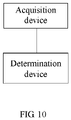
- the present invention further provides a system for diagnosing bipolar disorder or determining a prognostic outcome for bipolar disorder, as shown in FIG 10 , comprising: an acquisition device for acquiring an amount of Syt7 gene or an expression product thereof in a biological sample; and a determination device connected with the acquisition device for diagnosing bipolar disorder or determining the prognostic outcome for bipolar disorder based on the amount of the Syt7 gene or the expression product thereof in the biological sample.
- the determination device further comprises: the amount of the Syt7 gene or the expression product thereof in the biological sample being lower than an amount of the Syt7 gene or the expression product thereof in a normal sample, is an indication that the biological sample has bipolar disorder; or the amount of the Syt7 gene or the expression product thereof in the biological sample being at least not lower than the amount of the Syt7 gene or the expression product thereof in the normal sample, is an indication of good prognostic outcome in a patient with bipolar disorder.
- the amount of the Syt7 gene or the expression product thereof in the biological sample being at least lower than 0.5 folds, preferably 1-fold the amount of the Syt7 gene or the expression product thereof in a normal sample, is an indication that the biological sample has bipolar disorder.
- sample or “biological sample” may encompass any biological sample from a subject, including, but not limited to, whole blood, plasma, serum, red blood cells, white blood cells (e.g., peripheral blood mononuclear cells), saliva, urine, stool (i.e., feces), tear, sweat, sebum, nipple aspirate, catheter lavage, tumor exudate, synovial fluid, cerebrospinal fluid, lymphoid fluid, fine needle aspirate, amniotic fluid, any other body fluid, cell lysate, secretion of cells and inflammatory fluid, preferably, plasma, serum or cell pellet.
- white blood cells e.g., peripheral blood mononuclear cells
- saliva urine
- stool i.e., feces
- tear i.e., feces
- sweat sebum
- nipple aspirate
- catheter lavage tumor exudate
- synovial fluid cerebrospinal fluid
- lymphoid fluid fine needle aspirate
- bipolar disorder is previously known as bipolar disorder in the art.
- the described bipolar disorder includes bipolar disorder Type I (also referred to as BD-I), bipolar disorder Type II (also referred to as BD-II) and a mixed subtype.
- the Syt7 gene and the expression product thereof can be used as the biomarker of bipolar disorder Type I, and for indicating the presence of bipolar disorder Type I and the prognostic outcome of the medication and the like.
- bipolar disorder Type I is typically characterized by severe mania and severe depression, i.e., similar severities of severe depression and severe mania.
- Bipolar disorder Type II is typically characterized by hypomania and severe depression, i.e., hypomania with a significantly lower severity than the depressive episode.
- the mixed subtype mainly refers to an episode during which symptoms of both mania and depression occur simultaneously, and is less common in clinical settings.
- bipolar disorder As used herein, reference to a complication of bipolar disorder is a disease that results from the development of bipolar disorder, and such a complication may manifest itself as an association with bipolar disorder or as a condition distinct from bipolar disorder, for example, obsessive-compulsive disorder (OCD) with bipolar disorder Type I, which is often accompanied by social fear, anxious (avoidant) personality disorders, rare psychotic symptoms and the like.
- OCD obsessive-compulsive disorder
- Type I which is often accompanied by social fear, anxious (avoidant) personality disorders, rare psychotic symptoms and the like.
- Example 1 Syt7 identified as a candidate risk factor for neuropsychiatric disorder-associated behaviors
- the GeneCards database was searched for keywords insulin (diabetes) and synapse, and 97 genes were retrieved simultaneous participation in insulin metabolism and synaptic function.
- 97 genes were retrieved simultaneous participation in insulin metabolism and synaptic function.
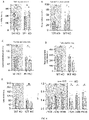
- Panel A in FIG 1 shows the transcriptome sequencing (RNA-seq) result of the 18 candidate genes in hippocampal neurons differentiated from the iPSCs of the BD patients;
- panel B in FIG 1 shows the fluorescence-based quantitative RT-PCR result of the 18 candidate genes in hippocampal neurons differentiated from the iPSCs of the BD patients.
- the 11 genes in the DG region of the mice were knocked down using shRNA virus.
- the mice were subject to a forced swim test (FST), and the immobility time of the mice was analyzed.
- the immobility time is an indicator that reflects the feeling of despair of the mice, and a longer immobility time indicates a more serious feeling of despair.
- panel C shows Syt7 expression in iPSC-differentiated hippocampal neurons described in Stern S, et al., (2017) Neurons Derived from Patients with Bipolar Disorder Divide into Intrinsically Different Sub-Populations of Neurons, Predicting the Patients' Responsiveness to Lithium, Molecular Psychiatry.
- the results showed that in the two neurons, comparisons with qRT-PCR and immunoblotting analysis detecting the difference from healthy controls demonstrated a reduction in Syt7 expression. This confirmed the presence of Syt7 in BD patients of different subpopulations.
- Syt7 KO mice i.e., Syt7-knockout mice
- the behaviors of Syt7 KO mice were then examined in the FST test. It is found that almost 30% of the Syt7 KO mice exhibited shorter immobility time (as the sustained mania results shown in FIG. 3 ) compared to littermate wild-type mice, whether in the night phase (ZT 12-24) or the day phase (ZT 0-12).
- a fluctuating behavioral abnormality phenotype i.e., a shorter immobility time in the night phase and a longer immobility time in the day phase (as the fluctuation results shown in FIG 3 ).
- the immobility time of the mice was analyzed.
- the immobility time is an indicator that reflects the feeling of despair of the mice, and a longer immobility time indicates a more serious feeling of despair.
- the experimental results showed that the Syt7 KO mice exhibited a significantly shorter immobility time in the night phase and a longer immobility time in the day phase as compared to the wild-type, as shown in panel A in FIG 4 (in the figures, the gray background denotes the night phase, and the white background denotes the day phase, unless otherwise stated).
- LH is associated with depression.
- SPT sucrose preference test
- the Syt7 KO mice were observed for psychosis-associated behaviors in a PPI (pre-pulse inhibition) test.
- the PPI test is a classic behavioral paradigm for determining psychosis in animals.
- a lower PPI ratio indicates a more severe psychosis in mice.
- Syt7 KO mice always showed a lower PPI ratio compared to the wild-type mice either in the night phase or the day phase, indicating a persistent psychotropic behavior in Syt7 KO mice irresponsive to light; furthermore, the Syt7 KO mice showed an audiogenic seizure-like reaction.
- the results showed that the iPSC-differentiated neurons derived from patients with LR and NR have Syt7 defect; more importantly, the Syt7 KO mice exhibited behavioral abnormalities, and exhibited circadian characteristics are unique to the behavioral abnormal fluctuation for bipolar-associated behaviors.
- Syt7 KO mice were first treated with the atypical antipsychotic olanzapine (OLZ) and observed for the dose dependence (administered with doses of 0.2 mg/kg, 0.5 mg/kg and 1.0 mg/kg) (using ANOVA statistical method).
- OZA atypical antipsychotic olanzapine
- a medium dose of olanzapine was sufficient for altering the behavioral abnormalities in the FST test (i.e., the shorter immobility time in the night phase was reversed) of the Syt7 KO mice in the treated groups as compared to the untreated group; furthermore, the high-dose olanzapine treatment extended the immobility time in the day phase.
- results show that the clinical treatments for BD patients have significant efficacies on the behavioral abnormalities of the Syt7 KO mice.
- mRNA level in plasma of BD patients was analyzed. Samples from 20 patients with BD and 11 healthy controls (HCs) matched in age and sex were collected and the plasma was separated. The expression level of Syt7 mRNA in plasma was then analyzed by qRT-PCR. The results showed that Syt7 mRNA levels were significantly reduced in the BD group compared to the HC group (as shown in FIG. 8 ), indicating the presence of Syt7 defect in BD patients.
- BD patients were then grouped according to age, sex and severity of the pathological course. Overall, most BD patients showed a decreasing tendency in Syt7 mRNA levels compared to the HC group; it was also noted that the decrease in Syt7 mRNA levels was insignificant in patients aged over 30. Despite the small sample size, the results still suggested that the defect of Syt7 may be more significant in young adults.
- BD patients were further stratified by type, family BD history, previous treatment and presence of psychosis and analyzed. It was found that the plasma Syt7 mRNA level was significantly reduced in both BD-I and BD-II patients compared to the HC group (as shown in panel A in FIG 9 ).
- first and second are used herein for descriptive purposes only and should not be construed as indicating or implying relative importance or to implicitly indicate the number of technical features described.
- a feature defined by “first” or “second” may explicitly or implicitly include at least one feature.
- "a plurality of” refers to at least two, e.g., two, three, etc., unless explicitly specified otherwise.
Landscapes
- Health & Medical Sciences (AREA)
- Life Sciences & Earth Sciences (AREA)
- Engineering & Computer Science (AREA)
- Chemical & Material Sciences (AREA)
- Biomedical Technology (AREA)
- General Health & Medical Sciences (AREA)
- Immunology (AREA)
- Bioinformatics & Cheminformatics (AREA)
- Urology & Nephrology (AREA)
- Molecular Biology (AREA)
- Medicinal Chemistry (AREA)
- Animal Behavior & Ethology (AREA)
- Veterinary Medicine (AREA)
- Hematology (AREA)
- Organic Chemistry (AREA)
- Zoology (AREA)
- Biotechnology (AREA)
- Pathology (AREA)
- Analytical Chemistry (AREA)
- Proteomics, Peptides & Aminoacids (AREA)
- Public Health (AREA)
- Biochemistry (AREA)
- Physics & Mathematics (AREA)
- Microbiology (AREA)
- Pharmacology & Pharmacy (AREA)
- Cell Biology (AREA)
- Toxicology (AREA)
- Environmental Sciences (AREA)
- General Physics & Mathematics (AREA)
- Food Science & Technology (AREA)
- Epidemiology (AREA)
- Psychiatry (AREA)
- Neurology (AREA)
- Neurosurgery (AREA)
- Chemical Kinetics & Catalysis (AREA)
- General Chemical & Material Sciences (AREA)
- Nuclear Medicine, Radiotherapy & Molecular Imaging (AREA)
- Wood Science & Technology (AREA)
- Genetics & Genomics (AREA)
- Gastroenterology & Hepatology (AREA)
Abstract
Description
- This present application claims priority to
Chinese Patent Application No. 202010075636.8, filed Jan. 22, 2020 - The present invention relates to the field of biopharmaceutics, and in particular to use of synaptotagmin-7 in the diagnosing and treating of bipolar disorder.
- Single cell sequencing technology is one of the top hotspots in the last decade, and has demonstrated broad application prospects in development and tumor-related scientific research and disease diagnosis. Single cell sequencing techniques have been implemented at different levels of genome, transcriptome, epigenome, proteome, etc., and have played an important role in the studies of many scientific problems. However, the single cell sequencing technology has many challenges in terms of data quality, throughput, cost, operability and the like, and there are many technical barriers against large-scale application.
- Bipolar disorder (BD) based microfluidic systems is a typical neuropsychiatric disorder where patients are afflicted with alternating episodes of two emotional extremes, mania and depression. BD has a global incidence of over 1% and 15% of the patients suicided due to absence of instant intervention. Therefore, BD is listed by the World Health Organization (WHO) as one of the diseases with top morbidity and loss of labor. By genome-wide association analysis, clinical studies have found a series of susceptibility genes for BD that have been thought to be involved in the inheritance and pathogenesis of BD. However, genetic animal models based on such susceptibility genes did not reveal the clinical characteristics of BD, especially the core symptoms of spontaneous alternating cycles of mania and depression. Therefore, a hypothesis has been raised those neuropsychiatric diseases including BD are polygenic genetic diseases, and a joint effort of genetic defects in multiple genes may contribute to the clinical symptoms of the disease. However, patients with a variety of different susceptibility genes can exhibit similar clinical behavioral symptoms as they share common biological defects. Finding and repairing such defects are keys to understanding the pathogenesis of BD and exploring clinical treatment of BD. Thus, identifying the defects of the critical molecular signaling pathways in BD patients is the most important task for biologists and medical professionals studying BD.
- Clinical studies have identified several susceptibility genes that may be involved in the inheritance and pathogenesis of BD. For example, a mutant of the CLOCK gene, which was found in a group of BD patients, when expressing in mice, will lead to abnormal behaviors similar to human mania. However, these genes represent only a small fraction of the clinical cases; moreover, genetic animal models based on these genes did not exhibit the spontaneous emotional cycle of mania and depression, which is a core symptom in BD patients.
- Therefore, further improvement is required for the research on bipolar disorder.
- The present invention is intended to solving, at least in part, one of the technical problems in the related art. To this end, one purpose of the present invention is to propose use of synaptotagmin-7 (abbreviated as Syt7) in the diagnosing and treating of bipolar disorder.
- The inventor found that Syt7 gene expression in hippocampal neurons differentiated from the induced pluripotent stem cells (iPSCs) of patients with bipolar disorder demonstrated significant defects; Syt7 gene-deleted mice exhibited spontaneous mania/depression cycling symptom of bipolar disorder; the transcription level of Syt7 mRNA in the plasma of patients with BD was significantly reduced as compared with that of a healthy control group; the Syt7 mRNA levels in blood cells were also reduced, similar to the measurements in plasma. Associated signaling pathway with the Syt7 gene and the expression product thereof are critical to the emotional cycle of bipolar disorder. Molecules targeting the signaling pathway associated with the Syt7 gene can facilitate the diagnosis and treatment of bipolar disorder.
- Specifically, the present invention provides the following technical scheme:
In a first aspect, the present invention provides a biomarker for bipolar disorder, comprising Syt7 gene and/or an expression product thereof. - In a second aspect, the present invention provides use of Syt7 gene and/or an expression product thereof in preparing a medicament for treating bipolar disorder and/or a complication thereof. According to embodiments of the present invention, the expression product of the Syt7 gene can be used as a protein medicament. By administering a proper amount of the protein medicament to a patient with bipolar disorder or a complication thereof, the content of the Syt7 gene expression product in vivo may be elevated. As such, the Syt7 gene expression product can be used for treating bipolar disorder or the complication thereof.
- According to embodiments of the present invention, the medicament can increase the expression level of the Syt7 gene.
- In a third aspect, the present invention provides a bipolar disorder cell model, comprising a reduced amount of Syt7 gene and/or an expression product thereof as compared to a wild-type cell.
- In a fourth aspect, the present invention provides a bipolar disorder animal model, comprising a reduced amount of Syt7 gene or an expression product thereof as compared to a wild-type animal. The expression of Syt7 gene is inhibited in the provided bipolar disorder model animal. According to embodiments of the present invention, the provided bipolar disorder model animal may be a mouse, wherein a C2A domain of the Syt7 gene is replaced with a neomycin gene fragment to achieve the purpose of inactivating the Syt7. It will be appreciated by those skilled in the art that the inactivated Syt7 may also be obtained by substitution or knock-out of other active regions on the Syt7 gene when acquiring the bipolar disorder model animal. The common means may be gene recombination or CRISPR that is conventionally used in the art, and the model animal may be a mouse, a rat, or a non-human primate such as a monkey and the like.
- According to embodiments of the present invention, the animal includes at least one selected from a mouse, a rat and a primate.
- In a fifth aspect, the present invention provides a method for screening a medicament for treating bipolar disorder, comprising: administering medicament candidates to the bipolar disorder cell model according to the third aspect of the present invention or the bipolar disorder animal model according to the fourth aspect of the present invention; selecting a medicament candidate causing an increase in an amount of the Syt7 gene or the expression product thereof, or selecting a medicament candidate causing alleviation in symptoms of bipolar disorder, as the medicament for treating bipolar disorder. By administering the medicament candidates to the bipolar disorder model animal and monitoring behaviors of the model animal, a medicament candidate is determined effective if symptoms of the bipolar disorder are alleviated or if Syt7 gene expression or Syt7 protein activity is elevated. According to embodiments of the present invention, the bipolar disorder model animal may be a mouse with inhibited Syt7 gene expression or inhibited Syt7 protein activity. The medicament candidates may also be administered to a non-human mammalian cell. A medicament candidate is determined effective if Syt7 gene expression level or Syt7 protein activity is up-regulated in the non-human mammal or cell.
- In a sixth aspect, the present invention provides a kit comprising a reagent specifically detecting Syt7 gene and/or an expression product thereof. The kit comprising the reagent specifically detecting the Syt7 gene and/or the expression product thereof can be used for real-time detection and monitoring of bipolar disorder. According to embodiments of the present invention, the reagent comprises a primer and/or a probe. The specific probe or primer can be used for detecting the expression level of the Syt7 gene or the expression product thereof. Certainly, other conventional reagents than primers and probes for gene or protein expression, such as a buffer for polymerase chain reaction, a solution for SDS-PAGE detection for detecting protein expression and the like, may be incorporated.
- In a seventh aspect, the present invention provides a system for diagnosing bipolar disorder or determining a prognostic outcome for bipolar disorder, comprising: an acquisition device for acquiring an amount of Syt7 gene or an expression product thereof in a biological sample; and a determination device connected with the acquisition device for diagnosing bipolar disorder or determining the prognostic outcome for bipolar disorder based on the amount of the Syt7 gene or the expression product thereof in the biological sample.
- According to embodiments of the present invention, the determination device further comprises: the amount of the Syt7 gene or the expression product thereof in the biological sample being lower than an amount of the Syt7 gene or the expression product thereof in a normal sample, is an indication that the biological sample has bipolar disorder; or the amount of the Syt7 gene or the expression product thereof in the biological sample being at least not lower than the amount of the Syt7 gene or the expression product thereof in the normal sample, is an indication of good prognostic outcome in a patient with bipolar disorder.
- In an eighth aspect, the present invention provides a method for diagnosing bipolar disorder in a subject, comprising: detecting Syt7 gene and/or an expression product thereof in a biological sample from the subject. The present invention provides a method for diagnosing bipolar disorder in a subject, comprising: detecting an expression level of Syt7 gene in a biological sample from the subject, and determining, if the expression level of the Syt7 gene of the subject is significantly lower than a normal level, that the subject has bipolar disorder.
-
-
FIG 1 is a diagram showing the results for identifying that Syt7 participates in behavioral abnormality as a candidate risk factor according to embodiments of the present invention. Panels A and B inFIG 1 show the expression of 18 candidate genes in hippocampal neurons differentiated from induced pluripotent stem cells (iPSCs), wherein panel A inFIG 1 shows the result of transcriptome sequencing (RNA-seq), and panel B inFIG 1 shows the result of fluorescence-based quantitative RT-PCR. Panel C inFIG 1 shows the immobility time of mice in forced swim test (FST). -
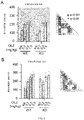
FIG 2 is a diagram showing the insufficient Syt7 expression in hippocampal neurons differentiated from induced pluripotent stem cells (iPSCs) in patients with confirmed BD according to embodiments of the present invention. Panels A and B inFIG 2 show the Syt7 expression in one type of hippocampal neurons from patients with LR and NR, wherein panel A in -
FIG 2 shows the results of fluorescence quantitative RT-PCR, and panel B inFIG 2 shows the results of immunoblotting and quantitative analysis, wherein HC denotes the health control group (n = 4), LR denotes lithium-responsive group (n = 3), and NR denotes non-responsive group (n = 3). Panel C inFIG. 2 shows the Syt7 expression in another type of hippocampal neurons from patients with LR and NR, wherein HC denotes the health control group (n = 3), LR denotes lithium-responsive group (n = 3), and NR denotes non-responsive group (n = 3). -
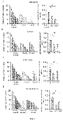
FIG 3 is a diagram showing the immobility time of wild-type mice and Syt7 KO mice in a night-phase and day-phase forced swim test (FST) according to embodiments of the present invention. The immobility time of Syt7 KO mice shown inFIG 3 demonstrates a fluctuation in circadian rhythm and a reduction in continuous immobility time of Syt7 KO mice. InFIG 3 , the gray background denotes the night phase, and the white background denotes the day phase; the pie chart shows the proportional phenotype distribution of Syt7 KO mice (n = 28). -
FIG 4 is a diagram showing the behavioral defects of Syt7 KO mice according to embodiments of the present invention. Panel A inFIG. 4 shows the immobility time of wild-type mice and Syt7 KO mice in a night-phase and day-phase tail suspension (TS) test (n = 12). Panel B inFIG 4 shows the escape failure number of wild-type mice and Syt7 KO mice in a night-phase and day-phase learned helplessness (LH) test (n = 8). Panel C inFIG 4 shows the ratio of wild-type mice and Syt7 KO mice demonstrating sucrose preference in a night-phase and day-phase sucrose preference test (SPT, n = 8). Panel D inFIG 4 shows the time during which the mouse stayed in the light compartment in a night-phase and day-phase light-dark box (LDB) test, wherein for the night phase, n =10, and for the day phase, n = 12. Panel E inFIG 4 shows the result of a schizophrenia test for Syt7 KO mice. -
FIG 5 shows the efficacy of antipsychotic olanzapine and lithium salt on the behavioral abnormality of Syt7 KO mice according to embodiments of the present invention. Panels A and B inFIG 5 show the effect of olanzapine (OLZ) intraperitoneal injection (0.2-1.0 mg/kg) on the immobility time of mice in a night-phase (A) and day-phase (B) forced swim test (FST). -
FIG 6 shows the efficacy of high-dose olanzapine injection (1.0 mg/kg) on behavioral abnormality of Syt7 KO mice according to embodiments of the present invention. Panel A inFIG 6 shows the effect on the escape failure number in LH test, panel B shows the effect on the sucrose preference in SPT test, and panel C shows the effect on the time spent in the light compartment in LDB test. -
FIG 7 shows the efficacy of intraperitoneal lithium salt injection (30 mg/kg) on behavioral abnormality of Syt7 KO mice according to embodiments of the present invention. InFIG. 7 , panel A shows the effect on the immobility time of mice in FST test, panel B shows the effect on the escape failure number in LH test, panel C shows the effect on the sucrose preference in SPT test, and panel D shows the effect on the time spent in the light compartment in LDB test. In these experiments, n = 8; Student's t-test was used; ∗ P < 0.05; error bars denote s.e.m. -
FIG 8 shows the result of quantitative analytic measurement of plasma Syt7 mRNA level in 20 patients with BD and 11 healthy controls according to embodiments of the present invention. Panel B inFIG 8 shows the Syt7 mRNA levels in patients with BD-I (n = 11) and BD-II (n = 5). -
FIG 9 is a diagram showing results of measurement of plasma Syt7 mRNA level in patients with BD by type of BD, family BD history, previous treatment and presence/absence of psychosis according to embodiments of the present invention. InFIG. 9 , panel A shows the level of Syt7 mRNA in patients with BD-I (n = 11) and BD-II (n = 5); panel B shows the comparison of Syt7 mRNA level in BD patients with (n = 7) and without (n = 10) complication (psychosis); panel C shows the comparison of Syt7 mRNA level in BD patients with (n = 5) and without (n = 9) family BD history; panel D shows the comparison of Syt7 mRNA level in BD patients with (n = 14) and without (n = 3) previous treatment. The above results were obtained using Student's t-test; ∗ P < 0.05; ∗∗ P < 0.001; error bars denote s.e.m. -
FIG 10 is a schematic diagram of a system for diagnosing bipolar disorder or determining a prognostic outcome for bipolar disorder according to embodiments of the present invention. - The embodiments of the present invention are described in detail below. It should be noted that the described embodiments are exemplary and intended to illustrate the present invention, and should not be construed as limitation to the present invention.
- In one aspect, the present invention provides a biomarker for bipolar disorder, comprising Syt7 gene and/or an expression product thereof. As used herein, "biomarker" has a general meaning in the art, and refers to a biological molecule and/or a detectable portion thereof, which can be assessed qualitatively or quantitatively to acquire predictive or diagnostic information or the like. For example, the status of a subject with respect to a given disease or condition can be characterized by detecting the corresponding biomarker in the subject. The biomarker may be a gene, a protein, a polypeptide, or the like.
- The present invention further provides use of Syt7 gene and/or an expression product thereof in preparing a medicament for treating bipolar disorder and/or a complication thereof. According to embodiments of the present invention, the expression product of the Syt7 gene can be used as a protein medicament. By administering a proper amount of the protein medicament to a patient with bipolar disorder or a complication thereof, the content of the Syt7 gene expression product in vivo may be elevated. As such, the Syt7 gene expression product can be used for treating bipolar disorder or the complication thereof.
- The present invention further provides a method for diagnosing bipolar disorder in a subject, comprising: detecting Syt7 gene and/or an expression product thereof in a biological sample from the subject.
- As used herein, reference to a subject or a patient is generally to a human, and may certainly include, as desired, non-human animals, preferably warm-blooded animals, more preferably viviparous animals, more preferably mammals, for example, non-human primates, rodents, canines, felines, equines, sheep, pigs, and the like.
- In another aspect, the present invention further provides a system for diagnosing bipolar disorder or determining a prognostic outcome for bipolar disorder, as shown in
FIG 10 , comprising: an acquisition device for acquiring an amount of Syt7 gene or an expression product thereof in a biological sample; and a determination device connected with the acquisition device for diagnosing bipolar disorder or determining the prognostic outcome for bipolar disorder based on the amount of the Syt7 gene or the expression product thereof in the biological sample. According to embodiments of the present invention, the determination device further comprises: the amount of the Syt7 gene or the expression product thereof in the biological sample being lower than an amount of the Syt7 gene or the expression product thereof in a normal sample, is an indication that the biological sample has bipolar disorder; or the amount of the Syt7 gene or the expression product thereof in the biological sample being at least not lower than the amount of the Syt7 gene or the expression product thereof in the normal sample, is an indication of good prognostic outcome in a patient with bipolar disorder. According to a preferred embodiment of the present invention, the amount of the Syt7 gene or the expression product thereof in the biological sample being at least lower than 0.5 folds, preferably 1-fold the amount of the Syt7 gene or the expression product thereof in a normal sample, is an indication that the biological sample has bipolar disorder. - As used herein, a "sample" or "biological sample" may encompass any biological sample from a subject, including, but not limited to, whole blood, plasma, serum, red blood cells, white blood cells (e.g., peripheral blood mononuclear cells), saliva, urine, stool (i.e., feces), tear, sweat, sebum, nipple aspirate, catheter lavage, tumor exudate, synovial fluid, cerebrospinal fluid, lymphoid fluid, fine needle aspirate, amniotic fluid, any other body fluid, cell lysate, secretion of cells and inflammatory fluid, preferably, plasma, serum or cell pellet.
- As used herein, the term "bipolar disorder" is previously known as bipolar disorder in the art. The described bipolar disorder includes bipolar disorder Type I (also referred to as BD-I), bipolar disorder Type II (also referred to as BD-II) and a mixed subtype. Preferably, the Syt7 gene and the expression product thereof can be used as the biomarker of bipolar disorder Type I, and for indicating the presence of bipolar disorder Type I and the prognostic outcome of the medication and the like.
- In this context, bipolar disorder Type I is typically characterized by severe mania and severe depression, i.e., similar severities of severe depression and severe mania. Bipolar disorder Type II is typically characterized by hypomania and severe depression, i.e., hypomania with a significantly lower severity than the depressive episode. The mixed subtype mainly refers to an episode during which symptoms of both mania and depression occur simultaneously, and is less common in clinical settings.
- As used herein, reference to a complication of bipolar disorder is a disease that results from the development of bipolar disorder, and such a complication may manifest itself as an association with bipolar disorder or as a condition distinct from bipolar disorder, for example, obsessive-compulsive disorder (OCD) with bipolar disorder Type I, which is often accompanied by social fear, anxious (avoidant) personality disorders, rare psychotic symptoms and the like. The scheme of the present invention will be explained with reference to the following examples. It will be appreciated by those skilled in the art that the following examples are illustrative of the present invention only and should not be construed as limiting the scope of the present invention. Examples without specified techniques or conditions are implemented according to techniques or conditions described in the literature in the art or according to product instructions. Reagents or instruments without specified manufacturers used herein are conventional products that are commercially available.
- In order to effectively identify the contributing factors of the emotional abnormality in BD patients, the expression and the function of some genes in iPSC-differentiated neurons from the BD patients were selected and investigated. Also considered was an important feature in BD patients that about 40% of BD patients have disorders of insulin/glucose metabolism (see Ruzickova M, Slaney C, Garnham J, & Alda M, (2003) Clinical Features of Bipolar Disorder with and without Comorbid Diabetes Mellitus, Canadian Journal of Psychiatry, 48(7):458-461; Hajek T, McIntyre R, & Alda M, (2016) Bipolar Disorders, ; and Wysokinski A, Strzelecki D, & Kloszewska I, (2015) Levels of Triglycerides, Cholesterol, LDL, HDL and Glucose in Patients with Schizophrenia, Unipolar Depression and Bipolar Disorder, Diabetes & Metabolic Syndrome, 9(3):168-176). We supposed, considering that defects in key molecular pathways in the brain will lead to behavioral symptoms, that such defects present in the pancreatic islets may probably cause disorders of insulin metabolism, thereby causing complications of the two.
- Based on the above hypothesis, the GeneCards database was searched for keywords insulin (diabetes) and synapse, and 97 genes were retrieved simultaneous participation in insulin metabolism and synaptic function. By searching the NCBI literature (www.ncbi.nlm.nih.gov/pubmed/), 18 out of the 97 genes that may act in the two symptoms above were selected.
- Using previously established iPSCs and corresponding differentiated neurons from 6 BD patients (see Mertens J, et al. (2015) Differential Responses to Lithium in Hyperexcitable Neurons from Patients with Bipolar Disorder, Nature, 527(7576):95-99), 11 of the 18 genes in the iPSC-differentiated neurons from the patients exhibited more than 1.5-fold changes in mRNA expression levels by RNA-seq and qRT-PCR approaches (as shown in panels A and B in
FIG 1 , wherein the change may be an increase or a decrease). Panel A inFIG 1 shows the transcriptome sequencing (RNA-seq) result of the 18 candidate genes in hippocampal neurons differentiated from the iPSCs of the BD patients; panel B inFIG 1 shows the fluorescence-based quantitative RT-PCR result of the 18 candidate genes in hippocampal neurons differentiated from the iPSCs of the BD patients. In panels A and B inFIG 1 , HC denotes healthy controls (n = 4), and BD-I denotes patients with bipolar I disorder (n = 6); the two columns corresponding to each gene along the abscissa respectively denote data for health controls and BD-I patients. - The 11 genes in the DG region of the mice were knocked down using shRNA virus. The mice were subject to a forced swim test (FST), and the immobility time of the mice was analyzed. The immobility time is an indicator that reflects the feeling of despair of the mice, and a longer immobility time indicates a more serious feeling of despair. The result is shown in panel C in
FIG 1 . InFIG 1 , panel C shows the results of immobility time of mice in FST test with the candidate genes being knocked-down (KD), wherein n =10 and a t-test was employed (Student's t-test; ∗ P < 0.05; error bars , s.e.m.). - The results showed that the immobility time of the Syt7-knockdown mice was significantly reduced as compared to the wild-type group, and the knockdowns of other genes did not exhibit similar significant changes. Thus, it was presumed that Syt7 may be a possible candidate risk factor for behavioral abnormalities.
- To systematically investigate the role of Syt7 in neuropsychiatric disorder-associated behaviors, the expression of Syt7 in BD patients was studied in two independent iPSC-differentiated neurons of different sources. Panels A and B in
FIG 2 show the expression of Syt7 in hippocampal neurons from patients with LR and NR in Mertens J, et al. (2015) Differential Responses to Lithium in Hyperexcitable Neurons from Patients with Bipolar Disorder, Nature, 527(7576):95-99, wherein LR denotes iPSC-differentiated neurons responsive to lithium (lithium salt) and NR denotes iPSC-differentiated neurons non-responsive to lithium. InFIG 2 , panel C shows Syt7 expression in iPSC-differentiated hippocampal neurons described in Stern S, et al., (2017) Neurons Derived from Patients with Bipolar Disorder Divide into Intrinsically Different Sub-Populations of Neurons, Predicting the Patients' Responsiveness to Lithium, Molecular Psychiatry. The results showed that in the two neurons, comparisons with qRT-PCR and immunoblotting analysis detecting the difference from healthy controls demonstrated a reduction in Syt7 expression. This confirmed the presence of Syt7 in BD patients of different subpopulations. - The behaviors of Syt7 KO mice (i.e., Syt7-knockout mice) were then examined in the FST test. It is found that almost 30% of the Syt7 KO mice exhibited shorter immobility time (as the sustained mania results shown in
FIG. 3 ) compared to littermate wild-type mice, whether in the night phase (ZT 12-24) or the day phase (ZT 0-12). Interestingly, over 60% of KO mice exhibited a fluctuating behavioral abnormality phenotype, i.e., a shorter immobility time in the night phase and a longer immobility time in the day phase (as the fluctuation results shown inFIG 3 ). Subsequent behavioral experiments focused on Syt7 KO mice exhibiting the circadian phenotype. In the tail suspension (TS) test, the immobility time of the mice was analyzed. The immobility time is an indicator that reflects the feeling of despair of the mice, and a longer immobility time indicates a more serious feeling of despair. The experimental results showed that the Syt7 KO mice exhibited a significantly shorter immobility time in the night phase and a longer immobility time in the day phase as compared to the wild-type, as shown in panel A inFIG 4 (in the figures, the gray background denotes the night phase, and the white background denotes the day phase, unless otherwise stated). - Considering that the FST/TS tests can not represent all the characterizations of human disease, a learned helplessness (LH) test and a sucrose preference test (SPT) were conducted. LH is associated with depression. In the LH test, the escape failure number of mice is an indicator for determining the depression of animal due to external pressure. A higher escape failure number indicates a more significant depression. SPT is associated with anhedonia. The proportion of sucrose preference of the mice can serve as an indicator for determining the anhedonia severity of the mice. A higher proportion of sweet preference indicates an enhancement in hedonic feeling. As shown in panels B and C in
FIG 4 , Syt7 KO mice were more manic in the night phase (represented by less escape failures in the LH test) and demonstrated higher hedonic feeling in the SPT test compared to wild-type mice; in the day phase, Syt7 KO mice always exhibited the opposite behaviors. - Since BD patients often had clinical symptoms of anxiety, a light-dark box (LDB) test was conducted to observe anxiety-like behaviors in the Syt7 KO mice. The results showed that Syt7 KO mice exhibited reduced anxious behaviors in the night phase and enhanced anxiety in the day phase compared to the wild-type mice, as shown in panel D in
FIG 4 . - Meanwhile, in order to confirm whether the behavioral abnormality in Syt7 KO mice is permanent or occurs only in a specific time period, the mice were monitored for 24 h in an open field experiment. As a result, it was found that Syt7 KO mice exhibited an increase in night phase activity but a decrease in day phase activity, which was in correspondence to the results obtained in the FST test and the tail suspension test. Importantly, the changes in activity of the Syt7 KO mice were persistent in the night phase and the day phase, indicating that the emotional abnormalities are persistent.
- In addition, since it was found in clinical studies that BD patients often showed symptoms of psychosis, the Syt7 KO mice were observed for psychosis-associated behaviors in a PPI (pre-pulse inhibition) test. The PPI test is a classic behavioral paradigm for determining psychosis in animals. In a PPI test, a lower PPI ratio indicates a more severe psychosis in mice. As shown in panel E in
FIG 4 , Syt7 KO mice always showed a lower PPI ratio compared to the wild-type mice either in the night phase or the day phase, indicating a persistent psychotropic behavior in Syt7 KO mice irresponsive to light; furthermore, the Syt7 KO mice showed an audiogenic seizure-like reaction. - In summary, the results showed that the iPSC-differentiated neurons derived from patients with LR and NR have Syt7 defect; more importantly, the Syt7 KO mice exhibited behavioral abnormalities, and exhibited circadian characteristics are unique to the behavioral abnormal fluctuation for bipolar-associated behaviors.
- To further determine the relationship between behavioral abnormalities and BD characterization in Syt7 KO mice, two drugs, olanzapine (OLZ) and lithium, for clinical and pre-clinical treatment of BD were used to treat Syt7 KO mice and the animal behaviors were observed.
- Syt7 KO mice were first treated with the atypical antipsychotic olanzapine (OLZ) and observed for the dose dependence (administered with doses of 0.2 mg/kg, 0.5 mg/kg and 1.0 mg/kg) (using ANOVA statistical method). As shown in panels A and B in
FIG. 5 , a medium dose of olanzapine was sufficient for altering the behavioral abnormalities in the FST test (i.e., the shorter immobility time in the night phase was reversed) of the Syt7 KO mice in the treated groups as compared to the untreated group; furthermore, the high-dose olanzapine treatment extended the immobility time in the day phase. In addition, treatment with a low dose of olanzapine reduced the immobility time of Syt7 KO mice in the day phase, which was different from the result of the high dose group. Without being limited by theory, this may be associated with an antidepressant effect of olanzapine in treating BD patients. - Then, the LH/SPT/LDB behavioral paradigms were adopted for detecting the effect of high-dose olanzapine treatment (1.0 mg/kg) on abnormal behaviors of the Syt7 KO mice. As shown in panels A, B and C in
FIG. 6 , high-dose olanzapine treatment alleviated the depressive state of Syt7 KO mice either in the night phase or in the day phase, represented by the significantly increased number of escapes in the LH test, the reduced sucrose preference, and reduced time spent in the light compartment in the LDB test compared to KO mice in the untreated group. In addition, olanzapine treated WT mice showed similar results to the Syt7 KO mice. - The effect of clinical BD treatment lithium on behavioral abnormalities in Syt7 KO mice was then tested. In the FST test for immobility time, the treatment with 30 mg/kg of Li2CO3 demonstrated no effect on WT and Syt7 KO mice, either in the night phase or in the day phase, as shown in
FIG 7 . However, in both LH and SPT tests, Li-treated WT and Syt7 mice showed improved antidepressant effects, i.e., increased escape numbers and decreased sucrose preference compared to the untreated control group, either in the night phase or in the day phase, as shown in panels B and C inFIG 7 . Furthermore, in the LDB test, the Li treatment had no effect on WT, but altered the behaviors of Syt7 KO mice by reducing the time spent in the light compartment, either in the night phase or in the day phase, as shown in panel D inFIG 7 . - In summary, the results show that the clinical treatments for BD patients have significant efficacies on the behavioral abnormalities of the Syt7 KO mice.
- To explore if the status of Syt7 in BD patients matches defects in iPSC-differentiated neurons, mRNA level in plasma of BD patients was analyzed. Samples from 20 patients with BD and 11 healthy controls (HCs) matched in age and sex were collected and the plasma was separated. The expression level of Syt7 mRNA in plasma was then analyzed by qRT-PCR. The results showed that Syt7 mRNA levels were significantly reduced in the BD group compared to the HC group (as shown in
FIG. 8 ), indicating the presence of Syt7 defect in BD patients. - BD patients were then grouped according to age, sex and severity of the pathological course. Overall, most BD patients showed a decreasing tendency in Syt7 mRNA levels compared to the HC group; it was also noted that the decrease in Syt7 mRNA levels was insignificant in patients aged over 30. Despite the small sample size, the results still suggested that the defect of Syt7 may be more significant in young adults. BD patients were further stratified by type, family BD history, previous treatment and presence of psychosis and analyzed. It was found that the plasma Syt7 mRNA level was significantly reduced in both BD-I and BD-II patients compared to the HC group (as shown in panel A in
FIG 9 ). - Furthermore, the decrease in Syt7 mRNA level was significant in patients without psychosis and family BD history compared to the HC group, whereas those with symptoms of psychosis or family BD history had a decreasing tendency in Syt7 mRNA (as shown in panels B and C in
FIG 9 ). It should be noted that patients in the previously untreated group showed a significant decrease in Syt7 mRNA levels despite the small sample size; the previously treated group showed a recovered but still reduced Syt7 mRNA level compared to HC group (as shown in panel D inFIG 9 ). - The above experimental results showed that the Syt7 signaling pathway plays a key role in the mood cycling of BD, and developing a diagnostic or treatment method targeting Syt7 upstream and downstream signaling molecules will bring prospect to diagnosis and treatment of BD.
- In addition, the terms "first" and "second" are used herein for descriptive purposes only and should not be construed as indicating or implying relative importance or to implicitly indicate the number of technical features described. Thus, a feature defined by "first" or "second" may explicitly or implicitly include at least one feature. In the description of the present invention, "a plurality of" refers to at least two, e.g., two, three, etc., unless explicitly specified otherwise.
- In the description of the specification, reference to the description of "one embodiment", "some embodiments", "one example", "one specific example", "some examples" or the like means that the particular features, structures, materials or characteristics described in connection with the embodiment or example is included in at least one embodiment or example of the present invention. In this specification, the schematic representations of the terms used above are not necessarily intended to refer to the same embodiment or example. Furthermore, the particular features, structures, materials or characteristics described may be combined in any suitable manner in any one or more embodiments or examples. Moreover, various embodiments or examples and features of various embodiments or examples described in this specification can be connected and combined by one skilled in the art to the extent that they do not contradict each other.
- Although the embodiments of the present invention have been illustrated and described above, it will be understood that the above embodiments are exemplary and not to be construed as limiting the present invention, and that changes, modifications, substitutions and alterations can be made to the above embodiments by those of ordinary skill in the art within the scope of the present invention.
Claims (12)
- A biomarker for bipolar disorder, comprising Syt7 gene and/or an expression product thereof.
- Use of Syt7 gene and/or an expression product thereof in preparing a medicament for treating bipolar disorder and/or a complication thereof.
- The use according to claim 2, wherein the medicament is capable of increasing an expression level of the Syt7 gene.
- A bipolar disorder cell model, comprising a reduced amount of Syt7 gene and/or an expression product thereof as compared to a wild-type cell.
- A bipolar disorder animal model, comprising a reduced amount of Syt7 gene and/or an expression product thereof as compared to a wild-type animal.
- The bipolar disorder animal model according to claim 5, wherein the animal includes at least one selected from a mouse, a rat and a primate.
- A method for screening a medicament for treating bipolar disorder, comprising:administering medicament candidates to the bipolar disorder cell model according to claim 4 or the bipolar disorder animal model according to claim 5 or 6;selecting a medicament candidate causing an increase in an amount of the Syt7 gene or the expression product thereof, or selecting a medicament candidate causing alleviation in symptoms of bipolar disorder, as the medicament for treating bipolar disorder.
- A kit, comprising a reagent for specifically detecting Syt7 gene or an expression product thereof.
- The kit according to claim 8, wherein the reagent comprises a primer and/or a probe.
- A system for diagnosing bipolar disorder or determining a prognostic outcome for bipolar disorder, comprising:an acquisition device for acquiring an amount of Syt7 gene or an expression product thereof in a biological sample; anda determination device connected with the acquisition device for diagnosing bipolar disorder or determining the prognostic outcome for bipolar disorder based on the amount of the Syt7 gene or the expression product thereof in the biological sample.
- The system according to claim 10, wherein the determination device further comprises:the amount of the Syt7 gene or the expression product thereof in the biological sample being lower than an amount of the Syt7 gene or the expression product thereof in a normal sample, is an indication that the biological sample has bipolar disorder; orthe amount of the Syt7 gene or the expression product thereof in the biological sample being at least not lower than the amount of the Syt7 gene or the expression product thereof in the normal sample, is an indication of good prognostic outcome in a patient with bipolar disorder.
- A method for diagnosing bipolar disorder in a subject, comprising: detecting Syt7 gene and/or an expression product thereof in a biological sample from the subject.
Applications Claiming Priority (2)
| Application Number | Priority Date | Filing Date | Title |
|---|---|---|---|
| CN202010075636.8A CN111172274B (en) | 2020-01-22 | 2020-01-22 | Use of Synaptotagmin-7 in the Diagnosis and Treatment of Bipolar Disorder |
| PCT/CN2021/073202 WO2021147977A1 (en) | 2020-01-22 | 2021-01-22 | Use of synaptotagmin-7 in the diagnosis and treatment of bipolar disorder |
Publications (4)
| Publication Number | Publication Date |
|---|---|
| EP4067504A1 true EP4067504A1 (en) | 2022-10-05 |
| EP4067504A4 EP4067504A4 (en) | 2023-01-18 |
| EP4067504B1 EP4067504B1 (en) | 2025-09-17 |
| EP4067504C0 EP4067504C0 (en) | 2025-09-17 |
Family
ID=70625351
Family Applications (1)
| Application Number | Title | Priority Date | Filing Date |
|---|---|---|---|
| EP21743632.8A Active EP4067504B1 (en) | 2020-01-22 | 2021-01-22 | Use of synaptotagmin-7 in the diagnosis and treatment of bipolar disorder |
Country Status (8)
| Country | Link |
|---|---|
| US (1) | US20230003717A1 (en) |
| EP (1) | EP4067504B1 (en) |
| JP (1) | JP2023506637A (en) |
| KR (1) | KR20220130704A (en) |
| CN (1) | CN111172274B (en) |
| AU (1) | AU2021210069B2 (en) |
| CA (1) | CA3164847A1 (en) |
| WO (1) | WO2021147977A1 (en) |
Families Citing this family (1)
| Publication number | Priority date | Publication date | Assignee | Title |
|---|---|---|---|---|
| CN111172274B (en) * | 2020-01-22 | 2021-10-15 | 清华大学 | Use of Synaptotagmin-7 in the Diagnosis and Treatment of Bipolar Disorder |
Family Cites Families (17)
| Publication number | Priority date | Publication date | Assignee | Title |
|---|---|---|---|---|
| US20050208519A1 (en) * | 2004-03-12 | 2005-09-22 | Genenews Inc. | Biomarkers for diagnosing schizophrenia and bipolar disorder |
| GB0524110D0 (en) * | 2005-11-28 | 2006-01-04 | Univ Cambridge Tech | Biomarkers and methods for identification of agents useful in the treatment of affective disorders |
| WO2008144371A1 (en) * | 2007-05-16 | 2008-11-27 | The Board Of Trustees Of The Leland Stanford Junior University | Methods and compositions for diagnosing suicidal tendencies |
| US20100255485A1 (en) * | 2007-11-28 | 2010-10-07 | Pico Caroni | Biomarkers for the onset of neurodegenerative diseases |
| GB2456390A (en) * | 2008-01-15 | 2009-07-22 | Glaxo Group Ltd | Bipolar disorder treatments |
| WO2009102748A2 (en) * | 2008-02-15 | 2009-08-20 | University College Dublin, National University Of Ireland, Dublin | Alternatively transcribed genes associated with schizophrenia |
| CA2767377A1 (en) * | 2009-07-24 | 2011-01-27 | Sigma-Aldrich Co. Llc | Method for genome editing |
| EP2968220B1 (en) * | 2013-03-15 | 2021-05-05 | Agenebio, Inc. | Methods and compositions for improving cognitive function |
| CN106715695B (en) * | 2014-02-05 | 2020-07-31 | 耶达研究及发展有限公司 | MicroRNAs for use in therapy and diagnosis and compositions comprising said microRNAs |
| GB201500729D0 (en) * | 2015-01-16 | 2015-03-04 | Cambridge Entpr Ltd | Novel Biomarkers |
| WO2016181979A1 (en) * | 2015-05-13 | 2016-11-17 | 国立大学法人名古屋大学 | Method for using syt7, mfsd4, and etnk2 expression levels to detect metastasis of gastric cancer to liver, detection kit, method for screening molecular targeted therapeutic agent, and pharmaceutical composition |
| EP3318642A1 (en) * | 2016-11-02 | 2018-05-09 | Centre National De La Recherche Scientifique | Method for the in vitro prognosis of individuals having multiple myeloma and method for the treatment thereof |
| CN106810602A (en) * | 2017-03-17 | 2017-06-09 | 华南农业大学 | Protein and its application that arch insect infection Mice brain tissues differential expression protein and brain development regulatory protein interact |
| CN108949911B (en) * | 2017-05-25 | 2022-10-14 | 北京大学 | Method for identifying and quantifying low frequency somatic mutations |
| CN107345970B (en) * | 2017-07-20 | 2019-06-07 | 首都医科大学附属北京安定医院 | A kind of peripheral blood biomarker can be used for Schizophrenia diagnosis |
| CN108192967B (en) * | 2018-03-07 | 2020-07-24 | 武汉大学 | Use of GAD67 and its epigenetic markers as early markers of susceptibility to fetal-derived bipolar disorder |
| CN111172274B (en) * | 2020-01-22 | 2021-10-15 | 清华大学 | Use of Synaptotagmin-7 in the Diagnosis and Treatment of Bipolar Disorder |
-
2020
- 2020-01-22 CN CN202010075636.8A patent/CN111172274B/en active Active
-
2021
- 2021-01-22 WO PCT/CN2021/073202 patent/WO2021147977A1/en not_active Ceased
- 2021-01-22 US US17/794,541 patent/US20230003717A1/en active Pending
- 2021-01-22 CA CA3164847A patent/CA3164847A1/en active Pending
- 2021-01-22 JP JP2022537020A patent/JP2023506637A/en active Pending
- 2021-01-22 KR KR1020227025304A patent/KR20220130704A/en active Pending
- 2021-01-22 EP EP21743632.8A patent/EP4067504B1/en active Active
- 2021-01-22 AU AU2021210069A patent/AU2021210069B2/en active Active
Also Published As
| Publication number | Publication date |
|---|---|
| JP2023506637A (en) | 2023-02-17 |
| WO2021147977A1 (en) | 2021-07-29 |
| AU2021210069B2 (en) | 2025-03-27 |
| EP4067504B1 (en) | 2025-09-17 |
| CN111172274A (en) | 2020-05-19 |
| EP4067504C0 (en) | 2025-09-17 |
| US20230003717A1 (en) | 2023-01-05 |
| CN111172274B (en) | 2021-10-15 |
| CA3164847A1 (en) | 2021-07-29 |
| KR20220130704A (en) | 2022-09-27 |
| AU2021210069A1 (en) | 2022-08-04 |
| EP4067504A4 (en) | 2023-01-18 |
Similar Documents
| Publication | Publication Date | Title |
|---|---|---|
| Bordes et al. | Genetics of common cerebral small vessel disease | |
| Hannon et al. | DNA methylation meta-analysis reveals cellular alterations in psychosis and markers of treatment-resistant schizophrenia | |
| Butcher et al. | Association between early-onset Parkinson disease and 22q11. 2 deletion syndrome: identification of a novel genetic form of Parkinson disease and its clinical implications | |
| Li et al. | The TMEM106B FTLD-protective variant, rs1990621, is also associated with increased neuronal proportion | |
| Soldan et al. | Hypothetical preclinical Alzheimer disease groups and longitudinal cognitive change | |
| Januar et al. | Epigenetics and depressive disorders: a review of current progress and future directions | |
| Russo et al. | Shorter telomere length in schizophrenia: Evidence from a real-world population and meta-analysis of most recent literature | |
| Yang et al. | Genetics of gene expression in the aging human brain reveal TDP-43 proteinopathy pathophysiology | |
| US20220017962A1 (en) | Methods of diagnosing a disease state | |
| Piantadosi et al. | Transcriptome alterations are enriched for synapse-associated genes in the striatum of subjects with obsessive-compulsive disorder | |
| Gao et al. | Intelligence in Williams Syndrome is related to STX1A, which encodes a component of the presynaptic SNARE complex | |
| Ge et al. | Genetic architectures of cerebral ventricles and their overlap with neuropsychiatric traits | |
| Bryois et al. | Genetic identification of cell types underlying brain complex traits yields novel insights into the etiology of Parkinson’s Disease | |
| Pavelka et al. | Converging peripheral blood microRNA profiles in Parkinson's disease and progressive supranuclear palsy | |
| Bhuvaneshwar et al. | Translational bioinformatics and data science for biomarker discovery in mental health: an analytical review | |
| Schramm et al. | What contribution can genetics make to predict the risk of Alzheimer's disease? | |
| AU2021210069B2 (en) | Use of synaptotagmin-7 in the diagnosis and treatment of bipolar disorder | |
| Corti et al. | Advancing personalized spinal muscular atrophy care: matching the right biomarker to the right patient at the right time | |
| Wang et al. | Neuregulin-1 immunoreactivity in peripheral plasma is associated with rs6982890 polymorphism-mediated psychotic symptoms in schizophrenia | |
| Ball et al. | Cross-disease modeling of peripheral blood identifies biomarkers of type 2 diabetes predictive of Alzheimer’s disease | |
| HK40081728A (en) | Use of synaptotagmin-7 in the diagnosis and treatment of bipolar disorder | |
| HK40081728B (en) | Use of synaptotagmin-7 in the diagnosis and treatment of bipolar disorder | |
| Klein et al. | Translational research in neurology and neuroscience 2011: movement disorders | |
| Khan | Multi-omics and biomarker discoveries in Alzheimer's disease | |
| Poke | Genetic characterisation of an epidemiological cohort of children under 16 years with developmental and epileptic encephalopathy or intellectual disability and epilepsy |
Legal Events
| Date | Code | Title | Description |
|---|---|---|---|
| STAA | Information on the status of an ep patent application or granted ep patent |
Free format text: STATUS: THE INTERNATIONAL PUBLICATION HAS BEEN MADE |
|
| PUAI | Public reference made under article 153(3) epc to a published international application that has entered the european phase |
Free format text: ORIGINAL CODE: 0009012 |
|
| STAA | Information on the status of an ep patent application or granted ep patent |
Free format text: STATUS: REQUEST FOR EXAMINATION WAS MADE |
|
| 17P | Request for examination filed |
Effective date: 20220630 |
|
| AK | Designated contracting states |
Kind code of ref document: A1 Designated state(s): AL AT BE BG CH CY CZ DE DK EE ES FI FR GB GR HR HU IE IS IT LI LT LU LV MC MK MT NL NO PL PT RO RS SE SI SK SM TR |
|
| A4 | Supplementary search report drawn up and despatched |
Effective date: 20221215 |
|
| RIC1 | Information provided on ipc code assigned before grant |
Ipc: G01N 33/68 20060101ALI20221209BHEP Ipc: G01N 33/50 20060101ALI20221209BHEP Ipc: C12Q 1/6883 20180101ALI20221209BHEP Ipc: A61P 25/24 20060101ALI20221209BHEP Ipc: A61P 25/18 20060101ALI20221209BHEP Ipc: A61K 38/17 20060101ALI20221209BHEP Ipc: C12Q 1/68 20180101AFI20221209BHEP |
|
| DAX | Request for extension of the european patent (deleted) | ||
| RAV | Requested validation state of the european patent: fee paid |
Extension state: MA Effective date: 20220808 |
|
| REG | Reference to a national code |
Ref country code: HK Ref legal event code: DE Ref document number: 40081728 Country of ref document: HK |
|
| STAA | Information on the status of an ep patent application or granted ep patent |
Free format text: STATUS: EXAMINATION IS IN PROGRESS |
|
| 17Q | First examination report despatched |
Effective date: 20230724 |
|
| GRAP | Despatch of communication of intention to grant a patent |
Free format text: ORIGINAL CODE: EPIDOSNIGR1 |
|
| STAA | Information on the status of an ep patent application or granted ep patent |
Free format text: STATUS: GRANT OF PATENT IS INTENDED |
|
| INTG | Intention to grant announced |
Effective date: 20250617 |
|
| GRAS | Grant fee paid |
Free format text: ORIGINAL CODE: EPIDOSNIGR3 |
|
| GRAA | (expected) grant |
Free format text: ORIGINAL CODE: 0009210 |
|
| STAA | Information on the status of an ep patent application or granted ep patent |
Free format text: STATUS: THE PATENT HAS BEEN GRANTED |
|
| AK | Designated contracting states |
Kind code of ref document: B1 Designated state(s): AL AT BE BG CH CY CZ DE DK EE ES FI FR GB GR HR HU IE IS IT LI LT LU LV MC MK MT NL NO PL PT RO RS SE SI SK SM TR |
|
| REG | Reference to a national code |
Ref country code: GB Ref legal event code: FG4D |
|
| REG | Reference to a national code |
Ref country code: CH Ref legal event code: EP |
|
| REG | Reference to a national code |
Ref country code: IE Ref legal event code: FG4D |
|
| REG | Reference to a national code |
Ref country code: DE Ref legal event code: R096 Ref document number: 602021038779 Country of ref document: DE |
|
| U01 | Request for unitary effect filed |
Effective date: 20250924 |
|
| U07 | Unitary effect registered |
Designated state(s): AT BE BG DE DK EE FI FR IT LT LU LV MT NL PT RO SE SI Effective date: 20251002 |
|
| PG25 | Lapsed in a contracting state [announced via postgrant information from national office to epo] |
Ref country code: NO Free format text: LAPSE BECAUSE OF FAILURE TO SUBMIT A TRANSLATION OF THE DESCRIPTION OR TO PAY THE FEE WITHIN THE PRESCRIBED TIME-LIMIT Effective date: 20251217 |
|
| PG25 | Lapsed in a contracting state [announced via postgrant information from national office to epo] |
Ref country code: HR Free format text: LAPSE BECAUSE OF FAILURE TO SUBMIT A TRANSLATION OF THE DESCRIPTION OR TO PAY THE FEE WITHIN THE PRESCRIBED TIME-LIMIT Effective date: 20250917 |
|
| PG25 | Lapsed in a contracting state [announced via postgrant information from national office to epo] |
Ref country code: GR Free format text: LAPSE BECAUSE OF FAILURE TO SUBMIT A TRANSLATION OF THE DESCRIPTION OR TO PAY THE FEE WITHIN THE PRESCRIBED TIME-LIMIT Effective date: 20251218 |
|
| PG25 | Lapsed in a contracting state [announced via postgrant information from national office to epo] |
Ref country code: RS Free format text: LAPSE BECAUSE OF FAILURE TO SUBMIT A TRANSLATION OF THE DESCRIPTION OR TO PAY THE FEE WITHIN THE PRESCRIBED TIME-LIMIT Effective date: 20251217 |
|
| U20 | Renewal fee for the european patent with unitary effect paid |
Year of fee payment: 6 Effective date: 20251231 |
|
| PG25 | Lapsed in a contracting state [announced via postgrant information from national office to epo] |
Ref country code: SM Free format text: LAPSE BECAUSE OF FAILURE TO SUBMIT A TRANSLATION OF THE DESCRIPTION OR TO PAY THE FEE WITHIN THE PRESCRIBED TIME-LIMIT Effective date: 20250917 |
|
| PGFP | Annual fee paid to national office [announced via postgrant information from national office to epo] |
Ref country code: GB Payment date: 20260127 Year of fee payment: 6 |
|
| PG25 | Lapsed in a contracting state [announced via postgrant information from national office to epo] |
Ref country code: ES Free format text: LAPSE BECAUSE OF FAILURE TO SUBMIT A TRANSLATION OF THE DESCRIPTION OR TO PAY THE FEE WITHIN THE PRESCRIBED TIME-LIMIT Effective date: 20250917 |
|
| VS25 | Lapsed in a validation state [announced via postgrant information from nat. office to epo] |
Ref country code: MA Free format text: LAPSE BECAUSE OF FAILURE TO SUBMIT A TRANSLATION OF THE DESCRIPTION OR TO PAY THE FEE WITHIN THE PRESCRIBED TIME-LIMIT Effective date: 20250917 |
|
| PG25 | Lapsed in a contracting state [announced via postgrant information from national office to epo] |
Ref country code: IS Free format text: LAPSE BECAUSE OF FAILURE TO SUBMIT A TRANSLATION OF THE DESCRIPTION OR TO PAY THE FEE WITHIN THE PRESCRIBED TIME-LIMIT Effective date: 20260117 |
|
| PG25 | Lapsed in a contracting state [announced via postgrant information from national office to epo] |
Ref country code: CZ Free format text: LAPSE BECAUSE OF FAILURE TO SUBMIT A TRANSLATION OF THE DESCRIPTION OR TO PAY THE FEE WITHIN THE PRESCRIBED TIME-LIMIT Effective date: 20250917 |
|
| PG25 | Lapsed in a contracting state [announced via postgrant information from national office to epo] |
Ref country code: PL Free format text: LAPSE BECAUSE OF FAILURE TO SUBMIT A TRANSLATION OF THE DESCRIPTION OR TO PAY THE FEE WITHIN THE PRESCRIBED TIME-LIMIT Effective date: 20250917 |
|
| PG25 | Lapsed in a contracting state [announced via postgrant information from national office to epo] |
Ref country code: SK Free format text: LAPSE BECAUSE OF FAILURE TO SUBMIT A TRANSLATION OF THE DESCRIPTION OR TO PAY THE FEE WITHIN THE PRESCRIBED TIME-LIMIT Effective date: 20250917 |