EP4066587B1 - Verfahren und vorrichtung zur bereitstellung lokaler mbs in einem drahtlosen kommunikationssystem - Google Patents
Verfahren und vorrichtung zur bereitstellung lokaler mbs in einem drahtlosen kommunikationssystem Download PDFInfo
- Publication number
- EP4066587B1 EP4066587B1 EP21856183.5A EP21856183A EP4066587B1 EP 4066587 B1 EP4066587 B1 EP 4066587B1 EP 21856183 A EP21856183 A EP 21856183A EP 4066587 B1 EP4066587 B1 EP 4066587B1
- Authority
- EP
- European Patent Office
- Prior art keywords
- service
- mbs
- multicast
- smf
- session
- Prior art date
- Legal status (The legal status is an assumption and is not a legal conclusion. Google has not performed a legal analysis and makes no representation as to the accuracy of the status listed.)
- Active
Links
Images




Classifications
-
- H—ELECTRICITY
- H04—ELECTRIC COMMUNICATION TECHNIQUE
- H04W—WIRELESS COMMUNICATION NETWORKS
- H04W72/00—Local resource management
- H04W72/30—Resource management for broadcast services
-
- H—ELECTRICITY
- H04—ELECTRIC COMMUNICATION TECHNIQUE
- H04W—WIRELESS COMMUNICATION NETWORKS
- H04W4/00—Services specially adapted for wireless communication networks; Facilities therefor
- H04W4/06—Selective distribution of broadcast services, e.g. multimedia broadcast multicast service [MBMS]; Services to user groups; One-way selective calling services
-
- H—ELECTRICITY
- H04—ELECTRIC COMMUNICATION TECHNIQUE
- H04W—WIRELESS COMMUNICATION NETWORKS
- H04W4/00—Services specially adapted for wireless communication networks; Facilities therefor
- H04W4/06—Selective distribution of broadcast services, e.g. multimedia broadcast multicast service [MBMS]; Services to user groups; One-way selective calling services
- H04W4/08—User group management
-
- H—ELECTRICITY
- H04—ELECTRIC COMMUNICATION TECHNIQUE
- H04W—WIRELESS COMMUNICATION NETWORKS
- H04W8/00—Network data management
- H04W8/18—Processing of user or subscriber data, e.g. subscribed services, user preferences or user profiles; Transfer of user or subscriber data
Definitions
- data may be transmitted to each UE by unicast.
- a data service needs to be provided to a plurality of UEs located in a mobile communication network through multicast/broadcast.
- the 5G communication system or pre-5G communication system is called the beyond 4G network communication system or post LTE system.
- 5G communication systems are considered to be implemented on ultra-high frequency bands (mmWave), such as, e.g., 60GHz.
- mmWave ultra-high frequency bands
- MIMO massive multi-input multi-output
- FD-MIMO full dimensional MIMO
- array antenna analog beamforming
- large scale antenna large scale antenna
- 5G communication system also being developed are various technologies for the 5G communication system to have an enhanced network, such as evolved or advanced small cell, cloud radio access network (cloud RAN), ultra-dense network, device-to-device (D2D) communication, wireless backhaul, moving network, cooperative communication, coordinated multi-point (CoMP), and interference cancellation.
- cloud RAN cloud radio access network
- D2D device-to-device
- CoMP coordinated multi-point
- data may be transmitted to each UE by unicast.
- a data service needs to be provided to a plurality of UEs located in a mobile communication network through multicast/broadcast.
- V2X vehicle-to-everything
- CCIoT massive consumer Internet of things
- NFs network functions
- MMSs multicast/broadcast services
- multicast and broadcast-session management functions are provided as defined in the appended claims.
- one MBS group ID and multicast service session ID are allocated for the multicast group regardless of whether the UE uses the local MBS service.
- a localized node e.g., a local MB-UPF, local MBSU, or local AF
- a local MB-UPF/MBSU/AF may be used for the local MBS service on behalf of a (non-local) MB-UPF/MBSU/AF according to the location of the UE and a UE request for subscription to the local MBS service.
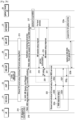
- FIG. 1 illustrates the structure of a cellular system for an MBS service according to an embodiment.
- a cellular system may include a UE 10, an NG radio access network/NG multicell/multicast coordination entity (NG-RAN/NG-MCE) 11, an access and mobility management function (AMF) 12, a local multicast/broadcast user plane function (MB-UPF) 13, a multicast/broadcast-session management function (MB-SMF) 14, a policy control function (PCF) 15, an MB-UPF 16, a network exposure function (NEF) 17-1, a multicast/broadcast service function (MBSF) 17-2, a multicast/broadcast service user plane (MBSU) 17-3, a local MBSU 17-4, a global application function (AF) 18-1, a local AF 18-2, a unified data management (UDM) 19-1, and an AUSF 19-2.
- NG-RAN/NG-MCE NG radio access network/NG multicell/multicast coordination entity
- AMF access and mobility management function
- M-UPF local multicast/broadcast user plane function
- a cellular system for MBS may be configured of the following network functions and services.
- the AFs 18-1 and 18-2 may be implemented as, e.g., V2X application servers, CIoT application servers, MCPTT applications, contents providers, TVs or audio service providers, or streaming video service providers.
- the MBSF 17-2 is a network function that manages the session for an MBS service and controls the traffic of the MBS service if the AF 18-1 or 18-2 requests the MBS service
- the MBSU 17-3 is an MBS service media anchor in the 5GS, which receives media from the contents provider and processes the media traffic based on the control of the MBSF 17-2.
- the interface between the MBSF 17-2 and the MBSU 17-3 is referred to as an Nxxx interface.
- the MBSU 17-3 and the MBSF 17-2 may be integrated into one entity or one NF.
- the MBSF 17-2 may be integrated into the NEF 17-1 or another NF.
- the MBS service session is managed and service traffic is generated through the MBSF 17-2 and the MBSU 17-3.
- an MBS PDU session may be allocated to manage the traffic.
- the control functions or services for creating an MBS context for the MBS PDU session, managing the MBS PDU session, and delivering the traffic of the MBS PDU session to the NG-RAN 11 through IP multicast are collectively referred to as a multimedia broadcast-multicast service gateway-control plane (MBMS-GW-C) service.
- MBMS-GW-C multimedia broadcast-multicast service gateway-control plane
- the MBMS-GW-C service may be integrated into an existing SMF that manages a unicast PDU session and be configured as an SMF having an MBS PDU session control function, or may be configured as a separate NF.
- An NF that supports the MBMS-GW-C service and also has the functions of an existing SMF may be referred to herein as an MB-SMF 14.
- the services of transferring, via IP multicast, the traffic received from the MB-UPF 16 according to the MBS context for the MBS PDU session to the NG-RAN 11 performing multicast/broadcast according to the MBMS-GW-C service are collectively referred to as a multimedia broadcast-multicast service gateway-user plane (MBMS-GW-U) service.
- MBMS-GW-U multimedia broadcast-multicast service gateway-user plane
- the MBMS-GW-U service may be integrated into the existing UPF that processes a unicast PDU session and be configured as a UPF with the function of delivering the MBS traffic to an appropriate NG-RAN via IP multicast, or may be configured as a separate NF.
- An NF that supports the MBMS-GW-U service and also has the functions of an existing UPF may be referred to herein as an MB-UPF 16.
- the MBMS-GW-C service uses an N4-MBS interface to control the MBMS-GW-U service.
- the MBMS-GW-C and MBMS-GW-U are mainly described as the terms “SMF” and “UPF,” respectively, or the terms “MB-SMF” and “MB-UPF,” respectively, for convenience, but as necessary, their use may be signified together, such as whether they are for unicast only, multicast/broadcast only, or both, so as to avoid confusion.
- the MBS traffic is delivered from the MBMS-GW-U (or UPF or MB-UPF) to NG-RANs.
- the MBS traffic is transmitted to the NG-RAN using IP multicast.
- the tunnel between the MBMS-GW-U (or UPF or MB-UPF) and the NG-RAN is called an M1 tunnel, a shared delivery tunnel, or a shared N3 tunnel.
- the MBMS-GW-C (or SMF or MB-SMF) sends a control message to the NG-RAN through the AMF.
- all or some of the AFs, MBSUs or MB-UPFs may be located near a specific local area for an MBS service in the specific local area. These may be referred to as a local AF, a local MBSU, and a local MB-UPF.
- the local MBSU 17-4 together with the (global) MBSU, may be controlled through the MBSF, and the local MB-UPF 13, along with the (global) MB-UPF, may be controlled through the MB-SMF.
- all or some of the MBSFs or MB-SMFs, as well as the AFs, MBSUs, or MB-UPFs, may be located near the specific local area for an MBS service in the specific local area. These are referred to as a local MBSF and a local MB-SMF.
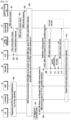
- FIGS. 2a and 2b illustrate a process for starting an MBS session over a 5G network and a process of switching from a global MBS service to a local MBS service according to an embodiment.
- a cellular system may include a UE 20, an NG radio access network (NG-RAN) 21, an AMF 22, a local MB-UPF 23, an MB-SMF 24, a PCF 25, an MB-UPF 26, a network exposure function/multicast/broadcast service function (NEF/MBSF) 27, and a global or local application function (AF) 28.
- NG-RAN NG radio access network
- AMF Access Management Function
- MB-UPF Serving Mobility Management Function
- PCF Packet Control Function
- NEF/MBSF network exposure function/multicast/broadcast service function
- AF global or local application function
- FIGS. 2a and 2b A scenario in which the local MB-UPF 23, local MBSU, and local AF 28 are used as localized entities for a local MBS service is described with reference to FIGS. 2a and 2b .
- the UE 20, the NG-RAN 21, and the AMF 22 may perform a registration and PDU session establishment procedure.
- the registration and PDU session establishment procedure may be performed, e.g., through app signaling.
- the AF 28 or a contents provider may request an MBS service while delivering information for the MBS service to the MBSF 27 so as to provide the MBS service through the 5GS.
- the information for the MBS service may include a service ID (e.g., TV service, video service, radio service, IoT service, V2X service, or public safety service) indicating the type of the MBS service or information including more detailed service information (e.g., a service ID indicating an IoT service for a subscriber of a specific company, a channel x TV service, a police network service among public safety services, or a firefighter network service among public safety services).
- a service ID e.g., TV service, video service, radio service, IoT service, V2X service, or public safety service
- the information for the MBS service may also include information for the MBS service area in which the MBS service is provided (e.g., whole or part of area information for an actual map or a cell ID list, or a tracking area identifier (TAI) list).
- information for the MBS service area in which the MBS service is provided e.g., whole or part of area information for an actual map or a cell ID list, or a tracking area identifier (TAI) list.
- TAI tracking area identifier
- the information for the MBS service may also include a multicast group ID list (e.g., a TMGI list or a range of corresponding temporary mobile group identities (TMGIs)) which is a list of groups of UEs capable of receiving the service.
- a multicast group ID list e.g., a TMGI list or a range of corresponding temporary mobile group identities (TMGIs)
- the information for the MBS service may also include characteristics of traffic generated by the MBS service (e.g., 5QI, resource type (e.g., all or some of the GBR, delay critical GBR, or non-GBR), maximum bit rate, guaranteed bit rate, maximum delay tolerance, maximum packet loss rate, priority level, and maximum data burst volume), as QoS information.
- characteristics of traffic generated by the MBS service e.g., 5QI, resource type (e.g., all or some of the GBR, delay critical GBR, or non-GBR), maximum bit rate, guaranteed bit rate, maximum delay tolerance, maximum packet loss rate, priority level, and maximum data burst volume
- the information for the MBS service may also include information for the local MBS service in the specific local area.
- information regarding the local MBS service area the whole or part of area information for the actual map, cell ID list, and TAI list may be included, or service information for the local MBS service in the local service area may be included.
- the MBSF/NEF 27 may transmit a policy authorization request to the PCF 25.
- the MBSF/NEF 27 may receive, from the PCF 25, a policy authorization response which is a response to the policy authorization request. Further, the MBSF 27 may additionally identify the authorization for the MBS service for the multicast group ID to the UDM.
- the MBSF 27 may set up an MBS service session, assign an MBS service session ID, determine an ID (e.g., TMGI value) of the group of the UE using the service, select an MBSU corresponding to the MBS service area, and obtain address information for the MBSU. Further, multicast group ID information and the address or ID of the MBSF, which assigns and manages the MBS service session ID, may be stored in the UDM.
- an ID e.g., TMGI value
- the NEF/MBSF 27 may transfer, to the AF 28, an MBS service response containing the information determined (or obtained) via operations 202 to 204. For example, at least one of the address of the MBSU corresponding to the determined TMGI and MBS service area, address information for the local MBSU corresponding to each local MBS service area, or MBS service session ID information may be transferred to the AF 28 via operation 205.
- the announcement message may include at least one of the multicast group ID (e.g., TMGI) of the UE, the ID of the MBS service session to be received by the UE, (global) MBS service area information, DNN information, the ID (or FQDN or IP address) of the (global) AF, or the FQDN (or IP address) of the (global) MBSU.
- TMGI multicast group ID
- the announcement message may include an indication that a local MBS service is possible if a local MBS service is possible for the AF or MBS service session and may include information to be used in the local MBS service area.
- the announcement message may include at least one of (local) MBS service area information, the ID (or FQDN or IP address) of the (local) AF, or the FQDN (or IP address) of the (local) MBSU.
- the announcement message may include the ID, FQDN, or IP address of the (local) AF, or the FQDN or IP address of the (local) MBSU for each cell or TA.
- the UE 20 may obtain information to be used in the local MBS service area.
- the UE 20 may transmit, to the global or local AF 28, an MBS service information request including the location for the current location of the UE 20 and an indication of the local MBS service.
- the MBS service information request message may include global positioning system (GPS) information for the UE 20 and information for the TA or cell to which the UE 20 stays connected.
- GPS global positioning system
- the AF 28 may transmit information for the local MBS service corresponding to the location information to the UE 20.
- the information for the local MBS service corresponding to the location information may include at least one of the TMGI, the ID of the MBS service session to be received by the UE, (local) MBS service area information, the ID (or FQDN or IP address) of the (local) AF, or the FQDN (or IP address) of the (local) MBSU.
- the information may be included only in the information for the local MBS service and, if the MBS service is served in the global MBS service area as well as the local MBS service area, the MBS service session ID may be shared between the local service and the global service.
- the UE 20 may transmit a NAS message to the AMF 22 to join the multicast session, and the AMF 22 may select an appropriate MB-SMF 24 and transfer, to the selected MB-SMF 24, a join request message for the multicast session received from the UE 20.
- the join request message for the multicast session which is a NAS message transmitted from the UE 20 to the AMF 22 may include at least one of the ID (e.g., the TMGI) of the multicast group to which the UE 20 belongs, the MBS service session ID which is information for the MBS service session to be joined, DNN information which is information for the AMF 22 to select the MB-SMF 24, or a corresponding AF ID.
- the ID e.g., the TMGI
- MBS service session ID which is information for the MBS service session to be joined
- DNN information which is information for the AMF 22 to select the MB-SMF 24, or a corresponding AF ID.
- the NAS message may be implemented as a separate NAS message, a PDU session establishment request message, or a PDU session modification request message.
- the MB-SMF 24 may request and obtain, from the UDM, SM subscription data, determining whether the UE is able to receive an MBS service through the multicast group ID.
- the MB-SMF 24 may request and obtain, from the UDM, SM subscription data, determining whether the UE is able to receive the MBS service session ID through the multicast group ID. Further, the MB-SMF 24 may figure out the ID or address of the MBSF managing the MBS service session ID through the multicast group ID, from the UDM.
- the MB-SMF 24 may transmit a message (notification of joining service) for requesting to join the multicast session to the NEF/MBSF 27 in operation 208.
- the join request message (notification of joining service) may include at least one of the ID (e.g., TMGI) of the multicast group to which the UE 20 belongs, the MBS service session ID that is information for the MBS service session to be joined, or the corresponding AF ID.
- ID e.g., TMGI
- the MB-SMF 24 receiving the join message may notify that the UE 20 has requested the NEF/MBSF 27 to join the multicast session in operation 208.
- the MB-SMF 24, the PCF 25, and the NEF/MBSF 27 may perform procedures (operations 209 to 212) for global services.
- the MBSF 27, receiving the join message may determine whether the join request is accepted and whether the UE may use the MBS service from its own information or from the UDM or the AF.
- the MBSF 27 may request to the MB-SMF 24 to set up an MB session in operation 209 and, in operation 210, the MB-SMF 24 may receive a service authorization from the PCF 25.
- the MB-SMF 24 may select the MB-UPF 26 to set up a shared delivery tunnel for the MB session and set up an N4.
- the MB-SMF 24 may transmit, to the NEF/MBSF 27, an MB session setup response message including information for the MB session ID and tunnel and obtained point information for the MB-UPF 26 to the NEF/MBSF 27 and set up an MB session for a (global) multicast service.
- the MB-SMF 24 may transfer an SM N2 message containing tunnel end point information for the MB-UPF 26 of the shared delivery tunnel, to the NG-RAN 21 through the AMF 22, set up a resource for shared delivery of the NG-RAN 21, and request the MB-SMF 24 to join the IP multicast from the MB-UPF 26 to the NG-RAN 21 for the MB session.
- the MB-SMF 24 may receive the information from the MB-UPF 26 and set up a shared delivery tunnel between the NG-RAN 21 and the MB-UPF 26.
- a NAS message which is responsive to the join request from the UE 20 in operation 207, along with an N2 SM message or an N2 MM message for the UE 20, may be transferred to the NG-RAN 21 via operations 213a and 213b alongside operation 213, and the NG-RAN 21 may manage the context of the MB session for shared delivery together with the SM context for the PDU session of the UE 20.
- the NG-RAN 21 may figure out (or determine) what UE the MBS traffic transferred through shared delivery should be forwarded to.
- the NG-RAN 21 may transfer, to the UE 20, an AS message containing the NAS message.
- the NAS message may include information, e.g., the TMGI, along with the result of joining, and the AS message may include information for the RAN resource to be used by the UE 20.
- the UE 20 may transmit a NAS message to the AMF 22 to request to join the multicast session for the local MBS service so as to receive the local MBS service in operation 215, and the AMF 22 may transfer, to the MB-SMF 24, the multicast session join request message received from the UE 20.
- the message for requesting to join the multicast session which is a NAS message transmitted from the UE 20 to the AF 28, may include a local MBS indication for the local MBS service and may include at least one of the ID (e.g., the TMGI) of the multicast group to which the UE 20 belongs, the MBS service session ID which is information for the MBS service session to be joined, DNN information which is information for the AMF 22 to select the MB-SMF 24, or a corresponding ID or FQDN.
- the ID e.g., the TMGI
- DNN information which is information for the AMF 22 to select the MB-SMF 24, or a corresponding ID or FQDN.
- the local MBS indication may be excluded.
- a PDU session establishment request message or a PDU session modification request message may be used.
- the MB-SMF 24 may request and obtain, from the UDM, SM subscription data, determining whether the UE is able to receive a local MBS service through the multicast group ID.
- the MB-SMF 24 may request and obtain, from the UDM, SM subscription data, determining whether the UE is able to receive the MBS service session ID, via a local MBS service, through the multicast group ID. Further, the MB-SMF 24 may figure out the ID or address of the MBSF managing the MBS service session ID through the multicast group ID, from the UDM.
- the MB-SMF 24 may send a message for requesting the NEF/MBSF 27 to join the multicast session in operation 216.
- the join request message may include a local MBS indication of the local MBS service and may include all or some of the ID (e.g., TMGI) of the multicast group to which the UE 20 belongs, the MBS service session ID that is information for the MBS service session to be joined, and the corresponding AF ID. Even when an MB session for the MBS service session has been set up, the MB-SMF 24 receiving the join message may also notify that the UE 20 has requested the NEF/MBSF 27 to join the multicast session in operation 216.
- the ID e.g., TMGI
- the NEF/MBSF 27 and the AF 28 may switch the media anchor for the MBS service session from global MBSU to local MBSU in operation 217. If no MBS service session has been created between the local MBSU and the local AF in the step, the MBSF 27 may update it with the changed local MBSU address for the AF 22.
- the NEF/MBSF 27 requests the MB-SMF 24 to set up an MB session for the local MBS service and, in operation 219, the MB-SMF 24 may perform a service authorization procedure with the PCF 25.
- the MB-SMF 24 may request and obtain, from the UDM, SM subscription data, determining whether the UE is able to receive a local MBS service through the multicast group ID.
- the MB-SMF 24 may request and obtain, from the UDM, SM subscription data, determining whether the UE is able to receive the MBS service session ID, via a local MBS service, through the multicast group ID.
- the MB-SMF 24 may select an MB-UPF and set up an N4 for establishing a shared delivery tunnel for the MB session.
- the MB-SMF 24 may transmit, to the NEF/MBSF 27, the obtained MB-UPF tunnel end point information and MB session ID information through an MB session setup response message and may set up an MB session for the (local) multicast service.
- a shared delivery tunnel i.e., a shared N3 tunnel between the NG-RAN 21 and the (local) MB-UPF 23, has not been set yet for the MB session for the local MBS service, a shared delivery tunnel may be created in operation 222.
- the MB-SMF 24 may transfer an SM N2 message containing tunnel end point information for the MB-UPF 26 of the shared delivery tunnel, to the NG-RAN 21 through the AMF 22, set up a resource for shared delivery of the NG-RAN 21, and request the MB-SMF 24 to join the IP multicast from the MB-UPF 26 to the NG-RAN 21 for the MB session.
- the MB-SMF 24 may receive the information from the MB-UPF 26 and set up a shared delivery tunnel between the NG-RAN 21 and the MB-UPF 26.
- a message, in the form of a NAS or AS message, responsive to the join request from the UE 20 in operation 215 may be transferred to the UE 20 in operation 222.
- the response message may include information, such as local MBS indication and TMGI, along with the result of joining and, if it is an AS message, the response message may include information for the RAN resource to be used by the UE 20.
- the AMF 22 or the NG-RAN 21 may keep the MB-SMF 24 updated for the location information for the UE 20. For example, when the UE 20 departs from the local MBS area, the MB-SMF 24 may be notified thereof.
- the MBSF 27 may suspend the joining state for the global MBS service of the UE 20.
- the MB-SMF 24 may suspend the NG-RAN 21 from joining the IP multicast, exclude the NG-RAN 21 upon forwarding traffic for the global MBS service from the global MB-UPF 26, or switch the MB session to an inactive state or deactivate the MB session in operation 223b.
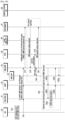
- FIGS. 3a and 3b illustrate a process for starting an MBS session over a 5G network and a process of switching from a local MBS service to a global MBS service according to an embodiment.
- FIGS. 3a and 3b Some of the operations or procedures of FIGS. 3a and 3b are substantially the same as some of the operations or procedures of FIGS. 2a and 2b , and thus, no duplicate description is given.
- a cellular system may include a UE 30, an NG-RAN 31, an AMF 32, a multicast/broadcast user plane function (MB-UPF) 33, an MB-SMF 34, a PCF 35, a local MB-UPF 36, an NEF/MBSF 37, and a global or local AF 38.
- MB-UPF multicast/broadcast user plane function
- PCF PCF
- the process (operations 301 to 306) for starting an MBS session illustrated in FIG. 3a is basically performed through the same process as that described above in connection with FIG. 2 .
- the AF 38 requests the NEF/MBSF 37 to create an MBS service and sends a service announcement message to the UE 30 (operations 301 to 306).
- the UE 30 recognizes that it is in the local MBS area in operation 307 and, in operation 308, the UE 30 may transmit a join request for using the local MBS service.
- the request is transferred to the NEF/MBSF 37 to set up an MB session for the local MBS service through the local MBSU, the local MB-UPF 36, and the local AF 38 (operations 309 to 313).
- a tunnel for shared delivery is set up (operation 314).
- a NAS message which is responsive to the join request from the UE 20 in operation 308, along with an N2 SM message or an N2 MM message for the UE 30, may be transferred to the NG-RAN 31 via operations 314a and 314b alongside operation 314, and the NG-RAN 31 may manage the context of the MB session for shared delivery together with the SM context for the PDU session of the UE 30.
- the NG-RAN 31 may figure out (or determine) what UE the MBS traffic transferred through shared delivery should be forwarded to.
- the NG-RAN 31 may transfer, to the UE 30, an AS message containing the NAS message.
- the NAS message may include information, e.g., the TMGI, along with the result of joining, and the AS message may include information for the RAN resource to be used by the UE 30.
- the AMF 32 or the NG-RAN 31 may keep the MB-SMF 34 updated for the location information for the UE 30. For example, when the UE 30 leaves the local MBS area, the AMF 32 or the NG-RAN 31 may provide a notification to the MB-SMF 34.
- the UE 30 may no longer receive the local MBS service and, if the UE 30 is in the global MBS area, the UE 30 may continuously receive the global MBS service.
- the UE 30 may, in operation 316, send a NAS message to the AMF 32 to join the multicast session, and the AMF 32 may transfer, to the MB-SMF 34, the message for requesting to join the multicast session, received from the UE 30.
- the multicast group ID e.g., TMGI
- the join request message for the multicast session which is a NAS message transmitted from the UE 30 to the AMF 32 may include all or some of the ID (e.g., the TMGI) of the multicast group to which the UE 30 belongs, the MBS service session ID which is information for the MBS service session to be joined, DNN information, and a corresponding AF ID.
- the NAS message may be implemented as a separate NAS message, a PDU session establishment request message, or a PDU session modification request message.
- the UE 30 may send no separate join message.
- the multicast group ID e.g., TMGI
- the MB-SMF 34 may transmit, to the NEF/MBSF 37, a message indicating that it should depart from the local area and join the global multicast session (notification of out of local service area) in operation 317.
- the notification message (notification of out of local service area) may include all or some of the ID (e.g., TMGI) of the multicast group to which the UE 30 belongs, the MBS service session ID that is information for the MBS service session to be joined, and the corresponding AF ID.
- ID e.g., TMGI
- the MB-SMF 34 receiving the join message may transmit, to the NEF/MBSF 37, a notification message (notification of out of local service area) indicating that it should depart from the local area and join the global multicast session in operation 317.
- the notification message (notification of out of local service area) may include all or some of the ID (e.g., TMGI) of the multicast group to which the UE belongs, the MBS service session ID, which is information for the MBS service session to be joined, and a corresponding AF ID.
- ID e.g., TMGI
- MBS service session ID which is information for the MBS service session to be joined
- AF ID a corresponding AF ID
- the MB-SMF 34 receiving the join message may transfer a notification to indicate that the UE 30 has requested the NEF/MBSF 37 to join the multicast session in operation 317.
- the MBSF 37 receiving the join message may request the MB-SMF 34 to set up an MB session.
- the MB-SMF 34 may perform a service authorization procedure with the PCF 35.
- the MB-SMF 34 may select an MB-UPF 33 and set up an N4 to establish a shared delivery tunnel for the MB session.
- the MB-SMF 34 may transmit, to the NEF/MBSF 37, an MB session setup response message including information for the MB session ID and tunnel and obtained point information for the MB-UPF 33 to the NEF/MBSF 27 and set up an MB session for a global multicast service.
- a shared delivery tunnel i.e., a shared N3 tunnel between the NG-RAN 31 and the MB-UPF 33, has not been set for the MB session, a shared delivery tunnel may be created in operation 322.
- the MB-SMF 34 may transfer, through the AMF 32 to the NG-RAN 31, an SM N2 message containing tunnel end point information for the MB-UPF 33 of the shared delivery tunnel.
- the UE 30 may receive the MBS service in the local MBS area and, if leaving the local MBS area, switch to the global MBS service.
- FIG. 4 illustrates a block diagram of an internal structure of a UE according to an embodiment.
- the UE described above in connection with FIGS. 1 to 3b may correspond to the UE of FIG. 4 .
- the UE may include a transceiver 410, a memory 420, and a controller 430 (also referred to as processor 430).
- the transceiver 410, controller 430, and memory 420 of the UE may operate according to the above-described communication methods by the UE.
- the components of the UE are not limited thereto.
- the UE may include more or fewer components than the above-described components.
- the transceiver 410, the controller 430, and the memory 420 may be implemented in the form of a single chip.
- the controller 430 may include one or more processors.
- the transceiver 410 collectively refers to a transmitter and a receiver of the UE and may transmit and receive signals to/from a base station, network entity, server, or another UE.
- the signals transmitted and received to/from the base station, network entity, server, or the other UE may include control information and data.
- the transceiver 410 may include a radio frequency (RF) transmitter for frequency-up converting and amplifying signals transmitted and an RF receiver for low-noise amplifying signals received and frequency-down converting the frequency of the received signals.
- RF radio frequency
- the transceiver 410 may receive signals via a radio channel, output the signals to the controller 430, and transmit signals output from the controller 430 via a radio channel.
- the memory 420 may store programs and data necessary for the operation of the UE.
- the memory 420 may store control information or data that is included in the signal obtained by the UE.
- the memory 420 may include a storage medium, such as ROM, RAM, hard disk, CD-ROM, and DVD, or a combination of storage media. Rather than being separately provided, the memory 420 may be embedded in the controller 430.
- the controller 430 may control a series of processes for the UE to be able to operate according to the above-described embodiments.
- the controller 430 may receive a control signal and a data signal through the transceiver 410 and process the received control signal and data signal.
- the controller 430 may transmit the processed control signal and data signal through the transceiver 410.
- There may be provided a plurality of controllers 430.
- the controller 430 may control the components of the UE by executing a program stored in the memory 420.
- FIG. 5 illustrates a block diagram of a structure of a network entity according to an embodiment.
- Each of the network entities described with reference to FIGS. 1 to 3b may include the components of FIG. 5 .
- Each of the NG-RAN/NG-MCE 11, AMF 12, local MB-UPF 13, MB-SMF 14, PCF 15, MB-UPF 16, NEF 17-1, MBSF 17-2, MBSU 17-3, local MBSU 17-4, global AF 18-1, local AF 18-2, UDM 19-1, and AUSF 19-2 illustrated in FIG. 1 may include the components of FIG. 5 .
- Each of the NG-RAN 21, AMF 22, local MB-UPF 23, MB-SMF 24, PCF 25, MB-UPF 26, NEF/MBSF 27, and global or local AF 28 illustrated in FIGS. 2a and 2b may include the components of FIG. 5 .
- Each of the NG-RAN 31, AMF 32, MB-UPF 33, MB-SMF 34, PCF 35, local MB-UPF 36, NEF/MBSF 37, and global or local AF 38 illustrated in FIGS. 3a and 3b may include the components of FIG. 5 .
- a network entity may include a transceiver 510, a memory 520, and a controller 530.
- the transceiver 510, controller 530, and memory 520 of the network entity may operate according to the above-described communication methods by the network entity.
- the components of the network entity are not limited thereto.
- the network entity may include more or fewer components than the above-described components.
- the transceiver 510, the controller 530, and the memory 520 may be implemented in the form of a single chip.
- the controller 530 may include one or more processors.
- the transceiver 510 collectively refers to a transmitter and a receiver and may transmit and receive signals to/from a base station, UE, network entity, or server.
- the signals transmitted and received to/from the base station, the UE, the network entity, or the server may include control information and data.
- the transceiver 510 may include a radio frequency (RF) transmitter for frequency-up converting and amplifying signals transmitted and an RF receiver for low-noise amplifying signals received and frequency-down converting the frequency of the received signals.
- RF radio frequency
- the transceiver 510 may receive signals via a radio channel, output the signals to the controller 530, and transmit signals output from the controller 530 via a radio channel.
- the memory 520 may store programs and data necessary for the operation of the network entity or server.
- the memory 520 may store control information or data that is included in the signal obtained by the network entity or server.
- the memory 520 may include a storage medium, such as ROM, RAM, hard disk, CD-ROM, and DVD, or a combination of storage media. Rather than being separately provided, the memory 520 may be embedded in the controller 530.
- the controller 530 may control a series of operations to allow the network entity or server to operate as per the above-described embodiments.
- the controller 530 may receive a control signal and a data signal through the transceiver 510 and process the received control signal and data signal.
- the controller 530 may transmit the processed control signal and data signal through the transceiver 510.
- There may be provided a plurality of controllers 530.
- the controller 530 may control the components of the network entity by executing a program stored in the memory 520.
- FIG. 6 illustrates a flowchart of a method for receiving a multicast service by a UE according to an embodiment.
- a user equipment may receive, from an application function (AF), a multicast service announcement message including first information related to a local multicast and broadcast service (MBS) so as to receive a multicast service.
- AF application function
- MCS broadcast service
- the UE may transmit, to an access and mobility management function (AMF), an MB-SMF, or an MBSF, a multicast session join request message for joining a multicast session for the local MBS.
- AMF access and mobility management function
- MB-SMF mobile multimedia subsystem
- MBSF multicast session join request message for joining a multicast session for the local MBS.
- the multicast session join request message includes second information corresponding to the first information.
- the first information related to the local MBS may include at least one of a temporary mobile group identity (TMGI) for the UE, information indicating whether the local MBS is providable, service area information for the local MBS, an ID of a local AF, a fully qualified domain name (FQDN) of the local AF, or address information for a local multicast and broadcast service user plane (MBSU).
- TMGI temporary mobile group identity
- FQDN fully qualified domain name
- MBSU multicast and broadcast service user plane
- the multicast service announcement message may further include at least one of an ID of an MBS service session provided to the UE, service area information for a global MBS, an ID of a global AF, an FQDN of the global AF, or address information for a global MBSU.
- the second information included in the multicast session join request message may include at least one of a TMGI for the UE, an ID of an MBS service session to be joined by the UE, information indicating a service for the local MBS, an ID of a local AF, or an FQDN of the local AF.
- a media anchor for a multicast session for the local MBS may be switched from a global MBSU to a local MBSU based on the second information included in the multicast session join request message.
- FIGS. 7a and 7b are flowcharts illustrating a method for creating a session for an MBS service of a 5GS according to an embodiment.
- FIGS. 7a and 7b illustrate a procedure for creating an MBS session for a multicast service and a broadcast service.
- a cellular system may include a UE 70, an NG-RAN 71, an AMF 72, a session management function (SMF) 73, an MB-SMF 74, a PCF 75, an MB-UPF 76, an NEF/MB SF 77, and an application function (AF) 78.
- SMF session management function
- MB-SMF MB-SMF
- PCF PCF
- MB-UPF 76 an NEF/MB SF 77
- AF application function
- the AF 78 or a contents provider may send, to the NEF/MBSF 77, a request (TMGI allocation request) for allocating a TMGI to be used for designating a group of UEs using a service before requesting to start an MBS service so as to provide the MBS service through a 5GS.
- the NEF/MBSF 77 may perform an authorization for the TMGI allocation request.
- the NEF/MBSF 77 may check whether to allow the request. If the TMGI allocation request is allowed in operation 702, the NEF/MBSF 77 may request the MB-SMF 74 to allocate a TMGI in operation 703.
- the request message (TMGI allocation request) in operations 701 and 703 may include an existing TMGI value or an IP multicast address of a source to be served.
- the NEF/MBSF 77 or the MB-SMF 74 may allocate a new TMGI value appropriate for the request and, in operations 704 and 705, may transfer the allocated TMGI value to the NEF/MBSF 77 or the AF 78.
- the AF 78 may transfer MBS service announcements to the UEs, thereby providing the allocated TMGI information and MBS service type information as to whether the MBS service is a multicast service or a broadcast service.
- the AF 78 may send a request for an MBS service while delivering information for the MBS service to the NEF/MBSF 77.
- the information for the MBS service may include information for the MBS service area in which the MBS service is provided (e.g., all or some of area information for an actual map, a cell ID list, or a TAI list).
- the information for the MBS service may include a TMGI, which is a group of UEs capable of receiving the service.
- the information for the MBS service may also include characteristics of traffic generated by the MBS service (e.g., 5QI, resource type (e.g., all or some of the GBR, delay critical GBR, or non-GBR), maximum bit rate, guaranteed bit rate, maximum delay tolerance, maximum packet loss rate, priority level, and maximum data burst volume), as QoS information.
- characteristics of traffic generated by the MBS service e.g., 5QI, resource type (e.g., all or some of the GBR, delay critical GBR, or non-GBR), maximum bit rate, guaranteed bit rate, maximum delay tolerance, maximum packet loss rate, priority level, and maximum data burst volume
- the information for the MBS service may also include the type of the service, i.e., multicast service or broadcast service. According to an embodiment, if a TMGI is not yet allocated due to failure to pass through operations 701 to 705, the information for the MBS service may further include an indication of requesting to allocate a TMGI.
- the MBSF 77 may transmit, to the PCF 75, characteristic information for the traffic generated due to the MBS service and use it for authorization for a future service.
- the NEF/MBSF 77 may select an MB-SMF 74 to serve the MBS session through the NRF.
- the MB-SMF 74 may find an appropriate MB-SMF 74 by transferring the TMGI or MBS session ID and MBS service area information to the NRF and thereby request the NRF.
- the NEF/MBSF 77 may transmit an MBS session start request message to the selected MB-SMF 74.
- the MBS session start request message may include TMGI information and MBS service type, thereby notifying the MB-SMF 74 whether the service allocated to the TMGI is a multicast service or a broadcast service.
- the MBS session start request message may enable the NEF/MBSF 77 to allocate a TMGI or may include an indication of requesting the MB-SMF to allocate a TMGI.
- the MB-SMF 74 When requested to allocate a TMGI, the MB-SMF 74, which has received the message in operation 708b, may allocate an appropriate TMGI and generates a context for serving an MBS session. In operation 709, the MB-SMF 74 may provide the NRF with the address or ID of the MB-SMF along with the MBS session ID, i.e., TMGI information, thereby registering/updating the profile of the MB-SMF.
- the MBS session ID i.e., TMGI information
- the MB-SMF 74 may identify an authorization for the MBS service with the PCF 75.
- a user plane of the MBS service session may be set in operation 711, i.e., a tunnel ID and address/port information for the MB-UPF 76 to receive MBS traffic may be provided to the MB-SMF 74.
- the MB-SMF 74 may transfer information generated for the MBS session service to the NEF/MBSF 77 or the AF 78.
- the TMGI and the address/port information and tunnel ID for the MB-UPF 76 to receive traffic may be transferred.
- the NEF/MBSF 77 may transfer the TMGI and the address/port information and tunnel ID for the MB-UPF to receive traffic to the MBSU or a multicast-broadcast service traffic function (MBSTF), thereby setting a tunnel for transferring MBS traffic to the MB-UPF 76.
- the MBSU or MBSTF may provide the MBSF with the tunnel ID and address/port information for receiving MBS traffic, and the NEF/MBSF 77 may transfer the information along with the TMGI information to the AF 78.
- the AF 78 may transfer information for receiving an MBS service to the UE 70 via an announcement message (MBS service announcement message) in operation 714.
- the announcement message may include at least one of the TMGI, the ID of the MBS service session to be received by the UE, MBS service area information, DNN information, S-NSSAI information, the ID (or FQDN or IP address) of the AF, the FQDN (or IP address) of the MBSU, or the type of the MBS service.
- the MB-SMF 74 may determine a subsequent operation according to the MBS service type received in operation 708b. In operation 715, the MB-SMF 74 may select appropriate AMFs based on the MBS service area received in operation 708a when the MBS service type is a broadcast service. In operation 716a, the MB-SMF 74 may send a request for setting up a shared tunnel to the selected AMFs, and the AMF 72 may transmit the request to the NG-RAN 71 which is in the MBS service area. The request may include, e.g., TMGI information, MB-SMF ID information, and QoS information.
- the NG-RAN 71 receiving the request may transfer endpoint information for the shared tunnel for receiving MBS service traffic to the MB-SMF 74 through the AMF 72, and the MB-SMF 74 may thus generate a shared tunnel between the NG-RAN 71 and the MB-UPF 76, with the MB-UPF 76.
- a wait is performed until any UE sends a request for joining the MBS service.
- the SMF 73 refers to information for the requested TMGI and requests the NRF, thereby discovering the MB-SMF 74 serving the TMGI, and may request the discovered MB-SMF 74 to join or to generate a shared tunnel according to a join request.
- the MB-SMF 74 may send a request for setting up a shared tunnel to the SMF 73, and the SMF 73 may send the request to the NG-RAN 71.
- the request may include, e.g., TMGI information, MB-SMF ID information, and QoS information.
- the NG-RAN 71 receiving the request may transfer endpoint information for the shared tunnel for receiving MBS service traffic to the MB-SMF 74 through the AMF 72, and the MB-SMF 74 may thus generate a shared tunnel between the NG-RAN 71 and the MB-UPF 76, with the MB-UPF 76.
- a computer readable storage medium storing one or more programs (software modules).
- One or more programs stored in the computer readable storage medium are configured to be executed by one or more processors in an electronic device.
- One or more programs include instructions that enable the electronic device to execute methods according to the embodiments described in the specification or claims of the disclosure.
- the programs may be stored in random access memories, non-volatile memories including flash memories, ROMs, electrically erasable programmable read-only memories (EEPROMs), magnetic disc storage devices, compact-disc ROMs, digital versatile discs DVDs), or other types of optical storage devices, or magnetic cassettes.
- the programs may be stored in a memory constituted of a combination of all or some thereof. As each constituting memory, multiple ones may be included.
- the programs may be stored in attachable storage devices that may be accessed via a communication network, such as the Internet, Intranet, local area network (LAN), wide area network (WLAN), or storage area network (SAN) or a communication network configured of a combination thereof.
- the storage device may connect to the device that performs embodiments of the disclosure via an external port.
- a separate storage device over the communication network may be connected to the device that performs embodiments of the disclosure.
Landscapes
- Engineering & Computer Science (AREA)
- Computer Networks & Wireless Communication (AREA)
- Signal Processing (AREA)
- Multimedia (AREA)
- Mobile Radio Communication Systems (AREA)
- Data Exchanges In Wide-Area Networks (AREA)
Claims (14)
- Verfahren durch eine Multicast- und Broadcast-Sitzungsverwaltungsfunktion, MB,-SMF (74), in einem drahtlosen Kommunikationssystem, wobei das Verfahren umfasst:Empfangen (701, 703), von einer Anwendungsfunktion, AF (78), durch eine Netzwerkexpositionsfunktion/Multicast- und Broadcast-Dienstfunktion, NEF/MBSF (77), einer Anforderungsnachricht zum Zuweisen einer temporären mobilen Gruppenidentität, TMGI;Übertragen (704, 705) einer Antwortnachricht, die die TMGI enthält, über die NEF/MBSF (77) an die AF (78);Empfangen (707, 708b), von der AF (78) über die NEF/MBSF (77), von Multicast- und Broadcast-Dienst-, MBS,-Informationen, die einen Diensttyp enthalten, der anzeigt, ob der Dienst ein Broadcast-Dienst oder ein Multicast-Dienst ist;Bestimmen (715), dass es sich bei dem Dienst um den Broadcast-Dienst handelt, basierend auf dem Diensttyp; undÜbertragen (716a) einer Ressourcenaufbauanforderung für eine MBS-Sitzung an eine Zugriffs- und Mobilitätsverwaltungsfunktion, AMF (72).
- Verfahren nach Anspruch 1, ferner umfassend:
Auswählen der AMF (72) basierend auf einem MBS-Dienstleistungsbereich. - Verfahren nach Anspruch 1, ferner umfassend:
Empfangen, von einem Funkzugriffsnetzwerk der nächsten Generation, NG-RAN (71), von Endpunktinformationen für einen gemeinsam genutzten Tunnel zum Empfangen eines MBS-Dienstdatenverkehrs über die AMF (72). - Verfahren nach Anspruch 1, wobei die Ressourcenaufbauanforderung für die MBS-Sitzung von der AMF (72) an ein Funkzugriffsnetzwerk der nächsten Generation, NG-RAN (71), weitergeleitet wird.
- Verfahren durch eine Multicast- und Broadcast-Sitzungsverwaltungsfunktion, MB,-SMF (74), in einem drahtlosen Kommunikationssystem, wobei das Verfahren umfasst:Empfangen (701, 703), von einer Anwendungsfunktion, AF (78), durch eine Netzwerkexpositionsfunktion/Multicast- und Broadcast-Dienstfunktion, NEF/MBSF (77), einer Anforderungsnachricht zum Zuweisen einer temporären mobilen Gruppenidentität, TMGI;Übertragen (704, 705) einer Antwortnachricht, die die TMGI enthält, über die NEF/MBSF (77) an die AF (78);Empfangen (707, 708b), von der AF (78) über die NEF/MBSF (77), von Multicast- und Broadcast-Dienst-, MBS,-Informationen, die einen Diensttyp enthalten, der anzeigt, ob der Dienst ein Broadcast-Dienst oder ein Multicast-Dienst ist;Bestimmen (715), dass der Dienst der Multicast-Dienst ist, basierend auf dem Diensttyp; undEmpfangen (716b), von einer Sitzungsverwaltungsfunktion, SMF (73), einer ersten Anforderung, die einer MBS-Sitzungsbeitrittsanforderung eines Benutzergeräts, UE (70), zugeordnet ist, für den Fall, dass die SMF (73) die MB-SMF (74) als Reaktion auf die MBS-Sitzungsbeitrittsanforderung des UE (70) entdeckt.
- Verfahren nach Anspruch 5, ferner umfassend:
Empfangen, von einem Funkzugriffsnetzwerk der nächsten Generation, NG-RAN (71), von Endpunktinformationen für einen gemeinsam genutzten Tunnel zum Empfangen eines MBS-Dienstdatenverkehrs durch eine Zugriffs- und Mobilitätsverwaltungsfunktion, AMF (72). - Verfahren nach Anspruch 5, ferner umfassend:
Aufbauen von Ressourcen für eine MBS-Datenverkehrsübermittlung mit einer Multicast- und Broadcast-Benutzerebenenfunktion, MB-UPF, und dem NG-RAN (71). - Multicast- und Broadcast-Sitzungsverwaltungsfunktion, MB,-SMF (74), in einem drahtlosen Kommunikationssystem, wobei die MB-SFM umfasst:einen Transceiver; undeine Steuerung, die mit dem Transceiver gekoppelt und konfiguriert ist, um Folgendes zu steuern:Empfangen (701, 703), von einer Anwendungsfunktion, AF (78), durch eine Netzwerkexpositionsfunktion/Multicast- und Broadcast-Dienstfunktion, NEF/MBSF (77), einer Anforderungsnachricht zum Zuweisen einer temporären mobilen Gruppenidentität, TMGI,Übertragen (704, 705), an die AF (78) über die NEF/MBSF (77), einer Antwortnachricht, die die TMGI enthält,Empfangen (707, 708b), von der AF (78) über die NEF/MBSF (77), von Multicast- und Broadcast-Dienst-, MBS,-Informationen, die einen Diensttyp enthalten, der anzeigt, ob der Dienst ein Broadcast-Dienst oder ein Multicast-Dienst ist,Bestimmen (715), basierend auf dem Diensttyp, dass es sich bei dem Dienst um den Broadcast-Dienst handelt,Übertragen (716a) einer Ressourcenaufbauanforderung für eine MBS-Sitzung an eine Zugriffs- und Mobilitätsverwaltungsfunktion, AMF (72).
- MB-SMF (74) nach Anspruch 8, wobei die Steuerung konfiguriert ist, um Folgendes zu steuern:
Auswählen der AMF (72) basierend auf einem MBS-Dienstbereich. - MB-SMF (74) nach Anspruch 8, wobei die Steuerung konfiguriert ist, um Folgendes zu steuern:
Empfangen, von einem Funkzugriffsnetzwerk der nächsten Generation, NG-RAN (71), von Endpunktinformationen für einen gemeinsam genutzten Tunnel zum Empfangen eines MBS-Dienstdatenverkehrs über die AMF (72). - MB-SMF (74) nach Anspruch 8, wobei die Ressourcenaufbauanforderung für die MBS-Sitzung von der AMF (72) an ein Funkzugriffsnetzwerk der nächsten Generation, NG-RAN (71), weitergeleitet wird.
- Multicast- und Broadcast-Sitzungsverwaltungsfunktion, MB,-SMF (74), in einem drahtlosen Kommunikationssystem, wobei die MB-SFM (74) umfasst:einen Transceiver; undeine Steuerung, die mit dem Transceiver gekoppelt und konfiguriert ist, um Folgendes zu steuern:Empfangen (701, 703), von einer Anwendungsfunktion, AF (78), durch eine Netzwerkexpositionsfunktion/Multicast- und Broadcast-Dienstfunktion, NEF/MBSF (77), einer Anforderungsnachricht zum Zuweisen einer temporären mobilen Gruppenidentität, TMGI, undÜbertragen (704, 705), an die AF (78) über die NEF/MBSF (77), einer Antwortnachricht, die die TMGI enthält,Empfangen (707, 708b), von der AF (78) über die NEF/MBSF (77), von Multicast- und Broadcast-Dienst-, MBS,-Informationen, die einen Diensttyp enthalten, der anzeigt, ob der Dienst ein Broadcast-Dienst oder ein Multicast-Dienst ist;Bestimmen (715), dass der Dienst der Multicast-Dienst ist, basierend auf dem Diensttyp; undEmpfangen (716b), von einer Sitzungsverwaltungsfunktion, SMF (73), einer ersten Anforderung, die einer MBS-Sitzungsbeitrittsanforderung eines Benutzergeräts, UE (70), zugeordnet ist, für den Fall, dass die SMF (73) die MB-SMF (74) als Reaktion auf die MBS-Sitzungsbeitrittsanforderung des UE (70) entdeckt.
- MB-SMF (74) nach Anspruch 12, wobei die Steuerung konfiguriert ist, um Folgendes zu steuern:
Empfangen, von einem Funkzugriffsnetzwerk der nächsten Generation, NG-RAN (71), von Endpunktinformationen für einen gemeinsam genutzten Tunnel zum Empfangen eines MBS-Dienstdatenverkehrs durch eine Zugriffs- und Mobilitätsverwaltungsfunktion, AMF (72). - MB-SMF (74) nach Anspruch 12, wobei die Steuerung konfiguriert ist, um Folgendes zu steuern:
Aufbauen von Ressourcen für eine MBS-Datenverkehrsübermittlung mit einer Multicast- und Broadcast-Benutzerebenenfunktion, MB-UPF, und dem NG-RAN (71).
Applications Claiming Priority (3)
| Application Number | Priority Date | Filing Date | Title |
|---|---|---|---|
| KR20200101157 | 2020-08-12 | ||
| KR1020210039990A KR20220020754A (ko) | 2020-08-12 | 2021-03-26 | 무선 통신 시스템에서 로컬 mbs 제공 방법 및 장치 |
| PCT/KR2021/010562 WO2022035177A1 (en) | 2020-08-12 | 2021-08-10 | Method and device for providing local mbs in wireless communication system |
Publications (3)
| Publication Number | Publication Date |
|---|---|
| EP4066587A1 EP4066587A1 (de) | 2022-10-05 |
| EP4066587A4 EP4066587A4 (de) | 2023-01-25 |
| EP4066587B1 true EP4066587B1 (de) | 2025-03-19 |
Family
ID=80223535
Family Applications (1)
| Application Number | Title | Priority Date | Filing Date |
|---|---|---|---|
| EP21856183.5A Active EP4066587B1 (de) | 2020-08-12 | 2021-08-10 | Verfahren und vorrichtung zur bereitstellung lokaler mbs in einem drahtlosen kommunikationssystem |
Country Status (4)
| Country | Link |
|---|---|
| US (2) | US11595988B2 (de) |
| EP (1) | EP4066587B1 (de) |
| CN (1) | CN115699989A (de) |
| WO (1) | WO2022035177A1 (de) |
Families Citing this family (24)
| Publication number | Priority date | Publication date | Assignee | Title |
|---|---|---|---|---|
| KR102713754B1 (ko) * | 2020-05-22 | 2024-10-04 | 텔레폰악티에볼라겟엘엠에릭슨(펍) | 멀티캐스트 브로드캐스트 서비스를 처리하기 위한 방법 및 장치 |
| EP4197169A1 (de) * | 2020-08-12 | 2023-06-21 | InterDigital Patent Holdings, Inc. | Unterstützung von multicast-broadcast-diensten für netzwerkrelais |
| EP4066587B1 (de) * | 2020-08-12 | 2025-03-19 | Samsung Electronics Co., Ltd. | Verfahren und vorrichtung zur bereitstellung lokaler mbs in einem drahtlosen kommunikationssystem |
| JP7454744B2 (ja) * | 2020-08-13 | 2024-03-22 | テレフオンアクチーボラゲット エルエム エリクソン(パブル) | ローカルサービスエリアにおいてマルチキャスト放送サービスを提供するための方法および装置 |
| CN112073919B (zh) * | 2020-09-08 | 2024-03-01 | 腾讯科技(深圳)有限公司 | 多播广播业务的通信方法及装置、电子设备、存储介质 |
| US11882435B2 (en) * | 2020-10-29 | 2024-01-23 | Apple Inc. | MBS-key distribution and traffic protection |
| WO2022141548A1 (zh) * | 2020-12-31 | 2022-07-07 | 华为技术有限公司 | 一种数据传输方法及装置 |
| US11503437B2 (en) * | 2021-01-08 | 2022-11-15 | Nokia Technologies Oy | Methods and apparatuses for multicast-broadcast service (MBS) activation and deactivation |
| CN112954617B (zh) * | 2021-02-10 | 2023-05-02 | 腾讯科技(深圳)有限公司 | 用于实现多播广播业务切换的方法及相关设备 |
| EP4376539A4 (de) * | 2021-07-23 | 2024-11-27 | Datang Mobile Communications Equipment Co., Ltd. | Multicast-sitzungsverarbeitungsverfahren, netzwerkfunktionseinheit, vorrichtung und speichermedium |
| US20240276566A1 (en) * | 2021-08-04 | 2024-08-15 | Beijing Xiaomi Mobile Software Co., Ltd. | Sharing session establishment method and apparatus, and communication device |
| CN115706935B (zh) * | 2021-08-15 | 2026-04-10 | 华为技术有限公司 | 一种通信隧道管理方法、装置及系统 |
| EP4416944A4 (de) * | 2021-10-11 | 2025-07-02 | Nokia Technologies Oy | Rundfunksitzungsaufbau |
| US11785427B2 (en) * | 2021-10-20 | 2023-10-10 | Qualcomm Incorporated | Control plane-based communication of multimedia broadcast/multicast service service keys |
| CN116847297B (zh) * | 2022-03-24 | 2026-04-14 | 维沃移动通信有限公司 | 多播业务处理方法、设备及可读存储介质 |
| CN116866843A (zh) * | 2022-03-28 | 2023-10-10 | 华为技术有限公司 | 多播/广播通信方法及装置 |
| EP4254995A1 (de) * | 2022-03-29 | 2023-10-04 | Nokia Technologies Oy | Verfahren, vorrichtung und computerprogramm |
| JP7789943B2 (ja) | 2022-03-29 | 2025-12-22 | ノキア ソリューションズ アンド ネットワークス オサケユキチュア | マルチキャストサービスの非アクティブまたはアイドル受信のためのネゴシエーション適用可能性 |
| WO2024069269A1 (en) * | 2022-09-29 | 2024-04-04 | Nokia Technologies Oy | Multicast and broadcast services in cellular communication networks |
| US20240114591A1 (en) * | 2022-09-30 | 2024-04-04 | Mediatek Inc. | Decoding for mbs address information in received mbs information |
| CN121002904A (zh) * | 2023-04-04 | 2025-11-21 | 瑞典爱立信有限公司 | 用于位置依赖的多播/广播服务的方法和装置 |
| CN118785435A (zh) * | 2023-04-07 | 2024-10-15 | 中国移动通信有限公司研究院 | 信息传输方法、装置、设备及存储介质 |
| CN118785280A (zh) * | 2023-04-10 | 2024-10-15 | 华为技术有限公司 | 通信方法及装置 |
| WO2025156376A1 (en) * | 2024-03-11 | 2025-07-31 | Zte Corporation | Multicast broadcast service management using assistance information |
Family Cites Families (17)
| Publication number | Priority date | Publication date | Assignee | Title |
|---|---|---|---|---|
| US10779163B2 (en) | 2017-01-05 | 2020-09-15 | Huawei Technologies Co., Ltd. | Network architecture having multicast and broadcast multimedia subsystem capabilities |
| US11700508B2 (en) * | 2018-01-03 | 2023-07-11 | Interdigital Patent Holdings, Inc. | Multicast and broadcast services in 5G networks for IoT applications |
| EP3831098B1 (de) | 2018-08-13 | 2025-01-01 | Huawei Technologies Co., Ltd. | Bereitstellung von multicast/broadcast-diensten in 5g-netzwerken |
| EP3844985A1 (de) | 2018-08-27 | 2021-07-07 | Telefonaktiebolaget Lm Ericsson (Publ) | Netzwerkknoten, mbms-knoten und darin ausgeführte verfahren |
| CN110972078A (zh) * | 2018-09-30 | 2020-04-07 | 华为技术有限公司 | 多播/广播业务传输的方法、核心网网元和终端设备 |
| CN111225344B (zh) * | 2018-11-27 | 2021-09-14 | 华为技术有限公司 | 一种通信方法、装置及系统 |
| EP3909277A1 (de) | 2019-01-10 | 2021-11-17 | Convida Wireless, LLC | Vorrichtung, system, verfahren und computerlesbares medium zur durchführung eines nachrichtendienstes und identitätsdienstes in einem 5g-netzwerk |
| KR20210023614A (ko) | 2019-08-23 | 2021-03-04 | 삼성전자주식회사 | 이동통신망에서 멀티 캐스트 및 브로드캐스트 서비스를 지원하기 위한 망구조 및 서비스 제공방법 |
| US11601805B2 (en) * | 2019-08-26 | 2023-03-07 | Qualcomm Incorporated | 5G broadcast/multicast security |
| US11671824B2 (en) * | 2019-08-26 | 2023-06-06 | Qualcomm Incorporated | 5G broadcast/multicast security key refresh |
| CN114424498B (zh) * | 2019-09-30 | 2023-06-16 | 华为技术有限公司 | 数据传输方法、装置、系统和存储介质 |
| US20210105196A1 (en) * | 2019-10-04 | 2021-04-08 | Huawei Technologies Co., Ltd. | Support group communications with shared downlink data |
| GB2588985B (en) * | 2019-10-04 | 2022-11-09 | Samsung Electronics Co Ltd | Network and method |
| WO2021191802A1 (en) * | 2020-03-23 | 2021-09-30 | Telefonaktiebolaget Lm Ericsson (Publ) | Ran-5gc interactions for session join, session start, session leave, session stop, and session delete for 5g multicast broadcast services |
| US12108308B2 (en) * | 2020-06-11 | 2024-10-01 | Qualcomm Incorporated | User equipment assistance information for multicast and broadcast services |
| WO2022027415A1 (en) * | 2020-08-06 | 2022-02-10 | Zte Corporation | Techniques for managing multicast and broadcast services |
| EP4066587B1 (de) * | 2020-08-12 | 2025-03-19 | Samsung Electronics Co., Ltd. | Verfahren und vorrichtung zur bereitstellung lokaler mbs in einem drahtlosen kommunikationssystem |
-
2021
- 2021-08-10 EP EP21856183.5A patent/EP4066587B1/de active Active
- 2021-08-10 WO PCT/KR2021/010562 patent/WO2022035177A1/en not_active Ceased
- 2021-08-10 CN CN202180041193.3A patent/CN115699989A/zh active Pending
- 2021-08-10 US US17/444,821 patent/US11595988B2/en active Active
-
2023
- 2023-02-23 US US18/173,473 patent/US11937272B2/en active Active
Also Published As
| Publication number | Publication date |
|---|---|
| US11595988B2 (en) | 2023-02-28 |
| CN115699989A (zh) | 2023-02-03 |
| US20230209573A1 (en) | 2023-06-29 |
| US11937272B2 (en) | 2024-03-19 |
| EP4066587A1 (de) | 2022-10-05 |
| WO2022035177A1 (en) | 2022-02-17 |
| EP4066587A4 (de) | 2023-01-25 |
| US20220053455A1 (en) | 2022-02-17 |
Similar Documents
| Publication | Publication Date | Title |
|---|---|---|
| US11937272B2 (en) | Method and device for providing local MBS in wireless communication system | |
| US12550094B2 (en) | Method and apparatus for controlling network slice in wireless communication system | |
| US12574706B2 (en) | Network structure and service providing method for supporting multicast and broadcast service in mobile communication network | |
| JP7652702B2 (ja) | 無線通信システムにおいて、データを伝送するための方法及びその装置 | |
| KR102738036B1 (ko) | 무선 통신 시스템에서 단말의 정책을 제공하는 방법 및 장치 | |
| US11032680B2 (en) | Method and apparatus for supporting vehicle communications in 5G system | |
| US12438777B2 (en) | Method and apparatus for providing service in wireless communication system | |
| KR102898489B1 (ko) | 무선 통신 시스템에서 데이터를 전송하기 위한 방법 및 장치 | |
| AU2022203982B2 (en) | Method and apparatus for flexibly supporting services in wireless communication system | |
| KR20180134685A (ko) | 통신 시스템에서 PDU(Protocol Data Unit) 세션을 설립하는 방법 | |
| CN110612742A (zh) | 用于支持5g蜂窝网络的会话连续性的方法和装置 | |
| JP2023501683A (ja) | 無線通信システムにおいて、ネットワークスライス制御の精度を高める方法及びその装置 | |
| KR20200039410A (ko) | 차량 통신 서비스를 위한 정보를 제공하는 방법 및 장치 | |
| JP2023515021A (ja) | 無線通信システムでネットワーク選択精度を高める方法及び装置 | |
| US20230292380A1 (en) | Method and apparatus for managing session by considering backhaul information in wireless communication system | |
| US20220369092A1 (en) | Method and device for providing direct communication in wireless communication system | |
| KR20230000796A (ko) | 무선 통신 시스템에서 mbs를 제어하는 방법 및 장치 | |
| US20240048946A1 (en) | Method and device for terminal to join multicast service | |
| US12120601B2 (en) | Method and device for discovering and selecting network for provisioning UE subscriber data | |
| KR20210055537A (ko) | 무선 통신 시스템에서 로컬 프로세싱을 위한 트래픽 스티어링을 위한 방법 및 장치 | |
| KR20220020754A (ko) | 무선 통신 시스템에서 로컬 mbs 제공 방법 및 장치 | |
| KR20250023380A (ko) | 네트워크 기능 간 통신을 위한 시스템 및 방법 | |
| KR20210105197A (ko) | 무선 통신 시스템에서 서비스 품질을 지원하기 위한 방법 및 장치 | |
| KR20220020658A (ko) | Mbs 서비스 영역에서의 mbs 서비스 지원 방법 및 장치 | |
| US20140241253A1 (en) | Structure for integrating mobile services |
Legal Events
| Date | Code | Title | Description |
|---|---|---|---|
| STAA | Information on the status of an ep patent application or granted ep patent |
Free format text: STATUS: THE INTERNATIONAL PUBLICATION HAS BEEN MADE |
|
| PUAI | Public reference made under article 153(3) epc to a published international application that has entered the european phase |
Free format text: ORIGINAL CODE: 0009012 |
|
| STAA | Information on the status of an ep patent application or granted ep patent |
Free format text: STATUS: REQUEST FOR EXAMINATION WAS MADE |
|
| 17P | Request for examination filed |
Effective date: 20220629 |
|
| AK | Designated contracting states |
Kind code of ref document: A1 Designated state(s): AL AT BE BG CH CY CZ DE DK EE ES FI FR GB GR HR HU IE IS IT LI LT LU LV MC MK MT NL NO PL PT RO RS SE SI SK SM TR |
|
| A4 | Supplementary search report drawn up and despatched |
Effective date: 20230102 |
|
| RIC1 | Information provided on ipc code assigned before grant |
Ipc: H04W 4/021 20180101ALI20221220BHEP Ipc: H04W 80/10 20090101ALI20221220BHEP Ipc: H04W 4/06 20090101ALI20221220BHEP Ipc: H04W 76/11 20180101ALI20221220BHEP Ipc: H04W 76/40 20180101AFI20221220BHEP |
|
| STAA | Information on the status of an ep patent application or granted ep patent |
Free format text: STATUS: EXAMINATION IS IN PROGRESS |
|
| 17Q | First examination report despatched |
Effective date: 20230626 |
|
| DAV | Request for validation of the european patent (deleted) | ||
| DAX | Request for extension of the european patent (deleted) | ||
| GRAP | Despatch of communication of intention to grant a patent |
Free format text: ORIGINAL CODE: EPIDOSNIGR1 |
|
| STAA | Information on the status of an ep patent application or granted ep patent |
Free format text: STATUS: GRANT OF PATENT IS INTENDED |
|
| INTG | Intention to grant announced |
Effective date: 20241015 |
|
| GRAS | Grant fee paid |
Free format text: ORIGINAL CODE: EPIDOSNIGR3 |
|
| GRAA | (expected) grant |
Free format text: ORIGINAL CODE: 0009210 |
|
| STAA | Information on the status of an ep patent application or granted ep patent |
Free format text: STATUS: THE PATENT HAS BEEN GRANTED |
|
| AK | Designated contracting states |
Kind code of ref document: B1 Designated state(s): AL AT BE BG CH CY CZ DE DK EE ES FI FR GB GR HR HU IE IS IT LI LT LU LV MC MK MT NL NO PL PT RO RS SE SI SK SM TR |
|
| REG | Reference to a national code |
Ref country code: GB Ref legal event code: FG4D |
|
| REG | Reference to a national code |
Ref country code: CH Ref legal event code: EP |
|
| REG | Reference to a national code |
Ref country code: DE Ref legal event code: R096 Ref document number: 602021027926 Country of ref document: DE |
|
| REG | Reference to a national code |
Ref country code: IE Ref legal event code: FG4D |
|
| PG25 | Lapsed in a contracting state [announced via postgrant information from national office to epo] |
Ref country code: RS Free format text: LAPSE BECAUSE OF FAILURE TO SUBMIT A TRANSLATION OF THE DESCRIPTION OR TO PAY THE FEE WITHIN THE PRESCRIBED TIME-LIMIT Effective date: 20250619 |
|
| PG25 | Lapsed in a contracting state [announced via postgrant information from national office to epo] |
Ref country code: FI Free format text: LAPSE BECAUSE OF FAILURE TO SUBMIT A TRANSLATION OF THE DESCRIPTION OR TO PAY THE FEE WITHIN THE PRESCRIBED TIME-LIMIT Effective date: 20250319 |
|
| REG | Reference to a national code |
Ref country code: LT Ref legal event code: MG9D |
|
| PG25 | Lapsed in a contracting state [announced via postgrant information from national office to epo] |
Ref country code: NO Free format text: LAPSE BECAUSE OF FAILURE TO SUBMIT A TRANSLATION OF THE DESCRIPTION OR TO PAY THE FEE WITHIN THE PRESCRIBED TIME-LIMIT Effective date: 20250619 |
|
| PG25 | Lapsed in a contracting state [announced via postgrant information from national office to epo] |
Ref country code: HR Free format text: LAPSE BECAUSE OF FAILURE TO SUBMIT A TRANSLATION OF THE DESCRIPTION OR TO PAY THE FEE WITHIN THE PRESCRIBED TIME-LIMIT Effective date: 20250319 |
|
| PG25 | Lapsed in a contracting state [announced via postgrant information from national office to epo] |
Ref country code: LV Free format text: LAPSE BECAUSE OF FAILURE TO SUBMIT A TRANSLATION OF THE DESCRIPTION OR TO PAY THE FEE WITHIN THE PRESCRIBED TIME-LIMIT Effective date: 20250319 |
|
| PG25 | Lapsed in a contracting state [announced via postgrant information from national office to epo] |
Ref country code: GR Free format text: LAPSE BECAUSE OF FAILURE TO SUBMIT A TRANSLATION OF THE DESCRIPTION OR TO PAY THE FEE WITHIN THE PRESCRIBED TIME-LIMIT Effective date: 20250620 Ref country code: BG Free format text: LAPSE BECAUSE OF FAILURE TO SUBMIT A TRANSLATION OF THE DESCRIPTION OR TO PAY THE FEE WITHIN THE PRESCRIBED TIME-LIMIT Effective date: 20250319 |
|
| REG | Reference to a national code |
Ref country code: NL Ref legal event code: MP Effective date: 20250319 |
|
| REG | Reference to a national code |
Ref country code: AT Ref legal event code: MK05 Ref document number: 1778052 Country of ref document: AT Kind code of ref document: T Effective date: 20250319 |
|
| PG25 | Lapsed in a contracting state [announced via postgrant information from national office to epo] |
Ref country code: NL Free format text: LAPSE BECAUSE OF FAILURE TO SUBMIT A TRANSLATION OF THE DESCRIPTION OR TO PAY THE FEE WITHIN THE PRESCRIBED TIME-LIMIT Effective date: 20250319 |
|
| PG25 | Lapsed in a contracting state [announced via postgrant information from national office to epo] |
Ref country code: SE Free format text: LAPSE BECAUSE OF FAILURE TO SUBMIT A TRANSLATION OF THE DESCRIPTION OR TO PAY THE FEE WITHIN THE PRESCRIBED TIME-LIMIT Effective date: 20250319 |
|
| PG25 | Lapsed in a contracting state [announced via postgrant information from national office to epo] |
Ref country code: SM Free format text: LAPSE BECAUSE OF FAILURE TO SUBMIT A TRANSLATION OF THE DESCRIPTION OR TO PAY THE FEE WITHIN THE PRESCRIBED TIME-LIMIT Effective date: 20250319 |
|
| PG25 | Lapsed in a contracting state [announced via postgrant information from national office to epo] |
Ref country code: PT Free format text: LAPSE BECAUSE OF FAILURE TO SUBMIT A TRANSLATION OF THE DESCRIPTION OR TO PAY THE FEE WITHIN THE PRESCRIBED TIME-LIMIT Effective date: 20250721 Ref country code: ES Free format text: LAPSE BECAUSE OF FAILURE TO SUBMIT A TRANSLATION OF THE DESCRIPTION OR TO PAY THE FEE WITHIN THE PRESCRIBED TIME-LIMIT Effective date: 20250319 |
|
| PGFP | Annual fee paid to national office [announced via postgrant information from national office to epo] |
Ref country code: DE Payment date: 20250707 Year of fee payment: 5 |
|
| PG25 | Lapsed in a contracting state [announced via postgrant information from national office to epo] |
Ref country code: IT Free format text: LAPSE BECAUSE OF FAILURE TO SUBMIT A TRANSLATION OF THE DESCRIPTION OR TO PAY THE FEE WITHIN THE PRESCRIBED TIME-LIMIT Effective date: 20250319 Ref country code: PL Free format text: LAPSE BECAUSE OF FAILURE TO SUBMIT A TRANSLATION OF THE DESCRIPTION OR TO PAY THE FEE WITHIN THE PRESCRIBED TIME-LIMIT Effective date: 20250319 |
|
| PGFP | Annual fee paid to national office [announced via postgrant information from national office to epo] |
Ref country code: GB Payment date: 20250707 Year of fee payment: 5 |
|
| PG25 | Lapsed in a contracting state [announced via postgrant information from national office to epo] |
Ref country code: AT Free format text: LAPSE BECAUSE OF FAILURE TO SUBMIT A TRANSLATION OF THE DESCRIPTION OR TO PAY THE FEE WITHIN THE PRESCRIBED TIME-LIMIT Effective date: 20250319 |
|
| PGFP | Annual fee paid to national office [announced via postgrant information from national office to epo] |
Ref country code: FR Payment date: 20250715 Year of fee payment: 5 |
|
| PG25 | Lapsed in a contracting state [announced via postgrant information from national office to epo] |
Ref country code: CZ Free format text: LAPSE BECAUSE OF FAILURE TO SUBMIT A TRANSLATION OF THE DESCRIPTION OR TO PAY THE FEE WITHIN THE PRESCRIBED TIME-LIMIT Effective date: 20250319 Ref country code: EE Free format text: LAPSE BECAUSE OF FAILURE TO SUBMIT A TRANSLATION OF THE DESCRIPTION OR TO PAY THE FEE WITHIN THE PRESCRIBED TIME-LIMIT Effective date: 20250319 |
|
| PG25 | Lapsed in a contracting state [announced via postgrant information from national office to epo] |
Ref country code: RO Free format text: LAPSE BECAUSE OF FAILURE TO SUBMIT A TRANSLATION OF THE DESCRIPTION OR TO PAY THE FEE WITHIN THE PRESCRIBED TIME-LIMIT Effective date: 20250319 |
|
| PG25 | Lapsed in a contracting state [announced via postgrant information from national office to epo] |
Ref country code: SK Free format text: LAPSE BECAUSE OF FAILURE TO SUBMIT A TRANSLATION OF THE DESCRIPTION OR TO PAY THE FEE WITHIN THE PRESCRIBED TIME-LIMIT Effective date: 20250319 |
|
| PG25 | Lapsed in a contracting state [announced via postgrant information from national office to epo] |
Ref country code: IS Free format text: LAPSE BECAUSE OF FAILURE TO SUBMIT A TRANSLATION OF THE DESCRIPTION OR TO PAY THE FEE WITHIN THE PRESCRIBED TIME-LIMIT Effective date: 20250719 |
|
| REG | Reference to a national code |
Ref country code: DE Ref legal event code: R097 Ref document number: 602021027926 Country of ref document: DE |
|
| PG25 | Lapsed in a contracting state [announced via postgrant information from national office to epo] |
Ref country code: DK Free format text: LAPSE BECAUSE OF FAILURE TO SUBMIT A TRANSLATION OF THE DESCRIPTION OR TO PAY THE FEE WITHIN THE PRESCRIBED TIME-LIMIT Effective date: 20250319 |
|
| PLBE | No opposition filed within time limit |
Free format text: ORIGINAL CODE: 0009261 |
|
| STAA | Information on the status of an ep patent application or granted ep patent |
Free format text: STATUS: NO OPPOSITION FILED WITHIN TIME LIMIT |
|
| REG | Reference to a national code |
Ref country code: CH Ref legal event code: L10 Free format text: ST27 STATUS EVENT CODE: U-0-0-L10-L00 (AS PROVIDED BY THE NATIONAL OFFICE) Effective date: 20260128 |
|
| 26N | No opposition filed |
Effective date: 20251222 |
|
| REG | Reference to a national code |
Ref country code: CH Ref legal event code: H13 Free format text: ST27 STATUS EVENT CODE: U-0-0-H10-H13 (AS PROVIDED BY THE NATIONAL OFFICE) Effective date: 20260324 |
|
| PG25 | Lapsed in a contracting state [announced via postgrant information from national office to epo] |
Ref country code: MC Free format text: LAPSE BECAUSE OF FAILURE TO SUBMIT A TRANSLATION OF THE DESCRIPTION OR TO PAY THE FEE WITHIN THE PRESCRIBED TIME-LIMIT Effective date: 20250319 |
|
| PG25 | Lapsed in a contracting state [announced via postgrant information from national office to epo] |
Ref country code: LU Free format text: LAPSE BECAUSE OF NON-PAYMENT OF DUE FEES Effective date: 20250810 |
|
| PG25 | Lapsed in a contracting state [announced via postgrant information from national office to epo] |
Ref country code: CH Free format text: LAPSE BECAUSE OF NON-PAYMENT OF DUE FEES Effective date: 20250831 |