EP4064783B1 - Verfahren für direktzugriff, endgerätevorrichtung und netzwerkvorrichtung - Google Patents
Verfahren für direktzugriff, endgerätevorrichtung und netzwerkvorrichtung Download PDFInfo
- Publication number
- EP4064783B1 EP4064783B1 EP19953227.6A EP19953227A EP4064783B1 EP 4064783 B1 EP4064783 B1 EP 4064783B1 EP 19953227 A EP19953227 A EP 19953227A EP 4064783 B1 EP4064783 B1 EP 4064783B1
- Authority
- EP
- European Patent Office
- Prior art keywords
- random access
- access resource
- terminal device
- resource configuration
- configuration
- Prior art date
- Legal status (The legal status is an assumption and is not a legal conclusion. Google has not performed a legal analysis and makes no representation as to the accuracy of the status listed.)
- Active
Links
Images
Classifications
-
- H—ELECTRICITY
- H04—ELECTRIC COMMUNICATION TECHNIQUE
- H04W—WIRELESS COMMUNICATION NETWORKS
- H04W74/00—Wireless channel access
- H04W74/08—Non-scheduled access, e.g. ALOHA
- H04W74/0833—Random access procedures, e.g. with 4-step access
- H04W74/0841—Random access procedures, e.g. with 4-step access with collision treatment
-
- H—ELECTRICITY
- H04—ELECTRIC COMMUNICATION TECHNIQUE
- H04W—WIRELESS COMMUNICATION NETWORKS
- H04W74/00—Wireless channel access
- H04W74/002—Transmission of channel access control information
- H04W74/004—Transmission of channel access control information in the uplink, i.e. towards network
-
- H—ELECTRICITY
- H04—ELECTRIC COMMUNICATION TECHNIQUE
- H04W—WIRELESS COMMUNICATION NETWORKS
- H04W72/00—Local resource management
- H04W72/04—Wireless resource allocation
- H04W72/044—Wireless resource allocation based on the type of the allocated resource
-
- H—ELECTRICITY
- H04—ELECTRIC COMMUNICATION TECHNIQUE
- H04W—WIRELESS COMMUNICATION NETWORKS
- H04W72/00—Local resource management
- H04W72/04—Wireless resource allocation
- H04W72/044—Wireless resource allocation based on the type of the allocated resource
- H04W72/0457—Variable allocation of band or rate
-
- H—ELECTRICITY
- H04—ELECTRIC COMMUNICATION TECHNIQUE
- H04W—WIRELESS COMMUNICATION NETWORKS
- H04W74/00—Wireless channel access
- H04W74/002—Transmission of channel access control information
- H04W74/006—Transmission of channel access control information in the downlink, i.e. towards the terminal
-
- H—ELECTRICITY
- H04—ELECTRIC COMMUNICATION TECHNIQUE
- H04W—WIRELESS COMMUNICATION NETWORKS
- H04W74/00—Wireless channel access
- H04W74/08—Non-scheduled access, e.g. ALOHA
- H04W74/0833—Random access procedures, e.g. with 4-step access
-
- H—ELECTRICITY
- H04—ELECTRIC COMMUNICATION TECHNIQUE
- H04W—WIRELESS COMMUNICATION NETWORKS
- H04W74/00—Wireless channel access
- H04W74/08—Non-scheduled access, e.g. ALOHA
- H04W74/0866—Non-scheduled access, e.g. ALOHA using a dedicated channel for access
-
- H—ELECTRICITY
- H04—ELECTRIC COMMUNICATION TECHNIQUE
- H04W—WIRELESS COMMUNICATION NETWORKS
- H04W76/00—Connection management
- H04W76/30—Connection release
-
- H—ELECTRICITY
- H04—ELECTRIC COMMUNICATION TECHNIQUE
- H04W—WIRELESS COMMUNICATION NETWORKS
- H04W76/00—Connection management
- H04W76/20—Manipulation of established connections
- H04W76/27—Transitions between radio resource control [RRC] states
Definitions
- the present application relates to the field of communication, and more particularly, to methods for random access, a terminal device and a network device.
- the New Radio (NR) system introduces a concept of a New Radio-light (NR-light) terminal device.
- the application scenarios of the NR-light terminal device may mainly include Industrial Wireless Sensors, Video Surveillance, and Wearables.
- the number of NR-light terminal devices is relatively large, and the introduction of these massive terminal devices will impact the uplink capacity of the cell.
- Embodiments of the present application provide a method for random access, a terminal device and a network device, which can increase the uplink capacity of the terminal device for random access, thus effectively improving the success rate of accessing the network by the terminal device.
- a method for random access includes: a terminal device determining a target random access resource configuration from a plurality of configured random access resource configurations to perform random access, the plurality of random access resource configurations belonging to one initial uplink bandwidth part (BWP), or the plurality of random access resource configurations being located in different uplink BWPs.
- BWP bandwidth part
- a method for random access includes: a network device configuring a plurality of random access resource configurations, the plurality of random access resource configurations belonging to one initial UL BWP, or the plurality of random access resource configurations being located in different UL BWPs.
- a terminal device configured to perform the method in the above first aspect or various implementation manners thereof.
- the terminal device includes functional modules for performing the method in the above first aspect or various implementation manners thereof.
- a network device configured to perform the method in the above second aspect or various implementation manners thereof.
- the network device includes functional modules for performing the method in the above second aspect or various implementation manners thereof.
- a terminal device including a processor and a memory.
- the memory is configured to store a computer program
- the processor is configured to call and run the computer program stored in the memory to perform the method in the above first aspect or various implementation manners thereof.
- a network device including a processor and a memory.
- the memory is configured to store a computer program
- the processor is configured to call and run the computer program stored in the memory to perform the method in the above second aspect or various implementation manners thereof.
- an apparatus configured to implement the method in any one of the above first aspect to second aspect or various implementation manners thereof.
- the chip includes a processor configured to call and run a computer program from a memory, and enable a device installed with the chip to perform the method in any one of the above first aspect to second aspect or various implementation manners thereof.
- a computer readable storage medium configured to store a computer program that enables a computer to perform the method in any one of the above first aspect to second aspect or various implementation manners thereof.
- a computer program product including computer program instructions that enable a computer to perform the method in any one of the above first aspect to second aspect or various implementation manners thereof.
- a computer program when the computer program is run on a computer, the computer is enabled to perform the method in any one of the above first aspect to second aspect or various implementation manners thereof.
- the terminal device can acquire a plurality of configured random access resource configurations belonging to one initial UL BWP or locating in different UL BWPs, thereby increasing the access capacity of the terminal device on the initial UL BWP.
- a probability of simultaneously selecting the same random access resource configuration by the plurality of terminal devices can be reduced, and thus the success rate of accessing the network by the terminal device can be effectively improved.
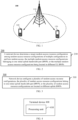
- the communication system 100 also includes at least one terminal device 120 located within the coverage area of the network device 110.
- terminal device includes, but is not limited to, a device configured to connect via a wired circuit, for example, via a Public Switched Telephone Networks (PSTN), a Digital Subscriber Line (DSL), a digital cable, a direct cable; and/or another data connection/network; and/or via a wireless interface, for instance, for a cellular network, a Wireless Local Area Network (WLAN), a digital television network such as a Digital Video Broadcasting-Handheld (DVB-H) network, a satellite network, and an AM-FM broadcast transmitter; and/or an apparatus of another terminal device that is configured to receive/send a communication signal; and/or an Internet of Things (IoT) device.
- PSTN Public Switched Telephone Networks
- DSL Digital Subscriber Line
- WLAN Wireless Local Area Network
- DVD-H Digital Video Broadcasting-Handheld
- satellite network a satellite network
- AM-FM broadcast transmitter
- the terminal device configured to communicate via a wireless interface may be referred to as a "wireless communication terminal", a “wireless terminal” or a “mobile terminal”.
- the mobile terminal include, but not limited to, a satellite or cellular telephone, a Personal Communication System (PCS) terminal capable of combining with a cellular wireless telephone and data processing, faxing, and data communication capabilities, a Personal Digital Assistant (PDA) that may include a radio telephone, a pager, an internet/intranet access, a Web browser, a memo pad, a calendar, and/or a Global Positioning System (GPS) receiver, and a conventional laptop and/or palmtop receiver or other electronic apparatus including a radio telephone transceiver.
- PCS Personal Communication System
- GPS Global Positioning System
- terminal direct connection (Device to Device, D2D) communication may be performed between the terminal devices 120.
- the 5G system or 5G network may be referred to as a New Radio (NR) system or an NR network.
- NR New Radio
- FIG. 1 exemplarily shows one network device and two terminal devices.
- the communication system 100 may include a plurality of network devices, and other quantity of terminal devices may be included within the coverage area of each network device, which is not limited in the embodiments of the present application.
- the communication system 100 may further include other network entities such as a network controller, and a mobile management entity, and the embodiments of the present application are not limited thereto.
- a device with a communication function in the network/system in the embodiments of the present application may be referred to as a communication device.
- the communication device may include a network device 110 and a terminal device 120 which have the communication function, and the network device 110 and the terminal device 120 may be the specific devices described above, which will not be elaborated here.
- the communication device may also include other devices in the communication system 100, such as a network controller, a mobile management entity, and other network entities, and the embodiments of the present application are not limited thereto.
- the communication system 100 shown in FIG. 1 may also be a Non-Terrestrial Networks (NTN) system, that is, the network device 110 in FIG. 1 may be a satellite.
- NTN Non-Terrestrial Networks
- 5G 3rd Generation Partnership Project
- eMBB Enhanced Mobile Broadband
- URLLC Ultra Reliability and Low Latency Communication
- mMTC Massive Machine Type Communications
- the mobility is based on cell selection reselection of the terminal device, paging is initiated by the core network, and the paging area is configured by the core network.
- AS Access Stratum
- the network device and the terminal device For the RRC_CONNECTED state, there is an RRC connection, the network device and the terminal device have the AS context of the terminal device, and unicast data may be transmitted between the terminal device and the network device.
- the network side knows that the location of the terminal device is at a specific cell level.
- the mobility is the mobility controlled by the network side.
- the mobility is based on the cell selection reselection of the terminal device.
- the AS context of the terminal device exists on a certain network device, paging is triggered by Radio Access Network (RAN), paging area based on RAN is managed by RAN, and the network side knows that the location of the terminal device is at a level of the paging area based on RAN.
- RAN Radio Access Network
- NR introduces a concept of an NR-light terminal device.
- the NR-light terminal device mainly has the following three application scenarios:
- the requirement for reliability is 99.99%
- the requirement for end-to-end delay is 100ms
- the requirement for Bit rate is 2Mbps.
- This scenario requires the NR-light terminal device to remain stationary and have a battery life of several years.
- the requirement for delay is 5-10ms.
- the requirement for Bit rate is 2-4Mbps
- the requirement for delay is less than 500ms
- the requirement for reliability is 99% -99.9%.
- the requirement for Bit rate is 150Mbps or 50Mbps.
- the maximum channel bandwidth supported in the NR system may be up to 400MHZ, and the power consumption of the terminal device is very large if the terminal device keeps working on the broadband carrier. Adjusting the radio frequency (RF) bandwidth of the terminal device according to the actual throughput of the terminal device can optimize the power consumption of the terminal device. Therefore, the concept of BWP is introduced in 5G NR, that is, the terminal device may send and receive data on a part of the continuous bandwidth (i. e., BWP) within the entire large bandwidth carrier.
- BWP continuous bandwidth
- the network device may configure at most four Downlink (DL) BWPs and at most four Uplink (UL) BWPs for the terminal device. At most one downlink DL BWP and one uplink UL BWP may be activated at a time.
- DL Downlink
- UL Uplink
- the network device may configure four UL BWPs and four DL BWPs for one terminal device in the connected state.
- the indexes of the four UL BWPs are 0, 1, 2 and 3 respectively, and the indexes of the four DL BWPs are 0, 1, 2, and 3 respectively.
- the currently activated UL BWP index may be 0, and the currently activated DL BWP index may be 1.
- the network device instructs the terminal device through the Downlink Control Information (DCI) to switch the DL BWP to another DL BWP, such as from the currently activated DL BWP 1 to the DL BWP 2, the UL BWP may remain unchanged.
- DCI Downlink Control Information
- the terminal device in the RRC_IDLE state and RRC_INACTIVE state may obtain information of Master Information Block (MIB) and System Information Block 1 (SIB1) through Cell Defining-Synchronization Signal Block (CD-SSB).
- the SIB1 may indicate relevant configuration information of initial BWP for the initial access of the terminal device, where the initial BWP may include an initial uplink BWP (initial UL BWP) and an initial downlink BWP (initial DL BWP).
- the network device may configure a random access resource (RACH-ConfigCommon) for the terminal device to perform initial access, and there is a corresponding relationship between the random access resource and the SSB.
- RACH-ConfigCommon random access resource
- the network device may control the selection of the random access resource by the terminal device by configuring one Reference Signal Receiving Power (RSRP) threshold (rsrp-ThresholdSSB).
- RSRP Reference Signal Receiving Power
- the terminal device may select one SSB whose RSRP measurement value meets the RSRP threshold, and then determine the random access resource corresponding to the selected SSB according to the corresponding relationship between the random access resource and the SSB. Then, the terminal device may send a random access preamble, i. e., message 1 (Msg1), by using the selected random access resource, and listen to a random access response message (i. e., Msg2) sent by the network device on the selected SSB.
- Msg1 message 1
- Msg2 random access response message
- all terminal devices in the RRC_IDLE state and RRC _INACTIVE state may access the network via the initial UL BWP on a Normal UL (NUL) carrier or a Supplementary UL (SUL) carrier indicated in the SIB1, which is possible for scenarios such as eMBB with light load.
- NUL Normal UL
- SUL Supplementary UL
- the NR-light terminal device will be introduced in the future network deployment. Due to the large number of the NR-light terminal devices, the introduction of these massive terminal devices may impact the uplink capacity of cells, for example, it may impact the initial access resources and the uplink transmission resource used in the connected state.
- the embodiments of the present application propose a method for random access, which can increase the uplink capacity of the terminal device for random access, so as to effectively improve the success rate of the terminal device accessing the network.
- FIG. 2 is a schematic diagram of a method 200 for random access according to an embodiment of the present application.
- the method described in FIG. 2 may be performed by a terminal device, and the terminal device may be, for example, the terminal device 120 shown in FIG. 1 .
- the method 200 may include at least part of the following contents.
- the terminal device determines a target random access resource configuration from a plurality of configured random access resource configurations.
- the target random access resource configuration is used by the terminal device for random access, and the plurality of random access resource configurations may belong to one initial UL BWP, or the plurality of random access resource configurations may be located in different UL BWPs.
- the terminal device acquires a plurality of configured random access resource configurations belonging to one initial UL BWP or located in different UL BWPs, thereby increasing the access capacity of the terminal device on the initial UL BWP.
- a probability of simultaneously selecting the same random access resource configuration by the plurality of terminal devices can be reduced, and thus the success rate of the terminal device accessing the network can be effectively improved.
- At least one parameter of the random access resource corresponding to each random access resource configuration in the plurality of random access resource configurations may differ.
- the parameter may be, but not limited to, a frequency domain position, a time domain position, a period, a quantity, etc.
- the terminal device may be in an RRC idle state, or in an RRC inactive state.
- the terminal device may also be in an RRC connected state.
- the network device sends configuration information to the terminal device, and the configuration information is used to indicate a plurality of random access resource configurations, or the configuration information may be used to indicate a target random access resource configuration.
- the configuration information may be carried in a system message of a serving cell, for example, the configuration information may be carried in SIB1.
- one possible manner may be that the SIB1 indicates one initial UL BWP, where the initial UL BWP includes a plurality of random access resource configurations.
- a specific signaling path is as follows:
- SIB1 ServingCellConfigCommonSIB ⁇ UplinkConfigCommonSIB ⁇ BWP-UplinkCom mon ⁇ List Of RACH-ConfigCommon.
- the network device may configure one Random Access Channel (RACH)-ConfigCommon resource configuration list in the BWP-UplinkCommon, so that the terminal device may determine the target random access resource configuration in the RACH-ConfigCommon resource configuration list.
- RACH Random Access Channel
- the network device configures one initial UL BWP.
- the code implementation of the initial UL BWP including a plurality of random access resource configurations may be as follows:
- SIB1 indicates a plurality of initial UL BWPs, where each of the plurality of initial UL BWPs may include at least one random access resource configuration.
- a specific signaling path is as follows:
- the code implementation for the network device to configure a plurality of initial UL BWPs may be as follows:
- the implementation of the terminal device determining the target random access resource configuration from the plurality of random access resource configurations is introduced.
- the terminal device may randomly select the target random access resource configuration in the plurality of random access resource configurations.
- the terminal device randomly selects the target random access resource configuration, which can reduce the probability of selecting the same random access resource configuration by a large number of terminal devices.
- the terminal device may select the target random access resource in the plurality of random access resource configurations, based on a selection factor corresponding to each random access resource configuration.
- the terminal device may determine a random access resource configuration corresponding to a maximum selection factor as the target random access resource configuration.
- SIB1 indicates two random access resource configurations, namely a random access resource configuration 1 and a random access resource configuration 2.
- the selection factor corresponding to the random access resource configuration 1 is 0.3 and the selection factor corresponding to the random access resource configuration 2 is 0.7. Since the selection factor corresponding to the random access resource configuration 1 is less than the selection factor corresponding to the random access resource configuration 2, the terminal device may determine the random access resource configuration 2 as the target random access resource configuration when initiating random access, and perform the random access using the random access resource configuration 2.
- the selection factors corresponding to respective random access resource configurations may all be the same, that is, different random access resource configurations correspond to one selection factor.
- SIB1 indicates four random access resource configurations, each with a selection factor of 0.25, that is, when the terminal device initiates random access, the probability of selecting any one of the four random access resource configurations is the same.
- a selection factor corresponding to a first random access resource configuration in the plurality of random access resource configurations may be a
- the first random access resource configuration may be used for random access by all terminal devices, and the other random access resource configuration(s) may be used only for random access by a part of the terminal devices.
- the part of the terminal devices may be NR-light terminal devices.
- a serving cell may additionally broadcast the selection factor corresponding to each random access resource configuration in the plurality of random access resource configurations. That is, the SIB1 may include the selection factor corresponding to each random access resource configuration of the plurality of random access resource configurations.
- the embodiments of the present application do not limit the name of the selection factor, that is, the selection factor may also be expressed as other names, such as a weight factor, a random number factor, etc.
- the terminal device may select the target random access resource in the plurality of random access resource configurations based on a corresponding relationship between the random access resource configuration and a service type of the terminal device, and an uplink service being performed; and/or
- the terminal device may select the target random access resource in the plurality of random access resource configurations according to a corresponding relationship between the random access resource configuration and a type of the terminal device, and the type of the terminal device.
- a WeChat service corresponds to a random access resource configuration 1
- a voice service corresponds to a random access resource configuration 2. If the current uplink service of the terminal device is the WeChat service, the terminal device may determine the random access resource configuration 1 as the target random access resource configuration.
- an industrial wireless sensor terminal device corresponds to a random access resource configuration 1
- a video monitoring terminal device corresponds to a random access resource configuration 2
- a wearable terminal device corresponds to a random access resource configuration 3. If the type of terminal device is the wearable terminal device, the terminal device may determine the random access resource configuration 3 as the target random access resource configuration.
- the serving cell may additionally broadcast the corresponding relationship between the random access resource configuration and the service type of the terminal device, and/or, the corresponding relationship between the random access resource configuration and the type of the terminal device.
- the SIB1 may include the corresponding relationship between the random access resource configuration and the service type of the terminal device, and/or the corresponding relationship between the random access resource configuration and the type of the terminal device.
- the terminal device determines a random access resource configuration suitable for the terminal device and/or service according to the type and/or service type of the terminal device.
- different random access resource configurations may have different view periods, different resource quantities, etc., so as to achieve the purpose and effect of matching the traffic of various terminal devices and load balancing.
- the implementation of the terminal device determining the target random access resource configuration may be referred to the relevant description of the first to third manners.
- the terminal device may randomly select one initial UL BWP from the plurality of initial UL BWPs, and determine the random access resource configuration included in the initial UL BWP as the target random access resource configuration.
- the terminal device may randomly select one initial UL BWP from the plurality of initial UL BWPs, and determine the random access resource configuration included in the initial UL BWP as the target random access resource configuration.
- the configuration information may be carried in an RRC connection release message.
- the network device may schedule the terminal device to transmit data on a BWP exclusive to any terminal device.
- the network device may indicate to the terminal device in an RRC connection release message the random access resource configuration to be used when triggering a random access procedure next time, that is, the RRC connection release message may be used to indicate a plurality of random access resource configurations.
- the RRC connection release message may indicate one initial UL BWP, and the initial UL BWP may include a plurality of random access resource configurations.
- the RRC connection release message may indicate a plurality of initial UL BWPs, and each initial UL BWP in the plurality of initial UL BWPs may include at least one random access resource configuration.
- the RRC connection release message may also be used to indicate an effective time of each random access resource configuration in the plurality of random access resource configurations.
- the effective time may be an absolute time.
- the effective time of each random access resource configuration in the plurality of random access resource configurations may be from 10 o'clock to 14 o'clock every day. If the terminal device triggers the random access at 12 noon, the plurality of random access resource configurations are effective, and the terminal device may select the target random access resource configuration from the plurality of random access resource configurations.
- the terminal device may select the target random access resource configuration from the latter part of the plurality of random access resource configurations.
- the RRC connection release message indicates the effective time of the plurality of random access resource configurations
- the plurality of random access resource configurations may be indicated as a whole, that is, the RRC connection release message may indicate only one effective time. In this way, signaling overhead can be saved. At this time, the effective time of the plurality of random access resource configurations is the same.
- the RRC connection release message may indicate the effective time of each random access resource configuration.
- the effective time of the plurality of random access resource configurations may be the same or different.
- the terminal device may default that the plurality of random access resource configurations are always effective before entering the RRC connected state.
- the terminal device may determine the target random access resource configuration in the plurality of random access resource configurations.
- the implementations of the terminal device determining the target random access resource configuration in the plurality of random access resource configurations may refer to the description of the above embodiments, which will not be elaborated here.
- the RRC connection release message may be used to indicate the target random access resource configuration.
- the RRC connection release message may explicitly indicate the target random access resource configuration.
- the RRC connection release message may also implicitly indicate the target random access resource configuration.
- the RRC connection release message may indicate an index of the target random access resource configuration.
- the RRC connection release message may indicate the serial number of the target random access resource configuration in the plurality of random access resource configurations.
- the RRC connection release message may indicate an SSB, and when the terminal device receives the SSB, the terminal device may determine the target random access resource configuration according to a corresponding relationship between the random access resource configuration and the SSB, and according to the SSB indicated by the RRC connection release message.
- the RRC connection release message may further be used to indicate the effective time of the target random access resource configuration.
- the terminal device may use the target random access resource configuration for random access.
- the terminal device may utilize the target random access resource configuration for random access in any case.
- the terminal device may perform the random access by using the target random access resource configuration.
- the first cell is a cell where the terminal device is located after entering the idle state or the inactive state
- the second cell is a cell where the terminal device is located when receiving the RRC connection release message. That is, the terminal device may use the target random access resource configuration for random access only under a same cell.
- the network device knows a service type and a signal quality of the terminal device in the RRC connected state, and the network device may obtain a load situation on each random access resource configuration.
- the network device may direct the terminal device to the random access resource configuration with a relatively light load through the control of special signaling, so as to improve the success rate of random access.
- the network device may send DCI to the terminal device, and the DCI is used to indicate the target random access resource configuration.
- the terminal device may switch to an initial UL BWP for random access, and select the target random access resource configuration from the initial UL BWP configured with a plurality of random access resource configurations.
- the initial UL BWP may be an initial UL BWP including the plurality of random access resource configurations, or the initial UL BWP may be an initial UL BWP included in different UL BWPs.
- FIG. 3 is a schematic diagram of a method 300 for random access according to an embodiment of the present application.
- the method described in FIG. 3 may be performed by a network device which may be, for example, the network device 110 shown in FIG. 1 .
- the method 300 may include at least part of the following contents.
- the network device configures a plurality of random access resource configurations, and the plurality of random access resource configurations belong to one initial UL BWP, or the plurality of random access resource configurations are located in different UL BWPs.
- the different uplink BWPs include a plurality of initial uplink BWPs, and each initial uplink BWP of the plurality of initial uplink BWPs includes at least one random access resource configuration.
- the method 300 further includes: the network device sending configuration information to a terminal device, the configuration information including the plurality of random access resource configurations.
- the configuration information further includes a selection factor corresponding to each random access resource configuration of the plurality of random access resource configurations, where the selection factor represents a probability that the terminal device selects each random access resource configuration.
- the selection factors corresponding to respective random access resource configurations are not associated with each other.
- the selection factors corresponding to respective random access resource configuration are the same.
- a selection factor corresponding to a first random access resource configuration of the plurality of random access resource configurations is a
- the configuration information is used to indicate a corresponding relationship between the random access resource configuration and a service type of the terminal device, and/or the configuration information is used to indicate a corresponding relationship between the random access resource configuration and a type of the terminal device.
- the configuration information is carried in a system message.
- the configuration information is carried in a radio resource control (RRC) connection release message.
- RRC radio resource control
- the configuration information is further used to indicate an effective time of a target random access resource configuration, where the target random access resource configuration is used for the terminal device to perform random access, and the target random access resource configuration belongs to the plurality of random access resource configurations.
- the method 300 further includes: the network device sending downlink control information (DCI) to a terminal device, the DCI being used to indicate a target random access resource configuration used for the terminal device to perform random access, and the target random access resource configuration belonging to the plurality of random access resource configurations.
- DCI downlink control information
- the terminal device is a new radio-light terminal device.
- method 200 and method 300 are respectively described above and the first and second embodiments in method 200 are respectively described above, it does not mean that method 200 and method 300, and the first and second embodiments in method 200 are independent, and descriptions of respective methods and embodiments may refer to each other.
- the relevant description in the method 200 may be applicable to the method 300.
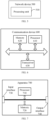
- FIG. 4 shows a schematic block diagram of a terminal device 400 according to an embodiment of the present application.
- the terminal device 400 includes:
- a processing unit 410 configured to determine a target random access resource configuration from a plurality of configured random access resource configurations, the target random access resource configuration being used for the terminal device 400 for random access, the plurality of random access resource configurations belonging to one initial uplink bandwidth part (BWP), or the plurality of random access resource configurations being located in different uplink BWPs.
- BWP bandwidth part
- the different UL BWPs include a plurality of initial UL BWPs, and each of the plurality of initial UL BWPs includes at least one random access resource configuration.
- the processing unit 410 is specifically configured to: when the random access is triggered on a non-initial uplink BWP and no random access resource is on the non-initial uplink BWP, select the target random access resource configuration in the initial uplink BWP configured with the plurality of random access resource configurations.
- the terminal device 400 further includes: a communication unit 420, configured to receive configuration information sent by a network device, the configuration information including a selection factor corresponding to each random access resource configuration of the plurality of random access resource configurations, where the selection factor represents a probability that the terminal device selects each random access resource configuration.
- the processing unit 410 is specifically configured to: determine the target random access resource configuration in the plurality of random access resource configurations based on the selection factor corresponding to each of the random access resource configurations.
- the selection factors corresponding to respective random access resource configurations are not associated with each other.
- the selection factors corresponding to respective random access resource configuration are the same.
- a selection factor corresponding to a first random access resource configuration of the plurality of random access resource configurations is a
- the terminal device 400 further includes: a communication unit 420, configured to receive configuration information sent by a network device, the configuration information being used to indicate a corresponding relationship between the random access resource configuration and a service type of the terminal device, and/or the configuration information being used to indicate a corresponding relationship between the random access resource configuration and a type of the terminal device.
- a communication unit 420 configured to receive configuration information sent by a network device, the configuration information being used to indicate a corresponding relationship between the random access resource configuration and a service type of the terminal device, and/or the configuration information being used to indicate a corresponding relationship between the random access resource configuration and a type of the terminal device.
- the processing unit 410 is specifically configured to: determine the target random access resource configuration in the plurality of the random access resource configurations, according to the corresponding relationship between the random access resource configuration and the service type, and according to an uplink service being performed; and/or
- the configuration information is carried in a system message.
- the configuration information is carried in a radio resource control (RRC) connection release message.
- RRC radio resource control
- the configuration information is further used to indicate an effective time of the target random access resource configuration.
- the processing unit 410 is further configured to: after entering an idle state or an inactive state, perform the random access by using the target random access resource configuration.
- the processing unit 410 is specifically configured to: if a first cell and a second cell are the same, perform the random access by using the target random access resource configuration, where the first cell is a cell where the terminal device is located after entering the idle state or the inactive state, and the second cell is a cell where the terminal device is located when receiving the RRC connection release message.
- the terminal device 400 further includes: a communication unit 420, configured to receive downlink control information (DCI) sent by the network device, the DCI being used to indicate the target random access resource configuration.
- DCI downlink control information
- the terminal device 400 is a new radio-light terminal device.
- terminal device 400 may correspond to the terminal device in the method 200, and may implement the corresponding operations of the terminal device in the method 200, which is not elaborated herein for simplicity.
- FIG. 5 shows a schematic block diagram of a network device 500 according to an embodiment of the present application.
- the network device 500 includes: a processing unit 510, configured to configure a plurality of random access resource configurations, the plurality of random access resource configurations belonging to one initial uplink bandwidth part BWP, or the plurality of random access resource configurations being located in different uplink BWPs.
- the different uplink BWPs include a plurality of initial uplink BWPs, and each initial uplink BWP of the plurality of initial uplink BWPs includes at least one random access resource configuration.
- the network device 500 further includes: a communication unit 520, configured to send configuration information to a terminal device, the configuration information including the plurality of random access resource configurations.
- the configuration information further includes a selection factor corresponding to each random access resource configuration of the plurality of random access resource configurations, where the selection factor represents a probability that the terminal device selects each random access resource configuration.
- the selection factors corresponding to respective random access resource configurations are not associated with each other.
- the selection factors corresponding to respective random access resource configurations are the same.
- a selection factor corresponding to a first random access resource configuration of the plurality of random access resource configurations is a
- the configuration information is used to indicate a corresponding relationship between the random access resource configuration and a service type of the terminal device, and/or the configuration information is used to indicate a corresponding relationship between the random access resource configuration and a type of the terminal device.
- the configuration information is carried in a system message.
- the configuration information is carried in a radio resource control (RRC) connection release message.
- RRC radio resource control
- the configuration information is further used to indicate an effective time of a target random access resource configuration, where the target random access resource configuration is used for the terminal device to perform random access, and the target random access resource configuration belongs to the plurality of random access resource configurations.
- the network device 500 further includes: a communication unit 520, configured to send downlink control information (DCI) to a terminal device, the DCI being used to indicate a target random access resource configuration used for the terminal device to perform random access, the target random access resource configuration belonging to the plurality of random access resource configurations.
- DCI downlink control information
- the terminal device is a new radio-light terminal device.
- the network device 500 may correspond to the network device in the method 300, and may implement the corresponding operations of the network device in the method 300, which is not elaborated herein for simplicity.
- FIG. 6 is a schematic structural diagram of a communication device 600 provided by an embodiment of the present application.
- the communication device 600 shown in FIG. 6 includes a processor 610, and the processor 610 may invoke and run a computer program from a memory to implement the methods in the embodiments of the present application.
- the communication device 600 may further include a memory 620.
- the processor 610 may invoke and run the computer program from the memory 620 to implement the methods in the embodiments of the present application.
- the memory 620 may be a separate device independent of the processor 610 or may be integrated in the processor 610.
- the communication device 600 may further include a transceiver 630.
- the processor 610 may control the transceiver 630 to communicate with other device(s).
- the transceiver may send information or data to other device(s) or receive information or data sent by other device(s).
- the transceiver 630 may include a transmitter and a receiver.
- the transceiver 630 may further include antennas, and the quantity of the antennas may be one or more.
- the communication device 600 may specifically be the network device in the embodiments of the present application, and the communication device 600 may implement the corresponding processes implemented by the network device in various methods of the embodiments of the present application, which will not be repeated herein for brevity.
- the communication device 600 may specifically be the terminal device in the embodiments of the present application, and the communication device 600 may implement the corresponding processes implemented by the terminal device in various methods of the embodiments of the present application, which will not be repeated herein for brevity.
- FIG. 7 is a schematic structural diagram of an apparatus according to an embodiment of the present application.
- the apparatus 700 shown in FIG. 7 includes a processor 710.
- the processor 710 may invoke and run a computer program from a memory to implement the methods in the embodiments of the present application.
- the apparatus 700 may further include a memory 720.
- the processor 710 may invoke and run the computer program from the memory 720 to implement the methods in the embodiments of the present application.
- the memory 720 may be a separate device independent of the processor 710 or may be integrated in the processor 710.
- the apparatus 700 may further include an input interface 730.
- the processor 710 may control the input interface 730 to communicate with other device(s) or chip(s). Specifically, the processor 710 may acquire information or data sent by other device(s) or chip(s).
- the apparatus 700 may further include an output interface 740.
- the processor 710 may control the output interface 740 to communicate with other device(s) or chip(s). Specifically, the processor 710 may output information or data to other device(s) or chip(s).
- the apparatus may be applied to the terminal device in the embodiments of the present application, and the apparatus may implement the corresponding processes implemented by the terminal device in various methods of the embodiments of the present application, which will not be repeated herein for brevity.
- the apparatus may be applied to the network device in the embodiments of the present application, and the apparatus may implement the corresponding processes implemented by the network device in various methods of the embodiments of the present application, which will not be repeated herein for brevity.
- the apparatus 700 may be a chip. It should be understood that the chip mentioned in the embodiments of the present application may also be referred to as a system-level chip, a system chip, a chip system or a system-on-chip, etc.
- the processor in the embodiments of the present application may be an integrated circuit chip having a signal processing capability.
- each of the steps of the foregoing method embodiments may be completed through an integrated logic circuit of hardware or instructions in a form of software in the processor.
- the processor described above may be a general purpose processor, a digital signal processor (DSP), an application specific integrated circuit (ASIC), a field programmable gate array (FPGA) or other programmable logic devices, a discrete gate or a transistor logic device, or a discrete hardware component.
- the processor may implement or perform various methods, steps and logical block diagrams disclosed in the embodiments of the present application.
- the general purpose processor may be a microprocessor, or the processor may also be any conventional processor, or the like.
- the steps of the methods disclosed in the embodiments of the present application may be directly embodied to be completed by a hardware decoding processor, or may be completed by a combination of hardware in the decoding processor and a software module.
- the software module may be located in a storage medium which is mature in the art, such as a random access memory, a flash memory, a read-only memory, a programmable read-only memory, an electrically erasable programmable memory, a register, etc.
- the storage medium is located in the memory, and the processor reads information in the memory and completes the steps of the foregoing methods in combination with its hardware.
- the memory in the embodiments of the present application may be a volatile memory or a non-volatile memory, or may include both a volatile memory and a non-volatile memory.
- the non-volatile memory may be a read-only memory (ROM), a programmable read-only memory (PROM), an erasable programmable read-only memory (EPROM), an electrically erasable programmable read-only memory (EEPROM), or a flash memory.
- the volatile memory may be a random access memory (RAM), which is used as an external cache.
- RAMs may be available, such as a static random access memory (SRAM), a dynamic random access memory (DRAM), a synchronous dynamic random access memory (SDRAM), a double data rate synchronous dynamic random access memory (DDR SDRAM), an enhanced synchronous dynamic random access memory (ESDRAM), a synchlink dynamic random access memory (SLDRAM), and a direct Rambus dynamic random access memory (DR RAM).
- SRAM static random access memory
- DRAM dynamic random access memory
- SDRAM synchronous dynamic random access memory
- DDR SDRAM double data rate synchronous dynamic random access memory
- ESDRAM enhanced synchronous dynamic random access memory
- SLDRAM synchlink dynamic random access memory
- DR RAM direct Rambus dynamic random access memory
- the memory in the embodiments of the present application may also be a Static RAM (SRAM), a Dynamic RAM (DRAM), a Synchronous DRAM (SDRAM), a Double Data Rate SDRAM (DDR SDRAM), an Enhanced SDRAM (ESDRAM), a Synchlink DRAM (SLDRAM), a direct Rambus RAM (DR RAM), or the like. That is, the memory in the embodiments of the present application is intended to include, but is not limited to, these and any other suitable types of memories.
- SRAM Static RAM
- DRAM Dynamic RAM
- SDRAM Synchronous DRAM
- DDR SDRAM Double Data Rate SDRAM
- ESDRAM Enhanced SDRAM
- SLDRAM Synchlink DRAM
- DR RAM direct Rambus RAM
- An embodiment of the present application further provides a computer-readable storage medium configured to store a computer program.
- the computer-readable storage medium may be applied in the terminal device in the embodiments of the present application, and the computer program enables a computer to perform the corresponding processes implemented by the terminal device in various methods of the embodiments of the present application, which will not be repeated herein for brevity.
- the computer-readable storage medium may be applied in the network device in the embodiments of the present application, and the computer program enables a computer to perform the corresponding processes implemented by the network device in various methods of the embodiments of the present application, which will not be repeated herein for brevity.
- An embodiment of the present application further provides a computer program product including computer program instructions.
- the computer program product may be applied in the terminal device in the embodiments of the present application, and the computer program instructions enable a computer to perform the corresponding processes implemented by the terminal device in various methods of the embodiments of the present application, which will not be repeated herein for brevity.
- the computer program product may be applied in the network device in the embodiments of the present application, and the computer program instructions enable a computer to perform the corresponding processes implemented by the network device in various methods of the embodiments of the present application, which will not be repeated herein for brevity.
- An embodiment of the present application further provides a computer program.
- the computer program may be applied to the terminal device in the embodiments of the present application, and the computer program, when running on a computer, enables the computer to perform the corresponding processes implemented by the terminal device in various methods of the embodiments of the present application, which will not be repeated herein for brevity.
- the computer program may be applied to the network device in the embodiments of the present application, and the computer program, when running on a computer, enables the computer to perform the corresponding processes implemented by the network device in various methods of the embodiments of the present application, which will not be repeated herein for brevity.
- the disclosed systems, apparatuses and methods may be implemented in other ways.
- the apparatus embodiments described above are only illustrative, for example, the division of the units is only a logical function division, and there may be other division manners during actual implementation.
- a plurality of units or components may be combined or integrated into another system, or some features may be ignored or not executed.
- the shown or discussed coupling or direct coupling or communication connection between each other may be an indirect coupling or communication connection through some interfaces, apparatuses or units, and may be in electrical, mechanical or other forms.
- the unit described as a separate component may or may not be physically separated, and the component shown as a unit may or may not be a physical unit, i.e., it may be located in one place or may be distributed to a plurality of network units. Part or all of the units may be selected according to actual needs to achieve the objective of the solutions of the embodiments.
- various functional units in various embodiments of the present application may be integrated into one processing unit, or may exist physically separately, or two or more than two units may be integrated into one unit.
- the function is implemented in the form of a software functional unit and sold or used as an independent product, it may be stored in a computer readable storage medium.
- the essence or the part that contributes to the related art of the technical solution of the present application or a part of the technical solution may be embodied in the form of a software product, and the computer software product is stored in a storage medium, which includes several instructions for enabling a computer device (which may be a personal computer, a server, or a network device, etc.) to execute all or part of the steps of the methods described in the various embodiments of the present application.
- the aforementioned storage media include: a U disk, a mobile hard disk, a Read-Only Memory (ROM), a Random Access Memory (RAM), a magnetic disk, an optical disk, or other media that can store program codes.
Landscapes
- Engineering & Computer Science (AREA)
- Computer Networks & Wireless Communication (AREA)
- Signal Processing (AREA)
- Mobile Radio Communication Systems (AREA)
Claims (14)
- Verfahren für Direktzugriff, wobei das Verfahren Folgendes umfasst:Empfangen, durch ein Endgerät, von Konfigurationsinformationen, die von einem Netzwerkgerät gesendet wurden, wobei die Konfigurationsinformationen eine Vielzahl von Konfigurationen von Direktzugriffsressourcen umfassen; undBestimmen (210), durch das Endgerät, einer Ziel-Direktzugriffsressourcenkonfiguration aus der Vielzahl von konfigurierten Direktzugriffsressourcenkonfigurationen, wobei die Ziel-Direktzugriffsressourcenkonfiguration für das Endgerät verwendet wird, um einen Direktzugriff durchzuführen, unddie Vielzahl von Direktzugriffsressourcenkonfigurationen zu einem anfänglichen Uplink-Bandbreitenteil (BWP) gehört, oder die Vielzahl von Direktzugriffsressourcenkonfigurationen sich in verschiedenen Uplink-BWPs befinden,dadurch gekennzeichnet, dass das Bestimmen, durch das Endgerät, der Ziel-Direktzugriffsressourcenkonfiguration aus der Vielzahl der konfigurierten Direktzugriffsressourcenkonfigurationen Folgendes umfasst:
als Reaktion darauf, dass das Endgerät den Direktzugriff auf einen nicht-anfänglichen Uplink-BWP auslöst und sich keine Direktzugriffsressource auf dem nicht-anfänglichen Uplink-BWP befindet, Auswählen, durch das Endgerät, der Ziel-Direktzugriffsressourcenkonfiguration aus dem anfänglichen Uplink-BWP, der mit der Vielzahl von Direktzugriffsressourcenkonfigurationen konfiguriert ist. - Verfahren nach Anspruch 1, wobei die verschiedenen Uplink-BWPs eine Vielzahl von anfänglichen Uplink-BWPs umfassen und jeder anfängliche Uplink-BWP der Vielzahl von anfänglichen Uplink-BWPs mindestens eine Direktzugriffsressourcenkonfiguration umfasst.
- Verfahren nach Anspruch 1 oder 2, wobei die Konfigurationsinformationen einen Auswahlfaktor umfassen, der jeder Direktzugriffsressourcenkonfiguration aus der Vielzahl der Direktzugriffsressourcenkonfigurationen entspricht, wobei die Auswahlfaktoren eine Wahrscheinlichkeit darstellen, dass das Endgerät die jeweiligen Direktzugriffsressourcenkonfigurationen auswählt; und das Bestimmen, durch das Endgerät, der Ziel-Direktzugriffsressourcenkonfiguration aus der Vielzahl der konfigurierten Direktzugriffsressourcenkonfigurationen Folgendes umfasst:Bestimmen, durch das Endgerät, der Ziel-Direktzugriffsressourcenkonfiguration aus der Vielzahl der Direktzugriffsressourcenkonfigurationen, basierend auf den Auswahlfaktoren, die den jeweiligen Direktzugriffsressourcenkonfigurationen entsprechen,wobei die Auswahlfaktoren, die den jeweiligen Direktzugriffsressourcenkonfigurationen entsprechen, nicht miteinander verbunden sind,
oder,wobei die Auswahlfaktoren, die der jeweiligen Direktzugriffsressourcenkonfiguration entsprechen, dieselben sind,
oder,wobei ein Auswahlfaktor, der einer ersten Direktzugriffsressourcenkonfiguration in der Vielzahl von Direktzugriffsressourcenkonfigurationen entspricht, a ist, und ein Auswahlfaktor b, der einer anderen Direktzugriffsressourcenkonfiguration als der ersten Direktzugriffsressourcenkonfiguration in der Vielzahl von Direktzugriffsressourcenkonfigurationen entspricht, erfüllt ist: wobei n eine Zahl der anderen Direktzugriffsressourcenkonfiguration ist, die erste Direktzugriffsressourcenkonfiguration für alle Endgeräte verfügbar ist, um Direktzugriff durchzuführen, und die andere Direktzugriffsressourcenkonfiguration für einen Teil der Endgeräte verfügbar ist, um Direktzugriff durchzuführen.
 - Verfahren nach einem der Ansprüche 1 bis 3, wobei die Konfigurationsinformation verwendet wird, um eine entsprechende Beziehung zwischen der Direktzugriffsressourcenkonfiguration und einem Diensttyp des Endgeräts anzuzeigen, und/oder die Konfigurationsinformation verwendet wird, um eine entsprechende Beziehung zwischen der Direktzugriffsressourcenkonfiguration und einem Typ des Endgeräts anzuzeigen,
wobei das Bestimmen, durch das Endgerät, der Ziel-Direktzugriffsressourcenkonfiguration aus der Vielzahl der konfigurierten Direktzugriffsressourcenkonfigurationen mindestens einen der folgenden Schritte umfasst:Bestimmen, durch das Endgerät, der Ziel-Direktzugriffsressourcenkonfiguration aus der Vielzahl der Direktzugriffsressourcenkonfigurationen gemäß der entsprechenden Beziehung zwischen der Direktzugriffsressourcenkonfiguration und dem Diensttyp und gemäß einem durchgeführten Uplink-Dienst; undBestimmen, durch das Endgerät, der Ziel-Direktzugriffsressourcenkonfiguration aus der Vielzahl der Direktzugriffsressourcenkonfigurationen, gemäß der entsprechenden Beziehung zwischen der Direktzugriffsressourcenkonfiguration und dem Typ des Endgeräts, und gemäß dem Typ des Endgeräts. - Verfahren nach Anspruch 3 oder 4, wobei die Konfigurationsinformationen in einer Systemnachricht übertragen werden,
oder,
wobei die Konfigurationsinformationen in einer RRC-Verbindungsfreigabenachricht (Radio Resource Control) übertragen werden. - Verfahren nach Anspruch 5, wobei die Konfigurationsinformationen ferner dazu verwendet werden, eine effektive Zeit der Ziel-Direktzugriffsressourcenkonfiguration anzugeben,
wobei das Verfahren ferner Folgendes umfasst:nach Eintritt in einen Ruhezustand oder einen inaktiven Zustand, Durchführen, durch das Endgerät, des Direktzugriffs unter Verwendung der Ziel-Direktzugriffsressourcenkonfiguration,wobei das Durchführen, durch das Endgerät, des Direktzugriffs unter Verwendung der Ziel-Direktzugriffsressourcenkonfiguration nach Eintritt in den Ruhezustand oder den inaktiven Zustand Folgendes umfasst:als Reaktion darauf, dass eine erste Zelle und eine zweite Zelle gleich sind, Durchführen, durch das Endgerät, des Direktzugriffs unter Verwendung der Ziel-Direktzugriffsressourcenkonfiguration,wobei die erste Zelle eine Zelle ist, in der sich das Endgerät befindet, nachdem es in den Ruhezustand oder in den inaktiven Zustand eingetreten ist, und die zweite Zelle eine Zelle ist, in der sich das Endgerät befindet, wenn es die RRC-Verbindungsfreigabenachricht empfängt. - Verfahren gemäß Anspruch 1 oder 2, wobei das Verfahren ferner Folgendes umfasst:
Empfangen, durch das Endgerät, von Downlink-Steuerinformationen (DCI), die vom Netzgerät gesendet werden, wobei die DCI verwendet werden, um die Ziel-Direktzugriffsressourcenkonfiguration anzuzeigen. - Verfahren nach einem der Ansprüche 1 bis 7, wobei das Endgerät ein New Radio-light-Endgerät ist.
- Verfahren für Direktzugriff, wobei das Verfahren Folgendes umfasst:Konfigurieren (310), durch ein Netzwerkgerät, einer Vielzahl von Direktzugriffsressourcenkonfigurationen, wobei die Vielzahl von Direktzugriffsressourcenkonfigurationen zu einem anfänglichen Uplink-Bandbreitenteil (BWP) gehört, oder die Vielzahl von Direktzugriffsressourcenkonfigurationen in verschiedenen Uplink-BWPs angeordnet ist; undSenden, durch das Netzwerkgerät, von Konfigurationsinformationen an ein Endgerät, wobei die Konfigurationsinformationen die Vielzahl der Direktzugriffsressourcenkonfigurationen umfassen,dadurch gekennzeichnet, dass eine Ziel-Direktzugriffsressourcenkonfiguration durch das Endgerät aus einer Vielzahl von konfigurierten Direktzugriffsressourcenkonfigurationen bestimmt wird, wobei die Ziel-Direktzugriffsressourcenkonfiguration für das Endgerät verwendet wird, um Direktzugriff durchzuführen, undals Reaktion darauf, dass das Endgerät den Direktzugriff auf einen nicht-anfänglichen Uplink-BWP auslöst und sich keine Direktzugriffsressource auf dem nicht-anfänglichen Uplink-BWP befindet, wählt das Endgerät die Ziel-Direktzugriffsressourcenkonfiguration aus dem anfänglichen Uplink-BWP aus, der mit der Vielzahl von Direktzugriffsressourcenkonfigurationen konfiguriert ist.
- Verfahren nach Anspruch 9, wobei die verschiedenen Uplink-BWPs eine Vielzahl von anfänglichen Uplink-BWPs umfassen und jeder anfängliche Uplink-BWP der Vielzahl von anfänglichen Uplink-BWPs mindestens eine Direktzugriffsressourcenkonfiguration umfasst.
- Verfahren nach Anspruch 9 oder 10, wobei die Konfigurationsinformationen ferner einen Auswahlfaktor umfassen, der jeder Direktzugriffsressourcenkonfiguration aus der Vielzahl der Direktzugriffsressourcenkonfigurationen entspricht,wobei die Auswahlfaktoren eine Wahrscheinlichkeit darstellen, dass das Endgerät die jeweiligen Direktzugriffsressourcenkonfigurationen auswählt,wobei die Auswahlfaktoren, die den jeweiligen Direktzugriffsressourcenkonfigurationen entsprechen, nicht miteinander verbunden sind,
oder,wobei die Auswahlfaktoren, die den jeweiligen Direktzugriffsressourcenkonfigurationen entsprechen, dieselben sind,
oder,wobei ein Auswahlfaktor, der einer ersten Direktzugriffsressourcenkonfiguration der Vielzahl von Direktzugriffsressourcenkonfigurationen entspricht, a ist, und ein Auswahlfaktor b, der einer anderen Direktzugriffsressourcenkonfiguration als der ersten Direktzugriffsressourcenkonfiguration in der Vielzahl von Direktzugriffsressourcenkonfigurationen entspricht, erfüllt ist: wobei n eine Zahl der anderen Direktzugriffsressourcenkonfiguration ist, die erste Direktzugriffsressourcenkonfiguration für alle Endgeräte verfügbar ist, um Direktzugriff durchzuführen, und die andere Direktzugriffsressourcenkonfiguration für einen Teil der Endgeräte verfügbar ist, um Direktzugriff durchzuführen.
 - Verfahren nach Anspruch 11, wobei die Konfigurationsinformationen verwendet werden, um mindestens eines von Folgendem anzuzeigen: eine entsprechende Beziehung zwischen der Direktzugriffsressourcenkonfiguration und einem Diensttyp des Endgeräts, und die Konfigurationsinformationen verwendet werden, um eine entsprechende Beziehung zwischen der Direktzugriffsressourcenkonfiguration und einem Typ des Endgeräts anzuzeigen.
- Endgerät, das einen Prozessor und einen Speicher umfasst, wobei:
der Speicher so konfiguriert ist, dass er ein Computerprogramm speichert, und der Prozessor so konfiguriert ist, dass er das im Speicher gespeicherte Computerprogramm aufruft und ausführt, um das Verfahren nach einem der Ansprüche 1 bis 8 durchzuführen. - Netzwerkgerät, das einen Prozessor und einen Speicher umfasst, wobei:
der Speicher so konfiguriert ist, dass er ein Computerprogramm speichert, der Prozessor so konfiguriert ist, dass er das im Speicher gespeicherte Computerprogramm aufruft und ausführt, um das Verfahren nach einem der Ansprüche 9 bis 10 durchzuführen.
Applications Claiming Priority (1)
| Application Number | Priority Date | Filing Date | Title |
|---|---|---|---|
| PCT/CN2019/119778 WO2021097723A1 (zh) | 2019-11-20 | 2019-11-20 | 随机接入的方法、终端设备和网络设备 |
Publications (3)
| Publication Number | Publication Date |
|---|---|
| EP4064783A1 EP4064783A1 (de) | 2022-09-28 |
| EP4064783A4 EP4064783A4 (de) | 2022-11-09 |
| EP4064783B1 true EP4064783B1 (de) | 2024-10-16 |
Family
ID=75980352
Family Applications (1)
| Application Number | Title | Priority Date | Filing Date |
|---|---|---|---|
| EP19953227.6A Active EP4064783B1 (de) | 2019-11-20 | 2019-11-20 | Verfahren für direktzugriff, endgerätevorrichtung und netzwerkvorrichtung |
Country Status (4)
| Country | Link |
|---|---|
| US (1) | US12309852B2 (de) |
| EP (1) | EP4064783B1 (de) |
| CN (2) | CN114642067A (de) |
| WO (1) | WO2021097723A1 (de) |
Cited By (1)
| Publication number | Priority date | Publication date | Assignee | Title |
|---|---|---|---|---|
| US20240048303A1 (en) * | 2020-08-06 | 2024-02-08 | Sony Group Corporation | Communications devices, network infrastructure equipment, wireless communications networks and methods |
Families Citing this family (9)
| Publication number | Priority date | Publication date | Assignee | Title |
|---|---|---|---|---|
| US11140722B2 (en) * | 2018-11-01 | 2021-10-05 | Ofinno, Llc | Pathloss measurement in multiple cells |
| CN114642067A (zh) | 2019-11-20 | 2022-06-17 | Oppo广东移动通信有限公司 | 随机接入的方法、终端设备和网络设备 |
| WO2021142692A1 (en) * | 2020-01-16 | 2021-07-22 | Qualcomm Incorporated | Bandwidth part assignment in wireless communication systems |
| CN113271675B (zh) * | 2020-02-17 | 2023-03-28 | 中国移动通信有限公司研究院 | 信息传输方法、装置、相关设备及存储介质 |
| WO2022031062A1 (ko) * | 2020-08-04 | 2022-02-10 | 주식회사 윌러스표준기술연구소 | 무선 통신 시스템에서 초기 셀 접속 방법, 장치, 및 시스템 |
| WO2025166763A1 (zh) * | 2024-02-08 | 2025-08-14 | 富士通株式会社 | Prach配置的指示方法以及装置 |
| WO2025156360A1 (en) * | 2024-03-01 | 2025-07-31 | Zte Corporation | Method, device, and system for uplink resource management in wireless networks |
| CN120916266A (zh) * | 2024-05-07 | 2025-11-07 | 中国移动通信有限公司研究院 | 接入网络的方法、装置、相关设备、产品及存储介质 |
| CN121665363A (zh) * | 2024-09-13 | 2026-03-13 | 大唐移动通信设备有限公司 | 随机接入方法、装置、终端设备、网络设备以及存储介质 |
Family Cites Families (14)
| Publication number | Priority date | Publication date | Assignee | Title |
|---|---|---|---|---|
| CN109245876B (zh) * | 2017-09-27 | 2019-09-03 | 华为技术有限公司 | 一种寻呼的方法、通信定时的方法和装置 |
| CN109587789B (zh) * | 2017-09-28 | 2021-09-24 | 维沃移动通信有限公司 | 随机接入方法、移动终端及网络设备 |
| US10887903B2 (en) * | 2017-10-26 | 2021-01-05 | Ofinno, Llc | Wireless device processes with bandwidth part switching |
| CN113260077B (zh) * | 2017-11-15 | 2022-08-23 | 华为技术有限公司 | 随机接入的方法、用户设备及网络设备 |
| CN113905451B (zh) * | 2017-11-15 | 2022-08-02 | 华为技术有限公司 | 随机接入方法和设备 |
| CN118119017A (zh) * | 2017-11-16 | 2024-05-31 | 北京三星通信技术研究有限公司 | 确定资源的方法、资源配置方法及设备 |
| US10887920B2 (en) * | 2018-01-11 | 2021-01-05 | Mediatek Inc. | Apparatuses and methods for Bandwidth Part (BWP) selection for a random access procedure |
| US11012137B2 (en) * | 2018-08-09 | 2021-05-18 | Comcast Cable Communications, Llc | Resource management for beam failure recovery procedures |
| WO2021054800A1 (ko) * | 2019-09-19 | 2021-03-25 | 엘지전자 주식회사 | 무선 통신 시스템에서 신호를 송수신 하는 방법 및 이를 지원하는 장치 |
| CN114642067A (zh) | 2019-11-20 | 2022-06-17 | Oppo广东移动通信有限公司 | 随机接入的方法、终端设备和网络设备 |
| KR20220036678A (ko) * | 2020-09-16 | 2022-03-23 | 삼성전자주식회사 | 무선 통신 시스템에서 준정적 채널 점유 방법 및 장치 |
| US12137479B2 (en) * | 2020-12-02 | 2024-11-05 | Electronics And Telecommunications Research Institute | Method and apparatus for coverage enhancement of terminal in communication system |
| US20220210844A1 (en) * | 2020-12-31 | 2022-06-30 | Samsung Electronics Co., Ltd. | Method and apparatus for random access in wireless communication systems |
| US20240187954A1 (en) * | 2022-10-21 | 2024-06-06 | Comcast Cable Communications, Llc | Early Time Alignment Acquisition for Fast Cell Switching |
-
2019
- 2019-11-20 CN CN201980102005.6A patent/CN114642067A/zh active Pending
- 2019-11-20 CN CN202410422263.5A patent/CN119095184A/zh active Pending
- 2019-11-20 WO PCT/CN2019/119778 patent/WO2021097723A1/zh not_active Ceased
- 2019-11-20 EP EP19953227.6A patent/EP4064783B1/de active Active
-
2022
- 2022-05-19 US US17/748,939 patent/US12309852B2/en active Active
Cited By (2)
| Publication number | Priority date | Publication date | Assignee | Title |
|---|---|---|---|---|
| US20240048303A1 (en) * | 2020-08-06 | 2024-02-08 | Sony Group Corporation | Communications devices, network infrastructure equipment, wireless communications networks and methods |
| US12407458B2 (en) * | 2020-08-06 | 2025-09-02 | Sony Group Corporation | Communications devices, network infrastructure equipment, wireless communications networks and methods |
Also Published As
| Publication number | Publication date |
|---|---|
| WO2021097723A1 (zh) | 2021-05-27 |
| EP4064783A4 (de) | 2022-11-09 |
| EP4064783A1 (de) | 2022-09-28 |
| US12309852B2 (en) | 2025-05-20 |
| US20220279599A1 (en) | 2022-09-01 |
| CN114642067A (zh) | 2022-06-17 |
| CN119095184A (zh) | 2024-12-06 |
Similar Documents
| Publication | Publication Date | Title |
|---|---|---|
| EP4064783B1 (de) | Verfahren für direktzugriff, endgerätevorrichtung und netzwerkvorrichtung | |
| CN114342496B (zh) | 一种上行接入方法、电子设备及存储介质 | |
| EP4156850A1 (de) | Messverfahren und -vorrichtung, endgerätevorrichtung und netzwerkvorrichtung | |
| EP3972351B1 (de) | Energieeinsparungsverfahren, endgerätevorrichtung und netzwerkvorrichtung | |
| KR102685642B1 (ko) | Pdcch의 모니터링 방법과 장치 | |
| US11812291B2 (en) | Method for configuring measurement information, terminal device, and network device | |
| CN114631347A (zh) | 一种小区配置方法及装置、终端设备、网络设备 | |
| CN114339968B (zh) | 一种信号监听方法、发送方法、终端设备、网络设备 | |
| US20230116565A1 (en) | Bwp configuration method and apparatus, terminal device, and network device | |
| CN112673661A (zh) | 一种终端能力确定方法及装置、终端 | |
| RU2771482C1 (ru) | Способ и устройство для конфигурации информации, терминал и сетевое устройство | |
| CN115315988A (zh) | 一种请求系统广播信息的方法及装置、终端设备 | |
| CN110741686B (zh) | 一种小区搜索方法及装置、终端 | |
| CN114451004B (zh) | 一种cli测量的方法及装置、终端设备、网络设备 | |
| CN108271210A (zh) | 通信方法和通信设备 | |
| CN111512671B (zh) | 无线通信方法和设备 | |
| WO2019210517A1 (zh) | 无线通信方法、通信设备、芯片和系统 | |
| CN117295182A (zh) | 确定终端设备行为的方法及装置、终端设备、网络设备 | |
| EP3952508A1 (de) | Verfahren, vorrichtung und system zum senden von systeminformationsanfragen | |
| CN116074847A (zh) | 一种信号传输方法及装置、终端设备 | |
| CN115529585B (zh) | 信息指示的方法和通信装置 | |
| US20220272613A1 (en) | Information indication method and apparatus, terminal device, and network device | |
| CA3156825C (en) | Apparatus and methods for interference handling in wireless systems | |
| CN115299109B (zh) | 一种配置信息的确定方法及装置、终端设备 | |
| WO2018202048A1 (zh) | 随机接入方法、网络设备和终端设备 |
Legal Events
| Date | Code | Title | Description |
|---|---|---|---|
| STAA | Information on the status of an ep patent application or granted ep patent |
Free format text: STATUS: THE INTERNATIONAL PUBLICATION HAS BEEN MADE |
|
| PUAI | Public reference made under article 153(3) epc to a published international application that has entered the european phase |
Free format text: ORIGINAL CODE: 0009012 |
|
| STAA | Information on the status of an ep patent application or granted ep patent |
Free format text: STATUS: REQUEST FOR EXAMINATION WAS MADE |
|
| 17P | Request for examination filed |
Effective date: 20220613 |
|
| AK | Designated contracting states |
Kind code of ref document: A1 Designated state(s): AL AT BE BG CH CY CZ DE DK EE ES FI FR GB GR HR HU IE IS IT LI LT LU LV MC MK MT NL NO PL PT RO RS SE SI SK SM TR |
|
| A4 | Supplementary search report drawn up and despatched |
Effective date: 20221010 |
|
| RIC1 | Information provided on ipc code assigned before grant |
Ipc: H04W 74/08 20090101ALI20221004BHEP Ipc: H04W 74/00 20090101AFI20221004BHEP |
|
| DAV | Request for validation of the european patent (deleted) | ||
| DAX | Request for extension of the european patent (deleted) | ||
| REG | Reference to a national code |
Ref country code: DE Ref legal event code: R079 Free format text: PREVIOUS MAIN CLASS: H04W0074000000 Ipc: H04W0074083300 Ref country code: DE Ref legal event code: R079 Ref document number: 602019060671 Country of ref document: DE Free format text: PREVIOUS MAIN CLASS: H04W0074000000 Ipc: H04W0074083300 |
|
| GRAP | Despatch of communication of intention to grant a patent |
Free format text: ORIGINAL CODE: EPIDOSNIGR1 |
|
| STAA | Information on the status of an ep patent application or granted ep patent |
Free format text: STATUS: GRANT OF PATENT IS INTENDED |
|
| RIC1 | Information provided on ipc code assigned before grant |
Ipc: H04W 74/00 20090101ALN20240516BHEP Ipc: H04W 74/0833 20240101AFI20240516BHEP |
|
| RIC1 | Information provided on ipc code assigned before grant |
Ipc: H04W 76/30 20180101ALN20240522BHEP Ipc: H04W 76/27 20180101ALN20240522BHEP Ipc: H04W 74/00 20090101ALN20240522BHEP Ipc: H04W 74/0833 20240101AFI20240522BHEP |
|
| INTG | Intention to grant announced |
Effective date: 20240605 |
|
| GRAS | Grant fee paid |
Free format text: ORIGINAL CODE: EPIDOSNIGR3 |
|
| GRAA | (expected) grant |
Free format text: ORIGINAL CODE: 0009210 |
|
| STAA | Information on the status of an ep patent application or granted ep patent |
Free format text: STATUS: THE PATENT HAS BEEN GRANTED |
|
| AK | Designated contracting states |
Kind code of ref document: B1 Designated state(s): AL AT BE BG CH CY CZ DE DK EE ES FI FR GB GR HR HU IE IS IT LI LT LU LV MC MK MT NL NO PL PT RO RS SE SI SK SM TR |
|
| REG | Reference to a national code |
Ref country code: GB Ref legal event code: FG4D |
|
| REG | Reference to a national code |
Ref country code: CH Ref legal event code: EP Ref country code: DE Ref legal event code: R096 Ref document number: 602019060671 Country of ref document: DE |
|
| REG | Reference to a national code |
Ref country code: IE Ref legal event code: FG4D |
|
| REG | Reference to a national code |
Ref country code: LT Ref legal event code: MG9D |
|
| REG | Reference to a national code |
Ref country code: NL Ref legal event code: MP Effective date: 20241016 |
|
| REG | Reference to a national code |
Ref country code: AT Ref legal event code: MK05 Ref document number: 1733954 Country of ref document: AT Kind code of ref document: T Effective date: 20241016 |
|
| PG25 | Lapsed in a contracting state [announced via postgrant information from national office to epo] |
Ref country code: NL Free format text: LAPSE BECAUSE OF FAILURE TO SUBMIT A TRANSLATION OF THE DESCRIPTION OR TO PAY THE FEE WITHIN THE PRESCRIBED TIME-LIMIT Effective date: 20241016 |
|
| PG25 | Lapsed in a contracting state [announced via postgrant information from national office to epo] |
Ref country code: NL Free format text: LAPSE BECAUSE OF FAILURE TO SUBMIT A TRANSLATION OF THE DESCRIPTION OR TO PAY THE FEE WITHIN THE PRESCRIBED TIME-LIMIT Effective date: 20241016 |
|
| P01 | Opt-out of the competence of the unified patent court (upc) registered |
Free format text: CASE NUMBER: APP_9810/2025 Effective date: 20250226 |
|
| PG25 | Lapsed in a contracting state [announced via postgrant information from national office to epo] |
Ref country code: HR Free format text: LAPSE BECAUSE OF FAILURE TO SUBMIT A TRANSLATION OF THE DESCRIPTION OR TO PAY THE FEE WITHIN THE PRESCRIBED TIME-LIMIT Effective date: 20241016 Ref country code: IS Free format text: LAPSE BECAUSE OF FAILURE TO SUBMIT A TRANSLATION OF THE DESCRIPTION OR TO PAY THE FEE WITHIN THE PRESCRIBED TIME-LIMIT Effective date: 20250216 Ref country code: PT Free format text: LAPSE BECAUSE OF FAILURE TO SUBMIT A TRANSLATION OF THE DESCRIPTION OR TO PAY THE FEE WITHIN THE PRESCRIBED TIME-LIMIT Effective date: 20250217 |
|
| PG25 | Lapsed in a contracting state [announced via postgrant information from national office to epo] |
Ref country code: FI Free format text: LAPSE BECAUSE OF FAILURE TO SUBMIT A TRANSLATION OF THE DESCRIPTION OR TO PAY THE FEE WITHIN THE PRESCRIBED TIME-LIMIT Effective date: 20241016 |
|
| PG25 | Lapsed in a contracting state [announced via postgrant information from national office to epo] |
Ref country code: BG Free format text: LAPSE BECAUSE OF FAILURE TO SUBMIT A TRANSLATION OF THE DESCRIPTION OR TO PAY THE FEE WITHIN THE PRESCRIBED TIME-LIMIT Effective date: 20241016 |
|
| PG25 | Lapsed in a contracting state [announced via postgrant information from national office to epo] |
Ref country code: ES Free format text: LAPSE BECAUSE OF FAILURE TO SUBMIT A TRANSLATION OF THE DESCRIPTION OR TO PAY THE FEE WITHIN THE PRESCRIBED TIME-LIMIT Effective date: 20241016 |
|
| PG25 | Lapsed in a contracting state [announced via postgrant information from national office to epo] |
Ref country code: NO Free format text: LAPSE BECAUSE OF FAILURE TO SUBMIT A TRANSLATION OF THE DESCRIPTION OR TO PAY THE FEE WITHIN THE PRESCRIBED TIME-LIMIT Effective date: 20250116 |
|
| PG25 | Lapsed in a contracting state [announced via postgrant information from national office to epo] |
Ref country code: LV Free format text: LAPSE BECAUSE OF FAILURE TO SUBMIT A TRANSLATION OF THE DESCRIPTION OR TO PAY THE FEE WITHIN THE PRESCRIBED TIME-LIMIT Effective date: 20241016 Ref country code: AT Free format text: LAPSE BECAUSE OF FAILURE TO SUBMIT A TRANSLATION OF THE DESCRIPTION OR TO PAY THE FEE WITHIN THE PRESCRIBED TIME-LIMIT Effective date: 20241016 Ref country code: GR Free format text: LAPSE BECAUSE OF FAILURE TO SUBMIT A TRANSLATION OF THE DESCRIPTION OR TO PAY THE FEE WITHIN THE PRESCRIBED TIME-LIMIT Effective date: 20250117 |
|
| PG25 | Lapsed in a contracting state [announced via postgrant information from national office to epo] |
Ref country code: PL Free format text: LAPSE BECAUSE OF FAILURE TO SUBMIT A TRANSLATION OF THE DESCRIPTION OR TO PAY THE FEE WITHIN THE PRESCRIBED TIME-LIMIT Effective date: 20241016 |
|
| PG25 | Lapsed in a contracting state [announced via postgrant information from national office to epo] |
Ref country code: RS Free format text: LAPSE BECAUSE OF FAILURE TO SUBMIT A TRANSLATION OF THE DESCRIPTION OR TO PAY THE FEE WITHIN THE PRESCRIBED TIME-LIMIT Effective date: 20250116 |
|
| REG | Reference to a national code |
Ref country code: CH Ref legal event code: PL |
|
| PG25 | Lapsed in a contracting state [announced via postgrant information from national office to epo] |
Ref country code: SM Free format text: LAPSE BECAUSE OF FAILURE TO SUBMIT A TRANSLATION OF THE DESCRIPTION OR TO PAY THE FEE WITHIN THE PRESCRIBED TIME-LIMIT Effective date: 20241016 |
|
| PG25 | Lapsed in a contracting state [announced via postgrant information from national office to epo] |
Ref country code: MC Free format text: LAPSE BECAUSE OF FAILURE TO SUBMIT A TRANSLATION OF THE DESCRIPTION OR TO PAY THE FEE WITHIN THE PRESCRIBED TIME-LIMIT Effective date: 20241016 |
|
| PG25 | Lapsed in a contracting state [announced via postgrant information from national office to epo] |
Ref country code: DK Free format text: LAPSE BECAUSE OF FAILURE TO SUBMIT A TRANSLATION OF THE DESCRIPTION OR TO PAY THE FEE WITHIN THE PRESCRIBED TIME-LIMIT Effective date: 20241016 |
|
| PG25 | Lapsed in a contracting state [announced via postgrant information from national office to epo] |
Ref country code: LU Free format text: LAPSE BECAUSE OF NON-PAYMENT OF DUE FEES Effective date: 20241120 |
|
| REG | Reference to a national code |
Ref country code: CH Ref legal event code: PL |
|
| REG | Reference to a national code |
Ref country code: DE Ref legal event code: R097 Ref document number: 602019060671 Country of ref document: DE |
|
| PG25 | Lapsed in a contracting state [announced via postgrant information from national office to epo] |
Ref country code: EE Free format text: LAPSE BECAUSE OF FAILURE TO SUBMIT A TRANSLATION OF THE DESCRIPTION OR TO PAY THE FEE WITHIN THE PRESCRIBED TIME-LIMIT Effective date: 20241016 |
|
| PG25 | Lapsed in a contracting state [announced via postgrant information from national office to epo] |
Ref country code: CH Free format text: LAPSE BECAUSE OF NON-PAYMENT OF DUE FEES Effective date: 20241130 |
|
| PG25 | Lapsed in a contracting state [announced via postgrant information from national office to epo] |
Ref country code: RO Free format text: LAPSE BECAUSE OF FAILURE TO SUBMIT A TRANSLATION OF THE DESCRIPTION OR TO PAY THE FEE WITHIN THE PRESCRIBED TIME-LIMIT Effective date: 20241016 |
|
| PG25 | Lapsed in a contracting state [announced via postgrant information from national office to epo] |
Ref country code: SK Free format text: LAPSE BECAUSE OF FAILURE TO SUBMIT A TRANSLATION OF THE DESCRIPTION OR TO PAY THE FEE WITHIN THE PRESCRIBED TIME-LIMIT Effective date: 20241016 |
|
| PG25 | Lapsed in a contracting state [announced via postgrant information from national office to epo] |
Ref country code: CZ Free format text: LAPSE BECAUSE OF FAILURE TO SUBMIT A TRANSLATION OF THE DESCRIPTION OR TO PAY THE FEE WITHIN THE PRESCRIBED TIME-LIMIT Effective date: 20241016 |
|
| PG25 | Lapsed in a contracting state [announced via postgrant information from national office to epo] |
Ref country code: IT Free format text: LAPSE BECAUSE OF FAILURE TO SUBMIT A TRANSLATION OF THE DESCRIPTION OR TO PAY THE FEE WITHIN THE PRESCRIBED TIME-LIMIT Effective date: 20241016 |
|
| PLBE | No opposition filed within time limit |
Free format text: ORIGINAL CODE: 0009261 |
|
| STAA | Information on the status of an ep patent application or granted ep patent |
Free format text: STATUS: NO OPPOSITION FILED WITHIN TIME LIMIT |
|
| REG | Reference to a national code |
Ref country code: BE Ref legal event code: MM Effective date: 20241130 |
|
| PG25 | Lapsed in a contracting state [announced via postgrant information from national office to epo] |
Ref country code: SE Free format text: LAPSE BECAUSE OF FAILURE TO SUBMIT A TRANSLATION OF THE DESCRIPTION OR TO PAY THE FEE WITHIN THE PRESCRIBED TIME-LIMIT Effective date: 20241016 |
|
| 26N | No opposition filed |
Effective date: 20250717 |
|
| PG25 | Lapsed in a contracting state [announced via postgrant information from national office to epo] |
Ref country code: BE Free format text: LAPSE BECAUSE OF NON-PAYMENT OF DUE FEES Effective date: 20241130 |
|
| PG25 | Lapsed in a contracting state [announced via postgrant information from national office to epo] |
Ref country code: IE Free format text: LAPSE BECAUSE OF NON-PAYMENT OF DUE FEES Effective date: 20241120 |
|
| PGFP | Annual fee paid to national office [announced via postgrant information from national office to epo] |
Ref country code: DE Payment date: 20251124 Year of fee payment: 7 |
|
| PGFP | Annual fee paid to national office [announced via postgrant information from national office to epo] |
Ref country code: GB Payment date: 20251126 Year of fee payment: 7 |
|
| PGFP | Annual fee paid to national office [announced via postgrant information from national office to epo] |
Ref country code: FR Payment date: 20251126 Year of fee payment: 7 |
|
| PG25 | Lapsed in a contracting state [announced via postgrant information from national office to epo] |
Ref country code: HU Free format text: LAPSE BECAUSE OF FAILURE TO SUBMIT A TRANSLATION OF THE DESCRIPTION OR TO PAY THE FEE WITHIN THE PRESCRIBED TIME-LIMIT; INVALID AB INITIO Effective date: 20191120 |
|
| PG25 | Lapsed in a contracting state [announced via postgrant information from national office to epo] |
Ref country code: CY Free format text: LAPSE BECAUSE OF FAILURE TO SUBMIT A TRANSLATION OF THE DESCRIPTION OR TO PAY THE FEE WITHIN THE PRESCRIBED TIME-LIMIT; INVALID AB INITIO Effective date: 20191120 |