-
The present invention relates to the field of pharmaceutical products for human and veterinary medicine, particularly to soluble epoxide hydrolase (sEH) inhibitors and their therapeutic indications.
BACKGROUND ART
-
A total of more than 100 patent publications have described multiple classes of sEH inhibitors, based on different chemical structures, such as amides, thioamides, ureas, thioureas, carbamates, acyl hydrazones and chalcone oxides (cf. e.g.
H.C. Shen, "Soluble epoxide hydrolase inhibitors: a patent review", Expert Opin Ther Patents 2010, vol. 20, pp. 941-956, a review with 149 references;
C.-P. Sun et al. "Discovery of soluble epoxide hydrolase inhibitors from chemical synthesis and natural products", J Med Chem. 2021, vol 64, pp 184-215, a review with 244 references).
-
-
More specifically the documents cited below have described the usefulness of sEH inhibition in the treatment of the following diseases: hypertension (
Recent Pat Cardiovasc Drug Discov. 2006 Jan;1(1):67-72), atherosclerosis (
J Cardiovasc Pharmacol. 2008 Oct;52(4):314-23), pulmonary diseases such as chronic obstructive pulmonary disorder, asthma, sarcoidosis, and cystic fibrosis, (
Am J Respir Cell Mol Biol. 2012 May;46(5):614-22 /
Am J Respir Crit Care Med. 2014 Oct 15;190(8):848-50 /
Resp. Res., 2018, 19:236 /
Free Rad. Biol. Med., 2012, 53, 160), kidney diseases such as acute kidney injury, diabetic nephrology, chronic kidney diseases, hypertension-mediated kidney disorders and high fat diet-mediated renal injury (
Bioorg Med Chem Lett. 2014 Jan 15;24(2):565-70 /
Am J Physiol Renal Physiol. 2013 Jan 15;304(2):F168-76 /
Am J Physiol Renal Physiol. 2014 Oct 15;307(8):F971-80 /
Frontiers Pharmacol. 2019, 9:1551 /
Proc Natl Acad Sci USA. 2019, 116:5154-5159), stroke (
J Biol Chem. 2014 Dec 26;289(52):35826-38 /
PLoS One. 2014 May 13;9(5):e97529), pain (
J Agric Food Chem. 2011 Apr 13;59(7):2816-24 /
Inflamm Allergy Drug Targets. 2012 Apr;11(2):143-58), neuropathic pain (
J Agric Food Chem. 2011 Apr 13;59(7):2816-24 /
Drug Discov Today 2015 Nov;20(11):1382-90 /
Proc Natl Acad Sci U S A. 2015 Jul 21;112(29):9082-7), inflammation
( Inflamm Allergy Drug Targets. 2012 Apr;11(2):143-58 /
Proc Natl Acad Sci U S A. 2005 Jul 12;102(28):9772-7), pancreatitis in particular acute pancreatitis (
Mol Pharmacol. 2015 Aug;88(2):281-90), immunological disorders (
WO 00/23060 A2 ), neurodevelopmental disorders such as schizophrenia and autism spectrum disorder (
Proc Natl Acad Sci USA, 2019, 116:7083-7088), eye diseases (
WO 2007/009001 A1 /
Frontiers Pharmacol. 2019, 10:95) in particular diabetic keratopathy (
Diabetes. 2018 Jun;67(6):1162-1172), wet age-related macular degeneration (
ACS Chem Biol. 2018 Jan 19; 13:45-52) and retinopathy (
Nature. 2017 Dec 14;552(7684):248-252) such as premature retinopathy and diabetic retinopathy, cancer (
Prog Lipid Res. 2014 Jan;53:108-23), obesity (
Nutr Metab Cardiovasc Dis. 2012 Jul;22(7):598-604), including obesity-induced colonic inflammation (
Proc Natl Acad Sci U S A. 2018 May 15;115(20):5283-5288), diabetes (
Proc Natl Acad Sci U S A. 2011 May 31;108(22):9038-43), metabolic syndrome (
Exp Diabetes Res. 2012;2012:758614), preeclampsia (
Med. Hypotheses, 2017 Oct;108:81-5), anorexia nervosa ("
Pharmacokinetic optimization of six soluble epoxide hydrolase inhibitors for the therapeutic use in a murine model of anorexia" Abstracts of Papers, 241st ACS National Meeting & Exposition, Anaheim, CA, United States, March 27-31, 2011 (2011), MEDI-92), depression (
J Neurosci Res. 2017 Dec;95(12):2483-2492), male sexual dysfunction (
Biomed. & Pharmacother. 2019, 115: 108897) such as erectile dysfunction (
Phytother Res. 2016 Jul;30(7):1119-27), wound healing (
J Surg Res. 2013 Jun 15;182(2):362-7 /
BioRxiv. 2019 March 8, doi:10.1101/571984), NSAID-induced ulcers (
J Pharmacol Exp Ther. 2016 Jun;357(3):529-36), emphysema (
Am J Respir Cell Mol Biol. 2012 May;46(5):614-22), scrapie (
Life Sci. 2013 Jun 21;92(23):1145-50), Parkinson's disease (
Mol Neurobiol. 2015 Aug;52(1):187-95 /
Proc Natl Acad Sci. USA, 2018, 115:E5815-E5823), arthritis (
Drug Metab Dispos. 2015 May;43(5):788-802), arrhythmia (
Cardiovasc Ther. 2011 Apr;29(2):99-111), cardiac fibrosis (
Alcoholism. 2018, 42, 1970), Alzheimer's disease (
Pharmacol Ther. 2017 Dec;180:62-76 /
Neurotherapeutics Jun; 2020, 17:1825-1835), Raynaud's syndrome (
WO 2003/002555 A1 ), Niemann-Pick-type C disease (
Experimental Molecular Medicine. 2018, 50:149), cardiomyopathy (
Int J Cardiol. 2012 Mar 8;155(2):181-7), vascular cognitive impairment (
Prostaglandins Other Lipid Mediat. 2014 Oct;113-115:30-7), mild cognitive impairment (
Pharmacol Ther. 2017 Dec;180:62-76), inflammatory bowel diseases (
Dig Dis Sci. 2012 Oct;57(10):2580-91 /
PLoS One. 2019 Apr 19, 14(4):e0215033), cirrhosis (
Toxicol Appl Pharmacol. 2015 Jul 15;286(2):102-11), non-alcoholic fatty liver disease (
PLoS One. 2014 Oct 13, 9(10):e110162), non-alcoholic steatohepatitis (
Am J Physiol Gastrointest Liver Physiol. 2019, 316, G527-G538), liver fibrosis (
Clinics Res Hepatol Gastroenterol 2018, 42, 118-125), osteoporosis (
FASEB J. 2015 Mar;29(3):1092-101), chronic periodontitis (
J Pharmacol Exp Ther. 2017 Jun;361(3):408-416), sepsis (
FASEB J. March 2008 22 (Meeting Abstract Supplement) 479.17), seizure disorders such as epilepsy (
PLoS One. 2013 Dec 11;8(12):e80922), dementia (
Prostaglandins Other Lipid Mediat. 2014 Oct;113-115:30-7), edema such as cerebral edema (
Stroke. 2015 Jul;46(7):1916-22), attention-deficit hyperactivity disorder (
WO 2017/120012 A1 ), schizophrenia (
Proc Natl Acad Sci U S A. 2016 Mar 29;113(13):E1944-52), drug dependency (
WO 2017/120012 A1 ), social anxiety (
WO 2017/120012 A1 ), colitis (
Anticancer Res. 2013 Dec;33(12):5261-5271), amyotrophic lateral sclerosis (
WO 2016/133788 A1 ), chemotherapy induced side effects (
Toxicology. 2017 Aug 15;389:31-41), laminitis (
Equine Vet J. 2017 May;49(3):345-351), inflammatory joint pain and synovitis (
J Vet Pharmacol Ther. 2018 Apr;41(2):230-238), endothelial dysfunction (
Prostaglandins Other Lipid Mediat. 2017 Jul;131:67-74), subarachnoid hemorrhage (
Stroke. 2015 Jul;46(7):1916-22), including aneurysmal subarachnoid hemorrhage (
J Neurosurg Anesthesiol. 2015 Jul; 27(3):222-240), traumatic brain injury (
Oncotarget. 2017 Sep 21;8(61):103236-60), cerebral ischemia (
Scientific Reports. 2018, 8:5279), diabetes-induced learning and memory impairment
( Prostaglandins Other Lipid Mediat. 2018 May;136:84-89), and cytokine storm (
WO 2020/146770 A1 /
Cancer Metastasis Rev 2020, 39:337).
-
International patent application number
WO 2019/243414 A1 describes polycyclic compounds as soluble epoxide hydrolase inhibitors.
-
Despite the high inhibitory activity of many of the reported sEH inhibitory compounds, until now no sEH inhibitor has reached the market. It has been found that many of the sEH inhibitory compounds including those specifically described in
WO 2019/243414 A1 lack sufficient metabolic stability (in particular stability against hepatic CYP-mediated metabolism) to be useful as a drug.
-
Thus, there is a need to develop new sEH inhibitors having both a high inhibitory activity for soluble epoxide hydrolase and a high metabolic stability, in particular stability against hepatic CYP-mediated metabolism as determined by a microsomal stability assay in human microsomes.
-
It is also advantageous that compounds of the invention have a high metabolic stability when tested in rat or mouse microsomes because the selection of the compounds for its further testing in humans is made only for compounds which have good microsomal stability in rat or mouse.
DESCRIPTION OF THE FIGURES
-
- Figure 1 . Histological images of amyloid plaques stained with thioflavin-S of example 15 showing representative β-amyloid plaques distribution in the hippocampus in WT-control, 5XFAD-control and 5XFAD-treated group. As shown in Figure 1, there is a heavy burden of plaques (white spots) in most of the brain areas illustrated in the 5XFAD-control group compared to the WT-control and 5XFAD-treated mice groups.
- Figure 2 . Percentage of body weight change at the end of the study described in example 16 vs t = 0 h. Effect of 12 consecutive administrations of cerulein (50 µg/kg, IP) and treatment with the compound of example 2 (single dose, 0.3 mg/kg or 0.1 mg/kg, IP) on C57BL/6 male mice body weight. Results are expressed as mean ± SEM (n = 3-9). *p<0.05, **p<0.01, ****p<0.0001 vs Cerulein group (ANOVA-one way).
- Figure 3 . Representative H&E-stained sections of the pancreas from the in vivo efficacy study described in example 16. Arrow indicates inflammatory cells and edema. Bold arrow indicates intracellular vacuole.
- Figure 4 . Histologic scoring of pancreatic tissues of mice treated with vehicle (control), cerulein, and cerulein plus either 0.1 mg/kg or 0.3 mg/kg of the compound of example 2. *** p<0.001 vs. control. # p<0.05 vs. cerulein. ### p<0.001 vs. cerulein. & p<0.05 as described in example 16.
SUMMARY OF INVENTION
-
In a first aspect the present invention relates to compounds of formula (I)
or a stereoisomer or a pharmaceutically acceptable salt thereof, wherein:
- G1 represents a nitrogen atom or a -CH- group;
- when G1 is nitrogen atom group, R1 is selected from
- a) carbonyl containing groups selected from the group consisting of a1) linear or branched C3-C6 acyl or C3-C6 cycloalkyl-C(=O), all of them optionally substituted by 1 substituent selected from the group consisting of halogen atoms, cyano (C≡N), trifluoromethoxy (OCF3), and C1-C6 alkoxy, a2) trifluoroacetyl, 3,3,3-trifluoropropionyl, tetrahydropyrancarbonyl, oxetanecarbonyl or (tetrahydro-2H-thiopyran)carbonyl and a3) C6-C14-arylcarbonyl or C4-C14-heteroarylcarbonyl wherein the heteroaryl group has 5 to 14 members and 1 to 3 heteroatoms selected from the group consisting of N, O and S in the ring system, all of them optionally substituted by 1 to 4 substituents selected from the group consisting of halogen atoms, cyano (C≡N), trifluoromethyl (CF3), trifluoromethoxy (OCF3), pentafluorosulfanyl (SF5), sulfonyl (SO3H), carboxylic group (COOH), ester group (COOR4), amino (NH2), mono-C1-C6 alkylamino, di-C1-C6 alkylamino, hydroxyl, C1-C6 alkoxy and C1-C6 alkyl;
- b) phenyl which may be optionally substituted by 1 to 4 substituents selected from the group consisting of halogen atoms, C1-C6 acyl, cyano (C≡N), trifluoromethyl (CF3), trifluoromethoxy (OCF3), pentafluorosulfanyl (SF5), sulfonyl (SO3H), fluorosulfonyl (SO2F), carboxylic group (COOH), ester group (COOR4), amino (NH2), mono-C1-C6 alkylamino, di-C1-C6 alkylamino, hydroxyl, C1-C6 alkoxy, C1-C6 alkyl, C3-C6 cycloalkyl and C1-C6 alkoxycarbonylmethyl, and
- c) sulfonyl containing groups selected from the group consisting of linear or branched C1-C6 alkylsulfonyl, C3-C6 cycloalkylsulfonyl, and C6-C10 arylsulfonyl optionally substituted by 1 to 2 substituents selected from the group consisting of halogen atoms, nitro (NO2), cyano (C≡N), trifluoromethyl (CF3), trifluoromethoxy (OCF3), pentafluorosulfanyl (SF5), sulfonyl (SO3H), carboxylic group (COOH), ester group (COOR4), amino (NH2), mono-C1-C6 alkylamino, di-C1-C6 alkylamino, hydroxyl, C1-C6 alkoxy, C1-C6 alkyl and C1-C6 alkoxycarbonylmethyl;
- when G1 is a -CH- group, R1 is a phenoxy which may be unsubstituted or substituted by 1 to 4 groups selected from COOH, COOR4, CONH2, CN, fluor, chloro, trifluoromethyl, cyclopropyl and OH;
- R2 is an halogen atom;
- R3 is selected from the group consisting of hydrogen and methoxy;
R4 is a radical selected from C1-C6 alkyl and C3-C6 cycloalkyl
and stereoisomers and pharmaceutically acceptable salts thereof.
-
In a second aspect of the present invention relates to pharmaceutical or veterinary compositions comprising therapeutically effective amounts of compounds of the first aspect of the invention and preferably adequate amounts of pharmaceutically acceptable excipients.
-
In a third aspect the present invention relates to the compounds of the first aspect of the invention and to the compositions of the second aspect of the invention for use as a medicament.
-
In a fourth aspect the present invention relates to the compounds of the first aspect of the invention and to the compositions of the second aspect of the invention for use in the treatment or prevention in an animal, including a human, of a disease or disorder susceptible of improvement by inhibition of soluble epoxide hydrolase.
-
In a fifth aspect the present invention relates to the compounds of the first aspect of the invention for the manufacture of a medicament for the treatment or prevention in an animal, including a human, of a disease or disorder susceptible of improvement by inhibition of soluble epoxide hydrolase.
-
In a sixth aspect the present invention relates to method of prevention or treatment of diseases or disorders susceptible of improvement by inhibition of soluble epoxide hydrolase by administration to a patient in need thereof of the compounds of the first aspect of the invention or of the compositions of the second aspect of the invention.
DETAILED DESCRIPTION OF INVENTION
-
In a first aspect the present invention relates to compounds of formula (I)
or a stereoisomer or a pharmaceutically acceptable salt thereof, wherein:
- G1 represents a nitrogen atom or a -CH- group;
- when G1 is nitrogen atom group, R1 is selected from
- a) carbonyl containing groups selected from the group consisting of a1) linear or branched C3-C6 acyl or C3-C6 cycloalkyl-C(=O), all of them optionally substituted by 1 substituent selected from the group consisting of halogen atoms, cyano (C≡N), trifluoromethoxy (OCF3), and C1-C6 alkoxy, a2) trifluoroacetyl, 3,3,3-trifluoropropionyl, tetrahydropyrancarbonyl, oxetanecarbonyl or (tetrahydro-2H-thiopyran)carbonyl and a3) C6-C14-arylcarbonyl or C4-C14-heteroarylcarbonyl wherein the heteroaryl group has 5 to 14 members and 1 to 3 heteroatoms selected from the group consisting of N, O and S in the ring system, all of them optionally substituted by 1 to 4 substituents selected from the group consisting of halogen atoms, cyano (C≡N), trifluoromethyl (CF3), trifluoromethoxy (OCF3), pentafluorosulfanyl (SF5), sulfonyl (SO3H), carboxylic group (COOH), ester group (COOR4), amino (NH2), mono-C1-C6 alkylamino, di-C1-C6 alkylamino, hydroxyl, C1-C6 alkoxy and C1-C6 alkyl;
- b) phenyl which may be optionally substituted by 1 to 4 substituents selected from the group consisting of halogen atoms, C1-C6 acyl, cyano (C≡N), trifluoromethyl (CF3), trifluoromethoxy (OCF3), pentafluorosulfanyl (SF5), sulfonyl (SO3H), fluorosulfonyl (SO2F), carboxylic group (COOH), ester group (COOR4), amino (NH2), mono-C1-C6 alkylamino, di-C1-C6 alkylamino, hydroxyl, C1-C6 alkoxy, C1-C6 alkyl, C3-C6 cycloalkyl and C1-C6 alkoxycarbonylmethyl, and
- c) sulfonyl containing groups selected from the group consisting of linear or branched C1-C6 alkylsulfonyl, C3-C6 cycloalkylsulfonyl, and C6-C10 arylsulfonyl optionally substituted by 1 to 2 substituents selected from the group consisting of halogen atoms, nitro (NO2), cyano (C≡N), trifluoromethyl (CF3), trifluoromethoxy (OCF3), pentafluorosulfanyl (SF5), sulfonyl (SO3H), carboxylic group (COOH), ester group (COOR4), amino (NH2), mono-C1-C6 alkylamino, di-C1-C6 alkylamino, hydroxyl, C1-C6 alkoxy, C1-C6 alkyl and C1-C6 alkoxycarbonylmethyl;
- when G1 is a -CH- group, R1 is a phenoxy which may be unsubstituted or substituted by 1 to 4 groups selected from COOH, COOR4, CONH2, CN, fluor, chlorine, trifluoromethyl, cyclopropyl and OH;
- R2 is an halogen atom;
- R3 is selected from the group consisting of hydrogen and methoxy;
R4 is a radical selected from C1-C6 alkyl and C3-C6 cycloalkyl
and stereoisomers and pharmaceutically acceptable salts thereof.
-
In an embodiment of the different aspects of the present invention G1 is N.
-
In another embodiment of the different aspects of the present invention G1 is N and R1 is a carbonyl containing group selected from the group consisting of a1) linear or branched C3-C6 acyl or C3-C6 cycloalkyl-C(=O), all of them optionally substituted by 1 substituent selected from the group consisting of halogen atoms, cyano (C≡N), trifluoromethoxy (OCF3), and C1-C6 alkoxy, a2) trifluoroacetyl, 3,3,3-trifluoropropionyl, tetrahydropyrancarbonyl, oxetanecarbonyl, or (tetrahydro-2H-thiopyran)carbonyl and a3) C6-C14-arylcarbonyl or C4-C14-heteroarylcarbonyl wherein the heteroaryl group has 5 to 14 members and 1 to 3 heteroatoms selected from the group consisting of N, O and S in the ring system, all of them optionally substituted by 1 to 4 substituents selected from the group consisting of halogen atoms, cyano (C≡N), trifluoromethyl (CF3), trifluoromethoxy (OCF3), pentafluorosulfanyl (SF5), sulfonyl (SO3H), carboxylic group (COOH), ester group (COOR4), amino (NH2), mono-C1-C6 alkylamino, di-C1-C6 alkylamino, hydroxyl, C1-C6 alkoxy and C1-C6 alkyl. In a particular embodiment the arylcarbonyl is a phenyl carbonyl and the heteroaryl carbonyl is a pyridincarbonyl or furancarbonyl.
-
In another embodiment of the different aspects of the present invention G1 is N and R1 is selected from the group consisting of linear or branched C3-C6 acyl, C3-C6 cycloalkyl-C(=O) optionally substituted with a F atom or a cyano group, trifluoroacetyl, 3,3,3-trifluoropropionyl, tetrahydropyrancarbonyl, oxetancarbonyl, (tetrahydro-2H-thiopyran)carbonyl, preferably 2-methylbutanoyl, cyclopropyl-C(=O) and tetrahydropyrancarbonyl.
-
In another embodiment of the different aspects of the present invention G1 is N and R1 is a phenyl which may be optionally substituted by 1 to 4 substituents selected from the group consisting of halogen atoms, C1-C6 acyl, cyano (C≡N), trifluoromethyl (CF3), trifluoromethoxy (OCF3), pentafluorosulfanyl (SF5), sulfonyl (SO3H), fluorosulfonyl (SO2F), carboxylic group (COOH), ester group (COOR4), amino (NH2), mono-C1-C6 alkylamino, di-C1-C6 alkylamino, hydroxyl, C1-C6 alkoxy, C1-C6 alkyl, C3-C6 cycloalkyl and C1-C6 alkoxycarbonylmethyl.
-
In another embodiment of the different aspects of the present invention G1 is N and R1 is a sulfonyl containing group selected from the group consisting of linear or branched C1-C6 alkylsulfonyl, C3-C6 cycloalkylsulfonyl, and C6-C10 arylsulfonyl which may be optionally substituted by 1 to 2 substituents selected from the group consisting of halogen atoms, nitro (NO2), cyano (C≡N), trifluoromethyl (CF3), trifluoromethoxy (OCF3), pentafluorosulfanyl (SF5), sulfonyl (SO3H), carboxylic group (COOH), ester group (COOR4), amino (NH2), mono-C1-C6 alkylamino, di-C1-C6 alkylamino, hydroxyl, C1-C6 alkoxy, C1-C6 alkyl and C1-C6 alkoxycarbonylmethyl, preferably C1-C6 alkylsulfonyl and C3-C6 cycloalkylsulfonyl.
-
In another embodiment of the different aspects of the present invention G1 is a -CH-group and R1 is a phenoxy which may be unsubstituted or substituted by 1 to 2 groups selected from COOH, COOR4, CONH2, CN, fluor, chlorine, trifluoromethyl, cyclopropyl and OH.
-
When G
1 is a -CH- group and R
1 is an optionally substituted phenoxy group as defined above wherein R
5 is selected from the group consisting of COOH, COOR
4, CONH
2, CN, fluor, chlorine, trifluoromethyl, cyclopropyl and OH and n has a value of 0 to 4, the compounds of formula (Ia) exist in
cis and
trans configurations as shown below and both are covered by the present invention. In a preferred embodiment, the compounds of formula (I) are in the
trans configuration (Ia
trans)
.
-
In an embodiment of the different aspects of the present invention R2 is a chlorine or a fluorine atom, preferably it is a fluorine atom when G1 is nitrogen and it is a chlorine atom when G1 is CH.
-
In an embodiment of the different aspects of the present invention R3 are both hydrogen atoms.
-
In a particular embodiment the different aspects of the present invention the compound is selected from the group consisting of:
- i. 4-[((1r,4r)-4-(3-(9-fluoro-5,6,8,9,10,11-hexahydro-7H-5,9:7,11-dimethanobenzo[9]annulen-7-yl)ureido)cyclohexyl)oxy]benzoic acid,
- ii. 4-[((1r,4r)-4-(3-(9-chloro-5,6,8,9,10,11-hexahydro-7H-5,9:7,11-dimethanobenzo[9]annulen-7-yl)ureido)cyclohexyl)oxy]benzoic acid,
- iii. 1-(9-chloro-5,6,8,9,10,11-hexahydro-7H-5,9:7,11-dimethanobenzo[9]annulen-7-yl)-3-(1-(tetrahydro-2H-pyran-4-carbonyl)piperidin-4-yl)urea,
- iv. 1-(9-fluoro-5,6,8,9,10,11-hexahydro-7H-5,9:7,11-dimethanobenzo[9]annulen-7-yl)-3-(1-(tetrahydro-2H-pyran-4-carbonyl)piperidin-4-yl)urea,
- v. 1-(9-fluoro-2,3-dimethoxy-5,6,8,9,10,11-hexahydro-7H-5,9:7,11-dimethanobenzo[9]annulen-7-yl)-3-(1-(tetrahydro-2H-pyran-4-carbonyl)piperidin-4-yl)urea,
- vi. 1-(9-chloro-2,3-dimethoxy-5,6,8,9,10,11-hexahydro-7H-5,9:7,11-dimethanobenzo[9]annulen-7-yl)-3-(1-(tetrahydro-2H-pyran-4-carbonyl)piperidin-4-yl)urea,
- vii. 1-(9-fluoro-5,6,8,9,10,11-hexahydro-7H-5,9:7,11-dimethanobenzo[9]annulen-7-yl)-3-(1-(cyclopropanecarbonyl)piperidin-4-yl)urea,
- viii. 1-(9-chloro-5,6,8,9,10,11-hexahydro-7H-5,9:7,11-dimethanobenzo[9]annulen-7-yl)-3-(1-(cyclopropanecarbonyl)piperidin-4-yl)urea,
- ix. 1-(9-chloro-5,6,8,9,10,11-hexahydro-7H-5,9:7,11-dimethanobenzo[9]annulen-7-yl)-3-(1-(1-fluorocyclopropane-1-carbonyl)piperidin-4-yl)urea,
- x. 1-(9-chloro-5,6,8,9,10,11-hexahydro-7H-5,9:7,11-dimethanobenzo[9]annulen-7-yl)-3-(1-(2,2,2-trifluoroacetyl)piperidin-4-yl)urea,
- xi. 1-(9-chloro-5,6,8,9,10,11-hexahydro-7H-5,9:7,11-dimethanobenzo[9]annulen-7-yl)-3-(1-(isopropylsulfonyl)piperidin-4-yl)urea,
- xii. 1-(9-chloro-5,6,8,9,10,11-hexahydro-7H-5,9:7,11-dimethanobenzo[9]annulen-7-yl)-3-(1-propionylpiperidin-4-yl)urea, and
- xiii. 4-(4-(3-(9-fluoro-6,7,8,9,10,11-hexahydro-5H-5,9:7,11-dimethanobenzo[9]annulen-7-yl)ureido)piperidin-1-yl)benzoic acid.
-
In particular embodiments of the third, fourth, fifth and sixth aspects of the present invention the disease or disorder susceptible of improvement by inhibition of soluble epoxide hydrolase is selected from the group consisting of hypertension, atherosclerosis, pulmonary diseases such as chronic obstructive pulmonary disorder, asthma, sarcoidosis and cystic fibrosis, kidney diseases such as acute kidney injury, diabetic nephrology, chronic kidney diseases, hypertension-mediated kidney disorders and high fat diet-mediated renal injury, stroke, pain, neuropathic pain, inflammation, pancreatitis in particular acute pancreatitis, immunological disorders, neurodevelopmental disorders such as schizophrenia and autism spectrum disorder, eye diseases in particular diabetic keratopathy, wet age-related macular degeneration and retinopathy such as premature retinopathy and diabetic retinopathy, cancer, obesity, including obesity-induced colonic inflammation, diabetes, metabolic syndrome, preeclampsia, anorexia nervosa, depression, male sexual dysfunction such as erectile dysfunction, wound healing, NSAID-induced ulcers, emphysema, scrapie, Parkinson's disease, arthritis, arrhythmia, cardiac fibrosis, Alzheimer's disease, Raynaud's syndrome, Niemann-Pick-type C disease, cardiomyopathy, vascular cognitive impairment, mild cognitive impairment, inflammatory bowel diseases, cirrhosis, non-alcoholic fatty liver disease, non-alcoholic steatohepatitis, liver fibrosis, osteoporosis, chronic periodontitis, sepsis, seizure disorders such as epilepsy, dementia, edema such as cerebral edema, attention-deficit hyperactivity disorder, schizophrenia, drug dependency, social anxiety, colitis, amyotrophic lateral sclerosis, chemotherapy induced side effects, laminitis, inflammatory joint pain and synovitis, endothelial dysfunction, subarachnoid hemorrhage, including aneurysmal subarachnoid hemorrhage, traumatic brain injury, cerebral ischemia, diabetes-induced learning and memory impairment, and cytokine storm.
-
According to another aspect of the present invention, the compounds of formula (I) may be prepared by reacting the amine of formula (II), preferably in the form of a salt such as the hydrochloride with isocyanate of formula (III), in an inert solvent such as dichloromethane (DCM), and in the presence of a base such as triethylamine.
-
According to another aspect of the present invention, the compounds of formula (I), may also be prepared by converting in a first step the amine of formula (II), preferably in the form of a salt, into isocyanate of formula (IV) by reaction with an (NH2→NCO)-converting reagent, such as triphosgene, in an inert solvent, such as DCM. In a second step, the amine of formula (V) is reacted with the isocyanate of formula (IV) to yield compound of formula (I). The coupling reaction may be carried out without catalyst and the reaction conveniently takes place at room temperature in the presence of an organic solvent, typically DCM, tetrahydrofuran (THF) or N,N-dimethylformamide (DMF).
-
The amines of formula (II) may be obtained using a range of different reactions depending on the nature of the substituents R
2 and R
3 and some amines of formula (II) are disclosed in the art (see for example
Bioorg Med Chem. 2014, 22, 2678;
Bioorg Med Chem. 2015, 23, 290 and
WO 2019/243414 A1 ).
-
When R
2 is bromine or fluorine the amines of formula (IIb) and (IIc) may be prepared according to the reaction scheme shown below:
-
Alternatively, the amine (IIc) may be obtained starting from compound (VII) according to the scheme below:
-
The deprotection step of the chloroacetamide to yield the final amine (IIc) may be carried out by refluxing overnight the compound (VIII) in the presence of thiourea and acetic acid in ethanol.
-
When R
2 is chlorine the amines of formula (IId) may be prepared according to the reaction scheme shown below:
-
The deprotection step of the chloroacetamide to yield the final amine (IId) may be carried out by refluxing overnight the compound (IX) in the presence of thiourea and acetic acid in ethanol.
-
The intermediate compounds of formulae (VI) and (VII) may be prepared according to the reaction scheme shown below:
-
The deprotection step of the chloroacetamide to yield the compound of formula (VI) may be carried out by refluxing overnight the compound (VII) in the presence of thiourea and acetic acid in ethanol.
-
Diketone (X) is a known compound when R
3 = H (
Liebigs Ann Chem. 1973; 1839-1850) and when R
3 = OCH
3 (
WO 2019/243414 A1 ).
-
Finally, it is worth mentioning that, when G
1 is a nitrogen group, the compounds of the invention may also be prepared following the methods explained above from precursors of formula (XII) as shown below wherein an unsubstituted piperidinyl rest is converted into a piperidinyl rest carrying substituent R
1 as defined in the claims:
The reaction of compound (XII) to yield compound (Id) is carried out using K
2CO
3 and anhydrous DMSO applying heat. The reaction of compound (XII) to yield compound (Ic) is carried out either as shown (RCO
2H, EDCI, HOBt, EtOAc) or using RCOCI and Et
3N in DCM. The reaction of compound (XII) to yield compound (Ib) is carried out using RSO
2Cl and Et
3Nin DCM.
wherein R
6 is selected from the group consisting of halogen atoms, C
1-C
6 acyl, cyano (C≡N), trifluoromethyl (CF
3), trifluoromethoxy (OCF
3), pentafluorosulfanyl (SF
5), sulfonyl (SO
3H), fluorosulfonyl (SO
2F), carboxylic group (COOH), ester group (COOR
4), amino (NH
2), mono-C
1-C
6 alkylamino, di-C
1-C
6 alkylamino, hydroxyl, C
1-C
6 alkoxy, C
1-C
6 alkyl, C
3-C
6 cycloalkyl and C
1-C
6 alkoxycarbonylmethyl and n has a value of 0 to 4.
-
As used herein the term halogen atoms designates atoms selected from the group consisting of chlorine, fluorine, bromine and iodine atoms, preferably fluorine, chlorine or bromine atoms. The term halo when used as a prefix has the same meaning.
-
As used herein the term alkyl is meant to designate linear or branched hydrocarbon radicals (CnH2n+1) having 1 to 6 carbon atoms. Examples include methyl, ethyl, n-propyl, i-propyl, n-butyl, sec-butyl, tert-butyl, n-pentyl, 1-methyl-butyl, 2-methyl-butyl, isopentyl, 1-ethylpropyl, 1,1-dimethylpropyl, 1,2-dimethylpropyl, n-hexyl, 1-ethylbutyl, 2-ethylbutyl, 1,1-dimethylbutyl, 1,2-dimethylbutyl, 1,3-dimethylbutyl, 2,2-dimethylbutyl, 2,3-dimethylbutyl, 2-methylpentyl and 3-methylpentyl radicals. In a preferred embodiment said alkyl groups have 1 to 3 carbon atoms (C1-C3 alkyl).
-
As used herein, the term aryl designates typically a C6-C14 monocyclic or polycyclic aryl radical such as phenyl, naphthyl and anthranyl. Said aryl group may be unsubstituted or substituted with 1 to 4 substituents.
-
As used herein, the term heteroaryl designates typically a 5- to 14-membered ring system, comprising at least one heteroaromatic ring and containing at least one heteroatom selected from O, S and N, typically 1, 2 or 3 heteroatoms. A heteroaryl group can comprise a single ring or two or more fused rings wherein at least one ring contains a heteroatom. Said heteroaryl group may be unsubstituted or substituted with 1 to 4 substituents.
-
As used herein, the term cycloalkyl embraces hydrocarbon cyclic groups having 3 to 6 carbon atoms. Such cycloalkyl groups include, by way of example, cyclopropyl, cyclobutyl, cyclopentyl and cyclohexyl.
-
As used herein, the term alkoxy is used to designate radicals which contain a linear or branched alkyl group linked to an oxygen atom (CnH2n+1-O-). Preferred alkoxy radicals include methoxy, ethoxy, n-propoxy, i-propoxy, n-butoxy, sec-butoxy and t-butoxy.
-
As used herein the term cycloalkoxy is used to designate radicals containing a cycloalkyl group linked to an oxygen atom.
-
As used herein the term acyl is used to designate groups which are formed by a linear or branched alkyl bound to a carbonyl group. When the number of carbons of an acyl is specified it is to be understood as indicating the total number of carbons including the carbonyl group (i.e. C3-acyl is propanoyl). Preferred acyl radicals include propanoyl, butanoyl, 2-methylbutanoyl, pentanoyl and hexanoyl.
-
As used herein the term sulfonyl is used to designate a group -SO2-.
As used herein the term aryl is used to designate aromatic hydrocarbon groups such as phenyl or anthranyl.
-
As used herein the term pharmaceutically acceptable salt designates any salt which, upon administration to the patient is capable of providing (directly or indirectly) a compound as described herein. For instance, pharmaceutically acceptable salts of compounds provided herein are synthesized from the parent compound, which contains a basic or acidic moiety, by conventional chemical methods. Generally, such salts are, for example, prepared by reacting the free acid or base forms of these compounds with a stoichiometric amount of the appropriate base or acid in water or in an organic solvent or in a mixture of both. Generally, non-aqueous media like ether, ethyl acetate, ethanol, 2-propanol or acetonitrile are preferred. Examples of the acid addition salts include mineral acid addition salts such as, for example, hydrochloride, hydrobromide, hydroiodide, sulfate, nitrate, phosphate, and organic acid addition salts such as, for example, acetate, trifluoroacetate, maleate, fumarate, citrate, oxalate, succinate, tartrate, malate, mandelate, methanesulfonate and p-toluenesulfonate. Examples of the alkali addition salts include inorganic salts such as, for example, sodium, potassium, calcium and ammonium salts, and organic alkali salts such as, for example, ethylenediamine, ethanolamine, N,N-dialkylenethanolamine, triethanolamine and basic aminoacids salts.
-
As used herein the term stereoisomers designates molecules that have the same molecular formula and sequence of bonded atoms (constitution) but differ in the three-dimensional orientations of their atoms in space.
-
Throughout the description and claims the word "comprise" and variations of the word, are not intended to exclude other technical features, additives, components, or steps. Furthermore, the word "comprise" encompasses the case of "consisting of". Additional objects, advantages and features of the invention will become apparent to those skilled in the art upon examination of the description or may be learned by practice of the invention. The following examples are provided by way of illustration, and they are not intended to be limiting of the present invention. Furthermore, the present invention covers all possible combinations of particular and preferred embodiments described herein.
ABREVIATIONS:
-
The following abbreviations have been used along the present application:
- anh.:
- anhydrous
- AcOH:
- acetic acid
- AcCl:
- acetyl chloride
- AD:
- Alzheimer's disease
- AIBN:
- azobisisobutyronitrile
- ANOVA:
- analysis of variance
- ATR:
- attenuated total reflectance
- Bis/Tris:
- 2-Bis(2-hydroxyethyl)amino-2-(hydroxymethyl)-1,3-propanediol
- BSA:
- bovine serum albumin
- Bu3SnD:
- tributyl(deuterio)stannane
- Calcd:
- calculated
- CMNPC:
- cyano(6-methoxynaphthalen-2-yl)methyl 2-(3-phenyloxiran-2-yl)methyl-carbonate
- CYP:
- Cytochromes P450
- d:
- doublet
- DAST:
- diethylaminosulfur trifluoride
- Dec:
- decomposes
- DCM:
- dichloromethane
- DMF:
- N,N-dimethylformamide
- DMSO:
- dimethylsulfoxide
- dq:
- doublet of quartets
- dt:
- doublet of triplets
- EDCI:
- 1-ethyl-3-(3-dimethylaminopropyl)carbodiimide
- ESI:
- electrospray ionization
- Et2O:
- diethylether
- Et3N:
- triethylamine
- EtOAc:
- ethyl acetate
- EtOH:
- ethanol
- FAD:
- familial Alzheimer's disease
- FT-IR:
- Fourier-transform infrared spectroscopy
- GAPDH:
- glyceraldehyde 3-phosphate dehydrogenase
- GFAP:
- glial fibrillary acidic protein
- HOBt:
- hydroxybenzotriazole
- h:
- hours
- H&E stain:
- haematoxylin and eosin stain
- Hz:
- Hertz
- HRMS:
- high resolution mass spectroscopy
- IR:
- infrared
- LC-MSD-TOF:
- liquid chromatography/electrospray ionization mass spectrometry
- m:
- multiplet
- MeOH:
- methanol
- mp:
- melting point
- n-Bu:
- n-butyl
- NADP:
- nicotinamide adenine dinucleotide phosphate
- NMR:
- nuclear magnetic resonance
- NSAID:
- non steroidal anti-inflammatory drug
- p-TSA:
- p-toluenesulfonic acid
- PBS:
- phosphate-buffered saline,
- PHOME:
- cyano(6-methoxynaphthalen-2-yl)methyl 2-(3-phenyloxiran-2-yl)acetate
- PS1:
- presenilin-1
- PVDF:
- polyvinylidene difluoride
- s:
- singlet
- sEH:
- soluble epoxide hydrolase
- t:
- triplet
- TBS:
- Tris-buffered saline
- THF:
- tetrahydrofuran
- TPPU:
- N-[1-(1-Oxopropyl)-4-piperidinyl]-N'-[4-(trifluoromethoxy)phenyl]urea
- TREM2:
- Triggering Receptor Expressed On Myeloid Cells 2
- t-TUCB:
- 4-[[trans-4-[[[[4-(Trifluoromethoxy)phenyl]amino]carbonyl]amino]cyclohexyl] oxy]benzoic acid
- SDS-PAGE:
- sodium dodecyl sulphate-polyacrylamide gel electrophoresis
- UPLC/MS:
- ultra performance liquid chromatography- mass spectrometry
- UV:
- ultraviolet
- WT
- wild type
EXAMPLES
Analytical methods
-
- Melting points were determined in open capillary tubes with a MFB 595010 M Gallenkamp melting point apparatus.
- Infrared (IR) spectra were run either on a Perkin-Elmer Spectrum RX I spectrophotometer (using the attenuated total reflectance technique) or on a spectrophotometer Nicolet Avatar 320 FT-IR. Absorption values are expressed as wavenumbers (cm-1); only significant absorption bands are given.
- Elemental analyses were carried out at the Microanalysis Service of the IIQAB (CSIC, Barcelona, Spain) with a Carlo Erba model 1106 analyzer.
- Preparative normal phase chromatography was performed on a CombiFlash Rf 150 (Teledyne Isco) with pre-packed RediSep Rf silica gel cartridges. Thin-layer chromatography was performed with aluminum-backed sheets with silica gel 60 F254 (Merck, ref 1.05554 or Sigma-Aldrich, ref 60805), and spots were visualized with UV light, 1% aqueous solution of KMnO4 and/or iodine.
- High-resolution mass spectrometry (HRMS) analyses were performed with an LC/MSD TOF Agilent Technologies spectrometer.
- Analytical grade solvents were used for crystallization, while pure for synthesis solvents were used in the reactions, extractions and column chromatography.
Reference example 1: 2,3-dimethoxy-7-methylene-6,7,8,9-tetrahydro-5H-5,9-propanobenzo[7]annulen-11-one
-
A suspension of NaH (1.31 g, 60% in hexanes, 32.7 mmol) in anhydrous DMSO (67 mL) was heated to 75 °C for 1.5 hours. The reaction was cooled down to room temperature and then a solution of methyltriphenylphosphonium iodide (8.24 g, 20.4 mmol) in anhydrous DMSO (47 mL) was added dropwise. After 15 minutes stirring at room temperature, a solution of 2,3-dimethoxy-5,6,8,9-tetrahydro-7H-5,9-propanobenzo[7]annulene-7,11-dione (4.47 g, 16.3 mmol) in anhydrous DMSO (52 mL) was added dropwise. The mixture was heated at 75 °C overnight, cooled down to room temperature and poured into water (340 mL). The aqueous layer was extracted with hexane (4 x 350 mL). The combined organic fractions were washed with brine, dried with anhydrous Na2SO4, filtered and concentrated under reduced pressure. Column chromatography (SiO2, hexane/ethyl acetate mixtures) provided 2,3-dimethoxy-7-methylene-6,7,8,9-tetrahydro-5H-5,9-propanobenzo[7]annulen-11-one as a pale yellow solid (1.05 g, 24% yield), mp 162-165 °C. IR (ATR): 3076, 2927, 2827, 1685, 1600, 1513, 1463, 1413, 1349, 1258, 1167, 1097, 1027, 1006, 877, 810 cm-1. HRMS: Calcd for [C17H20O3+H]+: 273.1485, found: 273.1486.
Reference example 2: 2-chloro-N-(9-hydroxy-2,3-dimethoxy-5,6,8,9,10,11-hexahydro-7H-5,9:7,11-dimethanobenzo[9]annulen-7-yl)acetamide
-
To a solution of 2,3-dimethoxy-7-methylene-6,7,8,9-tetrahydro-5H-5,9-propanobenzo[7]annulen-11-one (1.05 g, 3.83 mmol) in DCM (7.5 mL), was added chloroacetonitrile (0.291 g, 3.83 mmol). The mixture was cooled to 0 °C and concentrated H2SO4 (0.57 g, 5.74 mmol) was added dropwise (T < 10 °C). The mixture was stirred and room temperature overnight. To the sticky residue was added water (10 mL) and DCM (12 mL). The mixture was stirred vigorously, and the aqueous layer was extracted with DCM (3 x 15 mL). The organic fractions were joined, dried over anhydrous Na2SO4, filtered and concentrated in vacuo. Column chromatography (SiO2, DCM/methanol mixtures) gave 2-chloro-N-(9-hydroxy-2,3-dimethoxy-5,6,8,9,10,11-hexahydro-7H-5,9:7,11-dimethanobenzo[9]annulen-7-yl)acetamide as a beige solid (0.46 g, 39% yield), mp 182-185 °C. IR (ATR): 3060, 2923, 1660, 1603, 1562, 1505, 1445, 1410, 1359, 1248, 1150, 1081, 1033, 1014, 865, 729 cm-1. HRMS: Calcd for [C19H24CINO4+H]+: 364.1321, found: 364.1326.
Reference example 3: 2-chloro-N-(9-chloro-2,3-dimethoxy-5,6,8,9,10,11-hexahydro-7H-5,9:7,11-dimethanobenzo[9]annulen-7-yl)acetamide
-
A mixture of 2-chloro-N-(9-hydroxy-2,3-dimethoxy-5,6,8,9,10,11-hexahydro-7H-5,9:7,11-dimethanobenzo[9]annulen-7-yl)acetamide (0.46 g, 1.26 mmol) and thionyl chloride (16 mL) was stirred under reflux conditions for 1 hour. The reaction was stirred overnight at room temperature. The crude reaction was co evaporated in vacuo with toluene. Column chromatography gave 2-chloro-N-(9-chloro-2,3-dimethoxy-5,6,8,9,10,11-hexahydro-7H-5,9:7,11-dimethanobenzo[9]annulen-7-yl)acetamide as a white off solid (200 mg, 42% yield), mp 201-205 °C. IR (ATR): 3306, 3071, 2933, 2855, 1667, 1606, 1518, 1468, 1445, 1416, 1377, 1359, 1335, 1251, 1229, 1189, 1163, 1088, 1023, 976, 944, 864, 814, 733 cm-1. HRMS: Calcd for [C19H23Cl2NO3-H]-: 382.0982, found: 382.0993.
Reference example 4: 2-chloro-N-(9-fluoro-2,3-dimethoxy-5,6,8,9,10,11-hexahydro-7H-5,9:7,11-dimethanobenzo[9]annulen-7-yl)acetamide
-
A solution of DAST (1.11 mL, 1 M, 1.11 mmol) was added dropwise to a mixture of 2-chloro-N-(9-hydroxy-2,3-dimethoxy-5,6,8,9,10,11-hexahydro-7H-5,9:7,11-dimethanobenzo[9]annulen-7-yl)acetamide (270 mg, 0.74 mmol) in anhydrous DCM (8 mL) at -30 °C. The reaction was stirred overnight at room temperature. Water (10 mL) was added and basified with 5N NaOH to pH 11. The aqueous layer was extracted with DCM (4 x 10 mL) and the organic fractions were joined, dried with anhydrous Na2SO4, filtered and concentrated in vacuo affording 2-chloro-N-(9-fluoro-2,3-dimethoxy-5,6,8,9,10,11-hexahydro-7H-5,9:7,11-dimethanobenzo[9]annulen-7-yl)acetamide as a pale yellow solid (220 mg, 81% yield), mp 197-200 °C. IR (ATR): 3287, 3081, 2935, 2857, 1668, 1606, 1557, 1519, 1466, 1417, 1359, 1346, 1314, 1291, 1255, 1238, 1193, 1166, 1089, 1025, 1000, 932, 875, 790, 736, 657 cm-1. HRMS: Calcd for [C19H23CIFNO3+H]+: 368.1423, found: 368.1423.
Reference example 5: 9-chloro-2,3-dimethoxy-5,6,8,9,10,11-hexahydro-7H-5,9:7,11-dimethanobenzo[9]annulen-7-amine hydrochloride
-
Thiourea (45 mg, 0.59 mmol) and glacial acetic acid (0.41 mL) were added to a suspension of 2-chloro-N-(9-chloro-2,3-dimethoxy-5,6,8,9,10,11-hexahydro-7H-5,9:7,11-dimethanobenzo[9]annulen-7-yl)acetamide (0.19 g, 0.49 mmol) in absolute ethanol (11 mL). The mixture was stirred at reflux overnight. The resulting suspension was allowed to reach room temperature and ethanol was removed under reduced pressure. To the resulting residue was added water (7 mL) and the pH was adjusted to 11-12 with 5N NaOH. The aqueous layer was extracted with DCM (4 x 7 mL) and the combined organic fractions were dried over anhydrous Na2SO4,filtered and concentrated in vacuo to give 9-chloro-2,3-dimethoxy-5,6,8,9,10,11-hexahydro-7H-5,9:7,11-dimethanobenzo[9]annulen-7-amine. Its hydrochloride was obtaining by adding an excess of dioxane/HCI to a solution of the amine in DCM, followed by filtration of the precipitate (136 mg, 80% yield), mp > 250 °C. IR (ATR): 2903, 2844, 1603, 1514, 1356, 1308, 1252, 1171, 1107, 1064, 1013, 938, 866, 812 cm-1. HRMS: Calcd for [C17H22ClNO2+H]+: 308.1412, found: 308.1415.
Reference example 6: 9-fluoro-2,3-dimethoxy-5,6,8,9,10,11-hexahydro-7H-5,9:7,11-dimethanobenzo[9]annulen-7-amine hydrochloride
-
From 2-chloro-N-(9-fluoro-2,3-dimethoxy-5,6,8,9,10,11-hexahydro-7H-5,9:7,11-dimethanobenzo[9]annulen-7-yl)acetamide (0.22 g, 0.60 mmol) and following the procedure described in reference example 5, 9-fluoro-2,3-dimethoxy-5,6,8,9,10,11-hexahydro-7H-5,9:7,11-dimethanobenzo[9]annulen-7-amine hydrochloride was obtained (108 mg, 55% yield), mp > 250 °C. IR (ATR): 2934, 2853, 2555, 2055, 1605, 1518, 1459, 1366, 1318, 1254, 1172, 1150, 1088, 1004, 863, 801, 734 cm-1. HRMS: Calcd for [C17H22FNO2+H]+: 292.1707, found: 292.1714.
Comparative example 1: 1-(1-acetylpiperidin-4-yl)-3-(9-methyl-5,6,8,9,10,11-hexahydro-7H-5,9:7,11-dimethanobenzo[9]annulen-7-yl)urea
-
Comparative example 2: 1-((1R,3s,5S)-8-benzyl-8-azabicyclo[3.2.1]octan-3-yl)-3-(9-methyl-5,6,8,9,10,11-hexahydro-7H-5,9:7,11-dimethanobenzo[9]annulen-7-yl)urea
-
Comparative example 3: 1-(9-methyl-5,6,8,9,10,11-hexahydro-7H-5,9:7,11-dimethanobenzo[9]annulen-7-yl)-3-(1-(cyclopropanecarbonyl)piperidin-4-yl)urea
-
To a solution of 9-methyl-5,6,8,9,10,11-hexahydro-7H-5,9:7,11-dimethanobenzo[9]annulen-7-amine hydrochloride (112.5 mg, 0.43 mmol) in DCM (6 mL) saturated aqueous NaHCO3 solution (5 mL) and triphosgene (93.8 mg, 0.16 mmol) were added. The biphasic mixture was stirred at room temperature for 30 minutes and then the two phases were separated, and the organic layer was washed with brine (5 mL), dried over anh. Na2SO4,filtered and evaporated under vacuum to obtain 2-3 mL of a solution of the isocyanate in DCM. To this solution was added (4-aminopiperidin-1-yl)(cyclopropyl)methanone (72 mg, 0.43 mmol). The mixture was stirred overnight at room temperature and the solvent was then evaporated. Column chromatography (SiO2, DCM/Methanol mixtures) provided 1-(9-methyl-5,6,8,9,10,11-hexahydro-7H-5,9:7,11-dimethanobenzo[9]annulen-7-yl)-3-(1-(cyclopropanecarbonyl)piperidin-4-yl)urea as a white solid (60 mg, 33% yield), mp 115-120 °C. IR (ATR): 3341, 2899, 1633, 1607, 1549, 1448, 1311, 1222, 1128, 1064, 1027, 979, 756 cm-1. HRMS: Calcd for [C26H35N3O2+H]+: 422.2802, found: 422.2808. Anal. Calcd for C26H35N3O2·0.4 H2O: C 72.83 H 8.42, N 9.80. Found: C 73.08, H 8.23, N 9.53.
Comparative example 4: 1-(9-methyl-6,7,8,9,10,11-hexahydro-5H-5,9:7,11-dimethanobenzo[9]annulen-7-yl)-3-(2,3,4-trifluorophenyl)urea
-
The compound was prepared as described in Example 58 of
WO 2019/243414 A1 but using 9-methyl-5,6,8,9,10,11-hexahydro-7H-5,9:7,11-dimethanobenzo[9]annulen-7-amine hydrochloride as starting material.
Comparative example 5: 1-(1-benzylpiperidin-4-yl)-3-(9-methyl-5,6,8,9,10,11-hexahydro-7H-5,9:7,11-dimethanobenzo[9]annulen-7-yl)urea
-
The compound was prepared as described in Example 48 of
WO 2019/243414 A1 but using 9-methyl-5,6,8,9,10,11-hexahydro-7H-5,9:7,11-dimethanobenzo[9]annulen-7-amine hydrochloride as starting material.
Comparative example 6: 1-(9-methyl-5,6,8,9,10,11-hexahydro-7H-5,9:7,11-dimethanobenzo[9]annulen-7-yl)-3-(1-propionylpiperidin-4-yl)urea
-
Comparative example 7: 1-(9-methyl-5,6,8,9,10,11-hexahydro-7H-5,9:7,11-dimethanobenzo[9]annulen-7-yl)-3-(1-(tetrahydro-2H-pyran-4-carbonyl)piperidin-4-yl)urea
-
Comparative example 8: 1-(1-acetylpiperidin-4-yl)-3-(2-fluoro-9-methyl-5,6,8,9,10,11-hexahydro-7H-5,9:7,11-dimethanobenzo[9]annulen-7-yl)urea
-
Comparative example 9: 1-(1-acetylpiperidin-4-yl)-3-(1-fluoro-9-methyl-5,6,8,9,10,11-hexahydro-7H-5,9:7,11-dimethanobenzo[9]annulen-7-yl)urea
-
Comparative example 10: 1-(1-acetylpiperidin-4-yl)-3-(2-methoxy-9-methyl-5,6,8,9,10,11-hexahydro-7H-5,9:7,11-dimethanobenzo[9]annulen-7-yl)urea
-
Comparative example 11: 1-[1-(isopropylsulfonyl)piperidin-4-yl]-3-(9-methyl-5,6,8,9,10,11-hexahydro-7H-5,9:7,11-dimethanobenzo[9]annulen-7-yl)urea
-
The compound was prepared as described in Example 47 of
WO 2019/243414 A1 but using 9-methyl-5,6,8,9,10,11-hexahydro-7H-5,9:7,11-dimethanobenzo[9]annulen-7-amine hydrochloride as starting material.
Comparative example 12: 1-(1-(4-acetylphenyl)piperidin-4-yl)-3-(9-methyl-5,6,8,9,10,11-hexahydro-7H-5,9:7,11-dimethanobenzo[9]annulen-7-yl)urea
-
Example 1: 4-[((1r,4r)-4-(3-(9-fluoro-5,6,8,9,10,11-hexahydro-7H-5,9:7,11-dimethanobenzo[9]annulen-7-yl)ureido)cyclohexyl)oxy]benzoic acid.
-
To a solution of 9-fluoro-5,6,8,9,10,11-hexahydro-7H-5,9:7,11-dimethanobenzo[9]annulen-7-amine hydrochloride (180 mg, 0.67 mmol) in DCM (3 mL) and saturated aqueous NaHCO3 solution (2 mL), triphosgene (74 mg, 0.25 mmol) was added. The biphasic mixture was stirred at room temperature for 30 minutes and then the two phases were separated and the organic one was washed with brine (3 mL), dried over anh. Na2SO4,filtered and evaporated under vacuum to obtain 1-2 mL of a solution of isocyanate in DCM. To this solution were added DMF (4 mL), 4-[((1r,4r)-4-aminocyclohexyl)oxy]benzoic acid hydrochloride (182 mg, 0.67 mmol) and Et3N(136 mg, 1.34 mmol). The mixture was stirred overnight at room temperature and the solvent was then evaporated. The residue was dissolved in DCM (5 mL) and washed with 2N HCI (3 mL). The organic phase was dried over anh. Na2SO4,filtered and evaporated under vacuum to obtain 4-[((1r,4r)-4-(3-(9-fluoro-5,6,8,9,10,11-hexahydro-7H-5,9:7,11-dimethanobenzo[9]annulen-7-yl)ureido)cyclohexyl)oxy]benzoic acid (240 mg, 72% yield) as a yellow residue. The analytical sample was obtained by a crystallization from hot Ethyl Acetate/Pentane mixtures, mp 253-254 °C. IR (ATR): 3325, 2929, 2859, 1682, 1629, 1606, 1558, 1511, 1424, 1359, 1317, 1282, 1251, 1221, 1165, 1104, 1090, 1003, 938, 851, 772, 697, 642 cm-1. HRMS: Calcd for [C29H33FN2O4-H]-: 491.2352, found: 491.2334.
Example 2: 4-[((1r,4r)-4-(3-(9-chloro-5,6,8,9,10,11-hexahydro-7H-5,9:7,11-dimethanobenzo[9]annulen-7-yl)ureido)cyclohexyl)oxy]benzoic acid.
-
To a solution of 9-chloro-5,6,8,9,10,11-hexahydro-7H-5,9:7,11-dimethanobenzo[9]annulen-7-amine hydrochloride (180 mg, 0.63 mmol) in DCM (3 mL) and saturated aqueous NaHCO3 solution (2 mL), triphosgene (69 mg, 0.23 mmol) was added. The biphasic mixture was stirred at room temperature for 30 minutes and then the two phases were separated and the organic one was washed with brine (3 mL), dried over anh. Na2SO4,filtered and evaporated under vacuum to obtain 1-2 mL of a solution of isocyanate in DCM. To this solution were added DMF (4 mL), 4-(((1r,4r)-4-aminocyclohexyl)oxy)benzoic acid hydrochloride (171 mg, 0.63 mmol) and Et3N(127 mg, 1.26 mmol). The mixture was stirred overnight at room temperature and the solvent was then evaporated. The residue was dissolved in DCM (5 mL) and washed with 2N HCl (3 mL). The organic phase was dried over anh. Na2SO4,filtered and evaporated under vacuum to obtain benzoic acid 4-[((1r,4r)-4-(3-(9-chloro-5,6,8,9,10,11-hexahydro-7H-5,9:7,11-dimethanobenzo[9]annulen-7-yl)ureido)cyclohexyl)oxy]benzoic acid (217 mg, 67% yield) as a yellow residue. The analytical sample was obtained by a crystallization from hot Ethyl Acetate/Pentane mixtures, mp 201-202 °C. IR (ATR): 3355, 3299, 2932, 2856, 1697, 1682, 1631, 1605, 1555, 1498, 1469, 1452, 1428, 1406, 1373, 1357, 1322, 1301, 1253, 1163, 1100, 1077, 1041, 1027, 1013, 977, 946, 905, 844, 804, 772, 753, 695, 643, 634, 608 cm-1. HRMS: Calcd for [C29H33CIN2O4-H]-: 507.2056, found: 507.2057.
Example 3: 1-(9-chloro-5,6,8,9,10,11-hexahydro-7H-5,9:7,11-dimethanobenzo[9] annulen-7-yl)-3-(1-(tetrahydro-2H-pyran-4-carbonyl)piperidin-4-yl)urea.
-
To a solution of 9-chloro-5,6,8,9,10,11-hexahydro-7H-5,9:7,11-dimethanobenzo[9]annulen-7-amine hydrochloride (130 mg, 0.46 mmol) in DCM (4 mL) and saturated aqueous NaHCO3 solution (3 mL), triphosgene (50 mg, 0.17 mmol) was added. The biphasic mixture was stirred at room temperature for 30 minutes and then the two phases were separated and the organic one was washed with brine (3 mL), dried over anh. Na2SO4,filtered and evaporated under vacuum to obtain 1-2 mL of a solution of isocyanate in DCM. To this solution was added (4-aminopiperidin-1-yl)(tetrahydro-2H-pyran-4-yl)methanone (97 mg, 0.46 mmol). The mixture was stirred overnight at room temperature and the solvent was then evaporated. Column chromatography (SiO2, DCM/Methanol mixtures) provided 1-(9-chloro-5,6,8,9,10,11-hexahydro-7H-5,9:7,11-dimethanobenzo[9]annulen-7-yl)-3-(1-(tetrahydro-2H-pyran-4-carbonyl)piperidin-4-yl)urea as a yellowish solid (90 mg, 41% yield). The analytical sample was obtained by washing the product with ethyl acetate to obtain a white solid, mp 214-215 °C. IR (ATR): 2924, 2851, 1675, 1610, 1546, 1493, 1451, 1361, 1319, 1296, 1282, 1246, 1225, 1208, 1120, 1084, 1017, 991, 946, 908, 874, 810, 755, 730, 696, 644, 619, 564 cm-1. HRMS: Calcd for [C27H36ClN3O3+H]+: 486.2518, found: 486.2522. Anal. Calcd for C27H36CIN3O3: C 66.72, H 7.47, N 8.65. Found: C 66.92, H 7.40, N 8.43.
Example 4: 1-(9-fluoro-5,6,8,9,10,11-hexahydro-7H-5,9:7,11-dimethanobenzo[9] annulen-7-yl)-3-(1-(tetrahydro-2H-pyran-4-carbonyl)piperidin-4-yl)urea.
-
To a solution of 9-fluoro-5,6,8,9,10,11-hexahydro-7H-5,9:7,11-dimethanobenzo[9]annulen-7-amine hydrochloride (150 mg, 0.56 mmol) in DCM (4.5 mL) saturated aqueous NaHCO3 solution (3.5 mL) and triphosgene (61.5 mg, 0.21 mmol) were added. The biphasic mixture was stirred at room temperature for 30 minutes and then the two phases were separated and the organic layer was washed with brine (3.5 mL), dried over anh. Na2SO4, filtered and evaporated under vacuum to obtain 1-2 mL of a solution of the isocyanate in DCM. To this solution was added (4-aminopiperidin-1-yl)(tetrahydro-2H-pyran-4-yl)methanone (119 mg, 0.56 mmol). The mixture was stirred overnight at room temperature and the solvent was then evaporated. Column chromatography (SiO2, DCM/Methanol mixtures) provided 1-(9-fluoro-5,6,8,9,10,11-hexahydro-7H-5,9:7,11-dimethanobenzo[9]annulen-7-yl)-3-(1-(tetrahydro-2H-pyran-4-carbonyl)piperidin-4-yl)urea as a yellowish solid (75 mg, 28 % yield), mp 210-213 °C.IR (ATR): 3351, 2926, 2850, 1609, 1549, 1444, 1358, 1306, 1210, 1124, 1089, 1005, 983, 867, 759 cm-1. HRMS: Calcd for [C27H36FN3O3+H]: 470.2813, found: 470.2815. Anal. Calcd for C27H36FN3O3 · 0.2 CH2Cl2: C 67.14, H 7.54, N 8.64. Found: C 67.47, H 7.57, N 8.29.
Example 5: 1-(9-fluoro-2,3-dimethoxy-5,6,8,9,10,11-hexahydro-7H-5,9:7,11-dimethanobenzo[9]annulen-7-yl)-3-(1-(tetrahydro-2H-pyran-4-carbonyl)piperidin-4-yl)urea.
-
To a solution of 9-fluoro-2,3-dimethoxy-5,6,8,9,10,11-hexahydro-7H-5,9:7,11-dimethanobenzo[9]annulen-7-amine hydrochloride (100 mg, 0.31 mmol) in DCM (3 mL) saturated aqueous NaHCO3 solution (2.5 mL) and triphosgene (33.5 mg, 0.11 mmol) were added. The biphasic mixture was stirred at room temperature for 30 minutes and then the two phases were separated and the organic layer was washed with brine (3 mL), dried over anh. Na2SO4,filtered and evaporated under vacuum to obtain 1-2 mL of a solution of the isocyanate in DCM. To this solution was added (4-aminopiperidin-1-yl)(tetrahydro-2H-pyran-4-yl)methanone (64.8 mg, 0.31 mmol). The mixture was stirred overnight at room temperature and the solvent was then evaporated. Column chromatography (SiO2, DCM/Methanol mixtures) provided 1-(9-fluoro-2,3-dimethoxy-5,6,8,9,10,11-hexahydro-7H-5,9:7,11-dimethanobenzo[9]annulen-7-yl)-3-(1-(tetrahydro-2H-pyran-4-carbonyl)piperidin-4-yl)urea as a yellowish solid (35 mg, 22% yield), mp 230 - 233 °C.IR (ATR): 3351, 2938, 2853, 1679, 1596, 1546, 1515, 1468, 1445, 1264, 1214, 1161, 1126, 1091, 1020, 1010, 988, 874, 801, 585 cm-1. HRMS: Calcd for [C29H40FN3O5+H]+: 530.3025, found: 530.3017. Anal. Calcd for C29H40FN3O5·0.5 H2O:C 64.66, H 7.67, N 7.80. Found: C 64.57, H 7.52, N 7.51.
Example 6: 1-(9-chloro-2,3-dimethoxy-5,6,8,9,10,11-hexahydro-7H-5,9:7,11-dimethanobenzo[9]annulen-7-yl)-3-(1-(tetrahydro-2H-pyran-4-carbonyl)piperidin-4-yl)urea.
-
To a solution of 9-chloro-2,3-dimethoxy-5,6,8,9,10,11-hexahydro-7H-5,9:7,11-dimethanobenzo[9]annulen-7-amine hydrochloride (92 mg, 0.27 mmol) in DCM (4 mL) saturated aqueous NaHCO3 solution (3 mL) and triphosgene (29 mg, 0.10 mmol) were added. The biphasic mixture was stirred at room temperature for 30 minutes and then the two phases were separated and the organic layer was washed with brine (3 mL), dried over anh. Na2SO4,filtered and evaporated under vacuum to obtain 2-3 mL of a solution of the isocyanate in DCM. To this solution was added (4-aminopiperidin-1-yl)(tetrahydro-2H-pyran-4-yl)methanone (57 mg, 0.27 mmol). The mixture was stirred overnight at room temperature and the solvent was then evaporated. Column chromatography (SiO2, DCM/Methanol mixtures) provided 1-(9-chloro-2,3-dimethoxy-5,6,8,9,10,11-hexahydro-7H-5,9:7,11-dimethanobenzo[9]annulen-7-yl)-3-(1-(tetrahydro-2H-pyran-4-carbonyl)piperidin-4-yl)urea as a white solid (39 mg, 27% yield), mp 147 - 150 °C. IR (ATR): 3358, 2928, 2847, 1612, 1546, 1516, 1443, 1285, 1250, 1214, 1161, 1087, 1123, 1019, 983, 942, 869, 816 cm-1. HRMS Calcd for [C29H40CIN3O5+H]+: 546.2729, found: 546.2727.
Example 7: 1-(9-fluoro-5,6,8,9,10,11-hexahydro-7H-5,9:7,11-dimethanobenzo[9] annulen-7-yl)-3-(1-(cyclopropanecarbonyl)piperidin-4-yl)urea.
-
To a solution of 9-fluoro-5,6,8,9,10,11-hexahydro-7H-5,9:7,11-dimethanobenzo[9]annulen-7-amine hydrochloride (150 mg, 0.56 mmol) in DCM (4.5 mL) saturated aqueous NaHCO3 solution (3.5 mL) and triphosgene (61.5 mg, 0.21 mmol) were added. The biphasic mixture was stirred at room temperature for 30 minutes and then the two phases were separated and the organic layer was washed with brine (3.5 mL), dried over anh. Na2SO4,filtered and evaporated under vacuum to obtain 1-2 mL of a solution of the isocyanate in DCM. To this solution was added (4-aminopiperidin-1-yl)(cyclopropyl)methanone (94.2 mg, 0.56 mmol). The mixture was stirred overnight at room temperature and the solvent was then evaporated. Column chromatography (SiO2, DCM/Methanol mixtures) provided 1-(9-fluoro-5,6,8,9,10,11-hexahydro-7H-5,9:7,11-dimethanobenzo[9]annulen-7-yl)-3-(1-(cyclopropanecarbonyl)piperidin-4-yl)urea as a white solid (60 mg, 25% yield), mp 187-191 °C. IR (ATR): 3320, 2934, 1630, 1568, 1450, 1358, 1317, 1221, 1125, 865, 767, 734, 569 cm-1. HRMS Calcd for [C25H32FN3O2+H]+: 426.2551, found: 426.2556. Anal. Calcd for C25H32FN3O2·0.1 CH2Cl2: C 69.46 H 7.48, N 9.68. Found: C 69.64, H 7.52, N 9.45.
Example 8: 1-(9-chloro-5,6,8,9,10,11-hexahydro-7H-5,9:7,11-dimethanobenzo[9] annulen-7-yl)-3-(1-(cyclopropanecarbonyl)piperidin-4-yl)urea.
-
To a solution of 9-chloro-5,6,8,9,10,11-hexahydro-7H-5,9:7,11-dimethanobenzo[9]annulen-7-amine hydrochloride (130 mg, 0.46 mmol) in DCM (4 mL) and saturated aqueous NaHCO3 solution (3 mL), triphosgene (50 mg, 0.17 mmol) was added. The biphasic mixture was stirred at room temperature for 30 minutes and then the two phases were separated and the organic one was washed with brine (3 mL), dried over anh. Na2SO4,filtered and evaporated under vacuum to obtain 1-2 mL of a solution of isocyanate in DCM. To this solution was added (4-aminopiperidin-1-yl)(cyclopropyl)methanone (77 mg, 0.46 mmol). The mixture was stirred overnight at room temperature and the solvent was then evaporated. Column chromatography (SiO2, DCM/Methanol mixtures) provided 1-(9-chloro-5,6,8,9,10,11-hexahydro-7H-5,9:7,11-dimethanobenzo[9]annulen-7-yl)-3-(1-(cyclopropanecarbonyl)piperidin-4-yl)urea as a white solid (70 mg, 35% yield), mp 119-120 °C. IR (ATR): 3367, 3330, 2926, 2853, 1682, 1654, 1605, 1565, 1550, 1481, 1452, 1374, 1357, 1319, 1299, 1264, 1224, 1128, 1088, 1036, 1013, 993, 967, 948, 925, 911, 870, 799, 755, 735, 700, 632, 604, 564 cm-1. HRMS: Calcd for [C25H32ClN3O2+H]+: 442.2256, found: 442.2262. Anal. Calcd for C25H32ClN3O2·0.75 H2O:C 66.05, H 7.41, N 9.24. Found: C 66.21, H 7.31, N 9.00.
Example 9: 1-(9-chloro-5,6,8,9,10,11-hexahydro-7H-5,9:7,11-dimethanobenzo[9] annulen-7-yl)-3-(1-(1-fluorocyclopropane-1-carbonyl)piperidin-4-yl)urea.
-
To a solution of 9-chloro-5,6,8,9,10,11-hexahydro-7H-5,9:7,11-dimethanobenzo[9]annulen-7-amine hydrochloride (130 mg, 0.46 mmol) in DCM (4 mL) and saturated aqueous NaHCO3 solution (3 mL), triphosgene (50 mg, 0.17 mmol) was added. The biphasic mixture was stirred at room temperature for 30 minutes and then the two phases were separated and the organic one was washed with brine (3 mL), dried over anh. Na2SO4, filtered and evaporated under vacuum to obtain 1-2 mL of a solution of isocyanate in DCM. To this solution were added (4-aminopiperidin-1-yl)(1-fluorocyclopropyl)methanone hydrochloride (101 mg, 0.46 mmol) and Et3N (92 mg, .91 mmol). The mixture was stirred overnight at room temperature and the mixture was washed with water (10 mL). The organic phase was dried over anh. Na2SO4, filtered and evaporated under vacuum to obtain an orange gum (140 mg). Column chromatography (SiO2, DCM/Methanol mixtures) provided 1-(9-chloro-5,6,8,9,10,11-hexahydro-7H-5,9:7,11-dimethanobenzo[9]annulen-7-yl)-3-(1-(1-fluorocyclopropane-1-carbonyl)piperidin-4-yl)urea as a yellowish solid (20 mg, 10% yield). The analytical sample was obtained by a crystallization from hot Ethyl Acetate/Pentane mixtures, mp 120-121 °C. IR (ATR): 3340, 2921, 2856, 1730, 1632, 1553, 1493, 1453, 1439, 1356, 1327, 1299, 1274, 1244, 1204, 1122, 1088, 1047, 1025, 993, 970, 947, 907, 801, 760, 729, 697, 680, 643 cm-1. HRMS: Calcd for [C25H31ClFN3O2+H]+: 460.2162, found: 460.2165.
Example 10: 1-(9-chloro-5,6,8,9,10,11-hexahydro-7H-5,9:7,11-dimethanobenzo[9] annulen-7-yl)-3-(1-(2,2,2-trifluoroacetyl)piperidin-4-yl)urea.
-
To a solution of 9-chloro-5,6,8,9,10,11-hexahydro-7H-5,9:7,11-dimethanobenzo[9]annulen-7-amine hydrochloride (130 mg, 0.46 mmol) in DCM (4 mL) and saturated aqueous NaHCO3 solution (3 mL), triphosgene (50 mg, 0.17 mmol) was added. The biphasic mixture was stirred at room temperature for 30 minutes and then the two phases were separated and the organic one was washed with brine (3 mL), dried over anh. Na2SO4,filtered and evaporated under vacuum to obtain 1-2 mL of a solution of isocyanate in DCM. To this solution was added 1-(4-aminopiperidin-1-yl)-2,2,2-trifluoroethan-1-one hydrochloride (106 mg, 0.46 mmol) and Et3N(92 mg, 0.91 mmol). The mixture was stirred overnight at room temperature and the mixture was washed with water (15 mL). The organic phase was dried over anh. Na2SO4, filtered and evaporated under vacuum to obtain.an orange gum (196 mg). Column chromatography (SiO2, DCM/Methanol mixtures) provided 1-(9-chloro-5,6,8,9,10,11-hexahydro-7H-5,9:7,11-dimethanobenzo[9]annulen-7-yl)-3-(1-(2,2,2-trifluoroacetyl)piperidin-4-yl)urea as a yellowish solid (55 mg, 26% yield). The analytical sample was obtained by a crystallization from hot Ethyl Acetate/Pentane mixtures, mp 188-189 °C. IR (ATR): 3348, 2926, 2859, 1689, 1634, 1556, 1495, 1466, 1454, 1357, 1298, 1266, 1203, 1179, 1137, 1091, 1044, 1009, 992, 971, 946, 897, 802, 757, 698, 660, 623, 599, 556 cm-1. HRMS: Calcd for [C23H27ClF3N3O2-H]-: 468.1671, found: 468.1671. Anal. Calcd for C23H27ClF3N3O2·0.75 CH3OH: C 57.75, H 6.12, N 8.51. Found: C 58.04, H 5.82, N 8.20.
Example 11: 1-(9-chloro-5,6,8,9,10,11-hexahydro-7H-5,9:7,11-dimethanobenzo[9] annulen-7-yl)-3-(1-(isopropylsulfonyl)piperidin-4-yl)urea.
-
To a solution of 9-chloro-5,6,8,9,10,11-hexahydro-7H-5,9:7,11-dimethanobenzo[9]annulen-7-amine hydrochloride (268 mg, 0.94 mmol) in DCM (8 mL) and saturated aqueous NaHCO3 solution (5 mL) was added triphosgene (103 mg, 0.35 mmol). The biphasic mixture was stirred at room temperature for 30 minutes and then the two phases were separated and the organic layer was washed with brine (5 mL), dried over anh. Na2SO4, filtered and evaporated under vacuum to obtain 1-2 mL of a solution of the isocyanate in DCM. To a solution of 1-(isopropylsulfonyl)piperidin-4-amine (194 mg, 0.94 mmol) in anh. THF (8 mL) under argon atmosphere at -78°C, was added dropwise a solution of n-butyllithium (2.5 M in hexanes, 0.49 mL, 1.22 mmol) during 20 minutes. After the addition, the mixture was tempered to 0°C using an ice bath. This solution was added carefully to the solution of the isocyanate from the previous step cooled to 0°C, under argon atmosphere. The reaction mixture was stirred at room temperature overnight. Methanol (2 mL) was then added to quench any unreacted n-butyllithium. The solvents were evaporated under vacuum to give a yellow residue (690 mg). Column chromatography (SiO2, DCM/Methanol mixtures) gave a white solid. Crystallization from hot DCM:pentane provided 1-(9-chloro-5,6,8,9,10,11-hexahydro-7H-5,9:7,11-dimethanobenzo[9]annulen-7-yl)-3-(1-(isopropylsulfonyl)piperidin-4-yl)urea as a yellowish solid (75 mg, 17% yield). The analytical sample was obtained by crystallization from hot Ethyl Acetate/Pentane mixtures, mp 223-224 °C. IR (NaCl disk): 3407, 3370, 2926, 2856, 1672, 1538, 1494, 1451, 1353, 1304, 1296, 1223, 1209, 1177, 1130, 1090, 1045, 972, 949, 903, 885, 841, 805, 767, 735, 668, 623 cm-1. HRMS: Calcd for [C24H34ClN3O3S+H]+: 480.2082, found: 480.2084. Anal. Calcd for C24H34ClN3O3S·0.05 Ethyl Acetate: C 60.00, H 7.16, N 8.67. Found: C 60.38, H 7.08, N 8.27.
Example 12: 1-(9-chloro-5,6,8,9,10,11-hexahydro-7H-5,9:7,11-dimethanobenzo[9] annulen-7-yl)-3-(1-propionylpiperidin-4-yl)urea.
-
To a solution of 9-chloro-5,6,8,9,10,11-hexahydro-7H-5,9:7,11-dimethanobenzo[9]annulen-7-amine hydrochloride (150 mg, 0.53 mmol) in DCM (4 mL) and saturated aqueous NaHCO3 solution (3 mL), triphosgene (56 mg, 0.19 mmol) was added. The biphasic mixture was stirred at room temperature for 30 minutes and then the two phases were separated and the organic one was washed with brine (3 mL), dried over anh. Na2SO4, filtered and evaporated under vacuum to obtain 1-2 mL of a solution of isocyanate in DCM. To this solution was added 1-(4-aminopiperidin-1-yl)propan-1-one (83 mg, 0.53 mmol). The mixture was stirred overnight at room temperature and the solvent was then evaporated. Column chromatography (SiO2, DCM/Methanol mixtures) provided 1-(9-chloro-5,6,8,9,10,11-hexahydro-7H-5,9:7,11-dimethanobenzo[9]annulen-7-yl)-3-(1-propionylpiperidin-4-yl)urea as an orange solid. The analytical sample was obtained by a crystallization from hot Ethyl Acetate/Pentane mixtures to obtain a yellowish solid (79 mg, 35% yield), mp 155-156 °C. IR (ATR): 3359, 2924, 2852, 1681, 1652, 1637, 1612, 1565, 1447, 1373, 1356, 1322, 1297, 1263, 1221, 1134, 1075, 1045, 1022, 967, 946, 908, 804, 755, 618, 559 cm-1. HRMS: Calcd for [C24H32ClN3O2+H]+: 430.2256, found: 430.2253. Anal. Calcd for C24H32ClN3O2·0.75 H2O:C 65.00, H 7.61, N 9.47. Found: C 65.27, H 7.51, N 9.15.
Example 13: 4-(4-(3-(9-fluoro-6,7,8,9,10,11-hexahydro-5H-5,9:7,11-dimethanobenzo[9]annulen-7-yl)ureido)piperidin-1-yl)benzoic acid.
-
A suspension of 9-fluoro-5,6,8,9,10,11-hexahydro-7H-5,9:7,11-dimethanobenzo[9]annulen-7-amine (150 mg, 0.65 mmol) in DCM (1 mL) was added to a stirring biphasic mixture of DCM (5 mL), NaHCO3 sat. (5 mL) and triphosgene (70 mg, 0.24 mmol). The mixture was then stirred at room temperature for 30 min. Phases were separated and the organic layer was dried over Na2SO4 anh., filtered and concentrated in vacuo. A suspension of 4-(4-aminopiperidin-1-yl)benzoic acid dihydrochloride (229 mg, 0.78 mmol) in DCM (3 mL) was added followed by triethylamine (216 µL, 157 mg, 1.56 mmol) and the mixture was stirred at RT overnight. Water (10 mL) was added and layers were separated. The aqueous layer was extracted again with EtOAc/MeOH 9/1 (15 mL x 2). All the organic layers were joined, dried over Na2SO4 anh., filtered and solvents were concentrated in vacuo. The resulting crude was purified by column chromatography in silica gel (using as eluent mixtures of MeOH in DCM from 0% to 6%). Fractions containing the desired product were collected and concentrated in vacuo to afford 4-(4-(3-(9-fluoro-6,7,8,9,10,11-hexahydro-5H-5,9:7,11-dimethanobenzo[9]annulen-7-yl)ureido)piperidin-1-yl)benzoic acid as a beige solid (13 mg, 4% yield), mp 267-268 °C. IR (ATR): 3334, 2928, 2851, 1675, 1602, 1555, 1520, 1306, 1224, 1183, 1120, 1098, 1045, 1010, 867, 771, 752, 719, 618, 570 cm-1. HRMS: Calcd for [C28H32FN3O3+H]+: 478.2500, found: 478.2523.
Example 14:
a) In vitro determination of sEH inhibition activity
-
The following fluorescent assay was used for determination of the sEH inhibition activity (IC50), with the substrate and comparative control compound (t-TUCB) indicated below.
Substrate:
-
Cyano(6-methoxynaphthalen-2-yl)methyl 2-(3-phenyloxiran-2-yl)methylcarbonate (CMNPC); cf. Morisseau, C.; Hammock, B. D. Measurement of soluble epoxide hydrolase (sEH) activity. Curr. Protoc. Toxicol. 2007, Chapter 4, Unit 4.23.
t-TUCB:
-
4-[[trans-4-[[[[4-(Trifluoromethoxy)phenyl]amino]carbonyl]amino]cyclohexyl]oxy]benzoic acid.
Protocol:
-
The fluorescent assay was used with purified recombinant human or mouse sEH proteins. The enzymes were incubated at 30 °C with the inhibitors ([I]final = 0.4 - 100,000 nM) for 5 min in 100 mM sodium phosphate buffer (200 µL, pH 7.4) containing 0.1 mg/mL of BSA and 1% of DMSO. The substrate (CMNPC) was then added ([S]final = 5 µM). Activity was assessed by measuring the appearance of the fluorescent 6-methoxynaphthaldehyde product (λex = 330 nm, λem = 465 nm) every 30 seconds for 10 min at 30 °C on a SpectraMax M2 (Molecular Devices). Results were obtained by regression analysis from a linear region of the curve. All measurements were performed in triplicate and the mean is reported. t-TUCB, a classic sEH inhibitor, was run in parallel and the obtained IC50s were corroborated with reported literature values, to validate the experimental results.
b) In vitro determination of microsomal stability
-
The human recombinant microsomes employed were purchased from Tebu-Xenotech. The compound was incubated at 37 °C with the microsomes in a 50 mM phosphate buffer (pH = 7.4) containing 3 mM MgCl
2, 1 mM NADP, 10 mM glucose-6-phosphate and 1 U/mL glucose-6-phosphate-dehydrogenase. Samples (75 µL) were taken from each well at 0, 10, 20, 40 and 60 min and transferred to a plate containing 4 °C 75 µL acetonitrile and 30 µL of 0.5% formic acid in water were added for improving the chromatographic conditions. The plate was centrifuged (46000 g, 30 min) and supernatants were taken and analyzed in a UPLC-MS/MS (Xevo-TQD, Waters) by employing a BEH C18 column and an isocratic gradient of 0.1% formic acid in water: 0.1% formic acid acetonitrile (60:40). The metabolic stability of the compounds was calculated from the logarithm of the remaining compounds at each of the time points studied.
Table 1 | Ex | Human sEH IC50 (nM) | Microsomal stability (% remanent) |
| 1 | 0.5 | 77 |
| 2 | 0.4 | 89 |
| 3 | 0.4 | 47 |
| 4 | 0.4 | 66 |
| 5 | 0.6 | 100 |
| 6 | 0.4 | 42 |
| 7 | 0.4 | 58 |
| 8 | 0.4 | 63 |
| 9 | 0.6 | 99 |
| 10 | 0.4 | 98 |
| 11 | 0.6 | 97 |
| 12 | 0.6 | 78 |
| 13 | 0.5 | 100 |
| C1 | 4.0 | 1 |
| C2 | 4.7 | 0.1 |
| C3 | 0.4 | 30 |
| C4 | 1.1 | 7 |
| C5 | 1.5 | 0.1 |
| C6 | 1.1 | 0.8 |
| C7 | 1 | 0.1 |
| C8 | 0.9 | 22 |
| C9 | 0.9 | 16 |
| C10 | 1.2 | 33 |
| C11 | 0.4 | 0.7 |
| C12 | 2.9 | 0.7 |
Example 15: Activity on mouse model of Alzheimer disease
Statistics analysis
-
Data are expressed as the mean ± Standard Error of the Mean (SEM) from at least samples for each group for behavioural test and 4-6 samples for molecular analysis. Data analysis was conducted using GraphPad Prism ver. 8. Statistical software. For statistical analysis of treated group and 5XFAD-Ct, one-way ANOVA was applied followed by Dunnett's two-tailed test and between control groups Student's t-test. Statistical significance was considered when p values were <0.05.
Mice model
-
5XFAD (tg6799) is an early-onset mouse transgenic model which overexpress mutant human APP(695) with the Swedish (K670N, M671L), Florida (I716V) and London (V717I) Familial Alzheimer's Disease (FAD) mutations along with human PS1 harbouring two FAD mutations (M146L and L286V). The Tg6799 line used is the original hybrid B6SJL background, and this hybrid B6SJL strain is used as a control of healthy animals. The mouse Thy1 promoter regulates both transgenes to drive overexpression in the brain. 5XFAD mice recapitulate major features of AD amyloid pathology and is a useful model of intraneuronal Abeta-42 induced neurodegeneration with amyloid increase brain content and amyloid plaque formation and tau hyperphosphorylation (J Neurosci. 2006, 26(40), 10129-10140).
Treatment
-
Animals were treated for 4 weeks with vehicle (control) or the compound of example 2 added to the drinking water. The test compound was dissolved in 1.8% hydroxypropyl-beta-cyclodextrin and concentration in water was calculated according to the weekly animal consumption to reach the precise daily dose. A freshly made weekly replaces the drinking solution. The amount of water that the animals drink was monitored weekly, by the cage, and drug concentration was adjusted every week to reach the precise dose. After 4 weeks of maintained treatment, mice were studied in the behavioural tests.
Behavioral test
-
In vivo model for assessing the efficacy of a test compound in learning and memory Impairment (Novel Object Recognition Test; NORT).
Mice were placed in a 90°, two-arm, 25-cm-long, 20-cm-high, 5-cm-wide black maze. The walls could be lifted off for easy cleaning. Light intensity in the middle of the field was 30 lux. The objects to be discriminated were made of plastic and were chosen in order not to frighten the mice, and objects with parts that could be bitten were avoided. Before performing the test, the mice were individually habituated to the apparatus for 10 min for 3 days. On day 4, the animals were submitted to a 10-min acquisition trial (first trial), during which they were placed in the maze in the presence of two identical, novel objects (A+A or B+B) at the end of each arm. A 10-min retention trial (second trial) was carried out 2 h later. During this second trial, objects A and B were placed in the maze and the behaviour of the mice was recorded with a camera. The time that the mice explored the New object (TN) and Time that the mice explored the Old object 15 (TO) were measured. A Discrimination Index (DI) was defined as (TN-TO)/(TN+TO). To avoid object preference biases, objects A and B were counterbalanced so that one half of the animals in each experimental group were exposed first to object A and then to object B, whereas the remaining half saw object B first and then object A. The maze and the objects were cleaned with 70° ethanol after each test to eliminate olfactory cues. The learning and memory paradigm is based on the spontaneous exploratory activity of rodents and does not involve rule learning or reinforcement. The object recognition paradigm has been shown to be sensitive to the effects of aging and cholinergic dysfunction, among others (
Neurosci. Lett. 1994, vol. 170, pp 117-120;
Pharmacol. Biochem. Behav. 1996, vol. 35 53, pp. 277- 283). This model has been adapted to mice and validated using pharmacological agents (
Front. Biosci. (Schol. Ed.) 2015, vol. 7, pp 10-29).
Evaluation of the compound of example 2 (5 mg/kg) neuroprotective properties in 5XFAD model by NORT showed reduced memory deficits in treated groups compared to the control groups, and 5XFAD treated group recovered DI levels of the Wild Type (Wt) control group. Therefore, the compound of example 2 (5 mg/kg) can improve cognitive capabilities in a murine model of Alzheimer's disease. The results are shown in Tables 2 and 3.
Table 2 shows the values of DI of NORT 2 h in male mice at 6-month-old controls Wild Type (Wt-Ct) and 5XFAD (5XFAD-Ct), and 5XFAD treated with the compound of example 2 (5 mg/kg). The duration of the treatment was 4 weeks. Data are observed mean ± Standard Error of the Mean (SEM) ###p<0.01 compared to Wt-Ct group. ***p<0.001 compared to the 5XFAD-Ct group. | Group | Discrimination index Mean±SEM | n | P-value |
| Wt-Ct | 0.41 ± 0.076 | 10 | |
| 5XFAD-Ct | -0.09 ± 0.04 | 12 | ### |
| 5XFAD +Cpd Ex. 2 (5 mg/kg) | 0.239 ± 0.039 | 13 | *** |
Table 3 shows the values of DI of NORT 24 h in male mice at 6-month-old controls 10 Wild Type (Wt-Ct) and 5XFAD (5FAD-Ct), and 5XFAD treated with the compound of example 2 (5 mg/kg). The duration of the treatment was 4 weeks. Data are observed mean ± Standard Error of the Mean (SEM) (n = 10-12 for each group). ####p<0.0001 compared to Wt-Ct group. *<0.05 compared to the 5XFAD-Ct group. | Group | Discrimination index Mean±SEM | n | P-value |
| Wt-Ct | 0.42 ± 0.064 | 10 | |
| 5XFAD-Ct | -0.032 ± 0.047 | 12 | #### |
| 5XFAD + Cpd Ex. 2 (5 mg/kg) | 0.216 ± 0.069 | 13 | * |
Brain tissue dissection
-
After NORT, animals were sacrificed and the whole hippocampus dissected or brain slices from control and treated mice obtained by using a cryostat. Tissues were stored to -80°C up to be used in Western blot analysis or thioflavin staining experiments.
Western blot: tau pathology and neuroinflammation
-
For Western Blotting (WB), aliquots of 15 µg of hippocampal protein were used. Protein samples were separated by SDS-PAGE (8-12%) and transferred onto PVDF membranes (Millipore). Afterwards, membranes were blocked in 5% non-fat milk in 0,1% Tween20 TBS (TBS-T) for 1h at room temperature, followed by overnight incubation at 4°C with the primary antibodies [p-Tau (Ser404) (Invitrogen; 1:1,000); Total Tau (Invitrogen; 1,000), GFAP (Millipore; 1:2500) and TREM2 (Invitrogen; 1:1,000) and GAPDH (Abcam; 1:5,000)].
Afterwards, membranes were washed and incubated with secondary antibodies for 1 h at room temperature. Immunoreactive proteins were viewed with a chemiluminescence based detection kit, following the manufacturer's protocol (ECL Kit; Millipore), and digital images were acquired using a ChemiDoc XRS+ System (BioRad). Semiquantitative analyses were carried out using ImageLab software (BioRad), and results were expressed in Arbitrary Units (AU), considering control protein levels as 100%. Immunodetection of GADPH routinely monitored protein loading. The results are shown below in Tables 4 and 6.
-
5XFAD mice treatment with the compound of example 2 reduced the ratio of hyperphosphorylation of tau protein, which was significantly increased in 5XFAD mice compared to WT animals.
Table 4 shows the values of protein levels of hyperphosphorylated tau in serine 404 of the hippocampus tissue in male mice at 6-month-old controls Wild Type (Wt-Ct) and 5XFAD (5XFAD-Ct), and 5XFAD treated with the compound of example 2 (5 mg/kg). The duration of the treatment was 4 weeks. Protein levels for p-Tau (Ser404) and total Tau were determined by Western blotting and ratio p-Tau/total Tau was calculated. ##p<0.01 compared to the 5 Wt-Ct. **p<0.01 compared to 5XFAD-Ct. | Group | Ratio Mean ±SEM | n | P value |
| Wt-Ct | 100 ± 62.8 | 4 | |
| 5XFAD-Ct | 599.21 ± 78.44 | 3 | ## |
| 5XFAD + Cpd. Ex. 2 (5 mg/kg) | 183.08 ± 71.8 | 4 | ** |
-
Because the implication in neuroinflammation in AD pathology and the reduction of inflammatory mediators after sEH inhibition some markers gliosis were evaluated (GFAP and TREM2). For both markers, a significant diminution in the protein levels were demonstrated after treatment with the compound of example 2.
Table 5 shows the values of protein levels of GFAP and TREM2 evaluated by WBin the hippocampus tissue in male mice at 6 months-old controls Wild Type (Wt-Ct) and 5XFAD (5XFAD-Ct), and 5XFAD treated with UB-EV-52 (5 mg/kg). The duration of the treatment was 4 weeks. ##p<0.01 compared to Wt-Ct. *p<0.05 compared to the 5XFAD-Ct. | Group | GFAP | TREM2 | n |
| Wt-Ct | 100 ± 8.86 | 100 ± 9.25 | 4 |
| 5XFAD-Ct | 178.21 ± 17.07## | 160.31 ± 15.54## | 4 |
| 5XFAD + Cpd. Ex. 2 (5 mg/kg) | 125.85 ± 9.21* | 118.42 ± 6.53* | 4 |
Thioflavin S staining
-
Brain slices were unfrozen at room temperature and then were rehydrated with PBS solution for 5 min. Later, the brain sections were incubated with 0.3% thioflavin S (Sigma-Aldrich) for 20 min at room temperature in the dark. Subsequently, these were submitted to washes in 3-min series, specifically 80% ethanol (two 15 washes), 90% ethanol (one wash), and three washes with PBS. Finally, the slides were mounted using Fluoromount-G
™ mounting medium (EMS), allowed to dry overnight at room temperature in the dark and stored at 4°C. Image acquisition was performed with an epifluorescence microscope (BX51; Olympus, Germany). For plaque quantification, similar and comparable histological areas were selected, focusing on adjacent positioning of the hippocampus and the whole cortical area (Table 6 and
Figure 1).
Table 6 shows the values of histological images of amyloid plaques stained with thioflavin-S in male mice at 6-month-old controls Wild Type (Wt-Ct) and 5XFAD (5XFAD-Ct), and 5XFAD treated with UB-EV-52 (5 mg/kg). The duration of the treatment was 4 weeks. Data are observed mean ± Standard Error of the Mean (SEM) (n= 4 for each group). ####p<0.001 compared to Wt-Ct. ***p<0.001 compared to the 5XFAD-Ct. | Group | Number of Aβ plaques | n | P value |
| Wt-Ct | 93.88 ± 8.13 | 2 | |
| 5XFAD-Ct | 572 ± 56.11 | 3 | #### |
| 5XFAD + Cp. Ex. 2 (5 mg/kg) | 292 ± 83 | 3 | *** |
Example 16: Activity on mouse model of acute pancreatitis
-
Acute pancreatitis (AP) is a potentially life-threatening gastrointestinal disease, and its incidence has been increasing over the last few decades. The onset of the disease is thought to be triggered by intra-acinar cell activation of digestive enzymes that results in interstitial edema, inflammation and acinar cell death that often leads to a systemic inflammation response. The efficacy of the new compound of example 2 at 0.1 and 0.3 mg/kg was assessed in the cerulein-induced AP murine model. The experimental procedure for the in vivo efficacy study followed already published protocols (Mol Pharmacol. 2015 Aug;88(2):281-90)
First, the health status of the animals was analyzed by monitoring their change in body weight along the experimental procedure. After food replacement (with the last cerulein injection), control animals gained some weight, and, as expected, it was not observed in animal receiving cerulein only. In contrast, animals treated with both doses (0.3 and 0.1 mg/kg) of compound of example 2 showed an increased body weight, although only the group treated at 0.3 mg/kg reached statistical significance (p<0.01 vs Cerulein group) (Figure 2).
-
Finally, histologic analysis of pancreas was assessed in order to determine if treatment with the compound of example 2 reduced the severity of the cerulein-induced pancreatitis. Pathologic changes were studied on H&E-stained pancreas sections (Figure 3). As expected, cerulein control group presents strong pancreatic damage representative of AP, including edema, necrosis and infiltration of inflammatory cells. By contrast, treatment with both doses of the compound of example 2 ameliorated cerulein-induced effects. The higher dose (0.3 mg/kg) more efficiently reversed the pancreatic damage, edema and neutrophils infiltration (Figures 3 and 4).
Experimental section:
-
In vivo efficacy study. Forty-one male C57BL/6 mice (eight week-old; approximately 24 g) were supplied by Envigo (Barcelona, Spain) (Ref.16512). During the experimental procedure, animals were identified with permanent marker (tail code numbers). Upon arrival, animals were housed in groups of 8-9 animals/cage in polysulfone maintenance cages (480 x 265 x 210 mm, with a surface area of 940 cm2), with wire tops and wood chip bedding. Animals were kept in an environmentally controlled room (ventilation, temperature 22 ± 2°C and humidity 35-65%) on a 12-h light/dark cycle. A period of 7 days of acclimatization underwent between the date of arrival and the start of the procedure. During this period, the animals were observed to check their general health state. The maintenance diet was supplied by Harlan Interfauna Ibérica S.L. (2018 Harlan Teklad Global Diets). Diet will be provided to the animals ad libitum, but they were fasted overnight before first cerulein injection, and food was replaced after last cerulein injection. Tap water was supplied by CASSA (Servei d'Aigües de Sabadell) ad libitum. The animals were maintained in accordance with European Directive for the Protection of Vertebrate Animals Used for Experimental and other Scientific Purposes (86/609/EU). Decree 214/1997 of 30th July. Ministry of agriculture, livestock and fishing of the Autonomous Government of Catalonia, Spain. Royal Decree 53/2013 of 1st February (Spain). All the experimental procedures were approved by the Ethical Committee on human and animal experimentation (CEEAH) of Universitat Autònoma de Barcelona (UAB) (procedure number: 4107) and by the Animal Experimentation Commission of the Generalitat de Catalunya (Catalan Government) (DAAM: 10146). The test item was dissolved in vehicle 10% 2-hydroxypropyl-p-cyclodextrin (CAS 128446-35-5) Sigma-Aldrich (Ref.332607). Vehicle was prepared the day before and kept at 4 °C. Pancreatitis induction: Mice (n=41) were weighed, identified by a distinct number at the base of the tail and fasted overnight. Cerulein (cerulein and cerulein + the compound of example 2 groups) (50 µg/kg, prepared in 0.9% NaCl) or vehicle (0.9% NaCl) (Control group) were intraperitoneally injected (V= 5 mL/kg) 12 consecutive times, at 1-hour intervals (h=0-11). Food was replaced after last injection. A satellite experiment was designed where animals (n=3) were distributed in control, cerulein and cerulein + the compound of example 2-treated groups. Pancreatitis was induced by 7 injections of cerulein (or vehicle in control group) at 1-hour intervals (h=0-6). Treatments: Test item was administered intraperitoneally in one injection to the compound of example 2 (0.3 mg/kg) and the compound of example 2 (0.1 mg/kg) groups at 14-hour after the first cerulein injection. Animals from control and cerulein group received vehicle administration (10% 2- hydroxypropyl-β-cyclodextrin) (V= 10mL/kg). Extra groups were treated 2-hour after the first cerulein injection: the compound of example 2 (0.3 mg/kg), control and cerulein group (10% 2-hydroxypropyl-p-cyclodextrin). Study end: 24 h after the first cerulein injection, animals were weighed and anesthetized with isoflurane. Blood was collected from vena cava in an eppendorf containing K2-EDTA and centrifuged at 10000 rpm for 5 minutes for plasma collection. Plasma was stored at -80°C until analysis. Mice were sacrificed by cervical dislocation and pancreas were dissected and weighed. Pancreas from 3 animals were frozen in liquid N2 and stored at -80°C until analysis. Pancreas from 5 mice were sectioned and one part was placed in 10% formalin and sent to Anapath (Granada, Spain) for histology analysis and the other was immediately placed in RNAse-free eppendorfs, frozen in N2 and stored at -80 °C for gene expression assays.
-
Histologic analysis. Pancreatic samples were treated with increasing grade alcohols, two xylol baths and embedded in paraffin. They were subsequently cut using a microtome and processed for staining. For the deparaffinization of the samples, 2 xylene baths (10 minutes) and 3 alcohols were used in decreasing solutions (100%, 90% and 70%) (5 minutes) and subsequently stained with hematoxylin (5 minutes) and eosin (5 minutes). During the dehydration process after staining with eosin, alcohols in increasing solution (70%, 96% and 100%) and xylene were used again. Finally, the samples were mounted with DPX.
Histologic scoring of pancreatic sections was performed to grade the extent of pancreatic parenchymal atrophy, vacuolar degeneration of cells, edema, hemorrage, mononuclear inflammatory cells, mononuclear inflammatory cells, polimorfonuclear inflammatory cells and necrosis. The assigned scores were the following: 0 (no changes): when no lesions were observed or the observed changes were within normality; 1 (minimal): when changes were few but exceeded those considered normal; 2 (light): lesions were identifiable but with moderate severity; 3 (moderate): important injuries but they can still increase in severity; 4 (very serious): the lesions are very serious and occupy most of the analyzed tissue. The lesions were evaluated in the most affected lobes of all the pancreas. In the case of assessment of atrophy, it was determined based on the percentage of atrophied tissue as: 0 without atrophy; 1: 0-25% of atrophic parenchyma; 2: between 25-50%; 3: between 50-75% and 4: between 75 and 100%.
LIST OF REFERENCES
Non-patent literature cited in the description
-
- 1.Abstracts of Papers, 241st ACS National Meeting & Exposition, Anaheim, CA, United States, March 27-31, 2011 (2011), MEDI-92
- 2.ACS Chem Biol. 2018 Jan 19; 13:45-52
- 3.Alcoholism. 2018, 42, 1970
- 4.Am J Physiol Renal Physiol. 2013
- 5.Am J Physiol Renal Physiol. 2014
- 6.Am J Physiol Gastrointest Liver Physiol. 2019, 316, G527-G538
- 7.Am J Respir Cell Mol Biol. 2012 May;46(5):614-22
- 8.Am J Respir Crit Care Med. 2014
- 9.Anticancer Res. 2013 Dec;33(12):5261-5271
- 10. Aust J Chem. 1983; 36:2465-2472
- 11. Bioorg Med Chem. 2014, 22, 2678
- 12. Bioorg Med Chem. 2015, 23, 290
- 13. Bioorg Med Chem Lett. 2014
- 14. BioRxiv. 2019 March 8, doi: 10.1101/571984
- 15. Cancer Metastasis Rev 2020, 39:337
- 16. Cardiovasc Ther. 2011 Apr;29(2):99-111
- 17. Clinics Res Hepatol Gastroenterol. 2018, 42, 118-125
- 18. Curr. Protoc. Toxicol. 2007, Chapter 4, Unit 4.23
- 19. Diabetes. 2018 Jun;67(6):1162-1172
- 20. Dig Dis Sci. 2012 Oct;57(10):2580-91
- 21. Drug Discov Today. 2015 Nov;20(11):1382-90
- 22. Drug Metab Dispos. 2015 May;43(5):788-802
- 23. Equine Vet J. 2017 May;49(3):345-351
- 24. Exp Diabetes Res. 2012:758614
- 25. Expert Opin Ther Patents. 2010, vol. 20, pp. 941-956
- 26. Experimental Molecular Medicine. 2018, 50:149
- 27. FASEB J. 2015 Mar;29(3):1092-101
- 28. FASEB J.March 2008 22 (Meeting Abstract Supplement) 479.17
- 29. Free Rad Biol Med. 2012, 53, 160
- 30. Frontiers Pharmacol. 2019, 9:1551
- 31. Frontiers Pharmacol. 2019, 10:95
- 32. Biomed. & Pharmacother. 2019, 115: 108897
- 33. Inflamm Allergy Drug Targets. 2012 Apr;11(2):143-58
- 34. Int J Cardiol. 2012 Mar 8;155(2):181-7
- 35. J Agric Food Chem. 2011 Apr 13;59(7):2816-24
- 36. J Biol Chem. 2014 Dec 26;289(52):35826-38
- 37. J Cardiovasc Pharmacol. 2008 Oct;52(4):314-23
- 38. J Neurosci Res. 2017 Dec;95(12):2483-2492
- 39. J Pharmacol Exp Ther. 2016 Jun;357(3):529-36
- 40. J Pharmacol Exp Ther. 2017 Jun;361(3):408-416
- 41. J Surg Res. 2013
- 42. J Vet Pharmacol Ther. 2018 Apr;41(2):230-238
- 43. J Med Chem. 2012, vol. 55, pp. 1789-1808
- 44. J Med Chem. 2021, vol 64, pp. 184-215
- 45. J Neurosurg Anesthesiol. 2015 Jul; 27(3):222-240
- 46. Liebigs Ann Chem. 1973; 1839-1850
- 47. Life Sci. 2013 Jun 21;92(23):1145-50
- 48. Med Hypotheses, 2017 Oct;108:81-5
- 49. Mol Neurobiol. 2015 Aug;52(1):187-95
- 50. Mol Pharmacol. 2015 Aug;88(2):281-90
- 51. Nature. 2017 Dec 14;552(7684):248-252
- 52. Neurotherapeutics Jun; 2020, 17:1825-1835
- 53. Nutr Metab Cardiovasc Dis. 2012 Jul;22(7):598-604
- 54. Oncotarget. 2017 Sep 21;8(61):103236-60
- 55. Pharmacol Ther. 2017 Dec;180:62-76
- 56. Phytother Res. 2016 Jul;30(7):1119-27
- 57. PLoS One. 2013 Dec 11;8(12):e80922
- 58. PLoS One. 2014 May 13;9(5):e97529
- 59. PLoS One. 2014 Oct 13, 9(10):e110162
- 60. PLoS One. 2019 Apr 19, 14(4):e0215033
- 61. Proc Natl Acad Sci U S A. 2005 Jul 12;102(28):9772-7
- 62. Proc Natl Acad Sci U S A. 2011 May 31;108(22):9038-43
- 63. Proc Natl Acad Sci U S A. 2015 Jul 21;112(29):9082-7
- 64. Proc Natl Acad Sci U S A. 2016 Mar 29;113(13):E1944-52
- 65. Proc Natl Acad Sci U S A. 2018 May 15;115(20):5283-5288
- 66. Proc Natl Acad Sci U S A. 2018, 115:E5815-E5823
- 67. Proc Natl Acad Sci U S A. 2019, 116:5154-5159
- 68. Proc Natl Acad Sci U S A. 2019, 116:7083-7088
- 69. Prog Lipid Res. 2014 Jan;53:108-23
- 70. Prostaglandins Other Lipid Mediat. 2014 Oct;113-115:30-7
- 71. Prostaglandins Other Lipid Mediat. 2017 Jul;131:67-74
- 72. Prostaglandins Other Lipid Mediat. 2018 May; 136:84-89
- 73. Recent Pat Cardiovasc Drug Discov. 2006 Jan;1(1):67-72.
- 74. Resp Res. 2018, 19:236
- 75. Scientific Reports. 2018, 8:5279
- 76. Stroke. 2015 Jul;46(7):1916-22
- 77. Tetrahedron Lett. 1987, 28, 1585-1588.
- 78. Toxicol Appl Pharmacol. 2015
- 79. Toxicology. 2017
- 80. J Neurosci. 2006, 26(40), 10129-10140
- 81. Neurosci. Lett. 1994, vol. 170, pp 117-120
- 82. Pharmacol. Biochem. Behav., 1996, vol. 35 53, pp. 277- 283
- 83. Front. Biosci. (Schol. Ed.) 2015, vol. 7, pp 10-29
Patent documents cited in the description
-


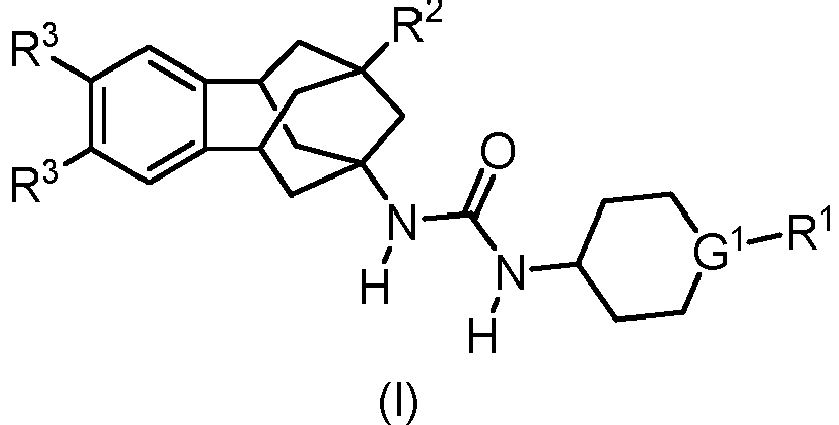


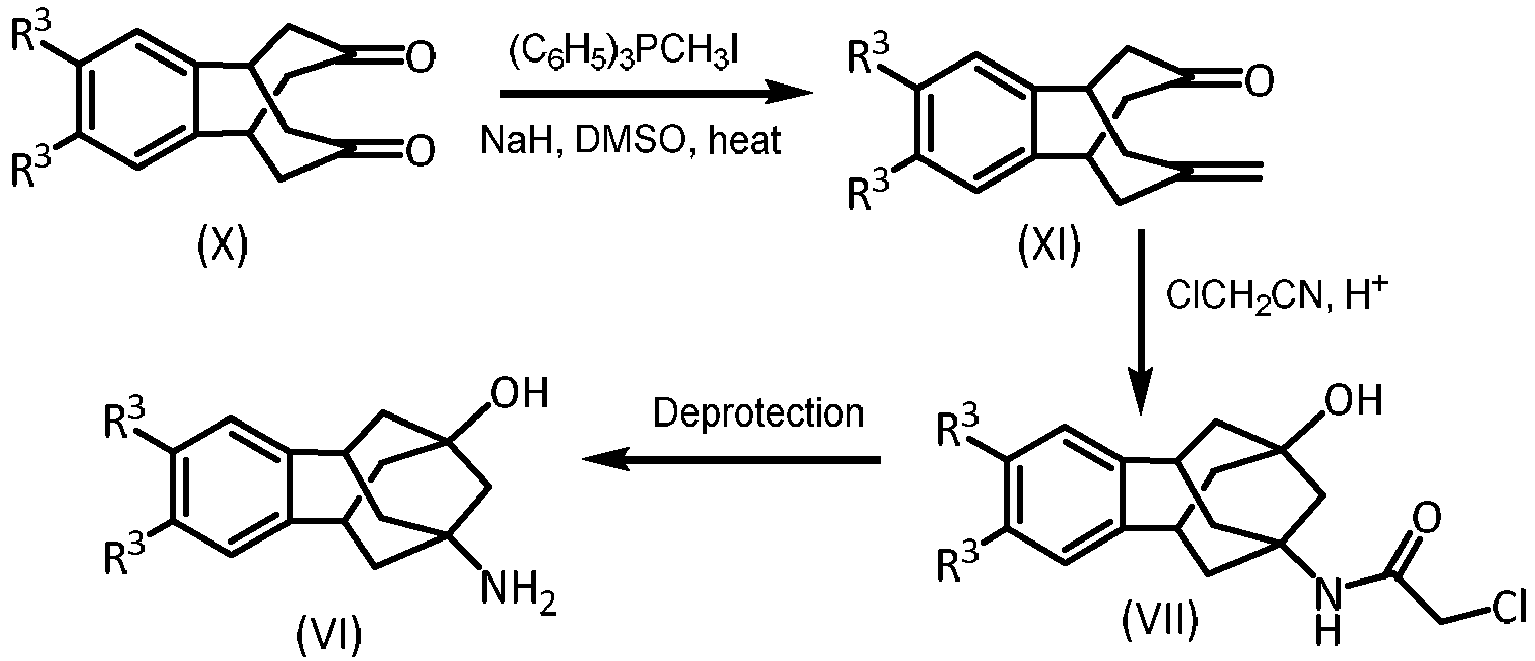

 • G1 represents a nitrogen atom or a -CH- group;• when G1 is nitrogen atom group, R1 is selected froma) carbonyl containing groups selected from the group consisting of a1) linear or branched C3-C6 acyl or C3-C6 cycloalkyl-C(=O), all of them optionally substituted by 1 substituent selected from the group consisting of halogen atoms, cyano (C≡N), trifluoromethoxy (OCF3), and C1-C6 alkoxy, a2) trifluoroacetyl, 3,3,3-trifluoropropionyl, tetrahydropyrancarbonyl, oxetanecarbonyl or (tetrahydro-2H-thiopyran)carbonyl, and a3) C6-C14-arylcarbonyl or C4-C14-heteroarylcarbonyl wherein the heteroaryl group has 5 to 14 members and 1 to 3 heteroatoms selected from the group consisting of N, O and S in the ring system, all of them optionally substituted by 1 to 4 substituents selected from the group consisting of halogen atoms, cyano (C≡N), trifluoromethyl (CF3), trifluoromethoxy (OCF3), pentafluorosulfanyl (SF5), sulfonyl (SO3H), carboxylic group (COOH), ester group (COOR4), amino (NH2), mono-C1-C6 alkylamino, di-C1-C6 alkylamino, hydroxyl, C1-C6 alkoxy and C1-C6 alkyl;b) phenyl which may be optionally substituted by 1 to 4 substituents selected from the group consisting of halogen atoms, C1-C6 acyl, cyano (C≡N), trifluoromethyl (CF3), trifluoromethoxy (OCF3), pentafluorosulfanyl (SF5), sulfonyl (SO3H), fluorosulfonyl (SO2F), carboxylic group (COOH), ester group (COOR4), amino (NH2), mono-C1-C6 alkylamino, di-C1-C6 alkylamino, hydroxyl, C1-C6 alkoxy, C1-C6 alkyl, C3-C6 cycloalkyl and C1-C6 alkoxycarbonylmethyl, andc) sulfonyl containing groups selected from the group consisting of linear or branched C1-C6 alkylsulfonyl, C3-C6 cycloalkylsulfonyl, and C6-C10 arylsulfonyl optionally substituted by 1 to 2 substituents selected from the group consisting of halogen atoms, nitro (NO2), cyano (C≡N), trifluoromethyl (CF3), trifluoromethoxy (OCF3), pentafluorosulfanyl (SF5), sulfonyl (SO3H), carboxylic group (COOH), ester group (COOR4), amino (NH2), mono-C1-C6 alkylamino, di-C1-C6 alkylamino, hydroxyl, C1-C6 alkoxy, C1-C6 alkyl and C1-C6 alkoxycarbonylmethyl.;• when G1 is a -CH- group, R1 is a phenoxy which may be unsubstituted or substituted by 1 to 4 groups selected from COOH, COOR4, CONH2, CN, fluor, chloro, trifluoromethyl, cyclopropyl and OH;• R2 is an halogen atom;• R3 is selected from the group consisting of hydrogen and methoxy;• R4 is a radical selected from C1-C6 alkyl and C3-C6 cycloalkyland stereoisomers and pharmaceutically acceptable salts thereof.