EP4063178A1 - Method and device for controlling lower limit of state of charge of power battery, and vehicle - Google Patents
Method and device for controlling lower limit of state of charge of power battery, and vehicle Download PDFInfo
- Publication number
- EP4063178A1 EP4063178A1 EP21760211.9A EP21760211A EP4063178A1 EP 4063178 A1 EP4063178 A1 EP 4063178A1 EP 21760211 A EP21760211 A EP 21760211A EP 4063178 A1 EP4063178 A1 EP 4063178A1
- Authority
- EP
- European Patent Office
- Prior art keywords
- time
- ambient temperature
- period
- minimum ambient
- minimum
- Prior art date
- Legal status (The legal status is an assumption and is not a legal conclusion. Google has not performed a legal analysis and makes no representation as to the accuracy of the status listed.)
- Pending
Links
Images
Classifications
-
- H—ELECTRICITY
- H01—ELECTRIC ELEMENTS
- H01M—PROCESSES OR MEANS, e.g. BATTERIES, FOR THE DIRECT CONVERSION OF CHEMICAL ENERGY INTO ELECTRICAL ENERGY
- H01M10/00—Secondary cells; Manufacture thereof
- H01M10/42—Methods or arrangements for servicing or maintenance of secondary cells or secondary half-cells
- H01M10/44—Methods for charging or discharging
- H01M10/443—Methods for charging or discharging in response to temperature
-
- B—PERFORMING OPERATIONS; TRANSPORTING
- B60—VEHICLES IN GENERAL
- B60L—PROPULSION OF ELECTRICALLY-PROPELLED VEHICLES; SUPPLYING ELECTRIC POWER FOR AUXILIARY EQUIPMENT OF ELECTRICALLY-PROPELLED VEHICLES; ELECTRODYNAMIC BRAKE SYSTEMS FOR VEHICLES IN GENERAL; MAGNETIC SUSPENSION OR LEVITATION FOR VEHICLES; MONITORING OPERATING VARIABLES OF ELECTRICALLY-PROPELLED VEHICLES; ELECTRIC SAFETY DEVICES FOR ELECTRICALLY-PROPELLED VEHICLES
- B60L58/00—Methods or circuit arrangements for monitoring or controlling batteries or fuel cells, specially adapted for electric vehicles
- B60L58/10—Methods or circuit arrangements for monitoring or controlling batteries or fuel cells, specially adapted for electric vehicles for monitoring or controlling batteries
- B60L58/12—Methods or circuit arrangements for monitoring or controlling batteries or fuel cells, specially adapted for electric vehicles for monitoring or controlling batteries responding to state of charge [SoC]
- B60L58/13—Maintaining the SoC within a determined range
-
- B—PERFORMING OPERATIONS; TRANSPORTING
- B60—VEHICLES IN GENERAL
- B60L—PROPULSION OF ELECTRICALLY-PROPELLED VEHICLES; SUPPLYING ELECTRIC POWER FOR AUXILIARY EQUIPMENT OF ELECTRICALLY-PROPELLED VEHICLES; ELECTRODYNAMIC BRAKE SYSTEMS FOR VEHICLES IN GENERAL; MAGNETIC SUSPENSION OR LEVITATION FOR VEHICLES; MONITORING OPERATING VARIABLES OF ELECTRICALLY-PROPELLED VEHICLES; ELECTRIC SAFETY DEVICES FOR ELECTRICALLY-PROPELLED VEHICLES
- B60L58/00—Methods or circuit arrangements for monitoring or controlling batteries or fuel cells, specially adapted for electric vehicles
- B60L58/10—Methods or circuit arrangements for monitoring or controlling batteries or fuel cells, specially adapted for electric vehicles for monitoring or controlling batteries
- B60L58/12—Methods or circuit arrangements for monitoring or controlling batteries or fuel cells, specially adapted for electric vehicles for monitoring or controlling batteries responding to state of charge [SoC]
-
- F—MECHANICAL ENGINEERING; LIGHTING; HEATING; WEAPONS; BLASTING
- F02—COMBUSTION ENGINES; HOT-GAS OR COMBUSTION-PRODUCT ENGINE PLANTS
- F02N—STARTING OF COMBUSTION ENGINES; STARTING AIDS FOR SUCH ENGINES, NOT OTHERWISE PROVIDED FOR
- F02N19/00—Starting aids for combustion engines, not otherwise provided for
-
- G—PHYSICS
- G01—MEASURING; TESTING
- G01R—MEASURING ELECTRIC VARIABLES; MEASURING MAGNETIC VARIABLES
- G01R31/00—Arrangements for testing electric properties; Arrangements for locating electric faults; Arrangements for electrical testing characterised by what is being tested not provided for elsewhere
- G01R31/36—Arrangements for testing, measuring or monitoring the electrical condition of accumulators or electric batteries, e.g. capacity or state of charge [SoC]
- G01R31/382—Arrangements for monitoring battery or accumulator variables, e.g. SoC
-
- H—ELECTRICITY
- H02—GENERATION; CONVERSION OR DISTRIBUTION OF ELECTRIC POWER
- H02J—ELECTRIC POWER NETWORKS; CIRCUIT ARRANGEMENTS OR SYSTEMS FOR SUPPLYING OR DISTRIBUTING ELECTRIC POWER; SYSTEMS FOR STORING ELECTRIC ENERGY
- H02J7/00—Circuit arrangements for charging or discharging batteries or for supplying loads from batteries
- H02J7/80—Circuit arrangements for charging or discharging batteries or for supplying loads from batteries including monitoring or indicating arrangements
- H02J7/82—Control of state of charge [SOC]
-
- H—ELECTRICITY
- H02—GENERATION; CONVERSION OR DISTRIBUTION OF ELECTRIC POWER
- H02J—ELECTRIC POWER NETWORKS; CIRCUIT ARRANGEMENTS OR SYSTEMS FOR SUPPLYING OR DISTRIBUTING ELECTRIC POWER; SYSTEMS FOR STORING ELECTRIC ENERGY
- H02J7/00—Circuit arrangements for charging or discharging batteries or for supplying loads from batteries
- H02J7/855—Circuit arrangements for charging or discharging batteries or for supplying loads from batteries with circuits adapted for supplying loads from the battery
-
- B—PERFORMING OPERATIONS; TRANSPORTING
- B60—VEHICLES IN GENERAL
- B60L—PROPULSION OF ELECTRICALLY-PROPELLED VEHICLES; SUPPLYING ELECTRIC POWER FOR AUXILIARY EQUIPMENT OF ELECTRICALLY-PROPELLED VEHICLES; ELECTRODYNAMIC BRAKE SYSTEMS FOR VEHICLES IN GENERAL; MAGNETIC SUSPENSION OR LEVITATION FOR VEHICLES; MONITORING OPERATING VARIABLES OF ELECTRICALLY-PROPELLED VEHICLES; ELECTRIC SAFETY DEVICES FOR ELECTRICALLY-PROPELLED VEHICLES
- B60L2240/00—Control parameters of input or output; Target parameters
- B60L2240/40—Drive Train control parameters
- B60L2240/44—Drive Train control parameters related to combustion engines
-
- B—PERFORMING OPERATIONS; TRANSPORTING
- B60—VEHICLES IN GENERAL
- B60L—PROPULSION OF ELECTRICALLY-PROPELLED VEHICLES; SUPPLYING ELECTRIC POWER FOR AUXILIARY EQUIPMENT OF ELECTRICALLY-PROPELLED VEHICLES; ELECTRODYNAMIC BRAKE SYSTEMS FOR VEHICLES IN GENERAL; MAGNETIC SUSPENSION OR LEVITATION FOR VEHICLES; MONITORING OPERATING VARIABLES OF ELECTRICALLY-PROPELLED VEHICLES; ELECTRIC SAFETY DEVICES FOR ELECTRICALLY-PROPELLED VEHICLES
- B60L2240/00—Control parameters of input or output; Target parameters
- B60L2240/40—Drive Train control parameters
- B60L2240/54—Drive Train control parameters related to batteries
-
- B—PERFORMING OPERATIONS; TRANSPORTING
- B60—VEHICLES IN GENERAL
- B60L—PROPULSION OF ELECTRICALLY-PROPELLED VEHICLES; SUPPLYING ELECTRIC POWER FOR AUXILIARY EQUIPMENT OF ELECTRICALLY-PROPELLED VEHICLES; ELECTRODYNAMIC BRAKE SYSTEMS FOR VEHICLES IN GENERAL; MAGNETIC SUSPENSION OR LEVITATION FOR VEHICLES; MONITORING OPERATING VARIABLES OF ELECTRICALLY-PROPELLED VEHICLES; ELECTRIC SAFETY DEVICES FOR ELECTRICALLY-PROPELLED VEHICLES
- B60L2240/00—Control parameters of input or output; Target parameters
- B60L2240/60—Navigation input
- B60L2240/66—Ambient conditions
- B60L2240/662—Temperature
-
- B—PERFORMING OPERATIONS; TRANSPORTING
- B60—VEHICLES IN GENERAL
- B60L—PROPULSION OF ELECTRICALLY-PROPELLED VEHICLES; SUPPLYING ELECTRIC POWER FOR AUXILIARY EQUIPMENT OF ELECTRICALLY-PROPELLED VEHICLES; ELECTRODYNAMIC BRAKE SYSTEMS FOR VEHICLES IN GENERAL; MAGNETIC SUSPENSION OR LEVITATION FOR VEHICLES; MONITORING OPERATING VARIABLES OF ELECTRICALLY-PROPELLED VEHICLES; ELECTRIC SAFETY DEVICES FOR ELECTRICALLY-PROPELLED VEHICLES
- B60L2240/00—Control parameters of input or output; Target parameters
- B60L2240/80—Time limits
-
- B—PERFORMING OPERATIONS; TRANSPORTING
- B60—VEHICLES IN GENERAL
- B60L—PROPULSION OF ELECTRICALLY-PROPELLED VEHICLES; SUPPLYING ELECTRIC POWER FOR AUXILIARY EQUIPMENT OF ELECTRICALLY-PROPELLED VEHICLES; ELECTRODYNAMIC BRAKE SYSTEMS FOR VEHICLES IN GENERAL; MAGNETIC SUSPENSION OR LEVITATION FOR VEHICLES; MONITORING OPERATING VARIABLES OF ELECTRICALLY-PROPELLED VEHICLES; ELECTRIC SAFETY DEVICES FOR ELECTRICALLY-PROPELLED VEHICLES
- B60L2260/00—Operating Modes
- B60L2260/40—Control modes
- B60L2260/50—Control modes by future state prediction
- B60L2260/56—Temperature prediction, e.g. for pre-cooling
-
- F—MECHANICAL ENGINEERING; LIGHTING; HEATING; WEAPONS; BLASTING
- F02—COMBUSTION ENGINES; HOT-GAS OR COMBUSTION-PRODUCT ENGINE PLANTS
- F02N—STARTING OF COMBUSTION ENGINES; STARTING AIDS FOR SUCH ENGINES, NOT OTHERWISE PROVIDED FOR
- F02N11/00—Starting of engines by means of electric motors
- F02N11/08—Circuits specially adapted for starting of engines
- F02N11/0862—Circuits specially adapted for starting of engines characterised by the electrical power supply means, e.g. battery
-
- F—MECHANICAL ENGINEERING; LIGHTING; HEATING; WEAPONS; BLASTING
- F02—COMBUSTION ENGINES; HOT-GAS OR COMBUSTION-PRODUCT ENGINE PLANTS
- F02N—STARTING OF COMBUSTION ENGINES; STARTING AIDS FOR SUCH ENGINES, NOT OTHERWISE PROVIDED FOR
- F02N2200/00—Parameters used for control of starting apparatus
- F02N2200/04—Parameters used for control of starting apparatus said parameters being related to the starter motor
- F02N2200/046—Energy or power necessary for starting
-
- F—MECHANICAL ENGINEERING; LIGHTING; HEATING; WEAPONS; BLASTING
- F02—COMBUSTION ENGINES; HOT-GAS OR COMBUSTION-PRODUCT ENGINE PLANTS
- F02N—STARTING OF COMBUSTION ENGINES; STARTING AIDS FOR SUCH ENGINES, NOT OTHERWISE PROVIDED FOR
- F02N2200/00—Parameters used for control of starting apparatus
- F02N2200/06—Parameters used for control of starting apparatus said parameters being related to the power supply or driving circuits for the starter
- F02N2200/061—Battery state of charge [SOC]
-
- F—MECHANICAL ENGINEERING; LIGHTING; HEATING; WEAPONS; BLASTING
- F02—COMBUSTION ENGINES; HOT-GAS OR COMBUSTION-PRODUCT ENGINE PLANTS
- F02N—STARTING OF COMBUSTION ENGINES; STARTING AIDS FOR SUCH ENGINES, NOT OTHERWISE PROVIDED FOR
- F02N2200/00—Parameters used for control of starting apparatus
- F02N2200/12—Parameters used for control of starting apparatus said parameters being related to the vehicle exterior
- F02N2200/122—Atmospheric temperature
-
- F—MECHANICAL ENGINEERING; LIGHTING; HEATING; WEAPONS; BLASTING
- F02—COMBUSTION ENGINES; HOT-GAS OR COMBUSTION-PRODUCT ENGINE PLANTS
- F02N—STARTING OF COMBUSTION ENGINES; STARTING AIDS FOR SUCH ENGINES, NOT OTHERWISE PROVIDED FOR
- F02N2300/00—Control related aspects of engine starting
- F02N2300/20—Control related aspects of engine starting characterised by the control method
- F02N2300/2006—Control related aspects of engine starting characterised by the control method using prediction of future conditions
-
- H—ELECTRICITY
- H01—ELECTRIC ELEMENTS
- H01M—PROCESSES OR MEANS, e.g. BATTERIES, FOR THE DIRECT CONVERSION OF CHEMICAL ENERGY INTO ELECTRICAL ENERGY
- H01M2220/00—Batteries for particular applications
- H01M2220/20—Batteries in motive systems, e.g. vehicle, ship, plane
Definitions
- the present disclosure relates to the technical field of new energy vehicles, and more particularly to a method and a device for controlling a lower limit of a state of charge of a power battery, and a vehicle.
- hybrid vehicles With the increasing emergence of energy crisis and environmental pollution, hybrid vehicles have become an important direction for the development of the automotive industry due to their outstanding advantages in energy saving and environmental protection.
- the lower limit of the state of charge (SOC) of the power battery used in hybrid vehicles is constant during the use of the vehicle.
- SOC state of charge
- the low SOC value of the battery may be insufficient to enable the vehicle to start normally at low temperature due to the decrease in ambient temperature, thus affecting the normal function of the vehicle when powering on next time.
- the present disclosure aims to provide a method and a device for controlling a lower limit of a state of charge of a power battery, and a vehicle, to ensure that the SOC value of the battery can enable the vehicle to start normally in a low ambient environment.
- a method for controlling a lower limit of a state of charge of a power battery includes:
- the minimum ambient temperature within the at least a period of time only includes a minimum ambient temperature within a first period of time
- the step of predicting a minimum ambient temperature within a preset period of time after the at least a period of time according to the minimum ambient temperature within the at least a period of time includes: calculating the minimum ambient temperature within the preset period of time according to the minimum ambient temperature within the first period of time, a temperature constant, and a first ambient temperature predictive factor.
- the minimum ambient temperature within the at least a period of time includes a minimum ambient temperature within a first period of time and a minimum ambient temperature within a second period of time, the second period of time being after the first period of time
- the step of predicting a minimum ambient temperature within a preset period of time after the at least a period of time according to the minimum ambient temperature within the at least a period of time includes: predicting the minimum ambient temperature within the preset period of time is the minimum ambient temperature within the first period of time, when determining that the minimum ambient temperature within the first period of time is less than or equal to the minimum ambient temperature within the second period of time.
- the minimum ambient temperature within the at least a period of time includes a minimum ambient temperature within a first period of time and a minimum ambient temperature within a second period of time, the second period of time being after the first period of time
- the step of predicting a minimum ambient temperature within a preset period of time after the at least a period of time according to the minimum ambient temperature within the at least a period of time includes: calculating the minimum ambient temperature within the preset period of time according to the minimum ambient temperature within the first period of time, the minimum ambient temperature within the second period of time, and a second ambient temperature predictive factor, when determining that the minimum ambient temperature within the first period of time is larger than the minimum ambient temperature within the second period of time.
- the step of determining, according to the minimum ambient temperature within the preset period of time, a minimum state of charge value that able to meet power requirements for starting an engine of a vehicle under the minimum ambient temperature within the preset period of time includes: substituting the minimum ambient temperature within the preset period of time in a discharge power Map of the power battery to obtain the minimum state of charge value.
- the present disclosure adopts a method for controlling a lower limit of a state of charge of a power battery, which includes: detecting a minimum ambient temperature for at least a period of time; predicting a minimum ambient temperature within a preset period of time after the at least a period of time according to the minimum ambient temperature within the at least a period of time; determining, according to the minimum ambient temperature within the preset period of time, a minimum state of charge value that able to meet power requirements for starting an engine of a vehicle under the minimum ambient temperature within the preset period of time; and adjusting a lower limit of the state of charge according to the minimum state of charge value.
- the lower limit of the SOC of the battery is adjusted according to the minimum ambient temperature in the future preset period of time, so that the SOC value of the battery of the vehicle is not lower than the lower limit, so as to ensure that the SOC value of the battery can enable the vehicle to start normally in a low temperature environment.
- Another object of the present disclosure is to provide a device for controlling a lower limit of a state of charge of a power battery, so as to ensure that the SOC value of the battery can enable the vehicle to start normally in a low temperature environment.
- a device for controlling a lower limit of a state of charge of a power battery includes: a detection unit, configured for detecting a minimum ambient temperature for at least a period of time; a prediction unit, configured for predicting a minimum ambient temperature within a preset period of time after the at least a period of time according to the minimum ambient temperature within the at least a period of time; and a processing unit, configured for: determining, according to the minimum ambient temperature within the preset period of time, a minimum state of charge value that able to meet power requirements for starting an engine of a vehicle under the minimum ambient temperature within the preset period of time; and adjusting a lower limit of the state of charge according to the minimum state of charge value.
- the minimum ambient temperature within the at least a period of time only includes a minimum ambient temperature within a first period of time
- the prediction unit is configured for calculating the minimum ambient temperature within the preset period of time according to the minimum ambient temperature within the first period of time, a temperature constant, and a first ambient temperature predictive factor.
- the minimum ambient temperature within the at least a period of time includes a minimum ambient temperature within a first period of time and a minimum ambient temperature within a second period of time, the second period of time being after the first period of time, and the prediction unit is configured for predicting the minimum ambient temperature within the preset period of time is the minimum ambient temperature within the first period of time, when determining that the minimum ambient temperature within the first period of time is less than or equal to the minimum ambient temperature within the second period of time.
- the minimum ambient temperature within the at least a period of time includes a minimum ambient temperature within a first period of time and a minimum ambient temperature within a second period of time, the second period of time being after the first period of time
- the prediction unit is configured for calculating the minimum ambient temperature within the preset period of time according to the minimum ambient temperature within the first period of time, the minimum ambient temperature within the second period of time, and a second ambient temperature predictive factor, when determining that the minimum ambient temperature within the first period of time is larger than the minimum ambient temperature within the second period of time.
- the processing unit is configured for substituting the minimum ambient temperature within the preset period of time in a discharge power Map of the power battery to obtain the minimum state of charge value.
- the device for controlling a lower limit of a state of charge of a power battery and the method for controlling a lower limit of a state of charge of a power battery have the same advantages relative to the prior art, which is not repeated herein.
- Another object of the present disclosure provides a vehicle, so as to ensure that the SOC value of the battery can enable the vehicle to start normally in a low temperature environment.
- a vehicle includes the device for controlling a lower limit of a state of charge of a power battery above-mentioned.
- the vehicle and the device for controlling a lower limit of a state of charge of a power battery have the same advantages relative to the prior art, which is not repeated herein.
- Another object of the present disclosure provides a machine-readable storage medium, so as to ensure that the SOC value of the battery can enable the vehicle to start normally in a low temperature environment.
- a machine-readable storage medium storing with instructions, and the instructions are configured to execute the method for controlling a lower limit of a state of charge of a power battery above-mentioned.
- the machine-readable storage medium and the method for controlling a lower limit of a state of charge of a power battery have the same advantages relative to the prior art, which is not repeated herein.
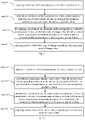
- Fig. 1 is a flowchart of a method for controlling a lower limit of a state of charge of a power battery provided by an embodiment of the present disclosure. As shown in Fig. 1 , the method includes: Step S11, detecting a minimum ambient temperature for at least a period of time;
- the ambient temperature can be detected by using a temperature sensor, and then the minimum ambient temperature can be calculated after the ambient temperature is stored.
- the at least a period of time can be, for example, a period of time, such as 5 days, 10 days, or 30 days; or two periods of time, such as two 5 days. If the at least a period of time represents two periods of time, then the respective minimum ambient temperatures of the two periods of time are obtained.
- each functional device on the vehicle can also be used to perform the processing of detecting the minimum ambient temperature.
- the battery management system wakes up from time to time (can be a plurality of times a day) and then wakes up the CAN network of the vehicle, and then waits for sleep; or T-Box wakes up from time to time (can be a plurality of times a day) and then wakes up the CAN network of the vehicle, and then waits for sleep.
- the air-conditioning controller is then woken up and sends the current ambient temperature to the hybrid vehicle unit (HCU), and then waits for sleep.
- HCU hybrid vehicle unit
- the HUT After the head unit system (HUT) is woken up, the HUT sends the current date and time to the HCU, and then waits for sleep. After the HCU is woken up, the HCU receives the ambient temperature and updates the received ambient temperature to the ambient temperature record of the day, the minimum ambient temperature of the day is calculated based on the valid ambient temperature record of the day (not equal to the default value of 100, if the temperature detection of the air conditioner controller fails, the temperature is invalid), and then the minimum ambient temperature of the day is recorded, so that the minimum ambient temperature in any period of time can be obtained according to the daily minimum ambient temperature. If the daily ambient temperature records are invalid for a certain period of time (that is, the default value of 100), the minimum ambient temperature for that period is also invalid (that is, the default value of 100).
- Step S12 predicting a minimum ambient temperature within a preset period of time after the at least a period of time according to the minimum ambient temperature within the at least a period of time;
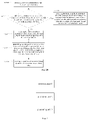
- step S212 is performed instead of step S12, calculating the minimum ambient temperature within the preset period of time according to the minimum ambient temperature within the first period of time, a temperature constant, and a first ambient temperature predictive factor.
- the T0 represents the minimum ambient temperature in the preset period of time
- the T1 represents the minimum ambient temperature in the first period of time
- the C represents the temperature constant
- the q1 represents the first ambient temperature predictive factor.
- the temperature constant is, for example, -5°C, and this value can be calibrated according to actual needs.
- the first ambient temperature predictive factor can be obtained by substituting the minimum ambient temperature T1 in the first period of time and querying the "correspondence table between the ambient temperature predictive factor and the minimum ambient temperature".
- the first ambient temperature predictive factor q1 is preferably ranged from 0 to 2.
- the "correspondence table between the ambient temperature predictive factor and the minimum ambient temperature” can be obtained by pre-calibration.
- the minimum ambient temperature for the next 10 days (that is, the preset period of time above) is needed to be predicted based on the minimum ambient temperature of the first 10 days
- This calibration method is relatively common and will not be repeated here.
- step S22-S224 instead of step S12:
- the second ambient temperature predictive factor q2 can be obtained by substituting the difference between the minimum ambient temperature T1 in the first period of time and the minimum ambient temperature in the second period of time and querying the "correspondence table between the ambient temperature predictive factor and the minimum ambient temperature".
- the second ambient temperature predictive factor q2 is preferably ranged from 0 to 2.
- Step S13 determining, according to the minimum ambient temperature within the preset period of time, a minimum state of charge value that able to meet power requirements for starting an engine of a vehicle under the minimum ambient temperature within the preset period of time;
- the discharge power Map of the power battery is known, and the Map varies according to the vehicle or the power battery.
- Step S14 adjusting a lower limit of the state of charge according to the minimum state of charge value.
- a reserve amount is added to the minimum SOC value as the lower limit of the predicted SOC to ensure a low temperature cold start of the engine.
- the larger between the lower limit of the predicted SOC ensuring a low temperature cold start of the engine and the lower limit of the usage of the battery pack SOC defined by the battery supplier is served as the final lower limit of SOC value.
- Fig. 3 is a structural block diagram of a device for controlling a lower limit of a state of charge of a power battery provided by an embodiment of the present disclosure. As shown in Fig. 3 , the device includes: a detection unit 1, a prediction unit 2 and a processing unit 3.
- the detection unit 1 is configured for detecting a minimum ambient temperature for at least a period of time; the prediction unit 2 is configured for predicting a minimum ambient temperature within a preset period of time after the at least a period of time according to the minimum ambient temperature within the at least a period of time; and the processing unit 3 is configured for determining, according to the minimum ambient temperature within the preset period of time, a minimum state of charge value that able to meet power requirements for starting an engine of a vehicle under the minimum ambient temperature within the preset period of time; and adjusting a lower limit of the state of charge according to the minimum state of charge value.
- the minimum ambient temperature within the at least a period of time only includes a minimum ambient temperature within a first period of time
- the prediction unit 2 is configured for calculating the minimum ambient temperature within the preset period of time according to the minimum ambient temperature within the first period of time, a temperature constant, and a first ambient temperature predictive factor.
- the minimum ambient temperature within the at least a period of time includes a minimum ambient temperature within a first period of time and a minimum ambient temperature within a second period of time, the second period of time being after the first period of time, and the prediction unit 2 is configured for predicting the minimum ambient temperature within the preset period of time is the minimum ambient temperature within the first period of time, when determining that the minimum ambient temperature within the first period of time is less than or equal to the minimum ambient temperature within the second period of time.
- the minimum ambient temperature within the at least a period of time includes a minimum ambient temperature within a first period of time and a minimum ambient temperature within a second period of time, the second period of time being after the first period of time
- the prediction unit 2 is configured for calculating the minimum ambient temperature within the preset period of time according to the minimum ambient temperature within the first period of time, the minimum ambient temperature within the second period of time, and a second ambient temperature predictive factor, when determining that the minimum ambient temperature within the first period of time is larger than the minimum ambient temperature within the second period of time.
- the processing unit 3 is configured for substituting the minimum ambient temperature within the preset period of time in a discharge power Map of the power battery to obtain the minimum state of charge value.
- the embodiments of the device for controlling a lower limit of a state of charge of a power battery described above are similar to the embodiments of the method for controlling a lower limit of a state of charge of a power battery described above, which will not be repeated here.
- the present disclosure further provides a vehicle including the above-mentioned device for controlling a lower limit of a state of charge of a power battery.
- the present disclosure further provides a machine-readable storage medium storing with instructions, and the instructions are configured to execute the method for controlling a lower limit of a state of charge of a power battery through a machine.
- the embodiments of the vehicle and the machine-readable storage medium described above are similar to the embodiments of the method for controlling a lower limit of a state of charge of a power battery described above, which will not be repeated here.
Landscapes
- Engineering & Computer Science (AREA)
- Power Engineering (AREA)
- Mechanical Engineering (AREA)
- Life Sciences & Earth Sciences (AREA)
- Sustainable Development (AREA)
- Sustainable Energy (AREA)
- Transportation (AREA)
- Chemical & Material Sciences (AREA)
- Manufacturing & Machinery (AREA)
- Chemical Kinetics & Catalysis (AREA)
- Electrochemistry (AREA)
- General Chemical & Material Sciences (AREA)
- Physics & Mathematics (AREA)
- General Physics & Mathematics (AREA)
- Combustion & Propulsion (AREA)
- General Engineering & Computer Science (AREA)
- Secondary Cells (AREA)
- Charge And Discharge Circuits For Batteries Or The Like (AREA)
Abstract
Description
- The applicant claimed priority of
Chinese Patent application, with Application No. 202010115664.8, filed on February 25, 2020 - The present disclosure relates to the technical field of new energy vehicles, and more particularly to a method and a device for controlling a lower limit of a state of charge of a power battery, and a vehicle.
- With the increasing emergence of energy crisis and environmental pollution, hybrid vehicles have become an important direction for the development of the automotive industry due to their outstanding advantages in energy saving and environmental protection. At present, the lower limit of the state of charge (SOC) of the power battery used in hybrid vehicles is constant during the use of the vehicle. When the battery of the vehicle is at a low SOC value and is powered off, the low SOC value of the battery may be insufficient to enable the vehicle to start normally at low temperature due to the decrease in ambient temperature, thus affecting the normal function of the vehicle when powering on next time.
- In view of this, the present disclosure aims to provide a method and a device for controlling a lower limit of a state of charge of a power battery, and a vehicle, to ensure that the SOC value of the battery can enable the vehicle to start normally in a low ambient environment.
- In order to achieve above object, the technical solution of the present disclosure is achieved as following:
A method for controlling a lower limit of a state of charge of a power battery, and the method includes: - detecting a minimum ambient temperature for at least a period of time;
- predicting a minimum ambient temperature within a preset period of time after the at least a period of time according to the minimum ambient temperature within the at least a period of time;
- determining, according to the minimum ambient temperature within the preset period of time, a minimum state of charge value that able to meet power requirements for starting an engine of a vehicle under the minimum ambient temperature within the preset period of time; and
- adjusting a lower limit of the state of charge according to the minimum state of charge value.
- In one embodiment, the minimum ambient temperature within the at least a period of time only includes a minimum ambient temperature within a first period of time, and the step of predicting a minimum ambient temperature within a preset period of time after the at least a period of time according to the minimum ambient temperature within the at least a period of time includes:
calculating the minimum ambient temperature within the preset period of time according to the minimum ambient temperature within the first period of time, a temperature constant, and a first ambient temperature predictive factor. - In one embodiment, the minimum ambient temperature within the at least a period of time includes a minimum ambient temperature within a first period of time and a minimum ambient temperature within a second period of time, the second period of time being after the first period of time, and the step of predicting a minimum ambient temperature within a preset period of time after the at least a period of time according to the minimum ambient temperature within the at least a period of time includes:
predicting the minimum ambient temperature within the preset period of time is the minimum ambient temperature within the first period of time, when determining that the minimum ambient temperature within the first period of time is less than or equal to the minimum ambient temperature within the second period of time. - In one embodiment, the minimum ambient temperature within the at least a period of time includes a minimum ambient temperature within a first period of time and a minimum ambient temperature within a second period of time, the second period of time being after the first period of time, and the step of predicting a minimum ambient temperature within a preset period of time after the at least a period of time according to the minimum ambient temperature within the at least a period of time includes:
calculating the minimum ambient temperature within the preset period of time according to the minimum ambient temperature within the first period of time, the minimum ambient temperature within the second period of time, and a second ambient temperature predictive factor, when determining that the minimum ambient temperature within the first period of time is larger than the minimum ambient temperature within the second period of time. - In one embodiment, the step of determining, according to the minimum ambient temperature within the preset period of time, a minimum state of charge value that able to meet power requirements for starting an engine of a vehicle under the minimum ambient temperature within the preset period of time includes:
substituting the minimum ambient temperature within the preset period of time in a discharge power Map of the power battery to obtain the minimum state of charge value. - Compared with the prior art, the method for controlling a lower limit of a state of charge of a power battery of the present disclosure has the following advantages:
The present disclosure adopts a method for controlling a lower limit of a state of charge of a power battery, which includes: detecting a minimum ambient temperature for at least a period of time; predicting a minimum ambient temperature within a preset period of time after the at least a period of time according to the minimum ambient temperature within the at least a period of time; determining, according to the minimum ambient temperature within the preset period of time, a minimum state of charge value that able to meet power requirements for starting an engine of a vehicle under the minimum ambient temperature within the preset period of time; and adjusting a lower limit of the state of charge according to the minimum state of charge value. Since the minimum ambient temperature in the future preset period of time is predicted, therefore, the lower limit of the SOC of the battery is adjusted according to the minimum ambient temperature in the future preset period of time, so that the SOC value of the battery of the vehicle is not lower than the lower limit, so as to ensure that the SOC value of the battery can enable the vehicle to start normally in a low temperature environment. - Another object of the present disclosure is to provide a device for controlling a lower limit of a state of charge of a power battery, so as to ensure that the SOC value of the battery can enable the vehicle to start normally in a low temperature environment.
- In order to achieve above object, the technical solution of the present disclosure is achieved as following:
A device for controlling a lower limit of a state of charge of a power battery, and the device includes: a detection unit, configured for detecting a minimum ambient temperature for at least a period of time; a prediction unit, configured for predicting a minimum ambient temperature within a preset period of time after the at least a period of time according to the minimum ambient temperature within the at least a period of time; and a processing unit, configured for: determining, according to the minimum ambient temperature within the preset period of time, a minimum state of charge value that able to meet power requirements for starting an engine of a vehicle under the minimum ambient temperature within the preset period of time; and adjusting a lower limit of the state of charge according to the minimum state of charge value. - In one embodiment, the minimum ambient temperature within the at least a period of time only includes a minimum ambient temperature within a first period of time, and the prediction unit is configured for calculating the minimum ambient temperature within the preset period of time according to the minimum ambient temperature within the first period of time, a temperature constant, and a first ambient temperature predictive factor.
- In one embodiment, the minimum ambient temperature within the at least a period of time includes a minimum ambient temperature within a first period of time and a minimum ambient temperature within a second period of time, the second period of time being after the first period of time, and the prediction unit is configured for predicting the minimum ambient temperature within the preset period of time is the minimum ambient temperature within the first period of time, when determining that the minimum ambient temperature within the first period of time is less than or equal to the minimum ambient temperature within the second period of time.
- In one embodiment, the minimum ambient temperature within the at least a period of time includes a minimum ambient temperature within a first period of time and a minimum ambient temperature within a second period of time, the second period of time being after the first period of time, and the prediction unit is configured for calculating the minimum ambient temperature within the preset period of time according to the minimum ambient temperature within the first period of time, the minimum ambient temperature within the second period of time, and a second ambient temperature predictive factor, when determining that the minimum ambient temperature within the first period of time is larger than the minimum ambient temperature within the second period of time.
- In one embodiment, the processing unit is configured for substituting the minimum ambient temperature within the preset period of time in a discharge power Map of the power battery to obtain the minimum state of charge value.
- The device for controlling a lower limit of a state of charge of a power battery and the method for controlling a lower limit of a state of charge of a power battery have the same advantages relative to the prior art, which is not repeated herein.
- Another object of the present disclosure provides a vehicle, so as to ensure that the SOC value of the battery can enable the vehicle to start normally in a low temperature environment.
- In order to achieve above object, the technical solution of the present disclosure is achieved as following:
A vehicle includes the device for controlling a lower limit of a state of charge of a power battery above-mentioned. - The vehicle and the device for controlling a lower limit of a state of charge of a power battery have the same advantages relative to the prior art, which is not repeated herein.
- Another object of the present disclosure provides a machine-readable storage medium, so as to ensure that the SOC value of the battery can enable the vehicle to start normally in a low temperature environment.
- In order to achieve above object, the technical solution of the present disclosure is achieved as following:
A machine-readable storage medium storing with instructions, and the instructions are configured to execute the method for controlling a lower limit of a state of charge of a power battery above-mentioned. - The machine-readable storage medium and the method for controlling a lower limit of a state of charge of a power battery have the same advantages relative to the prior art, which is not repeated herein.
- Other features and advantages of the present disclosure will be described in detail in the detailed description that follows.
- The accompanying drawings constituting a part of the present disclosure are used to provide further understanding of the present disclosure, and the schematic embodiments of the present disclosure and descriptions thereof are used to explain the present disclosure and do not constitute an improper limitation of the present disclosure. In the drawings:
-
Fig. 1 is a flowchart of a method for controlling a lower limit of a state of charge of a power battery provided by an embodiment of the present disclosure; -
Figs. 2A and2B are flowcharts of a method for controlling a lower limit of a state of charge of a power battery provided by another embodiment of the present disclosure; and -
Fig. 3 is a structural block diagram of a device for controlling a lower limit of a state of charge of a power battery provided by an embodiment of the present disclosure. - In the drawings, the reference signs are listed:
- 1-detection unit; 2-prediction unit; and
- 3-processing unit.
- It should be noted that the embodiments of the present disclosure and the features of the embodiments can be combined with each other according to actual needs.
- The present disclosure will be described in detail below with reference to the accompanying drawings and in conjunction with the embodiments.
-
Fig. 1 is a flowchart of a method for controlling a lower limit of a state of charge of a power battery provided by an embodiment of the present disclosure. As shown inFig. 1 , the method includes:
Step S11, detecting a minimum ambient temperature for at least a period of time; - Specifically, the ambient temperature can be detected by using a temperature sensor, and then the minimum ambient temperature can be calculated after the ambient temperature is stored. The at least a period of time can be, for example, a period of time, such as 5 days, 10 days, or 30 days; or two periods of time, such as two 5 days. If the at least a period of time represents two periods of time, then the respective minimum ambient temperatures of the two periods of time are obtained.
- In one embodiment, since the present disclosure is directed to a vehicle, each functional device on the vehicle can also be used to perform the processing of detecting the minimum ambient temperature. For example, specifically:
The battery management system (BMS) wakes up from time to time (can be a plurality of times a day) and then wakes up the CAN network of the vehicle, and then waits for sleep; or T-Box wakes up from time to time (can be a plurality of times a day) and then wakes up the CAN network of the vehicle, and then waits for sleep. The air-conditioning controller is then woken up and sends the current ambient temperature to the hybrid vehicle unit (HCU), and then waits for sleep. After the head unit system (HUT) is woken up, the HUT sends the current date and time to the HCU, and then waits for sleep. After the HCU is woken up, the HCU receives the ambient temperature and updates the received ambient temperature to the ambient temperature record of the day, the minimum ambient temperature of the day is calculated based on the valid ambient temperature record of the day (not equal to the default value of 100, if the temperature detection of the air conditioner controller fails, the temperature is invalid), and then the minimum ambient temperature of the day is recorded, so that the minimum ambient temperature in any period of time can be obtained according to the daily minimum ambient temperature. If the daily ambient temperature records are invalid for a certain period of time (that is, the default value of 100), the minimum ambient temperature for that period is also invalid (that is, the default value of 100). - Step S12, predicting a minimum ambient temperature within a preset period of time after the at least a period of time according to the minimum ambient temperature within the at least a period of time;
- Specifically, as shown in
Fig. 2A , if at least a period of time is only a period of time, such as a first period of time, or at least a period of time is two periods of time, but the minimum ambient temperature for one of the two periods of time is invalid (that is, the default value of 100) , then in this case, step S212 is performed instead of step S12, calculating the minimum ambient temperature within the preset period of time according to the minimum ambient temperature within the first period of time, a temperature constant, and a first ambient temperature predictive factor. The specific calculation formula is:
- The T0 represents the minimum ambient temperature in the preset period of time; the T1 represents the minimum ambient temperature in the first period of time; the C represents the temperature constant; and the q1 represents the first ambient temperature predictive factor. The temperature constant is, for example, -5°C, and this value can be calibrated according to actual needs. The first ambient temperature predictive factor can be obtained by substituting the minimum ambient temperature T1 in the first period of time and querying the "correspondence table between the ambient temperature predictive factor and the minimum ambient temperature". The first ambient temperature predictive factor q1 is preferably ranged from 0 to 2. The "correspondence table between the ambient temperature predictive factor and the minimum ambient temperature" can be obtained by pre-calibration. For example, when the minimum ambient temperature for the next 10 days (that is, the preset period of time above) is needed to be predicted based on the minimum ambient temperature of the first 10 days, after the temperature constant C is set, then the minimum ambient temperature for the first 10 days is detected, and the minimum ambient temperature for the next 10 days is detected, and then substituting the minimum ambient temperatures in the above formula T0=T1+C×q1 to obtain the first ambient temperature predictive factor q1, the above processing then being performed a plurality of times, the first ambient temperature predictive factor q1 corresponding to the minimum ambient temperature in the first 10 days can be obtained through a large amount of actual data. This calibration method is relatively common and will not be repeated here.
- As shown in
Fig. 2B , if the at least a period of time is two periods of time, namely a first period of time and a second period of time (the second period of time is after the first period of time), and when the minimum ambient temperatures of the two periods of time are valid, then perform the following steps S222-S224 instead of step S12: - Step S222, determining whether the minimum ambient temperature within the first period of time is less than or equal to the minimum ambient temperature within the second period of time;
- Step S223, predicting the minimum ambient temperature within the preset period of time is the minimum ambient temperature within the first period of time, when the minimum ambient temperature within the first period of time is less than or equal to the minimum ambient temperature within the second period of time.
- Step S224, calculating the minimum ambient temperature within the preset period of time according to the minimum ambient temperature within the first period of time, the minimum ambient temperature within the second period of time, and a second ambient temperature predictive factor, when the minimum ambient temperature within the first period of time is larger than the minimum ambient temperature within the second period of time.
- In the step S224, the specific calculation formula is:

- The T0 represents the minimum ambient temperature in the preset period of time; the T1 represents the minimum ambient temperature in the first period of time; the T2 represents the minimum ambient temperature in the second period of time; and the q2 represents the second ambient temperature predictive factor. The second ambient temperature predictive factor q2 can be obtained by substituting the difference between the minimum ambient temperature T1 in the first period of time and the minimum ambient temperature in the second period of time and querying the "correspondence table between the ambient temperature predictive factor and the minimum ambient temperature". The second ambient temperature predictive factor q2 is preferably ranged from 0 to 2.
- Step S13, determining, according to the minimum ambient temperature within the preset period of time, a minimum state of charge value that able to meet power requirements for starting an engine of a vehicle under the minimum ambient temperature within the preset period of time;
- Specifically, substituting the minimum ambient temperature within the preset period of time in a discharge power Map of the power battery to obtain the minimum SOC value, the discharge power Map of the power battery is known, and the Map varies according to the vehicle or the power battery.
- Step S14, adjusting a lower limit of the state of charge according to the minimum state of charge value.
- Specifically, a reserve amount is added to the minimum SOC value as the lower limit of the predicted SOC to ensure a low temperature cold start of the engine. In another embodiment, the larger between the lower limit of the predicted SOC ensuring a low temperature cold start of the engine and the lower limit of the usage of the battery pack SOC defined by the battery supplier is served as the final lower limit of SOC value. If it is predicted that the temperature will decrease in the next 10 days, and the SOC value needs to be above 25% to start the vehicle normally, then adjusting the lower limit of the SOC from the fixed 15% to 25%, so that the SOC value cannot be lower than 25%, for example, the vehicle is stopped to used when the SOC value is lower than 25%, or keep charging above 25% when the SOC value is lower than 25%, which can solve the problem that after the power battery is powered off after the vehicle is stopped, the engine cannot be started and the vehicle cannot be used since the temperature of the power battery pack will decrease due to the decrease of the ambient temperature in the next 10 days, so that the discharge power of the battery does not meet the starting power requirement of the engine.
-
Fig. 3 is a structural block diagram of a device for controlling a lower limit of a state of charge of a power battery provided by an embodiment of the present disclosure. As shown inFig. 3 , the device includes: adetection unit 1, aprediction unit 2 and aprocessing unit 3. Thedetection unit 1 is configured for detecting a minimum ambient temperature for at least a period of time; theprediction unit 2 is configured for predicting a minimum ambient temperature within a preset period of time after the at least a period of time according to the minimum ambient temperature within the at least a period of time; and theprocessing unit 3 is configured for determining, according to the minimum ambient temperature within the preset period of time, a minimum state of charge value that able to meet power requirements for starting an engine of a vehicle under the minimum ambient temperature within the preset period of time; and adjusting a lower limit of the state of charge according to the minimum state of charge value. - In one embodiment, the minimum ambient temperature within the at least a period of time only includes a minimum ambient temperature within a first period of time, and the
prediction unit 2 is configured for calculating the minimum ambient temperature within the preset period of time according to the minimum ambient temperature within the first period of time, a temperature constant, and a first ambient temperature predictive factor. - In one embodiment, the minimum ambient temperature within the at least a period of time includes a minimum ambient temperature within a first period of time and a minimum ambient temperature within a second period of time, the second period of time being after the first period of time, and the
prediction unit 2 is configured for predicting the minimum ambient temperature within the preset period of time is the minimum ambient temperature within the first period of time, when determining that the minimum ambient temperature within the first period of time is less than or equal to the minimum ambient temperature within the second period of time. - In one embodiment, the minimum ambient temperature within the at least a period of time includes a minimum ambient temperature within a first period of time and a minimum ambient temperature within a second period of time, the second period of time being after the first period of time, and the
prediction unit 2 is configured for calculating the minimum ambient temperature within the preset period of time according to the minimum ambient temperature within the first period of time, the minimum ambient temperature within the second period of time, and a second ambient temperature predictive factor, when determining that the minimum ambient temperature within the first period of time is larger than the minimum ambient temperature within the second period of time. - In one embodiment, the
processing unit 3 is configured for substituting the minimum ambient temperature within the preset period of time in a discharge power Map of the power battery to obtain the minimum state of charge value. - The embodiments of the device for controlling a lower limit of a state of charge of a power battery described above are similar to the embodiments of the method for controlling a lower limit of a state of charge of a power battery described above, which will not be repeated here.
- The present disclosure further provides a vehicle including the above-mentioned device for controlling a lower limit of a state of charge of a power battery.
- The present disclosure further provides a machine-readable storage medium storing with instructions, and the instructions are configured to execute the method for controlling a lower limit of a state of charge of a power battery through a machine.
- The embodiments of the vehicle and the machine-readable storage medium described above are similar to the embodiments of the method for controlling a lower limit of a state of charge of a power battery described above, which will not be repeated here.
- The above descriptions are only embodiments of the present disclosure, and are not intended to limit the present disclosure. Any modifications, equivalent replacements, improvements, etc. made within the principles of the present disclosure shall be included within the scope of the present disclosure.
Claims (12)
- A method for controlling a lower limit of a state of charge of a power battery, comprising:detecting a minimum ambient temperature for at least a period of time;predicting a minimum ambient temperature within a preset period of time after the at least a period of time according to the minimum ambient temperature within the at least a period of time;determining, according to the minimum ambient temperature within the preset period of time, a minimum state of charge value that able to meet power requirements for starting an engine of a vehicle under the minimum ambient temperature within the preset period of time; andadjusting a lower limit of the state of charge according to the minimum state of charge value.
- The method according to claim 1, wherein the minimum ambient temperature within the at least a period of time only comprises a minimum ambient temperature within a first period of time, and the step of predicting a minimum ambient temperature within a preset period of time after the at least a period of time according to the minimum ambient temperature within the at least a period of time comprises:
calculating the minimum ambient temperature within the preset period of time according to the minimum ambient temperature within the first period of time, a temperature constant, and a first ambient temperature predictive factor. - The method according to claim 1, wherein the minimum ambient temperature within the at least a period of time comprises a minimum ambient temperature within a first period of time and a minimum ambient temperature within a second period of time, the second period of time being after the first period of time, and the step of predicting a minimum ambient temperature within a preset period of time after the at least a period of time according to the minimum ambient temperature within the at least a period of time comprises:
predicting the minimum ambient temperature within the preset period of time is the minimum ambient temperature within the first period of time, when determining that the minimum ambient temperature within the first period of time is less than or equal to the minimum ambient temperature within the second period of time. - The method according to claim 1, wherein the minimum ambient temperature within the at least a period of time comprises a minimum ambient temperature within a first period of time and a minimum ambient temperature within a second period of time, the second period of time being after the first period of time, and the step of predicting a minimum ambient temperature within a preset period of time after the at least a period of time according to the minimum ambient temperature within the at least a period of time comprises:
calculating the minimum ambient temperature within the preset period of time according to the minimum ambient temperature within the first period of time, the minimum ambient temperature within the second period of time, and a second ambient temperature predictive factor, when determining that the minimum ambient temperature within the first period of time is larger than the minimum ambient temperature within the second period of time. - The method according to claim 1, wherein the step of determining, according to the minimum ambient temperature within the preset period of time, a minimum state of charge value that able to meet power requirements for starting an engine of a vehicle under the minimum ambient temperature within the preset period of time comprises:
substituting the minimum ambient temperature within the preset period of time in a discharge power Map of the power battery to obtain the minimum state of charge value. - A device for controlling a lower limit of a state of charge of a power battery, comprising:a detection unit, configured for detecting a minimum ambient temperature for at least a period of time;a prediction unit, configured for predicting a minimum ambient temperature within a preset period of time after the at least a period of time according to the minimum ambient temperature within the at least a period of time; anda processing unit, configured for:determining, according to the minimum ambient temperature within the preset period of time, a minimum state of charge value that able to meet power requirements for starting an engine of a vehicle under the minimum ambient temperature within the preset period of time; andadjusting a lower limit of the state of charge according to the minimum state of charge value.
- The device according to claim 6, wherein the minimum ambient temperature within the at least a period of time only comprises a minimum ambient temperature within a first period of time, and the prediction unit is configured for:
calculating the minimum ambient temperature within the preset period of time according to the minimum ambient temperature within the first period of time, a temperature constant, and a first ambient temperature predictive factor. - The device according to claim 6, wherein the minimum ambient temperature within the at least a period of time comprises a minimum ambient temperature within a first period of time and a minimum ambient temperature within a second period of time, the second period of time being after the first period of time, and the prediction unit is configured for:
predicting the minimum ambient temperature within the preset period of time is the minimum ambient temperature within the first period of time, when determining that the minimum ambient temperature within the first period of time is less than or equal to the minimum ambient temperature within the second period of time. - The device according to claim 6, wherein the minimum ambient temperature within the at least a period of time comprises a minimum ambient temperature within a first period of time and a minimum ambient temperature within a second period of time, the second period of time being after the first period of time, and the prediction unit is configured for:
calculating the minimum ambient temperature within the preset period of time according to the minimum ambient temperature within the first period of time, the minimum ambient temperature within the second period of time, and a second ambient temperature predictive factor, when determining that the minimum ambient temperature within the first period of time is larger than the minimum ambient temperature within the second period of time. - The device according to claim 6, wherein the processing unit is configured for:
substituting the minimum ambient temperature within the preset period of time in a discharge power Map of the power battery to obtain the minimum state of charge value. - A vehicle, comprising the device for controlling a lower limit of a state of charge of a power battery according to any one of claims 6-10.
- A machine-readable storage medium storing with instructions, wherein the instructions are configured to execute the method for controlling a lower limit of a state of charge of a power battery according to any one of claims 1 to 5 through a machine.
Applications Claiming Priority (2)
| Application Number | Priority Date | Filing Date | Title |
|---|---|---|---|
| CN202010115664.8A CN112519633A (en) | 2020-02-25 | 2020-02-25 | Power battery state of charge lower limit control method and device and vehicle |
| PCT/CN2021/077832 WO2021170025A1 (en) | 2020-02-25 | 2021-02-25 | Method and device for controlling lower limit of state of charge of power battery, and vehicle |
Publications (2)
| Publication Number | Publication Date |
|---|---|
| EP4063178A1 true EP4063178A1 (en) | 2022-09-28 |
| EP4063178A4 EP4063178A4 (en) | 2023-05-17 |
Family
ID=74978685
Family Applications (1)
| Application Number | Title | Priority Date | Filing Date |
|---|---|---|---|
| EP21760211.9A Pending EP4063178A4 (en) | 2020-02-25 | 2021-02-25 | METHOD AND DEVICE FOR CONTROLLING THE LOWER LIMIT OF THE STATE OF CHARGE OF A POWER BATTERY AND VEHICLE |
Country Status (4)
| Country | Link |
|---|---|
| US (1) | US20220336873A1 (en) |
| EP (1) | EP4063178A4 (en) |
| CN (1) | CN112519633A (en) |
| WO (1) | WO2021170025A1 (en) |
Families Citing this family (8)
| Publication number | Priority date | Publication date | Assignee | Title |
|---|---|---|---|---|
| CN114103921B (en) * | 2020-08-27 | 2023-12-12 | 比亚迪股份有限公司 | Vehicle protection control method, device and readable storage medium |
| CN113002364A (en) * | 2021-04-22 | 2021-06-22 | 一汽解放汽车有限公司 | Battery charging cut-off state of charge determination method, device, electronic device, and medium |
| US12110002B2 (en) * | 2022-01-11 | 2024-10-08 | Ford Global Technologies, Llc | Method and system for hybrid vehicle power generation |
| US12235710B2 (en) * | 2022-01-18 | 2025-02-25 | Dell Products L.P. | Intelligent battery discharge control to support environmental extremes |
| US20240092220A1 (en) * | 2022-09-15 | 2024-03-21 | GM Global Technology Operations LLC | Key-off electrical load management for a vehicle |
| CN116572931A (en) * | 2023-05-23 | 2023-08-11 | 中国第一汽车股份有限公司 | Battery power management method, device, vehicle and medium of a hybrid vehicle |
| CN119550874A (en) * | 2023-09-01 | 2025-03-04 | 北京车和家汽车科技有限公司 | Power battery management method, device, equipment, readable storage medium and vehicle |
| CN119308785B (en) * | 2024-12-19 | 2025-03-25 | 临工重机股份有限公司 | A startup control method and system for a hybrid mine car range extender |
Family Cites Families (16)
| Publication number | Priority date | Publication date | Assignee | Title |
|---|---|---|---|---|
| US7741805B2 (en) * | 2007-08-14 | 2010-06-22 | Gm Global Technology Operations, Inc. | Method and apparatus for managing power flow of an electric power storage device |
| JP2012080689A (en) * | 2010-10-04 | 2012-04-19 | Panasonic Corp | Power supply unit for electric vehicle |
| US8937452B2 (en) * | 2011-02-04 | 2015-01-20 | GM Global Technology Operations LLC | Method of controlling a state-of-charge (SOC) of a vehicle battery |
| CN103077297B (en) * | 2012-10-12 | 2015-11-25 | 西安交通大学 | A kind of Short-time-interval atmosphere ambient temperature prediction method |
| US9457682B2 (en) * | 2013-08-30 | 2016-10-04 | GM Global Technology Operations LLC | Method for predicting charging process duration |
| US9428077B2 (en) * | 2013-10-07 | 2016-08-30 | Ford Global Technologies, Llc | Freeze preparation for a fuel cell system |
| CN103529395B (en) * | 2013-10-25 | 2016-03-30 | 长城汽车股份有限公司 | The cold start power evaluation method of power battery pack |
| US9318778B2 (en) * | 2014-09-17 | 2016-04-19 | GM Global Technology Operations LLC | Systems and methods for battery system temperature estimation |
| CN104638318B (en) * | 2014-11-28 | 2016-11-09 | 富奥汽车零部件股份有限公司 | A low-temperature rapid heating method and system for electric vehicle power battery pack |
| US9902400B2 (en) * | 2015-11-19 | 2018-02-27 | GM Global Technology Operations LLC | Method and system for controlling a vehicle capable of operating in fuel economy mode |
| US10328814B2 (en) * | 2016-04-05 | 2019-06-25 | Ford Global Technologies, Llc | Systems and methods to determine electric vehicle range based on environmental factors |
| CN107817685B (en) * | 2017-12-05 | 2020-12-11 | 上海信联信息发展股份有限公司 | Intelligent temperature monitoring method, device, system and terminal |
| US10746151B2 (en) * | 2018-03-19 | 2020-08-18 | Ford Global Technologies, Llc | Vehicle charge control for protection against cold crank failure |
| US11358584B2 (en) * | 2019-04-02 | 2022-06-14 | Ford Global Technologies, Llc | Electrified vehicle energy management for robust cold power discharge capability |
| CN112498172B (en) * | 2020-02-25 | 2022-07-15 | 长城汽车股份有限公司 | Method, device and vehicle for lower limit control of power battery state of charge |
| CN114103921B (en) * | 2020-08-27 | 2023-12-12 | 比亚迪股份有限公司 | Vehicle protection control method, device and readable storage medium |
-
2020
- 2020-02-25 CN CN202010115664.8A patent/CN112519633A/en active Pending
-
2021
- 2021-02-25 WO PCT/CN2021/077832 patent/WO2021170025A1/en not_active Ceased
- 2021-02-25 EP EP21760211.9A patent/EP4063178A4/en active Pending
-
2022
- 2022-06-30 US US17/854,358 patent/US20220336873A1/en active Pending
Also Published As
| Publication number | Publication date |
|---|---|
| US20220336873A1 (en) | 2022-10-20 |
| WO2021170025A1 (en) | 2021-09-02 |
| EP4063178A4 (en) | 2023-05-17 |
| CN112519633A (en) | 2021-03-19 |
Similar Documents
| Publication | Publication Date | Title |
|---|---|---|
| EP4063178A1 (en) | Method and device for controlling lower limit of state of charge of power battery, and vehicle | |
| EP4063179A1 (en) | State of charge lower limit control method and apparatus for power battery, and vehicle | |
| EP3930078B1 (en) | Temperature control method for energy storage system, and energy management system | |
| CN111987776B (en) | Battery charging control method, device, equipment and storage medium | |
| US8423211B2 (en) | Protection method for limited charging/discharging current of hybrid electric vehicle battery and a device and a system thereof | |
| JP2019170147A (en) | Solar battery system and control method thereof | |
| EP3369604A1 (en) | Method and system for estimating remaining range of electric car, and electric car | |
| CN114379419B (en) | Electric automobile and power battery balancing method, battery management system and medium thereof | |
| CN114670717A (en) | Battery control method and device, electronic equipment and storage medium | |
| CN113809809B (en) | Balancing method and system for vehicle battery | |
| CN112977160A (en) | Battery management method, battery system, vehicle, and computer storage medium | |
| CN115946698A (en) | Driving mode determining method and device, terminal equipment and storage medium | |
| CN116101126A (en) | Battery system and car | |
| CN112622691B (en) | Charging method of electric vehicle storage battery | |
| US20110301789A1 (en) | Battery power service management system and battery power service management method | |
| CN114368320B (en) | Control method and system for actively managing whole vehicle SOC according to weather forecast | |
| CN214874330U (en) | Control system for preventing electric vehicle lead-acid storage battery from being lack of power | |
| CN119239321B (en) | Energy management method and system for fuel cell vehicle and vehicle | |
| CN114919465A (en) | Electric automobile storage device and method under high-temperature and high-cold conditions | |
| CN111038487B (en) | A battery power control method and control system for a hybrid vehicle | |
| CN118636670A (en) | A SOC compensation method for 12V lithium battery in dormancy | |
| CN114035064B (en) | Battery charge state correction method, device, vehicle and storage medium | |
| CN116742753A (en) | A vehicle power replenishment control method, device, electronic equipment and storage medium | |
| KR20200015988A (en) | Method for managing battery of vehicle | |
| RU2860836C1 (en) | Method, system and device for charging battery, vehicle, electronic device and storage medium |
Legal Events
| Date | Code | Title | Description |
|---|---|---|---|
| STAA | Information on the status of an ep patent application or granted ep patent |
Free format text: STATUS: THE INTERNATIONAL PUBLICATION HAS BEEN MADE |
|
| PUAI | Public reference made under article 153(3) epc to a published international application that has entered the european phase |
Free format text: ORIGINAL CODE: 0009012 |
|
| STAA | Information on the status of an ep patent application or granted ep patent |
Free format text: STATUS: REQUEST FOR EXAMINATION WAS MADE |
|
| 17P | Request for examination filed |
Effective date: 20220621 |
|
| AK | Designated contracting states |
Kind code of ref document: A1 Designated state(s): AL AT BE BG CH CY CZ DE DK EE ES FI FR GB GR HR HU IE IS IT LI LT LU LV MC MK MT NL NO PL PT RO RS SE SI SK SM TR |
|
| REG | Reference to a national code |
Ref country code: DE Ref legal event code: R079 Free format text: PREVIOUS MAIN CLASS: B60L0058120000 Ipc: B60L0058130000 |
|
| A4 | Supplementary search report drawn up and despatched |
Effective date: 20230418 |
|
| RIC1 | Information provided on ipc code assigned before grant |
Ipc: F02N 11/00 20060101ALI20230412BHEP Ipc: B60L 58/13 20190101AFI20230412BHEP |
|
| DAV | Request for validation of the european patent (deleted) | ||
| DAX | Request for extension of the european patent (deleted) |