EP4059355A1 - Cracking and shelling mecahnism for nuts - Google Patents
Cracking and shelling mecahnism for nuts Download PDFInfo
- Publication number
- EP4059355A1 EP4059355A1 EP22020095.0A EP22020095A EP4059355A1 EP 4059355 A1 EP4059355 A1 EP 4059355A1 EP 22020095 A EP22020095 A EP 22020095A EP 4059355 A1 EP4059355 A1 EP 4059355A1
- Authority
- EP
- European Patent Office
- Prior art keywords
- blocks
- block
- cracking
- movement
- rod
- Prior art date
- Legal status (The legal status is an assumption and is not a legal conclusion. Google has not performed a legal analysis and makes no representation as to the accuracy of the status listed.)
- Granted
Links
Images


Classifications
-
- A—HUMAN NECESSITIES
- A23—FOODS OR FOODSTUFFS; TREATMENT THEREOF, NOT COVERED BY OTHER CLASSES
- A23N—MACHINES OR APPARATUS FOR TREATING HARVESTED FRUIT, VEGETABLES OR FLOWER BULBS IN BULK, NOT OTHERWISE PROVIDED FOR; PEELING VEGETABLES OR FRUIT IN BULK; APPARATUS FOR PREPARING ANIMAL FEEDING- STUFFS
- A23N5/00—Machines for hulling, husking or cracking nuts
-
- A—HUMAN NECESSITIES
- A23—FOODS OR FOODSTUFFS; TREATMENT THEREOF, NOT COVERED BY OTHER CLASSES
- A23N—MACHINES OR APPARATUS FOR TREATING HARVESTED FRUIT, VEGETABLES OR FLOWER BULBS IN BULK, NOT OTHERWISE PROVIDED FOR; PEELING VEGETABLES OR FRUIT IN BULK; APPARATUS FOR PREPARING ANIMAL FEEDING- STUFFS
- A23N5/00—Machines for hulling, husking or cracking nuts
- A23N5/008—Machines for hulling, husking or cracking nuts for almonds
-
- A—HUMAN NECESSITIES
- A23—FOODS OR FOODSTUFFS; TREATMENT THEREOF, NOT COVERED BY OTHER CLASSES
- A23N—MACHINES OR APPARATUS FOR TREATING HARVESTED FRUIT, VEGETABLES OR FLOWER BULBS IN BULK, NOT OTHERWISE PROVIDED FOR; PEELING VEGETABLES OR FRUIT IN BULK; APPARATUS FOR PREPARING ANIMAL FEEDING- STUFFS
- A23N5/00—Machines for hulling, husking or cracking nuts
- A23N5/08—Machines for hulling, husking or cracking nuts for removing fleshy or fibrous hulls of nuts
Definitions
- the present invention belongs to the technical field of nut shelling machines and, in particular, to a nut cracking and shelling mechanism that comprises a plurality of first and second elongated parallel blocks, which alternate with respect to each other, in such a way that between the sides of each first and second blocks a plurality of cracking vertical through holes is defined.
- the applicant itself is proprietor of a patent with reference number ES2803658 , in which a cracking-shelling mechanism for soft- or hard-shelled nuts is defined, with a plurality of first and second blocks which define a plurality of first and second complimentary offset notches, wherein each first notch is associated to at least one second notch and define a cracking hole with each one.
- the first blocks present a longitudinal movement and their movement with respect to the second blocks causes that the holes increase or decrease their size as a result of their position with respect of the corresponding block and of its movement sense.
- the new almond types which are more elongated that the native ones, when entering the hole, they perform a rotation which prevents the cracking mechanism acting upon them and cracking them, thus obtaining as a result a great percentage of uncracked nuts, whereas with this hole shape modification the problem is solved, because the particular shape of the notches in the blocks, by virtue of the displacement of the first blocks respect of the second blocks, generates a flattening of the holes, thus allowing the trapping and cracking of the nut and preventing its rotation.
- a nuts cracking and shelling machine which comprises a cracking-shelling mechanism arranged inside sieving means, and which presents a plurality of first and second parallel and alternate blocks, wherein each pair of first consecutive blocks are fastened in their first end by a respective rod to a eccentrically rotating shaft in such a way the they exhibit an alternate movement in both senses along their longitudinal axis.
- each second block be connected through its second end to an eccentrical rod, as it happens with the first blocks, but the fact that a synchronisation of the shafts of the first and second blocks must be obtained, and which also must rotate in opposite senses, makes it very complicated and not at all practical if it is considered that in any given moment the movement range can be adjusted, according to the nuts size, and this would imply a double amount of adjustments, because the adjustments would be needed in the first and in the second blocks rods. On another hand, a mistake or an omission in this adjustment would imply a bad function of the mechanism.
- the cracking and shelling mechanism for nuts, for shelling machines comprises a plurality of first elongated and parallel blocks, with a first end fastened to alternate movement means in both senses along their longitudinal axis and a plurality of second elongated parallel blocks arranged in an adjacent and alternate way to the first blocks.
- All these blocks present first and second ends, and two sides, such that between the sides of each first and second block a plurality of vertical cracking through holes are defined.
- each first block in this mechanism, comprise a seesaw element connected to at least one pair of blocks formed by said first block and to a second adjacent block, in such a way that the second blocks exhibit a movement, alternate in both senses, along the longitudinal axis thereof, and in opposite sense to the movement of said first adjacent block.
- the seesaw element comprises a fixed central rotation shaft, placed at the same height of the first and second blocks, a first rod connected by a first end to the central shaft and by a second end to the first end of the first block by first connecting means or connector, and a second rod connected by a first end to the central shaft, diametrically opposed to the first rod, and by a second end to the first end of the second block, by second connection means or connector, wherein the first and second rods have the same length.
- any adjustment in the advance of a block automatically is carried out in the other block associated to the same seesaw, so that the procedure is simple and quick, in which there is no risk of omitting the regulation of any block or to make a mistake in the regulation thereof, because the regulation in one block is associated to all blocks connected to the same seesaw.
- the cracking and shelling mechanism for nuts, for shelling machines comprises a plurality of first elongated parallel blocks (1) with a first end (1.1) fastened to alternate movement means in both senses along the longitudinal axis thereof and a plurality of second elongated parallel blocks (2) parallel to the first blocks and arranged in an alternate and adjacent way to the first blocks.
- Each of these first and second blocks exhibit a first and second ends (1.1, 1.2, 2.1, 2.2) and two sides (8), in such a way that between the sides (8) of each first and second blocks (1, 2) a plurality of vertical cracking through holes (7) is defined.
- each first block (1) comprises a seesaw element (3) which is connected to at least a pair of blocks formed by said first block (1) and to an adjacent second block (2), in such a way that the second blocks (2) exhibit an alternate movement in both senses along their longitudinal axis and in opposite sense to the movement od said adjacent first block (1).
- the seesaw is connected to two pairs of blocks formed by two first and two second blocks (1, 2) adjacent to each other. In other embodiments it can be connected to a different number of blocks or even to a unique first block (1) and to a second block (2) adjacent thereto.
- This seesaw element (3) comprises a fixed central rotation shaft (4), placed at the same height than the plurality of first and second blocks (1, 2), a first rod (5) connected by a first end (5.1) to the central shaft (4) and by a second end (5.2) to the first end (1.1) of the two first blocks (1) by first connection means or connectors, and a second rod (6) connected by a first end (6.1) to the central shaft (4), diametrically opposed to the first rod (5), and by a second end (6.2) to the first end (2.1) of the second blocks (2), by second connection means or connectors.
- Both, first and second rods (5, 6) exhibit the same length, such that the displacement of each first and second blocks (1, 2) is the same.
- the first connection means to a first block are formed by a first arm (9), with a first end (9.1) fastened to the first end (1.1) of the first two blocks (1), by a first rotation shaft (11). Since in this case the seesaw is connected to the first two blocks, it exhibits two arms (9), each of them connected to each one of the first arms.
- the second connection means comprise a second arm (10) with a first end (10.1) fastened to the first end (2.1) of the second blocks (2) and with a second end (10.2) connected to the second end (6.2) of the second rod (6), by a second rotation shaft (12). Since in this case the seesaw is connected to two second blocks, it exhibits two second arms (10), each connected to one of said second arms.
Landscapes
- Life Sciences & Earth Sciences (AREA)
- Chemical & Material Sciences (AREA)
- Engineering & Computer Science (AREA)
- Food Science & Technology (AREA)
- Polymers & Plastics (AREA)
- Prostheses (AREA)
- Apparatuses For Bulk Treatment Of Fruits And Vegetables And Apparatuses For Preparing Feeds (AREA)
- Separation Using Semi-Permeable Membranes (AREA)
- Dowels (AREA)
- Graft Or Block Polymers (AREA)
- Revetment (AREA)
Abstract
Description
- The present invention belongs to the technical field of nut shelling machines and, in particular, to a nut cracking and shelling mechanism that comprises a plurality of first and second elongated parallel blocks, which alternate with respect to each other, in such a way that between the sides of each first and second blocks a plurality of cracking vertical through holes is defined.
- Currently, there are several types of cracking and shelling machines for nuts, such as almonds and the like, one of the most efficient being the one which comprises a cracking-shelling mechanism formed by a series of first blocks with an alternating movement in both senses along their longitudinal axis and a series of second blocks, which are fixed, in contrast with the first ones, and arranged in parallel with respect to the first ones and alternating with them.
- As time goes by and having studied the obtained results, this machine has been modified and perfected, in order to achieve better results both in terms of the obtained nuts quality, as well as in terms of process efficiency and productivity.
- Up until now, many of the accomplished modifications have been focused in changing the size and shape of the through holes, so as to obtain a better cracking of the nuts.
- In the particular case of the almonds, there is an increasing presence of new varieties coming from foreign countries, with a more elongated shape and a softer consistency than the native varieties. This generates different behaviours that nuts present in their shellingcracking processing with these machines, which compel again to study suitable modifications that enhance the results.
- Thus, the applicant itself is proprietor of a patent with reference number
ES2803658 - In the traditional holes, the new almond types, which are more elongated that the native ones, when entering the hole, they perform a rotation which prevents the cracking mechanism acting upon them and cracking them, thus obtaining as a result a great percentage of uncracked nuts, whereas with this hole shape modification the problem is solved, because the particular shape of the notches in the blocks, by virtue of the displacement of the first blocks respect of the second blocks, generates a flattening of the holes, thus allowing the trapping and cracking of the nut and preventing its rotation.
- Even though this mechanism solves this problem, the truth is that some aspects to be enhanced keep happening due to the introduction of these new nut varieties. Thus, if a batch contains only the new varieties of more elongated fruits and softer consistency, the result will be satisfactory, but in practice, and ever more often, these new nuts appear mixed with the native nuts, such that the new holes shapes, that benefit the hulling and cracking of the new fruits, tend to cause that the native varieties become trapped or stuck in them, with the resulting inconveniency.
- Tests have been carried out to solve this inconveniency, having found that a solution to this problem is to bestow movement upon the second blocks, being this movement alternate and in opposite sense to the first blocks' movement. With this, a greater amplitude range in each hole is obtained, which allows to dislodge any more rounded nuts that might have been stuck.
- The applicant itself is proprietor of a utility model, with reference number
ES1230938 - In this case, although the hole shape is frustoconical and they would not be the ideal for the new nut varieties, in this document it was observed that the option of the second blocks having movement means in their longitudinal axis direction or even in a perpendicular direction was already contemplated. With this, already in this document it was sought to perform the unclogging of nuts stuck in the holes.
- However, the thereby proposed solution in the case of the movement in the block's longitudinal axis direction, consists of an element perpendicular thereto, to which the second ends of all second blocks are fastened and with its movement, their own movement is achieved.
- This makes it compulsory that the second blocks have the same movement and prevents adjusting of the hole openings in each area.
- In this sense, it could be contemplated that each second block be connected through its second end to an eccentrical rod, as it happens with the first blocks, but the fact that a synchronisation of the shafts of the first and second blocks must be obtained, and which also must rotate in opposite senses, makes it very complicated and not at all practical if it is considered that in any given moment the movement range can be adjusted, according to the nuts size, and this would imply a double amount of adjustments, because the adjustments would be needed in the first and in the second blocks rods. On another hand, a mistake or an omission in this adjustment would imply a bad function of the mechanism.
- On another hand, the fact of having two motors would complicate the function and would increase the ensemble resonance, its complexity and the process would be more expensive.
- It is therefore necessary to solve the existing problem due to the clogging in these mechanisms, caused by being fed with different nut types, particularly almonds, of different sizes, shapes and consistency, with solutions that increase the process efficiency and at the same time be simple to apply and put in practice.
- The cracking and shelling mechanism for nuts, for shelling machines, hereby presented comprises a plurality of first elongated and parallel blocks, with a first end fastened to alternate movement means in both senses along their longitudinal axis and a plurality of second elongated parallel blocks arranged in an adjacent and alternate way to the first blocks.
- All these blocks present first and second ends, and two sides, such that between the sides of each first and second block a plurality of vertical cracking through holes are defined.
- The movement means of each first block, in this mechanism, comprise a seesaw element connected to at least one pair of blocks formed by said first block and to a second adjacent block, in such a way that the second blocks exhibit a movement, alternate in both senses, along the longitudinal axis thereof, and in opposite sense to the movement of said first adjacent block.
- The seesaw element comprises a fixed central rotation shaft, placed at the same height of the first and second blocks, a first rod connected by a first end to the central shaft and by a second end to the first end of the first block by first connecting means or connector, and a second rod connected by a first end to the central shaft, diametrically opposed to the first rod, and by a second end to the first end of the second block, by second connection means or connector, wherein the first and second rods have the same length.
- With the hereby proposed cracking and shelling mechanism for nuts, a significant improvement is obtained, with respect of existing mechanisms in the state of the art.
- This is so because a mechanism is achieved wherein the movement of the first and also of the second blocks is possible, whereby the holes' aperture and closure motion is increased and this will facilitate that, in the event of clogging of any nut within the holes, the same relative movement of the blocks acts causing unclogging thereof.
- Furthermore, the movement means of these first and second blocks, by being connected thereto with a seesaw, are perfectly synchronised and it is not necessary to carry out complex calibration and adjustment procedures, given that synchronisation is assured.
- Likewise, any adjustment in the advance of a block, automatically is carried out in the other block associated to the same seesaw, so that the procedure is simple and quick, in which there is no risk of omitting the regulation of any block or to make a mistake in the regulation thereof, because the regulation in one block is associated to all blocks connected to the same seesaw.
- By having movement in the first and second blocks we achieve a longer displacement that allows a better soft almonds cracking and at the same time a lesser clogging possibility of the more rounded almonds.
- With this, a very efficient cracking and shelling mechanism is obtained for nuts with different varieties, with different features and behaviours, thus achieving a significant increase in productivity.
- In order to aid in a better comprehension of the invention's features, according to a preferred practical embodiment example thereof, it is provided, as integral part of said description, a number of drawings in which, for illustrative and non-limiting purposes, the following has been represented:
-
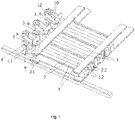
Figure 1 .- Shows a perspective view of the shelling mechanism for nuts, for a preferred embodiment of the invention. -
Figure 2 .- Shows a perspective view of a seesaw of the cracking and shelling mechanism for nuts, for a preferred embodiment of the invention. -
Figure 3 .- Shows a side view of the seesaw of the cracking and shelling mechanism for nuts, for a preferred embodiment of the invention. - In view of the drawings provided, it can be seen how in a preferred embodiment of the invention, the cracking and shelling mechanism for nuts, for shelling machines, hereby proposed comprises a plurality of first elongated parallel blocks (1) with a first end (1.1) fastened to alternate movement means in both senses along the longitudinal axis thereof and a plurality of second elongated parallel blocks (2) parallel to the first blocks and arranged in an alternate and adjacent way to the first blocks.
- Each of these first and second blocks exhibit a first and second ends (1.1, 1.2, 2.1, 2.2) and two sides (8), in such a way that between the sides (8) of each first and second blocks (1, 2) a plurality of vertical cracking through holes (7) is defined.
- As shown in
Figure 1 , the movement means in each first block (1) comprises a seesaw element (3) which is connected to at least a pair of blocks formed by said first block (1) and to an adjacent second block (2), in such a way that the second blocks (2) exhibit an alternate movement in both senses along their longitudinal axis and in opposite sense to the movement od said adjacent first block (1). - In this preferred embodiment of the invention, as shown in
Fig. 1 , the seesaw is connected to two pairs of blocks formed by two first and two second blocks (1, 2) adjacent to each other. In other embodiments it can be connected to a different number of blocks or even to a unique first block (1) and to a second block (2) adjacent thereto. - This seesaw element (3), as it can be observed in
Figures 2 and3 , comprises a fixed central rotation shaft (4), placed at the same height than the plurality of first and second blocks (1, 2), a first rod (5) connected by a first end (5.1) to the central shaft (4) and by a second end (5.2) to the first end (1.1) of the two first blocks (1) by first connection means or connectors, and a second rod (6) connected by a first end (6.1) to the central shaft (4), diametrically opposed to the first rod (5), and by a second end (6.2) to the first end (2.1) of the second blocks (2), by second connection means or connectors. - Both, first and second rods (5, 6) exhibit the same length, such that the displacement of each first and second blocks (1, 2) is the same.
- In this preferred first embodiment, the first connection means to a first block are formed by a first arm (9), with a first end (9.1) fastened to the first end (1.1) of the first two blocks (1), by a first rotation shaft (11). Since in this case the seesaw is connected to the first two blocks, it exhibits two arms (9), each of them connected to each one of the first arms.
- Likewise, the second connection means comprise a second arm (10) with a first end (10.1) fastened to the first end (2.1) of the second blocks (2) and with a second end (10.2) connected to the second end (6.2) of the second rod (6), by a second rotation shaft (12). Since in this case the seesaw is connected to two second blocks, it exhibits two second arms (10), each connected to one of said second arms.
- The described embodiment constitutes an example of the present invention, therefore specific details, terms and phrases used in the present specification do not have to be construed as limiting, but have to be interpreted only as a representative basis that provides a comprehensible description, as well as the sufficient information so as to the skilled person in the matter be able perform the present invention.
Claims (2)
- Cracking and shelling mechanism for nuts, for shelling machines, that comprises a plurality of first elongated parallel blocks (1) with a first end (1.1) fastened to alternate movement means in both senses along the longitudinal axis thereof and a plurality of second elongated parallel blocks (2) parallel to the first blocks and arranged in an alternate and adjacent way to the first blocks, wherein all blocks exhibit a first and second ends (1.1, 1.2, 2.1, 2.2) and two sides (8), in such a way that between the sides (8) of each first and second blocks (1, 2) a plurality of vertical cracking through holes (7) is defined, characterised in that the movement means of each first block (1) comprise a seesaw element (3) which is connected to at least one pair of blocks formed by said first block (1) and an adjacent second block (2), such that the second blocks exhibit an alternate movement in both senses along the longitudinal axis thereof, and in opposite sense to the movement of said first adjacent block (1), wherein said seesaw element (3) comprises a fixed central rotation shaft (4), placed at the same height than the plurality of first and second blocks (1, 2), a first rod (5) connected by a first end (5.1) to the central shaft (4) and connected by a second end (5.2) also to the first end (1.1) of the first block (1) by first connection means or connectors, and a second rod (6) connected by a first end (6.1) to the central shaft (4), diametrically opposed to the first rod (5), and connected by a second end (6.2) also to the first end (2.1) of the second blocks (2), by second connection means or connectors, wherein the first and second rods (5, 6) exhibit the same length.
- Cracking and shelling mechanism for nuts, according to the claim 1, characterised in that the first connection means to a first block and the second connection means to a second block are formed, in each case, by a first and second arms (9, 10), wherein the first arm exhibits a first end (9.1) fastened to the first end (1.1) of the first block (1), and a second end (9.2) connected to the second end (5.2) of the first rod (5) and, the second arm (10) exhibits a first end (10.1) connected to the first end (2.1) of the second block (2) and a second end (10.2) connected to the second end (6.2) of the second rod (6), by a first and second rotation shafts (11, 12) in each case.
Applications Claiming Priority (1)
| Application Number | Priority Date | Filing Date | Title |
|---|---|---|---|
| ES202130220A ES2923826B2 (en) | 2021-03-15 | 2021-03-15 | Splitting and shelling mechanism for nuts |
Publications (2)
| Publication Number | Publication Date |
|---|---|
| EP4059355A1 true EP4059355A1 (en) | 2022-09-21 |
| EP4059355B1 EP4059355B1 (en) | 2023-12-13 |
Family
ID=80683068
Family Applications (1)
| Application Number | Title | Priority Date | Filing Date |
|---|---|---|---|
| EP22020095.0A Active EP4059355B1 (en) | 2021-03-15 | 2022-03-07 | Cracking and shelling mechanism for nuts |
Country Status (4)
| Country | Link |
|---|---|
| US (1) | US20220287350A1 (en) |
| EP (1) | EP4059355B1 (en) |
| ES (2) | ES2923826B2 (en) |
| PT (1) | PT4059355T (en) |
Citations (5)
| Publication number | Priority date | Publication date | Assignee | Title |
|---|---|---|---|---|
| ES2016175A6 (en) * | 1989-09-28 | 1990-10-16 | Borrell Collado Jose | Improvements to machines for grading and splitting nuts and dry fruit |
| EP3398456A1 (en) * | 2017-05-03 | 2018-11-07 | Cala' S.R.L. | Variable stroke sheller |
| ES1230938U (en) | 2019-05-06 | 2019-06-12 | Imaginacion Organizada S L | ROLL FRAME FOR FURNITURE WITH BRAKE (Machine-translation by Google Translate, not legally binding) |
| FR3094183A3 (en) * | 2019-03-25 | 2020-10-02 | Jose Borrell S.A. | Dried fruit breaking and peeling machine |
| EP3769631A1 (en) * | 2019-07-22 | 2021-01-27 | Jose Borrell S.A. | Cracking-shelling mechanism for nuts with a hard or soft shell |
Family Cites Families (2)
| Publication number | Priority date | Publication date | Assignee | Title |
|---|---|---|---|---|
| US1407325A (en) * | 1918-09-14 | 1922-02-21 | Frank A Coari | Nut-cracking machine |
| US3089368A (en) * | 1963-01-21 | 1963-05-14 | Hydro Coin Inc | Method and apparatus for cutting off elongated materials |
-
2021
- 2021-03-15 ES ES202130220A patent/ES2923826B2/en active Active
-
2022
- 2022-03-07 EP EP22020095.0A patent/EP4059355B1/en active Active
- 2022-03-07 ES ES22020095T patent/ES2974791T3/en active Active
- 2022-03-07 PT PT220200950T patent/PT4059355T/en unknown
- 2022-03-15 US US17/695,350 patent/US20220287350A1/en active Pending
Patent Citations (6)
| Publication number | Priority date | Publication date | Assignee | Title |
|---|---|---|---|---|
| ES2016175A6 (en) * | 1989-09-28 | 1990-10-16 | Borrell Collado Jose | Improvements to machines for grading and splitting nuts and dry fruit |
| EP3398456A1 (en) * | 2017-05-03 | 2018-11-07 | Cala' S.R.L. | Variable stroke sheller |
| FR3094183A3 (en) * | 2019-03-25 | 2020-10-02 | Jose Borrell S.A. | Dried fruit breaking and peeling machine |
| ES1230938U (en) | 2019-05-06 | 2019-06-12 | Imaginacion Organizada S L | ROLL FRAME FOR FURNITURE WITH BRAKE (Machine-translation by Google Translate, not legally binding) |
| EP3769631A1 (en) * | 2019-07-22 | 2021-01-27 | Jose Borrell S.A. | Cracking-shelling mechanism for nuts with a hard or soft shell |
| ES2803658A1 (en) | 2019-07-22 | 2021-01-28 | Jose Borrell Sa | Splitter-dehuller mechanism for hard or soft shell nuts (Machine-translation by Google Translate, not legally binding) |
Also Published As
| Publication number | Publication date |
|---|---|
| US20220287350A1 (en) | 2022-09-15 |
| ES2974791T3 (en) | 2024-07-01 |
| EP4059355B1 (en) | 2023-12-13 |
| ES2923826B2 (en) | 2023-04-10 |
| ES2923826A1 (en) | 2022-09-30 |
| PT4059355T (en) | 2024-03-06 |
Similar Documents
| Publication | Publication Date | Title |
|---|---|---|
| DE19730912C2 (en) | Device for harvesting corn | |
| DE3043694A1 (en) | HARVESTING MACHINE | |
| CN106942754A (en) | A kind of accurate device for stripping of coconut husk | |
| EP2062658A2 (en) | Sorting device | |
| EP4059355B1 (en) | Cracking and shelling mechanism for nuts | |
| CA2282630C (en) | Apparatus and method for removing tops or roots from crops | |
| EP2633924B1 (en) | Flip-flow screen | |
| US2688800A (en) | Dental articulator | |
| CN109479532B (en) | Adjustable threshing concave screen device and threshing device | |
| DE3741966C2 (en) | ||
| CN108685111B (en) | Peanut sheller | |
| DE102007038460B4 (en) | Product holder for a food slicer | |
| CN211379508U (en) | Tea leaf kneading device | |
| DE69614633T2 (en) | Flexible probe for poultry goiter recess | |
| DE273206T1 (en) | ADDITIONAL CRUSHING DEVICE FOR FIELD CHOPPER. | |
| DE410699C (en) | Fiberizing machine for wood for the production of wood pulp for paper and cardboard manufacture | |
| WO1988004577A1 (en) | Process and grinding-type device for the latter enabling processing of vital products | |
| US2324159A (en) | Baled hay separator | |
| CN108940880A (en) | A kind of Chinese prickly ash scalping device | |
| CN209631565U (en) | A kind of net formula shrimp filter vat living | |
| CN205380707U (en) | A section device for agriculture product market fruit slicer | |
| CN204208784U (en) | A kind of novel beans screening plant | |
| CN215133497U (en) | A de-stemming device for amomum processing | |
| EP1817994A3 (en) | Mill for crushing spices | |
| EP4250904B1 (en) | Device for removing the husk of a corncob |
Legal Events
| Date | Code | Title | Description |
|---|---|---|---|
| PUAI | Public reference made under article 153(3) epc to a published international application that has entered the european phase |
Free format text: ORIGINAL CODE: 0009012 |
|
| STAA | Information on the status of an ep patent application or granted ep patent |
Free format text: STATUS: THE APPLICATION HAS BEEN PUBLISHED |
|
| AK | Designated contracting states |
Kind code of ref document: A1 Designated state(s): AL AT BE BG CH CY CZ DE DK EE ES FI FR GB GR HR HU IE IS IT LI LT LU LV MC MK MT NL NO PL PT RO RS SE SI SK SM TR |
|
| STAA | Information on the status of an ep patent application or granted ep patent |
Free format text: STATUS: REQUEST FOR EXAMINATION WAS MADE |
|
| 17P | Request for examination filed |
Effective date: 20230310 |
|
| RBV | Designated contracting states (corrected) |
Designated state(s): AL AT BE BG CH CY CZ DE DK EE ES FI FR GB GR HR HU IE IS IT LI LT LU LV MC MK MT NL NO PL PT RO RS SE SI SK SM TR |
|
| GRAP | Despatch of communication of intention to grant a patent |
Free format text: ORIGINAL CODE: EPIDOSNIGR1 |
|
| STAA | Information on the status of an ep patent application or granted ep patent |
Free format text: STATUS: GRANT OF PATENT IS INTENDED |
|
| RIC1 | Information provided on ipc code assigned before grant |
Ipc: A23N 5/00 20060101AFI20230707BHEP |
|
| INTG | Intention to grant announced |
Effective date: 20230728 |
|
| RAP3 | Party data changed (applicant data changed or rights of an application transferred) |
Owner name: JOSE BORRELL S.A. |
|
| GRAS | Grant fee paid |
Free format text: ORIGINAL CODE: EPIDOSNIGR3 |
|
| GRAA | (expected) grant |
Free format text: ORIGINAL CODE: 0009210 |
|
| STAA | Information on the status of an ep patent application or granted ep patent |
Free format text: STATUS: THE PATENT HAS BEEN GRANTED |
|
| AK | Designated contracting states |
Kind code of ref document: B1 Designated state(s): AL AT BE BG CH CY CZ DE DK EE ES FI FR GB GR HR HU IE IS IT LI LT LU LV MC MK MT NL NO PL PT RO RS SE SI SK SM TR |
|
| REG | Reference to a national code |
Ref country code: GB Ref legal event code: FG4D |
|
| REG | Reference to a national code |
Ref country code: CH Ref legal event code: EP |
|
| REG | Reference to a national code |
Ref country code: DE Ref legal event code: R096 Ref document number: 602022001232 Country of ref document: DE |
|
| REG | Reference to a national code |
Ref country code: IE Ref legal event code: FG4D |
|
| REG | Reference to a national code |
Ref country code: PT Ref legal event code: SC4A Ref document number: 4059355 Country of ref document: PT Date of ref document: 20240306 Kind code of ref document: T Free format text: AVAILABILITY OF NATIONAL TRANSLATION Effective date: 20240229 |
|
| PG25 | Lapsed in a contracting state [announced via postgrant information from national office to epo] |
Ref country code: GR Free format text: LAPSE BECAUSE OF FAILURE TO SUBMIT A TRANSLATION OF THE DESCRIPTION OR TO PAY THE FEE WITHIN THE PRESCRIBED TIME-LIMIT Effective date: 20240314 |
|
| REG | Reference to a national code |
Ref country code: LT Ref legal event code: MG9D |
|
| PG25 | Lapsed in a contracting state [announced via postgrant information from national office to epo] |
Ref country code: LT Free format text: LAPSE BECAUSE OF FAILURE TO SUBMIT A TRANSLATION OF THE DESCRIPTION OR TO PAY THE FEE WITHIN THE PRESCRIBED TIME-LIMIT Effective date: 20231213 |
|
| REG | Reference to a national code |
Ref country code: NL Ref legal event code: MP Effective date: 20231213 |
|
| PG25 | Lapsed in a contracting state [announced via postgrant information from national office to epo] |
Ref country code: LT Free format text: LAPSE BECAUSE OF FAILURE TO SUBMIT A TRANSLATION OF THE DESCRIPTION OR TO PAY THE FEE WITHIN THE PRESCRIBED TIME-LIMIT Effective date: 20231213 Ref country code: GR Free format text: LAPSE BECAUSE OF FAILURE TO SUBMIT A TRANSLATION OF THE DESCRIPTION OR TO PAY THE FEE WITHIN THE PRESCRIBED TIME-LIMIT Effective date: 20240314 Ref country code: BG Free format text: LAPSE BECAUSE OF FAILURE TO SUBMIT A TRANSLATION OF THE DESCRIPTION OR TO PAY THE FEE WITHIN THE PRESCRIBED TIME-LIMIT Effective date: 20240313 |
|
| REG | Reference to a national code |
Ref country code: AT Ref legal event code: MK05 Ref document number: 1639653 Country of ref document: AT Kind code of ref document: T Effective date: 20231213 |
|
| PG25 | Lapsed in a contracting state [announced via postgrant information from national office to epo] |
Ref country code: NL Free format text: LAPSE BECAUSE OF FAILURE TO SUBMIT A TRANSLATION OF THE DESCRIPTION OR TO PAY THE FEE WITHIN THE PRESCRIBED TIME-LIMIT Effective date: 20231213 |
|
| PG25 | Lapsed in a contracting state [announced via postgrant information from national office to epo] |
Ref country code: SE Free format text: LAPSE BECAUSE OF FAILURE TO SUBMIT A TRANSLATION OF THE DESCRIPTION OR TO PAY THE FEE WITHIN THE PRESCRIBED TIME-LIMIT Effective date: 20231213 Ref country code: RS Free format text: LAPSE BECAUSE OF FAILURE TO SUBMIT A TRANSLATION OF THE DESCRIPTION OR TO PAY THE FEE WITHIN THE PRESCRIBED TIME-LIMIT Effective date: 20231213 Ref country code: NO Free format text: LAPSE BECAUSE OF FAILURE TO SUBMIT A TRANSLATION OF THE DESCRIPTION OR TO PAY THE FEE WITHIN THE PRESCRIBED TIME-LIMIT Effective date: 20240313 Ref country code: NL Free format text: LAPSE BECAUSE OF FAILURE TO SUBMIT A TRANSLATION OF THE DESCRIPTION OR TO PAY THE FEE WITHIN THE PRESCRIBED TIME-LIMIT Effective date: 20231213 Ref country code: LV Free format text: LAPSE BECAUSE OF FAILURE TO SUBMIT A TRANSLATION OF THE DESCRIPTION OR TO PAY THE FEE WITHIN THE PRESCRIBED TIME-LIMIT Effective date: 20231213 Ref country code: HR Free format text: LAPSE BECAUSE OF FAILURE TO SUBMIT A TRANSLATION OF THE DESCRIPTION OR TO PAY THE FEE WITHIN THE PRESCRIBED TIME-LIMIT Effective date: 20231213 |
|
| PG25 | Lapsed in a contracting state [announced via postgrant information from national office to epo] |
Ref country code: IS Free format text: LAPSE BECAUSE OF FAILURE TO SUBMIT A TRANSLATION OF THE DESCRIPTION OR TO PAY THE FEE WITHIN THE PRESCRIBED TIME-LIMIT Effective date: 20240413 |
|
| REG | Reference to a national code |
Ref country code: ES Ref legal event code: FG2A Ref document number: 2974791 Country of ref document: ES Kind code of ref document: T3 Effective date: 20240701 |
|
| PG25 | Lapsed in a contracting state [announced via postgrant information from national office to epo] |
Ref country code: AT Free format text: LAPSE BECAUSE OF FAILURE TO SUBMIT A TRANSLATION OF THE DESCRIPTION OR TO PAY THE FEE WITHIN THE PRESCRIBED TIME-LIMIT Effective date: 20231213 Ref country code: CZ Free format text: LAPSE BECAUSE OF FAILURE TO SUBMIT A TRANSLATION OF THE DESCRIPTION OR TO PAY THE FEE WITHIN THE PRESCRIBED TIME-LIMIT Effective date: 20231213 |
|
| PG25 | Lapsed in a contracting state [announced via postgrant information from national office to epo] |
Ref country code: SK Free format text: LAPSE BECAUSE OF FAILURE TO SUBMIT A TRANSLATION OF THE DESCRIPTION OR TO PAY THE FEE WITHIN THE PRESCRIBED TIME-LIMIT Effective date: 20231213 |
|
| PG25 | Lapsed in a contracting state [announced via postgrant information from national office to epo] |
Ref country code: SM Free format text: LAPSE BECAUSE OF FAILURE TO SUBMIT A TRANSLATION OF THE DESCRIPTION OR TO PAY THE FEE WITHIN THE PRESCRIBED TIME-LIMIT Effective date: 20231213 Ref country code: SK Free format text: LAPSE BECAUSE OF FAILURE TO SUBMIT A TRANSLATION OF THE DESCRIPTION OR TO PAY THE FEE WITHIN THE PRESCRIBED TIME-LIMIT Effective date: 20231213 Ref country code: RO Free format text: LAPSE BECAUSE OF FAILURE TO SUBMIT A TRANSLATION OF THE DESCRIPTION OR TO PAY THE FEE WITHIN THE PRESCRIBED TIME-LIMIT Effective date: 20231213 Ref country code: IS Free format text: LAPSE BECAUSE OF FAILURE TO SUBMIT A TRANSLATION OF THE DESCRIPTION OR TO PAY THE FEE WITHIN THE PRESCRIBED TIME-LIMIT Effective date: 20240413 Ref country code: EE Free format text: LAPSE BECAUSE OF FAILURE TO SUBMIT A TRANSLATION OF THE DESCRIPTION OR TO PAY THE FEE WITHIN THE PRESCRIBED TIME-LIMIT Effective date: 20231213 Ref country code: CZ Free format text: LAPSE BECAUSE OF FAILURE TO SUBMIT A TRANSLATION OF THE DESCRIPTION OR TO PAY THE FEE WITHIN THE PRESCRIBED TIME-LIMIT Effective date: 20231213 Ref country code: AT Free format text: LAPSE BECAUSE OF FAILURE TO SUBMIT A TRANSLATION OF THE DESCRIPTION OR TO PAY THE FEE WITHIN THE PRESCRIBED TIME-LIMIT Effective date: 20231213 |
|
| PG25 | Lapsed in a contracting state [announced via postgrant information from national office to epo] |
Ref country code: PL Free format text: LAPSE BECAUSE OF FAILURE TO SUBMIT A TRANSLATION OF THE DESCRIPTION OR TO PAY THE FEE WITHIN THE PRESCRIBED TIME-LIMIT Effective date: 20231213 |
|
| PG25 | Lapsed in a contracting state [announced via postgrant information from national office to epo] |
Ref country code: PL Free format text: LAPSE BECAUSE OF FAILURE TO SUBMIT A TRANSLATION OF THE DESCRIPTION OR TO PAY THE FEE WITHIN THE PRESCRIBED TIME-LIMIT Effective date: 20231213 |
|
| REG | Reference to a national code |
Ref country code: DE Ref legal event code: R097 Ref document number: 602022001232 Country of ref document: DE |
|
| REG | Reference to a national code |
Ref country code: DE Ref legal event code: R119 Ref document number: 602022001232 Country of ref document: DE |
|
| PG25 | Lapsed in a contracting state [announced via postgrant information from national office to epo] |
Ref country code: DK Free format text: LAPSE BECAUSE OF FAILURE TO SUBMIT A TRANSLATION OF THE DESCRIPTION OR TO PAY THE FEE WITHIN THE PRESCRIBED TIME-LIMIT Effective date: 20231213 |
|
| PLBE | No opposition filed within time limit |
Free format text: ORIGINAL CODE: 0009261 |
|
| STAA | Information on the status of an ep patent application or granted ep patent |
Free format text: STATUS: NO OPPOSITION FILED WITHIN TIME LIMIT |
|
| PG25 | Lapsed in a contracting state [announced via postgrant information from national office to epo] |
Ref country code: SI Free format text: LAPSE BECAUSE OF FAILURE TO SUBMIT A TRANSLATION OF THE DESCRIPTION OR TO PAY THE FEE WITHIN THE PRESCRIBED TIME-LIMIT Effective date: 20231213 |
|
| PG25 | Lapsed in a contracting state [announced via postgrant information from national office to epo] |
Ref country code: SI Free format text: LAPSE BECAUSE OF FAILURE TO SUBMIT A TRANSLATION OF THE DESCRIPTION OR TO PAY THE FEE WITHIN THE PRESCRIBED TIME-LIMIT Effective date: 20231213 Ref country code: DK Free format text: LAPSE BECAUSE OF FAILURE TO SUBMIT A TRANSLATION OF THE DESCRIPTION OR TO PAY THE FEE WITHIN THE PRESCRIBED TIME-LIMIT Effective date: 20231213 |
|
| PG25 | Lapsed in a contracting state [announced via postgrant information from national office to epo] |
Ref country code: LU Free format text: LAPSE BECAUSE OF NON-PAYMENT OF DUE FEES Effective date: 20240307 |
|
| 26N | No opposition filed |
Effective date: 20240916 |
|
| PG25 | Lapsed in a contracting state [announced via postgrant information from national office to epo] |
Ref country code: MC Free format text: LAPSE BECAUSE OF FAILURE TO SUBMIT A TRANSLATION OF THE DESCRIPTION OR TO PAY THE FEE WITHIN THE PRESCRIBED TIME-LIMIT Effective date: 20231213 |
|
| PG25 | Lapsed in a contracting state [announced via postgrant information from national office to epo] |
Ref country code: MC Free format text: LAPSE BECAUSE OF FAILURE TO SUBMIT A TRANSLATION OF THE DESCRIPTION OR TO PAY THE FEE WITHIN THE PRESCRIBED TIME-LIMIT Effective date: 20231213 Ref country code: LU Free format text: LAPSE BECAUSE OF NON-PAYMENT OF DUE FEES Effective date: 20240307 |
|
| REG | Reference to a national code |
Ref country code: BE Ref legal event code: MM Effective date: 20240331 |
|
| PG25 | Lapsed in a contracting state [announced via postgrant information from national office to epo] |
Ref country code: DE Free format text: LAPSE BECAUSE OF NON-PAYMENT OF DUE FEES Effective date: 20241001 |
|
| PG25 | Lapsed in a contracting state [announced via postgrant information from national office to epo] |
Ref country code: BE Free format text: LAPSE BECAUSE OF NON-PAYMENT OF DUE FEES Effective date: 20240331 |
|
| PG25 | Lapsed in a contracting state [announced via postgrant information from national office to epo] |
Ref country code: IE Free format text: LAPSE BECAUSE OF NON-PAYMENT OF DUE FEES Effective date: 20240307 |
|
| PG25 | Lapsed in a contracting state [announced via postgrant information from national office to epo] |
Ref country code: IE Free format text: LAPSE BECAUSE OF NON-PAYMENT OF DUE FEES Effective date: 20240307 Ref country code: DE Free format text: LAPSE BECAUSE OF NON-PAYMENT OF DUE FEES Effective date: 20241001 Ref country code: BE Free format text: LAPSE BECAUSE OF NON-PAYMENT OF DUE FEES Effective date: 20240331 |
|
| PGFP | Annual fee paid to national office [announced via postgrant information from national office to epo] |
Ref country code: ES Payment date: 20250407 Year of fee payment: 4 |
|
| PG25 | Lapsed in a contracting state [announced via postgrant information from national office to epo] |
Ref country code: CY Free format text: LAPSE BECAUSE OF FAILURE TO SUBMIT A TRANSLATION OF THE DESCRIPTION OR TO PAY THE FEE WITHIN THE PRESCRIBED TIME-LIMIT; INVALID AB INITIO Effective date: 20220307 |
|
| PG25 | Lapsed in a contracting state [announced via postgrant information from national office to epo] |
Ref country code: FI Free format text: LAPSE BECAUSE OF FAILURE TO SUBMIT A TRANSLATION OF THE DESCRIPTION OR TO PAY THE FEE WITHIN THE PRESCRIBED TIME-LIMIT Effective date: 20231213 |
|
| REG | Reference to a national code |
Ref country code: CH Ref legal event code: H13 Free format text: ST27 STATUS EVENT CODE: U-0-0-H10-H13 (AS PROVIDED BY THE NATIONAL OFFICE) Effective date: 20251023 |
|
| PG25 | Lapsed in a contracting state [announced via postgrant information from national office to epo] |
Ref country code: CH Free format text: LAPSE BECAUSE OF NON-PAYMENT OF DUE FEES Effective date: 20250331 |
|
| PGFP | Annual fee paid to national office [announced via postgrant information from national office to epo] |
Ref country code: IT Payment date: 20260212 Year of fee payment: 5 |
|
| PGFP | Annual fee paid to national office [announced via postgrant information from national office to epo] |
Ref country code: FR Payment date: 20260217 Year of fee payment: 5 |
|
| PGFP | Annual fee paid to national office [announced via postgrant information from national office to epo] |
Ref country code: TR Payment date: 20260314 Year of fee payment: 5 |
|
| PGFP | Annual fee paid to national office [announced via postgrant information from national office to epo] |
Ref country code: PT Payment date: 20260129 Year of fee payment: 5 |