EP4053725B1 - Mieter-nutzer-verwaltung in einem cloud-datenbankbetrieb - Google Patents
Mieter-nutzer-verwaltung in einem cloud-datenbankbetrieb Download PDFInfo
- Publication number
- EP4053725B1 EP4053725B1 EP21213200.5A EP21213200A EP4053725B1 EP 4053725 B1 EP4053725 B1 EP 4053725B1 EP 21213200 A EP21213200 A EP 21213200A EP 4053725 B1 EP4053725 B1 EP 4053725B1
- Authority
- EP
- European Patent Office
- Prior art keywords
- user
- scheduler
- privileges
- dbaas
- service request
- Prior art date
- Legal status (The legal status is an assumption and is not a legal conclusion. Google has not performed a legal analysis and makes no representation as to the accuracy of the status listed.)
- Active
Links
Images





Classifications
-
- H—ELECTRICITY
- H04—ELECTRIC COMMUNICATION TECHNIQUE
- H04L—TRANSMISSION OF DIGITAL INFORMATION, e.g. TELEGRAPHIC COMMUNICATION
- H04L63/00—Network architectures or network communication protocols for network security
- H04L63/10—Network architectures or network communication protocols for network security for controlling access to devices or network resources
- H04L63/105—Multiple levels of security
-
- G—PHYSICS
- G06—COMPUTING OR CALCULATING; COUNTING
- G06F—ELECTRIC DIGITAL DATA PROCESSING
- G06F21/00—Security arrangements for protecting computers, components thereof, programs or data against unauthorised activity
- G06F21/60—Protecting data
- G06F21/62—Protecting access to data via a platform, e.g. using keys or access control rules
- G06F21/6218—Protecting access to data via a platform, e.g. using keys or access control rules to a system of files or objects, e.g. local or distributed file system or database
-
- H—ELECTRICITY
- H04—ELECTRIC COMMUNICATION TECHNIQUE
- H04L—TRANSMISSION OF DIGITAL INFORMATION, e.g. TELEGRAPHIC COMMUNICATION
- H04L67/00—Network arrangements or protocols for supporting network services or applications
- H04L67/01—Protocols
- H04L67/10—Protocols in which an application is distributed across nodes in the network
-
- H—ELECTRICITY
- H04—ELECTRIC COMMUNICATION TECHNIQUE
- H04L—TRANSMISSION OF DIGITAL INFORMATION, e.g. TELEGRAPHIC COMMUNICATION
- H04L63/00—Network architectures or network communication protocols for network security
- H04L63/04—Network architectures or network communication protocols for network security for providing a confidential data exchange among entities communicating through data packet networks
- H04L63/0428—Network architectures or network communication protocols for network security for providing a confidential data exchange among entities communicating through data packet networks wherein the data content is protected, e.g. by encrypting or encapsulating the payload
-
- H—ELECTRICITY
- H04—ELECTRIC COMMUNICATION TECHNIQUE
- H04L—TRANSMISSION OF DIGITAL INFORMATION, e.g. TELEGRAPHIC COMMUNICATION
- H04L63/00—Network architectures or network communication protocols for network security
- H04L63/08—Network architectures or network communication protocols for network security for authentication of entities
-
- H—ELECTRICITY
- H04—ELECTRIC COMMUNICATION TECHNIQUE
- H04L—TRANSMISSION OF DIGITAL INFORMATION, e.g. TELEGRAPHIC COMMUNICATION
- H04L9/00—Cryptographic mechanisms or cryptographic arrangements for secret or secure communications; Network security protocols
- H04L9/32—Cryptographic mechanisms or cryptographic arrangements for secret or secure communications; Network security protocols including means for verifying the identity or authority of a user of the system or for message authentication, e.g. authorization, entity authentication, data integrity or data verification, non-repudiation, key authentication or verification of credentials
Definitions
- Tenant user management in a cloud foundry is a fundamental task. Contemporary, rapid response to the cloud foundry requirements and potential security risks make the cloud database complicated for users to use. Further, the resource race and database service preparation on the cloud platform makes it challenging for job scheduling and quality assurance. Accordingly, there is room for improved tenant user management in cloud database operations.
- US 2016/0173500 A1 describes a remote asset manager defining various roles for legitimate users of the remote asset manager.
- the roles are associated with credentials that provide access to the remote assets and/or information about the remote assets maintained by a service provider. And the users map to roles based on attempted actions that access the service provider. Thus, a user's requested action is attempted with credentials associated with a role that maps to the requested action.
- Multitenancy is a feature in many types of cloud computing services, where a service provider can support multiple clients of different customers (called "tenants") within a cloud solution.
- DBaaS database-as-a-service
- multitenancy means that the cloud solution can support multiple users accessing multiple databases from multiple tenants, and each tenant can have one or more databases. Users can be grouped into the multiple tenants, where users of a tenant can share a common access with certain specific privileges to the DBaaS instances. Users who consume services do not need to manage the availability of resources or capacity-related issues (e.g., CPU consumption, storage consumptions, backup service consumption, network bandwidth consumption, etc.). Instead, such tasks are managed by DBaaS service providers.
- DBaaS can be attractive to end users because it can offer benefits of low maintenance cost, overall reliability, high elasticity, etc.
- end users can have different user privileges and their job requests may have different priorities and demand different resources.
- One particular challenge can come from the agile development cycle. For example, if a cloud database cluster is used by multiple teams and/or different team members, the privileges for each team and/or team member to use the database cluster needs to be individually managed, thus leading to increased communication cost.
- the challenge can also come from variation of resource usage and different roles played by end users. For example, developers, testers, and customers can each have their own unique configurations for using the database clusters.
- user's privilege management is performed at the kernel of the database management system.
- individual user's privilege can be configured by one or more SQL commands (e.g., GRANT and REVOKE) to provide or remove particular privileges (e.g., INSERT, UPDATE, SELECT, DELETE, etc.) for accessing a particular database.
- SQL commands e.g., GRANT and REVOKE
- particular privileges e.g., INSERT, UPDATE, SELECT, DELETE, etc.
- the privileges to be managed are not limited to conventional database access rights, instead they can include access rights to some DBaaS specific features that cannot be directly authorized by the database kernel, such as the right to access database explorer (for DBaaS administrative tasks), the right to access certain DBaaS based enterprise software application, the right to access an extraordinarily large amount of memory (e.g., > 1TB), the right to clustering/replication, etc.
- some DBaaS specific features that cannot be directly authorized by the database kernel, such as the right to access database explorer (for DBaaS administrative tasks), the right to access certain DBaaS based enterprise software application, the right to access an extraordinarily large amount of memory (e.g., > 1TB), the right to clustering/replication, etc.
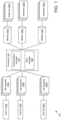
- FIG. 1 shows an overall block diagram of an example database system 100 configured to implement an improved tenant user management technology in a cloud foundry environment.
- the database system 100 can include a plurality of DBaaS platforms 140a, 140b, ..., 140n (collectively 140), each of which can respectively instantiate a plurality of instances 150a, 150b, ..., 150n (collectively 150).
- the DBaaS platforms 140 can provide a web-based administration tool for the administration, monitoring, and maintenance of enterprise databases in a cloud computing environment.
- each DBaaS platform e.g., 140a, 140b, ..., 140n
- the DBaaS platforms 140 can also start and stop services, monitor the underlying databases, configure database settings, and manage users and authorizations.
- the database system 100 can support a plurality of users 110a, 110b, . . ., 110m (collectively 110).
- the users 110 can be grouped into different tenants, each of which can have tenant-specific roles and/or privileges.
- Each user can respectively send one or more job requests (also referred to as "service requests"), e.g., 120a, 120b, ..., 120m (collectively 120), for database services from the DBaaS platforms 140.
- the database system 100 can further include a scheduler 130 serving as an intermediary between the job requests 120 sent by users 110 and the DBaaS platforms 140.
- the scheduler 130 can, after authenticating the user and validating the user's privileges, determine which DBaaS platform 140 should be used to serve the job request 120 based on a number of factors, e.g., the location of the user 110 and its proximity to the DBaaS platform 140, the computing resources required by the job request 120, etc.
- the DBaaS platform 140 selected by the scheduler 130 can then determine which instance(s) 150 need to be assigned to the user 110 so that the assigned instance(s) 150 can cooperate to execute a job that satisfies the job request 120 while balancing the load on the corresponding DBaaS platform 140.
- the scheduler 130 can schedule execution of jobs (e.g., determining the time and/or sequence of job execution), and enable limited computing resources to be allocated appropriately among competing jobs. Since a job can undergo multiple states from its creation to its completion, the scheduler 130 can also track the execution of jobs and log related information (e.g., job status, the last run time of the job, etc.).
- jobs e.g., determining the time and/or sequence of job execution
- log related information e.g., job status, the last run time of the job, etc.
- the scheduler 130 can be configured to implement additional, advanced, technological features beyond traditional platform selection and job scheduling functions.
- the scheduler 130 can include an authentication manager 170 configured to implement triple-site user authentication, and a role manager 160 configured to implement role-based user privilege management, as described more fully below.
- system 100 can vary in complexity, with additional functionality, more complex components, and the like.
- additional functionality within the scheduler 130.
- Additional components can be included to implement security, redundancy, load balancing, report design, and the like.
- the described computing systems can be networked via wired or wireless network connections, including the Internet.
- systems can be connected through an intranet connection (e.g., in a corporate environment, government environment, or the like).
- the system 100 and any of the other systems described herein can be implemented in conjunction with any of the hardware components described herein, such as the computing systems described below (e.g., processing units, memory, and the like).
- the job requests, the user's credentials, the public and/or private keys, the roles, and the like can be stored in one or more computer-readable storage media or computer-readable storage devices.
- the technologies described herein can be generic to the specifics of operating systems or hardware and can be applied in any variety of environments to take advantage of the described features.
- Example 3 Example Overall Method for Improved Tenant User Management in Cloud Database Operation
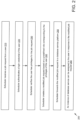
- FIG. 2 is a flowchart of an example overall method 200 of implementing the improved tenant user management technology in a cloud foundry environment and can be performed, for example, by the system of FIG. 1 .
- the scheduler (e.g., 130) can receive a job request (e.g., 120) from a user (e.g., 110) for a database service.
- the scheduler can authenticate a login credential of the user, e.g., by means of triple-site authentication described below.
- the schedule can further verify that the user has privileges for the job request.
- the scheduler can create a modified job request based on a predefined role corresponding to the privileges of the user.
- the scheduler can forward the modified job request to a selected DBaaS platform (e.g., 140).
- an instance of database service can be assigned to the user in response to the modified job request.
- the DBaaS platform can allocate or assign an instance of database service to the user in response to the modified job request.
- the method 200 and any of the other methods described herein can be performed by computer-executable instructions (e.g., causing a computing system to perform the method) stored in one or more computer-readable media (e.g., storage or other tangible media) or stored in one or more computer-readable storage devices.
- Such methods can be performed in software, firmware, hardware, or combinations thereof.
- Such methods can be performed at least in part by a computing system (e.g., one or more computing devices).
- FIG. 3 is a block diagram 300 illustrating an example triple-side authentication scheme according to the disclosed technology.
- the depicted authentication scheme involves three sides: the user 110, the scheduler 130, and the DBaaS platform 140.
- the user 110 Before the user 110 can use any database services provided by a DBaaS platform 140, the user 110 must be authenticated by the scheduler 130 and the scheduler 130 must be authenticated by the DBaaS platform 140.
- two-way secure socket layer (SSL) authentication also referred to as mutual authentication, can be performed between the user 110 and the scheduler 130, and/or between the scheduler 130 and the DBaaS platform 140.
- SSL secure socket layer
- the user 110 and the scheduler 130 can authenticate each other to ensure that both parties involved in the communication are trusted.
- the authentication manager 170 can hold a public key 172, which, through a client SSL 174, can be paired with a private key 112 held by the user 110 to authenticate the user's login credential 114 (e.g., username and password).
- the user's private key 112 and login credential 114 can be included in the job request 120 sent by the user 110.
- the scheduler 130 can specify an encryption algorithm which is used to encrypt the user's login credentials.
- the scheduler 130 and the DBaaS platform 140 can verify the identity of each other.
- the authentication manager 170 can hold a private key 176, which, through a DBaaS SSL 178, can be paired with a public key 142 held by the DBaaS platform 140 so that the scheduler 130 can be authenticated by the DBaaS platform 140.
- the authentication manager 170 can maintain a dynamic cookie 175. Specifically, after the user's authentication has been verified by the scheduler 130, the authentication manager 170 can create the dynamic cookie 175, which contains encrypted login credential 114 of the user 110 and can be used for scheduling future jobs of the user 110 (e.g., the authentication of the user 110 can be automatically verified by using the user's private key 112 to decrypt the user's login credential 114 contained in the dynamic cookie 175).
- the user's login credential 114 can have a predefined validity period (e.g., one week, etc.) set by the DBaaS platform 140 and administered by the scheduler 130.
- the user 110 can be required to periodically update or change his login credential 114 in order to use the services provided by the DBaaS platform 140. After the expiration of the validity period, the previously created dynamic cookie 175 will fail to authenticate the user 110. Thus, the user 110 needs to be re-authenticated by the scheduler 130 in order to access the DBaaS platform 140.
- the predefined validity period can be cut short when certain activities are detected (e.g., an abnormal or suspicious pattern of usage of database resources, etc.). In such circumstances, the DBaaS platform 140 can instruct the scheduler 130 to re-authenticate the user 110.
- the scheduler 130 can generate a dynamic passcode, e.g., a random string that expires within a short time period (e.g., 5 minutes, etc.).
- the dynamic passcode can be sent to the user, e.g., via SMS or email, to verify the user's identity and/or prompt the user to change his login credentials.
- the scheduler 130 can update or refresh the dynamic cookie 175 so that it contains the user's updated login credential 114 so that it can be used again for scheduling future jobs of the user 110.
- the dynamic cookie 175 is stored on the scheduler 130, not on local computers of the user, thus the risk of exposing the user's login credential (e.g., via decryption of the cookie) can be reduced.
- the task of user authentication for using the services provided by the DBaaS platform 140 can be a part of the triple-side authentication scheme depicted in FIG. 3 and enabled by the authentication manager 170.
- Such authentication scheme can be implemented through a protocol administered by the scheduler 130, where the protocol specifies the encryption algorithm used for encrypting the user's login credential, the validity period of user's login credential specified by the DBaaS platform, the algorithm to generate the dynamic passcode, etc.
- the triple-side authentication scheme described herein is more secure through an added authentication layer (i.e., the scheduler 130) and the dynamic cookie mechanism.
- the triple-side authentication scheme can improve the overall efficiency by offloading the voluminous user authentication tasks to the scheduler 130, while the DBaaS platform 140 only needs to authenticate the scheduler 130.
- Example 5 Example Overall Method of User Authentication Based on Dynamic Cookie
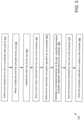
- FIG. 4 shows a flowchart 400 illustrating an example overall method of user authentication based on a dynamic cookie (e.g., 175).
- the scheduler (e.g., 130) can receive a job request (e.g., 120) from a user (e.g., 110) for a database service.
- the authentication manager e.g., 170
- the cookie authentication can perform cookie authentication, i.e., to determine if the user's private key (e.g., 112) can properly decrypt the user's login credential (e.g., 114) contained in the dynamic cookie. If the dynamic cookie is successfully authenticated, the method can continue services at 460 (e.g., checking user's privileges against the job request, as described further below).
- the method can go to 430 to perform user authentication by the scheduler, as described further in the following Example.
- the result of such user authentication can be checked at 440. If such authentication is successful, the scheduler can update the dynamic cookie at 450 and continue services at 460. Otherwise, the user's service request will be declined at 470.
- Example 6 Example Method of User Authentication by Scheduler
- FIG. 5 is a flowchart 500 illustrating an example method of authenticating a user (e.g., 110) by a schedule (e.g., 130).
- the user can submit a job request (e.g., 120) to the scheduler with a job identifier (ID).
- the job ID can include a timestamp and other job description information, and can be generated in a random manner and/or sequentially.
- the scheduler can return or send its public key (e.g., 172) to the user.
- the user can validate the scheduler's public key, e.g., by verifying the scheduler's public key through a certification authority. After such validation is successful, at 540, the user can send his login credential (e.g., 114) to the scheduler.
- the scheduler can select or determine an asymmetric encryption algorithm (e.g., Digital Signature Algorithm, RSA algorithm, etc.) for the user.
- the user can generate an encrypted login credential using the asymmetric encryption algorithm selected or determined by the scheduler.
- the user can send his encrypted login credential to the scheduler.
- the scheduler can preserve such information in the dynamic cookie at 580 for future cookie-based authentication purpose, i.e., when there are following job requests by the user requiring such a login credential, the scheduler can decrypt it using his private key.
- FIG. 6 a block diagram 600 illustrating an example system for role-based user privilege management.
- the scheduler 130 includes a role manager 160 which can serve as an intermediary between the job request 120 sent by the user 110 and the DBaaS platform 140.
- the role manager 160 can include a privilege checker 162, a plurality of predefined roles 164, and a plurality of predefined public users 166 associated with or mapped to the predefined roles 164.
- public users 166 are virtual users existing only in the scheduler 130 and have their own encrypted, pre-authenticated login credentials.
- the default or assigned privilege information of all users of the DBaaS platform 140 can be saved in a privilege database 180, which can be assessed by the privilege checker 162.
- the scheduler 130 can include a logger 132 configured to create internal logs 134 to record certain information about job sessions corresponding to the job request 120.
- privileges of the user 110 define the user's access rights to services of the DBaaS platform 140.
- user privileges can include specific privileges of the user 110 to operate directly on database objects, such as system privileges of creating, altering, and/or dropping database tables, and/or object privileges of selecting or updating records in database tables, etc.
- user privileges described herein can be more expansive and include access rights to DBaaS platform specific features, such as the right to visit DBaaS platform administration website (e.g., the SAP HANA Cockpit provided by SAP SE, of Walldorf, Germany), the right to create a private cloud, the right to visit DBaaS internal docker, etc.
- the user's job request 120 can specify and/or define a list of requested privileges for the job, e.g., in a configuration format.
- one such privilege configuration can be: ⁇ disk: 128 GB; memory: 32 GB; CPU: 16; operation: r + w; explorer: yes; administrator explorer: no; ERP: no ⁇ , which specifies that the job request seeks 128 GB disk space, 32 GB memory space, 16 CPUs, read and write access rights to the database, and the access right to the regular database explorer, but does not seek the access right to the administrative database explorer or the enterprise resource planning (ERP) software application.
- the privilege checker 162 can analyze the job request 120 to compare user requested privileges with his assigned privileges to determine the validity of the job request 120.
- roles 164 are combinations of users' privileges described above. Different roles generally have different combinations of user's privileges, and the number of privileges contained in the roles can vary. For example, one role can include a combination of multiple privileges (e.g., the privileges to insert, update, select, or delete certain database records, and the privileges to visit DBaaS platform administration website), whereas another role can include only a single privilege (e.g., the privilege to select certain database records).
- the plurality of predefined roles 164 can be saved in respective configuration files located on the scheduler 130.
- the plurality of roles 164 predefined by the scheduler 130 can cover all possible combinations of users' privileges for using all available services provided by the DBaaS platform 140.
- each user 110 can be mapped to one or more roles 164 predefined by the scheduler 130.
- FIG. 7 is a block diagram 700 illustrating an example mapping between users 110, roles 164, and the DBaaS platform 140. In the depicted example, two predefines roles A 164a and B 164b are shown, each containing a respective combination of privileges for certain services provided by the DBaaS platform 140.
- both user A 110a and user M 110m are mapped to the predefined role A 164a, indicating the combination of privileges contained in role A 164a can cover the access rights of both user A 110a and user M 110m.
- user A 110a and user M 110m share the same privileges contained in role A 164a.
- user B 110b is mapped to both role A 164a and role B 164b, indicating that the user B 110b needs the privileges contained in both roles A and B in order to use services provided by the DBaaS platform 140.
- the user-role mapping described herein establishes a protocol through which the DBaaS platform can manage users' privileges.
- the total number of privileges for assessing the DBaaS platform 140 is generally limited (e.g., less than 100) and the roles 164 represent various combinations of users' privileges
- the total number of predefined roles 164 is also generally limited (e.g., a few hundreds), which can be significantly smaller (e.g., by a few orders of magnitude) than the total number of users (e.g., millions) of the DBaaS platform 140.
- a significant dimension reduction can be achieved for user privilege management.
- the technology described herein can free the DBaaS platform 140 from direct interaction with the users 110 and offload the task of user privilege management to the scheduler 130, which can map a large cohort of users 110 to a much smaller, and thus more manageable, set of predefined roles 164.
- Example 8 Example Method of Role-based User Privilege Management
- FIG. 8 is a block diagram 800 illustrating an example data flow involving the scheduler 130 implementing the role-based user privilege management.
- the role manager 160 can have a plurality of predefined public users 166.
- Each public user 166 can have its respectively encrypted login credential 168 (e.g., username and password) that has been authenticated by default, i.e., the public user 166 is pre-authorized to use services provided by the DBaaS platform 140.
- each predefined role 164 can be associated with or mapped to at least one public user 166.
- a public user 166 associated with or mapped to a role 164 can inherit all privileges contained in that role 164.
- a public user 166 can be associated with or mapped to multiple roles 164. In such cases, the public user 166 can inherit all privileges contained in each of the multiple roles 164 associated with or mapped to the public user 166.
- the role manager 160 can (after verifying the user has privileges for executing the job, as described further below) map the user to one or more predefined roles 164, as described above.
- a public user 166 can be associated with or mapped to the one or more predefined roles 164 mapped to the user.
- the role manager 160 can modify the job request 120 by replacing the user's login credential (e.g., 114) with the encrypted credential 168 of the public user 166 that has been mapped to the one or more predefined roles 164.
- the scheduler 130 can then forward the modified job request to the DBaaS platform 140, which can select from the available instances 150 one or more instances 152 to be assigned to the user.
- the scheduler 130 can then schedule these assigned instances 152 for job execution.
- the role-based user management method described herein operates through protocols.
- the DBaaS platform can use the scheduler as an intermediary, which can map large groups of users into certain predefined roles, each of which has a respective combination of privileges.
- the DBaaS platform only needs to deal with a limited number of predefined roles in the scheduler.
- FIG. 9 a flowchart 900 illustrating an example method of implementing the role-based user privilege management, which can be implemented, e.g., by the role manager 160.
- requested privileges corresponding to a job request can be determined.
- the requested privileges are privileges sought by the job request.
- a job request containing the task of deleting some data records from certain database tables will need a DELETE privilege to related database object
- a job request sought to perform some DBaaS administrative work will need a special privilege to visit the DBaaS platform administration website, etc.
- the requested privileges can be contained in the job request in a configuration format.
- the privilege checker 162 can be configured to analyze the job request to determine what privileges are sought by the job request.
- the requested privileges can be compared with actual privileges of the user, e.g., by the privilege checker 162.
- the actual privileges of the user can be saved in the privilege database 180.
- actual privileges are assigned to the user when the user registers with the DBaaS platform.
- the user's actual privileges stored in the privilege database 180 can be specified in a configuration format.
- the scheduler can identify a predefined role (e.g., 164) mapped to the user, i.e., the predefined role includes all requested privileges sought by the user's job request.
- the scheduler can associate a predefined public user (e.g., 166) with the predefined role.
- the public user has its own encrypted, pre-authenticated login credential, and will inherit all privileges of the predefined role.
- the scheduler can replace the user with the public user in the job request.
- the user's login credential (e.g., 114) contained in the job request is replaced with the public user's encrypted login credential (e.g., 168).
- Such modified job request can then be submitted to the DBaaS platform at 970 for assignment of instances to the user.
- the public user has been pre-authenticated and have all requested privileges, the DBaaS platform can assign an instance to the user for job execution so long as there are instances available for allocation or assignment.
- the user's login credential is absent in the modified job request, it cannot be leaked to or stolen by other users who have access to the same DBaaS platform.
- the scheduler can establish a new session with the DBaaS platform.
- a job console can generate a session log during execution of the job.
- each job can be associated with a respective job log which contains a message thread tracing the job's execution, and the job log can be viewed by a web browser or other means.
- the conventional job log cannot reveal real user information with role involvement.
- the scheduler can have its own internal logging mechanism.
- the scheduler can also record, e.g., via the logger 132, internal logs 134 containing user/role mapping details described above.
- users can search the internal logs 134 for more details of a job (e.g., by entering a job identifier), such as checking the user-role mapping information, error exceptions, and other job execution details.
- the scheduler 130 besides performing conventional tasks such as DBaaS platform selection and job scheduling, can play a more central role in user authentication and privilege management. Accordingly, by offloading user authentication and privilege management functions from the DBaaS platforms 140 to the scheduler 130, the database system 100 can have a more streamlined infrastructure, and operate with improved security and higher efficiency. For example, compared to the previous method of direct user authentication by the DBaaS platforms, the triple-side authentication scheme described herein adds another layer (i.e., scheduler) in between.
- scheduler another layer
- the triple-side authentication scheme can not only reduce the workload of DBaaS platforms (e.g., authenticating users), but also improve the security of authentication process.
- the security can be further enhanced by the replacement of a user's login credential in job requests with a public user's encrypted credential, as described above.
- the technology described herein can greatly simplify the complexity of user privilege management by moving away from the conventional SQL commands-based privilege management model and embracing the protocol-based privilege management model (e.g., via user-role mapping).
- the computing resources of the DBaaS platforms can be devoted to handle instances for job execution instead of administrative tasks (e.g., managing users' privileges), which can be voluminous as the number of users increases.
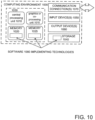
- FIG. 10 depicts an example of a suitable computing system 1000 in which the described innovations can be implemented.
- the computing system 1000 is not intended to suggest any limitation as to scope of use or functionality of the present disclosure, as the innovations can be implemented in diverse computing systems.
- the computing system 1000 includes one or more processing units 1010, 1015 and memory 1020, 1025.
- the processing units 1010, 1015 execute computer-executable instructions, such as for implementing the features described in the examples herein.
- a processing unit can be a general-purpose central processing unit (CPU), processor in an application-specific integrated circuit (ASIC), or any other type of processor.
- a processing unit can be a general-purpose central processing unit (CPU), processor in an application-specific integrated circuit (ASIC), or any other type of processor.
- ASIC application-specific integrated circuit
- FIG. 10 shows a central processing unit 1010 as well as a graphics processing unit or co-processing unit 1015.
- the tangible memory 1020, 1025 can be volatile memory (e.g., registers, cache, RAM), non-volatile memory (e.g., ROM, EEPROM, flash memory, etc.), or some combination of the two, accessible by the processing unit(s) 1010, 1015.
- the memory 1020, 1025 stores software 1080 implementing one or more innovations described herein, in the form of computer-executable instructions suitable for execution by the processing unit(s) 1010, 1015.
- a computing system 1000 can have additional features.
- the computing system 1000 includes storage 1040, one or more input devices 1050, one or more output devices 1060, and one or more communication connections 1070, including input devices, output devices, and communication connections for interacting with a user.
- An interconnection mechanism such as a bus, controller, or network interconnects the components of the computing system 1000.
- operating system software provides an operating environment for other software executing in the computing system 1000, and coordinates activities of the components of the computing system 1000.
- the tangible storage 1040 can be removable or non-removable, and includes magnetic disks, magnetic tapes or cassettes, CD-ROMs, DVDs, or any other medium which can be used to store information in a non-transitory way and which can be accessed within the computing system 1000.
- the storage 1040 stores instructions for the software implementing one or more innovations described herein.
- the input device(s) 1050 can be an input device such as a keyboard, mouse, pen, or trackball, a voice input device, a scanning device, touch device (e.g., touchpad, display, or the like) or another device that provides input to the computing system 1000.
- the output device(s) 1060 can be a display, printer, speaker, CD-writer, or another device that provides output from the computing system 1000.
- the communication connection(s) 1070 enable communication over a communication medium to another computing entity.
- the communication medium conveys information such as computer-executable instructions, audio or video input or output, or other data in a modulated data signal.
- a modulated data signal is a signal that has one or more of its characteristics set or changed in such a manner as to encode information in the signal.
- communication media can use an electrical, optical, RF, or other carrier.
- program modules or components include routines, programs, libraries, objects, classes, components, data structures, etc. that perform particular tasks or implement particular abstract data types.
- the functionality of the program modules can be combined or split between program modules as desired in various embodiments.
- Computer-executable instructions for program modules can be executed within a local or distributed computing system.
- Any of the computer-readable media herein can be non-transitory (e.g., volatile memory such as DRAM or SRAM, nonvolatile memory such as magnetic storage, optical storage, or the like) and/or tangible. Any of the storing actions described herein can be implemented by storing in one or more computer-readable media (e.g., computer-readable storage media or other tangible media). Any of the things (e.g., data created and used during implementation) described as stored can be stored in one or more computer-readable media (e.g., computer-readable storage media or other tangible media). Computer-readable media can be limited to implementations not consisting of a signal.
- Any of the methods described herein can be implemented by computer-executable instructions in (e.g., stored on, encoded on, or the like) one or more computer-readable media (e.g., computer-readable storage media or other tangible media) or one or more computer-readable storage devices (e.g., memory, magnetic storage, optical storage, or the like). Such instructions can cause a computing device to perform the method.
- computer-executable instructions e.g., stored on, encoded on, or the like
- computer-readable media e.g., computer-readable storage media or other tangible media
- computer-readable storage devices e.g., memory, magnetic storage, optical storage, or the like.
- Such instructions can cause a computing device to perform the method.
- the technologies described herein can be implemented in a variety of programming languages.
- Example 12 Example Cloud Computing Environment
- FIG. 11 depicts an example cloud computing environment 1100 in which the described technologies can be implemented, including, e.g., the system disclosed above and other systems herein.
- the cloud computing environment 1100 comprises cloud computing services 1110.
- the cloud computing services 1110 can comprise various types of cloud computing resources, such as computer servers, data storage repositories, networking resources, etc.
- the cloud computing services 1110 can be centrally located (e.g., provided by a data center of a business or organization) or distributed (e.g., provided by various computing resources located at different locations, such as different data centers and/or located in different cities or countries).
- the cloud computing services 1110 are utilized by various types of computing devices (e.g., client computing devices), such as computing devices 1120, 1122, and 1123.
- the computing devices e.g., 1120, 1122, and 1124
- the computing devices e.g., 1120, 1122, and 1124
- cloud-based, on-premises-based, or hybrid scenarios can be supported.
Landscapes
- Engineering & Computer Science (AREA)
- Computer Security & Cryptography (AREA)
- Computer Hardware Design (AREA)
- General Engineering & Computer Science (AREA)
- Computer Networks & Wireless Communication (AREA)
- Signal Processing (AREA)
- Computing Systems (AREA)
- Theoretical Computer Science (AREA)
- Health & Medical Sciences (AREA)
- Bioethics (AREA)
- General Health & Medical Sciences (AREA)
- Software Systems (AREA)
- Physics & Mathematics (AREA)
- General Physics & Mathematics (AREA)
- Databases & Information Systems (AREA)
- Management, Administration, Business Operations System, And Electronic Commerce (AREA)
- Storage Device Security (AREA)
Claims (11)
- Ein computerimplementiertes Verfahren, das Folgendes umfasst:Authentifizieren eines Anmelde-Berechtigungsnachweises (login credential) (114) eines Benutzers (110) durch einen Scheduler, wobei der Anmelde-Berechtigungsnachweis (114) in einer ursprünglichen Dienstanforderung des Benutzers (110) für einen Datenbankdienst enthalten ist;Feststellen, dass der Benutzer (110) Privilegien für die ursprüngliche Dienstanforderung durch den Scheduler hat,Erzeugen einer modifizierten Dienstanforderung aus der ursprünglichen Dienstanforderung durch den Scheduler basierend auf einer vordefinierten Rolle (164), die den Privilegien des Benutzers (110) entspricht; undWeiterleiten, durch den Scheduler, der modifizierten Dienstanforderung an eine DBaaS (Database as a Service) -Plattform (140), wobei dem Benutzer (110), in Reaktion auf die modifizierte Dienstanforderung, eine Instanz (150, 152) eines Datenbankdienstes zugewiesen werden kann,wobei das Authentifizieren des Anmelde-Berechtigungsnachweises (114) des Benutzers (110) Folgendes umfasst: das Authentifizieren des Benutzers (110) durch den Scheduler und das Authentifizieren des Schedulers durch die DBaaS-Plattform (140), undwobei das Authentifizieren des Benutzers (110) durch den Scheduler das Entschlüsseln eines auf dem Scheduler gespeicherten Cookies unter Verwendung eines privaten Schlüssels des Benutzers (110).
- Das Verfahren nach Anspruch 1, wobei das Feststellen, dass der Benutzer (110) Privilegien für die ursprüngliche Anforderung hat, das Feststellen umfasst, dass vordefinierte Privilegien des Benutzers (110) angeforderte Privilegien der Dienstanforderung enthalten.
- Das Verfahren nach irgendeinem der vorstehenden Ansprüche, das ferner Folgendes umfasst: Zuordnen bzw. Mappen (mapping) des Benutzers (110) zur bzw. auf die vordefinierte Rolle (164), wobei die vordefinierte Rolle (164) eine Kombination von Privilegien für den Zugriff auf die DBaaS-Plattform (140) umfasst.
- Das Verfahren nach Anspruch 3, das ferner Folgendes umfasst:
Mappen eines vordefinierten öffentlichen Benutzers (166) auf die vordefinierte Rolle (164), wobei der öffentliche Benutzer (166) einen verschlüsselten Anmelde-Berechtigungsnachweis (168) hat, der für den Zugriff auf die DBaaS-Plattform (140) vorauthentifiziert worden ist. - Das Verfahren nach Anspruch 4, wobei das Erzeugen der modifizierten Dienstanforderung das Ersetzen des Anmelde-Berechtigungsnachweises (114) des Benutzers (110) durch den verschlüsselten Anmelde-Berechtigungsnachweis (168) des öffentlichen Benutzers (166) in der Dienstanforderung umfasst.
- Das Verfahren nach irgendeinem der vorstehenden Ansprüche, wobei das Authentifizieren des Benutzers (110) durch den Scheduler ferner das Ändern des Anmelde-Berechtigungsnachweises (114) des Benutzers (110) und das Auffrischen des im Scheduler gespeicherten Cookies umfasst.
- Das Verfahren nach Anspruch 6, wobei das Auffrischen des Cookies Folgendes umfasst:Senden eines öffentlichen Schlüssels vom Scheduler an den Benutzer (110);Validieren des öffentlichen Schlüssels durch den Benutzer (110);Senden des Anmelde-Berechtigungsnachweises (114) des Benutzers (110) an den Scheduler,Bestimmen eines asymmetrischen Verschlüsselungsalgorithmus durch den Scheduler,Erzeugen eines verschlüsselten Anmelde-Berechtigungsnachweises (168) durch den Benutzer (110) unter Verwendung des durch den Scheduler bestimmten asymmetrischen Verschlüsselungsalgorithmus;Senden des verschlüsselten Anmelde-Berechtigungsnachweises (168) vom Benutzer (110) an den Scheduler, undSpeichern des verschlüsselten Berechtigungsnachweises im Cookie durch den Scheduler.
- Das Verfahren nach irgendeinem der vorstehenden Ansprüche, das ferner Folgendes umfasst: das Protokollieren der Dienstanforderung, der Ergebnisse der Benutzerauthentifizierung und der vordefinierten Rolle, die den Privilegien des Benutzers (110) entspricht.
- Das Verfahren nach irgendeinem der vorstehenden Ansprüche, das ferner Folgendes umfasst: Zuweisen der Instanz (150, 152) des Datenbankdienstes an den Benutzer (110) als Reaktion auf die modifizierte Dienstanforderung.
- Ein System, das Folgendes umfasst:einen Speicher;einen oder mehrere Hardware-Prozessoren, die mit dem Speicher gekoppelt sind; undein oder mehrere computerlesbare Speichermedien, die Anweisungen speichern, die, wenn sie in den Speicher geladen werden, den einen oder die mehreren Hardware-Prozessoren veranlassen, Operationen durchzuführen, die dem Verfahren nach irgendeinem der Ansprüche von 1 bis 9 entsprechen.
- Ein oder mehrere computerlesbare Medien, die Programmanweisungen enthalten, um einen Computer zu veranlassen, das Verfahren nach irgendeinem der Ansprüche von 1 bis 9 durchzuführen.
Applications Claiming Priority (1)
| Application Number | Priority Date | Filing Date | Title |
|---|---|---|---|
| US17/194,141 US11902284B2 (en) | 2021-03-05 | 2021-03-05 | Tenant user management in cloud database operation |
Publications (3)
| Publication Number | Publication Date |
|---|---|
| EP4053725A1 EP4053725A1 (de) | 2022-09-07 |
| EP4053725B1 true EP4053725B1 (de) | 2024-04-24 |
| EP4053725C0 EP4053725C0 (de) | 2024-04-24 |
Family
ID=78825136
Family Applications (1)
| Application Number | Title | Priority Date | Filing Date |
|---|---|---|---|
| EP21213200.5A Active EP4053725B1 (de) | 2021-03-05 | 2021-12-08 | Mieter-nutzer-verwaltung in einem cloud-datenbankbetrieb |
Country Status (3)
| Country | Link |
|---|---|
| US (1) | US11902284B2 (de) |
| EP (1) | EP4053725B1 (de) |
| CN (1) | CN115037743B (de) |
Families Citing this family (8)
| Publication number | Priority date | Publication date | Assignee | Title |
|---|---|---|---|---|
| US11960356B1 (en) | 2022-11-10 | 2024-04-16 | Sap Se | Intelligent trackable operation guard service in cloud platforms |
| US12066886B2 (en) | 2022-11-14 | 2024-08-20 | Sap Se | Service stack recovery in cloud platforms |
| US12513151B2 (en) * | 2023-05-03 | 2025-12-30 | Capital One Services, Llc | Dynamic and secure permission role generation for cloud computing environments |
| CN116566699A (zh) * | 2023-05-22 | 2023-08-08 | 中国工商银行股份有限公司 | 基于服务器的远程登录权限配置方法、装置及电子设备 |
| US12572632B2 (en) * | 2023-10-03 | 2026-03-10 | Bank Of America Corporation | Systems and methods for data security model modification and anomaly detection |
| CN117520116A (zh) * | 2023-10-16 | 2024-02-06 | 广州中望龙腾软件股份有限公司 | 基于用户角色的cad操作记录的管理方法、装置及设备 |
| US12574382B2 (en) | 2024-02-05 | 2026-03-10 | International Business Machines Corporation | Providing security with dynamic privilege level assignment in a hybrid-cloud stack |
| CN119128845B (zh) * | 2024-08-30 | 2025-11-11 | 上海有孚网络股份有限公司 | Hpc系统以及任务处理方法 |
Family Cites Families (27)
| Publication number | Priority date | Publication date | Assignee | Title |
|---|---|---|---|---|
| US7082532B1 (en) * | 1999-12-30 | 2006-07-25 | Intel Corporation | Method and system for providing distributed web server authentication |
| US7734912B2 (en) * | 2005-05-31 | 2010-06-08 | Tricipher, Inc. | Secure login using single factor split key asymmetric cryptography and an augmenting factor |
| US20090235346A1 (en) * | 2007-07-19 | 2009-09-17 | Joseph Steinberg | System and method for augmented user and site authentication from mobile devices |
| US8909635B2 (en) * | 2007-09-21 | 2014-12-09 | International Business Machines Corporation | Profiling content creation and retrieval in a content management system |
| US20110247059A1 (en) * | 2010-03-31 | 2011-10-06 | International Business Machines Corporation | Methods and Apparatus for Role-Based Shared Access Control to a Protected System Using Reusable User Identifiers |
| US9191520B2 (en) * | 2010-12-13 | 2015-11-17 | Telecommunication Systems, Inc. | Location services gateway server |
| US9069788B2 (en) * | 2011-07-01 | 2015-06-30 | Salesforce.Com, Inc. | Truncating data associated with objects in a multi-tenant database |
| US8977735B2 (en) * | 2011-12-12 | 2015-03-10 | Rackspace Us, Inc. | Providing a database as a service in a multi-tenant environment |
| US9578111B2 (en) * | 2012-06-08 | 2017-02-21 | International Business Machines Corporation | Enabling different client contexts to share session information |
| ES2895440T3 (es) * | 2012-07-27 | 2022-02-21 | 9408 3078 Quebec Inc | Método de gestión de derechos digitales basados en roles en un sistema informático |
| US9276942B2 (en) * | 2012-09-07 | 2016-03-01 | Oracle International Corporation | Multi-tenancy identity management system |
| US9424432B2 (en) * | 2012-09-20 | 2016-08-23 | Nasdaq, Inc. | Systems and methods for secure and persistent retention of sensitive information |
| US11223613B2 (en) * | 2014-05-02 | 2022-01-11 | Cloudblue Llc | Methods and systems for roles and membership management in a multi-tenant cloud environment |
| US10855688B2 (en) | 2014-12-16 | 2020-12-01 | Netapp Inc. | Multi-tenant security in the cloud |
| US9992186B1 (en) * | 2015-06-30 | 2018-06-05 | EMC IP Holding Company LLC | SAML representation for multi-tenancy environments |
| US10044723B1 (en) * | 2015-06-30 | 2018-08-07 | EMC IP Holding Company LLC | Principal/user operation in the context of a tenant infrastructure |
| CN106549760A (zh) * | 2015-09-16 | 2017-03-29 | 阿里巴巴集团控股有限公司 | 基于cookie的身份验证方法和装置 |
| US10079693B2 (en) * | 2015-12-28 | 2018-09-18 | Netapp, Inc. | Storage cluster management proxy |
| US10516672B2 (en) * | 2016-08-05 | 2019-12-24 | Oracle International Corporation | Service discovery for a multi-tenant identity and data security management cloud service |
| US10594684B2 (en) * | 2016-09-14 | 2020-03-17 | Oracle International Corporation | Generating derived credentials for a multi-tenant identity cloud service |
| US10432671B2 (en) | 2016-09-16 | 2019-10-01 | Oracle International Corporation | Dynamic policy injection and access visualization for threat detection |
| US10505729B2 (en) * | 2016-11-09 | 2019-12-10 | Sap Se | Secure database featuring separate operating system user |
| EP3401820B1 (de) * | 2017-05-10 | 2019-12-18 | Siemens Aktiengesellschaft | Vorrichtung und verfahren zur bereitstellung eines sicheren datenbankzugriffs |
| US10776507B2 (en) * | 2018-06-01 | 2020-09-15 | Sap Se | Fine-grained SQL authorizations |
| US10764273B2 (en) * | 2018-06-28 | 2020-09-01 | Oracle International Corporation | Session synchronization across multiple devices in an identity cloud service |
| US11467927B2 (en) * | 2020-04-17 | 2022-10-11 | Netapp, Inc. | Methods and systems for protecting multitenant databases in networked storage systems |
| US11552941B2 (en) * | 2020-10-30 | 2023-01-10 | Saudi Arabian Oil Company | Method and system for managing workstation authentication |
-
2021
- 2021-03-05 US US17/194,141 patent/US11902284B2/en active Active
- 2021-12-08 EP EP21213200.5A patent/EP4053725B1/de active Active
- 2021-12-08 CN CN202111489093.5A patent/CN115037743B/zh active Active
Also Published As
| Publication number | Publication date |
|---|---|
| CN115037743B (zh) | 2024-10-11 |
| EP4053725C0 (de) | 2024-04-24 |
| US20220286465A1 (en) | 2022-09-08 |
| US11902284B2 (en) | 2024-02-13 |
| CN115037743A (zh) | 2022-09-09 |
| EP4053725A1 (de) | 2022-09-07 |
Similar Documents
| Publication | Publication Date | Title |
|---|---|---|
| EP4053725B1 (de) | Mieter-nutzer-verwaltung in einem cloud-datenbankbetrieb | |
| JP7626562B2 (ja) | 低信頼の特権アクセス管理 | |
| Awaysheh et al. | Next-generation big data federation access control: A reference model | |
| US20210092126A1 (en) | Managing security groups for data instances | |
| EP3777022B1 (de) | Verteilte zugangskontrolle | |
| US9210141B2 (en) | System and method for providing scorecards to visualize services in an intelligent workload management system | |
| US9667661B2 (en) | Privileged account manager, dynamic policy engine | |
| CN103620615B (zh) | 访问控制体系架构 | |
| US9646019B2 (en) | Secure isolation of tenant resources in a multi-tenant storage system using a security gateway | |
| US9223807B2 (en) | Role-oriented database record field security model | |
| EP4374537A1 (de) | Effiziente und sichere blockchains mit cloud-ressourcenprimitiven | |
| US20140330936A1 (en) | Secure isolation of tenant resources in a multi-tenant storage systemwith inter-server communication | |
| US20140331337A1 (en) | Secure isolation of tenant resources in a multi-tenant storage system using a gatekeeper | |
| CN102170440A (zh) | 适用于存储云间数据安全迁移的方法 | |
| US12493702B2 (en) | Contextual encryption and access control of data | |
| US20220318102A1 (en) | Data management system, data management method, and node | |
| MVP et al. | Microsoft System Center 2012 R2 Operations Manager Cookbook | |
| Gaikwad et al. | Network Security Enhancement in Hadoop Clusters | |
| Velthuis | New authentication mechanism using certificates for big data analytic tools | |
| Agrawal et al. | Exam Ref AZ-305 Designing Microsoft Azure Infrastructure Solutions | |
| CN118211259A (zh) | 信息处理方法、装置、存储介质和电子装置 | |
| Al Zitawi | Management and Control the Privacy for Mobility in Cloud | |
| Surajrasal et al. | Enhancing Security Privileges to Access SAP-HANA Using UCTD-ABE Scheme |
Legal Events
| Date | Code | Title | Description |
|---|---|---|---|
| PUAI | Public reference made under article 153(3) epc to a published international application that has entered the european phase |
Free format text: ORIGINAL CODE: 0009012 |
|
| STAA | Information on the status of an ep patent application or granted ep patent |
Free format text: STATUS: THE APPLICATION HAS BEEN PUBLISHED |
|
| AK | Designated contracting states |
Kind code of ref document: A1 Designated state(s): AL AT BE BG CH CY CZ DE DK EE ES FI FR GB GR HR HU IE IS IT LI LT LU LV MC MK MT NL NO PL PT RO RS SE SI SK SM TR |
|
| STAA | Information on the status of an ep patent application or granted ep patent |
Free format text: STATUS: REQUEST FOR EXAMINATION WAS MADE |
|
| 17P | Request for examination filed |
Effective date: 20221215 |
|
| RBV | Designated contracting states (corrected) |
Designated state(s): AL AT BE BG CH CY CZ DE DK EE ES FI FR GB GR HR HU IE IS IT LI LT LU LV MC MK MT NL NO PL PT RO RS SE SI SK SM TR |
|
| GRAP | Despatch of communication of intention to grant a patent |
Free format text: ORIGINAL CODE: EPIDOSNIGR1 |
|
| STAA | Information on the status of an ep patent application or granted ep patent |
Free format text: STATUS: GRANT OF PATENT IS INTENDED |
|
| INTG | Intention to grant announced |
Effective date: 20231212 |
|
| GRAS | Grant fee paid |
Free format text: ORIGINAL CODE: EPIDOSNIGR3 |
|
| GRAA | (expected) grant |
Free format text: ORIGINAL CODE: 0009210 |
|
| STAA | Information on the status of an ep patent application or granted ep patent |
Free format text: STATUS: THE PATENT HAS BEEN GRANTED |
|
| AK | Designated contracting states |
Kind code of ref document: B1 Designated state(s): AL AT BE BG CH CY CZ DE DK EE ES FI FR GB GR HR HU IE IS IT LI LT LU LV MC MK MT NL NO PL PT RO RS SE SI SK SM TR |
|
| REG | Reference to a national code |
Ref country code: GB Ref legal event code: FG4D |
|
| REG | Reference to a national code |
Ref country code: CH Ref legal event code: EP |
|
| REG | Reference to a national code |
Ref country code: DE Ref legal event code: R096 Ref document number: 602021012217 Country of ref document: DE |
|
| REG | Reference to a national code |
Ref country code: IE Ref legal event code: FG4D |
|
| U01 | Request for unitary effect filed |
Effective date: 20240523 |
|
| U07 | Unitary effect registered |
Designated state(s): AT BE BG DE DK EE FI FR IT LT LU LV MT NL PT SE SI Effective date: 20240603 |
|
| PG25 | Lapsed in a contracting state [announced via postgrant information from national office to epo] |
Ref country code: IS Free format text: LAPSE BECAUSE OF FAILURE TO SUBMIT A TRANSLATION OF THE DESCRIPTION OR TO PAY THE FEE WITHIN THE PRESCRIBED TIME-LIMIT Effective date: 20240824 |
|
| PG25 | Lapsed in a contracting state [announced via postgrant information from national office to epo] |
Ref country code: HR Free format text: LAPSE BECAUSE OF FAILURE TO SUBMIT A TRANSLATION OF THE DESCRIPTION OR TO PAY THE FEE WITHIN THE PRESCRIBED TIME-LIMIT Effective date: 20240424 |
|
| PG25 | Lapsed in a contracting state [announced via postgrant information from national office to epo] |
Ref country code: GR Free format text: LAPSE BECAUSE OF FAILURE TO SUBMIT A TRANSLATION OF THE DESCRIPTION OR TO PAY THE FEE WITHIN THE PRESCRIBED TIME-LIMIT Effective date: 20240725 |
|
| PG25 | Lapsed in a contracting state [announced via postgrant information from national office to epo] |
Ref country code: ES Free format text: LAPSE BECAUSE OF FAILURE TO SUBMIT A TRANSLATION OF THE DESCRIPTION OR TO PAY THE FEE WITHIN THE PRESCRIBED TIME-LIMIT Effective date: 20240424 |
|
| PG25 | Lapsed in a contracting state [announced via postgrant information from national office to epo] |
Ref country code: PL Free format text: LAPSE BECAUSE OF FAILURE TO SUBMIT A TRANSLATION OF THE DESCRIPTION OR TO PAY THE FEE WITHIN THE PRESCRIBED TIME-LIMIT Effective date: 20240424 |
|
| PG25 | Lapsed in a contracting state [announced via postgrant information from national office to epo] |
Ref country code: PL Free format text: LAPSE BECAUSE OF FAILURE TO SUBMIT A TRANSLATION OF THE DESCRIPTION OR TO PAY THE FEE WITHIN THE PRESCRIBED TIME-LIMIT Effective date: 20240424 Ref country code: NO Free format text: LAPSE BECAUSE OF FAILURE TO SUBMIT A TRANSLATION OF THE DESCRIPTION OR TO PAY THE FEE WITHIN THE PRESCRIBED TIME-LIMIT Effective date: 20240724 Ref country code: IS Free format text: LAPSE BECAUSE OF FAILURE TO SUBMIT A TRANSLATION OF THE DESCRIPTION OR TO PAY THE FEE WITHIN THE PRESCRIBED TIME-LIMIT Effective date: 20240824 Ref country code: HR Free format text: LAPSE BECAUSE OF FAILURE TO SUBMIT A TRANSLATION OF THE DESCRIPTION OR TO PAY THE FEE WITHIN THE PRESCRIBED TIME-LIMIT Effective date: 20240424 Ref country code: GR Free format text: LAPSE BECAUSE OF FAILURE TO SUBMIT A TRANSLATION OF THE DESCRIPTION OR TO PAY THE FEE WITHIN THE PRESCRIBED TIME-LIMIT Effective date: 20240725 Ref country code: ES Free format text: LAPSE BECAUSE OF FAILURE TO SUBMIT A TRANSLATION OF THE DESCRIPTION OR TO PAY THE FEE WITHIN THE PRESCRIBED TIME-LIMIT Effective date: 20240424 Ref country code: RS Free format text: LAPSE BECAUSE OF FAILURE TO SUBMIT A TRANSLATION OF THE DESCRIPTION OR TO PAY THE FEE WITHIN THE PRESCRIBED TIME-LIMIT Effective date: 20240724 |
|
| PG25 | Lapsed in a contracting state [announced via postgrant information from national office to epo] |
Ref country code: CZ Free format text: LAPSE BECAUSE OF FAILURE TO SUBMIT A TRANSLATION OF THE DESCRIPTION OR TO PAY THE FEE WITHIN THE PRESCRIBED TIME-LIMIT Effective date: 20240424 |
|
| PG25 | Lapsed in a contracting state [announced via postgrant information from national office to epo] |
Ref country code: SK Free format text: LAPSE BECAUSE OF FAILURE TO SUBMIT A TRANSLATION OF THE DESCRIPTION OR TO PAY THE FEE WITHIN THE PRESCRIBED TIME-LIMIT Effective date: 20240424 Ref country code: RO Free format text: LAPSE BECAUSE OF FAILURE TO SUBMIT A TRANSLATION OF THE DESCRIPTION OR TO PAY THE FEE WITHIN THE PRESCRIBED TIME-LIMIT Effective date: 20240424 |
|
| REG | Reference to a national code |
Ref country code: DE Ref legal event code: R097 Ref document number: 602021012217 Country of ref document: DE |
|
| PG25 | Lapsed in a contracting state [announced via postgrant information from national office to epo] |
Ref country code: SM Free format text: LAPSE BECAUSE OF FAILURE TO SUBMIT A TRANSLATION OF THE DESCRIPTION OR TO PAY THE FEE WITHIN THE PRESCRIBED TIME-LIMIT Effective date: 20240424 |
|
| PG25 | Lapsed in a contracting state [announced via postgrant information from national office to epo] |
Ref country code: SM Free format text: LAPSE BECAUSE OF FAILURE TO SUBMIT A TRANSLATION OF THE DESCRIPTION OR TO PAY THE FEE WITHIN THE PRESCRIBED TIME-LIMIT Effective date: 20240424 Ref country code: SK Free format text: LAPSE BECAUSE OF FAILURE TO SUBMIT A TRANSLATION OF THE DESCRIPTION OR TO PAY THE FEE WITHIN THE PRESCRIBED TIME-LIMIT Effective date: 20240424 Ref country code: RO Free format text: LAPSE BECAUSE OF FAILURE TO SUBMIT A TRANSLATION OF THE DESCRIPTION OR TO PAY THE FEE WITHIN THE PRESCRIBED TIME-LIMIT Effective date: 20240424 Ref country code: CZ Free format text: LAPSE BECAUSE OF FAILURE TO SUBMIT A TRANSLATION OF THE DESCRIPTION OR TO PAY THE FEE WITHIN THE PRESCRIBED TIME-LIMIT Effective date: 20240424 |
|
| U20 | Renewal fee for the european patent with unitary effect paid |
Year of fee payment: 4 Effective date: 20241227 |
|
| PLBE | No opposition filed within time limit |
Free format text: ORIGINAL CODE: 0009261 |
|
| STAA | Information on the status of an ep patent application or granted ep patent |
Free format text: STATUS: NO OPPOSITION FILED WITHIN TIME LIMIT |
|
| 26N | No opposition filed |
Effective date: 20250127 |
|
| PG25 | Lapsed in a contracting state [announced via postgrant information from national office to epo] |
Ref country code: MC Free format text: LAPSE BECAUSE OF FAILURE TO SUBMIT A TRANSLATION OF THE DESCRIPTION OR TO PAY THE FEE WITHIN THE PRESCRIBED TIME-LIMIT Effective date: 20240424 |
|
| REG | Reference to a national code |
Ref country code: CH Ref legal event code: PL |
|
| PG25 | Lapsed in a contracting state [announced via postgrant information from national office to epo] |
Ref country code: CH Free format text: LAPSE BECAUSE OF NON-PAYMENT OF DUE FEES Effective date: 20241231 |
|
| PG25 | Lapsed in a contracting state [announced via postgrant information from national office to epo] |
Ref country code: IE Free format text: LAPSE BECAUSE OF NON-PAYMENT OF DUE FEES Effective date: 20241208 |
|
| PGFP | Annual fee paid to national office [announced via postgrant information from national office to epo] |
Ref country code: GB Payment date: 20251219 Year of fee payment: 5 |
|
| U20 | Renewal fee for the european patent with unitary effect paid |
Year of fee payment: 5 Effective date: 20251230 |