EP4052188B1 - Streaming von neuronalen netzwerkanweisungen - Google Patents
Streaming von neuronalen netzwerkanweisungen Download PDFInfo
- Publication number
- EP4052188B1 EP4052188B1 EP20771400.7A EP20771400A EP4052188B1 EP 4052188 B1 EP4052188 B1 EP 4052188B1 EP 20771400 A EP20771400 A EP 20771400A EP 4052188 B1 EP4052188 B1 EP 4052188B1
- Authority
- EP
- European Patent Office
- Prior art keywords
- instruction
- address
- neural network
- data
- instruction stream
- Prior art date
- Legal status (The legal status is an assumption and is not a legal conclusion. Google has not performed a legal analysis and makes no representation as to the accuracy of the status listed.)
- Active
Links
Images




Classifications
-
- G—PHYSICS
- G06—COMPUTING OR CALCULATING; COUNTING
- G06N—COMPUTING ARRANGEMENTS BASED ON SPECIFIC COMPUTATIONAL MODELS
- G06N3/00—Computing arrangements based on biological models
- G06N3/02—Neural networks
- G06N3/06—Physical realisation, i.e. hardware implementation of neural networks, neurons or parts of neurons
- G06N3/063—Physical realisation, i.e. hardware implementation of neural networks, neurons or parts of neurons using electronic means
-
- G—PHYSICS
- G06—COMPUTING OR CALCULATING; COUNTING
- G06F—ELECTRIC DIGITAL DATA PROCESSING
- G06F9/00—Arrangements for program control, e.g. control units
- G06F9/06—Arrangements for program control, e.g. control units using stored programs, i.e. using an internal store of processing equipment to receive or retain programs
- G06F9/30—Arrangements for executing machine instructions, e.g. instruction decode
- G06F9/38—Concurrent instruction execution, e.g. pipeline or look ahead
- G06F9/3836—Instruction issuing, e.g. dynamic instruction scheduling or out of order instruction execution
- G06F9/3851—Instruction issuing, e.g. dynamic instruction scheduling or out of order instruction execution from multiple instruction streams, e.g. multistreaming
-
- G—PHYSICS
- G06—COMPUTING OR CALCULATING; COUNTING
- G06N—COMPUTING ARRANGEMENTS BASED ON SPECIFIC COMPUTATIONAL MODELS
- G06N3/00—Computing arrangements based on biological models
- G06N3/02—Neural networks
- G06N3/04—Architecture, e.g. interconnection topology
-
- G—PHYSICS
- G06—COMPUTING OR CALCULATING; COUNTING
- G06N—COMPUTING ARRANGEMENTS BASED ON SPECIFIC COMPUTATIONAL MODELS
- G06N3/00—Computing arrangements based on biological models
- G06N3/02—Neural networks
- G06N3/04—Architecture, e.g. interconnection topology
- G06N3/0464—Convolutional networks [CNN, ConvNet]
-
- G—PHYSICS
- G06—COMPUTING OR CALCULATING; COUNTING
- G06N—COMPUTING ARRANGEMENTS BASED ON SPECIFIC COMPUTATIONAL MODELS
- G06N3/00—Computing arrangements based on biological models
- G06N3/02—Neural networks
- G06N3/04—Architecture, e.g. interconnection topology
- G06N3/0499—Feedforward networks
-
- G—PHYSICS
- G06—COMPUTING OR CALCULATING; COUNTING
- G06N—COMPUTING ARRANGEMENTS BASED ON SPECIFIC COMPUTATIONAL MODELS
- G06N3/00—Computing arrangements based on biological models
- G06N3/02—Neural networks
- G06N3/08—Learning methods
- G06N3/084—Backpropagation, e.g. using gradient descent
-
- G—PHYSICS
- G06—COMPUTING OR CALCULATING; COUNTING
- G06N—COMPUTING ARRANGEMENTS BASED ON SPECIFIC COMPUTATIONAL MODELS
- G06N3/00—Computing arrangements based on biological models
- G06N3/02—Neural networks
- G06N3/08—Learning methods
- G06N3/09—Supervised learning
-
- G—PHYSICS
- G06—COMPUTING OR CALCULATING; COUNTING
- G06N—COMPUTING ARRANGEMENTS BASED ON SPECIFIC COMPUTATIONAL MODELS
- G06N3/00—Computing arrangements based on biological models
- G06N3/02—Neural networks
- G06N3/04—Architecture, e.g. interconnection topology
- G06N3/045—Combinations of networks
Definitions
- Embodiments described herein generally relate to a system and method for implementing an artificial neural network via an instruction stream.
- Artificial neural networks consist of many layers. These layers, regardless of type, can be thought of as just connections and weights. Each layer has an input from a previous layer or connection and a weight associated with that input. Layer types only differ in how the outputs of one layer are connected to the inputs of the next layer.
- Artificial neural networks can be trained to implement artificially intelligent processes and functions that can infer and/or predict many things. Neural network training and inference can be distilled down to simple multiply and accumulation operations. During inference, also known as forward propagation, the sums of the multiply and accumulate operations are fed into activation functions that inject nonlinearity into the network. During training, also known as back propagation, the derivative of the activation functions along with the multiply and accumulate sums are used to determine the perceptron output error. It is this error that is used to adjust perceptron input weights allowing the network to be trained.
- a difficulty in installing an artificial neural network on a hardware platform is the substantial amount of research required regarding the hardware on which the neural networks are installed because neural networks are large and use a lot of resources.
- US 2019/087708 A1 relates to a dynamically adaptive neural network processing system includes memory to store instructions representing a neural network in contiguous blocks, hardware acceleration (HA) circuitry to execute the neural network, direct memory access (DMA) circuitry to transfer the instructions from the contiguous blocks of the memory to the HA circuitry, and a central processing unit (CPU) to dynamically modify a linked list representing the neural network during execution of the neural network by the HA circuitry to perform machine learning, and to generate the instructions in the contiguous blocks of the memory based on the linked list.
- HA hardware acceleration
- DMA direct memory access
- CPU central processing unit
- US 2019/147342 A1 relates to a processing circuitry for a deep neural network can include input/output ports, and a plurality of neural network layers coupled in order from a first layer to a last layer, each of the plurality of neural network layers including a plurality of weighted computational units having circuitry to interleave forward propagation of computational unit input values from the first layer to the last layer and backward propagation of output error values from the last layer to the first layer.
- WO 2019/085655 A1 relates to an information processing method and a terminal device.
- the method comprises: acquiring first information, wherein the first information is information to be processed by a terminal device; calling an operation instruction in a calculation apparatus to calculate the first information so as to obtain second information; and outputting the second information.
- a calculation apparatus of a terminal device can be used to call an operation instruction to process first information, so as to output second information of a target desired by a user, thereby improving the information processing efficiency.
- US5325464A relates to a Pyramid Learning Architecture Neurocomputer (PLAN) is a scalable stacked pyramid arrangement of processor arrays.
- PLAN Pyramid Learning Architecture Neurocomputer
- SYPs N2 SYnapse Processors
- SCATs multiple folded Communicating Adder Tree structures
- NEPs Neuron Execution Processors
- Level 3 made up of multiple Programmable Communicating Alu Tree (PCATs) structures, similar to Level 5 SCATs but
- a processor having two or more execution lanes includes a data cache coupled to memory, a wide memory load circuit that concurrently loads two or more words from a cache line of the data cache, and a writeback circuit situated to send a respective word of the concurrently-loaded words to a selected execution lane of the processor, either into an operand buffer or bypassing the operand buffer.
- a sharding circuit is provided that allows bitwise, byte-wise, and/or word-wise manipulation of memory operation data.
- wide cache loads allows for concurrent execution of plural execution lanes of the processor.
- the present disclosure provides a process for implementing an artificial neural network via an instruction stream comprising: defining a format for instructions in the instruction stream, the format comprising an opcode, an address, and data, wherein the opcode is followed by the address, and wherein the address is followed by the data; defining a header of the instruction stream, the header comprising a learning rate and activation function parameters; creating the instruction stream using the header, the opcode, the address, and the data; and implementing the artificial neural network by providing the instruction stream to a computer processor for execution of the instruction stream; wherein the opcode comprises one or more of a layer type, a load instruction, a store instruction, a map done instruction, a set bias instruction, and a set value instruction; and wherein the address comprises one or more of an address from which to retrieve input data for input into a perceptron of the artificial neural network and an address to transmit output data from the perceptron of the artificial neural network.
- the present disclosure provides a non-transitory computer-readable medium comprising instructions that when executed by a processor execute a process for implementing an artificial neural network via an instruction stream, the process comprising: defining a format for instructions in the instruction stream, the format comprising an opcode, an address, and data, wherein the opcode is followed by the address, and wherein the address is followed by the data; defining a header of the instruction stream, the header comprising a learning rate and activation function parameters; creating the instruction stream using the header, the opcode, the address, and the data; and implementing the artificial neural network by providing the instruction stream to a computer processor for execution of the instruction stream; wherein the opcode comprises one or more of a layer type, a load instruction, a store instruction, a map done instruction, a set bias instruction, and a set value instruction; and wherein the address comprises one or more of an address from which to retrieve input data for input into a perceptron of the artificial neural network and an address to
- the present disclosure provides a system comprising: a computer processor; and a computer memory coupled to the computer processor; wherein the computer processor is configured to implement an artificial neural network via an instruction stream by: defining a format for instructions in the instruction stream, the format comprising an opcode, an address, and data, wherein the opcode is followed by the address, and wherein the address is followed by the data; defining a header of the instruction stream, the header comprising a learning rate and activation function parameters; creating the instruction stream using the header, the opcode, the address, and the data; and implementing the artificial neural network by providing the instruction stream to the computer processor that executes the instruction stream; wherein the opcode comprises one or more of a layer type, a load instruction, a store instruction, a map done instruction, a set bias instruction, and a set value instruction; and wherein the address comprises one or more of an address from which to retrieve input data for input into a perceptron of the artificial neural network and an address to transmit output
- an embodiment takes a different approach to address the difficulty of the vast amount of research, hardware, and other resources that it takes to implement an artificial neural network.
- an embodiment turns an artificial neural network into an instruction stream. Because there is no real processing difference between the neural network layer types, a very simple set of instruction opcodes can be created to execute any of the standard neural network architectures.
- the hardware acts as a simple processor that takes in the instructions in the instruction stream and performs the multiplication and accumulation upon which a neural network is based. Simply put, the embodiment deconstructs a neural network into an instruction stream that can be executed in the hardware.
- the instruction stream is divided into multiple streams and the multiple streams are executed in parallel. This exploitation of the natural parallelism of a neural network permits such neural networks to run in a constrained hardware environment.
- a first step in creating the instruction stream is to analyze the neural network itself. Specifically, the neural network is separated into its layers. All the multiplies and accumulates that execute in a particular layer can all be computed at the same time. That is, the multiplies and accumulates are data independent. Therefore, once a layer receives its input from the previous layer, all the different perceptrons in that layer can execute in parallel. This parallelism is mirrored in the creation of the instruction streams. That is, the layers of the neural network are separated, and then the perceptrons that can be grouped together are identified. In other words, instead of executing one perceptron at a time, the perceptrons are separated into groups. This grouping depends on the available hardware.
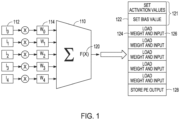
- FIG. 1 illustrates how a single instruction stream is assembled.
- an embodiment includes a perceptron 110.
- the perceptron 110 receives input 112 and these inputs are multiplied by weights 114.
- the results of these multiplications are summed/accumulated and then applied to an activation function 120. This generates the output, and the output is converted to its instruction equivalent.
- the instruction includes a header 121 that sets some activation values, a bias value 122 is set, and then one after another the weights 124 and inputs 126 are loaded.
- the inputs 112 and weights 114 correspond to the loaded weights 124 and inputs 126. While only five weight and input pairs are illustrated in FIG.
- a processing element executes the instruction stream by multiplying the inputs by the weights and accumulating the results, and as indicated at 128, the output of the processing element is stored in memory.
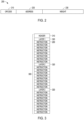
- FIG. 2 illustrates an embodiment of an instruction 200, which can be 64 bits long.
- a first part of the instruction is an op code 210, which determines what that instruction does. In a sense, the op code informs where in the neural network the execution is, which informs the processing engine what it needs to do. In an embodiment, the op code is eight bits long.
- the opcode sets the layer types. The different types of layers include an input, a fully connected convolution, a single or multiple map convolution, a pooling layer, or a classifier. As is known to those of skill in the art, a two-dimensional convolution layer is a common layer within a network, and it has different connection patterns and it recycles weights.
- a benefit of a convolution layer is it uses very few weights; however, it does take a lot of calculations.
- the instructions point to a different pattern of inputs from the previous layer.
- the op code changes to tell the processing element what the function of the instruction is and for what purpose the data will be used.
- the instruction could also relate to load, store, map done (indicates when a convolution is done), or set value (used to set register values with constants) functions to be executed by the processing element.
- the next bits in the instruction 200 inform the processing element of address locations 220, that is, either where to find data or where to put data.
- the address 220 is sixteen bits long. For example, if it is a LOAD instruction, these bits will inform from where to load the data. That is, the previous layer stored its data in memory, and the LOAD instruction tells the processing element where to get that data in order to start the multiplication process for the current perceptron.
- the next value in the instruction 200 is the actual weight value 230 to be applied to the input. For example, if the instruction was a LOAD instruction, the instruction would cause the loading of the input, the weight would be obtained, and then the multiplication would be executed. The last 32 bits are also used during back propagation to inform from where to get information or where to store information. As illustrated in FIG. 3 , the instructions 200 are commingled into the instruction stream 300, which consists of a header 310 and a plurality of layers 320 and associated instructions 200. The layers 320 correspond to the multiple layers in the artificial neural network.
- FIG. 4 illustrates an example of how an instruction stream can be divided up.
- the system can have several processing elements within that hardware.
- Each one of the divided-up instruction streams has a header, a layer identification, and then some instructions, followed by another layer and some more instructions.
- one layer can be divided into four instructions 300A for two processing elements 310A and 310B, or two instructions 300B for four processing elements 310C, 310D, 310E, and 310F. This division of the instruction stream into many processing elements reduces the amount of time that it takes to execute that instruction stream.
- Each layer 320 must finish before proceeding onto the next layer. If the instructions do not divide out equally, then the processing element that has fewer instructions waits for the other processing elements to finish their execution before it goes on to the next layer, because the next layer needs all the data from the previous layer.
- the forward propagation instruction stream begins with the header 310.
- the header contains global information needed to execute the artificial neural network. Global information includes learning rates, activation functions, and other hyper parameters.
- input values, weight values, and destinations for the resulting sums are needed.
- LOAD opcodes are used to retrieve input data and weight values
- STORE opcodes are used to place sums in the proper memory destinations.
- the input and output values are located in the memory of a field programmable gate array (FPGA).
- FPGA field programmable gate array
- the FPGA processing element must be provided with the FPGA memory address for each neuron value when the FPGA processing element receives the LOAD instruction. Because of FPGA internal memory limitations, the weights are stored in memory. Consequently, the value of the weight must be provided to the FPGA processing element on the same LOAD opcode.
- STORE opcode the destination address for the resulting sum is transmitted to the FPGA processing element.
- the STORE opcode occurs once for each perceptron and marks the end of a multiply and accumulate operation. In most embodiments, the LOAD and STORE opcodes makeup the bulk of the instruction stream.
- the instruction stream is reversed.
- the system starts up the classifier at the outputs, which are already there, and the outputs are used to calculate the error, adjust the weights, and then go to the previous layer and perform the same operations. That is, during back propagation, the error is determined, the weights are adjusted based on the error, and using the instruction stream the weights are sent out of the hardware back into memory. Thereafter, when forward propagating, all the new weights are available.
- the outputs of every layer must be retained. This retention cannot be done in restricted hardware environments because there is not enough memory to store all the output data. Consequently, during forward propagation, the STORE command is used to transmit the output of a perceptron in a layer to memory.
- the needed input data must be retrieved from memory for processing by the processing element. For this purpose, as illustrated in FIG. 5 , every instruction is preceded by data 510. Consequently, for back propagation, the processing element needs the input value, the weight value, and the previous output value, which are all included in the instruction 510. While this does increase the size of the instruction stream, and slightly slows processing, it does allow for on-chip training of the neural network in hardware.
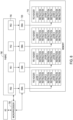
- the streamed instructions for forward propagation are located in an memory 610.
- a direct memory access module 620 is used to access the instruction streams.
- the microprocessor 630 in conjunction with the direct memory access modules 620 access the instruction streams, and these instruction streams are transferred into the fabric 640 and processed by the processing elements 645.
- the microprocessor instructs the DMA to transfer data from one location to another, and the DMA simply transfers the data as a big block of memory into the fabric. After processing by the processing elements, the data are stored in memory 650 via the STORE command.
- the streamed instructions for backward propagation are located in memory 710. It is noted that unlike the forward propagation of FIG. 6 , the backward propagation has the needed data 710A.
- the microprocessor 730 in conjunction with the direct memory access modules 720 access the instruction streams, and these instruction streams are transferred into the fabric 740 and processed by the processing elements 745.
- the microprocessor instructs the DMA to transfer data from one location to another, and the DMA simply transfers the data as a big block of memory into the fabric.
- the error is applied to the weight to adjust the weight, and the weight is stored back into memory.
- FIG. 8 illustrates how the updated weights are moved through the DMA 720 back to their original locations in the forward propagation instruction stream.
- FIG.9 is another diagram illustrating a system and process for implementing an artificial neural network via an instruction stream according to some aspects of the embodiments.
- FIG. 9 includes process blocks 905-961. Though arranged substantially serially in the example of FIG. 9 , other examples may reorder the blocks, omit one or more blocks, and/or execute two or more blocks in parallel using multiple processors or a single processor organized as two or more virtual machines or sub-processors. Moreover, still other examples can implement the blocks as one or more specific interconnected hardware or integrated circuit modules with related control and data signals communicated between and through the modules. Thus, any process flow is applicable to software, firmware, hardware, and hybrid implementations.
- a header of the instruction stream is defined.
- the header includes a learning rate and activation function parameters.
- a format is defined for instructions that implement an artificial neural network via an instruction stream.
- the format includes an opcode, an address, and data.
- the opcode can include a layer type, a load instruction, a store instruction, a map done instruction, a set bias instruction (which indicates the beginning of processor element calculations), and/or a set value instruction.
- the instruction is structured such that the opcode is followed by the address, and the address is followed by the data.
- the address is either an address from which input data are retrieved for input into a perceptron of the artificial neural network, or an address to which output data are transmitted from the perceptron of the artificial neural network.
- the instruction stream can include a single header and sets of neural network layer identifications.
- each neural network layer identification is associated with one or more instructions. ( See e.g., FIG. 3 ).
- the instruction stream is created using the opcode, the address, and the data ( 920 ). Thereafter, at 930 , the artificial neural network is implemented by providing the instruction stream to a computer processor for execution of the instruction stream.
- a data layer is positioned before or prior to each of the instructions. As disclosed in connection with FIG. 5 , this data layer is for use in connection with a backward propagation of the neural network.
- the system includes a processing element.
- the input data are received into the processing element via a LOAD instruction, and the LOAD instruction includes an address field that indicates the neuron in the current layer to which the instruction is applied.
- output data are transmitted from the processing element to an memory.
- the instruction stream is divided into several instruction streams prior to providing the instruction stream to the computer processor or processing element for execution. Then at 961, the several instruction streams are executed in parallel.
- FIG. 10 is a block diagram illustrating a computing and communications platform 1000 in the example form of a general-purpose machine on which some or all of the system of FIG. 1 may be carried out according to various embodiments.
- programming of the computing platform 1000 according to one or more particular algorithms produces a special-purpose machine upon execution of that programming.
- the computing platform 1000 may operate in the capacity of either a server or a client machine in server-client network environments, or it may act as a peer machine in peer-to-peer (or distributed) network environments.
- Example computing platform 1000 includes at least one processor 1002 (e.g., a central processing unit (CPU), a graphics processing unit (GPU) or both, processor cores, compute nodes, etc.), a main memory 1004 and a static memory 1006, which communicate with each other via a link 1008 ( e.g., bus).
- the computing platform 1000 may further include a video display unit 1010, input devices 1012 (e.g., a keyboard, camera, microphone), and a user interface (UI) navigation device 1014 (e.g., mouse, touchscreen).
- the computing platform 1000 may additionally include a storage device 1016 (e.g., a drive unit), a signal generation device 1018 (e.g., a speaker), and a RF-environment interface device (RFEID) 1020.
- processor 1002 e.g., a central processing unit (CPU), a graphics processing unit (GPU) or both, processor cores, compute nodes, etc.
- main memory 1004 e.g.,
- the storage device 1016 includes a non-transitory machine-readable medium 1022 on which is stored one or more sets of data structures and instructions 1024 (e . g ., software) embodying or utilized by any one or more of the methodologies or functions described herein.
- the instructions 1024 may also reside, completely or at least partially, within the main memory 1004, static memory 1006, and/or within the processor 1002 during execution thereof by the computing platform 1000, with the main memory 1004, static memory 1006, and the processor 1002 also constituting machine-readable media.
- machine-readable medium 1022 is illustrated in an example embodiment to be a single medium, the term “machine-readable medium” may include a single medium or multiple media (e.g., a centralized or distributed database, and/or associated caches and servers) that store the one or more instructions 1024.
- the term “machine-readable medium” shall also be taken to include any tangible medium that is capable of storing, encoding or carrying instructions for execution by the machine and that cause the machine to perform any one or more of the methodologies of the present disclosure or that is capable of storing, encoding or carrying data structures utilized by or associated with such instructions.
- the term “machine-readable medium” shall accordingly be taken to include, but not be limited to, solid-state memories, and optical and magnetic media.
- machine-readable media include nonvolatile memory, including but not limited to, by way of example, semiconductor memory devices (e.g., electrically programmable read-only memory (EPROM), electrically erasable programmable read-only memory (EEPROM)) and flash memory devices; magnetic disks such as internal hard disks and removable disks; magneto-optical disks; and CD-ROM and DVD-ROM disks.
- semiconductor memory devices e.g., electrically programmable read-only memory (EPROM), electrically erasable programmable read-only memory (EEPROM)
- EPROM electrically programmable read-only memory
- EEPROM electrically erasable programmable read-only memory
- flash memory devices e.g., electrically programmable read-only memory (EPROM), electrically erasable programmable read-only memory (EEPROM)
- flash memory devices e.g., electrically programmable read-only memory (EPROM), electrically erasable programmable read-only memory (EEPROM)
- RFEID 1020 includes radio receiver circuitry, along with analog-to-digital conversion circuitry, and interface circuitry to communicate via link 1008 according to various embodiments.
- RFEID may be in the form of a wideband radio receiver, or scanning radio receiver, that interfaces with processor 1002 via link 1008.
- link 1008 includes a PCI Express (PCIe) bus, including a slot into which the NIC form-factor may removably engage.
- RFEID 1020 includes circuitry laid out on a motherboard together with local link circuitry, processor interface circuitry, other input/output circuitry, memory circuitry, storage device and peripheral controller circuitry, and the like.
- RFEID 1020 is a peripheral that interfaces with link 1008 via a peripheral input/output port such as a universal serial bus (USB) port.
- RFEID 1020 receives RF emissions over wireless transmission medium 1026.
- RFEID 1020 may be constructed to receive RADAR signaling, radio communications signaling, unintentional emissions, or some combination of such emissions.
- Examples, as described herein, may include, or may operate on, logic or a number of components, circuits, or engines, which for the sake of consistency are termed engines, although it will be understood that these terms may be used interchangeably.
- Engines may be hardware, software, or firmware communicatively coupled to one or more processors in order to carry out the operations described herein.
- Engines may be hardware engines, and as such engines may be considered tangible entities capable of performing specified operations and may be configured or arranged in a certain manner.
- circuits may be arranged ( e . g ., internally or with respect to external entities such as other circuits) in a specified manner as an engine.
- the whole or part of one or more computing platforms may be configured by firmware or software (e . g ., instructions, an application portion, or an application) as an engine that operates to perform specified operations.
- the software may reside on a machine-readable medium.
- the software when executed by the underlying hardware of the engine, causes the hardware to perform the specified operations.
- the term hardware engine is understood to encompass a tangible entity, be that an entity that is physically constructed, specifically configured ( e . g ., hardwired), or temporarily ( e.g., transitorily) configured ( e.g., programmed) to operate in a specified manner or to perform part or all of any operation described herein.
- each of the engines need not be instantiated at any one moment in time.
- the engines comprise a general-purpose hardware processor configured using software; the general-purpose hardware processor may be configured as respective different engines at different times.
- Software may accordingly configure a hardware processor, for example, to constitute a particular engine at one instance of time and to constitute a different engine at a different instance of time.
Landscapes
- Engineering & Computer Science (AREA)
- Theoretical Computer Science (AREA)
- Physics & Mathematics (AREA)
- Software Systems (AREA)
- General Physics & Mathematics (AREA)
- General Engineering & Computer Science (AREA)
- Health & Medical Sciences (AREA)
- Life Sciences & Earth Sciences (AREA)
- Biomedical Technology (AREA)
- Biophysics (AREA)
- General Health & Medical Sciences (AREA)
- Molecular Biology (AREA)
- Computing Systems (AREA)
- Evolutionary Computation (AREA)
- Data Mining & Analysis (AREA)
- Mathematical Physics (AREA)
- Computational Linguistics (AREA)
- Artificial Intelligence (AREA)
- Multimedia (AREA)
- Neurology (AREA)
- Advance Control (AREA)
Claims (15)
- Verfahren zum Implementieren eines künstlichen neuronalen Netzwerks über einen Anweisungsstrom (300), umfassend:Definieren eines Formats für Anweisungen in dem Anweisungsstrom (300), wobei das Format einen Opcode (210), eine Adresse (220) und Daten umfasst, wobei auf den Opcode (210) die Adresse (220) folgt und wobei auf die Adresse (220) die Daten folgen;Definieren eines Headers (310) des Anweisungsstroms (300), wobei der Header (310) eine Lernrate und Aktivierungsfunktionsparameter umfasst;Erstellen des Anweisungsstroms (300) unter Verwendung des Headers (310), des Opcodes (210), der Adresse (220) und der Daten; undImplementieren des künstlichen neuronalen Netzwerks durch Bereitstellen des Anweisungsstroms (300) an einen Computerprozessor zur Ausführung des Anweisungsstroms (300);wobei der Opcode (210) eines oder mehreres von einem Schichttyp, einer Ladeanweisung, einer Speicheranweisung, einer Map-Done-Anweisung, einer Set-Bias-Anweisung und einer Set-Value-Anweisung umfasst; undwobei die Adresse (220) eines oder mehreres von einer Adresse, von der Eingabedaten zur Eingabe in ein Perzeptron des künstlichen neuronalen Netzwerks abzurufen sind, und einer Adresse zur Übertragung von Ausgabedaten von dem Perzeptron des künstlichen neuronalen Netzwerks umfasst.
- Verfahren nach Anspruch 1, wobei der Anweisungsstrom (300) einen einzigen Header und einen oder mehrere Sätze von Identifikationen der neuronalen Netzwerkschicht umfasst; und wobei jede Identifikation der neuronalen Netzwerkschicht einer oder mehreren Anweisungen zugeordnet ist.
- Verfahren nach Anspruch 1, umfassend eine Datenschicht, die vor jeder der Anweisungen positioniert ist; wobei die Datenschicht zur Verwendung in Verbindung mit einer Rückwärtsausbreitung vorgesehen ist.
- Verfahren nach Anspruch 1, wobei der Computerprozessor ein Verarbeitungselement umfasst; wobei die Eingabedaten über die Ladeanweisung in das Verarbeitungselement empfangen werden; und wobei die Ladeanweisung eine Adresse des Verarbeitungselements des Computerprozessors umfasst.
- Verfahren nach Anspruch 4, wobei die Ausgabedaten von dem Verarbeitungselement an einen Speicher übertragen werden.
- Verfahren nach Anspruch 1, umfassend Aufteilen des Anweisungsstroms (300) in eine Vielzahl von Anweisungsströmen vor dem Bereitstellen des Anweisungsstroms (300) an den Computerprozessor.
- Verfahren nach Anspruch 6, wobei die Vielzahl von Anweisungsströmen parallel ausgeführt wird.
- Nicht-transitorisches computerlesbares Medium, das Anweisungen umfasst, die, wenn sie durch einen Prozessor ausgeführt werden, ein Verfahren zum Implementieren eines künstlichen neuronalen Netzwerks über einen Anweisungsstrom (300) ausführen, wobei das Verfahren Folgendes umfasst:Definieren eines Formats für Anweisungen in dem Anweisungsstrom (300), wobei das Format einen Opcode (210), eine Adresse (220) und Daten umfasst, wobei auf den Opcode (210) die Adresse (220) folgt und wobei auf die Adresse (220) die Daten folgen;Definieren eines Headers (310) des Anweisungsstroms (300), wobei der Header (310) eine Lernrate und Aktivierungsfunktionsparameter umfasst;Erstellen des Anweisungsstroms (300) unter Verwendung des Headers (310), des Opcodes (210), der Adresse (220) und der Daten; undImplementieren des künstlichen neuronalen Netzwerks durch Bereitstellen des Anweisungsstroms (300) an einen Computerprozessor zur Ausführung des Anweisungsstroms (300);wobei der Opcode (210) eines oder mehreres von einem Schichttyp, einer Ladeanweisung, einer Speicheranweisung, einer Map-Done-Anweisung, einer Set-Bias-Anweisung und einer Set-Value-Anweisung umfasst; undwobei die Adresse (220) eines oder mehreres von einer Adresse, von der Eingabedaten zur Eingabe in ein Perzeptron des künstlichen neuronalen Netzwerks abzurufen sind, und einer Adresse zur Übertragung von Ausgabedaten von dem Perzeptron des künstlichen neuronalen Netzwerks umfasst.
- Nicht-transitorisches computerlesbares Medium nach Anspruch 8, wobei der Anweisungsstrom (300) einen einzigen Header und einen oder mehrere Sätze von Identifikationen der neuronalen Netzwerkschicht umfasst; und wobei jede Identifikation der neuronalen Netzwerkschicht einer oder mehreren Anweisungen zugeordnet ist.
- Nicht-transitorisches computerlesbares Medium nach Anspruch 8, umfassend eine Datenschicht, die vor jeder der Anweisungen positioniert ist; wobei die Datenschicht zur Verwendung in Verbindung mit einer Rückwärtsausbreitung vorgesehen ist.
- Nicht-transitorisches computerlesbares Medium nach Anspruch 8, wobei der Computerprozessor ein Verarbeitungselement umfasst; wobei die Eingabedaten über die Ladeanweisung in das Verarbeitungselement empfangen werden; und wobei die Ladeanweisung eine Adresse des Verarbeitungselements des Computerprozessors umfasst.
- Nicht-transitorisches computerlesbares Medium nach Anspruch 11, wobei die Ausgabedaten von dem Verarbeitungselement an einen Speicher übertragen werden.
- Nicht-transitorisches computerlesbares Medium nach Anspruch 8, umfassend Anweisungen zum Aufteilen des Anweisungsstroms (300) in eine Vielzahl von Anweisungsströmen vor dem Bereitstellen des Anweisungsstroms (300) an den Computerprozessor.
- Nicht-transitorisches computerlesbares Medium nach Anspruch 13, wobei die Vielzahl von Anweisungsströmen parallel ausgeführt wird.
- System, das Folgendes umfasst:einen Computerprozessor; undeinen Computerspeicher, der an den Computerprozessor gekoppelt ist;wobei der Computerprozessor durch Folgendes dazu konfiguriert ist, ein künstliches neuronales Netzwerk über einen Anweisungsstrom (300) zu implementieren:Definieren eines Formats für Anweisungen in dem Anweisungsstrom (300), wobei das Format einen Opcode (210), eine Adresse (220) und Daten umfasst, wobei auf den Opcode (210) die Adresse (220) folgt und wobei auf die Adresse (220) die Daten folgen;Definieren eines Headers (310) des Anweisungsstroms (300), wobei der Header (310) eine Lernrate und Aktivierungsfunktionsparameter umfasst;Erstellen des Anweisungsstroms (300) unter Verwendung des Headers (310), des Opcodes (210), der Adresse (220) und der Daten; undImplementieren des künstlichen neuronalen Netzwerks durch Bereitstellen des Anweisungsstroms (300) an den Computerprozessor, der den Anweisungsstrom (300) ausführt;wobei der Opcode (210) eines oder mehreres von einem Schichttyp, einer Ladeanweisung, einer Speicheranweisung, einer Map-Done-Anweisung, einer Set-Bias-Anweisung und einer Set-Value-Anweisung umfasst; undwobei die Adresse (220) eines oder mehreres von einer Adresse, von der Eingabedaten zur Eingabe in ein Perzeptron des künstlichen neuronalen Netzwerks abzurufen sind, und einer Adresse zur Übertragung von Ausgabedaten von dem Perzeptron des künstlichen neuronalen Netzwerks umfasst.
Applications Claiming Priority (2)
| Application Number | Priority Date | Filing Date | Title |
|---|---|---|---|
| US16/668,957 US11475311B2 (en) | 2019-10-30 | 2019-10-30 | Neural network instruction streaming |
| PCT/US2020/048465 WO2021086486A1 (en) | 2019-10-30 | 2020-08-28 | Neural network instruction streaming |
Publications (2)
| Publication Number | Publication Date |
|---|---|
| EP4052188A1 EP4052188A1 (de) | 2022-09-07 |
| EP4052188B1 true EP4052188B1 (de) | 2024-07-31 |
Family
ID=72470605
Family Applications (1)
| Application Number | Title | Priority Date | Filing Date |
|---|---|---|---|
| EP20771400.7A Active EP4052188B1 (de) | 2019-10-30 | 2020-08-28 | Streaming von neuronalen netzwerkanweisungen |
Country Status (3)
| Country | Link |
|---|---|
| US (1) | US11475311B2 (de) |
| EP (1) | EP4052188B1 (de) |
| WO (1) | WO2021086486A1 (de) |
Families Citing this family (2)
| Publication number | Priority date | Publication date | Assignee | Title |
|---|---|---|---|---|
| US11475311B2 (en) | 2019-10-30 | 2022-10-18 | Raytheon Company | Neural network instruction streaming |
| CN118626152B (zh) * | 2024-08-14 | 2024-11-01 | 北京开源芯片研究院 | 一种指令流的生成方法、装置、电子设备及存储介质 |
Family Cites Families (6)
| Publication number | Priority date | Publication date | Assignee | Title |
|---|---|---|---|---|
| US5325464A (en) | 1990-05-22 | 1994-06-28 | International Business Machines Corporation | Pyramid learning architecture neurocomputer |
| US10872290B2 (en) | 2017-09-21 | 2020-12-22 | Raytheon Company | Neural network processor with direct memory access and hardware acceleration circuits |
| CN108875926A (zh) | 2017-10-30 | 2018-11-23 | 上海寒武纪信息科技有限公司 | 语言翻译方法及相关产品 |
| US11468332B2 (en) | 2017-11-13 | 2022-10-11 | Raytheon Company | Deep neural network processor with interleaved backpropagation |
| US10963379B2 (en) * | 2018-01-30 | 2021-03-30 | Microsoft Technology Licensing, Llc | Coupling wide memory interface to wide write back paths |
| US11475311B2 (en) | 2019-10-30 | 2022-10-18 | Raytheon Company | Neural network instruction streaming |
-
2019
- 2019-10-30 US US16/668,957 patent/US11475311B2/en active Active
-
2020
- 2020-08-28 EP EP20771400.7A patent/EP4052188B1/de active Active
- 2020-08-28 WO PCT/US2020/048465 patent/WO2021086486A1/en not_active Ceased
Non-Patent Citations (2)
| Title |
|---|
| HADI ESMAEILZADEH ET AL: "Neural Acceleration for General-Purpose Approximate Programs", 2014 47TH ANNUAL IEEE/ACM INTERNATIONAL SYMPOSIUM ON MICROARCHITECTURE; [PROCEEDINGS OF THE ANNUAL ACM/IEEE INTERNATIONAL SYMPOSIUM ON MICROARCHITECTURE], IEEE COMPUTER SOCIETY, 1730 MASSACHUSETTS AVE., NW WASHINGTON, DC 20036-1992 USA, 1 December 2012 (2012-12-01), pages 449 - 460, XP058014446, ISSN: 1072-4451, ISBN: 978-0-7695-3047-5, DOI: 10.1109/MICRO.2012.48 * |
| MOREAU THIERRY ET AL: "SNNAP: Approximate computing on programmable SoCs via neural acceleration", 2015 IEEE 21ST INTERNATIONAL SYMPOSIUM ON HIGH PERFORMANCE COMPUTER ARCHITECTURE (HPCA), IEEE, 7 February 2015 (2015-02-07), pages 603 - 614, XP032744078, DOI: 10.1109/HPCA.2015.7056066 * |
Also Published As
| Publication number | Publication date |
|---|---|
| US11475311B2 (en) | 2022-10-18 |
| EP4052188A1 (de) | 2022-09-07 |
| US20210133579A1 (en) | 2021-05-06 |
| WO2021086486A1 (en) | 2021-05-06 |
Similar Documents
| Publication | Publication Date | Title |
|---|---|---|
| US10482380B2 (en) | Conditional parallel processing in fully-connected neural networks | |
| CN113435682B (zh) | 分布式训练的梯度压缩 | |
| US11308398B2 (en) | Computation method | |
| US12481886B2 (en) | Calculating device and method for a sparsely connected artificial neural network | |
| JP6348561B2 (ja) | マルチコア最適化リカレントニューラルネットワーク用のシステムおよび方法 | |
| US11709783B1 (en) | Tensor data distribution using grid direct-memory access (DMA) controller | |
| JP7837774B2 (ja) | ニューラルネットワークモデルの最適化方法及びニューラルネットワークモデルに関するグラフィックユーザインターフェースを提供する方法 | |
| WO2019018375A1 (en) | NEURONAL ARCHITECTURE RESEARCH FOR CONVOLUTION NEURAL NETWORKS | |
| EP3685319A1 (de) | Direktzugriff, hardware-beschleunigung in einem neuronalen netzwerk | |
| US11775832B2 (en) | Device and method for artificial neural network operation | |
| US11429853B2 (en) | Systems and methods for determining an artificial intelligence model in a communication system | |
| CN113272854A (zh) | 利用高级互连技术加速ai训练的方法和系统 | |
| EP3754503B1 (de) | Zuweisungssystem, verfahren und vorrichtung für maschinelles lernen und computervorrichtung | |
| CN110929854B (zh) | 一种数据处理方法、装置及硬件加速器 | |
| CN114730331B (zh) | 数据处理装置和数据处理方法 | |
| KR20200136514A (ko) | 인공 신경망 정방향 연산 실행용 장치와 방법 | |
| CN114430838B (zh) | 使用神经网络加速器来处理连续输入 | |
| US11475311B2 (en) | Neural network instruction streaming | |
| CN111723932A (zh) | 神经网络模型的训练方法和相关产品 | |
| US11704562B1 (en) | Architecture for virtual instructions | |
| JP7073686B2 (ja) | ニューラルネットワーク結合低減 | |
| EP4036811A1 (de) | Kombinieren von kompression, partitionierung und quantisierung von dl-modellen für den einbau in hardware-prozessoren | |
| CN112766462A (zh) | 数据处理方法、装置及计算机可读存储介质 | |
| JP2022102966A (ja) | 情報処理装置、情報処理方法 | |
| CN109272112B (zh) | 一种面向神经网络的数据重用指令映射方法、系统及装置 |
Legal Events
| Date | Code | Title | Description |
|---|---|---|---|
| STAA | Information on the status of an ep patent application or granted ep patent |
Free format text: STATUS: UNKNOWN |
|
| STAA | Information on the status of an ep patent application or granted ep patent |
Free format text: STATUS: THE INTERNATIONAL PUBLICATION HAS BEEN MADE |
|
| PUAI | Public reference made under article 153(3) epc to a published international application that has entered the european phase |
Free format text: ORIGINAL CODE: 0009012 |
|
| STAA | Information on the status of an ep patent application or granted ep patent |
Free format text: STATUS: REQUEST FOR EXAMINATION WAS MADE |
|
| 17P | Request for examination filed |
Effective date: 20220523 |
|
| AK | Designated contracting states |
Kind code of ref document: A1 Designated state(s): AL AT BE BG CH CY CZ DE DK EE ES FI FR GB GR HR HU IE IS IT LI LT LU LV MC MK MT NL NO PL PT RO RS SE SI SK SM TR |
|
| DAV | Request for validation of the european patent (deleted) | ||
| DAX | Request for extension of the european patent (deleted) | ||
| GRAP | Despatch of communication of intention to grant a patent |
Free format text: ORIGINAL CODE: EPIDOSNIGR1 |
|
| STAA | Information on the status of an ep patent application or granted ep patent |
Free format text: STATUS: GRANT OF PATENT IS INTENDED |
|
| RIC1 | Information provided on ipc code assigned before grant |
Ipc: G06N 3/04 20060101ALI20231215BHEP Ipc: G06N 3/08 20060101ALI20231215BHEP Ipc: G06N 3/084 20230101ALI20231215BHEP Ipc: G06N 3/063 20060101AFI20231215BHEP |
|
| RIC1 | Information provided on ipc code assigned before grant |
Ipc: G06N 3/045 20230101ALN20240109BHEP Ipc: G06N 3/084 20230101ALI20240109BHEP Ipc: G06N 3/063 20060101AFI20240109BHEP |
|
| INTG | Intention to grant announced |
Effective date: 20240122 |
|
| GRAJ | Information related to disapproval of communication of intention to grant by the applicant or resumption of examination proceedings by the epo deleted |
Free format text: ORIGINAL CODE: EPIDOSDIGR1 |
|
| STAA | Information on the status of an ep patent application or granted ep patent |
Free format text: STATUS: REQUEST FOR EXAMINATION WAS MADE |
|
| GRAP | Despatch of communication of intention to grant a patent |
Free format text: ORIGINAL CODE: EPIDOSNIGR1 |
|
| STAA | Information on the status of an ep patent application or granted ep patent |
Free format text: STATUS: GRANT OF PATENT IS INTENDED |
|
| INTC | Intention to grant announced (deleted) | ||
| INTG | Intention to grant announced |
Effective date: 20240315 |
|
| RIC1 | Information provided on ipc code assigned before grant |
Ipc: G06N 3/045 20230101ALN20240301BHEP Ipc: G06N 3/084 20230101ALI20240301BHEP Ipc: G06N 3/063 20060101AFI20240301BHEP |
|
| GRAS | Grant fee paid |
Free format text: ORIGINAL CODE: EPIDOSNIGR3 |
|
| GRAA | (expected) grant |
Free format text: ORIGINAL CODE: 0009210 |
|
| STAA | Information on the status of an ep patent application or granted ep patent |
Free format text: STATUS: THE PATENT HAS BEEN GRANTED |
|
| AK | Designated contracting states |
Kind code of ref document: B1 Designated state(s): AL AT BE BG CH CY CZ DE DK EE ES FI FR GB GR HR HU IE IS IT LI LT LU LV MC MK MT NL NO PL PT RO RS SE SI SK SM TR |
|
| REG | Reference to a national code |
Ref country code: CH Ref legal event code: EP Ref country code: GB Ref legal event code: FG4D |
|
| REG | Reference to a national code |
Ref country code: DE Ref legal event code: R096 Ref document number: 602020034923 Country of ref document: DE |
|
| REG | Reference to a national code |
Ref country code: IE Ref legal event code: FG4D |
|
| REG | Reference to a national code |
Ref country code: LT Ref legal event code: MG9D |
|
| REG | Reference to a national code |
Ref country code: NL Ref legal event code: MP Effective date: 20240731 |
|
| PG25 | Lapsed in a contracting state [announced via postgrant information from national office to epo] |
Ref country code: PT Free format text: LAPSE BECAUSE OF FAILURE TO SUBMIT A TRANSLATION OF THE DESCRIPTION OR TO PAY THE FEE WITHIN THE PRESCRIBED TIME-LIMIT Effective date: 20241202 |
|
| REG | Reference to a national code |
Ref country code: AT Ref legal event code: MK05 Ref document number: 1709150 Country of ref document: AT Kind code of ref document: T Effective date: 20240731 |
|
| PG25 | Lapsed in a contracting state [announced via postgrant information from national office to epo] |
Ref country code: PT Free format text: LAPSE BECAUSE OF FAILURE TO SUBMIT A TRANSLATION OF THE DESCRIPTION OR TO PAY THE FEE WITHIN THE PRESCRIBED TIME-LIMIT Effective date: 20241202 |
|
| PG25 | Lapsed in a contracting state [announced via postgrant information from national office to epo] |
Ref country code: NO Free format text: LAPSE BECAUSE OF FAILURE TO SUBMIT A TRANSLATION OF THE DESCRIPTION OR TO PAY THE FEE WITHIN THE PRESCRIBED TIME-LIMIT Effective date: 20241031 |
|
| PG25 | Lapsed in a contracting state [announced via postgrant information from national office to epo] |
Ref country code: FI Free format text: LAPSE BECAUSE OF FAILURE TO SUBMIT A TRANSLATION OF THE DESCRIPTION OR TO PAY THE FEE WITHIN THE PRESCRIBED TIME-LIMIT Effective date: 20240731 Ref country code: NL Free format text: LAPSE BECAUSE OF FAILURE TO SUBMIT A TRANSLATION OF THE DESCRIPTION OR TO PAY THE FEE WITHIN THE PRESCRIBED TIME-LIMIT Effective date: 20240731 Ref country code: GR Free format text: LAPSE BECAUSE OF FAILURE TO SUBMIT A TRANSLATION OF THE DESCRIPTION OR TO PAY THE FEE WITHIN THE PRESCRIBED TIME-LIMIT Effective date: 20241101 Ref country code: PL Free format text: LAPSE BECAUSE OF FAILURE TO SUBMIT A TRANSLATION OF THE DESCRIPTION OR TO PAY THE FEE WITHIN THE PRESCRIBED TIME-LIMIT Effective date: 20240731 |
|
| PG25 | Lapsed in a contracting state [announced via postgrant information from national office to epo] |
Ref country code: BG Free format text: LAPSE BECAUSE OF FAILURE TO SUBMIT A TRANSLATION OF THE DESCRIPTION OR TO PAY THE FEE WITHIN THE PRESCRIBED TIME-LIMIT Effective date: 20240731 |
|
| PG25 | Lapsed in a contracting state [announced via postgrant information from national office to epo] |
Ref country code: LV Free format text: LAPSE BECAUSE OF FAILURE TO SUBMIT A TRANSLATION OF THE DESCRIPTION OR TO PAY THE FEE WITHIN THE PRESCRIBED TIME-LIMIT Effective date: 20240731 |
|
| PG25 | Lapsed in a contracting state [announced via postgrant information from national office to epo] |
Ref country code: IS Free format text: LAPSE BECAUSE OF FAILURE TO SUBMIT A TRANSLATION OF THE DESCRIPTION OR TO PAY THE FEE WITHIN THE PRESCRIBED TIME-LIMIT Effective date: 20241130 Ref country code: AT Free format text: LAPSE BECAUSE OF FAILURE TO SUBMIT A TRANSLATION OF THE DESCRIPTION OR TO PAY THE FEE WITHIN THE PRESCRIBED TIME-LIMIT Effective date: 20240731 |
|
| PG25 | Lapsed in a contracting state [announced via postgrant information from national office to epo] |
Ref country code: HR Free format text: LAPSE BECAUSE OF FAILURE TO SUBMIT A TRANSLATION OF THE DESCRIPTION OR TO PAY THE FEE WITHIN THE PRESCRIBED TIME-LIMIT Effective date: 20240731 |
|
| PG25 | Lapsed in a contracting state [announced via postgrant information from national office to epo] |
Ref country code: ES Free format text: LAPSE BECAUSE OF FAILURE TO SUBMIT A TRANSLATION OF THE DESCRIPTION OR TO PAY THE FEE WITHIN THE PRESCRIBED TIME-LIMIT Effective date: 20240731 Ref country code: RS Free format text: LAPSE BECAUSE OF FAILURE TO SUBMIT A TRANSLATION OF THE DESCRIPTION OR TO PAY THE FEE WITHIN THE PRESCRIBED TIME-LIMIT Effective date: 20241031 |
|
| PG25 | Lapsed in a contracting state [announced via postgrant information from national office to epo] |
Ref country code: RS Free format text: LAPSE BECAUSE OF FAILURE TO SUBMIT A TRANSLATION OF THE DESCRIPTION OR TO PAY THE FEE WITHIN THE PRESCRIBED TIME-LIMIT Effective date: 20241031 Ref country code: PL Free format text: LAPSE BECAUSE OF FAILURE TO SUBMIT A TRANSLATION OF THE DESCRIPTION OR TO PAY THE FEE WITHIN THE PRESCRIBED TIME-LIMIT Effective date: 20240731 Ref country code: NO Free format text: LAPSE BECAUSE OF FAILURE TO SUBMIT A TRANSLATION OF THE DESCRIPTION OR TO PAY THE FEE WITHIN THE PRESCRIBED TIME-LIMIT Effective date: 20241031 Ref country code: NL Free format text: LAPSE BECAUSE OF FAILURE TO SUBMIT A TRANSLATION OF THE DESCRIPTION OR TO PAY THE FEE WITHIN THE PRESCRIBED TIME-LIMIT Effective date: 20240731 Ref country code: LV Free format text: LAPSE BECAUSE OF FAILURE TO SUBMIT A TRANSLATION OF THE DESCRIPTION OR TO PAY THE FEE WITHIN THE PRESCRIBED TIME-LIMIT Effective date: 20240731 Ref country code: IS Free format text: LAPSE BECAUSE OF FAILURE TO SUBMIT A TRANSLATION OF THE DESCRIPTION OR TO PAY THE FEE WITHIN THE PRESCRIBED TIME-LIMIT Effective date: 20241130 Ref country code: HR Free format text: LAPSE BECAUSE OF FAILURE TO SUBMIT A TRANSLATION OF THE DESCRIPTION OR TO PAY THE FEE WITHIN THE PRESCRIBED TIME-LIMIT Effective date: 20240731 Ref country code: GR Free format text: LAPSE BECAUSE OF FAILURE TO SUBMIT A TRANSLATION OF THE DESCRIPTION OR TO PAY THE FEE WITHIN THE PRESCRIBED TIME-LIMIT Effective date: 20241101 Ref country code: FI Free format text: LAPSE BECAUSE OF FAILURE TO SUBMIT A TRANSLATION OF THE DESCRIPTION OR TO PAY THE FEE WITHIN THE PRESCRIBED TIME-LIMIT Effective date: 20240731 Ref country code: ES Free format text: LAPSE BECAUSE OF FAILURE TO SUBMIT A TRANSLATION OF THE DESCRIPTION OR TO PAY THE FEE WITHIN THE PRESCRIBED TIME-LIMIT Effective date: 20240731 Ref country code: BG Free format text: LAPSE BECAUSE OF FAILURE TO SUBMIT A TRANSLATION OF THE DESCRIPTION OR TO PAY THE FEE WITHIN THE PRESCRIBED TIME-LIMIT Effective date: 20240731 Ref country code: AT Free format text: LAPSE BECAUSE OF FAILURE TO SUBMIT A TRANSLATION OF THE DESCRIPTION OR TO PAY THE FEE WITHIN THE PRESCRIBED TIME-LIMIT Effective date: 20240731 |
|
| REG | Reference to a national code |
Ref country code: CH Ref legal event code: PL |
|
| PG25 | Lapsed in a contracting state [announced via postgrant information from national office to epo] |
Ref country code: RO Free format text: LAPSE BECAUSE OF FAILURE TO SUBMIT A TRANSLATION OF THE DESCRIPTION OR TO PAY THE FEE WITHIN THE PRESCRIBED TIME-LIMIT Effective date: 20240731 Ref country code: SM Free format text: LAPSE BECAUSE OF FAILURE TO SUBMIT A TRANSLATION OF THE DESCRIPTION OR TO PAY THE FEE WITHIN THE PRESCRIBED TIME-LIMIT Effective date: 20240731 Ref country code: DK Free format text: LAPSE BECAUSE OF FAILURE TO SUBMIT A TRANSLATION OF THE DESCRIPTION OR TO PAY THE FEE WITHIN THE PRESCRIBED TIME-LIMIT Effective date: 20240731 |
|
| PG25 | Lapsed in a contracting state [announced via postgrant information from national office to epo] |
Ref country code: LU Free format text: LAPSE BECAUSE OF NON-PAYMENT OF DUE FEES Effective date: 20240828 |
|
| PG25 | Lapsed in a contracting state [announced via postgrant information from national office to epo] |
Ref country code: MC Free format text: LAPSE BECAUSE OF FAILURE TO SUBMIT A TRANSLATION OF THE DESCRIPTION OR TO PAY THE FEE WITHIN THE PRESCRIBED TIME-LIMIT Effective date: 20240731 Ref country code: EE Free format text: LAPSE BECAUSE OF FAILURE TO SUBMIT A TRANSLATION OF THE DESCRIPTION OR TO PAY THE FEE WITHIN THE PRESCRIBED TIME-LIMIT Effective date: 20240731 Ref country code: CH Free format text: LAPSE BECAUSE OF NON-PAYMENT OF DUE FEES Effective date: 20240831 |
|
| PG25 | Lapsed in a contracting state [announced via postgrant information from national office to epo] |
Ref country code: CZ Free format text: LAPSE BECAUSE OF FAILURE TO SUBMIT A TRANSLATION OF THE DESCRIPTION OR TO PAY THE FEE WITHIN THE PRESCRIBED TIME-LIMIT Effective date: 20240731 |
|
| PG25 | Lapsed in a contracting state [announced via postgrant information from national office to epo] |
Ref country code: SK Free format text: LAPSE BECAUSE OF FAILURE TO SUBMIT A TRANSLATION OF THE DESCRIPTION OR TO PAY THE FEE WITHIN THE PRESCRIBED TIME-LIMIT Effective date: 20240731 Ref country code: IT Free format text: LAPSE BECAUSE OF FAILURE TO SUBMIT A TRANSLATION OF THE DESCRIPTION OR TO PAY THE FEE WITHIN THE PRESCRIBED TIME-LIMIT Effective date: 20240731 |
|
| REG | Reference to a national code |
Ref country code: DE Ref legal event code: R097 Ref document number: 602020034923 Country of ref document: DE |
|
| PLBE | No opposition filed within time limit |
Free format text: ORIGINAL CODE: 0009261 |
|
| STAA | Information on the status of an ep patent application or granted ep patent |
Free format text: STATUS: NO OPPOSITION FILED WITHIN TIME LIMIT |
|
| REG | Reference to a national code |
Ref country code: BE Ref legal event code: MM Effective date: 20240831 |
|
| 26N | No opposition filed |
Effective date: 20250501 |
|
| PG25 | Lapsed in a contracting state [announced via postgrant information from national office to epo] |
Ref country code: BE Free format text: LAPSE BECAUSE OF NON-PAYMENT OF DUE FEES Effective date: 20240831 |
|
| PG25 | Lapsed in a contracting state [announced via postgrant information from national office to epo] |
Ref country code: IE Free format text: LAPSE BECAUSE OF NON-PAYMENT OF DUE FEES Effective date: 20240828 |
|
| PG25 | Lapsed in a contracting state [announced via postgrant information from national office to epo] |
Ref country code: SE Free format text: LAPSE BECAUSE OF FAILURE TO SUBMIT A TRANSLATION OF THE DESCRIPTION OR TO PAY THE FEE WITHIN THE PRESCRIBED TIME-LIMIT Effective date: 20240731 |
|
| PGFP | Annual fee paid to national office [announced via postgrant information from national office to epo] |
Ref country code: DE Payment date: 20250724 Year of fee payment: 6 |
|
| PGFP | Annual fee paid to national office [announced via postgrant information from national office to epo] |
Ref country code: GB Payment date: 20250724 Year of fee payment: 6 |
|
| PGFP | Annual fee paid to national office [announced via postgrant information from national office to epo] |
Ref country code: FR Payment date: 20250725 Year of fee payment: 6 |
|
| PG25 | Lapsed in a contracting state [announced via postgrant information from national office to epo] |
Ref country code: CY Free format text: LAPSE BECAUSE OF FAILURE TO SUBMIT A TRANSLATION OF THE DESCRIPTION OR TO PAY THE FEE WITHIN THE PRESCRIBED TIME-LIMIT; INVALID AB INITIO Effective date: 20200828 |
|
| PG25 | Lapsed in a contracting state [announced via postgrant information from national office to epo] |
Ref country code: HU Free format text: LAPSE BECAUSE OF FAILURE TO SUBMIT A TRANSLATION OF THE DESCRIPTION OR TO PAY THE FEE WITHIN THE PRESCRIBED TIME-LIMIT; INVALID AB INITIO Effective date: 20200828 |