EP4052159B1 - Sofortige durchsetzung von zentral konfigurierten it-richtlinien - Google Patents
Sofortige durchsetzung von zentral konfigurierten it-richtlinien Download PDFInfo
- Publication number
- EP4052159B1 EP4052159B1 EP20804741.5A EP20804741A EP4052159B1 EP 4052159 B1 EP4052159 B1 EP 4052159B1 EP 20804741 A EP20804741 A EP 20804741A EP 4052159 B1 EP4052159 B1 EP 4052159B1
- Authority
- EP
- European Patent Office
- Prior art keywords
- entity
- resource provider
- event
- computer system
- user
- Prior art date
- Legal status (The legal status is an assumption and is not a legal conclusion. Google has not performed a legal analysis and makes no representation as to the accuracy of the status listed.)
- Active
Links
Images




Classifications
-
- H—ELECTRICITY
- H04—ELECTRIC COMMUNICATION TECHNIQUE
- H04L—TRANSMISSION OF DIGITAL INFORMATION, e.g. TELEGRAPHIC COMMUNICATION
- H04L63/00—Network architectures or network communication protocols for network security
- H04L63/10—Network architectures or network communication protocols for network security for controlling access to devices or network resources
- H04L63/102—Entity profiles
-
- G—PHYSICS
- G06—COMPUTING OR CALCULATING; COUNTING
- G06F—ELECTRIC DIGITAL DATA PROCESSING
- G06F21/00—Security arrangements for protecting computers, components thereof, programs or data against unauthorised activity
- G06F21/60—Protecting data
- G06F21/604—Tools and structures for managing or administering access control systems
-
- G—PHYSICS
- G06—COMPUTING OR CALCULATING; COUNTING
- G06F—ELECTRIC DIGITAL DATA PROCESSING
- G06F21/00—Security arrangements for protecting computers, components thereof, programs or data against unauthorised activity
- G06F21/60—Protecting data
- G06F21/62—Protecting access to data via a platform, e.g. using keys or access control rules
-
- H—ELECTRICITY
- H04—ELECTRIC COMMUNICATION TECHNIQUE
- H04L—TRANSMISSION OF DIGITAL INFORMATION, e.g. TELEGRAPHIC COMMUNICATION
- H04L63/00—Network architectures or network communication protocols for network security
- H04L63/06—Network architectures or network communication protocols for network security for supporting key management in a packet data network
-
- H—ELECTRICITY
- H04—ELECTRIC COMMUNICATION TECHNIQUE
- H04L—TRANSMISSION OF DIGITAL INFORMATION, e.g. TELEGRAPHIC COMMUNICATION
- H04L63/00—Network architectures or network communication protocols for network security
- H04L63/08—Network architectures or network communication protocols for network security for authentication of entities
-
- H—ELECTRICITY
- H04—ELECTRIC COMMUNICATION TECHNIQUE
- H04L—TRANSMISSION OF DIGITAL INFORMATION, e.g. TELEGRAPHIC COMMUNICATION
- H04L63/00—Network architectures or network communication protocols for network security
- H04L63/08—Network architectures or network communication protocols for network security for authentication of entities
- H04L63/083—Network architectures or network communication protocols for network security for authentication of entities using passwords
- H04L63/0846—Network architectures or network communication protocols for network security for authentication of entities using passwords using time-dependent-passwords, e.g. periodically changing passwords
-
- H—ELECTRICITY
- H04—ELECTRIC COMMUNICATION TECHNIQUE
- H04L—TRANSMISSION OF DIGITAL INFORMATION, e.g. TELEGRAPHIC COMMUNICATION
- H04L63/00—Network architectures or network communication protocols for network security
- H04L63/10—Network architectures or network communication protocols for network security for controlling access to devices or network resources
- H04L63/108—Network architectures or network communication protocols for network security for controlling access to devices or network resources when the policy decisions are valid for a limited amount of time
-
- H—ELECTRICITY
- H04—ELECTRIC COMMUNICATION TECHNIQUE
- H04L—TRANSMISSION OF DIGITAL INFORMATION, e.g. TELEGRAPHIC COMMUNICATION
- H04L63/00—Network architectures or network communication protocols for network security
- H04L63/20—Network architectures or network communication protocols for network security for managing network security; network security policies in general
-
- H—ELECTRICITY
- H04—ELECTRIC COMMUNICATION TECHNIQUE
- H04L—TRANSMISSION OF DIGITAL INFORMATION, e.g. TELEGRAPHIC COMMUNICATION
- H04L2463/00—Additional details relating to network architectures or network communication protocols for network security covered by H04L63/00
- H04L2463/121—Timestamp
-
- H—ELECTRICITY
- H04—ELECTRIC COMMUNICATION TECHNIQUE
- H04L—TRANSMISSION OF DIGITAL INFORMATION, e.g. TELEGRAPHIC COMMUNICATION
- H04L63/00—Network architectures or network communication protocols for network security
- H04L63/06—Network architectures or network communication protocols for network security for supporting key management in a packet data network
- H04L63/068—Network architectures or network communication protocols for network security for supporting key management in a packet data network using time-dependent keys, e.g. periodically changing keys
-
- H—ELECTRICITY
- H04—ELECTRIC COMMUNICATION TECHNIQUE
- H04L—TRANSMISSION OF DIGITAL INFORMATION, e.g. TELEGRAPHIC COMMUNICATION
- H04L63/00—Network architectures or network communication protocols for network security
- H04L63/08—Network architectures or network communication protocols for network security for authentication of entities
- H04L63/0815—Network architectures or network communication protocols for network security for authentication of entities providing single-sign-on or federations
-
- H—ELECTRICITY
- H04—ELECTRIC COMMUNICATION TECHNIQUE
- H04L—TRANSMISSION OF DIGITAL INFORMATION, e.g. TELEGRAPHIC COMMUNICATION
- H04L63/00—Network architectures or network communication protocols for network security
- H04L63/14—Network architectures or network communication protocols for network security for detecting or protecting against malicious traffic
- H04L63/1408—Network architectures or network communication protocols for network security for detecting or protecting against malicious traffic by monitoring network traffic
- H04L63/1425—Traffic logging, e.g. anomaly detection
Definitions
- Computers and computing systems have affected nearly every aspect of modern living. Computers are generally involved in work, recreation, healthcare, transportation, entertainment, household management, etc.
- computing system functionality can be enhanced by a computing system's ability to be interconnected to other computing systems via network connections.
- Network connections may include, but are not limited to, connections via wired or wireless Ethernet, cellular connections, or even computer to computer connections through serial, parallel, USB, or other connections.
- the connections allow a computing system to access services at other computing systems and to quickly and efficiently receive application data from other computing systems.
- an entity may be configured to access resources from a resource provider where the resource provider is a remote computing system. To obtain access to these resources, the entity will typically authenticate with an identity provider to receive an access token and a refresh token, where the access token can be presented to the resource provider in a request for resources. If the access token is valid, an authenticated session is created between the resource provider and the entity to provide the resources.
- IT Administrative policies for an organization are often configured centrally on the identity provider used by the organization.
- the policies are then enforced by the identity provider when issuing authentication artifacts (e.g., access tokens) that are used to confirm a user's identity.
- the identity provider evaluates administrative policies to ensure the user's compliance. If the user complies with the policies, the access token is issued to the user. The access token is then passed to a resource provider that grants resource access based on the information in the access token. After the access token is issued and until it reaches its expiration the identity provider has no means to update resource providers on changes in the user's security state. For example, if the user's employment has been terminated, the user will continue to have access to the resources until the user's access tokens expire.
- access tokens will often be issued by an identity provider where the access tokens are valid for one hour.
- US 2018/0139200 A1 discloses revoking sessions using signaling.
- a signal indicating that a login session is no longer trusted and that the user is to be re-directed to an identity platform to re-authenticate and renew a session is generated.
- US 2019/0318115 A1 discloses a system for efficient management of invalid access tokens.
- One embodiment illustrated herein includes a method that includes acts for managing an authenticated user session.
- the method includes a resource provider computer system subscribing to a conditional access termination service for an entity configured to obtain resources from the resource provider computer system through a user session.
- the resource provider computer system receives an event, related to resource requests, for the entity from the conditional access termination service.
- the resource provider computer system evaluates the request with respect to the event.
- the resource provider computer system responds to the request based on evaluating the request with respect to the event.
- Embodiments illustrated herein are able to implement so called ⁇ instant enforcement' of IT Policies. That is, there exists a technical problem whereby systems are vulnerable to unauthorized access due to unauthorized entities using unexpired access tokens to access resources to which they should no longer have access. Further, there exists a technical problem of increased traffic when systems attempt to shorten access token validity times. Typically it is not feasible to configure resource providers to enforce policy as doing so affects the scalability of enterprise systems. In particular, it is expensive in terms of computational resources and administrator resources to reconfigure resource providers any time there is a policy change or any time there is a change that would necessitate revoking a user session. As the number of resource providers increases in such systems, cost in terms of computational resources and administrator resources increases proportionally.
- Embodiments illustrated herein can implement a technical solution which instantly (or at least very quickly) notifies resource providers of potential access issues by an entity to the resources.
- This is implemented in some embodiments by the technical means of a conditional access termination service.
- the technical means includes allowing a resource provider to receive events relevant to entities that attempt to receive resources from the resource provider. In some embodiments, this can occur as a result of the resource providers subscribing to the conditional access termination service to receive events.
- the events can be evaluated at the resource provider against requests for resources to determine actions that should be taken with respect to the requests for resources from the entities.
- This allows for policy related information to be provided to resource providers in a fashion that still allows for a scalable system with respect to the resource providers.
- embodiments may include a system that can communicate policy signals to resource providers who can then make decisions on revoking existing sessions and redirecting users back to identity provider for policy re-evaluation.
- some embodiments can detect changes that affect security of a user's account. These changes can include but are not limited to:
- conditional access termination service (which in some embodiments may be included as part of the identity provider) will publish events to the subscribers. Interested resource providers will subscribe to the events. On receiving events for the user resource providers will revoke the existing session for the users and redirect the user back to the identity provider.
- resource providers need to redirect on a condition: for example, if a user's device has virus on it, only sessions initiated from the infected device should be affected.
- a condition included in an event may be a device-based condition. If an entity requests resources using a device indicated in an event to the resource provider, the entity will be redirected to an identity provider.
- the identity provider will re-evaluate the user's policy and will either re-issue an access token after re-validating user's identity, display remediation steps to the user (e.g. remove the virus from the device) or block the user entirely.
- Figure 1 illustrates an entity 102.
- the entity 102 may include a user as well as the device and associated clients used by the user.
- the entity 102 may have need to access resources from a resource provider 104.
- the entity will first authenticate with an identity provider 106.
- the entity 102 can authenticate to the identity provider 106 through any one of a number of different well-known authentication and access token issuance schemes, other less well-known authentication schemes, or even future authentication schemes yet to be developed. Suffice it to say, in the particular example shown in Figure 1 , the entity 102 receives from the identity provider 106 an access token 108 and a refresh token 110.
- the access token 108 typically includes a timestamp indicating when the access token was issued.
- the access token 108 may alternatively or additionally include information indicating when the access token 108 expires.
- the access token 108 may include information about authentication procedures used by the entity 102 to authenticate to the identity provider 106.
- the access token 108 may indicate that the access token 108 was obtained by the entity 102 authenticating to the identity provider using a simple user identity and secret authentication protocol.
- One such common protocol is the password authentication protocol, where the identity is a username and the secret is a password.
- the entity 102 is authenticated to the identity provider 106 using double factor authentication, this can be indicated in the access token 108.
- the access token 108 may indicate the minimum length of password used to authenticate to the identity provider, use of special characters in the password used to authenticate to the identity provider, use of both upper and lowercase letters in the password used to authenticate to the identity provider, absence of common passwords or other words in the password used to authenticate to the identity provider, etc.
- the access token 108 will be for a particular user as well as for a client used by the particular user.
- the entity 102 includes both the user and the client used by the user.
- the user may use a laptop computer with a corresponding laptop computer client to perform the authentication and resource requests.
- the access token 108 may include information about the laptop computer client of the entity 102.
- the user may use a smart phone to perform the authentication, in which case a corresponding smart phone client is used to perform the authentication and to perform resource requests, meaning that the access token 108 will be for an entity 102 including a user using a smart phone client.
- this additional information can be used by the resource provider 104 to evaluate certain conditions indicated in events provided by a conditional access termination service.
- the entity 102 can provide the access token 108 to the resource provider 104 in a request for resources from the resource provider 104.
- the resource provider 104 can evaluate the access token to determine that the entity 102 has been properly authenticated to the identity provider 106 and that the access token 108 is otherwise valid.
- the access token 108 may have an expiration and the resource provider 104 can determine that the access token 108 has not expired.
- this evaluation of the access token 108 passes the various checks, then the resources 112 will be provided to the entity 102.
- embodiments illustrated herein can implement additional checks with respect to the request 111 by the entity 102 to the resource provider 104.
- Figure 1 illustrates that the resource provider 104 can subscribe to a conditional access termination service 114.
- the conditional access termination service 114 may be included in the identity provider 106.
- embodiments may be implemented where policy is configured and administered at the same central location.
- embodiments may include an identity provider 106 that includes as part of the identity provider 106 the conditional access termination service 114.
- conditional access termination service 114 may be implemented independent of the identity provider 106. For example, embodiments may still be able to implement a centralized conditional access termination service but that is separate from the identity provider 106. In some embodiments, the conditional access termination service 114 may be associated with a policy server including both set policies and the ability to enforce the set policies.
- the resource provider 104 sends a subscription request 116 to the conditional access termination service 114. The resource provider subscribes to events related to the entity 102. As illustrated in Figure 1 , events 118 can be published from the conditional access termination service 114 to the resource provider 104 regarding the entity 102.
- events may be triggered due to account state changes, device state changes, client state changes, session state changes, etc.
- a policy service can detect changes related to policy at the policy service.
- an event will include one or more of the following: entity information, condition, timestamp, or action.
- Entity information included in an event may include information identifying a particular user of an entity 102, device information for the entity 102, client information for the entity 102, user role information for the entity 102 (e.g., is the user acting as an administrator, or other special authoritative user), membership information for the entity 102, etc.
- Condition information included in an event may include one or more conditions that should be evaluated to determine if a particular action should be taken.
- a timestamp included in an event may indicate a time when the event was issued (or some other significant time).
- an event may include a timestamp identifying a time that should be conditionally evaluated.
- An action included in an event indicates an action that should be taken with respect to the event.
- actions are conditional meaning that certain actions should only be taken only when certain conditions are met.
- events 118 may be issued from the conditional access termination service 114 to the resource provider 104 based on device state changes.
- the conditional access termination service 114 may be informed of changes to the device of the entity 102. This can be facilitated by the entity 102 being registered with a particular administrative service, periodic messages by the entity 102, general knowledge that devices of the type employed by the entity 102 have been changed generally, or in other ways.
- the conditional access termination service 114 may be connected by various interconnections to other systems that can provide information about the device state changes of the entity 102 such that appropriate events 118 can be issued.
- the following illustrates a particular scenario illustrating one example of a device state change.
- an administrator has configured a policy to require a compliant (in that it complies with system policy) and healthy (in that it is functioning within some predefined functional standards) device as a condition for data access.
- the identity provider 106 extends ability to correlate app session with the device ID to resource providers.
- the conditional access termination service 114 which in this case is a policy server, learns that a device for the user has fallen out of compliance, has a virus, or has otherwise failed to meet policy.
- the policy server publishes events 118 to the subscribers (e.g., the resource provider 104) for this user as a result.
- the event contains a conditional action that the subscribers need to perform to comply with the policy.
- the condition in this example, is a Device ID for an out of compliant device.
- events 118 may be issued from the conditional access termination service 114 to the resource provider 104 based on a change to a client application.
- a change to a client application can be detected by a policy server, such as the conditional access termination 114, and one or more events can be sent to resource providers, such as resource provider 104, as a result.
- Such changes to the client application may include updates to the client application (e.g., new versions), configuration changes to the client application, revocation by an administrator, etc.
- a policy server (such as a policy server implemented as or with the conditional access termination service 114) publishes one or more events 118 to the subscribers (e.g., the resource provider 104) for this entity 102. At least one of the events 118 contains the action that the subscribers need to perform to comply with the policy and the client ID for the removed application.
- events 118 may be issued from the conditional access termination service 114 to the resource provider 104 based on user state changes. For example, such changes may be based on changes to user attributes. For example, one or more events 118 may be emitted if a password is reset or changed. Alternatively or additionally, one or more events 118 may be emitted if a user account is disabled or deleted. Alternatively or additionally, one or more events 118 may be emitted if a compromised user is detected, etc.
- events 118 may be issued from the conditional access termination service 114 to the resource provider 104 based on session state changes. For example, an administrator may revoke a user session.
- a policy server may detect an increase in a session's risk level. Such increased risk may be detected, for example, as a result of detecting that a device is on a certain network, located in a certain location, unusual input is being input at a device, or simply that risk conditions have generally increased, or based on other detected occurrences.
- events 118 may be issued from the conditional access termination service 114 to the resource provider 104 based on policy state changes. For example, an administrator may change memberships or roles for a user, resulting in one or more events 118 being issued.
- a policy server (such as is illustrated by the conditional access termination service 114) publishes one or more events 118 to the subscribers (e.g., resource provider 104) for this user.
- the subscribers e.g., resource provider 104
- event can be emitted by the subscription publication service in a selective fashion to multiple subscribes. That is, in some embodiments, subscribers will only receive events relevant to them. Thus, some events will be sent to all subscribers for an entity, while other events will be sent only to relevant subscribers. In other embodiments, all events are sent to all subscribers for an entity, and the burden for determining if an event is relevant for a resource provider is pushed to the resource provider.
- the events 118 contains the action(s) that the subscribers need to perform to comply with a particular policy.
- an action specified in an event may include revoking the session and redirecting the user back to the identity provider 106.
- an action specified in an event may include blocking access to certain resources (or types of resources) or providing limited access (e.g., read only) to certain resources (or types of resources).
- conditions may be included in the event, such that the action included in the event may include revoking the session and redirecting the user back to the identity provider 106 if a condition is met, etc.
- the events 118 contain timestamps.
- a condition either included in an event itself or implemented on all events due to programmatic event handing protocols, causes the action in the events 118 to be performed only if the access token was issued prior to a particular event being evaluated.
- the resource provider 104 compares the timestamps in one or more the events 118 with when the access token 108 was issued and applies the actions in the events 118 only if the access token was issued prior to the timestamps in the events.
- the identity provider 106 can perform various actions depending on the policy setting, such as displaying a suitable message to the user, prompting the user for stronger authorization, issuing a new access token to the user with the 'limited access' claim that can be used by resource provider 104 to restrict access to sensitive data, or combinations thereof.
- the method 200 includes acts for managing an authenticated user session.
- the method includes a resource provider computer system subscribing to a conditional access termination service for an entity configured to obtain resources from the resource provider through a user session (act 202).
- Figure 1 illustrate the resource provider 104 subscribing to the conditional access termination service 114.
- the resource provider computer system receives an event for the entity from the conditional access termination service (act 204).
- Figure 1 illustrates the events 118.
- the resource provider computer system receives a request for resources from the entity (act 206).
- Figure 1 illustrates the request 111 which includes, or is at least associated with the access token 108.
- the resource provider computer system evaluates the request with respect to the event (act 208).
- the resource provider computer system responds to the request based on evaluating the request with respect to the event (act 210).
- the method 200 may be practiced where the event comprises at least one of user information, a condition, a timestamp, or an action.
- the method 200 may be practiced where the event comprises an action indicating an action that should be performed by the resource provider with respect to the entity.
- actions may include revoking the user session and redirecting the entity to an identity provider for reauthentication.
- the action may include limiting the entity's access to resources.
- the resource provider may be directed to block access to all files, block access to certain files, only allow only certain files, etc.
- the event identifies one or more conditions to be evaluated for the resource provider computer system to perform an action.
- the one or more conditions may be based on an authentication level.
- an event may indicate that an action should occur if an access token is presented with a certain authentication level, or not having a certain authentication level.
- the event may specify that if the entity presents an access token obtained using a simple identity and secret authentication procedure, then the user session should be revoked and the entity should be redirected to an identity provider to reauthenticate.
- the event may indicate any authentication procedure used to obtain the access token other than (or less secure than) double factor authentication should cause the resource provider to revoke the user session and redirect the entity to the identity provider to reauthenticate. Similar conditions can be indicated for length of password, reuse of passwords, or for other reasons.
- the one or more conditions may be based on a timestamp.
- the resource provider compares the timestamps in one or more the events with when the access token was issued and applies the actions in the events only if the access token was issued prior to the timestamps in the events. This allows for policy to be implemented at an identity provider at a particular time where access tokens issued after the particular time will not need to be refreshed as a result of an event.
- the one or more conditions may be based on a client used by the entity. For example, if a policy server determines that a user's desktop client has been compromised, the condition may specify that if a token is for a desktop client, then the action should be taken. However, if the user uses a token for a mobile client, the action will not be taken.
- the event may specify a specific device ID, which can be used as a condition for evaluation.
- the method 200 may be practiced where the resource provider subscribing to the conditional access termination service for the entity is performed based on the entity consenting to the resource provider subscribing to the conditional access termination service for the entity.
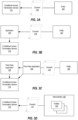
- consent may be provided directly by the entity 102 providing consent 118 directly to the conditional access termination service 114.
- the entity 118 could send a message to the conditional access termination service 114 indicating which service providers have consent to subscribe to the conditional access termination service 114 with respect to the entity 102.
- the entity may provide consent 118 to an application 120, and the application 120 may notify the conditional access termination service 114 that the consent is provided.
- the application 120 may include a user interface that allows a user to provide the consent as part of the configuration of the application 120.
- the consent 118 may be provided by the entity 102 consenting to a first-party application 122 for a different third-party application 124.
- a user may use their Contoso (a fictional company used for illustration herein) credentials, in a single sign-on scenario, which can be used to authenticate to a third-party application not directly controlled by Contoso.
- the entity will consent to a first-party Contoso application for the third-party application, thus allowing subscriptions for the entity for the third-party application.
- Figure 3C illustrates that the consent 118 can be provided to the first-party application 122.
- the first-party application can notify the third-party application 124 of the consent (which can then notify the conditional access termination service 114 of the consent 118) or can notify the conditional access termination service 114 directly of the consent 118.
- consent may be provided by an administrator for a group of entities including the entity.
- the administrator 126 provides consent 118' to the conditional access termination service 114 on behalf of a set 102' of entities over which the administrator has control. While the example illustrated in Figure 3D shows consent provided directly to the conditional access termination service 114, it should be appreciated that in other embodiments, the consent may be provided to applications such as is illustrated in Figures 3B and 3C , or other entities.
- the method includes, at a conditional access termination service, receiving a subscription request from a resource provider computer system computer system subscribing to the conditional access termination service for an entity configured to obtain resources from the resource provider computer system through a user session (act 402).
- the method 400 further includes, as a result, sending an event for the entity, related to resource requests, to the resource provider computer system that can be used by the resource provider computer system to evaluate requests for resources from the entity with respect to the event to respond to the requests for resources by the entity as a result of evaluating the requests (act 404).
- the method 400 may be practiced where the event comprises at least one of user information, a condition, a timestamp, or an action.
- the method 400 may be practiced where the event comprises an action indicating an action that should be performed by the resource provider computer system with respect to the entity.
- the action may include revoking the user session and redirecting the entity to an identity provider for reauthentication.
- the action may include limiting the entity's access to resources.
- the method 400 may be practiced where the event identifies one or more conditions to be evaluated for the resource provider computer system to perform the action.
- the one or more conditions may be based on an authentication level.
- the one or more conditions may be based on a timestamp.
- the one or more conditions may be based on a client used by the entity.
- the method 400 may further include the conditional access termination service permitting subscriptions based on consent being provided for the entity for the resource provider to subscribe to the conditional access termination service for the entity.
- consent is provided by an administrator for a group of entities including the entity.
- Figure 5 illustrates an example computer system 500 that may be used to facilitate the operations described herein.
- Computer systems, such as system 500 may be used to implement any of the computer systems described above.
- the methods may be practiced by a computer system 500 including one or more processors 505 and computer-readable storage 525 such as computer memory.
- the computer memory may store computer-executable instructions that when executed by one or more processors 505 cause various functions to be performed, such as the acts recited in the embodiments.
- Embodiments of the present invention may comprise or utilize a special purpose or general-purpose computer including computer hardware, as discussed in greater detail below.
- Embodiments within the scope of the present invention also include physical and other computer-readable media, such as the storage 525, for carrying or storing computer-executable instructions, data structures, or combinations thereof.
- Such computer-readable media can be any available media that can be accessed by a general purpose or special purpose computer system.
- Computer-readable media that store computer-executable instructions are physical storage media.
- Computer-readable media that carry computer-executable instructions are transmission media.
- embodiments of the invention can comprise at least two distinctly different kinds of computer-readable media: physical computer-readable storage media and transmission computer-readable media.
- Physical computer-readable storage media includes RAM, ROM, EEPROM, CD-ROM or other optical disk storage (such as CDs, DVDs, etc.), magnetic disk storage or other magnetic storage devices, or any other medium which can be used to store desired program code means in the form of computer-executable instructions or data structures and which can be accessed by a general purpose or special purpose computer.
- a “network” (e.g., network 535) is defined as one or more data links that enable the transport of electronic data between computer systems, modules, other electronic devices, or combinations thereof.
- a network or another communications connection either hardwired, wireless, or a combination of hardwired or wireless
- Transmissions media can include a network, or data links which can be used to carry desired program code means in the form of computer-executable instructions or data structures and which can be accessed by a general purpose or special purpose computer. Combinations of the above are also included within the scope of computer-readable media.
- program code means in the form of computer-executable instructions or data structures can be transferred automatically from transmission computer-readable media to physical computer-readable storage media (or vice versa).
- program code means in the form of computer-executable instructions or data structures received over a network or data link can be buffered in RAM within a network interface module (e.g., a "NIC"), and then eventually transferred to computer system RAM, to less volatile computer-readable physical storage media at a computer system, or combinations thereof.
- NIC network interface module
- computer-readable physical storage media can be included in computer system components that also (or even primarily) utilize transmission media.
- Computer-executable instructions comprise, for example, instructions and data which cause a general purpose computer, special purpose computer, or special purpose processing device to perform a certain function or group of functions.
- the computer-executable instructions may be, for example, binaries, intermediate format instructions such as assembly language, or even source code.
- the invention may be practiced in network computing environments with many types of computer system configurations, including, personal computers, desktop computers, laptop computers, message processors, hand-held devices, multi-processor systems, microprocessor-based or programmable consumer electronics, network PCs, minicomputers, mainframe computers, mobile telephones, PDAs, pagers, routers, switches, and the like.
- the invention may also be practiced in distributed system environments where local and remote computer systems, which are linked (either by hardwired data links, wireless data links, or by a combination of hardwired and wireless data links) through a network, both perform tasks.
- program modules may be located in both local and remote memory storage devices.
- the functionality described herein can be performed, at least in part, by one or more hardware logic components.
- illustrative types of hardware logic components include Field-programmable Gate Arrays (FPGAs), Application-specific Integrated Circuits (ASICs), Application-specific Standard Products (ASSPs), System-on-a-chip systems (SOCs), Complex Programmable Logic Devices (CPLDs), etc.
Landscapes
- Engineering & Computer Science (AREA)
- Computer Security & Cryptography (AREA)
- Computer Hardware Design (AREA)
- General Engineering & Computer Science (AREA)
- Computing Systems (AREA)
- Computer Networks & Wireless Communication (AREA)
- Signal Processing (AREA)
- Theoretical Computer Science (AREA)
- Bioethics (AREA)
- General Health & Medical Sciences (AREA)
- Software Systems (AREA)
- Physics & Mathematics (AREA)
- General Physics & Mathematics (AREA)
- Health & Medical Sciences (AREA)
- Automation & Control Theory (AREA)
- Mobile Radio Communication Systems (AREA)
- Computer And Data Communications (AREA)
Claims (10)
- Verfahren (400) zum Verwalten einer authentifizierten Benutzersitzung, wobei das Verfahren Folgendes umfasst:bei einem Beendigungsdienst mit bedingtem Zugang (114) Empfangen (402) einer Abonnementanforderung (116) von einem Rechensystem (104) eines Ressourcenanbieters, das den Beendigungsdienst mit bedingtem Zugang für eine Entität (102) abonniert, die dazu konfiguriert ist, Ressourcen (112) von dem Rechensystem des Ressourcenanbieters über eine Benutzersitzung zu erhalten; undals Reaktion auf das Empfangen Senden (404) eines Ereignisses (118) für die Entität an das Rechensystem des Ressourcenanbieters, wobei das Ereignis eine Aktion umfasst, wobei die Aktion mindestens eines von Widerrufen der Benutzersitzung und Umleiten der Entität zu einem Identitätsanbieter (106) zur erneuten Authentifizierung oder Einschränken des Zugangs der Entität zu Ressourcen (112) umfasst,wobei das Ereignis einen oder mehrere Zustände identifiziert, die zu bewerten sind, damit das System des Ressourcenanbieters die Aktion durchführt, undwobei das Rechensystem des Ressourcenanbieters dazu ausgelegt ist, Anforderungen betreffend Ressourcen bezogen auf das Ereignis zu bewerten und darauf zu antworten.
- Verfahren nach Anspruch 1, wobei das Ereignis (118) mindestens eines von Benutzerinformationen, dem einen oder den mehreren Zuständen und einen Zeitstempel umfasst.
- Verfahren nach Anspruch 2, wobei der eine oder die mehreren Zustände auf mindestens einem von einem Authentifizierungslevel, einem Zeitstempel oder einem von der Entität verwendeten Client basieren.
- Verfahren nach Anspruch 1, ferner umfassend den Beendigungsdienst mit bedingtem Zugang (114), der Abonnements basierend auf der für die Entität (102) bereitgestellten Einwilligung des Ressourcenanbieters erlaubt, den Beendigungsdienst mit bedingtem Zugang für das Endgerät zu abonnieren.
- Verfahren nach Anspruch 4, wobei die Einwilligung eine von einem Administrator bereitgestellte Einwilligung für eine Gruppe von Entitäten einschließlich der Entität ist.
- Verfahren (200) zum Verwalten einer authentifizierten Benutzersitzung, wobei das Verfahren Folgendes umfasst:ein Ressourcenanbieter-Rechensystem (104), das einen Beendigungsdienst mit bedingtem Zugang (114) für eine Entität (102) abonniert (202), die dazu konfiguriert ist, über eine Benutzersitzung Ressourcen (112) von dem Ressourcenanbieter-Rechensystem zu erhalten;wobei das Rechensystem des Ressourcenanbieters von dem Beendigungsdienst mit bedingtem Zugang ein Ereignis empfängt (204), das sich auf Ressourcenanforderungen betreffend die Entität bezieht, wobei das Ereignis eine Aktion umfasst, wobei die Aktion mindestens eines von Widerrufen der Benutzersitzung und Umleiten der Entität zu einem Identitätsanbieter (106) zur erneuten Authentifizierung oder zum Einschränken des Zugangs der Entität zu Ressourcen (112) umfasst, wobei das Ereignis einen oder mehrere Zustände identifiziert, die zu bewerten sind, damit das Rechensystem des Ressourcenanbieters die Aktion durchführt;wobei das Rechensystem des Ressourcenanbieters eine Anforderung von Ressourcen (112) von der Entität empfängt (206);wobei das Rechensystem des Ressourcenanbieters die Anforderung in Bezug auf das Ereignis bewertet (208); undwobei das Rechensystem des Ressourcenanbieters auf die Anforderung basierend auf der Bewertung der Anforderung in Bezug auf das Ereignis antwortet (210).
- Verfahren nach Anspruch 6, wobei das Ereignis (118) mindestens eines von Benutzerinformationen, dem einen oder den mehreren Zuständen und einem Zeitstempel umfasst.
- Verfahren nach Anspruch 6, wobei der eine oder die mehreren Zustände auf einem Authentifizierungslevel basieren.
- Verfahren nach Anspruch 6, wobei der eine oder die mehreren Zustände auf einem Zeitstempel basieren.
- Verfahren nach Anspruch 6, wobei der eine oder die mehreren Zustände auf einem von der Entität (102) verwendeten Client basieren.
Applications Claiming Priority (2)
| Application Number | Priority Date | Filing Date | Title |
|---|---|---|---|
| US16/670,563 US11349844B2 (en) | 2019-10-31 | 2019-10-31 | Instant enforcement of centrally configured IT policies |
| PCT/US2020/056954 WO2021086736A1 (en) | 2019-10-31 | 2020-10-23 | Instant enforcement of centrally configured it policies |
Publications (2)
| Publication Number | Publication Date |
|---|---|
| EP4052159A1 EP4052159A1 (de) | 2022-09-07 |
| EP4052159B1 true EP4052159B1 (de) | 2025-01-29 |
Family
ID=73344158
Family Applications (1)
| Application Number | Title | Priority Date | Filing Date |
|---|---|---|---|
| EP20804741.5A Active EP4052159B1 (de) | 2019-10-31 | 2020-10-23 | Sofortige durchsetzung von zentral konfigurierten it-richtlinien |
Country Status (4)
| Country | Link |
|---|---|
| US (1) | US11349844B2 (de) |
| EP (1) | EP4052159B1 (de) |
| CN (1) | CN114600425B (de) |
| WO (1) | WO2021086736A1 (de) |
Families Citing this family (10)
| Publication number | Priority date | Publication date | Assignee | Title |
|---|---|---|---|---|
| US11811929B2 (en) * | 2021-01-27 | 2023-11-07 | International Business Machines Corporation | Detection of compromised credentials |
| US12069052B2 (en) | 2021-05-28 | 2024-08-20 | Microsoft Technology Licensing, Llc | Client device capable of dynamically routing authentication requests to a backup authentication system |
| US11855979B2 (en) | 2021-05-28 | 2023-12-26 | Microsoft Technology Licensing, Llc | Proxy configured to dynamically failover authentication traffic to a backup authentication system |
| US11736464B2 (en) | 2021-05-28 | 2023-08-22 | Microsoft Technology Licensing, Llc | Backup authentication system configured to use an authentication package from a primary authentication system to authenticate a principal |
| US20230275886A1 (en) * | 2022-02-25 | 2023-08-31 | Microsoft Technology Licensing, Llc | Critical event triggers for continuous access evaluations during communication sessions |
| US12184498B2 (en) | 2022-05-12 | 2024-12-31 | Microsoft Technology Licensing, Llc | Networked device discovery and management |
| US12184646B2 (en) | 2022-05-12 | 2024-12-31 | Microsoft Technology Licensing, Llc | Networked device security posture management |
| US12536319B2 (en) | 2022-06-08 | 2026-01-27 | Microsoft Technology Licensing, Llc | Controlling application access to sensitive data |
| US12225043B2 (en) * | 2023-05-17 | 2025-02-11 | Gutsy.IO, LTD | Systems and methods for security process analysis |
| US12513139B1 (en) * | 2025-07-30 | 2025-12-30 | Cloudflare, Inc. | Access control of external capabilities exposed by a resource server for artificial intelligence models |
Family Cites Families (7)
| Publication number | Priority date | Publication date | Assignee | Title |
|---|---|---|---|---|
| GB0124261D0 (en) | 2001-10-09 | 2001-11-28 | Nokia Corp | Event related communications |
| US9258367B2 (en) * | 2006-08-01 | 2016-02-09 | Cisco Technology, Inc. | Technique for managing sessions with entities in a communication network |
| US10015169B2 (en) * | 2010-02-22 | 2018-07-03 | Avaya Inc. | Node-based policy-enforcement across mixed media, mixed-communications modalities and extensible to cloud computing such as SOA |
| US11720695B2 (en) * | 2011-09-01 | 2023-08-08 | Websistant, L.L.C. | Server-based electronic publication management |
| US9537851B2 (en) * | 2014-08-06 | 2017-01-03 | Microsoft Technology Licensing, Llc | Revoking sessions using signaling |
| FR3058540A1 (fr) * | 2016-11-10 | 2018-05-11 | Orange | Procede de gestion d'autorisation dans une communaute d'objets connectes |
| EP3554038B1 (de) | 2018-04-11 | 2026-04-08 | Barclays Execution Services Limited | System zur effizienten verwaltung ungültiger zugangs-token |
-
2019
- 2019-10-31 US US16/670,563 patent/US11349844B2/en active Active
-
2020
- 2020-10-23 WO PCT/US2020/056954 patent/WO2021086736A1/en not_active Ceased
- 2020-10-23 CN CN202080074316.9A patent/CN114600425B/zh active Active
- 2020-10-23 EP EP20804741.5A patent/EP4052159B1/de active Active
Also Published As
| Publication number | Publication date |
|---|---|
| CN114600425B (zh) | 2025-07-15 |
| US20210136076A1 (en) | 2021-05-06 |
| CN114600425A (zh) | 2022-06-07 |
| EP4052159A1 (de) | 2022-09-07 |
| WO2021086736A1 (en) | 2021-05-06 |
| US11349844B2 (en) | 2022-05-31 |
Similar Documents
| Publication | Publication Date | Title |
|---|---|---|
| US11349844B2 (en) | Instant enforcement of centrally configured IT policies | |
| US20240214350A1 (en) | Network traffic inspection | |
| EP4062617B1 (de) | Kommunikation von server zu server | |
| US11457040B1 (en) | Reverse TCP/IP stack | |
| US11405425B2 (en) | Rich token rejection system | |
| KR102571829B1 (ko) | 코어 네트워크 액세스 제공자 | |
| US10673862B1 (en) | Token-based access tracking and revocation | |
| EP4052151B1 (de) | Kundenbereitschaftssystem | |
| US20200067903A1 (en) | Integration of Publish-Subscribe Messaging with Authentication Tokens | |
| CN109196500B (zh) | 对基于云的服务的基于统一vpn和身份的认证 | |
| US20210136114A1 (en) | Instant policy enforcement | |
| US20250112907A1 (en) | Cross application authorization for enterprise systems | |
| US20250111030A1 (en) | Universal logout and single logout techniques | |
| US20250112961A1 (en) | Techniques for generating policy recommendations and insights using generative ai | |
| EP3062254A1 (de) | Lizenzverwaltung für vorrichtungsverwaltungssystem | |
| US20260019259A1 (en) | Establishing sessions via a proxy service | |
| US20130291078A1 (en) | Secure Distribution of Non-Privileged Authentication Credentials | |
| US20260037656A1 (en) | Extra-organizational application management | |
| US20260080039A1 (en) | Customized identity and access management token generation | |
| US12505227B2 (en) | Ground truth establishment and labeling techniques using signal aggregation | |
| US20260039642A1 (en) | Multi-application single-sign on via device session establishment | |
| Wilson et al. | Logout | |
| AU2024355282A1 (en) | Universal logout and single logout techniques |
Legal Events
| Date | Code | Title | Description |
|---|---|---|---|
| STAA | Information on the status of an ep patent application or granted ep patent |
Free format text: STATUS: UNKNOWN |
|
| STAA | Information on the status of an ep patent application or granted ep patent |
Free format text: STATUS: THE INTERNATIONAL PUBLICATION HAS BEEN MADE |
|
| PUAI | Public reference made under article 153(3) epc to a published international application that has entered the european phase |
Free format text: ORIGINAL CODE: 0009012 |
|
| STAA | Information on the status of an ep patent application or granted ep patent |
Free format text: STATUS: REQUEST FOR EXAMINATION WAS MADE |
|
| 17P | Request for examination filed |
Effective date: 20220427 |
|
| AK | Designated contracting states |
Kind code of ref document: A1 Designated state(s): AL AT BE BG CH CY CZ DE DK EE ES FI FR GB GR HR HU IE IS IT LI LT LU LV MC MK MT NL NO PL PT RO RS SE SI SK SM TR |
|
| DAV | Request for validation of the european patent (deleted) | ||
| DAX | Request for extension of the european patent (deleted) | ||
| REG | Reference to a national code |
Ref country code: DE Ref legal event code: R079 Free format text: PREVIOUS MAIN CLASS: G06F0021600000 Ipc: H04L0009400000 Ref document number: 602020045551 Country of ref document: DE |
|
| GRAP | Despatch of communication of intention to grant a patent |
Free format text: ORIGINAL CODE: EPIDOSNIGR1 |
|
| STAA | Information on the status of an ep patent application or granted ep patent |
Free format text: STATUS: GRANT OF PATENT IS INTENDED |
|
| RIC1 | Information provided on ipc code assigned before grant |
Ipc: G06F 21/62 20130101ALI20240822BHEP Ipc: G06F 21/60 20130101ALI20240822BHEP Ipc: H04L 9/40 20220101AFI20240822BHEP |
|
| INTG | Intention to grant announced |
Effective date: 20240904 |
|
| P01 | Opt-out of the competence of the unified patent court (upc) registered |
Free format text: CASE NUMBER: APP_54321/2024 Effective date: 20241002 |
|
| GRAS | Grant fee paid |
Free format text: ORIGINAL CODE: EPIDOSNIGR3 |
|
| GRAA | (expected) grant |
Free format text: ORIGINAL CODE: 0009210 |
|
| STAA | Information on the status of an ep patent application or granted ep patent |
Free format text: STATUS: THE PATENT HAS BEEN GRANTED |
|
| AK | Designated contracting states |
Kind code of ref document: B1 Designated state(s): AL AT BE BG CH CY CZ DE DK EE ES FI FR GB GR HR HU IE IS IT LI LT LU LV MC MK MT NL NO PL PT RO RS SE SI SK SM TR |
|
| REG | Reference to a national code |
Ref country code: GB Ref legal event code: FG4D |
|
| REG | Reference to a national code |
Ref country code: CH Ref legal event code: EP |
|
| REG | Reference to a national code |
Ref country code: DE Ref legal event code: R096 Ref document number: 602020045551 Country of ref document: DE |
|
| REG | Reference to a national code |
Ref country code: IE Ref legal event code: FG4D |
|
| REG | Reference to a national code |
Ref country code: NL Ref legal event code: MP Effective date: 20250129 |
|
| PG25 | Lapsed in a contracting state [announced via postgrant information from national office to epo] |
Ref country code: NL Free format text: LAPSE BECAUSE OF FAILURE TO SUBMIT A TRANSLATION OF THE DESCRIPTION OR TO PAY THE FEE WITHIN THE PRESCRIBED TIME-LIMIT Effective date: 20250129 |
|
| PG25 | Lapsed in a contracting state [announced via postgrant information from national office to epo] |
Ref country code: RS Free format text: LAPSE BECAUSE OF FAILURE TO SUBMIT A TRANSLATION OF THE DESCRIPTION OR TO PAY THE FEE WITHIN THE PRESCRIBED TIME-LIMIT Effective date: 20250429 |
|
| PG25 | Lapsed in a contracting state [announced via postgrant information from national office to epo] |
Ref country code: FI Free format text: LAPSE BECAUSE OF FAILURE TO SUBMIT A TRANSLATION OF THE DESCRIPTION OR TO PAY THE FEE WITHIN THE PRESCRIBED TIME-LIMIT Effective date: 20250129 |
|
| PG25 | Lapsed in a contracting state [announced via postgrant information from national office to epo] |
Ref country code: PL Free format text: LAPSE BECAUSE OF FAILURE TO SUBMIT A TRANSLATION OF THE DESCRIPTION OR TO PAY THE FEE WITHIN THE PRESCRIBED TIME-LIMIT Effective date: 20250129 |
|
| PG25 | Lapsed in a contracting state [announced via postgrant information from national office to epo] |
Ref country code: ES Free format text: LAPSE BECAUSE OF FAILURE TO SUBMIT A TRANSLATION OF THE DESCRIPTION OR TO PAY THE FEE WITHIN THE PRESCRIBED TIME-LIMIT Effective date: 20250129 |
|
| REG | Reference to a national code |
Ref country code: LT Ref legal event code: MG9D |
|
| PG25 | Lapsed in a contracting state [announced via postgrant information from national office to epo] |
Ref country code: NO Free format text: LAPSE BECAUSE OF FAILURE TO SUBMIT A TRANSLATION OF THE DESCRIPTION OR TO PAY THE FEE WITHIN THE PRESCRIBED TIME-LIMIT Effective date: 20250429 Ref country code: IS Free format text: LAPSE BECAUSE OF FAILURE TO SUBMIT A TRANSLATION OF THE DESCRIPTION OR TO PAY THE FEE WITHIN THE PRESCRIBED TIME-LIMIT Effective date: 20250529 |
|
| REG | Reference to a national code |
Ref country code: AT Ref legal event code: MK05 Ref document number: 1764531 Country of ref document: AT Kind code of ref document: T Effective date: 20250129 |
|
| PG25 | Lapsed in a contracting state [announced via postgrant information from national office to epo] |
Ref country code: HR Free format text: LAPSE BECAUSE OF FAILURE TO SUBMIT A TRANSLATION OF THE DESCRIPTION OR TO PAY THE FEE WITHIN THE PRESCRIBED TIME-LIMIT Effective date: 20250129 |
|
| PG25 | Lapsed in a contracting state [announced via postgrant information from national office to epo] |
Ref country code: LV Free format text: LAPSE BECAUSE OF FAILURE TO SUBMIT A TRANSLATION OF THE DESCRIPTION OR TO PAY THE FEE WITHIN THE PRESCRIBED TIME-LIMIT Effective date: 20250129 Ref country code: PT Free format text: LAPSE BECAUSE OF FAILURE TO SUBMIT A TRANSLATION OF THE DESCRIPTION OR TO PAY THE FEE WITHIN THE PRESCRIBED TIME-LIMIT Effective date: 20250529 |
|
| PG25 | Lapsed in a contracting state [announced via postgrant information from national office to epo] |
Ref country code: BG Free format text: LAPSE BECAUSE OF FAILURE TO SUBMIT A TRANSLATION OF THE DESCRIPTION OR TO PAY THE FEE WITHIN THE PRESCRIBED TIME-LIMIT Effective date: 20250129 Ref country code: GR Free format text: LAPSE BECAUSE OF FAILURE TO SUBMIT A TRANSLATION OF THE DESCRIPTION OR TO PAY THE FEE WITHIN THE PRESCRIBED TIME-LIMIT Effective date: 20250430 |
|
| PG25 | Lapsed in a contracting state [announced via postgrant information from national office to epo] |
Ref country code: AT Free format text: LAPSE BECAUSE OF FAILURE TO SUBMIT A TRANSLATION OF THE DESCRIPTION OR TO PAY THE FEE WITHIN THE PRESCRIBED TIME-LIMIT Effective date: 20250129 |
|
| PG25 | Lapsed in a contracting state [announced via postgrant information from national office to epo] |
Ref country code: SE Free format text: LAPSE BECAUSE OF FAILURE TO SUBMIT A TRANSLATION OF THE DESCRIPTION OR TO PAY THE FEE WITHIN THE PRESCRIBED TIME-LIMIT Effective date: 20250129 |
|
| PG25 | Lapsed in a contracting state [announced via postgrant information from national office to epo] |
Ref country code: SM Free format text: LAPSE BECAUSE OF FAILURE TO SUBMIT A TRANSLATION OF THE DESCRIPTION OR TO PAY THE FEE WITHIN THE PRESCRIBED TIME-LIMIT Effective date: 20250129 |
|
| PG25 | Lapsed in a contracting state [announced via postgrant information from national office to epo] |
Ref country code: DK Free format text: LAPSE BECAUSE OF FAILURE TO SUBMIT A TRANSLATION OF THE DESCRIPTION OR TO PAY THE FEE WITHIN THE PRESCRIBED TIME-LIMIT Effective date: 20250129 |
|
| PG25 | Lapsed in a contracting state [announced via postgrant information from national office to epo] |
Ref country code: IT Free format text: LAPSE BECAUSE OF FAILURE TO SUBMIT A TRANSLATION OF THE DESCRIPTION OR TO PAY THE FEE WITHIN THE PRESCRIBED TIME-LIMIT Effective date: 20250129 |
|
| PGFP | Annual fee paid to national office [announced via postgrant information from national office to epo] |
Ref country code: GB Payment date: 20250923 Year of fee payment: 6 |
|
| PG25 | Lapsed in a contracting state [announced via postgrant information from national office to epo] |
Ref country code: CZ Free format text: LAPSE BECAUSE OF FAILURE TO SUBMIT A TRANSLATION OF THE DESCRIPTION OR TO PAY THE FEE WITHIN THE PRESCRIBED TIME-LIMIT Effective date: 20250129 Ref country code: EE Free format text: LAPSE BECAUSE OF FAILURE TO SUBMIT A TRANSLATION OF THE DESCRIPTION OR TO PAY THE FEE WITHIN THE PRESCRIBED TIME-LIMIT Effective date: 20250129 |
|
| PG25 | Lapsed in a contracting state [announced via postgrant information from national office to epo] |
Ref country code: RO Free format text: LAPSE BECAUSE OF FAILURE TO SUBMIT A TRANSLATION OF THE DESCRIPTION OR TO PAY THE FEE WITHIN THE PRESCRIBED TIME-LIMIT Effective date: 20250129 |
|
| PG25 | Lapsed in a contracting state [announced via postgrant information from national office to epo] |
Ref country code: SK Free format text: LAPSE BECAUSE OF FAILURE TO SUBMIT A TRANSLATION OF THE DESCRIPTION OR TO PAY THE FEE WITHIN THE PRESCRIBED TIME-LIMIT Effective date: 20250129 |
|
| REG | Reference to a national code |
Ref country code: DE Ref legal event code: R097 Ref document number: 602020045551 Country of ref document: DE |
|
| PLBE | No opposition filed within time limit |
Free format text: ORIGINAL CODE: 0009261 |
|
| STAA | Information on the status of an ep patent application or granted ep patent |
Free format text: STATUS: NO OPPOSITION FILED WITHIN TIME LIMIT |
|
| REG | Reference to a national code |
Ref country code: CH Ref legal event code: L10 Free format text: ST27 STATUS EVENT CODE: U-0-0-L10-L00 (AS PROVIDED BY THE NATIONAL OFFICE) Effective date: 20251210 |
|
| 26N | No opposition filed |
Effective date: 20251030 |
|
| PGFP | Annual fee paid to national office [announced via postgrant information from national office to epo] |
Ref country code: DE Payment date: 20250923 Year of fee payment: 6 |
|
| REG | Reference to a national code |
Ref country code: CH Ref legal event code: H13 Free format text: ST27 STATUS EVENT CODE: U-0-0-H10-H13 (AS PROVIDED BY THE NATIONAL OFFICE) Effective date: 20260527 |
|
| PG25 | Lapsed in a contracting state [announced via postgrant information from national office to epo] |
Ref country code: LU Free format text: LAPSE BECAUSE OF NON-PAYMENT OF DUE FEES Effective date: 20251023 |
|
| REG | Reference to a national code |
Ref country code: BE Ref legal event code: MM Effective date: 20251031 |
|
| PG25 | Lapsed in a contracting state [announced via postgrant information from national office to epo] |
Ref country code: LT Free format text: LAPSE BECAUSE OF FAILURE TO SUBMIT A TRANSLATION OF THE DESCRIPTION OR TO PAY THE FEE WITHIN THE PRESCRIBED TIME-LIMIT Effective date: 20250129 |
|
| PG25 | Lapsed in a contracting state [announced via postgrant information from national office to epo] |
Ref country code: MC Free format text: LAPSE BECAUSE OF FAILURE TO SUBMIT A TRANSLATION OF THE DESCRIPTION OR TO PAY THE FEE WITHIN THE PRESCRIBED TIME-LIMIT Effective date: 20250129 |
|
| PG25 | Lapsed in a contracting state [announced via postgrant information from national office to epo] |
Ref country code: BE Free format text: LAPSE BECAUSE OF NON-PAYMENT OF DUE FEES Effective date: 20251031 Ref country code: CH Free format text: LAPSE BECAUSE OF NON-PAYMENT OF DUE FEES Effective date: 20251031 |
|
| PG25 | Lapsed in a contracting state [announced via postgrant information from national office to epo] |
Ref country code: FR Free format text: LAPSE BECAUSE OF NON-PAYMENT OF DUE FEES Effective date: 20251031 |