EP4044828B1 - Extensively hydrolysed infant formula - Google Patents
Extensively hydrolysed infant formula Download PDFInfo
- Publication number
- EP4044828B1 EP4044828B1 EP20790004.4A EP20790004A EP4044828B1 EP 4044828 B1 EP4044828 B1 EP 4044828B1 EP 20790004 A EP20790004 A EP 20790004A EP 4044828 B1 EP4044828 B1 EP 4044828B1
- Authority
- EP
- European Patent Office
- Prior art keywords
- ehf
- weight
- protein
- peptides
- less
- Prior art date
- Legal status (The legal status is an assumption and is not a legal conclusion. Google has not performed a legal analysis and makes no representation as to the accuracy of the status listed.)
- Active
Links
Images


Classifications
-
- A—HUMAN NECESSITIES
- A23—FOODS OR FOODSTUFFS; TREATMENT THEREOF, NOT COVERED BY OTHER CLASSES
- A23L—FOODS, FOODSTUFFS OR NON-ALCOHOLIC BEVERAGES, NOT OTHERWISE PROVIDED FOR; PREPARATION OR TREATMENT THEREOF
- A23L33/00—Modifying nutritive qualities of foods; Dietetic products; Preparation or treatment thereof
- A23L33/40—Complete food formulations for specific consumer groups or specific purposes, e.g. infant formula
-
- A—HUMAN NECESSITIES
- A23—FOODS OR FOODSTUFFS; TREATMENT THEREOF, NOT COVERED BY OTHER CLASSES
- A23L—FOODS, FOODSTUFFS OR NON-ALCOHOLIC BEVERAGES, NOT OTHERWISE PROVIDED FOR; PREPARATION OR TREATMENT THEREOF
- A23L33/00—Modifying nutritive qualities of foods; Dietetic products; Preparation or treatment thereof
- A23L33/10—Modifying nutritive qualities of foods; Dietetic products; Preparation or treatment thereof using additives
- A23L33/115—Fatty acids or derivatives thereof; Fats or oils
-
- A—HUMAN NECESSITIES
- A23—FOODS OR FOODSTUFFS; TREATMENT THEREOF, NOT COVERED BY OTHER CLASSES
- A23L—FOODS, FOODSTUFFS OR NON-ALCOHOLIC BEVERAGES, NOT OTHERWISE PROVIDED FOR; PREPARATION OR TREATMENT THEREOF
- A23L33/00—Modifying nutritive qualities of foods; Dietetic products; Preparation or treatment thereof
- A23L33/10—Modifying nutritive qualities of foods; Dietetic products; Preparation or treatment thereof using additives
- A23L33/115—Fatty acids or derivatives thereof; Fats or oils
- A23L33/12—Fatty acids or derivatives thereof
-
- A—HUMAN NECESSITIES
- A23—FOODS OR FOODSTUFFS; TREATMENT THEREOF, NOT COVERED BY OTHER CLASSES
- A23L—FOODS, FOODSTUFFS OR NON-ALCOHOLIC BEVERAGES, NOT OTHERWISE PROVIDED FOR; PREPARATION OR TREATMENT THEREOF
- A23L33/00—Modifying nutritive qualities of foods; Dietetic products; Preparation or treatment thereof
- A23L33/10—Modifying nutritive qualities of foods; Dietetic products; Preparation or treatment thereof using additives
- A23L33/125—Modifying nutritive qualities of foods; Dietetic products; Preparation or treatment thereof using additives containing carbohydrate syrups; containing sugars; containing sugar alcohols; containing starch hydrolysates
-
- A—HUMAN NECESSITIES
- A23—FOODS OR FOODSTUFFS; TREATMENT THEREOF, NOT COVERED BY OTHER CLASSES
- A23L—FOODS, FOODSTUFFS OR NON-ALCOHOLIC BEVERAGES, NOT OTHERWISE PROVIDED FOR; PREPARATION OR TREATMENT THEREOF
- A23L33/00—Modifying nutritive qualities of foods; Dietetic products; Preparation or treatment thereof
- A23L33/10—Modifying nutritive qualities of foods; Dietetic products; Preparation or treatment thereof using additives
- A23L33/17—Amino acids, peptides or proteins
- A23L33/175—Amino acids
-
- A—HUMAN NECESSITIES
- A23—FOODS OR FOODSTUFFS; TREATMENT THEREOF, NOT COVERED BY OTHER CLASSES
- A23L—FOODS, FOODSTUFFS OR NON-ALCOHOLIC BEVERAGES, NOT OTHERWISE PROVIDED FOR; PREPARATION OR TREATMENT THEREOF
- A23L33/00—Modifying nutritive qualities of foods; Dietetic products; Preparation or treatment thereof
- A23L33/10—Modifying nutritive qualities of foods; Dietetic products; Preparation or treatment thereof using additives
- A23L33/17—Amino acids, peptides or proteins
- A23L33/18—Peptides; Protein hydrolysates
-
- A—HUMAN NECESSITIES
- A23—FOODS OR FOODSTUFFS; TREATMENT THEREOF, NOT COVERED BY OTHER CLASSES
- A23L—FOODS, FOODSTUFFS OR NON-ALCOHOLIC BEVERAGES, NOT OTHERWISE PROVIDED FOR; PREPARATION OR TREATMENT THEREOF
- A23L33/00—Modifying nutritive qualities of foods; Dietetic products; Preparation or treatment thereof
- A23L33/10—Modifying nutritive qualities of foods; Dietetic products; Preparation or treatment thereof using additives
- A23L33/17—Amino acids, peptides or proteins
- A23L33/19—Dairy proteins
-
- A—HUMAN NECESSITIES
- A23—FOODS OR FOODSTUFFS; TREATMENT THEREOF, NOT COVERED BY OTHER CLASSES
- A23V—INDEXING SCHEME RELATING TO FOODS, FOODSTUFFS OR NON-ALCOHOLIC BEVERAGES AND LACTIC OR PROPIONIC ACID BACTERIA USED IN FOODSTUFFS OR FOOD PREPARATION
- A23V2002/00—Food compositions, function of food ingredients or processes for food or foodstuffs
Definitions
- the present invention relates to extensively hydrolysed infant formulas (eHFs) comprising a reduced amount of protein.
- Cow's milk protein is the leading cause of food allergy in infants, affecting 2-3% children worldwide. Most children with CMP-allergy (CMPA) have two or more symptoms: 50-70% have skin symptoms; 50-60% have gastrointestinal symptoms; and 20-30% have airway symptoms. Severe and life-threatening symptoms may occur in 10% of children. Management of these patients focuses on the avoidance of CMP and prompt recognition and treatment of allergic reactions resulting from accidental exposure ( Nutten, 2018. EMJ Allergy Immunol, 3(1), pp. 50-59 ).
- CMPA Human breast milk and breast feeding are considered to be the optimal form of nutrition for healthy infants during the first months of life.
- Breast milk remains the gold standard for feeding infants with CMPA.
- the European Society for Paediatric Gastroenterology, Hepatology and Nutrition (ESPGHAN) recommends that CMPA is best treated in breast-fed infants by complete elimination of cow's milk from the mother's diet ( Koletzko, S., et al., 2012. Journal of pediatric gastroenterology and nutrition, 55(2), pp.221-229 ).
- ESPGHAN recommends that for non-breast-fed infants with CMPA, formulas based on extensively hydrolysed proteins are used, with proven efficacy in infants with CMPA. In infants with extremely severe or life-threatening symptoms an amino acid formula may be considered as the first choice ( Koletzko, S., et al., 2012. Journal of pediatric gastroenterology and nutrition, 55(2), pp.221-229 ).
- eHF Extensively hydrolyzed infant formulas
- full protein formulas or human milk Rigo, J., et al., 1995. European journal of clinical nutrition, 49, pp.S26-38
- eHFs typically contain 2.6-2.8 g protein per 100 kcal, to cover the needs of infants ( Borschel, M., et al., 2018. Nutrients, 10(3), p.289 ).
- the inventors have developed an eHF with a reduced amount of protein.
- the eHF described herein has a protein content closer to that of human breast milk and may diminish the risk of obesity later in life.
- the inventors have surprisingly shown that the eHF supported appropriate growth and development of allergic infants. Moreover, the eHF was safe and well-tolerated. This may be, at least in part, attributed to the degree of hydrolysis, the very small amount of peptides larger than 1200 Da, the low level/absence of medium-chain triglyceride (MCT), and/or the presence of human milk oligosaccharides (HMOs).
- MCT medium-chain triglyceride
- HMOs human milk oligosaccharides
- the invention provides an extensively hydrolysed infant formula (eHF) comprising protein, carbohydrate and fat, wherein the eHF comprises about 2.4 g or less protein per 100 kcal, wherein about 30% or less by weight of the fat is medium chain triglycerides (MCTs), and wherein the eHF comprises 2'FL in an amount of 0.5-3 g/L and LNnT in an amount of 0.2-1 g/L.
- eHF extensively hydrolysed infant formula
- MCTs medium chain triglycerides
- the eHF comprises one or more of human milk oligosaccharide (HMO) including 0.5-3 g/L of 2'-fucosyllactose (2'FL) and 0.2-1 g/L of lacto-N-neotetraose (LNnT).
- HMO human milk oligosaccharide
- the eHF may comprise 0.8-1.5 g/L, or about 1 g/L 2'FL.
- the eHF comprises about 1 g/L 2'FL.
- the eHF may comprise 0.5-0.8 g/L, or about 0.5 g/L LNnT.
- the eHF comprises about 0.5 g/L LNnT. More preferably, the eHF comprises about 1 g/L 2'FL and about 0.5 g/L LNnT.
- the eHF may comprise about 1.8 g or more protein per 100 kcal.
- the eHF may comprise 1.8-2.4 g protein per 100 kcal, 2.1-2.3 g protein per 100 kcal, or 2.15-2.25 g protein per 100 kcal.
- the eHF comprises about 2.2 g protein per 100 kcal.
- MCTs medium chain triglycerides
- eHF eHF
- At least about 95%, at least about 98%, at least about 99% or about 100% by weight of the peptides in the eHF may have a molecular mass of less than about 3000 Da. Preferably, there are no detectable peptides in the eHF about 3000 Da or greater in size.
- At least about 90%, at least about 95%, at least about 98% or at least about 99% by weight of the peptides in the eHF may have a molecular mass of less than about 1500 Da.
- At least about 85%, at least about 90%, at least about 95%, at least about 98% or at least about 99% by weight of the peptides in the eHF may have a molecular mass of less than about 1200 Da.
- at least 98% of the peptides by weight have a molecular mass of less than about 1200 Da.
- At least about 45%, at least about 50%, 45-55%, or 50-54% by weight of the peptides in the eHF may be di- and tri-peptides.
- Preferably, about 51-53%, or more preferably, about 52% by weight of the peptides in the eHF are di- and tri-peptides.
- At least about 45%, at least about 50%, 45-55%, or 50-54% by weight of the peptides in the eHF may have a molecular weight of between 240 and 600 Da.
- At least about 50%, at least about 60%, at least about 70%, at least about 80%, at least about 90%, or about 100% of the protein may be whey protein.
- the protein source is whey protein.
- the eHF may comprise free amino acids.
- the free amino acids may be present in a concentration of 50% or less, 40% or less, 30% or less, or 25% or less by weight based on the total weight of amino acids.
- the free amino acids are present in a concentration of 20-25%, 21-23%, or about 22% by weight based on the total weight of amino acids.
- the eHF may comprise 9-14 g carbohydrate per 100 kcal and/or 4.0-6.0 g fat per 100 kcal.
- the eHF may have an energy density of 60-72 kcal per 100 mL.
- the invention provides an eHF according to the invention for use in treating cow's-milk protein allergy.
- the term “about” means approximately, in the region of, roughly, or around. When the term “about” is used in conjunction with a numerical value or range, it modifies that value or range by extending the boundaries above and below the numerical value(s) set forth. In general, the terms “about” and “approximately” are used herein to modify a numerical value(s) above and below the stated value(s) by 10%.
- eHF extensively hydrolysed infant formula
- eHF refers to an infant formula comprising extensively hydrolysed protein. Suitable levels of hydrolysis for the extensively hydrolysed protein are described below under the heading "Degree of hydrolysis”.
- the eHF may be a hypoallergenic infant formula which provide complete nutrition for infants who cannot digest intact CMP or who are intolerant or allergic to CMP.
- infant formula may refer to a foodstuff intended for particular nutritional use by infants during the first year of life and satisfying by itself the nutritional requirements of this category of person, as defined in European Commission Regulation (EU) 2016/127 of 25 September 2015.
- EU European Commission Regulation
- a "hypoallergenic" composition is a composition which is unlikely to cause allergic reactions.
- the eHF of the invention is tolerated by more than 90% of infants with CMPA. This is in line with the guidance provided by the American Academy of Pediatrics ( Committee on Nutrition, 2000. Pediatrics, 106(2), pp.346-349 ).
- the eHF of the invention may not contain peptides which are recognized by CMP-specific IgE e.g. from subjects with CMPA. Infants can be fed solely with eHF or the eHF can be used as a complement of human milk.
- the eHF of the invention may be in the form of a powder or liquid.
- the liquid may be, for example, a concentrated liquid eHF or a ready-to-feed eHF.
- the eHF may be in the form of a reconstituted eHF (i.e. a liquid eHF that has been reconstituted from a powdered form).
- the concentrated liquid eHF is preferably capable of being diluted into a liquid composition suitable for feeding an infant, for example by the addition of water.
- the eHF is in a powdered form.
- the powder is capable of being reconstituted into a liquid composition suitable for feeding an infant, for example by the addition of water.
- the eHF may have an energy density of about 60-72 kcal per 100 mL, when formulated as instructed.
- the eHF may have an energy density of about 60-70 kcal per 100 mL, when formulated as instructed.
- the term "protein” includes peptides and free amino acids.
- the protein content of the eHF may be calculated by any method known to those of skill in the art.
- the protein content may be determined by a nitrogen-to-protein conversion method.
- the protein content is calculated as nitrogen content ⁇ 6.25, as defined in European Commission Regulation (EU) 2016/127 of 25 September 2015.
- EU European Commission Regulation
- the nitrogen content may be determined by any method known to those of skill in the art. For example, nitrogen content may be measured by the Kjeldahl method.
- eHFs typically contain 2.6-2.8 g protein per 100 kcal, to cover the needs of infants suffering gastrointestinal pathologies with severe malabsorption or infants requiring more proteins and calories to cover a higher metabolic rate.
- the inventors have surprisingly shown that an eHF with a lower protein content may support appropriate growth and development of allergic infants. Moreover, the inventors have surprisingly shown that the eHF was safe and well-tolerated.
- the eHF of the present invention comprises about 2.4 g or less protein per 100 kcal.
- the eHF of the present invention may comprise about 2.3 g or less protein per 100 kcal, 2.25 g or less protein per 100 kcal, or 2.2 g or less protein per 100 kcal.
- the eHF comprises about 1.8 g or more protein per 100 kcal.
- the eHF of the present invention may comprise about 1.86 g or more protein per 100 kcal, 1.9 g or more protein per 100 kcal, 2.0 g or more protein per 100 kcal, or 2.1 g or more protein per 100 kcal.
- the eHF comprises about 1.86 g or more protein per 100 kcal, in line with present EU regulations ( EFSA NDA Panel, 2014. EFSA journal, 12(7), 3760 ).
- the eHF of the present invention may comprise 1.8-2.4 g protein per 100 kcal, 1.86-2.4g protein per 100 kcal, 1.9-2.4 g protein per 100 kcal, 2.0-2.4 g protein per 100 kcal, 2.0-2.3 g protein per 100 kcal, 2.1-2.3 g protein per 100 kcal, or 2.15-2.25 g protein per 100 kcal.
- the eHF comprises about 2.2 g protein per 100 kcal.
- the source of protein may be any source suitable for use in an infant formula.
- the protein is cow's milk protein.
- An extensively hydrolysed/hydrolysed whey-based formula may be more palatable than an extensively hydrolysed/hydrolysed casein-based formula and/or the subject may only be sensitised to casein protein.
- more than about 50%, more than about 60%, more than about 70%, more than about 80%, more than about 90%, or about 100% of the protein is whey protein.
- the protein source is whey protein.
- the whey protein may be a whey from cheese making, particularly a sweet whey such as that resulting from the coagulation of casein by rennet, an acidic whey from the coagulation of casein by an acid, or the acidifying ferments, or even a mixed whey resulting from coagulation by an acid and by rennet.
- This starting material may be whey that has been demineralized by ion exchange and/or by electrodialysis and is known as demineralised whey protein (DWP).
- DWP demineralised whey protein
- the source of the whey protein may be sweet whey from which the caseinoglycomacropeptide (CGMP) has been totally or partially removed. This is called modified sweet whey (MSW). Removal of the CGMP from sweet whey results in a protein material with threonine and trytophan contents that are closer to those of human milk. A process for removing CGMP from sweet whey is described in EP 880902 .
- the whey protein may be a mix of DWP and MSW.
- the amount of casein in the eHF is undetectable, for example less than 0.2 mg/kg.
- the amount of casein may be determined by any method known to those of skill in the art.
- the protein is "extensively hydrolysed", such that the eHFs may be tolerated by more than 90% of infants with CMPA.
- Protein hydrolysates may have an extent of hydrolysis that is characterised by NPN/TN%, which refers to the non-protein nitrogen divided by the total nitrogen ⁇ 100.
- the non-protein nitrogen refers to amino nitrogen that is free to react with a reagent such as trinitrobenzenesulfonic acid (TNBS).
- TNBS trinitrobenzenesulfonic acid
- NPN/TN% may be determined by any method known to those of skill in the art. For example, NPN/TN% may be measured as described in Adler-Nissen ( Adler-Nissen, J. (1979) J. Agric. Food Chem. 27: 1256-1262 ).
- the protein may have an NPN/TN% greater than 90%, greater than 95% or greater than 98%.
- the extent of hydrolysis may also be determined by the degree of hydrolysis.
- the "degree of hydrolysis” (DH) is defined as the proportion of cleaved peptide bonds in a protein hydrolysate and may be determined by any method known to those of skill in the art. Suitably the degree of hydrolysis is determined by pH-stat, trinitrobenzenesulfonic acid (TNBS), o-phthaldialdehyde (OPA), trichloroacetic acid soluble nitrogen (SN-TCA), or formol titration methods. ( Rutherfurd, S.M., 2010. Journal of AOAC International, 93(5), pp.1515-1522 ).
- the degree of hydrolysis (DH) of the protein can be more than 90, more than 95 or more than 98.
- the extent of hydrolysis may also be determined by the peptide molecular mass distribution.
- the peptide molecular mass distribution may be determined by high performance size exclusion chromatography, optionally with UV detection (HPSEC/UV) ( Johns, P.W., et al., 2011. Food chemistry, 125(3), pp.1041-1050 ).
- HPSEC/UV UV detection
- the peptide molecular mass distribution may be a HPSEC peak area-based estimate determined at 205 nm, 214 nm or 220 nm.
- the "percentage of peptides by weight” that have a certain molecular mass may be estimated by the "fraction of peak area as a percentage of total peak area", that have the molecular mass, determined at 205 nm, 214 nm or 220 nm.
- the extent of hydrolysis may be determined by the methods described in WO 2016/156077 .
- the peptide molecular mass distribution may be determined by any method known to those of skill in the art, for example by sodium dodecyl sulphate-polyacrylamide gel electrophoresis (SDS-PAGE) ( Chauveau, A., et al., 2016. Pediatric Allergy and Immunology, 27(5), pp.541-543 )
- peptides should be greater than about 1500 Da in size (approximately 15 amino acids) and to crosslink IgE molecules and to induce an immune response, they must be greater than about 3000 Da in size (approximately 30 amino acids) ( Nutten, 2018. EMJ Allergy Immunol, 3(1), pp. 50-59 ).
- At least about 95%, at least about 98%, at least about 99% or about 100% of the peptides by weight have a molecular mass of less than about 3000 Da. There may be no detectable peptides about 3000 Da or greater in size.
- At least about 95%, at least about 98%, at least about 99% or about 100% of the peptides by weight have a molecular mass of less than about 1500 Da.
- at least 99% of the peptides by weight have a molecular mass of less than about 1500 Da.
- At least about 85%, at least about 90%, at least about 95%, at least about 98% or at least about 99% of the peptides by weight have a molecular mass of less than about 1200 Da. More preferably, at least 95% or 98% of the peptides by weight have a molecular mass of less than about 1200 Da.
- At least about 80%, at least about 85%, at least about 90%, or at least about 95% of the peptides by weight have a molecular mass of less than about 1000 Da.
- at least about 95% of the peptides by weight have a molecular mass of less than about 1000 Da.
- the eHF of the present invention has no detectable peptides about 3000 Da or greater in size; and at least about 95% of the peptides by weight have a molecular mass of less than about 1200 Da.
- PEPT1 is a dedicated facilitator transport route for small peptide absorption (e.g. di- and tri-peptides).
- intestinal PEPT1 is important for nutritional intake, and later for diet transition following weaning.
- At least about 30%, at least about 40%, or at least about 50% of the peptides by weight are di- and tri-peptides.
- at least about 45%, at least about 50%, 45-55%, or 50-54% of the peptides by weight are di- and tri-peptides.
- More preferably, about 51-53%, or most preferably, about 52% of the peptides by weight are di- and tri-peptides.
- At least about 30%, at least about 40%, or at least about 50% of the peptides by weight have a molecular mass of between 240 and 600 Da.
- at least about 45%, at least about 50%, 45-55%, or 50-54% of the peptides by weight have a molecular mass of between 240 and 600 Da.
- the peptides in the eHF may have a median molecular weight of 300Da to 370Da, preferably 320Da to 360Da.
- the principal recognised cow's milk allergens are alpha-lactalbumin (aLA), beta-lactoglobulin (bLG) and bovine serum albumin (BSA).
- aLA alpha-lactalbumin
- bLG beta-lactoglobulin
- BSA bovine serum albumin
- the eHF may have non-detectable aLA content, for example about 0.010 mg/kg aLA or less; the eHF may have non-detectable bLG content, for example about 0.010 mg/kg bLG or less; and/or the eHF may have non-detectable BSA content, for example about 0.010 mg/kg BSA or less.
- the eHF of the invention comprises no detectable amounts of aLA, bLG and BSA.
- the content of aLA, bLG and BSA may be determined by any method known to those of skill in the art, for example ELISA.
- Proteins for use in the eHF of the invention may be hydrolysed by any suitable method known in the art.
- proteins may be enzymatically hydrolysed, for example using a protease.
- protein may be hydrolysed using alcalase (e.g. at an enzyme:substrate ratio of about 1-15% by weight and for a duration of about 1-10 hours).
- alcalase e.g. at an enzyme:substrate ratio of about 1-15% by weight and for a duration of about 1-10 hours.
- the temperature may range from about 40°C to 60°C, for example about 55°C.
- the reaction time may be, for example, from 1 to 10 hours and pH values before starting hydrolysis may, for example, fall within the range 6 to 9, preferably 6.5 to 8.5, more preferably 7.0 to 8.0.
- Porcine enzymes in particular porcine pancreatic enzymes may be used in the hydrolysis process.
- WO9304593 A1 discloses a hydrolysis process using trypsin and chymotrypsin, which includes a two-step hydrolysis reaction with a heat denaturation step in between to ensure that the final hydrolysate is substantially free of intact allergenic proteins.
- the trypsin and chymotrypsin used in these methods are preparations produced by extraction of porcine pancreas.
- WO2016156077A1 discloses a process for preparing a milk protein hydrolysate comprising hydrolysing a milk-based proteinaceous material with a microbial alkaline serine protease in combination with bromelain, a protease from Aspergillus and a protease from Bacillus.
- the eHF of the invention contains human milk oligosaccharides (HMOs) as set out in the appended claims.
- HMOs can be found in high concentrations in human breast milk. HMOs are highly resistant to enzymatic hydrolysis, indicating that they may display essential functions not directly related to their caloric value. It has especially been illustrated that they play a vital role in the early development of infants and young children, such as the maturation of the immune system. Many different kinds of HMOs are found in the human milk.
- Each individual oligosaccharide is based on a combination of glucose, galactose, sialic acid (N-acetylneuraminic acid), fucose and/or N-acetylglucosamine with many and varied linkages between them, thus accounting for the enormous number of different oligosaccharides in human milk - over 130 such structures have been identified so far. Almost all of them have a lactose moiety at their reducing end while sialic acid and/or fucose (when present) occupy terminal positions at the non-reducing ends.
- the HMOs can be acidic (e.g. charged sialic acid containing oligosaccharide) or neutral (e.g. fucosylated oligosaccharide).
- the eHF of the invention comprises at least one fucosylated oligosaccharide including 2'-fucosyllactose.
- a "fucosylated oligosaccharide” is an oligosaccharide having a fucose residue. It has a neutral nature. There can be one or several types of fucosylated oligosaccharide(s).
- the fucosylated oligosaccharide(s) can be selected from the list comprising 2'-fucosyllactose, 3-fucosyllactose, difucosyllactose, lacto-N-fucopentaose (such as lacto-N-fucopentaose I, lacto-N-fucopentaose II, lacto-N-fucopentaose III, lacto-N-fucopentaose V), lacto-N-fucohexaose, lacto-N-difucohexaose I, fucosyllacto-N-hexaose, fucosyllacto-N-neo
- the fucosylated oligosaccharide comprises a 2'-fucosyl-epitope. It can be for example selected from the list comprising 2'-fucosyllactose, difucosyllactose, lacto-N-fucopentaose, lacto-N-fucohexaose, lacto-N-difucohexaose, fucosyllacto-N-hexaose, fucosyllacto-N-neohexaose, difucosyllacto-N-hexaose, difuco-lacto-N-neohexaose, difucosyllacto-N-neohexaose, fucosyl-para-Lacto-N-hexaose and any combination thereof that includes 2'-fucosyllactose.
- the eHF according to the invention comprises 2'-fucosyllactose.
- there is no other type of fucosylated oligosaccharide than 2'-fucosyllactose i.e. the eHF of the invention comprises only 2'-fucosyllactose as fucosylated oligosaccharide.
- the eHF of the invention comprises at least one N-acetylated oligosaccharide including LNnT.
- N-acetylated oligosaccharide(s) encompasses both "N-acetyl-lactosamine” and "oligosaccharide(s) containing N-acetyl-lactosamine". They are neutral oligosaccharides having an N-acetyl-lactosamine residue. There can be one or several types of N-acetylated oligosaccharide.
- the N-acetylated oligosaccharide(s) can be for example lacto-N-tetraose (LNT) and lacto-N-neotetraose (LNnT).
- the N-acetylated oligosaccharide is lacto-N-neotetraose (LNnT) and para-lacto-N-neohexaose (para-LNnH).
- the N-acetylated oligosaccharide is LNnT.
- the N-acetylated oligosaccharide is a mixture of LNT and LNnT.
- the eHF comprises both LNT and LNnT in a ratio LNT:LNnT between 5:1 and 1:2, or from 2:1 to 1:1, or from 2:1.2 to 2:1.6.
- the eHF according to the invention comprises lacto-N-neotetraose (LNnT).
- LNnT lacto-N-neotetraose
- there is no other type of N-acetylated oligosaccharide than lacto-N-neotetraose (LNnT) i.e. the eHF of the invention comprises only lacto-N-neotetraose (LNnT) as N-acetylated oligosaccharide.
- N-acetylated oligosaccharide(s) may be synthesised chemically by enzymatic transfer of saccharide units from donor moieties to acceptor moieties using glycosyltransferases as described for example in US patent No. 5,288,637 and WO 96/10086 .
- LNT and LNnT may be prepared by chemical conversion of Keto-hexoses (e.g. fructose) either free or bound to an oligosaccharide (e.g. lactulose) into N-acetylhexosamine or an N-acetylhexosamine-containing oligosaccharide as described in Wrodnigg, T.M.; Stutz, A.E. (1999) Angew. Chem. Int. Ed. 38:827-828 .
- N-acetyl-lactosamine produced in this way may then be transferred to lactose as the acceptor moiety.
- the eHF of the invention comprises at least one fucosylated oligosaccharide and at least one N-acetylated oligosaccharide.
- the eHF of the present invention comprises an oligosaccharide mixture that comprises 2'-fucosyllactose (2-FL) and lacto-N-neotetraose (LNnT).
- the eHF of the present invention comprises an oligosaccharide mixture that consists of 2'-fucosyllactose (2-FL) and lacto-N-neotetraose (LNnT).
- the eHF of the invention may comprise only 2'-fucosyllactose (2-FL) as fucosylated oligosaccharide and only lacto-N-neotetraose (LNnT) as N-acetylated oligosaccharide.
- 2-FL 2'-fucosyllactose
- LNnT lacto-N-neotetraose
- 2'-fucosyllactose is present in the eHF according to the present invention in a total amount of 0.5-3 g/L such as 0.8-1.5 g/L of the eHF (when formulated as instructed).
- 2'-fucosyllactose may be in a total amount of 0.85-1.3 g/L of the eHF, such as 0.9-1.25 g/L or 0.9-1.1 g/L or 1-1.25 g/L or 1-1.2 g/L of the eHF (when formulated as instructed).
- the eHF (when formulated as instructed) comprises about 1 g/L 2'-fucosyllactose e.g. about 1 g/L 2'-fucosyllactose.
- Lacto-N-neotetraose is present in the eHF according to the present invention in a total amount of 0.2-1 g/L such as 0.5-0.8 g/L of the eHF (when formulated as instructed).
- Lacto-N-neotetraose may be in a total amount of 0.5-0.75 g/L or 0.5-0.7 g/L or 0.5-0.6 g/L of the eHF (when formulated as instructed).
- the eHF (when formulated as instructed) comprises about 0.5 g/L Lacto-N-neotetraose e.g. about 0.5 g/L lacto-N-neotetraose.
- the eHF (when formulated as instructed) comprises at least one fucosylated oligosaccharide and at least one N-acetylated oligosaccharide (including 2'-fucosyllactose and lacto-N-neotetraose as claimed) wherein:
- the eHF of the present invention (when formulated as instructed) comprises at least one fucosylated oligosaccharide and at least one N-acetylated oligosaccharide (including 2'-fucosyllactose and lacto-N-neotetraose as claimed) wherein:
- the eHF of the present invention (when formulated as instructed) comprises at least one fucosylated oligosaccharide and at least one N-acetylated oligosaccharide (including 2'-fucosyllactose and lacto-N-neotetraose as claimed) wherein:
- the eHF of the present invention (when formulated as instructed) comprises about 1 g/L 2'-fucosyllactose and about 0.5 g/L lacto-N-neotetraose.
- the eHF of the present invention may comprise 0.075-0.5 g/100kcal, 0.1-0.3 g/100kcal, or 0.12-0.25 g/100kcal 2'-fucosyllactose and about 0.03-0.15 g/100kcal, 0.05-0.12 g/100kcal, or 0.05-0.1 g/100kcal lacto-N-neotetraose.
- the eHF of the present invention comprises about 0.15 g/100kcal 2'-fucosyllactose and about 0.075 g/100kcal lacto-N-neotetraose.
- the eHF of the present invention comprises about 1 g/L 2'-fucosyllactose and about 0.5 g/L lacto-N-neotetraose and/or about 0.15 g/100kcal 2'-fucosyllactose and about 0.075 g/100kcal lacto-N-neotetraose; about 0% by weight of the fat is MCTs and/or the eHF comprises no added MCTs; and optionally free amino acids present in a concentration of 20-25%, 21-23%, or about 22% by weight based on the total weight of amino acids.
- the eHF of the present invention has no detectable peptides about 3000 Da or greater in size; at least about 95% of the peptides by weight have a molecular mass of less than about 1200 Da; optionally at least about 45%, at least about 50%, or 45-55% of the peptides by weight have a molecular mass of between 240 and 600 Da and/or free amino acids are present in a concentration of 20-25%, 21-23%, or about 22% by weight based on the total weight of amino acid; about 0% by weight of the fat is MCTs; and the eHF of the present invention comprises about 1 g/L 2'-fucosyllactose and about 0.5 g/L lacto-N-neotetraose and/or about 0.15 g/100kcal 2'-fucosyllactose and about 0.075 g/100kcal lacto-N-neotetraose.
- the eHF of the invention may comprise free amino acids.
- Free amino acids may be incorporated in the eHF of the invention to supplement the amino acids comprised in the peptides.
- the levels of free amino acids may be chosen to provide an amino acid profile that is sufficient for infant nutrition, in particular an amino acid profile that satisfies nutritional regulations (e.g. European Commission Directive 2006/141/EC).
- Example free amino acids for use in the eHF of the invention include histidine, isoleucine, leucine, lysine, methionine, cysteine, phenylalanine, tyrosine, threonine, tryptophan, valine, alanine, arginine, asparagine, aspartic acid, glutamic acid, glutamine, glycine, proline, serine, carnitine, taurine and mixtures thereof.
- Free amino acids provide a protein equivalent source (i.e. contribute to the nitrogen content). As described above, having a high proportion of di- and tri-peptides may improve nitrogen (protein) absorption, even in patients with gut impairment. Accordingly, having a low proportion of free amino acids may also improve nitrogen (protein) absorption, even in patients with gut impairment.
- the free amino acids may be present in a concentration of 50% or less, 40% or less, 30% or less, or 25% or less by weight based on the total weight of amino acids.
- the eHF comprises 25% or less by weight of free amino acids based on the total weight of amino acids.
- the free amino acids are present in a concentration of 20-25%, 21-23%, or about 22% by weight based on the total weight of amino acids.
- the free amino acids content may be determined by any method known of skill in the art.
- the free amino acids content may be obtained by separation of the free amino acids present in an aqueous sample extract by ion exchange chromatography and photometric detection after post-column derivatization with ninhydrin reagent.
- Total amino acids content may be obtained by hydrolysis of the test portion in 6 mol/L HCl under nitrogen and separation of individual amino acids by ion-exchange chromatography, as described above.
- the carbohydrate content of the eHF of the invention is preferably in the range 9-14 g carbohydrate per 100 kcal.
- the carbohydrate may be any carbohydrate which is suitable for use in an eHF.
- Example carbohydrates for use in the eHF of the invention include lactose, saccharose, maltodextrin and starch. Mixtures of carbohydrates may be used.
- the carbohydrate content comprises maltodextrin. In one embodiment, at least about 20%, at least about 25%, at least about 30%, at least about 35%, at least about 40%, at least about 50%, at least about 60% or at least about 70% by weight of the total carbohydrate content is maltodextrin.
- the carbohydrate content comprises lactose. In one embodiment, at least about 20%, at least about 25%, at least about 30%, at least about 35%, at least about 40%, at least about 50%, at least about 60% or at least about 70% by weight of the total carbohydrate content is lactose.
- the carbohydrate comprises lactose and maltodextrin.
- the fat content of the eHF of the invention is preferably in the range 4.0-6.0 g fat per 100 kcal.
- the fat may be any lipid or fat which is suitable for use in an eHF.
- Example fats for use in the eHF of the invention include sunflower oil, low erucic acid rapeseed oil, safflower oil, canola oil, olive oil, coconut oil, palm kernel oil, soybean oil, fish oil, palm oleic, high oleic sunflower oil and high oleic safflower oil, and microbial fermentation oil containing long chain, and polyunsaturated fatty acids.
- the fat may also be in the form of fractions derived from these oils, such as palm olein, medium chain triglycerides (MCT) and esters of fatty acids such as arachidonic acid, linoleic acid, palmitic acid, stearic acid, docosahexaeonic acid, linolenic acid, oleic acid, lauric acid, capric acid, caprylic acid, and caproic acid,.
- oils such as palm olein, medium chain triglycerides (MCT) and esters of fatty acids such as arachidonic acid, linoleic acid, palmitic acid, stearic acid, docosahexaeonic acid, linolenic acid, oleic acid, lauric acid, capric acid, caprylic acid, and caproic acid,.
- MCT medium chain triglycerides
- fats include structured lipids (i.e. lipids that are modified chemically or enzymatically in order to change their structure).
- the structured lipids are sn2 structured lipids, for example comprising triglycerides having an elevated level of palmitic acid at the sn2 position of the triglyceride. Structured lipids may be added or may be omitted.
- Oils containing high quantities of preformed arachidonic acid (ARA) and/or docosahexaenoic acid (DHA), such as fish oils or microbial oils, may be added.
- ARA arachidonic acid
- DHA docosahexaenoic acid
- Long chain polyunsaturated fatty acids such as dihomo- ⁇ -linolenic acid, arachidonic acid (ARA), eicosapentaenoic acid and docosahexaenoic acid (DHA), may also be added.
- ARA arachidonic acid
- DHA docosahexaenoic acid
- the eHF may comprise 2-20 mg ARA per 100 kcal, 5-15 ARA per 100 kcal, or about 10 mg ARA per 100 kcal and/or 2-20 mg DHA per 100 kcal, 5-15 DHA per 100 kcal, or about 10 mg DHA per 100 kcal.
- the eHF comprises about 10 mg ARA per 100 kcal and about 10 mg DHA per 100 kcal.
- MCTs Medium chain triglycerides
- MCT myeloma
- MCT myeloma
- Borschel et al. have reported that infants fed formula without MCT gained significantly more weight between 1-56 days than infants fed formulas containing 50% of the fat from MCT ( Borschel, M., et al., 2018. Nutrients, 10(3), p.289 ).
- MCTs medium chain triglycerides
- about 25% or less by weight, 20% or less by weight, 15% or less by weight, 10% or less by weight, 5% or less by weight, 4% or less by weight, 3% or less by weight, 2% or less by weight, 1% or less by weight, 0.5% or less by weight, or 0.1% or less by weight of the fat is medium chain triglycerides (MCTs).
- MCTs medium chain triglycerides
- 0-30% by weight, 0-25% by weight, 0-20% by weight, 0-15% by weight, 0-10% by weight, 0-5% by weight, 0-4% by weight, 0-3% by weight, 0-2% by weight, 0-1% by weight, 0-0.5% by weight, or 0-0.1 % by weight of the fat is medium chain triglycerides (MCTs).
- MCTs medium chain triglycerides
- the eHF comprises no added MCTs.
- about 0% by weight of the fat is MCTs and/or the eHF comprises no detectable MCTs.
- the eHF comprises no MCTs.
- the eHF of the present invention has no detectable peptides about 3000 Da or greater in size; at least about 95% of the peptides by weight have a molecular mass of less than about 1200 Da; 45-55% of the peptides by weight have a molecular mass of between 240 and 600 Da; free amino acids are present in a concentration of 20-25% by weight based on the total weight of amino acid; and the eHF comprises no added MCT.
- the eHF of the invention preferably also contains all vitamins and minerals understood to be essential in the daily diet in nutritionally significant amounts. Minimum requirements have been established for certain vitamins and minerals.
- Example vitamins, minerals and other nutrients for use in the eHF of the invention include vitamin A, vitamin B1, vitamin B2, vitamin B6, vitamin B12, vitamin E, vitamin K, vitamin C, vitamin D, folic acid, inositol, niacin, biotin, pantothenic acid, choline, calcium, phosphorous, iodine, iron, magnesium, copper, zinc, manganese, chlorine, potassium, sodium, selenium, chromium, molybdenum, taurine and L-carnitine. Minerals are usually added in their salt form.
- the eHF of the invention may comprise one or more carotenoids.
- the eHF of the invention may also comprise at least one probiotic.
- probiotic refers to microbial cell preparations or components of microbial cells with beneficial effects on the health or well-being of the host. In particular, probiotics may improve gut barrier function.
- Preferred probiotics are those which as a whole are safe, are L(+) lactic acid producing cultures and have acceptable shelf-life for products that are required to remain stable and effective for up to 24 months.
- probiotic micro-organisms for use in the eHF of the invention include yeasts, such as Saccharomyces, Debaromyces, Candida, Pichia and Torulopsis; and bacteria, such as the genera Bifidobacterium, Bacteroides, Clostridium, Fusobacterium, Melissococcus, Propionibacterium, Streptococcus, Enterococcus, Lactococcus, Staphylococcus, Peptostrepococcus, Bacillus, Pediococcus, Micrococcus, Leuconostoc, Weissella, Aerococcus, Oenococcus and Lactobacillus.
- yeasts such as Saccharomyces, Debaromyces, Candida, Pichia and Torulopsis
- bacteria such as the genera Bifidobacterium, Bacteroides, Clostridium, Fusobacterium, Melissococcus, Propionibacterium, Streptococcus, Entero
- probiotic microorganisms are: Saccharomyces cereviseae, Bacillus coagulans, Bacillus licheniformis, Bacillus subtilis, Bifidobacterium bifidum, Bifidobacterium infantis, Bifidobacterium longum, Enterococcus faecium, Enterococcus faecalis, Lactobacillus acidophilus, Lactobacillus alimentarius, Lactobacillus casei subsp. casei, Lactobacillus casei Shirota, Lactobacillus curvatus, Lactobacillus delbruckii subsp.
- lactis Lactobacillus farciminus, Lactobacillus gasseri, Lactobacillus helveticus, Lactobacillus johnsonii, Lactobacillus rhamnosus ( Lactobacillus GG), Lactobacillus sake, Lactococcus lactis, Micrococcus varians, Pediococcus acidilactici, Pediococcus pentosaceus, Pediococcus acidilactici, Pediococcus halophilus, Streptococcus faecalis, Streptococcus thermophilus, Staphylococcus carnosus and Staphylococcus xylosus.
- the eHF of the invention may also contain other substances which may have a beneficial effect such as prebiotics, lactoferrin, fibres, nucleotides, and nucleosides.
- the infant has cow's milk protein allergy.
- allergy refers to a hypersensitivity of the immune system to a substance which is normally tolerated.
- the allergy may be an allergy detected by a medical doctor.
- Cow's milk protein is the leading cause of food allergy in infants, affecting 2-3% children worldwide. Most children with CMP-allergy (CMPA) have two or more symptoms: 50-70% have skin symptoms, 50-60% have gastrointestinal symptoms, and 20-30% have airway symptoms. Severe and life-threatening symptoms may occur in 10% of children. ( Nutten, 2018. EMJ Allergy Immunol, 3(1), pp. 50-59 ).
- Skin symptoms can include urticaria, atopic eczema, and angioedema.
- Gastrointestinal symptoms can include dysphagia, frequent regurgitation, colic, abdominal pain, vomiting, anorexia, refusal to feed, diarrhea (with or without intestinal protein or blood loss), constipation (with or without perianal rash), failure to thrive, occult blood loss, and iron-deficiency anemia.
- Respiratory symptoms can include runny nose, wheezing, and chronic coughing.
- Other general symptoms include anaphylaxis and shock-like symptoms with severe metabolic acidosis, vomiting and diarrhea (food protein-induced enterocolitis syndrome). These symptoms are typically unrelated to infections, drug intake, or other causes ( Koletzko, S., et al., 2012. Journal of pediatric gastroenterology and nutrition, 55(2), pp.221-229 ).
- ESPGHAN recommends that for non-breast-fed infants with CMPA, formulas based on extensively hydrolysed proteins are used, i.e. eHFs, with proven efficacy in infants with CMPA ( Koletzko, S., et al., 2012. Journal of pediatric gastroenterology and nutrition, 55(2), pp.221-229 ).
- the invention provides an eHF according to the present invention for use in treating cow's-milk protein allergy.
- eHFs typically contain 2.6-2.8 g protein per 100 kcal, to cover the needs of infants suffering gastrointestinal pathologies with severe malabsorption or infants requiring more proteins and calories to cover a higher metabolic rate.
- the European Childhood Obesity Project has shown that infants fed infant formula containing high protein levels gained more weight during the first year of life and had a higher BMI and risk of obesity at the age of 6 years than those fed an infant formula containing lower levels of protein ( Totzauer, M., et al., 2018. Obesity, 26(7), pp.1203-1210 ).
- the eHFs must still be suitable for infants with CMPA.
- decreasing the amount of protein may not support appropriate growth and development of allergic infants.
- the present inventors have surprisingly shown that the eHFs of the present invention supported appropriate growth and development of allergic infants. Moreover, the eHF was safe and well-tolerated.
- the eHF of the invention may be prepared in any suitable manner.
- the eHF may be prepared by blending together the hydrolysed protein source, the carbohydrate source and the fat source in appropriate proportions. If used, the further emulsifiers may be included at this point. The vitamins and minerals may be added at this point but vitamins are usually added later to avoid thermal degradation. Any lipophilic vitamins, and emulsifiers may be dissolved in the fat source prior to blending. Water, preferably water which has been subjected to reverse osmosis, may then be mixed in to form a liquid mixture. Commercially available liquefiers may be used to form the liquid mixture. The liquid mixture may then be homogenised.
- the liquid mixture may then be thermally treated to reduce bacterial loads. This may be carried out, for example, by means of steam injection, or using an autoclave or heat exchanger, for example a plate heat exchanger.
- the liquid mixture may then be cooled and/or homogenised.
- the pH and solid content of the homogenised mixture may be adjusted at this point.
- the homogenised mixture may then be transferred to a suitable drying apparatus such as a spray dryer or freeze dryer and converted to powder. If a liquid eHF is preferred, the homogenised mixture may be sterilised, then aseptically filled into a suitable container or may be first filled into a container and then retorted.
- a suitable drying apparatus such as a spray dryer or freeze dryer and converted to powder.
- the homogenised mixture may be sterilised, then aseptically filled into a suitable container or may be first filled into a container and then retorted.
- Example 1 Illustrative extensively hydrolysed infant formula
- the eHF of the invention preferably contains all nutrients, vitamins and minerals understood to be essential in the daily diet in nutritionally significant amounts. Minimum requirements have been established for certain nutrients, vitamins and minerals. Nutrient Unit per 100g per 100kcal per 100ml Energy kcal 506 100 67 Fat g 26 5.1 3.4 MCT g 0 0 0 Available carbohydrates g 57 11 7.5 Protein g 11.1 2.2 1.5 2'FL g 0.76 0.15 0.1 LNnT g 0.38 0.075 0.05
- Example 2 Safety and efficacy of extensively hydrolysed infant formula with reduced protein content.
- the primary objective of the clinical study was to show that infants with cow milk protein allergy (CMPA) and fed with a new eHF with reduced level of protein (Althéra 2.2) and with two Human Milk Oligosaccharides (HMOs) (Test Formula) have a growth in line with infants fed with commercial eHF (Althera 2.5) without HMOs (Control Formula).
- CMPA cow milk protein allergy
- HMOs Human Milk Oligosaccharides
- the commercial eHF is currently approved as a food for special medical purposes (Regulation (EU) 2016/128).
- the primary study endpoint was therefore weight gain per day from enrolment to 4 months of follow-up with an age window at enrolment of 0 to 6 months (non-inferiority design).
- the trial population was full-term infants with physician diagnosed CMPA as per standard clinical practice and with at least 2 symptoms per inclusion criterion. 130 infants completing 4 months of study formula intake were required.
- Test formula Nutrient Unit per 100g per 100kcal per 100ml per 100g per 100kcal per 100ml Energy kcal 506 100 67 506 100 67 Fat g 26 5.1 3.4 26 5.1 3.4 MCT (Medium Chain Triglycerides) g 0 0 0 0 0 0 Available Carbohydrates g 57 11 7.5 55.5 11 7.3 Micron utrient/vitamin/ mineral mix mg 2350 465 310 2350 465 310 2'FL g 0.75 0.15 0.10 - - - LNnT g 0.38 0.075 0.05 - - - -
- Both formulas were in powder form, to be prepared as per instructions printed on the product label on the tins for oral intake by infants in amounts suitable for their weight, age and appetite.
- volume of feed required by the infant per day depended upon age, weight and appetite. Product was given ad libitum to the infant, although parents or caregivers followed guidelines printed on the label regarding appropriate volumes of feed to be offered per day and/or took advice from study staff.
- Randomization was a ratio of 1:1 per study formula group; and performed by minimization in Medidata balance. Stratification was by age at enrolment (0 to 60 days, 61 to 120 days, and above 120 days), gender, mode of delivery (vaginal or caesarean section). In case twins are enrolled, they were randomized to the same formula.
- Treatment difference and the one-sided simultaneous 97.5 % confidence interval was performed by a mixed model.
- Weight (kg) was modeled as a function of age (months), treatment, gender, age*treatment, age*gender.
- the model assumed a variance covariance matrix with autocorrelation type I structure for outcome at adjacent visit.
- the difference computed was used to estimate the treatment effect at 63 days [(14+112)/2].
- a divisor of 0.0305 was used to rescale the estimate from kg/months to g/day. Key secondary analysis was done including for body weight, body length, and head circumference.
Landscapes
- Life Sciences & Earth Sciences (AREA)
- Health & Medical Sciences (AREA)
- Chemical & Material Sciences (AREA)
- Mycology (AREA)
- Nutrition Science (AREA)
- Engineering & Computer Science (AREA)
- Food Science & Technology (AREA)
- Polymers & Plastics (AREA)
- Proteomics, Peptides & Aminoacids (AREA)
- Molecular Biology (AREA)
- Oil, Petroleum & Natural Gas (AREA)
- Pediatric Medicine (AREA)
- Medicines That Contain Protein Lipid Enzymes And Other Medicines (AREA)
- Coloring Foods And Improving Nutritive Qualities (AREA)
- Acyclic And Carbocyclic Compounds In Medicinal Compositions (AREA)
- Pharmaceuticals Containing Other Organic And Inorganic Compounds (AREA)
- Preparation Of Compounds By Using Micro-Organisms (AREA)
- Peptides Or Proteins (AREA)
- Medicines Containing Material From Animals Or Micro-Organisms (AREA)
- Saccharide Compounds (AREA)
- Medicinal Preparation (AREA)
Description
- The present invention relates to extensively hydrolysed infant formulas (eHFs) comprising a reduced amount of protein.
- Cow's milk protein (CMP) is the leading cause of food allergy in infants, affecting 2-3% children worldwide. Most children with CMP-allergy (CMPA) have two or more symptoms: 50-70% have skin symptoms; 50-60% have gastrointestinal symptoms; and 20-30% have airway symptoms. Severe and life-threatening symptoms may occur in 10% of children. Management of these patients focuses on the avoidance of CMP and prompt recognition and treatment of allergic reactions resulting from accidental exposure (Nutten, 2018. EMJ Allergy Immunol, 3(1), pp. 50-59).
- Human breast milk and breast feeding are considered to be the optimal form of nutrition for healthy infants during the first months of life. Breast milk remains the gold standard for feeding infants with CMPA. The European Society for Paediatric Gastroenterology, Hepatology and Nutrition (ESPGHAN) recommends that CMPA is best treated in breast-fed infants by complete elimination of cow's milk from the mother's diet (Koletzko, S., et al., 2012. Journal of pediatric gastroenterology and nutrition, 55(2), pp.221-229).
- Specialty infant formulas are recommended when breastfeeding is not possible. ESPGHAN recommends that for non-breast-fed infants with CMPA, formulas based on extensively hydrolysed proteins are used, with proven efficacy in infants with CMPA. In infants with extremely severe or life-threatening symptoms an amino acid formula may be considered as the first choice (Koletzko, S., et al., 2012. Journal of pediatric gastroenterology and nutrition, 55(2), pp.221-229).
- Extensively hydrolyzed infant formulas (eHF) may have lower absorption of nitrogen than full protein formulas or human milk (Rigo, J., et al., 1995. European journal of clinical nutrition, 49, pp.S26-38). Thus, eHFs typically contain 2.6-2.8 g protein per 100 kcal, to cover the needs of infants (Borschel, M., et al., 2018. Nutrients, 10(3), p.289).
- Consumption of higher protein infant formula has, however, been associated with greater weight and body mass index at 2 years of age and higher circulating concentrations of plasma essential amino acids, insulin-like growth factor-1, and C-peptide, which can induce weight gain and adipogenic activity. Lower protein content may diminish the later risk of obesity (Totzauer, M., et al., 2018. Obesity, 26(7), pp.1203-1210).
- Accordingly, there is a need for eHFs with a reduced amount of protein which support appropriate growth and development of allergic infants, and which are safe and well-tolerated.
- The inventors have developed an eHF with a reduced amount of protein. Thus, the eHF described herein has a protein content closer to that of human breast milk and may diminish the risk of obesity later in life.
- The inventors have surprisingly shown that the eHF supported appropriate growth and development of allergic infants. Moreover, the eHF was safe and well-tolerated. This may be, at least in part, attributed to the degree of hydrolysis, the very small amount of peptides larger than 1200 Da, the low level/absence of medium-chain triglyceride (MCT), and/or the presence of human milk oligosaccharides (HMOs).
- Accordingly, in one aspect the invention provides an extensively hydrolysed infant formula (eHF) comprising protein, carbohydrate and fat, wherein the eHF comprises about 2.4 g or less protein per 100 kcal, wherein about 30% or less by weight of the fat is medium chain triglycerides (MCTs), and wherein the eHF comprises 2'FL in an amount of 0.5-3 g/L and LNnT in an amount of 0.2-1 g/L.
- The eHF comprises one or more of human milk oligosaccharide (HMO) including 0.5-3 g/L of 2'-fucosyllactose (2'FL) and 0.2-1 g/L of lacto-N-neotetraose (LNnT). The eHF may comprise 0.8-1.5 g/L, or about 1 g/L 2'FL. Preferably, the eHF comprises about 1 g/L 2'FL. The eHF may comprise 0.5-0.8 g/L, or about 0.5 g/L LNnT. Preferably, the eHF comprises about 0.5 g/L LNnT. More preferably, the eHF comprises about 1 g/L 2'FL and about 0.5 g/L LNnT.
- The eHF may comprise about 1.8 g or more protein per 100 kcal. For example, the eHF may comprise 1.8-2.4 g protein per 100 kcal, 2.1-2.3 g protein per 100 kcal, or 2.15-2.25 g protein per 100 kcal. Preferably, the eHF comprises about 2.2 g protein per 100 kcal.
- About 25% or less by weight, 20% or less by weight, 15% or less by weight, 10% or less by weight, 5% or less by weight, or 1% or less by weight of the fat may be medium chain triglycerides (MCTs). Preferably about 0% by weight of the fat is MCTs and/or the eHF comprises no added MCTs. Most preferably, the eHF comprises no added MCTs.
- At least about 95%, at least about 98%, at least about 99% or about 100% by weight of the peptides in the eHF may have a molecular mass of less than about 3000 Da. Preferably, there are no detectable peptides in the eHF about 3000 Da or greater in size.
- At least about 90%, at least about 95%, at least about 98% or at least about 99% by weight of the peptides in the eHF may have a molecular mass of less than about 1500 Da. Preferably, at least about 99% of the peptides in the eHF have a molecular mass of less than about 1500 Da.
- At least about 85%, at least about 90%, at least about 95%, at least about 98% or at least about 99% by weight of the peptides in the eHF may have a molecular mass of less than about 1200 Da. Preferably, at least 98% of the peptides by weight have a molecular mass of less than about 1200 Da.
- At least about 45%, at least about 50%, 45-55%, or 50-54% by weight of the peptides in the eHF may be di- and tri-peptides. Preferably, about 51-53%, or more preferably, about 52% by weight of the peptides in the eHF are di- and tri-peptides.
- At least about 45%, at least about 50%, 45-55%, or 50-54% by weight of the peptides in the eHF may have a molecular weight of between 240 and 600 Da. Preferably, about 51-53%, or more preferably about 52% by weight of the peptides in the eHF have a molecular weight of between 240 and 600 Da.
- At least about 50%, at least about 60%, at least about 70%, at least about 80%, at least about 90%, or about 100% of the protein may be whey protein. Preferably, the protein source is whey protein.
- The eHF may comprise free amino acids. The free amino acids may be present in a concentration of 50% or less, 40% or less, 30% or less, or 25% or less by weight based on the total weight of amino acids. Preferably, the free amino acids are present in a concentration of 20-25%, 21-23%, or about 22% by weight based on the total weight of amino acids.
- The eHF may comprise 9-14 g carbohydrate per 100 kcal and/or 4.0-6.0 g fat per 100 kcal. The eHF may have an energy density of 60-72 kcal per 100 mL.
- In another aspect the invention provides an eHF according to the invention for use in treating cow's-milk protein allergy.
-
-
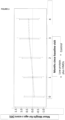
Figure 1 - Body weight
Mean body weight in kg against months since baseline visit for Test formula (low protein plus HMOs) and Control Formula. There was no significant difference at any of the time points between the groups. -
Figure 2 - Weight-for-age Z scores
Mean weight-for-age Z score against months since baseline visit for Test formula (low protein plus HMOs) and Control Formula. There was no significant difference at any of the time points between the groups. -
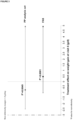
Figure 3 - Non-inferiority: Weight gain per day
Treatment effect on weight gain atvisit 4. Primary analysis shows that weight gain [g/d] of infants receiving Test formula was non-inferior to growth with the Control formula. -
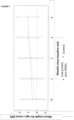
Figure 4 - Length-for-age Z score
Mean length-for-age z-score against months since baseline visit for Test formula (low protein plus HMOs) and Control Formula. There was no significant difference at any of the time points between the groups. -
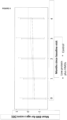
Figure 5 - Head circumference-for-age Z score
Mean head circumference-for-age Z score against months since baseline visit for Test formula (low protein plus HMOs) and Control Formula. There was no significant difference at any of the time points between the groups. -
Figure 6 - BMI-for-age Z score
Mean BMI-for-age Z score against months since baseline visit for Test formula (low protein plus HMOs) and Control Formula. There was no significant difference at any of the time points between the groups. - Various preferred features and embodiments of the present invention will now be described by way of non-limiting examples.
- It must be noted that as used herein and in the appended claims, the singular forms "a", "an", and "the" include plural referents unless the context clearly dictates otherwise.
- The terms "comprising", "comprises" and "comprised of" as used herein are synonymous with "including" or "includes"; or "containing" or "contains", and are inclusive or open-ended and do not exclude additional, non-recited members, elements or steps. The terms "comprising", "comprises" and "comprised of" also include the term "consisting of".
- As used herein the term "about" means approximately, in the region of, roughly, or around. When the term "about" is used in conjunction with a numerical value or range, it modifies that value or range by extending the boundaries above and below the numerical value(s) set forth. In general, the terms "about" and "approximately" are used herein to modify a numerical value(s) above and below the stated value(s) by 10%.
- The publications discussed herein are provided solely for their disclosure prior to the filing date of the present application. Nothing herein is to be construed as an admission that such publications constitute prior art to the claims appended hereto.
- This disclosure is not limited by the exemplary methods and materials disclosed herein, and any methods and materials similar or equivalent to those described herein can be used in the practice or testing of embodiments of this disclosure. Numeric ranges are inclusive of the numbers defining the range.
- The term "extensively hydrolysed infant formula" or "eHF" refers to an infant formula comprising extensively hydrolysed protein. Suitable levels of hydrolysis for the extensively hydrolysed protein are described below under the heading "Degree of hydrolysis". The eHF may be a hypoallergenic infant formula which provide complete nutrition for infants who cannot digest intact CMP or who are intolerant or allergic to CMP.
- The term "infant formula" may refer to a foodstuff intended for particular nutritional use by infants during the first year of life and satisfying by itself the nutritional requirements of this category of person, as defined in European Commission Regulation (EU) 2016/127 of 25 September 2015.
- A "hypoallergenic" composition is a composition which is unlikely to cause allergic reactions. Suitably, the eHF of the invention is tolerated by more than 90% of infants with CMPA. This is in line with the guidance provided by the American Academy of Pediatrics (Committee on Nutrition, 2000. Pediatrics, 106(2), pp.346-349). Suitably, the eHF of the invention may not contain peptides which are recognized by CMP-specific IgE e.g. from subjects with CMPA. Infants can be fed solely with eHF or the eHF can be used as a complement of human milk. The eHF of the invention may be in the form of a powder or liquid.
- The liquid may be, for example, a concentrated liquid eHF or a ready-to-feed eHF. The eHF may be in the form of a reconstituted eHF (i.e. a liquid eHF that has been reconstituted from a powdered form). The concentrated liquid eHF is preferably capable of being diluted into a liquid composition suitable for feeding an infant, for example by the addition of water.
- In one embodiment, the eHF is in a powdered form. The powder is capable of being reconstituted into a liquid composition suitable for feeding an infant, for example by the addition of water.
- The eHF may have an energy density of about 60-72 kcal per 100 mL, when formulated as instructed. Suitably, the eHF may have an energy density of about 60-70 kcal per 100 mL, when formulated as instructed.
- The term "protein" includes peptides and free amino acids. The protein content of the eHF may be calculated by any method known to those of skill in the art. Suitably, the protein content may be determined by a nitrogen-to-protein conversion method. For example, as described in Maubois, J.L. and Lorient, D., 2016. Dairy science & technology, 96(1), pp.15-25. Preferably the protein content is calculated as nitrogen content × 6.25, as defined in European Commission Regulation (EU) 2016/127 of 25 September 2015. The nitrogen content may be determined by any method known to those of skill in the art. For example, nitrogen content may be measured by the Kjeldahl method.
- eHFs typically contain 2.6-2.8 g protein per 100 kcal, to cover the needs of infants suffering gastrointestinal pathologies with severe malabsorption or infants requiring more proteins and calories to cover a higher metabolic rate.
- The inventors have surprisingly shown that an eHF with a lower protein content may support appropriate growth and development of allergic infants. Moreover, the inventors have surprisingly shown that the eHF was safe and well-tolerated.
- Accordingly, the eHF of the present invention comprises about 2.4 g or less protein per 100 kcal. For example, the eHF of the present invention may comprise about 2.3 g or less protein per 100 kcal, 2.25 g or less protein per 100 kcal, or 2.2 g or less protein per 100 kcal.
- Suitably, the eHF comprises about 1.8 g or more protein per 100 kcal. For example, the eHF of the present invention may comprise about 1.86 g or more protein per 100 kcal, 1.9 g or more protein per 100 kcal, 2.0 g or more protein per 100 kcal, or 2.1 g or more protein per 100 kcal. Preferably, the eHF comprises about 1.86 g or more protein per 100 kcal, in line with present EU regulations (EFSA NDA Panel, 2014. EFSA journal, 12(7), 3760).
- The eHF of the present invention may comprise 1.8-2.4 g protein per 100 kcal, 1.86-2.4g protein per 100 kcal, 1.9-2.4 g protein per 100 kcal, 2.0-2.4 g protein per 100 kcal, 2.0-2.3 g protein per 100 kcal, 2.1-2.3 g protein per 100 kcal, or 2.15-2.25 g protein per 100 kcal.
- Preferably, the eHF comprises about 2.2 g protein per 100 kcal.
- The source of protein may be any source suitable for use in an infant formula. Suitably, the protein is cow's milk protein.
- An extensively hydrolysed/hydrolysed whey-based formula may be more palatable than an extensively hydrolysed/hydrolysed casein-based formula and/or the subject may only be sensitised to casein protein. Suitably, therefore, more than about 50%, more than about 60%, more than about 70%, more than about 80%, more than about 90%, or about 100% of the protein is whey protein. Preferably, the protein source is whey protein.
- The whey protein may be a whey from cheese making, particularly a sweet whey such as that resulting from the coagulation of casein by rennet, an acidic whey from the coagulation of casein by an acid, or the acidifying ferments, or even a mixed whey resulting from coagulation by an acid and by rennet. This starting material may be whey that has been demineralized by ion exchange and/or by electrodialysis and is known as demineralised whey protein (DWP).
- The source of the whey protein may be sweet whey from which the caseinoglycomacropeptide (CGMP) has been totally or partially removed. This is called modified sweet whey (MSW). Removal of the CGMP from sweet whey results in a protein material with threonine and trytophan contents that are closer to those of human milk. A process for removing CGMP from sweet whey is described in
EP 880902 - The whey protein may be a mix of DWP and MSW.
- In some embodiments, the amount of casein in the eHF is undetectable, for example less than 0.2 mg/kg. The amount of casein may be determined by any method known to those of skill in the art.
- In eHFs, the protein is "extensively hydrolysed", such that the eHFs may be tolerated by more than 90% of infants with CMPA.
- Protein hydrolysates may have an extent of hydrolysis that is characterised by NPN/TN%, which refers to the non-protein nitrogen divided by the total nitrogen × 100. The non-protein nitrogen refers to amino nitrogen that is free to react with a reagent such as trinitrobenzenesulfonic acid (TNBS). NPN/TN% may be determined by any method known to those of skill in the art. For example, NPN/TN% may be measured as described in Adler-Nissen (Adler-Nissen, J. (1979) J. Agric. Food Chem. 27: 1256-1262). Suitably, the protein may have an NPN/TN% greater than 90%, greater than 95% or greater than 98%.
- The extent of hydrolysis may also be determined by the degree of hydrolysis. The "degree of hydrolysis" (DH) is defined as the proportion of cleaved peptide bonds in a protein hydrolysate and may be determined by any method known to those of skill in the art. Suitably the degree of hydrolysis is determined by pH-stat, trinitrobenzenesulfonic acid (TNBS), o-phthaldialdehyde (OPA), trichloroacetic acid soluble nitrogen (SN-TCA), or formol titration methods. (Rutherfurd, S.M., 2010. Journal of AOAC International, 93(5), pp.1515-1522). The degree of hydrolysis (DH) of the protein can be more than 90, more than 95 or more than 98.
- The extent of hydrolysis may also be determined by the peptide molecular mass distribution. The peptide molecular mass distribution may be determined by high performance size exclusion chromatography, optionally with UV detection (HPSEC/UV) (Johns, P.W., et al., 2011. Food chemistry, 125(3), pp.1041-1050). For example, the peptide molecular mass distribution may be a HPSEC peak area-based estimate determined at 205 nm, 214 nm or 220 nm. Suitably when the peptide molecular mass distribution is determined by HPSEC/UV, the "percentage of peptides by weight" that have a certain molecular mass may be estimated by the "fraction of peak area as a percentage of total peak area", that have the molecular mass, determined at 205 nm, 214 nm or 220 nm. Suitably, the extent of hydrolysis may be determined by the methods described in
WO 2016/156077 . Alternatively, the peptide molecular mass distribution may be determined by any method known to those of skill in the art, for example by sodium dodecyl sulphate-polyacrylamide gel electrophoresis (SDS-PAGE) (Chauveau, A., et al., 2016. Pediatric Allergy and Immunology, 27(5), pp.541-543) - Theoretically, to bind with cell membrane-bound IgE, peptides should be greater than about 1500 Da in size (approximately 15 amino acids) and to crosslink IgE molecules and to induce an immune response, they must be greater than about 3000 Da in size (approximately 30 amino acids) (Nutten, 2018. EMJ Allergy Immunol, 3(1), pp. 50-59).
- Suitably, therefore, at least about 95%, at least about 98%, at least about 99% or about 100% of the peptides by weight have a molecular mass of less than about 3000 Da. There may be no detectable peptides about 3000 Da or greater in size.
- Suitably, therefore, at least about 95%, at least about 98%, at least about 99% or about 100% of the peptides by weight have a molecular mass of less than about 1500 Da. Preferably, at least 99% of the peptides by weight have a molecular mass of less than about 1500 Da. There may be no detectable peptides about 1500 Da or greater in size.
- Preferably, at least about 85%, at least about 90%, at least about 95%, at least about 98% or at least about 99% of the peptides by weight have a molecular mass of less than about 1200 Da. More preferably, at least 95% or 98% of the peptides by weight have a molecular mass of less than about 1200 Da.
- Suitably, at least about 80%, at least about 85%, at least about 90%, or at least about 95% of the peptides by weight have a molecular mass of less than about 1000 Da. Preferably, at least about 95% of the peptides by weight have a molecular mass of less than about 1000 Da.
- Preferably, the eHF of the present invention has no detectable peptides about 3000 Da or greater in size; and at least about 95% of the peptides by weight have a molecular mass of less than about 1200 Da.
- Having a high proportion of di- and tri-peptides may improve nitrogen (protein) absorption, even in patients with gut impairment. PEPT1 is a dedicated facilitator transport route for small peptide absorption (e.g. di- and tri-peptides). In the first weeks of life, intestinal PEPT1 is important for nutritional intake, and later for diet transition following weaning.
- Thus, at least about 30%, at least about 40%, or at least about 50% of the peptides by weight are di- and tri-peptides. Preferably, at least about 45%, at least about 50%, 45-55%, or 50-54% of the peptides by weight are di- and tri-peptides. More preferably, about 51-53%, or most preferably, about 52% of the peptides by weight are di- and tri-peptides.
- Suitably, at least about 30%, at least about 40%, or at least about 50% of the peptides by weight have a molecular mass of between 240 and 600 Da. Preferably, at least about 45%, at least about 50%, 45-55%, or 50-54% of the peptides by weight have a molecular mass of between 240 and 600 Da. More preferably, about 51-53%, or most preferably, about 52% of the peptides by weight have a molecular mass of between 240 and 600 Da.
- The peptides in the eHF may have a median molecular weight of 300Da to 370Da, preferably 320Da to 360Da.
- The principal recognised cow's milk allergens are alpha-lactalbumin (aLA), beta-lactoglobulin (bLG) and bovine serum albumin (BSA).
- Suitably, therefore, the eHF may have non-detectable aLA content, for example about 0.010 mg/kg aLA or less; the eHF may have non-detectable bLG content, for example about 0.010 mg/kg bLG or less; and/or the eHF may have non-detectable BSA content, for example about 0.010 mg/kg BSA or less. Preferably, the eHF of the invention comprises no detectable amounts of aLA, bLG and BSA. The content of aLA, bLG and BSA may be determined by any method known to those of skill in the art, for example ELISA.
- Proteins for use in the eHF of the invention may be hydrolysed by any suitable method known in the art. For example, proteins may be enzymatically hydrolysed, for example using a protease. For example, protein may be hydrolysed using alcalase (e.g. at an enzyme:substrate ratio of about 1-15% by weight and for a duration of about 1-10 hours). The temperature may range from about 40°C to 60°C, for example about 55°C. The reaction time may be, for example, from 1 to 10 hours and pH values before starting hydrolysis may, for example, fall within the
range 6 to 9, preferably 6.5 to 8.5, more preferably 7.0 to 8.0. - Porcine enzymes, in particular porcine pancreatic enzymes may be used in the hydrolysis process. For example,
WO9304593 A1 -
WO2016156077A1 discloses a process for preparing a milk protein hydrolysate comprising hydrolysing a milk-based proteinaceous material with a microbial alkaline serine protease in combination with bromelain, a protease from Aspergillus and a protease from Bacillus. - The eHF of the invention contains human milk oligosaccharides (HMOs) as set out in the appended claims.
- It is known that HMOs can be found in high concentrations in human breast milk. HMOs are highly resistant to enzymatic hydrolysis, indicating that they may display essential functions not directly related to their caloric value. It has especially been illustrated that they play a vital role in the early development of infants and young children, such as the maturation of the immune system. Many different kinds of HMOs are found in the human milk. Each individual oligosaccharide is based on a combination of glucose, galactose, sialic acid (N-acetylneuraminic acid), fucose and/or N-acetylglucosamine with many and varied linkages between them, thus accounting for the enormous number of different oligosaccharides in human milk - over 130 such structures have been identified so far. Almost all of them have a lactose moiety at their reducing end while sialic acid and/or fucose (when present) occupy terminal positions at the non-reducing ends. The HMOs can be acidic (e.g. charged sialic acid containing oligosaccharide) or neutral (e.g. fucosylated oligosaccharide).
- The eHF of the invention comprises at least one fucosylated oligosaccharide including 2'-fucosyllactose.
- A "fucosylated oligosaccharide" is an oligosaccharide having a fucose residue. It has a neutral nature. There can be one or several types of fucosylated oligosaccharide(s). The fucosylated oligosaccharide(s) can be selected from the list comprising 2'-fucosyllactose, 3-fucosyllactose, difucosyllactose, lacto-N-fucopentaose (such as lacto-N-fucopentaose I, lacto-N-fucopentaose II, lacto-N-fucopentaose III, lacto-N-fucopentaose V), lacto-N-fucohexaose, lacto-N-difucohexaose I, fucosyllacto-N-hexaose, fucosyllacto-N-neohexaose (such as fucosyllacto-N-neohexaose I, fucosyllacto-N-neohexaose II), difucosyllacto-N-hexaose I, difuco-lacto-N-neohexaose, difucosyllacto-N-neohexaose I, difucosyllacto-N-neohexaose II, fucosyl-para-Lacto-N-hexaose, tri-fuco-para-Lacto-N-hexaose I and any combination thereof that includes 2'-fucosyllactose. In some embodiments the fucosylated oligosaccharide comprises a 2'-fucosyl-epitope. It can be for example selected from the list comprising 2'-fucosyllactose, difucosyllactose, lacto-N-fucopentaose, lacto-N-fucohexaose, lacto-N-difucohexaose, fucosyllacto-N-hexaose, fucosyllacto-N-neohexaose, difucosyllacto-N-hexaose, difuco-lacto-N-neohexaose, difucosyllacto-N-neohexaose, fucosyl-para-Lacto-N-hexaose and any combination thereof that includes 2'-fucosyllactose.
- The eHF according to the invention comprises 2'-fucosyllactose. In some embodiments, there is no other type of fucosylated oligosaccharide than 2'-fucosyllactose, i.e. the eHF of the invention comprises only 2'-fucosyllactose as fucosylated oligosaccharide.
- The eHF of the invention comprises at least one N-acetylated oligosaccharide including LNnT.
- The expression "N-acetylated oligosaccharide(s) encompasses both "N-acetyl-lactosamine" and "oligosaccharide(s) containing N-acetyl-lactosamine". They are neutral oligosaccharides having an N-acetyl-lactosamine residue. There can be one or several types of N-acetylated oligosaccharide. The N-acetylated oligosaccharide(s) can be for example lacto-N-tetraose (LNT) and lacto-N-neotetraose (LNnT). In some embodiments the N-acetylated oligosaccharide is lacto-N-neotetraose (LNnT) and para-lacto-N-neohexaose (para-LNnH). In some embodiments the N-acetylated oligosaccharide is LNnT. In some embodiments the N-acetylated oligosaccharide is a mixture of LNT and LNnT. In some embodiments the eHF comprises both LNT and LNnT in a ratio LNT:LNnT between 5:1 and 1:2, or from 2:1 to 1:1, or from 2:1.2 to 2:1.6.
- The eHF according to the invention comprises lacto-N-neotetraose (LNnT). In some embodiments, there is no other type of N-acetylated oligosaccharide than lacto-N-neotetraose (LNnT), i.e. the eHF of the invention comprises only lacto-N-neotetraose (LNnT) as N-acetylated oligosaccharide.
- The N-acetylated oligosaccharide(s) may be synthesised chemically by enzymatic transfer of saccharide units from donor moieties to acceptor moieties using glycosyltransferases as described for example in
US patent No. 5,288,637 andWO 96/10086 - The eHF of the invention comprises at least one fucosylated oligosaccharide and at least one N-acetylated oligosaccharide.
- The eHF of the present invention comprises an oligosaccharide mixture that comprises 2'-fucosyllactose (2-FL) and lacto-N-neotetraose (LNnT). In a preferred embodiment, the eHF of the present invention comprises an oligosaccharide mixture that consists of 2'-fucosyllactose (2-FL) and lacto-N-neotetraose (LNnT). The eHF of the invention may comprise only 2'-fucosyllactose (2-FL) as fucosylated oligosaccharide and only lacto-N-neotetraose (LNnT) as N-acetylated oligosaccharide.
- 2'-fucosyllactose is present in the eHF according to the present invention in a total amount of 0.5-3 g/L such as 0.8-1.5 g/L of the eHF (when formulated as instructed). In some embodiments, 2'-fucosyllactose may be in a total amount of 0.85-1.3 g/L of the eHF, such as 0.9-1.25 g/L or 0.9-1.1 g/L or 1-1.25 g/L or 1-1.2 g/L of the eHF (when formulated as instructed). Preferably, the eHF (when formulated as instructed) comprises about 1 g/L 2'-fucosyllactose e.g. about 1 g/L 2'-fucosyllactose.
- Lacto-N-neotetraose is present in the eHF according to the present invention in a total amount of 0.2-1 g/L such as 0.5-0.8 g/L of the eHF (when formulated as instructed). In some embodiments, Lacto-N-neotetraose may be in a total amount of 0.5-0.75 g/L or 0.5-0.7 g/L or 0.5-0.6 g/L of the eHF (when formulated as instructed). Preferably, the eHF (when formulated as instructed) comprises about 0.5 g/L Lacto-N-neotetraose e.g. about 0.5 g/L lacto-N-neotetraose.
- These different ranges can all be combined together.
- Therefore in one embodiment of the present invention, the eHF (when formulated as instructed) comprises at least one fucosylated oligosaccharide and at least one N-acetylated oligosaccharide (including 2'-fucosyllactose and lacto-N-neotetraose as claimed) wherein:
- (i) the fucosylated oligosaccharide(s) is/are in a total amount of 0.8-1.5 g/L of the eHF; and
- (ii) the N-acetylated oligosaccharide(s) is/are in a total amount of 0.5-0.8 g/L of the eHF.
- In another embodiment the eHF of the present invention (when formulated as instructed) comprises at least one fucosylated oligosaccharide and at least one N-acetylated oligosaccharide (including 2'-fucosyllactose and lacto-N-neotetraose as claimed) wherein:
- (i) the fucosylated oligosaccharide(s) is/are in a total amount of 0.9-1.25 g/L of the eHF; and
- (ii) the N-acetylated oligosaccharide(s) is/are in a total amount of 0.5-0.7 g/L of the eHF.
- In another embodiment the eHF of the present invention (when formulated as instructed) comprises at least one fucosylated oligosaccharide and at least one N-acetylated oligosaccharide (including 2'-fucosyllactose and lacto-N-neotetraose as claimed) wherein:
- (i) the fucosylated oligosaccharide(s) is/are in a total amount of 1-1.2 g/L of the eHF; and
- (ii) the N-acetylated oligosaccharide(s) is/are in a total amount of 0.5-0.6 g/L of the eHF.
- In a preferred embodiment, the eHF of the present invention (when formulated as instructed) comprises about 1 g/L 2'-fucosyllactose and about 0.5 g/L lacto-N-neotetraose.
- The eHF of the present invention may comprise 0.075-0.5 g/100kcal, 0.1-0.3 g/100kcal, or 0.12-0.25 g/100kcal 2'-fucosyllactose and about 0.03-0.15 g/100kcal, 0.05-0.12 g/100kcal, or 0.05-0.1 g/100kcal lacto-N-neotetraose. Preferably, the eHF of the present invention comprises about 0.15 g/100kcal 2'-fucosyllactose and about 0.075 g/100kcal lacto-N-neotetraose.
- In preferred embodiments, the eHF of the present invention: comprises about 1 g/L 2'-fucosyllactose and about 0.5 g/L lacto-N-neotetraose and/or about 0.15 g/100kcal 2'-fucosyllactose and about 0.075 g/100kcal lacto-N-neotetraose; about 0% by weight of the fat is MCTs and/or the eHF comprises no added MCTs; and optionally free amino acids present in a concentration of 20-25%, 21-23%, or about 22% by weight based on the total weight of amino acids.
- In preferred embodiments, the eHF of the present invention: has no detectable peptides about 3000 Da or greater in size; at least about 95% of the peptides by weight have a molecular mass of less than about 1200 Da; optionally at least about 45%, at least about 50%, or 45-55% of the peptides by weight have a molecular mass of between 240 and 600 Da and/or free amino acids are present in a concentration of 20-25%, 21-23%, or about 22% by weight based on the total weight of amino acid; about 0% by weight of the fat is MCTs; and the eHF of the present invention comprises about 1 g/L 2'-fucosyllactose and about 0.5 g/L lacto-N-neotetraose and/or about 0.15 g/100kcal 2'-fucosyllactose and about 0.075 g/100kcal lacto-N-neotetraose.
- The eHF of the invention may comprise free amino acids.
- Free amino acids may be incorporated in the eHF of the invention to supplement the amino acids comprised in the peptides. The levels of free amino acids may be chosen to provide an amino acid profile that is sufficient for infant nutrition, in particular an amino acid profile that satisfies nutritional regulations (e.g. European Commission Directive 2006/141/EC).
- Example free amino acids for use in the eHF of the invention include histidine, isoleucine, leucine, lysine, methionine, cysteine, phenylalanine, tyrosine, threonine, tryptophan, valine, alanine, arginine, asparagine, aspartic acid, glutamic acid, glutamine, glycine, proline, serine, carnitine, taurine and mixtures thereof.
- Free amino acids provide a protein equivalent source (i.e. contribute to the nitrogen content). As described above, having a high proportion of di- and tri-peptides may improve nitrogen (protein) absorption, even in patients with gut impairment. Accordingly, having a low proportion of free amino acids may also improve nitrogen (protein) absorption, even in patients with gut impairment.
- Suitably, therefore, the free amino acids may be present in a concentration of 50% or less, 40% or less, 30% or less, or 25% or less by weight based on the total weight of amino acids. Preferably, the eHF comprises 25% or less by weight of free amino acids based on the total weight of amino acids.
- More preferably, the free amino acids are present in a concentration of 20-25%, 21-23%, or about 22% by weight based on the total weight of amino acids.
- The free amino acids content may be determined by any method known of skill in the art. Suitably, the free amino acids content may be obtained by separation of the free amino acids present in an aqueous sample extract by ion exchange chromatography and photometric detection after post-column derivatization with ninhydrin reagent. Total amino acids content may be obtained by hydrolysis of the test portion in 6 mol/L HCl under nitrogen and separation of individual amino acids by ion-exchange chromatography, as described above.
- The carbohydrate content of the eHF of the invention is preferably in the range 9-14 g carbohydrate per 100 kcal.
- The carbohydrate may be any carbohydrate which is suitable for use in an eHF.
- Example carbohydrates for use in the eHF of the invention include lactose, saccharose, maltodextrin and starch. Mixtures of carbohydrates may be used.
- In one embodiment, the carbohydrate content comprises maltodextrin. In one embodiment, at least about 20%, at least about 25%, at least about 30%, at least about 35%, at least about 40%, at least about 50%, at least about 60% or at least about 70% by weight of the total carbohydrate content is maltodextrin.
- In one embodiment, the carbohydrate content comprises lactose. In one embodiment, at least about 20%, at least about 25%, at least about 30%, at least about 35%, at least about 40%, at least about 50%, at least about 60% or at least about 70% by weight of the total carbohydrate content is lactose.
- In one embodiment, the carbohydrate comprises lactose and maltodextrin.
- The fat content of the eHF of the invention is preferably in the range 4.0-6.0 g fat per 100 kcal.
- The fat may be any lipid or fat which is suitable for use in an eHF.
- Example fats for use in the eHF of the invention include sunflower oil, low erucic acid rapeseed oil, safflower oil, canola oil, olive oil, coconut oil, palm kernel oil, soybean oil, fish oil, palm oleic, high oleic sunflower oil and high oleic safflower oil, and microbial fermentation oil containing long chain, and polyunsaturated fatty acids.
- The fat may also be in the form of fractions derived from these oils, such as palm olein, medium chain triglycerides (MCT) and esters of fatty acids such as arachidonic acid, linoleic acid, palmitic acid, stearic acid, docosahexaeonic acid, linolenic acid, oleic acid, lauric acid, capric acid, caprylic acid, and caproic acid,.
- Further example fats include structured lipids (i.e. lipids that are modified chemically or enzymatically in order to change their structure). Preferably, the structured lipids are sn2 structured lipids, for example comprising triglycerides having an elevated level of palmitic acid at the sn2 position of the triglyceride. Structured lipids may be added or may be omitted.
- Oils containing high quantities of preformed arachidonic acid (ARA) and/or docosahexaenoic acid (DHA), such as fish oils or microbial oils, may be added.
- Long chain polyunsaturated fatty acids, such as dihomo-γ-linolenic acid, arachidonic acid (ARA), eicosapentaenoic acid and docosahexaenoic acid (DHA), may also be added.
- The eHF may comprise 2-20 mg ARA per 100 kcal, 5-15 ARA per 100 kcal, or about 10 mg ARA per 100 kcal and/or 2-20 mg DHA per 100 kcal, 5-15 DHA per 100 kcal, or about 10 mg DHA per 100 kcal. Preferably, the eHF comprises about 10 mg ARA per 100 kcal and about 10 mg DHA per 100 kcal.
- A high concentration of MCT may impair early weight gain. MCT is not stored and does not support fat storage. For instance, Borschel et al. have reported that infants fed formula without MCT gained significantly more weight between 1-56 days than infants fed formulas containing 50% of the fat from MCT (Borschel, M., et al., 2018. Nutrients, 10(3), p.289).
- Thus, about 30% or less by weight of the fat is medium chain triglycerides (MCTs) in the eHF of the present invention.
- In some embodiments, about 25% or less by weight, 20% or less by weight, 15% or less by weight, 10% or less by weight, 5% or less by weight, 4% or less by weight, 3% or less by weight, 2% or less by weight, 1% or less by weight, 0.5% or less by weight, or 0.1% or less by weight of the fat is medium chain triglycerides (MCTs).
- In some embodiments, 0-30% by weight, 0-25% by weight, 0-20% by weight, 0-15% by weight, 0-10% by weight, 0-5% by weight, 0-4% by weight, 0-3% by weight, 0-2% by weight, 0-1% by weight, 0-0.5% by weight, or 0-0.1 % by weight of the fat is medium chain triglycerides (MCTs).
- Preferably, the eHF comprises no added MCTs. Suitably, about 0% by weight of the fat is MCTs and/or the eHF comprises no detectable MCTs. Suitably, the eHF comprises no MCTs.
- In preferred embodiments, the eHF of the present invention has no detectable peptides about 3000 Da or greater in size; at least about 95% of the peptides by weight have a molecular mass of less than about 1200 Da; 45-55% of the peptides by weight have a molecular mass of between 240 and 600 Da; free amino acids are present in a concentration of 20-25% by weight based on the total weight of amino acid; and the eHF comprises no added MCT.
- The eHF of the invention preferably also contains all vitamins and minerals understood to be essential in the daily diet in nutritionally significant amounts. Minimum requirements have been established for certain vitamins and minerals.
- Example vitamins, minerals and other nutrients for use in the eHF of the invention include vitamin A, vitamin B1, vitamin B2, vitamin B6, vitamin B12, vitamin E, vitamin K, vitamin C, vitamin D, folic acid, inositol, niacin, biotin, pantothenic acid, choline, calcium, phosphorous, iodine, iron, magnesium, copper, zinc, manganese, chlorine, potassium, sodium, selenium, chromium, molybdenum, taurine and L-carnitine. Minerals are usually added in their salt form.
- The eHF of the invention may comprise one or more carotenoids.
- The eHF of the invention may also comprise at least one probiotic. The term "probiotic" refers to microbial cell preparations or components of microbial cells with beneficial effects on the health or well-being of the host. In particular, probiotics may improve gut barrier function.
- Preferred probiotics are those which as a whole are safe, are L(+) lactic acid producing cultures and have acceptable shelf-life for products that are required to remain stable and effective for up to 24 months.
- Examples of probiotic micro-organisms for use in the eHF of the invention include yeasts, such as Saccharomyces, Debaromyces, Candida, Pichia and Torulopsis; and bacteria, such as the genera Bifidobacterium, Bacteroides, Clostridium, Fusobacterium, Melissococcus, Propionibacterium, Streptococcus, Enterococcus, Lactococcus, Staphylococcus, Peptostrepococcus, Bacillus, Pediococcus, Micrococcus, Leuconostoc, Weissella, Aerococcus, Oenococcus and Lactobacillus.
- Specific examples of suitable probiotic microorganisms are: Saccharomyces cereviseae, Bacillus coagulans, Bacillus licheniformis, Bacillus subtilis, Bifidobacterium bifidum, Bifidobacterium infantis, Bifidobacterium longum, Enterococcus faecium, Enterococcus faecalis, Lactobacillus acidophilus, Lactobacillus alimentarius, Lactobacillus casei subsp. casei, Lactobacillus casei Shirota, Lactobacillus curvatus, Lactobacillus delbruckii subsp. lactis, Lactobacillus farciminus, Lactobacillus gasseri, Lactobacillus helveticus, Lactobacillus johnsonii, Lactobacillus rhamnosus (Lactobacillus GG), Lactobacillus sake, Lactococcus lactis, Micrococcus varians, Pediococcus acidilactici, Pediococcus pentosaceus, Pediococcus acidilactici, Pediococcus halophilus, Streptococcus faecalis, Streptococcus thermophilus, Staphylococcus carnosus and Staphylococcus xylosus.
- The eHF of the invention may also contain other substances which may have a beneficial effect such as prebiotics, lactoferrin, fibres, nucleotides, and nucleosides.
- Preferably, the infant has cow's milk protein allergy. The term "allergy" refers to a hypersensitivity of the immune system to a substance which is normally tolerated. The allergy may be an allergy detected by a medical doctor.
- Cow's milk protein (CMP) is the leading cause of food allergy in infants, affecting 2-3% children worldwide. Most children with CMP-allergy (CMPA) have two or more symptoms: 50-70% have skin symptoms, 50-60% have gastrointestinal symptoms, and 20-30% have airway symptoms. Severe and life-threatening symptoms may occur in 10% of children. (Nutten, 2018. EMJ Allergy Immunol, 3(1), pp. 50-59).
- Skin symptoms can include urticaria, atopic eczema, and angioedema. Gastrointestinal symptoms can include dysphagia, frequent regurgitation, colic, abdominal pain, vomiting, anorexia, refusal to feed, diarrhea (with or without intestinal protein or blood loss), constipation (with or without perianal rash), failure to thrive, occult blood loss, and iron-deficiency anemia. Respiratory symptoms can include runny nose, wheezing, and chronic coughing. Other general symptoms include anaphylaxis and shock-like symptoms with severe metabolic acidosis, vomiting and diarrhea (food protein-induced enterocolitis syndrome). These symptoms are typically unrelated to infections, drug intake, or other causes (Koletzko, S., et al., 2012. Journal of pediatric gastroenterology and nutrition, 55(2), pp.221-229).
- Specialty infant formulas are recommended when breastfeeding is not possible. ESPGHAN recommends that for non-breast-fed infants with CMPA, formulas based on extensively hydrolysed proteins are used, i.e. eHFs, with proven efficacy in infants with CMPA (Koletzko, S., et al., 2012. Journal of pediatric gastroenterology and nutrition, 55(2), pp.221-229).
- In another aspect the invention provides an eHF according to the present invention for use in treating cow's-milk protein allergy.
- Infants with CMPA may require higher levels of protein due to e.g. gastrointestinal symptoms. Thus, eHFs typically contain 2.6-2.8 g protein per 100 kcal, to cover the needs of infants suffering gastrointestinal pathologies with severe malabsorption or infants requiring more proteins and calories to cover a higher metabolic rate.
- Consumption of higher protein infant formula has, however been associated with greater weight and body mass index at 2 years of age and higher circulating concentrations of plasma essential amino acids, insulin-like growth factor-1, and C-peptide, which can induce weight gain and adipogenic activity. Lower protein content may diminish the later risk of obesity (Totzauer, M., et al., 2018. Obesity, 26(7), pp.1203-1210).
- For instance, the European Childhood Obesity Project (CHOP) has shown that infants fed infant formula containing high protein levels gained more weight during the first year of life and had a higher BMI and risk of obesity at the age of 6 years than those fed an infant formula containing lower levels of protein (Totzauer, M., et al., 2018. Obesity, 26(7), pp.1203-1210). Importantly, the eHFs must still be suitable for infants with CMPA. However, decreasing the amount of protein may not support appropriate growth and development of allergic infants. The present inventors have surprisingly shown that the eHFs of the present invention supported appropriate growth and development of allergic infants. Moreover, the eHF was safe and well-tolerated.
- The eHF of the invention may be prepared in any suitable manner.
- For example, the eHF may be prepared by blending together the hydrolysed protein source, the carbohydrate source and the fat source in appropriate proportions. If used, the further emulsifiers may be included at this point. The vitamins and minerals may be added at this point but vitamins are usually added later to avoid thermal degradation. Any lipophilic vitamins, and emulsifiers may be dissolved in the fat source prior to blending. Water, preferably water which has been subjected to reverse osmosis, may then be mixed in to form a liquid mixture. Commercially available liquefiers may be used to form the liquid mixture. The liquid mixture may then be homogenised.
- The liquid mixture may then be thermally treated to reduce bacterial loads. This may be carried out, for example, by means of steam injection, or using an autoclave or heat exchanger, for example a plate heat exchanger.
- The liquid mixture may then be cooled and/or homogenised. The pH and solid content of the homogenised mixture may be adjusted at this point.
- The homogenised mixture may then be transferred to a suitable drying apparatus such as a spray dryer or freeze dryer and converted to powder. If a liquid eHF is preferred, the homogenised mixture may be sterilised, then aseptically filled into a suitable container or may be first filled into a container and then retorted.
- The invention will now be further described by way of Examples, which are meant to serve to assist one of ordinary skill in the art in carrying out the invention and are not intended in any way to limit the scope of the invention.
- Below is an illustrative extensively hydrolysed infant formula according to the present invention. The eHF of the invention preferably contains all nutrients, vitamins and minerals understood to be essential in the daily diet in nutritionally significant amounts. Minimum requirements have been established for certain nutrients, vitamins and minerals.
Nutrient Unit per 100g per 100kcal per 100ml Energy kcal 506 100 67 Fat g 26 5.1 3.4 MCT g 0 0 0 Available carbohydrates g 57 11 7.5 Protein g 11.1 2.2 1.5 2'FL g 0.76 0.15 0.1 LNnT g 0.38 0.075 0.05 - The Safety and efficacy of extensively hydrolysed infant formula with reduced protein content was investigated in a controlled, double blind, randomized, multi-center, interventional clinical trial of 2 parallel formula fed groups.
- The primary objective of the clinical study was to show that infants with cow milk protein allergy (CMPA) and fed with a new eHF with reduced level of protein (Althéra 2.2) and with two Human Milk Oligosaccharides (HMOs) (Test Formula) have a growth in line with infants fed with commercial eHF (Althéra 2.5) without HMOs (Control Formula). The commercial eHF is currently approved as a food for special medical purposes (Regulation (EU) 2016/128). The primary study endpoint was therefore weight gain per day from enrolment to 4 months of follow-up with an age window at enrolment of 0 to 6 months (non-inferiority design).
- The secondary objectives included assessing whether consumption of Test formula by CMPA infants is well tolerated and allows for age appropriate growth. Secondary study endpoints therefore included changes in other growth parameters, including weight-for-age, length-for-age, head circumference-for-age Z scores (WHO growth reference).
- The trial population was full-term infants with physician diagnosed CMPA as per standard clinical practice and with at least 2 symptoms per inclusion criterion. 130 infants completing 4 months of study formula intake were required.
- The inclusion criteria were:
- 1. Full term infant (37 weeks ≤ gestation ≤ 42 weeks);
- 2. 2500g ≤ birth weight ≤ 4500g;
- 3. Having obtained the infant's parent's (or both parents' if required per country regulation) or legally authorized representative's (LAR) written informed consent;
- 4. Infant aged between birth and 6 months;
- 5. Exclusively formula-fed at time of enrolment or mothers of CMPA infant doing breastfeeding and independently elected before enrolment to exclusively formula feed; and
- 6. Infants with physician diagnosed (and untreated with extensively hydrolysed or amino acid infant formula) CMPA as per standard clinical practice and with at least 2 symptoms present from the following - Crying, Regurgitations, Liquid stools or Constipation, Skin atopic lesion, Urticaria or Respiratory symptoms. For diagnosis based on either a positive Ig E blood test, skin prick test, patch test or food challenge, only 1 symptom from above needs to be present.
- The exclusion criteria were:
- 1. Congenital illness or malformation that may affect growth.
- 2. Demonstrated chronic malabsorption not due to CMPA.
- 3. Significant pre-natal and/or serious post-natal disease other than CMPA before enrolment (per investigator's medical decision).
- 4. Minor parent(s).
- 5. Infants whose parents or caregivers cannot be expected to comply with study procedures.
- 6. Currently participating or having participated in another clinical trial since birth.
- The Test formula and the Control formula are shown below:
Test formula Control formula Nutrient Unit per 100g per 100kcal per 100ml per 100g per 100kcal per 100ml Energy kcal 506 100 67 506 100 67 Fat g 26 5.1 3.4 26 5.1 3.4 MCT (Medium Chain Triglycerides) g 0 0 0 0 0 0 Available Carbohydrates g 57 11 7.5 55.5 11 7.3 Micron utrient/vitamin/ mineral mix mg 2350 465 310 2350 465 310 2'FL g 0.75 0.15 0.10 - - - LNnT g 0.38 0.075 0.05 - - - - In the Test formula and the Control formula:
- >99% by weight of the peptides had a molecular mass less than 3000 Da.
- >95% by weight of the peptides had a molecular mass less than 1200 Da.
- -52% by weight of the peptides were di- and tri-peptides (peptides with a molecular mass of 600-240 Da).
- -22.4% by weight of the total amino acids were free amino acids in the Test formula and Control formula.
- There was no detectable β-lactoglobulin (i.e. β-lactoglobulin content was less than 0.01 mg/kg).
- There was no detectable casein (i.e. casein content was less than 0.2 mg/kg).
- Both formulas were in powder form, to be prepared as per instructions printed on the product label on the tins for oral intake by infants in amounts suitable for their weight, age and appetite.
- Infants were given study formula until 4 month post-baseline at minimum (principal study period) and for as long as the infant requires per medical prescription (to maximum of 12 months of age).
- Volume of feed required by the infant per day depended upon age, weight and appetite. Product was given ad libitum to the infant, although parents or caregivers followed guidelines printed on the label regarding appropriate volumes of feed to be offered per day and/or took advice from study staff.
- Infants were attended up to 7 study visits: Baseline (enrolment), then every month until 4 months after baseline (+1, +2, +3, +4 months) and then 6 months after baseline. One additional final visit is planned when the infant will reach the age of 12 months old.
- Randomization was a ratio of 1:1 per study formula group; and performed by minimization in Medidata balance. Stratification was by age at enrolment (0 to 60 days, 61 to 120 days, and above 120 days), gender, mode of delivery (vaginal or caesarean section). In case twins are enrolled, they were randomized to the same formula.
- The study showed that the Test formula supported appropriate growth and development of allergic infants, and was safe and well tolerated.
- Primary analysis assessed whether infants fed with Test formula had a growth non-inferior to infants fed with Control formula over the 4 first months of treatment. Treatment difference and the one-sided simultaneous 97.5 % confidence interval was performed by a mixed model. Weight (kg) was modeled as a function of age (months), treatment, gender, age*treatment, age*gender. The model assumed a variance covariance matrix with autocorrelation type I structure for outcome at adjacent visit. The difference computed was used to estimate the treatment effect at 63 days [(14+112)/2]. A divisor of 0.0305 was used to rescale the estimate from kg/months to g/day. Key secondary analysis was done including for body weight, body length, and head circumference.
- Infants receiving the Test formula with HMO and reduced protein content achieved normal growth, in line with to the WHO growth reference (
Figures 1-6 ). In particular, primary analysis showed that weight gain [g/d] of infants receiving Test formula was non-inferior to growth with the Control formula (Figures 1-3 ). There were no significant differences in any of the anthropometric parameters at any of the time points up to the 4-month follow up (Figures 4-6 ). - The safety profile of Test and Control formula were similar. There were no significant group differences in the rates of adverse events of interest.
Claims (13)
- An extensively hydrolysed infant formula (eHF) comprising protein, carbohydrate and fat, wherein the eHF comprises about 2.4 g or less protein per 100 kcal, wherein about 30% or less by weight of the fat is medium chain triglycerides (MCTs), and wherein the eHF comprises 2'FL in an amount of 0.5-3 g/L and LNnT in an amount of 0.2-1 g/L.
- An eHF according to claim 1, wherein the eHF comprises 0.8-1.5 g/L, or about 1 g/L 2'FL, preferably wherein the eHF comprises about 1 g/L 2'FL.
- An eHF according to any one of claims 1-2, wherein the eHF comprises 0.5-0.8 g/L, or about 0.5 g/L LNnT, preferably wherein the eHF comprises about 0.5 g/L LNnT.
- An eHF according to any one of claims 1-3, wherein the eHF comprises about 1.8 g or more protein per 100 kcal.
- An eHF according to any one of claims 1-4, wherein the eHF comprises 1.8-2.4 g protein per 100 kcal, 2.1-2.3 g protein per 100 kcal, or 2.15-2.25 g protein per 100 kcal, preferably wherein the eHF comprises about 2.2 g protein per 100 kcal.
- An eHF according to any one of claims 1-5, wherein about 25% or less by weight, 20% or less by weight, 15% or less by weight, 10% or less by weight, 5% or less by weight, or 1% or less by weight of the fat is medium chain triglycerides (MCTs), most preferably wherein the eHF comprises no added MCTs.
- An eHF according to any one of claims 1-6,wherein at least about 95%, at least about 98%, at least about 99% or about 100% by weight of the peptides in the eHF have a molecular mass of less than about 3000 Da, preferably there are no detectable peptides in the eHF about 3000 Da or greater in size; and/orwherein at least about 85%, at least about 90%, at least about 95%, at least about 98% or at least about 99% by weight of the peptides in the eHF have a molecular weight of less than about 1200 Da, preferably wherein at least about 98% by weight of the of the peptides in the eHF have a molecular weight of less than about 1200 Da.
- An eHF according to any one of claims 1-7,wherein at least about 45%, at least about 50%, 45-55%, or 50-54% by weight of the peptides in the eHF may be di- and tri-peptides, preferably, 51-53% by weight of the peptides in the eHF are di- and tri-peptides, or more preferably, about 52% by weight of the peptides in the eHF are di- and tri-peptides; and/orwherein at least about 45%, at least about 50%, 45-55%, or 50-54% by weight of the peptides in the eHF have a molecular weight of between 240 and 600 Da, preferably 51-53% by weight of the peptides in the eHF have a molecular weight of between 240 and 600 Da, more preferably about 52% by weight of the peptides in the eHF have a molecular weight of between 240 and 600 Da.
- An eHF according to any one of claims 1-8, wherein at least about 50%, at least about 60%, at least about 70%, at least about 80%, at least about 90%, or about 100% of the protein is whey protein.
- An eHF according to any one of claims 1-9, wherein the eHF comprises free amino acids, preferably wherein the free amino acids are present in a concentration of 50% or less, 40% or less, 30% or less, or 25% or less by weight based on the total weight of amino acids, more preferably wherein the free amino acids are present in a concentration of 20-25%, 21-23%, or about 22% by weight based on the total weight of amino acids.
- An eHF according to any one of claims 1-10, wherein the eHF comprises 9-14 g carbohydrate per 100 kcal and/or 4.0-6.0 g fat per 100 kcal.
- An eHF according to any one of claims 1-11, wherein the eHF has an energy density of 60-72 kcal per 100 mL.
- An eHF according to any one of claims 1-12, for use in treating cow's milk protein allergy.
Applications Claiming Priority (2)
| Application Number | Priority Date | Filing Date | Title |
|---|---|---|---|
| EP19203863 | 2019-10-17 | ||
| PCT/EP2020/079205 WO2021074374A1 (en) | 2019-10-17 | 2020-10-16 | Extensively hydrolysed infant formula |
Publications (2)
| Publication Number | Publication Date |
|---|---|
| EP4044828A1 EP4044828A1 (en) | 2022-08-24 |
| EP4044828B1 true EP4044828B1 (en) | 2024-08-07 |
Family
ID=68295974
Family Applications (1)
| Application Number | Title | Priority Date | Filing Date |
|---|---|---|---|
| EP20790004.4A Active EP4044828B1 (en) | 2019-10-17 | 2020-10-16 | Extensively hydrolysed infant formula |
Country Status (9)
| Country | Link |
|---|---|
| US (2) | US12369612B2 (en) |
| EP (1) | EP4044828B1 (en) |
| JP (2) | JP2022551829A (en) |
| CN (2) | CN114554872B (en) |
| AU (1) | AU2020367392A1 (en) |
| BR (1) | BR112022005058A2 (en) |
| CA (1) | CA3153077A1 (en) |
| ES (1) | ES2991650T3 (en) |
| WO (1) | WO2021074374A1 (en) |
Families Citing this family (3)
| Publication number | Priority date | Publication date | Assignee | Title |
|---|---|---|---|---|
| WO2021074374A1 (en) * | 2019-10-17 | 2021-04-22 | Société des Produits Nestlé S.A. | Extensively hydrolysed infant formula |
| CN117223863A (en) * | 2023-09-26 | 2023-12-15 | 澳优乳业(中国)有限公司 | Breast milk oligosaccharide composition for relieving food allergy symptoms and application thereof |
| CN117481200A (en) * | 2023-11-30 | 2024-02-02 | 内蒙古伊利实业集团股份有限公司 | Premature/low birth weight infant food for promoting brain development, and preparation method and application thereof |
Family Cites Families (16)
| Publication number | Priority date | Publication date | Assignee | Title |
|---|---|---|---|---|
| WO1991016449A1 (en) | 1990-04-16 | 1991-10-31 | The Trustees Of The University Of Pennsylvania | Saccharide compositions, methods and apparatus for their synthesis |
| AU2468292A (en) | 1991-08-30 | 1993-04-05 | Teagasc, The Agriculture And Food Development Authority | Hypoallergenic whey protein hydrolysate |
| US5545553A (en) | 1994-09-26 | 1996-08-13 | The Rockefeller University | Glycosyltransferases for biosynthesis of oligosaccharides, and genes encoding them |
| EP0880902A1 (en) | 1997-05-27 | 1998-12-02 | Nestlé Produkte AG | Process for treating a raw whey material |
| MX2007007898A (en) | 2004-12-27 | 2007-08-20 | Nestec Sa | Use of infant formula with reduced protein content. |
| EP2433507B1 (en) * | 2007-11-26 | 2018-06-13 | Nestec S.A. | Age-tailored nutrition system for infants |
| EP2465508A1 (en) | 2010-11-23 | 2012-06-20 | Nestec S.A. | Composition comprising hydrolysed proteins and oligosaccharides for treating skin diseases |
| EP2454948A1 (en) | 2010-11-23 | 2012-05-23 | Nestec S.A. | Oligosaccharide mixture and food product comprising this mixture, especially infant formula |
| EP3082827A1 (en) | 2013-11-15 | 2016-10-26 | Nestec S.A. | Compositions for preventing or treating allergies in infants from or fed by non secretor mothers by providing fucosylated-oligosaccharides in particular among infants at risk or born by c-section |
| US10568896B2 (en) * | 2013-11-19 | 2020-02-25 | Abbott Laboratories | Methods for preventing or mitigating acute allergic responses using human milk oligosaccharides |
| RU2638323C1 (en) | 2013-11-29 | 2017-12-13 | Нестек С.А. | Application of nutritional compositions with low protein volume |
| WO2016086157A1 (en) | 2014-11-26 | 2016-06-02 | Abbott Laboratories | Infant formula comprising human milk oligosaccharides, polyunsaturated fatty acids, nucleotides, and lutein |
| CA2975814C (en) * | 2015-03-30 | 2023-06-27 | Nestec S.A. | Milk-based protein hydrolysates and compositions made thereof |
| CN108697142A (en) * | 2016-01-26 | 2018-10-23 | 雀巢产品技术援助有限公司 | The composition for including 2FL and LNnT of food intake dose and growth for controlling baby or child |
| AU2017211274A1 (en) | 2016-01-26 | 2018-05-10 | Société des Produits Nestlé S.A. | Compositions comprising 2FL and LNnT for use in infants or young children to prevent later in life obesity or related comorbidities |
| WO2021074374A1 (en) * | 2019-10-17 | 2021-04-22 | Société des Produits Nestlé S.A. | Extensively hydrolysed infant formula |
-
2020
- 2020-10-16 WO PCT/EP2020/079205 patent/WO2021074374A1/en not_active Ceased
- 2020-10-16 EP EP20790004.4A patent/EP4044828B1/en active Active
- 2020-10-16 CN CN202080071621.2A patent/CN114554872B/en active Active
- 2020-10-16 BR BR112022005058A patent/BR112022005058A2/en unknown
- 2020-10-16 JP JP2022520134A patent/JP2022551829A/en active Pending
- 2020-10-16 ES ES20790004T patent/ES2991650T3/en active Active
- 2020-10-16 CA CA3153077A patent/CA3153077A1/en active Pending
- 2020-10-16 AU AU2020367392A patent/AU2020367392A1/en active Pending
- 2020-10-16 US US17/754,926 patent/US12369612B2/en active Active
- 2020-10-16 CN CN202410374425.2A patent/CN118235853A/en active Pending
-
2025
- 2025-06-13 US US19/237,427 patent/US20250302083A1/en active Pending
- 2025-07-09 JP JP2025115984A patent/JP2025143465A/en active Pending
Also Published As
| Publication number | Publication date |
|---|---|
| JP2025143465A (en) | 2025-10-01 |
| CA3153077A1 (en) | 2021-04-22 |
| JP2022551829A (en) | 2022-12-14 |
| CN114554872B (en) | 2024-04-16 |
| ES2991650T3 (en) | 2024-12-04 |
| WO2021074374A1 (en) | 2021-04-22 |
| CN114554872A (en) | 2022-05-27 |
| AU2020367392A1 (en) | 2022-03-24 |
| BR112022005058A2 (en) | 2022-06-21 |
| US20240138460A1 (en) | 2024-05-02 |
| EP4044828A1 (en) | 2022-08-24 |
| CN118235853A (en) | 2024-06-25 |
| US12369612B2 (en) | 2025-07-29 |
| US20250302083A1 (en) | 2025-10-02 |
Similar Documents
| Publication | Publication Date | Title |
|---|---|---|
| US20250302083A1 (en) | Extensively hydrolysed infant formula | |
| EP4228435B1 (en) | Infant or young child formula | |
| US20240009216A1 (en) | Nutritional composition | |
| JP2026004577A (en) | Infant Formula | |
| EP4044829B1 (en) | Infant formula | |
| US10028519B2 (en) | Nutritional compositions containing ceramide and uses thereof | |
| HK40113997A (en) | Infant formula | |
| BR122025018558A2 (en) | Extensively hydrolyzed infant formula, its use and manufacturing method. |
Legal Events
| Date | Code | Title | Description |
|---|---|---|---|
| STAA | Information on the status of an ep patent application or granted ep patent |
Free format text: STATUS: UNKNOWN |
|
| STAA | Information on the status of an ep patent application or granted ep patent |
Free format text: STATUS: THE INTERNATIONAL PUBLICATION HAS BEEN MADE |
|
| PUAI | Public reference made under article 153(3) epc to a published international application that has entered the european phase |
Free format text: ORIGINAL CODE: 0009012 |
|
| STAA | Information on the status of an ep patent application or granted ep patent |
Free format text: STATUS: REQUEST FOR EXAMINATION WAS MADE |
|
| 17P | Request for examination filed |
Effective date: 20220517 |
|
| AK | Designated contracting states |
Kind code of ref document: A1 Designated state(s): AL AT BE BG CH CY CZ DE DK EE ES FI FR GB GR HR HU IE IS IT LI LT LU LV MC MK MT NL NO PL PT RO RS SE SI SK SM TR |
|
| DAV | Request for validation of the european patent (deleted) | ||
| DAX | Request for extension of the european patent (deleted) | ||
| STAA | Information on the status of an ep patent application or granted ep patent |
Free format text: STATUS: EXAMINATION IS IN PROGRESS |
|
| 17Q | First examination report despatched |
Effective date: 20230609 |
|
| P01 | Opt-out of the competence of the unified patent court (upc) registered |
Effective date: 20230527 |
|
| GRAP | Despatch of communication of intention to grant a patent |
Free format text: ORIGINAL CODE: EPIDOSNIGR1 |
|
| STAA | Information on the status of an ep patent application or granted ep patent |
Free format text: STATUS: GRANT OF PATENT IS INTENDED |
|
| INTG | Intention to grant announced |
Effective date: 20231116 |
|
| GRAJ | Information related to disapproval of communication of intention to grant by the applicant or resumption of examination proceedings by the epo deleted |
Free format text: ORIGINAL CODE: EPIDOSDIGR1 |
|
| STAA | Information on the status of an ep patent application or granted ep patent |
Free format text: STATUS: EXAMINATION IS IN PROGRESS |
|
| INTC | Intention to grant announced (deleted) | ||
| GRAP | Despatch of communication of intention to grant a patent |
Free format text: ORIGINAL CODE: EPIDOSNIGR1 |
|
| STAA | Information on the status of an ep patent application or granted ep patent |
Free format text: STATUS: GRANT OF PATENT IS INTENDED |
|
| INTG | Intention to grant announced |
Effective date: 20240318 |
|
| RAP3 | Party data changed (applicant data changed or rights of an application transferred) |
Owner name: SOCIETE DES PRODUITS NESTLE S.A. |
|
| GRAS | Grant fee paid |
Free format text: ORIGINAL CODE: EPIDOSNIGR3 |
|
| GRAA | (expected) grant |
Free format text: ORIGINAL CODE: 0009210 |
|
| STAA | Information on the status of an ep patent application or granted ep patent |
Free format text: STATUS: THE PATENT HAS BEEN GRANTED |
|
| AK | Designated contracting states |
Kind code of ref document: B1 Designated state(s): AL AT BE BG CH CY CZ DE DK EE ES FI FR GB GR HR HU IE IS IT LI LT LU LV MC MK MT NL NO PL PT RO RS SE SI SK SM TR |
|
| REG | Reference to a national code |
Ref country code: GB Ref legal event code: FG4D |
|
| REG | Reference to a national code |
Ref country code: CH Ref legal event code: EP |
|
| REG | Reference to a national code |
Ref country code: IE Ref legal event code: FG4D |
|
| REG | Reference to a national code |
Ref country code: DE Ref legal event code: R096 Ref document number: 602020035421 Country of ref document: DE |
|
| REG | Reference to a national code |
Ref country code: NL Ref legal event code: FP |
|
| REG | Reference to a national code |
Ref country code: SE Ref legal event code: TRGR |
|
| REG | Reference to a national code |
Ref country code: LT Ref legal event code: MG9D |
|
| REG | Reference to a national code |
Ref country code: ES Ref legal event code: FG2A Ref document number: 2991650 Country of ref document: ES Kind code of ref document: T3 Effective date: 20241204 |
|
| PG25 | Lapsed in a contracting state [announced via postgrant information from national office to epo] |
Ref country code: NO Free format text: LAPSE BECAUSE OF FAILURE TO SUBMIT A TRANSLATION OF THE DESCRIPTION OR TO PAY THE FEE WITHIN THE PRESCRIBED TIME-LIMIT Effective date: 20241107 |
|
| PG25 | Lapsed in a contracting state [announced via postgrant information from national office to epo] |
Ref country code: FI Free format text: LAPSE BECAUSE OF FAILURE TO SUBMIT A TRANSLATION OF THE DESCRIPTION OR TO PAY THE FEE WITHIN THE PRESCRIBED TIME-LIMIT Effective date: 20240807 Ref country code: PL Free format text: LAPSE BECAUSE OF FAILURE TO SUBMIT A TRANSLATION OF THE DESCRIPTION OR TO PAY THE FEE WITHIN THE PRESCRIBED TIME-LIMIT Effective date: 20240807 Ref country code: PT Free format text: LAPSE BECAUSE OF FAILURE TO SUBMIT A TRANSLATION OF THE DESCRIPTION OR TO PAY THE FEE WITHIN THE PRESCRIBED TIME-LIMIT Effective date: 20241209 Ref country code: GR Free format text: LAPSE BECAUSE OF FAILURE TO SUBMIT A TRANSLATION OF THE DESCRIPTION OR TO PAY THE FEE WITHIN THE PRESCRIBED TIME-LIMIT Effective date: 20241108 |
|
| PG25 | Lapsed in a contracting state [announced via postgrant information from national office to epo] |
Ref country code: BG Free format text: LAPSE BECAUSE OF FAILURE TO SUBMIT A TRANSLATION OF THE DESCRIPTION OR TO PAY THE FEE WITHIN THE PRESCRIBED TIME-LIMIT Effective date: 20240807 |
|
| PG25 | Lapsed in a contracting state [announced via postgrant information from national office to epo] |
Ref country code: LV Free format text: LAPSE BECAUSE OF FAILURE TO SUBMIT A TRANSLATION OF THE DESCRIPTION OR TO PAY THE FEE WITHIN THE PRESCRIBED TIME-LIMIT Effective date: 20240807 |
|
| PG25 | Lapsed in a contracting state [announced via postgrant information from national office to epo] |
Ref country code: IS Free format text: LAPSE BECAUSE OF FAILURE TO SUBMIT A TRANSLATION OF THE DESCRIPTION OR TO PAY THE FEE WITHIN THE PRESCRIBED TIME-LIMIT Effective date: 20241207 |
|
| PG25 | Lapsed in a contracting state [announced via postgrant information from national office to epo] |
Ref country code: HR Free format text: LAPSE BECAUSE OF FAILURE TO SUBMIT A TRANSLATION OF THE DESCRIPTION OR TO PAY THE FEE WITHIN THE PRESCRIBED TIME-LIMIT Effective date: 20240807 |
|
| PG25 | Lapsed in a contracting state [announced via postgrant information from national office to epo] |
Ref country code: RS Free format text: LAPSE BECAUSE OF FAILURE TO SUBMIT A TRANSLATION OF THE DESCRIPTION OR TO PAY THE FEE WITHIN THE PRESCRIBED TIME-LIMIT Effective date: 20241107 |
|
| PG25 | Lapsed in a contracting state [announced via postgrant information from national office to epo] |
Ref country code: RS Free format text: LAPSE BECAUSE OF FAILURE TO SUBMIT A TRANSLATION OF THE DESCRIPTION OR TO PAY THE FEE WITHIN THE PRESCRIBED TIME-LIMIT Effective date: 20241107 Ref country code: PT Free format text: LAPSE BECAUSE OF FAILURE TO SUBMIT A TRANSLATION OF THE DESCRIPTION OR TO PAY THE FEE WITHIN THE PRESCRIBED TIME-LIMIT Effective date: 20241209 Ref country code: PL Free format text: LAPSE BECAUSE OF FAILURE TO SUBMIT A TRANSLATION OF THE DESCRIPTION OR TO PAY THE FEE WITHIN THE PRESCRIBED TIME-LIMIT Effective date: 20240807 Ref country code: NO Free format text: LAPSE BECAUSE OF FAILURE TO SUBMIT A TRANSLATION OF THE DESCRIPTION OR TO PAY THE FEE WITHIN THE PRESCRIBED TIME-LIMIT Effective date: 20241107 Ref country code: LV Free format text: LAPSE BECAUSE OF FAILURE TO SUBMIT A TRANSLATION OF THE DESCRIPTION OR TO PAY THE FEE WITHIN THE PRESCRIBED TIME-LIMIT Effective date: 20240807 Ref country code: IS Free format text: LAPSE BECAUSE OF FAILURE TO SUBMIT A TRANSLATION OF THE DESCRIPTION OR TO PAY THE FEE WITHIN THE PRESCRIBED TIME-LIMIT Effective date: 20241207 Ref country code: HR Free format text: LAPSE BECAUSE OF FAILURE TO SUBMIT A TRANSLATION OF THE DESCRIPTION OR TO PAY THE FEE WITHIN THE PRESCRIBED TIME-LIMIT Effective date: 20240807 Ref country code: GR Free format text: LAPSE BECAUSE OF FAILURE TO SUBMIT A TRANSLATION OF THE DESCRIPTION OR TO PAY THE FEE WITHIN THE PRESCRIBED TIME-LIMIT Effective date: 20241108 Ref country code: FI Free format text: LAPSE BECAUSE OF FAILURE TO SUBMIT A TRANSLATION OF THE DESCRIPTION OR TO PAY THE FEE WITHIN THE PRESCRIBED TIME-LIMIT Effective date: 20240807 Ref country code: BG Free format text: LAPSE BECAUSE OF FAILURE TO SUBMIT A TRANSLATION OF THE DESCRIPTION OR TO PAY THE FEE WITHIN THE PRESCRIBED TIME-LIMIT Effective date: 20240807 |
|
| PG25 | Lapsed in a contracting state [announced via postgrant information from national office to epo] |
Ref country code: SM Free format text: LAPSE BECAUSE OF FAILURE TO SUBMIT A TRANSLATION OF THE DESCRIPTION OR TO PAY THE FEE WITHIN THE PRESCRIBED TIME-LIMIT Effective date: 20240807 Ref country code: DK Free format text: LAPSE BECAUSE OF FAILURE TO SUBMIT A TRANSLATION OF THE DESCRIPTION OR TO PAY THE FEE WITHIN THE PRESCRIBED TIME-LIMIT Effective date: 20240807 |
|
| PG25 | Lapsed in a contracting state [announced via postgrant information from national office to epo] |
Ref country code: EE Free format text: LAPSE BECAUSE OF FAILURE TO SUBMIT A TRANSLATION OF THE DESCRIPTION OR TO PAY THE FEE WITHIN THE PRESCRIBED TIME-LIMIT Effective date: 20240807 |
|
| PG25 | Lapsed in a contracting state [announced via postgrant information from national office to epo] |
Ref country code: CZ Free format text: LAPSE BECAUSE OF FAILURE TO SUBMIT A TRANSLATION OF THE DESCRIPTION OR TO PAY THE FEE WITHIN THE PRESCRIBED TIME-LIMIT Effective date: 20240807 |
|
| PG25 | Lapsed in a contracting state [announced via postgrant information from national office to epo] |
Ref country code: SK Free format text: LAPSE BECAUSE OF FAILURE TO SUBMIT A TRANSLATION OF THE DESCRIPTION OR TO PAY THE FEE WITHIN THE PRESCRIBED TIME-LIMIT Effective date: 20240807 |
|
| REG | Reference to a national code |
Ref country code: DE Ref legal event code: R097 Ref document number: 602020035421 Country of ref document: DE |
|
| PLBE | No opposition filed within time limit |
Free format text: ORIGINAL CODE: 0009261 |
|
| STAA | Information on the status of an ep patent application or granted ep patent |
Free format text: STATUS: NO OPPOSITION FILED WITHIN TIME LIMIT |
|
| PG25 | Lapsed in a contracting state [announced via postgrant information from national office to epo] |
Ref country code: MC Free format text: LAPSE BECAUSE OF FAILURE TO SUBMIT A TRANSLATION OF THE DESCRIPTION OR TO PAY THE FEE WITHIN THE PRESCRIBED TIME-LIMIT Effective date: 20240807 |
|
| PG25 | Lapsed in a contracting state [announced via postgrant information from national office to epo] |
Ref country code: LU Free format text: LAPSE BECAUSE OF NON-PAYMENT OF DUE FEES Effective date: 20241016 |
|
| 26N | No opposition filed |
Effective date: 20250508 |
|
| PGFP | Annual fee paid to national office [announced via postgrant information from national office to epo] |
Ref country code: NL Payment date: 20250912 Year of fee payment: 6 |
|
| REG | Reference to a national code |
Ref country code: AT Ref legal event code: UEP Ref document number: 1709885 Country of ref document: AT Kind code of ref document: T Effective date: 20240807 |
|
| PGFP | Annual fee paid to national office [announced via postgrant information from national office to epo] |
Ref country code: BE Payment date: 20250917 Year of fee payment: 6 Ref country code: GB Payment date: 20250904 Year of fee payment: 6 |
|
| PGFP | Annual fee paid to national office [announced via postgrant information from national office to epo] |
Ref country code: FR Payment date: 20250908 Year of fee payment: 6 |
|
| PGFP | Annual fee paid to national office [announced via postgrant information from national office to epo] |
Ref country code: SE Payment date: 20250910 Year of fee payment: 6 |
|
| PG25 | Lapsed in a contracting state [announced via postgrant information from national office to epo] |
Ref country code: IE Free format text: LAPSE BECAUSE OF NON-PAYMENT OF DUE FEES Effective date: 20241016 |
|
| REG | Reference to a national code |
Ref country code: CH Ref legal event code: U11 Free format text: ST27 STATUS EVENT CODE: U-0-0-U10-U11 (AS PROVIDED BY THE NATIONAL OFFICE) Effective date: 20251101 |
|
| PG25 | Lapsed in a contracting state [announced via postgrant information from national office to epo] |
Ref country code: RO Free format text: LAPSE BECAUSE OF FAILURE TO SUBMIT A TRANSLATION OF THE DESCRIPTION OR TO PAY THE FEE WITHIN THE PRESCRIBED TIME-LIMIT Effective date: 20240807 |
|
| PGFP | Annual fee paid to national office [announced via postgrant information from national office to epo] |
Ref country code: DE Payment date: 20250902 Year of fee payment: 6 |
|
| PGFP | Annual fee paid to national office [announced via postgrant information from national office to epo] |
Ref country code: AT Payment date: 20250925 Year of fee payment: 6 |
|
| PG25 | Lapsed in a contracting state [announced via postgrant information from national office to epo] |
Ref country code: IT Free format text: LAPSE BECAUSE OF NON-PAYMENT OF DUE FEES Effective date: 20241016 |
|
| PGFP | Annual fee paid to national office [announced via postgrant information from national office to epo] |
Ref country code: TR Payment date: 20251009 Year of fee payment: 6 |
|
| PGFP | Annual fee paid to national office [announced via postgrant information from national office to epo] |
Ref country code: CH Payment date: 20251101 Year of fee payment: 6 |
|
| PG25 | Lapsed in a contracting state [announced via postgrant information from national office to epo] |
Ref country code: CY Free format text: LAPSE BECAUSE OF FAILURE TO SUBMIT A TRANSLATION OF THE DESCRIPTION OR TO PAY THE FEE WITHIN THE PRESCRIBED TIME-LIMIT; INVALID AB INITIO Effective date: 20201016 |
|
| PGFP | Annual fee paid to national office [announced via postgrant information from national office to epo] |
Ref country code: ES Payment date: 20251104 Year of fee payment: 6 |
|
| PG25 | Lapsed in a contracting state [announced via postgrant information from national office to epo] |
Ref country code: HU Free format text: LAPSE BECAUSE OF FAILURE TO SUBMIT A TRANSLATION OF THE DESCRIPTION OR TO PAY THE FEE WITHIN THE PRESCRIBED TIME-LIMIT; INVALID AB INITIO Effective date: 20201016 |
|
| PG25 | Lapsed in a contracting state [announced via postgrant information from national office to epo] |
Ref country code: IT Free format text: LAPSE BECAUSE OF NON-PAYMENT OF DUE FEES Effective date: 20241016 |
|
| PGFP | Annual fee paid to national office [announced via postgrant information from national office to epo] |
Ref country code: IT Payment date: 20250922 Year of fee payment: 6 |
|
| PGRI | Patent reinstated in contracting state [announced from national office to epo] |
Ref country code: IT Effective date: 20250228 |