EP4044509A1 - Pbft algorithm-based improved method for active recovery of single node from anomaly - Google Patents
Pbft algorithm-based improved method for active recovery of single node from anomaly Download PDFInfo
- Publication number
- EP4044509A1 EP4044509A1 EP20875118.0A EP20875118A EP4044509A1 EP 4044509 A1 EP4044509 A1 EP 4044509A1 EP 20875118 A EP20875118 A EP 20875118A EP 4044509 A1 EP4044509 A1 EP 4044509A1
- Authority
- EP
- European Patent Office
- Prior art keywords
- node
- recovery
- recovered
- nodes
- pqc
- Prior art date
- Legal status (The legal status is an assumption and is not a legal conclusion. Google has not performed a legal analysis and makes no representation as to the accuracy of the status listed.)
- Granted
Links
Images

Classifications
-
- H—ELECTRICITY
- H04—ELECTRIC COMMUNICATION TECHNIQUE
- H04L—TRANSMISSION OF DIGITAL INFORMATION, e.g. TELEGRAPHIC COMMUNICATION
- H04L9/00—Cryptographic mechanisms or cryptographic arrangements for secret or secure communications; Network security protocols
- H04L9/32—Cryptographic mechanisms or cryptographic arrangements for secret or secure communications; Network security protocols including means for verifying the identity or authority of a user of the system or for message authentication, e.g. authorization, entity authentication, data integrity or data verification, non-repudiation, key authentication or verification of credentials
- H04L9/3247—Cryptographic mechanisms or cryptographic arrangements for secret or secure communications; Network security protocols including means for verifying the identity or authority of a user of the system or for message authentication, e.g. authorization, entity authentication, data integrity or data verification, non-repudiation, key authentication or verification of credentials involving digital signatures
-
- H—ELECTRICITY
- H04—ELECTRIC COMMUNICATION TECHNIQUE
- H04L—TRANSMISSION OF DIGITAL INFORMATION, e.g. TELEGRAPHIC COMMUNICATION
- H04L41/00—Arrangements for maintenance, administration or management of data switching networks, e.g. of packet switching networks
- H04L41/06—Management of faults, events, alarms or notifications
- H04L41/0654—Management of faults, events, alarms or notifications using network fault recovery
-
- G—PHYSICS
- G06—COMPUTING OR CALCULATING; COUNTING
- G06F—ELECTRIC DIGITAL DATA PROCESSING
- G06F11/00—Error detection; Error correction; Monitoring
- G06F11/07—Responding to the occurrence of a fault, e.g. fault tolerance
- G06F11/16—Error detection or correction of the data by redundancy in hardware
- G06F11/1629—Error detection by comparing the output of redundant processing systems
-
- G—PHYSICS
- G06—COMPUTING OR CALCULATING; COUNTING
- G06F—ELECTRIC DIGITAL DATA PROCESSING
- G06F11/00—Error detection; Error correction; Monitoring
- G06F11/07—Responding to the occurrence of a fault, e.g. fault tolerance
- G06F11/16—Error detection or correction of the data by redundancy in hardware
- G06F11/1658—Data re-synchronization of a redundant component, or initial sync of replacement, additional or spare unit
-
- G—PHYSICS
- G06—COMPUTING OR CALCULATING; COUNTING
- G06F—ELECTRIC DIGITAL DATA PROCESSING
- G06F11/00—Error detection; Error correction; Monitoring
- G06F11/07—Responding to the occurrence of a fault, e.g. fault tolerance
- G06F11/16—Error detection or correction of the data by redundancy in hardware
- G06F11/20—Error detection or correction of the data by redundancy in hardware using active fault-masking, e.g. by switching out faulty elements or by switching in spare elements
- G06F11/202—Error detection or correction of the data by redundancy in hardware using active fault-masking, e.g. by switching out faulty elements or by switching in spare elements where processing functionality is redundant
- G06F11/2023—Failover techniques
-
- H—ELECTRICITY
- H04—ELECTRIC COMMUNICATION TECHNIQUE
- H04L—TRANSMISSION OF DIGITAL INFORMATION, e.g. TELEGRAPHIC COMMUNICATION
- H04L41/00—Arrangements for maintenance, administration or management of data switching networks, e.g. of packet switching networks
- H04L41/06—Management of faults, events, alarms or notifications
- H04L41/0654—Management of faults, events, alarms or notifications using network fault recovery
- H04L41/0668—Management of faults, events, alarms or notifications using network fault recovery by dynamic selection of recovery network elements, e.g. replacement by the most appropriate element after failure
-
- G—PHYSICS
- G06—COMPUTING OR CALCULATING; COUNTING
- G06F—ELECTRIC DIGITAL DATA PROCESSING
- G06F2201/00—Indexing scheme relating to error detection, to error correction, and to monitoring
- G06F2201/85—Active fault masking without idle spares
Definitions
- the present application relates to the technical field of Practical Byzantine Fault Tolerance algorithm, and particularly relates to a method for active failure recovery of single node improved based on PBFT algorithm, a system for active failure recovery of single node improved based on PBFT algorithm, a device and a medium.
- PBFT is the abbreviation of Practical Byzantine Fault Tolerance, that is, Practical Byzantine Fault Tolerance Algorithm.
- This PBFT algorithm is proposed by Miguel Castro and Barbara Liskov, and seeks to solve a problem of low efficiency of the original Byzantine Fault Tolerance algorithm, a complexity of time of the PBFT algorithm is O(N ⁇ 2), thus, the Byzantine fault tolerance problem can be solved in the actual application of system.
- the PBFT requires that there are at least (3f+1) nodes in the whole network.
- the normal consensus process of the PBFT algorithm is divided into three stages including Pre-Prepare phase, Prepare phase, and Commit phase.
- a harbor node detects that a master node is abnormal, the death node triggers a view change to change the master node to ensure the normal service of the system provided for the outside.
- this node when one node disconnects with the master node for a short time, this node is still in the normal state after it enters the view change state because other nodes are still normally connected with the master node, therefore, this node can only repeatedly and continuously send view change request, and can be restored to the normal state only when the whole network enters the next view change, a time length spent on failure recovery depends on the time when the whole network triggers the next failure recovery, this passive recovery is obviously not practical for practical application.
- a method for active failure recovery of single node improved based on PBFT algorithm is provided, a point-to-point network containing (3f+1) nodes is required in the PBFT algorithm, at most Byzantine errors of F nodes are tolerable for this point-to-point network, and the method includes following steps:
- the view change request in the step S2 further includes signature information of the node.
- a counting rule is that one node can only be counted one time, the node can only be counted one time when reply information is received multiple times from the same node at the same time within the predetermined period of time.
- the recovery request in the step S4 further includes signature information of the node to be recovered.
- the reply information from the other normal node in the step S5 further includes signature information of the node.
- the node to be recovered only redoes the PQC information at a height above the height thereof so as to be avoided from a repeated execution of the same PQC after receiving the PQC reply information, thus being caused to execute an error process to enter an abnormal state again.
- the present application has the beneficial effects as follows:
- a failure recovery process of single node is added on the basis of the PBFT algorithm, failure recovery of of an abnormal node is performed according to two steps, in step one, a view change method based on a classic PBFT algorithm is used to attempt to perform the failure recovery, if the recovery is failed due to expiration, a method for failure recovery of single node in the second step is entered, in this method, view values are updated by obtaining (2f+1) nodes containing the same view value; and the checkpoint is quickly recovered by obtaining the heights of the checkpoints of the (2f+1) nodes, so that the speed of recovery is improved.
- the improved method for active failure recovery of single node based on the PBFT algorithm makes an improvement on the passive recovery method in case of failure in single node in the classic PBFT algorithm, the speed of failure recovery during operation of the node is greatly improved, and the practicability of the PBFT algorithm is improved.
- a method for active failure recovery of single node improved based on PBFT algorithm is further provided, where the method is applied to a point-to-point network containing (3f+1) nodes, at most Byzantine errors of F nodes are tolerable for this point-to-point network, the method includes following steps:
- the method further include a step of: completing a recovery through the view change recovery method in the PBFT algorithm if (2f+1) view change requests containing the same view value are received in the first predetermined period of time.
- the method further comprises a step of: returning to perform the step of sending the recovery request to all other nodes in the whole network by the node to be recovered, if the node to be recovered fails to receive (2f+1) replies containing the same view value.
- the view change request further includes signature information of the node.
- each node is counted one time in a counting process.
- the recovery request further includes signature information of the node to be recovered.
- the PQC reply information after the other nodes return their own stable checkpoints includes signature information of the node.
- said redoing according to the PQC reply information after the other nodes return their own stable checkpoints includes a following step of: redoing PQC information at a height above the height of the stable checkpoint of the node to be recovered.
- a system for active failure recovery of single node improved based on PBFT algorithm includes:
- a computer device includes a memory and a processor, the memory stores a computer program, that, when being executed by the processor, causes the processor to implement the steps in the method for active failure recovery of single node improved based on PBFT algorithm.
- a readable storage medium is further provided, When a computer program is executed by a processor, the steps in the method for active failure recovery of single node improved based on PBFT algorithm are implemented.
- the first and “the second” are only used for description purposes, and should not be considered as indicating or implying any relative importance, or implicitly indicating the number of indicated technical features.
- technical feature(s) restricted by “the first” or “the second” can explicitly or implicitly comprise one or more such technical feature(s).
- a plurality of means two or more, unless otherwise there is additional explicit and detailed limitation.
- the plurality of' means at least one, such as one, two, etc., unless otherwise there is additional explicit and detailed limitation.
- a method for active failure recovery of single node improved based on PBFT algorithm a point-to-point network containing (3f+1) nodes is required in the PBFT algorithm, Byzantine errors of F nodes at most are tolerable for this point-to-point network, the method specifically includes following steps:
- the abnormal node attempts to make a view change firstly, if there are more than (2f+1) nodes in the whole network that are attempting to initiate a view change with the same view value, the abnormal node can complete recovery from abnormality directly through the view change method, in particular, the abnormal node determines a master node in the new view according to a view value proposed by the (2f+l) nodes in the whole network, and waits for the new master node to send a confirmation message, and complete the recovery from abnormality when the confirmation message is received; if the abnormal node fails to receive view change requests of (2f+1) nodes within a predetermined period of time, it indicates that the whole network is in a normal state, and this node is only in an abnormal state, at this time, the abnormal node directly enters a state to be recovered, and performs an autonomous recovery by means of a subsequent recovery method without using a method of continuously and repeatedly sending view change request in the original PBFT algorithm to passively wait for recovery.
- a recovery request is broadcasted to all nodes in the whole network by the node to be recovered, the recovery request includes an ID of the node to be recovered.
- step S5 replies from other nodes are waited and a number of the replies are counted within the predetermined period of time by the node to be recovered, where other normal nodes returns a view value and a height of a stable checkpoint, an ID and PQC information thereof after receiving the recovery request from the node to be recovered; step S6 is entered to perform a state recovery if the node to be recovered receives (2f+1) replies with the same view value within the predetermined period of time; step S4 is returned if the node to be recovered fails to receive (2f+1) replies with the same view value within the predetermined period of time.
- the PQC information include a Pre-Prepare message, a Prepare message, and a Commit message.
- a height of a stable checkpoint of the whole network is calculated by the node to be recovered according to the checkpoint information returned by the (2f+1) nodes, and a recovery is performed on the checkpoint through a fast synchronization algorithm in the PBFT, and a final recovery is performed after the recovery is completed, if the height of the stable checkpoint of the node to be recovered is lower than the height of the stable checkpoint of the whole network; or the final recovery is directly performed in step S7 if the height of the stable checkpoint of the node to be recovered is equal to or greater than the height of the stable checkpoint of the whole network.
- step S7 a request for obtaining PQC information after the stable checkpoint is submitted to all nodes of the whole network by the node to be recovered.
- step S8 all PQC information after the stable checkpoints of the other normal nodes are returned by the other normal nodes, after the request for obtaining the PQC is received.
- step S9 redo by the node to be recovered according to the received PQC reply information received until the node to be recovered is restored to a height of normal node, so that the abnormal node is recovered.
- the abnormal node can be completely restored to a height of the normal node according to the PQC information.
- the abnormal node can autonomously trigger an failure recovery process, thereby greatly reducing the time spent on failure recovery.
- the view change request in the step S2 further includes signature information of the node.
- a counting rule is that one node can only be counted one time, the node can only be counted one time when reply information is received multiple times from the same node at the same time within the predetermined period of time.
- the recovery request in the step S4 further includes signature information of the node to be recovered.
- the signature information of the node to be recovered is used to authenticate the ID of the node and prevent a malicious node from falsifying the recovery request and thus consuming the network bandwidth of the normal node accordingly.
- the reply information from the other normal node in the step S5 further includes signature information of the node.
- the signature information is used to authenticate the normal node ID of the node to be recovered to prevent the malicious node from falsifying the reply information and thus causing the node to be recovered to be unable to recover.
- the node to be recovered only redoes the PQC information at a height above the height thereof so as to be avoided from a repeated execution of the same PQC after receiving the PQC reply information, thus being caused to execute an error process to enter an abnormal state again.
- a method for active failure recovery of single node improved based on PBFT algorithm disclosed in the present application can be applied to a point-to-point network including (3f+1) nodes, Byzantine errors of F nodes at most are tolerable for this point-to-point network, the method for active failure recovery of single node improved based on PBFT algorithm can be realized by the following steps:
- the method further includes a following step of: completing the recovery through the view change recovery method in the PBFT algorithm if (2f+1) view change requests containing the same view value are received in the first predetermined period of time.
- the method further includes a following step of: returning to perform the step of sending the recovery request to all other nodes in the whole network by the node to be recovered, if the node to be recovered fails to receive (2f+1) replies containing the same view value.
- the view change request further includes signature information of the node.
- each node is counted one time in a counting process.
- the recovery request further includes signature information of the node to be recovered.
- the PQC reply information after the other nodes return their own stable checkpoints includes signature information of the node.
- said redoing according to the PQC reply information after the other nodes return their own stable checkpoints includes: redoing PQC information at a height above the height of the stable checkpoint of the node to be recovered.
- a system for active failure recovery of single node improved based on PBFT algorithm includes:
- the first recovery module 250 is further configured to complete recovery according to a view change recovery method in the PBFT algorithm if (2f+1) view change requests containing the same view value are received within the first predetermined period of time.
- the recovery requesting module 250 is configured to continuously send recovery request to all other nodes in the whole network if (2f+1) view change requests containing the same view value are not received within the second predetermined period of time.
- the view change request further includes signature information of the node.
- each node is counted one time in a counting process.
- the recovery request further includes signature information of the node to be recovered.
- the PQC reply information after the other nodes return their own stable checkpoints includes signature information of the node.
- the second recovery module 260 is configured to redo the PQC reply information at a height above the height of the stable checkpoint of the node to be recovered according to the PQC reply information after the other nodes return their own stable checkpoints.
- Some or all of the various modules in the improved system for active failure recovery of single node based on PBFT algorithm may be implemented according to software, hardware or the combination of software and hardware.
- the aforesaid various modules can be embedded in or be independent of the processor of the computer device in the form of hardware, and can also be stored in the memory of the computer device in the form of software to facilitate the processor to call and perform operations corresponding to these modules.
- a computer device for performing a method for active failure recovery of single node improved based on PBFT algorithm
- the computer device can be a terminal device, and an internal structure diagram of the computer device may be shown in FIG. 4 .
- the computer device includes a processor, a memory, a network interface, a display screen, and an input device which are connected through a system bus.
- the processor of the computer device is configured to provide computing and control capabilities.
- the memory of the computer device includes a non-volatile storage medium and an internal memory.
- the non-volatile storage medium stores an operating system and a computer program.
- the internal memory provides an environment for operating the operating system and the computer program in the non-volatile storage medium.
- the network interface of the computer device is configured to communicate with an external terminal through network connection.
- the computer program is configured to, when being executed by a processor, implements an improved method for active failure recovery of single node based on a PBFT algorithm.
- the display screen of the computer device may be a LCD (Liquid Crystal Display) screen or an electronic ink display screen
- the input device of the computer device can be a touch layer covered on the display screen
- the input device can also be a button, a trackball, or a touch pad provided on the housing of the computer device
- the input device can also be an external keyboard, a touchpad or a mouse.
- FIG. 4 is merely a block diagram of a partial structure related to the solution of the present application, and does not constitute a definition of a generation device of a smart contract client program applied thereto, and a specific smart contract client program generation device may include more or fewer components than shown in the figures, or combine certain components, or have different component arrangements.
- FIG. 4 is merely a block diagram of a part of structure associated with the technical solutions of the present application, and does not constitute a limitation to a generation device of a smart contract client program which the technical solutions of the present application are applied in, and the specific generation device of smart contract client program can include more or less components than that shown in the figures, or combine some components, or have arrangements of components.
- a computer device in one embodiment, includes a memory and a processor, the memory stores a computer program, when the computer program is executed by the processor, the steps in the method for active failure recovery of single node improved based on PBFT algorithm are implemented.
- a readable storage medium stores a computer program, that, when being executed by a processor, causes the processor to realize the steps in the method for active failure recovery of single node improved based on PBFT algorithm.
- the person of ordinary skilled in the art may be aware of that, a whole or a part of flow process of implementing the method in the aforesaid embodiments of the present application may be accomplished by using computer program to instruct relevant hardware.
- the computer program may be stored in a non-volatile computer readable storage medium, when the computer program is executed, the steps in the various method embodiments described above may be included. Any references to memory, storage, databases, or other media used in the embodiments provided herein may include non-volatile and/or volatile memory.
- the non-volatile memory may include ROM (Read Only Memory), programmable ROM, EPROM (Electrically Programmable Read Only Memory), EEPROM (Electrically Erasable Programmable Read Only Memory), or flash memory.
- the volatile memory may include RAM (Random Access Memory) or external cache memory.
- RAM Random Access Memory
- RAM is available in a variety of forms such as SRAM (Static RAM), DRAM (Dynamic RAM), SDRAM (Synchronous DRAM), DDR (Double Data Rate) SDRAM, ESDRAM (Enhanced SDRAM), Synchlink DRAM, RDRAM (Rambus Direct RAM), DRDRAM (Direct RamBus Dynamic RAM), and RDRAM (Rambus Dynamic RAM), etc.
Landscapes
- Engineering & Computer Science (AREA)
- Theoretical Computer Science (AREA)
- Computer Networks & Wireless Communication (AREA)
- Signal Processing (AREA)
- Quality & Reliability (AREA)
- Physics & Mathematics (AREA)
- General Engineering & Computer Science (AREA)
- General Physics & Mathematics (AREA)
- Computer Security & Cryptography (AREA)
- Retry When Errors Occur (AREA)
- Hardware Redundancy (AREA)
- Debugging And Monitoring (AREA)
Abstract
Description
- This application claims priority to
Chinese patent application No. 201910956576.8 filed on October 10, 2019 - The present application relates to the technical field of Practical Byzantine Fault Tolerance algorithm, and particularly relates to a method for active failure recovery of single node improved based on PBFT algorithm, a system for active failure recovery of single node improved based on PBFT algorithm, a device and a medium.
- PBFT is the abbreviation of Practical Byzantine Fault Tolerance, that is, Practical Byzantine Fault Tolerance Algorithm. This PBFT algorithm is proposed by Miguel Castro and Barbara Liskov, and seeks to solve a problem of low efficiency of the original Byzantine Fault Tolerance algorithm, a complexity of time of the PBFT algorithm is O(N^2), thus, the Byzantine fault tolerance problem can be solved in the actual application of system. In order to tolerate the existence of F Byzantine nodes, the PBFT requires that there are at least (3f+1) nodes in the whole network.
- The normal consensus process of the PBFT algorithm is divided into three stages including Pre-Prepare phase, Prepare phase, and Commit phase. After a slavery node detects that a master node is abnormal, the slavery node triggers a view change to change the master node to ensure the normal service of the system provided for the outside. However, when one node disconnects with the master node for a short time, this node is still in the normal state after it enters the view change state because other nodes are still normally connected with the master node, therefore, this node can only repeatedly and continuously send view change request, and can be restored to the normal state only when the whole network enters the next view change, a time length spent on failure recovery depends on the time when the whole network triggers the next failure recovery, this passive recovery is obviously not practical for practical application.
- According to the various embodiments of the present application, a method for active failure recovery of single node improved based on PBFT algorithm is provided, a point-to-point network containing (3f+1) nodes is required in the PBFT algorithm, at most Byzantine errors of F nodes are tolerable for this point-to-point network, and the method includes following steps:
- step S1: enabling a node operated normally to enter into an abnormal state to become an abnormal node when detecting a failure in a system due to network malfunction;
- step S2: broadcasting a view change request to all nodes in a whole network, and requesting to enter a next view by the abnormal node; the view change request in the step S2 comprises an ID, a proposed view value, a height of a stable checkpoint, and PQC information of the node;
- step S3: waiting for view change requests from other nodes within a predetermined period of time and counting a number of the view change requests, and completing recovery according to a view change recovery method in the PBFT algorithm by the abnormal node, if (2f+1) view change requests containing the same view value are received within the predetermined period of time; enabling the abnormal node to enter into a state to be recovered to become a node to be recovered if (2f+1) view change requests are not received within the predetermined period of time;
- step S4: broadcasting a recovery request to all nodes in the whole network by the node to be recovered, the recovery request includes an ID of the node to be recovered;
- step S5: waiting for replies from other nodes and counting a number of the replies within the predetermined period of time by the node to be recovered, wherein other normal nodes returns a view value and a height of a stable checkpoint, an ID and PQC information thereof after receiving the recovery request from the node to be recovered; entering step S6 to perform a state recovery if the node to be recovered receives (2f+1) replies with the same view value within the predetermined period of time; returning to step S4 if the node to be recovered fails to receive (2f+1) replies with the same view value within the predetermined period of time;
- the PQC information includes a Pre-Prepare message, a Prepare message, and a Commit message;
- step S6: calculating, by the node to be recovered, a height of a stable checkpoint of the whole network according to the checkpoint information returned by the (2f+1) nodes, performing recovery on the checkpoint through a fast synchronization algorithm in the PBFT, and performing a final recovery after the recovery is completed, if the height of the stable checkpoint of the node to be recovered is lower than the height of the stable checkpoint of the whole network; otherwise, directly performing the final recovery in step S7;
- step S7: submitting a request for obtaining PQC information after the stable checkpoint to all nodes of the whole network by the node to be recovered;
- step S8: returning, by the other normal nodes, all PQC information after the stable checkpoints of the other normal nodes, after receiving the request for obtaining the PQC;
- step S9: redoing , by the node to be recovered, according to the received PQC reply information received until the node to be recovered is restored to a height of normal node, thus completing recovery of the abnormal node.
- Furthermore, the view change request in the step S2 further includes signature information of the node.
- Furthermore, in the step S3 and the step S5, a counting rule is that one node can only be counted one time, the node can only be counted one time when reply information is received multiple times from the same node at the same time within the predetermined period of time.
- Furthermore, the recovery request in the step S4 further includes signature information of the node to be recovered.
- Furthermore, the reply information from the other normal node in the step S5 further includes signature information of the node.
- Furthermore, in the step S9, the node to be recovered only redoes the PQC information at a height above the height thereof so as to be avoided from a repeated execution of the same PQC after receiving the PQC reply information, thus being caused to execute an error process to enter an abnormal state again.
- The present application has the beneficial effects as follows:
In the method of the present application, a failure recovery process of single node is added on the basis of the PBFT algorithm, failure recovery of of an abnormal node is performed according to two steps, in step one, a view change method based on a classic PBFT algorithm is used to attempt to perform the failure recovery, if the recovery is failed due to expiration, a method for failure recovery of single node in the second step is entered, in this method, view values are updated by obtaining (2f+1) nodes containing the same view value; and the checkpoint is quickly recovered by obtaining the heights of the checkpoints of the (2f+1) nodes, so that the speed of recovery is improved. The improved method for active failure recovery of single node based on the PBFT algorithm provided by the present application makes an improvement on the passive recovery method in case of failure in single node in the classic PBFT algorithm, the speed of failure recovery during operation of the node is greatly improved, and the practicability of the PBFT algorithm is improved. - According to the various embodiments of the present application, a method for active failure recovery of single node improved based on PBFT algorithm is further provided, where the method is applied to a point-to-point network containing (3f+1) nodes, at most Byzantine errors of F nodes are tolerable for this point-to-point network, the method includes following steps:
- determining an abnormal node, and sending a view change request to other nodes in a whole network by the abnormal node; where the view change request is used for requesting to enter a next view, the view change request includes an ID of the node, a view value proposed by the node, a height of a stable checkpoint of the node, and PQC-Set information of the node; the PQC-Set information respectively corresponds to P-Set Q-Set, and C-Set which are defined for recovery of view change in the PBFT algorithm;
- waiting for view change requests from other nodes and counting a number of the view change requests within a first predetermined period of time, and setting the abnormal node as a node to be recovered if (2f+1) view change requests are not received within the first predetermined period of time;
- sending a recovery request to other nodes in a whole network by the node to be recovered, where the recovery request comprises an ID of the node to be recovered;
- waiting for replies from the other nodes and counting a number of the replies in a second predetermined period of time, where each other node returns a view value and a height of a stable checkpoint, an ID, and PQC-Set information thereof after receiving the recovery request of the node to be recovered; and performing a state recovery if (2f+1) replies containing the same view value are received within the second predetermined period of time;
- the step of performing the state recovery includes:
- obtaining a height of a stable checkpoint of the whole network according to the height of the stable checkpoint and the PQC-Set information returned by the (2f+1) nodes, performing a recovery on the checkpoint through a fast synchronization algorithm in the PBFT, and performing a final recovery after the recovery performed on the checkpoint is completed, if the height of the stable checkpoint of the node to be recovered is lower than the height of the stable checkpoint of the whole network; performing the final recovery if the height of the stable checkpoint of the node to be recovered is greater than or equal to the height of the stable checkpoint of the whole network;
- the step of performing the final recovery includes:
obtaining, by the node to be recovered, PQC information after the stable checkpoints from the other nodes in the whole network, where the PQC information includes a Pre-Prepare message, a Prepare message, and a Commit message; and redoing according to the PQC reply information after the other nodes return their own stable checkpoints, until the node to be recovered is restored to the normal node.
- In one embodiment, after the step of waiting for view change requests from other nodes and counting the number of the view change requests within the first predetermined period of time, the method further include a step of:
completing a recovery through the view change recovery method in the PBFT algorithm if (2f+1) view change requests containing the same view value are received in the first predetermined period of time. - In one embodiment, after the step of waiting for view change requests from other nodes and counting the number of the view change requests within the second predetermined period of time, the method further comprises a step of:
returning to perform the step of sending the recovery request to all other nodes in the whole network by the node to be recovered, if the node to be recovered fails to receive (2f+1) replies containing the same view value. - In one embodiment, the view change request further includes signature information of the node.
- In one embodiment, each node is counted one time in a counting process.
- In one embodiment, the recovery request further includes signature information of the node to be recovered.
- In one embodiment, the PQC reply information after the other nodes return their own stable checkpoints includes signature information of the node.
- In one embodiment, said redoing according to the PQC reply information after the other nodes return their own stable checkpoints includes a following step of:
redoing PQC information at a height above the height of the stable checkpoint of the node to be recovered. - According to the various embodiments of the present application, a system for active failure recovery of single node improved based on PBFT algorithm is further provided, the system includes:
- an exception request module configured to determine an abnormal node, and send a view change request to other nodes in a whole network from the abnormal node; where the view change request is used for requesting to enter a next view, the view change request comprises an ID of the node, a view value proposed by the node, a height of a stable checkpoint of the node, and PQC-Set information of the node; the PQC-Set information respectively corresponds to P-Set Q-Set, and C-Set which are defined for recovery of view change in the PBFT algorithm;
- a first counting module configured to wait for view change requests from other nodes and count a number of the view change requests within a first predetermined period of time, and set the abnormal node as a node to be recovered if (2f+1) view change requests are not received within the first predetermined period of time;
- a recovery requesting module configured to send a recovery request to other nodes in the whole network from the node to be recovered, where the recovery request comprises an ID of the node to be recovered;
- a second counting module configured to: wait for replies from the other nodes and count a number of the replies in a second predetermined period of time, where each other node returns a view value and a height of a stable checkpoint, an ID, and PQC-Set information thereof after receiving the recovery request of the node to be recovered; and return to perform a state recovery if (2f+1) replies containing the same view value are received within the second predetermined period of time;
- a first recovery module configured to perform the state recovery which includes: obtaining a height of a stable checkpoint of the whole network according to the height of the stable checkpoint and the PQC-Set information returned by the (2f+1) nodes, performing a recovery on the checkpoint through a fast synchronization algorithm in the PBFT and returning to perform a final recovery after the recovery performed on the checkpoint is completed, if the height of the stable checkpoint of the node to be recovered is lower than the height of the stable checkpoint of the whole network; returning to perform the final recovery if the height of the stable checkpoint of the node to be recovered is greater than or equal to the height of the stable checkpoint of the whole network;
- a second recovery module configured to perform the final recovery which comprises: obtaining PQC information after the stable checkpoint from the other nodes in the whole network by the node to be recovered, where the PQC information comprises a Pre-Prepare message, a Prepare message, and a Commit message; and redoing according to the PQC reply information after the other nodes return their own stable checkpoints, until the node to be recovered is restored to the normal node.
- According to the various embodiments of the present application, a computer device is further provided, the computer device includes a memory and a processor, the memory stores a computer program, that, when being executed by the processor, causes the processor to implement the steps in the method for active failure recovery of single node improved based on PBFT algorithm.
- According to the various embodiments of the present application, a readable storage medium is further provided, When a computer program is executed by a processor, the steps in the method for active failure recovery of single node improved based on PBFT algorithm are implemented.
- In order to describe and illustrate the embodiments and/or examples of the invention disclosed herein more clearly, reference may be made to one or more figures. Additional details or examples for describing the figures should not be considered as limitations to the scope of any one of the disclosed inventions, the currently described embodiments and/or examples, as well as the best modes of the inventions that are currently understood.
-
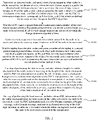
FIG. 1 illustrates a schematic flow diagram of active recovery from abnormality of single node according to one embodiment of the present application; -
FIG. 2 illustrates a schematic flow diagram of a method for active failure recovery of single node improved based on PBFT algorithm according to one embodiment of the present application; -
FIG. 3 illustrates a schematic flow diagram of a system for active failure recovery of single node improved based on PBFT algorithm according to one embodiment of the present application; -
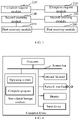
FIG. 4 illustrates a diagram of an inner structure of a computer device according to one embodiment of the present application. - In order to facilitate understanding of the present application, and in order to make the above objectives, features, and advantages of the present application be more comprehensible, specific embodiments of the present application will be described in detail below with reference to the accompanying drawings. In the following descriptions, many technical details are illustrated in order to facilitate a thorough understanding of the present application, and some preferable embodiments are provided in the accompanying drawings. However, the present application can be implemented in many different forms and thus is not limited to the embodiments described herein. On the contrary, the objective of providing these embodiments is to provide a more thorough and comprehensive understanding of the disclosed contents of the present application. The present application can be implemented in many different methods than those described herein, and a person skilled in the art can make similar improvements without departing from the connotation of the present application, therefore, the present application is not limited by the embodiments disclosed in detail below.
- In addition, terms "the first" and "the second" are only used for description purposes, and should not be considered as indicating or implying any relative importance, or implicitly indicating the number of indicated technical features. As such, technical feature(s) restricted by "the first" or "the second" can explicitly or implicitly comprise one or more such technical feature(s). In the description of the present application, "a plurality of" means two or more, unless otherwise there is additional explicit and detailed limitation. In the descriptions of the present application, "the plurality of' means at least one, such as one, two, etc., unless otherwise there is additional explicit and detailed limitation.
- Unless otherwise being defined, all technologies and scientific terms used herein have the same meaning as that can be commonly understood by one of ordinary skill in the technical field which the present application belongs to. The terminology used herein is only for the purpose of describing the detailed embodiments and is not intended to limit the present application. The term "and/or" used herein includes arbitrary combination and all combinations of one or more of the associated listed items.
- As shown in
FIG. 1 , a method for active failure recovery of single node improved based on PBFT algorithm, a point-to-point network containing (3f+1) nodes is required in the PBFT algorithm, Byzantine errors of F nodes at most are tolerable for this point-to-point network, the method specifically includes following steps: - At step S1: a node operated normally is enabled to enter into an abnormal state to become an abnormal node when detecting a failure in a system due to network malfunction.
- At step S2: a view change request is broadcasted to all nodes in a whole network, and a request of entering a next view is submitted by the abnormal node; the view change request includes an ID of the node, a proposed view value of the node, a height of a stable checkpoint of the node, and PQC information of the node.
- At step S3: view change requests from other nodes are waited within a predetermined period of time and a number of the view change requests are counted, and a recovery is performed according to a view change recovery method in the PBFT algorithm by the abnormal node, if (2f+1) view change requests containing the same view value are received within the predetermined period of time; the abnormal node is enabled to enter into a state to be recovered to become a node to be recovered, if (2f+1) view change requests are not received within the predetermined period of time.
- In this step, the abnormal node attempts to make a view change firstly, if there are more than (2f+1) nodes in the whole network that are attempting to initiate a view change with the same view value, the abnormal node can complete recovery from abnormality directly through the view change method, in particular, the abnormal node determines a master node in the new view according to a view value proposed by the (2f+l) nodes in the whole network, and waits for the new master node to send a confirmation message, and complete the recovery from abnormality when the confirmation message is received; if the abnormal node fails to receive view change requests of (2f+1) nodes within a predetermined period of time, it indicates that the whole network is in a normal state, and this node is only in an abnormal state, at this time, the abnormal node directly enters a state to be recovered, and performs an autonomous recovery by means of a subsequent recovery method without using a method of continuously and repeatedly sending view change request in the original PBFT algorithm to passively wait for recovery.
- At step S4: a recovery request is broadcasted to all nodes in the whole network by the node to be recovered, the recovery request includes an ID of the node to be recovered.
- At step S5: replies from other nodes are waited and a number of the replies are counted within the predetermined period of time by the node to be recovered, where other normal nodes returns a view value and a height of a stable checkpoint, an ID and PQC information thereof after receiving the recovery request from the node to be recovered; step S6 is entered to perform a state recovery if the node to be recovered receives (2f+1) replies with the same view value within the predetermined period of time; step S4 is returned if the node to be recovered fails to receive (2f+1) replies with the same view value within the predetermined period of time.
- the PQC information include a Pre-Prepare message, a Prepare message, and a Commit message.
- At step S6: a height of a stable checkpoint of the whole network is calculated by the node to be recovered according to the checkpoint information returned by the (2f+1) nodes, and a recovery is performed on the checkpoint through a fast synchronization algorithm in the PBFT, and a final recovery is performed after the recovery is completed, if the height of the stable checkpoint of the node to be recovered is lower than the height of the stable checkpoint of the whole network; or the final recovery is directly performed in step S7 if the height of the stable checkpoint of the node to be recovered is equal to or greater than the height of the stable checkpoint of the whole network.
- At step S7: a request for obtaining PQC information after the stable checkpoint is submitted to all nodes of the whole network by the node to be recovered.
- At step S8: all PQC information after the stable checkpoints of the other normal nodes are returned by the other normal nodes, after the request for obtaining the PQC is received.
- At step S9: redo by the node to be recovered according to the received PQC reply information received until the node to be recovered is restored to a height of normal node, so that the abnormal node is recovered.
- Due to the fact that the PQC information is a three-stage consensus message in the PBFT algorithm, the abnormal node can be completely restored to a height of the normal node according to the PQC information.
- according to the improved method for active failure recovery of single node based on the PBFT algorithm in the present application, the abnormal node can autonomously trigger an failure recovery process, thereby greatly reducing the time spent on failure recovery.
- Preferably, the view change request in the step S2 further includes signature information of the node.
- Preferably, in the step S3 and the step S5, a counting rule is that one node can only be counted one time, the node can only be counted one time when reply information is received multiple times from the same node at the same time within the predetermined period of time.
- Preferably, the recovery request in the step S4 further includes signature information of the node to be recovered. The signature information of the node to be recovered is used to authenticate the ID of the node and prevent a malicious node from falsifying the recovery request and thus consuming the network bandwidth of the normal node accordingly.
- Preferably, the reply information from the other normal node in the step S5 further includes signature information of the node. Where the signature information is used to authenticate the normal node ID of the node to be recovered to prevent the malicious node from falsifying the reply information and thus causing the node to be recovered to be unable to recover.
- Preferably, in the step S9, the node to be recovered only redoes the PQC information at a height above the height thereof so as to be avoided from a repeated execution of the same PQC after receiving the PQC reply information, thus being caused to execute an error process to enter an abnormal state again.
- Furthermore, as shown in
FIG. 2 , a method for active failure recovery of single node improved based on PBFT algorithm disclosed in the present application can be applied to a point-to-point network including (3f+1) nodes, Byzantine errors of F nodes at most are tolerable for this point-to-point network, the method for active failure recovery of single node improved based on PBFT algorithm can be realized by the following steps: - At step S110: an abnormal node is determined, and a view change request is sent to other nodes in a whole network by the abnormal node; where the view change request is used for requesting to enter a next view, the view change request includes an ID of the node, a view value proposed by the node, a height of a stable checkpoint of the node, and PQC-Set information of the node; the PQC-Set information respectively corresponds to P-Set Q-Set, and C-Set which are defined for recovery of view change in the PBFT algorithm.
- At step S120: view change requests from other nodes are waited and a number of the view change requests are counted within a first predetermined period of time, and the abnormal node is set as a node to be recovered, if (2f+1) view change requests are not received within the first predetermined period of time.
- At step S130: a recovery request is sent to other nodes in a whole network by the node to be recovered, where the recovery request includes an ID of the node to be recovered.
- At step S140: replies from the other nodes is waited and a number of the replies is counted in a second predetermined period of time, where each other node returns a view value and a height of a stable checkpoint, an ID, and PQC-Set information thereof after receiving the recovery request of the node to be recovered; and a state recovery is performed if (2f+1) replies containing the same view value are received within the second predetermined period of time.
- At step S150: the step of performing the state recovery includes: a height of a stable checkpoint of the whole network is obtained according to the height of the stable checkpoint and the PQC-Set information returned by the (2f+1) nodes, a recovery is performed on the checkpoint through a fast synchronization algorithm in the PBFT, and a final recovery is performed after the recovery performed on the checkpoint is completed, if the height of the stable checkpoint of the node to be recovered is lower than the height of the stable checkpoint of the whole network; the final recovery is performed if the height of the stable checkpoint of the node to be recovered is greater than or equal to the height of the stable checkpoint of the whole network.
- At step S160: the step of performing the final recovery includes: PQC information after the stable checkpoint from the other nodes in the whole network is obtained by the node to be recovered, where the PQC information includes a Pre-Prepare message, a Prepare message, and a Commit message; and redo according to the PQC reply information after the other nodes return their own stable checkpoints, until the node to be recovered is restored to the normal node.
- In one embodiment, after the step of waiting for view change requests from other nodes and counting the number of the view change requests within the first predetermined period of time, the method further includes a following step of:
completing the recovery through the view change recovery method in the PBFT algorithm if (2f+1) view change requests containing the same view value are received in the first predetermined period of time. - In one embodiment, after the step of waiting for view change requests from other nodes and counting the number of the view change requests within the second predetermined period of time, the method further includes a following step of:
returning to perform the step of sending the recovery request to all other nodes in the whole network by the node to be recovered, if the node to be recovered fails to receive (2f+1) replies containing the same view value. - In one embodiment, the view change request further includes signature information of the node.
- In one embodiment, each node is counted one time in a counting process.
- In one embodiment, the recovery request further includes signature information of the node to be recovered.
- In one embodiment, the PQC reply information after the other nodes return their own stable checkpoints includes signature information of the node.
- In one embodiment, said redoing according to the PQC reply information after the other nodes return their own stable checkpoints includes:
redoing PQC information at a height above the height of the stable checkpoint of the node to be recovered. - In one embodiment, as shown in
FIG. 3 , a system for active failure recovery of single node improved based on PBFT algorithm is provided, this system includes: - an
exception request module 210 configured to determine an abnormal node, and send a view change request to other nodes in a whole network from the abnormal node; where the view change request is used for requesting to enter a next view, the view change request includes an ID of the node, a view value proposed by the node, a height of a stable checkpoint of the node, and PQC-Set information of the node; the PQC-Set information respectively corresponds to P-Set Q-Set, and C-Set which are defined for recovery of view change in the PBFT algorithm; - a
first counting module 220 configured to wait for view change requests from other nodes and count a number of the view change requests within a first predetermined period of time, and set the abnormal node as a node to be recovered if (2f+1) view change requests are not received within the first predetermined period of time; - a
recovery requesting module 230 configured to send a recovery request to other nodes in the whole network from the node to be recovered, wherein the recovery request comprises an ID of the node to be recovered; - a
second counting module 240 configured to: wait for replies from the other nodes and count a number of the replies in a second predetermined period of time, where each other node returns a view value and a height of a stable checkpoint, an ID, and PQC-Set information thereof after receiving the recovery request of the node to be recovered; and return to perform a state recovery if (2f+1) replies containing the same view value are received within the second predetermined period of time; - a
first recovery module 250 configured to perform the state recovery which includes: obtaining a height of a stable checkpoint of the whole network according to the height of the stable checkpoint and the PQC-Set information returned by the (2f+1) nodes, performing a recovery on the checkpoint through a fast synchronization algorithm in the PBFT, and jumping to perform a final recovery after the recovery performed on the checkpoint is completed, if the height of the stable checkpoint of the node to be recovered is lower than the height of the stable checkpoint of the whole network; jumping to perform the final recovery if the height of the stable checkpoint of the node to be recovered is greater than or equal to the height of the stable checkpoint of the whole network; - a
second recovery module 260 configured to perform the final recovery which includes: obtaining PQC information after the stable checkpoint from the other nodes in the whole network by the node to be recovered, wherein the PQC information comprises a Pre-Prepare message, a Prepare message, and a Commit message; and redoing according to the PQC reply information after the other nodes return their own stable checkpoints, until the node to be recovered is restored to the normal node. - In one embodiment, the
first recovery module 250 is further configured to complete recovery according to a view change recovery method in the PBFT algorithm if (2f+1) view change requests containing the same view value are received within the first predetermined period of time. - In one embodiment, the
recovery requesting module 250 is configured to continuously send recovery request to all other nodes in the whole network if (2f+1) view change requests containing the same view value are not received within the second predetermined period of time. - In one embodiment, the view change request further includes signature information of the node.
- In one embodiment, each node is counted one time in a counting process.
- In one embodiment, the recovery request further includes signature information of the node to be recovered.
- In one embodiment, the PQC reply information after the other nodes return their own stable checkpoints includes signature information of the node.
- In one embodiment, the
second recovery module 260 is configured to redo the PQC reply information at a height above the height of the stable checkpoint of the node to be recovered according to the PQC reply information after the other nodes return their own stable checkpoints. - Regarding the detail of the limitations of the improved system for active failure recovery of single node based on PBFT algorithm, reference can be made to the limitations of the method for active failure recovery of single node improved based on PBFT algorithm in the context, the detail of the limitations of the improved system will not be repeatedly described herein. Some or all of the various modules in the improved system for active failure recovery of single node based on PBFT algorithm may be implemented according to software, hardware or the combination of software and hardware. The aforesaid various modules can be embedded in or be independent of the processor of the computer device in the form of hardware, and can also be stored in the memory of the computer device in the form of software to facilitate the processor to call and perform operations corresponding to these modules.
- In one embodiment, a computer device for performing a method for active failure recovery of single node improved based on PBFT algorithm is provided, where the computer device can be a terminal device, and an internal structure diagram of the computer device may be shown in
FIG. 4 . The computer device includes a processor, a memory, a network interface, a display screen, and an input device which are connected through a system bus. The processor of the computer device is configured to provide computing and control capabilities. The memory of the computer device includes a non-volatile storage medium and an internal memory. The non-volatile storage medium stores an operating system and a computer program. The internal memory provides an environment for operating the operating system and the computer program in the non-volatile storage medium. The network interface of the computer device is configured to communicate with an external terminal through network connection. The computer program is configured to, when being executed by a processor, implements an improved method for active failure recovery of single node based on a PBFT algorithm. The display screen of the computer device may be a LCD (Liquid Crystal Display) screen or an electronic ink display screen, the input device of the computer device can be a touch layer covered on the display screen, the input device can also be a button, a trackball, or a touch pad provided on the housing of the computer device, the input device can also be an external keyboard, a touchpad or a mouse. - It should be understood by those skilled in the art that the structure shown in
FIG. 4 is merely a block diagram of a partial structure related to the solution of the present application, and does not constitute a definition of a generation device of a smart contract client program applied thereto, and a specific smart contract client program generation device may include more or fewer components than shown in the figures, or combine certain components, or have different component arrangements. - A person skilled in the art may understand that the structure shown in
FIG. 4 is merely a block diagram of a part of structure associated with the technical solutions of the present application, and does not constitute a limitation to a generation device of a smart contract client program which the technical solutions of the present application are applied in, and the specific generation device of smart contract client program can include more or less components than that shown in the figures, or combine some components, or have arrangements of components. - In one embodiment, a computer device is provided, the computer device includes a memory and a processor, the memory stores a computer program, when the computer program is executed by the processor, the steps in the method for active failure recovery of single node improved based on PBFT algorithm are implemented.
- In one embodiment, a readable storage medium is provided, the storage medium stores a computer program, that, when being executed by a processor, causes the processor to realize the steps in the method for active failure recovery of single node improved based on PBFT algorithm.
- The person of ordinary skilled in the art may be aware of that, a whole or a part of flow process of implementing the method in the aforesaid embodiments of the present application may be accomplished by using computer program to instruct relevant hardware. The computer program may be stored in a non-volatile computer readable storage medium, when the computer program is executed, the steps in the various method embodiments described above may be included. Any references to memory, storage, databases, or other media used in the embodiments provided herein may include non-volatile and/or volatile memory. The non-volatile memory may include ROM (Read Only Memory), programmable ROM, EPROM (Electrically Programmable Read Only Memory), EEPROM (Electrically Erasable Programmable Read Only Memory), or flash memory. The volatile memory may include RAM (Random Access Memory) or external cache memory. By way of illustration instead of limitation, RAM is available in a variety of forms such as SRAM (Static RAM), DRAM (Dynamic RAM), SDRAM (Synchronous DRAM), DDR (Double Data Rate) SDRAM, ESDRAM (Enhanced SDRAM), Synchlink DRAM, RDRAM (Rambus Direct RAM), DRDRAM (Direct RamBus Dynamic RAM), and RDRAM (Rambus Dynamic RAM), etc.
- The technical features in the above embodiments can be combined arbitrarily, for the sake of simplicity, not all possible combinations of the technical features in the above embodiments are described, however, as long as the combinations of these technical features do not contradict with each other, these combinations should all be considered as being included in the scope of the specification of the present application.
- The person of ordinary skill in the art should understand that, the forgoing only describe some preferable embodiments of the present application and is not intended to limit the present application. Although the present application has been explained in detail with reference to the aforesaid embodiments, for the person of ordinary skilled in the art, the technical solutions disclosed in the embodiments can also be modified, some technical features can also be equivalently replaced; these modifications or equivalent replacements which are made in the spirit and the principle of the present application should all be included in the protection scope of the present application.
Claims (17)
- A method for active failure recovery of single node improved based on PBFT algorithm, characterized in that, a point-to-point network containing (3f+1) nodes is required in the PBFT algorithm, at most Byzantine errors of F nodes can be tolerable for this point-to-point network, and the method specifically comprises following steps:step S1: enabling a node operated normally to enter into an abnormal state to become an abnormal node when detecting a failure in a system due to network malfunction;step S2: broadcasting a view change request to all nodes in a whole network, and requesting to enter a next view by the abnormal node; the view change request in the step S2 comprises an ID, a proposed view value, a height of a stable checkpoint, and PQC information of the node;step S3: waiting for view change requests from other nodes within a predetermined period of time and counting a number of the view change requests, and completing recovery according to a view change recovery method in the PBFT algorithm by the abnormal node, if (2f+1) view change requests containing the same view value are received within the predetermined period of time; enabling the abnormal node to enter into a state to be recovered to become a node to be recovered if (2f+1) view change requests are not received within the predetermined period of time;step S4: broadcasting a recovery request to all nodes in the whole network by the node to be recovered, the recovery request includes an ID of the node to be recovered;step S5: waiting for replies from other nodes and counting a number of the replies within the predetermined period of time by the node to be recovered, wherein other normal nodes returns a view value and a height of a stable checkpoint, an ID and PQC information thereof after receiving the recovery request from the node to be recovered; entering step S6 to perform a state recovery if the node to be recovered receives (2f+1) replies with the same view value within the predetermined period of time; returning to step S4 if the node to be recovered fails to receive (2f+1) replies with the same view value within the predetermined period of time;the PQC information comprises a Pre-Prepare message, a Prepare message, and a Commit message;step S6: calculating, by the node to be recovered, a height of a stable checkpoint of the whole network according to the checkpoint information returned by the (2f+1) nodes, performing recovery on the checkpoint through a fast synchronization algorithm in the PBFT, and performing a final recovery after the recovery is completed, if the height of the stable checkpoint of the node to be recovered is lower than the height of the stable checkpoint of the whole network; otherwise, directly performing the final recovery in step S7;step S7: submitting a request for obtaining PQC information after the stable checkpoint to all nodes of the whole network by the node to be recovered;step S8: returning, by the other normal nodes, all PQC information after the stable checkpoints of the other normal nodes, after receiving the request for obtaining the PQC;step S9: redoing, by the node to be recovered, according to the received PQC reply information received until the node to be recovered is restored to a height of normal node, thus completing recovery of the abnormal node.
- The method for active failure recovery of single node improved based on PBFT algorithm according to claim 1, characterized in that, the view change request in the step S2 further comprises signature information of the abnormal node.
- The method for active failure recovery of single node improved based on PBFT algorithm according to claim 1, characterized in that, in the step S3 and the step S5, a counting rule is that one node can only be counted one time, the node can only be counted one time when reply information is received multiple times from the same node at the same time within the predetermined period of time.
- The method for active failure recovery of single node improved based on PBFT algorithm according to claim 1, characterized in that, the recovery request in the step S4 further comprises signature information of the node to be recovered.
- The method for active failure recovery of single node improved based on PBFT algorithm according to claim 1, characterized in that, the reply information from the other normal nodes in the step S5 further comprise signature information of the normal nodes.
- The method for active failure recovery of single node improved based on PBFT algorithm according to claim 1, characterized in that, in the step S9, the node to be recovered only redoes the PQC information at a height above the height thereof so as to be avoided from a repeated execution of the same PQC after receiving the PQC reply information, thus being caused to execute an error process to enter an abnormal state again.
- A method for active failure recovery of single node improved based on PBFT algorithm, characterized in that, the method is applied to a point-to-point network containing (3f+1) nodes, at most Byzantine errors of F nodes can be tolerable for this point-to-point network, the method comprises following steps:determining an abnormal node, and sending a view change request to other nodes in a whole network by the abnormal node; wherein the view change request is used for requesting to enter a next view, the view change request comprises an ID of the node, a view value proposed by the node, a height of a stable checkpoint of the node, and PQC-Set information of the node; the PQC-Set information respectively corresponds to P-Set Q-Set, and C-Set which are defined for recovery of view change in the PBFT algorithm;waiting for view change requests from other nodes and counting a number of the view change requests within a first predetermined period of time, and setting the abnormal node as a node to be recovered if (2f+1) view change requests are not received within the first predetermined period of time;sending a recovery request to other nodes in a whole network by the node to be recovered, wherein the recovery request comprises an ID of the node to be recovered;waiting for replies from the other nodes and counting a number of the replies in a second predetermined period of time, wherein each other node returns a view value and a height of a stable checkpoint, an ID, and PQC-Set information thereof after receiving the recovery request of the node to be recovered; and performing a state recovery if (2f+1) replies containing the same view value are received within the second predetermined period of time;the step of performing the state recovery comprises:obtaining a height of a stable checkpoint of the whole network according to the height of the stable checkpoint and the PQC-Set information returned by the (2f+1) nodes, performing a recovery on the checkpoint through a fast synchronization algorithm in the PBFT, and performing a final recovery after the recovery performed on the checkpoint is completed, if the height of the stable checkpoint of the node to be recovered is lower than the height of the stable checkpoint of the whole network; performing the final recovery if the height of the stable checkpoint of the node to be recovered is greater than or equal to the height of the stable checkpoint of the whole network;the step of performing the final recovery comprises:
obtaining, by the node to be recovered, PQC information after the stable checkpoints from the other nodes in the whole network, wherein the PQC information comprises a Pre-Prepare message, a Prepare message, and a Commit message; and redoing according to the PQC reply information after the other nodes return their own stable checkpoints, until the node to be recovered is restored to the normal node. - The method for active failure recovery of single node improved based on PBFT algorithm according to claim 7, characterized in that, after the step of waiting for view change requests from other nodes and counting the number of the view change requests within the first predetermined period of time, the method further comprises a step of:
completing a recovery through the view change recovery method in the PBFT algorithm, if (2f+1) view change requests containing the same view value are received in the first predetermined period of time. - The method for active failure recovery of single node improved based on PBFT algorithm according to claim 7, characterized in that, after the step of waiting for view change requests from other nodes and counting the number of the view change requests within the second predetermined period of time, the method further comprises a step of:
returning to perform the step of sending the recovery request to all other nodes in the whole network by the node to be recovered, if the node to be recovered fails to receive (2f+1) replies containing the same view value. - The method for active failure recovery of single node improved based on PBFT algorithm according to claim 7, characterized in that, the view change request further comprises signature information of the node.
- The method for active failure recovery of single node improved based on PBFT algorithm according to claim 7, characterized in that, each node is counted one time in a counting process.
- The method for active failure recovery of single node improved based on PBFT algorithm according to claim 7, characterized in that, the recovery request further comprises signature information of the node to be recovered.
- The method for active failure recovery of single node improved based on PBFT algorithm according to claim 7, characterized in that, the PQC reply information after the other nodes return their own stable checkpoints comprises signature information of the node.
- The method for active failure recovery of single node improved based on PBFT algorithm according to claim 7, characterized in that, said redoing according to the PQC reply information after the other nodes return their own stable checkpoints comprises a following step of:
redoing PQC information at a height above the height of the stable checkpoint of the node to be recovered. - A system for active failure recovery of single node improved based on PBFT algorithm, comprising:an exception request module configured to determine an abnormal node, and send a view change request to other nodes in a whole network from the abnormal node; wherein the view change request is used for requesting to enter a next view, the view change request comprises an ID of the node, a view value proposed by the node, a height of a stable checkpoint of the node, and PQC-Set information of the node; the PQC-Set information respectively corresponds to P-Set Q-Set, and C-Set which are defined for recovery of view change in the PBFT algorithm;a first counting module configured to wait for view change requests from other nodes and count a number of the view change requests within a first predetermined period of time, and set the abnormal node as a node to be recovered if (2f+1) view change requests are not received within the first predetermined period of time;a recovery requesting module configured to send a recovery request to other nodes in the whole network from the node to be recovered, wherein the recovery request comprises an ID of the node to be recovered;a second counting module configured to: wait for replies from the other nodes and count a number of the replies in a second predetermined period of time, wherein each other node returns a view value and a height of a stable checkpoint, an ID, and PQC-Set information thereof after receiving the recovery request of the node to be recovered; and return to perform a state recovery if (2f+1) replies containing the same view value are received within the second predetermined period of time;a first recovery module configured to perform the state recovery which comprises: obtaining a height of a stable checkpoint of the whole network according to the height of the stable checkpoint and the PQC-Set information returned by the (2f+1) nodes, performing a recovery on the checkpoint through a fast synchronization algorithm in the PBFT and returning to perform a final recovery after the recovery performed on the checkpoint is completed, if the height of the stable checkpoint of the node to be recovered is lower than the height of the stable checkpoint of the whole network; returning to perform the final recovery if the height of the stable checkpoint of the node to be recovered is greater than or equal to the height of the stable checkpoint of the whole network;a second recovery module configured to perform the final recovery which comprises: obtaining PQC information after the stable checkpoint from the other nodes in the whole network by the node to be recovered, wherein the PQC information comprises a Pre-Prepare message, a Prepare message, and a Commit message; and redoing according to the PQC reply information after the other nodes return their own stable checkpoints, until the node to be recovered is restored to the normal node.
- A computer device, wherein the computer device comprises a memory and a processor, the memory stores a computer program, that, when being executed by the processor, causes the processor to implement the steps in the method according to any one of claims 1-14.
- A readable storage medium which stores a computer program, that, when being executed by a processor, causes the processor to implement the steps in the method according to any one of claims 1-14.
Applications Claiming Priority (2)
| Application Number | Priority Date | Filing Date | Title |
|---|---|---|---|
| CN201910956576.8A CN110460484B (en) | 2019-10-10 | 2019-10-10 | An Improved Active Recovery Method for Single Node Abnormalities Based on PBFT Algorithm |
| PCT/CN2020/120111 WO2021068919A1 (en) | 2019-10-10 | 2020-10-10 | Pbft algorithm-based improved method for active recovery of single node from anomaly |
Publications (3)
| Publication Number | Publication Date |
|---|---|
| EP4044509A1 true EP4044509A1 (en) | 2022-08-17 |
| EP4044509A4 EP4044509A4 (en) | 2023-10-25 |
| EP4044509B1 EP4044509B1 (en) | 2025-05-21 |
Family
ID=68492781
Family Applications (1)
| Application Number | Title | Priority Date | Filing Date |
|---|---|---|---|
| EP20875118.0A Active EP4044509B1 (en) | 2019-10-10 | 2020-10-10 | Pbft algorithm-based improved method for active recovery of single node from anomaly |
Country Status (5)
| Country | Link |
|---|---|
| US (1) | US11841778B2 (en) |
| EP (1) | EP4044509B1 (en) |
| JP (1) | JP7367191B2 (en) |
| CN (1) | CN110460484B (en) |
| WO (1) | WO2021068919A1 (en) |
Families Citing this family (5)
| Publication number | Priority date | Publication date | Assignee | Title |
|---|---|---|---|---|
| CN115632933B (en) * | 2019-12-24 | 2026-04-21 | 杭州趣链科技股份有限公司 | A Cluster Anomaly Recovery Method Based on PBFT Algorithm |
| CN111432280B (en) * | 2020-03-19 | 2021-10-01 | 福建捷联电子有限公司 | Block chain based automatic repair method for protected data of television |
| CN111988321B (en) * | 2020-08-24 | 2022-02-11 | 桂林电子科技大学 | A consortium chain anomaly detection system based on machine learning and its detection method |
| CN116991623B (en) * | 2023-08-30 | 2024-01-02 | 杭州趣链科技有限公司 | Block chain node exception recovery method and device, electronic equipment and storage medium |
| CN119402500B (en) * | 2024-10-28 | 2025-11-21 | 西北工业大学 | Real-time perception data-oriented decentralization predictor service system and method |
Family Cites Families (18)
| Publication number | Priority date | Publication date | Assignee | Title |
|---|---|---|---|---|
| US6671821B1 (en) * | 1999-11-22 | 2003-12-30 | Massachusetts Institute Of Technology | Byzantine fault tolerance |
| JP2006160051A (en) * | 2004-12-07 | 2006-06-22 | Toyota Motor Corp | Braking force control device for vehicle |
| US20170061421A1 (en) * | 2015-08-27 | 2017-03-02 | Tipflip, Llc | System and method for permitting proximity based funds transfer from one person to another |
| CN106447311B (en) * | 2016-09-26 | 2019-11-08 | 北京天德科技有限公司 | A kind of block chain of Byzantine failure tolerance algorithms of four communications builds block method |
| US10049017B2 (en) | 2016-10-04 | 2018-08-14 | Nec Corporation | Method and system for byzantine fault-tolerance replicating of data on a plurality of servers |
| US20180308091A1 (en) * | 2017-04-21 | 2018-10-25 | Vmware, Inc. | Fairness preserving byzantine agreements |
| CN107423152B (en) * | 2017-04-24 | 2019-05-21 | 杭州趣链科技有限公司 | A method for automatic recovery of blockchain consensus nodes |
| JP2019012415A (en) | 2017-06-30 | 2019-01-24 | 株式会社bitFlyer | Method for building consensus in network and nodes constituting network |
| WO2020033216A2 (en) * | 2018-07-31 | 2020-02-13 | Oded Wertheim | Scaling and accelerating decentralized execution of transactions |
| CN109039748B (en) * | 2018-08-10 | 2021-09-03 | 上交所技术有限责任公司 | Method for dynamically adding and deleting nodes by PBFT protocol |
| CN109347804B (en) * | 2018-09-19 | 2020-02-07 | 电子科技大学 | Byzantine fault-tolerant consensus optimization method for block chain |
| JP6727630B2 (en) * | 2018-11-07 | 2020-07-22 | アリババ・グループ・ホールディング・リミテッドAlibaba Group Holding Limited | Facilitating Consensus and Node Synchronization of Practical Byzantine Fault Tolerance Blockchains |
| CN109784916A (en) * | 2018-12-12 | 2019-05-21 | 广东工业大学 | A method of ether mill common recognition mechanism that improving PBFT is applied to alliance's chain |
| AU2019203865B2 (en) * | 2019-03-18 | 2021-01-21 | Advanced New Technologies Co., Ltd. | Consensus system downtime recovery |
| PL3593249T3 (en) * | 2019-03-18 | 2021-12-13 | Advanced New Technologies Co., Ltd. | System and method for ending view change protocol |
| CN110166295B (en) * | 2019-05-23 | 2021-07-30 | 杭州趣链科技有限公司 | A method for judging whether the network topology supports Byzantine fault tolerance |
| CN115632933B (en) * | 2019-12-24 | 2026-04-21 | 杭州趣链科技股份有限公司 | A Cluster Anomaly Recovery Method Based on PBFT Algorithm |
| US11609824B2 (en) * | 2021-07-22 | 2023-03-21 | Vmware, Inc. | Byzantine fault tolerant view change processing |
-
2019
- 2019-10-10 CN CN201910956576.8A patent/CN110460484B/en active Active
-
2020
- 2020-10-10 JP JP2022513959A patent/JP7367191B2/en active Active
- 2020-10-10 EP EP20875118.0A patent/EP4044509B1/en active Active
- 2020-10-10 WO PCT/CN2020/120111 patent/WO2021068919A1/en not_active Ceased
-
2022
- 2022-04-04 US US17/713,097 patent/US11841778B2/en active Active
Also Published As
| Publication number | Publication date |
|---|---|
| JP7367191B2 (en) | 2023-10-23 |
| CN110460484A (en) | 2019-11-15 |
| CN110460484B (en) | 2020-02-18 |
| JP2022547013A (en) | 2022-11-10 |
| US20220222156A1 (en) | 2022-07-14 |
| US11841778B2 (en) | 2023-12-12 |
| EP4044509A4 (en) | 2023-10-25 |
| WO2021068919A1 (en) | 2021-04-15 |
| EP4044509B1 (en) | 2025-05-21 |
Similar Documents
| Publication | Publication Date | Title |
|---|---|---|
| US11841778B2 (en) | Method and system for active failure recovery of single node improved based on PBFT algorithm, computer device and storage medium | |
| US8301600B1 (en) | Failover recovery in a distributed data store | |
| US10372384B2 (en) | Method and system for managing storage system using first and second communication areas | |
| US20050149609A1 (en) | Conflict fast consensus | |
| US12111817B2 (en) | Log execution method and apparatus, computer device and storage medium | |
| JP2021168123A (en) | Systems and method for distributed read/write locking with network key values for storage devices | |
| CN118689411B (en) | Quota management method, computer device, storage medium and program product | |
| CN105069152A (en) | Data processing method and apparatus | |
| CN111324425B (en) | Data access method, device, equipment and storage medium | |
| US12401731B2 (en) | User data disaster tolerance method, device, network element device and storage medium | |
| CN112596801A (en) | Transaction processing method, device, equipment, storage medium and database | |
| CN108418859A (en) | The method and apparatus for writing data | |
| CN106331081A (en) | Information synchronization method and device | |
| CN113612814A (en) | Method, device, terminal and storage medium for screening session information | |
| CN117097741A (en) | Fault information synchronization method | |
| HK40073165A (en) | Pbft algorithm-based improved method for active recovery of single node from anomaly | |
| CN111291063B (en) | Master and backup copy election method, system, computer equipment and storage medium | |
| HK40073165B (en) | Pbft algorithm-based improved method for active recovery of single node from anomaly | |
| US12513040B2 (en) | Management IP drift method and storage frame | |
| CN115757452B (en) | Blocking method, device, equipment and storage medium | |
| US20190124145A1 (en) | Method and apparatus for availability management | |
| US11669516B2 (en) | Fault tolerance for transaction mirroring | |
| CN114546705A (en) | Operation response method, operation response device, electronic apparatus, and storage medium | |
| US10542127B2 (en) | Fault tolerant communication in a distributed system | |
| CN120316116B (en) | Data processing method, device, electronic equipment and storage medium |
Legal Events
| Date | Code | Title | Description |
|---|---|---|---|
| STAA | Information on the status of an ep patent application or granted ep patent |
Free format text: STATUS: THE INTERNATIONAL PUBLICATION HAS BEEN MADE |
|
| PUAI | Public reference made under article 153(3) epc to a published international application that has entered the european phase |
Free format text: ORIGINAL CODE: 0009012 |
|
| STAA | Information on the status of an ep patent application or granted ep patent |
Free format text: STATUS: REQUEST FOR EXAMINATION WAS MADE |
|
| 17P | Request for examination filed |
Effective date: 20220316 |
|
| AK | Designated contracting states |
Kind code of ref document: A1 Designated state(s): AL AT BE BG CH CY CZ DE DK EE ES FI FR GB GR HR HU IE IS IT LI LT LU LV MC MK MT NL NO PL PT RO RS SE SI SK SM TR |
|
| REG | Reference to a national code |
Ref country code: HK Ref legal event code: DE Ref document number: 40073165 Country of ref document: HK |
|
| DAV | Request for validation of the european patent (deleted) | ||
| DAX | Request for extension of the european patent (deleted) | ||
| REG | Reference to a national code |
Ref country code: DE Free format text: PREVIOUS MAIN CLASS: H04L0012240000 Ref country code: DE Ref legal event code: R079 Ref document number: 602020051821 Country of ref document: DE Free format text: PREVIOUS MAIN CLASS: H04L0012240000 Ipc: H04L0041065400 |
|
| A4 | Supplementary search report drawn up and despatched |
Effective date: 20230922 |
|
| RIC1 | Information provided on ipc code assigned before grant |
Ipc: G06F 11/20 20060101ALI20230918BHEP Ipc: G06F 11/16 20060101ALI20230918BHEP Ipc: H04L 41/0668 20220101ALI20230918BHEP Ipc: H04L 41/0654 20220101AFI20230918BHEP |
|
| STAA | Information on the status of an ep patent application or granted ep patent |
Free format text: STATUS: EXAMINATION IS IN PROGRESS |
|
| 17Q | First examination report despatched |
Effective date: 20240611 |
|
| GRAP | Despatch of communication of intention to grant a patent |
Free format text: ORIGINAL CODE: EPIDOSNIGR1 |
|
| STAA | Information on the status of an ep patent application or granted ep patent |
Free format text: STATUS: GRANT OF PATENT IS INTENDED |
|
| INTG | Intention to grant announced |
Effective date: 20241216 |
|
| GRAS | Grant fee paid |
Free format text: ORIGINAL CODE: EPIDOSNIGR3 |
|
| GRAA | (expected) grant |
Free format text: ORIGINAL CODE: 0009210 |
|
| STAA | Information on the status of an ep patent application or granted ep patent |
Free format text: STATUS: THE PATENT HAS BEEN GRANTED |
|
| AK | Designated contracting states |
Kind code of ref document: B1 Designated state(s): AL AT BE BG CH CY CZ DE DK EE ES FI FR GB GR HR HU IE IS IT LI LT LU LV MC MK MT NL NO PL PT RO RS SE SI SK SM TR |
|
| RAP3 | Party data changed (applicant data changed or rights of an application transferred) |
Owner name: HANGZHOU HYPERCHAIN TECHNOLOGY CO., LTD. |
|
| REG | Reference to a national code |
Ref country code: GB Ref legal event code: FG4D |
|
| REG | Reference to a national code |
Ref country code: CH Ref legal event code: EP |
|
| REG | Reference to a national code |
Ref country code: DE Ref legal event code: R096 Ref document number: 602020051821 Country of ref document: DE |
|
| REG | Reference to a national code |
Ref country code: IE Ref legal event code: FG4D |
|
| REG | Reference to a national code |
Ref country code: NL Ref legal event code: MP Effective date: 20250521 |
|
| PG25 | Lapsed in a contracting state [announced via postgrant information from national office to epo] |
Ref country code: PT Free format text: LAPSE BECAUSE OF FAILURE TO SUBMIT A TRANSLATION OF THE DESCRIPTION OR TO PAY THE FEE WITHIN THE PRESCRIBED TIME-LIMIT Effective date: 20250922 Ref country code: FI Free format text: LAPSE BECAUSE OF FAILURE TO SUBMIT A TRANSLATION OF THE DESCRIPTION OR TO PAY THE FEE WITHIN THE PRESCRIBED TIME-LIMIT Effective date: 20250521 Ref country code: ES Free format text: LAPSE BECAUSE OF FAILURE TO SUBMIT A TRANSLATION OF THE DESCRIPTION OR TO PAY THE FEE WITHIN THE PRESCRIBED TIME-LIMIT Effective date: 20250521 |
|
| REG | Reference to a national code |
Ref country code: LT Ref legal event code: MG9D |
|
| PG25 | Lapsed in a contracting state [announced via postgrant information from national office to epo] |
Ref country code: NO Free format text: LAPSE BECAUSE OF FAILURE TO SUBMIT A TRANSLATION OF THE DESCRIPTION OR TO PAY THE FEE WITHIN THE PRESCRIBED TIME-LIMIT Effective date: 20250821 Ref country code: GR Free format text: LAPSE BECAUSE OF FAILURE TO SUBMIT A TRANSLATION OF THE DESCRIPTION OR TO PAY THE FEE WITHIN THE PRESCRIBED TIME-LIMIT Effective date: 20250822 |
|
| PG25 | Lapsed in a contracting state [announced via postgrant information from national office to epo] |
Ref country code: PL Free format text: LAPSE BECAUSE OF FAILURE TO SUBMIT A TRANSLATION OF THE DESCRIPTION OR TO PAY THE FEE WITHIN THE PRESCRIBED TIME-LIMIT Effective date: 20250521 Ref country code: NL Free format text: LAPSE BECAUSE OF FAILURE TO SUBMIT A TRANSLATION OF THE DESCRIPTION OR TO PAY THE FEE WITHIN THE PRESCRIBED TIME-LIMIT Effective date: 20250521 |
|
| PG25 | Lapsed in a contracting state [announced via postgrant information from national office to epo] |
Ref country code: BG Free format text: LAPSE BECAUSE OF FAILURE TO SUBMIT A TRANSLATION OF THE DESCRIPTION OR TO PAY THE FEE WITHIN THE PRESCRIBED TIME-LIMIT Effective date: 20250521 |
|
| PG25 | Lapsed in a contracting state [announced via postgrant information from national office to epo] |
Ref country code: HR Free format text: LAPSE BECAUSE OF FAILURE TO SUBMIT A TRANSLATION OF THE DESCRIPTION OR TO PAY THE FEE WITHIN THE PRESCRIBED TIME-LIMIT Effective date: 20250521 |
|
| PG25 | Lapsed in a contracting state [announced via postgrant information from national office to epo] |
Ref country code: RS Free format text: LAPSE BECAUSE OF FAILURE TO SUBMIT A TRANSLATION OF THE DESCRIPTION OR TO PAY THE FEE WITHIN THE PRESCRIBED TIME-LIMIT Effective date: 20250821 |
|
| PG25 | Lapsed in a contracting state [announced via postgrant information from national office to epo] |
Ref country code: IS Free format text: LAPSE BECAUSE OF FAILURE TO SUBMIT A TRANSLATION OF THE DESCRIPTION OR TO PAY THE FEE WITHIN THE PRESCRIBED TIME-LIMIT Effective date: 20250921 |
|
| PG25 | Lapsed in a contracting state [announced via postgrant information from national office to epo] |
Ref country code: LV Free format text: LAPSE BECAUSE OF FAILURE TO SUBMIT A TRANSLATION OF THE DESCRIPTION OR TO PAY THE FEE WITHIN THE PRESCRIBED TIME-LIMIT Effective date: 20250521 |
|
| REG | Reference to a national code |
Ref country code: AT Ref legal event code: MK05 Ref document number: 1797806 Country of ref document: AT Kind code of ref document: T Effective date: 20250521 |
|
| PGFP | Annual fee paid to national office [announced via postgrant information from national office to epo] |
Ref country code: GB Payment date: 20251023 Year of fee payment: 6 |
|
| PG25 | Lapsed in a contracting state [announced via postgrant information from national office to epo] |
Ref country code: DK Free format text: LAPSE BECAUSE OF FAILURE TO SUBMIT A TRANSLATION OF THE DESCRIPTION OR TO PAY THE FEE WITHIN THE PRESCRIBED TIME-LIMIT Effective date: 20250521 Ref country code: AT Free format text: LAPSE BECAUSE OF FAILURE TO SUBMIT A TRANSLATION OF THE DESCRIPTION OR TO PAY THE FEE WITHIN THE PRESCRIBED TIME-LIMIT Effective date: 20250521 Ref country code: SM Free format text: LAPSE BECAUSE OF FAILURE TO SUBMIT A TRANSLATION OF THE DESCRIPTION OR TO PAY THE FEE WITHIN THE PRESCRIBED TIME-LIMIT Effective date: 20250521 |
|
| PG25 | Lapsed in a contracting state [announced via postgrant information from national office to epo] |
Ref country code: CZ Free format text: LAPSE BECAUSE OF FAILURE TO SUBMIT A TRANSLATION OF THE DESCRIPTION OR TO PAY THE FEE WITHIN THE PRESCRIBED TIME-LIMIT Effective date: 20250521 |
|
| PG25 | Lapsed in a contracting state [announced via postgrant information from national office to epo] |
Ref country code: EE Free format text: LAPSE BECAUSE OF FAILURE TO SUBMIT A TRANSLATION OF THE DESCRIPTION OR TO PAY THE FEE WITHIN THE PRESCRIBED TIME-LIMIT Effective date: 20250521 |
|
| PG25 | Lapsed in a contracting state [announced via postgrant information from national office to epo] |
Ref country code: SK Free format text: LAPSE BECAUSE OF FAILURE TO SUBMIT A TRANSLATION OF THE DESCRIPTION OR TO PAY THE FEE WITHIN THE PRESCRIBED TIME-LIMIT Effective date: 20250521 |
|
| PG25 | Lapsed in a contracting state [announced via postgrant information from national office to epo] |
Ref country code: IT Free format text: LAPSE BECAUSE OF FAILURE TO SUBMIT A TRANSLATION OF THE DESCRIPTION OR TO PAY THE FEE WITHIN THE PRESCRIBED TIME-LIMIT Effective date: 20250521 |
|
| PG25 | Lapsed in a contracting state [announced via postgrant information from national office to epo] |
Ref country code: RO Free format text: LAPSE BECAUSE OF FAILURE TO SUBMIT A TRANSLATION OF THE DESCRIPTION OR TO PAY THE FEE WITHIN THE PRESCRIBED TIME-LIMIT Effective date: 20250521 |
|
| REG | Reference to a national code |
Ref country code: DE Ref legal event code: R097 Ref document number: 602020051821 Country of ref document: DE |
|
| PLBE | No opposition filed within time limit |
Free format text: ORIGINAL CODE: 0009261 |
|
| STAA | Information on the status of an ep patent application or granted ep patent |
Free format text: STATUS: NO OPPOSITION FILED WITHIN TIME LIMIT |
|
| REG | Reference to a national code |
Ref country code: CH Ref legal event code: L10 Free format text: ST27 STATUS EVENT CODE: U-0-0-L10-L00 (AS PROVIDED BY THE NATIONAL OFFICE) Effective date: 20260402 |
|
| 26N | No opposition filed |
Effective date: 20260224 |