EP4040436A1 - Speech encoding method and apparatus, computer device, and storage medium - Google Patents
Speech encoding method and apparatus, computer device, and storage medium Download PDFInfo
- Publication number
- EP4040436A1 EP4040436A1 EP21828640.9A EP21828640A EP4040436A1 EP 4040436 A1 EP4040436 A1 EP 4040436A1 EP 21828640 A EP21828640 A EP 21828640A EP 4040436 A1 EP4040436 A1 EP 4040436A1
- Authority
- EP
- European Patent Office
- Prior art keywords
- speech frame
- feature
- frame
- criticality
- encoded
- Prior art date
- Legal status (The legal status is an assumption and is not a legal conclusion. Google has not performed a legal analysis and makes no representation as to the accuracy of the status listed.)
- Granted
Links
Images



Classifications
-
- G—PHYSICS
- G10—MUSICAL INSTRUMENTS; ACOUSTICS
- G10L—SPEECH ANALYSIS TECHNIQUES OR SPEECH SYNTHESIS; SPEECH RECOGNITION; SPEECH OR VOICE PROCESSING TECHNIQUES; SPEECH OR AUDIO CODING OR DECODING
- G10L19/00—Speech or audio signals analysis-synthesis techniques for redundancy reduction, e.g. in vocoders; Coding or decoding of speech or audio signals, using source filter models or psychoacoustic analysis
-
- G—PHYSICS
- G10—MUSICAL INSTRUMENTS; ACOUSTICS
- G10L—SPEECH ANALYSIS TECHNIQUES OR SPEECH SYNTHESIS; SPEECH RECOGNITION; SPEECH OR VOICE PROCESSING TECHNIQUES; SPEECH OR AUDIO CODING OR DECODING
- G10L19/00—Speech or audio signals analysis-synthesis techniques for redundancy reduction, e.g. in vocoders; Coding or decoding of speech or audio signals, using source filter models or psychoacoustic analysis
- G10L19/02—Speech or audio signals analysis-synthesis techniques for redundancy reduction, e.g. in vocoders; Coding or decoding of speech or audio signals, using source filter models or psychoacoustic analysis using spectral analysis, e.g. transform vocoders or subband vocoders
-
- G—PHYSICS
- G10—MUSICAL INSTRUMENTS; ACOUSTICS
- G10L—SPEECH ANALYSIS TECHNIQUES OR SPEECH SYNTHESIS; SPEECH RECOGNITION; SPEECH OR VOICE PROCESSING TECHNIQUES; SPEECH OR AUDIO CODING OR DECODING
- G10L19/00—Speech or audio signals analysis-synthesis techniques for redundancy reduction, e.g. in vocoders; Coding or decoding of speech or audio signals, using source filter models or psychoacoustic analysis
- G10L19/04—Speech or audio signals analysis-synthesis techniques for redundancy reduction, e.g. in vocoders; Coding or decoding of speech or audio signals, using source filter models or psychoacoustic analysis using predictive techniques
- G10L19/16—Vocoder architecture
- G10L19/18—Vocoders using multiple modes
- G10L19/24—Variable rate codecs, e.g. for generating different qualities using a scalable representation such as hierarchical encoding or layered encoding
-
- G—PHYSICS
- G10—MUSICAL INSTRUMENTS; ACOUSTICS
- G10L—SPEECH ANALYSIS TECHNIQUES OR SPEECH SYNTHESIS; SPEECH RECOGNITION; SPEECH OR VOICE PROCESSING TECHNIQUES; SPEECH OR AUDIO CODING OR DECODING
- G10L19/00—Speech or audio signals analysis-synthesis techniques for redundancy reduction, e.g. in vocoders; Coding or decoding of speech or audio signals, using source filter models or psychoacoustic analysis
- G10L19/02—Speech or audio signals analysis-synthesis techniques for redundancy reduction, e.g. in vocoders; Coding or decoding of speech or audio signals, using source filter models or psychoacoustic analysis using spectral analysis, e.g. transform vocoders or subband vocoders
- G10L19/022—Blocking, i.e. grouping of samples in time; Choice of analysis windows; Overlap factoring
- G10L19/025—Detection of transients or attacks for time/frequency resolution switching
-
- G—PHYSICS
- G10—MUSICAL INSTRUMENTS; ACOUSTICS
- G10L—SPEECH ANALYSIS TECHNIQUES OR SPEECH SYNTHESIS; SPEECH RECOGNITION; SPEECH OR VOICE PROCESSING TECHNIQUES; SPEECH OR AUDIO CODING OR DECODING
- G10L19/00—Speech or audio signals analysis-synthesis techniques for redundancy reduction, e.g. in vocoders; Coding or decoding of speech or audio signals, using source filter models or psychoacoustic analysis
- G10L19/04—Speech or audio signals analysis-synthesis techniques for redundancy reduction, e.g. in vocoders; Coding or decoding of speech or audio signals, using source filter models or psychoacoustic analysis using predictive techniques
- G10L19/16—Vocoder architecture
- G10L19/18—Vocoders using multiple modes
- G10L19/22—Mode decision, i.e. based on audio signal content versus external parameters
-
- G—PHYSICS
- G10—MUSICAL INSTRUMENTS; ACOUSTICS
- G10L—SPEECH ANALYSIS TECHNIQUES OR SPEECH SYNTHESIS; SPEECH RECOGNITION; SPEECH OR VOICE PROCESSING TECHNIQUES; SPEECH OR AUDIO CODING OR DECODING
- G10L25/00—Speech or voice analysis techniques not restricted to a single one of groups G10L15/00 - G10L21/00
- G10L25/78—Detection of presence or absence of voice signals
-
- G—PHYSICS
- G10—MUSICAL INSTRUMENTS; ACOUSTICS
- G10L—SPEECH ANALYSIS TECHNIQUES OR SPEECH SYNTHESIS; SPEECH RECOGNITION; SPEECH OR VOICE PROCESSING TECHNIQUES; SPEECH OR AUDIO CODING OR DECODING
- G10L25/00—Speech or voice analysis techniques not restricted to a single one of groups G10L15/00 - G10L21/00
- G10L25/90—Pitch determination of speech signals
-
- G—PHYSICS
- G10—MUSICAL INSTRUMENTS; ACOUSTICS
- G10L—SPEECH ANALYSIS TECHNIQUES OR SPEECH SYNTHESIS; SPEECH RECOGNITION; SPEECH OR VOICE PROCESSING TECHNIQUES; SPEECH OR AUDIO CODING OR DECODING
- G10L25/00—Speech or voice analysis techniques not restricted to a single one of groups G10L15/00 - G10L21/00
- G10L25/93—Discriminating between voiced and unvoiced parts of speech signals
Definitions
- This disclosure relates to the field of Internet technology, and in particular, to a speech coding method and apparatus, a computer device, and a storage medium.
- a bit rate parameter of speech coding is usually preset.
- the preset bit rate parameter is used for speech coding.
- the current speech coding performed by using the preset bit rate parameter may include redundant coding, resulting in a problem of low coding quality.
- a speech coding method and apparatus a computer device, and a storage medium are provided.
- a speech coding method is provided.
- the method is executed by a computer device.
- the method includes: obtaining a to-be-encoded speech frame and a subsequent speech frame corresponding to the to-be-encoded speech frame; extracting a to-be-encoded speech frame feature from the to-be-encoded speech frame, and obtaining a to-be-encoded speech frame criticality level corresponding to the to-be-encoded speech frame based on the to-be-encoded speech frame feature; extracting a subsequent speech frame feature from the subsequent speech frame, and obtaining a subsequent speech frame criticality level corresponding to the subsequent speech frame based on the subsequent speech frame feature; obtaining a criticality trend feature based on the to-be-encoded speech frame criticality level and the subsequent speech frame criticality level, and determining an encoding bit rate corresponding to the to-be-encoded speech frame based on the criticality trend feature; and encoding the to-be-encoded speech frame based on the
- the encoding the to-be-encoded speech frame based on the encoding bit rate to obtain an encoding result includes: transmitting the encoding bit rate to a standard encoder through an interface to obtain an encoding result, the standard encoder being configured to encode the to-be-encoded speech frame by using the encoding bit rate.
- a speech coding apparatus includes: a speech frame obtaining module, configured to obtain a to-be-encoded speech frame and a subsequent speech frame corresponding to the to-be-encoded speech frame; a first criticality calculation module, configured to extract a to-be-encoded speech frame feature from the to-be-encoded speech frame, and obtain a to-be-encoded speech frame criticality level corresponding to the to-be-encoded speech frame based on the to-be-encoded speech frame feature; a second criticality calculation module, configured to extract a subsequent speech frame feature from the subsequent speech frame, and obtain a subsequent speech frame criticality level corresponding to the subsequent speech frame based on the subsequent speech frame feature; a bit rate calculation module, configured to obtain a criticality trend feature based on the to-be-encoded speech frame criticality level and the subsequent speech frame criticality level, and determine an encoding bit rate corresponding to the to-be-encoded speech frame based on the criticality trend feature; and an
- a computer device includes a memory and a processor.
- the memory stores a computer-readable instruction.
- the computer-readable instruction causes the processor to perform the following steps: obtaining a to-be-encoded speech frame and a subsequent speech frame corresponding to the to-be-encoded speech frame; extracting a to-be-encoded speech frame feature from the to-be-encoded speech frame, and obtaining a to-be-encoded speech frame criticality level corresponding to the to-be-encoded speech frame based on the to-be-encoded speech frame feature; extracting a subsequent speech frame feature from the subsequent speech frame, and obtaining a subsequent speech frame criticality level corresponding to the subsequent speech frame based on the subsequent speech frame feature; obtaining a criticality trend feature based on the to-be-encoded speech frame criticality level and the subsequent speech frame criticality level, and determining an encoding bit rate corresponding to the to-be-encoded speech frame based on the criticality trend
- One or more non-volatile storage medium that stores a computer-readable instruction When executed by one or more processors, the computer-readable instruction causes the one or more processors to perform the following steps: obtaining a to-be-encoded speech frame and a subsequent speech frame corresponding to the to-be-encoded speech frame; extracting a to-be-encoded speech frame feature from the to-be-encoded speech frame, and obtaining a to-be-encoded speech frame criticality level corresponding to the to-be-encoded speech frame based on the to-be-encoded speech frame feature; extracting a subsequent speech frame feature from the subsequent speech frame, and obtaining a subsequent speech frame criticality level corresponding to the subsequent speech frame based on the subsequent speech frame feature; obtaining a criticality trend feature based on the to-be-encoded speech frame criticality level and the subsequent speech frame criticality level, and determining an encoding bit rate corresponding to the to-be-encoded speech frame based on the criticality trend
- Speech technology includes the following key techniques: automatic speech recognition (ASR), text to speech (TTS), and voiceprint recognition. Making computers able to hear, see, speak, and feel is a development trend of human-computer interaction in the future. Speech interaction becomes one of the most promising human-computer interaction methods in the future.
- ASR automatic speech recognition
- TTS text to speech
- voiceprint recognition voiceprint recognition
- a speech coding method is applicable to an environment shown in FIG. 1 .
- a terminal 102 collects a sound signal sent by a user.
- the terminal 102 obtains a to-be-encoded speech frame and a subsequent speech frame corresponding to the to-be-encoded speech frame.
- the terminal 102 extracts at least one to-be-encoded speech frame feature from the to-be-encoded speech frame, and obtains a to-be-encoded speech frame criticality level corresponding to the to-be-encoded speech frame based on the to-be-encoded speech frame feature.
- the terminal 102 extracts a subsequent speech frame feature from the subsequent speech frame, and obtains a subsequent speech frame criticality level corresponding to the subsequent speech frame based on the subsequent speech frame feature.
- the terminal 102 obtains a criticality trend feature based on the to-be-encoded speech frame criticality level and the subsequent speech frame criticality level, and determines an encoding bit rate corresponding to the to-be-encoded speech frame based on the criticality trend feature.
- the terminal 102 encodes the to-be-encoded speech frame based on the encoding bit rate to obtain an encoding result.
- the terminal 102 may be, but is not limited to, various personal computers with a recording function, notebook computers with a recording function, smartphones with a recording function, and tablet computers and audio broadcasting devices with a recording function. Understandably, the speech coding method is also applicable to a server, and also applicable to a system that includes a terminal and a server.
- the server may be a stand-alone physical server, or may be a server cluster or distributed system formed by multiple physical servers, or may be a cloud server that provides basic cloud computing services such as a cloud service, a cloud database, cloud computing, a cloud function, cloud storage, a network service, cloud communications, a middleware service, a domain name service, a security service, a content delivery network (CDN), and a big data and artificial intelligence platform.
- basic cloud computing services such as a cloud service, a cloud database, cloud computing, a cloud function, cloud storage, a network service, cloud communications, a middleware service, a domain name service, a security service, a content delivery network (CDN), and a big data and artificial intelligence platform.
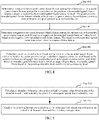
- a speech coding method is provided.
- the method includes the following steps 202 to 210.
- Step 202 Obtain a to-be-encoded speech frame and a subsequent speech frame corresponding to the to-be-encoded speech frame.
- the speech frame is obtained by dividing speech into frames.
- the to-be-encoded speech frame means a speech frame that currently needs to be encoded.
- the subsequent speech frame means a speech frame to occur at a future time point of a time point corresponding to the to-be-encoded speech frame, and is a speech frame to be collected after the to-be-encoded speech frame.
- the terminal may collect a speech signal through a speech collecting apparatus.
- the speech collecting apparatus may be a microphone.
- a speech signal collected by the terminal is converted into a digital signal, and then a to-be-encoded speech frame and a subsequent speech frame corresponding to the to-be-encoded speech frame are obtained from the digital signal.
- the terminal A may obtain a speech signal pre-stored in an internal memory, converts the speech signal into a digital signal, and then obtains, from the digital signal, a to-be-encoded speech frame and a subsequent speech frame corresponding to the to-be-encoded speech frame.
- the terminal may download a speech signal from the Internet, converts the speech signal into a digital signal, and then obtains, from the digital signal, a to-be-encoded speech frame and a subsequent speech frame corresponding to the to-be-encoded speech frame.
- the terminal may obtain a speech signal sent by other terminals or servers, converts the speech signal into a digital signal, and then obtains, from the digital signal, a to-be-encoded speech frame and a subsequent speech frame corresponding to the to-be-encoded speech frame.
- Step 204 Extract at least one to-be-encoded speech frame feature from the to-be-encoded speech frame, and obtain a to-be-encoded speech frame criticality level corresponding to the to-be-encoded speech frame based on the to-be-encoded speech frame feature.
- the speech frame feature is a feature serving as a measure of sound quality of the speech frame.
- Speech frame features include but are not limited to a speech starting frame feature, an energy change feature, a pitch period mutation frame feature, and a non-speech frame feature.
- the speech starting frame feature is a feature for indicating whether the speech frame is a starting speech frame of the speech signal.
- the energy change feature is a feature of frame energy change between a current speech frame and a previous speech frame.
- the pitch period mutation frame feature is a feature of a pitch period corresponding to the speech frame.
- the non-speech frame feature is a feature corresponding to the speech frame being a noise speech frame.
- the to-be-encoded speech frame feature is a speech frame feature corresponding to the to-be-encoded speech frame.
- the speech frame criticality level means a level of contribution made by sound quality of a speech frame to overall speech quality within a period that includes some time points before and after the speech frame. The higher the contribution level, the higher the speech frame criticality level.
- the to-be-encoded speech frame criticality level is a speech frame criticality level corresponding to the to-be-encoded speech frame.
- the terminal extracts the to-be-encoded speech frame feature from the to-be-encoded speech frame based on a speech frame type corresponding to the to-be-encoded speech frame.
- the speech frame type may include at least one of a speech starting frame, an energy burst frame, a pitch period mutation frame, or a non-speech frame.
- the to-be-encoded speech frame is a speech starting frame
- a corresponding speech starting frame feature is obtained based on the speech starting frame.
- the to-be-encoded speech frame is an energy burst frame
- a corresponding energy change feature is obtained based on the energy burst frame.
- the to-be-encoded speech frame is a pitch period mutation frame
- a corresponding pitch period mutation frame feature is obtained based on the pitch period mutation frame.
- the to-be-encoded speech frame is a non-speech frame
- a corresponding non-speech frame feature is obtained based on the non-speech frame.
- weighting is performed on the extracted to-be-encoded speech frame feature to obtain a to-be-encoded speech frame criticality level corresponding to the to-be-encoded speech frame.
- Positive weighting may be performed on the speech starting frame feature, the energy change feature, and the pitch period mutation frame feature to obtain a positive to-be-encoded speech frame criticality level.
- Negative weighting may be performed on the non-speech frame feature to obtain a negative to-be-encoded speech frame criticality level.
- a final speech frame criticality level corresponding to the to-be-encoded speech frame is obtained based on the positive to-be-encoded speech frame criticality level and the negative to-be-encoded speech frame criticality level.
- Step 206 Extract a subsequent speech frame feature from the subsequent speech frame, and obtain a subsequent speech frame criticality level corresponding to the subsequent speech frame based on the subsequent speech frame feature.
- the subsequent speech frame feature means a speech frame feature corresponding to the subsequent speech frame.
- Each subsequent speech frame has a corresponding subsequent speech frame feature.
- the subsequent speech frame criticality level means the speech frame criticality level corresponding to the subsequent speech frame.
- the terminal extracts the subsequent speech frame feature from the subsequent speech frame based on the speech frame type of the subsequent speech frame.
- a corresponding speech starting frame feature is obtained based on the speech starting frame.
- the subsequent speech frame is an energy burst frame
- a corresponding energy change feature is obtained based on the energy burst frame.
- the subsequent speech frame is a pitch period mutation frame
- a corresponding pitch period mutation frame feature is obtained based on the pitch period mutation frame.
- a corresponding non-speech frame a corresponding non-speech frame feature is obtained based on the non-speech frame.
- weighting is performed on the subsequent speech frame feature to obtain a subsequent speech frame criticality level corresponding to the subsequent speech frame.
- Positive weighting may be performed on the speech starting frame feature, the energy change feature, and the pitch period mutation frame feature to obtain a positive subsequent speech frame criticality level.
- Negative weighting may be performed on the non-speech frame feature to obtain a negative subsequent speech frame criticality level.
- a final speech frame criticality level corresponding to the subsequent speech frame is obtained based on the positive subsequent speech frame criticality level and the negative subsequent speech frame criticality level.
- the to-be-encoded speech frame feature and the subsequent speech frame feature may be inputted into a criticality measurement model for calculating to obtain the to-be-encoded speech frame criticality level and the subsequent speech frame criticality level.
- the criticality measurement model is a model established by using a linear regression algorithm based on historical speech frame features and historical speech frame criticality levels, and is deployed in the terminal. The speech frame criticality level is identified by using the criticality measurement model, thereby improving accuracy and efficiency.
- Step 208 Obtain a criticality trend feature based on the to-be-encoded speech frame criticality level and the subsequent speech frame criticality level, and determine an encoding bit rate corresponding to the to-be-encoded speech frame based on the criticality trend feature.
- the criticality trend means a trend of speech frame criticality levels of the to-be-encoded speech frame and the corresponding subsequent speech frame.
- the criticality trend is that the speech frame criticality level is increasing, the speech frame criticality level is decreasing, or the speech frame criticality level remains unchanged.
- the criticality trend feature means a feature that reflects the criticality trend, and may be a statistical feature, such as criticality average, criticality difference, and the like.
- the encoding bit rate is used for encoding the to-be-encoded speech frame.
- the terminal obtains a criticality trend feature based on the to-be-encoded speech frame criticality level and the subsequent speech frame criticality level. For example, the terminal calculates a statistical feature of the to-be-encoded speech frame criticality level and the subsequent speech frame criticality level, and uses the calculated statistical feature as a criticality trend feature.
- the statistical feature may include at least one of an average speech frame criticality feature, median speech frame criticality feature, standard deviation speech frame criticality feature, mode speech frame criticality feature, range speech frame criticality feature, or speech frame criticality difference feature.
- the encoding bit rate corresponding to the to-be-encoded speech frame is calculated by using the criticality trend feature and a preset bit rate calculation function.
- the bit rate calculation function is a monotonically increasing function, and is user-definable.
- Each criticality trend feature may correspond to one bit rate calculation function, or different criticality trend features may correspond to the same bit rate calculation function.
- Step 210 Encode the to-be-encoded speech frame based on the encoding bit rate to obtain an encoding result.
- the to-be-encoded speech frame is encoded with the encoding bit rate to obtain an encoding result.
- the encoding result is a bitstream corresponding to the to-be-encoded speech frame.
- the terminal may store the bitstream in an internal memory, or send the bitstream to a server for storing on the server.
- the to-be-encoded speech frame may be encoded with a speech encoder.
- the stored bitstream is obtained and decoded, and finally played back by a speech playback apparatus such as a speaker of the terminal.
- the to-be-encoded speech frame and the subsequent speech frame corresponding to the to-be-encoded speech frame are obtained.
- the to-be-encoded speech frame criticality level corresponding to the to-be-encoded speech frame and the subsequent speech frame criticality level corresponding to subsequent speech frame are calculated separately.
- the criticality trend feature is obtained based on the to-be-encoded speech frame criticality level and the subsequent speech frame criticality level.
- the encoding bit rate corresponding to the to-be-encoded speech frame is determined by using the criticality trend feature. Therefore, an encoding result is obtained by encoding using the encoding bit rate.
- the encoding bit rate can be regulated based on the criticality trend feature of the speech frame, so that each to-be-encoded speech frame has a regulated encoding bit rate, and then the encoding is performed by using the regulated encoding bit rate. Therefore, when the criticality trend becomes stronger, a higher encoding bit rate is assigned to the to-be-encoded speech frame for encoding. When the criticality trend becomes weaker, a lower encoding bit rate is assigned to the to-be-encoded speech frame for encoding. In this way, the encoding bit rate corresponding to each to-be-encoded speech frame can be adaptively controlled to avoid redundant encoding and improve speech coding quality.
- each of the to-be-encoded speech frame feature and the subsequent speech frame feature includes at least one of a speech starting frame feature or a non-speech frame feature.
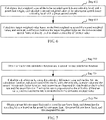
- the extracting of the speech starting frame feature and the non-speech frame feature includes the following steps 302, 304a, 306a and 308a.
- Step 302 Obtain a to-be-extracted speech frame.
- the to-be-extracted speech frame is at least one of the to-be-encoded speech frame or the subsequent speech frame.
- Step 304a Perform voice activity detection on the to-be-extracted speech frame to obtain a voice activity detection result.
- the to-be-extracted speech frame is a speech frame for which a speech frame feature needs to be extracted, and may be a to-be-encoded speech frame or a subsequent speech frame.
- Voice activity detection is a process of detecting a speech starting endpoint in a speech signal, that is, a transition point of the speech signal from 0 to 1, by using a VAD algorithm.
- the VAD algorithm may be a decision algorithm based on a sub-band signal-to-noise ratio, a deep neural network (DNN)-based speech frame decision algorithm, a transitory energy-based voice activity detection algorithm, or a dual-threshold-based voice activity detection algorithm, or the like.
- the result of the voice activity detection is a detection result indicating whether the to-be-extracted speech frame is a speech endpoint, that is, whether the speech frame is a speech starting endpoint or the speech frame is not a speech starting endpoint.
- the server performs voice activity detection on the to-be-extracted speech frame by using the voice activity detection algorithm, so as to obtain a voice activity detection result.
- Step 306a Determine, in a case that the voice activity detection result indicates that the to-be-extracted speech frame is a speech starting endpoint, at least one of (i) the speech starting frame feature corresponding to the to-be-extracted speech frame is a first target value, or (ii) the non-speech frame feature corresponding to the to-be-extracted speech frame is a second target value.
- the speech starting endpoint means that the to-be-extracted speech frame is a start of the speech signal.
- the first target value is a specific value of the feature.
- the first target value corresponding to each specific feature has a specific meaning.
- the speech starting frame feature is the first target value
- the first target value is used for indicating that the to-be-extracted speech frame is a speech starting endpoint.
- the non-speech frame feature is the first target value
- the first target value is used for indicating that the to-be-extracted speech frame is a noise speech frame.
- the second target value is a specific value of the feature.
- the second target value corresponding to each specific feature has a specific meaning.
- the second target value is used for indicating that the to-be-extracted speech frame is a non-noise speech frame.
- the speech starting frame feature is the second target value
- the second target value is used for indicating that the to-be-extracted speech frame is not a speech starting endpoint.
- the first target value is 1, and the second target value is 0.
- the voice activity detection result indicates that the speech frame is a speech starting endpoint
- the non-speech frame feature corresponding to the to-be-extracted speech frame is the second target value.
- the voice activity detection result indicates that the speech frame is a speech starting endpoint
- it is determined that the speech starting frame feature corresponding to the to-be-extracted speech frame is the first target value
- the non-speech frame feature corresponding to the to-be-extracted speech frame is the second target value.
- Step 308a Determine, in a case that the voice activity detection result indicates that the to-be-extracted speech frame is not a speech starting endpoint, at least one of (i) the speech starting frame feature corresponding to the to-be-extracted speech frame is the second target value, and (ii) the non-speech frame feature corresponding to the to-be-extracted speech frame is the first target value.
- the to-be-extracted speech frame is not a starting point of the speech signal. That is, the to-be-extracted speech frame is a noise signal before the speech signal.
- the second target value is directly used as the speech starting frame feature corresponding to the to-be-extracted speech frame
- the first target value is directly used as the non-speech frame feature corresponding to the to-be-extracted speech frame.
- the second target value is directly used as the speech starting frame feature corresponding to the to-be-extracted speech frame
- the first target value is directly used as the non-speech frame feature corresponding to the to-be-extracted speech frame.
- the voice activity detection is performed on the to-be-extracted speech frame to obtain the speech starting frame feature and the non-speech frame feature, thereby improving efficiency and accuracy.
- each of the to-be-encoded speech frame feature and the subsequent speech frame feature includes an energy change feature.
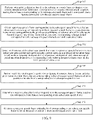
- the extracting of the energy change feature includes the following steps 302, 304b and 306b.
- Step 302 Obtain a to-be-extracted speech frame.
- the to-be-extracted speech frame is the to-be-encoded speech frame or the subsequent speech frame.
- Step 304b Obtain a previous speech frame corresponding to the to-be-extracted speech frame, calculate to-be-extracted frame energy corresponding to the to-be-extracted speech frame, and calculate previous frame energy corresponding to the previous speech frame.
- the previous speech frame is a frame previous to the to-be-extracted speech frame, and is a speech frame that has been obtained before the to-be-extracted speech frame. For example, if a to-be-extracted frame is the 8 th frame, the previous speech frame may be the 7 th frame.
- the frame energy is used for reflecting the strength of the speech frame signal.
- the to-be-extracted frame energy means the frame energy corresponding to the to-be-extracted speech frame.
- the previous frame energy is the frame energy corresponding to the previous speech frame.
- the terminal obtains the to-be-extracted speech frame.
- the to-be-extracted speech frame is a to-be-encoded speech frame or a subsequent speech frame.
- the previous speech frame corresponding to the to-be-extracted speech frame is obtained.
- the to-be-extracted frame energy corresponding to the to-be-extracted speech frame is calculated, and the previous frame energy corresponding to previous speech frame is calculated at the same time.
- the to-be-extracted frame energy or the previous frame energy may be obtained by calculating the sum of squares of all digital signals in the to-be-extracted speech frame or the previous speech frame respectively.
- samples may be taken from all digital signals in the to-be-extracted speech frame or the previous speech frame, and the sum of squares of the sampled data is calculated to obtain the to-be-extracted frame energy or the previous speech frame energy.
- Step 306c Calculate a ratio of the to-be-extracted frame energy to the previous frame energy. Determine the energy change feature corresponding to the to-be-extracted speech frame based on the calculated ratio.
- the terminal calculates the ratio of the to-be-extracted frame energy to the previous frame energy, and determines an energy change feature corresponding to the to-be-extracted speech frame based on the calculated ratio.
- the calculated ratio is greater than a preset threshold, it means that the frame energy of the to-be-extracted speech frame varies greatly from the frame energy of the previous frame, and the corresponding energy change feature is 1.
- the calculated ratio is not greater than the preset threshold, it means that the frame energy change of the to-be-extracted speech frame varies little from the frame energy of the previous frame, and the corresponding energy change feature is 0.
- the energy change feature corresponding to the to-be-extracted speech frame may be determined based on the calculated ratio and the to-be-extracted frame energy.
- the to-be-extracted frame energy is greater than a preset frame energy and the calculated ratio is greater than a preset threshold, it indicates that the to-be-extracted speech frame is a speech frame with abruptly increasing frame energy, and the corresponding energy change feature is 1.
- the to-be-extracted frame energy is not greater than the preset frame energy or the calculated ratio is not greater than the preset threshold, it indicates that the to-be-extracted speech frame is not a speech frame with abruptly increasing frame energy, and the corresponding energy change feature is 0.
- the preset threshold is a preset value, for example, the calculated ratio is higher than a preset multiplying factor.
- the preset frame energy is a preset frame energy threshold.
- the to-be-extracted frame energy and the previous frame energy are calculated.
- the energy change feature corresponding to the to-be-extracted speech frame is determined based on the to-be-extracted frame energy and the previous frame energy, thereby improving accuracy of the obtained energy change feature.
- the calculating the to-be-extracted frame energy corresponding to the to-be-extracted speech frame includes: performing data sampling on the to-be-extracted speech frame to obtain a data value of each sample and the number of samples; and calculating a sum of squares of data values of all samples, and calculating a ratio of the sum of squares to the number of samples to obtain the to-be-extracted frame energy.
- the data value of the sample is the data obtained by sampling the to-be-extracted speech frame.
- the number of samples is the total number of data samples taken.
- the terminal performs data sampling on the to-be-extracted speech frame to obtain a data value of each sample and the number of samples.
- the terminal calculates a sum of squares of data values of all samples, and calculates a ratio of the sum of squares to the number of samples as the to-be-extracted frame energy.
- m is the number of samples
- x is a data value of a sample
- a data value of an i th sample is x ( i ).
- every 20 ms is one frame, and a sampling rate is 16 kHz. Therefore, the data values of 320 samples are obtained after data sampling.
- the data value of each sample is a 16-bit signed number, and falls within a value range [-32768, 32767].
- the terminal performs data sampling on the previous speech frame to obtain a data value of each sample and the number of samples.
- the terminal calculates a sum of squares of data values of all samples, and calculates a ratio of the sum of squares to the number of samples to obtain the previous frame energy.
- the terminal may use Formula (1) to calculate the previous frame energy corresponding to the previous speech frame.
- the efficiency of obtaining the frame energy can be improved by taking samples of the data of the speech frame and then calculating the frame energy based on the sampled data and the number of samples.
- each of the to-be-encoded speech frame feature and the subsequent speech frame feature include a pitch period mutation frame feature.
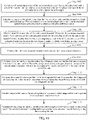
- the extracting of the pitch period mutation frame feature includes the following steps 302, 304c and 306c.
- Step 302 Obtain a to-be-extracted speech frame.
- the to-be-extracted speech frame is a to-be-encoded speech frame or a subsequent speech frame.
- Step 304c Obtain a previous speech frame corresponding to the to-be-extracted speech frame, and detect pitch periods of the to-be-extracted speech frame and the previous speech frame to obtain a to-be-extracted pitch period and a previous pitch period respectively.
- the pitch period is a time of period in which a vocal cord opens and closes once.
- the to-be-extracted pitch period is a pitch period corresponding to the to-be-extracted speech frame, that is, the pitch period corresponding to the to-be-encoded speech frame or the pitch period corresponding to the subsequent speech frame.
- the terminal obtains the to-be-extracted speech frame.
- the to-be-extracted speech frame may be a to-be-encoded speech frame or a subsequent speech frame.
- the terminal obtains a previous speech frame corresponding to the to-be-extracted speech frame, and detects, by using a pitch period detection algorithm, a pitch period corresponding to the to-be-extracted speech frame and a pitch period corresponding to the previous speech frame separately, so as to obtain a to-be-extracted pitch period and a previous pitch period.
- the pitch period detection algorithm may be classed into a non-time-based pitch period detection method and a time-based pitch period detection method.
- Non-time-based pitch period detection methods include an autocorrelation function method, an average amplitude difference function method, a cepstrum method, and the like.
- Time-based pitch period detection methods include a waveform estimation method, a correlation processing method, and a transformation method.
- Step 306c Calculate a pitch period variation value based on the to-be-extracted pitch period and the previous pitch period, and determine the pitch period mutation frame feature corresponding to the to-be-extracted speech frame based on the pitch period variation value.
- the pitch period variation value is used for reflecting a variation between the pitch period of the previous speech frame and the pitch period of the to-be-extracted speech frame.
- the terminal calculates an absolute value of a difference between the previous pitch period and the to-be-extracted pitch period to obtain a pitch period variation value.
- the pitch period variation value exceeds a preset period variation threshold, it means that the to-be-extracted speech frame is a pitch period mutation frame.
- the obtained pitch period mutation frame feature may be denoted by "1".
- the pitch period variation value does not exceed the preset period variation threshold, it means that the pitch period of the to-be-extracted speech frame has not mutated against the previous frame.
- the obtained pitch period mutation frame feature may be denoted by "0".
- the previous pitch period and the to-be-extracted pitch period are detected, and the pitch period mutation frame feature is obtained based on the previous pitch period and the to-be-extracted pitch period, thereby improving accuracy of the obtained pitch period mutation frame feature.
- the obtaining a to-be-encoded speech frame criticality level corresponding to the to-be-encoded speech frame based on the to-be-encoded speech frame feature in step 204 includes steps 402 to 406.
- Step 402 Determine a positive to-be-encoded speech frame feature in the at least one to-be-encoded speech frame feature, and perform weighting on the positive to-be-encoded speech frame feature to obtain a positive to-be-encoded speech frame criticality level.
- the positive to-be-encoded speech frame feature includes at least one of a speech starting frame feature, an energy change feature, or a pitch period mutation frame feature.
- the positive to-be-encoded speech frame feature means a speech frame feature positively correlated with the speech frame criticality level, including at least one of a speech starting frame feature, an energy change feature, or a pitch period mutation frame feature.
- the positive to-be-encoded speech frame criticality level is a speech frame criticality level obtained based on the to the positive to-be-encoded speech frame feature.
- the terminal determines a positive to-be-encoded speech frame feature in the to-be-encoded speech frame feature, obtains a preset weight corresponding to each positive to-be-encoded speech frame feature, assigns the weight to each positive to-be-encoded speech frame feature, and then takes statistics of weighting results to obtain a positive to-be-encoded speech frame criticality level.
- Step 404 Determine a negative to-be-encoded speech frame feature in the at least one to-be-encoded speech frame feature, and determine a negative to-be-encoded speech frame criticality level based on the negative to-be-encoded speech frame feature.
- the negative to-be-encoded speech frame feature includes a non-speech frame feature.
- the negative to-be-encoded speech frame feature means a speech frame feature negatively correlated with the speech frame criticality level, including a non-speech-frame feature.
- the negative to-be-encoded speech frame criticality level is a speech frame criticality level obtained based on the to the negative to-be-encoded speech frame feature.
- the terminal determines a negative to-be-encoded speech frame feature in the at least one to-be-encoded speech frame feature, and determines a negative to-be-encoded speech frame criticality level based on the negative to-be-encoded speech frame feature.
- the non-speech-frame feature when the non-speech-frame feature is 1, it means that the speech frame is noise. In this case, the speech frame criticality level of the noise is 0.
- the non-speech-frame feature is 0, it means that the speech frame is a collected speech frame. In this case, the speech frame criticality level of the speech is 1.
- Step 406 Calculate a positive criticality level based on the positive to-be-encoded speech frame criticality level and a preset positive weight, calculate a negative criticality level based on the negative to-be-encoded speech frame criticality level and a preset negative weight, and obtain the to-be-encoded speech frame criticality level corresponding to the to-be-encoded speech frame based on the positive criticality level and the negative criticality level.
- the preset positive weight is a preset weight of the positive to-be-encoded speech frame criticality level.
- the preset negative weight is a preset weight of the negative to-be-encoded speech frame criticality level.
- the terminal obtains a positive criticality level by multiplying the positive to-be-encoded speech frame criticality level by a preset positive weight, obtains a negative criticality level by multiplying the negative to-be-encoded speech frame criticality level by a preset negative weight, and adds up the positive criticality level and the negative criticality level to obtain the to-be-encoded speech frame criticality level corresponding to the to-be-encoded speech frame.
- a product of the positive criticality level and the negative criticality level may be calculated to obtain the to-be-encoded speech frame criticality level.
- the to-be-encoded speech frame criticality level corresponding to the to-be-encoded speech frame may be calculated by using the following Formula (2).
- r b + 1 ⁇ r 4 ⁇ w 1 ⁇ r 1 + w 2 ⁇ r 2 + w 3 ⁇ r 3
- r is the to-be-encoded speech frame criticality level
- r 1 is the speech starting frame feature
- r 2 is the energy change feature
- r 3 is the pitch period mutation frame feature
- w is a preset weight
- w 1 is a weight corresponding to the speech starting frame feature
- w 2 is a weight corresponding to the energy change feature
- w 3 is a weight corresponding to the pitch period mutation frame feature.
- w 1 ⁇ r 1 + w 2 ⁇ r 2 + w 3 ⁇ r 3 is the positive to-be-encoded speech frame criticality level.
- r 4 is the non-speech-frame feature
- (1- r 4 ) is the negative to-be-encoded speech frame criticality level.
- b is a constant and a positive number, and is a positive bias. In the formula above, the specific value of b may be 0.1, and the specific values of w 1 , w 2 , and w 3 may be all
- the subsequent speech frame criticality level corresponding to the subsequent speech frame may be calculated based on the subsequent speech frame feature by using Formula (2). Specifically, the speech starting frame feature, the energy change feature, and the pitch period mutation frame feature corresponding to the subsequent speech frame may be weighted to obtain a positive criticality level corresponding to the subsequent speech frame. A negative criticality level corresponding to the subsequent speech frame may be determined based on the non-speech-frame feature corresponding to the subsequent speech frame. The subsequent speech frame criticality level corresponding to the subsequent speech frame is calculated based on the positive criticality level and the negative criticality level.
- the positive to-be-encoded speech frame feature and the negative to-be-encoded speech frame feature are determined among the to-be-encoded speech frame feature, and then the corresponding positive to-be-encoded speech frame criticality level and negative to-be-encoded speech frame criticality level are calculated separately to finally obtain the to-be-encoded speech frame criticality level, thereby improving accuracy of the obtained to-be-encoded speech frame criticality level.
- the obtaining a criticality trend feature based on the to-be-encoded speech frame criticality level and the subsequent speech frame criticality level, and determining an encoding bit rate corresponding to the to-be-encoded speech frame based on the criticality trend feature include: obtaining a previous speech frame criticality level, obtaining a target criticality trend feature based on the previous speech frame criticality level, the to-be-encoded speech frame criticality level, and the subsequent speech frame criticality level, and determining the encoding bit rate corresponding to the to-be-encoded speech frame based on the target criticality trend feature.
- the previous speech frame is a speech frame that has been encoded before the to-be-encoded speech frame.
- the previous speech frame criticality level means the speech frame criticality level corresponding to the previous speech frame.
- the terminal may obtain the previous speech frame criticality level, calculates a criticality average value of the previous speech frame criticality level, the to-be-encoded speech frame criticality level, and the subsequent speech frame criticality level, calculates a criticality difference value of the previous speech frame criticality level, to-be-encoded speech frame criticality level, and the subsequent speech frame criticality level, obtains a target criticality trend feature based on the criticality average value and the criticality difference value, and determines an encoding bit rate corresponding to the to-be-encoded speech frame based on the target criticality trend feature.
- the terminal calculates a criticality sum of the previous speech frame criticality levels of 2 previous speech frames, the to-be-encoded speech frame criticality level, and the subsequent speech frame criticality levels of 3 subsequent speech frames, and divides the criticality sum by 6 to obtain a ratio that is the criticality average value.
- the terminal calculates a sum of the previous speech frame criticality levels of 2 previous speech frames and the to-be-encoded speech frame criticality level to obtain a partial criticality sum, and calculates a difference between the criticality sum and the partial criticality sum to obtain a criticality difference value, thereby obtaining a target criticality trend feature.
- the terminal obtains the target criticality trend feature by using the previous speech frame criticality level, the to-be-encoded speech frame criticality level, and the subsequent speech frame criticality level, and then determines the encoding bit rate corresponding to the to-be-encoded speech frame by using the target criticality trend feature, thereby increasing accuracy of the obtained encoding bit rate corresponding to the to-be-encoded speech frame.
- the obtaining a criticality trend feature based on the to-be-encoded speech frame criticality level and the subsequent speech frame criticality level, and determining an encoding bit rate corresponding to the to-be-encoded speech frame based on the criticality trend feature in step 208 include steps 502 to 504.
- Step 502 Calculate a criticality difference value and a criticality average value based on the to-be-encoded speech frame criticality level and the subsequent speech frame criticality level.
- the criticality difference value is used for reflecting a criticality difference between the subsequent speech frame and the to-be-encoded speech frame.
- the criticality average value is used for reflecting a criticality average of the to-be-encoded speech frame and the subsequent speech frame.
- a server takes statistics based on the to-be-encoded speech frame criticality level and the subsequent speech frame criticality level, that is, calculates an average criticality level of the to-be-encoded speech frame criticality level and the subsequent speech frame criticality level, to obtain a criticality average value, and subtracting the to-be-encoded speech frame criticality level from a sum of the to-be-encoded speech frame criticality level and the subsequent speech frame criticality level to obtain a criticality difference value.
- Step 504 Calculate the encoding bit rate corresponding to the to-be-encoded speech frame based on the criticality difference value and the criticality average value.
- a preset bit rate calculation function is obtained.
- the encoding bit rate corresponding to the to-be-encoded speech frame is calculated based on the criticality difference value and the criticality average value by using the bit rate calculation function.
- the bit rate calculation function is used for calculating the encoding bit rate, and is a monotonically increasing function that is user-definable depending on the application scenario.
- a first bit rate may be calculated based on a bit rate calculation function corresponding to the criticality difference value
- a second bit rate may be calculated based on a bit rate calculation function corresponding to the criticality average value, and therefore, a sum of the first bit rate and the second bit rate is calculated as the encoding bit rate corresponding to the to-be-encoded speech frame.
- bit rate corresponding to the criticality difference value and the bit rate corresponding to the criticality average value are calculated by using the same bit rate calculation function, and then a sum of the two bit rates is calculated as the encoding bit rate corresponding to the to-be-encoded speech frame.
- the criticality difference value and the criticality average value between the subsequent speech frame and the to-be-encoded speech frame are calculated.
- the encoding bit rate corresponding to the to-be-encoded speech frame is calculated based on the criticality difference value and the criticality average value, thereby increasing precision of the obtained encoding bit rate.
- the calculating a criticality difference value based on the to-be-encoded speech frame criticality level and the subsequent speech frame criticality level in step 502 includes steps 602 and 604.
- Step 602 Calculate a first weighted value of the to-be-encoded speech frame criticality level with a preset first weight, and calculate a second weighted value of the subsequent speech frame criticality level with a preset second weight.
- the preset first weight is a preset weight corresponding to the to-be-encoded speech frame criticality level.
- the preset second weight is a weight corresponding to the subsequent speech frame criticality level. Each subsequent speech frame has a corresponding subsequent speech frame criticality level. Each subsequent speech frame criticality level has a corresponding weight.
- the first weighted value is a value obtained by weighting the to-be-encoded speech frame criticality level.
- the second weighted value is a value obtained by weighting the subsequent speech frame criticality level.
- the terminal calculates a product of the to-be-encoded speech frame criticality level and the preset first weight to obtain a first weighted value, and calculates a product of the subsequent speech frame criticality level and the preset second weight to obtain a second weighted value.
- Step 604 Calculate a target weighted value based on the first weighted value and the second weighted value, and calculate a difference between the target weighted value and the to-be-encoded speech frame criticality level to obtain a criticality difference value.
- the target weighted value is a sum of the first weighted value and the second weighted value.
- the terminal calculates the sum of the first weighted value and the second weighted value to obtain a target weighted value, then calculates a difference between the target weighted value and the to-be-encoded speech frame criticality level, and uses the difference as a criticality difference value.
- ⁇ R ( i ) is the criticality difference value
- N is the total number of frames of the to-be-encoded speech frames and the subsequent speech frames.
- r ( i ) denotes the to-be-encoded speech frame criticality level corresponding to the to-be-encoded speech frame
- r ( j ) denotes the subsequent speech frame criticality level corresponding to a j th subsequent speech frame.
- a means that the value range of the weight is (0, 1). When j is equal to 0, a 0 is the preset first weight. When j is greater than 0, a j is the preset second weight. There may be multiple preset second weights.
- the preset second weights corresponding to different subsequent speech frames may be the same or different.
- a j may increase with the increase of j.
- ⁇ j 0 N ⁇ 1 a j ⁇ r i + j denotes the target weighted value.
- N is 4, a 0 may be 0.1, a 1 may be 0.2, a 2 may be 0.3, and a 3 maybe 0.4.
- the target weighted value is calculated, and then the criticality difference value is calculated by using the target weighted value and the to-be-encoded speech frame criticality level, thereby improving accuracy of the obtained criticality difference value.
- the calculating a criticality average value based on the to-be-encoded speech frame criticality level and the subsequent speech frame criticality level in step 502 includes: obtaining a total frame quantity of the to-be-encoded speech frame and the subsequent speech frame. Statistics of the to-be-encoded speech frame criticality level and the subsequent speech frame criticality level are performed to obtain an integrated criticality level. A ratio of the integrated criticality level to the frame quantity is calculated to obtain a criticality average value.
- the total frame quantity means a total number of the to-be-encoded speech frames and the subsequent speech frames. For example, when there are 3 subsequent speech frames, the obtained total number of frames is 4.
- the terminal obtains a total frame quantity of the to-be-encoded speech frame and the subsequent speech frame.
- the sum of the to-be-encoded speech frame criticality level and the subsequent speech frame criticality level is calculated as an integrated criticality level.
- the terminal calculates a ratio of the integrated criticality level to the frame quantity to obtain a criticality average value.
- R ( i ) is the criticality average value
- N is the number of frames of the to-be-encoded speech frames and the subsequent speech frames.
- r denotes speech frame criticality level
- r ( i ) is used for denoting the to-be-encoded speech frame criticality level corresponding to the to-be-encoded speech frame
- r ( j ) denotes the subsequent speech frame criticality level corresponding to a j th subsequent speech frame.
- the criticality average value is calculated based on the total frame quantity of the to-be-encoded speech frames and the subsequent speech frames, and the integrated criticality level, thereby improving the accuracy of the obtained criticality average value.
- the calculating the encoding bit rate corresponding to the to-be-encoded speech frame based on the criticality difference value and the criticality average value in step 504 includes steps 702 to 706.
- Step 702 Obtain a first bit rate calculation function and a second bit rate calculation function.
- Step 704 Calculate a first bit rate by using the criticality average value and the first bit rate calculation function, calculate a second bit rate by using the criticality difference value and the second bit rate calculation function, and determine an integrated bit rate based on the first bit rate and the second bit rate.
- the first bit rate is proportional to the criticality average value
- the second bit rate is proportional to the criticality difference value.
- the first bit rate calculation function is a preset function for calculating the bit rate by using the criticality average value.
- the second bit rate calculation function is a preset function for calculating the bit rate by using the criticality difference value.
- the first bit rate calculation function and the second bit rate calculation function may be set as specifically required in the application scenario.
- the first bit rate is a bit rate that is calculated by using the first bit rate calculation function.
- the second bit rate is a bit rate that is calculated by using the second bit rate calculation function.
- the integrated bit rate is a bit rate that is obtained by integrating the first bit rate and the second bit rate. For example, a sum of the first bit rate and the second bit rate may be calculated as the integrated bit rate.
- the terminal obtains the preset first bit rate calculation function and second bit rate calculation function, calculates a first bit rate and a second bit rate by using the criticality average value and the criticality difference value, respectively, and then calculates a sum of the first bit rate and the second bit rate as the integrated bit rate.
- the integrated bit rate may be calculated by using Formula (5). ⁇ 1 R ⁇ i + ⁇ 2 ⁇ R i
- R ( i ) is the criticality average value
- ⁇ R ( i ) is the criticality difference value
- f 1 () is the first bit rate calculation function
- f 2 () is the second bit rate calculation function.
- the first bit rate is calculated by using f 1 ( R ( i ))
- the second bit rate is calculated by using f 2 ( ⁇ R ( i )).
- Formula (6) may be used as the first bit rate calculation function
- Formula (7) may be used as the second bit rate calculation function.
- p 0 , c 0 , b 0 , p 1 , c 1 , and b 1 are all constants, and are positive numbers.
- Step 706 Obtain a preset bit rate upper limit and a preset bit rate lower limit, and determine the encoding bit rate based on the preset bit rate upper limit, the preset bit rate lower limit, and the integrated bit rate.
- the preset bit rate upper limit is a preset maximum value of the encoding bit rate of the speech frame
- the preset bit rate lower limit is a preset minimum value of the encoding bit rate of the speech frame.
- the first bit rate and the second bit rate are calculated by using the first bit rate calculation function and the second bit rate calculation function. Subsequently, the integrated bit rate is obtained based on the first bit rate and the second bit rate, thereby improving accuracy of the obtained integrated bit rate. Finally, the encoding bit rate is determined based on the preset bit rate upper limit, the preset bit rate lower limit, and the integrated bit rate, thereby making the obtained encoding bit rate even more accurate.
- the determining the encoding bit rate based on the preset bit rate upper limit, the preset bit rate lower limit, and the integrated bit rate in step 706 includes: comparing the preset bit rate upper limit with the integrated bit rate; comparing the preset bit rate lower limit with the integrated bit rate in a case that the integrated bit rate is less than the preset bit rate upper limit; and using the integrated bit rate as the encoding bit rate in a case that the integrated bit rate is greater than the preset bit rate lower limit.
- the terminal compares the preset bit rate upper limit with the integrated bit rate.
- the preset bit rate upper limit is compared with the integrated bit rate.
- the preset bit rate lower limit is compared with the integrated bit rate.
- the preset bit rate upper limit is compared with the integrated bit rate.
- the preset bit rate upper limit is directly used as the encoding bit rate.
- the preset bit rate lower limit is compared with the integrated bit rate. When the integrated bit rate is less than the preset bit rate lower limit, it indicates that the integrated bit rate does not exceed the preset bit rate lower limit. In this case, the preset bit rate lower limit is used as the encoding bit rate.
- bitrate i max min _ bitrate , min max _ bitrate , ⁇ 1 R ⁇ i + ⁇ 2 ⁇ R i
- max_ bitrate is the preset bit rate upper limit
- min_ bitrate is the preset bit rate lower limit
- bitrate ( i ) denotes the encoding bit rate of the to-be-encoded speech frame.
- the encoding bit rate is determined by using the preset bit rate upper limit, the preset bit rate lower limit, and the integrated bit rate, thereby ensuring that the encoding bit rate of the speech frame falls within the preset bit rate range, and ensuring overall speech coding quality.
- the encoding the to-be-encoded speech frame based on the encoding bit rate to obtain an encoding result in step 210 includes:btransmitting the encoding bit rate to a standard encoder through an interface to obtain an encoding result, the standard encoder being configured to encode the to-be-encoded speech frame by using the encoding bit rate.
- the standard encoder is configured to perform speech coding on the to-be-encoded speech frame.
- the interface is an external interface of the standard encoder, and is used for controlling the encoding bit rate.
- the terminal transmits the encoding bit rate into the standard encoder through the interface.
- the standard encoder obtains the corresponding to-be-encoded speech frame, encodes the to-be-encoded speech frame to obtain an encoding result by using the encoding bit rate, thereby ensuring that accurate standard encoding results are obtained.
- a speech coding method includes: obtaining a to-be-encoded speech frame and a subsequent speech frame corresponding to the to-be-encoded speech frame.
- the to-be-encoded speech frame criticality level corresponding to the to-be-encoded speech frame and the subsequent speech frame criticality level corresponding to the subsequent speech frame are calculated in parallel.
- the obtaining a to-be-encoded speech frame criticality level corresponding to the to-be-encoded speech frame includes the following steps 802 to 812.
- Step 802 Perform voice activity detection on the to-be-encoded speech frame to obtain a voice activity detection result. Determine, based on the voice activity detection result, a speech starting frame feature corresponding to the to-be-encoded speech frame and a non-speech frame feature corresponding to the to-be-encoded speech frame.
- Step 804 Obtain a previous speech frame corresponding to the to-be-encoded speech frame, calculate to-be-encoded frame energy corresponding to the to-be-encoded speech frame, calculate previous frame energy corresponding to the previous speech frame, calculate a ratio of the to-be-encoded frame energy to the previous frame energy, and determine an energy change feature corresponding to the to-be-encoded speech frame based on the calculated ratio.
- Step 806 Detect pitch periods of the to-be-encoded speech frame and the previous speech frame to obtain a to-be-encoded pitch period and a previous pitch period, calculate a pitch period variation value based on the to-be-encoded pitch period and the previous pitch period, and determine a pitch period mutation frame feature corresponding to the to-be-encoded speech frame based on the pitch period variation value.
- Step 808 Determine a positive to-be-encoded speech frame feature in the at least one to-be-encoded speech frame feature, and perform weighting on the positive to-be-encoded speech frame feature to obtain a positive to-be-encoded speech frame criticality level.
- Step 810 Determine a negative to-be-encoded speech frame feature in the at least one to-be-encoded speech frame feature, and determine a negative to-be-encoded speech frame criticality level based on the negative to-be-encoded speech frame feature.
- Step 812 Calculate a to-be-encoded speech frame criticality level corresponding to the to-be-encoded speech frame based on the positive to-be-encoded speech frame criticality level and the negative to-be-encoded speech frame criticality level.
- the obtaining a subsequent speech frame criticality level corresponding to the subsequent speech frame includes the following steps 902 to 912.
- Step 902 Perform voice activity detection on the subsequent speech frame to obtain a voice activity detection result. Determine, based on the voice activity detection result, a speech starting frame feature corresponding to the subsequent speech frame and a non-speech frame feature corresponding to the subsequent speech frame.
- Step 904 Obtain a previous speech frame corresponding to the subsequent speech frame, calculate subsequent frame energy corresponding to the subsequent speech frame, calculate previous frame energy corresponding to the previous speech frame, calculate a ratio of the subsequent frame energy to the previous frame energy, and determine an energy change feature corresponding to the subsequent speech frame based on the calculated ratio.
- Step 906 Detect pitch periods of the subsequent speech frame and the previous speech frame to obtain a subsequent pitch period and a previous pitch period, calculate a pitch period variation value based on the subsequent pitch period and the previous pitch period, and determine a pitch period mutation frame feature corresponding to the subsequent speech frame based on the pitch period variation value.
- Step 908 Perform weighting on the speech starting frame feature, the energy change feature, and the pitch period mutation frame feature corresponding to the subsequent speech frame to obtain a positive criticality level corresponding to the subsequent speech frame.
- Step 910 Determine a negative criticality level corresponding to the subsequent speech frame based on the non-speech-frame feature corresponding to the subsequent speech frame.
- Step 912 Obtain a subsequent speech frame criticality level corresponding to the subsequent speech frame based on the positive criticality level and the negative criticality level.
- the calculating the encoding bit rate corresponding to the to-be-encoded speech frame includes the following steps 1002 and 1016.
- Step 1002 Calculate a first weighted value of the to-be-encoded speech frame criticality level with a preset first weight, and calculate a second weighted value of the subsequent speech frame criticality level with a preset second weight.
- Step 1004 Calculate a target weighted value based on the first weighted value and the second weighted value, and calculate a difference between the target weighted value and the to-be-encoded speech frame criticality level to obtain a criticality difference value.
- Step 1006 Obtain a total frame quantity of the to-be-encoded speech frame and the subsequent speech frame. Take statistics of the to-be-encoded speech frame criticality level and the subsequent speech frame criticality level to obtain an integrated criticality level. Calculate a ratio of the integrated criticality level to the total frame quantity to obtain a criticality average value.
- Step 1008 Obtain a first bit rate calculation function and a second bit rate calculation function.
- Step 1010 Calculate a first bit rate by using the criticality difference value and the first bit rate calculation function. Calculate a second bit rate by using the criticality average value and the second bit rate calculation function. Determine an integrated bit rate based on the first bit rate and the second bit rate.
- Step 1012 Compare the preset bit rate upper limit with the integrated bit rate. In a case that the integrated bit rate is less than the preset bit rate upper limit, compare the preset bit rate lower limit with the integrated bit rate.
- Step 1014 Use the integrated bit rate as the encoding bit rate in a case that the integrated bit rate is greater than the preset bit rate lower limit.
- Step 1016 Transmit the encoding bit rate to a standard encoder through an interface to obtain an encoding result.
- the standard encoder is configured to encode the to-be-encoded speech frame by using the encoding bit rate. Finally, the obtained encoding result is saved.
- FIG. 11 is a schematic flowchart of audio broadcasting.
- a microphone collects an audio signal broadcasted by the broadcaster.
- multiple speech signal frames is read in the audio signal.
- the multiple speech signal frames include a current to-be-encoded speech frame and 3 subsequent speech frames.
- multi-frame speech criticality analysis is performed.
- an analysis method includes: extracting at least one to-be-encoded speech frame feature from the to-be-encoded speech frame, and obtaining a to-be-encoded speech frame criticality level corresponding to the to-be-encoded speech frame based on the to-be-encoded speech frame feature. Subsequent speech frame features corresponding to 3 subsequent speech frames are extracted respectively. A subsequent speech frame criticality level corresponding to each subsequent speech frame is obtained based on the subsequent speech frame feature. A criticality trend feature is obtained based on the to-be-encoded speech frame criticality level and the subsequent speech frame criticality level of each frame. An encoding bit rate corresponding to the to-be-encoded speech frame is determined by using the criticality trend feature.
- an encoding bit rate is set.
- a bit rate in a standard encoder is reset to the encoding bit rate corresponding to the to-be-encoded speech frame.
- the standard encoder encodes the current to-be-encoded speech frame to obtain a bitstream, stores the bitstream, and, during playback, decodes the bitstream to obtain an audio signal.
- a speaker plays the audio signal, so that the broadcasted sound is clearer.
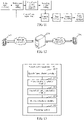
- FIG. 12 is a schematic diagram of an application scenario of speech communication, including a terminal 1202, a server 1204, and a terminal 1206.
- the terminal 1202 and the server 1204 are connected through a network.
- the server 1204 is connected to the terminal 1206 through the network.
- the terminal 1202 collects a speech signal of the user A, obtains a to-be-encoded speech frame and a subsequent speech frame from the speech signal, extracts a to-be-encoded speech frame feature from the to-be-encoded speech frame, and obtains a to-be-encoded speech frame criticality level corresponding to the to-be-encoded speech frame based on the to-be-encoded speech frame feature.
- the terminal 1202 extracts a subsequent speech frame feature from the subsequent speech frame, and obtains a subsequent speech frame criticality level corresponding to the subsequent speech frame based on the subsequent speech frame feature.
- the terminal 1202 obtains a criticality trend feature based on the to-be-encoded speech frame criticality level and the subsequent speech frame criticality level, determines an encoding bit rate corresponding to the to-be-encoded speech frame by using the criticality trend feature, encodes the to-be-encoded speech frame at the encoding bit rate to obtain a bitstream, and sends the bitstream to the terminal 1206 through the server 1204.
- the user B plays, through the communications application in the terminal 1206, the speech message sent by the user A, the communications application decodes the bitstream to obtain a corresponding speech signal.
- a speaker plays the speech signal. Because the speech coding quality is enhanced, the speech message heard by the user B is clearer, and network bandwidth resources are saved.
- This disclosure further provides an application scenario in which the foregoing speech coding method is applied.
- the speech coding method is applied in the following way.
- a conference audio signal is collected by a microphone during conference recording.
- a to-be-encoded speech frame and 5 subsequent speech frames are determined among the conference audio signal.
- a to-be-encoded speech frame feature corresponding to the to-be-encoded speech frame is extracted.
- a to-be-encoded speech frame criticality level corresponding to the to-be-encoded speech frame is obtained based on the to-be-encoded speech frame feature.
- a subsequent speech frame feature corresponding to each subsequent speech frame is extracted.
- a subsequent speech frame criticality level corresponding to each subsequent speech frame is obtained based on the subsequent speech frame feature.
- a criticality trend feature is obtained based on the to-be-encoded speech frame criticality level and each subsequent speech frame criticality level.
- An encoding bit rate corresponding to the to-be-encoded speech frame is determined by using the criticality trend feature.
- the to-be-encoded speech frame is encoded at the encoding bit rate to obtain a bitstream.
- the bitstream is saved to a specified server address.
- the encoding bit rate which is regulable, can reduce the overall bit rate, and therefore, saves storage resources of the server.
- the users can obtain the saved code bitstream in the server address, decode the bitstream to obtain conference audio signals, and play the conference audio signals. In this way, the conference users or other users can hear the conference content, and use the content conveniently.
- steps in the flowcharts of FIG. 2 to FIG. 10 are sequentially displayed as indicated by arrows, the steps are not necessarily performed in the order indicated by the arrows. Unless otherwise expressly specified herein, the order of performing the steps is not strictly limited, and the steps may be performed in other order. Moreover, at least a part of the steps in FIG. 2 to FIG. 10 may include multiple substeps or stages. The substeps or stages are not necessarily performed at the same time, but may be performed at different times. The substeps or stages are not necessarily performed sequentially, but may take turns or alternate with other steps or at least a part of substeps or stages of other steps.
- a speech coding apparatus 1300 is provided.
- the apparatus may adopt a software module or a hardware module or a combination thereof and may become a part of a computer device.
- the apparatus specifically includes: a speech frame obtaining module 1302, a first criticality calculation module 1304, a second criticality calculation module 1306, a bit rate calculation module 1308, and an encoding module 1310.
- the speech frame obtaining module 1302 is configured to obtain a to-be-encoded speech frame and a subsequent speech frame corresponding to the to-be-encoded speech frame.
- the first criticality calculation module 1304 is configured to extract at least one to-be-encoded speech frame feature from the to-be-encoded speech frame, and calculate a to-be-encoded speech frame criticality level corresponding to the to-be-encoded speech frame based on the to-be-encoded speech frame feature.
- the second criticality calculation module 1306 is configured to extract a subsequent speech frame feature from the subsequent speech frame, and calculate a subsequent speech frame criticality level corresponding to the subsequent speech frame based on the subsequent speech frame feature.
- the bit rate calculation module 1308 is configured to obtain a criticality trend feature based on the to-be-encoded speech frame criticality level and the subsequent speech frame criticality level, and determine an encoding bit rate corresponding to the to-be-encoded speech frame based on the criticality trend feature.
- the encoding module 1310 is configured to encode the to-be-encoded speech frame based on the encoding bit rate to obtain an encoding result.
- each of the to-be-encoded speech frame feature and the subsequent speech frame feature includes at least one of a speech starting frame feature or a non-speech frame feature
- the speech coding apparatus 1300 further includes a first feature extraction module configured to: obtain a to-be-extracted speech frame, the to-be-extracted speech frame being the to-be-encoded speech frame or the subsequent speech frame; perform voice activity detection on the to-be-extracted speech frame to obtain a voice activity detection result; determine, in a case that the voice activity detection result indicates that the to-be-extracted speech frame is a speech starting endpoint, at least one of (i) the speech starting frame feature corresponding to the to-be-extracted speech frame is a first target value, or (ii) the non-speech frame feature corresponding to the to-be-extracted speech frame is a second target value; and determine, in a case that the voice activity detection result indicates that the to-be-extracted speech frame is not a speech starting endpoint, at least one
- each of the to-be-encoded speech frame feature and the subsequent speech frame feature includes an energy change feature
- the speech coding apparatus 1300 further includes a second feature extraction module configured to: obtain a to-be-extracted speech frame, the to-be-extracted speech frame being the to-be-encoded speech frame or the subsequent speech frame; obtain a previous speech frame corresponding to the to-be-extracted speech frame, calculate to-be-extracted frame energy corresponding to the to-be-extracted speech frame, and calculate previous frame energy corresponding to the previous speech frame; and calculate a ratio of the to-be-extracted frame energy to the previous frame energy, and determine the energy change feature corresponding to the to-be-extracted speech frame based on the calculated ratio.
- the speech coding apparatus 1300 further includes: a frame energy calculation module configured to: perform data sampling on the to-be-extracted speech frame to obtain a data value of each sample and a number of samples; and calculate a sum of squares of data values of all samples, and calculate a ratio of the sum of squares to the number of samples to obtain the to-be-extracted frame energy.
- a frame energy calculation module configured to: perform data sampling on the to-be-extracted speech frame to obtain a data value of each sample and a number of samples; and calculate a sum of squares of data values of all samples, and calculate a ratio of the sum of squares to the number of samples to obtain the to-be-extracted frame energy.
- each of the to-be-encoded speech frame feature and the subsequent speech frame feature includes a pitch period mutation frame feature
- the speech coding apparatus 1300 further includes a third feature extraction module configured to: obtain a to-be-extracted speech frame, the to-be-extracted speech frame being the to-be-encoded speech frame or the subsequent speech frame; obtain a previous speech frame corresponding to the to-be-extracted speech frame, and detect pitch periods of the to-be-extracted speech frame and the previous speech frame to obtain a to-be-extracted pitch period and a previous pitch period respectively; and calculate a pitch period variation value based on the to-be-extracted pitch period and the previous pitch period, and determine the pitch period mutation frame feature corresponding to the to-be-extracted speech frame based on the pitch period variation value.
- the first criticality calculation module 1304 includes: a positive calculation unit, configured to determine a positive to-be-encoded speech frame feature in the to-be-encoded speech frame feature, and perform weighting on the positive to-be-encoded speech frame feature to obtain a positive to-be-encoded speech frame criticality level, the positive to-be-encoded speech frame feature including at least one of a speech starting frame feature, an energy change feature, or a pitch period mutation frame feature; a negative calculation unit, configured to determine a negative to-be-encoded speech frame feature in the to-be-encoded speech frame feature, and determine a negative to-be-encoded speech frame criticality level based on the negative to-be-encoded speech frame feature, the negative to-be-encoded speech frame feature including a non-speech frame feature; and a criticality calculation unit, configured to obtain the to-be-encoded speech frame criticality level corresponding to the to-be-encoded speech frame based on the positive
- the bit rate calculation module 1308 includes: a value calculation unit, configured to calculate a criticality difference value and a criticality average value based on the to-be-encoded speech frame criticality level and the subsequent speech frame criticality level; and a bit rate obtaining unit, configured to calculate the encoding bit rate corresponding to the to-be-encoded speech frame based on the criticality difference value and the criticality average value.
- the value calculation unit is further configured to calculate a first weighted value of the to-be-encoded speech frame criticality level with a preset first weight, and calculate a second weighted value of the subsequent speech frame criticality level with a preset second weight; and calculate a target weighted value based on the first weighted value and the second weighted value, and calculate a difference between the target weighted value and the to-be-encoded speech frame criticality level to obtain the criticality difference value.
- the value calculation unit is further configured to: obtain a total frame quantity of the to-be-encoded speech frame and the subsequent speech frame; and take statistics of the to-be-encoded speech frame criticality level and the subsequent speech frame criticality level to obtain an integrated criticality level, and calculate a ratio of the integrated criticality level to the total frame quantity to obtain the criticality average value.
- the bit rate obtaining unit is further configured to: obtain a first bit rate calculation function and a second bit rate calculation function; calculate a first bit rate by using the criticality average value and the first bit rate calculation function, calculate a second bit rate by using the criticality difference value and the second bit rate calculation function, and determine an integrated bit rate based on the first bit rate and the second bit rate, where the first bit rate is proportional to the criticality average value, and the second bit rate is proportional to the criticality difference value; and obtain a preset bit rate upper limit and a preset bit rate lower limit, and determine the encoding bit rate based on the preset bit rate upper limit, the preset bit rate lower limit, and the integrated bit rate.
- the bit rate obtaining unit is further configured to: compare the preset bit rate upper limit with the integrated bit rate; compare the preset bit rate lower limit with the integrated bit rate in a case that the integrated bit rate is less than the preset bit rate upper limit; and use the integrated bit rate as the encoding bit rate in a case that the integrated bit rate is greater than the preset bit rate lower limit.
- the encoding module 1310 is further configured to transmit the encoding bit rate to a standard encoder through an interface to obtain an encoding result, where the standard encoder is configured to encode the to-be-encoded speech frame by using the encoding bit rate.
- the modules of the speech coding apparatus may be implemented entirely or partly by software, hardware, or a combination thereof.
- the modules may be built in a processor of a computer device in hardware form or independent of the processor, or may be stored in a memory of the computer device in software form, so as to be invoked by the processor to perform the corresponding operations.
- a computer device is provided.
- the computer device may be a terminal.
- An internal structure diagram of the computer device may be shown in FIG. 14 .
- the computer device includes a processor, a memory, a communications interface, a display screen, an input apparatus, and a recording apparatus that are connected by a system bus.
- the processor of the computer device is configured to provide computing and control capabilities.
- the memory of the computer device includes a non-volatile storage medium, and an internal memory.
- the non-volatile storage medium stores an operating system and a computer-readable instruction.
- the internal memory provides an environment for running of the operating system and the computer-readable instruction in the non-volatile storage medium.
- the communications interface of the computer device is configured to communicate with an external terminal in a wired or wireless manner.
- the wireless communication may be implemented by WIFI, an operator network, NFC (Near Field Communication), or other technologies.
- the computer-readable instruction implements a speech coding method.
- the display screen of the computer device may be a liquid crystal display or an electronic ink display screen.
- the input apparatus of the computer device may be a touch layer that overlays the display screen, or may be a key, a trackball, or a touchpad disposed on the chassis of the computer device, or may be an external keyboard, touchpad or mouse or the like.
- the speech collecting apparatus of the computer device may be a microphone.
- FIG. 14 is a block diagram of just a part of the structure related to the solution of this disclosure, and does not constitute any limitation on the computer device to which the solution of this disclosure is applied.
- a specific computer device may include more or fewer components than those shown in the drawings, or may include a combination of some of the components, or may arrange the components in a different way.
- a computer device including a memory and a processor.
- the memory stores a computer-readable instruction.
- the computer-readable instruction causes the processor to implement steps of the method embodiments described above.
- one or more non-volatile storage medium that stores a computer-readable instruction.
- the computer-readable instruction When executed by one or more processors, the computer-readable instruction causes the one or more processors to implement steps of the method embodiments described above.
- a computer program product or a computer program includes a computer instruction.
- the computer instruction is stored in a computer-readable storage medium.
- the processor of the computer device reads the computer instruction from the computer-readable storage medium.
- the processor executes the computer instruction to cause the computer device to perform the steps of the method embodiments.
- the computer program may be stored in a nonvolatile computer-readable storage medium. When executed, the computer program can perform processes that include the foregoing method embodiments.
- Any reference to a memory, a storage, a database, or another medium used in the embodiments provided in this disclosure may include at least one of a non-volatile memory or a volatile memory.
- the non-volatile memory may include a read-only memory (ROM), a magnetic tape, a floppy disk, a flash memory, an optical memory, or the like.
- the volatile memory may include a random access memory (RAM) or an external cache.
- the RAM is in diverse forms, such as a static random access memory (Static Random Access Memory, SRAM) or a dynamic random access memory (Dynamic Random Access Memory, DRAM).
Landscapes
- Engineering & Computer Science (AREA)
- Physics & Mathematics (AREA)
- Computational Linguistics (AREA)
- Signal Processing (AREA)
- Health & Medical Sciences (AREA)
- Audiology, Speech & Language Pathology (AREA)
- Human Computer Interaction (AREA)
- Acoustics & Sound (AREA)
- Multimedia (AREA)
- Spectroscopy & Molecular Physics (AREA)
- Quality & Reliability (AREA)
- Compression, Expansion, Code Conversion, And Decoders (AREA)
Abstract
Description
- This application claims priority to
Chinese Patent Application No. 2020105855459, filed with the Chinese Patent Office on June 24, 2020 - This disclosure relates to the field of Internet technology, and in particular, to a speech coding method and apparatus, a computer device, and a storage medium.
- With the development of communications technology, speech coding and decoding are very important in a modern communications system. Currently, in a non-real-time speech coding and decoding application scenario, such as conference recording and audio broadcasting, a bit rate parameter of speech coding is usually preset. During encoding, the preset bit rate parameter is used for speech coding. However, the current speech coding performed by using the preset bit rate parameter may include redundant coding, resulting in a problem of low coding quality.
- According to various embodiments of this disclosure, a speech coding method and apparatus, a computer device, and a storage medium are provided.
- A speech coding method is provided. The method is executed by a computer device. The method includes: obtaining a to-be-encoded speech frame and a subsequent speech frame corresponding to the to-be-encoded speech frame; extracting a to-be-encoded speech frame feature from the to-be-encoded speech frame, and obtaining a to-be-encoded speech frame criticality level corresponding to the to-be-encoded speech frame based on the to-be-encoded speech frame feature; extracting a subsequent speech frame feature from the subsequent speech frame, and obtaining a subsequent speech frame criticality level corresponding to the subsequent speech frame based on the subsequent speech frame feature; obtaining a criticality trend feature based on the to-be-encoded speech frame criticality level and the subsequent speech frame criticality level, and determining an encoding bit rate corresponding to the to-be-encoded speech frame based on the criticality trend feature; and encoding the to-be-encoded speech frame based on the encoding bit rate to obtain an encoding result.
- In an embodiment, the encoding the to-be-encoded speech frame based on the encoding bit rate to obtain an encoding result includes: transmitting the encoding bit rate to a standard encoder through an interface to obtain an encoding result, the standard encoder being configured to encode the to-be-encoded speech frame by using the encoding bit rate.
- A speech coding apparatus is provided. The apparatus includes: a speech frame obtaining module, configured to obtain a to-be-encoded speech frame and a subsequent speech frame corresponding to the to-be-encoded speech frame; a first criticality calculation module, configured to extract a to-be-encoded speech frame feature from the to-be-encoded speech frame, and obtain a to-be-encoded speech frame criticality level corresponding to the to-be-encoded speech frame based on the to-be-encoded speech frame feature; a second criticality calculation module, configured to extract a subsequent speech frame feature from the subsequent speech frame, and obtain a subsequent speech frame criticality level corresponding to the subsequent speech frame based on the subsequent speech frame feature; a bit rate calculation module, configured to obtain a criticality trend feature based on the to-be-encoded speech frame criticality level and the subsequent speech frame criticality level, and determine an encoding bit rate corresponding to the to-be-encoded speech frame based on the criticality trend feature; and an encoding module, configured to encode the to-be-encoded speech frame based on the encoding bit rate to obtain an encoding result.
- A computer device is provided. The computer device includes a memory and a processor. The memory stores a computer-readable instruction. When executed by the processor, the computer-readable instruction causes the processor to perform the following steps: obtaining a to-be-encoded speech frame and a subsequent speech frame corresponding to the to-be-encoded speech frame; extracting a to-be-encoded speech frame feature from the to-be-encoded speech frame, and obtaining a to-be-encoded speech frame criticality level corresponding to the to-be-encoded speech frame based on the to-be-encoded speech frame feature; extracting a subsequent speech frame feature from the subsequent speech frame, and obtaining a subsequent speech frame criticality level corresponding to the subsequent speech frame based on the subsequent speech frame feature; obtaining a criticality trend feature based on the to-be-encoded speech frame criticality level and the subsequent speech frame criticality level, and determining an encoding bit rate corresponding to the to-be-encoded speech frame based on the criticality trend feature; and encoding the to-be-encoded speech frame based on the encoding bit rate to obtain an encoding result.
- One or more non-volatile storage medium that stores a computer-readable instruction are provided. When executed by one or more processors, the computer-readable instruction causes the one or more processors to perform the following steps: obtaining a to-be-encoded speech frame and a subsequent speech frame corresponding to the to-be-encoded speech frame; extracting a to-be-encoded speech frame feature from the to-be-encoded speech frame, and obtaining a to-be-encoded speech frame criticality level corresponding to the to-be-encoded speech frame based on the to-be-encoded speech frame feature; extracting a subsequent speech frame feature from the subsequent speech frame, and obtaining a subsequent speech frame criticality level corresponding to the subsequent speech frame based on the subsequent speech frame feature; obtaining a criticality trend feature based on the to-be-encoded speech frame criticality level and the subsequent speech frame criticality level, and determining an encoding bit rate corresponding to the to-be-encoded speech frame based on the criticality trend feature; and encoding the to-be-encoded speech frame based on the encoding bit rate to obtain an encoding result.
- The details of one or more embodiments of this disclosure are set forth in the drawings and description below. Other features, objectives, and advantages of this disclosure will become evident in the specification, drawings, and claims.
- To describe the technical solutions in the embodiments of this disclosure more clearly, the following briefly describes the drawings required for describing the embodiments. Apparently, the drawings in the following description show merely a part of embodiments of this disclosure, and a person of ordinary skill in the art may derive other drawings from the outlined drawings without making any creative effort.
-
FIG. 1 is an application environment diagram of a speech coding method according to an embodiment. -
FIG. 2 is a schematic flowchart of a speech coding method according to an embodiment. -
FIG. 3 is a schematic flowchart of feature extraction according to an embodiment. -
FIG. 4 is a schematic flowchart of calculating a to-be-encoded speech frame criticality level according to an embodiment. -
FIG. 5 is a schematic flowchart of calculating an encoding bit rate according to an embodiment. -
FIG. 6 is a schematic flowchart of obtaining a criticality difference value according to an embodiment. -
FIG. 7 is a schematic flowchart of determining an encoding bit rate according to an embodiment. -
FIG. 8 is a schematic flowchart of calculating a to-be-encoded speech frame criticality level according to a specific embodiment. -
FIG. 9 is a schematic flowchart of calculating a subsequent speech frame criticality level according to the specific embodiment shown inFIG. 8 . -
FIG. 10 is a schematic flowchart of obtaining an encoding result according to a specific embodiment shown inFIG. 8 . -
FIG. 11 is a schematic flowchart of audio broadcasting according to a specific embodiment. -
FIG. 12 is an application environment diagram of a speech coding method according to a specific embodiment. -
FIG. 13 is a structural block diagram of a speech coding apparatus according to an embodiment. -
FIG. 14 is an internal structure diagram of a computer device according to an embodiment. - To make the objectives, technical solutions, and advantages of this disclosure clearer, the following describes this disclosure in further detail with reference to drawings and embodiments. Understandably, the specific embodiments described herein are merely intended to explain this disclosure, but are not intended to limit this disclosure.
- Speech technology includes the following key techniques: automatic speech recognition (ASR), text to speech (TTS), and voiceprint recognition. Making computers able to hear, see, speak, and feel is a development trend of human-computer interaction in the future. Speech interaction becomes one of the most promising human-computer interaction methods in the future.
- Solutions provided in embodiments of this disclosure relate to artificial intelligence technologies such as speech technology, and are specifically described below using the following embodiments. A speech coding method according to this disclosure is applicable to an environment shown in
FIG. 1 . Aterminal 102 collects a sound signal sent by a user. Theterminal 102 obtains a to-be-encoded speech frame and a subsequent speech frame corresponding to the to-be-encoded speech frame. Theterminal 102 extracts at least one to-be-encoded speech frame feature from the to-be-encoded speech frame, and obtains a to-be-encoded speech frame criticality level corresponding to the to-be-encoded speech frame based on the to-be-encoded speech frame feature. Theterminal 102 extracts a subsequent speech frame feature from the subsequent speech frame, and obtains a subsequent speech frame criticality level corresponding to the subsequent speech frame based on the subsequent speech frame feature. Theterminal 102 obtains a criticality trend feature based on the to-be-encoded speech frame criticality level and the subsequent speech frame criticality level, and determines an encoding bit rate corresponding to the to-be-encoded speech frame based on the criticality trend feature. Theterminal 102 encodes the to-be-encoded speech frame based on the encoding bit rate to obtain an encoding result. Theterminal 102 may be, but is not limited to, various personal computers with a recording function, notebook computers with a recording function, smartphones with a recording function, and tablet computers and audio broadcasting devices with a recording function. Understandably, the speech coding method is also applicable to a server, and also applicable to a system that includes a terminal and a server. The server may be a stand-alone physical server, or may be a server cluster or distributed system formed by multiple physical servers, or may be a cloud server that provides basic cloud computing services such as a cloud service, a cloud database, cloud computing, a cloud function, cloud storage, a network service, cloud communications, a middleware service, a domain name service, a security service, a content delivery network (CDN), and a big data and artificial intelligence platform. - In an embodiment, as shown in
FIG. 2 , a speech coding method is provided. Using an example in which the method is applied to the terminal shown inFIG. 1 , the method includes thefollowing steps 202 to 210. - Step 202: Obtain a to-be-encoded speech frame and a subsequent speech frame corresponding to the to-be-encoded speech frame.
- The speech frame is obtained by dividing speech into frames. The to-be-encoded speech frame means a speech frame that currently needs to be encoded. The subsequent speech frame means a speech frame to occur at a future time point of a time point corresponding to the to-be-encoded speech frame, and is a speech frame to be collected after the to-be-encoded speech frame.
- Specifically, the terminal may collect a speech signal through a speech collecting apparatus. The speech collecting apparatus may be a microphone. A speech signal collected by the terminal is converted into a digital signal, and then a to-be-encoded speech frame and a subsequent speech frame corresponding to the to-be-encoded speech frame are obtained from the digital signal. There may be multiple subsequent speech frames. For example, the number of obtained subsequent speech frames is 3. Alternatively, the terminal A may obtain a speech signal pre-stored in an internal memory, converts the speech signal into a digital signal, and then obtains, from the digital signal, a to-be-encoded speech frame and a subsequent speech frame corresponding to the to-be-encoded speech frame. Alternatively, the terminal may download a speech signal from the Internet, converts the speech signal into a digital signal, and then obtains, from the digital signal, a to-be-encoded speech frame and a subsequent speech frame corresponding to the to-be-encoded speech frame. Alternatively, the terminal may obtain a speech signal sent by other terminals or servers, converts the speech signal into a digital signal, and then obtains, from the digital signal, a to-be-encoded speech frame and a subsequent speech frame corresponding to the to-be-encoded speech frame.
- Step 204: Extract at least one to-be-encoded speech frame feature from the to-be-encoded speech frame, and obtain a to-be-encoded speech frame criticality level corresponding to the to-be-encoded speech frame based on the to-be-encoded speech frame feature.
- The speech frame feature is a feature serving as a measure of sound quality of the speech frame. Speech frame features include but are not limited to a speech starting frame feature, an energy change feature, a pitch period mutation frame feature, and a non-speech frame feature. The speech starting frame feature is a feature for indicating whether the speech frame is a starting speech frame of the speech signal. The energy change feature is a feature of frame energy change between a current speech frame and a previous speech frame. The pitch period mutation frame feature is a feature of a pitch period corresponding to the speech frame. The non-speech frame feature is a feature corresponding to the speech frame being a noise speech frame. The to-be-encoded speech frame feature is a speech frame feature corresponding to the to-be-encoded speech frame. The speech frame criticality level means a level of contribution made by sound quality of a speech frame to overall speech quality within a period that includes some time points before and after the speech frame. The higher the contribution level, the higher the speech frame criticality level. The to-be-encoded speech frame criticality level is a speech frame criticality level corresponding to the to-be-encoded speech frame.
- Specifically, the terminal extracts the to-be-encoded speech frame feature from the to-be-encoded speech frame based on a speech frame type corresponding to the to-be-encoded speech frame. The speech frame type may include at least one of a speech starting frame, an energy burst frame, a pitch period mutation frame, or a non-speech frame.
- When the to-be-encoded speech frame is a speech starting frame, a corresponding speech starting frame feature is obtained based on the speech starting frame. When the to-be-encoded speech frame is an energy burst frame, a corresponding energy change feature is obtained based on the energy burst frame. When the to-be-encoded speech frame is a pitch period mutation frame, a corresponding pitch period mutation frame feature is obtained based on the pitch period mutation frame. When the to-be-encoded speech frame is a non-speech frame, a corresponding non-speech frame feature is obtained based on the non-speech frame.
- Subsequently, weighting is performed on the extracted to-be-encoded speech frame feature to obtain a to-be-encoded speech frame criticality level corresponding to the to-be-encoded speech frame. Positive weighting may be performed on the speech starting frame feature, the energy change feature, and the pitch period mutation frame feature to obtain a positive to-be-encoded speech frame criticality level. Negative weighting may be performed on the non-speech frame feature to obtain a negative to-be-encoded speech frame criticality level. A final speech frame criticality level corresponding to the to-be-encoded speech frame is obtained based on the positive to-be-encoded speech frame criticality level and the negative to-be-encoded speech frame criticality level.
- Step 206: Extract a subsequent speech frame feature from the subsequent speech frame, and obtain a subsequent speech frame criticality level corresponding to the subsequent speech frame based on the subsequent speech frame feature.
- The subsequent speech frame feature means a speech frame feature corresponding to the subsequent speech frame. Each subsequent speech frame has a corresponding subsequent speech frame feature. The subsequent speech frame criticality level means the speech frame criticality level corresponding to the subsequent speech frame.
- Specifically, the terminal extracts the subsequent speech frame feature from the subsequent speech frame based on the speech frame type of the subsequent speech frame. When the subsequent speech frame is a speech starting frame, a corresponding speech starting frame feature is obtained based on the speech starting frame. When the subsequent speech frame is an energy burst frame, a corresponding energy change feature is obtained based on the energy burst frame. When the subsequent speech frame is a pitch period mutation frame, a corresponding pitch period mutation frame feature is obtained based on the pitch period mutation frame. When the subsequent speech frame is a non-speech frame, a corresponding non-speech frame feature is obtained based on the non-speech frame.
- Subsequently, weighting is performed on the subsequent speech frame feature to obtain a subsequent speech frame criticality level corresponding to the subsequent speech frame. Positive weighting may be performed on the speech starting frame feature, the energy change feature, and the pitch period mutation frame feature to obtain a positive subsequent speech frame criticality level. Negative weighting may be performed on the non-speech frame feature to obtain a negative subsequent speech frame criticality level. A final speech frame criticality level corresponding to the subsequent speech frame is obtained based on the positive subsequent speech frame criticality level and the negative subsequent speech frame criticality level.
- In a specific embodiment, during calculation of the to-be-encoded speech frame criticality level corresponding to the to-be-encoded speech frame and the subsequent speech frame criticality level corresponding to the subsequent speech frame, the to-be-encoded speech frame feature and the subsequent speech frame feature may be inputted into a criticality measurement model for calculating to obtain the to-be-encoded speech frame criticality level and the subsequent speech frame criticality level. The criticality measurement model is a model established by using a linear regression algorithm based on historical speech frame features and historical speech frame criticality levels, and is deployed in the terminal. The speech frame criticality level is identified by using the criticality measurement model, thereby improving accuracy and efficiency.
- Step 208: Obtain a criticality trend feature based on the to-be-encoded speech frame criticality level and the subsequent speech frame criticality level, and determine an encoding bit rate corresponding to the to-be-encoded speech frame based on the criticality trend feature.
- The criticality trend means a trend of speech frame criticality levels of the to-be-encoded speech frame and the corresponding subsequent speech frame. For example, the criticality trend is that the speech frame criticality level is increasing, the speech frame criticality level is decreasing, or the speech frame criticality level remains unchanged. The criticality trend feature means a feature that reflects the criticality trend, and may be a statistical feature, such as criticality average, criticality difference, and the like. The encoding bit rate is used for encoding the to-be-encoded speech frame.
- Specifically, the terminal obtains a criticality trend feature based on the to-be-encoded speech frame criticality level and the subsequent speech frame criticality level. For example, the terminal calculates a statistical feature of the to-be-encoded speech frame criticality level and the subsequent speech frame criticality level, and uses the calculated statistical feature as a criticality trend feature. The statistical feature may include at least one of an average speech frame criticality feature, median speech frame criticality feature, standard deviation speech frame criticality feature, mode speech frame criticality feature, range speech frame criticality feature, or speech frame criticality difference feature. The encoding bit rate corresponding to the to-be-encoded speech frame is calculated by using the criticality trend feature and a preset bit rate calculation function. The bit rate calculation function is a monotonically increasing function, and is user-definable. Each criticality trend feature may correspond to one bit rate calculation function, or different criticality trend features may correspond to the same bit rate calculation function.
- Step 210: Encode the to-be-encoded speech frame based on the encoding bit rate to obtain an encoding result.
- Specifically, when the encoding bit rate is obtained, the to-be-encoded speech frame is encoded with the encoding bit rate to obtain an encoding result. The encoding result is a bitstream corresponding to the to-be-encoded speech frame. The terminal may store the bitstream in an internal memory, or send the bitstream to a server for storing on the server. The to-be-encoded speech frame may be encoded with a speech encoder.
- In an embodiment, to play the collected speech, the stored bitstream is obtained and decoded, and finally played back by a speech playback apparatus such as a speaker of the terminal.
- In the speech coding method above, the to-be-encoded speech frame and the subsequent speech frame corresponding to the to-be-encoded speech frame are obtained. The to-be-encoded speech frame criticality level corresponding to the to-be-encoded speech frame and the subsequent speech frame criticality level corresponding to subsequent speech frame are calculated separately. Subsequently, the criticality trend feature is obtained based on the to-be-encoded speech frame criticality level and the subsequent speech frame criticality level. The encoding bit rate corresponding to the to-be-encoded speech frame is determined by using the criticality trend feature. Therefore, an encoding result is obtained by encoding using the encoding bit rate. In other words, the encoding bit rate can be regulated based on the criticality trend feature of the speech frame, so that each to-be-encoded speech frame has a regulated encoding bit rate, and then the encoding is performed by using the regulated encoding bit rate. Therefore, when the criticality trend becomes stronger, a higher encoding bit rate is assigned to the to-be-encoded speech frame for encoding. When the criticality trend becomes weaker, a lower encoding bit rate is assigned to the to-be-encoded speech frame for encoding. In this way, the encoding bit rate corresponding to each to-be-encoded speech frame can be adaptively controlled to avoid redundant encoding and improve speech coding quality.
- In an embodiment, each of the to-be-encoded speech frame feature and the subsequent speech frame feature includes at least one of a speech starting frame feature or a non-speech frame feature. As shown in
FIG. 3 , the extracting of the speech starting frame feature and the non-speech frame feature includes the followingsteps - Step 302: Obtain a to-be-extracted speech frame. The to-be-extracted speech frame is at least one of the to-be-encoded speech frame or the subsequent speech frame.
-
Step 304a: Perform voice activity detection on the to-be-extracted speech frame to obtain a voice activity detection result. - The to-be-extracted speech frame is a speech frame for which a speech frame feature needs to be extracted, and may be a to-be-encoded speech frame or a subsequent speech frame. Voice activity detection (VAD) is a process of detecting a speech starting endpoint in a speech signal, that is, a transition point of the speech signal from 0 to 1, by using a VAD algorithm. The VAD algorithm may be a decision algorithm based on a sub-band signal-to-noise ratio, a deep neural network (DNN)-based speech frame decision algorithm, a transitory energy-based voice activity detection algorithm, or a dual-threshold-based voice activity detection algorithm, or the like. The result of the voice activity detection is a detection result indicating whether the to-be-extracted speech frame is a speech endpoint, that is, whether the speech frame is a speech starting endpoint or the speech frame is not a speech starting endpoint.
- Specifically, the server performs voice activity detection on the to-be-extracted speech frame by using the voice activity detection algorithm, so as to obtain a voice activity detection result.
-
Step 306a: Determine, in a case that the voice activity detection result indicates that the to-be-extracted speech frame is a speech starting endpoint, at least one of (i) the speech starting frame feature corresponding to the to-be-extracted speech frame is a first target value, or (ii) the non-speech frame feature corresponding to the to-be-extracted speech frame is a second target value. - The speech starting endpoint means that the to-be-extracted speech frame is a start of the speech signal. The first target value is a specific value of the feature. The first target value corresponding to each specific feature has a specific meaning. When the speech starting frame feature is the first target value, the first target value is used for indicating that the to-be-extracted speech frame is a speech starting endpoint. When the non-speech frame feature is the first target value, the first target value is used for indicating that the to-be-extracted speech frame is a noise speech frame. The second target value is a specific value of the feature. The second target value corresponding to each specific feature has a specific meaning. When the non-speech frame feature is the second target value, the second target value is used for indicating that the to-be-extracted speech frame is a non-noise speech frame. When the speech starting frame feature is the second target value, the second target value is used for indicating that the to-be-extracted speech frame is not a speech starting endpoint. For example, the first target value is 1, and the second target value is 0.
- Specifically, in a case that the voice activity detection result indicates that the speech frame is a speech starting endpoint, it is determined that the speech starting frame feature corresponding to the to-be-extracted speech frame is the first target value, and that the non-speech frame feature corresponding to the to-be-extracted speech frame is the second target value. In an embodiment, in a case that the voice activity detection result indicates that the speech frame is a speech starting endpoint, it is determined that the speech starting frame feature corresponding to the to-be-extracted speech frame is the first target value, or that the non-speech frame feature corresponding to the to-be-extracted speech frame is the second target value.
-
Step 308a: Determine, in a case that the voice activity detection result indicates that the to-be-extracted speech frame is not a speech starting endpoint, at least one of (i) the speech starting frame feature corresponding to the to-be-extracted speech frame is the second target value, and (ii) the non-speech frame feature corresponding to the to-be-extracted speech frame is the first target value. - Being not a speech starting endpoint means that the to-be-extracted speech frame is not a starting point of the speech signal. That is, the to-be-extracted speech frame is a noise signal before the speech signal.
- Specifically, in a case that the voice activity detection result indicates that the speech frame is not a speech starting endpoint, the second target value is directly used as the speech starting frame feature corresponding to the to-be-extracted speech frame, and the first target value is directly used as the non-speech frame feature corresponding to the to-be-extracted speech frame. In an embodiment, in a case that the voice activity detection result indicates that the speech frame is not a speech starting endpoint, the second target value is directly used as the speech starting frame feature corresponding to the to-be-extracted speech frame, or the first target value is directly used as the non-speech frame feature corresponding to the to-be-extracted speech frame.
- In the embodiment above, the voice activity detection is performed on the to-be-extracted speech frame to obtain the speech starting frame feature and the non-speech frame feature, thereby improving efficiency and accuracy.
- In an embodiment, each of the to-be-encoded speech frame feature and the subsequent speech frame feature includes an energy change feature. As shown in
FIG. 3 , the extracting of the energy change feature includes the followingsteps - Step 302: Obtain a to-be-extracted speech frame. The to-be-extracted speech frame is the to-be-encoded speech frame or the subsequent speech frame.
-
Step 304b: Obtain a previous speech frame corresponding to the to-be-extracted speech frame, calculate to-be-extracted frame energy corresponding to the to-be-extracted speech frame, and calculate previous frame energy corresponding to the previous speech frame. - The previous speech frame is a frame previous to the to-be-extracted speech frame, and is a speech frame that has been obtained before the to-be-extracted speech frame. For example, if a to-be-extracted frame is the 8th frame, the previous speech frame may be the 7th frame. The frame energy is used for reflecting the strength of the speech frame signal. The to-be-extracted frame energy means the frame energy corresponding to the to-be-extracted speech frame. The previous frame energy is the frame energy corresponding to the previous speech frame.
- Specifically, the terminal obtains the to-be-extracted speech frame. The to-be-extracted speech frame is a to-be-encoded speech frame or a subsequent speech frame. The previous speech frame corresponding to the to-be-extracted speech frame is obtained. The to-be-extracted frame energy corresponding to the to-be-extracted speech frame is calculated, and the previous frame energy corresponding to previous speech frame is calculated at the same time. The to-be-extracted frame energy or the previous frame energy may be obtained by calculating the sum of squares of all digital signals in the to-be-extracted speech frame or the previous speech frame respectively. Alternatively, samples may be taken from all digital signals in the to-be-extracted speech frame or the previous speech frame, and the sum of squares of the sampled data is calculated to obtain the to-be-extracted frame energy or the previous speech frame energy.
-
Step 306c: Calculate a ratio of the to-be-extracted frame energy to the previous frame energy. Determine the energy change feature corresponding to the to-be-extracted speech frame based on the calculated ratio. - Specifically, the terminal calculates the ratio of the to-be-extracted frame energy to the previous frame energy, and determines an energy change feature corresponding to the to-be-extracted speech frame based on the calculated ratio. When the calculated ratio is greater than a preset threshold, it means that the frame energy of the to-be-extracted speech frame varies greatly from the frame energy of the previous frame, and the corresponding energy change feature is 1. When the calculated ratio is not greater than the preset threshold, it means that the frame energy change of the to-be-extracted speech frame varies little from the frame energy of the previous frame, and the corresponding energy change feature is 0. In an embodiment, the energy change feature corresponding to the to-be-extracted speech frame may be determined based on the calculated ratio and the to-be-extracted frame energy. When the to-be-extracted frame energy is greater than a preset frame energy and the calculated ratio is greater than a preset threshold, it indicates that the to-be-extracted speech frame is a speech frame with abruptly increasing frame energy, and the corresponding energy change feature is 1. When the to-be-extracted frame energy is not greater than the preset frame energy or the calculated ratio is not greater than the preset threshold, it indicates that the to-be-extracted speech frame is not a speech frame with abruptly increasing frame energy, and the corresponding energy change feature is 0. The preset threshold is a preset value, for example, the calculated ratio is higher than a preset multiplying factor. The preset frame energy is a preset frame energy threshold.
- In the embodiment above, the to-be-extracted frame energy and the previous frame energy are calculated. The energy change feature corresponding to the to-be-extracted speech frame is determined based on the to-be-extracted frame energy and the previous frame energy, thereby improving accuracy of the obtained energy change feature.
- In an embodiment, the calculating the to-be-extracted frame energy corresponding to the to-be-extracted speech frame includes: performing data sampling on the to-be-extracted speech frame to obtain a data value of each sample and the number of samples; and calculating a sum of squares of data values of all samples, and calculating a ratio of the sum of squares to the number of samples to obtain the to-be-extracted frame energy.
- The data value of the sample is the data obtained by sampling the to-be-extracted speech frame. The number of samples is the total number of data samples taken.
- Specifically, the terminal performs data sampling on the to-be-extracted speech frame to obtain a data value of each sample and the number of samples. The terminal calculates a sum of squares of data values of all samples, and calculates a ratio of the sum of squares to the number of samples as the to-be-extracted frame energy. The to-be-extracted frame energy may be calculated by the following formula (1):

- In the formula above, m is the number of samples, x is a data value of a sample, and a data value of an ith sample is x(i).
- In a specific embodiment, every 20 ms is one frame, and a sampling rate is 16 kHz. Therefore, the data values of 320 samples are obtained after data sampling. The data value of each sample is a 16-bit signed number, and falls within a value range [-32768, 32767]. As shown in the drawing, the data value of the ith sample is x(i) , and therefore, the frame energy of this frame is

- In an embodiment, the terminal performs data sampling on the previous speech frame to obtain a data value of each sample and the number of samples. The terminal calculates a sum of squares of data values of all samples, and calculates a ratio of the sum of squares to the number of samples to obtain the previous frame energy. The terminal may use Formula (1) to calculate the previous frame energy corresponding to the previous speech frame.
- In the embodiment above, the efficiency of obtaining the frame energy can be improved by taking samples of the data of the speech frame and then calculating the frame energy based on the sampled data and the number of samples.
- In an embodiment, each of the to-be-encoded speech frame feature and the subsequent speech frame feature include a pitch period mutation frame feature. As shown in
FIG. 3 , the extracting of the pitch period mutation frame feature includes the followingsteps - Step 302: Obtain a to-be-extracted speech frame. The to-be-extracted speech frame is a to-be-encoded speech frame or a subsequent speech frame.
- Step 304c: Obtain a previous speech frame corresponding to the to-be-extracted speech frame, and detect pitch periods of the to-be-extracted speech frame and the previous speech frame to obtain a to-be-extracted pitch period and a previous pitch period respectively.
- The pitch period is a time of period in which a vocal cord opens and closes once. The to-be-extracted pitch period is a pitch period corresponding to the to-be-extracted speech frame, that is, the pitch period corresponding to the to-be-encoded speech frame or the pitch period corresponding to the subsequent speech frame.
- Specifically, the terminal obtains the to-be-extracted speech frame. The to-be-extracted speech frame may be a to-be-encoded speech frame or a subsequent speech frame. Subsequently, the terminal obtains a previous speech frame corresponding to the to-be-extracted speech frame, and detects, by using a pitch period detection algorithm, a pitch period corresponding to the to-be-extracted speech frame and a pitch period corresponding to the previous speech frame separately, so as to obtain a to-be-extracted pitch period and a previous pitch period. The pitch period detection algorithm may be classed into a non-time-based pitch period detection method and a time-based pitch period detection method. Non-time-based pitch period detection methods include an autocorrelation function method, an average amplitude difference function method, a cepstrum method, and the like. Time-based pitch period detection methods include a waveform estimation method, a correlation processing method, and a transformation method.
-
Step 306c: Calculate a pitch period variation value based on the to-be-extracted pitch period and the previous pitch period, and determine the pitch period mutation frame feature corresponding to the to-be-extracted speech frame based on the pitch period variation value. - The pitch period variation value is used for reflecting a variation between the pitch period of the previous speech frame and the pitch period of the to-be-extracted speech frame.
- Specifically, the terminal calculates an absolute value of a difference between the previous pitch period and the to-be-extracted pitch period to obtain a pitch period variation value. When the pitch period variation value exceeds a preset period variation threshold, it means that the to-be-extracted speech frame is a pitch period mutation frame. In this case, the obtained pitch period mutation frame feature may be denoted by "1". When the pitch period variation value does not exceed the preset period variation threshold, it means that the pitch period of the to-be-extracted speech frame has not mutated against the previous frame. In this case, the obtained pitch period mutation frame feature may be denoted by "0".
- In the embodiment above, the previous pitch period and the to-be-extracted pitch period are detected, and the pitch period mutation frame feature is obtained based on the previous pitch period and the to-be-extracted pitch period, thereby improving accuracy of the obtained pitch period mutation frame feature.
- In an embodiment, as shown in
FIG. 4 , the obtaining a to-be-encoded speech frame criticality level corresponding to the to-be-encoded speech frame based on the to-be-encoded speech frame feature instep 204 includessteps 402 to 406. - Step 402: Determine a positive to-be-encoded speech frame feature in the at least one to-be-encoded speech frame feature, and perform weighting on the positive to-be-encoded speech frame feature to obtain a positive to-be-encoded speech frame criticality level. The positive to-be-encoded speech frame feature includes at least one of a speech starting frame feature, an energy change feature, or a pitch period mutation frame feature.
- The positive to-be-encoded speech frame feature means a speech frame feature positively correlated with the speech frame criticality level, including at least one of a speech starting frame feature, an energy change feature, or a pitch period mutation frame feature. The more obvious the positive to-be-encoded speech frame feature, the higher the speech frame criticality level. The positive to-be-encoded speech frame criticality level is a speech frame criticality level obtained based on the to the positive to-be-encoded speech frame feature.
- Specifically, the terminal determines a positive to-be-encoded speech frame feature in the to-be-encoded speech frame feature, obtains a preset weight corresponding to each positive to-be-encoded speech frame feature, assigns the weight to each positive to-be-encoded speech frame feature, and then takes statistics of weighting results to obtain a positive to-be-encoded speech frame criticality level.
- Step 404: Determine a negative to-be-encoded speech frame feature in the at least one to-be-encoded speech frame feature, and determine a negative to-be-encoded speech frame criticality level based on the negative to-be-encoded speech frame feature. The negative to-be-encoded speech frame feature includes a non-speech frame feature.
- The negative to-be-encoded speech frame feature means a speech frame feature negatively correlated with the speech frame criticality level, including a non-speech-frame feature. The more obvious the negative to-be-encoded speech frame feature, the lower the speech frame criticality level. The negative to-be-encoded speech frame criticality level is a speech frame criticality level obtained based on the to the negative to-be-encoded speech frame feature.
- Specifically, the terminal determines a negative to-be-encoded speech frame feature in the at least one to-be-encoded speech frame feature, and determines a negative to-be-encoded speech frame criticality level based on the negative to-be-encoded speech frame feature. In a specific embodiment, when the non-speech-frame feature is 1, it means that the speech frame is noise. In this case, the speech frame criticality level of the noise is 0. When the non-speech-frame feature is 0, it means that the speech frame is a collected speech frame. In this case, the speech frame criticality level of the speech is 1.
- Step 406: Calculate a positive criticality level based on the positive to-be-encoded speech frame criticality level and a preset positive weight, calculate a negative criticality level based on the negative to-be-encoded speech frame criticality level and a preset negative weight, and obtain the to-be-encoded speech frame criticality level corresponding to the to-be-encoded speech frame based on the positive criticality level and the negative criticality level.
- The preset positive weight is a preset weight of the positive to-be-encoded speech frame criticality level. The preset negative weight is a preset weight of the negative to-be-encoded speech frame criticality level.
- Specifically, the terminal obtains a positive criticality level by multiplying the positive to-be-encoded speech frame criticality level by a preset positive weight, obtains a negative criticality level by multiplying the negative to-be-encoded speech frame criticality level by a preset negative weight, and adds up the positive criticality level and the negative criticality level to obtain the to-be-encoded speech frame criticality level corresponding to the to-be-encoded speech frame. For example, a product of the positive criticality level and the negative criticality level may be calculated to obtain the to-be-encoded speech frame criticality level. In a specific embodiment, the to-be-encoded speech frame criticality level corresponding to the to-be-encoded speech frame may be calculated by using the following Formula (2).

- In the formula above, r is the to-be-encoded speech frame criticality level, r 1 is the speech starting frame feature, r 2 is the energy change feature, r 3 is the pitch period mutation frame feature, w is a preset weight, w 1 is a weight corresponding to the speech starting frame feature, w 2 is a weight corresponding to the energy change feature, and w 3 is a weight corresponding to the pitch period mutation frame feature. w 1 ∗ r 1 + w 2 ∗ r 2 + w 3 ∗ r 3 is the positive to-be-encoded speech frame criticality level. r 4 is the non-speech-frame feature, and (1-r 4) is the negative to-be-encoded speech frame criticality level. b is a constant and a positive number, and is a positive bias. In the formula above, the specific value of b may be 0.1, and the specific values of w 1, w 2 , and w 3 may be all 0.3.
- In an embodiment, the subsequent speech frame criticality level corresponding to the subsequent speech frame may be calculated based on the subsequent speech frame feature by using Formula (2). Specifically, the speech starting frame feature, the energy change feature, and the pitch period mutation frame feature corresponding to the subsequent speech frame may be weighted to obtain a positive criticality level corresponding to the subsequent speech frame. A negative criticality level corresponding to the subsequent speech frame may be determined based on the non-speech-frame feature corresponding to the subsequent speech frame. The subsequent speech frame criticality level corresponding to the subsequent speech frame is calculated based on the positive criticality level and the negative criticality level.
- In the embodiment above, the positive to-be-encoded speech frame feature and the negative to-be-encoded speech frame feature are determined among the to-be-encoded speech frame feature, and then the corresponding positive to-be-encoded speech frame criticality level and negative to-be-encoded speech frame criticality level are calculated separately to finally obtain the to-be-encoded speech frame criticality level, thereby improving accuracy of the obtained to-be-encoded speech frame criticality level.
- In an embodiment, the obtaining a criticality trend feature based on the to-be-encoded speech frame criticality level and the subsequent speech frame criticality level, and determining an encoding bit rate corresponding to the to-be-encoded speech frame based on the criticality trend feature include: obtaining a previous speech frame criticality level, obtaining a target criticality trend feature based on the previous speech frame criticality level, the to-be-encoded speech frame criticality level, and the subsequent speech frame criticality level, and determining the encoding bit rate corresponding to the to-be-encoded speech frame based on the target criticality trend feature.
- The previous speech frame is a speech frame that has been encoded before the to-be-encoded speech frame. The previous speech frame criticality level means the speech frame criticality level corresponding to the previous speech frame.
- Specifically, the terminal may obtain the previous speech frame criticality level, calculates a criticality average value of the previous speech frame criticality level, the to-be-encoded speech frame criticality level, and the subsequent speech frame criticality level, calculates a criticality difference value of the previous speech frame criticality level, to-be-encoded speech frame criticality level, and the subsequent speech frame criticality level, obtains a target criticality trend feature based on the criticality average value and the criticality difference value, and determines an encoding bit rate corresponding to the to-be-encoded speech frame based on the target criticality trend feature. The terminal calculates a criticality sum of the previous speech frame criticality levels of 2 previous speech frames, the to-be-encoded speech frame criticality level, and the subsequent speech frame criticality levels of 3 subsequent speech frames, and divides the criticality sum by 6 to obtain a ratio that is the criticality average value. The terminal calculates a sum of the previous speech frame criticality levels of 2 previous speech frames and the to-be-encoded speech frame criticality level to obtain a partial criticality sum, and calculates a difference between the criticality sum and the partial criticality sum to obtain a criticality difference value, thereby obtaining a target criticality trend feature.
- In the embodiment above, the terminal obtains the target criticality trend feature by using the previous speech frame criticality level, the to-be-encoded speech frame criticality level, and the subsequent speech frame criticality level, and then determines the encoding bit rate corresponding to the to-be-encoded speech frame by using the target criticality trend feature, thereby increasing accuracy of the obtained encoding bit rate corresponding to the to-be-encoded speech frame.
- In an embodiment, as shown in
FIG. 5 , the obtaining a criticality trend feature based on the to-be-encoded speech frame criticality level and the subsequent speech frame criticality level, and determining an encoding bit rate corresponding to the to-be-encoded speech frame based on the criticality trend feature instep 208, includesteps 502 to 504. - Step 502: Calculate a criticality difference value and a criticality average value based on the to-be-encoded speech frame criticality level and the subsequent speech frame criticality level.
- The criticality difference value is used for reflecting a criticality difference between the subsequent speech frame and the to-be-encoded speech frame. The criticality average value is used for reflecting a criticality average of the to-be-encoded speech frame and the subsequent speech frame.
- Specifically, a server takes statistics based on the to-be-encoded speech frame criticality level and the subsequent speech frame criticality level, that is, calculates an average criticality level of the to-be-encoded speech frame criticality level and the subsequent speech frame criticality level, to obtain a criticality average value, and subtracting the to-be-encoded speech frame criticality level from a sum of the to-be-encoded speech frame criticality level and the subsequent speech frame criticality level to obtain a criticality difference value.
- Step 504: Calculate the encoding bit rate corresponding to the to-be-encoded speech frame based on the criticality difference value and the criticality average value.
- Specifically, a preset bit rate calculation function is obtained. The encoding bit rate corresponding to the to-be-encoded speech frame is calculated based on the criticality difference value and the criticality average value by using the bit rate calculation function. The bit rate calculation function is used for calculating the encoding bit rate, and is a monotonically increasing function that is user-definable depending on the application scenario. A first bit rate may be calculated based on a bit rate calculation function corresponding to the criticality difference value, and a second bit rate may be calculated based on a bit rate calculation function corresponding to the criticality average value, and therefore, a sum of the first bit rate and the second bit rate is calculated as the encoding bit rate corresponding to the to-be-encoded speech frame. Alternatively, the bit rate corresponding to the criticality difference value and the bit rate corresponding to the criticality average value are calculated by using the same bit rate calculation function, and then a sum of the two bit rates is calculated as the encoding bit rate corresponding to the to-be-encoded speech frame.
- In the embodiment above, the criticality difference value and the criticality average value between the subsequent speech frame and the to-be-encoded speech frame are calculated. The encoding bit rate corresponding to the to-be-encoded speech frame is calculated based on the criticality difference value and the criticality average value, thereby increasing precision of the obtained encoding bit rate.
- In an embodiment, as shown in
FIG. 6 , the calculating a criticality difference value based on the to-be-encoded speech frame criticality level and the subsequent speech frame criticality level instep 502 includessteps - Step 602: Calculate a first weighted value of the to-be-encoded speech frame criticality level with a preset first weight, and calculate a second weighted value of the subsequent speech frame criticality level with a preset second weight.
- The preset first weight is a preset weight corresponding to the to-be-encoded speech frame criticality level. The preset second weight is a weight corresponding to the subsequent speech frame criticality level. Each subsequent speech frame has a corresponding subsequent speech frame criticality level. Each subsequent speech frame criticality level has a corresponding weight. The first weighted value is a value obtained by weighting the to-be-encoded speech frame criticality level. The second weighted value is a value obtained by weighting the subsequent speech frame criticality level.
- Specifically, the terminal calculates a product of the to-be-encoded speech frame criticality level and the preset first weight to obtain a first weighted value, and calculates a product of the subsequent speech frame criticality level and the preset second weight to obtain a second weighted value.
- Step 604: Calculate a target weighted value based on the first weighted value and the second weighted value, and calculate a difference between the target weighted value and the to-be-encoded speech frame criticality level to obtain a criticality difference value.
- The target weighted value is a sum of the first weighted value and the second weighted value.
- Specifically, the terminal calculates the sum of the first weighted value and the second weighted value to obtain a target weighted value, then calculates a difference between the target weighted value and the to-be-encoded speech frame criticality level, and uses the difference as a criticality difference value. In a specific embodiment, the criticality difference value may be calculated by using Formula (3):

- In the formula above, ΔR(i) is the criticality difference value, and N is the total number of frames of the to-be-encoded speech frames and the subsequent speech frames. r(i) denotes the to-be-encoded speech frame criticality level corresponding to the to-be-encoded speech frame, and r(j) denotes the subsequent speech frame criticality level corresponding to a jth subsequent speech frame. a means that the value range of the weight is (0, 1). When j is equal to 0, a 0 is the preset first weight. When j is greater than 0, aj is the preset second weight. There may be multiple preset second weights. The preset second weights corresponding to different subsequent speech frames may be the same or different. aj may increase with the increase of j.

- In the embodiment above, the target weighted value is calculated, and then the criticality difference value is calculated by using the target weighted value and the to-be-encoded speech frame criticality level, thereby improving accuracy of the obtained criticality difference value.
- In an embodiment, the calculating a criticality average value based on the to-be-encoded speech frame criticality level and the subsequent speech frame criticality level in
step 502 includes: obtaining a total frame quantity of the to-be-encoded speech frame and the subsequent speech frame. Statistics of the to-be-encoded speech frame criticality level and the subsequent speech frame criticality level are performed to obtain an integrated criticality level. A ratio of the integrated criticality level to the frame quantity is calculated to obtain a criticality average value. - The total frame quantity means a total number of the to-be-encoded speech frames and the subsequent speech frames. For example, when there are 3 subsequent speech frames, the obtained total number of frames is 4.
- Specifically, the terminal obtains a total frame quantity of the to-be-encoded speech frame and the subsequent speech frame. The sum of the to-be-encoded speech frame criticality level and the subsequent speech frame criticality level is calculated as an integrated criticality level. Subsequently, the terminal calculates a ratio of the integrated criticality level to the frame quantity to obtain a criticality average value. In a specific embodiment, the criticality average value may be calculated by using Formula (4):

- In the formula above,
R (i) is the criticality average value, and N is the number of frames of the to-be-encoded speech frames and the subsequent speech frames. r denotes speech frame criticality level, r(i) is used for denoting the to-be-encoded speech frame criticality level corresponding to the to-be-encoded speech frame, and r(j) denotes the subsequent speech frame criticality level corresponding to a jth subsequent speech frame. - In the embodiment above, the criticality average value is calculated based on the total frame quantity of the to-be-encoded speech frames and the subsequent speech frames, and the integrated criticality level, thereby improving the accuracy of the obtained criticality average value.
- In an embodiment, as shown in
FIG. 7 , the calculating the encoding bit rate corresponding to the to-be-encoded speech frame based on the criticality difference value and the criticality average value instep 504 includessteps 702 to 706. - Step 702: Obtain a first bit rate calculation function and a second bit rate calculation function.
- Step 704: Calculate a first bit rate by using the criticality average value and the first bit rate calculation function, calculate a second bit rate by using the criticality difference value and the second bit rate calculation function, and determine an integrated bit rate based on the first bit rate and the second bit rate. The first bit rate is proportional to the criticality average value, and the second bit rate is proportional to the criticality difference value.
- The first bit rate calculation function is a preset function for calculating the bit rate by using the criticality average value. The second bit rate calculation function is a preset function for calculating the bit rate by using the criticality difference value. The first bit rate calculation function and the second bit rate calculation function may be set as specifically required in the application scenario. The first bit rate is a bit rate that is calculated by using the first bit rate calculation function. The second bit rate is a bit rate that is calculated by using the second bit rate calculation function. The integrated bit rate is a bit rate that is obtained by integrating the first bit rate and the second bit rate. For example, a sum of the first bit rate and the second bit rate may be calculated as the integrated bit rate.
- Specifically, the terminal obtains the preset first bit rate calculation function and second bit rate calculation function, calculates a first bit rate and a second bit rate by using the criticality average value and the criticality difference value, respectively, and then calculates a sum of the first bit rate and the second bit rate as the integrated bit rate.
- In a specific embodiment, the integrated bit rate may be calculated by using Formula (5).

- In the formula above,
R (i) is the criticality average value, ΔR(i) is the criticality difference value, f 1() is the first bit rate calculation function, and f 2() is the second bit rate calculation function. The first bit rate is calculated by using f 1(R (i)), and the second bit rate is calculated by using f 2(ΔR(i)). - In a specific embodiment, Formula (6) may be used as the first bit rate calculation function, and Formula (7) may be used as the second bit rate calculation function.


- In the formulas above, p 0, c 0, b 0, p 1, c 1, and b 1 are all constants, and are positive numbers.
- Step 706: Obtain a preset bit rate upper limit and a preset bit rate lower limit, and determine the encoding bit rate based on the preset bit rate upper limit, the preset bit rate lower limit, and the integrated bit rate.
- Specifically, the preset bit rate upper limit is a preset maximum value of the encoding bit rate of the speech frame, and the preset bit rate lower limit is a preset minimum value of the encoding bit rate of the speech frame. The terminal obtains the preset bit rate upper limit and the preset bit rate lower limit, compares the preset bit rate upper limit and the preset bit rate lower limit with the integrated bit rate, and determines the final encoding bit rate based on a comparison result.
- In the embodiment above, the first bit rate and the second bit rate are calculated by using the first bit rate calculation function and the second bit rate calculation function. Subsequently, the integrated bit rate is obtained based on the first bit rate and the second bit rate, thereby improving accuracy of the obtained integrated bit rate. Finally, the encoding bit rate is determined based on the preset bit rate upper limit, the preset bit rate lower limit, and the integrated bit rate, thereby making the obtained encoding bit rate even more accurate.
- In an embodiment, the determining the encoding bit rate based on the preset bit rate upper limit, the preset bit rate lower limit, and the integrated bit rate in
step 706 includes: comparing the preset bit rate upper limit with the integrated bit rate; comparing the preset bit rate lower limit with the integrated bit rate in a case that the integrated bit rate is less than the preset bit rate upper limit; and using the integrated bit rate as the encoding bit rate in a case that the integrated bit rate is greater than the preset bit rate lower limit. - Specifically, the terminal compares the preset bit rate upper limit with the integrated bit rate. When the integrated bit rate is less than the preset bit rate upper limit, it indicates that the integrated bit rate does not exceed the preset bit rate upper limit. In this case, the preset bit rate lower limit is compared with the integrated bit rate. When the integrated bit rate is greater than the preset bit rate lower limit, it indicates that the integrated bit rate exceeds the preset bit rate lower limit, and therefore, the integrated bit rate is directly used as the encoding bit rate. In an embodiment, the preset bit rate upper limit is compared with the integrated bit rate. When the integrated bit rate is greater than the preset bit rate upper limit, it indicates that the integrated bit rate exceeds the preset bit rate upper limit. In this case, the preset bit rate upper limit is directly used as the encoding bit rate. In an embodiment, the preset bit rate lower limit is compared with the integrated bit rate. When the integrated bit rate is less than the preset bit rate lower limit, it indicates that the integrated bit rate does not exceed the preset bit rate lower limit. In this case, the preset bit rate lower limit is used as the encoding bit rate.
- In a specific embodiment, the encoding bit rate may be calculated by using Formula (8).

- In the formula above, max_bitrate is the preset bit rate upper limit, min_bitrate is the preset bit rate lower limit, bitrate(i) denotes the encoding bit rate of the to-be-encoded speech frame.
- In the embodiment above, the encoding bit rate is determined by using the preset bit rate upper limit, the preset bit rate lower limit, and the integrated bit rate, thereby ensuring that the encoding bit rate of the speech frame falls within the preset bit rate range, and ensuring overall speech coding quality.
- In an embodiment, the encoding the to-be-encoded speech frame based on the encoding bit rate to obtain an encoding result in
step 210 includes:btransmitting the encoding bit rate to a standard encoder through an interface to obtain an encoding result, the standard encoder being configured to encode the to-be-encoded speech frame by using the encoding bit rate. - The standard encoder is configured to perform speech coding on the to-be-encoded speech frame. The interface is an external interface of the standard encoder, and is used for controlling the encoding bit rate.
- Specifically, the terminal transmits the encoding bit rate into the standard encoder through the interface. Upon receiving the encoding bit rate, the standard encoder obtains the corresponding to-be-encoded speech frame, encodes the to-be-encoded speech frame to obtain an encoding result by using the encoding bit rate, thereby ensuring that accurate standard encoding results are obtained.
- In a specific embodiment, a speech coding method is provided. The method includes: obtaining a to-be-encoded speech frame and a subsequent speech frame corresponding to the to-be-encoded speech frame. In this case, the to-be-encoded speech frame criticality level corresponding to the to-be-encoded speech frame and the subsequent speech frame criticality level corresponding to the subsequent speech frame are calculated in parallel.
- As shown in
FIG. 8 , the obtaining a to-be-encoded speech frame criticality level corresponding to the to-be-encoded speech frame includes the followingsteps 802 to 812. - Step 802: Perform voice activity detection on the to-be-encoded speech frame to obtain a voice activity detection result. Determine, based on the voice activity detection result, a speech starting frame feature corresponding to the to-be-encoded speech frame and a non-speech frame feature corresponding to the to-be-encoded speech frame.
- Step 804: Obtain a previous speech frame corresponding to the to-be-encoded speech frame, calculate to-be-encoded frame energy corresponding to the to-be-encoded speech frame, calculate previous frame energy corresponding to the previous speech frame, calculate a ratio of the to-be-encoded frame energy to the previous frame energy, and determine an energy change feature corresponding to the to-be-encoded speech frame based on the calculated ratio.
- Step 806: Detect pitch periods of the to-be-encoded speech frame and the previous speech frame to obtain a to-be-encoded pitch period and a previous pitch period, calculate a pitch period variation value based on the to-be-encoded pitch period and the previous pitch period, and determine a pitch period mutation frame feature corresponding to the to-be-encoded speech frame based on the pitch period variation value.
- Step 808: Determine a positive to-be-encoded speech frame feature in the at least one to-be-encoded speech frame feature, and perform weighting on the positive to-be-encoded speech frame feature to obtain a positive to-be-encoded speech frame criticality level.
- Step 810: Determine a negative to-be-encoded speech frame feature in the at least one to-be-encoded speech frame feature, and determine a negative to-be-encoded speech frame criticality level based on the negative to-be-encoded speech frame feature.
- Step 812: Calculate a to-be-encoded speech frame criticality level corresponding to the to-be-encoded speech frame based on the positive to-be-encoded speech frame criticality level and the negative to-be-encoded speech frame criticality level.
- As shown in
FIG. 9 , the obtaining a subsequent speech frame criticality level corresponding to the subsequent speech frame includes the followingsteps 902 to 912. - Step 902: Perform voice activity detection on the subsequent speech frame to obtain a voice activity detection result. Determine, based on the voice activity detection result, a speech starting frame feature corresponding to the subsequent speech frame and a non-speech frame feature corresponding to the subsequent speech frame.
- Step 904: Obtain a previous speech frame corresponding to the subsequent speech frame, calculate subsequent frame energy corresponding to the subsequent speech frame, calculate previous frame energy corresponding to the previous speech frame, calculate a ratio of the subsequent frame energy to the previous frame energy, and determine an energy change feature corresponding to the subsequent speech frame based on the calculated ratio.
- Step 906: Detect pitch periods of the subsequent speech frame and the previous speech frame to obtain a subsequent pitch period and a previous pitch period, calculate a pitch period variation value based on the subsequent pitch period and the previous pitch period, and determine a pitch period mutation frame feature corresponding to the subsequent speech frame based on the pitch period variation value.
- Step 908: Perform weighting on the speech starting frame feature, the energy change feature, and the pitch period mutation frame feature corresponding to the subsequent speech frame to obtain a positive criticality level corresponding to the subsequent speech frame.
- Step 910: Determine a negative criticality level corresponding to the subsequent speech frame based on the non-speech-frame feature corresponding to the subsequent speech frame.
- Step 912: Obtain a subsequent speech frame criticality level corresponding to the subsequent speech frame based on the positive criticality level and the negative criticality level.
- When obtaining the to-be-encoded speech frame criticality level corresponding to the to-be-encoded speech frame and the subsequent speech frame criticality level corresponding to the subsequent speech frame, as shown in
FIG. 10 , the calculating the encoding bit rate corresponding to the to-be-encoded speech frame includes the followingsteps - Step 1002: Calculate a first weighted value of the to-be-encoded speech frame criticality level with a preset first weight, and calculate a second weighted value of the subsequent speech frame criticality level with a preset second weight.
- Step 1004: Calculate a target weighted value based on the first weighted value and the second weighted value, and calculate a difference between the target weighted value and the to-be-encoded speech frame criticality level to obtain a criticality difference value.
- Step 1006: Obtain a total frame quantity of the to-be-encoded speech frame and the subsequent speech frame. Take statistics of the to-be-encoded speech frame criticality level and the subsequent speech frame criticality level to obtain an integrated criticality level. Calculate a ratio of the integrated criticality level to the total frame quantity to obtain a criticality average value.
- Step 1008: Obtain a first bit rate calculation function and a second bit rate calculation function.
- Step 1010: Calculate a first bit rate by using the criticality difference value and the first bit rate calculation function. Calculate a second bit rate by using the criticality average value and the second bit rate calculation function. Determine an integrated bit rate based on the first bit rate and the second bit rate.
- Step 1012: Compare the preset bit rate upper limit with the integrated bit rate. In a case that the integrated bit rate is less than the preset bit rate upper limit, compare the preset bit rate lower limit with the integrated bit rate.
- Step 1014: Use the integrated bit rate as the encoding bit rate in a case that the integrated bit rate is greater than the preset bit rate lower limit.
- Step 1016: Transmit the encoding bit rate to a standard encoder through an interface to obtain an encoding result. The standard encoder is configured to encode the to-be-encoded speech frame by using the encoding bit rate. Finally, the obtained encoding result is saved.
- This disclosure further provides an application scenario in which the foregoing speech coding method is applied. Specifically, in this application scenario, the speech coding method is applied in the following way.
FIG. 11 is a schematic flowchart of audio broadcasting. In this scenario, when a broadcaster broadcasts, a microphone collects an audio signal broadcasted by the broadcaster. In this case, multiple speech signal frames is read in the audio signal. The multiple speech signal frames include a current to-be-encoded speech frame and 3 subsequent speech frames. In this case, multi-frame speech criticality analysis is performed. Specifically, an analysis method includes: extracting at least one to-be-encoded speech frame feature from the to-be-encoded speech frame, and obtaining a to-be-encoded speech frame criticality level corresponding to the to-be-encoded speech frame based on the to-be-encoded speech frame feature. Subsequent speech frame features corresponding to 3 subsequent speech frames are extracted respectively. A subsequent speech frame criticality level corresponding to each subsequent speech frame is obtained based on the subsequent speech frame feature. A criticality trend feature is obtained based on the to-be-encoded speech frame criticality level and the subsequent speech frame criticality level of each frame. An encoding bit rate corresponding to the to-be-encoded speech frame is determined by using the criticality trend feature. Subsequently, an encoding bit rate is set. To be specific, through an external interface, a bit rate in a standard encoder is reset to the encoding bit rate corresponding to the to-be-encoded speech frame. In this case, by using the encoding bit rate corresponding to the to-be-encoded speech frame, the standard encoder encodes the current to-be-encoded speech frame to obtain a bitstream, stores the bitstream, and, during playback, decodes the bitstream to obtain an audio signal. A speaker plays the audio signal, so that the broadcasted sound is clearer. - This disclosure further provides an application scenario in which the foregoing speech coding method is applied. Specifically, in this application scenario, the speech coding method is applied in the following way.
FIG. 12 is a schematic diagram of an application scenario of speech communication, including a terminal 1202, aserver 1204, and aterminal 1206. The terminal 1202 and theserver 1204 are connected through a network. Theserver 1204 is connected to the terminal 1206 through the network. When a user A sends a speech message to aterminal 1206 of a user B through a communications application in theterminal 1202. The terminal 1202 collects a speech signal of the user A, obtains a to-be-encoded speech frame and a subsequent speech frame from the speech signal, extracts a to-be-encoded speech frame feature from the to-be-encoded speech frame, and obtains a to-be-encoded speech frame criticality level corresponding to the to-be-encoded speech frame based on the to-be-encoded speech frame feature. The terminal 1202 extracts a subsequent speech frame feature from the subsequent speech frame, and obtains a subsequent speech frame criticality level corresponding to the subsequent speech frame based on the subsequent speech frame feature. The terminal 1202 obtains a criticality trend feature based on the to-be-encoded speech frame criticality level and the subsequent speech frame criticality level, determines an encoding bit rate corresponding to the to-be-encoded speech frame by using the criticality trend feature, encodes the to-be-encoded speech frame at the encoding bit rate to obtain a bitstream, and sends the bitstream to the terminal 1206 through theserver 1204. When the user B plays, through the communications application in the terminal 1206, the speech message sent by the user A, the communications application decodes the bitstream to obtain a corresponding speech signal. A speaker plays the speech signal. Because the speech coding quality is enhanced, the speech message heard by the user B is clearer, and network bandwidth resources are saved. - This disclosure further provides an application scenario in which the foregoing speech coding method is applied. Specifically, in this application scenario, the speech coding method is applied in the following way. A conference audio signal is collected by a microphone during conference recording. A to-be-encoded speech frame and 5 subsequent speech frames are determined among the conference audio signal. Subsequently, a to-be-encoded speech frame feature corresponding to the to-be-encoded speech frame is extracted. A to-be-encoded speech frame criticality level corresponding to the to-be-encoded speech frame is obtained based on the to-be-encoded speech frame feature. A subsequent speech frame feature corresponding to each subsequent speech frame is extracted. A subsequent speech frame criticality level corresponding to each subsequent speech frame is obtained based on the subsequent speech frame feature. A criticality trend feature is obtained based on the to-be-encoded speech frame criticality level and each subsequent speech frame criticality level. An encoding bit rate corresponding to the to-be-encoded speech frame is determined by using the criticality trend feature. The to-be-encoded speech frame is encoded at the encoding bit rate to obtain a bitstream. The bitstream is saved to a specified server address. The encoding bit rate, which is regulable, can reduce the overall bit rate, and therefore, saves storage resources of the server. When conference users or other users want to view the conference content subsequently, the users can obtain the saved code bitstream in the server address, decode the bitstream to obtain conference audio signals, and play the conference audio signals. In this way, the conference users or other users can hear the conference content, and use the content conveniently.
- Understandably, although the steps in the flowcharts of
FIG. 2 to FIG. 10 are sequentially displayed as indicated by arrows, the steps are not necessarily performed in the order indicated by the arrows. Unless otherwise expressly specified herein, the order of performing the steps is not strictly limited, and the steps may be performed in other order. Moreover, at least a part of the steps inFIG. 2 to FIG. 10 may include multiple substeps or stages. The substeps or stages are not necessarily performed at the same time, but may be performed at different times. The substeps or stages are not necessarily performed sequentially, but may take turns or alternate with other steps or at least a part of substeps or stages of other steps. - In an embodiment, as shown in
FIG. 13 , a speech coding apparatus 1300 is provided. The apparatus may adopt a software module or a hardware module or a combination thereof and may become a part of a computer device. The apparatus specifically includes: a speechframe obtaining module 1302, a firstcriticality calculation module 1304, a secondcriticality calculation module 1306, a bitrate calculation module 1308, and anencoding module 1310. The speechframe obtaining module 1302 is configured to obtain a to-be-encoded speech frame and a subsequent speech frame corresponding to the to-be-encoded speech frame. The firstcriticality calculation module 1304 is configured to extract at least one to-be-encoded speech frame feature from the to-be-encoded speech frame, and calculate a to-be-encoded speech frame criticality level corresponding to the to-be-encoded speech frame based on the to-be-encoded speech frame feature. The secondcriticality calculation module 1306 is configured to extract a subsequent speech frame feature from the subsequent speech frame, and calculate a subsequent speech frame criticality level corresponding to the subsequent speech frame based on the subsequent speech frame feature. The bitrate calculation module 1308 is configured to obtain a criticality trend feature based on the to-be-encoded speech frame criticality level and the subsequent speech frame criticality level, and determine an encoding bit rate corresponding to the to-be-encoded speech frame based on the criticality trend feature. Theencoding module 1310 is configured to encode the to-be-encoded speech frame based on the encoding bit rate to obtain an encoding result. - In an embodiment, each of the to-be-encoded speech frame feature and the subsequent speech frame feature includes at least one of a speech starting frame feature or a non-speech frame feature, and the speech coding apparatus 1300 further includes a first feature extraction module configured to: obtain a to-be-extracted speech frame, the to-be-extracted speech frame being the to-be-encoded speech frame or the subsequent speech frame; perform voice activity detection on the to-be-extracted speech frame to obtain a voice activity detection result; determine, in a case that the voice activity detection result indicates that the to-be-extracted speech frame is a speech starting endpoint, at least one of (i) the speech starting frame feature corresponding to the to-be-extracted speech frame is a first target value, or (ii) the non-speech frame feature corresponding to the to-be-extracted speech frame is a second target value; and determine, in a case that the voice activity detection result indicates that the to-be-extracted speech frame is not a speech starting endpoint, at least one of (i) the speech starting frame feature corresponding to the to-be-extracted speech frame is the second target value, or (ii) the non-speech frame feature corresponding to the to-be-extracted speech frame is the first target value.
- In an embodiment, each of the to-be-encoded speech frame feature and the subsequent speech frame feature includes an energy change feature, and the speech coding apparatus 1300 further includes a second feature extraction module configured to: obtain a to-be-extracted speech frame, the to-be-extracted speech frame being the to-be-encoded speech frame or the subsequent speech frame; obtain a previous speech frame corresponding to the to-be-extracted speech frame, calculate to-be-extracted frame energy corresponding to the to-be-extracted speech frame, and calculate previous frame energy corresponding to the previous speech frame; and calculate a ratio of the to-be-extracted frame energy to the previous frame energy, and determine the energy change feature corresponding to the to-be-extracted speech frame based on the calculated ratio.
- In an embodiment, the speech coding apparatus 1300 further includes: a frame energy calculation module configured to: perform data sampling on the to-be-extracted speech frame to obtain a data value of each sample and a number of samples; and calculate a sum of squares of data values of all samples, and calculate a ratio of the sum of squares to the number of samples to obtain the to-be-extracted frame energy.
- In an embodiment, each of the to-be-encoded speech frame feature and the subsequent speech frame feature includes a pitch period mutation frame feature, and the speech coding apparatus 1300 further includes a third feature extraction module configured to: obtain a to-be-extracted speech frame, the to-be-extracted speech frame being the to-be-encoded speech frame or the subsequent speech frame; obtain a previous speech frame corresponding to the to-be-extracted speech frame, and detect pitch periods of the to-be-extracted speech frame and the previous speech frame to obtain a to-be-extracted pitch period and a previous pitch period respectively; and calculate a pitch period variation value based on the to-be-extracted pitch period and the previous pitch period, and determine the pitch period mutation frame feature corresponding to the to-be-extracted speech frame based on the pitch period variation value.
- In an embodiment, the first
criticality calculation module 1304 includes: a positive calculation unit, configured to determine a positive to-be-encoded speech frame feature in the to-be-encoded speech frame feature, and perform weighting on the positive to-be-encoded speech frame feature to obtain a positive to-be-encoded speech frame criticality level, the positive to-be-encoded speech frame feature including at least one of a speech starting frame feature, an energy change feature, or a pitch period mutation frame feature; a negative calculation unit, configured to determine a negative to-be-encoded speech frame feature in the to-be-encoded speech frame feature, and determine a negative to-be-encoded speech frame criticality level based on the negative to-be-encoded speech frame feature, the negative to-be-encoded speech frame feature including a non-speech frame feature; and a criticality calculation unit, configured to obtain the to-be-encoded speech frame criticality level corresponding to the to-be-encoded speech frame based on the positive to-be-encoded speech frame criticality level and the negative to-be-encoded speech frame criticality level. - In an embodiment, the bit
rate calculation module 1308 includes: a value calculation unit, configured to calculate a criticality difference value and a criticality average value based on the to-be-encoded speech frame criticality level and the subsequent speech frame criticality level; and a bit rate obtaining unit, configured to calculate the encoding bit rate corresponding to the to-be-encoded speech frame based on the criticality difference value and the criticality average value. - In an embodiment, the value calculation unit is further configured to calculate a first weighted value of the to-be-encoded speech frame criticality level with a preset first weight, and calculate a second weighted value of the subsequent speech frame criticality level with a preset second weight; and calculate a target weighted value based on the first weighted value and the second weighted value, and calculate a difference between the target weighted value and the to-be-encoded speech frame criticality level to obtain the criticality difference value.
- In an embodiment, the value calculation unit is further configured to: obtain a total frame quantity of the to-be-encoded speech frame and the subsequent speech frame; and take statistics of the to-be-encoded speech frame criticality level and the subsequent speech frame criticality level to obtain an integrated criticality level, and calculate a ratio of the integrated criticality level to the total frame quantity to obtain the criticality average value.
- In an embodiment, the bit rate obtaining unit is further configured to: obtain a first bit rate calculation function and a second bit rate calculation function; calculate a first bit rate by using the criticality average value and the first bit rate calculation function, calculate a second bit rate by using the criticality difference value and the second bit rate calculation function, and determine an integrated bit rate based on the first bit rate and the second bit rate, where the first bit rate is proportional to the criticality average value, and the second bit rate is proportional to the criticality difference value; and obtain a preset bit rate upper limit and a preset bit rate lower limit, and determine the encoding bit rate based on the preset bit rate upper limit, the preset bit rate lower limit, and the integrated bit rate.
- In an embodiment, the bit rate obtaining unit is further configured to: compare the preset bit rate upper limit with the integrated bit rate; compare the preset bit rate lower limit with the integrated bit rate in a case that the integrated bit rate is less than the preset bit rate upper limit; and use the integrated bit rate as the encoding bit rate in a case that the integrated bit rate is greater than the preset bit rate lower limit.
- In an embodiment, the
encoding module 1310 is further configured to transmit the encoding bit rate to a standard encoder through an interface to obtain an encoding result, where the standard encoder is configured to encode the to-be-encoded speech frame by using the encoding bit rate. - For a specific limitation on the speech coding apparatus, refer to the limitation on the speech coding method described above, details of which are omitted herein. The modules of the speech coding apparatus may be implemented entirely or partly by software, hardware, or a combination thereof. The modules may be built in a processor of a computer device in hardware form or independent of the processor, or may be stored in a memory of the computer device in software form, so as to be invoked by the processor to perform the corresponding operations.
- In an embodiment, a computer device is provided. The computer device may be a terminal. An internal structure diagram of the computer device may be shown in
FIG. 14 . The computer device includes a processor, a memory, a communications interface, a display screen, an input apparatus, and a recording apparatus that are connected by a system bus. The processor of the computer device is configured to provide computing and control capabilities. The memory of the computer device includes a non-volatile storage medium, and an internal memory. The non-volatile storage medium stores an operating system and a computer-readable instruction. The internal memory provides an environment for running of the operating system and the computer-readable instruction in the non-volatile storage medium. The communications interface of the computer device is configured to communicate with an external terminal in a wired or wireless manner. The wireless communication may be implemented by WIFI, an operator network, NFC (Near Field Communication), or other technologies. When executed by a processor, the computer-readable instruction implements a speech coding method. The display screen of the computer device may be a liquid crystal display or an electronic ink display screen. The input apparatus of the computer device may be a touch layer that overlays the display screen, or may be a key, a trackball, or a touchpad disposed on the chassis of the computer device, or may be an external keyboard, touchpad or mouse or the like. The speech collecting apparatus of the computer device may be a microphone. - A person skilled in the art understands that the structure shown in
FIG. 14 is a block diagram of just a part of the structure related to the solution of this disclosure, and does not constitute any limitation on the computer device to which the solution of this disclosure is applied. A specific computer device may include more or fewer components than those shown in the drawings, or may include a combination of some of the components, or may arrange the components in a different way. - In an embodiment, a computer device is further provided, including a memory and a processor. The memory stores a computer-readable instruction. When executed by the processor, the computer-readable instruction causes the processor to implement steps of the method embodiments described above.
- In an embodiment, one or more non-volatile storage medium that stores a computer-readable instruction. When executed by one or more processors, the computer-readable instruction causes the one or more processors to implement steps of the method embodiments described above.
- In an embodiment, a computer program product or a computer program is provided. The computer program product or the computer program includes a computer instruction. The computer instruction is stored in a computer-readable storage medium. The processor of the computer device reads the computer instruction from the computer-readable storage medium. The processor executes the computer instruction to cause the computer device to perform the steps of the method embodiments.
- A person of ordinary skill in the art may understand that all or some of the processes of the methods in the foregoing embodiments may be implemented by a computer program instructing relevant hardware. The computer program may be stored in a nonvolatile computer-readable storage medium. When executed, the computer program can perform processes that include the foregoing method embodiments. Any reference to a memory, a storage, a database, or another medium used in the embodiments provided in this disclosure may include at least one of a non-volatile memory or a volatile memory. The non-volatile memory may include a read-only memory (ROM), a magnetic tape, a floppy disk, a flash memory, an optical memory, or the like. The volatile memory may include a random access memory (RAM) or an external cache. Illustratively rather than restrictively, the RAM is in diverse forms, such as a static random access memory (Static Random Access Memory, SRAM) or a dynamic random access memory (Dynamic Random Access Memory, DRAM).
- The technical features in the foregoing embodiments may be combined arbitrarily. For brevity, not all possible combinations of the technical features in the embodiments are described. However, to the extent that no conflict exists, all such combinations of the technical features are considered falling within the scope hereof.
- The foregoing embodiments merely describe several implementations of this disclosure. The description goes to details, but is in no way to be thereby understood as a limitation on the patent scope hereof. It is hereby noted that several variations and improvements, which may be made to the embodiments by a person of ordinary skill in the art without departing from the concept of this disclosure, fall within the protection scope of this disclosure. Therefore, the protection scope of this disclosure is subject to the claims appended hereto.
Claims (20)
- A speech coding method, executed by a computer device, the method comprising:obtaining a to-be-encoded speech frame and a subsequent speech frame corresponding to the to-be-encoded speech frame;extracting a to-be-encoded speech frame feature from the to-be-encoded speech frame, and obtaining a to-be-encoded speech frame criticality level corresponding to the to-be-encoded speech frame based on the to-be-encoded speech frame feature;extracting a subsequent speech frame feature from the subsequent speech frame, and obtaining a subsequent speech frame criticality level corresponding to the subsequent speech frame based on the subsequent speech frame feature;obtaining a criticality trend feature based on the to-be-encoded speech frame criticality level and the subsequent speech frame criticality level, and determining an encoding bit rate corresponding to the to-be-encoded speech frame based on the criticality trend feature, wherein the encoding bit rate corresponding to each to-be-encoded speech frame is controlled adaptively based on criticality trend strength represented by the criticality trend feature; andencoding the to-be-encoded speech frame based on the encoding bit rate to obtain an encoding result.
- The method according to claim 1, wherein each of the to-be-encoded speech frame feature and the subsequent speech frame feature comprises at least one of a speech starting frame feature or a non-speech frame feature, and extracting of the speech starting frame feature and the non-speech frame feature comprises:obtaining a to-be-extracted speech frame, the to-be-extracted speech frame being at least one of the to-be-encoded speech frame or the subsequent speech frame;performing voice activity detection on the to-be-extracted speech frame to obtain a voice activity detection result;determining, in a case that the voice activity detection result indicates that the to-be-extracted speech frame is a speech starting endpoint, at least one of (i) the speech starting frame feature corresponding to the to-be-extracted speech frame is a first target value, or (ii) the non-speech frame feature corresponding to the to-be-extracted speech frame is a second target value; anddetermining, in a case that the voice activity detection result indicates that the to-be-extracted speech frame is not a speech starting endpoint, at least one of (i) the speech starting frame feature corresponding to the to-be-extracted speech frame is the second target value, or (ii) the non-speech frame feature corresponding to the to-be-extracted speech frame is the first target value.
- The method according to claim 1, wherein each of the to-be-encoded speech frame feature and the subsequent speech frame feature comprises an energy change feature, and extracting of the energy change feature comprises:obtaining a to-be-extracted speech frame, the to-be-extracted speech frame being at least one of the to-be-encoded speech frame or the subsequent speech frame;obtaining a previous speech frame corresponding to the to-be-extracted speech frame, calculating to-be-extracted frame energy corresponding to the to-be-extracted speech frame, and calculating previous frame energy corresponding to the previous speech frame; andcalculating a ratio of the to-be-extracted frame energy to the previous frame energy, and determining the energy change feature corresponding to the to-be-extracted speech frame based on the calculated ratio.
- The method according to claim 3, wherein the calculating to-be-extracted frame energy corresponding to the to-be-extracted speech frame comprises:performing data sampling on the to-be-extracted speech frame to obtain a data value of each sample and a number of samples; andcalculating a sum of squares of data values of all samples, and calculating a ratio of the sum of squares to the number of samples to obtain the to-be-extracted frame energy.
- The method according to claim 1, wherein each of the to-be-encoded speech frame feature and the subsequent speech frame feature comprises a pitch period mutation frame feature, and extracting of the pitch period mutation frame feature comprises:obtaining a to-be-extracted speech frame, the to-be-extracted speech frame being at least one of the to-be-encoded speech frame or the subsequent speech frame;obtaining a previous speech frame corresponding to the to-be-extracted speech frame, and detecting pitch periods of the to-be-extracted speech frame and the previous speech frame to obtain a to-be-extracted pitch period and a previous pitch period respectively; andcalculating a pitch period variation value based on the to-be-extracted pitch period and the previous pitch period, and determining the pitch period mutation frame feature corresponding to the to-be-extracted speech frame based on the pitch period variation value.
- The method according to claim 1, wherein the obtaining a to-be-encoded speech frame criticality level corresponding to the to-be-encoded speech frame based on the to-be-encoded speech frame feature comprises:determining a positive to-be-encoded speech frame feature in the to-be-encoded speech frame feature, and performing weighting on the positive to-be-encoded speech frame feature to obtain a positive to-be-encoded speech frame criticality level, the positive to-be-encoded speech frame feature comprising at least one of a speech starting frame feature, an energy change feature, or a pitch period mutation frame feature;determining a negative to-be-encoded speech frame feature in the to-be-encoded speech frame feature, and determining a negative to-be-encoded speech frame criticality level based on the negative to-be-encoded speech frame feature, the negative to-be-encoded speech frame feature comprising a non-speech frame feature;
andcalculating a positive criticality level based on the positive to-be-encoded speech frame criticality level and a preset positive weight, calculating a negative criticality level based on the negative to-be-encoded speech frame criticality level and a preset negative weight, and obtaining the to-be-encoded speech frame criticality level corresponding to the to-be-encoded speech frame based on the positive criticality level and the negative criticality level. - The method according to claim 1, wherein the obtaining a criticality trend feature based on the to-be-encoded speech frame criticality level and the subsequent speech frame criticality level, and determining an encoding bit rate corresponding to the to-be-encoded speech frame based on the criticality trend feature comprise:
obtaining a previous speech frame criticality level, obtaining a target criticality trend feature based on the previous speech frame criticality level, the to-be-encoded speech frame criticality level and the subsequent speech frame criticality level, and determining the encoding bit rate corresponding to the to-be-encoded speech frame based on the target criticality trend feature. - The method according to claim 1, wherein the obtaining a criticality trend feature based on the to-be-encoded speech frame criticality level and the subsequent speech frame criticality level, and determining an encoding bit rate corresponding to the to-be-encoded speech frame based on the criticality trend feature comprise:calculating a criticality difference value and a criticality average value based on the to-be-encoded speech frame criticality level and the subsequent speech frame criticality level; andcalculating the encoding bit rate corresponding to the to-be-encoded speech frame based on the criticality difference value and the criticality average value.
- The method according to claim 8, wherein the calculating a criticality difference value based on the to-be-encoded speech frame criticality level and the subsequent speech frame criticality level comprises:calculating a first weighted value of the to-be-encoded speech frame criticality level with a preset first weight, and calculating a second weighted value of the subsequent speech frame criticality level with a preset second weight; andcalculating a target weighted value based on the first weighted value and the second weighted value, and calculating a difference between the target weighted value and the to-be-encoded speech frame criticality level to obtain the criticality difference value.
- The method according to claim 8, wherein the calculating a criticality average value based on the to-be-encoded speech frame criticality level and the subsequent speech frame criticality level comprises:obtaining a total frame quantity of the to-be-encoded speech frame and the subsequent speech frame; andobtaining an integrated criticality level based on the to-be-encoded speech frame criticality level and the subsequent speech frame criticality level, and calculating a ratio of the integrated criticality level to the total frame quantity to obtain the criticality average value.
- The method according to claim 8, wherein the calculating the encoding bit rate corresponding to the to-be-encoded speech frame based on the criticality difference value and the criticality average value comprises:obtaining a first bit rate calculation function and a second bit rate calculation function;calculating a first bit rate by using the criticality average value and the first bit rate calculation function, calculating a second bit rate by using the criticality difference value and the second bit rate calculation function, and determining an integrated bit rate based on the first bit rate and the second bit rate, the first bit rate being proportional to the criticality average value, and the second bit rate being proportional to the criticality difference value; andobtaining a preset bit rate upper limit and a preset bit rate lower limit, and determining the encoding bit rate based on the preset bit rate upper limit, the preset bit rate lower limit, and the integrated bit rate.
- The method according to claim 11, wherein the determining the encoding bit rate based on the preset bit rate upper limit, the preset bit rate lower limit, and the integrated bit rate comprises:comparing the preset bit rate upper limit with the integrated bit rate;comparing the preset bit rate lower limit with the integrated bit rate in a case that the integrated bit rate is less than the preset bit rate upper limit; andusing the integrated bit rate as the encoding bit rate in a case that the integrated bit rate is greater than the preset bit rate lower limit.
- A speech coding apparatus, comprising:a speech frame obtaining module, configured to obtain a to-be-encoded speech frame and a subsequent speech frame corresponding to the to-be-encoded speech frame;a first criticality calculation module, configured to extract a to-be-encoded speech frame feature from the to-be-encoded speech frame, and obtain a to-be-encoded speech frame criticality level corresponding to the to-be-encoded speech frame based on the to-be-encoded speech frame feature;a second criticality calculation module, configured to extract a subsequent speech frame feature from the subsequent speech frame, and obtain a subsequent speech frame criticality level corresponding to the subsequent speech frame based on the subsequent speech frame feature;a bit rate calculation module, configured to obtain a criticality trend feature based on the to-be-encoded speech frame criticality level and the subsequent speech frame criticality level, and determine an encoding bit rate corresponding to the to-be-encoded speech frame based on the criticality trend feature, wherein the encoding bit rate corresponding to each to-be-encoded speech frame is controlled adaptively based on criticality trend strength represented by the criticality trend feature; andan encoding module, configured to encode the to-be-encoded speech frame based on the encoding bit rate to obtain an encoding result.
- The apparatus according to claim 13, wherein each of the to-be-encoded speech frame feature and the subsequent speech frame feature comprises at least one of a speech starting frame feature or a non-speech frame feature, and the apparatus further comprises a first feature extraction module configured to:obtain a to-be-extracted speech frame, the to-be-extracted speech frame being at least one of the to-be-encoded speech frame or the subsequent speech frame;perform voice activity detection on the to-be-extracted speech frame to obtain a voice activity detection result;determine, in a case that the voice activity detection result indicates that the to-be-extracted speech frame is a speech starting endpoint, at least one of (i) the speech starting frame feature corresponding to the to-be-extracted speech frame is a first target value, or (ii) the non-speech frame feature corresponding to the to-be-extracted speech frame is a second target value; anddetermine, in a case that the voice activity detection result indicates that the to-be-extracted speech frame is not a speech starting endpoint, at least one of (i) the speech starting frame feature corresponding to the to-be-extracted speech frame is the second target value, or (ii) the non-speech frame feature corresponding to the to-be-extracted speech frame is the first target value.
- The apparatus according to claim 13, wherein each of the to-be-encoded speech frame feature and the subsequent speech frame feature comprises an energy change feature, and the apparatus further comprises a second feature extraction module configured to:obtain a to-be-extracted speech frame, the to-be-extracted speech frame being at least one of the to-be-encoded speech frame or the subsequent speech frame;obtain a previous speech frame corresponding to the to-be-extracted speech frame, calculate to-be-extracted frame energy corresponding to the to-be-extracted speech frame, and calculate previous frame energy corresponding to the previous speech frame; andcalculate a ratio of the to-be-extracted frame energy to the previous frame energy, and determine the energy change feature corresponding to the to-be-extracted speech frame based on the calculated ratio.
- The apparatus according to claim 15, further comprising a frame energy calculation module configured to:perform data sampling on the to-be-extracted speech frame to obtain a data value of each sample and a number of samples; andcalculate a sum of squares of data values of all samples, and calculate a ratio of the sum of squares to the number of samples to obtain the to-be-extracted frame energy.
- The apparatus according to claim 13, wherein each of the to-be-encoded speech frame feature and the subsequent speech frame feature comprises a pitch period mutation frame feature, and the apparatus further comprises a third feature extraction module configured to:obtain a to-be-extracted speech frame, the to-be-extracted speech frame being the to-be-encoded speech frame or the subsequent speech frame;obtain a previous speech frame corresponding to the to-be-extracted speech frame, and detect pitch periods of the to-be-extracted speech frame and the previous speech frame to obtain a to-be-extracted pitch period and a previous pitch period respectively; andcalculate a pitch period variation value based on the to-be-extracted pitch period and the previous pitch period, and determine the pitch period mutation frame feature corresponding to the to-be-extracted speech frame based on the pitch period variation value.
- The apparatus according to claim 13, wherein the first criticality calculation module comprises:a positive calculation unit, configured to determine a positive to-be-encoded speech frame feature in the to-be-encoded speech frame feature, and perform weighting on the positive to-be-encoded speech frame feature to obtain a positive to-be-encoded speech frame criticality level, the positive to-be-encoded speech frame feature comprising at least one of a speech starting frame feature, an energy change feature, or a pitch period mutation frame feature;a negative calculation unit, configured to determine a negative to-be-encoded speech frame feature in the to-be-encoded speech frame feature, and determine a negative to-be-encoded speech frame criticality level based on the negative to-be-encoded speech frame feature, the negative to-be-encoded speech frame feature comprising a non-speech frame feature; anda criticality calculation unit, configured to obtain the to-be-encoded speech frame criticality level corresponding to the to-be-encoded speech frame based on the positive to-be-encoded speech frame criticality level and the negative to-be-encoded speech frame criticality level.
- A computer device, comprising a memory and a processor, wherein the memory stores a computer-readable instruction; when executed by the processor, the computer-readable instruction causes the processor to perform operations of the method according to any one of claims 1 to 12.
- One or more non-volatile storage media that store a computer-readable instruction, wherein when executed by one or more processors, the computer-readable instruction causes the one or more processors to perform operations of the method according to any one of claims 1 to 12.
Applications Claiming Priority (2)
| Application Number | Priority Date | Filing Date | Title |
|---|---|---|---|
| CN202010585545.9A CN112767953B (en) | 2020-06-24 | 2020-06-24 | Speech coding method, device, computer equipment and storage medium |
| PCT/CN2021/095714 WO2021258958A1 (en) | 2020-06-24 | 2021-05-25 | Speech encoding method and apparatus, computer device, and storage medium |
Publications (4)
| Publication Number | Publication Date |
|---|---|
| EP4040436A1 true EP4040436A1 (en) | 2022-08-10 |
| EP4040436A4 EP4040436A4 (en) | 2023-01-18 |
| EP4040436B1 EP4040436B1 (en) | 2024-07-10 |
| EP4040436C0 EP4040436C0 (en) | 2024-07-10 |
Family
ID=75693048
Family Applications (1)
| Application Number | Title | Priority Date | Filing Date |
|---|---|---|---|
| EP21828640.9A Active EP4040436B1 (en) | 2020-06-24 | 2021-05-25 | Speech encoding method and apparatus, computer device, and storage medium |
Country Status (5)
| Country | Link |
|---|---|
| US (1) | US12322403B2 (en) |
| EP (1) | EP4040436B1 (en) |
| JP (1) | JP7471727B2 (en) |
| CN (1) | CN112767953B (en) |
| WO (1) | WO2021258958A1 (en) |
Families Citing this family (1)
| Publication number | Priority date | Publication date | Assignee | Title |
|---|---|---|---|---|
| CN112767953B (en) * | 2020-06-24 | 2024-01-23 | 腾讯科技(深圳)有限公司 | Speech coding method, device, computer equipment and storage medium |
Family Cites Families (32)
| Publication number | Priority date | Publication date | Assignee | Title |
|---|---|---|---|---|
| CA2483324C (en) * | 1991-06-11 | 2008-05-06 | Qualcomm Incorporated | Estimation of background noise in a variable rate vocoder |
| JPH05175941A (en) * | 1991-12-20 | 1993-07-13 | Fujitsu Ltd | Variable coding rate transmission system |
| TW271524B (en) * | 1994-08-05 | 1996-03-01 | Qualcomm Inc | |
| US6278735B1 (en) * | 1998-03-19 | 2001-08-21 | International Business Machines Corporation | Real-time single pass variable bit rate control strategy and encoder |
| US20070036227A1 (en) * | 2005-08-15 | 2007-02-15 | Faisal Ishtiaq | Video encoding system and method for providing content adaptive rate control |
| KR100746013B1 (en) * | 2005-11-15 | 2007-08-06 | 삼성전자주식회사 | Method and apparatus for data transmitting in the wireless network |
| JP4548348B2 (en) * | 2006-01-18 | 2010-09-22 | カシオ計算機株式会社 | Speech coding apparatus and speech coding method |
| US20090319261A1 (en) * | 2008-06-20 | 2009-12-24 | Qualcomm Incorporated | Coding of transitional speech frames for low-bit-rate applications |
| CN101847412B (en) | 2009-03-27 | 2012-02-15 | 华为技术有限公司 | Method and device for classifying audio signals |
| US8352252B2 (en) * | 2009-06-04 | 2013-01-08 | Qualcomm Incorporated | Systems and methods for preventing the loss of information within a speech frame |
| JP5235168B2 (en) | 2009-06-23 | 2013-07-10 | 日本電信電話株式会社 | Encoding method, decoding method, encoding device, decoding device, encoding program, decoding program |
| CA2839345A1 (en) * | 2011-06-14 | 2012-12-20 | Zhou Wang | Method and system for structural similarity based rate-distortion optimization for perceptual video coding |
| JP6039678B2 (en) | 2011-10-27 | 2016-12-07 | エルジー エレクトロニクス インコーポレイティド | Audio signal encoding method and decoding method and apparatus using the same |
| CN102543090B (en) * | 2011-12-31 | 2013-12-04 | 深圳市茂碧信息科技有限公司 | Code rate automatic control system applicable to variable bit rate voice and audio coding |
| US9047863B2 (en) * | 2012-01-12 | 2015-06-02 | Qualcomm Incorporated | Systems, methods, apparatus, and computer-readable media for criticality threshold control |
| US9208798B2 (en) | 2012-04-09 | 2015-12-08 | Board Of Regents, The University Of Texas System | Dynamic control of voice codec data rate |
| CN103841418B (en) * | 2012-11-22 | 2016-12-21 | 中国科学院声学研究所 | The optimization method of video monitor Rate Control and system in a kind of 3G network |
| CN103050122B (en) * | 2012-12-18 | 2014-10-08 | 北京航空航天大学 | MELP-based (Mixed Excitation Linear Prediction-based) multi-frame joint quantization low-rate speech coding and decoding method |
| CN103338375A (en) * | 2013-06-27 | 2013-10-02 | 公安部第一研究所 | Dynamic code rate allocation method based on video data importance in wideband clustered system |
| CN104517612B (en) * | 2013-09-30 | 2018-10-12 | 上海爱聊信息科技有限公司 | Variable bitrate coding device and decoder and its coding and decoding methods based on AMR-NB voice signals |
| CN106534862B (en) * | 2016-12-20 | 2019-12-10 | 杭州当虹科技股份有限公司 | Video coding method |
| KR102613286B1 (en) * | 2017-04-26 | 2023-12-12 | 디티에스, 인코포레이티드 | Bit rate control for groups of frames |
| CN109151470B (en) * | 2017-06-28 | 2021-03-16 | 腾讯科技(深圳)有限公司 | Coding resolution control method and terminal |
| CN110166780B (en) * | 2018-06-06 | 2023-06-30 | 腾讯科技(深圳)有限公司 | Video code rate control method, transcoding processing method, device and machine equipment |
| CN110166781B (en) * | 2018-06-22 | 2022-09-13 | 腾讯科技(深圳)有限公司 | Video coding method and device, readable medium and electronic equipment |
| US10349059B1 (en) * | 2018-07-17 | 2019-07-09 | Wowza Media Systems, LLC | Adjusting encoding frame size based on available network bandwidth |
| CN109729353B (en) * | 2019-01-31 | 2021-01-19 | 深圳市迅雷网文化有限公司 | Video coding method, device, system and medium |
| CN110740334B (en) * | 2019-10-18 | 2021-08-31 | 福州大学 | A Frame-level Application Layer Dynamic FEC Coding Method |
| CN110890945B (en) * | 2019-11-20 | 2022-02-22 | 腾讯科技(深圳)有限公司 | Data transmission method, device, terminal and storage medium |
| CN113593585A (en) * | 2020-04-30 | 2021-11-02 | 华为技术有限公司 | Bit allocation method and apparatus for audio signal |
| CN112767953B (en) * | 2020-06-24 | 2024-01-23 | 腾讯科技(深圳)有限公司 | Speech coding method, device, computer equipment and storage medium |
| CN112767955B (en) * | 2020-07-22 | 2024-01-23 | 腾讯科技(深圳)有限公司 | Audio encoding method and device, storage medium and electronic equipment |
-
2020
- 2020-06-24 CN CN202010585545.9A patent/CN112767953B/en active Active
-
2021
- 2021-05-25 EP EP21828640.9A patent/EP4040436B1/en active Active
- 2021-05-25 WO PCT/CN2021/095714 patent/WO2021258958A1/en not_active Ceased
- 2021-05-25 JP JP2022554706A patent/JP7471727B2/en active Active
-
2022
- 2022-05-09 US US17/740,309 patent/US12322403B2/en active Active
Also Published As
| Publication number | Publication date |
|---|---|
| CN112767953B (en) | 2024-01-23 |
| JP7471727B2 (en) | 2024-04-22 |
| EP4040436B1 (en) | 2024-07-10 |
| US12322403B2 (en) | 2025-06-03 |
| WO2021258958A1 (en) | 2021-12-30 |
| EP4040436A4 (en) | 2023-01-18 |
| JP2023517973A (en) | 2023-04-27 |
| CN112767953A (en) | 2021-05-07 |
| EP4040436C0 (en) | 2024-07-10 |
| US20220270622A1 (en) | 2022-08-25 |
Similar Documents
| Publication | Publication Date | Title |
|---|---|---|
| US12444427B2 (en) | Audio encoding method, audio decoding method, apparatus, computer device, storage medium, and computer program product | |
| CN108900725B (en) | Voiceprint recognition method and device, terminal equipment and storage medium | |
| US9099098B2 (en) | Voice activity detection in presence of background noise | |
| RU2760346C2 (en) | Estimation of background noise in audio signals | |
| CN116959471A (en) | Speech enhancement method, speech enhancement network training method and electronic device | |
| US6990446B1 (en) | Method and apparatus using spectral addition for speaker recognition | |
| CN112767955B (en) | Audio encoding method and device, storage medium and electronic equipment | |
| CN114338623B (en) | Audio processing method, device, equipment and medium | |
| US20220165289A1 (en) | Methods and systems for processing recorded audio content to enhance speech | |
| US20120053937A1 (en) | Generalizing text content summary from speech content | |
| CN113571072A (en) | Voice coding method, device, equipment, storage medium and product | |
| US12322403B2 (en) | Speech coding method and apparatus, computer device, and storage medium | |
| CN112423019B (en) | Method and device for adjusting audio playing speed, electronic equipment and storage medium | |
| RU2317595C1 (en) | Method for detecting pauses in speech signals and device for its realization | |
| CN115641857A (en) | Audio processing method, device, electronic device, storage medium and program product | |
| CN112885380A (en) | Method, device, equipment and medium for detecting unvoiced and voiced sounds | |
| CN113473108A (en) | Data processing method and system, electronic equipment, intelligent sound box and sound output equipment | |
| HK40043826B (en) | Voice coding method and apparatus, computer device and storage medium | |
| TWI820333B (en) | A method, a computer program, an encoder and a monitoring device | |
| HK40043832A (en) | Audio coding method and apparatus, storage medium, and electronic device | |
| KR100388454B1 (en) | Method for controling voice output gain by predicting background noise | |
| HK40069959A (en) | Audio processing method, device, equipment and medium | |
| HK40052238A (en) | Multimedia file processing method and apparatus, device, and medium | |
| HK40043822A (en) | Audio encoding method and apparatus, computer device and medium | |
| HK40043822B (en) | Audio encoding method and apparatus, computer device and medium |
Legal Events
| Date | Code | Title | Description |
|---|---|---|---|
| STAA | Information on the status of an ep patent application or granted ep patent |
Free format text: STATUS: THE INTERNATIONAL PUBLICATION HAS BEEN MADE |
|
| PUAI | Public reference made under article 153(3) epc to a published international application that has entered the european phase |
Free format text: ORIGINAL CODE: 0009012 |
|
| STAA | Information on the status of an ep patent application or granted ep patent |
Free format text: STATUS: REQUEST FOR EXAMINATION WAS MADE |
|
| 17P | Request for examination filed |
Effective date: 20220630 |
|
| AK | Designated contracting states |
Kind code of ref document: A1 Designated state(s): AL AT BE BG CH CY CZ DE DK EE ES FI FR GB GR HR HU IE IS IT LI LT LU LV MC MK MT NL NO PL PT RO RS SE SI SK SM TR |
|
| A4 | Supplementary search report drawn up and despatched |
Effective date: 20221219 |
|
| RIC1 | Information provided on ipc code assigned before grant |
Ipc: G10L 19/22 20130101ALI20221213BHEP Ipc: G10L 19/025 20130101ALI20221213BHEP Ipc: G10L 19/24 20130101AFI20221213BHEP |
|
| DAV | Request for validation of the european patent (deleted) | ||
| DAX | Request for extension of the european patent (deleted) | ||
| GRAP | Despatch of communication of intention to grant a patent |
Free format text: ORIGINAL CODE: EPIDOSNIGR1 |
|
| STAA | Information on the status of an ep patent application or granted ep patent |
Free format text: STATUS: GRANT OF PATENT IS INTENDED |
|
| INTG | Intention to grant announced |
Effective date: 20240311 |
|
| GRAS | Grant fee paid |
Free format text: ORIGINAL CODE: EPIDOSNIGR3 |
|
| GRAA | (expected) grant |
Free format text: ORIGINAL CODE: 0009210 |
|
| STAA | Information on the status of an ep patent application or granted ep patent |
Free format text: STATUS: THE PATENT HAS BEEN GRANTED |
|
| AK | Designated contracting states |
Kind code of ref document: B1 Designated state(s): AL AT BE BG CH CY CZ DE DK EE ES FI FR GB GR HR HU IE IS IT LI LT LU LV MC MK MT NL NO PL PT RO RS SE SI SK SM TR |
|
| REG | Reference to a national code |
Ref country code: CH Ref legal event code: EP |
|
| REG | Reference to a national code |
Ref country code: DE Ref legal event code: R096 Ref document number: 602021015630 Country of ref document: DE |
|
| U01 | Request for unitary effect filed |
Effective date: 20240731 |
|
| U07 | Unitary effect registered |
Designated state(s): AT BE BG DE DK EE FI FR IT LT LU LV MT NL PT RO SE SI Effective date: 20240902 |
|
| PG25 | Lapsed in a contracting state [announced via postgrant information from national office to epo] |
Ref country code: NO Free format text: LAPSE BECAUSE OF FAILURE TO SUBMIT A TRANSLATION OF THE DESCRIPTION OR TO PAY THE FEE WITHIN THE PRESCRIBED TIME-LIMIT Effective date: 20241010 |
|
| PG25 | Lapsed in a contracting state [announced via postgrant information from national office to epo] |
Ref country code: GR Free format text: LAPSE BECAUSE OF FAILURE TO SUBMIT A TRANSLATION OF THE DESCRIPTION OR TO PAY THE FEE WITHIN THE PRESCRIBED TIME-LIMIT Effective date: 20241011 Ref country code: PL Free format text: LAPSE BECAUSE OF FAILURE TO SUBMIT A TRANSLATION OF THE DESCRIPTION OR TO PAY THE FEE WITHIN THE PRESCRIBED TIME-LIMIT Effective date: 20240710 |
|
| PG25 | Lapsed in a contracting state [announced via postgrant information from national office to epo] |
Ref country code: IS Free format text: LAPSE BECAUSE OF FAILURE TO SUBMIT A TRANSLATION OF THE DESCRIPTION OR TO PAY THE FEE WITHIN THE PRESCRIBED TIME-LIMIT Effective date: 20241110 |
|
| PG25 | Lapsed in a contracting state [announced via postgrant information from national office to epo] |
Ref country code: HR Free format text: LAPSE BECAUSE OF FAILURE TO SUBMIT A TRANSLATION OF THE DESCRIPTION OR TO PAY THE FEE WITHIN THE PRESCRIBED TIME-LIMIT Effective date: 20240710 |
|
| PG25 | Lapsed in a contracting state [announced via postgrant information from national office to epo] |
Ref country code: ES Free format text: LAPSE BECAUSE OF FAILURE TO SUBMIT A TRANSLATION OF THE DESCRIPTION OR TO PAY THE FEE WITHIN THE PRESCRIBED TIME-LIMIT Effective date: 20240710 Ref country code: RS Free format text: LAPSE BECAUSE OF FAILURE TO SUBMIT A TRANSLATION OF THE DESCRIPTION OR TO PAY THE FEE WITHIN THE PRESCRIBED TIME-LIMIT Effective date: 20241010 |
|
| PG25 | Lapsed in a contracting state [announced via postgrant information from national office to epo] |
Ref country code: RS Free format text: LAPSE BECAUSE OF FAILURE TO SUBMIT A TRANSLATION OF THE DESCRIPTION OR TO PAY THE FEE WITHIN THE PRESCRIBED TIME-LIMIT Effective date: 20241010 Ref country code: PL Free format text: LAPSE BECAUSE OF FAILURE TO SUBMIT A TRANSLATION OF THE DESCRIPTION OR TO PAY THE FEE WITHIN THE PRESCRIBED TIME-LIMIT Effective date: 20240710 Ref country code: NO Free format text: LAPSE BECAUSE OF FAILURE TO SUBMIT A TRANSLATION OF THE DESCRIPTION OR TO PAY THE FEE WITHIN THE PRESCRIBED TIME-LIMIT Effective date: 20241010 Ref country code: IS Free format text: LAPSE BECAUSE OF FAILURE TO SUBMIT A TRANSLATION OF THE DESCRIPTION OR TO PAY THE FEE WITHIN THE PRESCRIBED TIME-LIMIT Effective date: 20241110 Ref country code: HR Free format text: LAPSE BECAUSE OF FAILURE TO SUBMIT A TRANSLATION OF THE DESCRIPTION OR TO PAY THE FEE WITHIN THE PRESCRIBED TIME-LIMIT Effective date: 20240710 Ref country code: GR Free format text: LAPSE BECAUSE OF FAILURE TO SUBMIT A TRANSLATION OF THE DESCRIPTION OR TO PAY THE FEE WITHIN THE PRESCRIBED TIME-LIMIT Effective date: 20241011 Ref country code: ES Free format text: LAPSE BECAUSE OF FAILURE TO SUBMIT A TRANSLATION OF THE DESCRIPTION OR TO PAY THE FEE WITHIN THE PRESCRIBED TIME-LIMIT Effective date: 20240710 |
|
| PG25 | Lapsed in a contracting state [announced via postgrant information from national office to epo] |
Ref country code: SM Free format text: LAPSE BECAUSE OF FAILURE TO SUBMIT A TRANSLATION OF THE DESCRIPTION OR TO PAY THE FEE WITHIN THE PRESCRIBED TIME-LIMIT Effective date: 20240710 |
|
| PG25 | Lapsed in a contracting state [announced via postgrant information from national office to epo] |
Ref country code: CZ Free format text: LAPSE BECAUSE OF FAILURE TO SUBMIT A TRANSLATION OF THE DESCRIPTION OR TO PAY THE FEE WITHIN THE PRESCRIBED TIME-LIMIT Effective date: 20240710 |
|
| PG25 | Lapsed in a contracting state [announced via postgrant information from national office to epo] |
Ref country code: SK Free format text: LAPSE BECAUSE OF FAILURE TO SUBMIT A TRANSLATION OF THE DESCRIPTION OR TO PAY THE FEE WITHIN THE PRESCRIBED TIME-LIMIT Effective date: 20240710 |
|
| PLBE | No opposition filed within time limit |
Free format text: ORIGINAL CODE: 0009261 |
|
| STAA | Information on the status of an ep patent application or granted ep patent |
Free format text: STATUS: NO OPPOSITION FILED WITHIN TIME LIMIT |
|
| 26N | No opposition filed |
Effective date: 20250411 |
|
| U20 | Renewal fee for the european patent with unitary effect paid |
Year of fee payment: 5 Effective date: 20250516 |
|
| REG | Reference to a national code |
Ref country code: CH Ref legal event code: H13 Free format text: ST27 STATUS EVENT CODE: U-0-0-H10-H13 (AS PROVIDED BY THE NATIONAL OFFICE) Effective date: 20251223 |
|
| PG25 | Lapsed in a contracting state [announced via postgrant information from national office to epo] |
Ref country code: CH Free format text: LAPSE BECAUSE OF NON-PAYMENT OF DUE FEES Effective date: 20250531 |
|
| PG25 | Lapsed in a contracting state [announced via postgrant information from national office to epo] |
Ref country code: MC Free format text: LAPSE BECAUSE OF FAILURE TO SUBMIT A TRANSLATION OF THE DESCRIPTION OR TO PAY THE FEE WITHIN THE PRESCRIBED TIME-LIMIT Effective date: 20240710 |
|
| PGFP | Annual fee paid to national office [announced via postgrant information from national office to epo] |
Ref country code: GB Payment date: 20260324 Year of fee payment: 6 |
|
| PG25 | Lapsed in a contracting state [announced via postgrant information from national office to epo] |
Ref country code: IE Free format text: LAPSE BECAUSE OF NON-PAYMENT OF DUE FEES Effective date: 20250525 |