EP4039809A1 - Compositions and methods for inhibition of hao1 (hydroxyacid oxidase 1 (glycolate oxidase)) gene expression - Google Patents
Compositions and methods for inhibition of hao1 (hydroxyacid oxidase 1 (glycolate oxidase)) gene expression Download PDFInfo
- Publication number
- EP4039809A1 EP4039809A1 EP21212946.4A EP21212946A EP4039809A1 EP 4039809 A1 EP4039809 A1 EP 4039809A1 EP 21212946 A EP21212946 A EP 21212946A EP 4039809 A1 EP4039809 A1 EP 4039809A1
- Authority
- EP
- European Patent Office
- Prior art keywords
- rnai agent
- nucleotides
- nucleotide
- hao1
- double stranded
- Prior art date
- Legal status (The legal status is an assumption and is not a legal conclusion. Google has not performed a legal analysis and makes no representation as to the accuracy of the status listed.)
- Pending
Links
Images









Classifications
-
- A—HUMAN NECESSITIES
- A61—MEDICAL OR VETERINARY SCIENCE; HYGIENE
- A61K—PREPARATIONS FOR MEDICAL, DENTAL OR TOILETRY PURPOSES
- A61K45/00—Medicinal preparations containing active ingredients not provided for in groups A61K31/00 - A61K41/00
- A61K45/06—Mixtures of active ingredients without chemical characterisation, e.g. antiphlogistics and cardiaca
-
- A—HUMAN NECESSITIES
- A61—MEDICAL OR VETERINARY SCIENCE; HYGIENE
- A61K—PREPARATIONS FOR MEDICAL, DENTAL OR TOILETRY PURPOSES
- A61K31/00—Medicinal preparations containing organic active ingredients
- A61K31/70—Carbohydrates; Sugars; Derivatives thereof
- A61K31/7088—Compounds having three or more nucleosides or nucleotides
- A61K31/713—Double-stranded nucleic acids or oligonucleotides
-
- A—HUMAN NECESSITIES
- A61—MEDICAL OR VETERINARY SCIENCE; HYGIENE
- A61K—PREPARATIONS FOR MEDICAL, DENTAL OR TOILETRY PURPOSES
- A61K47/00—Medicinal preparations characterised by the non-active ingredients used, e.g. carriers or inert additives; Targeting or modifying agents chemically bound to the active ingredient
- A61K47/50—Medicinal preparations characterised by the non-active ingredients used, e.g. carriers or inert additives; Targeting or modifying agents chemically bound to the active ingredient the non-active ingredient being chemically bound to the active ingredient, e.g. polymer-drug conjugates
- A61K47/51—Medicinal preparations characterised by the non-active ingredients used, e.g. carriers or inert additives; Targeting or modifying agents chemically bound to the active ingredient the non-active ingredient being chemically bound to the active ingredient, e.g. polymer-drug conjugates the non-active ingredient being a modifying agent
- A61K47/54—Medicinal preparations characterised by the non-active ingredients used, e.g. carriers or inert additives; Targeting or modifying agents chemically bound to the active ingredient the non-active ingredient being chemically bound to the active ingredient, e.g. polymer-drug conjugates the non-active ingredient being a modifying agent the modifying agent being an organic compound
- A61K47/549—Sugars, nucleosides, nucleotides or nucleic acids
-
- A—HUMAN NECESSITIES
- A61—MEDICAL OR VETERINARY SCIENCE; HYGIENE
- A61K—PREPARATIONS FOR MEDICAL, DENTAL OR TOILETRY PURPOSES
- A61K48/00—Medicinal preparations containing genetic material which is inserted into cells of the living body to treat genetic diseases; Gene therapy
-
- A—HUMAN NECESSITIES
- A61—MEDICAL OR VETERINARY SCIENCE; HYGIENE
- A61P—SPECIFIC THERAPEUTIC ACTIVITY OF CHEMICAL COMPOUNDS OR MEDICINAL PREPARATIONS
- A61P13/00—Drugs for disorders of the urinary system
-
- A—HUMAN NECESSITIES
- A61—MEDICAL OR VETERINARY SCIENCE; HYGIENE
- A61P—SPECIFIC THERAPEUTIC ACTIVITY OF CHEMICAL COMPOUNDS OR MEDICINAL PREPARATIONS
- A61P13/00—Drugs for disorders of the urinary system
- A61P13/12—Drugs for disorders of the urinary system of the kidneys
-
- A—HUMAN NECESSITIES
- A61—MEDICAL OR VETERINARY SCIENCE; HYGIENE
- A61P—SPECIFIC THERAPEUTIC ACTIVITY OF CHEMICAL COMPOUNDS OR MEDICINAL PREPARATIONS
- A61P43/00—Drugs for specific purposes, not provided for in groups A61P1/00-A61P41/00
-
- C—CHEMISTRY; METALLURGY
- C12—BIOCHEMISTRY; BEER; SPIRITS; WINE; VINEGAR; MICROBIOLOGY; ENZYMOLOGY; MUTATION OR GENETIC ENGINEERING
- C12N—MICROORGANISMS OR ENZYMES; COMPOSITIONS THEREOF; PROPAGATING, PRESERVING, OR MAINTAINING MICROORGANISMS; MUTATION OR GENETIC ENGINEERING; CULTURE MEDIA
- C12N15/00—Mutation or genetic engineering; DNA or RNA concerning genetic engineering, vectors, e.g. plasmids, or their isolation, preparation or purification; Use of hosts therefor
- C12N15/09—Recombinant DNA-technology
- C12N15/11—DNA or RNA fragments; Modified forms thereof; Non-coding nucleic acids having a biological activity
- C12N15/113—Non-coding nucleic acids modulating the expression of genes, e.g. antisense oligonucleotides; Antisense DNA or RNA; Triplex- forming oligonucleotides; Catalytic nucleic acids, e.g. ribozymes; Nucleic acids used in co-suppression or gene silencing
-
- C—CHEMISTRY; METALLURGY
- C12—BIOCHEMISTRY; BEER; SPIRITS; WINE; VINEGAR; MICROBIOLOGY; ENZYMOLOGY; MUTATION OR GENETIC ENGINEERING
- C12N—MICROORGANISMS OR ENZYMES; COMPOSITIONS THEREOF; PROPAGATING, PRESERVING, OR MAINTAINING MICROORGANISMS; MUTATION OR GENETIC ENGINEERING; CULTURE MEDIA
- C12N15/00—Mutation or genetic engineering; DNA or RNA concerning genetic engineering, vectors, e.g. plasmids, or their isolation, preparation or purification; Use of hosts therefor
- C12N15/09—Recombinant DNA-technology
- C12N15/11—DNA or RNA fragments; Modified forms thereof; Non-coding nucleic acids having a biological activity
- C12N15/113—Non-coding nucleic acids modulating the expression of genes, e.g. antisense oligonucleotides; Antisense DNA or RNA; Triplex- forming oligonucleotides; Catalytic nucleic acids, e.g. ribozymes; Nucleic acids used in co-suppression or gene silencing
- C12N15/1137—Non-coding nucleic acids modulating the expression of genes, e.g. antisense oligonucleotides; Antisense DNA or RNA; Triplex- forming oligonucleotides; Catalytic nucleic acids, e.g. ribozymes; Nucleic acids used in co-suppression or gene silencing against enzymes
-
- C—CHEMISTRY; METALLURGY
- C12—BIOCHEMISTRY; BEER; SPIRITS; WINE; VINEGAR; MICROBIOLOGY; ENZYMOLOGY; MUTATION OR GENETIC ENGINEERING
- C12Y—ENZYMES
- C12Y101/00—Oxidoreductases acting on the CH-OH group of donors (1.1)
- C12Y101/03—Oxidoreductases acting on the CH-OH group of donors (1.1) with a oxygen as acceptor (1.1.3)
- C12Y101/03015—(S)-2-Hydroxy-acid oxidase (1.1.3.15)
-
- A—HUMAN NECESSITIES
- A61—MEDICAL OR VETERINARY SCIENCE; HYGIENE
- A61K—PREPARATIONS FOR MEDICAL, DENTAL OR TOILETRY PURPOSES
- A61K31/00—Medicinal preparations containing organic active ingredients
-
- A—HUMAN NECESSITIES
- A61—MEDICAL OR VETERINARY SCIENCE; HYGIENE
- A61K—PREPARATIONS FOR MEDICAL, DENTAL OR TOILETRY PURPOSES
- A61K45/00—Medicinal preparations containing active ingredients not provided for in groups A61K31/00 - A61K41/00
-
- C—CHEMISTRY; METALLURGY
- C12—BIOCHEMISTRY; BEER; SPIRITS; WINE; VINEGAR; MICROBIOLOGY; ENZYMOLOGY; MUTATION OR GENETIC ENGINEERING
- C12N—MICROORGANISMS OR ENZYMES; COMPOSITIONS THEREOF; PROPAGATING, PRESERVING, OR MAINTAINING MICROORGANISMS; MUTATION OR GENETIC ENGINEERING; CULTURE MEDIA
- C12N2310/00—Structure or type of the nucleic acid
- C12N2310/10—Type of nucleic acid
- C12N2310/14—Type of nucleic acid interfering nucleic acids [NA]
-
- C—CHEMISTRY; METALLURGY
- C12—BIOCHEMISTRY; BEER; SPIRITS; WINE; VINEGAR; MICROBIOLOGY; ENZYMOLOGY; MUTATION OR GENETIC ENGINEERING
- C12N—MICROORGANISMS OR ENZYMES; COMPOSITIONS THEREOF; PROPAGATING, PRESERVING, OR MAINTAINING MICROORGANISMS; MUTATION OR GENETIC ENGINEERING; CULTURE MEDIA
- C12N2310/00—Structure or type of the nucleic acid
- C12N2310/30—Chemical structure
- C12N2310/31—Chemical structure of the backbone
- C12N2310/315—Phosphorothioates
-
- C—CHEMISTRY; METALLURGY
- C12—BIOCHEMISTRY; BEER; SPIRITS; WINE; VINEGAR; MICROBIOLOGY; ENZYMOLOGY; MUTATION OR GENETIC ENGINEERING
- C12N—MICROORGANISMS OR ENZYMES; COMPOSITIONS THEREOF; PROPAGATING, PRESERVING, OR MAINTAINING MICROORGANISMS; MUTATION OR GENETIC ENGINEERING; CULTURE MEDIA
- C12N2310/00—Structure or type of the nucleic acid
- C12N2310/30—Chemical structure
- C12N2310/32—Chemical structure of the sugar
-
- C—CHEMISTRY; METALLURGY
- C12—BIOCHEMISTRY; BEER; SPIRITS; WINE; VINEGAR; MICROBIOLOGY; ENZYMOLOGY; MUTATION OR GENETIC ENGINEERING
- C12N—MICROORGANISMS OR ENZYMES; COMPOSITIONS THEREOF; PROPAGATING, PRESERVING, OR MAINTAINING MICROORGANISMS; MUTATION OR GENETIC ENGINEERING; CULTURE MEDIA
- C12N2310/00—Structure or type of the nucleic acid
- C12N2310/30—Chemical structure
- C12N2310/32—Chemical structure of the sugar
- C12N2310/321—2'-O-R Modification
-
- C—CHEMISTRY; METALLURGY
- C12—BIOCHEMISTRY; BEER; SPIRITS; WINE; VINEGAR; MICROBIOLOGY; ENZYMOLOGY; MUTATION OR GENETIC ENGINEERING
- C12N—MICROORGANISMS OR ENZYMES; COMPOSITIONS THEREOF; PROPAGATING, PRESERVING, OR MAINTAINING MICROORGANISMS; MUTATION OR GENETIC ENGINEERING; CULTURE MEDIA
- C12N2310/00—Structure or type of the nucleic acid
- C12N2310/30—Chemical structure
- C12N2310/34—Spatial arrangement of the modifications
- C12N2310/344—Position-specific modifications, e.g. on every purine, at the 3'-end
-
- C—CHEMISTRY; METALLURGY
- C12—BIOCHEMISTRY; BEER; SPIRITS; WINE; VINEGAR; MICROBIOLOGY; ENZYMOLOGY; MUTATION OR GENETIC ENGINEERING
- C12N—MICROORGANISMS OR ENZYMES; COMPOSITIONS THEREOF; PROPAGATING, PRESERVING, OR MAINTAINING MICROORGANISMS; MUTATION OR GENETIC ENGINEERING; CULTURE MEDIA
- C12N2310/00—Structure or type of the nucleic acid
- C12N2310/30—Chemical structure
- C12N2310/34—Spatial arrangement of the modifications
- C12N2310/346—Spatial arrangement of the modifications having a combination of backbone and sugar modifications
-
- C—CHEMISTRY; METALLURGY
- C12—BIOCHEMISTRY; BEER; SPIRITS; WINE; VINEGAR; MICROBIOLOGY; ENZYMOLOGY; MUTATION OR GENETIC ENGINEERING
- C12N—MICROORGANISMS OR ENZYMES; COMPOSITIONS THEREOF; PROPAGATING, PRESERVING, OR MAINTAINING MICROORGANISMS; MUTATION OR GENETIC ENGINEERING; CULTURE MEDIA
- C12N2310/00—Structure or type of the nucleic acid
- C12N2310/30—Chemical structure
- C12N2310/35—Nature of the modification
- C12N2310/351—Conjugate
-
- C—CHEMISTRY; METALLURGY
- C12—BIOCHEMISTRY; BEER; SPIRITS; WINE; VINEGAR; MICROBIOLOGY; ENZYMOLOGY; MUTATION OR GENETIC ENGINEERING
- C12N—MICROORGANISMS OR ENZYMES; COMPOSITIONS THEREOF; PROPAGATING, PRESERVING, OR MAINTAINING MICROORGANISMS; MUTATION OR GENETIC ENGINEERING; CULTURE MEDIA
- C12N2310/00—Structure or type of the nucleic acid
- C12N2310/30—Chemical structure
- C12N2310/35—Nature of the modification
- C12N2310/351—Conjugate
- C12N2310/3515—Lipophilic moiety, e.g. cholesterol
Definitions
- PH1 Primary Hyperoxaluria Type 1 (PH1) is an autosomal recessive disorder of glyoxylate metabolism. Hepatic glyoxylate detoxification is impaired due to mutation of the AGXT gene, which encodes the liver peroxisomal alanine-glyoxylate aminotransferase (AGT) enzyme. AGT1 is the final enzyme in the metabolic breakdown of hydroxyproline. Loss of AGT function to convert the intermediate metabolite glyoxylate to glycine causes accumulation and reduction of glyoxylate to glycolate which is oxidized to oxalate by the enzyme glycolate oxidase (GO), also known as hydroxyacid oxidase (HAO1).
- GO glycolate oxidase
- HAO1 hydroxyacid oxidase
- glyoxylate the key precursor of oxalate, occurs at multiple cellular sites including the mitochondria, peroxisome and the cytosol.
- Excess oxalate in PH1 patients is unable to be fully excreted by the kidneys leading to the formation and deposition of calcium oxalate crystals in the kidneys and urinary tract. Renal damage is caused by a combination of tubular toxicity from oxalate, nephrocalcinosis and renal obstruction by stones. Greater than 30% of patients advance to end stage renal disease (ESRD).
- ESRD end stage renal disease
- the HAO1 gene encodes the enzyme Hydroxyacid Oxidase 1, also known as Glycolate Oxidase ("GO").
- GO Glycolate Oxidase
- the HAO1 protein is expressed primarily in the liver and is a 2-hydroxyacid oxidase most active on glycolate.
- PH1, AGXT, and HAO1 are described in the following: Angel L. Pey, Armando Albert, and Eduardo Salido, "Protein Homeostasis Defects of Alanine-Glyoxylate Aminotransferase: New Therapeutic Strategies in Primary Hyperoxaluria Type I," BioMed Research International, vol. 2013, Article ID 687658, 15 pages, 2013. doi:10.1155/2013/687658 ; Cochat and Rumsby (2013) NEJM 369:7 ; Salido et al (2006) PNAS 103:18249 ; Baker et al (2004) American Journal of Physiology - Heart and Circulatory Physiology Published 1 October 2004Vol. 287no. 4, H1771-H1779DOI: 10.1152/ajpheart.00234.2004 .
- the present invention provides compositions comprising RNAi agents, e.g., double-stranded iRNA agents, targeting HAO1.
- RNAi agents e.g., double-stranded iRNA agents
- the present invention also provides methods using the compositions of the invention for inhibiting HAO1 expression and for treating HAO1 associated disorders, e.g ., PH1.
- the present invention provides compositions comprising RNAi agents, e.g ., double-stranded RNAi agents, targeting HAO1.
- RNAi agents e.g ., double-stranded RNAi agents
- the present invention also provides methods using the compositions of the invention for inhibiting HAO1 expression and for treating HAO1 associated disorders.
- an element means one element or more than one element, e.g ., a plurality of elements.
- HAO1 refers to the gene encoding the enzyme hydroxyacid oxidase 1.
- Other gene names include GO, GOX, GOX1, and HAOX1.
- the protein is also known as glycolate oxidase and (S)-2-hydroxy-acid oxidase.
- GenBank accession number of the human HAO1 mRNA is NM_017545.2 - cynomolgous monkey ( Macaca fascicularis) HAO1 mRNA is XM 005568381.1; Mouse ( Mas musculus) HAO1 mRNA is NM_010403.2; Rat ( Rattus norvegicus ) HAO1 mRNA is XM_006235096.1.
- HAO1 also refers to naturally occurring DNA sequence variations of the HAO1 gene, such as a single nucleotide polymorphism (SNP) in the HAO1 gene.
- SNP single nucleotide polymorphism
- Exemplary SNPs may be found in the NCBI dbSNP Short Genetic Variations database available at www.ncbi.nlm.nih.gov/projects/SNP .
- target sequence refers to a contiguous portion of the nucleotide sequence of an mRNA molecule formed during the transcription of a HAO1 gene, including mRNA that is a product of RNA processing of a primary transcription product.
- strand comprising a sequence refers to an oligonucleotide comprising a chain of nucleotides that is described by the sequence referred to using the standard nucleotide nomenclature.
- G,” “C,” “A” and “U” each generally stand for a nucleotide that contains guanine, cytosine, adenine, and uracil as a base, respectively.
- T and “dT” are used interchangeably herein and refer to a deoxyribonucleotide wherein the nucleobase is thymine, e.g., deoxyribothymine, 2'-deoxythymidine or thymidine.
- ribonucleotide or “nucleotide” or “deoxyribonucleotide” can also refer to a modified nucleotide, as further detailed below, or a surrogate replacement moiety.
- guanine, cytosine, adenine, and uracil may be replaced by other moieties without substantially altering the base pairing properties of an oligonucleotide comprising a nucleotide bearing such replacement moiety.
- a nucleotide comprising inosine as its base may base pair with nucleotides containing adenine, cytosine, or uracil.
- nucleotides containing uracil, guanine, or adenine may be replaced in the nucleotide sequences of the invention by a nucleotide containing, for example, inosine. Sequences comprising such replacement moieties are embodiments of the invention.
- RNAi agent refers to an agent that contains RNA as that term is defined herein, and which mediates the targeted cleavage of an RNA transcript via an RNA-induced silencing complex (RISC) pathway.
- RISC RNA-induced silencing complex
- iRNA directs the sequence-specific degradation of mRNA through a process as RNA interference (RNAi).
- RNAi RNA interference
- the iRNA modulates, e.g ., inhibits, the expression of HAO1 in a cell, e.g ., a cell within a subject, such as a mammalian subject.
- an RNAi agent of the invention includes a single stranded RNA that interacts with a target RNA sequence, e.g ., a HAO1 target mRNA sequence, to direct the cleavage of the target RNA.
- a target RNA sequence e.g ., a HAO1 target mRNA sequence
- Dicer Type III endonuclease
- Dicer a ribonuclease-III-like enzyme, processes the dsRNA into 19-23 base pair short interfering RNAs with characteristic two base 3' overhangs ( Bernstein, et al., (2001) Nature 409:363 ).
- the siRNAs are then incorporated into an RNA-induced silencing complex (RISC) where one or more helicases unwind the siRNA duplex, enabling the complementary antisense strand to guide target recognition ( Nykanen, et al., (2001) Cell 107:309 ).
- RISC RNA-induced silencing complex
- the invention Upon binding to the appropriate target mRNA, one or more endonucleases within the RISC cleave the target to induce silencing ( Elbashir, et al., (2001) Genes Dev. 15:188 ).
- siRNA single stranded RNA
- the term "siRNA” is also used herein to refer to an RNAi as described above.
- the RNAi agent may be a single-stranded siRNA that is introduced into a cell or organism to inhibit a target mRNA.
- Single-stranded RNAi agents bind to the RISC endonuclease Argonaute 2, which then cleaves the target mRNA.
- the single-stranded siRNAs are generally 15-30 nucleotides and are chemically modified. The design and testing of single-stranded siRNAs are described in U.S. Patent No. 8,101,348 and in Lima et al., (2012) Cell 150: 883-894 , the entire contents of each of which are hereby incorporated herein by reference. Any of the antisense nucleotide sequences described herein may be used as a single-stranded siRNA as described herein or as chemically modified by the methods described in Lima et al., (2012) Cell 150;:883-894 .
- the present invention provides single-stranded antisense oligonucleotide molecules targeting HAO1.
- a "single-stranded antisense oligonucleotide molecule” is complementary to a sequence within the target mRNA (i.e. , HAO1).
- Single-stranded antisense oligonucleotide molecules can inhibit translation in a stoichiometric manner by base pairing to the mRNA and physically obstructing the translation machinery, see Dias, N. et al., (2002) Mol Cancer Ther 1:347-355 .
- the single-stranded antisense oligonucleotide molecules inhibit a target mRNA by hydridizing to the target and cleaving the target through an RNaseH cleavage event.
- the single-stranded antisense oligonucleotide molecule may be about 10 to about 30 nucleotides in length and have a sequence that is complementary to a target sequence.
- the single-stranded antisense oligonucleotide molecule may comprise a sequence that is at least about 10, 11, 12, 13, 14, 15, 16, 17, 18, 19, 20, or more contiguous nucleotides from any one of the antisense nucleotide sequences described herein, e.g ., the sequences provided in any one of Tables 1 or 2, or bind any of the target sites described herein.
- the single-stranded antisense oligonucleotide molecules may comprise modified RNA, DNA, or a combination thereof.
- an "iRNA” for use in the compositions, uses, and methods of the invention is a double-stranded RNA and is referred to herein as a “double stranded RNAi agent,” “double-stranded RNA (dsRNA) molecule,” “dsRNA agent,” or “dsRNA”.
- dsRNA refers to a complex of ribonucleic acid molecules, having a duplex structure comprising two anti-parallel and substantially complementary nucleic acid strands, referred to as having "sense” and "antisense” orientations with respect to a target RNA, i.e. , a HAO1 gene.
- a double-stranded RNA triggers the degradation of a target RNA, e.g., an mRNA. through a post-transcriptional gene-silencing mechanism referred to herein as RNA interference or RNAi.
- each or both strands can also include one or more non-ribonucleotides, e.g ., a deoxyribonucleotide and/or a modified nucleotide.
- an "RNAi agent” may include ribonucleotides with chemical modifications; an RNAi agent may include substantial modifications at multiple nucleotides. Such modifications may include all types of modifications disclosed herein or known in the art. Any such modifications, as used in a siRNA type molecule, are encompassed by "RNAi agent" for the purposes of this specification and claims.
- the two strands forming the duplex structure may be different portions of one larger RNA molecule, or they may be separate RNA molecules. Where the two strands are part of one larger molecule, and therefore are connected by an uninterrupted chain of nucleotides between the 3'-end of one strand and the 5'-end of the respective other strand forming the duplex structure, the connecting RNA chain is referred to as a "hairpin loop.” Where the two strands are connected covalently by means other than an uninterrupted chain of nucleotides between the 3'-end of one strand and the 5'-end of the respective other strand forming the duplex structure, the connecting structure is referred to as a "linker.”
- the RNA strands may have the same or a different number of nucleotides.
- RNAi agent may comprise one or more nucleotide overhangs.
- an RNAi agent of the invention is a dsRNA of 24-30 nucleotides that interacts with a target RNA sequence, e.g., a HAO1 target mRNA sequence, to direct the cleavage of the target RNA.
- a target RNA sequence e.g., a HAO1 target mRNA sequence
- long double stranded RNA introduced into cells is broken down into siRNA by a Type III endonuclease known as Dicer ( Sharp et al. (2001) Genes Dev. 15:485 ).
- Dicer a ribonuclease-III-like enzyme, processes the dsRNA into 19-23 base pair short interfering RNAs with characteristic two base 3' overhangs ( Bernstein, et al., (2001) Nature 409:363 ).
- the siRNAs are then incorporated into an RNA-induced silencing complex (RISC) where one or more helicases unwind the siRNA duplex, enabling the complementary antisense strand to guide target recognition ( Nykanen, et al., (2001) Cell 107:309 ).
- RISC RNA-induced silencing complex
- one or more endonucleases within the RISC cleave the target to induce silencing ( Elbashir, et al., (2001) Genes Dev. 15:188 ).
- RNAi agents of the invention include RNAi agents with nucleotide overhangs at one end ( i.e. , agents with one overhang and one blunt end) or with nucleotide overhangs at both ends.
- antisense strand refers to the strand of a double stranded RNAi agent which includes a region that is substantially complementary to a target sequence (e.g., a human HAO1 mRNA).
- a target sequence e.g., a human HAO1 mRNA
- region complementary to part of an mRNA encoding HAO1 refers to a region on the antisense strand that is substantially complementary to part of a HAO1 mRNA sequence. Where the region of complementarity is not fully complementary to the target sequence, the mismatches are most tolerated in the terminal regions and, if present, are generally in a terminal region or regions, e.g ., within 6, 5, 4, 3, or 2 nucleotides of the 5' and/or 3' terminus.
- sense strand refers to the strand of a dsRNA that includes a region that is substantially complementary to a region of the antisense strand.
- cleavage region refers to a region that is located immediately adjacent to the cleavage site.
- the cleavage site is the site on the target at which cleavage occurs.
- the cleavage region comprises three bases on either end of, and immediately adjacent to, the cleavage site.
- the cleavage region comprises two bases on either end of, and immediately adjacent to, the cleavage site.
- the cleavage site specifically occurs at the site bound by nucleotides 10 and 11 of the antisense strand, and the cleavage region comprises nucleotides 11, 12 and 13.
- the term "complementary,” when used to describe a first nucleotide sequence in relation to a second nucleotide sequence, refers to the ability of an oligonucleotide or polynucleotide comprising the first nucleotide sequence to hybridize and form a duplex structure under certain conditions with an oligonucleotide or polynucleotide comprising the second nucleotide sequence, as will be understood by the skilled person.
- Such conditions can, for example, be stringent conditions, where stringent conditions may include: 400 mM NaCl, 40 mM PIPES pH 6.4, 1 mM EDTA, 50°C or 70°C for 12-16 hours followed by washing.
- RNAi complementary to nucleic acid
- the skilled person will be able to determine the set of conditions most appropriate for a test of complementarity of two sequences in accordance with the ultimate application of the hybridized nucleotides.
- Sequences can be "fully complementary” with respect to each when there is basepairing of the nucleotides of the first nucleotide sequence with the nucleotides of the second nucleotide sequence over the entire length of the first and second nucleotide sequences.
- first sequence is referred to as “substantially complementary” with respect to a second sequence herein
- the two sequences can be fully complementary, or they may form one or more, but generally not more than 4, 3 or 2 mismatched base pairs upon hybridization, while retaining the ability to hybridize under the conditions most relevant to their ultimate application.
- a dsRNA comprising one oligonucleotide 21 nucleotides in length and another oligonucleotide 23 nucleotides in length, wherein the longer oligonucleotide comprises a sequence of 21 nucleotides that is fully complementary to the shorter oligonucleotide, may yet be referred to as "fully complementary" for the purposes described herein.
- “Complementary” sequences may also include, or be formed entirely from, non-Watson-Crick base pairs and/or base pairs formed from non-natural and modified nucleotides, in as far as the above requirements with respect to their ability to hybridize are fulfilled.
- non-Watson-Crick base pairs includes, but not limited to, G:U Wobble or Hoogstein base pairing.
- a polynucleotide that is "substantially complementary to at least part of" a messenger RNA (mRNA) refers to a polynucleotide that is substantially complementary to a contiguous portion of the mRNA of interest (e . g ., an mRNA encoding HAO1) including a 5' UTR, an open reading frame (ORF), or a 3' UTR.
- mRNA messenger RNA
- a polynucleotide is complementary to at least a part of a HAO1 mRNA if the sequence is substantially complementary to a non-interrupted portion of an mRNA encoding HAO1.
- inhibitor as used herein, is used interchangeably with “reducing,” “silencing,” “downregulating,” “suppressing” and other similar terms, and includes any level of inhibition.
- the phrase "inhibiting expression of a HAO1," as used herein, includes inhibition of expression of any HAO1 gene (such as, e.g., a mouse HAO1 gene, a rat HAO1 gene, a monkey HAO1 gene, or a human HAO1 gene) as well as variants, ( e.g ., naturally occurring variants), or mutants of a HAO1 gene.
- the HAO1 gene may be a wild-type HAO1 gene, a mutant HAO1 gene, or a transgenic HAO1 gene in the context of a genetically manipulated cell, group of cells, or organism.
- “Inhibiting expression of a HAO1 gene” includes any level of inhibition of a HAO1 gene, e . g ., at least partial suppression of the expression of a HAO1 gene, such as an inhibition of at least about 5%, at least about 10%, at least about 15%, at least about 20%, at least about 25%, at least about 30%, at least about 35%,at least about 40%, at least about 45%, at least about 50%, at least about 55%, at least about 60%, at least about 65%, at least about 70%, at least about 75%, at least about 80%, at least about 85%, at least about 90%, at least about 91%, at least about 92%, at least about 93%, at least about 94%. at least about 95%, at least about 96%, at least about 97%, at least about 98%, or at least about 99%.
- HAO1 gene may be assessed based on the level of any variable associated with HAO1 gene expression, e . g ., HAO1 mRNA level or HAO1 protein level, in, e.g., tissues and/or urinary oxalate levels. Inhibition may be assessed by a decrease in an absolute or relative level of one or more of these variables compared with a control level.
- the control level may be any type of control level that is utilized in the art, e . g ., a pre-dose baseline level, or a level determined from a similar subject, cell, or sample that is untreated or treated with a control (such as, e.g., buffer only control or inactive agent control).
- contacting a cell with a double stranded RNAi agent includes contacting a cell by any possible means.
- Contacting a cell with a double stranded RNAi agent includes contacting a cell in vitro with the RNAi agent or contacting a cell in vivo with the RNAi agent.
- the contacting may be done directly or indirectly.
- the RNAi agent may be put into physical contact with the cell by the individual performing the method, or alternatively, the RNAi agent may be put into a situation that will permit or cause it to subsequently come into contact with the cell.
- RNAi agent may contain and/or be coupled to a ligand, e . g ., a GalNAc3 ligand, that directs the RNAi agent to a site of interest, e.g., the liver. Combinations of i n vitro and in vivo methods of contacting are also possible.
- a cell might also be contacted in vitro with an RNAi agent and subsequently transplanted into a subject.
- a "subject” includes a human or non-human animal, preferably a vertebrate, and more preferably a mammal.
- a subject may include a transgenic organism.
- the subject is a human, such as a human suffering from or predisposed to developing a HAO1 associated disorder.
- a “patient” or “subject,” as used herein, is intended to include either a human or non-human animal, preferably a mammal, e.g., human or a monkey. Most preferably, the subject or patient is a human.
- HAO1 associated disorder is intended to include any disorder that can be treated or prevented, or the symptoms of which can be alleviated, by inhibiting the expression of HAO1. Examples include but are not limited to Primary Hyperoxaluria 1 (PH1).
- PH1 Primary Hyperoxaluria 1
- Therapeutically effective amount is intended to include the amount of an RNAi agent that, when administered to a patient for treating a HAO1 associated disease, is sufficient to effect treatment of the disease (e.g ., by diminishing, ameliorating or maintaining the existing disease or one or more symptoms of disease).
- the "therapeutically effective amount” may vary depending on the RNAi agent, how the agent is administered, the disease and its severity and the history, age, weight, family history, genetic makeup, stage of pathological processes mediated by HAO1 expression, the types of preceding or concomitant treatments, if any, and other individual characteristics of the patient to be treated.
- “Prophylactically effective amount,” as used herein, is intended to include the amount of an RNAi agent that, when administered to a subject who does not yet experience or display symptoms of a HAO1-associated disease, but who may be predisposed to the disease, is sufficient to prevent or ameliorate the disease or one or more symptoms of the disease. Ameliorating the disease includes slowing the course of the disease or reducing the severity of later-developing disease.
- the “prophylactically effective amount” may vary depending on the RNAi agent, how the agent is administered, the degree of risk of disease, and the history, age, weight, family history, genetic makeup, the types of preceding or concomitant treatments, if any, and other individual characteristics of the patient to be treated.
- a “therapeutically-effective amount” or “prophylacticaly effective amount” also includes an amount of an RNAi agent that produces some desired local or systemic effect at a reasonable benefit/risk ratio applicable to any treatment.
- RNAi gents employed in the methods of the present invention may be administered in a sufficient amount to produce a reasonable benefit/risk ratio applicable to such treatment.
- sample includes a collection of similar fluids, cells, or tissues isolated from a subject, as well as fluids, cells, or tissues present within a subject.
- biological fluids include blood, serum and serosal fluids, plasma, cerebrospinal fluid, ocular fluids, lymph, urine, saliva, and the like.
- Tissue samples may include samples from tissues, organs or localized regions.
- samples may be derived from particular organs, parts of organs, or fluids or cells within those organs.
- samples may be derived from the liver (e.g ., whole liver or certain segments of liver or certain types of cells i n the liver, such as, e.g., hepatocytes).
- a "sample derived from a subject” refers to blood or plasma drawn from the subject. In further embodiments, a “sample derived from a subject” refers to liver tissue (or subcomponents thereof) derived from the subject.
- RNAi agents which inhibit the expression of a HAO1 gene in a cell, such as a cell within a subject, e . g ., a mammal, such as a human having a HAO1 associated disorder, and uses of such double-stranded RNAi agents.
- the invention provides double-stranded RNAi agents with chemical modifications capable of inhibiting the expression of a target gene (i . e ., a HAO1 gene) in vivo.
- a target gene i . e ., a HAO1 gene
- substantially all of the nucleotides of an iRNA of the invention are modified. In other embodiments of the invention, all of the nucleotides of an iRNA of the invention are modified. iRNAs of the invention in which "substantially all of the nucleotides are modified" are largely but not wholly modified and can include not more than 5, 4, 3, 2, or 1 unmodified nucleotides.
- the RNAi agent comprises a sense strand and an antisense strand.
- Each strand of the RNAi agent may range from 12-30 nucleotides in length.
- each strand may be between 14-30 nucleotides in length, 17-30 nucleotides in length, 19-30 nucleotides in length, 25-30 nucleotides in length, 27-30 nucleotides in length, 17-23 nucleotides in length, 17-21 nucleotides in length, 17-19 nucleotides in length, 19-25 nucleotides in length, 19-23 nucleotides in length, 19-21 nucleotides in length, 21-25 nucleotides in length, or 21-23 nucleotides in length.
- Each strand can be 12, 13, 14, 15, 16, 17, 18, 19, 20, 21, 22, 23, 24,25, 26, 27, 28, 29, or 30 nucleotides in length.
- Each strand of the RNAi agent can be the same length or can be different lengths.
- RNAi agent a duplex double stranded RNA
- the duplex region of an RNAi agent may be 12-30 nucleotide pairs in length.
- the duplex region can be between 14-30 nucleotide pairs in length, 17-30 nucleotide pairs in length, 27-30 nucleotide pairs in length, 17 - 23 nucleotide pairs in length, 17-21 nucleotide pairs in length, 17-19 nucleotide pairs in length, 19-25 nucleotide pairs in length, 19-23 nucleotide pairs in length, 19- 21 nucleotide pairs in length, 21-25 nucleotide pairs in length, or 21-23 nucleotide pairs in length.
- the duplex region is selected from 15, 16, 17, 18, 19, 20, 21, 22, 23, 24, 25, 26, and 27 nucleotide pairs in length.
- the RNAi agent may contain one or more overhang regions and/or capping groups at the 3'-end, 5'-end, or both ends of one or both strands.
- the overhang can be 1-6 nucleotides in length, for instance 2-6 nucleotides in length, 1-5 nucleotides in length, 2-5 nucleotides in length, 1-4 nucleotides in length, 2-4 nucleotides in length, 1-3 nucleotides in length, 2-3 nucleotides in length, or 1-2 nucleotides in length.
- the overhangs can be the result of one strand being longer than the other, or the result of two strands of the same length being staggered.
- the overhang can form a mismatch with the target mRNA or it can be complementary to the gene sequences being targeted or can be another sequence.
- the first and second strands can also be joined, e . g ., by additional bases to form a hairpin, or by other non-base linkers.
- the nucleotides in the overhang region of the RNAi agent can each independently be a modified or unmodified nucleotide including, but not limited to 2'-sugar modified, such as, 2-F, 2'-O-methyl, thymidine (T), 2'-O-methoxyethyl-5-methyluridine (Teo), 2'-O-methoxyethyladenosine (Aeo), 2'-O-methoxyethyl-5-methylcytidine (m5Ceo), and any combinations thereof.
- TT can be an overhang sequence for either end on either strand.
- the overhang can form a mismatch with the target mRNA or it can be complementary to the gene sequences being targeted or can be another sequence.
- the 5'- or 3'- overhangs at the sense strand, antisense strand or both strands of the RNAi agent may be phosphorylated.
- the overhang region(s) contains two nucleotides having a phosphorothioate between the two nucleotides, where the two nucleotides can be the same or different.
- the overhang is present at the 3'-end of the sense strand, antisense strand, or both strands. In one embodiment, this 3'-overhang is present in the antisense strand. In one embodiment, this 3'-overhang is present in the sense strand.
- the RNAi agent may contain only a single overhang, which can strengthen the interference activity of the RNAi, without affecting its overall stability.
- the single-stranded overhang may be located at the 3'-terminal end of the sense strand or, alternatively, at the 3'-terminal end of the antisense strand.
- the RNAi may also have a blunt end, located at the 5'-end of the antisense strand (or the 3'-end of the sense strand) or vice versa.
- the antisense strand of the RNAi has a nucleotide overhang at the 3'-end, and the 5'-end is blunt. While not wishing to be bound by theory, the asymmetric blunt end at the 5'-end of the antisense strand and 3'-end overhang of the antisense strand favor the guide strand loading into RISC process.
- nucleic acids e.g., RNAi
- RNAi nucleic acids
- Methods well established in the art such as those described in " Current protocols in nucleic acid chemistry," Beaucage, S.L. et al. (Edrs.), John Wiley & Sons, Inc., New York, NY , USA , which is hereby incorporated herein by reference.
- Modifications include, for example, end modifications, e.g., 5'-end modifications (phosphorylation, conjugation, inverted linkages) or 3'-endmodifications (conjugation, DNA nucleotides, inverted linkages, etc. ); base modifications, e .
- RNAs having modified backbones include, among others, those that do not have a phosphorus atom in the backbone.
- modified RNAs that do not have a phosphorus atom in their internucleoside backbone can also be considered to be oligonucleosides.
- a modified iRNA will have a phosphorus atom in its internucleoside backbone.
- Modified RNA backbones include, for example, phosphorothioates, chiral phosphorothioates, phosphorodithioates, phosphotriesters, aminoalkylphosphotriesters, methyl and other alkyl phosphonates including 3'-alkylene phosphonates and chiral phosphonates, phosphinates, phosphoramidates including 3'-amino phosphoramidate and aminoalkylphosphoramidates, thionophosphoramidates, thionoalkylphosphonates, thionoalkylphosphotriesters, and boranophosphates having normal 3'-5' linkages, 2'-5'-linked analogs of these, and those having inverted polarity wherein the adjacent pairs of nucleoside units are linked 3'-5' to 5'-3' or 2'-5' to 5'-2'.
- Various salts, mixed salts and free acid forms are also included.
- Modified RNA backbones that do not include a phosphorus atom therein have backbones that are formed by short chain alkyl or cycloalkyl internucleoside linkages, mixed heteroatoms and alkyl or cycloalkyl internucleoside linkages, or one or more short chain heteroatomic or heterocyclic internucleoside linkages.
- morpholino linkages formed in part from the sugar portion of a nucleoside
- siloxane backbones sulfide, sulfoxide and sulfone backbones
- formacetyl and thioformacetyl backbones methylene formacetyl and thioformacetyl backbones
- alkene containing backbones sulfamate backbones
- sulfonate and sulfonamide backbones amide backbones; and others having mixed N, O, S and CH 2 component parts.
- RNA mimetics are contemplated for use in iRNAs, in which both the sugar and the internucleoside linkage, i.e. , the backbone, of the nucleotide units are replaced with novel groups.
- the base units are maintained for hybridization with an appropriate nucleic acid target compound.
- a peptide nucleic acid PNA
- PNA compounds the sugar backbone of an RNA is replaced with an amide containing backbone, in particular an aminoethylglycine backbone.
- nucleobases are retained and are bound directly or indirectly to aza nitrogen atoms of the amide portion of the backbone.
- Representative U.S. patents that teach the preparation of PNA compounds include, but are not limited to, U.S. Patent Nos. 5,539,082 ; 5,714,331 ; and 5,719,262 , the entire contents of each of which are hereby incorporated herein by reference. Additional PNA compounds suitable for use in the iRNAs of the invention are described in, for example, in Nielsen et al., Science, 1991, 254, 1497-1500 .
- RNAs with phosphorothioate backbones and oligonucleosides with heteroatom backbones and in particular --CH 2 --NH-CH 2 -, --CH 2 --N(CH 3 )--O--CB 2-- [known as a methylene (methylimino) or MMI backbone],-CH 2 --O--N(CH 3 )--CH 2 --, --CH 2 --N(CH 3 )--N(CH 3 )--CH 2 -- and --N(CH 3 )--CH 2- -CH 2 -[wherein the native phosphodiester backbone is represented as --Q--P--O--CH 2 --] of the above-referenced U.S.
- Patent No. 5,489,677 and the amide backbones of the above-referenced U.S. Patent No. 5,602,240 .
- the RNAs featured herein have morpholino backbone structures of the above-referenced U.S. Patent No. 5,034,506 .
- Modified RNAs can also contain one or more substituted sugar moieties.
- the iRNAs, e . g ., dsRNAs, featured herein can include one of the following at the 2'-position: OH; F; O-, S-, or N-alkyl; O-, S-, or N-alkenyl; O-, S- or N-alkynyl; or O-alkyl-O-alkyl, wherein the alkyl, alkenyl and alkynyl can be substituted or unsubstituted C 1 to C 10 alkyl or C 2 to C 10 alkenyl and alkynyl.
- Exemplary suitable modifications include O[(CH 2 ) n O] m CH 3 , O(CH 2 ). n OCH 3 , O(CH 2 ) n NH 2 , O(CH 2 ) n CH 3 , O(CH 2 ) n ONH 2 , and O(CH 2 ) n ON[(CH 2 ) n CH 3 )] 2 , where n and m are from 1 to about 10.
- dsRNAs include one of the following at the 2' position: C 1 to C 10 lower alkyl, substituted lower alkyl, alkaryl, aralkyl, O-alkaryl or O-aralkyl, SH, SCH 3 , OCN, Cl, Br, CN, CF 3 , OCF 3 , SOCH 3 , SO 2 CH 3 , ONO 2 , NO 2 , N 3 , NH 2 , heterocycloalkyl, heterocycloalkaryl, aminoalkylamino, polyalkylamino, substituted silyl, an RNA cleaving group, a reporter group, an intercalator, a group for improving the pharmacokinetic properties of an iRNA, or a group for improving the pharmacodynamic properties of an iRNA, and other substituents having similar properties.
- the modification includes a 2'-methoxyethoxy (2'-O--CH 2 CH 2 OCH 3 , also known as 2'-O-(2-methoxyethyl) or 2'-MOE) ( Martin et al., Helv. Chim. Acta, 1995, 78:486-504 ) i.e. , an alkoxy-alkoxy group.
- a 2'-methoxyethoxy 2'-O-CH 2 CH 2 OCH 3
- 2'-O-(2-methoxyethyl) or 2'-MOE) Martin et al., Helv. Chim. Acta, 1995, 78:486-504
- Another exemplary modification is 2'-dimethylaminooxyethoxy, i.e.
- a O(CH 2 ) 2 ON(CH 3 ) 2 group also known as 2'-DMAOE, as described in examples herein below
- 2'-dimethylaminoeihoxyethoxy also known in the art as 2'-O-dimethylaminoethoxyethyl or 2'-DMAEOE
- 2'-O--CH 2 --O--CH 2 --N(CH 2 ) 2 i.e. , 2'-O--CH 2 --O--CH 2 --N(CH 2 ) 2 .
- modifications include 2'-methoxy (2'-OCH 3 ), 2'-aminopropoxy (2'-OCH 2 CH 2 CH2NH 2 ) and 2'-fluoro (2'-F). Similar modifications can also be made at other positions on the RNA of an iRNA, particularly the 3' position of the sugar on the 3' terminal nucleotide or in 2'-5' linked dsRNAs and the 5' position of 5' terminal nucleotide. iRNAs can also have sugar mimetics such as cyclobutyl moieties in place of the pentofuranosyl sugar. Representative U.S. patents that teach the preparation of such modified sugar structures include, but are not limited to, U.S. Pat. Nos.
- nucleobase can also include nucleobase (often referred to in the art simply as “base”) modifications or substitutions.
- base nucleobase
- unmodified or “natural” nucleobases include the purine bases adenine (A) and guanine (G), and the pyrimidine bases thymine (T), cytosine (C) and uracil (U).
- Modified nucleobases include other synthetic and natural nucleobases such as deoxy-thymine (dT), 5-methylcytosine (5-me-C), 5-hydroxymethyl cytosine, xanthine, hypoxanthine, 2-aminoadenine, 6-methyl and other alkyl derivatives of adenine and guanine, 2-propyl and other alkyl derivatives of adenine and guanine, 2-thiouracil, 2-thiothymine and 2-thiocytosine, 5-halouracil and cytosine, 5-propynyl uracil and cytosine, 6-azo uracil, cytosine and thymine, 5-uracil (pseudouracil), 4-thiouracil, 8-halo, 8-amino, 8-thiol, 8-thioalkyl, 8-hydroxyl anal other 8-substituted adenines and guanines, 5-halo, particularly 5-bromo, 5-
- nucleobases include those disclosed in U.S. Pat. No. 3,687,808 , those disclosed in Modified Nucleosides in Biochemistry, Biotechnology and Medicine, Herdewijn, P. ed. Wiley-VCH, 2008 ; those disclosed in The Concise Encyclopedia Of Polymer Science And Engineering, pages 858-859, Kroschwitz, J. L, ed. John Wiley & Sons, 1990 , these disclosed by Englisch et al., Angewandte Chemie, International Edition, 1991, 30, 613 , and those disclosed by Sanghvi, Y S., Chapter 15, dsRNA Research and Applications, pages 289-302, Crooke, S. T.
- nucleobases are particularly useful for increasing the binding affinity of the oligomeric compounds featured in the invention.
- These include 5-substituted pyrimidines, 6-azapyrimidines and N-2, N-6 and 0-6 substituted purines, including 2-aminopropyladenine, 5-propynyluracil and 5-propynylcytosine.
- 5-methylcytosine substitutions have been shown to increase nucleic acid duplex stability by 0.6-1.2°C ( Sanghvi, Y. S., Crooke, S. T. and Lebleu, B., Eds., dsRNA Research and Applications, CRC Press, Boca Raton, 1993, pp. 276-278 ) and are exemplary base substitutions, even more particularly when combined with 2'-O-methoxyethyl sugar modifications.
- RNA of an iRNA can also be modified to include one or more locked nucleic acids (LNA).
- LNA locked nucleic acids
- a locked nucleic acid is a nucleotide having a modified ribose moiety in which the ribose moiety comprises an extra bridge connecting the 2' and 4' carbons. This structure effectively "locks" the ribose in the 3'-endo structural conformation.
- the addition of locked nucleic acids to siRNAs has been shown to increase siRNA stability in serum, and to reduce off-target effects ( Elmen, J. et al, (2005) Nucleic Acids Research 33(1):439-447 ; Mook, OR. et al, (2007) Mol Canc Ther 6(3):833-843 ; Grunweller, A. et al., (2003) Nucleic Acids Research 31(12):3185-3193 ).
- U.S. Patents that teach the preparation of locked nucleic acid nucleotides include, but are not limited to, the following: U.S. Patent Nos. 6,268,490 ; 6,670,461 ; 6,794,499 ; 6,998,484 ; 7,053,207 ; 7,084,125 ; and 7,399,845 , the entire contents of each of which are hereby incorporated herein by reference.
- RNA molecules can include N-(acetylaminocaproyl)-4-hydroxyprolinol (Hyp-C6-NHAc), N-(caproyl-4-hydroxyprolinol (Hyp-C6), N-(acetyl-4-hydroxyprolinol (Hyp-NHAc), thymidine-2'-0-deoxythymidine (ether), N-(aminocaproyl)-4-hydroxyprorinol (Hyp-C6-amino), 2-docosanoyl-uridine-3"-phosphate, inverted base dT(idT) and others. Disclosure of this modification can be found in PCT Publication No. WO 2011/005861 .
- the double-stranded RNAi agents of the invention include agents with chemical modifications as disclosed, for example, in U.S. Provisional Application No. 61/561,710, filed on November 18, 2011 , or in PCT/US2012/065691, filed on November 16, 2012 , and published as WO2013075035 A1 , the entire contents of each of which are incorporated herein by reference.
- a superior result may be obtained by introducing one or more motifs of three identical modifications on three consecutive nucleotides into a sense strand and/or antisense strand of a RNAi agent, particularly at or near the cleavage site.
- the sense strand and antisense strand of the RNAi agent may otherwise be completely modified.
- the introduction of these motifs interrupts the modification pattern, if present, of the sense and/or antisense strand.
- the RNAi agent may be optionally conjugated with a GalNAc derivative ligand, for instance on the sense strand.
- the resulting RNAi agents present superior gene silencing activity.
- RNAi agent when the sense strand and antisense strand of the double-stranded RNAi agent are modified to have one or more motifs of three identical modifications on three consecutive nucleotides at or near the cleavage site of at least one strand of an RNAi agent, the gene silencing activity of the RNAi agent was superiorly enhanced.
- the RNAi agent is a double ended bluntmer of 19 nucleotides in length, wherein the sense strand contains at least one motif of three 2'-F modifications on three consecutive nucleotides at positions 7, 8, 9 from the 5'end.
- the antisense strand contains at least one motif of three 2'-O-methyl modifications on three consecutive nucleotides at positions 11, 12, 13 from the 5'end.
- the RNAi agent is a double ended bluntmer of 20 nucleotides in length, wherein the sense strand contains at least one motif of three 2'-F modifications on three consecutive nucleotides at positions 8, 9, 10 from the 5'end.
- the antisense strand contains at least one motif of three 2'-O-methyl modifications on three consecutive nucleotides at positions 11, 12, 13 from the 5'end.
- the RNAi agent is a double ended bluntmer of 21 nucleotides in length, wherein the sense strand contains at least one motif of three 2'-F modifications on three consecutive nucleotides at positions 9, 10, 11 from the 5'end.
- the antisense strand contains at least one motif of three 2'-O-methyl modifications on three consecutive nucleotides at positions 11, 12, 13 from the 5'end.
- the RNAi agent comprises a 21 nucleotide sense strand and a 23 nucleotide antisense strand, wherein the sense strand contains at least one motif of three 2'-F modifications on three consecutive nucleotides at positions 9, 10, 11 from the 5'end; the antisense strand contains at least one motif of three 2'-O-methyl modifications on three consecutive nucleotides at positions 11, 12, 13 from the 5'end, wherein one end of the RNAi agent is blunt, while the other end comprises a 2 nucleotide overhang.
- the 2 nucleotide overhang is at the 3'-end of the antisense strand.
- the RNAi agent additionally has two phosphorothioate internucleotide linkages between the terminal three nucleotides at both the 5'-end of the sense strand and at the 5'-end of the antisense strand.
- every nucleotide in the sense strand and the antisense strand of the RNAi agent, including the nucleotides that are part of the motifs are modified nucleotides.
- each residue is independently modified with a 2'-O-methyl or 3'-fluoro, e . g. , in an alternating motif.
- the RNAi agent further comprises a ligand (preferably GalNAc 3 ).
- the RNAi agent comprises sense and antisense strands, wherein the RNAi agent comprises a first strand having a length which is at least 25 and at most 29 nucleotides and a second strand having a length which is at most 30 nucleotides with at least one motif of three 2'-O-methyl modifications on three consecutive nucleotides at position 11, 12, 13 from the 5' end; wherein the 3' end of the first strand and the 5' end of the second strand form a blunt end and the second strand is 1-4 nucleotides longer at its 3' end than the first strand, wherein the duplex region which is at least 25 nucleotides in length, and the second strand is sufficiently complementary to a target mRNA along at least 19 nucleotide of the second strand length to reduce target gene expression when the RNAi agent is introduced into a mammalian cell, and wherein dicer cleavage of the RNAi agent preferentially results in an siRNA comprising the 3' end of
- the sense strand of the RNAi agent contains at least one motif of three identical modifications on three consecutive nucleotides, where one of the motifs occurs at the cleavage site in the sense strand.
- the antisense strand of the RNAi agent can also contain at least one motif of three identical modifications on three consecutive nucleotides, where one of the motifs occurs at or near the cleavage site in the antisense strand
- the cleavage site of the antisense strand is typically around the 10, 11 and 12 positions from the 5'-end.
- the motifs of three identical modifications may occur at the 9, 10, 11 positions; 10, 11, 12 positions; 11, 12, 13 positions; 12, 13, 14 positions; or 13, 14, 15 positions of the antisense strand, the count starting from the 1 st nucleotide from the 5'-end of the antisense strand, or, the count starting from the 1 st paired nucleotide within the duplex region from the 5'- end of the antisense strand.
- the cleavage site in the antisense strand may also change according to the length of the duplex region of the RNAi from the 5'-end.
- the sense strand of the RNAi agent may contain at least one motif of three identical modifications on three consecutive nucleotides at the cleavage site of the strand; and the antisense strand may have at least one motif of three identical modifications on three consecutive nucleotides at or near the cleavage site of the strand.
- the sense strand and the antisense strand can be so aligned that one motif of the three nucleotides on the sense strand and one motif of the three nucleotides on the antisense strand have at least one nucleotide overlap, i.e ., at least one of the three nucleotides of the motif in the sense strand forms a base pair with at least one of the three nucleotides of the motif in the antisense strand.
- at least two nucleotides may overlap, or all three nucleotides may overlap.
- the sense strand of the RNAi agent may contain more than one motif of three identical modifications on three consecutive nucleotides.
- the first motif may occur at or near the cleavage site of the strand and the other motifs may be a wing modification.
- the term "wing modification" herein refers to a motif occurring at another portion of the strand that is separated from the motif at or near the cleavage site of the same strand.
- the wing modification is either adjacent to the first motif or is separated by at least one or more nucleotides.
- the motifs are immediately adjacent to each other than the chemistry of the motifs are distinct from each other and when the motifs are separated by one or more nucleotide than the chemistries can be the same or different.
- Two or more wing modifications may be present. For instance, when two wing modifications are present, each wing modification may occur at one end relative to the first motif which is at or near cleavage site or on either side of the lead motif.
- the antisense strand of the RNAi agent may contain more than one motifs of three identical modifications on three consecutive nucleotides, with at least one of the motifs occurring at or near the cleavage site of the strand.
- This antisense strand may also contain one or more wing modifications in an alignment similar to the wing modifications that may be present on the sense strand.
- the wing modification on the sense strand or antisense strand of the RNAi agent typically does not include the first one or two terminal nucleotides at the 3'-end, 5'-end or both ends of the strand.
- the wing modification on the sense strand or antisense strand of the RNAi agent typically does not include the first one or two paired nucleotides within the duplex region at the 3'-end, 5'-end or both ends of the strand.
- the wing modifications may fall on the same end of the duplex region, and have an overlap of one, two or three nucleotides.
- the sense strand and the antisense strand of the RNAi agent each contain at least two wing modifications
- the sense strand and the antisense strand can be so aligned that two modifications each from one strand fall on one end of the duplex region, having an overlap of one, two or three nucleotides; two modifications each from one strand fall on the other end of the duplex region, having an overlap of one, two or three nucleotides; two modifications one strand fall on each side of the lead motif, having an overlap of one, two or three nucleotides in the duplex region.
- every nucleotide in the sense strand and antisense strand of the RNAi agent may be modified.
- Each nucleotide may be modified with the same or different modification which can include one or more alteration of one or both of the non-linking phosphate oxygens and/or of one or more of the linking phosphate oxygens; alteration of a constituent of the ribose sugar, e.g., of the 2' hydroxyl on the ribose sugar; wholesale replacement of the phosphate moiety with "dephospho" linkers; modification or replacement of a naturally occurring base; and replacement or modification of the ribose-phosphate backbone.
- nucleic acids are polymers of subunits
- many of the modifications occur at a position which is repeated within a nucleic acid, e . g. , a modification of a base, or a phosphate moiety, or a non-linking O of a phosphate moiety.
- the modification will occur at all of the subject positions in the nucleic acid but in many cases it will not.
- a modification may only occur at a 3' or 5' terminal position, may only occur in a terminal region, e.g., at a position on a terminal nucleotide or in the last 2, 3, 4, 5, or 10 nucleotides of a strand.
- a modification may occur in a double strand region, a single strand region, or in both.
- a modification may occur only in the double strand region of a RNA or may only occur in a single strand region of a RNA.
- a phosphorothioate modification at a non-linking O position may only occur at one or both termini, may only occur in a terminal region, e.g., at a position on a terminal nucleotide or in the last 2, 3, 4, 5, or 10 nucleotides of a strand, or may occur in double strand and single strand regions, particularly at termini.
- the 5' end or ends can be phosphorylated.
- each residue of the sense strand and antisense strand is independently modified with LNA, HNA, CeNA, 2'-methoxyethyl, 2'- O-methyl, 2'-O-allyl, 2'-C- allyl, 2'-deoxy, 2'-hydroxyl, or 2'-fluoro.
- the strands can contain more than one modification.
- each residue of the sense strand and antisense strand is independently modified with 2'- O-methyl or 2'-fluoro.
- At least two different modifications are typically present on the sense strand and antisense strand. Those two modifications may be the 2'- O-methyl or 2'-fluoro modifications, or others.
- the N a and/or N b comprise modifications of an alternating pattern.
- alternating motif refers to a motif having one or more modifications, each modification occurring on alternating nucleotides of one strand.
- the alternating nucleotide may refer to one per every other nucleotide or one per every three nucleotides, or a similar pattern.
- A, B and C each represent one type of modification to the nucleotide, the alternating motif can be "ABABABABABAB...," “AABBAABBAABB...,” AABAABAABAAB...,” “AAABAAABAAAB...,” “AAABBBAAABBB...,” or "ABCABCABCABC...,” etc.
- the type of modifications contained in the alternating motif may be the same or different.
- the alternating pattern i.e ., modifications on every other nucleotide, may be the same, but each of the sense strand or antisense strand can be selected from several possibilities of modifications within the alternating motif such as "ABABAB", "ACACAC" "BDBDBD" or "CDCDCD...,” etc.
- the RNAi agent of the invention comprises the modification pattern for the alternating motif on the sense strand relative to the modification pattern for the alternating motif on the antisense strand is shifted.
- the shift may be such that the modified group of nucleotides of the sense strand corresponds to a differently modified group of nucleotides of the antisense strand and vice versa.
- the sense strand when paired with the antisense strand in the dsRNA duplex the alternating motif in the sense strand may start with "ABABAB" from 5'-3' of the strand and the alternating motif in the antisense strand may start with "BABABA" from 5'-3'of the strand within the duplex region.
- the alternating motif in the sense strand may start with "AABBAABB” from 5'-3' of the strand and the alternating motif in the antisense strand may start with "BBAABBAA” from 5'-3' of the strand within the duplex region, so that there is a complete or partial shift of the modification patterns between the sense strand and the antisense strand.
- the RNAi agent comprises the pattern of the alternating motif of 2'-O-methyl modification and 2'-F modification on the sense strand initially has a shift relative to the pattern of the alternating motif of 2'-O-methyl modification and 2'-F modification on the antisense strand initially, i.e ., the 2'-O-methyl modified nucleotide on the sense strand base pairs with a 2'-F modified nucleotide on the antisense strand and vice versa.
- the 1 position of the sense strand may start with the 2'-F modification
- the 1 position of the antisense strand may start with the 2'- O-methyl modification.
- the introduction of one or more motifs of three identical modifications on three consecutive nucleotides to the sense strand and/or antisense strand interrupts the initial modification pattern present in the sense strand and/or antisense strand.
- This interruption of the modification pattern of the sense and/or antisense strand by introducing one or more motifs of three identical modifications on three consecutive nucleotides to the sense and/or antisense strand surprisingly enhances the gene silencing activity to the target gene.
- the modification of the nucleotide next to the motif is a different modification than the modification of the motif.
- the portion of the sequence containing the motif is "...N a YYYN b ...,” where "Y” represents the modification of the motif of three identical modifications on three consecutive nucleotide, and "N a " and “N b " represent a modification to the nucleotide next to the motif "YYY” that is different than the modification of Y, and where N a and N b can be the same or different modifications.
- N a and/or N b may be present or absent when there is a wing modification present.
- the RNAi agent may further comprise at least one phosphorothioate or methylphosphonate internucleotide linkage.
- the phosphorothioate or methylphosphonate internucleotide linkage modification may occur on any nucleotide of the sense strand or antisense strand or both strands in any position of the strand.
- the internucleotide linkage modification may occur on every nucleotide on the sense strand and/or antisense strand; each internucleotide linkage modification may occur in an alternating pattern on the sense strand and/or antisense strand; or the sense strand or antisense strand may contain both internucleotide linkage modifications in an alternating pattern.
- the alternating pattern of the internucleotide linkage modification on the sense strand may be the same or different from the antisense strand, and the alternating pattern of the internucleotide linkage modification on the sense strand may have a shift relative to the alternating pattern of the internucleotide linkage modification on the antisense strand.
- the RNAi comprises a phosphorothioate or methylphosphonate internucleotide linkage modification in the overhang region.
- the overhang region may contain two nucleotides having a phosphorothioate or methylphosphonate internucleotide linkage between the two nucleotides.
- Internucleotide linkage modifications also may be made to link the overhang nucleotides with the terminal paired nucleotides within the duplex region.
- the overhang nucleotides may be linked through phosphorothioate or methylphosphonate internucleotide linkage, and optionally, there may be additional phosphorothioate or methylphosphonate internucleotide linkages linking the overhang nucleotide with a paired nucleotide that is next to the overhang nucleotide.
- These terminal three nucleotides may be at the 3'-end of the antisense strand, the 3'-end of the sense strand, the 5'-end of the antisense strand, and/or the 5'end of the antisense strand.
- the 2 nucleotide overhang is at the 3'-end of the antisense strand, and there are two phosphorothioate internucleotide linkages between the terminal three nucleotides, wherein two of the three nucleotides are the overhang nucleotides, and the third nucleotide is a paired nucleotide next to the overhang nucleotide.
- the RNAi agent may additionally have two phosphorothioate internucleotide linkages between the terminal three nucleotides at both the 5'-end of the sense strand and at the 5'-end of the antisense strand.
- the RNAi agent comprises mismatch(es) with the target, within the duplex, or combinations thereof.
- the mismatch may occur in the overhang region or the duplex region.
- the base pair may be ranked on the basis of their propensity to promote dissociation or melting (e.g., on the free energy of association or dissociation of a particular pairing, the simplest approach is to examine the pairs on an individual pair basis, though next neighbor or similar analysis can also be used).
- A:U is preferred over G:C
- G:U is preferred over G:C
- Mismatches e.g., non-canonical or other than canonical pairings (as described elsewhere herein) are preferred over canonical (A:T, A:U, G:C) pairings; and pairings which include a universal base are preferred over canonical pairings.
- the RNAi agent comprises at least one of the first 1, 2, 3, 4, or 5 base pairs within the duplex regions from the 5'- end of the antisense strand independently selected from the group of: A:U, G:U, I:C, and mismatched pairs, e . g. , non-canonical or other than canonical pairings or pairings which include a universal base, to promote the dissociation of the antisense strand at the 5'-end of the duplex.
- the nucleotide at the 1 position within the duplex region from the 5'-end in the antisense strand is selected from the group consisting of A, dA, dU, U, and dT.
- at least one of the first 1, 2 or 3 base pair within the duplex region from the 5'-end of the antisense strand is an AU base pair.
- the first base pair within the duplex region from the 5'- end of the antisense strand is an AU base pair.
- the sense strand sequence may be represented by formula (I): 5' n p -N a -(X X X ) i -N b -Y Y Y -N b -(Z Z Z ) j -N a -n q 3' (I) wherein:
- the N a and/or N b comprise modifications of alternating pattern.
- the YYY motif occurs at or near the cleavage site of the sense strand.
- the YYY motif can occur at or the vicinity of the cleavage site ( e . g .: can occur at positions 6, 7, 8, 7, 8, 9, 8, 9, 10, 9, 10, 11, 10, 11,12 or 11, 12, 13) of - the sense strand, the count starting from the 1 st nucleotide, from the 5'-end; or optionally, the count starting at the 1 st paired nucleotide within the duplex region, from the 5'- end.
- i is 1 and j is 0, or i is 0 and j is 1, or both i and j are 1.
- the sense strand can therefore be represented by the following formulas:
- N b represents an oligonucleotide sequence comprising 0-10, 0-7, 0-5, 0-4, 0-2 or 0 modified nucleotides.
- Each N a independently can represent an oligonucleotide sequence comprising 2-20, 2-15, or 2-10 modified nucleotides.
- N b represents an oligonucleotide sequence comprising 0-10, 0-7, 0-10, 0-7, 0-5, 0-4, 0-2 or 0 modified nucleotides.
- Each N a can independently represent an oligonucleotide sequence comprising 2-20, 2-15, or 2-10 modified nucleotides.
- each N b independently represents an oligonucleotide sequence comprising 0-10, 0-7, 0-5, 0-4, 0-2 or 0 modified nucleotides.
- N b is 0, 1, 2, 3, 4, 5 or 6
- Each N a can independently represent an oligonucleotide sequence comprising 2-20, 2-15, or 2-10 modified nucleotides.
- Each of X, Y and Z may be the same or different from each other.
- i is 0 and j is 0, and the sense strand may be represented by the formula: 5' n p -N a -YYY-N a -n q 3' (Ia).
- each N a independently can represent an oligonucleotide sequence comprising 2-20, 2-15, or 2-10 modified nucleotides.
- the antisense strand sequence of the RNAi may be represented by formula (II): 5' n q' -N a '-(Z'Z'Z') k -N b 'Y'Y'Y'-N b '-(X'X'X') l -N' a -n p ' 3' (II) wherein:
- the N a ' and/or N b ' comprise modifications of alternating pattern.
- the Y'Y'Y' motif occurs at or near the cleavage site of the antisense strand.
- the Y'Y'Y' motif can occur at positions 9, 10, 11;10, 11, 12; 11, 12, 13; 12, 13, 14 ; or 13, 14, 15 of the antisense strand, with the count starting from the 1 st nucleotide, from the 5'-end; or optionally, the count starting at the 1 st paired nucleotide within the duplex region, from the 5'- end.
- the Y'Y'Y' motif occurs at positions 11, 12, 13.
- Y'Y'Y' motif is all 2'-OMe modified nucleotides.
- k is 1 and 1 is 0, or k is 0 and 1 is 1, or both k and 1 are 1.
- the antisense strand can therefore be represented by the following formulas: 5' n q' -N a '-Z'Z'Z'-N b '-Y'Y'Y'-N a '-n p' 3' (IIb); 5' n q' -N a '-Y'Y'Y'-N b '-X'X'X'-n p' 3' (IIc); or 5' n q' -N a '- Z'Z'Z'-N b '-Y'Y'Y'-N b '-X'X'X'-N a '-n p' 3' (IId).
- N b ' represents an oligonucleotide sequence comprising 0-10, 0-7, 0-10, 0-7, 0-5, 0-4, 0-2 or 0 modified nucleotides.
- Each N a ' independently represents an oligonucleotide sequence comprising 2-20, 2-15, or 2-10 modified nucleotides.
- N b ' represents an oligonucleotide sequence comprising 0-10, 0-7, 0-10, 0-7, 0-5, 0-4, 0-2 or 0 modified nucleotides.
- Each N a ' independently represents an oligonucleotide sequence comprising 2-20, 2-15, or 2-10 modified nucleotides.
- each N b ' independently represents an oligonucleotide sequence comprising 0-10, 0-7, 0-10, 0-7, 0-5, 0-4, 0-2 or 0 modified nucleotides.
- Each N a ' independently represents an oligonucleotide sequence comprising 2-20, 2-15, or 2-10 modified nucleotides.
- N b is 0, 1, 2, 3, 4, 5 or 6.
- k is 0 and 1 is 0 and the antisense strand may be represented by the formula: 5' n p' -N a' -Y'Y'Y'- N a' -n q' 3' (Ia).
- each N a ' independently represents an oligonucleotide sequence comprising 2-20, 2-15, or 2-10 modified nucleotides.
- Each of X', Y' and Z' may be the same or different from each other.
- Each nucleotide of the sense strand and antisense strand may be independently modified with LNA, HNA, CeNA, 2'-methoxyethyl, 2'-O-methyl, 2'-O-allyl, 2'-C- allyl, 2'-hydroxyl, or 2'-fluoro.
- each nucleotide of the sense strand and antisense strand is independently modified with 2'-O-methyl or 2'-fluoro.
- Each X, Y, Z, X', Y' and Z' in particular, may represent a 2'-O-methyl modification or a 2'-fluoro modification.
- the sense strand of the RNAi agent may contain YYY motif occurring at 9, 10 and 11 positions of the strand when the duplex region is 21 nt, the count starting from the 1 st nucleotide from the 5'-end, or optionally, the count starting at the 1 st paired nucleotide within the duplex region, from the 5'- end; and Y represents 2'-F modification.
- the sense strand may additionally contain XXX motif or ZZZ motifs as wing modifications at the opposite end of the duplex region; and XXX and ZZZ each independently represents a 2'-OMe modification or 2'-F modification.
- the antisense strand may contain Y'Y'Y' motif occurring at positions 11, 12, 13 of the strand, the count starting from the 1 st nucleotide from the 5'-end, or optionally, the count starting at the 1 st paired nucleotide within the duplex region, from the 5'- end; and Y' represents 2'-O-methyl modification.
- the antisense strand may additionally contain X'X'X' motif or Z'Z'Z' motifs as wing modifications at the opposite end of the duplex region; and X'X'X' and Z'Z'Z' each independently represents a 2'-OMe modification or 2'-F modification.
- the sense strand represented by any one of the above formulas (Ia), (Ib), (Ic), and (Id) forms a duplex with an antisense strand being represented by any one of formulas (IIa), (IIb), (IIc), and (IId), respectively.
- RNAi agents for use in the methods of the invention may comprise a sense strand and an antisense strand, each strand having 14 to 30 nucleotides, the RNAi duplex represented by formula (III):
- i is 0 and j is 0; or i is 1 and j is 0; or i is 0 and j is 1; or both i and j are 0; or both i and j are 1.
- k is 0 and 1 is 0; or k is 1 and 1 is 0; k is 0 and 1 is 1; or both k and 1 are 0; or both k and 1 are 1.
- Exemplary combinations of the sense strand and antisense strand forming a RNAi duplex include the formulas below: 5' n p - N a -Y Y Y-N a -n q 3' 3' n p -N a -Y'Y'Y' -N a n q 5' (IIIa) 5' n p -N a -Y Y Y -N b -Z Z Z Z -N a -n q 3' 3' n p ' -N a ' -Y'Y'Y'-N b ' -Z'Z'Z'-N a ' n q ' 5' (IIIb) 5' n p -N a - X X X -N b -Y Y Y - N a -n q 3' 3' n p ' -N a -N -N -N
- each N a independently represents an oligonucleotide sequence comprising 2-20, 2-15, or 2-10 modified nucleotides.
- each N b independently represents an oligonucleotide sequence comprising 1-10, 1-7, 1-5 or 1-4 modified nucleotides.
- Each N a independently represents an oligonucleotide sequence comprising 2-20, 2-15, or 2-10 modified nucleotides.
- each N b , N b ' independently represents an oligonucleotide sequence comprising 0-10, 0-7, 0-10, 0-7, 0-5, 0-4, 0-2 or 0modified nucleotides.
- Each N a independently represents an oligonucleotide sequence comprising 2-20, 2-15, or 2-10 modified nucleotides.
- each N b , N b ' independently represents an oligonucleotide sequence comprising 0-10, 0-7, 0-10, 0-7, 0-5, 0-4, 0-2 or 0modified nucleotides.
- Each N a , N a ' independently represents an oligonucleotide sequence comprising 2-20, 2-15, or 2-10 modified nucleotides.
- Each of N a , N a ', N b and N b ' independently comprises modifications of alternating pattern.
- Each of X, Y and Z in formulas (III), (IIIa), (IIIb), (IIIc), and (IIId) may be the same or different from each other.
- RNAi agent When the RNAi agent is represented by formula (III), (IIIa), (IIIb), (IIIc), and (IIId), at least one of the Y nucleotides may form a base pair with one of the Y' nucleotides. Alternatively, at least two of the Y nucleotides form base pairs with the corresponding Y' nucleotides; or all three of the Y nucleotides all form base pairs with the corresponding Y' nucleotides.
- RNAi agent When the RNAi agent is represented by formula (IIIb) or (IIId), at least one of the Z nucleotides may form a base pair with one of the Z' nucleotides. Alternatively, at least two of the Z nucleotides form base pairs with the corresponding Z' nucleotides; or all three of the Z nucleotides all form base pairs with the corresponding Z' nucleotides.
- RNAi agent When the RNAi agent is represented as formula (IIIc) or (IIId), at least one of the X nucleotides may form a base pair with one of the X' nucleotides. Alternatively, at least two of the X nucleotides form base pairs with the corresponding X' nucleotides; or all three of the X nucleotides all form base pairs with the corresponding X' nucleotides.
- the modification on the Y nucleotide is different than the modification on the Y' nucleotide
- the modification on the Z nucleotide is different than the modification on the Z' nucleotide
- the modification on the X nucleotide is different than the modification on the X' nucleotide
- the N a modifications are 2'-O-methyl or 2'-fluoro modifications.
- the N a modifications are 2'-O-methyl or 2'-fluoro modifications and n p ' >0 and at least one n p ' is linked to a neighboring nucleotide a via phosphorothioate linkage.
- the N a modifications are 2'-O-meihyl or 2'-fluoro modifications , n p ' >0 and at least one n p ' is linked to a neighboring nucleotide via phosphorothioate linkage, and the sense strand is conjugated to one or more GalNAc derivatives attached through a bivalent or trivalent branched linker.
- the N a modifications are 2'-O-methyl or 2'-fluoro modifications , n p ' >0 and at least one n p ' is linked to a neighboring nucleotide via phosphorothioate linkage, the sense strand comprises at least one phosphorothioate linkage, and the sense strand is conjugated to one or more GalNAc derivatives attached through a bivalent or trivalent branched linker.
- the N a modifications are 2'-O-methyl or 2'-fluoro modifications , n p ' >0 and at least one n p ' is linked to a neighboring nucleotide via phosphorothioate linkage, the sense strand comprises at least one phosphorothioate linkage, and the sense strand is conjugated to one or more GalNAc derivatives attached through a bivalent or trivalent branched linker.
- the RNAi agent is a multimer containing at least two duplexes represented by formula (III), (IIIa), (IIIb), (IIIc), and (IIId), wherein the duplexes are connected by a linker.
- the linker can be cleavable or non-cleavable.
- the multimer further comprises a ligand.
- Each of the duplexes can target the same gene or two different genes; or each of the duplexes can target same gene at two different target sites.
- the RNAi agent is a multimer containing three, four, five, six or more duplexes represented by formula (III), (IIIa), (IIIb), (IIIc), and (IIId), wherein the duplexes are connected by a linker.
- the linker can be cleavable or non-cleavable.
- the multimer further comprises a ligand.
- Each of the duplexes can target the same gene or two different genes; or each of the duplexes can target same gene at two different target sites.
- two RNAi agents represented by formula (III), (IIIa), (IIIb), (IIIc), and (IIId) are linked to each other at the 5' end, and one or both of the 3' ends and are optionally conjugated to a ligand.
- Each of the agents can target the same gene or two different genes; or each of the agents can target same gene at two different target sites.
- RNAi agents that can be used in the methods of the invention.
- Such publications include WO2007/091269 , US Patent No. 7858769 , WO2010/141511 , WO2007/117686 , WO2009/014887 and WO2011/031520 the entire contents of each of which are hereby incorporated herein by reference.
- RNAi agent that contains conjugations of one or more carbohydrate moieties to a RNAi agent can optimize one or more properties of the RNAi agent.
- the carbohydrate moiety will be attached to a modified subunit of the RNAi agent.
- the ribose sugar of one or more ribonucleotide subunits of a dsRNA agent can be replaced with another moiety, e.g., a non-carbohydrate (preferably cyclic) carrier to which is attached a carbohydrate ligand.
- a ribonucleotide subunit in which the ribose sugar of the subunit has been so replaced is referred to herein as a ribose replacement modification subunit (RRMS).
- RRMS ribose replacement modification subunit
- a cyclic carrier may be a carbocyclic ring system, i.e., all ring atoms are carbon atoms, or a heterocyclic ring system, i.e., one or more ring atoms may be a heteroatom, e.g. , nitrogen, oxygen, sulfur.
- the cyclic carrier may be a monocyclic ring system, or may contain two or more rings, e.g. fused rings.
- the cyclic carrier may be a fully saturated ring system, or it may contain one or more double bonds.
- the ligand may be attached to the polynucleotide via a carrier.
- the carriers include (i) at least one "backbone attachment point,” preferably two “backbone attachment points” and (ii) at least one "tethering attachment point.”
- a "backbone attachment point” as used herein refers to a functional group, e.g. a hydroxyl group, or generally, a bond available for, and that is suitable for incorporation of the carrier into the backbone, e.g., the phosphate, or modified phosphate, e.g., sulfur containing, backbone, of a ribonucleic acid.
- a "tethering attachment point" in some embodiments refers to a constituent ring atom of the cyclic carrier, e.g., a carbon atom or a heteroatom (distinct from an atom which provides a backbone attachment point), that connects a selected moiety.
- the moiety can be, e.g., a carbohydrate, e.g. monosaccharide, disaccharide, trisaccharide, tetrasaccharide, oligosaccharide and polysaccharide.
- the selected moiety is connected by an intervening tether to the cyclic carrier.
- the cyclic carrier will often include a functional group, e.g. , an amino group, or generally, provide a bond, that is suitable for incorporation or tethering of another chemical entity, e.g. , a ligand to the constituent ring.
- RNAi agents may be conjugated to a ligand via a carrier, wherein the carrier can be cyclic group or acyclic group; preferably, the cyclic group is selected from pyrrolidinyl, pyrazolinyl, pyrazolidinyl, imidazolinyl, imidazolidinyl, piperidinyl, piperazinyl, [1,3]dioxolane, oxazolidinyl, isoxazolidinyl, morpholinyl, thiazolidinyl, isothiazolidinyl, quinoxalinyl, pyridazinonyl, tetrahydrofuryl and decalin; preferably, the acyclic group is selected from serinol backbone or diethanolamine backbone.
- the RNAi agent for use in the methods of the invention is an agent selected from the group of agents listed in any one of Tables 1 and 2.
- the agent when the agent is an agent listed in Table 1, the agent may lack a terminal dT.
- the present invention further includes double-stranded RNAi agents comprising any one of the sequences listed in any one of Tables 1 or 2 which comprise a 5' phosphate or phosphate mimetic on the antisense strand (see, e.g., PCT Publication No. WO 2011005860 ). Further, the present invention includes double-stranded RNAi agents comprising any one of the sequences listed in any one of Tables 1 or 2 which include a 2'fluoro group in place of a 2'-OMe group at the 5'end of the sense strand.
- the double-stranded RNAi agents described herein comprises a sense strand and an antisense strand wherein said sense strand and an antisense strand comprise less than eleven, ten, nine, eight, seven, six, or five 2'-deoxyflouro.
- the double-stranded RNAi agents described herein comprises a sense strand and an antisense strand, wherein said sense strand and an antisense strand comprise less than ten, nine, eight, seven, six, five, four phosphorothioate internucleotide linkages.
- the double-stranded RNAi agents described herein comprises a sense strand and an antisense strand, wherein said sense strand and an antisense strand comprise less than ten 2'-deoxyflouro and less than six phosphorothioate internucleotide linkages.
- the double-stranded RNAi agents described herein comprises a sense strand and an antisense strand, wherein said sense strand and an antisense strand comprise less than eight 2'-deoxyflouro and less than six phosphorothioate internucleotide linkages.
- the double-stranded RNAi agents described herein comprises a sense strand and an antisense strand, wherein said sense strand and an antisense strand comprise less than nine 2'-deoxyflouro and less than six phosphorothioate internucleotide linkages.
- the double-stranded RNAi agents of the invention may optionally be conjugated to one or more ligands.
- the ligand can be attached to the sense strand, antisense strand or both strands, at the 3'-end, 5'-end or both ends.
- the ligand may be conjugated to the sense strand.
- the ligand is conjugated to the 3'-end of the sense strand.
- the ligand is a GalNAc ligand.
- the ligand is GalNAc 3 .
- the ligands are coupled, preferably covalently, either directly or indirectly via an intervening tether.
- a ligand alters the distribution, targeting or lifetime of the molecule into which it is incorporated.
- a ligand provides an enhanced affinity for a selected target, e.g., molecule, cell or cell type, compartment, receptor e.g., a cellular or organ compartment, tissue, organ or region of the body, as, e.g., compared to a species absent such a ligand.
- Ligands providing enhanced affinity for a selected target are also termed targeting ligands.
- Some ligands can have endosomolytic properties.
- the endosomolytic ligands promote the lysis of the endosome and/or transport of the composition of the invention, or its components, from the endosome to the cytoplasm of the cell.
- the endosomolytic ligand may be a polyanionic peptide or peptidomimetic which shows pH-dependent membrane activity and fusogenicity.
- the endosomolytic ligand assumes its active conformation at endosomal pH.
- the "active" conformation is that conformation in which the endosomolytic ligand promotes lysis of the endosome and/or transport of the composition of the invention, or its components, from the endosome to the cytoplasm of the cell.
- Exemplary endosomolytic ligands include the GALA peptide ( Subbarao et al., Biochemistry, 1987, 26: 2964-2972 ), the EALA peptide ( Vogel et al., J. Am. Chem. Soc., 1996, 118: 1581-1586 ), and their derivatives ( Turk et al., Biochem. Biophys. Acta, 2002, 1559: 56-68 ).
- the endosomolytic component may contain a chemical group (e.g., an amino acid) which will undergo a change in charge or protonation in response to a change in pH.
- the endosomolytic component may be linear or branched.
- Ligands can improve transport, hybridization, and specificity properties and may also improve nuclease resistance of the resultant natural or modified oligoribonucleotide, or a polymeric molecule comprising any combination of monomers described herein and/or natural or modified ribonucleotides.
- Ligands in general can include therapeutic modifiers, e.g., for enhancing uptake; diagnostic compounds or reporter groups e.g. , for monitoring distribution; cross-linking agents; and nuclease-resistance conferring moieties.
- therapeutic modifiers e.g., for enhancing uptake
- diagnostic compounds or reporter groups e.g. , for monitoring distribution
- cross-linking agents e.g., for monitoring distribution
- nuclease-resistance conferring moieties lipids, steroids, vitamins, sugars, proteins, peptides, polyamines, and peptide mimics.
- Ligands can include a naturally occurring substance, such as a protein (e.g. , human serum albumin (HSA), low-density lipoprotein (LDL), high-density lipoprotein (HDL), or globulin); a carbohydrate ( e.g., a dextran, pullulan, chitin, chitosan, inulin, cyclodextrin or hyaluronic acid); or a lipid.
- the ligand may also be a recombinant or synthetic molecule, such as a synthetic polymer, e.g. , a synthetic polyamino acid, an oligonucleotide (e.g., an aptamer).
- polyamino acids examples include polyamino acid is a polylysine (PLL), poly L-aspartic acid, poly L-glutamic acid, styrene-maleic acid anhydride copolymer, poly(L-lactide-co-glycolied) copolymer, divinyl ether-maleic anhydride copolymer, N-(2-hydroxypropyl)methacrylamide copolymer (HMPA), polyethylene glycol (PEG), polyvinyl alcohol (PVA), polyurethane, poly(2-ethylacryllic acid), N-isopropylacrylamide polymers, or polyphosphazine.
- PLL polylysine
- poly L-aspartic acid poly L-glutamic acid
- styrene-maleic acid anhydride copolymer poly(L-lactide-co-glycolied) copolymer
- divinyl ether-maleic anhydride copolymer divinyl ether-
- polyamines include: polyethylenimine, polylysine (PLL), spermine, spermidine, polyamine, pseudopeptide-polyamine, peptidomimetic polyamine, dendrimer polyamine, arginine, amidine, protamine, cationic lipid, cationic porphyrin, quaternary salt of a polyamine, or an alpha helical peptide.
- Ligands can also include targeting groups, e.g. , a cell or tissue targeting agent, e.g., a lectin, glycoprotein, lipid or protein, e.g., an antibody, that binds to a specified cell type such as a kidney cell.
- a cell or tissue targeting agent e.g., a lectin, glycoprotein, lipid or protein, e.g., an antibody, that binds to a specified cell type such as a kidney cell.
- a targeting group can be a thyrotropin, melanotropin, lectin, glycoprotein, surfactant protein A, Mucin carbohydrate, multivalent lactose, multivalent galactose, N-acetyl-galactosamine, N-acetyl-gulucosamine multivalent mannose, multivalent fucose, glycosylated polyaminoacids, multivalent galaciose, iransferrin, bisphosphonaie, polyglutamate, polyaspartate, a lipid, cholesterol, a steroid, bile acid, folate, vitamin B12, biotin, an RGD peptide, an RGD peptide mimetic or an aptamer.
- ligands include dyes, intercalating agents (e.g. , acridines), crosslinkers (e.g. , psoralene, mitomycin C), porphyrins (TPPC4, texaphyrin, Sapphyrin), polycyclic aromatic hydrocarbons (e.g., phenazine, dihydrophenazine), artificial endonucleases or a chelator ( e.g., EDTA), lipophilic molecules, e.g., cholesterol, cholic acid, adamantane acetic acid, 1-pyrene butyric acid, dihydrotestosterone, 1,3-Bis-O(hexadecyl)glycerol, geranyloxyhexyl group, hexadecylglycerol, boraeol, menthol, 1,3-propanediol, heptadecyl group, palmitic acid, myr
- biotin e.g. , biotin
- transport/absorption facilitators e.g. , aspirin, vitamin E, folic acid
- synthetic ribonucleases e.g. , imidazole, bisimidazole, histamine, imidazole clusters, acridine-imidazole conjugates, Eu3+ complexes of tetraazamacrocycles), dinitropbenyl, HRP, or AP.
- Ligands can be proteins, e.g., glycoproteins, or peptides, e.g., molecules having a specific affinity for a co-ligand, or antibodies e.g. , an antibody, that binds to a specified cell type such as a cancer cell, endothelial cell, or bone cell.
- Ligands may also include hormones and hormone receptors. They can also include non-peptidic species, such as lipids, lectins, carbohydrates, vitamins, cofactors, multivalent lactose, multivalent galactose, N-acetylgalactosamine, N-acetyl-gulucosamine multivalent mannose, multivalent fucose, or aptamers.
- the ligand can be, for example, a lipopolysaccharide, an activator of p38 MAP kinase, or an activator of NF- ⁇ B.
- the ligand can be a substance, e.g. , a drug, which can increase the uptake of the iRNA agent into the cell, for example, by disrupting the cell's cytoskeleton, e.g. , by disrupting the cell's microtubules, microfilaments, and/or intermediate filaments.
- the drug can be, for example, taxon, vincristine, vinblastine, cytochalasin, nocodazole, japlakinolide, latrunculin A, phalloidin, swinholide A, indanocine, or myoservin.
- the ligand can increase the uptake of the oligonucleotide into the cell by, for example, activating an inflammatory response.
- exemplary ligands that would have such an effect include tumor necrosis factor alpha (TNFalpha), interleukin-1 beta, or gamma interferon.
- the ligand is a lipid or lipid-based molecule.
- a lipid or lipid-based molecule preferably binds a serum protein, e.g., human serum albumin (HSA).
- HSA binding ligand allows for distribution of the conjugate to a target tissue, e.g., a non-kidney target tissue of the body.
- the target tissue can be the liver, including parenchymal cells of the liver.
- Other molecules that can bind HSA can also be used as ligands. For example, naproxen or aspirin can be used.
- a lipid or lipid-based ligand can (a) increase resistance to degradation of the conjugate, (b) increase targeting or transport into a target cell or cell membrane, and/or (c) can be used to adjust binding to a serum protein, e.g., HSA.
- a serum protein e.g., HSA.
- a lipid based ligand can be used to modulate, e.g. , control the binding of the conjugate to a target tissue.
- a lipid or lipid-based ligand that binds to HSA more strongly will be less likely to be targeted to the kidney and therefore less likely to be cleared from the body.
- a lipid or lipid-based ligand that binds to HSA less strongly can be used to target the conjugate to the kidney.
- the lipid based ligand binds HSA. Preferably, it binds HSA with a sufficient affinity such that the conjugate will be preferably distributed to a non-kidney tissue. In one embodiment, the affinity is such that that the HSA-ligand binding can be reversed. In another embodiment, the lipid based ligand binds HSA weakly or not at all, such that the conjugate will be preferably distributed to the kidney. Other moieties that target to kidney cells can also be used in place of or in addition to the lipid based ligand.
- the ligand is a moiety, e.g., a vitamin, which is taken up by a target cell, e.g., a proliferating cell.
- a target cell e.g., a proliferating cell.
- vitamins include vitamin A, E, and K.
- B vitamins e.g. , folic acid, B12, riboflavin, biotin, pyridoxal or other vitamins or nutrients taken up by cancer cells.
- HAS low density lipoprotein
- HDL high-density lipoprotein
- the ligand is a cell-permeation agent, preferably a helical cell-permeation agent.
- the agent is amphipathic.
- An exemplary agent is a peptide such as tat or antennopedia. If the agent is a peptide, it can be modified, including a peptidylmimetic, invertomers, non-peptide or pseudo-peptide linkages, and use of D-amino acids.
- the helical agent is preferably an alpha-helical agent, which preferably has a lipophilic and a lipophobic phase.
- the ligand can be a peptide or peptidomimetic.
- a peptidomimetic also referred to herein as an oligopeptidomimetic is a molecule capable of folding into a defined three-dimensional structure similar to a natural peptide.
- the peptide or peptidomimetic moiety can be about 5-50 amino acids long, e.g. , about 5, 10, 15, 20, 25, 30, 35, 40, 45, or 50 amino acids long.
- a peptide or peptidomimetic can be, for example, a cell permeation peptide, cationic peptide, amphipathic peptide, or hydrophobic peptide ( e.g. , consisting primarily of Tyr, Trp or Phe).
- the peptide moiety can be a dendrimer peptide, constrained peptide or crosslinked peptide.
- the peptide moiety can include a hydrophobic membrane translocation sequence (MTS).
- An exemplary hydrophobic MTS-containing peptide is RFGF having the amino acid sequence AAVALLPAVLLALLAP (SEQ ID NO: 9).
- An RFGF analogue e.g., amino acid sequence AALLPVLLAAP (SEQ ID NO: 10)
- the peptide moiety can be a "delivery" peptide, which can carry large polar molecules including peptides, oligonucleotides, and protein across cell membranes.
- sequences from the HIV Tat protein (GRKKRRQRRRPPQ) (SEQ ID NO: 11) and the Drosophila Antennapedia protein (RQIKIWFQNRRMKWKK) (SEQ ID NO: 12) have been found to be capable of functioning as delivery peptides.
- a peptide or peptidomimetic can be encoded by a random sequence of DNA, such as a peptide identified from a phage-display library, or one-bead-one-compound (OBOC) combinatorial library ( Lam et al., Nature, 354:82-84, 1991 ).
- the peptide or peptidomimetic tethered to an iRNA agent via an incorporated monomer unit is a cell targeting peptide such as an arginine-glycine-aspartic acid (RGD)-peptide, or RGD mimic.
- a peptide moiety can range in length from about 5 amino acids to about 40 amino acids.
- the peptide moieties can have a structural modification, such as to increase stability or direct conformational properties. Any of the structural modifications described below can be utilized.
- An RGD peptide moiety can be used to target a tumor cell, such as an endothelial tumor cell or a breast cancer tumor cell ( Zitzmann et al., Cancer Res., 62:5139-43, 2002 ).
- An RGD peptide can facilitate targeting of an iRNA agent to tumors of a variety of other tissues, including the lung, kidney, spleen, or liver ( Aoki et al., Cancer Gene Therapy 8:783-787, 2001 ).
- the RGD peptide will facilitate targeting of an iRNA agent to the kidney.
- the RGD peptide can be linear or cyclic, and can be modified, e.g. , glycosylated or methylated to facilitate targeting to specific tissues.
- a glycosylated RGD peptide can deliver an iRNA agent to a tumor cell expressing ⁇ v ⁇ 3 ( Haubner et al., Jour. Nucl.
- RGD containing peptides and peptidomimetics can target cancer cells, in particular cells that exhibit an integrin.
- RGD one can use other moieties that target the integrin ligand.
- such ligands can be used to control proliferating cells and angiogenesis.
- a "cell permeation peptide” is capable of permeating a cell, e.g., a microbial cell, such as a bacterial or fungal cell, or a mammalian cell, such as a human cell.
- a microbial cell-permeating peptide can be, for example, an ⁇ -helical linear peptide ( e.g., LL-37 or Ceropin PI), a disulfide bond-containing peptide ( e.g., ⁇ -defensin, ⁇ -defensin or bactenecin), or a peptide containing only one or two dominating amino acids (e.g., PR-39 or indolicidin).
- a cell permeation peptide can also include a nuclear localization signal (NLS).
- NLS nuclear localization signal
- a cell permeation peptide can be a bipartite amphipathic peptide, such as MPG, which is derived from the fusion peptide domain of HIV-1 gp41 and the NLS of SV40 large T antigen ( Simeoni et al., Nucl. Acids Res. 31:2717-2724, 2003 ).
- a targeting peptide can be an amphipathic a-helical peptide.
- amphipathic ⁇ -helical peptides include, but are not limited to, cecropins, lycotoxins, paradaxins, buforin, CPF, bombinin-like peptide (BLP), cathelicidins, ceratotoxins, S. clava peptides, hagfish intestinal antimicrobial peptides (HFIAPs), magainines, brevinins-2, dermaseptins, melittins, pleurocidin, H 2 A peptides, Xenopus peptides, esculentinis-1, and caerins.
- a number of factors will preferably be considered to maintain the integrity of helix stability.
- a maximum number of helix stabilization residues will be utilized (e.g. , leu, ala, or lys), and a minimum number helix destabilization residues will be utilized (e.g. , proline, or cyclic monomeric units.
- the capping residue will be considered (for example Gly is an exemplary N-capping residue and/or C-terminal amidation can be used to provide an extra H-bond to stabilize the helix.
- Formation of salt bridges between residues with opposite charges, separated by i ⁇ 3, or i ⁇ 4 positions can provide stability.
- cationic residues such as lysine, arginine, homo-arginine, ornithine or histidine can form salt bridges with the anionic residues glutamate or aspartate.
- Peptide and peptidomimetic ligands include those having naturally occurring or modified peptides, e.g ., D or L peptides; ⁇ , ⁇ , or ⁇ peptides; N-methyl peptides; azapeptides; peptides having one or more amide, i.e., peptide, linkages replaced with one or more urea, thiourea, carbamate, or sulfonyl urea linkages; or cyclic peptides.
- D or L peptides e.g ., D or L peptides
- ⁇ , ⁇ , or ⁇ peptides N-methyl peptides
- azapeptides peptides having one or more amide, i.e., peptide, linkages replaced with one or more urea, thiourea, carbamate, or sulfonyl urea linkages; or cyclic peptides.
- the targeting ligand can be any ligand that is capable of targeting a specific receptor. Examples are: folate, GalNAc, galactose, mannose, mannose-6P, clusters of sugars such as GalNAc cluster, mannose cluster, galactose cluster, or an aptamer. A cluster is a combination of two or more sugar units.
- the targeting ligands also include integrin receptor ligands, Chemokine receptor ligands, transferrin, biotin, serotonin receptor ligands, PSMA, endothelin, GCPII, somatostatin, LDL and HDL ligands.
- the ligands can also be based on nucleic acid, e.g ., an aptamer.
- the aptamer can be unmodified or have any combination of modifications disclosed herein.
- Endosomal release agents include imidazoles, poly or oligoimidazoles, PEIs, peptides, fusogenic peptides, polycaboxylates, polyacations, masked oligo or poly cations or anions, acetals, polyacetals, ketals/polyketyals, orthoesters, polymers with masked or unmasked cationic or anionic charges, dendrimers with masked or unmasked cationic or anionic charges.
- PK modulator stands for pharmacokinetic modulator.
- PK modulators include lipophiles, bile acids, steroids, phospholipid analogues, peptides, protein binding agents, PEG, vitamins etc.
- Exemplary PK modulators include, but are not limited to, cholesterol, fatty acids, cholic acid, lithocholic acid, dialkylglycerides, diacylglyceride, phospholipids, sphingolipids, naproxen, ibuprofen, vitamin E, biotin etc.
- Oligonucleotides that comprise a number of phosphorothioate linkages are also known to bind to serum protein, thus short oligonucleotides, e.g ., oligonucleotides of about 5 bases, 10 bases, 15 bases or 20 bases, comprising multiple phosphorothioate linkages in the backbone are also amenable to the present invention as ligands ( e.g ., as PK modulating ligands).
- aptamers that bind serum components are also amenable to the present invention as PK modulating ligands.
- the ligands can all have same properties, all have different properties or some ligands have the same properties while others have different properties.
- a ligand can have targeting properties, have endosomolytic activity or have PK modulating properties. In one embodiment, all the ligands have different properties.
- Ligands can be coupled to the oligonucleotides at various places, for example, 3'-end, 5'-end, and/or at an internal position.
- the ligand is attached to the oligonucleotides via an intervening tether, e.g ., a carrier described herein.
- the ligand or tethered ligand may be present on a monomer when the monomer is incorporated into the growing strand.
- the ligand may be incorporated via coupling to a "precursor" monomer after the "precursor" monomer has been incorporated into the growing strand.
- a monomer having, e.g ., an amino-terminated tether (i.e., having no associated ligand), e.g ., TAP-(CH 2 ) n NH 2 may be incorporated into a growing oligonucleotides strand.
- a ligand having an electrophilic group e.g ., a pentafluorophenyl ester or aldehyde group, can subsequently be attached to the precursor monomer by coupling the electrophilic group of the ligand with the terminal nucleophilic group of the precursor monomer's tether.
- a monomer having a chemical group suitable for taking part in Click Chemistry reaction may be incorporated, e.g ., an azide or alkyne terminated tether/linker.
- a ligand having complementary chemical group e.g . an alkyne or azide can be attached to the precursor monomer by coupling the alkyne and the azide together.
- a ligand can be conjugated to nucleobases, sugar moieties, or internucleosidic linkages of nucleic acid molecules. Conjugation to purine nucleobases or derivatives thereof can occur at any position including, endocyclic and exocyclic atoms. In some embodiments, the 2-, 6-, 7-, or 8-positions of a purine nucleobase are attached to a conjugate moiety. Conjugation to pyrimidine nucleobases or derivatives thereof can also occur at any position. In some embodiments, the 2-, 5-, and 6-positions of a pyrimidine nucleobase can be substituted with a conjugate moiety.
- Conjugation to sugar moieties of nucleosides can occur at any carbon atom.
- Example carbon atoms of a sugar moiety that can be attached to a conjugate moiety include the 2', 3', and 5' carbon atoms. The 1' position can also be attached to a conjugate moiety, such as in an abasic residue.
- Internucleosidic linkages can also bear conjugate moieties.
- the conjugate moiety can be attached directly to the phosphorus atom or to an O, N, or S atom bound to the phosphorus atom.
- amine- or amide-containing internuclcosidic linkages e.g ., PNA
- the conjugate moiety can be attached to the nitrogen atom of the amine or amide or to an adjacent carbon atom.
- an siRNA targeting an HAO1 gene is conjugated to a carbohydrate e.g . monosaccharide (such as GalNAc), disaccharide, trisaccharide, tetrasaccharide, polysaccharide.
- the siRNA is conjugated to N-acetylgalactosamine (GalNAc) ligand.
- GalNAc N-acetylgalactosamine
- an siRNA targeting an HAO1 gene is conjugated to a ligand, e.g., to GalNac, via a linker.
- a ligand e.g., to GalNac
- the ligand can be one or more GalNAc ( N- acetylglucosamine) derivatives attached through a bivalent or trivalent branched linker.
- the dsRNA of the invention is conjugated to a bivalent and trivalent branched linkers include the structures shown in any of formula (IV) - (VII): or wherein:
- Trivalent conjugating GalNAc derivatives are particularly useful for use with RNAi agents for inhibiting the expression of a target gene, such as those of formula (VII): wherein L 5A , L 5B and L 5C represent a monosaccharide, such as GalNAc derivative.
- Suitable bivalent and trivalent branched linker groups conjugating GalNAc derivatives include, but are not limited to, the following compounds: or
- the ligand is selected from one of the following: and
- an iRNA agent of the invention to a cell e.g ., a cell within a subject, such as a human subject ( e.g ., a subject in need thereof, such as a subject having a HAO1 associated disorder)can be achieved in a number of different ways.
- delivery may be performed by contacting a cell with an iRNA of the invention either in vitro or in vivo.
- In vivo delivery may also be performed directly by administering a composition comprising an iRNA, e.g ., a dsRNA, to a subject.
- in vivo delivery may be performed indirectly by administering one or more vectors that encode and direct the expression of the iRNA.
- any method of delivering a nucleic acid molecule can be adapted for use with an iRNA of the invention (see e.g ., Akhtar S. and Julian RL. (1992) Trends Cell. Biol. 2(5):139-144 and WO94/02595 , which are incorporated herein by reference in their entireties).
- factors to consider in order to deliver an iRNA molecule include, for example, biological stability of the delivered molecule, prevention of non-specific effects, and accumulation of the delivered molecule in the target tissue.
- the non-specific effects of an iRNA can be minimized by local administration, for example, by direct injection or implantation into a tissue or topically administering the preparation.
- VEGF dsRNA intraocular delivery of a VEGF dsRNA by intravitreal injection in cynomolgus monkeys ( Tolentino, MJ., et al (2004) Retina 24:132-138 ) and subretinal injections in mice ( Reich, SJ., et al (2003) Mol. Vis.
- RNA interference has also shown success with local delivery to the CNS by direct injection ( Dorn, G., et al.
- the RNA can be modified or alternatively delivered using a drug delivery system; both methods act to prevent the rapid degradation of the dsRNA by endo- and exo-nucleases in vivo. Modification of the RNA or the pharmaceutical carrier can also permit targeting of the iRNA composition to the target tissue and avoid undesirable off-target effects. iRNA molecules can be modified by chemical conjugation to lipophilic groups such as cholesterol to enhance cellular uptake and prevent degradation.
- an iRNA directed against ApoB conjugated to a lipophilic cholesterol moiety was injected systemically into mice and resulted in knockdown of apoB mRNA in both the liver and jejunum ( Soutschek, J., et al (2004) Nature 432:173-178 ). Conjugation of an iRNA to an aptamer has been shown to inhibit tumor growth and mediate tumor regression in a mouse model of prostate cancer ( McNamara, JO., et al (2006) Nat. Biotechnol. 24:1005-1015 ).
- the iRNA can be delivered using drug delivery systems such as a nanoparticle, a dendrimer, a polymer, liposomes, or a cationic delivery system.
- Positively charged cationic delivery systems facilitate binding of an iRNA molecule (negatively charged) and also enhance interactions at the negatively charged cell membrane to permit efficient uptake of an iRNA by the cell.
- Cationic lipids, dendrimers, or polymers can either be bound to an iRNA, or induced to form a vesicle or micelle (see e.g ., Kim SH., et al (2008) Journal of Controlled Release 129(2):107-116 ) that encases an iRNA.
- vesicles or micelles further prevents degradation of the iRNA when administered systemically.
- Methods for making and administering cationic- iRNA complexes are well within the abilities of one skilled in the art (see e.g ., Sorensen, DR., et al (2003) J. Mol. Biol 327:761-766 ; Verma, UN., et al (2003) Clin. Cancer Res. 9:1291-1300 ; Arnold, AS et al (2007) J. Hypertens. 25:197-205 , which are incorporated herein by reference in their entirety).
- Some non-limiting examples of drug delivery systems useful for systemic delivery of iRNAs include DOTAP (Sorensen, DR., et al (2003), supra; Verma, UN., et al (2003), supra ) , Oligofectamine, "solid nucleic acid lipid particles" ( Zimmermann, TS., et al (2006) Nature 441:111-114 ), cardiolipin ( Chien, PY., et al (2005) Cancer Gene Ther. 12:321-328 ; Pal, A., et at (2005) Int J. Oncol. 26:1087-1091 ), polyethyleneimine ( Bonnet ME., et al (2008) Pharm. Res. Aug 16 Epub ahead of print ; Aigner, A. (2006) J.
- an iRNA forms a complex with cyclodextrin for systemic administration.
- Methods for administration and pharmaceutical compositions of iRNAs and cyclodextrins can be found in U.S. Patent No. 7,427,605 , which is herein incorporated by reference in its entirety.
- iRNA targeting the HAO1 gene can be expressed from transcription units inserted into DNA or RNA vectors (see, e.g ., Couture, A, et al., TIG. (1996), 12:5-10 ; Skillern, A., et al., International PCT Publication No. WO 00/22113 , Conrad, International PCT Publication No. WO 00/22114 , and Conrad, U.S. Pat. No. 6,054,299 ). Expression can be transient (on the order of hours to weeks) or sustained (weeks to months or longer), depending upon the specific construct used and the target tissue or cell type.
- transgenes can be introduced as a linear construct, a circular plasmid, or a viral vector, which can be an integrating or nonintegrating vector.
- the transgene can also be constructed to permit it to be inherited as an extrachromosomal plasmid ( Gassmann, et al., Proc. Natl. Acad. Sci. USA (1995) 92:1292 ).
- the individual strand or strands of an iRNA can be transcribed from a promoter on an expression vector.
- two separate expression vectors can be co-introduced ( e.g ., by transfection or infection) into a target cell.
- each individual strand of a dsRNA can be transcribed by promoters both of which are located on the same expression plasmid.
- a dsRNA is expressed as inverted repeat polynucleotides joined by a linker polynucleotide sequence such that the dsRNA has a stem and loop structure.
- iRNA expression vectors are generally DNA plasmids or viral vectors. Expression vectors compatible with eukaryotic cells, preferably those compatible with vertebrate cells, can be used to produce recombinant constructs for the expression of an iRNA as described herein. Eukaryotic cell expression vectors are well known in the art and are available from a number of commercial sources. Typically, such vectors are provided containing convenient restriction sites for insertion of the desired nucleic acid segment. Delivery of iRNA expressing vectors can be systemic, such as by intravenous or intramuscular administration, by administration to target cells ex-planted from the patient followed by reintroduction into the patient, or by any other means that allows for introduction into a desired target cell.
- iRNA expression plasmids can be transfected into target cells as a complex with cationic lipid carriers (e.g ., Oligofectamine) or non-cationic lipid-based carriers (e.g., Transit-TKO TM ). Multiple lipid transfections for iRNA-mediated knockdowns targeting different regions of a target RNA over a period of a week or more are also contemplated by the invention.
- Successful introduction of vectors into host cells can be monitored using various known methods. For example, transient transfection can be signaled with a reporter, such as a fluorescent marker, such as Green Fluorescent Protein (GFP). Stable transfection of cells ex vivo can be ensured using markers that provide the transfected cell with resistance to specific environmental factors (e.g ., antibiotics and drugs), such as hygromycin B resistance.
- a reporter such as a fluorescent marker, such as Green Fluorescent Protein (GFP).
- Viral vector systems which can be utilized with the methods and compositions described herein include, but are not limited to, (a) adenovirus vectors; (b) retrovirus vectors, including but not limited to lentiviral vectors, moloney murine leukemia virus, etc.; (c) adeno- associated virus vectors; (d) herpes simplex virus vectors; (e) SV 40 vectors; (f) polyoma virus vectors; (g) papilloma virus vectors; (h) picornavirus vectors; (i) pox virus vectors such as an orthopox, e.g ., vaccinia virus vectors or avipox, e.g .
- pox virus vectors such as an orthopox, e.g ., vaccinia virus vectors or avipox, e.g .
- the constructs can include viral sequences for transfection, if desired.
- the construct can be incorporated into vectors capable of episomal replication, e.g . EPV and EBV vectors.
- Constructs for the recombinant expression of an iRNA will generally require regulatory elements, e.g ., promoters, enhancers, etc., to ensure the expression of the iRNA in target cells. Other aspects to consider for vectors and constructs are further described below.
- Vectors useful for the delivery of an iRNA will include regulatory elements (promoter, enhancer, etc.) sufficient for expression of the iRNA in the desired target cell or tissue.
- the regulatory elements can be chosen to provide either constitutive or regulated/inducible expression.
- Expression of the iRNA can be precisely regulated, for example, by using an inducible regulatory sequence that is sensitive to certain physiological regulators, e.g ., circulating glucose levels, or hormones ( Jardinerty et ah, 1994, FASEB J. 8:20-24 ).
- inducible expression systems suitable for the control of dsRNA expression in cells or in mammals include, for example, regulation by ecdysone, by estrogen, progesterone, tetracycline, chemical inducers of dimerization, and isopropyl-beta-D1 - thiogalactopyranoside (IPTG).
- IPTG isopropyl-beta-D1 - thiogalactopyranoside
- Viral vectors that contain nucleic acid sequences encoding an iRNA can be used.
- a retroviral vector can be used (see Miller et al., Meth. Enzymol. 217:581-599 (1993 )). These retroviral vectors contain the components necessary for the correct packaging of the viral genome and integration into the host cell DNA.
- the nucleic acid sequences encoding an iRNA are cloned into one or more vectors, which facilitate delivery of the nucleic acid into a patient.
- retroviral vectors can be found, for example, in Boesen et al., Biotherapy 6:291-302 (1994 ), which describes the use of a retroviral vector to deliver the mdr1 gene to hematopoietic stem cells in order to make the stem cells more resistant to chemotherapy.
- Other references illustrating the use of retroviral vectors in gene therapy are: Clowes et al., J. Clin. Invest. 93:644-651 (1994 ); Kiem et al., Blood 83:1467-1473 (1994 ); Salmons and Gunzberg, Human Gene Therapy 4:129-141 (1993 ); and Grossman and Wilson, Curr. Opin. in Genetics and Devel. 3:110-114 (1993 ).
- Lentiviral vectors contemplated for use include, for example, the HIV based vectors described in U.S. Patent Nos. 6,143,520 ; 5,665,557 ; and 5,981,276 , which are herein incorporated by reference.
- Adenoviruses are also contemplated for use in delivery of iRNAs of the invention.
- Adenoviruses are especially attractive vehicles, e.g. , for delivering genes to respiratory epithelia. Adenoviruses naturally infect respiratory epithelia where they cause a mild disease. Other targets for adenovirus-based delivery systems are liver, the central nervous system, endothelial cells, and muscle. Adenoviruses have the advantage of being capable of infecting non-dividing cells. Kozarsky and Wilson, Current Opinion in Genetics and Development 3:499-503 (1993 ) present a review of adenovirus-based gene therapy.
- a suitable AV vector for expressing an iRNA featured in the invention a method for constructing the recombinant AV vector, and a method for delivering the vector into target cells, are described in Xia H et al. (2002), Nat. Biotech. 20: 1006-1010 .
- Adeno-associated virus (AAV) vectors may also be used to delivery an iRNA of the invention ( Walsh et al., Proc. Soc. Exp. Biol. Med. 204:289-300 (1993 ); U.S. Pat. No. 5,436,146 ),
- the iRNA can be expressed as two separate, complementary single-stranded RNA molecules from a recombinant AAV vector having, for example, either the U6 or H1 RNA promoters, or the cytomegalovirus (CMV) promoter.
- CMV cytomegalovirus
- Suitable AAV vectors for expressing the dsRNA featured in the invention, methods for constructing the recombinant AV vector, and methods for delivering the vectors into target cells are described in Samulski R et al. (1987), J. Virol 61: 3096-3101 ; Fisher K J et al. (1996), J. Virol, 70: 520-532 ; Samulski R et al. (1989), J. Virol. 63: 3822-3826 ; U.S. Pat. No. 5,252,479 ; U.S. Pat. No. 5,139,941 ; International Patent Application No. WO 94/13788 ; and International Patent Application No. WO 93/24641 , the entire disclosures of which are herein incorporated by reference.
- Another viral vector suitable for delivery of an iRNA of the invention is a pox virus such as a vaccinia virus, for example an attenuated vaccinia such as Modified Virus Ankara (MVA) or NYVAC, an avipox such as fowl pox or canary pox.
- a pox virus such as a vaccinia virus, for example an attenuated vaccinia such as Modified Virus Ankara (MVA) or NYVAC, an avipox such as fowl pox or canary pox.
- viral vectors can be modified by pseudotyping the vectors with envelope proteins or other surface antigens from other viruses, or by substituting different viral capsid proteins, as appropriate.
- lentiviral vectors can be pseudotyped with surface proteins from vesicular stomatitis virus (VSV), rabies, Ebola, Mokola, and the like.
- AAV vectors can be made to target different cells by engineering the vectors to express different capsid protein serotypes; see, e.g. , Rabinowitz J E et al. (2002), J Virol 76:791-801 , the entire disclosure of which is herein incorporated by reference.
- the pharmaceutical preparation of a vector can include the vector in an acceptable diluent, or can include a slow release matrix in which the gene delivery vehicle is imbedded.
- the pharmaceutical preparation can include one or more cells which produce the gene delivery system.
- the present invention also includes pharmaceutical compositions and formulations which include the iRNAs of the invention.
- pharmaceutical compositions containing an iRNA, as described herein, and a pharmaceutically acceptable carrier are provided herein.
- the pharmaceutical compositions containing the iRNA are useful for treating a HAO1 associated disease or disorder.
- Such pharmaceutical compositions are formulated based on the mode of delivery.
- compositions comprising RNAi agents of the invention may be, for example, solutions with or without a buffer, or compositions containing pharmaceutically acceptable carriers.
- Such compositions include, for example, aqueous or crystalline compositions, liposomal formulations, micellar formulations, emulsions, and gene therapy vectors.
- the RNAi agent may be administered in a solution.
- a free RNAi agent may be administered in an unbuffered solution, e.g., in saline or in water.
- the free siRNA may also be administered in a suitable buffer solution.
- the buffer solution may comprise acetate, citrate, prolamine, carbonate, or phosphate, or any combination thereof.
- the buffer solution is phosphate buffered saline (PBS).
- PBS phosphate buffered saline
- the buffer solution further comprises an agent for controlling the osmolarity of the solution, such that the osmolarity is kept at a desired value, e.g., at the physiologic values of the human plasma.
- Solutes which can be added to the buffer solution to control the osmolarity include, but are not limited to, proteins, peptides, amino acids, non-metabolized polymers, vitamins, ions, sugars, metabolites, organic acids, lipids, or salts.
- the agent for controlling the osmolarity of the solution is a salt.
- the agent for controlling the osmolarity of the solution is sodium chloride or potassium chloride.
- compositions of the invention may be administered in dosages sufficient to inhibit expression of a HAO1 gene.
- a suitable dose of an iRNA of the invention will be in the range of about 0.001 to about 200.0 milligrams per kilogram body weight of the recipient per day, generally in the range of about 0.1 to 10 or 1 to 50 mg per kilogram body weight per day.
- the dsRNA can be administered at about 0.01 mg/kg, about 0.05 mg/kg, about 0.5 mg/kg, about 1 mg/kg, about 1.5 mg/kg, about 2 mg/kg, about 3 mg/kg, about 4 mg/kg, about 5 mg/kg, about 6 mg/kg, about 7 mg/kg, about 8 mg/kg, about 9 mg/kg about 10 mg/kg, about 20 mg/kg, about 30 mg/kg, about 40 mg/kg, or about 50 mg/kg per single dose.
- the RNAi agent e.g., dsRNA
- the RNAi agent is administered at a dose of about 0.1 to about 50 mg/kg, about 0.25 to about 50 mg/kg, about 0.5 to about 50 mg/kg, about 0.75 to about 50 mg/kg, about 1 to about 50 mg/mg, about 1.5 to about 50 mg/kb, about 2 to about 50 mg/kg, about 2.5 to about 50 mg/kg, about 3 to about 50 mg/kg, about 3.5 to about 50 mg/kg, about 4 to about 50 mg/kg, about 4.5 to about 50 mg/kg, about 5 to about 50 mg/kg, about 7.5 to about 50 mg/kg, about 10 to about 50 mg/kg, about 15 to about 50 mg/kg, about 20 to about 50 mg/kg, about 20 to about 50 mg/kg, about 25 to about 50 mg/kg, about 25 to about 50 mg/kg, about 30 to about 50 mg/kg, about 35 to about 50 mg/kg, about 40to about 50 mg/kg, about 45 to about 50 mg/kg,
- the RNAi agent e.g. , dsRNA
- the RNAi agent may be administered at a dose of about 0.01, 0.02, 0.03, 0.04, 0.05, 0.06, 0.07, 0.08, 0.09. 0.1, 0.2, 0.3, 0.4, 0.5, 0.6, 0.7, 0.8, 0.9, 1.0, 1.1, 1.2, 1.3, 1.4, 1.5, 1.6, 1.7, 1.8, 1.9, 2.0, 2.1, 2.2, 2.3, 2.4, 2.5, 2.6, 2.7, 2.8, 2.9, 3.0, 3.1, 3.2, 3.3, 3.4, 3.5, 3.6, 3.7, 3.8, 3.9, 4.0, 4.1, 4.2, 4.3, 4.4, 4.5, 4.6, 4.7, 4.8, 4.9, 5.0, 5.1, 5.2, 5.3, 5.4, 5.5, 5.6, 5.7, 5.8, 5.9, 6.0, 6.1, 6.2, 6.3, 6.4, 6.5, 6.6, 6.7
- RNAi agent when a double-stranded RNAi agent includes modifications (e.g. , one or more motifs of three identical modifications on three consecutive nucleotides, including one such motif at or near the cleavage site of the agent), six phosphorothioate linkages, and a ligand, such an agent is administered at a dose of about 0.01 to about 0.5 mg/kg, about 0.01 to about 0.4 mg/kg, about 0.01 to about 0.3 mg/kg, about 0.01 to about 0.2 mg/kg, about 0.01 to about 0.1 mg/kg, about 0.01 mg/kg to about 0.09 mg/kg, about 0.01 mg/kg to about 0.08 mg/kg, about 0.01 mg/kg to about 0.07 mg/kg, about 0.01 mg/kg to about 0.06 mg/kg, about 0.01 mg/kg to about 0.05 mg/kg, about 0.02 to about 0.5 mg/kg, about 0.02 to about 0.4 mg/kg, about 0.02 to about 0.3 mg/kg, about
- RNAi agent may be administered to the subject at a dose of about 0.015 mg/kg to about 0.45 mg/mg.
- the RNAi agent e.g. , RNAi agent in a pharmaceutical composition
- the pharmaceutical composition can be administered once daily, or the iRNA can be administered as two, three, or more sub-doses at appropriate intervals throughout the day or even using continuous infusion or delivery through a controlled release formulation. In that case, the iRNA contained in each sub-dose must be correspondingly smaller in order to achieve the total daily dosage.
- the dosage unit can also be compounded for delivery over several days, e.g. , using a conventional sustained release formulation which provides sustained release of the iRNA over a several day period. Sustained release formulations are well known in the art and are particularly useful for delivery of agents at a particular site, such as could be used with the agents of the present invention. In this embodiment, the dosage unit contains a corresponding multiple of the daily dose.
- a single dose of the pharmaceutical compositions can be long lasting, such that subsequent doses are administered at not more than 3, 4, or 5 day intervals, or at not more than 1, 2, 3, or 4 week intervals.
- a single dose of the pharmaceutical compositions of the invention is administered once per week.
- a single dose of the pharmaceutical compositions of the invention is administered bi-monthly.
- treatment of a subject with a therapeutically effective amount of a composition can include a single treatment or a series of treatments.
- Estimates of effective dosages and in vivo half-lives for the individual iRNAs encompassed by the invention can be made using conventional methodologies.
- Estimates of effective dosages and in vivo half-lives for the individual iRNAs encompassed by the invention can also be made on the basis of in vivo testing using an appropriate animal model.
- advances in mouse genetics have generated a number of mouse models for the study of various human diseases, such as a disorder associated expression of HAO1.
- Such models can be used for in vivo testing of iRNA, as well as for determining a therapeutically effective dose.
- Suitable mouse models are known in the art and include, for example, the animal models described herein.
- compositions of the present invention can be administered in a number of ways depending upon whether local or systemic treatment is desired and upon the area to be treated.
- Administration can be topical (e.g., by a transdermal patch), pulmonary, e.g. , by inhalation or insufflation of powders or aerosols, including by nebulizer; intratracheal, intranasal, epidermal and transdermal, oral or parenteral.
- Parenteral administration includes intravenous, intraarterial, subcutaneous, intraperitoneal or intramuscular injection or infusion; subdermal, e.g., via an implanted device; or intracranial, e.g. , by intraparenchymal, intrathecal or intraventricular, administration
- the iRNA can be delivered in a manner to target a particular tissue, such as the liver.
- compositions of the present invention include, but are not limited to, solutions, emulsions, and liposome-containing formulations. These compositions can be generated from a variety of components that include, but are not limited to, preformed liquids, self-emulsifying solids and self-emulsifying semisolids.
- the pharmaceutical formulations of the present invention can be prepared according to conventional techniques well known in the pharmaceutical industry. Such techniques include the step of bringing into association the active ingredients with the pharmaceutical carrier(s) or excipient(s). In general, the formulations are prepared by uniformly and intimately bringing into association the active ingredients with liquid carriers or finely divided solid carriers or both, and then, if necessary, shaping the product.
- compositions of the present invention can be formulated into any of many possible dosage forms such as, but not limited to, tablets, capsules, gel capsules, liquid syrups, soft gels, suppositories, and enemas.
- the compositions of the present invention can also be formulated as suspensions in aqueous, non-aqueous or mixed media.
- Aqueous suspensions can further contain substances which increase the viscosity of the suspension including, for example, sodium carboxymethylcellulose, sorbitol and/or dextran.
- the suspension can also contain stabilizers.
- compositions of the present invention can be formulated for oral administration; parenteral, intraparenchymal (into the brain), intrathecal, intraventricular or intrahepatic administration, and/or topical administration.
- compositions and formulations for oral administration include powders or granules, microparticulates, nanoparticulates, suspensions or solutions in water or non-aqueous media, capsules, gel capsules, sachets, tablets or minitablets. Thickeners, flavoring agents, diluents, emulsifiers, dispersing aids or binders can be desirable.
- oral formulations are those in which dsRNAs featured in the invention are administered in conjunction with one or more penetration enhancer surfactants and chelators.
- Suitable surfactants include fatty acids and/or esters or salts thereof, bile acids and/or salts thereof.
- Suitable bile acids/salts include chenodeoxycholic acid (CDCA) and ursodeoxychenodeoxycholic acid (UDCA), cholic acid, dehydrocholic acid, deoxycholic acid, glucholic acid, glycholic acid, glycodeoxycholic acid, taurocholic acid, taurodeoxycholic acid, sodium tauro-24,25-dihydro-fusidate and sodium glycodihydrofusidate.
- DCA chenodeoxycholic acid
- UDCA ursodeoxychenodeoxycholic acid
- cholic acid dehydrocholic acid
- deoxycholic acid deoxycholic acid
- glucholic acid glycholic acid
- glycodeoxycholic acid taurocholic acid
- taurodeoxycholic acid sodium tauro-24,25-dihydro-fusidate and sodium glycodihydrofusidate.
- Suitable fatty acids include arachidonic acid, undecanoic acid, oleic acid, lauric acid, caprylic acid, capric acid, myristic acid, palmitic acid, stearic acid, linoleic acid, linolenic acid, dicaprate, tricaprate, monoolein, dilaurin, glyceryl 1-monocaprate, 1-dodecylazacycloheptan-2-one, an acylcarnitine, an acylcholine, or a monoglyceride, a diglyceride or a pharmaceutically acceptable salt thereof (e.g. , sodium).
- arachidonic acid arachidonic acid, undecanoic acid, oleic acid, lauric acid, caprylic acid, capric acid, myristic acid, palmitic acid, stearic acid, linoleic acid, linolenic acid, dicaprate, tricaprate, monoolein, dilaurin, g
- combinations of penetration enhancers are used, for example, fatty acids/salts in combination with bile acids/salts.
- One exemplary combination is the sodium salt of lauric acid, capric acid and UDCA.
- Further penetration enhancers include polyoxyethylene-9-lauryl ether, polyoxyethylene-20-cetyl ether.
- DsRNAs featured in the invention can be delivered orally, in granular form including sprayed dried particles, or complexed to form micro or nanoparticles.
- DsRNA complexing agents include poly-amino acids; polyimines; polyacrylates; polyalkylacrylates, polyoxethanes, polyalkylcyanoacrylates; cationized gelatins, albumins, starches, acrylates, polyethyleneglycols (PEG) and starches; polyalkylcyanoacrylates; DEAE-derivatized polyimines, pollulans, celluloses and starches.
- Suitable complexing agents include chitosan, N-trimethylchitosan, poly-L-lysine, polyhistidine, polyornithine, polyspermines, protamine, polyvinylpyridine, polythiodiethylaminomethylethylene P(TDAE), polyaminostyrene (e.g., p-amino), poly(niethylcyanoacrylate), poly(ethylcyanoacrylate), poly(butylcyanoacrylate), poly(isobutylcyanoacrylate), poly(isohexylcynaoacrylate), DEAE-methacrylate, DEAE-hexylacrylate, DEAE-acrylamide, DEAE-albumin and DEAE-dextran, polymethylacrylate, polyhexylacrylate, poly(D,L-lactic acid), poly(DL-lactic-co-glycolic acid (PLGA), alginate, and polyethyleneglycol (PEG).
- TDAE polythiodie
- compositions and formulations for parenteral, intraparenchymal (into the brain), intrathecal, intraventricular or intrahepatic administration can include sterile aqueous solutions which can also contain buffers, diluents and other suitable additives such as, but not limited to, penetration enhancers, carrier compounds and other pharmaceutically acceptable carriers or excipients.
- compositions and formulations for topical administration can include transdermal patches, ointments, lotions, creams, gels, drops, suppositories, sprays, liquids and powders.
- Conventional pharmaceutical carriers, aqueous, powder or oily bases, thickeners and the like can be necessary or desirable.
- Coated condoms, gloves and the like can also be useful.
- Suitable topical formulations include those in which the iRNAs featured in the invention are in admixture with a topical delivery agent such as lipids, liposomes, fatty acids, fatty acid esters, steroids, chelating agents and surfactants.
- Suitable lipids and liposomes include neutral ( e .
- iRNAs featured in the invention can be encapsulated within liposomes or can form complexes thereio, in particular to cationic liposomes.
- iRNAs can be complexed to lipids, in particular to cationic lipids.
- Suitable fatty acids and esters include but are not limited to arachidonic acid, oleic acid, eicosanoic acid, lauric acid, caprylic acid, capric acid, myristic acid, palmitic acid, stearic acid, linoleic acid, linolenic acid, dicaprate, tricaprate, monoolein, dilaurin, glyceryl 1-monocaprate, 1-dodecylazacycloheptan-2-one, an acylcamitine, an acylcholine, or a C 1-20 alkyl ester ( e .
- Topical formulations are described in detail in U.S. Patent No. 6,747,014 , which is incorporated herein by reference.
- RNA for use in the compositions and methods of the invention can be formulated for delivery in a membranous molecular assembly, e.g., a liposome or a micelle.
- liposome refers to a vesicle composed of amphiphilic lipids arranged in at least one bilayer, e . g ., one bilayer or a plurality of bilayers. Liposomes include unilamellar and multilamellar vesicles that have a membrane formed from a lipophilic material and an aqueous interior. The aqueous portion contains the iRNA composition.
- the lipophilic material isolates the aqueous interior from an aqueous exterior, which typically does not include the iRNA composition, although in some examples, it may.
- Liposomes are useful for the transfer and delivery of active ingredients to the site of action. Because the liposomal membrane is structurally similar to biological membranes, when liposomes are applied to a tissue, the liposomal bilayer fuses with bilayer of the cellular membranes. As the merging of the liposome and cell progresses, the internal aqueous contents that include the iRNA are delivered into the cell where the iRNA can specifically bind to a target RNA and can mediate RNAi. In some cases the liposomes are also specifically targeted, e.g., to direct the iRNA to particular cell types.
- a liposome containing a RNAi agent can be prepared by a variety of methods.
- the lipid component of a liposome is dissolved in a detergent so that micelles are formed with the lipid component.
- the lipid component can be an amphipathic cationic lipid or lipid conjugate.
- the detergent can have a high critical micelle concentration and may be nonionic. Exemplary detergents include cholate, CHAPS, octylglucoside, deoxycholate, and lauroyl sarcosine.
- the RNAi agent preparation is then added to the micelles that include the lipid component.
- the cationic groups on the lipid interact with the RNAi agent and condense around the RNAi agent to form a liposome.
- the detergent is removed, e.g., by dialysis, to yield a liposomal preparation of RNAi agent.
- a carrier compound that assists in condensation can be added during the condensation reaction, e.g., by controlled addition.
- the carrier compound can be a polymer other than a nucleic acid (e . g ., spermine or spermidine). pH can also adjusted to favor condensation.
- Liposome formation can also include one or more aspects of exemplary methods described in Felgner, P. L. et at., Proc. Natl. Acad. Sci., USA. 8:7413-7417, 1987 ; U.S. Pat. No. 4,897,355 ; U.S. Pat. No. 5,171,678 ; Bangham, et al. M. M ⁇ /. Biol.
- Microfluidization can be used when consistently small (50 to 200 nm) and relatively uniform aggregates are desired ( Mayhew, et al. Biochim. Biophys. Acta 775:169, 1984 ). These methods are readily adapted to packaging RNAi agent preparations into liposomes.
- Liposomes fall into two broad classes. Cationic liposomes are positively charged liposomes which interact with the negatively charged nucleic acid molecules to form a stable complex. The positively charged nucleic acid/liposome complex binds to the negatively charged cell surface and is internalized in an endosome. Due to the acidic pH within the endosome, the liposomes are ruptured, releasing their contents into the cell cytoplasm ( Wang et al., Biochem. Biophys. Res. Commun., 1987, 147, 980-985 ).
- Liposomes which are pH-sensitive or negatively-charged, entrap nucleic acids rather than complex with it. Since both the nucleic acid and the lipid are similarly charged, repulsion rather than complex formation occurs. Nevertheless, some nucleic acid is entrapped within the aqueous interior of these liposomes. pH-sensitive liposomes have been used to deliver nucleic acids encoding the thymidine kinase gene to cell monolayers in culture. Expression of the exogenous gene was detected in the target cells ( Zhou et al., Journal of Controlled Release, 1992, 19, 269-274 ).
- liposomal composition includes phospholipids other than naturally-derived phosphatidylcholine.
- Neutral liposome compositions can be formed from dimyristoyl phosphatidylcholine (DMPC) or dipalmitoyl phosphatidylcholine (DPPC).
- Anionic liposome compositions generally are formed from dimyristoyl phosphatidylglycerol, while anionic fusogenic liposomes are formed primarily from dioleoyl phosphatidylethanolamine (DOPE).
- DOPE dioleoyl phosphatidylethanolamine
- Another type of liposomal composition is formed from phosphatidylcholine (PC) such as, for example, soybean PC, and egg PC.
- PC phosphatidylcholine
- Another type is formed from mixtures of phospholipid and/or phosphatidylcholine and/or cholesterol.
- Examples of other methods to introduce liposomes into cells in vitro and in vivo include U.S. Pat. No. 5,283,185 ; U.S. Pat. No. 5,171,678 ; WO 94/00569 ; WO 93/24640 ; WO 91/16024 ; Felgner, J. Biol. Chem. 269:2550, 1994 ; Nabel, Proc. Nail. Acad. Sci. 90:11307, 1993 ; Nabel, Human Gene Ther. 3:649, 1992 ; Gershon, Biochem. 32:7143, 1993 ; and Strauss EMBO J. 11:417, 1992 .
- Non-ionic liposomal systems have also been examined to determine their utility in the delivery of drugs to the skin, in particular systems comprising non-ionic surfactant and cholesterol.
- Non-ionic liposomal formulations comprising Novasome TM I (glyceryl dilaurate/cholesterol/polyoxyethylene-10-stearyl ether) and Novasome TM II (glyceryl distearate/cholesterol/polyoxyethylene-10-stearyl ether) were used to deliver cyclosporin-A into the dermis of mouse skin. Results indicated that such non-ionic liposomal systems were effective in facilitating the deposition of cyclosporine A into different layers of the skin ( Hu et at. S.T.P.Pharma. Sci., 1994, 4(6) 466 ).
- Liposomes also include "sterically stabilized" liposomes, a term which, as used herein, refers to liposomes comprising one or more specialized lipids that, when incorporated into liposomes, result in enhanced circulation lifetimes relative to liposomes lacking such specialized lipids.
- sterically stabilized liposomes are those in which part of the vesicle-forming lipid portion of the liposome (A) comprises one or more glycolipids, such as monosialoganglioside G Ml , or (B) is derivatized with one or more hydrophilic polymers, such as a polyethylene glycol (PEG) moiety.
- PEG polyethylene glycol
- liposomes comprising (1) sphingomyelin and (2) the ganglioside G M1 or a galactocerebroside sulfate ester.
- U.S. Pat. No. 5,543,152 discloses liposomes comprising sphingomyelin. Liposomes comprising 1,2-sn-dimyristoylphosphatidylcholine are disclosed in WO 97/13499 (Lim et al ).
- cationic liposomes are used.
- Cationic liposomes possess the advantage of being able to fuse to the cell membrane.
- Non-cationic liposomes although not able to fuse as efficiently with the plasma membrane, are taken up by macrophages in vivo and can be used to deliver RNAi agents to macrophages.
- liposomes obtained from natural phospholipids are biocompatible and biodegradable; liposomes can incorporate a wide range of water and lipid soluble drugs; liposomes can protect encapsulated RNAi agents in their internal compartments from metabolism and degradation ( Rosoff, in "Pharmaceutical Dosage Forms," Lieberman, Rieger and Banker (Eds.), 1988, volume 1, p. 245 ).
- Important considerations in the preparation of liposome formulations are the lipid surface charge, vesicle size and the aqueous volume of the liposomes.
- a positively charged synthetic cationic lipid, N-[1-(2,3-dioleyloxy)propyl]-N,N,N-trimethylammonium chloride can be used to form small liposomes that interact spontaneously with nucleic acid to form lipid-nucleic acid complexes which are capable of fusing with the negatively charged lipids of the cell membranes of tissue culture cells, resulting in delivery of RNAi agent (see, e.g.. Felgner, P. L. et al., Proc. Natl. Acad. Sci., USA 8:7413-7417, 1987 and U.S. Pat. No. 4,897,355 for a description of DOTMA and its use with DNA).
- RNAi agent see, e.g.. Felgner, P. L. et al., Proc. Natl. Acad. Sci., USA 8:7413-7417, 1987 and U.S. Pat. No. 4,897,355 for
- a DOTMA analogue, 1,2-bis(oleoyloxy)-3-(trimethylammonia)propane (DOTAP) can be used in combination with a phospholipid to form DNA-complexing vesicles.
- Lipofectin TM Bethesda Research Laboratories, Gaithersburg, Md. is an effective agent for the delivery of highly anionic nucleic acids into living tissue culture cells that comprise positively charged DOTMA liposomes which interact spontaneously with negatively charged polynucleotides to form complexes. When enough positively charged liposomes are used, the net charge on the resulting complexes is also positive.
- DOTAP 1,2-bis(oleoyloxy)-3,3-(trimethylammonia)propane
- cationic lipid compounds include those that have been conjugated to a variety of moieties including, for example, carboxyspermine which has been conjugated to one of two types of lipids and includes compounds such as 5-carboxyspermylglycine dioctaoleoylamide (“DOGS”) (Transfectam TM , Promega, Madison, Wisconsin) and dipalmitoylphosphatidylethanolamine 5-carboxyspermyl-amide (“DPPES”) (see, e.g., U.S. Pat. No. 5,171,678 ).
- DOGS 5-carboxyspermylglycine dioctaoleoylamide
- DPES dipalmitoylphosphatidylethanolamine 5-carboxyspermyl-amide
- Another cationic lipid conjugate includes derivatization of the lipid with cholesterol ("DC-Chol") which has been formulated into liposomes in combination with DOPE (See, Gao, X. and Huang, L., Biochim. Biophys. Res. Commun. 179:280, 1991 ). Lipopolylysine, made by conjugating polylysine to DOPE, has been reported to be effective for transfection in the presence of serum ( Zhou, X. et al,, Biochim. Biophys. Acta 1065:8, 1991 ). For certain cell lines, these liposomes containing conjugated cationic lipids, are said to exhibit lower toxicity and provide more efficient transfection than the DOTMA-containing compositions.
- DC-Chol lipid with cholesterol
- cationic lipids suitable for the delivery of oligonucleotides are described in WO 98/39359 and WO 96/37194 .
- Liposomal formulations are particularly suited for topical administration, liposomes present several advantages over other formulations. Such advantages include reduced side effects related to high systemic absorption of the administered drug, increased accumulation of the administered drug at the desired target, and the ability to administer RNAi agent into the skin.
- liposomes are used for delivering RNAi agent to epidermal cells and also to enhance the penetration of RNAi agent into dermal tissues, e.g., into skin.
- the liposomes can be applied topically. Topical delivery of drugs formulated as liposomes to the skin has been documented (see, e.g., Weiner et al., Journal of Drug Targeting, 1992, vol.
- Non-ionic liposomal systems have also been examined to determine their utility in the delivery of drugs to the skin, in particular systems comprising non-ionic surfactant and cholesterol.
- Non-ionic liposomal formulations comprising Novasome I (glyceryl dilaurate/cholesterol/polyoxyethylene-10-stearyl ether) and Novasome II (glyceryl distearate/ cholesterol/polyoxyethylene-10-stearyl ether) were used to deliver a drug into the dermis of mouse skin.
- Such formulations with RNAi agent are useful for treating a dermatological disorder.
- Liposomes that include iRNA can be made highly deformable. Such deformability can enable the liposomes to penetrate through pore that are smaller than the average radius of the liposome.
- transferosomes are a type of deformable liposomes.
- Transferosomes can be made by adding surface edge activators, usually surfactants, to a standard liposomal composition.
- Transferosomes that include RNAi agent can be delivered, for example, subcutaneously by infection in order to deliver RNAi agent to keratinocytes in the skin. In order to cross intact mammalian skin, lipid vesicles must pass through a series of fine pores, each with a diameter less than 50 nm, under the influence of a suitable transdermal gradient.
- these transferosomes can be self-optimizing (adaptive to the shape of pores, e . g ., in the skin), self-repairing, and can frequently reach their targets without fragmenting, and often self-loading.
- Transferosomes are yet another type of liposomes, and are highly deformable lipid aggregates which are attractive candidates for drug delivery vehicles. Transferosomes can be described as lipid droplets which are so highly deformable that they are easily able to penetrate through pores which are smaller than the droplet. Transferosomes are adaptable to the environment in which they are used, e . g ., they are self-optimizing (adaptive to the shape of pores in the skin), self-repairing, frequently reach their targets without fragmenting, and often self-loading. To make transferosomes it is possible to add surface edge-activators, usually surfactants, to a standard liposomal composition. Transferosomes have been used to deliver serum albumin to the skin. The transferosome-mediated delivery of serum albumin has been shown to be as effective as subcutaneous injection of a solution containing serum albumin.
- HLB hydrophile/lipophile balance
- Nonionic surfactants find wide application in pharmaceutical and cosmetic products and are usable over a wide range of pH values. In general their HLB values range from 2 to about 18 depending on their structure.
- Nonionic surfactants include nonionic esters such as ethylene glycol esters, propylene glycol esters, glyceryl esters, polyglyceryl esters, sorbitan esters, sucrose esters, and ethoxylated esters.
- Nonionic alkanolamides and ethers such as fatty alcohol ethoxylates, propoxylated alcohols, and ethoxylated/propoxylated block polymers are also included in this class.
- the polyoxyethylene surfactants are the most popular members of the nonionic surfactant class.
- Anionic surfactants include carboxylates such as soaps, acyl lactylates, acyl amides of amino acids, esters of sulfuric acid such as alkyl sulfates and ethoxylated alkyl sulfates, sulfonates such as alkyl benzene sulfonates, acyl isethionates, acyl taurates and sulfosuccinates, and phosphates.
- the most important members of the anionic surfactant class are the alkyl sulfates and the soaps.
- Cationic surfactants include quaternary ammonium salts and ethoxylated amines. The quaternary ammonium salts are the most used members of this class.
- amphoteric surfactants include acrylic acid derivatives, substituted alkylamides, N-alkylbetaines and phosphatides.
- micellar formulations are defined herein as a particular type of molecular assembly in which amphipathic molecules are arranged in a spherical structure such that all the hydrophobic portions of the molecules are directed inward, leaving the hydrophilic portions in contact with the surrounding aqueous phase. The converse arrangement exists if the environment is hydrophobic.
- a mixed micellar formulation suitable for delivery through transdermal membranes may be prepared by mixing an aqueous solution of the siRNA composition, an alkali metal C 8 to C 22 alkyl sulphate, and a micelle forming compounds.
- Exemplary micelle forming compounds include lecithin, hyaluronic acid, pharmaceutically acceptable salts of hyaluronic acid, glycolic acid, lactic acid, chamomile extract, cucumber extract, oleic acid, linoleic acid, linolenic acid, monoolein, monooleates, monolaurates, borage oil, evening of primrose oil, menthol, trihydroxy oxo cholanyl glycine and pharmaceutically acceptable salts thereof, glycerin, polyglycerin, lysine, polylysine, triolein, polyoxyethylene ethers and analogues thereof, polidocanol alkyl ethers and analogues thereof, chenodeoxycholate, deoxy
- a first micellar composition which contains the siRNA composition and at least the alkali metal alkyl sulphate.
- the first micellar composition is then mixed with at least three micelle forming compounds to form a mixed micellar composition.
- the micellar composition is prepared by mixing the siRNA composition, the alkali metal alkyl sulphate and at least one of the micelle forming compounds, followed by addition of the remaining micelle forming compounds, with vigorous mixing.
- Phenol and/or m-cresol may be added to the mixed micellar composition to stabilize the formulation and protect against bacterial growth.
- phenol and/or m-cresol may be added with the micelle forming ingredients.
- An isotonic agent such as glycerin may also be added after formation of the mixed micellar composition.
- the formulation can be put into an aerosol dispenser and the dispenser is charged with a propellant.
- the propellant which is under pressure, is in liquid form in the dispenser.
- the ratios of the ingredients are adjusted so that the aqueous and propellant phases become one, i.e., there is one phase. If there are two phases, it is necessary to shake the dispenser prior to dispensing a portion of the contents, e.g., through a metered valve.
- the dispensed dose of pharmaceutical agent is propelled from the metered valve in a fine spray.
- Propellants may include hydrogen-containing chlorofluorocarbons, hydrogen-containing fluorocarbons, dimethyl ether and diethyl ether.
- HFA 134a (1,1,1,2 tetrafluoroethane) may be used.
- the specific concentrations of the essential ingredients can be determined by relatively straightforward experimentation.
- iRNAs e.g., dsRNAs of in the invention may be fully encapsulated in a lipid formulation, e . g ., a LNP, or other nucleic acid-lipid particle.
- LNP refers to a stable nucleic acid-lipid particle.
- LNPs contain a cationic lipid, a non-cationic lipid, and a lipid that prevents aggregation of the particle (e.g., a PEG-lipid conjugate).
- LNPs are extremely useful for systemic applications, as they exhibit extended circulation lifetimes following intravenous (i.v.) injection and accumulate at distal sites ( e . g ., sites physically separated from the administration site).
- LNPs include "pSPLP," which include an encapsulated condensing agent-nucleic acid complex as set forth in PCT Publication No. WO 00/03683 .
- the particles of the present invention typically have a mean diameter of about 50 nm to about 150 nm, more typically about 60 nm to about 130 nm, more typically about 70 nm to about 110 nm, most typically about 70 nm to about 90 nm, and are substantially nontoxic.
- the nucleic acids when present in the nucleic acid- lipid particles of the present invention are resistant in aqueous solution to degradation with a nuclease.
- Nucleic acid-lip id particles and their method of preparation are disclosed in, e . g ., U.S. Patent Nos. 5,976,567 ; 5,981,501 ; 6,534,484 ; 6,586,410 ; 6,815,432 ; U.S. Publication No. 2010/0324120 and PCT Publication No. WO 96/40964 .
- the lipid to drug ratio (mass/mass ratio) (e . g ., lipid to dsRNA ratio) will be in the range of from about 1:1 to about 50:1, from about 1:1 to about 25:1, from about 3:1 to about 15:1, from about 4:1 to about 10:1, from about 5:1 to about 9:1, or about 6:1 to about 9:1. Ranges intermediate to the above recited ranges are also contemplated to be part of the invention.
- the cationic lipid can be, for example, N,N-dioleyl-N,N-dimethylammonium chloride (DODAC), N,N-distearyl-N,N-dimethylammonium bromide (DDAB), N-(I-(2,3-dioleoyloxy)propyl)-N,N,N-trimethylammonium chloride (DOTAP), N-(I -(2,3-dioleyloxy)propyl)-N,N,N-trimethylammomum chloride (DOTMA), N,N-dimethyl-2,3-dioleyloxy)propylamine (DODMA), 1,2-DiLmoleyloxy-N,N-dimethylaminopropane (DLinDMA), 1,2-Dilinolenyloxy-N,N-dimethylaminopropane (DLenDMA), 1,2-Dilinoleylcarbamoyloxy-3-dimethyl
- the compound 2,2-Dilinoleyl-4-dimethylaminoethyl-[1,3]-dioxolane can be used to prepare lipid-siRNA nanoparticles. Synthesis of 2,2-Dilinoleyl-4-dimethylaminoethyl-[1,3]-dioxolane is described in International application no. PCT/US2009/061897 , published as WO/2010/048536 , which is herein incorporated by reference.
- the lipid-siRNA particle includes 40% 2, 2-Dilinoleyl-4-dimethylaminoethyl-[1,3]-dioxolane: 10% DSPC: 40% Cholesterol: 10% PEG-C-DOMG (mole percent) with a particle size of 63.0 ⁇ 20 nm and a 0.027 siRNA/Lipid Ratio.
- the ionizable/non-cationic lipid can be an anionic lipid or a neutral lipid including, but not limited to, distearoylphosphatidylcholine (DSPC), dioleoylphosphatidylchoJine (DOPC), dipalmitoylphosphatidylcholine (DPPC), dioleoylphosphatidylglycerol (DOPG), dipalmitoylphosphatidylglycerol (DPPG), dioleoyl-phosphatidylethanolamine (DOPE), palmitoyloleoylphosphatidylcholine (POPC), palmitoyloleoylphosphatidyiethanolamine (POPE), dioleoyl- phosphatidylethanolamine 4-(N-maleimidomethyl)-cyclohexane-1-carboxylate (DOPE-mal), dipalmitoyl phosphatidyl ethanolamine (DPPE), dimyristoylphosphoethanolamine
- the conjugated lipid that inhibits aggregation of particles can be, for example, a polyethyleneglycol (PEG)-lipid including, without limitation, a PEG-diacylglycerol (DAG), a PEG-dialkyloxypropyl (DAA), a PEG-phospholipid, a PEG-ceramide (Cer), or a mixture thereof.
- the PEG-DAA conjugate can be, for example, a PEG-dilauryloxypropyl (Ci 2 ), a PEG-dimyristyloxypropyl (Ci 4 ), a PEG-dipalmityloxypropyl (Ci 6 ), or a PEG-distearyloxypropyl (C] 8 ).
- the conjugated lipid that prevents aggregation of particles can be from 0 mol % to about 20 mol %, or about 2 mol % of the total lipid present in the particle.
- the nucleic acid-lipid particle further includes cholesterol at, e . g ., about 10 mol % to about 60 mol % or about 48 mol % of the total lipid present in the particle.
- the lipidoid ND98 ⁇ 4HCl (MW 1487) (see U.S. Patent Application No. 12/056,230, filed 3/26/2008 , which is incorporated herein by reference), Cholesterol (Sigma-Aldrich), and PEG-Ceramide C16 (Avanti Polar Lipids) can be used to prepare lipid-dsRNA nanoparticles ( i.e ., LNP01 particles).
- Stock solutions of each in ethanol can be prepared as follows: ND98, 133 mg/ml; Cholesterol, 25 mg/ml, PEG-Ceramide C16, 100 mg/ml, The ND98, Cholesterol, and PEG-Ceramide C16 stock solutions can then be combined in a, e . g ., 42:48:10 molar ratio.
- the combined lipid solution can be mixed with aqueous dsRNA (e.g ., in sodium acetate pH 5) such that the final ethanol concentration is about 35-45% and the final sodium acetate concentration is about 100-300 mM.
- aqueous dsRNA e.g ., in sodium acetate pH 5
- Lipid-dsRNA nanoparticles typically form spontaneously upon mixing.
- the resultant nanoparticle mixture can be extruded through a polycarbonate membrane (e.g., 100 nm cut-off) using, for example, a thermobarrel extruder, such as Lipex Extruder (Northern Lipids, Inc).
- a thermobarrel extruder such as Lipex Extruder (Northern Lipids, Inc).
- the extrusion step can be omitted.
- Ethanol removal and simultaneous buffer exchange can be accomplished by, for example, dialysis or tangential flow filtration.
- Buffer can be exchanged with, for example, phosphate buffered saline (PBS) at about pH 7, e.g., about pH 6.9, about pH 7.0, about pH 7.1, about pH 7.2, about pH 7.3, or about pH 7.4.
- PBS phosphate buffered saline
- LNP01 formulations are described, e.g., in International Application Publication No. WO 2008/042973 , which is hereby
- lipid-dsRNA formulations lonizable/Cationic Lipid cationic lipid/non-cationic-lipid/cholesterol/PEG-lipid conjugate Lipid: siRNA ratio LNP_DLinDMA 1,2-Dilinolenyloxy-N,N-dimethylaminopropane (DLinDMA) DLinDMA/DPPC / Cholesterol/PEG-cDMA (57.1/7.1/34.4/1.4) lipid:siRNA ⁇ 7:1 2-XTC 2,2-Dilinoleyl-4-dimethiylaminoethyl-[1,3]-dioxolane (XTC) XTC/DPPC/ Cholesterol/PEG-cDMA 57.1/7.1/34.4/1.4 lipid:siRNA ⁇ 7:1 LNP05 2,2-Dilinoleyl-4-dimethylaminoethyl-[1,3]-di
- DSPC distearoylphosphatidylcholine
- DPPC dipalmitoylphosphatidylcholine
- PEG-DMG PEG-didimyristoyl glycerol (C14-PEG, or PEG-C14) (PEG with avg mol wt of 2000)
- PEG-DSG PEG-distyryl glycerol (C18-PEG, or PEG.-C18) (PEG with avg mol wt of 2000)
- PEG-cDMA PEG-carbamoyl-1,2-dimyristyloxypropylamine (PEG with avg mol wt of 2000).
- DLinDMA (1,2-Dilinolenyloxy-N,N-dimethylaminopropane) comprising formulations are described in International Publication No. WO2009/127060, filed April 15, 2009 , which is hereby incorporated by reference.
- XTC comprising formulations are described, e . g ., in U.S. Provisional Serial No. 61/148,366, filed January 29, 2009 ; U.S. Provisional Serial No. 61/156,851, filed March 2, 2009 ; U.S. Provisional Serial No. filed June 10, 2009; U.S. Provisional Serial No. 61/228,373, filed July 24, 2009 ; U.S. Provisional Serial No. 61/239,686, filed September 3, 2009 , and International Application No. PCT/US2010/022614, filed January 29, 2010 , which are hereby incorporated by reference.
- MC3 comprising formulations are described, e . g ., in U.S. Publication No. 2010/0324120, filed June 10, 2010 , the entire contents of which are hereby incorporated by reference.
- ALNY-100 comprising formulations are described, e . g ., International patent application number PCT/US09/63933, filed on November 10, 2009 , which is hereby incorporated by reference.
- compositions of the present invention can be prepared and formulated as emulsions.
- Emulsions are typically heterogeneous systems of one liquid dispersed in another in the form of droplets usually exceeding 0.1 ⁇ m in diameter (see e . g ., Ansel's Pharmaceutical Dosage Forms and Drug Delivery Systems, Allen, LV., Popovich NG., and Ansel HC., 2004, Lippincott Williams & Wilkins (8th ed.), New York, NY ; Idson, in Pharmaceutical Dosage Forms, Lieberman, Rieger and Banker (Eds.), 1988, Marcel Dekker, Inc., New York, N.Y., volume 1, p.
- Emulsions are often biphasic systems comprising two immiscible liquid phases intimately mixed and dispersed with each other.
- emulsions can be of either the water-in-oil (w/o) or the oil-in-water (o/w) variety.
- aqueous phase When an aqueous phase is finely divided into and dispersed as minute droplets into a bulk oily phase, the resulting composition is called a water-in-oil (w/o) emulsion.
- oil-in-water (o/w) emulsion When an oily phase is finely divided into and dispersed as minute droplets into a bulk aqueous phase, the resulting composition is called an oil-in-water (o/w) emulsion.
- Emulsions can contain additional components in addition to the dispersed phases, and the active drug which can be present as a solution in either the aqueous phase, oily phase or itself as a separate phase.
- compositions can also be present in emulsions as needed.
- Pharmaceutical emulsions can also be multiple emulsions that are comprised of more than two phases such as, for example, in the case of oil-in-water-in-oil (o/w/o) and water-in-oil-in-water (w/o/w) emulsions.
- Such complex formulations often provide certain advantages that simple binary emulsions do not.
- Multiple emulsions in which individual oil droplets of an o/w emulsion enclose small water droplets constitute a w/o/w emulsion.
- a system of oil droplets enclosed in globules of water stabilized in an oily continuous phase provides an o/w/o emulsion.
- Emulsions are characterized by little or no thermodynamic stability. Often, the dispersed or discontinuous phase of the emulsion is well dispersed into the external or continuous phase and maintained in this form through the means of emulsifiers or the viscosity of the formulation. Either of the phases of the emulsion can be a semisolid or a solid, as is the case of emulsion-style ointment bases and creams. Other means of stabilizing emulsions entail the use of emulsifiers that can be incorporated into either phase of the emulsion.
- Emulsifiers can broadly be classified into four categories: synthetic surfactants, naturally occurring emulsifiers, absorption bases, and finely dispersed solids (see e.g., Ansel's Pharmaceutical Dosage Forms and Drug Delivery Systems, Allen, LV., Popovich NG., and Ansel HC., 2004, Lippincott Williams & Wilkins (8th ed.), New York, NY ; Idson, in Pharmaceutical Dosage Forms, Lieberman, Rieger and Banker (Eds.), 1988, Marcel Dekker, Inc., New York, N.Y., volume 1, p. 199 ).
- Synthetic surfactants also known as surface active agents, have found wide applicability in the formulation of emulsions and have been reviewed in the literature (see e . g ., Ansel's Pharmaceutical Dosage Forms and Drug Delivery Systems, Allen, LV., Popovich NG., and Ansel HC., 2004, Lippincott Williams & Wilkins (8th ed.), New York, NY ; Rieger, in Pharmaceutical Dosage Forms, Lieberman, Rieger and Banker (Eds.), 1988, Marcel Dekker, Inc., New York, N.Y., volume 1, p.
- Surfactants are typically amphiphilic and comprise a hydrophilic and a hydrophobic portion.
- the ratio of the hydrophilic to the hydrophobic nature of the surfactant has been termed the hydrophile/lipophile balance (HLB) and is a valuable tool in categorizing and selecting surfactants in the preparation of formulations.
- HLB hydrophile/lipophile balance
- Surfactants can be classified into different classes based on the nature of the hydrophilic group: nonionic, anionic, cationic and amphoteric (see e .
- Naturally occurring emulsifiers used in emulsion formulations include lanolin, beeswax, phosphatides, lecithin and acacia.
- Absorption bases possess hydrophilic properties such that they can soak up water to form w/o emulsions yet retain their semisolid consistencies, such as anhydrous lanolin and hydrophilic petrolatum. Finely divided solids have also been used as good emulsifiers especially in combination with surfactants and in viscous preparations.
- polar inorganic solids such as heavy metal hydroxides, nonswelling clays such as bentonite, attapulgite, hectorite, kaolin, montmorillonite, colloidal aluminum silicate and colloidal magnesium aluminum silicate, pigments and nonpolar solids such as carbon or glyceryl tristearate.
- non-emulsifying materials are also included in emulsion formulations and contribute to the properties of emulsions. These include fats, oils, waxes, fatty acids, fatty alcohols, fatty esters, humectants, hydrophilic colloids, preservatives and antioxidants ( Block, in Pharmaceutical Dosage Forms, Lieberman, Rieger and Banker (Eds.), 1988, Marcel Dekker, Inc., New York, N.Y., volume 1, p. 335 ; Idson, in Pharmaceutical Dosage Forms, Lieberman, Rieger and Banker (Eds.), 1988, Marcel Dekker, Inc., New York, N.Y., volume 1, p. 199 ).
- Hydrophilic colloids or hydrocolloids include naturally occurring gums and synthetic polymers such as polysaccharides (for example, acacia, agar, alginic acid, carrageenan, guar gum, karaya gum, and tragacanth), cellulose derivatives (for example, carboxymethylcellulose and carboxypropylcellulose), and synthetic polymers (for example, carbomers, cellulose ethers, and carboxyvinyl polymers). These disperse or swell in water to form colloidal solutions that stabilize emulsions by forming strong interfacial films around the dispersed-phase droplets and by increasing the viscosity of the external phase.
- polysaccharides for example, acacia, agar, alginic acid, carrageenan, guar gum, karaya gum, and tragacanth
- cellulose derivatives for example, carboxymethylcellulose and carboxypropylcellulose
- synthetic polymers for example, carbomers, cellulose ethers, and
- emulsions often contain a number of ingredients such as carbohydrates, proteins, sterols and phosphatides that can readily support the growth of microbes, these formulations often incorporate preservatives.
- preservatives included in emulsion formulations include methyl paraben, propyl paraben, quaternary ammonium salts, benzalkonium chloride, esters of p-hydroxybenzoic acid, and boric acid.
- Antioxidants are also commonly added to emulsion formulations to prevent deterioration of the formulation.
- Antioxidants used can be free radical scavengers such as tocopherols, alkyl gallates, butylated hydroxyanisole, butylated hydroxytoluene, or reducing agents such as ascorbic acid and sodium metabisulfite, and antioxidant synergists such as citric acid, tartaric acid, and lecithin.
- free radical scavengers such as tocopherols, alkyl gallates, butylated hydroxyanisole, butylated hydroxytoluene, or reducing agents such as ascorbic acid and sodium metabisulfite
- antioxidant synergists such as citric acid, tartaric acid, and lecithin.
- Emulsion formulations for oral delivery have been very widely used because of ease of formulation, as well as efficacy from an absorption and bioavailability standpoint (see e . g ., Ansel's Pharmaceutical Dosage Forms and Drug Delivery Systems, Allen, LV., Popovich NG., and Ansel HC., 2004, Lippincott Williams & Wilkins (8th ed.), New York, NY ; Rosoff, in Pharmaceutical Dosage Forms, Lieberman, Rieger and Banker (Eds.), 1988, Marcel Dekker, Inc., New York, N.Y., volume 1, p.
- compositions of iRNAs and nucleic acids are formulated as microemulsions.
- a microemulsion can be defined as a system of water, oil and amphiphile which is a single optically isotropic and thermodynamically stable liquid solution (see e.g., Ansel's Pharmaceutical Dosage Forms and Drug Delivery Systems, Allen, LV., Popovich NG., and Ansel HC., 2004, Lippincott Williams & Wilkins (8th ed.), New York, NY ; Rosoff, in Pharmaceutical Dosage Forms, Lieberman, Rieger and Banker (Eds.), 1988, Marcel Dekker, Inc., New York, N.Y., volume 1, p. 245 ).
- microemulsions are systems that are prepared by first dispersing an oil in an aqueous surfactant solution and then adding a sufficient amount of a fourth component, generally an intermediate chain-length alcohol to form a transparent system. Therefore, microemulsions have also been described as thermodynamically stable, isotropically clear dispersions of two immiscible liquids that are stabilized by interfacial films of surface-active molecules ( Leung and Shah, in: Controlled Release of Drugs: Polymers and Aggregate Systems, Rosoff, M., Ed., 1989, VCH Publishers, New York, pages 185-215 ). Microemulsions commonly are prepared via a combination of three to five components that include oil, water, surfactant, cosurfactant and electrolyte.
- microemulsion is of the water-in-oil (w/o) or an oil-in-water (o/w) type is dependent on the properties of the oil and surfactant used and on the structure and geometric packing of the polar heads and hydrocarbon tails of the surfactant molecules ( Schott, in Remington's Pharmaceutical Sciences, Mack Publishing Co., Easton, Pa., 1985, p. 271 ).
- microemulsions offer the advantage of solubilizing water-insoluble drugs in a formulation of thermodynamically stable droplets that are formed spontaneously.
- Surfactants used in the preparation of microemulsions include, but are not limited to, ionic surfactants, non-ionic surfactants, Brij 96, polyoxyethylene oleyl ethers, polyglycerol fatty acid esters, tetraglycerol monolaurate (ML310), tetraglycerol monooleate (MO310), hexaglycerol monooleate (PO310), hexaglycerol pentaoleate (PO500), decaglycerol monocaprate (MCA750), decaglycerol monooleate (MO750), decaglycerol sequioleate (SO750), decaglycerol decaoleate (DAO750), alone or in combination with cosurfactants.
- ionic surfactants non-ionic surfactants
- Brij 96 polyoxyethylene oleyl ethers
- polyglycerol fatty acid esters tetraglycerol monolaurate (ML310),
- the cosurfactant usually a short-chain alcohol such as ethanol, 1-propanol, and 1-butanol, serves to increase the interfacial fluidity by penetrating into the surfactant film and consequently creating a disordered film because of the void space generated among surfactant molecules.
- Microemulsions can, however, be prepared without the use of cosurfactants and alcohol-free self-emulsifying microemulsion systems are known in the art.
- the aqueous phase can typically be, but is not limited to, water, an aqueous solution of the drug, glycerol, PEG300, PEG400, polyglycerols, propylene glycols, and derivatives of ethylene glycol.
- the oil phase can include, but is not limited to, materials such as Captex 300, Captex 355, Capmul MCM, fatty acid esters, medium chain (C8-C12) mono, di, and tri-glycerides, polyoxyethylated glyceryl fatty acid esters, fatty alcohols, polyglycolized glycerides, saturated polyglycolized C8-C10 glycerides, vegetable oils and silicone oil.
- materials such as Captex 300, Captex 355, Capmul MCM, fatty acid esters, medium chain (C8-C12) mono, di, and tri-glycerides, polyoxyethylated glyceryl fatty acid esters, fatty alcohols, polyglycolized glycerides, saturated polyglycolized C8-C10 glycerides, vegetable oils and silicone oil.
- Microemulsions are particularly of interest from the standpoint of drug solubilization and the enhanced absorption of drugs.
- Lipid based microemulsions both o/w and w/o have been proposed to enhance the oral bioavailability of drugs, including peptides (see e.g., U.S. Patent Nos. 6,191,105 ; 7,063,860 ; 7,070,802 ; 7,157,099 ; Constantinides et al., Pharmaceutical Research, 1994, 11, 1385-1390 ; Ritschel, Meth. Find. Exp. Clin. Pharmacol., 1993, 13, 205 ).
- Microemulsions afford advantages of improved drug solubilization, protection of drug from enzymatic hydrolysis, possible enhancement of drug absorption due to surfactant-induced alterations in membrane fluidity and permeability, ease of preparation, ease of oral administration over solid dosage forms, improved clinical potency, and decreased toxicity (see e . g ., U.S. Patent Nos. 6,191,105 ; 7,063,860 ; 7,070,802 ; 7,157,099 ; Constantinides et al., Pharmaceutical Research, 1994, 11, 1385 ; Ho et al., J. Pharm. Sci., 1996, 85, 138-143 ). Often microemulsions can form spontaneously when their components are brought together at ambient temperature.
- thermolabile drugs, peptides or iRNAs This can be particularly advantageous when formulating thermolabile drugs, peptides or iRNAs.
- Microemulsions have also been effective in the transdermal delivery of active components in both cosmetic and pharmaceutical applications. It is expected that the microemulsion compositions and formulations of the present invention will facilitate the increased systemic absorption of iRNAs and nucleic acids from the gastrointestinal tract, as well as improve the local cellular uptake of iRNAs and nucleic acids.
- Microemulsions of the present invention can also contain additional components and additives such as sorbitan monostearate (Grill 3), Labrasol, and penetration enhancers to improve the properties of the formulation and to enhance the absorption of the iRNAs and nucleic acids of the present invention.
- Penetration enhancers used in the microemulsions of the present invention can be classified as belonging to one of five broad catelories-surfactants, fatty acids, bile salts, chelating agents, and non-chelating non-surfactants ( Lee et al., Critical Reviews in Therapeutic Drug Carrier Systems, 1991, p. 92 ). Each of these classes has been discussed above.
- RNAi agent of the invention may be incorporated into a particle, e.g ., a microparticle.
- Microparticles can be produced by spray-drying, but may also be produced by other methods including lyophilization, evaporation, fluid bed drying, vacuum drying, or a combination of these techniques.
- the present invention employs various penetration enhancers to effect the efficient delivery of nucleic acids, particularly iRNAs, to the skin of animals.
- nucleic acids particularly iRNAs
- Most drugs are present in solution in both ionized and nonionized forms. However, usually only lipid soluble or lipophilic drugs readily cross cell membranes. It has been discovered that even non-lipophilic drugs can cross cell membranes if the membrane to be crossed is treated with a penetration enhancer. In addition to aiding the diffusion of non-lipophilic drugs across cell membranes, penetration enhancers also enhance the permeability of lipophilic drugs.
- Penetration enhancers can be classified as belonging to one of five broad categories, i.e ., surfactants, fatty acids, bile salts, chelating agents, and non-chelating non-surfactants (see e.g ., Malmsten, M. Surfactants and polymers in drug delivery, Informa Health Care, New York, NY, 2002 ; Lee et al., Critical Reviews in Therapeutic Drug Carrier Systems, 1991, p.92 ). Each of the above mentioned classes of penetration enhancers are described below in greater detail.
- Surfactants are chemical entities which, when dissolved in an aqueous solution, reduce the surface tension of the solution or the interfacial tension between the aqueous solution and another liquid, with the result that absorption of iRNAs through the mucosa is enhanced.
- these penetration enhancers include, for example, sodium lauryl sulfate, polyoxyethylene-9-lauryl ether and polyoxyethylene-20-cetyl ether) (see e.g ., Malmsten, M.
- fatty acids and their derivatives which act as penetration enhancers include, for example, oleic acid, lauric acid, capric acid (n-decanoic acid), myristic acid, palmitic acid, stearic acid, linoleic acid, linolenic acid, dicaprate, tricaprate, monoolein (1-monooleoyl-rac-glycerol), dilaurin, caprylic acid, arachidonic acid, glycerol 1-monocaprate, 1-dodecylazacycloheptan-2-one, acylcarnitines, acylcholines, C 1-20 alkyl esters thereof ( e.g., methyl, isopropyl and t-butyl), and mono- and di-glycerides thereof ( i.e., oleate, laurate, caprate, myristate, palmitate, stearate, linoleate, etc.
- capric acid n-de
- bile salts include any of the naturally occurring components of bile as well as any of their synthetic derivatives.
- Suitable bile salts include, for example, cholic acid (or its pharmaceutically acceptable sodium salt, sodium cholate), dehydrocholic acid (sodium dehydrocholate), deoxycholic acid (sodium deoxycholate), glucholic acid (sodium glucholate), glycholic acid (sodium glycocholate), glycodeoxycholic acid (sodium glycodeoxycholate), taurocholic acid (sodium taurocholate), taurodeoxycholic acid (sodium taurodeoxycholate), chenodeoxycholic acid (sodium chenodeoxycholate), ursodeoxycholic acid (UDCA), sodium tauro-24,25-dihydro-fusidate (STDHF), sodium glycodihydrofusidate and polyoxyethylene-9-lauryl ether (POE) (see e.g., Malmsten, M.
- POE polyoxyethylene-9-lauryl ether
- Chelating agents can be defined as compounds that remove metallic ions from solution by forming complexes therewith, with the result that absorption of iRNAs through the mucosa is enhanced.
- chelating agents have the added advantage of also serving as DNase inhibitors, as most characterized DNA nucleases require a divalent metal ion for catalysis and are thus inhibited by chelating agents ( Jarrett, J. Chromatogr., 1993, 618, 315-339 ).
- Suitable chelating agents include but are not limited to disodium ethylenediaminetetraacetate (EDTA), citric acid, salicylates (e.g., sodium salicylate, 5-methoxysalicylate and homovanilate), N-acyl derivatives of collagen, laureth-9 and N-amino acyl derivatives of beta-diketones (enamines)(see e.g. , Katdare, A.
- EDTA disodium ethylenediaminetetraacetate
- citric acid e.g., sodium salicylate, 5-methoxysalicylate and homovanilate
- salicylates e.g., sodium salicylate, 5-methoxysalicylate and homovanilate
- N-acyl derivatives of collagen e.g., laureth-9 and N-amino acyl derivatives of beta-diketones (enamines)(see e.g. , Katdare, A.
- non-chelating non-surfactant penetration enhancing compounds can be defined as compounds that demonstrate insignificant activity as chelating agents or as surfactants but that nonetheless enhance absorption of iRNAs through the alimentary mucosa (see e.g., Muranishi, Critical Reviews in Therapeutic Drug Carrier Systems, 1990, 7, 1-33 ).
- This class of penetration enhancers includes, for example, unsaturated cyclic ureas, 1-alkyl- and 1-alkenylazacyclo-alkanone derivatives ( Lee et al., Critical Reviews in Therapeutic Drug Carrier Systems, 1991, page 92 ); and non-steroidal anti-inflammatory agents such as diclofenac sodium, indomethacin and phenylbutazone ( Yamashita et al., J. Pharm. Pharmacol., 1987, 39, 621-626 ).
- Agents that enhance uptake of iRNAs at the cellular level can also be added to the pharmaceutical and other compositions of the present invention.
- cationic lipids such as lipofectin ( Junichi et al, U.S. Pat. No. 5,705,188 ), cationic glycerol derivatives, and polycationic molecules, such as polylysine ( Lollo et al., PCT Application WO 97/30731 ), are also known to enhance the cellular uptake of dsRNAs.
- transfection reagents examples include, for example Lipofectamine TM (Invitrogen; Carlsbad, CA), Lipofectamine 2000 TM (Invitrogen; Carlsbad, CA), 293fectin TM (Invitrogen; Carlsbad, CA), Cellfectin TM (Invitrogen; Carlsbad, CA), DMRIE-C TM (Invitrogen; Carlsbad, CA), FreeStyle TM MAX (Invitrogen; Carlsbad, CA), Lipofectamine TM 2000 CD (Invitrogen; Carlsbad, CA), Lipofectamine TM (Invitrogen; Carlsbad, CA), RNAiMAX (Invitrogen; Carlsbad, CA), Oligofectamine TM (Invitrogen; Carlsbad, CA), Optifect TM (Invitrogen; Carlsbad, CA), X-tremeGENE Q2 Transfection Reagent (Roche; Grenzacherstrasse, Switzerland), DOTAP Liposomal Transfection Reagent (Roche;
- agents can be utilized to enhance the penetration of the administered nucleic acids, including glycols such as ethylene glycol and propylene glycol, pyrrols such as 2-pyrrol, azones, and terpenes such as limonene and menthone.
- glycols such as ethylene glycol and propylene glycol
- pyrrols such as 2-pyrrol
- azones such as 2-pyrrol
- terpenes such as limonene and menthone.
- compositions of the present invention also incorporate carrier compounds in the formulation.
- carrier compound or “carrier” can refer to a nucleic acid, or analog thereof, which is inert ( i.e., does not possess biological activity per se ) but is recognized as a nucleic acid by in vivo processes that reduce the bioavailability of a nucleic acid having biological activity by, for example, degrading the biologically active nucleic acid or promoting its removal from circulation.
- a nucleic acid and a carrier compound can result in a substantial reduction of the amount of nucleic acid recovered in the liver, kidney or other extracirculatory reservoirs, presumably due to competition between the carrier compound and the nucleic acid for a common receptor.
- the recovery of a partially phosphorothioate dsRNA in hepatic tissue can be reduced when it is coadministered with polyinosinic acid, dextran sulfate, polycytidic acid or 4-acetamido-4'isothiocyano-stilbene-2,2'-disulfonic acid ( Miyao et al., DsRNA Res. Dev., 1995, 5, 115-121 ; Takakura et al., DsRNA & Nucl. Acid Drug Dev., 1996, 6, 177-183 .
- a "pharmaceutical carrier” or “excipient” is a pharmaceutically acceptable solvent, suspending agent or any other pharmacologically inert vehicle for delivering one or more nucleic acids to an animal.
- the excipient can be liquid or solid and is selected, with the planned manner of administration in mind, so as to provide for the desired bulk, consistency, etc ., when combined with a nucleic acid and the other components of a given pharmaceutical composition.
- Typical pharmaceutical carriers include, but are not limited to, binding agents (e.g ., pregelatinized maize starch, polyvinylpyrrolidone or hydroxypropyl methylcellulose, etc.
- fillers e.g ., lactose and other sugars, microcrystalline cellulose, pectin, gelatin, calcium sulfate, ethyl cellulose, polyacrylates or calcium hydrogen phosphate, etc.
- lubricants e.g ., magnesium stearate, talc, silica, colloidal silicon dioxide, stearic acid, metallic stearates, hydrogenated vegetable oils, corn starch, polyethylene glycols, sodium benzoate, sodium acetate, etc.
- disintegrants e.g ., starch, sodium starch glycolate, etc.
- wetting agents e.g ., sodium lauryl sulphate, etc ) .
- compositions of the present invention can also be used to formulate the compositions of the present invention.
- suitable pharmaceutically acceptable carriers include, but are not limited to, water, salt solutions, alcohols, polyethylene glycols, gelatin, lactose, amylose, magnesium stearate, talc, silicic acid, viscous paraffin, hydroxymethylcellulose, polyvinylpyrrolidone and the like.
- Formulations for topical administration of nucleic acids can include sterile and non-sterile aqueous solutions, non-aqueous solutions in common solvents such as alcohols, or solutions of the nucleic acids in liquid or solid oil bases.
- the solutions can also contain buffers, diluents and other suitable additives.
- Pharmaceutically acceptable organic or inorganic excipients suitable for non-parenteral administration which do not deleteriously react with nucleic acids can be used.
- Suitable pharmaceutically acceptable excipients include, but are not limited to, water, salt solutions, alcohol, polyethylene glycols, gelatin, lactose, amylose, magnesium stearate, talc, silicic acid, viscous paraffin, hydroxymethylcellulose, polyvinylpyrrolidone and the like.
- compositions of the present invention can additionally contain other adjunct components conventionally found in pharmaceutical compositions, at their art-established usage levels.
- the compositions can contain additional, compatible, pharmaceutically-active materials such as, for example, antipruritics, astringents, local anesthetics or anti-inflammatory agents, or can contain additional materials useful in physically formulating various dosage forms of the compositions of the present invention, such as dyes, flavoring agents, preservatives, antioxidants, opacifiers, thickening agents and stabilizers.
- additional materials useful in physically formulating various dosage forms of the compositions of the present invention such as dyes, flavoring agents, preservatives, antioxidants, opacifiers, thickening agents and stabilizers.
- such materials when added, should not unduly interfere with the biological activities of the components of the compositions of the present invention.
- the formulations can be sterilized and, if desired, mixed with auxiliary agents, e.g., lubricants, preservatives, stabilizers, wetting agents, emulsifiers, salts for influencing osmotic pressure, buffers, colorings, flavorings and/or aromatic substances and the like which do not deleteriously interact with the nucleic acid(s) of the formulation.
- auxiliary agents e.g., lubricants, preservatives, stabilizers, wetting agents, emulsifiers, salts for influencing osmotic pressure, buffers, colorings, flavorings and/or aromatic substances and the like which do not deleteriously interact with the nucleic acid(s) of the formulation.
- Aqueous suspensions can contain substances which increase the viscosity of the suspension including, for example, sodium carboxymethylcellulose, sorbitol and/or dextran.
- the suspension can also contain stabilizers.
- compositions featured in the invention include (a) one or more iRNA compounds and (b) one or more agents which function by a non-RNAi mechanism and which are useful in treating, e.g., PH1.
- Toxicity and therapeutic efficacy of such compounds can be determined by standard pharmaceutical procedures in cell cultures or experimental animals, e.g ., for determining the LD50 (the dose lethal to 50% of the population) and the ED50 (the dose therapeutically effective in 50% of the population).
- the dose ratio between toxic and therapeutic effects is the therapeutic index and it can be expressed as the ratio LD50/ED50.
- Compounds that exhibit high therapeutic indices are preferred.
- the data obtained from cell culture assays and animal studies can be used in formulating a range of dosage for use in humans.
- the dosage of compositions featured herein in the invention lies generally within a range of circulating concentrations that include the ED50 with little or no toxicity.
- the dosage can vary within this range depending upon the dosage form employed and the route of administration utilized.
- the therapeutically effective dose can be estimated initially from cell culture assays.
- a dose can be formulated in animal models to achieve a circulating plasma concentration range of the compound or, when appropriate, of the polypeptide product of a target sequence (e.g ., achieving a decreased concentration of the polypeptide) that includes the IC 50 (i.e., the concentration of the test compound which achieves a half-maximal inhibition of symptoms) as determined in cell culture.
- a target sequence e.g ., achieving a decreased concentration of the polypeptide
- IC 50 i.e., the concentration of the test compound which achieves a half-maximal inhibition of symptoms
- levels in plasma can be measured, for example, by high performance liquid chromatography.
- the iRNAs featured in the invention can be administered in combination with other known agents effective in treatment of pathological processes that are mediated by iron overload and that can be treated by inhibiting HAO1 expression.
- the administering physician can adjust the amount and timing of iRNA administration on the basis of results observed using standard measures of efficacy known in the art or described herein.
- the present invention provides methods of inhibiting expression of HAO1 (hydroxyacid oxidase 1) in a cell.
- the methods include contacting a cell with an RNAi agent, e.g ., a double stranded RNAi agent, in an amount effective to inhibit expression of the HAO1 in the cell, thereby inhibiting expression of the HAO1 in the cell.
- an RNAi agent e.g ., a double stranded RNAi agent
- RNAi agent may be done in vitro or in vivo .
- Contacting a cell in vivo with the RNAi agent includes contacting a cell or group of cells within a subject, e.g ., a human subject, with the RNAi agent. Combinations of in vitro and in vivo methods of contacting are also possible. Contacting may be direct or indirect, as discussed above. Furthermore, contacting a cell may be accomplished via a targeting ligand, including any ligand described herein or known in the art.
- the targeting ligand is a carbohydrate moiety, e.g ., a GalNAc 3 ligand, or any other ligand that directs the RNAi agent to a site of interest, e.g ., the liver of a subject.
- inhibiting is used interchangeably with “reducing,” “silencing,” “downregulating” and other similar terms, and includes any level of inhibition.
- HAO1 inhibiting expression of a HAO1
- any HAO1 gene such as, e.g ., a mouse HAO1 gene, a rat HAO1 gene, a monkey HAO1 gene, or a human HAO1 gene
- the HAO1 gene may be a wild-type HAO1 gene, a mutant HAO1 gene, or a transgenic HAO1 gene in the context of a genetically manipulated cell, group of cells, or organism.
- “Inhibiting expression of a HAO1 gene” includes any level of inhibition of a HAO1 gene, e.g ., at least partial suppression of the expression of a HAO1 gene.
- the expression of the HAO1 gene may be assessed based on the level, or the change in the level, of any variable associated with HAO1 gene expression, e.g ., HAO1 mRNA level, HAO1 protein level. This level may be assessed in an individual cell or in a group of cells, including, for example, a sample derived from a subject.
- Inhibition may be assessed by a decrease in an absolute or relative level of one or more variables that are associated with HAO1 expression compared with a control level.
- the control level may be any type of control level that is utilized in the art, e.g ., a pre-dose baseline level, or a level determined from a similar subject, cell, or sample that is untreated or treated with a control (such as, e.g ., buffer only control or inactive agent control).
- expression of a HAO1 gene is inhibited by at least about 5%, at least about 10%, at least about 15%, at least about 20%, at least about 25%, at least about 30%, at least about 35%, at least about 40%, at least about 45%, at least about 50%, at least about 55%, at least about 60%, at least about 65%, at least about 70%, at least about 75%, at least about 80%, at least about 85%, at least about 90%, at least about 91%, at least about 92%, at least about 93%, at least about 94%. at least about 95%, at least about 96%, at least about 97%, at least about 98%, or at least about 99%.
- Inhibition of the expression of a HAO1 gene may be manifested by a reduction of the amount of mRNA expressed by a first cell or group of cells (such cells may be present, for example, in a sample derived from a subject) in which a HAO1 gene is transcribed and which has or have been treated (e.g., by contacting the cell or cells with an RNAi agent of the invention, or by administering an RNAi agent of the invention to a subject in which the cells are or were present) such that the expression of a HAO1 gene is inhibited, as compared to a second cell or group of cells substantially identical to the first cell or group of cells but which has not or have not been so treated (control cell(s)).
- the inhibition is assessed by expressing the level of mRNA in treated cells as a percentage of the level of mRNA in control cells, using the following formula: mRNA in control cells ⁇ mRNA in treated cells mRNA in control cells • 100 %
- HAO1 gene silencing may be determined in any cell expressing HAO1, either constitutively or by genomic engineering, and by any assay known in the art.
- the liver is the major site of HAO1 expression.
- Other significant sites of expression include the kidneys and the uterus.
- Inhibition of the expression of a HAO1 protein may be manifested by a reduction in the level of the HAO1 protein that is expressed by a cell or group of cells (e.g ., the level of protein expressed in a sample derived from a subject).
- the inhibition of protein expression levels in a treated cell or group of cells may similarly be expressed as a percentage of the level of protein in a control cell or group of cells.
- a control cell or group of cells that may be used to assess the inhibition of the expression of a HAO1 gene includes a cell or group of cells that has not yet been contacted with an RNAi agent of the invention.
- the control cell or group of cells may be derived from an individual subject (e.g ., a human or animal subject) prior to treatment of the subject with an RNAi agent.
- the level of HAO1 mRNA that is expressed by a cell or group of cells may be determined using any method known in the art for assessing mRNA expression.
- the level of expression of HAO1 in a sample is determined by detecting a transcribed polynucleotide, or portion thereof, e.g., mRNA of the HAO1 gene.
- RNA may be extracted from cells using RNA extraction techniques including, for example, using acid phenol/guanidine isothiocyanate extraction (RNAzol B; Biogenesis), RNeasy RNA preparation kits (Qiagen) or PAXgene (PreAnalytix, Switzerland).
- Typical assay formats utilizing ribonucleic acid hybridization include nuclear run-on assays, RT-PCR, RNase protection assays ( Melton et al., Nuc. Acids Res. 12:7035 ), Northern blotting, in situ hybridization, and microarray analysis.
- the level of expression of HAO1 is determined using a nucleic acid probe.
- probe refers to any molecule that is capable of selectively binding to a specific HAO1. Probes can be synthesized by one of skill in the art, or derived from appropriate biological preparations. Probes may be specifically designed to be labeled. Examples of molecules that can be utilized as probes include, but are not limited to, RNA, DNA, proteins, antibodies, and organic molecules.
- Isolated mRNA can be used in hybridization or amplification assays that include, but are not limited to, Southern or Northern analyses, polymerase chain reaction (PCR) analyses and probe arrays.
- One method for the determination of mRNA levels involves contacting the isolated mRNA with a nucleic acid molecule (probe) that can hybridize to HAO1 mRNA.
- the mRNA is immobilized on a solid surface and contacted with a probe, for example by running the isolated mRNA on an agarose gel and transferring the mRNA from the gel to a membrane, such as nitrocellulose.
- the probe(s) are immobilized on a solid surface and the mRNA is contacted with the probe(s), for example, in an Affymetrix gene chip array.
- a skilled artisan can readily adapt known mRNA detection methods for use in determining the level of HAO1 mRNA.
- An alternative method for determining the level of expression of HAO1 in a sample involves the process of nucleic acid amplification and/or reverse transcriptase (to prepare cDNA) of for example mRNA in the sample, e.g ., by RT-PCR (the experimental embodiment set forth in Mullis, 1987, U.S. Pat. No. 4,683,202 ), ligase chain reaction ( Barany (1991) Proc. Natl. Acad. Sci. USA 88:189-193 ), self-sustained sequence replication ( Guatelli et al. (1990) Proc. Natl. Acad. Sci. USA 87:1874-1878 ), transcriptional amplification system ( Kwoh et al. (1989) Proc. Natl.
- the level of expression of HAO1 is determined by quantitative fluorogenic RT-PCR (i.e. , the TaqMan TM System).
- HAO1 mRNA may be monitored using a membrane blot (such as used in hybridization analysis such as Northern, Southern, dot, and the like), or microwells, sample tubes, gels, beads or fibers (or any solid support comprising bound nucleic acids). See U.S. Pat. Nos. 5,770,722 , 5,874,219 , 5,744,305 , 5,677,195 and 5,445,934 , which are incorporated herein by reference.
- the determination of HAO1 expression level may also comprise using nucleic acid probes in solution.
- the level of mRNA expression is assessed using branched DNA (bDNA) assays or real time PCR (qPCR).
- bDNA branched DNA
- qPCR real time PCR
- the level of HAO1 protein expression may be determined using any method known in the art for the measurement of protein levels. Such methods include, for example, electrophoresis, capillary electrophoresis, high performance liquid chromatography (HPLC), thin layer chromatography (TLC), hyperdiffusion chromatography, fluid or gel precipitin reactions, absorption spectroscopy, a colorimetric assays, spectrophotometric assays, flow cytometry, immunodiffusion (single or double), immunoelectrophoresis, Western blotting, radioimmunoassay (RIA), enzyme-linked immunosorbent assays (ELISAs), immunofluorescent assays, electrochemiluminescence assays, and the like.
- electrophoresis capillary electrophoresis
- HPLC high performance liquid chromatography
- TLC thin layer chromatography
- hyperdiffusion chromatography fluid or gel precipitin reactions
- absorption spectroscopy a colorimetric assays
- sample refers to a collection of similar fluids, cells, or tissues isolated from a subject, as well as fluids, cells, or tissues present within a subject.
- biological fluids include blood, serum and serosal fluids, plasma, lymph, urine, cerebrospinal fluid, saliva, ocular fluids, and the like.
- Tissue samples may include samples from tissues, organs or localized regions. For example, samples may be derived from particular organs, parts of organs, or fluids or cells within those organs. In certain embodiments, samples may be derived from the liver ( e . g ., whole liver or certain segments of liver or certain types of cells in the liver, such as, e . g ., hepatocytes).
- a "sample derived from a subject” refers to blood or plasma drawn from the subject. In further embodiments, a "sample derived from a subject” refers to liver tissue derived from the subject.
- the RNAi agent is administered to a subject such that the RNAi agent is delivered to a specific site within the subject.
- the inhibition of expression of HAO1 may be assessed using measurements of the level or change in the level of HAO1 mRNA or HAO1 protein in a sample derived from fluid or tissue from the specific site within the subject.
- the site is the liver.
- the site may also be a subsection or subgroup of cells from any one of the aforementioned sites.
- the site may also include cells that express a particular type of receptor.
- the present invention also provides methods for treating or preventing diseases and conditions that can be modulated by HAO1 gene expression.
- the compositions described herein can be used to treat any disorder associated with PH1.
- Efficacy of treatment or prevention of disease can be assessed, for example by measuring disease progression, disease remission, symptom severity, reduction in pain, quality of life, dose of a medication required to sustain a treatment effect, level of a disease marker or any other measurable parameter appropriate for a given disease being treated or targeted for prevention. It is well within the ability of one skilled in the art to monitor efficacy of treatment or prevention by measuring any one of such parameters, or any combination of parameters.
- a treatment or preventive effect is evident when there is a statistically significant improvement in one or more parameters of disease status, or by a failure to worsen or to develop symptoms where they would otherwise be anticipated.
- a favorable change of at least 10% in a measurable parameter of disease, and preferably at least 20%, 30%, 40%, 50% or more can be indicative of effective treatment.
- Efficacy for a given iRNA drug or formulation of that drug can also be judged using an experimental animal model for the given disease as known in the art. When using an experimental animal model, efficacy of treatment is evidenced when a statistically significant reduction in a marker or symptom is observed.
- the efficacy can be measured by a reduction in the severity of disease as determined by one skilled in the art of diagnosis based on a clinically accepted disease severity grading scale.
- HAO1 expression is decreased for an extended duration, e . g ., at least one week, two weeks, three weeks, or four weeks or longer.
- expression of the HAO1 gene is suppressed by at least about 5%, 10%, 15%, 20%, 25%, 30%, 35%, 40%, 45%, 50%, 55%, 60%, 65%, 70%, 75% 80%, 85% 90%, 95%, 98%, or 100% by administration of an iRNA agent described herein.
- the HAO1 gene is suppressed by at least about 60%, 70%, or 80%) by administration of the iRNA agent.
- the HAO1 gene is suppressed by at least about 85%, 90%, or 95% by administration of the double-stranded oligonucleotide. In another embodiment, the HAO1 gene remains suppressed for 7 days, 10 days, 20 days, 30 days, or more following administration.
- RNAi agents of the invention may be administered to a subject using any mode of administration known in the art, including, but not limited to subcutaneous, intravenous, intramuscular, intraocular, intrabronchial, intrapleural, intraperitoneal, intraarterial, lymphatic, cerebrospinal, and any combinations thereof. In some embodiments, the agents are administered subcutaneously.
- the administration is via a depot injection.
- a depot injection may release the RNAi agent in a consistent way over a prolonged time period.
- a depot injection may reduce the frequency of dosing needed to obtain a desired effect, e . g ., a desired inhibition of HAO1, or a therapeutic or prophylactic effect.
- a depot injection may also provide more consistent serum concentrations.
- Depot injections may include subcutaneous injections or intramuscular injections. In some embodiments, the depot injection is a subcutaneous injection.
- the administration is via a pump.
- the pump may be an external pump or a surgically implanted pump.
- the pump is a subcutaneously implanted osmotic pump.
- the pump is an infusion pump.
- An infusion pump may be used for intravenous, subcutaneous, arterial, or epidural infusions.
- the infusion pump is a subcutaneous infusion pump.
- the pump is a surgically implanted pump that delivers the RNAi agent to the liver.
- modes of administration include epidural, intracerebral, intracerebroventricular, nasal administration, intraarterial, intracardiac, intraosseous infusion, intrathecal, and intravitreal, and pulmonary.
- the mode of administration may be chosen based upon whether local or systemic treatment is desired and based upon the area to be treated.
- the route and site of administration may be chosen to enhance targeting.
- the method includes administering an iRNA agent, e . g ., a dose sufficient to depress levels of HAO1 mRNA for at least 5, more preferably 7, 10, 14, 21, 25, 30 or 40 days; and optionally, administering a second single dose of dsRNA, wherein the second single dose is administered at least 5, more preferably 7, 10, 14, 21, 25, 30 or 40 days after the first single dose is administered, thereby inhibiting the expression of the HAO1 gene in a subject.
- an iRNA agent e . g ., a dose sufficient to depress levels of HAO1 mRNA for at least 5, more preferably 7, 10, 14, 21, 25, 30 or 40 days
- administering a second single dose of dsRNA wherein the second single dose is administered at least 5, more preferably 7, 10, 14, 21, 25, 30 or 40 days after the first single dose is administered, thereby inhibiting the expression of the HAO1 gene in a subject.
- doses of iRNA agent of the invention are administered not more than once every four weeks, not more than once every three weeks, not more than once every two weeks, or not more than once every week.
- the administrations can be maintained for one, two, three, or six months, or one year or longer.
- doses of iRNA agent of the invention are administered once a week for three weeks.
- the iRNA agent does not activate the immune system, e.g. , it does not increase cytokine levels, such as TNF-alpha or IFN-alpha levels.
- cytokine levels such as TNF-alpha or IFN-alpha levels.
- the increase in levels of TNF -alpha or IFN-alpha is less than 30%, 20%, or 10% of control cells treated with a control dsRNA, such as a dsRNA that does not target HAO1.
- a subject can be administered a therapeutic amount of an iRNA agent, such as 0.3 mg/kg, 0.5 mg/kg, 1.0 mg/kg, 1.5 mg/kg, 2.0 mg/kg, 2.5 mg/kg, or 3 mg/kg of dsRNA.
- the iRNA. agent can be administered by intravenous infusion over a period of time, such as over a 5 minute, 10 minute, 15 minute, 20 minute, or 25 minute period.
- the administration is repeated, for example, on a regular basis, such as biweekly (i.e., every two weeks) for one month, two months, three months, four months or longer.
- the treatments can be administered on a less frequent basis.
- Administration of the iRNA agent can reduce HAO1 levels, e . g ., in a cell, tissue, blood, urine or other compartment of the patient by at least 10%, at least 15%, at least 20%, at least 25%, at least 30%, at least 40%, at least 50%, at least 60%, at least 70%, at least 80 % or at least 90% or more.
- patients Before administration of a full dose of the iRNA agent, patients can be administered a smaller dose, such as a dose resulting in less than 5% infusion reaction, and monitored for adverse effects, such as an allergic reaction, or for elevated lipid levels or blood pressure.
- the patient can be monitored for unwanted immunostimulatory effects, such as increased cytokine ( e . g ., TNF-alpha or INF-alpha) levels.
- a patient in need of a HAO1 RNAi agent may be identified by taking a family history.
- a healthcare provider such as a doctor, nurse, or family member, can take a family history before prescribing or administering a HAO1 dsRNA.
- a DNA test may also be performed on the patient to identify a mutation in the AGT1 gene, before a HAO1 RNAi agent is administered to the patient. Diagnosis of PH1 can be confirmed by any test well-known to one of skill in the art.
- a treatment or preventive effect is evident when there is a statistically significant improvement in one or more parameters of disease status, or by a failure to worsen or to develop symptoms where they would otherwise be anticipated.
- a favorable change of at least 10% in a measurable parameter of disease, and preferably at least 20%, 30%, 40%, 50% or more can be indicative of effective treatment.
- Efficacy for a given iRNA agent of the invention or formulation of that iRNA agent can also be judged using an experimental animal model for the given disease as known in the art. When using an experimental animal model, efficacy of treatment is evidenced when a statistically significant reduction in a marker or symptom is observed.
- RNAi agent that is administered to a subject may be tailored to balance the risks and benefits of a particular dose, for example, to achieve a desired level of HAO1 gene suppression (as assessed, e . g ., based on HAO1 mRNA suppression, HAO1 protein expression, or a reduction in oxalate levels) or a desired therapeutic or prophylactic effect, while at the same time avoiding undesirable side effects.
- the RNAi agent is administered in two or more doses. If desired to facilitate repeated or frequent infusions, implantation of a delivery device, e . g ., a pump, semi-permanent stent (e . g ., intravenous, intraperitoneal, intracisternal or intracapsular), or reservoir may be advisable. In some embodiments, the number or amount of subsequent doses is dependent on the achievement of a desired effect, e.g. , the suppression of a HAO1 gene, or the achievement of a therapeutic or prophylactic effect, e . g ., reducing iron overload. In some embodiments, the RNAi agent is administered according to a schedule.
- the RNAi agent may be administered once per week, twice per week, three times per week, four times per week, or five times per week.
- the schedule involves regularly spaced administrations, e.g ., hourly, every four hours, every six hours, every eight hours, every twelve hours, daily, every 2 days, every 3 days, every 4 days, every 5 days, weekly, biweekly, or monthly.
- the schedule involves closely spaced administrations followed by a longer period of time during which the agent is not administered.
- the schedule may involve an initial set of doses that are administered in a relatively short period of time ( e .
- RNAi agent is initially administered hourly and is later administered at a longer interval (e.g ., daily, weekly, biweekly, or monthly). In another embodiment, the RNAi agent is initially administered daily and is later administered at a longer interval ( e . g ., weekly, biweekly, or monthly).
- the longer interval increases over time or is determined based on the achievement of a desired effect.
- the RNAi agent is administered once daily during a first week, followed by weekly dosing starting on the eighth day of administration. In another specific embodiment, the RNAi agent is administered every other day during a first week followed by weekly dosing starting on the eighth day of administration.
- the RNAi agent is administered in a dosing regimen that includes a "loading phase" of closely spaced administrations that may be followed by a “maintenance phase", in which the RNAi agent is administered at longer spaced intervals.
- the loading phase comprises five daily administrations of the RNAi agent during the first week.
- the maintenance phase comprises one or two weekly administrations of the RNAi agent. In a further embodiment, the maintenance phase lasts for 5 weeks.
- Any of these schedules may optionally be repeated for one or more iterations.
- the number of iterations may depend on the achievement of a desired effect, e.g. , the suppression of a HAO1 gene, and/or the achievement of a therapeutic or prophylactic effect, e.g., reducing oxalate levels or reducing a symptom of PHI .
- the invention features, a method of instructing an end user, e.g., a caregiver or a subject, on how to administer an iRNA agent described herein.
- the method includes, optionally, providing the end user with one or more doses of the iRNA agent, and instructing the end user to administer the iRNA agent on a regimen described herein, thereby instructing the end user.
- kits for using any of the iRNA agents and/or performing any of the methods of the invention include one or more RNAi agent(s) and instructions for use, e . g ., instructions for inhibiting expression of a HAO1 in a cell by contacting the cell with the RNAi agent(s) in an amount effective to inhibit expression of the HAO1.
- the kits may optionally further comprise means for contacting the cell with the RNAi agent ( e . g ., an injection device), or means for measuring the inhibition of HAO1 ( e . g ., means for measuring the inhibition of HAO1 mRNA or protein).
- Such means for measuring the inhibition of HAO1 may comprise a means for obtaining a sample from a subject, such as, e.g., a plasma sample.
- the kits of the invention may optionally further comprise means for administering the RNAi agent(s) to a subject or means for determining the therapeutically effective or prophylactically effective amount.
- markers and methods for the diagnosis of disease conditions caused by oxalate overproduction particularly PH1 and related conditions, as well as with agents for the treatment of said conditions.
- the invention relates to a method for the treatment of a PH1 condition in a subject (stone forming diseases, especially PHI).
- the diagnostic method comprises the steps of: (a) knocking down the HAO1 expression in a subject (b) obtaining a biological serum from said subject; and (b) determining the level of glycolate in said serum. It should be appreciated that elevated level of glycolate in serum, in comparison with negative control, indicates the inhibition of the glycolate oxidase enzyme to prevent oxalate production that is caused the PHI conditions.
- kits for the diagnosis of PH1 condition including the following: (a) an agent for determining the presence of an analyte of interest in serum, wherein said analyte of interest is one of glycolate; and (b) calibration means.
- said analyte of interest is glycolate
- said agent is an siRNA targeting HAO1.
- RNAs Single-stranded RNAs were produced by solid phase synthesis on a scale of 1 ⁇ mole using an Expedite 8909 synthesizer (Applied Biosystems, Appleratechnik GmbH, Darm-stadt, Germany) and controlled pore glass (CPG, 500 ⁇ , Proligo Biochemie GmbH, Hamburg, Germany) as solid support.
- RNA and RNA containing 2'-O-methyl nucleotides were generated by solid phase synthesis employing the corresponding phosphoramidites and 2'-O-methyl phos-phoramidites, respectively (Proligo Biochemie GmbH, Hamburg, Germany).
- Double stranded RNA was generated by mixing an equimolar solution of complementary strands in annealing buffer (20 mM sodium phosphate, pH 6.8; 100 mM sodium chloride), heated in a water bath at 85 - 90°C for 3 minutes and cooled to room temperature over a period of 3 - 4 hours.
- the annealed RNA solution was stored at -20 °C until use.
- a duplex (dsRNA) was synthesized more than once. Different batches are labeled with different extensions. For example, AD-62933.1 and AD-62933.2 are different batches of the same duplex.
- PCH Primary Cynomolgus monkey hepatocytes
- PMH primary mouse hepatocytes
- PCHs (Celsis # M003055, lot CBT) or PMH (freshly isolated) were transfected by adding 14.8 ⁇ l of Opti-MEM plus 0.2 ⁇ l of Lipofectamine RNAiMax per well (Invitrogen, Carlsbad CA. cat # 13778-150) to 5 ⁇ l of siRNA duplexes per well into a 96-well plate and incubated at room temperature for 15 minutes.
- 80 ⁇ lof InVitroGRO CP Rat media (In Vitro Technologies) containing ⁇ 2 ⁇ 10 4 PCH or PMH cells were then added to the siRNA mixture.
- Synthesis of cDNA was performed using the ABI High capacity cDNA reverse transcription kit (Applied Biosystems, Foster City, CA, Cat #4368813).
- RNA samples were added into 10 ⁇ l total RNA.
- cDNA was generated using a Bio-Rad C-1000 or S-1000 thermal cycler (Hercules, CA) through the following steps: 25°C 10 min, 37°C 120 min, 85°C 5 sec, 4°C hold.
- IC50s were calculated using a 4 parameter fit model using XLFit and normalized to cells transfected with AD-1955 or naive ceils.
- the sense and antisense sequences of AD-1955 are: SENSE: 5'-cuuAcGcuGAGuAcuucGAdTsdT-3' (SEQ ID NO: 16); and ANTISENSE: 5'-UCGAAGuACUcAGCGuAAGdTsdT-3' (SEQ ID NO: 17).
- Table B Abbreviations of nucleotide monomers used in nucleic acid sequence representation.
- siRNA design was carried out to identify siRNAs targeting human, cynomolgus monkey, mouse, and rat HAO1 transcripts annotated in the NCBI Gene database (http://www.ncbi.nim.nib.gov/gene/).
- HAO1 mRNA Design used the following transcripts from the NCBI RefSeq collection: human ( Homo sapiens ) HAO1 mRNA is NM_017545.2; cynomolgus monkey ( Macaca fascicularis ) HAO1 mRNA is XM_005568381.1; Mouse ( Mus musculus ) HAO1 mRNA is NM_010403.2; Rat ( Rattus norvegicus ) HAO1 mRNA is XM_006235096.1.
- siRNA duplexes were designed in several separate batches, including but not limited to batches containing duplexes matching human and cyno transcripts only; human, cyno, mouse, and rat transcripts only; and mouse and rat transcripts only. All siRNA duplexes were designed that shared 100% identity with the listed human transcript and other species transcripts considered in each design batch (above).
- the script next parsed the transcript-oligo alignments to generate a score based on the position and number of mismatches between the siRNA and any potential 'off-target' transcript.
- the off-target score is weighted to emphasize differences in the 'seed' region of siRNAs, in positions 2-9 from the 5' end of the molecule.
- Each oligo-transcript pair from the brute-force search was given a mismatch score by summing the individual mismatch scores; mismatches in the position 2-9 were counted as 2.8, mismatches in the cleavage site positions 10-11 were counted as 1.2, and mismatches in region 12-19 counted as 1.0.
- the frequency of octomers and heptamers in the human, cyno, mouse, or rat 3'UTRome was pre-calculated.
- the octomer frequency was normalized to the heptamer frequency using the median value from the range of octomer frequencies.
- a 'mirSeedScore' was then calculated by calculating the sum of ( (3 X normalized octomer count ) + ( 2 X heptamer2 count) + (1 X heptamer1 count)).
- siRNA strands were assigned to a category of specificity according to the calculated scores: a score above 3 qualified as highly specific, equal to 3 as specific and between 2.2 and 2.8 qualified as moderately specific.
- the siRNAs were sorted by the specificity of the antisense strand. Duplexes from the human/cyno and mouse/rat sets whose antisense oligos lacked GC at the first position, lacked G at both positions 13 and 14, and had 3 or more Us or As in the seed region (characteristics of duplexes with high predicted efficacy) were then selected. Similarly, duplexes from the human/cyno/mouse and human/cyno/mouse/rat sets that had had 3 or more Us or As in the seed region were selected.
- GalNAc-conjugated duplexes 21 and 23 nucleotides long on the sense and antisense strands respectively, were designed by extending antisense 19mers 4 additional nucleotides in the 3' direction (preserving perfect complementarity with the target transcript).
- the sense strand was specified as the reverse complement of the first 21 nucleotides of the antisense 23mer.
- Duplexes were selected that maintained perfect matches to all selected species transcripts across all 23 nucleotides.
- Antisense strands that contained C or G at the first 5' position were modified to have a U at the first 5' position, unless doing so would introduce a run of 4 or more contiguous Us (5' ⁇ 3'), in which case they were modified to have an A at the first 5' position.
- Sense strands to be paired into duplexes with these "UA swapped" antisense strands were correspondingly modified to preserve complementarity. Examples described below include AD-62989 and AD-62993.
- a total of 31 sense and 31 antisense derived human/cyno, 19 sense and 19 antisense derived human/cyno/mouse/rat, and 48 sense and 48 antisense derived mouse/rat 21/23mer oligos were synthesized and formed into GalNAc-conjugated duplexes.
- HAO1 modified sequences Duplex Name Sense strand sequence SEQ ID NO: Antisense strand sequence SEQ ID NO: Species AD-62933 GfsasAfuGfuGfaAfAfGfuCfaUfcGfaCfaAfL96 18 usUfsgUfcGfaUfgAfcuuUfcAfcAfuUfcsusg 89 Hs/Mm AD-62939 UfsusUfuCfaAfuGfGfGfuGfuCftUfaGfgAfL96 19 usCfstUfaGfgAfcAfcctAfuUfgAfaAfasgsu 90 Hs/Mm AD
- Sense strand sequence SEQ ID NO: Antisense strand sequence SEQ ID NO: Species AD-62933.2 GfsasAfuGfuGfaAfAfGfuCfaUfcGfaCfaAfL96 18 usUfsgUfcGfaUfgAfcuuUfcAfcAfuUfcsusg 89 Hs/Mm AD-62939.2 UfsusUfuCfaAfuGfGfGfuGfuCfcUfaGfgAfL96 19 usCfscUfsGfgAfcAfcccAfuUfgAfaAfasgsu 90 Hs/Mm AD-62944.2 GfsasAfaGfuCfaUfCfGfaCfaAfgAfcAfuUfL96 20 asAfsuGfuCfuUfgUfcg
- HAO1 unmodified sequences (human and human/mouse) Duplex Name
- SEQ ID NO: Sense strand sequence SEQ ID NO: Antisense strand sequence Position in NM_017545.2 AD-62933 394 GAAUGUGAAAGUCAUCGACAA 443 UUGUCGAUGACUUUCACAUUCUG 1072-1094 AD-62939 395 UUUUCAAUGGGUGUCCUAGGA 444 UCCUAGGACACCCAUUGAAAAGU 1302-1324 AD-62944 396 GAAAGUCAUCGACAAGACAUU 445 AAUGUCUUGUCGAUGACUUUCAC 1078-1100 AD-62949 397 UCAUCGACAAGACAUUGGUGA 446 UCACCAAUGUCUUGUCGAUGACU 1083-1105 AD-62954 398 UUUCAAUGGGUGUCCUAGGAA 447 UUCCUAGGACACCCAUUGAAAAG 1303-1325 AD-62959 399 AAUGGGUGUCCUAGGAACCUU 448 A
- HAO1 unmodified sequences (mouse) Duplex Name SEQ ID NO: Sense strand sequence SEQ ID NO: Antisense strand sequence Position in NM_010403.2 AD-62951 492 AUGGUGGUAAUUUGUGAUUU 514 AAAAUCACAAAUUACCACCAUCC 1642-1664 AD-62956 493 GACUUGCAUCCUGGAAAUAUA 515 UAUAUUUCCAGGAUGCAAGUCCA 1338-1360 AD-62961 494 GGAAGGGAAGGUAGAAGUCUU 516 AAGACUUCUACCUUCCCUUCCAC 864-886 AD-62966 495 UGUCUUCUGUUUAGAUUUCCU 517 AGGAAAUCUAAACAGAAGACAGG 1506-1528 AD-62971 496 CUUUGGCUGUUUCCAAGAUCU 518 AGAUCUUGGAAACAGCCAAAGGA 1109-1131 AD-62936 497 AAUGUGUUUGGGCAACGUCAU 519 AUGACGUUGCC
- Example 2 In vitro single dose screen in primary monkey hepatocytes.
- HAO1 siRNA duplexes were evaluated for efficacy by transfection assays in primary monkey hepatocytes.
- HAO1 siRNAs were transfected at two doses, 10nM and 0.1nM. The results of these assays are shown in Table 3 and the data are expressed as a fraction of the message remaining in cells transfected with siRNAs targeting HAO1, relative to cells transfected with a negative control siRNA, AD-1955 ⁇ the standard deviation (SD).
- Figure 3A illustrates a dose response with one of the most active conjugates (#31) (AD-62933) from the primary two dose screen; the IC50 was ⁇ 19pM.
- Table 3a HAO1 single dose screen in monkey hepatocytes.
- HAO1 siRNA duplexes were evaluated for efficacy by transfection assays in primary mouse hepatocytes.
- HAO1 siRNAs were transfected at two doses, 20 nM and 0.2 nM. The results of these assays are shown in Table 4 and the data are expressed as a fraction of the message remaining in cells transfected with siRNAs targeting BAO1, relative to cells transfected with a negative control siRNA, AD-1955 ⁇ the standard deviation (SD).
- SD standard deviation
- HAO1 siRNA duplexes The IC50s of modified and conjugated HAO1 siRNA duplexes were determined in primary monkey hepatocytes. HAO1 siRNAs were transfected over a range of doses from 10nM to 36fM final duplex concentration over 8, 6-fold dilutions. The results of these assays are shown in Table 5. Table 5a. HAO1 Dose Response Screen in Primary Mouse Hepatocytes.
- HAO1 siRNA duplexes The IC50s of modified and conjugated HAO1 siRNA duplexes were determined in primary mouse hepatocytes. HAO1 siRNAs were transfected over a range of doses from 10nM to 36fM final duplex concentration over 8, 6-fold dilutions. The results of these assays are shown in Table 6. Table 6a. HAO1 Dose Response Screen in Primary Mouse Hepatocytes.
- GO-GaINAc conjugates were dosed subcutaneously in C57B6 mice at 10, 5, 2.5, or 1.25 mg/kg and mRNA knockdown in liver was evaluated after 72 hours post dose using qPCR.
- the single dose ED50s were approximately 1.25 and 2.5 mg/kg for compound A (AD-62994) and compound B (AD-62933) respectively.
- conjugates were dosed subcutaneously weekly (QW) for 4 weeks and liver GO mRNA levels were evaluated at 72 hours post the 4th dose.
- the repeat dose ED50s were ⁇ 0.3mg/kg for both compounds. The results are shown in Figure 4 .
- Example 7 In vivo evaluation of GO knockdown and impact on oxalate levels in AGXT KO mice.
- a GO siRNA (AD-40257) in a lipid nanoparticle (LNP) was dosed intravenously in AGXT KO mice ( Salido et al (2006) PNAS 103:18249 ) at 1 mg/kg.
- Example 8 In vivo evaluation of GO-GaINae conjugates in a rat AGXT knockdown model.
- an AGXT siRNA (AD-63102) in an LNP was dosed at 1 mg/kg intravenously to female Sprague Dawley rats on day 1 and day 7 to maintain knockdown of AGXT in rat liver and 1% Ethylene Glycol was added to the drinking water to further stimulate oxalate production.
- Figure 6A shows quantitation of liver AGXT mRNA levels 72 hours after a single 1mg/kg dose of AGXT siRNA in an LNP.
- duration of HAO1 knockdown in rats is shown by measuring mRNA levels either one week or four weeks after the last of 4 doses (corresponding to days 28 and 49 in Figure 6C ) and expressed relative to levels seen in rats treated with PBS. Error bars represent standard deviation throughout.
- dupiexName target senseWksName AD-40257.1 HAO1 NM_017545.2_1306-1324_s AD-40257.2 HAO1 NM _017545.2_1306-1324_s AD-63102.1 AGXT NM_016702.3_1109-1127_s AD-63102.2 AGXT NM_016702.3_1109-1127_s AD-63102.3 AGXT NM _016702.3_1109-1127_s duplexName Modified sense strand sequence Unmodified sense strand sequence SEQ ID NO: AD-40257.1 uucAAuGGGuGuccuAGGAdTsdT UUCAAUGGGUGUCCUAGGA 770 & 771 AD-40257.2 uucAAuGGGuGuccuAGGAdTsdT UUCAAUGGGUGUCCUAGGA 770 & 771 AD-63102.1 AcAAcuGGAGGGAcAucGudTsdT ACAACUGGAGGGACAUCGU 772 & 773 AD-63102.2
- mice Female C57BL/6 Mice, aged 6-8 weeks, were administered a single subcutaneous dose of the GO siRNA-GalNac conjugates in Table 7. The mice were sacrifices after 72 hours and the liver was assayed for HAO mRNA by bDNA analysis. The results are shown in Figure 13 .
- Table 7 GO (HAO) siRNA-GalNac conjugates.
- duplexName Modified sense strand sequence SEQ ID NO: AD-62989.2 UfscsCfuAfgGfaAfCfCfuUfuUfaGfaAfaUfL96 778 AD-62994.2 GfsasCfuUfuCfaUfCfCfuGfgAfaAfuAfuAfL96 779 AD-62933.2 GfsasAfuGfuGfaAfAfGfuCfaUfcGfaCfaAfL96 780 AD-62935.2 CfsasUfuGfgUfgAfGfGfaAfaAfaUfcCfuUfL96 781 AD-62940.2 AfsusCfgAfcAfaGfAfCfaUfuGfgUfgAfgAfL96 782 AD-62941.2 AfscsAfuUfgGfuG
- mice Female C57 BL/6 mice were administered a single subcutaneous 3 mg/Kg dose of the a number of GO siRNA-GalNAc conjugates described herein or PBS control. Mice were sacrificed after 72 hours and HAO1 mRNA knockdown in liver was evaluated using qPCR. The results are shown in Figure 14 , expressed relative to the PBS control.
- mice Female C57 BL/6 mice were administered a single subcutaneous dose of either 1 or 3 mg/Kg of one of the GO siRNA-GalNAc conjugates compound A (AD-62994), compound B (AD-62933), compound C (AD-65644), compound D (AD-65626), compound E (AD-65590), compound F (AD-65585) or PBS control. Ten days later mice were sacrificed and HAO1 mRNA knockdown in liver was evaluated using qPCR. In repeat dose studies, compounds C, D, F or PBS control were dosed subcutaneously weekly (QW) for 4 weeks and liver HAO1 mRNA levels were evaluated 10 days after the last dose.
- QW subcutaneously weekly
- mice Female C57 BL/6 mice were administered a single subcutaneous dose of 0.1, 0.3, 1, 3, or 10 mg/Kg of AD-65626 or PBS control. Ten days later mice were sacrificed and HAO1 mRNA knockdown in liver was evaluated using qPCR with results expressed relative to the PBS control as shown in Figure 17 . These results demonstrate a greater than 3-fold improvement in potency compared to compound AD-62933.
- mice Female C57 BL/6 mice were administered a single subcutaneous dose of 0.1, 0.3, 1, 3, or 10 mg/Kg of AD-65585 or PBS control. Ten days later mice were sacrificed and HAO1 mRNA knockdown in liver was evaluated using qPCR, with results expressed relative to the PBS control. Glycolate levels in serum samples from these same mice were quantified using ion chromatography coupled to mass spectrometry as previously described ( Knight et al., Anal. Biochem. 2012 February 1; 421(1): 121-124 ). The results for these experiments are shown in Figure 18 .
- AD-65585 is as potent as AD-65626, both having a single-dose ED50 of ⁇ 0.3 mg/kg in WT mice. Additionally, HAO1 mRNA silencing results in dose-responsive serum glycolate increases of up to 4-fold (approximately 200uM) at the highest two doses.
- Example 14 Relationship of mRNA knockdown to serum glycolate levels in rats
- Example 15 Pharmacology studies with ALN-65585 HAO1 inhibition in hepatocytes.
- RNAimax Invitrogen
- AD-65585 AN-65585, "ALN-GO1”
- AD1955 a non-targeting mRNA Luciferase control
- Relative levels of HAO1 mRNA were determined by normalizing to GAPDH mRNA levels as quantified by real-time RT-PCR. The data was plotted to calculate the IC50 value of 10 pM. The results are shown Figure 20 .
- AD-65585 In vitro transfection of AD-65585 demonstrates an ED50 of approximately 10pM in primary cynomolgus hepatocytes.
- ALN-GO1 pharmacology was evaluated in mice by quantifying liver HAO1 mRNA and serum glycolate levels ( Figure 21 ).
- a single SC dose of ALN-GO1 resulted in a dose dependent suppression of HAO1 mRNA with a dose of 10 mg/kg resulting in ED90 silencing.
- the ED50 dose for GO1 silencing in the mouse was estimated to be 0.3 mg/kg.
- Serum glycolate levels increased in a dose-responsive manner with a maximum level approximately 4-fold above baseline levels.
- the results are shown in Figure 21 , illustrating levels of liver HAO1 mRNA and serum glycolate 10 days after a single subcutaneous dose of ALN-65585 in C57BL/6 mice. Bars represent the mean of 3 or 4 animals and error bars depict the standard deviation.
- GO1 silencing was durable and reversible post a single SC dose ( Figure 22 ).
- a single SC dose of ALN-GO1 in mice at 3mg/kg resulted in ⁇ 70% mRNA silencing for approximately 6 weeks, after which mRNA levels recovered to baseline levels through 12 weeks post-dose.
- the results are shown in figure 22 : Levels of liver HAO1 mRNA at multiple time points following a single subcutaneous dose of ALN-65585 in C57BL/6 mice. Each data point represents the mean of 3 animals and error bars depict the standard deviation.
- ALN-GO1 pharmacology was also evaluated in rats by quantifying liver HAO1 mRNA levels ( Figure 23 ).
- a single SC administration of ALN-GO1 to male Sprague Dawley rats resulted in a dose dependent suppression of HAO1 mRNA with a dose of ⁇ 3mg/kg resulting in ED90 silencing.
- the results are shown in figure 23 : Levels of liver HAO1 mRNA 10 days after a single subcutaneous dose of ALN-65585 in Sprague Dawley rats. Bars represent the mean of 3 animals and error bars depict the standard deviation.
- the ED50 dose for GO1 silencing in the rat was estimated to be 0.3 mg/kg.
- Urinary oxalate levels showed dose-dependent reductions after a single dose of ALN-GO1 with a maximum of approximately 50% oxalate lowering at the 3mg/kg dose that lasted for ⁇ 3 weeks before recovery to pre-dose levels.
- Urinary glycolate levels showed dose-dependent increases after a single dose of ALN-GO1 with a maximum of approximately 5-fold increases at the 3mg/kg dose that lasted for ⁇ 4 weeks.
- FIG. 25A and Figure 25B Liver HAO1 mRNA and 24-hour urinary oxalate were quantified to determine the degree of HAO1 lowering required for maximal oxalate reduction. The results are shown in Figure 25A and Figure 25B : Levels of liver HAO1 mRNA a rat induced model of PH1 14 days after a single subcutaneous dose of ALN-65585 and weekly dosing of AF-011-AGXT siRNA (2 doses, of 1mg/kg). 24hr urinary oxalate normalized to urinary creatinine. Bars represent the mean of 3 animals and error bars depict the standard deviation. mRNA and oxalate lowering correlation plot represents individual animals from multiple experiments.
- a single dose of ALN-GO1 in this model demonstrated dose-responsive mRNA and urinary oxalate lowering with approximately 85% maximum mRNA reduction and approximately 90% maximum urinary oxalate reduction observed at the highest dose of ALN-GO1 ( Figure 25A and Figure 25B ).
- mRNA and urinary oxalate reductions resulted in a 1:1 correlation.
- NHP serum glycolate levels for all groups out to day 85 data represents group averages of 3 animals per group, lines represent standard deviation. Liver biopsy HAO1 mRNA on Day 29, lines represent group averages, symbols represent individual animal mRNA levels relative to PBS control on Day 29.
- Example 16 Additional siRNA sequences.
- the present invention furthermore comprises the following items: 1. A double stranded RNAi agent capable of inhibiting expression of HAO1 in a cell, wherein said double stranded RNAi agent comprises a sense strand and an antisense strand forming a double-stranded region, wherein said sense strand comprises at least 15 contiguous nucleotides differing by no more than 3 nucleotides from any one of the nucleotide sequences of SEQ ID NO:1 SEQ ID NO:2, SEQ ID NO:5, or SEQ ID NO:6 and said antisense strand comprises at least 15 contiguous nucleotides differing by no more than 3 nucleotides from any one of the nucleotide sequences of SEQ ID NO:3 SEQ ID NO:4, SEQ ID NO:7, or SEQ ID NO:8;
Landscapes
- Health & Medical Sciences (AREA)
- Life Sciences & Earth Sciences (AREA)
- Chemical & Material Sciences (AREA)
- Engineering & Computer Science (AREA)
- General Health & Medical Sciences (AREA)
- Genetics & Genomics (AREA)
- Bioinformatics & Cheminformatics (AREA)
- Organic Chemistry (AREA)
- Veterinary Medicine (AREA)
- Pharmacology & Pharmacy (AREA)
- Medicinal Chemistry (AREA)
- Animal Behavior & Ethology (AREA)
- Public Health (AREA)
- Molecular Biology (AREA)
- Biomedical Technology (AREA)
- Biochemistry (AREA)
- Biotechnology (AREA)
- Epidemiology (AREA)
- General Engineering & Computer Science (AREA)
- Zoology (AREA)
- Wood Science & Technology (AREA)
- Chemical Kinetics & Catalysis (AREA)
- General Chemical & Material Sciences (AREA)
- Nuclear Medicine, Radiotherapy & Molecular Imaging (AREA)
- Biophysics (AREA)
- Microbiology (AREA)
- Plant Pathology (AREA)
- Physics & Mathematics (AREA)
- Urology & Nephrology (AREA)
- Virology (AREA)
- Pharmaceuticals Containing Other Organic And Inorganic Compounds (AREA)
- Medicines Containing Plant Substances (AREA)
- Medicines That Contain Protein Lipid Enzymes And Other Medicines (AREA)
- Micro-Organisms Or Cultivation Processes Thereof (AREA)
- Measuring Or Testing Involving Enzymes Or Micro-Organisms (AREA)
- Medicines Containing Material From Animals Or Micro-Organisms (AREA)
- Medicinal Preparation (AREA)
Abstract
Description
- This application claims the benefit of
U.S. Provisional Application No. 62/062,751, filed October 10, 2014 U.S. Provisional Application No. 62/147,976, filed April 15, 2015 U.S. Provisional Application No. 62/214,602, filed September 4, 2015 - The instant application contains a Sequence Listing which has been submitted electronically in ASCII format and is hereby incorporated by reference in its entirety. Said ASCII copy, created on October 8, 2015, is named 30864PCT_CRF_sequencelisting. txt and is 735,705 bytes in size.
- Primary Hyperoxaluria Type 1 (PH1) is an autosomal recessive disorder of glyoxylate metabolism. Hepatic glyoxylate detoxification is impaired due to mutation of the AGXT gene, which encodes the liver peroxisomal alanine-glyoxylate aminotransferase (AGT) enzyme. AGT1 is the final enzyme in the metabolic breakdown of hydroxyproline. Loss of AGT function to convert the intermediate metabolite glyoxylate to glycine causes accumulation and reduction of glyoxylate to glycolate which is oxidized to oxalate by the enzyme glycolate oxidase (GO), also known as hydroxyacid oxidase (HAO1).
- Regulation of glyoxylate, the key precursor of oxalate, occurs at multiple cellular sites including the mitochondria, peroxisome and the cytosol. Excess oxalate in PH1 patients is unable to be fully excreted by the kidneys leading to the formation and deposition of calcium oxalate crystals in the kidneys and urinary tract. Renal damage is caused by a combination of tubular toxicity from oxalate, nephrocalcinosis and renal obstruction by stones. Greater than 30% of patients advance to end stage renal disease (ESRD).
- The HAO1 gene encodes the
enzyme Hydroxyacid Oxidase 1, also known as Glycolate Oxidase ("GO"). The HAO1 protein is expressed primarily in the liver and is a 2-hydroxyacid oxidase most active on glycolate. - In a mouse model of PHI, where the AGT1 gene is deleted, urine oxalate levels are reduced when the HAO1 gene is deleted.
- PH1, AGXT, and HAO1 are described in the following: Angel L. Pey, Armando Albert, and Eduardo Salido, "Protein Homeostasis Defects of Alanine-Glyoxylate Aminotransferase: New Therapeutic Strategies in Primary Hyperoxaluria Type I," BioMed Research International, vol. 2013, Article ID 687658, 15 pages, 2013. doi:10.1155/2013/687658; Cochat and Rumsby (2013) NEJM 369:7; Salido et al (2006) PNAS 103:18249; Baker et al (2004) American Journal of Physiology - Heart and Circulatory Physiology Published 1 October 2004Vol. 287no. 4, H1771-H1779DOI: 10.1152/ajpheart.00234.2004.
- The present invention provides compositions comprising RNAi agents, e.g., double-stranded iRNA agents, targeting HAO1. The present invention also provides methods using the compositions of the invention for inhibiting HAO1 expression and for treating HAO1 associated disorders, e.g., PH1.
-
-
Figure 1 shows the nucleotide sequence of Homo sapiens HAO1 mRNA (SEQ ID NO:1). -
Figure 2 shows the nucleotide sequence of Mus musculus HAO1 mRNA (SEQ ID NO:2). -
Figure 3A is a graph with the results of in vitro screening of GO (HAO) GalNac-siRNA conjugates in primary cynomologous monkey hepatocytes. -
Figure 3B is a graph with the dose response curve of a GO (HAO) GalNac-siRNA conjugate in primary cynomologous monkey hepatocytes. -
Figure 4A is a graph with the results of in vivo evaluation of GO (HAO) GalNac-siRNA conjugates in C57B6 mice after a single dose. -
Figure 4B is a graph with the results of in vivo evaluation of GO (HAO) GalNac-siRNA conjugates in C57B6 mice after a repeat dose. -
Figure 5A is a graph showing urinary oxalate levels in AGXT knock out (KO) mice after treatment with GO (HAO) GalNac-siRNA conjugates. -
Figure 5B is a graph showing urinary glycolate levels in AGXT KO mice after treatment with GO (HAO) GalNac-siRNA conjugates. -
Figure 6A is a graph showing AGXT mRNA levels in a rat model ofPH1 72 hours after a single dose of an AGXT siRNA. -
Figure 6B is a graph showing urinary oxalate levels in a rat model ofPH1 72 hours after treatment with a GO (HAO) GalNac-siRNA conjugate. -
Figure 6C is a graph showing urinary oxalate levels in a rat model of PH1 followed for 49 days with continued weekly dosing ondays -
Figure 6D is a graph showing duration of HAO1 knockdown in rats. Shown are mRNA levels either one week or four weeks after the last of 4 doses (corresponding todays Figure 6C ) and expressed relative to levels seen in rats treated with PBS -
Figure 7 shows the reverse complement of the nucleotide sequence of Homo sapiens HAO1 mRNA (SEQ ID NO:3). -
Figure 8 shows the reverse complement of the nucleotide sequence of Mus musculus HAO1 mRNA (SEQ ID NO:4). -
Figure 9 shows the nucleotide sequence of Macaca fascicularis HAO1 mRNA (SEQ ID NO:5). -
Figure 10 shows the nucleotide sequence of Rattus norvegicus HAO1 mRNA (SEQ ID NO:6). -
Figure 11 shows the reverse complement of the nucleotide sequence of Macaca fascicularis HAO1 mRNA (SEQ ID NO:7). -
Figure 12 shows the reverse complement of the nucleotide sequence of Rattus norvegicus HAO1 mRNA (SEQ ID NO:8). -
Figure 13 shows in vivo screening of GO GalNAc conjugates. -
Figure 14 is a graph showing an in vivo evaluation of GO-GalNAc conjugates in mice. -
Figure 15 is a graph showing a dose-response evaluation of GO-GalNAc conjugates in mice. -
Figure 16 is a graph showing a dose-response evaluation of GO-GalNAc conjugates in mice. -
Figure 17 is a graph showing a dose response evaluation in mice. -
Figure 18 is two graphs showing the relationship of mRNA knockdown to serum glycolate levels in mice. -
Figure 19 is two graphs showing relationship of mRNA knockdown to serum glycolate levels in rats. -
Figure 20 is a graph showing dose dependent inhibition of HAO1 mRNA by ALN-65585 in primary cyno hepatocytes. -
Figure 21 is two graphs showing HAO1 mRNA and serum glycolate levels following single does treatment with ALN-GO1 in mice. -
Figure 22 is a graph showing duration of HAO1 mRNA silencing following single dose treatment with ALN-GO1 in mice. -
Figure 23 is a graph showing HAO1 mRNA and serum glycolate levels following single dose treatment with ALN-GO1 in rats. -
Figure 24 is two graphs showing urinary oxalate and glycolate levels in a mouse model of primary hyperoxaluria type I after a single dose of ALN-GO1. -
Figure 25A is a graph showing HAO1 mRNA levels in a rat model of primary hyperoxaluria type I after a single dose of ALN-GO1. -
Figure 25B is a graph showing urinary oxalate levels in a rat model of primary hyperoxaluria type latter a single dose of ALN-GO1. -
Figure 26 is two graphs showing HAO1 mRNA and urinary oxalate levels in a rat model of primary hyperoxaluria type I after repeat dosing of ALN-GO1. -
Figure 27 is two graphs showing HAO1 mRNA and serum glycolate levels after repeat dosing in non-human primates. - The present invention provides compositions comprising RNAi agents, e.g., double-stranded RNAi agents, targeting HAO1. The present invention also provides methods using the compositions of the invention for inhibiting HAO1 expression and for treating HAO1 associated disorders.
- In order that the present invention may be more readily understood, certain terms are first defined. In addition, it should be noted that whenever a value or range of values of a parameter are recited, it is intended that values and ranges intermediate to the recited values are also intended to be part of this invention.
- The articles "a" and "an" are used herein to refer to one or to more than one (i.e., to at least one) of the grammatical object of the article. By way of example, "an element" means one element or more than one element, e.g., a plurality of elements.
- The term "including" is used herein to mean, and is used interchangeably with, the phrase "including but not limited to".
- The term "or" is used herein to mean, and is used interchangeably with, the term "and/or," unless context clearly indicates otherwise.
- As used herein, "HAO1" refers to the gene encoding the
enzyme hydroxyacid oxidase 1. Other gene names include GO, GOX, GOX1, and HAOX1. The protein is also known as glycolate oxidase and (S)-2-hydroxy-acid oxidase. The GenBank accession number of the human HAO1 mRNA is NM_017545.2 - cynomolgous monkey (Macaca fascicularis) HAO1 mRNA is XM 005568381.1; Mouse (Mas musculus) HAO1 mRNA is NM_010403.2; Rat (Rattus norvegicus) HAO1 mRNA is XM_006235096.1. - The term"HAO1," as used herein, also refers to naturally occurring DNA sequence variations of the HAO1 gene, such as a single nucleotide polymorphism (SNP) in the HAO1 gene. Exemplary SNPs may be found in the NCBI dbSNP Short Genetic Variations database available at www.ncbi.nlm.nih.gov/projects/SNP.
- As used herein, "target sequence" refers to a contiguous portion of the nucleotide sequence of an mRNA molecule formed during the transcription of a HAO1 gene, including mRNA that is a product of RNA processing of a primary transcription product.
- As used herein, the term "strand comprising a sequence" refers to an oligonucleotide comprising a chain of nucleotides that is described by the sequence referred to using the standard nucleotide nomenclature.
- "G," "C," "A" and "U" each generally stand for a nucleotide that contains guanine, cytosine, adenine, and uracil as a base, respectively. "T" and "dT" are used interchangeably herein and refer to a deoxyribonucleotide wherein the nucleobase is thymine, e.g., deoxyribothymine, 2'-deoxythymidine or thymidine. However, it will be understood that the term "ribonucleotide" or "nucleotide" or "deoxyribonucleotide" can also refer to a modified nucleotide, as further detailed below, or a surrogate replacement moiety. The skilled person is well aware that guanine, cytosine, adenine, and uracil may be replaced by other moieties without substantially altering the base pairing properties of an oligonucleotide comprising a nucleotide bearing such replacement moiety. For example, without limitation, a nucleotide comprising inosine as its base may base pair with nucleotides containing adenine, cytosine, or uracil. Hence, nucleotides containing uracil, guanine, or adenine may be replaced in the nucleotide sequences of the invention by a nucleotide containing, for example, inosine. Sequences comprising such replacement moieties are embodiments of the invention.
- The terms "iRNA", "RNAi agent," "iRNA agent,", "RNA interference agent" as used interchangeably herein, refer to an agent that contains RNA as that term is defined herein, and which mediates the targeted cleavage of an RNA transcript via an RNA-induced silencing complex (RISC) pathway. iRNA directs the sequence-specific degradation of mRNA through a process as RNA interference (RNAi). The iRNA modulates, e.g., inhibits, the expression of HAO1 in a cell, e.g., a cell within a subject, such as a mammalian subject.
- In one embodiment, an RNAi agent of the invention includes a single stranded RNA that interacts with a target RNA sequence, e.g., a HAO1 target mRNA sequence, to direct the cleavage of the target RNA. Without wishing to be bound by theory, it is believed that long double stranded RNA introduced into cells is broken down into siRNA by a Type III endonuclease known as Dicer (Sharp et al. (2001) Genes Dev. 15:485). Dicer, a ribonuclease-III-like enzyme, processes the dsRNA into 19-23 base pair short interfering RNAs with characteristic two base 3' overhangs (Bernstein, et al., (2001) Nature 409:363). The siRNAs are then incorporated into an RNA-induced silencing complex (RISC) where one or more helicases unwind the siRNA duplex, enabling the complementary antisense strand to guide target recognition (Nykanen, et al., (2001) Cell 107:309). Upon binding to the appropriate target mRNA, one or more endonucleases within the RISC cleave the target to induce silencing (Elbashir, et al., (2001) Genes Dev. 15:188). Thus, in one aspect the invention relates to a single stranded RNA (siRNA) generated within a cell and which promotes the formation of a RISC complex to effect silencing of the target gene, i.e., a HAO1 gene. Accordingly, the term "siRNA" is also used herein to refer to an RNAi as described above.
- In another embodiment, the RNAi agent may be a single-stranded siRNA that is introduced into a cell or organism to inhibit a target mRNA. Single-stranded RNAi agents bind to the
RISC endonuclease Argonaute 2, which then cleaves the target mRNA. The single-stranded siRNAs are generally 15-30 nucleotides and are chemically modified. The design and testing of single-stranded siRNAs are described inU.S. Patent No. 8,101,348 and in Lima et al., (2012) Cell 150: 883-894, the entire contents of each of which are hereby incorporated herein by reference. Any of the antisense nucleotide sequences described herein may be used as a single-stranded siRNA as described herein or as chemically modified by the methods described in Lima et al., (2012) . - In yet another embodiment, the present invention provides single-stranded antisense oligonucleotide molecules targeting HAO1. A "single-stranded antisense oligonucleotide molecule" is complementary to a sequence within the target mRNA (i.e., HAO1). Single-stranded antisense oligonucleotide molecules can inhibit translation in a stoichiometric manner by base pairing to the mRNA and physically obstructing the translation machinery, see Dias, N. et al., (2002) Mol Cancer Ther 1:347-355. Alternatively, the single-stranded antisense oligonucleotide molecules inhibit a target mRNA by hydridizing to the target and cleaving the target through an RNaseH cleavage event. The single-stranded antisense oligonucleotide molecule may be about 10 to about 30 nucleotides in length and have a sequence that is complementary to a target sequence. For example, the single-stranded antisense oligonucleotide molecule may comprise a sequence that is at least about 10, 11, 12, 13, 14, 15, 16, 17, 18, 19, 20, or more contiguous nucleotides from any one of the antisense nucleotide sequences described herein, e.g., the sequences provided in any one of Tables 1 or 2, or bind any of the target sites described herein. The single-stranded antisense oligonucleotide molecules may comprise modified RNA, DNA, or a combination thereof.
- In another embodiment, an "iRNA" for use in the compositions, uses, and methods of the invention is a double-stranded RNA and is referred to herein as a "double stranded RNAi agent," "double-stranded RNA (dsRNA) molecule," "dsRNA agent," or "dsRNA". The term "dsRNA", refers to a complex of ribonucleic acid molecules, having a duplex structure comprising two anti-parallel and substantially complementary nucleic acid strands, referred to as having "sense" and "antisense" orientations with respect to a target RNA, i.e., a HAO1 gene. In some embodiments of the invention, a double-stranded RNA (dsRNA) triggers the degradation of a target RNA, e.g., an mRNA. through a post-transcriptional gene-silencing mechanism referred to herein as RNA interference or RNAi.
- In general, the majority of nucleotides of each strand of a dsRNA molecule are ribonucleotides, but as described in detail herein, each or both strands can also include one or more non-ribonucleotides, e.g., a deoxyribonucleotide and/or a modified nucleotide. In addition, as used in this specification, an "RNAi agent" may include ribonucleotides with chemical modifications; an RNAi agent may include substantial modifications at multiple nucleotides. Such modifications may include all types of modifications disclosed herein or known in the art. Any such modifications, as used in a siRNA type molecule, are encompassed by "RNAi agent" for the purposes of this specification and claims.
- The two strands forming the duplex structure may be different portions of one larger RNA molecule, or they may be separate RNA molecules. Where the two strands are part of one larger molecule, and therefore are connected by an uninterrupted chain of nucleotides between the 3'-end of one strand and the 5'-end of the respective other strand forming the duplex structure, the connecting RNA chain is referred to as a "hairpin loop." Where the two strands are connected covalently by means other than an uninterrupted chain of nucleotides between the 3'-end of one strand and the 5'-end of the respective other strand forming the duplex structure, the connecting structure is referred to as a "linker." The RNA strands may have the same or a different number of nucleotides. The maximum number of base pairs is the number of nucleotides in the shortest strand of the dsRNA minus any overhangs that are present in the duplex. In addition to the duplex structure, an RNAi agent may comprise one or more nucleotide overhangs.
- In one embodiment, an RNAi agent of the invention is a dsRNA of 24-30 nucleotides that interacts with a target RNA sequence, e.g., a HAO1 target mRNA sequence, to direct the cleavage of the target RNA. Without wishing to be bound by theory, long double stranded RNA introduced into cells is broken down into siRNA by a Type III endonuclease known as Dicer (Sharp et al. (2001) Genes Dev. 15:485). Dicer, a ribonuclease-III-like enzyme, processes the dsRNA into 19-23 base pair short interfering RNAs with characteristic two base 3' overhangs (Bernstein, et al., (2001) Nature 409:363). The siRNAs are then incorporated into an RNA-induced silencing complex (RISC) where one or more helicases unwind the siRNA duplex, enabling the complementary antisense strand to guide target recognition (Nykanen, et al., (2001) Cell 107:309). Upon binding to the appropriate target mRNA, one or more endonucleases within the RISC cleave the target to induce silencing (Elbashir, et al., (2001) Genes Dev. 15:188).
- As used herein, a "nucleotide overhang" refers to the unpaired nucleotide or nucleotides that protrude from the duplex structure of an RNAi agent when a 3'-end of one strand of the RNAi agent extends beyond the 5'-end of the other strand, or vice versa. "Blunt" or "blunt end" means that there are no unpaired nucleotides at that end of the double stranded RNAi agent, i.e., no nucleotide overhang. A "blunt ended" RNAi agent is a dsRNA that is double-stranded over its entire length, i.e., no nucleotide overhang at either end of the molecule. The RNAi agents of the invention include RNAi agents with nucleotide overhangs at one end (i.e., agents with one overhang and one blunt end) or with nucleotide overhangs at both ends.
- The term "antisense strand" refers to the strand of a double stranded RNAi agent which includes a region that is substantially complementary to a target sequence (e.g., a human HAO1 mRNA). As used herein, the term "region complementary to part of an mRNA encoding HAO1" refers to a region on the antisense strand that is substantially complementary to part of a HAO1 mRNA sequence. Where the region of complementarity is not fully complementary to the target sequence, the mismatches are most tolerated in the terminal regions and, if present, are generally in a terminal region or regions, e.g., within 6, 5, 4, 3, or 2 nucleotides of the 5' and/or 3' terminus.
- The term "sense strand," as used herein, refers to the strand of a dsRNA that includes a region that is substantially complementary to a region of the antisense strand.
- As used herein, the term "cleavage region" refers to a region that is located immediately adjacent to the cleavage site. The cleavage site is the site on the target at which cleavage occurs. In some embodiments, the cleavage region comprises three bases on either end of, and immediately adjacent to, the cleavage site. In some embodiments, the cleavage region comprises two bases on either end of, and immediately adjacent to, the cleavage site. In some embodiments, the cleavage site specifically occurs at the site bound by
nucleotides nucleotides - As used herein, and unless otherwise indicated, the term "complementary," when used to describe a first nucleotide sequence in relation to a second nucleotide sequence, refers to the ability of an oligonucleotide or polynucleotide comprising the first nucleotide sequence to hybridize and form a duplex structure under certain conditions with an oligonucleotide or polynucleotide comprising the second nucleotide sequence, as will be understood by the skilled person. Such conditions can, for example, be stringent conditions, where stringent conditions may include: 400 mM NaCl, 40 mM PIPES pH 6.4, 1 mM EDTA, 50°C or 70°C for 12-16 hours followed by washing. Other conditions, such as physiologically relevant conditions as may be encountered inside an organism, can apply. For example, a complementary sequence is sufficient to allow the relevant function of the nucleic acid to proceed, e.g., RNAi. The skilled person will be able to determine the set of conditions most appropriate for a test of complementarity of two sequences in accordance with the ultimate application of the hybridized nucleotides.
- Sequences can be "fully complementary" with respect to each when there is basepairing of the nucleotides of the first nucleotide sequence with the nucleotides of the second nucleotide sequence over the entire length of the first and second nucleotide sequences. However, where a first sequence is referred to as "substantially complementary" with respect to a second sequence herein, the two sequences can be fully complementary, or they may form one or more, but generally not more than 4, 3 or 2 mismatched base pairs upon hybridization, while retaining the ability to hybridize under the conditions most relevant to their ultimate application. However, where two oligonucleotides are designed to form, upon hybridization, one or more single stranded overhangs, such overhangs shall not be regarded as mismatches with regard to the determination of complementarity. For example, a dsRNA comprising one
oligonucleotide 21 nucleotides in length and anotheroligonucleotide 23 nucleotides in length, wherein the longer oligonucleotide comprises a sequence of 21 nucleotides that is fully complementary to the shorter oligonucleotide, may yet be referred to as "fully complementary" for the purposes described herein. - "Complementary" sequences, as used herein, may also include, or be formed entirely from, non-Watson-Crick base pairs and/or base pairs formed from non-natural and modified nucleotides, in as far as the above requirements with respect to their ability to hybridize are fulfilled. Such non-Watson-Crick base pairs includes, but not limited to, G:U Wobble or Hoogstein base pairing.
- The terms "complementary," "fully complementary" and "substantially complementary" herein may be used with respect to the base matching between the sense strand and the antisense strand of a dsRNA, or between the antisense strand of a dsRNA and a target sequence, as will be understood from the context of their use.
- As used herein, a polynucleotide that is "substantially complementary to at least part of" a messenger RNA (mRNA) refers to a polynucleotide that is substantially complementary to a contiguous portion of the mRNA of interest (e.g., an mRNA encoding HAO1) including a 5' UTR, an open reading frame (ORF), or a 3' UTR. For example, a polynucleotide is complementary to at least a part of a HAO1 mRNA if the sequence is substantially complementary to a non-interrupted portion of an mRNA encoding HAO1.
- The term "inhibiting," as used herein, is used interchangeably with "reducing," "silencing," "downregulating," "suppressing" and other similar terms, and includes any level of inhibition.
- The phrase "inhibiting expression of a HAO1," as used herein, includes inhibition of expression of any HAO1 gene (such as, e.g., a mouse HAO1 gene, a rat HAO1 gene, a monkey HAO1 gene, or a human HAO1 gene) as well as variants, (e.g., naturally occurring variants), or mutants of a HAO1 gene. Thus, the HAO1 gene may be a wild-type HAO1 gene, a mutant HAO1 gene, or a transgenic HAO1 gene in the context of a genetically manipulated cell, group of cells, or organism.
- "Inhibiting expression of a HAO1 gene" includes any level of inhibition of a HAO1 gene, e.g., at least partial suppression of the expression of a HAO1 gene, such as an inhibition of at least about 5%, at least about 10%, at least about 15%, at least about 20%, at least about 25%, at least about 30%, at least about 35%,at least about 40%, at least about 45%, at least about 50%, at least about 55%, at least about 60%, at least about 65%, at least about 70%, at least about 75%, at least about 80%, at least about 85%, at least about 90%, at least about 91%, at least about 92%, at least about 93%, at least about 94%. at least about 95%, at least about 96%, at least about 97%, at least about 98%, or at least about 99%.
- The expression of a HAO1 gene may be assessed based on the level of any variable associated with HAO1 gene expression, e.g., HAO1 mRNA level or HAO1 protein level, in, e.g., tissues and/or urinary oxalate levels. Inhibition may be assessed by a decrease in an absolute or relative level of one or more of these variables compared with a control level. The control level may be any type of control level that is utilized in the art, e.g., a pre-dose baseline level, or a level determined from a similar subject, cell, or sample that is untreated or treated with a control (such as, e.g., buffer only control or inactive agent control).
- The phrase "contacting a cell with a double stranded RNAi agent," as used herein, includes contacting a cell by any possible means. Contacting a cell with a double stranded RNAi agent includes contacting a cell in vitro with the RNAi agent or contacting a cell in vivo with the RNAi agent. The contacting may be done directly or indirectly. Thus, for example, the RNAi agent may be put into physical contact with the cell by the individual performing the method, or alternatively, the RNAi agent may be put into a situation that will permit or cause it to subsequently come into contact with the cell.
- Contacting a cell in vitro may be done, for example, by incubating the cell with the RNAi agent. Contacting a cell in vivo may be done, for example, by injecting the RNAi agent into or near the tissue where the cell is located, or by injecting the RNAi agent into another area, the bloodstream or the subcutaneous space, such that the agent will subsequently reach the tissue where the cell to be contacted is located. For example, the RNAi agent may contain and/or be coupled to a ligand, e.g., a GalNAc3 ligand, that directs the RNAi agent to a site of interest, e.g., the liver. Combinations of in vitro and in vivo methods of contacting are also possible. In connection with the methods of the invention, a cell might also be contacted in vitro with an RNAi agent and subsequently transplanted into a subject.
- As used herein, a "subject" includes a human or non-human animal, preferably a vertebrate, and more preferably a mammal. A subject may include a transgenic organism. Most preferably, the subject is a human, such as a human suffering from or predisposed to developing a HAO1 associated disorder.
- A "patient" or "subject," as used herein, is intended to include either a human or non-human animal, preferably a mammal, e.g., human or a monkey. Most preferably, the subject or patient is a human.
- A "HAO1 associated disorder", as used herein, is intended to include any disorder that can be treated or prevented, or the symptoms of which can be alleviated, by inhibiting the expression of HAO1. Examples include but are not limited to Primary Hyperoxaluria 1 (PH1).
- "Therapeutically effective amount," as used herein, is intended to include the amount of an RNAi agent that, when administered to a patient for treating a HAO1 associated disease, is sufficient to effect treatment of the disease (e.g., by diminishing, ameliorating or maintaining the existing disease or one or more symptoms of disease). The "therapeutically effective amount" may vary depending on the RNAi agent, how the agent is administered, the disease and its severity and the history, age, weight, family history, genetic makeup, stage of pathological processes mediated by HAO1 expression, the types of preceding or concomitant treatments, if any, and other individual characteristics of the patient to be treated.
- "Prophylactically effective amount," as used herein, is intended to include the amount of an RNAi agent that, when administered to a subject who does not yet experience or display symptoms of a HAO1-associated disease, but who may be predisposed to the disease, is sufficient to prevent or ameliorate the disease or one or more symptoms of the disease. Ameliorating the disease includes slowing the course of the disease or reducing the severity of later-developing disease. The "prophylactically effective amount" may vary depending on the RNAi agent, how the agent is administered, the degree of risk of disease, and the history, age, weight, family history, genetic makeup, the types of preceding or concomitant treatments, if any, and other individual characteristics of the patient to be treated.
- A "therapeutically-effective amount" or "prophylacticaly effective amount" also includes an amount of an RNAi agent that produces some desired local or systemic effect at a reasonable benefit/risk ratio applicable to any treatment. RNAi gents employed in the methods of the present invention may be administered in a sufficient amount to produce a reasonable benefit/risk ratio applicable to such treatment.
- The term "sample," as used herein, includes a collection of similar fluids, cells, or tissues isolated from a subject, as well as fluids, cells, or tissues present within a subject. Examples of biological fluids include blood, serum and serosal fluids, plasma, cerebrospinal fluid, ocular fluids, lymph, urine, saliva, and the like. Tissue samples may include samples from tissues, organs or localized regions. For example, samples may be derived from particular organs, parts of organs, or fluids or cells within those organs. In certain embodiments, samples may be derived from the liver (e.g., whole liver or certain segments of liver or certain types of cells in the liver, such as, e.g., hepatocytes). In some embodiments, a "sample derived from a subject" refers to blood or plasma drawn from the subject. In further embodiments, a "sample derived from a subject" refers to liver tissue (or subcomponents thereof) derived from the subject.
- Described herein are double-stranded RNAi agents which inhibit the expression of a HAO1 gene in a cell, such as a cell within a subject, e.g., a mammal, such as a human having a HAO1 associated disorder, and uses of such double-stranded RNAi agents.
- Accordingly, the invention provides double-stranded RNAi agents with chemical modifications capable of inhibiting the expression of a target gene (i.e., a HAO1 gene) in vivo.
- As described in more detail below, in certain aspects of the invention, substantially all of the nucleotides of an iRNA of the invention are modified. In other embodiments of the invention, all of the nucleotides of an iRNA of the invention are modified. iRNAs of the invention in which "substantially all of the nucleotides are modified" are largely but not wholly modified and can include not more than 5, 4, 3, 2, or 1 unmodified nucleotides.
- The RNAi agent comprises a sense strand and an antisense strand. Each strand of the RNAi agent may range from 12-30 nucleotides in length. For example, each strand may be between 14-30 nucleotides in length, 17-30 nucleotides in length, 19-30 nucleotides in length, 25-30 nucleotides in length, 27-30 nucleotides in length, 17-23 nucleotides in length, 17-21 nucleotides in length, 17-19 nucleotides in length, 19-25 nucleotides in length, 19-23 nucleotides in length, 19-21 nucleotides in length, 21-25 nucleotides in length, or 21-23 nucleotides in length.
- Each strand can be 12, 13, 14, 15, 16, 17, 18, 19, 20, 21, 22, 23, 24,25, 26, 27, 28, 29, or 30 nucleotides in length. Each strand of the RNAi agent can be the same length or can be different lengths.
- The sense strand and antisense strand typically form a duplex double stranded RNA ("dsRNA"), also referred to herein as an "RNAi agent." The duplex region of an RNAi agent may be 12-30 nucleotide pairs in length. For example, the duplex region can be between 14-30 nucleotide pairs in length, 17-30 nucleotide pairs in length, 27-30 nucleotide pairs in length, 17 - 23 nucleotide pairs in length, 17-21 nucleotide pairs in length, 17-19 nucleotide pairs in length, 19-25 nucleotide pairs in length, 19-23 nucleotide pairs in length, 19- 21 nucleotide pairs in length, 21-25 nucleotide pairs in length, or 21-23 nucleotide pairs in length. In another example, the duplex region is selected from 15, 16, 17, 18, 19, 20, 21, 22, 23, 24, 25, 26, and 27 nucleotide pairs in length.
- In one embodiment, the RNAi agent may contain one or more overhang regions and/or capping groups at the 3'-end, 5'-end, or both ends of one or both strands. The overhang can be 1-6 nucleotides in length, for instance 2-6 nucleotides in length, 1-5 nucleotides in length, 2-5 nucleotides in length, 1-4 nucleotides in length, 2-4 nucleotides in length, 1-3 nucleotides in length, 2-3 nucleotides in length, or 1-2 nucleotides in length. The overhangs can be the result of one strand being longer than the other, or the result of two strands of the same length being staggered. The overhang can form a mismatch with the target mRNA or it can be complementary to the gene sequences being targeted or can be another sequence. The first and second strands can also be joined, e.g., by additional bases to form a hairpin, or by other non-base linkers.
- In one embodiment, the nucleotides in the overhang region of the RNAi agent can each independently be a modified or unmodified nucleotide including, but not limited to 2'-sugar modified, such as, 2-F, 2'-O-methyl, thymidine (T), 2'-O-methoxyethyl-5-methyluridine (Teo), 2'-O-methoxyethyladenosine (Aeo), 2'-O-methoxyethyl-5-methylcytidine (m5Ceo), and any combinations thereof. For example, TT can be an overhang sequence for either end on either strand. The overhang can form a mismatch with the target mRNA or it can be complementary to the gene sequences being targeted or can be another sequence.
- The 5'- or 3'- overhangs at the sense strand, antisense strand or both strands of the RNAi agent may be phosphorylated. In some embodiments, the overhang region(s) contains two nucleotides having a phosphorothioate between the two nucleotides, where the two nucleotides can be the same or different. In one embodiment, the overhang is present at the 3'-end of the sense strand, antisense strand, or both strands. In one embodiment, this 3'-overhang is present in the antisense strand. In one embodiment, this 3'-overhang is present in the sense strand.
- The RNAi agent may contain only a single overhang, which can strengthen the interference activity of the RNAi, without affecting its overall stability. For example, the single-stranded overhang may be located at the 3'-terminal end of the sense strand or, alternatively, at the 3'-terminal end of the antisense strand. The RNAi may also have a blunt end, located at the 5'-end of the antisense strand (or the 3'-end of the sense strand) or vice versa. Generally, the antisense strand of the RNAi has a nucleotide overhang at the 3'-end, and the 5'-end is blunt. While not wishing to be bound by theory, the asymmetric blunt end at the 5'-end of the antisense strand and 3'-end overhang of the antisense strand favor the guide strand loading into RISC process.
- Any of the nucleic acids, e.g., RNAi, featured in the invention can be synthesized and/or modified by methods well established in the art, such as those described in "Current protocols in nucleic acid chemistry," Beaucage, S.L. et al. (Edrs.), John Wiley & Sons, Inc., New York, NY , USA, which is hereby incorporated herein by reference. Modifications include, for example, end modifications, e.g., 5'-end modifications (phosphorylation, conjugation, inverted linkages) or 3'-endmodifications (conjugation, DNA nucleotides, inverted linkages, etc.); base modifications, e.g., replacement with stabilizing bases, destabilizing bases, or bases that base pair with an expanded repertoire of partners, removal of bases (abasic nucleotides), or conjugated bases; sugar modifications (e.g., at the 2'-position or 4'-position) or replacement of the sugar; and/or backbone modifications, including modification or replacement of the phosphodiester linkages. Specific examples of iRNA compounds useful in the embodiments described herein include, but are not limited to RNAs containing modified backbones or no natural internucleoside linkages. RNAs having modified backbones include, among others, those that do not have a phosphorus atom in the backbone. For the purposes of this specification, and as sometimes referenced in the art, modified RNAs that do not have a phosphorus atom in their internucleoside backbone can also be considered to be oligonucleosides. In some embodiments, a modified iRNA will have a phosphorus atom in its internucleoside backbone.
- Modified RNA backbones include, for example, phosphorothioates, chiral phosphorothioates, phosphorodithioates, phosphotriesters, aminoalkylphosphotriesters, methyl and other alkyl phosphonates including 3'-alkylene phosphonates and chiral phosphonates, phosphinates, phosphoramidates including 3'-amino phosphoramidate and aminoalkylphosphoramidates, thionophosphoramidates, thionoalkylphosphonates, thionoalkylphosphotriesters, and boranophosphates having normal 3'-5' linkages, 2'-5'-linked analogs of these, and those having inverted polarity wherein the adjacent pairs of nucleoside units are linked 3'-5' to 5'-3' or 2'-5' to 5'-2'. Various salts, mixed salts and free acid forms are also included.
- Representative U.S. patents that teach the preparation of the above phosphorus-containing linkages include, but are not limited to,
U.S. Patent Nos. 3,687,808 ;4,469,863 ;4,476,301 ;5,023,243 ;5,177,195 ;5,188,897 ;5,264,423 ;5,276,019 ;5,278,302 ;5,286,717 ;5,321,131 ;5,399,676 ;5,405,939 ;5,453,496 ;5,455,233 ;5,466,677 ;5,476,925 ;5,519,126 ;5,536,821 ;5,541,316 ;5,550,111 ;5,563,253 ;5,571,799 ;5,587,361 ;5,625,050 ;6,028,188 ;6,124,445 ;6,160,109 ;6,169,170 ;6,172,209 ;6,239,265 ;6,277,603 ;6,326,199 ;6,346,614 ;6,444,423 ;6,531,590 ;6,534,639 ;6,608,035 ;6,683,167 ;6,858,715 ;6,867,294 ;6,878,805 ;7,015,315 ;7,041,816 ;7,273,933 ;7,321,029 ; andUS Pat RE39464 , the entire contents of each of which are hereby incorporated herein by reference. - Modified RNA backbones that do not include a phosphorus atom therein have backbones that are formed by short chain alkyl or cycloalkyl internucleoside linkages, mixed heteroatoms and alkyl or cycloalkyl internucleoside linkages, or one or more short chain heteroatomic or heterocyclic internucleoside linkages. These include those having morpholino linkages (formed in part from the sugar portion of a nucleoside); siloxane backbones; sulfide, sulfoxide and sulfone backbones; formacetyl and thioformacetyl backbones; methylene formacetyl and thioformacetyl backbones; alkene containing backbones; sulfamate backbones; methyleneimino and methylenehydrazino backbones; sulfonate and sulfonamide backbones; amide backbones; and others having mixed N, O, S and CH2 component parts.
- Representative U.S. patents that teach the preparation of the above oligonucleosides include, but are not limited to,
U.S. Patent Nos. 5,034,506 ;5,166,315 ;5,185,444 ;5,214,134 ;5,216,141 ;5,235,033 ;5,64,562 ;5,264,564 ;5,405,938 ;5,434,257 ;5,466,677 ;5,470,967 ;5,489,677 ;5,541,307 ;5,561,225 ;5,596,086 ;5,602,240 ;5,608,046 ;5,610,289 ;5,618,704 ;5,623,070 ;5,663,312 ;5,633,360 ;5,677,437 ; and,5,677,439 , the entire contents of each of which are hereby incorporated herein by reference. - In other embodiments, suitable RNA mimetics are contemplated for use in iRNAs, in which both the sugar and the internucleoside linkage, i.e., the backbone, of the nucleotide units are replaced with novel groups. The base units are maintained for hybridization with an appropriate nucleic acid target compound. One such oligomeric compound, an RNA mimetic that has been shown to have excellent hybridization properties, is referred to as a peptide nucleic acid (PNA). In PNA compounds, the sugar backbone of an RNA is replaced with an amide containing backbone, in particular an aminoethylglycine backbone. The nucleobases are retained and are bound directly or indirectly to aza nitrogen atoms of the amide portion of the backbone. Representative U.S. patents that teach the preparation of PNA compounds include, but are not limited to,
U.S. Patent Nos. 5,539,082 ;5,714,331 ; and5,719,262 , the entire contents of each of which are hereby incorporated herein by reference. Additional PNA compounds suitable for use in the iRNAs of the invention are described in, for example, in Nielsen et al., Science, 1991, 254, 1497-1500. - Some embodiments featured in the invention include RNAs with phosphorothioate backbones and oligonucleosides with heteroatom backbones, and in particular --CH2--NH-CH2-, --CH2--N(CH3)--O--CB2--[known as a methylene (methylimino) or MMI backbone],-CH2--O--N(CH3)--CH2--, --CH2--N(CH3)--N(CH3)--CH2-- and --N(CH3)--CH2--CH2-[wherein the native phosphodiester backbone is represented as --Q--P--O--CH2--] of the above-referenced
U.S. Patent No. 5,489,677 , and the amide backbones of the above-referencedU.S. Patent No. 5,602,240 . In some embodiments, the RNAs featured herein have morpholino backbone structures of the above-referencedU.S. Patent No. 5,034,506 . - Modified RNAs can also contain one or more substituted sugar moieties. The iRNAs, e.g., dsRNAs, featured herein can include one of the following at the 2'-position: OH; F; O-, S-, or N-alkyl; O-, S-, or N-alkenyl; O-, S- or N-alkynyl; or O-alkyl-O-alkyl, wherein the alkyl, alkenyl and alkynyl can be substituted or unsubstituted C1 to C10 alkyl or C2 to C10 alkenyl and alkynyl. Exemplary suitable modifications include O[(CH2)nO]mCH3, O(CH2).nOCH3, O(CH2)nNH2, O(CH2)nCH3, O(CH2)nONH2, and O(CH2)nON[(CH2)nCH3)]2, where n and m are from 1 to about 10. In other embodiments, dsRNAs include one of the following at the 2' position: C1 to C10 lower alkyl, substituted lower alkyl, alkaryl, aralkyl, O-alkaryl or O-aralkyl, SH, SCH3, OCN, Cl, Br, CN, CF3, OCF3, SOCH3, SO2CH3, ONO2, NO2, N3, NH2, heterocycloalkyl, heterocycloalkaryl, aminoalkylamino, polyalkylamino, substituted silyl, an RNA cleaving group, a reporter group, an intercalator, a group for improving the pharmacokinetic properties of an iRNA, or a group for improving the pharmacodynamic properties of an iRNA, and other substituents having similar properties. In some embodiments, the modification includes a 2'-methoxyethoxy (2'-O--CH2CH2OCH3, also known as 2'-O-(2-methoxyethyl) or 2'-MOE) (Martin et al., Helv. Chim. Acta, 1995, 78:486-504) i.e., an alkoxy-alkoxy group. Another exemplary modification is 2'-dimethylaminooxyethoxy, i.e., a O(CH2)2ON(CH3)2 group, also known as 2'-DMAOE, as described in examples herein below, and 2'-dimethylaminoeihoxyethoxy (also known in the art as 2'-O-dimethylaminoethoxyethyl or 2'-DMAEOE), i.e., 2'-O--CH2--O--CH2--N(CH2)2.
- Other modifications include 2'-methoxy (2'-OCH3), 2'-aminopropoxy (2'-OCH2CH2CH2NH2) and 2'-fluoro (2'-F). Similar modifications can also be made at other positions on the RNA of an iRNA, particularly the 3' position of the sugar on the 3' terminal nucleotide or in 2'-5' linked dsRNAs and the 5' position of 5' terminal nucleotide. iRNAs can also have sugar mimetics such as cyclobutyl moieties in place of the pentofuranosyl sugar. Representative U.S. patents that teach the preparation of such modified sugar structures include, but are not limited to,
U.S. Pat. Nos. 4,981,957 ;5,118,800 ;5,319,080 ;5,359,044 ;5,393,878 ;5,446,137 :5,466,786 ;5,514,785 ;5,519,134 ;5,567,811 ;5,576,427 ;5,591,722 ;5,597,909 ;5,610,300 ;5,627,053 ;5,639,873 ;5,646,265 ;5,658,873 ;5,670,633 ; and5,700,920 , certain of which are commonly owned with the instant application,. The entire contents of each of the foregoing are hereby incorporated herein by reference. - An iRNA can also include nucleobase (often referred to in the art simply as "base") modifications or substitutions. As used herein, "unmodified" or "natural" nucleobases include the purine bases adenine (A) and guanine (G), and the pyrimidine bases thymine (T), cytosine (C) and uracil (U). Modified nucleobases include other synthetic and natural nucleobases such as deoxy-thymine (dT), 5-methylcytosine (5-me-C), 5-hydroxymethyl cytosine, xanthine, hypoxanthine, 2-aminoadenine, 6-methyl and other alkyl derivatives of adenine and guanine, 2-propyl and other alkyl derivatives of adenine and guanine, 2-thiouracil, 2-thiothymine and 2-thiocytosine, 5-halouracil and cytosine, 5-propynyl uracil and cytosine, 6-azo uracil, cytosine and thymine, 5-uracil (pseudouracil), 4-thiouracil, 8-halo, 8-amino, 8-thiol, 8-thioalkyl, 8-hydroxyl anal other 8-substituted adenines and guanines, 5-halo, particularly 5-bromo, 5-trifluoromethyl and other 5-substittited uracils and cytosines, 7-methylguanine and 7-methyladenine, 8-azaguanine and 8-azaadenine, 7-deazaguanine and 7-daazaadenine and 3-deazaguanine and 3-deazaadenine. Further nucleobases include those disclosed in
U.S. Pat. No. 3,687,808 , those disclosed in Modified Nucleosides in Biochemistry, Biotechnology and Medicine, Herdewijn, P. ed. Wiley-VCH, 2008; those disclosed in The Concise Encyclopedia Of Polymer Science And Engineering, pages 858-859, Kroschwitz, J. L, ed. John Wiley & Sons, 1990, these disclosed by Englisch et al., Angewandte Chemie, International Edition, 1991, 30, 613, and those disclosed by Sanghvi, Y S., Chapter 15, dsRNA Research and Applications, pages 289-302, Crooke, S. T. and Lebleu, B., Ed., CRC Press, 1993. Certain of these nucleobases are particularly useful for increasing the binding affinity of the oligomeric compounds featured in the invention. These include 5-substituted pyrimidines, 6-azapyrimidines and N-2, N-6 and 0-6 substituted purines, including 2-aminopropyladenine, 5-propynyluracil and 5-propynylcytosine. 5-methylcytosine substitutions have been shown to increase nucleic acid duplex stability by 0.6-1.2°C (Sanghvi, Y. S., Crooke, S. T. and Lebleu, B., Eds., dsRNA Research and Applications, CRC Press, Boca Raton, 1993, pp. 276-278) and are exemplary base substitutions, even more particularly when combined with 2'-O-methoxyethyl sugar modifications. - Representative U.S. patents that teach the preparation of certain of the above noted modified nucleobases as well as other modified nucleobases include, but are not limited to, the above noted
U.S. Patent Nos. 3,687,808 ,4,845,205 ;5,130,30 ;5,134,066 ;5,175,273 ;5,367,066 ;5,432,272 ;5,457,187 ;5,459,255 ;5,484,908 ;5,502,177 ;5,525,711 ;5,552,540 ;5,587,469 ;5,594,121 ,5,596,091 ;5,614,617 ;5,681,941 ;5,750,692 ;6,015,886 ;6,147,200 ;6,166,197 ;6,222,025 ;6,235,887 ;6,380,368 ;6,528,640 ;6,639,062 ;6,617,438 ;7,045,610 ;7,427,672 ; and7,495,088 , the entire contents of each of which are hereby incorporated herein by reference. - The RNA of an iRNA can also be modified to include one or more locked nucleic acids (LNA). A locked nucleic acid is a nucleotide having a modified ribose moiety in which the ribose moiety comprises an extra bridge connecting the 2' and 4' carbons. This structure effectively "locks" the ribose in the 3'-endo structural conformation. The addition of locked nucleic acids to siRNAs has been shown to increase siRNA stability in serum, and to reduce off-target effects (Elmen, J. et al, (2005) Nucleic Acids Research 33(1):439-447; Mook, OR. et al, (2007) Mol Canc Ther 6(3):833-843; Grunweller, A. et al., (2003) Nucleic Acids Research 31(12):3185-3193).
- Representative U.S. Patents that teach the preparation of locked nucleic acid nucleotides include, but are not limited to, the following:
U.S. Patent Nos. 6,268,490 ;6,670,461 ;6,794,499 ;6,998,484 ;7,053,207 ;7,084,125 ; and7,399,845 , the entire contents of each of which are hereby incorporated herein by reference. - Potentially stabilizing modifications to the ends of RNA molecules can include N-(acetylaminocaproyl)-4-hydroxyprolinol (Hyp-C6-NHAc), N-(caproyl-4-hydroxyprolinol (Hyp-C6), N-(acetyl-4-hydroxyprolinol (Hyp-NHAc), thymidine-2'-0-deoxythymidine (ether), N-(aminocaproyl)-4-hydroxyprorinol (Hyp-C6-amino), 2-docosanoyl-uridine-3"-phosphate, inverted base dT(idT) and others. Disclosure of this modification can be found in
PCT Publication No. WO 2011/005861 . - In certain aspects of the invention, the double-stranded RNAi agents of the invention include agents with chemical modifications as disclosed, for example, in
U.S. Provisional Application No. 61/561,710, filed on November 18, 2011 PCT/US2012/065691, filed on November 16, 2012 , and published asWO2013075035 A1 , the entire contents of each of which are incorporated herein by reference. - As shown herein and in Provisional Application No.
61/561,710 - More specifically, it has been surprisingly discovered that when the sense strand and antisense strand of the double-stranded RNAi agent are modified to have one or more motifs of three identical modifications on three consecutive nucleotides at or near the cleavage site of at least one strand of an RNAi agent, the gene silencing activity of the RNAi agent was superiorly enhanced.
- In one embodiment, the RNAi agent is a double ended bluntmer of 19 nucleotides in length, wherein the sense strand contains at least one motif of three 2'-F modifications on three consecutive nucleotides at
positions positions - In another embodiment, the RNAi agent is a double ended bluntmer of 20 nucleotides in length, wherein the sense strand contains at least one motif of three 2'-F modifications on three consecutive nucleotides at
positions positions - In yet another embodiment, the RNAi agent is a double ended bluntmer of 21 nucleotides in length, wherein the sense strand contains at least one motif of three 2'-F modifications on three consecutive nucleotides at
positions positions - In one embodiment, the RNAi agent comprises a 21 nucleotide sense strand and a 23 nucleotide antisense strand, wherein the sense strand contains at least one motif of three 2'-F modifications on three consecutive nucleotides at
positions positions - In one embodiment, the RNAi agent comprises sense and antisense strands, wherein the RNAi agent comprises a first strand having a length which is at least 25 and at most 29 nucleotides and a second strand having a length which is at most 30 nucleotides with at least one motif of three 2'-O-methyl modifications on three consecutive nucleotides at
position - In one embodiment, the sense strand of the RNAi agent contains at least one motif of three identical modifications on three consecutive nucleotides, where one of the motifs occurs at the cleavage site in the sense strand.
- In one embodiment, the antisense strand of the RNAi agent can also contain at least one motif of three identical modifications on three consecutive nucleotides, where one of the motifs occurs at or near the cleavage site in the antisense strand
- For an RNAi agent having a duplex region of 17-23 nucleotides in length, the cleavage site of the antisense strand is typically around the 10, 11 and 12 positions from the 5'-end. Thus the motifs of three identical modifications may occur at the 9, 10, 11 positions; 10, 11, 12 positions; 11, 12, 13 positions; 12, 13, 14 positions; or 13, 14, 15 positions of the antisense strand, the count starting from the 1st nucleotide from the 5'-end of the antisense strand, or, the count starting from the 1st paired nucleotide within the duplex region from the 5'- end of the antisense strand. The cleavage site in the antisense strand may also change according to the length of the duplex region of the RNAi from the 5'-end.
- The sense strand of the RNAi agent may contain at least one motif of three identical modifications on three consecutive nucleotides at the cleavage site of the strand; and the antisense strand may have at least one motif of three identical modifications on three consecutive nucleotides at or near the cleavage site of the strand. When the sense strand and the antisense strand form a dsRNA duplex, the sense strand and the antisense strand can be so aligned that one motif of the three nucleotides on the sense strand and one motif of the three nucleotides on the antisense strand have at least one nucleotide overlap, i.e., at least one of the three nucleotides of the motif in the sense strand forms a base pair with at least one of the three nucleotides of the motif in the antisense strand. Alternatively, at least two nucleotides may overlap, or all three nucleotides may overlap.
- In one embodiment, the sense strand of the RNAi agent may contain more than one motif of three identical modifications on three consecutive nucleotides. The first motif may occur at or near the cleavage site of the strand and the other motifs may be a wing modification. The term "wing modification" herein refers to a motif occurring at another portion of the strand that is separated from the motif at or near the cleavage site of the same strand. The wing modification is either adjacent to the first motif or is separated by at least one or more nucleotides. When the motifs are immediately adjacent to each other than the chemistry of the motifs are distinct from each other and when the motifs are separated by one or more nucleotide than the chemistries can be the same or different. Two or more wing modifications may be present. For instance, when two wing modifications are present, each wing modification may occur at one end relative to the first motif which is at or near cleavage site or on either side of the lead motif.
- Like the sense strand, the antisense strand of the RNAi agent may contain more than one motifs of three identical modifications on three consecutive nucleotides, with at least one of the motifs occurring at or near the cleavage site of the strand. This antisense strand may also contain one or more wing modifications in an alignment similar to the wing modifications that may be present on the sense strand.
- In one embodiment, the wing modification on the sense strand or antisense strand of the RNAi agent typically does not include the first one or two terminal nucleotides at the 3'-end, 5'-end or both ends of the strand.
- In another embodiment, the wing modification on the sense strand or antisense strand of the RNAi agent typically does not include the first one or two paired nucleotides within the duplex region at the 3'-end, 5'-end or both ends of the strand.
- When the sense strand and the antisense strand of the RNAi agent each contain at least one wing modification, the wing modifications may fall on the same end of the duplex region, and have an overlap of one, two or three nucleotides.
- When the sense strand and the antisense strand of the RNAi agent each contain at least two wing modifications, the sense strand and the antisense strand can be so aligned that two modifications each from one strand fall on one end of the duplex region, having an overlap of one, two or three nucleotides; two modifications each from one strand fall on the other end of the duplex region, having an overlap of one, two or three nucleotides; two modifications one strand fall on each side of the lead motif, having an overlap of one, two or three nucleotides in the duplex region.
- In one embodiment, every nucleotide in the sense strand and antisense strand of the RNAi agent, including the nucleotides that are part of the motifs, may be modified. Each nucleotide may be modified with the same or different modification which can include one or more alteration of one or both of the non-linking phosphate oxygens and/or of one or more of the linking phosphate oxygens; alteration of a constituent of the ribose sugar, e.g., of the 2' hydroxyl on the ribose sugar; wholesale replacement of the phosphate moiety with "dephospho" linkers; modification or replacement of a naturally occurring base; and replacement or modification of the ribose-phosphate backbone.
- As nucleic acids are polymers of subunits, many of the modifications occur at a position which is repeated within a nucleic acid, e.g., a modification of a base, or a phosphate moiety, or a non-linking O of a phosphate moiety. In some cases the modification will occur at all of the subject positions in the nucleic acid but in many cases it will not. By way of example, a modification may only occur at a 3' or 5' terminal position, may only occur in a terminal region, e.g., at a position on a terminal nucleotide or in the last 2, 3, 4, 5, or 10 nucleotides of a strand. A modification may occur in a double strand region, a single strand region, or in both. A modification may occur only in the double strand region of a RNA or may only occur in a single strand region of a RNA. For example, a phosphorothioate modification at a non-linking O position may only occur at one or both termini, may only occur in a terminal region, e.g., at a position on a terminal nucleotide or in the last 2, 3, 4, 5, or 10 nucleotides of a strand, or may occur in double strand and single strand regions, particularly at termini. The 5' end or ends can be phosphorylated.
- It may be possible, e.g., to enhance stability, to include particular bases in overhangs, or to include modified nucleotides or nucleotide surrogates, in single strand overhangs, e.g., in a 5' or 3' overhang, or in both. For example, it can be desirable to include purine nucleotides in overhangs. In some embodiments all or some of the bases in a 3' or 5' overhang may be modified, e.g., with a modification described herein. Modifications can include, e.g., the use of modifications at the 2' position of the ribose sugar with modifications that are known in the art, e.g., the use of deoxyribonucleotides, , 2'-deoxy-2'-fluoro (2'-F) or 2'-O-methyl modified instead of the ribosugar of the nucleobase , and modifications in the phosphate group, e.g., phosphorothioate modifications. Overhangs need not be homologous with the target sequence.
- In one embodiment, each residue of the sense strand and antisense strand is independently modified with LNA, HNA, CeNA, 2'-methoxyethyl, 2'- O-methyl, 2'-O-allyl, 2'-C- allyl, 2'-deoxy, 2'-hydroxyl, or 2'-fluoro. The strands can contain more than one modification. In one embodiment, each residue of the sense strand and antisense strand is independently modified with 2'- O-methyl or 2'-fluoro.
- At least two different modifications are typically present on the sense strand and antisense strand. Those two modifications may be the 2'- O-methyl or 2'-fluoro modifications, or others.
- In one embodiment, the Na and/or Nb comprise modifications of an alternating pattern. The term "alternating motif as used herein refers to a motif having one or more modifications, each modification occurring on alternating nucleotides of one strand. The alternating nucleotide may refer to one per every other nucleotide or one per every three nucleotides, or a similar pattern. For example, if A, B and C each represent one type of modification to the nucleotide, the alternating motif can be "ABABABABABAB...," "AABBAABBAABB...," AABAABAABAAB...," "AAABAAABAAAB...," "AAABBBAAABBB...," or "ABCABCABCABC...," etc.
- The type of modifications contained in the alternating motif may be the same or different. For example, if A, B, C, D each represent one type of modification on the nucleotide, the alternating pattern, i.e., modifications on every other nucleotide, may be the same, but each of the sense strand or antisense strand can be selected from several possibilities of modifications within the alternating motif such as "ABABAB...", "ACACAC..." "BDBDBD..." or "CDCDCD...," etc.
- In one embodiment, the RNAi agent of the invention comprises the modification pattern for the alternating motif on the sense strand relative to the modification pattern for the alternating motif on the antisense strand is shifted. The shift may be such that the modified group of nucleotides of the sense strand corresponds to a differently modified group of nucleotides of the antisense strand and vice versa. For example, the sense strand when paired with the antisense strand in the dsRNA duplex, the alternating motif in the sense strand may start with "ABABAB" from 5'-3' of the strand and the alternating motif in the antisense strand may start with "BABABA" from 5'-3'of the strand within the duplex region. As another example, the alternating motif in the sense strand may start with "AABBAABB" from 5'-3' of the strand and the alternating motif in the antisense strand may start with "BBAABBAA" from 5'-3' of the strand within the duplex region, so that there is a complete or partial shift of the modification patterns between the sense strand and the antisense strand.
- In one embodiment, the RNAi agent comprises the pattern of the alternating motif of 2'-O-methyl modification and 2'-F modification on the sense strand initially has a shift relative to the pattern of the alternating motif of 2'-O-methyl modification and 2'-F modification on the antisense strand initially, i.e., the 2'-O-methyl modified nucleotide on the sense strand base pairs with a 2'-F modified nucleotide on the antisense strand and vice versa. The 1 position of the sense strand may start with the 2'-F modification, and the 1 position of the antisense strand may start with the 2'- O-methyl modification.
- The introduction of one or more motifs of three identical modifications on three consecutive nucleotides to the sense strand and/or antisense strand interrupts the initial modification pattern present in the sense strand and/or antisense strand. This interruption of the modification pattern of the sense and/or antisense strand by introducing one or more motifs of three identical modifications on three consecutive nucleotides to the sense and/or antisense strand surprisingly enhances the gene silencing activity to the target gene.
- In one embodiment, when the motif of three identical modifications on three consecutive nucleotides is introduced to any of the strands, the modification of the nucleotide next to the motif is a different modification than the modification of the motif. For example, the portion of the sequence containing the motif is "...NaYYYNb...," where "Y" represents the modification of the motif of three identical modifications on three consecutive nucleotide, and "Na" and "Nb" represent a modification to the nucleotide next to the motif "YYY" that is different than the modification of Y, and where Na and Nb can be the same or different modifications. Alternatively, Na and/or Nb may be present or absent when there is a wing modification present.
- The RNAi agent may further comprise at least one phosphorothioate or methylphosphonate internucleotide linkage. The phosphorothioate or methylphosphonate internucleotide linkage modification may occur on any nucleotide of the sense strand or antisense strand or both strands in any position of the strand. For instance, the internucleotide linkage modification may occur on every nucleotide on the sense strand and/or antisense strand; each internucleotide linkage modification may occur in an alternating pattern on the sense strand and/or antisense strand; or the sense strand or antisense strand may contain both internucleotide linkage modifications in an alternating pattern. The alternating pattern of the internucleotide linkage modification on the sense strand may be the same or different from the antisense strand, and the alternating pattern of the internucleotide linkage modification on the sense strand may have a shift relative to the alternating pattern of the internucleotide linkage modification on the antisense strand.
- In one embodiment, the RNAi comprises a phosphorothioate or methylphosphonate internucleotide linkage modification in the overhang region. For example, the overhang region may contain two nucleotides having a phosphorothioate or methylphosphonate internucleotide linkage between the two nucleotides. Internucleotide linkage modifications also may be made to link the overhang nucleotides with the terminal paired nucleotides within the duplex region. For example, at least 2, 3, 4, or all the overhang nucleotides may be linked through phosphorothioate or methylphosphonate internucleotide linkage, and optionally, there may be additional phosphorothioate or methylphosphonate internucleotide linkages linking the overhang nucleotide with a paired nucleotide that is next to the overhang nucleotide. For instance, there may be at least two phosphorothioate internucleotide linkages between the terminal three nucleotides, in which two of the three nucleotides are overhang nucleotides, and the third is a paired nucleotide next to the overhang nucleotide. These terminal three nucleotides may be at the 3'-end of the antisense strand, the 3'-end of the sense strand, the 5'-end of the antisense strand, and/or the 5'end of the antisense strand.
- In one embodiment, the 2 nucleotide overhang is at the 3'-end of the antisense strand, and there are two phosphorothioate internucleotide linkages between the terminal three nucleotides, wherein two of the three nucleotides are the overhang nucleotides, and the third nucleotide is a paired nucleotide next to the overhang nucleotide. Optionally, the RNAi agent may additionally have two phosphorothioate internucleotide linkages between the terminal three nucleotides at both the 5'-end of the sense strand and at the 5'-end of the antisense strand.
- In one embodiment, the RNAi agent comprises mismatch(es) with the target, within the duplex, or combinations thereof. The mismatch may occur in the overhang region or the duplex region. The base pair may be ranked on the basis of their propensity to promote dissociation or melting (e.g., on the free energy of association or dissociation of a particular pairing, the simplest approach is to examine the pairs on an individual pair basis, though next neighbor or similar analysis can also be used). In terms of promoting dissociation: A:U is preferred over G:C; G:U is preferred over G:C; and I:C is preferred over G:C (I=inosine). Mismatches, e.g., non-canonical or other than canonical pairings (as described elsewhere herein) are preferred over canonical (A:T, A:U, G:C) pairings; and pairings which include a universal base are preferred over canonical pairings.
- In one embodiment, the RNAi agent comprises at least one of the first 1, 2, 3, 4, or 5 base pairs within the duplex regions from the 5'- end of the antisense strand independently selected from the group of: A:U, G:U, I:C, and mismatched pairs, e.g., non-canonical or other than canonical pairings or pairings which include a universal base, to promote the dissociation of the antisense strand at the 5'-end of the duplex.
- In one embodiment, the nucleotide at the 1 position within the duplex region from the 5'-end in the antisense strand is selected from the group consisting of A, dA, dU, U, and dT. Alternatively, at least one of the first 1, 2 or 3 base pair within the duplex region from the 5'-end of the antisense strand is an AU base pair. For example, the first base pair within the duplex region from the 5'- end of the antisense strand is an AU base pair.
- In one embodiment, the sense strand sequence may be represented by formula (I):
5' np-Na-(X X X )i-Nb-Y Y Y -Nb-(Z Z Z )j-Na-nq 3' (I)
wherein: - i and j are each independently 0 or 1;
- p and q are each independently 0-6;
- each Na independently represents an oligonucleotide sequence comprising 0-25 modified nucleotides, each sequence comprising at least two differently modified nucleotides;
- each Nb independently represents an oligonucleotide sequence comprising 0-10 modified nucleotides;
- each np and nq independently represent an overhang nucleotide;
- wherein Nb and Y do not have the same modification; and
- XXX, YYY and ZZZ each independently represent one motif of three identical modifications on three consecutive nucleotides. Preferably YYY is all 2'-F modified nucleotides.
- In one embodiment, the Na and/or Nb comprise modifications of alternating pattern.
- In one embodiment, the YYY motif occurs at or near the cleavage site of the sense strand. For example, when the RNAi agent has a duplex region of 17-23 nucleotides in length, the YYY motif can occur at or the vicinity of the cleavage site (e.g.: can occur at
positions - In one embodiment, i is 1 and j is 0, or i is 0 and j is 1, or both i and j are 1. The sense strand can therefore be represented by the following formulas:
- 5' np-Na-YYY-Nb-ZZZ-Na-nq 3' (Ib);
- 5' np-Na-XXX-Nb-YYY-Na-nq 3' (Ic); or
- 5' np-Na-XXX-Nb-YYY-Nb-ZZZ-Na-nq 3' (Id).
- When the sense strand is represented by formula (Ib), Nb represents an oligonucleotide sequence comprising 0-10, 0-7, 0-5, 0-4, 0-2 or 0 modified nucleotides. Each Na independently can represent an oligonucleotide sequence comprising 2-20, 2-15, or 2-10 modified nucleotides.
- When the sense strand is represented as formula (Ic), Nb represents an oligonucleotide sequence comprising 0-10, 0-7, 0-10, 0-7, 0-5, 0-4, 0-2 or 0 modified nucleotides. Each Na can independently represent an oligonucleotide sequence comprising 2-20, 2-15, or 2-10 modified nucleotides.
- When the sense strand is represented as formula (Id), each Nb independently represents an oligonucleotide sequence comprising 0-10, 0-7, 0-5, 0-4, 0-2 or 0 modified nucleotides. Preferably, Nb is 0, 1, 2, 3, 4, 5 or 6 Each Na can independently represent an oligonucleotide sequence comprising 2-20, 2-15, or 2-10 modified nucleotides.
- Each of X, Y and Z may be the same or different from each other.
- In other embodiments, i is 0 and j is 0, and the sense strand may be represented by the formula:
5' np-Na-YYY-Na-nq 3' (Ia).
- When the sense strand is represented by formula (Ia), each Na independently can represent an oligonucleotide sequence comprising 2-20, 2-15, or 2-10 modified nucleotides.
- In one embodiment, the antisense strand sequence of the RNAi may be represented by formula (II):
5' nq'-Na'-(Z'Z'Z')k-Nb'Y'Y'Y'-Nb'-(X'X'X')l-N'a-np' 3' (II)
wherein: - k and 1 are each independently 0 or 1:
- p' and q' are each independently 0-6;
- each Na' independently represents an oligonucleotide sequence comprising 0-25 modified nucleotides, each sequence comprising at least two differently modified nucleotides;
- each Nb' independently represents an oligonucleotide sequence comprising 0-10 modified nucleotides;
- each np' and nq' independently represent an overhang nucleotide;
- wherein Nb' and Y' do not have the same modification;
- and
- X'X'X', Y'Y'Y' and Z'Z'Z' each independently represent one motif of three identical modifications on three consecutive nucleotides.
- In one embodiment, the Na' and/or Nb' comprise modifications of alternating pattern.
- The Y'Y'Y' motif occurs at or near the cleavage site of the antisense strand. For example, when the RNAi agent has a duplex region of 17-23nucleotidein length, the Y'Y'Y' motif can occur at
positions positions - In one embodiment, Y'Y'Y' motif is all 2'-OMe modified nucleotides.
- In one embodiment, k is 1 and 1 is 0, or k is 0 and 1 is 1, or both k and 1 are 1.
- The antisense strand can therefore be represented by the following formulas:
5' nq'-Na'-Z'Z'Z'-Nb'-Y'Y'Y'-Na'-np' 3' (IIb);
5' nq'-Na'-Y'Y'Y'-Nb'-X'X'X'-np' 3' (IIc);
or
5' nq'-Na'- Z'Z'Z'-Nb'-Y'Y'Y'-Nb'-X'X'X'-Na'-np' 3' (IId).
- When the antisense strand is represented by formula (IIb), Nb' represents an oligonucleotide sequence comprising 0-10, 0-7, 0-10, 0-7, 0-5, 0-4, 0-2 or 0 modified nucleotides. Each Na' independently represents an oligonucleotide sequence comprising 2-20, 2-15, or 2-10 modified nucleotides.
- When the antisense strand is represented as formula (IIc), Nb' represents an oligonucleotide sequence comprising 0-10, 0-7, 0-10, 0-7, 0-5, 0-4, 0-2 or 0 modified nucleotides. Each Na' independently represents an oligonucleotide sequence comprising 2-20, 2-15, or 2-10 modified nucleotides.
- When the antisense strand is represented as formula (IId), each Nb' independently represents an oligonucleotide sequence comprising 0-10, 0-7, 0-10, 0-7, 0-5, 0-4, 0-2 or 0 modified nucleotides. Each Na' independently represents an oligonucleotide sequence comprising 2-20, 2-15, or 2-10 modified nucleotides. Preferably, Nb is 0, 1, 2, 3, 4, 5 or 6.
- In other embodiments, k is 0 and 1 is 0 and the antisense strand may be represented by the formula:
5' np'-Na'-Y'Y'Y'- Na'-nq' 3' (Ia).
- When the antisense strand is represented as formula (IIa), each Na' independently represents an oligonucleotide sequence comprising 2-20, 2-15, or 2-10 modified nucleotides.
- Each of X', Y' and Z' may be the same or different from each other.
- Each nucleotide of the sense strand and antisense strand may be independently modified with LNA, HNA, CeNA, 2'-methoxyethyl, 2'-O-methyl, 2'-O-allyl, 2'-C- allyl, 2'-hydroxyl, or 2'-fluoro. For example, each nucleotide of the sense strand and antisense strand is independently modified with 2'-O-methyl or 2'-fluoro. Each X, Y, Z, X', Y' and Z', in particular, may represent a 2'-O-methyl modification or a 2'-fluoro modification.
- In one embodiment, the sense strand of the RNAi agent may contain YYY motif occurring at 9, 10 and 11 positions of the strand when the duplex region is 21 nt, the count starting from the 1st nucleotide from the 5'-end, or optionally, the count starting at the 1st paired nucleotide within the duplex region, from the 5'- end; and Y represents 2'-F modification. The sense strand may additionally contain XXX motif or ZZZ motifs as wing modifications at the opposite end of the duplex region; and XXX and ZZZ each independently represents a 2'-OMe modification or 2'-F modification.
- In one embodiment the antisense strand may contain Y'Y'Y' motif occurring at
positions - The sense strand represented by any one of the above formulas (Ia), (Ib), (Ic), and (Id) forms a duplex with an antisense strand being represented by any one of formulas (IIa), (IIb), (IIc), and (IId), respectively.
- Accordingly, the RNAi agents for use in the methods of the invention may comprise a sense strand and an antisense strand, each strand having 14 to 30 nucleotides, the RNAi duplex represented by formula (III):
- sense:
5' np-Na-(X X X)i-Nb-Y Y Y -Nb-(Z Z Z)j-Na-nq 3'
- antisense:
3' np'-Na'-(X'X'X')k-Nb'-Y'Y'Y'-Nb'-(Z'Z'Z')l-Na'-nq' 5' (III)
- wherein:
- i, j, k, and 1 are each independently 0 or 1;
- p, p', q, and q' are each independently 0-6;
- each Na and Na independently represents an oligonucleotide sequence comprising 0-25 modified nucleotides, each sequence comprising at least two differently modified nucleotides;
- each Nb and Nb independently represents an oligonucleotide sequence comprising 0-10 modified nucleotides;
- wherein
- each np', np, nq', and nq, each of which may or may not be present, independently represents an overhang nucleotide; and
- XXX, YYY, ZZZ, X'X'X', Y'Y'Y', and Z'Z'Z' each independently represent one motif of three identical modifications on three consecutive nucleotides.
- wherein:
- In one embodiment, i is 0 and j is 0; or i is 1 and j is 0; or i is 0 and j is 1; or both i and j are 0; or both i and j are 1. In another embodiment, k is 0 and 1 is 0; or k is 1 and 1 is 0; k is 0 and 1 is 1; or both k and 1 are 0; or both k and 1 are 1.
- Exemplary combinations of the sense strand and antisense strand forming a RNAi duplex include the formulas below:
5' np - Na -Y Y Y-Na-nq 3'
3' np-Na-Y'Y'Y' -Nanq 5' (IIIa)
5' np -Na -Y Y Y -Nb -Z Z Z -Na-nq 3'
3' np '-Na '-Y'Y'Y'-Nb '-Z'Z'Z'-Na 'nq ' 5' (IIIb)
5' np-Na- X X X -Nb -Y Y Y - Na-nq 3'
3' np '-Na '-X'X'X'-Nb '-Y'Y'Y'-Na '-nq ' 5' (IIIc)
5' np -Na -X X X -Nb-Y Y Y -Nb- Z Z Z -Na-nq 3'
3'np '-Na '-X'X'X'-Nb '-Y'Y'Y'-Nb '-Z'Z'Z'-Na-nq ' 5' (IIId)
- When the RNAi agent is represented by formula (IIIa), each Na independently represents an oligonucleotide sequence comprising 2-20, 2-15, or 2-10 modified nucleotides.
- When the RNAi agent is represented by formula (IIIb), each Nb independently represents an oligonucleotide sequence comprising 1-10, 1-7, 1-5 or 1-4 modified nucleotides. Each Na independently represents an oligonucleotide sequence comprising 2-20, 2-15, or 2-10 modified nucleotides.
- When the RNAi agent is represented as formula (IIIc), each Nb, Nb' independently represents an oligonucleotide sequence comprising 0-10, 0-7, 0-10, 0-7, 0-5, 0-4, 0-2 or 0modified nucleotides. Each Na independently represents an oligonucleotide sequence comprising 2-20, 2-15, or 2-10 modified nucleotides.
- When the RNAi agent is represented as formula (IIId), each Nb, Nb' independently represents an oligonucleotide sequence comprising 0-10, 0-7, 0-10, 0-7, 0-5, 0-4, 0-2 or 0modified nucleotides. Each Na, Na' independently represents an oligonucleotide sequence comprising 2-20, 2-15, or 2-10 modified nucleotides. Each of Na, Na', Nb and Nb' independently comprises modifications of alternating pattern.
- Each of X, Y and Z in formulas (III), (IIIa), (IIIb), (IIIc), and (IIId) may be the same or different from each other.
- When the RNAi agent is represented by formula (III), (IIIa), (IIIb), (IIIc), and (IIId), at least one of the Y nucleotides may form a base pair with one of the Y' nucleotides. Alternatively, at least two of the Y nucleotides form base pairs with the corresponding Y' nucleotides; or all three of the Y nucleotides all form base pairs with the corresponding Y' nucleotides.
- When the RNAi agent is represented by formula (IIIb) or (IIId), at least one of the Z nucleotides may form a base pair with one of the Z' nucleotides. Alternatively, at least two of the Z nucleotides form base pairs with the corresponding Z' nucleotides; or all three of the Z nucleotides all form base pairs with the corresponding Z' nucleotides.
- When the RNAi agent is represented as formula (IIIc) or (IIId), at least one of the X nucleotides may form a base pair with one of the X' nucleotides. Alternatively, at least two of the X nucleotides form base pairs with the corresponding X' nucleotides; or all three of the X nucleotides all form base pairs with the corresponding X' nucleotides.
- In one embodiment, the modification on the Y nucleotide is different than the modification on the Y' nucleotide, the modification on the Z nucleotide is different than the modification on the Z' nucleotide, and/or the modification on the X nucleotide is different than the modification on the X' nucleotide.
- In one embodiment, when the RNAi agent is represented by formula (IIId), the Na modifications are 2'-O-methyl or 2'-fluoro modifications. In another embodiment, when the RNAi agent is represented by formula (IIId), the Na modifications are 2'-O-methyl or 2'-fluoro modifications and np' >0 and at least one np' is linked to a neighboring nucleotide a via phosphorothioate linkage. In yet another embodiment, when the RNAi agent is represented by formula (IIId), the Na modifications are 2'-O-meihyl or 2'-fluoro modifications , np' >0 and at least one np' is linked to a neighboring nucleotide via phosphorothioate linkage, and the sense strand is conjugated to one or more GalNAc derivatives attached through a bivalent or trivalent branched linker. In another embodiment, when the RNAi agent is represented by formula (IIId), the Na modifications are 2'-O-methyl or 2'-fluoro modifications , np' >0 and at least one np' is linked to a neighboring nucleotide via phosphorothioate linkage, the sense strand comprises at least one phosphorothioate linkage, and the sense strand is conjugated to one or more GalNAc derivatives attached through a bivalent or trivalent branched linker.
- In one embodiment, when the RNAi agent is represented by formula (IIIa), the Na modifications are 2'-O-methyl or 2'-fluoro modifications , np' >0 and at least one np' is linked to a neighboring nucleotide via phosphorothioate linkage, the sense strand comprises at least one phosphorothioate linkage, and the sense strand is conjugated to one or more GalNAc derivatives attached through a bivalent or trivalent branched linker.
- In one embodiment, the RNAi agent is a multimer containing at least two duplexes represented by formula (III), (IIIa), (IIIb), (IIIc), and (IIId), wherein the duplexes are connected by a linker. The linker can be cleavable or non-cleavable. Optionally, the multimer further comprises a ligand. Each of the duplexes can target the same gene or two different genes; or each of the duplexes can target same gene at two different target sites.
- In one embodiment, the RNAi agent is a multimer containing three, four, five, six or more duplexes represented by formula (III), (IIIa), (IIIb), (IIIc), and (IIId), wherein the duplexes are connected by a linker. The linker can be cleavable or non-cleavable. Optionally, the multimer further comprises a ligand. Each of the duplexes can target the same gene or two different genes; or each of the duplexes can target same gene at two different target sites.
- In one embodiment, two RNAi agents represented by formula (III), (IIIa), (IIIb), (IIIc), and (IIId) are linked to each other at the 5' end, and one or both of the 3' ends and are optionally conjugated to a ligand. Each of the agents can target the same gene or two different genes; or each of the agents can target same gene at two different target sites.
- Various publications describe multimeric RNAi agents that can be used in the methods of the invention. Such publications include
WO2007/091269 ,US Patent No. 7858769 ,WO2010/141511 ,WO2007/117686 ,WO2009/014887 andWO2011/031520 the entire contents of each of which are hereby incorporated herein by reference. - The RNAi agent that contains conjugations of one or more carbohydrate moieties to a RNAi agent can optimize one or more properties of the RNAi agent. In many cases, the carbohydrate moiety will be attached to a modified subunit of the RNAi agent. For example, the ribose sugar of one or more ribonucleotide subunits of a dsRNA agent can be replaced with another moiety, e.g., a non-carbohydrate (preferably cyclic) carrier to which is attached a carbohydrate ligand. A ribonucleotide subunit in which the ribose sugar of the subunit has been so replaced is referred to herein as a ribose replacement modification subunit (RRMS). A cyclic carrier may be a carbocyclic ring system, i.e., all ring atoms are carbon atoms, or a heterocyclic ring system, i.e., one or more ring atoms may be a heteroatom, e.g., nitrogen, oxygen, sulfur. The cyclic carrier may be a monocyclic ring system, or may contain two or more rings, e.g. fused rings. The cyclic carrier may be a fully saturated ring system, or it may contain one or more double bonds.
- The ligand may be attached to the polynucleotide via a carrier. The carriers include (i) at least one "backbone attachment point," preferably two "backbone attachment points" and (ii) at least one "tethering attachment point." A "backbone attachment point" as used herein refers to a functional group, e.g. a hydroxyl group, or generally, a bond available for, and that is suitable for incorporation of the carrier into the backbone, e.g., the phosphate, or modified phosphate, e.g., sulfur containing, backbone, of a ribonucleic acid. A "tethering attachment point" (TAP) in some embodiments refers to a constituent ring atom of the cyclic carrier, e.g., a carbon atom or a heteroatom (distinct from an atom which provides a backbone attachment point), that connects a selected moiety. The moiety can be, e.g., a carbohydrate, e.g. monosaccharide, disaccharide, trisaccharide, tetrasaccharide, oligosaccharide and polysaccharide. Optionally, the selected moiety is connected by an intervening tether to the cyclic carrier. Thus, the cyclic carrier will often include a functional group, e.g., an amino group, or generally, provide a bond, that is suitable for incorporation or tethering of another chemical entity, e.g., a ligand to the constituent ring.
- The RNAi agents may be conjugated to a ligand via a carrier, wherein the carrier can be cyclic group or acyclic group; preferably, the cyclic group is selected from pyrrolidinyl, pyrazolinyl, pyrazolidinyl, imidazolinyl, imidazolidinyl, piperidinyl, piperazinyl, [1,3]dioxolane, oxazolidinyl, isoxazolidinyl, morpholinyl, thiazolidinyl, isothiazolidinyl, quinoxalinyl, pyridazinonyl, tetrahydrofuryl and decalin; preferably, the acyclic group is selected from serinol backbone or diethanolamine backbone.
- In certain specific embodiments, the RNAi agent for use in the methods of the invention is an agent selected from the group of agents listed in any one of Tables 1 and 2. In one embodiment, when the agent is an agent listed in Table 1, the agent may lack a terminal dT.
- The present invention further includes double-stranded RNAi agents comprising any one of the sequences listed in any one of Tables 1 or 2 which comprise a 5' phosphate or phosphate mimetic on the antisense strand (see, e.g.,
PCT Publication No. WO 2011005860 ). Further, the present invention includes double-stranded RNAi agents comprising any one of the sequences listed in any one of Tables 1 or 2 which include a 2'fluoro group in place of a 2'-OMe group at the 5'end of the sense strand. - In certain aspects, the double-stranded RNAi agents described herein comprises a sense strand and an antisense strand wherein said sense strand and an antisense strand comprise less than eleven, ten, nine, eight, seven, six, or five 2'-deoxyflouro.
- In certain aspects, the double-stranded RNAi agents described herein comprises a sense strand and an antisense strand, wherein said sense strand and an antisense strand comprise less than ten, nine, eight, seven, six, five, four phosphorothioate internucleotide linkages.
- In certain aspects, the double-stranded RNAi agents described herein comprises a sense strand and an antisense strand, wherein said sense strand and an antisense strand comprise less than ten 2'-deoxyflouro and less than six phosphorothioate internucleotide linkages.
- In certain aspects, the double-stranded RNAi agents described herein comprises a sense strand and an antisense strand, wherein said sense strand and an antisense strand comprise less than eight 2'-deoxyflouro and less than six phosphorothioate internucleotide linkages.
- In certain aspects, the double-stranded RNAi agents described herein comprises a sense strand and an antisense strand, wherein said sense strand and an antisense strand comprise less than nine 2'-deoxyflouro and less than six phosphorothioate internucleotide linkages.
- The double-stranded RNAi agents of the invention may optionally be conjugated to one or more ligands. The ligand can be attached to the sense strand, antisense strand or both strands, at the 3'-end, 5'-end or both ends. For instance, the ligand may be conjugated to the sense strand. In some embodiments, the ligand is conjugated to the 3'-end of the sense strand. In one embodiment, the ligand is a GalNAc ligand. In particularly some embodiments, the ligand is GalNAc3. The ligands are coupled, preferably covalently, either directly or indirectly via an intervening tether.
- In some embodiments, a ligand alters the distribution, targeting or lifetime of the molecule into which it is incorporated. In some embodiments a ligand provides an enhanced affinity for a selected target, e.g., molecule, cell or cell type, compartment, receptor e.g., a cellular or organ compartment, tissue, organ or region of the body, as, e.g., compared to a species absent such a ligand. Ligands providing enhanced affinity for a selected target are also termed targeting ligands.
- Some ligands can have endosomolytic properties. The endosomolytic ligands promote the lysis of the endosome and/or transport of the composition of the invention, or its components, from the endosome to the cytoplasm of the cell. The endosomolytic ligand may be a polyanionic peptide or peptidomimetic which shows pH-dependent membrane activity and fusogenicity. In one embodiment, the endosomolytic ligand assumes its active conformation at endosomal pH. The "active" conformation is that conformation in which the endosomolytic ligand promotes lysis of the endosome and/or transport of the composition of the invention, or its components, from the endosome to the cytoplasm of the cell. Exemplary endosomolytic ligands include the GALA peptide (Subbarao et al., Biochemistry, 1987, 26: 2964-2972), the EALA peptide (Vogel et al., J. Am. Chem. Soc., 1996, 118: 1581-1586), and their derivatives (Turk et al., Biochem. Biophys. Acta, 2002, 1559: 56-68). In one embodiment, the endosomolytic component may contain a chemical group (e.g., an amino acid) which will undergo a change in charge or protonation in response to a change in pH. The endosomolytic component may be linear or branched.
- Ligands can improve transport, hybridization, and specificity properties and may also improve nuclease resistance of the resultant natural or modified oligoribonucleotide, or a polymeric molecule comprising any combination of monomers described herein and/or natural or modified ribonucleotides.
- Ligands in general can include therapeutic modifiers, e.g., for enhancing uptake; diagnostic compounds or reporter groups e.g., for monitoring distribution; cross-linking agents; and nuclease-resistance conferring moieties. General examples include lipids, steroids, vitamins, sugars, proteins, peptides, polyamines, and peptide mimics.
- Ligands can include a naturally occurring substance, such as a protein (e.g., human serum albumin (HSA), low-density lipoprotein (LDL), high-density lipoprotein (HDL), or globulin); a carbohydrate (e.g., a dextran, pullulan, chitin, chitosan, inulin, cyclodextrin or hyaluronic acid); or a lipid. The ligand may also be a recombinant or synthetic molecule, such as a synthetic polymer, e.g., a synthetic polyamino acid, an oligonucleotide (e.g., an aptamer). Examples of polyamino acids include polyamino acid is a polylysine (PLL), poly L-aspartic acid, poly L-glutamic acid, styrene-maleic acid anhydride copolymer, poly(L-lactide-co-glycolied) copolymer, divinyl ether-maleic anhydride copolymer, N-(2-hydroxypropyl)methacrylamide copolymer (HMPA), polyethylene glycol (PEG), polyvinyl alcohol (PVA), polyurethane, poly(2-ethylacryllic acid), N-isopropylacrylamide polymers, or polyphosphazine. Example of polyamines include: polyethylenimine, polylysine (PLL), spermine, spermidine, polyamine, pseudopeptide-polyamine, peptidomimetic polyamine, dendrimer polyamine, arginine, amidine, protamine, cationic lipid, cationic porphyrin, quaternary salt of a polyamine, or an alpha helical peptide.
- Ligands can also include targeting groups, e.g., a cell or tissue targeting agent, e.g., a lectin, glycoprotein, lipid or protein, e.g., an antibody, that binds to a specified cell type such as a kidney cell. A targeting group can be a thyrotropin, melanotropin, lectin, glycoprotein, surfactant protein A, Mucin carbohydrate, multivalent lactose, multivalent galactose, N-acetyl-galactosamine, N-acetyl-gulucosamine multivalent mannose, multivalent fucose, glycosylated polyaminoacids, multivalent galaciose, iransferrin, bisphosphonaie, polyglutamate, polyaspartate, a lipid, cholesterol, a steroid, bile acid, folate, vitamin B12, biotin, an RGD peptide, an RGD peptide mimetic or an aptamer.
- Other examples of ligands include dyes, intercalating agents (e.g., acridines), crosslinkers (e.g., psoralene, mitomycin C), porphyrins (TPPC4, texaphyrin, Sapphyrin), polycyclic aromatic hydrocarbons (e.g., phenazine, dihydrophenazine), artificial endonucleases or a chelator (e.g., EDTA), lipophilic molecules, e.g., cholesterol, cholic acid, adamantane acetic acid, 1-pyrene butyric acid, dihydrotestosterone, 1,3-Bis-O(hexadecyl)glycerol, geranyloxyhexyl group, hexadecylglycerol, boraeol, menthol, 1,3-propanediol, heptadecyl group, palmitic acid, myristic acid,O3-(oleoyl)lithocholie acid, O3-(oleoyl)cholenic acid, dimethoxytrityl, or phenoxazine)and peptide conjugates (e.g., antennapedia peptide, Tat peptide), alkylating agents, phosphate, amino, mercapto, PEG (e.g., PEG-40K), MPEG, [MPEG]2, polyamino, alkyl, substituted alkyl, radiolabeled markers, enzymes, haptens (e.g., biotin), transport/absorption facilitators (e.g., aspirin, vitamin E, folic acid), synthetic ribonucleases (e.g., imidazole, bisimidazole, histamine, imidazole clusters, acridine-imidazole conjugates, Eu3+ complexes of tetraazamacrocycles), dinitropbenyl, HRP, or AP.
- Ligands can be proteins, e.g., glycoproteins, or peptides, e.g., molecules having a specific affinity for a co-ligand, or antibodies e.g., an antibody, that binds to a specified cell type such as a cancer cell, endothelial cell, or bone cell. Ligands may also include hormones and hormone receptors. They can also include non-peptidic species, such as lipids, lectins, carbohydrates, vitamins, cofactors, multivalent lactose, multivalent galactose, N-acetylgalactosamine, N-acetyl-gulucosamine multivalent mannose, multivalent fucose, or aptamers. The ligand can be, for example, a lipopolysaccharide, an activator of p38 MAP kinase, or an activator of NF-κB.
- The ligand can be a substance, e.g., a drug, which can increase the uptake of the iRNA agent into the cell, for example, by disrupting the cell's cytoskeleton, e.g., by disrupting the cell's microtubules, microfilaments, and/or intermediate filaments. The drug can be, for example, taxon, vincristine, vinblastine, cytochalasin, nocodazole, japlakinolide, latrunculin A, phalloidin, swinholide A, indanocine, or myoservin.
- The ligand can increase the uptake of the oligonucleotide into the cell by, for example, activating an inflammatory response. Exemplary ligands that would have such an effect include tumor necrosis factor alpha (TNFalpha), interleukin-1 beta, or gamma interferon.
- In one aspect, the ligand is a lipid or lipid-based molecule. Such a lipid or lipid-based molecule preferably binds a serum protein, e.g., human serum albumin (HSA). An HSA binding ligand allows for distribution of the conjugate to a target tissue, e.g., a non-kidney target tissue of the body. For example, the target tissue can be the liver, including parenchymal cells of the liver. Other molecules that can bind HSA can also be used as ligands. For example, naproxen or aspirin can be used. A lipid or lipid-based ligand can (a) increase resistance to degradation of the conjugate, (b) increase targeting or transport into a target cell or cell membrane, and/or (c) can be used to adjust binding to a serum protein, e.g., HSA.
- A lipid based ligand can be used to modulate, e.g., control the binding of the conjugate to a target tissue. For example, a lipid or lipid-based ligand that binds to HSA more strongly will be less likely to be targeted to the kidney and therefore less likely to be cleared from the body. A lipid or lipid-based ligand that binds to HSA less strongly can be used to target the conjugate to the kidney.
- In one embodiment, the lipid based ligand binds HSA. Preferably, it binds HSA with a sufficient affinity such that the conjugate will be preferably distributed to a non-kidney tissue. In one embodiment, the affinity is such that that the HSA-ligand binding can be reversed. In another embodiment, the lipid based ligand binds HSA weakly or not at all, such that the conjugate will be preferably distributed to the kidney. Other moieties that target to kidney cells can also be used in place of or in addition to the lipid based ligand.
- In another aspect, the ligand is a moiety, e.g., a vitamin, which is taken up by a target cell, e.g., a proliferating cell. These are particularly useful for treating disorders characterized by unwanted cell proliferation, e.g., of the malignant or non-malignant type, e.g., cancer cells. Exemplary vitamins include vitamin A, E, and K. Other exemplary vitamins include B vitamins, e.g., folic acid, B12, riboflavin, biotin, pyridoxal or other vitamins or nutrients taken up by cancer cells. Also included are HAS, low density lipoprotein (LDL) and high-density lipoprotein (HDL).
- In another aspect, the ligand is a cell-permeation agent, preferably a helical cell-permeation agent. Preferably, the agent is amphipathic. An exemplary agent is a peptide such as tat or antennopedia. If the agent is a peptide, it can be modified, including a peptidylmimetic, invertomers, non-peptide or pseudo-peptide linkages, and use of D-amino acids. The helical agent is preferably an alpha-helical agent, which preferably has a lipophilic and a lipophobic phase.
- The ligand can be a peptide or peptidomimetic. A peptidomimetic (also referred to herein as an oligopeptidomimetic) is a molecule capable of folding into a defined three-dimensional structure similar to a natural peptide. The peptide or peptidomimetic moiety can be about 5-50 amino acids long, e.g., about 5, 10, 15, 20, 25, 30, 35, 40, 45, or 50 amino acids long. A peptide or peptidomimetic can be, for example, a cell permeation peptide, cationic peptide, amphipathic peptide, or hydrophobic peptide (e.g., consisting primarily of Tyr, Trp or Phe). The peptide moiety can be a dendrimer peptide, constrained peptide or crosslinked peptide. In another alternative, the peptide moiety can include a hydrophobic membrane translocation sequence (MTS). An exemplary hydrophobic MTS-containing peptide is RFGF having the amino acid sequence AAVALLPAVLLALLAP (SEQ ID NO: 9). An RFGF analogue (e.g., amino acid sequence AALLPVLLAAP (SEQ ID NO: 10)) containing a hydrophobic MTS can also be a targeting moiety. The peptide moiety can be a "delivery" peptide, which can carry large polar molecules including peptides, oligonucleotides, and protein across cell membranes. For example, sequences from the HIV Tat protein (GRKKRRQRRRPPQ) (SEQ ID NO: 11) and the Drosophila Antennapedia protein (RQIKIWFQNRRMKWKK) (SEQ ID NO: 12) have been found to be capable of functioning as delivery peptides. A peptide or peptidomimetic can be encoded by a random sequence of DNA, such as a peptide identified from a phage-display library, or one-bead-one-compound (OBOC) combinatorial library (Lam et al., Nature, 354:82-84, 1991). Preferably the peptide or peptidomimetic tethered to an iRNA agent via an incorporated monomer unit is a cell targeting peptide such as an arginine-glycine-aspartic acid (RGD)-peptide, or RGD mimic. A peptide moiety can range in length from about 5 amino acids to about 40 amino acids. The peptide moieties can have a structural modification, such as to increase stability or direct conformational properties. Any of the structural modifications described below can be utilized. An RGD peptide moiety can be used to target a tumor cell, such as an endothelial tumor cell or a breast cancer tumor cell (Zitzmann et al., Cancer Res., 62:5139-43, 2002). An RGD peptide can facilitate targeting of an iRNA agent to tumors of a variety of other tissues, including the lung, kidney, spleen, or liver (Aoki et al., Cancer Gene Therapy 8:783-787, 2001). Preferably, the RGD peptide will facilitate targeting of an iRNA agent to the kidney. The RGD peptide can be linear or cyclic, and can be modified, e.g., glycosylated or methylated to facilitate targeting to specific tissues. For example, a glycosylated RGD peptide can deliver an iRNA agent to a tumor cell expressing αvβ3 (Haubner et al., Jour. Nucl. Med., 42:326-336, 2001). Peptides that target markers enriched in proliferating cells can be used. For example, RGD containing peptides and peptidomimetics can target cancer cells, in particular cells that exhibit an integrin. Thus, one could use RGD peptides, cyclic peptides containing RGD, RGD peptides that include D-amino acids, as well as synthetic RGD mimics. In addition to RGD, one can use other moieties that target the integrin ligand. Generally, such ligands can be used to control proliferating cells and angiogenesis. Some conjugates of this type of ligand target PECAM-1, VEGF, or other cancer gene, e.g., a cancer gene described herein.
- A "cell permeation peptide" is capable of permeating a cell, e.g., a microbial cell, such as a bacterial or fungal cell, or a mammalian cell, such as a human cell. A microbial cell-permeating peptide can be, for example, an α-helical linear peptide (e.g., LL-37 or Ceropin PI), a disulfide bond-containing peptide (e.g., α -defensin, β-defensin or bactenecin), or a peptide containing only one or two dominating amino acids (e.g., PR-39 or indolicidin). A cell permeation peptide can also include a nuclear localization signal (NLS). For example, a cell permeation peptide can be a bipartite amphipathic peptide, such as MPG, which is derived from the fusion peptide domain of HIV-1 gp41 and the NLS of SV40 large T antigen (Simeoni et al., Nucl. Acids Res. 31:2717-2724, 2003).
- In one embodiment, a targeting peptide can be an amphipathic a-helical peptide. Exemplary amphipathic α-helical peptides include, but are not limited to, cecropins, lycotoxins, paradaxins, buforin, CPF, bombinin-like peptide (BLP), cathelicidins, ceratotoxins, S. clava peptides, hagfish intestinal antimicrobial peptides (HFIAPs), magainines, brevinins-2, dermaseptins, melittins, pleurocidin, H2A peptides, Xenopus peptides, esculentinis-1, and caerins. A number of factors will preferably be considered to maintain the integrity of helix stability. For example, a maximum number of helix stabilization residues will be utilized (e.g., leu, ala, or lys), and a minimum number helix destabilization residues will be utilized (e.g., proline, or cyclic monomeric units. The capping residue will be considered (for example Gly is an exemplary N-capping residue and/or C-terminal amidation can be used to provide an extra H-bond to stabilize the helix. Formation of salt bridges between residues with opposite charges, separated by i ± 3, or i ± 4 positions can provide stability. For example, cationic residues such as lysine, arginine, homo-arginine, ornithine or histidine can form salt bridges with the anionic residues glutamate or aspartate.
- Peptide and peptidomimetic ligands include those having naturally occurring or modified peptides, e.g., D or L peptides; α, β, or γ peptides; N-methyl peptides; azapeptides; peptides having one or more amide, i.e., peptide, linkages replaced with one or more urea, thiourea, carbamate, or sulfonyl urea linkages; or cyclic peptides.
- The targeting ligand can be any ligand that is capable of targeting a specific receptor. Examples are: folate, GalNAc, galactose, mannose, mannose-6P, clusters of sugars such as GalNAc cluster, mannose cluster, galactose cluster, or an aptamer. A cluster is a combination of two or more sugar units. The targeting ligands also include integrin receptor ligands, Chemokine receptor ligands, transferrin, biotin, serotonin receptor ligands, PSMA, endothelin, GCPII, somatostatin, LDL and HDL ligands. The ligands can also be based on nucleic acid, e.g., an aptamer. The aptamer can be unmodified or have any combination of modifications disclosed herein.
- Endosomal release agents include imidazoles, poly or oligoimidazoles, PEIs, peptides, fusogenic peptides, polycaboxylates, polyacations, masked oligo or poly cations or anions, acetals, polyacetals, ketals/polyketyals, orthoesters, polymers with masked or unmasked cationic or anionic charges, dendrimers with masked or unmasked cationic or anionic charges.
- PK modulator stands for pharmacokinetic modulator. PK modulators include lipophiles, bile acids, steroids, phospholipid analogues, peptides, protein binding agents, PEG, vitamins etc. Exemplary PK modulators include, but are not limited to, cholesterol, fatty acids, cholic acid, lithocholic acid, dialkylglycerides, diacylglyceride, phospholipids, sphingolipids, naproxen, ibuprofen, vitamin E, biotin etc. Oligonucleotides that comprise a number of phosphorothioate linkages are also known to bind to serum protein, thus short oligonucleotides, e.g., oligonucleotides of about 5 bases, 10 bases, 15 bases or 20 bases, comprising multiple phosphorothioate linkages in the backbone are also amenable to the present invention as ligands (e.g., as PK modulating ligands).
- In addition, aptamers that bind serum components (e.g., serum proteins) are also amenable to the present invention as PK modulating ligands.
- Other ligand conjugates amenable to the invention are described in U.S. Patent Applications
USSN: 10/916,185, filed August 10, 2004 USSN: 10/946,873, filed September 21, 2004 USSN: 10/833,934, filed August 3, 2007 USSN: 11/115,989 filed April 27, 2005 USSN: 11/944,227 filed November 21, 2007 - When two or more ligands are present, the ligands can all have same properties, all have different properties or some ligands have the same properties while others have different properties. For example, a ligand can have targeting properties, have endosomolytic activity or have PK modulating properties. In one embodiment, all the ligands have different properties.
- Ligands can be coupled to the oligonucleotides at various places, for example, 3'-end, 5'-end, and/or at an internal position. In some embodiments, the ligand is attached to the oligonucleotides via an intervening tether, e.g., a carrier described herein. The ligand or tethered ligand may be present on a monomer when the monomer is incorporated into the growing strand. In some embodiments, the ligand may be incorporated via coupling to a "precursor" monomer after the "precursor" monomer has been incorporated into the growing strand. For example, a monomer having, e.g., an amino-terminated tether (i.e., having no associated ligand), e.g., TAP-(CH2)nNH2 may be incorporated into a growing oligonucleotides strand. In a subsequent operation, i.e., after incorporation of the precursor monomer into the strand, a ligand having an electrophilic group, e.g., a pentafluorophenyl ester or aldehyde group, can subsequently be attached to the precursor monomer by coupling the electrophilic group of the ligand with the terminal nucleophilic group of the precursor monomer's tether.
- In another example, a monomer having a chemical group suitable for taking part in Click Chemistry reaction may be incorporated, e.g., an azide or alkyne terminated tether/linker. In a subsequent operation, i.e., after incorporation of the precursor monomer into the strand, a ligand having complementary chemical group, e.g. an alkyne or azide can be attached to the precursor monomer by coupling the alkyne and the azide together.
- In some embodiments, a ligand can be conjugated to nucleobases, sugar moieties, or internucleosidic linkages of nucleic acid molecules. Conjugation to purine nucleobases or derivatives thereof can occur at any position including, endocyclic and exocyclic atoms. In some embodiments, the 2-, 6-, 7-, or 8-positions of a purine nucleobase are attached to a conjugate moiety. Conjugation to pyrimidine nucleobases or derivatives thereof can also occur at any position. In some embodiments, the 2-, 5-, and 6-positions of a pyrimidine nucleobase can be substituted with a conjugate moiety. Conjugation to sugar moieties of nucleosides can occur at any carbon atom. Example carbon atoms of a sugar moiety that can be attached to a conjugate moiety include the 2', 3', and 5' carbon atoms. The 1' position can also be attached to a conjugate moiety, such as in an abasic residue. Internucleosidic linkages can also bear conjugate moieties. For phosphorus-containing linkages (e.g., phosphodiester, phosphorothioate, phosphorodithiotate, phosphoroamidate, and the like), the conjugate moiety can be attached directly to the phosphorus atom or to an O, N, or S atom bound to the phosphorus atom. For amine- or amide-containing internuclcosidic linkages (e.g., PNA), the conjugate moiety can be attached to the nitrogen atom of the amine or amide or to an adjacent carbon atom.
- In some embodiment, an siRNA targeting an HAO1 gene is conjugated to a carbohydrate e.g. monosaccharide (such as GalNAc), disaccharide, trisaccharide, tetrasaccharide, polysaccharide. In some embodiments, the siRNA is conjugated to N-acetylgalactosamine (GalNAc) ligand. The enhances efficient delivery to hepatocytes following subcutaneous administration. Methods of conjugation of carbohydrates, e.g., N-acetylgalactosamine, to, e.g., an siRNA are well known to one of skill in the art. Examples can be found in
US8,106,022 andWO2014/025805 . - In some embodiments, an siRNA targeting an HAO1 gene is conjugated to a ligand, e.g., to GalNac, via a linker. For example, the ligand can be one or more GalNAc (N-acetylglucosamine) derivatives attached through a bivalent or trivalent branched linker.
- In one embodiment, the dsRNA of the invention is conjugated to a bivalent and trivalent branched linkers include the structures shown in any of formula (IV) - (VII):


- q2A, q2B, q3A, q3B, q4A, q4B, q5A, q5B and q5C represent independently for each occurrence 0-20 and wherein the repeating unit can be the same or different;
- P2A, P2B, P3A, P3B, P4A, P4B, P5A, P5B, P5C, T2A, T2B, T3A, T3B, T4A, T4B, T4A, T5B, T5C are each independently for each occurrence absent, CO, NH, O, S, OC(O), NHC(O), CH2, CH2NH or CH2O;
- Q2A, Q2B, Q3A, Q3B, Q4A, Q4B, Q5A, Q5B, Q5C are independently for each occurrence absent, alkylene, substituted alkylene wherein one or more methylenes can be interrupted or terminated by one or more of O, S, S(O), SO2, N(RN), C(R')=C(R"), C≡C or C(O);
- R2A, R2B, R3A, R3B, R4A, R4B, R5A, R5B, R5C are each independently for each occurrence absent, NH, O, S, CH2, C(O)O, C(O)NH, NHCH(Ra)C(O), -C(O)-CH(Ra)-NH-,


- L2A, L2B, L3A, L3B, L4A, L4B, L5A, L5B and L5C represent the ligand; i.e. each independently for each occurrence a monosaccharide (such as GalNAc), disaccharide, trisaccharide, tetrasaccharide, oligosaccharide, or polysaccharide; and
- Ra is H or amino acid side chain.
- Trivalent conjugating GalNAc derivatives are particularly useful for use with RNAi agents for inhibiting the expression of a target gene, such as those of formula (VII):

- Examples of suitable bivalent and trivalent branched linker groups conjugating GalNAc derivatives include, but are not limited to, the following compounds:


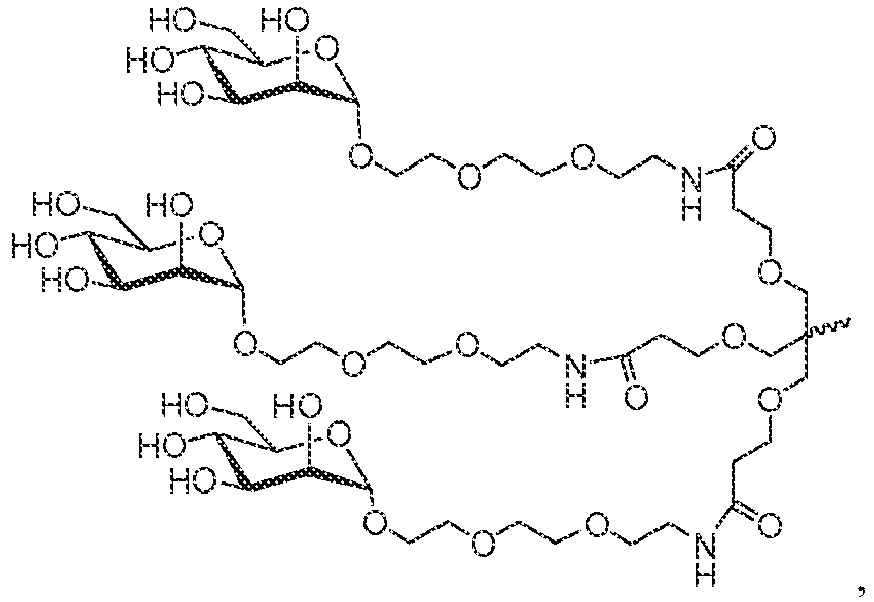


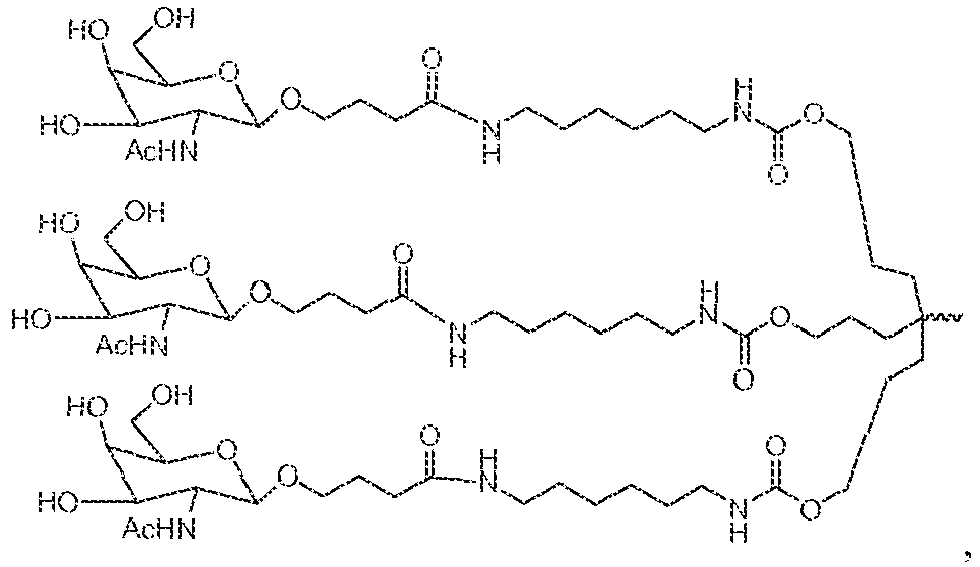


- In some embodiments the ligand is selected from one of the following:


- The delivery of an iRNA agent of the invention to a cell e.g., a cell within a subject, such as a human subject (e.g., a subject in need thereof, such as a subject having a HAO1 associated disorder)can be achieved in a number of different ways. For example, delivery may be performed by contacting a cell with an iRNA of the invention either in vitro or in vivo. In vivo delivery may also be performed directly by administering a composition comprising an iRNA, e.g., a dsRNA, to a subject. Alternatively, in vivo delivery may be performed indirectly by administering one or more vectors that encode and direct the expression of the iRNA. These alternatives are discussed further below.
- In general, any method of delivering a nucleic acid molecule (in vitro or in vivo) can be adapted for use with an iRNA of the invention (see e.g., Akhtar S. and Julian RL. (1992) Trends Cell. Biol. 2(5):139-144 and
WO94/02595 U.S. Patent No. 7,427,605 , which is herein incorporated by reference in its entirety. - iRNA targeting the HAO1 gene can be expressed from transcription units inserted into DNA or RNA vectors (see, e.g., Couture, A, et al., TIG. (1996), 12:5-10;
Skillern, A., et al., International PCT Publication No. WO 00/22113 Conrad, International PCT Publication No. WO 00/22114 Conrad, U.S. Pat. No. 6,054,299 ). Expression can be transient (on the order of hours to weeks) or sustained (weeks to months or longer), depending upon the specific construct used and the target tissue or cell type. These transgenes can be introduced as a linear construct, a circular plasmid, or a viral vector, which can be an integrating or nonintegrating vector. The transgene can also be constructed to permit it to be inherited as an extrachromosomal plasmid (Gassmann, et al., Proc. Natl. Acad. Sci. USA (1995) 92:1292). - The individual strand or strands of an iRNA can be transcribed from a promoter on an expression vector. Where two separate strands are to be expressed to generate, for example, a dsRNA, two separate expression vectors can be co-introduced (e.g., by transfection or infection) into a target cell. Alternatively each individual strand of a dsRNA can be transcribed by promoters both of which are located on the same expression plasmid. In one embodiment, a dsRNA is expressed as inverted repeat polynucleotides joined by a linker polynucleotide sequence such that the dsRNA has a stem and loop structure.
- iRNA expression vectors are generally DNA plasmids or viral vectors. Expression vectors compatible with eukaryotic cells, preferably those compatible with vertebrate cells, can be used to produce recombinant constructs for the expression of an iRNA as described herein. Eukaryotic cell expression vectors are well known in the art and are available from a number of commercial sources. Typically, such vectors are provided containing convenient restriction sites for insertion of the desired nucleic acid segment. Delivery of iRNA expressing vectors can be systemic, such as by intravenous or intramuscular administration, by administration to target cells ex-planted from the patient followed by reintroduction into the patient, or by any other means that allows for introduction into a desired target cell.
- iRNA expression plasmids can be transfected into target cells as a complex with cationic lipid carriers (e.g., Oligofectamine) or non-cationic lipid-based carriers (e.g., Transit-TKO™). Multiple lipid transfections for iRNA-mediated knockdowns targeting different regions of a target RNA over a period of a week or more are also contemplated by the invention. Successful introduction of vectors into host cells can be monitored using various known methods. For example, transient transfection can be signaled with a reporter, such as a fluorescent marker, such as Green Fluorescent Protein (GFP). Stable transfection of cells ex vivo can be ensured using markers that provide the transfected cell with resistance to specific environmental factors (e.g., antibiotics and drugs), such as hygromycin B resistance.
- Viral vector systems which can be utilized with the methods and compositions described herein include, but are not limited to, (a) adenovirus vectors; (b) retrovirus vectors, including but not limited to lentiviral vectors, moloney murine leukemia virus, etc.; (c) adeno- associated virus vectors; (d) herpes simplex virus vectors; (e)
SV 40 vectors; (f) polyoma virus vectors; (g) papilloma virus vectors; (h) picornavirus vectors; (i) pox virus vectors such as an orthopox, e.g., vaccinia virus vectors or avipox, e.g. canary pox or fowl pox; and (j) a helper-dependent or gutless adenovirus. Replication-defective viruses can also be advantageous. Different vectors will or will not become incorporated into the cells' genome. The constructs can include viral sequences for transfection, if desired. Alternatively, the construct can be incorporated into vectors capable of episomal replication, e.g. EPV and EBV vectors. Constructs for the recombinant expression of an iRNA will generally require regulatory elements, e.g., promoters, enhancers, etc., to ensure the expression of the iRNA in target cells. Other aspects to consider for vectors and constructs are further described below. - Vectors useful for the delivery of an iRNA will include regulatory elements (promoter, enhancer, etc.) sufficient for expression of the iRNA in the desired target cell or tissue. The regulatory elements can be chosen to provide either constitutive or regulated/inducible expression.
- Expression of the iRNA can be precisely regulated, for example, by using an inducible regulatory sequence that is sensitive to certain physiological regulators, e.g., circulating glucose levels, or hormones (Docherty et ah, 1994, FASEB J. 8:20-24). Such inducible expression systems, suitable for the control of dsRNA expression in cells or in mammals include, for example, regulation by ecdysone, by estrogen, progesterone, tetracycline, chemical inducers of dimerization, and isopropyl-beta-D1 - thiogalactopyranoside (IPTG). A person skilled in the art would be able to choose the appropriate regulatory/promoter sequence based on the intended use of the iRNA transgene.
- Viral vectors that contain nucleic acid sequences encoding an iRNA can be used. For example, a retroviral vector can be used (see Miller et al., Meth. Enzymol. 217:581-599 (1993)). These retroviral vectors contain the components necessary for the correct packaging of the viral genome and integration into the host cell DNA. The nucleic acid sequences encoding an iRNA are cloned into one or more vectors, which facilitate delivery of the nucleic acid into a patient. More detail about retroviral vectors can be found, for example, in Boesen et al., Biotherapy 6:291-302 (1994), which describes the use of a retroviral vector to deliver the mdr1 gene to hematopoietic stem cells in order to make the stem cells more resistant to chemotherapy. Other references illustrating the use of retroviral vectors in gene therapy are: Clowes et al., J. Clin. Invest. 93:644-651 (1994); Kiem et al., Blood 83:1467-1473 (1994); Salmons and Gunzberg, Human Gene Therapy 4:129-141 (1993); and Grossman and Wilson, Curr. Opin. in Genetics and Devel. 3:110-114 (1993). Lentiviral vectors contemplated for use include, for example, the HIV based vectors described in
U.S. Patent Nos. 6,143,520 ;5,665,557 ; and5,981,276 , which are herein incorporated by reference. - Adenoviruses are also contemplated for use in delivery of iRNAs of the invention. Adenoviruses are especially attractive vehicles, e.g., for delivering genes to respiratory epithelia. Adenoviruses naturally infect respiratory epithelia where they cause a mild disease. Other targets for adenovirus-based delivery systems are liver, the central nervous system, endothelial cells, and muscle. Adenoviruses have the advantage of being capable of infecting non-dividing cells. Kozarsky and Wilson, Current Opinion in Genetics and Development 3:499-503 (1993) present a review of adenovirus-based gene therapy. Bout et al., Human Gene Therapy 5:3-10 (1994) demonstrated the use of adenovirus vectors to transfer genes to the respiratory epithelia of rhesus monkeys. Other instances of the use of adenoviruses in gene therapy can be found in Rosenfeld et al., Science 252:431-434 (1991); Rosenfeld et al., Cell 68:143-155 (1992); Mastrangeli et al., J Clin. Invest. 91:225-234 (1993);
PCT Publication WO94/12649 - Adeno-associated virus (AAV) vectors may also be used to delivery an iRNA of the invention (Walsh et al., Proc. Soc. Exp. Biol. Med. 204:289-300 (1993);
U.S. Pat. No. 5,436,146 ), In one embodiment, the iRNA can be expressed as two separate, complementary single-stranded RNA molecules from a recombinant AAV vector having, for example, either the U6 or H1 RNA promoters, or the cytomegalovirus (CMV) promoter. Suitable AAV vectors for expressing the dsRNA featured in the invention, methods for constructing the recombinant AV vector, and methods for delivering the vectors into target cells are described in Samulski R et al. (1987), J. Virol 61: 3096-3101; Fisher K J et al. (1996), J. Virol, 70: 520-532; Samulski R et al. (1989), J. Virol. 63: 3822-3826;U.S. Pat. No. 5,252,479 ;U.S. Pat. No. 5,139,941 ; International Patent Application No.WO 94/13788 WO 93/24641 - Another viral vector suitable for delivery of an iRNA of the invention is a pox virus such as a vaccinia virus, for example an attenuated vaccinia such as Modified Virus Ankara (MVA) or NYVAC, an avipox such as fowl pox or canary pox.
- The tropism of viral vectors can be modified by pseudotyping the vectors with envelope proteins or other surface antigens from other viruses, or by substituting different viral capsid proteins, as appropriate. For example, lentiviral vectors can be pseudotyped with surface proteins from vesicular stomatitis virus (VSV), rabies, Ebola, Mokola, and the like. AAV vectors can be made to target different cells by engineering the vectors to express different capsid protein serotypes; see, e.g., Rabinowitz J E et al. (2002), J Virol 76:791-801, the entire disclosure of which is herein incorporated by reference.
- The pharmaceutical preparation of a vector can include the vector in an acceptable diluent, or can include a slow release matrix in which the gene delivery vehicle is imbedded. Alternatively, where the complete gene delivery vector can be produced intact from recombinant cells, e.g., retroviral vectors, the pharmaceutical preparation can include one or more cells which produce the gene delivery system.
- The present invention also includes pharmaceutical compositions and formulations which include the iRNAs of the invention. In one embodiment, provided herein are pharmaceutical compositions containing an iRNA, as described herein, and a pharmaceutically acceptable carrier. The pharmaceutical compositions containing the iRNA are useful for treating a HAO1 associated disease or disorder. Such pharmaceutical compositions are formulated based on the mode of delivery.
- The pharmaceutical compositions comprising RNAi agents of the invention may be, for example, solutions with or without a buffer, or compositions containing pharmaceutically acceptable carriers. Such compositions include, for example, aqueous or crystalline compositions, liposomal formulations, micellar formulations, emulsions, and gene therapy vectors.
- In the methods of the invention, the RNAi agent may be administered in a solution. A free RNAi agent may be administered in an unbuffered solution, e.g., in saline or in water. Alternatively, the free siRNA may also be administered in a suitable buffer solution. The buffer solution may comprise acetate, citrate, prolamine, carbonate, or phosphate, or any combination thereof. In one embodiment, the buffer solution is phosphate buffered saline (PBS). The pH and osmolarity of the buffer solution containing the RNAi agent can be adjusted such that it is suitable for administering to a subject.
- In some embodiments, the buffer solution further comprises an agent for controlling the osmolarity of the solution, such that the osmolarity is kept at a desired value, e.g., at the physiologic values of the human plasma. Solutes which can be added to the buffer solution to control the osmolarity include, but are not limited to, proteins, peptides, amino acids, non-metabolized polymers, vitamins, ions, sugars, metabolites, organic acids, lipids, or salts. In some embodiments, the agent for controlling the osmolarity of the solution is a salt. In certain embodiments, the agent for controlling the osmolarity of the solution is sodium chloride or potassium chloride.
- The pharmaceutical compositions of the invention may be administered in dosages sufficient to inhibit expression of a HAO1 gene.
- In general, a suitable dose of an iRNA of the invention will be in the range of about 0.001 to about 200.0 milligrams per kilogram body weight of the recipient per day, generally in the range of about 0.1 to 10 or 1 to 50 mg per kilogram body weight per day. For example, the dsRNA can be administered at about 0.01 mg/kg, about 0.05 mg/kg, about 0.5 mg/kg, about 1 mg/kg, about 1.5 mg/kg, about 2 mg/kg, about 3 mg/kg, about 4 mg/kg, about 5 mg/kg, about 6 mg/kg, about 7 mg/kg, about 8 mg/kg, about 9 mg/kg about 10 mg/kg, about 20 mg/kg, about 30 mg/kg, about 40 mg/kg, or about 50 mg/kg per single dose.
- In another embodiment, the RNAi agent, e.g., dsRNA, is administered at a dose of about 0.1 to about 50 mg/kg, about 0.25 to about 50 mg/kg, about 0.5 to about 50 mg/kg, about 0.75 to about 50 mg/kg, about 1 to about 50 mg/mg, about 1.5 to about 50 mg/kb, about 2 to about 50 mg/kg, about 2.5 to about 50 mg/kg, about 3 to about 50 mg/kg, about 3.5 to about 50 mg/kg, about 4 to about 50 mg/kg, about 4.5 to about 50 mg/kg, about 5 to about 50 mg/kg, about 7.5 to about 50 mg/kg, about 10 to about 50 mg/kg, about 15 to about 50 mg/kg, about 20 to about 50 mg/kg, about 20 to about 50 mg/kg, about 25 to about 50 mg/kg, about 25 to about 50 mg/kg, about 30 to about 50 mg/kg, about 35 to about 50 mg/kg, about 40to about 50 mg/kg, about 45 to about 50 mg/kg, about 0.1 to about 45 mg/kg, about 0.25 to about 45 mg/kg, about 0.5 to about 45 mg/kg, about 0.75 to about 45 mg/kg, about 1 to about 45 mg/mg, about 1.5 to about 45 mg/kb, about 2 to about 45 mg/kg, about 2.5 to about 45 mg/kg, about 3 to about 45 mg/kg, about 3.5 to about 45 mg/kg, about 4 to about 45 mg/kg, about 4.5 to about 45 mg/kg, about 5 to about 45 mg/kg, about 7.5 to about 45 mg/kg, about 10 to about 45 mg/kg, about 15 to about 45 mg/kg, about 20 to about 45 mg/kg, about 20 to about 45 mg/kg, about 25 to about 45 mg/kg, about 25 to about 45 mg/kg, about 30 to about 45 mg/kg, about 35 to about 45 mg/kg, about 40 to about 45 mg/kg, about 0.1 to about 40 mg/kg, about 0.25 to about 40 mg/kg, about 0.5 to about 40 mg/kg, about 0.75 to about 40 mg/kg, about 1 to about 40 mg/mg, about 1.5 to about 40 mg/kb, about 2 to about 40 mg/kg, about 2.5 to about 40 mg/kg, about 3 to about 40 mg/kg, about 3.5 to about 40 mg/kg, about 4 to about 40 mg/kg, about 4.5 to about 40 mg/kg, about 5 to about 40 mg/kg, about 7.5 to about 40 mg/kg, about 10 to about 40 mg/kg, about 15 to about 40 mg/kg, about 20 to about 40 mg/kg, about 20 to about 40 mg/kg, about 25 to about 40 mg/kg, about 25 to about 40 mg/kg, about 30 to about 40 mg/kg, about 35 to about 40 mg/kg, about 0.1 to about 30 mg/kg, about 0.25 to about 30 mg/kg, about 0.5 to about 30 mg/kg, about 0.75 to about 30 mg/kg, about 1 to about 30 mg/mg, about 1.5 to about 30 mg/kb, about 2 to about 30 mg/kg, about 2.5 to about 30 mg/kg, about 3 to about 30 mg/kg, about 3.5 to about 30 mg/kg, about 4 to about 30 mg/kg, about 4.5 to about 30 mg/kg, about 5 to about 30 mg/kg, about 7.5 to about 30 mg/kg, about 10 to about 30 mg/kg, about 15 to about 30 mg/kg, about 20 to about 30 mg/kg, about 20 to about 30 mg/kg, about 25 to about 30 mg/kg, about 0.1 to about 20 mg/kg, about 0.25 to about 20 mg/kg, about 0.5 to about 20 mg/kg, about 0.75 to about 20 mg/kg, about 1 to about 20 mg/mg, about 1.5 to about 20 mg/kb, about 2 to about 20 mg/kg, about 2.5 to about 20 mg/kg, about 3 to about 20 mg/kg, about 3.5 to about 20 mg/kg, about 4 to about 20 mg/kg, about 4.5 to about 20 mg/kg, about 5 to about 20 mg/kg, about 7.5 to about 20 mg/kg, about 10 to about 20 mg/kg, or about 15 to about 20 mg/kg. Values and ranges intermediate to the recited values are also intended to be part of this invention.
- For example, the RNAi agent, e.g., dsRNA, may be administered at a dose of about 0.01, 0.02, 0.03, 0.04, 0.05, 0.06, 0.07, 0.08, 0.09. 0.1, 0.2, 0.3, 0.4, 0.5, 0.6, 0.7, 0.8, 0.9, 1.0, 1.1, 1.2, 1.3, 1.4, 1.5, 1.6, 1.7, 1.8, 1.9, 2.0, 2.1, 2.2, 2.3, 2.4, 2.5, 2.6, 2.7, 2.8, 2.9, 3.0, 3.1, 3.2, 3.3, 3.4, 3.5, 3.6, 3.7, 3.8, 3.9, 4.0, 4.1, 4.2, 4.3, 4.4, 4.5, 4.6, 4.7, 4.8, 4.9, 5.0, 5.1, 5.2, 5.3, 5.4, 5.5, 5.6, 5.7, 5.8, 5.9, 6.0, 6.1, 6.2, 6.3, 6.4, 6.5, 6.6, 6.7, 6.8, 6.9, 7.0, 7.1, 7.2, 7.3, 7.4, 7.5, 7.6, 7.7, 7.8, 7.9, 8.0, 8.1, 8.2, 8.3, 8.4, 8.5, 8.6, 8.7, 8.8, 8.9, 9.0, 9.1, 9.2, 9.3, 9.4, 9.5, 9.6, 9.7, 9.8, 9.9, 10, 10.5, 11, 11.5, 12, 12.5, 13, 13.5, 14, 14.5, 15, 15.5, 16, 16.5, 17, 17.5, 18, 18.5, 19, 19.5, 20, 20.5, 21, 21.5, 22, 22.5, 23, 23.5, 24, 24.5, 25, 25.5, 26, 26.5, 27, 27.5, 28, 28.5, 29, 29.5, 30, 31, 32, 33, 34, 34, 35, 36, 37, 38, 39, 40, 41, 42, 43, 44, 45, 46, 47, 48, 49, or about 50 mg/kg. Values and ranges intermediate to the recited values are also intended to be part of this invention.
- In certain embodiments of the invention, for example, when a double-stranded RNAi agent includes modifications (e.g., one or more motifs of three identical modifications on three consecutive nucleotides, including one such motif at or near the cleavage site of the agent), six phosphorothioate linkages, and a ligand, such an agent is administered at a dose of about 0.01 to about 0.5 mg/kg, about 0.01 to about 0.4 mg/kg, about 0.01 to about 0.3 mg/kg, about 0.01 to about 0.2 mg/kg, about 0.01 to about 0.1 mg/kg, about 0.01 mg/kg to about 0.09 mg/kg, about 0.01 mg/kg to about 0.08 mg/kg, about 0.01 mg/kg to about 0.07 mg/kg, about 0.01 mg/kg to about 0.06 mg/kg, about 0.01 mg/kg to about 0.05 mg/kg, about 0.02 to about 0.5 mg/kg, about 0.02 to about 0.4 mg/kg, about 0.02 to about 0.3 mg/kg, about 0.02 to about 0.2 mg/kg, about 0.02 to about 0.1 mg/kg, about 0.02 mg/kg to about 0.09 mg/kg, about 0.02 mg/kg to about 0.08 mg/kg, about 0.02 mg/kg to about 0.07 mg/kg, about 0.02 mg/kg to about 0.06 mg/kg, about 0.02 mg/kg to about 0.05 mg/kg, about 0.03 to about 0.5 mg/kg, about 0.03 to about 0.4 mg/kg, about 0.03 to about 0.3 mg/kg, about 0.03 to about 0.2 mg/kg, about 0.03 to about 0.1 mg/kg, about 0.03 mg/kg to about 0.09 mg/kg, about 0.03 mg/kg to about 0.08 mg/kg, about 0.03 mg/kg to about 0.07 mg/kg, about 0.03 mg/kg to about 0.06 mg/kg, about 0.03 mg/kg to about 0.05 mg/kg, about 0.04 to about 0.5 mg/kg, about 0.04 to about 0.4 mg/kg, about 0.04 to about 0.3 mg/kg, about 0.04 to about 0.2 mg/kg, about 0.04 to about 0.1 mg/kg, about 0.04 mg/kg to about 0.09 mg/kg, about 0.04 mg/kg to about 0.08 mg/kg, about 0.04 mg/kg to about 0.07 mg/kg, about 0.04 mg/kg to about 0.06 mg/kg, about 0.05 to about 0.5 mg/kg, about 0.05 to about 0.4 mg/kg, about 0.05 to about 0.3 mg/kg, about 0.05 to about 0.2 mg/kg, about 0.05 to about 0. 1 mg/kg, about 0.05 mg/kg to about 0.09 mg/kg, about 0.05 mg/kg to about 0.08 mg/kg, or about 0.05 mg/kg to about 0.07 mg/kg. Values and ranges intermediate to the foregoing recited values are also intended to be part of this invention, e.g.,, the RNAi agent may be administered to the subject at a dose of about 0.015 mg/kg to about 0.45 mg/mg.
- For example, the RNAi agent, e.g., RNAi agent in a pharmaceutical composition, may be administered at a dose of about 0.01 mg/kg, 0.0125 mg/kg, 0.015 mg/kg, 0.0175 mg/kg, 0.02 mg/kg, 0.0225 mg/kg, 0.025 mg/kg, 0.0275 mg/kg, 0.03 mg/kg, 0.0325 mg/kg, 0.035 mg/kg, 0.0375 mg/kg, 0.04 mg/kg, 0.0425 mg/kg, 0.045 mg/kg, 0.0475 mg/kg, 0.05 mg/kg, 0.0525 mg/kg, 0.055 mg/kg, 0.0575 mg/kg, 0.06 mg/kg, 0.0625 mg/kg, 0.065 mg/kg, 0.0675 mg/kg, 0.07 mg/kg, 0.0725 mg/kg, 0.075 mg/kg, 0.0775 mg/kg, 0.08 mg/kg, 0.0825 mg/kg, 0.085 mg/kg, 0.0875 mg/kg, 0.09 mg/kg, 0.0925 mg/kg, 0.095 mg/kg, 0.0975 mg/kg, 0.1 mg/kg, 0.125 mg/kg, 0.15 mg/kg, 0.175 mg/kg, 0.2 mg/kg, 0.225 mg/kg, 0.25 mg/kg, 0.275 mg/kg, 0.3 mg/kg, 0.325 mg/kg, 0.35 mg/kg, 0.375 mg/kg, 0.4 mg/kg, 0.425 mg/kg, 0.45 mg/kg, 0.475 mg/kg, or about 0.5 mg/kg. Values intermediate to the foregoing recited values are also intended to be part of this invention.
- The pharmaceutical composition can be administered once daily, or the iRNA can be administered as two, three, or more sub-doses at appropriate intervals throughout the day or even using continuous infusion or delivery through a controlled release formulation. In that case, the iRNA contained in each sub-dose must be correspondingly smaller in order to achieve the total daily dosage. The dosage unit can also be compounded for delivery over several days, e.g., using a conventional sustained release formulation which provides sustained release of the iRNA over a several day period. Sustained release formulations are well known in the art and are particularly useful for delivery of agents at a particular site, such as could be used with the agents of the present invention. In this embodiment, the dosage unit contains a corresponding multiple of the daily dose.
- In other embodiments, a single dose of the pharmaceutical compositions can be long lasting, such that subsequent doses are administered at not more than 3, 4, or 5 day intervals, or at not more than 1, 2, 3, or 4 week intervals. In some embodiments of the invention, a single dose of the pharmaceutical compositions of the invention is administered once per week. In other embodiments of the invention, a single dose of the pharmaceutical compositions of the invention is administered bi-monthly.
- The skilled artisan will appreciate that certain factors can influence the dosage and timing required to effectively treat a subject, including but not limited to the severity of the disease or disorder, previous treatments, the general health and/or age of the subject, and other diseases present. Moreover, treatment of a subject with a therapeutically effective amount of a composition can include a single treatment or a series of treatments. Estimates of effective dosages and in vivo half-lives for the individual iRNAs encompassed by the invention can be made using conventional methodologies.
- Estimates of effective dosages and in vivo half-lives for the individual iRNAs encompassed by the invention can also be made on the basis of in vivo testing using an appropriate animal model. For example, advances in mouse genetics have generated a number of mouse models for the study of various human diseases, such as a disorder associated expression of HAO1. Such models can be used for in vivo testing of iRNA, as well as for determining a therapeutically effective dose. Suitable mouse models are known in the art and include, for example, the animal models described herein.
- The pharmaceutical compositions of the present invention can be administered in a number of ways depending upon whether local or systemic treatment is desired and upon the area to be treated. Administration can be topical (e.g., by a transdermal patch), pulmonary, e.g., by inhalation or insufflation of powders or aerosols, including by nebulizer; intratracheal, intranasal, epidermal and transdermal, oral or parenteral. Parenteral administration includes intravenous, intraarterial, subcutaneous, intraperitoneal or intramuscular injection or infusion; subdermal, e.g., via an implanted device; or intracranial, e.g., by intraparenchymal, intrathecal or intraventricular, administration
- The iRNA can be delivered in a manner to target a particular tissue, such as the liver.
- Pharmaceutical compositions of the present invention include, but are not limited to, solutions, emulsions, and liposome-containing formulations. These compositions can be generated from a variety of components that include, but are not limited to, preformed liquids, self-emulsifying solids and self-emulsifying semisolids.
- The pharmaceutical formulations of the present invention, which can conveniently be presented in unit dosage form, can be prepared according to conventional techniques well known in the pharmaceutical industry. Such techniques include the step of bringing into association the active ingredients with the pharmaceutical carrier(s) or excipient(s). In general, the formulations are prepared by uniformly and intimately bringing into association the active ingredients with liquid carriers or finely divided solid carriers or both, and then, if necessary, shaping the product.
- The compositions of the present invention can be formulated into any of many possible dosage forms such as, but not limited to, tablets, capsules, gel capsules, liquid syrups, soft gels, suppositories, and enemas. The compositions of the present invention can also be formulated as suspensions in aqueous, non-aqueous or mixed media. Aqueous suspensions can further contain substances which increase the viscosity of the suspension including, for example, sodium carboxymethylcellulose, sorbitol and/or dextran. The suspension can also contain stabilizers.
- The compositions of the present invention can be formulated for oral administration; parenteral, intraparenchymal (into the brain), intrathecal, intraventricular or intrahepatic administration, and/or topical administration.
- Compositions and formulations for oral administration include powders or granules, microparticulates, nanoparticulates, suspensions or solutions in water or non-aqueous media, capsules, gel capsules, sachets, tablets or minitablets. Thickeners, flavoring agents, diluents, emulsifiers, dispersing aids or binders can be desirable. In some embodiments, oral formulations are those in which dsRNAs featured in the invention are administered in conjunction with one or more penetration enhancer surfactants and chelators. Suitable surfactants include fatty acids and/or esters or salts thereof, bile acids and/or salts thereof. Suitable bile acids/salts include chenodeoxycholic acid (CDCA) and ursodeoxychenodeoxycholic acid (UDCA), cholic acid, dehydrocholic acid, deoxycholic acid, glucholic acid, glycholic acid, glycodeoxycholic acid, taurocholic acid, taurodeoxycholic acid, sodium tauro-24,25-dihydro-fusidate and sodium glycodihydrofusidate. Suitable fatty acids include arachidonic acid, undecanoic acid, oleic acid, lauric acid, caprylic acid, capric acid, myristic acid, palmitic acid, stearic acid, linoleic acid, linolenic acid, dicaprate, tricaprate, monoolein, dilaurin, glyceryl 1-monocaprate, 1-dodecylazacycloheptan-2-one, an acylcarnitine, an acylcholine, or a monoglyceride, a diglyceride or a pharmaceutically acceptable salt thereof (e.g., sodium). In some embodiments, combinations of penetration enhancers are used, for example, fatty acids/salts in combination with bile acids/salts. One exemplary combination is the sodium salt of lauric acid, capric acid and UDCA. Further penetration enhancers include polyoxyethylene-9-lauryl ether, polyoxyethylene-20-cetyl ether. DsRNAs featured in the invention can be delivered orally, in granular form including sprayed dried particles, or complexed to form micro or nanoparticles. DsRNA complexing agents include poly-amino acids; polyimines; polyacrylates; polyalkylacrylates, polyoxethanes, polyalkylcyanoacrylates; cationized gelatins, albumins, starches, acrylates, polyethyleneglycols (PEG) and starches; polyalkylcyanoacrylates; DEAE-derivatized polyimines, pollulans, celluloses and starches. Suitable complexing agents include chitosan, N-trimethylchitosan, poly-L-lysine, polyhistidine, polyornithine, polyspermines, protamine, polyvinylpyridine, polythiodiethylaminomethylethylene P(TDAE), polyaminostyrene (e.g., p-amino), poly(niethylcyanoacrylate), poly(ethylcyanoacrylate), poly(butylcyanoacrylate), poly(isobutylcyanoacrylate), poly(isohexylcynaoacrylate), DEAE-methacrylate, DEAE-hexylacrylate, DEAE-acrylamide, DEAE-albumin and DEAE-dextran, polymethylacrylate, polyhexylacrylate, poly(D,L-lactic acid), poly(DL-lactic-co-glycolic acid (PLGA), alginate, and polyethyleneglycol (PEG). Oral formulations for dsRNAs and their preparation are described in detail in
U.S. Patent 6,887,906 ,US Publn. No. 20030027780 , andU.S. Patent No. 6,747,014 , each of which is incorporated herein by reference. - Compositions and formulations for parenteral, intraparenchymal (into the brain), intrathecal, intraventricular or intrahepatic administration can include sterile aqueous solutions which can also contain buffers, diluents and other suitable additives such as, but not limited to, penetration enhancers, carrier compounds and other pharmaceutically acceptable carriers or excipients.
- Pharmaceutical compositions and formulations for topical administration can include transdermal patches, ointments, lotions, creams, gels, drops, suppositories, sprays, liquids and powders. Conventional pharmaceutical carriers, aqueous, powder or oily bases, thickeners and the like can be necessary or desirable. Coated condoms, gloves and the like can also be useful. Suitable topical formulations include those in which the iRNAs featured in the invention are in admixture with a topical delivery agent such as lipids, liposomes, fatty acids, fatty acid esters, steroids, chelating agents and surfactants. Suitable lipids and liposomes include neutral (e.g., dioleoylphosphatidyl DOPE ethanolamine, dimyristoylphosphatidyl choline DMPC, distearolyphosphatidyl choline) negative (e.g., dimyristoylphosphatidyl glycerol DMPG) and cationic (e.g., dioleoyltetramethylaminopropyl DOTAP and dioleoylphosphatidyl ethanolamine DOTMA). iRNAs featured in the invention can be encapsulated within liposomes or can form complexes thereio, in particular to cationic liposomes. Alternatively, iRNAs can be complexed to lipids, in particular to cationic lipids. Suitable fatty acids and esters include but are not limited to arachidonic acid, oleic acid, eicosanoic acid, lauric acid, caprylic acid, capric acid, myristic acid, palmitic acid, stearic acid, linoleic acid, linolenic acid, dicaprate, tricaprate, monoolein, dilaurin, glyceryl 1-monocaprate, 1-dodecylazacycloheptan-2-one, an acylcamitine, an acylcholine, or a C1-20 alkyl ester (e.g., isopropylmyristate IPM), monoglyceride, diglyceride or pharmaceutically acceptable salt thereof). Topical formulations are described in detail in
U.S. Patent No. 6,747,014 , which is incorporated herein by reference. - An iRNA for use in the compositions and methods of the invention can be formulated for delivery in a membranous molecular assembly, e.g., a liposome or a micelle. As used herein, the term "liposome" refers to a vesicle composed of amphiphilic lipids arranged in at least one bilayer, e.g., one bilayer or a plurality of bilayers. Liposomes include unilamellar and multilamellar vesicles that have a membrane formed from a lipophilic material and an aqueous interior. The aqueous portion contains the iRNA composition. The lipophilic material isolates the aqueous interior from an aqueous exterior, which typically does not include the iRNA composition, although in some examples, it may. Liposomes are useful for the transfer and delivery of active ingredients to the site of action. Because the liposomal membrane is structurally similar to biological membranes, when liposomes are applied to a tissue, the liposomal bilayer fuses with bilayer of the cellular membranes. As the merging of the liposome and cell progresses, the internal aqueous contents that include the iRNA are delivered into the cell where the iRNA can specifically bind to a target RNA and can mediate RNAi. In some cases the liposomes are also specifically targeted, e.g., to direct the iRNA to particular cell types.
- A liposome containing a RNAi agent can be prepared by a variety of methods. In one example, the lipid component of a liposome is dissolved in a detergent so that micelles are formed with the lipid component. For example, the lipid component can be an amphipathic cationic lipid or lipid conjugate. The detergent can have a high critical micelle concentration and may be nonionic. Exemplary detergents include cholate, CHAPS, octylglucoside, deoxycholate, and lauroyl sarcosine. The RNAi agent preparation is then added to the micelles that include the lipid component. The cationic groups on the lipid interact with the RNAi agent and condense around the RNAi agent to form a liposome. After condensation, the detergent is removed, e.g., by dialysis, to yield a liposomal preparation of RNAi agent.
- If necessary a carrier compound that assists in condensation can be added during the condensation reaction, e.g., by controlled addition. For example, the carrier compound can be a polymer other than a nucleic acid (e.g., spermine or spermidine). pH can also adjusted to favor condensation.
- Methods for producing stable polynucleotide delivery vehicles, which incorporate a polynucleotide/cationic lipid complex as structural components of the delivery vehicle, are further described in, e.g.,
WO 96/37194 U.S. Pat. No. 4,897,355 ;U.S. Pat. No. 5,171,678 ; Bangham, et al. M. Mο/. Biol. 23:238, 1965; Olson, et al. Biochim. Biophys. Acta 557:9, 1979; Szoka, et al. Proc. Natl. Acad. Sci. 75: 4194, 1978; Mayhew, et al. Biochim. Biophys. Acta 775:169, 1984; Kim, et al. Biochim. Biophys. Acta 728:339, 1983; and Fukunaga, et al. Endocrinol 115:757, 1984. Commonly used techniques for preparing lipid aggregates of appropriate size for use as delivery vehicles include sonication and freeze-thaw plus extrusion (see, e.g., Mayer, et al. Biochim. Biophys. Acta 858:161, 1986). Microfluidization can be used when consistently small (50 to 200 nm) and relatively uniform aggregates are desired (Mayhew, et al. Biochim. Biophys. Acta 775:169, 1984). These methods are readily adapted to packaging RNAi agent preparations into liposomes. - Liposomes fall into two broad classes. Cationic liposomes are positively charged liposomes which interact with the negatively charged nucleic acid molecules to form a stable complex. The positively charged nucleic acid/liposome complex binds to the negatively charged cell surface and is internalized in an endosome. Due to the acidic pH within the endosome, the liposomes are ruptured, releasing their contents into the cell cytoplasm (Wang et al., Biochem. Biophys. Res. Commun., 1987, 147, 980-985).
- Liposomes which are pH-sensitive or negatively-charged, entrap nucleic acids rather than complex with it. Since both the nucleic acid and the lipid are similarly charged, repulsion rather than complex formation occurs. Nevertheless, some nucleic acid is entrapped within the aqueous interior of these liposomes. pH-sensitive liposomes have been used to deliver nucleic acids encoding the thymidine kinase gene to cell monolayers in culture. Expression of the exogenous gene was detected in the target cells (Zhou et al., Journal of Controlled Release, 1992, 19, 269-274).
- One major type of liposomal composition includes phospholipids other than naturally-derived phosphatidylcholine. Neutral liposome compositions, for example, can be formed from dimyristoyl phosphatidylcholine (DMPC) or dipalmitoyl phosphatidylcholine (DPPC). Anionic liposome compositions generally are formed from dimyristoyl phosphatidylglycerol, while anionic fusogenic liposomes are formed primarily from dioleoyl phosphatidylethanolamine (DOPE). Another type of liposomal composition is formed from phosphatidylcholine (PC) such as, for example, soybean PC, and egg PC. Another type is formed from mixtures of phospholipid and/or phosphatidylcholine and/or cholesterol.
- Examples of other methods to introduce liposomes into cells in vitro and in vivo include
U.S. Pat. No. 5,283,185 ;U.S. Pat. No. 5,171,678 ;WO 94/00569 WO 93/24640 WO 91/16024 - Non-ionic liposomal systems have also been examined to determine their utility in the delivery of drugs to the skin, in particular systems comprising non-ionic surfactant and cholesterol. Non-ionic liposomal formulations comprising Novasome™ I (glyceryl dilaurate/cholesterol/polyoxyethylene-10-stearyl ether) and Novasome™ II (glyceryl distearate/cholesterol/polyoxyethylene-10-stearyl ether) were used to deliver cyclosporin-A into the dermis of mouse skin. Results indicated that such non-ionic liposomal systems were effective in facilitating the deposition of cyclosporine A into different layers of the skin (Hu et at. S.T.P.Pharma. Sci., 1994, 4(6) 466).
- Liposomes also include "sterically stabilized" liposomes, a term which, as used herein, refers to liposomes comprising one or more specialized lipids that, when incorporated into liposomes, result in enhanced circulation lifetimes relative to liposomes lacking such specialized lipids. Examples of sterically stabilized liposomes are those in which part of the vesicle-forming lipid portion of the liposome (A) comprises one or more glycolipids, such as monosialoganglioside GMl, or (B) is derivatized with one or more hydrophilic polymers, such as a polyethylene glycol (PEG) moiety. While not wishing to be bound by any particular theory, it is thought in the art that, at least for sterically stabilized liposomes containing gangliosides, sphingomyelin, or PEG-derivatized lipids, the enhanced circulation half-life of these sterically stabilized liposomes derives from a reduced uptake into cells of the reticuloendothelial system (RES) (Allen et al., FEBS Letters, 1987, 223, 42; Wu et al., Cancer Research, 1993, 53, 3765).
- Various liposomes comprising one or more glycolipids are known in the art. Papahadjopoulos et al. (Ann. N.Y. Acad. Sci., 1987, 507, 64) reported the ability of monosialoganglioside GM1, galactocerebroside sulfate and phosphatidylinositol to improve blood half-lives of liposomes. These findings were expounded upon by Gabizon et al. (Proc. Natl. Acad. Sci. U.S.A., 1988, 85, 6949).
U.S. Pat. No. 4,837,028 andWO 88/04924, both to Allen et al. U.S. Pat. No. 5,543,152 (Webb et al .) discloses liposomes comprising sphingomyelin. Liposomes comprising 1,2-sn-dimyristoylphosphatidylcholine are disclosed inWO 97/13499 (Lim et al - In one embodiment, cationic liposomes are used. Cationic liposomes possess the advantage of being able to fuse to the cell membrane. Non-cationic liposomes, although not able to fuse as efficiently with the plasma membrane, are taken up by macrophages in vivo and can be used to deliver RNAi agents to macrophages.
- Further advantages of liposomes include: liposomes obtained from natural phospholipids are biocompatible and biodegradable; liposomes can incorporate a wide range of water and lipid soluble drugs; liposomes can protect encapsulated RNAi agents in their internal compartments from metabolism and degradation (Rosoff, in "Pharmaceutical Dosage Forms," Lieberman, Rieger and Banker (Eds.), 1988, ). Important considerations in the preparation of liposome formulations are the lipid surface charge, vesicle size and the aqueous volume of the liposomes.
- A positively charged synthetic cationic lipid, N-[1-(2,3-dioleyloxy)propyl]-N,N,N-trimethylammonium chloride (DOTMA) can be used to form small liposomes that interact spontaneously with nucleic acid to form lipid-nucleic acid complexes which are capable of fusing with the negatively charged lipids of the cell membranes of tissue culture cells, resulting in delivery of RNAi agent (see, e.g.. Felgner, P. L. et al., Proc. Natl. Acad. Sci., USA 8:7413-7417, 1987 and
U.S. Pat. No. 4,897,355 for a description of DOTMA and its use with DNA). - A DOTMA analogue, 1,2-bis(oleoyloxy)-3-(trimethylammonia)propane (DOTAP) can be used in combination with a phospholipid to form DNA-complexing vesicles. Lipofectin™ Bethesda Research Laboratories, Gaithersburg, Md.) is an effective agent for the delivery of highly anionic nucleic acids into living tissue culture cells that comprise positively charged DOTMA liposomes which interact spontaneously with negatively charged polynucleotides to form complexes. When enough positively charged liposomes are used, the net charge on the resulting complexes is also positive. Positively charged complexes prepared in this way spontaneously attach to negatively charged cell surfaces, fuse with the plasma membrane, and efficiently deliver functional nucleic acids into, for example, tissue culture cells. Another commercially available cationic lipid, 1,2-bis(oleoyloxy)-3,3-(trimethylammonia)propane ("DOTAP") (Boehringer Mannheim, Indianapolis, Indiana) differs from DOTMA in that the oleoyl moieties are linked by ester, rather than ether linkages.
- Other reported cationic lipid compounds include those that have been conjugated to a variety of moieties including, for example, carboxyspermine which has been conjugated to one of two types of lipids and includes compounds such as 5-carboxyspermylglycine dioctaoleoylamide ("DOGS") (Transfectam™, Promega, Madison, Wisconsin) and dipalmitoylphosphatidylethanolamine 5-carboxyspermyl-amide ("DPPES") (see, e.g.,
U.S. Pat. No. 5,171,678 ). - Another cationic lipid conjugate includes derivatization of the lipid with cholesterol ("DC-Chol") which has been formulated into liposomes in combination with DOPE (See, Gao, X. and Huang, L., Biochim. Biophys. Res. Commun. 179:280, 1991). Lipopolylysine, made by conjugating polylysine to DOPE, has been reported to be effective for transfection in the presence of serum (Zhou, X. et al,, Biochim. Biophys. Acta 1065:8, 1991). For certain cell lines, these liposomes containing conjugated cationic lipids, are said to exhibit lower toxicity and provide more efficient transfection than the DOTMA-containing compositions. Other commercially available cationic lipid products include DMRIE and DMRIE-HP (Vical, La Jolla, California) and Lipofectamine (DOSPA) (Life Technology, Inc., Gaithersburg, Maryland). Other cationic lipids suitable for the delivery of oligonucleotides are described in
WO 98/39359 WO 96/37194 - Liposomal formulations are particularly suited for topical administration, liposomes present several advantages over other formulations. Such advantages include reduced side effects related to high systemic absorption of the administered drug, increased accumulation of the administered drug at the desired target, and the ability to administer RNAi agent into the skin. In some implementations, liposomes are used for delivering RNAi agent to epidermal cells and also to enhance the penetration of RNAi agent into dermal tissues, e.g., into skin. For example, the liposomes can be applied topically. Topical delivery of drugs formulated as liposomes to the skin has been documented (see, e.g., Weiner et al., Journal of Drug Targeting, 1992, vol. 2,405-410 and du Plessis et al, Antiviral Research, 18, 1992, 259-265; Mannino, R. J. and Fould-Fogerite, S., Biotechniques 6:682-690, 1988: Itani, T. et al. Gene 56:267-276. 1987; Nicolau, C. et al. Meth. Enz. 149:157-176, 1987; Straubinger, R. M. and Papahadjopoulos, D. Meth. Enz. 101:512-527, 1983; Wang, C. Y. and Huang, L., Proc. Natl. Acad. Sci. USA 84:7851-7855, 1987).
- Non-ionic liposomal systems have also been examined to determine their utility in the delivery of drugs to the skin, in particular systems comprising non-ionic surfactant and cholesterol. Non-ionic liposomal formulations comprising Novasome I (glyceryl dilaurate/cholesterol/polyoxyethylene-10-stearyl ether) and Novasome II (glyceryl distearate/ cholesterol/polyoxyethylene-10-stearyl ether) were used to deliver a drug into the dermis of mouse skin. Such formulations with RNAi agent are useful for treating a dermatological disorder.
- Liposomes that include iRNA can be made highly deformable. Such deformability can enable the liposomes to penetrate through pore that are smaller than the average radius of the liposome. For example, transferosomes are a type of deformable liposomes. Transferosomes can be made by adding surface edge activators, usually surfactants, to a standard liposomal composition. Transferosomes that include RNAi agent can be delivered, for example, subcutaneously by infection in order to deliver RNAi agent to keratinocytes in the skin. In order to cross intact mammalian skin, lipid vesicles must pass through a series of fine pores, each with a diameter less than 50 nm, under the influence of a suitable transdermal gradient. In addition, due to the lipid properties, these transferosomes can be self-optimizing (adaptive to the shape of pores, e.g., in the skin), self-repairing, and can frequently reach their targets without fragmenting, and often self-loading.
- Other formulations amenable to the present invention are described in
United States provisional application serial Nos. 61/018,616, filed January 2, 2008 61/018,611, filed January 2, 2008 61/039,748, filed March 26, 2008 61/047,087, filed April 22, 2008 61/051,528, filed May 8, 2008 PCT/US2007/080331, filed October 3, 2007 also describes formulations that are amenable to the present invention. - Transferosomes are yet another type of liposomes, and are highly deformable lipid aggregates which are attractive candidates for drug delivery vehicles. Transferosomes can be described as lipid droplets which are so highly deformable that they are easily able to penetrate through pores which are smaller than the droplet. Transferosomes are adaptable to the environment in which they are used, e.g., they are self-optimizing (adaptive to the shape of pores in the skin), self-repairing, frequently reach their targets without fragmenting, and often self-loading. To make transferosomes it is possible to add surface edge-activators, usually surfactants, to a standard liposomal composition. Transferosomes have been used to deliver serum albumin to the skin. The transferosome-mediated delivery of serum albumin has been shown to be as effective as subcutaneous injection of a solution containing serum albumin.
- Surfactants find wide application in formulations such as emulsions (including microemulsions) and liposomes. The most common way of classifying and ranking the properties of the many different types of surfactants, both natural and synthetic, is by the use of the hydrophile/lipophile balance (HLB). The nature of the hydrophilic group (also known as the "head") provides the most useful means for categorizing the different surfactants used in formulations (Rieger, in Pharmaceutical Dosage Forms, Marcel Dekker, Inc., New York, N.Y., 1988, p. 285).
- If the surfactant molecule is not ionized, it is classified as a nonionic surfactant. Nonionic surfactants find wide application in pharmaceutical and cosmetic products and are usable over a wide range of pH values. In general their HLB values range from 2 to about 18 depending on their structure. Nonionic surfactants include nonionic esters such as ethylene glycol esters, propylene glycol esters, glyceryl esters, polyglyceryl esters, sorbitan esters, sucrose esters, and ethoxylated esters. Nonionic alkanolamides and ethers such as fatty alcohol ethoxylates, propoxylated alcohols, and ethoxylated/propoxylated block polymers are also included in this class. The polyoxyethylene surfactants are the most popular members of the nonionic surfactant class.
- If the surfactant molecule carries a negative charge when it is dissolved or dispersed in water, the surfactant is classified as anionic. Anionic surfactants include carboxylates such as soaps, acyl lactylates, acyl amides of amino acids, esters of sulfuric acid such as alkyl sulfates and ethoxylated alkyl sulfates, sulfonates such as alkyl benzene sulfonates, acyl isethionates, acyl taurates and sulfosuccinates, and phosphates. The most important members of the anionic surfactant class are the alkyl sulfates and the soaps.
- If the surfactant molecule carries a positive charge when it is dissolved or dispersed in water, the surfactant is classified as cationic. Cationic surfactants include quaternary ammonium salts and ethoxylated amines. The quaternary ammonium salts are the most used members of this class.
- If the surfactant molecule has the ability to carry either a positive or negative charge, the surfactant is classified as amphoteric. Amphoteric surfactants include acrylic acid derivatives, substituted alkylamides, N-alkylbetaines and phosphatides.
- The use of surfactants in drug products, formulations and in emulsions has been reviewed (Rieger, in Pharmaceutical Dosage Forms, Marcel Dekker, Inc., New York, N.Y., 1 988, p. 285).
- The iRNA for use in the methods of the invention can also be provided as micellar formulations. "Micelles" are defined herein as a particular type of molecular assembly in which amphipathic molecules are arranged in a spherical structure such that all the hydrophobic portions of the molecules are directed inward, leaving the hydrophilic portions in contact with the surrounding aqueous phase. The converse arrangement exists if the environment is hydrophobic.
- A mixed micellar formulation suitable for delivery through transdermal membranes may be prepared by mixing an aqueous solution of the siRNA composition, an alkali metal C8 to C22 alkyl sulphate, and a micelle forming compounds. Exemplary micelle forming compounds include lecithin, hyaluronic acid, pharmaceutically acceptable salts of hyaluronic acid, glycolic acid, lactic acid, chamomile extract, cucumber extract, oleic acid, linoleic acid, linolenic acid, monoolein, monooleates, monolaurates, borage oil, evening of primrose oil, menthol, trihydroxy oxo cholanyl glycine and pharmaceutically acceptable salts thereof, glycerin, polyglycerin, lysine, polylysine, triolein, polyoxyethylene ethers and analogues thereof, polidocanol alkyl ethers and analogues thereof, chenodeoxycholate, deoxycholate, and mixtures thereof. The micelle forming compounds may be added at the same time or after addition of the alkali metal alkyl sulphate. Mixed micelles will form with substantially any kind of mixing of the ingredients but vigorous mixing in order to provide smaller size micelles.
- In one method a first micellar composition is prepared which contains the siRNA composition and at least the alkali metal alkyl sulphate. The first micellar composition is then mixed with at least three micelle forming compounds to form a mixed micellar composition. In another method, the micellar composition is prepared by mixing the siRNA composition, the alkali metal alkyl sulphate and at least one of the micelle forming compounds, followed by addition of the remaining micelle forming compounds, with vigorous mixing.
- Phenol and/or m-cresol may be added to the mixed micellar composition to stabilize the formulation and protect against bacterial growth. Alternatively, phenol and/or m-cresol may be added with the micelle forming ingredients. An isotonic agent such as glycerin may also be added after formation of the mixed micellar composition.
- For delivery of the micellar formulation as a spray, the formulation can be put into an aerosol dispenser and the dispenser is charged with a propellant. The propellant, which is under pressure, is in liquid form in the dispenser. The ratios of the ingredients are adjusted so that the aqueous and propellant phases become one, i.e., there is one phase. If there are two phases, it is necessary to shake the dispenser prior to dispensing a portion of the contents, e.g., through a metered valve. The dispensed dose of pharmaceutical agent is propelled from the metered valve in a fine spray.
- Propellants may include hydrogen-containing chlorofluorocarbons, hydrogen-containing fluorocarbons, dimethyl ether and diethyl ether. In certain embodiments, HFA 134a (1,1,1,2 tetrafluoroethane) may be used.
- The specific concentrations of the essential ingredients can be determined by relatively straightforward experimentation. For absorption through the oral cavities, it is often desirable to increase, e.g., at least double or triple, the dosage for through injection or administration through the gastrointestinal tract.
- The iRNAs, e.g., dsRNAs of in the invention may be fully encapsulated in a lipid formulation, e.g., a LNP, or other nucleic acid-lipid particle.
- As used herein, the term "LNP" refers to a stable nucleic acid-lipid particle. LNPs contain a cationic lipid, a non-cationic lipid, and a lipid that prevents aggregation of the particle (e.g., a PEG-lipid conjugate). LNPs are extremely useful for systemic applications, as they exhibit extended circulation lifetimes following intravenous (i.v.) injection and accumulate at distal sites (e.g., sites physically separated from the administration site). LNPs include "pSPLP," which include an encapsulated condensing agent-nucleic acid complex as set forth in
PCT Publication No. WO 00/03683 U.S. Patent Nos. 5,976,567 ;5,981,501 ;6,534,484 ;6,586,410 ;6,815,432 ;U.S. Publication No. 2010/0324120 andPCT Publication No. WO 96/40964 - In one embodiment, the lipid to drug ratio (mass/mass ratio) (e.g., lipid to dsRNA ratio) will be in the range of from about 1:1 to about 50:1, from about 1:1 to about 25:1, from about 3:1 to about 15:1, from about 4:1 to about 10:1, from about 5:1 to about 9:1, or about 6:1 to about 9:1. Ranges intermediate to the above recited ranges are also contemplated to be part of the invention.
- The cationic lipid can be, for example, N,N-dioleyl-N,N-dimethylammonium chloride (DODAC), N,N-distearyl-N,N-dimethylammonium bromide (DDAB), N-(I-(2,3-dioleoyloxy)propyl)-N,N,N-trimethylammonium chloride (DOTAP), N-(I -(2,3-dioleyloxy)propyl)-N,N,N-trimethylammomum chloride (DOTMA), N,N-dimethyl-2,3-dioleyloxy)propylamine (DODMA), 1,2-DiLmoleyloxy-N,N-dimethylaminopropane (DLinDMA), 1,2-Dilinolenyloxy-N,N-dimethylaminopropane (DLenDMA), 1,2-Dilinoleylcarbamoyloxy-3-dimethylammopropane (DLin-C-DAP), 1,2-Dilinoleyoxy-3-(dimethylamino)acetoxypropaiie (DLin-DAC), 1,2-Dilinoleyoxy-3-morpholinopropane (DLin-MA), 1,2-Dilinoleoyl-3-dimethylaminopropane (DLinDAP), 1,2-Dilinoleylthio-3-dimethylaminopropane (DLin-S-DMA), 1-Linoleoyl-2-linoleyloxy-3-dimethylaminopropane (DLin-2-DMAP), 1,2-Dilinoleyloxy-3-trimethylaminopropane chloride salt (DLin-TMA.Cl), 1,2-Dilinoleoyl-3-trimethylaminopropane chloride salt (DLin-TAP.Cl), 1,2-Dilinoleyloxy-3-(N-methylpiperazino)propane (DLin-MPZ), or 3-(N,N'-Dilinoleylamino)-1,2-propanediol (DLinAP), 3-(N,N-Dioleylamino)-1,2-propancdio (DOAP), 1,2-Dilinoleyloxo-3-'2-N,N-dimethylamino)ethoxypropane (DLin-EG-DMA), 1,2-Dilinolenyloxy-N,N-dimethylaminopropane (DLinDMA), 2,2-Dilinoleyl-4-dimethylaminomethyl-[1,3]-dioxolane (DLin-K-DMA) or analogs thereof, (3aR,5s,6aS)-N,N-dimethyl-2,2-di((9Z,12Z)-octadeca-9,12-dienyl)tetrahydro-3aH-cyclopenta[d][1,3]dioxol-5-amine (ALN100), (6Z,9Z,28Z,31Z)-heptatriaconta-6,9,28,31 -tetraen-19-yl 4-(dimethylamino)butanoate (MC3), 1,1'-(2-(4-(2-((2-(bis(2-hydroxydodecyl)amino)ethyl)(2-hydroxydodecyl)amino)ethyl)piperazin-1-yl)ethylazanediyl)didodecan-2-ol (Tech G1), or a mixture thereof. The cationic lipid can comprise from about 20 mol % to about 50 mol % or about 40 mol % of the total lipid present in the particle.
- In another embodiment, the
compound 2,2-Dilinoleyl-4-dimethylaminoethyl-[1,3]-dioxolane can be used to prepare lipid-siRNA nanoparticles. Synthesis of 2,2-Dilinoleyl-4-dimethylaminoethyl-[1,3]-dioxolane is described in International application no.PCT/US2009/061897 , published asWO/2010/048536 , which is herein incorporated by reference. - In one embodiment, the lipid-siRNA particle includes 40% 2, 2-Dilinoleyl-4-dimethylaminoethyl-[1,3]-dioxolane: 10% DSPC: 40% Cholesterol: 10% PEG-C-DOMG (mole percent) with a particle size of 63.0 ± 20 nm and a 0.027 siRNA/Lipid Ratio.
- The ionizable/non-cationic lipid can be an anionic lipid or a neutral lipid including, but not limited to, distearoylphosphatidylcholine (DSPC), dioleoylphosphatidylchoJine (DOPC), dipalmitoylphosphatidylcholine (DPPC), dioleoylphosphatidylglycerol (DOPG), dipalmitoylphosphatidylglycerol (DPPG), dioleoyl-phosphatidylethanolamine (DOPE), palmitoyloleoylphosphatidylcholine (POPC), palmitoyloleoylphosphatidyiethanolamine (POPE), dioleoyl- phosphatidylethanolamine 4-(N-maleimidomethyl)-cyclohexane-1-carboxylate (DOPE-mal), dipalmitoyl phosphatidyl ethanolamine (DPPE), dimyristoylphosphoethanolamine (DMPE), distearoyl-phosphatidyl-ethanolamine (DSPE), 16-O-monomethyl PE, 16-O-dimethyl PE, 18-1 -trans PE, 1 -stearoyl-2-oleoyl-phosphatidyethanolamine (SOPE), cholesterol, or a mixture thereof. The non-cationic lipid can be from about 5 mol % to about 90 mol %, about 10 mol %, or about 58 mol % if cholesterol is included, of the total lipid present in the particle.
- The conjugated lipid that inhibits aggregation of particles can be, for example, a polyethyleneglycol (PEG)-lipid including, without limitation, a PEG-diacylglycerol (DAG), a PEG-dialkyloxypropyl (DAA), a PEG-phospholipid, a PEG-ceramide (Cer), or a mixture thereof. The PEG-DAA conjugate can be, for example, a PEG-dilauryloxypropyl (Ci2), a PEG-dimyristyloxypropyl (Ci4), a PEG-dipalmityloxypropyl (Ci6), or a PEG-distearyloxypropyl (C]8). The conjugated lipid that prevents aggregation of particles can be from 0 mol % to about 20 mol %, or about 2 mol % of the total lipid present in the particle.
- In some embodiments, the nucleic acid-lipid particle further includes cholesterol at, e.g., about 10 mol % to about 60 mol % or about 48 mol % of the total lipid present in the particle.
- In one embodiment, the lipidoid ND98·4HCl (MW 1487) (see
U.S. Patent Application No. 12/056,230, filed 3/26/2008 , which is incorporated herein by reference), Cholesterol (Sigma-Aldrich), and PEG-Ceramide C16 (Avanti Polar Lipids) can be used to prepare lipid-dsRNA nanoparticles (i.e., LNP01 particles). Stock solutions of each in ethanol can be prepared as follows: ND98, 133 mg/ml; Cholesterol, 25 mg/ml, PEG-Ceramide C16, 100 mg/ml, The ND98, Cholesterol, and PEG-Ceramide C16 stock solutions can then be combined in a, e.g., 42:48:10 molar ratio. The combined lipid solution can be mixed with aqueous dsRNA (e.g., in sodium acetate pH 5) such that the final ethanol concentration is about 35-45% and the final sodium acetate concentration is about 100-300 mM. Lipid-dsRNA nanoparticles typically form spontaneously upon mixing. Depending on the desired particle size distribution, the resultant nanoparticle mixture can be extruded through a polycarbonate membrane (e.g., 100 nm cut-off) using, for example, a thermobarrel extruder, such as Lipex Extruder (Northern Lipids, Inc). In some cases, the extrusion step can be omitted. Ethanol removal and simultaneous buffer exchange can be accomplished by, for example, dialysis or tangential flow filtration. Buffer can be exchanged with, for example, phosphate buffered saline (PBS) at aboutpH 7, e.g., about pH 6.9, about pH 7.0, about pH 7.1, about pH 7.2, about pH 7.3, or about pH 7.4. LNP01 formulations are described, e.g., in International Application Publication No.WO 2008/042973 , which is hereby incorporated by reference. - Additional exemplary lipid-dsRNA formulations are described in Table A.
Table A. Exemplary lipid dsRNA formulations lonizable/Cationic Lipid cationic lipid/non-cationic-lipid/cholesterol/PEG-lipid conjugate Lipid: siRNA ratio LNP_DLinDMA 1,2-Dilinolenyloxy-N,N-dimethylaminopropane (DLinDMA) DLinDMA/DPPC/Cholesterol/PEG-cDMA (57.1/7.1/34.4/1.4) lipid:siRNA~7:1 2-XTC 2,2-Dilinoleyl-4-dimethiylaminoethyl-[1,3]-dioxolane (XTC) XTC/DPPC/ Cholesterol/PEG-cDMA 57.1/7.1/34.4/1.4 lipid:siRNA~7:1 LNP05 2,2-Dilinoleyl-4-dimethylaminoethyl-[1,3]-dioxolane (XTC) XTC/DSPC/Cho1estero1/PEG-DMG 57.5/7.5/31.5/3.5 lipid:siRNA~6:1 LNP06 2,2-Dilinoleyl-4-dimethiylaminoethyl-[1,3]-dioxolane (XTC) XTC/DSPC/Cholesterol/PEG-DMG 57.5/7.5/31.5/3.5 lipid:siRNA ~ 11:1 LNP07 2,2-Dilinoleyl-4-dimethylaminoethyl-[1,3]-dioxolane (XTC) XTC/DSPC/Cholesterol/PEG- DMG 60/7.5/31/1.5, lipid:siRNA ~ 6:1 LNP08 2,2-Dilinoleyl-4-dimethiylaminoethyl-[1,3]-dioxolane (XTC) XTC/DSPC/Cholesterol/PEG-DMG 60/7.5/31/1.5, lipid: siRNA - 11:1 LNP09 2,2-Dilinoleyl-4-dimethylaminoethyl-[1,3]-dioxolane (XTC) XTC/DSPC/Cholesterol/PEG- DMG 50/10/38.5/1.5 Lipid:siRNA 10:1 LNP10 (3aR,5s,6aS)-N,N-dimethyl-2,2-di((9Z,]2Z)-octadeca-9,12-dienyl)tetrahydro-3aH-cyclopenta[d][1,3]dioxol-5-amine(ALN100) ALN100/DSPC/cholesterol/PEG-DMG 50/10/38.5/1.5 Lipid:siRNA 10:1 LNP11 (6Z,9Z,28Z,31Z)-heptatriaconta-6,9,28,31-tetraen-19-yl 4-(dimethylamino)butanoate (MC3) MC-3/DSPC/Cholesterol/PHG-DMG 50/10/38.5/1.5 Lipid: siRNA 10:1 LNP12 1,1'-(2-(4-(2-((2-(bis(2-hydroxydodecyl)amino)ethyl)(2-hydroxydoclecyl)amino)ethyl)piperazin-1-yl)ethylazanediyl)didoclecan-2-ol(C12-200> Tech G1/DSPC/Cholesterol/PEG-DMG 50/10/38.5/1.5 Lipid:siRNA 10:1 LNP13 XTC XTC/DSPC/Chol/PEG-DMG 50/10/38.5/1.5 Lipid:siRNA: 33:1 LNP14 MC3 MC3/DSPC/Chol/PEC-DMG 40/15/40/5 Lipid:siRNA: 11:1 LNP15 MC3 MC3/DSPC/Chol/PEG- DSG/GalNAc-PEG-DSG 50/10/35/4.5/0.5 Lipid:siRNA: 11:1 LNP16 MC3 MC3/DSPC/Chol/PEG-DMG 50/10/38.5/1.5 Lipid:siRNA: 7:1 LNP17 MC3 MC3/DSPC/Chol/PEG-DSG 50/10/38.5/1.5 Lipid:siRNA: 10:1 LNP18 MC3 MC3/DSPC/Chol/PEG-DMG 50/10/38.5/1.5 Lipid: siRNA: 12:1 LNP19 MC3 MC3/DSPC/Chol/PEG-DMG 50/10/35/5 Lipid:siRNA: 8:1 LNP20 MC3 MC3/DSPC/Chol/PEG-DPG 50/10/38.5/1.5 Lipid:siRNA: 10:1 LNP21 C12-200 C12-200/DSPC/Chol/PEG-DSG 50/10/38.5/1,5 Lipid:siRNA: 7:1 LNP22 XTC XTC/DSPC/Chol/PEG-DSG 50/10/38.5/1.5 Lipid:siRNA: 10:1 - Abbreviations in Table A include the following: DSPC: distearoylphosphatidylcholine; DPPC: dipalmitoylphosphatidylcholine; PEG-DMG: PEG-didimyristoyl glycerol (C14-PEG, or PEG-C14) (PEG with avg mol wt of 2000); PEG-DSG: PEG-distyryl glycerol (C18-PEG, or PEG.-C18) (PEG with avg mol wt of 2000); PEG-cDMA: PEG-carbamoyl-1,2-dimyristyloxypropylamine (PEG with avg mol wt of 2000).
- DLinDMA (1,2-Dilinolenyloxy-N,N-dimethylaminopropane) comprising formulations are described in International Publication No.
WO2009/127060, filed April 15, 2009 , which is hereby incorporated by reference. - XTC comprising formulations are described, e.g., in
U.S. Provisional Serial No. 61/148,366, filed January 29, 2009 U.S. Provisional Serial No. 61/156,851, filed March 2, 2009 U.S. Provisional Serial No. 61/228,373, filed July 24, 2009 U.S. Provisional Serial No. 61/239,686, filed September 3, 2009 PCT/US2010/022614, filed January 29, 2010 , which are hereby incorporated by reference. - MC3 comprising formulations are described, e.g., in
U.S. Publication No. 2010/0324120, filed June 10, 2010 , the entire contents of which are hereby incorporated by reference. - ALNY-100 comprising formulations are described, e.g., International patent application number
PCT/US09/63933, filed on November 10, 2009 , which is hereby incorporated by reference. - C12-200 comprising formulations are described in
U.S. Provisional Serial No. 61/175,770, filed May 5, 2009 PCT/US10/33777, filed May 5, 2010 , which are hereby incorporated by reference. - The compositions of the present invention can be prepared and formulated as emulsions. Emulsions are typically heterogeneous systems of one liquid dispersed in another in the form of droplets usually exceeding 0.1µm in diameter (see e.g., Ansel's Pharmaceutical Dosage Forms and Drug Delivery Systems, Allen, LV., Popovich NG., and Ansel HC., 2004, Lippincott Williams & Wilkins (8th ed.), New York, NY; Idson, in Pharmaceutical Dosage Forms, Lieberman, Rieger and Banker (Eds.), 1988, Marcel Dekker, Inc., New York, N.Y., ; Rosoff, in Pharmaceutical Dosage Forms, Lieberman, Rieger and Banker (Eds.), 1988, Marcel Dekker, Inc., New York, N.Y., ; Block in Pharmaceutical Dosage Forms, Lieberman, Rieger and Banker (Eds.), 1988, Marcel Dekker, Inc., New York, N.Y., ; Higuchi et al., in Remington's Pharmaceutical Sciences, Mack Publishing Co., Easton, Pa., 1985, p. 301). Emulsions are often biphasic systems comprising two immiscible liquid phases intimately mixed and dispersed with each other. In general, emulsions can be of either the water-in-oil (w/o) or the oil-in-water (o/w) variety. When an aqueous phase is finely divided into and dispersed as minute droplets into a bulk oily phase, the resulting composition is called a water-in-oil (w/o) emulsion. Alternatively, when an oily phase is finely divided into and dispersed as minute droplets into a bulk aqueous phase, the resulting composition is called an oil-in-water (o/w) emulsion. Emulsions can contain additional components in addition to the dispersed phases, and the active drug which can be present as a solution in either the aqueous phase, oily phase or itself as a separate phase. Pharmaceutical excipients such as emulsifiers, stabilizers, dyes, and antioxidants can also be present in emulsions as needed. Pharmaceutical emulsions can also be multiple emulsions that are comprised of more than two phases such as, for example, in the case of oil-in-water-in-oil (o/w/o) and water-in-oil-in-water (w/o/w) emulsions. Such complex formulations often provide certain advantages that simple binary emulsions do not. Multiple emulsions in which individual oil droplets of an o/w emulsion enclose small water droplets constitute a w/o/w emulsion. Likewise a system of oil droplets enclosed in globules of water stabilized in an oily continuous phase provides an o/w/o emulsion.
- Emulsions are characterized by little or no thermodynamic stability. Often, the dispersed or discontinuous phase of the emulsion is well dispersed into the external or continuous phase and maintained in this form through the means of emulsifiers or the viscosity of the formulation. Either of the phases of the emulsion can be a semisolid or a solid, as is the case of emulsion-style ointment bases and creams. Other means of stabilizing emulsions entail the use of emulsifiers that can be incorporated into either phase of the emulsion. Emulsifiers can broadly be classified into four categories: synthetic surfactants, naturally occurring emulsifiers, absorption bases, and finely dispersed solids (see e.g., Ansel's Pharmaceutical Dosage Forms and Drug Delivery Systems, Allen, LV., Popovich NG., and Ansel HC., 2004, Lippincott Williams & Wilkins (8th ed.), New York, NY; Idson, in Pharmaceutical Dosage Forms, Lieberman, Rieger and Banker (Eds.), 1988, Marcel Dekker, Inc., New York, N.Y., ).
- Synthetic surfactants, also known as surface active agents, have found wide applicability in the formulation of emulsions and have been reviewed in the literature (see e.g., Ansel's Pharmaceutical Dosage Forms and Drug Delivery Systems, Allen, LV., Popovich NG., and Ansel HC., 2004, Lippincott Williams & Wilkins (8th ed.), New York, NY; Rieger, in Pharmaceutical Dosage Forms, Lieberman, Rieger and Banker (Eds.), 1988, Marcel Dekker, Inc., New York, N.Y., ; Idson, in Pharmaceutical Dosage Forms, Lieberman, Rieger and Banker (Eds.), Marcel Dekker, Inc., New York, N.Y., 1988, ). Surfactants are typically amphiphilic and comprise a hydrophilic and a hydrophobic portion. The ratio of the hydrophilic to the hydrophobic nature of the surfactant has been termed the hydrophile/lipophile balance (HLB) and is a valuable tool in categorizing and selecting surfactants in the preparation of formulations. Surfactants can be classified into different classes based on the nature of the hydrophilic group: nonionic, anionic, cationic and amphoteric (see e.g., Ansel's Pharmaceutical Dosage Forms and Drug Delivery Systems, Allen, LV., Popovich NG., and Ansel HC., 2004, Lippincott Williams & Wilkins (8th ed.), New York, NY Rieger, in Pharmaceutical Dosage Forms, Lieberman, Rieger and Banker (Eds.), 1988, Marcel Dekker, Inc., New York, N.Y., ).
- Naturally occurring emulsifiers used in emulsion formulations include lanolin, beeswax, phosphatides, lecithin and acacia. Absorption bases possess hydrophilic properties such that they can soak up water to form w/o emulsions yet retain their semisolid consistencies, such as anhydrous lanolin and hydrophilic petrolatum. Finely divided solids have also been used as good emulsifiers especially in combination with surfactants and in viscous preparations. These include polar inorganic solids, such as heavy metal hydroxides, nonswelling clays such as bentonite, attapulgite, hectorite, kaolin, montmorillonite, colloidal aluminum silicate and colloidal magnesium aluminum silicate, pigments and nonpolar solids such as carbon or glyceryl tristearate.
- A large variety of non-emulsifying materials are also included in emulsion formulations and contribute to the properties of emulsions. These include fats, oils, waxes, fatty acids, fatty alcohols, fatty esters, humectants, hydrophilic colloids, preservatives and antioxidants (Block, in Pharmaceutical Dosage Forms, Lieberman, Rieger and Banker (Eds.), 1988, Marcel Dekker, Inc., New York, N.Y., ; Idson, in Pharmaceutical Dosage Forms, Lieberman, Rieger and Banker (Eds.), 1988, Marcel Dekker, Inc., New York, N.Y., ).
- Hydrophilic colloids or hydrocolloids include naturally occurring gums and synthetic polymers such as polysaccharides (for example, acacia, agar, alginic acid, carrageenan, guar gum, karaya gum, and tragacanth), cellulose derivatives (for example, carboxymethylcellulose and carboxypropylcellulose), and synthetic polymers (for example, carbomers, cellulose ethers, and carboxyvinyl polymers). These disperse or swell in water to form colloidal solutions that stabilize emulsions by forming strong interfacial films around the dispersed-phase droplets and by increasing the viscosity of the external phase.
- Since emulsions often contain a number of ingredients such as carbohydrates, proteins, sterols and phosphatides that can readily support the growth of microbes, these formulations often incorporate preservatives. Commonly used preservatives included in emulsion formulations include methyl paraben, propyl paraben, quaternary ammonium salts, benzalkonium chloride, esters of p-hydroxybenzoic acid, and boric acid. Antioxidants are also commonly added to emulsion formulations to prevent deterioration of the formulation. Antioxidants used can be free radical scavengers such as tocopherols, alkyl gallates, butylated hydroxyanisole, butylated hydroxytoluene, or reducing agents such as ascorbic acid and sodium metabisulfite, and antioxidant synergists such as citric acid, tartaric acid, and lecithin.
- The application of emulsion formulations via dermatological, oral and parenteral routes and methods for their manufacture have been reviewed in the literature (see e.g., Ansel's Pharmaceutical Dosage Forms and Drug Delivery Systems, Allen, LV., Popovich NG., and Ansel HC., 2004, Lippincott Williams & Wilkins (8th ed.), New York, NY; Idson, in Pharmaceutical Dosage Forms, Lieberman, Rieger and Banker (Eds.), 1988, Marcel Dekker, Inc., New York, N.Y., ). Emulsion formulations for oral delivery have been very widely used because of ease of formulation, as well as efficacy from an absorption and bioavailability standpoint (see e.g., Ansel's Pharmaceutical Dosage Forms and Drug Delivery Systems, Allen, LV., Popovich NG., and Ansel HC., 2004, Lippincott Williams & Wilkins (8th ed.), New York, NY; Rosoff, in Pharmaceutical Dosage Forms, Lieberman, Rieger and Banker (Eds.), 1988, Marcel Dekker, Inc., New York, N.Y., ; Idson, in Pharmaceutical Dosage Forms, Lieberman, Rieger and Banker (Eds.), 1988, Marcel Dekker, Inc., New York, N.Y., ). Mineral-oil base laxatives, oil-soluble vitamins and high fat nutritive preparations are among the materials that have commonly been administered orally as o/w emulsions.
- In one embodiment of the present invention, the compositions of iRNAs and nucleic acids are formulated as microemulsions. A microemulsion can be defined as a system of water, oil and amphiphile which is a single optically isotropic and thermodynamically stable liquid solution (see e.g., Ansel's Pharmaceutical Dosage Forms and Drug Delivery Systems, Allen, LV., Popovich NG., and Ansel HC., 2004, Lippincott Williams & Wilkins (8th ed.), New York, NY; Rosoff, in Pharmaceutical Dosage Forms, Lieberman, Rieger and Banker (Eds.), 1988, Marcel Dekker, Inc., New York, N.Y., ). Typically microemulsions are systems that are prepared by first dispersing an oil in an aqueous surfactant solution and then adding a sufficient amount of a fourth component, generally an intermediate chain-length alcohol to form a transparent system. Therefore, microemulsions have also been described as thermodynamically stable, isotropically clear dispersions of two immiscible liquids that are stabilized by interfacial films of surface-active molecules (Leung and Shah, in: Controlled Release of Drugs: Polymers and Aggregate Systems, Rosoff, M., Ed., 1989, VCH Publishers, New York, pages 185-215). Microemulsions commonly are prepared via a combination of three to five components that include oil, water, surfactant, cosurfactant and electrolyte. Whether the microemulsion is of the water-in-oil (w/o) or an oil-in-water (o/w) type is dependent on the properties of the oil and surfactant used and on the structure and geometric packing of the polar heads and hydrocarbon tails of the surfactant molecules (Schott, in Remington's Pharmaceutical Sciences, Mack Publishing Co., Easton, Pa., 1985, p. 271).
- The phenomenological approach utilizing phase diagrams has been extensively studied and has yielded a comprehensive knowledge, to one skilled in the art, of how to formulate microemulsions (see e.g., Ansel's Pharmaceutical Dosage Forms and Drug Delivery Systems, Allen, LV., Popovich NG., and Ansel HC., 2004, Lippincott Williams & Wilkins (8th ed.), New York, NY; Rosoff, in Pharmaceutical Dosage Forms, Lieberman, Rieger and Banker (Eds.), 1988, Marcel Dekker, Inc., New York, N.Y., ; Block, in Pharmaceutical Dosage Forms, Lieberman, Rieger and Banker (Eds.), 1988, Marcel Dekker, Inc., New York, N.Y., ). Compared to conventional emulsions, microemulsions offer the advantage of solubilizing water-insoluble drugs in a formulation of thermodynamically stable droplets that are formed spontaneously.
- Surfactants used in the preparation of microemulsions include, but are not limited to, ionic surfactants, non-ionic surfactants, Brij 96, polyoxyethylene oleyl ethers, polyglycerol fatty acid esters, tetraglycerol monolaurate (ML310), tetraglycerol monooleate (MO310), hexaglycerol monooleate (PO310), hexaglycerol pentaoleate (PO500), decaglycerol monocaprate (MCA750), decaglycerol monooleate (MO750), decaglycerol sequioleate (SO750), decaglycerol decaoleate (DAO750), alone or in combination with cosurfactants. The cosurfactant, usually a short-chain alcohol such as ethanol, 1-propanol, and 1-butanol, serves to increase the interfacial fluidity by penetrating into the surfactant film and consequently creating a disordered film because of the void space generated among surfactant molecules. Microemulsions can, however, be prepared without the use of cosurfactants and alcohol-free self-emulsifying microemulsion systems are known in the art. The aqueous phase can typically be, but is not limited to, water, an aqueous solution of the drug, glycerol, PEG300, PEG400, polyglycerols, propylene glycols, and derivatives of ethylene glycol. The oil phase can include, but is not limited to, materials such as
Captex 300, Captex 355, Capmul MCM, fatty acid esters, medium chain (C8-C12) mono, di, and tri-glycerides, polyoxyethylated glyceryl fatty acid esters, fatty alcohols, polyglycolized glycerides, saturated polyglycolized C8-C10 glycerides, vegetable oils and silicone oil. - Microemulsions are particularly of interest from the standpoint of drug solubilization and the enhanced absorption of drugs. Lipid based microemulsions (both o/w and w/o) have been proposed to enhance the oral bioavailability of drugs, including peptides (see e.g.,
U.S. Patent Nos. 6,191,105 ;7,063,860 ;7,070,802 ;7,157,099 ; Constantinides et al., Pharmaceutical Research, 1994, 11, 1385-1390; Ritschel, Meth. Find. Exp. Clin. Pharmacol., 1993, 13, 205). Microemulsions afford advantages of improved drug solubilization, protection of drug from enzymatic hydrolysis, possible enhancement of drug absorption due to surfactant-induced alterations in membrane fluidity and permeability, ease of preparation, ease of oral administration over solid dosage forms, improved clinical potency, and decreased toxicity (see e.g.,U.S. Patent Nos. 6,191,105 ;7,063,860 ;7,070,802 ;7,157,099 ; Constantinides et al., Pharmaceutical Research, 1994, 11, 1385; Ho et al., J. Pharm. Sci., 1996, 85, 138-143). Often microemulsions can form spontaneously when their components are brought together at ambient temperature. This can be particularly advantageous when formulating thermolabile drugs, peptides or iRNAs. Microemulsions have also been effective in the transdermal delivery of active components in both cosmetic and pharmaceutical applications. It is expected that the microemulsion compositions and formulations of the present invention will facilitate the increased systemic absorption of iRNAs and nucleic acids from the gastrointestinal tract, as well as improve the local cellular uptake of iRNAs and nucleic acids. - Microemulsions of the present invention can also contain additional components and additives such as sorbitan monostearate (Grill 3), Labrasol, and penetration enhancers to improve the properties of the formulation and to enhance the absorption of the iRNAs and nucleic acids of the present invention. Penetration enhancers used in the microemulsions of the present invention can be classified as belonging to one of five broad catelories-surfactants, fatty acids, bile salts, chelating agents, and non-chelating non-surfactants (Lee et al., Critical Reviews in Therapeutic Drug Carrier Systems, 1991, p. 92). Each of these classes has been discussed above.
- An RNAi agent of the invention may be incorporated into a particle, e.g., a microparticle. Microparticles can be produced by spray-drying, but may also be produced by other methods including lyophilization, evaporation, fluid bed drying, vacuum drying, or a combination of these techniques.
- In one embodiment, the present invention employs various penetration enhancers to effect the efficient delivery of nucleic acids, particularly iRNAs, to the skin of animals. Most drugs are present in solution in both ionized and nonionized forms. However, usually only lipid soluble or lipophilic drugs readily cross cell membranes. It has been discovered that even non-lipophilic drugs can cross cell membranes if the membrane to be crossed is treated with a penetration enhancer. In addition to aiding the diffusion of non-lipophilic drugs across cell membranes, penetration enhancers also enhance the permeability of lipophilic drugs.
- Penetration enhancers can be classified as belonging to one of five broad categories, i.e., surfactants, fatty acids, bile salts, chelating agents, and non-chelating non-surfactants (see e.g., Malmsten, M. Surfactants and polymers in drug delivery, Informa Health Care, New York, NY, 2002; Lee et al., Critical Reviews in Therapeutic Drug Carrier Systems, 1991, p.92). Each of the above mentioned classes of penetration enhancers are described below in greater detail.
- Surfactants (or "surface-active agents") are chemical entities which, when dissolved in an aqueous solution, reduce the surface tension of the solution or the interfacial tension between the aqueous solution and another liquid, with the result that absorption of iRNAs through the mucosa is enhanced. In addition to bile salts and fatty acids, these penetration enhancers include, for example, sodium lauryl sulfate, polyoxyethylene-9-lauryl ether and polyoxyethylene-20-cetyl ether) (see e.g., Malmsten, M. Surfactants and polymers in drug delivery, Informa Health Care, New York, NY, 2002; Lee et al., Critical Reviews in Therapeutic Drug Carrier Systems, 1991, p.92); and perfluorochemical emulsions, such as FC-43. Takahashi et al., J. Pharm. Pharmacol., 1988, 40, 252).
- Various fatty acids and their derivatives which act as penetration enhancers include, for example, oleic acid, lauric acid, capric acid (n-decanoic acid), myristic acid, palmitic acid, stearic acid, linoleic acid, linolenic acid, dicaprate, tricaprate, monoolein (1-monooleoyl-rac-glycerol), dilaurin, caprylic acid, arachidonic acid, glycerol 1-monocaprate, 1-dodecylazacycloheptan-2-one, acylcarnitines, acylcholines, C1-20 alkyl esters thereof (e.g., methyl, isopropyl and t-butyl), and mono- and di-glycerides thereof (i.e., oleate, laurate, caprate, myristate, palmitate, stearate, linoleate, etc.) (see e.g., Touitou, E., et al. Enhancement in Drug Delivery, CRC Press, Danvers, MA, 2006; Lee et al., Critical Reviews in Therapeutic Drug Carrier Systems, 1991, p.92; Muranishi, Critical Reviews in Therapeutic Drug Carrier Systems, 1990, 7, 1-33; El Hariri et al., J. Pharm. Pharmacol., 1992, 44, 651-654).
- The physiological role of bile includes the facilitation of dispersion and absorption of lipids and fat-soluble vitamins (see e.g., Malmsten, M. Surfactants and polymers in drug delivery, Informa Health Care, New York, NY, 2002; Brunton, Chapter 38 in: Goodman & Gilman's The Pharmacological Basis of Therapeutics, 9th Ed., Hardman et al. Eds., McGraw-Hill, New York, 1996, pp. 934-935). Various natural bile salts, and their synthetic derivatives, act as penetration enhancers. Thus the term "bile salts" includes any of the naturally occurring components of bile as well as any of their synthetic derivatives. Suitable bile salts include, for example, cholic acid (or its pharmaceutically acceptable sodium salt, sodium cholate), dehydrocholic acid (sodium dehydrocholate), deoxycholic acid (sodium deoxycholate), glucholic acid (sodium glucholate), glycholic acid (sodium glycocholate), glycodeoxycholic acid (sodium glycodeoxycholate), taurocholic acid (sodium taurocholate), taurodeoxycholic acid (sodium taurodeoxycholate), chenodeoxycholic acid (sodium chenodeoxycholate), ursodeoxycholic acid (UDCA), sodium tauro-24,25-dihydro-fusidate (STDHF), sodium glycodihydrofusidate and polyoxyethylene-9-lauryl ether (POE) (see e.g., Malmsten, M. Surfactants and polymers in drug delivery, Informa Health Care, New York, NY, 2002; Lee et al., Critical Reviews in Therapeutic Drug Carrier Systems, 1991, page 92; Swinyard, ; Muranishi, Critical Reviews in Therapeutic Drug Carrier Systems, 1990, 7, 1-33; Yamamoto et al., J. Pharm. Exp. Ther., 1992, 263, 25; Yamashita et al., J. Pharm. Sci., 1990, 79, 579-583).
- Chelating agents, as used in connection with the present invention, can be defined as compounds that remove metallic ions from solution by forming complexes therewith, with the result that absorption of iRNAs through the mucosa is enhanced. With regards to their use as penetration enhancers in the present invention, chelating agents have the added advantage of also serving as DNase inhibitors, as most characterized DNA nucleases require a divalent metal ion for catalysis and are thus inhibited by chelating agents (Jarrett, J. Chromatogr., 1993, 618, 315-339). Suitable chelating agents include but are not limited to disodium ethylenediaminetetraacetate (EDTA), citric acid, salicylates (e.g., sodium salicylate, 5-methoxysalicylate and homovanilate), N-acyl derivatives of collagen, laureth-9 and N-amino acyl derivatives of beta-diketones (enamines)(see e.g., Katdare, A. et al., Excipient development for pharmaceutical, biotechnology, and drug delivery, CRC Press, Danvers, MA, 2006; Lee et al., Critical Reviews in Therapeutic Drug Carrier Systems, 1991, page 92; Muranishi, Critical Reviews in Therapeutic Drug Carrier Systems, 1990, 7, 1-33; Buur et a/., J. Control Rel., 1990, 14, 43-51).
- As used herein, non-chelating non-surfactant penetration enhancing compounds can be defined as compounds that demonstrate insignificant activity as chelating agents or as surfactants but that nonetheless enhance absorption of iRNAs through the alimentary mucosa (see e.g., Muranishi, Critical Reviews in Therapeutic Drug Carrier Systems, 1990, 7, 1-33). This class of penetration enhancers includes, for example, unsaturated cyclic ureas, 1-alkyl- and 1-alkenylazacyclo-alkanone derivatives (Lee et al., Critical Reviews in Therapeutic Drug Carrier Systems, 1991, page 92); and non-steroidal anti-inflammatory agents such as diclofenac sodium, indomethacin and phenylbutazone (Yamashita et al., J. Pharm. Pharmacol., 1987, 39, 621-626).
- Agents that enhance uptake of iRNAs at the cellular level can also be added to the pharmaceutical and other compositions of the present invention. For example, cationic lipids, such as lipofectin (
Junichi et al, U.S. Pat. No. 5,705,188 ), cationic glycerol derivatives, and polycationic molecules, such as polylysine (Lollo et al., PCT Application WO 97/30731 - Other agents can be utilized to enhance the penetration of the administered nucleic acids, including glycols such as ethylene glycol and propylene glycol, pyrrols such as 2-pyrrol, azones, and terpenes such as limonene and menthone.
- Certain compositions of the present invention also incorporate carrier compounds in the formulation. As used herein, "carrier compound" or "carrier" can refer to a nucleic acid, or analog thereof, which is inert (i.e., does not possess biological activity per se) but is recognized as a nucleic acid by in vivo processes that reduce the bioavailability of a nucleic acid having biological activity by, for example, degrading the biologically active nucleic acid or promoting its removal from circulation. The coadministration of a nucleic acid and a carrier compound, typically with an excess of the latter substance, can result in a substantial reduction of the amount of nucleic acid recovered in the liver, kidney or other extracirculatory reservoirs, presumably due to competition between the carrier compound and the nucleic acid for a common receptor. For example, the recovery of a partially phosphorothioate dsRNA in hepatic tissue can be reduced when it is coadministered with polyinosinic acid, dextran sulfate, polycytidic acid or 4-acetamido-4'isothiocyano-stilbene-2,2'-disulfonic acid (Miyao et al., DsRNA Res. Dev., 1995, 5, 115-121; Takakura et al., DsRNA & Nucl. Acid Drug Dev., 1996, 6, 177-183.
- In contrast to a carrier compound, a "pharmaceutical carrier" or "excipient" is a pharmaceutically acceptable solvent, suspending agent or any other pharmacologically inert vehicle for delivering one or more nucleic acids to an animal. The excipient can be liquid or solid and is selected, with the planned manner of administration in mind, so as to provide for the desired bulk, consistency, etc., when combined with a nucleic acid and the other components of a given pharmaceutical composition. Typical pharmaceutical carriers include, but are not limited to, binding agents (e.g., pregelatinized maize starch, polyvinylpyrrolidone or hydroxypropyl methylcellulose, etc.); fillers (e.g., lactose and other sugars, microcrystalline cellulose, pectin, gelatin, calcium sulfate, ethyl cellulose, polyacrylates or calcium hydrogen phosphate, etc.); lubricants (e.g., magnesium stearate, talc, silica, colloidal silicon dioxide, stearic acid, metallic stearates, hydrogenated vegetable oils, corn starch, polyethylene glycols, sodium benzoate, sodium acetate, etc.); disintegrants (e.g., starch, sodium starch glycolate, etc.); and wetting agents (e.g., sodium lauryl sulphate, etc).
- Pharmaceutically acceptable organic or inorganic excipients suitable for non-parenteral administration which do not deleteriously react with nucleic acids can also be used to formulate the compositions of the present invention. Suitable pharmaceutically acceptable carriers include, but are not limited to, water, salt solutions, alcohols, polyethylene glycols, gelatin, lactose, amylose, magnesium stearate, talc, silicic acid, viscous paraffin, hydroxymethylcellulose, polyvinylpyrrolidone and the like.
- Formulations for topical administration of nucleic acids can include sterile and non-sterile aqueous solutions, non-aqueous solutions in common solvents such as alcohols, or solutions of the nucleic acids in liquid or solid oil bases. The solutions can also contain buffers, diluents and other suitable additives. Pharmaceutically acceptable organic or inorganic excipients suitable for non-parenteral administration which do not deleteriously react with nucleic acids can be used.
- Suitable pharmaceutically acceptable excipients include, but are not limited to, water, salt solutions, alcohol, polyethylene glycols, gelatin, lactose, amylose, magnesium stearate, talc, silicic acid, viscous paraffin, hydroxymethylcellulose, polyvinylpyrrolidone and the like.
- The compositions of the present invention can additionally contain other adjunct components conventionally found in pharmaceutical compositions, at their art-established usage levels. Thus, for example, the compositions can contain additional, compatible, pharmaceutically-active materials such as, for example, antipruritics, astringents, local anesthetics or anti-inflammatory agents, or can contain additional materials useful in physically formulating various dosage forms of the compositions of the present invention, such as dyes, flavoring agents, preservatives, antioxidants, opacifiers, thickening agents and stabilizers. However, such materials, when added, should not unduly interfere with the biological activities of the components of the compositions of the present invention. The formulations can be sterilized and, if desired, mixed with auxiliary agents, e.g., lubricants, preservatives, stabilizers, wetting agents, emulsifiers, salts for influencing osmotic pressure, buffers, colorings, flavorings and/or aromatic substances and the like which do not deleteriously interact with the nucleic acid(s) of the formulation.
- Aqueous suspensions can contain substances which increase the viscosity of the suspension including, for example, sodium carboxymethylcellulose, sorbitol and/or dextran. The suspension can also contain stabilizers.
- In some embodiments, pharmaceutical compositions featured in the invention include (a) one or more iRNA compounds and (b) one or more agents which function by a non-RNAi mechanism and which are useful in treating, e.g., PH1.
- Toxicity and therapeutic efficacy of such compounds can be determined by standard pharmaceutical procedures in cell cultures or experimental animals, e.g., for determining the LD50 (the dose lethal to 50% of the population) and the ED50 (the dose therapeutically effective in 50% of the population). The dose ratio between toxic and therapeutic effects is the therapeutic index and it can be expressed as the ratio LD50/ED50. Compounds that exhibit high therapeutic indices are preferred.
- The data obtained from cell culture assays and animal studies can be used in formulating a range of dosage for use in humans. The dosage of compositions featured herein in the invention lies generally within a range of circulating concentrations that include the ED50 with little or no toxicity. The dosage can vary within this range depending upon the dosage form employed and the route of administration utilized. For any compound used in the methods featured in the invention, the therapeutically effective dose can be estimated initially from cell culture assays. A dose can be formulated in animal models to achieve a circulating plasma concentration range of the compound or, when appropriate, of the polypeptide product of a target sequence (e.g., achieving a decreased concentration of the polypeptide) that includes the IC50 (i.e., the concentration of the test compound which achieves a half-maximal inhibition of symptoms) as determined in cell culture. Such information can be used to more accurately determine useful doses in humans. Levels in plasma can be measured, for example, by high performance liquid chromatography.
- In addition to their administration, as discussed above, the iRNAs featured in the invention can be administered in combination with other known agents effective in treatment of pathological processes that are mediated by iron overload and that can be treated by inhibiting HAO1 expression. In any event, the administering physician can adjust the amount and timing of iRNA administration on the basis of results observed using standard measures of efficacy known in the art or described herein.
- The present invention provides methods of inhibiting expression of HAO1 (hydroxyacid oxidase 1) in a cell. The methods include contacting a cell with an RNAi agent, e.g., a double stranded RNAi agent, in an amount effective to inhibit expression of the HAO1 in the cell, thereby inhibiting expression of the HAO1 in the cell.
- Contacting of a cell with a double stranded RNAi agent may be done in vitro or in vivo. Contacting a cell in vivo with the RNAi agent includes contacting a cell or group of cells within a subject, e.g., a human subject, with the RNAi agent. Combinations of in vitro and in vivo methods of contacting are also possible. Contacting may be direct or indirect, as discussed above. Furthermore, contacting a cell may be accomplished via a targeting ligand, including any ligand described herein or known in the art. In some embodiments, the targeting ligand is a carbohydrate moiety, e.g., a GalNAc3 ligand, or any other ligand that directs the RNAi agent to a site of interest, e.g., the liver of a subject.
- The term "inhibiting," as used herein, is used interchangeably with "reducing," "silencing," "downregulating" and other similar terms, and includes any level of inhibition.
- The phrase "inhibiting expression of a HAO1" is intended to refer to inhibition of expression of any HAO1 gene (such as, e.g., a mouse HAO1 gene, a rat HAO1 gene, a monkey HAO1 gene, or a human HAO1 gene) as well as variants or mutants of a HAO1 gene. Thus, the HAO1 gene may be a wild-type HAO1 gene, a mutant HAO1 gene, or a transgenic HAO1 gene in the context of a genetically manipulated cell, group of cells, or organism.
- "Inhibiting expression of a HAO1 gene" includes any level of inhibition of a HAO1 gene, e.g., at least partial suppression of the expression of a HAO1 gene. The expression of the HAO1 gene may be assessed based on the level, or the change in the level, of any variable associated with HAO1 gene expression, e.g., HAO1 mRNA level, HAO1 protein level. This level may be assessed in an individual cell or in a group of cells, including, for example, a sample derived from a subject.
- Inhibition may be assessed by a decrease in an absolute or relative level of one or more variables that are associated with HAO1 expression compared with a control level. The control level may be any type of control level that is utilized in the art, e.g., a pre-dose baseline level, or a level determined from a similar subject, cell, or sample that is untreated or treated with a control (such as, e.g., buffer only control or inactive agent control).
- In some embodiments of the methods of the invention, expression of a HAO1 gene is inhibited by at least about 5%, at least about 10%, at least about 15%, at least about 20%, at least about 25%, at least about 30%, at least about 35%, at least about 40%, at least about 45%, at least about 50%, at least about 55%, at least about 60%, at least about 65%, at least about 70%, at least about 75%, at least about 80%, at least about 85%, at least about 90%, at least about 91%, at least about 92%, at least about 93%, at least about 94%. at least about 95%, at least about 96%, at least about 97%, at least about 98%, or at least about 99%.
- Inhibition of the expression of a HAO1 gene may be manifested by a reduction of the amount of mRNA expressed by a first cell or group of cells (such cells may be present, for example, in a sample derived from a subject) in which a HAO1 gene is transcribed and which has or have been treated (e.g., by contacting the cell or cells with an RNAi agent of the invention, or by administering an RNAi agent of the invention to a subject in which the cells are or were present) such that the expression of a HAO1 gene is inhibited, as compared to a second cell or group of cells substantially identical to the first cell or group of cells but which has not or have not been so treated (control cell(s)). In some embodiments, the inhibition is assessed by expressing the level of mRNA in treated cells as a percentage of the level of mRNA in control cells, using the following formula:

- Alternatively, inhibition of the expression of a HAO1 gene may be assessed in terms of a reduction of a parameter that is functionally linked to HAO1 gene expression, e.g., HAO1 protein expression. HAO1 gene silencing may be determined in any cell expressing HAO1, either constitutively or by genomic engineering, and by any assay known in the art. The liver is the major site of HAO1 expression. Other significant sites of expression include the kidneys and the uterus.
- Inhibition of the expression of a HAO1 protein may be manifested by a reduction in the level of the HAO1 protein that is expressed by a cell or group of cells (e.g., the level of protein expressed in a sample derived from a subject). As explained above for the assessment of mRNA suppression, the inhibition of protein expression levels in a treated cell or group of cells may similarly be expressed as a percentage of the level of protein in a control cell or group of cells.
- A control cell or group of cells that may be used to assess the inhibition of the expression of a HAO1 gene includes a cell or group of cells that has not yet been contacted with an RNAi agent of the invention. For example, the control cell or group of cells may be derived from an individual subject (e.g., a human or animal subject) prior to treatment of the subject with an RNAi agent.
- The level of HAO1 mRNA that is expressed by a cell or group of cells may be determined using any method known in the art for assessing mRNA expression. In one embodiment, the level of expression of HAO1 in a sample is determined by detecting a transcribed polynucleotide, or portion thereof, e.g., mRNA of the HAO1 gene. RNA may be extracted from cells using RNA extraction techniques including, for example, using acid phenol/guanidine isothiocyanate extraction (RNAzol B; Biogenesis), RNeasy RNA preparation kits (Qiagen) or PAXgene (PreAnalytix, Switzerland). Typical assay formats utilizing ribonucleic acid hybridization include nuclear run-on assays, RT-PCR, RNase protection assays (Melton et al., Nuc. Acids Res. 12:7035), Northern blotting, in situ hybridization, and microarray analysis.
- In one embodiment, the level of expression of HAO1 is determined using a nucleic acid probe. The term "probe", as used herein, refers to any molecule that is capable of selectively binding to a specific HAO1. Probes can be synthesized by one of skill in the art, or derived from appropriate biological preparations. Probes may be specifically designed to be labeled. Examples of molecules that can be utilized as probes include, but are not limited to, RNA, DNA, proteins, antibodies, and organic molecules.
- Isolated mRNA can be used in hybridization or amplification assays that include, but are not limited to, Southern or Northern analyses, polymerase chain reaction (PCR) analyses and probe arrays. One method for the determination of mRNA levels involves contacting the isolated mRNA with a nucleic acid molecule (probe) that can hybridize to HAO1 mRNA. In one embodiment, the mRNA is immobilized on a solid surface and contacted with a probe, for example by running the isolated mRNA on an agarose gel and transferring the mRNA from the gel to a membrane, such as nitrocellulose. In an alternative embodiment, the probe(s) are immobilized on a solid surface and the mRNA is contacted with the probe(s), for example, in an Affymetrix gene chip array. A skilled artisan can readily adapt known mRNA detection methods for use in determining the level of HAO1 mRNA.
- An alternative method for determining the level of expression of HAO1 in a sample involves the process of nucleic acid amplification and/or reverse transcriptase (to prepare cDNA) of for example mRNA in the sample, e.g., by RT-PCR (the experimental embodiment set forth in
Mullis, 1987, U.S. Pat. No. 4,683,202 ), ligase chain reaction (Barany (1991) Proc. Natl. Acad. Sci. USA 88:189-193), self-sustained sequence replication (Guatelli et al. (1990) Proc. Natl. Acad. Sci. USA 87:1874-1878), transcriptional amplification system (Kwoh et al. (1989) Proc. Natl. Acad. Sci. USA 86:1173-1177), Q-Beta Replicase (Lizardi et al. (1988) Bio/Technology 6:1197), rolling circle replication (Lizardi et al., U.S. Pat. No. 5,854,033 ) or any other nucleic acid amplification method, followed by the detection of the amplified molecules using techniques well known to those of skill in the art. These detection schemes are especially useful for the detection of nucleic acid molecules if such molecules are present in very low numbers. In particular aspects of the invention, the level of expression of HAO1 is determined by quantitative fluorogenic RT-PCR (i.e., the TaqMan™ System). - The expression levels of HAO1 mRNA may be monitored using a membrane blot (such as used in hybridization analysis such as Northern, Southern, dot, and the like), or microwells, sample tubes, gels, beads or fibers (or any solid support comprising bound nucleic acids). See
U.S. Pat. Nos. 5,770,722 ,5,874,219 ,5,744,305 ,5,677,195 and5,445,934 , which are incorporated herein by reference. The determination of HAO1 expression level may also comprise using nucleic acid probes in solution. - In some embodiments, the level of mRNA expression is assessed using branched DNA (bDNA) assays or real time PCR (qPCR). The use of these methods is described and exemplified in the Examples presented herein.
- The level of HAO1 protein expression may be determined using any method known in the art for the measurement of protein levels. Such methods include, for example, electrophoresis, capillary electrophoresis, high performance liquid chromatography (HPLC), thin layer chromatography (TLC), hyperdiffusion chromatography, fluid or gel precipitin reactions, absorption spectroscopy, a colorimetric assays, spectrophotometric assays, flow cytometry, immunodiffusion (single or double), immunoelectrophoresis, Western blotting, radioimmunoassay (RIA), enzyme-linked immunosorbent assays (ELISAs), immunofluorescent assays, electrochemiluminescence assays, and the like.
- The term "sample" as used herein refers to a collection of similar fluids, cells, or tissues isolated from a subject, as well as fluids, cells, or tissues present within a subject. Examples of biological fluids include blood, serum and serosal fluids, plasma, lymph, urine, cerebrospinal fluid, saliva, ocular fluids, and the like. Tissue samples may include samples from tissues, organs or localized regions. For example, samples may be derived from particular organs, parts of organs, or fluids or cells within those organs. In certain embodiments, samples may be derived from the liver (e.g., whole liver or certain segments of liver or certain types of cells in the liver, such as, e.g., hepatocytes). In some embodiments, a "sample derived from a subject" refers to blood or plasma drawn from the subject. In further embodiments, a "sample derived from a subject" refers to liver tissue derived from the subject.
- In some embodiments of the methods of the invention, the RNAi agent is administered to a subject such that the RNAi agent is delivered to a specific site within the subject. The inhibition of expression of HAO1 may be assessed using measurements of the level or change in the level of HAO1 mRNA or HAO1 protein in a sample derived from fluid or tissue from the specific site within the subject. In some embodiments, the site is the liver. The site may also be a subsection or subgroup of cells from any one of the aforementioned sites. The site may also include cells that express a particular type of receptor.
- The present invention also provides methods for treating or preventing diseases and conditions that can be modulated by HAO1 gene expression. For example, the compositions described herein can be used to treat any disorder associated with PH1.
- Efficacy of treatment or prevention of disease can be assessed, for example by measuring disease progression, disease remission, symptom severity, reduction in pain, quality of life, dose of a medication required to sustain a treatment effect, level of a disease marker or any other measurable parameter appropriate for a given disease being treated or targeted for prevention. It is well within the ability of one skilled in the art to monitor efficacy of treatment or prevention by measuring any one of such parameters, or any combination of parameters.
- A treatment or preventive effect is evident when there is a statistically significant improvement in one or more parameters of disease status, or by a failure to worsen or to develop symptoms where they would otherwise be anticipated. As an example, a favorable change of at least 10% in a measurable parameter of disease, and preferably at least 20%, 30%, 40%, 50% or more can be indicative of effective treatment. Efficacy for a given iRNA drug or formulation of that drug can also be judged using an experimental animal model for the given disease as known in the art. When using an experimental animal model, efficacy of treatment is evidenced when a statistically significant reduction in a marker or symptom is observed.
- Alternatively, the efficacy can be measured by a reduction in the severity of disease as determined by one skilled in the art of diagnosis based on a clinically accepted disease severity grading scale.
- In some embodiments of the methods of the invention, HAO1 expression is decreased for an extended duration, e.g., at least one week, two weeks, three weeks, or four weeks or longer. For example, in certain instances, expression of the HAO1 gene is suppressed by at least about 5%, 10%, 15%, 20%, 25%, 30%, 35%, 40%, 45%, 50%, 55%, 60%, 65%, 70%, 75% 80%, 85% 90%, 95%, 98%, or 100% by administration of an iRNA agent described herein. In some embodiments, the HAO1 gene is suppressed by at least about 60%, 70%, or 80%) by administration of the iRNA agent. In some embodiments, the HAO1 gene is suppressed by at least about 85%, 90%, or 95% by administration of the double-stranded oligonucleotide. In another embodiment, the HAO1 gene remains suppressed for 7 days, 10 days, 20 days, 30 days, or more following administration.
- The RNAi agents of the invention may be administered to a subject using any mode of administration known in the art, including, but not limited to subcutaneous, intravenous, intramuscular, intraocular, intrabronchial, intrapleural, intraperitoneal, intraarterial, lymphatic, cerebrospinal, and any combinations thereof. In some embodiments, the agents are administered subcutaneously.
- In some embodiments, the administration is via a depot injection. A depot injection may release the RNAi agent in a consistent way over a prolonged time period. Thus, a depot injection may reduce the frequency of dosing needed to obtain a desired effect, e.g., a desired inhibition of HAO1, or a therapeutic or prophylactic effect. A depot injection may also provide more consistent serum concentrations. Depot injections may include subcutaneous injections or intramuscular injections. In some embodiments, the depot injection is a subcutaneous injection.
- In some embodiments, the administration is via a pump. The pump may be an external pump or a surgically implanted pump. In certain embodiments, the pump is a subcutaneously implanted osmotic pump. In other embodiments, the pump is an infusion pump. An infusion pump may be used for intravenous, subcutaneous, arterial, or epidural infusions. In some embodiments, the infusion pump is a subcutaneous infusion pump. In other embodiments, the pump is a surgically implanted pump that delivers the RNAi agent to the liver.
- Other modes of administration include epidural, intracerebral, intracerebroventricular, nasal administration, intraarterial, intracardiac, intraosseous infusion, intrathecal, and intravitreal, and pulmonary. The mode of administration may be chosen based upon whether local or systemic treatment is desired and based upon the area to be treated. The route and site of administration may be chosen to enhance targeting.
- The method includes administering an iRNA agent, e.g., a dose sufficient to depress levels of HAO1 mRNA for at least 5, more preferably 7, 10, 14, 21, 25, 30 or 40 days; and optionally, administering a second single dose of dsRNA, wherein the second single dose is administered at least 5, more preferably 7, 10, 14, 21, 25, 30 or 40 days after the first single dose is administered, thereby inhibiting the expression of the HAO1 gene in a subject.
- In one embodiment, doses of iRNA agent of the invention are administered not more than once every four weeks, not more than once every three weeks, not more than once every two weeks, or not more than once every week. In another embodiment, the administrations can be maintained for one, two, three, or six months, or one year or longer. In another embodiment, doses of iRNA agent of the invention are administered once a week for three weeks.
- In general, the iRNA agent does not activate the immune system, e.g., it does not increase cytokine levels, such as TNF-alpha or IFN-alpha levels. For example, when measured by an assay, such as an in vitro PBMC assay, such as described herein, the increase in levels of TNF -alpha or IFN-alpha, is less than 30%, 20%, or 10% of control cells treated with a control dsRNA, such as a dsRNA that does not target HAO1.
- For example, a subject can be administered a therapeutic amount of an iRNA agent, such as 0.3 mg/kg, 0.5 mg/kg, 1.0 mg/kg, 1.5 mg/kg, 2.0 mg/kg, 2.5 mg/kg, or 3 mg/kg of dsRNA. The iRNA. agent can be administered by intravenous infusion over a period of time, such as over a 5 minute, 10 minute, 15 minute, 20 minute, or 25 minute period. The administration is repeated, for example, on a regular basis, such as biweekly (i.e., every two weeks) for one month, two months, three months, four months or longer. After an initial treatment regimen, the treatments can be administered on a less frequent basis. For example, after administration biweekly for three months, administration can be repeated once per month, for six months or a year or longer. Administration of the iRNA agent can reduce HAO1 levels, e.g., in a cell, tissue, blood, urine or other compartment of the patient by at least 10%, at least 15%, at least 20%, at least 25%, at least 30%, at least 40%, at least 50%, at least 60%, at least 70%, at least 80 % or at least 90% or more.
- Before administration of a full dose of the iRNA agent, patients can be administered a smaller dose, such as a dose resulting in less than 5% infusion reaction, and monitored for adverse effects, such as an allergic reaction, or for elevated lipid levels or blood pressure. In another example, the patient can be monitored for unwanted immunostimulatory effects, such as increased cytokine (e.g., TNF-alpha or INF-alpha) levels.
- A patient in need of a HAO1 RNAi agent may be identified by taking a family history. A healthcare provider, such as a doctor, nurse, or family member, can take a family history before prescribing or administering a HAO1 dsRNA. A DNA test may also be performed on the patient to identify a mutation in the AGT1 gene, before a HAO1 RNAi agent is administered to the patient. Diagnosis of PH1 can be confirmed by any test well-known to one of skill in the art.
- A treatment or preventive effect is evident when there is a statistically significant improvement in one or more parameters of disease status, or by a failure to worsen or to develop symptoms where they would otherwise be anticipated. As an example, a favorable change of at least 10% in a measurable parameter of disease, and preferably at least 20%, 30%, 40%, 50% or more can be indicative of effective treatment. Efficacy for a given iRNA agent of the invention or formulation of that iRNA agent can also be judged using an experimental animal model for the given disease as known in the art. When using an experimental animal model, efficacy of treatment is evidenced when a statistically significant reduction in a marker or symptom is observed.
- The dose of an RNAi agent that is administered to a subject may be tailored to balance the risks and benefits of a particular dose, for example, to achieve a desired level of HAO1 gene suppression (as assessed, e.g., based on HAO1 mRNA suppression, HAO1 protein expression, or a reduction in oxalate levels) or a desired therapeutic or prophylactic effect, while at the same time avoiding undesirable side effects.
- In some embodiments, the RNAi agent is administered in two or more doses. If desired to facilitate repeated or frequent infusions, implantation of a delivery device, e.g., a pump, semi-permanent stent (e.g., intravenous, intraperitoneal, intracisternal or intracapsular), or reservoir may be advisable. In some embodiments, the number or amount of subsequent doses is dependent on the achievement of a desired effect, e.g., the suppression of a HAO1 gene, or the achievement of a therapeutic or prophylactic effect, e.g., reducing iron overload. In some embodiments, the RNAi agent is administered according to a schedule. For example, the RNAi agent may be administered once per week, twice per week, three times per week, four times per week, or five times per week. In some embodiments, the schedule involves regularly spaced administrations, e.g., hourly, every four hours, every six hours, every eight hours, every twelve hours, daily, every 2 days, every 3 days, every 4 days, every 5 days, weekly, biweekly, or monthly. In other embodiments, the schedule involves closely spaced administrations followed by a longer period of time during which the agent is not administered. For example, the schedule may involve an initial set of doses that are administered in a relatively short period of time (e.g., about every 6 hours, about every 12 hours, about every 24 hours, about every 48 hours, or about every 72 hours) followed by a longer time period (e.g., about 1 week, about 2 weeks, about 3 weeks, about 4 weeks, about 5 weeks, about 6 weeks, about 7 weeks, or about 8 weeks) during which the RNAi agent is not administered. In one embodiment, the RNAi agent is initially administered hourly and is later administered at a longer interval (e.g., daily, weekly, biweekly, or monthly). In another embodiment, the RNAi agent is initially administered daily and is later administered at a longer interval (e.g., weekly, biweekly, or monthly). In certain embodiments, the longer interval increases over time or is determined based on the achievement of a desired effect. In a specific embodiment, the RNAi agent is administered once daily during a first week, followed by weekly dosing starting on the eighth day of administration. In another specific embodiment, the RNAi agent is administered every other day during a first week followed by weekly dosing starting on the eighth day of administration.
- In some embodiments, the RNAi agent is administered in a dosing regimen that includes a "loading phase" of closely spaced administrations that may be followed by a "maintenance phase", in which the RNAi agent is administered at longer spaced intervals. In one embodiment, the loading phase comprises five daily administrations of the RNAi agent during the first week. In another embodiment, the maintenance phase comprises one or two weekly administrations of the RNAi agent. In a further embodiment, the maintenance phase lasts for 5 weeks.
- Any of these schedules may optionally be repeated for one or more iterations. The number of iterations may depend on the achievement of a desired effect, e.g., the suppression of a HAO1 gene, and/or the achievement of a therapeutic or prophylactic effect, e.g., reducing oxalate levels or reducing a symptom of PHI .
- In another aspect, the invention features, a method of instructing an end user, e.g., a caregiver or a subject, on how to administer an iRNA agent described herein. The method includes, optionally, providing the end user with one or more doses of the iRNA agent, and instructing the end user to administer the iRNA agent on a regimen described herein, thereby instructing the end user.
- The present invention also provides kits for using any of the iRNA agents and/or performing any of the methods of the invention. Such kits include one or more RNAi agent(s) and instructions for use, e.g., instructions for inhibiting expression of a HAO1 in a cell by contacting the cell with the RNAi agent(s) in an amount effective to inhibit expression of the HAO1. The kits may optionally further comprise means for contacting the cell with the RNAi agent (e.g., an injection device), or means for measuring the inhibition of HAO1 (e.g., means for measuring the inhibition of HAO1 mRNA or protein). Such means for measuring the inhibition of HAO1 may comprise a means for obtaining a sample from a subject, such as, e.g., a plasma sample. The kits of the invention may optionally further comprise means for administering the RNAi agent(s) to a subject or means for determining the therapeutically effective or prophylactically effective amount.
- Also described herein are markers and methods for the diagnosis of disease conditions caused by oxalate overproduction, particularly PH1 and related conditions, as well as with agents for the treatment of said conditions.
- According to another aspect, the invention relates to a method for the treatment of a PH1 condition in a subject (stone forming diseases, especially PHI). The diagnostic method comprises the steps of: (a) knocking down the HAO1 expression in a subject (b) obtaining a biological serum from said subject; and (b) determining the level of glycolate in said serum. It should be appreciated that elevated level of glycolate in serum, in comparison with negative control, indicates the inhibition of the glycolate oxidase enzyme to prevent oxalate production that is caused the PHI conditions.
- In one embodiment, described herein is a kit for the diagnosis of PH1 condition, said kit including the following: (a) an agent for determining the presence of an analyte of interest in serum, wherein said analyte of interest is one of glycolate; and (b) calibration means. For example, said analyte of interest is glycolate, said agent is an siRNA targeting HAO1.
- Unless otherwise defined, all technical and scientific terms used herein have the same meaning as commonly understood by one of ordinary skill in the art to which this invention belongs. Although methods and materials similar or equivalent to those described herein can be used in the practice or testing of the iRNAs and methods featured in the invention, suitable methods and materials are described below. All publications, patent applications, patents, and other references mentioned herein are incorporated by reference in their entirety. In case of conflict, the present specification, including definitions, will control. In addition, the materials, methods, and examples are illustrative only and not intended to be limiting.
- The following materials and methods were used in the Examples. As used herein, "HAO" and "GO" are used interchangeably.
- Single-stranded RNAs were produced by solid phase synthesis on a scale of 1 µmole using an Expedite 8909 synthesizer (Applied Biosystems, Applera Deutschland GmbH, Darm-stadt, Germany) and controlled pore glass (CPG, 500Å, Proligo Biochemie GmbH, Hamburg, Germany) as solid support. RNA and RNA containing 2'-O-methyl nucleotides were generated by solid phase synthesis employing the corresponding phosphoramidites and 2'-O-methyl phos-phoramidites, respectively (Proligo Biochemie GmbH, Hamburg, Germany). These building blocks were incorporated at selected sites within the sequence of the oligoribonucleotide chain using standard nucleoside phosphoramidite chemistry such as described in Current protocols in nucleic acid chemistry, Beaucage, S.L. et al. (Edrs.), John Wiley & Sons, Inc., New York, NY, USA. Phosphorothioate linkages were introduced by replacement of the iodine oxidizer solution with a solution of the Beaucage reagent (Chruachem Ltd, Glasgow, UK) in acetonitrile (1%). Further ancillary reagents were obtained from Mallinckrodt Baker (Griesheim, Germany).
- Deprotection and purification of the crude oligoribonucleotides by anion exchange HPLC were carried out according to established procedures. Yields and concentrations were determined by UV absorption of a solution of the respective RNA at a wavelength of 260 nm using a spectral photometer (DU 640B, Beckman Coulter GmbH, Unterschleiβheim, Germany).
- Double stranded RNA was generated by mixing an equimolar solution of complementary strands in annealing buffer (20 mM sodium phosphate, pH 6.8; 100 mM sodium chloride), heated in a water bath at 85 - 90°C for 3 minutes and cooled to room temperature over a period of 3 - 4 hours. The annealed RNA solution was stored at -20 °C until use.
- In some instances, a duplex (dsRNA) was synthesized more than once. Different batches are labeled with different extensions. For example, AD-62933.1 and AD-62933.2 are different batches of the same duplex.
- Primary Cynomolgus monkey hepatocytes (PCH) and primary mouse hepatocytes (PMH) were used. PCHs (Celsis # M003055, lot CBT) or PMH (freshly isolated) were transfected by adding 14.8µl of Opti-MEM plus 0.2µl of Lipofectamine RNAiMax per well (Invitrogen, Carlsbad CA. cat # 13778-150) to 5µl of siRNA duplexes per well into a 96-well plate and incubated at room temperature for 15 minutes. 80µlof InVitroGRO CP Rat media (In Vitro Technologies) containing ~2 × 10⁴ PCH or PMH cells were then added to the siRNA mixture. Cells were incubated for 24 hours prior to RNA purification. Single dose experiments were performed at 10 or 20nM and 0.1 or 0.2nM final duplex concentration and dose response experiments were done over a range of doses from 10nM to 36fM final duplex concentration over 8, 6-fold dilutions.
- Total RNAwas isolated using DYNABEADS mRNA Isolation Kit (Invitrogen, part #: 610-12). Cells were harvested and lysed in 150µl of Lysis/Binding Buffer then mixed for 5 minute at 850rpm using an Eppendorf Thermomixer (the mixing speed was the same throughout the process). Ten microliters of magnetic beads and 80µl Lysis/Binding Buffer mixture were added to a round bottom plate and mixed for 1 minute. Magnetic beads were captured using magnetic stand and the supernatant was removed without disturbing the beads. After removing supernatant, the lysed cells were added to the remaining beads and mixed for 5 minutes. After removing supernatant, magnetic beads were washed 2 times with 150µl Wash Buffer A and mixed for 1 minute. Beads were capture again and supernatant removed. Beads were then washed with 150µl Wash Buffer B, captured and supernatant was removed. Beads were next washed with 150µl Elution Buffer, captured and supernatant removed. Beads were allowed to dry for 2 minutes. After drying, 50µl of Elution Buffer was added and mixed for 5 minutes at 70°C. Beads were captured on magnet for 5 minutes. 40µl of supernatant was removed and added to another 96 well plate.
- Synthesis of cDNA was performed using the ABI High capacity cDNA reverse transcription kit (Applied Biosystems, Foster City, CA, Cat #4368813).
- A master mix of 2µl 10X Buffer, 0.8µl 25X dNTPs, 2µl Random primers, 1µl Reverse Transcriptase, 1µl RNase inhibitor and 3.2µl of H2O per reaction were added into 10µl total RNA. cDNA was generated using a Bio-Rad C-1000 or S-1000 thermal cycler (Hercules, CA) through the following steps: 25°
C 10 min, 37°C 120 min, 85°C 5 sec, 4°C hold. - 2µl of cDNA were added to a master mix containing 0.5µl of mouse GAPDH (cat # 4352339E Life Technologies) or custom designed Cynomolgus monkey GAPDH TaqMan Probes: (F- GCATCCTGGGCTACACTGA, (SEQ ID NO: 13) R-TGGGTGTCGCTGTTGAAGTC (SEQ ID NO: 14), Probe- CCAGGTGGTCTCCTCC (SEQ ID NO: 15)), 0.5µl human or mouse HAO1 (HS00213909 M1- which is cross reactive with Cynomolgus monkey HOA1, Mm 00439249_ml for mouse assays, life technologies) and 5µl Lightcycler 480 probe master mix (Roche Cat # 04887301001) per well in a 384 well 50 plates (Roche cat # (4887301001). Real time PCR was done in a LightCycler480 Real Time PCR system (Roche) using the ΔΔCt(RQ) assay. Each duplex was tested in two independent transfections and each transfection was assayed in duplicate, unless otherwise noted in the summary tables.
- To calculate relative fold change, real time data were analyzed using the ΔΔCt method and normalized to assays performed with cells transfected with 10nM AD-1955, or mock transfected cells. IC50s were calculated using a 4 parameter fit model using XLFit and normalized to cells transfected with AD-1955 or naive ceils.
- The sense and antisense sequences of AD-1955 are: SENSE: 5'-cuuAcGcuGAGuAcuucGAdTsdT-3' (SEQ ID NO: 16); and ANTISENSE: 5'-UCGAAGuACUcAGCGuAAGdTsdT-3' (SEQ ID NO: 17).
Table B: Abbreviations of nucleotide monomers used in nucleic acid sequence representation. Abbreviation Nucleotide(s) A Adenosine-3'-phosphate Ab beta-L-adenosine-3'-phosphate Af 2'-fluoroadenosine-3'-phosphatc Afs 2'-fluoroadenosine-3'-phosphorothioate As adenosine-3'-phosphorothioate C cytidine-3'-phosphate Cb beta-L-cytidine-3'-phosphate Cf 2'-fluorocytidine-3'-phosphate Cfs 2'-fluorocytidine-3'-phosphorothioate Cs cytidine-3'-phosphorothioate Abbreviation Nuelcotide(s) G guanosine-3'-phosphate Gb beta-L-guanosine-3'-phosphate Gbs beta-L-guanosine-3'-phosphorothioate Gf 2'-fluoroguanosine-3'-phosphate Gfs 2'-fluoroguanosine-3'-phosphorothioate Gs guanosine-3'-phosphorothioate T 5'-methyluridine-3'-phosphate Tf 2'-fluoro-5-methyluridine-3'-phosphate Tfs 2'-fluoro-5-methyluridine-3'-phosphorothioate Ts 5-methyluridine-3'-phosphorothioate U Uridine-3'-phosphate Uf 2'-fluorouridine-3-phosphate Ufs 2'-fluorouridine-3'-phosphorothioate Us uridine-3'-phosphorothioate N any nucleotide (G, A, C, T or U) a 2'-O-methyladenosine-3'-phosphate as 2'-O-methyladenosine-3'-phosphorothioate c 2'-O-methylcytidine-3'-phosphate cs 2'-O-methylcytidne-3'-phosphorothioate g 2'-O-methylguanosine-3'-phosphate gs 2'-O-methylguanosine-3'-phosphorothioate t 2'-O-methyl-5-methyluridme-3'-phosphate ts 2'-O-methyl-5-methyluridine-3'-phosphorothioate u 2'-O-methyluridine-3'-phosphate us 2'-O-mythyluridie-3'-phosphorothioate dT 2'-deoxythymidine dTs 2'-deoxythymidine-3'-phosphorothioate dU 2'-deoxyuridine s phosphorothioate linkage L96 N-[tris(GalNAc-alkyl)-amidodecanoyl)]-4-hydroxyprolinol Hyp-(GalNAc-alkyl)3 (Aeo) 2'-O-methoxyethyladenosine-3'-phosphate (Aeos) 2'-O-methoxyethyladenosine-3'-phosphorothioate (Geo) 2'-O-methoxyethylguanosine-3'-phosphate (Geos) 2'-O-metboxyethylguanosine-3'phosphorothioate (Teo) 2'-O-methoxyethyl-5-methyluridine-3'-phosphate (Teos) 2'-O-methoxyethyl-5-miethyluridine-3'-phosphorothioate (m5Ceo) 2'-O-methoxyethyl-5-metylcytidine-3'-phoshat, (m5Ceos) 2'-O-methoxyethyl-5-methylcytidine-3'-phosphorothioate (A3m) 3'-O-methyladenosine-2'-phosphate (A3mx) 3'-O-methyl-xylofuranosyladenosine-2'-phosphate (G3m) 3'-O-methylguanosine-2'-phosphate (G3mx) 3'-O-methyl-xylofuranosylguanosine-2'-phosphate (C3rn) 3'-O-methylcytidine-2'-phosphate (C3mx) 3'-O-methyl-xylofuranosylcytidine-2'-phosphate (U3m) 3'-O-methyluridine-2'-phosphate (U3mx) 3'-O-methylxylouridine-2'-phosphate Abbreviation Nucleotide(s) (Chd) 2'-O'-bexadecyl-cytidme-3'-phosphate (pshe) Hydroxyethylphosphoiothioate (Uhd) 2'-O-hexadecyl-uridine-3'-phosphate (Tgn) Thymidine-glycol nucleic acid (GNA) S-Isomer (Cgn) Cytidine-glycol nucleic acid (GNA) (Chd) 2'-O-hexadecyl-cytidine-3'-phosphate (Ggn) 2'-O-hexadecyl-cytidine-3'-phosphate (Agn) Adenosine-glycol nucleic acid (GNA) P 5'-phosphate (m5Cam) 2'-O-(N-methylacetamide)-5-methyicytidine-3'-phosphate (m5Cams) 2'-O-(N-methylacetamide)-5-methylcytidine-3'-phosphorothioate (Tam) 2'-O-(N-methylacetamide)thymidine-3'-phosphate (Tams) 2'-O-(N-methylacetamide)thymidine-3'-phosphorothioate (Aam) 2'-O-(N-methylacetamide)adenosine-3'-phosphate (Aams) 2'-O-(N-methylacetamide)adenosine-3'-phosphorothioate (Gam) 2'-O-(N-methylacetamide)guanosine-3'-phosphate (Gams) 2'-O-(N-methylacetamide)guanosine-3'-phosphorothioate Y34 abasic 2'-O-Methyl Y44 2-hydroxymethyl-tetrahydrofurane-5-phosphate - siRNA design was carried out to identify siRNAs targeting human, cynomolgus monkey, mouse, and rat HAO1 transcripts annotated in the NCBI Gene database (http://www.ncbi.nim.nib.gov/gene/).
- Design used the following transcripts from the NCBI RefSeq collection: human (Homo sapiens) HAO1 mRNA is NM_017545.2; cynomolgus monkey (Macaca fascicularis) HAO1 mRNA is XM_005568381.1; Mouse (Mus musculus) HAO1 mRNA is NM_010403.2; Rat (Rattus norvegicus) HAO1 mRNA is XM_006235096.1.
- Due to high primate/rodent sequence divergence, siRNA duplexes were designed in several separate batches, including but not limited to batches containing duplexes matching human and cyno transcripts only; human, cyno, mouse, and rat transcripts only; and mouse and rat transcripts only. All siRNA duplexes were designed that shared 100% identity with the listed human transcript and other species transcripts considered in each design batch (above).
- The specificity of all possible 19mers was predicted from each sequence. Candidate 19mers that lacked repeats longer than 7 nucleotides were then selected. These 1069 candidate human/cyno, 184 human/cyno/mouse/rat, and 579 mouse/rat siRNAs were used in comprehensive searches against the appropriate transcriptomes (defined as the set of NM_ and XM_records within the human, cyno, mouse, or rat NCBI Refseq sets) using an exhaustive "brute-force" algorithm implemented in the python script 'BruteForce.py'. The script next parsed the transcript-oligo alignments to generate a score based on the position and number of mismatches between the siRNA and any potential 'off-target' transcript. The off-target score is weighted to emphasize differences in the 'seed' region of siRNAs, in positions 2-9 from the 5' end of the molecule. Each oligo-transcript pair from the brute-force search was given a mismatch score by summing the individual mismatch scores; mismatches in the position 2-9 were counted as 2.8, mismatches in the cleavage site positions 10-11 were counted as 1.2, and mismatches in region 12-19 counted as 1.0. An additional off-target prediction was carried out by comparing the frequency of heptamers and octomers derived from 3 distinct, seed-derived hexamers of each oligo. The hexamers from positions 2-7 relative to the 5' start were used to create 2 heptamers and one octomer. Heptamer1 was created by adding a 3' A to the hexamer; heptamer2 was created by adding a 5' A to the hexamer; the octomer was created by adding an A to both 5' and 3' ends of the hexamer. The frequency of octomers and heptamers in the human, cyno, mouse, or rat 3'UTRome (defined as the subsequence of the transcriptome from NCBI's Refseq database where the end of the coding region, the 'CDS', is clearly defined) was pre-calculated. The octomer frequency was normalized to the heptamer frequency using the median value from the range of octomer frequencies. A 'mirSeedScore' was then calculated by calculating the sum of ( (3 X normalized octomer count ) + ( 2 X heptamer2 count) + (1 X heptamer1 count)).
- Both siRNA strands were assigned to a category of specificity according to the calculated scores: a score above 3 qualified as highly specific, equal to 3 as specific and between 2.2 and 2.8 qualified as moderately specific. The siRNAs were sorted by the specificity of the antisense strand. Duplexes from the human/cyno and mouse/rat sets whose antisense oligos lacked GC at the first position, lacked G at both
positions - Candidate GalNAc-conjugated duplexes, 21 and 23 nucleotides long on the sense and antisense strands respectively, were designed by extending
antisense 19mers 4 additional nucleotides in the 3' direction (preserving perfect complementarity with the target transcript). The sense strand was specified as the reverse complement of the first 21 nucleotides of the antisense 23mer. Duplexes were selected that maintained perfect matches to all selected species transcripts across all 23 nucleotides. - Antisense strands that contained C or G at the first 5' position were modified to have a U at the first 5' position, unless doing so would introduce a run of 4 or more contiguous Us (5' → 3'), in which case they were modified to have an A at the first 5' position. Sense strands to be paired into duplexes with these "UA swapped" antisense strands were correspondingly modified to preserve complementarity. Examples described below include AD-62989 and AD-62993.
- A total of 31 sense and 31 antisense derived human/cyno, 19 sense and 19 antisense derived human/cyno/mouse/rat, and 48 sense and 48 antisense derived mouse/
rat 21/23mer oligos were synthesized and formed into GalNAc-conjugated duplexes. - The sequences of the sense and antisense strands of the modified duplexes are shown in Table 1, and the sequences of the sense and antisense strands of the unmodified duplexes are shown in Table 2.
Table 1a. HAO1 modified sequences Duplex Name Sense strand sequence SEQ ID NO: Antisense strand sequence SEQ ID NO: Species AD-62933 GfsasAfuGfuGfaAfAfGfuCfaUfcGfaCfaAfL96 18 usUfsgUfcGfaUfgAfcuuUfcAfcAfuUfcsusg 89 Hs/Mm AD-62939 UfsusUfuCfaAfuGfGfGfuGfuCftUfaGfgAfL96 19 usCfstUfaGfgAfcAfcctAfuUfgAfaAfasgsu 90 Hs/Mm AD-62944 GfsasAfaGfuCfaUfCfGfaCfaAfgAfeAfuUfL96 20 asAfsuGfuCfuUfgUfcgaUfgAfcUfuUfcsase 91 Hs/Mm AD-62949 UfscsAfuCfgAfcAfAfGfaCfaUfuGfgUfgAfL96 21 usCfsaCfcAfaUfgUfcuuGfuCfgAfuGfascsu 92 Hs/Mm AD-62954 UfsusUfcAfaUfgGfGfUfgUfcCfuAfgGfaAfL96 22 usUfscCfuAfgGfaCfaccCfaUfuGfaAfasasg 93 Hs/Mm AD-62959 AfsasUfgGfgUfgUfCfCfuAfgGfaAfcCfuUfL96 23 asAfsgGfuUfcCfuAfggaCfaCfcCfaUfusgsa 94 Hs/Mm AD-62964 GfsasCfaGfuGfcAfCfAfaUfaUfuUfuCfcAfL96 24 usGfsgAfaAfaUfaUfuguGfcAfcUfgUfesasg 95 Hs/Mm AD-62969 AfscsUfuUfuCfaAfUfGfgGfuGfuCfcUfaAfL96 25 usUfsaGfgAfcAfcCfcauUfgAfaAfaGfuscsa 96 Hs/Mm AD-62934 AfsasGfuCfaUfcGfAfCfaAfgAfcAfuUfgAfL96 26 usCfsaAfuGfuCfuUfgucGfaUfgAfcUfususc 97 Hs/Mm AD-62940 AfsusCfgAfcAfaGfAfCfaUfuGfgUfgAfgAfL96 27 usCfsuCfaCfcAfaUfgucUfuGfuCfgAfusgsa 98 Hs/Mm AD-62945 GfsgsGfaGfaAfaGfGfUfgUfuCfaAfgAfuAfL96 28 usAfsuCfuUfgAfaCfaccUfuUfcUfcCfcscsc 99 Hs/Mm AD-62950 CfsusUfuUfcAfaUfGfGfgUfgUfcCfuAfgAfL96 29 usCfsuAfgGfaCfaCfccaUfuGfaAfaAfgsusc 100 Hs/Mm AD-62955 UfscsAfaUfgGfgUfGfUfcCfuAfgGfaAfcAfL96 30 usGfsuUfcCfuAfgGfacaCfcCfaUfuGfasasa 101 Hs/Mm AD-62960 UfsusGfaCfuUfuUfCfAfaUfgGfgUfgUfcAfL96 31 usGfsaCfaCfcCfaUfugaAfaAfgUfcAfasasa 102 Hs/Mm AD-62965 AfsasAfgUfcAfuCfGfAfcAfaGfaCfaUfuAfL96 32 usAfsaUfgUfcUfuGfucgAfuGfaCfuUfuscsa 103 Hs/Mm AD-62970 CfsasGfgGfgGfaGfAfAfaGfgUfgUfuCfaAfL96 33 usUfsgAfaCfaCfcUfuucUfcCfcCfcUfgsgsa 104 Hs/Mm AD-62935 CfsasUfuGfgUfgAfGfGfaAfaAfaUfcCfuUfL96 34 asAfsgGfaUfuUfuUfccuCfaCfcAfaUfgsusc 105 Hs/Mm AD-62941 AfscsAfuUfgGfuGfAfGfgAfsAfaAfuCfcUfL96 35 asGfsgAfuUfuUfuCfcucAfcCfaAfuGfuscsu 106 Hs/Mm AD-62946 AfsgsGfgGfgAfgAfAfAfgGfuGfuUfcAfaAfL96 36 usUfsuGfaAfcAfcCfuuuCfuCfcCfcCfusgsg 107 Hs/Mm AD-62951 AfsusGfgUfgGfuAfAfUfuUfgUfgAfuUfuUfL96 37 asAfsaAfuCfaCfaAfauuAfcCfaCfcAfuscsc 108 Hs AD-62956 GfsasCfuUfgCfaUfCfCfuGfgAfaAfuAfuAfL96 38 usAfsuAfuUfuCfcAfggaUfgCfaAfgUfcscsa 109 Hs AD-62961 GfsgsAfaGfgGfaAfGfGfuAfgAfaGfuCfuUfL96 39 asAfsgAfcUfuCfuAftxuUfcCfcUfuCfcsasc 110 Hs AD-62966 UfsgsUfcUfuCfuGfUfUfuAfgAfuUfuCfcUfL96 40 asGfsgAfaAfuCfuAfaacAfgAfaGfaCfasgsg 111 Hs AD-62971 CfsusUfuGfgCfuGfUfUfuCfcAfaGfaUfcUfL96 41 asGfsaUfcUfuGfgAfsacAfgCfcAfaAfgsgsa 112 Hs AD-62936 AfsasUfgUfgUfuUfGfGfgCfaAfcGfuCfaUfL96 42 asUfsgAfcGfuUfgCfccaAfsCfsCfsUfususu 113 Hs AD-62942 UfsgsUfgAfcUfgUfGfGfaCfaCfcCfcUfuAfL96 43 usAfsaGfgGfgUfgUfccaCfaGfuCfaCfasasa 114 Hs AD-62947 GfsasUfgGfgGfuGfCfCfaGfcUfaCfuAfuUfL96 44 asAfsuAfgUfaGfclJ fggcAfcCfcCfaUfcscsa 115 Hs AD-62952 GfsasAfaAfuGfuGfUfUfuGfgGfcAfaCfgUfL96 45 asCfsgUfuGfcCfcAfaacAfcAfuUfuUfcsasa 116 Hs AD-62957 GfsgsCfuGfuUfuCfCfAfaGfaUfcUfgAfcAfL96 46 usGfsuCfaGfaUfcUfuggAfaAfcAfgCfcsasa 117 Hs AD-62962 UfscsCfaAfcAfaAfAfUfaGfcCfaCfcCfcUfL96 47 asGfsgGfgUfgGfcUfauuUfuGfuUfgGfasasa 118 Hs AD-62967 GfsusCfuUfcUfgUfUfUfaGfaUfuUfcCfuUfL96 48 asAfsgGfaAfaUfcUfaaaCfaGfaAfgAfcsasg 119 Hs AD-62972 UfsgsGfaAfgGfgAfAfGfgUfaGfaAfgUfcUfL96 49 asGfsaCfuUfcUfaCfcuuCfcCfuUfcCfascsa 120 Hs AD-62937 UfscsCfuUfuGfgCfUfGfuUfuCfcAfaGfaUfL96 50 asUfsdJfuGfgAfsAfcagCfcAfaAfgGfasusu 121 Hs AD-62943 CfsasUfcUfcUfcAfGfCfuGfgGfaUfgAfuAfL96 51 usAfsuCfaUfcCfcAfgcuGfaGfaGfaUfgsgsg 122 Hs AD-62948 GfsgsGfgUfgCfcAfGfCfuAfcUfaUfuGfaUfL96 52 aslJfscAfaUfaGfuAfgcuGfgCfaCfcCfcsasu 123 Hs AD-62953 AfsusGfuGfuUfuGfGfGfcAfaCfgUfcAfuAfL96 53 usAfsuGfaCfgUfuGfcccAfaAftAfcAfususu 124 Hs AD-62958 CfsusGfuUfuAfgAfUfUfuCfcUfuAfaGfaAfL96 54 usUfscUfuAfaGfgAfaauCfuAfaAfcAfgsasa 125 Hs AD-62963 AfsgsAfaAfgAfaAfUfGfgAfcUfuGfcAfuAfL96 55 usAfsuGfcAfaGfuCfcauUfuCfuUfuCfusasg 126 Hs AD-62968 GfscsAfuCfcUfgGfAfAfaUfaUfaUfuAfaAfL96 56 usUfsuAfaUfaUfaUfuucCfaGfgAfuGfcsasa 127 Hs AD-62973 CfscsUfglJfcAfgAfCfCfalJfgGfgAfaCfuAfL96 57 usAfsgUfuCfeCfaUfgguCfuGfsCfaGfgscsu 128 Hs AD-62938 AfsasAfcAfuGfgUfGfUfgGfaUfgGfgAfuAfL96 58 usAfsuCfcCfaUfcCfacaCfcAfuGfuUfusasa 129 Hs AD-62974 CfsusCfaGfgAfuGfAfAfaAfaUfuUfuGfaAfL96 59 usUfscAfaAfaUfuUfuucAfuCfcUfgAfgsusu 130 Hs AD-62978 CfsasGfcAfuGfuAfUfUfaCfuUfgAfcAfaAfL96 60 usUfsuGfuCfaAfgUfaauAfcAfuGfcUfgsass 131 Hs AD-62982 UfsasUfgAfaCfaAfCfAfuGfcUfaAfaUfcAfL196 61 usGfsaLJfuUfaGfeAfuguUfgUfuCfaUfasasu 132 Hs AD-62986 AfsusAfuAfuCfcAfAfAfuGfuUfuUfaGfgAfL96 62 usCfscUfaAfaAfcAfuuuGfgAfuAfuAfususc 133 Hs AD-62990 CfsesAfgAfuGfgAfAfGfcUfgUfaUfcCfaAfL96 63 usUfsgGfaUfaCfaGfcuuCfcAfuCfuGfgsasa 134 Hs AD-62994 GfsasCfuUfuCfaUfCfCfuGfgAfaAfuAfuAfL96 64 usAfsuAfuUfuCfcAfggaUfgAfaAfgUfcscsa 135 Hs AD-62998 CfscsCfcGfgCfuAfAfUfuUfgUfaUfcAfaUfL96 65 asUfsuGfaUfaCfaAfauuAfgCfcGfgGfgsgsa 136 Hs AD-63002 UfsusAfaAfcAfuGfGfCfuUfgAfaUfgGfgAfL96 66 usCfscCfaUfuCfaAfgccAfuGfuUfuAfascsa 137 Hs AD-62975 AfsasUfgUfgUfuUfAfGfaCfaAfcGfuCfaUfL96 67 asUfsgAfcGfuUfgUftuaAfaCfaCfaUfususu 138 Mm AD-62979 AfscsUfaAfaGfgAfAfGfaAfuUfcCfgGfuUfL96 68 asAfscCfgGfaAfuUfcuuCfcUfuUfaGfusasu 139 Mm AD-62983 UfsasUfaUfcCfaAfAfUfgUfuUfuAfgGfaUfL96 69 asUfscCfuAfaAfsCfsuuUfgGfaUfaUfasusu 140 Mm AD-62987 GfsusGfcGfgAfaAfGfGfcAfcUfgAfuGfuUfL95 70 asAfscAfuCfaGfuGfccuUfuCfcGfcAfcsasc 141 Mm AD-62991 UfsasAfaAfcAfgUfGfGfuUfcUfuAfaAfuUfL96 71 asAfsuUfuAfaGfaAfccaCfuGfuUfuUfasasa 142 Mm AD-62995 AfsusGfaAfaAfaUfUfUfuGfaAfaCfeAfgUfL96 72 asCfsuGfgUfuUfcAfaaaUfuUfuUfcAfuscsc 143 Mm AD-62999 AfsasCfaAfaAfuAfGfCfaAfuCfcCfuUfuUfL96 73 asAfsaAfgGfgAfuUfgcuAfuUfuUfgUfusgsg 144 Mm AD-63003 CfsusGfaAfaCfaGfAfUfcUfgUfcGfaCfuUfL96 74 asAfsgUfcGfaCfaGfaucUfgUfuUfcAfgscsa 145 Mm AD-62976 UfsusGfuUfgCfaAfAfGfgGfcAfuUfuUfgAfL96 75 usCfsaAfaAfuGfcCfcuuUfgCfaAfcAfasusu 146 Mm AD-62980 CfsusCfaUfuGfuUfUfAfuUfaAfcCfuGfuAfL96 76 usAfscAfgGfuUfaAfuaaAfcAfaUfgAfgsasu 147 Mm AD-62984 CfsasAfcAfaAfaUfAfGfcAfaUfcCfcUfuUfL96 77 asAfsaGfgGfaUfuGfcuaUfuUfuGfuUfgsgsa 148 Mm AD-62992 CfsasUfuGfuUfuAfUfUfaAfcCfuGfuAfuUfL96 78 ssAfsuAfcAfgGfuUfaauAfaAfcAfaUfgsasg 149 Mm AD-62996 UfsasUfcAfgCfuGfGfGfaAfgAfuAfuCfaAfL96 79 usUfsgAfuAfuCfuUfcccAfgCfuGfaUfasgsa 150 Mm AD-63000 UfsgsUfcCfuAfgGfAfAfcCfuUfuUfaGfaAfL96 80 usUfscUfaAfaAfgGfuucCfuAfgGfaCfascsc 151 Mm AD-63004 UfscsCfaAfcAfaAfAfUfaGfcAfaUfcCfcUfL96 81 asGfsgGfaUfuGfcUfsuuUfuGfuUfgGfssasa 152 Mm AD-62977 GfsgsUfgUfgCfgGfAfAfoGfgCfaCfuGfaUfL96 82 asUfscAfgUfgCfcUfUucCfgCfaCfaCfcscsc 153 Mm AD-62981 UfsusGfsAfaCfcAfGfUfaCfuUfuAfuCfaUfL96 83 asUfsgAfuAfaAfgUfacuGfgUfuUfcAfasasa 154 Mm AD-62985 UfsasCfuUfcCfaAfAfGfuCfuAfuAfuAfuAfL96 84 usAfsuAfuAfuAfgAfcuuUfgGfaAfgUfascsu 155 Mm AD-62989 UfscsCfuAfgGfaAfCfCfuUfuUfaGfaAfaUfL96 85 asUfsuUfcUfaAfaAfgguUfcCfuAfgGfascsa 156 Mm AD-62993 CfsusCfcUfgAfgGfAfAfaAfuUfuUfgGfaAfL96 86 usUfscCfaAfaAfuUfuucCfuCfaGfgAfgsasa 157 Mm AD-62997 GfscsUcCfgGfaAfUfGfuUfgCfuGfaAfsUfL96 87 asUfsuUfcAfgCfaAfcauUfcCfgGfaGfcsasu 158 Mm AD-63001 GfsusGfuUfuGfuGfGfGfgAfgAfcCfaAfuAfL96 88 usAfsuUfgGfuCfuCfcccAfcAfaAfcAfcsasg 159 Mm Table 1b: Additional HAO1 modified sequences. Duplex Name Sense strand sequence SEQ ID NO: Antisense strand sequence SEQ ID NO: Species AD-62933.2 GfsasAfuGfuGfaAfAfGfuCfaUfcGfaCfaAfL96 18 usUfsgUfcGfaUfgAfcuuUfcAfcAfuUfcsusg 89 Hs/Mm AD-62939.2 UfsusUfuCfaAfuGfGfGfuGfuCfcUfaGfgAfL96 19 usCfscUfsGfgAfcAfcccAfuUfgAfaAfasgsu 90 Hs/Mm AD-62944.2 GfsasAfaGfuCfaUfCfGfaCfaAfgAfcAfuUfL96 20 asAfsuGfuCfuUfgUfcgaUfgAfcUfuUfcsasc 91 Hs/Mm AD-62949.2 UfscsAfuCfgAfcAfAfGfaCfaUfuGfgUfgAfL96 21 usCfsaCfcAfaUfgUfcuuGfuCfgAfuGfascsu 92 Hs/Mm AD-62954.2 UfsusUfcAfaUfgGfGfUfgUfcCfuAfgGFaAfL96 22 usUfscCfuAfgGfaCfaccCfaUfuGfaAfasasg 93 Hs/Mm AD-62959.2 AfsasUfgGfgUfgUfCfCfuAfgGfaAfcCfuUfL96 23 asAfsgGfuUfcCfuAfggaCfaCfeCfaUfusgsa 94 Hs/Mm AD-62964.2 GfsasCfaGfuGfcAfCfAfaUfaUfuUfuCfcAfL96 24 usGfsgAFaAfaUfaUFuguGfcAfcUfgUFcsasg 95 Hs/Mm AD-62969.2 AfscsUfuUFuCfaAfUFGfgGfuGfuCfcUfaAfL96 25 usUfsaGfgAfeAfeCfcauUfgAfaAfaGfuscsa 96 Hs/Mm AD-62934.2 AfsasGfuCfaUfcGfAfCfaAfgAfcAfuUfgAfL96 26 usCfsaAfuGfuCfuUfgucGfaUfgAfcUfususc 97 Hs/Mm AD-62940.2 AfsusCfgAfcAfaGfAfCfaUfuGfgUfgAfgAfL96 27 usCfsuCfaCfcAfaUfgucUfuGfuCfgAfusgsa 98 Hs/Mm AD-62945.2 GfsgsGfaGfaAfaGfGfUfgUfuCfaAfgAfuAfL96 28 usAfsuCfuUfgAfaCfaccUfuUfcUfcCfcscsc 99 Ms/Mm AD-62950.2 CfsusUfuUfcAfaUfGfGfgUfgUfcfuAfgAfL96 29 usCfsuAfgGfaCfaCfccaUfuGFaAfaAfgsusc 100 Hs/Mm AD-62955.2 UfscsAfaUfgGfgUfGfUfeCfuAfgGfaAfcAfL96 30 usGFsuUfcCFuAfgGfacsCfcCFaUfuGFasasa 101 Hs/Mm AD-62960.2 UfsusGfaCfuUfuUfCfAfaUfgGfgUfgUftAfL96 31 usGfsaCfaCfcCfaUfugaAfaAfgUfcAfasasa 102 Hs/Mm AD-62965.2 AfsasAfgUfcAfuCfGfAfcAfaGfaCfaUfuAfL96 32 usAfsaUfgUfdJfuGfucgAfuGfaCfuUfuscsa 103 Hs/Mm AD-62970.2 CfsasGfgGfg6feGfAfAfaGfgUfgUfuCfaAfL96 33 usUfsgAfaCffaCfcUfuucUfcCfcCfcUfgsgsa 104 Hs/Mm AD-62935.2 CfsasUfuGfgUfgAfGfGfaAfaAfaUfcCfuUfL96 34 asAfsgGFaUfuUfuUfccuCfaCfcAfsUfgsusc 105 Hs/Mm AD-62941.2 AfscsAfuUfgGfuGfAfGfgAfaAfaAfuCfcUfL96 35 asGfsgAfuUfuUfuCfcucAfcCfsAfuGfuscsu 106 Hs/Mm AD-62946.2 AfsgsGfgGfgAfgAfAfAfgGfuGfuUfcAfaAfL96 36 usUfsuGfaAfcAfcCfuuuCfuCfcCfcCfusgsg 107 Ms/Mm AD-62951.2 AfsusGfgUfgGfuAfAfUfuUfgUfgAfuUfuUfL96 37 ssAfsaAfuCfaCfaAfauuAfcCfaCfcAfuscsc 108 Hs AD-629562 GfsasCfuUfgCfaUfCfCfuGfgAfaAfuAfuAfL96 38 usAFsuAFuUfuCfcAfggaUfgCfaAFgUfcscsa 109 Hs AD-62961.2 GfsgsAFaGfgGfaAFGfGfuAfgAfaGFuCfuUfL96 39 asAfsgAfcUfuCFuAfccuUfcCFcUfuCfcsasc 110 Hs AD-62966.2 UfsgsUfcUfuCfuGfUfUfuAfgAfuUfuCfcUfL96 40 asGfsgAfaAfuCfuAFaacAfgAfaGfaCfasgsg 111 Hs AD-62971.2 CfsusUfuGfgCfuGfUfUfuCfcAfaGfaUfcUfL96 41 ssGfssUfcUfuGfgAfaacAfgCfcAfsAfgsgsa 112 Hs AD-62936.2 AfsasUfgUfgUfuUfGfGfgCfaAfcGfuCfaUfL96 42 asUfsgAfcGfuUfgCfccaAfaCfaCfaUfususu 113 Hs AD-62942.2 UfsgsUfgAfcUfgUfGfGfaCfaCfcCfcUfuAfL96 43 usAfsaGFgGfgUfgUfccaCfaGfuCFaCFasasa 114 Hs AD-62947.2 GfsasUfgGfgGfuGfCfCfaGfcUfaCfuAfuUfL96 44 asAfsuAfgUfaGfcUfggcAfcCfcCfaUfcscsa 115 Hs AD-62952.2 GfsasAfaAfuGfuGfUfUfuGfgGfcAfaCfgUfL96 45 asCfsgUfuGfcCfcAfaacAfcAfuUfuUfcsasa 116 Hs AD-62957.2 GfsgsCfuGfuUfuCfCfAfaGfaUfcUfgAfcAfL96 46 usGfsuCFaGfaUfcUFuggAFaAfcAFgCfcsasa 117 Hs AD-62962.2 UfscsCfaAfcAfaAfAfUfaGfcCfaCfcCfcUfL96 47 asGfsgGfgUFgGfcUfauuUfuGfuUfgGfasasa 118 Hs AD-62967.2 GfsusCfuUftUfgUfUfUfaGfaUfuUfcCfuUfL96 48 asAfsgGfaAfaUfcUfaaaCfaGfaAfgAfcsasg 119 Hs AD-62972.2 UfsgsGfaAfgGfgAfAfGfgUfaGfsAfgUfcUfL96 49 asGfsaCfuUfcUfaCfcuuCfcCfuUfcCfascsa 120 Hs AD-62937.2 UfscsCfuUfuGfgCfUfGfuUfuCfcAfaGfaUfL96 50 asUfscUfuGfgAfaAfcagCfcAfaAfgGfasusu 121 Hs AD-62943.2 CfsasUfcUfcUfcAfGfCfuGfgGfaUfgAfuAfL96 51 usAfsuCfaUFcCFcAfgcuGfaGfaGfaUFgsgsg 122 Hs AD-62948.2 GfsgsGfgUfgCfcAfGfCfuAfcUfaUfuGfaUfL96 52 asUfscAfaUfaGfuAfgcuGfgCfaCfcCfcsasu 123 Hs AD-62953.2 AfsusGfuGfuUfuGfGfGfcAfaCfgUfcAfuAfL96 53 usAfsuGfaCfgUfuGfcccAfaAfcAfcAfususu 124 Hs AD-62958.2 CfsusGfuUfuAfgAfUfUfuCfcUfuAfaGfaAfL96 54 usUfscUfuAfaGfgAfaauCfuAfaAfcAfgsasa 125 Hs AD-62963.2 AfsgsAfaAfgAfaAfUfGfgAfcUtuGfcAfuAfL96 55 usAfsuGfcAfaGfuCfcauUfuCfuUfuCfusasg 126 Hs AD-62968.2 GfscsAfuCfcUfgGfAfAfsUfaUfaUfuAfaAfL96 56 usUfsuAfaUfaUfaUfuucCfaGfgAfuGfcsass 127 Hs AD-62973.2 CfstsUfgUfcAfgAfCfCfaUfgGfgAfaCfuAfL96 57 usAfsgUfuCfcCfaUfgguCfuGfaCfaGfgscsu 128 Hs AD-62938.2 AfsasAfcAfuGfgUfGfUfgGfaUfgGfgAfuAfL96 58 usAfsuCfcCfaUfcCfacaCfcAfuGfuUfusasa 129 Hs AD-62974.2 CfsusCfaGfgAfuGfAfAfaAfaUfuUfuGfaAfL96 59 usUfscAfaAfaUfuUFuucAfuCfcUfgAfgsusu 130 Hs AD-62978.2 CfsasGfcAfuGfuAfUfUfaCfuUfgAfcAfaAfL96 60 usUfsuGfuCfaAfgUfaauAfcAfuGfcUfgsasa 131 Hs AD-62982.2 UfsasUfgAfaCfaAfCfAfuGfcUfaAfaUfcAfL96 61 usGfsELifuUfsGfcAfuguUfgUfuCfaUfasasu 132 Hs AD-62986.2 AfsusAfuAfuCfcAfAfAfuGfuUfuUfaGfgAfL96 62 usCfscUfaAfaAfcAfuuuGfgAfuAfuAfususc 133 Hs AD-62990.2 CfscsAfgAfuGfgAfAfGfcUfgUfa!JfcCfsAfL96 63 usUfsgGfaUfsCfsGfcuuCfcAfuCfuGfgsasa 134 Hs AD-62994.2 GfsasCfuUfuCfaUfCfCfuGfgAfaAfuAfuAfL96 64 usAfsuAfuUfuCfcl\fggaUfgAfaAfgUfcscsa 135 Hs AD-62998.2 CfscsCfcGfgCfuAfAfUfuUfgUfaUfcAfaUfL96 65 asUfsuGfaUfaCfaAfauuAfgCfcGfgGfgsgsa 136 Hs AD-63002.2 UfsusAfaAfcAfuGfGfCfuUfgAfaUfgGfgAfL96 66 usCfscCfaUfuCfaAfgccAfuGfuUfuAfascsa 137 Hs AD-62975.2 AfsssUfgUfgUfuUfAfGfaCfaAfcGfuCfaUfL96 67 ssUfsgAfcGfuUfgUfcusAfaCfaCfaUfususu 138 Mm AD-629792 AfscsUfaAfaGfgAfAfGfaAfuUfcCfgGfuUfL96 68 asAfscCfgGfaAfuUfcuuCfcUfuUfaGfusasu 139 Mm AD-62983.2 UfsasUfsUfcCfaAfAfUfgUfuUfuAfgGfaUfL96 69 asUfscCfuAfaAfaCfauuUfgGfaUfaUfasusu 140 Mm AD-62987.2 GfsusGfcGfgAfaAfGfGfcAfcUfgAfuGfuUfL96 70 asAfscAfuCfaGfuGfccuUfuCfcGfcAfcsasc 141 Mm AD-62991.2 UfsasAfaAfcAfgUfGfGfuUfcUfuAfaAfuUfL96 71 ssAfsuUfuAfaGfsAfccsCfuGfuUfuUfasasa 142 Mm AD-62995.2 AfsusGfaAfaAfaUfUfUfuGfaAfaCfcAfgUfL96 72 asCfsuGfgUfuUfcAfaaaUfuUfuUfcAfuscsc 143 Mm AD-62999.2 AfsasCfaAfaAfuAfGfCfaAfuCfcCfuUfuUfL96 73 asAfsaAfgGTgAfuUfgcuAfuUfuUfgUfusgsg 144 Mm AD-63003.2 CfsusGfaAfaCfaGfAfUfcUfgUfcGfaCfuUfL96 74 asAfsgUfcGfaCfaGfaucUfgUfuUfcAfgscsa 145 Mm AD-62976.2 UfsusGfuUfgCfaAfAfGfgGfcAfuUfuUfgAfL96 75 usCfsaAfaAfuGfcCfcuuUfgCfaAfcAfasusu 146 Mm AD-62980.2 CfsusCfaUfuGfuUfUfAfuUfaAfcCfuGfuAfL96 76 usAfscAfgGfuUfaAfuasAfcAfaUfgAfgsasu 147 Mm AD-62984.2 CfsasAfcAfaAfaUfAfGfcAfaUfcCfcUfuUfL96 77 asAfsaGfgGfaUfuGfcuaUfuUfuGfuUfgsgsa 148 Mm AD-62992.2 CfsasUfuGfuUfuAfUfUfaAfcCfuGfuAfuUfL96 78 asAfsuAfcAfgGfuUfaauAfaAfcAfaUfgsasg 149 Mm AD-62996.2 UfsasUfcAfgCfuGfGfGfaAfgAfuAfuCfaAfL96 79 usUfsgAfuAfuCfuUfcccAfgCfuGfaUfasgsa 150 Mm AD-63000.2 UfsgsUfcCfuAfgGfAfAfcCfuUfuUfaGfsAfL96 80 usUfscUfaAfsAfgGfuucCfuAfgGfaCfascsc 151 Mm AD-63004.2 UfscsCfaAtcAtaAfAfUfaGfcAfaUfcCfcUfL96 81 asGfsgGfalJfuGfcUfauuUfuGFuUfgGFasasa 152 Mm AD-62977.2 GfsgsUfgUfgCfgGfAfAfaGfgCfaCfuGfaUfL96 82 asUfscAfgUfgCfcUfuucCfgCfaCfaCfcscsc 153 Mm AD-62981.2 UfsusGfaAfaCfcAfGfUfaCfuUfuAfuCfaUfL96 83 asUfsgAfuAfaAfgUfacuGfgUfuUfcAfasasa 154 Mm AD-62985.2 UfsasCfuUfcCfaAfAfGfuCfuAfuAfuAfuAfL96 84 usAfsuAfuAfuAfgAfeuuUfgGfaAfgUfascsu 155 Mm AD-62989.2 UfscsCfuAfgGfaAfCfCfuUfuUfaGfaAfaUfL96 85 asUfsuUfcUfaAfaAfggulJTcCfuAfgGfascsa 156 Mm AD-62993.2 CfsusCfcUfgAfgGfAfAfaAfuUfuUfgGfaAfL96 86 usUfscCfaAfaAfuUfuucCfuCfaGfgAfgsasa 157 Mm AD-62997.2 GfscsUfcCfgGfaAfUfGfuUfgCfuGfaAfaUfL96 87 asUfsuUfcAfgCfaAfcauUfcCfgGfaGfcsasu 158 Mm AD-63001.2 GfsusGfuUfuGfuGfGfGfgAfgAfcCfsAfuAfL96 88 usAfsuUfgGfuCfuCfcccAfcAfaAfcAfcsasg 159 Mm AD-62933.1 GfsasAfuGfuGfaAfAfGfuCfaUfcGfaCfaAfL96 160 usUfsgUfcGfaUfgAfcuuUfcAfcAfuUfcsusg 277 AD-65630.1 Y44gsasAfuGfuGfaAfAfGfuCfaUfcGfaCfaAfL96 161 PusUfsgUfcGfaUfgAfcuuUfcAfcAfuUfcsusg 278 AD-65.636.1 gsasauguGfaAfAfGfucauCfgacaaL96 162 usUfsgUfcGfaUfgAfcuuUfcAfcAfuUfcsusg 279 AD-65642.1 gsasauguGfaAfAfGfucaucgscaaL96 163 usUfsgUfcGfaUfgAfcuulifcAfcAfuUfcsusg 280 AD-65647.1 gsar5auguGfaaAfGfucaucgacaaL96 164 usUfsgUfcGfaUfg.AfcuuUfcAfcAfuUfcsusg 281 AD-65652.1 gsasauguGfaaaGfucaucGfacaaL96 165 usUfsgUfcGfaUfgAfcuuUfcAfcAfuUfcsusg 282 AD-656571 gsasaugugaaaGfucaucGfac5aL96 166 usUfsgUfcGfaUfgAfcuuUfcAfcAfuUfcsusg 283 AD-65662.1 gsasauguGfaaaGfucaucgacaaL96 167 usUtsglJtcGfaUfgAfcuulJtcAtcAtuUfcsusg 284 AD-65625.1 AfsusGfuGfaAfAfGfuCfaUfcGfaCfaAfL96 168 usUfsgUfcGfaUfgAicuuUfcAfcAfususc 285 AD-65631.1 asusguGfaAfAfGfucaucgacaaL96 169 usUfsgucGfaugscuuUfcAfcaususe 286 AD-65.637.1 GfsasAfuGfuGfaAfAfGfuCfaUfcGf3CfaAfL96 170 usUfsgucGfaUfgAfcuuUfcAfcauucsusg 287 AD-65643.1 GfsasAfuGfuGfaAfAfGfuCfaUfcGfaCfaAfL96 171 usUfsgucGfaUfGfacuuUfcAfcaucsusg 288 AD-65648.1 GFsasAfuGfuGfaAfAfGfuCfaUFcGfaClafL96 172 usUfsgucGfaugacuuUfcAfeauucsusg 289 AD-65653.1 GfsasAfuGfuGfaAfAfGfuCfaUfcGfaCfaAfL96 173 usUfsgucGfaugacuuUfcacauucsusg 290 AD-65658.1 GFsasAfuGfuGfaAfAfGfuCfaUfcGfaCfaAfL96 174 usUfsgucgaugacuuUfcacsuucsusg 291 AD-65663.1 gsasauguGfaAfAfGfucaucgacaaL96 175 usUfsgucGfaUfgAfcuuUfcAcauucsusg 292 AD-65626.1 gsasauguGfaAfAfGfucaucgacaaL96 176 usUfsgucGfaUfGfacuuUfcAfcsuucsusg 293 AD-65638.1 gsasauguGfaaAfGfucaucgacaaL96 177 usUfsgucGfaUfgAfcuuUfcAfcauucsusg 294 AD-65644.1 gsasauguGfaaAfGfucaucgacaaL96 178 usUfsgucGfaUfGfacuuUfcAfcauucsusg 295 AD-65S49.1 gsasauguGfaaAfGfucaucgacaaL96 179 usUfsgucGfaugacuuUfcAfcauucsusg 296 AD-65654.1 gsasaugugaaagucau(Cgn)gacaaL96 180 usUtsgUtcGfaUfgAfcuuUtcAtcAtuUfcsusg 297 AD-65659.1 gsasaugdTgaaagucau(Cgn)gacaaL96 181 usUfsgUfcGFaUfgAfcuuUfcAfcAfuUfcsusg 29S AD-65627.1 gsasaudGugaaadGucau(Cgn)gacaaL96 182 usUfsgUfcGfaUfgAfcuuUfcAfcAfuUfcsusg 299 AD-65633.1 gsasaugdTgaaadGucau(Cgn)gacaaL96 183 usUfsgUfcGfaUfgAfcuuUfcAfcAfuUfcsusg 300 AD-65639.1 gsasaugudGaaadGucau(Cgn)gacaaL96 184 usUfsgUfcGfaUfgAfcuuUfcAfcAfuUfcsusg 301 AD-65645.1 gsasaugugaaadGucaucdGacaa196 185 usUfsgUfcGfaUfgAfcuuUfcAfcAfuUfcsusg 302 AD-65650.1 gsasaugugaaadGucaucdTacaaL96 186 usUfsgUfcGfaUfgAfcuuUfcAfcAfuUfcsusg 303 AD-65SM.1 gsasaugugaaadGucaucY34acaaL96 187 usUfsgUfcGfaUfgAfcuuUfcAfcAfuUfcsusg 304 D-65660.1 gsasaugugaaadGucadTcdTacaaL96 188 usUtsgUtcGfaUfgAfcuuUtcAtcAtuUfcsusg 305 AD-65665.1 gsasaugugsaadGucaucdGadCssL96 189 usUfsgUfcGFaUfgAfcuuUfcAfcAfuUfcsusg 306 AD-65628.1 gsa5augugaaadGucaucclTadCaaL96 190 usUfsgUfcGfaUfgAfcuuUfcAfcAfuUfcsusg 307 AD-65634.1 gsasaugugaaacGucaucY34adCaaL96 191 usUfsgUfcGfaUfgAfcuuUfcAfcAfuUfcsusg 308 AD-65646.1 GfsasAfuGfuGfaAfAfGfuCfaUfcGfaCfaAfL96 192 usdTsgucgaugdAcuudTcacauucsusg 309 AD-65656.1 GFsasAfuGfuGfaAfAFGfuCfaUFcGfaoCfaoAfL96 193 usUsgucgaugacuudTcacauucsusg 310 AD-65661.1 GfsasAfuGfuGfaAfAfGfuCfsUfcGfaCfaAfL96 194 usdTsgucdGaugscuudTcacauucsusg 311 AD -65666.1 GfsasAfuGfuGfaAfAfGfuCfaUfcGfECAfL96 195 usUsgucdGaugacuudTcacauucsusg 312 AD-65629.1 GfsasAfuGfuGfaAfAfGfuCfaUfcGfsCfsAfL96 196 usdTsgucgaugacuudTcdAcauucsusg 313 AD-656351 GfsasAfuGfuGfAfaAfGFuCfaUfcGfaCfaAfL96 197 usdTsgucdGsugacuudTcdAcauucsusg 314 AD-65641.1 gsssaugugaaadGucau(Cgn)gacaaL96 198 usdTsgucgaugdAcuudTcacauucsusg 315 AD-62994.1 GfsasCfuUfuCfaUfCfCfuGfgAfaAfuAfuAfL96 199 usAfsuAfuUfuCfcAfggaUfgAfaAfgUfcscsa 316 AD-65595.1 gsascuuuCfaUfCfCfuggaAfauauaL96 200 usAfsuAfuUfuCfcAfggaUfgAfaAfgUfcscsa 317 AD-65600.1 g.<,sscuuuCfaUfCFC;uggaaaL!SUi,L!'6 201 usAfsuAfuUFuCfcAfggaUfgAfaAfgUFcscsa 318 AD-65610.1 gsascuuuCfaucCfuggaaAfuauaL96 202 usAfsuAfuUfuCfcAfggsUfgAfaAfgUfcscsa 319 AD-65615.1 gsascuuucaucCfuggaaAfuauaL96 203 usAfsuAfuUfuCfcAfggaUfgAfaAfgUfcscsa 320 AD-65.620.1 gsascuuuCfaucCfuggaaauauaL96 204 usAfsuAfuUfuCfcAfggaUfgAfsAfgUfcscsa 321 AD-65584.1 CfsusUfuCfaUfCfCfuGfgAfaAfuAfuAfL96 205 usAfsuAfuUfuCfcAfggaUfgAfsAfgsusc 322 AD-65590.1 csusuuCfaUfCfCfuggaaauauaL96 206 usAfsuauUfuccaggaUfgAfaagsusc 323 AD-65596.1 GfsasCfuUfuCfaUFCfCfuGfgAfaAfuAfuAFL96 207 usAfsuauUfuCfcAfggaUfgAfaagucscss 324 AD-65601.1 GfsasCfuUfuCfaUfCfCfuGfgAfaAfuAfuAfL96 208 usAfsuauUfuCfCfaggaUfgAfaagucscsa 325 AD-65.606.1 GfsasCfuUfuCfaUfCfCfuGfgAfaAfuAfuAfL96 209 usAfsuauUfuccaggaUfgAfaagucscsa 326 AD-65611.1 GfsasCfuUuCfaUfCfCfuGfgAfaAfuAfuAfL96 210 usAfsuouUfuccaggoUfgaoogucicsa 327 AD-65616.1 GfsasCfuUfuCFaUfCfCfuGfgAfaAfuAfuAfL96 211 usAFsuauuuccaggaUfgaaagucscsa 328 AD-65621.1 gsascuuuCfaUfCfCfuggaaauauaL96 212 usAfsuauUfuCfcAfggaUfgAfaagucscsa 329 AD-65585.1 gsascuuuCfaUfCfCfuggaaauauaL96 213 usAfsuauUfuCfCfaggaUfgAfaagucscsa 330 AD-65591.1 gsascuuuCfaUfCFCuggaaauauaL96 214 usAfsuauUfuccaggaUfgAfaagucscsa 331 AD-65597.1 gasacuuuCfauCfCfuggaaauauaL96 215 usAfsuauUfuCfcAfggaUfgAfaagucscsa 332 AD-65602.1 gsascuuuCfauCfCfuggaaauauaL96 216 usAfsuauLifuCfCfaggaUfgAfaagucscsa 333 AD-65607.1 gsascuuuCfauCfCfuggaaauauaL96 217 usAfsuauUfuccaggaUfgAfaagucscsa 334 AD-65S12.1 gsascuuucauccuggaa(Agn)uauaL96 218 usAfsuAfuUfuCfcAfggaUfgAfaAfgUfcscsa 335 AD-65622.1 gsascuuucaucdCuggaa(Agn)uauaL96 219 usAfsuAfuUfuCfcAfggaUfgAfaAfgUfcscsa 336 AD-65586.1 gsascudTucaucdCuggaa(Agn)uauaL96 220 usAfsuAfuUfuCfcAfggaUfgAfaAfgUfcscsa 337 AD-65592.1 gsascudTucaucdCuggaa(Agn)uauaL96 221 usAfsuAfuUfuCfcAfggaUfgAfaAfgUfcscsa 338 AD -65598.1 gsascuuudCaucdCuggaa(Agn)uauaL96 222 usAfsuAfuUfuCfcAfggaUfgAfaAfgUfcscsa 339 AD-65603.1 gsascuuucaucdCuggaacAuauaL96 223 usAfsuAfuUfuCfcAfggaUfgAfaAfgUfcscsa 340 AD-65608.1 gsascuuucaucdCuggaadTuauaL96 224 usAfsuAfuUfuCfcAfggaUfgAfaAfgUfcscsa 341 AD-65613.1 gsascuuucaucdCuggaaY34uauaL96 225 usAfsuAfuUfuCfcAfggaUfgAfaAfgUfcscsa 342 AD-65618.1 gsascuuucaucdCuggdAadTuauaL96 226 usAfsuAfuUfuCfcAfggaUfgAfaAfgUfcscsa 343 AD -65623.1 gsascuuucaucdCuggdAadTuauaL96 227 usAfsuAfuUfuCfcAfggaUfgAfaAfgUfcscsa 344 AD-65587.1 gsascuuucaucdCuggaa(Agn)udAuaL96 228 usAfsuAfuUfuCfcAfggaUfgAfaAfgUfcscsa 345 AD-65593.1 gsascuuucaucdCuggaa(Agn)udAuaL96 229 usAfsuAfuUfuCfcAfggaUfgAfaAfgUfcscsa 346 AD-65599.1 GfsasCfuUfuCfaUfCfCfuGfgAfaAfuAfuAfL96 230 usdAsuauuuccdAggadTgaaagucscsa 347 AD-65604.1 GfsasCfuUfuCfaUfCfCfuGfgAfaAfuAfuAfL96 231 usdAsuauuuccaggadTgaaagucscsa 348 AD-65609.1 GfsasCfuUfuCfaUfCfCfuGfgAfaAfuAfuAfL96 232 usdAsuauuuccaggadTgaaagucscsa 349 AD-65614.1 GfsasCfuUfuCfaUfCfCfuGfgAfaAfuAfuAfL96 233 usdAsuaudTuccaggodTgaagucscsa 350 AD-65619.1 GfsasCfuUfuCfaUfCfCfuGfgAfaAfuAfuAfL96 234 usAsuaudTuccaggadTgaaagucscsa 351 AD -65624.1 GfsasCfuUfuCfaUfCfCfuGfgAfaAfuAfuAfL96 235 uscAsuauuuccaggadTgdAaagucscsa 352 AD-65588.1 GfsasCfuUfuCfaUfCfCfuGfgAfaAfuAfuAfL96 236 usdAsuaucTuccaggadTgcAaagucscsa 353 AD-65594.1 gsascuuucaucdCuggaa(Agn)uauaL96 237 usdAsuauuuccdAggadTgaaagucscsa 354 AD-68309.1 asgsaagGfuGfUfUfcaagaugucaL96 238 usGfsacaUfcUfUfgaacAfcCfuuucuscsc 355 AD-68303.1 csasuccuGfgAfAfAfuauauuaacuL96 239 asGFsuuaAfuAfUfauuuCfcAfggaugsasa 356 AD-65626.5 gsasauguGfaAfAfGfucaucgacaaL96 240 usUfsgucGfaUfGfacuuUfcAfcauucsusg 357 AD-68295.1 asgsugcaCfaAfUfAfuuuucccauaL96 241 usAfsuggGfaAfAfauauUfgUfgcacusgsu 358 AD-68273.1 gsasaaguCfaUfCfGfacaagacauuL96 242 asAfsuguCfuUfGfucgaUfgAfcuuucsasc 359 AD-68297.1 asasugugAfaAfGfUfcaucgacaaaL96 243 usUfsuguCfgAfUfgacuUfuCfacauuscsu 360 AD-68287.1 csusggaaAfuAfUfAfuuaacuguuaL96 244 usAfsacaGfuUfAfauauAfuUfuccagsgsa 361 AD-68300.1 asusuuucCfcAfUfCfuguauuauuuL96 245 asAfsauaAfuAfCfagauGfgGfaaaausasu 362 AD-68306.1 usgsucguUfcUfUfUfuccaacaaaaL96 246 usUfsuugUfuGfGfaaaaGfaAfcgacascsc 363 AD-68292.1 asusccugGfaAfAfUfauauuaacuaL96 247 usAfsguuAfaUfAfuauuUfcCfaggausgsa 364 AD -68298.1 gscsauuuUfgAfGfAfggugaugauaL96 248 usAfsucaUfcAfCfcucuCfaAfaaugcscsc 365 AD-68277.1 csasggggGfaGfAfAfagguguucaaL96 249 usUfsgaaCfaCfCfuuucUfcCfcccugsgsa 366 AD-68289.1 gsgsaaauAfuAfUfUfaacuguuaaaL96 250 usUfsuaaCfaGfUfuaauAfuAfuuuccsasg 367 AD-68272.1 csasuuggUfgAfGfGfaaaaauccuuL96 251 asAfsggaUfuUfUfuccuCfaCfcaaugsusc 368 AD-68282.1 gsgsgagaAfaGfGfUfguucaagauaL96 252 usAfsucuUfgAfAfcaccUfuUfcucccscsc 369 AD -68285.1 gsgscauuUfuGfAfGfaggugaugauL96 253 asUfscauCfaCfCfucucAfaAfaugccscsu 370 AD-68290.1 usascaaaGfgGfUfGfucguucuuuuL96 254 asAfsaagAfaCfGfacacCfcUfuuguasusu 371 AD-68296.1 usgsggauCfuUfGfGfugucgaaucaL96 255 usGfsauuCfgAfCfaccaAfgAfucccasusu 372 AD-68288.1 csusgacaGfuGfCfAfcaauauuuuaL96 256 usAfsaaaUfaUfUfgugcAfcUfgucagsasu 373 AD-68299.1 csasgugcAfcAfAfUfauuuucccauL96 257 asUrsgggAfaAfAfuauuGfuGfcacugsusc 374 AD-68275.1 ascsuuuuCfaAfUfGfgguguccuaaL96 258 usUfsaggAfcAfCfccauUfgAfaaaguscsa 375 AD-68274.1 ascssuugGfuGfAfGfgaaaaauccuL96 259 asGfsgauUfuUfUfccucAfcCfaauguscsu 376 AD-68294.1 ususgcuuUfuGfAfCruuuucaaugaL96 260 usCfauuGfaAfAfagucAfaAfagcaasusg 377 AD -68302.1 csasuuuuGfaGfAGfgugaugaugaL96 261 usCfsaucAfuCfAfccucUfcAfaaaugscsc 378 AD-68279.1 ususgacuUfuUfCfAfaugggugucaL96 262 usGfsacaCfcCfAfuugaAfaAfgucaasasa 379 AD-68304.1 csgsacuuCfuGfUfUfuuaggacagaL96 263 usCfsuguCfcUfAfaaacAfgAfagucgsasc 380 AD-68286.1 csuscugaGfuGfGfGfugccagaauaL96 264 usAfsuucUfgGfCfacccAfcUfcagagscsc 381 AD-68291.1 gsgsgugcCfaGfAfAfugugaaaguaL96 265 usAfscuuUfcAfCfauucUfgGfcacccsasc 382 AD-68283.1 uscsaaugGfgUfGfUfccuaggascaL96 266 usGfsuucCfuAfGfgacaCfcCfauugasasa 383 AD -68280.1 asasagucAfuCfGfAfcaagacauuaL96 267 usAfsaugUfcUfUfgucgAfuGfacuuuscsa 384 AD-68293.1 asusuuugAfgAfGfGfugaugaugcaL96 268 usGfscauCfaUfCfaccuCfuCfaaaausgsc 385 AD-68276.1 asuscgacAfaGfAfCfauuggugagaL96 269 usCfsucaCfcAfAfugucUfuGfucgausgsa 386 AD-68308.1 gsgsugccAfgAfAfUfgugaaagucaL96 270 usGfsacuUfuCfAfcauuCfuGfgcaccscsa 387 AD-68278.1 gsascaguGfcAfCfAfauauuuuccaL96 271 usGfsgaaAfaUfAfuuguGfcAfcugucsssg 388 AD -68307.1 ascsaaagAfgAfCfAfcugugcagaaL96 272 usUfscugCfaCfAfguguCfuCfuuuguscsa 389 AD-68284.1 ususuucaAfuGfGfGfuguccuaggaL96 273 usCfscuaGfgAfCfacccAfuUfgaaaasgsu 390 AD-68301.1 cscsguuuCfcAfAfGfaucugacaguL96 274 asCfsuguCfaGfAfucuuGfgAfaacggscsc 391 AD-68281.1 asgsggggAfgAfAfAfgguguucaaaL96 275 usUfsugaAfcAfCfcuuuCfuCfccccusgsg 392 AD-68305.1 asgsucauCfgAfCfAfagacauugguL96 276 asCfscaaUfgUfCfuuguCfgAfugacususu 393 Table 2a. HAO1 unmodified sequences (human and human/mouse) Duplex Name SEQ ID NO: Sense strand sequence SEQ ID NO: Antisense strand sequence Position in NM_017545.2 AD-62933 394 GAAUGUGAAAGUCAUCGACAA 443 UUGUCGAUGACUUUCACAUUCUG 1072-1094 AD-62939 395 UUUUCAAUGGGUGUCCUAGGA 444 UCCUAGGACACCCAUUGAAAAGU 1302-1324 AD-62944 396 GAAAGUCAUCGACAAGACAUU 445 AAUGUCUUGUCGAUGACUUUCAC 1078-1100 AD-62949 397 UCAUCGACAAGACAUUGGUGA 446 UCACCAAUGUCUUGUCGAUGACU 1083-1105 AD-62954 398 UUUCAAUGGGUGUCCUAGGAA 447 UUCCUAGGACACCCAUUGAAAAG 1303-1325 AD-62959 399 AAUGGGUGUCCUAGGAACCUU 448 AAGGUUCCUAGGACACCCAUUGA 1307-1329 AD-62964 400 GACAGUGCACAAUAUUUUCCA 449 UGGAAAAUAUUGUGCACUGUCAG 1134-1156_C21A AD-62969 401 ACUUUUCAAUGGGUGUCCUAA 450 UUAGGACACCCAUUGAAAAGUCA 1300-1322_G21A AD -62934 402 AAGUCAUCGACAAGACAUUGA 451 UCAAUGUCUUGUCGAUGACUUUC 1080-1102_G21A AD -62940 403 AUCGACAAGACAUUGGUGAGA 452 UCUCACCAAUGUCUUGUCGAUGA 1085-1107_G21A AD-62945 404 GGGAGAAAGGUGUUCAAGAUA 453 UAUCUUGAACACCUUUCUCCCCC 996-1018_G21A AD-62950 405 CUUUUCAAUGGGUGUCCUAGA 454 UCUAGGACACCCAUUGAAAAGUC 1301-1323_G21A AD-62955 406 UCAAUGGGUGUCCUAGGAACA 455 UGUUCCUAGGACACCCAUUGAAA 1305-1327_C21A AD-62960 407 UUGACUUUUCAAUGGGUGUCA 456 UGACACCCAUUGAAAAGUCAAAA 1297-1319_C21A AD-62965 408 AAAGUCAUCGACAAGACAUUA 457 UAAUGUCUUGUCGAUGACUUUCA 1079-1101_G21A AD-62970 409 CAGGGGGAGAAAGGUGUUCAA 458 UUGAACACCUUUCUCCCCCUGGA 992-1014 AD-62935 410 CAUUGGUGAGGAAAAAUCCUU 459 AAGGAUUUUUCCUCACCAAUGUC 1095-1117 AD-62941 411 ACAUUGGUGAGGAAAAAUCCU 460 AGGAUUUUUCCUCACCAAUGUCU 1094-1116 AD -62946 412 AGGGGGAGAAAGGUGUUCAAA 461 UUUGAACACCUUUCUCCCCCUGG 993-1015_G21A AD-62974 413 CUCAGGAUGAAAAAUUUUGAA 462 UUCAAAAUUUUUCAUCCUGAGUU 563-585 AD-62978 414 CAGCAUGUAUUACUUGACAAA 463 UUUGUCAAGUAAUACAUGCUGAA 1173-1195 AD-62982 415 UAUGAACAACAUGCUAAAUCA 464 UGAUUUAGCAUGUUGUUCAUAAU 53-75 AD-62986 416 AUAUAUCCAAAUGUUUUAGGA 465 UCCUAAAACAUUUGGAUAUAUUC 1679-1701 AD-62990 417 CCAGAUGGAAGCUGUAUCCAA 466 UUGGAUACAGCUUCCAUCUGGAA 156-178 AD-62994 418 GACUUUCAUCCUGGAAAUAUA 467 UAUAUUUCCAGGAUGAAAGUCCA 1341-1363 AD-62998 419 CCCCGGCUAAUUUGUAUCAAU 468 AUUGAUACAAAUUAGCCGGGGGA 29-51 AD-63002 420 UUAAACAUGGCUUGAAUGGGA 469 UCCCAUUCAAGCCAUGUUUAACA 765-787 AD -62975 421 AAUGUGUUUAGACAACGUCAU 470 AUGACGUUGUCUAAACACAUUUU 1388-1410 AD-62979 422 ACUAAAGGAAGAAUUCCGGUU 471 AACCGGAAUUCUUCCUUUAGUAU 1027-1049 AD-62983 423 UAUAUCCAAAUGUUUUAGGAU 472 AUCCUAAAACAUUUGGAUAUAUU 1680-1702 AD-62987 424 GUGCGGAAAGGCACUGAUGUU 473 AACAUCAGUGCCUUUCCGCACAC 902-924 AD-62991 425 UAAAACAGUGGUUCUUAAAUU 474 AAUUUAAGAACCACUGUUUUAAA 1521-1543 AD-62995 426 AUGAAAAAUUUUGAAACCAGU 475 ACUGGUUUCAAAAUUUUUCAUCC 569-591 AD-62999 427 AACAAAAUAGCAAUCCCUUUU 476 AAAAGGGAUUGCUAUUUUGUUGG 1264-1286 AD-63003 428 CUGAAACAGAUClJGUCGACUU 477 AAGUCGACAGAUCUGUUUCAGCA 195-217 AD-62976 429 UUGUUGCAAAGGGCAUUUUGA 478 UCAAAAUGCCCUUUGCAACAAUU 720-742 AD -62980 430 CUCAUUGUUUAUUAACCUGUA 479 UACAGGUUAAUAAACAAUGAGAU 1483-1505 AD-62984 431 CAACAAAAUAGCAAUCCCUUU 480 AAAGGGAUUGCUAUUUUGUUGGA 1263-1285 AD-62992 432 CAUUGUUUAUUAACCUGUAUU 481 AAUACAGGUUAAUAAACAAUGAG 1485-1507 AD-62996 433 UAUCAGCUGGGAAGAUAUCAA 482 UUGAUAUCUUCCCAGCUGAUAGA 670-692 AD-63000 434 UGUCCUAGGAACCUUUUAGAA 483 UUCUAAAAGGUUCCUAGGACACC 1313-1335 AD-63004 435 UCCAACAAAAUAGCAAUCCCU 484 AGGGAUUGCUAUUUUGUUGGAAA 1261-1283 AD-62977 436 GGUGUGCGGAAAGGCACUGAU 485 AUCAGUGCCUUUCCGCACACCCC 899-921 AD-62981 437 UUGAAACCAGUACUUUAUCAU 486 AUGAUAAAGUACUGGUUUCAAAA 579-601 AD-62985 438 UACUUCCAAAGUCUAUADAUA 487 UAUAUAUAGACUUUGGAAGUACU 75-97_G21A AD -62989 439 UCCUAGGAACCUUUUAGAAAU 488 AUUUCUAAAAGGUUCCUAGGACA 1315-1337__G21U AD-62993 440 CUCCUGAGGAAAAUUU UGGAA 489 UUCCAAAAUUUUCCUCAGG AGAA 603-625-G21A AD-62997 441 GCUCCGGAAUGUUGCUGAAAU 490 AUUUCAGCAACAUUCCGGAGCAU 181-203_C21U AD-63001 442 GUGUUUGUGGGGAGACCAAUA 491 UAUUGGUCUCCCCACAAACACAG 953-975_C21A Table 2b. HAO1 unmodified sequences (mouse) Duplex Name SEQ ID NO: Sense strand sequence SEQ ID NO: Antisense strand sequence Position in NM_010403.2 AD-62951 492 AUGGUGGUAAUUUGUGAUUUU 514 AAAAUCACAAAUUACCACCAUCC 1642-1664 AD-62956 493 GACUUGCAUCCUGGAAAUAUA 515 UAUAUUUCCAGGAUGCAAGUCCA 1338-1360 AD-62961 494 GGAAGGGAAGGUAGAAGUCUU 516 AAGACUUCUACCUUCCCUUCCAC 864-886 AD-62966 495 UGUCUUCUGUUUAGAUUUCCU 517 AGGAAAUCUAAACAGAAGACAGG 1506-1528 AD-62971 496 CUUUGGCUGUUUCCAAGAUCU 518 AGAUCUUGGAAACAGCCAAAGGA 1109-1131 AD-62936 497 AAUGUGUUUGGGCAACGUCAU 519 AUGACGUUGCCCAAACACAUUUU 1385-1407 AD-62942 498 UGUGACUGUGGACACCCCUUA 520 UAAGGGGUGUCCACAGUCACAAA 486-508 AD-62947 499 GAUGGGGUGCCAGCUACUAUU 521 AAUAGUAGCUGGCACCCCAUCCA 814-836 AD-62952 500 GAAAAUGUGUUUGGGCAACGU 522 ACGUUGCCCAAACACAUUUUCAA 1382-1404 AD-62957 501 GGCUGUUUCCAAGAUCUGACA 523 UGUCAGAUCUUGGAAACAGCCAA 1113-1135 AD-62962 502 UCCAACAAAAUAGCCACCCCU 524 AGGGGUGGCUAUUUUGUUGGAAA 1258-1280 AD-62967 503 GUCUUCUGUUUAGAUUUCCUU 525 AAGGAAAUCUAAACAGAAGACAG 1507-1529 AD-62972 504 UGGAAGGGAAGGUAGAAGUCU 526 AGACUUCUACCUUCCCUUCCACA 863-885 AD-62937 505 UCCUUUGGCUGUUUCCAAGAU 527 AUCUUGGAAACAGCCAAAGGAU U 1107-1129 AD-62943 506 CAUCUCUCAGCUGGGAUGAUA 528 UAUCAUCCCAGCUGAGAGAUGGG 662-684 AD-62948 507 GGGGUGCCAGCUACUAUUGAU 529 AUCAAUAGUAGCUGGCACCCCAU 817-839 AD-62953 508 AUGUGUUUGGGCAACGUCAUA 530 UAUGACGUUGCCCAAACACAUUU 1386-1408_C21A AD-62958 509 CUGUUUAGAUUUCCUUAAGAA 531 UUCUUAAGGAAAUCUAAACAGAA 1512-1534_C21A AD-62963 510 AGAAAGAAAUGGACUUGCAUA 532 UAUGCAAGUCCAUUUCUUUCUAG 1327-1349_C21A AD-62968 511 GCAUCCUGGAAAUAUAUUAAA 533 UUUAAUAUAUUUCCAGGAUGCAA 1343-1365_C21A AD-62973 512 CCUGUCAGACCAUGGGAACUA 534 UAGUUCCCAUGGUCUGACAGGCU 308-330_G21A AD-62938 513 AAACAUGGUGUGGAUGGGAUA 535 UAUCCCAUCCACACCAUGUUUAA 763-785_C21A Table 2c: Additional HAO1 unmodified sequences Duplex Name SEQ ID NO: Sense strand sequence SEQ ID NO: Antisense strand sequence Position in NM_017545.2 AD-62933.2 394 GAAUGUGAAAGUCAUCGACAA 443 UUGUCGAUGACUUUCACAUUCUG 1072-1094 AD-62939.2 395 UUUUCAAUGGGUGUCCUAGGA 444 UCCUAGGACACCCAUUGAAAAGU 1302-1324 AD-62944.2 396 GAAAGUCAUCGACAAGACAUU 445 AAUGUCUUGUCGAUGACUUUCAC 1078-1100 AD-62949.2 397 UCAUCGACAAGACAUUGGUGA 446 UCACCAAUGUCUUGUCGAUGACU 1083-1105 AD-62954.2 398 UUUCAAUGGGUGUCCUAGGAA 447 UUCCUAGGACACCCAUUGAAAAG 1303-1325 AD-62959.2 399 AAUGGGUGUCCUAGGAACCUU 448 AAGGUUCCUAGGACACCCAUUGA 1307-1329 AD-62964.2 400 GACAGUGCACAAUAUUUUCCA 449 UGGAAAAUAUUGUGCACUGUCAG 1134-1156_C21A AD-62969.2 401 ACUUUUCAAUGGGUGUCCUAA 450 UUAGGACACCCAUUGAAAAGUCA 1300-1322_G21A AD-62934.2 402 AAGUCAUCGACAAGACAUUGA 451 UCAAUGUCUUGUCGAUGACUUUC 1080-1102_G21A AD-62940.2 403 AUCGACAAGACAUUGGUGAGA 452 UCUCACCAAUGUCUUGUCGAUGA 1085-1107_G21A AD-S2945.2 404 GGGAGAAAGGUGUUCAAGAUA 453 UAUCUUGAACACCUUUCUCCCCC 996-1018_G21A AD-62950.2 405 CUUUUCAAUGGGUGUCCUAGA 454 UCUAGGACACCCAUUGAAAAGUC 1301-1323_G21A AD-62955.2 406 UCAAUGGGUGUCCUAGGAACA 455 UGUUCCUAGGACACCCAUUGAAA 1305-1327 C21A AD-62960.2 407 UUGACUUUUCAAUGGGUGUCA 456 UGACACCCAUUGAAAAGUCAAAA 1297-1319_C21A AD-62965.2 408 AAAGUCAUCGACAAGACAUUA 457 UAAUGUCUUGUCGAUGACUUUCA 1079-1101_G21A AD-62970.2 409 CAGGGGGAGAAAGGUGUUCAA 458 UUGAACACCUUUCUCCCCCUGGA 992-1014 AD-62935.2 410 CAUUGGUGAGGAAAAAUCCUU 459 AAGGAUUUUUCCUCACCAAUGUC 1095-1117 AD-62941.2 411 ACAUUGGUGAGGAAAAAUCCU 460 AGGAUUUUUCCUCACCAAUGUCU 1094-1116 AD-62946.2 412 AGGGGGAGAAAGGUGUUCAAA 461 UUUGAACACCUUUCUCCCCCUGG 993-1015_G21A AD-62974.2 413 CUCAGGAUGAAAAAUUUUGAA 462 UUCAAAAUUUUUCAUCCUGAGUU 563-585 AD-62978.2 414 CAGCAUGUAUUACUUGACAAA 463 UUUGUCAAGUAAUACAUGCUGAA 1173-1195 AD-62982.2 415 UAUGAACAACAUGCUAAAUCA 464 UGAUUUAGCAUGUUGUUCAUAAU 53-75 AD-62986.2 416 AUAUAUCCAAAUGUUUUAGGA 465 UCCUAAAACAUUUGGAUAUAUUC 1679-1701 AD-62990.2 417 CCAGAUGGAAGCUGUAUCCAA 466 UUGGAUACAGCUUCCAUCUGGAA 156-178 AD-62994.2 418 GACUUUCAUCCUGGAAAUAUA 467 UAUAUUUCCAGGAUGAAAGUCCA 1341-1363 AD-62998.2 419 CCCCGGCUAAUUUGUAUCAAU 468 AUUGAUACAAAUUAGCCGGGGGA 29-51 AD-3002.2 420 UUAAACAUGGCUUGAAUGGGA 469 UCCCAUUCAAGCCAUGUUUAACA 765-787 AD-62975.2 421 AAUGUGUUUAGACAACGUCAU 470 AUGACGUUGUCUAAACACAUUUU 1388-1410 AD-62979.2 422 ACUAAAGGAAGAAUUCCGGUU 471 AACCGGAAUUCUUCCUUUAGUAU 1027-1049 AD-62983.2 423 UAUAUCCAAAUGUUUUAGGAU 472 AUCCUAAAACAUUUGGAUAUAUU 1680-1702 AD-62987.2 424 GUGCGGAAAGGCACUGAUGUU 473 AACAUCAGUGCCUUUCCGCACAC 902-924 AD-62991.2 425 UAAAACAGUGGUUCUUAAAUU 474 AAUUUAAGAACCACUGUUUUAAA 1521-1543 AD-62995.2 426 AUGAAAAAUUUUGAAACCAGU 475 ACUGGUUUCAAAAUUUUUCAUCC 569-591 AD-62999.2 427 AACAAAAUAGCAAUCCCUUUU 476 AAAAGGGAUUGCUAUUUUGUUGG 1264-1286 AD-63003.2 428 CUGAAACAGAUCUGUCGACUU 477 AAGUCGACAGAUCUGUUUCAGCA 195-217 AD-62976.2 429 UUGUUGCAAAGGGCAUUUUGA 478 UCAAAAUGCCCUUUGCAACAAUU 720-742 AD-62980.2 430 CUCAUUGUUUAUUAACCUGUA 479 UACAGGUUAAUAAACAAUGAGAU 1483-1505 AD-62984.2 431 CAACAAAAUAGCAAUCCCUUU 480 AAAGGGAUUGCUAUUUUGUUGGA 1263-1285 AD-62992.2 432 CAUUGUUUAUUAACCUGUAUU 481 AAUACAGGUUAAUAAACAAUGAG 1485-1507 AD-62996.2 433 UAUCAGCUGGGAAGAUAUCAA 482 UUGAUAUCUUCCCAGCUGAUAGA 670-692 AD-63000.2 434 UGUCCUAGGAACCUUUUAGAA 483 UUCUAAAAGGUUCCUAGGACACC 1313-1335 AD-63004.2 435 UCCAACAAAAUAGCAAUCCCU 484 AGGGAUUGCUAUUUUGUUGGAAA 1261-1283 AD-62977.2 436 GGUGUGCGGAAAGGCACUGAU 485 AUCAGUGCCUUUCCGCACACCCC 899-921 AD-62981.2 437 UUGAAACCAGUACUUUAUCAU 486 AUGAUAAAGUACUGGUUUCAAAA 579-601 AD-62985.2 438 UACUUCCAAAGUCUAUAUAUA 487 UAUAUAUAGACUUUGGAAGUACU 75-97_G21A AD-62989.2 439 UCCUAGGAACCUUUUAGAAAU 488 AUUUCUAAAAGGUUCCUAGGACA 1315-1337_G21U AD-62993.2 440 CUCCUGAGGAAAAUUUUGGAA 489 UUCCAAAAUUUUCCUCAGGAGAA 603-625_G21A AD-62997.2 441 GCUCCGGAAUGUUGCUGAAAU 490 AUUUCAGCAACAUUCCGGAGCAU 181-203_C21U AD-63001.2 442 GUGUUUGUGGGGAGACCAAUA 491 UAUUGGUCUCCCCACAAACACAG 953-975_C21A AD-62951.2 492 AUGGUGGUAAUUUGUGAUUUU 514 AAAAUCACAAAUUACCACCAUCC 1642-1664 AD-62956.2 493 GACUUGCAUCCUGGAAAUAUA 515 UAUAUUUCCAGGAUGCAAGUCCA 1338-1560 AD-52961.2 494 GGAAGGGAAGGUAGAAGUCUU 516 AAGACUUCUACCUUCCCUUCCAC 864-886 AD-62566.2 495 UGUCUUCUGUUUAGAUUUCCU 517 AGGAAAUCUAAACAGAAGACAGG 1506-1528 AD-62971.2 496 CUUUGGCUGUUUCCAAGAUCU 518 AGAUCUUGGAAACAGCCAAAGGA 1109-1131 AD-62936.2 497 AAUGUGUUUGGGCAACGUCAU 519 AUGACGUUGCCCAAACACAUUUU 1385-1407 AD-62942.2 498 UGUGACUGUGGACACCCCUUA 520 UAAGGGGUGUCCACAGUCACAAA 486-508 AD-62947.2 499 GAUGGGGUGCCAGCUACUAUU 521 AAUAGUAGCUGGCACCCCAUCCA 814-836 AD-62952.2 500 GAAAAUGUGUUUGGGCAACGU 522 ACGUUGCCCAAACACAUUUUCAA 1382-1404 AD-62957.2 501 GGCUGUUUCCAAGAUCUGACA 523 UGUCAGAUCUUGGAAACAGCCAA 1113-1135 AD-62962.2 502 UCCAACAAAAUAGCCACCCCU 524 AGGGGUGGCUAUUUUGUUGGAAA 1258-1280 AD-62967.2 503 GUCUUCUGUUUAGAUUUCCUU 525 AAGGAAAUCUAAACAGAAGACAG 1507-1529 AD-62972.2 504 UGGAAGGGAAGGUAGAAGUCU 526 AGACUUCUACCUUCCCUUCCACA 863-885 AD-62937.2 505 UCCUUUGGCUGUUUCCAAGAU 527 AUCUUGGAAACAGCCAAAGGAUU 1107-1129 AD-62943.2 506 CAUCUCUCAGCUGGGAUGAUA 528 UAUCAUCCCAGCUGAGAGAUGGG 662-684 AD-62948.2 507 GGGGDGCCAGCUACUAUUGAU 529 AUCAAUAGUAGCUGGCACCCCAU 817-839 AD-62953.2 508 AUGUGUUUGGGCAACGUCAUA 530 UAUGACGUUGCCCAAACACAUUU 1386.1408_C21A AD-62958.2 509 CUGUUUAGAUUUCCUUAAGAA 531 UUCUUAAGGAAAUCUAAACAGAA 15.12-1534_C21A AD-62963.2 510 AGAAAGAAAUGGACUUGCAUA 532 UAUGCAAGUCCAUUUCUUUCUAG 1327-1349_C21A AD-62968.2 511 GCAUCCUGGAAAUAUAUUAAA 533 UUUAAUAUAUUUCCAGGAUGCAA 1343-1365_C21A AD-62973.2 512 CCUGUCAGACCAUGGGAACUA 534 UAGUUCCCAUGGUCUGACAGGCU 308-330_G21A AD-62938.2 513 AAACAUGGUGUGGAUGGGAUA 535 UAUCCCAUCCACACCAUGUUUAA 763-785_C21A AD-62933.1 536 GAAUGUGAAAGUCAUCGACAA 653 UUGUCGAUGACUUUCACAUUCUG 1072-1094 AD-65630.1 537 GAAUGUGAAAGUCAUCGACAA 654 UUGUCGAUGACUUUCACAUUCUG 1072-1094 AD-65636.1 538 GAAUGUGAAAGUCAUCGACAA 655 UUGUCGAUGACUUUCACAUUCUG 1072-1094 AD-65642.1 539 GAAUGUGAAAGUCAUCGACAA 656 UUGUCGAUGACUUUCACAUUCUG 1072-1094 AD-65647.1 540 GAAUGUGAAAGUCAUCGACAA 657 UUGUCGAUGACUUUCACAUUCUG 1072-1094 AD-65652.1 541 GAAUGUGAAAGUCAUCGACAA 658 UUGUCGAUGACUUUCACAUUCUG 1072-1094 AD-65657.1 542 GAAUGUGAAAGUCAUCGACAA 659 UUGUCGAUGACUUUCACAUUCUG 1072-1094 AD-65662.1 543 GAAUGUGAAAGUCAUCGACAA 660 UUGUCGAUGACUUUCACAUUCUG 1072-1094 AD-65625.1 544 AUGUGAAAGUCAUCGACAA 661 UUGUCGAUGACUUUCACAUUC 1072-1094 AD-65631.1 545 AUGUGAAAGUCAUCGACAA 662 UUGUCGAUGACUUUCACAUUC 1072-1094 AD-65637.1 546 GAAUGUGAAAGUCAUCGACAA 663 UUGUCGAUGACUUUCACAUUCUG 1072-1094 AD-65643.1 547 GAAUGUGAAAGUCAUCGACAA 664 UUGUCGAUGACUUUCACAUUCUG 1072-1094 AD-65648.1 548 GAAUGUGAAAGUCAUCGACAA 665 UUGUCGAUGACUUUCACAUUCUG 1072-1094 AD-65653.1 549 GAAUGUGAAAGUCAUCGACAA 666 UUGUCGAUGACUUUCACAUUCUG 1072-1094 AD-65658.1 550 GAAUGUGAAAGUCAUCGACAA 667 UUGUCGAUGACUUUCACAUUCUG 1072-1094 AD-65663.1 551 GAAUGUGAAAGUCAUCGACAA 668 UUGUCGAUGACUUUCACAUUCUG 1072-1094 AD-65626.1 552 GAAUGUGAAAG UCAUCGACAA 669 UUGUCGAUGACUUUCACAUUCUG 1072-1094 AD-65638.1 553 GAAUGUGAAAGUCAUCGACAA 670 UUGUCGAUGACUUUCACAUUCUG 1072-1094 AD-65644.1 554 GAAUGUGAAAGUCAUCGACAA 671 UUGUCGAUGACUUUCACAUUCUG 1072-1094 AD-65649.1 555 GAAUGUGAAAGUCAUCGACAA 672 UUGUCGAUGACUUUCACAUUCUG 1072-1094 AD-65654.1 556 GAAUGUGAAAG UCAUCGACAA 673 UUGUCGAUGACUUUCACAUUCUG 1072-1094 AD-65659.1 557 GAAUGTGAAAGUCAUCGACAA 674 UUGUCGAUGACUUUCACAUUCUG 1072-1094 AD-65627.1 558 GAAUGUGAAAGUCAUCGACAA 675 UUGUCGAUGACUUUCACAUUCUG 1072-1094 AD-65633.1 559 GAAUGTGAAAGUCAUCGACAA 676 UUGUCGAUGACUUUCACAUUCUG 1072-1094 AD-65639.1 560 GAAUGUGAAAGUCAUCGACAA 677 UUGUCGAUGACUUUCACAUUCUG 1072-1094 AD-65645.1 561 GAAUGUGAAAGUCAUCGACAA 678 UUGUCGAUGACUUUCACAUUCUG 1072-1094 AD-65650.1 562 GAAUGUGAAAGUCAUCTACAA 679 UUGUCGAUGACUUUCACAUUCUG 1072-1094 AD-65655.1 563 GAAUGUGAAAGUCAUCACAA 680 UUGUCGAUGACUUUCACAUUCUG 1072-1094 AD-65660.1 564 GAAUGUGAAAGUCATCTACAA 681 UUGUCGAUGACUUUCACAUUCUG 1072-1094 AD-65665.1 565 GAAUGUGAAAGUCAUCGACAA 682 UUGUCGAUGACUUUCACAUUCUG 1072-1094 AD-65628.1 566 GAAUGUGAAAGUCAUCTACAA 683 UUGUCGAUGACUUUCACAUUCUG 1072-1094 AD-65634.1 567 GAAUGUGAAAGUCAUCACAA 684 UUGUCGAUGACUUUCACAUUCUG 1072-1094 AD-65646.1 568 GAAUGUGAAAGUCAUCGACAA 685 UTGUCGAUGACUUTCACAUUCUG 1072-1094 AD-65656.1 569 GAAUGUGAAAG UCAUCGACAA 686 UUGUCGAUGACUUTCACAUUCUG 1072-1094 AD-65661.1 570 GAAUGUGAAAG UCAUCGACAA 687 UTGUCGAUGACUUTCACADUCUG 1072-1094 AD-65666.1 571 GAAUGUGAAAGUCAUCGACAA 688 UUGUCGAUGACUUTCACAUUCUG 1072-1094 AD-65629.1 572 GAAUGUGAAAGUCAUCGACAA 689 UTGUCGAUGACUUTCACAUUCUG 1072-1094 AD-65635.1 573 GAAUGUGAAAGUCAUCGACAA 690 UTGUCGAUGACUUTCACAUUCUG 1072-1094 AD-65641.1 574 GAAUGUGAAAGUCAUCGACAA 691 UTGUCGAUGACUUTCACAUUCUG 1072-1094 AD-62994.1 575 GACUUUCAUCCUGGAAAUAUA 692 UAUAUUUCCAGGAUGAAAGUCCA 1341-1363 AD-65595.1 576 GACUUUCAUCCUGGAAAUAUA 693 UAUAUUUCCAGGAUGAAAGUCCA 1341-1363 AD-65600.1 577 GACUUUCAUCCUGGAAAUAUA 694 UAUAUUUCCAGGAUGAAAGUCCA 1341-1363 AD-65610.1 578 GACUUUCAUCCUGGAAAUAUA 695 UAUAUUUCCAGGAUGAAAGUCCA 1341-1363 AD-65615.1 579 GACUUUCAUCCUGGAAAUAUA 696 UAUAUUUCCAGGAUGAAAGUCCA 1341-1363 AD-65620.1 580 GACUUUCAUCCUGGAAAUAUA 697 UAUAUUUCCAGGAUGAAAGUCCA 1341-1363 AD-65584.1 581 CUUUCAUCCUGGAAAUAUA 698 UAUAUUUCCAGGAUGAAAGUC 1341-1361 AD-65590.1 582 CUUUCAUCCUGGAAAUAUA 699 UAUAUUUCCAGGAUGAAAGUC 1341-1361 AD-65596.1 583 GACUUUCAUCCUGGAAAUAUA 700 UAUAUUUCCAGGAUGAAAGUCCA 1341-1363 AD-65601.1 584 GACUUUCAUCCUGGAAAUAUA 701 UAUAUUUCCAGGAUGAAAGUCCA 1341-1363 AD-65606.1 585 GACUUUCAUCCUGGAAAUAUA 702 UAUAUUUCCAGGAUGAAAGUCCA 1341-1363 AD-65611.1 586 GACUUUCAUCCUGGAAAUAUA 703 UAUAUUUCCAGGAUGAAAGUCCA 1341-1363 AD-65616.1 587 GACUUUCAUCCUGGAAAUAUA 704 UAUAUUUCCAGGAUGAAAGUCCA 1341-1363 AD-65621.1 588 GACUUUCAUCCUGGAAAUAUA 705 UAUAUUUCCAGGAUGAAAGUCCA 1341-1363 AD-65585.1 589 GACUUUCAUCCUGGAAAUAUA 706 UAUAUUUCCAGGAUGAAAGUCCA 1341-1363 AD-65591.1 590 GACUUUCAUCCUGGAAAUAUA 707 UAUAUUUCCAGGAUGAAAGUCCA 1341-1363 AD-65597.1 591 GACUUUCAUCCUGGAAAUAUA 708 UAUAUUUCCAGGAUGAAAGUCCA 1341-1363 AD-65602.1 592 GACUUUCAUCCUGGAAAUAUA 709 UAUAUUUCCAGGAUGAAAGUCCA 1341-1363 AD-65607.1 593 GACUUUCAUCCUGGAAAUAUA 710 UAUAUUUCCAGGAUGAAAGUCCA 1341-1363 AD-65612.1 594 GACUUUCAUCCUGGAAAUAUA 711 UAUAUUUCCAGGAUGAAAGUCCA 1341-1363 AD-65622.1 595 GACUUUCAUCCUGGAAAUAUA 712 UAUAUUUCCAGGAUGAAAGUCCA 1341-1363 AD-65586.1 596 GACUTUCAUCCUGGAAAUAUA 713 UAUAUUUCCAGGAUGAAAGUCCA 1341-1363 AD-65592.1 597 GACUUTCAUCCUGGAAAUAUA 714 UAUAUUUCCAGGAUGAAAGUCCA 1341-1363 AD-65598.1 598 GACUUUCAUCCUGGAAAUAUA 715 UAUAUUUCCAGGAUGAAAGUCCA 1341-1363 AD-65603.1 599 GACUUUCAUCCUGGAAAUAUA 716 UAUAUUUCCAGGAUGAAAGUCCA 1341-1363 AD-65608.1 600 GACUUUCAUCCUGGAATUAUA 717 UAUAUUUCCAGGAUGAAAGUCCA 1341-1363 AD-65613.1 601 GACUUUCAUCCUGGAAUAUA 718 UAUAUUUCCAGGAUGAAAGUCCA 1341-1363 AD-65618.1 602 GACUUUCAUCCUGGAATUAUA 719 UAUAUUUCCAGGAUGAAAGUCCA 1341-1363 AD-65623.1 603 GACUUUCAUCCUGGAATUAUA 720 UAUAUUUCCAGGAUGAAAGUCCA 1341-1363 AD-65587.1 604 GACUUUCAUCCUGGAAAUAUA 721 UAUAUUUCCAGGAUGAAAGUCCA 1341-1363 AD-65593.1 605 GACUUTCAUCCUGGAAAUAUA 722 UAUAUUUCCAGGAUGAAAGUCCA 1341-1363 AD-65599.1 606 GACUUUCAUCCUGGAAAUAUA 723 UAUAUUUCCAGGATGAAAGUCCA 1341-1363 AD-65604.1 607 GACUUUCAUCCUGGAAAUAUA 724 UAUAUUUCCAGGATGAAAGUCCA 1341-1363 AD-65609.1 608 GACUUUCAUCCUGGAAAUAUA 725 UAUAUUUCCAGGATGAAAGUCCA 1341-1363 AD-65614.1 609 GACUUUCAUCCUGGAAAUAUA 726 UAUAUTUCCAGGATGAAAGUCCA 1341-1363 AD-65619.1 610 GACUUUCAUCCUGGAAAUAUA 727 UAUAUTUCCAGGATGAAAGUCCA 1341-1363 AD-65624.1 611 GACUUUCAUCCUGGAAAUAUA 728 UAUAUUUCCAGGATGAAAGUCCA 1341-1363 AD-65588.1 612 GACUUUCAUCCUGGAAAUAUA 729 UAUAUTUCCAGGATGAAAGUCCA 1341-1363 AD-65594.1 613 GACUUUCAUCCUGGAAAUAUA 730 UAUAUUUCCAGGATGAAAGUCCA 1341-1363 AD-68309.1 614 AGAAAGGUGUUCAAGAUGUCA 731 UGACAUCUUGAACACCUUUCUCC 1001-1022_C21A AD-68303.1 615 CAUCCUGGAAAUAUAUUAACU 732 AGUUAAUAUAUUUCCAGGAUGAA 1349-1370 AD-65626.5 616 GAAUGUGAAAGUCAUCGACAA 733 UUGUCGAUGACUUUCACAUUCUG 1072-1094 AD-68295.1 617 AGUGCACAAUAUUUUCCCAUA 734 UAUGGGAAAAUAUUGUGCACUGU 1139-1160_C21A AD-68273.1 618 GAAAGUCAUCGACAAGACAUU 735 AAUGUCUUGUCGAUGACUUUCAC 1080-1100 AD-68297.1 619 AAUGUGAAAGUCAUCGACAAA 736 UUUGUCGAUGACUUUCACAUUCU 1075-1096_G21A AD-68287.1 620 CUGGAAAUAUAUUAACUGUUA 737 UAACAGUUAAUAUAUUUCCAGGA 1353-1374 AD-68300.1 621 AUUUUCCCAUCUGUAUUAUUU 738 AAAUAAUACAGAUGGGAAAAUAU 1149-1170 AD-68306.1 622 UGUCGUUCUUUUCCAACAAAA 739 UUUUGUUGGAAAAGAACGACACC 1252-1273 AD-68292.1 623 AUCCUGGAAAUAUAUUAACUA 740 UAGUUAAUAUAUDUCCAGGAUGA 1350-1371_G21A AD-68298.1 624 GCAUUUUGAGAGGUGAUGAUA 741 UAUCAUCACCUCUCAAAAUGCCC 734-755_G21A AD-68277.1 625 CAGGGGGAGAAAGGUGUUCAA 742 UUGAACACCUUUCUCCCCCUGGA 994-1014 AD-68289.1 626 GGAAAUAUAUUAACUGUUAAA 743 UUUAACAGUUAAUAUAUUUCCAG 1355-1376 AD-68272.1 627 CAUUGGUGAGGAAAAAUCCUU 744 AAGGAUUUUUCCUCACCAAUGUC 1097-1117 AD-68282.1 628 GGGAGAAAGGUGUUCAAGAUA 745 UAUCUUGAACACCUUUCUCCCCC 998-1018_G21A AD-68285.1 629 GGCAUUUUGAGAGGUGAUGAU 746 AUCAUCACCUCUCAAAAUGCCCU 733-754 AD-68290.1 630 UACAAAGGGUGUCGUUCUUUU 747 AAAAGAACGACACCCUUUGUAUU 1243-1264 AD-68296.1 631 UGGGAUCUUGGUGUCGAAUCA 748 UGAUUCGACACCAAGAUCCCAUU 783-804 AD-68288.1 632 CUGACAGUGCACAAUAUUUUA 749 UAAAAUAUUGUGCACUGUCAGAU 1134-1155_C21A AD-68299.1 633 CAGUGCACAAUAUUUUCCCAU 750 AUGGGAAAAUAUUGUGCACUGUC 1138-1159 AD-68275.1 634 ACUUUUCAAUGGGUGUCCUAA 751 UUAGGACACCCAUUGAAAAGUCA 1302-1322_G21A AD-68274.1 635 ACAUUGGUGAGGAAAAAUCCU 752 AGGAUUUUUCCUCACCAAUGUCU 1096-1116 AD-68294.1 636 UUGCUUUUGACUUUUCAAUGA 753 UCAUUGAAAAGUCAAAAGCAAUG 1293-1314_G21A AD-68302.1 637 CAUUUUGAGAGGUGAUGAUGA 754 UCAUCAUCACCUCUCAAAAUGCC 735-756_C21A AD-68279.1 638 UUGACUUUUCAAUGGGUGUCA 755 UGACACCCAUUGAAAAGUCAAAA 1299-1319_C21A AD-68304.1 639 CGACUUCUGUUUUAGGACAGA 756 UCUGUCCUAAAACAGAAGUCGAC 212-233 AD-68286.1 640 CUCUGAGUGGGUGCCAGAAUA 757 UAUUCUGGCACCCACUCAGAGCC 1058-1079_G21A AD-68291.1 641 GGGUGCCAGAAUGUGAAAGUA 758 UACUUUCACAUUCUGGCACCCAC 1066-1087_C21A AD-68283.1 642 UCAAUGGGUGUCCUAGGAACA 759 UGUUCCUAGGACACCCAUUGAAA 1307-1327_C21A AD-68280.1 643 AAAGUCAUCGACAAGACAUUA 760 UAAUGUCUUGUCGAUGACUUUCA 1081-1101_G21A AD-68293.1 644 AUUUUGAGAGGUGAUGAUGCA 761 UGCAUCAUCACCUCUCAAAAUGC 736-757_C21A AD-68276.1 645 AUCGACAAGACAUUGGUGAGA 762 UCUCACCAAUGUCUUGUCGAUGA 1087-1101_G21A AD-68308.1 646 GGUGCCAGAAUGUGAAAGUCA 763 UGACUUUCACAUUCUGGCACCCA 1067-1088 AD-68278.1 647 GACAGUGCACAAUAUUUUCCA 764 UGGAAAAUAUUGUGCACUGUCAG 1136-1156_C21A AD-68307.1 648 ACAAAGAGACACUGUGCAGAA 765 UUCUGCACAGUGUCUCUUUGUCA 1191-1212_G21A AD-68284.1 649 UUUUCAAUGGGUGUCCUAGGA 766 UCCUAGGACACCCAUUGAAAAGU 1304-1324 AD-68301.1 650 CCGUUUCCAAGAUCUGACAGU 767 ACUGUCAGAUCUUGGAAACGGCC 1121-1142 AD-68281.1 651 AGGGGGAGAAAGGUGUUCAAA 768 UUUGAACACCUUUCUCCCCCUGG 995-1015_G21A AD-68305.1 652 AGUCAUCGACAAGACAUUGGU 769 ACCAAUGUCUUGUCGAUGACUUU 1083-1104 - The modified and conjugated HAO1 siRNA duplexes were evaluated for efficacy by transfection assays in primary monkey hepatocytes. HAO1 siRNAs were transfected at two doses, 10nM and 0.1nM. The results of these assays are shown in Table 3 and the data are expressed as a fraction of the message remaining in cells transfected with siRNAs targeting HAO1, relative to cells transfected with a negative control siRNA, AD-1955 ± the standard deviation (SD).
- The results are also shown in
Figure 3A. Figure 3B illustrates a dose response with one of the most active conjugates (#31) (AD-62933) from the primary two dose screen; the IC50 was ~19pM.Table 3a. HAO1 single dose screen in monkey hepatocytes. DUPLEX ID Species 10nM PCH 0.1nM PCH SD 10nM PCH SD 0.1nM PCH AD-62974 Hs 5.3 29.8 1.87 11.11 AD-62975 Hs 7.6 31.3 0.34 1.99 AD-62976 Hs 4.7 35.5 0.34 13.90 AD-62977 Hs 29.2 66.9 8.32 43.88 AD-62978 Hs 3.8 8.9 0.15 4.29 AD-62979 Hs 27.5 80.7 1.35 19.58 AD-62980 Hs 7.4 32.2 1.26 1.42 AD-62981 Hs 18.7 49.9 3.46 12.83 AD-62982 Hs 2.2 8.5 0.10 7.71 AD-62983 Hs 19.4 41.0 11.19 6.60 AD-62984 Hs 6.7 13.3 1.05 2.60 AD-62985 Hs 2.3 8.3 0.24 2.68 AD-62986 Hs 39.0 57.2 3.82 16.31 AD-62987 Hs 11.5 17.8 14.62 15.39 AD-62989 Hs 10.6 34.2 2.23 2.68 AD-62990 Hs 12.0 18.4 9.11 5.23 AD-62991 Hs 7. 2 14.2 1.30 2.96 AD-62992 Hs 3.9 16.0 1.15 1.80 AD-62993 Hs 22.3 58.4 9.91 6.28 AD-62994 Hs 3.2 10.8 1.21 1.69 AD-62995 Hs 5.5 17.6 4.58 3.25 AD-62996 Hs 3.4 20.7 2.16 3.73 AD-62997 Hs 4.5 24.2 0.67 3.32 AD-62998 Hs 4.3 14.7 0.49 0.29 AD-62999 Hs 11.4 15.5 1.23 2.50 AD-63000 Hs 45.5 90.6 13.41 43.49 AD-63001 Hs 13.3 31.0 0.20 2.13 AD-63002 Hs 6.6 22.0 0.26 5.75 AD-63003 Hs 36.8 5.1 47.09 0.60 AD-63004 Hs 12.7 35.4 1.55 9.42 AD-62933 Hs/Mm 5.8 13.4 0.71 0.13 AD-62934 Hs/Mm 52.2 35.9 6.64 5.08 AD-62935 Hs/Mm 7.7 22.7 1.53 4.97 AD-62939 Hs/Mm 25.1 49.0 9.48 2.88 AD-62940 Hs/Mm 11.9 50.4 4.12 13.91 AD-62941 Hs/Mm 9.6 30.3 7.28 3.11 AD-62944 Hs/Mm 8.0 18.5 1.40 5.63 AD-62945 Hs/Mm 22.9 36.5 17.16 13.81 AD-62946 Hs/Mm 19.3 29.5 15.29 1.74 AD-62949 Hs/Mm 34.1 84.2 18.11 18.42 AD-62950 Hs/Mm 12.7 36.2 5.69 6.54 AD-62954 Hs/Mm 46.0 53.2 37.57 10.61 AD-62955 Hs/Mm 24.6 36.0 0.97 16.36 AD-62959 Hs/Mm 32.3 37.4 12.49 12.08 AD-62960 Hs/Mm 18.1 37.5 2.12 3.12 AD-62964 Hs/Mm 16.2 52.4 5.59 22.40 AD-62965 Hs/Mm 18.5 34.5 3.77 22.38 AD-62969 Hs/Mm 11.7 34.0 0.17 12.55 AD-62970 Hs/Mm 13.6 21.2 1.13 5.85 AD-62936 Mm 91.3 55.6 16.03 0.27 AD-62937 Mm 45.8 77.7 22.77 47.01 AD-62938 Mm 78.3 55.1 8.81 2.70 AD-62942 Mm 18.8 21.7 7.34 8.00 AD-62943 Mm 6.7 31.0 0.79 7.22 AD-62947 Mm 27.9 82.0 14.01 2.01 AD-62948 Mm 21.9 52.5 6.56 21.01 AD-62951 Mm 40.1 77.4 8.76 3.03 AD-62952 Mm 33.7 69.9 17.76 1.71 AD-62953 Mm 79.9 65.1 96.61 22.79 AD-62956 Mm 7.6 16.4 1.01 12.39 AD-62957 Mm 6.7 21.3 0.99 3.02 AD-62958 Mm 38.9 54.4 21.66 29.39 AD-62961 Mm 35.3 66.0 0.35 24.65 AD-62962 Mm 70.7 63.7 21.17 26.36 AD-62963 Mm 35.1 66.5 35.49 9.42 AD-62966 Mm 69.0 100.3 17.07 3.44 AD-62967 Mm 90.7 116.7 22.01 47.77 AD-62968 Mm 46.3 72.2 28.37 67.08 AD-62971 Mm 17.9 46.3 1.23 23.41 AD-62972 Mm 75.6 122.9 24.75 18.00 AD-62973 Mm 102.8 73.9 22.49 14.39 Table 3b. Additional HAO1 single dose screen in primary monkey hepatocytes. DUPLEX ID Species 10nM PCH 0.1nM PCH SD 10nM PCH SD 0.1nM PCH AD-62974.2 Hs 5.3 29.8 1.87 11.11 AD-62975.2 Hs 7.6 31.3 0.34 1.99 AD-62976.2 Hs 4.7 35.5 0.34 13.90 AD-62977.2 Hs 29.2 66.9 8.32 43.88 AD-62978.2 Hs 3.8 8.9 0.15 4.29 AD-62979.2 Hs 27.5 80.7 1.35 19.58 AD-62980.2 Hs 7.4 32.2 1.26 1.42 AD-62981.2 Hs 18.7 49.9 3.46 12.83 AD-62982.2 Hs 2.2 8.5 0.10 7.71 AD-62983.2 Hs 19.4 41.0 11.19 6.60 AD-62984.2 Hs 6.7 13.3 1.05 2.60 AD-62985.2 Hs 2.3 8.3 0.24 2.68 AD-62986.2 Hs 39.0 57.2 3.82 16.31 AD-62987.2 Hs 11.5 17.8 14.62 15.39 AD-62989.2 Hs 10.6 34.2 2.23 2.68 AD-62990.2 Hs 12.0 18.4 9.11 5.23 AD-62991.2 Hs 7.2 14.2 1.30 2.96 AD-62992.2 Hs 3.9 16.0 1.15 1.80 AD-62993.2 Hs 22.3 58.4 9.91 6.28 AD-62994.2 Hs 3.2 10.8 1.21 1.69 AD-62995.2 Hs 5.5 17.6 4.58 3.25 AD-62996.2 Hs 3.4 20.7 2.16 3.73 AD-62997.2 Hs 4.5 24.2 0.67 3.32 AD-62998.2 Hs 4.3 14.7 0.49 0.29 AD-62999.2 Hs 11.4 15.5 1.23 2.50 AD-63000.2 Hs 45.5 90.6 13.41 43.49 AD-63001.2 Hs 13.3 31.0 0.20 2.13 AD-63002.2 Hs 6.6 22.0 0.26 5.75 AD-63003.2 Hs 36.8 5.1 47.09 0.60 AD-63004.2 Hs 12.7 35.4 1.55 9.42 AD-62933.2 Hs/Mm 5.8 13.4 0.71 0.13 AD-62934.2 Hs/Mm 52.2 35.9 6.64 5.08 AD-62935.2 Hs/Mm 7.7 22.7 1.53 4.97 AD-62939.2 Hs/Mm 25.1 49.0 9.48 2.88 AD-62940.2 Hs/Mm 11.9 50.4 4.12 13.91 AD-62941.2 Hs/Mm 9.6 30.3 7.28 3.11 AD-62944.2 Hs/Mm 8.0 18.5 1.40 5.63 AD-62945.2 Hs/Mm 22.9 36.5 17.16 13.81 AD-62946.2 Hs/Mm 19.3 29.5 15.29 1.74 AD-62949.2 Hs/Mm 34.1 84.2 18.11 18.42 AD-62950.2 Hs/Mm 12.7 36.2 5.69 6.54 AD-62954.2 Hs/Mm 46.0 53.2 37.57 10.61 AD-62955.2 Hs/Mm 24.6 36.0 0.97 16.36 AD-62959.2 Hs/Mm 32.3 37.4 12.49 12.08 AD-62960.2 Hs/Mm 18.1 37.5 2.12 3.12 AD-62964.2 Hs/Mm 16.2 52.4 5.59 22.40 AD-62965.2 Hs/Mm 18.5 34.5 3.77 22.38 AD-62969.2 Hs/Mm 11.7 34.0 0.17 12.55 AD-62970.2 Hs/Mm 13.6 21.2 1.13 5.85 AD-62936.2 Mm 91.3 55.6 16.03 0.27 AD-62937.2 Mm 45.8 77.7 22.77 47.01 AD-62938.2 Mm 78.3 55.1 8.81 2.70 AD-62942.2 Mm 18.8 21.7 7.34 8.00 AD-62943.2 Mm 6.7 31.0 0.79 7.22 AD-62947.2 Mm 27.9 82.0 14.01 2.01 AD-62948.2 Mm 21.9 52.5 6.56 21.01 AD-62951.2 Mm 40.1 77.4 8.76 3.03 AD-62952.2 Mm 33.7 69.9 17.76 1.71 AD-62953.2 Mm 79.9 65.1 96.61 22.79 AD-62956.2 Mm 7.6 16.4 1.01 12.39 AD-62957.2 Mm 6.7 21.3 0.99 3.02 AD-62958.2 Mm 38.9 54.4 21.66 29.39 AD-62961.2 Mm 35.3 66.0 0.35 24.65 AD-62962.2 Mm 70.7 63.7 21.17 26.36 AD-62963.2 Mm 35.1 66.5 35.49 9.42 AD-62966.2 Mm 69.0 100.3 17.07 3.44 AD-62967.2 Mm 90.7 116.7 22.01 47.77 AD-62968.2 Mm 46.3 72.2 28.37 67.08 AD-62971.2 Mm 17.9 46.3 1.23 23.41 AD-62972.2 Mm 75.6 122.9 24.75 18.00 AD-62973.2 Mm 102.8 73.9 22.49 14.39 - The modified and conjugated HAO1 siRNA duplexes were evaluated for efficacy by transfection assays in primary mouse hepatocytes. HAO1 siRNAs were transfected at two doses, 20 nM and 0.2 nM. The results of these assays are shown in Table 4 and the data are expressed as a fraction of the message remaining in cells transfected with siRNAs targeting BAO1, relative to cells transfected with a negative control siRNA, AD-1955 ± the standard deviation (SD).
Table 4a. HAO1 Single Dose Screen in Primary Mouse Hepatocytes. DUPLEX ID Species 20nM PMH 0.2nM PMH SD 20nM PMH SD 0.2nM PMH AD-62974 Hs 1.5 11.5 0.3 8.5 AD-62975 Hs 6.2 24.5 1.9 19.4 AD-62976 Hs 8.3 60.0 3.9 7.9 AD-62977 Hs 69.1 106.9 44.8 18.3 AD-62978 Hs 30.0 46.3 26.0 27.3 AD-62979 Hs 50.7 59.5 45.6 43.4 AD-62980 Hs 65.4 89.5 68.9 29.3 AD-62981 Hs 65.8 83.3 31.9 23.7 AD-62982 Hs 86.6 67.0 92.1 65.5 AD-62983 Hs 81.5 103.6 61.3 68.0 AD-62984 Hs 13.5 51.8 1.2 37.7 AD-62985 Hs 53.8 37.7 38.1 26.3 AD-62986 Hs 138.5 153.4 140.7 119.6 AD-62987 Hs 39.0 99.6 44.9 110.7 AD-62989 Hs 17.1 2.2 23.1 1.6 AD-62990 Hs 4.3 46.3 4.6 46.4 AD-62991 Hs 125.2 102.6 111.9 92.9 AD-62992 Hs 64.7 65.6 67.8 55.8 AD-62993 Hs 83.8 79.0 63.0 22.2 AD-62994 Hs 1.9 5.4 1.5 0.2 AD-62995 Hs 2.9 17.4 1.8 13.8 AD-62996 Hs 49.3 61.4 43.6 49.9 AD-62997 Hs 60.2 83.4 19.1 45.7 AD-62998 Hs 73.5 86.7 71.5 69.4 AD-62999 Hs 38.7 50.0 29.5 22.7 AD-63000 Hs 27.3 56.6 26.1 41.4 AD-63001 Hs 56.6 83.8 52.9 13.5 AD-63002 Hs 81.6 74.2 67.4 70.5 AD-63003 Hs 46.4 47.7 42.4 21.4 AD-63004 Hs 28.6 64.5 17.0 44.5 AD-62933 Hs/Mm 1.1 4.6 0.5 4.0 AD-62934 Hs/Mm 7.6 43.4 0.6 32.6 AD-62935 Hs/Mm 1.3 7.0 0.3 3.4 AD-62939 Hs/Mm 6.1 21.4 2.2 14.5 AD-62940 Hs/Mm 6.0 16.9 1.4 3.8 AD-62941 Hs/Mm 5.6 8.5 3.9 6.3 AD-62944 Hs/Mm 3.3 4.3 2.9 4.5 AD-62945 Hs/Mm 6.4 7.0 1.0 7.2 AD-62946 Hs/Mm 18.3 21.4 19.2 21.1 AD-62949 Hs/Mm 11.4 43.7 8.9 38.3 AD-62950 Hs/Mm 9.9 21.9 4.7 20.8 AD-62954 Hs/Mm 9.4 65.5 0.2 64.3 AD-62955 Hs/Mm 5.8 21.8 5.5 5.8 AD-62959 Hs/Mm 4.2 9.6 1.8 5.3 AD-62960 Hs/Mm 5.4 10.1 3.8 2.5 AD-62964 Hs/Mm 3.7 21.2 0.9 12.7 AD-62965 Hs/Mm 8.0 20.8 5.3 23.5 AD-62969 Hs/Mm 6.4 4.7 3.8 5.1 AD-62970 Hs/Mm 19.6 5.2 14.6 6.1 AD-62936 Mm 7.0 17.5 0.1 9.9 AD-62937 M m 4.0 16.9 0.8 10.2 AD-62938 Mm 4.0 49.1 0.7 42.4 AD-62942 Mm 3.4 4.9 1.2 5.3 AD-62943 Mm 3.8 14.9 2.2 10.6 AD-62947 Mm 10.9 6.4 9.6 1.6 AD-62948 Mm 6.7 18.7 6.9 15.8 AD-62951 Mm 8.1 11.8 8.6 14.5 AD-62952 Mm 9.4 23.2 10.1 29.2 AD-62953 Mm 11.3 10.3 13.7 12.1 AD-62956 Mm 2.2 3.9 1.8 1.6 AD-62957 Mm 3.2 22.5 3.1 20.0 AD-62958 Mm 7.5 16.0 5.8 13.2 AD-62961 Mm 4.3 6.9 2.8 5.6 AD-62962 Mm 17.1 42.4 14.2 49.5 AD-62963 Mm 2.3 10.8 0.6 8.3 AD-62966 Mm 5.7 11.6 5.8 5.6 AD-62967 Mm 3.8 21.7 2.0 23.0 AD-62968 Mm 3.5 9.4 0.3 9.0 AD-62971 Mm 4.6 3.1 5.0 2.7 AD-62972 Mm 13.8 22.7 17.0 24.9 AD-62973 Mm 19.3 51.9 19.7 21.9 Table 4b. Additional HAO1 Single Dose Screen in Primary Mouse Hepatocytes. DUPLEX ID Species senseOligoName 20nM PMH 0.2nM PMH SD 20nM PMH SD 0.2nM PMH AD-62974.2 Hs A-126176.1 1.5 11.5 0.3 8.5 AD-62975.2 Hs A-126192.1 6.2 24.5 1.9 19.4 AD-62976.2 Hs A-126208.1 8.3 60.0 3.9 7.9 AD-62977.2 Hs A-126224.1 69.1 106.9 44.8 18.3 AD-62978.2 Hs A-126178.1 30.0 46.3 26.0 27.3 AD-62979.2 Hs A-126194.1 50.7 59.5 45.6 43.4 AD-62980.3 Hs A-126210.1 65.4 89.5 68.9 29.3 AD-62981.2 Hs A-126226.1 65.8 83.3 31.9 23.7 AD-62982.2 Hs A-126180.1 86.6 67.0 92.1 65.5 AD-62983.2 Hs A-126196.1 81.5 103.6 61.3 68.0 AD-62984.2 Hs A-126212.1 13.5 51.8 1.2 37.7 AD-62985.2 Hs A-126228.1 53.8 37.7 38.1 26.3 AD-62986.2 Hs A-126182.1 138.5 153.4 140.7 119.6 AD-62987.2 Hs A-126198.1 39.0 99.6 44.9 110.7 AD-62989.2 Hs A-126230.1 17.1 2.2 23.1 1.6 AD-62990.2 Hs A-126184.1 4.3 46.3 4.6 46.4 AD-62991.2 Hs A-126200.1 125.2 102.6 111.9 92.9 AD-62992.2 Hs A-126216.1 64.7 65.6 67.8 55.8 AD-62993.2 Hs A-126232.1 83.8 79.0 63.0 22.2 AD-62994.3 Hs A-126186.1 1.9 5.4 1.5 0.2 AD-62995.2 Hs A-126202.1 2.9 17.4 1.8 13.8 AD-62996.2 Hs A-126218.1 49.3 61.4 43.6 49.9 AD-62997.2 Hs A-126234.1 60.2 83.4 19.1 45.7 AD-62998.2 Hs A-126188.1 73.5 86.7 71.5 69.4 AD-62999.3 Hs A-126204.1 38.7 50.0 29.5 22.7 AD-63000.2 Hs A-126220.1 27.3 56.6 26.1 41.4 AD-63001.2 Hs A-126236.1 56.6 83.8 52.9 13.5 AD-63002.2 Hs A-126190.1 81.6 74.2 67.4 70.5 AD-63003.2 Hs A-126206.1 46.4 47.7 42.4 21.4 AD-63004.2 Hs A-126222.1 28.6 64.5 17.0 44.5 AD-62933.2 Hs/Mm A-126094.1 1.1 4.6 0.5 4.0 AD-62934.2 Hs/Mm A-126110.1 7.6 43.4 0.6 32.6 AD-62935.3 Hs/Mm A-126126.1 1.3 7.0 0.3 3.4 AD-62939.2 Hs/Mm A-126096.1 6.1 21.4 2.2 14.5 AD-62940.2 Hs/Mm A-126112.1 6.0 16.9 1.4 3.8 AD-62941.2 Hs/Mm A-126128.1 5.6 8.5 3.9 6.3 AD-62944.2 Hs/Mm A-126098.1 3.3 4.3 2.9 4.5 AD-62945.2 Hs/Mm A-126114.1 6.4 7.0 1.0 7.2 AD-62946.2 Hs/Mm A-126130.1 18.3 21.4 19.2 21.1 AD-62949.2 Hs/Mm A-126100.1 11.4 43.7 8.9 38.3 AD-62950.2 Hs/Mm A-126116.1 9.9 21.9 4.7 20.8 AD-62954.2 Hs/Mm A-126102.1 9.4 65.5 0.2 64.3 AD-62955.2 Hs/Mm A-126118.1 5.8 21.8 5.5 5.8 AD-62959.2 Hs/Mm A-126104.1 4.2 9.6 1.8 5.3 AD-62960.2 Hs/Mm A-126120.1 5.4 10.1 3.8 2.5 AD-62954.2 Hs/Mm A-126106.1 3.7 21.2 0.9 12.7 AD-62965.2 Hs/Mm A-126122.1 8.0 20.8 5.3 23.5 AD-62969.2 Hs/Mm A-126108.1 6.4 4.7 3.8 5.1 AD-62970.3 Hs/Mm A-12.6124.1 19.6 5.2 14.6 6.1 AD-62936.2 Mm A-126142.1 7.0 17.5 0.1 9.9 AD-62937.2 Mm A-126158.1 4.0 16.9 0.8 10.2 AD-62938.2 Mm A-126174.1 4.0 49.1 0.7 42.4 AD-62.942.2 Mm A-126144.1 3.4 4.9 1.2 5.3 AD-62943.2 Mm A-126160.1 3.8 14.9 2.2 10.6 AD-62947.2 Mm A-126146.1 10.9 6.4 9.6 1.6 AD-62948.2 Mm A-126162.1 6.7 18.7 6.9 15.8 AD-62951.2 Mm A-126132.1 8.1 11.8 8.6 14.5 AD-62.952.2 Mm A-126148.1 9.4 23.2 10.1 29.2 AD-62953.2 Mm A-126164.1 11.3 10.3 13.7 12.1 AD-62956.2 Mm A-126134.1 2.2 3.9 1.8 1.6 AD-62957.2 Mm A-126150.1 3.2 22.5 3.1 20.0 AD-62958.2 Mm A-126166.1 7.5 16.0 5.8 13.2 AD-62961.2 Mm A-126136.1 4.3 6.9 2.8 5.6 AD-62962.2 Mm A-126152.1 17.1 42.4 14.2 49.5 AD-62963.2 Mm A-126168.1 2. 3 10.8 0.6 8.3 AD-62966.2 Mm A-126138.1 5.7 11.6 5.8 5.6 AD-62967.2 Mm A-126154.1 3.8 21.7 2.0 23.0 AD-62968.2 Mm A-126170.1 3.5 9.4 0.3 9.0 AD-62971.2 Mm A-126140.1 4.6 3.1 5.0 2.7 AD-62972.2 Mm A-126156.1 13.8 22.7 17.0 24.9 AD-62.973.2 Mm A-126172.1 19.3 51.9 19.7 21.9 - The IC50s of modified and conjugated HAO1 siRNA duplexes were determined in primary monkey hepatocytes. HAO1 siRNAs were transfected over a range of doses from 10nM to 36fM final duplex concentration over 8, 6-fold dilutions. The results of these assays are shown in Table 5.
Table 5a. HAO1 Dose Response Screen in Primary Mouse Hepatocytes. DUPLEX ID Species IC50 PCH (nM) AD-62984 Hs 0.017 AD-62994 Hs 0.029 AD-62989 Hs 0.175 AD-62974 Hs 0.288 AD-62975 Hs 0.399 AD-62933 Hs/Mm 0.019 AD-62944 Hs/Mm 0.027 AD-62935 Hs/Mm 0.137 AD-62965 Hs/Mm 0.155 AD-62941 Hs/Mm 0.245 AD-62940 Hs/Mm 0.927 Table 5b. Additional HAO1 Dose Response Screen in Primary Mouse Hepatocytes. DUPLEX ID Species IC50 PCH (nM) AD-62984.2 Hs 0.017 AD-62994.2 Hs 0.029 AD-62989.2 Hs 0.175 AD-62974.2 Hs 0.288 AD-62975.2 Hs 0.399 AD-62933.2 Hs/Mm 0.019 AD-62944.2 Hs/Mm 0.027 AD-62935.2 Hs/Mm 0.137 AD-62965.2 Hs/Mm 0.155 AD-62941.2 Hs/Mm 0.245 AD-62940.2 Hs/Mm 0.927 - The IC50s of modified and conjugated HAO1 siRNA duplexes were determined in primary mouse hepatocytes. HAO1 siRNAs were transfected over a range of doses from 10nM to 36fM final duplex concentration over 8, 6-fold dilutions. The results of these assays are shown in Table 6.
Table 6a. HAO1 Dose Response Screen in Primary Mouse Hepatocytes. DUPLEX ID Species IC50 PMH (nM) AD-62989 Hs 0.003 AD-62994 Hs 0.006 AD-62975 Hs 0.059 AD-62974 Hs 0.122 AD-62984 Hs 0.264 AD-62944 Hs/Mm 0.002 AD-62935 Hs/Mm 0.007 AD-62965 Hs/Mm 0.008 AD-62933 Hs/Mm 0.008 AD-62941 Hs/Mm 0.087 AD-62940 Hs/Mm 0.090 Table 6b. Additional HAO1 Dose Response Screen in Primary Mouse Hepatocytes. DUPLEX ID Species IC50 PMH (nM) AD-62989.2 Hs 0.003 AD-62994.2 Hs 0.006 AD-62975.2 Hs 0.059 AD-62974.2 Hs 0.122 AD-62984.2 Hs 0.264 AD-62944.2 Hs/Mm 0.002 AD-62935.2 Hs/Mm 0.007 AD-62965.2 Hs/Mm 0.008 AD-62933.2 Hs/Mm 0.008 AD-62941.2 Hs/Mm 0.087 AD-62940.2 Hs/Mm 0.090 Table 7. Additional HAO1 Single Dose Screen in Primary Cyno and Mouse Hepatocytes Duplex ID 10nM PCH 0.1nM PCH SD 10nM PCH SD 0.1nM PCH 10nM PMH 0.1nM PMH ' SD 10nM PMH SD 0.1nM PMH AD-62933.1 26.1 22.8 17.0 6.0 9.0 26.3 6.0 7.6 AD-65584.1 12.9 28.0 5.1 6.0 3.8 12.3 0.7 7.3 AD-65585.1 9.8 21.0 4.1 1.0 6.8 11.6 4.5 5.7 AD-65586.1 24.3 24.2 10.9 2.7 16.7 19.0 5.1 1.8 AD-65587.1 24.7 31.7 10.2 21.9 13.6 27.1 5.7 10.3 AD-65588.1 39.2 33.0 35.6 5.6 27.1 33.5 11.0 8.3 AD-65590.1 5.6 15.4 0.4 6.6 4.2 8.7 1.1 0.5 AD-65591.1 13.9 20.4 5.0 4.9 7.6 18.4 0.1 2.9 AD-65592.1 15.6 24.3 7.4 3.7 10.1 24.5 3.1 1.0 AD-65593.1 30.8 37.5 4.4 8.7 38.4 41.3 5.2 10.4 AD-65594.1 18.0 21.8 5.6 2.6 24.7 25.3 0.5 7.6 AD-65595.1 19.9 31.9 0.1 11.3 9.1 12.2 5.0 5.7 AD-65596.1 12.3 19.2 0.6 1.6 100 19.9 1.0 1.9 AD-65597.1 10.2 34.8 2.8 10.1 22.8 32.0 6.2 5.7 AD-65598.1 14.4 21.2 3.2 8.6 10.8 22.0 23.1 8.8 AD-65599.1 15.0 28.3 2.5 21.3 18.0 25.4 1.7 8.3 AD-65600.1 11.8 13.7 5.6 0.3 6.4 14.5 5.7 6.8 AD-65601.1 15.4 20.5 0.5 1.6 5.5 17.2 0.3 3.9 AD-65602.1 12.9 23.3 0.8 12.0 11.0 25.4 2.6 2.6 AD-65603.1 33.8 41.0 2.2 6.8 37.4 58.6 3.0 10.5 AD-65604.1 10.4 18.7 1.3 2.3 12.9 24.5 0.9 9.2 AD-65606.1 14.3 12.3 0.2 3.1 4.8 14.0 2.0 4.2 AD-65607.1 9.2 18.5 2.1 3.6 14.4 32.8 1.9 1.6 AD-65608.1 36.6 31.1 7.9 11.6 27.5 29.8 8.5 4.6 AD-65609.1 14.2 19.8 5.1 0.8 14.6 23.6 5.3 1.5 AD-65610.1 59.1 59.6 15.0 13.3 35.0 70.9 10.0 0.1 AD-65611.1 12.9 14.2 5.4 1.8 4.5 17.3 0.6 2.2 AD-65612.1 19.3 20.5 1.5 9.0 16.2 23.3 3.8 1.7 AD-65613.1 20.0 19.3 5.7 0.7 11.0 23.9 1.0 5.4 AD-65614.1 12.4 27.1 2.2 0.5 14.2 16.7 3.8 11.9 AD-65615.1 53.1 60.3 1.4 7.7 48.2 80.9 9.9 39.4 AD-65616.1 21.7 12.5 17.8 5.5 5.3 13.3 0.5 7.2 AD-65618.1 19.4 67.6 3.4 35.9 16.7 21.6 4.2 4.8 AD-65619.1 17.0 27.2 0.5 12.4 12.5 26.3 3.2 2.3 AD-65620.1 58.0 70.5 21.8 2.8 37.9 54.8 0.4 12.7 AD-65621.1 1 2.3 17.5 4.6 2.3 3.8 11.3 1.3 0.3 AD-65622.1 17.7 20.4 6.1 0.9 10.8 13.9 6.3 3.1 AD-65623.1 44.4 32.9 7.9 NA 37.7 20.6 28.5 0.9 AD-65624.1 13.0 23. 3 5.0 9.8 9.2 7.9 2.8 0.4 AD-65625.1 9.8 13.3 0.6 1.5 10.0 19.2 4.6 1.6 AD-65626.1 7.7 15.0 1.1 4.9 8.6 14.7 3.6 2.4 AD-65627.1 18.8 24.8 7.8 1.8 19.7 18.5 8.1 12.0 AD-65628.1 27.3 31.7 4.9 3.9 29.7 43.4 6.4 19.6 AD-65629.1 12.8 20.8 1.0 8.1 18.9 23.2 3.2 13.9 AD-65630.1 7.2 14.0 0.3 5.3 6.1 8.5 1.3 2.1 AD-65631.1 6.7 17.2 0.7 5.7 12.0 23.1 4.0 0.9 AD-65633.1 13.8 28.6 3.4 5.4 17.0 26.2 1.2 3.9 AD-65634.1 12.2 23.6 6.6 1.2 21.6 35.2 1.4 8.2 AD-65635.1 11.7 27.7 5.7 4.7 18.5 38.4 2.5 6.5 AD-65636.1 13.1 29.4 0.6 12.9 21.3 35.6 3.1 13.1 AD-65637.1 16.0 22.8 5.1 9.6 8.3 18.5 0.6 0.4 AD-65638.1 11.5 15.9 4.3 2.1 20.8 31.8 3.5 3.2 AD-65639.1 14.6 28.3 7.4 5.5 18.6 35.2 0.2 0.3 AD-65641.1 32.3 49.3 3.4 8.9 29.1 34.0 4.8 8.8 AD-65642.1 10.4 23.0 0.1 4.7 10.1 21.3 1.0 6.5 AD-65643.1 12.6 13.7 0.3 2.5 5.3 20.6 1.8 6.8 AD-65644.1 8.1 13.5 0.1 0.3 16.4 24.1 3.4 4.2 AD-65645.1 69.5 88.7 6.3 26.6 81.8 75.5 13.6 5.8 AD-65646.1 8.9 47.0 0.9 15.6 26.5 37.7 3.7 4.7 AD-65647.1 11.0 14.0 2.9 0.3 16.6 23.7 2.6 0.7 AD-65648.1 7.3 25.4 3.3 2.9 5.9 13.9 2.1 0.9 AD-65649.1 11.6 23.0 1.9 3.4 20.7 29.8 2.1 3.6 AD-65650.1 27.9 40.6 13.1 14.0 27.6 30.6 9.7 6.8 AD-65652.1 73.4 72.2 5.2 1.8 47.6 59.7 7.5 21.4 AD-65653.1 9.6 32.4 2.7 4.7 5.9 24.3 0.0 6.7 AD-65654.1 41.6 45.5 10.4 11.7 22.8 35.7 2.9 3.1 AD-65655.1 19.2 18.3 0.1 4.8 17.8 18.8 3.8 3.9 AD-65656.1 10.8 16.1 4.7 3.1 6.2 13.8 1.6 1.8 AD-65657.1 107.8 114.5 8.7 6.7 36.3 51.2 1.6 14.1 AD-65658.1 9.6 13.5 0.7 1.3 4.8 11.7 0.2 3.3 AD-65659.1 17.5 39.8 1.1 1.4 13.0 24.6 3.5 3.3 AD-65660.1 21.5 33.1 5.4 1.6 14.6 29.0 0.5 4.1 AD-65661.1 13.9 40.1 2.2 12.8 13.2 27.3 6.8 7.1 AD-65662.1 111.2 242.2 29.9 179.6 42. 5 47.9 4.6 1.6 AD-65663.1 11.5 28.2 3.8 NA 5.5 7.6 1.4 0.1 AD-65665.1 104.8 141.7 13.0 26.9 39.4 44.2 13.1 5.3 AD-65666.1 14.4 28.1 6.9 1.8 3.8 12.7 0.3 4.8 Table 8. Additional Single Dose Screen in Primary Cyno Hepatocytes. Duplex 10nM PCH 10nM PCH SD 0.1nM PCH 0.1nM {CH SD AD-65626.5 7.1 0.7 23.5 3.7 AD-68272.1 10.1 1.9 39.5 10.3 AD-68273.1 6.8 2.2 29.7 10.1 AD-68274.1 15.7 4.7 49.4 12.1 AD-68275.1 15.5 2.7 47.4 10.4 AD-68276.1 22.3 8.1 83.0 21.7 AD-68277.1 14.2 1.1 25.2 7.9 AD-68278.1 18.6 3.2 97.5 25.4 AD-68279.1 14.7 3.8 62.5 19.6 AD-68280.1 24.9 2.6 54.7 8.1 AD-68281.1 38.3 18.6 70.7 8.8 AD-68282.1 11.3 3.1 35.9 3.6 AD-68283.1 14.4 3.6 79.9 26.5 AD-68284.1 25.1 4.7 82.3 8.2 AD-68285.1 10.4 1.3 39.3 10.3 AD-68286.1 14.7 4.5 71.9 18.3 AD-68287.1 8.0 2.3 28.4 3.5 AD-68288.1 14.8 3.5 31.7 6.3 AD-68289.1 11.8 2.5 30.8 3.5 AD-68290.1 11.5 4.9 40.3 8.4 AD-68291.1 15.8 6.3 69.9 6.6 AD-68292.1 9.8 3.0 37.3 20.7 AD-68293.1 20.2 6.1 85.2 20.8 AD-68294.1 12.9 5.0 68.7 21.6 AD-68295.1 7.5 1.4 22.6 3.9 AD-68296.1 8.5 1.1 51.3 7.0 AD-68297.1 8.2 2.4 27.4 4.0 AD-68298.1 10.1 2.8 35.6 10.4 AD-68299.1 11.8 2.4 47.7 16.2 AD-68300.1 7.2 1.7 33.8 4.6 AD-68301.1 34.2 14.3 78.3 25.8 AD-68302.1 15.6 5.8 57.1 10.0 AD-68303.1 7.0 2.0 23.9 4.5 AD-68304.1 14.8 2.4 64.2 12.1 AD-68305.1 25.3 3.8 106.5 23.8 AD-68306.1 12.4 2.0 19.8 1.8 AD-68307.1 22.2 8.9 93.1 22.6 AD-68308.1 22.2 4.0 79.6 7.8 AD-68309.1 8.0 2.7 19.9 3.7 - GO-GaINAc conjugates were dosed subcutaneously in C57B6 mice at 10, 5, 2.5, or 1.25 mg/kg and mRNA knockdown in liver was evaluated after 72 hours post dose using qPCR. The single dose ED50s were approximately 1.25 and 2.5 mg/kg for compound A (AD-62994) and compound B (AD-62933) respectively. In repeat dose studies conjugates were dosed subcutaneously weekly (QW) for 4 weeks and liver GO mRNA levels were evaluated at 72 hours post the 4th dose. The repeat dose ED50s were ~0.3mg/kg for both compounds. The results are shown in
Figure 4 . - A GO siRNA (AD-40257) in a lipid nanoparticle (LNP) was dosed intravenously in AGXT KO mice (Salido et al (2006) PNAS 103:18249) at 1 mg/kg. Urinary oxalate or glycolate levels were measured on day 15 using ion chromatography/mass spectroscopy. The results are shown in
Figure 5 . Data is expressed relative to pre dose values and was normalized to creatinine (Cr) to control for urine diluteness. N=4 mice per group and error bars represent standard deviation. - To generate a rat PHI model, an AGXT siRNA (AD-63102) in an LNP (AF-011-63102) was dosed at 1 mg/kg intravenously to female Sprague Dawley rats on
day 1 andday 7 to maintain knockdown of AGXT in rat liver and 1% Ethylene Glycol was added to the drinking water to further stimulate oxalate production. Onday 0 andday 7 some rats were also dosed with a GO GaINAc-siRNA (AD-62994) conjugate or PBS control. The results are shown inFigure 6 .Figure 6A shows quantitation of liverAGXT mRNA levels 72 hours after a single 1mg/kg dose of AGXT siRNA in an LNP. InFigure 6B , levels of urinary oxalate were quantified from 24 hour urines collected from day -1 to 0,day 3 to 4,day 5 to 6, andday 7 to 8. Data was normalized to creatinine to control for the diluteness of the urine. N=3 for AGXT groups and N=2 for PBS control group. InFigure 6C , these same rats (as infigure 6B ) were followed out to 49 days with continued weekly dosing ondays day 28. InFigure 6D , duration of HAO1 knockdown in rats is shown by measuring mRNA levels either one week or four weeks after the last of 4 doses (corresponding todays Figure 6C ) and expressed relative to levels seen in rats treated with PBS. Error bars represent standard deviation throughout.dupiexName target senseWksName AD-40257.1 HAO1 NM_017545.2_1306-1324_s AD-40257.2 HAO1 NM _017545.2_1306-1324_s AD-63102.1 AGXT NM_016702.3_1109-1127_s AD-63102.2 AGXT NM_016702.3_1109-1127_s AD-63102.3 AGXT NM _016702.3_1109-1127_s duplexName Modified sense strand sequence Unmodified sense strand sequence SEQ ID NO: AD-40257.1 uucAAuGGGuGuccuAGGAdTsdT UUCAAUGGGUGUCCUAGGA 770 & 771 AD-40257.2 uucAAuGGGuGuccuAGGAdTsdT UUCAAUGGGUGUCCUAGGA 770 & 771 AD-63102.1 AcAAcuGGAGGGAcAucGudTsdT ACAACUGGAGGGACAUCGU 772 & 773 AD-63102.2 AcAAcuGGAGGGAcAucGudTsdT ACAACUGGAGGGACAUCGU 772 & 773 AD-63102.3 AcAAcuGGAGGGAcAucGudTsdT ACAACUGGAGGGACAUCGU 772 & 773 duplexName Modified antisense strand sequence Unmodified antisense strand sequence SEQ ID NO: AD-40257.1 UCCuAGGAcACCcAUUGAAdTsdT UCCUAGGACACCCAUUGAA 774 & 775 AD-40257.2 UCCuAGGAcACCcAUUGAAdTsdT UCCUAGGACACCCAUUGAA 774 & 775 AD-63102.1 ACGAUGUCCCUCcAGUUGUdTsdT ACGAUGUCCCUCCAGUUGU 776 & 777 AD-63102.2 ACGAUGUCCCUCcAGUUGUdTsdT ACGAUGUCCCUCCAGUUGU 776 & 777 AD-63102.3 ACGAUGUCCCUCcAGUUGUdTsdT ACGAUGUCCCUCCAGUUGU 776 & 777 - Female C57BL/6 Mice, aged 6-8 weeks, were administered a single subcutaneous dose of the GO siRNA-GalNac conjugates in Table 7. The mice were sacrifices after 72 hours and the liver was assayed for HAO mRNA by bDNA analysis. The results are shown in
Figure 13 .Table 7: GO (HAO) siRNA-GalNac conjugates. duplexName Modified sense strand sequence SEQ ID NO: AD-62989.2 UfscsCfuAfgGfaAfCfCfuUfuUfaGfaAfaUfL96 778 AD-62994.2 GfsasCfuUfuCfaUfCfCfuGfgAfaAfuAfuAfL96 779 AD-62933.2 GfsasAfuGfuGfaAfAfGfuCfaUfcGfaCfaAfL96 780 AD-62935.2 CfsasUfuGfgUfgAfGfGfaAfaAfaUfcCfuUfL96 781 AD-62940.2 AfsusCfgAfcAfaGfAfCfaUfuGfgUfgAfgAfL96 782 AD-62941.2 AfscsAfuUfgGfuGfAfGfgAfaAfaAfuCfcUfL96 783 AD-62944.2 GfsasAfaGfuCfaUfCfGfaCfaAfgAfcAfuUfL96 784 AD-62965.2 AfsasArgUfcAfuCfGfAfcAfaGfaCfaUfuAfL96 785 duplexName Modified antisense strand SEQ ID NO: AD-62989.2 asUfsuUfcUfaAfaAfgguUfcCfuAfgGfascsa 786 AD-62994.2 usAfsuAfuUfuCfcAfggaUfgAfaAfgUfcscsa 787 AD-62933.2 usUfsgUfcGfaUfgAfcuuUfcAfcAfuUfcsusg 788 AD-62935.2 asAfsgGfaUfuUfuUfccuCfaCfcAfaUfgsusc 789 AD-62940.2 usCfsuCfaCfcAfaUfgucUfuGfuCfgAfusgsa 790 AD-62941.2 asGfsgAfuUfuUfuCfcucAfcCfaAfuGfuscsu 791 AD-62944.2 asAfsuGfuCfuUfgUfcgaUfgAfcUfuUfcsasc 792 AD-62965.2 usAfsaUfgUfcUfuGfucgAfuGfaCfuUfuscsa 793 duplexName Crossreactivity Guinea Pig? MM to mouse MM to GP AD-62989.2 Hs yes pos8 AD-62994.2 Hs no pos16 pos2, 12, 16 AD-62933.2 Hs/Mm yes AD-62935.2 Hs/Mm yes AD-62940.2 Hs/Mm yes AD-62941.2 Hs/Mm yes AD-62944.2 Hs/Mm yes AD-62965.2 Hs/Mm yes - Female C57 BL/6 mice were administered a single subcutaneous 3 mg/Kg dose of the a number of GO siRNA-GalNAc conjugates described herein or PBS control. Mice were sacrificed after 72 hours and HAO1 mRNA knockdown in liver was evaluated using qPCR. The results are shown in
Figure 14 , expressed relative to the PBS control. - Female C57 BL/6 mice were administered a single subcutaneous dose of either 1 or 3 mg/Kg of one of the GO siRNA-GalNAc conjugates compound A (AD-62994), compound B (AD-62933), compound C (AD-65644), compound D (AD-65626), compound E (AD-65590), compound F (AD-65585) or PBS control. Ten days later mice were sacrificed and HAO1 mRNA knockdown in liver was evaluated using qPCR. In repeat dose studies, compounds C, D, F or PBS control were dosed subcutaneously weekly (QW) for 4 weeks and liver HAO1 mRNA levels were evaluated 10 days after the last dose. The results of single-dose are shown in
Figure 15 and repeat-dose experiments are shown inFigure 16 , expressed relative to the PBS control. These data showed improved potency for compounds AD-65644 and AD-65626 relative to AD-62933 and for compounds AD-65590 and AD-65585 relative to AD-62994. - Female C57 BL/6 mice were administered a single subcutaneous dose of 0.1, 0.3, 1, 3, or 10 mg/Kg of AD-65626 or PBS control. Ten days later mice were sacrificed and HAO1 mRNA knockdown in liver was evaluated using qPCR with results expressed relative to the PBS control as shown in
Figure 17 . These results demonstrate a greater than 3-fold improvement in potency compared to compound AD-62933. - Female C57 BL/6 mice were administered a single subcutaneous dose of 0.1, 0.3, 1, 3, or 10 mg/Kg of AD-65585 or PBS control. Ten days later mice were sacrificed and HAO1 mRNA knockdown in liver was evaluated using qPCR, with results expressed relative to the PBS control. Glycolate levels in serum samples from these same mice were quantified using ion chromatography coupled to mass spectrometry as previously described (Knight et al., Anal. Biochem. 2012 February 1; 421(1): 121-124). The results for these experiments are shown in
Figure 18 . - These results demonstrate that AD-65585 is as potent as AD-65626, both having a single-dose ED50 of ~0.3 mg/kg in WT mice. Additionally, HAO1 mRNA silencing results in dose-responsive serum glycolate increases of up to 4-fold (approximately 200uM) at the highest two doses.
- Male Sprague Dawley rats were administered a single subcutaneous dose of 1, 3, or 10 mg/Kg of AD-65626 or PBS control. Fourteen days later rats were sacrificed and HAO1 mRNA knockdown in liver was evaluated using qPCR, with results expressed relative to the PBS control. Glycolate levels in serum samples from these same rats collected both prior to dosing and at
day 14 were quantified using ion chromatography coupled to mass spectrometry, again as described (Knight et al., Anal. Biochem. 2012 February 1; 421(1): 121-124). The results for these experiments are shown inFigure 19 . - As observed in wild-type mice, these results demonstrate that HAO1 mRNA silencing in Sprague Dawley rats results in dose-responsive serum glycolate increases of up to 12-fold (approximately 140 µM) at the highest dose.
- Primary cyno hepatocytes were transfected with RNAimax (Invitrogen) with serially diluted AD-65585 (ALN-65585, "ALN-GO1") or a non-targeting mRNA Luciferase control (AD1955) at 10 nM. Relative levels of HAO1 mRNA were determined by normalizing to GAPDH mRNA levels as quantified by real-time RT-PCR. The data was plotted to calculate the IC50 value of 10 pM. The results are shown
Figure 20 . - In vitro transfection of AD-65585 demonstrates an ED50 of approximately 10pM in primary cynomolgus hepatocytes.
- ALN-GO1 pharmacology was evaluated in mice by quantifying liver HAO1 mRNA and serum glycolate levels (
Figure 21 ). A single SC dose of ALN-GO1 resulted in a dose dependent suppression of HAO1 mRNA with a dose of 10 mg/kg resulting in ED90 silencing. The ED50 dose for GO1 silencing in the mouse was estimated to be 0.3 mg/kg. Serum glycolate levels increased in a dose-responsive manner with a maximum level approximately 4-fold above baseline levels. The results are shown inFigure 21 , illustrating levels of liver HAO1 mRNA andserum glycolate 10 days after a single subcutaneous dose of ALN-65585 in C57BL/6 mice. Bars represent the mean of 3 or 4 animals and error bars depict the standard deviation. - GO1 silencing was durable and reversible post a single SC dose (
Figure 22 ). A single SC dose of ALN-GO1 in mice at 3mg/kg resulted in ≥70% mRNA silencing for approximately 6 weeks, after which mRNA levels recovered to baseline levels through 12 weeks post-dose. The results are shown infigure 22 : Levels of liver HAO1 mRNA at multiple time points following a single subcutaneous dose of ALN-65585 in C57BL/6 mice. Each data point represents the mean of 3 animals and error bars depict the standard deviation. - ALN-GO1 pharmacology was also evaluated in rats by quantifying liver HAO1 mRNA levels (
Figure 23 ). A single SC administration of ALN-GO1 to male Sprague Dawley rats resulted in a dose dependent suppression of HAO1 mRNA with a dose of ≥3mg/kg resulting in ED90 silencing. The results are shown infigure 23 : Levels ofliver HAO1 mRNA 10 days after a single subcutaneous dose of ALN-65585 in Sprague Dawley rats. Bars represent the mean of 3 animals and error bars depict the standard deviation. The ED50 dose for GO1 silencing in the rat was estimated to be 0.3 mg/kg. - The impact of ALN-GO1 on oxalate levels was evaluated in an AGXT KO mouse model of PH1. The results are shown in
Figure 24 : 24hr urinary oxalate (top) and glycolate (bottom) excretion of Agxt KO mice after a single subcutaneous dose of ALN-65585. Different letters means significant difference between the 3 dose groups at each specific week (n=3 per dose). Urinary excretions over time did not change significantly in the PBS control animal (n=1). - Urinary oxalate levels showed dose-dependent reductions after a single dose of ALN-GO1 with a maximum of approximately 50% oxalate lowering at the 3mg/kg dose that lasted for ≥3 weeks before recovery to pre-dose levels. Urinary glycolate levels showed dose-dependent increases after a single dose of ALN-GO1 with a maximum of approximately 5-fold increases at the 3mg/kg dose that lasted for ≥4 weeks.
- ALN-GO1 was evaluated in a second PH1 rodent model where liver AGXT was inhibited in rats using siRNA and oxalate levels were stimulated with ethylene glycol (
Figure 25A andFigure 25B ). Liver HAO1 mRNA and 24-hour urinary oxalate were quantified to determine the degree of HAO1 lowering required for maximal oxalate reduction. The results are shown inFigure 25A andFigure 25B : Levels of liver HAO1 mRNA a rat induced model ofPH1 14 days after a single subcutaneous dose of ALN-65585 and weekly dosing of AF-011-AGXT siRNA (2 doses, of 1mg/kg). 24hr urinary oxalate normalized to urinary creatinine. Bars represent the mean of 3 animals and error bars depict the standard deviation. mRNA and oxalate lowering correlation plot represents individual animals from multiple experiments. - A single dose of ALN-GO1 in this model demonstrated dose-responsive mRNA and urinary oxalate lowering with approximately 85% maximum mRNA reduction and approximately 90% maximum urinary oxalate reduction observed at the highest dose of ALN-GO1 (
Figure 25A andFigure 25B ). In this induced rat model of PHI, mRNA and urinary oxalate reductions resulted in a 1:1 correlation. - Potency of ALN-GO1 was evaluated in studies in normal rats with inhibited AGXT activity and ethylene glycol (an induced model of PH1) by quantifying liver HAO1 mRNA and 24-hour urinary oxalate. The results are shown in
Figure 26 : Levels of liver HAO1 mRNA a rat induced model ofPH1 28 days after repeat subcutaneous dosing of ALN-65585 and repeat IV dosing of AF-011-AGXT siRNA (4 doses, of 1mg/kg). 24hr urinary oxalate normalized to urinary creatinine. Bars represent the mean of 2 or 3 animals and error bars depict the standard deviation. - Treatment with ALN-GO1 resulted in sustained urinary oxalate reductions in all treatment groups for approximately 3 weeks. On
day 28 after repeat dosing of ALN-GO1 (and four doses of AF-011-AGXT) all groups showed >95%mRNA reduction >85% urinary oxalate lowering. - ALN-GO1 pharmacology was evaluated in cynomolgus monkeys (non-human primate (NHP)) by quantifying HAO1 mRNA in liver biopsy, and serum glycolate levels. The following table shows the NHP Pharmacology study outline detailing dose level and dose regimen.
Group # Test Article Dose level (mg/kg) Dose frequency 1 PBS Na QM × 6 2 AD-65585 0.25 QM × 8 3 AD-65585 1 QM × 8 4 AD-65585 1 QM × 6 5 AD-65585 2 QM × 6 6 AD-65585 4 QM × 6 7 AD-65585 2 -> 1 QM × 4 -> QM × 5 - The results are shown in
Figure 27 . NHP serum glycolate levels for all groups out to day 85, data represents group averages of 3 animals per group, lines represent standard deviation. Liver biopsy HAO1 mRNA onDay 29, lines represent group averages, symbols represent individual animal mRNA levels relative to PBS control onDay 29. - After the first month of dosing (day 29), dose-responsive mRNA silencing was observed in all groups, with up to 99% mRNA silencing in
groups group 6 dosed with 4mg/kg monthly. Intermediate serum glycolate - Additional siRNA design was carried out to identify siRNAs targeting HAO1 NM_017545.2.
Unmodified sequence SEQ ID NO: Modified sequence SEQ ID NO: strand Length 
794 
1890 sense 21 
795 
1891 antis 23 
796 
1892 sense 21 
797 
1893 antis 23 
798 
1894 sense 21 
799 
1895 antis 23 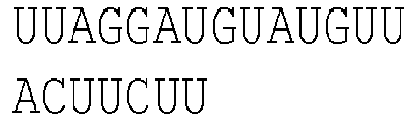
800 
1896 sense 21 
801 
1897 antis 23 
802 
1898 sense 21 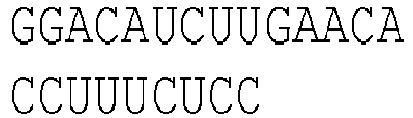
803 
1899 antis 23 
804 
1900 sense 21 
805 
1901 antis 23 
806 
1902 sense 21 
807 
1903 antis 23 
808 
1904 sense 21 
809 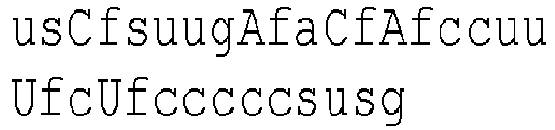
1905 antis 23 
810 
1906 sense 21 
811 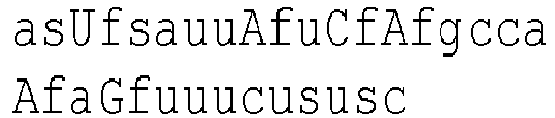
1907 antis 23 
812 
1908 sense 21 
813 
1909 antis 23 
814 
1910 sense 21 
815 
1911 antis 23 
816 
1912 sense 21 
817 
1913 antis 23 
818 
1914 sense 21 
819 
1915 antis 23 
820 
1916 sense 21 
821 
1917 antis 23 
822 
1918 sense 21 
823 
1919 antis 23 
824 
1920 sense 21 
825 
1921 antis 23 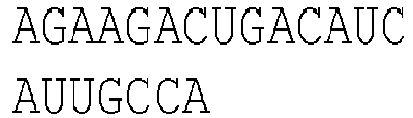
826 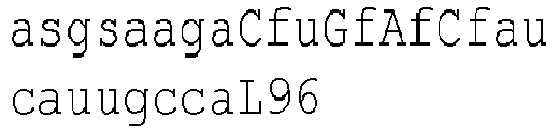
1922 sense 21 
827 
1923 antis 23 
828 
1924 sense 21 
829 
1925 antis 23 
830 
1926 sense 21 
831 
1927 antis 23 
832 
1928 sense 21 
833 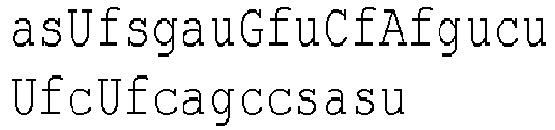
1929 antis 23 
834 
1930 sense 21 
835 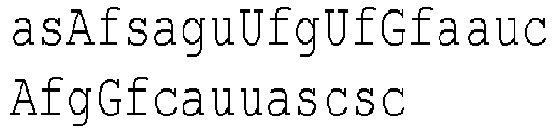
1931 antis 23 
836 
1932 sense 21 
837 
1933 antis 23 
838 
1934 sense 21 
839 
1935 antis 23 
840 
1936 sense 21 
841 
1937 antis 23 
842 
1938 sense 21 
843 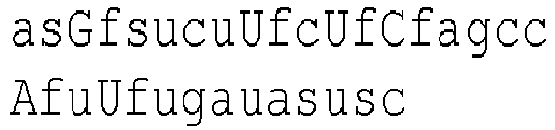
1939 antis 23 
844 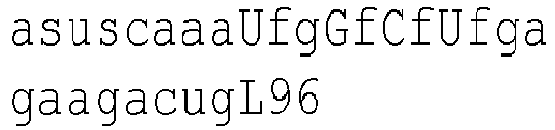
1940 sense 21 
845 
1941 antis 23 
846 
1942 sense 21 
847 
1943 antis 23 
848 
1944 sense 21 
849 
1945 antis 23 
850 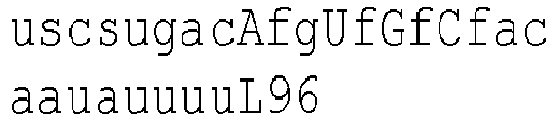
1946 sense 21 
851 
1947 antis 23 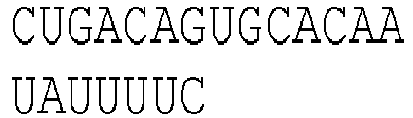
852 
1948 sense 21 
853 
1949 antis 23 
854 
1950 sense 21 
855 
1951 antis 23 
856 
1952 sense 21 
857 
1953 antis 23 
858 
1954 sense 21 
859 
1955 antis 23 
860 
1956 sense 21 
861 
1957 antis 23 
862 
1958 sense 21 
863 
1959 antis 23 
864 
1960 sense 21 
865 
1961 antis 23 
866 
1962 sense 21 
867 
1963 antis 23 
868 
1964 sense 21 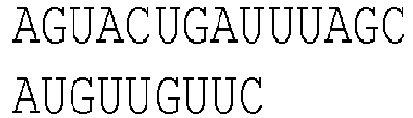
869 
1965 antis 23 
870 
1966 sense 21 
871 
1967 antis 23 
872 
1968 sense 21 
873 
1969 antis 23 
874 
1970 sense 21 
875 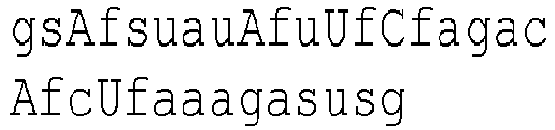
1971 antis 23 
876 
1972 sense 21 
877 
1973 antis 23 
878 
1974 sense 21 
879 
1975 antis 23 
880 
1976 sense 21 
881 
1977 antis 23 
882 
1978 sense 21 
883 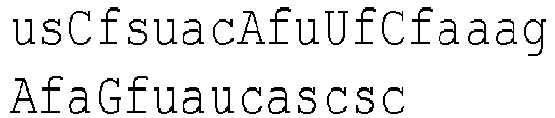
1979 antis 23 
884 
1980 sense 21 
885 
1981 antis 23 
886 
1982 sense 21 
887 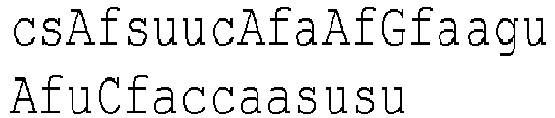
1983 antis 23 
888 
1984 sense 21 
889 
1985 antis 23 
890 
1986 sense 21 
891 
1987 antis 23 
892 
1988 sense 21 
893 
1989 antis 23 
894 
1990 sense 21 
895 
1991 antis 23 
896 
1992 sense 21 
897 
1993 antis 23 
898 
1994 sense 21 
899 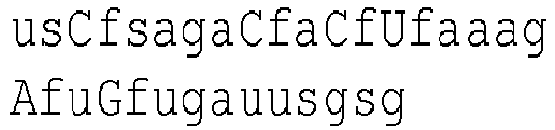
1995 antis 23 
900 
1996 sense 21 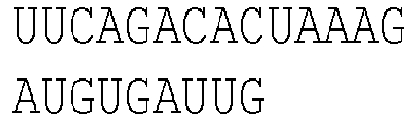
901 
1997 antis 23 
902 
1998 sense 21 
903 
1999 antis 23 
904 
2000 sense 21 
905 
2001 antis 23 
906 
2002 sense 21 
907 
2003 antis 23 
908 
2004 sense 21 
909 
2005 antis 23 
910 
2006 sense 21 
911 
2007 antis 23 
912 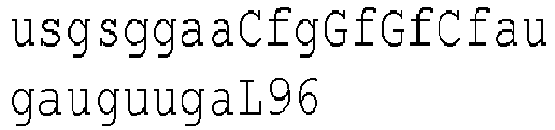
2008 sense 21 
913 
2009 antis 23 
914 
2010 sense 21 
915 
2011 antis 23 
916 
2012 sense 21 
917 
2013 antis 23 
918 
2014 sense 21 
919 
2015 antis 23 
920 
2016 sense 21 
921 
2017 antis 23 
922 
2018 sense 21 
923 
2019 antis 23 
924 
2020 sense 21 
925 
2021 antis 23 
926 
2022 sense 21 
927 
2023 antis 23 
928 
2024 sense 21 
929 
2025 antis 23 
930 
2026 sense 21 
931 
2027 antis 23 
932 
2028 sense 21 
933 
2029 antis 23 
934 
2030 sense 21 
935 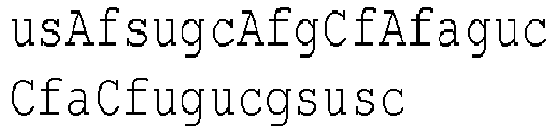
2031 antis 23 
936 
2032 sense 21 
937 
2033 antis 23 
938 
2034 sense 21 
939 
2035 antis 23 
940 
2036 sense 21 
941 
2037 antis 23 
942 
2038 sense 21 
943 
2039 antis 23 
944 
2040 sense 21 
945 
2041 antis 23 
946 
2042 sense 21 
947 
2043 antis 23 
948 
2044 sense 21 
949 
2045 antis 23 
950 
2046 sense 21 
951 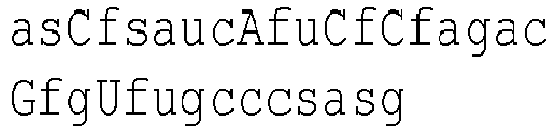
2047 antis 23 
952 
2048 sense 21 
953 
2049 antis 23 
954 
2050 sense 21 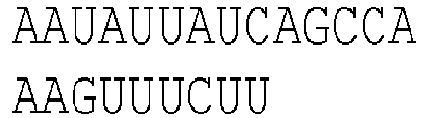
955 
2051 antis 23 
956 
2052 sense 21 
957 
2053 antis 23 
958 
2054 sense 21 
959 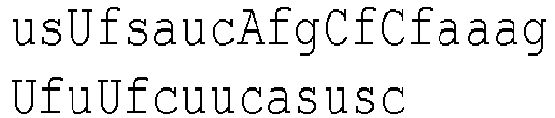
2055 antis 23 
960 
2056 sense 21 
961 
2057 antis 23 
962 
2058 sense 21 
963 
2059 antis 23 
964 
2060 sense 21 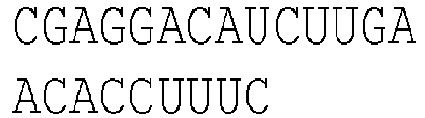
965 
2061 antis 23 
966 
2062 sense 21 
967 
2063 antis 23 
968 
2064 sense 21 
969 
2065 antis 23 
970 
2066 sense 21 
971 
2067 antis 23 
972 
2068 sense 21 
973 
2069 antis 23 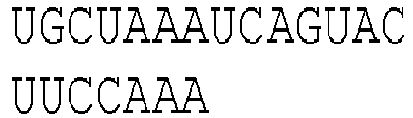
974 
2070 sense 21 
975 
2071 antis 23 
976 
2072 sense 21 
977 
2073 antis 23 
978 
2074 sense 21 
979 
2075 antis 23 
980 
2076 sense 21 
981 
2077 antis 23 
982 
2078 sense 21 
983 
2079 antis 23 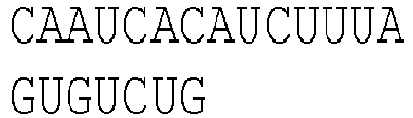
984 
2080 sense 21 
985 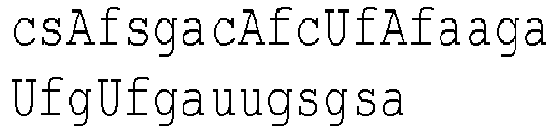
2081 antis 23 
986 
2082 sense 21 
987 
2083 antis 23 
988 
2084 sense 21 
989 
2085 antis 23 
990 
2086 sense 21 
991 
2087 antis 23 
992 
2088 sense 21 
993 
2089 antis 23 
994 
2090 sense 21 
995 
2091 antis 23 
996 
2092 sense 21 
997 
2093 antis 23 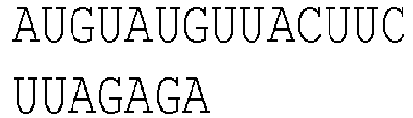
998 
2094 sense 21 
999 
2095 antis 23 
1000 
2096 sense 21 
1001 
2097 antis 23 
1002 
2098 sense 21 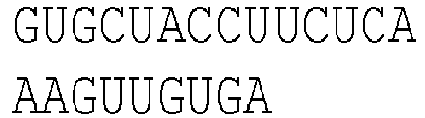
1003 
2099 antis 23 
1004 
2100 sense 21 
1005 
2101 antis 23 
1006 
2102 sense 21 
1007 
2103 antis 23 
1008 
2104 sense 21 
1009 
2105 antis 23 
1010 
2106 sense 21 
1011 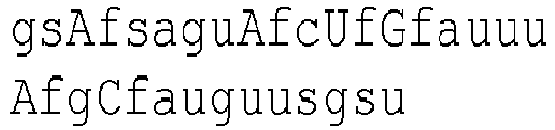
2107 antis 23 
1012 
2108 sense 21 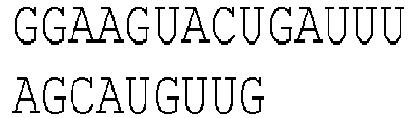
1013 
2109 antis 23 
1014 
2110 sense 21 
1015 
2111 antis 23 
1016 
2112 sense 21 
1017 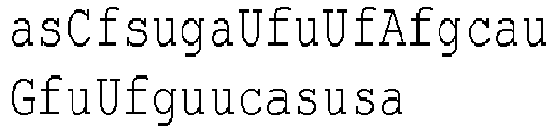
2113 antis 23 
1018 
2114 sense 21 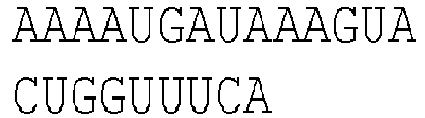
1019 
2115 antis 23 
1020 
2116 sense 21 
1021 
2117 antis 23 
1022 
2118 sense 21 
1023 
2119 antis 23 
1024 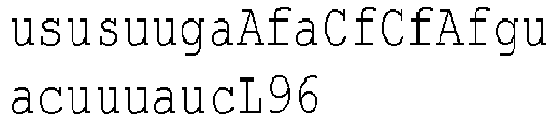
2120 sense 21 
1025 
2121 antis 23 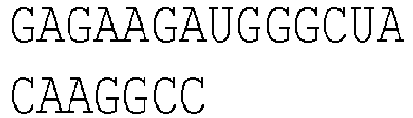
1026 
2122 sense 21 
1027 
2123 antis 23 
1028 
2124 sense 21 
1029 
2125 antis 23 
1030 
2126 sense 21 
1031 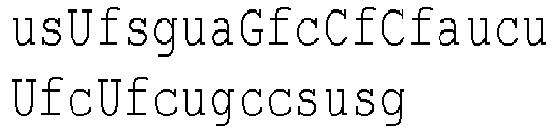
2127 antis 23 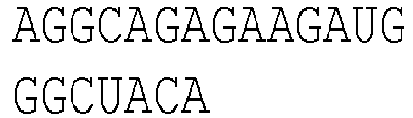
1032 
2128 sense 21 
1033 
2129 antis 23 
1034 
2130 sense 21 
1035 
2131 antis 23 
1036 
2132 sense 21 
1037 
2133 antis 23 
1038 
2134 sense 21 
1039 
2135 antis 23 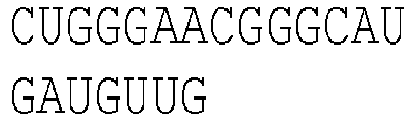
1040 
2136 sense 21 
1041 
2137 antis 23 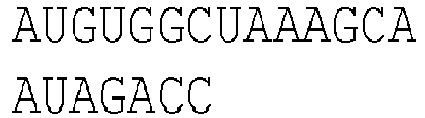
1042 
2138 sense 21 
1043 
2139 antis 23 
1044 
2140 sense 21 
1045 
2141 antis 23 
1046 
2142 sense 21 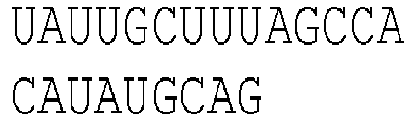
1047 
2143 antis 23 
1048 
2144 sense 21 
1049 
2145 antis 23 
1050 
2146 sense 21 
1051 
2147 antis 23 
1052 
2148 sense 21 
1053 
2149 antis 23 
1054 
2150 sense 21 
1055 
2151 antis 23 
1056 
2152 sense 21 
1057 
2153 antis 23 
1058 
2154 sense 21 
1059 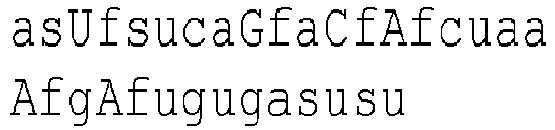
2155 antis 23 
1060 
2156 sense 21 
1061 
2157 antis 23 
1062 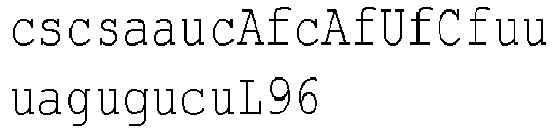
2158 sense 21 
1063 
2159 antis 23 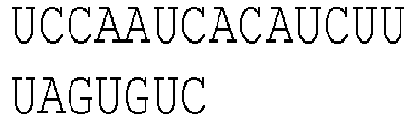
1064 
2160 sense 21 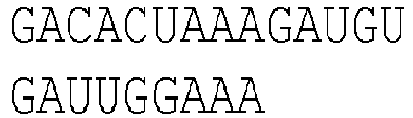
1065 
2161 antis 23 
1066 
2162 sense 21 
1067 
2163 antis 23 
1068 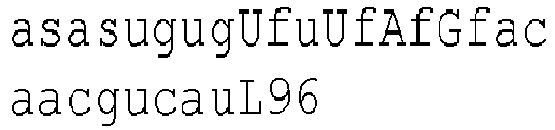
2164 sense 21 
1069 
2165 antis 23 
1070 
2166 sense 21 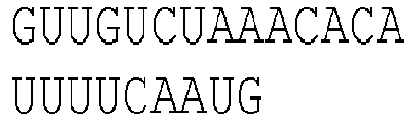
1071 
2167 antis 23 
1072 
2168 sense 21 
1073 
2169 antis 23 
1074 
2170 sense 21 
1075 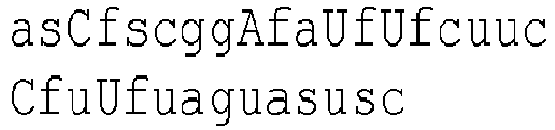
2171 antis 23 
1076 
2172 sense 21 
1077 
2173 antis 23 
1078 
2174 sense 21 
1079 
2175 antis 23 
1080 
2176 sense 21 
1081 
2177 antis 23 
1082 
2178 sense 21 
1083 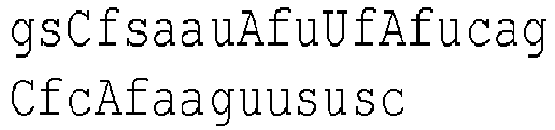
2179 antis 23 
1084 
2180 sense 21 
1085 
2181 antis 23 
1086 
2182 sense 21 
1087 
2183 antis 23 
1088 
2184 sense 21 
1089 
2185 antis 23 
1090 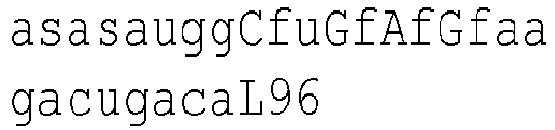
2186 sense 21 
1091 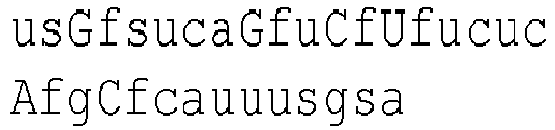
2187 antis 23 
1092 
2188 sense 21 
1093 
2189 antis 23 
1094 
2190 sense 21 
1095 
2191 antis 23 
1096 
2192 sense 21 
1097 
2193 antis 23 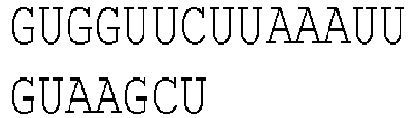
1098 
2194 sense 21 
1099 
2195 antis 23 
1100 
2196 sense 21 
1101 
2197 antis 23 
1102 
2198 sense 21 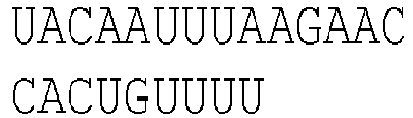
1103 
2199 antis 23 
1104 
2200 sense 21 
1105 
2201 antis 23 
1106 
2202 sense 21 
1107 
2203 antis 23 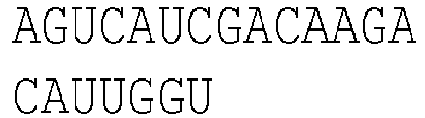
1108 
2204 sense 21 
1109 
2205 antis 23 
1110 
2206 sense 21 
1111 
2207 antis 23 
1112 
2208 sense 21 
1113 
2209 antis 23 
1114 
2210 sense 21 
1115 
2211 antis 23 
1116 
2212 sense 21 
1117 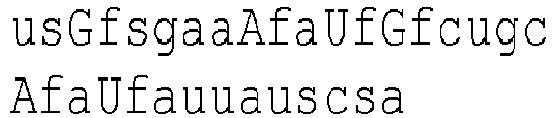
2213 antis 23 
1118 
2214 sense 21 
1119 
2215 antis 23 
1120 
2216 sense 21 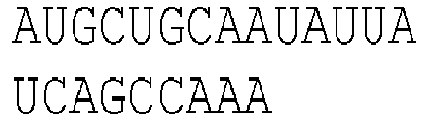
1121 
2217 antis 23 
1122 
2218 sense 21 
1123 
2219 antis 23 
1124 
2220 sense 21 
1125 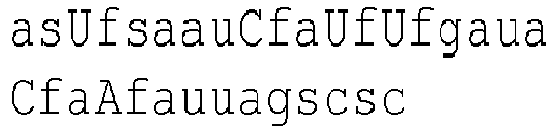
2221 antis 23 
1126 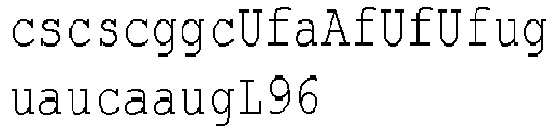
2222 sense 21 
1127 
2223 antis 23 
1128 
2224 sense 21 
1129 
2225 antis 23 
1130 
2226 sense 21 
1131 
2227 antis 23 
1132 
2228 sense 21 
1133 
2229 antis 23 
1134 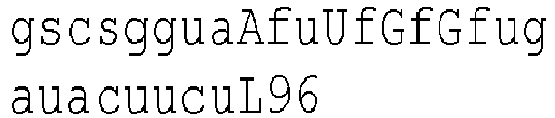
2230 sense 21 
1135 
2231 antis 23 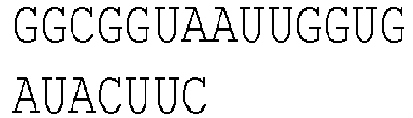
1136 
2232 sense 21 
1137 
2233 antis 23 
1138 
2234 sense 21 
1139 
2235 antis 23 
1140 
2236 sense 21 
1141 
2237 antis 23 
1142 
2238 sense 21 
1143 
2239 antis 23 
1144 
2240 sense 21 
1145 
2241 antis 23 
1146 
2242 sense 21 
1147 
2243 antis 23 
1148 
2244 sense 21 
1149 
2245 antis 23 
1150 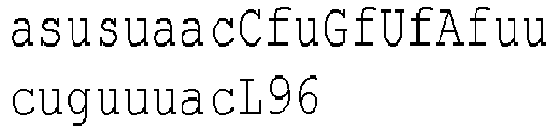
2246 sense 21 
1151 
2247 antis 23 
1152 
2248 sense 21 
1153 
2249 antis 23 
1154 
2250 sense 21 
1155 
2251 antis 23 
1156 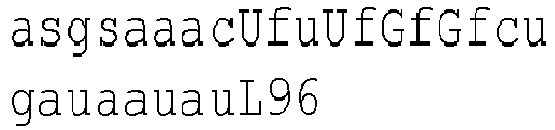
2252 sense 21 
1157 
2253 antis 23 
1158 
2254 sense 21 
1159 
2255 antis 23 
1160 
2256 sense 21 
1161 
2257 antis 23 
1162 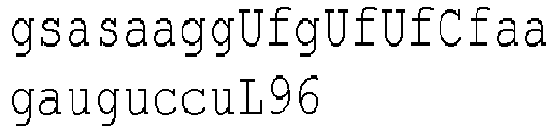
2258 sense 21 
1163 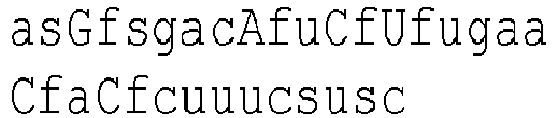
2259 antis 23 
1164 
2260 sense 21 
1165 
2261 antis 23 
1166 
2262 sense 21 
1167 
2263 antis 23 
1168 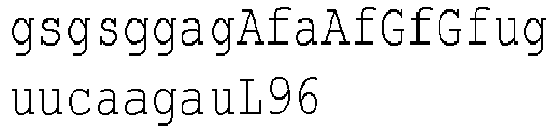
2264 sense 21 
1169 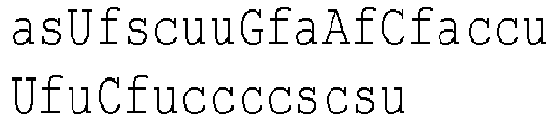
2265 antis 23 
1170 
2266 sense 21 
1171 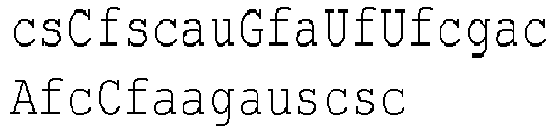
2267 antis 23 
1172 
2268 sense 21 
1173 
2269 antis 23 
1174 
2270 sense 21 
1175 
2271 antis 23 
1176 
2272 sense 21 
1177 
2273 antis 23 
1178 
2274 sense 21 
1179 
2275 antis 23 
1180 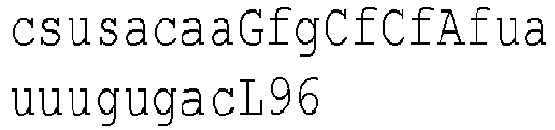
2276 sense 21 
1181 
2277 antis 23 
1182 
2278 sense 21 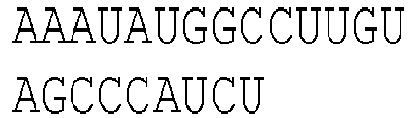
1183 
2279 antis 23 
1184 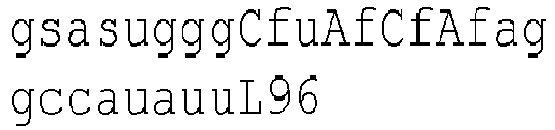
2280 sense 21 
1185 
2281 antis 23 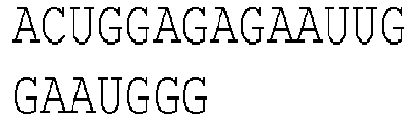
1186 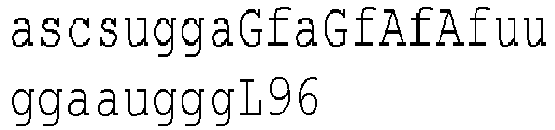
2282 sense 21 
1187 
2283 antis 23 
1188 
2284 sense 21 
1189 
2285 antis 23 
1190 
2286 sense 21 
1191 
2287 antis 23 
1192 
2288 sense 21 
1193 
2289 antis 23 
1194 
2290 sense 21 
1195 
2291 antis 23 
1196 
2292 sense 21 
1197 
2293 antis 23 
1198 
2294 sense 21 
1199 
2295 antis 23 
1200 
2296 sense 21 
1201 
2297 antis 23 
1202 
2298 sense 21 
1203 
2299 antis 23 
1204 
2300 sense 21 
1205 
2301 antis 23 
1206 
2302 sense 21 
1207 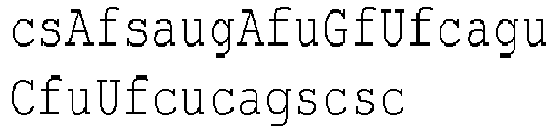
2303 antis 23 
1208 
2304 sense 21 
1209 
2305 antis 23 
1210 
2306 sense 21 
1211 
2307 antis 23 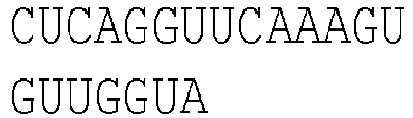
1212 
2308 sense 21 
1213 
2309 antis 23 
1214 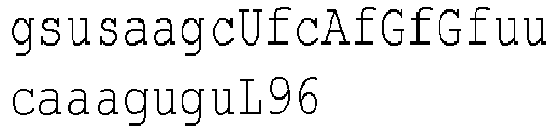
2310 sense 21 
1215 
2311 antis 23 
1216 
2312 sense 21 
1217 
2313 antis 23 
1218 
2314 sense 21 
1219 
2315 antis 23 
1220 
2316 sense 21 
1221 
2317 antis 23 
1222 
2318 sense 21 
1223 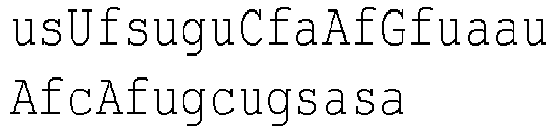
2319 antis 23 
1224 
2320 sense 21 
1225 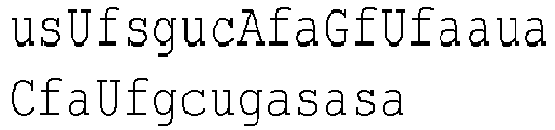
2321 antis 23 
1226 
2322 sense 21 
1227 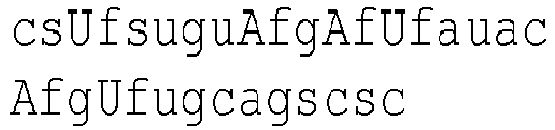
2323 antis 23 
1228 
2324 sense 21 
1229 
2325 antis 23 
1230 
2326 sense 21 
1231 
2327 antis 23 
1232 
2328 sense 21 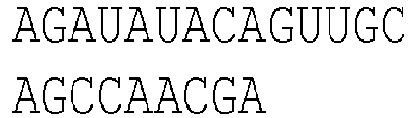
1233 
2329 antis 23 
1234 
2330 sense 21 
1235 
2331 antis 23 
1236 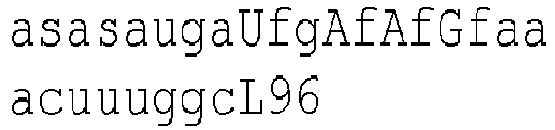
2332 sense 21 
1237 
2333 antis 23 
1238 
2334 sense 21 
1239 
2335 antis 23 
1240 
2336 sense 21 
1241 
2337 antis 23 
1242 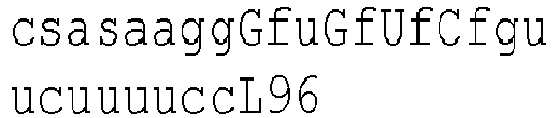
2338 sense 21 
1243 
2339 antis 23 
1244 
2340 sense 21 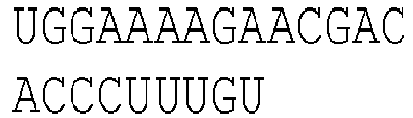
1245 
2341 antis 23 
1246 
2342 sense 21 
1247 
2343 antis 23 
1248 
2344 sense 21 
1249 
2345 antis 23 
1250 
2346 sense 21 
1251 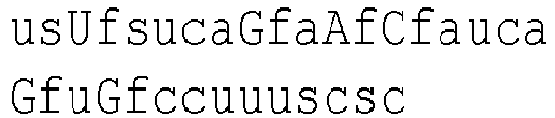
2347 antis 23 
1252 
2348 sense 21 
1253 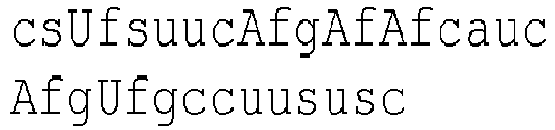
2349 antis 23 
1254 
2350 sense 21 
1255 
2351 antis 23 
1256 
2352 sense 21 
1257 
2353 antis 23 
1258 
2354 sense 21 
1259 
2355 antis 23 
1260 
2356 sense 21 
1261 
2357 antis 23 
1262 
2358 sense 21 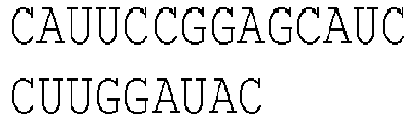
1263 
2359 antis 23 
1264 
2360 sense 21 
1265 
2361 antis 23 
1266 
2362 sense 21 
1267 
2363 antis 23 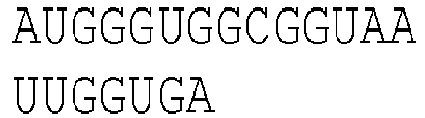
1268 
2364 sense 21 
1269 
2365 antis 23 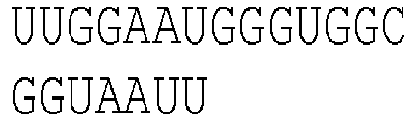
1270 
2366 sense 21 
1271 
2367 antis 23 
1272 
2368 sense 21 
1273 
2369 antis 23 
1274 
2370 sense 21 
1275 
2371 antis 23 
1276 
2372 sense 21 
1277 
2373 antis 23 
1278 
2374 sense 21 
1279 
2375 antis 23 
1280 
2376 sense 21 
1281 
2377 antis 23 
1282 
2378 sense 21 
1283 
2379 antis 23 
1284 
2380 sense 21 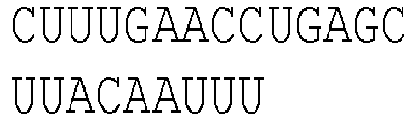
1285 
2381 antis 23 
1286 
2382 sense 21 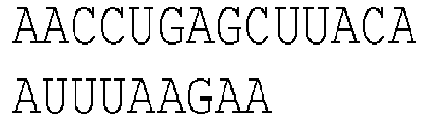
1287 
2383 antis 23 
1288 
2384 sense 21 
1289 
2385 antis 23 
1290 
2386 sense 21 
1291 
2387 antis 23 
1292 
2388 sense 21 
1293 
2389 antis 23 
1294 
2390 sense 21 
1295 
2391 antis 23 
1296 
2392 sense 21 
1297 
2393 antis 23 
1298 
2394 sense 21 
1299 
2395 antis 23 
1300 
2396 sense 21 
1301 
2397 antis 23 
1302 
2398 sense 21 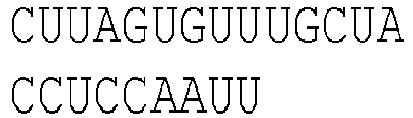
1303 
2399 antis 23 
1304 
2400 sense 21 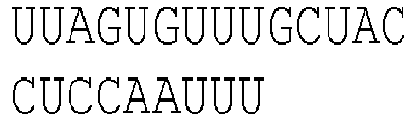
1305 
2401 antis 23 
1306 
2402 sense 21 
1307 
2403 antis 23 
1308 
2404 sense 21 
1309 
2405 antis 23 
1310 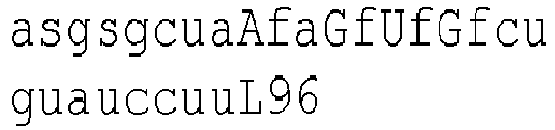
2406 sense 21 
1311 
2407 antis 23 
1312 
2408 sense 21 
1313 
2409 antis 23 
1314 
2410 sense 21 
1315 
2411 antis 23 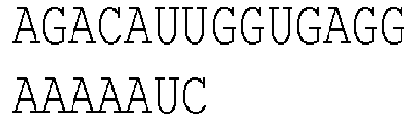
1316 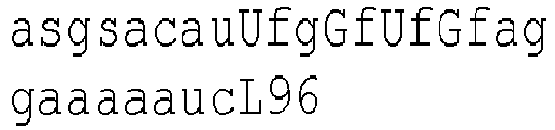
2412 sense 21 
1317 
2413 antis 23 
1318 
2414 sense 21 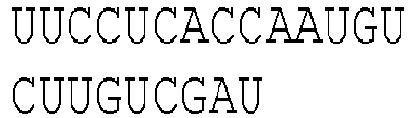
1319 
2415 antis 23 
1320 
2416 sense 21 
1321 
2417 antis 23 
1322 
2418 sense 21 
1323 
2419 antis 23 
1324 
2420 sense 21 
1325 
2421 antis 23 
1326 
2422 sense 21 
1327 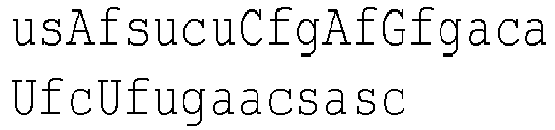
2423 antis 23 
1328 
2424 sense 21 
1329 
2425 antis 23 
1330 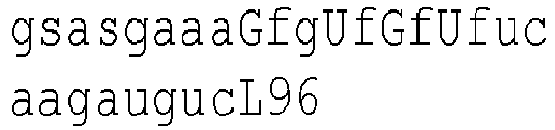
2426 sense 21 
1331 
2427 antis 23 
1332 
2428 sense 21 
1333 
2429 antis 23 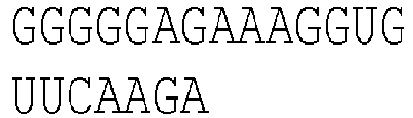
1334 
2430 sense 21 
1335 
2431 antis 23 
1336 
2432 sense 21 
1337 
2433 antis 23 
1338 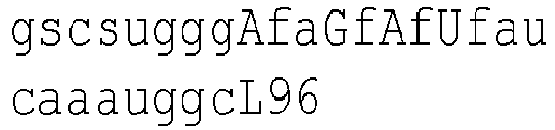
2434 sense 21 
1339 
2435 antis 23 
1340 
2436 sense 21 
1341 
2437 antis 23 
1342 
2438 sense 21 
1343 
2439 antis 23 
1344 
2440 sense 21 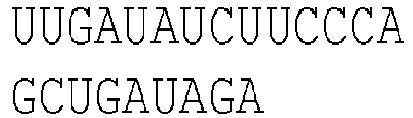
1345 
2441 antis 23 
1346 
2442 sense 21 
1347 
2443 antis 23 
1348 
2444 sense 21 
1349 
2445 antis 23 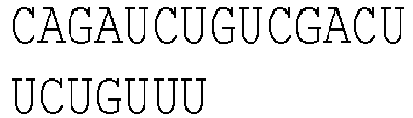
1350 
2446 sense 21 
1351 
2447 antis 23 
1352 
2448 sense 21 
1353 
2449 antis 23 
1354 
2450 sense 21 
1355 
2451 antis 23 
1356 
2452 sense 21 
1357 
2453 antis 23 
1358 
2454 sense 21 
1359 
2455 antis 23 
1360 
2456 sense 21 
1361 
2457 antis 23 
1362 
2458 sense 21 
1363 
2459 antis 23 
1364 
2460 sense 21 
1365 
2461 antis 23 
1366 
2462 sense 21 
1367 
2463 antis 23 
1368 
2464 sense 21 
1369 
2465 antis 23 
1370 
2466 sense 21 
1371 
2467 antis 23 
1372 
2468 sense 21 
1373 
2469 antis 23 
1374 
2470 sense 21 
1375 
2471 antis 23 
1376 
2472 sense 21 
1377 
2473 antis 23 
1378 
2474 sense 21 
1379 
2475 antis 23 
1380 
2476 sense 21 
1381 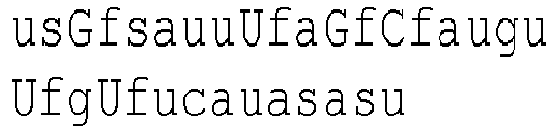
2477 antis 23 
1382 
2478 sense 21 
1383 
2479 antis 23 
1384 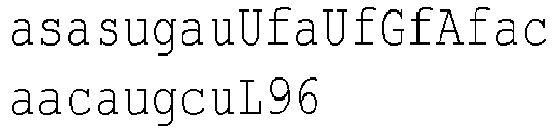
2480 sense 21 
1385 
2481 antis 23 
1386 
2482 sense 21 
1387 
2483 antis 23 
1388 
2484 sense 21 
1389 
2485 antis 23 
1390 
2486 sense 21 
1391 
2487 antis 23 
1392 
2488 sense 21 
1393 
2489 antis 23 
1394 
2490 sense 21 
1395 
2491 antis 23 
1396 
2492 sense 21 
1397 
2493 antis 23 
1398 
2494 sense 21 
1399 
2495 antis 23 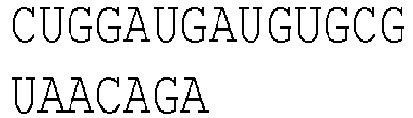
1400 
2496 sense 21 
1401 
2497 antis 23 
1402 
2498 sense 21 
1403 
2499 antis 23 
1404 
2500 sense 21 
1405 
2501 antis 23 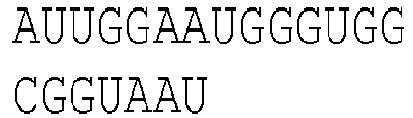
1406 
2502 sense 21 
1407 
2503 antis 23 
1408 
2504 sense 21 
1409 
2505 antis 23 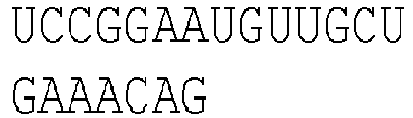
1410 
2506 sense 21 
1411 
2507 antis 23 
1412 
2508 sense 21 
1413 
2509 antis 23 
1414 
2510 sense 21 
1415 
2511 antis 23 
1416 
2512 sense 21 
1417 
2513 antis 23 
1418 
2514 sense 21 
1419 
2515 antis 23 
1420 
2516 sense 21 
1421 
2517 antis 23 
1422 
2518 sense 21 
1423 
2519 antis 23 
1424 
2520 sense 21 
1425 
2521 antis 23 
1426 
2522 sense 21 
1427 
2523 antis 23 
1428 
2524 sense 21 
1429 
2525 antis 23 
1430 
2526 sense 21 
1431 
2527 antis 23 
1432 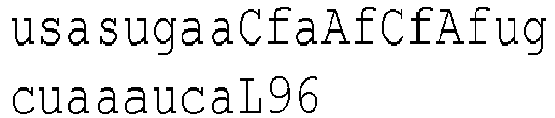
2528 sense 21 
1433 
2529 antis 23 
1434 
2530 sense 21 
1435 
2531 antis 23 
1436 
2532 sense 21 
1437 
2533 antis 23 
1438 
2534 sense 21 
1439 
2535 antis 23 
1440 
2536 sense 21 
1441 
2537 antis 23 
1442 
2538 sense 21 
1443 
2539 antis 23 
1444 
2540 sense 21 
1445 
2541 antis 23 
1446 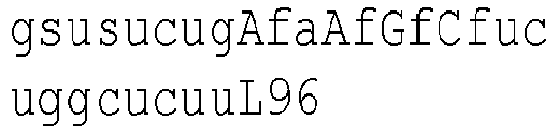
2542 sense 21 
1447 
2543 antis 23 
1448 
2544 sense 21 
1449 
2545 antis 23 
1450 
2546 sense 21 
1451 
2547 antis 23 
1452 
2548 sense 21 
1453 
2549 antis 23 
1454 
2550 sense 21 
1455 
2551 antis 23 
1456 
2552 sense 21 
1457 
2553 antis 23 
1458 
2554 sense 21 
1459 
2555 antis 23 
1460 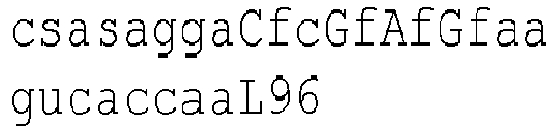
2556 sense 21 
1461 
2557 antis 23 
1462 
2558 sense 21 
1463 
2559 antis 23 
1464 
2560 sense 21 
1465 
2561 antis 23 
1466 
2562 sense 21 
1467 
2563 antis 23 
1468 
2564 sense 21 
1469 
2565 antis 23 
1470 
2566 sense 21 
1471 
2567 antis 23 
1472 
2568 sense 21 
1473 
2569 antis 23 
1474 
2570 sense 21 
1475 
2571 antis 23 
1476 
2572 sense 21 
1477 
2573 antis 23 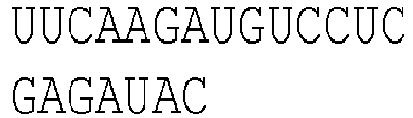
1478 
2574 sense 21 
1479 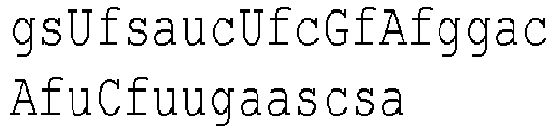
2575 antis 23 
1480 
2576 sense 21 
1481 
2577 antis 23 
1482 
2578 sense 21 
1483 
2579 antis 23 
1484 
2580 sense 21 
1485 
2581 antis 23 
1486 
2582 sense 21 
1487 
2583 antis 23 
1488 
2584 sense 21 
1489 
2585 antis 23 
1490 
2586 sense 21 
1491 
2587 antis 23 
1492 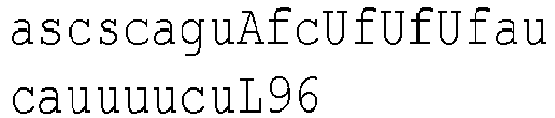
2588 sense 21 
1493 
2589 antis 23 
1494 
2590 sense 21 
1495 
2591 antis 23 
1496 
2592 sense 21 
1497 
2593 antis 23 
1498 
2594 sense 21 
1499 
2595 antis 23 
1500 
2596 sense 21 
1501 
2597 antis 23 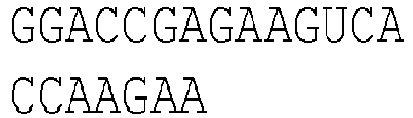
1502 
2598 sense 21 
1503 
2599 antis 23 
1504 
2600 sense 21 
1505 
2601 antis 23 
1506 
2602 sense 21 
1507 
2603 antis 23 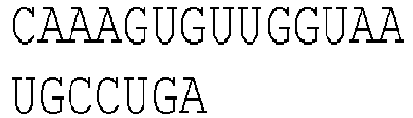
1508 
2604 sense 21 
1509 
2605 antis 23 
1510 
2606 sense 21 
1511 
2607 antis 23 
1512 
2608 sense 21 
1513 
2609 antis 23 
1514 
2610 sense 21 
1515 
2611 antis 23 
1516 
2612 sense 21 
1517 
2613 antis 23 
1518 
2614 sense 21 
1519 
2615 antis 23 
1520 
2616 sense 21 
1521 
2617 antis 23 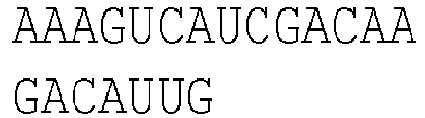
1522 
2618 sense 21 
1523 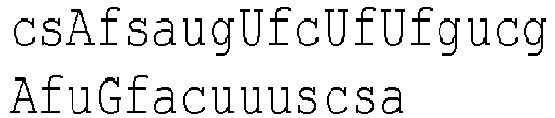
2619 antis 23 
1524 
2620 sense 21 
1525 
2621 antis 23 
1526 
2622 sense 21 
1527 
2623 antis 23 
1528 
2624 sense 21 
1529 
2625 antis 23 
1530 
2626 sense 21 
1531 
2627 antis 23 
1532 
2628 sense 21 
1533 
2629 antis 23 
1534 
2630 sense 21 
1535 
2631 antis 23 
1536 
2632 sense 21 
1537 
2633 antis 23 
1538 
2634 sense 21 
1539 
2635 antis 23 
1540 
2636 sense 21 
1541 
2637 antis 23 
1542 
2638 sense 21 
1543 
2639 antis 23 
1544 
2640 sense 21 
1545 
2641 antis 23 
1546 
2642 sense 21 
1547 
2643 antis 23 
1548 
2644 sense 21 
1549 
2645 antis 23 
1550 
2646 sense 21 
1551 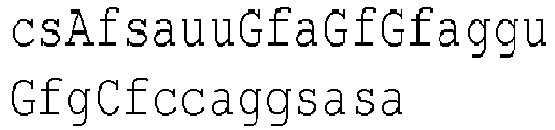
2647 antis 23 
1552 
2648 sense 21 
1553 
2649 antis 23 
1554 
2650 sense 21 
1555 
2651 antis 23 
1556 
2652 sense 21 
1557 
2653 antis 23 
1558 
2654 sense 21 
1559 
2655 antis 23 
1560 
2656 sense 21 
1561 
2657 antis 23 
1562 
2658 sense 21 
1563 
2659 antis 23 
1564 
2660 sense 21 
1565 
2661 antis 23 
1566 
2662 sense 21 
1567 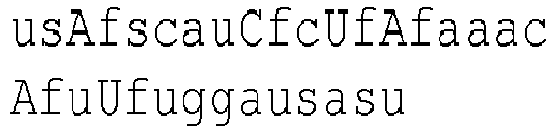
2663 antis 23 
1568 
2664 sense 21 
1569 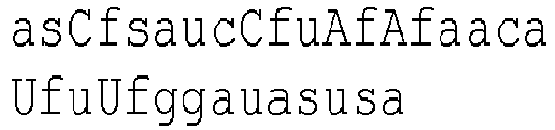
2665 antis 23 
1570 
2666 sense 21 
1571 
2667 antis 23 
1572 
2668 sense 21 
1573 
2669 antis 23 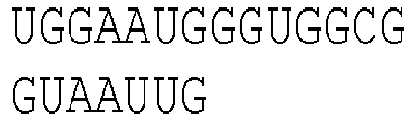
1574 
2670 sense 21 
1575 
2671 antis 23 
1576 
2672 sense 21 
1577 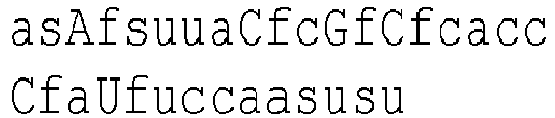
2673 antis 23 
1578 
2674 sense 21 
1579 
2675 antis 23 
1580 
2676 sense 21 
1581 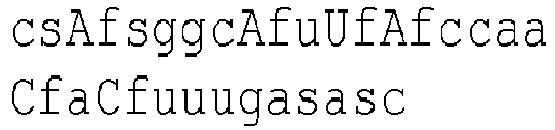
2677 antis 23 
1582 
2678 sense 21 
1583 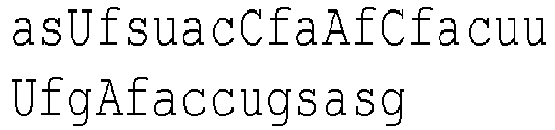
2679 antis 23 
1584 
2680 sense 21 
1585 
2681 antis 23 
1586 
2682 sense 21 
1587 
2683 antis 23 
1588 
2684 sense 21 
1589 
2685 antis 23 
1590 
2686 sense 21 
1591 
2687 antis 23 
1592 
2688 sense 21 
1593 
2689 antis 23 
1594 
2690 sense 21 
1595 
2691 antis 23 
1596 
2692 sense 21 
1597 
2693 antis 23 
1598 
2694 sense 21 
1599 
2695 antis 23 
1600 
2696 sense 21 
1601 
2697 antis 23 
1602 
2698 sense 21 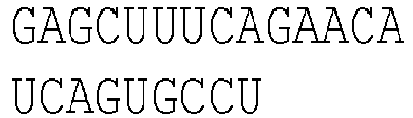
1603 
2699 antis 23 
1604 
2700 sense 21 
1605 
2701 antis 23 
1606 
2702 sense 21 
1607 
2703 antis 23 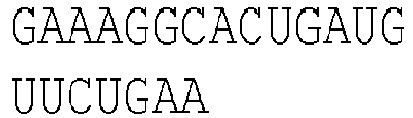
1608 
2704 sense 21 
1609 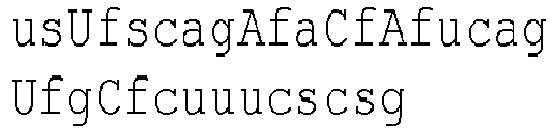
2705 antis 23 
1610 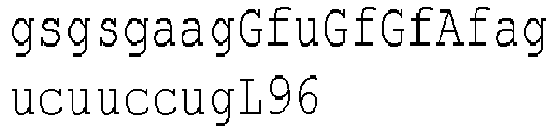
2706 sense 21 
1611 
2707 antis 23 
1612 
2708 sense 21 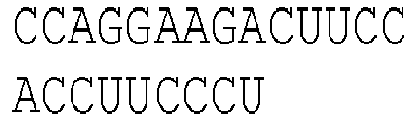
1613 
2709 antis 23 
1614 
2710 sense 21 
1615 
2711 antis 23 
1616 
2712 sense 21 
1617 
2713 antis 23 
1618 
2714 sense 21 
1619 
2715 antis 23 
1620 
2716 sense 21 
1621 
2717 antis 23 
1622 
2718 sense 21 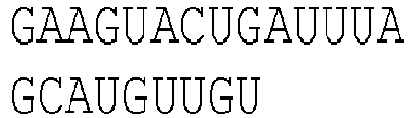
1623 
2719 antis 23 
1624 
2720 sense 21 
1625 
2721 antis 23 
1626 
2722 sense 21 
1627 
2723 antis 23 
1628 
2724 sense 21 
1629 
2725 antis 23 
1630 
2726 sense 21 
1631 
2727 antis 23 
1632 
2728 sense 21 
1633 
2729 antis 23 
1634 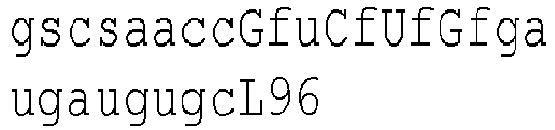
2730 sense 21 
1635 
2731 antis 23 
1636 
2732 sense 21 
1637 
2733 antis 23 
1638 
2734 sense 21 
1639 
2735 antis 23 
1640 
2736 sense 21 
1641 
2737 antis 23 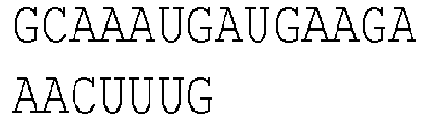
1642 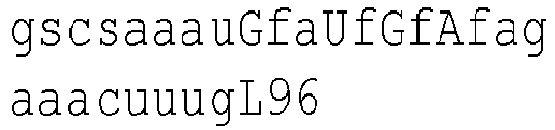
2738 sense 21 
1643 
2739 antis 23 
1644 
2740 sense 21 
1645 
2741 antis 23 
1646 
2742 sense 21 
1647 
2743 antis 23 
1648 
2744 sense 21 
1649 
2745 antis 23 
1650 
2746 sense 21 
1651 
2747 antis 23 
1652 
2748 sense 21 
1653 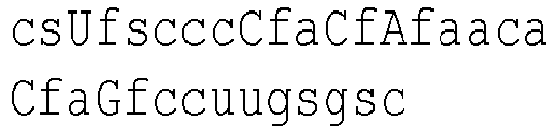
2749 antis 23 
1654 
2750 sense 21 
1655 
2751 antis 23 
1656 
2752 sense 21 
1657 
2753 antis 23 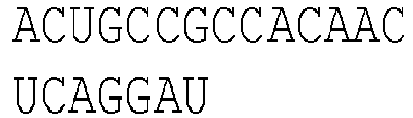
1658 
2754 sense 21 
1659 
2755 antis 23 
1660 
2756 sense 21 
1661 
2757 antis 23 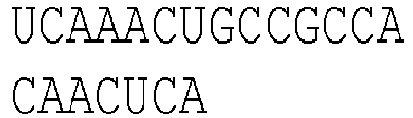
1662 
2758 sense 21 
1663 
2759 antis 23 
1664 
2760 sense 21 
1665 
2761 antis 23 
1666 
2762 sense 21 
1667 
2763 antis 23 
1668 
2764 sense 21 
1669 
2765 antis 23 
1670 
2766 sense 21 
1671 
2767 antis 23 
1672 
2768 sense 21 
1673 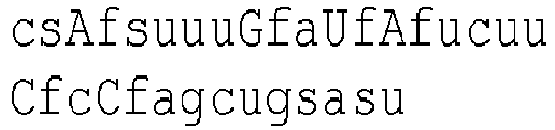
2769 antis 23 
1674 
2770 sense 21 
1675 
2771 antis 23 
1676 
2772 sense 21 
1677 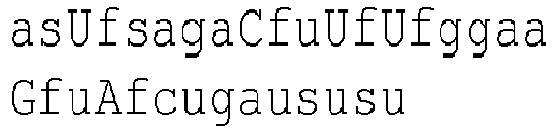
2773 antis 23 
1678 
2774 sense 21 
1679 
2775 antis 23 
1680 
2776 sense 21 
1681 
2777 antis 23 
1682 
2778 sense 21 
1683 
2779 antis 23 
1684 
2780 sense 21 
1685 
2781 antis 23 
1686 
2782 sense 21 
1687 
2783 antis 23 
1688 
2784 sense 21 
1689 
2785 antis 23 
1690 
2786 sense 21 
1691 
2787 antis 23 
1692 
2788 sense 21 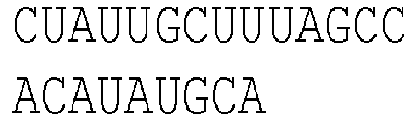
1693 
2789 antis 23 
1694 
2790 sense 21 
1695 
2791 antis 23 
1696 
2792 sense 21 
1697 
2793 antis 23 
1698 
2794 sense 21 
1699 
2795 antis 23 
1700 
2796 sense 21 
1701 
2797 antis 23 
1702 
2798 sense 21 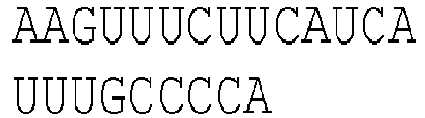
1703 
2799 antis 23 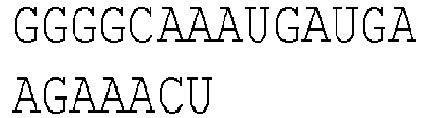
1704 
2800 sense 21 
1705 
2801 antis 23 
1706 
2802 sense 21 
1707 
2803 antis 23 
1708 
2804 sense 21 
1709 
2805 antis 23 
1710 
2806 sense 21 
1711 
2807 antis 23 
1712 
2808 sense 21 
1713 
2809 antis 23 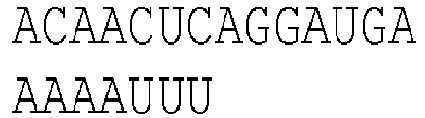
1714 
2810 sense 21 
1715 
2811 antis 23 
1716 
2812 sense 21 
1717 
2813 antis 23 
1718 
2814 sense 21 
1719 
2815 antis 23 
1720 
2816 sense 21 
1721 
2817 antis 23 
1722 
2818 sense 21 
1723 
2819 antis 23 
1724 
2820 sense 21 
1725 
2821 antis 23 
1726 
2822 sense 21 
1727 
2823 antis 23 
1728 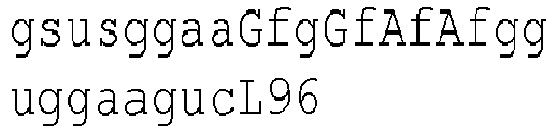
2824 sense 21 
1729 
2825 antis 23 
1730 
2826 sense 21 
1731 
2827 antis 23 
1732 
2828 sense 21 
1733 
2829 antis 23 
1734 
2830 sense 21 
1735 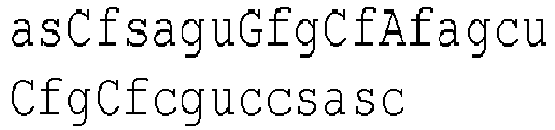
2831 antis 23 
1736 
2832 sense 21 
1737 
2833 antis 23 
1738 
2834 sense 21 
1739 
2835 antis 23 
1740 
2836 sense 21 
1741 
2837 antis 23 
1742 
2838 sense 21 
1743 
2839 antis 23 
1744 
2840 sense 21 
1745 
2841 antis 23 
1746 
2842 sense 21 
1747 
2843 antis 23 
1748 
2844 sense 21 
1749 
2845 antis 23 
1750 
2846 sense 21 
1751 
2847 antis 23 
1752 
2848 sense 21 
1753 
2849 antis 23 
1754 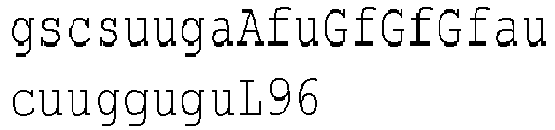
2850 sense 21 
1755 
2851 antis 23 
1756 
2852 sense 21 
1757 
2853 antis 23 
1758 
2854 sense 21 
1759 
2855 antis 23 
1760 
2856 sense 21 
1761 
2857 antis 23 
1762 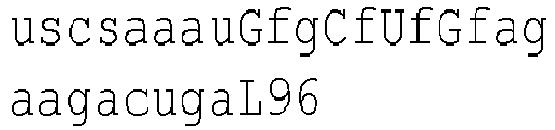
2858 sense 21 
1763 
2859 antis 23 
1764 
2860 sense 21 
1765 
2861 antis 23 
1766 
2862 sense 21 
1767 
2863 antis 23 
1768 
2864 sense 21 
1769 
2865 antis 23 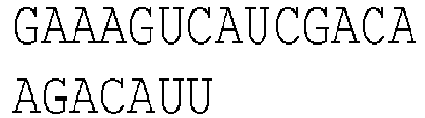
1770 
2866 sense 21 
1771 
2867 antis 23 
1772 
2868 sense 21 
1773 
2869 antis 23 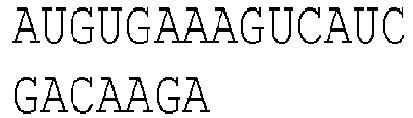
1774 
2870 sense 21 
1775 
2871 antis 23 
1776 
2872 sense 21 
1777 
2873 antis 23 
1778 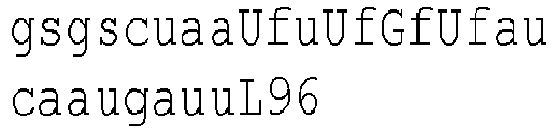
2874 sense 21 
1779 
2875 antis 23 
1780 
2876 sense 21 
1781 
2877 antis 23 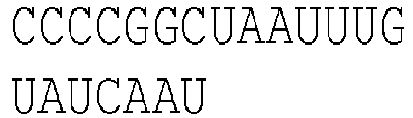
1782 
2878 sense 21 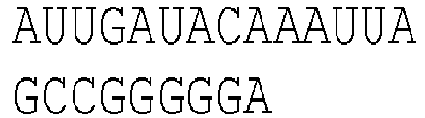
1783 
2879 antis 23 
1784 
2880 sense 21 
1785 
2881 antis 23 
1786 
2882 sense 21 
1787 
2883 antis 23 
1788 
2884 sense 21 
1789 
2885 antis 23 
1790 
2886 sense 21 
1791 
2887 antis 23 
1792 
2888 sense 21 
1793 
2889 antis 23 
1794 
2890 sense 21 
1795 
2891 antis 23 
1796 
2892 sense 21 
1797 
2893 antis 23 
1798 
2894 sense 21 
1799 
2895 antis 23 
1800 
2896 sense 21 
1801 
2897 antis 23 
1802 
2898 sense 21 
1803 
2899 antis 23 
1804 
2900 sense 21 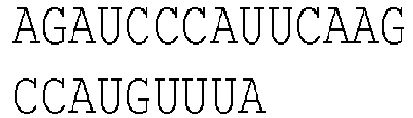
1805 
2901 antis 23 
1806 
2902 sense 21 
1807 
2903 antis 23 
1808 
2904 sense 21 
1809 
2905 antis 23 
1810 
2906 sense 21 
1811 
2907 antis 23 
1812 
2908 sense 21 
1813 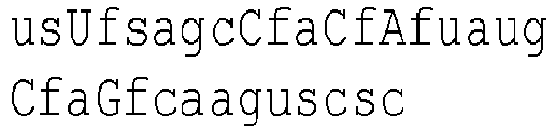
2909 antis 23 
1814 
2910 sense 21 
1815 
2911 antis 23 
1816 
2912 sense 21 
1817 
2913 antis 23 
1818 
2914 sense 21 
1819 
2915 antis 23 
1820 
2916 sense 21 
1821 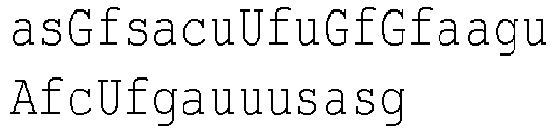
2917 antis 23 
1822 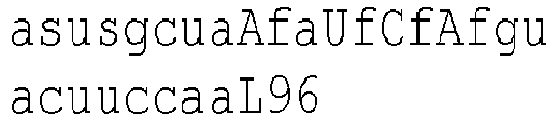
2918 sense 21 
1823 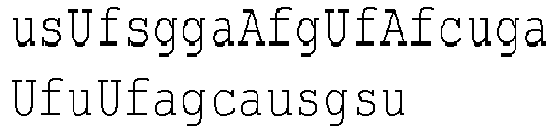
2919 antis 23 
1824 
2920 sense 21 
1825 
2921 antis 23 
1826 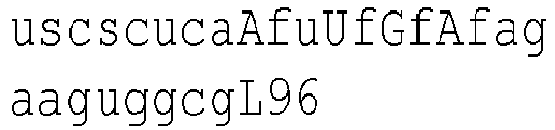
2922 sense 21 
1827 
2923 antis 23 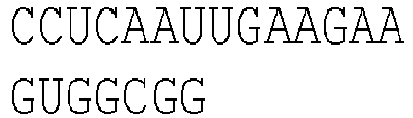
1828 
2924 sense 21 
1829 
2925 antis 23 
1830 
2926 sense 21 
1831 
2927 antis 23 
1832 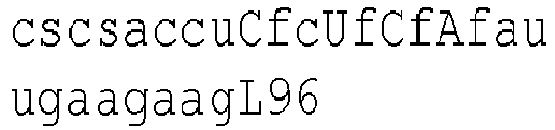
2928 sense 21 
1833 
2929 antis 23 
1834 
2930 sense 21 
1835 
2931 antis 23 
1836 
2932 sense 21 
1837 
2933 antis 23 
1838 
2934 sense 21 
1839 
2935 antis 23 
1840 
2936 sense 21 
1841 
2937 antis 23 
1842 
2938 sense 21 
1843 
2939 antis 23 
1844 
2940 sense 21 
1845 
2941 antis 23 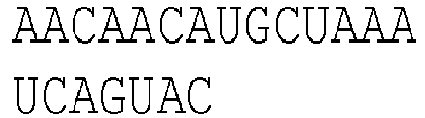
1846 
2942 sense 21 
1847 
2943 antis 23 
1848 
2944 sense 21 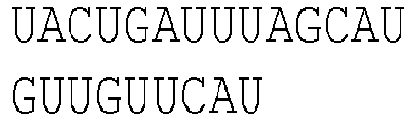
1849 
2945 antis 23 
1850 
2946 sense 21 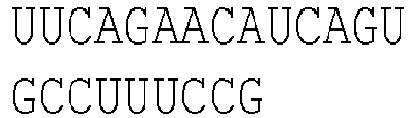
1851 
2947 antis 23 
1852 
2948 sense 21 
1853 
2949 antis 23 
1854 
2950 sense 21 
1855 
2951 antis 23 
1856 
2952 sense 21 
1857 
2953 antis 23 
1858 
2954 sense 21 
1859 
2955 antis 23 
1860 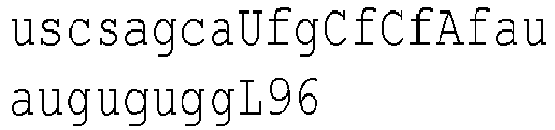
2956 sense 21 
1861 
2957 antis 23 
1862 
2958 sense 21 
1863 
2959 antis 23 
1864 
2960 sense 21 
1865 
2961 antis 23 
1866 
2962 sense 21 
1867 
2963 antis 23 
1868 
2964 sense 21 
1869 
2965 antis 23 
1870 
2966 sense 21 
1871 
2967 antis 23 
1872 
2968 sense 21 
1873 
2969 antis 23 
1874 
2970 sense 21 
1875 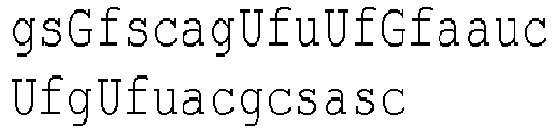
2971 antis 23 
1876 
2972 sense 21 
1877 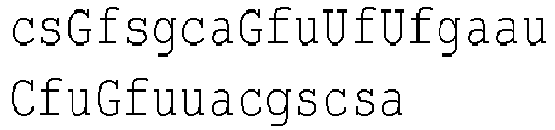
2973 antis 23 
1878 
2974 sense 21 
1879 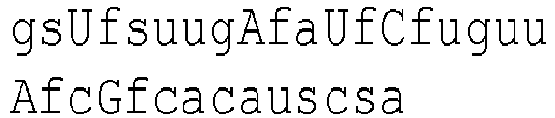
2975 antis 23 
1880 
2976 sense 21 
1881 
2977 antis 23 
1882 
2978 sense 21 
1883 
2979 antis 23 
1884 
2980 sense 21 
1885 
2981 antis 23 
1886 
2982 sense 21 
1887 
2983 antis 23 
1888 
2984 sense 21 
1889 
2985 antis 23 - The present invention furthermore comprises the following items:
1. A double stranded RNAi agent capable of inhibiting expression of HAO1 in a cell, wherein said double stranded RNAi agent comprises a sense strand and an antisense strand forming a double-stranded region, wherein said sense strand comprises at least 15 contiguous nucleotides differing by no more than 3 nucleotides from any one of the nucleotide sequences of SEQ ID NO:1 SEQ ID NO:2, SEQ ID NO:5, or SEQ ID NO:6 and said antisense strand comprises at least 15 contiguous nucleotides differing by no more than 3 nucleotides from any one of the nucleotide sequences of SEQ ID NO:3 SEQ ID NO:4, SEQ ID NO:7, or SEQ ID NO:8; - wherein substantially all of the nucleotides of said sense strand and substantially all of the nucleotides of said antisense strand are modified nucleotides, and
- wherein said sense strand is conjugated to a ligand attached at the 3'-terminus.
- sense:
5'np -Na -(X X X) i-Nb -Y Y Y -Nb -(Z Z Z)j -Na - nq 3'
- antisense:
3' np'-Na'-(X'XX')k-Nb'-Y'Y'Y'-Nb'-(Z'Z'Z')1-Na'-nq' 5' (III)
- i, j, k, and 1 are each independently 0 or 1;
- p, p', q, and q' are each independently 0-6;
- each Na and Na' independently represents an oligonucleotide sequence comprising 0-25 nucleotides which are either modified or unmodified or combinations thereof, each sequence comprising at least two differently modified nucleotides;
- each Nb and Nb' independently represents an oligonucleotide sequence comprising 0-10 nucleotides which are either modified or unmodified or combinations thereof;
- each np, np', nq, and nq', each of which may or may not be present, independently represents an overhang nucleotide;
- XXX, YYY, ZZZ, X'X'X', Y'Y'Y', and Z'Z'Z' each independently represent one motif of three identical modifications on three consecutive nucleotides;
- modifications on Nb differ from the modification on Y and modifications on Nb' differ from the modification on Y'; and
- wherein the sense strand is conjugated to at least one ligand.
- sense:
5'np -Na -Y Y Y -Na - nq 3'
- antisense:
3' np'-Na'- Y'Y'Y'- Na'- nq' 5' (IIIa),
- sense:
5'np -Na -Y Y Y -Nb -Z Z Z -Na - nq 3'
- antisense:
3' np'-Na'- Y'Y'Y'-Nb'-Z'Z'Z'- Na'- nq' 5' (IIIb)
- sense:
5'np -Na -XXX -Nb -YYY -Na - nq 3'
- antisense:
3' np'-Na'- X'X'X'-Nb'- Y'Y'Y'- Na'- nq' 5' (IIIc)
- sense:
5' np -Na -X X X- Nb -Y Y Y -Nb -Z Z Z -Na - nq 3'
- antisense:
3' np'-Na'- X'X'X'- Nb'-Y'Y'Y'-Nb'-Z'Z'Z'- Na'- nq' 5' (IIId)
- wherein said double stranded RNAi agent comprises a sense strand and an antisense strand forming a double stranded region,
- wherein said sense strand comprises at least 15 contiguous nucleotides differing by no more than 3 nucleotides from any one of the nucleotide sequences of from any one of the nucleotide sequences of SEQ ID NO:1 SEQ ID NO:2, SEQ ID NO:5, or SEQ ID NO:6 and said antisense strand comprises at least 15 contiguous nucleotides differing by no more than 3 nucleotides from any one of the nucleotide sequences of SEQ ID NO:3 SEQ ID NO:4, SEQ ID NO:7, or SEQ ID NO:8,
- wherein substantially all of the nucleotides of said sense strand comprise a modification selected from the group consisting of a 2'-O-methyl modification and a 2'-fluoro modification,
- wherein said sense strand comprises two phosphorothioate internucleotide linkages at the 5'-terminus,
- wherein substantially all of the nucleotides of said antisense strand comprise a modification selected from the group consisting of a 2'-O-methyl modification and a 2'-fluoro modification,
- wherein said antisense strand comprises two phosphorothioate internucleotide linkages at the 5'-terminus and two phosphorothioate intemucleotide linkages at the 3'-terminus, and
- wherein said sense strand is conjugated to one or more GalNAc derivatives attached through a branched bivalent or trivalent linker at the 3'-terminus.
- i, j, k, and 1 are each independently 0 or 1;
- p, p', q, and q' are each independently 0-6;
- each Na and Na' independently represents an oligonucleotide sequence comprising 0-25 nucleotides which are either modified or unmodified or combinations thereof, each sequence comprising at least two differently modified nucleotides;
- each Nb and Nb' independently represents an oligonucleotide sequence comprising 0-10 nucleotides which are either modified or unmodified or combinations thereof;
- each np, np', nq, and nq', each of which may or may not be present independently represents an overhang nucleotide;
- XXX, YYY, ZZZ, X'X'X', Y'Y'Y', and Z'Z'Z' each independently represent one motif of three identical modifications on three consecutive nucleotides, and wherein the modifications are 2'-O-methyl or 2'-fluoro modifications;
- modifications on Nb differ from the modification on Y and modifications on Nb' differ from the modification on Y'; and
- wherein the sense strand is conjugated to at least one ligand.
- i, j, k, and l are each independently 0 or 1;
- each np, nq, and nq', each of which may or may not be present, independently represents an overhang nucleotide;
- p, q, and q' are each independently 0-6;
- np' >0 and at least one np' is linked to a neighboring nucleotide via a phosphorothioate linkage;
- each Na and Na' independently represents an oligonucleotide sequence comprising 0-25 nucleotides which are either modified or unmodified or combinations thereof, each sequence comprising at least two differently modified nucleotides;
- each Nb and Nb' independently represents an oligonucleotide sequence comprising 0-10 nucleotides which are either modified or unmodified or combinations thereof;
XXX, YYY, ZZZ, X'X'X', Y'Y'Y', and Z'Z'Z' each independently represent one motif of three identical modifications on three consecutive nucleotides, and wherein the modifications are 2'-O-methyl or 2'-fluoro modifications; - modifications on Nb differ from the modification on Y and modifications on Nb' differ from the modification on Y'; and
- wherein the sense strand is conjugated to at least one ligand.
- i, j, k, and 1 are each independently 0 or 1;
- each np, nq, and nq', each of which may or may not be present, independently represents an overhang nucleotide;
- p, q, and q' are each independently 0-6;
- np' >0 and at least one np' is linked to a neighboring nucleotide via a phosphorothioate linkage;
- each Na and Na' independently represents an oligonucleotide sequence comprising 0-25 nucleotides which are either modified or unmodified or combinations thereof, each sequence comprising at least two differently modified nucleotides;
- each Nb and Nb' independently represents an oligonucleotide sequence comprising 0-10 nucleotides which are either modified or unmodified or combinations thereof;
- XXX, YYY, ZZZ, X'X'X', Y'Y'Y', and Z'Z'Z' each independently represent one motif of three identical modifications on three consecutive nucleotides, and wherein the modifications are 2'-O-methyl or 2'-fluoro modifications;
- modifications on Nb differ from the modification on Y and modifications on Nb' differ from the modification on Y'; and
- wherein the sense strand is conjugated to at least one ligand, wherein the ligand is one or more GalNAc derivatives attached through a bivalent or trivalent branched linker.
- i, j, k, and 1 are each independently 0 or 1;
- each np, nq, and nq', each of which may or may not be present, independently represents an overhang nucleotide;
- p, q, and q' are each independently 0-6;
- np' >0 and at least one np' is linked to a neighboring nucleotide via a phosphorothioate linkage;
- each Na and Na' independently represents an oligonucleotide sequence comprising 0-25 nucleotides which are either modified or unmodified or combinations thereof, each sequence comprising at least two differently modified nucleotides;
- each Nb and Nb' independently represents an oligonucleotide sequence comprising 0-10 nucleotides which are either modified or unmodified or combinations thereof;
- XXX, YYY, ZZZ, X'X'X', Y'Y'Y', and Z'Z'Z' each independently represent one motif of three identical modifications on three consecutive nucleotides, and wherein the modifications are 2'-O-methyl or 2'-fluoro modifications;
- modifications on Nb differ from the modification on Y and modifications on Nb' differ from the modification on Y';
- wherein the sense strand comprises at least one phosphorothioate linkage; and
- wherein the sense strand is conjugated to at least one ligand, wherein the ligand is one or more GalNAc derivatives attached through a bivalent or trivalent branched linker.
- each np, nq, and nq', each of which may or may not be present, independently represents an overhang nucleotide;
- p, q, and q' are each independently 0-6;
- np' >0 and at least one np' is linked to a neighboring nucleotide via a phosphorothioate linkage;
- each Na and Na' independently represents an oligonucleotide sequence comprising 0-25 nucleotides which are either modified or unmodified or combinations thereof, each sequence comprising at least two differently modified nucleotides;
- YYY and Y'Y'Y' each independently represent one motif of three identical modifications on three consecutive nucleotides, and wherein the modifications are 2'-0-methyl or 2'-fluoro modifications;
- wherein the sense strand comprises at least one phosphorothioate linkage; and
- wherein the sense strand is conjugated to at least one ligand, wherein the ligand is one or more GalNAc derivatives attached through a bivalent or trivalent branched linker.
- (a) contacting the cell with the double stranded RNAi agent of any one of
items - (b) maintaining the cell produced in step (a) for a time sufficient to obtain degradation of the mRNA transcript of a HAO1 gene, thereby inhibiting expression of the HAO1 gene in the cell.
- wherein said double stranded RNAi agent comprises a sense strand and an antisense strand forming a double stranded region,
- wherein said sense strand comprises at least 15 contiguous nucleotides differing by no more than 3 nucleotides from any one of the nucleotide sequences of from any one of the nucleotide sequences of SEQ ID NO:1 SEQ ID NO:2, SEQ ID NO:5, or SEQ ID NO:6 and said antisense strand comprises at least 15 contiguous nucleotides differing by no more than 3 nucleotides from any one of the nucleotide sequences of SEQ ID NO:3 SEQ ID NO:4, SEQ ID NO:7, or SEQ ID NO:8,
- wherein substantially all of the nucleotides of said antisense strand comprise a modification selected from the group consisting of a 2'-O-methyl modification and a 2'-fluoromodification,
- wherein said antisense strand comprises two phosphorothioate internucleotide linkages at the 5'-terminus and two phosphorothioate internucleotide linkages at the 3'-terminus,
- wherein substantially all of the nucleotides of said sense strand comprise a modification selected from the group consisting of a 2'-O-methyl modification and a 2'-fluoromodification,
- wherein said sense strand comprises two phosphorothioate internucleotide linkages at the 5'-terminus and,
- wherein said sense strand is conjugated to one or more GalNAc derivatives attached through a branched bivalent or trivalent linker at the 3'-terminus, thereby treating the subject.
3. The double stranded RNAi agent of
4. The double stranded RNAi agent of any one of items 1-3, wherein at least one of said modified nucleotides is selected from the group consisting of a 3'-terminal deoxy-thymine (dT) nucleotide, a 2'-O-methyl modified nucleotide, a 2'-fluoro modified nucleotide, a 2'-deoxy-modified nucleotide, a locked nucleotide, an abasic nucleotide, a 2'-amino-modified nucleotide, a 2'-alkyl-modified nucleotide, a morpholino nucleotide, a phosphoramidate, a non-natural base comprising nucleotide, a nucleotide comprising a 5'-phosphorothioate group, a nucleotide comprising a 5' phosphate or 5' phosphate mimic, and a terminal nucleotide linked to a cholesteryl derivative or a dodecanoic acid bisdecylamide group.
5. The double stranded RNAi agent of any
6. The double stranded RNAi agent of
7. A double stranded RNAi agent capable of inhibiting expression of HAO1 (hydroxyacid oxidase 1) in a cell, wherein said double stranded RNAi agent comprises a sense strand complementary to an antisense strand, wherein said antisense strand comprises a region complementary to part of an mRNA encoding HAO1, wherein each strand is about 14 to about 30 nucleotides in length, wherein said double stranded RNAi agent is represented by formula (III):
9. The double stranded RNAi agent of
10. The double stranded RNAi agent of
11. The double stranded RNAi agent of
12. The double stranded RNAi agent of
13. The double stranded RNAi agent of
14. The double stranded RNAi agent of
16. The double stranded RNAi agent of
17. The double stranded RNAi agent of
18. The double stranded RNAi agent of
19. The double stranded RNAi agent of item 18, wherein the double-stranded region is 17-23 nucleotide pairs in length.
20. The double stranded RNAi agent of item 18. wherein the double-stranded region is 17-25 nucleotide pairs in length.
21. The double stranded RNAi agent of item 18, wherein the double-stranded region is 23-27 nucleotide pairs in length.
22. The double stranded RNAi agent of item 18, wherein the double-stranded region is 19-21 nucleotide pairs in length.
23. The double stranded RNAi agent of item 18, wherein the double-stranded region is 21-23 nucleotide pairs in length.
24. The double stranded RNAi agent of
25. The double stranded RNAi agent of
26. The double stranded RNAi agent of
27. The double stranded RNAi agent of item 26, wherein the modifications on the nucleotides are 2'-O-methyl or 2'-fluoro modifications.
28. The double stranded RNAi agent of
29. The double stranded RNAi agent of

31. The double stranded RNAi agent of

32. The double stranded RNAi agent of
33. The double stranded RNAi agent of item 32, wherein the phosphorothioate or methylphosphonate intemucleotide linkage is at the 3'-terminus of one strand.
34. The double stranded RNAi agent of
35. The double stranded RNAi agent of
36. The double stranded RNAi agent of item 32, wherein the phosphorothioate or methylphosphonate internucleotide linkage is at the 5'-terminus of one strand.
37. The double stranded RNAi agent of
38. The double stranded RNAi agent of
39. The double stranded RNAi agent of item 32, wherein the phosphorothioate or methylphosphonate internucleotide linkage is at the both the 5'- and 3'-terminus of one strand.
40. The double stranded RNAi agent of
41. The double stranded RNAi agent of item 32, wherein said RNAi agent comprises 6-8 phosphorothioate internucleotide linkages.
42. The double stranded RNAi of
43. The double stranded RNAi agent of
44. The double stranded RNAi agent of
45. The double stranded RNAi agent of
46. The double stranded RNAi agent of
47. The double stranded RNAi agent of
48. The double stranded RNAi agent of item 47, wherein q'=0, p=0, q=0, and p' overhang nucleotides are complementary to the target mRNA.
49. The double stranded RNAi agent of item 47, wherein q'=0, p=0, q=0, and p' overhang nucleotides are non-complementary to the target mRNA.
50. The double stranded RNAi agent of
51. The double stranded RNAi agent of any one of items 46-50, wherein at least one np' is linked to a neighboring nucleotide via a phosphorothioate linkage.
52. The double stranded RNAi agent of item 51, wherein all np' are linked to neighboring nucleotides via phosphorothioate linkages.
53. The double stranded RNAi agent of
54. The double stranded RNAi agent of
55. The double stranded RNAi agent of
56. A double stranded RNAi agent capable of inhibiting expression of HAO1 in a cell,
58. A double stranded RNAi agent capable of inhibiting expression of HAO1(hydroxyacid oxidase 1) in a cell, wherein said double stranded RNAi agent comprises a sense strand complementary to an antisense strand, wherein said antisense strand comprises a region complementary to part of an mRNA encoding HAO1, wherein each strand is about 14 to about 30 nucleotides in length, wherein said double stranded RNAi agent is represented by formula (III):
| sense: | 5' np -Na -(X X X) i-Nb -Y Y Y -Nb -(Z Z Z)j -Na - nq 3' |
| antisense: | 3' np'-Na'-(X'X'X')k-Nb'-Y'Y'Y'-Nb'-(Z'Z'Z')l-Na'- nq' 5' |
| sense: | 5'np -Na -(X X X) i-Nb -Y Y Y -Nb -(Z Z Z)j -Na - nq 3' |
| antisense: | 3' np'-Na'-(X'X'X')k-Nb'-YY'Y'-Nb'-(Z'Z'Z')1-Na'- nq' 5' |
| sense: | 5' np -Na -(X X X) i-Nb -Y Y Y -Nb -(Z Z Z)j -Na - nq 3' |
| antisense: | 3' np'-Na'-(X'X'X')k-Nb'-Y'Y'Y'-Nb'-(Z'Z'Z')l-Na'- nq' 5' |
| sense: | 5'np -Na -(X X X) i-Nb -Y Y Y -Nb -(Z Z Z)j -Na - nq 3' |
| antisense: | 3' np'-Na'-(X'X'X')k-Nb'-Y'Y'Y'-Nb'-(Z'Z'Z')1-Na'- nq' 5' |
| sense: | 5' np -Na -Y Y Y - Na - nq 3' | |
| antisense: | 3' np'-Na'- Y'Y'Y'- Na'- nq' 5' | (IIIa) |
64. The RNAi agent of
65. A composition comprising a modified antisense polynucleotide agent capable of inhibiting expression of HAO1in a cell, wherein said agent comprises a sequence complementary to a sense sequence selected from the group of the sequences listed in any one of Tables 1 or 2, wherein the polynucleotide is about 14 to about 30 nucleotides in length.
66. A vector containing the double stranded RNAi agent of any one of
67. A cell containing the double stranded RNAi agent of any one of
68. A pharmaceutical composition comprising the double stranded RNAi agent of any one of
69. The pharmaceutical composition of
70. The pharmaceutical composition of item 69, wherein said unbuffered solution is saline or water.
71. The pharmaceutical composition of
72. The pharmaceutical composition of item 71, wherein said buffer solution comprises acetate, citrate, prolamine, carbonate, or phosphate or any combination thereof.
73. The pharmaceutical composition of
74. A method of inhibiting HAO1 expression in a cell, the method comprising:
76. The method of item 75, wherein the subject is a human.
77. The method of any one of items 74-76, wherein the HAO1 expression is inhibited by at least about 30%, about 40%, about 50%, about 60%, about 70%, about 80%, about 90%, about 95%, about 98% or about 100%.
78. A method of treating a subject having a HAO1 associated disorder, comprising administering to the subject a therapeutically effective amount of the double stranded RNAi agent of any one of
79. A method of treating a subject having a HAO1-associated disorder, comprising subcutaneously administering to the subject a therapeutically effective amount of a double stranded RNAi agent,
81. The method of
82. The method of item 81, wherein the human has PH1.
83. The method of
84. The method of item 83, wherein the double stranded RNAi agent is administered at a dose of about 0.1 mg/kg, about 1.0 mg/kg, or about 3.0 mg/kg.
85. The method of item 83, wherein the double stranded RNAi agent is administered at a dose of about 1 mg/kg to about 10 mg/kg.
86. The method of item 83, wherein the double stranded RNAi agent is administered subcutaneously.
87. The method of item 83, wherein the double stranded RNAi agent is administered intravenously.
88. The method of item 83, wherein said RNAi agent is administered in two or more doses.
89. The method of item 88, wherein said RNAi agent is administered at intervals selected from the group consisting of once every about 12 hours, once every about 24 hours, once every about 48 hours, once every about 72 hours, and once every about 96 hours.
90. The method of item 88, wherein said RNAi agent is administered once a week for up to 2 weeks, up to 3 weeks, up to 4 weeks, up to 5 weeks, or longer.
Claims (18)
- A double stranded RNAi agent capable of inhibiting expression of HAO1 in a cell,wherein said double stranded RNAi agent comprises a sense strand and an antisense strand forming a double-stranded region, wherein said sense strand comprises nucleotides differing by no more than 3 nucleotides from any one of the nucleotide sequences of GAAUGUGAAAGUCAUCGACAA (SEQ ID NO:394), GAAAGUCAUCGACAAGACAUU (SEQ ID NO:396), or GACUUUCAUCCUGGAAAUAUA (SEQ ID NO:589), and said antisense strand comprises nucleotides differing by no more than 3 nucleotides from any one of the nucleotide sequences of UUGUCGAUGACUUUCACAUUCUG (SEQ ID NO:443), AAUGUCUUGUCGAUGACUUUCAC (SEQ ID NO:445)or UAUAUUUCCAGGAUGAAAGUCCA (SEQ ID NO:706); andwherein substantially all of the nucleotides of said sense strand and substantially all of the nucleotides of said antisense strand are modified nucleotides, andwherein said sense strand is conjugated to a ligand attached at the 3'-terminus.
- The double stranded RNAi agent of claim 1, wherein at least one of said modified nucleotides is selected from the group consisting of a 3'-terminal deoxy-thymine (dT) nucleotide, a 2'-O-methyl modified nucleotide, a 2'-fluoro modified nucleotide, a 2'-deoxy-modified nucleotide, a locked nucleotide, an abasic nucleotide, a 2'-amino-modified nucleotide, a 2'-alkyl-modified nucleotide, a morpholino nucleotide, a phosphoramidate, a non-natural base comprising nucleotide, a nucleotide comprising a 5'-phosphorothioate group, a nucleotide comprising a 5' phosphate or 5' phosphate mimic, and a terminal nucleotide linked to a cholesteryl derivative or a dodecanoic acid bisdecylamide group.
- The double stranded RNAi agent of claim 1, wherein each modified nucleotide is a 2'-O-methyl modified nucleotide or a 2'-fluoro modified nucleotide.
- The double stranded RNAi agent of claim 1, wherein at least one of said modified nucleotides is a nucleotide comprising a 5'-phosphorothioate group.
- The double stranded RNAi agent of claim 1, wherein at least one strand comprises a 3' overhang of at least 1 nucleotide or at least 2 nucleotides.
- The double stranded RNAi agent of claim 1, wherein the ligand is

- The double stranded RNAi agent of claim 1, wherein the ligand is attached to the 3' end of the sense strand.
- The double stranded RNAi agent of claim 7, wherein the RNAi agent is conjugated to the ligand as shown in the following schematic

- The double stranded RNAi agent of claim 1, wherein said agent further comprises at least one phosphorothioate or methylphosphonate internucleotide linkage.
- The double stranded RNAi agent of claim 10, wherein the phosphorothioate or methylphosphonate internucleotide linkage is at the 3'-terminus of one strand.
- The double stranded RNAi agent of claim 10, wherein said RNAi agent comprises 6-8 phosphorothioate internucleotide linkages.
- The double stranded RNAi of claim 12, wherein the antisense strand comprises two phosphorothioate internucleotide linkages at the 5'-terminus and two phosphorothioate internucleotide linkages at the 3'-terminus, and the sense strand comprises at least two phosphorothioate internucleotide linkages at either the 5'-terminus or the 3'-terminus.
- The double stranded RNAi agent of claim 1, wherein the base pair at the 1 position of the 5'-end of the antisense strand of the duplex is an AU base pair.
- The double stranded RNAi agent of claim 1, wherein the RNAi agent is selected from the group consisting of AD-62994, AD-62933, AD-65585, and AD-62944.
- The double stranded RNAi agent of claim 1,wherein substantially all of the nucleotides of said sense strand comprise a modification selected from the group consisting of a 2'-O-methyl modification and a 2'-fluoro modification,wherein said sense strand comprises two phosphorothioate internucleotide linkages at the 5'-terminus,wherein substantially all of the nucleotides of said antisense strand comprise a modification selected from the group consisting of a 2'-O-methyl modification and a 2'-fluoro modification,wherein said antisense strand comprises two phosphorothioate internucleotide linkages at the 5'-terminus and two phosphorothioate internucleotide linkages at the 3'-terminus, andwherein said sense strand is conjugated to one or more GalNAc derivatives attached through a branched bivalent or trivalent linker at the 3'-terminus.
- The double stranded RNAi agent of claim 15, wherein all of the nucleotides of said sense strand and all of the nucleotides of said antisense strand comprise a modification.
- The double stranded RNAi agent of any one of claims 1 to 16 for use intreating a subject having a HAO1-associated disorder, wherein the double stranded RNAi agent is to be subcutaneously administered to the subject..
- The double stranded RNAi agent for use of claim 17, wherein the subject is a human.
Applications Claiming Priority (5)
| Application Number | Priority Date | Filing Date | Title |
|---|---|---|---|
| US201462062751P | 2014-10-10 | 2014-10-10 | |
| US201562147976P | 2015-04-15 | 2015-04-15 | |
| US201562214602P | 2015-09-04 | 2015-09-04 | |
| PCT/US2015/054881 WO2016057893A1 (en) | 2014-10-10 | 2015-10-09 | Compositions and methods for inhibition of hao1 (hydroxyacid oxidase 1 (glycolate oxidase)) gene expression |
| EP15848512.8A EP3204015B1 (en) | 2014-10-10 | 2015-10-09 | Compositions and methods for inhibition of hao1 (hydroxyacid oxidase 1 (glycolate oxidase)) gene expression |
Related Parent Applications (1)
| Application Number | Title | Priority Date | Filing Date |
|---|---|---|---|
| EP15848512.8A Division EP3204015B1 (en) | 2014-10-10 | 2015-10-09 | Compositions and methods for inhibition of hao1 (hydroxyacid oxidase 1 (glycolate oxidase)) gene expression |
Publications (1)
| Publication Number | Publication Date |
|---|---|
| EP4039809A1 true EP4039809A1 (en) | 2022-08-10 |
Family
ID=55653836
Family Applications (2)
| Application Number | Title | Priority Date | Filing Date |
|---|---|---|---|
| EP21212946.4A Pending EP4039809A1 (en) | 2014-10-10 | 2015-10-09 | Compositions and methods for inhibition of hao1 (hydroxyacid oxidase 1 (glycolate oxidase)) gene expression |
| EP15848512.8A Active EP3204015B1 (en) | 2014-10-10 | 2015-10-09 | Compositions and methods for inhibition of hao1 (hydroxyacid oxidase 1 (glycolate oxidase)) gene expression |
Family Applications After (1)
| Application Number | Title | Priority Date | Filing Date |
|---|---|---|---|
| EP15848512.8A Active EP3204015B1 (en) | 2014-10-10 | 2015-10-09 | Compositions and methods for inhibition of hao1 (hydroxyacid oxidase 1 (glycolate oxidase)) gene expression |
Country Status (42)
Families Citing this family (24)
| Publication number | Priority date | Publication date | Assignee | Title |
|---|---|---|---|---|
| JP6165723B2 (en) | 2011-06-30 | 2017-07-19 | アローヘッド ファーマシューティカルズ インコーポレイテッド | Compositions and methods for inhibiting gene expression of hepatitis B virus |
| US9701966B2 (en) | 2013-12-27 | 2017-07-11 | Dicerna Pharmaceuticals, Inc. | Methods and compositions for the specific inhibition of glycolate oxidase (HAO1) by double-stranded RNA |
| TWI864340B (en) * | 2014-10-10 | 2024-12-01 | 美商艾爾妮蘭製藥公司 | Compositions and methods for inhibition of hao1 (hydroxyacid oxidase 1 (glycolate oxidase)) gene expression |
| EP3310918B1 (en) | 2015-06-18 | 2020-08-05 | Alnylam Pharmaceuticals, Inc. | Polynucleotide agents targeting hydroxyacid oxidase (glycolate oxidase, hao1) and methods of use thereof |
| KR20180038465A (en) | 2015-08-07 | 2018-04-16 | 애로우헤드 파마슈티컬스 인코포레이티드 | RNAi therapy for hepatitis B virus infection |
| JOP20190015A1 (en) | 2016-08-04 | 2019-02-04 | Arrowhead Pharmaceuticals Inc | RNAi AGENTS FOR HEPATITIS B VIRUS INFECTION |
| AU2017368050A1 (en) | 2016-11-29 | 2019-06-20 | Puretech Lyt, Inc. | Exosomes for delivery of therapeutic agents |
| ES2639863B1 (en) | 2017-03-10 | 2018-09-20 | Universidad De Granada | COMPOUNDS FOR THE TREATMENT OF DISEASES CAUSED BY THE ACCUMULATION OF OXALATE |
| WO2018191278A2 (en) * | 2017-04-11 | 2018-10-18 | Arbutus Biopharma Corporation | Targeted compositions |
| AU2018301829B2 (en) | 2017-07-13 | 2024-08-01 | Alnylam Pharmaceuticals, Inc. | Methods for inhibition of HAO1 (hydroxyacid oxidase 1 (glycolate oxidase) gene expression |
| CA3069868A1 (en) | 2017-07-13 | 2019-01-17 | Alnylam Pharmaceuticals Inc. | Lactate dehydrogenase a (ldha) irna compositions and methods of use thereof |
| TWI851574B (en) * | 2018-05-14 | 2024-08-11 | 美商阿尼拉製藥公司 | ANGIOTENSINOGEN (AGT) iRNA COMPOSITIONS AND METHODS OF USE THEREOF |
| WO2020097044A1 (en) | 2018-11-09 | 2020-05-14 | Alnylam Pharmaceuticals, Inc. | Modified double stranded oligonucleotides |
| CR20210393A (en) * | 2018-12-19 | 2021-10-27 | Alnylam Pharmaceuticals Inc | AMYLOID PRECURSOR PROTEIN RNAi AGENT (APP) COMPOSITIONS AND METHOD OF USE OF THE SAME |
| US20220090047A1 (en) * | 2018-12-21 | 2022-03-24 | Precision Biosciences, Inc. | Genetic modification of the hydroxyacid oxidase 1 gene for treatment of primary hyperoxaluria |
| CN120381447A (en) | 2019-11-01 | 2025-07-29 | 紫丁香疗法有限公司 | Heterocyclic carboxylate compounds as glycolate oxidase inhibitors |
| WO2021108640A1 (en) * | 2019-11-27 | 2021-06-03 | Dtx Pharma, Inc. | Compounds and methods for the treatment of duchenne muscular dystrophy |
| EP4121534A1 (en) | 2020-03-18 | 2023-01-25 | Alnylam Pharmaceuticals, Inc. | Compositions and methods for treating subjects having a heterozygous alanine-glyoxylate aminotransferase gene (agxt) variant |
| AU2021365822A1 (en) | 2020-10-21 | 2023-06-08 | Alnylam Pharmaceuticals, Inc. | Methods and compositions for treating primary hyperoxaluria |
| IL302733B2 (en) | 2020-11-12 | 2025-05-01 | Prec Biosciences Inc | Engineered meganucleases having specificity for recognition sequences in the dystrophin gene |
| EP4256053A1 (en) * | 2020-12-01 | 2023-10-11 | Alnylam Pharmaceuticals, Inc. | Methods and compositions for inhibition of hao1 (hydroxyacid oxidase 1 (glycolate oxidase)) gene expression |
| WO2022212153A1 (en) * | 2021-04-01 | 2022-10-06 | Alnylam Pharmaceuticals, Inc. | Proline dehydrogenase 2 (prodh2) irna compositions and methods of use thereof |
| WO2022254021A1 (en) | 2021-06-04 | 2022-12-08 | Neumirna Therapeutics Aps | Antisense oligonucleotides targeting adenosine kinase |
| WO2023003805A1 (en) | 2021-07-19 | 2023-01-26 | Alnylam Pharmaceuticals, Inc. | Methods and compositions for treating subjects having or at risk of developing a non-primary hyperoxaluria disease or disorder |
Citations (186)
| Publication number | Priority date | Publication date | Assignee | Title |
|---|---|---|---|---|
| US3687808A (en) | 1969-08-14 | 1972-08-29 | Univ Leland Stanford Junior | Synthetic polynucleotides |
| US4469863A (en) | 1980-11-12 | 1984-09-04 | Ts O Paul O P | Nonionic nucleic acid alkyl and aryl phosphonates and processes for manufacture and use thereof |
| US4476301A (en) | 1982-04-29 | 1984-10-09 | Centre National De La Recherche Scientifique | Oligonucleotides, a process for preparing the same and their application as mediators of the action of interferon |
| US4683202A (en) | 1985-03-28 | 1987-07-28 | Cetus Corporation | Process for amplifying nucleic acid sequences |
| WO1988004924A1 (en) | 1986-12-24 | 1988-07-14 | Liposome Technology, Inc. | Liposomes with enhanced circulation time |
| US4837028A (en) | 1986-12-24 | 1989-06-06 | Liposome Technology, Inc. | Liposomes with enhanced circulation time |
| US4845205A (en) | 1985-01-08 | 1989-07-04 | Institut Pasteur | 2,N6 -disubstituted and 2,N6 -trisubstituted adenosine-3'-phosphoramidites |
| US4897355A (en) | 1985-01-07 | 1990-01-30 | Syntex (U.S.A.) Inc. | N[ω,(ω-1)-dialkyloxy]- and N-[ω,(ω-1)-dialkenyloxy]-alk-1-yl-N,N,N-tetrasubstituted ammonium lipids and uses therefor |
| US4981957A (en) | 1984-07-19 | 1991-01-01 | Centre National De La Recherche Scientifique | Oligonucleotides with modified phosphate and modified carbohydrate moieties at the respective chain termini |
| US5023243A (en) | 1981-10-23 | 1991-06-11 | Molecular Biosystems, Inc. | Oligonucleotide therapeutic agent and method of making same |
| US5034506A (en) | 1985-03-15 | 1991-07-23 | Anti-Gene Development Group | Uncharged morpholino-based polymers having achiral intersubunit linkages |
| WO1991016024A1 (en) | 1990-04-19 | 1991-10-31 | Vical, Inc. | Cationic lipids for intracellular delivery of biologically active molecules |
| US5118800A (en) | 1983-12-20 | 1992-06-02 | California Institute Of Technology | Oligonucleotides possessing a primary amino group in the terminal nucleotide |
| US5134066A (en) | 1989-08-29 | 1992-07-28 | Monsanto Company | Improved probes using nucleosides containing 3-dezauracil analogs |
| US5139941A (en) | 1985-10-31 | 1992-08-18 | University Of Florida Research Foundation, Inc. | AAV transduction vectors |
| US5166315A (en) | 1989-12-20 | 1992-11-24 | Anti-Gene Development Group | Sequence-specific binding polymers for duplex nucleic acids |
| US5171678A (en) | 1989-04-17 | 1992-12-15 | Centre National De La Recherche Scientifique | Lipopolyamines, their preparation and their use |
| US5175273A (en) | 1988-07-01 | 1992-12-29 | Genentech, Inc. | Nucleic acid intercalating agents |
| US5177195A (en) | 1991-01-08 | 1993-01-05 | Imperial Chemical Industries Plc | Disazo dyes |
| US5185444A (en) | 1985-03-15 | 1993-02-09 | Anti-Gene Deveopment Group | Uncharged morpolino-based polymers having phosphorous containing chiral intersubunit linkages |
| US5188897A (en) | 1987-10-22 | 1993-02-23 | Temple University Of The Commonwealth System Of Higher Education | Encapsulated 2',5'-phosphorothioate oligoadenylates |
| US5214134A (en) | 1990-09-12 | 1993-05-25 | Sterling Winthrop Inc. | Process of linking nucleosides with a siloxane bridge |
| US5216141A (en) | 1988-06-06 | 1993-06-01 | Benner Steven A | Oligonucleotide analogs containing sulfur linkages |
| US5235033A (en) | 1985-03-15 | 1993-08-10 | Anti-Gene Development Group | Alpha-morpholino ribonucleoside derivatives and polymers thereof |
| US5252479A (en) | 1991-11-08 | 1993-10-12 | Research Corporation Technologies, Inc. | Safe vector for gene therapy |
| US5264564A (en) | 1989-10-24 | 1993-11-23 | Gilead Sciences | Oligonucleotide analogs with novel linkages |
| US5264423A (en) | 1987-03-25 | 1993-11-23 | The United States Of America As Represented By The Department Of Health And Human Services | Inhibitors for replication of retroviruses and for the expression of oncogene products |
| WO1993024640A2 (en) | 1992-06-04 | 1993-12-09 | The Regents Of The University Of California | Methods and compositions for in vivo gene therapy |
| WO1993024641A2 (en) | 1992-06-02 | 1993-12-09 | The United States Of America, As Represented By The Secretary, Department Of Health & Human Services | Adeno-associated virus with inverted terminal repeat sequences as promoter |
| US5276019A (en) | 1987-03-25 | 1994-01-04 | The United States Of America As Represented By The Department Of Health And Human Services | Inhibitors for replication of retroviruses and for the expression of oncogene products |
| WO1994000569A1 (en) | 1992-06-18 | 1994-01-06 | Genpharm International, Inc. | Methods for producing transgenic non-human animals harboring a yeast artificial chromosome |
| US5278302A (en) | 1988-05-26 | 1994-01-11 | University Patents, Inc. | Polynucleotide phosphorodithioates |
| US5283185A (en) | 1991-08-28 | 1994-02-01 | University Of Tennessee Research Corporation | Method for delivering nucleic acids into cells |
| WO1994002595A1 (en) | 1992-07-17 | 1994-02-03 | Ribozyme Pharmaceuticals, Inc. | Method and reagent for treatment of animal diseases |
| US5319080A (en) | 1991-10-17 | 1994-06-07 | Ciba-Geigy Corporation | Bicyclic nucleosides, oligonucleotides, process for their preparation and intermediates |
| WO1994012649A2 (en) | 1992-12-03 | 1994-06-09 | Genzyme Corporation | Gene therapy for cystic fibrosis |
| US5321131A (en) | 1990-03-08 | 1994-06-14 | Hybridon, Inc. | Site-specific functionalization of oligodeoxynucleotides for non-radioactive labelling |
| WO1994013788A1 (en) | 1992-12-04 | 1994-06-23 | University Of Pittsburgh | Recombinant viral vector system |
| US5359044A (en) | 1991-12-13 | 1994-10-25 | Isis Pharmaceuticals | Cyclobutyl oligonucleotide surrogates |
| US5367066A (en) | 1984-10-16 | 1994-11-22 | Chiron Corporation | Oligonucleotides with selectably cleavable and/or abasic sites |
| US5399676A (en) | 1989-10-23 | 1995-03-21 | Gilead Sciences | Oligonucleotides with inverted polarity |
| US5405938A (en) | 1989-12-20 | 1995-04-11 | Anti-Gene Development Group | Sequence-specific binding polymers for duplex nucleic acids |
| US5405939A (en) | 1987-10-22 | 1995-04-11 | Temple University Of The Commonwealth System Of Higher Education | 2',5'-phosphorothioate oligoadenylates and their covalent conjugates with polylysine |
| US5432272A (en) | 1990-10-09 | 1995-07-11 | Benner; Steven A. | Method for incorporating into a DNA or RNA oligonucleotide using nucleotides bearing heterocyclic bases |
| US5434257A (en) | 1992-06-01 | 1995-07-18 | Gilead Sciences, Inc. | Binding compentent oligomers containing unsaturated 3',5' and 2',5' linkages |
| US5436146A (en) | 1989-09-07 | 1995-07-25 | The Trustees Of Princeton University | Helper-free stocks of recombinant adeno-associated virus vectors |
| US5445934A (en) | 1989-06-07 | 1995-08-29 | Affymax Technologies N.V. | Array of oligonucleotides on a solid substrate |
| US5446137A (en) | 1993-12-09 | 1995-08-29 | Syntex (U.S.A.) Inc. | Oligonucleotides containing 4'-substituted nucleotides |
| US5455233A (en) | 1989-11-30 | 1995-10-03 | University Of North Carolina | Oligoribonucleoside and oligodeoxyribonucleoside boranophosphates |
| US5457187A (en) | 1993-12-08 | 1995-10-10 | Board Of Regents University Of Nebraska | Oligonucleotides containing 5-fluorouracil |
| US5459255A (en) | 1990-01-11 | 1995-10-17 | Isis Pharmaceuticals, Inc. | N-2 substituted purines |
| US5466786A (en) | 1989-10-24 | 1995-11-14 | Gilead Sciences | 2'modified nucleoside and nucleotide compounds |
| US5466677A (en) | 1993-03-06 | 1995-11-14 | Ciba-Geigy Corporation | Dinucleoside phosphinates and their pharmaceutical compositions |
| US5470967A (en) | 1990-04-10 | 1995-11-28 | The Dupont Merck Pharmaceutical Company | Oligonucleotide analogs with sulfamate linkages |
| US5476925A (en) | 1993-02-01 | 1995-12-19 | Northwestern University | Oligodeoxyribonucleotides including 3'-aminonucleoside-phosphoramidate linkages and terminal 3'-amino groups |
| US5484908A (en) | 1991-11-26 | 1996-01-16 | Gilead Sciences, Inc. | Oligonucleotides containing 5-propynyl pyrimidines |
| US5489677A (en) | 1990-07-27 | 1996-02-06 | Isis Pharmaceuticals, Inc. | Oligonucleoside linkages containing adjacent oxygen and nitrogen atoms |
| US5502177A (en) | 1993-09-17 | 1996-03-26 | Gilead Sciences, Inc. | Pyrimidine derivatives for labeled binding partners |
| US5514785A (en) | 1990-05-11 | 1996-05-07 | Becton Dickinson And Company | Solid supports for nucleic acid hybridization assays |
| US5519134A (en) | 1994-01-11 | 1996-05-21 | Isis Pharmaceuticals, Inc. | Pyrrolidine-containing monomers and oligomers |
| US5519126A (en) | 1988-03-25 | 1996-05-21 | University Of Virginia Alumni Patents Foundation | Oligonucleotide N-alkylphosphoramidates |
| US5525711A (en) | 1994-05-18 | 1996-06-11 | The United States Of America As Represented By The Secretary Of The Department Of Health And Human Services | Pteridine nucleotide analogs as fluorescent DNA probes |
| US5539082A (en) | 1993-04-26 | 1996-07-23 | Nielsen; Peter E. | Peptide nucleic acids |
| US5541307A (en) | 1990-07-27 | 1996-07-30 | Isis Pharmaceuticals, Inc. | Backbone modified oligonucleotide analogs and solid phase synthesis thereof |
| US5541316A (en) | 1992-02-11 | 1996-07-30 | Henkel Kommanditgesellschaft Auf Aktien | Process for the production of polysaccharide-based polycarboxylates |
| US5543152A (en) | 1994-06-20 | 1996-08-06 | Inex Pharmaceuticals Corporation | Sphingosomes for enhanced drug delivery |
| US5550111A (en) | 1984-07-11 | 1996-08-27 | Temple University-Of The Commonwealth System Of Higher Education | Dual action 2',5'-oligoadenylate antiviral derivatives and uses thereof |
| US5552540A (en) | 1987-06-24 | 1996-09-03 | Howard Florey Institute Of Experimental Physiology And Medicine | Nucleoside derivatives |
| US5561225A (en) | 1990-09-19 | 1996-10-01 | Southern Research Institute | Polynucleotide analogs containing sulfonate and sulfonamide internucleoside linkages |
| US5567811A (en) | 1990-05-03 | 1996-10-22 | Amersham International Plc | Phosphoramidite derivatives, their preparation and the use thereof in the incorporation of reporter groups on synthetic oligonucleotides |
| US5571799A (en) | 1991-08-12 | 1996-11-05 | Basco, Ltd. | (2'-5') oligoadenylate analogues useful as inhibitors of host-v5.-graft response |
| US5576427A (en) | 1993-03-30 | 1996-11-19 | Sterling Winthrop, Inc. | Acyclic nucleoside analogs and oligonucleotide sequences containing them |
| WO1996037194A1 (en) | 1995-05-26 | 1996-11-28 | Somatix Therapy Corporation | Delivery vehicles comprising stable lipid/nucleic acid complexes |
| WO1996040964A2 (en) | 1995-06-07 | 1996-12-19 | Inex Pharmaceuticals Corporation | Lipid-nucleic acid particles prepared via a hydrophobic lipid-nucleic acid complex intermediate and use for gene transfer |
| US5587361A (en) | 1991-10-15 | 1996-12-24 | Isis Pharmaceuticals, Inc. | Oligonucleotides having phosphorothioate linkages of high chiral purity |
| US5591722A (en) | 1989-09-15 | 1997-01-07 | Southern Research Institute | 2'-deoxy-4'-thioribonucleosides and their antiviral activity |
| US5594121A (en) | 1991-11-07 | 1997-01-14 | Gilead Sciences, Inc. | Enhanced triple-helix and double-helix formation with oligomers containing modified purines |
| US5596086A (en) | 1990-09-20 | 1997-01-21 | Gilead Sciences, Inc. | Modified internucleoside linkages having one nitrogen and two carbon atoms |
| US5596091A (en) | 1994-03-18 | 1997-01-21 | The Regents Of The University Of California | Antisense oligonucleotides comprising 5-aminoalkyl pyrimidine nucleotides |
| US5597909A (en) | 1994-08-25 | 1997-01-28 | Chiron Corporation | Polynucleotide reagents containing modified deoxyribose moieties, and associated methods of synthesis and use |
| US5602240A (en) | 1990-07-27 | 1997-02-11 | Ciba Geigy Ag. | Backbone modified oligonucleotide analogs |
| US5608046A (en) | 1990-07-27 | 1997-03-04 | Isis Pharmaceuticals, Inc. | Conjugated 4'-desmethyl nucleoside analog compounds |
| US5610289A (en) | 1990-07-27 | 1997-03-11 | Isis Pharmaceuticals, Inc. | Backbone modified oligonucleotide analogues |
| US5610300A (en) | 1992-07-01 | 1997-03-11 | Ciba-Geigy Corporation | Carbocyclic nucleosides containing bicyclic rings, oligonucleotides therefrom, process for their preparation, their use and intermediates |
| US5614617A (en) | 1990-07-27 | 1997-03-25 | Isis Pharmaceuticals, Inc. | Nuclease resistant, pyrimidine modified oligonucleotides that detect and modulate gene expression |
| US5618704A (en) | 1990-07-27 | 1997-04-08 | Isis Pharmacueticals, Inc. | Backbone-modified oligonucleotide analogs and preparation thereof through radical coupling |
| WO1997013499A1 (en) | 1995-10-11 | 1997-04-17 | The University Of British Columbia | Liposomal formulations of mitoxantrone |
| US5623008A (en) | 1994-12-28 | 1997-04-22 | Toyoda Gosei Co., Ltd. | Rubber composition for glass-run |
| US5623070A (en) | 1990-07-27 | 1997-04-22 | Isis Pharmaceuticals, Inc. | Heteroatomic oligonucleoside linkages |
| US5625050A (en) | 1994-03-31 | 1997-04-29 | Amgen Inc. | Modified oligonucleotides and intermediates useful in nucleic acid therapeutics |
| US5627053A (en) | 1994-03-29 | 1997-05-06 | Ribozyme Pharmaceuticals, Inc. | 2'deoxy-2'-alkylnucleotide containing nucleic acid |
| US5633360A (en) | 1992-04-14 | 1997-05-27 | Gilead Sciences, Inc. | Oligonucleotide analogs capable of passive cell membrane permeation |
| US5639873A (en) | 1992-02-05 | 1997-06-17 | Centre National De La Recherche Scientifique (Cnrs) | Oligothionucleotides |
| US5646265A (en) | 1990-01-11 | 1997-07-08 | Isis Pharmceuticals, Inc. | Process for the preparation of 2'-O-alkyl purine phosphoramidites |
| US5658873A (en) | 1993-04-10 | 1997-08-19 | Degussa Aktiengesellschaft | Coated sodium percarbonate particles, a process for their production and detergent, cleaning and bleaching compositions containing them |
| WO1997030731A2 (en) | 1996-02-21 | 1997-08-28 | The Immune Response Corporation | Method of preparing polynucleotide-carrier complexes for delivery to cells |
| US5663312A (en) | 1993-03-31 | 1997-09-02 | Sanofi | Oligonucleotide dimers with amide linkages replacing phosphodiester linkages |
| US5665557A (en) | 1994-11-14 | 1997-09-09 | Systemix, Inc. | Method of purifying a population of cells enriched for hematopoietic stem cells populations of cells obtained thereby and methods of use thereof |
| US5670633A (en) | 1990-01-11 | 1997-09-23 | Isis Pharmaceuticals, Inc. | Sugar modified oligonucleotides that detect and modulate gene expression |
| US5677437A (en) | 1990-07-27 | 1997-10-14 | Isis Pharmaceuticals, Inc. | Heteroatomic oligonucleoside linkages |
| US5677195A (en) | 1991-11-22 | 1997-10-14 | Affymax Technologies N.V. | Combinatorial strategies for polymer synthesis |
| US5677439A (en) | 1990-08-03 | 1997-10-14 | Sanofi | Oligonucleotide analogues containing phosphate diester linkage substitutes, compositions thereof, and precursor dinucleotide analogues |
| US5681941A (en) | 1990-01-11 | 1997-10-28 | Isis Pharmaceuticals, Inc. | Substituted purines and oligonucleotide cross-linking |
| US5705188A (en) | 1993-02-19 | 1998-01-06 | Nippon Shinyaku Company, Ltd. | Drug composition containing nucleic acid copolymer |
| US5714331A (en) | 1991-05-24 | 1998-02-03 | Buchardt, Deceased; Ole | Peptide nucleic acids having enhanced binding affinity, sequence specificity and solubility |
| US5719262A (en) | 1993-11-22 | 1998-02-17 | Buchardt, Deceased; Ole | Peptide nucleic acids having amino acid side chains |
| US5744305A (en) | 1989-06-07 | 1998-04-28 | Affymetrix, Inc. | Arrays of materials attached to a substrate |
| US5750692A (en) | 1990-01-11 | 1998-05-12 | Isis Pharmaceuticals, Inc. | Synthesis of 3-deazapurines |
| US5770722A (en) | 1994-10-24 | 1998-06-23 | Affymetrix, Inc. | Surface-bound, unimolecular, double-stranded DNA |
| WO1998039359A1 (en) | 1997-03-06 | 1998-09-11 | Genta Incorporated | Dimeric cationic lipids on dicystine basis |
| US5854033A (en) | 1995-11-21 | 1998-12-29 | Yale University | Rolling circle replication reporter systems |
| US5874219A (en) | 1995-06-07 | 1999-02-23 | Affymetrix, Inc. | Methods for concurrently processing multiple biological chip assays |
| US5981276A (en) | 1990-06-20 | 1999-11-09 | Dana-Farber Cancer Institute | Vectors containing HIV packaging sequences, packaging defective HIV vectors, and uses thereof |
| US5981501A (en) | 1995-06-07 | 1999-11-09 | Inex Pharmaceuticals Corp. | Methods for encapsulating plasmids in lipid bilayers |
| US6015886A (en) | 1993-05-24 | 2000-01-18 | Chemgenes Corporation | Oligonucleotide phosphate esters |
| WO2000003683A2 (en) | 1998-07-20 | 2000-01-27 | Inex Pharmaceuticals Corporation | Liposomal encapsulated nucleic acid-complexes |
| US6028188A (en) | 1993-11-16 | 2000-02-22 | Genta Incorporated | Synthetic oligomers having chirally pure phosphonate internucleosidyl linkages mixed with non-phosphonate internucleosidyl linkages |
| WO2000022114A1 (en) | 1998-10-09 | 2000-04-20 | Ingene, Inc. | PRODUCTION OF ssDNA $i(IN VIVO) |
| WO2000022113A1 (en) | 1998-10-09 | 2000-04-20 | Ingene, Inc. | ENZYMATIC SYNTHESIS OF ssDNA |
| US6054299A (en) | 1994-04-29 | 2000-04-25 | Conrad; Charles A. | Stem-loop cloning vector and method |
| US6124445A (en) | 1994-11-23 | 2000-09-26 | Isis Pharmaceuticals, Inc. | Phosphotriester oligonucleotides, amidities and method of preparation |
| US6143520A (en) | 1995-10-16 | 2000-11-07 | Dana-Farber Cancer Institute, Inc. | Expression vectors and methods of use |
| US6147200A (en) | 1999-08-19 | 2000-11-14 | Isis Pharmaceuticals, Inc. | 2'-O-acetamido modified monomers and oligomers |
| US6160109A (en) | 1995-10-20 | 2000-12-12 | Isis Pharmaceuticals, Inc. | Preparation of phosphorothioate and boranophosphate oligomers |
| US6166197A (en) | 1995-03-06 | 2000-12-26 | Isis Pharmaceuticals, Inc. | Oligomeric compounds having pyrimidine nucleotide (S) with 2'and 5 substitutions |
| US6169170B1 (en) | 1994-03-18 | 2001-01-02 | Lynx Therapeutics, Inc. | Oligonucleotide N3′→N5′Phosphoramidate Duplexes |
| US6172209B1 (en) | 1997-02-14 | 2001-01-09 | Isis Pharmaceuticals Inc. | Aminooxy-modified oligonucleotides and methods for making same |
| US6191105B1 (en) | 1993-05-10 | 2001-02-20 | Protein Delivery, Inc. | Hydrophilic and lipophilic balanced microemulsion formulations of free-form and/or conjugation-stabilized therapeutic agents such as insulin |
| US6222025B1 (en) | 1995-03-06 | 2001-04-24 | Isis Pharmaceuticals, Inc. | Process for the synthesis of 2′-O-substituted pyrimidines and oligomeric compounds therefrom |
| US6235887B1 (en) | 1991-11-26 | 2001-05-22 | Isis Pharmaceuticals, Inc. | Enhanced triple-helix and double-helix formation directed by oligonucleotides containing modified pyrimidines |
| US6239265B1 (en) | 1990-01-11 | 2001-05-29 | Isis Pharmaceuticals, Inc. | Oligonucleotides having chiral phosphorus linkages |
| US6268490B1 (en) | 1997-03-07 | 2001-07-31 | Takeshi Imanishi | Bicyclonucleoside and oligonucleotide analogues |
| US6277603B1 (en) | 1991-12-24 | 2001-08-21 | Isis Pharmaceuticals, Inc. | PNA-DNA-PNA chimeric macromolecules |
| US6326199B1 (en) | 1991-12-24 | 2001-12-04 | Isis Pharmaceuticals, Inc. | Gapped 2′ modified oligonucleotides |
| US6346614B1 (en) | 1992-07-23 | 2002-02-12 | Hybridon, Inc. | Hybrid oligonucleotide phosphorothioates |
| US6444423B1 (en) | 1996-06-07 | 2002-09-03 | Molecular Dynamics, Inc. | Nucleosides comprising polydentate ligands |
| US20030027780A1 (en) | 1999-02-23 | 2003-02-06 | Hardee Gregory E. | Multiparticulate formulation |
| US6528640B1 (en) | 1997-11-05 | 2003-03-04 | Ribozyme Pharmaceuticals, Incorporated | Synthetic ribonucleic acids with RNAse activity |
| US6531590B1 (en) | 1998-04-24 | 2003-03-11 | Isis Pharmaceuticals, Inc. | Processes for the synthesis of oligonucleotide compounds |
| US6534639B1 (en) | 1999-07-07 | 2003-03-18 | Isis Pharmaceuticals, Inc. | Guanidinium functionalized oligonucleotides and method/synthesis |
| US6586410B1 (en) | 1995-06-07 | 2003-07-01 | Inex Pharmaceuticals Corporation | Lipid-nucleic acid particles prepared via a hydrophobic lipid-nucleic acid complex intermediate and use for gene transfer |
| US6608035B1 (en) | 1994-10-25 | 2003-08-19 | Hybridon, Inc. | Method of down-regulating gene expression |
| US6617438B1 (en) | 1997-11-05 | 2003-09-09 | Sirna Therapeutics, Inc. | Oligoribonucleotides with enzymatic activity |
| US6639062B2 (en) | 1997-02-14 | 2003-10-28 | Isis Pharmaceuticals, Inc. | Aminooxy-modified nucleosidic compounds and oligomeric compounds prepared therefrom |
| US6670461B1 (en) | 1997-09-12 | 2003-12-30 | Exiqon A/S | Oligonucleotide analogues |
| US6747014B2 (en) | 1997-07-01 | 2004-06-08 | Isis Pharmaceuticals, Inc. | Compositions and methods for non-parenteral delivery of oligonucleotides |
| US6858715B2 (en) | 1999-02-04 | 2005-02-22 | Isis Pharmaceuticals, Inc. | Process for the synthesis of oligomeric compounds |
| US6867294B1 (en) | 1998-07-14 | 2005-03-15 | Isis Pharmaceuticals, Inc. | Gapped oligomers having site specific chiral phosphorothioate internucleoside linkages |
| US6878805B2 (en) | 2002-08-16 | 2005-04-12 | Isis Pharmaceuticals, Inc. | Peptide-conjugated oligomeric compounds |
| US6998484B2 (en) | 2000-10-04 | 2006-02-14 | Santaris Pharma A/S | Synthesis of purine locked nucleic acid analogues |
| US7015315B1 (en) | 1991-12-24 | 2006-03-21 | Isis Pharmaceuticals, Inc. | Gapped oligonucleotides |
| US7045610B2 (en) | 1998-04-03 | 2006-05-16 | Epoch Biosciences, Inc. | Modified oligonucleotides for mismatch discrimination |
| US7053207B2 (en) | 1999-05-04 | 2006-05-30 | Exiqon A/S | L-ribo-LNA analogues |
| US7063860B2 (en) | 2001-08-13 | 2006-06-20 | University Of Pittsburgh | Application of lipid vehicles and use for drug delivery |
| US7070802B1 (en) | 1996-01-22 | 2006-07-04 | Pliva, Inc. | Pharmaceutical compositions for lipophilic drugs |
| US7084125B2 (en) | 1999-03-18 | 2006-08-01 | Exiqon A/S | Xylo-LNA analogues |
| US7157099B2 (en) | 2000-05-26 | 2007-01-02 | Italfarmaco S.P.A. | Sustained release pharmaceutical compositions for the parenteral administration of hydrophilic compounds |
| WO2007091269A2 (en) | 2006-02-08 | 2007-08-16 | Quark Pharmaceuticals, Inc. | NOVEL TANDEM siRNAS |
| US7273933B1 (en) | 1998-02-26 | 2007-09-25 | Isis Pharmaceuticals, Inc. | Methods for synthesis of oligonucleotides |
| WO2007117686A2 (en) | 2006-04-07 | 2007-10-18 | Idera Pharmaceuticals, Inc. | Stabilized immune modulatory rna (simra) compounds for tlr7 and tlr8 |
| US7321029B2 (en) | 2000-01-21 | 2008-01-22 | Geron Corporation | 2′-arabino-fluorooligonucleotide N3′→P5′ phosphoramidates: their synthesis and use |
| WO2008042973A2 (en) | 2006-10-03 | 2008-04-10 | Alnylam Pharmaceuticals, Inc. | Lipid containing formulations |
| US7399845B2 (en) | 2006-01-27 | 2008-07-15 | Isis Pharmaceuticals, Inc. | 6-modified bicyclic nucleic acid analogs |
| US7427672B2 (en) | 2003-08-28 | 2008-09-23 | Takeshi Imanishi | Artificial nucleic acids of n-o bond crosslinkage type |
| US7427605B2 (en) | 2005-03-31 | 2008-09-23 | Calando Pharmaceuticals, Inc. | Inhibitors of ribonucleotide reductase subunit 2 and uses thereof |
| WO2009014887A2 (en) | 2007-07-09 | 2009-01-29 | Idera Pharmaceuticals, Inc. | Stabilized immune modulatory rna (simra) compounds |
| US7495088B1 (en) | 1989-12-04 | 2009-02-24 | Enzo Life Sciences, Inc. | Modified nucleotide compounds |
| WO2009127060A1 (en) | 2008-04-15 | 2009-10-22 | Protiva Biotherapeutics, Inc. | Novel lipid formulations for nucleic acid delivery |
| WO2010048536A2 (en) | 2008-10-23 | 2010-04-29 | Alnylam Pharmaceuticals, Inc. | Processes for preparing lipids |
| WO2010141511A2 (en) | 2009-06-01 | 2010-12-09 | Halo-Bio Rnai Therapeutics, Inc. | Polynucleotides for multivalent rna interference, compositions and methods of use thereof |
| US20100324120A1 (en) | 2009-06-10 | 2010-12-23 | Jianxin Chen | Lipid formulation |
| US7858769B2 (en) | 2004-02-10 | 2010-12-28 | Sirna Therapeutics, Inc. | RNA interference mediated inhibition of gene expression using multifunctional short interfering nucleic acid (multifunctional siNA) |
| WO2011005860A2 (en) | 2009-07-07 | 2011-01-13 | Alnylam Pharmaceuticals, Inc. | 5' phosphate mimics |
| WO2011005861A1 (en) | 2009-07-07 | 2011-01-13 | Alnylam Pharmaceuticals, Inc. | Oligonucleotide end caps |
| WO2011031520A1 (en) | 2009-08-27 | 2011-03-17 | Idera Pharmaceuticals, Inc. | Composition for inhibiting gene expression and uses thereof |
| US8101348B2 (en) | 2002-07-10 | 2012-01-24 | Max-Planck-Gesellschaft Zur Foerderung Der Wissenschaften E.V. | RNA-interference by single-stranded RNA molecules |
| US8106022B2 (en) | 2007-12-04 | 2012-01-31 | Alnylam Pharmaceuticals, Inc. | Carbohydrate conjugates as delivery agents for oligonucleotides |
| WO2012023960A2 (en) * | 2010-08-17 | 2012-02-23 | Transalgae (Israel) Ltd | Transgenically mitigating the establishment and spread of transgenic algae in natural ecosystems by suppressing the activity of a carbon concentrating mechanism |
| WO2013075035A1 (en) | 2011-11-18 | 2013-05-23 | Alnylam Pharmaceuticals | Rnai agents, compositions and methods of use thereof for treating transthyretin (ttr) associated diseases |
| WO2014025805A1 (en) | 2012-08-06 | 2014-02-13 | Alnylam Pharmaceuticals, Inc. | Carbohydrate conjugated rna agents and process for their preparation |
| WO2014160129A2 (en) * | 2013-03-14 | 2014-10-02 | Alnylam Pharmaceuticals, Inc. | Complement component c5 irna compositions and methods of use thereof |
| WO2015100436A1 (en) * | 2013-12-27 | 2015-07-02 | Dicerna Pharmaceuticals, Inc. | Methods and compositions for the specific inhibition of glycolate oxidase (hao1) by double-stranded rna |
| US10833934B2 (en) | 2015-06-30 | 2020-11-10 | British Telecommunications Public Limited Company | Energy management in a network |
| US10916185B1 (en) | 2019-09-30 | 2021-02-09 | Xiamen Tianma Micro-Electronics Co., Ltd. | Array substrate, display panel, display device and array-substrate manufacturing method |
| US10946873B2 (en) | 2019-04-30 | 2021-03-16 | GM Global Technology Operations LLC | Distracted driving elimination system |
| US11598905B2 (en) | 2020-03-19 | 2023-03-07 | Korea Institute Of Science And Technology | Inverted nanocone structure for optical device and method of producing the same |
Family Cites Families (37)
| Publication number | Priority date | Publication date | Assignee | Title |
|---|---|---|---|---|
| US564562A (en) | 1896-07-21 | Joseph p | ||
| US513030A (en) | 1894-01-16 | Machine for waxing or coating paper | ||
| US20070026394A1 (en) | 2000-02-11 | 2007-02-01 | Lawrence Blatt | Modulation of gene expression associated with inflammation proliferation and neurite outgrowth using nucleic acid based technologies |
| KR100872437B1 (en) | 2000-12-01 | 2008-12-05 | 막스-플랑크-게젤샤프트 츄어 푀르더룽 데어 비쎈샤프텐 에.파우. | Small RNA molecules that mediate JR interference |
| US20050176025A1 (en) | 2001-05-18 | 2005-08-11 | Sirna Therapeutics, Inc. | RNA interference mediated inhibition of B-cell CLL/Lymphoma-2 (BCL-2) gene expression using short interfering nucleic acid (siNA) |
| US20030170891A1 (en) | 2001-06-06 | 2003-09-11 | Mcswiggen James A. | RNA interference mediated inhibition of epidermal growth factor receptor gene expression using short interfering nucleic acid (siNA) |
| AU2002347182A1 (en) * | 2001-12-18 | 2003-06-30 | Mondobiotech Licensing Out Ag | Pharmaceutical composition of interferon gamma or pirfenidone with molecular diagnostics for the improved treatment of interstitial lung diseases |
| US7923547B2 (en) | 2002-09-05 | 2011-04-12 | Sirna Therapeutics, Inc. | RNA interference mediated inhibition of gene expression using chemically modified short interfering nucleic acid (siNA) |
| WO2004032865A2 (en) * | 2002-10-09 | 2004-04-22 | Central Iowa Health System | Antitumor vaccination using allogeneic tumor cells expressing alpha (1,3)-galactosyltransferase |
| US9879266B2 (en) | 2002-11-14 | 2018-01-30 | Thermo Fisher Scientific Inc. | Methods and compositions for selecting siRNA of improved functionality |
| JP2006507841A (en) | 2002-11-14 | 2006-03-09 | ダーマコン, インコーポレイテッド | Functional and ultrafunctional siRNA |
| WO2004080406A2 (en) | 2003-03-07 | 2004-09-23 | Alnylam Pharmaceuticals | Therapeutic compositions |
| AU2004227414A1 (en) | 2003-04-03 | 2004-10-21 | Alnylam Pharmaceuticals | iRNA conjugates |
| WO2005014782A2 (en) | 2003-06-13 | 2005-02-17 | Alnylam Europe Ag., | Double-stranded ribonucleic acid with increased effectiveness in an organism |
| US8084599B2 (en) * | 2004-03-15 | 2011-12-27 | City Of Hope | Methods and compositions for the specific inhibition of gene expression by double-stranded RNA |
| US7642348B2 (en) * | 2004-10-04 | 2010-01-05 | Rosetta Genomics Ltd | Prostate cancer-related nucleic acids |
| CA2647728C (en) | 2006-03-31 | 2014-12-09 | Alnylam Pharmaceuticals, Inc. | Compositions and methods for inhibiting expression of eg5 gene |
| CN101484588B (en) | 2006-05-11 | 2013-11-06 | 阿尔尼拉姆医药品有限公司 | Compositions and methods for inhibiting PCSK9 gene expression |
| US8598333B2 (en) | 2006-05-26 | 2013-12-03 | Alnylam Pharmaceuticals, Inc. | SiRNA silencing of genes expressed in cancer |
| US20110130442A1 (en) * | 2008-06-04 | 2011-06-02 | Kyowa Hakko Kirin Co., Ltd. | Nucleic acid capable of controlling degranulation of mast cell |
| EP2169071A1 (en) * | 2008-09-29 | 2010-03-31 | Max-Planck-Gesellschaft zur Förderung der Wissenschaften e.V. | Rodent cancer model for human FGFR4 Arg388 polymorphism |
| US9051567B2 (en) | 2009-06-15 | 2015-06-09 | Tekmira Pharmaceuticals Corporation | Methods for increasing efficacy of lipid formulated siRNA |
| EP3023495B1 (en) * | 2010-02-24 | 2019-05-08 | Arrowhead Pharmaceuticals, Inc. | Compositions for targeted delivery of sirna |
| US20130111674A1 (en) * | 2010-03-26 | 2013-05-09 | Danisco Us Inc. | Treatment of keratinous fibers with an enzyme having perhydrolase activity |
| US8945847B2 (en) * | 2010-05-24 | 2015-02-03 | Yissum Research Development Company Of The Hebrew University Of Jerusalem Ltd. | Methods and kits for ascertaining biosafety of an agent |
| US9228188B2 (en) * | 2011-06-21 | 2016-01-05 | Alnylam Pharmaceuticals, Inc. | Compositions and method for inhibiting hepcidin antimicrobial peptide (HAMP) or HAMP-related gene expression |
| EP3444348A1 (en) * | 2011-06-21 | 2019-02-20 | Alnylam Pharmaceuticals, Inc. | Angiopoietin-like 3 (angptl3) irna compositions and methods of use thereof |
| IL303831A (en) * | 2011-11-18 | 2023-08-01 | Alnylam Pharmaceuticals Inc | Modified rnai agents |
| US20130142861A1 (en) * | 2011-12-05 | 2013-06-06 | National Yang Ming University | Compositions And Method For Detecting And Treating Abnormal Liver Homeostasis And Hepatocarcinogenesis |
| WO2013151663A1 (en) * | 2012-04-02 | 2013-10-10 | modeRNA Therapeutics | Modified polynucleotides for the production of membrane proteins |
| US9133461B2 (en) * | 2012-04-10 | 2015-09-15 | Alnylam Pharmaceuticals, Inc. | Compositions and methods for inhibiting expression of the ALAS1 gene |
| US9127274B2 (en) * | 2012-04-26 | 2015-09-08 | Alnylam Pharmaceuticals, Inc. | Serpinc1 iRNA compositions and methods of use thereof |
| KR102096014B1 (en) * | 2012-12-05 | 2020-04-03 | 알닐람 파마슈티칼스 인코포레이티드 | PCSK9 iRNA COMPOSITIONS AND METHODS OF USE THEREOF |
| EP2968149B1 (en) | 2013-03-14 | 2024-05-08 | Dicerna Pharmaceuticals, Inc. | Process for formulating an anionic agent |
| TWI864340B (en) * | 2014-10-10 | 2024-12-01 | 美商艾爾妮蘭製藥公司 | Compositions and methods for inhibition of hao1 (hydroxyacid oxidase 1 (glycolate oxidase)) gene expression |
| EP3310918B1 (en) * | 2015-06-18 | 2020-08-05 | Alnylam Pharmaceuticals, Inc. | Polynucleotide agents targeting hydroxyacid oxidase (glycolate oxidase, hao1) and methods of use thereof |
| AU2018301829B2 (en) | 2017-07-13 | 2024-08-01 | Alnylam Pharmaceuticals, Inc. | Methods for inhibition of HAO1 (hydroxyacid oxidase 1 (glycolate oxidase) gene expression |
-
2015
- 2015-10-08 TW TW110139154A patent/TWI864340B/en active
- 2015-10-08 TW TW104133325A patent/TWI755351B/en active
- 2015-10-08 TW TW112101430A patent/TWI915619B/en active
- 2015-10-08 TW TW113112610A patent/TW202503057A/en unknown
- 2015-10-09 EP EP21212946.4A patent/EP4039809A1/en active Pending
- 2015-10-09 DK DK15848512.8T patent/DK3204015T3/en active
- 2015-10-09 SM SM20220026T patent/SMT202200026T1/en unknown
- 2015-10-09 HU HUE15848512A patent/HUE057327T2/en unknown
- 2015-10-09 JP JP2017518946A patent/JP6836988B2/en active Active
- 2015-10-09 PE PE2017000870A patent/PE20171763A1/en unknown
- 2015-10-09 IL IL251276A patent/IL251276B/en unknown
- 2015-10-09 MX MX2017004634A patent/MX382225B/en unknown
- 2015-10-09 CA CA3187050A patent/CA3187050A1/en active Pending
- 2015-10-09 PL PL15848512T patent/PL3204015T3/en unknown
- 2015-10-09 EA EA201790789A patent/EA037115B1/en unknown
- 2015-10-09 PT PT158485128T patent/PT3204015T/en unknown
- 2015-10-09 KR KR1020267003024A patent/KR20260020497A/en active Pending
- 2015-10-09 KR KR1020177012528A patent/KR102558604B1/en active Active
- 2015-10-09 CR CR20170190A patent/CR20170190A/en unknown
- 2015-10-09 ES ES15848512T patent/ES2905889T3/en active Active
- 2015-10-09 KR KR1020237024608A patent/KR102922344B1/en active Active
- 2015-10-09 MY MYPI2017701237A patent/MY192926A/en unknown
- 2015-10-09 TN TN2017000125A patent/TN2017000125A1/en unknown
- 2015-10-09 CN CN202110908964.6A patent/CN113599389B/en active Active
- 2015-10-09 IL IL293229A patent/IL293229B2/en unknown
- 2015-10-09 RS RS20220081A patent/RS62854B1/en unknown
- 2015-10-09 SG SG10201913756QA patent/SG10201913756QA/en unknown
- 2015-10-09 NZ NZ730404A patent/NZ730404A/en unknown
- 2015-10-09 WO PCT/US2015/054881 patent/WO2016057893A1/en not_active Ceased
- 2015-10-09 CA CA2963843A patent/CA2963843C/en active Active
- 2015-10-09 IL IL310466A patent/IL310466A/en unknown
- 2015-10-09 UA UAA201704421A patent/UA126266C2/en unknown
- 2015-10-09 CN CN201580066638.8A patent/CN108064154B/en active Active
- 2015-10-09 HR HRP20211971TT patent/HRP20211971T1/en unknown
- 2015-10-09 US US15/517,471 patent/US10478500B2/en active Active
- 2015-10-09 SI SI201531766T patent/SI3204015T1/en unknown
- 2015-10-09 LT LTEPPCT/US2015/054881T patent/LT3204015T/en unknown
- 2015-10-09 EP EP15848512.8A patent/EP3204015B1/en active Active
- 2015-10-09 AU AU2015330726A patent/AU2015330726B9/en active Active
- 2015-10-09 SG SG11201702836PA patent/SG11201702836PA/en unknown
- 2015-10-09 BR BR112017006469A patent/BR112017006469A2/en not_active Application Discontinuation
- 2015-10-11 JO JOP/2015/0247A patent/JO3558B1/en active
- 2015-10-13 UY UY0001036357A patent/UY36357A/en active IP Right Grant
-
2017
- 2017-03-24 ZA ZA2017/02071A patent/ZA201702071B/en unknown
- 2017-04-06 DO DO2017000094A patent/DOP2017000094A/en unknown
- 2017-04-07 MX MX2021005224A patent/MX2021005224A/en unknown
- 2017-04-10 PH PH12017500669A patent/PH12017500669A1/en unknown
- 2017-05-09 EC ECIEPI201728310A patent/ECSP17028310A/en unknown
- 2017-05-10 CO CONC2017/0004728A patent/CO2017004728A2/en unknown
-
2019
- 2019-11-04 US US16/673,863 patent/US11446380B2/en active Active
-
2020
- 2020-05-18 JO JOP/2020/0115A patent/JOP20200115A1/en unknown
- 2020-10-01 JP JP2020167179A patent/JP7404212B2/en active Active
-
2021
- 2021-11-17 AU AU2021269372A patent/AU2021269372B2/en active Active
-
2022
- 2022-01-19 CY CY20221100051T patent/CY1125364T1/en unknown
- 2022-03-30 LT LTPA2022004C patent/LTPA2022004I1/lt unknown
- 2022-03-31 HU HUS2200011C patent/HUS2200011I1/en unknown
- 2022-04-01 LU LU00252C patent/LUC00252I2/fr unknown
- 2022-04-04 NL NL301167C patent/NL301167I2/en unknown
- 2022-04-05 NO NO2022009C patent/NO2022009I1/en unknown
- 2022-04-06 FI FIC20220011C patent/FIC20220011I1/en unknown
- 2022-04-06 CY CY2022008C patent/CY2022008I2/en unknown
- 2022-08-15 US US17/819,691 patent/US20230121944A1/en not_active Abandoned
-
2023
- 2023-12-13 JP JP2023209744A patent/JP7775271B2/en active Active
-
2024
- 2024-02-07 US US18/434,928 patent/US20250064936A1/en active Pending
- 2024-10-02 AU AU2024227044A patent/AU2024227044A1/en active Pending
-
2025
- 2025-11-12 JP JP2025191695A patent/JP2026041749A/en active Pending
Patent Citations (205)
| Publication number | Priority date | Publication date | Assignee | Title |
|---|---|---|---|---|
| US3687808A (en) | 1969-08-14 | 1972-08-29 | Univ Leland Stanford Junior | Synthetic polynucleotides |
| US4469863A (en) | 1980-11-12 | 1984-09-04 | Ts O Paul O P | Nonionic nucleic acid alkyl and aryl phosphonates and processes for manufacture and use thereof |
| US5023243A (en) | 1981-10-23 | 1991-06-11 | Molecular Biosystems, Inc. | Oligonucleotide therapeutic agent and method of making same |
| US4476301A (en) | 1982-04-29 | 1984-10-09 | Centre National De La Recherche Scientifique | Oligonucleotides, a process for preparing the same and their application as mediators of the action of interferon |
| US5118800A (en) | 1983-12-20 | 1992-06-02 | California Institute Of Technology | Oligonucleotides possessing a primary amino group in the terminal nucleotide |
| US5550111A (en) | 1984-07-11 | 1996-08-27 | Temple University-Of The Commonwealth System Of Higher Education | Dual action 2',5'-oligoadenylate antiviral derivatives and uses thereof |
| US4981957A (en) | 1984-07-19 | 1991-01-01 | Centre National De La Recherche Scientifique | Oligonucleotides with modified phosphate and modified carbohydrate moieties at the respective chain termini |
| US5367066A (en) | 1984-10-16 | 1994-11-22 | Chiron Corporation | Oligonucleotides with selectably cleavable and/or abasic sites |
| US4897355A (en) | 1985-01-07 | 1990-01-30 | Syntex (U.S.A.) Inc. | N[ω,(ω-1)-dialkyloxy]- and N-[ω,(ω-1)-dialkenyloxy]-alk-1-yl-N,N,N-tetrasubstituted ammonium lipids and uses therefor |
| US4845205A (en) | 1985-01-08 | 1989-07-04 | Institut Pasteur | 2,N6 -disubstituted and 2,N6 -trisubstituted adenosine-3'-phosphoramidites |
| US5185444A (en) | 1985-03-15 | 1993-02-09 | Anti-Gene Deveopment Group | Uncharged morpolino-based polymers having phosphorous containing chiral intersubunit linkages |
| US5235033A (en) | 1985-03-15 | 1993-08-10 | Anti-Gene Development Group | Alpha-morpholino ribonucleoside derivatives and polymers thereof |
| US5034506A (en) | 1985-03-15 | 1991-07-23 | Anti-Gene Development Group | Uncharged morpholino-based polymers having achiral intersubunit linkages |
| US4683202B1 (en) | 1985-03-28 | 1990-11-27 | Cetus Corp | |
| US4683202A (en) | 1985-03-28 | 1987-07-28 | Cetus Corporation | Process for amplifying nucleic acid sequences |
| US5139941A (en) | 1985-10-31 | 1992-08-18 | University Of Florida Research Foundation, Inc. | AAV transduction vectors |
| US4837028A (en) | 1986-12-24 | 1989-06-06 | Liposome Technology, Inc. | Liposomes with enhanced circulation time |
| WO1988004924A1 (en) | 1986-12-24 | 1988-07-14 | Liposome Technology, Inc. | Liposomes with enhanced circulation time |
| US5286717A (en) | 1987-03-25 | 1994-02-15 | The United States Of America As Represented By The Department Of Health And Human Services | Inhibitors for replication of retroviruses and for the expression of oncogene products |
| US5264423A (en) | 1987-03-25 | 1993-11-23 | The United States Of America As Represented By The Department Of Health And Human Services | Inhibitors for replication of retroviruses and for the expression of oncogene products |
| US5276019A (en) | 1987-03-25 | 1994-01-04 | The United States Of America As Represented By The Department Of Health And Human Services | Inhibitors for replication of retroviruses and for the expression of oncogene products |
| US5552540A (en) | 1987-06-24 | 1996-09-03 | Howard Florey Institute Of Experimental Physiology And Medicine | Nucleoside derivatives |
| US5405939A (en) | 1987-10-22 | 1995-04-11 | Temple University Of The Commonwealth System Of Higher Education | 2',5'-phosphorothioate oligoadenylates and their covalent conjugates with polylysine |
| US5188897A (en) | 1987-10-22 | 1993-02-23 | Temple University Of The Commonwealth System Of Higher Education | Encapsulated 2',5'-phosphorothioate oligoadenylates |
| US5519126A (en) | 1988-03-25 | 1996-05-21 | University Of Virginia Alumni Patents Foundation | Oligonucleotide N-alkylphosphoramidates |
| US5453496A (en) | 1988-05-26 | 1995-09-26 | University Patents, Inc. | Polynucleotide phosphorodithioate |
| US5278302A (en) | 1988-05-26 | 1994-01-11 | University Patents, Inc. | Polynucleotide phosphorodithioates |
| US5216141A (en) | 1988-06-06 | 1993-06-01 | Benner Steven A | Oligonucleotide analogs containing sulfur linkages |
| US5175273A (en) | 1988-07-01 | 1992-12-29 | Genentech, Inc. | Nucleic acid intercalating agents |
| US5171678A (en) | 1989-04-17 | 1992-12-15 | Centre National De La Recherche Scientifique | Lipopolyamines, their preparation and their use |
| US5744305A (en) | 1989-06-07 | 1998-04-28 | Affymetrix, Inc. | Arrays of materials attached to a substrate |
| US5445934A (en) | 1989-06-07 | 1995-08-29 | Affymax Technologies N.V. | Array of oligonucleotides on a solid substrate |
| US5134066A (en) | 1989-08-29 | 1992-07-28 | Monsanto Company | Improved probes using nucleosides containing 3-dezauracil analogs |
| US5436146A (en) | 1989-09-07 | 1995-07-25 | The Trustees Of Princeton University | Helper-free stocks of recombinant adeno-associated virus vectors |
| US5591722A (en) | 1989-09-15 | 1997-01-07 | Southern Research Institute | 2'-deoxy-4'-thioribonucleosides and their antiviral activity |
| US5399676A (en) | 1989-10-23 | 1995-03-21 | Gilead Sciences | Oligonucleotides with inverted polarity |
| US5466786A (en) | 1989-10-24 | 1995-11-14 | Gilead Sciences | 2'modified nucleoside and nucleotide compounds |
| US5264564A (en) | 1989-10-24 | 1993-11-23 | Gilead Sciences | Oligonucleotide analogs with novel linkages |
| US5466786B1 (en) | 1989-10-24 | 1998-04-07 | Gilead Sciences | 2' Modified nucleoside and nucleotide compounds |
| US5455233A (en) | 1989-11-30 | 1995-10-03 | University Of North Carolina | Oligoribonucleoside and oligodeoxyribonucleoside boranophosphates |
| US7495088B1 (en) | 1989-12-04 | 2009-02-24 | Enzo Life Sciences, Inc. | Modified nucleotide compounds |
| US5166315A (en) | 1989-12-20 | 1992-11-24 | Anti-Gene Development Group | Sequence-specific binding polymers for duplex nucleic acids |
| US5405938A (en) | 1989-12-20 | 1995-04-11 | Anti-Gene Development Group | Sequence-specific binding polymers for duplex nucleic acids |
| US5459255A (en) | 1990-01-11 | 1995-10-17 | Isis Pharmaceuticals, Inc. | N-2 substituted purines |
| US5750692A (en) | 1990-01-11 | 1998-05-12 | Isis Pharmaceuticals, Inc. | Synthesis of 3-deazapurines |
| US6239265B1 (en) | 1990-01-11 | 2001-05-29 | Isis Pharmaceuticals, Inc. | Oligonucleotides having chiral phosphorus linkages |
| US5587469A (en) | 1990-01-11 | 1996-12-24 | Isis Pharmaceuticals, Inc. | Oligonucleotides containing N-2 substituted purines |
| US5670633A (en) | 1990-01-11 | 1997-09-23 | Isis Pharmaceuticals, Inc. | Sugar modified oligonucleotides that detect and modulate gene expression |
| US5681941A (en) | 1990-01-11 | 1997-10-28 | Isis Pharmaceuticals, Inc. | Substituted purines and oligonucleotide cross-linking |
| US5646265A (en) | 1990-01-11 | 1997-07-08 | Isis Pharmceuticals, Inc. | Process for the preparation of 2'-O-alkyl purine phosphoramidites |
| US5321131A (en) | 1990-03-08 | 1994-06-14 | Hybridon, Inc. | Site-specific functionalization of oligodeoxynucleotides for non-radioactive labelling |
| US5536821A (en) | 1990-03-08 | 1996-07-16 | Worcester Foundation For Biomedical Research | Aminoalkylphosphorothioamidate oligonucleotide deratives |
| US5563253A (en) | 1990-03-08 | 1996-10-08 | Worcester Foundation For Biomedical Research | Linear aminoalkylphosphoramidate oligonucleotide derivatives |
| US5470967A (en) | 1990-04-10 | 1995-11-28 | The Dupont Merck Pharmaceutical Company | Oligonucleotide analogs with sulfamate linkages |
| WO1991016024A1 (en) | 1990-04-19 | 1991-10-31 | Vical, Inc. | Cationic lipids for intracellular delivery of biologically active molecules |
| US5567811A (en) | 1990-05-03 | 1996-10-22 | Amersham International Plc | Phosphoramidite derivatives, their preparation and the use thereof in the incorporation of reporter groups on synthetic oligonucleotides |
| US5514785A (en) | 1990-05-11 | 1996-05-07 | Becton Dickinson And Company | Solid supports for nucleic acid hybridization assays |
| US5981276A (en) | 1990-06-20 | 1999-11-09 | Dana-Farber Cancer Institute | Vectors containing HIV packaging sequences, packaging defective HIV vectors, and uses thereof |
| US5541307A (en) | 1990-07-27 | 1996-07-30 | Isis Pharmaceuticals, Inc. | Backbone modified oligonucleotide analogs and solid phase synthesis thereof |
| US5623070A (en) | 1990-07-27 | 1997-04-22 | Isis Pharmaceuticals, Inc. | Heteroatomic oligonucleoside linkages |
| US5489677A (en) | 1990-07-27 | 1996-02-06 | Isis Pharmaceuticals, Inc. | Oligonucleoside linkages containing adjacent oxygen and nitrogen atoms |
| US5610289A (en) | 1990-07-27 | 1997-03-11 | Isis Pharmaceuticals, Inc. | Backbone modified oligonucleotide analogues |
| US5618704A (en) | 1990-07-27 | 1997-04-08 | Isis Pharmacueticals, Inc. | Backbone-modified oligonucleotide analogs and preparation thereof through radical coupling |
| US5608046A (en) | 1990-07-27 | 1997-03-04 | Isis Pharmaceuticals, Inc. | Conjugated 4'-desmethyl nucleoside analog compounds |
| US5602240A (en) | 1990-07-27 | 1997-02-11 | Ciba Geigy Ag. | Backbone modified oligonucleotide analogs |
| US5677437A (en) | 1990-07-27 | 1997-10-14 | Isis Pharmaceuticals, Inc. | Heteroatomic oligonucleoside linkages |
| US5614617A (en) | 1990-07-27 | 1997-03-25 | Isis Pharmaceuticals, Inc. | Nuclease resistant, pyrimidine modified oligonucleotides that detect and modulate gene expression |
| US5677439A (en) | 1990-08-03 | 1997-10-14 | Sanofi | Oligonucleotide analogues containing phosphate diester linkage substitutes, compositions thereof, and precursor dinucleotide analogues |
| US5214134A (en) | 1990-09-12 | 1993-05-25 | Sterling Winthrop Inc. | Process of linking nucleosides with a siloxane bridge |
| US5561225A (en) | 1990-09-19 | 1996-10-01 | Southern Research Institute | Polynucleotide analogs containing sulfonate and sulfonamide internucleoside linkages |
| US5596086A (en) | 1990-09-20 | 1997-01-21 | Gilead Sciences, Inc. | Modified internucleoside linkages having one nitrogen and two carbon atoms |
| US5432272A (en) | 1990-10-09 | 1995-07-11 | Benner; Steven A. | Method for incorporating into a DNA or RNA oligonucleotide using nucleotides bearing heterocyclic bases |
| US5177195A (en) | 1991-01-08 | 1993-01-05 | Imperial Chemical Industries Plc | Disazo dyes |
| US5714331A (en) | 1991-05-24 | 1998-02-03 | Buchardt, Deceased; Ole | Peptide nucleic acids having enhanced binding affinity, sequence specificity and solubility |
| US5571799A (en) | 1991-08-12 | 1996-11-05 | Basco, Ltd. | (2'-5') oligoadenylate analogues useful as inhibitors of host-v5.-graft response |
| US5283185A (en) | 1991-08-28 | 1994-02-01 | University Of Tennessee Research Corporation | Method for delivering nucleic acids into cells |
| US5587361A (en) | 1991-10-15 | 1996-12-24 | Isis Pharmaceuticals, Inc. | Oligonucleotides having phosphorothioate linkages of high chiral purity |
| US5393878A (en) | 1991-10-17 | 1995-02-28 | Ciba-Geigy Corporation | Bicyclic nucleosides, oligonucleotides, process for their preparation and intermediates |
| US5319080A (en) | 1991-10-17 | 1994-06-07 | Ciba-Geigy Corporation | Bicyclic nucleosides, oligonucleotides, process for their preparation and intermediates |
| US5594121A (en) | 1991-11-07 | 1997-01-14 | Gilead Sciences, Inc. | Enhanced triple-helix and double-helix formation with oligomers containing modified purines |
| US5252479A (en) | 1991-11-08 | 1993-10-12 | Research Corporation Technologies, Inc. | Safe vector for gene therapy |
| US5677195A (en) | 1991-11-22 | 1997-10-14 | Affymax Technologies N.V. | Combinatorial strategies for polymer synthesis |
| US5484908A (en) | 1991-11-26 | 1996-01-16 | Gilead Sciences, Inc. | Oligonucleotides containing 5-propynyl pyrimidines |
| US6235887B1 (en) | 1991-11-26 | 2001-05-22 | Isis Pharmaceuticals, Inc. | Enhanced triple-helix and double-helix formation directed by oligonucleotides containing modified pyrimidines |
| US6380368B1 (en) | 1991-11-26 | 2002-04-30 | Isis Pharmaceuticals, Inc. | Enhanced triple-helix and double-helix formation with oligomers containing modified pyrimidines |
| US5359044A (en) | 1991-12-13 | 1994-10-25 | Isis Pharmaceuticals | Cyclobutyl oligonucleotide surrogates |
| US6326199B1 (en) | 1991-12-24 | 2001-12-04 | Isis Pharmaceuticals, Inc. | Gapped 2′ modified oligonucleotides |
| US6277603B1 (en) | 1991-12-24 | 2001-08-21 | Isis Pharmaceuticals, Inc. | PNA-DNA-PNA chimeric macromolecules |
| US7015315B1 (en) | 1991-12-24 | 2006-03-21 | Isis Pharmaceuticals, Inc. | Gapped oligonucleotides |
| US5639873A (en) | 1992-02-05 | 1997-06-17 | Centre National De La Recherche Scientifique (Cnrs) | Oligothionucleotides |
| US5541316A (en) | 1992-02-11 | 1996-07-30 | Henkel Kommanditgesellschaft Auf Aktien | Process for the production of polysaccharide-based polycarboxylates |
| US5633360A (en) | 1992-04-14 | 1997-05-27 | Gilead Sciences, Inc. | Oligonucleotide analogs capable of passive cell membrane permeation |
| US5434257A (en) | 1992-06-01 | 1995-07-18 | Gilead Sciences, Inc. | Binding compentent oligomers containing unsaturated 3',5' and 2',5' linkages |
| WO1993024641A2 (en) | 1992-06-02 | 1993-12-09 | The United States Of America, As Represented By The Secretary, Department Of Health & Human Services | Adeno-associated virus with inverted terminal repeat sequences as promoter |
| WO1993024640A2 (en) | 1992-06-04 | 1993-12-09 | The Regents Of The University Of California | Methods and compositions for in vivo gene therapy |
| WO1994000569A1 (en) | 1992-06-18 | 1994-01-06 | Genpharm International, Inc. | Methods for producing transgenic non-human animals harboring a yeast artificial chromosome |
| US5700920A (en) | 1992-07-01 | 1997-12-23 | Novartis Corporation | Carbocyclic nucleosides containing bicyclic rings, oligonucleotides therefrom, process for their preparation, their use and intermediates |
| US5610300A (en) | 1992-07-01 | 1997-03-11 | Ciba-Geigy Corporation | Carbocyclic nucleosides containing bicyclic rings, oligonucleotides therefrom, process for their preparation, their use and intermediates |
| WO1994002595A1 (en) | 1992-07-17 | 1994-02-03 | Ribozyme Pharmaceuticals, Inc. | Method and reagent for treatment of animal diseases |
| US6683167B2 (en) | 1992-07-23 | 2004-01-27 | University Of Massachusetts Worcester | Hybrid oligonucleotide phosphorothioates |
| US6346614B1 (en) | 1992-07-23 | 2002-02-12 | Hybridon, Inc. | Hybrid oligonucleotide phosphorothioates |
| WO1994012649A2 (en) | 1992-12-03 | 1994-06-09 | Genzyme Corporation | Gene therapy for cystic fibrosis |
| WO1994013788A1 (en) | 1992-12-04 | 1994-06-23 | University Of Pittsburgh | Recombinant viral vector system |
| US5476925A (en) | 1993-02-01 | 1995-12-19 | Northwestern University | Oligodeoxyribonucleotides including 3'-aminonucleoside-phosphoramidate linkages and terminal 3'-amino groups |
| US5705188A (en) | 1993-02-19 | 1998-01-06 | Nippon Shinyaku Company, Ltd. | Drug composition containing nucleic acid copolymer |
| US5466677A (en) | 1993-03-06 | 1995-11-14 | Ciba-Geigy Corporation | Dinucleoside phosphinates and their pharmaceutical compositions |
| US5576427A (en) | 1993-03-30 | 1996-11-19 | Sterling Winthrop, Inc. | Acyclic nucleoside analogs and oligonucleotide sequences containing them |
| US5663312A (en) | 1993-03-31 | 1997-09-02 | Sanofi | Oligonucleotide dimers with amide linkages replacing phosphodiester linkages |
| US5658873A (en) | 1993-04-10 | 1997-08-19 | Degussa Aktiengesellschaft | Coated sodium percarbonate particles, a process for their production and detergent, cleaning and bleaching compositions containing them |
| US5539082A (en) | 1993-04-26 | 1996-07-23 | Nielsen; Peter E. | Peptide nucleic acids |
| US6191105B1 (en) | 1993-05-10 | 2001-02-20 | Protein Delivery, Inc. | Hydrophilic and lipophilic balanced microemulsion formulations of free-form and/or conjugation-stabilized therapeutic agents such as insulin |
| US6015886A (en) | 1993-05-24 | 2000-01-18 | Chemgenes Corporation | Oligonucleotide phosphate esters |
| US5502177A (en) | 1993-09-17 | 1996-03-26 | Gilead Sciences, Inc. | Pyrimidine derivatives for labeled binding partners |
| US6028188A (en) | 1993-11-16 | 2000-02-22 | Genta Incorporated | Synthetic oligomers having chirally pure phosphonate internucleosidyl linkages mixed with non-phosphonate internucleosidyl linkages |
| US5719262A (en) | 1993-11-22 | 1998-02-17 | Buchardt, Deceased; Ole | Peptide nucleic acids having amino acid side chains |
| US5457187A (en) | 1993-12-08 | 1995-10-10 | Board Of Regents University Of Nebraska | Oligonucleotides containing 5-fluorouracil |
| US5446137B1 (en) | 1993-12-09 | 1998-10-06 | Behringwerke Ag | Oligonucleotides containing 4'-substituted nucleotides |
| US5446137A (en) | 1993-12-09 | 1995-08-29 | Syntex (U.S.A.) Inc. | Oligonucleotides containing 4'-substituted nucleotides |
| US5519134A (en) | 1994-01-11 | 1996-05-21 | Isis Pharmaceuticals, Inc. | Pyrrolidine-containing monomers and oligomers |
| US6169170B1 (en) | 1994-03-18 | 2001-01-02 | Lynx Therapeutics, Inc. | Oligonucleotide N3′→N5′Phosphoramidate Duplexes |
| US5596091A (en) | 1994-03-18 | 1997-01-21 | The Regents Of The University Of California | Antisense oligonucleotides comprising 5-aminoalkyl pyrimidine nucleotides |
| US5627053A (en) | 1994-03-29 | 1997-05-06 | Ribozyme Pharmaceuticals, Inc. | 2'deoxy-2'-alkylnucleotide containing nucleic acid |
| US5625050A (en) | 1994-03-31 | 1997-04-29 | Amgen Inc. | Modified oligonucleotides and intermediates useful in nucleic acid therapeutics |
| US6054299A (en) | 1994-04-29 | 2000-04-25 | Conrad; Charles A. | Stem-loop cloning vector and method |
| US5525711A (en) | 1994-05-18 | 1996-06-11 | The United States Of America As Represented By The Secretary Of The Department Of Health And Human Services | Pteridine nucleotide analogs as fluorescent DNA probes |
| US5543152A (en) | 1994-06-20 | 1996-08-06 | Inex Pharmaceuticals Corporation | Sphingosomes for enhanced drug delivery |
| US5597909A (en) | 1994-08-25 | 1997-01-28 | Chiron Corporation | Polynucleotide reagents containing modified deoxyribose moieties, and associated methods of synthesis and use |
| US5770722A (en) | 1994-10-24 | 1998-06-23 | Affymetrix, Inc. | Surface-bound, unimolecular, double-stranded DNA |
| US6608035B1 (en) | 1994-10-25 | 2003-08-19 | Hybridon, Inc. | Method of down-regulating gene expression |
| US5665557A (en) | 1994-11-14 | 1997-09-09 | Systemix, Inc. | Method of purifying a population of cells enriched for hematopoietic stem cells populations of cells obtained thereby and methods of use thereof |
| US6124445A (en) | 1994-11-23 | 2000-09-26 | Isis Pharmaceuticals, Inc. | Phosphotriester oligonucleotides, amidities and method of preparation |
| US5623008A (en) | 1994-12-28 | 1997-04-22 | Toyoda Gosei Co., Ltd. | Rubber composition for glass-run |
| US6222025B1 (en) | 1995-03-06 | 2001-04-24 | Isis Pharmaceuticals, Inc. | Process for the synthesis of 2′-O-substituted pyrimidines and oligomeric compounds therefrom |
| US6166197A (en) | 1995-03-06 | 2000-12-26 | Isis Pharmaceuticals, Inc. | Oligomeric compounds having pyrimidine nucleotide (S) with 2'and 5 substitutions |
| WO1996037194A1 (en) | 1995-05-26 | 1996-11-28 | Somatix Therapy Corporation | Delivery vehicles comprising stable lipid/nucleic acid complexes |
| US5976567A (en) | 1995-06-07 | 1999-11-02 | Inex Pharmaceuticals Corp. | Lipid-nucleic acid particles prepared via a hydrophobic lipid-nucleic acid complex intermediate and use for gene transfer |
| US6586410B1 (en) | 1995-06-07 | 2003-07-01 | Inex Pharmaceuticals Corporation | Lipid-nucleic acid particles prepared via a hydrophobic lipid-nucleic acid complex intermediate and use for gene transfer |
| US6815432B2 (en) | 1995-06-07 | 2004-11-09 | Inex Pharmaceuticals Corp. | Methods for encapsulating plasmids in lipid bilayers |
| US5874219A (en) | 1995-06-07 | 1999-02-23 | Affymetrix, Inc. | Methods for concurrently processing multiple biological chip assays |
| US5981501A (en) | 1995-06-07 | 1999-11-09 | Inex Pharmaceuticals Corp. | Methods for encapsulating plasmids in lipid bilayers |
| US6534484B1 (en) | 1995-06-07 | 2003-03-18 | Inex Pharmaceuticals Corp. | Methods for encapsulating plasmids in lipid bilayers |
| WO1996040964A2 (en) | 1995-06-07 | 1996-12-19 | Inex Pharmaceuticals Corporation | Lipid-nucleic acid particles prepared via a hydrophobic lipid-nucleic acid complex intermediate and use for gene transfer |
| WO1997013499A1 (en) | 1995-10-11 | 1997-04-17 | The University Of British Columbia | Liposomal formulations of mitoxantrone |
| US6143520A (en) | 1995-10-16 | 2000-11-07 | Dana-Farber Cancer Institute, Inc. | Expression vectors and methods of use |
| US6160109A (en) | 1995-10-20 | 2000-12-12 | Isis Pharmaceuticals, Inc. | Preparation of phosphorothioate and boranophosphate oligomers |
| US5854033A (en) | 1995-11-21 | 1998-12-29 | Yale University | Rolling circle replication reporter systems |
| US7070802B1 (en) | 1996-01-22 | 2006-07-04 | Pliva, Inc. | Pharmaceutical compositions for lipophilic drugs |
| WO1997030731A2 (en) | 1996-02-21 | 1997-08-28 | The Immune Response Corporation | Method of preparing polynucleotide-carrier complexes for delivery to cells |
| US6444423B1 (en) | 1996-06-07 | 2002-09-03 | Molecular Dynamics, Inc. | Nucleosides comprising polydentate ligands |
| US6639062B2 (en) | 1997-02-14 | 2003-10-28 | Isis Pharmaceuticals, Inc. | Aminooxy-modified nucleosidic compounds and oligomeric compounds prepared therefrom |
| US6172209B1 (en) | 1997-02-14 | 2001-01-09 | Isis Pharmaceuticals Inc. | Aminooxy-modified oligonucleotides and methods for making same |
| WO1998039359A1 (en) | 1997-03-06 | 1998-09-11 | Genta Incorporated | Dimeric cationic lipids on dicystine basis |
| US6268490B1 (en) | 1997-03-07 | 2001-07-31 | Takeshi Imanishi | Bicyclonucleoside and oligonucleotide analogues |
| US6887906B1 (en) | 1997-07-01 | 2005-05-03 | Isispharmaceuticals, Inc. | Compositions and methods for the delivery of oligonucleotides via the alimentary canal |
| US6747014B2 (en) | 1997-07-01 | 2004-06-08 | Isis Pharmaceuticals, Inc. | Compositions and methods for non-parenteral delivery of oligonucleotides |
| US6670461B1 (en) | 1997-09-12 | 2003-12-30 | Exiqon A/S | Oligonucleotide analogues |
| US6794499B2 (en) | 1997-09-12 | 2004-09-21 | Exiqon A/S | Oligonucleotide analogues |
| US6528640B1 (en) | 1997-11-05 | 2003-03-04 | Ribozyme Pharmaceuticals, Incorporated | Synthetic ribonucleic acids with RNAse activity |
| US6617438B1 (en) | 1997-11-05 | 2003-09-09 | Sirna Therapeutics, Inc. | Oligoribonucleotides with enzymatic activity |
| US7273933B1 (en) | 1998-02-26 | 2007-09-25 | Isis Pharmaceuticals, Inc. | Methods for synthesis of oligonucleotides |
| US7045610B2 (en) | 1998-04-03 | 2006-05-16 | Epoch Biosciences, Inc. | Modified oligonucleotides for mismatch discrimination |
| US6531590B1 (en) | 1998-04-24 | 2003-03-11 | Isis Pharmaceuticals, Inc. | Processes for the synthesis of oligonucleotide compounds |
| US6867294B1 (en) | 1998-07-14 | 2005-03-15 | Isis Pharmaceuticals, Inc. | Gapped oligomers having site specific chiral phosphorothioate internucleoside linkages |
| USRE39464E1 (en) | 1998-07-14 | 2007-01-09 | Isis Pharmaceuticals Inc. | Oligonucleolotides having site specific chiral phosphorothioate internucleoside linkages |
| WO2000003683A2 (en) | 1998-07-20 | 2000-01-27 | Inex Pharmaceuticals Corporation | Liposomal encapsulated nucleic acid-complexes |
| WO2000022114A1 (en) | 1998-10-09 | 2000-04-20 | Ingene, Inc. | PRODUCTION OF ssDNA $i(IN VIVO) |
| WO2000022113A1 (en) | 1998-10-09 | 2000-04-20 | Ingene, Inc. | ENZYMATIC SYNTHESIS OF ssDNA |
| US6858715B2 (en) | 1999-02-04 | 2005-02-22 | Isis Pharmaceuticals, Inc. | Process for the synthesis of oligomeric compounds |
| US7041816B2 (en) | 1999-02-04 | 2006-05-09 | Isis Pharmaceuticals, Inc. | Process for the synthesis of oligomeric compounds |
| US20030027780A1 (en) | 1999-02-23 | 2003-02-06 | Hardee Gregory E. | Multiparticulate formulation |
| US7084125B2 (en) | 1999-03-18 | 2006-08-01 | Exiqon A/S | Xylo-LNA analogues |
| US7053207B2 (en) | 1999-05-04 | 2006-05-30 | Exiqon A/S | L-ribo-LNA analogues |
| US6534639B1 (en) | 1999-07-07 | 2003-03-18 | Isis Pharmaceuticals, Inc. | Guanidinium functionalized oligonucleotides and method/synthesis |
| US6147200A (en) | 1999-08-19 | 2000-11-14 | Isis Pharmaceuticals, Inc. | 2'-O-acetamido modified monomers and oligomers |
| US7321029B2 (en) | 2000-01-21 | 2008-01-22 | Geron Corporation | 2′-arabino-fluorooligonucleotide N3′→P5′ phosphoramidates: their synthesis and use |
| US7157099B2 (en) | 2000-05-26 | 2007-01-02 | Italfarmaco S.P.A. | Sustained release pharmaceutical compositions for the parenteral administration of hydrophilic compounds |
| US6998484B2 (en) | 2000-10-04 | 2006-02-14 | Santaris Pharma A/S | Synthesis of purine locked nucleic acid analogues |
| US7063860B2 (en) | 2001-08-13 | 2006-06-20 | University Of Pittsburgh | Application of lipid vehicles and use for drug delivery |
| US8101348B2 (en) | 2002-07-10 | 2012-01-24 | Max-Planck-Gesellschaft Zur Foerderung Der Wissenschaften E.V. | RNA-interference by single-stranded RNA molecules |
| US6878805B2 (en) | 2002-08-16 | 2005-04-12 | Isis Pharmaceuticals, Inc. | Peptide-conjugated oligomeric compounds |
| US7427672B2 (en) | 2003-08-28 | 2008-09-23 | Takeshi Imanishi | Artificial nucleic acids of n-o bond crosslinkage type |
| US7858769B2 (en) | 2004-02-10 | 2010-12-28 | Sirna Therapeutics, Inc. | RNA interference mediated inhibition of gene expression using multifunctional short interfering nucleic acid (multifunctional siNA) |
| US7427605B2 (en) | 2005-03-31 | 2008-09-23 | Calando Pharmaceuticals, Inc. | Inhibitors of ribonucleotide reductase subunit 2 and uses thereof |
| US7399845B2 (en) | 2006-01-27 | 2008-07-15 | Isis Pharmaceuticals, Inc. | 6-modified bicyclic nucleic acid analogs |
| WO2007091269A2 (en) | 2006-02-08 | 2007-08-16 | Quark Pharmaceuticals, Inc. | NOVEL TANDEM siRNAS |
| WO2007117686A2 (en) | 2006-04-07 | 2007-10-18 | Idera Pharmaceuticals, Inc. | Stabilized immune modulatory rna (simra) compounds for tlr7 and tlr8 |
| WO2008042973A2 (en) | 2006-10-03 | 2008-04-10 | Alnylam Pharmaceuticals, Inc. | Lipid containing formulations |
| WO2009014887A2 (en) | 2007-07-09 | 2009-01-29 | Idera Pharmaceuticals, Inc. | Stabilized immune modulatory rna (simra) compounds |
| US8106022B2 (en) | 2007-12-04 | 2012-01-31 | Alnylam Pharmaceuticals, Inc. | Carbohydrate conjugates as delivery agents for oligonucleotides |
| WO2009127060A1 (en) | 2008-04-15 | 2009-10-22 | Protiva Biotherapeutics, Inc. | Novel lipid formulations for nucleic acid delivery |
| WO2010048536A2 (en) | 2008-10-23 | 2010-04-29 | Alnylam Pharmaceuticals, Inc. | Processes for preparing lipids |
| WO2010141511A2 (en) | 2009-06-01 | 2010-12-09 | Halo-Bio Rnai Therapeutics, Inc. | Polynucleotides for multivalent rna interference, compositions and methods of use thereof |
| US20100324120A1 (en) | 2009-06-10 | 2010-12-23 | Jianxin Chen | Lipid formulation |
| WO2011005860A2 (en) | 2009-07-07 | 2011-01-13 | Alnylam Pharmaceuticals, Inc. | 5' phosphate mimics |
| WO2011005861A1 (en) | 2009-07-07 | 2011-01-13 | Alnylam Pharmaceuticals, Inc. | Oligonucleotide end caps |
| WO2011031520A1 (en) | 2009-08-27 | 2011-03-17 | Idera Pharmaceuticals, Inc. | Composition for inhibiting gene expression and uses thereof |
| WO2012023960A2 (en) * | 2010-08-17 | 2012-02-23 | Transalgae (Israel) Ltd | Transgenically mitigating the establishment and spread of transgenic algae in natural ecosystems by suppressing the activity of a carbon concentrating mechanism |
| WO2013075035A1 (en) | 2011-11-18 | 2013-05-23 | Alnylam Pharmaceuticals | Rnai agents, compositions and methods of use thereof for treating transthyretin (ttr) associated diseases |
| WO2014025805A1 (en) | 2012-08-06 | 2014-02-13 | Alnylam Pharmaceuticals, Inc. | Carbohydrate conjugated rna agents and process for their preparation |
| WO2014160129A2 (en) * | 2013-03-14 | 2014-10-02 | Alnylam Pharmaceuticals, Inc. | Complement component c5 irna compositions and methods of use thereof |
| WO2015100436A1 (en) * | 2013-12-27 | 2015-07-02 | Dicerna Pharmaceuticals, Inc. | Methods and compositions for the specific inhibition of glycolate oxidase (hao1) by double-stranded rna |
| US10833934B2 (en) | 2015-06-30 | 2020-11-10 | British Telecommunications Public Limited Company | Energy management in a network |
| US10946873B2 (en) | 2019-04-30 | 2021-03-16 | GM Global Technology Operations LLC | Distracted driving elimination system |
| US10916185B1 (en) | 2019-09-30 | 2021-02-09 | Xiamen Tianma Micro-Electronics Co., Ltd. | Array substrate, display panel, display device and array-substrate manufacturing method |
| US11598905B2 (en) | 2020-03-19 | 2023-03-07 | Korea Institute Of Science And Technology | Inverted nanocone structure for optical device and method of producing the same |
Non-Patent Citations (129)
| Title |
|---|
| AIGNER, A., J. BIOMED. BIOTECHNOL., 2006, pages 71659 |
| AKANEYA,Y. ET AL., J. NEUROPHYSIOL., vol. 93, 2005, pages 594 - 602 |
| AKHTAR S.JULIAN RL, TRENDS CELL. BIOL., vol. 2, no. 5, 1992, pages 139 - 144 |
| ALLEN, FEBS LETTERS, vol. 223, 1987, pages 42 |
| ALLEN, LV., POPOVICH NG., AND ANSEL HC.: "Ansel's Pharmaceutical Dosage Forms and Drug Delivery Systems", 2004, LIPPINCOTT WILLIAMS AND WILKINS |
| ANGEL L. PEYARMANDO ALBERTEDUARDO SALIDO: "Protein Homeostasis Defects of Alanine-Glyoxylate Aminotransferase: New Therapeutic Strategies in Primary Hyperoxaluria Type I", BIOMED RESEARCH INTERNATIONAL, vol. 2013, no. 15, pages 2013 |
| AOKI ET AL., CANCER GENE THERAPY, vol. 8, 2001, pages 783 - 787 |
| ARNOLD, AS ET AL., J. HYPERTENS., vol. 25, 2007, pages 197 - 205 |
| BAKER ET AL., AMERICAN JOURNAL OF PHYSIOLOGY - HEART AND CIRCULATORY PHYSIOLOGY, vol. 287, no. 4, 1 October 2004 (2004-10-01), pages H1771 - H1779 |
| BANGHAM ET AL., M. MOL. BIOL., vol. 23, 1965, pages 238 |
| BARANY, PROC. NATL. ACAD. SCI. USA, vol. 88, 1991, pages 189 - 193 |
| BERNSTEIN ET AL., NATURE, vol. 409, 2001, pages 363 |
| BITKO, V. ET AL., NAT. MED., vol. 11, 2005, pages 50 - 55 |
| BOESEN ET AL., BIOTHERAPY, vol. 6, 1994, pages 291 - 302 |
| BONNET ME. ET AL., PHARM. RES., 16 August 2008 (2008-08-16) |
| BOUT ET AL., HUMAN GENE THERAPY, vol. 5, 1994, pages 3 - 10 |
| BUUR ET AL., J. CONTROL REI., vol. 14, 1990, pages 43 - 51 |
| CHIEN, PY. ET AL., CANCER GENE THER., vol. 12, 2005, pages 321 - 328 |
| CLOWES, J. CLIN. INVEST., vol. 93, 1994, pages 644 - 651 |
| COCHATRUMSBY, NEJM, vol. 369, 2013, pages 7 |
| CONSTANTINIDES, PHARMACEUTICAL RESEARCH, vol. 11, 1994, pages 1385 |
| COUTURE, A ET AL., TIG, vol. 12, 1996, pages 5 - 10 |
| DIAS, N. ET AL., MOL CANCER THER, vol. 1, 2002, pages 347 - 355 |
| DOCHERTY ET AL., FASEB J., vol. 8, 1994, pages 20 - 24 |
| DORN, G. ET AL., NUCLEIC ACIDS, vol. 32, 2004, pages e49 |
| EDUARDO SALIDO ET AL: "Primary hyperoxalurias: Disorders of glyoxylate detoxification", BIOCHIMICA ET BIOPHYSICA ACTA. MOLECULAR BASIS OF DISEASE, vol. 1822, no. 9, 6 March 2012 (2012-03-06), pages 1453 - 1464, XP028432536, ISSN: 0925-4439, DOI: 10.1016/J.BBADIS.2012.03.004 * |
| EL HARIRI, J. PHARM, PHARRNACOL., vol. 44, 1992, pages 651 - 654 |
| ELBASHIR ET AL., GENES DEV, vol. 15, 2001, pages 188 |
| ELBASHIR, GENES DEV., vol. 15, 2001, pages 188 |
| ELMEN, J. ET AL., NUCLEIC ACIDS RESEARCH, vol. 33, no. 1, 2005, pages 439 - 447 |
| ENGLISCH ET AL., ANGEWANDTE CHEMIE, vol. 30, 1991, pages 613 |
| FEIGNER, J. BIOL. CHEM., vol. 269, 1994, pages 2550 |
| FEIGNER, P. L. ET AL., FROC. NATL. ACAD. SCI., vol. 4, no. 8, 1987, pages 7413 - 7417 |
| FEIGNER, P. L. ET AL., PROC. NATL. ACAD. SCI., USA, vol. 8, 1987, pages 7413 - 7417 |
| FISHER K J ET AL., J. VIROL, vol. 70, 1996, pages 520 - 532 |
| FUKUNAGA ET AL., ENDOCRINOL, vol. 115, 1984, pages 757 |
| GABIZON, NAIL. ACAD. SCI. U.S.A., vol. 85, 1988, pages 6949 |
| GAO, X.HUANG, L., BIOCHIM. BIOPHYS. RES. COMMUN., vol. 179, 1991, pages 280 |
| GASSMANN ET AL., PROC. NAIL. ACAD. SCI. USA, vol. 92, 1995, pages 1292 |
| GERSHON, BIOCHEM, vol. 32, 1993, pages 7143 |
| GROSSMANWILSON, CURR. OPIN. IN GENETICS AND DEVEL., vol. 3, 1993, pages 110 - 114 |
| GRUNWELLER, A. ET AL., NUCLEIC ACIDS RESEARCH, vol. 31, no. 12, 2003, pages 3185 - 3193 |
| GUATELLI ET AL., PROC. NATL. ACAD. SCI. USA, vol. 87, 1990, pages 1874 - 1878 |
| HAUBNER ET AL., JOUR. NUCL. MED., vol. 42, 2001, pages 326 - 336 |
| HO, J. PHARM. SCI., vol. 85, 1996, pages 138 - 143 |
| HOWARD, KA. ET AL., MOL. THER., vol. 14, 2006, pages 476 - 484 |
| HU, S.T.P.PHARMA. SCI., vol. 4, no. 6, 1994, pages 466 |
| ITANI, T. ET AL., GENE, vol. 56, 1987, pages 267 - 276 |
| JARRETT, J., C7HROMATOGR., vol. 618, 1993, pages 315 - 339 |
| KATDARE, A. ET AL.: "Excipient development for pharmaceutical, biotechnology, and drug delivery", 2006, CRC PRESS |
| KIEM ET AL., BLOOD, vol. 83, 1994, pages 1467 - 1473 |
| KIM ET AL., BIOCHIM. BIOPHYS. ACTA, vol. 728, 1983, pages 339 |
| KIM SH. ET AL., JOURNAL OF CONTROLLED RELEASE, vol. 129, no. 2, 2008, pages 107 - 116 |
| KNIGHT ET AL., ANAL. BIOCHEM., vol. 421, no. 1, 1 February 2012 (2012-02-01), pages 121 - 124 |
| KOZARSKYWILSON, CURRENT OPINION IN GENETICS AND DEVELOPMENT, vol. 3, 1993, pages 499 - 503 |
| KWOH ET AL., PROC. NATL. ACAD. SCI. USA, vol. 86, 1989, pages 1173 - 1177 |
| LAM, NATURE, vol. 354, 1991, pages 82 - 84 |
| LEE ET AL., CRITICAL REVIEWS IN THERAPEUTIC DRUG CARRIER SYSTEMS, 1991, pages 92 |
| LEE, CRITICAL REVIEWS IN THERAPEUTIC DRAG CARRIER SYSTEMS, 1991, pages 92 |
| LI, S. ET AL., MOL. THER., vol. 15, 2007, pages 515 - 523 |
| LIMA ET AL., CELL, vol. 150, 2012, pages 883 - 894 |
| LIU, S., MOL. PHARM., vol. 3, 2006, pages 472 - 487 |
| LIZARDI ET AL., BIO/TECHNOLOGY, vol. 6, 1988, pages 1197 |
| MAKIMURA, H. ET AL., BMC NEUROSCI, vol. 3, 2002, pages 18 |
| MALMSTEN, M., SURFACTANTS AND POLYMERS IN DRUG DELIVERY, IN FORM A HEALTH CARE, 2002 |
| MALMSTEN, M.: "Surfactants and polymers in drug delivery", 2002, INFORMA HEALTH CARE |
| MANNINO, R. J.FOULD-FOGERITE, S., BIOTECHNIQUES, vol. 6, 1988, pages 682 - 690 |
| MARTIN ET AL., HELV. CHIM. ACTA, vol. 78, 1995, pages 486 - 504 |
| MASTRANGELI ET AL., J CLIN. INVEST., vol. 91, 1993, pages 225 - 234 |
| MAYER ET AL., BIOCHIM. BIOPHYS. ACTA, vol. 858, 1986, pages 161 |
| MAYHEW ET AL., BIOCHIM. BIOPHYS. ACTA, vol. 775, 1984, pages 169 |
| MAYHEW ET AL., BIOCHIMO BIOPHYS. ACTA, vol. 775, 1984, pages 169 |
| MCNAMARA, JO. ET AL., NAT. BIOTECHNOL., vol. 24, 2006, pages 1005 - 1015 |
| MILLER ET AL., METH. ENZYMOL., vol. 217, 1993, pages 581 - 599 |
| MIYAO, DSRNA RES. DEV., vol. 5, 1995, pages 115 - 121 |
| MOOK, OR ET AL., MOL CANE THER, vol. 6, no. 3, 2007, pages 833 - 843 |
| MURANISHI, CRITICAL REVIEWS IN THERAPEUTIC DRAG CARRIER SYSTEMS, vol. 7, 1990, pages 858 - 859 |
| MURANISHI, CRITICAL REVIEWS IN THERAPEUTIC DRUG CARRIER SYSTEMS, vol. 7, 1990, pages 1 - 33 |
| NABEL, HUMAN GENE THER., vol. 3, 1992, pages 649 |
| NABEL, PROC. NAIL. ACAD. SCI., vol. 90, 1993, pages 11307 |
| NICOLAU, C ET AL., METH. ENZ., vol. 149, 1987, pages 157 - 176 |
| NYKANEN ET AL., CELL, vol. 107, 2001, pages 309 |
| OLSON ET AL., BIOCHIM. BIOPHYS. ACTA, vol. 557, 1979, pages 9 |
| PAL, A., INT J. ONCOL., vol. 26, 2005, pages 1087 - 1091 |
| PAPAHADJOPOULOS ET AL., ANN. N.Y. ACAD. SCI., vol. 507, 1987, pages 64 |
| PAPAHADJOPOULOS, D., METH. ENZ., vol. 101, 1983, pages 512 - 527 |
| PILLE, J. ET AL., MOL. THER., vol. 11, 2005, pages 267 - 274 |
| PLESSIS ET AL., ANTIVIRAL RESEARCH, vol. 18, 1992, pages 259 - 265 |
| RABINOWITZ J E ET AL., J VIROL, vol. 76, 2002, pages 791 - 801 |
| REICH, SJ. ET AL., MOL. VIS., vol. 9, 2003, pages 210 - 216 |
| RITSCHEL, METH. FIND. EXP. CLIN. |
| ROSENFELD ET AL., CELL, vol. 68, 1992, pages 143 - 155 |
| ROSENFELD ET AL., SCIENCE, vol. 252, 1991, pages 1497 - 1500 |
| SALIDO ET AL., PNAS, vol. 103, 2006, pages 18249 |
| SALMONSGUNZBERG, HUMAN GENE THERAPY, vol. 4, 1993, pages 129 - 141 |
| SAMULSKI R ET AL., J. VIROL., vol. 61, 1987, pages 3096 - 3101 |
| SAMULSKI R ET AL., J. VIROL., vol. 63, 1989, pages 3822 - 3826 |
| SHISHKINA, GT. ET AL., NEUROSCIENCE, vol. 129, 2004, pages 521 - 528 |
| SIMEONI ET AL., NUCL. ACIDS RES., vol. 31, 2003, pages 2717 - 2724 |
| SORENSEN, DR. ET AL., J. MOL. BIOL, vol. 327, 2003, pages 761 - 766 |
| SOUTSCHEK, J. ET AL., NATURE, vol. 432, 2004, pages 173 - 178 |
| STRAUSS, EMBOJ, vol. 11, 1992, pages 417 |
| SUBBARAO, BIOCHEMISTRY, vol. 26, 1987, pages 2964 - 2972 |
| SZOKA ET AL., PROC. NATL. ACAD. SCI, vol. 75, 1978, pages 4194 |
| TAKAHASHI ET AL., . PHARM. PHARMACOL, vol. 40, 1988, pages 252 |
| TAKAKURA ET AL., DSRNA & NUCL. ACID DRUG DEV., vol. 6, 1996, pages 177 - 183 |
| TAN, PH. ET AL., GENE THER., vol. 12, 2005, pages 59 - 66 |
| THAKKER, ER. ET AL., PROC NATL. ACAD. SCI. U.S.A., vol. 101, 2004, pages 17270 - 17275 |
| TOLENTINO, MJ. ET AL., RETINA, vol. 24, 2004, pages 132 - 138 |
| TOMALIA, DA. ET AL., BIOCHEM. SOC. TRANS., vol. 35, 2007, pages 61 - 67 |
| TURK ET AL., BIOCHEM. BIOPHYS. ACTA, vol. 1559, 2002, pages 56 - 68 |
| VERMA, UN. ET AL., CLIN. CANCER RES., vol. 9, 2003, pages 1291 - 1300 |
| VOGEL ET AL., J AM. CHEM. SOC., vol. 118, 1996, pages 1581 - 1586 |
| WALSH ET AL., PROC. SOC. EXP. BIOL. MED., vol. 204, 1993, pages 289 - 300 |
| WANG ET AL., BIOCHEM. BIOPHYS. RES. COMMUN., vol. 147, 1987, pages 980 - 985 |
| WANG ET AL., GENE THERAPY, vol. 2, 1995, pages 775 - 783 |
| WANG, C. Y.HUANG, L., PROC. NATL ACAD, SCI. US, vol. 84, 1987 |
| WEINER ET AL., JOURNAL OF DRUG TARGETING, vol. 2, 1992, pages 405 - 410 |
| WU ET AL., CANCER RESEARCH, vol. 53, 1993, pages 3765 |
| XIA H, NAT. BIOTECH., vol. 20, 2002, pages 1006 - 1010 |
| YAMAMOTO, J. PHARM. EXP. THER., vol. 63, 1992, pages 25 |
| YAMASHITA ET AL., J. PHARM. PHANNACOL., vol. 39, 1987, pages 621 - 626 |
| YAMASHITA ET AL., J. PHARM. SCI., vol. 79, 1990, pages 579 - 583 |
| YOO, H. ET AL., PHARM. RES., vol. 16, 1999, pages 1799 - 1804 |
| ZHANG, X., J. BIOL. CHEM., vol. 279, 2004, pages 10677 - 10684 |
| ZHOU ET AL., JOURNAL OF CONTROLLED RELEASE, vol. 19, 1992, pages 269 - 274 |
| ZHOU, X. ET AL., BIOCHIM. BIOPHYS. ACTA, vol. 1065, no. 8, pages 1991 |
| ZIMMERMANN, TS. ET AL., NATURE, vol. 441, 2006, pages 111 - 114 |
| ZITZMANN, CANCER RES., vol. 62, 2002, pages 5139 - 43 |
Also Published As
Similar Documents
| Publication | Publication Date | Title |
|---|---|---|
| US20250064936A1 (en) | Compositions and methods for inhibition of hao1 (hydroxyacid oxidase 1 (glycolate oxidase)) gene expression | |
| US20220403394A1 (en) | Methods for inhibition of hao1 (hydroxyacid oxidase 1 (glycolate oxidase)) gene expression | |
| EP3828276A1 (en) | Tmprss6 irna compositions and methods of use thereof | |
| EP3412774A1 (en) | Serpina1 irna compositions and methods of use thereof | |
| US20230407312A1 (en) | Methods and compositions for inhibition of hao1 (hydroxyacid oxidase 1 (glycolate oxidase)) gene expression | |
| US20230392155A1 (en) | Methods and compositions for treating primary hyperoxaluria | |
| HK40077733A (en) | Compositions and methods for inhibition of hao1 (hydroxyacid oxidase 1 (glycolate oxidase)) gene expression | |
| HK40052901A (en) | Tmprss6 irna compositions and methods of use thereof | |
| HK1241287B (en) | Compositions and methods for inhibition of hao1 (hydroxyacid oxidase 1 (glycolate oxidase)) gene expression |
Legal Events
| Date | Code | Title | Description |
|---|---|---|---|
| PUAI | Public reference made under article 153(3) epc to a published international application that has entered the european phase |
Free format text: ORIGINAL CODE: 0009012 |
|
| STAA | Information on the status of an ep patent application or granted ep patent |
Free format text: STATUS: REQUEST FOR EXAMINATION WAS MADE |
|
| 17P | Request for examination filed |
Effective date: 20220107 |
|
| AC | Divisional application: reference to earlier application |
Ref document number: 3204015 Country of ref document: EP Kind code of ref document: P |
|
| AK | Designated contracting states |
Kind code of ref document: A1 Designated state(s): AL AT BE BG CH CY CZ DE DK EE ES FI FR GB GR HR HU IE IS IT LI LT LU LV MC MK MT NL NO PL PT RO RS SE SI SK SM TR |
|
| REG | Reference to a national code |
Ref country code: HK Ref legal event code: DE Ref document number: 40077733 Country of ref document: HK |
|
| P01 | Opt-out of the competence of the unified patent court (upc) registered |
Effective date: 20230512 |