EP4035917B1 - Heat insulating structure of electric component - Google Patents
Heat insulating structure of electric component Download PDFInfo
- Publication number
- EP4035917B1 EP4035917B1 EP22152291.5A EP22152291A EP4035917B1 EP 4035917 B1 EP4035917 B1 EP 4035917B1 EP 22152291 A EP22152291 A EP 22152291A EP 4035917 B1 EP4035917 B1 EP 4035917B1
- Authority
- EP
- European Patent Office
- Prior art keywords
- wall
- cover
- end portion
- heat
- electric component
- Prior art date
- Legal status (The legal status is an assumption and is not a legal conclusion. Google has not performed a legal analysis and makes no representation as to the accuracy of the status listed.)
- Active
Links
Images




Classifications
-
- B—PERFORMING OPERATIONS; TRANSPORTING
- B60—VEHICLES IN GENERAL
- B60K—ARRANGEMENT OR MOUNTING OF PROPULSION UNITS OR OF TRANSMISSIONS IN VEHICLES; ARRANGEMENT OR MOUNTING OF PLURAL DIVERSE PRIME-MOVERS IN VEHICLES; AUXILIARY DRIVES FOR VEHICLES; INSTRUMENTATION OR DASHBOARDS FOR VEHICLES; ARRANGEMENTS IN CONNECTION WITH COOLING, AIR INTAKE, GAS EXHAUST OR FUEL SUPPLY OF PROPULSION UNITS IN VEHICLES
- B60K1/00—Arrangement or mounting of electrical propulsion units
- B60K1/04—Arrangement or mounting of electrical propulsion units of the electric storage means for propulsion
-
- H—ELECTRICITY
- H01—ELECTRIC ELEMENTS
- H01M—PROCESSES OR MEANS, e.g. BATTERIES, FOR THE DIRECT CONVERSION OF CHEMICAL ENERGY INTO ELECTRICAL ENERGY
- H01M10/00—Secondary cells; Manufacture thereof
- H01M10/60—Heating or cooling; Temperature control
- H01M10/62—Heating or cooling; Temperature control specially adapted for specific applications
- H01M10/625—Vehicles
-
- H—ELECTRICITY
- H01—ELECTRIC ELEMENTS
- H01M—PROCESSES OR MEANS, e.g. BATTERIES, FOR THE DIRECT CONVERSION OF CHEMICAL ENERGY INTO ELECTRICAL ENERGY
- H01M10/00—Secondary cells; Manufacture thereof
- H01M10/60—Heating or cooling; Temperature control
- H01M10/65—Means for temperature control structurally associated with the cells
- H01M10/658—Means for temperature control structurally associated with the cells by thermal insulation or shielding
-
- B—PERFORMING OPERATIONS; TRANSPORTING
- B60—VEHICLES IN GENERAL
- B60K—ARRANGEMENT OR MOUNTING OF PROPULSION UNITS OR OF TRANSMISSIONS IN VEHICLES; ARRANGEMENT OR MOUNTING OF PLURAL DIVERSE PRIME-MOVERS IN VEHICLES; AUXILIARY DRIVES FOR VEHICLES; INSTRUMENTATION OR DASHBOARDS FOR VEHICLES; ARRANGEMENTS IN CONNECTION WITH COOLING, AIR INTAKE, GAS EXHAUST OR FUEL SUPPLY OF PROPULSION UNITS IN VEHICLES
- B60K1/00—Arrangement or mounting of electrical propulsion units
- B60K2001/003—Arrangement or mounting of electrical propulsion units with means for cooling the electrical propulsion units
-
- B—PERFORMING OPERATIONS; TRANSPORTING
- B60—VEHICLES IN GENERAL
- B60K—ARRANGEMENT OR MOUNTING OF PROPULSION UNITS OR OF TRANSMISSIONS IN VEHICLES; ARRANGEMENT OR MOUNTING OF PLURAL DIVERSE PRIME-MOVERS IN VEHICLES; AUXILIARY DRIVES FOR VEHICLES; INSTRUMENTATION OR DASHBOARDS FOR VEHICLES; ARRANGEMENTS IN CONNECTION WITH COOLING, AIR INTAKE, GAS EXHAUST OR FUEL SUPPLY OF PROPULSION UNITS IN VEHICLES
- B60K1/00—Arrangement or mounting of electrical propulsion units
- B60K2001/003—Arrangement or mounting of electrical propulsion units with means for cooling the electrical propulsion units
- B60K2001/005—Arrangement or mounting of electrical propulsion units with means for cooling the electrical propulsion units the electric storage means
-
- B—PERFORMING OPERATIONS; TRANSPORTING
- B60—VEHICLES IN GENERAL
- B60K—ARRANGEMENT OR MOUNTING OF PROPULSION UNITS OR OF TRANSMISSIONS IN VEHICLES; ARRANGEMENT OR MOUNTING OF PLURAL DIVERSE PRIME-MOVERS IN VEHICLES; AUXILIARY DRIVES FOR VEHICLES; INSTRUMENTATION OR DASHBOARDS FOR VEHICLES; ARRANGEMENTS IN CONNECTION WITH COOLING, AIR INTAKE, GAS EXHAUST OR FUEL SUPPLY OF PROPULSION UNITS IN VEHICLES
- B60K1/00—Arrangement or mounting of electrical propulsion units
- B60K1/04—Arrangement or mounting of electrical propulsion units of the electric storage means for propulsion
- B60K2001/0405—Arrangement or mounting of electrical propulsion units of the electric storage means for propulsion characterised by their position
- B60K2001/0438—Arrangement under the floor
-
- H—ELECTRICITY
- H01—ELECTRIC ELEMENTS
- H01M—PROCESSES OR MEANS, e.g. BATTERIES, FOR THE DIRECT CONVERSION OF CHEMICAL ENERGY INTO ELECTRICAL ENERGY
- H01M2220/00—Batteries for particular applications
- H01M2220/20—Batteries in motive systems, e.g. vehicle, ship, plane
Definitions
- the present invention relates to a heat insulating structure of an electric component.
- WO 2019/121641 A1 discloses a multilayer thermal insulation element for thermal insulation of a battery.
- Such cooling structures of electric components each include a battery module and a high-voltage electric component provided on an upper surface of the floor panel, and the battery module and the high-voltage electric component are accommodated in a battery case and a high-voltage electric component case, respectively.
- a cooling apparatus is installed below the floor panel and the cooling apparatus cools the battery module and the high-voltage electric component by circulating air in the battery case and the high-voltage electric component case.
- the conventional cooling structure of an electric component requires the cooling apparatus for cooling the battery module and the high-voltage electric component. For this reason, a space to install the cooling apparatus is necessary and the manufacturing cost for the cooling structure increases as much as the cooling apparatus is necessary.
- the present invention has been implemented focusing on the above-described problem and an objective of the present invention is to provide a heat insulating structure of an electric component capable of eliminating the need for a cooling apparatus, improving heat dissipation performance of the electric component and preventing passengers from being affected by heat while preventing an increase in the manufacturing cost.
- the heat insulating structure of an electric component includes: a fixing member provided with a placement part having a placement surface on which an electric component is placed, the fixing member being fixed to a fixed part provided on an upper surface of a floor panel of a vehicle; a cover member including a cover-side ceiling wall and a plurality of cover-side side walls extending downward from the cover-side ceiling wall, the cover member being configured to cover the fixing member and the electric component from above and from a side; and a heat insulating member including a heat-insulating-member-side ceiling wall and at least one heat-insulating-member-side side wall extending downward from the heat-insulating-member-side ceiling wall, the heat insulating member being provided between the cover member and the electric component, in which the cover member includes a first support part, a second support part and a third support part, the first support part is provided on the cover-side ceiling wall and is in contact with one end portion of the heat-insulating-member-side ceiling wall in a direction in which the heat-
- the heat insulating structure of an electric component according to the embodiment of the present invention can eliminate the need for a cooling apparatus, improve heat dissipation performance of the electric component and prevent passengers from being affected by heat while preventing an increase in the manufacturing cost.
- FIGS. 1 to Figure 13 are diagrams illustrating a heat insulating structure of an electric component of an embodiment according to the present invention.
- up-down, front-rear and left-right directions are based on an electric component mounted on a vehicle, and it is assumed that a front-rear direction of the vehicle is the front-rear direction, a left-right direction of the vehicle (vehicle width direction) is the left-right direction and an up-down direction of the vehicle (vehicle height direction) is the up-down direction.
- a vehicle 1 includes a floor panel 2 and a vehicle room 3 is formed above the floor panel 2.
- An engine room separated from the vehicle room by a dash panel (not shown) is formed on the front side of the vehicle room 3 and a baggage compartment (not shown) is formed at the rear of the vehicle room 3.
- a driver's seat 4 in which a driver is seated and an assistant driver's seat 5 in which a passenger is seated are installed on the floor panel 2, and the driver's seat 4 is separated from the assistant driver's seat 5 in a vehicle width direction.
- the driver's seat 4 includes a seat cushion 4A that supports the driver's buttocks and thigh and a seat back 4B that receives and supports the driver's back.
- the assistant driver's seat 5 includes a seat cushion 5A that supports the passenger's buttocks and thigh, and a seat back 5B that receives and supports the passenger's back.
- An electrical apparatus 6 is installed between the seat cushion 5A of the assistant driver's seat 5 and the floor panel 2.
- both a front-side cross member 7A and a rear-side cross member 7B are attached to the floor panel 2 on the assistant driver's seat 5 side, and the front-side cross member 7A and the rear-side cross member 7B are separated in the front-rear direction and extend in the vehicle width direction.
- a left-side side sill 8A is provided at a left side end portion of the floor panel 2 and the left-side side sill 8A extends in the front-rear direction along the floor panel 2.
- a floor tunnel 8B is provided in a center part of the floor panel 2 in the vehicle width direction and the floor tunnel 8B bulges upward from the floor panel 2.
- the floor tunnel 8B is located between the driver's seat 4 and the assistant driver's seat 5 and extends in the front-rear direction along the floor panel 2.
- the electrical apparatus 6 is installed on the floor panel 2 so as to be surrounded by the front-side cross member 7A, the rear-side cross member 7B, the left-side side sill 8A and the floor tunnel 8B.
- support brackets 9A, 9B, 9C and 9D are provided at left end and right end portions of the front-side cross member 7A and the rear-side cross member 7B respectively in the vehicle width direction and the support brackets 9A, 9B, 9C and 9D protrude upward from the front-side cross member 7A and the rear-side cross member 7B.
- a slide rail 10A is provided at upper end portions of the support brackets 9A and 9B, and the slide rail 10A extends in the front-rear direction.
- a slide rail 10B is provided at upper end portions of the support brackets 9C and 9D and the slide rail 10B extends in the front-rear direction parallel to the slide rail 10A.
- the electrical apparatus 6 is installed below the slide rails 10A and 10B.
- a pair of base frames (not shown) are provided at the bottom of the seat cushion 5A of the assistant driver's seat 5 and the base frames engage with the slide rails 10A and 10B so as to be slidable with respect to the slide rails 10A and 10B in the front-rear direction.
- the assistant driver's seat 5 moves with respect to the floor panel 2 in the front-rear direction.
- the electrical apparatus 6 includes a metallic fixing bracket 21 that constitutes a fixing member, an electric component 22, a resin cover member 23 and a metallic heat insulating bracket 41.
- the fixing bracket 21 includes a placement part 21A, a bifurcated fixing portion 21B, a front-side fixing portion 21C and a rear-side fixing portion 21D.
- the placement part 21A is located at a position higher than an upper surface 2a of the floor panel 2 (that is, above the upper surface 2a of the floor panel 2) and has a placement surface 21a on an upper surface thereof.
- the electric component 22 is placed on the placement surface 21a and the electric component 22 is fixed to the placement part 21A by a fixture such as a screw (not shown).
- the fixing portion 21B extends rightward linearly from the right end portion of the placement part 21A and is then bent downward.
- a metallic bracket 11 is provided in a space surrounded by the front-side cross member 7A, the rear-side cross member 7B and the slide rails 10A and 10B, and an upper surface 11a of the bracket 11 is located at a position higher than the upper surface 2a of the floor panel 2 and at a position lower than the placement part 21A (see Figure 6 ).
- a bottom end portion of the fixing portion 21B is fixed to the upper surface 11a of the bracket 11 by a fixture such as a screw (not shown).
- the front-side fixing portion 21C includes a longitudinal wall 21e that extends upward linearly from a front end portion 21c of the placement part 21A and a lateral wall 21f that extends forward linearly from the longitudinal wall 21e and the lateral wall 21f is fixed to the front-side cross member 7Aby a fixture such as a screw (not shown).
- the rear-side fixing portion 21D includes a longitudinal wall 21g that extends downward from a rear end portion 21d of the placement part 21A and a lateral wall 21h that extends rearward linearly from the longitudinal wall 21g and the lateral wall 21h is fixed to the rear-side cross member 7B by a fixture such as a screw (not shown).
- the front end portion 21c of the placement part 21A of the present embodiment constitutes one end portion of the placement part and the rear end portion 21d of the placement part 21A constitutes the other end portion of the placement part.
- the front-side cross member 7A and the rear-side cross member 7B each contain regions with different heights in the front-rear direction.
- the front-side fixing portion 21C is fixed to an upper surface 7a of the front-side cross member 7A located at a position higher than the placement surface 21a of the placement part 21A.
- the rear-side fixing portion 21D is fixed to a lower portion 7c of the rear-side cross member 7B provided at a position higher than the upper surface 2a of the floor panel 2 and lower than the placement part 21A.
- the lower portion 7c is a region lower than an upper surface 7b of the rear-side cross member 7B.
- the fixing bracket 21 is fixed to the floor panel 2 via the front-side cross member 7A, the rear-side cross member 7B and the bracket 11 such that the placement surface 21a is located at a position lower than the upper surface 7a of the front-side cross member 7A and higher than the lower portion 7c of the rear-side cross member 7B.
- the fixing bracket 21 of the present embodiment constitutes a fixing member and constitutes an electric component.
- the front-side cross member 7A, the rear-side cross member 7B and the bracket 11 constitute a fixed part.
- the rear-side fixing portion 21D constitutes a first fixing portion and the front-side fixing portion 21C constitutes a second fixing portion.
- the rear-side cross member 7B constitutes a fixed part and a first fixed part, the lower portion 7c of the rear-side cross member 7B constitutes a first fixed region.
- the front-side cross member 7A constitutes a fixed part and a second fixed part and the upper surface 7a of the front-side cross member 7A constitutes a second fixed region.
- the cover member 23 includes a ceiling wall 23A, a front wall 23B, a rear wall 23C, a left side wall 23D and a right side wall 23E.
- the front wall 23B and the rear wall 23C extend downward from the ceiling wall 23A and face each other in the front-rear direction.
- the left side wall 23D extends downward from the ceiling wall 23A and communicates the left end portion of the front wall 23B with the left end portion of the rear wall 23C.
- the right side wall 23E extends downward from the ceiling wall 23A and communicates the right end portion of the front wall 23B with the right end portion of the rear wall 23C.
- the bottoms of the front wall 23B, the rear wall 23C, the left side wall 23D and the right side wall 23E are open and the cover member 23 covers the fixing bracket 21 and the electric component 22 with the ceiling wall 23A, the front wall 23B, the rear wall 23C, the left side wall 23D and the right side wall 23E from above and from the side (front to rear, left to right).
- the cover member 23 covers the fixing bracket 21 and the electric component 22 to ensure that the fixing bracket 21 and the electric component 22 are not visible from the outside.
- the lengths of the left side wall 23D and the right side wall 23E in the vehicle width direction are shorter, and the cover member 23 is formed in a rectangular shape when viewed from above.
- the lengths (heights) of the front wall 23B, the rear wall 23C, the left side wall 23D and the right side wall 23E in the up-down direction are formed identically and a bottom end portion 23a of the front wall 23B, the rear wall 23C, the left side wall 23D and the right side wall 23E is located at a position lower than the placement surface 21a of the fixing bracket 21 (see Figure 6 ).
- the bottom end portion 23a of the front wall 23B, the rear wall 23C, the left side wall 23D and the right side wall 23E is also referred to as the bottom end portion 23a of the cover member 23.
- the bottom end portion 23a of the cover member 23 is in contact with the upper surface 2a of the floor panel 2 and is located at the same height position as that of the upper surface 2a of the floor panel 2.
- the heat insulating bracket 41 is provided with a ceiling wall 41A, a rear wall 41B that extends downward from the rear end portion of the ceiling wall 41 and a left side wall 41C that extends downward from the left end of the ceiling wall 41A.
- the ceiling wall 41A of the heat insulating bracket 41 faces the ceiling wall 23A of the cover member 23 in the up-down direction.
- the rear wall 41B of the heat insulating bracket 41 faces the rear wall 23C of the cover member 23 in the front-rear direction and extends from the ceiling wall 41A below a center part of the rear wall 23C in the up-down direction.
- the length of the rear wall 41B from the ceiling wall 41A of the heat insulating bracket 41 to a bottom end portion 41a in the up-down direction is formed to be shorter than the length of the rear wall 23C from the ceiling wall 23A of the cover member 23 to the bottom end portion 23a in the up-down direction and the bottom end portion 41a of the rear wall 41B of the heat insulating bracket 41 is located above the bottom end portion 23a of the rear wall 23C of the cover member 23.
- the left side wall 41C of the heat insulating bracket 41 faces the left side wall 23D of the cover member 23 in the vehicle width direction and extends downward from the ceiling wall 41A by the same length as that of the rear wall 41B.
- the heat insulating bracket 41 is installed between the cover member 23 and the electric component 22 such that the ceiling wall 41A, the rear wall 41B and the left side wall 41C cover the upper, rear and left sides of the electric component 22.
- a bottom end portion 41f of the left side wall 41C is formed to be wider than the bottom end portion 41a of the rear wall 41B.
- the left side wall 41C is in contact with the left side wall 23D of the cover member 23.
- fastening parts 41q are provided at the bottom end portion 41f of the left side wall 41C.
- the fastening parts 41q are each fastened to the placement part 21A of the fixing bracket 21 by a fixture such as a screw (not shown) and the heat insulating bracket 41 is attached to the fixing bracket 21.
- the ceiling wall 23A of the cover member 23 of the present embodiment constitutes a cover-side ceiling wall and the front wall 23B, the rear wall 23C, the left side wall 23D and the right side wall 23E constitute cover-side side walls.
- the rear wall 23C constitutes a predetermined cover-side side wall and a first cover-side side wall and the front wall 23B constitutes a second cover-side side wall.
- the heat insulating bracket 41 constitutes a heat insulating member.
- the ceiling wall 41A of the heat insulating bracket 41 constitutes a heat-insulating-member-side ceiling wall, and the rear wall 41B constitutes a heat-insulating-member-side side wall.
- a front-side opening 23b is formed in the front wall 23B of the cover member 23 and the front-side opening 23b is cut out upward from the bottom end portion 23a of the front wall 23B. That is, the front-side opening 23b is open in the up-down direction of the front wall 23B.
- a rear-side opening 23c is formed in the rear wall 23C of the cover member 23 and the rear-side opening 23c is cut out upward from the bottom end portion 23a of the rear wall 23C. That is, the rear-side opening 23c is open in the up-down direction of the rear wall 23C.
- an upper end portion 23d of the front-side opening 23b is located above an upper end portion 23e of the rear-side opening 23c. More specifically, the upper end portion 23e of the rear-side opening 23c is located at the same height position as that of the placement surface 21a of the placement part 21A and the upper end portion 23d of the front-side opening 23b is located above the placement surface 21a of the placement part 21A and near the ceiling wall 23A.
- the lateral wall 21f of the front-side fixing portion 21C is located at a position higher than the lateral wall 21h of the rear-side fixing portion 21D and extends from the front end portion 21c of the placement part 21A through the front-side opening 23b forward (outward) from the front wall 23B.
- the lateral wall 21h of the rear-side fixing portion 21D is located at a position lower than the lateral wall 21f of the front-side fixing portion 21C and extends from the rear end portion 21d of the placement part 21A through the rear-side opening 23c rearward (outward) from the rear wall 23C.
- the cover member 23 covers the fixing bracket 21 and the electric component 22 from above and from the side, the front-side fixing portion 21C and the rear-side fixing portion 21D are inserted through the front-side opening 23b and the rear-side opening 23c, and the front-side opening 23b and the rear-side opening 23c are guided downward along the front-side fixing portion 21C and the rear-side fixing portion 21D.
- the lateral wall 21f of the front-side fixing portion 21C never comes into contact with the upper end portion 23d of the front-side opening 23b and the cover member 23 is allowed to move until the bottom end portion 23a of the cover member 23 comes into contact with the floor panel 2.
- the front wall 23B is provided with protruding walls 23F, 23G and 23H.
- the protruding walls 23F and 23G protrude forward from left and right edges of the front-side opening 23b and face each other in the vehicle width direction.
- the protruding wall 23H protrudes forward from the upper edge of the upper end portion 23d of the front-side opening 23b and covers the lateral wall 21f of the front-side fixing portion 21C from above (see Figure 3 and Figure 6 ).
- the distal ends of the protruding walls 23F and 23G in the protruding direction are in contact with the front-side cross member 7A and the protruding wall 23H is in contact with the upper surface 7a of the front-side cross member 7A (see Figure 6 ).
- the front-side opening 23b is closed by the protruding walls 23F, 23G and 23H and the front-side cross member 7A, and an internal space 24 of the cover member 23 (see Figure 6 ) is out of communication with the outside (outside air) of the cover member 23 via the front-side opening 23b.
- the rear wall 23C of the cover member 23 is provided with protruding walls 23I, 23J and 23K.
- the protruding walls 23I and 23J protrude rearward from left and right edges of the rear-side opening 23c and face each other in the vehicle width direction.
- the protruding wall 23K protrudes rearward from an upper edge of the upper end portion 23d of the rear-side opening 23c and covers a lateral wall 21h of the rear-side fixing portion 21D from above (see Figure 3 and Figure 6 ).
- the distal ends of the protruding walls 23I and 23J in the protruding direction are in contact with the rear-side cross member 7B and the protruding wall 23K is in contact with the upper surface 7b of the rear-side cross member 7B (see Figure 6 ).
- the rear-side opening 23c is closed by the protruding walls 23I, 23J and 23K and the rear-side cross member 7B, and the internal space 24 of the cover member 23 is out of communication with the outside (outside air) of the cover member 23 via the rear-side opening 23c.
- the front wall 23B of the cover member 23 is provided with a partition wall 23W.
- the partition wall 23W closes an upper side portion of the front-side opening 23b (see Figure 10 ).
- a bottom end portion 23f of the partition wall 23W is located at the same height position as that of the placement surface 21a (see Figure 10 ) and an air space is formed in an upper internal space 25 of the cover member 23 above the placement surface 21a of the internal space 24 of the cover member 23.
- the partition wall 23W may close the entire front-side opening 23b.
- An air space is also formed in a lower side internal space 26 below the placement part 21A of the internal space 24 of the cover member 23.
- Engaging parts are formed on both the left and right sides of the partition wall 23W and both the left and right sides of the longitudinal wall 21e of the front-side fixing portion 21C strongly engage with the engaging parts. In this way, the cover member 23 is fixed to the fixing bracket 21.
- the lateral wall 21f of the front-side fixing portion 21C engages with the front-side opening 23b and the lateral wall 21h of the rear-side fixing portion 21D engages with the rear-side opening 23c.
- the distal ends of the protruding walls 23F and 23G in the protruding direction come into contact with the front-side cross member 7A and the protruding wall 23H comes into contact with the upper surface 7a of the front-side cross member 7A.
- the distal ends of the protruding walls 23I and 23J in the protruding direction come into contact with the rear-side cross member 7B and the protruding wall 23K is in contact with the upper surface 7b of the rear-side cross member 7B.
- the cover member 23 is stably fixed to the fixing bracket 21 without moving with respect to the floor panel 2.
- the ceiling wall 23A of the cover member 23 is provided with a rib 23S.
- the rib 23S is provided at a right end portion of the ceiling wall 23A and extends linearly from the front end to the rear end of the ceiling wall 23A.
- the rib 23S protrudes downward from the ceiling wall 23A, that is, from the ceiling wall 23Atoward the electric component 22.
- a right end portion 41b of the ceiling wall 41A is in contact with the rib 23 S over the front-rear direction.
- the rib 23S constitutes a first support part and the right end portion 41b of the ceiling wall 41A of the heat insulating bracket 41 constitutes one end portion in a direction in which the heat-insulating-member-side ceiling wall extends.
- the rear wall 23C of the cover member 23 is provided with a rib 23T.
- the rib 23T is provided at the right end portion of the rear wall 23C and extends downward linearly from the ceiling wall 23A.
- the rib 23T protrudes forward from the rear wall 23C, that is, from the rear wall 23C toward the electric component 22.
- the right end portion 41c of the rear wall 41B is in contact with the rib 23T over the up-down direction.
- the rib 23T of the present embodiment constitutes a second rib and the right end portion 41c of the rear wall 41B constitutes one end portion in a direction in which the heat-insulating-member-side side wall extends.
- the rear wall 23C of the cover member 23 is provided with a rib 23U.
- the rib 23U is provided below a center part of the rear wall 23C in the up-down direction and extends linearly over the vehicle width direction of the rear wall 23C.
- the rib 23U protrudes forward from the rear wall 23C, that is, from the rear wall 23C toward the electric component 22.
- the bottom end portion 41a of the rear wall 41B is in contact with the rib 23U over the vehicle width direction.
- the rib 23U of the present embodiment constitutes a third rib and the bottom end portion 41a of the rear wall 41B constitutes a bottom end portion orthogonal to the direction in which the heat-insulating-member-side side wall extends.
- a gap 42 is formed between the ceiling wall 23A of the cover member 23 and the ceiling wall 41A of the heat insulating bracket 41, and an air space (air layer) is formed in the gap 42.
- a gap 43 is formed between the rear wall 23C of the cover member 23 and the rear wall 41B of the heat insulating bracket 41 and an air space (air layer) is formed in the gap 43.
- the heat insulating bracket 41 of the present embodiment includes the gap 42 formed between the ceiling wall 23A and the ceiling wall 41A and the gap 43 formed between the rear wall 23C and the rear wall 41B.
- the right end portion of the gap 43 formed between the right end portion 41c of the rear wall 41B and the rear wall 23C is closed by the rib 23T.
- the bottom end portion of the gap 43 formed between the bottom end portion 41a of the rear wall 41B and the rear wall 23C is closed by the rib 23U.
- the left side wall 41C of the heat insulating bracket 41 is in contact with the left side wall 23D and a gap is formed between the left side wall 41C and the left side wall 23D.
- the left end portion of the gap 42 formed between a left end portion 41d of the ceiling wall 41A and the ceiling wall 23A, and the left end portion of the gap 43 formed between a left end portion 41e of the rear wall 41B and the rear wall 23C are closed by the left side wall 41C.
- a plurality of through holes 23g and 23h for passing wire harnesses are formed in the right side wall 23E of the cover member 23.
- the through holes 23g and 23h are located at positions lower than the placement surface 21a of the placement part 21A.
- the wire harnesses are connected to terminals of the electric component 22, wired to the outside of the cover member 23 from the terminal of the electric component 22 through the bifurcated fixing portion 21B and the through holes 23g and 23h and connected to another electric component mounted on the vehicle 1.
- the wire harnesses pass below the floor tunnel 8B and are disposed from below the driver's seat 4 to the lower side of the assistant driver's seat 5.
- the through holes for passing the wire harnesses may be formed in any one of the front wall 23B, the rear wall 23C and the left side wall 23D, the through holes are preferably located at positions lower than the placement surface 21a of the placement part 21A in this case.
- the electrical apparatus 6 of the present embodiment is installed between the seat cushion 5A of the assistant driver's seat 5 and the floor panel 2, it is possible to install the electrical apparatus 6 in the vehicle room 3 in a lower temperature environment than in the engine room and more easily extract the performance of the electric component 22.
- the electric component 22 may be shocked by the kicking of the feet of a passenger seated in the rear seat (not shown) behind the assistant driver's seat 5 and the passenger may be affected by heat of the electric component 22.
- the heat insulating structure of the electric component 22 of the present embodiment is equipped with the fixing bracket 21 provided with the placement part 21A having the placement surface 21a on which the electric component 22 is placed, and the fixing bracket 21 is fixed to the front-side fixing portion 21C, the rear-side fixing portion 21D and the bracket 11 provided on the upper surface 2a of the floor panel 2 of the vehicle 1.
- the heat insulating structure of the electric component 22 includes the ceiling wall 23A, the front wall 23B, the rear wall 23C, the left side wall 23D and the right side wall 23E that extend downward from the ceiling wall 23A, and the cover member 23 that covers the fixing bracket 21 and the electric component 22 from above and from the side.
- the heat insulating structure of the electric component 22 includes the ceiling wall 41A, the rear wall 41B and the left side wall 41C that extend downward from the ceiling wall 41A, and the heat insulating bracket 41 provided between the cover member 23 and the electric component 22.
- the heat insulating bracket 41 can receive the shock, prevent the load from applying to the electric component 22 and protect the electric component 22. In addition to this, the heat insulating bracket 41 can prevent the passenger from directly touching the hot electric component 22.
- the ceiling wall 41A of the heat insulating bracket 41 can prevent the passenger from directly touching the hot electric component 22.
- the left side wall 41C of the heat insulating bracket 41 can receive the load and protect the electric component 22.
- the cover member 23 includes the rib 23S, the rib 23T and the rib 23U.
- the rib 23S is provided on the ceiling wall 23A, is in contact with the right end portion 41b in the direction in which the ceiling wall 41A extends, and the rib 23S is provided on the rear wall 23C facing the rear wall 41B and is in contact with the right end portion 41c of the rear wall 41B.
- the rib 23U is provided on the rear wall 23C and is in contact with the bottom end portion 41a orthogonal to the direction (vehicle width direction) in which the rear wall 41B extends.
- the heat dissipating structure of the electric component 22 of the present embodiment can eliminate the need for a cooling apparatus, improve heat dissipation performance of the electric component 22 and prevent passengers from being affected by heat while preventing an increase in the manufacturing cost of the heat dissipating structure of the electric component 22.
- the placement surface 21a of the fixing bracket 21 is located at a position higher than the upper surface 2a of the floor panel 2 and it is thereby possible to form an air space in the space below the placement part 21A.
- the gap 42 is formed between the ceiling wall 23A of the cover member 23 and the ceiling wall 41A of the heat insulating bracket 41, and the gap 43 is formed between the rear wall 23C of the cover member 23 and the rear wall 41B of the heat insulating bracket 41.
- the cover member 23 includes the rear-side fixing portion 21D provided at the front end portion 21c of the placement part 21A and the front-side fixing portion 21C provided at the other end portion of the placement part 21A.
- the heat insulating structure of the electric component 22 of the present embodiment includes the front-side cross member 7A and the rear-side cross member 7B.
- the rear-side cross member 7B includes the lower portion 7c to which the rear-side fixing portion 21D is fixed.
- the front-side cross member 7A includes the upper surface 7a located at a position higher than the lower portion 7c and the front-side fixing portion 21C is fixed to the upper surface 7a.
- the front-side opening 23b is provided on the front wall 23B facing the rear wall 23C and the front-side opening 23b is open in the up-down direction so that the upper end portion 23d is located above the placement surface 21a.
- the rear-side fixing portion 21D extends from the front end portion 21c of the placement part 21A through the front-side opening 23b to the outside of the front wall 23B.
- the partition wall 23W is provided on the front wall 23B and the partition wall 23W closes the upper side of the front-side opening 23b.
- the hot air inside the cover member 23 is transmitted from the metallic heat insulating bracket 41 through the metallic fixing bracket 21 to the floor panel 2 and then dissipated below the floor panel 2, and it is therefore possible to improve heat dissipation performance of the electric component 22.
- the placement surface 21a and the bottom end portion 23f of the partition wall 23W are located at the same height position.
- the fixed part of the present embodiment is constructed of the front-side cross member 7A and the rear-side cross member 7B on the floor panel 2, the fixed part may also be a region integral with the floor panel 2 (integrally molded).
- the electric component is applicable, for example, to a battery or a DC-DC converter.
- the electric component is not limited to a battery or a DC-DC converter, but may be applicable to any electrical component as long as it is mounted on the vehicle 1.
- the electrical apparatus 6 is installed between the seat cushion 5A of the assistant driver's seat 5 and the floor panel 2, the electrical apparatus 6 may be installed between the seat cushion 4A of the driver's seat 4 and the floor panel 2.
- the heat insulating bracket 41 includes the rear wall 41B and the left side wall 41C as the heat-insulating-member-side side wall, there may be one or more heat-insulating-member-side side walls.
Landscapes
- Engineering & Computer Science (AREA)
- Chemical & Material Sciences (AREA)
- Manufacturing & Machinery (AREA)
- Chemical Kinetics & Catalysis (AREA)
- Electrochemistry (AREA)
- General Chemical & Material Sciences (AREA)
- Combustion & Propulsion (AREA)
- Transportation (AREA)
- Mechanical Engineering (AREA)
- Body Structure For Vehicles (AREA)
- Cooling, Air Intake And Gas Exhaust, And Fuel Tank Arrangements In Propulsion Units (AREA)
- Arrangement Or Mounting Of Propulsion Units For Vehicles (AREA)
Description
- The present invention relates to a heat insulating structure of an electric component.
- Conventionally, cooling structures for cooling electric components installed on a floor panel of a vehicle to prevent passengers from being affected by heat from the electric components are known (see
JP2005-306239A -
WO 2019/121641 A1 discloses a multilayer thermal insulation element for thermal insulation of a battery. - Such cooling structures of electric components each include a battery module and a high-voltage electric component provided on an upper surface of the floor panel, and the battery module and the high-voltage electric component are accommodated in a battery case and a high-voltage electric component case, respectively.
- A cooling apparatus is installed below the floor panel and the cooling apparatus cools the battery module and the high-voltage electric component by circulating air in the battery case and the high-voltage electric component case.
- [Patent Literature 1]
JP2005-306239A - However, the conventional cooling structure of an electric component requires the cooling apparatus for cooling the battery module and the high-voltage electric component. For this reason, a space to install the cooling apparatus is necessary and the manufacturing cost for the cooling structure increases as much as the cooling apparatus is necessary.
- The present invention has been implemented focusing on the above-described problem and an objective of the present invention is to provide a heat insulating structure of an electric component capable of eliminating the need for a cooling apparatus, improving heat dissipation performance of the electric component and preventing passengers from being affected by heat while preventing an increase in the manufacturing cost.
- The problem is solved by the invention as defined by the subject-matter of the independent claim. Potential further embodiments of the invention form the subject-matter of the dependent claims.
- According to the above-described present invention, it is possible to eliminate the need for a cooling apparatus, improve heat dissipation performance of the electric component and prevent passengers from being affected by heat while preventing an increase in the manufacturing cost.
-
- [
Figure 1] Figure 1 is a diagram illustrating a vehicle room of a vehicle equipped with a heat insulating structure of an electric component according to an embodiment of the present invention viewed from diagonally above left. - [
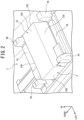
Figure 2] Figure 2 is a diagram illustrating the heat insulating structure of an electric component according to the embodiment of the present invention viewed from diagonally above left behind. - [
Figure 3] Figure 3 is a diagram illustrating the heat insulating structure of an electric component according to the embodiment of the present invention viewed from above. - [
Figure 4] Figure 4 is an exploded view of the heat insulating structure of an electric component according to the embodiment of the present invention viewed from diagonally above behind. - [
Figure 5] Figure 5 is a diagram illustrating the heat insulating structure of an electric component according to the embodiment of the present invention viewed from above with an electric component, a heat insulating bracket and a cover member removed from a fixing bracket. - [
Figure 6] Figure 6 is a cross-sectional view ofFigure 3 viewing from a VI-VI direction arrow. - [
Figure 7] Figure 7 is a diagram illustrating the heat insulating structure of an electric component according to the embodiment of the present invention showing the cover member viewed from diagonally front below left. - [
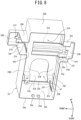
Figure 8] Figure 8 is a diagram illustrating the heat insulating structure of an electric component according to the embodiment of the present invention showing the fixing bracket and the cover member viewed from diagonally front below right. - [
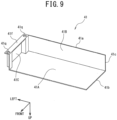
Figure 9] Figure 9 is a diagram illustrating the heat insulating structure of an electric component according to the embodiment of the present invention showing the heat insulating bracket viewed from diagonally front below right. - [
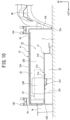
Figure 10] Figure 10 is a cross-sectional view ofFigure 3 viewing from an X-X direction arrow. - [
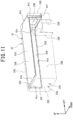
Figure 11] Figure 11 is a diagram illustrating the heat insulating structure of an electric component according to the embodiment of the present invention, showing the cover member and the heat insulating bracket with the cover member transparent viewed from diagonally above right. - [
Figure 12] Figure 12 is a cross-sectional view ofFigure 3 viewing from an XII-XII direction arrow. - [
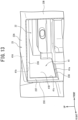
Figure 13] Figure 13 is a cross-sectional view ofFigure 3 viewing from an XIII-XIII direction arrow. - The heat insulating structure of an electric component according to the present invention includes: a fixing member provided with a placement part having a placement surface on which an electric component is placed, the fixing member being fixed to a fixed part provided on an upper surface of a floor panel of a vehicle; a cover member including a cover-side ceiling wall and a plurality of cover-side side walls extending downward from the cover-side ceiling wall, the cover member being configured to cover the fixing member and the electric component from above and from a side; and a heat insulating member including a heat-insulating-member-side ceiling wall and at least one heat-insulating-member-side side wall extending downward from the heat-insulating-member-side ceiling wall, the heat insulating member being provided between the cover member and the electric component, in which the cover member includes a first support part, a second support part and a third support part, the first support part is provided on the cover-side ceiling wall and is in contact with one end portion of the heat-insulating-member-side ceiling wall in a direction in which the heat-insulating-member-side ceiling wall extends, the second support part is provided on a predetermined cover-side side wall facing the heat-insulating-member-side side wall among the plurality of cover-side side walls and is in contact with one end portion of the heat-insulating-member-side side wall in a direction in which the heat-insulating-member-side side wall extends, the third support part is provided on the predetermined cover-side side wall and is in contact with a bottom end portion orthogonal to the direction in which the heat-insulating-member-side side wall extends and the fixing member is located at a position where the placement surface is higher than the floor panel.
- Thus, the heat insulating structure of an electric component according to the embodiment of the present invention can eliminate the need for a cooling apparatus, improve heat dissipation performance of the electric component and prevent passengers from being affected by heat while preventing an increase in the manufacturing cost.
- Hereinafter, the heat insulating structure of an electric component according to the present invention will be described with reference to the accompanying drawings.
-
Figure 1 to Figure 13 are diagrams illustrating a heat insulating structure of an electric component of an embodiment according to the present invention. InFigure 1 to Figure 13 , up-down, front-rear and left-right directions are based on an electric component mounted on a vehicle, and it is assumed that a front-rear direction of the vehicle is the front-rear direction, a left-right direction of the vehicle (vehicle width direction) is the left-right direction and an up-down direction of the vehicle (vehicle height direction) is the up-down direction. - First, a configuration will be described.
- In
Figure 1 , avehicle 1 includes afloor panel 2 and avehicle room 3 is formed above thefloor panel 2. An engine room separated from the vehicle room by a dash panel (not shown) is formed on the front side of thevehicle room 3 and a baggage compartment (not shown) is formed at the rear of thevehicle room 3. - A driver's seat 4 in which a driver is seated and an assistant driver's
seat 5 in which a passenger is seated are installed on thefloor panel 2, and the driver's seat 4 is separated from the assistant driver'sseat 5 in a vehicle width direction. - The driver's seat 4 includes a
seat cushion 4A that supports the driver's buttocks and thigh and a seat back 4B that receives and supports the driver's back. The assistant driver'sseat 5 includes aseat cushion 5A that supports the passenger's buttocks and thigh, and a seat back 5B that receives and supports the passenger's back. - An
electrical apparatus 6 is installed between theseat cushion 5A of the assistant driver'sseat 5 and thefloor panel 2. - As shown in
Figure 2 , both a front-side cross member 7A and a rear-side cross member 7B, both of which are metallic, are attached to thefloor panel 2 on the assistant driver'sseat 5 side, and the front-side cross member 7A and the rear-side cross member 7B are separated in the front-rear direction and extend in the vehicle width direction. - As shown in
Figure 1 , a left-side side sill 8A is provided at a left side end portion of thefloor panel 2 and the left-side side sill 8A extends in the front-rear direction along thefloor panel 2. - A
floor tunnel 8B is provided in a center part of thefloor panel 2 in the vehicle width direction and thefloor tunnel 8B bulges upward from thefloor panel 2. Thefloor tunnel 8B is located between the driver's seat 4 and the assistant driver'sseat 5 and extends in the front-rear direction along thefloor panel 2. - When the
vehicle 1 is viewed from above, theelectrical apparatus 6 is installed on thefloor panel 2 so as to be surrounded by the front-side cross member 7A, the rear-side cross member 7B, the left-side side sill 8A and thefloor tunnel 8B. - As shown in
Figure 2 andFigure 3 ,support brackets side cross member 7A and the rear-side cross member 7B respectively in the vehicle width direction and thesupport brackets side cross member 7A and the rear-side cross member 7B. - As shown in
Figure 1 andFigure 3 , aslide rail 10A is provided at upper end portions of thesupport brackets slide rail 10A extends in the front-rear direction. - A
slide rail 10B is provided at upper end portions of thesupport brackets slide rail 10B extends in the front-rear direction parallel to theslide rail 10A. Theelectrical apparatus 6 is installed below theslide rails - A pair of base frames (not shown) are provided at the bottom of the
seat cushion 5A of the assistant driver'sseat 5 and the base frames engage with theslide rails slide rails - Thus, as the base frames move with respect to the
slide rails seat 5 moves with respect to thefloor panel 2 in the front-rear direction. - As shown in
Figure 4 , theelectrical apparatus 6 includes ametallic fixing bracket 21 that constitutes a fixing member, anelectric component 22, aresin cover member 23 and a metallicheat insulating bracket 41. - The
fixing bracket 21 includes aplacement part 21A, a bifurcatedfixing portion 21B, a front-side fixing portion 21C and a rear-side fixing portion 21D. - As shown in
Figure 6 , theplacement part 21A is located at a position higher than anupper surface 2a of the floor panel 2 (that is, above theupper surface 2a of the floor panel 2) and has aplacement surface 21a on an upper surface thereof. Theelectric component 22 is placed on theplacement surface 21a and theelectric component 22 is fixed to theplacement part 21A by a fixture such as a screw (not shown). - As shown in
Figure 4 andFigure 8 , thefixing portion 21B extends rightward linearly from the right end portion of theplacement part 21A and is then bent downward. - As shown in
Figure 5 , when thevehicle 1 is viewed from above, ametallic bracket 11 is provided in a space surrounded by the front-side cross member 7A, the rear-side cross member 7B and theslide rails upper surface 11a of thebracket 11 is located at a position higher than theupper surface 2a of thefloor panel 2 and at a position lower than theplacement part 21A (seeFigure 6 ). - A bottom end portion of the
fixing portion 21B is fixed to theupper surface 11a of thebracket 11 by a fixture such as a screw (not shown). - As shown in
Figure 6 , the front-side fixing portion 21C includes alongitudinal wall 21e that extends upward linearly from afront end portion 21c of theplacement part 21A and alateral wall 21f that extends forward linearly from thelongitudinal wall 21e and thelateral wall 21f is fixed to the front-side cross member 7Aby a fixture such as a screw (not shown). - The rear-
side fixing portion 21D includes alongitudinal wall 21g that extends downward from arear end portion 21d of theplacement part 21A and alateral wall 21h that extends rearward linearly from thelongitudinal wall 21g and thelateral wall 21h is fixed to the rear-side cross member 7B by a fixture such as a screw (not shown). - The
front end portion 21c of theplacement part 21A of the present embodiment constitutes one end portion of the placement part and therear end portion 21d of theplacement part 21A constitutes the other end portion of the placement part. The front-side cross member 7A and the rear-side cross member 7B each contain regions with different heights in the front-rear direction. - As shown in
Figure 6 , the front-side fixing portion 21C is fixed to anupper surface 7a of the front-side cross member 7A located at a position higher than theplacement surface 21a of theplacement part 21A. The rear-side fixing portion 21D is fixed to alower portion 7c of the rear-side cross member 7B provided at a position higher than theupper surface 2a of thefloor panel 2 and lower than theplacement part 21A. Thelower portion 7c is a region lower than anupper surface 7b of the rear-side cross member 7B. - Thus, the fixing
bracket 21 is fixed to thefloor panel 2 via the front-side cross member 7A, the rear-side cross member 7B and thebracket 11 such that theplacement surface 21a is located at a position lower than theupper surface 7a of the front-side cross member 7A and higher than thelower portion 7c of the rear-side cross member 7B. - The fixing
bracket 21 of the present embodiment constitutes a fixing member and constitutes an electric component. The front-side cross member 7A, the rear-side cross member 7B and thebracket 11 constitute a fixed part. - The rear-
side fixing portion 21D constitutes a first fixing portion and the front-side fixing portion 21C constitutes a second fixing portion. The rear-side cross member 7B constitutes a fixed part and a first fixed part, thelower portion 7c of the rear-side cross member 7B constitutes a first fixed region. The front-side cross member 7A constitutes a fixed part and a second fixed part and theupper surface 7a of the front-side cross member 7A constitutes a second fixed region. - As shown in
Figure 7 andFigure 8 , thecover member 23 includes aceiling wall 23A, afront wall 23B, arear wall 23C, aleft side wall 23D and aright side wall 23E. - The
front wall 23B and therear wall 23C extend downward from theceiling wall 23A and face each other in the front-rear direction. - The
left side wall 23D extends downward from theceiling wall 23A and communicates the left end portion of thefront wall 23B with the left end portion of therear wall 23C. Theright side wall 23E extends downward from theceiling wall 23A and communicates the right end portion of thefront wall 23B with the right end portion of therear wall 23C. - The bottoms of the
front wall 23B, therear wall 23C, theleft side wall 23D and theright side wall 23E are open and thecover member 23 covers the fixingbracket 21 and theelectric component 22 with theceiling wall 23A, thefront wall 23B, therear wall 23C, theleft side wall 23D and theright side wall 23E from above and from the side (front to rear, left to right). - That is, the
cover member 23 covers the fixingbracket 21 and theelectric component 22 to ensure that the fixingbracket 21 and theelectric component 22 are not visible from the outside. - Compared to the lengths of the
front wall 23B and therear wall 23C in the front-rear direction, the lengths of theleft side wall 23D and theright side wall 23E in the vehicle width direction are shorter, and thecover member 23 is formed in a rectangular shape when viewed from above. - The lengths (heights) of the
front wall 23B, therear wall 23C, theleft side wall 23D and theright side wall 23E in the up-down direction are formed identically and abottom end portion 23a of thefront wall 23B, therear wall 23C, theleft side wall 23D and theright side wall 23E is located at a position lower than theplacement surface 21a of the fixing bracket 21 (seeFigure 6 ). Hereinafter, thebottom end portion 23a of thefront wall 23B, therear wall 23C, theleft side wall 23D and theright side wall 23E is also referred to as thebottom end portion 23a of thecover member 23. - The
bottom end portion 23a of thecover member 23 is in contact with theupper surface 2a of thefloor panel 2 and is located at the same height position as that of theupper surface 2a of thefloor panel 2. - As shown in
Figure 4 andFigure 9 , theheat insulating bracket 41 is provided with aceiling wall 41A, arear wall 41B that extends downward from the rear end portion of theceiling wall 41 and a left side wall 41C that extends downward from the left end of theceiling wall 41A. - The
ceiling wall 41A of theheat insulating bracket 41 faces theceiling wall 23A of thecover member 23 in the up-down direction. - The
rear wall 41B of theheat insulating bracket 41 faces therear wall 23C of thecover member 23 in the front-rear direction and extends from theceiling wall 41A below a center part of therear wall 23C in the up-down direction. - That is, as shown in
Figure 6 , the length of therear wall 41B from theceiling wall 41A of theheat insulating bracket 41 to abottom end portion 41a in the up-down direction is formed to be shorter than the length of therear wall 23C from theceiling wall 23A of thecover member 23 to thebottom end portion 23a in the up-down direction and thebottom end portion 41a of therear wall 41B of theheat insulating bracket 41 is located above thebottom end portion 23a of therear wall 23C of thecover member 23. - The left side wall 41C of the
heat insulating bracket 41 faces theleft side wall 23D of thecover member 23 in the vehicle width direction and extends downward from theceiling wall 41A by the same length as that of therear wall 41B. - The
heat insulating bracket 41 is installed between thecover member 23 and theelectric component 22 such that theceiling wall 41A, therear wall 41B and the left side wall 41C cover the upper, rear and left sides of theelectric component 22. - As shown in
Figure 9 , abottom end portion 41f of the left side wall 41C is formed to be wider than thebottom end portion 41a of therear wall 41B. As shown inFigure 11 , the left side wall 41C is in contact with theleft side wall 23D of thecover member 23. - As shown in
Figure 9 ,fastening parts 41q are provided at thebottom end portion 41f of the left side wall 41C. - The
fastening parts 41q are each fastened to theplacement part 21A of the fixingbracket 21 by a fixture such as a screw (not shown) and theheat insulating bracket 41 is attached to the fixingbracket 21. - The
ceiling wall 23A of thecover member 23 of the present embodiment constitutes a cover-side ceiling wall and thefront wall 23B, therear wall 23C, theleft side wall 23D and theright side wall 23E constitute cover-side side walls. Therear wall 23C constitutes a predetermined cover-side side wall and a first cover-side side wall and thefront wall 23B constitutes a second cover-side side wall. - The
heat insulating bracket 41 constitutes a heat insulating member. Theceiling wall 41A of theheat insulating bracket 41 constitutes a heat-insulating-member-side ceiling wall, and therear wall 41B constitutes a heat-insulating-member-side side wall. - As shown in
Figure 7 , a front-side opening 23b is formed in thefront wall 23B of thecover member 23 and the front-side opening 23b is cut out upward from thebottom end portion 23a of thefront wall 23B. That is, the front-side opening 23b is open in the up-down direction of thefront wall 23B. - A rear-
side opening 23c is formed in therear wall 23C of thecover member 23 and the rear-side opening 23c is cut out upward from thebottom end portion 23a of therear wall 23C. That is, the rear-side opening 23c is open in the up-down direction of therear wall 23C. - As shown in
Figure 6 , anupper end portion 23d of the front-side opening 23b is located above anupper end portion 23e of the rear-side opening 23c. More specifically, theupper end portion 23e of the rear-side opening 23c is located at the same height position as that of theplacement surface 21a of theplacement part 21A and theupper end portion 23d of the front-side opening 23b is located above theplacement surface 21a of theplacement part 21A and near theceiling wall 23A. - As shown in
Figure 6 andFigure 8 , thelateral wall 21f of the front-side fixing portion 21C is located at a position higher than thelateral wall 21h of the rear-side fixing portion 21D and extends from thefront end portion 21c of theplacement part 21A through the front-side opening 23b forward (outward) from thefront wall 23B. - The
lateral wall 21h of the rear-side fixing portion 21D is located at a position lower than thelateral wall 21f of the front-side fixing portion 21C and extends from therear end portion 21d of theplacement part 21A through the rear-side opening 23c rearward (outward) from therear wall 23C. - When the
cover member 23 covers the fixingbracket 21 and theelectric component 22 from above and from the side, the front-side fixing portion 21C and the rear-side fixing portion 21D are inserted through the front-side opening 23b and the rear-side opening 23c, and the front-side opening 23b and the rear-side opening 23c are guided downward along the front-side fixing portion 21C and the rear-side fixing portion 21D. - Since the
upper end portion 23d of the front-side opening 23b is located above theupper end portion 23e of the rear-side opening 23c, thelateral wall 21f of the front-side fixing portion 21C never comes into contact with theupper end portion 23d of the front-side opening 23b and thecover member 23 is allowed to move until thebottom end portion 23a of thecover member 23 comes into contact with thefloor panel 2. - As shown in
Figure 7 andFigure 8 , thefront wall 23B is provided with protrudingwalls walls side opening 23b and face each other in the vehicle width direction. - The protruding
wall 23H protrudes forward from the upper edge of theupper end portion 23d of the front-side opening 23b and covers thelateral wall 21f of the front-side fixing portion 21C from above (seeFigure 3 andFigure 6 ). - The distal ends of the protruding
walls side cross member 7A and the protrudingwall 23H is in contact with theupper surface 7a of the front-side cross member 7A (seeFigure 6 ). - In this way, the front-
side opening 23b is closed by the protrudingwalls side cross member 7A, and aninternal space 24 of the cover member 23 (seeFigure 6 ) is out of communication with the outside (outside air) of thecover member 23 via the front-side opening 23b. - The
rear wall 23C of thecover member 23 is provided with protrudingwalls walls 23I and 23J protrude rearward from left and right edges of the rear-side opening 23c and face each other in the vehicle width direction. - The protruding
wall 23K protrudes rearward from an upper edge of theupper end portion 23d of the rear-side opening 23c and covers alateral wall 21h of the rear-side fixing portion 21D from above (seeFigure 3 andFigure 6 ). - The distal ends of the protruding
walls 23I and 23J in the protruding direction are in contact with the rear-side cross member 7B and the protrudingwall 23K is in contact with theupper surface 7b of the rear-side cross member 7B (seeFigure 6 ). - In this way, the rear-
side opening 23c is closed by the protrudingwalls side cross member 7B, and theinternal space 24 of thecover member 23 is out of communication with the outside (outside air) of thecover member 23 via the rear-side opening 23c. - As shown in
Figure 6 andFigure 7 , thefront wall 23B of thecover member 23 is provided with apartition wall 23W. Thepartition wall 23W closes an upper side portion of the front-side opening 23b (seeFigure 10 ). - More specifically, a
bottom end portion 23f of thepartition wall 23W is located at the same height position as that of theplacement surface 21a (seeFigure 10 ) and an air space is formed in an upperinternal space 25 of thecover member 23 above theplacement surface 21a of theinternal space 24 of thecover member 23. Note that thepartition wall 23W may close the entire front-side opening 23b. - An air space is also formed in a lower side
internal space 26 below theplacement part 21A of theinternal space 24 of thecover member 23. - Engaging parts are formed on both the left and right sides of the
partition wall 23W and both the left and right sides of thelongitudinal wall 21e of the front-side fixing portion 21C strongly engage with the engaging parts. In this way, thecover member 23 is fixed to the fixingbracket 21. - In the
cover member 23, thelateral wall 21f of the front-side fixing portion 21C engages with the front-side opening 23b and thelateral wall 21h of the rear-side fixing portion 21D engages with the rear-side opening 23c. - In the
cover member 23, the distal ends of the protrudingwalls side cross member 7A and the protrudingwall 23H comes into contact with theupper surface 7a of the front-side cross member 7A. - In addition, in the
cover member 23, the distal ends of the protrudingwalls 23I and 23J in the protruding direction come into contact with the rear-side cross member 7B and the protrudingwall 23K is in contact with theupper surface 7b of the rear-side cross member 7B. - Thus, the
cover member 23 is stably fixed to the fixingbracket 21 without moving with respect to thefloor panel 2. - As shown in
Figure 7 andFigure 11 , theceiling wall 23A of thecover member 23 is provided with arib 23S. Therib 23S is provided at a right end portion of theceiling wall 23A and extends linearly from the front end to the rear end of theceiling wall 23A. - As shown in
Figure 6 andFigure 7 , therib 23S protrudes downward from theceiling wall 23A, that is, from the ceiling wall 23Atoward theelectric component 22. As shown inFigure 11 andFigure 12 , aright end portion 41b of theceiling wall 41A is in contact with therib 23 S over the front-rear direction. - The
rib 23S constitutes a first support part and theright end portion 41b of theceiling wall 41A of theheat insulating bracket 41 constitutes one end portion in a direction in which the heat-insulating-member-side ceiling wall extends. - As shown in
Figure 7 andFigure 11 , therear wall 23C of thecover member 23 is provided with arib 23T. Therib 23T is provided at the right end portion of therear wall 23C and extends downward linearly from theceiling wall 23A. - As shown in
Figure 6 andFigure 7 , therib 23T protrudes forward from therear wall 23C, that is, from therear wall 23C toward theelectric component 22. As shown inFigure 11 ,Figure 12 andFigure 13 , theright end portion 41c of therear wall 41B is in contact with therib 23T over the up-down direction. - The
rib 23T of the present embodiment constitutes a second rib and theright end portion 41c of therear wall 41B constitutes one end portion in a direction in which the heat-insulating-member-side side wall extends. - As shown in
Figure 7 andFigure 11 , therear wall 23C of thecover member 23 is provided with arib 23U. Therib 23U is provided below a center part of therear wall 23C in the up-down direction and extends linearly over the vehicle width direction of therear wall 23C. - As shown in
Figure 5 andFigure 6 , therib 23U protrudes forward from therear wall 23C, that is, from therear wall 23C toward theelectric component 22. As shown inFigure 11 ,Figure 12 andFigure 13 , thebottom end portion 41a of therear wall 41B is in contact with therib 23U over the vehicle width direction. - The
rib 23U of the present embodiment constitutes a third rib and thebottom end portion 41a of therear wall 41B constitutes a bottom end portion orthogonal to the direction in which the heat-insulating-member-side side wall extends. - As shown in
Figure 6 , agap 42 is formed between theceiling wall 23A of thecover member 23 and theceiling wall 41A of theheat insulating bracket 41, and an air space (air layer) is formed in thegap 42. - A
gap 43 is formed between therear wall 23C of thecover member 23 and therear wall 41B of theheat insulating bracket 41 and an air space (air layer) is formed in thegap 43. - That is, in a state in which the
right end portion 41b of theceiling wall 41A is in contact with therib 23S, theright end portion 41c of therear wall 41B is in contact with therib 23T and thebottom end portion 41a of therear wall 41B is in contact with therib 23U, theheat insulating bracket 41 of the present embodiment includes thegap 42 formed between theceiling wall 23A and theceiling wall 41A and thegap 43 formed between therear wall 23C and therear wall 41B. - Thus, the right end portion of the
gap 42 formed between theright end portion 41b of theceiling wall 41A and theceiling wall 23A is closed by therib 23S. - The right end portion of the
gap 43 formed between theright end portion 41c of therear wall 41B and therear wall 23C is closed by therib 23T. - In addition, the bottom end portion of the
gap 43 formed between thebottom end portion 41a of therear wall 41B and therear wall 23C is closed by therib 23U. - As shown in
Figure 11 , the left side wall 41C of theheat insulating bracket 41 is in contact with theleft side wall 23D and a gap is formed between the left side wall 41C and theleft side wall 23D. - Thus, the left end portion of the
gap 42 formed between aleft end portion 41d of theceiling wall 41A and theceiling wall 23A, and the left end portion of thegap 43 formed between aleft end portion 41e of therear wall 41B and therear wall 23C are closed by the left side wall 41C. - Thus, it is possible to form air spaces (air layers) in the
gap 42 between theceiling wall 23A and theceiling wall 41A and thegap 43 between therear wall 41B and therear wall 23C. - As shown in
Figure 7 andFigure 8 , a plurality of throughholes right side wall 23E of thecover member 23. The throughholes placement surface 21a of theplacement part 21A. - The wire harnesses are connected to terminals of the
electric component 22, wired to the outside of thecover member 23 from the terminal of theelectric component 22 through the bifurcated fixingportion 21B and the throughholes vehicle 1. - The wire harnesses pass below the
floor tunnel 8B and are disposed from below the driver's seat 4 to the lower side of the assistant driver'sseat 5. - Note that although the through holes for passing the wire harnesses may be formed in any one of the
front wall 23B, therear wall 23C and theleft side wall 23D, the through holes are preferably located at positions lower than theplacement surface 21a of theplacement part 21A in this case. - Next, effects of the heat insulating structure of the
electric component 22 of the present embodiment will be described. - Since the
electrical apparatus 6 of the present embodiment is installed between theseat cushion 5A of the assistant driver'sseat 5 and thefloor panel 2, it is possible to install theelectrical apparatus 6 in thevehicle room 3 in a lower temperature environment than in the engine room and more easily extract the performance of theelectric component 22. - In addition, it is possible to prevent the space of the baggage compartment from being blocked by the
electrical apparatus 6, improve installation performance of theelectrical apparatus 6, eliminate the need for installing theelectrical apparatus 6 in the engine room and therefore reduce the size of the engine room. - When the
electrical apparatus 6 is placed on theupper surface 2a of thefloor panel 2, there is a possibility that theelectric component 22 may be shocked by the kicking of the feet of a passenger seated in the rear seat (not shown) behind the assistant driver'sseat 5 and the passenger may be affected by heat of theelectric component 22. - The heat insulating structure of the
electric component 22 of the present embodiment is equipped with the fixingbracket 21 provided with theplacement part 21A having theplacement surface 21a on which theelectric component 22 is placed, and the fixingbracket 21 is fixed to the front-side fixing portion 21C, the rear-side fixing portion 21D and thebracket 11 provided on theupper surface 2a of thefloor panel 2 of thevehicle 1. - The heat insulating structure of the
electric component 22 includes theceiling wall 23A, thefront wall 23B, therear wall 23C, theleft side wall 23D and theright side wall 23E that extend downward from theceiling wall 23A, and thecover member 23 that covers the fixingbracket 21 and theelectric component 22 from above and from the side. - The heat insulating structure of the
electric component 22 includes theceiling wall 41A, therear wall 41B and the left side wall 41C that extend downward from theceiling wall 41A, and theheat insulating bracket 41 provided between thecover member 23 and theelectric component 22. - When the passenger seated behind the assistant driver's
seat 5 kicks thecover member 23, theheat insulating bracket 41 can receive the shock, prevent the load from applying to theelectric component 22 and protect theelectric component 22. In addition to this, theheat insulating bracket 41 can prevent the passenger from directly touching the hotelectric component 22. - When the passenger seated behind the assistant driver's
seat 5 puts his/her hand between thecover member 23 and the assistant driver'sseat 5, theceiling wall 41A of theheat insulating bracket 41 can prevent the passenger from directly touching the hotelectric component 22. - When an external force is applied from the left side of the
vehicle 1, the left side wall 41C of theheat insulating bracket 41 can receive the load and protect theelectric component 22. - In the heat insulating structure of the
electric component 22, thecover member 23 includes therib 23S, therib 23T and therib 23U. - The
rib 23S is provided on theceiling wall 23A, is in contact with theright end portion 41b in the direction in which theceiling wall 41A extends, and therib 23S is provided on therear wall 23C facing therear wall 41B and is in contact with theright end portion 41c of therear wall 41B. - The
rib 23U is provided on therear wall 23C and is in contact with thebottom end portion 41a orthogonal to the direction (vehicle width direction) in which therear wall 41B extends. - It is thereby possible to close the right end portion of the
gap 42 formed between theright end portion 41b of theceiling wall 41A and theceiling wall 23A by therib 23S, close the right end portion of thegap 43 formed between theright end portion 41c of therear wall 41B and therear wall 23C by therib 23T and close the bottom end portion of thegap 43 formed between thebottom end portion 41a of therear wall 41B and therear wall 23C by therib 23U. - This makes it possible to prevent heat leakage from the
electric component 22 between theceiling wall 23A of thecover member 23 and theceiling wall 41A of theheat insulating bracket 41, and between therear wall 41B of thecover member 23 and therear wall 41B of theheat insulating bracket 41. - Therefore, it is possible to block the heat of the
electric component 22 by theheat insulating bracket 41, prevent the heat from transmitting to theceiling wall 23A of thecover member 23 and therear wall 23C, and prevent the passenger from being affected by the heat of the hotelectric component 22. - It is also possible to transmit the heat of the hot air generated from the
electric component 22 from the metallicheat insulating bracket 41 to themetallic fixing bracket 21, then transmit the heat through the front-side cross member 7A, the rear-side cross member 7B and thebracket 11 to thefloor panel 2 and dissipate the heat below thefloor panel 2. - The heat dissipating structure of the
electric component 22 of the present embodiment can eliminate the need for a cooling apparatus, improve heat dissipation performance of theelectric component 22 and prevent passengers from being affected by heat while preventing an increase in the manufacturing cost of the heat dissipating structure of theelectric component 22. - According to the heat insulating structure of the
electric component 22 of the present embodiment, since theplacement surface 21a of the fixingbracket 21 is located at a position higher than theupper surface 2a of thefloor panel 2 and it is thereby possible to form an air space in the space below theplacement part 21A. - This allows heat generated from the
electric component 22 to escape to the air space below theplacement part 21A. As a result, it is possible to improve heat discharge performance of theelectric component 22 and prevent temperature rise of theelectric component 22. - According to the heat insulating structure of the
electric component 22 of the present embodiment, thegap 42 is formed between theceiling wall 23A of thecover member 23 and theceiling wall 41A of theheat insulating bracket 41, and thegap 43 is formed between therear wall 23C of thecover member 23 and therear wall 41B of theheat insulating bracket 41. - Thus, it is possible to form air spaces (air layers) in the
gap 42 between theceiling wall 23A of thecover member 23 and theceiling wall 41A of theheat insulating bracket 41 and in thegap 43 between therear wall 41B of thecover member 23 and therear wall 41B of theheat insulating bracket 41. - Therefore, it is possible not only to block heat generated from the
electric component 22 by theheat insulating bracket 41, but also to prevent the heat generated from theelectric component 22 from transmitting above theceiling wall 41A and behind therear wall 41B through the air spaces and effectively prevent the passenger from being affected by the heat of the hotelectric component 22. - In the heat insulating structure of the
electric component 22 of the present embodiment, thecover member 23 includes the rear-side fixing portion 21D provided at thefront end portion 21c of theplacement part 21A and the front-side fixing portion 21C provided at the other end portion of theplacement part 21A. - The heat insulating structure of the
electric component 22 of the present embodiment includes the front-side cross member 7A and the rear-side cross member 7B. - The rear-
side cross member 7B includes thelower portion 7c to which the rear-side fixing portion 21D is fixed. The front-side cross member 7A includes theupper surface 7a located at a position higher than thelower portion 7c and the front-side fixing portion 21C is fixed to theupper surface 7a. - The front-
side opening 23b is provided on thefront wall 23B facing therear wall 23C and the front-side opening 23b is open in the up-down direction so that theupper end portion 23d is located above theplacement surface 21a. - The rear-
side fixing portion 21D extends from thefront end portion 21c of theplacement part 21A through the front-side opening 23b to the outside of thefront wall 23B. - In addition to this, the
partition wall 23W is provided on thefront wall 23B and thepartition wall 23W closes the upper side of the front-side opening 23b. - It is therefore possible to prevent the heat of the
electric component 22 from passing through the front-side opening 23b and being transmitted to the space in front of the assistant driver'sseat 5 or to theseat cushion 5A above and prevent the passenger in the assistant driver'sseat 5 from being affected by the heat. - Moreover, the hot air inside the
cover member 23 is transmitted from the metallicheat insulating bracket 41 through themetallic fixing bracket 21 to thefloor panel 2 and then dissipated below thefloor panel 2, and it is therefore possible to improve heat dissipation performance of theelectric component 22. - According to the heat insulating structure of the
electric component 22 of the present embodiment, theplacement surface 21a and thebottom end portion 23f of thepartition wall 23W are located at the same height position. - This makes it possible to prevent heat of the
electric component 22 from leaking from the front-side opening 23b through the gap between theplacement surface 21a of theplacement part 21A and thebottom end portion 23f of thepartition wall 23W. - It is therefore possible to more effectively prevent the heat of the
electric component 22 from passing through the front-side opening 23b and being transmitted to the space in front of the assistant driver'sseat 5 or to theseat cushion 5A above and more effectively prevent the passenger in the assistant driver'sseat 5 from being affected by the heat. - Although the fixed part of the present embodiment is constructed of the front-
side cross member 7A and the rear-side cross member 7B on thefloor panel 2, the fixed part may also be a region integral with the floor panel 2 (integrally molded). - The electric component is applicable, for example, to a battery or a DC-DC converter. However, the electric component is not limited to a battery or a DC-DC converter, but may be applicable to any electrical component as long as it is mounted on the
vehicle 1. - Although the
electrical apparatus 6 is installed between theseat cushion 5A of the assistant driver'sseat 5 and thefloor panel 2, theelectrical apparatus 6 may be installed between theseat cushion 4A of the driver's seat 4 and thefloor panel 2. - Although the
heat insulating bracket 41 includes therear wall 41B and the left side wall 41C as the heat-insulating-member-side side wall, there may be one or more heat-insulating-member-side side walls. - It is obvious that changes can be added by those skilled in the art without departing from the scope of the present invention, as defined by the appended claims. All such modifications and equivalents are intended to be included in the following claims.
- 1...vehicle, 2...floor panel, 2a...upper surface (upper surface of floor panel), 7A...front-side cross member (fixed part, second fixed part), 7a...upper surface (second fixed region), 7B...rear-side cross member (fixed part, first fixed part), 7c...lower region (first fixed region), 21...fixing bracket (fixing member), 21A...placement part, 21a...placement surface, 21C...front-side fixing portion (second fixing portion), 21c...front end portion (one end portion of placement part), 21D...rear-side fixing portion (first fixing portion), 21d...rear end portion (other end portion of placement part), 22...electric component, 23...cover member, 23A...ceiling wall (cover-side ceiling wall), 23B...front wall (cover-side side wall, second cover-side side wall), 23b...front-side opening (opening), 23C...rear wall (cover-side side wall, predetermined cover-side side wall, first cover-side side wall), 23D...left side wall (cover-side side wall), 23E...right side wall (cover-side side wall), 23 f... bottom end portion (bottom end portion of partition wall), 23 S...rib (first support part), 23T...rib (second support part), 23U...rib (third support part), 23W...partition wall, 41...heat insulating bracket (heat insulating member), 41A...ceiling wall (heat-insulating-member-side ceiling wall), 41a...bottom end portion (bottom end portion orthogonal to direction in which heat-insulating-member-side side wall extends), 41B...rear wall (heat-insulating-member-side side wall), 41b...right end portion (one end portion of direction in which heat-insulating-member-side ceiling wall extends), 41c...right end portion (one end portion of direction in which heat-insulating-member-side side wall extends), 42, 43...gap
Claims (4)
- A heat insulating structure of an electric component (22) comprising:a fixing member (21) provided with a placement part (21A) having a placement surface (21a) on which an electric component (22) is placed;a cover member (23) including a cover-side ceiling wall (23A) and a plurality of cover-side side walls (23B, 23C, 23D, 23E) extending downward from the cover-side ceiling wall (23A), the cover member being configured to cover the fixing member (21) and the electric component (22) from above and from a side; anda heat insulating member (41) including a heat-insulating-member-side ceiling wall (41A) and at least one heat-insulating-member-side side wall (41B) extending downward from the heat-insulating-member-side ceiling wall (41A), the heat insulating member being provided between the cover member (23) and the electric component (22), the heat insulating structure being characterised by:the fixing member (21) being fixed to a fixed part (7A, 7B) provided on an upper surface (2a) of a floor panel (2) of a vehicle (1) and the fixing member (21) is located at a position where the placement surface (21a) is higher than the floor panel (2); andthe cover member (23) includes a first support part (23S), a second support part (23T) and a third support part (23U),the first support part (23 S) is provided on the cover-side ceiling wall (23A) and is in contact with one end portion (41b) of the heat-insulating-member-side ceiling wall (41A) in a direction in which the heat-insulating-member-side ceiling wall (41A) extends,the second support part (23T) is provided on a predetermined cover-side side wall (23C) facing the heat-insulating-member-side side wall (41B) of the plurality of cover-side side walls (23B, 23C, 23D, 23E) and is in contact with one end portion (41b) of the heat-insulating-member-side side wall (41B) in a direction in which the heat-insulating-member-side side wall (41B) extends,the third support part (23U) is provided on the predetermined cover-side side wall (23C) and is in contact with a bottom end portion (23f) orthogonal to the direction in which the heat-insulating-member-side side wall (41B) extends.
- The heat insulating structure of an electric component (22) as claimed in claim 1, whereina gap is formed between the cover-side ceiling wall (23A) and the heat-insulating-member-side ceiling wall (41A), anda gap is formed between the predetermined cover-side side wall (23C) and the heat-insulating-member-side side wall (41B).
- The heat insulating structure of an electric component (22) as claimed in claim 1 or 2, whereinthe cover member (23) includes a first fixing portion (21D) provided at one end portion (21c) of the placement part (21A) and a second fixing portion (21C) provided at the other end portion (21d) of the placement part (21A),the fixed part (7A, 7B) includes a first fixed part (7B) and a second fixed part (7A) located at positions higher than the floor panel (2),the first fixed part (7B) includes a first fixed region (7c) to which the first fixing portion (21D) is fixed,the second fixed part (7A) includes a second fixed region (7a) located at a position higher than the first fixed region (7c) and the second fixing portion (21C) is fixed to the second fixed region (7a),when the predetermined cover-side side wall (23C) is used as a first cover-side side wall (23C), an opening (23b) is provided on a second cover-side side wall (23B) facing the first cover-side side wall (23C) of the plurality of cover-side side walls (23B, 23C, 23D, 23E),the opening (23b) is open in an up-down direction so that an upper end portion of the opening (23b) is located above the placement surface (21a),the first fixing portion (21D) extends from one end portion (21c) of the placement part (21A) through the opening (23b) to an outside of the second cover-side side wall (23B),a partition wall (23W) is provided on the second cover-side side wall (23B), andthe partition wall (23W) closes at least part of the opening (23b).
- The heat insulating structure of an electric component (22) as claimed in claim 3, wherein
the placement surface (21a) and the bottom end portion (23f) of the partition wall (23W) are located at a same height position.
Applications Claiming Priority (1)
| Application Number | Priority Date | Filing Date | Title |
|---|---|---|---|
| JP2021006979A JP7552376B2 (en) | 2021-01-20 | 2021-01-20 | Thermal insulation for electrical components |
Publications (2)
| Publication Number | Publication Date |
|---|---|
| EP4035917A1 EP4035917A1 (en) | 2022-08-03 |
| EP4035917B1 true EP4035917B1 (en) | 2023-07-26 |
Family
ID=79730409
Family Applications (1)
| Application Number | Title | Priority Date | Filing Date |
|---|---|---|---|
| EP22152291.5A Active EP4035917B1 (en) | 2021-01-20 | 2022-01-19 | Heat insulating structure of electric component |
Country Status (2)
| Country | Link |
|---|---|
| EP (1) | EP4035917B1 (en) |
| JP (1) | JP7552376B2 (en) |
Family Cites Families (9)
| Publication number | Priority date | Publication date | Assignee | Title |
|---|---|---|---|---|
| JP4503345B2 (en) | 2004-04-22 | 2010-07-14 | 本田技研工業株式会社 | Cooling structure for vehicle battery or high-voltage components |
| DE102011103986A1 (en) * | 2011-06-10 | 2012-03-29 | Daimler Ag | Method for manufacturing electrochemical accumulator used in vehicle e.g. electric car, involves removing cover mold after hardening thermal isolating filling material filled in inner space between housing base portion and cover mold |
| JP5740284B2 (en) | 2011-10-28 | 2015-06-24 | 本田技研工業株式会社 | High voltage control equipment unit mounting structure |
| JP6050814B2 (en) * | 2012-06-15 | 2016-12-21 | 日本碍子株式会社 | Insulated container for assembled battery, controller for assembled battery, and failure detection method for assembled battery |
| DE102013215507B4 (en) | 2013-08-07 | 2015-04-02 | Volkswagen Aktiengesellschaft | Vehicle with a hybrid drive |
| JP6145422B2 (en) | 2014-05-13 | 2017-06-14 | 本田技研工業株式会社 | Undercarriage of the vehicle |
| US10468645B2 (en) | 2015-01-29 | 2019-11-05 | Ford Global Technologies, Llc | Vehicle frame mounted high voltage battery assembly |
| DE102018000421A1 (en) * | 2017-12-21 | 2019-06-27 | H.K.O. Isolier- Und Textiltechnik Gmbh | Multilayer thermal insulation element for batteries |
| JP7331485B2 (en) | 2019-06-21 | 2023-08-23 | 三菱自動車工業株式会社 | Layout structure of vehicle electronic equipment |
-
2021
- 2021-01-20 JP JP2021006979A patent/JP7552376B2/en active Active
-
2022
- 2022-01-19 EP EP22152291.5A patent/EP4035917B1/en active Active
Also Published As
| Publication number | Publication date |
|---|---|
| EP4035917A1 (en) | 2022-08-03 |
| JP2022111516A (en) | 2022-08-01 |
| JP7552376B2 (en) | 2024-09-18 |
Similar Documents
| Publication | Publication Date | Title |
|---|---|---|
| US10434897B2 (en) | Vehicle high-voltage system equipment unit, vehicle battery unit and vehicle | |
| EP2772394B1 (en) | Wiring protective cover structure for electric vehicle | |
| EP2982544B1 (en) | Structure for installing heat generating electric component in automobile | |
| JP6522972B2 (en) | Battery unit and battery frame | |
| CN104271405B (en) | Electric unit | |
| CN103842194A (en) | Electric vehicle | |
| CN101193469B (en) | Electrical heating device | |
| CN103369883A (en) | Improved housing | |
| EP4035917B1 (en) | Heat insulating structure of electric component | |
| EP3782835B1 (en) | Vehicle battery pack | |
| US12588170B2 (en) | In-vehicle device including cooling apparatus | |
| EP4032734B1 (en) | Mounting structure for electric component | |
| KR102730967B1 (en) | Heat dissipation structure of avn set for car and avn set for car | |
| EP4049899A1 (en) | Electrical equipment | |
| EP4049872A1 (en) | Protective structure for electric component | |
| US11596075B2 (en) | Inverter assembly | |
| EP4049900A1 (en) | Protection structure of wire harnesses | |
| JP2025136273A (en) | Heat dissipation structure and electronic device | |
| CN117425311A (en) | Electronic device and method for manufacturing electronic device | |
| KR20190033869A (en) | Block for vehicle with radiant-heat function | |
| JP2016078789A (en) | vehicle | |
| KR20090128666A (en) | High Voltage Electrical Appliances Water Ingress Protection Device |
Legal Events
| Date | Code | Title | Description |
|---|---|---|---|
| PUAI | Public reference made under article 153(3) epc to a published international application that has entered the european phase |
Free format text: ORIGINAL CODE: 0009012 |
|
| STAA | Information on the status of an ep patent application or granted ep patent |
Free format text: STATUS: REQUEST FOR EXAMINATION WAS MADE |
|
| 17P | Request for examination filed |
Effective date: 20220119 |
|
| AK | Designated contracting states |
Kind code of ref document: A1 Designated state(s): AL AT BE BG CH CY CZ DE DK EE ES FI FR GB GR HR HU IE IS IT LI LT LU LV MC MK MT NL NO PL PT RO RS SE SI SK SM TR |
|
| RIN1 | Information on inventor provided before grant (corrected) |
Inventor name: SANADA, AYUMU Inventor name: HOSHINO, SHINICHI Inventor name: OBARA, AKIHIRO |
|
| GRAP | Despatch of communication of intention to grant a patent |
Free format text: ORIGINAL CODE: EPIDOSNIGR1 |
|
| STAA | Information on the status of an ep patent application or granted ep patent |
Free format text: STATUS: GRANT OF PATENT IS INTENDED |
|
| RIC1 | Information provided on ipc code assigned before grant |
Ipc: H01M 10/658 20140101ALN20230207BHEP Ipc: H01M 10/625 20140101ALN20230207BHEP Ipc: B60K 1/00 20060101ALN20230207BHEP Ipc: H01M 10/60 20140101ALI20230207BHEP Ipc: B60K 1/04 20060101AFI20230207BHEP |
|
| RIC1 | Information provided on ipc code assigned before grant |
Ipc: H01M 10/658 20140101ALN20230213BHEP Ipc: H01M 10/625 20140101ALN20230213BHEP Ipc: B60K 1/00 20060101ALN20230213BHEP Ipc: H01M 10/60 20140101ALI20230213BHEP Ipc: B60K 1/04 20060101AFI20230213BHEP |
|
| INTG | Intention to grant announced |
Effective date: 20230309 |
|
| GRAS | Grant fee paid |
Free format text: ORIGINAL CODE: EPIDOSNIGR3 |
|
| GRAA | (expected) grant |
Free format text: ORIGINAL CODE: 0009210 |
|
| STAA | Information on the status of an ep patent application or granted ep patent |
Free format text: STATUS: THE PATENT HAS BEEN GRANTED |
|
| AK | Designated contracting states |
Kind code of ref document: B1 Designated state(s): AL AT BE BG CH CY CZ DE DK EE ES FI FR GB GR HR HU IE IS IT LI LT LU LV MC MK MT NL NO PL PT RO RS SE SI SK SM TR |
|
| REG | Reference to a national code |
Ref country code: CH Ref legal event code: EP |
|
| REG | Reference to a national code |
Ref country code: IE Ref legal event code: FG4D |
|
| REG | Reference to a national code |
Ref country code: DE Ref legal event code: R096 Ref document number: 602022000235 Country of ref document: DE |
|
| REG | Reference to a national code |
Ref country code: LT Ref legal event code: MG9D |
|
| REG | Reference to a national code |
Ref country code: NL Ref legal event code: MP Effective date: 20230726 |
|
| REG | Reference to a national code |
Ref country code: AT Ref legal event code: MK05 Ref document number: 1591589 Country of ref document: AT Kind code of ref document: T Effective date: 20230726 |
|
| PG25 | Lapsed in a contracting state [announced via postgrant information from national office to epo] |
Ref country code: NL Free format text: LAPSE BECAUSE OF FAILURE TO SUBMIT A TRANSLATION OF THE DESCRIPTION OR TO PAY THE FEE WITHIN THE PRESCRIBED TIME-LIMIT Effective date: 20230726 |
|
| PG25 | Lapsed in a contracting state [announced via postgrant information from national office to epo] |
Ref country code: GR Free format text: LAPSE BECAUSE OF FAILURE TO SUBMIT A TRANSLATION OF THE DESCRIPTION OR TO PAY THE FEE WITHIN THE PRESCRIBED TIME-LIMIT Effective date: 20231027 |
|
| PG25 | Lapsed in a contracting state [announced via postgrant information from national office to epo] |
Ref country code: IS Free format text: LAPSE BECAUSE OF FAILURE TO SUBMIT A TRANSLATION OF THE DESCRIPTION OR TO PAY THE FEE WITHIN THE PRESCRIBED TIME-LIMIT Effective date: 20231126 |
|
| PG25 | Lapsed in a contracting state [announced via postgrant information from national office to epo] |
Ref country code: SE Free format text: LAPSE BECAUSE OF FAILURE TO SUBMIT A TRANSLATION OF THE DESCRIPTION OR TO PAY THE FEE WITHIN THE PRESCRIBED TIME-LIMIT Effective date: 20230726 Ref country code: RS Free format text: LAPSE BECAUSE OF FAILURE TO SUBMIT A TRANSLATION OF THE DESCRIPTION OR TO PAY THE FEE WITHIN THE PRESCRIBED TIME-LIMIT Effective date: 20230726 Ref country code: PT Free format text: LAPSE BECAUSE OF FAILURE TO SUBMIT A TRANSLATION OF THE DESCRIPTION OR TO PAY THE FEE WITHIN THE PRESCRIBED TIME-LIMIT Effective date: 20231127 Ref country code: NO Free format text: LAPSE BECAUSE OF FAILURE TO SUBMIT A TRANSLATION OF THE DESCRIPTION OR TO PAY THE FEE WITHIN THE PRESCRIBED TIME-LIMIT Effective date: 20231026 Ref country code: LV Free format text: LAPSE BECAUSE OF FAILURE TO SUBMIT A TRANSLATION OF THE DESCRIPTION OR TO PAY THE FEE WITHIN THE PRESCRIBED TIME-LIMIT Effective date: 20230726 Ref country code: LT Free format text: LAPSE BECAUSE OF FAILURE TO SUBMIT A TRANSLATION OF THE DESCRIPTION OR TO PAY THE FEE WITHIN THE PRESCRIBED TIME-LIMIT Effective date: 20230726 Ref country code: IS Free format text: LAPSE BECAUSE OF FAILURE TO SUBMIT A TRANSLATION OF THE DESCRIPTION OR TO PAY THE FEE WITHIN THE PRESCRIBED TIME-LIMIT Effective date: 20231126 Ref country code: HR Free format text: LAPSE BECAUSE OF FAILURE TO SUBMIT A TRANSLATION OF THE DESCRIPTION OR TO PAY THE FEE WITHIN THE PRESCRIBED TIME-LIMIT Effective date: 20230726 Ref country code: GR Free format text: LAPSE BECAUSE OF FAILURE TO SUBMIT A TRANSLATION OF THE DESCRIPTION OR TO PAY THE FEE WITHIN THE PRESCRIBED TIME-LIMIT Effective date: 20231027 Ref country code: FI Free format text: LAPSE BECAUSE OF FAILURE TO SUBMIT A TRANSLATION OF THE DESCRIPTION OR TO PAY THE FEE WITHIN THE PRESCRIBED TIME-LIMIT Effective date: 20230726 Ref country code: AT Free format text: LAPSE BECAUSE OF FAILURE TO SUBMIT A TRANSLATION OF THE DESCRIPTION OR TO PAY THE FEE WITHIN THE PRESCRIBED TIME-LIMIT Effective date: 20230726 |
|
| PG25 | Lapsed in a contracting state [announced via postgrant information from national office to epo] |
Ref country code: PL Free format text: LAPSE BECAUSE OF FAILURE TO SUBMIT A TRANSLATION OF THE DESCRIPTION OR TO PAY THE FEE WITHIN THE PRESCRIBED TIME-LIMIT Effective date: 20230726 |
|
| PG25 | Lapsed in a contracting state [announced via postgrant information from national office to epo] |
Ref country code: ES Free format text: LAPSE BECAUSE OF FAILURE TO SUBMIT A TRANSLATION OF THE DESCRIPTION OR TO PAY THE FEE WITHIN THE PRESCRIBED TIME-LIMIT Effective date: 20230726 |
|
| REG | Reference to a national code |
Ref country code: DE Ref legal event code: R097 Ref document number: 602022000235 Country of ref document: DE |
|
| PG25 | Lapsed in a contracting state [announced via postgrant information from national office to epo] |
Ref country code: SM Free format text: LAPSE BECAUSE OF FAILURE TO SUBMIT A TRANSLATION OF THE DESCRIPTION OR TO PAY THE FEE WITHIN THE PRESCRIBED TIME-LIMIT Effective date: 20230726 Ref country code: RO Free format text: LAPSE BECAUSE OF FAILURE TO SUBMIT A TRANSLATION OF THE DESCRIPTION OR TO PAY THE FEE WITHIN THE PRESCRIBED TIME-LIMIT Effective date: 20230726 Ref country code: ES Free format text: LAPSE BECAUSE OF FAILURE TO SUBMIT A TRANSLATION OF THE DESCRIPTION OR TO PAY THE FEE WITHIN THE PRESCRIBED TIME-LIMIT Effective date: 20230726 Ref country code: EE Free format text: LAPSE BECAUSE OF FAILURE TO SUBMIT A TRANSLATION OF THE DESCRIPTION OR TO PAY THE FEE WITHIN THE PRESCRIBED TIME-LIMIT Effective date: 20230726 Ref country code: DK Free format text: LAPSE BECAUSE OF FAILURE TO SUBMIT A TRANSLATION OF THE DESCRIPTION OR TO PAY THE FEE WITHIN THE PRESCRIBED TIME-LIMIT Effective date: 20230726 Ref country code: CZ Free format text: LAPSE BECAUSE OF FAILURE TO SUBMIT A TRANSLATION OF THE DESCRIPTION OR TO PAY THE FEE WITHIN THE PRESCRIBED TIME-LIMIT Effective date: 20230726 Ref country code: SK Free format text: LAPSE BECAUSE OF FAILURE TO SUBMIT A TRANSLATION OF THE DESCRIPTION OR TO PAY THE FEE WITHIN THE PRESCRIBED TIME-LIMIT Effective date: 20230726 |
|
| PG25 | Lapsed in a contracting state [announced via postgrant information from national office to epo] |
Ref country code: IT Free format text: LAPSE BECAUSE OF FAILURE TO SUBMIT A TRANSLATION OF THE DESCRIPTION OR TO PAY THE FEE WITHIN THE PRESCRIBED TIME-LIMIT Effective date: 20230726 |
|
| PLBE | No opposition filed within time limit |
Free format text: ORIGINAL CODE: 0009261 |
|
| STAA | Information on the status of an ep patent application or granted ep patent |
Free format text: STATUS: NO OPPOSITION FILED WITHIN TIME LIMIT |
|
| 26N | No opposition filed |
Effective date: 20240429 |
|
| PG25 | Lapsed in a contracting state [announced via postgrant information from national office to epo] |
Ref country code: SI Free format text: LAPSE BECAUSE OF FAILURE TO SUBMIT A TRANSLATION OF THE DESCRIPTION OR TO PAY THE FEE WITHIN THE PRESCRIBED TIME-LIMIT Effective date: 20230726 |
|
| PG25 | Lapsed in a contracting state [announced via postgrant information from national office to epo] |
Ref country code: MC Free format text: LAPSE BECAUSE OF FAILURE TO SUBMIT A TRANSLATION OF THE DESCRIPTION OR TO PAY THE FEE WITHIN THE PRESCRIBED TIME-LIMIT Effective date: 20230726 |
|
| PG25 | Lapsed in a contracting state [announced via postgrant information from national office to epo] |
Ref country code: MC Free format text: LAPSE BECAUSE OF FAILURE TO SUBMIT A TRANSLATION OF THE DESCRIPTION OR TO PAY THE FEE WITHIN THE PRESCRIBED TIME-LIMIT Effective date: 20230726 |
|
| PG25 | Lapsed in a contracting state [announced via postgrant information from national office to epo] |
Ref country code: LU Free format text: LAPSE BECAUSE OF NON-PAYMENT OF DUE FEES Effective date: 20240119 |
|
| PG25 | Lapsed in a contracting state [announced via postgrant information from national office to epo] |
Ref country code: LU Free format text: LAPSE BECAUSE OF NON-PAYMENT OF DUE FEES Effective date: 20240119 |
|
| PG25 | Lapsed in a contracting state [announced via postgrant information from national office to epo] |
Ref country code: BE Free format text: LAPSE BECAUSE OF NON-PAYMENT OF DUE FEES Effective date: 20240131 |
|
| PG25 | Lapsed in a contracting state [announced via postgrant information from national office to epo] |
Ref country code: BE Free format text: LAPSE BECAUSE OF NON-PAYMENT OF DUE FEES Effective date: 20240131 |
|
| REG | Reference to a national code |
Ref country code: BE Ref legal event code: MM Effective date: 20240131 |
|
| PG25 | Lapsed in a contracting state [announced via postgrant information from national office to epo] |
Ref country code: BG Free format text: LAPSE BECAUSE OF FAILURE TO SUBMIT A TRANSLATION OF THE DESCRIPTION OR TO PAY THE FEE WITHIN THE PRESCRIBED TIME-LIMIT Effective date: 20230726 |
|
| PG25 | Lapsed in a contracting state [announced via postgrant information from national office to epo] |
Ref country code: BG Free format text: LAPSE BECAUSE OF FAILURE TO SUBMIT A TRANSLATION OF THE DESCRIPTION OR TO PAY THE FEE WITHIN THE PRESCRIBED TIME-LIMIT Effective date: 20230726 |
|
| PG25 | Lapsed in a contracting state [announced via postgrant information from national office to epo] |
Ref country code: IE Free format text: LAPSE BECAUSE OF NON-PAYMENT OF DUE FEES Effective date: 20240119 |
|
| PG25 | Lapsed in a contracting state [announced via postgrant information from national office to epo] |
Ref country code: IE Free format text: LAPSE BECAUSE OF NON-PAYMENT OF DUE FEES Effective date: 20240119 |
|
| PG25 | Lapsed in a contracting state [announced via postgrant information from national office to epo] |
Ref country code: CY Free format text: LAPSE BECAUSE OF FAILURE TO SUBMIT A TRANSLATION OF THE DESCRIPTION OR TO PAY THE FEE WITHIN THE PRESCRIBED TIME-LIMIT; INVALID AB INITIO Effective date: 20220119 |
|
| REG | Reference to a national code |
Ref country code: CH Ref legal event code: PL |
|
| PG25 | Lapsed in a contracting state [announced via postgrant information from national office to epo] |
Ref country code: CH Free format text: LAPSE BECAUSE OF NON-PAYMENT OF DUE FEES Effective date: 20250131 |
|
| PG25 | Lapsed in a contracting state [announced via postgrant information from national office to epo] |
Ref country code: TR Free format text: LAPSE BECAUSE OF FAILURE TO SUBMIT A TRANSLATION OF THE DESCRIPTION OR TO PAY THE FEE WITHIN THE PRESCRIBED TIME-LIMIT Effective date: 20230726 |
|
| PGFP | Annual fee paid to national office [announced via postgrant information from national office to epo] |
Ref country code: FR Payment date: 20251128 Year of fee payment: 5 |
|
| PGFP | Annual fee paid to national office [announced via postgrant information from national office to epo] |
Ref country code: DE Payment date: 20251203 Year of fee payment: 5 |