EP4032607A1 - Apparatus for preparing oligomer - Google Patents
Apparatus for preparing oligomer Download PDFInfo
- Publication number
- EP4032607A1 EP4032607A1 EP21878740.6A EP21878740A EP4032607A1 EP 4032607 A1 EP4032607 A1 EP 4032607A1 EP 21878740 A EP21878740 A EP 21878740A EP 4032607 A1 EP4032607 A1 EP 4032607A1
- Authority
- EP
- European Patent Office
- Prior art keywords
- oligomer
- reaction product
- preparing
- bubble catcher
- gas
- Prior art date
- Legal status (The legal status is an assumption and is not a legal conclusion. Google has not performed a legal analysis and makes no representation as to the accuracy of the status listed.)
- Pending
Links
Images



Classifications
-
- C—CHEMISTRY; METALLURGY
- C07—ORGANIC CHEMISTRY
- C07C—ACYCLIC OR CARBOCYCLIC COMPOUNDS
- C07C2/00—Preparation of hydrocarbons from hydrocarbons containing a smaller number of carbon atoms
- C07C2/02—Preparation of hydrocarbons from hydrocarbons containing a smaller number of carbon atoms by addition between unsaturated hydrocarbons
- C07C2/04—Preparation of hydrocarbons from hydrocarbons containing a smaller number of carbon atoms by addition between unsaturated hydrocarbons by oligomerisation of well-defined unsaturated hydrocarbons without ring formation
- C07C2/06—Preparation of hydrocarbons from hydrocarbons containing a smaller number of carbon atoms by addition between unsaturated hydrocarbons by oligomerisation of well-defined unsaturated hydrocarbons without ring formation of alkenes, i.e. acyclic hydrocarbons having only one carbon-to-carbon double bond
- C07C2/08—Catalytic processes
- C07C2/26—Catalytic processes with hydrides or organic compounds
- C07C2/32—Catalytic processes with hydrides or organic compounds as complexes, e.g. acetyl-acetonates
-
- B—PERFORMING OPERATIONS; TRANSPORTING
- B01—PHYSICAL OR CHEMICAL PROCESSES OR APPARATUS IN GENERAL
- B01D—SEPARATION
- B01D19/00—Degasification of liquids
- B01D19/0042—Degasification of liquids modifying the liquid flow
-
- B—PERFORMING OPERATIONS; TRANSPORTING
- B01—PHYSICAL OR CHEMICAL PROCESSES OR APPARATUS IN GENERAL
- B01D—SEPARATION
- B01D19/00—Degasification of liquids
- B01D19/0063—Regulation, control including valves and floats
-
- B—PERFORMING OPERATIONS; TRANSPORTING
- B01—PHYSICAL OR CHEMICAL PROCESSES OR APPARATUS IN GENERAL
- B01D—SEPARATION
- B01D19/00—Degasification of liquids
- B01D19/0073—Degasification of liquids by a method not covered by groups B01D19/0005 - B01D19/0042
-
- B—PERFORMING OPERATIONS; TRANSPORTING
- B01—PHYSICAL OR CHEMICAL PROCESSES OR APPARATUS IN GENERAL
- B01D—SEPARATION
- B01D5/00—Condensation of vapours; Recovering volatile solvents by condensation
- B01D5/0057—Condensation of vapours; Recovering volatile solvents by condensation in combination with other processes
- B01D5/0069—Condensation of vapours; Recovering volatile solvents by condensation in combination with other processes with degasification or deaeration
-
- B—PERFORMING OPERATIONS; TRANSPORTING
- B01—PHYSICAL OR CHEMICAL PROCESSES OR APPARATUS IN GENERAL
- B01D—SEPARATION
- B01D53/00—Separation of gases or vapours; Recovering vapours of volatile solvents from gases; Chemical or biological purification of waste gases, e.g. engine exhaust gases, smoke, fumes, flue gases, aerosols
- B01D53/002—Separation of gases or vapours; Recovering vapours of volatile solvents from gases; Chemical or biological purification of waste gases, e.g. engine exhaust gases, smoke, fumes, flue gases, aerosols by condensation
-
- B—PERFORMING OPERATIONS; TRANSPORTING
- B01—PHYSICAL OR CHEMICAL PROCESSES OR APPARATUS IN GENERAL
- B01J—CHEMICAL OR PHYSICAL PROCESSES, e.g. CATALYSIS OR COLLOID CHEMISTRY; THEIR RELEVANT APPARATUS
- B01J19/00—Chemical, physical or physico-chemical processes in general; Their relevant apparatus
- B01J19/0053—Details of the reactor
- B01J19/006—Baffles
-
- B—PERFORMING OPERATIONS; TRANSPORTING
- B01—PHYSICAL OR CHEMICAL PROCESSES OR APPARATUS IN GENERAL
- B01J—CHEMICAL OR PHYSICAL PROCESSES, e.g. CATALYSIS OR COLLOID CHEMISTRY; THEIR RELEVANT APPARATUS
- B01J8/00—Chemical or physical processes in general, conducted in the presence of fluids and solid particles; Apparatus for such processes
- B01J8/001—Controlling catalytic processes
-
- B—PERFORMING OPERATIONS; TRANSPORTING
- B01—PHYSICAL OR CHEMICAL PROCESSES OR APPARATUS IN GENERAL
- B01J—CHEMICAL OR PHYSICAL PROCESSES, e.g. CATALYSIS OR COLLOID CHEMISTRY; THEIR RELEVANT APPARATUS
- B01J8/00—Chemical or physical processes in general, conducted in the presence of fluids and solid particles; Apparatus for such processes
- B01J8/008—Details of the reactor or of the particulate material; Processes to increase or to retard the rate of reaction
-
- B—PERFORMING OPERATIONS; TRANSPORTING
- B01—PHYSICAL OR CHEMICAL PROCESSES OR APPARATUS IN GENERAL
- B01J—CHEMICAL OR PHYSICAL PROCESSES, e.g. CATALYSIS OR COLLOID CHEMISTRY; THEIR RELEVANT APPARATUS
- B01J8/00—Chemical or physical processes in general, conducted in the presence of fluids and solid particles; Apparatus for such processes
- B01J8/02—Chemical or physical processes in general, conducted in the presence of fluids and solid particles; Apparatus for such processes with stationary particles, e.g. in fixed beds
- B01J8/0292—Chemical or physical processes in general, conducted in the presence of fluids and solid particles; Apparatus for such processes with stationary particles, e.g. in fixed beds with stationary packing material in the bed, e.g. bricks, wire rings, baffles
-
- C—CHEMISTRY; METALLURGY
- C07—ORGANIC CHEMISTRY
- C07C—ACYCLIC OR CARBOCYCLIC COMPOUNDS
- C07C11/00—Aliphatic unsaturated hydrocarbons
- C07C11/02—Alkenes
- C07C11/107—Alkenes with six carbon atoms
-
- C—CHEMISTRY; METALLURGY
- C07—ORGANIC CHEMISTRY
- C07C—ACYCLIC OR CARBOCYCLIC COMPOUNDS
- C07C2/00—Preparation of hydrocarbons from hydrocarbons containing a smaller number of carbon atoms
- C07C2/76—Preparation of hydrocarbons from hydrocarbons containing a smaller number of carbon atoms by condensation of hydrocarbons with partial elimination of hydrogen
-
- B—PERFORMING OPERATIONS; TRANSPORTING
- B01—PHYSICAL OR CHEMICAL PROCESSES OR APPARATUS IN GENERAL
- B01J—CHEMICAL OR PHYSICAL PROCESSES, e.g. CATALYSIS OR COLLOID CHEMISTRY; THEIR RELEVANT APPARATUS
- B01J2208/00—Processes carried out in the presence of solid particles; Reactors therefor
- B01J2208/00008—Controlling the process
- B01J2208/00539—Pressure
-
- B—PERFORMING OPERATIONS; TRANSPORTING
- B01—PHYSICAL OR CHEMICAL PROCESSES OR APPARATUS IN GENERAL
- B01J—CHEMICAL OR PHYSICAL PROCESSES, e.g. CATALYSIS OR COLLOID CHEMISTRY; THEIR RELEVANT APPARATUS
- B01J2208/00—Processes carried out in the presence of solid particles; Reactors therefor
- B01J2208/00008—Controlling the process
- B01J2208/00548—Flow
- B01J2208/00557—Flow controlling the residence time inside the reactor vessel
-
- B—PERFORMING OPERATIONS; TRANSPORTING
- B01—PHYSICAL OR CHEMICAL PROCESSES OR APPARATUS IN GENERAL
- B01J—CHEMICAL OR PHYSICAL PROCESSES, e.g. CATALYSIS OR COLLOID CHEMISTRY; THEIR RELEVANT APPARATUS
- B01J2208/00—Processes carried out in the presence of solid particles; Reactors therefor
- B01J2208/00008—Controlling the process
- B01J2208/0061—Controlling the level
-
- B—PERFORMING OPERATIONS; TRANSPORTING
- B01—PHYSICAL OR CHEMICAL PROCESSES OR APPARATUS IN GENERAL
- B01J—CHEMICAL OR PHYSICAL PROCESSES, e.g. CATALYSIS OR COLLOID CHEMISTRY; THEIR RELEVANT APPARATUS
- B01J2208/00—Processes carried out in the presence of solid particles; Reactors therefor
- B01J2208/00796—Details of the reactor or of the particulate material
- B01J2208/00938—Flow distribution elements
-
- B—PERFORMING OPERATIONS; TRANSPORTING
- B01—PHYSICAL OR CHEMICAL PROCESSES OR APPARATUS IN GENERAL
- B01J—CHEMICAL OR PHYSICAL PROCESSES, e.g. CATALYSIS OR COLLOID CHEMISTRY; THEIR RELEVANT APPARATUS
- B01J2219/00—Chemical, physical or physico-chemical processes in general; Their relevant apparatus
- B01J2219/00049—Controlling or regulating processes
- B01J2219/00191—Control algorithm
- B01J2219/00211—Control algorithm comparing a sensed parameter with a pre-set value
-
- B—PERFORMING OPERATIONS; TRANSPORTING
- B01—PHYSICAL OR CHEMICAL PROCESSES OR APPARATUS IN GENERAL
- B01J—CHEMICAL OR PHYSICAL PROCESSES, e.g. CATALYSIS OR COLLOID CHEMISTRY; THEIR RELEVANT APPARATUS
- B01J2219/00—Chemical, physical or physico-chemical processes in general; Their relevant apparatus
- B01J2219/00049—Controlling or regulating processes
- B01J2219/00191—Control algorithm
- B01J2219/00211—Control algorithm comparing a sensed parameter with a pre-set value
- B01J2219/00213—Fixed parameter value
-
- B—PERFORMING OPERATIONS; TRANSPORTING
- B01—PHYSICAL OR CHEMICAL PROCESSES OR APPARATUS IN GENERAL
- B01J—CHEMICAL OR PHYSICAL PROCESSES, e.g. CATALYSIS OR COLLOID CHEMISTRY; THEIR RELEVANT APPARATUS
- B01J2219/00—Chemical, physical or physico-chemical processes in general; Their relevant apparatus
- B01J2219/00049—Controlling or regulating processes
- B01J2219/00191—Control algorithm
- B01J2219/00222—Control algorithm taking actions
-
- B—PERFORMING OPERATIONS; TRANSPORTING
- B01—PHYSICAL OR CHEMICAL PROCESSES OR APPARATUS IN GENERAL
- B01J—CHEMICAL OR PHYSICAL PROCESSES, e.g. CATALYSIS OR COLLOID CHEMISTRY; THEIR RELEVANT APPARATUS
- B01J2219/00—Chemical, physical or physico-chemical processes in general; Their relevant apparatus
- B01J2219/00049—Controlling or regulating processes
- B01J2219/00191—Control algorithm
- B01J2219/00222—Control algorithm taking actions
- B01J2219/00227—Control algorithm taking actions modifying the operating conditions
-
- B—PERFORMING OPERATIONS; TRANSPORTING
- B01—PHYSICAL OR CHEMICAL PROCESSES OR APPARATUS IN GENERAL
- B01J—CHEMICAL OR PHYSICAL PROCESSES, e.g. CATALYSIS OR COLLOID CHEMISTRY; THEIR RELEVANT APPARATUS
- B01J2219/00—Chemical, physical or physico-chemical processes in general; Their relevant apparatus
- B01J2219/00049—Controlling or regulating processes
- B01J2219/00191—Control algorithm
- B01J2219/00222—Control algorithm taking actions
- B01J2219/00227—Control algorithm taking actions modifying the operating conditions
- B01J2219/00229—Control algorithm taking actions modifying the operating conditions of the reaction system
-
- B—PERFORMING OPERATIONS; TRANSPORTING
- B01—PHYSICAL OR CHEMICAL PROCESSES OR APPARATUS IN GENERAL
- B01J—CHEMICAL OR PHYSICAL PROCESSES, e.g. CATALYSIS OR COLLOID CHEMISTRY; THEIR RELEVANT APPARATUS
- B01J2219/00—Chemical, physical or physico-chemical processes in general; Their relevant apparatus
- B01J2219/00049—Controlling or regulating processes
- B01J2219/00245—Avoiding undesirable reactions or side-effects
- B01J2219/00247—Fouling of the reactor or the process equipment
-
- B—PERFORMING OPERATIONS; TRANSPORTING
- B01—PHYSICAL OR CHEMICAL PROCESSES OR APPARATUS IN GENERAL
- B01J—CHEMICAL OR PHYSICAL PROCESSES, e.g. CATALYSIS OR COLLOID CHEMISTRY; THEIR RELEVANT APPARATUS
- B01J2219/00—Chemical, physical or physico-chemical processes in general; Their relevant apparatus
- B01J2219/00761—Details of the reactor
- B01J2219/00763—Baffles
- B01J2219/00765—Baffles attached to the reactor wall
- B01J2219/00768—Baffles attached to the reactor wall vertical
-
- C—CHEMISTRY; METALLURGY
- C07—ORGANIC CHEMISTRY
- C07C—ACYCLIC OR CARBOCYCLIC COMPOUNDS
- C07C2531/00—Catalysts comprising hydrides, coordination complexes or organic compounds
- C07C2531/02—Catalysts comprising hydrides, coordination complexes or organic compounds containing organic compounds or metal hydrides
- C07C2531/12—Catalysts comprising hydrides, coordination complexes or organic compounds containing organic compounds or metal hydrides containing organo-metallic compounds or metal hydrides
- C07C2531/14—Catalysts comprising hydrides, coordination complexes or organic compounds containing organic compounds or metal hydrides containing organo-metallic compounds or metal hydrides of aluminium or boron
Definitions
- the apparatus for preparing an oligomer according to the present invention may include a bubble catcher in a product discharge line of the reactor to remove bubbles in the reaction product stream which is transferred through the product discharge line and in which the gas and the liquid are mixed with each other thereby making the flow of the reaction product stream in the product discharge line smooth and preventing clogging of the level control valve.
- ⁇ -olefins are an important material used in comonomers, detergents, lubricants, plasticizers, etc., and have been commercially widely used.
- 1-hexene and 1-octene have been widely used as comonomers for controlling a density of polyethylene during preparation of linear low density polyethylene (LLDPE).
- LLDPE linear low density polyethylene
- the ⁇ -olefin such as 1-hexene and 1-octene may be prepared by, for example, a trimerization reaction or tetramerization reaction of ethylene.
- the oligomerization reaction which is performed by a monomer stream supplied to the reactor 10 may be performed at a temperature of 10°C to 180°C, 30°C to 150°C, or 50°C to 120°C.
- the oligomerization reaction may be performed under a pressure of 10 bar.g to 70 bar.g, 20 bar.g to 65 bar.g, or 20 bar.g to 40 bar.g.
- a selectivity to a desired ⁇ -olefin may be excellent, an amount of polymer byproducts may be decreased, an operational efficiency of a continuous process may be increased, and costs may be reduced.
- a reaction product stream discharged from the reactor 10 was discharged through the product discharge line 11, and bubbles in the reaction product stream were removed while the reaction product stream passes through the bubble catcher 20 including one baffle 23 in a flow as illustrated in FIG. 2 .
- a content of a gas-phase component in the reaction product stream supplied to the bubble catcher 20 was about 15% by weight based on the total content of the reaction product stream, and it was confirmed that a content of a gas-phase component in the reaction product stream passing through the bubble catcher 20 is 3% by weight or less based on the total content of the reaction product stream.
Landscapes
- Chemical & Material Sciences (AREA)
- Organic Chemistry (AREA)
- Chemical Kinetics & Catalysis (AREA)
- Engineering & Computer Science (AREA)
- Analytical Chemistry (AREA)
- General Chemical & Material Sciences (AREA)
- Oil, Petroleum & Natural Gas (AREA)
- Organic Low-Molecular-Weight Compounds And Preparation Thereof (AREA)
- Addition Polymer Or Copolymer, Post-Treatments, Or Chemical Modifications (AREA)
- Degasification And Air Bubble Elimination (AREA)
Abstract
Description
- The present application claims the benefit of priority to
Korean Patent Application No. 10-2020-0145157, filed on November 3, 2020 - The present invention relates to an apparatus for preparing an oligomer, and more particularly, to an apparatus for preparing an oligomer capable of preventing clogging of a level control valve provided in a product discharge line by separating bubbles contained in a reaction product stream discharged through the product discharge line using a bubble catcher during preparation of the oligomer.
- α-olefins (alpha-olefins) are an important material used in comonomers, detergents, lubricants, plasticizers, etc., and have been commercially widely used. Among them, 1-hexene and 1-octene have been widely used as comonomers for controlling a density of polyethylene during preparation of linear low density polyethylene (LLDPE).
- The α-olefins such as 1-hexene and 1-octene have been typically prepared by an oligomerization reaction of ethylene. The oligomerization reaction of the ethylene is performed by an oligomerization reaction (a trimerization reaction or a tetramerization reaction) of the ethylene in the presence of a catalyst using the ethylene as a reactant.
- In the oligomerization reaction of the ethylene, an independent gas holdup ratio in a reactor is distributed in the range of 5% to 40% depending on a reaction condition. Therefore, a reaction product stream discharged from the reactor is present in a multi-phase including a liquid-phase and a gas-phase.
- In this case, when the reaction product stream in which a gas and a liquid are mixed with each other is discharged through a product discharge line of the reactor, a choked flow phenomenon in which a discharge flow immediately after a level control valve provided in the product discharge line is congested to be subjected to strong resistance may occur. In addition, a flow before and after the level control valve is not smooth, and a congestion phenomenon of the polymer caused by a side reaction is added, which ultimately leads to a clogging phenomenon of the level control valve.
- An object of the present invention is to provide an apparatus for preparing an oligomer capable of preventing clogging of a level control valve provided in a product discharge line of a reactor.
- In one general aspect, there is provided an apparatus for preparing an oligomer, including: a reactor receiving a monomer stream and performing an oligomerization reaction to prepare a reaction product; a product discharge line for transferring a reaction product stream discharged from the reactor; and a bubble catcher provided in any area of the product discharge line to remove bubbles contained in the reaction product stream.
- The apparatus for preparing an oligomer according to the present invention may include a bubble catcher in a product discharge line of the reactor to remove bubbles in the reaction product stream which is transferred through the product discharge line and in which the gas and the liquid are mixed with each other thereby making the flow of the reaction product stream in the product discharge line smooth and preventing clogging of the level control valve.
-
-
FIG. 1 is a process flow chart including an apparatus for preparing an oligomer according to an exemplary embodiment of the present invention. -
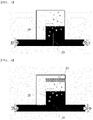
FIGS. 2 to 6 illustrate flows of reaction product streams in a bubble catcher according to an exemplary embodiment of the present invention. -
FIG. 7 is a process flow chart including an apparatus for preparing an oligomer according to Comparative Example. - The terms and words used in the description and claims of the present invention are not to be construed limitedly as having general or dictionary meanings but are to be construed as having meanings and concepts meeting the technical ideas of the present invention, based on a principle that the inventors are able to appropriately define the concepts of terms in order to describe their own inventions in the best mode.
- In the present invention, the term "upper portion" may refer to a portion corresponding to a height of 50% or more from a total height of the device in a container, and the term "lower portion" may refer to a portion corresponding to a height less than 50% from the total height of the device in the container.
- In the present invention, the term "stream" may refer to a flow of a fluid in a process, or may refer to a fluid itself flowing in a pipe. Specifically, the "stream" may refer to both a fluid itself flowing in a pipe connecting respective devices and a flow of the fluid. In addition, the fluid may refer to a gas, a liquid, and the like. A case where the fluid contains a solid component is not excluded.
- Hereinafter, the present invention will be described in more detail with reference to
FIGS. 1 to 6 in order to assist in the understanding of the present invention. - According to the present invention, there is provided an apparatus for preparing an oligomer. As the apparatus for preparing an oligomer, there is provided an apparatus for preparing an oligomer, including: a
reactor 10 receiving a monomer stream and performing an oligomerization reaction to prepare a reaction product; aproduct discharge line 11 for transferring a reaction product stream discharged from thereactor 10; and abubble catcher 20 provided in any area of theproduct discharge line 11 to remove bubbles contained in the reaction product stream. - According to an exemplary embodiment of the present invention, the
reactor 10 may prepare a reaction product including a desired oligomer product by receiving a monomer stream and performing an oligomerization reaction. - The oligomerization reaction in the
reactor 10 may be performed in a liquid-phase reaction medium. The liquid-phase reaction medium may be supplied to a lower portion of a side surface of thereactor 10, and may include one or more selected from the group consisting of a solvent, a catalyst, and a cocatalyst. - The solvent may include, for example, one or more selected from the group consisting of n-pentane, n-hexane, n-heptane, cyclohexane, methylcyclohexane, octane, cyclooctane, decane, dodecane, benzene, xylene, 1,3,5-trimethylbenzene, toluene, ethylbenzene, chlorobenzene, dichlorobenzene, and trichlorobenzene. In some cases, a mixture of two or more of those described above may be used as the solvent.
- The catalyst may include, for example, a transition metal source. The transition metal source may be, for example, a compound including one or more selected from the group consisting of chromium (III) acetylacetonate, chromium (III) chloride tetrahydrofuran, chromium (III) 2-ethylhexanoate, chromium (III) tris(2,2,6,6-tetramethyl-3,5-heptanedionate), chromium (III) benzoylacetonate, chromium (III) hexafluoro-2,4-pentanedionate, chromium (III) acetate hydroxide, chromium (III) acetate, chromium (III) butyrate, chromium (III) pentanoate, chromium (III) laurate, and chromium (III) stearate.
- The cocatalyst may include, for example, one or more selected from the group consisting of trimethyl aluminium, triethyl aluminium, triisopropyl aluminium, triisobutyl aluminum, ethylaluminum sesquichloride, diethylaluminum chloride, ethyl aluminium dichloride, methylaluminoxane, modified methylaluminoxane, and borate.
- The monomer may include ethylene. Specifically, a monomer stream containing ethylene monomers is supplied to
reactor 10 and is subjected to an oligomerization reaction, such that a desired oligomer, a-olefin, may be prepared. In this case, the oligomerization reaction is performed in a reaction medium of lower to central areas of thereactor 10, and the oligomerization reaction of the monomers may be performed in a liquid state in which the monomers are dissolved in a solvent in the presence of a catalyst. The oligomerization reaction may refer to a reaction in which a monomer is polymerized. The oligomerization reaction is called trimerization or tetramerization depending on the number of monomers to be polymerized, and these are collectively called multimerization. - α-olefins are an important material used in comonomers, detergents, lubricants, plasticizers, etc., and have been commercially widely used. Among them, 1-hexene and 1-octene have been widely used as comonomers for controlling a density of polyethylene during preparation of linear low density polyethylene (LLDPE). The α-olefin such as 1-hexene and 1-octene may be prepared by, for example, a trimerization reaction or tetramerization reaction of ethylene.
- The
reactor 10 may include, for example, one or more reactors selected from the group consisting of a continuous stirred-tank reactor, a plug flow reactor, and a bubble column reactor. As a specific example, the reactor may be a bubble column reactor. - The oligomerization reaction which is performed by a monomer stream supplied to the
reactor 10 may be performed at a temperature of 10°C to 180°C, 30°C to 150°C, or 50°C to 120°C. In addition, the oligomerization reaction may be performed under a pressure of 10 bar.g to 70 bar.g, 20 bar.g to 65 bar.g, or 20 bar.g to 40 bar.g. When the ethylene is oligomerized within the temperature range and the pressure range described above, a selectivity to a desired α-olefin may be excellent, an amount of polymer byproducts may be decreased, an operational efficiency of a continuous process may be increased, and costs may be reduced. - The monomer stream may be supplied to the
reactor 10 in a gas-phase through a monomer supply line provided at a lower portion of thereactor 10. In this case, a gas-phase monomer stream is dispersed into gas through a porous dispersion plate installed in a lower portion of thereactor 10, introduced into the liquid-phase reaction medium containing a solvent, and naturally mixed by a dispersed force, which may cause an oligomerization reaction. In this case, a ratio of independent gas holdups in thereactor 10 is distributed in the range of 5% to 40% depending on a reaction condition. Therefore, a reaction product is present in a multi-phase including a liquid-phase and a gas-phase. - The reaction product generated in the
reactor 10 may be discharged from thereactor 10 through theproduct discharge line 11. In this case, when the reaction product stream in which gas and liquid are mixed with each other is discharged through aproduct discharge line 11 of thereactor 10, a choked flow phenomenon may occur where a discharge flow immediately after thelevel control valve 12 provided in theproduct discharge line 11 becomes congested and is subjected to strong resistance. In addition, a flow before and after thelevel control valve 12 is not smooth, and a congestion phenomenon of the polymer caused by a side reaction is added, which ultimately leads to a clogging of thelevel control valve 12. - To this end, in the present invention, a
bubble catcher 20 may be provided in any area of theproduct discharge line 11 to remove bubbles contained in the reaction product stream, thereby making a flow smooth. - According to an exemplary embodiment of the present invention, the
bubble catcher 20 may further include apressure gauge 22 provided therein. The bubbles ascend in thebubble catcher 20, and the bubbles congested at an upper portion of thebubble catcher 20 may be discharged to agas recovery line 21 by monitoring thepressure gauge 22 if necessary. Specifically, thepressure gauge 22 may measure an internal pressure of thebubble catcher 20 changed depending on the bubbles that ascend and congested inside thebubble catcher 20, determine that the bubbles have sufficiently filled an internal space of thebubble catcher 20 when a difference between the internal pressure of thebubble catcher 20 and a pressure of thereactor 10 is reduced to, for example, 1 bar.g or less, 0.1 bar.g to 1 bar.g, or 0.3 bar.g to 1 bar.g, and discharge the bubbles congested through thegas recovery line 21 connected from above thebubble catcher 20 to thebubble catcher 20 so that the filled bubbles do not interfere with a flow of a liquid-phase reaction product. In this case, a block valve may be provided in thegas recovery line 21 to open or close through the monitoring of thepressure gauge 22 to discharge the bubbles congested in thebubble catcher 20, if necessary. - According to an exemplary embodiment of the present invention, the
bubble catcher 20 may further include abaffle 23 provided therein. Specifically, an inlet and an outlet of thebubble catcher 20 may be formed at lower portions of both side surfaces of thebubble catcher 20, respectively, and the reaction product stream may be supplied to the inlet of thebubble catcher 20, be transferred inside thebubble catcher 20, and be discharged to the outlet of thebubble catcher 20. Here, thebaffle 23 may be provided vertically from a bottom surface of thebubble catcher 20, through which the reaction product stream may flow with curves, not straight from the inlet to the outlet of thebubble catcher 20. In this case, the path through which the reaction product stream is transferred is longer due to thebaffle 23, such that a residence time in thebubble catcher 20 is increased, the bubbles are raised, and the liquid-phase reaction product flows towards the outlet, which may make it easier to remove the bubbles contained in the reaction product stream. - The number of
baffles 23 provided in thebubble catcher 20 may be one to three, one or two, or one. As a specific example, the number ofbaffles 23 provided in thebubble catcher 20 may be one. In this case, the bubbles may be sufficiently discharged to a space of an upper area without significant congestion of a flow of a reaction product stream in which a gas and a liquid are mixed with each other. In addition, a fouling phenomenon of the apparatus by the polymer, which is a by-product that may be contained in the reaction product stream may be minimized. - The
bubble catcher 20 may further include aguide part 25 guiding the flow of the reaction product in thebubble catcher 20 toward an outlet. Specifically, theguide part 25 may be formed to be spaced apart from the bottom surface of thebubble catcher 20 and thebaffle 23 by a predetermined interval so that the flow of the reaction product in thebubble catcher 20 is guided toward the outlet. For example, theguide part 25 may extend horizontally from a lower portion of an inner wall of an inletside bubble catcher 20, may extend vertically from the horizontally extending end in an upward direction, and may extend horizontally again from the vertically extending end to be connected to an area between thebaffle 23 and ademister 24 to be described later. Theguide part 25 may guide the reaction product transferred in thebubble catcher 20 from the inlet to the outlet of thebubble catcher 20 and at the same time, prevent a vortex from being generated when a flow direction of the reaction product stream transferred in thebubble catcher 20 is changed by thebaffle 23, thereby minimizing contamination of thegas recovery line 21 caused by a liquid and a polymer entrained with the bubbles. - According to an exemplary embodiment of the present invention, the
bubble catcher 20 may further include ademister 24 provided therein. Specifically, thedemister 24 is a device for separating the liquid-phase reaction product that ascends with the bubbles in thebubble catcher 20, and may be provided in an upper area of thebubble catcher 20. - The
demister 24 may be formed in an independent gas space above an area where the reaction product stream is transferred, inside thebubble catcher 20. As a specific example, thedemister 24 may be formed in an upper area corresponding to an area where the flow of the reaction product stream is changed due to thebaffle 23. In this case, when the bubbles contained in the reaction product stream are discharged and ascend to the upper area while the flow is changed due to thebaffle 23, it may be easy to remove the liquid-phase reaction product entrained with the bubbles by using thedemister 24. - According to an exemplary embodiment of the present invention, the
level control valve 12 for controlling a level of a liquid-phase, that is, a level of the reaction medium, in order to constantly maintain a catalytic reaction in thereactor 10 may be provided in any area of theproduct discharge line 11. For example, thelevel control valve 12 may control a flow rate of the reaction product stream discharged through theproduct discharge line 11 to constantly maintain a level of the liquid-phase in thereactor 10. - In this case, in the
product discharge line 11, thebubble catcher 20 may be provided in front of thelevel control valve 12 based on a flow direction of the reaction product stream. Therefore, the gas in the reaction product stream in which the gas and the liquid are mixed with each other is removed, and the reaction product stream from which the gas component is removed passes through thelevel control valve 12 to prevent a discharge flow immediately after thelevel control valve 12 from being congested, thereby making the flow smooth and preventing a clogging phenomenon of thelevel control valve 12. - The reaction product stream passing through the
level control valve 12 may be supplied to a purification part, and a desired oligomer may be separated and purified through a general separation and purification process of the reaction product stream, and be then commercialized. - According to an exemplary embodiment of the present invention, a gas-phase stream containing monomers unreacted during the oligomerization reaction in the
reactor 10 may be discharged from an upper portion of thereactor 10. The gas-phase stream discharged from the upper portion of thereactor 10 is condensed while passing through acondenser 30, and may be supplied to a gas-liquid separation device 40. For example, the gas-liquid separation device 40 may be a flash drum. - In the gas-
liquid separation device 40, a condensate condensed and a non-condensate while passing through thecondenser 30 may be separated. In this case, the non-condensate may be discharged as a gas-phase stream from the gas-liquid separation device 40 through anupper discharge line 41 of the gas-liquid separation device 40. Further, the gas-phase stream discharged from the gas-liquid separation device 40 contains unreacted monomers, and may be removed or circulated to thereactor 10 to participate in the oligomer reaction again. - In the gas-
liquid separation device 40, the condensate may be discharged as a liquid stream from the gas-liquid separation device 40 through a lower discharge line of the gas-liquid separation device 40. Further, the liquid-phase stream discharged from the gas-liquid separation device 40 contains the reaction medium, and may be removed or circulated to thereactor 10 to be reused. - According to an exemplary embodiment of the present invention, the
gas recovery line 21 of thebubble catcher 20 may extend from thebubble catcher 20 and join in theupper discharge line 41 of the gas-liquid separation device 40. Specifically, the bubbles separated from the reaction product stream discharged through thegas recovery line 21 of thebubble catcher 20 contain a gas-phase monomer, and have a component similar to that of the gas-phase stream discharged from the gas-liquid separation device 40, and thus, may join and be removed in theupper discharge line 41 of the gas-liquid separation device 40 or be circulated to thereactor 10. - The apparatus for preparing an oligomer according to the present invention has been described hereinabove and illustrated in the drawings, but only essential components for understanding the present invention have been described above and illustrated in the drawings, and in addition to the processes and the devices described above and illustrated in the drawings, processes and devices that are not separately described and illustrated may be appropriately applied and used to implement the apparatus for preparing an oligomer according to the present invention.
- Hereinafter, the present invention will be described in more detail by Examples. However, the following Examples are provided in order to exemplify the present invention, it is apparent to those skilled in the art that various modifications and alterations may be made without departing from the scope and spirit of the present invention, and the scope of the present invention is not limited to these Examples.
- As illustrated in
FIG. 1 , an ethylene monomer and a reaction medium were supplied to abubble column reactor 10, and were subjected to an oligomerization reaction to prepare a reaction product. - A gas-phase stream discharged from the
reactor 10 was supplied to the gas-liquid separation device 40 through thecondenser 30, and a gas-phase stream containing a non-condensate was discharged through theupper discharge line 41 of the gas-liquid separation device 40. - A reaction product stream discharged from the
reactor 10 was discharged through theproduct discharge line 11, and bubbles in the reaction product stream were removed while the reaction product stream passes through thebubble catcher 20 including onebaffle 23 in a flow as illustrated inFIG. 2 . In this case, it was confirmed that a content of a gas-phase component in the reaction product stream supplied to thebubble catcher 20 was about 15% by weight based on the total content of the reaction product stream, and it was confirmed that a content of a gas-phase component in the reaction product stream passing through thebubble catcher 20 is 3% by weight or less based on the total content of the reaction product stream. - The reaction product discharged from the
bubble catcher 20 passed through thelevel control valve 12 and was then discharged. In this case, an internal pressure of thebubble catcher 20 was monitored through thepressure gauge 22, and when a difference between the internal pressure of thebubble catcher 20 and a pressure of thereactor 10 is reduced to 1 bar.g or less, bubbles congested in an upper area of thebubble catcher 20 were discharged through thegas recovery line 21 and joined in theupper discharge line 41 of the gas-liquid separation device 40. - As a result, it appeared that a cleaning cycle at which cleaning needs to be performed due to occurrence of clogging of the
level control valve 12 provided behind thebubble catcher 20 was 8 hours or more. - The same processes as Example 1 were performed except that the bubbles in a reaction product stream discharged through the
product discharge line 11 were removed while the reaction product stream passes through thebubble catcher 20 including twobaffles 23 in a flow as illustrated inFIG. 3 . In this case, it was confirmed that a content of a gas-phase component in the reaction product stream supplied to thebubble catcher 20 is about 15% by weight based on the total content of the reaction product stream, and it was confirmed that a content of a gas-phase component in the reaction product stream passing through thebubble catcher 20 is 3% by weight or less based on the total content of the reaction product stream. - As a result, it appeared that a cleaning cycle at which cleaning needs to be performed due to occurrence of clogging of the
level control valve 12 provided behind thebubble catcher 20 was 8 hours or more, and it appeared that the number ofbaffles 23 was increased, such that amounts of a liquid and a polymer entrained to flowing out to thegas recovery line 21 were slightly increased compared to Example 1. - The same processes as Example 1 were performed except that the bubbles in a reaction product stream discharged through the
product discharge line 11 were removed while the reaction product stream passes through thebubble catcher 20 including onebaffle 23 and thedemister 24 in a flow as illustrated inFIG. 4 . In this case, it was confirmed that a content of a gas-phase component in the reaction product stream supplied to thebubble catcher 20 is about 15% by weight based on the total content of the reaction product stream, and it was confirmed that a content of a gas-phase component in the reaction product stream passing through thebubble catcher 20 is 3% by weight or less based on the total content of the reaction product stream. - As a result, it appeared that a cleaning cycle at which cleaning needs to be performed due to occurrence of clogging of the
level control valve 12 provided behind thebubble catcher 20 was 8 hours or more, and it appeared that due to thedemister 24, amounts of a liquid and a polymer entrained to flowing out to thegas recovery line 21 were decreased compared to Example 1. - The same processes as Example 1 were performed except that the bubbles in a reaction product stream discharged through the
product discharge line 11 were removed while the reaction product stream passes through thebubble catcher 20 including onebaffle 23 and theguide part 25 in a flow as illustrated inFIG. 5 . In this case, it was confirmed that a content of a gas-phase component in the reaction product stream supplied to thebubble catcher 20 is about 15% by weight based on the total content of the reaction product stream, and it was confirmed that a content of a gas-phase component in the reaction product stream passing through thebubble catcher 20 is 3% by weight or less based on the total content of the reaction product stream. - As a result, it appeared that a cleaning cycle at which cleaning needs to be performed due to occurrence of clogging of the
level control valve 12 provided behind thebubble catcher 20 was 8 hours or more, and it appeared that due to theguide part 25, amounts of a liquid and a polymer entrained to flowing out to thegas recovery line 21 were decreased compared to Example 1. - The same processes as Example 1 were performed except that the bubbles in a reaction product stream discharged through the
product discharge line 11 were removed while the reaction product stream passes through thebubble catcher 20 including onebaffle 23, thedemister 24, and theguide part 25 in a flow as illustrated inFIG. 6 . In this case, it was confirmed that a content of a gas-phase component in the reaction product stream supplied to thebubble catcher 20 is about 15% by weight based on the total content of the reaction product stream, and it was confirmed that a content of a gas-phase component in the reaction product stream passing through thebubble catcher 20 is 3% by weight or less based on the total content of the reaction product stream. - As a result, it appeared that a cleaning cycle at which cleaning needs to be performed due to occurrence of clogging of the
level control valve 12 provided behind thebubble catcher 20 was 8 hours or more, and it could be confirmed that onebaffle 23 was used, and thedemister 24 and theguide part 25 were further provided to significantly decrease amounts of a liquid and a polymer entrained in thebubble catcher 20 flowing out to thegas recovery line 21 compared to Examples 1 to 4, such that clogging of thegas recovery line 21 was prevented and thus, an operation was further stabilized. - As illustrated in
FIG. 7 , an ethylene monomer and a reaction medium were supplied to abubble column reactor 10, and were subjected to an oligomerization reaction to prepare a reaction product. - The gas-phase stream discharged from the
reactor 10 was supplied to the gas-liquid separation device 40 through thecondenser 30, and the gas-phase stream containing non-condensate was discharged through theupper discharge line 41 of the gas-liquid separation device 40. - A reaction product stream discharged from the
reactor 10 was discharged through theproduct discharge line 11 provided with thelevel control valve 12. In this case, it was confirmed that a content of a gas-phase component in the reaction product stream was about 15% by weight based on the total content of the reaction product stream. - As a result, it could be confirmed that a cleaning cycle at which cleaning needs to be performed due to occurrence of clogging of the
level control valve 12 provided behind thebubble catcher 20 was 4 hours or less, which was significantly decreased compared to Examples 1 to 5.
Claims (14)
- An apparatus for preparing an oligomer, comprising:a reactor receiving a monomer stream and performing an oligomerization reaction to prepare a reaction product;a product discharge line for transferring a reaction product stream discharged from the reactor; anda bubble catcher provided in any area of the product discharge line to remove bubbles contained in the reaction product stream.
- The apparatus for preparing an oligomer of claim 1, wherein the monomer stream includes an ethylene monomer.
- The apparatus for preparing an oligomer of claim 1, further comprising a level control valve provided in any area of the product discharge line.
- The apparatus for preparing an oligomer of claim 3, wherein the bubble catcher is provided in front of the level control valve based on a flow direction of the reaction product stream.
- The apparatus for preparing an oligomer of claim 1, wherein the bubble catcher further includes a baffle provided therein.
- The apparatus for preparing an oligomer of claim 5, wherein the baffle is provided perpendicular to a flow direction of the reaction product stream in the bubble catcher.
- The apparatus for preparing an oligomer of claim 5, wherein the number of baffles is one to three.
- The apparatus for preparing an oligomer of claim 7, wherein the number of baffles is one.
- The apparatus for preparing an oligomer of claim 1, wherein the bubble catcher further includes a guide part for guiding the flow of reaction product stream in the bubble catcher toward an outlet.
- The apparatus for preparing an oligomer of claim 1, wherein the bubble catcher further includes a demister provided therein.
- The apparatus for preparing an oligomer of claim 10, wherein the demister is provided in an upper area of the bubble catcher.
- The apparatus for preparing an oligomer of claim 1, further comprising a pressure gauge provided in the bubble catcher,
wherein the bubbles ascend in the bubble catcher, and the bubbles congested in an upper portion of the bubble catcher is discharged by monitoring the pressure gauge, if necessary. - The apparatus for preparing an oligomer of claim 12, wherein a gas-phase stream discharged from an upper portion of the reactor passes through a condenser and is supplied to a gas-liquid separation device, and the gas-phase stream from the gas-liquid separation device is discharged through an upper discharge line.
- The apparatus for preparing an oligomer of claim 13, further comprising a gas recovery line connected from above the bubble catcher,
wherein the gas recovery line extends from the bubble catcher and joins in an upper discharge line of the gas-liquid separation device.
Applications Claiming Priority (2)
| Application Number | Priority Date | Filing Date | Title |
|---|---|---|---|
| KR1020200145157A KR102690688B1 (en) | 2020-11-03 | 2020-11-03 | Apparatus for preparing oligomer |
| PCT/KR2021/010716 WO2022097886A1 (en) | 2020-11-03 | 2021-08-12 | Apparatus for preparing oligomer |
Publications (2)
| Publication Number | Publication Date |
|---|---|
| EP4032607A1 true EP4032607A1 (en) | 2022-07-27 |
| EP4032607A4 EP4032607A4 (en) | 2023-01-04 |
Family
ID=81458040
Family Applications (1)
| Application Number | Title | Priority Date | Filing Date |
|---|---|---|---|
| EP21878740.6A Pending EP4032607A4 (en) | 2020-11-03 | 2021-08-12 | Apparatus for preparing oligomer |
Country Status (6)
| Country | Link |
|---|---|
| US (1) | US11833484B2 (en) |
| EP (1) | EP4032607A4 (en) |
| JP (1) | JP7362193B2 (en) |
| KR (1) | KR102690688B1 (en) |
| CN (1) | CN114728250B (en) |
| WO (1) | WO2022097886A1 (en) |
Families Citing this family (1)
| Publication number | Priority date | Publication date | Assignee | Title |
|---|---|---|---|---|
| KR20250080311A (en) * | 2023-11-28 | 2025-06-05 | 주식회사 엘지화학 | Apparatus for preparing oligomer |
Family Cites Families (23)
| Publication number | Priority date | Publication date | Assignee | Title |
|---|---|---|---|---|
| FR2795001B1 (en) * | 1999-06-17 | 2001-08-17 | Cogema | METHOD AND INSTALLATION FOR IMPLEMENTING A THREE-PHASE CHEMICAL REACTION UNDER PRESSURE |
| US6906164B2 (en) * | 2000-12-07 | 2005-06-14 | Eastman Chemical Company | Polyester process using a pipe reactor |
| KR20020078883A (en) | 2001-04-11 | 2002-10-19 | 주식회사 코오롱 | Deaeration method for polymeric solution |
| KR100539286B1 (en) | 2003-05-21 | 2005-12-28 | 충남대학교산학협력단 | Continuous system for recycling polyester sludge using bubbling loop reactor and its operating method |
| AU2005224084B2 (en) * | 2004-03-12 | 2009-12-03 | University Of Utah | Cyclone reactor and associated methods |
| WO2006104241A1 (en) | 2005-03-29 | 2006-10-05 | Fujifilm Corporation | Reaction method and apparatus and method and apparatus for manufacturing chemical substance using the same |
| JP2006272132A (en) | 2005-03-29 | 2006-10-12 | Fuji Photo Film Co Ltd | Method and apparatus for manufacture of chemical substance |
| JP2006272131A (en) | 2005-03-29 | 2006-10-12 | Fuji Photo Film Co Ltd | Method and apparatus for reaction |
| EP1777209A1 (en) | 2005-10-20 | 2007-04-25 | Saudi Basic Industries Corporation | Method for oligomerization of ethylene and reactor system therefor with removal of heavy molecular weight oligomers |
| EP2217551B1 (en) * | 2007-11-07 | 2014-06-04 | Sasol Technology (Proprietary) Limited | Process for polymerising or oligomerising a hydrocarbon |
| KR101060383B1 (en) | 2008-12-15 | 2011-08-29 | 경희대학교 산학협력단 | Fullerene Multimer Collector |
| CN201609597U (en) | 2009-11-10 | 2010-10-20 | 天津大沽化工股份有限公司 | Novel defoaming and demisting device for evaporation |
| SG11201407269TA (en) * | 2012-05-09 | 2014-12-30 | Sasol Tech Pty Ltd | A process for oligomerising a hydrocarbon to form at least one co-monomer product |
| KR101713377B1 (en) | 2013-10-11 | 2017-03-07 | 주식회사 엘지화학 | Method for polymerizing paste PVC and forming material |
| JP6565525B2 (en) * | 2014-09-22 | 2019-08-28 | 三菱ケミカル株式会社 | Method and apparatus for producing α-olefin low polymer |
| CN204411989U (en) * | 2014-12-25 | 2015-06-24 | 江苏华伦化工有限公司 | A kind of gas/liquid separator device |
| IL241033B (en) * | 2015-09-02 | 2021-12-01 | Eyeway Vision Ltd | Eye projection device and method |
| KR101749542B1 (en) * | 2015-09-03 | 2017-06-21 | 한택규 | Process for selective oligomerization of Ethylene |
| US10329212B2 (en) * | 2016-05-27 | 2019-06-25 | Chevron Phillips Chemical Company Lp | Reduced polymer formation for selective ethylene oligomerizations |
| KR101745896B1 (en) * | 2017-01-02 | 2017-06-12 | 주식회사 성지엔지니어링 | Apparatus for renediating with multistage polluted ground water by VOCs |
| KR101799373B1 (en) * | 2017-04-24 | 2018-01-22 | 현대건설 주식회사 | Membrane cleaning device with huge bubble for waste water treatment |
| CN107973536A (en) | 2017-11-16 | 2018-05-01 | 江苏苏博特新材料股份有限公司 | A kind of oligomeric-type concrete defoamer, its preparation method and application |
| KR20190075572A (en) | 2017-12-21 | 2019-07-01 | 주식회사 엘지화학 | Alpha olefin synthesis method and apparatus thereof |
-
2020
- 2020-11-03 KR KR1020200145157A patent/KR102690688B1/en active Active
-
2021
- 2021-08-12 CN CN202180006118.3A patent/CN114728250B/en active Active
- 2021-08-12 WO PCT/KR2021/010716 patent/WO2022097886A1/en not_active Ceased
- 2021-08-12 US US17/775,860 patent/US11833484B2/en active Active
- 2021-08-12 JP JP2022525432A patent/JP7362193B2/en active Active
- 2021-08-12 EP EP21878740.6A patent/EP4032607A4/en active Pending
Also Published As
| Publication number | Publication date |
|---|---|
| WO2022097886A1 (en) | 2022-05-12 |
| US11833484B2 (en) | 2023-12-05 |
| JP2023505012A (en) | 2023-02-08 |
| JP7362193B2 (en) | 2023-10-17 |
| KR102690688B1 (en) | 2024-07-31 |
| EP4032607A4 (en) | 2023-01-04 |
| CN114728250A (en) | 2022-07-08 |
| CN114728250B (en) | 2024-07-12 |
| US20230041232A1 (en) | 2023-02-09 |
| KR20220059682A (en) | 2022-05-10 |
Similar Documents
| Publication | Publication Date | Title |
|---|---|---|
| US11583825B2 (en) | Apparatus for preparing oligomer | |
| EP3831474B1 (en) | Oligomer manufacturing device | |
| US11833484B2 (en) | Apparatus for preparing oligomer | |
| CA3079005C (en) | A method of recovering olefins in a solution polymerisation process | |
| KR20210091500A (en) | Apparatus for preparing oligomer | |
| EP4218999A1 (en) | Bubble column reactor | |
| EP4209262A1 (en) | Bubble column reactor | |
| EP4218997A1 (en) | Bubble column reactor | |
| KR102690910B1 (en) | Sparger and reactor comprising the same | |
| EP4212238A1 (en) | Sparger and reactor comprising same | |
| JP7371979B2 (en) | Oligomer production equipment | |
| JP7362187B2 (en) | Oligomer production equipment | |
| CN120677012A (en) | Bubble column reactor and apparatus for producing oligomer including the same |
Legal Events
| Date | Code | Title | Description |
|---|---|---|---|
| STAA | Information on the status of an ep patent application or granted ep patent |
Free format text: STATUS: UNKNOWN |
|
| STAA | Information on the status of an ep patent application or granted ep patent |
Free format text: STATUS: THE INTERNATIONAL PUBLICATION HAS BEEN MADE |
|
| PUAI | Public reference made under article 153(3) epc to a published international application that has entered the european phase |
Free format text: ORIGINAL CODE: 0009012 |
|
| STAA | Information on the status of an ep patent application or granted ep patent |
Free format text: STATUS: REQUEST FOR EXAMINATION WAS MADE |
|
| 17P | Request for examination filed |
Effective date: 20220419 |
|
| AK | Designated contracting states |
Kind code of ref document: A1 Designated state(s): AL AT BE BG CH CY CZ DE DK EE ES FI FR GB GR HR HU IE IS IT LI LT LU LV MC MK MT NL NO PL PT RO RS SE SI SK SM TR |
|
| A4 | Supplementary search report drawn up and despatched |
Effective date: 20221205 |
|
| RIC1 | Information provided on ipc code assigned before grant |
Ipc: C07C 11/107 20060101ALI20221129BHEP Ipc: C07C 2/76 20060101ALI20221129BHEP Ipc: B01D 53/00 20060101ALI20221129BHEP Ipc: B01D 5/00 20060101ALI20221129BHEP Ipc: B01D 19/00 20060101ALI20221129BHEP Ipc: B01J 19/00 20060101ALI20221129BHEP Ipc: B01J 8/00 20060101ALI20221129BHEP Ipc: B01J 8/02 20060101AFI20221129BHEP |
|
| DAV | Request for validation of the european patent (deleted) | ||
| DAX | Request for extension of the european patent (deleted) | ||
| STAA | Information on the status of an ep patent application or granted ep patent |
Free format text: STATUS: EXAMINATION IS IN PROGRESS |
|
| 17Q | First examination report despatched |
Effective date: 20241002 |