EP4030446B1 - Planar coil, and transformer, wireless transmitter, and electromagnet provided with planar coil - Google Patents
Planar coil, and transformer, wireless transmitter, and electromagnet provided with planar coil Download PDFInfo
- Publication number
- EP4030446B1 EP4030446B1 EP20862794.3A EP20862794A EP4030446B1 EP 4030446 B1 EP4030446 B1 EP 4030446B1 EP 20862794 A EP20862794 A EP 20862794A EP 4030446 B1 EP4030446 B1 EP 4030446B1
- Authority
- EP
- European Patent Office
- Prior art keywords
- planar coil
- metal layer
- base
- layer
- metal
- Prior art date
- Legal status (The legal status is an assumption and is not a legal conclusion. Google has not performed a legal analysis and makes no representation as to the accuracy of the status listed.)
- Active
Links
Images





Classifications
-
- H—ELECTRICITY
- H01—ELECTRIC ELEMENTS
- H01F—MAGNETS; INDUCTANCES; TRANSFORMERS; SELECTION OF MATERIALS FOR THEIR MAGNETIC PROPERTIES
- H01F27/00—Details of transformers or inductances, in general
- H01F27/28—Coils; Windings; Conductive connections
- H01F27/2804—Printed windings
-
- H—ELECTRICITY
- H01—ELECTRIC ELEMENTS
- H01F—MAGNETS; INDUCTANCES; TRANSFORMERS; SELECTION OF MATERIALS FOR THEIR MAGNETIC PROPERTIES
- H01F5/00—Coils
- H01F5/003—Printed circuit coils
-
- H—ELECTRICITY
- H01—ELECTRIC ELEMENTS
- H01B—CABLES; CONDUCTORS; INSULATORS; SELECTION OF MATERIALS FOR THEIR CONDUCTIVE, INSULATING OR DIELECTRIC PROPERTIES
- H01B1/00—Conductors or conductive bodies characterised by the conductive materials; Selection of materials as conductors
- H01B1/02—Conductors or conductive bodies characterised by the conductive materials; Selection of materials as conductors mainly consisting of metals or alloys
-
- H—ELECTRICITY
- H01—ELECTRIC ELEMENTS
- H01B—CABLES; CONDUCTORS; INSULATORS; SELECTION OF MATERIALS FOR THEIR CONDUCTIVE, INSULATING OR DIELECTRIC PROPERTIES
- H01B1/00—Conductors or conductive bodies characterised by the conductive materials; Selection of materials as conductors
- H01B1/20—Conductive material dispersed in non-conductive organic material
- H01B1/22—Conductive material dispersed in non-conductive organic material the conductive material comprising metals or alloys
-
- H—ELECTRICITY
- H01—ELECTRIC ELEMENTS
- H01F—MAGNETS; INDUCTANCES; TRANSFORMERS; SELECTION OF MATERIALS FOR THEIR MAGNETIC PROPERTIES
- H01F27/00—Details of transformers or inductances, in general
- H01F27/24—Magnetic cores
-
- H—ELECTRICITY
- H01—ELECTRIC ELEMENTS
- H01F—MAGNETS; INDUCTANCES; TRANSFORMERS; SELECTION OF MATERIALS FOR THEIR MAGNETIC PROPERTIES
- H01F27/00—Details of transformers or inductances, in general
- H01F27/28—Coils; Windings; Conductive connections
- H01F27/2876—Cooling
-
- H—ELECTRICITY
- H01—ELECTRIC ELEMENTS
- H01F—MAGNETS; INDUCTANCES; TRANSFORMERS; SELECTION OF MATERIALS FOR THEIR MAGNETIC PROPERTIES
- H01F7/00—Magnets
- H01F7/06—Electromagnets; Actuators including electromagnets
- H01F7/20—Electromagnets; Actuators including electromagnets without armatures
-
- H—ELECTRICITY
- H02—GENERATION; CONVERSION OR DISTRIBUTION OF ELECTRIC POWER
- H02J—ELECTRIC POWER NETWORKS; CIRCUIT ARRANGEMENTS OR SYSTEMS FOR SUPPLYING OR DISTRIBUTING ELECTRIC POWER; SYSTEMS FOR STORING ELECTRIC ENERGY
- H02J50/00—Circuit arrangements or systems for wireless supply or distribution of electric power
- H02J50/10—Circuit arrangements or systems for wireless supply or distribution of electric power using inductive coupling
-
- H—ELECTRICITY
- H01—ELECTRIC ELEMENTS
- H01F—MAGNETS; INDUCTANCES; TRANSFORMERS; SELECTION OF MATERIALS FOR THEIR MAGNETIC PROPERTIES
- H01F7/00—Magnets
- H01F7/06—Electromagnets; Actuators including electromagnets
- H01F2007/068—Electromagnets; Actuators including electromagnets using printed circuit coils
-
- H—ELECTRICITY
- H01—ELECTRIC ELEMENTS
- H01F—MAGNETS; INDUCTANCES; TRANSFORMERS; SELECTION OF MATERIALS FOR THEIR MAGNETIC PROPERTIES
- H01F27/00—Details of transformers or inductances, in general
- H01F27/28—Coils; Windings; Conductive connections
- H01F27/2804—Printed windings
- H01F2027/2809—Printed windings on stacked layers
-
- H—ELECTRICITY
- H01—ELECTRIC ELEMENTS
- H01F—MAGNETS; INDUCTANCES; TRANSFORMERS; SELECTION OF MATERIALS FOR THEIR MAGNETIC PROPERTIES
- H01F27/00—Details of transformers or inductances, in general
- H01F27/08—Cooling; Ventilating
- H01F27/10—Liquid cooling
-
- H—ELECTRICITY
- H01—ELECTRIC ELEMENTS
- H01F—MAGNETS; INDUCTANCES; TRANSFORMERS; SELECTION OF MATERIALS FOR THEIR MAGNETIC PROPERTIES
- H01F27/00—Details of transformers or inductances, in general
- H01F27/08—Cooling; Ventilating
- H01F27/20—Cooling by special gases or non-ambient air
-
- H—ELECTRICITY
- H01—ELECTRIC ELEMENTS
- H01F—MAGNETS; INDUCTANCES; TRANSFORMERS; SELECTION OF MATERIALS FOR THEIR MAGNETIC PROPERTIES
- H01F27/00—Details of transformers or inductances, in general
- H01F27/24—Magnetic cores
- H01F27/255—Magnetic cores made from particles
-
- H—ELECTRICITY
- H01—ELECTRIC ELEMENTS
- H01F—MAGNETS; INDUCTANCES; TRANSFORMERS; SELECTION OF MATERIALS FOR THEIR MAGNETIC PROPERTIES
- H01F27/00—Details of transformers or inductances, in general
- H01F27/28—Coils; Windings; Conductive connections
- H01F27/32—Insulating of coils, windings, or parts thereof
- H01F27/324—Insulation between coil and core, between different winding sections, around the coil; Other insulation structures
-
- H—ELECTRICITY
- H01—ELECTRIC ELEMENTS
- H01F—MAGNETS; INDUCTANCES; TRANSFORMERS; SELECTION OF MATERIALS FOR THEIR MAGNETIC PROPERTIES
- H01F38/00—Adaptations of transformers or inductances for specific applications or functions
- H01F38/14—Inductive couplings
-
- H—ELECTRICITY
- H01—ELECTRIC ELEMENTS
- H01F—MAGNETS; INDUCTANCES; TRANSFORMERS; SELECTION OF MATERIALS FOR THEIR MAGNETIC PROPERTIES
- H01F41/00—Apparatus or processes specially adapted for manufacturing or assembling magnets, inductances or transformers; Apparatus or processes specially adapted for manufacturing materials characterised by their magnetic properties
- H01F41/02—Apparatus or processes specially adapted for manufacturing or assembling magnets, inductances or transformers; Apparatus or processes specially adapted for manufacturing materials characterised by their magnetic properties for manufacturing cores, coils, or magnets
- H01F41/04—Apparatus or processes specially adapted for manufacturing or assembling magnets, inductances or transformers; Apparatus or processes specially adapted for manufacturing materials characterised by their magnetic properties for manufacturing cores, coils, or magnets for manufacturing coils
- H01F41/041—Printed circuit coils
- H01F41/043—Printed circuit coils by thick film techniques
Definitions
- the present disclosure relates to a planar coil, and a transformer, a wireless power transmitter, and an electromagnet provided with the same.
- Patent Document 1 discloses a laminated coil in which a coil pattern is formed on an insulating substrate by electroplating.
- JP 2004 140174 A discloses an electronic component comprising a substrate, an adhesive layer supplied on the substrate, a transferred pattern formed by transferring, onto the adhesive, conductive paste which is composed of a solvent, a powder conductor, and a binder and with which trenches of an intaglio plate formed of flexible resin are filled up, and a conductor pattern formed by baking the transferred pattern.
- JP 2003 059720 A discloses coil conductors electrically connected together through an intermediary of interlayer insulating layers where viahole electrodes are provided to form a first coil unit and a second coil unit on the first and second main surface of a board respectively for the formation of an inductor.
- JP H04 65011 A discloses a conductive paste composed of 75 to 90 wt.% of copper powder A having an average particle diameter of 2 ⁇ m to 4 ⁇ m and 10 to 25 wt.% of copper powder B having an average diameter of 0.1 ⁇ m or less.
- JP 2012 209388 A discloses a method for forming a coil that includes: respective pattern forming steps in which a copper paste having copper nanofillers mixed with an organic solvent (terpineol and ethanol) is applied onto an insulating substrate having insulating properties to form respective coil patterns; and a sintering step in which the organic solvent contained in the respective coil patterns is removed and the copper nanofillers are sintered (metal-joined) together into a metal sintered compact, by heating.
- respective pattern forming steps in which a copper paste having copper nanofillers mixed with an organic solvent (terpineol and ethanol) is applied onto an insulating substrate having insulating properties to form respective coil patterns
- a sintering step in which the organic solvent contained in the respective coil patterns is removed and the copper nanofillers are sintered (metal-joined) together into a metal sintered compact, by heating.
- Patent Document 1 JP 2006-33953 A
- a planar coil is acquired by forming a metal layer on an insulating base.
- a laminated coil having a coil pattern formed by electroforming plating on an insulating substrate is disclosed.
- the metal layer since current flows through the metal layer, the metal layer easily generates heat. Therefore, it is expected to implement a planar coil having high heat dissipation.
- a planar coil of the present disclosure and a transformer, a wireless power transmitter, and an electromagnet provided with the same will be described in detail below with reference to the drawings.
- the base 1 in the planar coil 10 of the present disclosure includes at least a magnetic material. Furthermore, all materials of the base 1 in the planar coil 10 of the present disclosure may be magnetic materials.
- Examples of the base 1 including the magnetic material include ceramics including various magnetic materials described above.
- Examples of the ceramics include aluminum oxide ceramics, silicon carbide ceramics, cordierite ceramics, silicon nitride ceramics, aluminum nitride ceramics, mullite ceramics, and the like.
- Examples of ceramics including the magnetic materials include silicon carbide including iron, and the like.
- the first metal layer 2a may include first metal particles 4 and second metal particles 5.
- the voids 3 may be located between the first metal particles 4 and the second metal particles 5.
- the bonding layer 6 in the planar coil 10 of the present disclosure may include resin or glass.
- the resin there is silicone or imide-amide, for example.
- the glass there is borosilicate glass or silicic acid-based glass, for example.
- FIG. 5 is a diagram illustrating an example of a cross-sectional view taken along line A-A' in FIG. 1 .
- the base 1 in the planar coil 10 of the present disclosure includes a channel 7 therein. With such a configuration, the temperature of the first metal layer 2a can be adjusted by flowing a fluid through the channel 7 of the base 1.
- FIG. 6 is a plan view of another example of the planar coil 10 of the present disclosure when viewed from the first surface 1a side
- FIG. 7 is a diagram illustrating an example of a cross-sectional view taken along line B-B' in FIG. 6
- the base 1 in the planar coil 10 of the present disclosure may include a protruding portion 1c protruding from the first surface 1a.
- the height of the protruding portion 1c is higher than that of the first metal layer 2a.
- the plurality of planar coils 10 can be stably laminated without damaging the first metal layer 2a.
- the insulating layer 8 in the planar coil 10 of the present disclosure may include glass, resin, or ceramics.
- glass there is borosilicate glass or silicic acid-based glass, for example.
- resin there is silicone or imide-amide, for example.
- ceramics include aluminum oxide ceramics, silicon carbide ceramics, cordierite ceramics, silicon nitride ceramics, aluminum nitride ceramics, mullite ceramics, and the like.
- the bonding layer 6 having an insulating property may be used as the insulating layer 8. Furthermore, in the present disclosure, when the base 1 has an insulating property, the insulating layer 8 may not be disposed.
- FIG. 8 is a diagram illustrating an example of a cross-sectional view taken along line B-B' in FIG. 6 .
- the first metal layer 2a in the planar coil 10 of the present disclosure may be in contact with the side surface of the protruding portion 1c via the insulating layer 8.
- the planar coil 10 has a higher heat dissipation property.
- FIG. 11 is a plan view of another example of the planar coil 10 of the present disclosure when viewed from the second surface 1b side
- FIG. 12 is a diagram illustrating an example of a cross-sectional view taken along line C-C' in FIG. 11 .
- the planar coil 10 of the present disclosure may include the first metal layer 2a located on the first surface 1a and the second metal layer 2b located on the second surface 1b.
- the base 1 including a magnetic material is located between a coil located on the first surface 1a and a coil located on the second surface 1b, so that the coils can be prevented from interfering with each other.
- the planar coil 10 of the present disclosure may include a via 9 that electrically connects between the first metal layer 2a located on the first surface 1a and the second metal layer 2b located on the second surface 1b.
- a material constituting the via 9 is metal, but may be the same material as that of the first metal particles 4 and the second metal particles 5 constituting the first metal layer 2a and the second metal layer 2b.
- the base 1 is made of a material having electrical conductivity such as iron, the first metal layer 2a and the second metal layer 2b are not short-circuited with each other by the base 1, and the first metal layer 2a and the second metal layer 2b can serve as a coil.
- the number of turns of the first metal layer 2a in the planar coil 10 may be different from that of the first metal layer 2a in the planar coil 20.
- voltage can be changed.
- the planar coil 10 of the present disclosure may be provided in an electromagnet 300.
- the electromagnet 300 includes one or more planar coils 10, and when electricity is passed through the first metal layer 2a, a magnetic force is generated on a magnetic core. Therefore, the planar coil 10 of the present disclosure can be used as an electromagnet.
- the base 1 including a soft magnetic material is prepared.
- the channel 7 is provided inside the base 1 including a soft magnetic material.
- the base 1 may include the protruding portion 1c and the through hole 1d.
- the first metal layer 2a is formed on the first surface 1a of the base.
- a mask made of resin and having a desired shape is formed on the first surface 1a.
- a liquid mixture in which a plurality of metal particles including the first metal particles 4 and the second metal particles 5 made of stainless steel or copper are mixed with a liquid such as water is prepared, and is poured into a space formed by the mask.
- the liquid mixture is evaporated.
- the mask is removed by burning or using a solvent.
- the base 1 is heated or ultrasonically vibrated. With this, the first metal particles 4 and the second metal particles 5 are bonded to acquire the first metal layer 2a having the voids 3.
- the bonding layer 6 gets wet and is bonded to the first metal layer 2a when the bonding layer 6 is resin or glass.
- the first metal layer 2a may be separately prepared and placed on the bonding layer 6 formed in advance on the first surface 1a, or a paste to be the bonding layer 6 may be applied to the first metal layer 2a and placed on the first surface 1a, and then a base may be heated, thereby acquiring the base 1 including the first metal layer 2a.
- the first metal layer 2a is produced in advance by the following method. First, for example, a liquid mixture in which a plurality of metal particles made of stainless steel or copper are mixed with a liquid such as water is prepared, and is poured into a mold having a shape of the first metal layer 2a. Next, the liquid mixture is evaporated.
- the first metal particles 4 and the second metal particles 5 are bonded by pressurizing at a predetermined pressure and heating or by ultrasonic vibration. Then, when it is taken out from the mold, the first metal layer 2a including the bonded first metal particles 4 and second metal particles 5 and the voids 3 is acquired. Furthermore, by inserting the insulating layer 8 into the through hole 1d, the insulating layer 8 can be formed on the inner wall surface facing the first metal layer 2a side.
- the first metal layer 2a may be produced by the following method. First, after a plurality of metal particles including the first metal particles 4 and the second metal particles 5 are mixed with a binder, a molded body is produced by a mechanical pressing method. Next, the binder is evaporated by drying the molded body. Then, it is heated or ultrasonically vibrated. This allows the first metal particles 4 and the second metal particles 5 to be bonded to acquire the first metal layer 2a having the voids 3.
- a paste in which a plurality of metal particles including the first metal particles 4 and the second metal particles 5 are mixed with a binder is prepared and embedded in a hole formed in advance in the base 1. At this time, a wall surfaces of the hole may be covered with glass or resin in advance. Then, by evaporating the binder through heat treatment after or before the first metal layer 2a and the second metal layer 2b are formed, the via 9 can be formed.
Landscapes
- Engineering & Computer Science (AREA)
- Power Engineering (AREA)
- Physics & Mathematics (AREA)
- Electromagnetism (AREA)
- Computer Networks & Wireless Communication (AREA)
- Chemical & Material Sciences (AREA)
- Dispersion Chemistry (AREA)
- Spectroscopy & Molecular Physics (AREA)
- Coils Or Transformers For Communication (AREA)
- Coils Of Transformers For General Uses (AREA)
Description
- The present disclosure relates to a planar coil, and a transformer, a wireless power transmitter, and an electromagnet provided with the same.
- A planar coil is acquired by forming a metal layer on an insulating base. For example,
Patent Document 1 discloses a laminated coil in which a coil pattern is formed on an insulating substrate by electroplating. -
JP 2004 140174 A -
US 2015/310963 A1 discloses a method of making a thin-film multi-layer micro-wire structure that includes providing a substrate and a layer on the substrate with one or more micro-channels having a width less than or equal to 20 microns. A conductive material including silver nano-particles and having a percent ratio of silver that is greater than or equal to 40% by weight is located in the micro-channels and cured to form an electrically conductive micro-wire. The electrically conductive micro-wire has a width less than or equal to 20 microns and a depth less than or equal to 20 microns. Each micro-wire is electrolessly plated to form a plated layer located at least partially within each micro-channel between the micro-wire and the layer surface in electrical contact with the micro-wire. The plated layer has a thickness less than a thickness of the micro-wire so that the micro-wire and plated layer form the thin-film multi-layer micro-wire. -
JP 2003 059720 A -
JP H04 65011 A -
JP 2012 209388 A - Patent Document 1:
JP 2006-33953 A - The present invention provides a planar coil according to
claim 1, a transformer according to claim 12, a wireless power transmitter according to claim 13, and an electromagnet according to claim 14. Further embodiments of the present invention are disclosed in the dependent claims. -
-
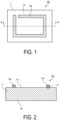
FIG. 1 is a plan view of an example of a planar coil of the present disclosure when viewed from a first surface side. -
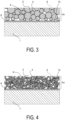
FIG. 2 is a diagram illustrating an example of a cross-sectional view taken along line A-A' inFIG. 1 . -
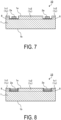
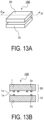
FIG. 3 is a diagram illustrating an example of an enlarged view in a S portion illustrated inFIG. 2 . -
FIG. 4 is a diagram illustrating an example of an enlarged view in the S portion illustrated inFIG. 2 . -
FIG. 5 is a diagram illustrating an example of a cross-sectional view taken along line A-A' inFIG. 1 . -
FIG. 6 is a plan view of another example of a planar coil of the present disclosure when viewed from a first surface side. -
FIG. 7 is a diagram illustrating an example of a cross-sectional view taken along line B-B' inFIG. 6 . -
FIG. 8 is a diagram illustrating an example of a cross-sectional view taken along line B-B' inFIG. 6 . -
FIG. 9 is a diagram illustrating an example of a cross-sectional view taken along line B-B' inFIG. 6 . -
FIG. 10 is a diagram illustrating an example of a cross-sectional view taken along line B-B' inFIG. 6 . -
FIG. 11 is a plan view of another example of the planar coil of the present disclosure when viewed from a second surface side. -
FIG. 12 is a diagram illustrating an example of a cross-sectional view taken along line C-C' inFIG. 11 . -
FIG. 13A is a perspective view of a transformer of the present disclosure. -
FIG. 13B is a cross-sectional view taken along line D-D' inFIG. 13A . -
FIG. 13C is a plan view of a first surface of a planar coil. -
FIG. 13D is a plan view of a first surface of a planar coil. -
FIG. 14A is a perspective view of a wireless power transmitter of the present disclosure. -
FIG. 14B is a cross-sectional view taken along line E-E' inFIG. 14A . -
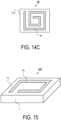
FIG. 14C is a plan view of a first surface of a planar coil. -
FIG. 15 is a perspective view of an electromagnet of the present disclosure. - A planar coil is acquired by forming a metal layer on an insulating base. For example, a laminated coil having a coil pattern formed by electroforming plating on an insulating substrate is disclosed. On the other hand, when such a laminated coil is used as a coil, since current flows through the metal layer, the metal layer easily generates heat. Therefore, it is expected to implement a planar coil having high heat dissipation.
- A planar coil of the present disclosure, and a transformer, a wireless power transmitter, and an electromagnet provided with the same will be described in detail below with reference to the drawings.
- It is noted that the drawings are schematic and the dimensional relationship between elements, the proportions of elements, and the like may differ from realistic ones. Furthermore, even between the drawings, there may be a case where portions having different dimensional relationships, proportions, and the like from one another are included.
- As illustrated in
FIGS. 1 and 2 , aplanar coil 10 of the present disclosure includes abase 1 having afirst surface 1a. Furthermore, theplanar coil 10 includes afirst metal layer 2a located on thefirst surface 1a. Furthermore, thefirst metal layer 2a includes a plurality of voids 3 (seeFIG. 3 ). - The
base 1 in theplanar coil 10 of the present disclosure includes at least a magnetic material. Furthermore, all materials of thebase 1 in theplanar coil 10 of the present disclosure may be magnetic materials. - For example, the magnetic material has magnetism, or has magnetism by an external magnetic field. Examples of the magnetic material include ferrite, iron, silicon iron, iron-nickel based alloys, and iron-cobalt based alloys. Permalloy is an example of an iron-nickel based alloy. Furthermore, permendur is an example of an iron-cobalt based alloy.
- Examples of the
base 1 including the magnetic material include ceramics including various magnetic materials described above. Examples of the ceramics include aluminum oxide ceramics, silicon carbide ceramics, cordierite ceramics, silicon nitride ceramics, aluminum nitride ceramics, mullite ceramics, and the like. Examples of ceramics including the magnetic materials include silicon carbide including iron, and the like. - The
base 1 may be used as a magnetic core (core). - As illustrated in
FIGS. 1 and 2 , thebase 1 may have a plate shape. Thebase 1 may include thefirst surface 1a and asecond surface 1b located on an opposite side of thefirst surface 1a. Furthermore, thefirst metal layer 2a may be located on thefirst surface 1a of thebase 1 in a meandering shape or a spiral shape. Furthermore, thefirst metal layer 2a may be positioned on thefirst surface 1a of thebase 1 in any arrangement. - As illustrated in
FIG. 3 , thefirst metal layer 2a includes thevoids 3. Therefore, the surface area of thefirst metal layer 2a is larger than that of a metal layer having no voids. Consequently, theplanar coil 10 has high heat dissipation. - Furthermore, as illustrated in
FIG. 3 , thefirst metal layer 2a may includefirst metal particles 4 andsecond metal particles 5. Thevoids 3 may be located between thefirst metal particles 4 and thesecond metal particles 5. With such a configuration, heat generated by thefirst metal particles 4 and thesecond metal particles 5 is absorbed by thevoids 3, so that theplanar coil 10 has high heat dissipation. - Materials of the
first metal particles 4 and thesecond metal particles 5 constituting thefirst metal layer 2a may be, for example, stainless steel or copper. - As illustrated in
FIGS. 3 and 4 , thefirst metal particles 4 and thesecond metal particles 5 may each have a spherical shape, a granular shape, a whisker shape, or a needle shape, for example. When thefirst metal particles 4 and thesecond metal particles 5 each have a whisker shape or a needle shape, thefirst metal particles 4 and thesecond metal particles 5 may be bent. Thefirst metal particles 4 and thesecond metal particles 5 may each include corners. When thefirst metal particles 4 and thesecond metal particles 5 each have a spherical shape or a granular shape, the longitudinal lengths of thefirst metal particles 4 and thesecond metal particles 5 may be 0.5 µm or more and 200 µm or less. When thefirst metal particles 4 and thesecond metal particles 5 each have a whisker shape or a needle shape, the diameter may be 1 µm or more and 100 µm or less, and the length may be 100 µm or more and 5 mm or less. - In
FIG. 3 , thefirst metal particles 4 and thesecond metal particles 5 each have a granular shape. InFIG. 4 , thefirst metal particles 4 and thesecond metal particles 5 each have a whisker shape. - Furthermore, an average thickness of the
first metal layer 2a may be 1 µm or more and 5 mm or less. - Furthermore, a porosity of the
first metal layer 2a may be, for example, 10% or more and 90% or less. The porosity is an index representing the proportion of thevoids 3 in thefirst metal layer 2a, and the porosity of thefirst metal layer 2a may be calculated by measurement using the Archimedes method. - Furthermore, as illustrated in
FIGS. 3 and 4 , theplanar coil 10 of the present disclosure may include abonding layer 6 located between thefirst metal layer 2a and thefirst surface 1a. With such a configuration, thefirst metal layer 2a is less likely to be peeled off from thebase 1. Furthermore, thebonding layer 6 easily relieves stress generated by the difference in thermal expansion coefficients between thefirst metal layer 2a and thebase 1. Therefore, cracks are less likely to occur in thebase 1. Consequently, theplanar coil 10 of the present disclosure can withstand long-term use. An average thickness of thebonding layer 6 may be 1 µm or more and 0.5 mm or less. - Furthermore, the
bonding layer 6 in theplanar coil 10 of the present disclosure may include resin or glass. As the resin, there is silicone or imide-amide, for example. As the glass, there is borosilicate glass or silicic acid-based glass, for example. When thebonding layer 6 includes the above material, thefirst metal layer 2a and thebase 1 are firmly bonded, and thefirst metal layer 2a is less likely to be peeled off from thebase 1. -
FIG. 5 is a diagram illustrating an example of a cross-sectional view taken along line A-A' inFIG. 1 . As illustrated inFIG. 5 , thebase 1 in theplanar coil 10 of the present disclosure includes achannel 7 therein. With such a configuration, the temperature of thefirst metal layer 2a can be adjusted by flowing a fluid through thechannel 7 of thebase 1. -
FIG. 6 is a plan view of another example of theplanar coil 10 of the present disclosure when viewed from thefirst surface 1a side, andFIG. 7 is a diagram illustrating an example of a cross-sectional view taken along line B-B' inFIG. 6 . As illustrated inFIGS. 6 and7 , thebase 1 in theplanar coil 10 of the present disclosure may include a protrudingportion 1c protruding from thefirst surface 1a. As illustrated inFIG. 7 , the height of the protrudingportion 1c is higher than that of thefirst metal layer 2a. - With such a configuration, when a plurality of the
planar coils 10 are laminated to form a laminated coil, the protrudingportion 1c is brought into contact with thebase 1 of another laminated planar coil. Therefore, the plurality ofplanar coils 10 can be laminated without damaging thefirst metal layer 2a. When asecond metal layer 2b is present on thesecond surface 1b, thebase 1 may include the protrudingportion 1c protruding from thesecond surface 1b. - Furthermore, as illustrated in
FIG. 6 , the protrudingportion 1c in theplanar coil 10 of the present disclosure may be located around thefirst metal layer 2a located on thefirst surface 1a.FIG. 6 illustrates an example in which thebase 1 includes a protruding portion 1c1 having a frame shape in the plan view and a protruding portion 1c2 having a rectangular shape in the plan view, and thefirst metal layer 2a is located in a region surrounded by the protruding portion 1c1 and the protruding portion 1c2. - With such a configuration, the plurality of
planar coils 10 can be stably laminated without damaging thefirst metal layer 2a. - As illustrated in
FIG. 7 , theplanar coil 10 of the present disclosure may include an insulatinglayer 8 located between thefirst metal layer 2a and thefirst surface 1a. With such a configuration, even when thebase 1 is made of a material having electrical conductivity such as iron, thefirst metal layer 2a is not short-circuited with thefirst metal layer 2a at another location by thebase 1, and thefirst metal layer 2a can serve as a coil on thefirst surface 1a. - Furthermore, the insulating
layer 8 in theplanar coil 10 of the present disclosure may include glass, resin, or ceramics. As the glass, there is borosilicate glass or silicic acid-based glass, for example. As the resin, there is silicone or imide-amide, for example. Examples of the ceramics include aluminum oxide ceramics, silicon carbide ceramics, cordierite ceramics, silicon nitride ceramics, aluminum nitride ceramics, mullite ceramics, and the like. - In the present disclosure, the
bonding layer 6 having an insulating property may be used as the insulatinglayer 8. Furthermore, in the present disclosure, when thebase 1 has an insulating property, the insulatinglayer 8 may not be disposed. -
FIG. 8 is a diagram illustrating an example of a cross-sectional view taken along line B-B' inFIG. 6 . As illustrated inFIG. 8 , thefirst metal layer 2a in theplanar coil 10 of the present disclosure may be in contact with the side surface of the protrudingportion 1c via the insulatinglayer 8. - With such a configuration, heat generated by the
first metal layer 2a of theplanar coil 10 can be efficiently transmitted to the protrudingportion 1c, so that heat generated by thefirst metal layer 2a can be efficiently dissipated. Consequently, theplanar coil 10 has a higher heat dissipation property. -
FIG. 9 is a diagram illustrating an example of a cross-sectional view taken along line B-B' inFIG. 6 . As illustrated inFIG. 9 , the protrudingportion 1c in theplanar coil 10 of the present disclosure may include a throughhole 1d penetrating in the thickness direction (lateral direction inFIG. 9 ) of the protrudingportion 1c. - With such a configuration, a gas for cooling can flow from the through
hole 1d toward thefirst metal layer 2a, so that thefirst metal layer 2a can be efficiently cooled. Consequently, theplanar coil 10 has a higher heat dissipation property. -
FIG. 10 is a diagram illustrating an example of a cross-sectional view taken along line B-B' inFIG. 6 . As illustrated inFIG. 10 , the throughhole 1d in theplanar coil 10 of the present disclosure may include the insulatinglayer 8 on an inner wall surface facing thefirst metal layer 2a side. - With such a configuration, when a gas for cooling is flowed from the through
hole 1d toward thefirst metal layer 2a, the gas can be accelerated at a portion where an inner diameter is reduced by the insulatinglayer 8, so that the gas can spread throughout thefirst metal layer 2a. Consequently, theplanar coil 10 has a higher heat dissipation property. -
FIG. 11 is a plan view of another example of theplanar coil 10 of the present disclosure when viewed from thesecond surface 1b side, andFIG. 12 is a diagram illustrating an example of a cross-sectional view taken along line C-C' inFIG. 11 . As illustrated inFIG. 12 , theplanar coil 10 of the present disclosure may include thefirst metal layer 2a located on thefirst surface 1a and thesecond metal layer 2b located on thesecond surface 1b. - As illustrated in
FIG. 11 , thesecond metal layer 2b may be located on thesecond surface 1b of thebase 1 in a meandering shape or a spiral shape. Thesecond metal layer 2b may be located on thesecond surface 1b of thebase 1 in any arrangement. Thesecond metal layer 2b may be made of the same material as that of thefirst metal layer 2a. That is, thesecond metal layer 2b may include the plurality of voids 3 (seeFIG. 3 ), and may include the first metal particles 4 (seeFIG. 3 ) and the second metal particles 5 (seeFIG. 3 ). - With such a configuration, the
base 1 including a magnetic material is located between a coil located on thefirst surface 1a and a coil located on thesecond surface 1b, so that the coils can be prevented from interfering with each other. - Furthermore, as illustrated in
FIG. 12 , theplanar coil 10 of the present disclosure may include a via 9 that electrically connects between thefirst metal layer 2a located on thefirst surface 1a and thesecond metal layer 2b located on thesecond surface 1b. A material constituting the via 9 is metal, but may be the same material as that of thefirst metal particles 4 and thesecond metal particles 5 constituting thefirst metal layer 2a and thesecond metal layer 2b. - With such a configuration, the
first metal layer 2a, the via 9, and thesecond metal layer 2b form one metal layer, and the length of the metal layer can be extended on the limited surface of thebase 1. - Furthermore, as illustrated in
FIG. 12 , theplanar coil 10 of the present disclosure may include the insulatinglayer 8 located between thefirst metal layer 2a and thefirst surface 1a, the insulatinglayer 8 located between thesecond metal layer 2b and thesecond surface 1b, and the insulatinglayer 8 located between the via 9 and thebase 1. - With such a configuration, even when the
base 1 is made of a material having electrical conductivity such as iron, thefirst metal layer 2a and thesecond metal layer 2b are not short-circuited with each other by thebase 1, and thefirst metal layer 2a and thesecond metal layer 2b can serve as a coil. - As illustrated in
FIG. 13A , theplanar coil 10 of the present disclosure may be provided in atransformer 100. Thetransformer 100 is provided with one or moreplanar coils 10 on a power supply side or a power supply and demand side, and can be thetransformer 100 configured to convert voltage when current flows through thefirst metal layer 2a. As illustrated inFIGS. 13A and 13B , thetransformer 100 may include theplanar coil 10 on a power supply side. Furthermore, thetransformer 100 may also include aplanar coil 20 on a power supply and demand side. When an external power supply is connected to theplanar coil 10 and current flows through thefirst metal layer 2a, electromagnetic induction is generated. Therefore, current flows through thefirst metal layer 2a of theplanar coil 20. As illustrated inFIGS. 13C and 13D , the number of turns of thefirst metal layer 2a in theplanar coil 10 may be different from that of thefirst metal layer 2a in theplanar coil 20. By adjusting the number of turns in theplanar coil 10 and the number of turns in theplanar coil 20, voltage can be changed. - As illustrated in
FIG. 14A , theplanar coil 20 of the present disclosure may be provided in awireless power transmitter 200. Thewireless power transmitter 200 may include one or moreplanar coils 20 on a power supply side or a power supply and demand side. In this case, current flows through thefirst metal layer 2a, so that power can be transmitted. Therefore, theplanar coil 20 of the present disclosure can be used as thewireless power transmitter 200. Thewireless power transmitter 200 inFIGS. 14A and 14B may include theplanar coil 20 provided on a power supply side, and theplanar coil 20 provided on a power supply and demand side. When an external power supply is connected to theplanar coil 20 and current flows through thefirst metal layer 2a, electromagnetic induction is generated. Therefore, current flows through thefirst metal layer 2a of theplanar coil 20. In this way, theplanar coil 20 of the present disclosure can be used as thewireless power transmitter 200 that delivers power. - As illustrated in
FIG. 15 , theplanar coil 10 of the present disclosure may be provided in anelectromagnet 300. Theelectromagnet 300 includes one or moreplanar coils 10, and when electricity is passed through thefirst metal layer 2a, a magnetic force is generated on a magnetic core. Therefore, theplanar coil 10 of the present disclosure can be used as an electromagnet. - Next, an example of a method for manufacturing the planar coil of the present disclosure will be described.
- First, the
base 1 including a soft magnetic material is prepared. Thechannel 7 is provided inside thebase 1 including a soft magnetic material. Furthermore, thebase 1 may include the protrudingportion 1c and the throughhole 1d. - Next, the
first metal layer 2a is formed on thefirst surface 1a of the base. First, a mask made of resin and having a desired shape is formed on thefirst surface 1a. Next, for example, a liquid mixture in which a plurality of metal particles including thefirst metal particles 4 and thesecond metal particles 5 made of stainless steel or copper are mixed with a liquid such as water is prepared, and is poured into a space formed by the mask. Next, the liquid mixture is evaporated. Thereafter, the mask is removed by burning or using a solvent. Moreover, after pressurizing thebase 1 with a predetermined pressure, thebase 1 is heated or ultrasonically vibrated. With this, thefirst metal particles 4 and thesecond metal particles 5 are bonded to acquire thefirst metal layer 2a having thevoids 3. - Instead of directly forming the
first metal layer 2a on thefirst surface 1a of thebase 1, thebonding layer 6 may be first formed on thefirst surface 1a, and then thefirst metal layer 2a may be formed on thebonding layer 6. Thebonding layer 6 is resin or glass. On the other hand, when thebonding layer 6 is resin or glass, thebonding layer 6 is formed before the mask is formed. In this case, thebonding layer 6 is formed by applying a paste having the resin or glass as a main component to thefirst surface 1a and performing heat treatment. Furthermore, the resin or glass may be formed to cover the entirefirst surface 1a of thebase 1. - Then, by forming the
first metal layer 2a on thebonding layer 6 and heating thebase 1, thebonding layer 6 gets wet and is bonded to thefirst metal layer 2a when thebonding layer 6 is resin or glass. - The
first metal layer 2a may be separately prepared and placed on thebonding layer 6 formed in advance on thefirst surface 1a, or a paste to be thebonding layer 6 may be applied to thefirst metal layer 2a and placed on thefirst surface 1a, and then a base may be heated, thereby acquiring thebase 1 including thefirst metal layer 2a. In this case, thefirst metal layer 2a is produced in advance by the following method. First, for example, a liquid mixture in which a plurality of metal particles made of stainless steel or copper are mixed with a liquid such as water is prepared, and is poured into a mold having a shape of thefirst metal layer 2a. Next, the liquid mixture is evaporated. Next, thefirst metal particles 4 and thesecond metal particles 5 are bonded by pressurizing at a predetermined pressure and heating or by ultrasonic vibration. Then, when it is taken out from the mold, thefirst metal layer 2a including the bondedfirst metal particles 4 andsecond metal particles 5 and thevoids 3 is acquired. Furthermore, by inserting the insulatinglayer 8 into the throughhole 1d, the insulatinglayer 8 can be formed on the inner wall surface facing thefirst metal layer 2a side. - The
first metal layer 2a may be produced by the following method. First, after a plurality of metal particles including thefirst metal particles 4 and thesecond metal particles 5 are mixed with a binder, a molded body is produced by a mechanical pressing method. Next, the binder is evaporated by drying the molded body. Then, it is heated or ultrasonically vibrated. This allows thefirst metal particles 4 and thesecond metal particles 5 to be bonded to acquire thefirst metal layer 2a having thevoids 3. - When the via 9 that electrically connects between the
first metal layer 2a and thesecond metal layer 2b is provided, the following is performed. A paste in which a plurality of metal particles including thefirst metal particles 4 and thesecond metal particles 5 are mixed with a binder is prepared and embedded in a hole formed in advance in thebase 1. At this time, a wall surfaces of the hole may be covered with glass or resin in advance. Then, by evaporating the binder through heat treatment after or before thefirst metal layer 2a and thesecond metal layer 2b are formed, the via 9 can be formed. - Note that the present disclosure is not limited to the above-described embodiment, and various modifications, enhancements, and the like may be made without departing from the scope of the present disclosure as far as they lie within the scope of the appended claims.
-
- 1 Base
- 1a First surface
- 1b Second surface
- 1c Protruding portion
- 1d Through hole
- 2a First metal layer
- 2b Second metal layer
- 3 Void
- 4 First metal particle
- 5 Second metal particle
- 6 Bonding layer
- 7 Channel
- 8 Insulating layer
- 9 Via
- 10, 20 Planar coil
- 100 Transformer
- 200 Wireless power transmitter
- 300 Electromagnet
Claims (14)
- A planar coil (10, 20) comprising:a base (1) comprising a first surface (1a) and a magnetic material; anda first metal layer (2a) located on the first surface (1a) and comprising voids (3),characterized in that the base (1) comprises a channel (7) inside the base (1).
- The planar coil (10, 20) according to claim 1, wherein the base (1) is a magnetic material.
- The planar coil (10, 20) according to claim 1 or 2, whereinthe first metal layer (2a) comprises first metal particles (4) and second metal particles (5), andthe voids (3) are located between the first metal particles (4) and the second metal particles (5).
- The planar coil (10, 20) according to any one of claims 1 to 3, further comprising:
a bonding layer (6) located between the first metal layer (2a) and the first surface (1a). - The planar coil (10, 20) according to claim 4, wherein the bonding layer (6) comprises resin or glass.
- The planar coil (10, 20) according to any one of claims 1 to 5, whereinthe base (1) comprises a protruding portion (1c) protruding from the first surface (1a), anda height of the protruding portion (1c) is higher than a height of the first metal layer (2a).
- The planar coil (10, 20) according to claim 6, wherein the protruding portion (1c) is located around the first metal layer (2a) located on the first surface (1a).
- The planar coil (10, 20) according to claim 6 or 7, wherein the protruding portion (1c) comprises a through hole (1d) penetrating in a thickness direction of the protruding portion (1c).
- The planar coil (10, 20) according to any one of claims 1 to 8, further comprising:
an insulating layer (8) located between the first metal layer (2a) and the first surface (1a). - The planar coil (10, 20) according to any one of claims 1 to 9, further comprising:
a second metal layer (2b) located on a second surface (1b) facing the first surface (1a) in the base (1) and comprising voids (3). - The planar coil (10, 20) according to claim 10, further comprising:
a via (9) that electrically connects between the first metal layer (2a) and the second metal layer (2b). - A transformer (100) comprising:
the planar coil (10, 20) according to any one of claims 1 to 11. - A wireless power transmitter (200) comprising:
the planar coil (10, 20) according to any one of claims 1 to 11. - An electromagnet (300) comprising:
the planar coil (10, 20) according to any one of claims 1 to 11.
Applications Claiming Priority (2)
| Application Number | Priority Date | Filing Date | Title |
|---|---|---|---|
| JP2019164587 | 2019-09-10 | ||
| PCT/JP2020/031344 WO2021049270A1 (en) | 2019-09-10 | 2020-08-19 | Planar coil, and transformer, wireless transmitter, and electromagnet provided with planar coil |
Publications (3)
| Publication Number | Publication Date |
|---|---|
| EP4030446A1 EP4030446A1 (en) | 2022-07-20 |
| EP4030446A4 EP4030446A4 (en) | 2023-09-27 |
| EP4030446B1 true EP4030446B1 (en) | 2025-04-16 |
Family
ID=74865860
Family Applications (1)
| Application Number | Title | Priority Date | Filing Date |
|---|---|---|---|
| EP20862794.3A Active EP4030446B1 (en) | 2019-09-10 | 2020-08-19 | Planar coil, and transformer, wireless transmitter, and electromagnet provided with planar coil |
Country Status (4)
| Country | Link |
|---|---|
| US (1) | US20220301757A1 (en) |
| EP (1) | EP4030446B1 (en) |
| JP (1) | JP7288065B2 (en) |
| WO (1) | WO2021049270A1 (en) |
Families Citing this family (1)
| Publication number | Priority date | Publication date | Assignee | Title |
|---|---|---|---|---|
| JP7404400B2 (en) * | 2020-01-28 | 2023-12-25 | 京セラ株式会社 | Planar coil and semiconductor manufacturing equipment equipped with the same |
Family Cites Families (17)
| Publication number | Priority date | Publication date | Assignee | Title |
|---|---|---|---|---|
| DE4117878C2 (en) * | 1990-05-31 | 1996-09-26 | Toshiba Kawasaki Kk | Planar magnetic element |
| JP3540733B2 (en) * | 1990-05-31 | 2004-07-07 | 株式会社東芝 | Planar magnetic element and semiconductor device using the same |
| JPH0465011A (en) * | 1990-07-04 | 1992-03-02 | Sumitomo Metal Ind Ltd | Copper conductive paste |
| JP3115713B2 (en) * | 1992-11-04 | 2000-12-11 | ティーディーケイ株式会社 | Ceramic electronic components |
| JP3297567B2 (en) * | 1995-02-09 | 2002-07-02 | 京セラ株式会社 | Package for housing semiconductor element and its mounting structure |
| JP2003059720A (en) | 2001-08-08 | 2003-02-28 | Murata Mfg Co Ltd | Chip inductor and its manufacturing method |
| JP2004140174A (en) * | 2002-10-17 | 2004-05-13 | Matsushita Electric Ind Co Ltd | Electronic components, their manufacturing method and conductive paste used for them |
| JP4747533B2 (en) * | 2003-10-31 | 2011-08-17 | 株式会社村田製作所 | Manufacturing method of ceramic electronic component |
| JP2006033953A (en) | 2004-07-14 | 2006-02-02 | Matsushita Electric Ind Co Ltd | Multilayer coil and motor using the same |
| US20080278275A1 (en) * | 2007-05-10 | 2008-11-13 | Fouquet Julie E | Miniature Transformers Adapted for use in Galvanic Isolators and the Like |
| US20090174407A1 (en) * | 2008-01-07 | 2009-07-09 | The Texas A&M University System | Cryogenic cooling of mri/nmr coils using integrated microfluidic channels |
| JP2012209388A (en) * | 2011-03-29 | 2012-10-25 | Toyota Industries Corp | Method for forming coil, and coil |
| US9230732B2 (en) * | 2012-01-17 | 2016-01-05 | Texas Instruments Incorporated | Wireless power transfer |
| JP2015207709A (en) | 2014-04-22 | 2015-11-19 | 新電元工業株式会社 | magnetic component |
| US9754704B2 (en) * | 2014-04-29 | 2017-09-05 | Eastman Kodak Company | Making thin-film multi-layer micro-wire structure |
| US20170287626A1 (en) * | 2016-03-31 | 2017-10-05 | Tyco Electronics Corporation | Coil assembly for wireless power transfer having a shaped flux-control body |
| CN108933029A (en) * | 2017-05-24 | 2018-12-04 | 通用电气公司 | With the signal and power transmission integrated system being galvanically isolated |
-
2020
- 2020-08-19 EP EP20862794.3A patent/EP4030446B1/en active Active
- 2020-08-19 JP JP2021545189A patent/JP7288065B2/en active Active
- 2020-08-19 WO PCT/JP2020/031344 patent/WO2021049270A1/en not_active Ceased
- 2020-08-19 US US17/641,722 patent/US20220301757A1/en not_active Abandoned
Also Published As
| Publication number | Publication date |
|---|---|
| EP4030446A1 (en) | 2022-07-20 |
| EP4030446A4 (en) | 2023-09-27 |
| JP7288065B2 (en) | 2023-06-06 |
| US20220301757A1 (en) | 2022-09-22 |
| WO2021049270A1 (en) | 2021-03-18 |
| JPWO2021049270A1 (en) | 2021-03-18 |
Similar Documents
| Publication | Publication Date | Title |
|---|---|---|
| TWI590271B (en) | Power inductor | |
| CN112201456A (en) | Inductance assembly and manufacturing method thereof | |
| TW201218222A (en) | Miniature power inductor and methods of manufacture | |
| KR101662206B1 (en) | Power inductor | |
| CN106716566A (en) | Power inductor and method for manufacturing same | |
| KR20150053900A (en) | Sheet-shaped inductor, inductor within laminated substrate, and method for manufacturing said inductors | |
| CN1279819A (en) | Core and coil structure and method of making same | |
| CN114446575B (en) | Coil component | |
| JP2020161645A (en) | Electronic components | |
| TW397998B (en) | Planar magnetic component with transverse winding pattern | |
| TW200811890A (en) | Transformer and associated method of making using liquid crystal polymer (LCP) material | |
| EP4030446B1 (en) | Planar coil, and transformer, wireless transmitter, and electromagnet provided with planar coil | |
| CN219658518U (en) | Integrated circuit device | |
| EP3691421B1 (en) | Method of manufacturing a component carrier | |
| JP2005109173A (en) | Planar magnetic element for non-contact charger | |
| JP2003017325A (en) | Lamination type metal magnetic electronic component and its manufacturing method | |
| JP7210610B2 (en) | Planar coils and transformers equipped with them, wireless power transmitters, electromagnets | |
| JP5665479B2 (en) | Circuit board and electronic device | |
| JP2004349400A (en) | Thermal conductive circuit board and power module using the same | |
| KR20210038085A (en) | Electronic component | |
| JP2021163944A (en) | Flat coil and transformer, wireless transmitter, electromagnet equipped with it | |
| JP2009117479A (en) | Coil parts | |
| JP6879355B2 (en) | Manufacturing method of coil parts | |
| TWI738019B (en) | Multi-stack cooling structure for radiofrequency component | |
| JPH08236885A (en) | Aluminum-based base material and wiring board |
Legal Events
| Date | Code | Title | Description |
|---|---|---|---|
| STAA | Information on the status of an ep patent application or granted ep patent |
Free format text: STATUS: THE INTERNATIONAL PUBLICATION HAS BEEN MADE |
|
| PUAI | Public reference made under article 153(3) epc to a published international application that has entered the european phase |
Free format text: ORIGINAL CODE: 0009012 |
|
| STAA | Information on the status of an ep patent application or granted ep patent |
Free format text: STATUS: REQUEST FOR EXAMINATION WAS MADE |
|
| 17P | Request for examination filed |
Effective date: 20220309 |
|
| AK | Designated contracting states |
Kind code of ref document: A1 Designated state(s): AL AT BE BG CH CY CZ DE DK EE ES FI FR GB GR HR HU IE IS IT LI LT LU LV MC MK MT NL NO PL PT RO RS SE SI SK SM TR |
|
| DAV | Request for validation of the european patent (deleted) | ||
| DAX | Request for extension of the european patent (deleted) | ||
| P01 | Opt-out of the competence of the unified patent court (upc) registered |
Effective date: 20230505 |
|
| REG | Reference to a national code |
Ref country code: DE Ipc: H01F0005000000 Ref country code: DE Ref legal event code: R079 Ref document number: 602020049695 Country of ref document: DE Free format text: PREVIOUS MAIN CLASS: H01F0017000000 Ipc: H01F0005000000 |
|
| A4 | Supplementary search report drawn up and despatched |
Effective date: 20230825 |
|
| RIC1 | Information provided on ipc code assigned before grant |
Ipc: H01B 1/22 20060101ALI20230821BHEP Ipc: H01F 17/04 20060101ALI20230821BHEP Ipc: H01F 17/00 20060101ALI20230821BHEP Ipc: H01F 27/28 20060101ALI20230821BHEP Ipc: H01F 5/00 20060101AFI20230821BHEP |
|
| GRAP | Despatch of communication of intention to grant a patent |
Free format text: ORIGINAL CODE: EPIDOSNIGR1 |
|
| STAA | Information on the status of an ep patent application or granted ep patent |
Free format text: STATUS: GRANT OF PATENT IS INTENDED |
|
| INTG | Intention to grant announced |
Effective date: 20241107 |
|
| GRAS | Grant fee paid |
Free format text: ORIGINAL CODE: EPIDOSNIGR3 |
|
| GRAA | (expected) grant |
Free format text: ORIGINAL CODE: 0009210 |
|
| STAA | Information on the status of an ep patent application or granted ep patent |
Free format text: STATUS: THE PATENT HAS BEEN GRANTED |
|
| AK | Designated contracting states |
Kind code of ref document: B1 Designated state(s): AL AT BE BG CH CY CZ DE DK EE ES FI FR GB GR HR HU IE IS IT LI LT LU LV MC MK MT NL NO PL PT RO RS SE SI SK SM TR |
|
| REG | Reference to a national code |
Ref country code: GB Ref legal event code: FG4D |
|
| REG | Reference to a national code |
Ref country code: CH Ref legal event code: EP Ref country code: DE Ref legal event code: R096 Ref document number: 602020049695 Country of ref document: DE |
|
| REG | Reference to a national code |
Ref country code: IE Ref legal event code: FG4D |
|
| REG | Reference to a national code |
Ref country code: NL Ref legal event code: MP Effective date: 20250416 |
|
| PG25 | Lapsed in a contracting state [announced via postgrant information from national office to epo] |
Ref country code: NL Free format text: LAPSE BECAUSE OF FAILURE TO SUBMIT A TRANSLATION OF THE DESCRIPTION OR TO PAY THE FEE WITHIN THE PRESCRIBED TIME-LIMIT Effective date: 20250416 |
|
| REG | Reference to a national code |
Ref country code: AT Ref legal event code: MK05 Ref document number: 1786364 Country of ref document: AT Kind code of ref document: T Effective date: 20250416 |
|
| PG25 | Lapsed in a contracting state [announced via postgrant information from national office to epo] |
Ref country code: FI Free format text: LAPSE BECAUSE OF FAILURE TO SUBMIT A TRANSLATION OF THE DESCRIPTION OR TO PAY THE FEE WITHIN THE PRESCRIBED TIME-LIMIT Effective date: 20250416 Ref country code: ES Free format text: LAPSE BECAUSE OF FAILURE TO SUBMIT A TRANSLATION OF THE DESCRIPTION OR TO PAY THE FEE WITHIN THE PRESCRIBED TIME-LIMIT Effective date: 20250416 Ref country code: PT Free format text: LAPSE BECAUSE OF FAILURE TO SUBMIT A TRANSLATION OF THE DESCRIPTION OR TO PAY THE FEE WITHIN THE PRESCRIBED TIME-LIMIT Effective date: 20250818 |
|
| PGFP | Annual fee paid to national office [announced via postgrant information from national office to epo] |
Ref country code: DE Payment date: 20250702 Year of fee payment: 6 |
|
| REG | Reference to a national code |
Ref country code: LT Ref legal event code: MG9D |
|
| PG25 | Lapsed in a contracting state [announced via postgrant information from national office to epo] |
Ref country code: NO Free format text: LAPSE BECAUSE OF FAILURE TO SUBMIT A TRANSLATION OF THE DESCRIPTION OR TO PAY THE FEE WITHIN THE PRESCRIBED TIME-LIMIT Effective date: 20250716 Ref country code: GR Free format text: LAPSE BECAUSE OF FAILURE TO SUBMIT A TRANSLATION OF THE DESCRIPTION OR TO PAY THE FEE WITHIN THE PRESCRIBED TIME-LIMIT Effective date: 20250717 |
|
| PG25 | Lapsed in a contracting state [announced via postgrant information from national office to epo] |
Ref country code: PL Free format text: LAPSE BECAUSE OF FAILURE TO SUBMIT A TRANSLATION OF THE DESCRIPTION OR TO PAY THE FEE WITHIN THE PRESCRIBED TIME-LIMIT Effective date: 20250416 |
|
| PG25 | Lapsed in a contracting state [announced via postgrant information from national office to epo] |
Ref country code: BG Free format text: LAPSE BECAUSE OF FAILURE TO SUBMIT A TRANSLATION OF THE DESCRIPTION OR TO PAY THE FEE WITHIN THE PRESCRIBED TIME-LIMIT Effective date: 20250416 |
|
| PG25 | Lapsed in a contracting state [announced via postgrant information from national office to epo] |
Ref country code: HR Free format text: LAPSE BECAUSE OF FAILURE TO SUBMIT A TRANSLATION OF THE DESCRIPTION OR TO PAY THE FEE WITHIN THE PRESCRIBED TIME-LIMIT Effective date: 20250416 |
|
| PG25 | Lapsed in a contracting state [announced via postgrant information from national office to epo] |
Ref country code: AT Free format text: LAPSE BECAUSE OF FAILURE TO SUBMIT A TRANSLATION OF THE DESCRIPTION OR TO PAY THE FEE WITHIN THE PRESCRIBED TIME-LIMIT Effective date: 20250416 |
|
| PG25 | Lapsed in a contracting state [announced via postgrant information from national office to epo] |
Ref country code: RS Free format text: LAPSE BECAUSE OF FAILURE TO SUBMIT A TRANSLATION OF THE DESCRIPTION OR TO PAY THE FEE WITHIN THE PRESCRIBED TIME-LIMIT Effective date: 20250716 |
|
| PG25 | Lapsed in a contracting state [announced via postgrant information from national office to epo] |
Ref country code: IS Free format text: LAPSE BECAUSE OF FAILURE TO SUBMIT A TRANSLATION OF THE DESCRIPTION OR TO PAY THE FEE WITHIN THE PRESCRIBED TIME-LIMIT Effective date: 20250816 |
|
| PG25 | Lapsed in a contracting state [announced via postgrant information from national office to epo] |
Ref country code: LV Free format text: LAPSE BECAUSE OF FAILURE TO SUBMIT A TRANSLATION OF THE DESCRIPTION OR TO PAY THE FEE WITHIN THE PRESCRIBED TIME-LIMIT Effective date: 20250416 |
|
| PG25 | Lapsed in a contracting state [announced via postgrant information from national office to epo] |
Ref country code: SM Free format text: LAPSE BECAUSE OF FAILURE TO SUBMIT A TRANSLATION OF THE DESCRIPTION OR TO PAY THE FEE WITHIN THE PRESCRIBED TIME-LIMIT Effective date: 20250416 Ref country code: DK Free format text: LAPSE BECAUSE OF FAILURE TO SUBMIT A TRANSLATION OF THE DESCRIPTION OR TO PAY THE FEE WITHIN THE PRESCRIBED TIME-LIMIT Effective date: 20250416 |
|
| REG | Reference to a national code |
Ref country code: DE Ref legal event code: R097 Ref document number: 602020049695 Country of ref document: DE |
|
| PG25 | Lapsed in a contracting state [announced via postgrant information from national office to epo] |
Ref country code: CZ Free format text: LAPSE BECAUSE OF FAILURE TO SUBMIT A TRANSLATION OF THE DESCRIPTION OR TO PAY THE FEE WITHIN THE PRESCRIBED TIME-LIMIT Effective date: 20250416 |
|
| PG25 | Lapsed in a contracting state [announced via postgrant information from national office to epo] |
Ref country code: EE Free format text: LAPSE BECAUSE OF FAILURE TO SUBMIT A TRANSLATION OF THE DESCRIPTION OR TO PAY THE FEE WITHIN THE PRESCRIBED TIME-LIMIT Effective date: 20250416 |
|
| PG25 | Lapsed in a contracting state [announced via postgrant information from national office to epo] |
Ref country code: SK Free format text: LAPSE BECAUSE OF FAILURE TO SUBMIT A TRANSLATION OF THE DESCRIPTION OR TO PAY THE FEE WITHIN THE PRESCRIBED TIME-LIMIT Effective date: 20250416 |
|
| PG25 | Lapsed in a contracting state [announced via postgrant information from national office to epo] |
Ref country code: IT Free format text: LAPSE BECAUSE OF FAILURE TO SUBMIT A TRANSLATION OF THE DESCRIPTION OR TO PAY THE FEE WITHIN THE PRESCRIBED TIME-LIMIT Effective date: 20250416 |
|
| PG25 | Lapsed in a contracting state [announced via postgrant information from national office to epo] |
Ref country code: RO Free format text: LAPSE BECAUSE OF FAILURE TO SUBMIT A TRANSLATION OF THE DESCRIPTION OR TO PAY THE FEE WITHIN THE PRESCRIBED TIME-LIMIT Effective date: 20250416 |
|
| PLBE | No opposition filed within time limit |
Free format text: ORIGINAL CODE: 0009261 |
|
| STAA | Information on the status of an ep patent application or granted ep patent |
Free format text: STATUS: NO OPPOSITION FILED WITHIN TIME LIMIT |
|
| REG | Reference to a national code |
Ref country code: CH Ref legal event code: L10 Free format text: ST27 STATUS EVENT CODE: U-0-0-L10-L00 (AS PROVIDED BY THE NATIONAL OFFICE) Effective date: 20260225 |
|
| REG | Reference to a national code |
Ref country code: CH Ref legal event code: H13 Free format text: ST27 STATUS EVENT CODE: U-0-0-H10-H13 (AS PROVIDED BY THE NATIONAL OFFICE) Effective date: 20260324 |
|
| 26N | No opposition filed |
Effective date: 20260119 |
|
| PG25 | Lapsed in a contracting state [announced via postgrant information from national office to epo] |
Ref country code: MC Free format text: LAPSE BECAUSE OF FAILURE TO SUBMIT A TRANSLATION OF THE DESCRIPTION OR TO PAY THE FEE WITHIN THE PRESCRIBED TIME-LIMIT Effective date: 20250416 |
|
| PG25 | Lapsed in a contracting state [announced via postgrant information from national office to epo] |
Ref country code: LU Free format text: LAPSE BECAUSE OF NON-PAYMENT OF DUE FEES Effective date: 20250819 |
|
| PG25 | Lapsed in a contracting state [announced via postgrant information from national office to epo] |
Ref country code: CH Free format text: LAPSE BECAUSE OF NON-PAYMENT OF DUE FEES Effective date: 20250831 |