EP4029751B1 - Fahrzeugsteuerungssystem, fahrzeugsteuerungsverfahren und speichermedium - Google Patents
Fahrzeugsteuerungssystem, fahrzeugsteuerungsverfahren und speichermedium Download PDFInfo
- Publication number
- EP4029751B1 EP4029751B1 EP22151128.0A EP22151128A EP4029751B1 EP 4029751 B1 EP4029751 B1 EP 4029751B1 EP 22151128 A EP22151128 A EP 22151128A EP 4029751 B1 EP4029751 B1 EP 4029751B1
- Authority
- EP
- European Patent Office
- Prior art keywords
- category
- parameter
- control
- task
- executor
- Prior art date
- Legal status (The legal status is an assumption and is not a legal conclusion. Google has not performed a legal analysis and makes no representation as to the accuracy of the status listed.)
- Active
Links
Images



Classifications
-
- B—PERFORMING OPERATIONS; TRANSPORTING
- B60—VEHICLES IN GENERAL
- B60W—CONJOINT CONTROL OF VEHICLE SUB-UNITS OF DIFFERENT TYPE OR DIFFERENT FUNCTION; CONTROL SYSTEMS SPECIALLY ADAPTED FOR HYBRID VEHICLES; ROAD VEHICLE DRIVE CONTROL SYSTEMS FOR PURPOSES NOT RELATED TO THE CONTROL OF A PARTICULAR SUB-UNIT
- B60W50/00—Details of control systems for road vehicle drive control not related to the control of a particular sub-unit, e.g. process diagnostic or vehicle driver interfaces
- B60W50/06—Improving the dynamic response of the control system, e.g. improving the speed of regulation or avoiding hunting or overshoot
-
- B—PERFORMING OPERATIONS; TRANSPORTING
- B60—VEHICLES IN GENERAL
- B60W—CONJOINT CONTROL OF VEHICLE SUB-UNITS OF DIFFERENT TYPE OR DIFFERENT FUNCTION; CONTROL SYSTEMS SPECIALLY ADAPTED FOR HYBRID VEHICLES; ROAD VEHICLE DRIVE CONTROL SYSTEMS FOR PURPOSES NOT RELATED TO THE CONTROL OF A PARTICULAR SUB-UNIT
- B60W50/00—Details of control systems for road vehicle drive control not related to the control of a particular sub-unit, e.g. process diagnostic or vehicle driver interfaces
- B60W50/0098—Details of control systems ensuring comfort, safety or stability not otherwise provided for
-
- B—PERFORMING OPERATIONS; TRANSPORTING
- B60—VEHICLES IN GENERAL
- B60W—CONJOINT CONTROL OF VEHICLE SUB-UNITS OF DIFFERENT TYPE OR DIFFERENT FUNCTION; CONTROL SYSTEMS SPECIALLY ADAPTED FOR HYBRID VEHICLES; ROAD VEHICLE DRIVE CONTROL SYSTEMS FOR PURPOSES NOT RELATED TO THE CONTROL OF A PARTICULAR SUB-UNIT
- B60W50/00—Details of control systems for road vehicle drive control not related to the control of a particular sub-unit, e.g. process diagnostic or vehicle driver interfaces
-
- B—PERFORMING OPERATIONS; TRANSPORTING
- B60—VEHICLES IN GENERAL
- B60W—CONJOINT CONTROL OF VEHICLE SUB-UNITS OF DIFFERENT TYPE OR DIFFERENT FUNCTION; CONTROL SYSTEMS SPECIALLY ADAPTED FOR HYBRID VEHICLES; ROAD VEHICLE DRIVE CONTROL SYSTEMS FOR PURPOSES NOT RELATED TO THE CONTROL OF A PARTICULAR SUB-UNIT
- B60W10/00—Conjoint control of vehicle sub-units of different type or different function
- B60W10/04—Conjoint control of vehicle sub-units of different type or different function including control of propulsion units
-
- B—PERFORMING OPERATIONS; TRANSPORTING
- B60—VEHICLES IN GENERAL
- B60W—CONJOINT CONTROL OF VEHICLE SUB-UNITS OF DIFFERENT TYPE OR DIFFERENT FUNCTION; CONTROL SYSTEMS SPECIALLY ADAPTED FOR HYBRID VEHICLES; ROAD VEHICLE DRIVE CONTROL SYSTEMS FOR PURPOSES NOT RELATED TO THE CONTROL OF A PARTICULAR SUB-UNIT
- B60W10/00—Conjoint control of vehicle sub-units of different type or different function
- B60W10/04—Conjoint control of vehicle sub-units of different type or different function including control of propulsion units
- B60W10/08—Conjoint control of vehicle sub-units of different type or different function including control of propulsion units including control of electric propulsion units, e.g. motors or generators
-
- B—PERFORMING OPERATIONS; TRANSPORTING
- B60—VEHICLES IN GENERAL
- B60W—CONJOINT CONTROL OF VEHICLE SUB-UNITS OF DIFFERENT TYPE OR DIFFERENT FUNCTION; CONTROL SYSTEMS SPECIALLY ADAPTED FOR HYBRID VEHICLES; ROAD VEHICLE DRIVE CONTROL SYSTEMS FOR PURPOSES NOT RELATED TO THE CONTROL OF A PARTICULAR SUB-UNIT
- B60W10/00—Conjoint control of vehicle sub-units of different type or different function
- B60W10/10—Conjoint control of vehicle sub-units of different type or different function including control of change-speed gearings
-
- B—PERFORMING OPERATIONS; TRANSPORTING
- B60—VEHICLES IN GENERAL
- B60W—CONJOINT CONTROL OF VEHICLE SUB-UNITS OF DIFFERENT TYPE OR DIFFERENT FUNCTION; CONTROL SYSTEMS SPECIALLY ADAPTED FOR HYBRID VEHICLES; ROAD VEHICLE DRIVE CONTROL SYSTEMS FOR PURPOSES NOT RELATED TO THE CONTROL OF A PARTICULAR SUB-UNIT
- B60W10/00—Conjoint control of vehicle sub-units of different type or different function
- B60W10/18—Conjoint control of vehicle sub-units of different type or different function including control of braking systems
-
- B—PERFORMING OPERATIONS; TRANSPORTING
- B60—VEHICLES IN GENERAL
- B60W—CONJOINT CONTROL OF VEHICLE SUB-UNITS OF DIFFERENT TYPE OR DIFFERENT FUNCTION; CONTROL SYSTEMS SPECIALLY ADAPTED FOR HYBRID VEHICLES; ROAD VEHICLE DRIVE CONTROL SYSTEMS FOR PURPOSES NOT RELATED TO THE CONTROL OF A PARTICULAR SUB-UNIT
- B60W10/00—Conjoint control of vehicle sub-units of different type or different function
- B60W10/18—Conjoint control of vehicle sub-units of different type or different function including control of braking systems
- B60W10/182—Conjoint control of vehicle sub-units of different type or different function including control of braking systems including control of parking brakes
-
- B—PERFORMING OPERATIONS; TRANSPORTING
- B60—VEHICLES IN GENERAL
- B60W—CONJOINT CONTROL OF VEHICLE SUB-UNITS OF DIFFERENT TYPE OR DIFFERENT FUNCTION; CONTROL SYSTEMS SPECIALLY ADAPTED FOR HYBRID VEHICLES; ROAD VEHICLE DRIVE CONTROL SYSTEMS FOR PURPOSES NOT RELATED TO THE CONTROL OF A PARTICULAR SUB-UNIT
- B60W10/00—Conjoint control of vehicle sub-units of different type or different function
- B60W10/20—Conjoint control of vehicle sub-units of different type or different function including control of steering systems
-
- B—PERFORMING OPERATIONS; TRANSPORTING
- B60—VEHICLES IN GENERAL
- B60W—CONJOINT CONTROL OF VEHICLE SUB-UNITS OF DIFFERENT TYPE OR DIFFERENT FUNCTION; CONTROL SYSTEMS SPECIALLY ADAPTED FOR HYBRID VEHICLES; ROAD VEHICLE DRIVE CONTROL SYSTEMS FOR PURPOSES NOT RELATED TO THE CONTROL OF A PARTICULAR SUB-UNIT
- B60W10/00—Conjoint control of vehicle sub-units of different type or different function
- B60W10/22—Conjoint control of vehicle sub-units of different type or different function including control of suspension systems
-
- B—PERFORMING OPERATIONS; TRANSPORTING
- B60—VEHICLES IN GENERAL
- B60G—VEHICLE SUSPENSION ARRANGEMENTS
- B60G17/00—Resilient suspensions having means for adjusting the spring or vibration-damper characteristics, for regulating the distance between a supporting surface and a sprung part of vehicle or for locking suspension during use to meet varying vehicular or surface conditions, e.g. due to speed or load
- B60G17/015—Resilient suspensions having means for adjusting the spring or vibration-damper characteristics, for regulating the distance between a supporting surface and a sprung part of vehicle or for locking suspension during use to meet varying vehicular or surface conditions, e.g. due to speed or load the regulating means comprising electric or electronic elements
- B60G17/0152—Resilient suspensions having means for adjusting the spring or vibration-damper characteristics, for regulating the distance between a supporting surface and a sprung part of vehicle or for locking suspension during use to meet varying vehicular or surface conditions, e.g. due to speed or load the regulating means comprising electric or electronic elements characterised by the action on a particular type of suspension unit
-
- B—PERFORMING OPERATIONS; TRANSPORTING
- B60—VEHICLES IN GENERAL
- B60G—VEHICLE SUSPENSION ARRANGEMENTS
- B60G2500/00—Indexing codes relating to the regulated action or device
- B60G2500/30—Height or ground clearance
-
- B—PERFORMING OPERATIONS; TRANSPORTING
- B60—VEHICLES IN GENERAL
- B60W—CONJOINT CONTROL OF VEHICLE SUB-UNITS OF DIFFERENT TYPE OR DIFFERENT FUNCTION; CONTROL SYSTEMS SPECIALLY ADAPTED FOR HYBRID VEHICLES; ROAD VEHICLE DRIVE CONTROL SYSTEMS FOR PURPOSES NOT RELATED TO THE CONTROL OF A PARTICULAR SUB-UNIT
- B60W50/00—Details of control systems for road vehicle drive control not related to the control of a particular sub-unit, e.g. process diagnostic or vehicle driver interfaces
- B60W2050/0001—Details of the control system
- B60W2050/0002—Automatic control, details of type of controller or control system architecture
- B60W2050/0004—In digital systems, e.g. discrete-time systems involving sampling
- B60W2050/0006—Digital architecture hierarchy
-
- B—PERFORMING OPERATIONS; TRANSPORTING
- B60—VEHICLES IN GENERAL
- B60W—CONJOINT CONTROL OF VEHICLE SUB-UNITS OF DIFFERENT TYPE OR DIFFERENT FUNCTION; CONTROL SYSTEMS SPECIALLY ADAPTED FOR HYBRID VEHICLES; ROAD VEHICLE DRIVE CONTROL SYSTEMS FOR PURPOSES NOT RELATED TO THE CONTROL OF A PARTICULAR SUB-UNIT
- B60W2710/00—Output or target parameters relating to a particular sub-units
- B60W2710/08—Electric propulsion units
- B60W2710/083—Torque
-
- B—PERFORMING OPERATIONS; TRANSPORTING
- B60—VEHICLES IN GENERAL
- B60W—CONJOINT CONTROL OF VEHICLE SUB-UNITS OF DIFFERENT TYPE OR DIFFERENT FUNCTION; CONTROL SYSTEMS SPECIALLY ADAPTED FOR HYBRID VEHICLES; ROAD VEHICLE DRIVE CONTROL SYSTEMS FOR PURPOSES NOT RELATED TO THE CONTROL OF A PARTICULAR SUB-UNIT
- B60W2710/00—Output or target parameters relating to a particular sub-units
- B60W2710/10—Change speed gearings
-
- B—PERFORMING OPERATIONS; TRANSPORTING
- B60—VEHICLES IN GENERAL
- B60W—CONJOINT CONTROL OF VEHICLE SUB-UNITS OF DIFFERENT TYPE OR DIFFERENT FUNCTION; CONTROL SYSTEMS SPECIALLY ADAPTED FOR HYBRID VEHICLES; ROAD VEHICLE DRIVE CONTROL SYSTEMS FOR PURPOSES NOT RELATED TO THE CONTROL OF A PARTICULAR SUB-UNIT
- B60W2710/00—Output or target parameters relating to a particular sub-units
- B60W2710/18—Braking system
-
- B—PERFORMING OPERATIONS; TRANSPORTING
- B60—VEHICLES IN GENERAL
- B60W—CONJOINT CONTROL OF VEHICLE SUB-UNITS OF DIFFERENT TYPE OR DIFFERENT FUNCTION; CONTROL SYSTEMS SPECIALLY ADAPTED FOR HYBRID VEHICLES; ROAD VEHICLE DRIVE CONTROL SYSTEMS FOR PURPOSES NOT RELATED TO THE CONTROL OF A PARTICULAR SUB-UNIT
- B60W2710/00—Output or target parameters relating to a particular sub-units
- B60W2710/20—Steering systems
-
- B—PERFORMING OPERATIONS; TRANSPORTING
- B60—VEHICLES IN GENERAL
- B60W—CONJOINT CONTROL OF VEHICLE SUB-UNITS OF DIFFERENT TYPE OR DIFFERENT FUNCTION; CONTROL SYSTEMS SPECIALLY ADAPTED FOR HYBRID VEHICLES; ROAD VEHICLE DRIVE CONTROL SYSTEMS FOR PURPOSES NOT RELATED TO THE CONTROL OF A PARTICULAR SUB-UNIT
- B60W2710/00—Output or target parameters relating to a particular sub-units
- B60W2710/22—Suspension systems
-
- B—PERFORMING OPERATIONS; TRANSPORTING
- B60—VEHICLES IN GENERAL
- B60W—CONJOINT CONTROL OF VEHICLE SUB-UNITS OF DIFFERENT TYPE OR DIFFERENT FUNCTION; CONTROL SYSTEMS SPECIALLY ADAPTED FOR HYBRID VEHICLES; ROAD VEHICLE DRIVE CONTROL SYSTEMS FOR PURPOSES NOT RELATED TO THE CONTROL OF A PARTICULAR SUB-UNIT
- B60W2720/00—Output or target parameters relating to overall vehicle dynamics
- B60W2720/10—Longitudinal speed
-
- B—PERFORMING OPERATIONS; TRANSPORTING
- B60—VEHICLES IN GENERAL
- B60W—CONJOINT CONTROL OF VEHICLE SUB-UNITS OF DIFFERENT TYPE OR DIFFERENT FUNCTION; CONTROL SYSTEMS SPECIALLY ADAPTED FOR HYBRID VEHICLES; ROAD VEHICLE DRIVE CONTROL SYSTEMS FOR PURPOSES NOT RELATED TO THE CONTROL OF A PARTICULAR SUB-UNIT
- B60W2720/00—Output or target parameters relating to overall vehicle dynamics
- B60W2720/10—Longitudinal speed
- B60W2720/106—Longitudinal acceleration
-
- B—PERFORMING OPERATIONS; TRANSPORTING
- B60—VEHICLES IN GENERAL
- B60W—CONJOINT CONTROL OF VEHICLE SUB-UNITS OF DIFFERENT TYPE OR DIFFERENT FUNCTION; CONTROL SYSTEMS SPECIALLY ADAPTED FOR HYBRID VEHICLES; ROAD VEHICLE DRIVE CONTROL SYSTEMS FOR PURPOSES NOT RELATED TO THE CONTROL OF A PARTICULAR SUB-UNIT
- B60W2720/00—Output or target parameters relating to overall vehicle dynamics
- B60W2720/12—Lateral speed
-
- B—PERFORMING OPERATIONS; TRANSPORTING
- B60—VEHICLES IN GENERAL
- B60W—CONJOINT CONTROL OF VEHICLE SUB-UNITS OF DIFFERENT TYPE OR DIFFERENT FUNCTION; CONTROL SYSTEMS SPECIALLY ADAPTED FOR HYBRID VEHICLES; ROAD VEHICLE DRIVE CONTROL SYSTEMS FOR PURPOSES NOT RELATED TO THE CONTROL OF A PARTICULAR SUB-UNIT
- B60W2720/00—Output or target parameters relating to overall vehicle dynamics
- B60W2720/12—Lateral speed
- B60W2720/125—Lateral acceleration
-
- B—PERFORMING OPERATIONS; TRANSPORTING
- B60—VEHICLES IN GENERAL
- B60W—CONJOINT CONTROL OF VEHICLE SUB-UNITS OF DIFFERENT TYPE OR DIFFERENT FUNCTION; CONTROL SYSTEMS SPECIALLY ADAPTED FOR HYBRID VEHICLES; ROAD VEHICLE DRIVE CONTROL SYSTEMS FOR PURPOSES NOT RELATED TO THE CONTROL OF A PARTICULAR SUB-UNIT
- B60W2720/00—Output or target parameters relating to overall vehicle dynamics
- B60W2720/14—Yaw
-
- B—PERFORMING OPERATIONS; TRANSPORTING
- B60—VEHICLES IN GENERAL
- B60W—CONJOINT CONTROL OF VEHICLE SUB-UNITS OF DIFFERENT TYPE OR DIFFERENT FUNCTION; CONTROL SYSTEMS SPECIALLY ADAPTED FOR HYBRID VEHICLES; ROAD VEHICLE DRIVE CONTROL SYSTEMS FOR PURPOSES NOT RELATED TO THE CONTROL OF A PARTICULAR SUB-UNIT
- B60W2720/00—Output or target parameters relating to overall vehicle dynamics
- B60W2720/16—Pitch
-
- B—PERFORMING OPERATIONS; TRANSPORTING
- B60—VEHICLES IN GENERAL
- B60W—CONJOINT CONTROL OF VEHICLE SUB-UNITS OF DIFFERENT TYPE OR DIFFERENT FUNCTION; CONTROL SYSTEMS SPECIALLY ADAPTED FOR HYBRID VEHICLES; ROAD VEHICLE DRIVE CONTROL SYSTEMS FOR PURPOSES NOT RELATED TO THE CONTROL OF A PARTICULAR SUB-UNIT
- B60W2720/00—Output or target parameters relating to overall vehicle dynamics
- B60W2720/18—Roll
-
- B—PERFORMING OPERATIONS; TRANSPORTING
- B60—VEHICLES IN GENERAL
- B60W—CONJOINT CONTROL OF VEHICLE SUB-UNITS OF DIFFERENT TYPE OR DIFFERENT FUNCTION; CONTROL SYSTEMS SPECIALLY ADAPTED FOR HYBRID VEHICLES; ROAD VEHICLE DRIVE CONTROL SYSTEMS FOR PURPOSES NOT RELATED TO THE CONTROL OF A PARTICULAR SUB-UNIT
- B60W2720/00—Output or target parameters relating to overall vehicle dynamics
- B60W2720/26—Wheel slip
Definitions
- This invention relates to the field of vehicle control, and in particular to a vehicle control system, a vehicle control method, and a storage medium.
- High-level intelligent driving has imposed increasingly high requirements on vehicle motion control.
- most of the current vehicle control methods perform transverse and longitudinal control separately, and rarely take impact in the normal direction into consideration.
- most of the current software architectures are flow-oriented. When a new function is added externally, it is required to add a function to the corresponding motion control, and consider the cooperation between the function and other functions, resulting in a heavy workload. In addition, unexpected problems may often occur to the coordination between functions.
- US 2005/027402 A1 relates to an integrated vehicle motion control system.
- the integrated vehicle motion control system is provided in which the software configuration is formed in a hierarchical structure, and includes (a) a command section adapted to determine target vehicle state quantities based on driving related information, and (b) an executing section adapted to receive the target vehicle state quantities as commands from the command section, and execute the commands by means of a plurality of actuators.
- the command section includes an upper-level command section adapted to determine first target vehicle state quantities based on the driving related information, without taking account of the dynamic behavior of the vehicle, and a lower-level command section adapted to determine second target vehicle state quantities in view of the dynamic behavior of the vehicle.
- embodiments of this invention provide a vehicle control system, a vehicle control method, and a storage medium, which are used for providing a comprehensive service combination by means of shielding underlying hardware, so as to implement more rational vehicle control.
- a vehicle control system includes: a planning layer in which a service is configured to generate a coarse and primitive operation instruction according to a driving task; a reference layer in which a service is configured to generate a target parameter according to the operation instruction, the target parameter reflecting a requirement for state control of a vehicle; an advanced control layer in which a service is configured to generate an execution parameter according to the target parameter, the execution parameter reflecting an execution capability of a vehicle executor for the requirement for state control; an allocation control layer in which a service is configured to allocate category task parameters to category executors according to the execution parameter; and an underlying control layer in which a service is configured to provide the category task parameter for at least one of the category executors.
- the reference layer includes at least one of the following: a longitudinal trajectory tracking service configured to provide a target longitudinal trajectory parameter of the vehicle; a transverse trajectory tracking service configured to provide a target transverse trajectory parameter of the vehicle; a six-degree-of-freedom mode service configured to provide target parameters for mode setting of the vehicle, including accelerations in three directions and angular velocities in the three directions; and a gear control service configured to provide a target parameter for gear setting of the vehicle.
- a longitudinal trajectory tracking service configured to provide a target longitudinal trajectory parameter of the vehicle
- a transverse trajectory tracking service configured to provide a target transverse trajectory parameter of the vehicle
- a six-degree-of-freedom mode service configured to provide target parameters for mode setting of the vehicle, including accelerations in three directions and angular velocities in the three directions
- a gear control service configured to provide a target parameter for gear setting of the vehicle.
- the advanced control layer includes at least one of the following: a driver required torque service configured to determine a manual operation required torque; a vehicle longitudinal acceleration control service configured to determine an acceleration required torque or an execution parameter requested for parking; a yaw motion control service configured to determine a yaw motion required torque; a slip rate control service configured to determine a slip rate required torque; a normal control service configured to determine a normal torque; a pitch control service configured to determine a pitch torque; and a roll control service configured to determine a roll control torque.
- a driver required torque service configured to determine a manual operation required torque
- a vehicle longitudinal acceleration control service configured to determine an acceleration required torque or an execution parameter requested for parking
- a yaw motion control service configured to determine a yaw motion required torque
- a slip rate control service configured to determine a slip rate required torque
- a normal control service configured to determine a normal torque
- a pitch control service configured to determine a pitch torque
- a roll control service configured to determine a roll control torque.
- the allocation control layer includes at least one of the following: a driving and braking coordination control service configured to allocate a torque control category task parameter to a driving category executor and a braking category task parameter to a braking category executor; a low-speed parking service configured to allocate a parking braking category task parameter to a parking braking category executor and a gear control category task parameter to a gear control category executor; a yaw motion control coordination service configured to allocate a braking category task parameter to a braking category executor, a steering category task parameter to a steering assistance category executor, and a suspension adjustment category task parameter to a suspension control category executor; a driving and braking slip rate control coordination service configured to allocate a torque control category task parameter to a motor torque category executor and a braking category task parameter to a braking slip rate control category executor; and a six-degree-of-freedom coordination control service configured to allocate a torque control category task parameter to a driving category executor, a driving category executor, a low-speed parking
- the underlying control layer includes at least one of the following: a driver required torque allocation service configured to provide an actual torque control task parameter for at least one of driving category executors; a motor torque slip rate control service configured to provide an actual torque control task parameter for at least one of driving category executors; a braking force allocation service configured to provide an actual braking task parameter for at least one of braking category executors; a braking response slip rate control service configured to provide an actual braking task parameter for at least one of braking category executors; an electronic steering assistance service configured to provide an actual steering task parameter for at least one of steering assistance category executors; an air spring control service configured to provide an actual vehicle body height adjustment task parameter for at least one of vehicle body height adjustment category executors; and a suspension control service configured to provide an actual normal force control task parameter for at least one of suspension control category executors.
- a driver required torque allocation service configured to provide an actual torque control task parameter for at least one of driving category executors
- a motor torque slip rate control service configured to provide an actual torque control
- a vehicle control method includes: generating a coarse and primitive operation instruction according to a driving task; generating a target parameter according to the operation instruction, the target parameter reflecting a requirement for state control of a vehicle; generating an execution parameter according to the target parameter, the execution parameter reflecting an execution capability of a vehicle executor for the requirement for state control; allocating category task parameters to category executors according to the execution parameter; and providing the category task parameter for at least one of the category executors.
- generating a target parameter according to the operation instruction includes at least one of the following: providing a target longitudinal trajectory parameter of the vehicle; providing a target transverse trajectory parameter of the vehicle; providing target parameters for mode setting of the vehicle, including accelerations in three directions and angular velocities in the three directions; and providing a target parameter for gear setting of the vehicle.
- generating an execution parameter according to the target parameter includes at least one of the following: determining a manual operation required torque; determining an acceleration required torque or an execution parameter requested for parking; determining a yaw motion required torque; determining a slip rate required torque; and determining a normal torque, a pitch torque, and a roll control torque.
- allocating category task parameters to category executors according to the execution parameter includes at least one of the following: allocating a torque control category task parameter to a driving category executor; allocating a braking category task parameter to a braking category executor; allocating a parking braking category task parameter to a parking braking category executor; allocating a gear control category task parameter to a gear control category executor; allocating a steering category task parameter to a steering assistance category executor; allocating a suspension adjustment category task parameter to a suspension control category executor; allocating a torque control category task parameter to a motor torque category executor; allocating a braking category task parameter to a braking slip rate control category executor; allocating a vehicle body height adjustment category task parameter to a vehicle body height adjustment category executor; and allocating a normal force control category task parameter to a suspension control category executor.
- providing the category task parameter for at least one of the category executors includes at least one of the following: providing an actual torque control task parameter for at least one of driving category executors; providing an actual braking task parameter for at least one of braking category executors; providing an actual steering task parameter for at least one of steering assistance category executors; providing an actual vehicle body height adjustment task parameter for at least one of vehicle body height adjustment category executors; and providing an actual normal force control task parameter for at least one of suspension control category executors.
- a computer-readable storage medium which has instructions stored therein, where the instructions, when executed by a processor, cause the processor to perform any one of the methods described above.
- a vehicle control system includes: an instruction generation unit configured to generate an operation instruction according to a driving task; a target parameter generation unit configured to generate a target parameter according to the operation instruction, the target parameter reflecting a requirement for state control of a vehicle; an execution parameter generation unit configured to generate an execution parameter according to the target parameter, the execution parameter reflecting an execution capability of a vehicle executor for the requirement for state control; a category parameter generation unit configured to allocate category task parameters to category executors according to the execution parameter; and a parameter allocation unit configured to provide the category task parameter for at least one of the category executors.
- the target parameter generation unit may particularly perform at least one of the following: providing a target longitudinal trajectory parameter of the vehicle; providing a target transverse trajectory parameter of the vehicle; providing target parameters for mode setting of the vehicle, including accelerations in three directions and angular velocities in the three directions; and providing a target parameter for gear setting of the vehicle.
- the execution parameter generation unit may particularly perform at least one of the following: determining a manual operation required torque; determining an acceleration required torque or an execution parameter requested for parking; determining a yaw motion required torque; determining a slip rate required torque; and determining a normal torque, a pitch torque, and a roll control torque.
- the category parameter generation unit may particularly perform at least one of the following: allocating a torque control category task parameter to a driving category executor; allocating a braking category task parameter to a braking category executor; allocating a parking braking category task parameter to a parking braking category executor; allocating a gear control category task parameter to a gear control category executor; allocating a steering category task parameter to a steering assistance category executor; allocating a suspension adjustment category task parameter to a suspension control category executor; allocating a torque control category task parameter to a motor torque category executor; allocating a braking category task parameter to a braking slip rate control category executor; allocating a vehicle body height adjustment category task parameter to a vehicle body height adjustment category executor; and allocating a normal force control category task parameter to a suspension control category executor.
- the parameter allocation unit may particularly perform at least one of the following: providing an actual torque control task parameter for at least one of driving category executors; providing an actual braking task parameter for at least one of braking category executors; providing an actual steering task parameter for at least one of steering assistance category executors; providing an actual vehicle body height adjustment task parameter for at least one of vehicle body height adjustment category executors; and providing an actual normal force control task parameter for at least one of suspension control category executors.
- the invention provides a service-oriented vehicle motion control mechanism, in which various services that may be provided through vehicle motion control are abstracted for output through a unified interface.
- SOA architecture which may allow for the planning and integration of service functions on different operating systems and different platforms of different OEMs to implement rapid iteration and reorganization of the functions and meet rapid and changeable business requirements, the services provided in the invention can always meet external requirements no matter how external newly-added functions change.
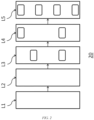
- a vehicle control system includes a planning layer L1, a reference layer L2, an advanced control layer L3, an allocation control layer L4, and an underlying control layer L5.
- Each layer is composed of several services.
- Each service may implement several abstract functions, thus providing various functionalities on the basis of shielding underlying hardware.
- the services among the layers may transfer information.
- a service includes several inputs and outputs.
- An output of a service in an upper layer may be used as an input of a service in a lower layer, and a command is finally issued to specific execution hardware.
- How the services in each layer transfer information is associated with a driving task.
- a given driving task connects one or more services in each layer in series (these services connected in series may be fixed as a model corresponding to the driving task for invocation), and a command is finally issued to execution hardware to complete the driving task.
- a service in the planning layer L1 of the vehicle control system 10 is configured to generate an operation instruction according to a driving task.
- the driving task may be a driver manipulating operable hardware as required, for example, turning a steering wheel, stepping on a brake pedal, stepping on an accelerator pedal, etc.
- the driving task may also be an execution process of an automatic execution mechanism according to an established procedure, for example, automatic parking, automatic vehicle following, etc.
- the execution process of the above driving task may be reflected by a specific operation instruction according to manipulation of the operable hardware or an automatic execution process.
- slamming on an accelerator may be a rapid accelerating driving task.
- an operation instruction may be accelerating, and an acceleration value may be associated with a throttle openness.
- a vehicle speed may be specifically adjusted based on obstacles in front and behind.
- an operation instruction may also be accelerating.
- a service in the reference layer L2 of the vehicle control system 10 is configured to generate a target parameter according to the operation instruction, the target parameter reflecting a requirement for state control of a vehicle.
- the above operation instruction generated in the planning layer L1 is coarse and primitive. Sometimes, the operation instruction reflects only a requirement of a single driving task, but more often driving tasks are performed simultaneously. For example, the steering wheel may also be turned in a process of slamming on the accelerator pedal.
- the service in the reference layer L2 may comprehensively consider a plurality of driving tasks to give a comprehensive value as the target parameter, for example, integrating received angular velocity operation instructions into a target angular velocity parameter. Furthermore, the service in the reference layer L2 may also optimize an operation instruction value to generate the target parameter.
- the operation instruction indicates a uniformly accelerated motion with an acceleration of 5 m/s 2 .
- an acceleration reflected by the target parameter may have a certain hysteresis, and an acceleration curve may be smoother at an initial section.
- FIG. 3 shows an acceleration curve (indicated by a dotted line) reflecting an operation instruction, and an acceleration curve (indicated by a solid line) reflecting a target parameter.
- the acceleration curve of the target parameter has a hysteresis, in which acceleration starts at a time t1, and an initial acceleration section is smooth.
- a speed required for a driving task is reached in both curves.
- a service in the advanced control layer L3 of the vehicle control system 10 is configured to generate an execution parameter according to the target parameter, the execution parameter reflecting an execution capability of a vehicle executor for the requirement for state control.
- the target parameter determined in the reference layer L2 reflects state requirements for the vehicle, but these requirements need to be met through execution of various resources (executors) of the vehicle. There is thus a need to convert these requirements into execution parameters of the resources of the vehicle. For example, when the target parameter is an acceleration X m/s 2 , a corresponding execution parameter is torque Y N ⁇ m. Therefore, the advanced control layer L3 converts the state requirement for the vehicle into the execution capability of the vehicle.
- a service in the allocation control layer L4 of the vehicle control system 10 is configured to allocate category task parameters to category executors according to the execution parameter.
- a class of resources that may execute the same task is classified as executors of a category.
- the four hub motors may execute a deceleration task.
- four-wheel braking systems may also execute the deceleration task.
- the four hub motors and the four braking systems may be classified as one category of executors.
- the allocation control layer L4 may allocate a corresponding category task parameter to each of the four hub motors and the four braking systems according to an execution parameter for execution of the deceleration task.
- a service in the underlying control layer L5 of the vehicle control system 10 is configured to provide the category task parameter for at least one of the category executors.
- the underlying control layer L5 may send a command to the executor so that the executor executes a corresponding action, and may particularly send a previously determined category task parameter to one of specific hardware executors.
- the reference layer L2 may include the following services: (1) A longitudinal trajectory tracking service configured to provide a target longitudinal trajectory parameter of the vehicle, the target longitudinal trajectory parameter being used for meeting a requirement for longitudinal motion of the vehicle. (2) A transverse trajectory tracking service configured to provide a target transverse trajectory parameter of the vehicle, the target transverse trajectory parameter being used for meeting a requirement for transverse motion of the vehicle. (3) A six-degree-of-freedom mode service configured to provide target parameters for mode setting of the vehicle, for example, including accelerations in three directions and angular velocities in the three directions. Compared with the longitudinal trajectory tracking service and the transverse trajectory tracking service, the six-degree-of-freedom mode service also takes requirement in the normal direction into consideration. (4) A gear control service configured to provide a target parameter for gear setting of the vehicle.
- the advanced control layer L3 may include the following services: (1) A driver required torque service configured to determine a manual operation required torque. (2) A vehicle longitudinal acceleration control service configured to determine an acceleration required torque or an execution parameter requested for parking (for example, a braking system parameter and a gear selection parameter). (3) A yaw motion control service configured to determine a yaw motion required torque. (4) A slip rate control service configured to determine a slip rate required torque. (5) A normal control service configured to determine a normal torque. (6) A pitch control service configured to determine a pitch torque. (7) A roll control service configured to determine a roll control torque.
- the allocation control layer L4 may include the following services: (1) A driving and braking coordination control service configured to allocate a torque control category task parameter to a driving category executor and a braking category task parameter to a braking category executor. (2) A low-speed parking service configured to allocate a parking braking category task parameter to a parking braking category executor and a gear control category task parameter to a gear control category executor. (3) A yaw motion control coordination service configured to allocate a braking category task parameter to a braking category executor, a steering category task parameter to a steering assistance category executor, and a suspension adjustment category task parameter to a suspension control category executor.
- a driving and braking slip rate control coordination service configured to allocate a torque control category task parameter to a motor torque category executor and a braking category task parameter to a braking slip rate control category executor.
- a six-degree-of-freedom coordination control service configured to allocate a torque control category task parameter to a driving category executor, a braking category task parameter to a braking category executor, a steering category task parameter to a steering assistance category executor, a vehicle body height adjustment category task parameter to a vehicle body height adjustment category executor, and a normal force control category task parameter to a suspension control category executor.
- the underlying control layer L5 may include the following services: (1) A driver required torque allocation service configured to provide an actual torque control task parameter for at least one (for example, a front motor or a rear motor) of driving category executors. (2) A motor torque slip rate control service configured to provide an actual torque control task parameter for at least one of driving category executors. (3) A braking force allocation service configured to provide an actual braking task parameter for at least one (for example, a four-wheel braking system) of braking category executors. (4) A braking response slip rate control service configured to provide an actual braking task parameter for at least one of braking category executors.
- An electronic steering assistance service configured to provide an actual steering task parameter (for example, a torque and an angle) for at least one (for example, an electric power steering system) of steering assistance category executors.
- An air spring control service configured to provide an actual vehicle body height adjustment task parameter for at least one (for example, an air spring) of vehicle body height adjustment category executors.
- a suspension control service configured to provide an actual normal force control task parameter for at least one of suspension control category executors.
- FIG. 2 shows an example of a longitudinal motion control task according to an example of the invention, in which each small block in each layer of a vehicle control system 20 denotes one service, and a combination of these services is used to complete the longitudinal motion control task.
- a constructed service combination takes into consideration: a vehicle longitudinal acceleration control service and a slip rate control service in the advanced control layer L3; a driving and braking coordination control service and a driving and braking slip rate control coordination service in the allocation control layer L4; and a driver required torque allocation service, a motor torque slip rate control service, a braking force allocation service, and a braking response slip rate control service in the underlying control layer L5.
- Services not shown in each layer are not taken into consideration. If no service in a layer is taken into consideration, this means that an operation instruction generated in the planning layer L1 is not specifically processed in the layer and is directly sent to the next layer.
- outputs (execution parameters) of the vehicle longitudinal acceleration control service and the slip rate control service in the advanced control layer L3 are used as an input of the driving and braking coordination control service in the allocation control layer L4; an output (a category task parameter) of the slip rate control service in the advanced control layer L3 is used as an input of the driving and braking slip rate control coordination service in the allocation control layer L4; and an output of the driving and braking coordination control service in the allocation control layer L4 is used as inputs of the driver required torque allocation service and the braking force allocation service in the underlying control layer L5, and an output of the driving and braking slip rate control coordination service in L4 is used as inputs of the braking force allocation service and the braking response slip rate control service in the underlying control layer L5.
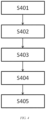
- a vehicle control method includes the following steps.
- the driving task may be a driver manipulating operable hardware as required, for example, turning a steering wheel, stepping on a brake pedal, stepping on an accelerator pedal, etc.
- the driving task may also be an execution process of an automatic execution mechanism according to an established procedure, for example, automatic parking, automatic vehicle following, etc.
- the execution process of the above driving task may be reflected as a specific operation instruction according to manipulation of the operable hardware or an execution process. For example, slamming on an accelerator may be a rapid accelerating driving task.
- an operation instruction may be accelerating, and an acceleration value may be associated with a throttle openness.
- an operation instruction may also be accelerating.
- the vehicle control method includes generating a target parameter according to the operation instruction in step S402, the target parameter reflecting a requirement for state control of a vehicle.
- the operation instruction generated in step S401 above is coarse and primitive. Sometimes, the operation instruction reflects only a requirement of a single driving task, but more often driving tasks are performed simultaneously. For example, the steering wheel may also be turned in a process of slamming on the accelerator pedal.
- a plurality of driving tasks may be comprehensively considered to give a comprehensive value as the target parameter.
- an operation instruction value may also be optimized to generate the target parameter. For example, the operation instruction indicates a uniformly accelerated motion with an acceleration of 5 m/s 2 .
- an acceleration reflected by the target parameter may have a certain hysteresis, and an acceleration curve may be smoother at an initial section.
- FIG. 3 shows an acceleration curve (indicated by a dotted line) reflecting an operation instruction, and an acceleration curve (indicated by a solid line) reflecting a target parameter.
- the acceleration curve of the target parameter has a hysteresis, in which acceleration starts at a time t1, and an initial acceleration section is smooth.
- a speed required for a driving task is reached.
- the vehicle control method includes generating an execution parameter according to the target parameter in step S403, the execution parameter reflecting an execution capability of a vehicle executor for the requirement for state control.
- the target parameter determined in step S402 reflects state requirements for the vehicle, but these requirements need to be met through execution of various resources (executors) of the vehicle. There is thus a need to convert these requirements into execution parameters of the resources of the vehicle. For example, when the target parameter is an acceleration X m/s 2 , a corresponding execution parameter is torque Y N ⁇ m. Therefore, in step S403, the state requirement for the vehicle may be converted into the execution capability of the vehicle.
- the vehicle control method includes allocating category task parameters to category executors according to the execution parameter in step S404.
- a class of resources that may execute the same task is classified as executors of a category.
- the four hub motors may execute a deceleration task.
- four-wheel braking systems may also execute the deceleration task.
- the four hub motors and the four braking systems may be classified as one category of executors.
- a corresponding category task parameter may be allocated to each of the four hub motors and the four braking systems according to an execution parameter for execution of the deceleration task.
- the vehicle control method includes providing the category task parameter for at least one of the category executors in step S405.
- a command may be sent to the executor so that the executor executes a corresponding action, and particularly, a previously determined category task parameter may be sent to a specific hardware executor.
- generating a target parameter according to the operation instruction in step S402 includes at least one of the following: (1) Providing a target longitudinal trajectory parameter of the vehicle, the target longitudinal trajectory parameter being used for meeting a requirement for longitudinal motion of the vehicle. (2) Providing a target transverse trajectory parameter of the vehicle, the target transverse trajectory parameter being used for meeting a requirement for transverse motion of the vehicle. (3) Providing target parameters for mode setting of the vehicle, for example, including accelerations in three directions and angular velocities in the three directions. Compared with the longitudinal trajectory tracking service and the transverse trajectory tracking service, the six-degree-of-freedom mode service also takes requirement in the normal direction into consideration. (4) Providing a target parameter for gear setting of the vehicle.
- generating an execution parameter according to the target parameter in step S403 includes at least one of the following: (1) Determining a manual operation required torque. (2) Determining an acceleration required torque or an execution parameter requested for parking (for example, a braking system parameter and a gear selection parameter). (3) Determining a yaw motion required torque. (4) Determining a slip rate required torque. (5) Determining a normal torque, a pitch torque, and a roll control torque.
- allocating category task parameters to category executors according to the execution parameter in step S404 includes at least one of the following: (1) allocating a torque control category task parameter to a driving category executor; (2) allocating a braking category task parameter to a braking category executor; (3) allocating a parking braking category task parameter to a parking braking category executor; (4) allocating a gear control category task parameter to a gear control category executor; (5) allocating a steering category task parameter to a steering assistance category executor; (6) allocating a suspension adjustment category task parameter to a suspension control category executor; (7) allocating a torque control category task parameter to a motor torque category executor; (8) allocating a braking category task parameter to a braking slip rate control category executor; (9) allocating a vehicle body height adjustment category task parameter to a vehicle body height adjustment category executor; and (10) allocating a normal force control category task parameter to a suspension control category executor.
- providing the category task parameter for at least one of the category executors in step S405 includes at least one of the following: (1) Providing an actual torque control task parameter for at least one (for example, a front motor or a rear motor) of driving category executors. (2) Providing an actual braking task parameter for at least one (for example, a four-wheel braking system) of braking category executors. (3) Providing an actual steering task parameter (for example, a torque and an angle) for at least one (for example, an electric power steering system) of steering assistance category executors. (4) Providing an actual vehicle body height adjustment task parameter for at least one (for example, an air spring) of vehicle body height adjustment category executors. (5) Providing an actual normal force control task parameter for at least one of suspension control category executors.
- a computer-readable storage medium which has instructions stored therein, where the instructions, when executed by a processor, cause the processor to perform any one of the vehicle control methods described above.
- the computer-readable medium in this application includes various types of computer storage media, and may be any usable medium accessible to a general-purpose or special-purpose computer.
- the computer-readable medium may include a RAM, a ROM, an EPROM, an EEPROM, a register, a hard disk, a removable hard disk, a CD-ROM or another optical memory, a magnetic disk memory or another magnetic storage device, or any other transitory or non-transitory media that can carry or store expected program code having an instruction or data structure form and be accessible to the general-purpose or special-purpose computer or a general-purpose or special-purpose processor.
- Data is usually copied magnetically in a disk used herein, while data is usually copied optically by using lasers in a disc. A combination thereof shall also fall within the scope of protection of the computer-readable media.
- the storage medium is coupled to a processor, so that the processor can read information from and write information to the storage medium.
- the storage medium may be integrated into the processor.
- the processor and the storage medium may reside in an ASIC.
- the ASIC may reside in a user terminal.
- the processor and the storage medium may reside as discrete assemblies in a user terminal.
- a vehicle control system 50 includes an instruction generation unit 501, a target parameter generation unit 502, an execution parameter generation unit 503, a category parameter generation unit 504, and a parameter allocation unit 505.
- the instruction generation unit 501 is configured to generate an operation instruction according to a driving task.
- the driving task may be a driver manipulating operable hardware as required, for example, turning a steering wheel, stepping on a brake pedal, stepping on an accelerator pedal, etc.
- the driving task may also be an execution process of an automatic execution mechanism according to an established procedure, for example, automatic parking, automatic vehicle following, etc.
- the execution process of the above driving task may be reflected as a specific operation instruction according to manipulation of the operable hardware or an execution process.
- slamming on an accelerator may be a rapid accelerating driving task.
- an operation instruction may be accelerating, and an acceleration value may be associated with a throttle openness.
- a vehicle speed may be specifically adjusted based on obstacles in front and behind.
- an operation instruction may also be accelerating.
- the target parameter generation unit 502 is configured to generate a target parameter according to the operation instruction, the target parameter reflecting a requirement for state control of a vehicle.
- the operation instruction generated by the instruction generation unit 501 described above is coarse and primitive. Sometimes, the operation instruction reflects only a requirement of a single driving task, but more often driving tasks are performed simultaneously. For example, the steering wheel may also be turned in a process of slamming on the accelerator pedal.
- the target parameter generation unit 502 may comprehensively consider a plurality of driving tasks to give a comprehensive value as the target parameter. Furthermore, the target parameter generation unit 502 may also optimize an operation instruction value to generate the target parameter. For example, the operation instruction indicates a uniformly accelerated motion with an acceleration of 5 m/s 2 .
- an acceleration reflected by the target parameter may have a certain hysteresis, and an acceleration curve may be smoother at an initial section.
- FIG. 3 shows an acceleration curve (indicated by a dotted line) reflecting an operation instruction, and an acceleration curve (indicated by a solid line) reflecting a target parameter.
- the acceleration curve of the target parameter has a hysteresis, in which acceleration starts at a time t1, and an initial acceleration section is smooth.
- a speed required for a driving task is reached.
- the execution parameter generation unit 503 is configured to generate an execution parameter according to the target parameter, the execution parameter reflecting an execution capability of a vehicle executor for the requirement for state control.
- the target parameter determined by the target parameter generation unit 502 reflects state requirements for the vehicle, but these requirements need to be met through execution of various resources (executors) of the vehicle. There is thus a need to convert these requirements into execution parameters of the resources of the vehicle. For example, when the target parameter is an acceleration X m/s 2 , a corresponding execution parameter is torque Y N ⁇ m. Therefore, the target parameter generation unit 502 may convert the state requirement for the vehicle into the execution capability of the vehicle.
- the category parameter generation unit 504 is configured to allocate category task parameters to category executors according to the execution parameter.
- a class of resources that may execute the same task is classified as executors of a category.
- the four hub motors may execute a deceleration task.
- four-wheel braking systems may also execute the deceleration task.
- the four hub motors and the four braking systems may be classified as one category of executors.
- the category parameter generation unit 504 may allocate a corresponding category task parameter to each of the four hub motors and the four braking systems according to an execution parameter for execution of the deceleration task.
- the parameter allocation unit 505 is configured to provide the category task parameter for at least one of the category executors.
- the parameter allocation unit 505 may send a command to the executor so that the executor executes a corresponding action, and may particularly send a previously determined category task parameter to a specific hardware executor.
- the target parameter generation unit 502 may particularly perform at least one of the following: (1) Providing a target longitudinal trajectory parameter of the vehicle, the target longitudinal trajectory parameter being used for meeting a requirement for longitudinal motion of the vehicle. (2) Providing a target transverse trajectory parameter of the vehicle, the target transverse trajectory parameter being used for meeting a requirement for transverse motion of the vehicle. (3) Providing target parameters for mode setting of the vehicle, for example, including accelerations in three directions and angular velocities in the three directions. Compared with the longitudinal trajectory tracking service and the transverse trajectory tracking service, the six-degree-of-freedom mode service also takes requirement in the normal direction into consideration. (4) Providing a target parameter for gear setting of the vehicle.
- the execution parameter generation unit 503 may particularly perform at least one of the following: (1) Determining a manual operation required torque. (2) Determining an acceleration required torque or an execution parameter requested for parking (for example, a braking system parameter and a gear selection parameter). (3) Determining a yaw motion required torque. (4) Determining a slip rate required torque. (5) Determining a normal torque, a pitch torque, and a roll control torque.
- the category parameter generation unit 504 may particularly perform at least one of the following: (1) allocating a torque control category task parameter to a driving category executor; (2) allocating a braking category task parameter to a braking category executor; (3) allocating a parking braking category task parameter to a parking braking category executor; (4) allocating a gear control category task parameter to a gear control category executor; (5) allocating a steering category task parameter to a steering assistance category executor; (6) allocating a suspension adjustment category task parameter to a suspension control category executor; (7) allocating a torque control category task parameter to a motor torque category executor; (8) allocating a braking category task parameter to a braking slip rate control category executor; (9) allocating a vehicle body height adjustment category task parameter to a vehicle body height adjustment category executor; and (10) allocating a normal force control category task parameter to a suspension control category executor.
- the parameter allocation unit 505 may particularly perform at least one of the following: (1) Providing an actual torque control task parameter for at least one (for example, a front motor or a rear motor) of driving category executors. (2) Providing an actual braking task parameter for at least one (for example, a four-wheel braking system) of braking category executors. (3) Providing an actual steering task parameter (for example, a torque and an angle) for at least one (for example, an electric power steering system) of steering assistance category executors. (4) Providing an actual vehicle body height adjustment task parameter for at least one (for example, an air spring) of vehicle body height adjustment category executors. (5) Providing an actual normal force control task parameter for at least one of suspension control category executors.
Landscapes
- Engineering & Computer Science (AREA)
- Transportation (AREA)
- Mechanical Engineering (AREA)
- Chemical & Material Sciences (AREA)
- Combustion & Propulsion (AREA)
- Automation & Control Theory (AREA)
- Human Computer Interaction (AREA)
- Control Of Driving Devices And Active Controlling Of Vehicle (AREA)
- Steering Control In Accordance With Driving Conditions (AREA)
Claims (11)
- Fahrzeugsteuerungssystem (10), aufweisend:eine Planungsschicht (L1), in der ein Dienst dafür ausgelegt ist, eine grobe und primitive Betriebsanweisung gemäß einer Fahraufgabe zu erzeugen;eine Referenzschicht (L2), in der ein Dienst dafür ausgelegt ist, einen Zielparameter gemäß der Betriebsanweisung zu erzeugen, wobei der Zielparameter eine Anforderung für die Zustandssteuerung eines Fahrzeugs widerspiegelt;eine erweiterte Steuerungsschicht (L3), in der ein Dienst dafür ausgelegt ist, einen Ausführungsparameter gemäß dem Zielparameter zu erzeugen, wobei der Ausführungsparameter eine Ausführungsfähigkeit eines Fahrzeugausführers für die Anforderung der Zustandssteuerung widerspiegelt;eine Zuweisungssteuerungsschicht (L4), in der ein Dienst dafür ausgelegt ist, Kategorieaufgabenparameter gemäß dem Ausführungsparameter an Kategorieausführer zuzuweisen; undeine zugrundeliegende Steuerungsschicht (L5), in der ein Dienst dafür ausgelegt ist, den Kategorieaufgabenparameter für mindestens einen der Kategorieausführer bereitzustellen.
- System nach Anspruch 1, wobei die Referenzschicht (L2) mindestens eines der folgenden Elemente aufweist:einen Längstrajektorienverfolgungsdienst, der dafür ausgelegt ist, einen Längstrajektorienzielparameter des Fahrzeugs bereitzustellen;einen Quertrajektorienverfolgungsdienst, der dafür ausgelegt ist, einen Quertrajektorienzielparameter des Fahrzeugs bereitzustellen;einen Dienst für einen Modus mit sechs Freiheitsgraden, der dafür ausgelegt ist, Zielparameter zur Moduseinstellung des Fahrzeugs bereitzustellen, einschließlich Beschleunigungen in drei Richtungen und Winkelgeschwindigkeiten in den drei Richtungen; undeinen Getriebesteuerungsdienst, der dafür ausgelegt ist, einen Zielparameter zur Gangeinstellung des Fahrzeugs bereitzustellen.
- System nach Anspruch 1 oder 2, wobei die erweiterte Steuerungsschicht (L3) mindestens eines der folgenden Elemente aufweist:einen Dienst für ein vom Fahrer angefordertes Drehmoment, der dafür ausgelegt ist, ein angefordertes Drehmoment beim manuellen Betrieb zu bestimmen;einen Fahrzeuglängsbeschleunigungssteuerungsdienst, der dafür ausgelegt ist, ein zur Beschleunigung erforderliches Drehmoment oder einen zum Einparken erforderlichen Ausführungsparameter zu bestimmen;einen Gierbewegungssteuerungsdienst, der dafür ausgelegt ist, ein zur Gierbewegung erforderliches Drehmoment zu bestimmen;einen Schlupfratensteuerungsdienst, der dafür ausgelegt ist, ein für die Schlupfrate erforderliches Drehmoment zu bestimmen;einen Normalsteuerungsdienst, der dafür ausgelegt ist, ein Normaldrehmoment zu bestimmen;einen Nicksteuerungsdienst, der dafür ausgelegt ist, ein Nickdrehmoment zu bestimmen; undeinen Wanksteuerungsdienst, der dafür ausgelegt ist, ein Wanksteuerungsdrehmoment zu bestimmen.
- System nach einem der Ansprüche 1 bis 3, wobei die Zuweisungssteuerungsschicht (L4) mindestens eines der folgenden Elemente aufweist:einen Fahr- und Bremskoordinationssteuerungsdienst, der dafür ausgelegt ist, einem Fahrkategorieausführer einen Drehmomentsteuerungskategorieaufgabenparameter und einem Bremskategorieausführer einen Bremskategorieaufgabenparameter zuzuweisen;einen Niedriggeschwindigkeitsparkdienst, der dafür ausgelegt ist, einem Parkbremskategorieausführer einen Parkbremskategorieaufgabenparameter und einem Getriebesteuerungskategorieausführer einen Getriebesteuerungskategorieaufgabenparameter zuzuweisen;einen Gierbewegungskoordinationsdienst, der dafür ausgelegt ist, einem Bremskategorieausführer einen Bremskategorieaufgabenparameter, einem Lenkunterstützungskategorieausführer einen Lenkkategorieaufgabenparameter und einem Aufhängungssteuerungskategorieausführer einen Aufhängungseinstellungskategorieaufgabenparameter zuzuweisen;einen Fahr- und Bremsschlupfratensteuerungskoordinationsdienst, der dafür ausgelegt ist, einem Motordrehmomentkategorieausführer einen Drehmomentsteuerungskategorieaufgabenparameter und einem Bremsschlupfratensteuerungskategorieausführer einen Bremskategorieaufgabenparameter zuzuweisen; undeinen Steuerungsdienst zur Koordination von sechs Freiheitsgraden, der dafür ausgelegt ist, einem Fahrkategorieausführer einen Drehmomentsteuerungskategorieaufgabenparameter, einem Bremskategorieausführer einen Bremskategorieaufgabenparameter, einem Lenkunterstützungskategorieausführer einen Lenkkategorieaufgabenparameter, einem Fahrzeugkarosseriehöheneinstellungskategorieausführer einen Fahrzeugkarosseriehöheneinstellungskategorieaufgabenpar ameter und einem Aufhängungssteuerungskategorieausführer einen Normalkraftsteuerungskategorieaufgabenparameter zuzuweisen.
- System nach einem der Ansprüche 1 bis 4, wobei die zugrundeliegende Steuerungsschicht (L5) mindestens eines der folgenden Elemente aufweist:einen Dienst zur Zuweisung des vom Fahrer angeforderten Drehmoments, der dafür ausgelegt ist, einen tatsächlichen Drehmomentsteuerungsaufgabenparameter für mindestens einen der Fahrkategorieausführer bereitzustellen;einen Motordrehmomentschlupfsteuerungsdienst, der dafür ausgelegt ist, einen tatsächlichen Drehmomentsteuerungsaufgabenparameter für mindestens einen der Fahrkategorieausführer bereitzustellen;einen Bremskraftzuweisungsdienst, der dafür ausgelegt ist, einen tatsächlichen Bremsaufgabenparameter für mindestens einen der Bremskategorieausführer bereitzustellen;einen Bremsreaktionsschlupfratensteuerungsdienst, der dafür ausgelegt ist, einen tatsächlichen Bremsaufgabenparameter für mindestens einen der Bremskategorieausführer bereitzustellen;einen Dienst für die elektronische Lenkunterstützung, der dafür ausgelegt ist, einen tatsächlichen Lenkaufgabenparameter für mindestens einen der Lenkunterstützungskategorieausführer bereitzustellen;einen Luftfedersteuerungsdienst, der dafür ausgelegt ist, einen tatsächlichen Fahrzeugkarosseriehöheneinstellungsaufgabenparameter für mindestens einen der Fahrzeugkarosseriehöheneinstellungskategorieausführer bereitzustellen; undeinen Aufhängungssteuerungsdienst, der dafür ausgelegt ist, einen tatsächlichen Normalkraftsteuerungsaufgabenparameter für mindestens einen der Aufhängungssteuerungskategorieausführer bereitzustellen.
- Fahrzeugsteuerungsverfahren, aufweisend:Erzeugen einer groben und primitiven Betriebsanweisung gemäß einer Fahraufgabe (S401);Erzeugen eines Zielparameters gemäß der Betriebsanweisung, wobei der Zielparameter eine Anforderung für die Zustandssteuerung eines Fahrzeugs widerspiegelt (402);Erzeugen eines Ausführungsparameters gemäß dem Zielparameter (S403), wobei der Ausführungsparameter eine Ausführungsfähigkeit eines Fahrzeugausführers für die Anforderung der Zustandssteuerung widerspiegelt;Zuweisen von Kategorieaufgabenparametern gemäß dem Ausführungsparameter an den Kategorieausführer (S404); undBereitstellen des Kategorieaufgabenparameters für mindestens einen der Kategorieausführer (S405).
- Verfahren nach Anspruch 6, wobei das Erzeugen eines Zielparameters gemäß der Betriebsanweisung (S402) mindestens einen der folgenden Vorgänge aufweist:Bereitstellen eines Längstrajektorienzielparameters des Fahrzeugs;Bereitstellen eines Quertrajektorienzielparameters des Fahrzeugs;Bereitstellen von Zielparametern zur Moduseinstellung des Fahrzeugs, einschließlich Beschleunigungen in drei Richtungen und Winkelgeschwindigkeiten in den drei Richtungen; undBereitstellen eines Zielparameters für die Gangeinstellung des Fahrzeugs.
- Verfahren nach Anspruch 6 oder 7, wobei das Erzeugen eines Ausführungsparameters gemäß dem Zielparameter (S403) mindestens einen der folgenden Vorgänge aufweist:Bestimmen eines angeforderten Drehmoments beim manuellen Betrieb;Bestimmen eines zur Beschleunigung erforderlichen Drehmoments oder eines zum Einparken erforderlichen Ausführungsparameters;Bestimmen eines für die Gierbewegung erforderlichen Drehmoments;Bestimmen eines für die Schlupfrate erforderlichen Drehmoments; undBestimmen eines Normaldrehmoments, eines Nickdrehmoments und eines Wanksteuerungsdrehmoments.
- Verfahren nach einem der Ansprüche 6 bis 8, wobei das Zuweisen von Kategorieaufgabenparametern an Kategorieausführer gemäß dem Ausführungsparameter (S404) mindestens einen der folgenden Vorgänge aufweist:Zuweisen eines Drehmomentsteuerungskategorieaufgabenparameters an einen Fahrkategorieausführer;Zuweisen eines Bremskategorieaufgabenparameters an einen Bremskategorieausführer;Zuweisen eines Parkbremskategorieaufgabenparameters an einen Parkbremskategorieausführer;Zuweisen eines Getriebesteuerungskategorieaufgabenparameters an einen Getriebesteuerungskategorieausführer;Zuweisen eines Lenkkategorieaufgabenparameters an einen Lenkunterstützungskategorieausführer;Zuweisen eines Aufhängungseinstellungskategorieaufgabenparameters an einen Aufhängungssteuerungskategorieausführer;Zuweisen eines Drehmomentsteuerungskategorieaufgabenparameters an einen Motordrehmomentkategorieausführer;Zuweisen eines Bremskategorieaufgabenparameters an einen Bremsschlupfratensteuerungskategorieausführer;Zuweisen eines Fahrzeugkarosseriehöheneinstellungskategorieaufgabenpar ameters an einen Fahrzeugkarosseriehöheneinstellungskategorieausführer; undZuweisen eines Normalkraftsteuerungskategorieaufgabenparameters an einen Aufhängungssteuerungskategorieausführer.
- Verfahren nach einem der Ansprüche 6 bis 9, wobei das Bereitstellen des Kategorieaufgabenparameters für mindestens einen der Kategorieausführer (S405) mindestens einen der folgenden Vorgänge aufweist:Bereitstellen eines tatsächlichen Drehmomentsteuerungsaufgabenparameters für mindestens einen der Fahrkategorieausführer;Bereitstellen eines tatsächlichen Bremsaufgabenparameters für mindestens einen der Bremskategorieausführer;Bereitstellen eines tatsächlichen Lenkaufgabenparameters für mindestens einen der Lenkunterstützungskategorieausführer;Bereitstellen eines tatsächlichen Fahrzeugkarosseriehöheneinstellungsaufgabenparameters für mindestens einen der Fahrzeugkarosseriehöheneinstellungskategorieausführer; undBereitstellen eines tatsächlichen Normalkraftsteuerungsaufgabenparameters für mindestens einen der Aufhängungssteuerungskategorieausführer.
- Computerlesbares Speichermedium mit darin gespeicherten Anweisungen, dadurch gekennzeichnet, dass die Anweisungen bei ihrer Ausführung durch einen Prozessor den Prozessor veranlassen, das Verfahren nach einem der Ansprüche 6 bis 10 durchzuführen.
Applications Claiming Priority (1)
| Application Number | Priority Date | Filing Date | Title |
|---|---|---|---|
| CN202110035337.6A CN112550303A (zh) | 2021-01-12 | 2021-01-12 | 车辆控制系统、车辆控制方法及存储介质 |
Publications (2)
| Publication Number | Publication Date |
|---|---|
| EP4029751A1 EP4029751A1 (de) | 2022-07-20 |
| EP4029751B1 true EP4029751B1 (de) | 2024-12-18 |
Family
ID=75035461
Family Applications (1)
| Application Number | Title | Priority Date | Filing Date |
|---|---|---|---|
| EP22151128.0A Active EP4029751B1 (de) | 2021-01-12 | 2022-01-12 | Fahrzeugsteuerungssystem, fahrzeugsteuerungsverfahren und speichermedium |
Country Status (3)
| Country | Link |
|---|---|
| US (1) | US20220219715A1 (de) |
| EP (1) | EP4029751B1 (de) |
| CN (1) | CN112550303A (de) |
Families Citing this family (4)
| Publication number | Priority date | Publication date | Assignee | Title |
|---|---|---|---|---|
| US11454971B2 (en) * | 2019-08-29 | 2022-09-27 | GM Global Technology Operations LLC | Methods and systems for learning user preferences for lane changes |
| CN114228823B (zh) * | 2021-12-13 | 2023-03-14 | 中国第一汽车股份有限公司 | 电动助力转向系统及其控制方法、车辆和存储介质 |
| CN115817195A (zh) * | 2022-11-14 | 2023-03-21 | 阿尔特汽车技术股份有限公司 | 一种基于soa服务的智能四驱控制系统 |
| CN117956020A (zh) * | 2023-11-16 | 2024-04-30 | 广州汽车集团股份有限公司 | 服务管理方法、装置、电子设备及存储介质 |
Citations (1)
| Publication number | Priority date | Publication date | Assignee | Title |
|---|---|---|---|---|
| US7162333B2 (en) * | 2001-12-27 | 2007-01-09 | Toyota Jidosha Kabushiki Kaisha | Integrated vehicle motion control system |
Family Cites Families (14)
| Publication number | Priority date | Publication date | Assignee | Title |
|---|---|---|---|---|
| JP2009196555A (ja) * | 2008-02-22 | 2009-09-03 | Denso Corp | 車両統合制御システムおよび車両統合制御プログラム |
| US8600556B2 (en) * | 2009-06-22 | 2013-12-03 | Johnson Controls Technology Company | Smart building manager |
| DE102014203752A1 (de) * | 2014-02-28 | 2015-09-17 | Continental Teves Ag & Co. Ohg | Verfahren zur Regelung der Querdynamik eines Kraftfahrzeugs |
| US10442435B2 (en) * | 2016-12-14 | 2019-10-15 | Baidu Usa Llc | Speed control parameter estimation method for autonomous driving vehicles |
| US10796204B2 (en) * | 2017-02-27 | 2020-10-06 | Huawei Technologies Co., Ltd. | Planning system and method for controlling operation of an autonomous vehicle to navigate a planned path |
| DE102017006338B4 (de) * | 2017-06-30 | 2023-09-07 | Daniel Karch | Verfahren zum effizienten Validieren und der sicheren Applikation von autonomen und teilautonomen Fahrzeugen |
| CN107797534B (zh) * | 2017-09-30 | 2019-05-28 | 安徽江淮汽车集团股份有限公司 | 一种纯电动自动驾驶系统 |
| WO2019094843A1 (en) * | 2017-11-10 | 2019-05-16 | Nvidia Corporation | Systems and methods for safe and reliable autonomous vehicles |
| DE102018008624A1 (de) * | 2018-10-31 | 2020-04-30 | Trw Automotive Gmbh | Steuerungssystem und Steuerungsverfahren zum samplingbasierten Planen möglicher Trajektorien für Kraftfahrzeuge |
| US11208096B2 (en) * | 2018-11-02 | 2021-12-28 | Zoox, Inc. | Cost scaling in trajectory generation |
| US20200189591A1 (en) * | 2018-12-18 | 2020-06-18 | Qualcomm Incorporated | Steering Command Limiting For Safe Autonomous Automobile Operation |
| CN112262055B (zh) * | 2019-06-17 | 2023-11-17 | 北京航迹科技有限公司 | 实时控制自动驾驶车辆的系统和方法 |
| EP4082844B1 (de) * | 2019-12-25 | 2025-05-21 | Hitachi Astemo, Ltd. | Fahrzeugbewegungssteuerungsvorrichtung, fahrzeugbewegungssteuerungsverfahren und fahrzeugbewegungssteuerungssystem |
| US12001958B2 (en) * | 2020-03-19 | 2024-06-04 | Nvidia Corporation | Future trajectory predictions in multi-actor environments for autonomous machine |
-
2021
- 2021-01-12 CN CN202110035337.6A patent/CN112550303A/zh active Pending
-
2022
- 2022-01-11 US US17/573,384 patent/US20220219715A1/en not_active Abandoned
- 2022-01-12 EP EP22151128.0A patent/EP4029751B1/de active Active
Patent Citations (1)
| Publication number | Priority date | Publication date | Assignee | Title |
|---|---|---|---|---|
| US7162333B2 (en) * | 2001-12-27 | 2007-01-09 | Toyota Jidosha Kabushiki Kaisha | Integrated vehicle motion control system |
Also Published As
| Publication number | Publication date |
|---|---|
| US20220219715A1 (en) | 2022-07-14 |
| EP4029751A1 (de) | 2022-07-20 |
| CN112550303A (zh) | 2021-03-26 |
Similar Documents
| Publication | Publication Date | Title |
|---|---|---|
| EP4029751B1 (de) | Fahrzeugsteuerungssystem, fahrzeugsteuerungsverfahren und speichermedium | |
| US20220105925A1 (en) | One pedal driving | |
| US10131232B2 (en) | Method for controlling braking force in regenerative brake cooperation control system | |
| US9352650B2 (en) | Rule-based cruise control system and method | |
| CN109649392A (zh) | 自主车辆加速度分布图 | |
| CN111942403B (zh) | 一种模式切换方法、装置、设备及存储介质 | |
| JP7693869B2 (ja) | 調整されたコンポーネントインターフェース制御フレームワーク | |
| CN116997498A (zh) | 系统 | |
| JP7401475B2 (ja) | 車両の制御装置、制御方法、制御プログラム、マネージャ、及び車両 | |
| US12391365B2 (en) | Control system for operating air vehicle for urban air mobility | |
| EP4571706A1 (de) | Steuerung des fahrbetriebs eines oder mehrerer fahrzeuge in einem geographischen bereich | |
| CN114872645A (zh) | 一种车载系统应用管理方法、架构、车辆及介质 | |
| JP7396429B2 (ja) | 制御装置、制駆動力制御システム、方法、およびプログラム | |
| EP4470859B1 (de) | Verfahren zur steuerung einer verzögerungsanforderung in einem einpedal-fahrmodus eines fahrzeugs, computerprogrammprodukt, datenverarbeitungsvorrichtung und fahrzeug | |
| CN110834612B (zh) | 冗余制动控制方法、装置、系统、车辆和存储介质 | |
| US12515661B2 (en) | Vehicle speed controlling apparatus | |
| US20240246517A1 (en) | Method for controlling a deceleration request in a one-pedal-driving mode of a vehicle | |
| CN116494895A (zh) | 车辆的控制方法、装置、计算机设备和存储介质 | |
| CN118877073A (zh) | 车辆转向控制方法、控制器、转向控制系统、车辆及产品 | |
| CN116353508B (zh) | 车辆及其控制方法和系统、电子设备和存储介质 | |
| CN115416667A (zh) | 一种车辆控制方法、装置、智能驾驶控制系统及存储介质 | |
| CN117382405A (zh) | 单踏板模式下的液压控制方法和设备 | |
| CN114802246A (zh) | 车辆纵向控制方法、装置、设备及可读存储介质 | |
| CN119305537B (zh) | 一种车辆的发动机启动方法、装置、车辆和存储介质 | |
| WO2020145057A1 (ja) | 演算装置、演算方法 |
Legal Events
| Date | Code | Title | Description |
|---|---|---|---|
| PUAI | Public reference made under article 153(3) epc to a published international application that has entered the european phase |
Free format text: ORIGINAL CODE: 0009012 |
|
| STAA | Information on the status of an ep patent application or granted ep patent |
Free format text: STATUS: REQUEST FOR EXAMINATION WAS MADE |
|
| 17P | Request for examination filed |
Effective date: 20220120 |
|
| AK | Designated contracting states |
Kind code of ref document: A1 Designated state(s): AL AT BE BG CH CY CZ DE DK EE ES FI FR GB GR HR HU IE IS IT LI LT LU LV MC MK MT NL NO PL PT RO RS SE SI SK SM TR |
|
| STAA | Information on the status of an ep patent application or granted ep patent |
Free format text: STATUS: EXAMINATION IS IN PROGRESS |
|
| 17Q | First examination report despatched |
Effective date: 20240212 |
|
| GRAP | Despatch of communication of intention to grant a patent |
Free format text: ORIGINAL CODE: EPIDOSNIGR1 |
|
| STAA | Information on the status of an ep patent application or granted ep patent |
Free format text: STATUS: GRANT OF PATENT IS INTENDED |
|
| INTG | Intention to grant announced |
Effective date: 20241004 |
|
| GRAS | Grant fee paid |
Free format text: ORIGINAL CODE: EPIDOSNIGR3 |
|
| GRAA | (expected) grant |
Free format text: ORIGINAL CODE: 0009210 |
|
| STAA | Information on the status of an ep patent application or granted ep patent |
Free format text: STATUS: THE PATENT HAS BEEN GRANTED |
|
| AK | Designated contracting states |
Kind code of ref document: B1 Designated state(s): AL AT BE BG CH CY CZ DE DK EE ES FI FR GB GR HR HU IE IS IT LI LT LU LV MC MK MT NL NO PL PT RO RS SE SI SK SM TR |
|
| REG | Reference to a national code |
Ref country code: CH Ref legal event code: EP |
|
| REG | Reference to a national code |
Ref country code: DE Ref legal event code: R096 Ref document number: 602022008693 Country of ref document: DE |
|
| REG | Reference to a national code |
Ref country code: IE Ref legal event code: FG4D |
|
| REG | Reference to a national code |
Ref country code: LT Ref legal event code: MG9D |
|
| PG25 | Lapsed in a contracting state [announced via postgrant information from national office to epo] |
Ref country code: HR Free format text: LAPSE BECAUSE OF FAILURE TO SUBMIT A TRANSLATION OF THE DESCRIPTION OR TO PAY THE FEE WITHIN THE PRESCRIBED TIME-LIMIT Effective date: 20241218 |
|
| PG25 | Lapsed in a contracting state [announced via postgrant information from national office to epo] |
Ref country code: FI Free format text: LAPSE BECAUSE OF FAILURE TO SUBMIT A TRANSLATION OF THE DESCRIPTION OR TO PAY THE FEE WITHIN THE PRESCRIBED TIME-LIMIT Effective date: 20241218 |
|
| PG25 | Lapsed in a contracting state [announced via postgrant information from national office to epo] |
Ref country code: BG Free format text: LAPSE BECAUSE OF FAILURE TO SUBMIT A TRANSLATION OF THE DESCRIPTION OR TO PAY THE FEE WITHIN THE PRESCRIBED TIME-LIMIT Effective date: 20241218 |
|
| PG25 | Lapsed in a contracting state [announced via postgrant information from national office to epo] |
Ref country code: NO Free format text: LAPSE BECAUSE OF FAILURE TO SUBMIT A TRANSLATION OF THE DESCRIPTION OR TO PAY THE FEE WITHIN THE PRESCRIBED TIME-LIMIT Effective date: 20250318 |
|
| REG | Reference to a national code |
Ref country code: NL Ref legal event code: MP Effective date: 20241218 |
|
| PG25 | Lapsed in a contracting state [announced via postgrant information from national office to epo] |
Ref country code: LV Free format text: LAPSE BECAUSE OF FAILURE TO SUBMIT A TRANSLATION OF THE DESCRIPTION OR TO PAY THE FEE WITHIN THE PRESCRIBED TIME-LIMIT Effective date: 20241218 Ref country code: GR Free format text: LAPSE BECAUSE OF FAILURE TO SUBMIT A TRANSLATION OF THE DESCRIPTION OR TO PAY THE FEE WITHIN THE PRESCRIBED TIME-LIMIT Effective date: 20250319 |
|
| PG25 | Lapsed in a contracting state [announced via postgrant information from national office to epo] |
Ref country code: RS Free format text: LAPSE BECAUSE OF FAILURE TO SUBMIT A TRANSLATION OF THE DESCRIPTION OR TO PAY THE FEE WITHIN THE PRESCRIBED TIME-LIMIT Effective date: 20250318 |
|
| PG25 | Lapsed in a contracting state [announced via postgrant information from national office to epo] |
Ref country code: NL Free format text: LAPSE BECAUSE OF FAILURE TO SUBMIT A TRANSLATION OF THE DESCRIPTION OR TO PAY THE FEE WITHIN THE PRESCRIBED TIME-LIMIT Effective date: 20241218 |
|
| REG | Reference to a national code |
Ref country code: AT Ref legal event code: MK05 Ref document number: 1752034 Country of ref document: AT Kind code of ref document: T Effective date: 20241218 |
|
| PG25 | Lapsed in a contracting state [announced via postgrant information from national office to epo] |
Ref country code: SM Free format text: LAPSE BECAUSE OF FAILURE TO SUBMIT A TRANSLATION OF THE DESCRIPTION OR TO PAY THE FEE WITHIN THE PRESCRIBED TIME-LIMIT Effective date: 20241218 |
|
| PG25 | Lapsed in a contracting state [announced via postgrant information from national office to epo] |
Ref country code: PL Free format text: LAPSE BECAUSE OF FAILURE TO SUBMIT A TRANSLATION OF THE DESCRIPTION OR TO PAY THE FEE WITHIN THE PRESCRIBED TIME-LIMIT Effective date: 20241218 |
|
| PG25 | Lapsed in a contracting state [announced via postgrant information from national office to epo] |
Ref country code: ES Free format text: LAPSE BECAUSE OF FAILURE TO SUBMIT A TRANSLATION OF THE DESCRIPTION OR TO PAY THE FEE WITHIN THE PRESCRIBED TIME-LIMIT Effective date: 20241218 |
|
| PG25 | Lapsed in a contracting state [announced via postgrant information from national office to epo] |
Ref country code: IS Free format text: LAPSE BECAUSE OF FAILURE TO SUBMIT A TRANSLATION OF THE DESCRIPTION OR TO PAY THE FEE WITHIN THE PRESCRIBED TIME-LIMIT Effective date: 20250418 |
|
| PG25 | Lapsed in a contracting state [announced via postgrant information from national office to epo] |
Ref country code: PT Free format text: LAPSE BECAUSE OF FAILURE TO SUBMIT A TRANSLATION OF THE DESCRIPTION OR TO PAY THE FEE WITHIN THE PRESCRIBED TIME-LIMIT Effective date: 20250421 |
|
| PG25 | Lapsed in a contracting state [announced via postgrant information from national office to epo] |
Ref country code: EE Free format text: LAPSE BECAUSE OF FAILURE TO SUBMIT A TRANSLATION OF THE DESCRIPTION OR TO PAY THE FEE WITHIN THE PRESCRIBED TIME-LIMIT Effective date: 20241218 |
|
| PG25 | Lapsed in a contracting state [announced via postgrant information from national office to epo] |
Ref country code: AT Free format text: LAPSE BECAUSE OF FAILURE TO SUBMIT A TRANSLATION OF THE DESCRIPTION OR TO PAY THE FEE WITHIN THE PRESCRIBED TIME-LIMIT Effective date: 20241218 Ref country code: RO Free format text: LAPSE BECAUSE OF FAILURE TO SUBMIT A TRANSLATION OF THE DESCRIPTION OR TO PAY THE FEE WITHIN THE PRESCRIBED TIME-LIMIT Effective date: 20241218 |
|
| PG25 | Lapsed in a contracting state [announced via postgrant information from national office to epo] |
Ref country code: SK Free format text: LAPSE BECAUSE OF FAILURE TO SUBMIT A TRANSLATION OF THE DESCRIPTION OR TO PAY THE FEE WITHIN THE PRESCRIBED TIME-LIMIT Effective date: 20241218 |
|
| PG25 | Lapsed in a contracting state [announced via postgrant information from national office to epo] |
Ref country code: CZ Free format text: LAPSE BECAUSE OF FAILURE TO SUBMIT A TRANSLATION OF THE DESCRIPTION OR TO PAY THE FEE WITHIN THE PRESCRIBED TIME-LIMIT Effective date: 20241218 |
|
| PG25 | Lapsed in a contracting state [announced via postgrant information from national office to epo] |
Ref country code: IT Free format text: LAPSE BECAUSE OF FAILURE TO SUBMIT A TRANSLATION OF THE DESCRIPTION OR TO PAY THE FEE WITHIN THE PRESCRIBED TIME-LIMIT Effective date: 20241218 |
|
| REG | Reference to a national code |
Ref country code: CH Ref legal event code: PL |
|
| PG25 | Lapsed in a contracting state [announced via postgrant information from national office to epo] |
Ref country code: SE Free format text: LAPSE BECAUSE OF FAILURE TO SUBMIT A TRANSLATION OF THE DESCRIPTION OR TO PAY THE FEE WITHIN THE PRESCRIBED TIME-LIMIT Effective date: 20241218 |
|
| PG25 | Lapsed in a contracting state [announced via postgrant information from national office to epo] |
Ref country code: MC Free format text: LAPSE BECAUSE OF FAILURE TO SUBMIT A TRANSLATION OF THE DESCRIPTION OR TO PAY THE FEE WITHIN THE PRESCRIBED TIME-LIMIT Effective date: 20241218 Ref country code: LU Free format text: LAPSE BECAUSE OF NON-PAYMENT OF DUE FEES Effective date: 20250112 |
|
| REG | Reference to a national code |
Ref country code: DE Ref legal event code: R097 Ref document number: 602022008693 Country of ref document: DE |
|
| PG25 | Lapsed in a contracting state [announced via postgrant information from national office to epo] |
Ref country code: DK Free format text: LAPSE BECAUSE OF FAILURE TO SUBMIT A TRANSLATION OF THE DESCRIPTION OR TO PAY THE FEE WITHIN THE PRESCRIBED TIME-LIMIT Effective date: 20241218 |
|
| PG25 | Lapsed in a contracting state [announced via postgrant information from national office to epo] |
Ref country code: BE Free format text: LAPSE BECAUSE OF NON-PAYMENT OF DUE FEES Effective date: 20250131 |
|
| PG25 | Lapsed in a contracting state [announced via postgrant information from national office to epo] |
Ref country code: CH Free format text: LAPSE BECAUSE OF NON-PAYMENT OF DUE FEES Effective date: 20250131 |
|
| REG | Reference to a national code |
Ref country code: BE Ref legal event code: MM Effective date: 20250131 |
|
| PLBE | No opposition filed within time limit |
Free format text: ORIGINAL CODE: 0009261 |
|
| STAA | Information on the status of an ep patent application or granted ep patent |
Free format text: STATUS: NO OPPOSITION FILED WITHIN TIME LIMIT |
|
| 26N | No opposition filed |
Effective date: 20250919 |
|
| PG25 | Lapsed in a contracting state [announced via postgrant information from national office to epo] |
Ref country code: IE Free format text: LAPSE BECAUSE OF NON-PAYMENT OF DUE FEES Effective date: 20250112 |
|
| PGFP | Annual fee paid to national office [announced via postgrant information from national office to epo] |
Ref country code: GB Payment date: 20260123 Year of fee payment: 5 |
|
| PGFP | Annual fee paid to national office [announced via postgrant information from national office to epo] |
Ref country code: DE Payment date: 20260121 Year of fee payment: 5 |
|
| PGFP | Annual fee paid to national office [announced via postgrant information from national office to epo] |
Ref country code: FR Payment date: 20260123 Year of fee payment: 5 |