EP4019631A1 - Primer pair for detecting pneumocystis jirovecii, method for detecting pneumocystis jirovecii using same and reagent kit therefor - Google Patents
Primer pair for detecting pneumocystis jirovecii, method for detecting pneumocystis jirovecii using same and reagent kit therefor Download PDFInfo
- Publication number
- EP4019631A1 EP4019631A1 EP20856117.5A EP20856117A EP4019631A1 EP 4019631 A1 EP4019631 A1 EP 4019631A1 EP 20856117 A EP20856117 A EP 20856117A EP 4019631 A1 EP4019631 A1 EP 4019631A1
- Authority
- EP
- European Patent Office
- Prior art keywords
- present
- nucleic acid
- seq
- primer pair
- base sequence
- Prior art date
- Legal status (The legal status is an assumption and is not a legal conclusion. Google has not performed a legal analysis and makes no representation as to the accuracy of the status listed.)
- Withdrawn
Links
- 238000000034 method Methods 0.000 title claims abstract description 144
- 241000142787 Pneumocystis jirovecii Species 0.000 title claims abstract description 97
- 239000003153 chemical reaction reagent Substances 0.000 title claims abstract description 32
- FWMNVWWHGCHHJJ-SKKKGAJSSA-N 4-amino-1-[(2r)-6-amino-2-[[(2r)-2-[[(2r)-2-[[(2r)-2-amino-3-phenylpropanoyl]amino]-3-phenylpropanoyl]amino]-4-methylpentanoyl]amino]hexanoyl]piperidine-4-carboxylic acid Chemical compound C([C@H](C(=O)N[C@H](CC(C)C)C(=O)N[C@H](CCCCN)C(=O)N1CCC(N)(CC1)C(O)=O)NC(=O)[C@H](N)CC=1C=CC=CC=1)C1=CC=CC=C1 FWMNVWWHGCHHJJ-SKKKGAJSSA-N 0.000 claims abstract description 23
- 108020004707 nucleic acids Proteins 0.000 claims description 123
- 102000039446 nucleic acids Human genes 0.000 claims description 123
- 150000007523 nucleic acids Chemical class 0.000 claims description 123
- 230000003321 amplification Effects 0.000 claims description 121
- 238000003199 nucleic acid amplification method Methods 0.000 claims description 121
- 238000006243 chemical reaction Methods 0.000 claims description 91
- 239000000126 substance Substances 0.000 claims description 48
- 238000002372 labelling Methods 0.000 claims description 33
- 230000002285 radioactive effect Effects 0.000 claims description 7
- 102000004190 Enzymes Human genes 0.000 claims description 6
- 108090000790 Enzymes Proteins 0.000 claims description 6
- 230000035945 sensitivity Effects 0.000 abstract description 17
- 239000002585 base Substances 0.000 description 79
- 239000000523 sample Substances 0.000 description 57
- 238000003752 polymerase chain reaction Methods 0.000 description 54
- 238000001514 detection method Methods 0.000 description 49
- 208000005384 Pneumocystis Pneumonia Diseases 0.000 description 34
- 206010073755 Pneumocystis jirovecii pneumonia Diseases 0.000 description 34
- 201000000317 pneumocystosis Diseases 0.000 description 34
- 108020004414 DNA Proteins 0.000 description 18
- 239000000138 intercalating agent Substances 0.000 description 17
- 239000000243 solution Substances 0.000 description 17
- 238000012360 testing method Methods 0.000 description 14
- 238000010438 heat treatment Methods 0.000 description 10
- 238000001962 electrophoresis Methods 0.000 description 9
- 238000003786 synthesis reaction Methods 0.000 description 9
- 238000000605 extraction Methods 0.000 description 8
- 238000002360 preparation method Methods 0.000 description 8
- 244000063299 Bacillus subtilis Species 0.000 description 7
- 235000014469 Bacillus subtilis Nutrition 0.000 description 7
- 230000015572 biosynthetic process Effects 0.000 description 7
- 239000007853 buffer solution Substances 0.000 description 7
- 108091003079 Bovine Serum Albumin Proteins 0.000 description 6
- 241001465754 Metazoa Species 0.000 description 6
- 229940098773 bovine serum albumin Drugs 0.000 description 6
- 230000000052 comparative effect Effects 0.000 description 6
- 238000013461 design Methods 0.000 description 6
- 238000000926 separation method Methods 0.000 description 6
- UMCMPZBLKLEWAF-BCTGSCMUSA-N 3-[(3-cholamidopropyl)dimethylammonio]propane-1-sulfonate Chemical compound C([C@H]1C[C@H]2O)[C@H](O)CC[C@]1(C)[C@@H]1[C@@H]2[C@@H]2CC[C@H]([C@@H](CCC(=O)NCCC[N+](C)(C)CCCS([O-])(=O)=O)C)[C@@]2(C)[C@@H](O)C1 UMCMPZBLKLEWAF-BCTGSCMUSA-N 0.000 description 5
- 239000012530 fluid Substances 0.000 description 5
- TWRXJAOTZQYOKJ-UHFFFAOYSA-L Magnesium chloride Chemical compound [Mg+2].[Cl-].[Cl-] TWRXJAOTZQYOKJ-UHFFFAOYSA-L 0.000 description 4
- 206010036790 Productive cough Diseases 0.000 description 4
- CGNLCCVKSWNSDG-UHFFFAOYSA-N SYBR Green I Chemical compound CN(C)CCCN(CCC)C1=CC(C=C2N(C3=CC=CC=C3S2)C)=C2C=CC=CC2=[N+]1C1=CC=CC=C1 CGNLCCVKSWNSDG-UHFFFAOYSA-N 0.000 description 4
- 210000002421 cell wall Anatomy 0.000 description 4
- 239000000203 mixture Substances 0.000 description 4
- 210000003802 sputum Anatomy 0.000 description 4
- 208000024794 sputum Diseases 0.000 description 4
- 239000000758 substrate Substances 0.000 description 4
- 241000894006 Bacteria Species 0.000 description 3
- LFQSCWFLJHTTHZ-UHFFFAOYSA-N Ethanol Chemical compound CCO LFQSCWFLJHTTHZ-UHFFFAOYSA-N 0.000 description 3
- 239000008118 PEG 6000 Substances 0.000 description 3
- 229920002584 Polyethylene Glycol 6000 Polymers 0.000 description 3
- HEMHJVSKTPXQMS-UHFFFAOYSA-M Sodium hydroxide Chemical compound [OH-].[Na+] HEMHJVSKTPXQMS-UHFFFAOYSA-M 0.000 description 3
- 238000005251 capillar electrophoresis Methods 0.000 description 3
- MTHSVFCYNBDYFN-UHFFFAOYSA-N diethylene glycol Chemical compound OCCOCCO MTHSVFCYNBDYFN-UHFFFAOYSA-N 0.000 description 3
- 239000000975 dye Substances 0.000 description 3
- 239000000463 material Substances 0.000 description 3
- 239000002773 nucleotide Substances 0.000 description 3
- 125000003729 nucleotide group Chemical group 0.000 description 3
- 239000003755 preservative agent Substances 0.000 description 3
- 230000002335 preservative effect Effects 0.000 description 3
- 239000004094 surface-active agent Substances 0.000 description 3
- QKNYBSVHEMOAJP-UHFFFAOYSA-N 2-amino-2-(hydroxymethyl)propane-1,3-diol;hydron;chloride Chemical compound Cl.OCC(N)(CO)CO QKNYBSVHEMOAJP-UHFFFAOYSA-N 0.000 description 2
- WZRJTRPJURQBRM-UHFFFAOYSA-N 4-amino-n-(5-methyl-1,2-oxazol-3-yl)benzenesulfonamide;5-[(3,4,5-trimethoxyphenyl)methyl]pyrimidine-2,4-diamine Chemical compound O1C(C)=CC(NS(=O)(=O)C=2C=CC(N)=CC=2)=N1.COC1=C(OC)C(OC)=CC(CC=2C(=NC(N)=NC=2)N)=C1 WZRJTRPJURQBRM-UHFFFAOYSA-N 0.000 description 2
- FTOAOBMCPZCFFF-UHFFFAOYSA-N 5,5-diethylbarbituric acid Chemical compound CCC1(CC)C(=O)NC(=O)NC1=O FTOAOBMCPZCFFF-UHFFFAOYSA-N 0.000 description 2
- 102000002260 Alkaline Phosphatase Human genes 0.000 description 2
- 108020004774 Alkaline Phosphatase Proteins 0.000 description 2
- HEDRZPFGACZZDS-UHFFFAOYSA-N Chloroform Chemical compound ClC(Cl)Cl HEDRZPFGACZZDS-UHFFFAOYSA-N 0.000 description 2
- 108020004635 Complementary DNA Proteins 0.000 description 2
- 108010014303 DNA-directed DNA polymerase Proteins 0.000 description 2
- 102000016928 DNA-directed DNA polymerase Human genes 0.000 description 2
- 108010001336 Horseradish Peroxidase Proteins 0.000 description 2
- KFZMGEQAYNKOFK-UHFFFAOYSA-N Isopropanol Chemical compound CC(C)O KFZMGEQAYNKOFK-UHFFFAOYSA-N 0.000 description 2
- NBIIXXVUZAFLBC-UHFFFAOYSA-N Phosphoric acid Chemical compound OP(O)(O)=O NBIIXXVUZAFLBC-UHFFFAOYSA-N 0.000 description 2
- WCUXLLCKKVVCTQ-UHFFFAOYSA-M Potassium chloride Chemical compound [Cl-].[K+] WCUXLLCKKVVCTQ-UHFFFAOYSA-M 0.000 description 2
- 238000010804 cDNA synthesis Methods 0.000 description 2
- 229940047766 co-trimoxazole Drugs 0.000 description 2
- GNBHRKFJIUUOQI-UHFFFAOYSA-N fluorescein Chemical compound O1C(=O)C2=CC=CC=C2C21C1=CC=C(O)C=C1OC1=CC(O)=CC=C21 GNBHRKFJIUUOQI-UHFFFAOYSA-N 0.000 description 2
- 239000007850 fluorescent dye Substances 0.000 description 2
- 230000002068 genetic effect Effects 0.000 description 2
- 229910001629 magnesium chloride Inorganic materials 0.000 description 2
- 229920001184 polypeptide Polymers 0.000 description 2
- 102000004196 processed proteins & peptides Human genes 0.000 description 2
- 108090000765 processed proteins & peptides Proteins 0.000 description 2
- 108090000623 proteins and genes Proteins 0.000 description 2
- 238000000746 purification Methods 0.000 description 2
- 238000010839 reverse transcription Methods 0.000 description 2
- 150000003839 salts Chemical class 0.000 description 2
- 208000030507 AIDS Diseases 0.000 description 1
- IGAZHQIYONOHQN-UHFFFAOYSA-N Alexa Fluor 555 Chemical compound C=12C=CC(=N)C(S(O)(=O)=O)=C2OC2=C(S(O)(=O)=O)C(N)=CC=C2C=1C1=CC=C(C(O)=O)C=C1C(O)=O IGAZHQIYONOHQN-UHFFFAOYSA-N 0.000 description 1
- 241000193755 Bacillus cereus Species 0.000 description 1
- 241000193163 Clostridioides difficile Species 0.000 description 1
- 108010008286 DNA nucleotidylexotransferase Proteins 0.000 description 1
- 102100033215 DNA nucleotidylexotransferase Human genes 0.000 description 1
- 239000006173 Good's buffer Substances 0.000 description 1
- 238000007397 LAMP assay Methods 0.000 description 1
- 108091034117 Oligonucleotide Proteins 0.000 description 1
- 208000001388 Opportunistic Infections Diseases 0.000 description 1
- ISWSIDIOOBJBQZ-UHFFFAOYSA-N Phenol Chemical compound OC1=CC=CC=C1 ISWSIDIOOBJBQZ-UHFFFAOYSA-N 0.000 description 1
- 239000002202 Polyethylene glycol Substances 0.000 description 1
- 108010021757 Polynucleotide 5'-Hydroxyl-Kinase Proteins 0.000 description 1
- 102000008422 Polynucleotide 5'-hydroxyl-kinase Human genes 0.000 description 1
- 229920002472 Starch Polymers 0.000 description 1
- 239000007983 Tris buffer Substances 0.000 description 1
- 238000000246 agarose gel electrophoresis Methods 0.000 description 1
- 229910000147 aluminium phosphate Inorganic materials 0.000 description 1
- BFNBIHQBYMNNAN-UHFFFAOYSA-N ammonium sulfate Chemical compound N.N.OS(O)(=O)=O BFNBIHQBYMNNAN-UHFFFAOYSA-N 0.000 description 1
- 229910052921 ammonium sulfate Inorganic materials 0.000 description 1
- 229960002319 barbital Drugs 0.000 description 1
- 239000003637 basic solution Substances 0.000 description 1
- 239000011324 bead Substances 0.000 description 1
- 229960000074 biopharmaceutical Drugs 0.000 description 1
- KGBXLFKZBHKPEV-UHFFFAOYSA-N boric acid Chemical compound OB(O)O KGBXLFKZBHKPEV-UHFFFAOYSA-N 0.000 description 1
- 239000004327 boric acid Substances 0.000 description 1
- 238000005119 centrifugation Methods 0.000 description 1
- 239000003795 chemical substances by application Substances 0.000 description 1
- 230000000295 complement effect Effects 0.000 description 1
- 239000002299 complementary DNA Substances 0.000 description 1
- 239000003184 complementary RNA Substances 0.000 description 1
- 230000002153 concerted effect Effects 0.000 description 1
- SUYVUBYJARFZHO-RRKCRQDMSA-N dATP Chemical compound C1=NC=2C(N)=NC=NC=2N1[C@H]1C[C@H](O)[C@@H](COP(O)(=O)OP(O)(=O)OP(O)(O)=O)O1 SUYVUBYJARFZHO-RRKCRQDMSA-N 0.000 description 1
- SUYVUBYJARFZHO-UHFFFAOYSA-N dATP Natural products C1=NC=2C(N)=NC=NC=2N1C1CC(O)C(COP(O)(=O)OP(O)(=O)OP(O)(O)=O)O1 SUYVUBYJARFZHO-UHFFFAOYSA-N 0.000 description 1
- RGWHQCVHVJXOKC-SHYZEUOFSA-J dCTP(4-) Chemical compound O=C1N=C(N)C=CN1[C@@H]1O[C@H](COP([O-])(=O)OP([O-])(=O)OP([O-])([O-])=O)[C@@H](O)C1 RGWHQCVHVJXOKC-SHYZEUOFSA-J 0.000 description 1
- NHVNXKFIZYSCEB-XLPZGREQSA-N dTTP Chemical compound O=C1NC(=O)C(C)=CN1[C@@H]1O[C@H](COP(O)(=O)OP(O)(=O)OP(O)(O)=O)[C@@H](O)C1 NHVNXKFIZYSCEB-XLPZGREQSA-N 0.000 description 1
- ZPWVASYFFYYZEW-UHFFFAOYSA-L dipotassium hydrogen phosphate Chemical compound [K+].[K+].OP([O-])([O-])=O ZPWVASYFFYYZEW-UHFFFAOYSA-L 0.000 description 1
- 229910000396 dipotassium phosphate Inorganic materials 0.000 description 1
- 238000006073 displacement reaction Methods 0.000 description 1
- 229940079593 drug Drugs 0.000 description 1
- 239000003814 drug Substances 0.000 description 1
- 238000002651 drug therapy Methods 0.000 description 1
- 230000000694 effects Effects 0.000 description 1
- 238000001914 filtration Methods 0.000 description 1
- 239000000499 gel Substances 0.000 description 1
- 238000001502 gel electrophoresis Methods 0.000 description 1
- 239000011521 glass Substances 0.000 description 1
- PCHJSUWPFVWCPO-UHFFFAOYSA-N gold Chemical compound [Au] PCHJSUWPFVWCPO-UHFFFAOYSA-N 0.000 description 1
- 239000010931 gold Substances 0.000 description 1
- 229910052737 gold Inorganic materials 0.000 description 1
- ZJYYHGLJYGJLLN-UHFFFAOYSA-N guanidinium thiocyanate Chemical compound SC#N.NC(N)=N ZJYYHGLJYGJLLN-UHFFFAOYSA-N 0.000 description 1
- 238000004128 high performance liquid chromatography Methods 0.000 description 1
- 238000009396 hybridization Methods 0.000 description 1
- 230000036039 immunity Effects 0.000 description 1
- 208000015181 infectious disease Diseases 0.000 description 1
- 238000001155 isoelectric focusing Methods 0.000 description 1
- 239000003550 marker Substances 0.000 description 1
- 230000001404 mediated effect Effects 0.000 description 1
- 210000003928 nasal cavity Anatomy 0.000 description 1
- 150000008300 phosphoramidites Chemical class 0.000 description 1
- 238000002264 polyacrylamide gel electrophoresis Methods 0.000 description 1
- 229920001223 polyethylene glycol Polymers 0.000 description 1
- 102000004169 proteins and genes Human genes 0.000 description 1
- 210000003296 saliva Anatomy 0.000 description 1
- 239000003381 stabilizer Substances 0.000 description 1
- 235000019698 starch Nutrition 0.000 description 1
- 239000008107 starch Substances 0.000 description 1
- 150000003431 steroids Chemical class 0.000 description 1
- ANRHNWWPFJCPAZ-UHFFFAOYSA-M thionine Chemical compound [Cl-].C1=CC(N)=CC2=[S+]C3=CC(N)=CC=C3N=C21 ANRHNWWPFJCPAZ-UHFFFAOYSA-M 0.000 description 1
- 238000013518 transcription Methods 0.000 description 1
- 230000035897 transcription Effects 0.000 description 1
- 238000013519 translation Methods 0.000 description 1
- LENZDBCJOHFCAS-UHFFFAOYSA-N tris Chemical compound OCC(N)(CO)CO LENZDBCJOHFCAS-UHFFFAOYSA-N 0.000 description 1
- GPRLSGONYQIRFK-MNYXATJNSA-N triton Chemical compound [3H+] GPRLSGONYQIRFK-MNYXATJNSA-N 0.000 description 1
Images


Classifications
-
- C—CHEMISTRY; METALLURGY
- C12—BIOCHEMISTRY; BEER; SPIRITS; WINE; VINEGAR; MICROBIOLOGY; ENZYMOLOGY; MUTATION OR GENETIC ENGINEERING
- C12Q—MEASURING OR TESTING PROCESSES INVOLVING ENZYMES, NUCLEIC ACIDS OR MICROORGANISMS; COMPOSITIONS OR TEST PAPERS THEREFOR; PROCESSES OF PREPARING SUCH COMPOSITIONS; CONDITION-RESPONSIVE CONTROL IN MICROBIOLOGICAL OR ENZYMOLOGICAL PROCESSES
- C12Q1/00—Measuring or testing processes involving enzymes, nucleic acids or microorganisms; Compositions therefor; Processes of preparing such compositions
- C12Q1/68—Measuring or testing processes involving enzymes, nucleic acids or microorganisms; Compositions therefor; Processes of preparing such compositions involving nucleic acids
- C12Q1/6876—Nucleic acid products used in the analysis of nucleic acids, e.g. primers or probes
- C12Q1/6888—Nucleic acid products used in the analysis of nucleic acids, e.g. primers or probes for detection or identification of organisms
- C12Q1/6895—Nucleic acid products used in the analysis of nucleic acids, e.g. primers or probes for detection or identification of organisms for plants, fungi or algae
-
- G—PHYSICS
- G01—MEASURING; TESTING
- G01N—INVESTIGATING OR ANALYSING MATERIALS BY DETERMINING THEIR CHEMICAL OR PHYSICAL PROPERTIES
- G01N33/00—Investigating or analysing materials by specific methods not covered by groups G01N1/00 - G01N31/00
- G01N33/48—Biological material, e.g. blood, urine; Haemocytometers
- G01N33/50—Chemical analysis of biological material, e.g. blood, urine; Testing involving biospecific ligand binding methods; Immunological testing
- G01N33/53—Immunoassay; Biospecific binding assay; Materials therefor
- G01N33/569—Immunoassay; Biospecific binding assay; Materials therefor for microorganisms, e.g. protozoa, bacteria, viruses
- G01N33/56961—Plant cells or fungi
-
- C—CHEMISTRY; METALLURGY
- C12—BIOCHEMISTRY; BEER; SPIRITS; WINE; VINEGAR; MICROBIOLOGY; ENZYMOLOGY; MUTATION OR GENETIC ENGINEERING
- C12Q—MEASURING OR TESTING PROCESSES INVOLVING ENZYMES, NUCLEIC ACIDS OR MICROORGANISMS; COMPOSITIONS OR TEST PAPERS THEREFOR; PROCESSES OF PREPARING SUCH COMPOSITIONS; CONDITION-RESPONSIVE CONTROL IN MICROBIOLOGICAL OR ENZYMOLOGICAL PROCESSES
- C12Q1/00—Measuring or testing processes involving enzymes, nucleic acids or microorganisms; Compositions therefor; Processes of preparing such compositions
- C12Q1/68—Measuring or testing processes involving enzymes, nucleic acids or microorganisms; Compositions therefor; Processes of preparing such compositions involving nucleic acids
- C12Q1/6844—Nucleic acid amplification reactions
- C12Q1/686—Polymerase chain reaction [PCR]
Definitions
- the present invention relates to a primer pair for detecting Pneumocystis jirovecii, a method for detecting Pneumocystis jirovecii using the same, and a reagent kit therefor.
- PCP Pneumocystis pneumonia
- Non-Patent Literature 1 Since Pneumocystis jirovecii cannot be cultured in an artificial medium, PCP tests have been performed mainly by observation with a microscope. In recent years, genetic tests have been introduced, and detection of Pneumocystis jirovecii in samples such as sputum and bronchial lavage fluid by carrying out a nucleic acid amplification reaction using a primer pair specific to Pneumocystis jirovecii has been performed (Non-Patent Literature 1).
- Non-Patent Literature 1 Clinical Microbiology and Infection, Volume 18, No.6, June 2012, 591-597
- Non-Patent Literature 1 since the detection method of Non-Patent Literature 1 has a low sensitivity, false negatives may occur.
- An object of the present invention is to provide a primer pair for detecting Pneumocystis jirovecii, which has a low probability of false negatives and is excellent in sensitivity, a method for detecting Pneumocystis jirovecii using the same, and a reagent kit therefor.
- the present invention has been made for the purpose of solving the problems, and has the following configurations.
- the primer pair for detecting Pneumocystis jirovecii of the present invention the method for detecting Pneumocystis jirovecii using the same, and the reagent kit therefor, Pneumocystis jirovecii can be detected with high sensitivity and high accuracy. Therefore, false negatives caused by methods of the related art can be reduced.
- a primer pair for detecting Pneumocystis jirovecii of the present invention is selected from the group consisting of (i) a combination of a forward primer consisting of a base sequence represented by SEQ ID NO: 1 and a reverse primer consisting of a base sequence represented by SEQ ID NO: 2, (ii) a combination of the forward primer consisting of the base sequence represented by SEQ ID NO: 1 and a reverse primer consisting of a base sequence represented by SEQ ID NO: 4, and (iii) a combination of a forward primer consisting of a base sequence represented by SEQ ID NO: 3 and the reverse primer consisting of the base sequence represented by SEQ ID NO: 2.
- a combination of the forward primer consisting of the base sequence represented by SEQ ID NO: 1 and the reverse primer consisting of the base sequence represented by SEQ ID NO: 2 is preferable.
- the base sequence represented by SEQ ID NO: 5 is amplified by carrying out the nucleic acid amplification reaction such as PCR using the primer pair (i), (ii) or (iii) and a nucleic acid-containing sample such as DNA derived from Pneumocystis jirovecii.
- the design of the primer pair of the present invention may be carried out by a method known per se, which has been usually performed in the field, and specific examples thereof include a method of using software for primer design such as Primer3.
- the primers constituting the primer pair of the present invention may be obtained by a method known per se, which has been usually performed in the field, and specific examples thereof include a method of preparing primers by a chemical synthesis method and a method of obtaining primers by a gene manipulation method using a vector and the like. Among these, from the viewpoint of easily obtaining a large amount of primers with a constant quality at a low cost, the method of preparing primers by a chemical synthesis method is preferable.
- the primer according to the present invention may be labeled with a labeling substance.
- at least one of the forward primer or the reverse primer in the primer according to the present invention may be labeled with a labeling substance.
- the labeling substance used for labeling the primer according to the present invention is not limited as long as the labeling substance is a substance known per se, which has been usually used in the field, and specific examples thereof include a fluorescent substance, a radioactive isotope, and an enzyme. Among these, the fluorescent substance is preferable.
- TAMRA TM manufactured by Sigma-Aldrich Co., LLC
- Alexa555 and Alexa647 both manufactured by Thermo Fisher Scientific Inc.
- Cyanine Dye-based Cy3 and Cy5 manufactured by GE Healthcare
- Fluorescein Fluorescein.
- TAMRA TM is preferable.
- radioactive isotope examples include 32 P, 33 P, and 35 S.
- Examples of the enzyme include alkaline phosphatase and horseradish peroxidase.
- the labeling substance may be bound to the primer directly or via a linker.
- the linker is not limited as long as the linker is usually used in the field, and a nucleic acid of 1 to 3 bases may be used.
- the primer according to the present invention may be labeled with the fluorescent substance by a method known per se, which has been usually performed in the field, and specific examples thereof include a method of incorporating a fluorescein-labeled nucleotide into the primer using a method known per se and a method of substituting a nucleotide having a linker arm in an oligonucleotide of a sequence ( Nucleic Acids Res., 1986, Vol. 14, p.6115 ).
- the primer according to the present invention may be labeled with a radioactive isotope by a method known per se, which has been usually performed in the field, and specific examples thereof include a method of labeling a primer by incorporating a nucleotide labeled with a radioactive isotope during synthesis of the primer and a method of labeling a primer with a radioactive isotope after synthesis of the primer. Specific examples thereof include a random primer method, nick translation, a 5' terminal labeling method using a T4 polynucleotide kinase, and a 3' terminal labeling method using a terminal deoxynucleotidyl transferase.
- the primer according to the present invention may be labeled with an enzyme by a method known per se, which has been usually performed in the field, and specific examples thereof include a direct labeling method of covalently binding an enzyme molecule such as alkaline phosphatase or horseradish peroxidase directly to the primer to be labeled.
- the labeling substance may be bound to the primer of the present invention according to a detection system using a biotin-avidin reaction.
- the binding may be performed by the method described in E. P. Diamandis, T. K. Christopoulos, Clinical Chemistry 1991, 37, pp. 625 to 636 .
- a method for detecting Pneumocystis jirovecii of the present invention includes carrying out a nucleic acid amplification reaction using the primer pair of the present invention and a nucleic acid in a sample as a template, and detecting the obtained nucleic acid amplification product.
- sample in the detection method of the present invention include saliva, sputum, induced sputum, suction sputum, bronchial lavage fluid, bronchoalveolar lavage fluid, nasopharyngeal aspirate, oral lavage fluid, and nasal cavity wiping sample.
- Operations such as concentration and separation of Pneumocystis jirovecii present in the sample, extraction and purification of a nucleic acid from Pneumocystis jirovecii, and the like may be performed on these samples before use for the detection method of the present invention.
- the concentration and the separation of Pneumocystis jirovecii present in the sample may be performed by a method known per se, which has been usually performed in the field, and specific examples thereof include filtration and centrifugation.
- the extraction and the purification of the nucleic acid from the Pneumocystis jirovecii may be performed by a method known per se, which has been usually performed in the field, and specific examples include a method of using phenol and chloroform after destroying the cell wall of Pneumocystis jirovecii and a method of using alcohol such as ethanol or isopropanol after destroying the cell wall of Pneumocystis jirovecii.
- the cell wall of Pneumocystis jirovecii may be destroyed by a method known per se, which has been usually performed in the field, and specific examples thereof include a method of using a surfactant such as SDS or a protein denaturing agent such as guanidine thiocyanate and a method of physically crushing the cell wall with glass beads or the like.
- a surfactant such as SDS
- a protein denaturing agent such as guanidine thiocyanate
- the nucleic acid in the sample in the detection method of the present invention is a nucleic acid derived from Pneumocystis jirovecii present in the sample, and examples thereof include DNA and RNA. Among these, DNA is preferable.
- RNA complementary DNA
- TRC transcription-reverse transcription concerted reaction
- the primer pair used in the detection method of the present invention is as described in the section of ⁇ Primer pair for detecting Pneumocystis jirovecii of present invention>, and specific examples, preferred examples, and the like are also the same as described above.
- the nucleic acid amplification reaction described below may be carried out using a primer pair for detecting an internal control in addition to the primer pair of the present invention.
- the internal control may be any bacterium other than Pneumocystis jirovecii, and examples thereof include bacteria such as Bacillus subtilis, Bacillus cereus, and Clostridium difficile. Among these, the Bacillus subtilis is preferable.
- each of the primers constituting the primer pair for detecting the bacterium selected as the internal control may be labeled with a labeling substance.
- at least one of the forward primer or the reverse primer in the primer pair may be labeled with a labeling substance.
- examples of the labeling substance and the method for labeling the primer with the labeling substance are the same as described in the section of ⁇ Primer pair for detecting Pneumocystis jirovecii of present invention>, and specific examples, preferred examples, and the like are also the same as described above.
- the nucleic acid amplification reaction in the detection method of the present invention may be carried out by a method known per se, which has been usually performed in the field, and specific examples thereof include a polymerase chain reaction (PCR) method, a transcription -mediated amplification (TMA) method, a strand displacement amplification (SDA) method, and a loop-mediated isothermal amplification (LAMP) method.
- PCR polymerase chain reaction
- TMA transcription -mediated amplification
- SDA strand displacement amplification
- LAMP loop-mediated isothermal amplification
- a reagent used for the nucleic acid amplification reaction in the detection method of the present invention may be any reagent known per se, which has been usually used in the field, and specific examples thereof include a nucleic acid synthase such as DNA polymerase [such as KOD Exo (-) (manufactured by Toyobo Co., Ltd.) or KOD Hot Start (manufactured by Toyobo Co., Ltd.)], a nucleic acid synthetic substrate such as dNTP, a buffer solution such as Tris-HCl or K 2 HPO 4 , and a salt such as MgCl 2 , KCl, or (NH 4 ) 2 SO 4 .
- DNA polymerase such as KOD Exo (-) (manufactured by Toyobo Co., Ltd.) or KOD Hot Start (manufactured by Toyobo Co., Ltd.)
- a nucleic acid synthetic substrate such as dNTP
- a surfactant such as polyethylene glycol, Triton (manufactured by The Dow Chemical Company), Nonidet (manufactured by Shell Chemical Japan Ltd.), or CHAPS (manufactured by Dojin Chemical Laboratory)
- a preservative such as PROCLIN 300
- a polypeptide such as bovine serum albumin (BSA)
- BSA bovine serum albumin
- the detection of the nucleic acid amplification product in the detection method of the present invention may be carried out by a method known per se, which has been usually performed in the field, and specific examples thereof include an end point method and a real-time method. Among these, the real-time method is preferable.
- the end point method is a method for separating and detecting an amplification product obtained by the nucleic acid amplification reaction using the primer pair of the present invention.
- the real-time method is a method for detecting an amplification product obtained by the nucleic acid amplification reaction using the primer pair of the present invention in a real time during the nucleic acid amplification reaction.
- Specific methods of the end point method and the real-time method include a labeled primer method (a), an intercalator method (b), and a labeled probe method (c).
- the labeled primer method (a) is preferable.
- the labeled primer method (a) is, for example, performed in the following manner.
- the nucleic acid amplification reaction is carried out using the nucleic acid in the sample as a template with the primer pair of the present invention, in which at least one of the primer pairs of the present invention is labeled with a labeling substance.
- the obtained amplification product is separated after the nucleic acid amplification reaction, and the label in the amplification product is detected (end point method), or
- the label in the amplification product obtained every time the nucleic acid amplification reaction is carried out for one to three cycles is detected in a real time (real-time method).
- the method (ii) is preferable to the method (i).
- the fluorescence derived from the label of the amplification product may be detected after the amplification product obtained every time the nucleic acid amplification reaction is carried out for one to three cycles is once separated.
- the separation is as described below.
- detecting the label in the present specification denotes that the labeling substance is directly or indirectly measured based on the properties of the labeling substance.
- the method for the separation in the labeled primer method include methods known per se, such as electrophoresis and high performance liquid chromatography (HPLC). Among such methods, electrophoresis is preferable.
- electrophoresis examples include capillary electrophoresis, agarose gel electrophoresis, polyacrylamide gel electrophoresis (slab electrophoresis), starch gel electrophoresis, and isoelectric focusing electrophoresis.
- capillary electrophoresis is preferable.
- capillary electrophoresis may be performed by, for example, the methods known per se, described in WO2007/027495 , WO2011/118496 , WO2008/075520 , and the like.
- the intercalator method (b) is, for example, carried out in the following manner in a case of being performed by the end point method.
- the nucleic acid amplification reaction is carried out using the nucleic acid in the sample as a template with the primer pair of the present invention.
- the obtained amplification product is separated.
- the amplification product is stained with an intercalator, and the fluorescence derived from the intercalator is detected.
- the fluorescence derived from the intercalator is detected, it is determined that the sample is positive for Pneumocystis jirovecii ".
- the intercalator method (b) is carried out in the following manner in a case of being performed by the real-time method.
- the nucleic acid amplification reaction is carried out using the nucleic acid in the sample as a template with the primer pair of the present invention and the intercalator.
- the fluorescence derived from the intercalator that intercalates in correlation with the amplification amount of the obtained amplification product is detected.
- the fluorescence derived from the intercalator is detected, it is determined that the sample is positive for Pneumocystis jirovecii ".
- the separation in the intercalator method is as described in the section of the labeled primer method (a), and the specific examples, the preferred examples, and the like are the same as described above.
- the intercalator in the intercalator method may be any intercalator as long as the intercalator is known per se, which has been usually used in the field, and specific examples thereof include those described in WO2017/170376 .
- SYTOX (trademark)-based dyes for example, SYBR Gold (trademark), SYBR Green I (trademark), SYBR Green II (trademark), SYTOX Green (trademark), SYTOX Blue (trademark), and SYTOX Orange (trademark) (all manufactured by Thermo Fisher Scientific Inc.) are preferable, and SYBR Green I is more preferable.
- the labeled probe method (c) is, for example, carried out in the following manner in a case of being performed by the end point method.
- the nucleic acid amplification reaction is carried out using the nucleic acid in the sample as a template with the primer pair of the present invention.
- the obtained amplification product is separated.
- the amplification product is treated with a basic solution such as sodium hydroxide to form a single strand.
- the amplification product is hybridized with a probe labeled with a labeling substance having a base sequence complementary to the base sequence of all or part of the amplification product to form a hybrid material, and the label in the hybrid material is detected.
- the label in the hybrid material is detected, it is determined that the sample is positive for Pneumocystis jirovecii".
- the labeling substance and the method of performing labeling with the labeling substance in the labeled probe method are as described in the section of ⁇ Primer pair for detecting Pneumocystis jirovecii of present invention>, and specific examples, preferred examples, and the like are also the same as described above.
- the labeled probe method (c) is carried out in the following manner in a case of being performed by the real-time method.
- the nucleic acid amplification reaction is carried out using the nucleic acid in the sample as a template with the primer pair of the present invention and the fluorescent labeled probe, and in a case where the fluorescence derived from the probe is detected, it is determined that the sample is positive for Pneumocystis jirovecii".
- the fluorescent labeled probe denotes a probe which is designed to hybridize to a region amplified by the nucleic acid amplification reaction using the primer pair of the present invention and in which the 5' terminal thereof is labeled with, for example, a fluorescent dye (reporter fluorescent dye) and the 3' terminal thereof is labeled with, for example, a quencher dye.
- a fluorescent dye reporter fluorescent dye
- the separation in the labeled probe method is as described in the section of the labeled primer method (a), and the specific examples, the preferred examples, and the like are the same as described above.
- DNA is extracted from a sample for detecting Pneumocystis jirovecii by a method known per se.
- the primer pair of the present invention (for example, a forward primer consisting of the base sequence represented by SEQ ID NO: 1 and a reverse primer consisting of the base sequence represented by SEQ ID NO: 2) is synthesized by the phosphoramidite method using a DNA synthesizer.
- a labeling substance for example, a fluorescent substance
- the nucleic acid amplification reaction is carried out on DNA extracted from the sample in the following manner (for example, the PCR method) using the primer pair of the present invention which has been labeled with the labeling substance.
- a buffer solution for example, a Tris-HCl buffer solution having a pH of 7 to 9 which contains 0.1 ⁇ M to 2 ⁇ M of each primer constituting the primer pair of the present invention, 1 mM to 4 mM of a salt (for example, MgCl 2 ), 0.05 mg/mL to 10 mg/mL of a polypeptide (for example, BSA), 0.1% to 5% of a surfactant (for example, CHAPS), 0.1% to 5% of a preservative (for example, PROCLIN 300), 0.1 mM to 1 mM of a nucleic acid synthetic substrate (for example, dATP, dCTP, dGT, or dTTP), and 0.01 U/ ⁇ L to 0.1 U/ ⁇ L of a nucleic acid synthase (for example, a DNA polymerase) is prepared and used as a nucleic acid amplification reaction solution.
- a buffer solution for example, a Tris-HCl buffer solution having a pH of
- the nucleic acid amplification reaction (for example, the PCR method) is carried out using the reaction solution and a nucleic acid amplification device such as a thermal cycler.
- the label in the amplification product obtained every time the nucleic acid amplification reaction is carried out for one to three cycles is detected in a real time.
- a reagent kit for detecting Pneumocystis jirovecii of the present invention contains the primer pair of the present invention.
- the primer pair contained in the kit of the present invention is as described in the section of ⁇ Primer pair for detecting Pneumocystis jirovecii of present invention>, and the specific examples, the preferred examples, and the like are also the same as described above.
- the kit of the present invention may contain a primer pair for detecting an internal control.
- the reagent kit of the present invention may contain reagents which have been usually used in the field, for example, a buffer solution (such as a tris buffer solution, a phosphoric acid buffer solution, a veronal buffer solution, a boric acid buffer solution, or a good buffer solution), a stabilizer, a preservative, and the like that do not inhibit the stability of coexisting reagents and the like and do not inhibit the nucleic acid amplification reaction such as PCR and the hybridization reaction.
- a buffer solution such as a tris buffer solution, a phosphoric acid buffer solution, a veronal buffer solution, a boric acid buffer solution, or a good buffer solution
- a stabilizer such as a tris buffer solution, a phosphoric acid buffer solution, a veronal buffer solution, a boric acid buffer solution, or a good buffer solution
- a stabilizer such as a tris buffer solution, a phosphoric acid buffer solution, a veronal buffer solution, a boric acid buffer solution
- the reagent kit of the present invention may contain a reagent used for the nucleic acid amplification reaction such as a nucleic acid synthase, a nucleic acid synthetic substrate, an intercalator, a labeling substance, or a probe, an electrophoresis tank, a gel, and a reagent for electrophoresis such as a DNA marker, as necessary.
- a reagent used for the nucleic acid amplification reaction such as a nucleic acid synthase, a nucleic acid synthetic substrate, an intercalator, a labeling substance, or a probe, an electrophoresis tank, a gel, and a reagent for electrophoresis such as a DNA marker, as necessary.
- nucleic acid synthase the nucleic acid synthetic substrate, the intercalator, the labeling substance, and the probe are as described in the section of ⁇ Method for detecting Pneumocystis jirovecii of present invention>, and the specific examples, the preferred examples, and the like are also the same as described above.
- the reagent kit of the present invention may contain a manual for determining the presence or absence of the detection method of the present invention and Pneumocystis jirovecii.
- the manual denotes the instruction manual, the attached text, the pamphlet, and the like of the kit of the present invention in which the features, the principles, the operation procedures, the determination procedures, and the like of the detection method of the present invention are substantially described by means of texts, charts, and the like.
- the reagent kit of the present invention may be accommodated in a container, and examples thereof include a container accommodating the primer pair of the present invention.
- the reagent kit of the present invention, the primer pair of the present invention, and the reagents may be accommodated in an identical container, or a plurality of containers are prepared and the reagent kit, the primer pair, and the reagents may be accommodated in the containers separately or in combination.
- a method for determining Pneumocystis pneumonia according to the present invention (hereinafter, also referred to as the determination method according to the present invention) is performed by carrying out the nucleic acid amplification reaction using the nucleic acid in the sample as a template with the primer pair of the present invention, detecting the obtained nucleic acid amplification product, and determining Pneumocystis pneumonia based on the detection result.
- the primer pair in the determination method according to the present invention is as described in the section of ⁇ Primer pair for detecting Pneumocystis jirovecii of present invention>, and the specific examples, the preferred examples, and the like are also the same as described above.
- the sample, the nucleic acid amplification reaction, the detection of the nucleic acid amplification product, and the like in the determination method according to the present invention are as described in the section of " ⁇ Method for detecting Pneumocystis jirovecii of present invention>, and the specific examples, the preferred examples, and the like are also the same as described above.
- the determination of Pneumocystis pneumonia in the determination method according to the present invention is performed, for example, in the following manner based on the detection result of the nucleic acid amplification product obtained by the nucleic acid amplification reaction using the primer pair of the present invention.
- the test animal derived from the sample may be suffering from Pneumocystis pneumonia or the test animal is highly likely to be suffering from Pneumocystis pneumonia
- the test animal derived from the sample is not suffering from Pneumocystis pneumonia or the test animal is unlikely to be suffering from pneumocystis pneumonia.
- the method for obtaining data for determining pneumocystis pneumonia according to the present invention (hereinafter, also referred to as the method for obtaining data according to the present invention) is performed by carrying out the nucleic acid amplification reaction using the nucleic acid in the sample as a template with the primer pair of the present invention and detecting the obtained nucleic acid amplification product.
- the primer pair in the method for obtaining data according to the present invention is as described in the section of ⁇ Primer pair for detecting Pneumocystis jirovecii of present invention>, and the specific examples, the preferred examples, and the like are also the same as described above.
- the sample, the nucleic acid amplification reaction, the detection of the nucleic acid amplification product, and the like in the method for obtaining data according to the present invention are as described in the section of ⁇ Method for detecting Pneumocystis jirovecii of present invention>, and the specific examples, the preferred examples, and the like are also the same as described above.
- Examples of the data in the method for obtaining data according to the present invention include (i) the detection result of the nucleic acid amplification product obtained by the method for obtaining data according to the present invention and (ii) the data suggesting that the test animal is likely to be suffering from Pneumocystis pneumonia or the test animal is highly likely to be suffering from Pneumocystis pneumonia.
- the method for supporting the determination of Pneumocystis pneumonia according to the present invention (hereinafter, also referred to as the support method according to the present invention) is performed by carrying out the nucleic acid amplification reaction using the nucleic acid in the sample as a template with the primer pair of the present invention, detecting the obtained nucleic acid amplification product, and supporting the determination of Pneumocystis pneumonia based on the detection result.
- the primer pair in the support method according to the present invention is as described in the section of ⁇ Primer pair for detecting Pneumocystis jirovecii of present invention>, and the specific examples, preferred examples, and the like are also the same as described above.
- the sample, the nucleic acid amplification reaction, the detection of the nucleic acid amplification product, and the like in the support method according to the present invention are as described in the section of ⁇ Method for detecting Pneumocystis jirovecii of present invention>, and the specific examples, the preferred examples, and the like are also the same as described above.
- the support method according to the present invention can be used as a method for supporting a medical worker such as a doctor in determining or diagnosing Pneumocystis pneumonia.
- the method for determining and treating Pneumocystis pneumonia according to the present invention (hereinafter, also referred to as the treatment method according to the present invention) is performed by carrying out the nucleic acid amplification reaction using the nucleic acid in the sample as a template with the primer pair of the present invention, detecting the obtained nucleic acid amplification product, determining Pneumocystis pneumonia based on the detection result, and appropriately treating the patient determined to have a risk of Pneumocystis pneumonia or a high risk of Pneumocystis pneumonia based on the determination result.
- the primer pair in the treatment method according to the present invention is as described in the section of ⁇ Primer pair for detecting Pneumocystis jirovecii of present invention>, and the specific examples, the preferred examples, and the like are also the same as described above.
- the sample, the nucleic acid amplification reaction, the detection of the nucleic acid amplification product, and the like in the treatment method according to the present invention are as described in the section of ⁇ Method for detecting Pneumocystis jirovecii of present invention>, and the specific examples, the preferred examples, and the like are also the same as described above.
- Specific examples of the appropriate treatment in the treatment method according to the present invention include drug therapy performed by administering a drug such as a sulfamethoxazole/trimethoprim (ST) mixture.
- a drug such as a sulfamethoxazole/trimethoprim (ST) mixture.
- a device for determining Pneumocystis pneumonia according to the present invention includes at least a nucleic acid amplification reaction unit (1) and a detection unit (2). Further, the device may include a nucleic acid extraction unit (3), a determination unit (4), an output unit (5), and an input unit (6).
- the nucleic acid amplification reaction unit (1) in the device according to the present invention is configured to perform the nucleic acid amplification reaction using the primer pair of the present invention.
- the detection unit (2) in the device according to the present invention is configured to detect the nucleic acid amplification product obtained in the nucleic acid amplification reaction unit (1).
- nucleic acid amplification reaction unit (1) and the detection unit (2) may be configured independently or integrally, and specific examples thereof include the microfluidic device described in JP2018-89611A .
- the nucleic acid extraction unit (3) in the device according to the present invention is configured to extract and/or purify the nucleic acid from the sample.
- the nucleic acid extraction unit (3) is configured to perform the method for extracting a nucleic acid described in WO2016/079981A and the method for purifying a nucleic acid described in WO2015/157650A .
- the determination unit (4) in the device according to the present invention is configured to determine Pneumocystis pneumonia based on the result obtained by the detection unit (2).
- the output unit (5) in the device according to the present invention is configured to output the result obtained by the nucleic acid amplification reaction unit (1), the detection unit (2), the nucleic acid extraction unit (3), and/or the determination unit (4).
- the input unit (6) in the device according to the present invention is configured to send a signal for operating the nucleic acid amplification reaction unit (1) and/or the nucleic acid extraction unit (3) to the nucleic acid amplification reaction unit (1) and/or the nucleic acid extraction unit (3).
- the primer pair in the device according to the present invention is as described in the section of ⁇ Primer pair for detecting Pneumocystis jirovecii of present invention>, and the specific examples, the preferred examples, and the like are also the same as described above.
- the sample, the nucleic acid amplification reaction, the detection of the nucleic acid amplification product, and the like in the device according to the present invention are as described in the section of ⁇ Method for detecting Pneumocystis jirovecii of present invention>, and the specific examples, the preferred examples, and the like are also the same as described above.
- the nucleic acid amplification reaction was carried out using the primer pair of the present invention to detect Pneumocystis jirovecii.
- a forward primer consisting of the base sequence represented by SEQ ID NO: 1 and a reverse primer consisting of the base sequence represented by SEQ ID NO: 2 were designed as a primer for the nucleic acid amplification reaction (PCR).
- a forward primer consisting of the base sequence represented by SEQ ID NO: 7 and a reverse primer consisting of the base sequence represented by SEQ ID NO: 8 were designed as a primer for the nucleic acid amplification reaction (PCR).
- the synthesis of the primers was outsourced to Fasmac Co., Ltd., thereby obtaining each of the primers.
- the 5' terminal of the obtained reverse primer consisting of the base sequence represented by SEQ ID NO: 2 was labeled with a fluorescent substance (TAMRA TM ).
- the 5' terminal of the forward primer consisting of the base sequence represented by SEQ ID NO: 7 was labeled with a fluorescent substance (TAMRA TM ).
- a DNA-containing sample was prepared from bronchial lavage fluid derived from a clinical specimen positive for Pneumocystis jirovecii using a fully-automated genetic analyzer ⁇ TASWako g1 (manufactured by FUJIFILM Wako Pure Chemical Corporation) according to the instruction manual of the device.
- PCR nucleic acid amplification reaction
- electrophoresis were performed according to the instruction manual of the device. It should be noted that reaction solutions for PCR and the reaction conditions are as follows.
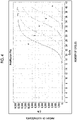
- Fig. 1 The obtained results are shown in Fig. 1 .
- a in Fig. 1 denotes an amplification curve derived from Pneumocystis jirovecii
- b in Fig. 1 denotes an amplification curve derived from Bacillus subtilis.
- the vertical axis in Fig. 1 denotes the fluorescence intensity
- the horizontal axis in Fig. 1 denotes the number of PCR cycles.
- a fluorescent signal indicating the presence of the amplification product was able to be confirmed as a result of performing the nucleic acid amplification reaction (PCR) using the primer pair of the present invention. That is, it was possible to determine that the sample used this time was positive for Pneumocystis jirovecii.
- a fluorescent signal indicating the presence of the amplification product was able to be confirmed as a result of performing the nucleic acid amplification reaction (PCR) using a primer pair specific to the internal control (Bacillus subtilis), and thus it was confirmed that the experimental system was performed appropriately.
- Pneumocystis jirovecii was able to be detected by performing the nucleic acid amplification reaction (PCR) using the primer of the present invention. Further, it was found that Pneumocystis jirovecii was able to be detected by using the primer pair of the present invention without being affected by the presence of the primer pair specific to the internal control (Bacillus subtilis).
- Example 2 Test -1 of detection sensitivity in detection of Pneumocystis jirovecii using primer pair of present invention
- the base sequence (142 base pairs) represented by SEQ ID NO: 5 among the base sequences of Pneumocystis jirovecii was used as the target sequence.
- a forward primer consisting of the base sequence represented by SEQ ID NO: 1 and a reverse primer consisting of the base sequence represented by SEQ ID NO: 2 were designed and synthesized in the same manner as in Example 1 (except that none of the primers used in Example 2 were labeled with the fluorescent substance).
- the DNA was diluted to 10 copies/ ⁇ L, 10 2 copies/ ⁇ L, 10 3 copies/ ⁇ L, 10 4 copies/ ⁇ L, and 10 5 copies/ ⁇ L, thereby preparing each of the samples.
- each of the samples for PCR was dispensed into a 96-well plate, and PCR was performed using StepOnePlus TM (manufactured by Applied Biosystems). After the sample was heated at 97°C for 2 minutes, the reaction was carried out such that a cycle of heating at (1) 97°C for 10 seconds ⁇ (2) 63°C for 10 seconds ⁇ (3) 72°C for 10 seconds was set as one cycle and 40 cycles of heating was performed, and the amount of fluorescence derived from the amplification product labeled in each cycle was measured.
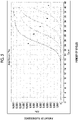
- a to e in Fig. 2 each denote an amplification curve in a case of using samples diluted to 10 5 copies/ ⁇ L, 10 4 copies/ ⁇ L, 10 3 copies/ ⁇ L, 10 2 copies/ ⁇ L, and 10 copies/ ⁇ L.
- the vertical axis in Fig. 2 denotes the fluorescence intensity
- the horizontal axis in Fig. 2 denotes the number of PCR cycles.
- a fluorescent signal indicating the presence of the amplification product was able to be confirmed in all cases of a to e according to the nucleic acid amplification reaction (PCR) using the primer pair of the present invention.
- Pneumocystis jirovecii can be detected even under the condition that 10 copies of Pneumocystis jirovecii as the initial amount of DNA (in the case of e) were present.
- the base sequence (142 base pairs) represented by SEQ ID NO: 5 among the base sequences of Pneumocystis jirovecii was used as the target sequence.
- a primer pair described in Non-Patent Literature 1 that is, a forward primer pair consisting of the base sequence represented by SEQ ID NO: 3 and a reverse primer consisting of the base sequence represented by SEQ ID NO: 4 were designed and synthesized by the same method as in Example 1 (except that none of the primers used in Comparative Example 1 were labeled with the fluorescent substance).
- the DNA was diluted to 10 copies/ ⁇ L, 10 2 copies/ ⁇ L, 10 3 copies/ ⁇ L, 10 4 copies/ ⁇ L, and 10 5 copies/ ⁇ L in the same manner as in Example 2, thereby preparing each of the samples.
- each of the samples for PCR was dispensed into a 96-well plate, and PCR was performed using StepOnePlus TM (manufactured by Applied Biosystems). After the sample was heated at 97°C for 2 minutes, the reaction was carried out such that a cycle of heating at (1) 97°C for 10 seconds ⁇ (2) 63°C for 10 seconds ⁇ (3) 72°C for 10 seconds was set as one cycle and 40 cycles of heating was performed, and the amount of fluorescence derived from the amplification product labeled in each cycle was measured.
- a to e in Fig. 3 each denote an amplification curve in a case of using samples diluted to 10 5 copies/ ⁇ L, 10 4 copies/ ⁇ L, 10 3 copies/ ⁇ L, 10 2 copies/ ⁇ L, and 10 copies/ ⁇ L.
- the vertical axis in Fig. 3 denotes the fluorescence intensity
- the horizontal axis in Fig. 3 denotes the number of PCR cycles.
- a fluorescent signal indicating the presence of the amplification product even though the fluorescence intensity was less than the fluorescence intensity of Example 2 was able to be confirmed in cases of a to d according to the nucleic acid amplification reaction (PCR) using a known primer pair.
- PCR nucleic acid amplification reaction
- the fluorescent signal indicating the presence of the amplification product was not able to be confirmed.
- Example 3 Example 4. Test-2 of detection sensitivity in detection of Pneumocystis jirovecii using primer pair of present invention
- the base sequence (142 base pairs) represented by SEQ ID NO: 5 among the base sequences of Pneumocystis jirovecii was used as the target sequence.
- a forward primer consisting of the base sequence represented by SEQ ID NO: 1 and a reverse primer consisting of the base sequence represented by SEQ ID NO: 2 were designed and synthesized in the same manner as in Example 1.
- a forward primer consisting of the base sequence represented by SEQ ID NO: 3 and a reverse primer consisting of the base sequence represented by SEQ ID NO: 4 were designed and synthesized in the same manner as in Comparative Example 1 (except that none of the primers used in Example 3 and Example 4 were labeled with the fluorescent substance).
- the DNA was diluted to 10 copies/ ⁇ L, 10 2 copies/ ⁇ L, 10 3 copies/ ⁇ L, 10 4 copies/ ⁇ L, and 10 5 copies/ ⁇ L, thereby preparing each of the samples.
- Reaction solutions for PCR were prepared using the same reagents and the same method as in Example 2 except that a forward primer consisting of the base sequence represented by SEQ ID NO: 1 and a reverse primer consisting of the base sequence represented by SEQ ID NO: 4 were used as Example 3. Next, 25 ⁇ L of the samples prepared in the preparation (3) were added to the reaction solutions, thereby obtaining samples for PCR.
- reaction solutions for PCR were prepared using the same reagents and the same method as in Example 2 except that a forward primer consisting of the base sequence represented by SEQ ID NO: 3 and a reverse primer consisting of the base sequence represented by SEQ ID NO: 2 were used as Example 4.
- 25 ⁇ L of the samples prepared in the preparation (3) were added to the reaction solutions, thereby obtaining samples for PCR.
- each of the samples for PCR was dispensed into a 96-well plate, and PCR was performed using StepOnePlus TM (manufactured by Applied Biosystems). After the sample was heated at 97°C for 2 minutes, the reaction was carried out such that a cycle of heating at (1) 97°C for 10 seconds ⁇ (2) 63°C for 10 seconds ⁇ (3) 72°C for 10 seconds was set as one cycle and 40 cycles of heating was performed, and the amount of fluorescence derived from the amplification product labeled in each cycle was measured.
- Fig. 4 shows the results obtained by performing PCR using a forward primer consisting of the base sequence represented by SEQ ID NO: 1 and a reverse primer consisting of the base sequence represented by SEQ ID NO: 4 (Example 3).
- Fig. 5 shows the results obtained by performing PCR using a forward primer consisting of the base sequence represented by SEQ ID NO: 3 and a reverse primer consisting of the base sequence represented by SEQ ID NO: 2 (Example 4).
- a to e in Figs. 4 and 5 each denote an amplification curve in a case of using samples diluted to 10 5 copies/ ⁇ L, 10 4 copies/ ⁇ L, 10 3 copies/ ⁇ L, 10 2 copies/ ⁇ L, and 10 copies/ ⁇ L.
- the vertical axis in Figs. 4 and 5 denotes the fluorescence intensity
- the horizontal axis in Figs. 4 and 5 denotes the number of PCR cycles.
- a fluorescent signal indicating the presence of the amplification product was able to be confirmed in all cases of a to e as the result of performing the nucleic acid amplification reaction (PCR) using a forward primer consisting of the base sequence represented by SEQ ID NO: 1 and a reverse primer consisting of the base sequence represented by SEQ ID NO: 4, which was the primer pair of the present invention (Example 3).
- PCR nucleic acid amplification reaction
- a fluorescent signal indicating the presence of the amplification product was also able to be confirmed in all cases of a to e as the result of performing the nucleic acid amplification reaction (PCR) using a forward primer consisting of the base sequence represented by SEQ ID NO: 3 and a reverse primer consisting of the base sequence represented by SEQ ID NO: 2, which was the primer pair of the present invention (Example 4).
- PCR nucleic acid amplification reaction
- Pneumocystis jirovecii can be detected with high sensitivity and high accuracy.
Landscapes
- Life Sciences & Earth Sciences (AREA)
- Chemical & Material Sciences (AREA)
- Health & Medical Sciences (AREA)
- Engineering & Computer Science (AREA)
- Analytical Chemistry (AREA)
- Organic Chemistry (AREA)
- Proteomics, Peptides & Aminoacids (AREA)
- Biotechnology (AREA)
- Immunology (AREA)
- Zoology (AREA)
- Wood Science & Technology (AREA)
- Molecular Biology (AREA)
- Microbiology (AREA)
- Mycology (AREA)
- Botany (AREA)
- General Health & Medical Sciences (AREA)
- Biochemistry (AREA)
- Physics & Mathematics (AREA)
- Genetics & Genomics (AREA)
- General Engineering & Computer Science (AREA)
- Bioinformatics & Cheminformatics (AREA)
- Biophysics (AREA)
- Urology & Nephrology (AREA)
- Hematology (AREA)
- Biomedical Technology (AREA)
- Cell Biology (AREA)
- Virology (AREA)
- Tropical Medicine & Parasitology (AREA)
- Pathology (AREA)
- General Physics & Mathematics (AREA)
- Medicinal Chemistry (AREA)
- Food Science & Technology (AREA)
- Measuring Or Testing Involving Enzymes Or Micro-Organisms (AREA)
Abstract
Description
- The present invention relates to a primer pair for detecting Pneumocystis jirovecii, a method for detecting Pneumocystis jirovecii using the same, and a reagent kit therefor.
- Pneumocystis pneumonia (PCP) is an opportunistic infection caused by the yeast-like fungus Pneumocystis jirovecii. In addition, PCP is known to develop in patients with weakened immunity due to use of steroids and biologicals, acquired immunodeficiency syndrome, or the like, and the mortality rate is said to be 30% to 35%.
- Since Pneumocystis jirovecii cannot be cultured in an artificial medium, PCP tests have been performed mainly by observation with a microscope. In recent years, genetic tests have been introduced, and detection of Pneumocystis jirovecii in samples such as sputum and bronchial lavage fluid by carrying out a nucleic acid amplification reaction using a primer pair specific to Pneumocystis jirovecii has been performed (Non-Patent Literature 1).
- Non-Patent Literature 1: Clinical Microbiology and Infection,
- However, since the detection method of Non-Patent Literature 1 has a low sensitivity, false negatives may occur.
- An object of the present invention is to provide a primer pair for detecting Pneumocystis jirovecii, which has a low probability of false negatives and is excellent in sensitivity, a method for detecting Pneumocystis jirovecii using the same, and a reagent kit therefor.
- The present invention has been made for the purpose of solving the problems, and has the following configurations.
- [1] A primer pair for detecting Pneumocystis jirovecii, which is selected from the group consisting of (i) a combination of a forward primer consisting of a base sequence represented by SEQ ID NO: 1 and a reverse primer consisting of a base sequence represented by SEQ ID NO: 2, (ii) a combination of the forward primer consisting of the base sequence represented by SEQ ID NO: 1 and a reverse primer consisting of a base sequence represented by SEQ ID NO: 4, and (iii) a combination of a forward primer consisting of a base sequence represented by SEQ ID NO: 3 and the reverse primer consisting of the base sequence represented by SEQ ID NO: 2.
- [2] The primer pair according to [1], in which the primer pair consists of the combination of the forward primer consisting of the base sequence represented by SEQ ID NO: 1 and the reverse primer consisting of the base sequence represented by SEQ ID NO: 2.
- [3] The primer pair according to [1] or [2], in which at least one of the forward primer or the reverse primer is labeled with a labeling substance.
- [4] The primer pair according to [3], in which the labeling substance is selected from a fluorescent substance, a radioactive isotope, or an enzyme.
- [5] A method for detecting Pneumocystis jirovecii, comprising: carrying out a nucleic acid amplification reaction using the primer pair according to any one of [1] to [4] and a nucleic acid in a sample as a template, and detecting an obtained nucleic acid amplification product.
- [6] A reagent kit for detecting Pneumocystis jirovecii, comprising the primer pair according to any one of [1] to [4].
- According to the primer pair for detecting Pneumocystis jirovecii of the present invention, the method for detecting Pneumocystis jirovecii using the same, and the reagent kit therefor, Pneumocystis jirovecii can be detected with high sensitivity and high accuracy. Therefore, false negatives caused by methods of the related art can be reduced.
-
-
Fig. 1 shows a detection result of Pneumocystis jirovecii, obtained by carrying out a nucleic acid amplification reaction (PCR) using a primer pair of the present invention obtained in Example 1. -
Fig. 2 is a test result of the detection sensitivity of Pneumocystis jirovecii in the nucleic acid amplification reaction (PCR) using a primer pair of the present invention obtained in Example 2. -
Fig. 3 is a test result of the detection sensitivity of Pneumocystis jirovecii in the nucleic acid amplification reaction (PCR) using a known primer pair obtained in Comparative Example 1. -
Fig. 4 is a test result of the detection sensitivity of Pneumocystis jirovecii in the nucleic acid amplification reaction (PCR) using a primer pair of the present invention obtained in Example 3. -
Fig. 5 is a test result of the detection sensitivity of Pneumocystis jirovecii in the nucleic acid amplification reaction (PCR) using the primer pair of the present invention obtained in Example 4. - A primer pair for detecting Pneumocystis jirovecii of the present invention (hereinafter, also referred to as the primer pair of the present invention) is selected from the group consisting of (i) a combination of a forward primer consisting of a base sequence represented by SEQ ID NO: 1 and a reverse primer consisting of a base sequence represented by SEQ ID NO: 2, (ii) a combination of the forward primer consisting of the base sequence represented by SEQ ID NO: 1 and a reverse primer consisting of a base sequence represented by SEQ ID NO: 4, and (iii) a combination of a forward primer consisting of a base sequence represented by SEQ ID NO: 3 and the reverse primer consisting of the base sequence represented by SEQ ID NO: 2.
- As the primer pair of the present invention, (i) a combination of the forward primer consisting of the base sequence represented by SEQ ID NO: 1 and the reverse primer consisting of the base sequence represented by SEQ ID NO: 2 is preferable.
- The combinations (i) to (iii) will be described below.
- Among the base sequences of Pneumocystis jirovecii, (i) the forward primer consisting of the base sequence represented by SEQ ID NO: 1 (GenbankID: XM_018374493, base numbers: 1478 to 1509) and the reverse primer consisting of the base sequence represented by SEQ ID NO: 2 (GenbankID: XM_018374493, base numbers: 1590 to 1619), (ii) the forward primer consisting of the base sequence represented by SEQ ID NO: 1 and the reverse primer consisting of the base sequence represented by SEQ ID NO: 4 (GenbankID: XM_018374493, base numbers: 1592 to 1619), and (iii) the forward primer consisting of the base sequence represented by SEQ ID NO: 3 (GenbankID: XM_018374493, base numbers: 1478 to 1507) and the reverse primer consisting of the base sequence represented by SEQ ID NO: 2 are respectively annealed to the base sequence represented by SEQ ID NO: 5 (GenbankID: XM_018374493, base numbers: 1478 to 1619).
- Therefore, the base sequence represented by SEQ ID NO: 5 is amplified by carrying out the nucleic acid amplification reaction such as PCR using the primer pair (i), (ii) or (iii) and a nucleic acid-containing sample such as DNA derived from Pneumocystis jirovecii.
- The design of the primer pair of the present invention may be carried out by a method known per se, which has been usually performed in the field, and specific examples thereof include a method of using software for primer design such as Primer3.
- The primers constituting the primer pair of the present invention (hereinafter, also referred to as the primers according to the present invention) may be obtained by a method known per se, which has been usually performed in the field, and specific examples thereof include a method of preparing primers by a chemical synthesis method and a method of obtaining primers by a gene manipulation method using a vector and the like. Among these, from the viewpoint of easily obtaining a large amount of primers with a constant quality at a low cost, the method of preparing primers by a chemical synthesis method is preferable.
- The primer according to the present invention may be labeled with a labeling substance. Specifically, at least one of the forward primer or the reverse primer in the primer according to the present invention may be labeled with a labeling substance.
- The labeling substance used for labeling the primer according to the present invention is not limited as long as the labeling substance is a substance known per se, which has been usually used in the field, and specific examples thereof include a fluorescent substance, a radioactive isotope, and an enzyme. Among these, the fluorescent substance is preferable.
- Examples of the fluorescent substance include TAMRA™ (manufactured by Sigma-Aldrich Co., LLC), Alexa555 and Alexa647 (both manufactured by Thermo Fisher Scientific Inc.), and Cyanine Dye-based Cy3 and Cy5 (manufactured by GE Healthcare), and Fluorescein. Among these, TAMRA™ is preferable.
- Examples of the radioactive isotope include 32P, 33P, and 35S.
- Examples of the enzyme include alkaline phosphatase and horseradish peroxidase.
- In the primer according to the present invention which has been labeled with the labeling substance, it should be noted that the labeling substance may be bound to the primer directly or via a linker. The linker is not limited as long as the linker is usually used in the field, and a nucleic acid of 1 to 3 bases may be used.
- The primer according to the present invention may be labeled with the fluorescent substance by a method known per se, which has been usually performed in the field, and specific examples thereof include a method of incorporating a fluorescein-labeled nucleotide into the primer using a method known per se and a method of substituting a nucleotide having a linker arm in an oligonucleotide of a sequence (Nucleic Acids Res., 1986, Vol. 14, p.6115).
- The primer according to the present invention may be labeled with a radioactive isotope by a method known per se, which has been usually performed in the field, and specific examples thereof include a method of labeling a primer by incorporating a nucleotide labeled with a radioactive isotope during synthesis of the primer and a method of labeling a primer with a radioactive isotope after synthesis of the primer. Specific examples thereof include a random primer method, nick translation, a 5' terminal labeling method using a T4 polynucleotide kinase, and a 3' terminal labeling method using a terminal deoxynucleotidyl transferase.
- The primer according to the present invention may be labeled with an enzyme by a method known per se, which has been usually performed in the field, and specific examples thereof include a direct labeling method of covalently binding an enzyme molecule such as alkaline phosphatase or horseradish peroxidase directly to the primer to be labeled.
- In addition, the labeling substance may be bound to the primer of the present invention according to a detection system using a biotin-avidin reaction. In this case, the binding may be performed by the method described in E. P. Diamandis, T. K. Christopoulos, Clinical Chemistry 1991, 37, pp. 625 to 636.
- A method for detecting Pneumocystis jirovecii of the present invention (hereinafter, also referred to as the detection method of the present invention) includes carrying out a nucleic acid amplification reaction using the primer pair of the present invention and a nucleic acid in a sample as a template, and detecting the obtained nucleic acid amplification product.
- Specific examples of the sample in the detection method of the present invention include saliva, sputum, induced sputum, suction sputum, bronchial lavage fluid, bronchoalveolar lavage fluid, nasopharyngeal aspirate, oral lavage fluid, and nasal cavity wiping sample. Operations such as concentration and separation of Pneumocystis jirovecii present in the sample, extraction and purification of a nucleic acid from Pneumocystis jirovecii, and the like may be performed on these samples before use for the detection method of the present invention.
- The concentration and the separation of Pneumocystis jirovecii present in the sample may be performed by a method known per se, which has been usually performed in the field, and specific examples thereof include filtration and centrifugation.
- The extraction and the purification of the nucleic acid from the Pneumocystis jirovecii may be performed by a method known per se, which has been usually performed in the field, and specific examples include a method of using phenol and chloroform after destroying the cell wall of Pneumocystis jirovecii and a method of using alcohol such as ethanol or isopropanol after destroying the cell wall of Pneumocystis jirovecii.
- It should be noted that the cell wall of Pneumocystis jirovecii may be destroyed by a method known per se, which has been usually performed in the field, and specific examples thereof include a method of using a surfactant such as SDS or a protein denaturing agent such as guanidine thiocyanate and a method of physically crushing the cell wall with glass beads or the like.
- The nucleic acid in the sample in the detection method of the present invention is a nucleic acid derived from Pneumocystis jirovecii present in the sample, and examples thereof include DNA and RNA. Among these, DNA is preferable.
- It should be noted that in a case where the nucleic acid is RNA, complementary DNA (cDNA) may be synthesized by a reverse transcription reaction such as a transcription-reverse transcription concerted reaction (TRC) method and subjected to a nucleic acid amplification reaction described below.
- The primer pair used in the detection method of the present invention is as described in the section of <Primer pair for detecting Pneumocystis jirovecii of present invention>, and specific examples, preferred examples, and the like are also the same as described above.
- Further, in the detection method of the present invention, the nucleic acid amplification reaction described below may be carried out using a primer pair for detecting an internal control in addition to the primer pair of the present invention.
- The internal control may be any bacterium other than Pneumocystis jirovecii, and examples thereof include bacteria such as Bacillus subtilis, Bacillus cereus, and Clostridium difficile. Among these, the Bacillus subtilis is preferable.
- In addition, each of the primers constituting the primer pair for detecting the bacterium selected as the internal control may be labeled with a labeling substance. Specifically, at least one of the forward primer or the reverse primer in the primer pair may be labeled with a labeling substance.
- It should be noted that examples of the labeling substance and the method for labeling the primer with the labeling substance are the same as described in the section of <Primer pair for detecting Pneumocystis jirovecii of present invention>, and specific examples, preferred examples, and the like are also the same as described above.
- The nucleic acid amplification reaction in the detection method of the present invention may be carried out by a method known per se, which has been usually performed in the field, and specific examples thereof include a polymerase chain reaction (PCR) method, a transcription -mediated amplification (TMA) method, a strand displacement amplification (SDA) method, and a loop-mediated isothermal amplification (LAMP) method. Among these, the PCR method is preferable.
- A reagent used for the nucleic acid amplification reaction in the detection method of the present invention may be any reagent known per se, which has been usually used in the field, and specific examples thereof include a nucleic acid synthase such as DNA polymerase [such as KOD Exo (-) (manufactured by Toyobo Co., Ltd.) or KOD Hot Start (manufactured by Toyobo Co., Ltd.)], a nucleic acid synthetic substrate such as dNTP, a buffer solution such as Tris-HCl or K2HPO4, and a salt such as MgCl2, KCl, or (NH4)2SO4.
- In addition, arbitrary components, for example, a surfactant such as polyethylene glycol, Triton (manufactured by The Dow Chemical Company), Nonidet (manufactured by Shell Chemical Japan Ltd.), or CHAPS (manufactured by Dojin Chemical Laboratory), a preservative such as PROCLIN 300, and a polypeptide such as bovine serum albumin (BSA) may be contained in addition to the reagent unless the nucleic acid amplification reaction in the detection method of the present invention is not inhibited.
- The detection of the nucleic acid amplification product in the detection method of the present invention may be carried out by a method known per se, which has been usually performed in the field, and specific examples thereof include an end point method and a real-time method. Among these, the real-time method is preferable.
- The end point method is a method for separating and detecting an amplification product obtained by the nucleic acid amplification reaction using the primer pair of the present invention.
- Meanwhile, the real-time method is a method for detecting an amplification product obtained by the nucleic acid amplification reaction using the primer pair of the present invention in a real time during the nucleic acid amplification reaction.
- Specific methods of the end point method and the real-time method include a labeled primer method (a), an intercalator method (b), and a labeled probe method (c). Among these, the labeled primer method (a) is preferable.
- Hereinafter, the methods (a), (b), and (c) will be described.
- The labeled primer method (a) is, for example, performed in the following manner.
- "The nucleic acid amplification reaction is carried out using the nucleic acid in the sample as a template with the primer pair of the present invention, in which at least one of the primer pairs of the present invention is labeled with a labeling substance. Next, (i) the obtained amplification product is separated after the nucleic acid amplification reaction, and the label in the amplification product is detected (end point method), or (ii) the label in the amplification product obtained every time the nucleic acid amplification reaction is carried out for one to three cycles is detected in a real time (real-time method). As a result, in a case where the fluorescence derived from the label of the amplification product is detected, it is determined that the sample is positive for Pneumocystis jirovecii".
- Between the methods (i) and (ii) in the labeled primer method, the method (ii) is preferable to the method (i).
- In addition, as the method of "detecting the label in real time" in the labeled primer method, the fluorescence derived from the label of the amplification product may be detected after the amplification product obtained every time the nucleic acid amplification reaction is carried out for one to three cycles is once separated. In addition, the separation is as described below.
- It should be noted that "detecting the label" in the present specification denotes that the labeling substance is directly or indirectly measured based on the properties of the labeling substance.
- Specific examples of the method for the separation in the labeled primer method include methods known per se, such as electrophoresis and high performance liquid chromatography (HPLC). Among such methods, electrophoresis is preferable.
- Specific examples of the electrophoresis include capillary electrophoresis, agarose gel electrophoresis, polyacrylamide gel electrophoresis (slab electrophoresis), starch gel electrophoresis, and isoelectric focusing electrophoresis. Among these, capillary electrophoresis is preferable.
- It should be noted that the capillary electrophoresis may be performed by, for example, the methods known per se, described in
WO2007/027495 ,WO2011/118496 ,WO2008/075520 , and the like. - The intercalator method (b) is, for example, carried out in the following manner in a case of being performed by the end point method.
- "The nucleic acid amplification reaction is carried out using the nucleic acid in the sample as a template with the primer pair of the present invention. The obtained amplification product is separated. Next, the amplification product is stained with an intercalator, and the fluorescence derived from the intercalator is detected. As a result, in a case where the fluorescence derived from the intercalator is detected, it is determined that the sample is positive for Pneumocystis jirovecii".
- In addition, as another aspect, the intercalator method (b) is carried out in the following manner in a case of being performed by the real-time method.
- "The nucleic acid amplification reaction is carried out using the nucleic acid in the sample as a template with the primer pair of the present invention and the intercalator. Next, the fluorescence derived from the intercalator that intercalates in correlation with the amplification amount of the obtained amplification product is detected. As a result, in a case where the fluorescence derived from the intercalator is detected, it is determined that the sample is positive for Pneumocystis jirovecii".
- The separation in the intercalator method is as described in the section of the labeled primer method (a), and the specific examples, the preferred examples, and the like are the same as described above.
- The intercalator in the intercalator method may be any intercalator as long as the intercalator is known per se, which has been usually used in the field, and specific examples thereof include those described in
WO2017/170376 . Among the examples, SYTOX (trademark)-based dyes [for example, SYBR Gold (trademark), SYBR Green I (trademark), SYBR Green II (trademark), SYTOX Green (trademark), SYTOX Blue (trademark), and SYTOX Orange (trademark) (all manufactured by Thermo Fisher Scientific Inc.) are preferable, and SYBR Green I is more preferable. - The labeled probe method (c) is, for example, carried out in the following manner in a case of being performed by the end point method.
- "The nucleic acid amplification reaction is carried out using the nucleic acid in the sample as a template with the primer pair of the present invention. The obtained amplification product is separated. Next, the amplification product is treated with a basic solution such as sodium hydroxide to form a single strand. Next, the amplification product is hybridized with a probe labeled with a labeling substance having a base sequence complementary to the base sequence of all or part of the amplification product to form a hybrid material, and the label in the hybrid material is detected. As a result, in a case where the label in the hybrid material is detected, it is determined that the sample is positive for Pneumocystis jirovecii".
- The labeling substance and the method of performing labeling with the labeling substance in the labeled probe method are as described in the section of <Primer pair for detecting Pneumocystis jirovecii of present invention>, and specific examples, preferred examples, and the like are also the same as described above.
- In addition, as another aspect, the labeled probe method (c) is carried out in the following manner in a case of being performed by the real-time method.
- "The nucleic acid amplification reaction is carried out using the nucleic acid in the sample as a template with the primer pair of the present invention and the fluorescent labeled probe, and in a case where the fluorescence derived from the probe is detected, it is determined that the sample is positive for Pneumocystis jirovecii".
- It should be noted that the fluorescent labeled probe denotes a probe which is designed to hybridize to a region amplified by the nucleic acid amplification reaction using the primer pair of the present invention and in which the 5' terminal thereof is labeled with, for example, a fluorescent dye (reporter fluorescent dye) and the 3' terminal thereof is labeled with, for example, a quencher dye.
- The separation in the labeled probe method is as described in the section of the labeled primer method (a), and the specific examples, the preferred examples, and the like are the same as described above.
- Preferred specific examples of the detection method of the present invention will be described.
- First, DNA is extracted from a sample for detecting Pneumocystis jirovecii by a method known per se.
- Meanwhile, for example, the primer pair of the present invention (for example, a forward primer consisting of the base sequence represented by SEQ ID NO: 1 and a reverse primer consisting of the base sequence represented by SEQ ID NO: 2) is synthesized by the phosphoramidite method using a DNA synthesizer. Next, at least one of the primer pair of the present invention is labeled with a labeling substance (for example, a fluorescent substance) by a method known per se.
- The nucleic acid amplification reaction is carried out on DNA extracted from the sample in the following manner (for example, the PCR method) using the primer pair of the present invention which has been labeled with the labeling substance.
- That is, 1 to 10 mM of a buffer solution (for example, a Tris-HCl buffer solution) having a pH of 7 to 9 which contains 0.1 µM to 2 µM of each primer constituting the primer pair of the present invention, 1 mM to 4 mM of a salt (for example, MgCl2), 0.05 mg/mL to 10 mg/mL of a polypeptide (for example, BSA), 0.1% to 5% of a surfactant (for example, CHAPS), 0.1% to 5% of a preservative (for example, PROCLIN 300), 0.1 mM to 1 mM of a nucleic acid synthetic substrate (for example, dATP, dCTP, dGT, or dTTP), and 0.01 U/µL to 0.1 U/µL of a nucleic acid synthase (for example, a DNA polymerase) is prepared and used as a nucleic acid amplification reaction solution. Next, 0.1 ng to 100 ng of the DNA is added to 5 µL to 100 µL of the reaction solution.
- The nucleic acid amplification reaction (for example, the PCR method) is carried out using the reaction solution and a nucleic acid amplification device such as a thermal cycler.
- That is, after the reaction solution is heated at 93°C to 98°C for 25 seconds to 3 minutes, a cycle of heating at (1) 93°C to 98°C for 1 second to 30 seconds → (2) 50°C to 70°C for 5 seconds to 30 seconds → (3) 60°C to 80°C for 3 to 30 seconds is set as one cycle, and 30 to 50 cycles of heating is performed.
- Next, the label in the amplification product obtained every time the nucleic acid amplification reaction is carried out for one to three cycles is detected in a real time.
- As a result, in a case where the fluorescence derived from the label in the obtained amplification product is detected, it is determined that "the sample is positive for Pneumocystis jirovecii".
- A reagent kit for detecting Pneumocystis jirovecii of the present invention (hereinafter, also referred to as the kit of the present invention) contains the primer pair of the present invention.
- The primer pair contained in the kit of the present invention is as described in the section of <Primer pair for detecting Pneumocystis jirovecii of present invention>, and the specific examples, the preferred examples, and the like are also the same as described above.
- The kit of the present invention may contain a primer pair for detecting an internal control.
- The reagent kit of the present invention may contain reagents which have been usually used in the field, for example, a buffer solution (such as a tris buffer solution, a phosphoric acid buffer solution, a veronal buffer solution, a boric acid buffer solution, or a good buffer solution), a stabilizer, a preservative, and the like that do not inhibit the stability of coexisting reagents and the like and do not inhibit the nucleic acid amplification reaction such as PCR and the hybridization reaction. In addition, the concentration may be appropriately selected from the concentration range usually used in this field.
- In addition, the reagent kit of the present invention may contain a reagent used for the nucleic acid amplification reaction such as a nucleic acid synthase, a nucleic acid synthetic substrate, an intercalator, a labeling substance, or a probe, an electrophoresis tank, a gel, and a reagent for electrophoresis such as a DNA marker, as necessary.
- It should be noted that the nucleic acid synthase, the nucleic acid synthetic substrate, the intercalator, the labeling substance, and the probe are as described in the section of <Method for detecting Pneumocystis jirovecii of present invention>, and the specific examples, the preferred examples, and the like are also the same as described above.
- Further, the reagent kit of the present invention may contain a manual for determining the presence or absence of the detection method of the present invention and Pneumocystis jirovecii. The manual denotes the instruction manual, the attached text, the pamphlet, and the like of the kit of the present invention in which the features, the principles, the operation procedures, the determination procedures, and the like of the detection method of the present invention are substantially described by means of texts, charts, and the like.
- The reagent kit of the present invention may be accommodated in a container, and examples thereof include a container accommodating the primer pair of the present invention.
- In addition, as described above, the reagent kit of the present invention, the primer pair of the present invention, and the reagents may be accommodated in an identical container, or a plurality of containers are prepared and the reagent kit, the primer pair, and the reagents may be accommodated in the containers separately or in combination.
- A method for determining Pneumocystis pneumonia according to the present invention (hereinafter, also referred to as the determination method according to the present invention) is performed by carrying out the nucleic acid amplification reaction using the nucleic acid in the sample as a template with the primer pair of the present invention, detecting the obtained nucleic acid amplification product, and determining Pneumocystis pneumonia based on the detection result.
- The primer pair in the determination method according to the present invention is as described in the section of <Primer pair for detecting Pneumocystis jirovecii of present invention>, and the specific examples, the preferred examples, and the like are also the same as described above.
- The sample, the nucleic acid amplification reaction, the detection of the nucleic acid amplification product, and the like in the determination method according to the present invention are as described in the section of "<Method for detecting Pneumocystis jirovecii of present invention>, and the specific examples, the preferred examples, and the like are also the same as described above.
- The determination of Pneumocystis pneumonia in the determination method according to the present invention is performed, for example, in the following manner based on the detection result of the nucleic acid amplification product obtained by the nucleic acid amplification reaction using the primer pair of the present invention.
- That is, (i) in a case where a signal (fluorescence or the like) derived from the product amplified by the primer pair of the present invention is detected, it is possible to determined that "the test animal derived from the sample may be suffering from Pneumocystis pneumonia or the test animal is highly likely to be suffering from Pneumocystis pneumonia", and (ii) in a case where no signal (fluorescence or the like) derived from the product amplified by the primer pair of the present invention is detected, it is possible to determined that "the test animal derived from the sample is not suffering from Pneumocystis pneumonia or the test animal is unlikely to be suffering from pneumocystis pneumonia".
- The method for obtaining data for determining pneumocystis pneumonia according to the present invention (hereinafter, also referred to as the method for obtaining data according to the present invention) is performed by carrying out the nucleic acid amplification reaction using the nucleic acid in the sample as a template with the primer pair of the present invention and detecting the obtained nucleic acid amplification product.
- The primer pair in the method for obtaining data according to the present invention is as described in the section of <Primer pair for detecting Pneumocystis jirovecii of present invention>, and the specific examples, the preferred examples, and the like are also the same as described above.
- The sample, the nucleic acid amplification reaction, the detection of the nucleic acid amplification product, and the like in the method for obtaining data according to the present invention are as described in the section of <Method for detecting Pneumocystis jirovecii of present invention>, and the specific examples, the preferred examples, and the like are also the same as described above.
- Examples of the data in the method for obtaining data according to the present invention include (i) the detection result of the nucleic acid amplification product obtained by the method for obtaining data according to the present invention and (ii) the data suggesting that the test animal is likely to be suffering from Pneumocystis pneumonia or the test animal is highly likely to be suffering from Pneumocystis pneumonia.
- The method for supporting the determination of Pneumocystis pneumonia according to the present invention (hereinafter, also referred to as the support method according to the present invention) is performed by carrying out the nucleic acid amplification reaction using the nucleic acid in the sample as a template with the primer pair of the present invention, detecting the obtained nucleic acid amplification product, and supporting the determination of Pneumocystis pneumonia based on the detection result.
- The primer pair in the support method according to the present invention is as described in the section of <Primer pair for detecting Pneumocystis jirovecii of present invention>, and the specific examples, preferred examples, and the like are also the same as described above.
- The sample, the nucleic acid amplification reaction, the detection of the nucleic acid amplification product, and the like in the support method according to the present invention are as described in the section of <Method for detecting Pneumocystis jirovecii of present invention>, and the specific examples, the preferred examples, and the like are also the same as described above.
- The determination of Pneumocystis pneumonia in the support method according to the present invention is as described in the section of <Method for determining Pneumocystis pneumonia according to present invention>, and the specific examples, the preferred examples, and the like are also the same as described above.
- The support method according to the present invention can be used as a method for supporting a medical worker such as a doctor in determining or diagnosing Pneumocystis pneumonia.
- The method for determining and treating Pneumocystis pneumonia according to the present invention (hereinafter, also referred to as the treatment method according to the present invention) is performed by carrying out the nucleic acid amplification reaction using the nucleic acid in the sample as a template with the primer pair of the present invention, detecting the obtained nucleic acid amplification product, determining Pneumocystis pneumonia based on the detection result, and appropriately treating the patient determined to have a risk of Pneumocystis pneumonia or a high risk of Pneumocystis pneumonia based on the determination result.
- The primer pair in the treatment method according to the present invention is as described in the section of <Primer pair for detecting Pneumocystis jirovecii of present invention>, and the specific examples, the preferred examples, and the like are also the same as described above.
- The sample, the nucleic acid amplification reaction, the detection of the nucleic acid amplification product, and the like in the treatment method according to the present invention are as described in the section of <Method for detecting Pneumocystis jirovecii of present invention>, and the specific examples, the preferred examples, and the like are also the same as described above.
- The determination of Pneumocystis pneumonia in the treatment method according to the present invention is as described in the section of <Method for determining Pneumocystis pneumonia according to present invention>, and the specific examples, the preferred examples, and the like are also the same as described above.
- Specific examples of the appropriate treatment in the treatment method according to the present invention include drug therapy performed by administering a drug such as a sulfamethoxazole/trimethoprim (ST) mixture.
- A device for determining Pneumocystis pneumonia according to the present invention (hereinafter, also referred to as the device according to the present invention) includes at least a nucleic acid amplification reaction unit (1) and a detection unit (2). Further, the device may include a nucleic acid extraction unit (3), a determination unit (4), an output unit (5), and an input unit (6).
- The nucleic acid amplification reaction unit (1) in the device according to the present invention is configured to perform the nucleic acid amplification reaction using the primer pair of the present invention.
- The detection unit (2) in the device according to the present invention is configured to detect the nucleic acid amplification product obtained in the nucleic acid amplification reaction unit (1).
- It should be noted that the nucleic acid amplification reaction unit (1) and the detection unit (2) may be configured independently or integrally, and specific examples thereof include the microfluidic device described in
JP2018-89611A - The nucleic acid extraction unit (3) in the device according to the present invention is configured to extract and/or purify the nucleic acid from the sample. Specifically, for example, the nucleic acid extraction unit (3) is configured to perform the method for extracting a nucleic acid described in
WO2016/079981A and the method for purifying a nucleic acid described inWO2015/157650A . - The determination unit (4) in the device according to the present invention is configured to determine Pneumocystis pneumonia based on the result obtained by the detection unit (2).
- The output unit (5) in the device according to the present invention is configured to output the result obtained by the nucleic acid amplification reaction unit (1), the detection unit (2), the nucleic acid extraction unit (3), and/or the determination unit (4).
- The input unit (6) in the device according to the present invention is configured to send a signal for operating the nucleic acid amplification reaction unit (1) and/or the nucleic acid extraction unit (3) to the nucleic acid amplification reaction unit (1) and/or the nucleic acid extraction unit (3).
- The primer pair in the device according to the present invention is as described in the section of <Primer pair for detecting Pneumocystis jirovecii of present invention>, and the specific examples, the preferred examples, and the like are also the same as described above.
- The sample, the nucleic acid amplification reaction, the detection of the nucleic acid amplification product, and the like in the device according to the present invention are as described in the section of <Method for detecting Pneumocystis jirovecii of present invention>, and the specific examples, the preferred examples, and the like are also the same as described above.
- The determination of Pneumocystis pneumonia in the device according to the present invention is as described in the section of <Method for determining Pneumocystis pneumonia according to present invention>, and the specific examples, the preferred examples, and the like are also the same as described above.
- Hereinafter, the present invention will be described in detail based on the following examples, but the present invention is not limited to such examples.
- The nucleic acid amplification reaction (PCR) was carried out using the primer pair of the present invention to detect Pneumocystis jirovecii.
-
- Target sequence A:
Among the base sequences of Pneumocystis jirovecii, the base sequence represented by SEQ ID NO: 5 (142 base pairs) was used as the target sequence. - Target sequence B:
Bacillus subtilis was selected as the internal control, and the base sequence represented by SEQ ID NO: 6 (358 base pairs, GenbankID: CP034943.1) among the base sequences of Bacillus subtilis was used as the target sequence. - From the target sequence A determined in the determination (1), a forward primer consisting of the base sequence represented by SEQ ID NO: 1 and a reverse primer consisting of the base sequence represented by SEQ ID NO: 2 were designed as a primer for the nucleic acid amplification reaction (PCR).
- In addition, from the target sequence B determined in the determination (1), a forward primer consisting of the base sequence represented by SEQ ID NO: 7 and a reverse primer consisting of the base sequence represented by SEQ ID NO: 8 were designed as a primer for the nucleic acid amplification reaction (PCR).
- The synthesis of the primers was outsourced to Fasmac Co., Ltd., thereby obtaining each of the primers. Next, the 5' terminal of the obtained reverse primer consisting of the base sequence represented by SEQ ID NO: 2 was labeled with a fluorescent substance (TAMRA™). In addition, the 5' terminal of the forward primer consisting of the base sequence represented by SEQ ID NO: 7 was labeled with a fluorescent substance (TAMRA™).
- A DNA-containing sample was prepared from bronchial lavage fluid derived from a clinical specimen positive for Pneumocystis jirovecii using a fully-automated genetic analyzer µTASWako g1 (manufactured by FUJIFILM Wako Pure Chemical Corporation) according to the instruction manual of the device. Next, the nucleic acid amplification reaction (PCR) and electrophoresis were performed according to the instruction manual of the device. It should be noted that reaction solutions for PCR and the reaction conditions are as follows.
- Reaction solutions for PCR, containing the reagents listed in Table 1 were prepared.
Table 1 Reagent name Concentration Forward primer (SEQ ID NO: 1) 0.6 µM Reverse primer (SEQ ID NO: 2) 0.6 µM Forward primer (SEQ ID NO: 7) 0.6 µM Reverse primer (SEQ ID NO: 8) 0.6 µM KOD Buffer (manufactured by Toyobo Co., Ltd.) 1× dNTP Mixture (manufactured by Toyobo Co., Ltd.) 0.2 mM KOD Hot Start (manufactured by Toyobo Co., Ltd.) 0.06 U/µL CHAPS (manufactured by Dojin Chemical Laboratory) 0.50% PEG6000 (manufactured by FUJIFILM Wako Pure Chemical Corporation) 0.50% BSA (manufactured by Sigma-Aldrich Co., LLC) 0.1 mg/mL PROCLIN 300 (manufactured by Sigma-Aldrich Co., LLC) 0.20% - After the reaction solution was heated at 98°C for 30 seconds, a cycle of heating at (1) 98°C for 3 seconds → (2) 62°C for 8 seconds → (3) 72°C for 6 seconds was set as one cycle, and 44 cycles of heating was performed.
- The obtained results are shown in
Fig. 1 . It should be noted that a inFig. 1 denotes an amplification curve derived from Pneumocystis jirovecii, and b inFig. 1 denotes an amplification curve derived from Bacillus subtilis. In addition, the vertical axis inFig. 1 denotes the fluorescence intensity, and the horizontal axis inFig. 1 denotes the number of PCR cycles. - As is apparent in
Fig. 1 , a fluorescent signal indicating the presence of the amplification product was able to be confirmed as a result of performing the nucleic acid amplification reaction (PCR) using the primer pair of the present invention. That is, it was possible to determine that the sample used this time was positive for Pneumocystis jirovecii. - In addition, a fluorescent signal indicating the presence of the amplification product was able to be confirmed as a result of performing the nucleic acid amplification reaction (PCR) using a primer pair specific to the internal control (Bacillus subtilis), and thus it was confirmed that the experimental system was performed appropriately.
- As described above, it was found that Pneumocystis jirovecii was able to be detected by performing the nucleic acid amplification reaction (PCR) using the primer of the present invention. Further, it was found that Pneumocystis jirovecii was able to be detected by using the primer pair of the present invention without being affected by the presence of the primer pair specific to the internal control (Bacillus subtilis).
- The detection sensitivity of Pneumocystis jirovecii in the nucleic acid amplification reaction (PCR) using the primer pair of the present invention was tested.
- Similar to Example 1, the base sequence (142 base pairs) represented by SEQ ID NO: 5 among the base sequences of Pneumocystis jirovecii was used as the target sequence.
- A forward primer consisting of the base sequence represented by SEQ ID NO: 1 and a reverse primer consisting of the base sequence represented by SEQ ID NO: 2 were designed and synthesized in the same manner as in Example 1 (except that none of the primers used in Example 2 were labeled with the fluorescent substance).
- With artificially synthesized DNA having the same base sequence as the target sequence, the DNA was diluted to 10 copies/µL, 102 copies/µL, 103 copies/µL, 104 copies/µL, and 105 copies/µL, thereby preparing each of the samples.
- Reaction solutions for PCR, containing the reagents listed in Table 2 below were prepared, and 25 µL of the samples prepared in the preparation (3) of Example 2 were added, thereby obtaining samples for PCR.
Table 2 Reagent name Concentration Forward primer (SEQ ID NO: 1) 0.4 µM Reverse primer (SEQ ID NO: 2) 0.4 µM KOD Buffer (manufactured by Toyobo Co., Ltd.) 1× dNTP Mixture (manufactured by Toyobo Co., Ltd.) 0.3 mM KOD Hot Start (manufactured by Toyobo Co., Ltd.) 0.06 U/µL CHAPS (manufactured by Dojin Chemical Laboratory) 0.50% PEG6000 (manufactured by FUJIFILM Wako Pure Chemical Corporation) 0.50% BSA (manufactured by Sigma-Aldrich Co., LLC) 0.1 mg/mL PROCLIN 300 (manufactured by Sigma-Aldrich Co., LLC) 0.20% SYBR Green I (manufactured by LONZA Bioscience) 1× - Next, each of the samples for PCR was dispensed into a 96-well plate, and PCR was performed using StepOnePlus™ (manufactured by Applied Biosystems). After the sample was heated at 97°C for 2 minutes, the reaction was carried out such that a cycle of heating at (1) 97°C for 10 seconds → (2) 63°C for 10 seconds → (3) 72°C for 10 seconds was set as one cycle and 40 cycles of heating was performed, and the amount of fluorescence derived from the amplification product labeled in each cycle was measured.
- The obtained results are shown in
Fig. 2 . It should be noted that a to e inFig. 2 each denote an amplification curve in a case of using samples diluted to 105 copies/µL, 104 copies/µL, 103 copies/µL, 102 copies/µL, and 10 copies/µL. In addition, the vertical axis inFig. 2 denotes the fluorescence intensity, and the horizontal axis inFig. 2 denotes the number of PCR cycles. - As is apparent in
Fig. 2 , a fluorescent signal indicating the presence of the amplification product was able to be confirmed in all cases of a to e according to the nucleic acid amplification reaction (PCR) using the primer pair of the present invention. - In other words, it was found that Pneumocystis jirovecii can be detected even under the condition that 10 copies of Pneumocystis jirovecii as the initial amount of DNA (in the case of e) were present.
- The detection sensitivity of Pneumocystis jirovecii in the nucleic acid amplification reaction (PCR) using a known primer pair was tested.
- Similar to Example 1, the base sequence (142 base pairs) represented by SEQ ID NO: 5 among the base sequences of Pneumocystis jirovecii was used as the target sequence.
- A primer pair described in Non-Patent Literature 1, that is, a forward primer pair consisting of the base sequence represented by SEQ ID NO: 3 and a reverse primer consisting of the base sequence represented by SEQ ID NO: 4 were designed and synthesized by the same method as in Example 1 (except that none of the primers used in Comparative Example 1 were labeled with the fluorescent substance).
- With artificially synthesized DNA having the same base sequence as the target sequence, the DNA was diluted to 10 copies/µL, 102 copies/µL, 103 copies/µL, 104 copies/µL, and 105 copies/µL in the same manner as in Example 2, thereby preparing each of the samples.
- Reaction solutions for PCR, containing the reagents listed in Table 3 below were prepared, and 25 µL of the samples prepared in the preparation (3) of Example 2 were added, thereby obtaining samples for PCR.
Table 3 Reagent name Concentration Forward primer (SEQ ID NO: 3) 0.4 µM Reverse primer (SEQ ID NO: 4) 0.4 µM KOD Buffer (manufactured by Toyobo Co., Ltd.) 1× dNTP Mixture (manufactured by Toyobo Co., Ltd.) 0.3 mM KOD Hot Start (manufactured by Toyobo Co., Ltd.) 0.06 U/µL CHAPS (manufactured by Dojin Chemical Laboratory) 0.50% PEG6000 (manufactured by FUJIFILM Wako Pure Chemical Corporation) 0.50% BSA (manufactured by Sigma-Aldrich Co., LLC) 0.1 mg/mL PROCLIN 300 (manufactured by Sigma-Aldrich Co., LLC) 0.20% SYBR Green I (manufactured by LONZA Bioscience) 1× - Next, each of the samples for PCR was dispensed into a 96-well plate, and PCR was performed using StepOnePlus™ (manufactured by Applied Biosystems). After the sample was heated at 97°C for 2 minutes, the reaction was carried out such that a cycle of heating at (1) 97°C for 10 seconds → (2) 63°C for 10 seconds → (3) 72°C for 10 seconds was set as one cycle and 40 cycles of heating was performed, and the amount of fluorescence derived from the amplification product labeled in each cycle was measured.
- The obtained results are shown in
Fig. 3 . It should be noted that a to e inFig. 3 each denote an amplification curve in a case of using samples diluted to 105 copies/µL, 104 copies/µL, 103 copies/µL, 102 copies/µL, and 10 copies/µL. In addition, the vertical axis inFig. 3 denotes the fluorescence intensity, and the horizontal axis inFig. 3 denotes the number of PCR cycles. - As is apparent in
Fig. 3 , a fluorescent signal indicating the presence of the amplification product even though the fluorescence intensity was less than the fluorescence intensity of Example 2 was able to be confirmed in cases of a to d according to the nucleic acid amplification reaction (PCR) using a known primer pair. However, in the case of e (sample: 10 copies/µL), the fluorescent signal indicating the presence of the amplification product was not able to be confirmed. - In other words, it was found that Pneumocystis jirovecii cannot be detected under the condition that 10 copies of Pneumocystis jirovecii as the initial amount of DNA (in the case of e) were present using the method for detecting Pneumocystis jirovecii with a known primer pair.
- As shown in the results of Example 2 and Comparative Example 1, it was found that Pneumocystis jirovecii can be detected with high sensitivity and high accuracy using the method for detecting Pneumocystis jirovecii with the primer pair of the present invention as compared with the detection method using a known primer pair.
- The detection sensitivity of Pneumocystis jirovecii in the nucleic acid amplification reaction (PCR) using the primer pair of the present invention was tested.
- Similar to Example 1, the base sequence (142 base pairs) represented by SEQ ID NO: 5 among the base sequences of Pneumocystis jirovecii was used as the target sequence.
- A forward primer consisting of the base sequence represented by SEQ ID NO: 1 and a reverse primer consisting of the base sequence represented by SEQ ID NO: 2 were designed and synthesized in the same manner as in Example 1.
- In addition, a forward primer consisting of the base sequence represented by SEQ ID NO: 3 and a reverse primer consisting of the base sequence represented by SEQ ID NO: 4 were designed and synthesized in the same manner as in Comparative Example 1 (except that none of the primers used in Example 3 and Example 4 were labeled with the fluorescent substance).
- With artificially synthesized DNA having the same base sequence as the target sequence, the DNA was diluted to 10 copies/µL, 102 copies/µL, 103 copies/µL, 104 copies/µL, and 105 copies/µL, thereby preparing each of the samples.
- Reaction solutions for PCR were prepared using the same reagents and the same method as in Example 2 except that a forward primer consisting of the base sequence represented by SEQ ID NO: 1 and a reverse primer consisting of the base sequence represented by SEQ ID NO: 4 were used as Example 3. Next, 25 µL of the samples prepared in the preparation (3) were added to the reaction solutions, thereby obtaining samples for PCR.
- In addition, reaction solutions for PCR were prepared using the same reagents and the same method as in Example 2 except that a forward primer consisting of the base sequence represented by SEQ ID NO: 3 and a reverse primer consisting of the base sequence represented by SEQ ID NO: 2 were used as Example 4. Next, 25 µL of the samples prepared in the preparation (3) were added to the reaction solutions, thereby obtaining samples for PCR.
- Next, each of the samples for PCR was dispensed into a 96-well plate, and PCR was performed using StepOnePlus™ (manufactured by Applied Biosystems). After the sample was heated at 97°C for 2 minutes, the reaction was carried out such that a cycle of heating at (1) 97°C for 10 seconds → (2) 63°C for 10 seconds → (3) 72°C for 10 seconds was set as one cycle and 40 cycles of heating was performed, and the amount of fluorescence derived from the amplification product labeled in each cycle was measured.
-
Fig. 4 shows the results obtained by performing PCR using a forward primer consisting of the base sequence represented by SEQ ID NO: 1 and a reverse primer consisting of the base sequence represented by SEQ ID NO: 4 (Example 3). -
Fig. 5 shows the results obtained by performing PCR using a forward primer consisting of the base sequence represented by SEQ ID NO: 3 and a reverse primer consisting of the base sequence represented by SEQ ID NO: 2 (Example 4). - It should be noted that a to e in
Figs. 4 and5 each denote an amplification curve in a case of using samples diluted to 105 copies/µL, 104 copies/µL, 103 copies/µL, 102 copies/µL, and 10 copies/µL. In addition, the vertical axis inFigs. 4 and5 denotes the fluorescence intensity, and the horizontal axis inFigs. 4 and5 denotes the number of PCR cycles. - As is apparent in
Fig. 4 , a fluorescent signal indicating the presence of the amplification product was able to be confirmed in all cases of a to e as the result of performing the nucleic acid amplification reaction (PCR) using a forward primer consisting of the base sequence represented by SEQ ID NO: 1 and a reverse primer consisting of the base sequence represented by SEQ ID NO: 4, which was the primer pair of the present invention (Example 3). In addition, as is apparent inFig. 5 , a fluorescent signal indicating the presence of the amplification product was also able to be confirmed in all cases of a to e as the result of performing the nucleic acid amplification reaction (PCR) using a forward primer consisting of the base sequence represented by SEQ ID NO: 3 and a reverse primer consisting of the base sequence represented by SEQ ID NO: 2, which was the primer pair of the present invention (Example 4). In other words, it was found that Pneumocystis jirovecii can be detected even under the condition that 10 copies of Pneumocystis jirovecii as the initial amount of DNA (in the case of e) were present in Example 3 and Example 4. - Based on the comparison of the results of Example 3 and Example 4 with the results of Comparative Example 1, it was found that Pneumocystis jirovecii can be detected with higher sensitivity and higher accuracy using the method for detecting Pneumocystis jirovecii with the primer pair of the present invention according to Example 3 and Example 4 as compared with the detection method using a known primer pair.
- According to the method for detecting Pneumocystis jirovecii using the primer pair of the present invention, Pneumocystis jirovecii can be detected with high sensitivity and high accuracy.


Claims (6)
- A primer pair for detecting Pneumocystis jirovecii, which is selected from the group consisting of (i) a combination of a forward primer consisting of a base sequence represented by SEQ ID NO: 1 and a reverse primer consisting of a base sequence represented by SEQ ID NO: 2, (ii) a combination of the forward primer consisting of the base sequence represented by SEQ ID NO: 1 and a reverse primer consisting of a base sequence represented by SEQ ID NO: 4, and (iii) a combination of a forward primer consisting of a base sequence represented by SEQ ID NO: 3 and the reverse primer consisting of the base sequence represented by SEQ ID NO: 2.
- The primer pair according to claim 1,
wherein the primer pair consists of the combination of the forward primer consisting of the base sequence represented by SEQ ID NO: 1 and the reverse primer consisting of the base sequence represented by SEQ ID NO: 2. - The primer pair according to claim 1,
wherein at least one of the forward primer or the reverse primer is labeled with a labeling substance. - The primer pair according to claim 3,
wherein the labeling substance is selected from a fluorescent substance, a radioactive isotope, or an enzyme. - A method for detecting Pneumocystis jirovecii, comprising:carrying out a nucleic acid amplification reaction using the primer pair according to claim 1 and a nucleic acid in a sample as a template, anddetecting an obtained nucleic acid amplification product.
- A reagent kit for detecting Pneumocystis jirovecii, comprising the primer pair according to claim 1.
Applications Claiming Priority (2)
| Application Number | Priority Date | Filing Date | Title |
|---|---|---|---|
| JP2019152901 | 2019-08-23 | ||
| PCT/JP2020/031294 WO2021039540A1 (en) | 2019-08-23 | 2020-08-19 | Primer pair for detecting pneumocystis jirovecii, method for detecting pneumocystis jirovecii using same and reagent kit therefor |
Publications (2)
| Publication Number | Publication Date |
|---|---|
| EP4019631A1 true EP4019631A1 (en) | 2022-06-29 |
| EP4019631A4 EP4019631A4 (en) | 2023-09-13 |
Family
ID=74685438
Family Applications (1)
| Application Number | Title | Priority Date | Filing Date |
|---|---|---|---|
| EP20856117.5A Withdrawn EP4019631A4 (en) | 2019-08-23 | 2020-08-19 | PRIMER PAIR FOR DETECTING PNEUMOCYSTIS JIROVECII, METHOD FOR DETECTING PNEUMOCYSTIS JIROVECII USING THE SAME AND REAGENT KIT THEREOF |
Country Status (4)
| Country | Link |
|---|---|
| US (1) | US20220298586A1 (en) |
| EP (1) | EP4019631A4 (en) |
| JP (1) | JP7357063B2 (en) |
| WO (1) | WO2021039540A1 (en) |
Families Citing this family (1)
| Publication number | Priority date | Publication date | Assignee | Title |
|---|---|---|---|---|
| WO2021039540A1 (en) * | 2019-08-23 | 2021-03-04 | 富士フイルム和光純薬株式会社 | Primer pair for detecting pneumocystis jirovecii, method for detecting pneumocystis jirovecii using same and reagent kit therefor |
Family Cites Families (15)
| Publication number | Priority date | Publication date | Assignee | Title |
|---|---|---|---|---|
| US6218529B1 (en) * | 1995-07-31 | 2001-04-17 | Urocor, Inc. | Biomarkers and targets for diagnosis, prognosis and management of prostate, breast and bladder cancer |
| US20040022764A1 (en) * | 2002-07-31 | 2004-02-05 | Hanan Polansky | Inhibition of microcompetition with a foreign polynucleotide as treatment of chronic disease |
| ES2338256T3 (en) | 2005-09-02 | 2010-05-05 | Wako Pure Chemical Industries, Ltd. | PROCEDURE FOR COMPLEX FORMATION AND SEPARATION PROCEDURE. |
| GB0621864D0 (en) * | 2006-11-02 | 2006-12-13 | Univ Manchester | Assay for fungal infection |
| ATE522608T1 (en) | 2006-12-18 | 2011-09-15 | Wako Pure Chem Ind Ltd | PRIMER AND PROBE FOR DETECTING MYCOBACTERIUM AVIUM AND METHOD FOR DETECTING MYCOBACTERIUM AVIUM USING THE PRIMER OR THE PROBE |
| WO2011118496A1 (en) | 2010-03-23 | 2011-09-29 | 和光純薬工業株式会社 | Primer and probe for detecting chlamydia trachomatis, and method for detecting chlamydia trachomatis using same |
| US10072305B2 (en) * | 2012-05-03 | 2018-09-11 | The United States Of America As Represented By The Secretary Of The Department Of Health And Human Services | Real-time PCR for the detection of pathogens |
| CN106164270A (en) | 2014-04-11 | 2016-11-23 | 和光纯药工业株式会社 | Nucleic acid purification method |
| JP6642448B2 (en) | 2014-11-18 | 2020-02-05 | 富士フイルム和光純薬株式会社 | Sample crushing apparatus and method |
| CA2982508A1 (en) * | 2015-04-15 | 2016-10-20 | Institut Pasteur | Means for diagnosing, predicting or monitoring pneumocystis pneumonia |
| CN106399471A (en) * | 2015-07-02 | 2017-02-15 | 成都翰桐科技有限公司 | Detection kit and detection method of pneumocystis jiroveci |
| EP3438258B1 (en) | 2016-03-30 | 2021-09-22 | FUJIFILM Wako Pure Chemical Corporation | Chlamydia trachomatis detecting primer set, chlamydia trachomatis detecting method using same, and reagent kit therefor |
| JP6965526B2 (en) | 2016-12-01 | 2021-11-10 | 富士フイルム和光純薬株式会社 | Solution mixing method in microfluidic equipment, microfluidic equipment system and microfluidic equipment |
| CN109988856B (en) * | 2017-12-29 | 2022-09-27 | 博奥生物集团有限公司 | LAMP primer combination for detecting yersinia pneumocystis and application thereof |
| WO2021039540A1 (en) * | 2019-08-23 | 2021-03-04 | 富士フイルム和光純薬株式会社 | Primer pair for detecting pneumocystis jirovecii, method for detecting pneumocystis jirovecii using same and reagent kit therefor |
-
2020
- 2020-08-19 WO PCT/JP2020/031294 patent/WO2021039540A1/en not_active Ceased
- 2020-08-19 US US17/636,759 patent/US20220298586A1/en not_active Abandoned
- 2020-08-19 EP EP20856117.5A patent/EP4019631A4/en not_active Withdrawn
- 2020-08-19 JP JP2021542786A patent/JP7357063B2/en active Active
Also Published As
| Publication number | Publication date |
|---|---|
| JPWO2021039540A1 (en) | 2021-03-04 |
| WO2021039540A1 (en) | 2021-03-04 |
| JP7357063B2 (en) | 2023-10-05 |
| US20220298586A1 (en) | 2022-09-22 |
| EP4019631A4 (en) | 2023-09-13 |
Similar Documents
| Publication | Publication Date | Title |
|---|---|---|
| EP3830262B1 (en) | Nuclei barcoding and capture in single cells | |
| EP3339451B1 (en) | Primers for detecting influenza by using lamp, and use thereof | |
| US20180312909A1 (en) | Oligonucleotide detection method | |
| EP3885448A1 (en) | Analysis of chromatin using a nicking enzyme | |
| US11441188B2 (en) | Methods for detecting DNA mutations using Mitra tip extraction | |
| CZ293278B6 (en) | Method for producing complex DNA methylamino fingerprints | |
| EP3438258B1 (en) | Chlamydia trachomatis detecting primer set, chlamydia trachomatis detecting method using same, and reagent kit therefor | |
| US10253366B2 (en) | Discrimination of blood type variants | |
| CN110914449A (en) | Construction of sequencing library | |
| US10161005B2 (en) | Method for detecting telomerase via washing-free anchored-extension and telomeric-binding amplification, and kit | |
| EP4019631A1 (en) | Primer pair for detecting pneumocystis jirovecii, method for detecting pneumocystis jirovecii using same and reagent kit therefor | |
| CN113840923A (en) | Methods, systems and devices for nucleic acid detection | |
| Bhattacharya et al. | Experimental toolkit to study RNA level regulation | |
| JP5476989B2 (en) | Method for detecting amplification or deletion of genomic DNA fragment | |
| US20220340956A1 (en) | Primer set for detecting mycobacterium tuberculosis, mycobacterium avium, and mycobacterium intracellulare and method using same, and reagent kit therefor | |
| KR101860547B1 (en) | Use of Cell-Free DNA for Diagnosing the Disease of Cancer | |
| WO2014150938A1 (en) | Methods for generating nucleic acid molecule fragments having a customized size distribution | |
| CN1746318A (en) | Detection of DNA binding protein with exonuclease protective DNA probe and hybrid DNA microarray chip | |
| WO2025250742A1 (en) | Amplification of macromolecules | |
| JP2007075022A (en) | Gene polymorphism detection kit | |
| CN108118094A (en) | Bone and flesh tumor metastasis Research of predicting markers ENSG00000267886 and its application |
Legal Events
| Date | Code | Title | Description |
|---|---|---|---|
| STAA | Information on the status of an ep patent application or granted ep patent |
Free format text: STATUS: THE INTERNATIONAL PUBLICATION HAS BEEN MADE |
|
| PUAI | Public reference made under article 153(3) epc to a published international application that has entered the european phase |
Free format text: ORIGINAL CODE: 0009012 |
|
| STAA | Information on the status of an ep patent application or granted ep patent |
Free format text: STATUS: REQUEST FOR EXAMINATION WAS MADE |
|
| 17P | Request for examination filed |
Effective date: 20220302 |
|
| AK | Designated contracting states |
Kind code of ref document: A1 Designated state(s): AL AT BE BG CH CY CZ DE DK EE ES FI FR GB GR HR HU IE IS IT LI LT LU LV MC MK MT NL NO PL PT RO RS SE SI SK SM TR |
|
| RAP1 | Party data changed (applicant data changed or rights of an application transferred) |
Owner name: FUJIFILM CORPORATION |
|
| DAV | Request for validation of the european patent (deleted) | ||
| DAX | Request for extension of the european patent (deleted) | ||
| A4 | Supplementary search report drawn up and despatched |
Effective date: 20230814 |
|
| RIC1 | Information provided on ipc code assigned before grant |
Ipc: G01N 33/569 20060101ALI20230808BHEP Ipc: G01N 33/53 20060101ALI20230808BHEP Ipc: C12N 9/00 20060101ALI20230808BHEP Ipc: C12Q 1/6895 20180101ALI20230808BHEP Ipc: C12Q 1/6844 20180101ALI20230808BHEP Ipc: C12Q 1/00 20060101ALI20230808BHEP Ipc: C12N 15/09 20060101AFI20230808BHEP |
|
| GRAP | Despatch of communication of intention to grant a patent |
Free format text: ORIGINAL CODE: EPIDOSNIGR1 |
|
| STAA | Information on the status of an ep patent application or granted ep patent |
Free format text: STATUS: GRANT OF PATENT IS INTENDED |
|
| INTG | Intention to grant announced |
Effective date: 20240624 |
|
| STAA | Information on the status of an ep patent application or granted ep patent |
Free format text: STATUS: THE APPLICATION IS DEEMED TO BE WITHDRAWN |
|
| 18D | Application deemed to be withdrawn |
Effective date: 20241025 |